Advertisement

Best Android TV Boxes that you should look this year!

The Android TV Box comes handy when the users want to cut the cord and stream content wirelessly. It comes handy when looking to stream a movie or a show directly on the TV. Numerous Android TV boxes are available in the market, running ages-old Android versions with low-end hardware specifications. To safeguard the buyers from such products, we have curated a guide of Best Android TV Boxes.

Are you a regular TV user and often have issues while streaming your favorite movie or show? Then you need to buy an Android TV Box to bring seamless connectivity and smart features. These Android TV Boxes provide integrated intelligent TV experience with inbuilt Chromecast, Voice Control, and Play Store compatibility. However, Google has failed twice in bringing its Android TV, but other manufacturers have gained momentum in the market by offering intuitive features.

Being an avid Android TV user, I will help our readers to choose the best Android TV box available in the market. They need not go to any other place to find a competitive Android TV Box.

Things to Consider before buying

Technical Specifications: Before purchasing any Android TV box, the user needs to look at its technical specifications carefully. Various manufacturers play around with the technical specification to bring affordable Android TV Boxes in the market.

Define Purpose: Frankly speaking, there’s no ideal Android TV box available in the market that can do everything. There are different Android TV Boxes for various purposes.

Support: The availability of upgrades and support for new programs are necessary before buying any Android TV Box. Inspect the support for the product, search for guides and forums before making the decision.

Budget: It is quite necessary to look into the pockets as some gaming-related boxes are surely going to burn a hole in the pocket.

Now, it’s time to look at the Best Android TV Boxes, as listed below.

Best Android TV Boxes

Nvidia Shield TV

Price: $149
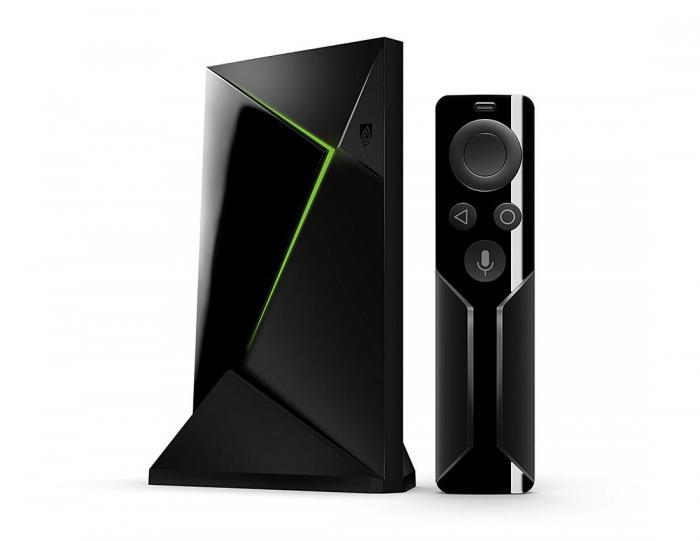
nvidia shield tv

It is a sturdy Android TV Box available for the price of $179. It is a beast Android TV Box featuring quad-core Tegra X1 processor, 3GB RAM, 16GB storage. The user can install massive games and applications from the Play Store.

The Nvidia Shield TV aids your home theatre with Dolby Vision HDR, and Dolby Atmos surround sound. It upscales the HD video to 4K by detailing brighter and crisper visuals using next-generation techniques. The new stealthier and compact design help to improve the look of your entertainment center.

The Nvidia Shield TV comes with a Gigabit Ethernet port, dual-band AC WiFi, a built-in power supply, and a microSD card slot. There’s an interactive smart remote supporting voice control, IR, for seamless control of the box. The media player supports 4K content of all major video streaming apps like Amazon Prime, Vudu, Netflix, YouTube, Hulu Live, and others.

Moreover, the Nvidia Shield TV can play Android games, stream games via the cloud with GeForce Now.  All this is bundled in a single Android Box, and you can get from Amazon for $149.

There’s a Pro version also which is retailing for $199.

Buy from Amazon

Amazon Fire TV Cube

Price: $119

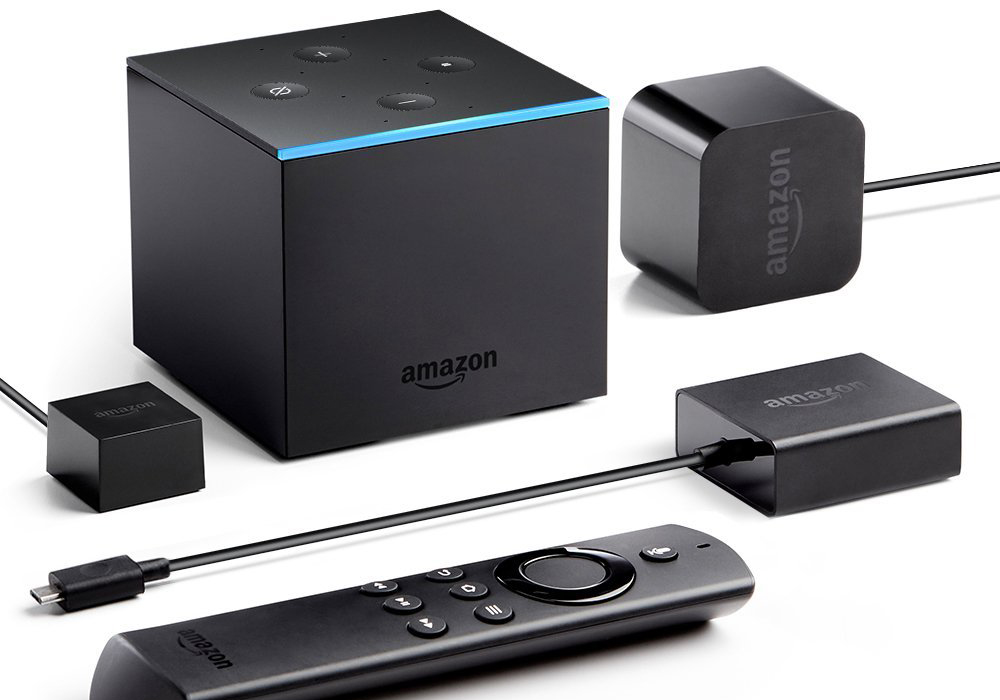
Amazon Fire TV Cube is another right choice to own if you’re looking for Android TV. However, the device is based on Fire OS, which is ultimately an Android 9.0 based skin. It consists of all the basic features of being an Android TV Box.

Amazon Fire TV Cube supports 4K Ultra HD video at 60 FPS, Dolby Atmos audio, HDR 10+, HDR, and casting capability. The Fire TV offers Alexa powered assistance and a visual treat for monitoring the status of all smart home devices. It supports 500,000 movies and TV shows from Netflix, Prime Video, HBO, Starz, Showtime, and Hulu. The user has access to YouTube, Facebook, and Reddit. Also enjoy live broadcasts from NBC, PBS, and other channels.

The user can interact with other Alexa powered smart appliances through TV. It allows you to control lights, thermostats, and other compatible smart home devices.

The device runs on the Hexa-core processor with the maximum clocking speed of 2.2GHz and is coupled with ARM Mali G52-MP2 GPU. It comes with 2GB RAM and 16 GB internal memory. To better connect with nearby devices, Amazon has added dual-band WiFi (MIMO) for faster streaming, Bluetooth 5.0 + LE, HDMI, micro-USB, and wired infrared support. It also supports a built-in speaker. The Fire TV Cube supports Dolby Atmos, 7.1 Surround Sound, 2ch Stereo, and HDMI audio pass.

Buy from Amazon

Xiaomi Mi Box S

Price: $62

xiaomi mi box s

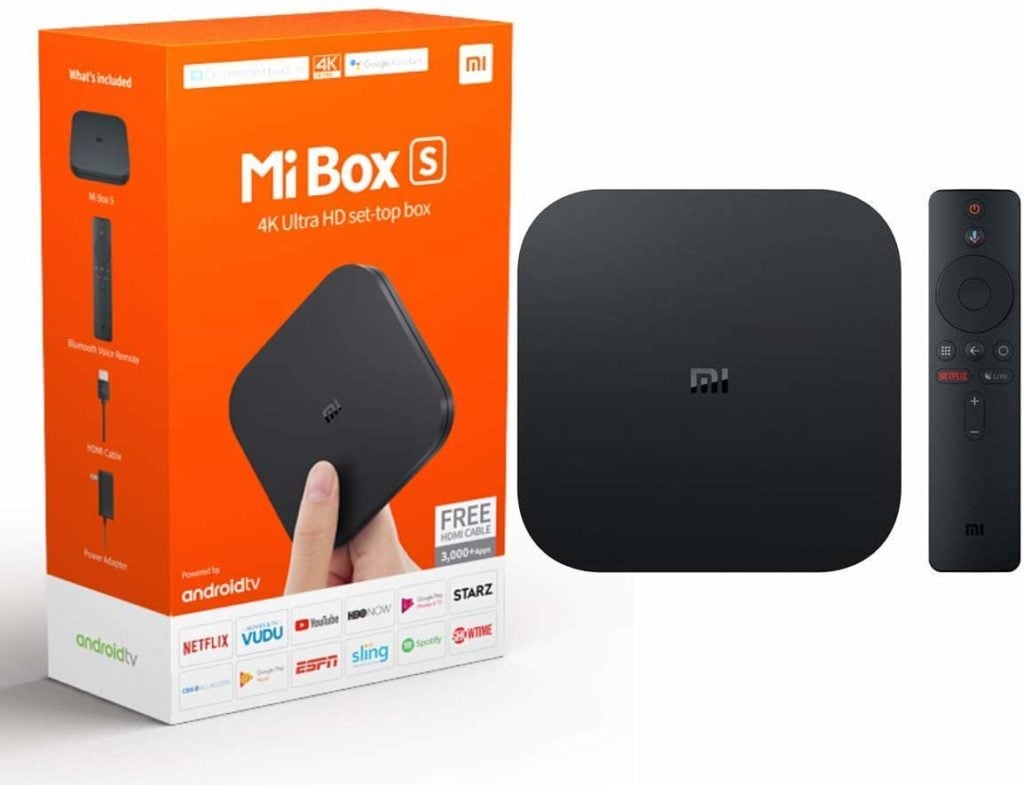
When it comes to affordability and competitive specs, Xiaomi never disappoints its users. Xiaomi Mi Box S is a high-end Android TV box with all the necessary functions. It features 4K HDR support with the latest Android TV version and Google Assistant support. Xiaomi Mi Box S supports inbuilt Chromecast and has a dedicated remote for hassle-free operation.

The users can install desired apps from the Play Store. It runs on Android TV 8.1 and supports all the major video apps like Netflix, VUDU, YouTube, SlingtV, and more. Xiaomi Mi Box S supports Dolby DTS along with 4K HDR visuals for an immersive experience. It connects easily with Google Assistant-powered devices.

In hardware specifications, Xiaomi Mi Box S hosts a powerful Quad-core CPU, 3+2-core GPU, and WiFi Connectivity. Multiple connectivity options like USB, HDMI, WiFi, and Bluetooth 4.1 make Box usage more friendly. It is a cheaper alternative for Nvidia Shield TV.

Buy From Amazon

Vankyo MatrixBox

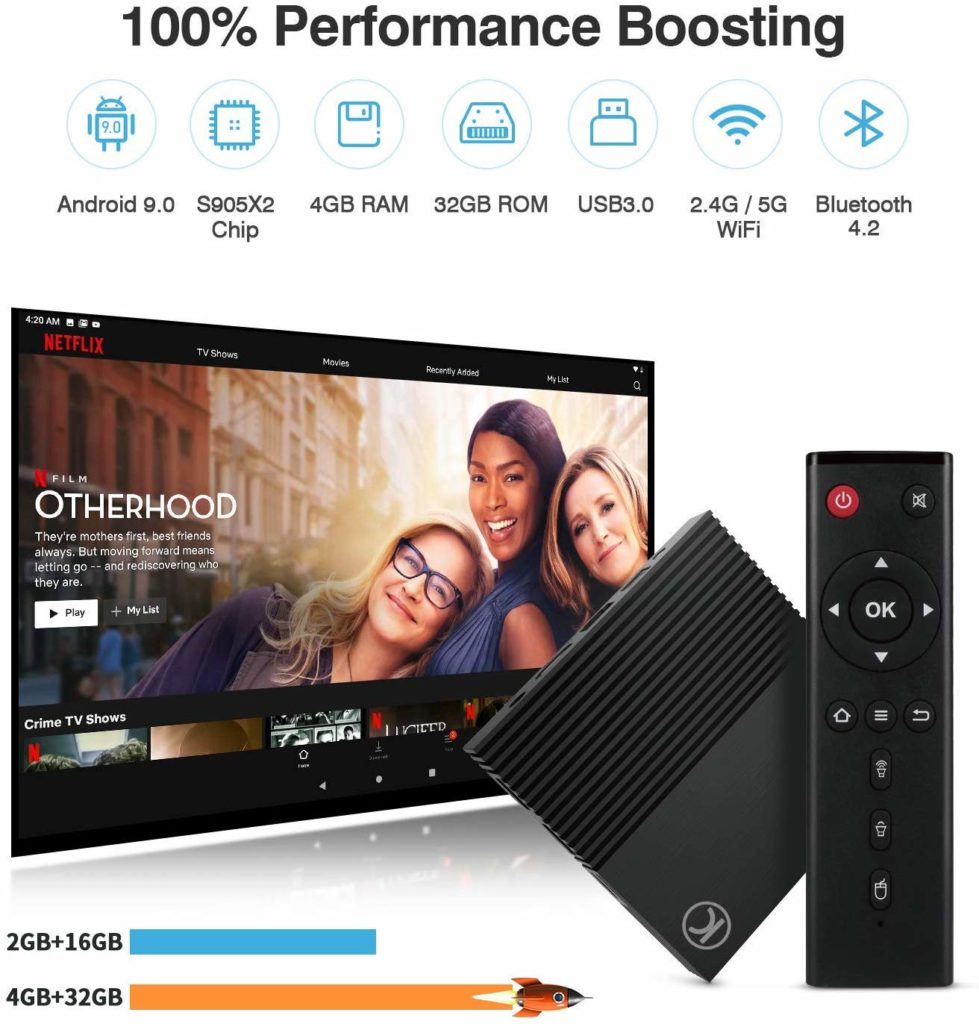
It is a powerful Android Box supporting 4K Ultra HD streaming. It is powered with the Amlogic’s latest 64-bit quad-core Cortex-A53 processor and coupled with Mali-G31 GPU. Vankyo MatrixBox is equipped with 4GB RAM and 32GB internal storage and supports expandable storage up to 128GB.

Talking about its streaming capabilities, Vankyo MatrixBox supports 4K @75fps UHD, HDR 10+, H.265 hardware decoding, and 3D. IN connectivity, the user gets a 2.4/5.0 GHz WiFi, Bluetooth 4.2, USB 3.0, and built-in 100M Ethernet connection port. The box supports Netflix.

Buy Now from Amazon

Well, these are osm best Android TV Boxes available for being powerful and affordable at the same time. If you have any recommendations, then do let us know via the comments below.
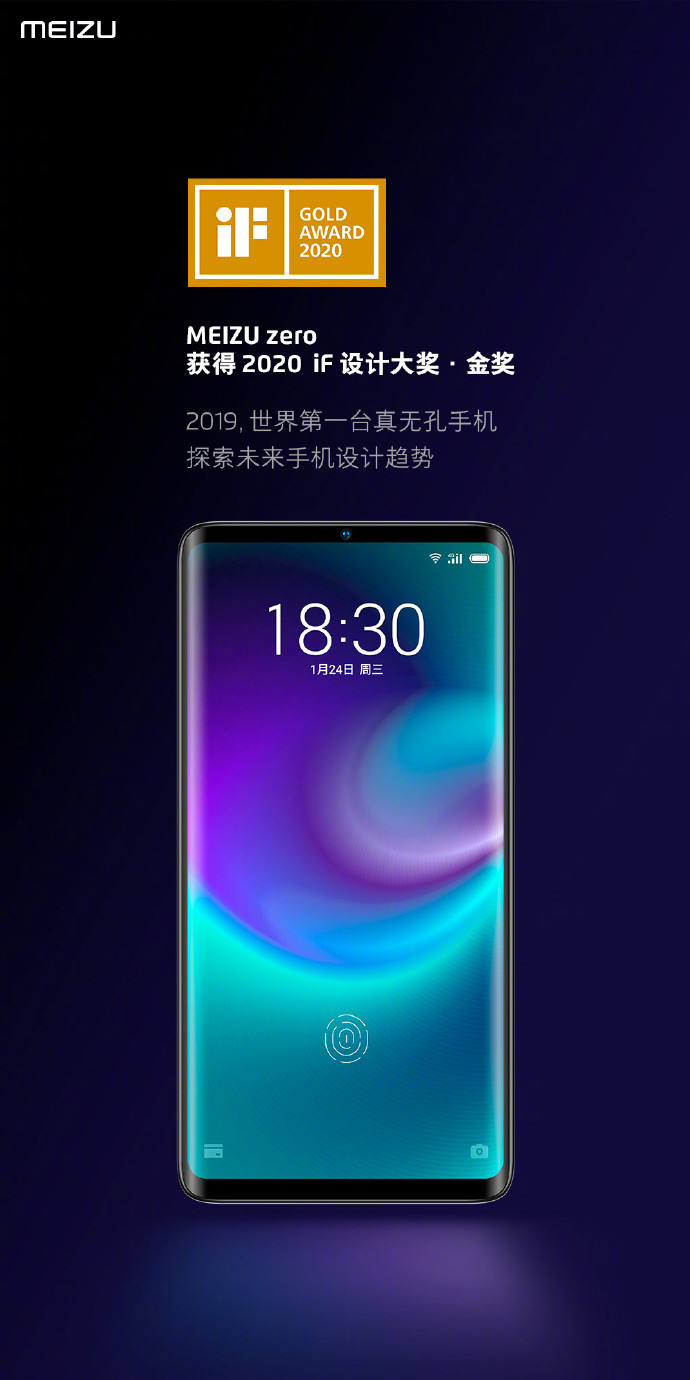
Meizu Zero wins 2020 iF Design Award

The Meizu Zero was announced last year as the world’s first phone with a “hole-less” design. It did not have a charging port, speaker grille, SIM tray, and even physical buttons. Meizu settled for alternatives such as wireless charging, sound-on-display technology for audio, an eSIM, and virtual buttons that provided haptic feedback via a linear motor. The device was listed on Indiegogo for crowdfunding but failed to meet its $100,000 goal.

Today, Meizu has announced that the Meizu Zero was the recipient of iF’s 2020 Gold Award. The 2020 iF Design Awards had a total of 7298 finalists from 56 different countries. The Meizu Zero and the Google Pixel 4 were the only two mobile phones that received a Gold Award of the 46 mobile phones that were given an award for design.

Meizu Zero iF Design Award

The Meizu Zero will never be mass-produced but Meizu will adopt some of its features for its future devices. Last year, it was reported that the Meizu 17 will be based on the Meizu Zero.

The Meizu Zero launched with a 5.99-inch OLED display and a ceramic unibody. It had a Snapdragon 845 processor but there were no details about the RAM and storage. It supported 18W wireless fast charge, had an IP68 rating and could survive immersion in water for 2 hours and 30 minutes. It also had dual rear cameras (12MP + 20MP) and a 20MP selfie camera.


(Source, Via)

Redmi K30 Pro may come with 4,700mAh battery and 33W rapid charging

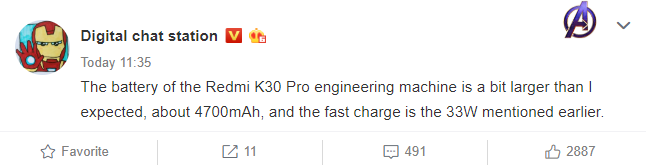
The Redmi K30 series includes Redmi K30 and Redmi K30 Pro. The Chinese firm unveiled the Redmi K30 in 4G and 5G editions. Rumors surrounding the Redmi K30 Pro suggest that it will be made official in March. Couple of details of the smartphone have appeared in the recent reports. Today, a tipster from China shared some key information on the battery capacity and maximum charging rate for the forthcoming Redmi K30 Pro.

The leakster claims that the pre-production unit of the Redmi K30 Pro has around 4,700mAh battery. He has claimed that the size of the battery is a bit larger than what he expected. Also, the phone is equipped with a 33W fast charger.

In comparison to the new leak, the predecessor Redmi K20 Pro is backed by a 4,000mAh battery whereas the Redmi K30 has a larger 4,500mAh battery onboard. Considering the K30’s battery capacity, users may want to see a same-sized or a slightly larger battery inside the K30 Pro. The Redmi K30 supports 30W charging in China.

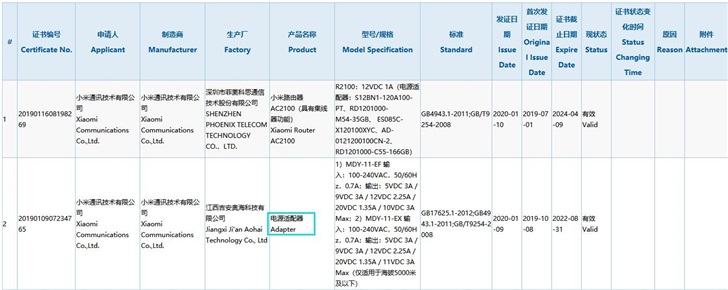
Recently, a Xiaomi charger with model numbers MDY-11-EF and MDY-11-EX was approved by the 3C regulatory body in China. The charger was found to support a maximum charging rate of 33W. There is a possibility that the Redmi K30 Pro could be arriving with the same charger.

Redmi K30 Pro specifications (Rumored)

Apart from the aforementioned details, the tipster has revealed many key details on its other specs of the Redmi K30 Pro.  He has revealed that the K30 Pro may not come with a punch-hole screen. Rather, the phone may sport a pop-up selfie camera system like the Redmi K20 Pro. Also, the phone may sport an OLED panel. However, its pre-production unit does not seem to have a high refresh rate.

The rear shell of the phone may sport a round-shaped camera module. It could be coming with four cameras. The primary lens could be the Sony IMX686 64-megapixel lens which is also available on the Redmi K30.

The recent Geekbench appearance of the Redmi K30 Pro corroborated on previous rumors that it is codenamed as “Lmi.” The listing further revealed that the Snapdragon 865 mobile platform fuels the device with 8 GB of RAM. It was found to be running on Android 10 OS.


(source)

Nokia may soon launch a smartwatch with Wear OS and Cellular support

In MWC 2020, all major smartphone brands and more will be present to unveil their new lineup and offerings. HMD Global is one of them, arriving with a new series of Nokia smartphones. But, it seems that Nokia won’t just release smartphones and could possibly unveil a new smartwatch model.

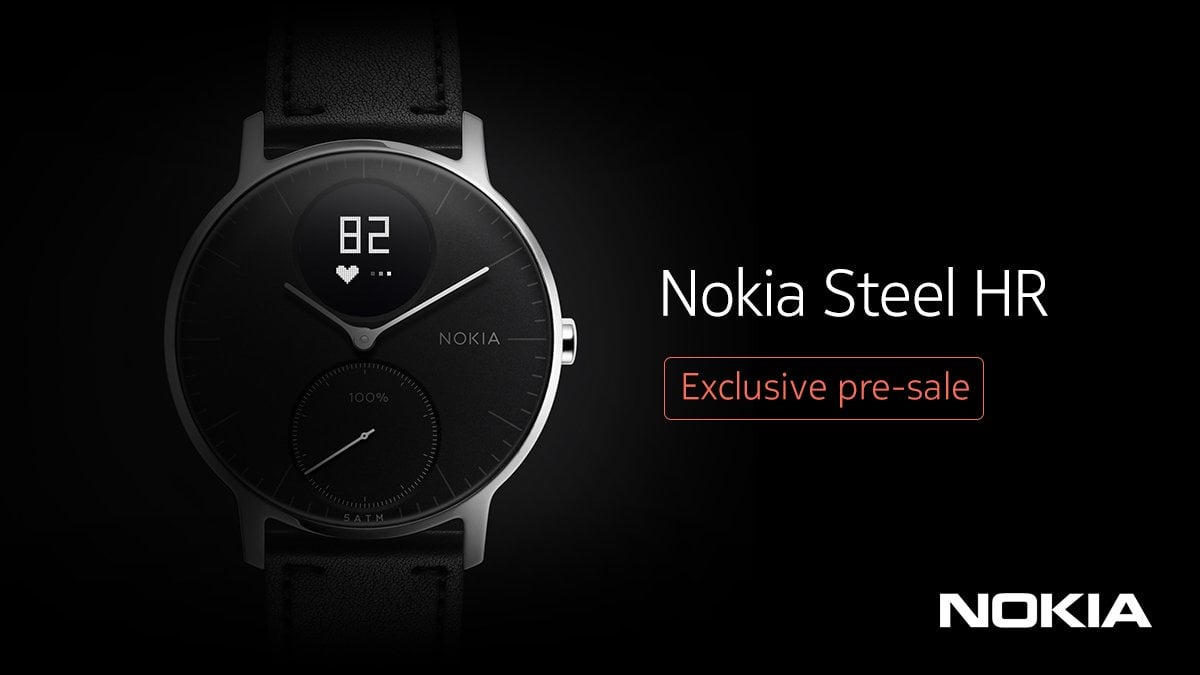
Nokia Steel HR
Nokia Steal HR, a smartwatch which was released back in 2017

Previously, it was reported that Nokia had canceled multiple projects of IoT devices including two different smartwatches mini projector, mini printer, and power bank. However, a new rumor suggests that one of the mentioned smartwatches is still seeing continued development and being prepared for a release. Furthermore, we could see the smartwatch as soon as the 23rd February event in the city of Catalonia, Spain.

As of right now, the rumor has mentioned two aspects regarding the smartwatch. One, that it would support or will provide an option cellular connection via an eSIM. Secondly, the wearable will also arrive with Google certification, meaning that it will feature Wear OS software.

Nokia
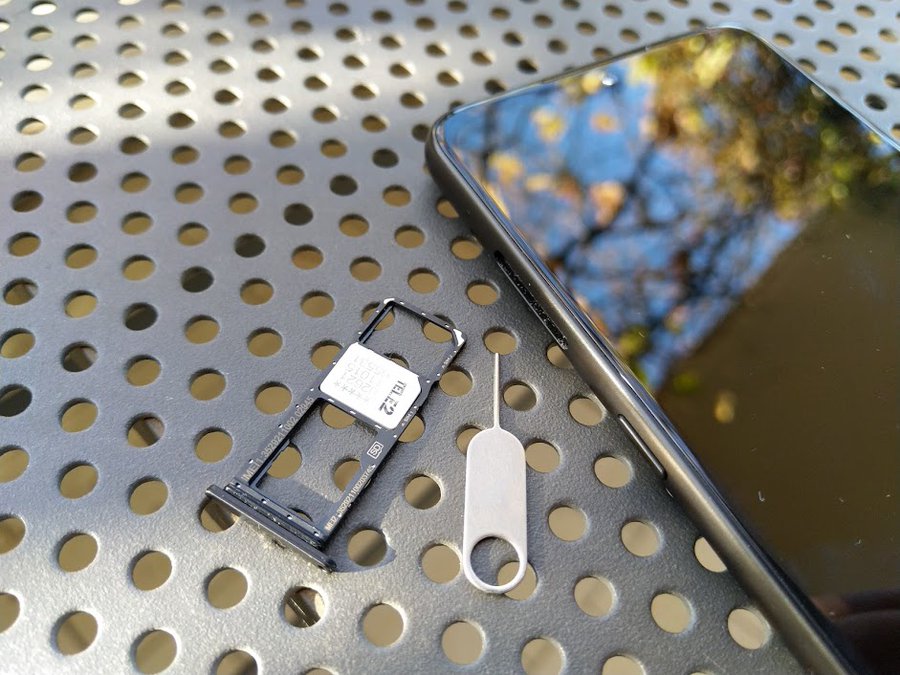
An eSIM that is expected to arrive for upcoming Nokia smartphones and a smartwatch model that supports cellular data connections

In terms of availability, it is expected that the smartwatch will make its way across the European regions and also be released in the US. Unfortunately, this has yet to be confirmed and neither are its exact specifications have been discerned, at the moment. Although a Nokia smartwatch has not been announced or confirmed, a reveal would be a welcomed surprise.


(Source,Via)

Huawei 65W fast charging technology to debut with Mate Xs

Huawei’s upcoming 5G smartphone with codename “TAH-AN00m” was spotted online last month, which is said to make its debut as the Huawei Mate Xs next month — a new variant of the company’s first foldable smartphone Huawei Mate X.

Now, it seems that along with a more durable build quality, the company will also be adding support for 65W fast charging technology on the Huawei Mate Xs. Ahead of the launch, details about the said charging technology has surfaced online.

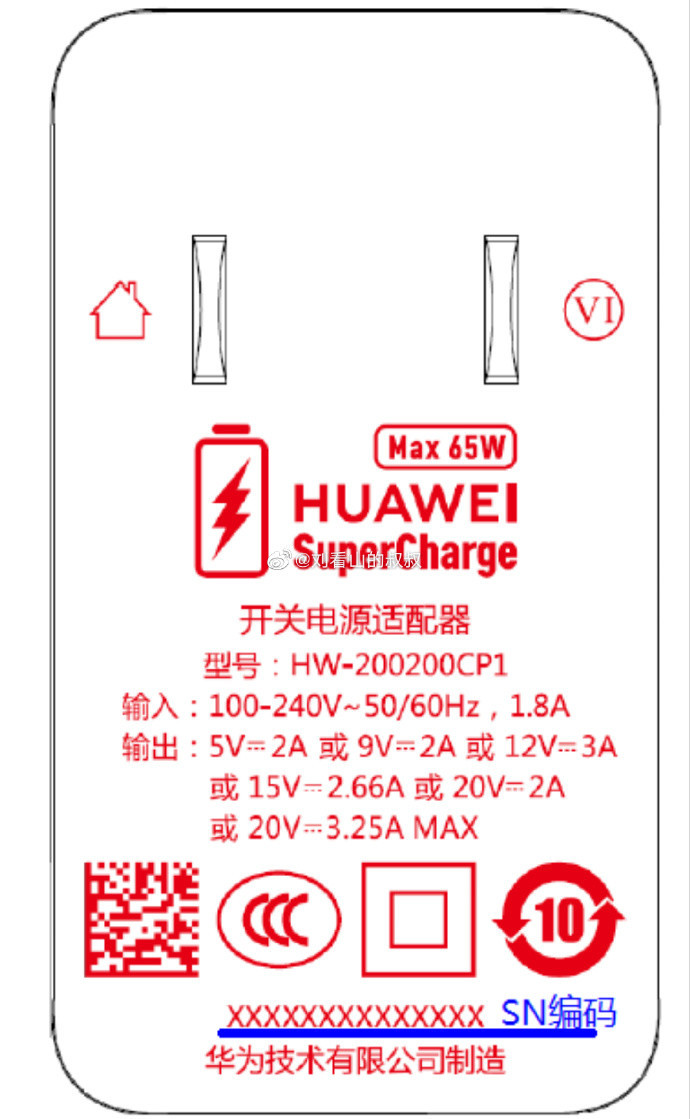
Huawei SuperCharge 65W Fast Charging

The charging head of the 65W charger that the Mate Xs will weighs just 92 grams, which is lighter than the 160 grams for the charging head of the 65W charger for Huawei MateBook 14 2020 which was recently launched.

It is said that the upcoming charger can also be used in other Huawei smartphones as well, including Mate X, Mate 30 and P30 Pro, however, there will be some difference in terms of actual charging speed because of different protocols.

As for the Huawei Mate Xs, the phone is said to come powered by the Huawei Kirin 990 5G chipset and some other changes for enhancing the user experience. To know for sure, we’ll have to wait for a few more weeks.

(Via)

Huawei announces new manufacturing bases, promises ‘made in Europe’ 5G

Huawei, a Chinese tech giant that is also a known telecommunications brand, is setting up manufacturing bases in Europe. This move arrives after it promises ‘made in Europe’ 5G and the company’s efforts to fight against pressures from the US, which is also urging the EU to reconsider letting Huawei operate in the region.

Huawei

According to a senior executive of Huawei, the company is “more committed to Europe than ever before.” In other words, Huawei is actively trying to enter the European market despite frictions with the US that is also trying to bar the company from entering Europe as a whole. To tackle this major obstacle, the Chinese company is establishing manufacturing bases in the region to “truly” develop 5G for European markets.

Notably, the announcement from Huawei arrives just after the EU recommended that the member states can ban telecom operators from critical 5G infrastructures if they pose a security risk. On multiple occasions, Huawei has been accused of data leaks and security risks in the western regions, which also led the US to outright ban the company from 5G development and hampering its operations in the country.

Previously, the EU also followed a similar response but the current stance seems more akin to the limited role Huawei has been granted in Britain. The UK has allowed Huawei to develop 5G infrastructure as long as it does not cross 35 percent of market share and only in the non core areas. Now, the EU has also stopped just short of completely barring the company to develop the newer and faster bandwidth.


(Via)

Pixel 4 could be reason behind decline in Google’s hardware sales in 2019 

Google’s parent firm Alphabet Inc. held its 2019 Q4 meetings on Feb, 3. Shortly after, reports containing details of Q4 earnings started emerging. Although no figures were officially divulged, it offered an insight into how much money YouTube made in the last quarter. Alphabet also sheds some light on declining revenue from hardware sales.

Without mentioning the exact figures, executives noted a continuous decline in hardware sales. However, revenue was up by 10% YoY thanks to earnings from YouTube and PlayStore. The company, however, noted that the Google Nest Mini and the Nest Hub Max fared quite well over the Holiday Season, while the Pixel 3a sold well through 2019. As for Google Pixel 4, it struggles to make a mark.

During a telephonic conversation between Android Authority and the Alphabet CEO, Sundar Pichai said, “We continue to develop our capabilities with the Pixel 4, by building better user experience, and expanding distribution network”. Pichai kept his focus on the product and did not mention sales.

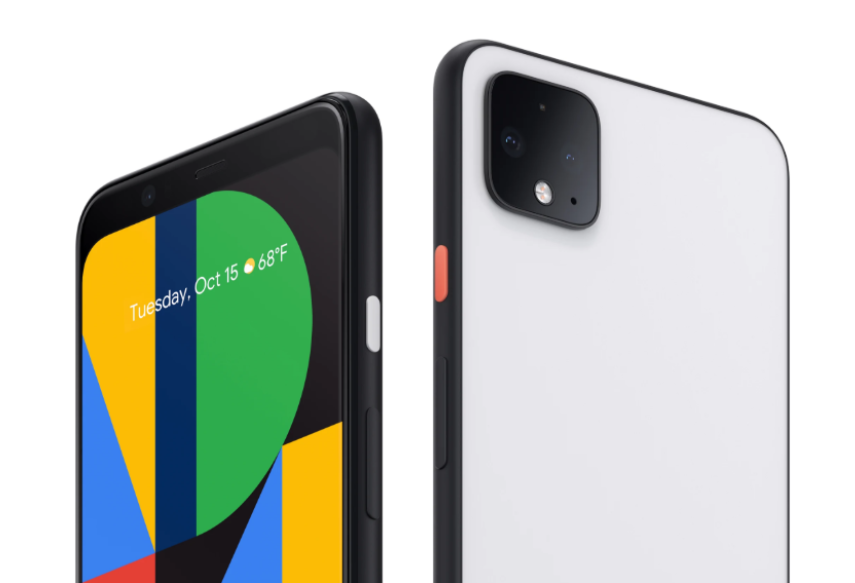
This could only mean that the Pixel 4 may have failed to live up to Google’s initial sales expectations. This hardly comes as a surprise since the Pixel 4 is plagued by disappointing battery life, a faulty face-unlock software, and insufficient internal storage without the option of external expansion. The negative impact was so high that even a 90Hz refresh rate on the display, stock Android experience, and excellent image quality could not save it from poor sales. What makes it worse is the device is sold in emerging markets like India with an uncertified Soli radar chip for gesture controls.

Pixel 4 and Pixel 4 XL featured
Pixel 4 and Pixel 4 XL

Google Pixel 4 Specifications and Features

The Google Pixel 4 flaunts a 5.7-inch full HD+ OLED display with a 90Hz refresh rate, an aspect ratio of 19:9, HDR, ambient display, and Corning Gorilla Glass 5 certification. The smartphone draws power from a Snapdragon 855 SoC with 6 GB of RAM with 64 GB and 128 GB of native storage.

In terms of optics, the Pixel 4 features a 12.2-megapixel primary camera with a 16-megapixel telephoto lens. At the front, the handset features an 8-megapixel lens. The device draws power from a 2,800 mAh battery that supports 18W fast charge and runs on Android 10 out of the box. The handset supports wireless charging and USB 2.0.


(source)

Those iQOO India social media accounts are fake

Since iQOO announced it was entering the Indian smartphone market, fans of the brand have been excited. However, some unscrupulous persons have taken advantage of folks’ excitement and interest to create fake social media accounts for the brand.  Today, an iQOO director has released a statement regarding the issue.

Gagan Arora who is the Director of iQOO tweeted via his account (@gagan_arora1) that the iQOO flagship phone which will be India’s first Snapdragon 865 and 5G smartphone will be launching very soon. In the same tweet, he stated that official iQOO India handles on Twitter, Facebook, Instagram, and YouTube are not live yet and warned to beware of fakes.

One of the fake social media accounts is iQOO India (@iQOO_In) on Twitter. It was created last month and has already amassed more than 2000 followers.

There is no info regarding when the official social media accounts will be live but once we have more details, we sure will let you know.

Last week, Mr. Arora revealed that iQOO will announce two new smartphones in India this month, specifically by the second week of February. One of the phones is the flagship with a Snapdragon 865 processor and 5G connectivity while the second will be a 4G smartphone.


(Source)

Qualcomm shares 8K video sample shot using Snapdragon 865 chipset

Qualcomm recently announced its flagship Snapdragon 865 SoC which will be powering all the premium flagship smartphones getting launched this year. Samsung is expected to be the first one to launch SD865-powered smartphone, debuting next week.

Now, ahead of the launch of first smartphone powered by the Snapdragon 865 SoC, Qualcomm has shared a video sample shot in 8K resolution which was recorded using a hardware powered by the company’s flagship new chipset.

The Qualcomm Snapdragon 865 SoC comes with Spectra 480 ISP which the company says can process 2 gigapixels per second. Sharing the video sample, Qualcomm said: “Smartphones with the Snapdragon 865 can capture professional image quality and will pack exciting new camera features including 8K video capture. See the dramatic landscaped of Arizona in 8K video loaded with 33-megapixels! So it’s big, sharp, and shared in its full glory on YouTube.”

As for the hardware setup for shooting this 8K video, the company has revealed that it used the latest chipset paired with Sony IMX586 48MP sensor on a “prototype smartphone”.

qualcomm-snapdragon-865-5g-mobile-platform-hero-image-800x450

The company has also clarified that the video was shot with pre-production hardware. Thus, the video also looks a bit noisy and grainy, which could also be due to YouTube compression or the actual hardware.

As for the upcoming smartphones, it is being reported that the Samsung Galaxy S20 Ultra smartphone will come with support for recording video in 8K resolution with its 108-megapixel camera sensor. However, to know for sure, we’ll have to wait for one more week as the launch event is scheduled on 11th February.

(Source)

Xiaomi launches its 65W Type-C Power Adapter: 27% smaller than previous generation

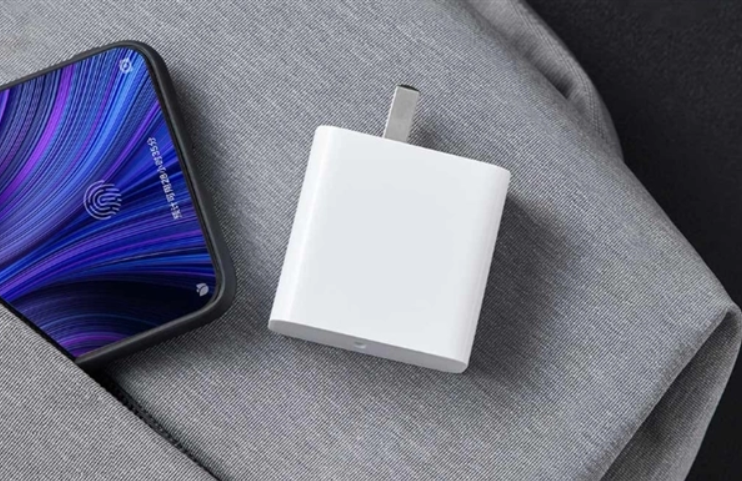
Xiaomi has recently released a new 65W USB Type-C universal power adapter. As the name suggests, it is capable of charging smartphones, laptop notebooks and more. The gadget has been made more compact than its previous generations, making it more portable.

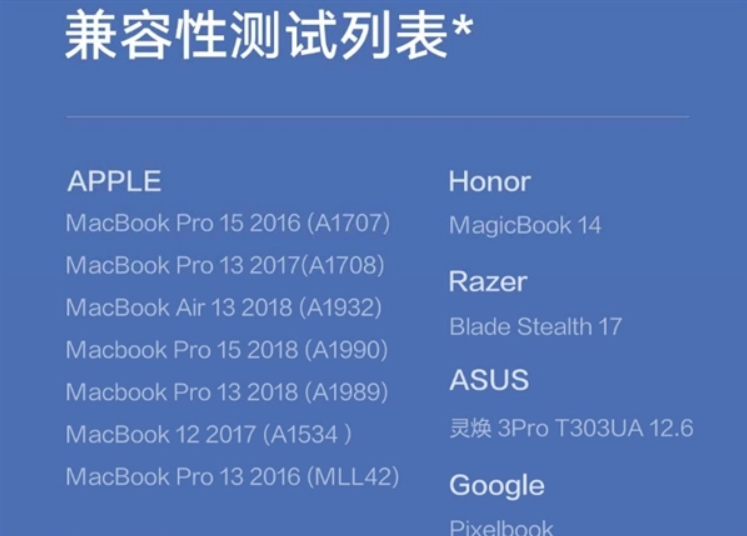
According to official notes, the size of the latest 65W Type-C universal power adapter is 27 percent smaller than its previous iteration. Furthermore, since it is a universal power adapter, it can power and charge a wide range of different products. With its USB-C charging port, it can power the new MacBook Pro and even Xiaomi Notebooks with a 65W maximum charge.

Xiaomi
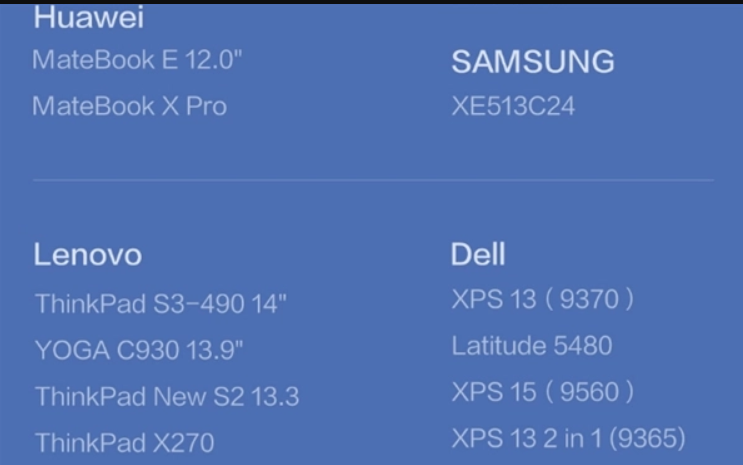
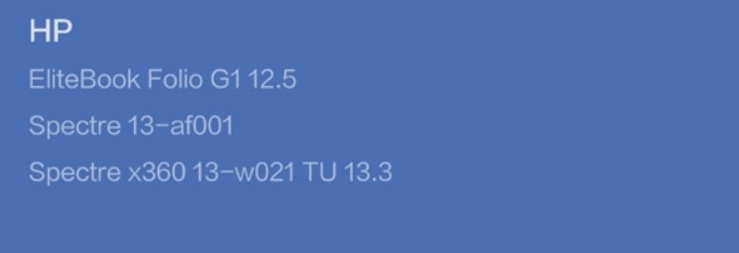
Xiaomi 65W USB-C Power Adapter’s list of compatible laptop notebooks

Notably, Apple’s 13 inch MacBook Pro can be fully charged in about 1 hour and 50 minutes while the Xiaomi Notebook Pro with a 15.6 inch display can be powered in 2 hours and 25 minutes. Additionally, the Type-C port can even provide 18W fast charging for the iPhone 11 series, with charging rated being 50 percent faster than installing a 5V/1A charger.

Xiaomi

The Xiaomi 65W Type-C power adapter uses high precision resistant capacitor sensors for different devices. This allows for different devices being charged at their respective optimal and safe rates while also improving conversion rates and also stabilize the discharge voltage for a guaranteed safe power supply.

Xiaomi

The Xiaomi product follows a fairly simple design philosophy with integrated and foldable pins that allow for easier storage when being carried. The outer covering is also flame resistant to avoid damage from high temperatures. As stated earlier, it supports a wide range of products, so check for compatibility in the images above.


(Via)

Samsung Galaxy M21 gets Bluetooth certification; may launch soon

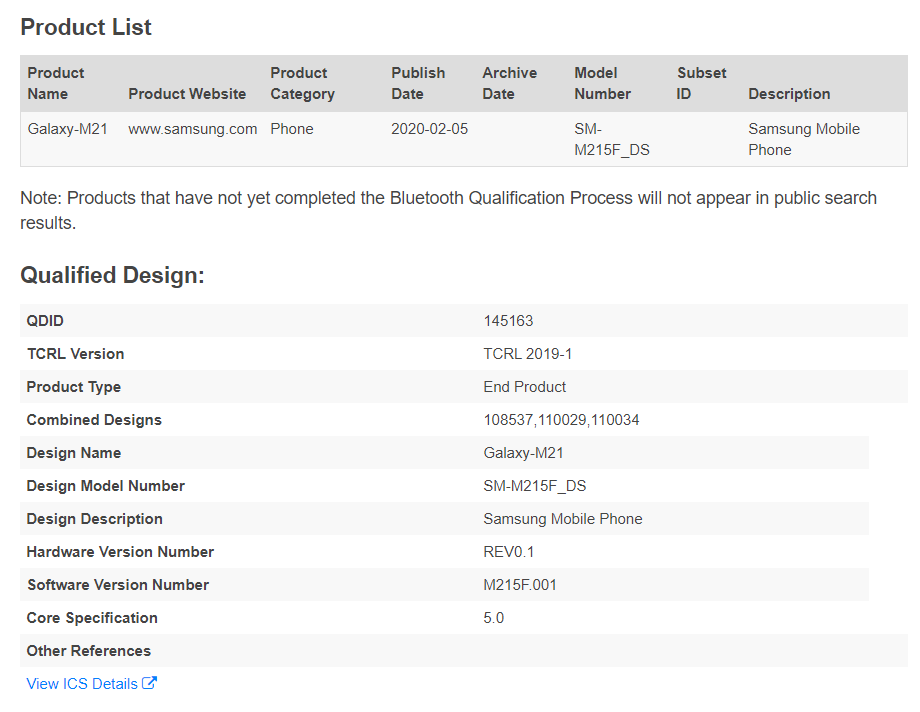
Samsung has teased the Galaxy M31 will be arriving soon with a 64MP camera but there is a chance it won’t be the only mid-range device from the Korean giant launching soon. The Galaxy M21 has just received its Bluetooth certification and we won’t put it past Samsung to announce both phones together.

The Bluetooth certificate states the Galaxy M21’s model number is SM-M215F_DS. The “DS” at the end shows this is the dual SIM variant that has been certified.

Samsung Galaxy M21 Bluetooth

Just last week, the Galaxy M21 was seen on Geekbench with an Exynos 9611 processor and 4GB of RAM. The benchmark result also showed the device running Android 10.

There are reports the phone will have 24MP + 5MP dual rear cameras and come in 64GB and 128GB variants but they are unconfirmed. Its predecessor, the Galaxy M20 launched with a 5000mAh battery, so that should remain unchanged.

Samsung announced the Galaxy M20 in February last year, so we expect the Galaxy M21 will be announced this February. It should launch in Europe, India, The Philippines, and Indonesia.


(Source)

Red Magic 5G phone to debut through online launch event

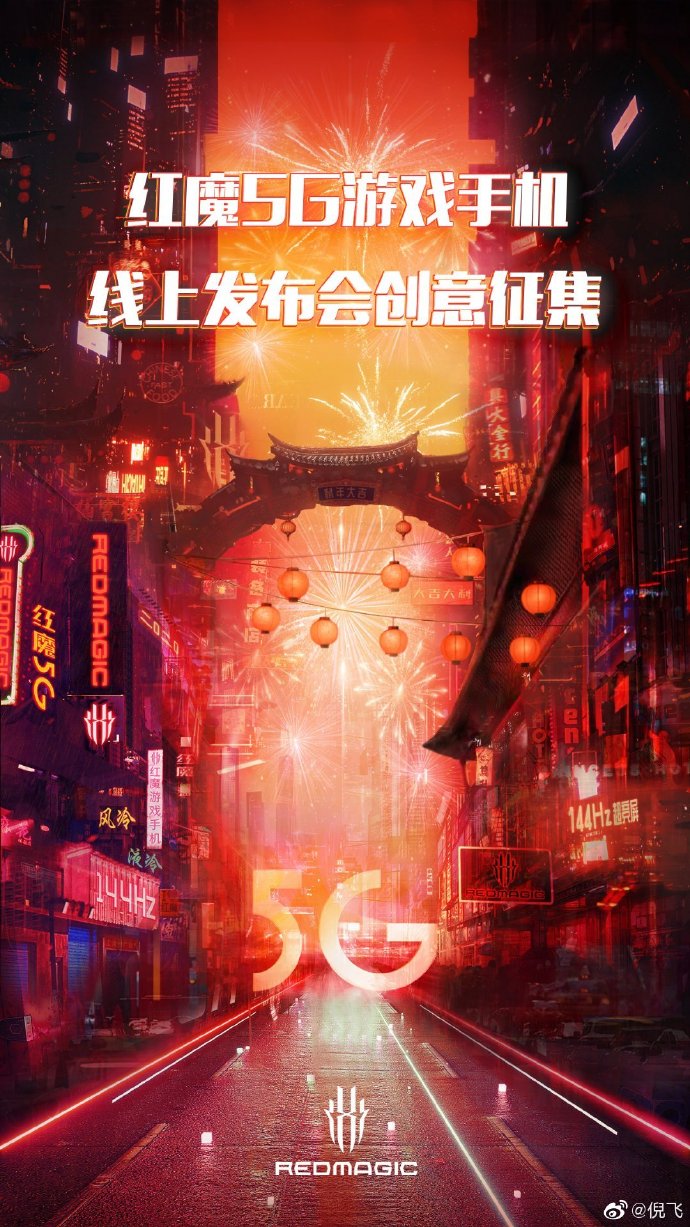
Xiaomi and Black Shark won’t be launching their next devices through offline launch events. Other companies are also considering canceling traditional launch events in China. Nubia President Ni Fei has released an official confirmation on Weibo that the upcoming Red Magic 5G phone will be unveiled through an online live conference.

While the released poster confirms the online launch of the Red Magic 5G phone, there is no confirmation on the unveil date yet. Since the company has been teasing on the arrival of its next gaming phone since the beginning of this year, it appears that it may go official in this month.

Yesterday, Fei had asked Red Magic phones through Weibo whether they prefer “100W + 4,000mAh, 55W+ 4,500mAh or 30W + 5,000mAh.” It seems to be a good clue that the upcoming Red Magic 5G smartphone could be arriving with one of the aforementioned battery and charging combination.

A Nubia phone with 5G support and model number NX659J was recently approved by the 3C authority of China. It is believed to be the upcoming the Red Magic 5G phone. The smartphone was spotted with a 55W fast charger. Hence, it appears that the forthcoming Red Magic 5G phone will be equipped with a 4,500mAh battery and 55W fast charging support. Fei had recently showcased 80W charging capabilities on an unnamed device. The rumor mill speculated that it could be Red Magic 5G phone. However, it now appears to be a different device.

The predecessor Red Magic 3 and Red Magic 3s phones had arrived with 5,000mAh battery. While the battery size on the Red Magic 5G phone is slightly less, the company is compensating by offer faster charging support. With 5G connectivity and support for 144Hz refresh rate onboard, the Nubia Red Magic 5G phone is likely to put a lot of strain on its battery.

The Red Magic 5G phone will be fueled by the Snapdragon 865 mobile platform and it may feature up to 12 GB of LPDDR5 RAM. The device will be coming with air cooling and liquid cooling technologies. The Red Magic 5G phone will be arriving with a triple camera system on its back. It is expected to feature the Sony IMX686 64-megapixel primary shooter. The phone will also arrive with support for wireless cast support with low latency.


(source)

Huawei faces new threat from US’ push to create alternative 5G tech

Huawei may have got temporary relief last week after the UK and the EU decided to allow the Chinese telecommunications giant to participate in its 5G deployment, however, the US is reportedly working on an alternative 5G standard that will be compatible with almost any 5G hardware equipment. With this move, the US wants to rely more on software that could potentially reduce the use of Huawei’s 5G equipment.

huawei-store logo

According to the WSJ report, the White House, Dell, and Microsoft believe that software is the key for 5G development rather than hardware. So, the US is reportedly working with top tech companies like Microsoft, Dell, and AT&T to create a common 5G software standard for telecommunications networks. The idea here is to allow 5G software developers to create and run code on all 5G equipment, irrespective of the hardware manufacturer.

The report adds that European companies like Nokia and Ericsson could also be a part of this effort given how they have a strong presence in the US.

In response to this report, Andy Purdy, Huawei’s chief U.S. security officer said, “If the U.S. wants 5G hardware and software developed by a U.S. or European company, the government should encourage companies to begin negotiations with Huawei to license our 5G technology,” Mr. Purdy also added that without the company’s intellectual property, “the combined product will be 1-2 years behind the comparable Huawei products in terms of functionality and assurance.”

5G
Huawei is currently the top 5G equipment manufacturer in the world

This news comes right after Huawei announced its plans to establish new manufacturing bases in Europe. This means Huawei can use European made telecommunication equipment for 5G deployment in the region.


(Source, Via)

Xiaomi Youpin releases F95 mask for children, easy to breathe and better fit for Asians

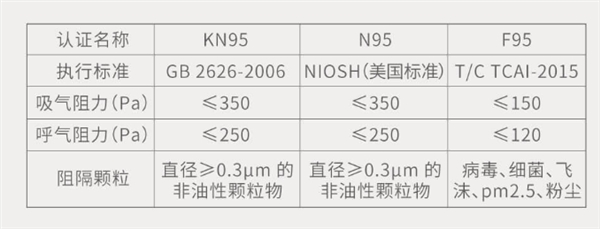
Earlier today (5th February 2020), the Xiaomi Youpin platform released a protective breathing face mask. The face mask is rated F95 and has been designed for children. It is easier to breathe through than conventional face masks and provides a better fit for Asians.

The F95 face mask is capable of filtering bacteria, viruses, PM2.5 particles, dust and more. The children’s mask has been designed with ages over 6 years old and implements a four layer filtering structure, with air being purified in each layer. This effectively cleanses nearly 95 percent of PM2.5 particles from the air around the user and even arrives with a nano bacterial coating to prevent infection from cuts.

Xiaomi

In comparison to traditional face masks, the breathing resistance of the F95 certified mask is way lower than that of a conventional KN95 standard mask. Thus, it is more suitable for children or users of young age. Furthermore, the face mask has been built with Asian faces in mind as the people behind it researched the Asian facial structure to provide a better fit with 3D sealing covering Chinese children’s faces.

The strap of the face mask is also made to be user friendly and features elastic silicone material that is skin friendly. The material makes it easier to wear and allows for the length of the strap to be adjusted as well. For air circulation, the mask lets the airflow circulate in from the left and out from the right.

Xiaomi

The left is colored blue while the right is colored red. This leaves less space for air to be trapped on the inside of the mask and ensures smoother breathing. Every part of the face mask can be cleaned and disinfected using a mild detergent, excluding the filter of the mask which needs to be replaced. It is currently available on Xiaomi’s Youping platform online and is priced at 199 Yuan (roughly 29 US Dollars).


(Via)

China’s JD is using robots for product deliveries in Wuhan

Amidst the Coronavirus virus outbreak, logistics robots are playing a huge role to ensure smooth operations of the material supply chain in some of the worst affected areas in China. According to the official WeChat statement of Jingdong Logistics, technology is currently playing an important role in its distribution network. With smart warehouses and drones to distribution robots, smart supermarkets, and sales counters, JD Logistics is fighting the epidemic on Ground Zero.

JD Logistics currently has over 70 intelligent warehouses throughout China where robots like Earth Wolf, Sirius, and AGV are working round the clock under supervision to meet large-scale distribution demands. JD Logistics serves eight large economic circles in China including the Yangtse river delta, Beijing-Tianjin-Hebei, and more. Intelligent logistics services currently play a critical role in ensuring smooth operations amidst the Coronavirus crisis.

With the help of robots at the frontline, JD Logistics has been able to successfully reduce the chances of infection by keeping personnel away from the worst affected areas. In order to normalize intelligent distribution, JD Logistics has deployed additional robots in the Wuhan region. The company has also set up smart distribution stations at Hohhot and Guiyang cities.

JD Logistics
JD Logistics

With the use of robots, JD Logistics has been able to consistently deliver materials and fulfill orders required to fight the deadly Coronavirus, without running the risk of infecting even more people. JD Logistics is already planning to use drones to deliver materials safely in Shaanxi, Hebei, Jiangsu and the areas quarantined by the government.

The Effect of Coronavirus on the Global Smartphone Distribution Network

Some of the major electronics companies affected by the pandemic include Apple and Samsung, while Xiaomi has temporarily shut offline stores across the country in the wake of the incident. iPhone production will be affected as Foxconn, one of Apple’s primary suppliers has shut down its production facility complying with the government’s recent rule to combat the Coronavirus outbreak.

Accessories for the upcoming Samsung Galaxy S20 series will also make a delayed entry as equipment manufacturers have also halted production. As far as smartphones are concerned, Samsung is unlikely to take a major hit, as its production facilities are not dependent entirely on China. However, certain ODM products like the Galaxy A01 might run out of stock for a brief period.


(via)

Apple patents foldable device, features Moving flaps to prevent Display Creasing

Earlier this week, a patent application that Apple had previously applied for had been granted. The patent was for a new foldable device which features a unique hinge mechanism that allows the flaps to move, preventing the device’s display from creasing or getting damaged when folding.

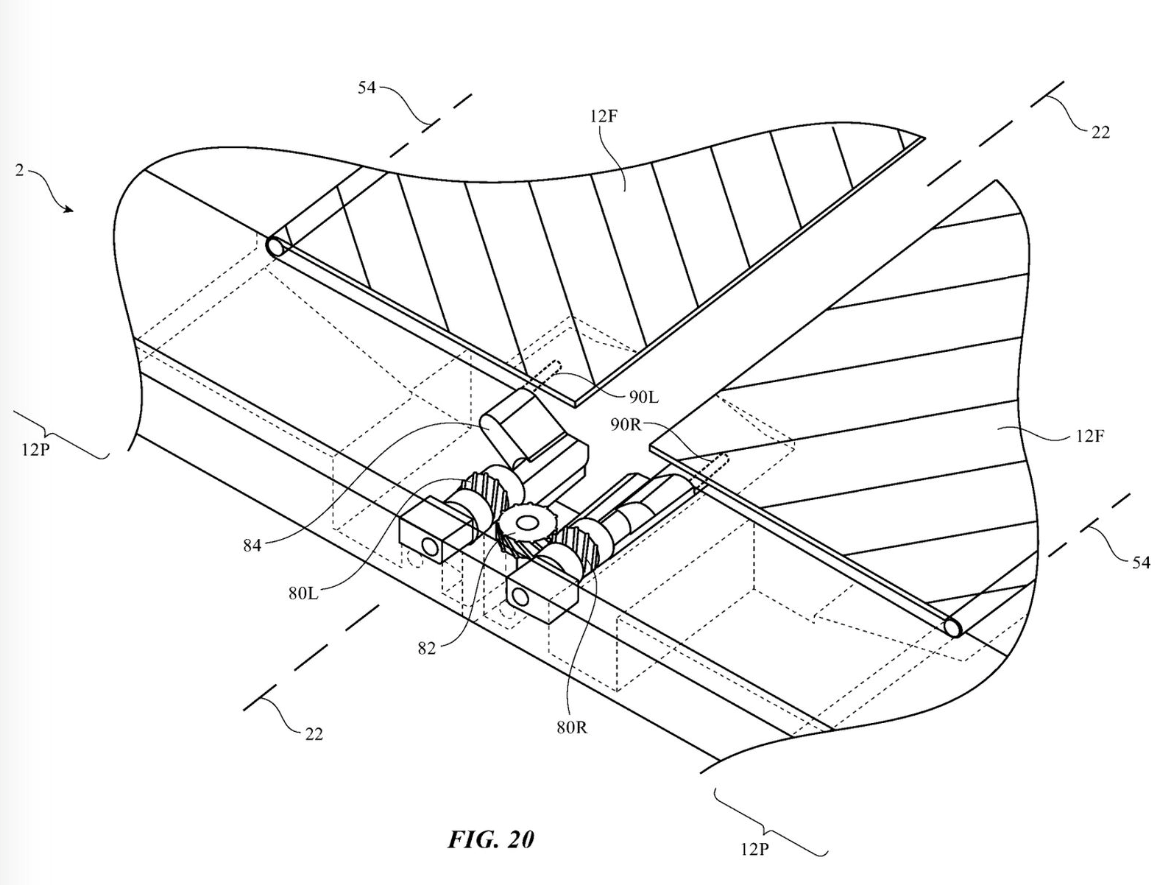
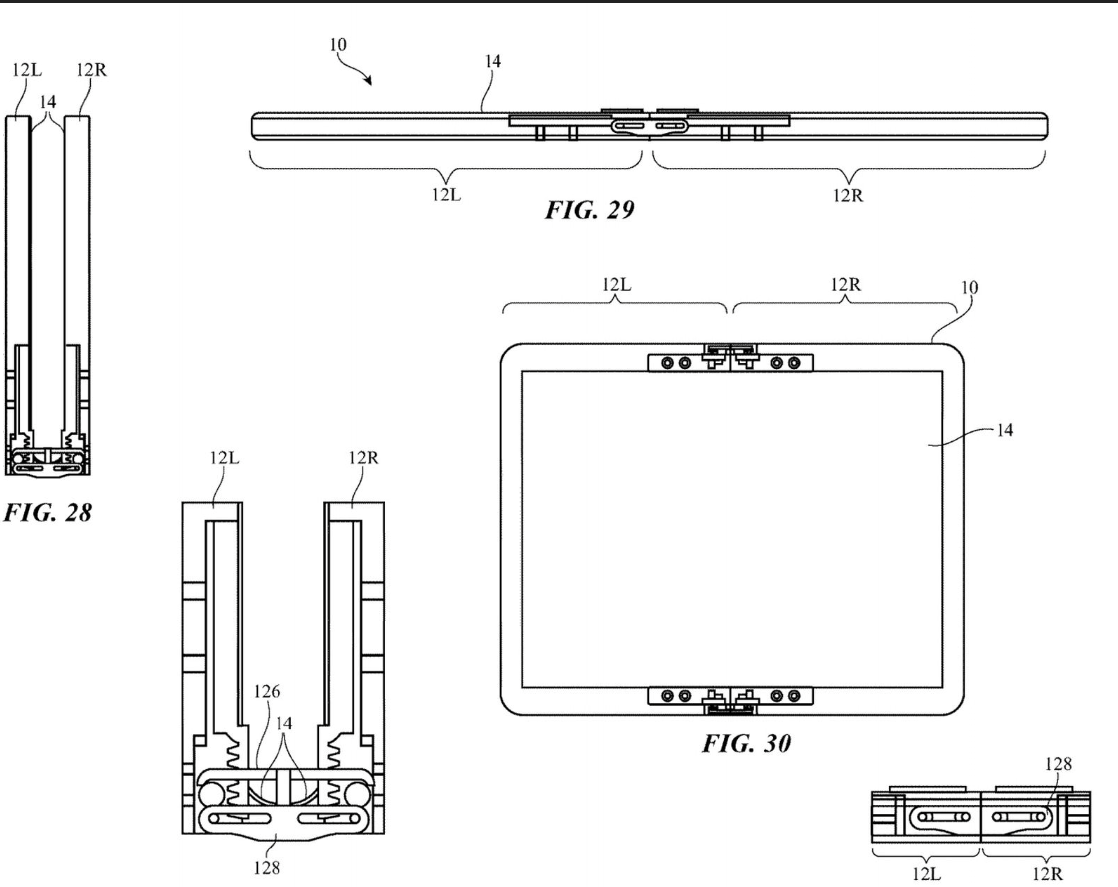
The patent was published by the US Patent and Trademark Office and provides a description of the new hinge mechanism. According to the Apple patent, the hinge is capable of providing separation between the two halves of the display from the middle, allowing for the flap to converge when unfolded and separate when being folded inward.

Apple
Apple patented a unique hinge design for a foldable device

The new hinge mechanism is being implemented to tackle a fundamental issue that plagues smartphones with a foldable display, i.e creasing. Examples of this would be Samsung Galaxy Fold and Huawei Mate X. These handsets are successful in implementing the display but still suffer from the crease problem. However, the new hinge mechanism detailed by Apple seeks to prevent this altogether.

From the images, it can be observed that the hinge is not a centralized and singular mechanism. The images detail its functioning and movement that cojoins both halves of the display via a twin movable mechanism.

Foldable smartphones target a niche market of smartphone enthusiasts. As it stands right now, the handsets are not commercially viable for a broader audience and market. But, innovation and further development could lead to a few unique and affordable designs being adopted in the future. Apple seems to be looking into the design as well, considering this isn’t its first foldable smartphone patent.


(Via)

LG and ZTE withdraws from MWC 2020 due to coronavirus (UPDATE: ZTE is attending)

UPDATE:

ZTE has reached out to us to confirm that they will be attending the tech show in Barcelona later this month. The company will showcase 5G end-to-end devices as well as a number of 5G devices at the event.

Also, ZTE will take a few precautionary measures to ensure the safety of everyone at the MWC event. Here’s an excerpt from the press release sent to us.

After the Novel coronavirus outbreak, in addition to responding actively and organizing resources to ensure telecommunication service in the affected areas, ZTE always put the health of our employees and customers as a priority. In accordance with the relevant guidelines of the Chinese health department and WHO, ZTE has adopted a series of strong prevention, control, and safeguard measures. 

1. ZTE will ensure that all employees from mainland China, including non-Chinese nationals, have no symptoms for 2 weeks before departure and arrival in the MWC.  Additionally, at the current time, all employees are required to undergo 2 weeks of self-isolation to ensure the health and safety of all our staff.

2. ZTE will ensure that all the senior executives of our company participating in the high-level meetings will self-isolate themselves in Europe for at least two weeks prior to MWC.

3. ZTE will ensure that the exhibition stand and equipment are disinfected daily.

4. ZTE will ensure that our booth presentation staff are all from countries outside China, and mainly from Europe. At the same time, we are working closely with the GSMA to ensure that you have a safe, comfortable and meaningful visit.


Original story as follows.


Mobile World Congress 2020 is se to take place from 24th February to 27th February in Barcelona, Spain. While it has been confirmed that the event will take place, a few companies are withdrawing from the event citing coronavirus outbreak.

LG and ZTE both have confirmed that they won’t be holding their respective launch events at the upcoming Mobile World Congress in Barcelona. While LG has cited coronavirus as the reason behind the decision, ZTE has citied logistical issues as well as coronavirus as the reason to not attend MWC this year.

LG

Commenting on this, LG spokesperson said that “With the safety of its employees and general public foremost in mind, LG has decided to withdraw from exhibiting and participating in MWC 2020 later this month in Barcelona, Spain. This decision will prevent needlessly exposing hundreds of LG employees to international travel, which most health experts have advised. In lieu of its participation in MWC, LG will be holding separate events in the near future to announce its 2020 mobile products.”

ZTE, on the other hand, said that it is canceling MWC 2020 press conference because of practical issues like travel and visa delays. It has also cited secondary effects of the virus outbreak as one of the reason.

For those who are unaware, MWC is a smartphone-centric conference which is held annually every February in Barcelona. GSMA, which organises the event, has also issued a number of measures to mitigate risk, including a no-handshake policy at the show and more aggressive hygiene measures around speaker microphones and demo booths.

Coronavirus, which began in the Chinese city of Wuhan, has impacted a lot of people and has been declared as global emergency. Because of the virus, around 400 people have been reported dead while more than 20,000 are sick.

To contain it, China has taken substantial steps, including restrictions on travel to and from mainland China and business operations within the country. This has severely impacted production and supply chain of several consumer electronics companies, including Apple, Samsung, ASUS, among others.


Poco X2 Kernel source code gets available on Github

After a wait for over a year, including uncountable leaks, rumors, and certifications, the new Poco device is finally here. The company launched Poco X2 at an event in New Delhi. The newly launched smartphone offers competitive specifications at an aggressive price. It is the rebranded version of Redmi K30, which was launched last year in China.

Along with the specifications, Poco X2 and Redmi K30 have a lot in common. They share the same Kernel source code, same custom MODs, custom ROMs, and a lot more. It would be beneficial for the third-party developers to craft custom ROMs and MODs for multiple devices with the same source code. Surprisingly, the Poco X2 bootloader can be unlocked just after three days than the usual week’s time.

It seems Xiaomi has started moving on to Samsung’s policy of diversity across different countries. In the past, Xiaomi had launched different devices sharing the same specs. The smartphones like the Poco F1, Mi 8, Mi Mix 3 are some excellent examples of rebranding in the past. The interested users can grab the kernel source code of Poxo X2 by visiting the GitHub here.

Poco X2 features a 6.67-inch display with a 20:9 aspect ratio. The display sports 120Hz refresh rate for better gaming performance and sports full HD+ resolution. Qualcomm Snapdragon 730G powers the device while Adreno 618 GPU is present for graphics. The liquid cooling technology will further enhance the gaming by cooling the device 300% faster.

It available in three storage variants of 64GB + 6GB, 128GB + 6GB and 8GB + 256GB. In Optics, the smartphone features a quad camera consisting of a 64-megapixel camera, a 2-megapixel depth sensor, an 8-megapixel ultra-wide sensor, and a 2-megapixel macro sensor. There’s a dual front camera module with a 20-megapixel primary and 2-megapixel depth sensor.

A 4500 mAh battery with 27W fast charging is present in the smartphone along with a headphone jack.


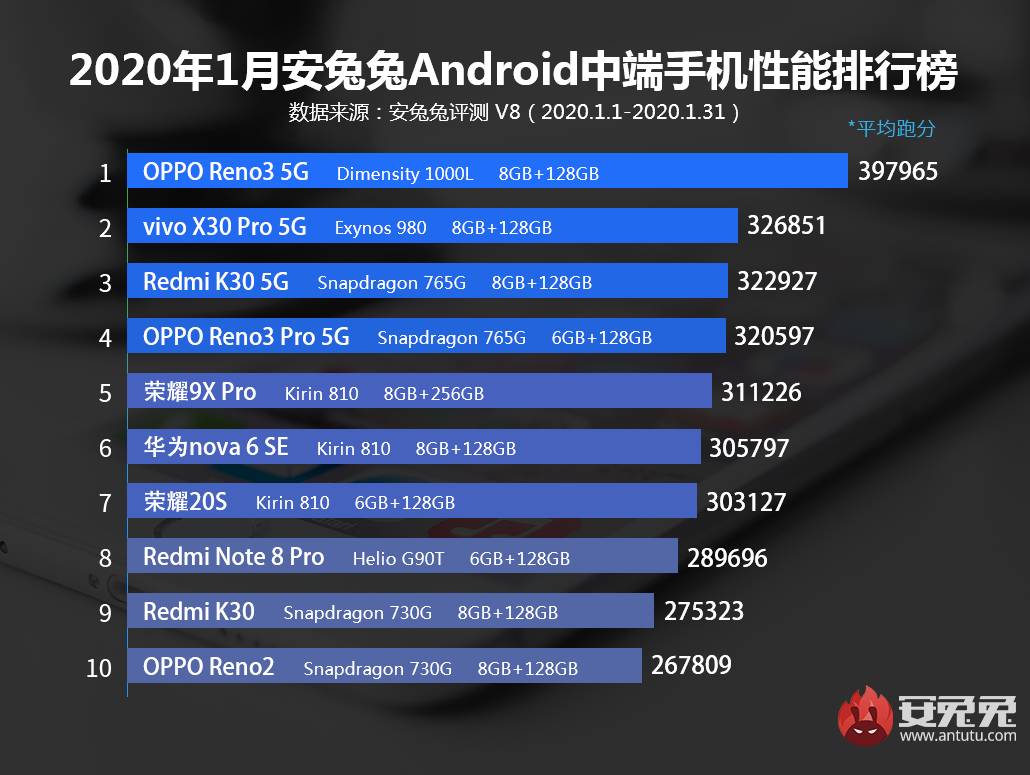
MediaTek’s Dimensity 1000L is the most-powerful midrange SoC in January – AnTuTu

AnTuTu also published its ranking of the top 10 most-powerful midrange model. What makes this ranking interesting is the rich lend of mid-range SoCs that power the models ranked among the top 10.antutu-log-featured

Top of the pack is the OPPO Reno3 powered by a MediaTek Dimensity 1000L processor. The device pulled an average score of 397965 points. OPPO first launched Dimensity 1000L at the end of the year 2019 onboard the Reno3 series. The Dimensity 1000L is built with a 7nm process, has built-in eight cores, and uses the Cortex-A77 architecture, while the GPU uses the G77 architecture. The SoC also comes with built-in 5G baseband and supports NSA / SA dual-mode 5G.

The Reno3 5G is followed by the Vivo X30 Pro 5G (8GB+128GB) with an average score of 326851. The X30 Pro is fired up by a Samsung Exynos 980 chipset. The Snapdragon 765-powered Redmi K30 5G completes the top 3.

The OPPO Reno3 Pro 5G comes in at number 4 and it is powered by the same Snapdragon 765G chipset. Honor 9X Pro, Huawei Nova 6 SE and Honor 20S all powered by the Kirin 810 chipset rank as the 5th, 6th and 7th most powerful with slight differences in their AnTuTu average score.

The Redmi Note 8 Pro powered by a MediaTek Helio G90T SoC is at the 8th spot while the Redmi K30 4G running a Snapdragon 730G is ranked at number 9 with an average score of 275323 points. The Redmi K30 4G recently made an appearance as POCO X2 in India. Finally, the OPPO Reno2 equally appeared on the list, averaging 267809 points.


(source)


Xiaomi VP Chang Cheng confirms POCO will launch in China

Last month, Xiaomi split its POCO brand into an independent entity and recently the company launched the Redmi K30 4G smartphone in the Indian market as POCO X2.

When the brand was split from the parent company, it was believed that the POCO brand will be focused towards the Indian market. However, it has now been confirmed that the POCO will be launched in China as well.

POCO China

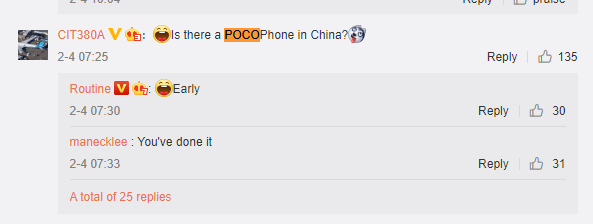
Chang Cheng, the newly joined Vice President of Xiaomi, has confirmed that the POCO brand will debut in China. He has revealed this in response to a user’s question on Chinese microblogging platform Weibo.

Poco India General Manager C Manmohan had emphasized that the split between Poco India and Xiaomi wouldn’t affect Poco’s existing philosophy which is summarized in the brand’s slogan – “everything you need, nothing you don’t”.

POCO
POCO Brand Logo

He had also said that “Poco will get a product team of its own, a sales team of its own, and a marketing team of its own.” But for now, Poco will continue to utilise the established presence of Xiaomi.

Initially, the band is aiming to cater to the online space, though it is open to establishing offline channels over time. Manmohan revealed that the company wouldn’t sell its future devices through Xiaomi-exclusive Mi Home stores, though.

C Manmohan also confirmed that POCO will continue its philosophy of launching value-for-money smartphones despite not knowing the price segments in which it will launch its new devices. He also didn’t completely refute the reports suggesting there are multiple Poco phones in the works, hinting that new phones are coming.

(Source)