The upcoming Honor 600 series is gearing up for its China debut later this month, and new leaks have revealed some exciting upgrades. According to tipster Digital Chat Station, the China variant could bring major improvements, especially in battery capacity and color options.
One of the biggest highlights is the massive battery upgrade. While the global version already offers a large 7000mAh battery, the China model is expected to push this further to around 8500mAh to 9000mAh, making it one of the biggest batteries in a mainstream flagship-style smartphone. This suggests a strong focus on long-lasting performance and heavy usage without frequent charging.
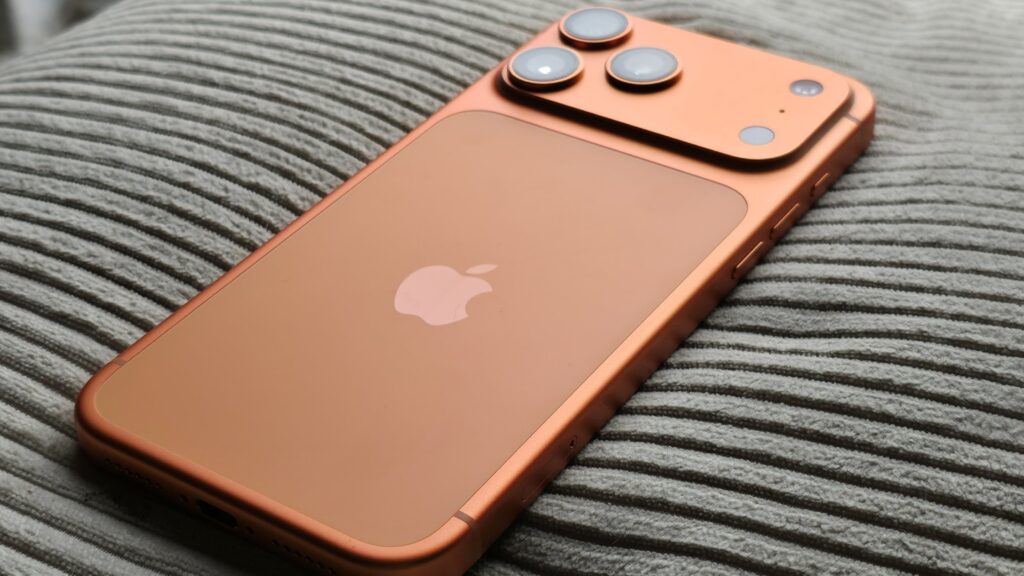
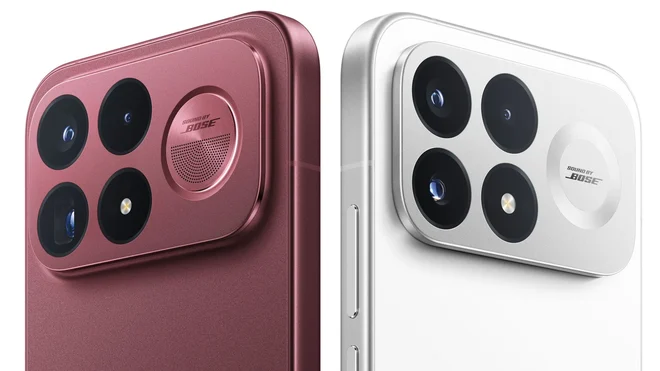
In terms of design, the Honor 600 series will reportedly arrive in six vibrant colors, including Good Orange, Lucky Star, Jasmine White, Green Apple, Light Feather Blue, and Obsidian Black. The device is also said to feature a premium metal frame and high durability ratings, including IP68, IP69, and IP69K protection against dust and water.
The smartphone is expected to sport a 6.57-inch 1.5K flat display with a 120Hz refresh rate and ultra-slim 0.98mm bezels on all sides. It will also use 3840Hz PWM dimming technology, aimed at improving eye comfort during extended use.
Under the hood, the device is rumored to be powered by the flagship Snapdragon 8 Elite chipset, paired with MagicOS 10 based on Android 16.
For photography, the Honor 600 series could feature a 200MP main camera, along with a 12MP ultra-wide lens and a 50MP 3.5x periscope telephoto sensor. A 50MP front camera is also expected for selfies.
Overall, the China variant of the Honor 600 series appears to focus heavily on battery life while retaining flagship-grade performance and camera capabilities.
Honor has quietly introduced the Honor Play 80 Plus in China, adding a new entry to its budget lineup with a focus on battery life and everyday performance. The device stands out with a large 7,500mAh battery, a 120Hz display, and Qualcomm’s latest Snapdragon 4 Gen 4 platform. It also brings MagicOS 10 based on Android 16, positioning it as a modern entry-level 5G option. Here is a closer look at what the phone offers.
Honor Play 80 Plus specifications and features
Honor Play 80 Plus
The Honor Play 80 Plus features a 6.61-inch TFT LCD screen with a resolution of 720 x 1604 pixels and a 120Hz refresh rate. The panel supports eye protection features and delivers a 20.05:9 aspect ratio. Like the recent Honor phones, the Play 80 Plus runs on MagicOS 10 based on Android 16.
Powering the device is the Snapdragon 4 Gen 4 chipset, making it the first phone to feature this platform. Announced in December 2025, the 4nm processor comes with an octa-core setup featuring 2 x 2.3GHz Cortex-A78 performance cores and 6 x 1.95GHz Cortex-A55 efficiency cores paired with the Adreno 613 GPU. The chipset focuses on improved power efficiency, better AI handling, and stable connectivity. It is designed to handle daily tasks smoothly while keeping battery consumption in check, which aligns well with devices targeting long endurance.
Honor Play 80 Plus
The phone includes a 13-megapixel rear camera with an f/1.8 aperture and a 5-megapixel front camera. The device is backed by a huge 7,500mAh battery with support for 45W fast charging. Additional features include dual SIM support, Bluetooth 5.0, dual-band Wi-Fi, a side-mounted fingerprint sensor, and a USB-C port. The device measures 163.9 x 75.9 x 8.29mm and weighs around 205 grams.
Honor Play 80 Plus price and availability
The Honor Play 80 Plus is available in Aquamarine, Black, and Gold color options. Pricing in China starts at 1,699 Yuan (~$250) for the 6GB+128GB variant and goes up to 2,099 Yuan (~$310) for the 8GB+256GB model. The device is already on sale in China, but there is no confirmation yet regarding its global availability.
For more daily updates, please visit our News Section.
Lenskart first introduced its AI-powered smart eyewear, B by Lenskart, back in November 2025, offering an early glimpse at its vision for connected wearables. The company has now moved a step further by opening early access, with the official microsite revealing key details about the pricing and full specifications.
B by Lenskart smart glasses specifications and features
B by Lenskart
The B by Lenskart smart glasses are designed to feel like regular eyewear, weighing around 45g and supporting prescription lenses from -6 to +6. Under the frame, the device runs on the Qualcomm Snapdragon AR1 Gen 1 platform, paired with 32GB internal storage. It supports Bluetooth 5.3 and works with devices running iOS 18 and above or Android 12 and above. Interaction is handled through touch controls and voice commands, including a wake phrase for the built-in assistant powered by Google Gemini.
For imaging, the glasses feature a 12 megapixel Sony camera with a 16mm ultra-wide lens. It captures photos at up to 4032 x 3024 resolution and records videos at 1080p in landscape and 1440 x 1920 in portrait at 30fps. Audio is handled through dual directional speakers, while a three-microphone setup supports calls and voice inputs.
B by Lenskart
Battery life is rated at up to 4 hours on a single charge, with the included charging case extending total usage to up to 48 hours. Fast charging is supported, with 50 percent charge achieved in around 15 minutes. The glasses can be charged through the case or directly using a cable.
B by Lenskart smart glasses price and availability
The B by Lenskart smart glasses are priced at Rs 22,000 (~$230) as an early access offer, compared to a listed price of Rs 27,000 (~$285). They are available in Black and Silver colour options and come bundled with a charging case.
The product is currently open for waitlist registrations, indicating a phased rollout. Features like real-time AI assistance, multi-language support, note-taking and hands-free capture position it as more than just a wearable accessory.
For more daily updates, please visit our News Section.
Inllie has introduced two new wearable devices, the Luna Core Bracelet and Sense Core Band, bringing a different take on everyday fitness tracking. The announcement highlights a shift towards blending wellness features with a more refined design language, setting the tone for what these devices aim to deliver.
Inllie Luna Core Bracelet and Sense Core Band features and design
Inllie smart bracelets
The Inllie Luna Core Bracelet is designed to resemble a piece of jewellery, featuring a stainless steel bracelet paired with a zinc alloy and epoxy resin case. It includes gold and silver accents, giving it a polished look suitable for both casual and formal wear. The device weighs 11.6g, making it comfortable for extended use. The Sense Core Band follows a slimmer and more conventional design, with a 5.6mm thin body and a weight of 16.5g. It offers strap options, including metal Milanese and silicone, allowing flexibility between style and practicality.
Inllie smart bracelets
Both devices focus on integrating health tracking into daily wear without appearing overly sporty. They support heart rate monitoring, blood oxygen levels, stress tracking, heart rate variability, menstrual cycle tracking, sleep insights, step count, and multiple exercise modes. The Sense Core Band also features a compact display that shows essential data such as steps, battery status, and heart rate.
Battery capacity differs between the two models. The Luna Core Bracelet houses a 26mAh battery, while the Sense Core Band includes an 18mAh battery. Each device is rated to deliver around 5 to 7 days of usage on a single charge, with standby extending up to 12 days for Luna Core and 10 days for Sense Core.
Inllie Luna Core Bracelet and Sense Core Band price and availability
Inllie smart bracelets
The Luna Core Bracelet is priced at $149, while the Sense Core Band is available for $109. The company is also offering a limited-time bundle where both devices can be purchased together with a $79 discount.
For more daily updates, please visit our News Section.

Honor has quietly introduced the Honor Play 11 Plus in China, where it is already listed on the brand’s official website and available for purchase. This mid-range 5G phone offers a balance of battery life and everyday performance by packing a large 7000mAh battery and a bright AMOLED display in a slim design. Here is a closer look at its specifications, features, and pricing.
Honor Play 11 Plus specifications and features
Honor Play 11 Plus
The Honor Play 11 Plus features a 6.6-inch AMOLED display with a resolution of 2600×1200 pixels, offering DCI-P3 color support and up to 6500 nits peak brightness. It also includes 3840Hz PWM dimming for eye comfort and aluminosilicate glass protection.
Powering the device is the Dimensity 6500 Elite chipset paired with 8GB RAM and 256GB storage. It packs a 7000mAh battery with support for fast wired charging and reverse charging. The phone runs MagicOS 10 based on Android 16 and brings several AI-driven features such as YOYO smart assistant, AI notes, translation tools, and system-level optimizations.
For photography, the phone includes a 50-megapixel rear camera with an f/1.8 aperture and support for up to 10x digital zoom. On the front, it has an 8-megapixel camera for selfies and video calls. It also supports 1080p video recording.
Honor Play 11 Plus
Other features include in-display fingerprint sensor, stereo speakers, IP66 rating, NFC, infrared remote, Bluetooth 6.0, and dual SIM 5G support. Despite packing a huge battery, it measures 7.34mm in thickness, with a weight of around 185 grams. To sum up, this phone appears to be a rebranded version of the Honor X80i, which debuted earlier this year in China.
Honor Play 11 Plus price and availability
The Honor Play 11 Plus is available in an 8GB + 256GB variant priced at 2,199 Yuan (~$320). It comes in Sunrise Gold and Lanyue Silver colour options, also referred to as Moon Embracing Silver in some listings. The device is already on sale in China via official channels.
For more daily updates, please visit our News Section.

At SID Display Week 2026 in the United States, Samsung showcased a range of next-generation display technologies that could redefine how smartphones are used in daily life. The highlight of the event was the shift from traditional screens to multi-functional displays that combine visuals, health tracking, and privacy features.
One of the most impressive innovations is the Sensor OLED display. This technology allows users to measure heart rate and even blood pressure simply by placing a finger on the screen. It works by using light emitted from the display, which reflects off the skin and is captured by built-in sensors. This removes the need for smartwatches or separate health devices, making smartphones more useful for quick health checks.
Samsung also introduced the Flex Chroma Pixel display, which focuses on brightness and color accuracy. It can reach up to 3,000 nits of brightness and covers 96% of the BT.2020 color range. The goal is to deliver richer colors while improving power efficiency, especially for future premium devices.
Another key feature is Flex Magic Pixel technology, designed for privacy. It limits viewing angles so sensitive content like messages or health data stays hidden from people nearby, without affecting the main viewing experience.
Samsung also showcased a stretchable Micro LED display aimed at automotive use, along with improvements in EL-QD display efficiency.
Overall, Samsung is pushing toward displays that do much more than just show content. Future smartphones could act as health monitoring tools, offer built-in privacy, and deliver better visual performance, all through a single screen.
Motorola officially unveiled the Motorola Razr Fold, its first-ever book-style foldable, at MWC 2026. The device is now gradually making its way to different markets. While it has already landed in Europe, it is making its way to China this month. Now, a new development reveals that it is also heading to India in the coming days.
Motorola Razr Fold teaser page
The landing page for the Motorola Razr Fold has gone live in India, indicating that the launch may not be far away. The page states “coming soon” suggesting that t The page includes a notify option, allowing users to register interest ahead of the official launch.
Motorola Razr Fold specs, price
The specifications of the Motorola Razr Fold are already known, as the device has debuted globally. It features a 6.6-inch pOLED outer display with a 2520 x 1080 resolution, 165Hz refresh rate, and peak brightness of up to 6000 nits, protected by Gorilla Glass Ceramic 3. The inner display measures 8.1 inches with an LTPO panel, 2484 x 2232 resolution, 120Hz refresh rate, and up to 6200 nits brightness, along with UTG protection.
The device is powered by the Snapdragon 8 Gen 5 chipset, paired with 16GB LPDDR5X RAM and up to 1TB storage. It houses a 6000mAh silicon-carbon battery with support for 80W wired, 50W wireless, and 5W reverse wired charging.
For photography, the Razr Fold includes a 50-megapixel main camera with a Sony LYT-828 sensor and OIS, a 50-megapixel ultra-wide lens with a 122-degree field of view, and a 50-megapixel periscope telephoto camera offering 3x optical zoom with OIS. It also features a 32-megapixel front camera on the outer display and a 20-megapixel inner camera. The device supports 8K video recording along with Dolby Vision.
On the software front, it runs Android 16 and is promised to receive seven Android upgrades along with seven years of security updates. Additional features include Motorola Pen Ultra support and an IP48/49 rating for durability.
In Europe, the Motorola Razr Fold is priced in the premium segment, placing it alongside other flagship foldables. However, there is no information yet regarding its pricing in India. Once launched, it is expected to compete with upcoming foldable devices such as the Vivo X Fold 6 and the Samsung Galaxy Z Fold 8 in the Indian market.
For more daily updates, please visit our News Section.

For the past ten years, I have relied almost entirely on air conditioning to get through the summer. Where I live, temperatures regularly reach 45°C (113°F), and the heat can be difficult to manage.
However, running an AC unit all day comes with a significant downside: high electricity bills. This year, I decided to look for a more cost-effective way to cool my home during the daytime. I wanted to see if a modern desert cooler could do the job without using as much power.
To test this out, I received the Kenstar TALL BOY Honey Comb 105 Litre BLDC Desert Cooler (Model: KCLTBDBL105FRH) as a review unit. It retails for ₹15,990 ($168) and features a Brushless Direct Current (BLDC) motor, which is designed to be energy efficient.
After using it for a week, including during a particularly hot and humid stretch of weather, I have a clear understanding of how it performs, where it works well, and what its limitations are. Here is my experience using it as a daily cooling solution.
Design and Dimensions
The first thing you notice about the Kenstar Tall Boy is its height. It stands 1428 mm tall, which is about 4.7 feet. It is a large appliance that will be very noticeable in whatever room you place it in. However, the height serves a specific, practical purpose.
Many standard desert coolers are relatively short, meaning the air they blow often hits the side of a bed or the back of a chair. By elevating the 40.6 cm (16-inch) fan, the Tall Boy directs the airflow higher up. When I am sitting at my desk or lying in bed, the air reaches me directly rather than cooling the floor.
Despite being tall, the cooler’s footprint is fairly standard for its capacity, measuring 630 x 445 mm. It fits reasonably well into the corner of my dining room and doesn’t take up too much floor space on my balcony. The body is made from ABS and HIPS plastic. It feels sturdy enough for regular indoor and covered outdoor use, and it hasn’t shown any signs of strain.
When the cooler is empty, it weighs 18 kg, which is manageable to move. But this model has a 105-liter water tank. Once you fill it up, the total weight exceeds 120 kg. To handle this, Kenstar included four castor wheels at the base. I was initially concerned about moving it when full, but the wheels roll smoothly on flat floors. I can push it from the living room to the terrace without much effort, though you do have to be careful over door thresholds.
BLDC Motor and Power Consumption
This model comes with a BLDC motor. Traditional desert coolers of this size usually consume between 200 and 250 watts of electricity. The Kenstar Tall Boy is rated at 145 watts. While that might not sound like a massive difference on paper, it adds up over a month when you are running the cooler for 10 to 15 hours a day. It is a noticeable reduction in power consumption compared to older models.
This low wattage also provides a very practical benefit during power cuts. Because it draws only 145 watts, the cooler runs easily on my standard home inverter. In areas where the power grid can be unreliable during peak summer months, being able to keep your primary cooling appliance running on battery backup is highly convenient.
Kenstar says that the motor uses a double ball bearing system. In practice, this is meant to reduce internal friction, which should help the motor last longer and run a bit smoother. It comes with a five-year warranty on the motor, which provides some peace of mind regarding its durability.
Cooling Performance and Airflow
If you are transitioning from an air conditioner to a desert cooler, there is a learning curve. I made the mistake of setting the Tall Boy up in a closed bedroom on the first day. Desert coolers use evaporative cooling, which naturally adds moisture to the air. Because the room lacked ventilation, the humidity increased quickly, and the room just felt sticky and uncomfortable.
Once I realized my error, I moved the cooler to my dining area and opened a window to allow for cross-ventilation. The difference was immediate. In an open space, the cooler works effectively. The fan pushes out 4500 m³/h (cubic meters per hour) of air, and Kenstar claims an air throw of 50 feet.
While I didn’t measure the exact distance, it easily circulates air across my entire living space. The motorized louvers move side to side, helping to distribute the air evenly rather than blowing it in just one direction.
The cooling media consists of honeycomb pads on three sides. They hold water well, don’t sag, and provide consistent evaporation.
For particularly hot afternoons, the cooler has an ice chamber on top. You can add ice cubes to cool the water before it runs through the pads. It does lower the temperature of the air noticeably for a short period. Once the ice melts, it returns to standard evaporative cooling, which is still effective as long as you keep a window or door open.
Day-to-Day Use and Maintenance
Living with a 105-liter cooler is fairly straightforward. The large tank is very convenient; a full tank easily lasts me 12 to 15 hours of continuous use. I can fill it in the evening and run it through the night without worrying about the water running out. There is a clear water level indicator on the front, so you can check how much water is left at a glance.
The cooler includes a dust filter net on the outside of the cooling pads. This is a simple but useful feature. It catches larger dust particles, pet hair, and insects, stopping them from getting stuck in the honeycomb pads. This means the pads stay cleaner for longer, and the air smells fresher. Also, a quick heads-up for new buyers: if you have just bought it, you will likely notice a distinct smell for the first two days of use, but it eventually goes away completely.
The control panel is a modern touch interface that is intuitive and easy to use, and it also comes with a handy remote control. The touch panel works really well with absolutely no issues, housing all the necessary buttons including power, fan settings, cooling on or off, swing, and a timer. It offers seven different fan speeds, which is highly practical. You can keep it on a low setting for a gentle breeze or turn it up when you need to cool the room quickly.
There are a few drawbacks to keep in mind. First, moving this volume of air generates noise. On the lower settings, it is a manageable background hum. But on the highest fan speeds, it is quite loud. If you are watching TV or taking a phone call in the same room, you will likely need to turn the fan speed down.
Second, maintenance is required. If you live in an area with hard water, minerals will eventually build up on the honeycomb pads. You will need to periodically drain the tank and descale the pads to keep the cooler working efficiently. It isn’t a difficult process, but it is an extra chore you don’t have with an AC.
The Verdict
The Kenstar TALL BOY 105 Litre BLDC Desert Cooler is a practical and effective appliance, provided you use it in the right environment. It will not replace an air conditioner in a sealed room, and it won’t drop the room temperature to 18°C.
However, if you have a large, well-ventilated space, like a living room, a spacious bedroom with open windows, or a covered patio, it performs very well. The 4.7-foot height ensures the air reaches you where you are sitting, and the 105-liter tank minimizes the need for constant refilling.
At ₹15,990 ($168), the initial cost is reasonable, and the 145W BLDC motor helps keep ongoing electricity costs down. It is a sensible, energy-efficient alternative for managing the summer heat, especially if you need an appliance that can run on a home inverter during power outages.
Since the beginning of this month, Oppo has been teasing the arrival of the Find X9 Ultra in India, but is yet to confirm the launch date. Most likely, the company may unveil it after its rival brand Vivo introduces the Vivo X300 Ultra tomorrow in India. Ahead of the expected launch this month, Oppo has now shared key details about the camera capabilities of the Find X9 Ultra.
The Oppo Find X9 Ultra introduces a redesigned periscope camera system that aims to deliver 10x optical zoom without increasing module size. At its core is the Industry-first Quintuple Prism Reflection Periscope Structure, where light is redirected multiple times within a compact 29mm space before reaching the 50-megapixel sensor. This design extends the optical path, enabling an approximate 230mm focal length while keeping the device slim.
To maintain image quality across this complex setup, Oppo has developed a refined optical path system that reduces stray light and preserves clarity. The device also integrates sensor shift stabilisation, which physically moves the sensor to counter hand movements at higher zoom levels. This helps in capturing stable shots even at extended zoom ranges.
Find X9 Ultra – Triple Active Optical Alignment
The camera module is further refined through Triple Active Optical Alignment, a precision-based assembly process that ensures accurate positioning of the lens, prism, and sensor for consistent sharpness. The overall setup includes a 200-megapixel main camera with a Sony LYTIA 901 sensor, a 200-megapixel 3x telephoto lens for portraits and telemacro use, and a 50-megapixel ultra-wide camera. All lenses support 4K 60fps Dolby Vision recording, supported by an image engine focused on colour and detail refinement.
Oppo Find X9 Ultra launch date (rumored)
According to tipster Sanju Choudhary, the Oppo Find X9 Ultra and Find X9s could launch in India on May 15. Pricing is expected to be positioned above the Find X9 Pro, which is currently priced at Rs 1,09,999, with the Ultra variant likely to cost significantly more. The Find X9s, on the other hand, may start at around Rs 70,000.
For more daily updates, please visit our News Section.
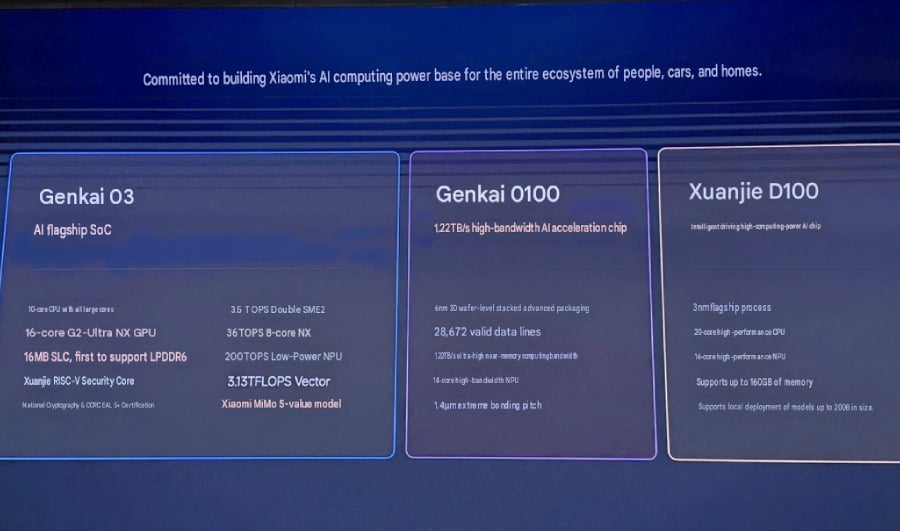
Last year, Xiaomi launched the Xiaomi 15s Pro powered by its homegrown Xring O1 chip. There have been reports that the brand is now working on a successor version of the chip dubbed the Xring O3. Speculation suggests that the Xring O3 may debut as early as this year, possibly powering the upcoming Xiaomi 17 Fold (tentative name) foldable smartphone. Now, a new leak reveals that it may also power the next-generation Ultra-branded flagship phone.
Xiaomi’s mysterious Ultra flagship with Xring O3 in the works
Xiaomi 17 Ultra
Tipster Yogesh Brar suggests that Xiaomi is working on a new Ultra-branded smartphone powered by its in-house Xring O3 chipset. The report indicates that this device is being developed alongside the upcoming Xiaomi 18 Ultra, which is still expected later this year.
The new Xring O3-powered Ultra model is said to be a separate offering from the 18 Ultra, raising questions about its positioning within Xiaomi’s flagship lineup. It is also being suggested that this device may remain limited to China, with no plans for a global rollout at this stage.
What’s known about the Xring O3?
Reports have revealed that the Xring O3 will arrive with a simplified yet more powerful architecture. It is expected to shift to an octa-core design, moving away from the earlier 10-core layout. The new setup may include a Prime core clocked at up to 4.05GHz, Titanium cores at around 3.42GHz, and efficiency-focused little cores reaching 3.02GHz.
The GPU is also tipped to improve, nearing 1.5GHz frequencies. Memory speeds may remain unchanged at 9600 MT/s. Overall, these changes are likely aimed at improving multitasking, background processing, and sustained performance efficiency across demanding workloads.
For more daily updates, please visit our News Section.
Samsung has quietly increased prices for a bunch of its budget and mid-range Galaxy phones in India, and this is not the first time this year. The latest revision, which took effect in early May 2026, marks the sixth price hike so far in 2026.
This time, the increase hits models across the M and F series, including the Galaxy F06, F36, F70e, M06, M17e, M17, and M36. Based on updated listings on Samsung’s official website, most variants have gone up by a flat ₹1,000.
The change was first pointed out by tipster Abhishek Yadav on X, who shared what looks like internal communication sent to retailers.
For the more affordable models like the Galaxy F06 and M06, prices now start at ₹12,499 for the 4GB/64GB variant, going up to ₹15,999 for the 6GB/128GB version. For context, the 4GB/128GB version of the Galaxy F06 was priced at ₹9,999 at launch and now stands at ₹13,999.
The F36 and M36 series now sit between ₹21,999 and ₹27,999 depending on the configuration. Mid-tier options like the F70e and M17e have also seen a similar ₹1,000 bump across variants, while the Galaxy M17 lineup now starts at ₹16,999 and goes up to ₹20,999.
Samsung has not officially explained the reason behind the repeated increases, but the broader industry trend gives some context. Component prices, especially memory and storage, have been climbing due to demand from AI infrastructure and data centers, and that shift seems to be trickling down to consumer devices.
What stands out is how frequent these adjustments have been. Samsung has been revising prices almost every month this year, and while ₹1,000 might not sound like much to some buyers, it starts to add up over multiple hikes.
Seasonal sales on platforms like Amazon and Flipkart could offset some of the increase, depending on discounts and exchange offers. So the actual street price may still look reasonable in some cases. Still, if this trend continues, these phones are slowly drifting away from their original “budget” positioning.
Previous reports suggested that OpenAI was exploring hardware such as AI-focused earbuds and possibly a phone developed with partners like MediaTek and Qualcomm. Now, analyst Ming-Chi Kuo has shared deeper insights into a dedicated AI agent smartphone, including timelines, specifications, and the broader strategy behind it.
OpenAI’s AI agent smartphone vision takes shape
According to Kuo, OpenAI may accelerate development of its first smartphone, targeting mass production as early as the first half of 2027. MediaTek is currently the leading candidate to supply the processor, which is expected to be a customised chip based on the MediaTek Dimensity 9600 and manufactured using TSMC’s N2P process in the second half of 2026.
The hardware is said to focus heavily on AI-driven tasks, with a dual NPU architecture designed for layered computing. Memory and storage could also see upgrades with LPDDR6 RAM and UFS 5.0, aiming to reduce bottlenecks when handling continuous AI workloads. For imaging, an enhanced ISP is expected to improve high dynamic range output, which could help the device better interpret real-world environments visually.
Kuo suggests that the device may rethink how users interact with smartphones. Instead of relying on multiple apps, the focus could shift to AI agents that handle tasks directly based on user intent. This approach may require deep integration between hardware and software, allowing OpenAI to control the entire experience without platform-level restrictions seen on existing ecosystems.
The phone is also expected to continuously process user context, which includes behaviour and usage patterns, making on-device efficiency critical. Simpler tasks could be handled locally, while more demanding processes may be executed through cloud-based AI systems.
Security features such as pKVM and inline hashing are also expected to be part of the system design. If development stays on track, shipments could reach around 30 million units across 2027 and 2028 combined.
For more daily updates, please visit our News Section.
Motorola has launched two different versions of the Edge 70 Pro for India and global markets. Now, the brand is working on a new model called the Edge 70 Pro+ for the Indian market. According to reliable tipster Mukul Sharma, this phone is scheduled to launch by the end of this month. Ahead of the launch, he has revealed that the device will offer three major upgrades over the existing Edge 70 Pro.
Motorola Edge 70 Pro+: Key features revealed
Motorola Edge 70 Pro+
The leak reveals that the Motorola Edge 70 Pro+ will feature a telephoto lens, support wireless charging, and offer a 16GB RAM variant. Additionally, it will be available in three shades, as shown in the image. The extreme left one is dubbed Satin Wine Red, and there is also a wood finish variant.
While the other specifications of the phone are under wraps, they are likely to be identical to the regular Edge 70 Pro. It appears that the global version of the Edge 70 Pro, which includes all the above-mentioned specifications, will be called the Edge 70 Pro+ in the Indian market.
The Edge 70 Pro is priced at Rs 38,999 (~$410) in the Indian market. Therefore, the Edge 70 Pro+ with its distinguishing features may carry a sub-Rs 50,000 price tag.
The Edge 70 Pro+ may feature a 6.8-inch AMOLED panel offering a 1.5K resolution, a 144Hz refresh rate, and 5200 nits of peak brightness. Under the hood, it could be equipped with the Dimensity 8500 Extreme chip and a 6,500mAh battery with 90W wired and 15W wireless charging.
The Edge 70 Pro+ could be equipped with a 50-megapixel front camera and a 50-megapixel (main) + 50-megapixel (ultra-wide) + 50-megapixel (3.5x periscope) triple camera setup. The device will run on Hello UX-based Android 16 and is expected to receive three major Android updates.
For more daily updates, please visit our News Section.
Casio recently added two new digital watches to its US lineup: the AE1600HX-1BV and the AE1600HX-3AV. Both models are priced at $45.95. If they look familiar, it is because they were already listed on Casio’s international and European websites last month, but they are now officially available for US buyers.
Design Details
The main difference between these new “HX” models and the standard AE-1600H series is the strap length. Standard Casio resin bands usually fit wrist sizes up to 215mm. These new models come with an extra-long rally-style strap that accommodates wrists from 145mm up to 235mm.
It is a practical change for people who usually find standard watch bands too tight. The longer band is also useful if you need to wear the watch over a jacket or long sleeves while working or spending time outdoors. The strap uses a double-hole design, which helps keep the watch secure on the wrist.
As for the design, both watches have a large resin case measuring 54.1 by 49.7mm, and they are 15.9mm thick. Despite the bulky size, they only weigh 55 grams. The AE1600HX-1BV is the black model. It uses a negative LCD, meaning the screen background is dark while the numbers are light, and has small light blue text on the case.
The AE1600HX-3AV comes in a dark olive color with a standard LCD screen and lime yellow text. Both versions have a large button on the front of the case that turns on an amber LED backlight, making it easy to check the time in the dark.
Internally, these watches offer the standard set of features you would expect from an affordable Casio. They are powered by a CR2032 coin battery that is rated to last for about 10 years. They also have 100-meter (10-bar) water resistance, meaning you can swim or wash your hands with them without an issue.
The software includes basic daily tools: a dual time function, a 1/100-second stopwatch, a 24-hour countdown timer, and five alarms (including one snooze option). The digital calendar is fully automatic up to the year 2099.
The Fairphone 3 has reached an important milestone, marking the end of its official software support cycle. While the journey is coming to a close, it also highlights how long a smartphone can realistically last.
Seven years of support and design evolution
Fairphone 3
Launched in 2019 with a promise of five years of updates, the Fairphone 3 has now completed seven years of support, extending well beyond its original target. The final software update is expected to roll out by June 2026, with support ending in August. This extended lifecycle stands out in a market where most smartphones receive significantly shorter update timelines.
The device also marked a shift in design for the brand. It introduced a more refined and modular build compared to earlier models, making repairs easier and improving accessibility of spare parts. Over time, updates such as the Fairphone 3+ brought improvements in camera modules and audio, while maintaining compatibility with existing hardware.
Beyond hardware, the Fairphone 3 played a role in Fairphone’s broader sustainability initiatives. It was the first device linked to the company’s living wage program, which has contributed over $1.25 USD to supply chain workers since its introduction. The phone also supported reuse initiatives, where components like displays, motherboards, and speaker modules were refurbished and made available again.
Even as official support ends, the device is expected to remain functional through alternative operating systems. Platforms such as LineageOS, /e/OS, and postmarketOS continue to offer updates, extending the usability of the hardware further. Fairphone has also shared development work to support these communities, encouraging longer device lifespans.
For more daily updates, please visit our News Section.
Samsung has expanded its removable storage portfolio in India with the introduction of the T7 and T9 microSD cards. The new lineup signals a shift in branding while addressing growing demand for faster and higher-capacity storage. Here are all the technical details about the new microSD cards from Samsung.
Samsung T7, T9 microSD card key specifications
Samsung T7 and T9 microSD cards
The T7 microSD card is positioned for everyday users looking to expand storage across smartphones, tablets, laptops, and gaming devices. It offers capacities ranging from 128GB to 1TB, with read speeds of up to 170MB/s. This makes it suitable for regular file transfers, media storage, and casual gaming needs without noticeable slowdowns.
The T9 microSD card is aimed at users who handle larger files and need quicker access speeds. With read speeds reaching up to 200MB/s and write speeds up to 130MB/s, it supports demanding tasks such as high-resolution video recording and fast data transfers. It also includes a six-layer protection system designed to safeguard data in varied environments, including use in drones and action cameras.
Samsung is also introducing a simplified naming approach with this launch. The new T series replaces earlier options such as EVO Plus and PRO variants, aligning removable storage with its existing portable SSD naming. The idea is to make it easier for buyers to understand performance tiers while maintaining consistency across categories.
Samsung T7, T9 microSD card: Price and availability
In terms of pricing, the T7 microSD card starts at Rs 4,849 (~$50) for the 128GB variant, going up to Rs 30,399 (~$320) for the 1TB model. The T9 range begins at Rs 5,989 (~$65) for 128GB and reaches Rs 18,999 (~$200) for the 512GB option. Both series will be available in India from the first week of May 2026 through online and offline channels.
For more daily updates, please visit our News Section.
The upcoming Samsung Galaxy Z Flip 8 has surfaced in fresh leaks, pointing towards a refined design rather than a major overhaul. Early details suggest Samsung is focusing on improving the overall experience while keeping core hardware familiar.
Focus shifts to hinge and display refinement
Samsung Galaxy Z Flip 7
According to a tipster on Naver, Samsung may introduce a redesigned hinge mechanism aimed at reducing the visible crease on the Galaxy Z Flip 8’s inner folding display. The improvement could make the screen appear nearly flat when unfolded, addressing one of the most noticeable aspects of flip-style foldables.
The same hinge change is also expected to slightly alter the device’s dimensions. Reports indicate the phone could be marginally wider while becoming around 0.5mm thinner when folded. The weight is also tipped to drop to about 180 grams, compared to roughly 188 grams on the Samsung Galaxy Z Flip 7, making it easier to handle over long periods.
While the design may see subtle refinements, the internal hardware is expected to remain largely unchanged. The device is likely to feature a 4,300mAh battery paired with 25W wired charging, similar to the previous generation. Other elements such as speakers, vibration motor, and cover display are also tipped to carry forward without major upgrades.
Camera specifications could include a 50-megapixel primary sensor and a 12-megapixel ultra-wide lens, along with a 10-megapixel front camera placed on the inner display. The handset is also expected to run on Samsung’s upcoming 2nm Exynos 2600 chipset, aligning with the brand’s approach for its flip series.
The Galaxy Z Flip 8 is expected to debut alongside other foldables at a Galaxy Unpacked event rumoured for July 22 in London. Pricing may see a slight increase due to rising component costs, although exact figures are yet to be confirmed.
For more daily updates, please visit our News Section.
Working on a single laptop screen can be frustrating when you need to view multiple documents or applications at the same time. Portable monitors are a standard fix for this, and Asus has just added another option to the mix. The ZenScreen OLED MQ16FC is a 16-inch secondary display aimed at people who work away from a desk, and it is priced at €280 in Europe.
Asus ZenScreen OLED MQ16FC Specifications
The monitor uses an OLED panel with a 1920 x 1200 resolution. That gives it a 16:10 aspect ratio, which matches most modern productivity laptops and provides a little more vertical space for reading text or viewing spreadsheets. The screen covers 95% of the DCI-P3 color space and has a Delta E < 2 color accuracy rating.
In practical terms, the colors and contrast should be reliable enough for standard photo and video editing tasks. It is a 60Hz display, so it is meant for work and watching media rather than gaming, though the 1ms response time should keep text scrolling looking normal.
The most useful hardware addition is the power pass-through system. The monitor includes two USB-C ports (which support DisplayPort Alt Mode) and a mini-HDMI port.
If you plug a compatible USB-C charger into the monitor, it can pass up to 65W of power directly to your connected laptop. This is helpful if you are working in a cafe or an airport and only have access to a single wall outlet, as you can keep both devices powered using one charging brick.
Physically, the monitor is built to fit in a standard laptop bag. It weighs 0.68 kg and is 0.9 cm thick. It includes a built-in kickstand, a standard 1/4-inch tripod socket if you prefer to mount it, and software that automatically rotates the screen if you turn it vertically.
Asus also included a specific color profile intended to match the screen output of Apple’s MacBooks, which might save macOS users some time adjusting settings to get their screens to match.
BenQ has introduced the Mobiuz EX271QZ in India, bringing a new focus on blending ultra-fast gaming performance with accurate visual storytelling. The monitor targets gamers who want both responsiveness and immersive visuals.
BenQ Mobiuz EX271QZ: A new direction for gaming displays
BenQ Mobiuz EX271QZ gaming monitor
The Mobiuz EX271QZ features a 27-inch QHD QD-OLED panel paired with a 500Hz refresh rate and 0.03ms response time. This combination improves motion clarity during fast gameplay while keeping transitions smooth in open-world titles and cinematic sequences. The higher refresh rate also helps reduce blur and enhances tracking precision in competitive scenarios.
What sets this monitor apart is its approach to color tuning. Instead of generic presets, it introduces Game Art Color profiles such as Fantasy, Sci-Fi, and Realistic modes. These are designed to align with a game’s artistic style rather than simply boosting colors. Supporting this is Spectral Color Refinement, which adjusts colours across the full spectrum to deliver balanced tones, improved midtones, and more natural highlights.
The QD-OLED panel enables precise lighting control at the pixel level, delivering deep blacks and high contrast. The monitor carries VESA DisplayHDR True Black 500 certification, covers 99 percent DCI-P3 colour space, and can reach up to 1000 nits peak brightness in HDR content. These elements together improve depth and realism in both games and media playback.
It also integrates High Pixel Contrast technology that dynamically enhances shadow detail without affecting brighter areas. For connectivity, HDMI 2.1 with eARC support allows compatibility with modern consoles and multi-channel audio formats like Dolby Atmos and DTS:X. To maintain performance over time, the EX271QZ includes several OLED protection mechanisms such as pixel refresh, logo dimming, pixel shift, and graphene-based cooling.
BenQ Mobiuz EX271QZ price in India, availability
The monitor is priced at Rs 84,998 and is available via online and retail platforms across India.
For more daily updates, please visit our News Section.
The market for OLED gaming monitors has been steadily growing, and Lenovo is adding a new model to the list. Through its Lecoo sub-brand, the company recently launched the W3259PS in China.
It is a 31.5-inch display that includes the standard features expected from a current high-end desktop monitor: a 4K UHD resolution, a 240Hz refresh rate, and a QD-OLED panel, priced at 5,499 Yuan (roughly $805).
Lenovo Lecoo W3259PS Specifications
The primary feature of the monitor is its QD-OLED panel. Because OLED uses self-emissive pixels, the display controls brightness and color at the individual pixel level. This results in the deep blacks and high contrast ratios typical of OLED technology. Lenovo also applied an anti-reflective (AR) coating to the screen to help reduce glare in brighter rooms. The panel has a peak brightness of 450 nits, which is standard for desktop OLEDs in this category.
For gaming, the W3259PS comes with a 240Hz refresh rate paired with a 0.03ms gray-to-gray response time, which helps reduce motion blur and ghosting in fast-moving scenes. It supports Adaptive Sync to prevent screen tearing and includes standard software features like on-screen crosshairs and preset picture modes for FPS and RTS games.
The monitor is also suitable for general content creation. The 10-bit panel supports 1.07 billion colors, covering 99% of the DCI-P3 color gamut and 100% of sRGB. It is factory-calibrated with an average Delta E of less than 2, meaning the color accuracy should be reliable out of the box. To help with eye strain during longer sessions, the display incorporates a flicker-free design and hardware-level low blue light technology.
The port selection covers the basics for modern setups. It includes one DisplayPort, two HDMI ports, and a USB-C port that provides up to 90W of power delivery. The 90W output is useful for people who want to connect and charge a work laptop using a single cable. The monitor also supports Picture-in-Picture (PIP) and Picture-by-Picture (PBP) modes, allowing you to view two input sources at the same time.
Physically, the monitor comes with an adjustable stand that supports height, tilt, swivel, and pivot changes. If you prefer to use a third-party monitor arm, the back of the display supports a 75 x 75mm VESA mount.
For more daily updates, please visit our News Section.
We use cookies on our website to give you the most relevant experience by remembering your preferences and repeat visits. By clicking “Accept”, you consent to the use of ALL the cookies.
This website uses cookies to improve your experience while you navigate through the website. Out of these, the cookies that are categorized as necessary are stored on your browser as they are essential for the working of basic functionalities of the website. We also use third-party cookies that help us analyze and understand how you use this website. These cookies will be stored in your browser only with your consent. You also have the option to opt-out of these cookies. But opting out of some of these cookies may affect your browsing experience.
Necessary cookies are absolutely essential for the website to function properly. This category only includes cookies that ensures basic functionalities and security features of the website. These cookies do not store any personal information.

Any cookies that may not be particularly necessary for the website to function and is used specifically to collect user personal data via analytics, ads, other embedded contents are termed as non-necessary cookies. It is mandatory to procure user consent prior to running these cookies on your website.