Advertisement

World’s biggest contract smartphone manufacturer, Foxconn partners with Fiat to build Electric Cars

Foxconn Technology Group is a well known name in the smartphone industry. The Taiwanese giant is a primary supplier of Apple for its iPhones and by its extension one of the world’s largest contract smartphone manufacturers. However, it seems that the electronics company isn’t solely based around smartphones as it is forming a joint venture with Fiat Chrysler (the automobile giant) to build electric cars in China.

Foxconn
Foxconn is one of the world’s largest contract smartphone manufacturer with notable clients like Apple

The filing of this sizable undertaking has been filed in China’s Market Observation Post System (MOPS), which details that both companies own 50 percent of the venture equally. The main objective of this joint venture is to produce electric vehicles in China and start an IOV. This stands for Internet of Vehicles (after IoT or Internet of Things devices) as coined by the Foxconn’s parent company.

Initially, Fiat Chrysler and Foxconn will aim to mass produce electric vehicles in China and will expand to foreign markets after the foundation is laid in the Southeast Asian country. This seems like a very practical move from an automobile industry standpoint as China is the largest electric vehicle market in the world. Notably, the filing also states that the joint venture aims to develop electric vehicles from scratch. In other words, they are not planning on simply making the existing Fiat offerings into electric versions.

Foxconn
Fiat Chrysler Automobiles (FCA logo)

The collaboration with Foxconn will also help Fiat gain a solid footing in the Chinese market. Previously, the contract smartphone manufacturer has invested in ventures dealing with electric vehicles, but this will be the first as the company will actually develop and manufacture its own products. A good example of past investment is Byton, an electric vehicle startup. This began as the Future Mobility Corporation, which was a joint venture between Harmony Auto, Foxconn, Tencent and now even Xiaomi as a strategic investor.


(Via)

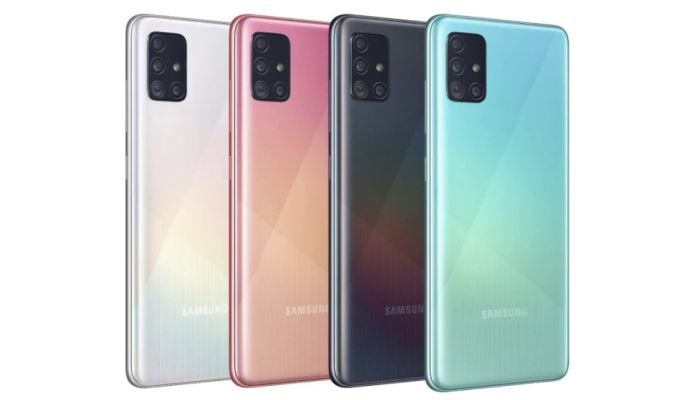
Samsung Galaxy A51 goes on sale in several countries across Europe

Samsung took the wraps off the Galaxy A51 a couple of weeks back and the phone is finding its way into more markets. The device has now gone on sale in Europe, going by several press releases from various European divisions of Samsung. The price of the Samsung Galaxy A51 starts from €370 but the higher memory variant comes with a higher price tag.Samsung-Galaxy-A51

The Galaxy A51 is available in France via Amazon and other retailers. It adopts a €340 price tag for the 4GB+64GB version while the 6GB+128GB variant is on sale for €410. The device comes with a slightly higher starting price in Holland where it can be snagged from Belsimpel at a discounted price of €350 (down from €369). The good thing is buyers get several payment options with Vodafone, Tele2 or T-mobile.

In Eastern Europe, the phone is on sale in Bulgaria via Telenor for the equivalent of €430 for the 6GB+128 GB variant. The best Galaxy A51 deal that we came across is from Citrus in Ukraine which is offering the phone for just 9,499 UAH (€350 for the 6GB+128 GB option). The phone is offered in Black, Blue, or White.

As a reminder, the Galaxy A51 packs a 6.5-inch Infinity-O S-AMOLED display. It supports 20:9 aspect ratio and full HD+ resolution of 1080 x 2400 pixels. The display is fitted with an in-screen fingerprint reader. The device also supports face recognition.Samsung Galaxy A51

The Exynos 9611 chipset that includes 2.3GHz octa-core processor. The phone comes in multiple RAM options of 4 GB, 6 GB and 8 GB. Its storage variants are 64 GB and 128 GB. There is a dedicated microSD card slot for more storage. The phone packs an f/2.2 aperture 32-megapixel lens on the front and an L-shaped quad-camera setup housed in a rectangular module on its back. The Galaxy A51’s quad-camera system a 48-megapixel main lens with f/2.0 aperture, a depth sensor of 5-megapixel with f/2.2 aperture, a macro lens of 5-megapixel with f/2.4 aperture and an ultrawide lens of 12-megapixel with f/2.2 aperture.

For interface, it runs on Android 10 OS customized with the latest One UI 2.0. The phone equally packs a 4,000mAh battery that supports 15W fast charging.


(via)


Xiaomi stock price hits a New High in over a year!

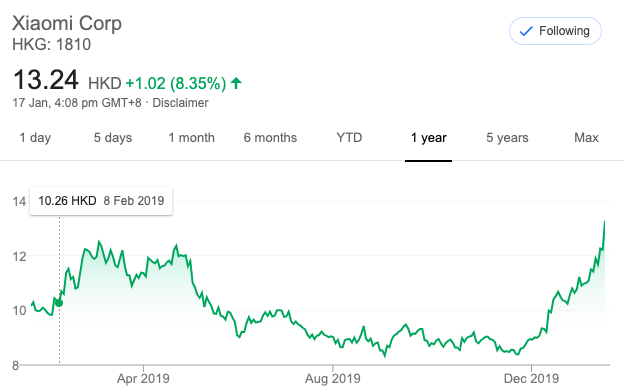
Xiaomi’s share price has reached a new high in over a year after reports emerged about its possible inclusion in Hong Kong’s benchmark stock index, the Hang Seng Index. The company’s share price has been rallying up since December 10 and reached a year-high price of HK$ 13.26 ($1.71) earlier today.

Xiaomi
Xiaomi share prices have fallen significantly since its IPO in July 2018

This speculation has driven up Xiaomi’s market capitalization to HK$314 billion (US$40.4 billion) today. To recall, its market share dipped to just over US$28 billion back in August 2019. But it’s still well below the US$50 billion valuation at the time of its IPO back in July 2018.

Xiaomi's share price 1 year
Xiaomi’s share price has risen after the launch of Redmi K30 5G on Dec 10

Xiaomi’s share price has steadily increased since the launch of its Redmi K30 5G smartphone. It is the world’s cheapest 5G smartphone in the market right now and comes with exclusive access to one of the cheapest 5G plans in the world. Its inclusion in the Hang Seng Index would be yet another milestone for the company.

Hang Seng Index is the Hong Kong Stock Exchange’s benchmark index and features the top 50 stocks on the exchange. The operator of the Hang Seng index is considering whether companies with weighted voting rights or secondary listings should be included in the index, leading to speculations about Xiaomi making it to this major index.

Note that Xiaomi was the first company with dual-class of shares to be listed on the Hong Kong Stock Exchange in 2018. The HKSE had made changes to its listing rules just a few months before Xiaomi’s IPO, allowing companies with weighted voting rights to be listed on the exchange.

The Hang Seng Index of the HKSE includes top Chinese companies like Bank of China, China Unicom, China Telecom, and China Netcom.


(Via)

Oppo patents a unique smartphone with Moon Wheel shaped Camera design

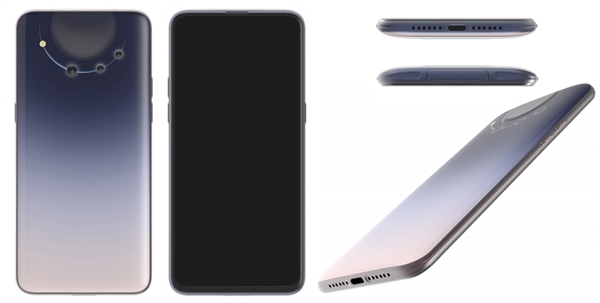
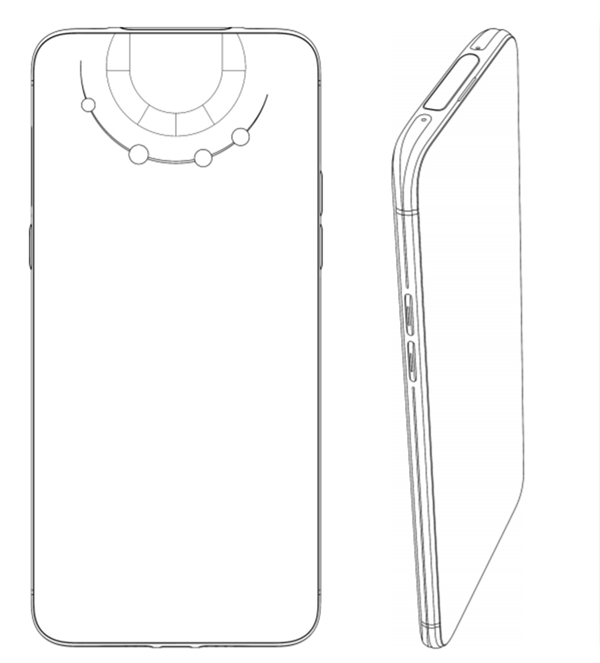
Earlier today (17th January 2020), Oppo applied for a patent with the State Intellectual Property Office of the People’s Republic of China. The distinct nature of this patent is its unique smartphone design, which showcases a Moon Wheel shaped rear camera module.

Oppo
The patents reveal the design for an Oppo smartphone with Moon Wheel shaped Camera design

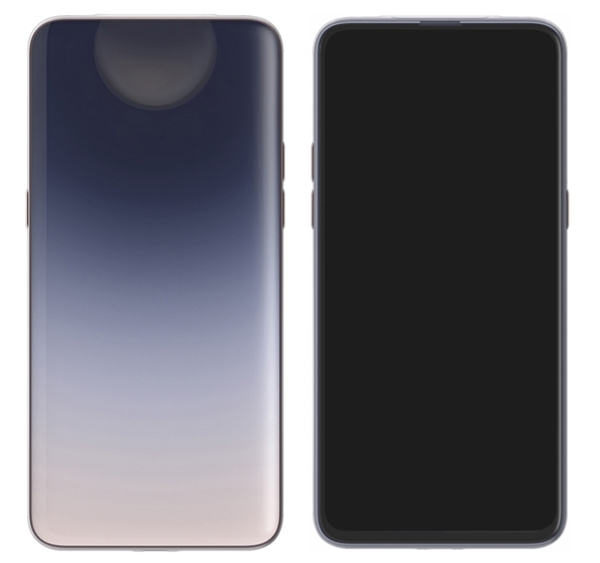
According to the design renders that accompany the patent, it is clear that the aesthetics look a lot like the Lunar cycles of the Moon. The rear cameras are arranged in crescent shape just under a sphere that is translucent in nature. It is currently unknown if this area holds any special sensor or camera. From left to right, an LED flash is followed by a large image sensor and two smaller lenses right beside it in a curved design.

Oppo
The rear cameras can reportedly even disappear when not in use

In the patent, graphical design images are also present which shows the technical parameters of the device. Unfortunately, it still creates more questions than answers regarding the unique smartphone. Earlier this month, OnePlus unveiled a disappearing rear camera module on a concept smartphone at CES 2020; so, this could be Oppo’s version of the same technology as another image depicts the rear panel with the sphere but not the cameras.

Furthermore, the Oppo smartphone may also arrive with a special back cover that brings the same functionality. The patent also reveals a key piece of information regarding the translucent area, which seems to be surrounded by a circle of LED lights. It is speculated to be a new form of notification lights that fill the entire sphere or could perhaps even be used to display unique animations and more.

The designs also reveal the tranlucent sphere carrying multiple LED lights surrounding it

The upcoming smartphone could be Oppo’s Find X2 smartphone which is expected to arrive soon, but that is just an educated guess. Unfortunately, the company has yet to confirm this report or publicly announce the existence of this unique handset.


(Via)

Samsung Galaxy S20, S20+ and S20 Ultra camera specifications revealed

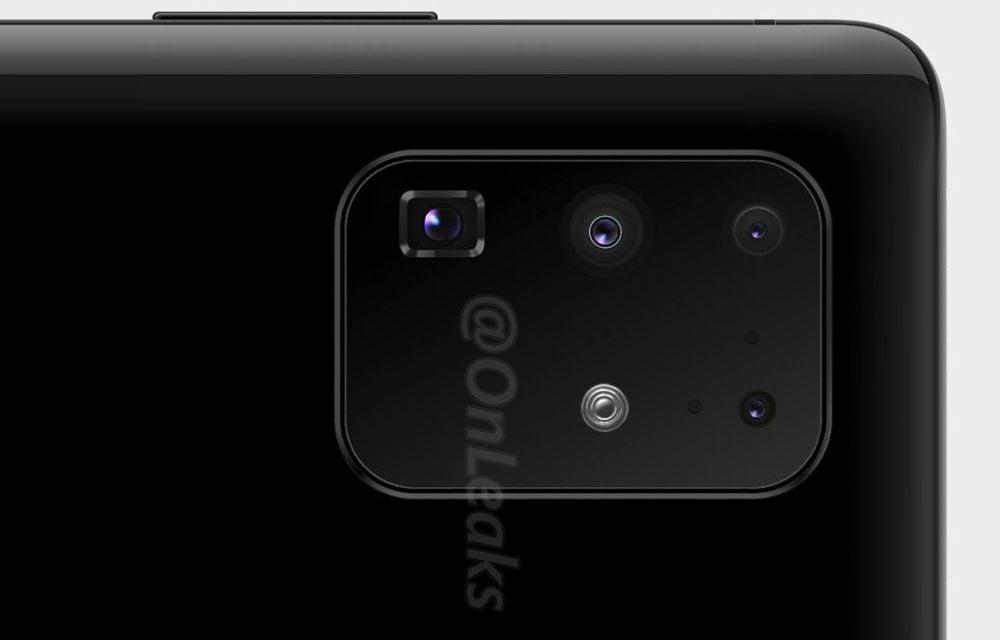
The upcoming Galaxy S20 series that is scheduled to go official on Feb. 11 reportedly includes five smartphones, Galaxy S20 and its 5G variant, Galaxy S20+ and its 5G edition and Galaxy S20 Ultra 5G. These Samsung phones will be sporting an Infinity-O display design like the Galaxy Note 10. The rear sides of these phones will be sporting slightly different design as the S20 will sport a triple camera setup whereas the S20+ and S20 Ultra will have quad rear cameras. The latter is expected to feature better cameras than the Galaxy S20+. Leaked renders have revealed that the cameras on each of the S20 phones will be housed inside a rectangle-shaped module. Reliable tipster Ice Universe has shared the camera specifications of the S20, S20+ and S20 Ultra.

Samsung Galaxy S20 Ultra 5G

The quad camera system of the Galaxy S20 Ultra 5G will be featuring 108-megapixel Samsung S5KHM1 as main shooter. It will be coupled with a 48-megapixel Sony IMX586 telephoto camera with a pixel size of 0.8micron. The third lens on the setup will be a 44-megapixel Samsung S5KGH1 ultrawide lens with 0.7micron pixel size and it will also feature a new Sony IMX518 3D ToF (Time of Flight) sensor.

For snapping selfies, the Galaxy S20 Ultra 5G will be fitted with a 10-megapixel Sony IMX375 lens with 1.22micron pixel size. It is the same selfie shooter that is available on the Galaxy S10 series and Note 10 series. The Galaxy S20 and S20+ will be also equipped with the same 10-megapixel Sony IMX375 front camera.

Samsung Galaxy S20 Ultra 5G cameras-
Samsung Galaxy S20 Ultra 5G’s camera renders by Onleaks

Samsung Galaxy S20+ and Galaxy S20+ 5G

The Samsung Galaxy S20+ 5G’s quad camera setup has a 12-megapixel Sony IMX555 primary lens with 1.8micron pixel size. It is accompanied by a 64-megapixel Samsung S5KGW2 telephoto lens and a 12-megapixel Samsung S5K2LA ultrawide shooter. Its fourth lens is a Sony IMX516 3D ToF sensor.

Samsung Galaxy S20 and Galaxy S20 5G

The Galaxy S20’s triple camera borrows its primary, telephoto and ultrawide lenses from the Galaxy S20+ model. Also, it lacks a 3D ToF sensor.

While the leak appears accurate, it is advisable to wait for the official announcement to know the exact camera specs and features of the S20 models. Apar from launching the S20 lineup on Feb. 11, the South Korean tech giant will be also announcing the Galaxy Z Flip foldable clamshell smartphone. A fresh report has revealed that the Snapdragon 855+ powered Galaxy Z Flip will be priced between $860 and $1,300.


(source|via)

Honor V30 Pro scores the second highest DxOMark rating ever, with 122 points

In the smartphone industry, DxOMark has established itself as a renowned benchmarking authority for mobile photography and videography. Initially, the company had placed its primary focus on professional grade and digital handheld cameras but have since branched out to include smartphones as well. Now, DxOMark has just unveiled its latest review which had the Honor V30 Pro achieve 122 points, which is second highest rating ever given out.

Honor
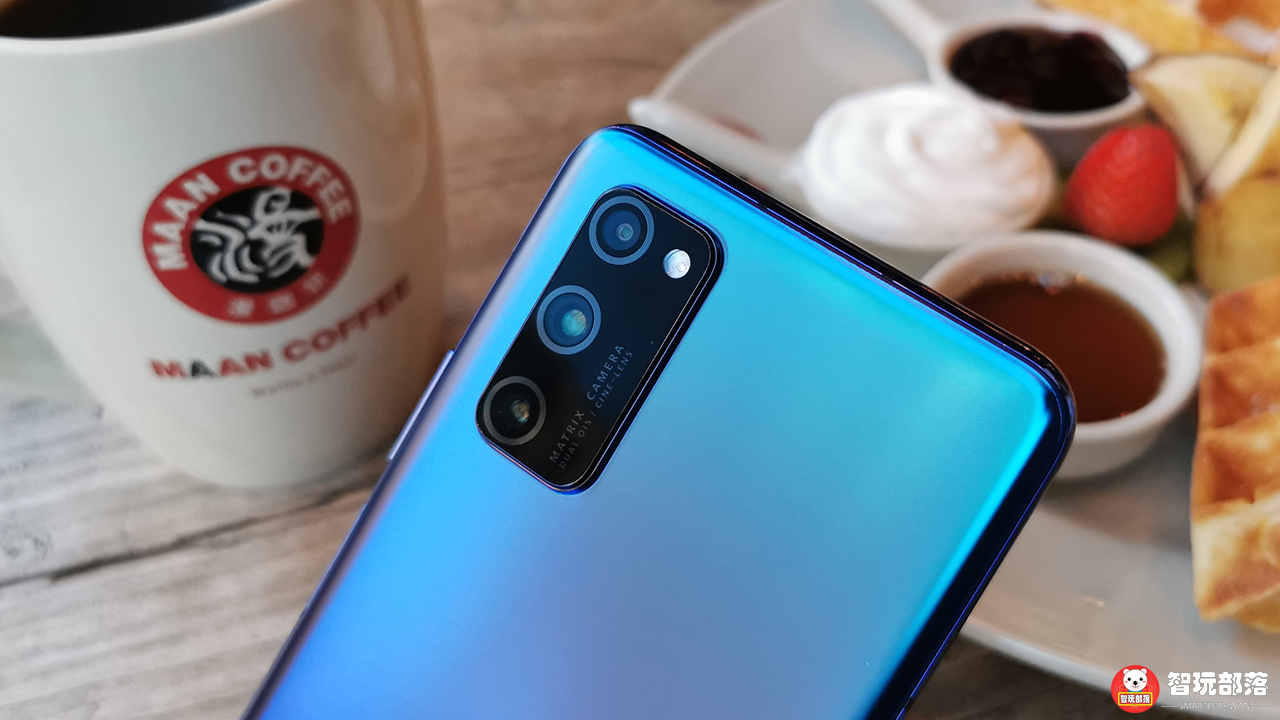
Honor V30 Pro’s Rear Camera Module

Honor is a subsidiary of Huawei, which also holds the top and third highest DxOMark scoring smartphone, Huawei Mate 30 Pro 5G and Huawei Mate 30 Pro. In the camera photography area, the Honor V30 Pro received an impressive 133 points with its zoom feature being the most highlighted and well received aspect of the camera module. It also achieved 100 points in videography and received praise for its stabilization methods, quick autofocus and color reproduction.

Honor’s V30 series featured a Matrix Camera technology for systemic imaging technology framework through software and hardware collaboration. In simpler terms, the handset was well optimized with capable hardware and well programmed algorithm software which helped it achieve an industry leading score. The camera module sports the customized Sony IMX600 RYYB 40-megapixel sensor with f/1.8 aperture as the main lens, an 8-megapixel telephoto sensor with f/2.4 aperture and a 12-megapixel cine lens with f/2.2 aperture with 109-degree field-of-view.

Honor
Honor V30 Pro Front Camera Module

Notably, Xiong Junmin, the Vice President of Honor, took the scores as an opportunity to claim that higher pixel count doesn’t translate to better images but a combination of optics, sensors, chips, algorithms, and more do, something that have also been backed up by the ratings. This was shared on the senior executives official Weibo account, a Chinese microblogging website.


(Source,Via)

Xiaomi Mi MIX Alpha appears on Mi India site; Mi Stores across country to showcase it

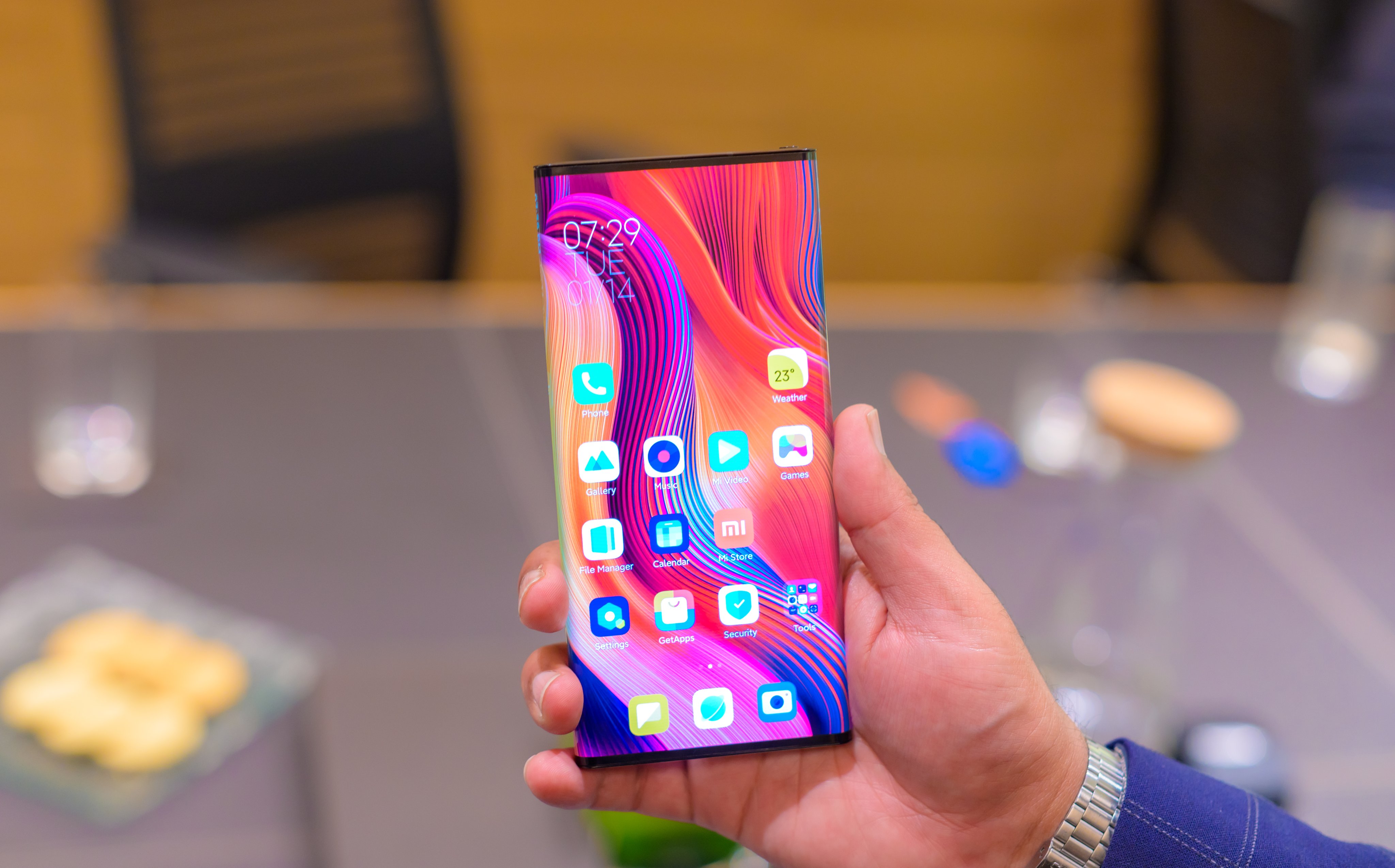
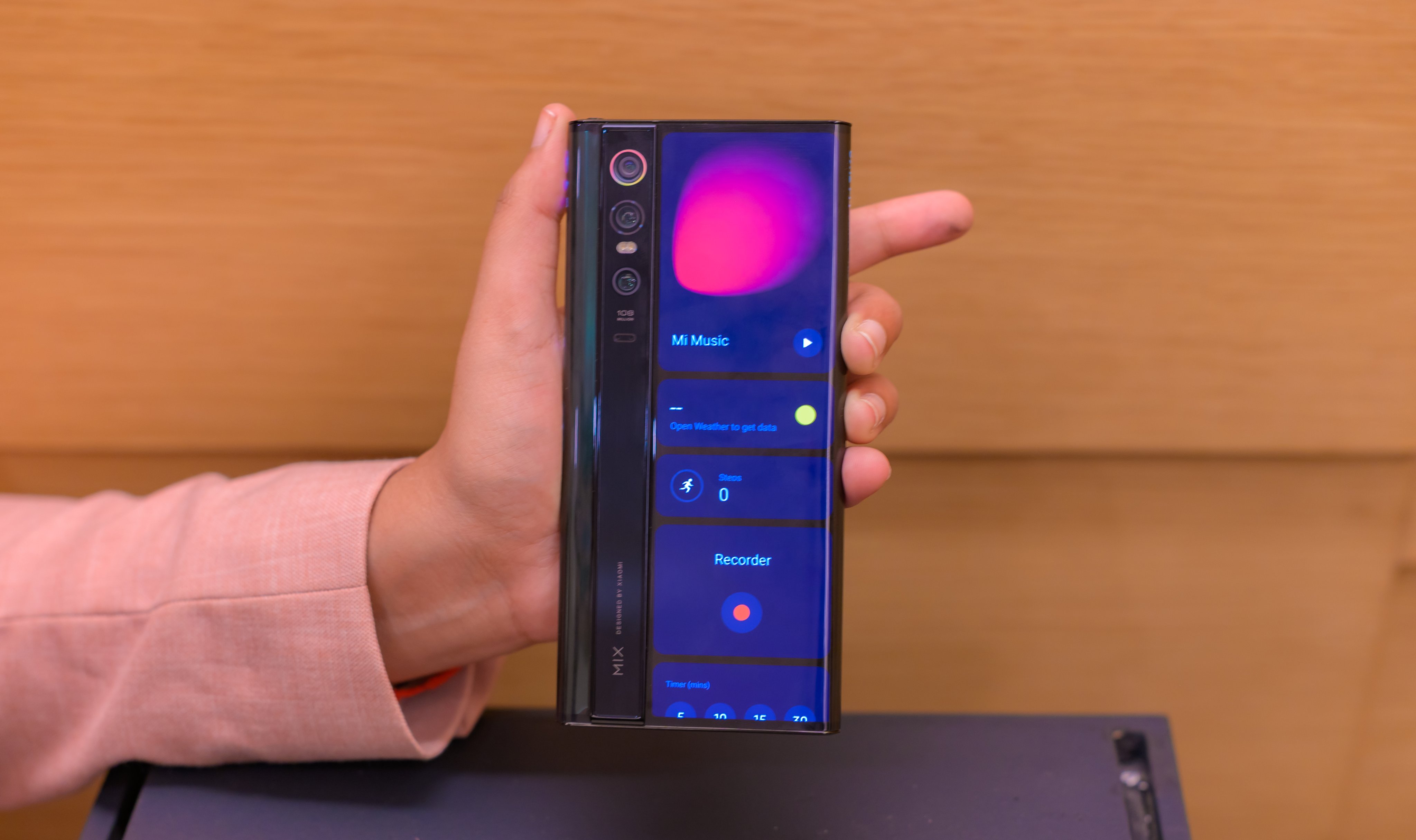
Last year in September, Xiaomi unveiled the Xiaomi Mi 9 Pro 5G along with Xiaomi Mi MIX Alpha. The latter was announced a concept phone featuring a marvelous wraparound display. It was announced with an exorbitant price tag of 19,999 Yuan (~$2,915). The smartphone was expected to release in China in December, but it hasn’t hit the market yet. Xiaomi India today jumped the gun by listing the Mi MIX Alpha on its website. According to PriceBaba, the Mi MIX Alpha will not be made available for purchase in India. Instead, the Chinese firm will be allowing people to experience the magnificent device at Mi Home Stores across the country.

Showcasing the Mi MIX Alpha at its stores without making it available for purchase seems to be a strategy to build the awareness of the Mi brand. Xiaomi’s Redmi is highly popular in India, but its high-end Mi branded phones like Mi MIX 2 from 2017 and Mi 5 from 2016 haven’t done well in the country. The more affordable Mi A-series Android One phones are quite popular in the country.

The Chinese firm is reportedly gearing up to launch the Xiaomi Mi Note 10 smartphone that features 108-megapixel penta-lens camera setup. It is speculated more phones under the Mi branding will be arriving in the country..

Xiaomi Mi MIX Alpha specifications

The Mi MIX Alpha is a 5G smartphone that houses a 7.92-inch flexible S-AMOLED display with 2250 x 2088 pixels resolution support. The display is integrated with an in-screen fingerprint reader. It runs on MIUI 11 based Android 10 OS. The Snapdragon 855+ mobile platform powers the device along with 12 GB of RAM. It is equipped with UFS 3.0 512 GB of internal storage.

There is a vertical camera strip on its rear that includes a 108-megapixel main lens, a 12-megapixel telephoto lens with 2x optical zoom support, Dual Pixel PDAF and laser autofocus and a 20-megapixel ultrawide lens with laser autofocus. It lacks features like selfie camera, microSD card and 3.5mm audio jack. The rear cameras can be used for capturing selfie shots with the rear display portion working as a viewfinder. The phone has a 4,050mAh battery that supports 40W fast charging.


(source|via)

Apple might just make a touchscreen MacBook

On multiple occasions, Apple has denied developing a touchscreen MacBook. However, a new patent has surfaced which arrives with a description that details a touchscreen laptop.

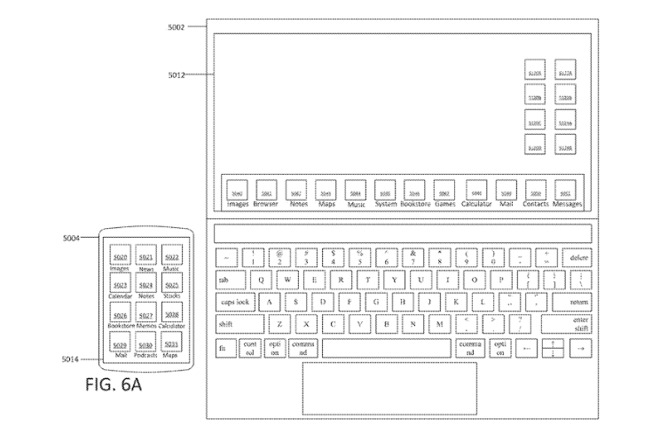
The patent was applied for in the US and falls under the collective title of “Cross Device Interaction.” It is likely an upcoming feature for the future generations in the Apple ecosystem that includes iPhone, iPads, and Macs. In the patent, the Cupertino based tech giant described a smartphone and a laptop computer’s display with respective labels and descriptions for both.

Apple
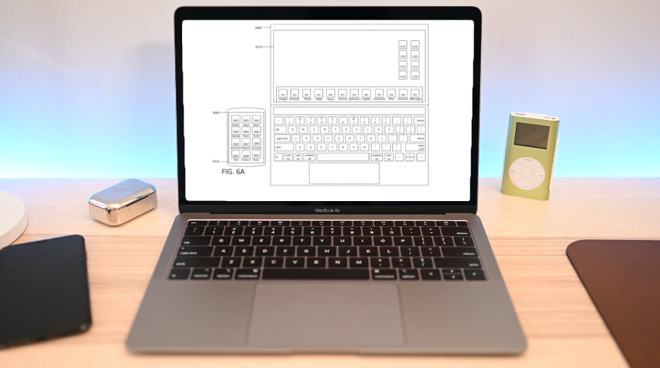
Apple’s Touchscreen MacBook that can mirror the content of an iPhone or vice versa

As seen in the description, it states that the screen “is also a touch sensitive display,” and the user can choose to perform “a variety of finger inputs over display” for various different functions and commands. Previously, Craig Federighi, the senior Vice President of Apple said that the company has decided to not produce a touchscreen Mac. The main reason for this was due to its laborious method of input of raising a hand across the screen which apparently goes against the more accessible “ergonomic” of a Mac.

Notably, the patent also reveals a new cross platform functionality. As seen in the designs, a user can use two or more Apple devices at the same time. This will allow user to display particular contents of one screen on another gadget. In other words, one can simply look at an image at a MacBook but choose to transfer it to the iPhone as well. This will allow multiple devices to gain access to data stored in any one of the respective gadgets.

Apple
(Illustration Via Apple Insider)

Apple seems to cover all possible bases with this patent. It reveals a potential touchscreen MacBook, a new display mirroring feature which can be accessed by voice command, touch input or even when a device is held in front of another (an iPhone in front of a MacBook). However, it also states that the technology is still not intuitive enough in the current generation as it can either be time consuming or inefficient with power consumption.


(Via)

OPPO A31 key specs leaked through Bluetooth SIG listing

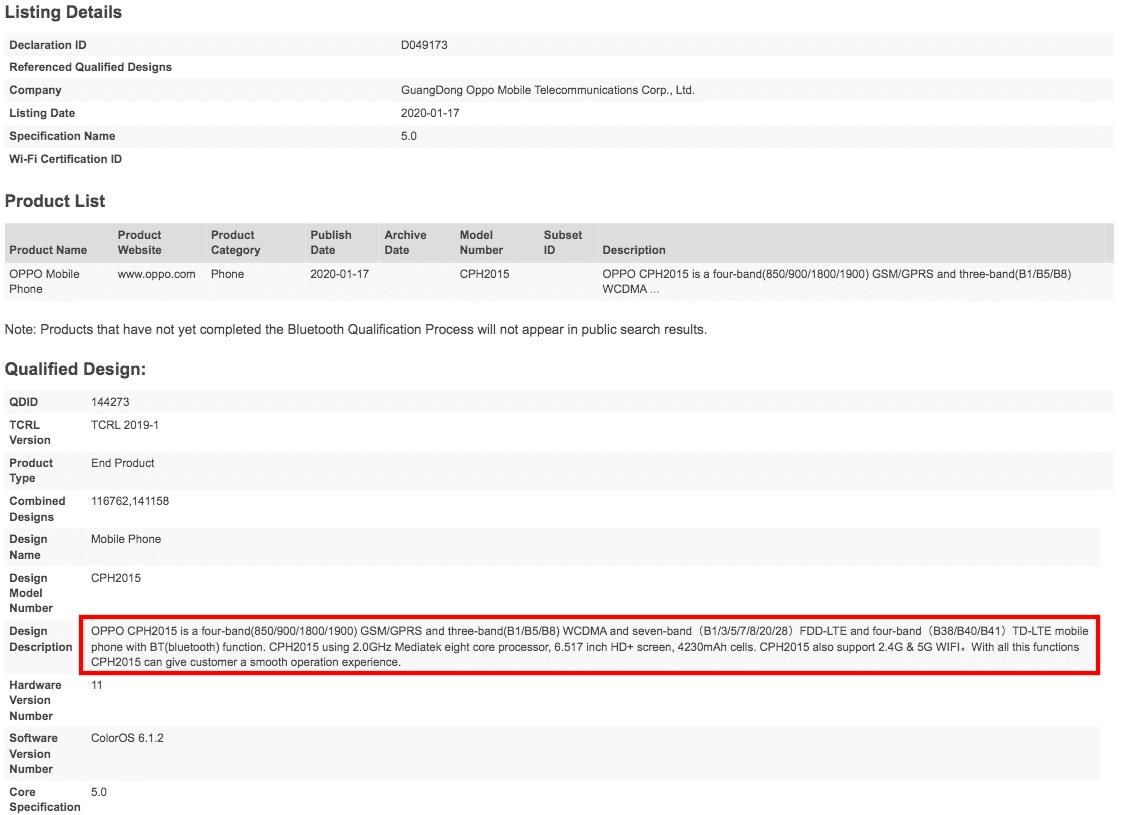
The OPPO A31 is an upcoming mid-ranger phone from OPPO. It has been spotted with its CPH2015 model number at the database of authorities like FCC in the U.S and Singapore’s IMDA. An Indonesian certification body had approved it as Oppo Reno S. The OPPO A31 name was revealed through its IMDA certification. Today, the CPH2015 smartphone has appeared on Bluetooth SIG with some key details.

The OPPO A31 specs leak on Bluetooth SIG reveals that is equipped with a 6.517-inch display that produces full HD+ resolution. A MediaTek octa-core processor that works at 2.0GHz powers the smartphone. The phone houses a 4,230mA battery. When it comes to connectivity, it carries support for Bluetooth 5.0 and dual-band Wi-Fi. The phone runs on ColorOS 6.1.2.

OPPO-CPH2015-Bluetooth-Certification

The FCC certification of the CPH2015 smartphone had revealed that it measures 164 x 755mm in dimensions. The battery of the device can be fueled using a 5V/2A charger. The schematics of the phone that had appeared in FCC documents revealed that it features a triple camera setup and a fingerprint reader on its back. Also, the images of the pre-production unit of the OPPO A31 revealed that it has a waterdrop notch screen, a 3.5mm audio jack, a USB port and an external speaker. The left side of the device is fitted with a volume controller and a power button can be found its right side.

There is no word on the launch date of the smartphone. It could be one of the first A-series OPPO phone to debut this year.

In related news, OPPO India has recently launched the OPPO F15 smartphone in India. It is a rebadged model of the OPPO A91 phone that went official in China in December 2019. The OPPO F15 features a 6.4-inch AMOLED display with waterdrop notch. It supports full HD+ resolution and is embedded with a fingerprint scanner. The Helio P70 powered phone has 8 GB of RAM and a 4,025mAh battery that supports 20W VOOC 3.0 Flash Charge technology.

Oppo F15
Oppo F15

The OPPO F15 has a native storage of 128 GB and it is equipped with a microSD card slot for more storage. The phone has a front camera of 16-megapixel and it bears a 48-megapixle quad cameras on its back. Priced at Rs. 19,990 (~$285), the handset is scheduled to be available for purchase in India from Jan. 24.


(via)

Poco splits from Xiaomi to become an independent brand

Last year, in January, Xiaomi split its Redmi brand of budget smartphones to make it independent and since then, the brand has launched several smartphones as well as had expanded its presence to other product categories as well.

Now, Chinese phone maker Xiaomi is repeating the same with its sub-brand Poco. Manu Kumar Jain, Xiaomi India MD and Global Vice President has today announced that Poco will now be an independent brand.

Xiaomi POCO

Given that the announcement comes from Xiaomi India Managing Director Manu Kumar Jain, it seems that the brand will be focusing on the Indian market only, at least for the initial time. This can be further confirmed through the brand’s online presence as the new Twitter handle is @IndiaPOCO while the website is now poco.in.

Manu Jain made this announcement through a tweet in which he said: Excited to share: #POCO will now be an independent brand! What started as a sub-brand within Xiaomi, has grown into its own identity. POCO F1 was an incredibly popular phone. We feel the time is right to let POCO operate on its own. Join me in wishing @IndiaPOCO all the best.”

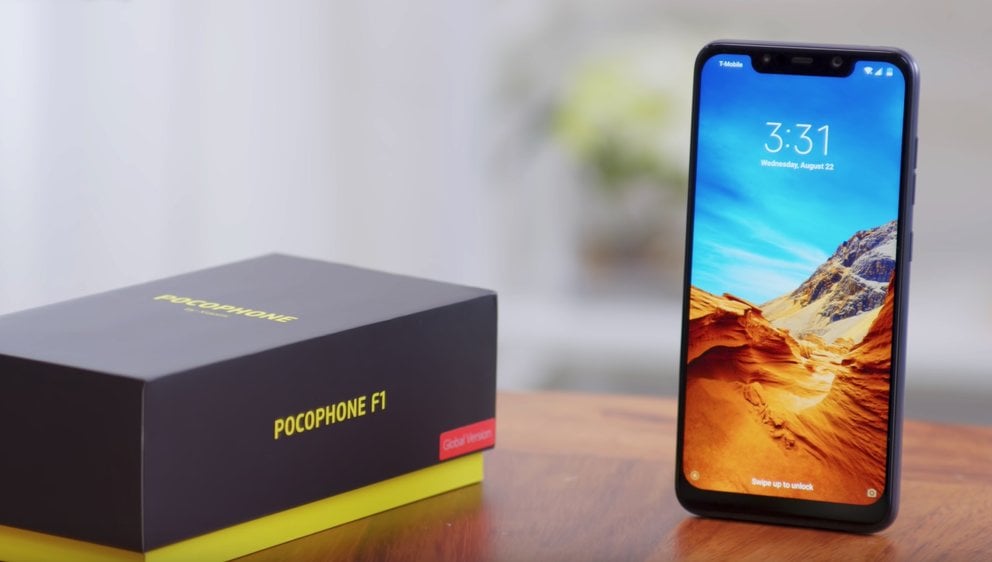
Xiaomi’s POCO brand garnered a very strong fan following ever since the launch of its first smartphone — the Pocophone F1 back in August 2018. The major reason behind the popularity of the phone was its unique segment in the industry — top-of-the-line specifications at very aggressive price point, similar to how OnePlus started operations.

However, after Poco F1, the company didn’t launch another other smartphones. There were several reports and rumors about Xiaomi working on the next Poco smartphone, but nothing was materialised. Then, rumors started that the company is shutting down Poco unit as it had launched the Redmi K20 lineup in India, which was placed in the similar segment as the Poco lineup.

The announcement about Poco becoming an independent brand comes just days after there are reports about Poco F2 smartphone coming soon. A few days ago, the company’s trademark filing for the Poco F2 surfaced online and recently, a new Xioami smartphone named Poco X2 was also spotted on Geekbench.

While we are not sure what smartphone from the Poco brand is coming, but with the rise in rumors and leaks related to a new Poco smartphone and the company’s announcement regarding the brand, we expect that the next-generation Poco smartphone isn’t far from getting official. What do you think?


Slides reveal that Android generates 60% less revenue for developers than iOS

Google has always been surprisingly quiet when it comes to user and revenue numbers for Android. Google hasn’t even updated its own dashboard of how many devices are on each version of Android since May, so for months we haven’t had any Android OS adoption figures. So this recent bit of news revealing revenue numbers for Android, Apple’s iOS and other operating systems is pretty interesting.

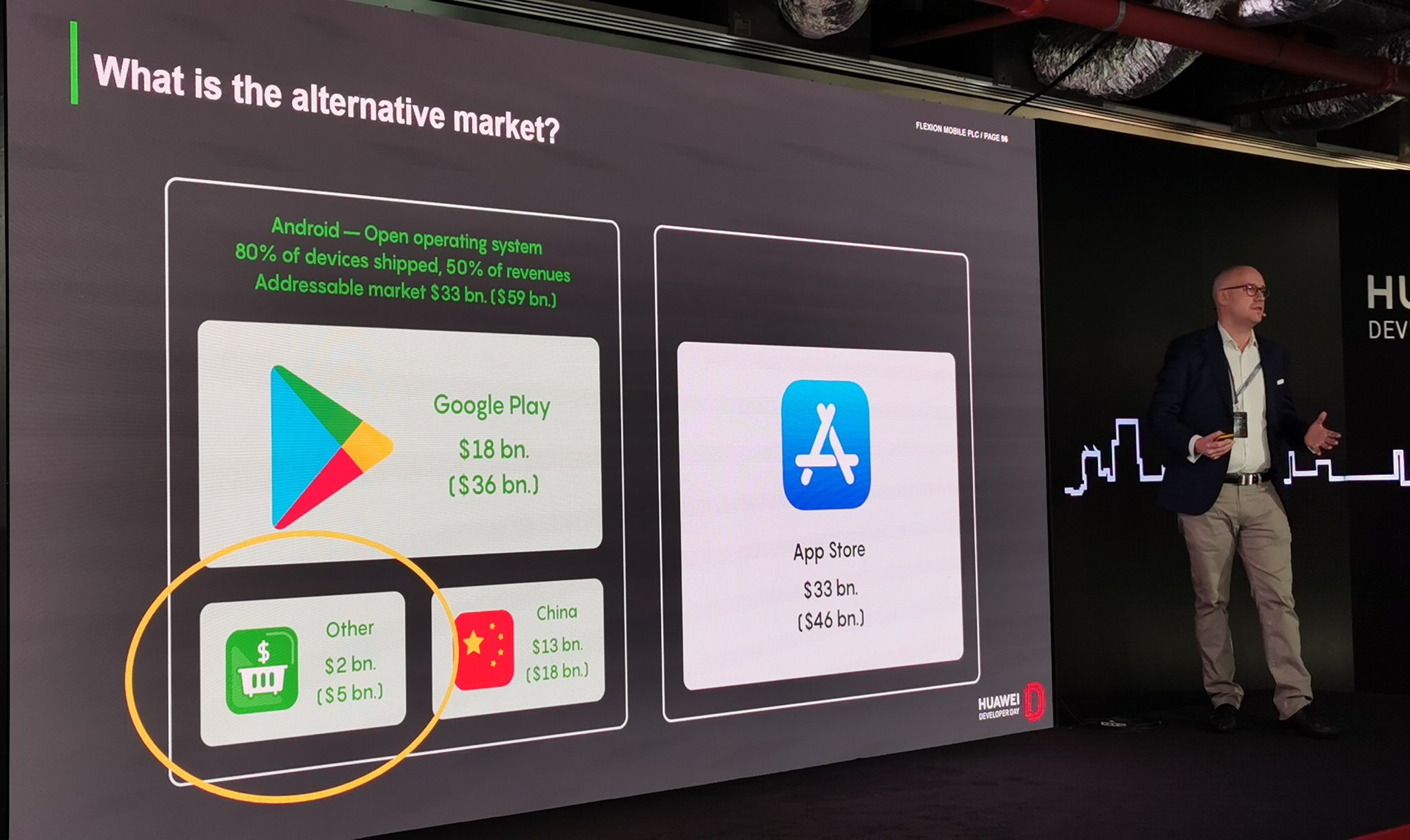
These numbers were revealed at Huawei Developer Day in a slide from Francisco Jeronimo, Associate VP at IDC. He shared an image showing the revenue distribution among different platforms and Apple has generated 50% of the revenue. Google Play on the other hand manages much smaller 27%, while China wracks a surprisingly large 20% of revenue. No wonder Google’s never released this data before.

  • App Store [$33bn] (50%)
  • Google Play [$18bn] (27%)
  • China [$13bn] (20%)
  • Other [$2bn] (3%)

In terms of their install bases, Apple is believed to have around 1 billion users, while Google has said there are more than 2.5 billion Android users. Despite this numerical advantage, each iOS user generates $33 for developers and each Android user only $13.2. With this in mind, it comes as no surprise that apps and games tend to still come first to iOS, despite its much smaller user base.

Between this little bit of news, Huawei fighting back to reassert itself in the mobile phone market with the full release of HMS Core 4.0 to the world and the rise of other operating systems like Kai OS, it’s going to be interesting to see how things shape up in the future. We doubt anything will have a significant effect on Apple’s dominance, but everything else could change very soon.

(Source)

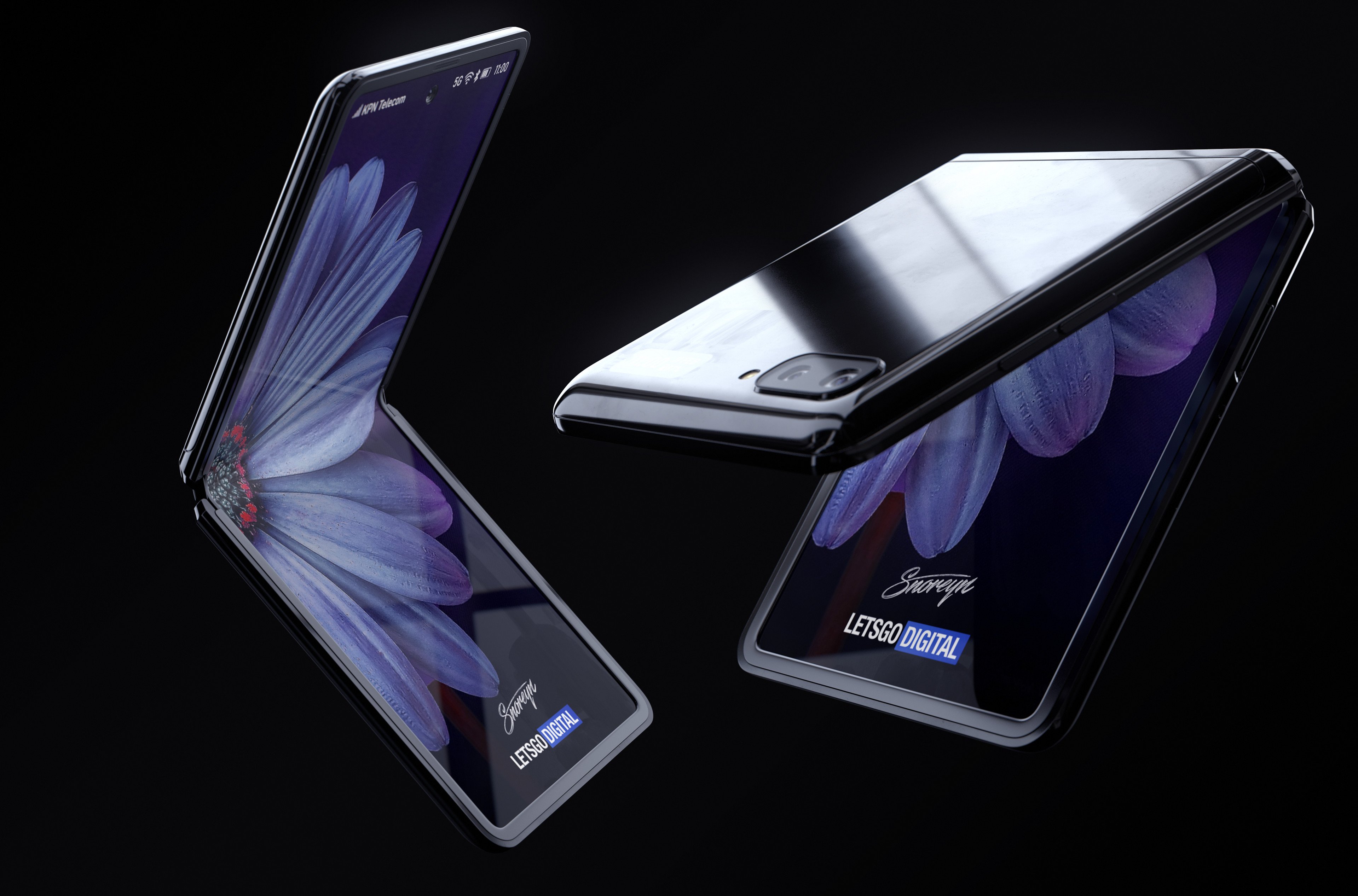
Samsung Galaxy Z Flip price leak suggests that it may cost between ~$860 and ~$1300

On Feb. 11, Samsung will be announcing the Galaxy S20 series of flagship phones. The South Korean tech giant is also likely to use the same platform to announce the Galaxy Z Flip phone. It will be a second smartphone after the Motorola Razr 2019 to arrive with a clamshell form factor along with a foldable screen. The Razr may have disappointed with its hefty price tag of $1,500 and mid-range specs. The pricing information that has surfaced on a South Korean publication suggests that the Galaxy Z Flip may kill the Motorola Razr. The Galaxy Z Flip is said to be packed with better internals and a cheaper price than Razr.

Citing information from industry source, the South Korean INews24 publication has reported that the Galaxy Z Flip will be priced between 1 million won (~$863) and 1.5 million won (~$1,295). The pricing is significantly lower than the $1,500 price tag of the Motorola Razr that is driven by the outdated Snapdragon 710 chipset. The Galaxy Z Flip is expected to feature the Snapdragon 855 mobile platform that powered many flagship devices last year.

Samsung Galaxy Z Flip Renders

Samsung Galaxy Z Flip specifications (Rumored)

So far, the rumor mill has revealed that the Galaxy Z Flip (codenamed as Bloom) will be equipped with a 6.7-inch tall aspect ratio display that can be folded and unfolded vertically. It will be an Infinity-O punch-hole that may feature a selfie snapper of 10-megapixel. It will be the first foldable phone to feature an ultra-thin glass (UTG) display. A protective plastic film will be placed on it to prevent it from scratches.

The SD855 powered Galaxy Z Flip clamshell phone is rumored to be equipped with a 1-inch secondary screen alongside its dual camera setup. It could be housing a 3,300mAh battery which is larger than the 2,510mAh battery present inside the Motorola Razr. The Galaxy Z Flip is expected to arrive with support for 15W fast charging. The clamshell phone is expected to release in the market soon after its announcement

Samsung is reportedly aiming to sell 6 million foldable phones in this year. This could include the sales of the existing Galaxy Fold, the upcoming Galaxy Z Flip and a future foldable phone arriving later this year. Rival brand Huawei has reportedly planned to launch two to four foldable phones including clamshell models this year.


(source)

Huawei executive says $150 5G phones will launch by the end of this year

5G smartphones are going mainstream and this year, all the major smartphone makers are expected to have a couple of 5G phones in their portfolios. While there are already several 5G devices in the market, almost every one of them is in the premium segment.

Smartphone makers are currently working on bringing down the cost of 5G phones and thanks to the new chipsets from Qualcomm and MediaTek, some of the manufacturers have managed to launch mid-range 5G smartphones.

However, Chinese giant Huawei’s President for 5G product line, Yang Chaobin believes that 5G smartphones priced around $150 are expected to get launched by the end of 2020 or in early 2021.

Yang Chaobin, Huawei
Yang Chaobin, President, Huawei 5G Product Line

Huawei, along with its sub-brand Honor, has launched a number of 5G smartphones in 2019, including Mate 30 5G series, Mate 20 X 5G, Mate X 5G, Nova 6 5G, Honor V30 series, among others. The company recently announced that its total worldwide 5G smartphone shipments have exceeded the mark of 6.9 million units.

According to a research agency in China, an estimated five million 5G capable smartphones were sold in December 2019 alone and the figures are expected to rise further. It is expected that more than 20 percent of the smartphones under the 2000 Yuan (roughly $290) will be 5G-enabled this year. By 2021, the same statistics are expected to be applicable across the globe.

While several companies have launched 5G smartphones in the market, most of them are exclusive to the Chinese market only, which includes the likes of Xiaomi, Vivo, and Huawei. This is also because China has already started offering commercial 5G services, the only country to do so apart from South Korea and United States.

As per the report, local OEMs in China are expected to sell over 150 million 5G smartphone units in 2020 while the global smartphone market sees a marginal market rise of 0.7 percent overall.

(Via)

Facebook cancels its plans to sell ads on WhatsApp

WhatsApp the popular online messaging app that is owned by Facebook is reportedly ending its plans of selling ads on the application. This arrives after the application had been free to download but with plans to monetize it in the future, i.e with ads.

WhatsApp is one of the most popular applications that are currently in circulation across the globe. Initially, the online messenger followed a paid entry system for its services which later turned into a yearly subscription based package. However, the entire idea of paying for the service changed when Facebook acquired it back in 2014. Soon after this, the app reached an impressive milestone and crossed the 1 billion download milestone.

WhatsApp
An early look at the proposed business model and ad generation on WhatsApp stories

But, despite its large userbase and downloads, WhatsApp was apparently not generating any revenue for the parent company. Thus, in 2018, WhatsApp Vice President, Chris Daniels, unveiled the plans from Facebook to sell ads on WhatsApp stories. It was a move to monetize the service which is identical to the ads that are currently seen on Facebook and its other subsidiary, Instagram. Notably, the founders of WhatsApp (such as Brian Acton) were strictly against this method of monetization and even went on to resign from the company.

Arriving at the present, a report has suggested that Facebook appears to be going back on its plans of selling ads on WhatsApp. Sources close to the social media giant have stated that Facebook just disbanded a team that was going to work on optimizing methods of integrating ads on WhatsApp. Furthermore, the work the team had done so far was also deleted from WhatsApp’s codings, according to the source.

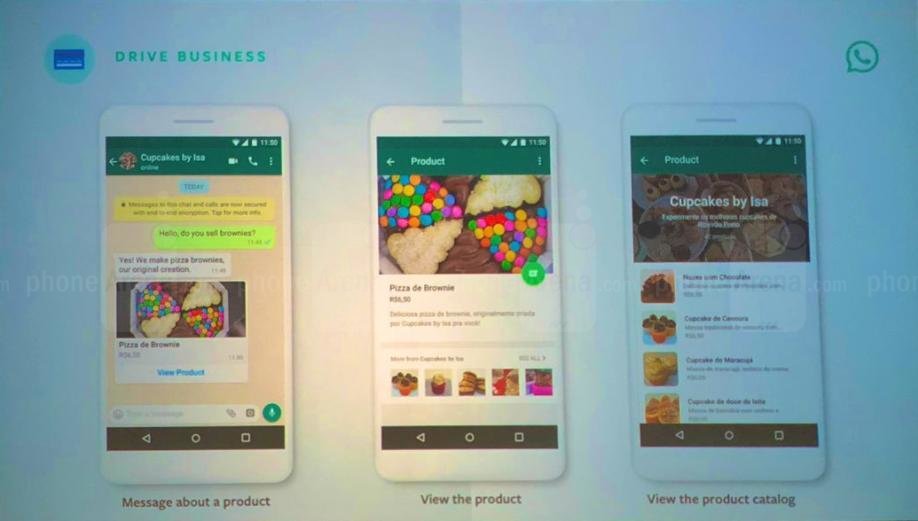
WhatsApp Catalog Manager

Facebook still has plans on introducing ads on the messaging platform sometime in the future, but it is currently prioritizing the generation of revenue from businesses, not customers. The company will do this by allowing firms to reach out to potential customers on WhatsApp. The messaging service has even provided tools that allow businesses to automatically respond to customers and service related queries.


(Source, Via)

Xiaomi Wear app is now officially available on the Apple App Store

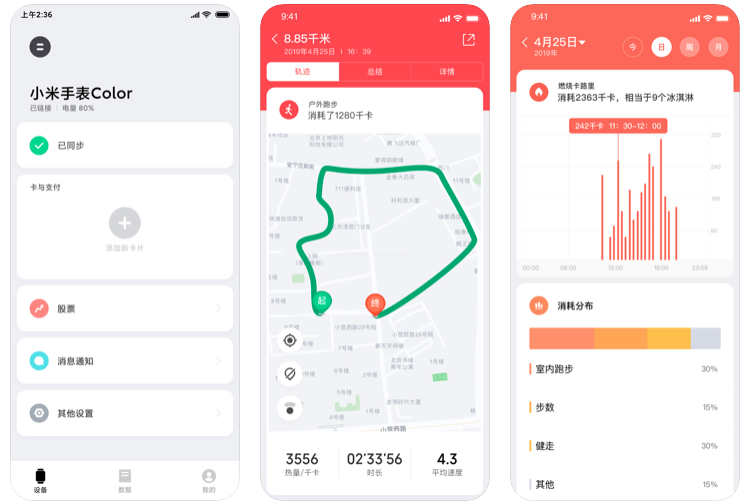
After much anticipation, Xiaomi Wear mobile application has now officially launched on the Apple App Store. However, as per the official report, the app currently supports only one wearable device — Xiaomi Watch Color.

The Xiaomi Wear application can be used to manage various smart wearable devices from the Chinese company as well as check statistics related to several sport activities, sleep patterns, changing sport modes, among others.

Xiaomi Wear iOS App

Ren Tian, the person in-charge of software for the Xiaomi wearable devices had revealed earlier this month that the company had submitted the first version of the Xiaomi Wear app to the Apple App Store in October 2019 but the company had not approved it.

On the other hand, the Xiaomi Wear application for Android platform has been updated to version 1.1.12. It comes with several bug fixes to improve performance and the company has also added support for Xiaomi Watch Color, which was recently launched.

The launch of this application from the company on Apple App Store comes on the same day when Xiaomi has started rolling out its second over-the-air (OTA) update for the Mi Watch with several new features. The first OTA update was rolled out on 3rd December, just weeks after the official launch of the smartwatch.

You can check out the Xiaomi Wear app on the App Store from here.


Huawei launches HMS Core 4.0 globally with a slew of new services in tow

After a rocky 2019 for Huawei – what with the US handing a Google ban, which hasn’t been resolved despite new US-China trade talks in 2020 – the Chinese company is fighting back to reassert itself in the mobile phone market with the full release of HMS Core 4.0 to the world. Huawei hopes that this move will assist global developers in making content for their Play Store contender, AppGallery.

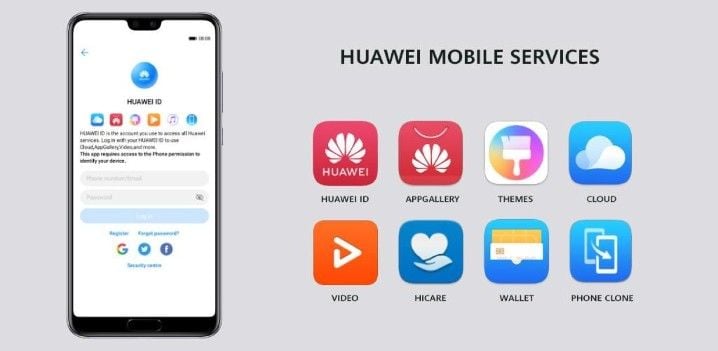
HMS Core is a collection of tools that will help prospective app developers produce apps for the Huawei ecosystem. It includes a complete set of open HMS Apps and HMS Core, HMS Capabilities, HMS Connect, as well IDE tools for development and testing. The launch of HMS Core 4.0 is an important milestone for Huawei in building a global ecosystem for themselves.

Here’s a list of new services that are now integrated with HMS Core 4.0:-

  • Machine learning services
  • Text awareness services
  • Unified services 
  • Code scanning services
  • Short-range communication services
  • Panoramic services, security detection services
  • Dynamic tag manager services
  • Online fast authentication service
  • Location services
  • Fast application services
  • Digital rights services
  • Sports health services
  • User identification services

Developers have long been waiting for these features to finally be incorporated into the HMS Core, and now that they’re finally here we can expect to see a lot more development come out for it. The audience is already there, given how Huawei’s AppGallery already has over 400m monthly users – most of which are in China, of course. It’s still a pretty good incentive.

Huawei has come out with guns blazing when it comes to their HMS Core. According to them, over 1.3 million developers have been signed up so far and over 50,000 apps have been integrated with the HMS Core. The App Gallery also laid claim to 180 billion downloads last year, not a bad number all things considered. With HMS Core 4.0, we can only expect these numbers to go up soon.

The figures are, however, unlikely to trouble Apple and Google, both of which number the content of their respective stores in the millions. For its part, Huawei pointed to the saturation of apps in stores (citing the Google Play Store in particular), and highlighted the difficulty and expense in getting noticed. “We make the alternative market interesting,” a representative said.

The company also presented a new strategy for its consumer devices business over the next few years as it looks to offer a “seamless AI experience”. This new “1+8+N” approach keeps the smartphone (1) at the centre, with related Huawei smart devices such as wearables, tablets and PCs (8) bridging to the wider world of connected products such as televisions, appliances and even cars (N).

(Source)

Xiaomi Mi Watch new OTA update brings several new features

As we reported yesterday, Xiaomi has now started rolling out second over-the-air (OTA) update for the Mi Watch in China. The company has also announced new features that have been introduced with this update.

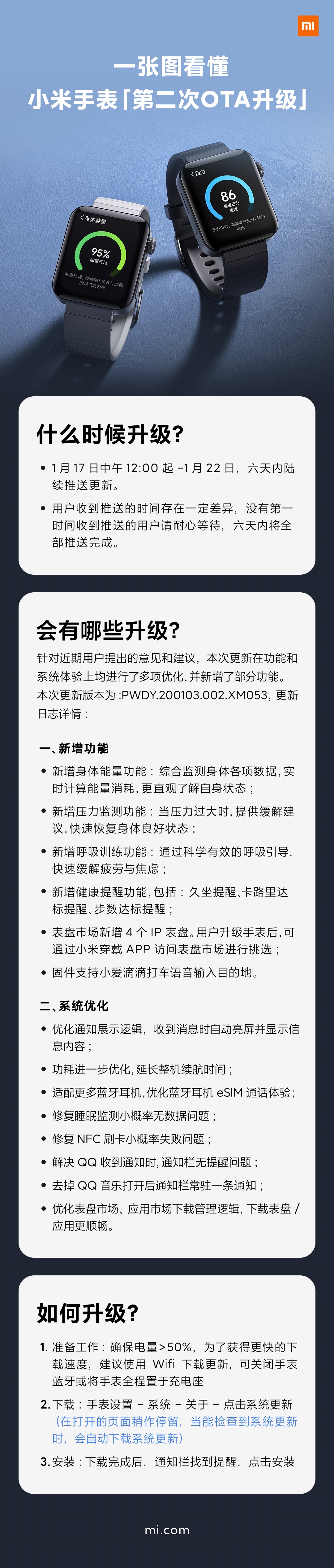
Xiaomi says that it has added algorithmic body energy function and pressure detection feature which is powered by Firstbeat. Along with that, it has also added breathing training function to get relaxed, new dial designs, and fully-featured XiaoAI with functions like one-step voice taxi, among others.

The company had recently revealed that the new OTA rollout for the smartwatch will begin on 17th January and every user will get it by 22nd January.

Xiaomi smartwatch

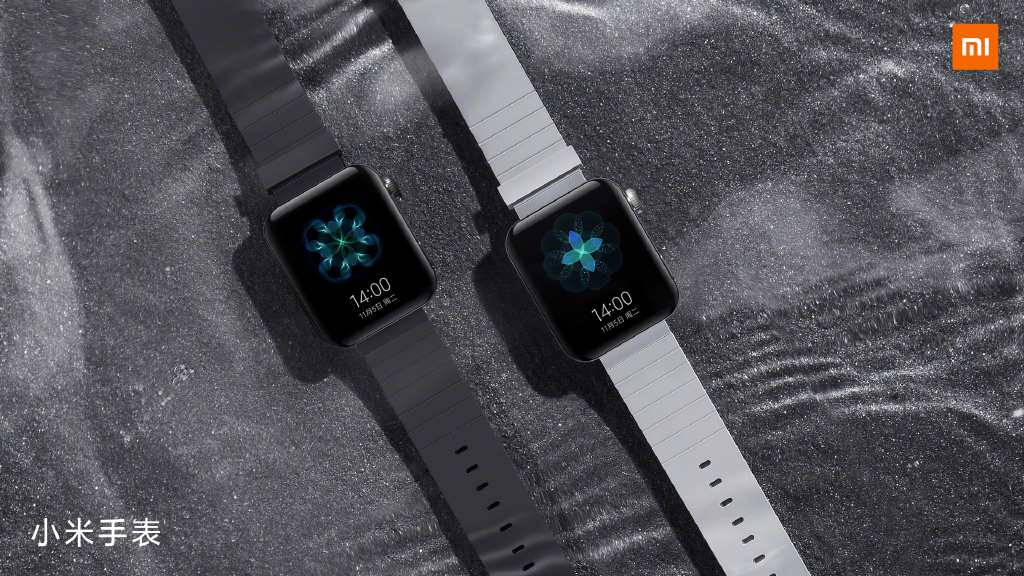
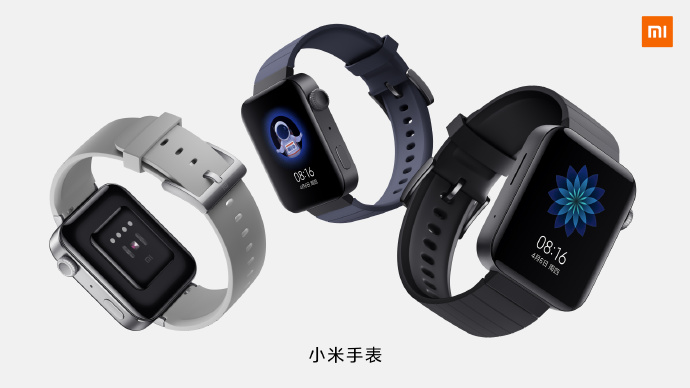
The Xiaomi Mi Watch comes with a square touchscreen display protected by Corning Gorilla Glass 3. It features a 1.78-inch AMOLED curved display with 326 PPI pixel density and the back of the watch is made out of ceramic.

It has a crown on the right that can be used to navigate through the watch UI. Apart from the crown, there’s a multi-purpose button as well as a microphone on the right side. On the left side, you have another microphone hole along with a speaker vent.

The device comes powered by the Qualcomm Snapdragon Wear 3100 4G chipset featuring four Cortex A7 cores clocked at 1.2GHz. The watch features one of the biggest batteries ever seen on a smartwatch featuring 570mAh in capacity which the company claims can last up to 36 hours or up to two days on a single charge.

Xiaomi Mi Smartwatch

The wearable devices comes loaded with features such as NFC, Bluetooth 4.2, Wi-Fi (n), GPS, an independent vibration motor, and a pretty large speaker. It also supports eSIM, which ensures you can connect to the internet via cellular network as well as make and receive calls independently.

Xiaomi has adopted Google’s WearOS platform for its new smartwatch. However, like its smartphones, the WearOS running on the Xiaomi watch will be customized with its own MIUI for Watch skin. It comes integrated with the company’s own XiaoAI smart assistant.

In a related news, the company has also launched a new application named Xiaomi Wear on the Apple App Store. However, the app currently supports only one wearable device from the company — Xiaomi Watch Color.

You can check out our review of the Xiaomi Mi Watch here.

Xiaomi Watch OTA Update Changelog


Xiaomi Mi 10 launch poster leaked; Reveals February 11 date and Mi MIX Alpha like rear camera design

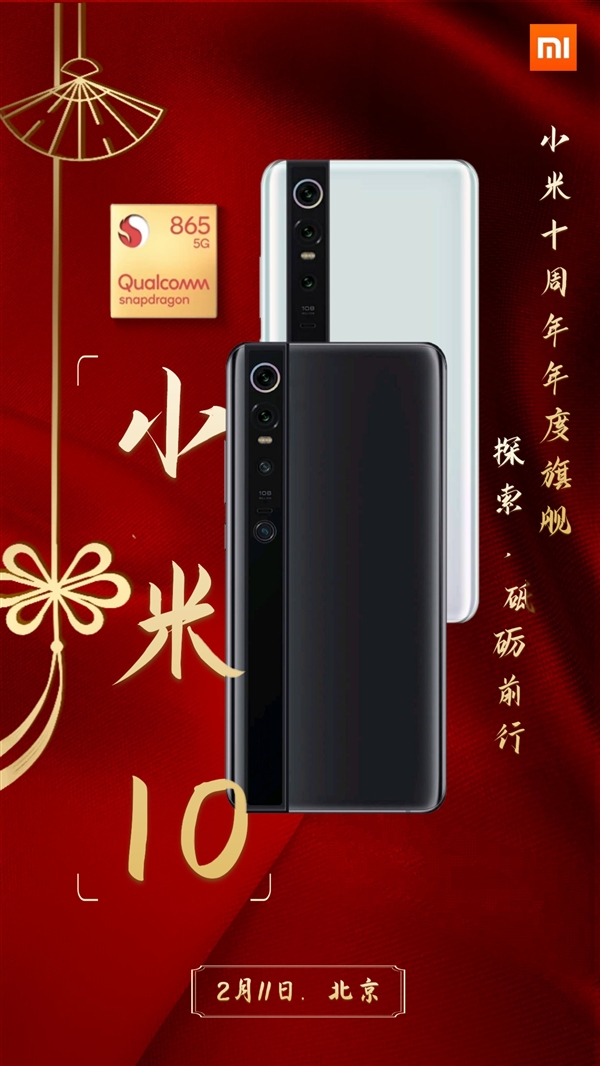
Xiaomi is expected to launch to the Xiaomi Mi 10 and Mi 10 Pro early in February. Some reports have claimed that the Mi 10 series may go official before Samsung unveils its Galaxy S20 series of flagship phones on Feb. 11. While Samsung has confirmed the launch date, Xiaomi is yet to reveal the unveil date for the Mi 10 series. A leaked poster which could be fake has appeared on Weibo, it states that the Mi 10 series will go official on Feb. 11. The poster also showcases the rear design of the phone.

The leaked poster states that the launch event of the Xiaomi Mi 10 will be held at Beijing on Feb. 11. The poster showcases the rear design of the white and black color variants of the Mi 10 / Mi 10 Pro handset. On the Xiaomi Mi MIX Alpha concept phone that features a wraparound display, there is a strip on the rear that houses the camera sensors. The poster shows that the rear design of the Mi 10 is inspired from the Mi MIX Alpha as it features a strip that four camera sensors.

Xiaomi Mi 10 February 11 launch date

A closer look at the camera strip reveals the presence of an LED flash after two lenses which is followed by a third 108-megapixel sensor, a module probably for laser autofocus and a fourth lens. The rear shell of the device curves towards the edges. A volume rocker and a power key can be seen on the right side of the device. The authenticity of the leaked poster could not be confirmed. Hence, it is advisable to take the report with a grain of salt.

Xiaomi Mi 10 and Mi 10 Pro specifications (Rumored)

The Xiaomi Mi 10 and Mi 10 Pro specs that have surfaced so far are not very clear. Past reports have revealed that the Mi 10 will be equipped with a 90Hz refresh rate screen. It could be housing a 4,800mAh battery that supports 30W fast charging. The quad camera setup of the phone may include a Sony IMX686 64-megapixel main lens, a 20-megapixel ultrawide shooter, a 12-megapixel telephoto lens and a 5-megapixel depth sensor. The 5G-ready Mi 10 and Mi 10 Pro will be fueled by the Snapdragon 865 mobile platform.

The Xiaomi MI 10 Pro is expected to flaunt a 120Hz refresh rate display. It could be coming with a 4,500mAh battery supports 66W fast charging, The phone is also rumored to come with fast wireless charging and reverse wireless charging support. The quad camera setup of Mi 10 Pro may include a 108-megapixel main lens, a 20-megapixel ultrawide lens, a 12-megapixel telephoto lens, and a 5-megapixel depth sensor.

The Mi 10 series could be priced between 3,500 Yuan (~$509 and 5,000 Yuan (~$727). The Mi 10 Pro has been spotted on TENAA, but no specs have been revealed yet. Hopefully, the listing will be updated over the weekend with all the important details.


Graphene battery that recharges blazingly fast is already in the market

The smartphone industry has been making a lot of progress in terms of technological enhancements since past few years and the one of the most crucial area of advancement is for the battery technology.

We have heard about smartphone companies planning to adopt graphene batteries but none of the companies have actually used in its their devices so far. But it seems that the situation could change really soon.

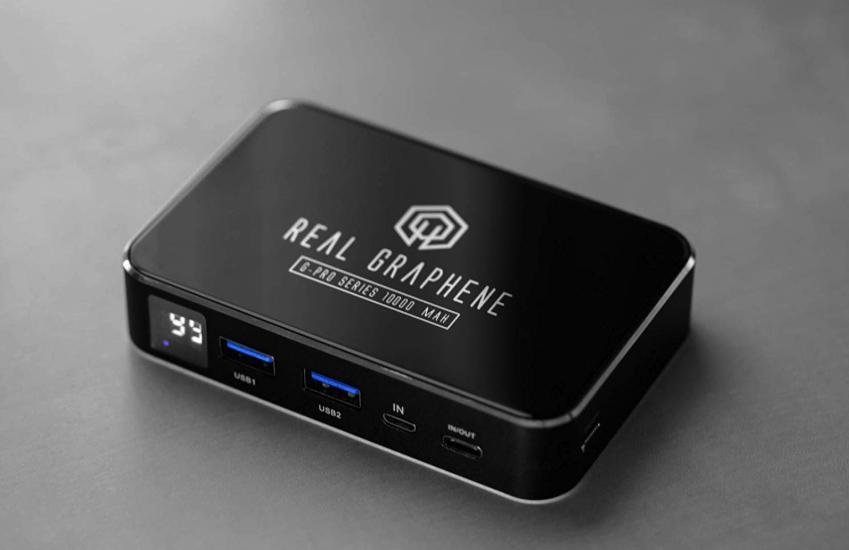
Real Graphene Power Bank

Real Graphene, a US-based company is working on graphene-enhanced battery cells which the company says is almost ready for mainstream commercial use. As for the benefits of the graphene battery, it is claimed to get charged really fast.

As per Samuel Gong, CEO of Real Graphene, while the regular phone batteries take about 90 minutes, sometimes a little quicker, to recharge, the Real Graphene cell is much faster, with a full charge of a 3,000mAh cell taking about 20 minutes using a 60W charging.

He also adds that while most phone batteries can manage between 300 and 500 charge cycles, Real Graphene’s batteries can last about 1500 cycles for the same capacity, and because the cell generates much less heat it runs much cooler, it’s safer too.

The company says that it provides a complete battery solution to its clients, including battery and the special chipset that’s required for charging. It believes that since the Real Graphene battery still uses lithium, the enhanced version would be a simple swap for manufacturers.

While the company is yet to sign deal with smartphone manufacturers to power smartphones with graphene-based batteries, it has started selling Real Graphene power banks which can be purchased through Amazon.

(Source)

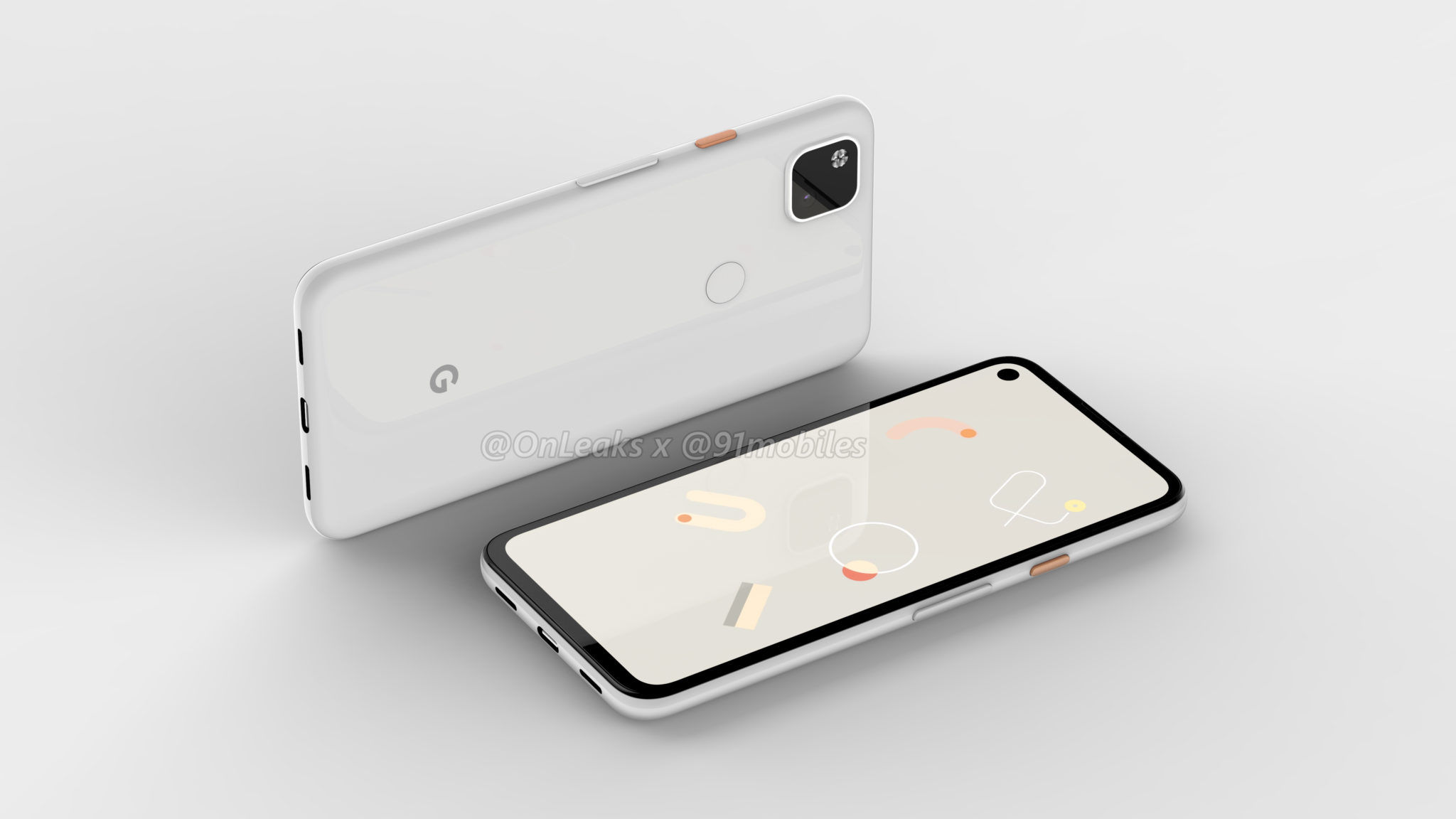
Google Pixel 4a with SD730, Pixel 4a XL 5G with SD765G could be in works; Codenames revealed

Last year, Google had introduced the Pixel 3a and Pixel 3a XL smartphones with budget-friendly pricing before announcing the Pixel 4 series of flagship phones in October. The search engine giant is expected to debut with Google Pixel 4a and Pixel 4a XL with weaker specs than the Pixel 4 and Pixel 4 XL along with affordable price tags this year. A previous report had claimed that the Pixel 4a XL does not exist, but a report from 9to5Google had revealed that it exists. XDA Developers received a tip on the codenames of Pixel devices for 2020. Scouring through the Android Open Source Project (AOSP) of Pixel 4’s firmware and newest version of Google apps revealed 3 codenames such as sunfish, redfin and bramble of new smartphones along with their respective processors. These codenames seem to belong to the upcoming Pixel 4a and Pixel 4a XL 5G.

Google Pixel 4a – Sunfish codename

The sunfish codename found in the AOSP repository is based on sm7150 which is the codename of the Snapdragon 730 mobile platform. It is the same processor that powers smartphones such as Redmi K30 and Realme X2. The publication has claimed that Sunfish has Android 10 and Android 11 based two development branches. The same codename along with the codenames of other Pixel devices was seen in a string in the Google app. This device is believed to be the Pixel 4a smartphone and it lacks support for 5G connectivity. Popular tipster has already shared the leaked CAD renders of the Pixel 4a smartphone in the previous month.

Pixel 4a

Redfin and Bramble – Purported Google Pixel 4a XL

The Redfin codenamed device is being developed on the sm7250 and Android 10. The sm7250 is the codename of the Snapdragon 765 mobile platform. Since the SoC is integrated with 5G modem, it will be a 5G smartphone. The phone is being by manufacturer by FIH Mobile ODM, a subsidiary of Foxconn.

The Bramble codename was initially thought to be a Snapdragon 865 mobile platform. However, since it is running on Linux kernel version 4.19, it is not a SD865 device. As SD765 should be also based on Linux kernel vision 4.19, it could be based on sm7250 like the Redfin smartphone. There is no evidence on whether it is an ODM device. Like the Redfin, it is also being developed on Android and Android 11. There is a possibility that the Redfin or Bramble could end up as a 5G enabled Pixel 4a smartphone. Among Redfin and Bramble, one of them could be a commercial device whereas the other one could be a development board.


(source)