Foldable smartphones are becoming mainstream and even though it carries an expensive price tag, such devices seem to be in-demand. While the build quality has improved from what companies offered last year, there’s still concern about the same because of how expensive such devices are.
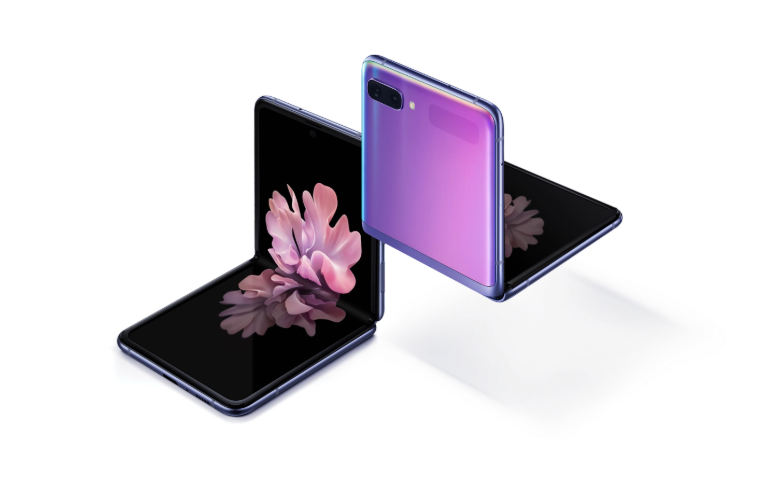
The focus is currently on the newly launched Samsung Galaxy Z Flip smartphone and from what we’ve seen so far, it seems that the device is not easy to crack. iFixit recently shared a video teardown of the phone, showing the phone’s internals and revealing its build.
Samsung has been advertising its new “fiber shield” hinge which intends to trap stray dust and keep it from getting inside the smartphone. While the phone does have this new type of hinges, the working isn’t as good and impressive as what Samsung made it look.
Folks at iFixit dropped the foldable smartphone it into a bag of purple dust, they took the phone out and shook out the dust but despite this, some dust got inside the Galaxy Z Flip and it even stopped the hinge from fully opening.
As this is not a situation that you will face in your regular usage, the company may have designed the phone just keeping the real-time scenarios in mind and the fiber shield hinges are for repelling day-to-day pocket lint.
Also, it’s noteworthy that the company clearly says that the smartphone is not water and dust resistant and the same warning shows up on the screen when you first turn on the Galaxy Z Flip.
There are a few other teardown videos on the internet which shows that the screen is prone to marks and scratches just like a plastic screen but the company is advertising the screen to be glass. Samsung clarified that the display is indeed glass, but has a “protective layer” on top.
When that protective layer is removed, the screen stops working. This is similar to the original Galaxy Fold which wouldn’t work when the protector was peeled off, sparking concerns about its build and forcing Samsung to delay its launch.
Overall, it is evident that the Samsung Galaxy Z Flip is an impressive device as far as engineering is concerned. However, the device does have some flaws in terms of design and build, which could lead to durability issues.
Face mask have been in demand for protecting users from environmental issues such as air pollution as well as from being affected with viruses. They are currently more in-demand in China because of the coronavirus outbreak.
While Xiaomi is already selling face masks in its home country, the company has now obtained a patent for the new “smart masks” from the United States Patent and Trademark Office (USPTO).
Xiaomi Youpin F95 Face Mask
The patent description reveals that the upcoming smart mask from Xiaomi will come equipped with a computing unit for the processor to calculate all the data that the sensors on the mask collects.
The collected data will be stored on the mask using the storage module and can also be transferred to other devices, thanks to the connection module. Along with all this, there’s also a built-in battery that powers the standard air filter.
It will also come with sensors like accelerometers and gyroscopes which will help the mask determine if the user is moving or in a stationary position. Sensors on the Xiaomi smart mask will be recording data such as total wearing time, pollution absorption, breathing volume, breath counts, among others.
The mask can also be connected to a mobile application which will show all the data in real-time along with giving information about the weather and air quality of users’ city. It seems that the smart mask will also be able to detect potential breathing abnormalities and could also recommend a healthier breathing method.
However, do note that this is just a patent application from Xiaomi which has been granted and the company has not indicated if it plans to launch any such product in the market. Even if it does, there’s no guarantee that the smart mask will be available for purchase in the market anytime soon.
The Galaxy M31 is an upcoming mid-range smartphone from Samsung set to launch on February 25. The launch is still a week away and promotional pages put up by Samsung and Amazon India have already confirmed a few specs. If you do not want to wait until next week for the full spec sheet, then it will please you to know it has been leaked along with renders of all the color variants.
The leak comes from Sudhanshu Ambhore (@Sudhanshu1414). According to his tweet, the Galaxy M31 will be powered by the Exynos 9611 which is the same processor that powers the Galaxy M30s.
Full Specs- Exynos 9611 6.4" Super AMOLED Infinity U, 2340 x 1080 res 64MP (f/1.8) Main + 8MP (f/2.2) Wide-Angle + 5MP (f/2.2) Depth + 5MP (f/2.4) Macro 32MP (f/2.0) 6000mAh with 15W charging 6/128 Dual SIM + dedicated microSD slot upto 512GB 159.2 x 75.1 x 8.9 mm 191 g
The phone has 6GB of RAM and 128GB of storage and there is a dedicated MicroSD card slot for up to an additional 512GB just in case you need more storage.
We already know the phone will have a 6.4-inch Super AMOLED Infinity-U display with an FHD+ resolution. We also know the selfie camera is a 32MP sensor and the primary rear camera is a 64MP (f/1.8) sensor. However, his tweet reveals the other rear cameras are an 8MP f/2.2 wide-angle camera, a 5MP f/2.2 depth camera, and a 5MP f/2.4 macro camera.
The Galaxy M31 will have a 6000mAh battery with support for 15W charging. It will come with dual SIM slots too. Its dimensions are given as 159.2 x 75.1 x 8.9 millimeters and its weight is 191 grams.
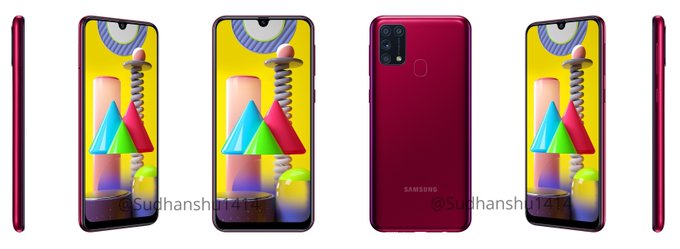
Alongside the spec sheet, he also posted renders of the phone in the three color variants it will be available in. We have already seen the phone in blue and black but this is the first time we are seeing the red variant.
The renders show the device has a small camera bump. You can also make out the hole for the audio jack at the bottom. There is also a fingerprint scanner on the back of the phone.
Based on the above specs, the Galaxy M31 is just a Galaxy M30s with better and more cameras.
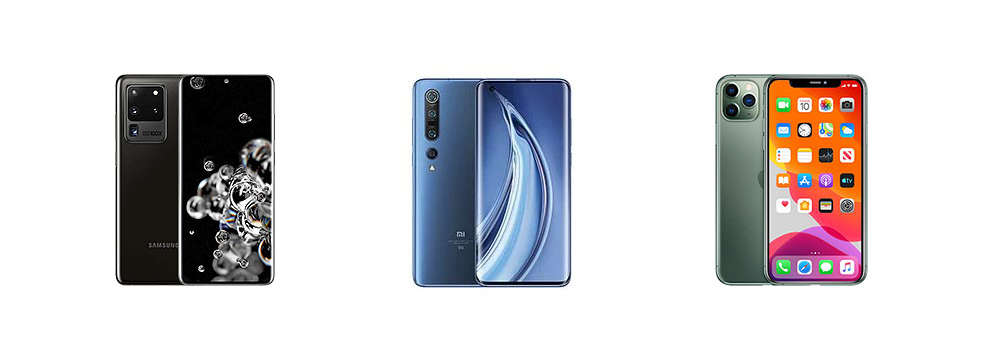
After the launch of the Samsung Galaxy S20 and the Xiaomi Mi 10 lineups, we think it is time to compare the most powerful variants of the flagship series from the hottest brands of the moment. If you are looking for the best Samsung flagship and you have no budget limits, then you should go for the Samsung Galaxy S20 Ultra. The latest and most powerful Chinese handset of the moment is the Xiaomi Mi 10 Pro, while iPhone 11 Pro Max is the best Apple mobile device. Through this comparison between their specifications, you can learn which one offers the highest number of advantages on the paper.
Samsung Galaxy S20 Ultra vs Xiaomi Mi 10 Pro vs Apple iPhone 11 Pro Max
Apple iPhone 11 Pro Max
Samsung Galaxy S20 Ultra
Xiaomi Mi 10 Pro
DIMENSIONS AND WEIGHT
158 x 77.8 x 8.1 mm, 226 g
166.9 x 76 x 8.8 mm, 222 g
162.6 x 74.8 x 9 mm, 208 g
DISPLAY
6.5 inches, 1242 x 2688p (Full HD+), Super Retina XDR OLED
6.9 inches, 1440 x 3200p (Quad HD+), Dynamic AMOLED 2X
6.67 inches, 1080 x 2340p (Full HD+), Super AMOLED
You might find it very hard to make a decision after evaluating the design of these three handsets. I will share with you my personal thoughts about the aesthetics since most of the opinions on the design are subjective. Samsung Galaxy S20 Ultra is definitely a very elegant and futuristic design, but it has bigger dimensions and a huge camera module, that is why it would not be my choice. Apple iPhone 11 Pro Max is more compact and it comes with more premium materials (stainless steel for the frame), that is why it is my favorite choice. Xiaomi Mi 10 Pro is very elegant as well, it looks even more futuristic than both its rivals, but it has an inferior build quality and it lacks a certification for water resistance.
Display
Samsung Galaxy S20 Ultra wins the display comparison. It has a higher resolution (so a higher level of detail), a higher refresh rate and a better overall quality. And we are not the only ones saying this: the device has just been tested by DisplayMate which confirmed its amazing screen. Despite it lacks a high refresh rate, we give second place to the Super Retina XDR OLED display found on the iPhone 11 Pro Max. There is a silly and bigger notch, but it includes Face ID, so we can forgive it. Xiaomi Mi 10 Pro still comes with an astonishing display, especially for that price. You get just a Full HD+ resolution, but there is a 90 Hz refresh rate and a 180 Hz touch sampling rate, as well as HDR10+.
Hardware/Software
All of these devices feature top-tier hardware including the best Qualcomm’s and Apple’s chipsets, as well as an amazing software optimization. I had no chance to test the performances of the best Samsung device and Xiaomi Mi 10 Pro since they are still not available globally, but overall, you should not get big differences given that they all feature an amazing hardware department. Samsung Galaxy S20 Ultra and Xiaomi Mi 10 Pro run Android 10 out of the box, while iPhone 11 Pro Max runs iOS. Note that S20 and Mi 10 support 5G connectivity, while iPhone 11 Pro Max does not.
Camera
Samsung Galaxy S20 Ultra wins the camera comparison as well, at least on the paper. It features up to 100x digital zoom (10x hybrid optical zoom) thanks to a 48 MP periscope lens, and it even comes with a huge 108 MP main sensor and an ultrawide lens. Even its front camera is top-notch with its 40 MP resolution. Even Xiaomi Mi 10 Pro and iPhone 11 Pro Max are top-end camera phones, with the latter providing an astonishing quality when it comes to video recording. But unlike Samsung Galaxy S20 and Xiaomi Mi 10 Pro, the iPhone 11 Pro Max does not support 8K video recording.
Battery
Samsung Galaxy S20 Ultra has a huge 5000 mAh battery and it will likely last a lot more on a single charge. Xiaomi Mi 10 Pro should come right after with a 4500 mAh battery supporting the fastest charging technology (50W wired and 30W wireless). But you still get a great battery life with the iPhone 11 Pro Max, despite it has a battery capacity below 4000 mAh. In each case, you get wireless charging.
Price
Prices are the weakest points of these flagships. Samsung Galaxy S20 Ultra has a starting price of €1349/$1399, Xiaomi Mi 10 Pro starts from €660/$712 (actually we only know its Chinese price, it will cost more globally) and iPhone 11 Pro Max is priced €1189/$1099 for its base variant with 64 GB of internal storage. Overall the most interesting and awesome device on the paper is the Samsung Galaxy S20 Ultra. It offers an amazing camera department, a bigger battery, and a better display experience.
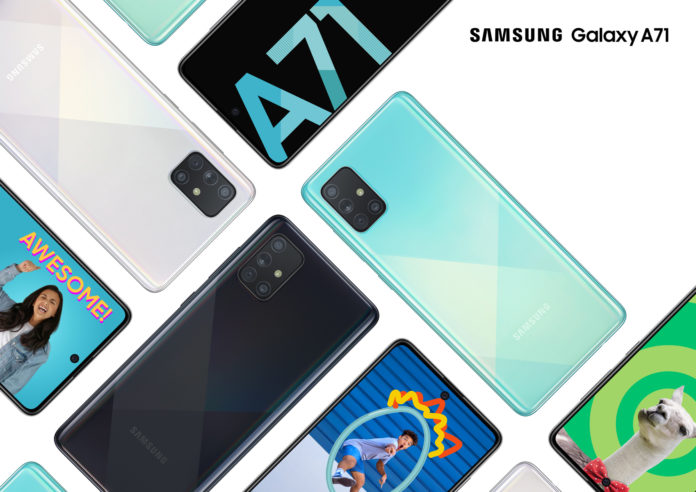
After launching the Samsung Galaxy A51 smartphone in the Indian market last month, the South Korean giant seems all set to launch yet another smartphone in the A-series — Samsung Galaxy A71 in India tomorrow.
A new report from IANS citing sources aware of the development claims that the Galaxy A71 will go official in the Indian market tomorrow as a premium mid-range device and will be priced around ₹30,000, which roughly converts to $419.
Since the smartphone has already been made available in Vietnam, we know what to expect from it. The phone comes with a 6.7-inch S-AMOLED Infinity-O display that is integrated with a fingerprint reader.
The display offers Full HD+ resolution of 1080 x 2400 pixels and a tall aspect ratio of 20:9. Under the hood, the device is powered by Qualcomm Snapdragon 730 SoC clocked at 2.2GHz and is packed with 6GB and 8GB of RAM with 128GB of internal storage.
In the camera department, the smartphone features a quad-camera setup on the back consisting of an f/1.8 aperture 64-megapixel main lens, an f/2.2 aperture 5-megapixel depth sensor, an f/2.4 aperture 5-megapixel macro lens and an f/2.2 aperture 12-megapixel ultrawide sensor. On the front side, it features a 32-megapixel snapper with f/2.2 aperture for taking selfies and video calling.
As for the software, the device runs the latest Android 10 operating system out-of-the-box and comes pre-loaded with Samsung’s One UI 2.0 on top. The device is powered by a 4,500mAh battery and supports 25W fast charging technology.
The report indicates that Samsung is likely to bring some useful “Make for India” features in the Galaxy A71 which have been developed at Samsung R&D Institute in Bengaluru. It is Samsung’s biggest research and development facility outside of home country South Korea.
While the Samsung Galaxy A71 is expected to go official in India tomorrow, it is said to be available for purchase in the country from 24th February. To know for sure about the phone’s availability as well as pricing information, we’ll have to wait for a few more hours.
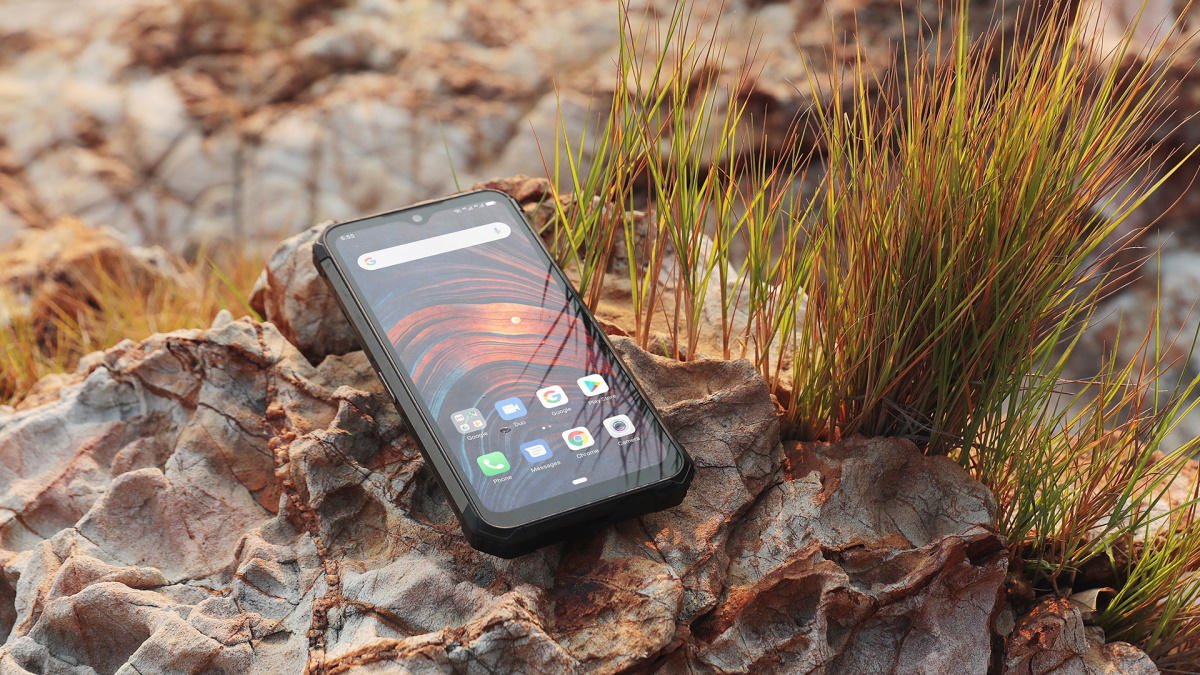
Ulefone is a well-established brand in the rugged smartphone market and its latest flagship -Armor 7- not only can withstand extreme working conditions but is a great performer too. Of course, there are other famous brands on the market as well and today’s video puts Armor 7 against the famous CAT S61. Let’s check out how the 2 rugged flagships performed in the video down below.
Ulefone’s Armor 7 sports the Helio P90 SoC backed by 8GB of RAM and 128GB of internal storage and this bundle achieves a score of 210472 points in AnTuTu Benchmark test, 2 times higher than its famous opponent. App launching and multitasking is much faster and smooth on Armor 7 compared to CAT S61 and even large games like Arena of Valor and PUBG run without and hiccups. Also, Armor 7’s camera performance is far superior to that on the S61 as it comes with a triple rear camera with 48MP main sensor that captures detailed photos with lower noise and bright colors, close to the original subject. On the other hand, the result on CAT S61 seems a bit dim. The overall user experience is superior on the Armor 7.
Lastly, there’s another field where the Armor 7 excels in: price. It currently is on sale on Aliexpress selling at just $369.99 whereas its opponent’s original price is $999, almost triple! It’s clear that famous brands aren’t always the best choice. If you are interested, you can grab the Armor 7 on Aliepxress. For more details about the company and its other products, check out their official website.
It is already a confirmed fact that Realme will be launching its first 5G phone – the Realme X50 Pro 5G simultaneously in Spain and India on February 24. The event which will be an online-only event will also see the company unveil its plans for future IoT products.
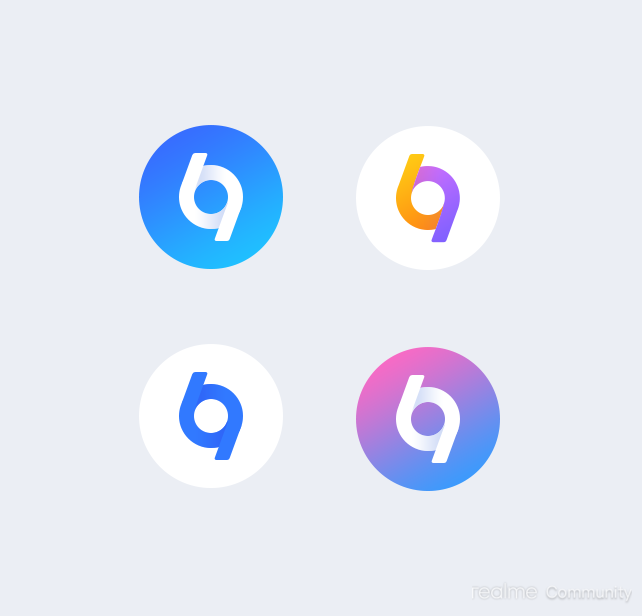
Realme doesn’t have any IoT device in the market presently but has just announced an app that will serve as a hub for its ecosystem. The app is called the Realme Link. According to the company, the Realme Link will come pre-installed on all future Realme smartphones and it will let you view and control all your Realme IoT products from one place. The app is obviously still in development as the company recently shared four different icons on Realme Community and is seeking for users to vote for the one they like best. According to Realme, the main icon consists of two interconnected letters L, which stands for “Link”. The letter “O” in the middle, stands for “Operator”. Also, +the “O” represents an ecosystem. “We hope to bring you an ecosystem with excellent IoT experience through realme Link. The extension of the circle represents that realme aims to continuously enrich AIoT product categories and prefect the experience of the realme ecosystem. You can also see the icon as two people hugging. realme Link wants to provide a platform for our fans to have more connections with each other.”
The voting is open until February 21, 4:30 PM IST. We expect some cool smart home gadgets to also go official on February 24. Already, we know the company will launch a fitness tracker and TWS headset.
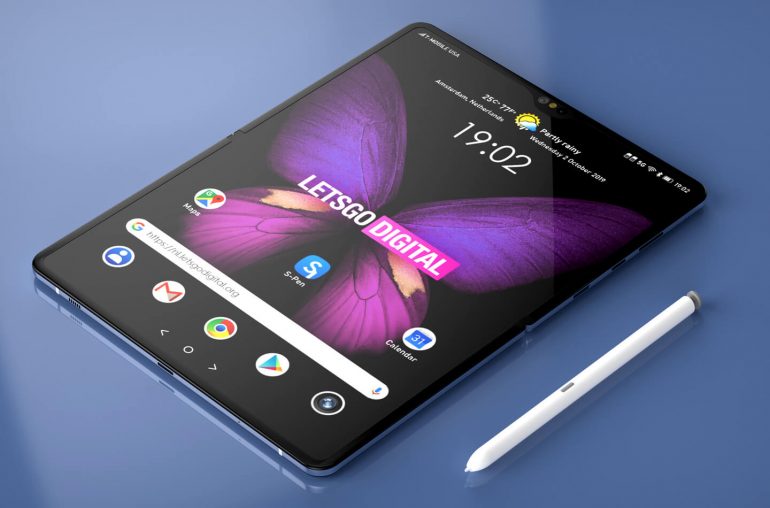
Samsung’s Galaxy Z Flip is still making the news and it sure deserves the spotlight. However, it is not the only foldable phone we are getting from Samsung this year as the Korean manufacturer is going to release a successor to the Galaxy Fold later. There have been leaks of the Galaxy Fold 2 floating across the web in recent weeks, and another one popped up online yesterday, this time from Max Weinbach of XDA Developers.
Image source: LETSGODIGITAL
According to him, the Galaxy Fold 2 will have an Infinity-V display up in front. There is no mention of the screen being bigger than that of its predecessor but there is a high chance it will be.
Galaxy Fold 2: front cover is infinity V display. Main is either hole punch or under display camera. New form of SPen. S20+ camera setup. Ceramic and stainless steel. Will come in Blue, Silver, Gold, Pink, Black.
He adds that the main display either has a hole for the camera or will have an under-display camera. This should mean that “notch” at the top left of the Galaxy Fold’s display is gone.
The big reveal is actually that the Galaxy Fold 2 will have an S Pen and a new type for that matter. This is exciting news since the device practically unfolds into a tablet and a stylus will definitely make it a more productive device.
Max also mentions that the Galaxy Fold 2 will have the Galaxy S20+‘s camera configuration which is a 12MP main camera paired with a 64MP telephoto camera, a 12MP ultrawide camera, and a 3D ToF camera.
The tweet also reveals the phone will come in both ceramic and stainless steel variants and will be available in blue, silver, gold, pink, and black.
The Galaxy Fold 2 sure sounds pretty exciting with all these new additions but it may also translate into a more expensive device than its predecessor.
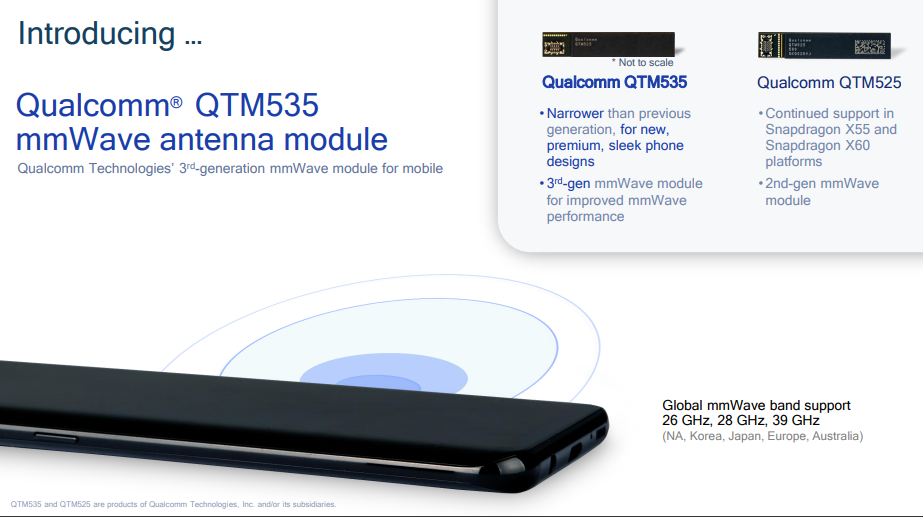
US fabless chipmaker Qualcomm has been at the forefront of the 5G chip development for mobile devices. The company hopes to continue its exploit with the planned release of an integrated 5G modem and RF system that can aggregate 5G mmWave and sub-6 bands and include a smaller antenna.
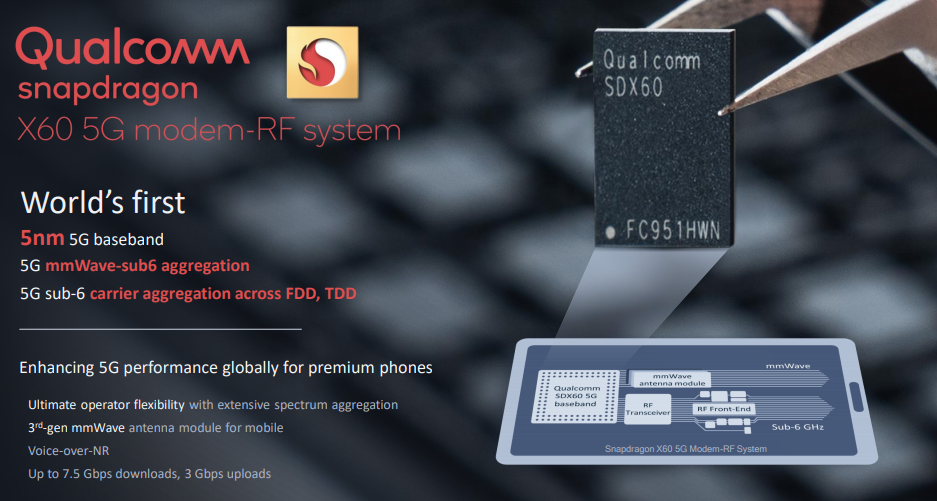
The Snapdragon X60 will be the third generation of Qualcomm’s 5G modem integrated with an RF system. The X50 kicked off 5G and the X55 is being used in the latest Samsung devices. The X60 is designed to scale 5G devices and allow carriers to be flexible with the spectrum and optimize performance.
Snapdragon X60 comes with the first 5-nm 5G baseband design. X60 has the ability to aggregate multiple 5G bands and combinations including mmWave and sub-6 using frequency division duplex (FDD) and time division duplex (TDD). The modem is equipped with the Qualcomm QTM535 mmWave antenna module with a more compact design. Qualcomm didn’t mention how much smaller the QTM535 is relative to its predecessor.
The 5G modem-to-antenna system can deliver up to 7.5 Gbps download speeds with 3 Gbps upload speeds.
The x60 will reportedly be sampled in the first quarter of this year and will start finding its way into devices from early 2021.
Honor as well as its parent company, Huawei will both hold an online event on February 24. It has now been revealed that Honor’s event which is called the All-Scenario Intelligence Conference will also double as the global launch of the Honor 9X Pro.
According to Android Authority, Honor stated in a press release sent to them that the Honor 9X Pro will be its “first HMS-based smartphone”. HMS is short for Huawei Mobile Services and is the solution Huawei came up with as an alternative to Google Mobile Services (GMS). This info nullifies the earlier report that the Honor View 30 will be the first HMS-based smartphone.
The Honor 9X was already announced in China more than six months ago but it will just be getting a global launch. The phone has a Kirin 810 processor which is more powerful than the Kirin 710/Kirin 710F found in the global version of the Honor 9X.
The Honor 9X Pro has a 6.59-inch 1080 x 2340 display. It comes with 8GB of RAM and 128GB or 256GB of expandable storage. There is a 16MP motorized pop-up selfie camera and a 48MP + 8MP + 2MP triple camera setup on the back. Honor has included a side-mounted fingerprint scanner and ships it with a 4000mAh battery and Android 9 Pie.
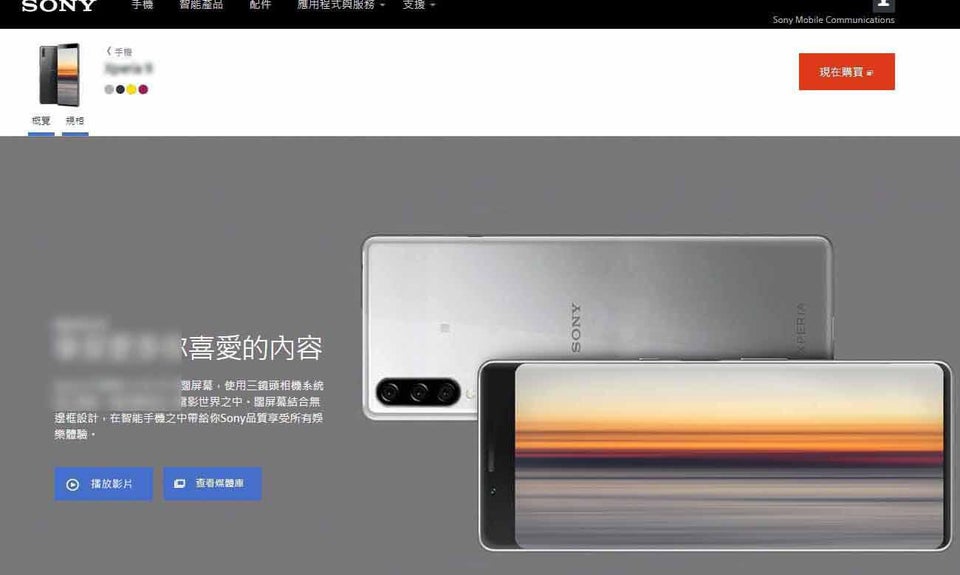
Sony’s naming scheme is messed up at the moment. It launched the Xperia 1 in February 2019 and followed it with the Xperia 5 in September 2019. One of the phones it was supposed to announce at MWC 2020 before the event was canceled is said to be a flagship phone called the Xperia 5 Plus or Xperia 1.1. Now a new leak has surfaced of an upper mid-range phone called the Xperia 9 and it should be the successor to last year’s Xperia 10.
A press render of the Xperia 9 was posted on Reddit a few days ago and it gives us our first look at the upcoming device which is rumored to be powered by a Snapdragon 765 processor.
The Xperia 9 is shown to have a curved display with a big bezel at the top and a significantly smaller one at the bottom. The phone looks like an elongated Pixel 4. The forehead of the phone houses a single camera and the cutout for the speaker.
On the back of the device are triple rear cameras arranged vertically. All three sensors share the same housing while an LED flash sits below the setup. If you look closely, you should see the NFC logo a few millimeters from the camera setup.
The authenticity of this image is not yet verified, so we advise you to take it with a grain of salt.
Sony says it will have an online event on its Xperia YouTube channel. We will have to wait until then to know if this leak is false or not.
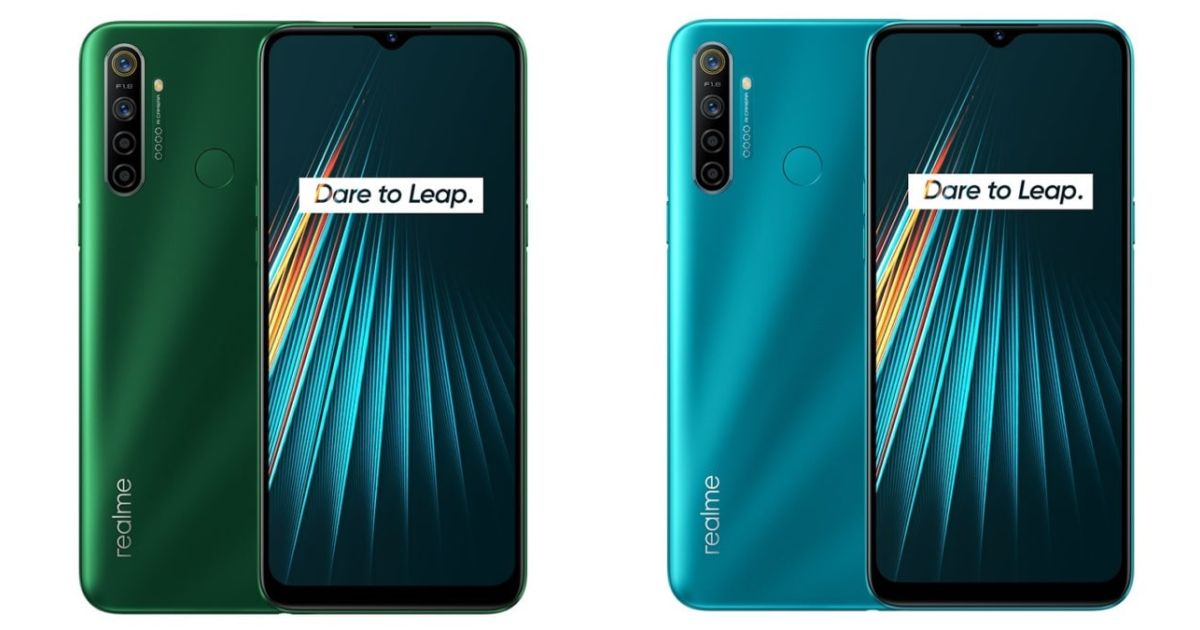
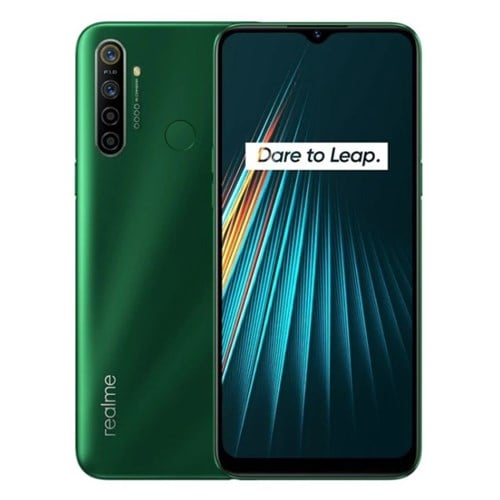
Realme, the popular smartphone manufacturer, has just announced that it will be offering a chance to win 5 Realme 5i smartphone for free. The giveaway is a part of the celebration after the smartphone model sold more than 5.5 million units globally.
Realme 5i
Realme 5i serves as the entry model in the Realme 5 series and is targetted in the more affordable price range. One of its notable features is most definitely its power capacity with a 5,000mAh battery pack. This offers an impressive 30 day standby which also translates to an overall higher endurance even when consuming multimedia content like movies or videos.
Under the hood, the Realme 5i features Qualcomm Snapdragon 665 SoC alongside either 3GB or 4GB of RAM paired with 32GB and 64GB of internal storage. Furthermore, the handset also features a quad camera setup, which is quite rare for an affordable smartphone at this price range. For display, the device arrives with a 6.5 inch FHD display with a mini-drop screen.
Here’s how to Enter the Giveaway to Win 5 Realme 5i Smartphones:
First, one must add the Realme 5i to the cart on AliExpress. (special discount also offered). (Click here to go to the AliExpress website with the smartphone)
You also have to follow Realme’s Global Page on Facebook. (Click here to go to the Facebook page)
Next, participants also have to send screenshots of the device being added on the cart to the Realme’s page via Messenger.
The company will announce the 5 lucky winners randomly.
Note: The time period to participate in this giveaway is from 11th February to 26th February 2020. So hurry up before the special offer ends.
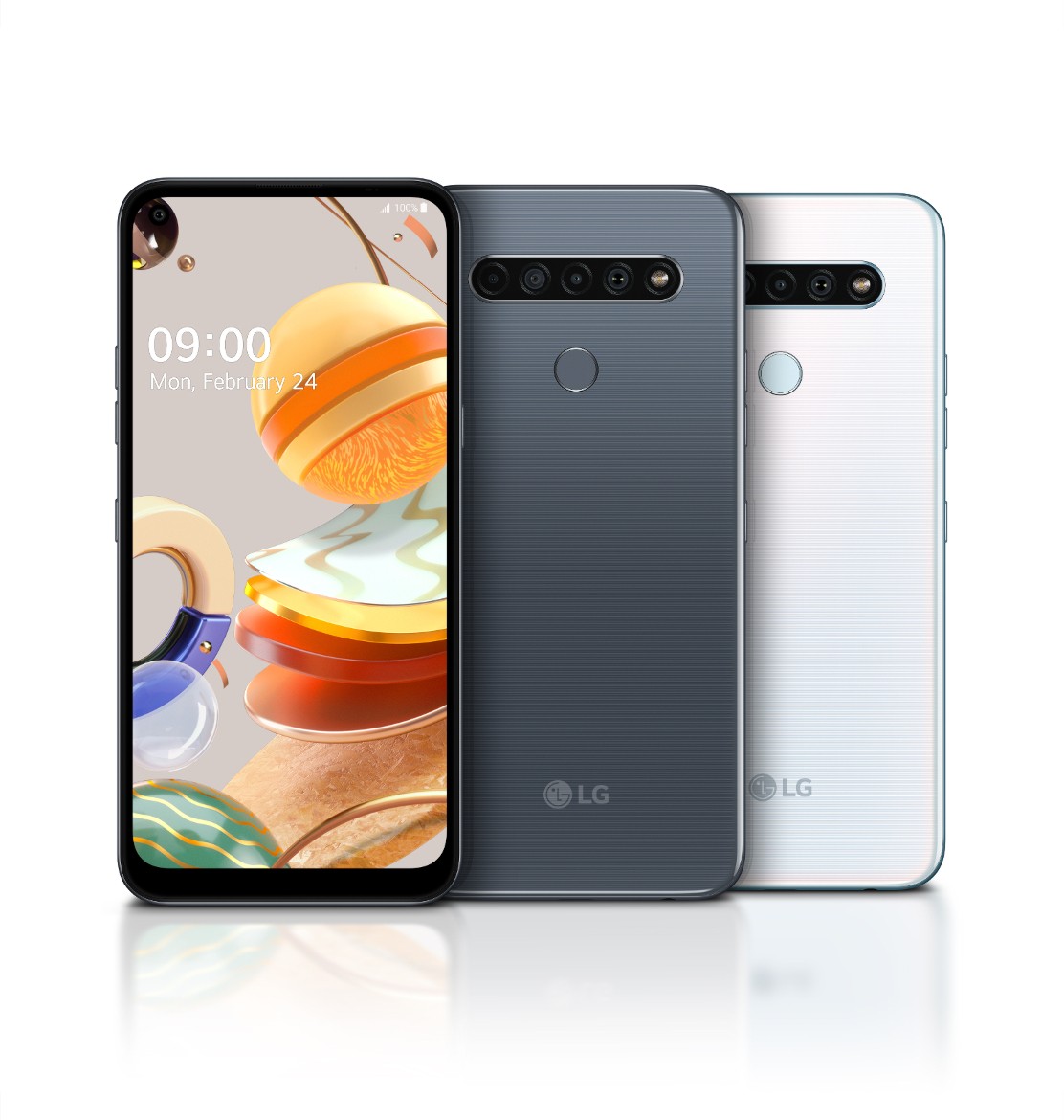
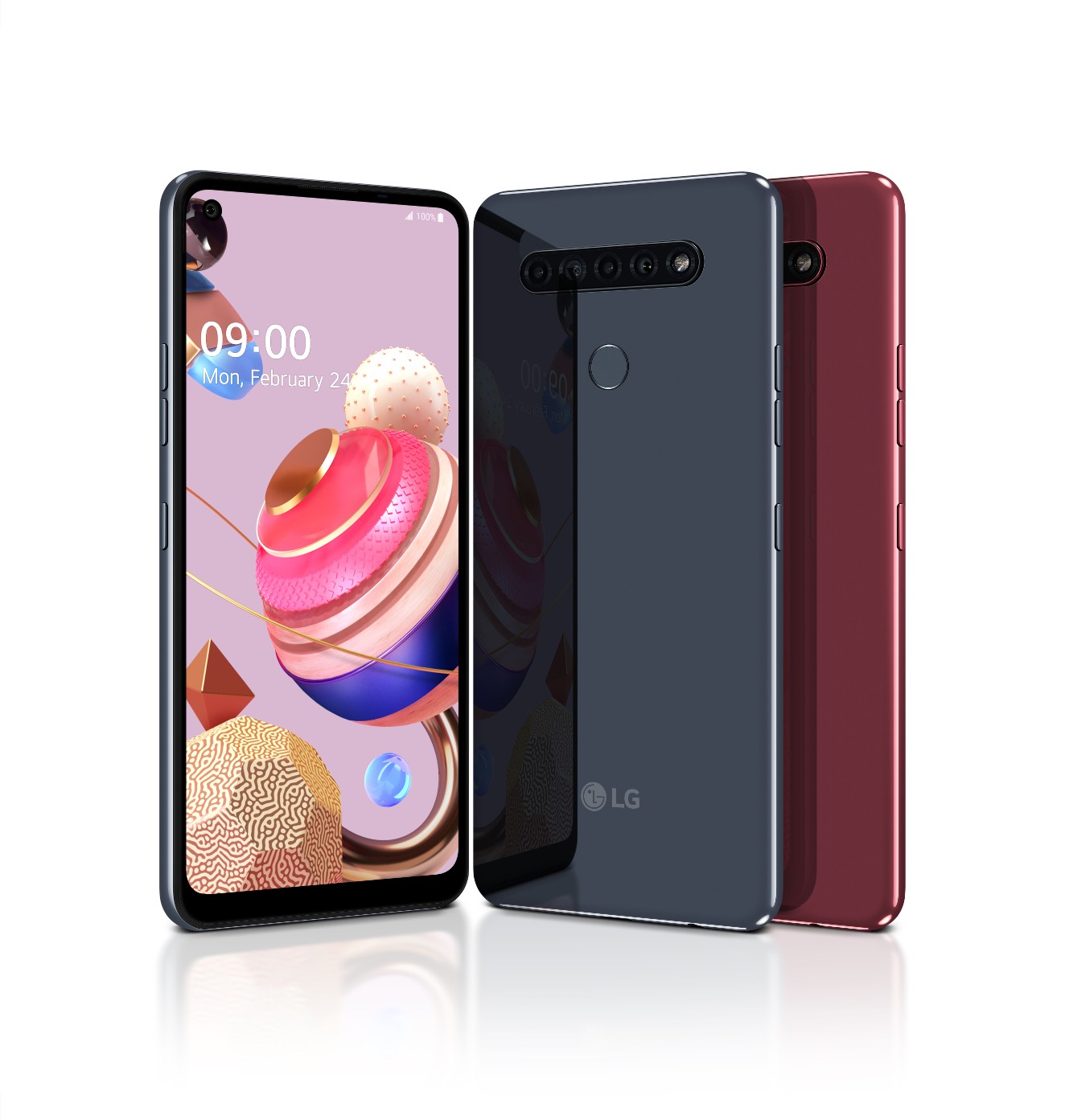
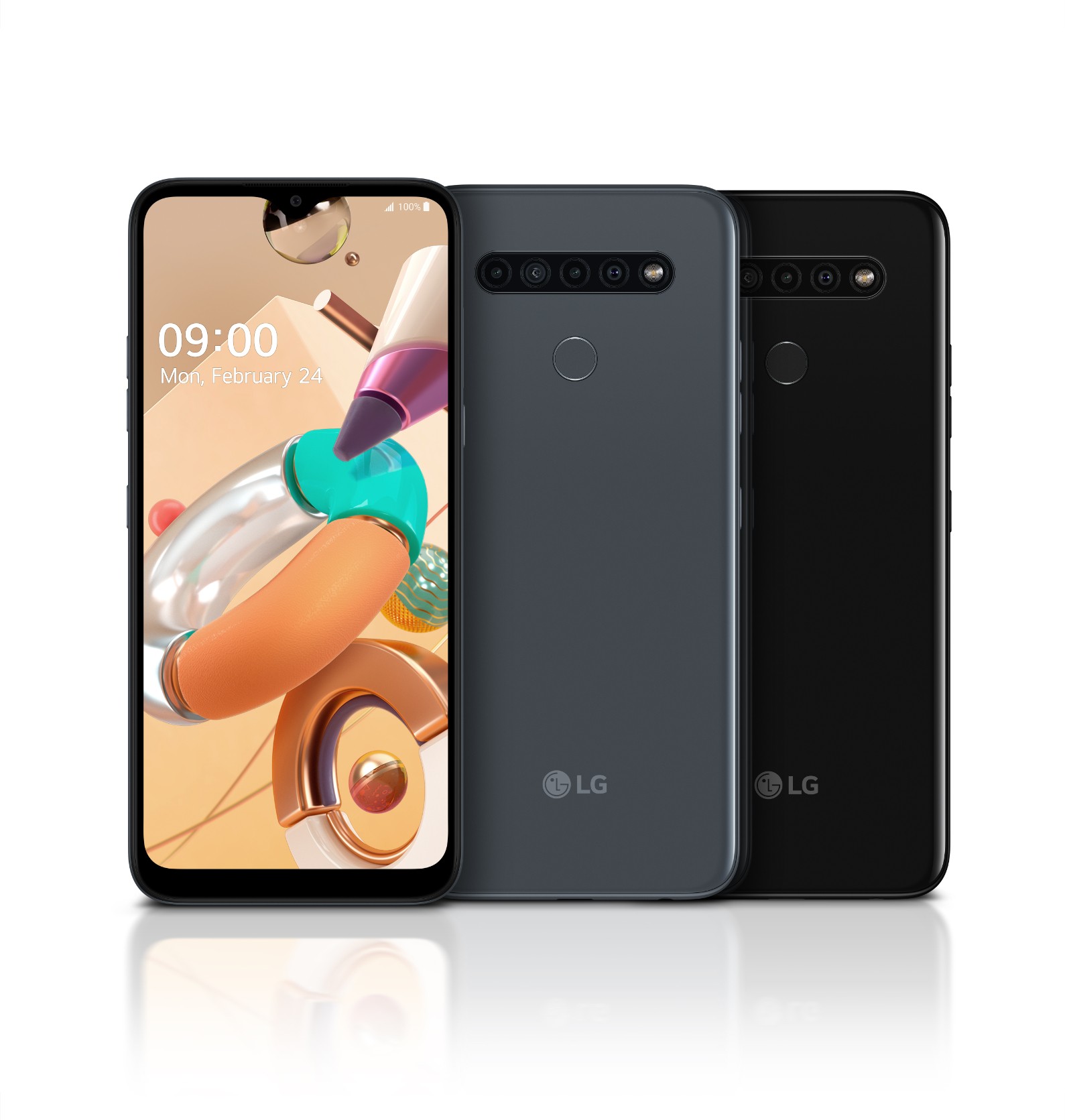
LG has just announced a trio of mid-range phones for its K-series. The LG K61, LG K51S, and the LG K41S are the names of its three new phones. All three devices come with 6.5-inch displays albeit different designs, quad rear cameras, and 4000mAh batteries.
LG K61
LG K61
The LG K61 is the leader of the pack and is another LG phone with a punch-hole display just like the LG Q70. The 6.5-inch display has a 19.5:9 aspect ratio and an FHD+ resolution. The punch hole which is at the top left corner houses a 16MP sensor.
On the back are four cameras arranged horizontally. There is a primary 48MP camera paired with an 8MP ultrawide angle camera, a 2MP macro camera, and a 5MP sensor for depth. Below the cameras is a fingerprint scanner
LG says there is a 2.3GHz octa-core processor inside the device but the manufacturer and model are not specified. You also get 4GB of RAM and the option to choose between 64GB and 128GB of expandable storage (2TB max.).
The LG K61 packs a 4000mAh battery that charges via a USB Type-C port. The phone has DTS:X 3D Surround Sound, a dedicated Google Assistant Button, and MIL-STD 810G compliance. There is also Bluetooth 5.0, NFC, and an audio jack. LG has kept mute on the version of Android the phone ships with.
The K61 will be available in Titanium, White, and Blue.
The LG K51S also has a 6.5-inch punch-hole display but the resolution has dropped to HD+. It also has a 20:9 aspect ratio and is narrower than the K61S.
Inside the phone is a 2.3GHz octa-core chipset and there is 3GB of RAM and 64GB of storage. A MicroSD card slot will allow you to add up to an additional 2TB of storage.
There is a 13MP camera in front for selfies while on the back you get a 32MP primary camera, a 5MP super wide camera, a 2MP macro camera, and a 2MP depth sensor. Below the rear cameras is a fingerprint scanner.
Just like the K61S, you have MIL-STD 810G compliance, Bluetooth 5.0, NFC, a Google Assistant Button, a USB-C port, an audio jack, DTS:X 3D Surround Sound. The LG K51S has a 4000mAh battery too and will be available in Titanium, Pink (Red), and Blue.
LG K41S
LG K41S
The LG K41S ditches the punch-hole display for one with a waterdrop notch but keeps the size at 6.5-inches, the resolution at HD+, and the aspect ratio at 20:9. Its processor is clocked at 2.0GHz and you get 3GB of RAM and 32GB of expandable storage.
The selfie camera is an 8MP sensor while the primary rear camera is a 13MP sensor. The remaining three rear cameras are the same as that of the LG K51S.
It also has a fingerprint scanner, dedicated Google Assistant button, NFC, Bluetooth 5.0 and USB Type-C port. There is MIL-STD 810G compliance and DTS:X 3D Surround Sound.
The battery capacity is 4000mAh and you will be able to pick up the phone in Titanium, Black, and White.
Price and Availability
LG has not revealed the pricing for the phones. However, it says the phone will be available in the second quarter of the year in the Americas as well as key markets in Europe and Asia.
The phones should not be expensive since LG says they are targeted at consumers who want to “upgrade from their mediocre smartphone experience while staying within budget”.
LG also added in the press release that specifications and features may vary depending on the market.
Xiaomi, the smartphone manufacturing giant, is preparing to launch an electric toothbrush in India. It seems odd that a mobile OEM to venture to the hygiene industry but the company is well known for its diverse offerings from a broad horizon of consumables in China.
The Chinese tech giant has already teased the launch of the new dental care product in the country. According to the official reveal, the launch is set for 20th February 2020. The product is called the Mijia Sonic Electric Toothbrush T300 for the Indian subcontinent. This will be a new product from the company and will expand Xiaomi’s electronic ecosystem in the Southeast Asian region.
Xiaomi’s Mijia offering will focus on a wide range of different products and could just be the tip of the iceberg for similar products being launched in the near future. Currently, the company is offering two Mijia electric toothbrush models named T300 and T500. The former is expected to be launched in India and may arrive with a price between 1,000 to 1,500 INR (roughly 14 to 20 US Dollars).
Both electric toothbrushes feature high performance and durable motor. T300, in particular, works at 31,000 vibrations per minute and also sports a rust and metal free brush head. Furthermore, the T300 has a 25 day battery life and has been certified by the FDA and offers UV protection as well. The toothbrush heads are replaceable, making overall expenditure lower in the longer run.
Xiaomi MIJIA T500 Sonic Electric Toothbrush
However, if Xiaomi is actually looking to be more competitive in the market it could launch the T100 electric toothbrush which is priced around 40 RMB (roughly 410 US Dollars). This would allow it to be in the same price range as other alternatives like Oral-B, a dental care brand. Unfortunately, we will have to wait for another official announcement to confirm anything. So stay tuned.
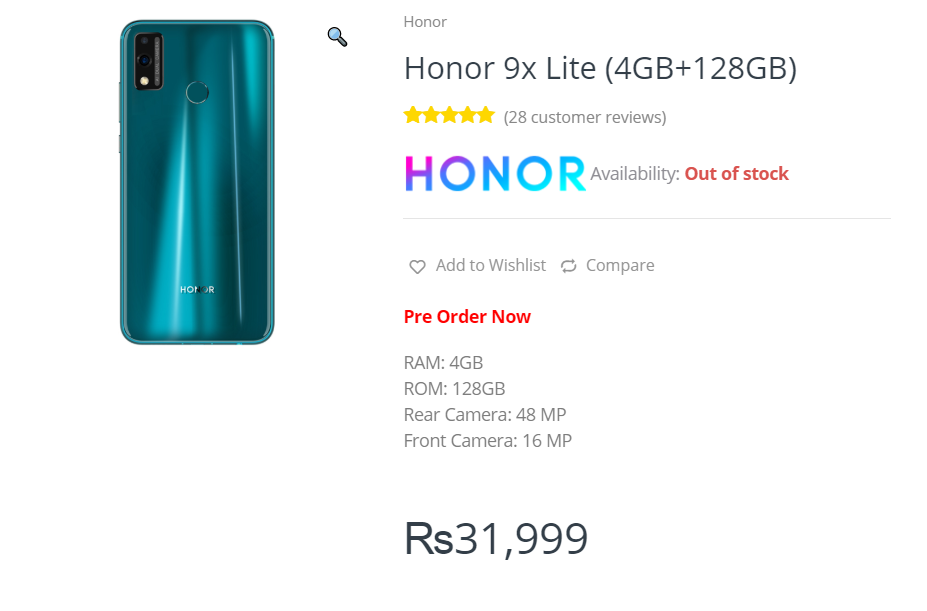
The Honor 9X series will be getting a new member soon. The series which already includes the Honor 9X and the Honor 9X Pro will now be joined by the Honor 9X Lite. Ahead of the phone’s launch, a Pakistani online store already has the phone up for pre-order and it includes all of the specifications as well as the price.
The Honor 9X Lite will have a 6.5-inch FullView Display with a 91% screen-to-body ratio. The display is certified by TUV Rheinland. The listing doesn’t show the front of the display, so we can’t tell if it has a notch or a punch hole. It also doesn’t state the resolution of the display.
There is a Kirin 710 processor under the hood. Users will also get 4GB of RAM and 128GB of storage. On the back of the phone are dual cameras – a 48MP f/1.8 1.2” primary sensor and a 2MP f/2.4 depth sensor. The phone has phase-detection autofocus (PDAF). The front-facing camera is a 16MP f/2.0 1.3” sensor.
The Honor 9X Lite has a rear-mounted fingerprint scanner, supports face unlock, and has a 3750mAh battery capacity. It runs EMUI 9.0 (based on Android 9) but the listing says it is upgradeable to Android 10. Its dimensions are given as 160.4 x 76.6 x 7.8 mm while its weight is put at 175 grams.
The online store has put a price tag of PKR 31,999 (~$207) on the phone and pre-orders come with a free exclusive giftbox that includes a selfie-stick, ring hook, and cable. Order is said to be limited and stock will be available in April 2020 which is about six weeks away.
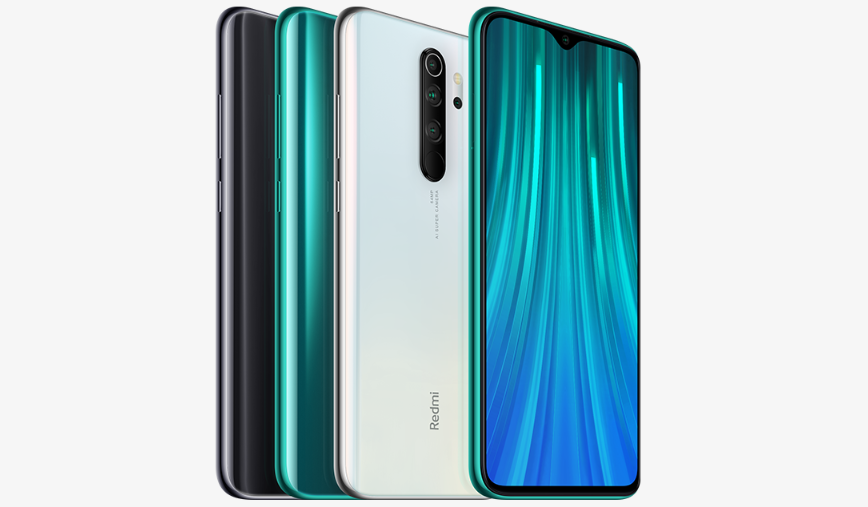
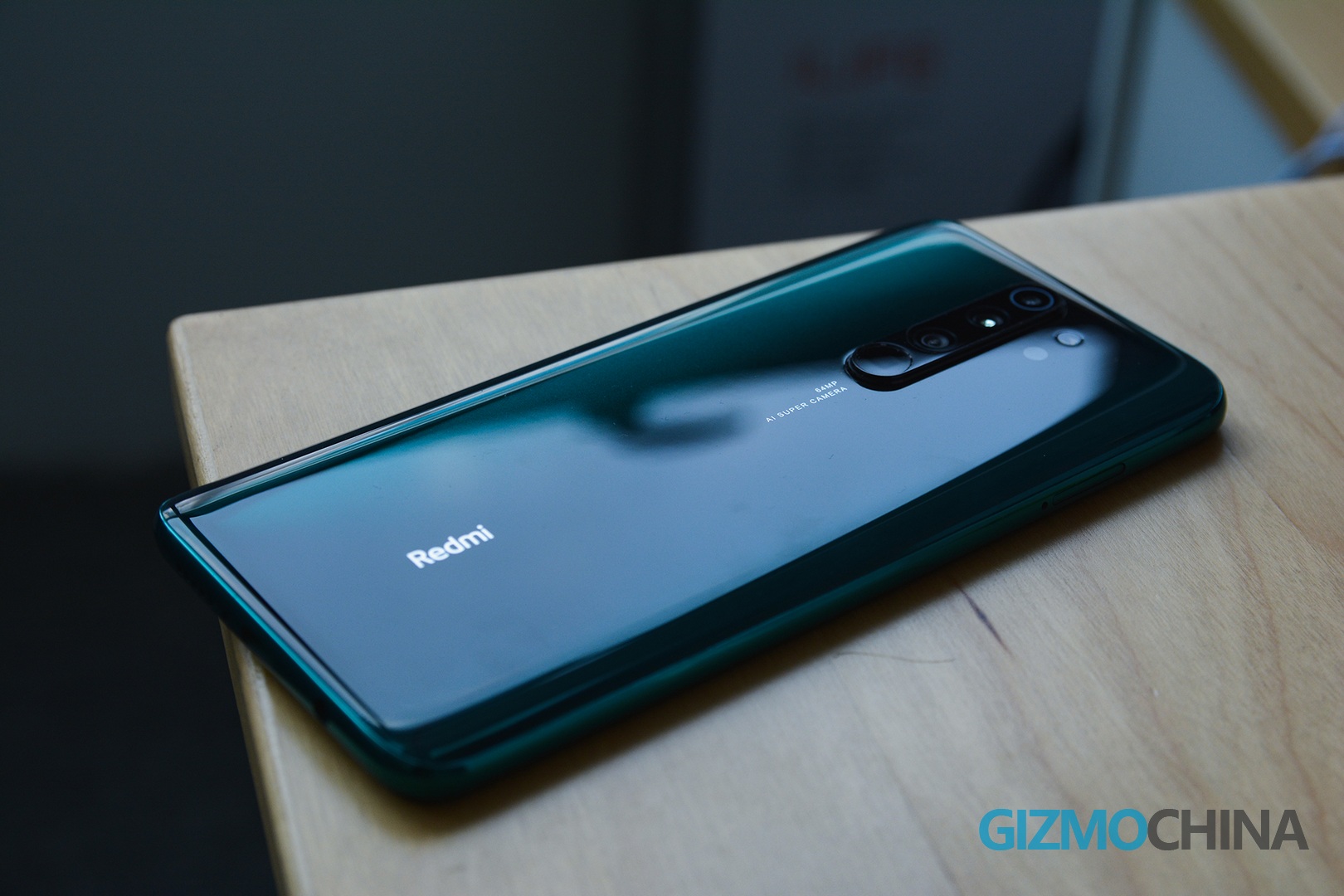
Xiaomi has been one of the most prominent market leaders when it comes to mid range smartphone in the sub-20,000 INR price range ($279). The company’s offerings generally carry great specifications for the price they are offered at and its subsidiary, Redmi, is the prime example of this.
Redmi Note 8 Pro
Now, Xiaomi has made the Redmi Note 8 Pro even more attractive by permanently slashing the prices of the smartphones. According to official notes, the handset will see a drop in price by 1,000 INR (roughly $14) across all of its different variants. Meaning, the base variant is now available for 13,999 INR (roughly $195) instead of 14,999 INR (roughly $209). This is for the 6GB RAM and 64GB internal storage variant.
Similarly, the 6GB RAM and 128GB internal storage configuration now carry a price tag of 15,999 INR(roughly $223). On the other hand, the top variant of the Redmi Note 8 Pro with a sizeable 8GB of RAM and 128GB of internal storage will now sell for just 17,999 INR (roughly $251). Although it is not a massive discount deal, the lowering of price makes it a lot more competitive in the mid range segment in India.
The Indian subcontinent is the second largest smartphone market in the world. Most of the devices sold in the Southeast Asian country are generally in the mid range segments. Thus, it is a highly competitive region with offerings from multiple different Chinese smartphone brands like Oppo, Vivo and more competing as well. Hence, a price cut of just 1,000 INR can disrupt the competition in the market.
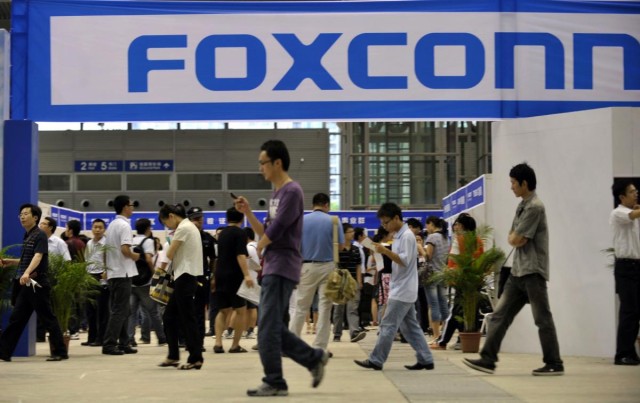
According to a new report, Foxconn is planning a special offer that will promote the resumption of its production for iPhones in China. The manufacturing company will essentially reward 3,000 Yuan (or roughly 428 US Dollars) to its returning employees.
For those unaware, the Chinese government had put a halt on almost all manufacturing facilities within the country after the recent Coronavirus outbreak. The virus is highly contagious and can spread via air as well, causing the government to shut down busy places like factories in the nearby regions. The new breed of Coronavirus has been a cause for major alarm in the country but the production lines are finally seeing a resumption in their operations.
Reportedly, Foxconn, who is a major supplier of iPhones for Apple, is planning on bringing back its production capacity in a staggered manner. Meaning, the company is first starting with 50 percent of maximum production capacity before moving forward. According to official plans, the production capacity will rise to 80 percent by the end of just February 2020 in mainland China.
To supplement this sudden resume in operations, Foxconn has devised a return incentive award for its employees that had previously worked with the company. The primary purpose of this is to attract the workers that had to leave due to the unavoidable closure to maintain consistency with previous standards and keep up with the manufacturing deadlines as well.
For Foxconn, reigniting its factory in the Zhengzhou region is crucial since its an important production line for the iPhone series. This region might also be the place where the company is assembling the highly anticipated iPhone SE 2 smartphone for Apple. The Cupertino based giant is expected to launch an affordable iPhone by March end, explaining Foxconn’s hurry in resuming operations. Notably, the company has already outsourced some of its production work to its overseas plants in other regions like Taiwan and India, but these plants suffer from a “limited capacity.”
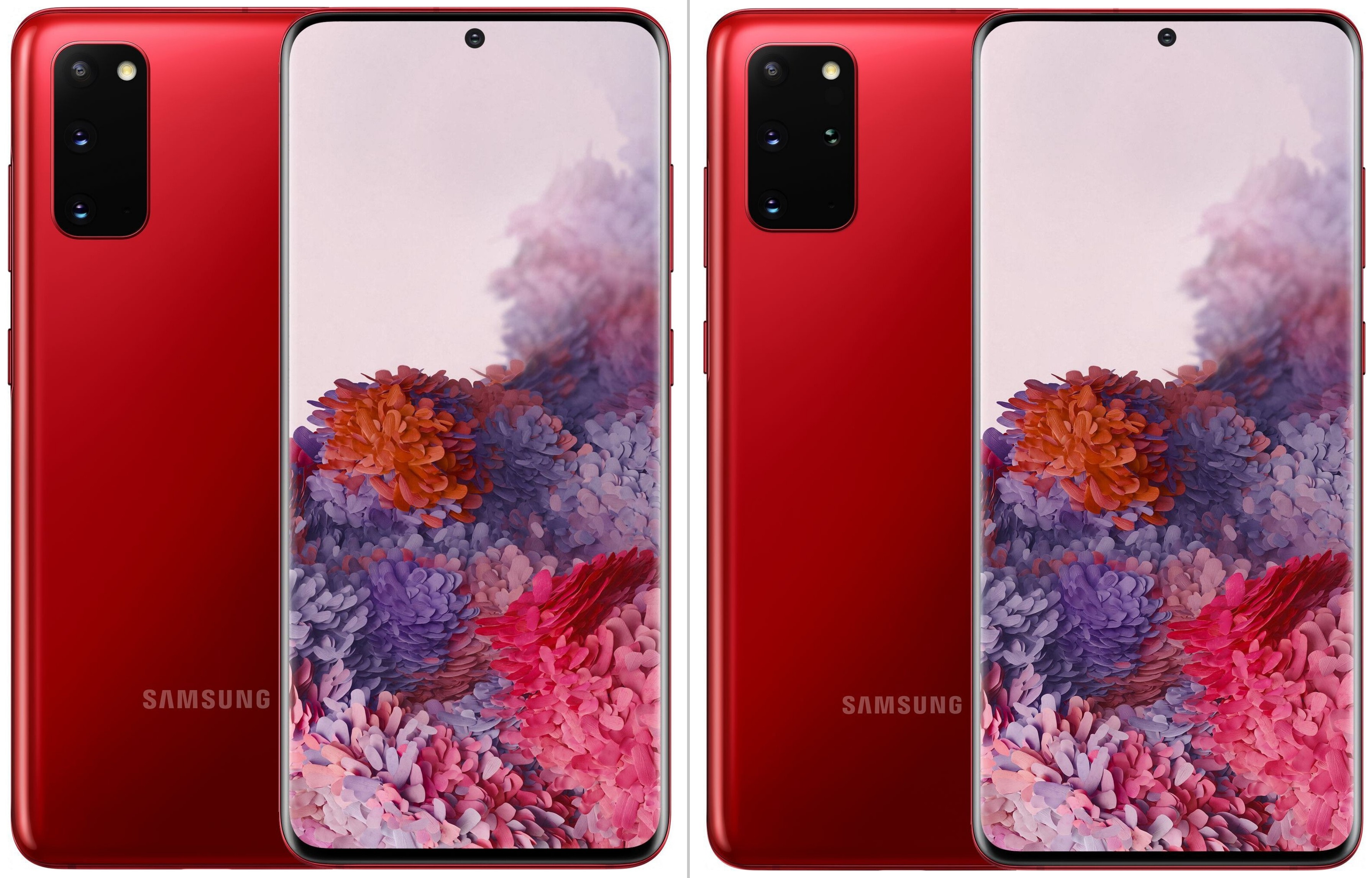
In a bizarre yet unique move, Samsung Electronics has launched a new service for its users or “potential” customers in South Korea. The company is offering a new smartphone delivery program which will bring Galaxy S20 devices to users home to test the new product before buying it.
The move has been made due to the ongoing epidemic caused by the recent Coronavirus outbreak. After the cancellation of multiple promotional events, including MWC 2020 in Barcelona, Samsung is taking its smartphones door to door with a more direct approach to promotion. This also highlights the growing trend in the smartphone industry regarding special schemes being launched after the losses are being incurred due to the viral outbreak.
Samsung Galaxy S20 Aura Red
According to analysts, the Coronavirus incident will have China see smartphone sales being slashed by half in the first quarter of 2020. Similarly, Apple stated that it is unlikely for the brand to meet its sales target which was set just three weeks ago, another negative trend that is being observed by other major players in the market. China.
Thus, Samsung has decided to reduce the number of “experimental zones” where potential buyers can try out new Galaxy smartphones before purchase. This will likely help to prevent the spread of infection as even the “Galaxy fan parties” have been canceled. The South Korean tech giant is only planning on hosting 9 such zones in its local country for the Galaxy S20 series, which is a drastic fall from 130 for the Galaxy Note 10 series alone.
For people living in South Korea, Samsung is offering 24 hours delivery service with official executives dropping off a Galaxy S20 smartphone directly at their homes. After this, another delivery worker will show up later to collect the device as well. This is done to prevent more chances of the virus spreading by curbing the number of people involved with a single test smartphone. As of right now, it is only available in some parts of South Korea.
Leaving behind the time-consuming money transfer methods, the Indian Government announced a new payment method – UPI to provide rapid and safe money transfers a few years ago. UPI stands for Unified Payment Interface and is primarily available for use via smartphone applications. It has received an overwhelming response from the users due to its easy availability and stress-free banking.
It is the cheapest way to transfer funds. The user can transfer as low as Re 1 using the UPI payment system. There are various other benefits of the UPI system that funds transfer becomes faster, easier, and smoother in India. It even facilitates Online Mobile, DTH, and other recharges ranging from Re 1 to Rs 10000. The user can also pay utility bills using the UPI gateway via apps like PhonePe, Paytm, Google Pay, and others.
Benefits of UPI Payments
Unified System Across All Banks and Apps: You want to transfer money within different banks? Do you have different UPI apps like PhonePe, Google Pay, and others? Then, you need not worry as UPI payments offer seamless compatibility across different platforms and banks. Anyone can transfer money using the dedicated UPI ID.
Fast, Reliable and Easiest Funds Transfer: The users only need to enter a four or six-digit pin for a successful transaction on the mobile app. The money gets transferred within milliseconds using a UPI supported app on the smartphone.
Moving towards Stress-Free Banking: It has opened ways for stress-free banking as the user can send money using just a UPI ID. Gone are the days when the users have to wait for a few minutes or even hours to get money transacted through NEFT or IMPS.
Multiple App Choices: The users can choose the best app from the vast brochure of UPI based apps on the Play Store. All the apps differ on the additional features, and the basics remain the same.
Requirements for UPI
The bank should have the following information saved with the account to use the UPI system.
You should have linked Mobile Number.
You should have access to the same Mobile Number.
A debit card is also a must while registering the UPI.
Points to Note:
The transaction limit is Rs 40000 per transaction and per day. (Threshold may vary for different banks.)
There’s a limit for 10 transactions within 24 hours on a single bank account.
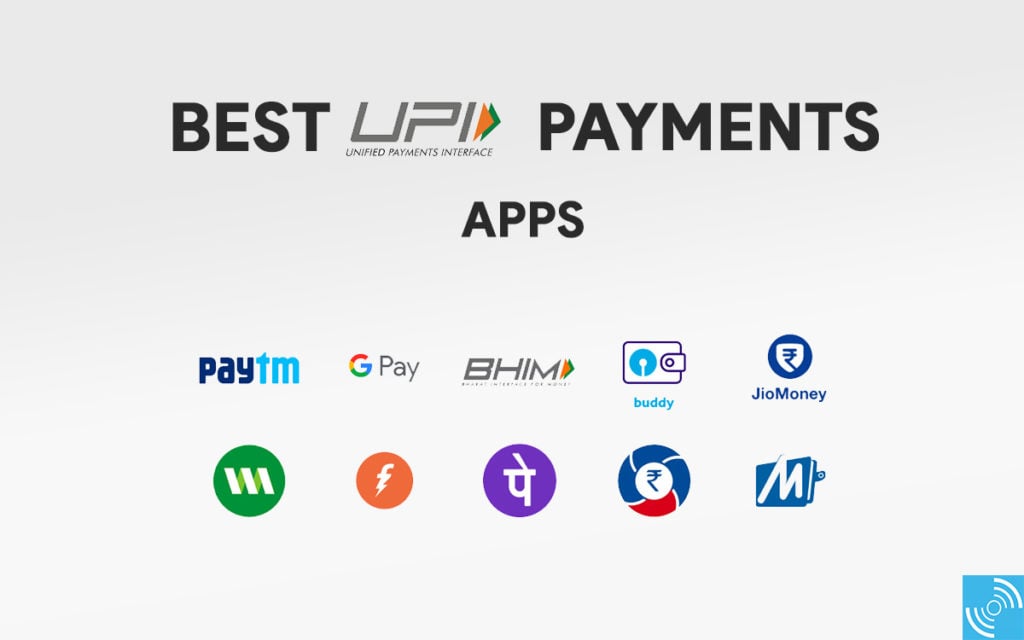
There are plenty of UPI based apps in India. All these apps offer a different set of features alongside the primary money transfer. The user sometimes gets puzzled while choosing the best as nowadays every bank has its own UPI App for Android and iOS. We have curated a list of some best UPI payments apps in India.
Best UPI Apps in India
PhonePe
CashBacks: Yes
Payment Gateway Support: Yes
Third-Party App Support: Yes
In House Online Recharge, Bill Payments support: Yes
FastTag: Yes
Financial Investment Schemes: Yes
Web Interface: No
Multiple Language Support: Yes
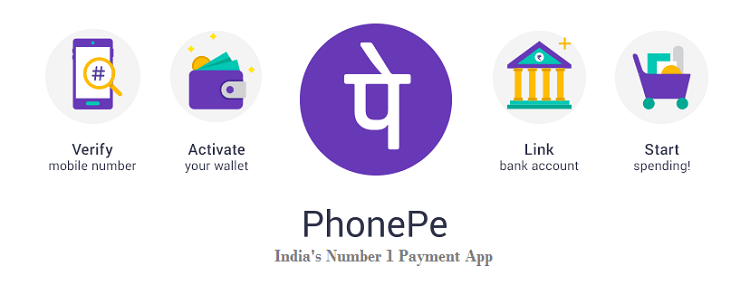
PhonePe is the best UPI apps present right now in India. Its broad set of features, along with the standard UPI transfers, make it stand out against others. All the transactions on PhonePe are based on the Unified Payments Interface (UPI). A dedicated PhonePe Wallet service helps to keep money in the wallet for faster transactions and checkouts.
Apart from sending money, the user can recharge mobiles, dongles, DTH, FASTag, and can even pay Electricity, Credit Card, Piped Gas, Landline, Broadband, Water, and other bills. It is also a den for making Insurance payments, loan repayments, and donations. PhonePe can also be used across popular restaurant chains like Domino’s, OvenStory and others. It even works with all the major eCommerce websites across India.
The app also offers discounts and coupons while transacting money through the app. The app supports more than 10 Indian local languages.
Its simple yet useful interface is another significant advantage of the app. However, the user gets prompt support if any transaction fails or any other error occurs.
In House Online Recharge, Bill Payments support: Yes
FastTag: Yes
Financial Investment Schemes: Yes
Web Interface: Yes
Multiple Language Support: Yes
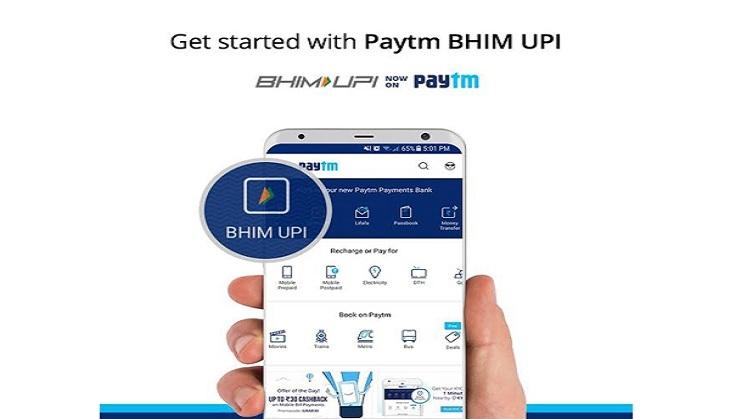
Paytm is India’s eCommerce giant with services from e-ticketing to online recharges, and from FastTag to Insurance premiums. It’s inhouse Paytm Mall offers eCommerce experience to the users. Paytm Payments Banks is another entity of the Paytm group.
Paytm is widely known as the frontrunner for digital payments in India. The user can use different payment methods such as UPI, Credit Cards, Debit Card, and Net banking to Top Up Paytm Wallet. Paytm is in service before the advent of UPI services. However, the Unified Payment Interface services were recently added to the app.
The user can now top FastTag, recharge mobile phones, pay bills, book movie tickets, and shop online using the Paytm services. It is widely accepted across small retail stores within the country. From a minor service provider to large MNCs, all are accepting payments using Paytm. It supports different local languages like Marathi, Telugu, Punjabi, Odia, Kannada, Gujarati, Tamil, Bangla, and others.
It’s an excellent User Interface, and support for various services is a significant pro for the app. According to recent research data, Paytm users did 5.93% of total UPI transactions in 2019.
In House Online Recharge, Bill Payments support: Yes
FastTag: Yes
Financial Investment Schemes: No
Web Interface: No
Multiple Language Support: Yes
The search giant initially announced Google Pay as Google Tez in India. It was recently renamed in the wake of strengthening the Google Pay brand image in the country. It is the most secure digital payments platform, and it even supports a PIN or fingerprint lock. It is even denoted as a pure UPI based app as most of its features revolve around the UPI payment system. It also offers wallet facility or support for any third-party payment source.
The app is continuously receiving new features and recently got support for FastTag. The users can also recharge their mobile smartphones, pay bills including electricity, postpaid mobile, DTH, Landline, Broadband, Piped gas, Water, Insurance, Loan Repayment, and even tax.
However, users can also use it to pay at popular restaurants, grocery stores, and all nearby stores. It even supports invoicing to get the payments from a person. Google Pay also allows users to control privacy, notifications, and security from the settings. It supports multiple local languages, including Hindi, Bengali, Gujarati, Kannada, Marathi, Tamil, and Telugu.
In House Online Recharge, Bill Payments support: Yes
FastTag: No
Financial Investment Schemes: No
Web Interface: No
Multiple Language Support: Yes
It is the official and government-supported UPI payments app. The word BHIM stands for Bharat Interface for Money and purely facilitates the users on UPI enabled initiatives. It supports more than 20 local languages in India.
The app is primarily used to send and receive money, pay utility bills, check balance, and set payment reminders. Apart from the basic amenities, then the app also offers Home screen personalization, bill splitting feature, validation before making the payment, and much more.
The major pro of the BHIM UPI is its intuitive UI and ability to recognize transaction status quickly. Instant UPI or Bharat QR code support to pay instantly.
In House Online Recharge, Bill Payments support: Yes
FastTag: Yes
Financial Investment Schemes: No
Web Interface: No
Multiple Language Support: Yes
It’s another useful app for UPI payments. MobiKwik offers the users to recharge mobiles, pay bills, and provides all other necessary facilities. Surprisingly, the app provides instant loans and insurance payments with just a few taps.
It is the best app to invest in digital gold, insurance, mutual funds directly by transacting via the UPI method. However, the users can book buses, trains, flight, and other travel tickets from the MobiKwik interface.
MobiKwik also offers a personal wallet for instant transactions. The users get cashback and discounts while using the app for booking tickets, transferring money, and more. It’s a great competitor to PayTm.
It offers in house utilities like Expense Manager, Auto Recharge, and others. The Expenses Manager record all the expenses, including the past months.
Generally, every bank has its UPI app, but the features are limited to the same bank. If the users are interested in the same bank UPI apps, then they can download their own apps. However, for extended functionality, the users can use any of the above app suiting your requirements.
If we missed something in our guide of best UPI payments APps, then do let us know via the comments below.
The United States is apparently considering other extreme options to further hamper Huawei operations. Previously, the Trump administration had primarily planned to focus on the Chinese tech giant locally but has since been pressuring other overseas governments as well to ban the smartphone manufacturer.
With ties between the US and China trade being strained, Huawei had been caught in the crossfire in early 2019, when multiple allegations accused the tech brand regarding data security and espionage. Currently, the company is still facing issues in its US operations and in a few European regions as well but has been steadfast in its vision of growth and development.
But now, the US Government is reportedly planning on changing certain regulations that will allow the nation to block shipments of chips to Huawei. The chips in question are from the largest global supplier named TSMC (Taiwan Semiconductor Manufacturing Company). The new restrictions that are being planned are among many others that have been made in the recent meeting between high ranking government officials.
The primary aim of these meetings is directed at commerce with Chinese OEMs, especially Huawei Technologies. As of right now, the new proposals have been drafted but are yet to be approved. Furthermore, the possibility of these drafts being approved is also questionably, according to close sources. However, being blocked from TSMC which is the largest contract chip supplier will deal a devastating blow to the 2nd most popular smartphone brand.
In simpler terms, the US Government is drafting restrictions that seek to cripple Huawei’s operations in the country by taking a very crucial component of its devices. To make such changes, changes in the Foreign Direct Product rule are being proposed, which will affect some overseas made goods on US technologies. This means, that the local government would make it mandatory for companies like TSMC to apply for a license, allowing the US to control the supply of products to other company’s.
We use cookies on our website to give you the most relevant experience by remembering your preferences and repeat visits. By clicking “Accept”, you consent to the use of ALL the cookies.
This website uses cookies to improve your experience while you navigate through the website. Out of these, the cookies that are categorized as necessary are stored on your browser as they are essential for the working of basic functionalities of the website. We also use third-party cookies that help us analyze and understand how you use this website. These cookies will be stored in your browser only with your consent. You also have the option to opt-out of these cookies. But opting out of some of these cookies may affect your browsing experience.
Necessary cookies are absolutely essential for the website to function properly. This category only includes cookies that ensures basic functionalities and security features of the website. These cookies do not store any personal information.
Any cookies that may not be particularly necessary for the website to function and is used specifically to collect user personal data via analytics, ads, other embedded contents are termed as non-necessary cookies. It is mandatory to procure user consent prior to running these cookies on your website.