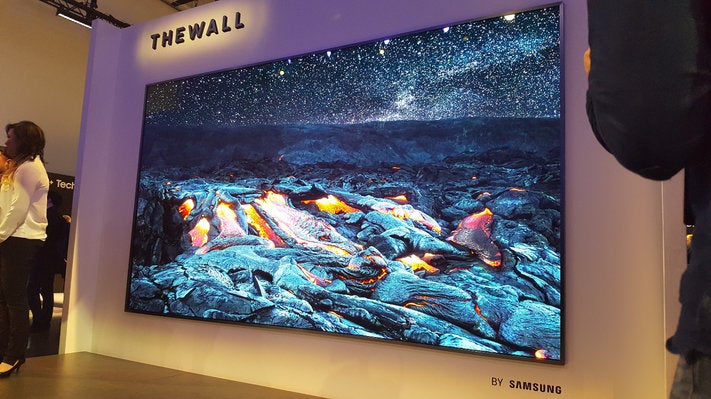
Samsung is considering making large investments in microLED panel production in the first half of next year, according to industry insiders cited by ETNews. Component suppliers are reportedly waiting for Samsung’s final decision regarding the production size of microLED panels, which may come shortly after CES 2020.
For those who aren’t sure what this is about, microLED is a new kind of screen technology which Samsung initially showed off nearly a couple of decades back at CES 2018 as it introduced”The Wall”. The most important benefit of a microLED screen is that every individual pixel consists of genuine light-emitting diodes. Other benefits are much better viewing angles, brighter screens, and greater contrast.
Some industry watchers are positive that Samsung will push microLED into mass production next year, as the company has reportedly improved its expertise on this emerging display technology to the point where it would be possible to mass-produce plenty of microLED panels to meet the relatively high demand.
CES 2020 is right around the corner and we are eager to hear about the upcoming technological progress in display production. MicroLED appears to be the upcoming big thing following OLED, but it remains to be observed when we will see these displays on bulk consumer products such as TVs and eventually tablets, as well as whether Samsung will be the champion for these products or not.
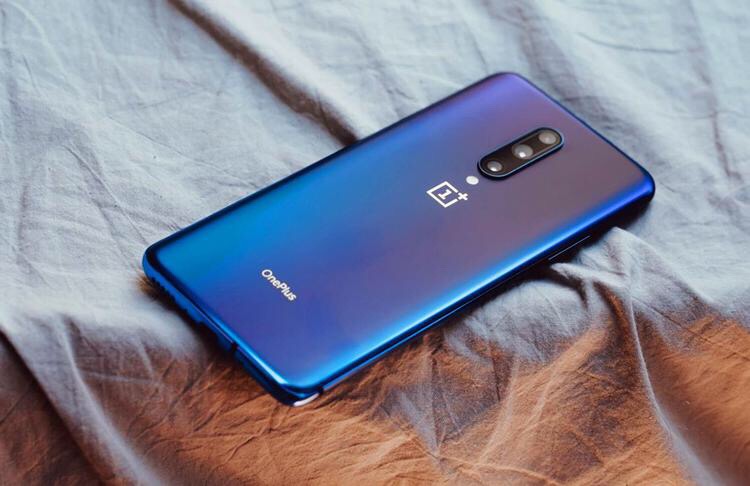
The OnePlus 7 and OnePlus 7 Pro is getting a new software update and this update brings back the option to hide the notch on the OnePlus 7.
Oneplus 7 pro
The stable update arrives as OxygenOS 10.3.0 and also brings November 2019’s security patch. Below is the full changelog:
System
Added the notch area display option in the Settings (Settings –> Display –> Notch display –> Hide the notch area).
Improved the launching speed of some apps
Optimized RAM management.
Optimized the black and white screen issues with some apps.
Improved system stability and general bug fixes.
Updated Android security patch to 2019.11.
Camera
Improved image quality.
OnePlus is also rolling out an open beta update to both devices. The beta update brings an optimized charging feature that is supposed to improve battery performance. The complete changelog for the beta update is below:
System
Added an optimized charging feature to improve battery performance based on usage (Settings – Battery – Optimized charging).
Optimized RAM management.
Fixed the issue with auto-record toast messages in the contact app.
Fixed the wrong time format in the status bar.
Improved system stability and general bug fixes.
Reading Mode
Added the Chromatic effect option to adapt color range and saturation intelligently for a better reading experience (Settings –> Display –> Reading mode –> Turn on reading mode –> Chromatic effect).
Both updates should roll out gradually to owners over the next couple of days.
Music is a daily part of our life. One cannot pass a day without hearing a single tone of music either directly or indirectly. Since Sony Walkman revolutionized portable music players, there has always been a craze for listening to music on the go. Currently, smartphones are the gateway to almost everything, which also includes music. Hence, if you have an Android smartphone, then you must consider using the below-listed best music player apps to further improve your experience.
The music listening experience has evolved since the past few years. The dependence on CD, Pendrivers and flash drives is eliminated with the advent of online music streaming services such as Spotify, Gaana, YouTube Music, Apple Music, etc. However, there are some users who still rely on old music listening ways. To help both types of music listeners we have created a list of best apps for both Offline and Online Music Players.
Gone are the days of MP3 playback, streaming is the new way of doing anything, whether it is music, video, or even game for that matter. Therefore, we have created separate lists for both music streaming apps and offline music player apps to help you choose the better one.
Have a Look at our other Best Apps guides by heading to unique best Apps Portal.
Best Online Music Player Apps for Android
The list consists of online Music streaming apps. Most of the apps need active subscriptions to enjoy music without any advertisements.
Spotify
Spotify is hands-down the best music streaming app you can use on your Android smartphone. From vast libraries to intuitive design, there are only a few apps that come close to it. The service offers you a free tier with advertisements and three premium plans known as ‘Spotify Premium’ for $9.99, $14.99, and $499 for individuals, family (6 accounts), and student respectively for a month. Additionally, the student plan comes bundled with ad-supported Hulu and SHOWTIME.
As the name implies, this music streaming service is offered by YouTube, which incorporates both video and music in a single app. The app design is reminiscent of Spotify, with good UI elements providing a great experience. YouTube Music comes bundled as part of YouTube Premium subscription, which offers ad-free videos and music, picture-in-picture mode, background video playing, and more. It costs $11.99 / month for individuals. YouTube Music can also be subscribed standalone at $9.99, but in our opinion, getting the whole package at $11.99 is the best deal.
If you were a long-time Apple user and switched to Android recently, there’s nothing better than Apple Music since you might have been using It for years generating favorites and playlists. However, the app experience will not be seamless as on Apple devices, so do note that. As for long-time Android users, they are better off with the first two apps. One-month Apple Music subscription costs $10 and $5 for individuals and students, respectively. The iPhone maker also provides a Family plan at $5 per person for up to six members.
From Amazon’s Den, Prime Music app offers a good song collection with a free subscription with Amazon Prime Membership. It is a perfect match for the users who would love to listen to songs of different artists like the radio station. Amazon Prime Music offers over 40 million songs under its Unlimited paid-membership. There are unlimited skips while listening to songs. However, Amazon Priem Music does not support its own song upload like the Play Music service.
AIMP is one of the best local offline music players out there. It supports a plethora of audio formats and features material design with support for themes. Thus, you do not have to look at the same screen every day. It also comes with several other features like HTTP live streaming, internet radio, play from Windows shared folders (using versions 1 and 2 of Samba), and lots more. Above all, the app is free from the Play Store, and it is also available for Windows platform.
Poweramp is the oldest name in the Android world, and it has been a go-to music player for several years. Even today, it is one of the best music players to be worth considering. It features all the goodies like theming, support for a variety of formats, Android Auto, Chromecast, and Google Assistant along with unique UI, gapless playback, and a ton of other useful features. But unlike AIMP, Poweramp does not come free as the full version of the app costs $4.99. Anyways, you can try the trial version before investing in it.
BlackPlayer EX is yet another good music player with support for several formats, theming, which even includes different fonts and a ton of other features without ads. That being said, it is not free but cheaper than Poweramp at $3.59. There was a free version earlier to try out limited functionalities. However, it has been removed now. It offers 6 extra fonts, 11 color accents, and eight additional now playing themes in customization.
A simple yet intuitive music player for Android with support for 10 band equalizer and custom theming. It also supports embedded lyrics feature, tag editing, sleep timer, Chromecast support, Android Auto Support, and batch Selection. The user can also show the player controls while playing on the lock screen. It supports various formats like mp3, ogg, wav, alax, flac, wv, and others.
These are some best online music streaming and offline music players for Android. If you have any better recommendations, then let us know via the comment below.
Broadcom is looking for a buyer for its wireless chip units as the company shifts focus on software. According to a post on the Wall Street Journal, Broadcom has partnered with investment services Credit Suisse Group AG to find a prospective client for its RF unit wing, which manufactures a wireless chip used by cell phone manufacturers to clarify signals.
The business generated $2.2 billion in revenue in 2019 and could be worth upwards of $10 billion, sources familiar with the business revealed. The report comes at the heels of Broadcom reclassifying its wireless units as outside the purview of its semiconductor business. During an interview with WSJ, Broadcom’s CEO Hock Tan referred to the wireless business as a standalone franchise that does not gel well with the company’s usual line of business. Broadcom is historically a buyer of networking, software, and semiconductor businesses.
Broadcom has adapted its business module towards software in the past couple of years. The company closed a deal to purchase Symantec’s enterprise solutions earlier in November 2019, in a massive $10.7 billion takeover. Broadcom earlier purchased CA Technologies for $18.9 billion in 2018.
Chris Caso, an analyst for investment banking firm Raymond James claims potential buyers for Broadcom’s RF chip unit include Qorvo, Qualcomm, and Skyworks Solutions. Caso claims Broadcom’s high band FBARs are the best in the business and will play a crucial role in the implementation of the 5G spectrum. However, Apple is expected to bid the highest for the RF chip unit, which already uses Broadcom parts in iPhones. Broadcom’s chips are also an integral part of Wi-Fi semiconductors, but since that business is on a steady decline, Apple is the likely contender to take it home.
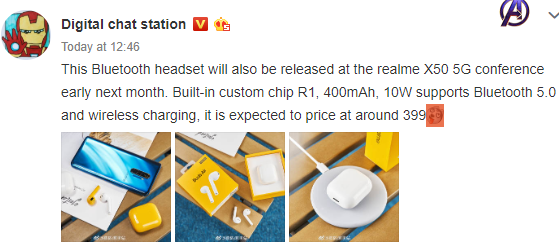
The Realme Buds Air is Realme’s first wireless earbuds. It launched in India a few days ago alongside the Realme X2. New info says it will make its way to China next month.
According to a Weibo post by Digital Chat Station, the Realme Buds Air will be announced early next month in China alongside the Realme X50 5G smartphone. There are speculations that Realme will announce its first 5G phone on January 5, so the info about the earbuds’ release date checks out.
He adds that the Realme Buds Air will be priced around ¥399 (~$57) which is about the same price it is sold for in India.
The Realme Buds Air has a custom high-performance R1 chip that helps reduce wireless audio latency. It connects via Bluetooth 5.0, has a gaming mode, supports Google Assistant, and has touch controls on the stems. It also has instant auto-connection, wear detection, and dual-microphones to help with noise cancelation.
Realme claims the earbuds have a battery life of 3 hours and goes up to 17 hours with the charging case. The case has a USB Type-C port and also supports 10W wireless charging. The Realme Buds Air comes in white, yellow, and black.
CES is still a month away but LG has already announced its 2020 range of monitors. We expect to see the products live at CES 2020. The products include an UltraWide display with Thunderbolt 3, new UltraGear gaming monitors, and the UltraFine Ergo display.
At the top of the pack is a new 38-inch UltraWide Curved UltraWide QHD+ monitor. This model features a resolution of 3840 x 1600 and a 1ms Nano IPS display with a 144Hz refresh rate. The UltraWide also covers 98% of the P3 color space and more. The resolution gives it a lower pixel density than LG’s existing 34-inch UltraWide with Thunderbolt 3.
The monitor’s Nano IPS display covers 98 percent of the DCI P3 color space for incredibly natural and realistic images. Certified as VESA DisplayHDR 600, this monitor delivers a truly dynamic HDR experience on its mammoth 38-inch display. Certified as VESA DisplayHDR 600, this monitor delivers a truly dynamic HDR experience on its mammoth 38-inch display.
Ior connectivity, the new UltraWide monitor packs two HDMI ports, one DisplayPort, two USB ports, and Thunderbolt 3. There are no details on availability, but CES attendees will be able to get hands-on time at CES next month.” LG also has not yet released any images of the UltraWide.
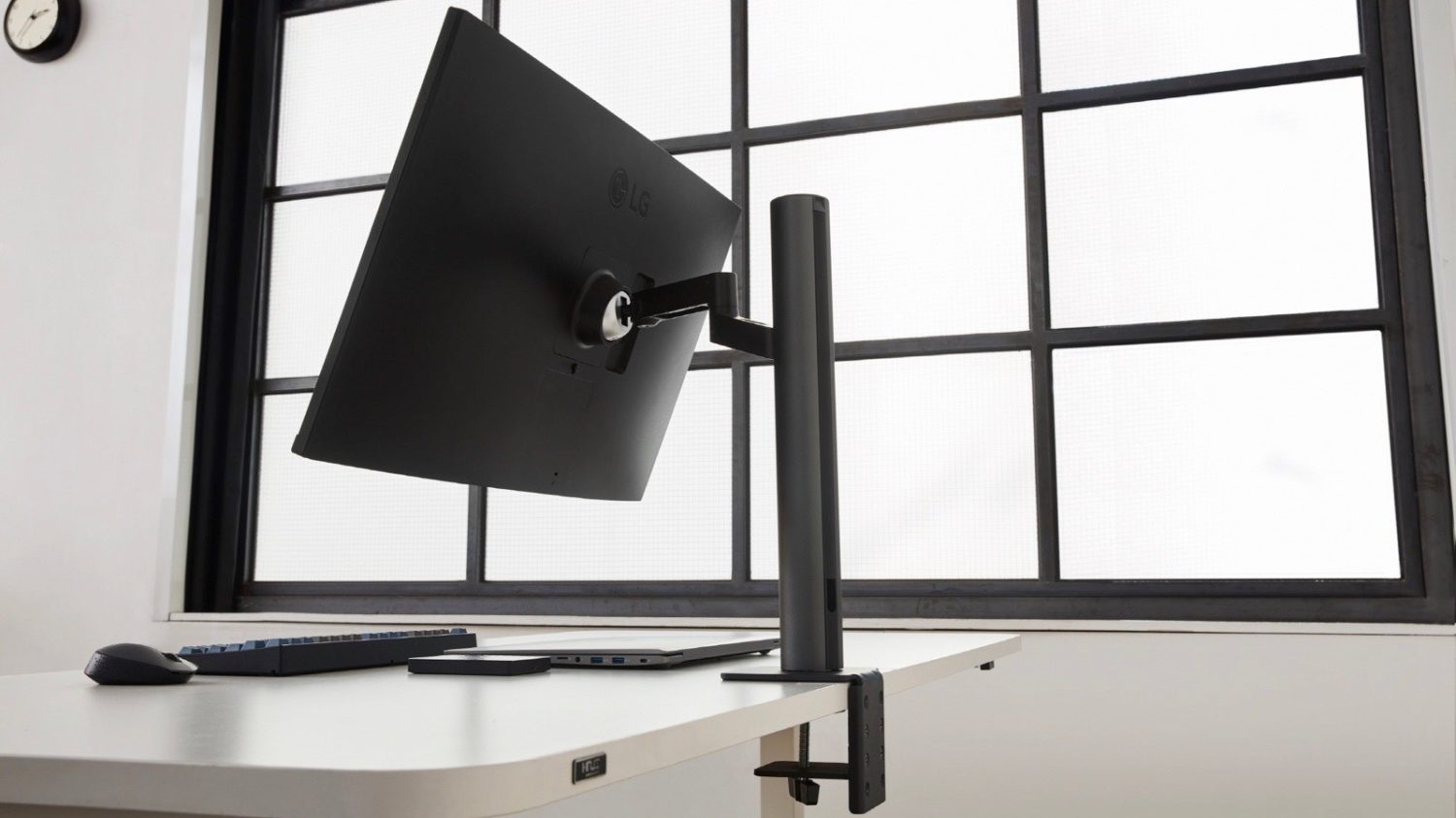
In addition to the new UltraWide display with Thunderbolt 3, LG has unveiled a new 32-inch UltraFine “Ergo” display. With a 4K resolution, this display features what LG is calling an ergonomic and flexible design. As you can see in the image above, the UltraFine Ergo features a space-saving stand that clasps to your desk. LG explains:
The LG Ergo stand can extend outward or positioned close to the wall, moved up to eye-level or lowered to the desk. It can even swivel to face the opposite direction for convenient sharing of information with an office colleague. The Ergo a monitor can be positioned at the perfect height, distance and angle for far more comfortable and more sustainable user experience.
The 32-inch UltraFine Ergo features a 3840 x 2160 resolution with a 60Hz refresh rate and HDR10 support. There is one USB-C port alongside two HDMI ports, one DisplayPort, and two USB ports.
Lastly, LG also unveiled three new UltraGear gaming monitors. These monitors feature large 1ms IPS displays and a 160Hz refresh rate. You can get more details from the official press release.
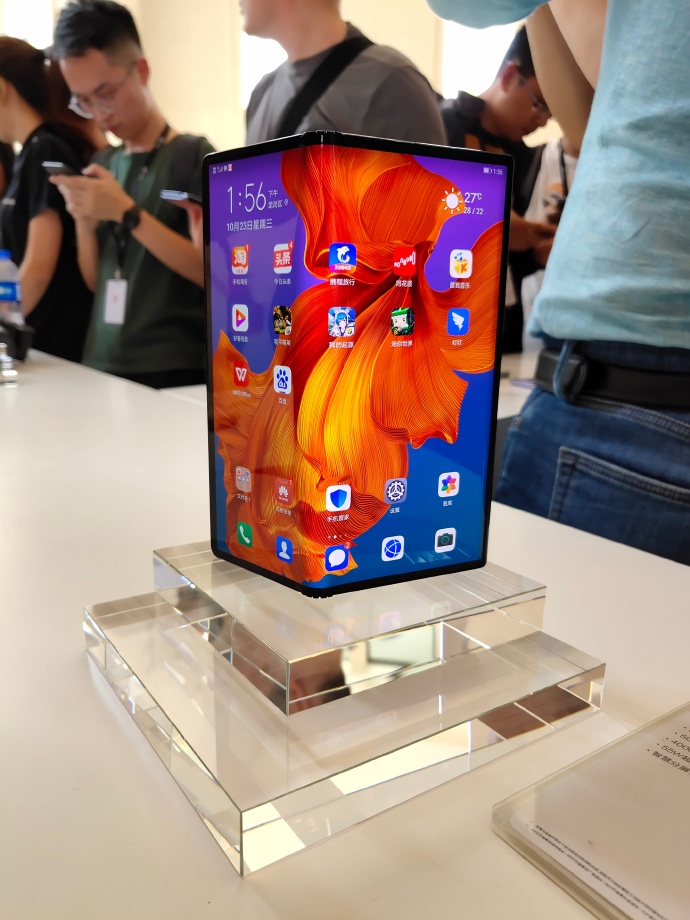
Huawei has again hinted that it will release an improved version of its Mate X foldable smartphone next year. The foldable device will come with a better hinge, tougher screen, and faster processor. This was disclosed by Richard Yu, head of Huawei’s consumer business, who spoke to Frandroid during a trip to Huawei’s headquarters. The CEO also disclosed that Huawei intends to bring the current Mate X to Europe, seemingly in the first quarter of 2020.
The Mate X was released last month after a long wait and the device was put on sale in China for $2,400. The foldable phone comes with an out-folding design where half of the foldable’s screen can flip around back so that you have a screen on both sides when it’s folded closed. That design has made it one of the better options during the debut year of folding phones since others like Samsung’s Galaxy Fold have had much more prominent hinges that create gaps or creases in the design.
The folding phone trend is expected to expand next year, particularly with the arrival of Motorola’s new Razr. Other companies, like Samsung, are likely to release upgraded versions of their existing designs. We also expect Samsung to come out with something more durable than the fragile expensive units we saw this year.
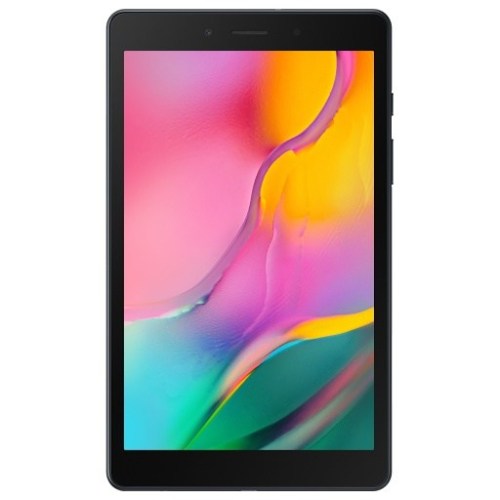
Samsung is reportedly working on a new tablet that has a model number of SM-P610 / SM-P615. According to Sammobile, the tablet is expected to arrive with S Pen stylus. The tablet is at its early stages of development and it may take some time for it to release in the market.
The SM-P610 / P615 tablet does not seem to be the successor for the Galaxy Tab S6 which indicates that it won’t be packed with flagship specs. The Galaxy Tab A 8.0 (2019) with S Pen (SM-P205) that was unveiled earlier this year was a budget offering. It had arrived with specs like 8-inch LCD display, Exynos 7904 chipset, 3 GB of RAM and 4,200mAh battery.
The publication claims that the SM-P615 will be LTE ready version of the SM-P610 tablet. It is expected to arrive in the market in 64 GB and 128 GB storage models.
The SM-P610 model number seems like a successor for the 2014 model named Galaxy Note 10.1. It had a model number of SM-P600 / SM-P605. There is a possibility that the newly spotted SM-P610 / P615 could be a successor for the older Galaxy Note 10.1 Hence, the newly spotted SM-P610 / P615 could be a Note series tablet that house a large display of around 10 inches.
Samsung Galaxy A 8.0 (2019) with S Pen Specifications
The Galaxy A 8.0 (2019) tablet has 201.5 x 122.4 x 8.9mm dimensions. The 8-inch screen of the device offers an aspect ratio of 16:10. The Exynos 7904 SoC and 3 GB RAM powered tablet comes with an internal storage of 32 GB. The front side of the tablet features a 5-megapixel. Its rear shell is fitted with an 8-megapixel camera. The other features of the tablet include 3.5mm audio jack, USB-C port and S Pen slot. The device draws power from a 4,200mAh battery it runs on One UI based Android 9 Pie OS.
The Galaxy A 8.0 (2019) tablet was made official in July this year. Hence, there is a possibility that the company’s next tablet with S Pen and budget pricing may go official by the second quarter of 2020.
German Chancellor Angela Merkel’s Conservatives along with the Democrats have decided to hold off on their decision on Germany’s 5G security concerns that decide Huawei’s future in the country till 2020. Merkel’s administration is under heightened pressure from multiple factions both domestic and foreign, to ban Huawei from supplying 5G equipment. While the domestic complaint is regarding the government’s unjust affinity towards Chinese technology suppliers, the US govt. wants its allies to boycott Huawei amidst concerns of national security.
The Social Democrat lawmakers backed an internal proposal on Tuesday, which if accepted by the govt. could result in Huawei being banned from conducting business on German soil. However, the lawmakers confirmed that their goal was to reach a decision together with Merkel’s government. “I think we will arrive at a decision by January once we have a decisive blueprint of our future course of action,” said Social Democrat Jens Zimmermann.
The Merkel administration finalized the rules regarding Germany’s 5G mobile network implementation back in October, which is being criticized for favoring Huawei. Merkel’s lawmakers have failed to find common ground regarding the issue. While Hawks oppose the Chancellor’s careful approach, Moderators eager to prevent a direct rivalry between two factions of the government suggest that stringent security measures should apply only to the core group.
The Moderates in their statement have specified that no single network company should be able to control more than 50% of the 5G equipment supply chain. The rules are more stringent towards non-EU suppliers. However, most German operators today use Huawei’s equipment and warn that banning the company would postpone 5G implementation by a few years apart from causing financial losses worth billions of dollars.
One of the primary factors for concern is whether the strict rules should apply solely to the core 5G suppliers or include peripheral parts. While the Social Democrats want constitutional supervision on both core component suppliers and parts vendors, the US government clearly states that Huawei equipment has back doors that enable the Chinese government to spy on other nations.
Both Huawei and the Chinese government have spoken out separately against the allegations in the past. While Huawei has vehemently denied the allegation, the Chinese government said that Huawei is under no legal obligation to spy on its foreign clients. The Trump administration banned Huawei from conducting business on American soil back in May 2019, raising questions over how long the Chinese tech giants can hold their lead in the market.
According to the World Health Organization (WHO) data, the correct use of child restraint systems can reduce the probability of infant death after a collision by 90%, and reduce infant mortality by 54% -80%. So Xiaomi has now crowdfunded the QBORN 360° Rotating Car Seat for kids aged 0-12 years, and it’s set at the price of 1399 yuan, or $200.
The QBORN 360° Rotating Car Seat has passed the rigorous 18kg backward impact test of the European Union, and can be reverse installed for toddlers of up to 4 years old. Compared to the traditional forward seat belt installation, reverse-mounted child safety seats can reduce the impact force from the front by at least 80%. This allows it to be used longer and improve the safety of the seat.
The seat is made up of a double-layer injection-molded shell, plus high-strength, impact-resistant high-end energy-absorbing cushioning material EPP, and an outer high-density sponge U-shaped pillow. Together, these form a four-layer defense system, dispersing pressure and providing comfort and support for your baby’s head and neck.
It also supports 360° interference-free one-button rotation. By pressing the front button, it can rotate freely in any direction. It’s more convenient and flexible in use, making it simpler to interact with the child in the seat. Overall, it’s certainly an interesting idea for a product, and the execution is quite impressive. For now, it’s only available via Xiaomi Youpin, so you’ll have to import one if you want to get it.
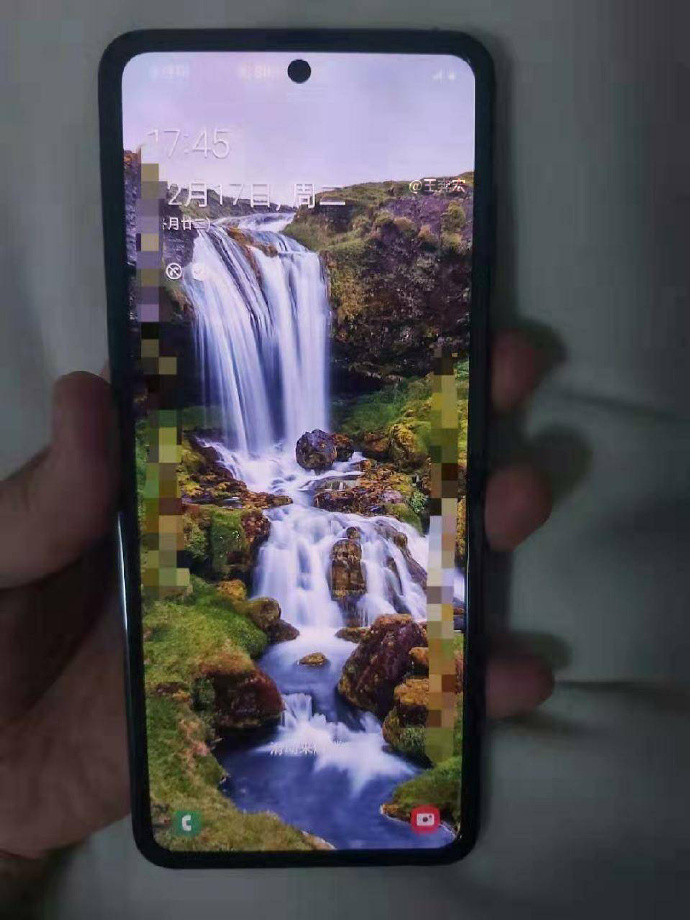
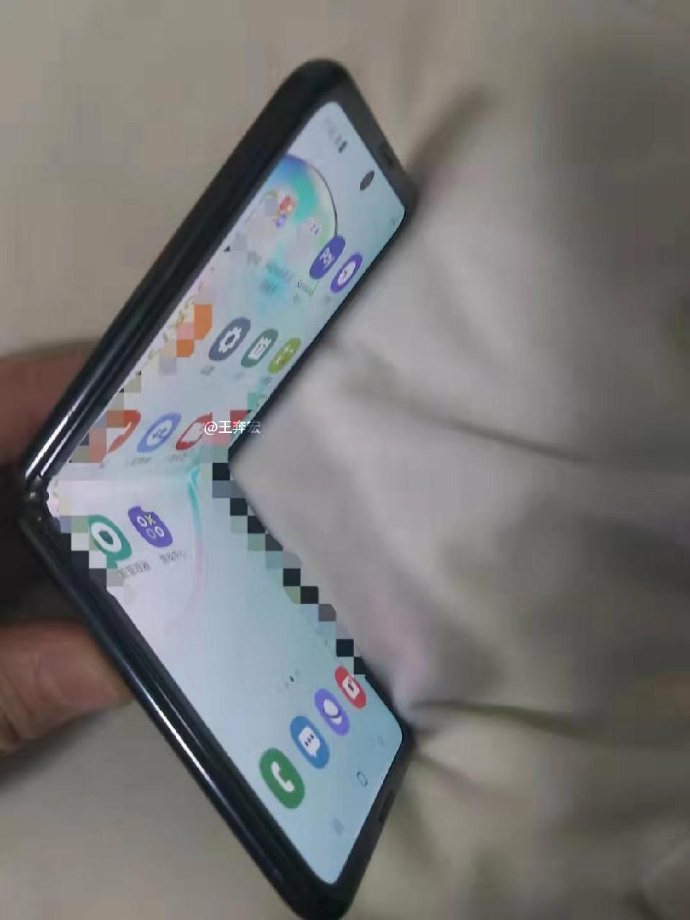
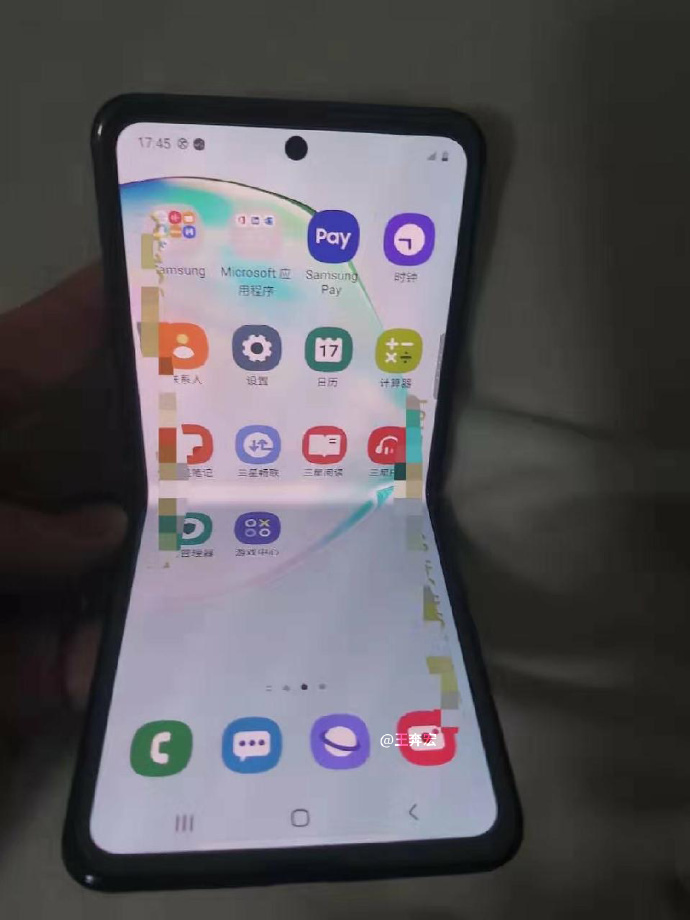
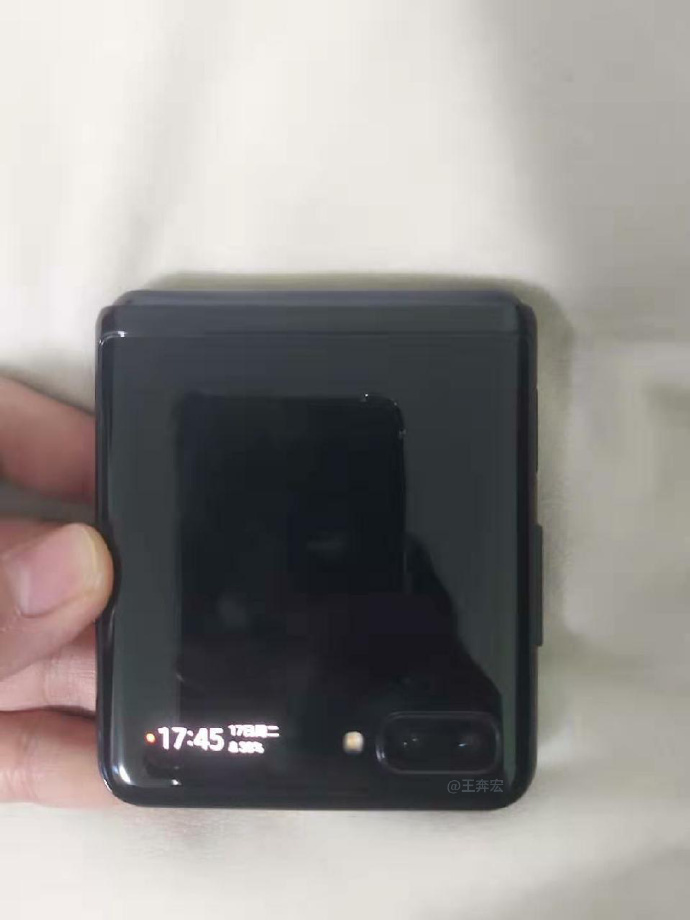
At the Samsung Developers Conference (SDC) that was held in October, Samsung had showcased a new design for its upcoming foldable phone. Unlike the original Galaxy Fold that can be opened like a book to take advantage of its tablet mode, the upcoming foldable phone will be flaunting a clamshell design like the Motorola Razr foldable flip phone. Today, a Weibo user shared couple of leaked shots of the purported Galaxy Fold 2. As speculated, the phone sports a flip phone design.
The upcoming foldable phone from Samsung features an Infinity-O display that has rounded corners and it is surrounded by slightly thick bezels on all sides. The hinge that enables folding is present under the display of the device.
Opening the device reveals a tall aspect ratio display. The images show that the screen does not develop any creases while folding. A volume rocker can be found on the right side of the device. The phone can be running on Chinese edition of One UI.
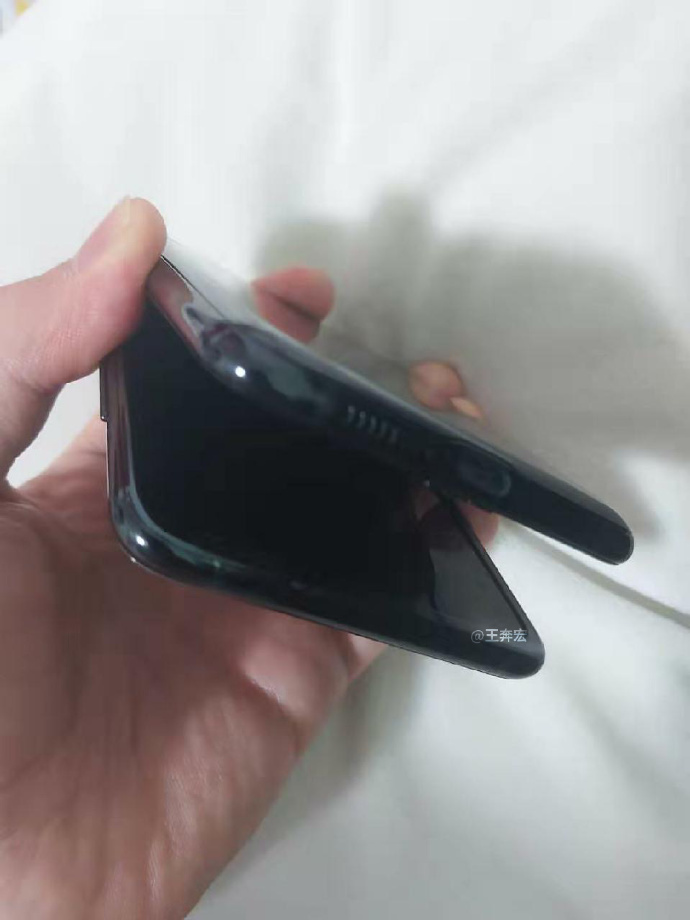
The bottom edge of the alleged Galaxy Fold 2 features an external and a USB-C port. The device does not seem to feature a 3.5mm audio jack. The rear side of the phone features a horizontal dual camera setup along with an LED flash. Alongside it is a small secondary screen that displays the time and some notifications. There is no confirmation on whether the phone is equipped with an in-screen fingerprint scanner. The build quality of the phone suggests that it may not be a premium flagship. Hence, the device is likely to arrive with upper mid-range specs. However, there is no confirmation on it yet.
A South Korean publication had recently reported that the upcoming clamshell foldable phone from Samsung will be equipped with a 6.7-inch display. It had also claimed that it will be featuring a 1-inch external display. No other details of the phone are available at the moment. The report had claimed that the focus is on portability rather than convergence with tablets. The official name of the device is under the wraps. It is slated to go official in 2020. Reports have claimed that the South Korean company will announce the next generation Galaxy Fold alongside the Galaxy S11 series in February 2020. With the speculated launch drawing near, the rumor mill is expected to spill information on its specifications in the coming weeks.
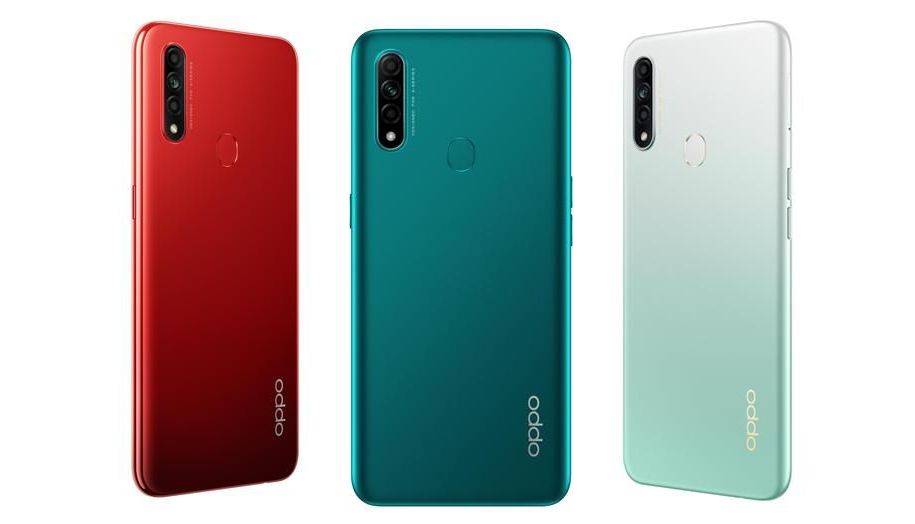
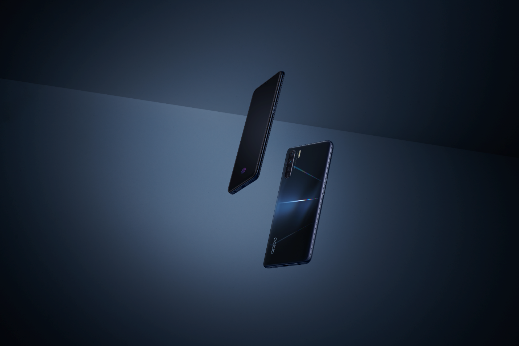
The OPPO A8 is one of the upcoming OPPO A-series phones that waiting in pipeline to go official. A leaked poster of the smartphone had recently appeared on Weibo to reveal its key features and color variants. Now, three new renders of the OPPO A8 phone has appeared to reveal its rear design.
OPPO A8 Renders
As it can be seen in the new images, the OPPO A8 will be arriving in China in colors like red, green and gradient white. The back panel of the phone features a fingerprint scanner. The upper-left corner of the rear shell which seem to be made out of polycarbonate material has a triple camera setup followed by an LED flash. The volume buttons can be seen on the left side of the device whereas a power button is found on the right edge.
OPPO A8
The front side of the phone is not visible in the above images. The images of the smartphone that appeared on TENAA has revealed that it will be arriving with a waterdrop notch screen.
OPPO A8 Specifications
The OPPO A8 smartphone that has a model number of PDBM00 was recently spotted at TENAA with all its specifications. The smartphone is fitted with a 6.5-inch IPS LCD display that delivers HD+ resolution of 720 x 1600 pixels and an aspect ratio of 20:9. The smartphone draws power from a 2.3GHz octa-core processor. The SoC is coupled with 4 GB of RAM. The native storage of the smartphone is 128 GB and it has a microSD card slot for additional storage.
For shooting selfies, it has a front camera of 8-megapixel. The rear side of the device has a triple camera setup that includes a 12-megapixel main lens, a 2-megapixel secondary lens and a third lens of 2-megapixel. The Android 9 Pie OS coupled with ColorOS will come preloaded on the device. The device is backed by a 4,230mAh battery. There is no confirmation on whether it will be equipped with rapid charging feature.
OPPO is silent on the existence of the OPPO A8 smartphone. Recent reports have revealed that the Chinese firm will also announce the OPPO A91 phone in the near future. The A91 has appeared in leaked renders and it has been also spotted on TENAA and Geekbench.
Ahead of the launch of Realme X50 5G smartphone in China, the company has been teasing some of the key features of the device. In the latest move, Realme has revealed details about the cooling solution used in the phone.
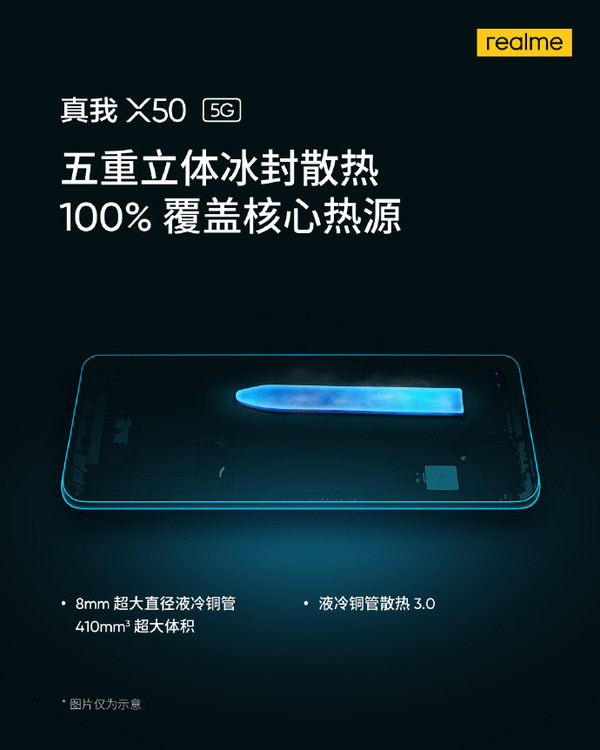
The company has shared a teaser poster on Weibo which reveals that the Realme X50 smartphone has a cooling system employed and showcases the phone’s heat dissipation ability, much needed for 5G devices.
Realme has revealed that the phone uses 8mm ultra-large diameter liquid-cooled copper tube, 410 cubic millimeters of ultra-large volume and with the liquid-cooled copper tube heat dissipation 3.0, it offers five-dimensional ice-cooled heat dissipation which covers 100 percent of the core heat source.
Recently, the company says that the Realme X50 5G will support dual-channel Wi-Fi and 5G for online connectivity at the same time, which can smartly increase the network speed under all scenarios. It further adds that the phone can be network accelerated and can make use of both 2.4GHz and 5GHz for Wi-Fi.
The company has also revealed that the smartphone will cover all the mainstream frequency bands for 5G connectivity, including n1, n41, n78, n79 and will support both SA and NSA dual-mode networking with 5G.
So far, the Chinese company has confirmed that the Realme X50 will come powered by the newly launched Qualcomm Snapdragon 765G chipset. This is the same SoC that powers the Redmi K30 5G smartphone and will power the upcoming Oppo Reno3 Pro.
Rumors indicate that the phone will be equipped with a 6.44-inch AMOLED display. It could be coming with Sony IMX686 60-megapixel + 8-megapixel + 2-megapixel + 2-megapixel quad rear cameras and 32-megapixel + 8-megapixel dual front facing cameras.
The device could be backed by a 4,500mAh battery with VOOC 4.0 Flash Charge technology. The handset may come with up of 12GB of RAM and 256GB of internal storage. We expect Android 10-based custom ColorOS 7 running the smartphone.
As the phone is powered by a mid-range processor that it is integrated with a 5G modem, the handset is expected to arrive in China with an attractive price tag. The company is also set to launch the Realme X50 Lite (Youth Edition) along with the standard model. While the launch date is not yet known, a recent teaser hints at 5th January as the launch date.
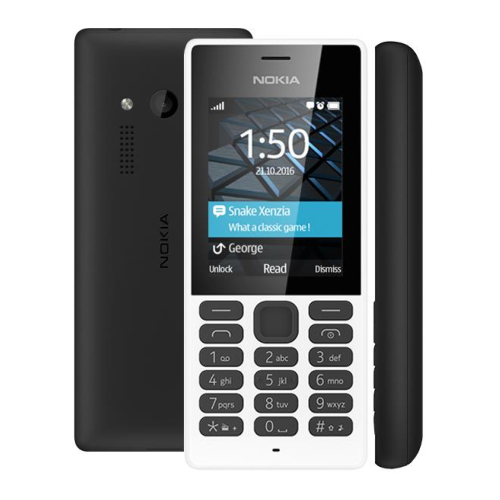
Nokia, the smartphone manufacturer, was once the leading mobile brand in the world with its feature phones being a big hit in the global market. Since then, the industry has shifted towards smartphones that are a lot more powerful, but the company has still stuck to its roots. Now, Nokia 150, which is one such feature phone, has just been launched in China.
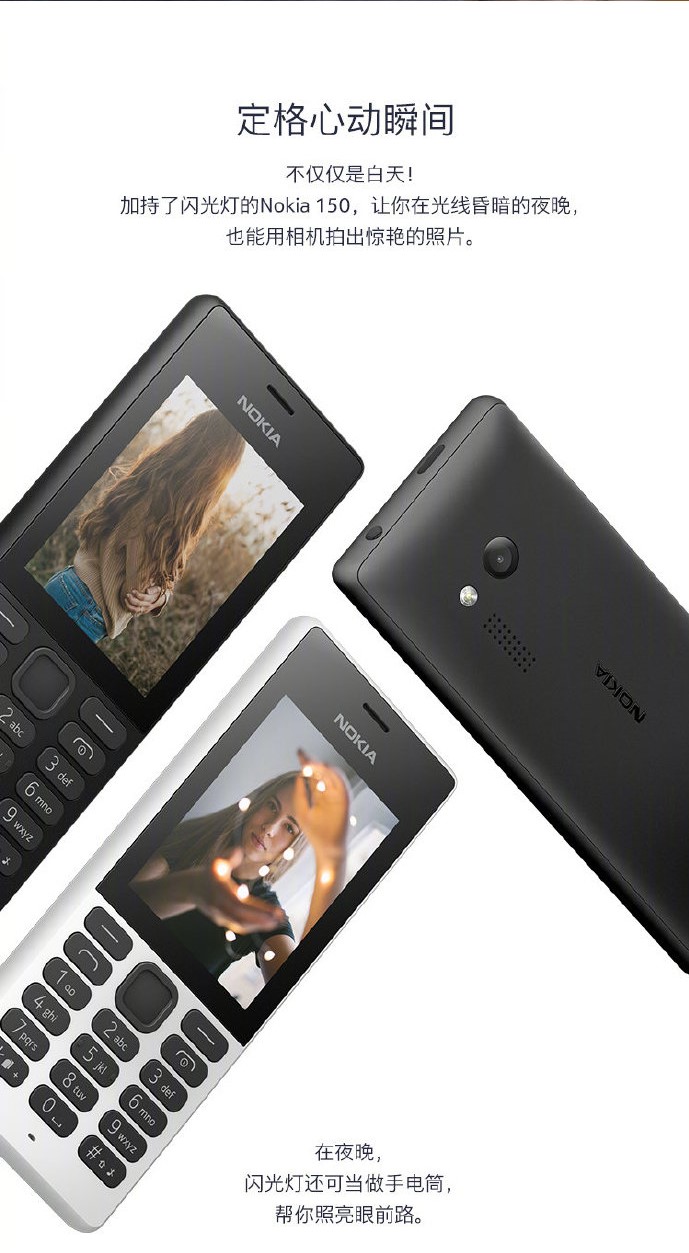
Nokia 150 in Black and White Color Variants
Specs & Features
The Nokia 150 arrives with a 2.4 inch display with a resolution of 320 x 240 pixels. For photography, it is equipped with a VGA camera that also supports LED flash. The handset also features multiple useful functions like FM Radio via the 3.5mm headphone jack, MP3 music support for music, and inclusion of a microSD card slot for expandable storage. Notably, the mobile is powered by a 1020mAh battery which is claimed to be capable of running the Nokia 150 for up to 31 days in a single full charge.
On the front, users will not find a selfie camera or a QWERTY keypad; rather the old fashioned number dials with alphabets assigned to them and a Nokia branding on the top. Below the keyboard a mic can also be found for voice input. The rear of the device features a lone camera with an LED flash beside it and a speaker grill just below it. Nokia 150’s body is made from polycarbonate which is a clear indication of its extreme budget segment.
Nokia 150 with a single Camera and an LED fash
Price & Availability
Nokia 150 is currently available for pre sales on JD and carries a price tag of 199 Yuan or roughly 28 US Dollars. For color options, it is available in two variants either white or black.
The TENAA database has couple of unreleased OPPO phones. Among them there is a PCPM00 / PCPT00 phone that is expected to arrive in the market as OPPO A91. The handset has appeared on Geekbench benchmarking platform through which some of its key details have been revealed. In addition, couple of press renders of the phone have also surfaced to tease on its design.
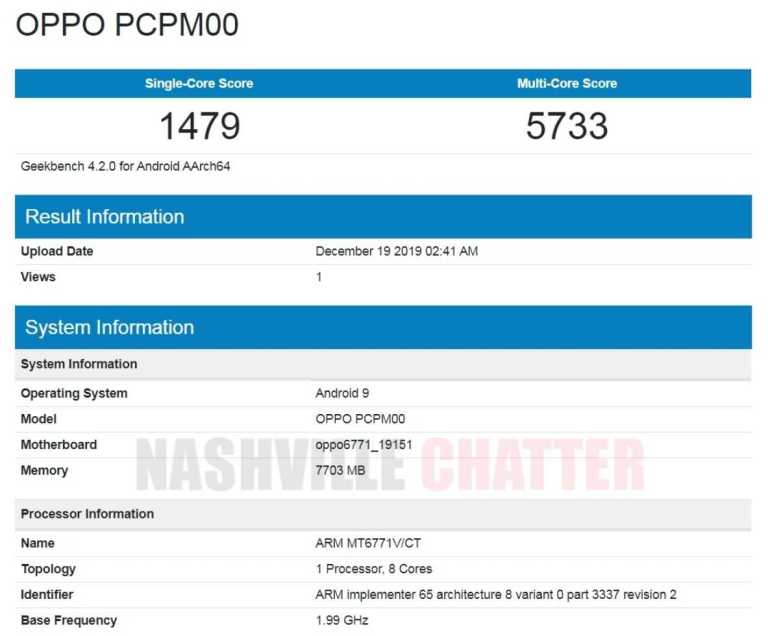
OPPO A91 PCPM00 Geekbench Listing
The OPPO A91 PCPM00 smartphone has scored 1479 in the single-core test and 5733 in the multi-core test. The Android 9 Pie OS runs on the device. The SoC that powers the smartphone is MediaTek MT6771V/CT that has a base frequency of 1.99 GHz. The chipset is assisted by 8 GB of RAM. The TENAA listing of the phone had revealed that is processor offers clocking speeds of 2.1GHz. Hence, it can be assumed that the Helio P70 SoC is present under the hood of the OPPO PCPM00. It is advisable to wait for further reports to know the exact processor that powers the phone.
The TENAA listing reveals that the OPPO PCPM00 has a 6.4-inch AMOLED full HD+ display which is embedded with a fingerprint reader. Rumors have it that it features the same 3.0 technology in-display fingerprint sensor that is available on the Reno2. It offers 20:9 aspect ratio. The 4,025mAh battery fuels the OPPO A91 phone. It is equipped with up to 256 GB of native storage and a microSD card slot for more storage. The phone features a front camera of 16-megapixel. The backside of the device is fitted with a 48-megapixel + 8-megapixel + 2-megapixel + 2-megapixel quad camera setup.
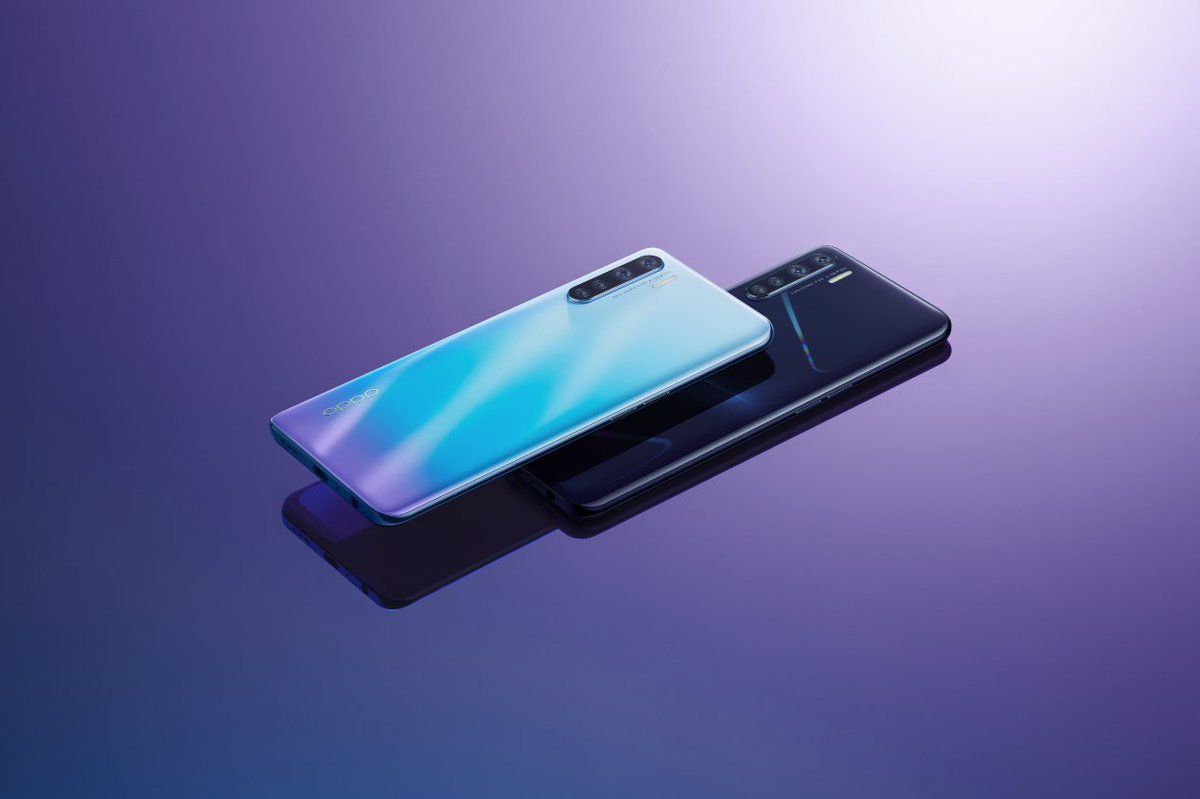
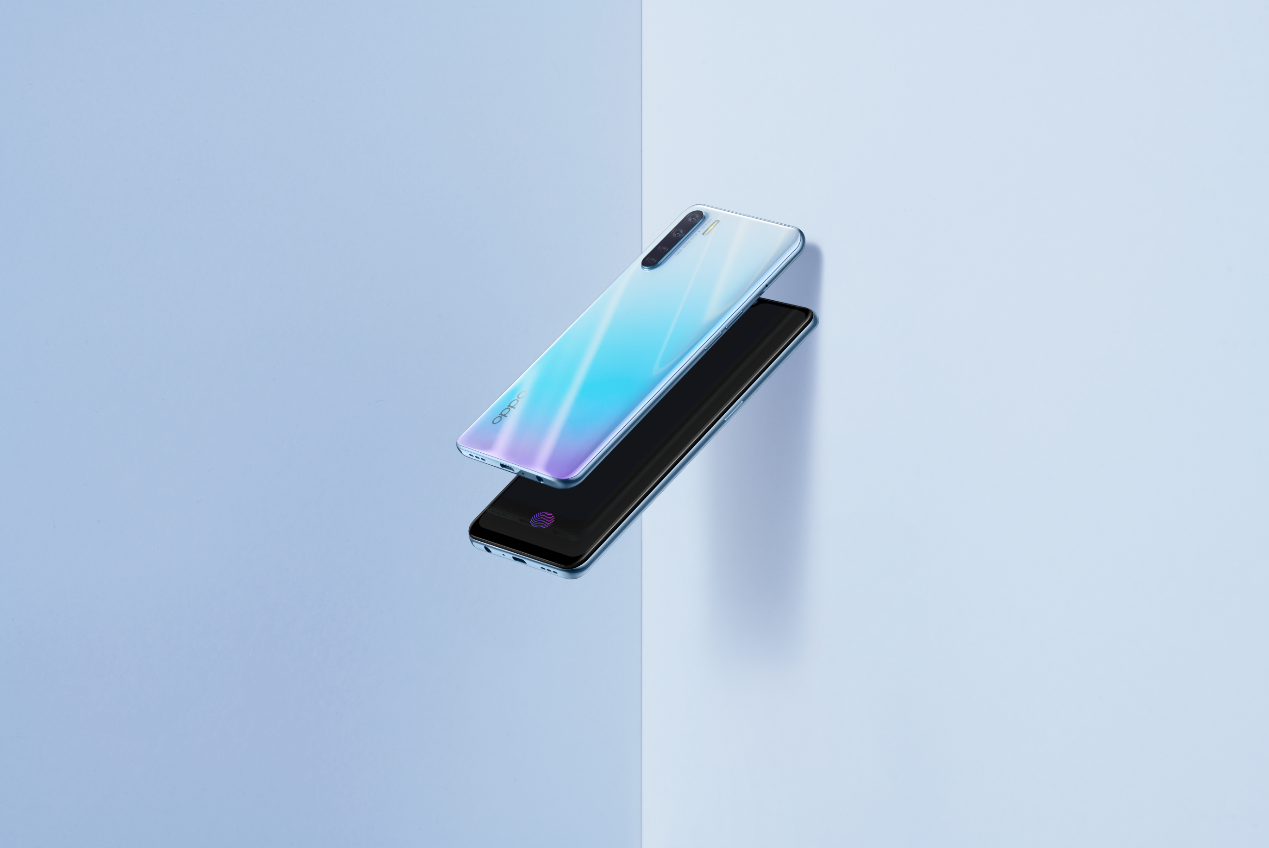
The OPPO A91 renders show it features a slim design as it measures only 7.9mm in thickness. The phone features a waterdrop notch enabled display. The rear side of the phone has a gradient appeal, but it is not clear whether it features a glass rear or a glossy polycarbonate back.
The renders show cases the gradient blue and black color editions of the OPPO A91. A leaked poster that was spotted recently had revealed that it will also come in Red. A The bottom side of the phone seems to feature a 3.5mm audio jack, a microphone, a USB-C port and an external speaker. The power button is placed on the right spine whereas the volume up and down buttons can be seen on the left edge.
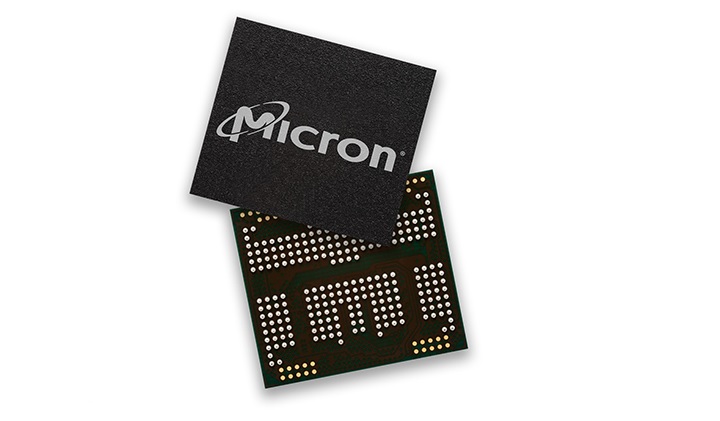
On 18th December 2019, Micron Technology Inc stated that it is expecting a recovery after a “cyclical bottom” in the second quarter earlier this year. The primary reasons for its projected recovery in the arriving year are due to the company receiving all requested licenses to supply its products to its biggest client, Huawei.
Micron was facing stagnancy in its growth in the memory market from the beginning of the year. However, the main blow arrived when its largest customer got placed on the Entity List. Huawei, the smartphone manufacturer, was banned from the US Commerce Department in early 2019 which had led many US based companies to cut their business ties with it.
Micro’s Memory Chips
A few of those include Google with its Android OS platform, ARM with its chipset architecture and even Micron Technology for its memory-based chips. Initially, when the US Government imposed the ban on Huawei, many American companies had also been against the move since they had heavily relied on the Chinese tech giant.
Since Huawei is also one of the leading telecom companies that supply advanced 5G networking infrastructure; a few of the local telecom companies also suffered when the ban was imposed. All of this points to a domino effect that spans multiple corporations if a key player in the market gets affected.
Sanjay Mehrotra, CEO of Micron Technology Inc
According to the Chief Executive of Micron, Sanjay Mehrotra, the company is expecting business to recover by the third quarter of 2020. The recovery is made possible by the licenses to work with Huawei being granted after the declining performance in Q2 2019. In June, Micron had also stated that it could legally ship some of its products to Huawei even during the ban was enforced. Although whether the company received the license when the US Government began granting them in November is still unknown.
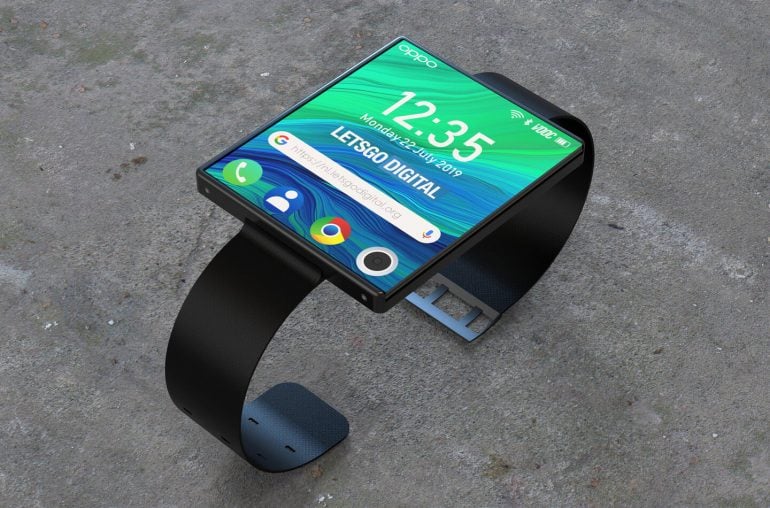
At today’s OPPO developer conference, Liu Bo, VP of OPPO, announced that the company plans to launch an IoT initiative, as well as begin the HeyThings IoT protocol, HeyThings IoT service platform and audio interconnection protocol. He also revealed that the OPPO Smart Watch will launch soon, and it’s coming alongside their health platform.
Liu Bo says that OPPO’s vision in IoT is to start with daily life, and to over time build a multi-terminal, cross-scenario IoT ecosystem. This ecosystem will focus on all core categories of smart products, as well as cover four specific scenarios, those being personal, family, travel and office.
To this end, we’re seeing the first of these products launching soon, that being the upcoming OPPO Smart Watch. The device will arrive alongside OPPO’s upcoming health platform, and will serve as a launching pad for other OPPO related IoT products. It’ll be launching sometime in Q1 of 2020, which is a rough estimate, but not too far off.
We’ve known for a while now that the company is working on a smart watch. Maybe we can expect something at the Mobile World Congress phone show in the Spring? Whether it would use Google’s Wear OS or other software remains to be seen, but based on what we know now, it seems increasingly unlikely.
Liu also announced that OPPO will launch an IoT initiative soon. They want to begin the HeyThings IoT protocol, which can achieve multi-protocol compatibility, local connectivity and multi-brand interconnection. To that end, the company will open protocol documents, SDKs and modules to help gain faster development on IoT products.
There’s also the HeyThings IoT service platform, which includes product development, service customization and data operation. It’ll also be launched in the first quarter of 2020. Finally, we have the open audio interconnection protocol that enables the connection of third-party smart headphones and OPPO phones. The first batch of features will arrive in June 2020, including quick pairing and power display.
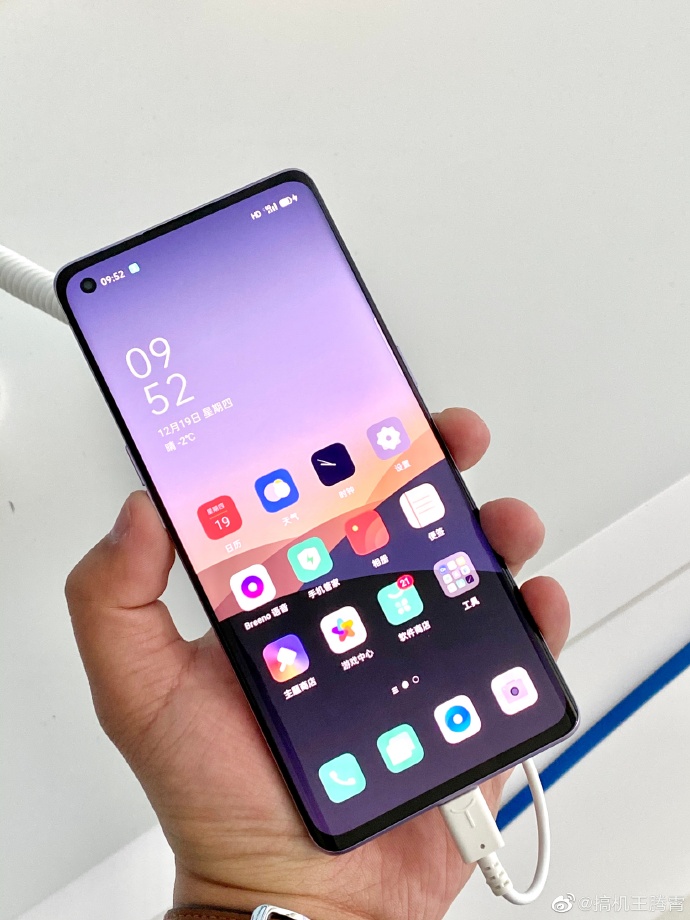
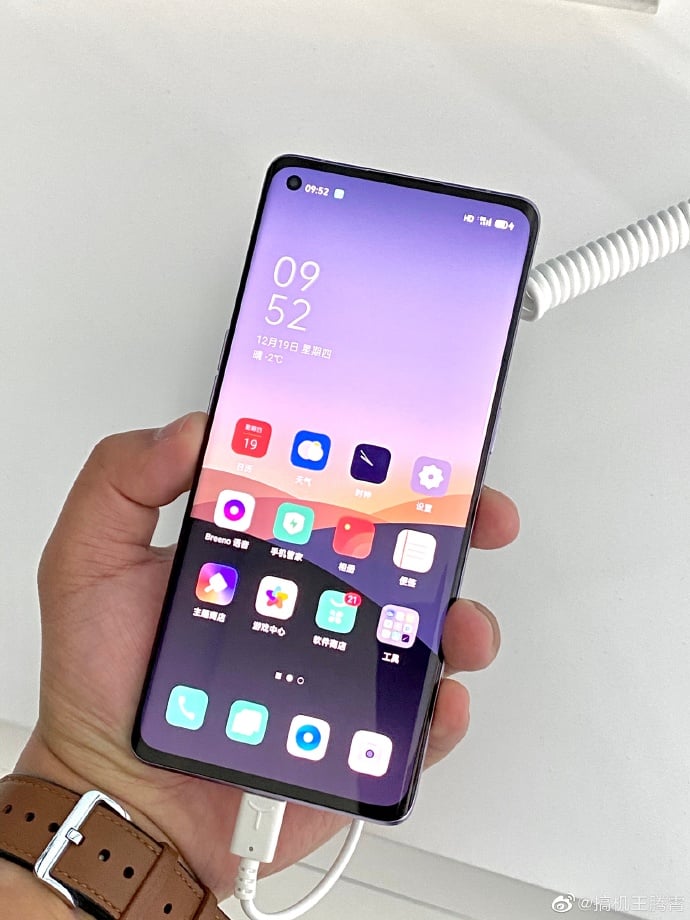
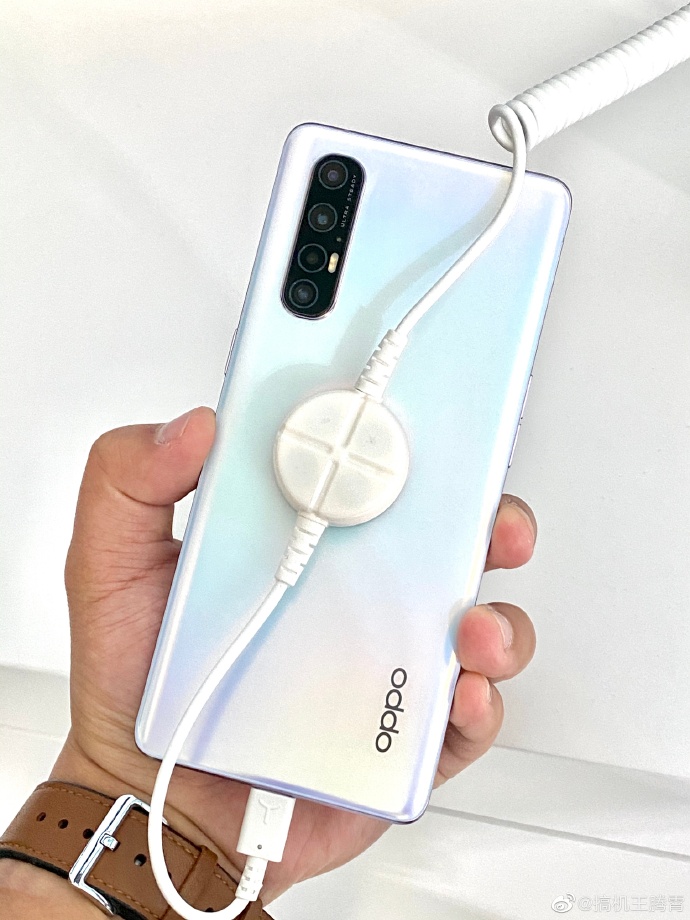
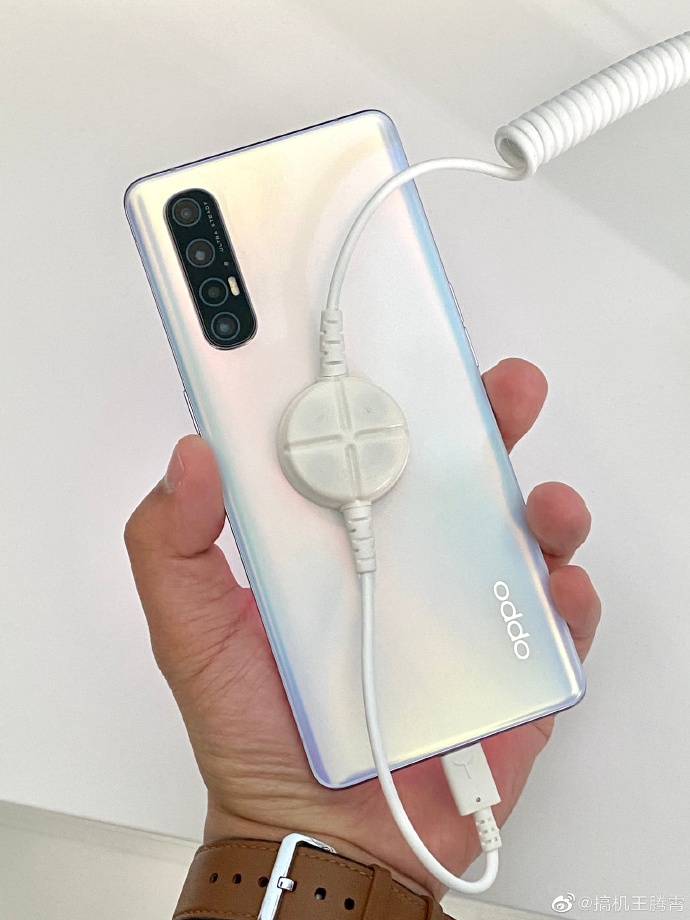
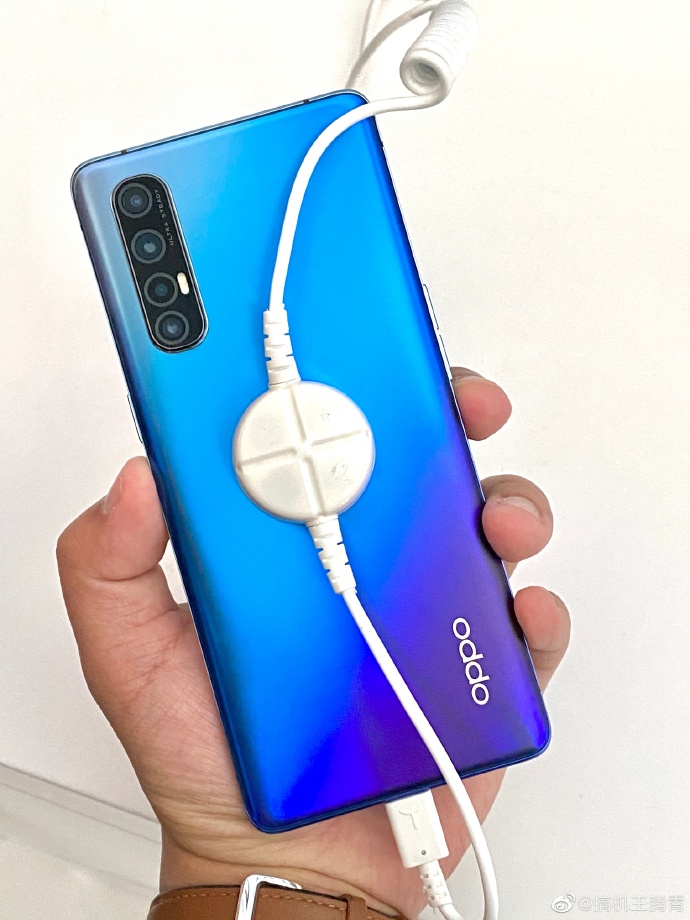
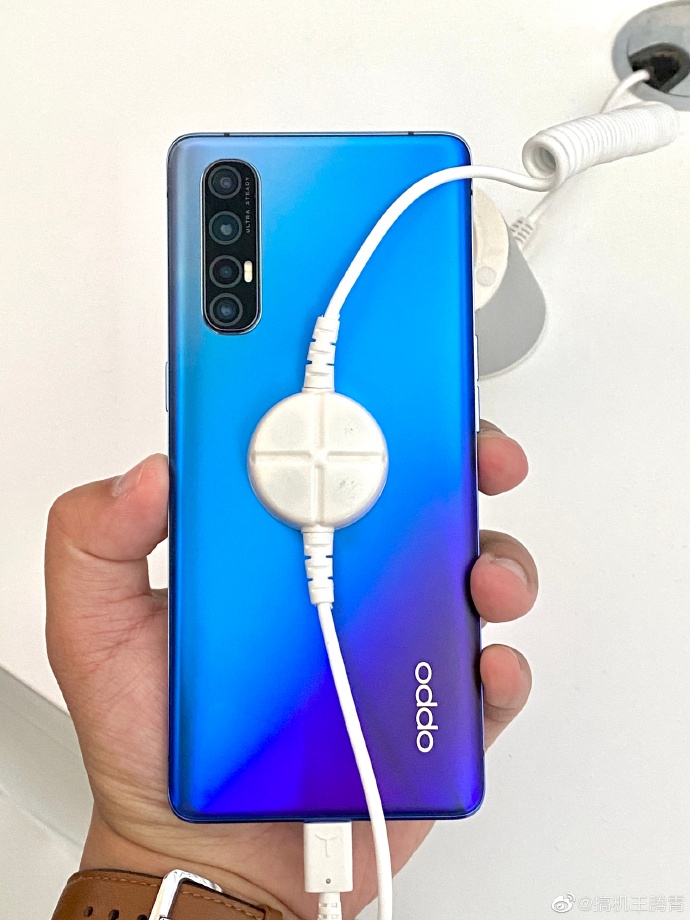
The OPPO Reno3 5G and Reno3 Pro 5G smartphones are scheduled to go official on Dec. 26. Both phones are now up of reservations in China. The listings on OPPOShop.cn and JD feature the official renders of the four color editions of the Reno3 and Reno3 Pro handsets. In the past week, the Reno3 Pro has appeared in couple of live shots. Today, a Chinese tipster has shared new real-life images of the Reno3 Pro phone to reveal its amazing design.
The OPPO Reno3 Pro 5G has an impressive screen that curves towards its left and right edges. The size of the display is 6.5 inches and it offers 90Hz refresh rate. The AMOLED screen is integrated with an in-screen fingerprint reader. At its top-left corner is a small punch-hole for the 32-megapixel selfie camera. The phone promises a tall aspect ratio of 20:9 as it supports 1080 x 2400 pixels full HD+ resolution. As it can be seen, the display is surrounded by very slim bezels which indicates that it will offer a high screen-to-body ratio.
The left edge of the Reno3 Pro 5G features the volume button. Its right spine has a power button. The bottom edge of the phone has a USB-C port. The upper and lower edges of the Reno3 Pro are not visible in the images. However, reports have revealed that the smartphone lacks a 3.5mm audio jack.
The back panel has a vertical camera strip at the upper-left corner of the Reno3 Pro. The ‘Ultra Steady’ text is imprinted inside the camera module. The Reno3 Pro will allow users to shoot highly stable videos. The TENAA listing of the phone has revealed that it includes a 48-megapixel main lens which is coupled with an 8-megapixel lens, a 13-megapixel sensor and a 2-megapixel. The Chinese manufacturer has confirmed that the Reno3 Pro come in four color variants like Blue Starry Night, Misty White, Sunrise Impression and Moon Night Black.
The OPPO Reno3 Pro 5G boots to ColorOS 7 based Android 10 OS. There is no microSD card slot on the device. The smartphone is powered by the Snapdragon 765G mobile platform and 8 GB / 12 GB of RAM. The two RAM variants respectively come with 128 GB and 256 GB of storage. The phone houses a 4,025mAh battery that carries support for 30W VOOC 4.0 Flash Charge technology. the smartphone measures 159.4 x 72.4 x 7.7mm and it weighs 171 grams.
A few months ago, in September this year, Redmi launched a premium version of its flagship smartphone Redmi K20 Pro, dubbed as Redmi K20 Pro Premium Edition. The 8GB RAM And 512GB storage model is priced at 2,999 yuan (~$428).
However, the company is currently selling the 8GB + 512GB model of the Redmi K20 Premium Edition at a discount of 600 yuan, bringing down the selling price of the smartphone to just 2,399 yuan, roughly $343.
Do note that this is not a permanent price cut. The company is offering this 600 yuan discount from today till 21st December in China. Further, the company is also offering 24 interest-free instalments on the purchase on this device.
The major difference in the standard Redmi K20 Pro and the Premium Edition is the chipset and memory options. This Premium Edition comes powered by Snapdragon 855 Plus SoC, coupled with up to 12GB of RAM and 512GB of internal storage.
It sports an extra-large 6.39-inch AMOLED display with Full HD+ resolution of 1080 x 2340 pixels for a superior visual experience. The phone comes with the latest 7th generation in-display fingerprint scanner for added protection.
The device features a triple camera setup on the back consisting of a 48-megapixel Sony IMX586 primary camera with Dual LED Flash, f/1.75 aperture, 0.8μm pixel size, 6P lens, an 8-megapixel secondary 1/4″ telephoto lens with 1.12μm pixel size, f/2.4 aperture, and a 13-megapixel 1/3″ 124.8° ultra-wide sensor, 1.12μm pixel size, f/2.4 aperture.
On the front side, the smartphone comes with a 20-megapixel camera sensor for taking selfies and video calling. Connectivity options on the device include 4G VoLTE, WiFi 802.11 b/g/n/ac, Bluetooth 5, GPS + GLONASS, NFC, and USB Type-C port.
It also features Hi-Fi audio for an enhanced audio experience. The phone runs MIUI 10 based on Android Pie and is powered by a 4,000mAh battery with 27W fast charging technology and the phone comes with 27W charger inside the box.
The Redmi K20 Pro Exclusive Edition is being offered in four color options — Carbon Black, Flame Red, Glacier Blue, and Water Honey. The discount is only applicable on the 8GB + 512GB model while the pricing of the 8GB + 128GB model remains unchanged.
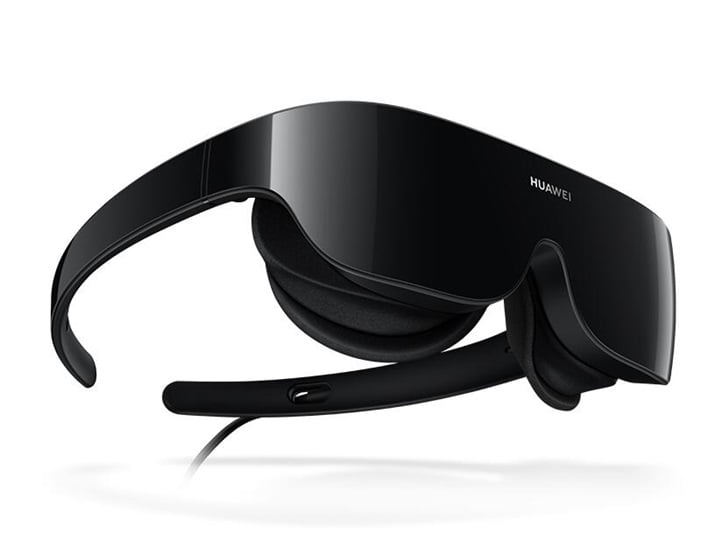
A couple of months ago, Chinese tech giant Huawei had officially announced its much-awaited VR product in its home market — Huawei VR Glass. Today, the device will go on sale in China, carrying a price tag of 2,999 yuan which is roughly $428.
Coming to the product, as the name itself suggests, it is a virtual reality headset. The Huawei VR Glass has lens barrel thickness of 26.6mm which is almost one-third of that of Oculus Quest and HTC Vivo Pro. It weighs around 166 grams and the temples come with a foldable design and it has a distance adaptation of 55 to 71 mm.
Huawei has said that the glasses can be adjusted in the range of 0-degree to 700-degree myopia, 55mm to 71mm distance adaptive, comes with a breathable sunshade mask and is quite comfortable while wearing, even for a prolonged use.
The company says that the device is ergonomically designed to fit the face. It uses protein leather material which is soft and comfortable, the elastic mask magnetic suction is removable and the myopic groups do not need to wear additional glasses.
As for the specifications, the VR Glass offers screen resolution of 3200 x 1600 pixels with up to 1058PPI pixel desnity, 90-degree field-of-view, 70/90Hz refresh rate. It comes with 3D sound effects and provides IMAX giant screen-like experience.
The mirror leg of Huawei VR Glass comes with dual speakers that offer a wide sound field, built-in dual SmartPA, and supports 3D sound stereo. It can also be connected with Bluetooth headphones.
The company says that it will have access to 30,000 hours of VR video from the content resources, along with three major VR live broadcast platform and more than 100 virtual reality games.
We use cookies on our website to give you the most relevant experience by remembering your preferences and repeat visits. By clicking “Accept”, you consent to the use of ALL the cookies.
This website uses cookies to improve your experience while you navigate through the website. Out of these, the cookies that are categorized as necessary are stored on your browser as they are essential for the working of basic functionalities of the website. We also use third-party cookies that help us analyze and understand how you use this website. These cookies will be stored in your browser only with your consent. You also have the option to opt-out of these cookies. But opting out of some of these cookies may affect your browsing experience.
Necessary cookies are absolutely essential for the website to function properly. This category only includes cookies that ensures basic functionalities and security features of the website. These cookies do not store any personal information.
Any cookies that may not be particularly necessary for the website to function and is used specifically to collect user personal data via analytics, ads, other embedded contents are termed as non-necessary cookies. It is mandatory to procure user consent prior to running these cookies on your website.