Advertisement

Huawei P40 Pro may feature 5,500mAh graphene battery with 50W fast charging

Huawei is reportedly working on Huawei P40 and P40 Pro as successor editions of the Huawei P30 and Huawei P30 Pro that had debuted in the first quarter of this year. The Huawei P40 series is expected to break cover by Q1 2020. A fresh leak has revealed the key specifications of the Huawei P40 Pro. The leak also states that the phone could be backed by a 5,500mAh graphene battery and it may arrive with 50W fast charging technology.

According to the leak, the volume of the 5,500mAh graphene battery that will be powering the Huawei P40 Pro will be only 70 percent of that of lithium batteries. The graphene battery could be coupled with the newly developed 50W rapid charging technology from Huawei which will take only 45 minutes to charge it completely.

The leak has further revealed that the Huawei P40 Pro will be coming with a 6.5-inch waterfall display. The OLED screen will support quad HD+ resolution and 120Hz refresh rate. It may offer a high screen-to-body ratio of around 98 percent. The display of the phone may bear a pill-shaped cutout for dual selfie snappers.
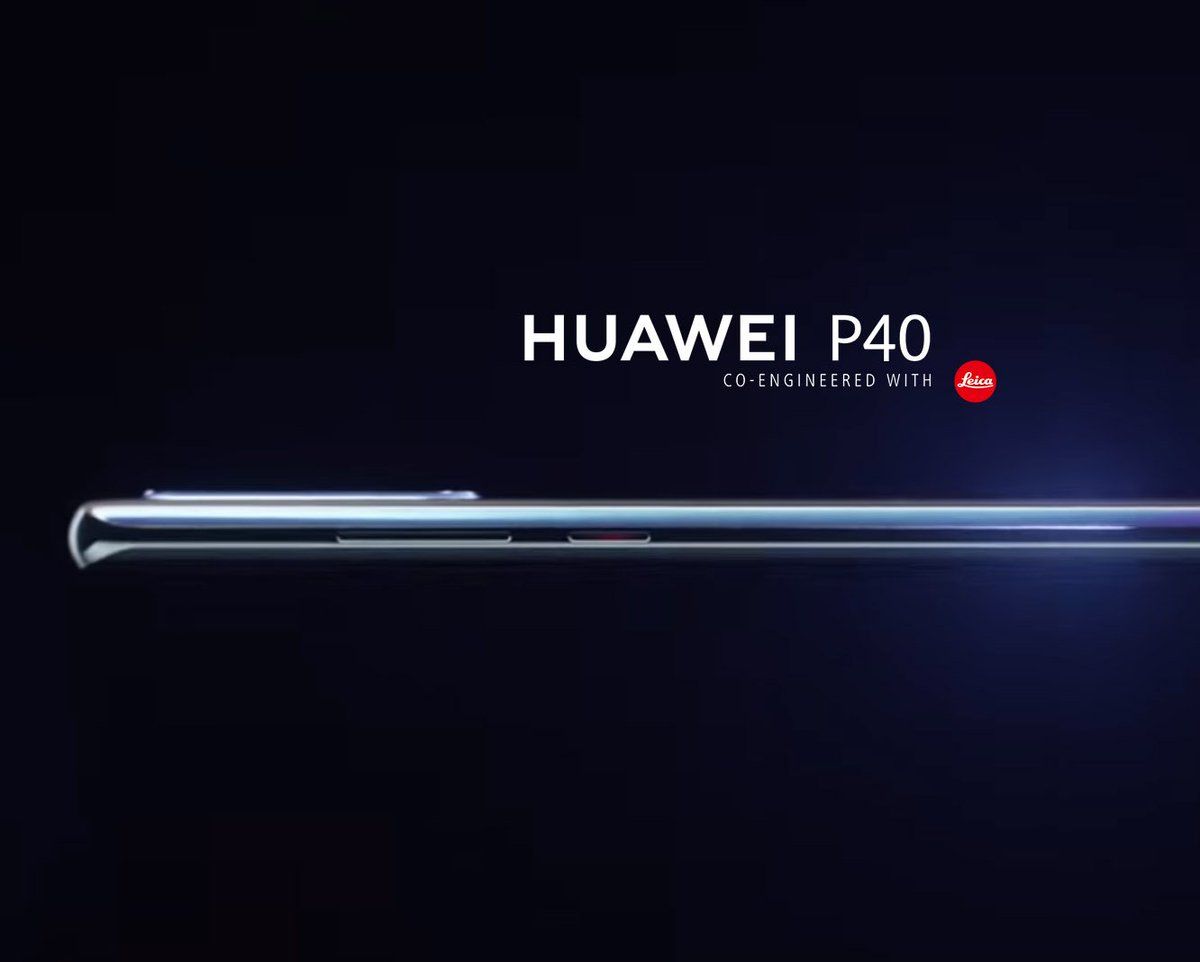
Huawei P40
Fan made poster of Huawei P40

The Kirin 990 5G is expected to be powered the Huawei P40 series. The back panel of the Huawei P40 Pro could be fitted with a Leica engineered penta-lens setup that may include Sony IMX700 or IMX686 primary lens with OIS support and RYYB color arrangement, a 20-megapixel ultrawide lens, a 12-megapixel periscope telephoto lens, a macro lens and a ToF sensor. The rear cameras may support 4K video recording.

The P40 Pro may come with main sensor + ultrawide lens dual selfie camera system like the Huawei Nova 6 5G phone. The leak states that the Huawei P40 series will run on Android 10 customized with EMUI 10 skin.

The leak has no information on the launch date and pricing of the Huawei P40 series. Readers are advised to digest the above report with a grain of salt. The P30 series were made official in March this year. Hence, the P40 and P40 Pro may break cover around the same time next year. A recent report had revealed that Huawei will be selling the Huawei P40 series in the global markets.


(source|via)


Realme X50 5G has Snapdragon 765G processor, confirms Realme

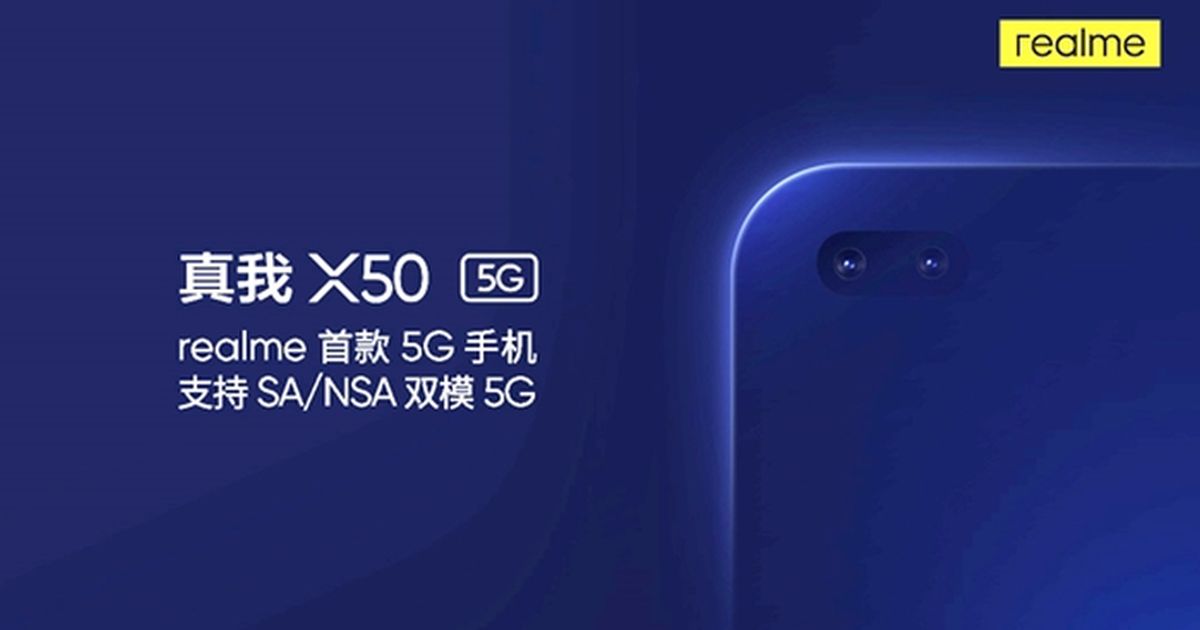
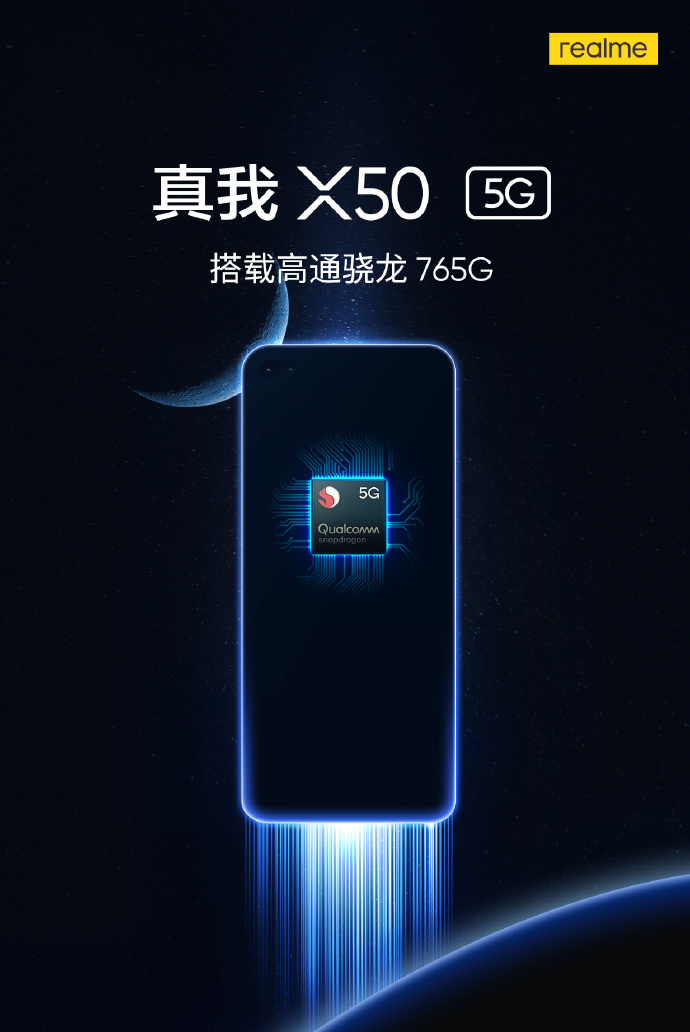
Realme had confirmed in November that the Realme X50 will be debuting as the company’s first 5G-ready phone. The first teaser that was released by the company had confirmed that the phone will be equipped with a display that features a pill-shaped cutout at its top-left corner for the two front-facing cameras. Today, the Chinese manufacturer has confirmed that the Realme X50 5G will be fueled by the Snapdragon 765G mobile platform.

With SD765G onboard, the Realme X50 5G will be a dual-mode 5G ready smartphone. Since it is driven by a mid-range processor that it is integrated with a 5G modem, the handset is expected to arrive in China with an attractive price tag. The upcoming OPPO Reno 3 Pro 5G and the Redmi K30 Pro 5G are also powered by the same SoC. In fact, the Realme X50 5G will be rivaling with a Redmi K30 Pro 5G as it also features a similar display design.

A recent report had claimed that the Realme X50 5G will be equipped with a 6.44-inch AMOLED display with 90Hz refresh rate. It could be coming with Sony IMX686 60-megapixel + 8-megapixel + 2-megapixel + 2-megapixel quad rear cameras and 32-megapixel + 8-megapixel dual front cameras. The device could be backed by a 4,500mAh battery with VOOC 4.0 Flash Charge technology. The handset may come with up of 12 GB of RAM and 256 GB of native storage.

The company also unleash the Realme X50 Youth Edition alongside the Realme X50. The smartphone may arrive with a 6.55-inch IPS LCD 60Hz refresh rate display. It could be featuring the MediaTek MT6885 5G SoC. Its rear could be fitted with 16-megapixel + 8-megapixel + 2-megapixel + 2-megapixel quad cameras and it may come with a single front camera of 32-megapixel. The device may house a 5,000mAh battery with VOOC 4.0 Flash Charge support. The Realme X50 Youth Edition may arrive with up to 6 GB of RAM and up to 128 GB of storage.

The Realme smartphone brand was introduced in China only few months ago and it has already gained good popularity in the home market. Realme had launched the Realme X phone with pop-up selfie camera and a notch-less display in May. The company had also launched the Realme X Lite alongside as the rebranded version of the Realme 3 Pro. In September, the Realme Q, a rebadged version of the Realme 5 Pro was unveiled in China alongside The Snapdragon 730G SOC powered Realme X2 had also debuted in the same month. In October, the company introduced the Realme X2 Pro as it first flagship phone. And now, the company is all set to launch the Snapdragon 765G powered Realme X50 5G phone. Probably, the smartphone will be made official later this month.


(source)

Oppo announces its first AR Glasses aimed at 3D reproduction

At its on-going Oppo Inno Day 2019 conference, the Chinese company has today announced its first AR Glasses. The announcement comes at a time when the smartphone company has said that it is now focusing on diversifying its portfolio of product categories.

The Oppo AR Glasses is a step forward for the Chinese company to expand its presence in the augmented reality space, which remains widely untapped even though VR and AR were touted to be the next big thing.

Oppo AR Glasses

As per the reports, the Oppo AR Glasses offers three-dimensional reproduction and is also equipped to offer 3D surround sound. It is reportedly using diffractive optical waveguide technology to achieve thinness and high transmittance.

It also comes with various modes of interaction, including gestures and voice recognition. Coming to the software part, the device comes packed with various AR content, including games and services.

Oppo AR Glasses

The Oppo AR Glasses features dual fisheye cameras on the front along with an HD camera. On the side, it appears that there are two buttons styled in green. The company claims that the Oppo AR Glasses are thinner in size and lighter in weight compared to the Hololens.

Oppo has not revealed much details about this new product it has announced but the company has said that it will be launched in the first quarter of next year, i.e. Q1 2020 but has not revealed specific details.


Redmi K30 to soon launch in India as the phone gets BIS certification

In a few hours, the Redmi K30 smartphone will be officially launched in China. While the company has not revealed anything about the phone’s availability in other regions so far, it seems that the India launch of Redmi K30 isn’t far away.

The Redmi K30 smartphone has passed through India’s BIS certification process. The listing reveals that the phone will carry a model number M191G7BI and will be assembled in the county by Flextronics Technologies.

Redmi K30 4G

While the exact launch date isn’t revealed, it could be just weeks after China launch today or early 2020. However, the Redmi K30 4G-only variant should be coming to India as the 5G infrastructure isn’t ready in the country.

As per the rumors, the 4G variant of the smartphone is expected to come powered by Qualcomm Snapdragon 730G processor. Its display will also be a 6.66-inch LCD panel with a 120Hz refresh rate and a Full HD+ 1080 x 2400 resolution. The leaked live photos showed that it will have 64GB of storage and run MIUI 11 out-of-the-box.

A leak has revealed that the smartphone will come with a 64MP main camera along with an 8MP telephoto camera, a 13MP ultrawide camera, and a 2MP sensor. It also said it will pack a 4500mAh battery with support for 27W fast charging. The 5G version has the same battery capacity but with 30W fast charging.

The device is also rumored to have 20MP + 2MP dual front-facing cameras, a side-mounted fingerprint scanner, NFC, IR blaster, and an audio jack. On the other hand, the 5G variant will come with support for SA and NSA dual-mode.

To know for sure what the company has planned for the Redmi K30 series of smartphone, we’ll have to wait for a few more hours as the launch event will start soon.

(Via)

Realme XT 730G Star Wars Edition teased to launch in India on December 17

Realme has confirmed that the company is all set to launch the Realme XT 730G smartphone as well as Realme Buds Air in the Indian market on 17th December. Now, it seems that a special Star Wars Edition of the smartphone will also get unveiled.

Madhav Sheth, CEO of Realme India has shared a poster of Star Wars: The Rise of Skywalker, hinting that a special Realme XT 730G Star Wars Edition will be launched at the 17th December event in India.

Realme XT 730G Star Wars Edition

This comes at a time when the Realme X2 Star Wars Edition is coming to China. For those who are unaware, the upcoming Realme XT 730G smartphone is the rebranded version of the Realme X2 smartphone that has already been launched in China.

A promotional teaser poster of the Realme X2 Star Wars Edition shows a new, spunky gradient paint job and special edition Star Wars-themed wallpapers that will definitely excite Star Wars fanatics.

As for the Realme XT 730G, the smartphone will look exactly the same as the Realme XT that was launched in India a couple of months ago. The only major difference will be the processor. While XT packs Snapdragon 712 SoC, the XT 730G will come powered by Qualcomm Snapdragon 730G chipset.

The device will be packed with 8GB of RAM and 256GB of internal storage. However, we expect the company to offer the device will multiple memory variants. But the Star Wars Edition is likely to be offered in the top-end variant only.

The smartphone will feature a 6.4-inch Full HD+ AMOLED display with Corning Corning Gorilla Glass 5 protection. In the camera department, it’ll come with the same setup as the XT — 64-megapixel Samsung ISOCELL Bright GW1 primary sensor, an 8-megapixel 119 degree ultra-wide-angle lens, a 2-megapixel depth sensor, and a 2 MP macro sensor.

On the front side, the device will be equipped with a 32-megapixel single camera sensor which will be placed in a waterdrop notch on the display. It could be running Android 9 Pie operating system out-of-the-box with the company’s own ColorOS custom user interface. The phone will come powered by a 4,000mAh battery with support for 30W VOOC fast charging technology.


[Update: 12GB RAM version added] OPPO Reno3 Pro 5G exposes all its specs for TENAA

Update: TENAA has updated the listing with a 12GB RAM + 256GB version.

The Reno3 Pro 5G is launching this month but the date is still under wraps. While we await an official announcement regarding the phone’s launch date from OPPO, its full specs have now been published on TENAA’s database.

The Reno3 Pro 5G (PCRM00 and PCRT00) has a 6.5-inch AMOLED display with a 2400 x 1080 resolution. Official renders have shown the phone has a punch hole in the top left corner.

The smartphone is powered by an octa-core processor with a 2.4GHz clockspeed. This is the clockspeed of the new Snapdragon 765G 5G which OPPO has confirmed will power the Reno3 5G. There is 8GB of RAM and 128GB of storage. There are no other configurations of the phone neither is there support for storage expansion.

[envira-gallery id=”294215″]

The Reno3 Pro 5G has four rear cameras – a 48MP primary sensor paired with a 13MP, an 8MP, and a 2MP camera most likely in the ultrawide angle, telephoto, and depth/macro arrangement. There is a 32MP camera in front for video calls and selfies.

TENAA says it has an in-display fingerprint scanner but doesn’t mention support for fast charging. The Reno3 5G will run Android 10 out of the box and will support Band 41 and Band 78 NSA and SA mobile networks.

It will pack a 3935mAh (~4025mAh) battery and be available in white, blue, red, and black. The phone weighs 172 grams and measures 159.4 x 7.24 x 7.7 millimeters.


Xiaomi celebrates the sales of 10 million units of the MIJIA Air Purifier in 5 years

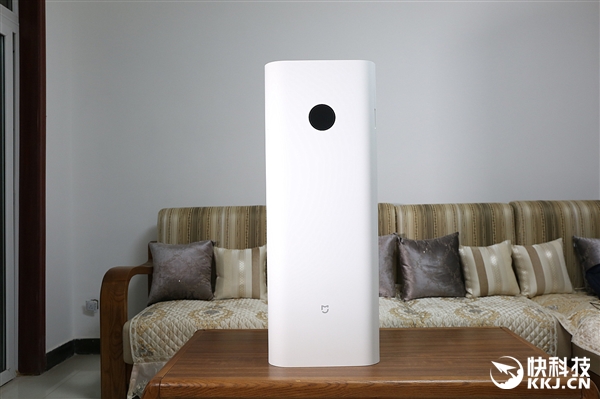
Xiaomi has rolled out the drums to celebrate the 5 years anniversary of its popular MIJIA Air Purifier brand. The company disclosed the milestone achievement via a Weibo post which also revealed that over 10 million units of the air purifier have been sold worldwide since it was first launched.MIJIA Air Purifier

Official information shows the MIJIA Air Purifier first hit the market on January 1, 2015, and with sales exceeding 10 million units, an average of 3.8 units were sold per minute. We can’t be so sure if that analysis is accurate. Most of the sales are likely in China where the MIJIA Air Purifier series turned out to be a very popular product. Air pollution is a major health hazard and source for concern for many in most Chinese cities. Even the cheap Airwear face mask Xiaomi launched in 2016 was a success. The air purifiers are equipped with high-precision laser particle sensors and in recent time, an OLED display which shows several parameters like the PM2.5  level, room temperature, humidity etc. The gadget can even be controlled remotely from a smartphone or smart speaker using the MIJIA app or XiaoAI.They are said to be highly efficient against aldehydes and haze.

Since the first air purifier was launched in 2015, Xiaomi has gone on to launch several improved models. Presently, the lineup includes the  MIJIA Air Purifier Pro H, MIJIA Air Purifier 3, MIJIA Air Purifier Max. There is even a MIJIA Air Purifier/Ventilator and a Car Air Purifier.


Purported Samsung Galaxy S11 appears in first leaked shots

Spy images of the upcoming Samsung Galaxy S11 have just surfaced online, revealing quite a few key design elements of the smartphone. This is the first time the device was seen in the flesh. However, since it was covered by a leakproof case preventing the entire exterior from becoming public.

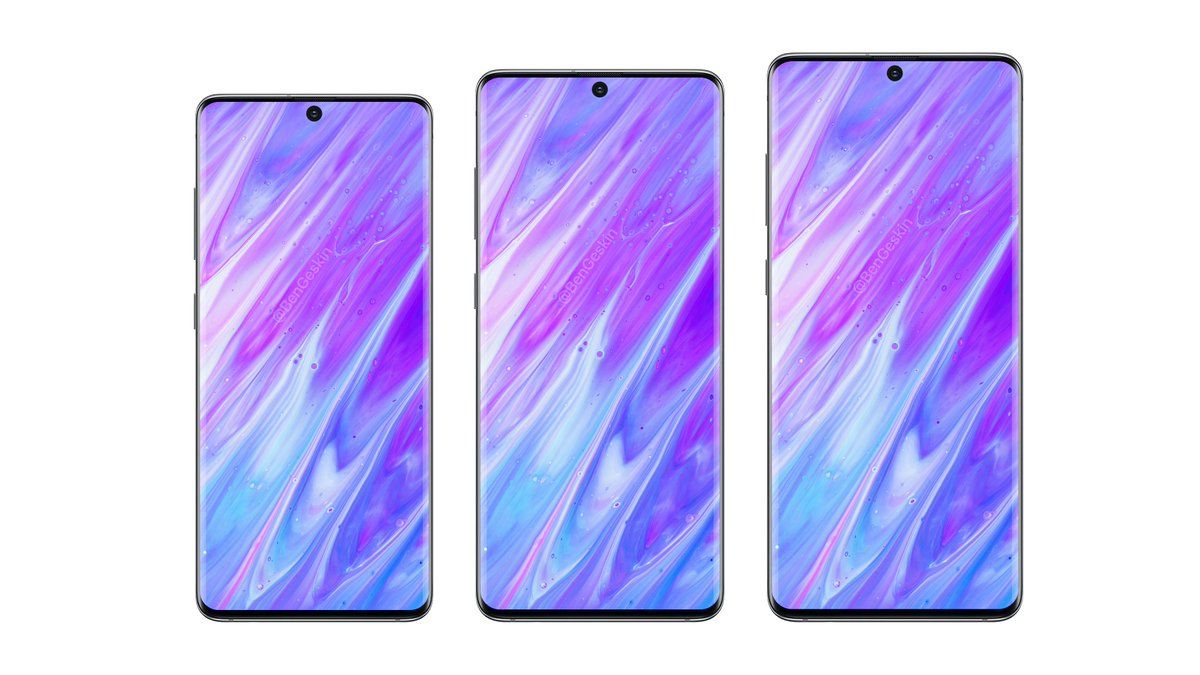
The two leaked images showcase a protruding rear camera setup, which is in line with previous reports claiming that the rear camera hump adds 1.1mm thickness to the S11’s body. The Galaxy S11 is likely to feature a wide camera cutout, which should leave a considerable gap between the phone and the surface on which it rests. The hump is an unavoidable part of the design, as the Galaxy S11 accommodates a 108-megapixel primary sensor along with a telephoto lens capable of 5x optical zoom.

What is Known About the Samsung Galaxy S11 So Far…

According to the latest rumors, the Samsung Galaxy S11+ is likely to sport a massive 5,000 mAh battery. This is a major update over the existing Galaxy S10+, which sports a 4,100 mAh battery. The increase in battery capacity perfectly complements the additional energy requirements of the display, which is expected to offer a 120Hz refresh rate. Staying in tune with the S11 series, the S11e is also slated to feature a bigger battery, as Samsung is likely to introduce a display with a 90Hz refresh rate on the device.

The Galaxy S11 is slated to arrive in two variants. One with the recently-unveiled Qualcomm Snapdragon 865, and the other with the Exynos 990 (Exynos 9830). Both chipsets are 5G-enabled and feature up to 12GB of RAM and 512GB of native storage depending on the variant. Unlike the Exynos 990, Qualcomm confirmed that the SD865 does not feature a built-in 5G modem. Samsung reportedly plans to introduce the Snapdragon variant in the Asian market, including Malaysia and India. The company previously sold flagships with Exynos processors in the region.

Samsung Galaxy S11 series early renders by Benjanim Geskin

The Galaxy S11 is also likely to sport wireless charging, IP68 certification, and an in-display fingerprint scanner. Samsung is currently working on its upgraded UI, One UI 2.0, which should also make an appearance on the S11. The smartphone will run on Android 10 out-of-the-box. Samsung will offer the Galaxy S11 with both 4G and 5G compatibility, instead of only offering 5G.

Samsung Galaxy S11 Price and Availability (Rumored)

Keeping up with its tradition, Samsung will likely launch the Galaxy S11 lineup in February 2020. The devices are expected to hit the showrooms by March. There is no word on pricing yet. However, rumors suggest that the S11 series will be priced similarly to the S10 range. While the 8GB + 128GB of the Galaxy S10 was priced at $899.99, the 8GB + 512GB variant sported a $1149.99 price tag. Even though Samsung might stick to the same prices, it is better to anticipate higher pricing. Viewers are requested to read the information with a pinch of salt, as Samsung is yet to officially confirm any of these claims.


(source)

Chuwi UBook offers effective pricing than the Surface Go

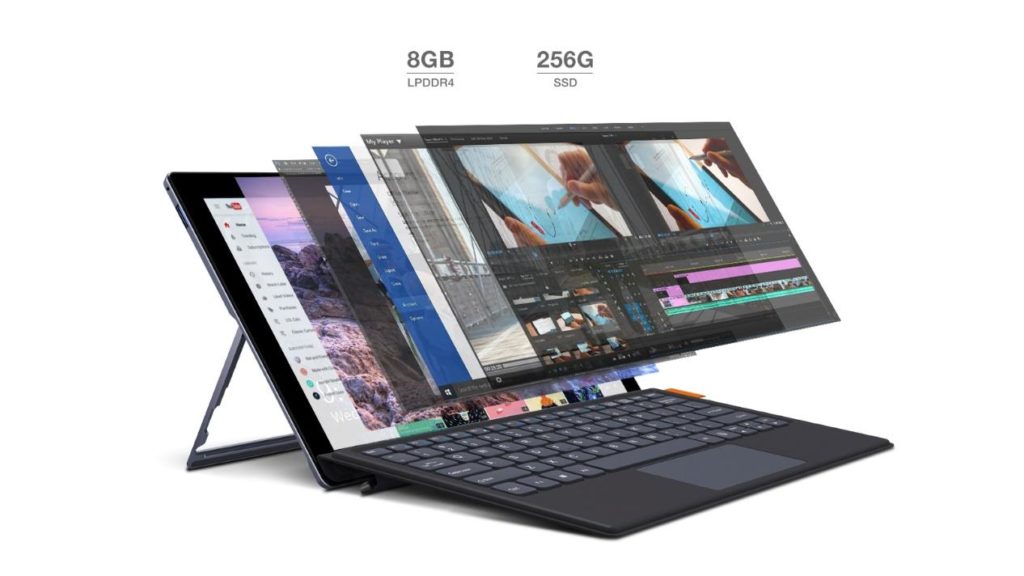
A famous Chinese tablet maker – Chuwi has relaunched the Chuwi UBook with several advancements. The new Chuwi is directly giving competition to teh Microsoft’s Surface Go in terms of cost-effectivity. The upgraded Chuwi UBook has received a whole new processor, SSD drive, and interface expansion ports. The Chuwi UBook is more powerful, energy-efficient, and faster.

The new Chuwi UBook is powered with Intel N4100 instead of the Intel 6Y30. It features quad-core and four threads with the highest frequency of 2.4GHz. The new chipset has low power consumption boosting smooth and efficient performance. In the graphics area, UBook got an upgrade to Intel UHD 600 from Intel UHD 515 for easy 4k video decoding.

ChuWI UBook houses an 11.6-inch display having the resolution of 1920×1080 pixels and a 16:9 aspect ratio. It even supports 1024 Pressure Stylus for creating smooth writing and designing tasks.

To further boost the speed, Chuwi has added upgraded its eMMC storage with a 256GB SSD Drive for better reading and writing speeds. The interested users can expand it upto 1TB via the M.2Port. It even improves the booting time and applciation response time. It can quickly handle multiple tasks with 8GB LPDDR4 RAM. Chuwi UBook always competes with the Microsoft’s Surface Go tablet, but there’s a huge price difference that makes buyers shift towards Chuwi UBook.

At a price similar to the Microsoft Surface Go, Chuwi UBook offers 8GB RAM and 256GB SSD Storage instead of the 5GB RAM and 64GB internal storage space. There’s a massive difference between the reading and writing speed among both the tablets, and Chuwi remains ahead in this battle. Backlit Keyboard makes it more comfortable and fluent while typing.

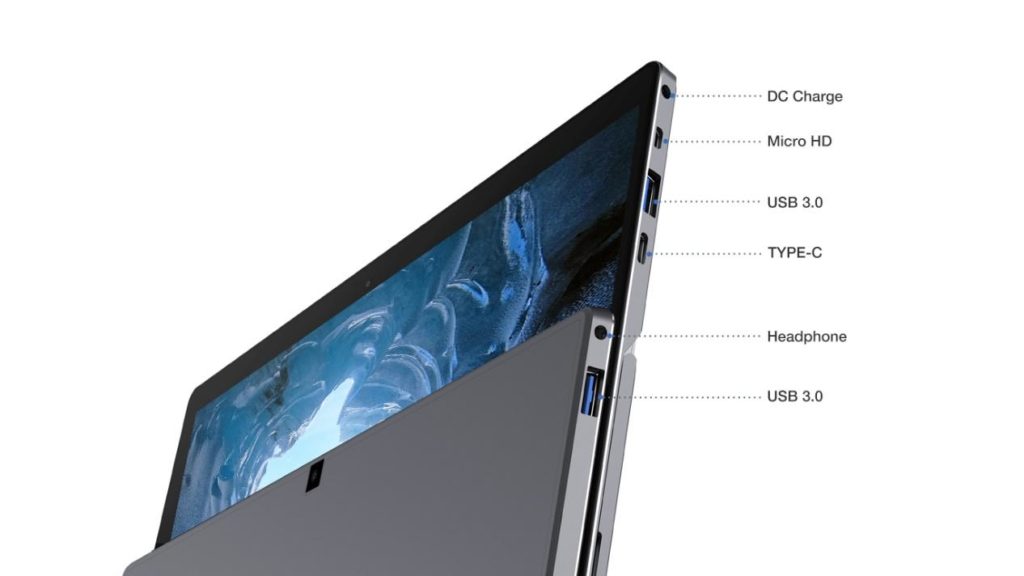
Multiple interface port on the Chuwi Ubook makes the device uncomparable against the Surface Go. The UBook comes with a USB Type-C, USB 3.0, a headphone jack, DC charging port, micro HDMI, and MicroSD slot. Whereas, Surface GO only has USB-C, headphone jack, and MicroSD port, making it difficult for the users to exchange data and use peripheral devices.

Many new upgrades are part of the Chuwi Ubook 2-in-1 tablet. It is available for the retail price of $350. You can check more details about the Chuwi Ubook on their official website.

Fake Xiaomi accessories worth over $18,000 confiscated in Indian market

When you are in the business of manufacturing, one problem you have to deal with is counterfeit products. They not only hurt your sales and spoil your brand name but these products can also cause harm to the user.

It has been reported that Xiaomi went on a raid with the police to an Indian market where it seized fake products worth 13 Lakhs (~$18,252). The raid was carried out at Delhi’s Gaffar Market after the Chinese manufacturer had filed a complaint at the Delhi Police.

An official statement put out by Xiaomi reads thus: “Police officers of Central District Karol Bagh Police Station along with the representatives of the company, conducted the raid where they seized over 2000+ fake Xiaomi products from four shop owners who were arrested for allegedly selling counterfeit Xiaomi products,”.

The confiscated products numbering more than 2000 include chargers, USB cables, power banks, headphones, and the popular Redmi AirDots wireless earbuds. Investigations revealed that the four culprits arrested have been in the business for years and sell in retail and wholesale to unsuspecting customers.

Xiaomi advises customers to check for proof of authenticity when buying products. Certain products such as power banks have a security code you can verify on the Mi website while other checks include logos on the product and packaging. We also advise you to buy from authorized distributors and the official Mi Store. Xiaomi also has Mi Express Kiosks, which are actually vending machines, in certain locations in India.


(Source)

Huawei cancels smartphone launch in Taiwan after being temporarily banned
News emanating from Taiwan indicates that Chinese tech giant Huawei may have been forced to cancel the launch of its flagship phone and smartwatch in Taiwan after Taipei imposed a temporary ban on some of its products for listing the island as part of China.huawei logo

Huawei was billed to launch the flagship Mate 30 Pro and Watch GT2 in Taiwan but it announced the cancellation via a post on its official Taiwan Facebook page citing “supply issues” without elaborating further.

The company thanked all those who participated in the pre-order event and apologized for the inconvenience the cancellation may have caused. The company also hinted that users would be refunded, an indication that the ban won’t be lifted anytime soon. Considering Beijing’s and Taipei’s shaky political relationship, it is unlikely that the ban will be lifted soon.

THE GENESIS

Taiwan’s National Communications Commission (NCC) had slammed a temporary ban on three (3) Huawei models last month after it was discovered that the models listed the self-ruled, democratic island as “Taiwan, China” for timezones and contacts. The models are the Huawei P30, P30 Pro and Nova 5T and the NCC noted that the ban is still in force as the company had yet to change the wording.

China considers Taiwan as part of its territory and has vowed to seize it by force if necessary, even though the two sides have been governed separately for the last seven decades. In recent years the authoritarian mainland has ramped up diplomatic and economic pressure on Taiwan since President Tsai Ing-wen was elected in 2016 because her party refuses to recognize that idea that the island is part of “one China.”

Huawei has previously come under fire in mainland China for not labelling the cities of Taipei, Hong Kong and Macau as part of China in some Chinese-language settings.


(source)


Redmi K30 supports Hi-Res Audio

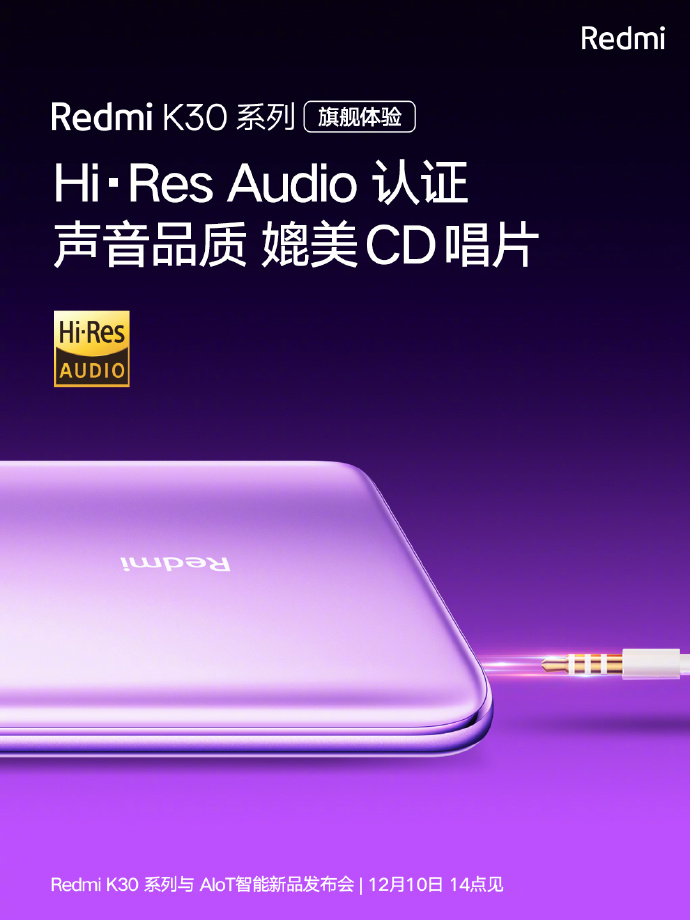
The Redmi K30 and Redmi K30 5G will launch tomorrow. The phones pack some pretty impressive features such as 30W fast charging that allows you to recharge the battery in just 1 hour. Redmi has also revealed that the Redmi K30 has a Hi-Res Audio Certification.

What this means is that sound output on the Redmi K30 series (with Hi-Res audio headphones) should be greater than CD-Quality. So if you have a subscription with platforms such as Tidal, then you should be able to enjoy Hi-Res audio tracks. Redmi says you should also get a better audio experience when playing games and watching movies.

Redmi K30 Hi-Res Audio

The Redmi K30 series will launch alongside the Redmi Xiao AI Play Smart Speaker, and RedmiBook 13. The K30 will be a 4G phone powered by the Snapdragon 730G while the Redmi K30 5G will have Qualcomm’s Snapdragon 765G processor with an integrated 5G modem. Both phones will have LCD displays with a punch hole for dual-front facing cameras and a 120Hz refresh rate. There will be 64MP quad cameras on the back and a 4500mAh battery with support for 30W fast charging under the hood. They will also run Android 10 out of the box.


Xiaomi crowdfunds the Chuangmi Smart Cat Eye Doorbell with a 5-inch display

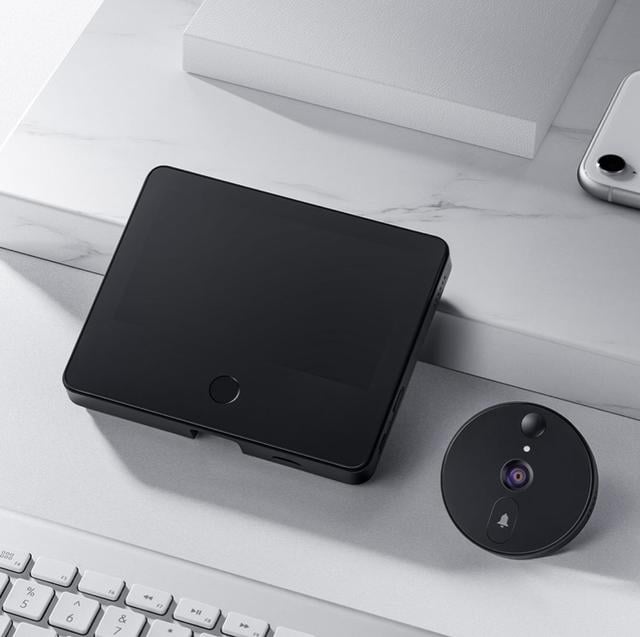
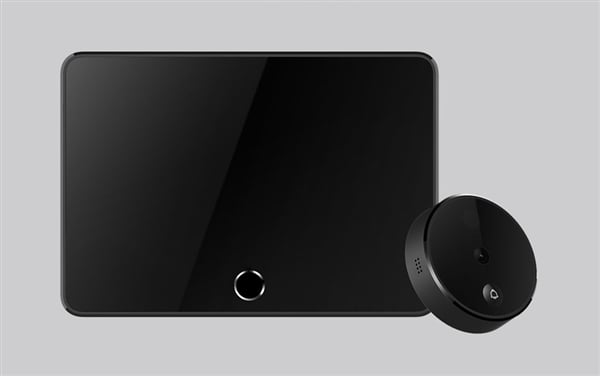
Xiaomi has launched a new product under the Youpin crowdfunding platform. It is a smart cat eye with a 5-inch IPS display. The device comes with a 369 yuan ($52) price tag and will start shipping on January 16, 2020. Chuangmi Smart Cat Eye Doorbell

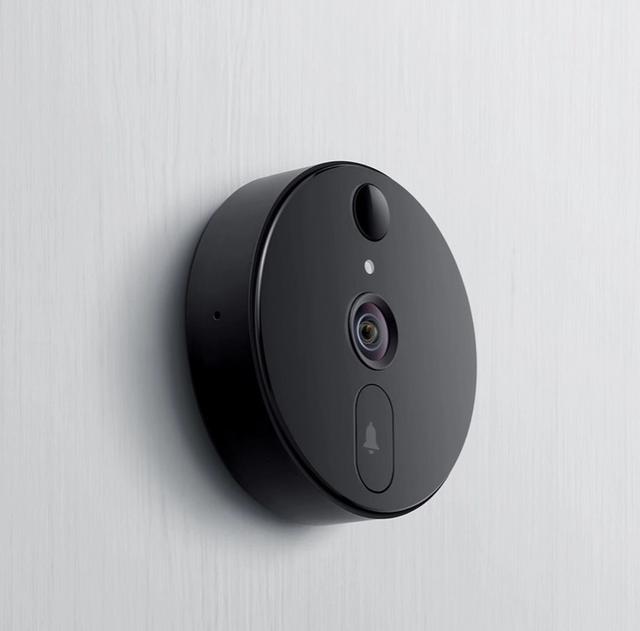
The design of the Chuangmi Smart Cat Eye Doorbell comes in two different parts; one is a large smart display screen and the other is a camera placed on the door. The overall color tone is a relatively stable black.Chuangmi Smart Cat Eye Doorbell

The Smart Cat Eye camera is equipped with a 161 ° wide-angle camera, which has a wide field of view and can recognize the overall shape of outsiders and doesn’t just capture headshots. The camera also has a night vision function, which can identify visitors in the dark at night.

What’s more interesting is that Cat’s Eye can be paired with Xiaomi’s XiaoAI smart speakers. As long as someone knocks on the doorbell, you can directly view it in the smart speaker’s display in real-time. In this way, you can use the door camera without the 5-inch IPS large screen. However, the two components cannot be sold separately.XIaomi MIJIA Smart Cat Eye Doorbell

The camera is also a recorder that can perform 24-hour outdoor monitoring. It also comes with several AI features such as face recognition and human shape detection, thus reducing the false alarm rate.

In addition, the response voice can be changed during voice communication with guests. This feature is a good one especially for girls who live alone. This device can be linked with Mijia APP and other Mijia smart devices.


(source)


Vivo X30 real images appear with key specifications

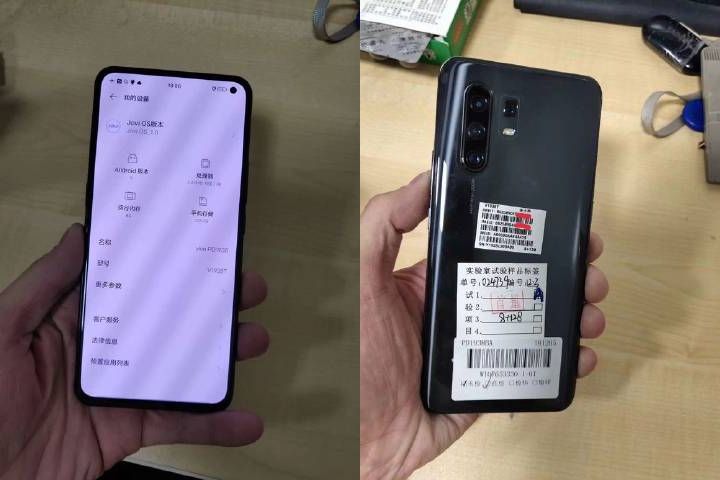
Last week, Vivo China confirmed that it will be launching the Vivo X30 series of 5G phones on Dec. 16. The X30 series is rumored to include at least two devices such as Vivo X30 and Vivo X30 Pro. Official teaser video and live shots of the Vivo X30 phone that surfaced in the recent past have revealed its design and color variants. A pair of new real-life images of the Vivo X30 smartphone have appeared on Weibo. The new images have not only showcased the front and rear design of the smartphone, but also they have revealed its key specifications.

The leaked hands-on images of the Vivo X30 show that it features a punch-hole display. The phone seems to be equipped with an in-screen fingerprint reader. The glass rear of the phone has a vertical triple camera setup at the top-left corner. Alongside it is the fourth lens with a squarish design. It seems to be a periscope lens and below it is a dual-tone LED flash. The text imprinted below the camera setup reveals that it will come with a 64-megapixel main camera.

The image of the Vivo X30’s display shows that it is running on Android 9 Pie OS. The operating system is overlaid with the all new JoviOS UI, a rebranded version of FunTouchOS. It remains to be seen whether the phone will be really arriving with JoviOS as the Chinese firm confirmed today that it will not be using the new name for its custom ROM.

The leaked image has further revealed that the Vivo X30 is powered by Samsung-made Exynos 980 chipset that includes a 2.2 GHz octa-core processor. The new chip will bring support for dual-mode 5G connectivity on the device. The SoC is assisted by 8 GB of RAM. The native storage of the X30 phone is 128 GB.

The leaked image has also revealed that the model number of the Vivo X30 smartphone is V1938T. The V1938T phone had received approval from the 3C authority of China. The 3C certification had revealed that the X30 phone may ship with a 33W rapid charger in China. Hopefully, the smartphone will appear with all its specifications on the database of China’s TENAA telecom authority in the next few days before its launch.


(source)

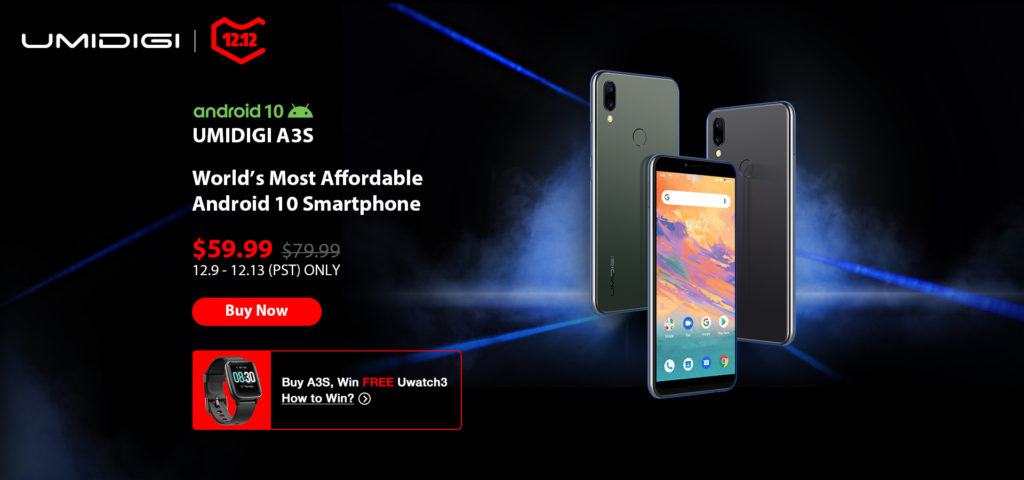
UMIDIGI A3S – Galaxy A10 competitor is on Global sale for $59.99

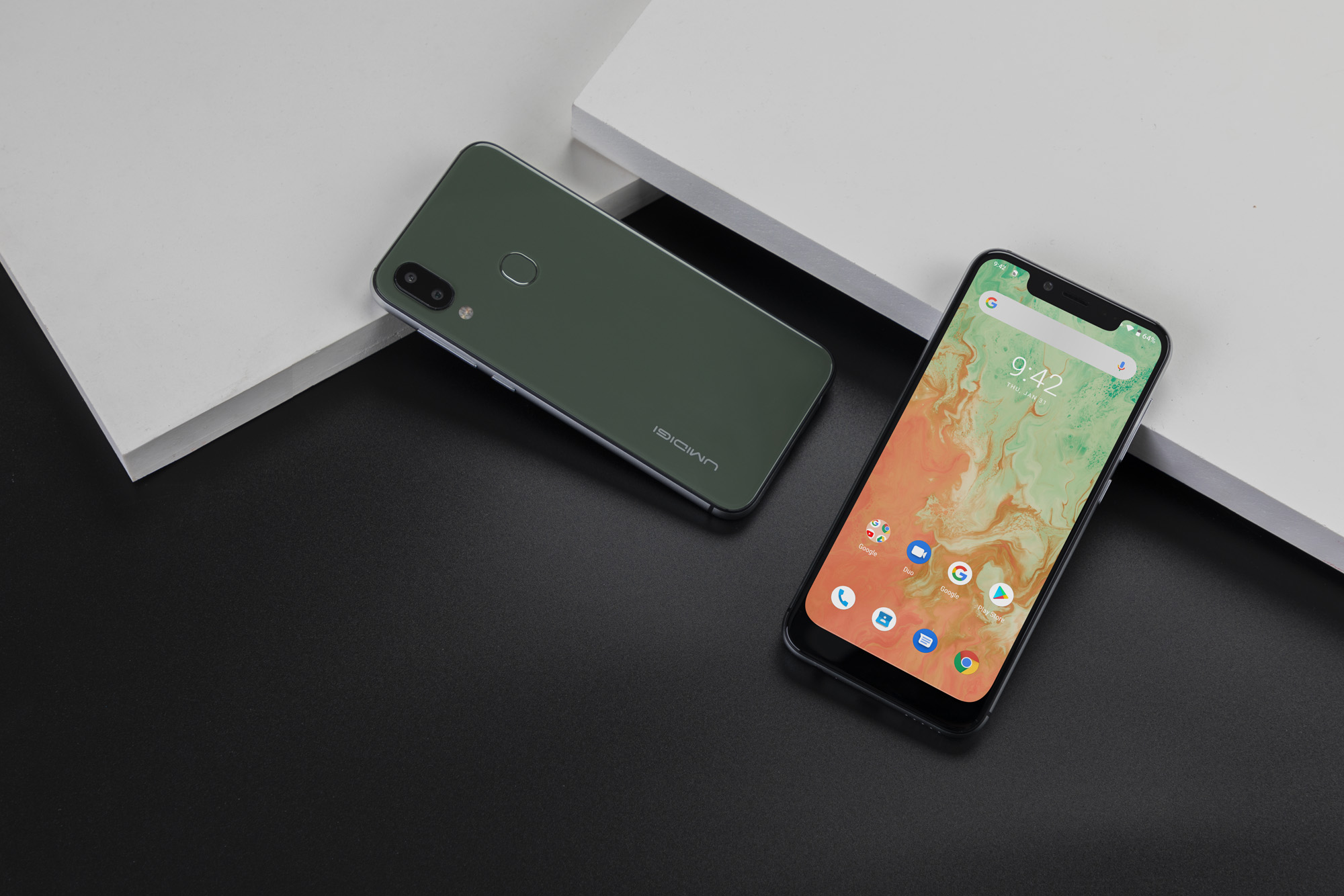
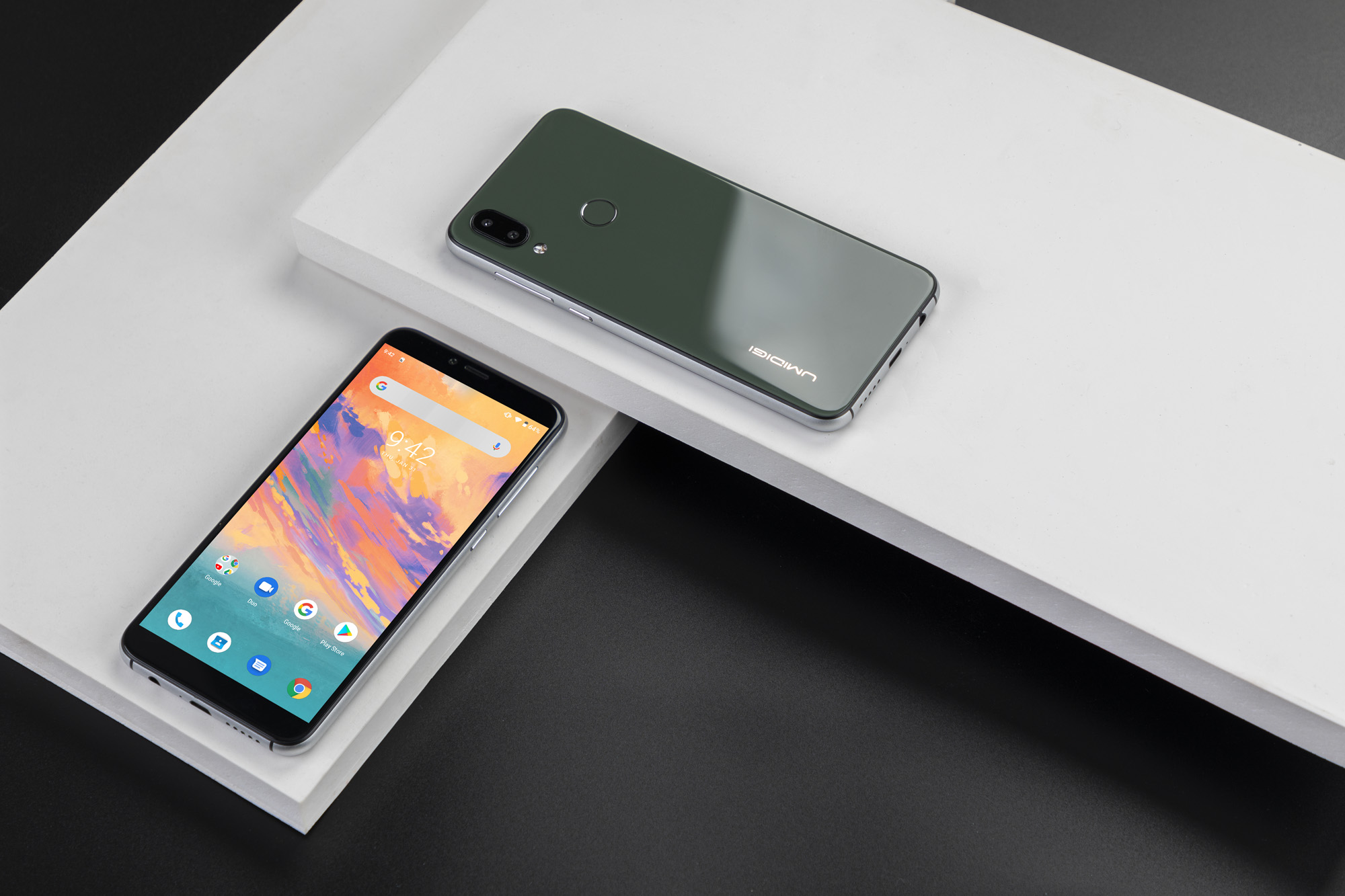
UMIDIGI is always known for its affordable smartphone devices. The Chinese smartphone manufacturer doesn’t disappoint when it comes to discounts and offers on its smartphone devices. Similarly, as per the aspirations, the UMIDIGI has announced the Global Sale of UMIDIGI A3S at $59.99. The ultimate Galaxy A10 competitor is available for a much lesser price and is the world’s most affordable smartphone running stock Android 10.

A3S

Umidigi A3 Specs

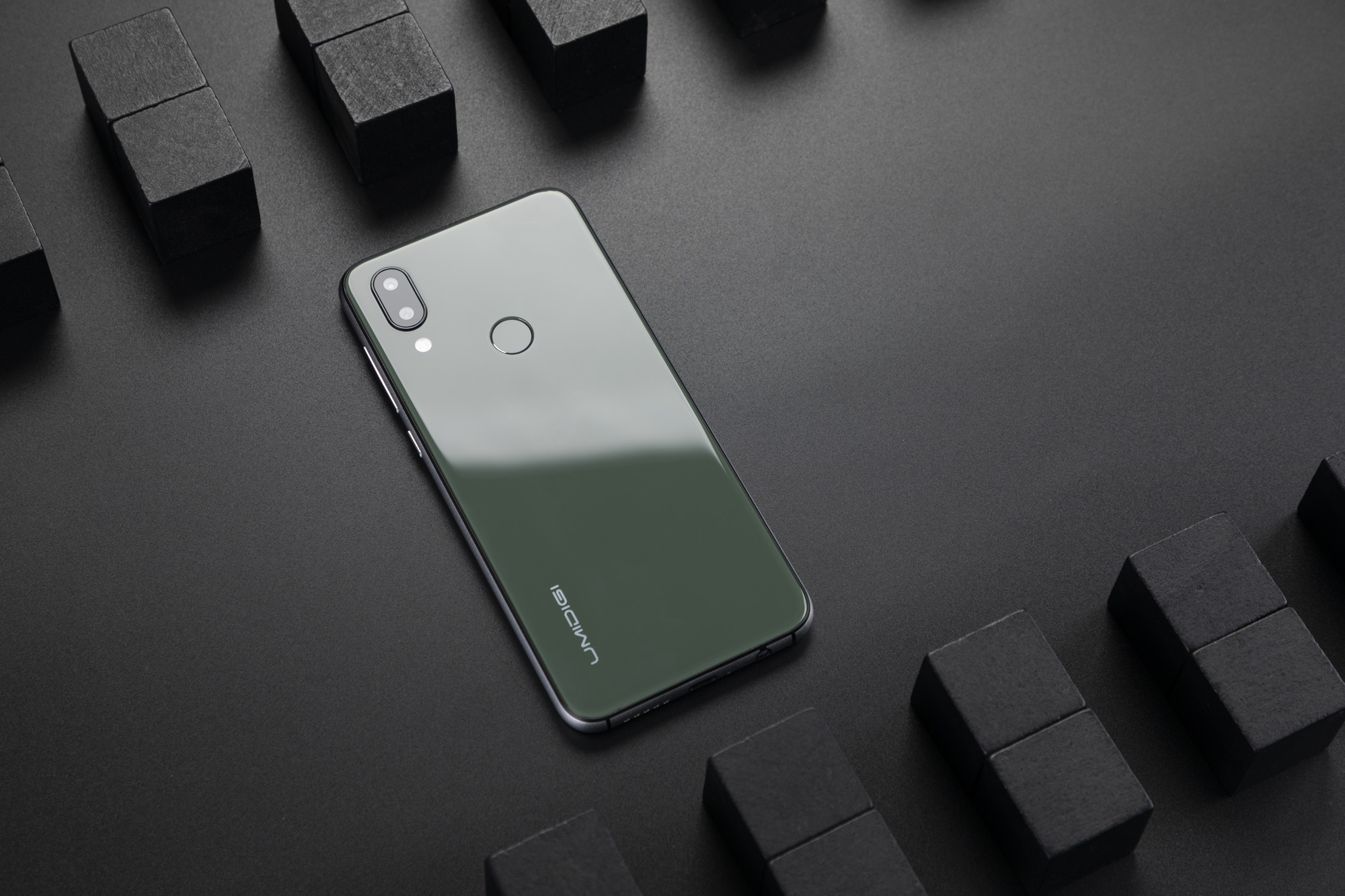
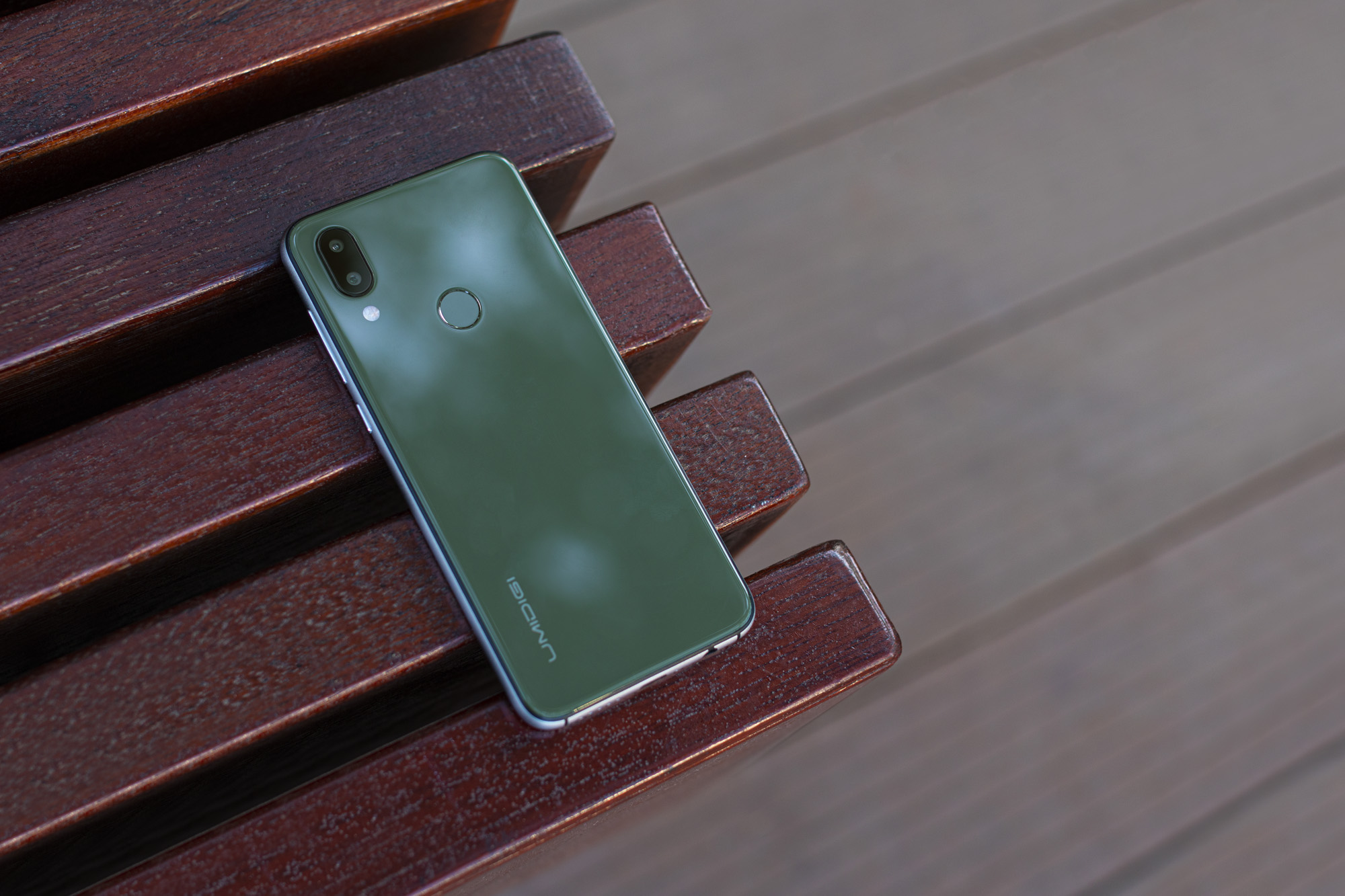
UMIDIGI A3S packs a 5.7-inch Incell HD+ Full-Screen Display. There’s a dual rear camera featuring a 16-megapixel primary camera and a 5-megapixel depth camera. However, the Galaxy A10 comes with a single 13-megapixel shooter. A 13-megapixel front shooter is present for video calling and selfies. The power-efficient 12nm MT6761 chip at 2.0GHz powers the device. It comes with a 2GB RAM and 16GB internal storage.

The entry-level smartphone houses a 3950 mAh battery that can sustain upto a couple of days. A metallic frame body with a double-sided 2.5D curved glass makes it sturdy. The Galaxy A10 is made out of plastic and doesn’t have a fingerprint reader.  It comes with a fingerprint scanner and supports more bands than the Galaxy A10.

Umidigi A3S is an entry-level smartphone that comes with stock Android 10. Whereas, the Galaxy A10 runs on Android 9.0 Pie. You can watch its hands-on video to feel the features that are on board the UMIDIGI A3S.

UMIDIGI A3S vs Samsung Galaxy A10 Specs Comparison

UMIDIGI A3S Samsung Galaxy A10
Display 5.7″ Incell HD+ Full-Screen Display 6.2″ HD+ Waterdrop Display
Rear Camera Dual camera

16MP primary camera, F/2.0

5MP depth camera

Single-camera

13MP, F/1.9

Front Camera 13MP, F/2.0 5MP, F/2.0
Processor MT6761, 12nm, up to 2.0GHz Exynos 7884, 14nm, up to 1.6GHz
Memory 2GB + 16GB 2GB + 32GB
Battery 3950 mAh 3400 mAh
Body Double-sided 2.5D curved glass + metal frame Plastic
Fingerprint Scanner Yes No
Card slot 2+1 SIM slot 2+1 SIM slot
Bands FDD: B1 /2 /3 /4 /5 /6 /7 /8 /12 /13 /17 /18 /19 /20 /26 /28

TDD: B38 /40 /41

FDD: B1 /2 /3 /5 /7 /8 /20

TDD: B38 /40 /41

System Stock Android 10 Android 9.0
Price First Sale: $59.99 

(12.9 – 12.13, PST)

$140


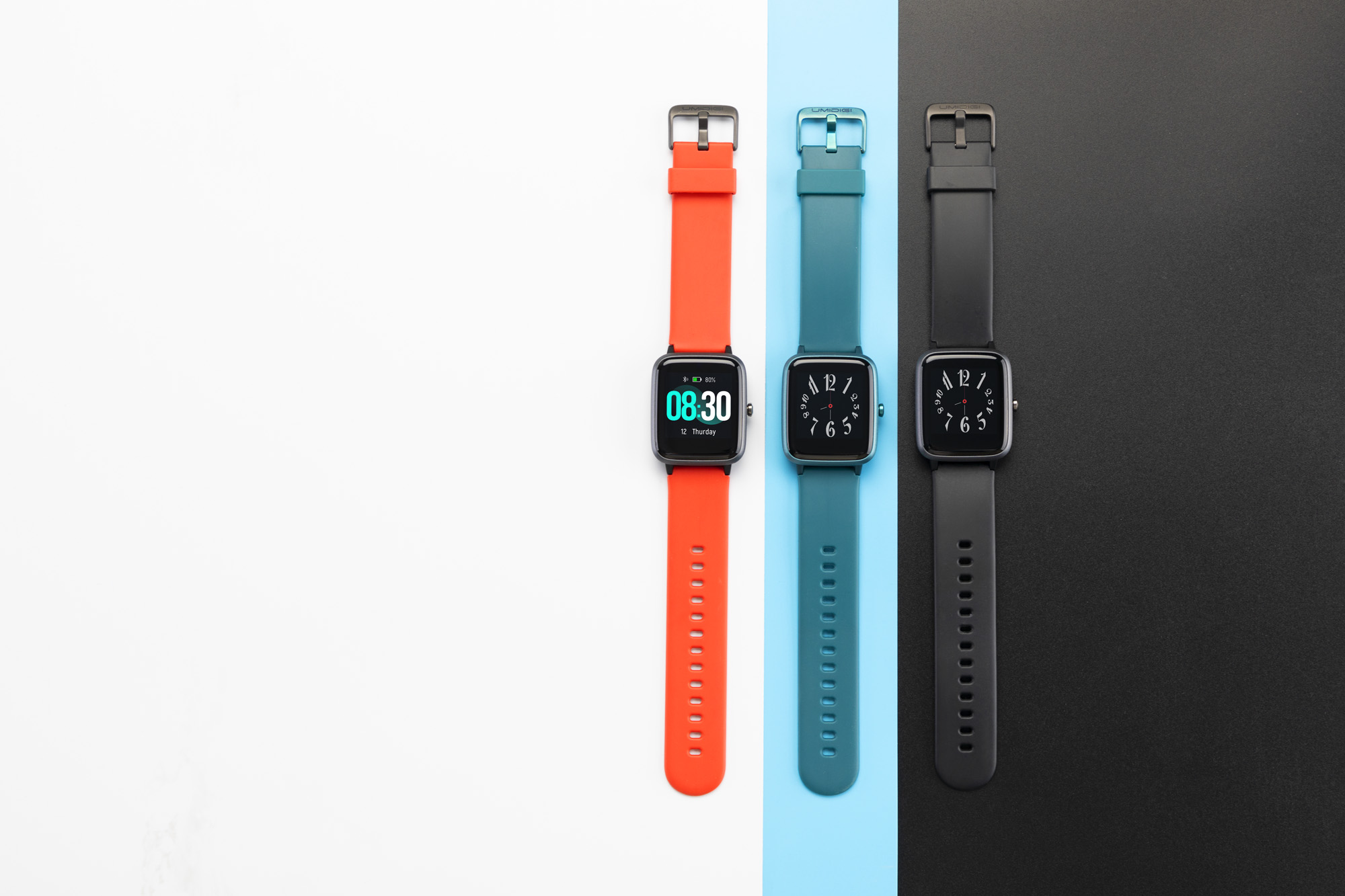
UMIDIGI A3S is on sale for the starting price of $59.99 from Aliexpress until December 13. The buyers even have the chance to win a brand new UMIDIGI Uwatch 3 as they will be given a chance to enter the giveaway. To learn about the way you can win the watch and see the rules applied, visit the promotion page here. The Chinese smartphone maker is also offering UMIDIGI A3X for the discounted price of $69.99 from Aliexpress. The Samsung Galaxy A10 usually retails at $140.

Executive explains why Snapdragon 865 skips integrated 5G modem and 7nm EUV manufacturing process

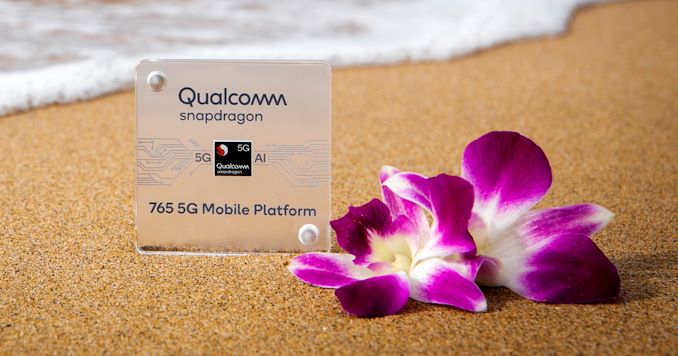
Qualcomm has recently officially unveiled its flagship chipset, the Snapdragon 865 SoC, alongside its mid-range Snapdragon 765G/ 765 processor which are manufactured using TSMC 7nm and Samsung’s 8nm processes. But questions arise as to why Qualcomm used two different processes and why the SD865 chip didn’t feature an integrated 5G modem, unlike the SD765G. And with the availability of EUV methods, why did the chipmaking company not utilize the new technology?

Qualcomm Snapdragon 765G

Keith Kressin, Senior Vice President of Product Management at Qualcomm, answered these questions in an interview. He stated that for each distinct chip many factors are taken into account. It includes technical parameters and commercial considerations such as power consumption, package size, wafer availability, speed of production and supply chain diversity.

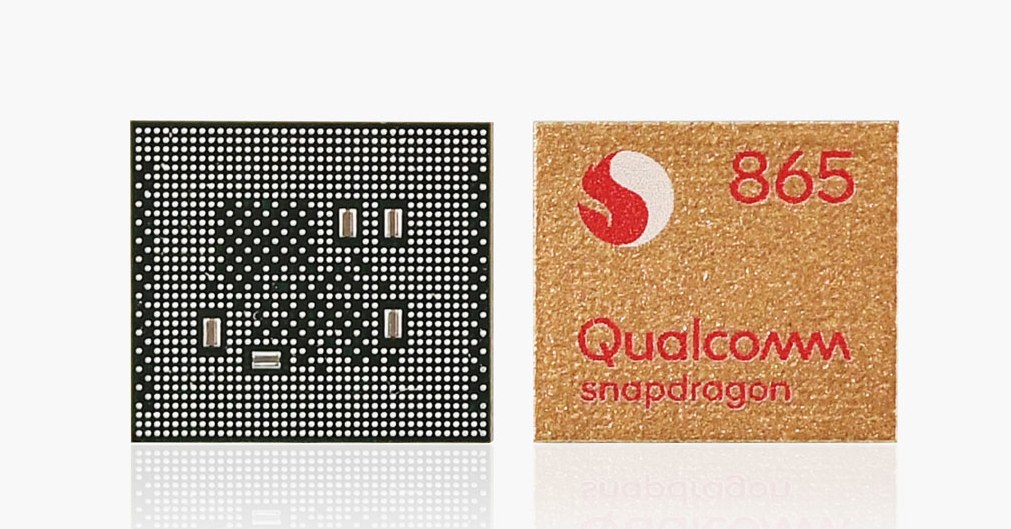
Qualcomm Snapdragon 865

From a technical standpoint, the performance between the processes produces similar power consumption and performance results; and with the shipments planned for the Snapdragon 865 and 765 being very large, commercial considerations were taken to ensure adequacy and diversity of supply. In other words, both Samsung and TSMC processes were used due to commercial constraints but, rest assured, deliver similar performance.

Kressin also went on to address why Snapdragon 865 doesn’t utilize the second-generation 7nm EUV (Extreme Ultraviolet Lithography) technology. He stated that even if the new processing method is more efficient with production times, it does not have any real material impact on the end-user experience. For consumers, the most important aspect will always be power consumption and performance which will still be delivered regardless of production time. Furthermore, there is still some time before Qualcomm shifts to the new method to save time on production and processing.

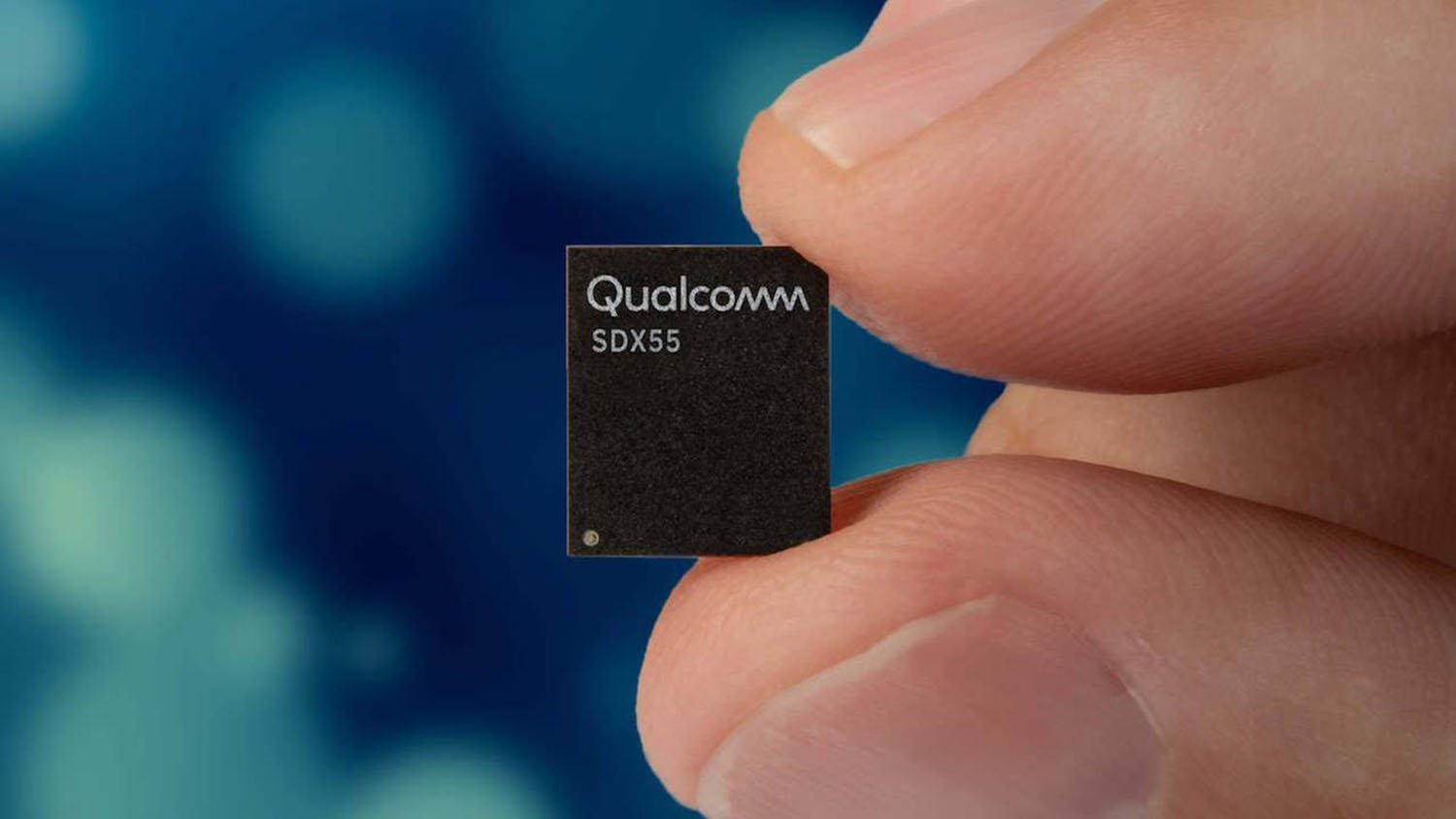
Qualcomm Snapdragon X55 5G Modem

Lastly, unlike the Snapdragon 765, the flagship SD865 is bundled with the X55 5G Modem while the former has an integrated X52 5G Modem. Although an integrated modem saves on battery life and space, the X55 modem on the SD865 improves on space consumption and power limitations without sacrificing power. In simpler terms, Qualcomm did not integrate a 5G modem in the SoC so it could provide the newer and faster X55 platform (which also does not suffer from issues related to non-integrated modems.)


(Source)

OnePlus TV has a new remote with a dedicated Netflix button; will be free for existing customers

OnePlus has announced a new TV remote for the OnePlus TV Q1 and OnePlus TV Q1 Pro. The new remote is called the Netflix Remote and that is because it has a dedicated Netflix button, unlike the one that currently ships with the TVs. It also has a completely new design. The good news is that existing customers get it for free.

OnePlus Netflix Remote

The OnePlus Netflix Remote (RC-002A) is black with a polycarbonate body. It has a curvier design compared to the original remote but is also thicker, which is no surprise since it uses AAA batteries rather than a built-in rechargeable remote. The thickness is also an advantage as quite a number of reviews complained about how uncomfortably thin the original remote is.

Gone is the squircle D-pad at the top. It has now been replaced with a circular navigation control that should be easier to use. There is a circular button in the middle of the d-pad that serves as the OK button.

The Netflix Remote also has its volume control buttons in a more accessible location rather than on the side. There is a Google Assistant button in between the volume buttons, and above it are the return and home buttons. There is a OnePlus button to access Oxygen Play as well as a mute button at the top right corner.

[envira-gallery id=”294124″]

Even though this is called the Netflix Remote, there are dedicated buttons for Amazon’s Prime Video as well as YouTube. There is also an input source button to switch between inputs.


OnePlus says existing customers will get the Netflix Remote for free. All you have to do is follow the steps below:

  1. Get your TV’s Serial Number. This is available under Settings > More Settings > About > Status and scroll down to the serial number.
  2. Verify your Serial Number and get an Invitation Code: Enter your Serial Number here and you will get an Invitation Code.
  3. Select Buy with Invitation Code on the purchase page.

OnePlus says only those who received the RC-001A (without Netflix Button) in the box are eligible for this remote. Based on this, there is a possibility, newer production units of the OnePlus TV series will ship with the new remote in the box rather than the rechargeable one.


LG re-enters the Japanese premium phone market with the dual-screen G8X ThinQ

LG Electronics Inc. has announced its re-entry into Japan’s premium smartphone market after 23 months with the launch of its flagship dual-screen smartphone – LG G8X ThinQ. The G8X ThinQ was launch in partnership with Japan’s Softbank and will be sold at some 5,000 stores in major Japanese cities. This is coming barely two months after the G8X ThinQ was first launched in September.

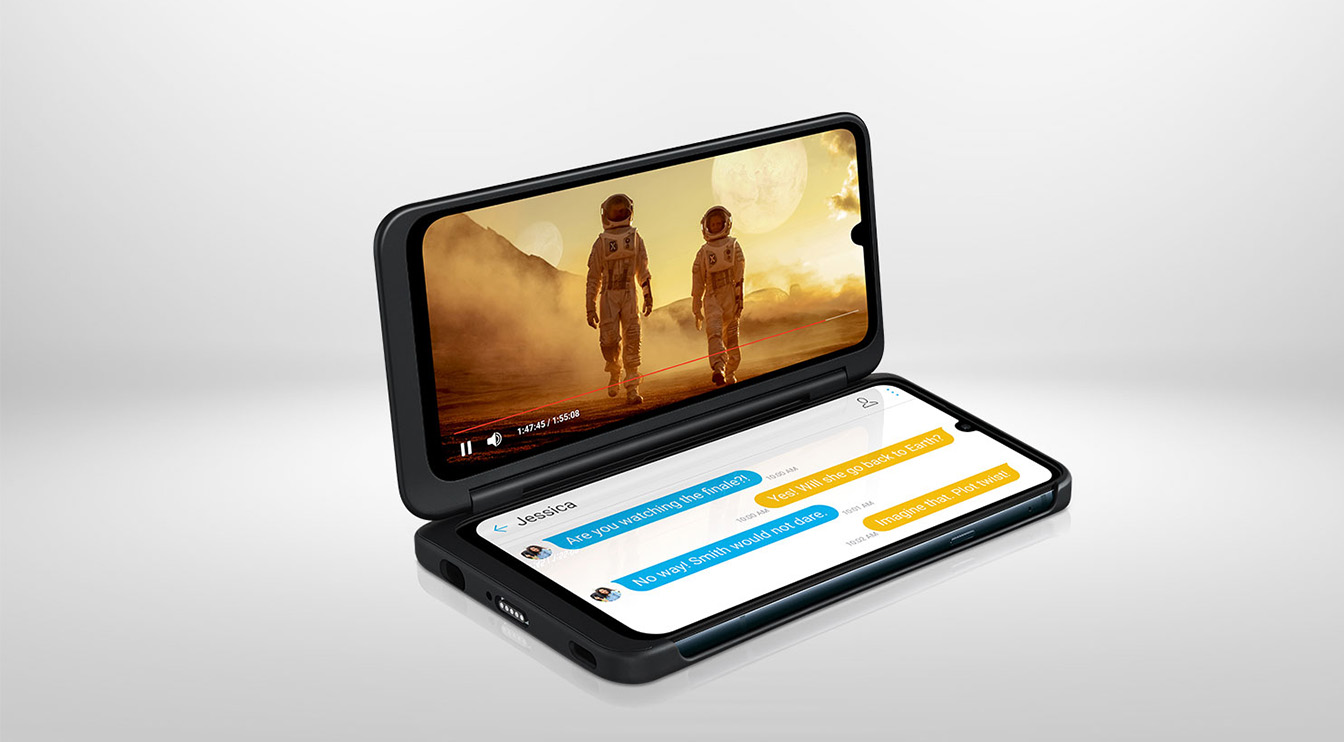
The LG G8X ThinQ is an updated version of the LG G8 ThinQ. It is the first LG phone to feature an in-screen fingerprint reader. The phone also features an improved edition of the DualScreen flip case. The updated DualScreen accessory has a waterdrop notch-enabled 6.4-inch display like the G8X ThinQ and it is also equipped with a 2.1-inch monochrome OLED display on its other side. The 360-degree hinge on the device allows users to view at any angle. While using the DualScreen with G8X ThinQ, users can make use of the second screen as a gamepad or a larger keyboard or it can be also used to accessed two apps side by side.

The LG G8X ThinQ has a MIL-STD 810G grade chassis. It is also an IP68 rated dustproof and waterproof device. The front and rear sides of the phone is flanked with Gorilla Glass 6 panels. The handset is equipped with a 32-bit quad DAC and 3.5mm audio jack for audiophiles. The phone is powered by the Snapdragon 855 mobile platform paired with 6 GB of RAM. It has a native storage of 128 GB. A microSD card slot is available on the device for additional storage. Under the hood is a 4,000mAh battery. The smartphone runs on LG UX 9.0 based on Android 9 Pie OS.

For photography, the G8X ThinQ has a horizontal dual camera setup. It includes a 12-megapixel main sensor with f/1.8 aperture and OIS and a 13-megapixel ultrawide lens with 136-degree field of view. It has a 32-megapixel front-facing camera. LG DualScreen Accessory

The DualScreen case has no battery. Hence, it relies on the large battery of the G8X ThinQ. The other way to charge it is to make use of the pogo pins available at its bottom through the supplied adapter. The accessory weighs 134 grams and adds on the G8X ThinQ weigh of 192 grams.

LG said it is in talks with other major Japanese telecommunication service operators for the supply of its 5G premium smartphones.


(source)


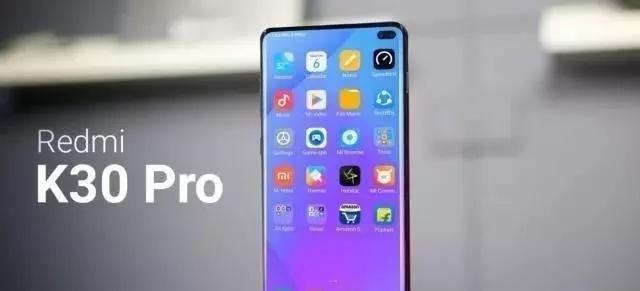
Redmi K30 Pro powered by SD865 SoC to reportedly launch in March 2020

Xiaomi is hosting a launch event in China tomorrow, i.e. on 10th December where the company will be launching its much-anticipated 5G smartphone — Redmi K30. As the name itself suggests, it is a successor to Redmi K20.

While the Redmi K30 is getting launched tomorrow, its Pro variant, named Redmi K30 Pro is believed to get launched next year. Now, reports indicate that the upcoming Redmi K30 Pro smartphone will go official in March 2020.

Further, the report also adds that the smartphone will be powered by the latest Qualcomm Snapdragon 865 octa-core processor, coupled with Snapdragon X55 5G modem. Earlier reports have claimed 120Hz refresh rate for the phone’s display.

As for the Redmi K30, the smartphone is said to feature a 6.67-inch Full HD+ display with a punch-hole cut-out for housing front-facing camera sensors. The device will come with a side-mounted fingerprint sensor for added security.

In terms of optics, the Redmi K30 will have a 64MP Sony IMX686 primary sensor and likely to be aided by a 13MP wide-angle lens, a 2MP depth sensor, and an 8MP telephoto lens. On the front, it could have a 32MP sensor and a ToF sensor for 3D face recognition.

The smartphone is expected to come powered by a 4,500mAh battery with 30W fast-charging support. While the 5G version of Redmi K30 will get a Snapdragon 765 SoC, the Redmi K30 4G model, which is expected to come to India, will likely be powered by Qualcomm Snapdragon 730G SoC.

The Snapdragon 765G chipset on the Redmi K30 will come with an integrated Snapdragon X52 5G modem that supports SA and NSA 5G dual-modes and fifth-generation Qualcomm AIE artificial intelligence engine.

To know more about the Redmi K30 smartphone, including its memory variants, pricing, and availability details, we’ll have to wait for a few more hours. The company also provide some details about the Redmi K30 Pro at the same event.


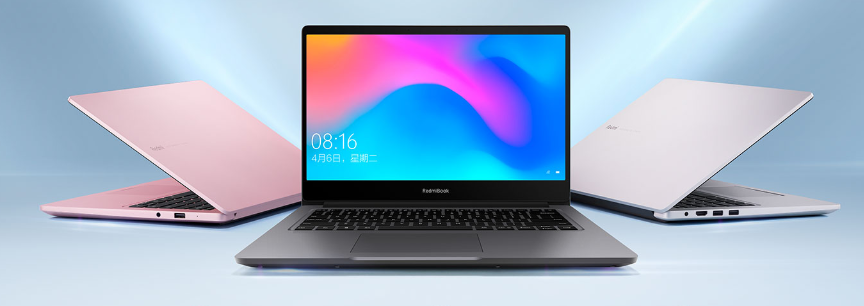
Redmibook live images reveal thin and lightweight design

Redmi will be holding the launch event for the Redmi K30 series tomorrow, 10th December 2019. It is not strictly a smartphone conference and will also feature the new products from the company like its new notebook computer, RedmiBook. However, prior to the official announcement, the live images of the RedmiBook have already surfaced online.

RedmiBook Live Images

According to the images, we can observe the design of the RedmiBook. The yet to be announced notebook features minimal bezels on surrounding the screen with a high screen to body ratio. Furthermore, RedmiBook is a relatively small laptop with a screen size closer to 13-inches. It is no surprise considering it was labeled as a “lightweight player” by the Xiaomi subsidiary, although larger variants might also be announced.

Under the hood, the RedmiBook is confirmed to arrive with top notch specifications. This includes the Intel Core i7 processor of the latest 10th Generation which features a maximum core frequency of 4.9GHz. For graphics, it will feature NVIDIA‘s MX250 graphics card with 2GB of VRAM that is great for gaming and productivity purposes. In other words, the specs show that it is a capable ultrabook.

RedmiBook 14 Enhanced Edition

Previously, we had reported on a new RedmiBook 13 laptop being launched on 12th December 2019, and these might be the same notebook in question. Notably, the company has already launched the 15.6 inch and 14 inch models which also featured similar specs with 10th Gen Intel processors. Lastly, the 14 inch Enhanced Edition carried a price tag of 3,299 Yuan, so the 13 inch model is could be priced similarly or lower than its larger variant.


(Via)