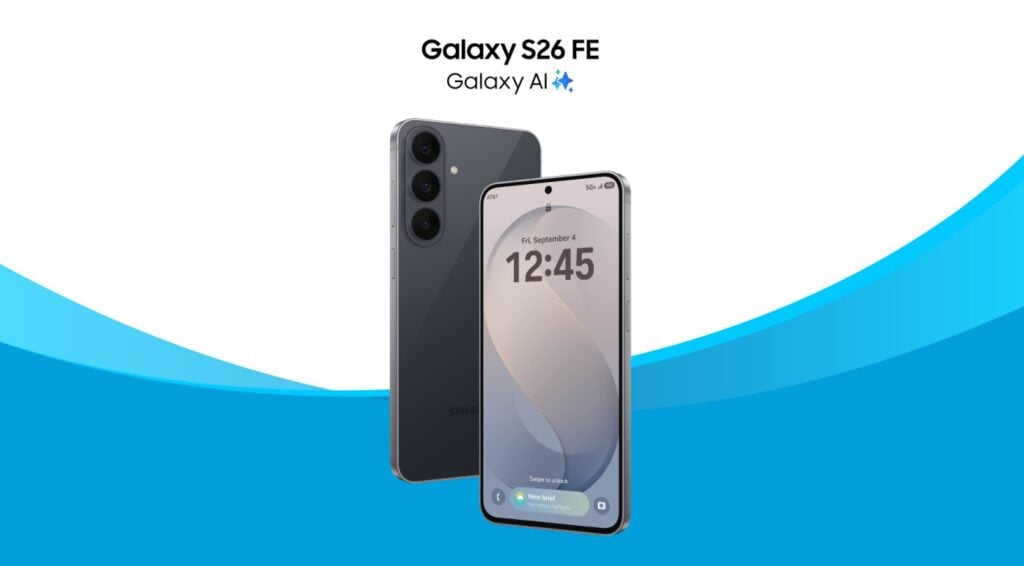
Last week, Samsung unveiled the Galaxy S26 FE across the world, and in the US it starts at $699.99 for the 8GB+128GB variant, while the 8GB+256GB model costs $799.99. The new value-focused Galaxy S26 FE is now getting special offers from AT&T for both new and existing customers. These deals significantly lower the monthly cost of the phone, although the terms vary depending on whether you are adding a new line or upgrading an existing one.
AT&T offers make the Galaxy S26 FE cheaper
Samsung Galaxy S26 FE
Starting today (September 4), new and existing AT&T customers can get the Galaxy S26 FE for under $3 per month when they add a line and place the order through the AT&T app, with no trade-in required.
New customers who purchase the phone in an AT&T store and activate a line can get it for $7.99 per month, also without a trade-in. Existing customers who want to upgrade can get the Galaxy S26 FE for $12.99 per month without trading in their current phone.
AT&T is also offering an incentive for customers switching from another carrier. New customers can have AT&T pay off an existing phone balance of up to $800 per line, covering as many as 10 lines. The Galaxy S26 FE offers are available through the AT&T app, website and stores, with separate promotions also planned for AT&T Business customers.
Samsung Galaxy S26 FE specifications
The Galaxy S26 FE features a 6.7-inch Dynamic LTPO AMOLED 2X display with a 2,340 x 1,080-pixel resolution, 120Hz refresh rate and up to 1,900 nits peak brightness. It is powered by Samsung’s Exynos 2500 chipset, paired with 8GB of RAM and either 128GB or 256GB of storage.
For photography, the phone has a 50-megapixel main camera with OIS, a 12-megapixel ultrawide camera and an 8-megapixel telephoto camera with 3x optical zoom. A 12-megapixel front camera handles selfies and video calls. The rear camera supports 8K video recording at 30fps, while the front camera can record up to 4K at 60fps.
The Galaxy S26 FE runs One UI 9 based on Android 17 and is promised seven years of Android OS and security updates. It packs a 4,900mAh battery with 45W wired charging, while other features include an IP68 rating, dual-SIM support, eSIM, Wi-Fi 6, Bluetooth 5.4, NFC and USB-C. The phone measures 7.4mm thick and weighs 193g.
Noise has brought a new pair of wireless earbuds to IFA 2026, giving its premium audio lineup a different form factor. The Master Buds Open arrives with an open-ear design aimed at listeners who want music without completely blocking outside sounds. The company has also confirmed that the earbuds will reach India later this month, although several key details are still under wraps.
Noise Master Buds Open brings Bose technology to open-ear audio
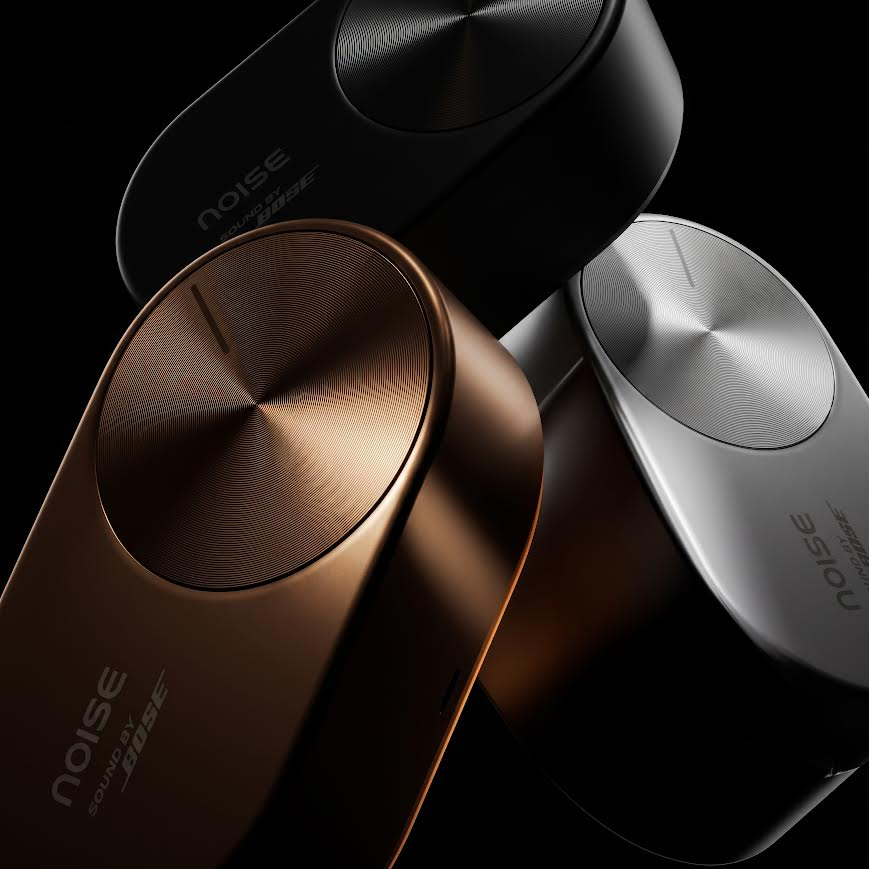
Noise Master Buds Open
The Noise Master Buds Open uses an open-ear architecture that keeps the ear canal unobstructed while playing audio. This allows users to remain more aware of surrounding sounds during activities such as commuting, exercising outdoors, working in public spaces, and taking calls. The earbuds feature a clip-on style design, with a circular acoustic section positioned close to the ear and a stem-like structure extending downward.
Sound tuning has been developed with Bose, with the earbuds carrying Sound by Bose technology. Noise has not yet revealed details such as the driver configuration, battery capacity, playback time, connectivity standards or any additional audio features. The company is positioning the model as a premium addition to its Master Series, which already covers different personal audio form factors.
Noise has showcased the Master Buds Open in black, bronze, and gold finishes at IFA, although the official color names have not been confirmed. The outer section carries Noise branding alongside the Sound by Bose branding, while the overall design is focused on keeping the earbuds securely positioned without sealing the ears.
The Master Buds Open will go on sale in India in late September through Noise’s website, major e-commerce platforms and retail stores. Pricing, detailed specifications, and other market availability information are expected to be announced closer to the commercial launch. The company says the new model completes its premium audio offering across in-ear, over-ear, and open-ear categories.
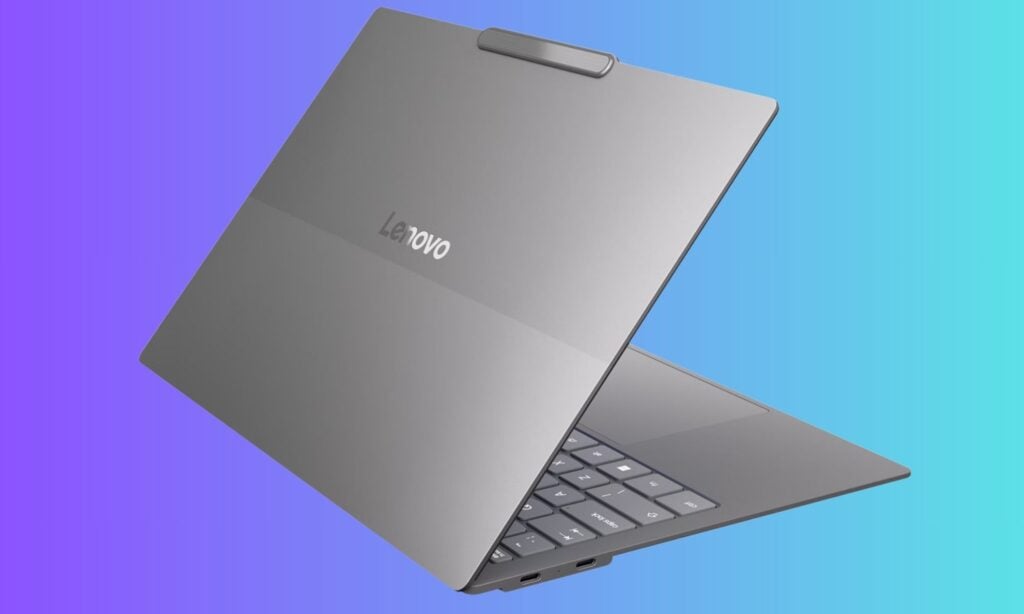
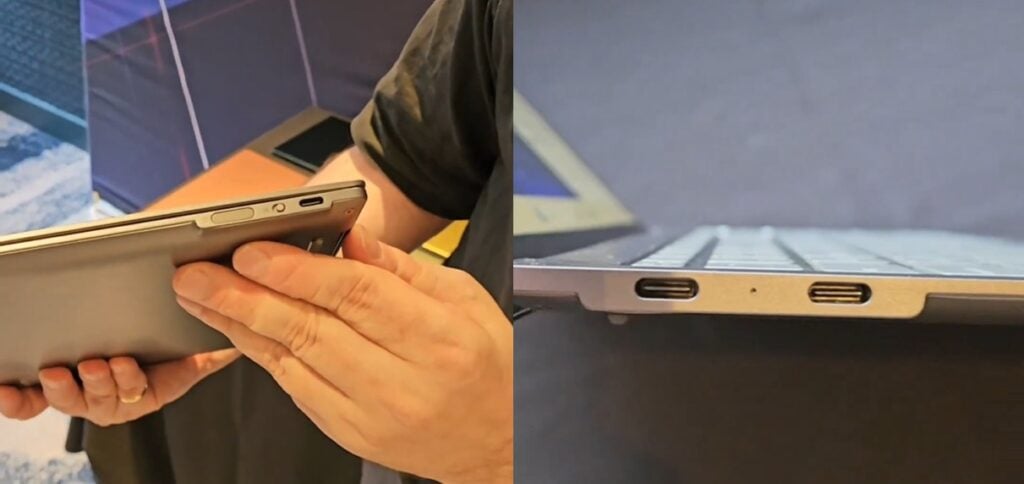
Lenovo is experimenting with how thin a laptop can actually get. At IFA 2026 in Berlin, the company unveiled Project AeroBlade, a 14″ concept machine that focuses on extreme thinness and quiet operation.
The laptop measures less than 10mm thick and weighs under 830 grams. For comparison, most current 14″ laptops sit between 14mm and 17mm thick and usually weigh around 1.3 kg. Lenovo says the concept can deliver performance similar to its ThinkPad X1 Carbon series with Intel processors, though it hasn’t shared exact chip or memory details yet.
The real highlight is the cooling system. Developed with Frore Systems, it uses something called Active Flow architecture built around AirJet solid-state cooling modules. Instead of regular spinning fans, these modules create high-speed pulsed airflow with vibrating diaphragms to move heat away.
The AirJet Mini Slim modules are only 2.65mm thick, use a maximum of 1 watt of power, and can each dissipate up to 5.25 watts of heat. Multiple modules can be placed around the chassis, which gives designers more freedom with the motherboard layout.
This design also pushes airflow toward the rear of the laptop, which helps keep the overall look cleaner and frees up internal space. The system is also said to run quieter than traditional fan-based cooling and pick up less dust over time.
Project AeroBlade is still just a concept, not a product you can buy. But it shows how solid-state cooling could help create a new wave of ultra-portable laptops that stay thin without giving up sustained performance. Lenovo’s demo at IFA is another sign that companies are still looking for better ways to handle heat in thinner and lighter machines.
Haier Europe is bringing its latest smart-home technologies to IFA 2026 under the theme “Home of Intelligent Possibilities.” The company says its focus is on making AI, connected technology and design work in ways that are useful in everyday life. Haier will showcase products across laundry, refrigeration, cooking, dishwashing, TVs and floorcare.
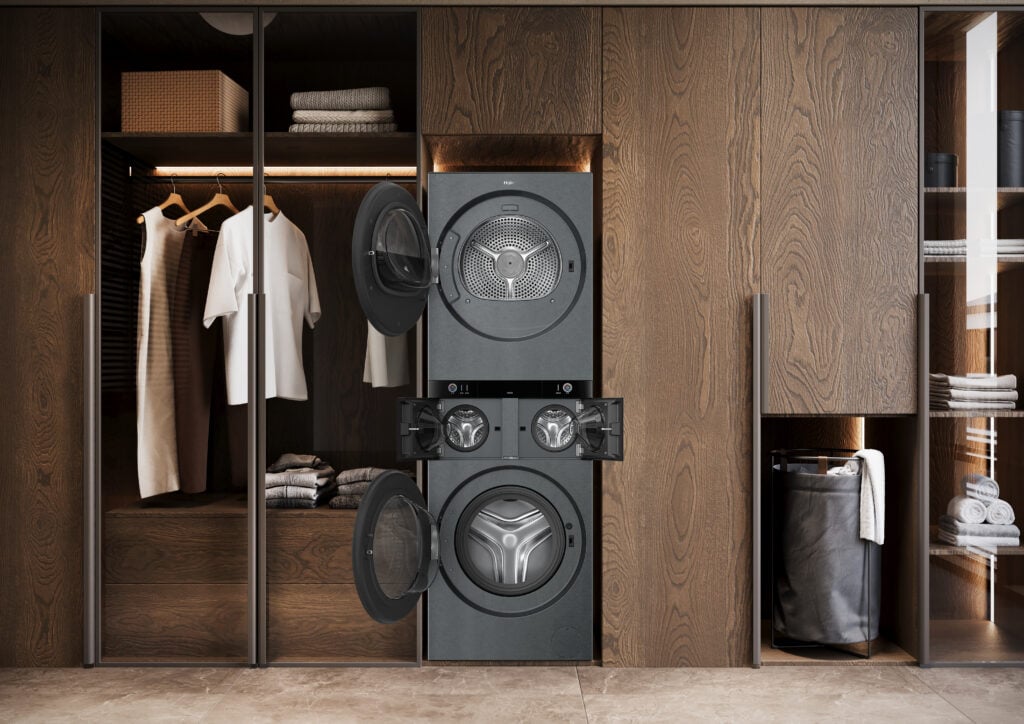
One of Haier’s key highlights is the Vision 15 Collection, which brings cameras and AI into washing machines. Its AI Vision Sense camera monitors the washing process, detects the amount of laundry and suggests a suitable programme. It can also identify mixed colours, monitor foam levels and check whether clothes are trapped or left inside the drum.
The system works with Haier’s AI Power Sense System, which uses nine sensors and algorithms to monitor factors such as load weight, balance, water level, temperature, detergent dosing and drum movement. The machine can also learn a user’s habits through AI Memory.
Haier has also added AI Smart Dosing for detergent management, while Ultra Mix Pro mixes detergent, water and air before washing. Ultra Fresh Air Pro uses air circulation, gentle movement and UV treatment to keep laundry fresh and hygienic for up to 12 hours after a cycle.
A Dryer That Can Detect Moisture Inside Clothes
The Vision 15 Tumble Dryer takes sensing further with Ultra Sense technology, which performs a three-dimensional scan of the load and detects residual moisture even within the inner layers of padded and multi-layered items.
The system continuously adjusts the drying process until clothes are completely dry, both inside and out. The dryer also uses the Ultra Reverse Drum system, with bidirectional rotation, to reduce tangles, creases and the so-called “balling” effect.
Four Drums in One Laundry System
Another interesting product is Haier’s Multi Care Laundry Studio. Instead of using one drum at a time, it combines four independent drums in one appliance.
The setup includes a 10kg washing drum, two 1kg drums and an 8kg dryer. Despite this multi-drum design, the system is only 598mm deep and requires just one plug, one water connection and one drainage connection. The machine also supports different forms of interaction. AI Sense activates the display when a user approaches, Knock Sense allows the upper drum to be opened with a tap, and Wave Sense uses gestures for the lower drum.
Refrigerators That Understand Your Food
Haier is also applying AI to food storage. Its Horizon Collection can reach 700 litres and includes the Hydro Hub, which combines cameras, AI and a food database to recognise food, estimate shelf life and recommend where it should be stored.
The refrigerator also includes a rapid-chill area, an automatically refilling carafe and an integrated sparkling-water system with three carbonation levels. An Active Fresh Zone is designed to maintain up to 90% humidity for fruit and vegetables.
Haier’s Maestro prototype takes the concept further. Its AI Defrost Zone uses intelligent sensors and Haier’s proprietary technology to defrost food gently, helping to prevent juice loss while preserving texture and nutritional value. Its AI Food Care System 2.0 can recognise stored food, recommend the most appropriate preservation conditions and support more informed stock management.
Smarter Cooking and Dishwashing
The ID Series 6 brings AI into the kitchen through a connected oven, hob and hood.
The ID Ultimate Series 6 oven uses AI Vision to recognise food, monitor cooking progress and automatically stop the programme once the desired result has been achieved. It also features electronic temperature control, a wireless probe and a 78-litre cavity with seven shelf levels. Within the ID Series 6 range, the Pure Flavour Steam model offers 100% steam cooking, combined modes and a dedicated sous-vide programme.
The matching induction hob can recognise pan positions and automatically direct power to them. The connected hood adds gesture controls and automatic lighting.
Haier’s I-Pro Shine dishwashers use sensors and algorithms to analyse the load and adjust water, temperature, cycle duration and energy use. The range achieves energy efficiency up to class A-70%, with a noise level of 36 dB.
AI Comes to Haier TVs and Floorcare
Haier is extending its AI strategy to televisions through its UltraSense AI platform. The Haier SR UltraSense processor analyses images and sound in real time and adjusts the picture and audio.
The system includes four areas: AI Cinema, AI Sound, AI Game and AI Eye Caring. Gaming features include adaptive refresh rates and reduced lag and tearing, with Gaming Accelerator support of up to 240Hz DLG at 2K on compatible models.
Haier is also showcasing QD-Mini LED, QLED Mini LED Ultra, OLED, RGB Mini LED and SQD technologies, with screen sizes reaching 115 inches. A 163-inch Micro LED technology showcase will demonstrate pixel-level control and a modular display surface.
In floorcare, the I-Pro Clean Series 5 uses Haier’s Double Roller system, with two motorised rollers working together to improve dirt pickup.
The Z5 floor washer offers up to 25,000Pa of suction and up to 50 minutes of runtime. The M5 cordless vacuum reaches 250 Air Watts and up to 100 minutes of runtime, while the R5 robot vacuum combines LDS navigation, cameras and AI for obstacle and dirt recognition. It offers up to 22,000Pa of suction.
Haier’s I-Pro Shine dishwashers use sensors and algorithms to analyse the load and adjust water, temperature, cycle duration and energy use. The range achieves energy efficiency up to class A-70%, with a noise level of 36 dB.
This is how Haier is presenting its vision of the intelligent home: technology that works quietly in the background to make everyday tasks simpler, more efficient and more personalised.
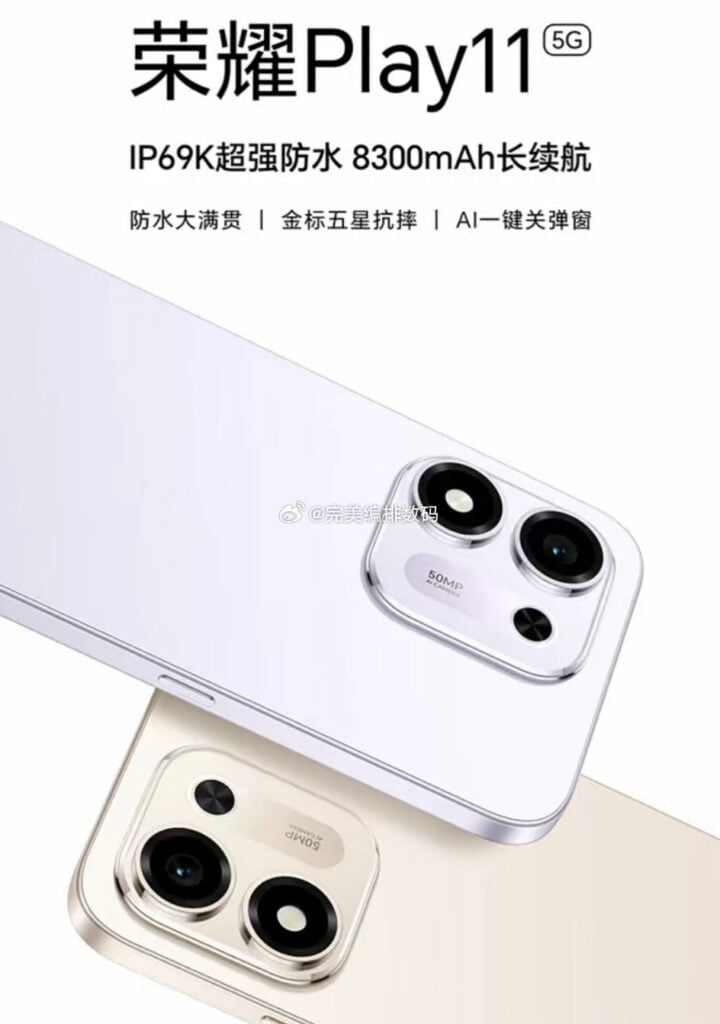
Honor is getting ready to launch another practical entry-level phone, and the latest leaks show it’s focused more on battery life than raw performance. A Chinese tipster has shared a poster and specification sheet that give a pretty clear look at the upcoming Honor Play11, which is expected to arrive later this month.
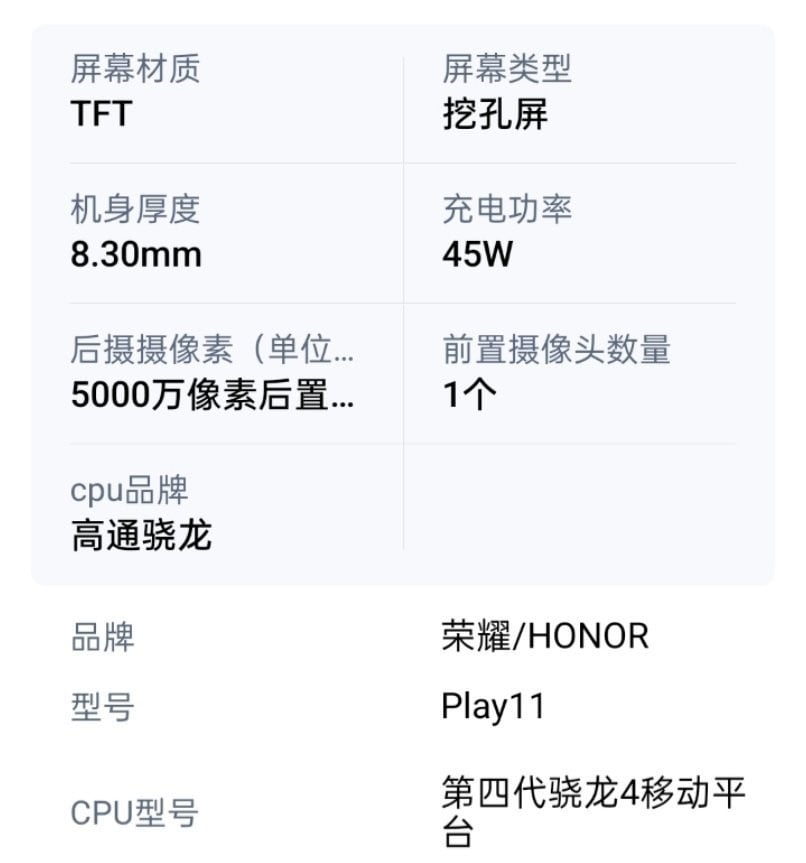
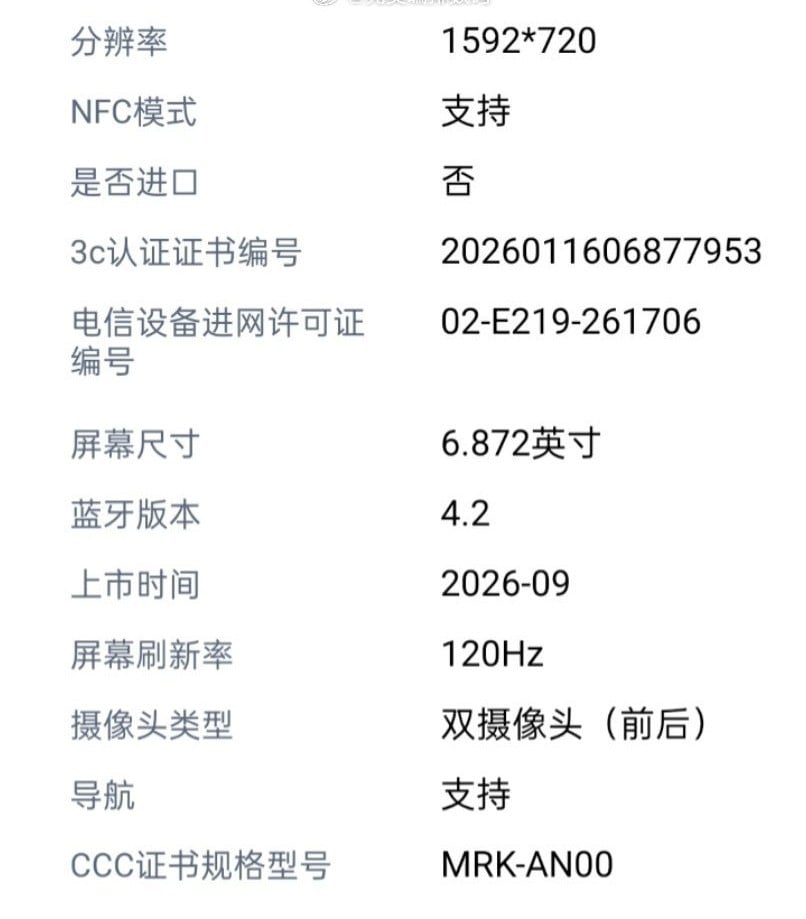
The Honor Play11 (model MRK-AN00) will come with IP69K water and dust resistance and a large 8,300mAh battery. At 8.3mm thick, it packs a 6.87″ LCD screen with 1592×720 resolution and a 120Hz refresh rate. On the back sits a 50MP main camera, and power comes from Qualcomm’s Snapdragon 4 Gen 4 processor.
Charging is rated at 45W wired. Other details from the leak confirm it’s a punch-hole TFT LCD panel, Bluetooth 4.2, and NFC support. The phone has also reportedly picked up the usual Chinese certifications (3C and network access license), with an expected launch in September 2026.
The promotional material leans into the practical side: IP69K protection, long battery life, SGS five-star drop resistance, and an AI one-key button. These points line up with how Honor has been positioning the more affordable Play series lately: durability and big batteries as the main selling points.
For context, the previous Honor Play 10 5G (launched earlier this year) already leaned into the same practical formula. It offered a 7,000mAh battery, 45W charging, a 6.8″ 120Hz LCD, Snapdragon 6s Gen 3 processor, 50MP main camera, and IP65 rating with 2-meter drop resistance. The upcoming Play 11 appears to push further in the areas Honor is emphasizing most, with battery capacity climbing to 8,300mAh and durability jumping to IP69K, while keeping a similar screen size, camera resolution, and budget-friendly/entry-level positioning.
For those wondering, the Snapdragon 4 Gen 4 delivers similar benchmark scores to the Snapdragon 6s Gen 3 across tests such as Geekbench and AnTuTu. Full official confirmation, pricing, and exact memory options still aren’t out yet.
The new Tensor G6 chipset is out, and many of you may be wondering how it compares with Qualcomm’s high-end Snapdragon chips. We recently compared it to the latest Snapdragon 8 Elite Gen 5, and the latter was significantly ahead in raw performance. So, we decided to give it another shot, but this time with the Snapdragon 8 Elite.
The Tensor G6 brings significant upgrades to on-device AI processing efficiency, computational photography, and core power management. The CPU gets a unique 7-core architecture featuring newer ARM cores, and the switch to the 3nm node delivers much better power efficiency.
In short, the Tensor G6 isn’t a yearly release with incremental upgrades, but it actually brings significant changes. But the real question here is: can it beat the Snapdragon 8 Elite? Let’s find out.
Let’s begin with the spec sheet.
Tensor G6
Snapdragon 8 Elite
Announced
August 2026
October 2024
Process node
3nm (TSMC)
3nm (TSMC)
CPU
1 x 4.11 GHz (C1-Ultra) 4 x 3.38 GHz (C1-Pro) 2 x 2.65 GHz (C1-Pro)
2 x 4.32 GHz (Oryon 2nd Gen) 6 x 3.53 GHz (Oryon 2nd Gen)
GPU
PowerVR CXTP-48-1536
Adreno 830 Ray tracing support
NPU
5th-gen Tensor Processing Unit (TPU)
Qualcomm Hexagon NPU
Memory
LPDDR5X up to 4.2 GHz
LPDDR5X up to 5.3 GHz
Storage
UFS 4.0, UFS 4.1
UFS 4.0, UFS 4.1
Camera
up to 200MP single camera 4K portrait video support up to 8K video recording at 30fps up to 4K video recording at 120fps 120x Pro Zoom support real-time semantic segmentation
Quacomm Spectra ISP (Triple AI-ISPs, 18-bit) up to 320MP single camera up to 8K video recording at 60fps up to 4K video recording at 120fps real-time semantic segmentation (limitless)
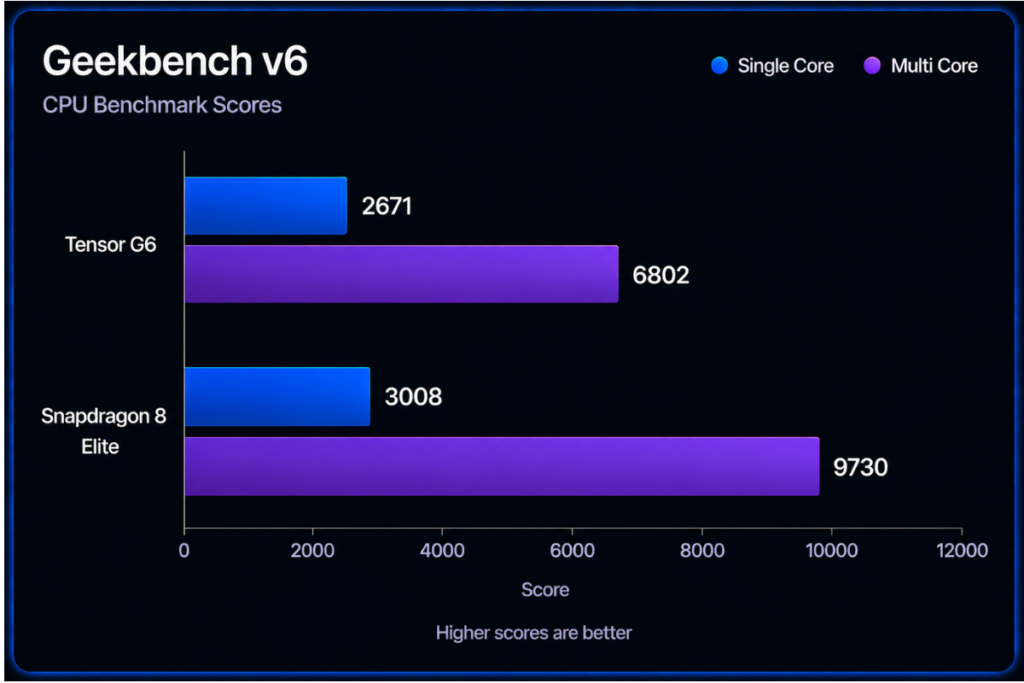
On Geekbench 6, the Pixel 11 Pro XL, powered by Tensor G6, achieves a 2,671 score in the single-core test and 6,802 in the multi-core test. In comparison, the Snapdragon 8 Elite-powered Galaxy S25 Plus gets 3008 single-core points, a 12% increase, but the gap becomes a lot wider in the multi-core performance.
The Snapdragon chip gets 9730 multi-core points, a massive 43% higher score than Tensor G6. This means devices powered by the Snapdragon 8 Elite should perform much better during heavy workloads, such as processing complex data and handling multiple apps, compared to Tensor G6-powered Pixel 11 series.
Tensor G6
Snapdragon 8 Elite
Single core
2671
3008
Multi core
6802
9730
AnTuTu score
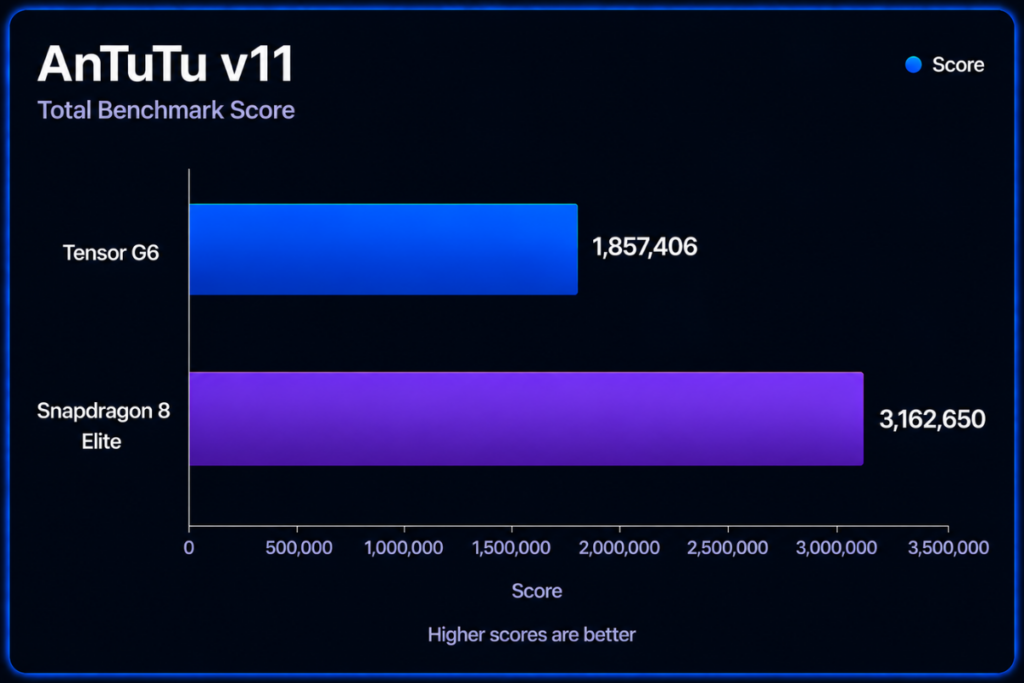
The AnTuTu benchmark (v11) also shows much stronger numbers for the Snapdragon 8 Elite compared to Tensor G6. The total score is up by over 70% (3.16 million vs 1.85 million). Its breakdown reveals a clearer, more interesting picture.
Tensor G6
Snapdragon 8 Elite
AnTuTu score
1,857,406
3,162,650
CPU
787,728
967,505
GPU
432,908
1,200,291
Memory
279,312
381,416
UX
357,458
613,438
The Snapdragon 8 Elite gets a 22% higher CPU score, but the GPU score is up by a massive 177% compared to the Tensor G6. That makes one thing absolutely clear: the Snapdragon 8 Elite is a far superior choice for high-end gaming than Tensor G6. The 3DMark test also proves this.
The chip also benefits from 36% higher memory performance and 71% better UX performance, as suggested by the AnTuTu benchmark.
3DMark score
Wild Life Extreme Stress Test
The test measures how well a device maintains its graphical performance and manages heat over an extensive period of demanding 3D sequences. This is a much more precise gaming test than AnTuTu’s GPU test.
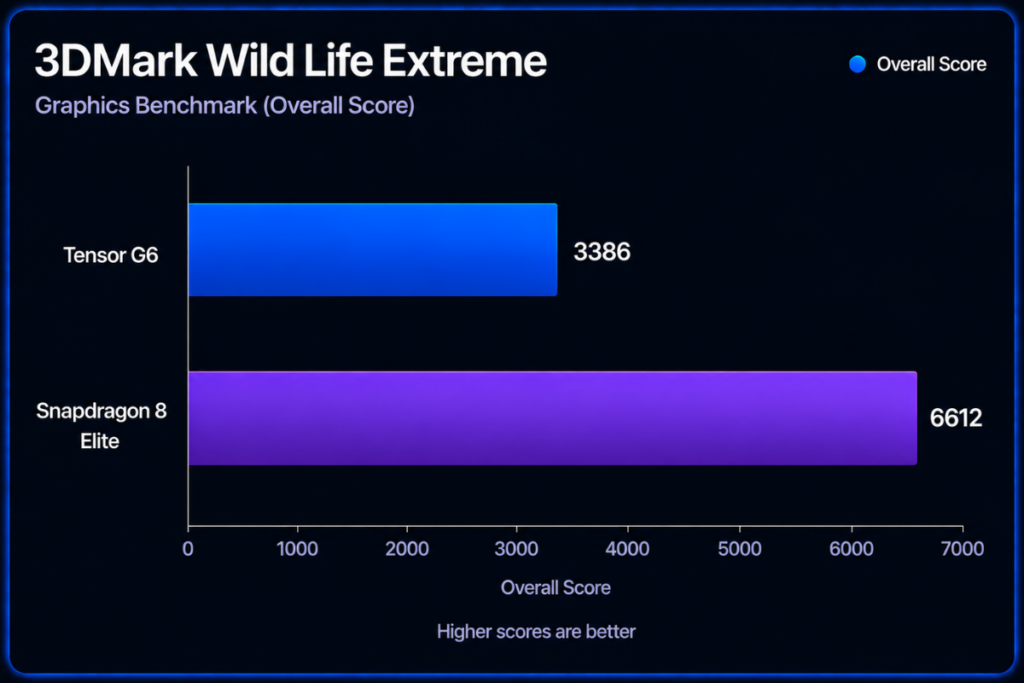
On the benchmark, the Tensor G6 achieves an overall score of 3386, while the Snapdragon 8 Elite is far ahead with a score of 6612. That’s a 95% difference, which is massive. The Snapdragon chip also delivers a much higher average FPS (39.48 vs 20.31).
Tensor G6
Snapdragon 8 Elite
Overall score
3386
6612
Average FPS
20.31
39.48
The Snapdragon 8 Elite absolutely outclasses the Tensor G6 across multiple benchmarks. That highlights fundamentally different design philosophies between Google and Qualcomm.
The Snapdragon 8 Elite prioritizes peak performance, heavy sustained loads, and long gaming sessions at a high frame rate. On the other hand, Tensor chips, including the Tensor G4, use a conservative CPU/GPU configuration to keep thermal output and power draw low, and allocate silicon area and power budgets to TPU and ISP for on-device AI workloads and real-time computational photography.
Tensor G6 vs Snapdragon 8 Elite: Differences that matter
One of the major changes to Tensor G6 is the switch to a 7-core CPU. All previous tensor chips have an 8-core CPU. While this may sound like a CPU downgrade, it actually isn’t. The latest chip uses ARM’s newer C1-Ultra and C1-Pro series, which deliver better performance and power efficiency. Plus, increased clock speeds help the Tensor G6 achieve 20% faster web browsing and 15% faster app launches than the Tensor G5.
Despite the increased performance, the Snapdragon 8 Elite still remains a superior choice in CPU performance. It has an 8-core CPU featuring custom Oryon cores running at higher clock speeds.
Google hasn’t commented on why the Tensor G6 has a 7-core CPU. However, industry experts believe it was done to accommodate the massive fifth-generation TPU, which powers the upgraded Gemini Nano on-device AI models on the Pixel 11 series. The Snapdragon 8 Elite relies on a Hexagon NPU, which enables multimodal Gen AI capabilities.
The Tensor G6 features a PowerVR CXTP-48-1536 GPU, which isn’t as powerful as the Adreno 840 on the Snapdragon 8 Elite. The Adreno GPU also utilizes various software enhancements and gaming optimizations to deliver a far superior gaming experience.
Both chips come with a modern, future-proof connectivity stack to offer reliable connectivity, even in crowded areas. In terms of peak 5G download speed, the Tensor G6 is slightly ahead. It offers up to 12 Gbps of peak speed (vs. 10 Gbps on the Snapdragon 8 Elite).
Tensor G6 vs Snapdragon 8 Elite: Which is better for you?
The choice is pretty straightforward.
Choose Snapdragon 8 Elite: if you prioritize raw power and top-tier gaming performance at higher frame rates.
Choose Tensor G6: if you prioritize personal AI agents, and Google’s AI-powered features like Magic Eraser, real-time Live Translate, and Google’s computational photography magic.
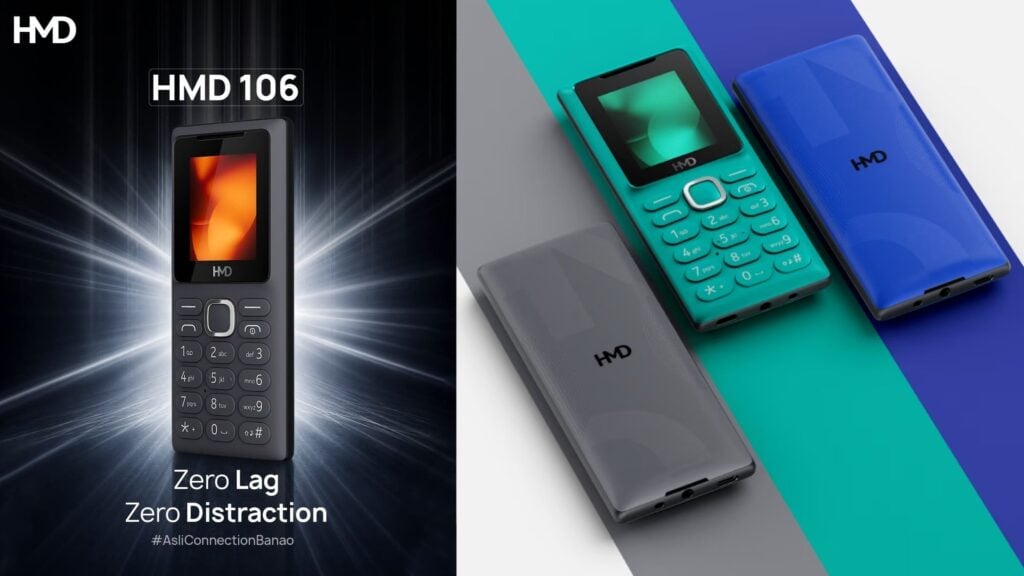
While most phone makers are chasing more cameras, faster chips, and brighter screens, HMD is going the other way. The company has introduced the HMD 106 2G, a no-frills feature phone built purely for people who just need to make calls and send texts.
As the name suggests, it only works on 2G networks. That makes it a solid option for regions where 2G is still the main network, or for anyone who wants a simple backup phone without modern data features getting in the way. One thing worth noting: not every carrier still supports 2G in 2026 (Jio in India, for example), so it’s a good idea to check compatibility before buying. If 2G isn’t an option where you are, HMD also has several 4G feature phones as alternatives.
The 106 2G will come in three colors and has an IP52 rating, so it can handle a bit of dust and light water exposure. The front is taken up by a small 1.8″ LCD screen. Inside you’ll find a Unisoc 6533G processor, 4MB of RAM, and 8MB of storage. It runs the lightweight S30+ operating system, which is designed specifically for basic feature-phone tasks. Power comes from a 1,000mAh battery, which should deliver the kind of long standby and talk times these phones are known for.
Connectivity stays simple: Bluetooth 4.2, a MicroUSB port for charging, dual SIM support, and a 3.5mm headphone jack.
HMD 106 2G – LCD 1.8" – 4MB RAM / 8MB ROM – Support 32GB microSD – Unisoc 6533G – S30+ OS – 1000mAh, removable – IP52, BT4.2, FM Radio, Snake, Micro USB, Dual SIM, 3.5mm. audio. pic.twitter.com/qStIa7cT03
This phone fits into HMD’s ongoing push to serve people who want something straightforward. Whether it’s for digital detox, a reliable backup, or markets where advanced smartphones still aren’t the priority, the HMD 106 2G keeps things focused on durability, decent battery life for its size, and core functions. Full pricing and availability details haven’t been shared yet, but more info should come as it gets closer to launch.
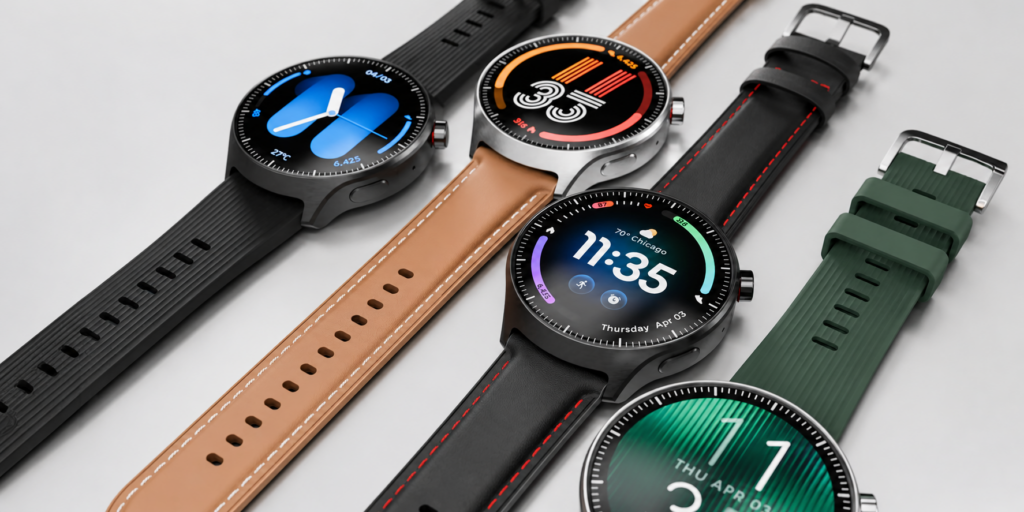
The smartwatch market is getting another premium option as Moto expands its wearable lineup with a feature-packed model. The Moto Watch Ultra combines a curved display with cellular connectivity and advanced health tracking. It also brings several software features designed to make the watch more useful beyond basic notifications and activity tracking.
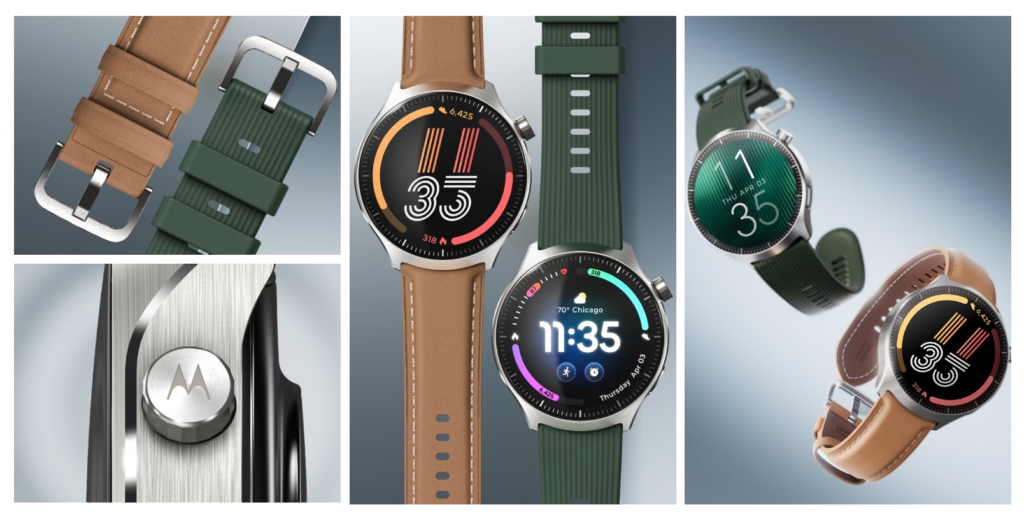
The Moto Watch Ultra features a 1.5-inch 2.5D curved pOLED display with a 466 x 466-pixel resolution, a variable 1-60Hz refresh rate and up to 2,700 nits of peak brightness. It supports an always-on display and is protected by Corning Gorilla Glass 3. The watch has a 46.26mm stainless steel body that is 12.1mm thick and weighs 51 grams. It also comes with IP68 and 5ATM protection for water and dust resistance.
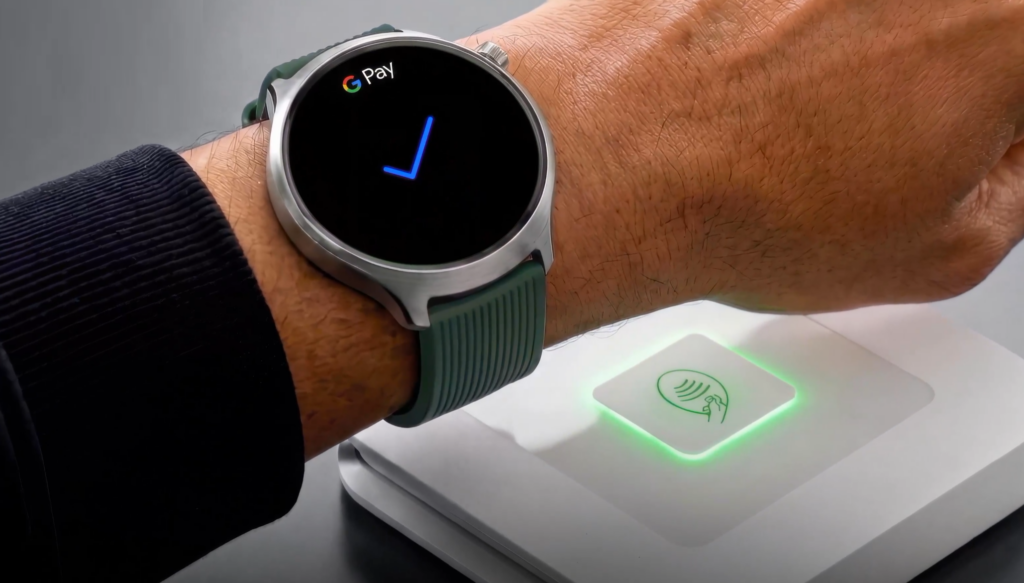
Powering the smartwatch is the Snapdragon W5+ Gen 1 platform, while Wear OS 6 handles the software experience. Moto promises two major OS upgrades, and users can download apps through the Google Play Store, including Google Maps, Google Messages and YouTube Music. The watch also supports Google Gemini, Google Wallet for payments, and Motorola Qira on compatible Moto and Lenovo devices.
Moto Watch Ultra
The Moto Watch Ultra is the brand’s first Moto Watch with LTE and eSIM support, allowing users to make and receive calls, send messages and manage notifications without relying entirely on a connected phone. Dual-band GPS is also included for navigation and location tracking. Health and fitness tracking is handled using Polar algorithms, covering sleep, activity, recovery and running, alongside features such as Serene, Nightly Recharge and Sleep Plus Stages.
Moto Watch Ultra
The 22mm-compatible watch has a battery rated for up to two days of active use with the always-on display disabled. A 15-minute charge can provide up to 24 hours of active use.
The Moto Watch Ultra starts at €429 (~$500). Moto says it will roll out across selected markets in Europe, the Middle East, Latin America, North America and Asia-Pacific in the coming weeks.
You’ve probably seen the headlines about the flash floods that hit Nepal after a Himalayan glacier gave way on August 26, sending water and debris through the Bhote Koshi and Trishuli river basins. The damage from this is huge—the flood swept away villages, roads, bridges, and hydropower plants across Rasuwa, Nuwakot, and Dhading districts of Nepal.
At the time of writing, the death toll has climbed past 1,300, and thousands are still unaccounted for. Among the companies and people stepping in to help at this time are some of the biggest names in tech.
Nvidia CEO Jensen Huang personally donated $10 million to Nepal’s Prime Minister Disaster Relief Fund. It is reportedly the largest single contribution the fund has received from an individual or company.
Apple is also contributing to the response. CEO Tim Cook confirmed that the company would donate to relief and rebuilding efforts, although he did not disclose the amount or name the organizations that would receive the money. Cook made the announcement just days before stepping down as CEO and handing the role to John Ternus on September 1.
SecurityPal AI, a Bay Area startup led by Nepal-born founder Pukar Hamal, matched donations dollar-for-dollar up to $20,000, with everything going straight to the Nepali government. Joining the effort, blockchain technology company Ripple pledged $300,000, split between World Central Kitchen and Mercy Corps for food, water, and sanitation work on the ground.
Meanwhile, blockchain platform Solana took a more unusual approach. Instead of just writing a check, the network auctioned off nine zones of its own logo on X, letting bidders slap their branding on Solana’s profile picture and pinned post for a week. The 24-hour auction pulled in nearly $167,000 in USDC, with crypto platform Rollbit alone dropping $50,000 for the most visible spot. All of it routes through a US nonprofit called Engage Nepal before landing with the government’s relief fund.
If you want to send something yourself, Nepal’s Prime Minister Disaster Relief Fund accepts donations from around the world. Card payments are available, while larger contributions can also be sent through SWIFT transfers.
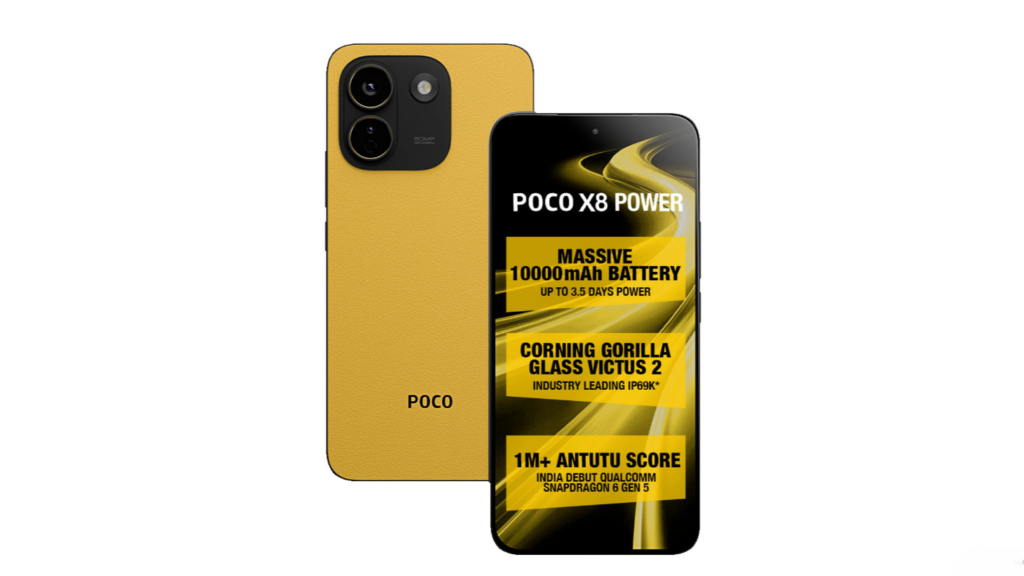
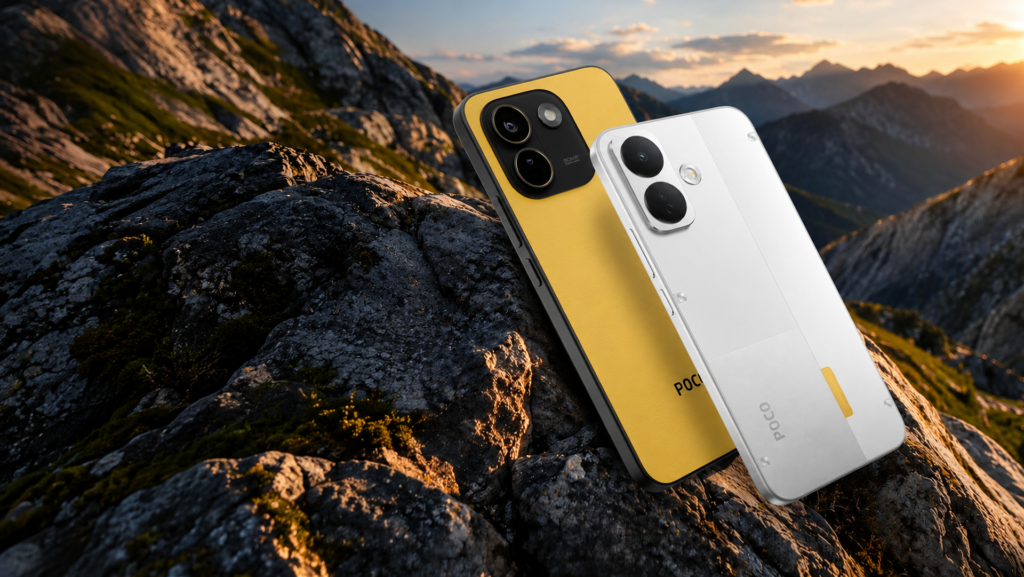
Poco is expanding its X8 series in India with two new phones, and one of them is clearly built for people who hate charging their phone multiple times a day. The Poco X8 Power leans hard into battery life, making it a practical pick for anyone who wants serious endurance.
The big story here is the battery. It packs a massive 10,000mAh silicon-carbon cell, one of the largest you’ll find on a mainstream phone, plus 100W HyperCharge for quick top-ups. It can even reverse-charge other devices at up to 27W over a wired connection. That huge battery does add some bulk though: the phone weighs 229g and measures 8.65mm thick. For comparison, the Poco X7 has a 5,500mAh battery, measures 8.4mm thick, and weighs 190g.
The display is a 6.83″ flat 1.5K AMOLED panel with a 120Hz refresh rate, HDR10+, Dolby Vision, and peak brightness up to 3,500 nits. It supports up to 3,200Hz instantaneous touch sampling in Game Turbo mode, Wet Touch 2.0, and TUV Triple Eye Protection, all under Corning Gorilla Glass Victus 2.
Under the hood sits the Snapdragon 6 Gen 5, with up to 12GB of LPDDR5X RAM and 256GB storage (base 128GB models use UFS 2.2, while higher ones get UFS 4.1). Other bits include a 32MP front camera, stereo speakers, and an in-display fingerprint sensor.
The phone carries IP66, IP68, IP69, and IP69K ratings for ingress protection. It runs Xiaomi HyperOS 3 based on Android 16, with four OS upgrades and six years of security patches promised.
The X8 Power is priced at Rs 35,999. With a Rs 2,000 coupon discount and a Rs 1,000 bank offer or exchange bonus, the effective price drops to Rs 32,999. It goes on sale from September 11, 2026, at 12 noon exclusively on Flipkart. You can also grab it on 12-month no-cost EMI starting at Rs 2,750 per month. The regular Poco X8 starts a bit lower and comes with similar EMI options.
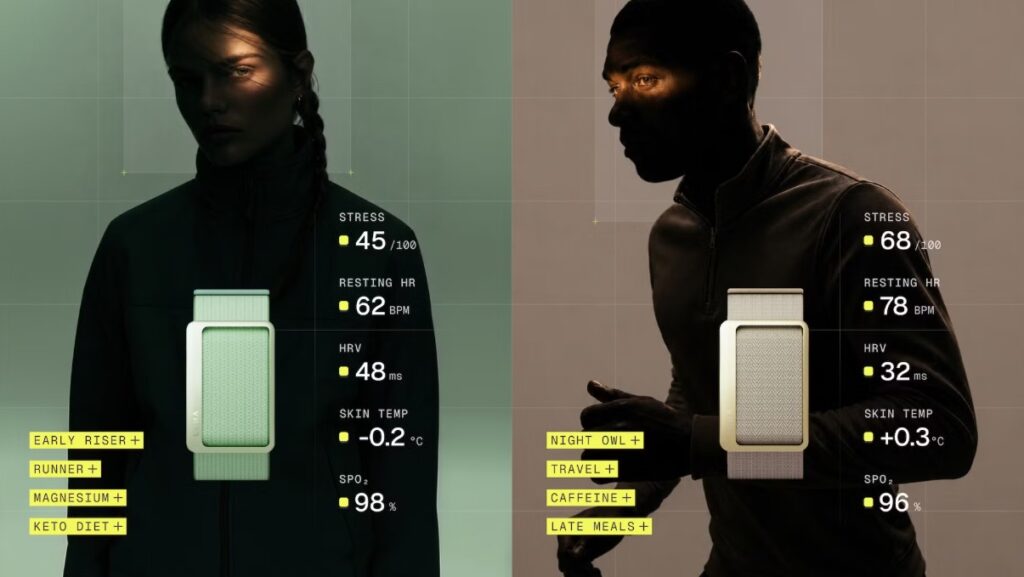
The screenless fitness tracker segment is getting another option as Luna begins making its wearable available to buyers worldwide. The Luna Band focuses on personalized fitness and health insights without relying on a built-in display. Its global rollout also puts it in direct competition with products such as Fitbit Air and Whoop.
Luna Band brings screenless tracking worldwide
Luna Band
Luna first showcased the Band at CES 2026 before opening a waitlist in May. Pre-orders began on July 4, with the first batch limited to invited customers and selling out quickly. At IFA 2026, the company confirmed that the Luna Band is now shipping globally, making it available through Luna’s online store.
The 24-gram wearable has a 27mm body and uses sensors to track heart rate, skin temperature and blood oxygen levels, along with an accelerometer and gyroscope for movement tracking. It supports more than 60 workout modes, with automatic tracking available for five activities, while training load and VO2 Max data are also part of the experience. A 5 ATM water resistance rating allows it to be used while swimming.
Luna Band
Instead of a screen, the Luna Band relies on voice interaction and its LifeOS platform. Users can log things such as meals or supplements using voice commands, while the system can analyse sleep, stress, fertility and training data. Luna also says users can upload lab reports and receive personalized guidance based on their goals and collected data.
LifeOS also supports Micro Apps, which are designed to extend the Band’s capabilities beyond its built-in tracking features. These can provide guidance around areas such as hydration, circadian sleep patterns, fitness age, supplements, and caffeine. The system is designed to adapt its recommendations to individual users rather than providing identical insights to everyone.
Luna Band price and availability
The Luna Band costs $149 in the US, while the UK price is £129 and the European price is €149. Unlike Whoop and Fitbit’s paid premium offerings, Luna does not require a recurring subscription to access its core features. It is available in colors including Aloe Green, Onyx Black, Desert Beige and Atlantic Blue.
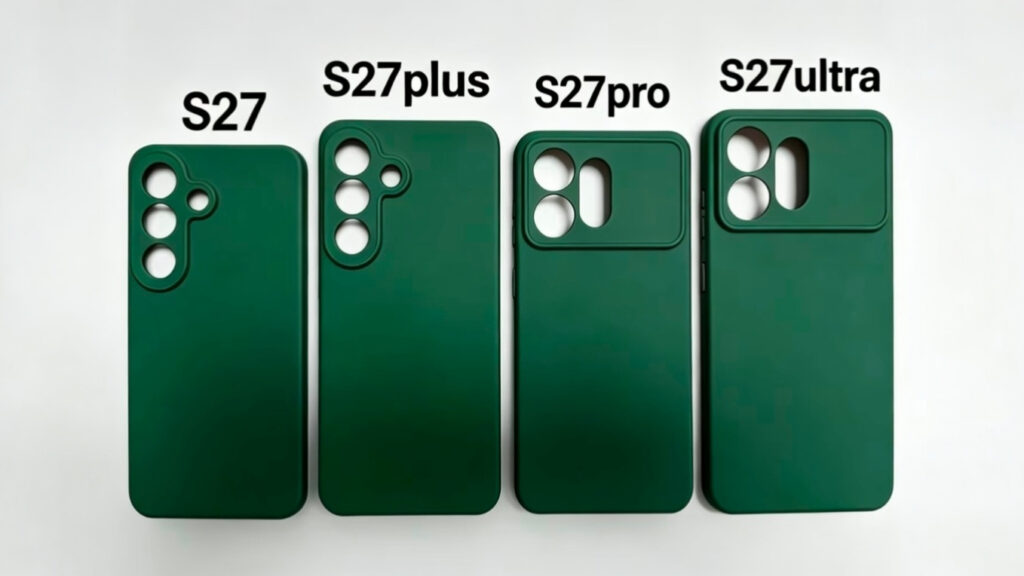
New case leaks are giving us another early look at Samsung’s next flagship series. Photos of protective cases shared by a well-known tipster Ice Universe show four distinct devices. The Galaxy S27 and S27+ appear to stick with a familiar setup: separate protruding camera cutouts similar to recent generations.
The Galaxy S27 Pro and S27 Ultra, though, look set for something different. It’s a horizontal, large-matrix design placed toward the top of the phone, reaffirming recent renders and marking a clear break from the vertical camera layout Samsung has used for years.
The change likely frees up more internal space for larger image sensors and better cooling. However, leaks so far do not suggest any notable improvement in sensor size, except for the most recent leak about a 4x telephoto on the Ultra.
The full Galaxy S27 lineup is expected to land in the first quarter of 2027, most likely sometime between January and February. All four models have already shown up in GSMA certification listings under the numbers SM-S952B (S27), SM-S956B (S27+), SM-S957B (S27 Pro), and SM-S958B (S27 Ultra).
The S27 Pro is a new addition aimed at people who want something closer to the Ultra but in a more compact form. Think of it as a small-screen Ultra without the S Pen. It’s expected to have around a 6.4″-6.6″ display while sharing the main and ultrawide camera hardware with the Ultra, essentially bridging the gap between the regular models and the top flagship.
The whole series is expected to use 2nm-process chips. Depending on the region, that could mean Samsung’s own Exynos 2700 or a Qualcomm Snapdragon 8 Elite Gen 6 Pro made by TSMC. There are also reports that Samsung might bring BOE on as an OLED panel supplier for the first time in the S series, and that the phones could support Qi2 magnetic wireless charging.
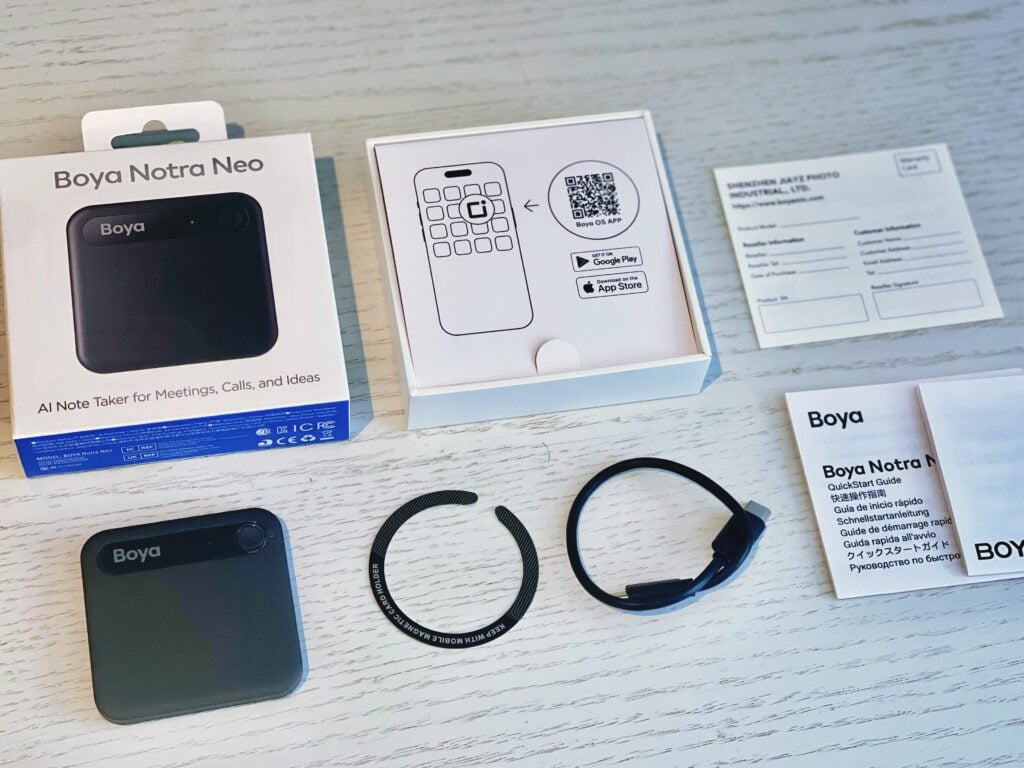
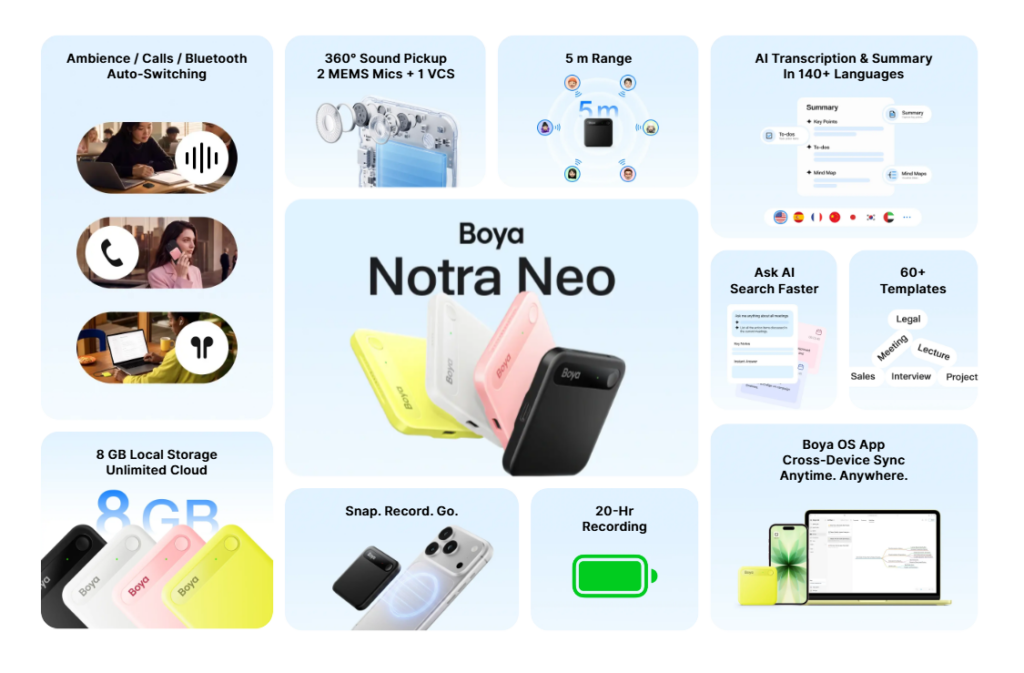
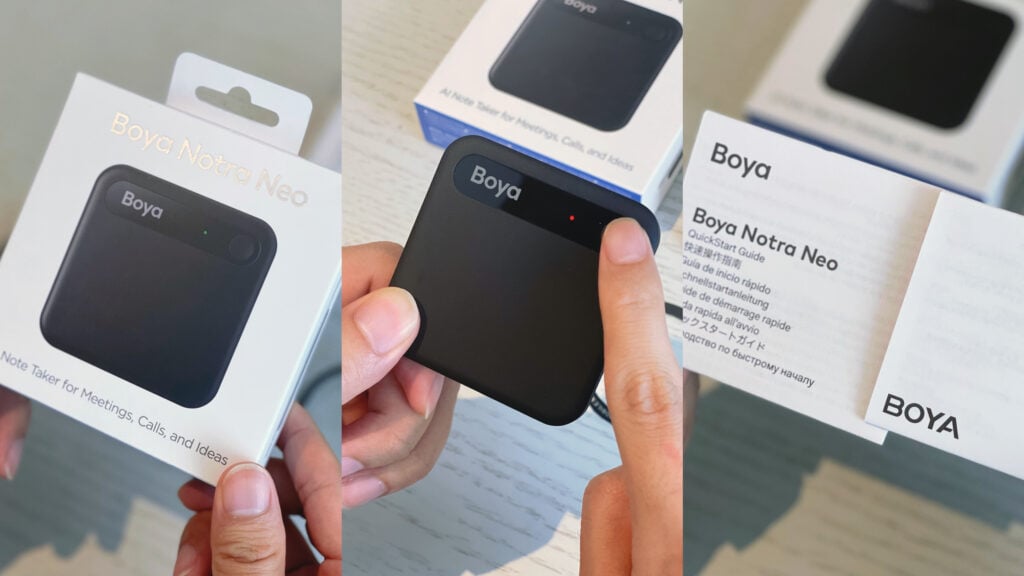
BOYA has introduced the Notra Neo, a compact AI-powered recording and note-taking device designed to capture, transcribe, organize and summarize conversations. The device is positioned as a more affordable alternative to the company’s flagship BOYA Notra AI note-taker while retaining many of its key AI-powered features.
A More Affordable AI Recording Device
The Notra Neo is making its debut at IFA 2026 in Berlin, Germany, which runs from September 4 to September 8. Visitors can experience the device in person at BOYA’s booth in Hall H20, Stand 132.
Pricing and Availability
The BOYA Notra Neo is currently available for pre-order at a special price of $69.99, while its regular MSRP is $79.99. BOYA is accepting pre-orders through its official channels, with general sales expected to follow the device’s IFA 2026 debut.
One of the main features of the Notra Neo is its AI-powered transcription system, which supports more than 140 languages and dialects. The device can also identify and separate different speakers during a conversation.
Beyond transcription, the AI can automatically generate conversation summaries, key points, to-do lists and mind maps. Users can also search through their entire recording history to quickly find specific information.
Three Recording Modes
The Notra Neo automatically adapts to different recording situations and offers three main recording modes. Its Ambient Recording mode provides 360-degree audio pickup with a recording range of up to 5 meters.
For phone calls, the device can use a magnetic attachment to connect with a smartphone. It also supports Bluetooth Call Recording, which is designed for online meetings and Bluetooth-based calls.
Compact Design and Long Battery Life
BOYA has designed the Notra Neo for everyday portability. The device weighs just 34.5g and measures 63 × 63mm, making it compact enough to carry easily.
It features a 610mAh battery that provides up to 20 hours of recording time and up to 365 days of standby time. The device charges through a USB-C port and takes approximately 1.5 hours to fully charge.
Storage, Connectivity and Audio Features
The Notra Neo comes with 8GB of local storage and unlimited cloud storage. It supports Bluetooth and Wi-Fi connectivity, which can also be used for wireless file transfers.
The device also includes AI noise cancellation of up to -30dB, helping improve audio clarity in different recording environments.
BOYA will offer the Notra Neo in four colour options: Black, White, Pink and Yellow.
How It Compares With the Flagship Notra
The Notra Neo keeps many of the core AI features found in BOYA’s flagship Notra but makes some compromises to achieve a lower price. The Neo offers 8GB of local storage, compared with 64GB on the flagship model, while its audio pickup range is 5 meters instead of 10 meters.
However, its lower $69.99 pre-order price could make AI-powered recording and note-taking more accessible to a wider audience.
Who Is It For?
BOYA is made for students, young professionals, first-time AI note-taker users, and anyone looking for an affordable and portable recording device. With support for 140+ languages, speaker identification, AI-generated summaries, three recording modes, long battery life, and unlimited cloud storage, the Notra Neo aims to offer a feature-rich AI note-taking experience at an entry-level price.
PS: Here is a coupon code of a 12% discount for Gizmochina users: GIZMO12.
Sony is getting ready for Grand Theft Auto VI in a pretty cool way. At the latest State of Play event, they showed off limited-edition DualSense controllers made specifically for the game, giving fans something tangible to match the hype.
There are two versions, black and white, and both will launch on November 19, the same day as GTA VI itself. They’re priced at 12,480 yen (around $80 / €70 / £60) and are clearly aimed at collectors. Pre-orders open September 10 on PlayStation Direct and at select retailers, but supplies will be limited.
The design leans hard into Vice City vibes. Both controllers get a special surface treatment that feels like the game’s atmosphere. The “VI” logo sits on the touchpad, and palm tree patterns are molded into the body as a nod to Leonida’s tropical setting. A shimmering, color-shifting gradient runs across them, mixing sunset and neon tones to capture that day-to-night energy. The white version pulls from bright coastal days and pastel skies, while the black one goes for the nightlife feel.
Sony also made a point of highlighting how the DualSense’s adaptive triggers and haptic feedback will matter in GTA VI. Those features are expected to add a lot of detail to driving, shooting, and just moving through the world, so these limited controllers should feel like a natural fit for the full experience.
The whole thing underlines how closely Sony and Rockstar are working together. By dropping the controllers on launch day, they’re giving fans an easy way to celebrate the release while leaning into the immersion the DualSense already offers. With pre-orders opening soon and stock looking tight, these are probably going to move fast.
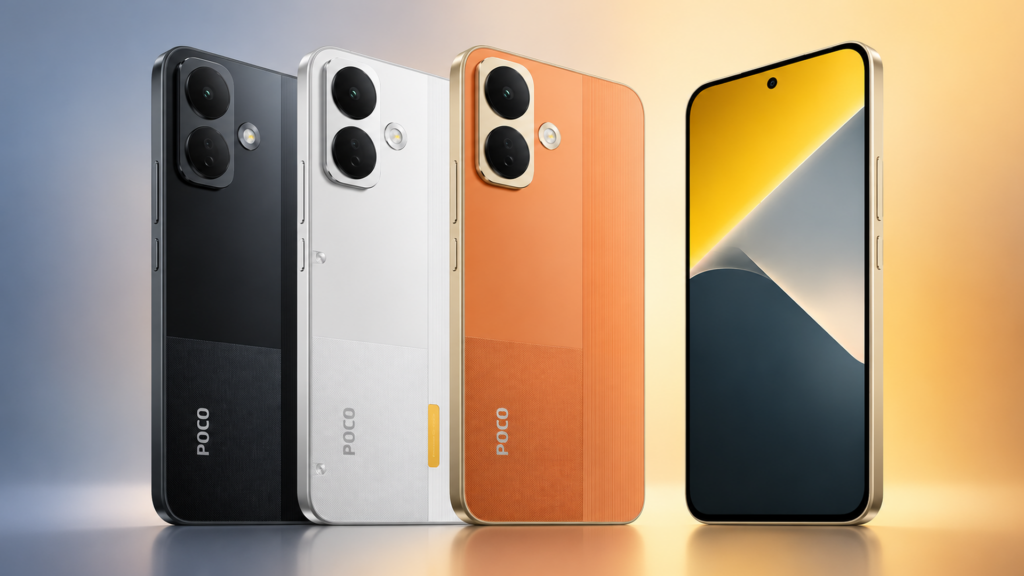
Earlier this year, Poco unveiled the Poco X8 Pro and X8 Pro Max in India. Now, the brand has expanded the lineup by adding the Poco X8 along with the more battery-focused Poco X8 Power, giving buyers another option in the series. Here is everything you need to know about the standard Poco X8, including its specifications, features, price, and availability.
Poco X8 specifications and features
Poco X8 5G
The Poco X8 sports a 6.83-inch 1.5K AMOLED display with a 120Hz refresh rate, up to 3,500 nits peak brightness, HDR10+ and Dolby Vision support. The panel also offers up to 3,200Hz instantaneous touch sampling, 100 percent DCI-P3 color coverage and Wet Touch 2.0 for better touch response when the screen is wet.
Powering the smartphone is the Snapdragon 6s Gen 4 chipset, which reaches a peak clock speed of 2.4GHz and is paired with an Adreno GPU. The phone is backed by a 9,000mAh battery supporting 67W wired fast charging and 22.5W wired reverse charging.
The X8 has a dual rear camera setup comprising a 50-megapixel primary sensor with optical image stabilisation and a 2-megapixel depth sensor. A 16-megapixel camera handles selfies and video calls.
Poco X8 and X8 Power
The X8 runs Android 16-based HyperOS 3, with Poco promising four major OS upgrades and six years of security updates. Oher features include an in-display fingerprint sensor, infrared sensor, dual SIM support and stereo speakers with Dolby Atmos.
When it comes to durability, it has the Corning Gorilla Glass Victus 2 protection for the display. The device also carries IP66, IP68, IP69 and IP69K ratings for dust and water resistance.
Poco X8 price and availability
The Poco X8 has arrived in India in three choices, such as 6GB+128GB, 8GB+128GB, and 8GB+256GB. These models are priced at Rs 29,999 (~$320), Rs 32,999 (~$350), and Rs 35,999 (~$380), respectively. The smartphone will go on sale through Flipkart from Sept. 11. It is available in Black, Fiery Orange and Frost White color options. Readers can visit our dedicated Poco X8 Power post to read all about the more powerful battery-focused model.
OnePlus is expected to unveil the OnePlus 16 powered by the next-generation Snapdragon 8 Elite Gen 6 Pro chip in October in China. Reports have revealed that the brand is also working on an Ace-series phone with the forthcoming Snapdragon 8 Gen 6 onboard.
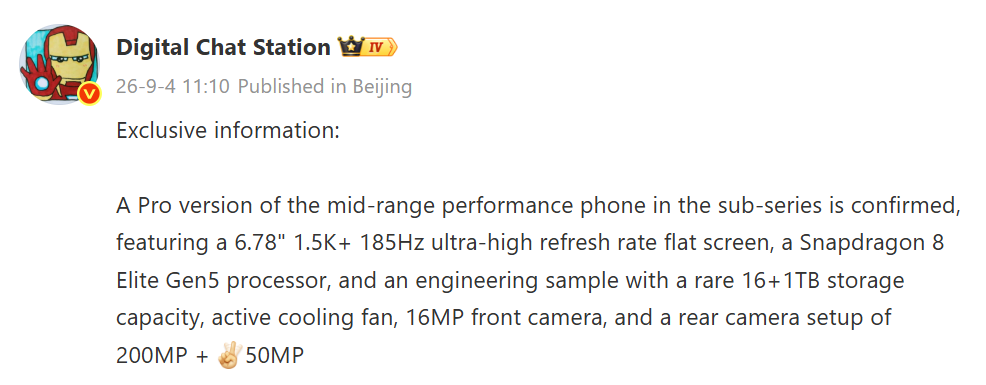
Now, a new leak by reliable tipster Digital Chat Station reveals the existence of a new OnePlus flagship equipped with last year’s Snapdragon 8 Elite Gen 5 chip. While the tipster has not revealed the name of the device, it is being said that it could be called the OnePlus Ace 7 when it hits the market.
According to the tipster, a sub-series Pro-branded OnePlus phone will arrive with a 6.78-inch flat OLED panel offering a 1.5K resolution and an ultra-high refresh rate of 185Hz. This engineering prototype of the device is powered by the Snapdragon 8 Elite Gen 5 chipset.
Last year, OnePlus unveiled the OnePlus Ace 6T and Ace 6 with the Snapdragon 8 Gen 5 and Snapdragon 8 Elite, respectively. Hence, the two upcoming Snapdragon 8 Gen 6 and 8 Elite Gen 5-powered OnePlus phones appear to be the OnePlus Ace 7T and Ace 7, respectively.
It appears that the top configuration of the OnePlus Ace 7 will offer 16GB of RAM and 1TB of storage. The leak has no information about the battery size and charging capabilities of the device. To recall, the Ace 6 packed a massive 7,800mAh battery, and it is likely that the Ace 7 may upgrade to an 8,000mAh+ battery, but it remains to be seen what further reports reveal.
While it is not mentioned in the leak, it is evident that the device will run on Android 17 with a layer of ColorOS 17 on top. DCS has also claimed that the device will have an active cooling fan, which suggests that it is a gaming-oriented offering.
Moving on to optics, the Ace 7 is said to have a 16-megapixel camera on the front, while its back panel will have a 200-megapixel + 50-megapixel dual-camera setup. The Ace 6 was announced in October alongside the OnePlus 15. Therefore, it remains to be seen whether the Ace 7 breaks cover alongside the OnePlus 16, which is expected in October.
Infinix has added a new smartphone to its Hot series in India, bringing a mix of eye-catching design and practical hardware. The Hot 70 Pro also introduces a new rear interaction feature aimed at making notifications and everyday use more engaging. Alongside this, the phone focuses on display smoothness, camera capabilities, durability and battery life.
The Infinix Hot 70 Pro features a 6.76-inch FHD+ punch-hole display with a 144Hz refresh rate, 240Hz touch sampling and up to 910 nits HBM brightness. The phone is powered by the MediaTek Dimensity 7100 5G chipset with UFS 2.2 storage, with support for gaming at up to 90fps in popular titles.
Infinix Hot 70 Pro – Active Cube Matrix
One of the phone’s key features is the Active Matrix Cube on the rear. It can display notifications for calls, messages, charging, low battery, camera use, weather and countdowns, while also providing lighting effects during music playback and gaming. Users can create custom patterns and emojis through Matrix Studio, while mini-games such as Lucky Wheel and Lucky Numbers add an interactive element. The phone also features a 50-megapixel Sony IMX882 main camera with Live Photo, AI Eraser, AI Extender and 2x lossless zoom, along with an 8-megapixel selfie camera.
The Hot 70 Pro packs a 6000mAh battery with 45W charging, reaching 50% in around 25 minutes according to Infinix’s testing. It also supports up to 10W reverse charging. Other features include IP68-rated dust and water resistance, NFC and a dedicated One-Tap AI Button that can be customized for quick access to more than 50 apps or Gemini. The phone runs XOS 16 based on Android 16 and is promised three major OS upgrades and five years of security updates.
The Infinix Hot 70 Pro starts at Rs 22,999 (~$245) with the Day 1 offer, including applicable bank offers. It comes in 6GB+128GB and 8GB+128GB configurations and will be available in Thermo Orange, Mirage Green, Silk Glow Purple, and Dive Blue finishes. Thermo Orange changes its appearance with temperature, while Mirage Green can glow under UV light. The phone will be available through Flipkart and retail stores across India, with no-cost EMI options available for three, six and nine months.
Mivi is getting ready to make its first entry into the smartphone market with the One 5G in India. The company has now confirmed when the phone will officially arrive, while also giving us a first look at its rear design. Some key hardware details remain under wraps, but the upcoming handset is already shaping up as an interesting option in the affordable 5G segment.
Mivi One 5G gets a launch date and Snapdragon chip
Mivi One launch date
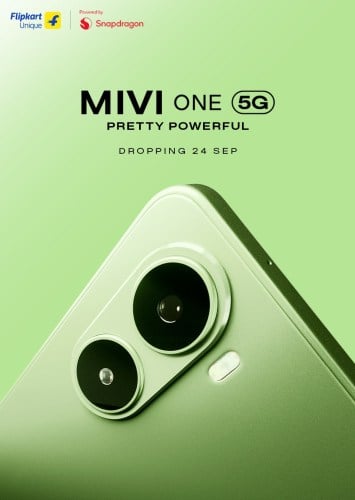
Mivi has confirmed that the One 5G will launch in India on September 24. The smartphone will be sold exclusively through Flipkart, while Mivi says it is being manufactured in Hyderabad as part of its focus on local production. The company has also confirmed that the phone will use a Qualcomm Snapdragon 5G chipset, although the exact processor has not been officially named yet.
The rear design shows a flat back with rounded corners and a vertically positioned camera module. It houses two large circular camera cutouts arranged diagonally, accompanied by a pill-shaped LED flash on the side. The teaser shows the phone in a green finish, although Mivi has not confirmed whether other color options will be available.
Mivi One 5G Geekbench listing
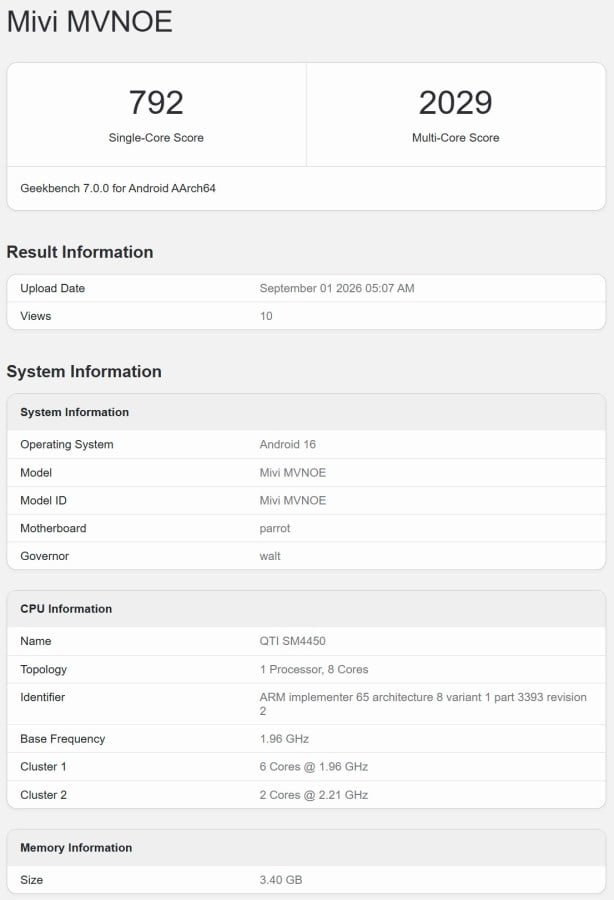
As per a report by GSMArena, a device identified as the Mivi MVNOE has appeared with the Snapdragon 4 Gen 2, 6GB of RAM and Android 16. Other Geekbench listings suggest that 4GB and 8GB RAM variants could also be in development, although Mivi has not confirmed that these listings belong to the One 5G. The Snapdragon 4 Gen 2 would also make the phone one of the more affordable options with 5G connectivity if the reported specifications prove accurate.
Mivi has yet to reveal the display, camera resolutions, battery capacity, charging speed or storage configurations. The company is also yet to announce the official price, but reports suggest the One 5G could be positioned below Rs 15,000 (~$160) in India. That would put it in a competitive budget segment where affordable 5G smartphones have become less common.
Mivi One 5G
The One 5G marks a major change for Mivi, which has primarily been known for earbuds, headphones, speakers and other audio products. The company says it has spent years developing and manufacturing consumer technology in India, and its smartphone entry will now put it up against established names such as Redmi, Realme and Motorola.
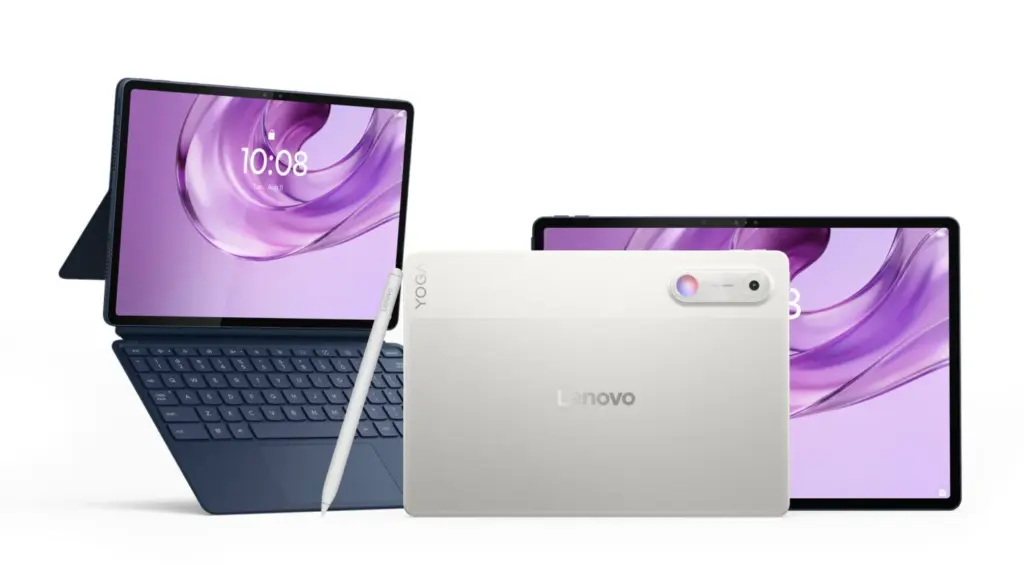
Long-term software support is becoming increasingly important in the tech industry. Google and Samsung have already raised the bar for smartphone updates, while other brands are following the same path. Now, this trend is making its way to premium tablets, with Lenovo taking a serious approach with its latest Yoga lineup.
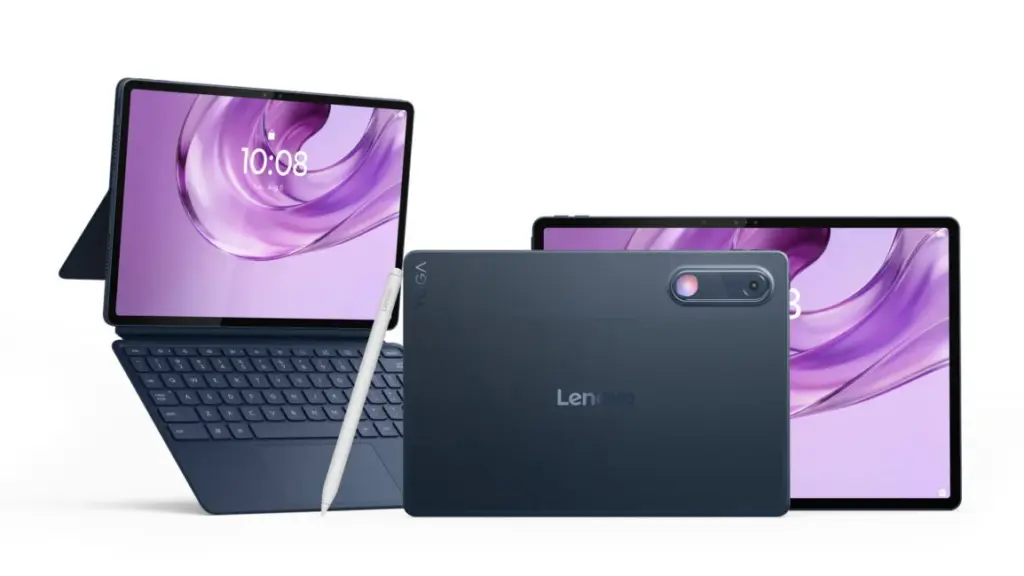
The company has unveiled two new Android tablets at IFA 2026, targeting users who want high-end hardware for productivity and creative work. The Yoga Tab Gen 2 and Yoga Tab Plus Gen 2 also come with an unusually long software support commitment.
Lenovo Yoga Tab Gen 2 series specifications and features
Lenovo Yoga Tab Gen 2 and Yoga Tab Plus Gen 2
The Lenovo Yoga Tab Gen 2 features an 11.1-inch 4K display with a 144Hz refresh rate and up to 1,100 nits of peak brightness. It is powered by the MediaTek Dimensity 9500s chipset and comes with 8GB or 12GB of RAM, along with 128GB or 256GB of expandable storage. A large 11,000mAh battery keeps the tablet running, while 68W charging provides faster top-ups. The tablet measures 8.56mm thick and weighs 480 grams.
The Yoga Tab Plus Gen 2 moves to a larger 13-inch 4K PureSight Pro display with a 144Hz refresh rate and 1,100 nits peak brightness. It uses the Snapdragon 8 Elite platform with an Oryon CPU and offers 12GB or 16GB of RAM, 256GB or 512GB of expandable storage and a 12,700mAh battery with 68W charging. It also features six speakers, a 13-megapixel+2-megapixel rear camera setup and an 8-megapixel+0.3-megapixel front camera combination.
Lenovo Yoga Tab Gen 2 and Yoga Tab Plus Gen 2
Both tablets support Wi-Fi 7, Bluetooth 6.0 and USB-C 3.2 Gen 1 connectivity, along with optional magnetic keyboards and Lenovo’s Tab Pen Pro 2 stylus. The tablets also include AI-focused software features and stylus functions aimed at drawing, recording and productivity. A status light on the rear can also react to music, videos and games.
The biggest software highlight is Lenovo’s promise of seven major Android OS upgrades and seven years of security updates. Both tablets ship with Android 17 and are expected to receive updates through Android 24, with security support continuing until 2033.
The next iQOO flagship is expected to bring several notable changes to the company’s high-end smartphone lineup. The iQOO 16 is also set to put considerable focus on display quality and gaming performance. New details have now shed more light on what the phone could offer in these areas.
iQOO 16 display could get Samsung’s latest OLED technology
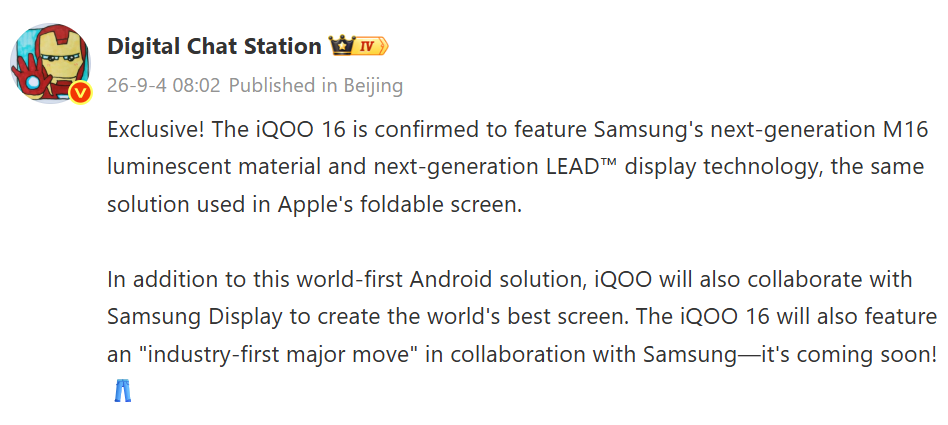
According to DCS, iQOO 16 will be the first Android smartphone to use Samsung Display’s latest-generation M16 emissive material alongside a new-generation LEAD display technology. The same display approach is reportedly being considered for Apple’s upcoming foldable iPhone Ultra, although the iQOO 16 is expected to bring it to a conventional smartphone form factor.
The reported LEAD technology removes the traditional polarising layer from an OLED panel and replaces it with a nano-lithography filter structure. The claimed result is 40% higher light transmission, 44% lower power consumption and a 50% increase in panel lifespan.
The technology is also expected to improve viewing angles and colour accuracy while addressing some of the power consumption, longevity and eye-comfort limitations associated with OLED panels. The iQOO 16 is tipped to feature a 6.85-inch 2K+ display with a 165Hz refresh rate.
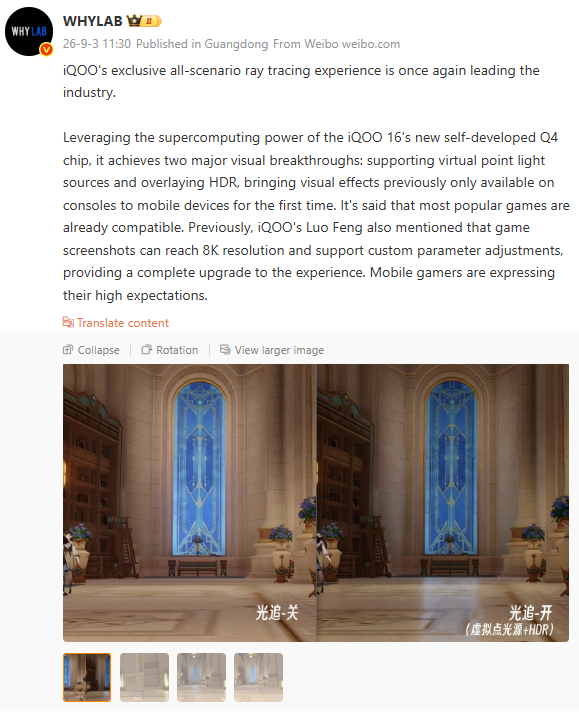
Gaming is another area where the iQOO 16 could stand out. Its self-developed Q4 chip is said to enable virtual point light sources combined with HDR, bringing more advanced real-time lighting effects to mobile games. The setup is also reportedly capable of producing game screenshots at up to 8K resolution, with users able to adjust certain visual parameters. WHYLAB says many popular games are expected to support the new features.
The iQOO 16 is expected to debut by the end of September or early October, with earlier information pointing to a redesigned camera module and a more futuristic rear panel. The phone is also expected to focus heavily on high-end performance, display quality and gaming-focused features as part of its flagship positioning.
We use cookies on our website to give you the most relevant experience by remembering your preferences and repeat visits. By clicking “Accept”, you consent to the use of ALL the cookies.
This website uses cookies to improve your experience while you navigate through the website. Out of these, the cookies that are categorized as necessary are stored on your browser as they are essential for the working of basic functionalities of the website. We also use third-party cookies that help us analyze and understand how you use this website. These cookies will be stored in your browser only with your consent. You also have the option to opt-out of these cookies. But opting out of some of these cookies may affect your browsing experience.
Necessary cookies are absolutely essential for the website to function properly. This category only includes cookies that ensures basic functionalities and security features of the website. These cookies do not store any personal information.
Any cookies that may not be particularly necessary for the website to function and is used specifically to collect user personal data via analytics, ads, other embedded contents are termed as non-necessary cookies. It is mandatory to procure user consent prior to running these cookies on your website.