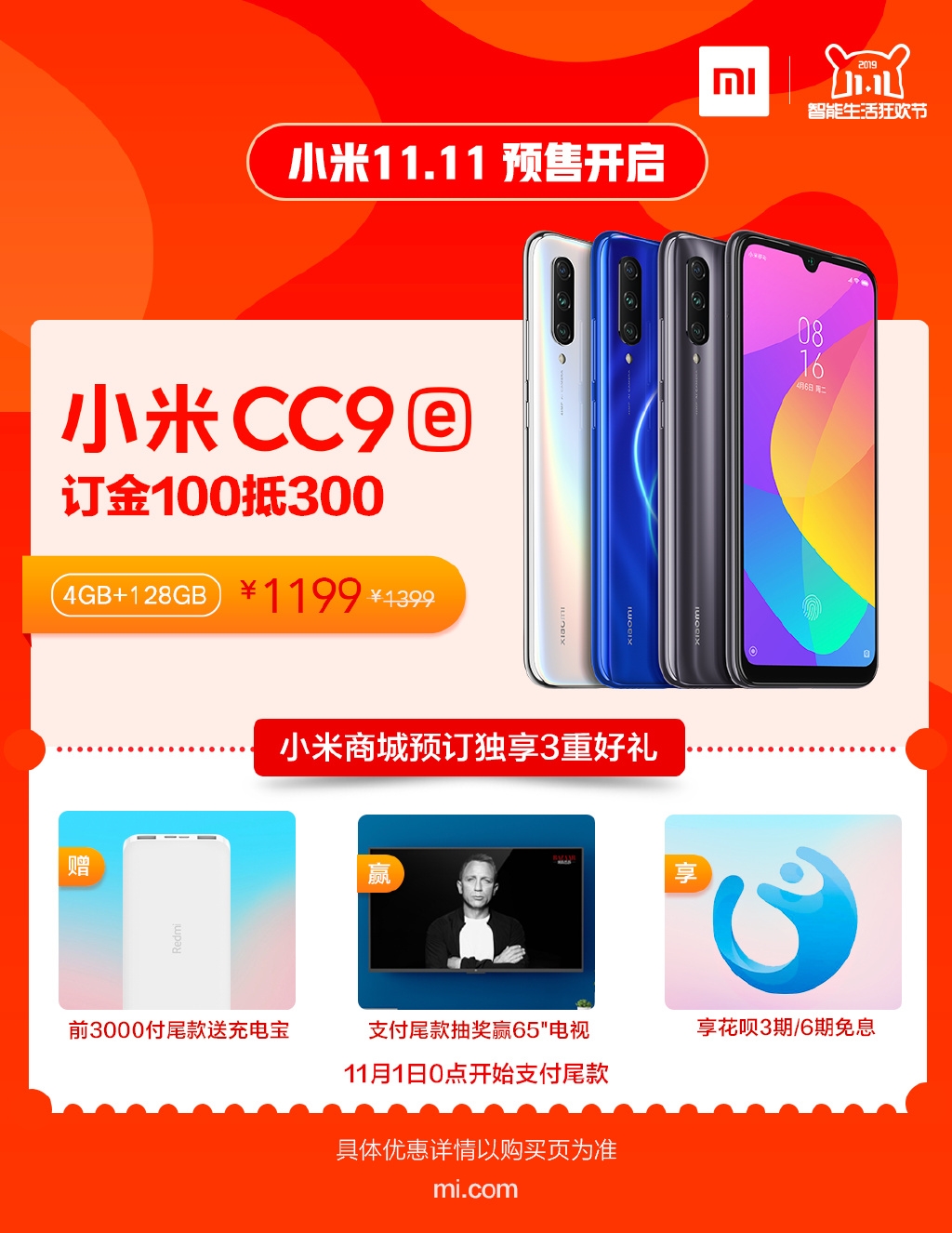
In July, Xiaomi had launched the Mi CC9v, Mi CC9e and Mi CC9 Meitu Custom Edition smartphones in China. At launch, the Chinese manufacturer had introduced the Mi CC9e in three variants. Now, it has begun with the pre-sales of a new model that features 4 GB of RAM and 128 GB of native storage.
The 4 GB RAM + 128 GB storage pre-sales is live on the official Chinese edition of Mi.com. The new model of the phone will be available for purchase from Nov. 1. It comes in three colors like White Lovers (White), Deep Blue Planet (Blue) and Deep Night Prince (Deep Gray). The new model is priced at 1,399 Yuan (~$198). However, it can be availed for 1,199 Yuan (~$169) during pre-sales for customers who deposit 100 Yuan.
At launch, the Mi CC9e was made available in variants such as 4 GB RAM + 64 GB storage, 6 GB RAM + 64 GB storage and 8 GB RAM + 128 GB storage. The latter two are now available with respective price tags of 1,299 Yuan (~$183) and 1,599 Yuan (~$229). The 4 GB + 64 GB is no longer listed on Mi.com.
The Xiaomi Mi CC9e that comes with Gorilla Glass 5 panels on the front and rear has a 6.01-inch S-AMOLED display with waterdrop notch. It supports HD+ resolution of 720 x 1560 pixels and 19.5:9 aspect ratio. The 11nm Snapdragon 665 chipset fuels the smartphone.
The frontside of the Mi CC9e has a 32-megapixel selfie camera. The rear-mounted triple camera system has a 48-megapixel primary lens with f/1.8 aperture, an ultrawide 8-mgeapixel sensor and a depth lens of 2-megapixel. The handset is equipped with an in-display fingerprint reader.
The Xiaomi Mi CC9e has a 4,035mAh battery that carries support for 18W fast charging through USB-C. The MIUI 10 based Android 9 Pie OS runs on the device. For additional storage, it is equipped with a hybrid SIM slot. The Mi CC9e is available outside of China as Xiaomi Mi A3 Android One smartphone.
Earlier this month, Google launched its latest flagship smartphones, the Pixel 4 and Pixel 4 XL at the “Made by Google” event which took place the U.S. Some netizens have criticised Google for the design it has implemented with its new devices, especially the thick forehead which is non-existent on almost every other smartphone in this price bracket.
1 of 2
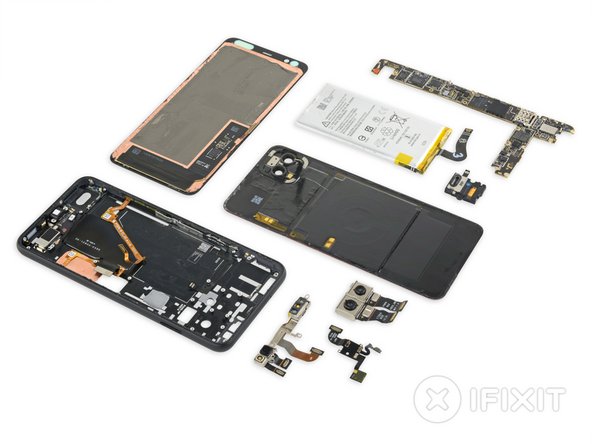
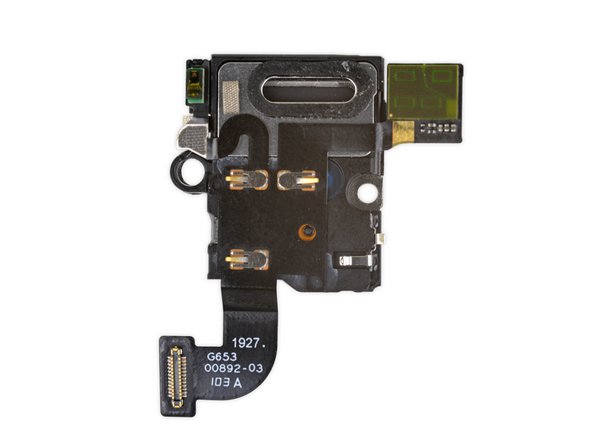
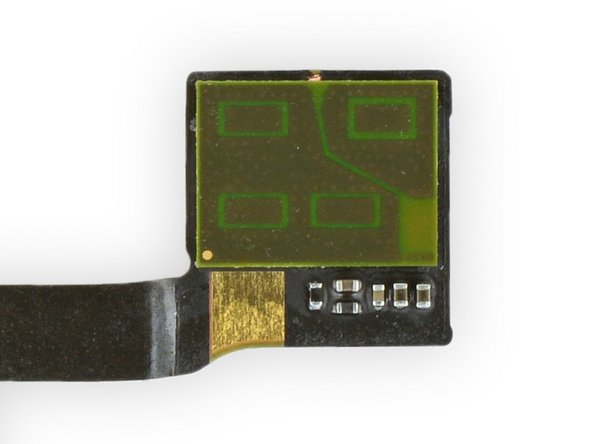
While we already know, the chunky forehead has been retained to make room for the Soli Radar Chip, recently published iFixit teardown of the Pixel 4 XL has exposed what this tiny chip actually looks like, in addition to revealing other details about its innards.
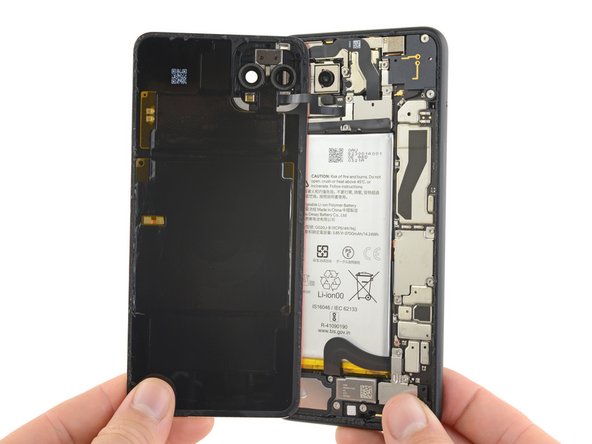
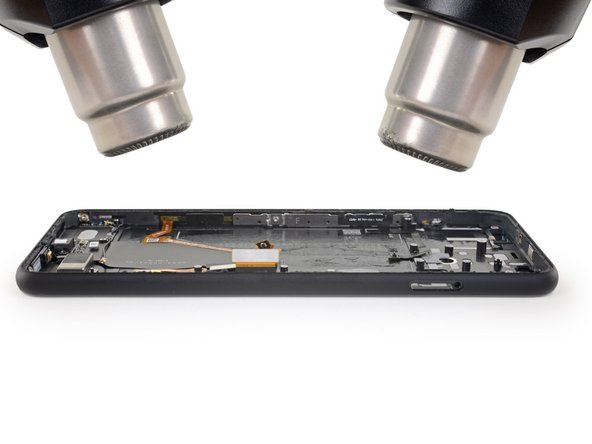
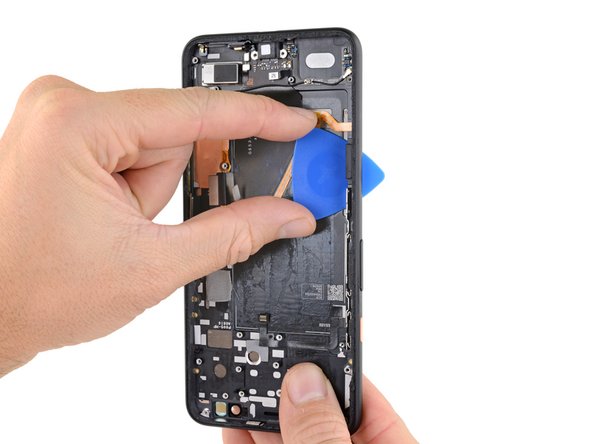
Like most modern smartphones, the rear glass panel of the Google Pixel 4 XL has been glued to the chassis with the help of strong adhesive which requires a lot of heat to pry open. New for 2019, the wireless charging coil & NFC that are stuck to the glass back, use spring contacts which makes the device a tad more repair friendly than last year.
The teardown revealed that removing the battery was fairly simple accrediting to elastic pull tabs and some IPA (Iso-Propyl Alcohol). However, below the battery is the thin flex cable for the Active Edge feature which can easily be torn if the handler is not careful.
1 of 2
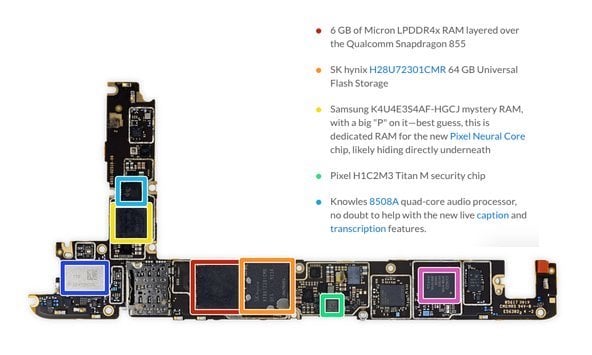
Next in the line, was the slender motherboard which is held in place via T3 Torx screws and several brackets that were carefully removed. As the images show, the 6 GB of Micron LPDDR4x RAM is placed next to the Qualcomm Snapdragon 855. On the same side of the board is Titan M security chip, Knowles 8508A quad-core audio processor, and dedicated RAM for the Pixel Neural Core chip.
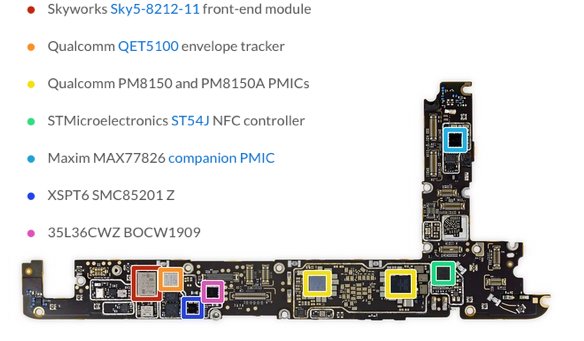
The other side of the motherboard houses other essential components like the Sky5-8212-11 front-end module, Qualcomm QET5100 envelope tracker, STMicroelectronics ST54J NFC controller and Maxim MAX77826 companion PMIC.
1 of 2
The motherboard extraction was followed by removal of a unified chunky component that features the earpiece speaker, mic, ambient light sensor, and the Soli chip which was previously mentioned.
1 of 2
All seemed fine until the next step which was dis-assembly of 90 Hz display. Like the rear panel, the display assembly has been stuck to the chassis, however, the adhesive is much stronger, therefore it is highly unlikely to take the screen apart in a single piece. Nevertheless, display panels are usually taken apart only during the replacement process in case they have broken already.
Interestingly enough, the display panel of the Google Pixel 4 XL is manufactured by none other than Samsung who also supplies panels to OnePlus but has not yet treated its own smartphone with a high refresh-rate display.
To wrap things up, iFixit experts have appreciated the use of standard T3 Torx screws across the device and east pull tabs for the battery. However, this is where the good bits end, all repairs require access through the back panel which is not the easiest to remove. Moreover, as previously mentioned, display replacement requires complete disassembly of the phone. All factors inclusive, iFixit has given the Pixel 4 XL a repairability score of just 4 out of 10.
Usually overlooked, proper task lighting is an important aspect of a room, especially the work environment. There are all sorts of task lights available on the market, but desk lamps are by far the most useful ones.
The question probably popping into your head right now would be ‘where do I get a good desk lamp that doesn’t cost a bomb?’ Well, we got your back! We will talk about the best-LED desk lamp you can get your hands on without breaking the bank in just a bit.
Xiaomi is known for offering high-end mobile devices, particularly smartphones that boast an impressive array of features, coupled with the high-end specification. The Chinese electronics giant also makes other equally top-notch smart home appliances in collaboration with Mi ecosystem companies.
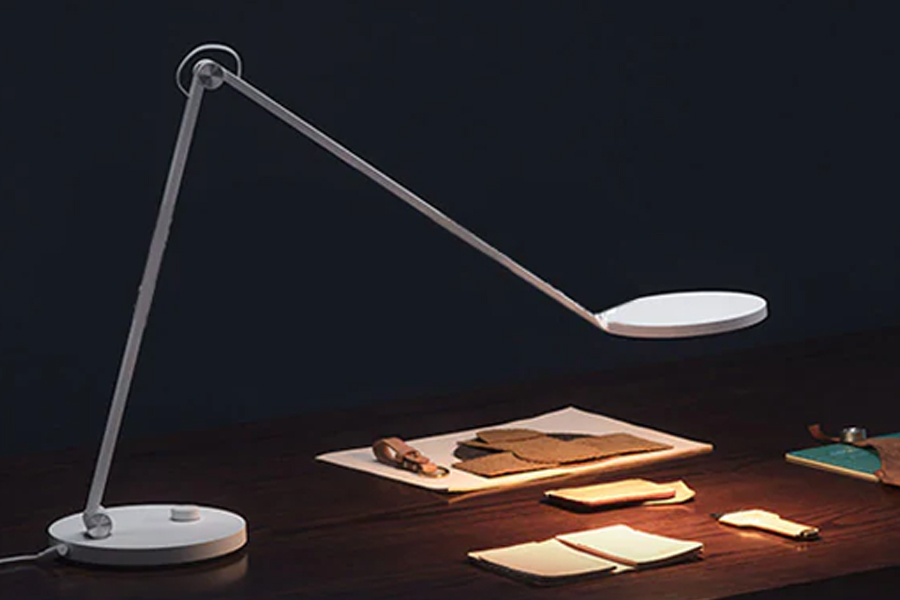
Keeping in line with that, Xiaomi teamed up with Mijia to come up with the Xiaomi Mijia MTJD02YL Portable Eye-protection LED Desk Lamp, which is exclusively designed for the home. Available in a white color option, the LED desk lamp adopts a unique design that enables you to see it at first glance.
Aside from the Xiaomi Mijia MTJD02YL offers different levels of brightness, allowing you to choose the temperature, as well as brightness level for studying, sleeping or just relaxing. Moreover, it comes with an adjustable stand for enhanced visibility and improved user experience.
A top-branded LED desk lamp, loaded with exciting features would understandably carry a steep price tag, but that’s not the case with the Xiaomi Mijia MTJD02YL Portable Eye-protection LED Desk Lamp, which can now be yours for only $89.99 through Gearbest. This is a 29 percent reduction in the device’s original selling price of $127.26. The first lucky hundred buyers will be able to get it for only $85.99.
Those still unsure about buying this Xiaomi-branded LED desk lamp might want to check out some of the awe-inspiring features it offers. First off, it uses anti-blue light technology, paired with an Imported LED eye-protection lamp bead for the safety of your loved ones.
Furthermore, the LED desk lamp comes with a high-sensitivity rotatable switch that provides an elegant control experience. Its triaxial design enables you to effortlessly adjust the light angle to meet your needs. Moreover, it is energy-saving and environmental-friendly.
To offer perfect light, the Xiaomi Mijia MTJD02YL eliminates any sort of visible ghosting, which makes it a great choice for reading. If you need more details about the LED desk lamp before placing your order, all you need to do is to follow this link without wasting time as the promo is slated to end soon.
Touted as one of the world’s leading smart lighting brands, Yeelight has an impressive portfolio of smart home lighting products including ceiling lights, desk lights, essential lightings, and ambiance lights.
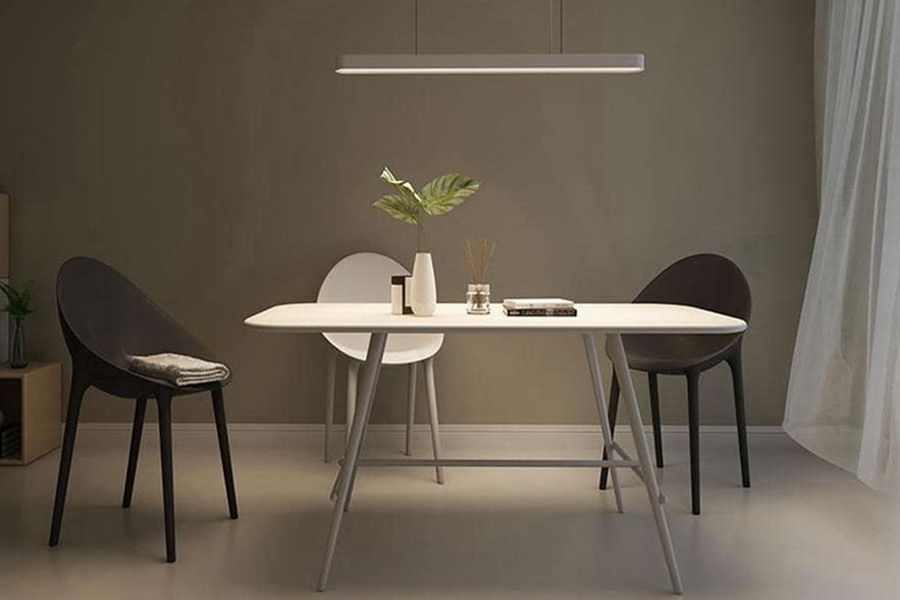
Integrating advanced technology, unparalleled designs, professional optical research into their products, Yeelight has won several awards such as the iF design award, red dot award and more. The brand promotes healthy lighting, and that is quite evident in the YIDL01YL LED Smart Pendant Light, which is the product GeekBuying is currently offering for a lowered price.
The Yeelight YIDL01YL is housed in a carefully designed optical structure. The device uses the side-lighting technology to allow 280 light bulbs to pass through the plate that transmits the light and is then activated by the diffusing plate to form a uniform light-emitting effect. This ensures the light is transparent, just like natural light.
Other features include a step-less adjustment, voice and APP control, IP50 level of protection that makes it dustproof, mosquito proof and even avoids the pollution inside the lamp body. With CRI up to Ra95, the chandelier efficiently makes the room bright, showing the original color of every object.
Yeelight LED chandelier employs 280 high-quality LED lamp beads, offering a color rendering index of up to 95, which retains the original colors of the illuminated object and gets rid of the color rendering index. It has a low impact on your vision but makes the table more colorful for you to have a superior dining experience.
Sporting an exclusive patented design, the top of the chandelier features a colorful atmosphere lighting, using 141 lenses, a 60-degrees luminous angle for creating a transparent, and uniform atmosphere. Furthermore, it supports a color temperature of 2700K to 6500K.
The irresistible YIDL01YL LED Smart Pendant Light would normally set you back $113.99 and the aforesaid features completely justify this price tag, but GeekBuying is giving you a chance to buy it for a lowered price of only $86.99. On top of that, if this is your first order with Banggood, you can use the 2% Off New User Coupon and save more money.
The rest of the consumers can take advantage of the coupon code GKB02PP for an extra $2 off. In other words, you can bring the already lowered asking price of the YIDL01YL LED Smart Pendant Light further down to just $84.99 simply by applying the above-mentioned coupon during the checkout process.
To get this discount and use the coupon code before it expires; just follow this link without wasting time. Note that the promotion sale is slated to end in just 22 days.
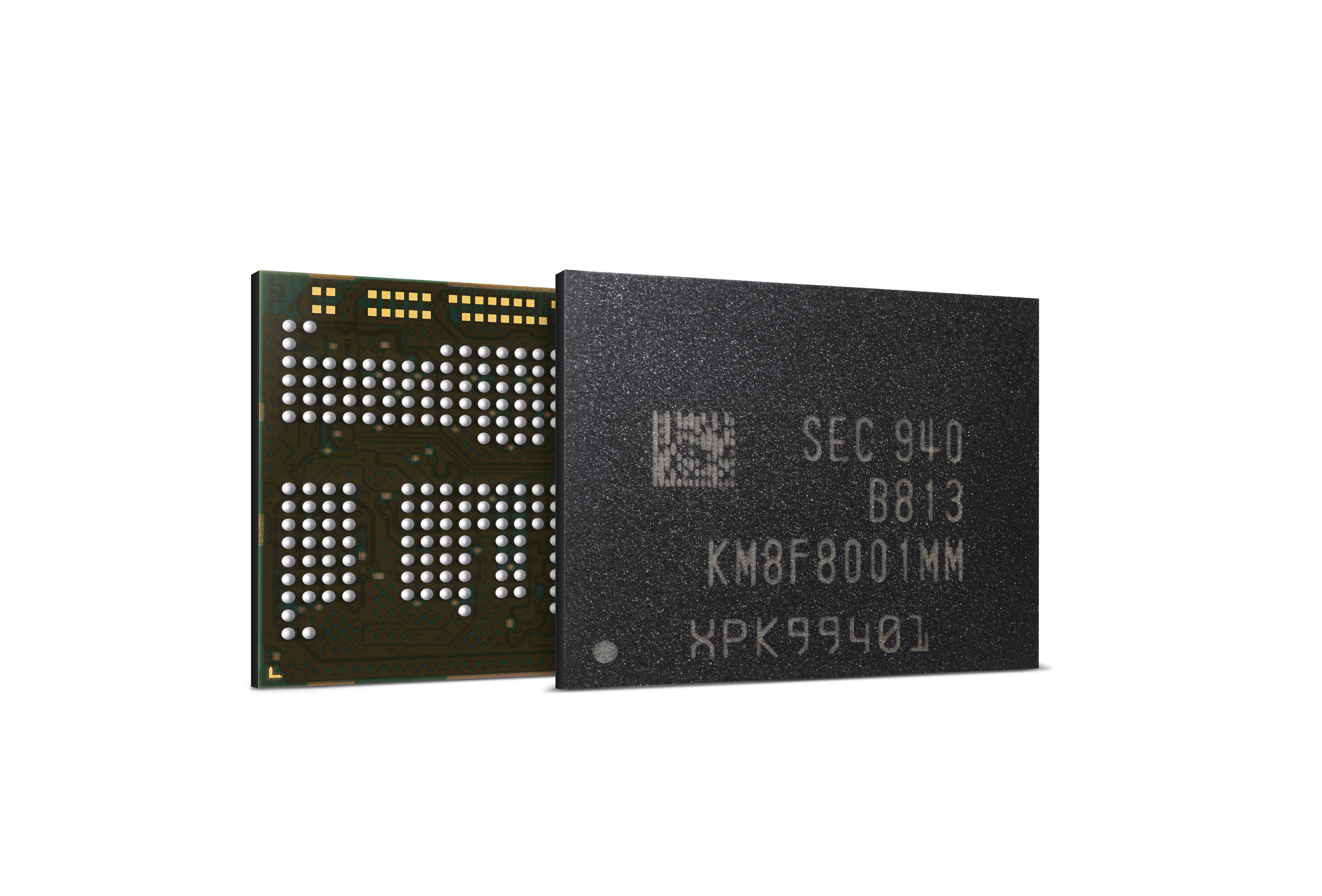
Samsung Electronics has officially begun mass producing the world’s first 12GB double-data UFS multi-chip package. The uMCP (Multi-Chip Package) combines UFS 3.0 storage with 12GB of LPDDRX4 RAM, and will power its mid-range smartphones from 2020. The announcement was made at Samsung’s annual Tech Day event at their Device Solutions headquarters in San Jose, California.
The new combo features the four 24-gigabit RAM chips built using the 1y process. 1y is Samsung’s acronym for the second generation chipsets designed on the upgraded 10nm platform. What other manufacturers are calling the 10nm+ architecture, Samsung is calling the 1y. The LPDDRX4 RAM has been tested to reach speeds of up to 4,266Mbps. The chaebol unveiled its first batch of 12GB modules back in March 2019. However, they were based on the smaller 16-gigabit RAM chips. The latest batch is based on four 24-gigabit chips instead.
Since Samsung is offering this technology to mid-range smartphones too, they have created an alternate device with 10GB of RAM, combining two 24-gigabit chips and two 16-gigabit chips. It is always interesting to see such innovations from the larger players. Since that opens up new opportunities for the smaller players to try something similar. Not to mention, the competition is also forced to try and up their game. After all, no manufacturer to date has offered a mid-ranger with 12GB of RAM. Such a healthy competition is always good for consumers.
Samsung is yet to officially announce the specifications of the UFS 3.0 storage. Although, they should launch a few variants based on multiple storage capacities. It is safe to assume that more players will offer 10GB and 12GB of RAM on their mid-range smartphones once Samsung has made their foray. Even though the 12GB of RAM on an Android device is an overkill, people’s needs have been evolving constantly. With mobile gaming taking the world by storm within the past two years, consumers can expect even better hardware on smartphones soon.
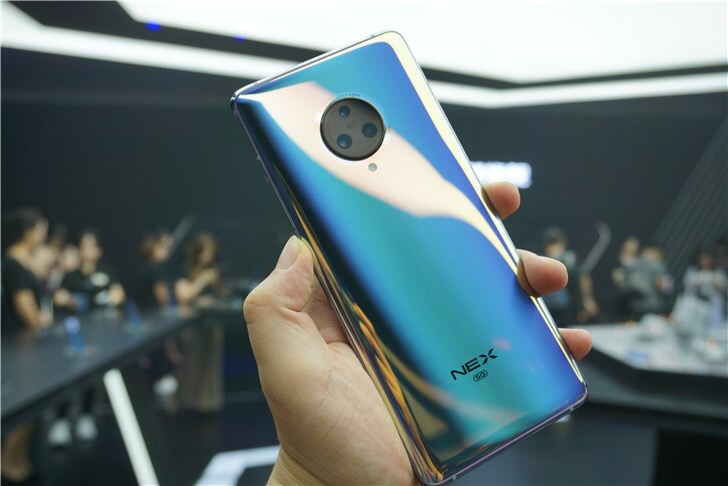
Last month, Vivo launched its flagship smartphone — Vivo NEX 3 5G and today, the smartphone has made its way to Taiwan. The launch of this new Vivo NEX 3 5G smartphone in Taiwan comes just as the 5G service rollout has begun in the region.
Interestingly, the company has not increased the pricing for the 5G variant and is selling the smartphone at the same price of the 4G model. Apparently, the company decided not to increase price for the 5G model to meet the customers’ expectations.
In China, the Vivo NEX 3 5G smartphone with 8GB RAM and 256GB storage is priced at ¥5698 (~$806) while the 12GB RAM and 256GB storage version costs ¥6198 (~$877). Both the variants are on sale in the country.
The Vivo NEX 3 5G comes with a Waterfall Display design which curves right into the area where you will usually find the power and volume control buttons. As a replacement for the removal of the buttons, Vivo has included a pressure-sensitive sensor and X-axis motor in the side of the phone.
The smartphone has a 6.89-inch Super AMOLED display with 2256 x 1080 pixels screen resolution that offers 93.6 percent screen-to-body ratio. There is no notch and neither is there a punch hole. Instead, there is a pop-up selfie camera with its own LED flash that slides out from the middle part of the top side of the frame.
It is powered by the Qualcomm Snapdragon 855 Plus octa-core processor and comes packed with 8GB and 12GB RAM models along with 256GB UFS 3.0 internal storage. The handset comes with a 16MP f/2.09 front-facing camera.
On the back side, there’s a 64MP f/1.8 main camera paired with a 13MP f/2.2 ultrawide angle camera and a 13MP f/2.48 telephoto camera. Connectivity options on the device include NFC, Dual-SIM, Dual-VoLTE, Bluetooth 5.0, 2.4GHz, 5GHz, and 5.8GHz WiFi.
It also has an audio jack at the top, an AK4377 HiFi audio chip, liquid cooling, and 4D game shock. The smartphone runs FunTouch OS 9.1 based on Android 9 Pie operating system and is powered by a 4500mAh battery with support for 44W Superfast Flash Charge.
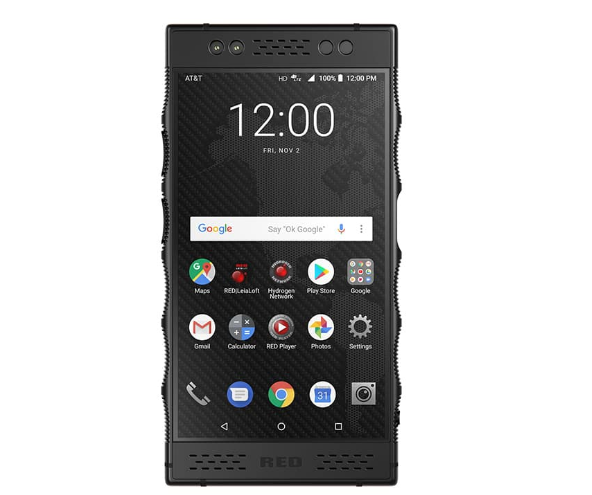
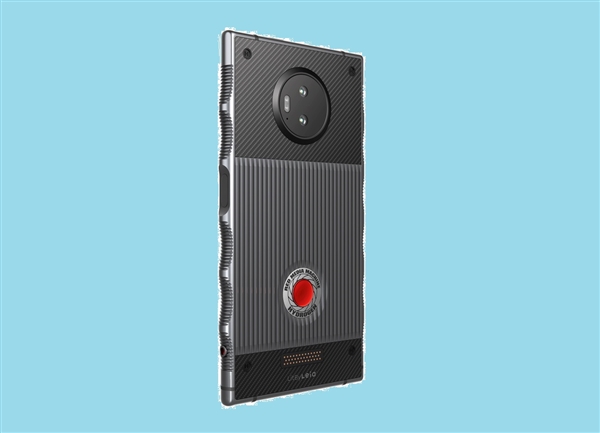
Jim Jannard, the founder of RED Digital Cinema has announced that the Hydrogen One project is being shut down because of his retirement which is due to “a few health issues.”. The project first came to life in the year 2017, when the company’s first handset, RED Hydrogen One concept was announced.
At that time, the company promised to deliver a handset that would bring several industry-first features like a “holographic display“, high-end camera system and support for modular accessories. Sadly, the device when turned into a reality in 2018, was nowhere near the promises and hype that RED had established.
The RED Hydrogen One, at the time of launch, carried a price tag of $ 1295 and it simply could not compete with other flagship smartphones that were priced likewise. Talking about its shortcomings, the holographic display technology was not polished enough and was not ready for the end consumers. It featured the Snapdragon 835 SoC which was Qualcomm’s flagship chip from a year before and it had chunky bezels on both the top and bottom of the display which didn’t either help in making it more appealing.
RED affirmed that it had learned from its mistakes and the second-gen smartphone would be designed in-house rather than being made from off the shelf parts by a Chinese ODM. Moreover, its highlighting feature, the camera setup was promoted to be tuned by the company’s engineers at the camera division. After all, following the announcement, we won’t be seeing this second-gen smartphone from RED.
While the first handset is now being sold for $645 which is about 50 % lower than its original price, the company’s ex-CEO has announced existing device owners won’t be abandoned and the RED Hydrogen One will continue to be supported in the future.
Besides, he has teased RED’s upcoming camera, the Komodo 6K which will supposedly work with the smartphone in some manner. After his departure, the company will be led by Jarred Land (RED’s current president), Tommy Rios (RED’s executive vice president) and Jamin Jannard (RED’s president of marketing and creative).
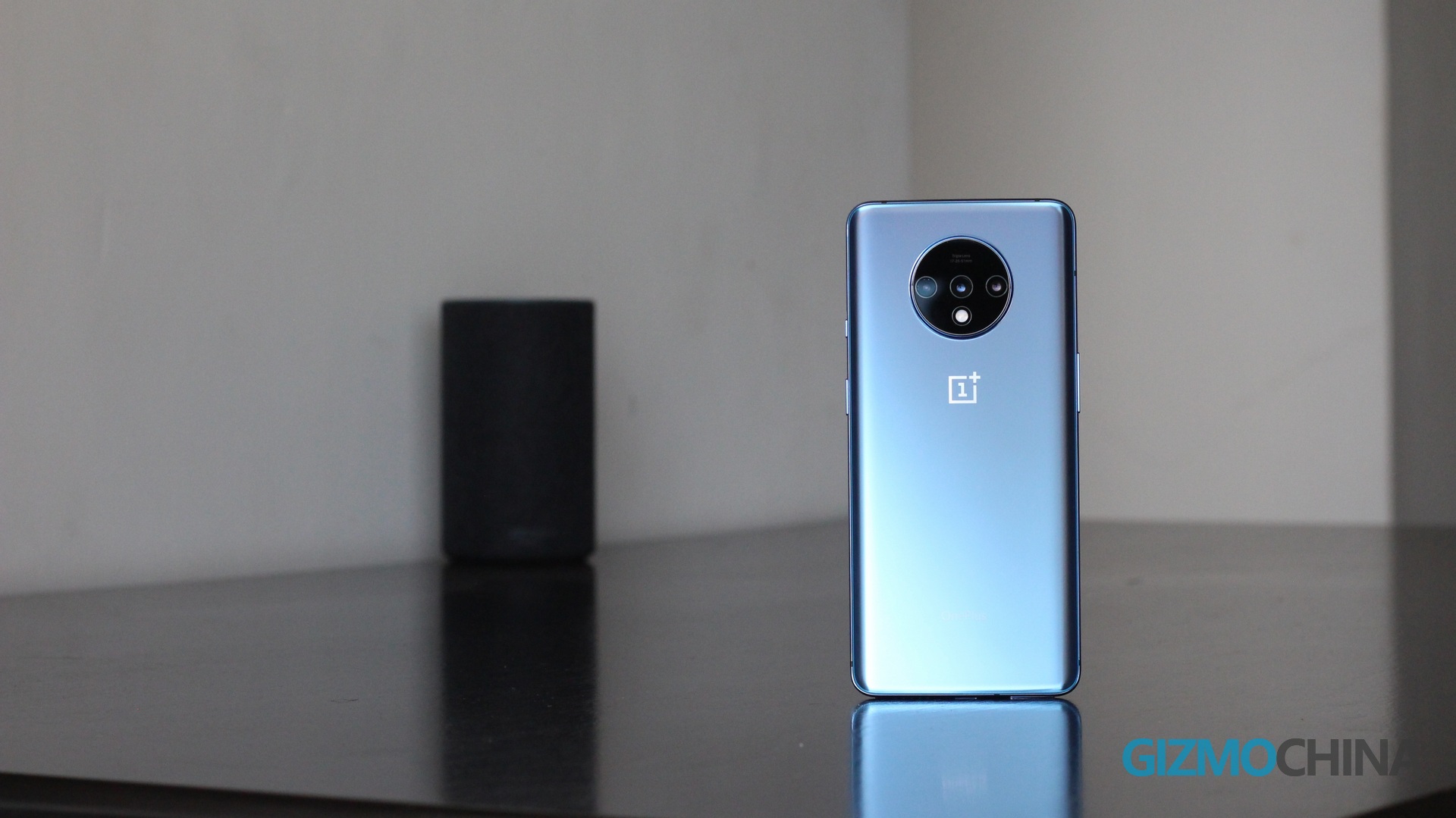
OnePlus recently launched its second flagship smartphone of the year under its T-lineup, dubbed OnePlus 7T. Now, in a teardown video coming from JerryRigEverything, some interesting details have been revealed.
It shows that when the smartphone is opened, the ribbon connection of the components with the motherboard are surrounded by a red-colored rubber gasket. This basically makes the smartphone water-resistant.
This is interesting that the smartphone doesn’t come with a certification that claims that the device is waterproof. However, it has everything to make the smartphone water resistant, except for the IP ratings for certification.
The OnePlus 7T also comes with dual speakers at the top. Sometimes, when manufacturers claim stereo speakers, they just bump up the volume for the earpiece — Samsung and Apple both have done this. However, OnePlus is actually using two speakers when it is claiming stereo speakers. This brings the total speaker count on the smartphone to three.
Coming to the specifications of the OnePls 7T features a 6.55-inch 90Hz Fluid AMOLED Display with HDR10+, 2400 x 1080 pixels screen resolution, and 3D Corning Gorilla Glass on top for protection.
Under the hood, the device is powered by Qualcomm Snapdragon 855 Plus processor and is paired with 8GB of RAM and 128GB or 256GB of UFS 3.0 2-lane storage. As expected, there is no support for storage expansion.
It has a triple rear camera setup that consists of a 48MP f/1.6 Sony IMX586 with OIS and EIS and a 7P lens paired with a 12MP f/2.2 telephoto lens and a 117° and a 16MP f/2.2 ultrawide angle lens. On the front side, it comes with a 16MP snapper for taking selfies.
Other features on the device include in-display fingerprint scanner, Face Unlock, NFC, Bluetooth 5.0, a vibration motor with an advanced haptic engine, and stereo speakers with Dolby Atmos. Running on OxygenOS based on Android 10, the smartphone is powered by a 3800mAh battery and brings Warp Charge 30T fast-charging technology.
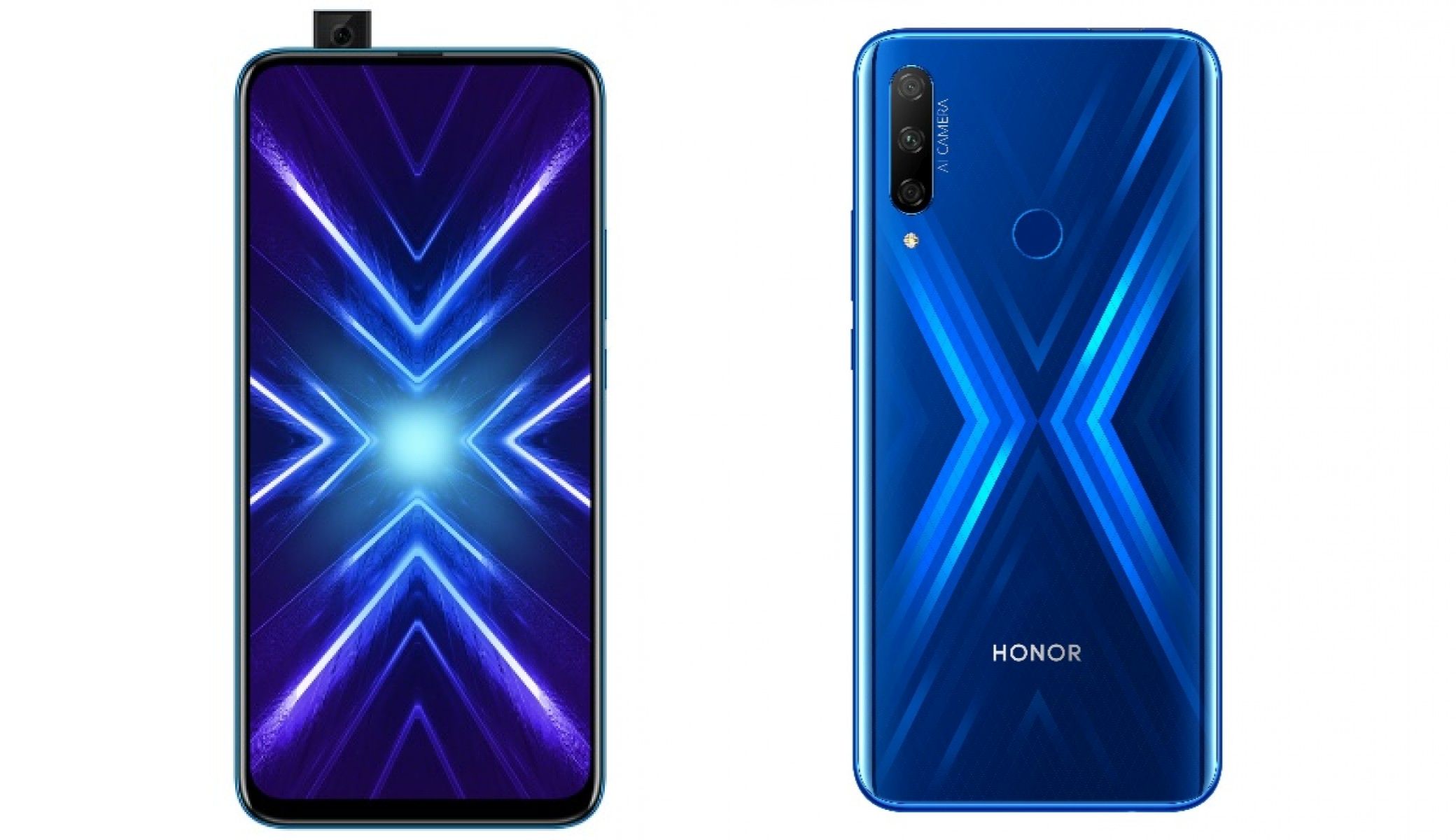
Honor has just confirmed that the Honor 9X will arrive in Europe shortly. The smartphone launched in China back in July 2019. The Honor 9X is perhaps the last Google-supported device from the Chinese tech giants before the US Trade Ban took effect. The smartphone uses the Android OS and offers a full suite of Google’s interactive and support services. However, the breaking news is that the international model has some differences as compared to its Chinese version. The device is powered by a different processor and flaunts a 48-megapixel primary camera. The global variant of the Honor 9X borrows the specifications of the Chinese Honor 9X Pro but drops the ‘Pro’ badging.
Honor 9X (International Edition) Specifications and Features
The Honor 9X flaunts a 6.59-inch IPS LCD notch-less screen with a resolution of 2340 x 1080 pixels and an aspect ratio of 19.5:9. The device draws power from a Kirin 710F SoC instead of Kirin 810 and is available with 4 GB of RAM and 64 GB of native storage. Honor also plans to launch the 6GB + 128GB variant in certain markets. Both devices feature expandable storage up to 512GB with a microSD card.
The Honor 9X features a triple camera layout at the back. The primary unit is a 48-megapixel primary camera with an aperture rating of f/1.8. Although it can record videos at 1080 pixels, the AI video stabilization stops working beyond 720p. The second camera uses an 8-megapixel ultrawide sensor for a 120-degree field-of-view. The third lens is a 2-megapixel depth sensor. The front camera is a 16-megapixel pop-up unit.
The Honor 9X draws power from a 4,000 mAh battery with 10W charging. This is not a problem since Honor has kept the 3.5mm AUX port. Users can listen to music while recharging their smartphones. The smartphone runs on the Android 9.0 Pie-based EMUI 9.1. The device supports the Google Play Store and Google Play Services. Connectivity options include dual-SIM 4G VoLTE, Bluetooth v5.0, Wi-Fi 802.11 a/b/g/n/ac, GPS and A-GPS. and supports face unlock. Honor offers the GPU Turbo 3.0 boost that promises to smooth out the 9X’s performance during gaming. The other change on the international variant is the presence of a rear-facing fingerprint scanner. The Chinese model has a side-mounted fingerprint reader.
The Honor 9X features holographic X pattern that appears on the rear panel. The design moves around forming rhombic patterns as light is reflected off of its surface. Honor calls this change in color patterns their ‘halo gradient’. The Honor 9X international edition will be available in the existing color options, namely Sapphire Blue and Midnight Black. Expect the smartphone to be priced around 350 euros (~$388). Honor is yet to officially announce the pricing and launch date of the international edition.
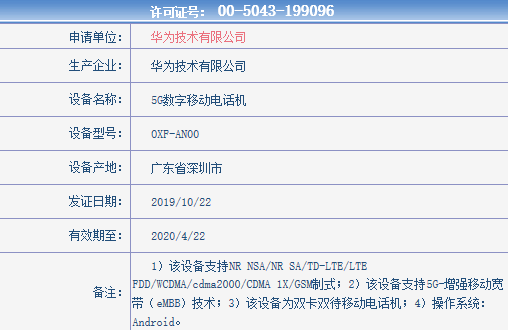
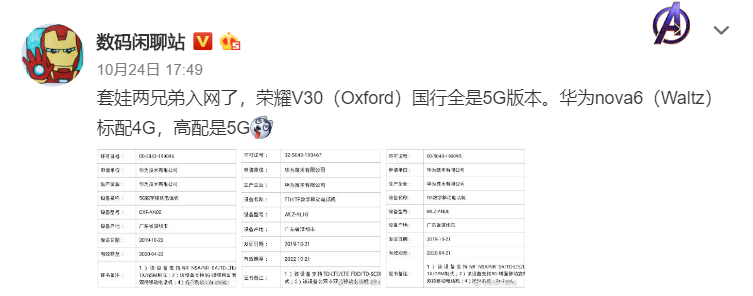
Huawei Technologies, the China-based smartphone maker has filed application with the Ministry of Industry Certification for its two new smartphones having model numbers WLZ-AN00 and OXF-AN00.
Some reports from the Chinese market claims that the smartphone with model number WLZ-AN00 is the Huawei Nova 6 while the one carrying model number OXF-AN00 is the Honor V30. Both the smartphone are said to have similar design.
Among the two smartphones, nothing is known about the Huawei Nova 6. However, the Honor V30 smartphone has already been confirmed by the company and will get launched next month.
Honor President Zhao Ming confirmed in a recent interview with Chinese media that the smartphone will come with support for both Non-Stand Alone (NSA) and Stand Alone (SA) modes for 5G, essentially future-proofing the device.
The phone is expected to come in two variants — Honor V30 and Honor V30 Pro and both of them will feature punch-hole display for housing the front-facing cameras, with the Pro model reportedly getting dual front-facing shooters.
As for the rear camera, it is being said that the camera setup will be quite powerful. The Honor V30 should come with a 60MP primary sensor with 16MP super wide-angle shooter, a 2MP macro lens, and a ToF camera completing the quad-camera setup.
The Pro version, on the other hand, will have a 60MP primary shooter, but adds an 8MP telephoto camera instead of a macro lens, and upgrades the wide-angle shooter to 20MP. The phone will also have a ToF camera sensor.
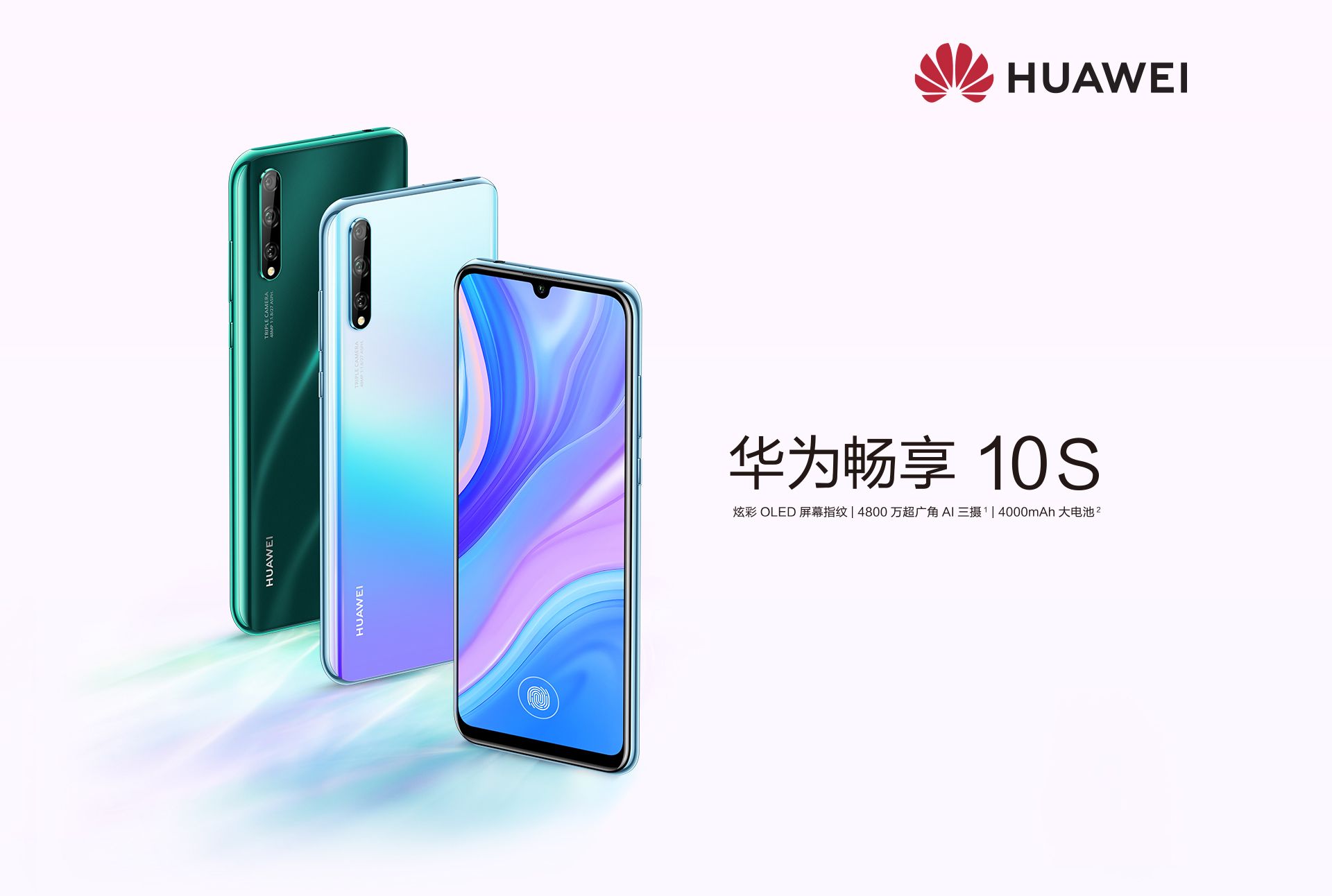
Huawei is already selling the Huawei Enjoy 10 and Enjoy 10 Plus smartphones in China. Now, it has an introduced another Enjoy series phone called Enjoy 10s. Priced at 1,599 Yuan (~$226), the Enjoy 10s comes with a different display design and borrows some of its specs from the Enjoy 10 and 10 Plus smartphones. The Enjoy 10s is a rebranded version of the Honor 20 Lite that had gone official earlier this week.
Huawei Enjoy 10s Specifications and Features
Housed in a body that measures 157.4 x 73.2 x 7.75mm, the Huawei Enjoy 10s is equipped with a 6.3-inch OLED display with waterdrop notch. It offers 20:9 aspect ratio and full HD+ resolution of 1080 x 2400 pixels. The Enjoy 10s has an in-display fingerprint scanner. In comparison, the Enjoy 10 has a 6.39-inch IPS LCD display with punch-hole design and it lacks a fingerprint scanner and the Enjoy 10 Plus with notch-less display and pop-up selfie camera has a rear-mounted fingerprint scanner.
Like the Enjoy 10 and 10 Plus, the Enjoy 10s also features the Kirin 710F chipset. It comes in a single variant that features 6 GB of RAM and 64 GB of native storage. The Android 9 Pie OS customized with EMUI 9.1.1 skin is loaded on the device. A microSD card slot is onboard for expanding its storage.
The rear shell of the Huawei Enjoy 10s has a triple camera system with a 48-megapixel main lens with f/1.8 aperture, an 8-megapixel ultrawide shooter with f/2.4 aperture and a 2-megapixel f/2.4 aperture lens. The front notch of the phone is equipped with an f/2.0 aperture 16-megapixel selfie camera. For connectivity, the Enjoy 10s features options like dual SIM support, 4G VoLTE, Wi-Fi 802.11 b/g/n/ac, Bluetooth 5.0, GPS, USB-C and 3.5mm audio jack. Its 4,000mAh battery is equipped with 10W charging support.
Huawei Enjoy 10s Price and Availability
The Enjoy 10s is priced at 1,599 Yuan (~$226). It comes in colors like Magic Night Black, Emerald Green and Realm of the Sky. The handset is now up for reservations through Vmall. Its shipping will begin on Nov. 12. The Enjoy 10 is priced between 1,199 (~$170) and 1,399 Yuan (~$198) whereas the Enjoy 10 Plus costs between 1,499 Yuan (~$212) and 2,099 Yuan (~$297).
Are you still unsure about what to gift your loved ones this Diwali season? Our list of best smart home gifts will surely help you to surprise your friends and family. We have handpicked the best smart home products which will look beautiful and useful in any part of the house.
Smart products are thriving in the market as it automates almost everything in your day to day life. Several AI-based assistants like Amazon Alexa and Google Assitant are finer examples of automation in today’s smart world. These voice assistants help to automate tasks using voice and enable cross-compatibility across all major operating system. Devices like headphones, car dash cams, house locking systems, smart lights, fans, bulbs, etc are connected with each other under IoT.
Smartness is the need of an hour, and these gifts are all perfect for your near and dear ones this Diwali. So let’s find what are the best smart home devices that can be gifted on this auspicious occasion.
Smart AI Voice Assistants and Speakers
Google Home / Mini / Nest Hub
Google’s smart speakers are boon for the users as it supports voice in various languages and accents. The Google Home Products fleet includes Google Home, Google Home Mini with a smaller size and Nest Hub with a display.
All the Google Home devices carry capabilities to play music, organize events, calendars, remember passwords, control smart devices and a lot more. Being an assistant it can take care of your daily commute and routines. It can easily control your home with voice, provides hands-free entertainment, personalized information by distinguishing your voice.
The user can even play games, listen to fun facts and stories to lighten the mood. It works with most of all the smart home products from Philips, TP-Link, D-Link, and others. It can stream songs and video content from Netflix, Saavn, Spotify, YouTube, etc.
The beautifully designed Google Home products are perfect for anyone. The products can be purchased from either Flipkart or some offline retailers like Croma in India.
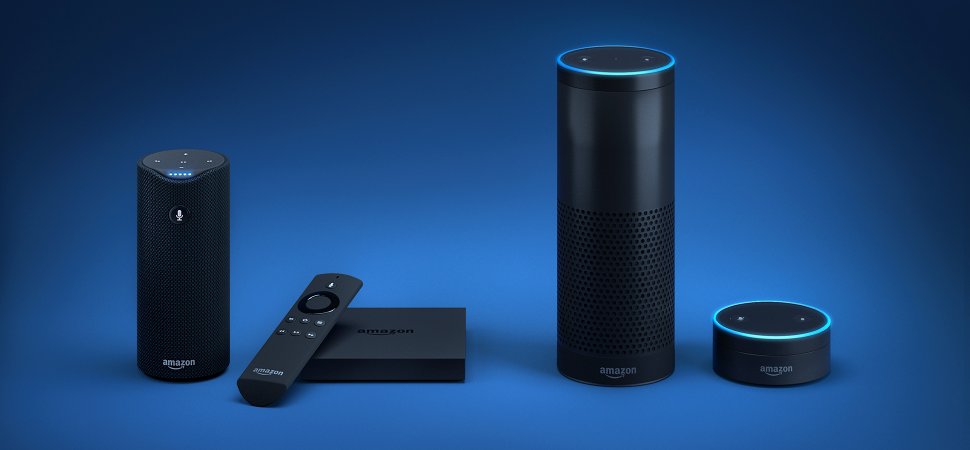
How can we forget about the Google Home’s biggest competitor – Amazon Echo? Like Google Home, the Amazon Echo product line includes various different products like Echo Dot, Echo Show, Echo Plus and Echo Input. These Echo devices carry different hardware specifications but host the same software.
The Amazon Echo Dot and Echo Plus are the most popular smart speakers. It is designed in a way to make the sound louder, richer and pleasant to hear. Apart from playing music, it allows the user to control music, routines, and smart devices, all via voice commands. It can seamlessly connect to smart devices from Philips, Wipro, TP-Link, and others.
The Amazon Echo Show features a 5.5-inch display to provide full entertainment with rich sound and display. It can easily cast video and music entertainment from Amazon Prime and other music or video streaming services. Like the Amazon Echo Dot and Plus, it also takes control of your busy life by settings reminders and timers. The video calling feature is limited to the Amazon Echo Show only.
However, the Echo Input allows you to upgrade your non-smart speaker to smart speakers. The user just needs to input a 3.5mm audio cable to the Echo Input port.
It is a beautiful smart light compatible with voice commands via Google Assistant and Amazon Echo. It supports the color gamut of 16 million colors with the brightness of up to 9000 lumens. Philips Hue provides all colors from 3000 Kelvin to 6500 Kelvin.
It works with a dedicated hub Philips Hue comes in different bundles as follows.
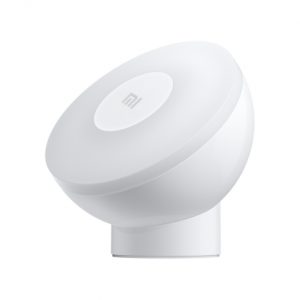
It is a small but nifty little three AA battery supported smart light which will automatically turn on if any motion is detected. Mi Motion Activated Night Light is very useful for elderly people who often find it difficult to roam freely without proper laughing in the night.
It is another smart accessory that everyone would love to own. It will be helpful to save on energy bills by automatically power cut off when any appliance is not in use for longer period.
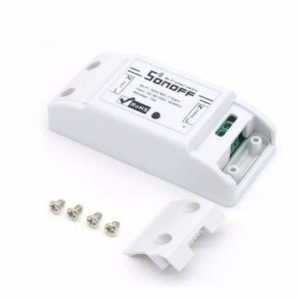
Sonoff Smart WiFi Switch
It is compatible with Alexa and Google Home. The user can easily attach heavy-duty electrical equipment up to 2200 Watts. It is available in three different capacities – 2200 Watts, 2500×3 Channel and 4000 Watts for AC. The Switch can be either controlled via eWeLink Android App or via voice control with Amazon Alexa, Google Home.
It is a useful switch and your loved ones will surely love this Smart Switch.
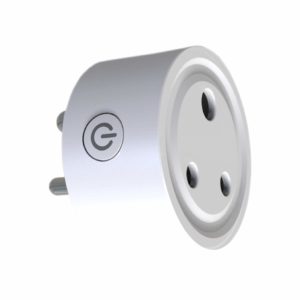
Like Sonoff, it can also be controlled remotely from any corner throughout the world. It does not need any bridge or companion to make it work. A simple 2.4Ghz WiFi can easily create magic. It supports scheduling to save power bills. It can be connected with any smartphone on iOS or Android with an easy-to-use “SmartLife” app. Amazon Alexa and Google Assitant’s voice control is also available.
The user can connect multiple devices without any issue up to 2200 Watts capacity.
It is October and Air is getting unbreathable in North India. The new Mi Air Purifier 2C can be the best companion for anyone’s family. It is fully automated via Mi Home App. The user can also control its functioning via voice control over Alexa and Google Home.
It comprises dual filtration technology with 99.7% efficiency. The beautifully designed 360-degree air intake makes it more efficient. You can get realtime air quality indicators directly on your phone.
It has become necessary for everyone to secure your house and its surroundings. There can’t be anything more useful than a Smart Security camera. The Mi Home Security Camera is capable to record 360-degree 1080p video. It is the best camera anyone can pick.
About two weeks ago, OnePlus released OxygenOS open beta 3 for the OnePlus 7 and OnePlus 7 Pro. Now, it has announced open beta 4 of OxygenOS which fixes several bugs and further optimises the performance on the two handsets. Noteworthy, while update package for the OnePlus 7 Pro is available to download now, the update for the OnePlus 7 will be available starting next week.
The full changelog as shared on the OnePlus forum is as follows:
System
Fixed the screen flashing issue with setup while adding the fingerprint
Fixed the issue of the accidental muting of a vehicle navigation system with a Bluetooth connection
Fixed the disabling of mobile data after an upgrade
Optimized visual effects of the permission’s pop-up window
Optimized the black and white screen issues with some apps
Improved system stability and fixed other known issues
Phone
Added the “Raise to lower the ringtone” feature in Sounds & Vibration for incoming calls
Enabled efficient addition of unknown numbers to contacts
Optimized the description for the features
Expanded the dial pad area to avoid mis-touches
Messages
Optimized the message sorting feature by verification code
Calculator
Optimized UI and interactive experience
OnePlus Switch
Supported transfer of iPhone data through iCloud
Weather
Added The Weather Channel as a data source for accurate weather data
Google recently launched its flagship smartphones in the Pixel 4 series which offers 90Hz refresh rate for the display. However, an issue has been detected with that feature and its competitor OnePlus decided to troll the company for that.
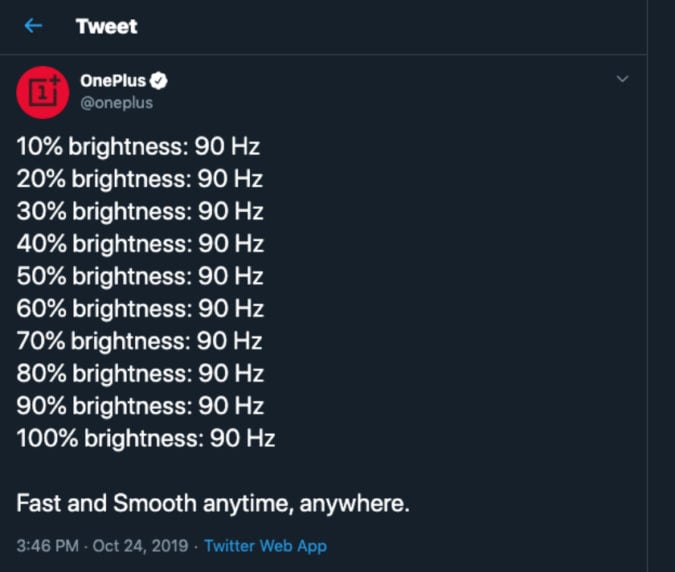
OnePlus UK posted a tweet shown below which is mocking the company related to the issue with the 90Hz refresh rate. In the newly launched Pixel 4 series, the 90Hz refresh rate works only if the phone’s brightness is 75 percent or more. If the brightness drops below that, the refresh rate also drops to 60Hz.
The company further added that its 90Hz display phones are “fast and smooth anytime, anywhere.” The tweet shows that even at various brightness levels, OnePlus phone maintain a consistent 90Hz refresh rate.
However, the company deleted the tweet soon after posting it but many have grabbed a screenshot of the same. While its not known why OnePlus UK deleted the tweet, there are some theories.
Yes, it’s true that the refresh rate on the OnePlus smartphones doesn’t drop based on the screen brightness level. But not all apps support 90Hz refresh rates and hence there are things the user may be seeing in 60Hz on the OnePlus 7 Pro, 7T, or 7T Pro.
Also, the smartphone doesn’t technically run at 90Hz “anytime, anywhere”, as claimed. The company had earlier suggested that it doesn’t recommend forcing 90Hz refresh rate given that it could drain the battery faster.
So, the tweet could have been taken down to keep itself away from the controversies with the 90Hz refresh rate or there’s also a possibility that the company realised that it’s not cool to throw shade at another company.
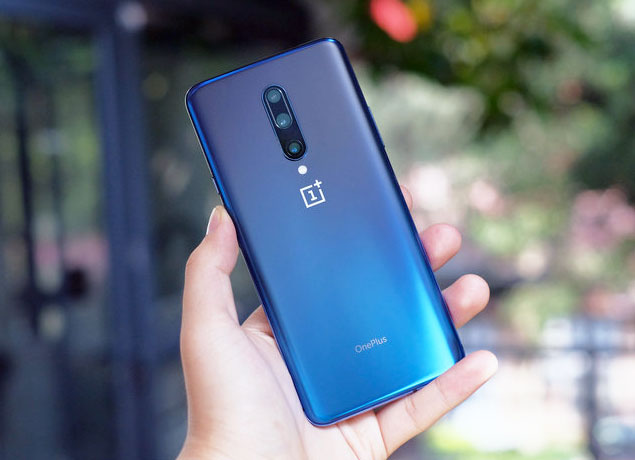
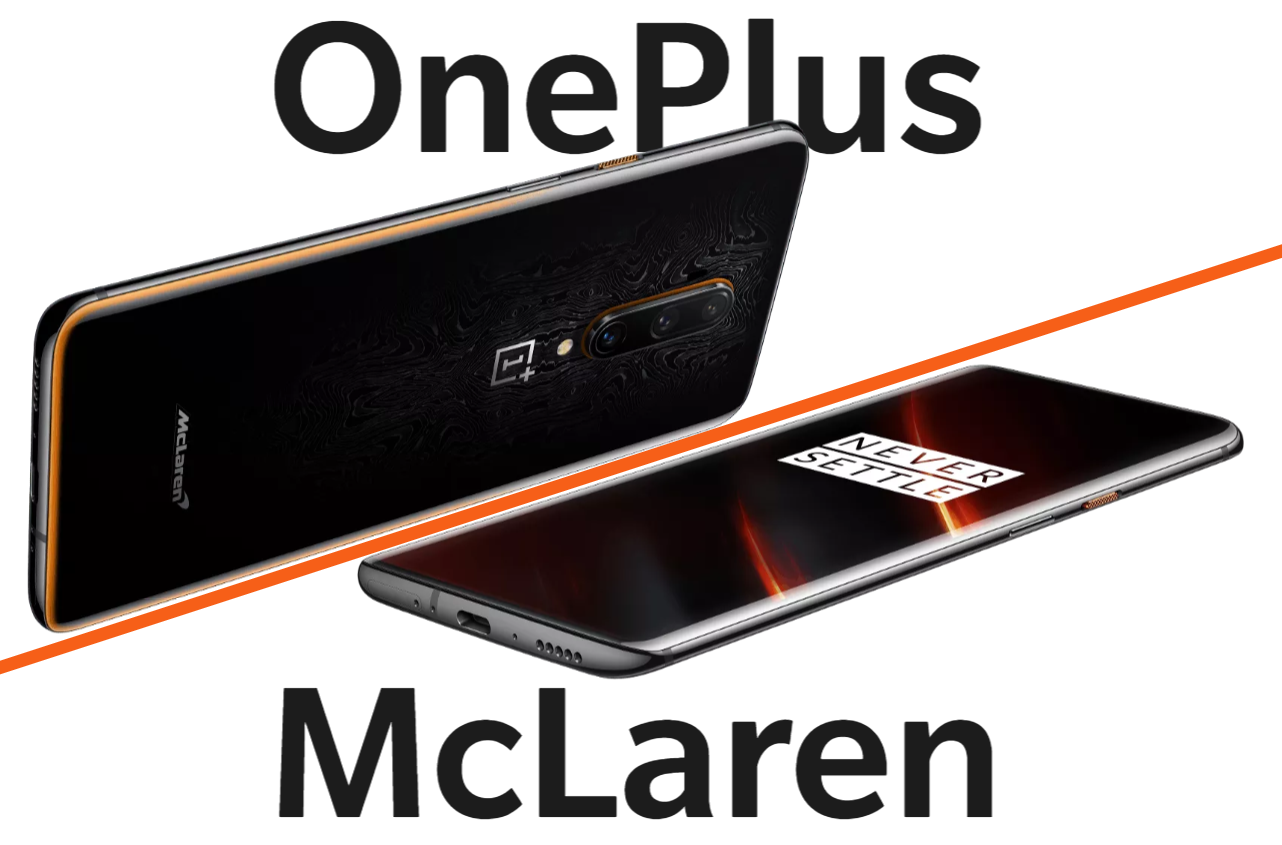
At 12:00 PM in India, OnePlus 7T Pro McLaren Edition will be made available for purchase for the first time. The McLaren Edition will be coming to Europe and China on Nov. 5. Hence, India will be the first country to receive the special edition OnePlus 7T Pro smartphone. Today, the Chinese firm will be carrying out the flash sale of the deice by making it available for purchase only for 70 minutes.
The OnePlus 7T Pro McLaren Edition will be available through Amazon India and OnePlus.in online store today. The handset is priced at Rs. 58,999 (~$831), making it the most expensive OnePlus smartphone. Buyers with Axis Bank and Citibank cards can take advantage of 10 percent discount and EMI transactions. Customers can avail it through no cost EMI plans for up to 12 months. All Rupay banking card folders can avail a 10 percent instant discount of up to Rs. 400. The open sale of the OnePlus 7T Pro McLaren Edition will be held in India on Nov. 5.
The OnePlus 7T Pro McLaren Edition does not appear very different from the OnePlus 7T Pro, but comes with a unique finishing. The rear side of the phone bears a papaya orange accent around its edges. The orange accent can be seen on the Alert Slider and the camera housing on the rear. The area around the rear cameras of the phone is inspired from Carbon TPT material found in McLaren’s Speedtail. An additional McLaren logo can be also found on the rear side of the device.
The OnePlus 7T Pro McLaren Edition comes with a special protective case made from carbon fiber material. The device ships with McLaren UI theme that tags along custom-made wallpapers, animations, AOD clock, a new animation for fingerprint unlocking and a horizontal light effect for notifications.
The OnePlus 7T Pro McLaren Edition has a 6.67-inch notch-less AMOLED display with quad HD+ resolution an in-screen fingerprint reader. The Snapdragon 855+ fuels the phone with 12 GB of RAM. It comes with UFS 3.0 256 GB of internal storage. The rear shell of the device features 48-megapixel (Sony IMX586) + 16-mgeapixel (ultrawide) + 8-megapixel (telephoto) triple camera system. It has a pop-up selfie snapper of 16-megapixel. The device is equipped with 4,085mAh battery with 30W Warp Charge 30T fast charging technology. The Android 10 OS runs on device along with OxygenOS 10.0.1.
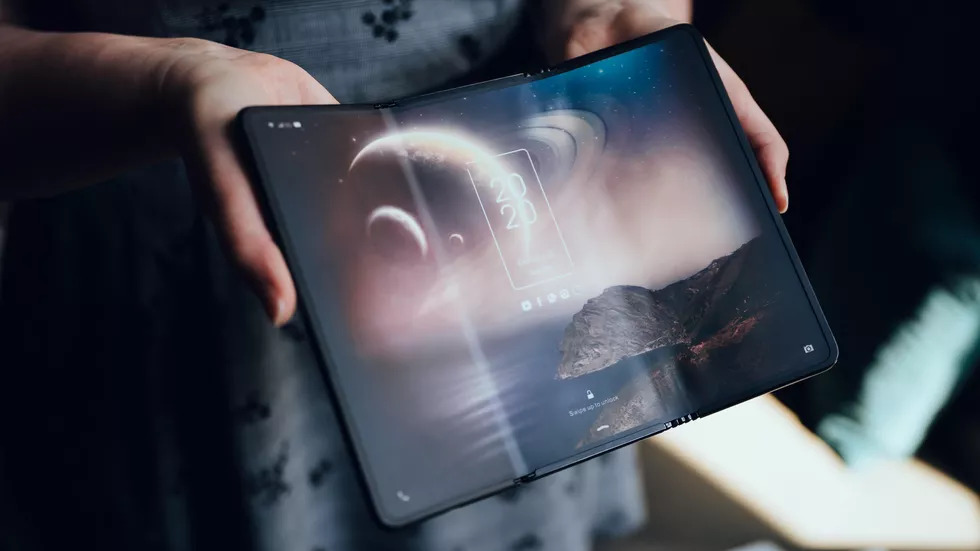
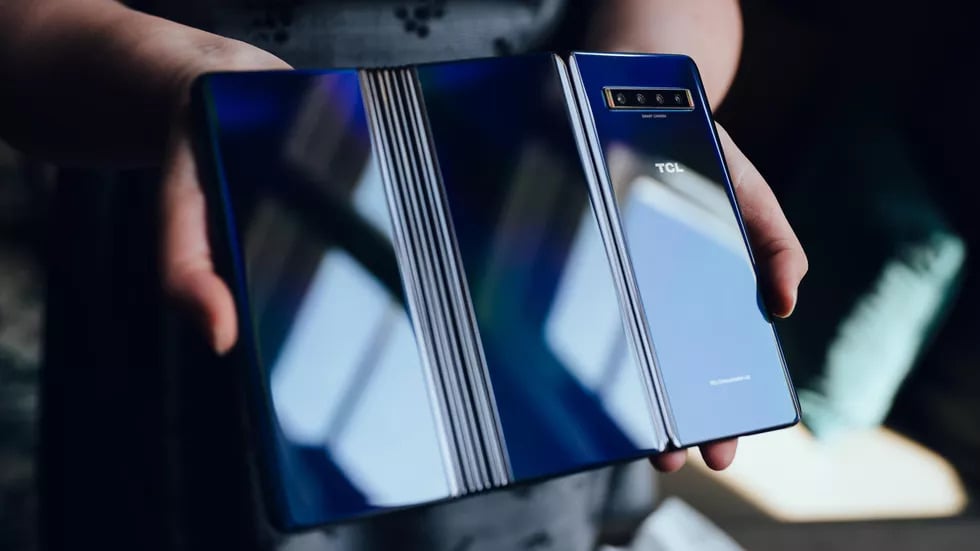
China-based TCL has showcased a design for a new foldable smartphone. Samsung’s Galaxy Fold and Huawei’s Mate X foldable phones are designed with single hinge to fold in half. However, the foldable phone prototype from TCL has two hinges. The first hinge of the device folds in while the other one folds out to provide users with a tablet-like 10-inch display area.
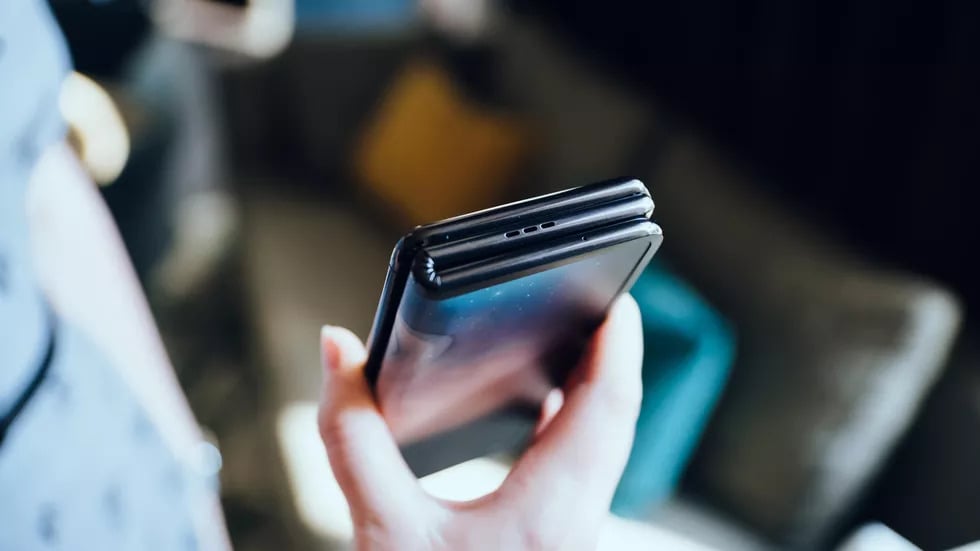
The two hinges of the TCL prototype fold in opposite direction. Hence, it is dubbed as a tri-folding device. It is different foldable phone from the prototype with DragonHinge system that TCL had showcased at the Mobile World Congress (MWC) 2019 tech trade show in February. It could only fold in direction like a book.
The TCL tri-folding device has a DragonHinge system that allows to fold like the Galaxy Fold (fold like a book). The device also features a Butterfly Hinge for folding in opposite direction. While opening or closing, the two hinges lets the phone fold in a zigzag manner.
When completely folded, it appears like a regular but incredible thick smartphone. When unfurled, it provides a massive screen space of 10 inches. The tri-folding prototype has a horizontal quad camera setup on its rear.
The prototype does not have a working display yet which indicates that the company is still working on the concept. It does show that the Chinese firm is exploring different types of form factor for foldable devices. At the MWC 2019 event, TCL had showcased as many as five foldable devices.
Since the triple foldable phone is not a working device yet, nothing is known on the specs of the device. Speaking of the design, the triple foldable phone from TCL appears like fragile like currently available foldable smartphones. Think about it, folding the hinges in wrong direction on the TCL device can cause serious harm to its display.
Star Optoelectronics Technology is the sister company of TCL. It is one of the world’s major manufacturers of OLED panel. Probably, the tri-folding foldable phone from TCL could be equipped with flexible OLED panels form its sister firm. TCL will be launching its first foldable phone in 2020. It is now experimenting on different form factors for its foldable phone and it could be also waiting for the market’s reaction towards the Galaxy Fold, Mate X and the upcoming Motorola RAZR foldable phone that will be go official on Nov. 13.
Banggood continues to sweep its users off their feet by launching amazing promotions that offer products across multiple categories for lowered prices. Keeping in line with that, the Chinese online retailer has come up with yet another promotion dubbed Weekly Unbeatable Deals.
Through its latest promotion, Banggood is giving its loyal users a chance to get their hands on a wide selection of products without emptying their pockets. As usual, these products have been carefully added to specific categories so that consumers do not waste a lot of time finding the product they are looking for.
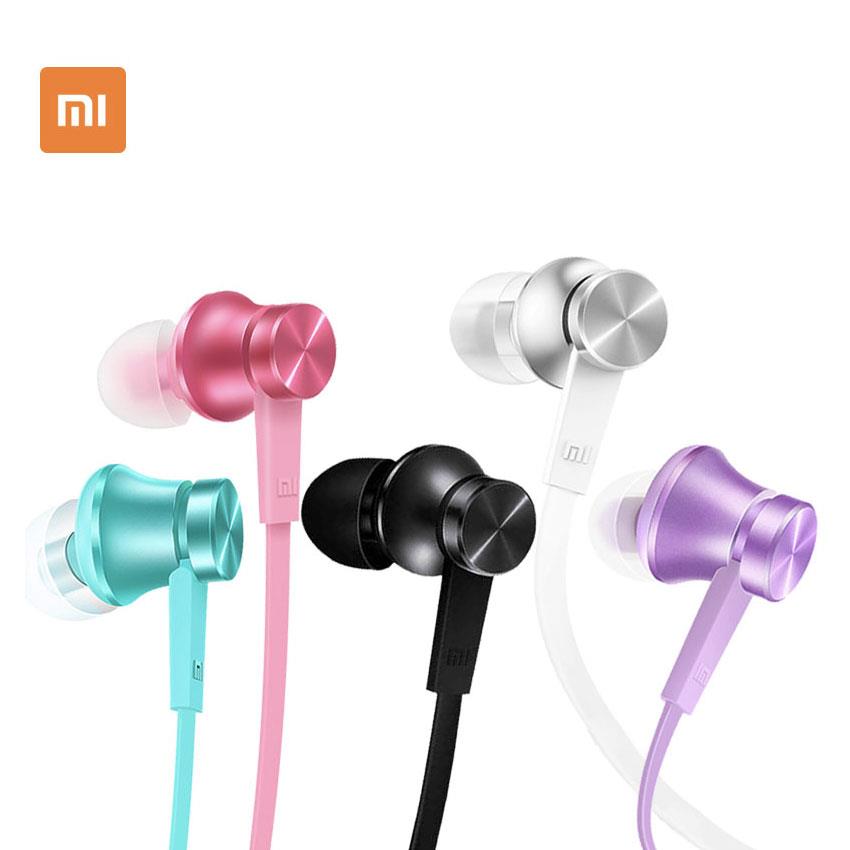
The first category on the promotion page is called Recommendation, and there are no prizes for guessing that it is crammed with amazing products that you can buy for lowered prices. For the sake of an instance, the Xiaomi Piston Basic Edition In-ear Headset Earphone which normally sells for $12.99 is available for just $10.97.
Aside from offering this 16 percent off on the well-received headset, Banggood is giving you a chance to get free shipping if your cart value is $19.99. Note that the discount will be available for a limited period.
A must-checkout for children of all ages, the Toys & Hobbies section features racing RC cars, FPV goggles, etc. More importantly, some of these products are up for grabs for heavily discounted prices.
Electronics lovers might want to check out the following category called Electronics, wherein a slew of electronic devices have been added for you to purchase without worrying about spending a lot of money. Likewise, the Tool section is teeming with useful gadgets that usually sell for a steep price, but have now gone up for sale bearing reduced price tags.
Those who fancy transforming their regular homes into smart ones can head straight to the next category called Home & Garden. This section offers noteworthy discounts on a slew of products that come in handy in day to day life.
For example, the Xiaomi Mijia BT4.0 Bluetooth Wireless Smart Electric Digital Indoor&Outdoor Hygrometer Thermometer, which would normally set you back $25.99 can be yours for just $22.89. In addition to getting this 12 percent off, Banggood users who spend over $19.99 will be eligible for free shipping.
If you are sports enthusiasts, you can check out the Sports & Outdoor section of the activity page. Those who have restlessly been waiting to get their tech greedy hands on smart devices, on the other hand, can take a gander at the Smart Device category, which brimming with smart gadgets that simplify arduous tasks.
There’s an Automobiles & Motorcycles category as well for those who prefer outfitting their vehicles with useful appliances such as the Wireless 5 Inch 170 Degree Car Rear View LCD Monitor Kit. Banggood will be offering some of these highly useful gadgets for unbeatable prices during the activity period.
The concluding category is dedicated to fashion-conscious buyers who usually spend tens and thousands of dollars on trendy accessories. Among a myriad of other amazing products, the section features the Bakeey S18 smartwatch, which usually retails for $39.99.
While the promotion is going on, you can purchase this feature-laden smartwatch for just $25.59, thanks to a 36 percent discount. As if that weren’t enough, you get free shipping on orders over $19.99.
To take full advantage of the promotion and get up to a whopping 70 percent off on these products, all you need to do is to visit the promotion page by following this link.
Who would have thought Huawei‘s shipment will still be going strong despite the US trade embargo? That is the reality as the tech giant has announced a record-high 200 million smartphone shipments so far this year.
The company made this known via a tweet posted on Wednesday. The tweet equally revealed that the feat was achieved 64 days earlier than the period it took to hit the same milestone last year.
The US has never being a stronghold of the Chinese top phone maker but the absence of Google services means the public interest in Huawei phones will begin to dwindle outside China. most of Huawei phone sales were shipments within China where Google services were already not allowed. Huawei also had some success in Europe but that could dwindle fast except a fix is found for the absence of Google services. Already, there have been several hacks which show users how to install Google series on their Huawei models. This can only be a temporary fix as the company is expected to find a permanent solution. Only a few will agree to buy a phone and then get to instal Google services themselves.
We must not fail to recognise how much Huawei has grown in the last couple of years. In 2017, Huawei was celebrating 100 million smartphone shipments by the end of September. It achieved the same feat in October 2016 and in 2015, it was only able to hit the 100 million mark in December. But last year and this year, the company has consistently doubled its shipments despite several distractions and push by key rivals like Samsung.
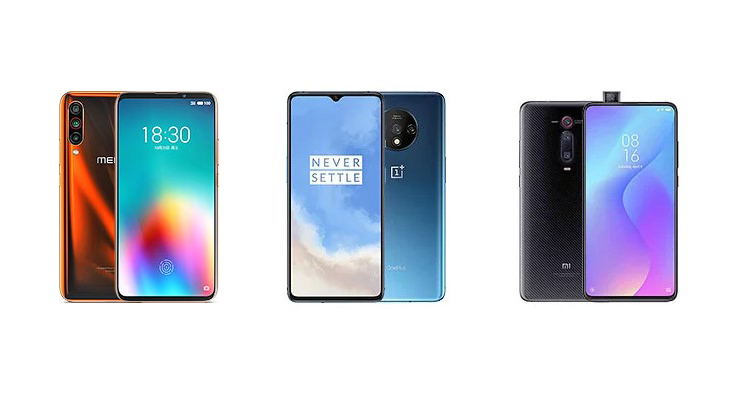
After OnePlus, even other Chinese smartphone manufacturers started using the letter “T” for their flagships. We saw the Xiaomi Mi 9T Pro launched in China under the Redmi K20 Pro moniker, and yesterday Meizu launched the Meizu 16T. Even OnePlus updated its T line-up with the OnePlus 7T and the 7T Pro. All of these T devices are among the best affordable flagships of 2019, so we decided to write a “T comparison” against these smartphones. Here you will learn which one is the best T device among these three handsets and which one is worth buying with the actual price.
Meizu 16T vs OnePlus 7T vs Xiaomi Mi 9T Pro (Redmi K20 Pro)
OnePlus 7T
Xiaomi Mi 9T Pro (Redmi K20 Pro)
Meizu 16T
DIMENSIONS AND WEIGHT
160.9 x 74.4 x 8.1 mm, 190 g
156.7 x 74.3 x 8.8 mm, 191 g
159.6 x 78.2 x 8.3 mm, 183 g
DISPLAY
6.55 inches, 1080 x 2400p (Full HD+), Fluid AMOLED
6.39 inches, 1080 x 2340p (Full HD+), Super AMOLED
Triple 48 + 8 + 13 MP, f/1.8, f/2.4 and f/2.4
20 MP f/2.2 front camera
Triple 12 + 8 + 5 MP, f/1.9, f/2.2 and f/1.9
16 MP f/2.2 front camera
BATTERY
3800 mAh, fast charging 30W with Warp Charge 30T
4000 mAh, fast charging 27W with Quick Charge 4+
4500 mAh, fast charging 18W with mCharge
ADDITIONAL FEATURES
Dual SIM slot
Dual SIM slot
Dual SIM slot
Design
We appreciate that, while other manufacturers are opting for notches or pop-up mechanisms, Meizu is still trying to make symmetric flagships with very narrow bezels and no sliders or motorized parts. Meizu 16T does not have any notch, neither a pop-up camera, yet it comes with a very high screen-to-body ratio. But thanks to its pop-up camera, the Xiaomi Mi 9T Pro has an even higher ratio, as well as a more impressive design in my opinion. But which ones you should go for mostly depends on your tastes. OnePlus 7T has a classic flat display with a waterdrop notch, nothing so surprising.
Display
OnePlus 7T is not only the smartphone with the best display in this comparison, but it has one of the most impressive Full HD+ panels out there. It comes with full DCI-P3 coverage, the support to the HDR10+ standard and even a 90 Hz refresh rate providing a smoothing viewing experience as well as a better gaming experience. So you get better colors, more smoothness, and better overall quality. The silver medal goes to the Xiaomi Mi 9T Pro which still comes with an HDR display, but it does not support the HDR10+ standard and it has a standard refresh rate. Note that OnePlus 7T and Meizu 16T have stereo speakers, while Xiaomi Mi 9T Pro has a mono speaker.
Hardware/Software
OnePlus 7T dominates the hardware scene thanks to its Snapdragon 855+ chipset and an amazing software optimization. It is faster than both its rivals and it even boasts higher graphics performances. Unlike the Xiaomi Mi 9T Pro, it has a UFS 3.0 storage, and unlike both Xiaomi Mi 9T Pro and Meizu 16T it runs Android 10 out of the box, customized by the OxygenOS 10 user interface. Meizu 16T comes right after since it has a UFS 3.0 storage, but just a vanilla Snapdragon 855 chipset. Each of the phones lacks a micro SD slot.
Camera
The camera department is another aspect for which OnePlus 7T is superior. It is the only in this comparison to support OIS and it even has a brighter focal aperture, so it is able to capture more light for better shots in low light conditions. Right after we find the Xiaomi Mi 9T Pro with a 48 MP triple camera boasting laser autofocus and 2x optical zoom. Meizu 16T loses this comparison and it does not even have a telephoto lens. Even the front camera is inferior.
Battery
With a capacity of 4500 mAh, Meizu 16T provides the biggest battery and it will likely last more on a single charge. On the other hand, it has the slowest charging technology with a power of just 18W, so it will take more to fully charge it and that is not only for its battery capacity.
Price
OnePlus 7T carries a €385/$430 starting price in China, Meizu 16T costs just €250/$278, and Xiaomi Mi 9T Pro starts at €320/$355. OnePlus 7T wins the comparison without any doubt, but the value for money of the Meizu 16T is incredibly high and spending just €250 for a device equipped with a Snapdragon 855 chipset is flawless.
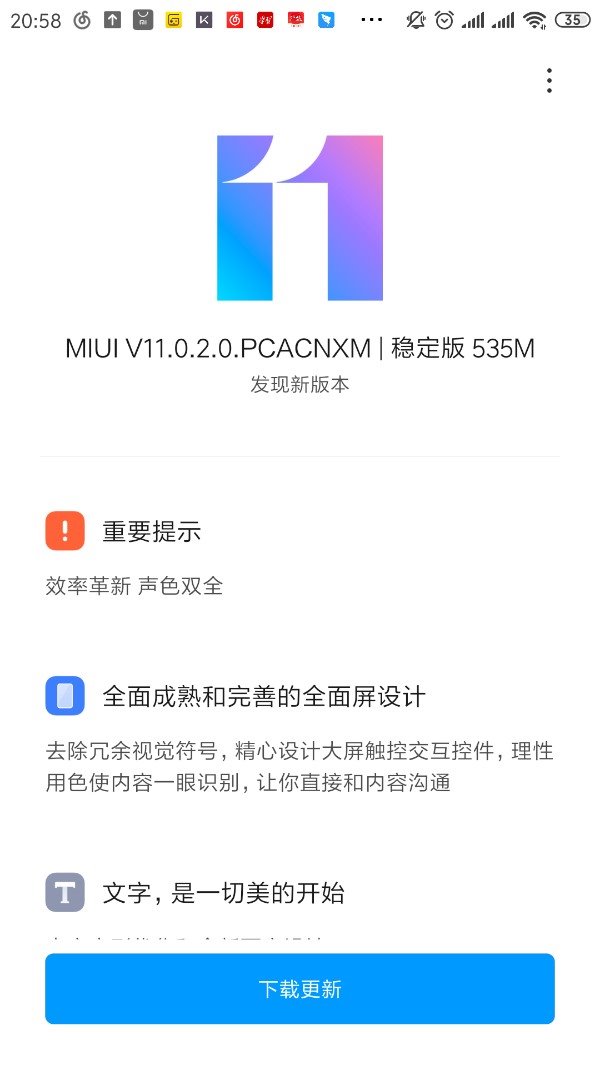
The Xiaomi Mi 6 is finally getting a stable MIUI 11 update, but it’s different from the MIUI 11 that the other Xiaomi devices are getting. While all the other devices getting the beta update are being updated to Android 10, the Mi 6 will unfortunately be stuck with stable MIUI 11.0.2.0 based on Android 9 Pie, though it still retains all the features of the new UI.
The phone got an update to Android Oreo last year and also got Xiaomi’s own MIUI 10 update but there were no plans to update it to Android Pie when Xiaomi released the list of devices getting Pie back in October 2018. It eventually got Android Pie beta in April (global version in June), but that was confirmed to be the last major OS update for the device.
While it is a bit disheartening, it’s still great to see the Mi 6 getting MIUI 11. It’s a big update that changes up a lot of things for the popular Android skin. Starting with the visual aspects, you get slightly softer icons, a system-wide dark mode, new Mi Lan Pro system font and improved always-on display functionality. There are also new animations, themes, wallpapers and improved notification system.
If you want to know everything about the MIUI — its features and tools that the company is offering in this newer version, click here.
The Mi 6 has a 5.15-inch FHD display protected by Gorilla Glass 4. It has a Snapdragon 835 processor, up to 6GB of RAM and 128GB of storage. There are dual 12MP cameras on the back of the phone and an 8MP front-facing camera. It also has a front-mounted fingerprint scanner, stereo speakers, and a 3350mAh battery with support for Quick Charge 3.0. To get the new update, simply check the OTA page and accept the 535MB download.
We use cookies on our website to give you the most relevant experience by remembering your preferences and repeat visits. By clicking “Accept”, you consent to the use of ALL the cookies.
This website uses cookies to improve your experience while you navigate through the website. Out of these, the cookies that are categorized as necessary are stored on your browser as they are essential for the working of basic functionalities of the website. We also use third-party cookies that help us analyze and understand how you use this website. These cookies will be stored in your browser only with your consent. You also have the option to opt-out of these cookies. But opting out of some of these cookies may affect your browsing experience.
Necessary cookies are absolutely essential for the website to function properly. This category only includes cookies that ensures basic functionalities and security features of the website. These cookies do not store any personal information.
Any cookies that may not be particularly necessary for the website to function and is used specifically to collect user personal data via analytics, ads, other embedded contents are termed as non-necessary cookies. It is mandatory to procure user consent prior to running these cookies on your website.