After Huawei announced the EMUI 10 open beta program for the international Mate 20 series, the company has announced EMUI 10 closed beta program for the Huawei Mate 20 X 5G. Note that this update is based on Android 10, so closed beta users will be the first to get the taste of the new Android version.
If you are using the Mate 20 X 5G as your daily driver, we would advise against installing a close beta EMUI 10. The closed beta build will have a lot of bugs that could hinder some of the smartphone’s essential features. Also, Huawei notes that some apps may still not be optimized for Android 10.
Interested users in China who want to enroll in the program can do it via Huawei’s Club app> Forum> Section Category> All Sections> EMUI Zone> Upgrade Early Adoption.
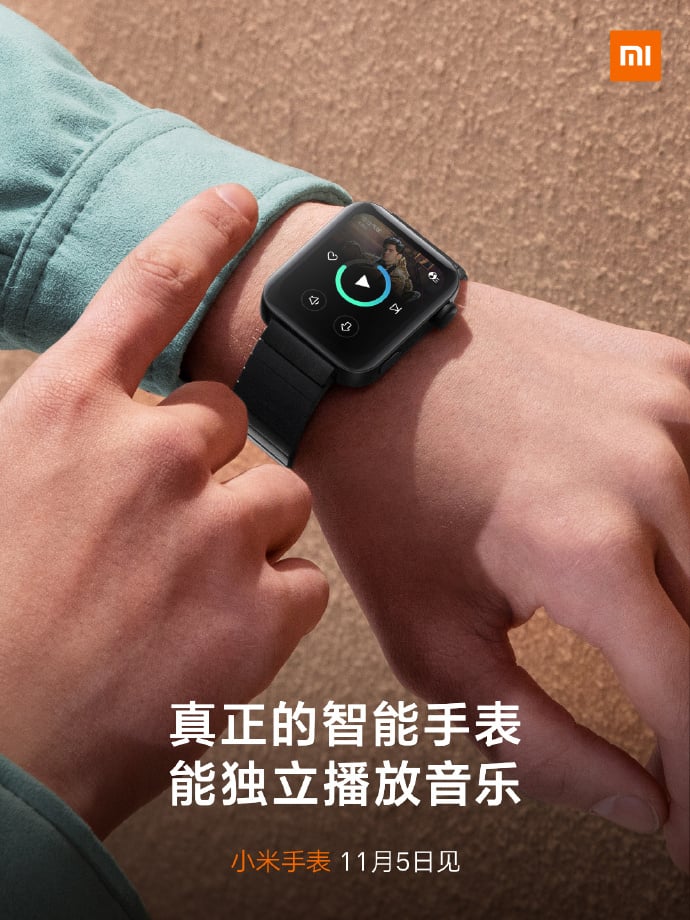
Another day and yet another Mi Watch feature confirmed. Xiaomi revealed a few hours back that the Mi Watch can independently play music with the option to even download it to its storage. So you don’t have to rely on your smartphone to stream music. This can come in really handy when you don’t have your phone around, like when you are out for your morning jogs. And it looks like you can even play your music via its speakers.
Independent music playback isn’t new on smartwatches. Even Amazfit’s Pace lineup offers this particular feature and personally, I find it very useful as I don’t have to carry my smartphone around for music. However, the Mi Watch could make things even more interesting as it features an eSIM which means you can ditch your phone most of the time.
The Mi Watch will come with an MIUI for Watch OS. You will be able to install a number of different apps on the watch. As for the hardware, the Mi Watch will come feature Snapdragon Wear 3100 processor with connectivity options such as Wi-Fi, Bluetooth, NFC, GPS, and even an eSIM. The watch is confirmed to feature speakers which means you should be able to make and receive calls on the watch, just like a smartphone.
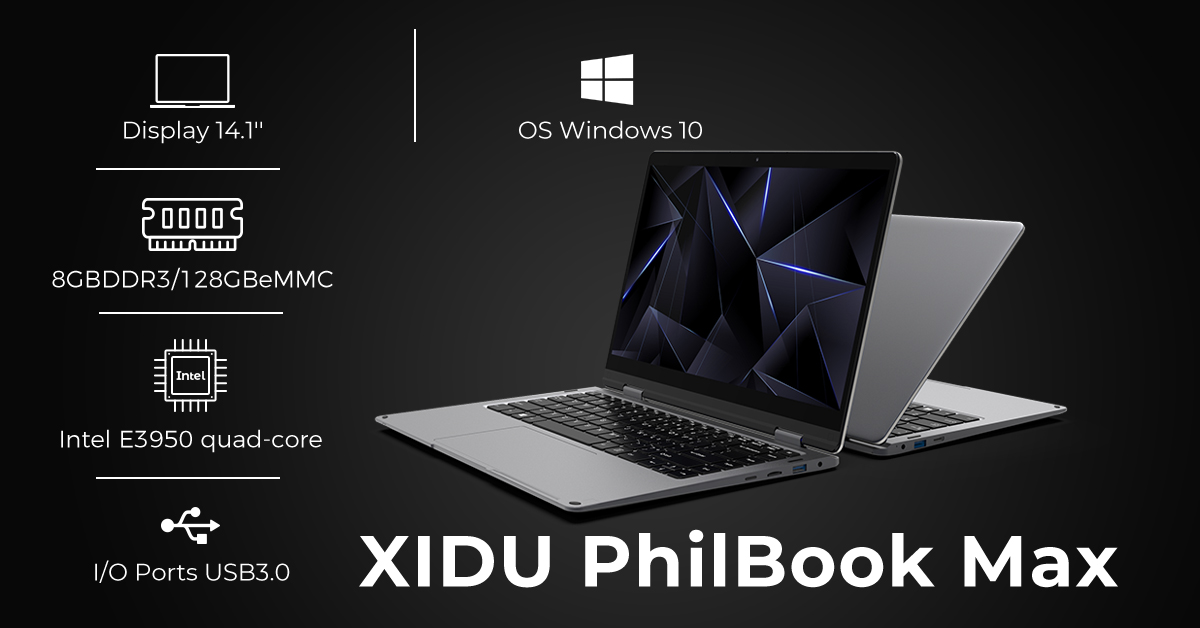
The XIDU PhilBook Max has been an important model in the company’s lineup as it managed to become a success thanks to its above-average specs that came at a great price. The most important feature was the 14.1″ FHD NanoEdge touchscreen and its durable 360-degree hinge that became helpful in many use cases.
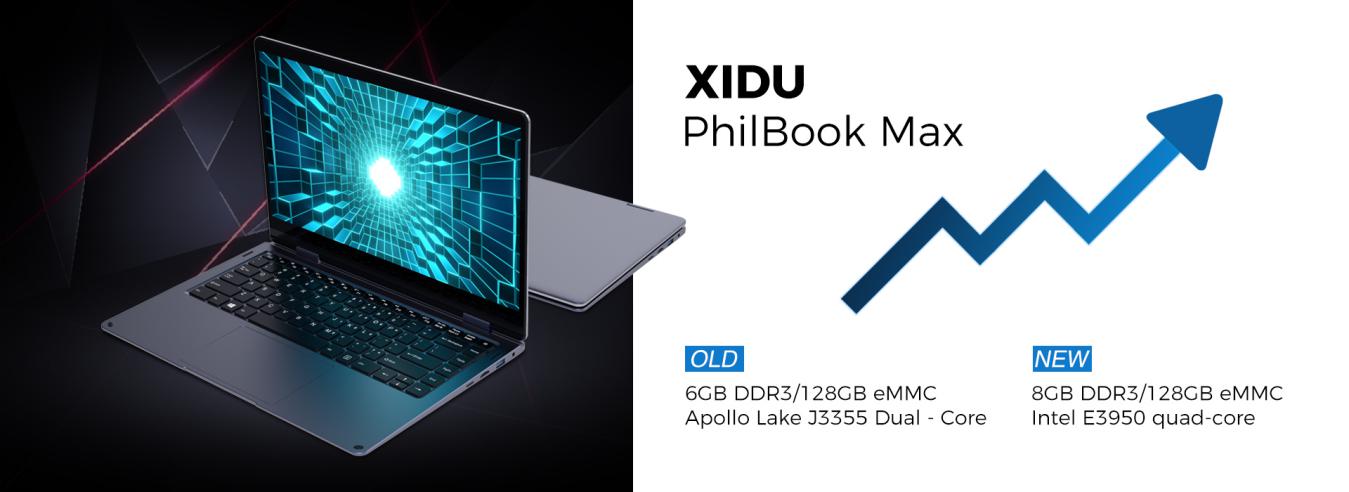
Besides the rest of the specs, the PhilBook Max came with a not so powerful Intel Apollo Lake J3355 Dual-Core CPU as well as 6GB of LPDDR3 RAM and 128GB SSD. Well, XIDU decided to improve that sector and make the PhilBook Max and even more complete laptop as it just got upgraded to a Quad-Core Intel E3950 CPU and got 2GB more RAM for a total of 8GB. The upgrade contributes to making the device up-to-date and future-proof, performance-wise.
The rest of the specs remain the same meaning that it comes with a lightweight metal body of 1.39kg and just 16.4mm thickness while connectivity is top-notch with 2 x USB 3.0, Mini-HDMI, MicroSD card reader, SSD expansion slot, headphone output and combined audio input connector, backlit keyboard, 2MP webcam, 802.11 ac/a/b/g/n WiFi, and a battery that lasts at least 5 hours.
Despite the almost 30% performance bump it got, its price remains the same as the previous version, $399.99 that is. And f course, XIDU is still active in more than 32 countries around the world and continues to expand. You can get the PhilBook Max on the following online store at a discounted price using the coupons provided when needed. For more discount coupons on other XIDU products, check out this list.
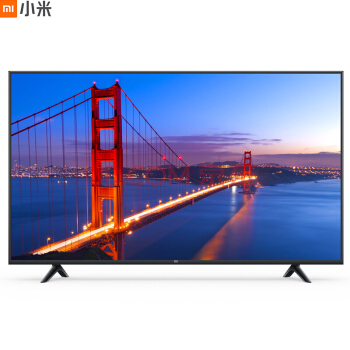
Yesterday, Xiaomi released a list of smartphones that will be available for purchase at discounted prices during the Chinese Single’s Day aka Double Eleven sale which is held on the 11th of November each year. The company has recently announced that several of its TVs will also be offered at discount during the Single’s Day Sale. However, this sale will commence from the 1st of November 00:00 AM and will be held on JD.com
The Xiaomi TVs that will be sold at discounted prices starting tomorrow are listed below:
Redmi TV 70-inch with 4K display: This TV sports ultra-narrow bezels with a glossy piano finish. It is equipped with Amlogic quad-core processor, has 2GB of RAM and 16GB inbuilt storage. The TV runs on Xiaomi’s in house developed PatchWall UI that supports voice-guided input. Its display supports HDR content and boasts of Dolby and DTS-HD audio decoding. During Double 11 sale it will be sold for 2,899 Yuan ($ 410)
Mi TV 4X 43 inch: Similar to Redmi TV 70, it has ultra-narrow bezels with a glossy piano finish. The display panel has 1920*1080 pixel resolution and a refresh rate of 60 Hz. It is equipped with an ARM Multi-Core processor which clocked at 1.5GHz, with 1GB RAM and 8GB of ROM. It runs on PatchWall system has 2 HDMI ports, 2 USB ports, and 1 network port.
During Double 11 sale it will be sold for 999 Yuan ($ 140)
Mi TV 4A 70 inch: This TV was launched the month of September earlier this year. It is equipped with a 70 inch 4K display. It has 2 GB of RAM and 16 GB of ROM. The Mi TV 4A 70 runs on PatchWall UI has 3 HDMI interfaces and 2 USB interfaces with S / PDIF interface. JD.com is also offering a 5 year extended warranty on this product for just 200 Yuan, which one must consider if they plan to buy it. During Double 11 sale it will be sold for 2,999 Yuan ($ 245)
Mi TV 4X 55: The TV sports a 55 inch 4K LED display with 3840 × 2160 resolution and has a refresh rate of 60 Hz. It is equipped with 64-bit quad-core A53 CPU, Mali-450 GPU, 2GB of RAM and 8GB of inbuilt storage. It features two 8W loudspeakers which are Dolby certified. The Mi TV 4X 55 runs on Patch Wall UI, ships with a Bluetooth remote that supports voice input, has 3 HDMI ports, 2 USB ports and 1 network port. During Double 11 sale it will be sold for 1,399 Yuan ($ 198)
Mi TV 4C 55: As the name suggests, it features a 55 inch display that has 4K UHD resolution. Its noteworthy features include HLG with HDR support, eye protection mode, audio and Dolby+DTS decoding technology, 6th generation image processing engine. It is equipped with Amlogic T962 4-core 64-bit processor, has 2GB of RAM, 8GB memory for eMMC 5.1 storage, Bluetooth 4.2, 802.11ac dual-band WiFi and voice command input support. During Double 11 sale it will be sold for 1,399 Yuan ($ 198)
Huawei is currently rolling out EMUI 10 open beta to eight devices in the international market, including four devices from the Huawei Mate 20 series, and two devices from the European Huawei P 2019 Smart lineup. In order to participate in the open beta program, users will have to download and install Huawei’s special Beta app.
Huawei’s Mate 20 Pro also gets the beta EMUI 10 update
The following 8 devices in the international market will get the EMUI 10 open beta in this batch.
Before you get too excited and join the Beta program, note that this EMUI 10 build is expected to come with a few bugs which could limit some of the phone’s features. So it is not advised to use this build as your daily driver.
For those who don’t mind a few bugs and want to contribute to the development of the final stable EMUI 10 build for their phones, download and install the Huawei Beta app and join the beta program. Follow the instructions mentioned in the app to enroll into the program.
To check if your smartphone model is supported for this EMUI 10 open beta program, please click here.
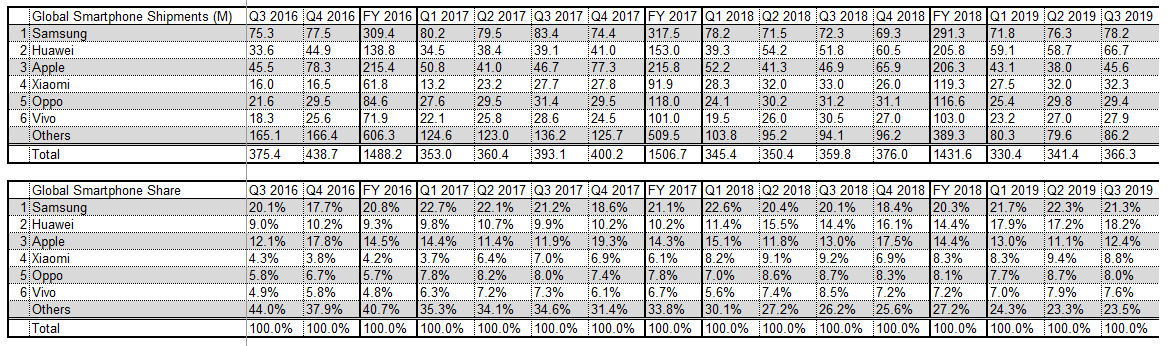
For the first time in the last two years, smartphones sales have returned to growth claims a report published by Strategy Analytics. In the Q3 of 2019, global smartphone sales hit the 366 million mark which is about 2% higher compared to the same quarter in yesteryear. While the overall sales have seen an upward trend only two companies were able to surpass their previous sales figures which include Samsung and Huawei.
Samsung shipped a total of 78.2 million smartphones worldwide in Q3 2019 which is about 8% higher percent in comparison to Q3 of 2018 when the company sold 72.3 million units. The South Korean company’s global market share has also grown from 20% to 21% YoY for the said time period. Worth highlighting, the devices that led Samsung’s sales to boost include the high-end Galaxy Note 10 lineup and the budget to mid-range focused Galaxy A lineup.
Chinese tech titan, Huawei managed to surprise everyone as its sales grew even after the U.S commerce department imposed a ban on it that prevents its handsets to ship with Google services. During the Q3 of 2018 and 2019, Huawei sales grew from 51.8 million to 66.7 million which is 29 % higher. Similar to Samsung, Huawei’s global market share also increased but at a much higher rate from 14% a year ago to 18% now.
Surprisingly, the “much higher rate” would sound like an understated phrase if the global growth figures are compared to Chinese growth figures. In its home country, Huawei’s sales figure grew an astounding 66% YoY for the same time period. In the Q3 of 2018, Huawei sold 25 million units in China which grew to 41.5 million in the July to August quarter of 2019.
When the data from two reports are combined, it is revealed that Huawei’s global market except for its home country slumped 1.6 million units from 26.8 million units in the Q3 of 2018 to 25.2 million units in the Q3 of 2019. Even though Huawei’s overall sales did see an upward trend, we will have to wait and observe for how long can the company continue to thrive with sales boost only in its home country.
Samsung is reportedly working on Galaxy A51 smartphone. It is expected to arrive as the successor of the Galaxy A50 / A50s. Recent reports have revealed that the Galaxy A51 has a model number of SM-A515F. Last week, the smartphone on Geekbench benchmarking platform. A fresh report on 91mobiles has revealed that Samsung has started with productions of Galaxy A51.
The report reveals that Samsung India has begun with the production of Galaxy A5 in its factory in Greater Noida, UP. Very few details on the specs of the phone have surfaced in recent reports.
Galaxy A51 Specifications (Rumored)
The Geekbench listing of the Galaxy A51 smartphone is loaded with Android 10 OS. It is powered by Exynos 9611 and 4 GB of RAM. In the single-core and multi-core tests of Geekbench, the Galaxy A51 has respectively scored 323 and 1185 points.
Rumors have it that the Galaxy A51 will be arriving in storage editions such as 64 GB and 128 GB. The phone could be featuring a quad camera setup that may include a 32-megapixel main lens, a 12-megapixel wide-angle sensor, a 12-megapixel telephoto sensor with 2x optical zoom support and a 2-megapixel depth assist lens. It could be coming in three color variants such as silver, black and blue.
There is no word on the pricing on the launch date of the Galaxy A51. Since the Galaxy A50 was made official in Q1 2019, it is likely that the Galaxy A51 may debut in the first quarter of 2020. The Galaxy A50s is available with a starting price of Rs. 21,490. Hence, it is likely that the Galaxy A51 could be costing more than ~Rs. 20,000 in India.
Galaxy A50s Specifications
The Galaxy A50s has a S-AMOLED display of 6.4 inches that offers full HD+ resolution. The Exynos 9611 chipset fuels the smartphone with up to 6 GB of RAM. It comes with up to 128 GB of storage. The Android 9 Pie OS coupled with One UI runs on the device. The rear side of the phone features 48-megapixel + 8-megapixel + 5-megapixel triple camera system is available on its back. Its front notch has a 32-megapixel selfie camera. It is backed by a 4,000mAh battery that supports 15W fast charging through USB-C.
Over the course of recommending devices to friends and families, I have come across folks that swear by Xiaomi’s Android-based MIUI operating system. Some of these folks will not even touch Xiaomi’s Android One phones.
MIUI has some pretty useful features that are hidden to the average user. A third-party app called MIUI Quick Settings is now available which allows you easy access to these settings.
[envira-gallery id=”286821″]
Developed by Ruby Faick, the app description says it is an easy way to access MIUI’s engineering mode. With the app, you can switch between networks and band modes, change the power mode, adjust display size, and even manage notifications. It also has an Android Test and Hardware Test built-in. Oh! There is also a Night Mode available for the app.
The MIUI Quick Settings app is just 2.9MB in size and it works with all devices running MIUI (Android Lolipop and above). There is a disclaimer that says changing system preferences may damage your device and the developer cannot be held responsible.
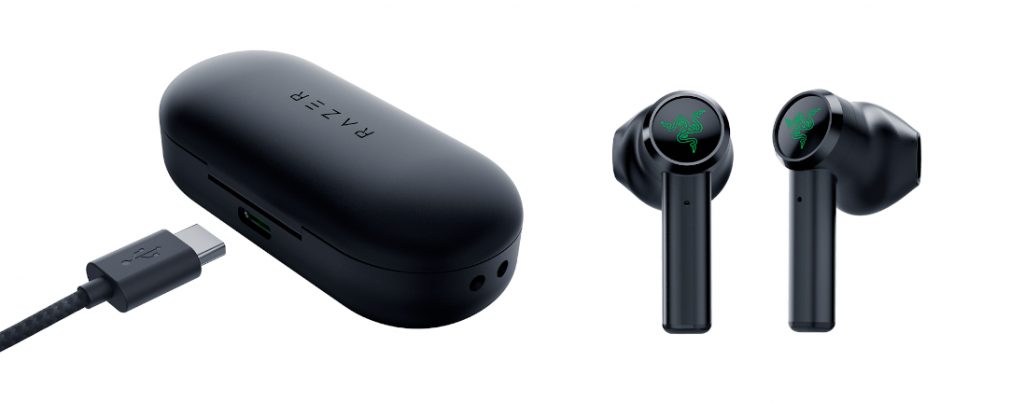
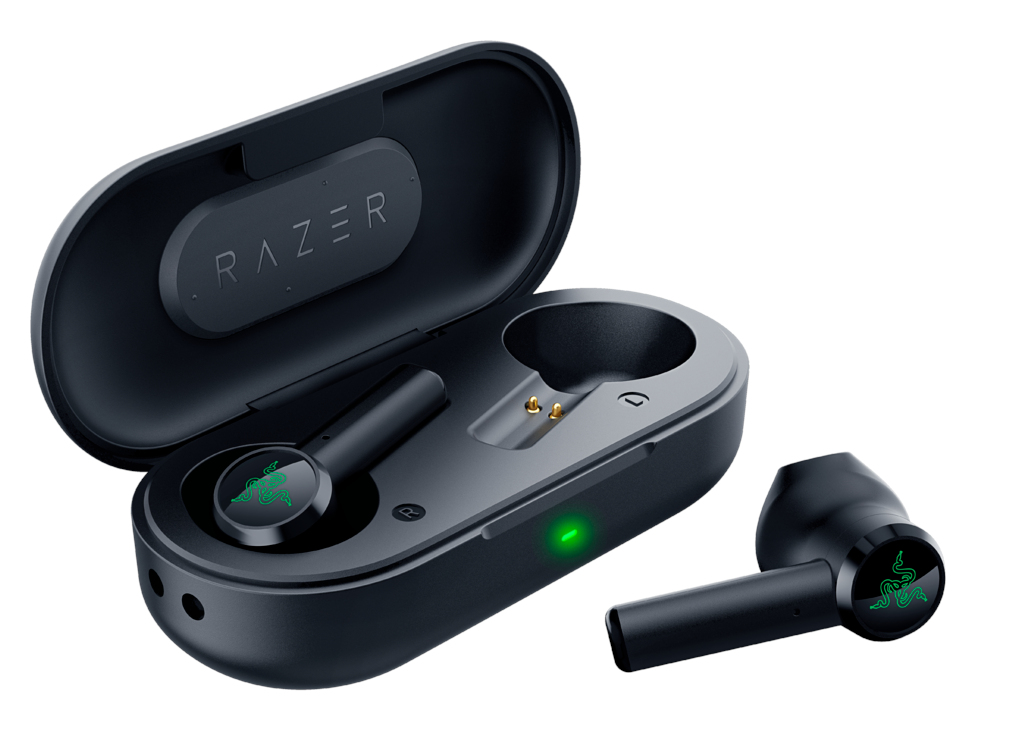
Everyone seems to be releasing True Wireless earbuds these days and when such a trend gets rolling, it spreads like wildfire. At the moment, most of the top Chinese brands like Xiaomi, Meizu, Huawei and Vivo have at least a TWS earbud under their names. OPPO will join the trend soon but a surprise entrant is gaming phone maker Razer. Razer has just got on board the trend with the launch of the Hammerhead TWS Earbuds. The company also took the wraps off the Junglecat game controller at the same time.
Razer Hammerhead TWS Earbuds features
The Razer Hammerhead TWS Earbuds is a pair of truly wireless earbuds with several cutting-edge technological features like Bluetooth 5.0, ultra-low latency and high audio quality.
Just as the name, the design of the Razer Hammerhead True Wireless earbuds look like a sledge-hammer. The earbuds are designed to provide a lag-free, rich and immersive sound experience for games, music and movies. The Bluetooth 5.0 connection allows the earbuds to provide crisp, clear audio. There is even a Gaming Mode which reduces latency to just 60ms. The pair feature 13mm drivers and a 20-20kHz frequency response range to provide a wide sound stage from strong bass to clarity when the volume is at its peak.
In addition, the TWS earbuds are capable of delivering up to 3 hours of battery life. There is a USB-C charging case which adds an extra 12 hours. The earbuds can be customised to suit the listener’s sound needs via a dedicated app. It equally comes with an IPX4 rating for sweat/splash protection.
As for the price, the Razer Hammerhead comes with a retail price of $99.99 ( around Rs. 7,000).
Lenovo has been working on the successor to the Tab M10 for a while now. Although details of the device are scarce, a few details have leaked online. The second-generation Lenovo Tab M10’s listing has been found on Google’s Android Enterprises site.
The listing has revealed that the 2nd Generation M10 flaunts a 10.3-inch display and an octa-core processor with 4GB of RAM and up to 128GB of native storage. The tablet is likely to run on Android 9.0 Pie, which is a disappointment as Google has already announced Android 10. Lenovo is likely to upgrade the OS shortly and offer expandable memory via a MicroSD slot. There is no information on pricing or a tentative launch date yet.
Lenovo Tab M10 (1st Generation) Specifications and Features
The upcoming Lenovo Tab M10 is slated to introduce a few major upgrades over the last iteration of the device. The Tab M10 sports a 10.1-inch IPS LCD display with full HD+ resolution of 1920 x 1200 pixels and a screen-to-body ratio of 73.01%. The tablet draws power from a 1.8GHz octa-core Snapdragon 450 SoC with 3GB of RAM and up to 32GB of internal storage. The device features expandable storage up to 256GB via a microSD card.
The Tab M10 features a 5-megapixel main camera along with a 2-megapixel front camera with a fixed focus. The device draws power from a 4,850 mAh Li-Polymer battery that does not support fast charging. The device also lacks a fingerprint scanner.
Connectivity options available on the Lenovo Tab M10 include 4G LTE, Wi-Fi 802.11 a/g/b/n/ac, Bluetooth v4.2, USB Type-C, GPS, A-GPS, GLONASS and a 3.5mm AUX port with Dolby Atmos. The M10 is available in two color variants, namely Polar White and Slate Black. The device measures 242 x 168 x 8.1 mm and weighs 480 grams.
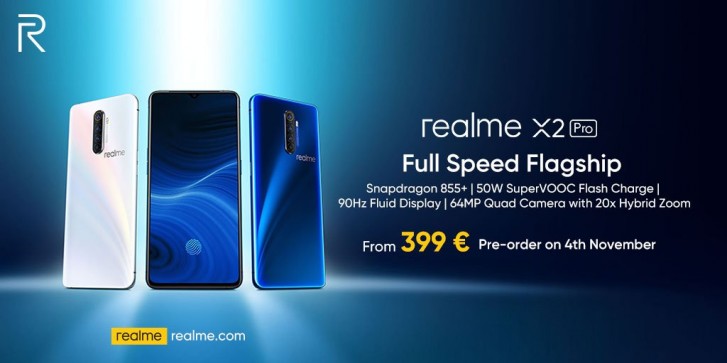
A day after announcing the Realme X2 in several European markets yesterday, Realme has confirmed that pre-orders for the X2 Pro will commence on November 4. As part of the initial phase, the device will be available in the UK, France, Belgium, the Netherlands, Luxemburg, Poland, Spain, and Portugal. The Realme X2 Pro rivals the OnePlus 7T and the Mi 9T Pro with its €399 (~$445) base price tag.
Realme X2 Pro Specifications and Features
The Realme X2 Pro flaunts a 6.5-inch full-HD+ Super AMOLED Fluid display with a resolution of 2400 x 1080 pixels. The display features an aspect ratio of 20:9 and 90Hz refresh rate. The screen-to-body ratio is 91.7% while the display supports DC dimming 2.0. The screen is protected by Corning Gorilla Glass 5 certification. Powering the Realme X2 Pro is an octa-core Snapdragon 855+ SoC with 6 GB, 8 GB, and 12 GB of RAM.
The primary camera on the Realme X2 Pro features four lenses. The first is a 64-megapixel GW1 sensor from Samsung with a six-piece lens with an aperture rating of f/1.8. The second lens is a 13-megapixel telephoto unit with an aperture rating of f/2.5. The third lens is an 8-megapixel ultra-wide sensor with an aperture rating of f/2.2 and the fourth lens is a 2-megapixel depth sensor. The X2 Pro features a 16-megapixel Sony IMX471 sensor with an aperture rating of f/2.0 for selfies that is housed within the waterdrop notch.
The Realme X2 Pro is available in three storage options including 64 GB dual-channel UFS 2.1, 128 GB UFS 3.0, and 256 GB UFS 3.0. The smartphone draws power from a 4,000 mAh battery with 50W SuperVOOC Flash Charge that Realme claims recharge the battery to 100% within 35 minutes. The X2 also supports Quick Charge and 18W USB PD. Connectivity options include dual-SIM 4G LTE, Bluetooth v5.0, Wi-Fi 802.11 ac, NFC, dual frequency GPS, USB Type-C and 3.5mm headphone jack. The X2 Pro features dual speakers with high-resolution audio by Dolby Atmos. It runs on the Android 9.0 Pie-based ColorOS 6.1.
Realme X2 Pro Price and Availability
The Realme X2 Pro starts at €399 (~$445) for the 6GB + 64GB variant. The higher-spec 8GB + 128GB variant is priced at €449 (~$500) while the top-of-the-line 12GB + 256Gb variant features a €499 (~$557) price tag. The smartphone is available in two color options, namely Lunar White and Neptune Blue.
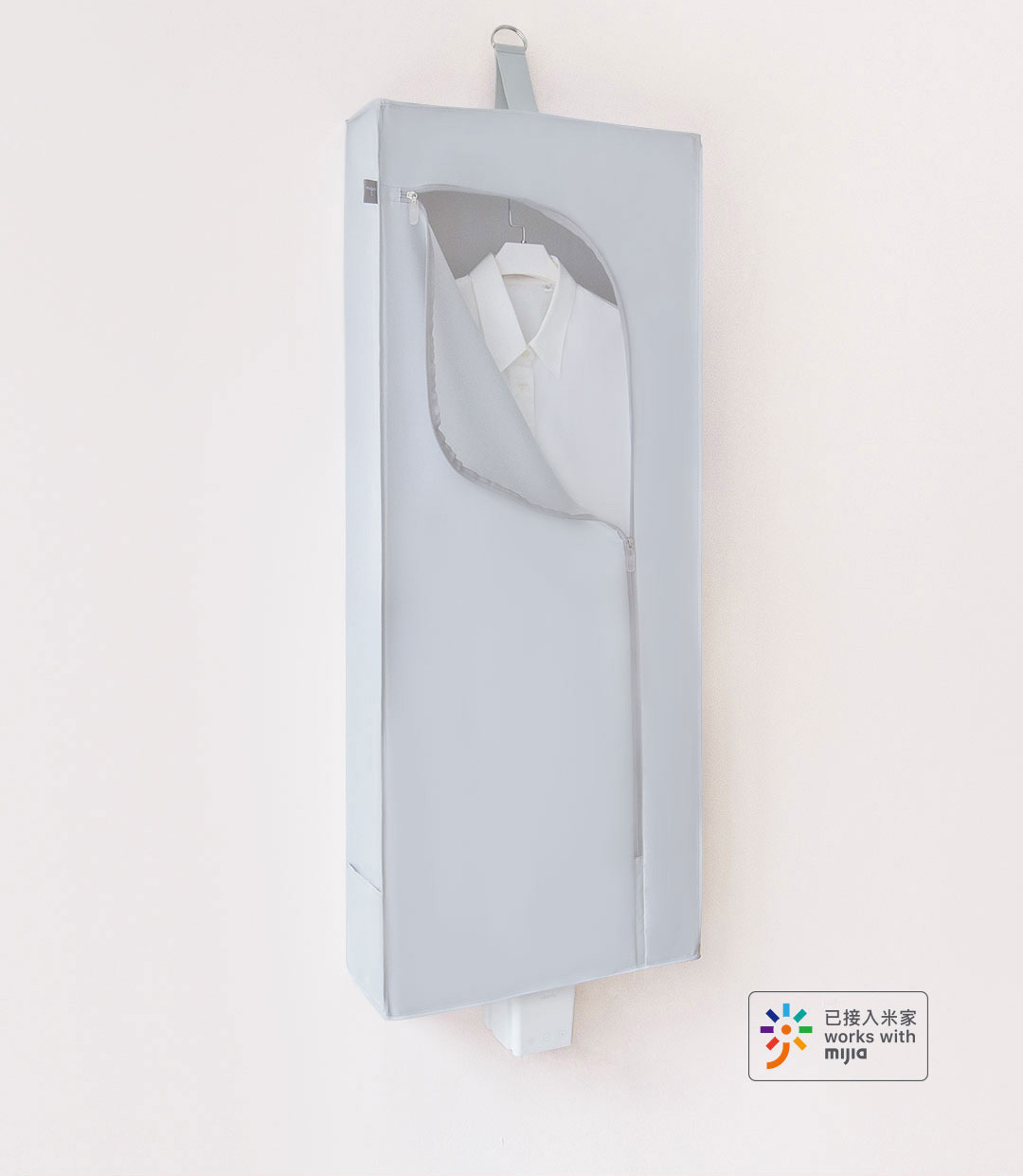
Modern problems require modern solutions and one product that fits this criterion is Xiaomi‘s Clearfly portable clothes dryer which is currently available for pre-order on the Youpin crowdfunding platform. As the name suggests, the device is meant for drying clothes and is designed for people who travel a lot especially business professionals or parents that have toddlers. The product is comprised of several pieces which include an electrical drying unit, a door hanger and what looks a garment bag.
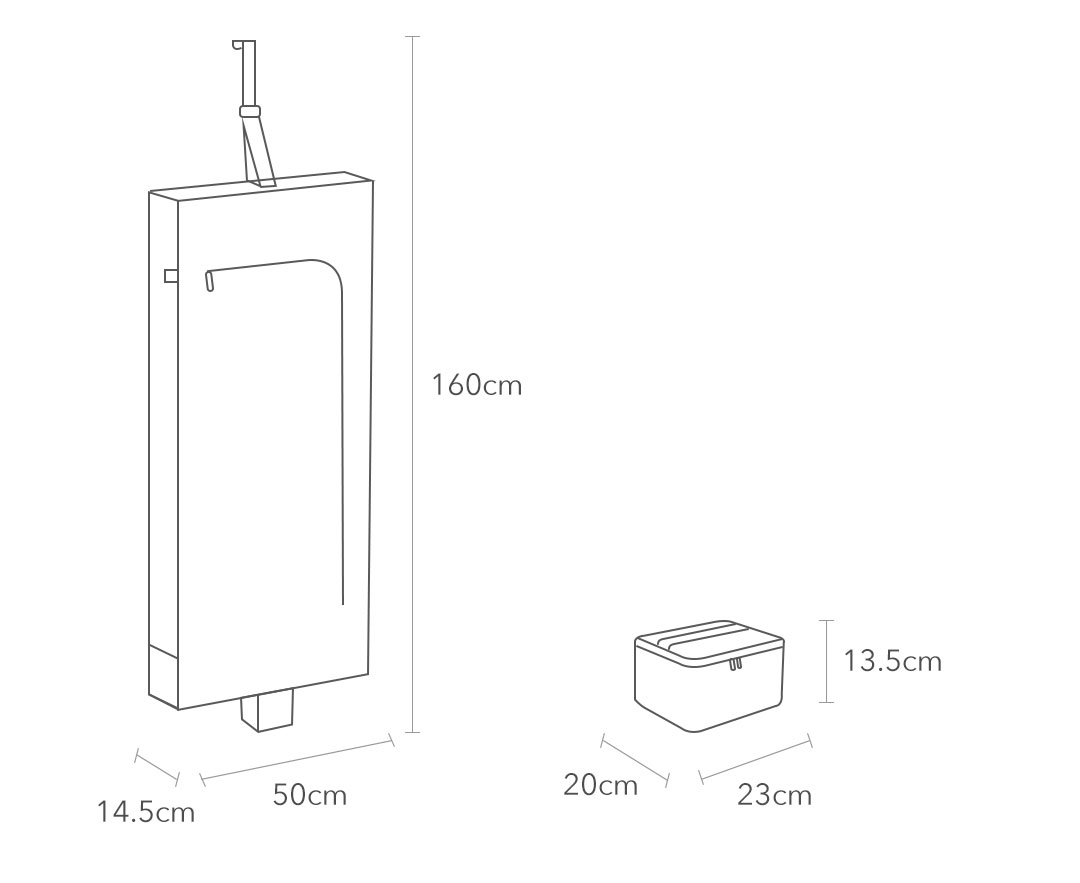
Xiaomi’s Clearfly portable clothes dryer is shipped with a carrying case and all its pieced when disassembled can fit into this pouch, making it easy to lug in a suitcase or trolley. When in the collapsed state, the product measures 23 x 20 x 13.5 cm whereas in the assembled state it measures 160 x 50 x 14.5 cm. Readers who are wondering about the added bulk it weighs 2.5 kg.
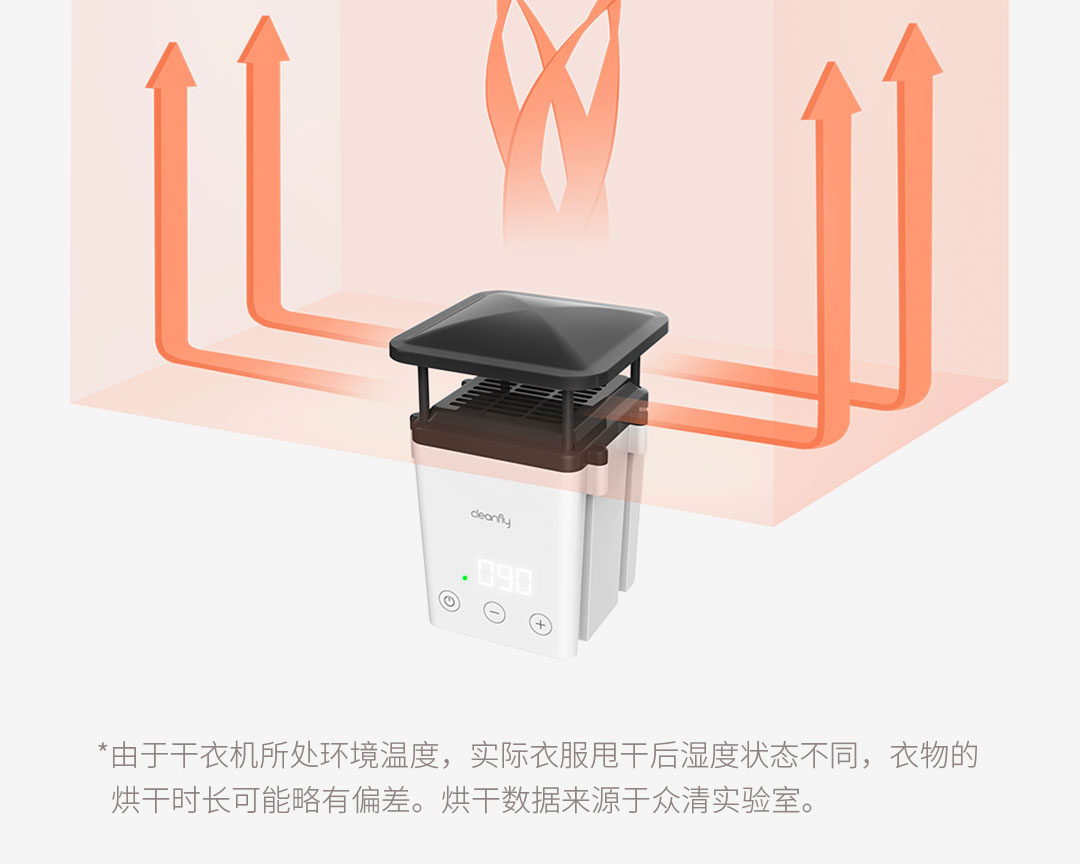
Following assembly, users can hang a hand washed or machine washed garment in the portable dryer and turn on the electrical drying unit which is rated to 600 W. This drying unit is more or less like an air heater which speeds up the water evaporation process. The portable dryer has a zipper on the front which is required to be sealed shut in order for the drying process to work properly. The top of the unit has a breathable mesh which allows the water to evaporate.
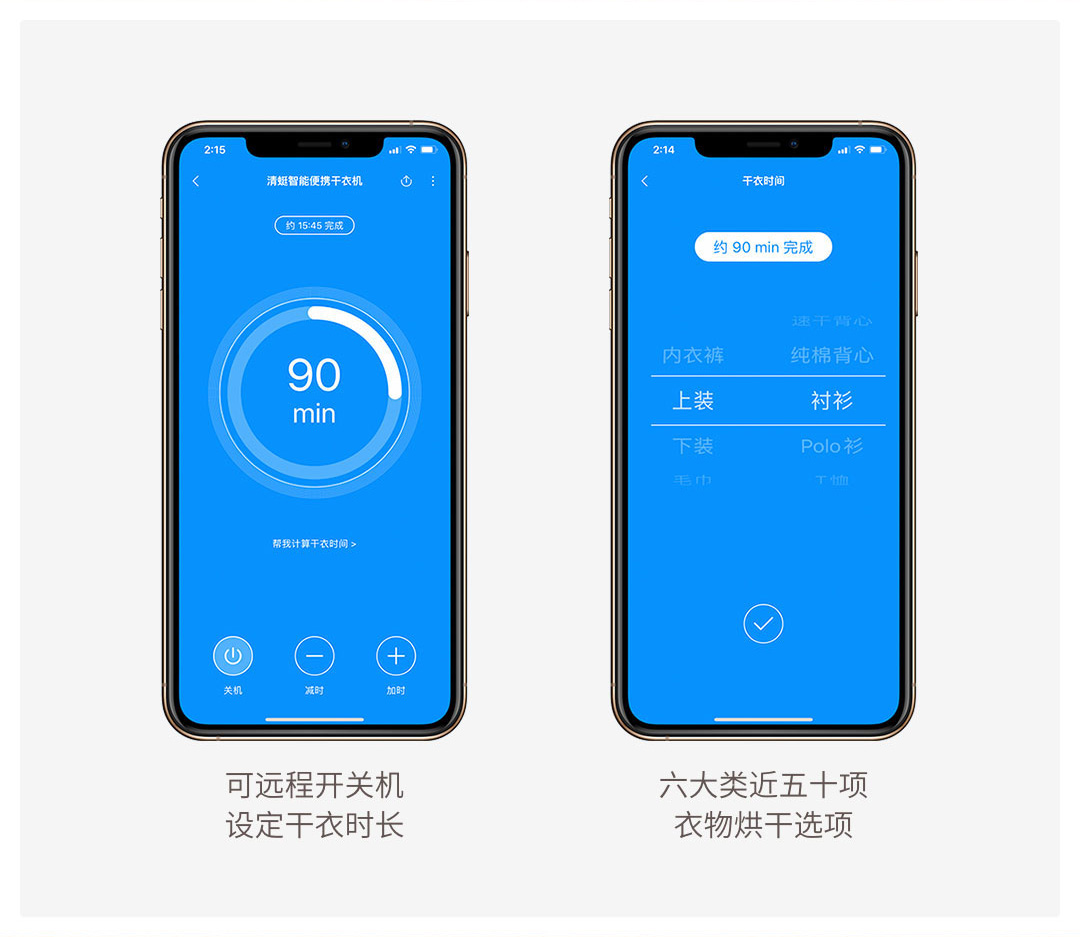
The working of the device can be controlled via a smartphone application remotely and it comes with six built-in cloth categories that include over 50 different types of garments. In addition to drying an item of clothing, it leaves them wrinkle-free eliminating the need for ironing. While drying, the temperature of the air can reach upto 70-degree celsius which sterilises the garment, killing any bacteria or removing any odour.
As a safety measure, if temperatures during the process reach above operable conditions, the drying process is automatically paused and a notification is sent to the user’s smartphone. The Xiaomi Clearfly portable clothes dryer is priced at Yuan 299 ($ 42) and as previously mentioned it is available for pre-order on Youpin and the deliveries will start from the 9th of December.
Nokia is still coasting on with its revival which is making tremendous headway as a result of the amazing design, sturdy build and prompt software updates for its models. Aside from the flagship, mid-range and budget segments, Nokia still caters to the feature phone segment. This segment has been one of the tech giant’s strongholds with classics like the legendary Nokia 3310 etc. The HMD Global-controlled brand has added a new model to this segment dubbed Nokia 110.
The Nokia 110 presents with an upgraded design which looks quite similar to the new Nokia 3310. The body is made of polycarbonate material similar to what was used on the Nokia Lumia models. It packs a compact build with a dimension of 15.2×49.9×14.3mm, weighing in at 76.1g. The phone is a 2G phone in an era of 5G but it can best serve as a backup device or for use in remote areas where the 2G network still thrives.
The device equally features a 1.77-inch color display with a resolution of 180×120 pixels. It is powered by a Spreadtrum SPRD 6531E chipset while there is an 8MP single camera at the back panel. The Nokia 110 gets its power from an 800mAh battery. The battery can deliver up to 18.5 days on standby mode, 14hour of talk time and 27 hours of music playback as well as 18 hours of FM radio playback. It is charged via a micro-USB port.
The Nokia 110 comes in Dark grey, Magenta and Blue-green colours. t is presently available in China for 179 yuan ($25).
The info comes from @Digital Chat Station, the Chinese leakster and blogger. He revealed the info on Weibo today. There are no other details about the phone but the news shows that Redmi and MediaTek’s partnership is waxing stronger following their recent partnership on the Redmi Note 8 Pro.
MediaTek already has a 5G processor with a 5G modem built-in. The 7nm SoC supports multi-mode 5G and features the Helio M70 modem. The semiconductor manufacturer says the unnamed processor has Arm’s Cortex A77 CPU cores and Mali-G77 GPU cores. These are Arm’s latest and most powerful CPU and GPU cores which were announced back in May. The chipset also has an in-house AI processing unit called the APU 3.0
A few weeks ago, it was reported that MediaTek’s 5G chipset will begin shipping to manufacturers this quarter. The report also revealed that manufacturers such as OPPO and Vivo have 5G phones planned for release but didn’t say if they will be powered by this MediaTek processor.
Vivo does have a 5G phone that will come with Samsung’s Exynos 980 5G processor but there is nothing stopping them from launching another with MediaTek’s own chip to grab more of the market. The Exynos 980-powered phone should be the upcoming Vivo X30 5G and it is rumored to launch as early as next week on November 7.
Chinese smartphone maker Huawei recently emerged as the leading smartphone brand in the Chinese market. Now, a new report has surfaced online which reveals that the company is the leading online brand in mid- to high-end router sales in Q3 2019.
The sales of Huawei router accounts for 56.2 percent of the total sales online in the Chinese market. The leading product from the company was Huawei Router Q2 Pro, which accounted for 23 percent of the company’ sales. On the other hand, the Huawei Router WS5200 quad-core version, in the 200-500 Yuan range, accounting for 38.6 percent of the company’s sales.
Huawei Q2 Pro router was launched in March earlier this year and comes with two parent-child routers. Both the hardware — mother and child routers come in a cylindrical design in white color — similar to the Q2.
The company has used its self-developed Lingqi Gigabit Power Cat chip and PLC Turbo innovation technology, which the company claims drastically increases the networking performance of the Huawei Q2 Pro. It claiming a performance increase of around 50 percent to 120 percent.
The parent-child routing is also equipped with Gigabit Ethernet port and Gigabit Wi-Fi, supporting 1 to 15, allowing you to enjoy the high-speed Wi-Fi experience anytime, anywhere. It can be quite helpful for large rooms and duplexes of three bedrooms or more.
The company says that the Q2 Pro router supports true dual-band and can also automatically switch between better Wi-Fi bands and hotspots with only one connection. Huawei also adds that the router is smart and gets better with usage.
It comes with Huawei Smart Home App with support for remote management. There are different Wi-Fi modes you can choose from — wall-to-wall, standard, and sleep. For security features, it has support anti-brute force cracking, automatic shield cracker, WPA- PSK/WPA2-PSK Wi-Fi encryption as well as support for firewall, DMZ, DoS attack protection.
In recent times, Xiaomi has introduced a wide variety of products on its Youpin crowdfunding website some of which include the Mijia Induction Cooker S1 and Mijia Rearview Youth 1s dashcam. Now it has unveiled a smart pillow that offers features like a massager and stereo speakers.
The smart pillow is made out of 93% pure natural latex which is sourced from Thailand. The pillow is offered in two size options, one designed for men and the other for women. The men’s pillow is naturally bigger in size and it measures 60cm x 34cm x 7cm/11cm and weighs 1.2 kg. On the other hand, the smaller pillow that measures 60cm x 34cm x 5cm/8cm and weighs 1 kg.
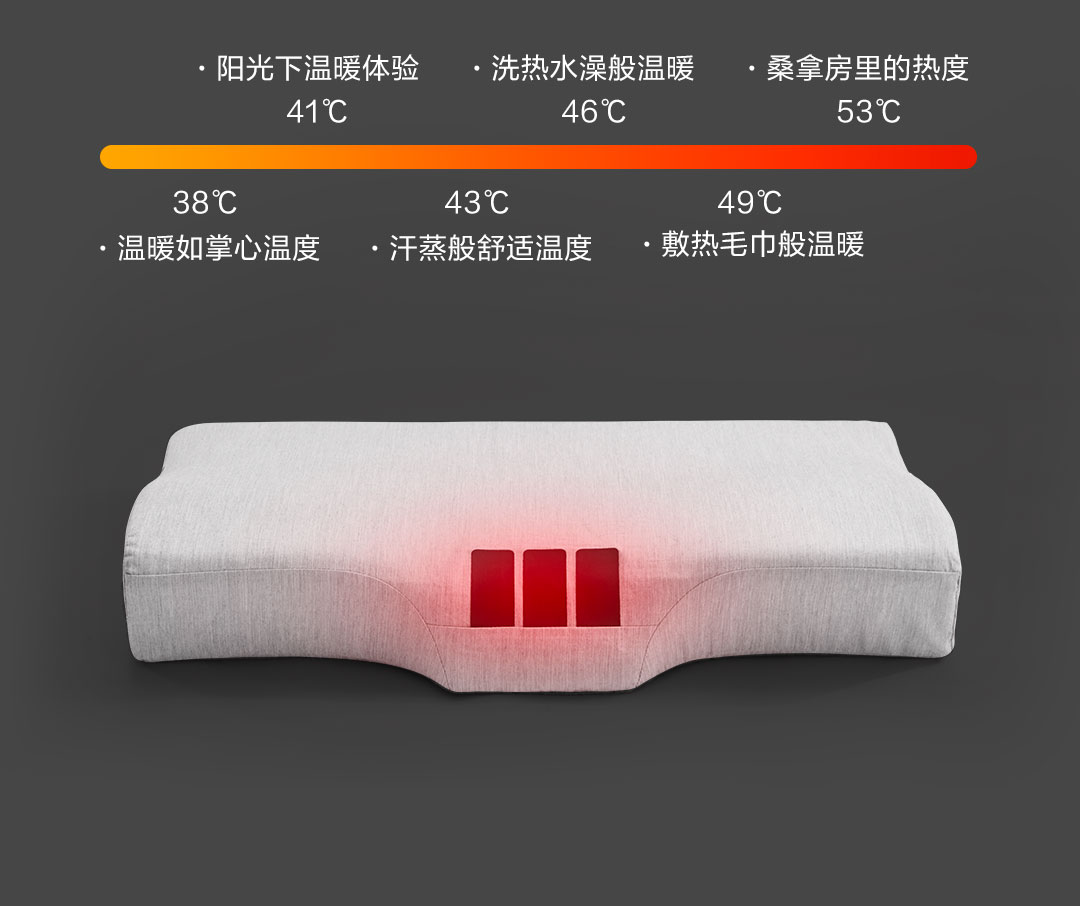
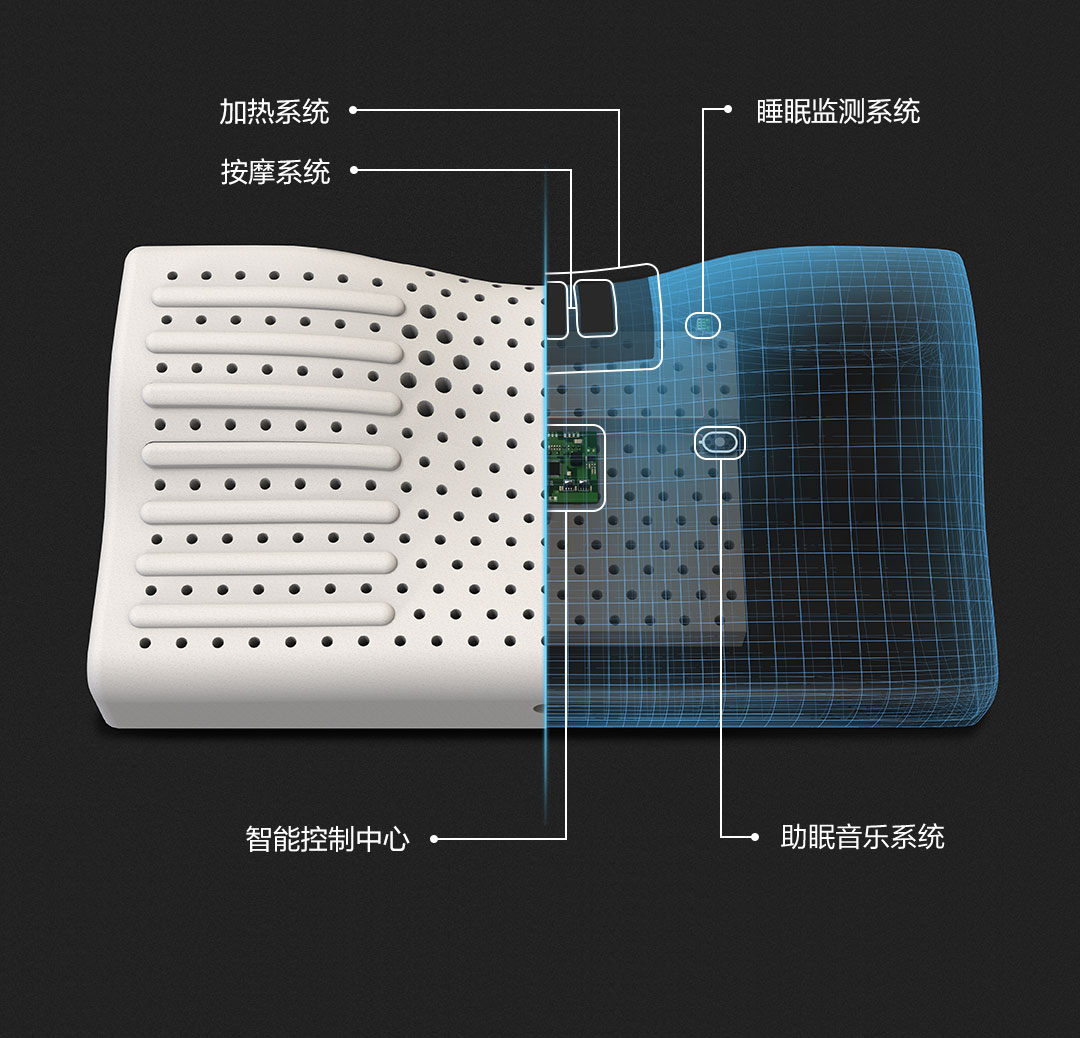
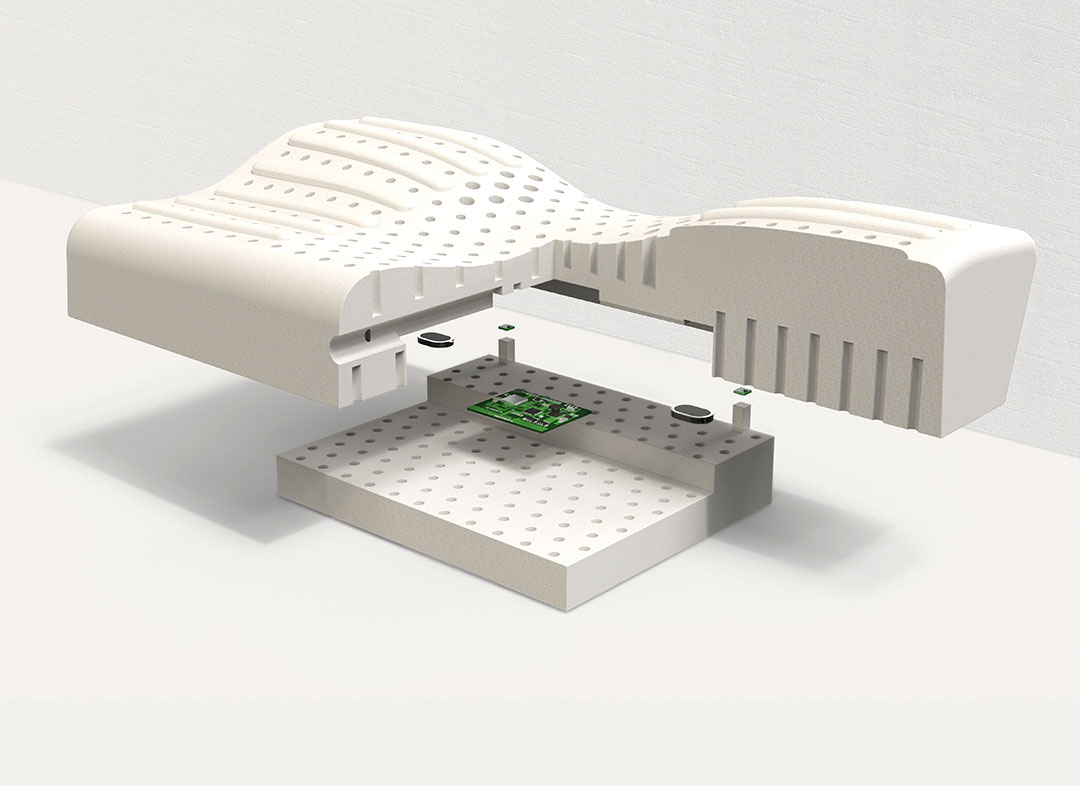
The smart pillow from Xiaomi has a butterfly partition which simply means a slightly concaved region in the centre where the neck is supposed to rest. This region makes room for a heating pad and three pulse emitters which increase blood flow and alleviate stress.
1 of 3
The heating pad can be set to 6 different temperatures that range between 38 and 53-degree celsius. The three black patches emit a low-frequency pulse of 1000 Hz which the company claims are harmless to the human body. These patches can be set to 15 different intensity controls and they offer two other modes apart from regular massage mode which includes kneading mode and acupuncture mode.
As previously mentioned, Xiaomi’s smart pillow has two invisible stereo speakers, and the music is transmitted to the auditory nerve through the skull. The sleep gadget also has Bluetooth which is used to connect it to a smartphone (both Android and iOS). Moreover, it supports smart sleep monitoring, preset sleep aid packages, and automatic induction delay shutdown.
1 of 3
The smart pillow is currently available for pre-order at a price Yuan 299 which roughly translates to $ 42. The deliveries of the product will commence on the 14th of December.
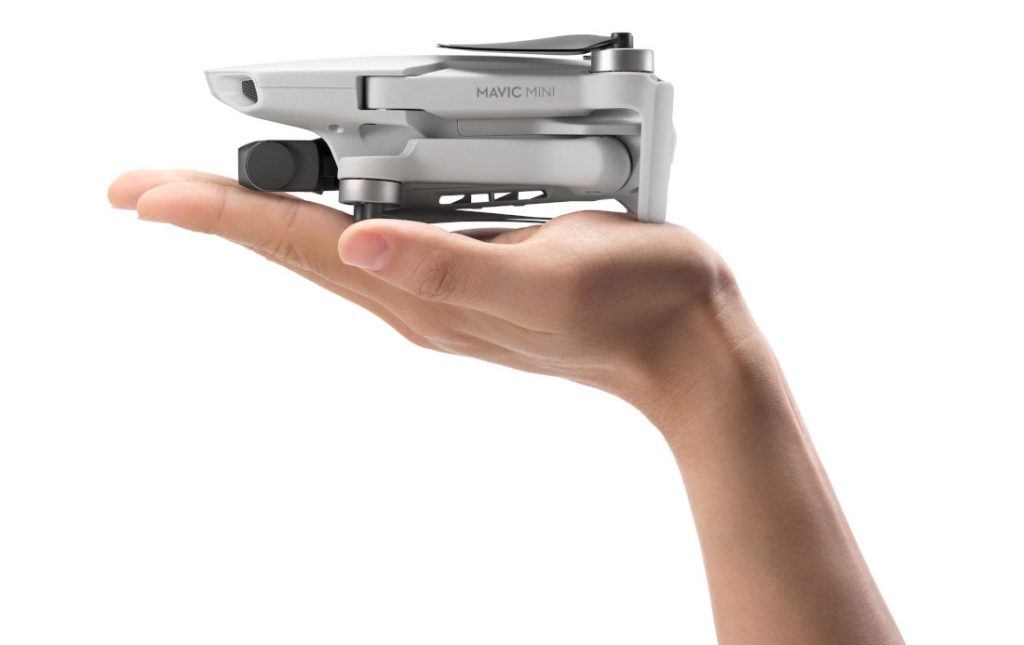
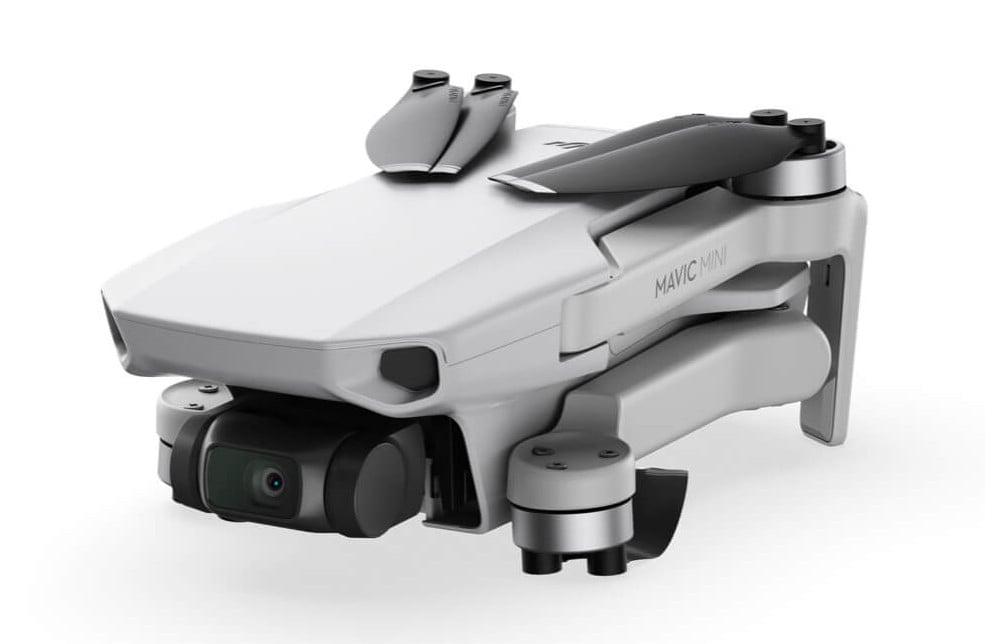
DJI has grown to become a household name when it comes to commercial drones. The Chinese company still strives to maintain its dominance of the market with the release of its latest drone. The DJI Mavic Mini is a portable drone with 3-axis gimbal and a 2.7K video camera.
The Mavic Mini is DJI’s first drone to weigh below 250 grams, which aviation regulators around the world consider to be the safest category for drone flight. Despite have an ultra-lightweight of 249 grams, DJI crammed several features of professional quality into the compact frame.
The drone features DJI’s renowned safety technology, including geofencing which helps drone pilots avoid restricted areas. It also comes with AeroScope remote identification to help protect sensitive locations. There is equally a built-in altitude limiter and automatic return to the launch point if the drone loses connection to the controller or reaches critically low battery level. These cool features ensure your drone doesn’t get lost.
Further, the Mavic Mini presents with its own remote controller just like all other drones. The drone can also be controlled via the DJI Fly app which has its own intuitive design aimed at simplifying the flying and content capturing experiences so that even amateur drone pilots can manoeuvre the Mavic Mini with ease.
On the mechanical aspect, the DJI Mavic Mini packs high-grade motors that deliver up to 30 minutes of flight time. There are equally GPS receivers and downward visual sensors which detect the ground level below the drone in order to ensure precise hovering, stable flying and accurate landing both indoors and out. It offers 2.7K video at 30fps, 1080p at 60 frames per second, or 12-megapixel photographs using the 1/2.3-inch sensor. The camera is supported and stabilised by a three-axis motorized gimbal to ensure the footage is not shaky.
As for the price, the Mavic Mini is priced at US$399 for the standard version which includes Mavic Mini, remote controller, one battery, extra propellers and all necessary tools and wires. There is also a Fly More Combo which has three batteries, a two-way charging hub, 360° Propeller cage, three sets of extra propellers and a carrying case and costs US$499. The drone is already available to pre-order from DJI’s official online store, flagship stores and authorized retailers and partners in the US. The Mavic Mini is expected to start shipping on November 11.
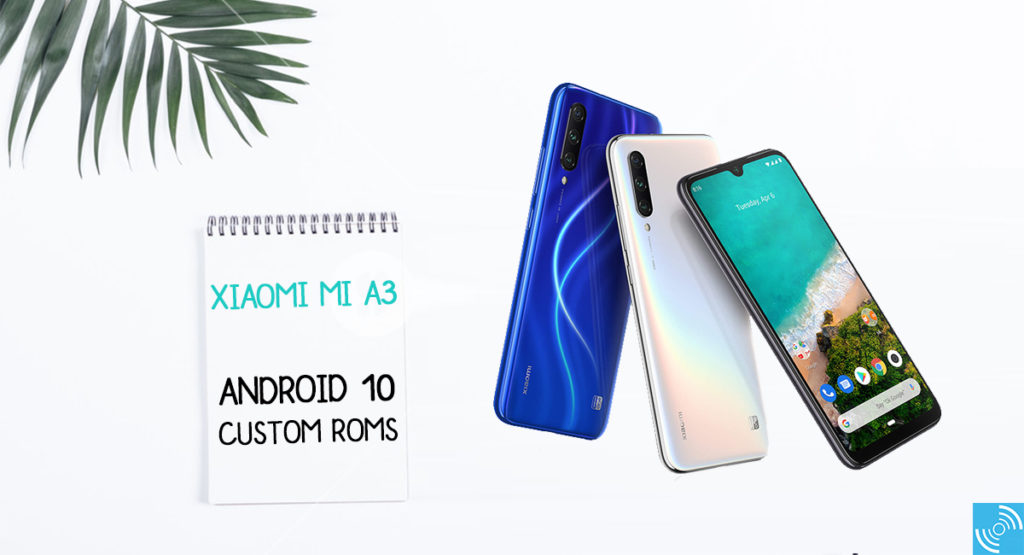
The Chinese smartphone manufacturer is always keen to garner more and more sales with its competitive pricing of mid-range smartphones. They are also working to improve on the software support, but still, many users prefer custom ROMs over the stock Android present on the Xiaomi Mi A3. Being a device running on Android One Program, it will soon get the Android 10 Update. The Xiaomi has also confirmed about the Android 10 update hitting Xiaomi Mi A3 devices this month.
If you don’t wish to use the stock Android experience, then you have various options to switch to the Android 10 custom ROMs available for the Xiaomi Mi A3 device. The users can easily customize the software for more features and can even optimize the performance of the smartphone using custom ROMs. There are many advantages of the custom ROMs, which can surely improve the overall usability of the Xiaomi Mi A3.
What is Custom ROM?
It is a custom phone firmware that enables the user to get customized features without any hassle. Android being an open-source platform, it allows the third-party developers to build customized ROMs by editing the existing code and then recompiling it for the wide variety of devices. It enables root access of the phone, enables to customize of the boot animation, themes, and User Interface and upgrades the Android version. Here we have listed some best advantages of the custom ROMs.
Advantages:
Easy Full-System backups
Flash image file on the device.
Adds the ability to remove bloatware from the stock ROM.
Supports underclock and overclock of the processor.
Quickly flash custom ROM, MOD, Framework.
Support to quickly flash the Xposed and Magisk Framework.
Easy installation of SUperSu and Magisk for rooting
Ability to wipe cache and data.
Xiaomi Mi A3 specifications
Xiaomi Mi A3 was launched in July 2019 with a 6.01-inch Super AMOLED capacitive touchscreen having 720 x 1560 pixels resolution with Corning Gorilla Glass 5. The Xiaomi Mi A3 is powered with Qualcomm SDM665 Snapdragon 665 chipset and coupled with Adreno 610 GPU. The device comes in different storage variants of 4 GB + 64GB, 4GB + 128 GB and 6 GB + 128 GB. However, the user can even expand the storage up to 256 GB with a microSD card.
In optics, the smartphones carry a triple rear camera module featuring a 48 MP primary sensor, 8MP ultrawide, and a 2MP depth sensor. A 32MP selfie shooter is present on the front for video calling and other face-unlock features.
Xiaomi Mi A3 comes with WiFi 802.11 a/b/g/n/ac, Bluetooth 5.0, GPS, FM Radio and USB Type-C. The under-display fingerprint sensor can easily authenticate your device. It comes with a 4030 Non-Removable battery with an 18W fast charging technology.
Let’s see the best Android 10 custom ROMs available for Xiaomi Mi A3.
List of best Xiaomi Mi A3 Android 10 custom ROMs
Android 10 engulfs various new features, including the Dark Mode, Smart Reply, enhanced location and privacy tools, Incognito mode for Google Maps, Focus Mode, Live Caption, edge-to-edge gestures, Digital Wellbeing and many other changes. Many new APIs have been integrated for developers to facilitate the new features on Android 10.
The support for foldable devices is also incorporated into the new Android version. It will help the upcoming foldable devices to fit inside the port view easily. The 5G support is also built in the Android 10. To enjoy all these features, check the below-mentioned custom ROMs for Mi A3.
Pixel Experience ROM
The name speaks itself. Pixel Experience ROM borrows features from the Pixel devices. All the Pixel goodies including a launcher, wallpapers, icons, fonts, and boot animations of the Pixel devices. It is based on AOSP and offers maximum stability for the users to enjoy the new features. The developers aim to provide a stable and secure environment for Android devices to work flawlessly with Pixel devices.
It is based on Android 10, and most of the features such as WiFi, RIL, GPS, Camera, Flashlight, Bluetooth, Lights, GPS are working flawlessly. All the known bugs have been fixed in recent updates. The user need not to flash Gapps as it is inclusive of the ROM itself. It can be installed directly from both the Fastboot and Recovery. Before installing the Pixel Experience ORM, make sure you are on the latest ROM firmware of Xiaomi Mi A3. You can download the ROM from the link below.
It is based on AOSP and includes Google Apps such as the launcher, icons, fonts, and wallpapers. Most of the features are working, and all the known issues have been fixed. The features such as Fingerprint on display, Bluetooth, and WIFi are working without a problem. The latest version fo the Atom OS includes the October security patch.
It can be easily installed after unlocking the bootloader and installing TWRP recovery. Read the installation instruction before installing the Atom OS ROM. You can download the Atom OS ROM from the link below.
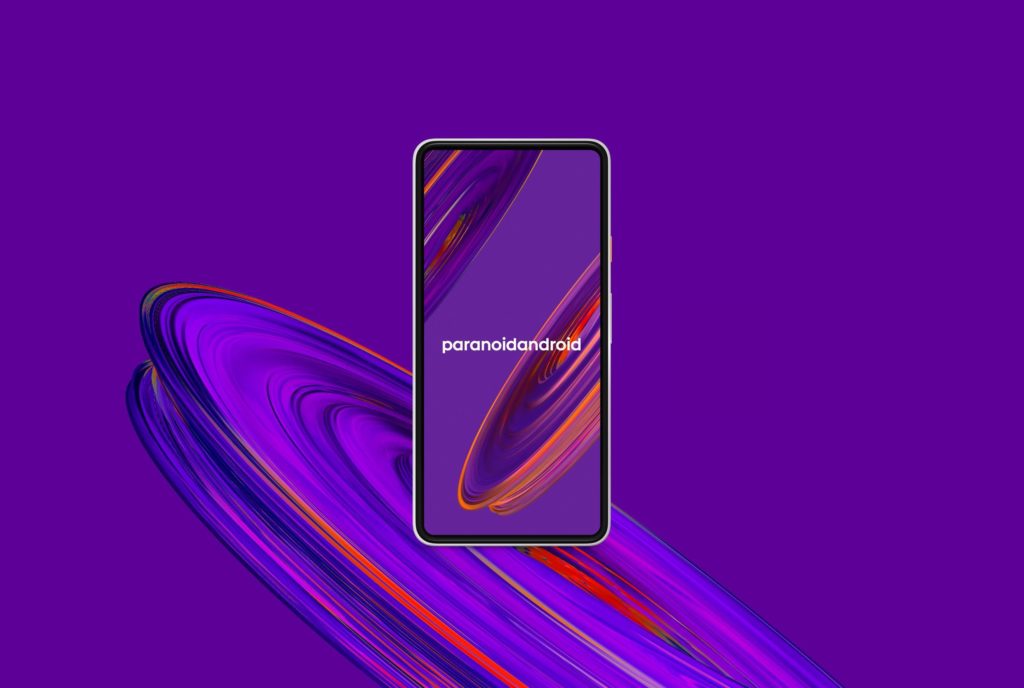
The Paranoid Android Quartz Alpha is a special version of the Paranoid ROM based on Android 10. It is designed by Hampus Olsson, who is a multi-disciplinary artist famous for beautiful pieces of artwork. He has refined the UI of the Paranoid Android to look more artistic. The ROM also incorporates Abstruct app, which is home to all the Paranoid Android wallpapers.
This ROM is in alpha stage and carries some bugs which make it difficult for daily users to install it. The SafetyNet is not working on the Xiaomi Mi A3. The user needs to install Orange Fox recovery to install the Paranoid Android ROM. It does not include the Google services by default, and the user needs to flash Gapps zip to install it. The user should have installed the latest firmware version on Mi A3. The link to get the ROM is below.
These are some Android 10 based custom ROMs that are available for Xiaomi Mi A3. We will update the list with new Android 10 ROMs. If you have any recommendations, then do let us know via the comments below.
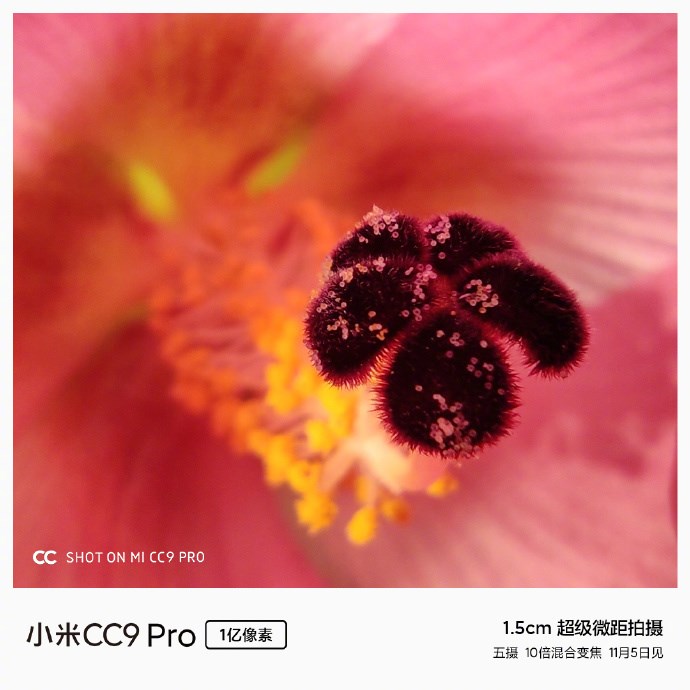
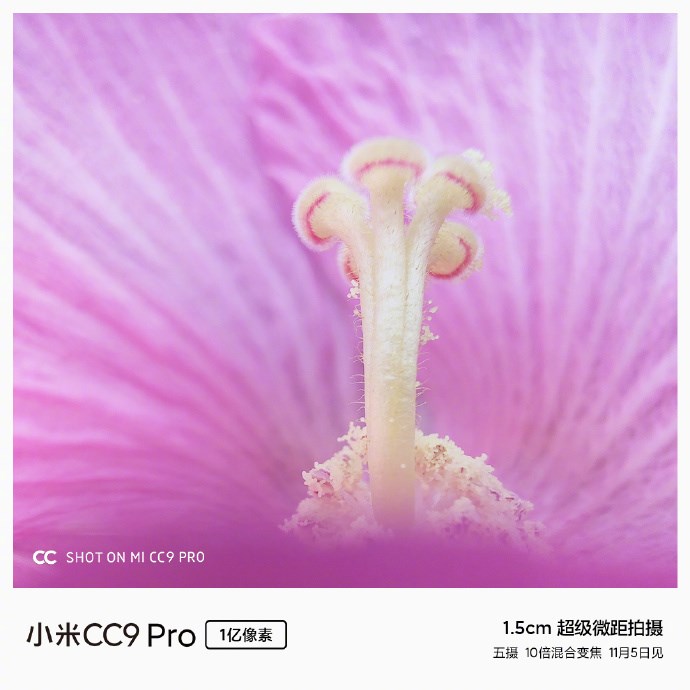
Chinese smartphone maker, Xiaomi is bracing for the launch of its latest photography centric smartphone, the Mi CC9 Pro which will be unveiled on the 5th of November. Earlier today, Lei Jun, co-founder and chairman of Xioami has shared a couple of photographs on Weibo that was shot on the upcoming handset.
1 of 3
The said images boast off an impressive macro performance that the Mi CC9 Pro will bring to the table. According to the accompanying text, the images were captured from as close as 1.5 cm and Xiaomi is referring to this as “Super Macro” mode. Out of the three images, two exhibit stamen and anther of a flower, while third exhibits couple of insects inside what looks like to be a flower.
Despite being held so close to the subject, the images are rich in detail. While this is just one aspect of the Mi CC9 Pro, the device is confirmed to feature a 108 MP main rear camera, making it the world’s first smartphone with this much high-resolution sensor.
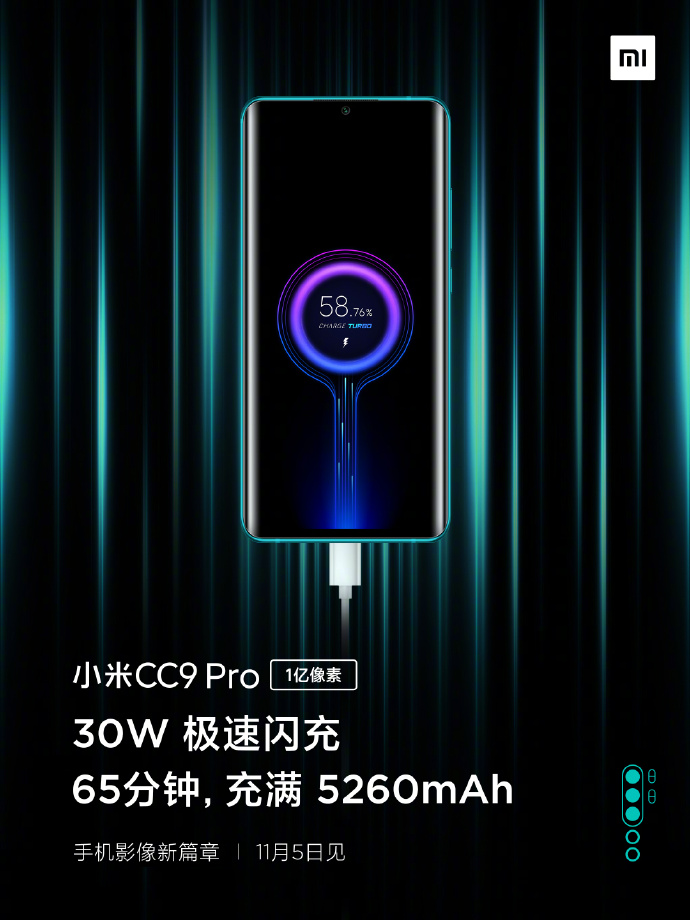
Recently, Lei Jun had also revealed another key feature of the upcoming handset which is a large 5260 mAh battery with 30W fast charging support. According to him, the company has optimised charging performance in such a manner that even their 30W technology is faster than 40W on some other handsets. With this charger, the large battery on the device can be fully replenished within just 65 minutes.
Other features that the device is already confirmed to have includes a curved OLED display with waterdrop notch that houses the selfie camera, Snapdragon 730G SoC and Penta rear camera setup.
As previously mentioned, the device is set to launch on the 5th of November, therefore we won’t have to wait for long to learn about its remaining features and price.
On Nov. 5, Xiaomi will be hosting an unveil event in China to announce Xiaomi Mi CC9 Pro smartphone, Mi Watch and Mi TV 5. The Mi CC9 Pro is expected to be rebranded as Xiaomi Mi Note 10 in international markets. On Tuesday, Xiaomi started teasing on the arrival of the Mi Note 10. It had revealed that it will be debuting as the world’s first 108-meagpixel penta camera smartphone. Xiaomi Poland has confirmed through its Facebook page that the Mi Note 10 will be launching on Nov. 14 in Poland.
The Xiaomi Mi Note 10 is expected to come with exact same specs that are available on the Mi CC9 Pro. The penta-lens camera system of the Mi CC9 Pro has an OIS enabled 108-megapixel primary lens, a 20-megapixel ultrawide lens with 117-degree field-of-view, an OIS assisted periscope 12-megapixel telephoto lens with support for 5x optical zoom, 10x hybrid zoom and 50x hybrid zoom, 2-megapixel a macro lens and a portrait lens. The penta-lens system is also coupled with a pair of dual LED flash units.
In the above shown camera sample, the “Vision of Seas” name can be clearly seen even though the ship is around 500 meters away. There is no official confirmation on the front camera of the Mi Note 10. However, based on Mi CC9 Pro’s TENAA certification, it can be assumed that it could be featuring a front camera of 32-megapixel.
The Xiaomi Mi Note 10 could be coming with a 6.47-inch curved OLED display with full HD+ resolution support. The Snapdragon 730G chipset and up to 8 GB of RAM could be powering the device. It could be backed by a 5,260mAh battery that supports 30W fast charging. Other rumored features of the phone include up to 256 GB internal storage, microSD card slot, 3.5mm audio jack and in-screen fingerprint reader. Shown below is the leaked photo of the retail box of the upcoming Mi Note 10.
Xiaomi is also rumored to launch Mi Note 10 Pro. There is no confirmation on whether the Mi Note 10 Pro will be debuting alongside Mi Note 10 or whether it will be announced separately. Rumors have it that it could be fueled by the Snapdragon 855+ chipset.
We use cookies on our website to give you the most relevant experience by remembering your preferences and repeat visits. By clicking “Accept”, you consent to the use of ALL the cookies.
This website uses cookies to improve your experience while you navigate through the website. Out of these, the cookies that are categorized as necessary are stored on your browser as they are essential for the working of basic functionalities of the website. We also use third-party cookies that help us analyze and understand how you use this website. These cookies will be stored in your browser only with your consent. You also have the option to opt-out of these cookies. But opting out of some of these cookies may affect your browsing experience.
Necessary cookies are absolutely essential for the website to function properly. This category only includes cookies that ensures basic functionalities and security features of the website. These cookies do not store any personal information.
Any cookies that may not be particularly necessary for the website to function and is used specifically to collect user personal data via analytics, ads, other embedded contents are termed as non-necessary cookies. It is mandatory to procure user consent prior to running these cookies on your website.








 During Double 11 sale it will be sold for 1,399 Yuan ($ 198)
 Samsung shipped a total of 78.2 million smartphones worldwide in Q3 2019 which is about 8% higher percent in comparison to Q3 of 2018 when the company sold 72.3 million units. The South Korean company’s global market share has also grown from 20% to 21% YoY for the said time period. Worth highlighting, the devices that led Samsung’s sales to boost include the high-end