Advertisement

[Updated: Arrives Canada, US, EU, and UK in September] Nubia Z20 will get a global release soon

Update: The official press release for the Nubia Z20 has revealed that the Nubia Z20 will launch in the US, Canada, Europe, and the UK in September.


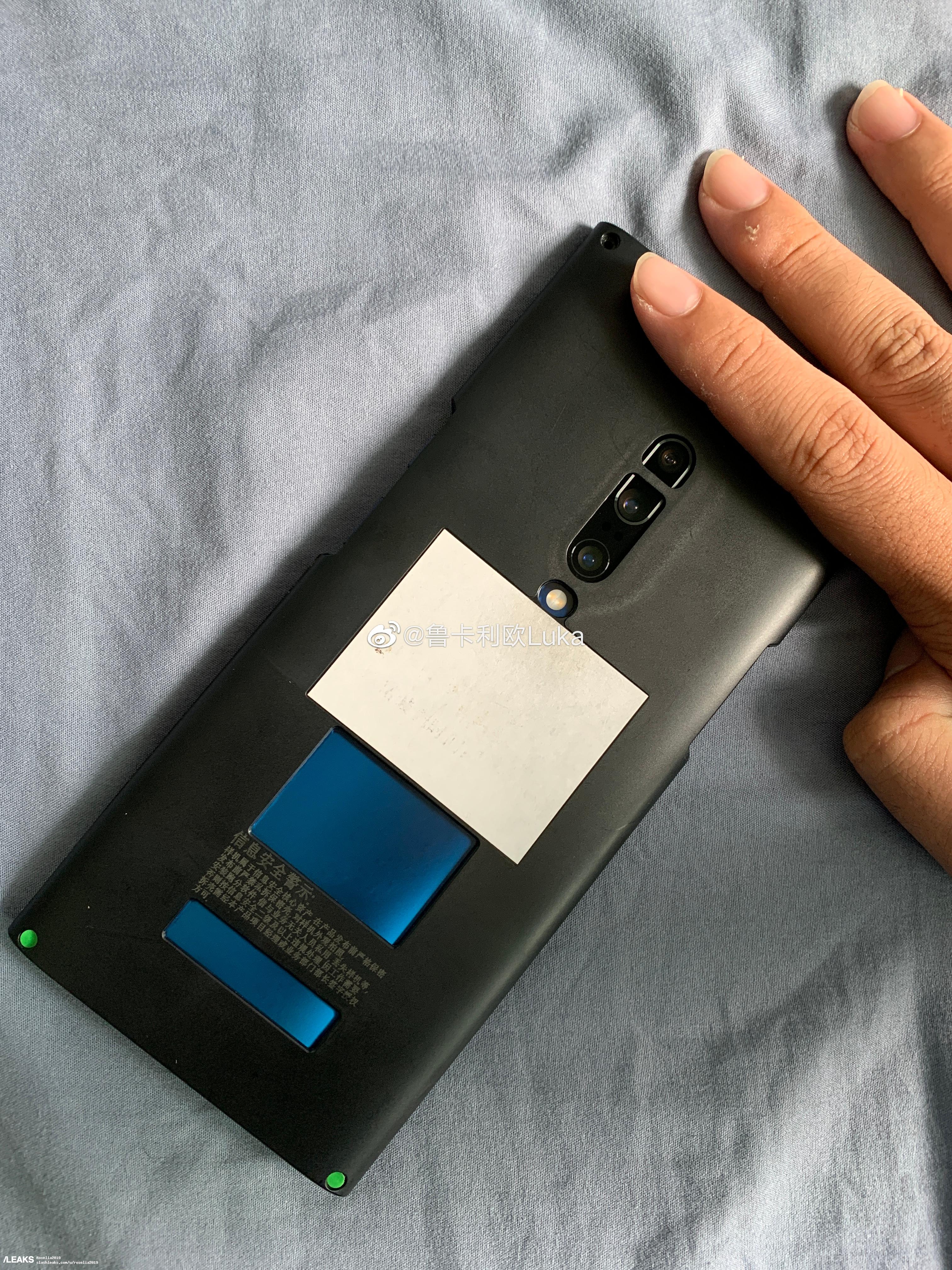
Yesterday, the Nubia Z20 launched as the second dual-screen phone from Nubia. The Z20 brings a number of improvements over the brand’s first dual-screen phone, the Nubia X.

Nubia Z20 blue

Both screens are now OLED panels on the Z20. The cameras have been upgraded and there is an additional sensor for a triple camera setup. It also features the new Snapdragon 855 Plus processor and packs a bigger battery with a faster charging (27W) technology.

With a starting price of under $500 in China, the Nubia Z20 is a phone worth considering. The good news is that the phone will not be China-exclusive as the Nubia Z20 will be getting a global release soon.

Nubia Z20 global launch

The info was shared on Twitter by Sudhanshu Ambhore. We tried checking Nubia’s social media channels for the original source but didn’t find it. However, seeing as the official Nubia India social media accounts shared details about the flagship before its release, we have a feeling India will be one of the markets getting the device.

The Nubia Z20 has a 6.42-inch curved FHD+ AMOLED primary display and a 5.1-inch secondary HD+ AMOLED display. It not only has two displays but two side-mounted fingerprint scanners. The Snapdragon 855+ processor is paired with 6GB/8GB of RAM and 12GB/512GB of storage.

It has a 48MP primary camera, a 16MP ultrawide angle camera, and an 8MP telephoto camera with 3x optical zoom, 30x digital zoom, and a 2.5cm super macro mode. There is a 4000mAh battery under the hood along with support for 27W fast charging and Power Delivery support. It doesn’t have an audio jack but comes with a type-c to 3.5mm cable. The phone runs Nubia UI 7.0 based on Android Pie out of the box.

The Nubia Z20 will go on sale on August 16 in China. The base model with 6GB of RAM and 128GB of storage is ¥3499 (~$496), there is also an 8GB RAM + 128GB version for ¥3699 (~$525) while the highest configuration with 8GB of RAM and 512GB of storage will sell for ¥4199 (~$595).

(Sources: 1, 2)


UP NEXT: Honor 20 Pro makes its global debut with Russia launch

Meizu 16s Pro 3C certified with 24W rapid charger

Recent reports have claimed that Meizu will be soon launching a new flagship phone called Meizu 16s Pro. It will be an advanced version of the Meizu 16s phone that was made official in April and it will be also arriving to replace the Meizu 16 Plus smartphone from last year. Recently, the Meizu M973Q phone was spotted at the database of National Radio Authority in China. The Meizu 16s has a model number of M971Q. Hence, it is believed that the newly spotted M973Q could be the Meizu 16s Pro. The same model number has appeared on the database of 3C authority of China.

The 3C listing of the Meizu M973Q has no information on its specifications. However, it reveals that the smartphone could be accompanied by a charger that supports up to 24W fast charging. The Meizu 16s also carries support for 24W rapid charging.

Meizu 16s Pro 3C listing

At the beginning of July, Chinese retailer site Taobao had carried a listing of the unannounced Meizu 16s Pro smartphone. The listing had carried an image of the smartphone which resembled with the design of the Meizu 16s phone. Its front is fitted with a notch-less display that is surrounded by slim bezels. The very thin bezel at the top features a front-facing camera.

Meizu 16s Pro Taobao listsing

The Meizu 16s Pro’s image on Taobao had revealed that is equipped with a vertical triple camera unit. The Meizu 16s has a Sony IMX586 48-megapixel primary lens and a 20-megapixel telephoto lens in its dual camera setup. Probably, the Meizu 16s Pro may feature the same camera sensors that are available on the 16s handset as well as an additional ultrawide flash. A ring-like LED flash is also present below the triple camera unit. The image also suggests that the phone could be equipped with an in-screen fingerprint scanner.

The Meizu 16s Pro could be a more powerful device than the Meizu 16s. Hence, it could be fueled by the Snapdragon 855+ chipset. Probably, the company may announce the smartphone by the end of this month. As of this writing, there is no official confirmation yet form Meizu on the existence of the handset.

UP NEXT: Meizu is all set to launch Flyme 8 on 13th August
Meizu is all set to launch Flyme 8 on 13th August
Flyme, the custom user interface for the Android operating system from Chinese smartphone maker Meizu, is getting a new update. The company has today officially confirmed that the Flyme 8 will be unveiled on 13th August in China.

The launch of Flyme OS 8 comes a bit earlier than expected. Last month, it was reported that Meizu’s Flyme 8 will be launched in the fourth quarter of this year, which means somewhere from October to December.
Meizu Flyme 8 Launch Date Poster
As per the previous reports, the company had started internal testing of the upcoming Meizu Flyme 8 user interface in the second quarter of this year and the testing phase will be concluded in the third quarter. Now, it seems that testing has been completed successfully and thus, the company is all set to launch it on 13th August.
Earlier this year, Meizu’s product manager Chen Jiaxuan had shared the poster of the upcoming Flyme 8 user interface, which revealed that along with a wide number of features, the company is focusing on making then UI fast and stable.

Some of the core features of the Flyme 8 have already been introduced in the Flyme 7.3. Along with a few new features, what remains to be seen is how fast and smooth the upcoming Flyme 8 will be. To know that, we’ll have to wait until the company releases the update officially.

The current version of Meizu’s custom user interface for Android is Flyme 7.3, which integrates the Meizu Pay app with the Flyme system for touchless payments experience using the bank, bus and other access cards. It also comes with DC Dimming feature as well as the internal apps like Shutdown Wake 3.0, Smart Free 3.0, Resource Manager 2.0, Memory compression 2.0, etc have been optimized for better performance.

(Via)

Up Next: DJI schedules “Transform Your World” event on August 13 in China; expected to launch Osmo Mobile 3

Huawei Mate 30 Lite could be the first HongMeng OS powered smartphone

Huawei Developer Conference 2019 is kicking off today, where the Chinese giant is expected to announce new products, including HongMeng OS, EMUI 10 and Honor Smart Screen among others.

After initial buzz about HongMeng OS being Huawei’s answer to Google’s Android operating system, the company’s executive claimed that HongMong OS was never meant to be an Android replacement and is for enterprise use.

Huawei HongMeng OS aka Oak OS

However, it was recently reported that the company is working on to launch a new smartphone by the end of this year, which will be running HongMeng OS out-of-the-box. The report also claimed that the budget smartphone will be priced around 2,000 yuan.

Now, a new report has surfaced online which claims that the upcoming Huawei Mate 30 Lite will be the first smartphone to run the company’s in-house developed HongMeng OS. The report claims that while the international variant will be running Android Q and EMUI 10, the Chinese variant will be powered by HongMeng OS.

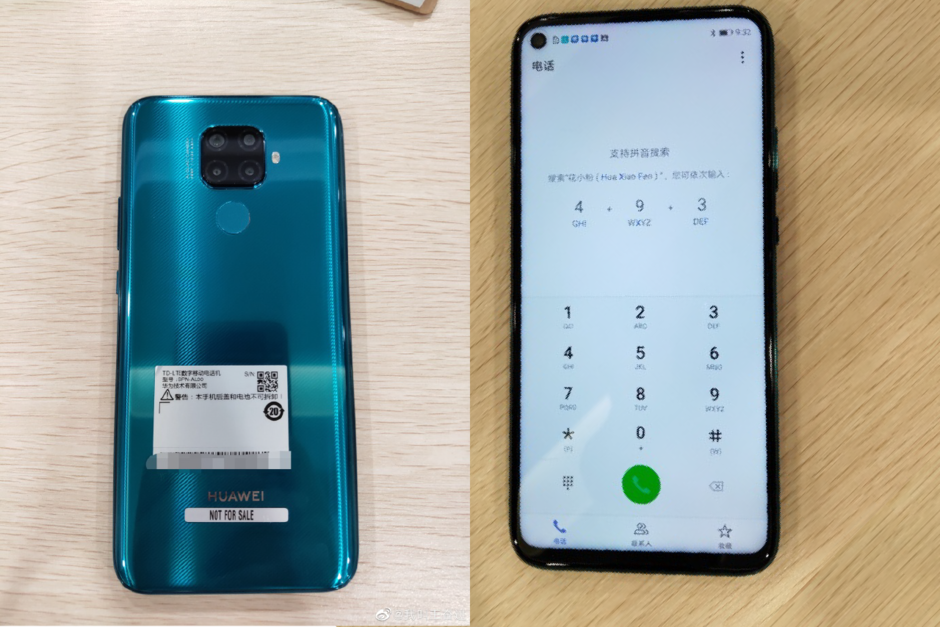
As per the leaks, the Mate 30 Lite will come with a 6.26-inch punch-hole display and is expected to feature quadruple-camera setup on the back which is housed within a square-shaped module. It will have 48 MP primary camera, an 8 MP secondary camera and two 2 MP camera sensors.

Huawei Mate 30 Lite Leak

Under the hood, the device is powered by Huawei’s HiSilicon Kirin 810 octa-core processor, coupled with 6GB of RAM and 128GB internal storage as well as 8GB RAM and 256GB internal storage. The phone is said to have been fuelled by a 3,900mAh battery.

The previous report had claimed that the mid-range smartphone running HongMeng OS will be launched in order to attract software developers to join the company’s new ecosystem. It also added that the system has cryptographic functions that protect personal data and prevents users’ privacy from being breached.

As per the reports, the HongMeng OS is based on open-source Android and is fully compatible with Android applications. Also, during the test run, the operating system turned out to be 60 percent faster than Android.

(Source)

Up Next: DJI schedules “Transform Your World” event on August 13 in China; Osmo Mobile 3 launch expected

DJI schedules “Transform Your World” event on August 13; Osmo Mobile 3 launch expected

Today, China-based drone maker DJI has revealed that it will be launching a new product on 13th August at an event named “Transform Your World”, but the company has not clarified which product it is. However, many believe that DJI is gearing up to launch Osmo Mobile 3 at this event.

DJI Osmo Mobile 3 Launch Event

Earlier, the grip handle, as well as the whole product, i.e. the upcoming Osmo Mobile 3, was leaked online. Reports indicate that the device will come with support for Bluetooth 5.0 Low Energy (LE) as well as USB Type-C port. But apart from that nothing much is known about this upcoming product. It’s still unclear what new functionality we can expect from the DJI Osmo Mobile 3.

The DJI Osmo Mobile 2 stabilizer packs a 2,600mAh battery (18650 LiPo) that is claimed to provide 15 hours of usage on a single charge. This was a significant upgrade to the original which used replaceable 1,225mAh batteries that lasted about 4.5 hours.

Compared to the original model, the second-generation model was also lighter at 485 grams, thanks to the switch to “high-performance nylon” from the nylon and magnesium alloy of the original.

It comes with a wide range of features, including from timelapse, to motion lapse, hyper-lapse, slow-mo (still only iOS), and also active tracking and live broadcasting. The company had also introduced a zoom slider to the left of the stabilizer to make zooming easy.

The DJI Osmo Mobile 2 was launched for $129.95, which is less than half the price of its predecessor. Thus, it’s hard to imagine if DJI slashes down the pricing of the upcoming Osmo Mobile 3 even further.

(Source)

Up Next: Samsung Galaxy A70s Geekbench listing appears online; could sport a 64 MP camera sensor

Samsung Galaxy A70s Geekbench listing appears; May sport a 64MP lens

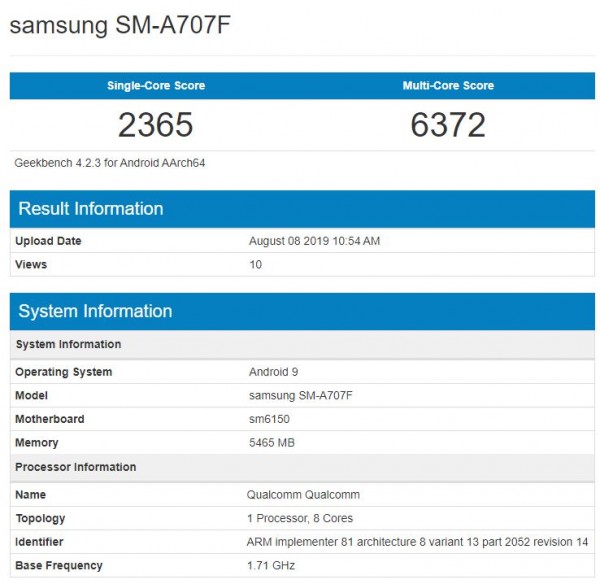
Samsung is reportedly working on the launch of the new Galaxy A-series phones. These smartphones are speculated to arrive as enhanced versions of the Galaxy A phones that were released in the first half of the year. A Geekbench listing of a new Samsung phone that has a model number of SM-A707F has appeared. Since the original Galaxy A70 phone had a model number of SM-A705, it is speculated that the SM-A707F is the enhanced Galaxy A70s. A recent report has claimed that it could be the first Samsung phone to sport a 64-megapixel camera.

The Geekbench listing of the purported Samsung Galaxy A70s reveals that it is powered by the Snapdragon 675 chipset. It also reveals that the smartphone is equipped with 6 GB of RAM and it runs on Android 9 Pie OS. In the single-core and multi-core tests of Geekbench, the SM-A707F smartphone has respectively scored 2365 and 6372 points. The Galaxy A70 smartphone that was announced earlier this year is also fueled by Snapdragon 675 chipset and 6 GB of RAM.

Samsung Galaxy A70s SM-A707FGeekbench

In related news, reliable leakster Ice Universe has claimed that Samsung is working on a Galaxy A series phone with 64-megapixel camera. He added that the South Korean company is aiming to launch the phone in September or October. It is speculated that the Galaxy A70s could be the first Samsung to feature its own 64-megpaixel GW1 sensor.

Samsung Galaxy A70 Specifications

The Samsung Galaxy A70 houses a 6.7-inch AMOLED display with Infinity-V notch. It supports full HD+ resolution and it is embedded with an in-screen fingerprint scanner. The One UI based Android 9 Pie OS runs on the device. The Snapdragon 675 powered phone comes in 6 GB and 8 GB RAM options and it has a native storage of 128 GB. It features a dedicated slot for adding a microSD card.

Galaxy A70 featured

For capturing selfies, the Galaxy A70 houses a front-facing camera of 32-megapixel. The rear shell of the phone features a triple camera unit. It includes a 32-megapixel primary lens, an ultrawide 8-megapixel sensor and a depth sensor of 5-megapixel. The handset is backed by a 4,500mAh battery that supports 25W fast charging through USB-C. It comes in colors like Coral, Blue, Black and White.

(source 1, 2|via 1)

UP NEXT: Check out Samsung’s official Galaxy Note 10 Hands on videos

Snapdragon 865 Geekbench listing seems to have appeared

In December, Qualcomm had launched the Snapdragon 855 mobile platform as the first 7nm chipset for mobile devices. The 2.84GHz SD855’s enhanced version dubbed as Snapdragon 855+ with 2.96GHz clocking speed was announced in the previous month. It is speculated that the Snapdragon 865 will be announced by the end of the year. It appears that the SD865 is being tested since a couple of listing of a testing device powered the same processor has appeared on Geekbench.

On Geekbench, a testing device labelled as ‘Qualcomm Kona’ has appeared. Its single-core and multi-core benchmarking scores are better than that of Snapdragon 855. The SD855 usually scores around 3.5k in the single-core test of Geekbench. In its multi-core test, the SD855 has scored around 11k. The codename of the chipset is ‘msmnile.’ Interestingly, the Qualcomm Kona device is also powered by ‘msmnile’ processor, but its benchmarking scores are better than SD855.

In the single-core test, the testing device has recorded a benchmarking score of 4149. The multi-core score of the device is 12915. The device is running on Android 10 OS which is nothing but the upcoming Android Q OS. The SoC of the device is coupled with 6 GB of RAM. In the Geekbench listings of SD855 powered phones, the base frequency is usually mentioned as 1.78GHz. However, the multiple listings of Qualcomm Kona show that its processor has a different base frequency of 1.8GHz.

Snapdragon 865 Geekbench

Hence, it appears that the device shown in the newly spotted Geekbench listings could be powered by the upcoming Snapdragon 865 SoC. Popular tipster Roland Quandt had revealed in June that Qualcomm may announce two editions of the chipset. One will come packed with 4G LTE modem and the other one will be integrated with a 5G modem. Previous leaks have revealed that Huracan and Kona are the names of the two variants of the Snapdragon 865. As it can be seen, the newly spotted Geekbench listing has ‘Kona’ moniker in its name.

The Snapdragon 865 is expected to carry support for LPDDR5X RAM, UFS 3.0 storage and HDR10+ standard. It could be the second-generation 7nm chipset from Qualcomm after the Snapdragon 855. Samsung has reportedly bagged the orders for manufacturing the SD865 SoC. The US based chipset maker may hold an unveil event in December this year to unleash the Snapdragon 865 SoC.

(source)

UP NEXT: Huawei’s growth is affecting Qualcomm’s sales

Honor 9X Pro now available for purchase in China

On July 23, Honor had launched the Honor 9X and Honor 9X Pro smartphones in China. As promised, the sales of the Honor 9X began on July 30. At the unveil event, the Chinese firm had also stated the Honor 9X Pro will be available for buying in China from Aug. 9. The day has arrived, and the first sale of the phone have started in the home market.

Honor 9X Pro Price

The Honor 9X Pro comes in two models such as 8 GB RAM + 128 GB storage and 8 GB RAM + 256 GB storage. Both models are respectively priced at 2,199 Yuan (~$312) and 2,399 Yuan (~$340). The smartphone can be availed in two color options such as Magic Night Black and Phantom Purple. Compared to it, the Honor 9X that includes slightly weaker specs is a cheaper phone that is priced between 1,399 Yuan (~$195) and 1,899 Yuan (~$269).

Honor 9X Pro Specifications

The Honor 9X Pro that comes with a metal and glass combination chassis measures 163.1 x 77.2 x 8.8mm and it weighs 206 grams. The smartphone is fitted with an LTPS IPS LCD display of 6.59 inches. The notch-less display offers full HD+ resolution of 1080 x 2340 pixels and an aspect ratio of 19.5:9. The EMUI 9.1 based Android 9 Pie OS comes preloaded on the device.

Honor 9X Pro

The Honor 9X Pro receives power to perform from the 7nm Kirin 810 chipset that includes 2.27GHzz octa-core processor. The smartphone comes with up to 8 GB of RAM and a native storage of up to 256 GB. A microSD card slot is available on the device for expanding its storage.

The rear shell of the phone that features a marvelous ‘X’ pattern has a triple camera unit. It includes an f/1.8 aperture 48-megapixel primary lens, an 8-megapixel ultrawide lens with f/2.4 aperture, and a 2-megapixel depth sensor with f/2.4 aperture. It also features a pop-up selfie camera of 16-megapixel. The front camera is optimized to capture impressive selfie shots in low-light conditions.

The Honor 9X Pro houses a 4,000mAh battery with 10W charging. The connectivity features of the smartphone include dual 4G VoLTE, Wi-Fi 802.11ac, Bluetooth 5.0, GPS, USB-C and 3.5mm audio jack. It is also equipped with a side-mounted fingerprint reader.

UP NEXT: Honor Band 5 launched in India with AMOLED screen, Even before the Mi Band 4

Purported OnePlus 7T Pro live shots leak front and rear design

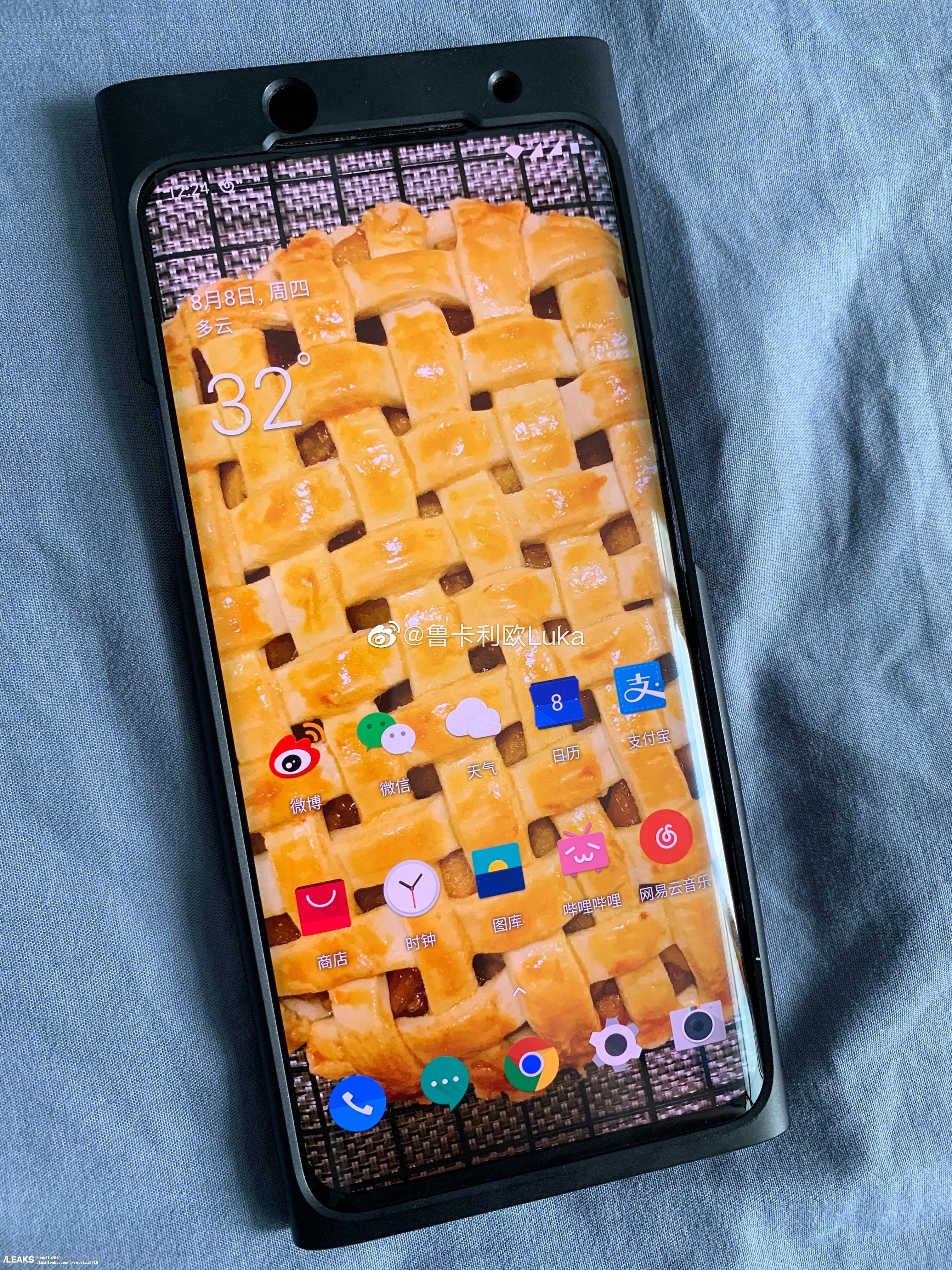
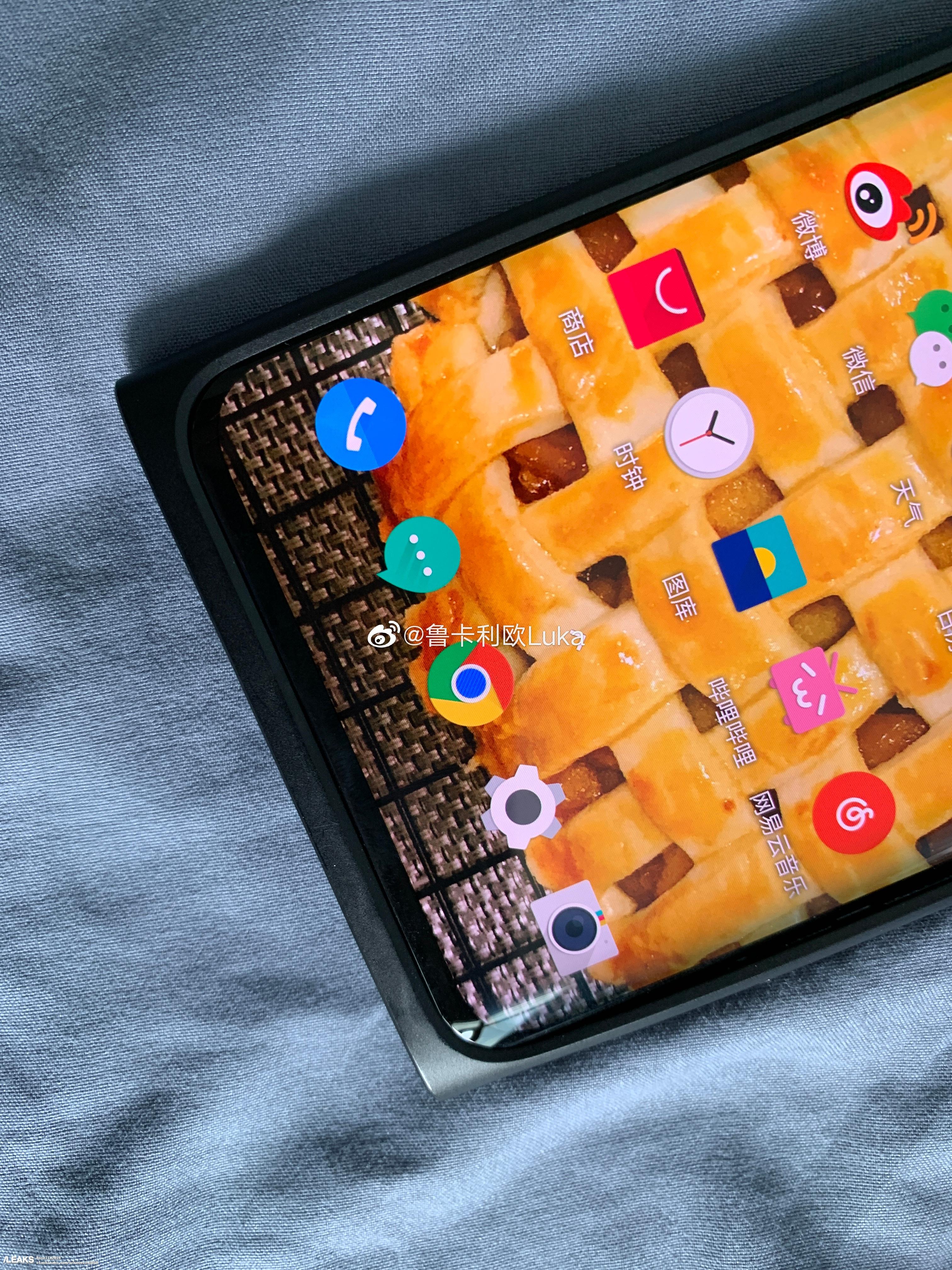
Earlier this week, live shots of the purported OnePlus 7T Pro handset had appeared on Weibo. The exact design of the phone was not visible in those photos since the handset was placed inside a case. Fresh set of photos of the rumored OnePlus 7T Pro have surfaced again. Again, the device has appeared in a protective case to hide its design. However, one of the images showcases the rear appeal of the phone.

The front images of the alleged OnePlus 7T Pro smartphone reveals that it features a notch-less display. The edges of the phone are curved, and its bottom bezels appears very thin. The speaker placed on the slim-sized top bezel of the phone appears more prominent than the OnePlus 7 Pro handset. The notch-less design suggests that the smartphone will be equipped with a pop-up selfie snapper.

The blue colored rear shell of the purported OnePlus 7T Pro is visible through the gaps on the protective case. There is a vertical triple camera unit in the upper half of the rear shell. The first two camera sensors are placed together and there is a small gap between the second and third sensor. An LED flash can be also below the triple camera unit. There is no rear-mounted fingerprint scanner since it seems to be under the display of the phone. The rear design of the alleged OnePlus 7T Pro is identical to the two months old OnePlus 7 Pro smartphone.

There is no concrete evidence to confirm that the above shown handset is indeed the OnePlus 7T Pro smartphone. The phone seen in the leaked photos is almost identical to the Nebula green version of the OnePlus 7 Pro smartphone. The only major difference in design between the two smartphones is that that the alleged OnePlus 7T Pro features a wider speaker.

The ‘T’ edition phones from OnePlus usually carries improved specs. However, their design remains identical to the original model. Hence, there is a possibility that the OnePlus 7T Pro may look like the OnePlus 7 Pro smartphone, but it may carry enhanced specs. Rumors have it that the OnePlus 7T Pro could be fueled by the new 2.96GHz Snapdragon 855+ and it may feature improved cameras. There is a possibility that it may come in new color options.

There is no official confirmation on the existence of the OnePlus 7T Pro. However, based on the release patterns of the company, the OnePlus 7T Pro is expected to go official in November. Probably, the company may release a 5G edition of the smartphone.

Do you think that the above images are fake or real? Share us your views by posting your comments below.

(source 1, 2)

UP NEXT: OnePlus TV listed on Bluetooth SIG website revealing the screen sizes and other details

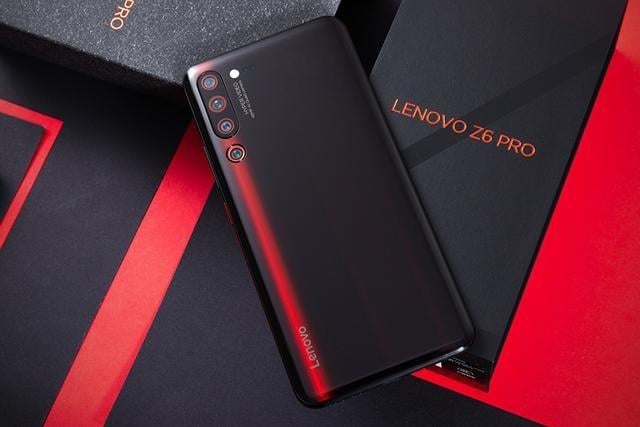
Lenovo Z6 Pro makes its debut in Europe for 999 Lev ($571)

Lenovo Z6 Pro has gone on sale in Europe in a surprise twist, with the sale starting in Bulgaria where it is priced for 999 Lev ($571). The Z6 Pro was first released in China back in April, Th listing in the company’s official store in Bulgaria is the first time the Chinese giant is offering its phones outside China in a long while. Lenovo Z6 Pro

Lenovo Z6 Pro is a flagship model packing a Snapdragon 855 chipset. It sports a 6.3-inch AMOLED display with Full HD+ screen resolution of 1080 x 2340 pixels, waterdrop notch, and an aspect ratio of 19.5:9. The screen also comes integrated with a sixth-generation in-display fingerprint reader. It is available in three memory variants; 6/8/12 GB RAM and 128GB, 256GB, and 512GB internal storage versions. There’s a Coldfront liquid cooling technology that regulates the internal temperature of the device.Lenovo z6 pro

It features 48 MP + 16 MP + 8 MP + 2 MP camera sensors on the back with AI Hyper Video feature. On the front side, the smartphone comes with a 32 MP snapper. The ZUI 11 based Android 9 Pie OS comes pre-loaded on the device and for the optimized gaming experience, the handset features Game Turbo game acceleration feature. It is fueled by a 4,000mAh battery that carries support for 18W fast charging.

The Z6 Pro has a 5G version and it is possible Lenovo will also launch that model.

UP NEXT: Honor Band 5 launched in India with AMOLED screen, Even before the Mi Band 4

(source)

Alldocube iPlay10 Pro Review: A Great Entertainment Tablet

With the development of smartphone size, most of users have no more need of tablets. But for me, tablet is an important device. Alldocube is well-known for its affordable tablets in the market, and I got the Alldocube iPlay10 Pro Tablet several days ago. Let’s check it out.

Design:

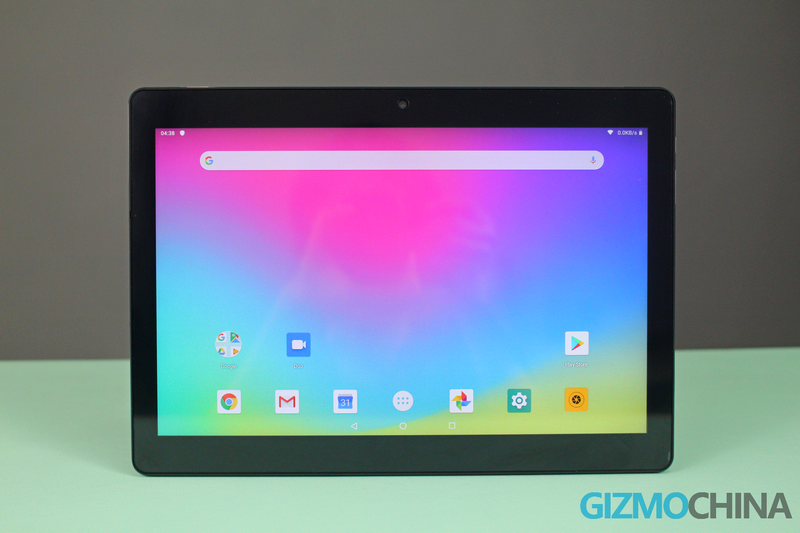
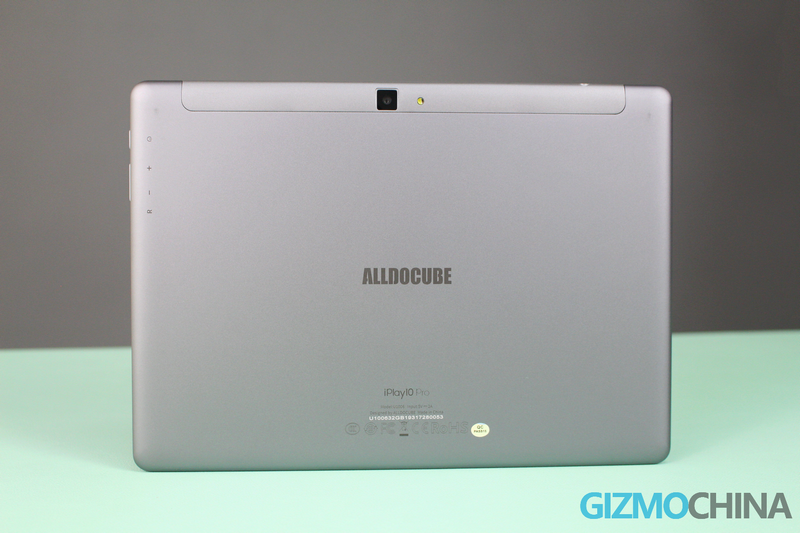
In terms of the appearance design, the ALLDOCUBE iPlay10 Pro is good but not surprising enough. Look at its front side. The edge of the tablet is wider than Xiaomi Mi Pad 4. But actually, I do appreciate at the wider edges more, as it can prevent mistakenly touching. The iPlay10 Pro comes with a 10.1-inch IPS full screen having the resolution of 1920×1200 pixels, while the ppi is only 225. Although the color effect and the image quality are not bad, the visual effect is not so good.

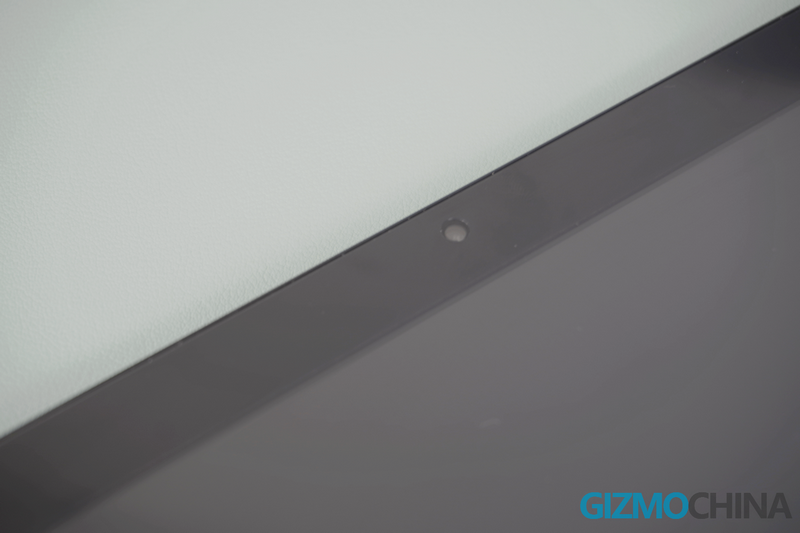
The front camera is set at the middle of Landscape display, which position is different from most of the tablet camera set at the Portrait display middle position.

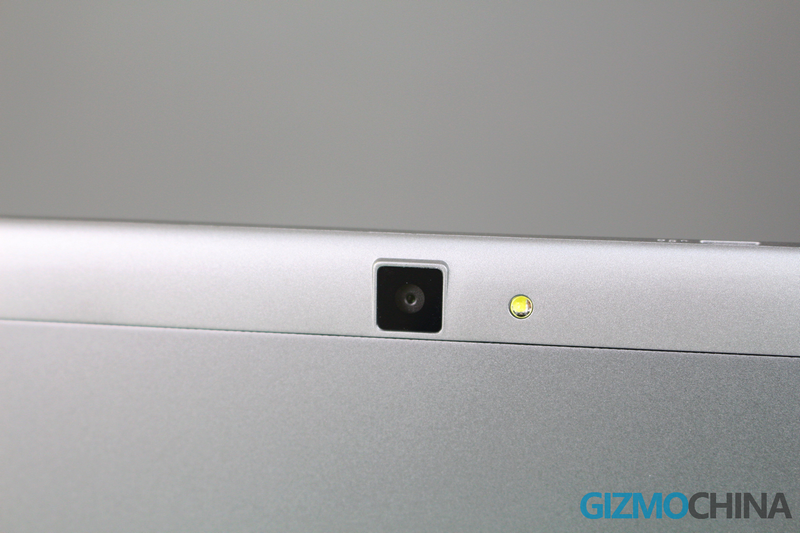
From the back side of the Alldocube iPlay10 Pro, it ships with premium aluminum material, which is textured and solid, and the silver gray color looks beautiful. On the top of the rear side, there is a camera with a flash light. The ALLDOCUBE logo is printed on the middle of back side.

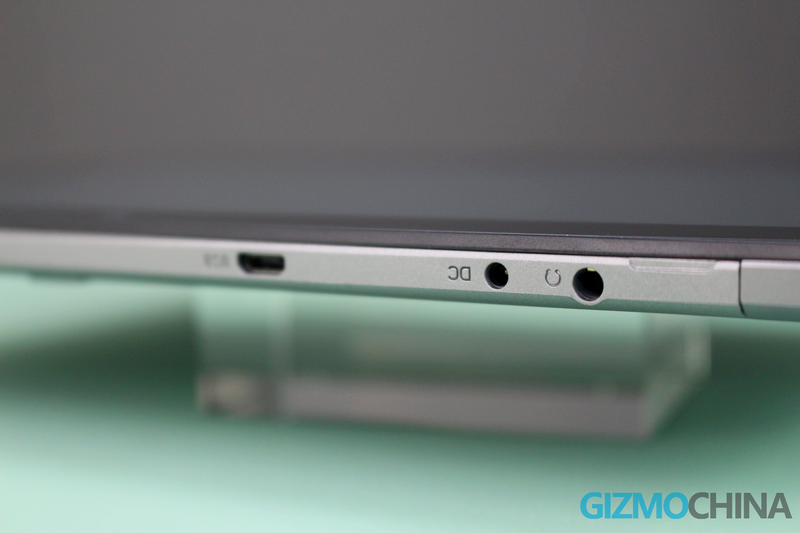
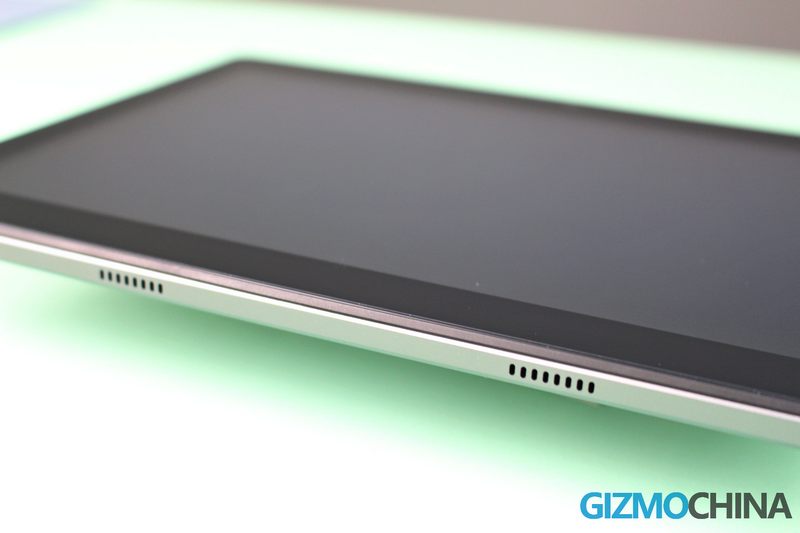
The power button and the volume button are placed on the right sidebar. And a Micro USB 2.0 Port supporting OTG, network sharing and charing, a 3.5mm DC Port supporting charging and a 3.5mm headphone jack are set on the top of the side. The Alldocube iPlay10 Pro also ships with dual stereo speakers on the bottom side, which provide pleasant sound experience.

Display:

Nowadays, we usually use the tablet to watch videos and play games for entertainment. But for me, I use the tablet to watch videos rather than play games because of the large screen size, which is not easy to hold it for a long time.

The display shows details clearly and reproduces colors well whatever the brightness. During the test time, I used it to replace my phone to watch video, and I play games with my phone at the same time. It’s a great device for relaxing.

Performance:

Alldocube iPlay10 Pro comes with Mediatek MT8163 processor, which is one of the most popular processor used in tablets. The Alldocube tablet arrives with 3GB of RAM and 32GB of internal storage, and it also supports Micro SD card up to 128GB.

Thanks to the MT8163 processor, it’s easy for the tablet to run the applications smoothly. Most of the time, you will have smooth and fluent feel and experience. However, because of the 3GB of RAM, the iPlay10 Pro would have a few glitches when turning on multiple applications. If you just think of it as an entertainment device, the glitch is not a matter.

Camera:

The Alldocube iPlay10 Pro is equipped with 5MP rear camera supporting auto focus and flash, and 2MP front camera. The image quality is mediocre, which blurry problem and details lacking are obvious.

[envira-gallery id=”269178″]

Although the camera setups are not so good, most of you would use smartphones to take photos rather than tablets. Therefore, I think these cameras are enough for a tablet.

Battery:

Alldocube iPlay10 Pro is fueled by 6600mAh battery, which is definitely enough for daily use.

Alldocube iPlay10 Pro — 79% to 41% — Watch video for an hour

Alldocube iPlay10 Pro — 40% to 72% — Charge for an hour

I can use it for five days, which is between Monday to Friday, with one fully charge. However, I should charge it every day on the weekend because of the different usage time.

Conclusion:

The Alldocube iPlay10 Pro tablet has its set of issues. The smooth experience of tablet is limited. The camera is not so good and charging the battery takes a long time.

However, the tablet comes with solid material, premium design, a large battery, and good display quality. There’s a lot of good points about the Alldocube iPlay10 Pro, which is only priced at $109.99. As an entertainment device, it is good enough for most of users.

Xiaomi begins Android Q internal test for Mi 9 models running MIUI Developer version

Xiaomi has officially announced that it has commenced Android Q internal testing for the Mi 9 models running MIUI Developer Version. The tech giant had last month pushed the Android Q Beta Priority experience version for the same device. But it was available for a selected few only. This developer version means the Android Q would be available to all users of the Mi 9 soon.Xiaomi Mi 9

Xiaomi had earlier in June confirmed the list of smartphones that are scheduled to receive Android Q beta in the last quarter (Q4) of the year. The models5f include Xiaomi Mi 9 SEXiaomi Mi 8Xiaomi Mi 8 Explorer EditionXiaomi Mi 8 Screen Fingerprint EditionXiaomi Mi MIX 2SXiaomi Mi MIX 3Redmi K20 and Redmi K20 Pro. The Redmi Note 7 and Redmi Note 7 Pro will be getting the Android Q beta in Q1 2020.

EDITOR’S PICK: Honor Band 5 launched in India with AMOLED screen, Even before the Mi Band 4

The Mi 9 is one of Xiaomi’s best smartphones going by the design. The phone was released earlier this year running Android Pie-based MIUI 10. Android Q brings several new features but the major focus is on enhancing the privacy features for users. Users with Android Q phones will have the power to decided whether an app can access the location while it is running in the background. When an app starts accessing location data, a microphone or a camera, Android Q will show a corresponding icon in the notification bar to tell the user which app is using the permission. Android Q comes with native support for Dark Mode. This feature is currently integrated with MIUI 10.

As a reminder, the Mi 9 features a 6.39-inch Samsung AMOLED screen. The phone is powered by a Snapdragon 855 chipset. It equally comes with a 20MP selfie camera and at the rear, there is a 48MP wide-angle + 12MP + 16MP triple cameras. The device gets its juice from a 3300mAh.


UP NEXT: Samsung Galaxy Note 10+ vs Huawei P30 Pro vs OnePlus 7 Pro: Specs Comparison

(source)

Check out Samsung’s official Galaxy Note 10 Hands on videos

Samsung unveiled what is definitely the company’s best smartphone yet yesterday, talking about the Galaxy Note 10 series. In case you haven’t seen enough of the smartphones, Samsung has got you covered. The Korean tech giant has released a slew of promo videos of the Galaxy Note 10 models which they called hands-on videos.Galaxy Note 10 Series featured

Each of the videos focuses on a specific aspect of the new handsets, throwing more likes on the positive features on the devices. Sure, the videos can’t be unbiased as no mention is made of the removal of the headphone jack.

Samsung describes the design of the Galaxy Note 10 as “groundbreaking”. The massive display is dubbed “virtually bezel-less Cinematic Infinity Displays”. The promo video also touched on the amazing and improved S Pen. The S Pen is “even smarter” now, but is still sleek and slim. Trust Samsung to flaunt the Air Actions of the S Pen.

The Galaxy Note 10 cameras are identical to those in the S10 and S10+ but Samsung touts them to be “pro-grade”. That might be because of improvements in the software. The phone equally comes with a built-in video editor that lets you create “shareworthy” stuff.

The DeX also gets its own hands-on video even though it is not a new add-on. The Note10 models can be connected with a monitor or TV to bring it to life on the big screen, all thanks to DeX.


Samsung even promotes the Galaxy Note 10 as a good one for gaming.


UP NEXT: Xiaomi launches the Youdao Memobird G4 pocket printer priced at 299 yuan($42)

(source)

Samsung Galaxy Note 10+ vs Huawei P30 Pro vs OnePlus 7 Pro: Specs Comparison

After Samsung unveiled the Galaxy Note 10+, a lot of people remained without words. Some of them due to the amazing specifications and features of the new flagship, some for its very high price tag. Whatever you may think, the Galaxy Note 10+ is undoubtedly one of the best phones released this year, besides being one of the most expensive ones. It is time to compare it with the biggest players in the smartphones market: we decided to start with the Huawei P30 Pro and OnePlus 7 Pro as they are two of the few real top-tier flagships which attracted most of the people in 2019. In this comparison, we will explain the difference and we will tell you if it is worth spending more for the Galaxy Note 10+ or not.

Samsung Galaxy Note 10+ vs Huawei P30 Pro vs OnePlus 7 Pro

Samsung Galaxy Note 10+ Huawei P30 Pro OnePlus 7 Pro
DIMENSIONS AND WEIGHT 162.3 x 77.2 x 7.9 mm, 196 g 158 x 73.4 x 8.4 mm, 192 g 162.6 x 75.9 x 8.8 mm, 206 g
DISPLAY  6.8 inches, 1440 x 3040p (Quad HD+), Dynamic AMOLED 6.47 inches, 1080 x 2340p (Full HD+), OLED 6.67 inches, 1440 x 3120p (Quad HD+), Fluid AMOLED
PROCESSOR Samsung Exynos 9825, octa-core 2.73 GHz Huawei HiSilicon Kirin 980, octa-core 2.6 GHz Qualcomm Snapdragon 855, octa-core 2.8 GHz
MEMORY  12 GB RAM, 256 GB – 12 GB RAM, 512 GB – micro SD slot 6 GB RAM, 128 GB – 8 GB RAM, 128 GB – 8 GB RAM, 256 GB – 8 GB RAM, 512 GB – nano memory card slot 6 GB RAM, 128 GB – 8 GB RAM, 256 GB – 12 GB RAM, 256 GB
SOFTWARE  Android 9 Pie, One UI Android 9 Pie, EMUI Android 9 Pie, Oxygen OS
CONNECTIVITY  Wi-Fi 802.11 a/b/g/n/ac, Bluetooth 5.0, GPS  Wi-Fi 802.11 a/b/g/n/ac, Bluetooth 5.0, GPS Wi-Fi 802.11 a/b/g/n/ac, Bluetooth 5.0, GPS
CAMERA  Quad 12 + 12 + 16 MP, f/1.5-1.8-2.4 + f/2.1 + f/2.2
10 MP f/2.2 front camera
Quad 40 + 20 + 8 MP + TOF, f/1.6 + f/2.2 + f/3.4
32 MP f/2.0 front camera
Triple 48 + 16 + 8 MP, f/1.6 + f/2.2 + f/2.4
16 MP f/2.0 front camera
BATTERY  4300 mAh, fast charging 45W, Fast wireless charging 20W 4200 mAh, fast charging 40W, wireless charging 15W 4000 mAh, fast charging 30W with Warp Charge
ADDITIONAL FEATURES Hybrid Dual SIM slot Hybrid Dual SIM slot, waterproof (IP68), reverse wireless charging Dual SIM slot

Design

When it comes to the aesthetics, Samsung Galaxy Note 10+ is not a device for everyone. Due to its huge display, it is all but a compact handset. But its look is amazing, just like the OnePlus 7 Pro. I personally prefer to have a hole in-display and the S Pen rather than a pop-up camera, but that is just my tastes. Further, note that Samsung Galaxy Note 10+ is fully waterproof, unlike the OP7 Pro. On the other hand, despite it has a classic waterdrop display, Huawei P30 Pro is way more compact. Which one would you pick?


Display

Here it is a hard fight between Samsung Galaxy Note 10+ and OnePlus 7 Pro as the Huawei P30 Pro loses the comparison due to an inferior display. The Galaxy Note 10+ should offer a better color reproduction, it has a bigger display size and even the support to S Pen which can now be used as a motion controller thanks to Bluetooth connectivity, a gyroscope and an accelerometer (you can still use it for handwriting and drawing). On the other hand, OnePlus 7 Pro should have a worse color reproduction but a higher refresh ratio, that is better for gaming as it provides more smoothness.


Hardware/Software

Given that OnePlus 7 Pro has a more lightweight software department (almost stock Android) as well as a very optimized hardware department including Snapdragon 855 and up to 12 GB of RAM, it should be the fastest smartphone of this trio. But we can not tell it for sure, at least until we test the Galaxy Note 10+ which is equipped with the brand new Exynos 9825 built at 7 nm. Note that the phablet only comes in 12 GB RAM configurations, while only the most expensive variant of the Oneplus 7 Pro has 12 GB of RAM.


Camera

As a camera phone, OnePlus 7 Pro is not as valid as to its two rivals. It will be hard to pick a winner between Samsung Galaxy Note 10+ and Huawei P30 Pro and we have to test the former thoroughly to give a definitive verdict. At a first glance, it seems that Huawei P30 Pro will do better in low light conditions due to its RYYB paradigma, but Galaxy Note 10+ may result better in all the rest, including selfies due to its amazing 10 MP front camera able to record 4K videos.


Battery

There is a very small difference between the battery capacities of these devices. We believe that Huawei P30 Pro has more chances to last longer on a single charge due to its smaller and more efficient display. Further, it features reverse wireless charging while OnePlus 7 Pro does not offer any kind of wireless charging technology.


Price

Huawei P30 starts from €760/$850, OnePlus 7 Pro from €700/$780 and Samsung Galaxy Note 10+ from €1050/$1175. While the Galaxy Note 10+ is the best phone of the trio at the end of the day, Huawei P30 Pro currently offers the highest value for money thanks to online street prices.


Samsung Galaxy Note 10+ vs Huawei P30 Pro vs OnePlus 7 Pro: PRO and CONS

Huawei P30 Pro

PROS

  • Amazing cameras
  • Reverse wireless charging
  • More compact
  • Waterproof

CONS

  • Lower-end hardware


OnePlus 7 Pro

PROS

  • High performance
  • Awesome display
  • Amazing design
  • More affordable listing price

CONS

  • No expansion slot


Samsung Galaxy Note 10+

PROS

  • Amazing and big display
  • Bigger battery
  • S Pen
  • Waterproof
  • Great cameras
  • Wireless charging

CONS

  • Costlier

Honor Band 5 launched in India with AMOLED screen, Even before the Mi Band 4

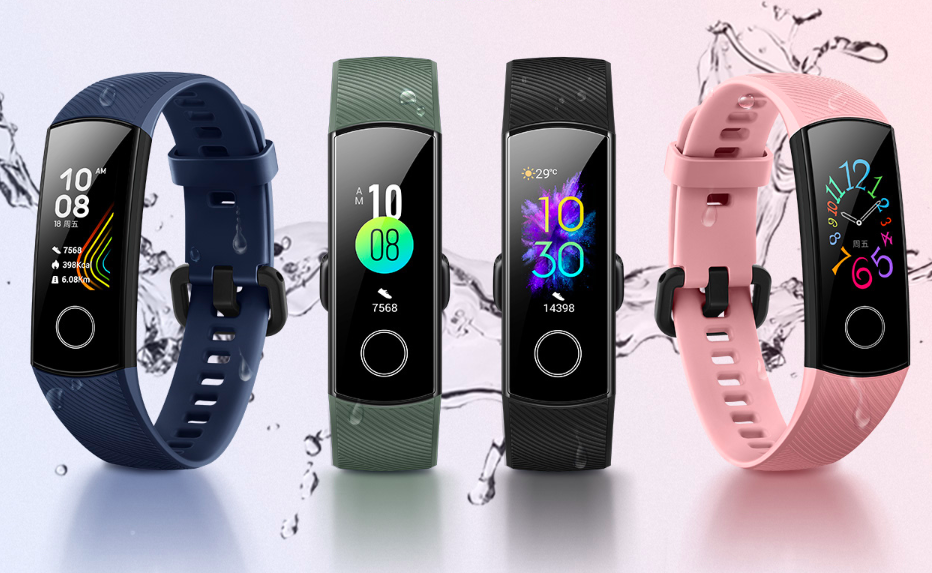
Honor announced its new Honor Band 5 fitness tracker a few weeks back in China. Now the same band is available for purchase in India as well for a price tag of Rs. 2599. It is interesting to note that the new band comes even before Xiaomi has announced the Mi Band 4 in India.

Honor Band 5 02

The Honor Band 5 offers incredible value for this price tag. It features a color AMOLED display which is capable of showing texts, call, and other notifications on its screen. It even features a SpO2 oxygen sensor that displays the level of oxygen in your blood. There’s a regular heart rate sensor too.

Other features are standard like sleep monitoring with the ability to detect six different types of sleeping problems, and 10 different sports modes that include indoor and outdoor running, cycling, swimming, and a few other cardio activities. The Honor band is waterproof up to 50 meters, so you can wear it while swimming too!

The Honor Band 5 is available in three colors: Midnight Navy, Coral Pink, and Meteorite Black. It is currently listed on Flipkart but is out of stock in most places.

UP NEXT: Honor Band 5 vs Mi Band 4: Full Specs Comparison

(via)

Throwback Tech Thursday: We Revisit Nokia 9210 Communicator, the phone that could send & receive FAX

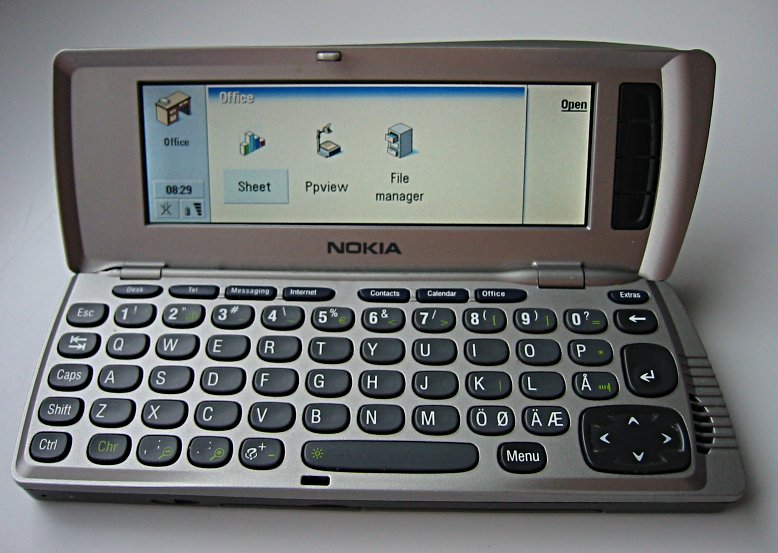
Another Thursday, another throwback article. Today, we are going to take a look at Nokia’s business phone from the 2000s, the Nokia 9210 Communicator. It was one hell of a phone and anyone who carried one back in its day showed that he meant serious business. And why wouldn’t he? After all, the Communicator was one of the few mobile phones that could send and receive a fax. In an era where the internet wasn’t widespread, this was a really big deal. Talking about big, the phone was also pretty large. In fact, it was large enough to replace a brick. But it did have its share of powerful features to justify its bulky form factor.

Nokia_9210 communicator
source: wikipedia

The Nokia 9210 Communicator is from the age when even mobile phone boxes were huge. And I was just pleasantly reminded (check the video at the end) that the phone came with a number of huge booklets that were supposed to be read before using it. Of course, nobody would have bothered to go through them, after all, it would have probably taken a few hours to read them all.

Moving on to the phone itself, I wasn’t kidding when I said it resembled a brick. The phone measured 27mm in thickness and weighed 244 grams. It was like Nokia slapped a phone on top of a mini-laptop. I mean it looked the part. The Nokia 9210 Communicator looked like a cordless phone upfront, but when you opened it, the phone resembled a mini-laptop. You got a full set of QWERTY keys and even extra functional buttons on top, making for one hell of a business phone. It was also the first Nokia phone to feature a color display. It was Nokia’s first Symbian OS phone too!

I actually decided to cover the Communicator today in the Throwback series because it came with two displays. I was reminded of this model when I was covering the launch of the Nubia Z20 which also had two displays and was rich in features.

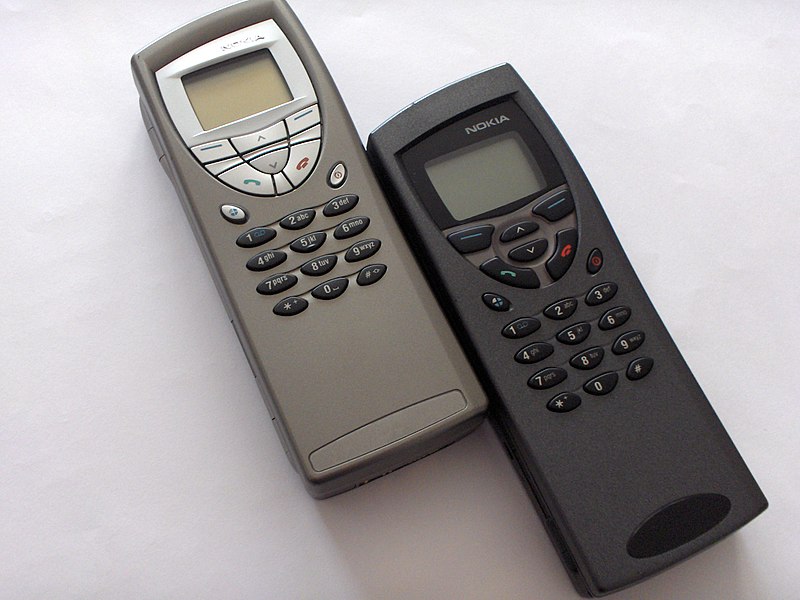
Nokia 9210 (L) vs Nokia 9110 (R)
Nokia 9210 (L) vs Nokia 9110 (R) source: wikipedia

The Nokia 9210 Communicator featured a small 80 x 48 pixel screen upfront with the secondary color display inside being the real gem. Measuring 4.5-inches with a 640 x 200 pixel resolution, it was one of the better displays in the mobile phone market back in its time. Not to mention, the phone also came with a card slot to expand its minuscule 16MB memory. But it had a decent 1400mAh battery, which was pretty large for its time.

You could access the calendar, internet, and other typical PDA features through the bigger screen and keyboard inside. It even had an infrared port and a video player.

Nokia_9210 laptop
source: wikipedia

Nokia’s communicator clearly meant serious business and it had some serious features to back its reputation too. It’s no surprise that Nokia managed to overtake competitors such as Palm as well as Compaq in 2001, thanks to the Nokia 9210 Communicator.

Any ex-Nokia Communicator users here?

Meanwhile, check out this amazing video down below! It’s a trip down the memory lane.


Interested in more throwback articles? Read below!

Shanling MTW100 truly wireless earbuds presale kicks off

Shanling is not a company you’ve been hearing of too often in the tech news. And yet, the Chinese manufacturer is producing some very interesting and high-end audio devices and accessories. Their latest earphone addition is the first pair of truly wireless earbuds, Shanling MTW100 that will go on presale on August 12th and will start shipping 3 days later. The headset comes in three colors -White, Black, and Red- and the price for the White is $69 while the rest cost $89 and offer some hours of extra battery life and better sound reproduction.

Shanling MTW100

The price might seem a bit steep but the specs justify it to the last cent. First off, the white version offers 6 hours of battery that extends to 21 hours with the help of the charging box. The other 2 colors’ numbers are 7 hours and 24 hours with the charging box. The 2nd difference is that the white version features graphene micro-dynamic-drivers offering wide-open soundstage and rich sound quality while the red and black versions come with Knowles Balanced Armature driver with high sensitivity and high resolution.

Both versions sport Bluetooth 5.0 with support for AAC/SBC codec, higher speed, lower latency, and lower power consumption. Also, there is a surrounding awareness mode that allows some environmental sounds to pass through while listening. The headset has a touch interface through which you can play/pause music, change tracks, change volume, answer/end calls, and call up the digital assistant.

Shanling MTW100

What’s more, it comes with an intelligent DSP noise-cancellation system that supports high definition sound and voice (Wideband speech) by boosting the frequency range of the captured audio combined with dual-mic noise cancellation and echo cancellation for crystal clear calls. Also, you can pair it with your phone using NFC and charge it through the USB Type-C port. Lastly, the headset is IPX7 waterproof preventing it from getting damaged from splashing water and rain. Check out all the company’s products on their official website.

Next-gen Realme X, Realme Pro and Realme series with quad cameras to launch before Diwali

At today’s Realme Camera Innovation Event, the brand confirmed that its next-generation smartphones will have quad-rear cameras. These next-gen smartphones will also arrive before Diwali 2019.

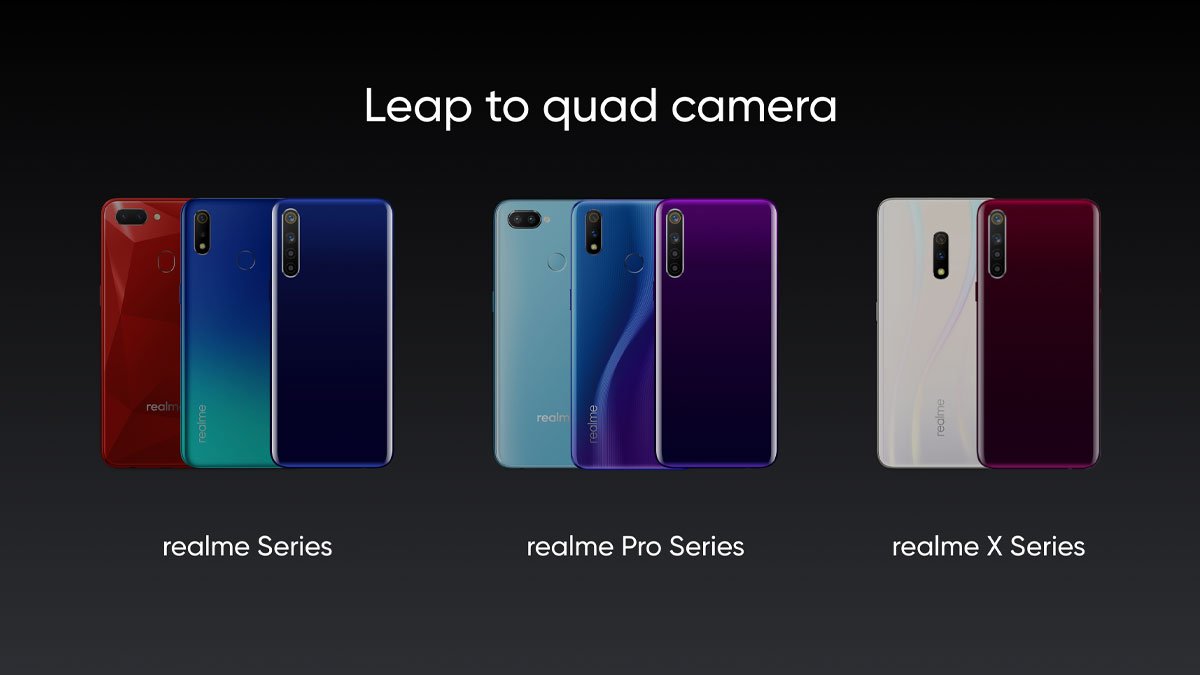
The Realme series that will get quad rear cameras include the successors to the Realme 3, the Realme 3 Pro, and the Realme X. Yes, the Realme X will get a successor this year.

Realme Quad Camera Lineup

Realme shared a photo of the rear of the upcoming phones along with their predecessors. All three upcoming phones share the same camera design – stacked vertically on the left side.

The image reveals more than just the camera design. As you can see, none of the phones have a rear-mounted fingerprint scanner which means they will most likely feature in-display fingerprint scanners and OLED displays.

We also know the Realme 3’s successor which should launch as the Realme 5 will be available in Dark Blue, while the Realme 5 Pro will come in a Purple gradient finish. The successor to the Realme X will have a Red gradient finish.

The Realme X’s successor is most definitely the one getting the 64MP sensor. It will use Samsung’s ISOCELL Bright GW1 sensor. Realme says they will be the first smartphone brand with a 64MP camera phone in India.

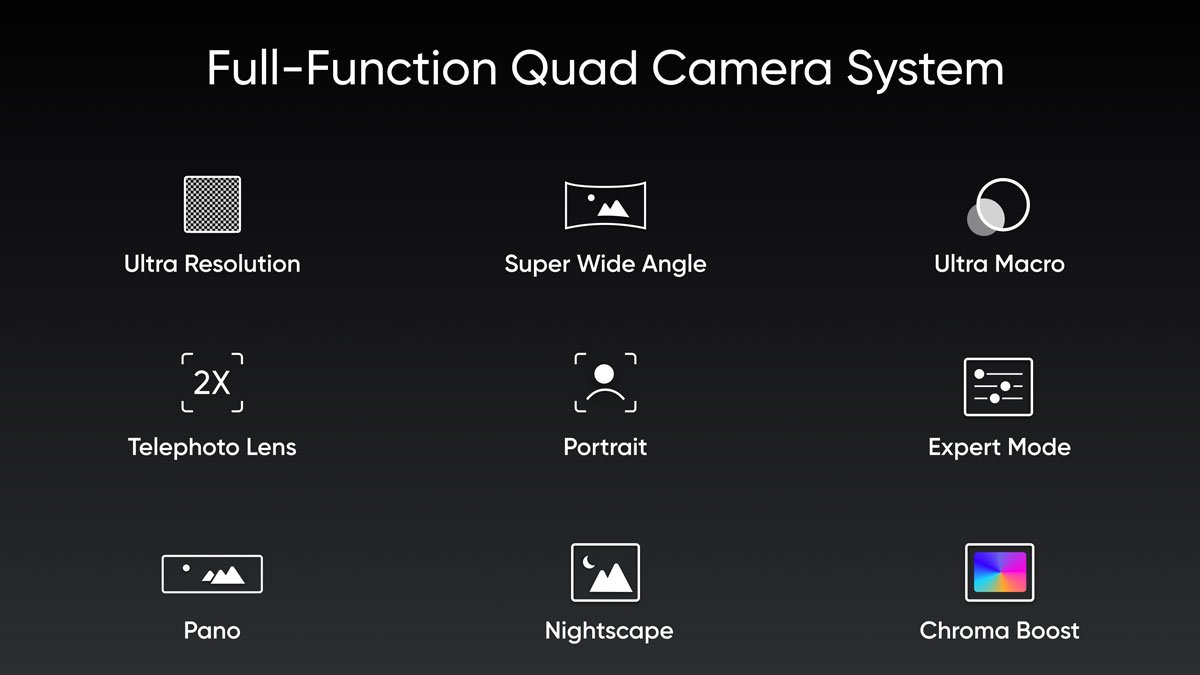
Realme also revealed that the phones will come with camera features such as Ultra Resolution, Super Wide Angle, Ultra Macro, Telephoto Lens, Portrait Mode, Expert Mode, Panorama Mode, Ultra Nightscape Mode, and Chroma Boost.

Realme says these phones will launch before this year’s Diwali Festival. The date for the festival is based on the lunar calendar and is believed to fall on October 27 this year. That is more than two months away.

We can’t say if all three phones will launch the same day or Realme will spread the announcements between now and October 27.

(Sources: 1, 2,3)


UP NEXT: Redmi phone with 64MP camera to launch this month

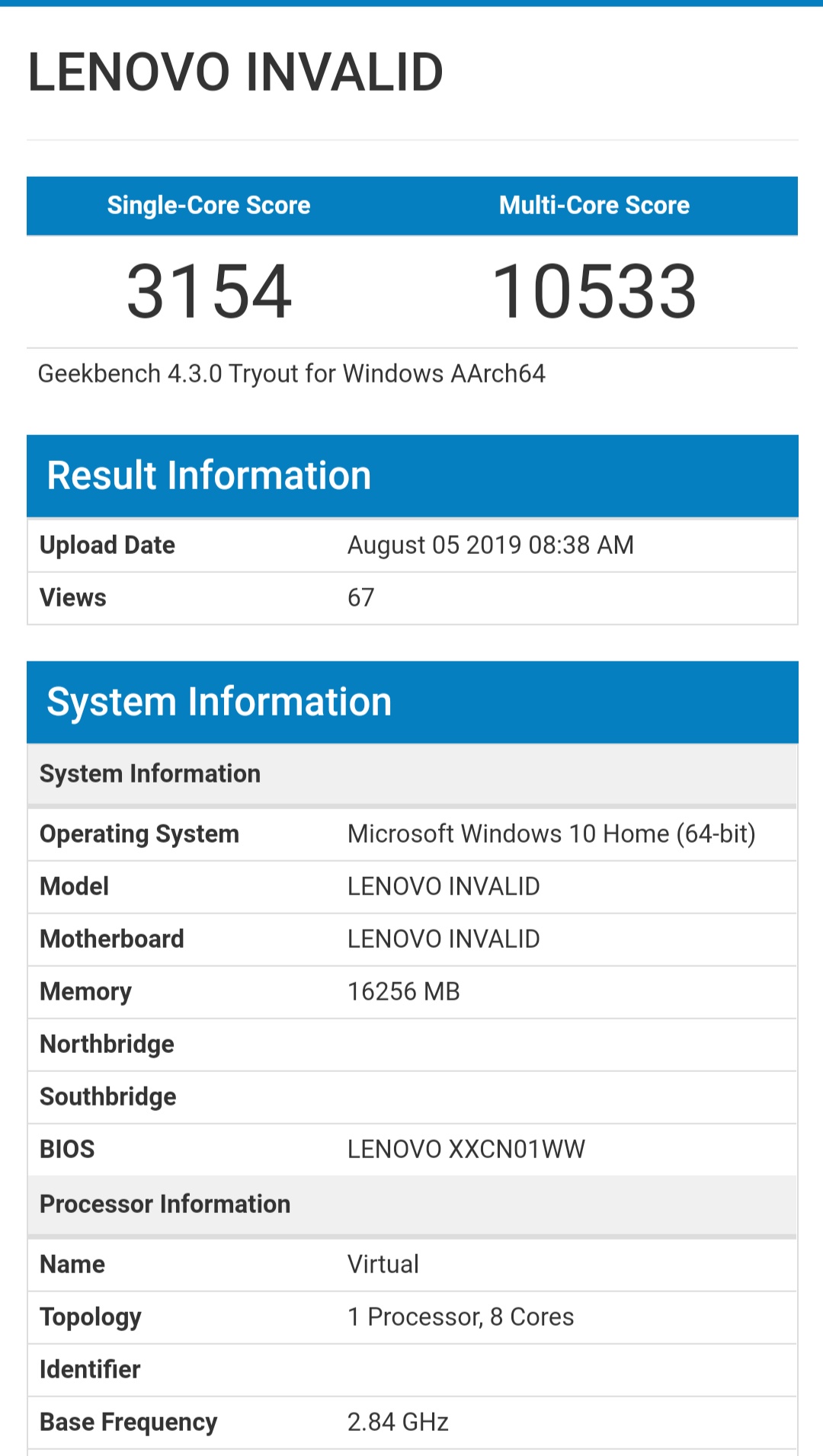
Lenovo Invalid with Snapdragon 8cx and 16GB RAM appears on GeekBench

A new Lenovo laptop has been spotted on GeekBench database. The device is listed with the name Lenovo Invalid which is obviously a codename. The most spectacular feature of the device is the Qualcomm Snapdragon 8cx SoC which it packs. The new chipset was announced by Qualcomm for laptops in December last year. The chipset is touted to bring twice the performance of its previous chip, the Snapdragon 850. It also comes with 60% better battery life and a number of new features such as H.265 and dual 4K monitor support.Lenovo invalid

The Lenovo Invalid is also listed to have a massive 16GB of RAM onboard. On the single core test, the device scores 3154 points while on the multi-core, it reaches 10533 points.Lenovo Invalid GeekBench

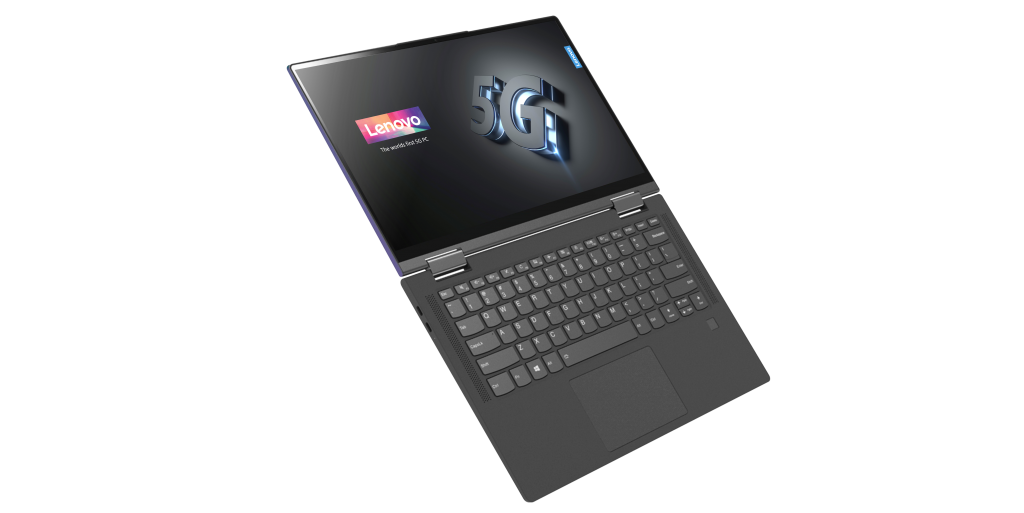
While we can’t say for sure which device this is, it looks like Lenovo’s first 5G Always Connected PC dubbed “Project Limitless”Project Limitless”. The laptop is the product of a partnership between Qualcomm and the world’s largest laptop manufacturer. It is said to run on a 45 watt-hour battery and will have a 5G modem alongside the Qualcomm 8cx SoC.


UP NEXT:Huami’s Amazfit Health Watch goes on sale for 699 yuan ($99)

(sourcevia)

Samsung provides reasons for ditching the audio jack in the Galaxy Note10

The Galaxy Note10 series is the first in the Note line to not have an audio jack but it is not the first Samsung phone to not have one. That back in 2017 with the Samsung W2018 flip phone. More Samsung phones have also ditched the audio jack including the Galaxy A80.

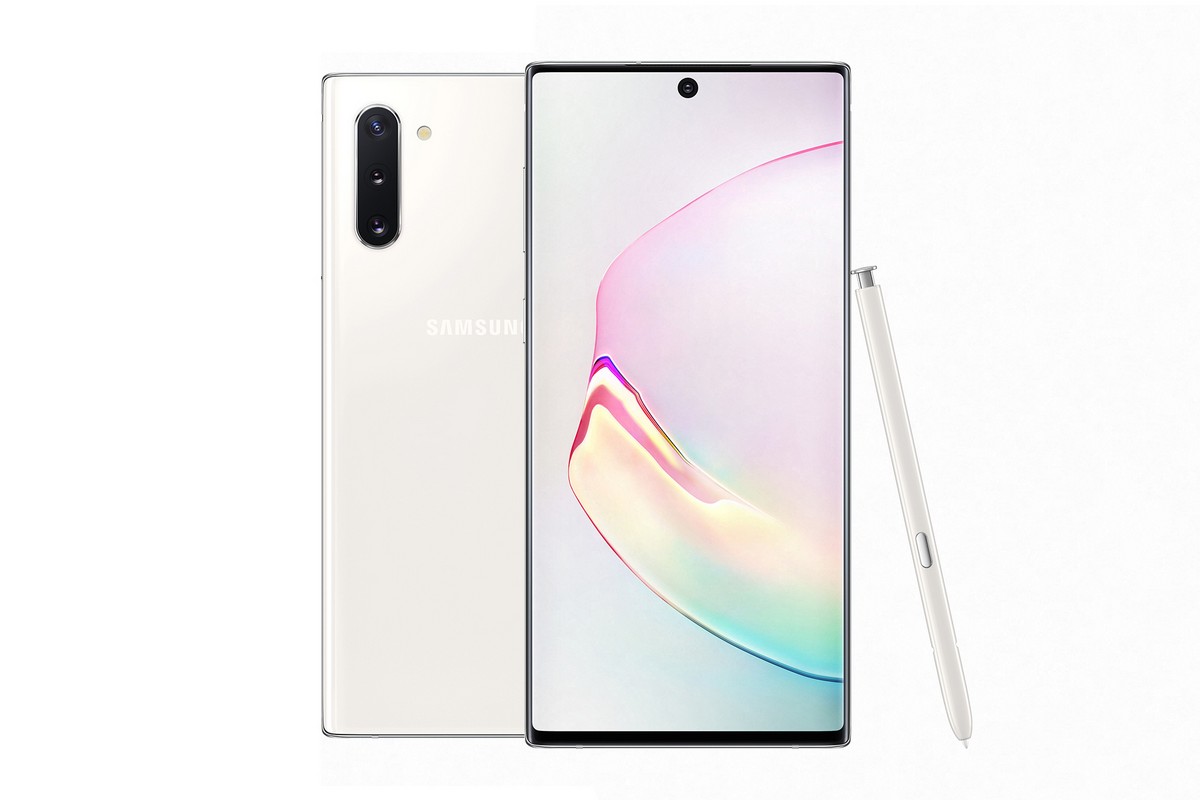
Samsung Galaxy Note10

While Samsung technically didn’t provide a reason for the removal of the audio jack in its other phones, it has provided reasons for doing so with the Galaxy Note10. Probably because it is a flagship and because its size should mean that there should be no compromises.

The Verge reports that a Samsung rep informed them that the removal of the audio jack allowed them to increase the battery size by about 100mAh. It is also reported that the removal of the audio jack should improve haptic feedback since there is no hollow chamber inside the phone.

You are not the only one that thinks these excuses do not hold water as Samsung itself proved over and over again that the headphone jack could stay on a phone without the sacrificing other features. And it also made videos mocking the removal of the audio jack from the iPhones. It would have been better if it didn’t provide any reason at all and we would accept that it is a decision that was sort of inevitable.

Samsung does include a pair of USB-C wired earphones in the box if you still prefer wired earphones over wireless.

While the removal of the audio jack from the Note series is definitely heartbreaking for lovers of the line, Samsung’s decision to not provide a MicroSD card slot for the Galaxy Note10 drives the blade deeper into the heart. Samsung decided to use this as a difference between the Galaxy Note10 and the Galaxy Note10+ which we think is really unfair.

Now that the Galaxy Note series has finally bid farewell to the 3.5mm audio jack, will the Galaxy S series be next? We sincerely hope Samsung can keep it for at least one more year.

(Source)


UP NEXT: Exynos 9825 arrives as Samsung’s first 7nm EUV mobile processor