We had always suspected that Apple was the biggest beneficiary of the US clampdown on Huawei. Things are starting to unravel as the start of the US trade ban on Huawei draws near. Production estimates published by Cowen shows that Apple is preparing to increase iPhone production in order to take advantage of the US-Huawei trade ban. However, the increase in production is going to be rather modest. Initially, Apple’s production estimate put iPhones shipment at 39 million units. However, that has been jacked up to 40 million. A breakdown shows Apple expects to ship about 30 million iPhone XS, XS Max and XR with the rest of the 10 million spread across iPhone 7 and iPhone 8. The increase is due to speculations that demand for the iPhone could increase in some markets following Huawei’s ban.
The ban may not be very favourable to Apple entirely, though. Analysts warn that the US company faces big risks in medium-term because of the political instability between the US and China. Tariffs on some of the hardware manufactured in China may affect iPhone production and sales. In addition, Apple may not be the go-to guy for fans looking to switch from Huawei phones, if eventually Google complies with the US trade embargo. There are other alternative brands that won’t rip a hole in our pockets and yet deliver on quality, like OnePlus, Xiaomi, OPPO phones. Samsung may also be a beneficiary ahead of Apple.
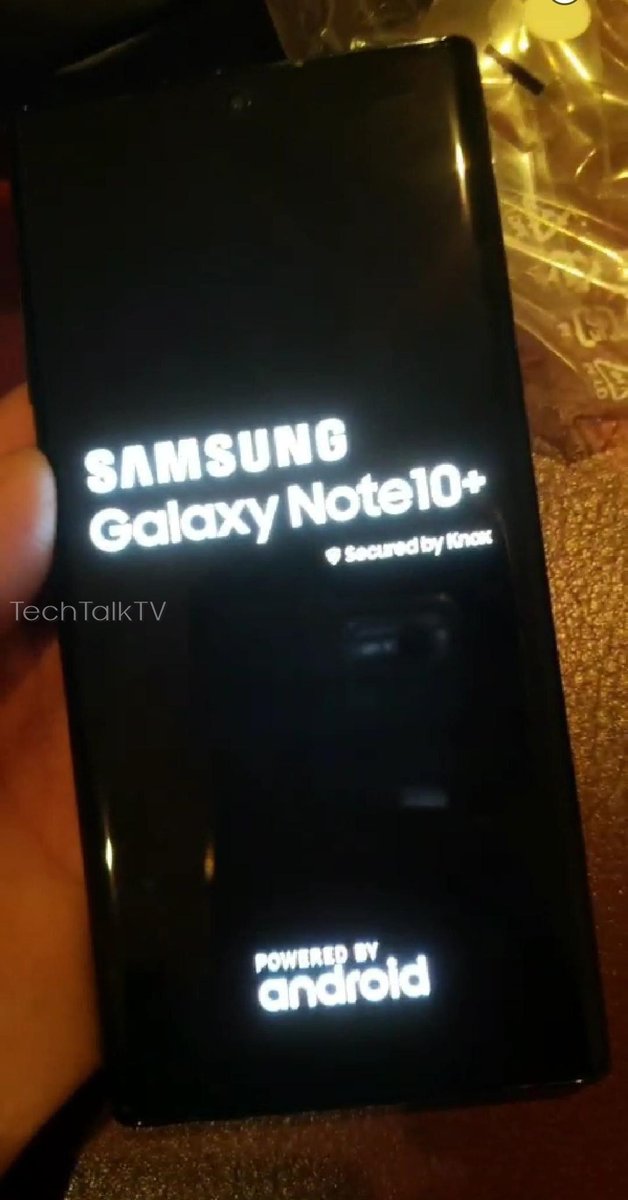
Samsung will announce at least two versions of the Galaxy Note10 later this year. It has been reported that the Unpacked Event may be scheduled for August 7. However, we don’t have to wait that long to see what the phone looks like as live photos of the Galaxy Note10+ have surfaced on the web.
You read that right, Galaxy Note10+ is the name, not Galaxy Note10 Pro. The name can be seen on the boot screen in one of the images.
In another of the photos, we get a good look at the display. The bezels around it are slim and the sides are curved. At the top, right in the middle, sits a punch hole for a single camera. Under the display lies a fingerprint scanner just like in the Galaxy S10+.
The third photo is blurry but it shows the phone’s rear. The triple rear cameras are arranged vertically and there is an LED flash beside it. We don’t get to see more images that show the sides, so we can’t confirm the position of the ports and buttons. Previous leaks have revealed the phone will not have an audio jack as well as a Bixby button.
[envira-gallery id=”261534″]
The Galaxy Note10+ will come with a Super AMOLED Infinity-O display, an Exynos 9825 processor in some markets and a Snapdragon 855 chipset in others. It should run Android Pie out of the box along with an update to Android Q later.
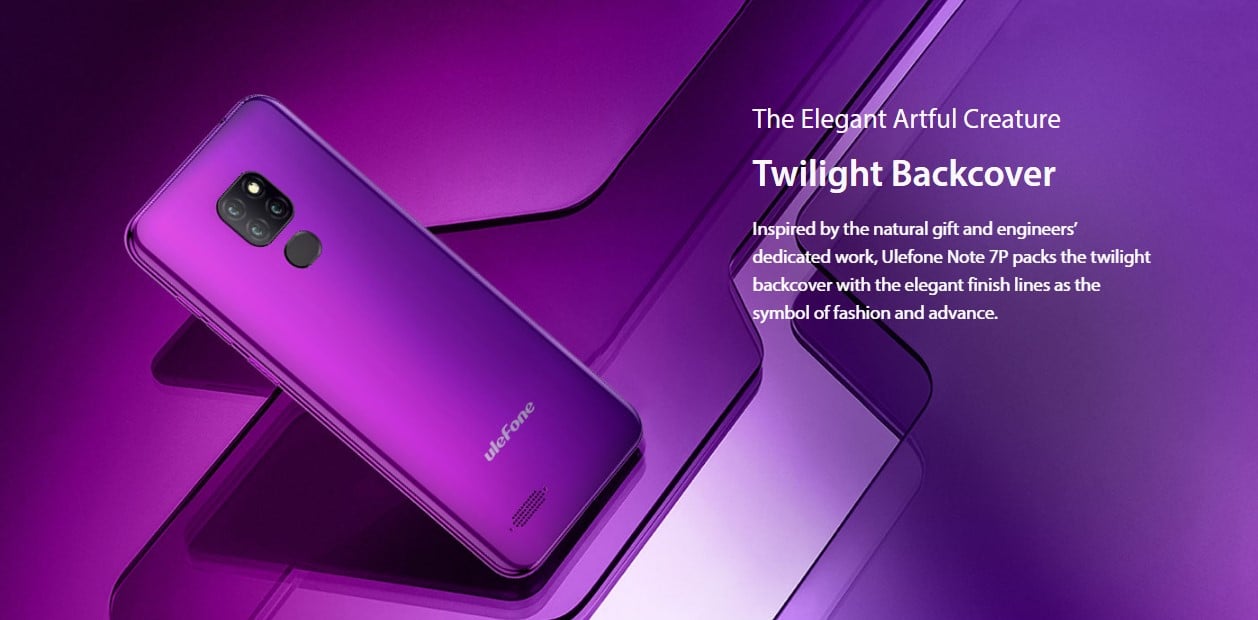
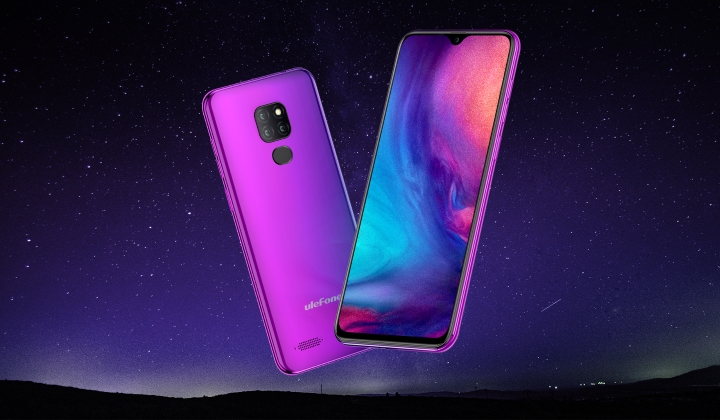
A couple of months ago, Ulefone released the Android Go phone Note 7 that features good overall specs and affordable price but it lacks 4G/LTE support. This is going to be solved soon as the Chinese manufacturer is ready to release Ulefone Note 7P. The Note 7P is an upgraded version with 4G/LTE support and better specs.
Ulefone Note 7P packs the same SoC as the Redmi 6A, Helio P22, a reliable and powerful enough performer. The phone retains the 6.1″ HD+ display of its predecessor with an aspect ratio of 19.2:9. It also features 3GB of RAM and 32GB of internal storage instead of the 1GB/16GB combo on Note 7. The rear camera is a triple configuration with 8MP/2MP/2MP sensors and a 5MP selfie camera. Both cameras are aided by ArcSoft’s algorithms for higher performance. What’s more, there is a 3500mAh battery, Face and Fingerprint unlock, and Android 9 Pie OS.
The exact price of the device is yet to be known but judging by similar devices from Ulefone, it surely isn’t going to be an expensive model. Ulefone Note 7P will be available in three color variants (Twilight, Black, Gold) and if you are interested, you can check the official product page.
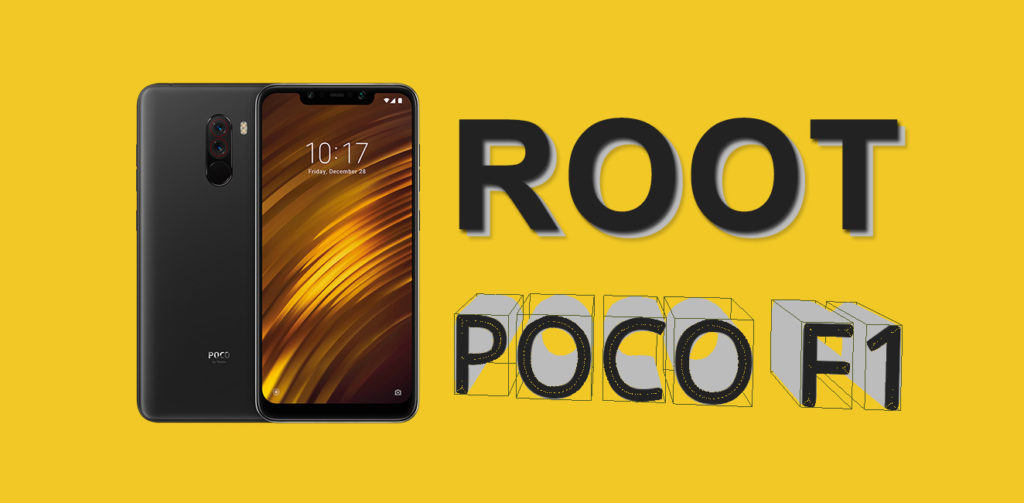
Poco F1 is one of the best budget flagships Xiaomi has ever made. It comes with all the features that you want in a high-end smartphone sans some negligible shortcomings. If you own a Poco F1 and to unlock the full potential of the phone, you might want to root it. Thus, here in this article, we will guide you step by step on how to root Poco F1.
Last year, out of the blue, Xiaomi formed a sub-brand named Poco focussing on budget flagship smartphones. The first phone which is Poco F1 or Pocophone F1 became popular in a short period and for a good reason. The phone features the top of the line Qualcomm Snapdragon 845 processor with Adreno 630 GPU coupled with either 6 or 8 GB of RAM. It comes in three storage variants – 6GB RAM / 64GB ROM, 6GB RAM / 128GB ROM, and 8GB RAM / 256GB ROM. Additionally, it also supports storage expansion up to 256GB via microSD card.
Though the body of Poco F1 is made of polycarbonate (plastic), it is strong enough to withhold accidental drops, and therefore it is much better than the fragile glass back we seen on premium smartphones these days. As far as cameras are concerned, the phone features a dual camera array at the back which consists of a 12MP primary sensor with f/1.9 aperture and a 5MP depth sensor. The camera specification might seem outdated as all OEMs including Xiaomi have moved to triple or more cameras now. But the pictures taken on Poco F1 are still better than the phones available in the same price segment.
The only downside which we could think of Poco F1 would be its 6.18 inches FHD+ (1080 x 2246 pixels) IPS LCD with a wide notch. However, it makes up that by including an infrared face recognition system in that notch along with a 20MP selfie camera with f/2.0 aperture. The phone also comes with all the necessary sensors such as fingerprint, proximity, accelerometer, gyro, and compass. The connectivity features of the phone include LTE, WiFi 6, Bluetooth 5.0, GPS, USB type-C, and headphone jack.
On the software front, the Poco F1 launched with MIUI 10 based on Android Oreo and was later updated to Android Pie. The phone is also expected to get Android Q as confirmed by the company itself. Last but not least, it consumes power from a non-removable 4,000 mAh battery with support for 18W fast charging.
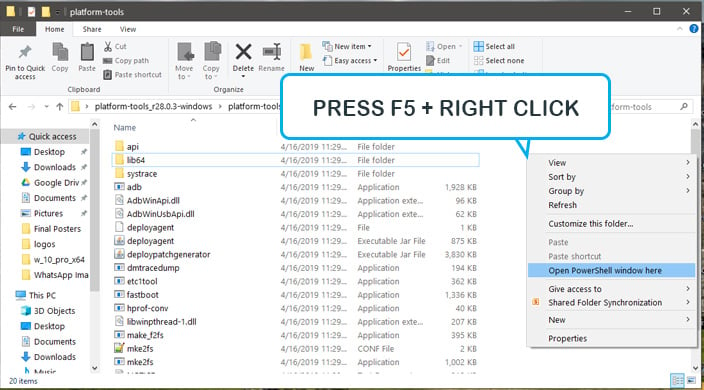
Since we are done with the introduction of Poco F1, let us go through our step by step guide on how to root it. Make sure to follow each step carefully to avoid any error. Before proceeding, we would recommend you to take a backup of your important files stored on your phone to avoid data loss if anything goes wrong.
You have successfully installed the TWRP custom recovery on Xiaomi Poco F1.
Steps to Root Poco F1
To gain root access, follow the steps below to flash Magisk Module to learn the root access.
After executing the above command, you will automatically boot into TWRP recovery.
Tap on ‘Install‘ and select the ‘Disable-Force-Encryption-Treble.zip‘ file. Then swipe to confirm the installation.
In the recovery, go to ‘Install’ and select the Magisk zip file to install on your phone.
After the installation of Magisk, reboot your phone by navigating to Reboot -> System.
That is it, and you have successfully rooted your Poco F1. If you are facing any error or difficulty, then do mention them in the comment section below. We will try our best to help you as soon as possible.
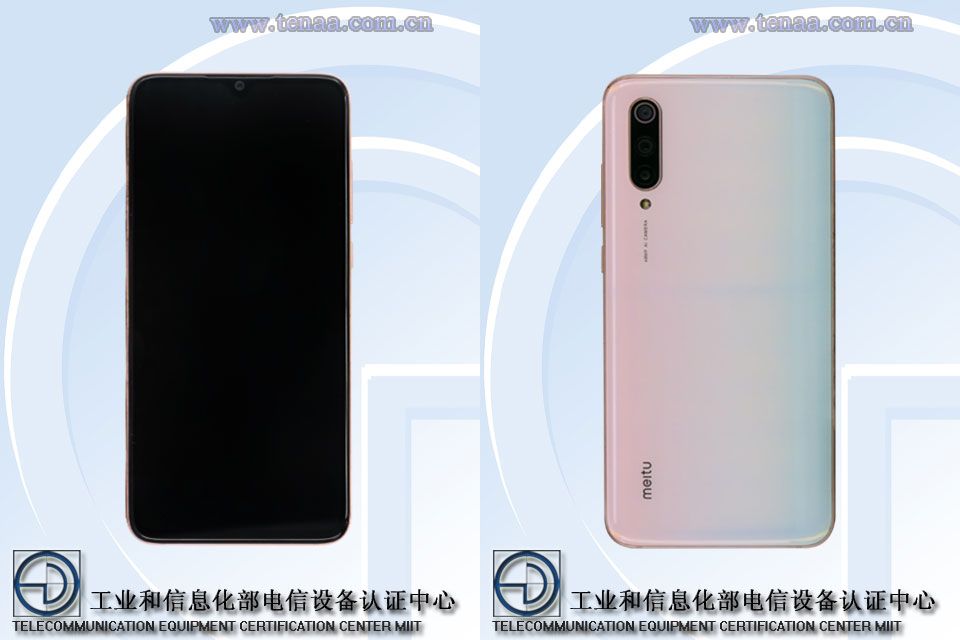
Ever since Xiaomi CEO Lei Jun confirmed the launch of the much-awaited CC9 range of smartphones on July 2 in China, the rumor mill has been working extra time to gain insider information on the Mi CC9 and CC9e smartphones. A mystery Meitu device with model number M1904F3BT has just popped up on TENAA, revealing its full specifications along with images. There are enough reasons to believe that it could be the elusive Xiaomi Mi CC9 smartphone.
Meitu M1904F3BT Specifications
According to the TENAA listing, the M1904F3BT features a 6.39-inch OLED display with a 2340 x 1080 pixels resolution. The device measures 156.8 x 74.5 x 8.67mm and weighs 179 grams. It is fueled by 2.2Ghz octa-core processor.
The smartphone is powered by a 3,940 mAh battery with fast charging. It is listed in three variants with different memory and storage options namely 4 GB of RAM + 64 GB of storage, 6 GB of RAM + 128 GB of storage and 8 GB of RAM + 25 6GB of storage.
The M1904F3BT runs on Android 9 out of the box. It has a 48-megapixel triple camera setup at the rear with a single LED flash. There is a 32-megapixel selfie camera housed in the waterdrop notch above the screen. No rear fingerprint scanner can be seen in the images since it sports an in-display fingerprint scanner.
The smartphone has a power button along with volume rockers on the right side. The rear shell of the phone seems to be made out of glass with “meitu” branding at the bottom. The model shown in the TENAA images has faint pink-blue gradient color appeal.
The device will be available in multiple color variants including black, red, blue, pink, green, purple, gray and white. However, all of them may not debut at the same time. It is speculated that 6 GB + 128 GB and 8 GB + 256 GB may hit the Chinese market with respective price tags of 2,599 Yuan (~$378) and 3,099 Yuan (~$451).
Xiaomi has confirmed that there is a special version called CC9 Meitu Custom Edition also that will debut along with Mi CC9 and Mi CC9e phones on July 2. Are you excited about the Xiaomi Mi CC9 series? Share your views with our readers in the Comments Section below.
The Honor 20 Pro is the first smartphone from the Chinese technology giant Huawei’s subsidiary firm to receive the Google Play Store certification after the US Government’s trade ban came into force. For a while up until the official announcement, it was believed that the 20 Pro was the first casualty of the US Department of Commerce’s ban on American companies staying in business with the Chinese conglomerate.
The smartphone was announced alongside the Honor 20 just a couple of days after the ban was made public, raising questions about whether the device would get access to the coveted Android OS and Play Store certification. While the Honor 20 had gone through Google’s certification process at the time, the 20 Pro was yet to be evaluated.
Thankfully for Honor though, it looks like the three-month reprieve has given them enough time to launch the 20 Pro with Google’s support. This implies that a launch in the Western market is imminent.
The million-dollar question at the moment is “Will the people buy a premium Android smartphone that is scheduled to stop receiving support from Google within the next 90-days?” We guess only time will answer this one!
In the meantime, Huawei seems to be cooking up a new strategy to keep selling smartphones in the absence of Google, as a listing on Google’s database for certified Android devices reads “Honor 20 Pro/Nova 5T Pro and Honor 20/Nova 5T”. Both phones are listed the same YAL-L41 model number. Do not be surprised if the Honor 20 Pro get spotted in certain markets selling with Huawei Nova 5T moniker.
The Honor 20 Pro is powered by the Kirin 980 7mm processor along with 8GB of RAM and 128GB of built-in storage. The device features a 6.26-inch FHD+ display with a 1080 x 2340 pixels resolution and a punch-hole front camera sensor. The smartphone has a quad camera setup at the rear.
The primary 48-megapixel Sony IMX586 sensor with an aperture value of f/1.4 and quad axis Optical Image Stabilization, is paired with a 16-megapixel 117-degree ultra-wide sensor, an 8-megapixel telephoto camera with an aperture value of f/2.4 and quad axis OIS, along with a 2-megapixel macro lens with an aperture value of f/2.4. It includes 4,000mAh battery with 22.5W fast charging.
Honor 20 Pro
The Honor 20 Pro is priced at 599 euros (~$668) for the base variant with 8GB of RAM and 256GB of built-in storage in Europe. In India, the same model is selling for Rs. 39,999 (~$575).
What are your views on the latest debacle between Huawei and the US Government? Would you buy a premium device from either Huawei or Honor at the moment? Let us know via the comments section below.
Living up to its reputation for offering the best bang for your buck, Banggood has launched this year’s biggest sale dubbed, the ‘Banggood Prime Sale.’ The exciting sale kicked-off on June 25th and is slated to wrap up on July 18th.
The activity features a wide selection of Venues, coupled with various playing methods to keep you engaged. Moreover, the Chinese online store is giving its loyal users a chance to take advantage of coupons that you can use at checkout to save up to a whopping $300.
Aside from that, the activity brings an unmissable opportunity to win a slew of high-end products along with the buy one, get one free offer. If you’re all set to participate in this strategy game and win, it is imperative for you to first check out a few unknown techniques that have carefully been collected by the author.
Coupon Rain Venue: Unprecedented Large Coupons for Various Categories
It is worth mentioning here that each coupon will only be valid for 20 seconds. You can take advantage of this activity to get your hands on as many coupons as possible. The Coupon Rain Venue begins at 10 a.m. on July 2nd and will end on July 9th at 4 p.m. It will take place four times a day including 10:00, 16:00, 22:00, and 04:00.
The next Coupon Rain Venue will start on July 9th at noon and it will give you chances to win big coupons eight times daily i.e. 00:00, 03:00, 06:00, 9:00, 12:00, 15:00, 18:00, and 21:00. The second round will come to an end on July 12th.
The Main Venue, on the other hand, comprises $150-$300 Coupons and 504 pieces of gifts and free orders. The Main Venue is divided into two phases — Warming-up Sale Period and Blowout Sale period.
The Warming-up Sale Period will be valid from 10 a.m. on July 2nd and will end at 4 p.m. on July 9th. It will feature Common Coupons, $300-$150 Coupons, and 504 pieces Gifts & Free Orders.
The Blowout Sale period will launch at 4 p.m. on July 9th, and it will end at 4 p.m. on July 12th. During this period, you can take advantage of the Coupon Rain, which will take place eight times a day including 00:00, 03:00, 06:00, 9:00, 12:00, 15:00, 18:00, and 21:00.
Note that there will be twenty $300-$150 coupons available per day during the activity period and each user can use the coupon only once. Likewise, you can participate to win 504pcs Gifts & Free Orders every hour on the hour starting at 4 p.m on July 9 to 4 p.m. on July 12.
One hundred and twenty prizes will be up for grabs in the first 24 hours (3 free orders and 2 gifts per hour). 144 prizes will be made available to the users in the next 24 hours (4 free orders & 2 gifts per hour), and 240 free prizes can be won in the last 24 hours (6 free orders & 4 gifts per hour).
3C Venue: Buy $100 and Get $100 Worth of Freebies
If you’ve restlessly been waiting to get your hands on those smart devices and high-end electronic items, now’s the time. Banggood is giving you a chance to win $100 worth of freebies when you buy products worth $100. Featuring products from leading manufacturers like Xiaomi, OnePlus and BlitzWolf, this may be your chance to winning the biggest bargain of the year.
Rules of Freebies
The Free Gift Campaign starts from July 2nd and will end on July 9th.
Winners will be selected based on their order amount. The higher the price of your order, the greater the chance you have to win.
With total fourteen winners slated to be selected, two winners will be drawn out daily.
Note that Banggood reserves all rights.
Game Venue – “Koi Fish” Game
Originally from China, the Koi Fish is a popular game. The koi fish is associated with good luck by the Chinese people and many have reposted koi-related tweets in a bid to attract wealth and better health. Keeping in line with this, Banggood is leaving no stone unturned in order to bring this good luck to India. Join the “Koi Fish” Game and get a chance to be the lucky person.
“Koi Fish” Lucky Draw
The activity starts at 4 p.m. on July 9th and will end at 4 p.m. on July 12th. The first day of the activity offers 3 gifts per hour, the second day will bring 8 gifts per hour, while the third and last day will comprise 10 gifts that can be won every hour.
You can play the “Koi Fish” game on Banggood’s official Facebook page. You can win awesome giveaway including 37 prizes that will be distributed among 7 lucky winners. In other words, each winner can get five prizes. Two lucky winners out of the seven winners will receive one extra surprise gift each.
Rules
Like this post on Facebook
Comment with the screenshot of pinball game score
“Koi Fish” Gift Pack——Free for Winners on FB
Xiaomi Mi Play Smartphone
₹11,246.9 ₹0
CHUWI Hi9 Plus 64GB Tablet
₹20,813.28 ₹0
XIAOMI SOOCAS X3 Electric Toothbrush
₹4,524.07 ₹0
BlitzWolf BW-FYE5 TWS Bluetooth Earphone
₹3,276.93 ₹0
Xiaomi AMAZFIT Smart Watch
₹7,660.31 ₹0
BlitzWolf-FWC5 Fast Wireless Charger
₹1,465.60 ₹0
BlitzWolf-BS8L bluetooth Tripod Selfie Stick
₹2,985.65 ₹0
Note: Please refer to the official website for more details. Banggood reserves all rights.
Indian Venue
The India Venue is deemed as the most popular Venue among the other venues. Banggood will introduce various activities along with an engrossing visual feast for Indian customers.
Free shipping for all categories & COD for many categories now:
Product Categories
Discounts
Smart Watch & Band (COD)
35% ~ 70% off
Earphones & Speakers (COD)
30% ~ 70% off
Home and Garden (COD)
Up to 48% off
Automobiles & Motorcycles
Up to 66% off
Product Recommendations
Buy One
Get One Free
Blitzwolf® BW-FYE2
Bakeey Clip Camera Lens
EKEN H9R Sports Action Camera
iMars SQ11 Camera Recorder
A95X Max TV Box
MIXZA Memory Card 16GB
Aun F10 LCD Projector
AUN HDMI 1.4 Cable
Zeblaze THOR 4 Pro Watch
Bakeey ID115 Plus Wristband
Hot-selling COD Products
Original Price
Sale Price
Xiaomi Youth Bluetooth Earphone
₹2,155.63
₹1,130.49
Blitzwolf® BW-FYE7 Earbuds
₹3,794.45
₹2,473.78
Zeblaze VIBE 4 Smart Watch
₹3,619.12
₹1,667.81
Xiaomi Mi Box S TV Box
₹7,206.57
₹5,372.47
Viofo A129 Car Camera
₹15,135.27
₹8,483.25
(Prices are based on real-time exchange rate). All rights are reserved by Banggood.
You can visit this link to check out more details about the discounts about the sale.
Touted as the biggest shopping carnival held by Banggood in this summer, the Banggood 2019 Summer Prime Sale offers unmissable discounts in all product categories. It also features interesting promotion games in order to engage the customers.
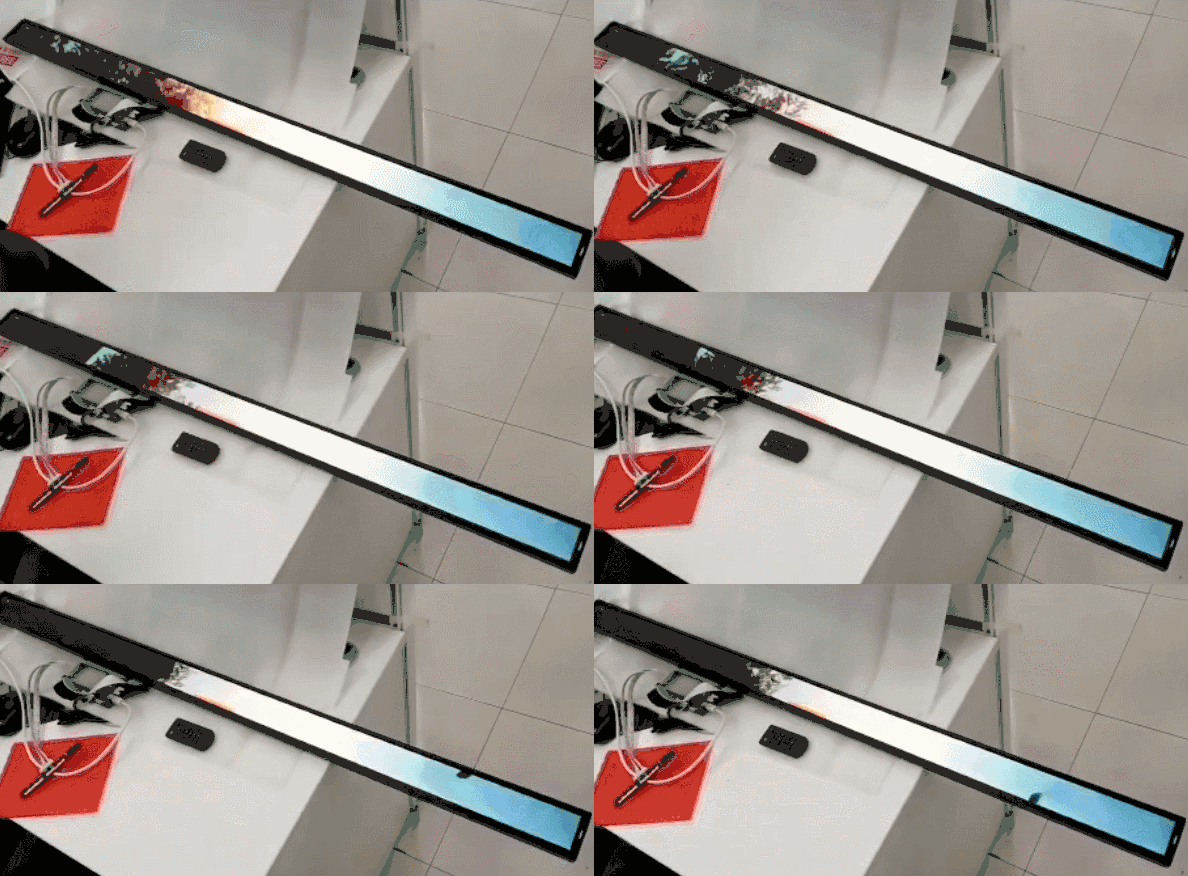
BOE Display is one of the leading names in display technology. The company has built a reputation for itself in the aspect of LCD screens using its proprietary Advanced Super Dimension Switch (ADSDS) technology for liquid-crystal display (LCD) panels. The Chinese firm has also made some inroads into the aspect of OLED displays but still fall behind Samsung and LG when it comes to OLED panels. BOE has been striving to catch up with Samsung and has now unveiled a new OLED screen which ranks as the world’s first 20:1 strip screen.
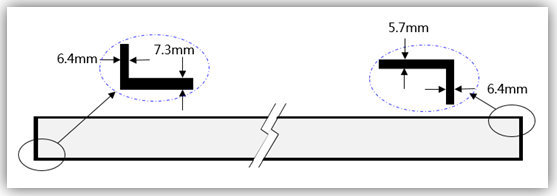
The screen gets up to 4K resolution (that is 3840×160pixels) which could result in the best clarity despite the small size. The display content can also be viewed from a long distance. The strip screen has a size of 1209×63mm. The display also comes with a narrow bezel design, unlike the traditional displays. The borders are just 6.4×6.4×5.7×7.3mm thick. RELATED NEWS:BOE to begin mass production of LCD panels with optical fingerprint recognition this year
The display can be applied in supermarkets. You won’t get such wide bezels as these and the content would be viewable from a distance.
As to the application, BOE says the display strip can be used in supermarket shelves, in business districts, by advertising practitioners. The display can also be used in the smart traffic display field, as a prop in theatres and for children’s toys. Since they are promoting it for outdoor use, the display may also be able to withstand extreme weather conditions like sunshine and rainfall. The display may also have low power consumption.
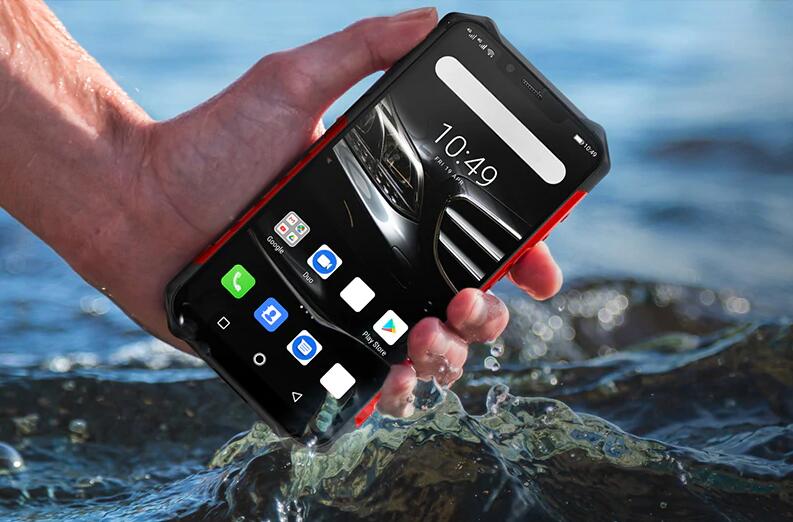
Gizmochina along with Banggood is conducting 1 unit Ulefone Armor 6E Smartphone as giveaway gift to a lucky reader. Like always, you just have to follow the steps mentioned on the Gleam widget to get a chance to win this amazing gift.
If you want to win the free Xiaomi AMAZFIT Bip Smartwatch, the most important thing for you is to Follow and Like the BanggoodUSA and BanggoodCanada Facebook page.
Ulefone Armor 6E comes with 6.2-inch notch screen, having the resolution of 2240 x 1080 pixels. Powered by Helio P70 chipset and ARM Mali-G72 MP3 GPU, Ulefone Armor 6E runs smoothly. In camera department, the handset ships with 16MP+2MP rear camera and 8MP front-facing camera with AI capabilities, which can take beautiful and satisfying photos. Ulefone Armor 6E arrives with 4GB of RAM and 64GB of internal storage, which is enough for daily use. What’s more, the handset is fueled by 5000mAh battery, which can be used for two days with one charge in moderate use.
Share this giveaway contest on Facebook, Twitter and Reddit.
Terms & Conditions:
1. The giveaway is an international giveaway. 2. We are not responsible for lost shipments. 3. We are not responsible for any duties, import taxes that you may incur. 4. We reserve all rights to make any changes to this giveaway. 5. The prize will be shipped in a month when the giveaway end.
Just follow the steps mentioned in the Gleam widget to participate in the giveaway.
Last month, at a launch event in China, Oppo-backed Realme had launched two smartphones — Realme X and Realme X Lite. While the Realme X Lite is a re-branded model of the Realme 3 Pro, the Realme X is an all-new phone. It is also the company’s first device to feature an under-display fingerprint sensor and pop-up front-facing camera.
Now, Realme has joined the list of smartphone makers that have partnered with Marvel to launch a special edition phone for promoting one of its movies. Realme has announced its partnership with Marvel for the upcoming Spider-Man: Far From Home movie.
As a part of this, Realme has today officially launched the Realme X Spider-Man Far From Home Custom Edition smartphone. It will go on sale in China from 9th July at 10:00 AM local time and is priced at 1,799 Yuan, roughly $262 for the 8GB + 128GB model.
The retail box of this special edition smartphone comes with Spider-Man theme and so does some of the accessories. For instance, the company is including a case for the Realme X smartphone which carries the theme of Spider-Man: Far From Home.
The specifications of this custom edition seem to be the same as the standard model. It features a 6.53-inch Full HD+ AMOLED display with 2340 × 1080 pixels screen resolution and Corning Gorilla Glass 5 protection. The phone’s display offers a 91.2 percent screen-to-body ratio, thanks to the pop-up selfie camera design.
Under the hood, Qualcomm’s Snapdragon 710 octa-core processor is powering the device, just like the Realme 3 Pro. It is coupled with Adreno 616 GPU and packs up to 8GB of RAM and up to 128GB of internal storage.
Taking care of the photography needs is a dual camera setup on the back panel that comes with a 48-megapixel primary camera with 1/2.0″ Sony IMX586 sensor, f/1.7 aperture, 6P lens, coupled with a 5-megapixel secondary camera sensor.
On the front side, the device features a 16-megapixel camera with a Sony IMX471 sensor and f/2.0 aperture. For security, the device comes with an in-display fingerprint sensor, a feature that Realme is introducing for the first time on its smartphones.
Connectivity options on the device include Dual 4G VoLTE, WiFi 802.11 ac (2.4GHz + 5GHz), Bluetooth 5, and GPS + GLONASS. The smartphone runs on Android 9 Pie operating system with ColorOS 6 custom interface on top. The device drives power from a 3,765mAh battery which also comes with support for VOOC 3.0 fast charging support that was first introduced with the Realme 3 Pro.
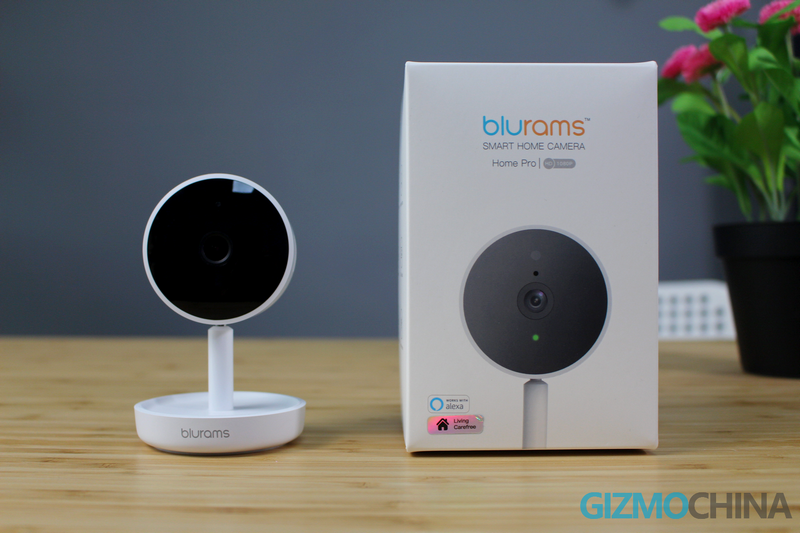
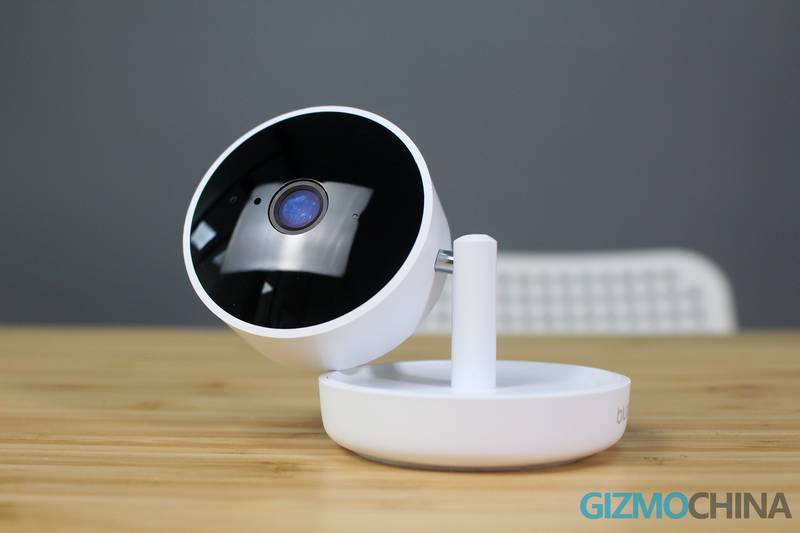
Two weeks ago, I tested the blurams Dome Pro camera, which performs well. Days ago, I got the blurams Home Pro camera, which doesn’t look like the Dome Pro. Let’s check it out.
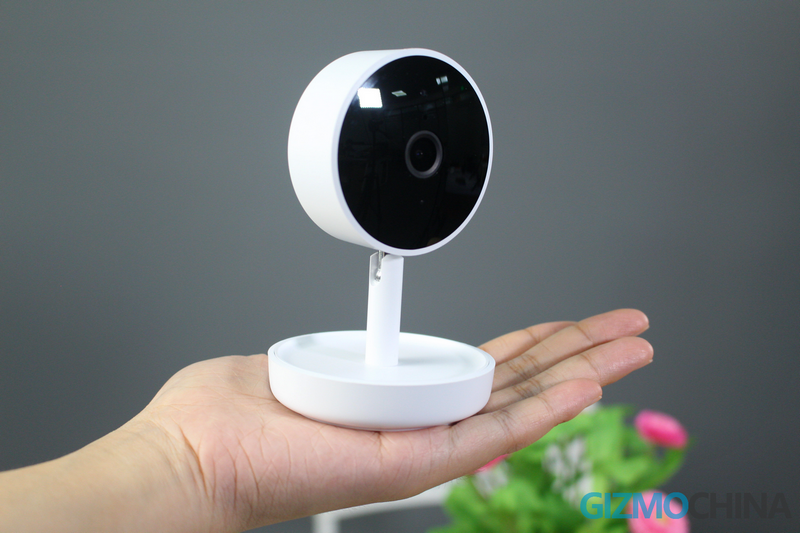
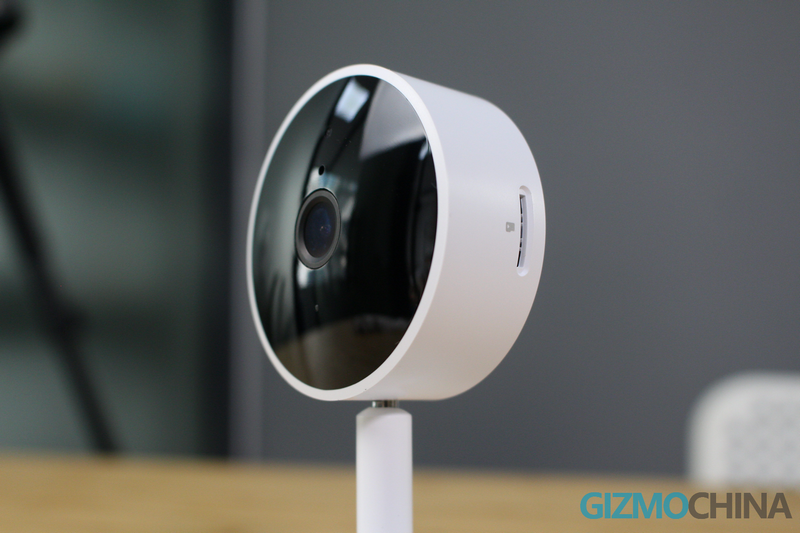
The blurams Home Pro is made of plastic, which as quality as the blurams Dome Pro. But the appearance design is totally different. Look at the picture below, the blurams Home Pro comes with a base, and the camera is supported by a plastic stanchion with an adjustable stainless steel stick. In terms of the cylinder, on the front side, it comes with a lens, a sensor, a microphone and an indicator light. And there is a TF card slot placed on the profile.
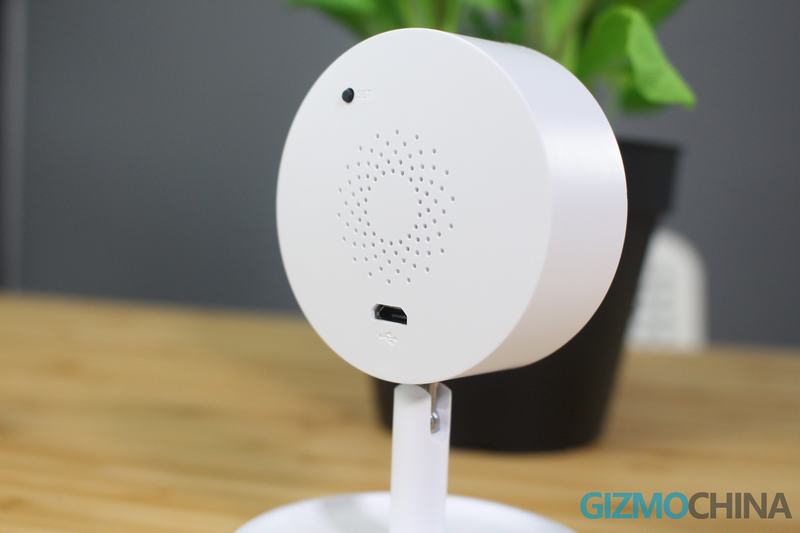
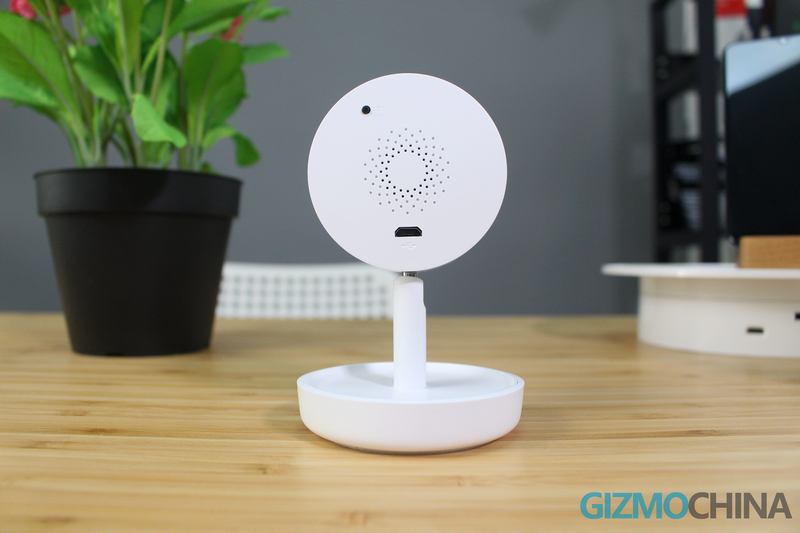
At the back side, there is a speaker, a reset button and a USB interface.
The blurams Home Pro is easy to install. Before place the Home Pro on the wall, it’s important for you to make sure the APP has been downloaded and the camera has been added into. After making all the preparations, you can follow the steps to install the camera. Choose the best location where you exactly want to put the camera. Place the mounting tab on the wall and drill through it to make holes for making first. Aligning this IP camera with the mounting tab. Place the camera over the fastened mounting tab and rotate it until it’s locked and secured.
The image quality is good, and the viewing angle is about 131 degree, which can see more details. Actually, the main features of Home Pro are as same as the Dome Pro. They both support Two-Way Audio, Night Vision, Human Detection and so on.
For this camera, it’s worth mentioning that the Home Pro is capable of face detection. You can recognize the persons who appear, whether they are strangers or family members. It can keep the record for 30 days, so you can check the list of faces recorded by the camera to see what’s going on in the house. What’s more, you can receive notifications with the pictures of your children at the first time, and easily have a voice call with your children.
Conclusion:
I think the Home Pro performs well, and it is suitable to place at the living room. Because of the larger viewing angle, you can see more details of the living room. It’s a good thing to check what’s going on.
If you have an interested in the blurams Home Pro, you can use the coupon code GIOCHA10 on Amazon with 25% off between June 20th to July 5th.
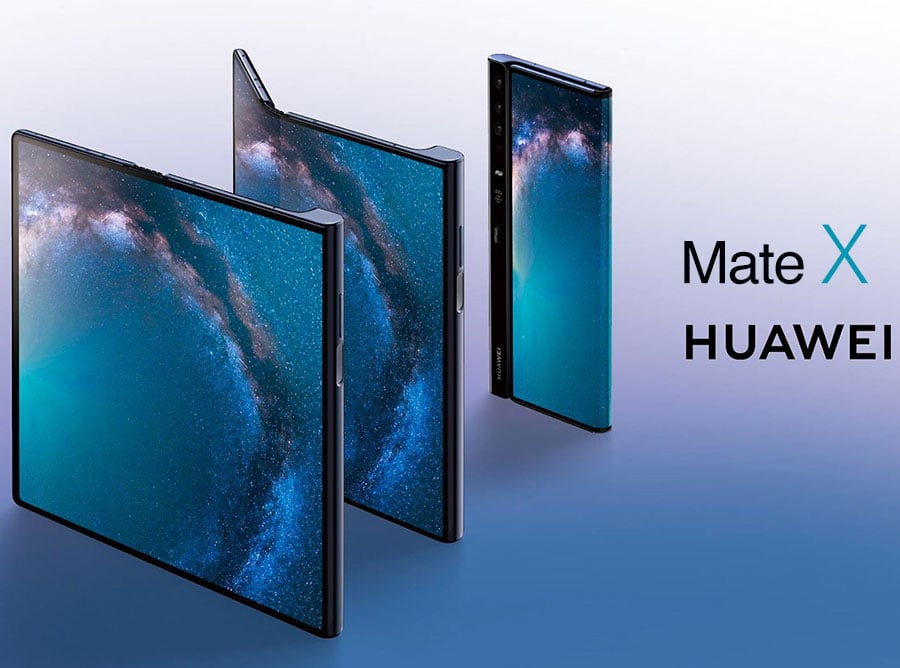
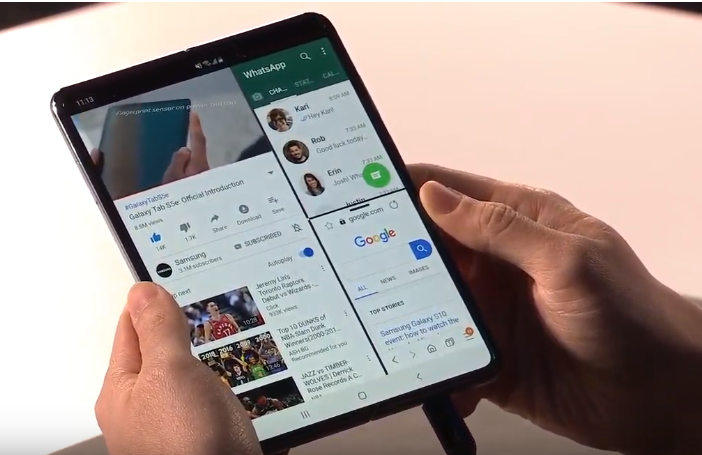
The Mobile World Congress (MWC) 2019 was mostly dominated by 5G and foldable smartphones. The Huawei Mate X and Samsung Galaxy Fold were the only models showcased at the event but the media attention generated was enough to ensure we keep talking about foldable phones for the rest of the year and that is what is happening. Since after MWC, Samsung had attempted to release the Galaxy Fold but some technical challenges had to precipitate an indefinite postponement. Now, Samsung is preparing to launch the Fold and there are rumours the Korean tech giant is even planning to release a second foldable phone, one with a Mate X-like design.
According to the reports, Samsung is currently working on multiple future models. The report hints that one of the foldable models could launch within the next few months while two of the devices are expected to arrive at some point next year.
The report covered by Korean’s The Investor reveal that Samsung has plans to “soon” launch an entire range of foldable smartphones, one of which will fold outwards like the Huawei Mate X. Very little is known about Samsung’s out-folding alternative at the moment but people within the company believe it could reach consumers before Huawei’s own device.
Huawei’s foldable Mate X remains the most preferred foldable model by fans as a result of the outward folding design which translates into a tablet size screen when unfolded. This is different from the Galaxy Fold with an outward smaller display and an inner foldable display panel. The Mate X is expected to be released in September so, we have to be on the lookout if Samsung can come out with a new foldable phone before then.
During the Mobile World Congress Shanghai 2019, Chinese giant Huawei’s President of Consumer Business Mobile Product Line, He Gang, revealed the company’s overall strategy for the 5G era.
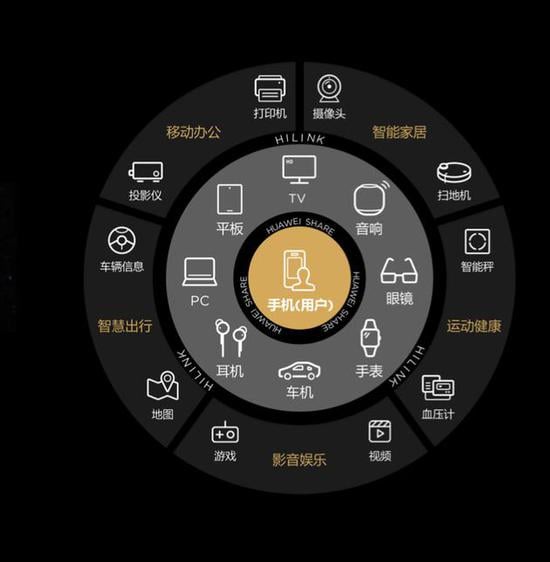
He announced a strategy named “1+8+N”, in which the television has now become a part of the “8” category, for the first time. This shows how the Chinese tech giant is looking at televisions for growth in the coming years. It’s noteworthy that both Huawei and Honor are expected to launch their first Smart TV later this year.
In the company’s “1+8+N” strategy, “1” refers to the smartphones, while “8” includes PC, tablet, TV, audio, glasses, watches, locomotives, and headphones. On the other hand, “N” refers to mobile offices, smart homes, sports and health, audio-visual entertainment, and smart travel products.
Huawei had first announced its “1+8+N” strategy for the IoT products but with this new updated strategy, the company has now put on more focus towards television, smartwatches, and glasses products.
Explaining the strategy, Shao Yang, vice president of Huawei Consumer BG Strategy Marketing, had said that “1” is the device that has all control — a smartphone which is small, portable, and easy to use. Adding this to larger devices or access points represents “8”, which includes tablets and wearables to enhance your smartphone experience. Lastly, “N” is the layer where everything comes together — the network as well as the company’s IoT devices.
As per the reports, Huawei is expected to launch two smart TV models this year. It is reported that Huawei LCD TVs with model numbers OSCA-550 and OSCA-550A have already passed the 3C Certification process. The applicant for this is Huawei Technology Co., Ltd., and the production plant is Hefei Beijing Oriental Video Technology Co., Ltd.
Huawei’s Shao Yang, vice president of Huawei Consumer BG Strategy Marketing, had said that while people see 5G, Huawei sees beyond that. He said that with HiLink and better IoT performance, security and privacy controls can and should be at fingertips.
During a major developer conference held in Beijing, China by Oppo, the company revealed some details about the user base of its own custom Android user interface — ColorOS. The conference was aimed at helping developers with commercialization, advertising alliance, among others.
Oppo claims that the company has more than 300 million active monthly users for its ColorOS, which is the company’s custom interface for Android. It also revealed that there are over 200 million users of Oppo Browser, with a daily average usage of 35 minutes.
The company further says that its market has 310 million users in more than 40 countries and regions around the world, with 680 million software distributed daily. It also announced “Oppo Application Intermodal” and will go through the Oppo platform screening and recommendation.
It will enable Oppo users to find high-quality content, for developers to locate the core users, in what the company calls a win-win situation. The smart algorithm used for user portraits is called “Sky Spectrum”, which uses 38 labels and other differentiation methods to pinpoint core users.
Also, Liang Xiaoyun, head of operations for Oppo Advertising Alliance, said that the company’s ability to analyze the users with big data can help provide users with high-quality advertising experience. For developers, they’ve added a feature of native ads to provide developers with a wealth of commercial solutions.
Earlier this year, in March, Oppo officially announced a new version of its operating system — ColorOS 6.0. The company said that it opted for a border-less symmetry based on invisible lines and grids. The stock applications also offer proper full-screen experience with cleaner borders and other UI elements.
The company has also shifted towards a lighter color-tone which resembles the Google Material Design language with plenty of white. It also brings several operational changes as well. The navigation panel now includes shortcuts and the app drawer has also been added, which can be accessed through the swipe-up gesture from the home screen.
With smartwatches becoming an inseparable part of our fast-paced lives, leading manufacturers like Xiaomi have jumped on the wearable tech bandwagon.
Primarily known for making high-end smartphones, the Chinese electronics giant also makes awe-inspiring smart wearables through its ecological chain. In a bid to make its top-end smartwatches available to cost-conscious buyers, Xiaomi has now launched a new promo called the Amazfit Smart Watch Carnival on Banggood.
As part of the recently kicked-off event, Banggood users will not only be able to avail noteworthy discounts on feature-laden smartwatches but will also stand a chance of winning free orders. The free orders will be offered to only five lucky users before the promo comes to an end.
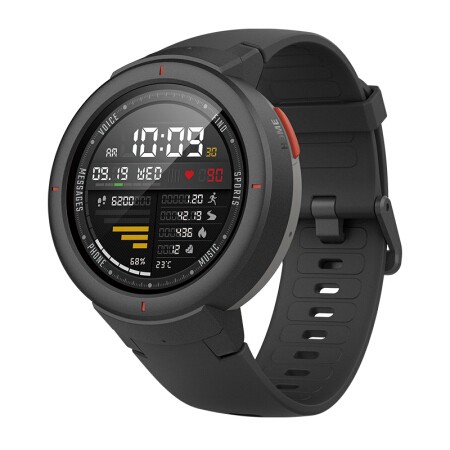
Among those who order the Xiaomi Amazfit Verge during the activity period, Banggood will be randomly selected five users who will receive free orders. The fee paid by the aforesaid users will be returned once the activity period ends.
The Original Xiaomi Amazfit Verge International Version would normally set you back $249.99, but you can now get your hands on it for a reduced price of just $159.99 from the activity page. This is a 36 percent drop in the device’s original asking price.
The rest of the smartwatches have carefully been split into multiple categories including Top Seller, New Arrival, Flash Deal, Coupon Deal and more. Each of the aforesaid sections features smartwatches that you can buy without breaking the bank.
For the sake of an instance, the ‘New Arrival’ section features the Original Xiaomi Amazfit Verge Lite Wristband that usually retails for $199.99 is now up for pre-order bearing a lowered price tag of just $99.99. You can use coupon code BGVL to extend this 50 percent discount and reduce its asking price to only $89.99.
Likewise, you can avail a 39 percent off on the Amazfit Bip Pace Youth, the Amazfit Huami Stratos 2 GPS smartwatches, which are placed under the ‘Top Sellers’ category. The Xiami Amazfit Cor 2, and the Amazfit Cor MiDong smart wristbands are available at lowered prices under the next section called ‘Flash Deal.’
Aside from offering great discounts, Banggood is giving its loyal users a chance to save a considerable amount of more money at checkout. The ‘Coupon Deal’ section includes the Amazfit Zirconia Ceramics GPS smartwatch and the Amazfit Huami Stratos Sports smartwatch, both available at lowered prices.
In addition to carrying heavily discounted price tags, the above-mentioned smartwatches have been assigned specific coupons that you can use at the checkout and save more money. For example, the Amazfit Huami Stratos smartwatch is available for a lowered price of only $313.59, but you can use coupon code BG2S and bring the already reduced retail price further down to just $199.99.
The rest of the Xiaomi-branded smartwatches including the Mi Band 4, Mi Band 3, and the Xiaomi Hey+ B1800 have been added to the concluding category dubbed ‘Xiaomi SmartWatch.’ You can follow this link to check out the activity page and take advantage of the noteworthy discounts that will only be valid until the promo wraps up.
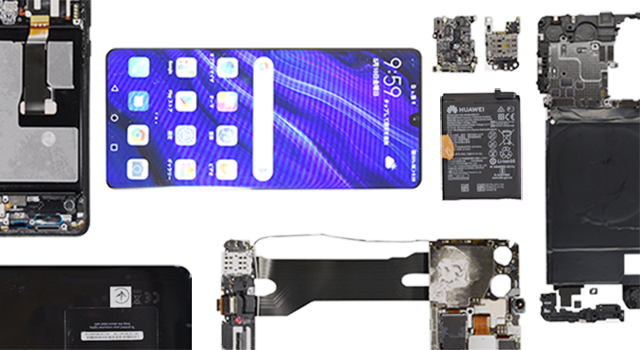
In the bitter trade war between two powerful countries — the USA and China, it’s Huawei that’s stuck in the middle and is seeing its business facing the heat. Because of the ban issued on Huawei by the United States, Huawei Technologies will now have to find new suppliers for 15 of the higher value parts of its flagship handset.
Teardown of Huawei’s recently launched flagship smartphone, Huawei P30 Pro shows that while U.S. content accounts for 1 percent of the parts, those components add up to roughly 16 percent of the cost of all components. It uses 15 parts from the US while the phone consists of 1,631 parts.
Additionally, around 62 percent of the phone’s parts in terms of cost were produced by companies outside China, according to the report from Fomalhaut Techno Solutions, a Tokyo research outfit.
The parts coming from the U.S. include communication semiconductors from Qorvo, the North Carolina-based chipmaker, DRAM from Micron Technology, and a protective cover glass from Corning, a New York technology materials group, among others.
Huawei, which dominates the Chinese smartphone market, was aiming to become the world’s largest smartphone maker by the end of 2020. But the company has now given up that ambition as it is caught in the middle of the US-China Trade War.
The company has also slashed its sales expectations for the next two years by $30 billion, setting forecasts at roughly $100 billion in 2020. Huawei founder and CEO Ren Zhengfei admitted that constraints imposed on the company’s U.S. suppliers by the Trump Administration had taken a heavy toll on the group.
As per the reports, Huawei has stocked up on parts but — when its inventories dry up — the company will have to find alternative sources. But some companies have found a way around Trump’s order and have resumed supplying components to Huawei.
Huawei’s isn’t backing down despite going through the worst time possible. The company keeps on launching new smartphones and its own mobile operating system, which supports Android app compatibility, is ready to go public by the end of September or October. Other Chinese brands participated in testing the OS with Huawei and it was claimed to be 60% faster than Android. If every Chinese brand picks up HongMeng OS instead of Android, it could be a major threat to Google.
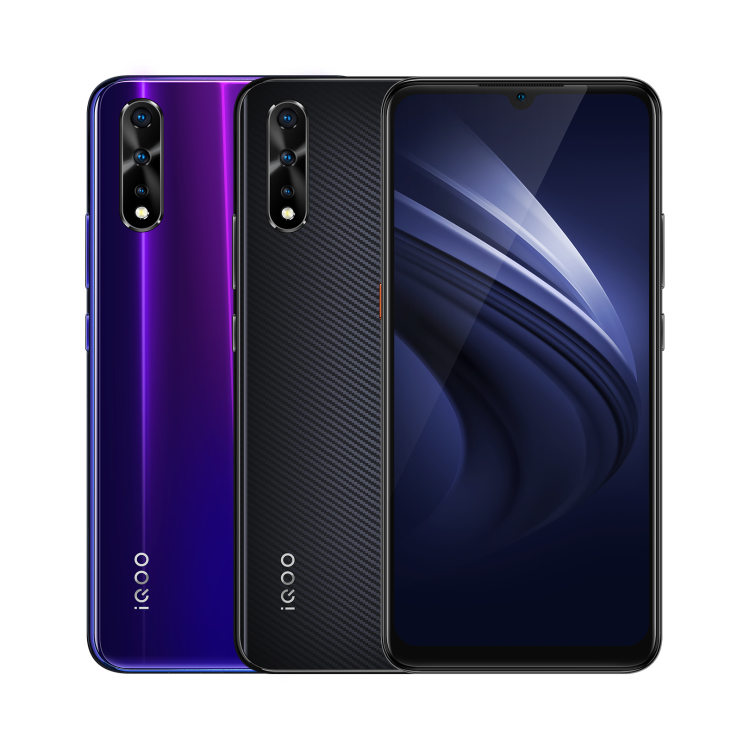
Yesterday, Vivo’s iQOO gaming division had released DC dimming feature for iQOO smartphone users through a FunTouch OS update. Today, the Chinese firm has shared a video on Weibo to confirm that the upcoming iQOO Neo gaming phone will be also equipped with DC dimming. The video also showcases the front design of the smartphone.
It is a known fact that an OLED panel can flicker if its brightness is reduced. Such screen flickering can cause eye strain. Hence, smartphone OEMs are bringing DC dimming feature that prevents screen flickering issue on phones with OLED displays by adjusting the DC current. Companies are providing DC dimming through software update for OLED smartphones. There are some phones that offer DC dimming feature out of the box and iQOO Neo is one of them.
In the above video, the company has placed two iQOO Neo smartphones besides each other. The brightness on both devices is low because of which one can easily notice screen flickering on the two iQOO Neo handsets. Mid-way through the video, the DC dimming feature is activated on the handset kept on the left through a toggle button. Once activated, the screen stops flickering.
The iQOO Neo has a waterdrop notch on the display. The chin of the device is slightly thick whereas its other bezels are slim. Its preliminary listing has confirmed that it will be featuring a 6.38-inch display. It will carry support for full HD+ resolution and it is equipped with an in-display fingerprint reader.
The Snapdragon 845 chipset powers the smartphone. It could be featuring 6 GB of RAM and an internal storage of 128 GB. For regulating the internal temperature of the phone, it will come equipped with Liquid Cooling technology. There is no information on the configurations of the camera sensors of the phone. The official renders of the phone have confirmed that it will be arriving with triple rear-mounted cameras.
The iQOO Neo will be arriving with a 4,500mAh battery that carries support for 22.5W fast charging. The smartphone is up for reservations on the official Vivo China website. Its official listing has confirmed that it will be releasing in Black and Blue color variants. A leaked poster of the phone that had surfaced earlier in this month claimed that it could be priced at 1,998 Yuan (~$290). The smartphone is scheduled to go official on July 2.
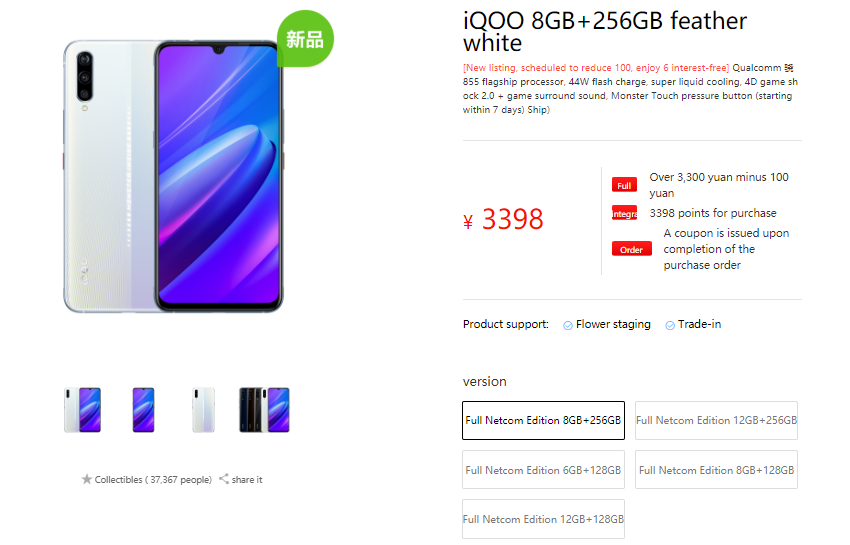
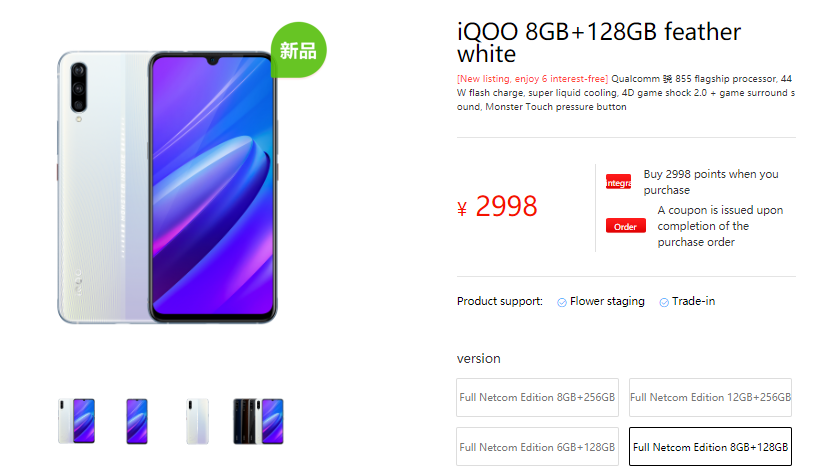
The Vivo iQOO gaming smartphone has been available in multiple color options in China such as Lava Orange, Optic Blue, Samurai Black and Knight Black. At the beginning of this week, iQOO shared some renders of the new Feather White color edition of the smartphone. However, the new color version wasn’t available for buying. The Vivo iQOO Feather White will go on sale starting from today in China.
Customers in China who are interested in purchasing the Vivo iQOO Feather White can visit the official store of Vivo China. Also, it is available through other retailers like JD.com, Tmall and Suning. The below shown screenshots show that only the Feather White color option will be only available on two variants of iQOO smartphone such as 8 GB RAM + 128 GB storage and 8 GB RAM + 256 GB storage. They are respectively priced at 2,998 Yuan (~$334) and 3,398 Yuan (~$494).
The Vivo iQOO smartphone houses a 6.41-inch AMOLED display with waterdrop notch. It produces full HD+ resolution and 19.5:9 aspect ratio. The Snapdragon 855 chipset is present under the hood of the device along with up to 12 GB of RAM. It comes with up to 12 GB of RAM. The smartphone is backed by a 4,400mAh battery that is equipped with support for 44W fast charging. On its front is a 12-megapixel selfie camera and it has 12-megapixel + 13-megapixel + 2-megapixel triple camera setup on its rear. It also features an in-screen fingerprint reader.
Vivo iQOO Feather White
In related news, iQOO will be debuting its second smartphone called iQOO Neo on July 2. The iQOO Neo will be arriving with a 6.38-inch AMOLED display with waterdrop notch, in-screen fingerprint sensor and DC dimming. The smartphone will come in two colors like gradient Blue and textured Black. It will be fueled by Snapdragon 845 chipset and 4,500mAh battery. The handset will also come with Liquid Cooling technology and 4D Shock 2.0 in-game vibrations. It will be also equipped with triple rear cameras. The smartphone will also support 22.5W fast charging. The reservations of the smartphone have already started in the home market.
Yesterday, Xiaomi had confirmed through a poster that apart from launching the CC9 and CC9e smartphones, it will be also announcing the CC9 Meitu Custom Edition phone on July 2. The rumor mill has already revealed the entire specs, variants and pricing of the CC9 and CC9e phones ahead of launch. However, nothing much is known about the CC9 Meitu Custom Edition. Today, Xiaomi CEO Lei Jun has shared some key details of the phone.
In November 2018, Xiaomi had entered a strategic partnership with Meitu. Hence, the upcoming CC series of smartphones born out of collaboration between the two companies will be powered with photography algorithm from Meitu. The CC9 and probably the CC9e will be arriving in fascinating colors like White Lovers and Dark Blue Planet. Jun has confirmed today that the CC9 Meitu Custom Edition will be sporting a special color. The CC9 and CC9e phones may feature image optimizations from Xiaomi, but the CC9 Meitu Custom Edition’s photography prowess will be powered by Meitu.
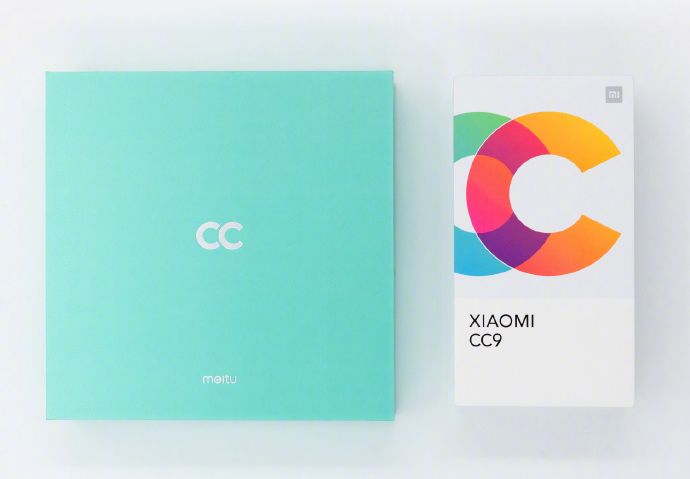
Xiaomi CEO has also confirmed that the CC9 Meitu Custom Edition will be featuring 8 GB of RAM and 256 GB of native storage. He has shared an image to show that the smartphone will be arriving in a completely different blue-colored packaging than the regular CC9 and CC9e phones.
A fresh Weibo post from Meitu reveals that even in total dark conditions, the CC9 Meitu Custom Edition can capture bright and clear AI portrait shots. Nothing else is known on the other specification of the smartphone.
The Mi CC9 is expected to arrive with Snapdragon 730, a waterdrop notch enabled 6.2-inch display, 48-megapixel triple rear cameras, 32-megapixel front-facing camera and 4,000mAh battery. It remains to be seen whether the CC9 Meitu Custom Edition will be arriving identical specs as the CC9 phone. The Mi CC9 with 8 GB RAM + 256 GB storage is rumored to carry a price tag at 3,099 Yuan. Hence, it is like the CC9 Meitu Custom Edition could be priced higher.
Lenovo Group VP Chang Cheng has been confirming on the specs and features of the upcoming Lenovo Z6 since the past few days. It is already known that the Lenovo Z6 will be arriving with a 6.39-inch display. Today, he has shared a new poster which contains more details on the display of the smartphone.
First of all, the poster confirms that the Lenovo Z6 will be featuring a waterdrop-style notch enabled screen like the Lenovo Z6 Pro and Lenovo Z6 Youth Edition smartphones. The handset is equipped with a 6.39-inch OLED display. With narrow bezels surrounding the display, the smartphone promises 93.1 percent screen-to-body ratio. The display carries support for HDR 10, DCI-P3 color gamut, 600nits of brightness and 120 Hz high sampling rate.
The display of the Lenovo Z6 is equipped with De-Mura screen colorization technology that restores the brightness difference of each pixel on the display to deliver great viewing experience with uniform color and brightness. The OLED screen features sixth-generation in-display fingerprint scanner that can unlock the device in just 0.13 seconds, claims the company. Lastly, the display is protected by Corning Gorilla Glass. However, the company did not confirm on its exact version.
Cheng has recently confirmed that the Lenovo Z6 will be powered by Snapdragon 730. Its Geekbench appearance has confirmed that it will arrive with up to 8 GB of RAM. The smartphone is fitted with a front-facing camera of 16-megapixel. On its rear is a triple camera setup that includes Sony IMX576 24-megapixel primary sensor, a 5-megapixel lens and an 8-megapixel telephoto sensor with support for 2x optical zoom and 8x hybrid zoom. The Lenovo Z6 will be backed by a 4,000mAh battery that will carry support for up to 18W fast charging. However, the handset is expected to be shipped with 15W charger.
The storage variants of the Lenovo Z6 are not known yet. The official images of the phone that were teased at the beginning of the month suggested that the phone could be available in at least blue and brown color editions. There is not information available yet on the pricing of the phone. The Snapdragon 710 powered Lenovo Z6 Youth’s highest version that features 6 GB of RAM and 128 GB of storage is priced at 1,699 Yuan (~$247) whereas the lowest version of the Lenovo Z6 Pro flagship phone with same amount of RAM and storage is priced at 2,899 Yuan (~$422). Hence, the Lenovo Z6 variants could be priced between 1,999 Yuan (~$290) and 2,499 Yuan (~$363).
We use cookies on our website to give you the most relevant experience by remembering your preferences and repeat visits. By clicking “Accept”, you consent to the use of ALL the cookies.
This website uses cookies to improve your experience while you navigate through the website. Out of these, the cookies that are categorized as necessary are stored on your browser as they are essential for the working of basic functionalities of the website. We also use third-party cookies that help us analyze and understand how you use this website. These cookies will be stored in your browser only with your consent. You also have the option to opt-out of these cookies. But opting out of some of these cookies may affect your browsing experience.
Necessary cookies are absolutely essential for the website to function properly. This category only includes cookies that ensures basic functionalities and security features of the website. These cookies do not store any personal information.
Any cookies that may not be particularly necessary for the website to function and is used specifically to collect user personal data via analytics, ads, other embedded contents are termed as non-necessary cookies. It is mandatory to procure user consent prior to running these cookies on your website.

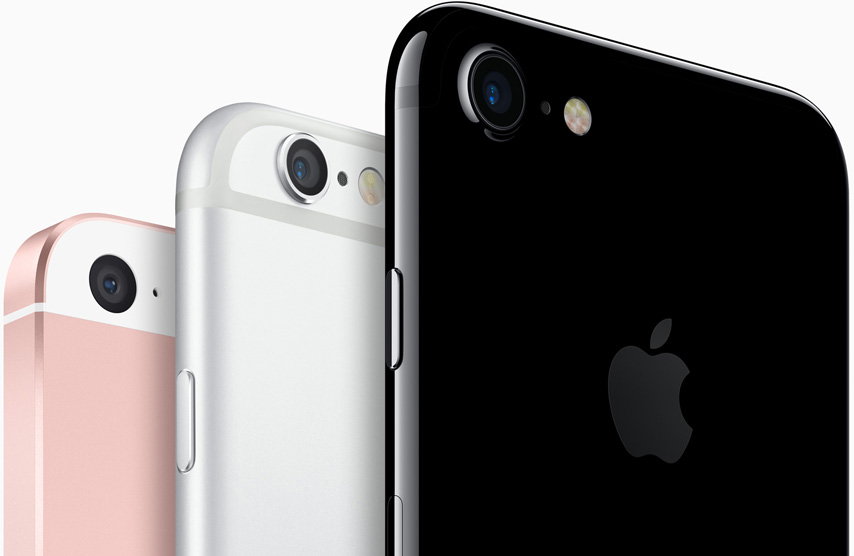 Production estimates published by Cowen shows that Apple is preparing to increase iPhone production in order to take advantage of the US-Huawei trade ban. However, the increase in production is going to be rather modest. Initially, Apple’s production estimate put iPhones shipment at 39 million units. However, that has been jacked up to 40 million. A breakdown shows Apple expects to ship about 30 million iPhone XS, XS Max and XR with the rest of the 10 million spread across iPhone 7 and iPhone 8. The increase is due to speculations that demand for the iPhone could increase in some markets following Huawei’s ban.