The 2020 Summer Olympics will be held in Japan, beginning the 24th of July and running through to the 9th of August. It is still more than a year away but Lenovo Japan has announced its workers will be on a “break”.
The Japanese arm of the world’s largest PC manufacturer has a workforce of about 2000 people. With Tokyo expected to be packed and commuters expected to increase significantly, Lenovo workers will not be required to show up at work but will have to work from home.
The order is said to cover workers at Motorola Mobility Japan and NEC Personal Computers too but some workers of repair centers and factories will have to show up at work.
Lenovo will also grant its workers two special days off in addition to the national holidays that are within the period of the Olympics.
President of Lenovo Japan, David Benett, said the move is to improve employee satisfaction, and they may consider a similar program in 2021 and in the future. The Nikkei Asian Review reports that companies like NEC, Fujitsu, and Ricoh are also considering a similar decision to ease things for their workers during the period.
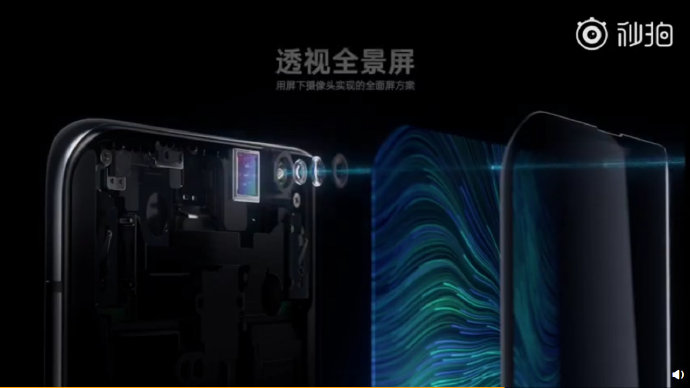
OPPO has been at the forefront of innovations to ensure the user enjoys an immersive visual experience by trimming the bezels around the display. We have seen several of them from the BBK subsidiary ranging from ultra-slim bezels, waterdrop notch to mechanical pop-up cameras. Earlier this month, OPPO showcased another innovative technology which is called “Perspective Panorama Screen”.
The company has released a short video which shows the camera in action. The video has the renders of a full-screen phone without a notch. The camera is embedded under the screen. There is an under-screen camera module as well as a high transmittance screen The device also comes with an optimization algorithm which will ensure the output isn’t too bad.
Since this is the first time the technology is being put to use, OPPO warns that the screen could affect the quality of the camera output. According to an earlier statement by OPPO’s VP Brian Shen, the image quality of the in-screen camera technology may not be good. After the initial announcement of the new camera technology earlier this month, Brian had claimed that at present the screen camera is unable to generate the same image quality as the non-screen camera. He added that the images captured through the new technology will have some loss in optical quality. We expect the company to continue to optimize the technology in order to improve on the quality. Check out the video from below.
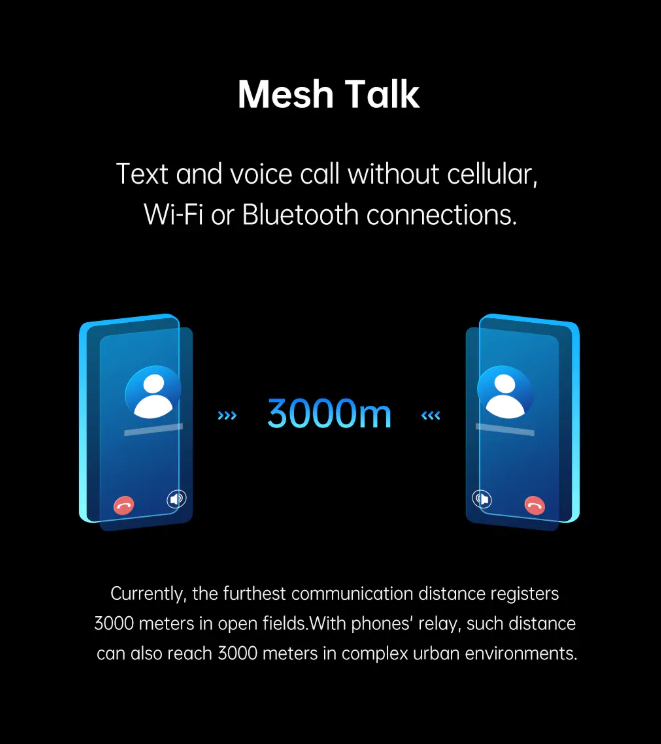
At MWC Shanghai 2019 today, OPPO showed off a new technology called MeshTalk. This is a feature that allows OPPO phones to make calls and send messages to each other without the need for a cellular network, Bluetooth, or Wi-Fi connection and only requires the phones are within a 3km range.
OPPO says users will be able to send texts, voice messages, and make phone calls to OPPO devices within a 3km range. Multiple devices will also be able to “create an ad hoc local area network (LAN) that allows for the creation of group chats and also helps to expand the communication range via a signal relay”.
The official blog post said MeshTalk uses a custom chip that “takes advantage of decentralization, greater speed, and lower power consumption”. MeshTalk is also has a high level of privacy according to OPPO as it is able to bypass base stations and servers.
OPPO didn’t reveal when the technology will be available to the public. However, one can deduce that only new models released in the future will support MeshTalk since it uses a special chip which is a hardware component.
OPPO has proved once again that it is one of the forerunners in mobile innovation. The Chinese phone company has invested a lot in research and development and keeps coming up with new technologies. MeshTalk wasn’t the only feature it showed off at MWC Shanghai today, it also showcased its Under Screen Camera (USC) technology which should become the trend in a year.
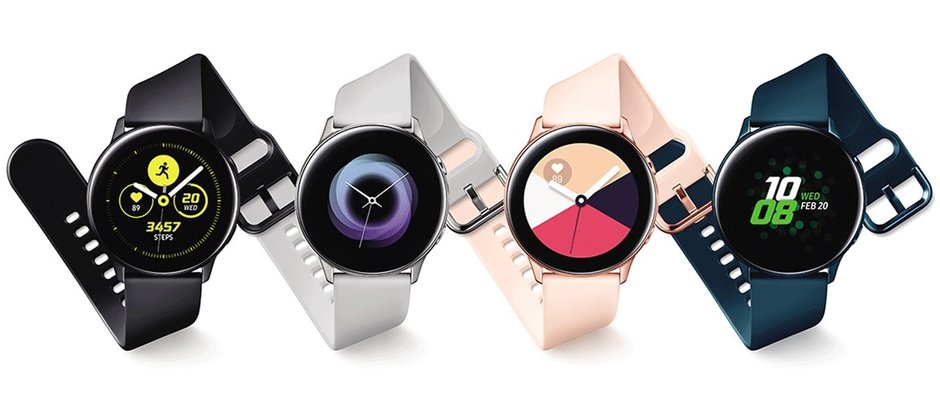
Samsung had launched the Galaxy Watch Active earlier this year ahead of the Mobile World Congress at its Unpacked event. Now finally, the South Korean giant has launched the Samsung Galaxy Watch Active in India.
The smartwatch comes with a 1.1-inch circular AMOLED display with 360 x 360 pixels screen resolution and a Gorilla Glass 3 protection on top. Under the hood, it is powered by the company’s own Exynos 9110 dual-core processor.
It packs 768MB of RAM and 4GB of onboard storage. The device runs Tizen OS-based Wearable OS 4.0. It comes with an IP68 rating, making it 5ATM water resistant and is also MIL-STD-810G certified for durability.
The device supports blood pressure monitoring feature in the Indian market but as per the original announcement, it is currently limited to select markets. However, the feature is supported in the Indian variant of the smartwatch. There is Bixby voice assistant integration as well to enable voice actions.
It comes with sensors like Accelerometer, Gyroscope, Barometer, Heart Rate Monitoring, and Ambient Light. As for connectivity options, the device supports Bluetooth 4.2, Wi-Fi b/g/n, NFC, and GPS. The Samsung Galaxy Watch Active is powered by a 230mAh battery which also supports wireless charging capability.
The Samsung Galaxy Watch Active is priced at Rs. 19,990 (approximately $289) in India and comes in Black, Deep Green, Rose Gold, and Silver color options. It is now available for purchase Amazon India as well as Samsung Online Store. It will also be available through offline stores across the country.
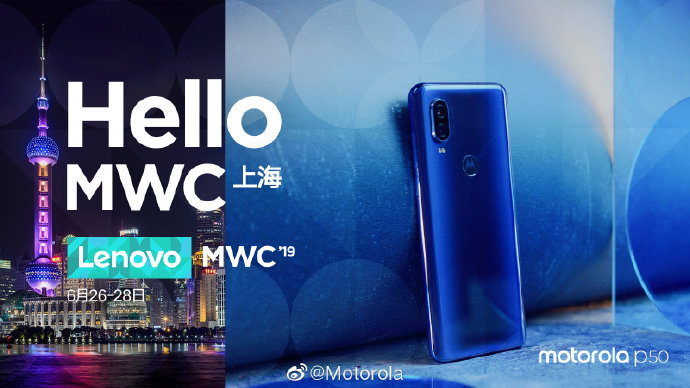
The Mobile World Congress (MWC) Shanghai that has started from today in China will come to an end on June 28. Many smartphone OEMs are making 5G-related important announcements, while other companies are showcasing newer technologies like 120W fast charging and in-display camera technology. Motorola has confirmed through its Weibo account that it will be unleashing the Motorola P50 smartphone during the MWC Shanghai 2019 tech event.
The Lenovo-owned firm had announced the Motorola One Vision smartphone in Brazil at the beginning of the previous month. Soon after the launch, Motorola confirmed through Weibo that it will be launching the Motorola P50 smartphone in June in China. The image of the P50 phone that was shared in the last month had suggested that it could be the rebranded version of the One Vision phone for China.
Without mentioning the exact launch date of Motorola P50, the company has confirmed today that it will be made official at MWC Shanghai 2019 tech expo. Hence, it is expected to go official by June 28. As of this writing, there is no information on the specs and pricing of the smartphone. However, it is expected to come with identical specs like the One Vision phone.
The Motorola One Vision comes with an impressive 21:9 aspect ratio IPS LCD punch-hole display of 6.3 inches. It carries support for 1080 x 2520 pixels full HD+ resolution. The splash-resistant body of the phone features a fingerprint scanner embedded under the logo of the company.
The One Vision is an Android One phone that comes with Android 9 Pie OS. The P50 phone is expected to come with ZUI based Android Pie OS. The Exynos 9609 SoC from Samsung powers the smartphone along with 4 GB of RAM. The native storage of the phone is 128 GB. A microSD card slot can be added to the second SIM slot of the phone.
There is OIS and LED flash enabled 48-megapixel + 5-megapixel dual camera sitting on the backside of the Motorola One Vision. It has a front-facing camera of 25-megapixel. The smartphone houses a 3,500mAh battery that supports 15W rapid charging through USB-C. The handset comes in Bronze Gradient and Sapphire Gradient colors.
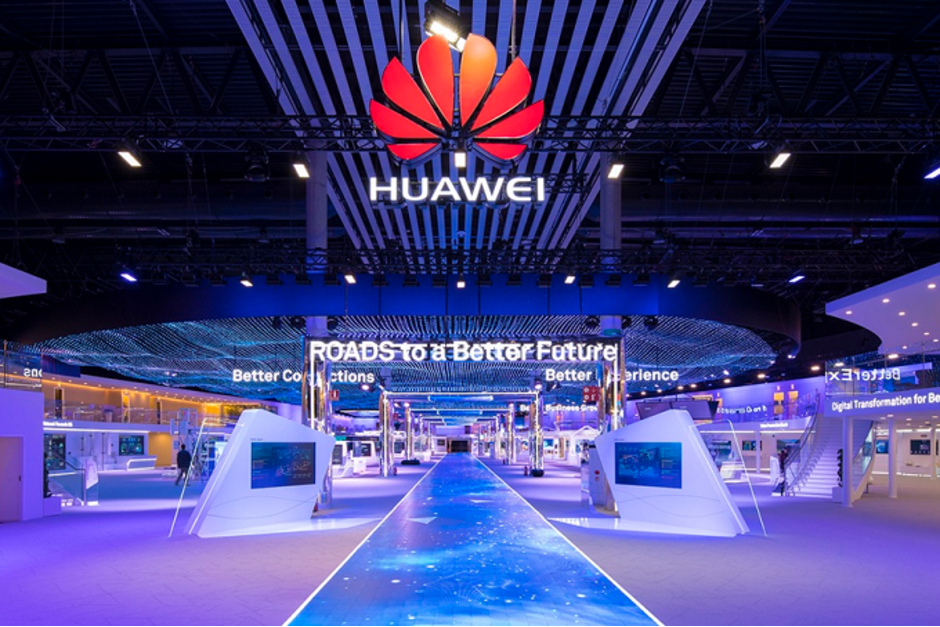
Huawei‘s US research arm Futurewei seems to have kickstarted the process of severing ties with the parent company. Futurewei has reportedly banned Huawei employees from its offices, moved Futurewei employees to a new IT system and forbidden them from using the Huawei name or logo in communications. Reuters reports a Futurewei employee to have said on condition of anonymity but the employee claimed Huawei will continue to own Futurewei.
Futurewei is Huawei’s U.S.-based research and development arm. The firm employs hundreds of people at offices in Silicon Valley and the greater Seattle, Chicago and Dallas areas, according to its workers’ LinkedIn pages. Futurewei has filed more than 2,100 patents in such areas as telecommunications, 5G cellular networks, and video and camera technologies, according to data from the United States Patent and Trademark Office. Until now, Futurewei’s operations have been largely indistinguishable from Huawei and it had no separate brand or even a website, the employee said. Its staff often identified themselves as Huawei employees.
The division of operations, which is being reported for the first time, comes as many U.S. universities have halted research partnerships with Huawei in reaction to U.S. government allegations that the company poses a national security threat. Many universities are also rethinking their partnerships with other Chinese firms. However, Futurewei is not on the “entity list” and isn’t affected by Huawei’s sanctions. This may just be Huawei’s effort to ensure the research arm doesn’t get the US sledgehammer.
Milton Frazier, Futurewei’s general counsel, declined to comment on the separation or the strategy behind it, referring questions to Huawei spokesman Chase Skinner. Skinner did not answer questions about the effort.
Huawei is among the world’s largest telecommunications equipment manufacturers. The Commerce Department in May placed the firm on its “entity list” of organizations that pose security risks. Companies on the entity list are banned from buying parts and components from American firms without U.S. government approval. The Justice Department earlier filed charges against the firm alleging theft of trade secrets and other crimes.
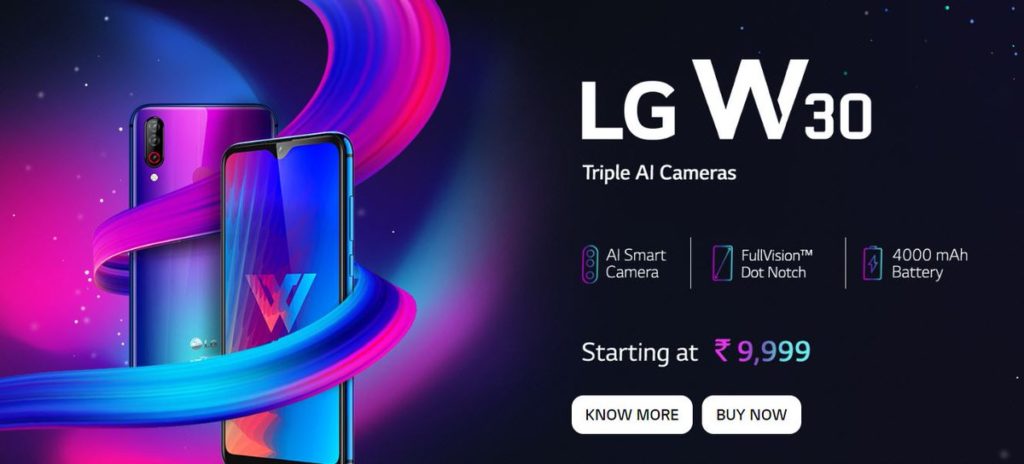
Through an unveil event in India, LG has announced its new W-series of smartphones such as LG W10, LG W30 and LG W30 Pro. The South Korean company has launched these phones to rival with brands like Xiaomi, Samsung and Realme in the mid-range segment in India. Starting at Rs. 8,999 (~$129), the LG W-series offer high screen space, impressive cameras and long-lasting performance.
LG W10, W30 and W30 Pro Specifications and Features
The LG W10 comes with a 6.19-inch FullVision IPS LC display whereas the W30 and W30 Pro are both equipped with 6.26-inch FullVision IPS LCD displays that support HD+ resolution. The W10 offers 18.9:9 aspect ratio and W30 models offer 19:9 aspect ratio. The W10 sports a wider notch whereas the W30 and W30 Pro smaller waterdrop notch. LG is offering a software feature that allows users to customize the notch design from options such as u-shaped or v-shaped or straight bezel.
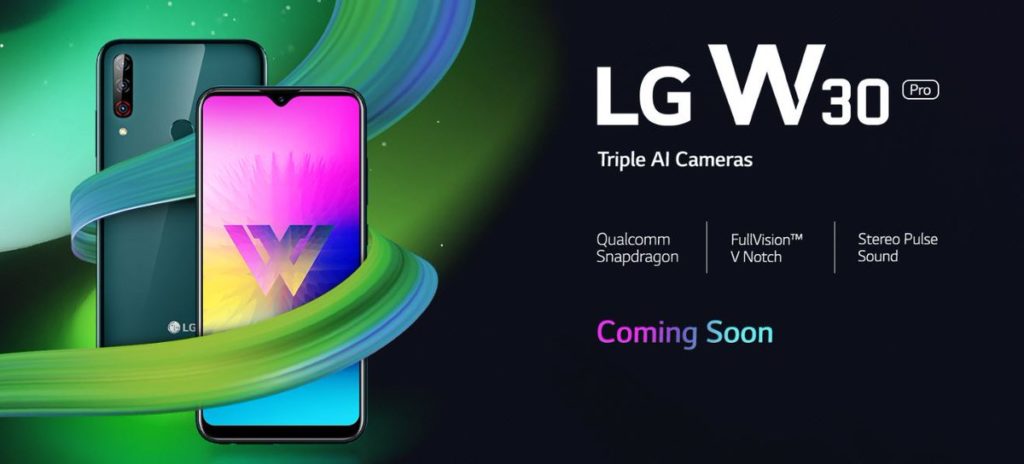
The LG W10 and W30 feature MediaTek Helio P22 chipset. Both phones come with 3 GB of RAM, 32 GB of internal storage. The W30 Pro being an advanced model has Snapdragon 632 mobile platform, 4 GB of RAM and 64 GB of native storage. Both phones have hybrid dual SIM slot that can be used for adding a microSD card. The Android 9 Pie OS in its purest form is available on the LG W-series. It is equipped with Google Launcher that tags along Google Assistant, Digital Wellbeing and so on.
For capturing selfies, there is an LED equipped 8-megapixel front camera on the LG W10. Its rear shell has a dual camera system with a 13-megapixel main sensor and 5-megapixel lens for adding depth effects. It comes with features like PDAF, 2x zoom and LED flash.
The W30 and W30 Pro have 16-megapixel front-facing cameras. Both smartphones are fitted with triple rear cameras. There is a Sony IMX486 12-megapixel main sensor for low-light photography, a 13-megapixel wide-angle lens and a 2-megapixel depth sensor inside the triple camera system of the LG W30. The W30 Pro’s triple camera unit has 2x zoom enabled low-light primary lens of 13-megapixel, an 8-megapixel wide-angle sensor and a depth sensor of 5-megapixel.
All three LG W-series phones feature large-sized 4,000mAh batteries that lack support for fast charging. They also come with rear-mounted fingerprint scanners and face unlock feature. The W30 Pro comes with a StereoPulse Sound. Both phones come with usual connectivity features such as dual 4G VoLTE, Wi-Fi, Bluetooth, GPS, microUSB 2.0 and 3.5mm audio jack.
LG W310, W30 and W30 Pro Pricing and Release Date
The LG W10 is priced at Rs. 8,999 (~$129) and its color options are Tulip Purple and Smokey Grey. The LG W30 costs Rs. 9,999 (~$144) and its color variants are Aurora Green, Thunder Blue and Platinum Grey. The South Korean company did not reveal the pricing of the LG W30 Pro which is expected to go on sale later.
The LG W-series will be exclusively available for buying through the first flash sale that will be carried out on Amazon India from July 3. Purchase of W10, W30 and W30 Pro in India can benefit from Rs. 3,250 cashback from ClearTrip and Rs. 1,700 cashback from Reliance Jio. There is no word on when the LG W-series of smartphones will be made available outside of India.
What’s your opinion on the new LG W10, W30 and W30 Pro smartphones? Can they rival well with mid-rangers from Xiaomi, Samsung and Realme? Share us your thoughts by posting your comments below.
MicroLED is coming soon to smartwatches if these new reports are to be believed. The latest report from Digitimes clams that a US-based smartwatch brand will start a design process in Q3 2019 using a 1.25″ micro-LED display that was co-developed by RiTDisplay and PlayNitride. RiT will start shipping samples in Q4 2019.
Unfortunately for most, MicroLED displays don’t seem to have taken off yet. While the company is conservative about the business outlook for the display industry amid volatile market conditions, the company expects its performance to improve in the second half of 2019, buoyed by peak-season effect. This essentially means we can expect more MicroLED devices pretty soon.
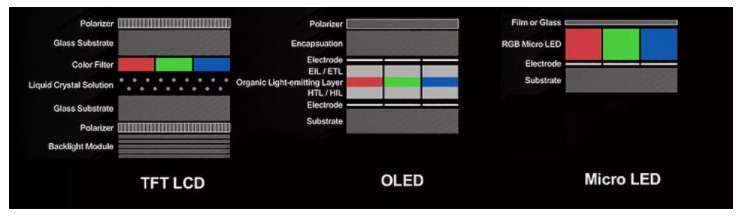
For those who aren’t in the new, MicroLED displays are the upcoming competitor to the current OLED displays. MicroLED displays are more slender, more brilliant, and more vitality proficient than OLED panels. MicroLED displays likewise have inorganic gallium nitride-based LEDs, which have a more drawn out life expectancy than the natural compound utilized in OLED panels and should make them increasingly impervious to burn-in issues.
MicroLED displays have a significant number of similar preferences that OLED displays have over LCDs, including improved shading exactness, improved complexity proportion, quicker reaction times, and genuine blacks – given both have self-lit pixels. So far we haven’t really seen a mass adoption of the technology, but hopefully things are going to change soon.
Last month, Google revoked Huawei’s license to use its Android mobile operating system after the U.S. Department of Commerce listed Huawei Technologies Co. Ltd under its Entity list which includes companies that pose a threat to its national security.
Later, the US Commerce Department eased up the ban and provided a 90-day window to settle with other companies before the ban goes into effect. Meanwhile, the company confirmed that the existing users of Huawei smartphones will continue to receive updates.
But, it doesn’t seem that the situation for Huawei can improve anytime soon and the company has also revealed that the ban will hit Huawei’s revenue by $30 billion. However, the company is working on its own mobile operating system — HongMeng OS (Oak OS).
In an interview with CNBC, Ren Zhengfei, founder and CEO of Huawei claimed that Google will lose 700-800 million users if Huawei abandons Android. He said that Huawei and Google will “always be on the same line of interest, and if we don’t load Google’s system, Google will lose 700-800 million users in the future.”
He added that the company does not want to replace Google’s system at all because it will slow down the growth but if they get to that point, Huawei has its own system to replace and will return to growth. HongMeng OS or Oak OS is all set to release by the end of September or October and will initially focus on the mid-range devices, as per the reports.
In a recently conducted test of Huawei’s own mobile operating system, in which other Chinese brands like Vivo and Oppo also participated, it was claimed that HongMeng OS is about 60 percent faster than Android. There are reports that claim that Huawei is in talks with Sailfish OS and Russia’s Avrora OS as a possible replacement for Android.
The HongMeng OS from Huawei will be compatible with all Android apps and they can also be recompiled to improve performance, like Chrome OS. If Huawei replaces Android OS and convinces other Chinese smartphone manufacturers to use its operating system, it could pose a great threat to Google’s monopoly in the smartphone market with Android OS.
Last month, Oppo-backed Realme launched the Realme X smartphone in China, making it the first smartphone from the company to not make its debut in India first. It is also the company’s first phone to have an in-display fingerprint sensor and a pop-up selfie camera.
Recently, Madhav Sheth, Realme India CEO confirmed that the Realme X will get launched in India. While he didn’t reveal the launch date, he said that the smartphone will be launched in India in the second half of this year.
Now, a report claims that Realme X will be launched in India next month. Not only that, but the report also says that the company has partnered with Marvel for the promotion of the upcoming ‘Spider-Man: Far From Home’ movie and will also offer a Spider-Man themed case for the Realme X smartphone.
However, it is not yet known if the Spider-Man: Far From Home themed case will be bundled with the phone or the users need to purchase it separately. This Marvel movie is scheduled to release in mid-July and thus, the promotional timeline makes sense.
The Realme X smartphone flaunts a 6.53-inch Full HD+ AMOLED display with 2340 × 1080 pixels screen resolution and Corning Gorilla Glass 5 protection. The phone’s display offers a 91.2 percent screen-to-body ratio, thanks to the pop-up selfie camera design.
Under the hood, Qualcomm’s Snapdragon 710 octa-core processor is powering the device, just like the Realme 3 Pro. It is coupled with Adreno 616 GPU and packs up to 8GB of RAM and up to 128GB of internal storage.
Taking care of the photography needs is a dual camera setup on the back panel that comes with a 48-megapixel primary camera with 1/2.0″ Sony IMX586 sensor, f/1.7 aperture, 6P lens, coupled with a 5-megapixel secondary camera sensor.
On the front side, the device features a 16-megapixel camera with a Sony IMX471 sensor and f/2.0 aperture. For security, the device comes with an in-display fingerprint sensor, a feature that Realme is introducing for the first time on its smartphones.
Connectivity options on the device include Dual 4G VoLTE, WiFi 802.11 ac (2.4GHz + 5GHz), Bluetooth 5, and GPS + GLONASS. The smartphone runs on Android 9 Pie operating system with ColorOS 6 custom interface on top. The device drives power from a 3,765mAh battery which also comes with support for VOOC 3.0 fast charging support.
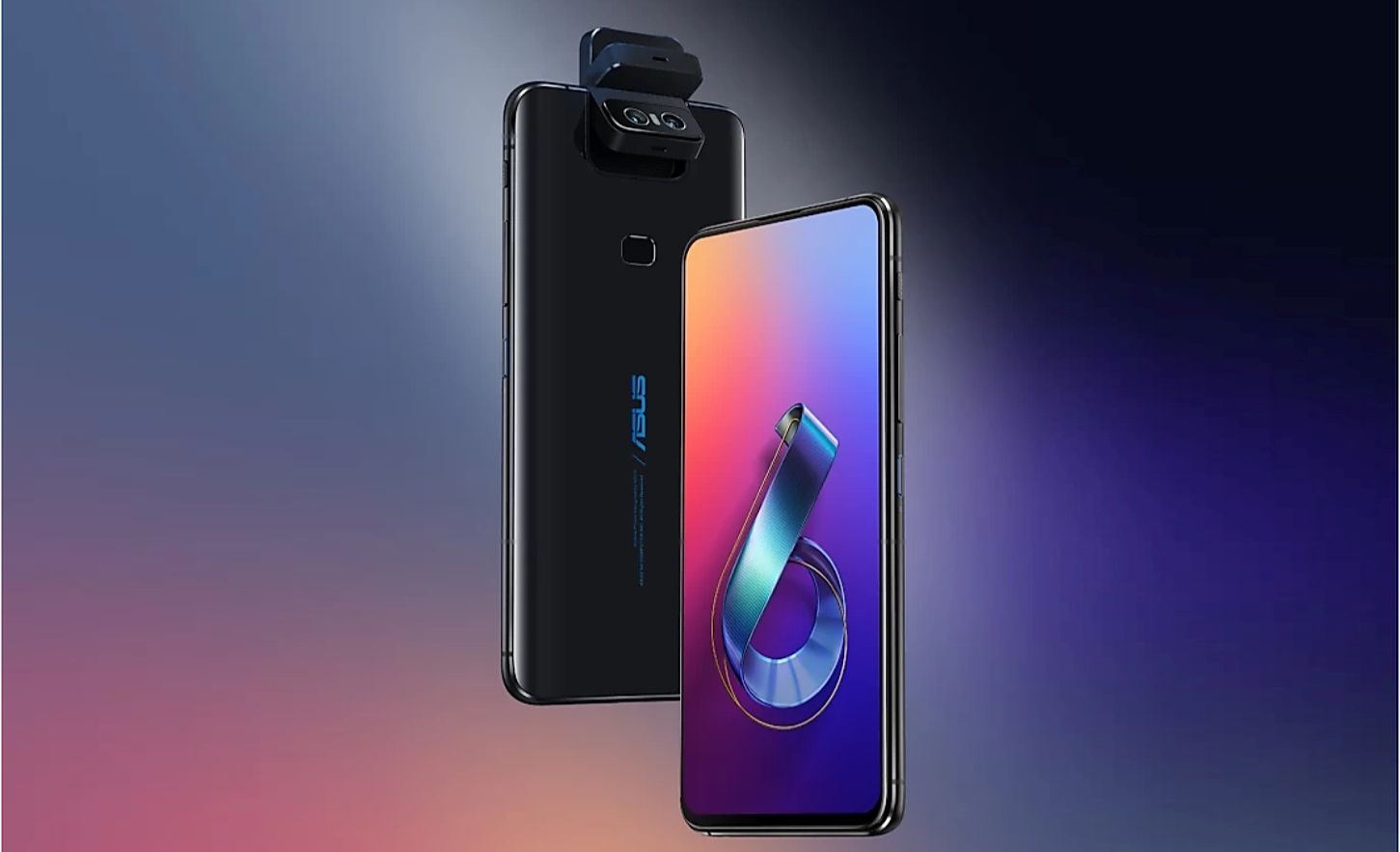
Recently, Asus launched its flagship smartphone Asus 6Z in the Indian market. The phone is the re-branded version of the Asus Zenfone 6 for India since the company has been barred from using Zen or Zenfone branding in India due to the ongoing lawsuit over the use of the trademark.
Now, the phone will finally be available for purchase in India from today and is all set to go on sale exclusively via Flipkart from 12:00 PM local time. The pricing of the base variant which packs 6GB of RAM and 64GB of internal storage is Rs. 31,999 (approximately $461).
On the other hand, the 6GB RAM + 128GB storage and 8GB RAM + 256GB storage variants of the Asus 6Z (Full Specs) are priced at Rs. 34,999 (~$505) and Rs. 39,999 (~$577). All three models come in two color options — Midnight Black and Twilight Silver.
As for the launch offers, Flipkart is offering its Complete Mobile Protection plan at just Rs. 99 to the Asus 6Z buyers. Additionally, as a part of the ongoing offers at Flipkart, the Asus 6Z buyers will be able to get 5 percent instant discount with EMIs on ICICI Bank Debit or Credit cards or 5 percent discount with Axis Bank Buzz Credit Card.
The smartphone features a 6.4-inch IPS LCD notch-less display that carries support for full HD+ screen resolution and is protected by Gorilla Glass 6 on top. Under the hood, the device is powered by the Snapdragon 855 octa-core chipset, coupled with up to 8GB of RAM and up to 256GB of storage. There’s also a microSD card slot allowing users to further expand the phone’s storage capacity up to 256GB.
As for the camera, the smartphone features a flip camera setup that also doubles up as the front-facing camera. The 48-megapixel Sony IMX586 primary sensor with f/1.79 aperture is coupled with a 13-megapixel sensor with a 125-degree field of view. The camera module also includes laser autofocus and dual-LED flash.
Some of the photography features that are available on the smartphone include Portrait Mode, Pro Mode, Super Night Scene Mode, 4K video shooting at 60fps with EIS, up to 480fps slow-motion video recording and time-lapse. There’s also a fingerprint sensor on the back panel.
The device also comes with a customized smart key for accessing the Google Assistant. The smartphone runs Android 9.0 Pie operating system out-of-the-box and the company’s own ZenUI 6 on top. It is fuelled by a 5,000mAh battery and comes with support for 18W fast charging as well as 10W reverse charging.
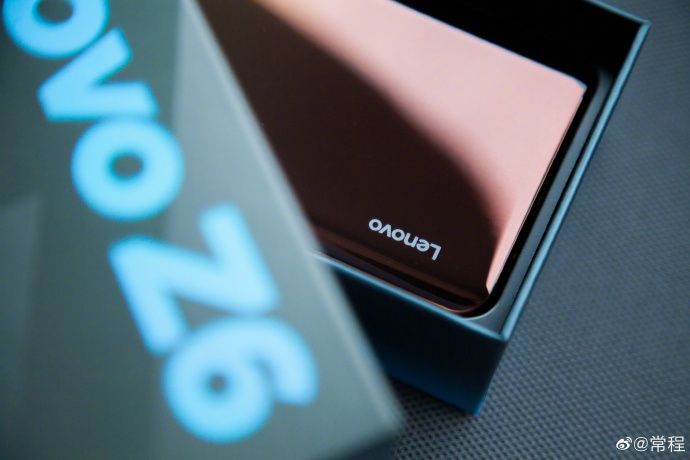
The Lenovo Z6 smartphone will be debuting soon in China. Ahead of its launch, Lenovo Group VP Chang Cheng has been sharing vital information on the smartphone. He has recently confirmed that the smartphone will be fueled by the Snapdragon 730 chipset and it will feature a 4,000mAh battery. Today, it has confirmed design details of the smartphone. He has also claimed that the Lenovo Z6 will be arriving as the world’s lightest smartphone with 4,000mAh battery.
Cheng has confirmed that the Lenovo Z6 has a 6.39-inch display. Probably, it could be sporting a waterdrop notch like the other Z-series from the company such as Lenovo Z6 Pro and Lenovo Z6 Youth Edition. In the image below, he shared a list of smartphones with similar-sized display and battery. The list is led by the upcoming Lenovo that weighs only 159 grams. Second on the list is the Lenovo Z6 Youth that measures 164 grams. It houses a 6.3-inch display and 4,050mAh battery. The Z6 sports a slim profile of 7.97mm which is second to the Z6 Youth Edition that measures 7.88mm in thickness.
So, how did Lenovo manage to pack a large display and a big battery inside the lightweight Lenovo Z6? Well, the company claims to have used the Rollcage design of the ThinkPad laptops for the smartphone. The company claims that the Lenovo Z6 has a durable and drop-proof 6000-series aluminum frame.
Lenovo Z6
The rear shell of the Lenovo Z6 is curved towards the edges. The mid-frame with its G2+ curvature increases the elegance of the device. In addition, the Z6 smartphone has nano-coating made possible through ICM process. The company has employed 10 layers of NCVM vacuum nano-coating, and each layer has been treated with vacuum purification. This allows the Lenovo Z6 to sport a 3D effect on its rear.
The Lenovo Z6 will be arriving as the successor for the Snapdragon 636 chipset powered Lenovo Z5 from last year. The 3C certification of the phone has revealed that it will carry support for 18W fast charging. The Geekbench listing of the phone had revealed that it will be arriving with 8 GB of RAM. The Chinese firm has also confirmed that it will be featuring a Sony AI triple camera setup. However, exact details on its camera sensors and other specs are unavailable yet.
Many smartphone manufacturers are now gearing up to launch their first 5G smartphones in China. Vivo has confirmed that it will be launching the iQOO 5G gaming phone in Q3 and Nubia will be also launching the Nubia X 5G edition soon. ZTE has recently confirmed that that Axon 10 Pro 5G will be releasing in China in July. Huawei’s Mate 20 X 5G smartphone has bagged approval from the TENNA telecom certification body in China. What’s interesting about it is that it will be the first dual-SIM phone to support 5G connectivity.
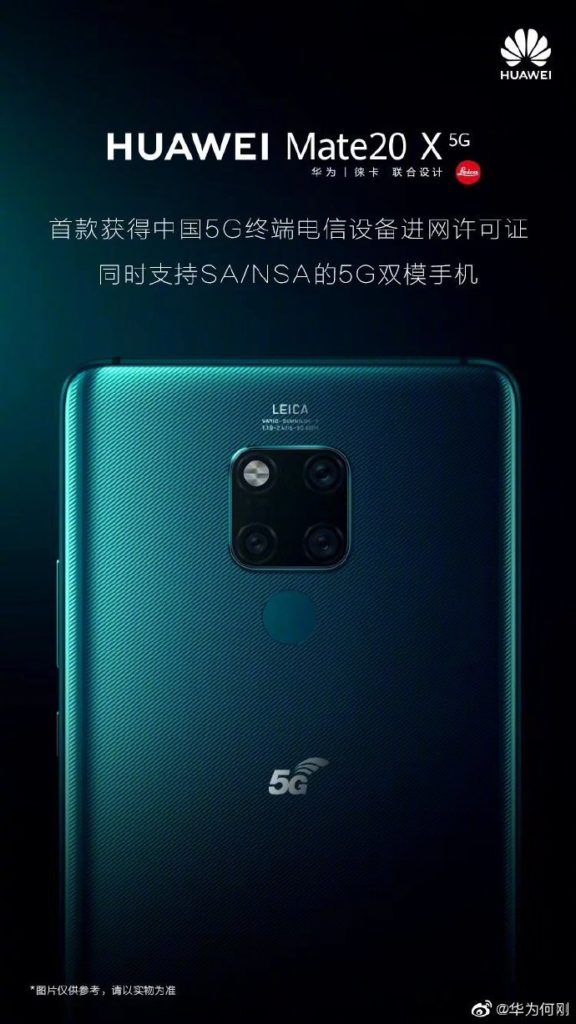
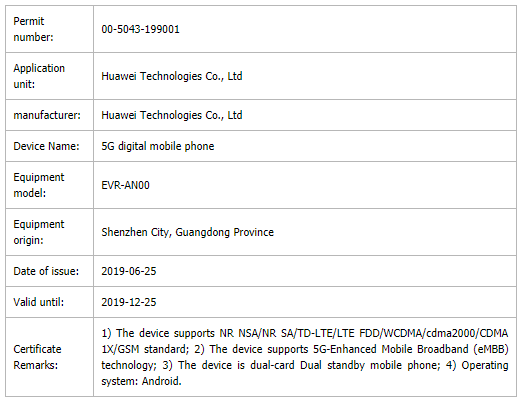
The Chinese firm has confirmed that the Huawei Mate 20 X 5G has received China’s first 5G terminal telecom equipment network license. It carries support for Standalone (SA) and non-Standalone (NSA) 5G network along with support for dual SIM cards.
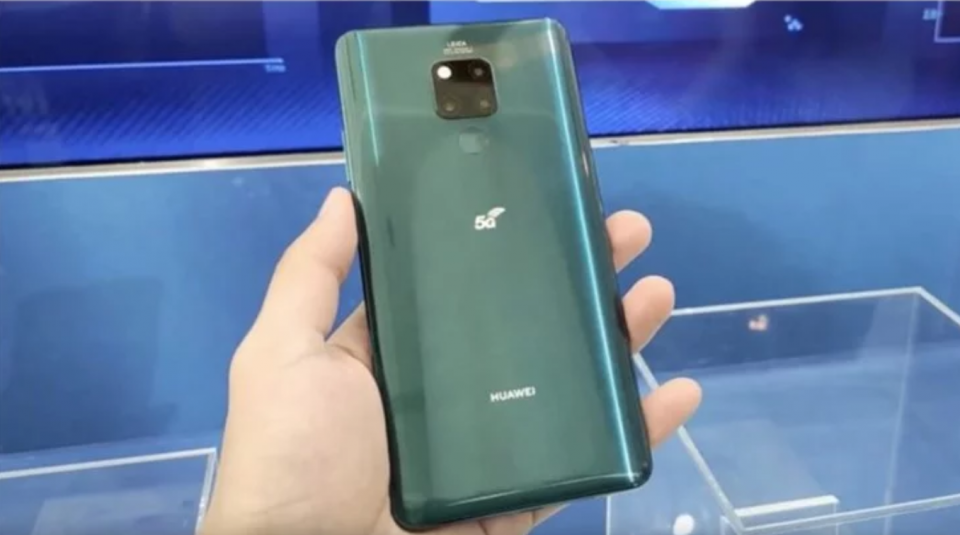
The image shared by the company shows the smartphone sporting a new color. The Mate 20 X (4G LTE) edition that is available in the Chinese market can be availed in colors like Midnight Blue and Phantom Silver. It appears that the 5G variant will come in a Green color. Probably, it will be dubbed as Emerald Green. A leaked image of the green variant of the Mate 20 X 5G had surfaced on Weibo recently. The handset has a 5G logo below the rear-mounted fingerprint scanner.
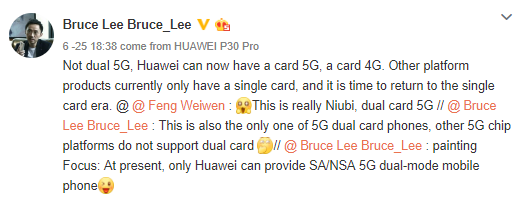
Huawei’s VP for mobile phone produce line Bruce Lee has confirmed that the Mate 20 X 5G is the only 5G mobile phone that supports dual SIM connectivity. The other 5G chip platforms only support single SIM cards. He added that the Mate 20 X 5G lacks support for dual 5G which means only the main SIM will support 5G connectivity, whereas the second SIM slot will connect to 4G LTE networks.
Huawei is yet to confirm the launch date of the Mate 20 X 5G. Apart from appearing on TENAA’s database, the handset that has a model number of EVR-AN00 has also appeared on the website of 3C body. There is a possibility that it may debut as early as next month in China.
Huaeei Mate 20 X 5G (EVR-AN00) TENAAHuaeei Mate 20 X 5G (EVR-AN00) at 3C
In terms of specifications, the handset is expected to borrow most of its specs from the regular Huawei Mate 20 X. Hence, the 5G variant will be sporting a 7.2-inch OLED display, Kirin 980 chipset, 8 GB of RAM, 256 GB of storage, 24-megapixel selfie camera and 40-megapixel + 8-megapixel + 20-megapixel Leica engineered triple rear cameras. For 5G connectivity, the chipset will feature Balong 5000 5G modem. The Mate 20 X has a 5,000mAh battery, but the 5G variant may have 4,200mAh battery. The reduction in the battery size could be because of the large-sized motherboard and 5G antennas required for 5G phones.
The 8 GB RAM + 256 GB storage edition of Mate 20 X costs 4,499 Yuan in China (~$650). It remains to be seen whether its 5G variant will cost under 5,000 Yuan (~$725).
Update: Xiaomi CEO Lei Jun has shared another image of the phone that shows Chinese celebrity Roy Yuan endorsing the white version of the Xiaomi Mi CC9. Jun has confirmed that the name of the white variant is White Lovers.
Original story continues…
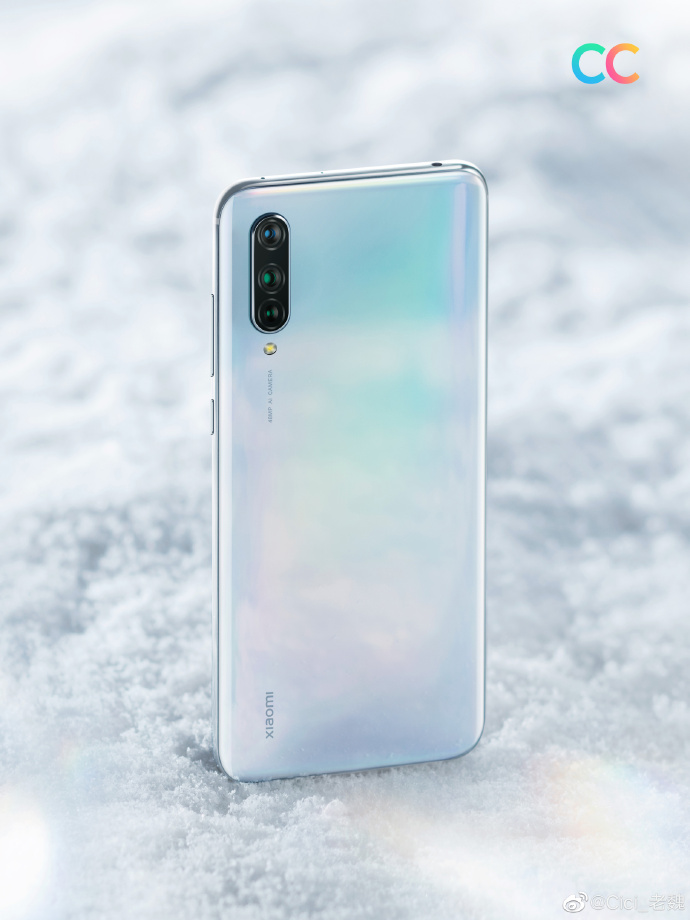
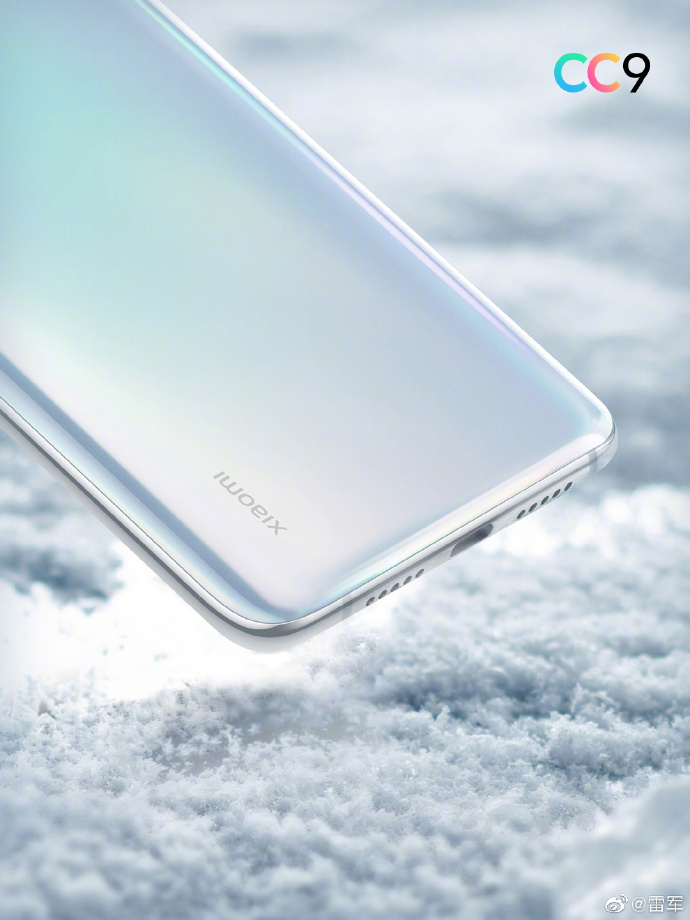
Xiaomi Mi CC9 is launching on July 2. Aimed towards the selfie lovers, the handset will be arriving with a 32-megapixel front camera. The rear side of the phone will be equipped with 48-megapixel triple cameras. Today, Xiaomi CC product manager Lao Wei shared an image of a white colored version of the smartphone to not only confirm the color variant, but also to reveal its rear design.
As it can be seen, the white edition of the upcoming Xiaomi Mi CC9 has a gradient finish to it that reflects faint shades of blue, purple and pink. The new image gives the first look at the smartphone. The glass rear of the phone is curved at all four sides.
The rear shell of the Mi CC9 is equipped with a triple camera setup at the top-left corner. The rear shell of the phone lacks a fingerprint scanner. Rumors surrounding the Mi CC9 have revealed that it will be sporting an AMOLED screen with in-display fingerprint scanner.
There seems to be a 3.5mm audio jack and a SIM card slot on the top edge of the Mi CC9. The right edge of the phone has a volume rocker and a power key. Another image that was shared by Xiaomi CEO Lei Jun shows that it will be equipped with a pair of external speakers with a USB-C in between.
According to Jun, being a trend setting smartphone, the Mi CC9 has to sport a good design. He added that this time Xiaomi’s “Art Students” team designed the romantic white version of the Mi CC9. While Jun has dubbed the model as Romantic White, it may not be the actual name of the color variant since Wei has asked to choose a suitable name from options like Dream White, White Dream Mirror and White Lovers for above shown color variant.
The Mi CC9 is expected to house a full HD+ 6.2-inch display with waterdrop notch and it could be fueled by Snapdragon 730 chipset, up to 8 GB of RAM and 4,000mAh battery with 27W fast charging. The triple camera setup of the phone will have Sony IMX586 48-megapixel primary sensor and it may include a 16-megapixel ultrawide lens and a 12-megapixel sensor. The handset may come with up to 256 GB of native storage and it is expected to run on a custom version of MIUI 10 based Android 9 Pie OS for CC series. It may release with a starting price of 2,599 Yuan in China. A lower version of the phone dubbed as Mi CC9e is also rumored to go official alongside it.
What’s your take on white version of the Xiaomi Mi CC9? Share us your views by posting your comments below.
Hisense is set to announce a new mid-range phone according to reports from local Chinese media. The phone which will arrive as the Hisense F30S is a mid-range phone with a design we have seen from other manufacturers, but the chipset under its hood isn’t so common and is the highlight of the phone.
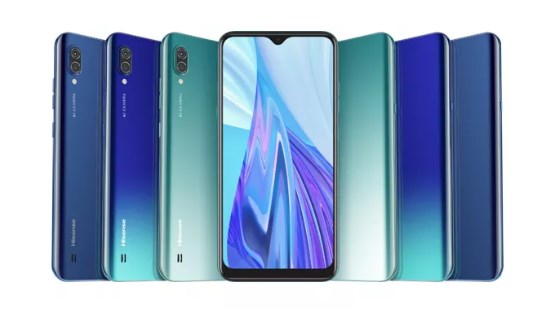
Thanks to official renders, we are able to get an early look at the device before it is announced.
The Hisense F30S will have a display with a waterdrop notch and curved corners. It also has a fairly thick bottom bezel. On the back of the phone are two cameras stacked vertically at the top left corner. Both sensors share the same housing while an LED flash and the words “AI Camera” are positioned under the setup. The phone has two openings at the bottom for the speaker. There isn’t a fingerprint scanner on the back and neither is there one under the display.
The Hisense F30S will come in three color variants with two of them having a gradient finish.
Coming to the chipset, it has been reported that the phone will be powered by the Tiger T310 processor. This is a chipset by Unisoc (formerly Spreadtrum) that was announced in April. It is a quad-core entry-level processor but a unique one at that.
Unlike other quad-core processors that have the same cores in a cluster, the Tiger T310 has 1 x Cortex-A75 core paired with 3 x Cortex-A55 cores in a single cluster. It is able to do this as a result of Arm’s DynamIQ Architecture which replaces its big.LITTLE architecture and allows you to combine a big and LITTLE core in the same cluster. This is the first quad-core LTE chipset in the world based on the DynamIQ architecture.
One of the key advantages of this architecture is that there can be an increase in performance without an increase in power consumption. When it comes to benchmarks, Unisoc says the 12nm TSMC-built Tiger T310 has a 120% improvement in performance over other quad-core processors in single-core tests and a 20% improvement in performance in multi-core tests.
For the Tiger T310, the Cortex-A75 core is clocked at 2.0GHz while the Cortex-A55 cores are clocked at 1.8GHz.
The Hisense F30S is the same device that was seen on TENAA earlier this month as the Hisense HLTE217T. Its specs are a 6.2-inch HD+ display, 3GB/4GB/6GB of RAM and 32GB/64GB/128GB of expandable storage. Its selfie camera is an 8MP sensor while the ones on the rear are 13MP and 2MP sensors. The phone will pack a 3900mAh battery and weigh 169 grams.
The release date for the Hisense F30S and its price are still unknown but we may have to wait till the launch to find out about the latter.
It might seem as if its competitors have left it behind in the 5G race but there are only a handful of 5G smartphones available right now. A lot more are expected to launch in the second half of the year which is when Vivo will also unveil its own.
The Chinese phone giant revealed at its Innovation Day event today that its first 5G smartphone will arrive in Q3 2019. This 5G phone will launch as the iQOO 5G, said Vivo. The phone will have a Snapdragon 855 processor and a Snapdragon X50 modem.
But the 5G phone isn’t the only thing Vivo has been working on. The phone maker wants to diversify its portfolio and it is starting with its first AR Glasses.
The Vivo AR Glasses was briefly shown at the event. From the image above, the VR glasses is a bit bulky as a result of the additional components packed into it. It has dual-screen displays and 6DOF technology. The Vivo VR glasses has also been designed to pair with the iQOO 5G phone.
In a promotional video Vivo made, we see what the AR Glasses can do and even see that it has a wire. Vivo’s 120W fast charging technology also makes an appearance, and the advancements 5G will bring.
It has been reported that Vivo will unveil the AR Glasses when MWC Shanghai begins tomorrow. Vivo also said that its Jovi assistant currently has over 150 million users and 5G will bring a Jovi 2.0 that is fully interactive and connected.
Vivo says it will also set up a door-to-door 5G experience so users can try out the new technology for themselves. The company also says it has plans to make smartwatches and smart headphones in the future but didn’t reveal more details.
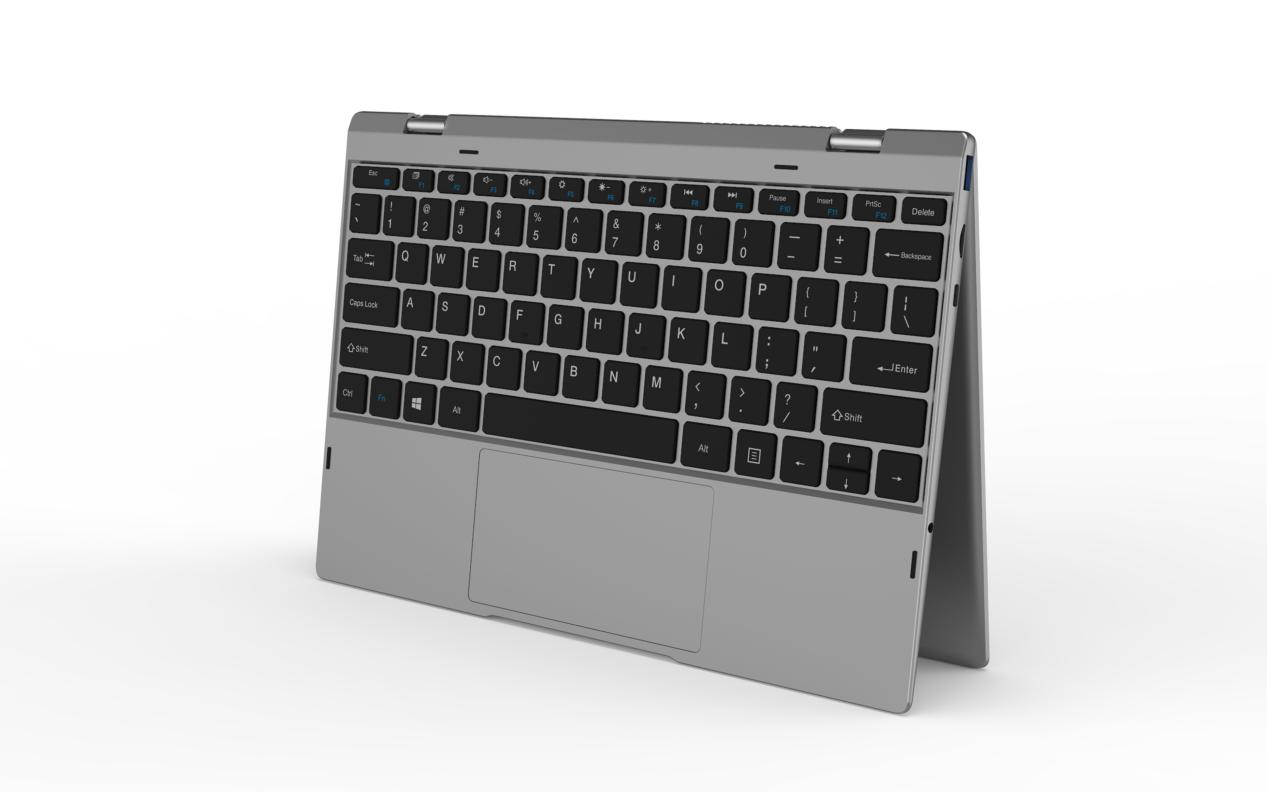
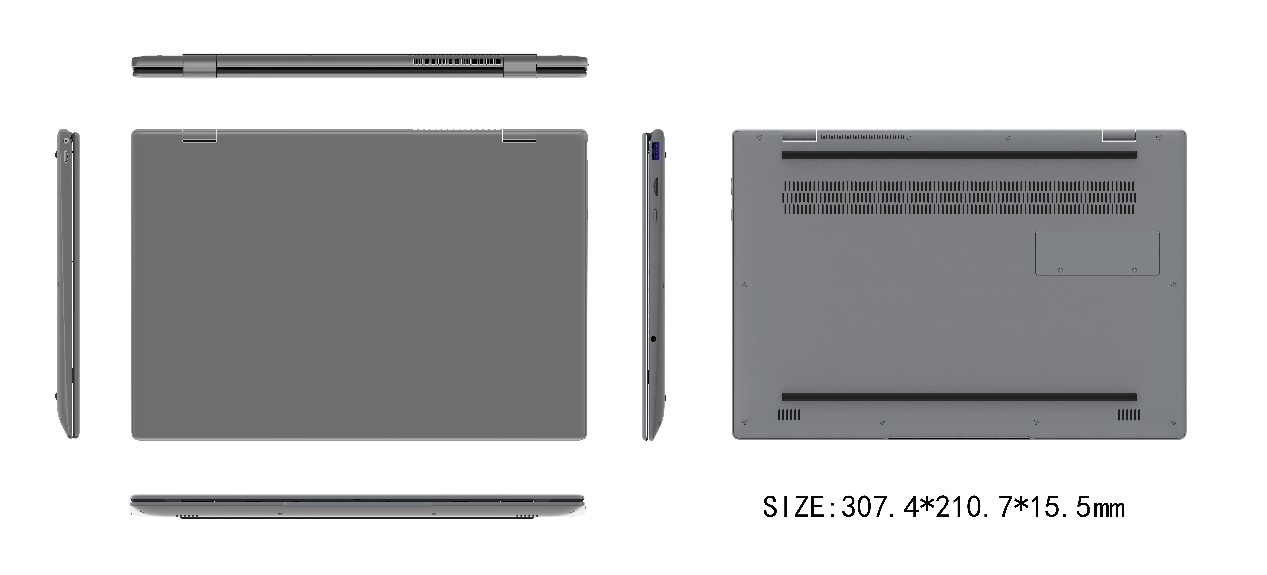
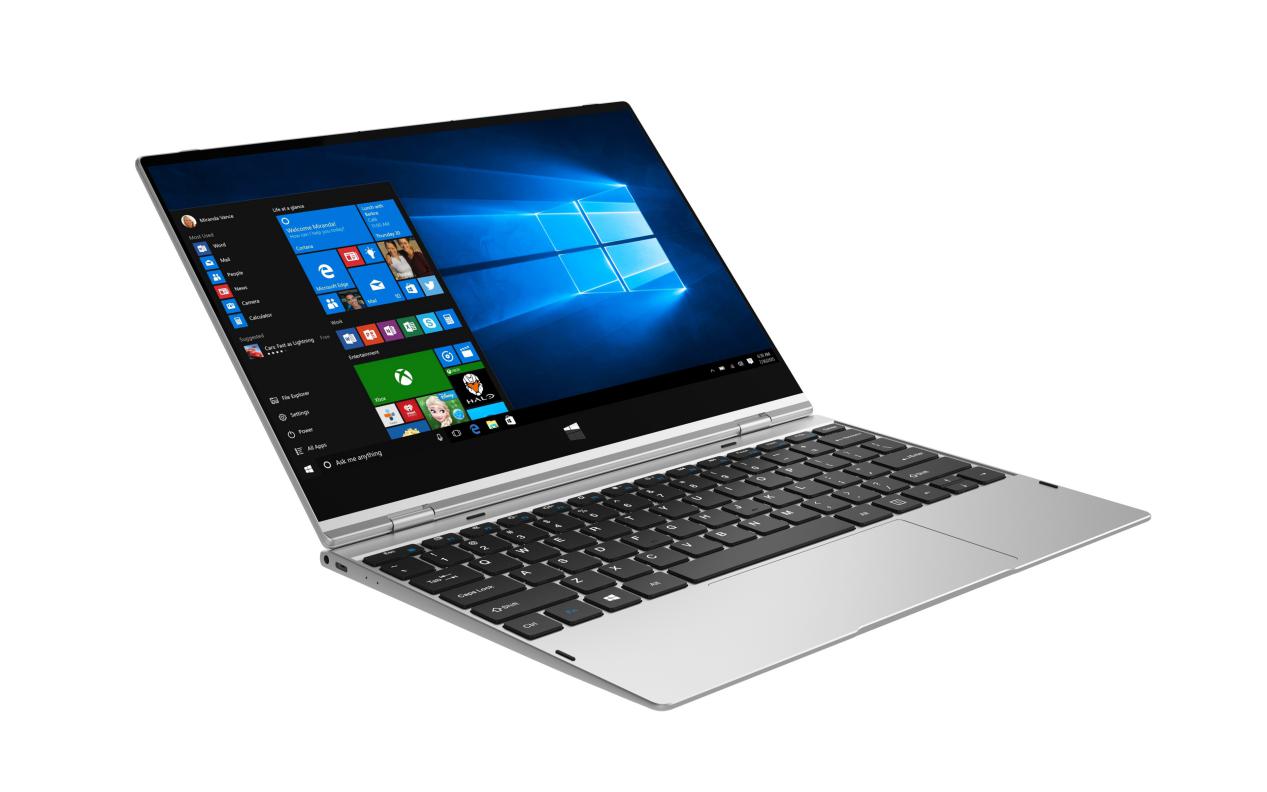
The Shenzhen-based XIDU yesterday released a “sneak and peek” press release yesterday about their next model and today they are back with more details about the PhilBook Y3. The new model will arrive next month and it is expected to be of high quality and performance. According to the company, once you hold the Philbook Y13 you will immediately become the company’s fan. Let’s see what else it brings to the table.
360° Rotatable Touchscreen: 2-in-1 Notebook and Tablet
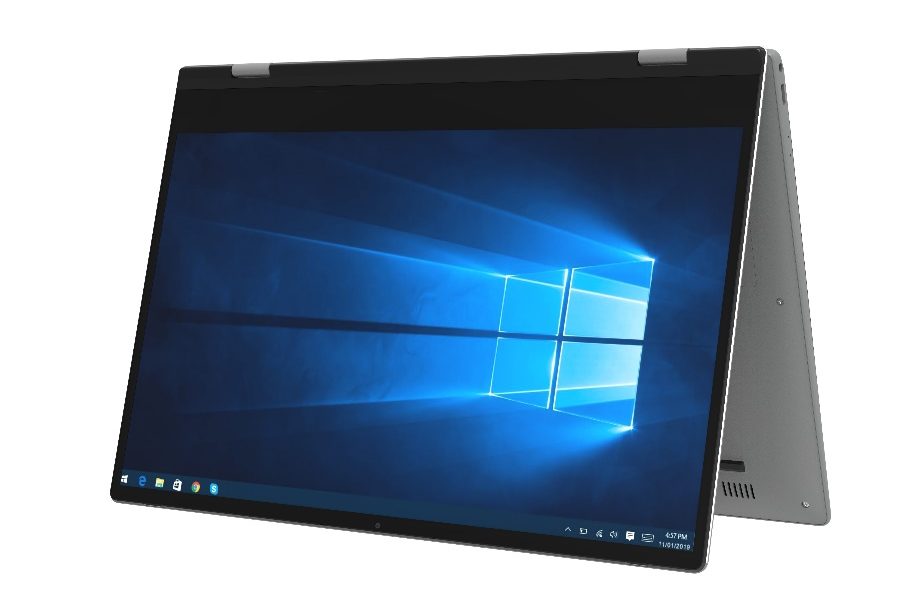
Philbook Y13 adopts the 2in1 design that offers multiple modes to the user. By taking advantage of the 360° flexible hinges you can rotate the display up to 360°. When you adjust the angle to 180°, you can share the screen with a friend or client while the multi-touch display enables users to drag, click, and type anything without the need of a mouse and physical keyboard. In addition, when at work, you can use the work mode for high efficiency and when you return home you can use tent mode to relax watching a movie or TV Show.
Large Display with 4.9mm Narrow Edges
Nowadays, a fullview display is standard in smartphones and it’s starting to enter the laptop market too. The PhilBook Y3 features 4.9mm narrow bezels around its 13.3″ display offering an immersive viewing experience that is rare among 2in1 laptops in the market. Also, this allows for a screen/body ratio of 75% usually found in mid-to-high end products. Moreover, the display supports multitouch and has 1920*1080 resolution with 16:9 aspect ratio to be comfortable for document editing, web browsing, and watching videos or photos.
Processor and other features
Philbook Y13 comes with a Kaby Lake R 8th generation CPU that clocks up to 1.8GHz backed by 8GB of LPDDR4 RAM and 128GB or 256GB SSD. This combination offers smooth performance during office work and even when processing large picture and video processing apps or even heavy games. Only minor stuttering was reported during heavy testing so users have nothing to worry about. Apart from the CPU, the Philbook Y13 comes with a backlit keyboard and various external ports including 1xUSB 3.0, 1xType-C, 1xMicrophone Jack, 1xTF card slot, and WIFI 802.11a/b/g/n/ac with integrated Bluetooth (Intel Snowfield Peak module).
XIDU philBook Y13 is expected to hit the market next month and you’ll be amazed by its metal body and luster as it looks like a much more expensive laptop than it is. Also, XIDU takes care of after-sales service and guarantees the wellbeing of your coexistence with it. If you can’t wait until next month, you can grab one of the rest models from XIDU taking advantage of the coupon offered here.
Earlier this month, a Samsung device with the model number A9050 was seen on Geekbench. Based on the result, we were able to deduce the phone is powered by the Snapdragon 730. By the model number, the device should launch as the Galaxy A90. However, a new leak which surfaced today lists a different processor for the device.
The source of the leak is @OnLeaks who had previously said there is no device called the A90 but that Samsung was going to launch a new Galaxy R-series.
So. What many are calling #GalaxyA90 (SM-A90X) will very likely be launched as the new #GalaxyR series.
– Two models already in the pipeline. – Both have huge display and triple camera. – At least one of them comes with 5G support and the other with a very unique camera feature. pic.twitter.com/oJMnzJSYG1
His new tweet confirms there is indeed a Galaxy A90 – technically two of them – the SM-A908 and the SM-A905 – and both are powered by the Snapdragon 855. The fact that they are powered by a flagship chipset is what’s surprising and not the Snapdragon 730.
In order to somehow make amends, I bring you the key specs of these devices 😜
– SM-A908: SD855, 6.7-inch screen with in-display FPS, 48+8+5 rear camera, 5G support. – SM-A905: SD855, 6.7-inch screen with in-display FPS, 48+12+5 rear camera with exclusive Tilt OIS tech!
According to him, the SM-A908 will have a 6.7-inch screen with an in-display fingerprint scanner and come with triple rear cameras – 48MP + 8MP + 5MP. He also mentioned that the phone will have 5G support.
Galaxy R series does not exist, “Rx” is only the internal code of Galaxy A, some Leaker get the wrong information, in fact, Galaxy A90 is still Galaxy A90, it has a 5G version, using 45w fast charging.
This is most likely the same 5G Galaxy A90 Ice Universe tweeted about a few days ago. Based on that tweet, we can add 45W fast charging as one of its features.
The SM-A905, on the other hand, will also be powered by the Snapdragon 855. It will have a 6.7-inch screen too with an in-display fingerprint scanner. It also has triple rear cameras but in a 48MP + 12MP + 5MP configuration. One exciting feature it has is referred to as Tilt Optical Image Stabilization and it will be an exclusive feature of the device.
Based on this new leak, we can deduce the Galaxy A90 will have two models – a 5G version and an LTE model. However, both will differ in other areas too.
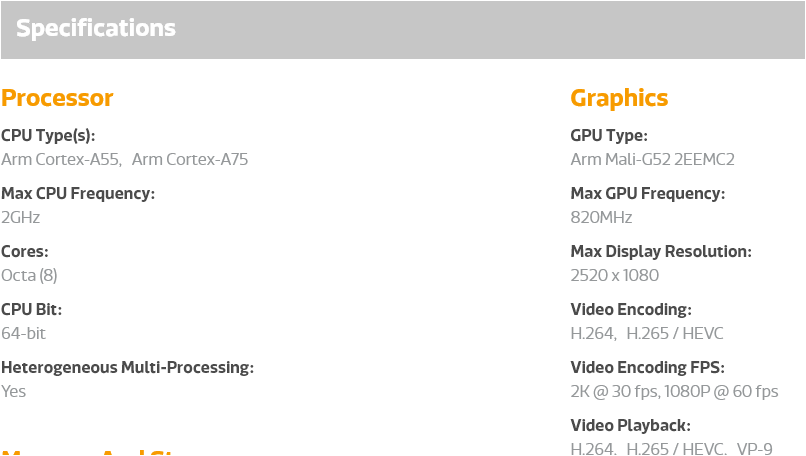
Taiwanese fabless chipmaker MediaTek has announced a new chipset dubbed Helio P65. The new chipset is very similar to the Helio P70 but isn’t a very big upgrade over either the P70 or the older Helio P60. However, the chipset comes with faster CPU cores as well as an improved Neural processing unit (NPU).
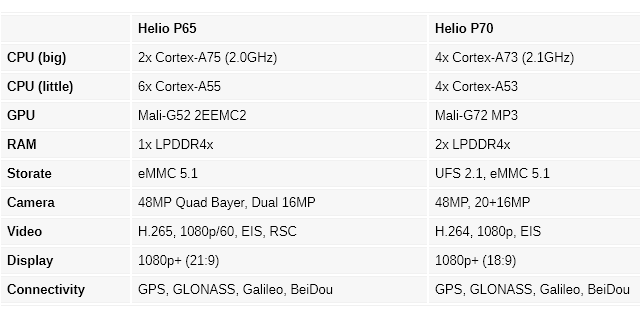
In terms of its architecture, the MediaTek Helio P65 Systems-on-Chip (SoC) has a CPU with two ARM Cortex-A75 cores and six Cortex-A55 cores in an octa-core arrangement.
In comparison, the Helio P60 and P70 both feature four Cortex-A73 and four Cortex-A53. Details released by ARM shows that the Cortex-A75 is about 22% faster than the A73. On the other hand, Cortex-A55 is also about 18% faster than the A53. Thus, the new chipset is expected to output a higher single-threaded performance than its predecessors. We don’t expect the same improvement on the multi-core performance where it may likely perform less than Helio P60/P70 due to the difference in the proportion of bug and small cores.
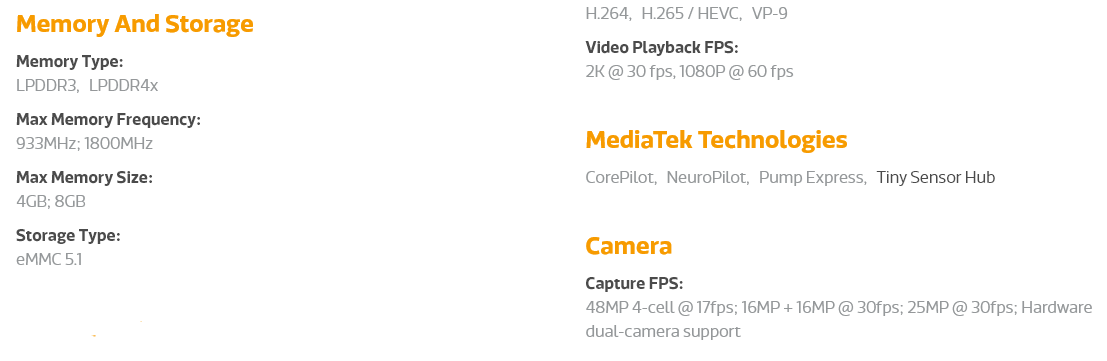
The new Helio P65 doesn’t have the dressing of an upper mid-range chipset but at best one for low-end mid-range or budget models as can be seen other features. The SoC uses the Mali-G52 GPU instead of the more powerful Mali-G72 found on the P70. The chipset also comes with support for 1GB LPDDR4X RAM and can only connect with eMMc 5.1 storage and not the faster UFS 2.1 flash storage.
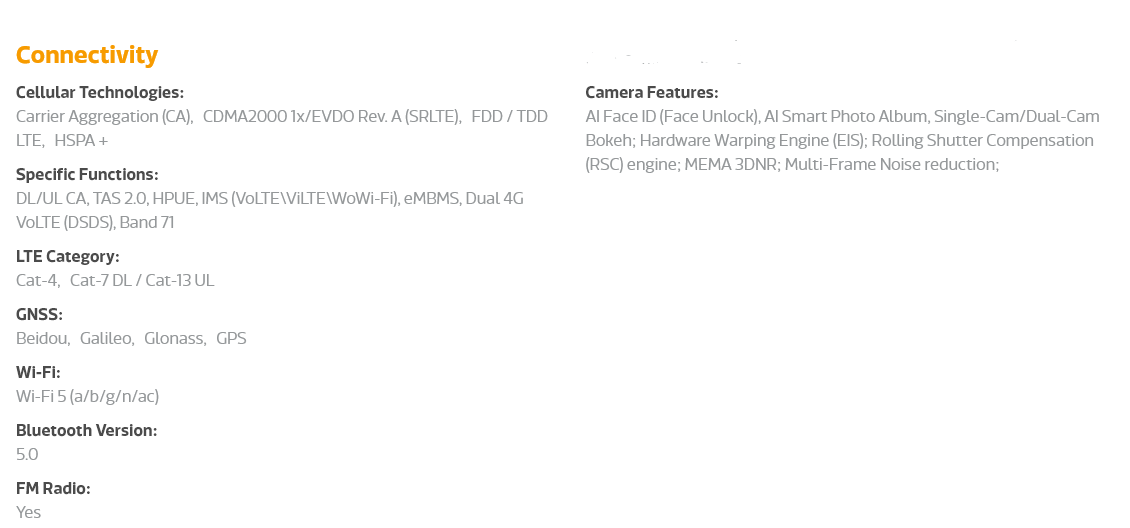
In addition, the Helio P65 supports up to a 48MP single camera sensor and a maximum of 16MP+16MP dual camera setup. You can also get bokeh shots with a single or dual camera and it also comes with Multi-Frame Noise Reduction. MediaTek also says the P65 is twice as fast as the previous mainstream Helio chipset in NPU. The chipset is also said to be 30% faster than what’s in the “direct competitor” chipset.
For video encoding, the chipset supports H.265 format and has Electronic Image Stabilization and Rolling Shutter compensation (RSC). The chipset only supports recording up to 1080p/60 videos as there is no support for 4K video recording. There is also a more secure ISP promises fast camera-based face unlock.
MediaTek didn’t reveal any detail on the new chipset’s manufacturing process. However, we can take a cue from the Helio P60, P70 and P90 to guess that the chipset is built on TSMC’s 12nm FinFET nod.
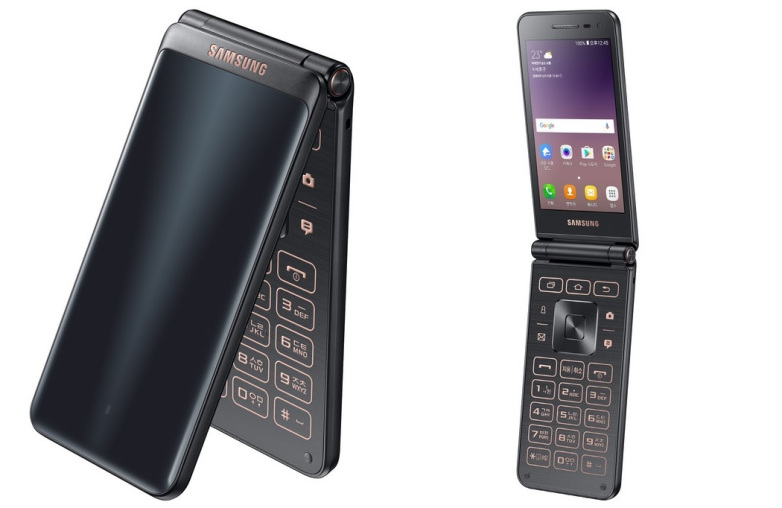
Samsung is not stopping over by foldable smartphones. The company is working on a clamshell foldable device. According to a new report from South Korea, the new foldable device will have a clamshell-like form factor. It would be a vertically foldable device and is said to feature a 6.7-inch OLED display.
Moreover, the report cites its arrival by the next year. It is expected to be the cheaper foldable device with a single vertical bent in the middle.
The new information is in line with the information revealed by some old reports. It verifies 6.7-inch display with a fold around its horizontal axis. The new approach will allow the device to easily fit inside the users’ pocket even when it is unfolded. The new approach will reduce the overall size of the phone in comparison with the Galaxy Fold.
There will be a 1-inch external display to show some useful information with some limitations. Such a small display can notify user, but can’t be used to show detailed information.
However, the details are not verified, and these are mere assumptions based on the reports and rumours leaked in the past. We suggest to take it as a grain of salt in the ocean.
We use cookies on our website to give you the most relevant experience by remembering your preferences and repeat visits. By clicking “Accept”, you consent to the use of ALL the cookies.
This website uses cookies to improve your experience while you navigate through the website. Out of these, the cookies that are categorized as necessary are stored on your browser as they are essential for the working of basic functionalities of the website. We also use third-party cookies that help us analyze and understand how you use this website. These cookies will be stored in your browser only with your consent. You also have the option to opt-out of these cookies. But opting out of some of these cookies may affect your browsing experience.
Necessary cookies are absolutely essential for the website to function properly. This category only includes cookies that ensures basic functionalities and security features of the website. These cookies do not store any personal information.
Any cookies that may not be particularly necessary for the website to function and is used specifically to collect user personal data via analytics, ads, other embedded contents are termed as non-necessary cookies. It is mandatory to procure user consent prior to running these cookies on your website.