Anker is refreshing its open-ear audio lineup again, and the latest model brings some meaningful upgrades without raising the price. The new Soundcore C50i earbuds have officially launched in the US.
Soundcore C50i
The C50i sticks to the same open-ear, clip-on design that’s become popular among runners, commuters, and anyone who prefers situational awareness over total isolation. This time, Soundcore is introducing what it calls a Flexible Open-Ring Design, which uses a mix of a speaker module, a small battery, and memory titanium to form a C-shaped frame that grips the ear more securely. Each earbud weighs 5.5 grams, making them slightly lighter (and potentially more comfortable) than the C40i.
This open-ear earphone uses 12 mm drivers tuned for deeper bass and now support LDAC, allowing for high-resolution audio over Bluetooth when paired with compatible devices. They also bring AI-enhanced voice calls, Bluetooth 6.0 multipoint connectivity, and an unexpected feature for a budget-pair of buds: live translation for up to 100 languages.
Durability gets a boost too. The C50i comes with an IP55 rating, an upgrade from the C40i’s IPX4, offering better protection against dust and water splashes. The earbuds rely on physical buttons for playback and call control and charge via USB-C.
Battery life sees a noticeable improvement as well. Users can expect up to 7 hours of playback on a single charge, with the charging case extending total listening time to 28 hours.
Pricing and availability:
The Soundcore C50i costs $69.99, but Amazon Prime members can grab it for $55.99 at launch. That’s significantly cheaper than the C40i’s original $119.99 price tag — despite the added features.
The C50i is available now through Amazon and the Soundcore store, making it an appealing upgrade for anyone looking to switch to a more open and comfortable listening style.
MSI has launched its new mini LED gaming monitor, the MPG 274URDFW E16M, in the US. The monitor was first shown at CES earlier this year and went on sale in China in June. It is now available through Amazon for $499.99.
The MPG 274URDFW E16M uses a mini LED backlight with 1,152 local dimming zones, giving it better brightness control and reducing blooming or halo effects around bright areas. It reaches up to 1,000 nits of brightness and is DisplayHDR 1000 certified. The panel covers 98% of the DCI-P3 color gamut for accurate colors and strong HDR performance.
The monitor supports two refresh rate modes: 160 Hz at its native 4K resolution and 320 Hz at 1080p. It also has a 0.5 ms response time, which makes motion look smoother and clearer even though it is not an OLED panel.
For connectivity, MSI includes two HDMI 2.1 ports that support 4K at 120 Hz for gaming consoles, a DisplayPort 1.4, and a USB-C port with 98 W power delivery. There are also dual USB-A 2.0 ports and a headphone jack. The monitor comes with a built-in KVM switch and an anti-glare coating.
Design-wise, the MPG 274URDFW E16M features a clean white and black look with RGB lighting on the back and a fully adjustable stand for height, tilt, and rotation.
The MSI MPG 274URDFW E16M is available now in the US for $499.99.
For more daily updates, please visit our News Section.
OnePlus 15 is designed to deliver exceptional performance, long battery life, and professional-grade photography in one sleek package. Packed with the latest technology, it offers a smooth and premium smartphone experience for users who want both speed and style.
Display and Design
The OnePlus 15 features a stunning 6.78-inch 1.5K BOE Flexible Oriental OLED display with a 165Hz refresh rate. It supports LTPO 2.0 technology, HDR10+, and a peak brightness of 1800 nits, making visuals crisp and vibrant even under bright light. The screen also includes features like Reading Mode, Night Mode, and Vibrant Color Effect for comfortable viewing in any environment. An in-display fingerprint sensor provides quick and secure unlocking.
Powerful Performance
Under the hood, the OnePlus 15 is powered by the Qualcomm Snapdragon 8 Elite Gen 5 processor, offering lightning-fast performance for gaming, multitasking, and productivity. It comes with 12GB or 16GB LPDDR5X RAM and storage options of 256GB, 512GB, or 1TB using UFS 4.1 technology for super-fast data access. The new Color OS 16 with Dark Mode 2.0 ensures a smoother and more personalized user experience.
Camera System
The OnePlus 15 boasts a triple rear camera setup featuring a 50MP Sony IMX890 primary sensor with OIS, a 50MP ultra-wide camera, and a 50MP telephoto lens with 3.5x optical zoom and up to 120x digital zoom. Camera modes include Portrait, Night Mode, Panorama, Slow Motion, and Master Mode, allowing users to capture every detail perfectly. The 32MP front camera supports autofocus and multiple modes like Beauty Selfie, Time-Lapse, and Night Mode, making it ideal for selfies and video calls.
Battery and Charging
With a massive 7,300mAh battery (2×3650mAh), the OnePlus 15 ensures all-day power. It supports 120W SuperVOOC wired charging and 50W AirVOOC wireless charging, allowing users to charge up in minutes. The Ultra Power Saving mode helps extend battery life by reducing power usage.
Connectivity and Features
The OnePlus 15 supports dual 5G connectivity for faster internet speeds and lower latency. Whether for streaming, gaming, or working on the go, this device ensures seamless performance. It’s a complete package that combines innovation, power, and elegant design, making the OnePlus 15 a true flagship smartphone for 2025.
Price and Availability
The OnePlus 15 is available globally through Giztop, starting at $699. Customers can choose from three elegant color options: Black, Purple, and Titanium. With worldwide shipping available, buyers across different regions can easily get their hands on the latest OnePlus flagship. The phone’s pricing makes it a strong value proposition for users looking for top-tier performance, design, and camera quality without breaking the bank.
Right now, smartphones are kinda strange. Every phone that calls itself a “flagship” always puts most of its focus on the camera. So if you’re someone who doesn’t really care that much about photography, but still wants the rest of that flagship-level experience, well… You basically have no choice but to pay for those expensive camera systems anyway. So the question is: Is there a phone that has all the flagship features, but uses the extra space from the camera to do something different—something surprising?
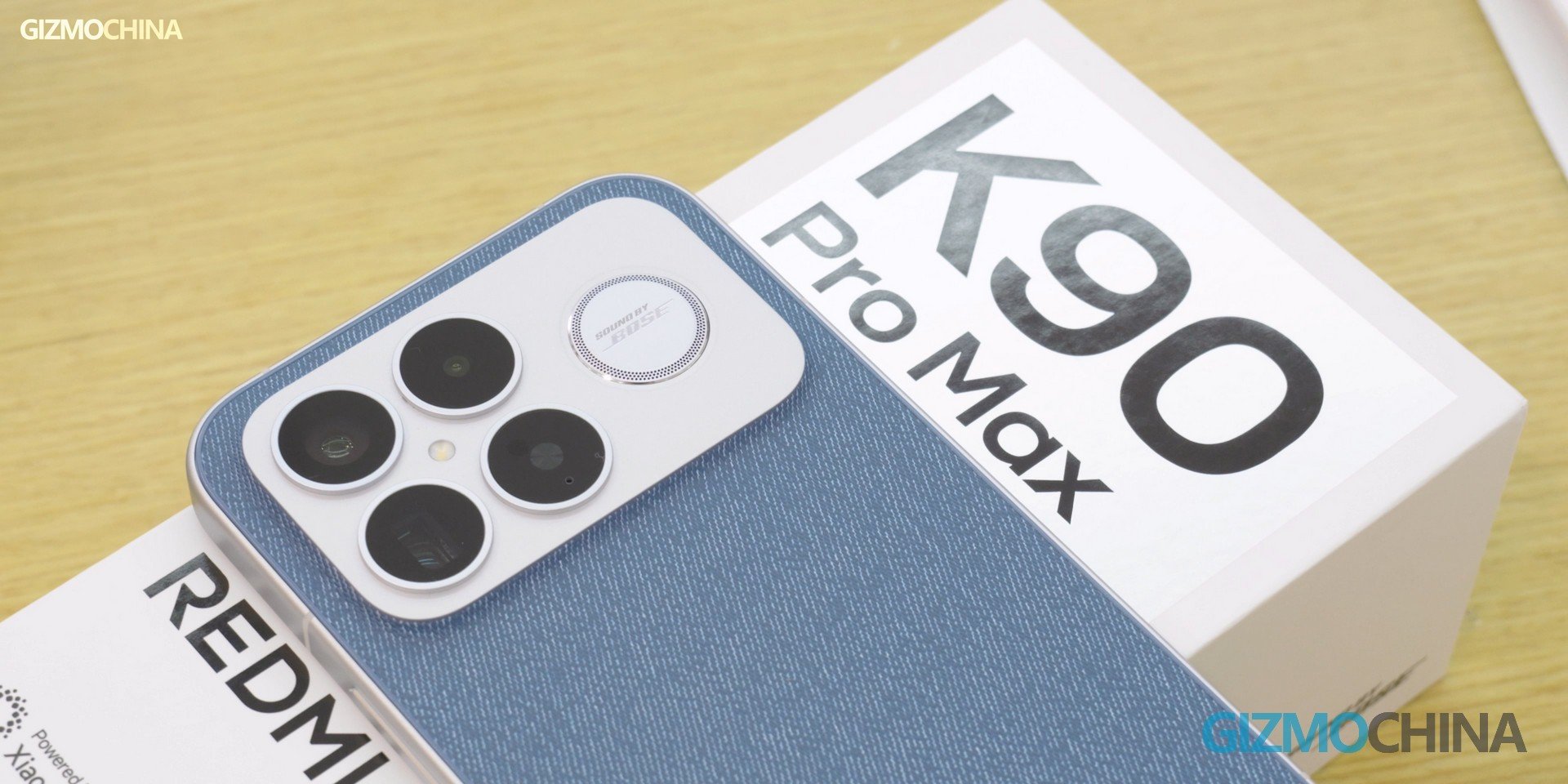
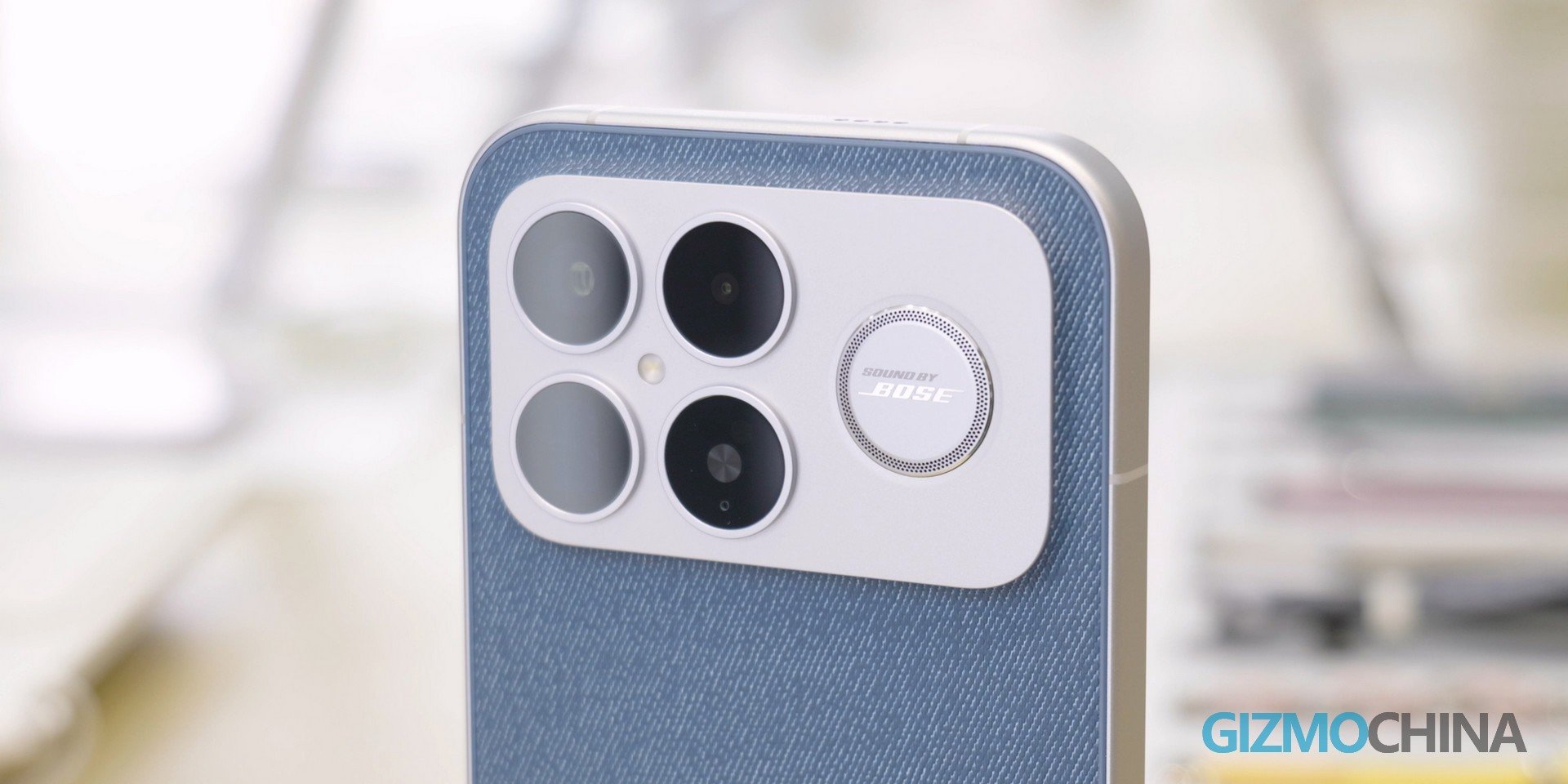
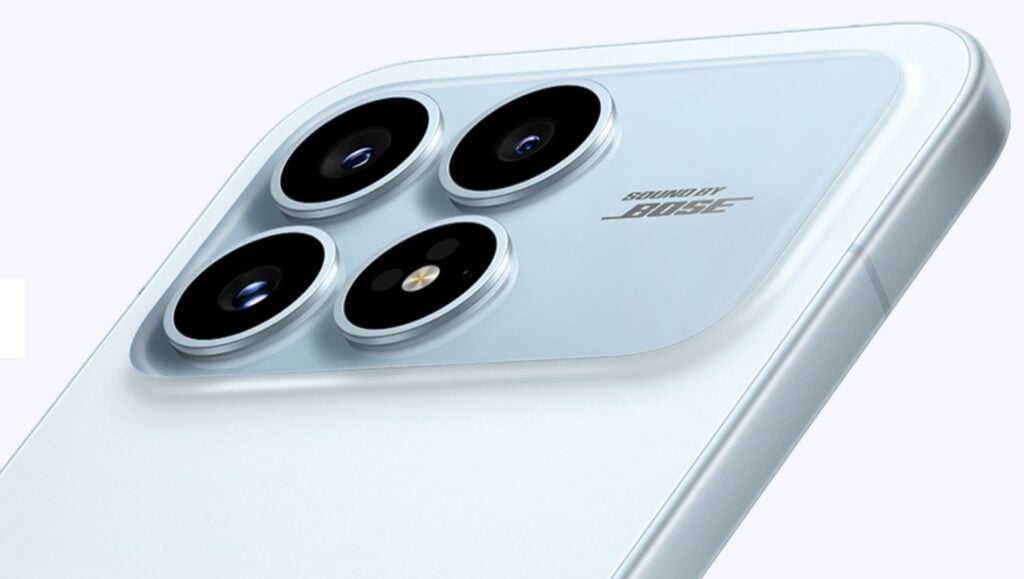
Yes, my friend. There it is. This is the REDMI K90 Pro Max. It takes the space that would normally belong to the camera and stuffs a subwoofer into it. I genuinely love this phone. In fact, I’d say its role in the lineup is kind of similar to the Xiaomi 17 Plus. And if you don’t hate big screens, this one is definitely worth buying more than the standard Xiaomi 17.
First, let me correct a common misconception: Three speakers don’t automatically mean louder. Unlike rugged phones, where the rear speaker is just there to increase volume, the extra speaker here on the K90 Pro Max is specifically tuned for low-frequency detail. Its maximum volume is about the same as a normal dual-speaker phone. In fact, when playing music normally, you might not even notice it’s working unless you listen closely. That’s because this is a 2.1 channel setup — each speaker handles a frequency range it’s best at.
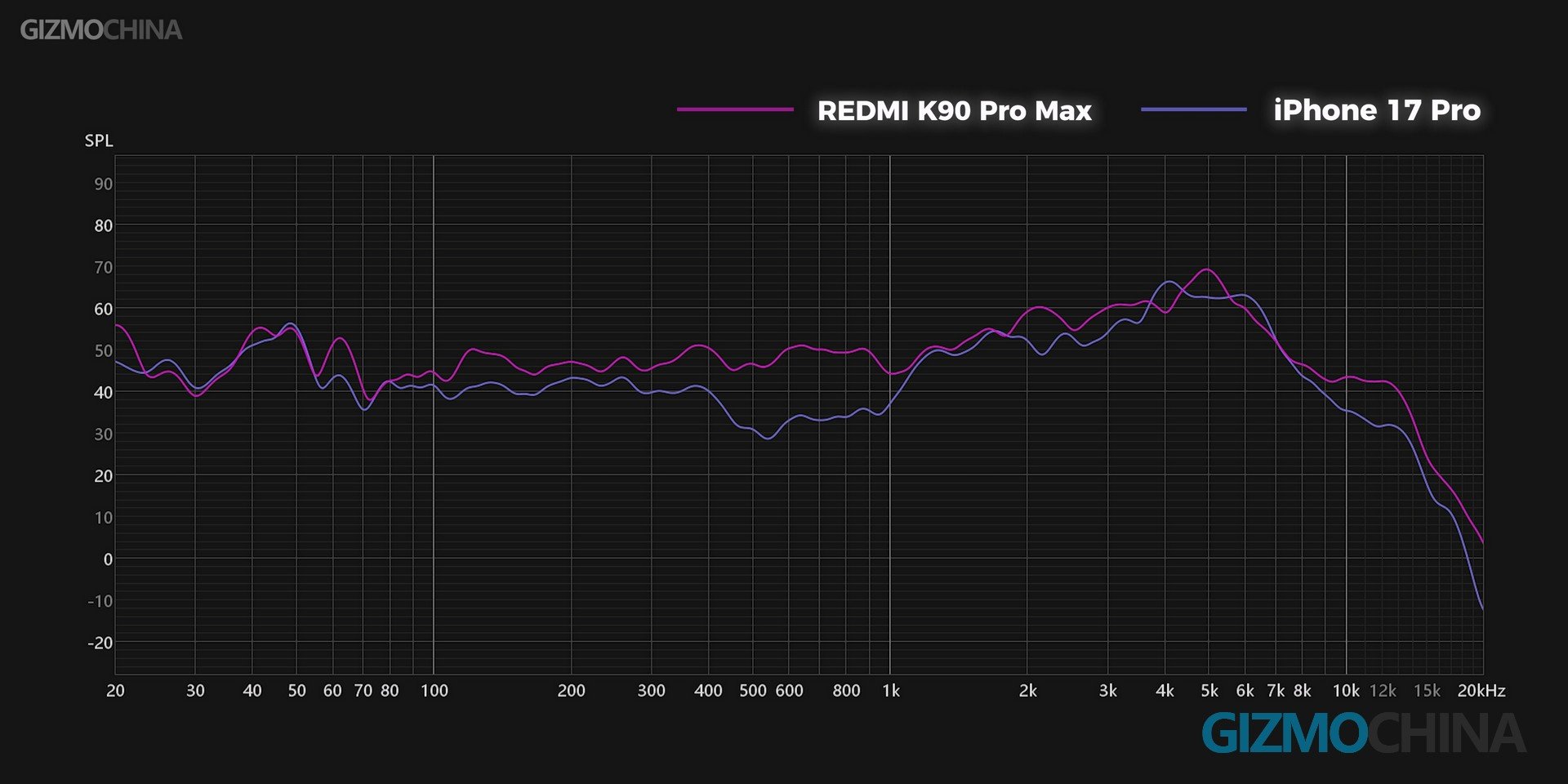
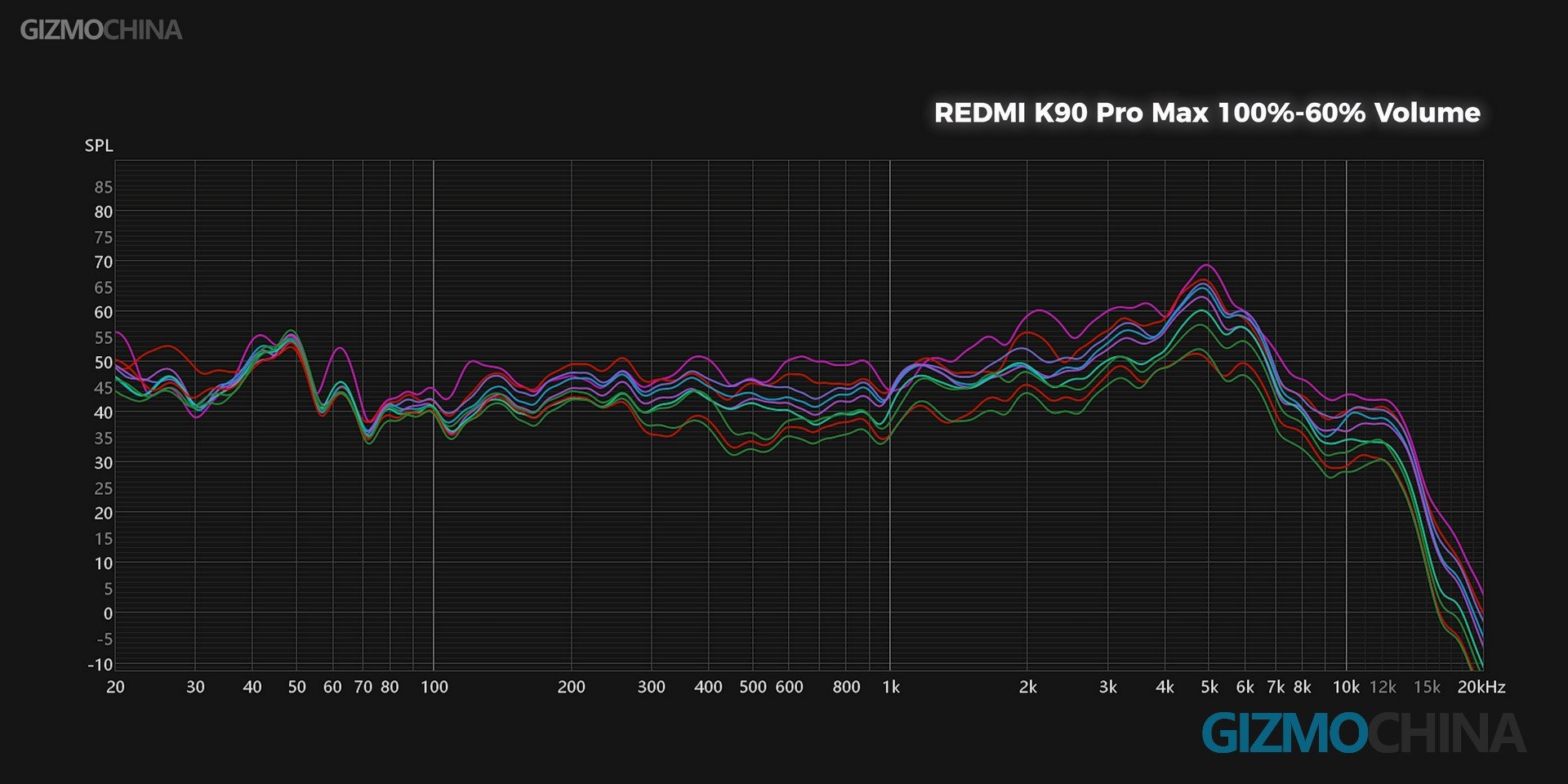
The rear one mainly works between 60–200Hz. And the FR graph confirms it: low-end performance is clearly better than that of typical phones. Yes, the crossover does bring some drawbacks, but in real listening, it matters far less than the graph suggests.
One reason iPhones are known for good audio is that they use Loudness Compensation — boosting highs and lows at low volumes to compensate for how our ears perceive sound. The K90 Pro Max now has this feature too. Plus, directional tuning means you don’t have to flip the phone around to get the best sound.
And if you still don’t like the tuning? No problem — REDMI gives you tons of presets and even full EQ control. Honestly, I think every bass guitarist should buy this phone. Because when someone goes, “Are you even doing your job?” Just hand them this phone and be like, “Maybe it’s time you replaced that shit you’re using.”
Design
I’ve said a lot about the design in the hands-on video already, so here are just a few extra notes:
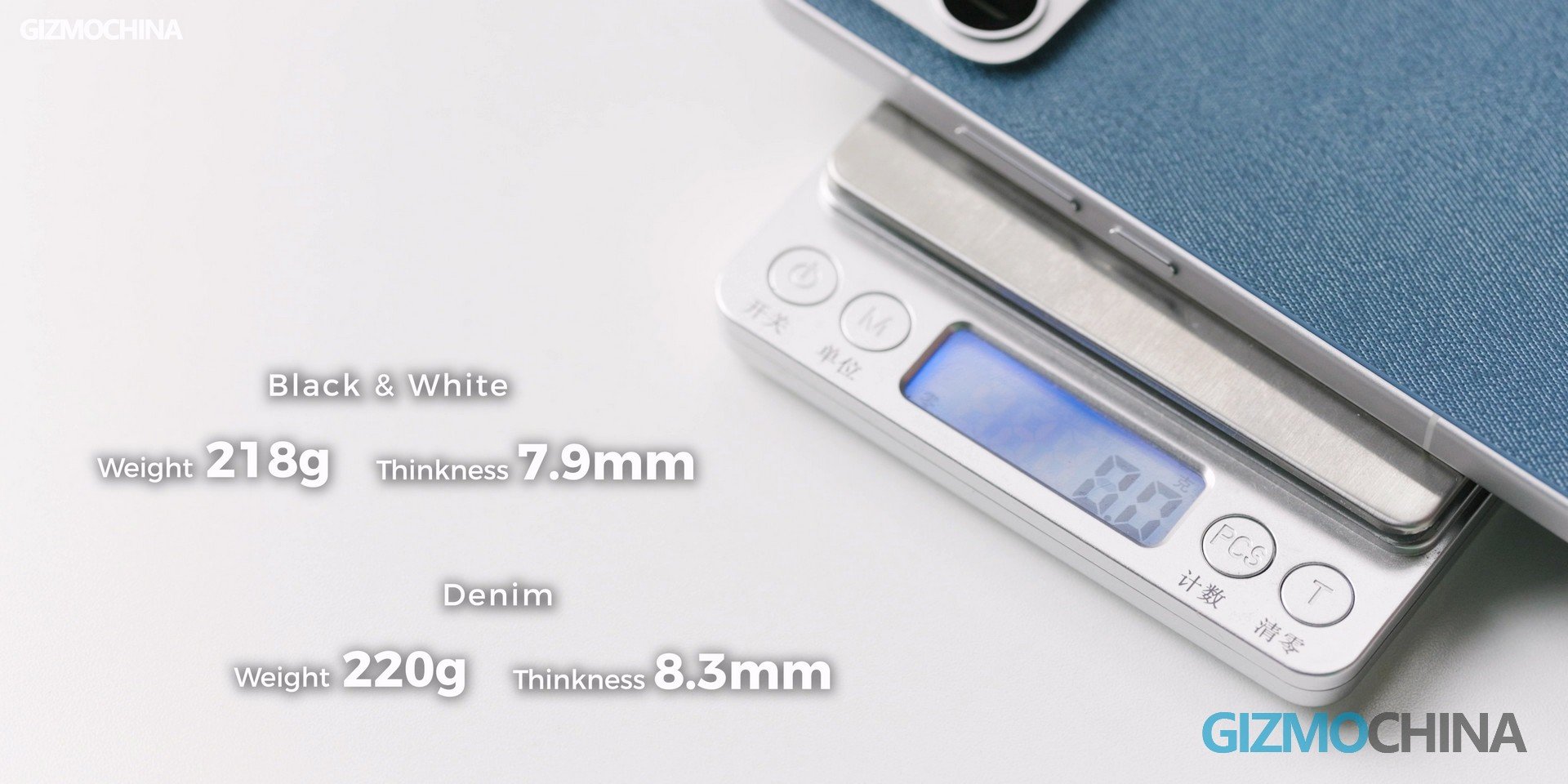
The Denim Blue version looks great, but it is thicker and heavier, and the fabric-like material will wear faster. If you plan to use it for 5 years, please just use a case.
Because of the rear speaker, REDMI could only give it IP68, not IP69. Not a real issue — next one.
The USB 3.2 Gen 1 port gives faster data transfer and supports video output. Though right now it’s only screen mirroring, not full desktop mode.
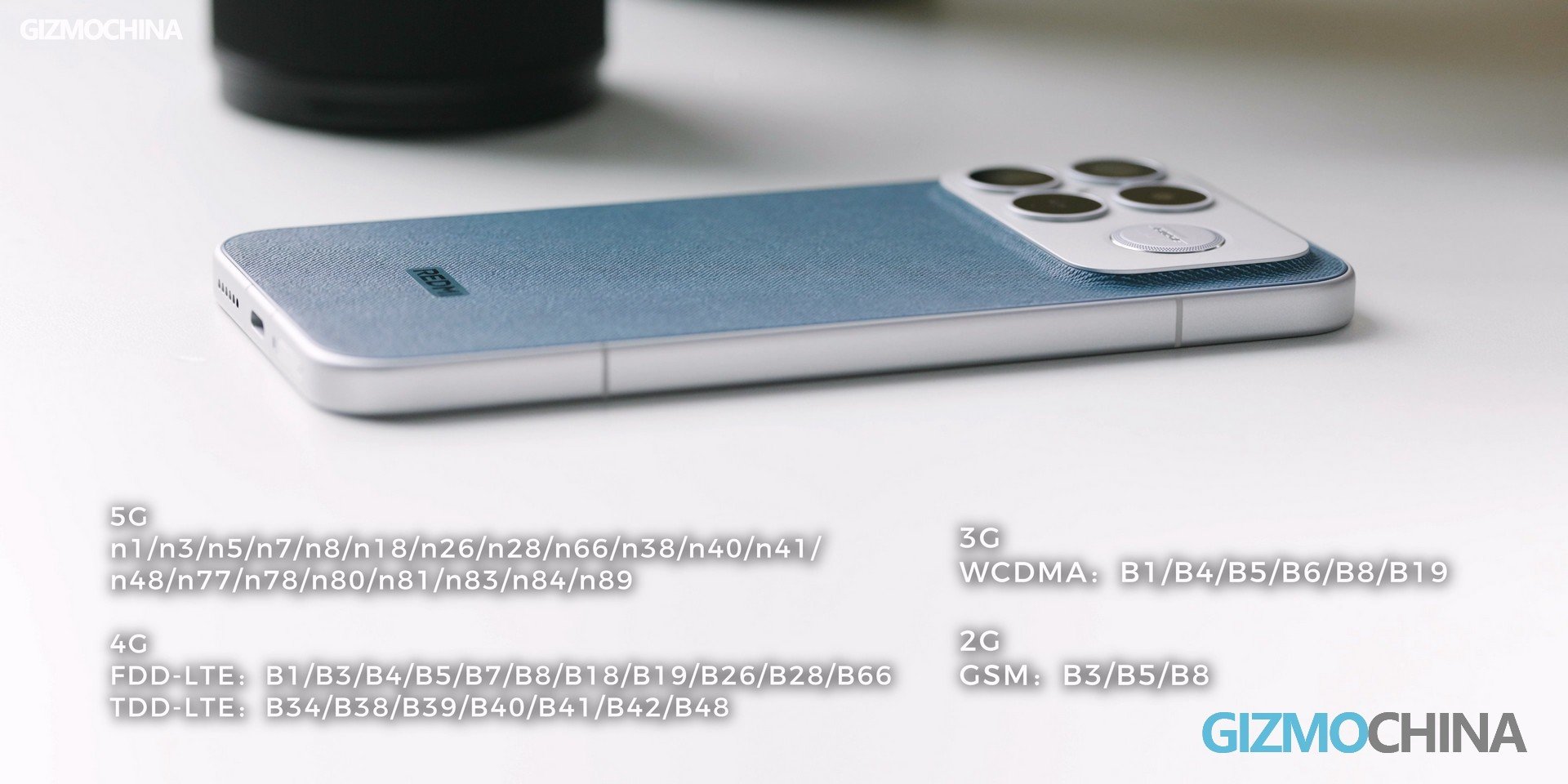
For network compatibility, band coverage in North America is incomplete. Depending on your area, the signal may vary.
Display
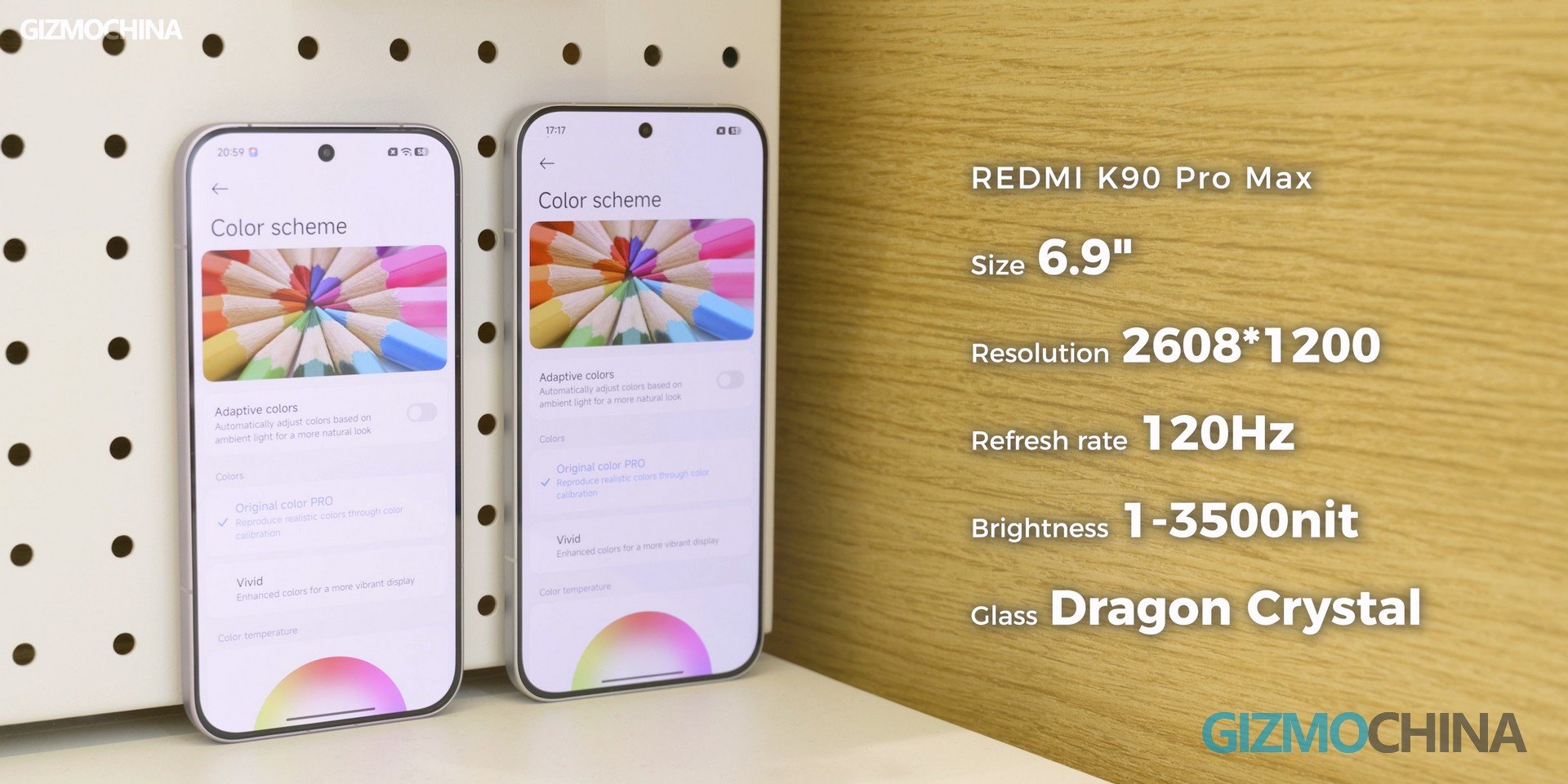
One of the biggest reasons this model is called Pro Max is the display. Size, brightness, clarity — all match the Xiaomi 17 Pro Max. The new RGB S-stripe pixel layout lets it look as sharp as a 2K panel while using less power.
And yes, there are always compromises: the bottom bezel is slightly thicker, and the panel is LTPS instead of LTPO, meaning higher power consumption and no Full-screen AOD. But overall? I still think this display is better than the Xiaomi 17 and 17 Pro.
Performance
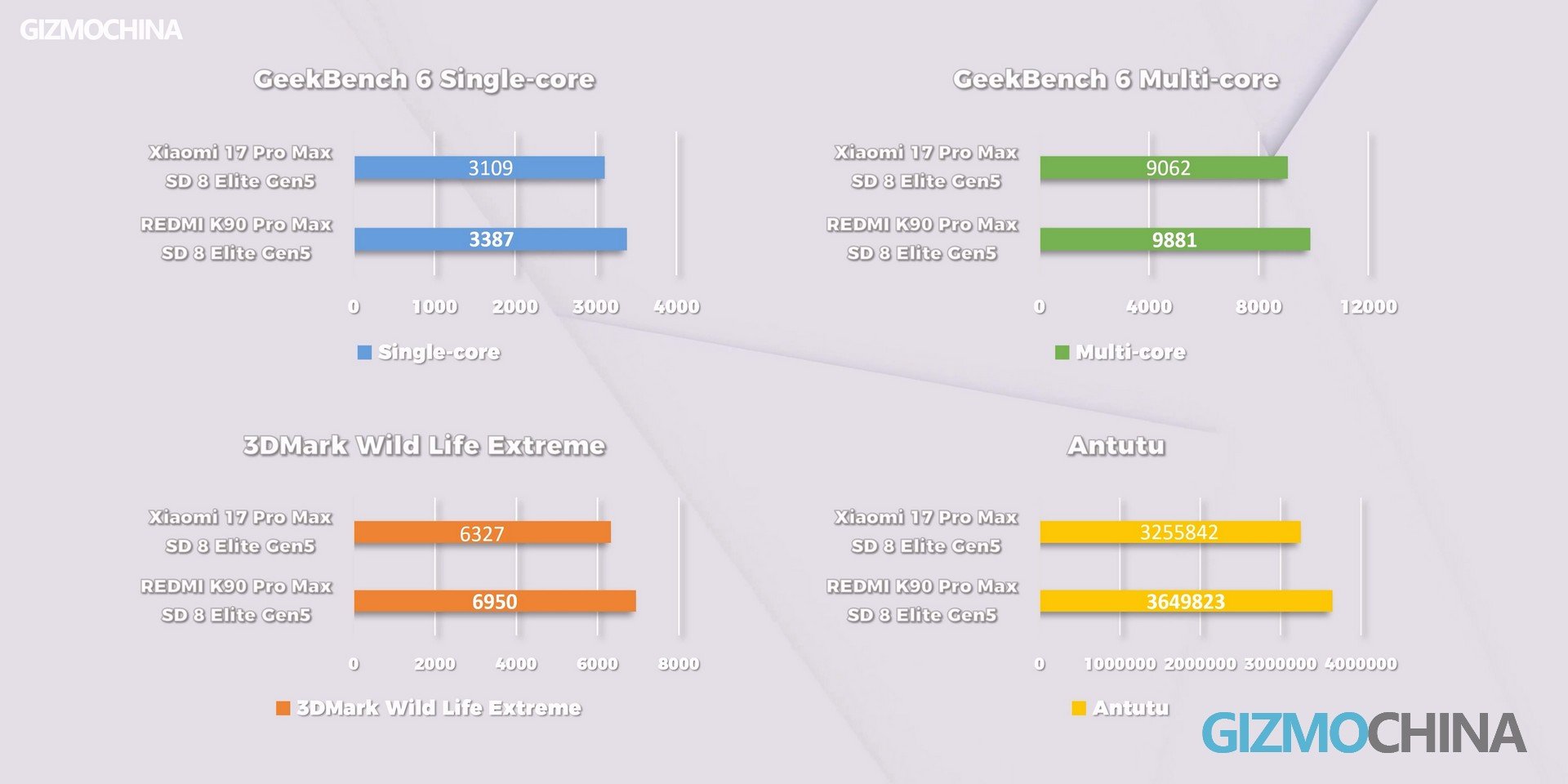
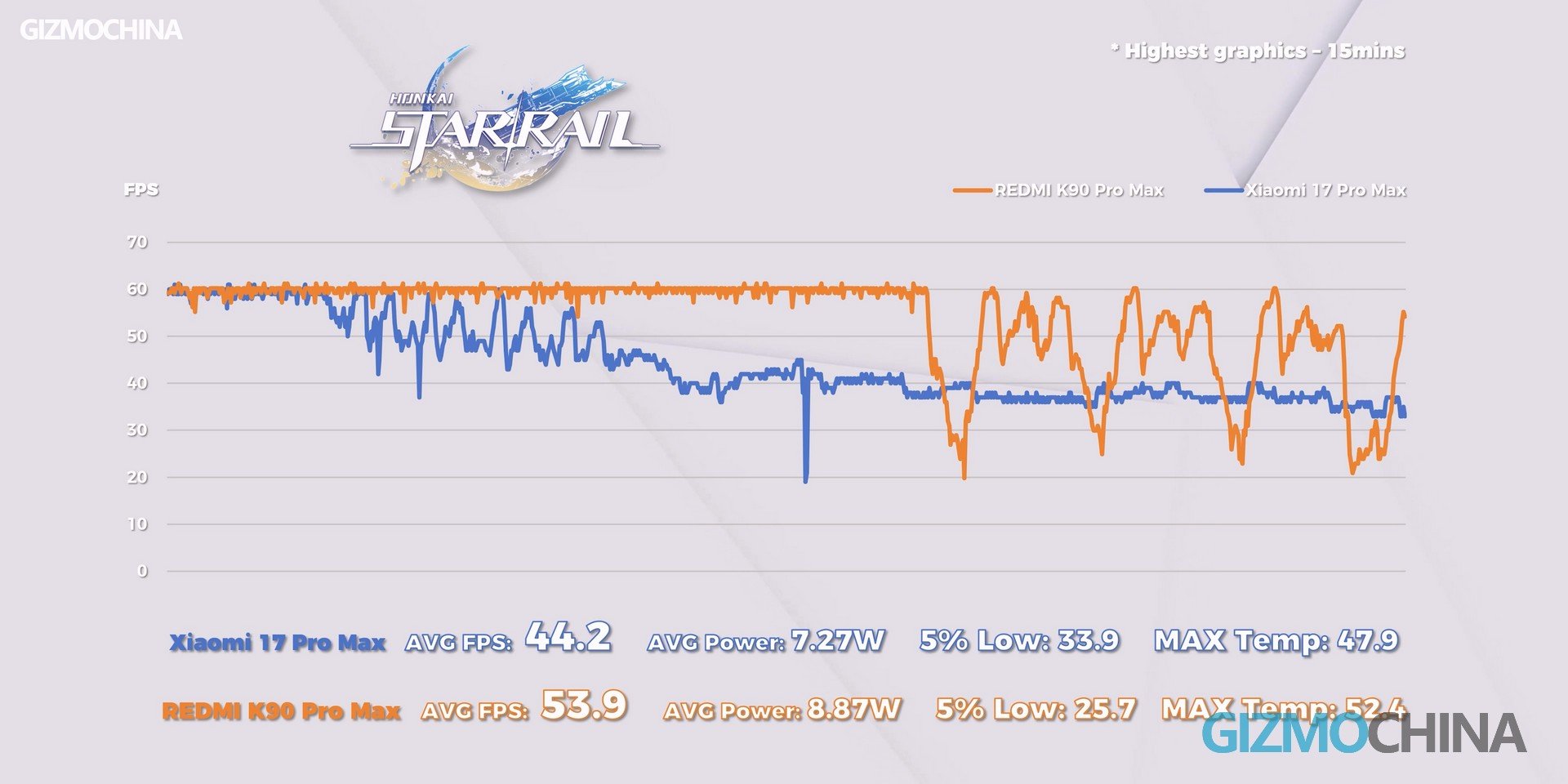
It uses the same Snapdragon 8 Elite Gen 5, but the tuning here is more aggressive than on the 17 Pro Max — not just in benchmarks, but in real gaming. In Honkai: Star Rail, it tries very hard to maintain high frame rates. But once temps hit 52°C and power draw reaches almost 9W, throttling is unavoidable.
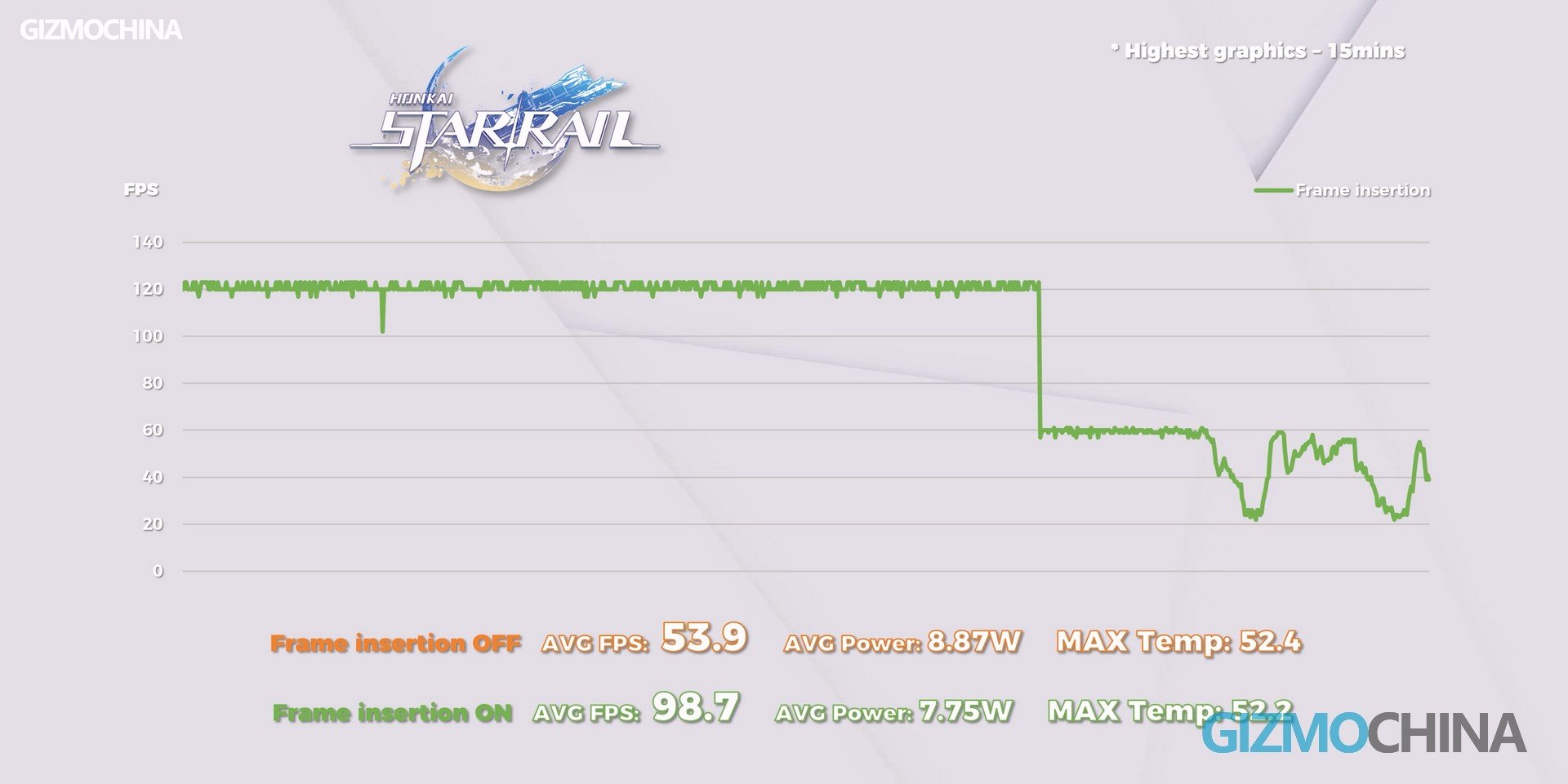
So what about the D2 display chip? Will using it for frame insertion make gaming smoother? Of course not—frame insertion only works for the first ten minutes, and once it overheats, it automatically shuts off. Your hands then feel just like slow-cooked beef—uncomfortable. Plus, frame insertion causes severe screen tearing. Honestly, for this game at least, this chip doesn’t really serve any purpose.
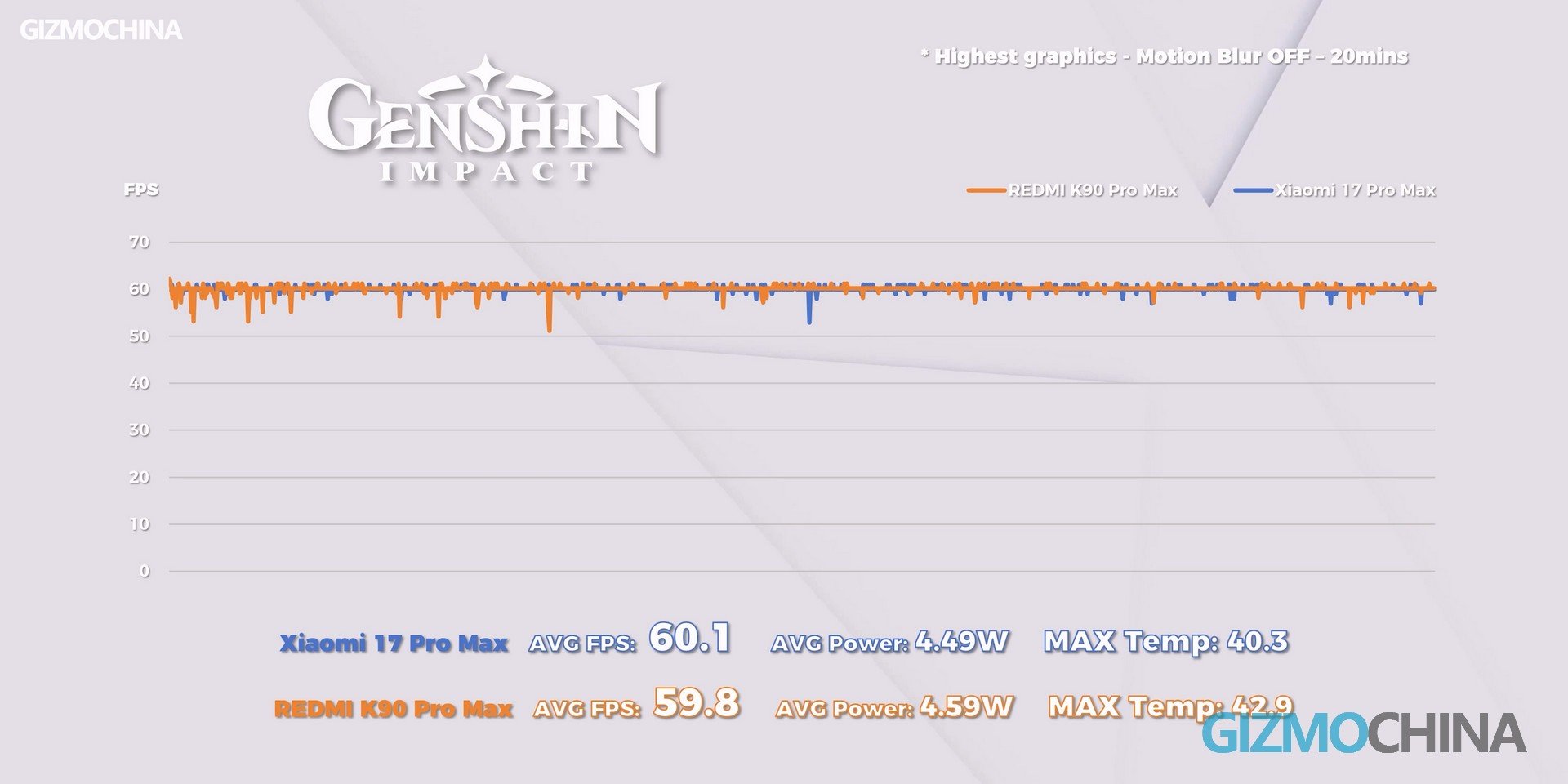
Of course, we tested Genshin Impact as well. But the difference between them was so small, there’s really not much to take away from it.
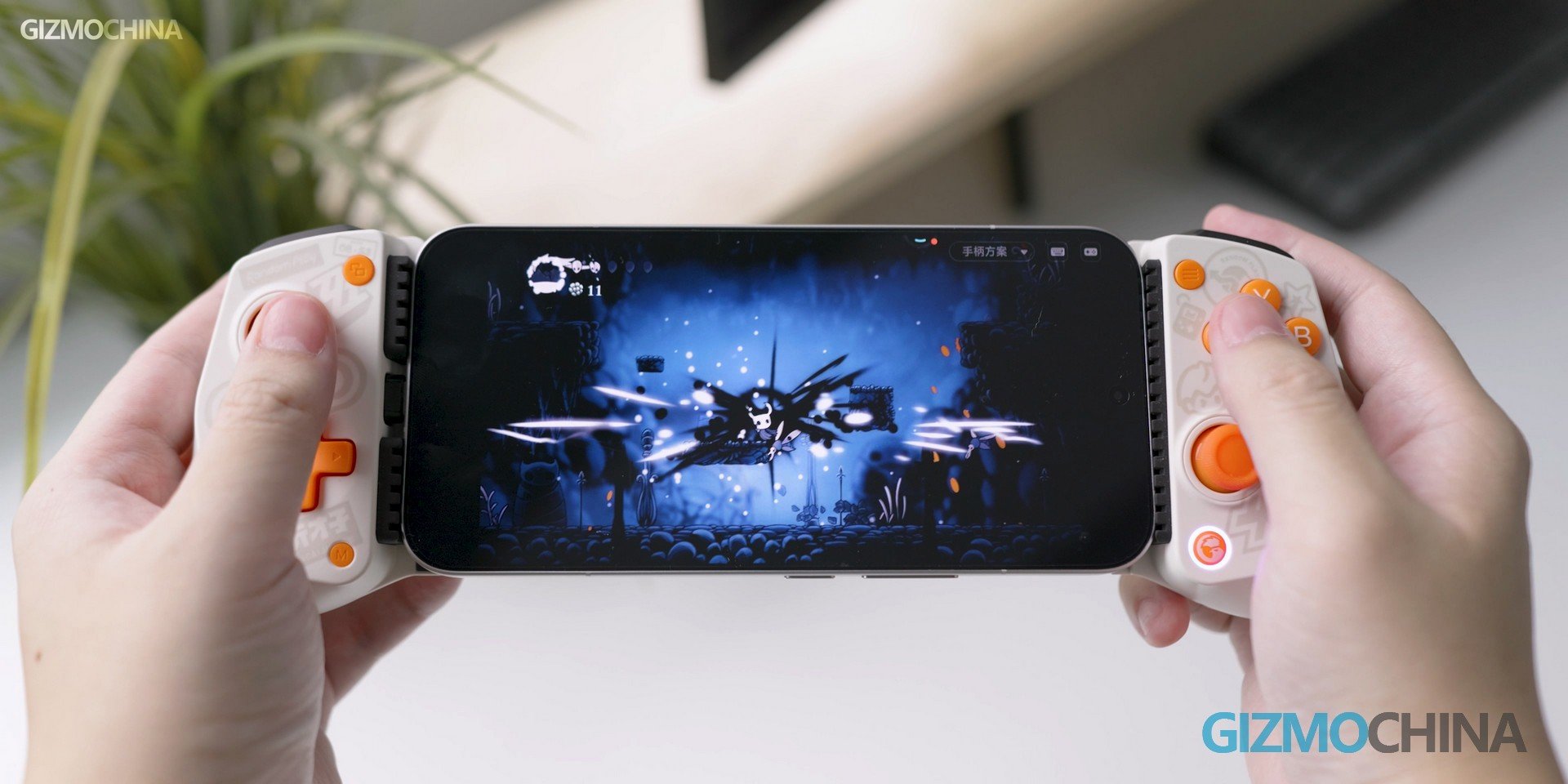
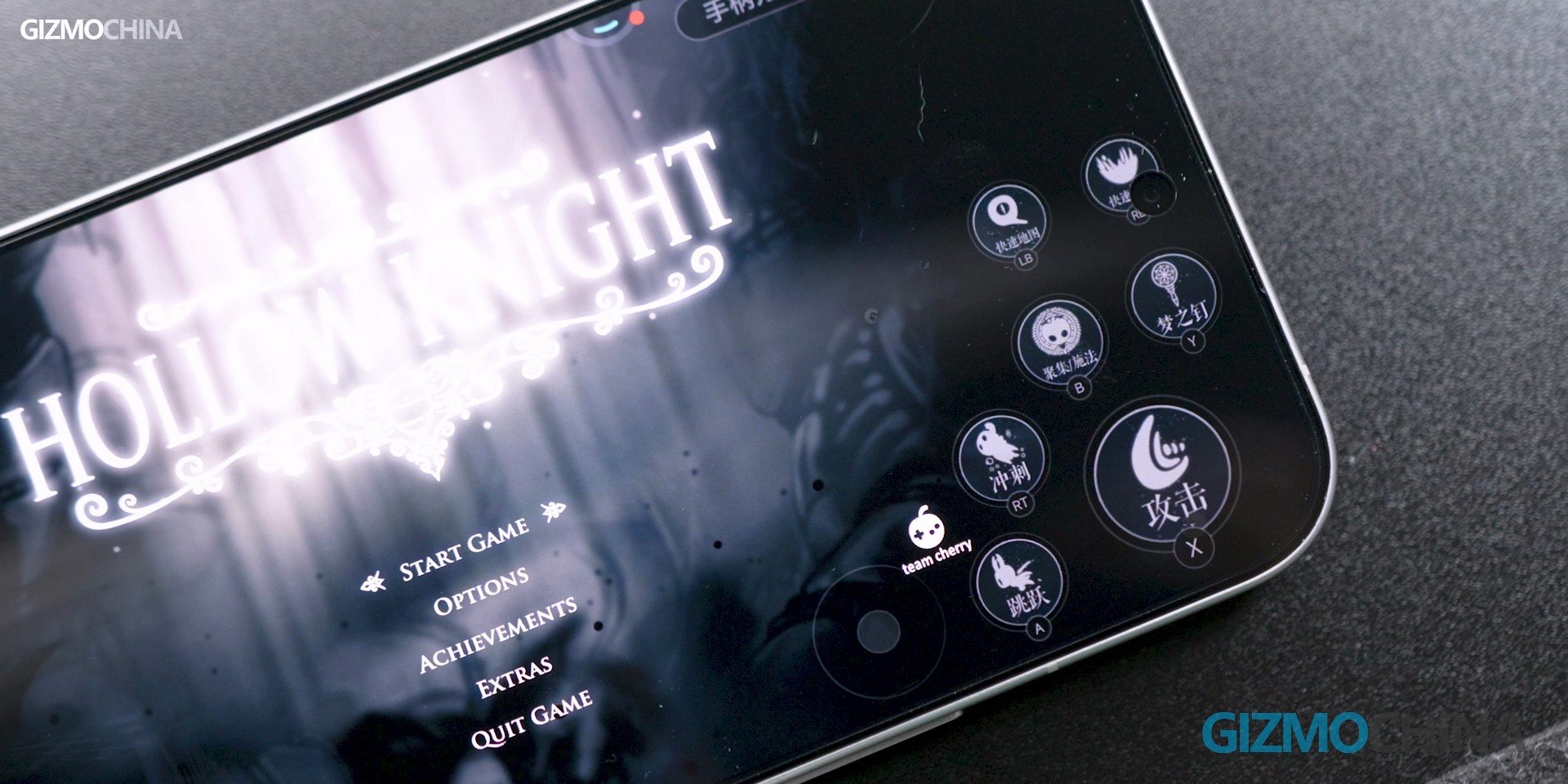
But here’s the fun part: Xiaomi has been testing a PC game emulator called WinPlay, and on the K90 series, it’s finally available to the public. Right now, it runs three games perfectly: Hollow Knight, Hollow Knight Silksong, and Stardew Valley — with Steam save sync and low power draw. Basically, the Steam Deck experience on your phone. But… if you don’t play these three games, this feature means nothing to you.
There are still a lot of drawbacks. For example, the launcher for this emulator is really hard to find, and the interface hasn’t even been translated into English yet. You also have to be online and logged into a Xiaomi account just to start a game. Want to play other games? Nope. Right now, outside of those three games we mentioned, most of them just won’t run properly.
So yeah, it’s still far from replacing a Steam Deck. At this stage, the emulator is basically a beta. If you want a truly comfortable PC gaming experience on a phone… you’re gonna have to wait a bit longer.
Cameras
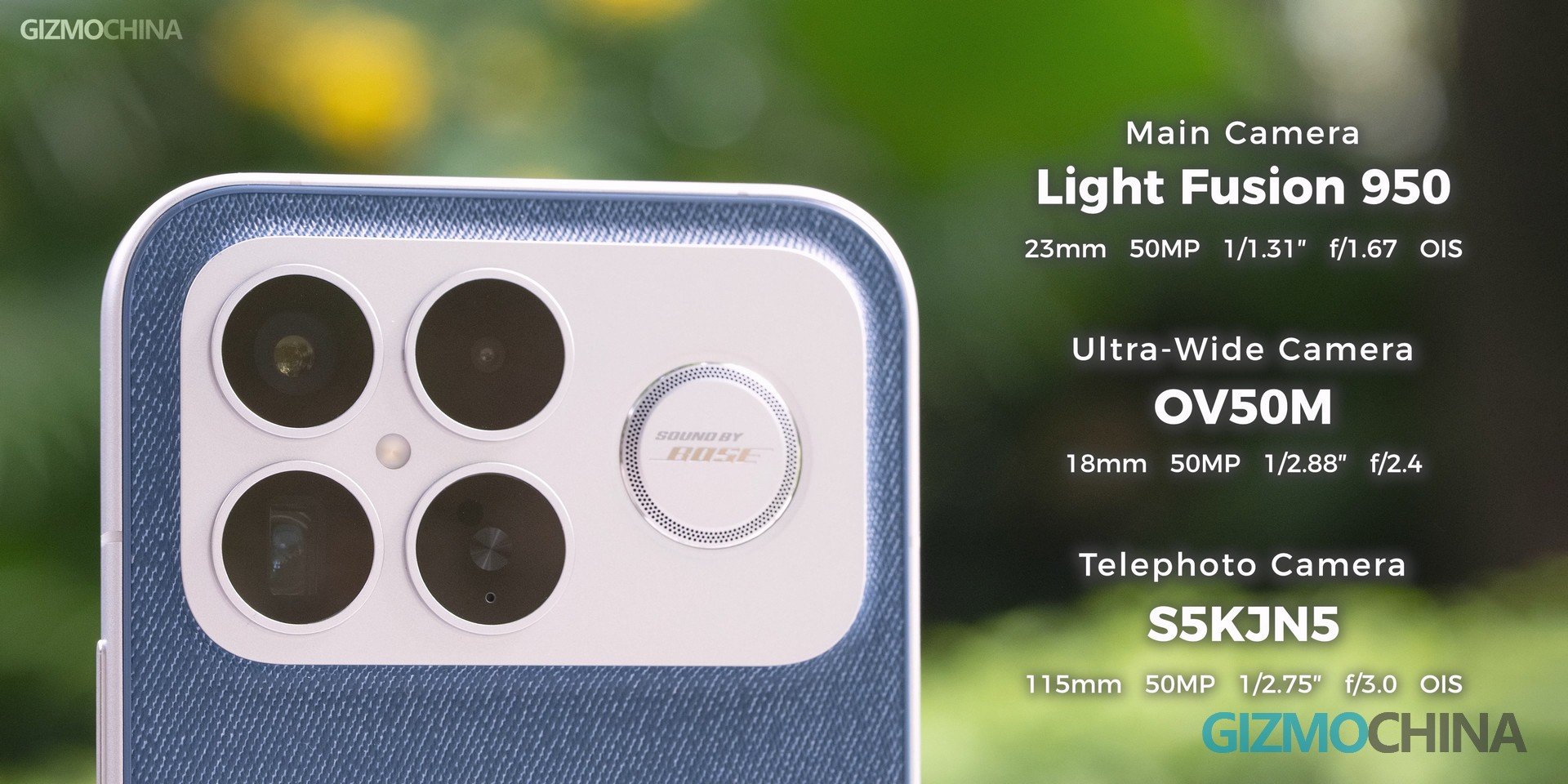
Although the K90 Pro Max’s camera has been upgraded, the improvement might not be as big as everyone imagines. The sensor is exactly the same as the Xiaomi 17’s, and the telephoto has an even smaller aperture because it’s a periscope design. Let’s start with this telephoto first.
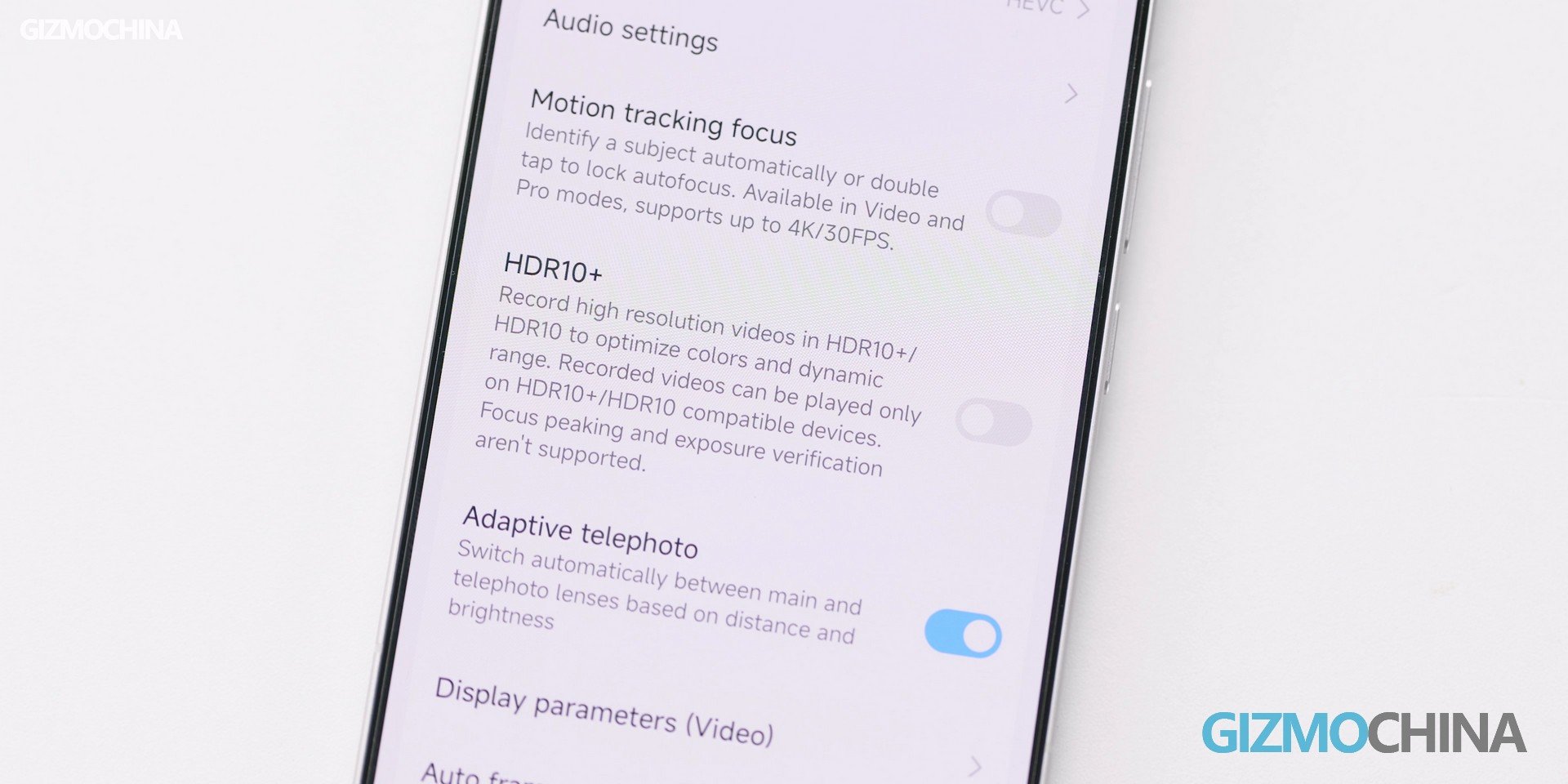
The JN5 is an old friend of ours—although the sensor area is still a bit smaller compared to a flagship, in most scenarios, you won’t notice any major issues. Just like the Xiaomi 17 Pro Max, the focal length is 115mm, meaning 3x to 5x zoom is achieved through cropping the main camera. But the K90 Pro Max also uses center fusion technology and AI enhancement, so photos taken between 70mm and 115mm are actually not bad. Images of this quality are more than enough for posting on Instagram or Facebook.
I think its telephoto easily beats the standard Xiaomi 17, though there’s still a gap compared to the 17 Pro Max. Once the center fusion fails—due to low light or moving subjects—AI enhancement alone can’t save the poor image quality.
Even without a rear display, the camera isn’t pushed out of the module, but the K90 Pro Max’s ultra-wide camera is still 18mm. The main reason is cost-saving—using the same lens assembly as the Xiaomi 17 reduces extra expenses.
Although the field of view is narrower, the good news is that the image quality has improved. It’s much better in every aspect than the previous 8MP ultra-wide camera.
The thing is, I can just step back two steps and take the same composition with the higher-quality main camera. The narrow field of view greatly reduces this camera’s practical value.
I’ve already talked too much about the problem of the 18mm lens being too narrow in the Xiaomi 17 Pro Max review video, so I won’t repeat it here. My only hope for next year’s Xiaomi and REDMI devices is: don’t use this 18mm lens that can’t even be called ultra-wide again.
There’s not much to say about the main camera—its performance is almost identical to the Xiaomi 17’s. Compared to other phones in the same price range, its only real advantage is better performance in low-light scenarios.
The front camera has actually been upgraded and is better than the K80 Pro. We shouldn’t expect it to be as strong as a flagship, but judging by the image quality, I think it’s already sufficient.
For video, the front camera supports 4K at 30fps, and the rear camera goes up to 8K. My only complaint about its video quality is, the image stabilization algorithm sometimes makes the footage blur. In lower light, this problem gets worse, so it still has a long way to go in terms of video.
Another point is that the K90 Pro Max cannot record Dolby Vision videos. After all, Dolby Vision requires paying extra, so REDMI is still the familiar REDMI we know.
Battery
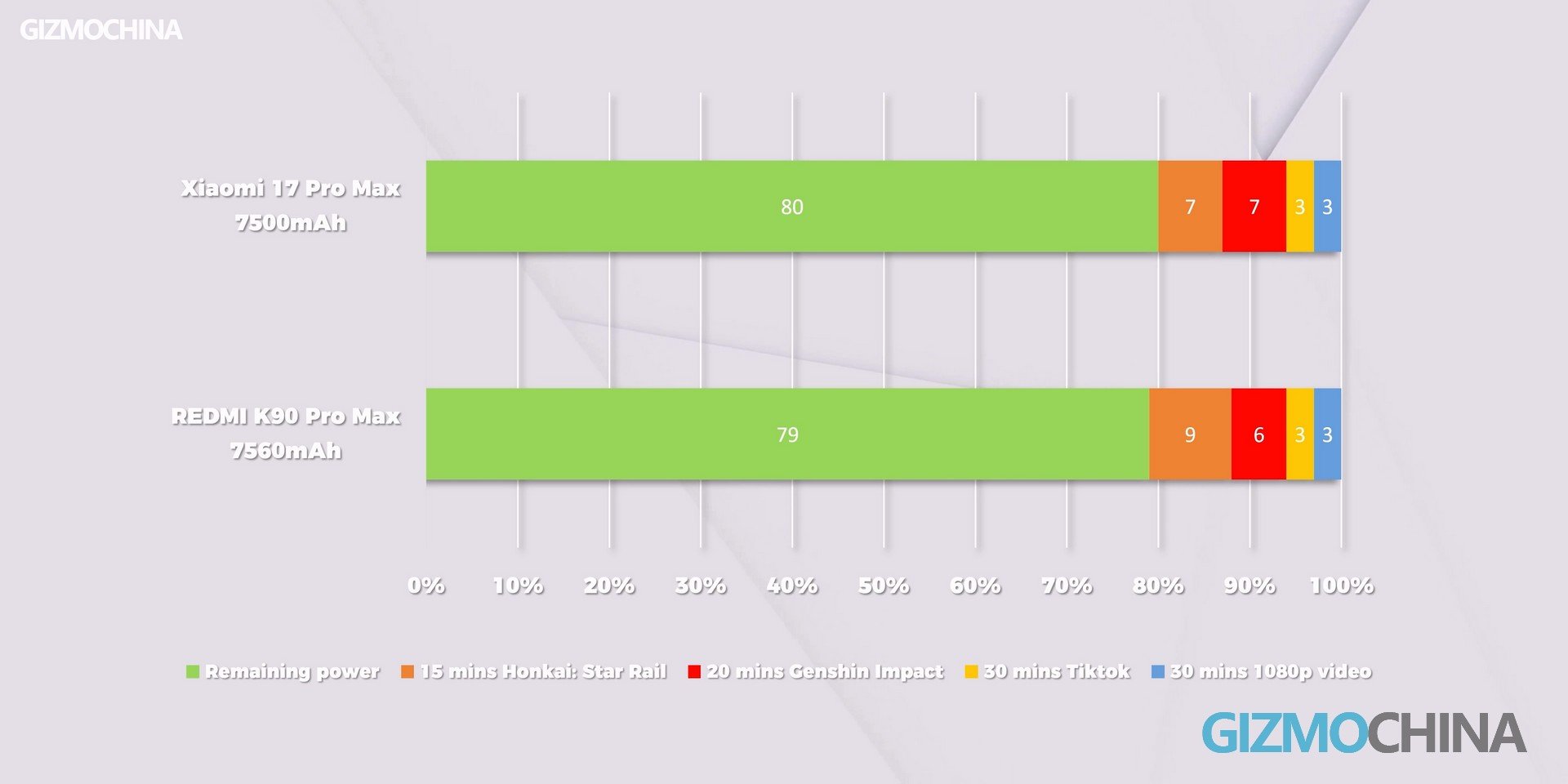
The K90 Pro Max has a 7560mAh battery, so its endurance is almost identical to the Xiaomi 17 Pro Max. It only falls slightly behind during heavy gaming sessions.
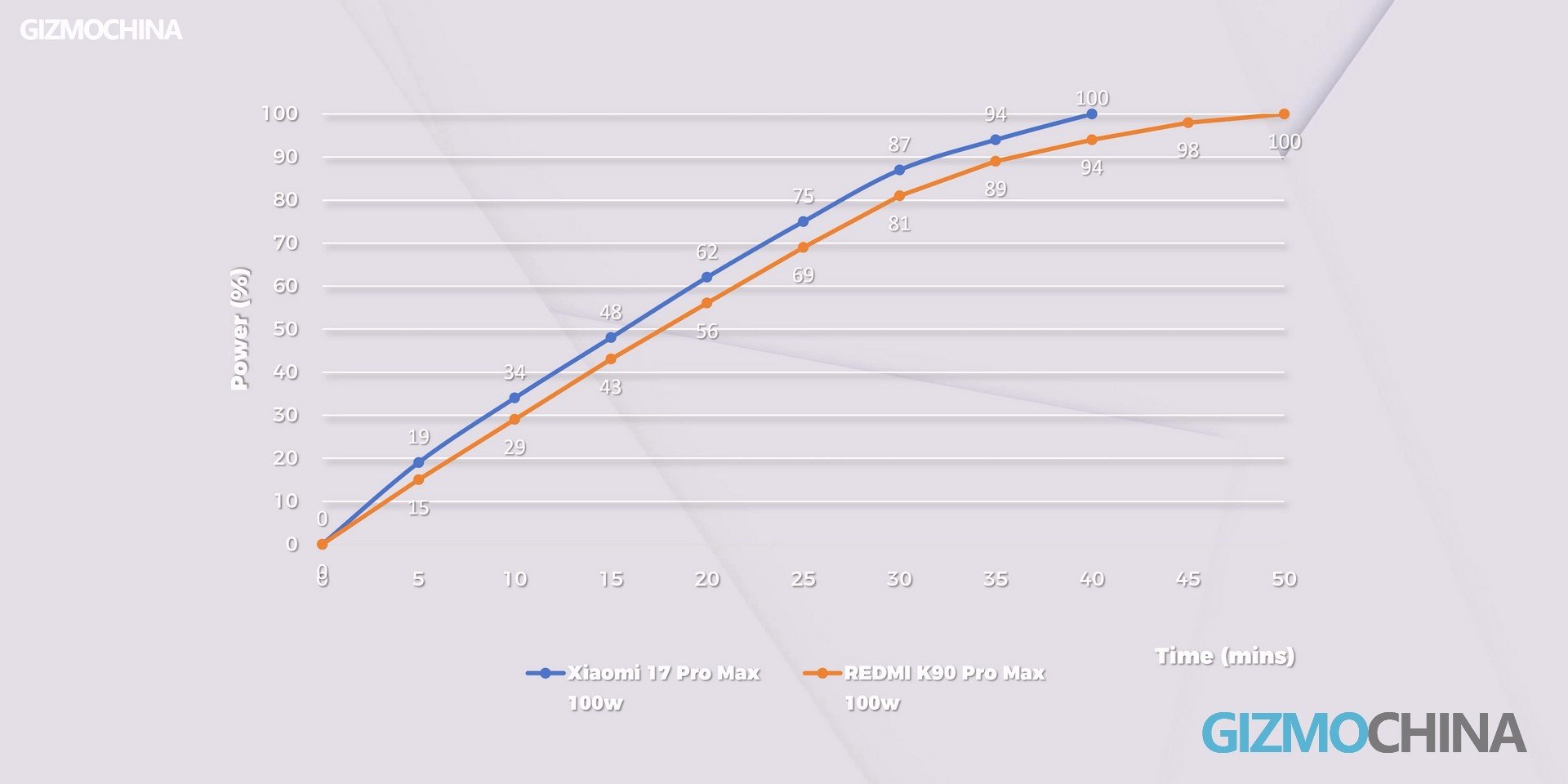
Charging power is also 100W wired, with 50W wireless charging. Using the official 100W charger, the phone can be fully charged in 50 minutes. If you have a charger that supports 100W PPS, the charging speed should be roughly the same as the official charger.
Conclusion
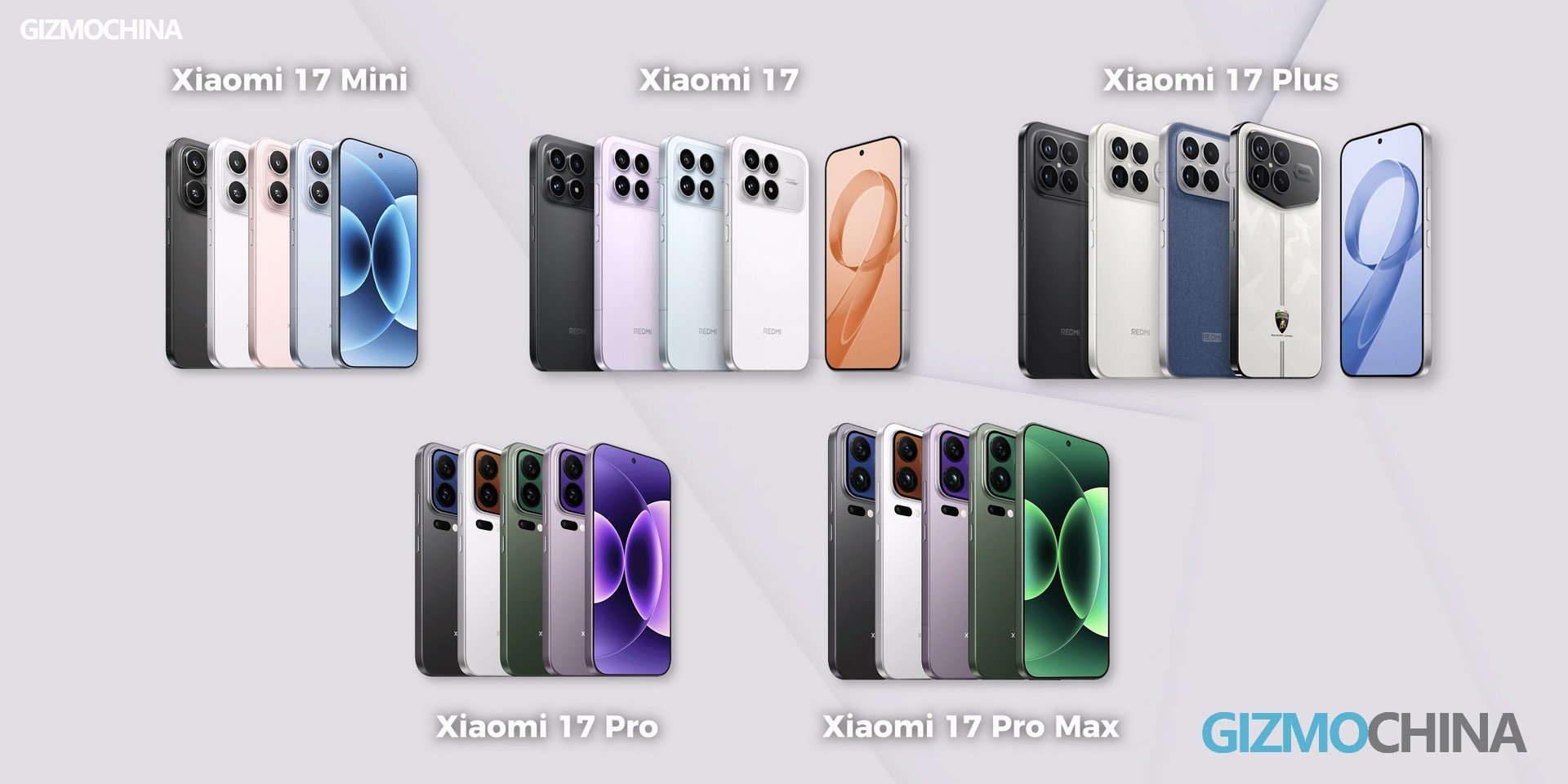
The Xiaomi 17 series and REDMI K90 series look like two product lines, but realistically, if you rename them, they could all just be one. From Mini to Pro Max — Xiaomi gives you everything Apple won’t.
Among them, K90 Pro Max is hands-down the best value — and my personal favorite. It’s balanced in every area, but also unique in a way no other phone is. Even if you never listen to music on your phone’s speakers, you should still give REDMI a thumbs-up. Phones like this make the smartphone world less boring.
CORSAIR has partnered with CD PROJEKT RED to celebrate the 10th anniversary of The Witcher 3: Wild Hunt with a new limited-edition lineup of gaming peripherals. The CORSAIR x The Witcher 3: Wild Hunt 10th Anniversary Collection brings officially licensed gear inspired by the game’s world and symbols.
“Fans worldwide have been spellbound by Geralt’s quest to find Ciri, and we’re thrilled to help them find the ideal gear to celebrate 10 years of this legendary game,” said Tobias Brinkmann, Vice President and General Manager of Gaming Peripherals at CORSAIR. “We’re proud to work with CD PROJEKT RED to bring this collaboration to life.”
Leading the collection is the CORSAIR K65 PLUS WIRELESS 75% RGB Mechanical Gaming Keyboard, available in the North American layout. It features Witcher signs on the keycaps for easy spell access, a custom Esc key with the game’s logo, and a large Wolf medallion design on the top plate. The keyboard uses CORSAIR’s MLX Red linear switches for smooth and responsive input, supports reliable wireless connectivity, and is built for durability. It is available now for $169.99 / €169.99.
The CORSAIR M75 WIRELESS Gaming Mouse 10th Anniversary Edition features Eredin, the King of the Wild Hunt. It offers fast, precise tracking and lightweight comfort, making it ideal for long gaming sessions. The mouse is priced at $129.99 / €129.99.
Completing the lineup is the MM300 2XL Anti-Fray Cloth Gaming Mouse Pad, featuring the astral map of the Spiral and Witcher symbols across its surface. It provides a large, durable workspace and is available for $49.99 / €49.99.
The CORSAIR x The Witcher 3: Wild Hunt 10th Anniversary Collection is available now in limited quantities worldwide through Corsair.com and CD PROJEKT RED’s website.
For more daily updates, please visit ourNews Section.
Lava is getting ready to refresh its Agni lineup, and its latest teaser gives us an early look at what to expect from the upcoming Agni 4. The phone is confirmed to launch in India sometime in November, and if the company’s new post is anything to go by, this year’s model is getting a noticeable design upgrade.
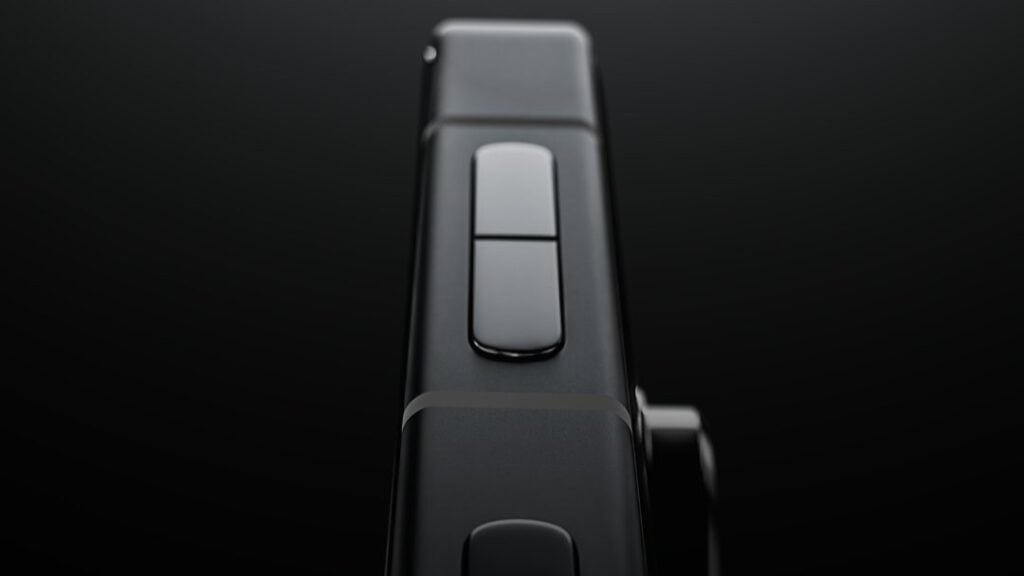
In a teaser shared on X, Lava wrote “Forged from metal—because plastic dreams shatter,” pretty much spelling out that the Agni 4 will switch to a metal build. The accompanying image shows the phone’s frame with visible antenna lines — a staple of metal-framed phones — along with metal-finished power and volume buttons. But it’s not just the materials getting an upgrade: the Agni 4 also moves to a completely flat design, a major shift from the curved builds of the Agni 2 and Agni 3.
On the specs side, leaks suggest the Agni 4 will sit in the ₹25,000 price bracket. It’s expected to feature a 6.78-inch display and run on the MediaTek Dimensity 8350, a 4nm chip. One of its biggest talking points could be the battery — the phone is rumored to pack over 7,000mAh, which would be one of the largest capacities in its class.
Last year’s Agni 3 launched at ₹20,999 and offered a 6.78-inch 1.5K AMOLED display, a 50MP + 8MP + 8MP rear configuration (that includes a 3x telephoto), and even a secondary 1.74-inch AMOLED screen on the back — something the Agni 4 isn’t expected to carry forward.
The Agni 4 seems to be trading some specifications for a sturdier build, faster hardware, and a massive battery — a direction that could appeal to users who prefer practicality over flashy add-ons.
The Wiko X70 has officially been launched in China. This model was just announced in the region, with some features not commonly found in budget phones. You also get a bunch of other capable features as well, so here are all the details.
Wiko X70: What makes it special?
The Chinese brand has officially announced the Wiko X70, with support for satellite connectivity that is powered by BeiDou. It works independently of a cellular signal, so you don’t need a mobile connection. This is a feature often found in top of the line flagship smartphones and can be useful in emergency situations. On the front, the device sports a tall 6.7-inch OLED display with an FHD+ resolution, a 120Hz refresh rate, and Kunlun glass.
Wiko X70
For optics, the rear has a 50MP main camera, while the front houses a 32MP shooter for selfies and video calls. The Wiko X70 features an IP54 rating for water and dust resistance. A massive 6,100mAh battery pack powers this model, which supports up to 40W wired fast charging. Other notable features include dual SIM support, a USB 2.0 port, and a slim 7.6mm body.
Huawei just announced the Wiko X70 in three color options in China, namely black, white, and light green. It is also available in three storage configurations, which include 8GB + 256GB, 12GB + 256GB, and 12GB + 512GB. This model has a 1,599 Yuan price tag, which is roughly 224 US Dollars.
For more daily updates, please visit our News Section.
Lava’s audio division, Probuds, has introduced the Probuds N33, its first neckband with Active Noise Cancellation (ANC). The device has a metallic finish, flexible build, and 13mm dynamic bass drivers that deliver balanced sound for music, calls, and gaming.
The Probuds N33 reduces outside noise by up to 30dB through ANC and includes Transparency Mode for hearing ambient sounds when needed. Environmental Noise Cancellation (ENC) helps improve voice clarity during calls. For gaming, the Pro Game Mode brings 45ms low latency for better sound synchronization during gameplay or video streaming.
It runs on a 300mAh battery that offers up to 40 hours of playback with ANC off and 31 hours with ANC on. A quick 10-minute charge provides 10 hours of playback, and a full charge takes around an hour through a Type-C port. Bluetooth v5.4 ensures stable connectivity, and Dual Device Pairing allows connection with two devices simultaneously.
The neckband also includes a Magnetic Hall Switch for automatic power control and 4-button in-line controls for managing music and calls. With an IPX5 water resistance rating, it can withstand sweat and light splashes, making it suitable for workouts and daily use.
The Lava Probuds N33 is priced at ₹1,299 and is available in Obsidian Black and Cosmic Teal Green. It will be available to purchase through Lava’s official e-store and offline retail outlets across India.
For more daily updates, please visit our News Section.
Honor has a couple of new smartphones lined up for China. While it has the Honor Power 2 with a 10,000mAh battery scheduled for a Q1 2026 launch, the brand is expected to unveil the Honor 500 series and GT 2 lineup before the end of this year. A fresh leak that has emerged today has revealed key details about the GT 2 series.
Honor GT 2 series chipset, key details tipped
Honor GT 2 series specs leak
According to tipster Digital Chat Station, the Honor GT 2 and GT 2 Pro will be powered by the Snapdragon 8 Elite and 8 Elite Gen 5 chipsets, respectively. With this, he has debunked previous claims that the GT 2 would feature the upcoming Snapdragon 8 Gen 5 SoC.
Honor GT 2 series display size
Coming to the Honor GT 2 series’ display, a recent leak by tipster Smart Pikachu revealed that both phones will feature a 6.83-inch flat OLED panel that supports a 1.5K resolution and a 165Hz refresh rate, similar to the recently unveiled OnePlus Ace 6.
According to DCS’ latest leak, the Honor GT 2 series is also said to feature a 50-megapixel primary camera with a large sensor, an ultrasonic in-screen fingerprint sensor, a large battery, a metal middle frame, and a fully water-resistant body, which suggests that it may arrive with an IP68/69 rating. The GT 2 duo is expected to run on MagicOS 10 based on Android 16.
Honor GT 2 battery size
In the comments section of the Weibo post, the tipster mentioned that an upcoming Honor phone has a 9,000mAh battery. However, it is unclear whether the tipster was referring to the GT 2 or the GT 2 Pro. As per other leaks, the GT 2 may pack a 9,000mAh (8,800mAh rated value) battery, and both phones may support 100W charging.
Honor GT 2 series launch timeframe
Honor GT 2 series tentative launch timeline
As mentioned above, the tipster revealed that the Honor GT 2 series is tentatively scheduled to debut in December in China. However, there is no information yet on whether these devices will be released globally. As far as the Honor 500 series is concerned, it is expected to go official in November in China.
For more daily updates, please visit our News Section.
A new leak from well-known tipster Digital Chat Station gives us a pretty detailed look at MediaTek’s upcoming Dimensity 8500 chip.
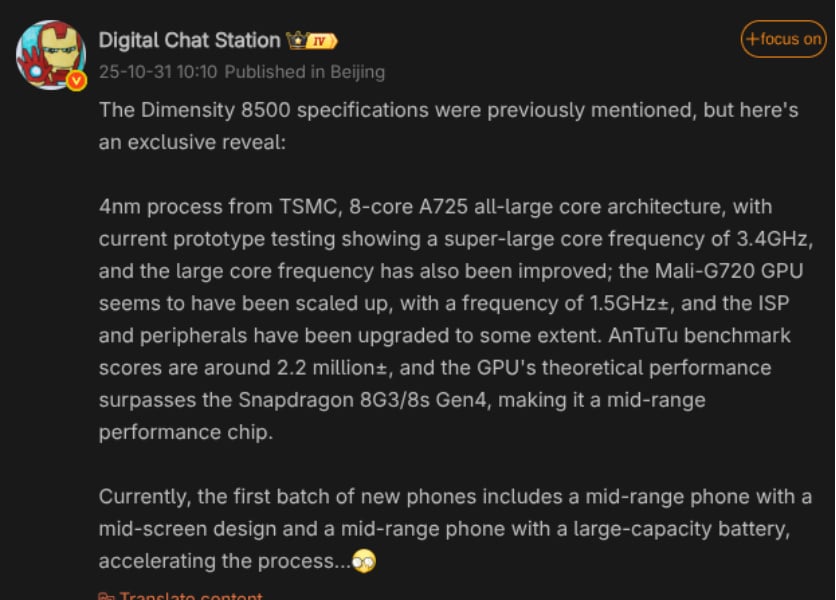
According to the leak, the Dimensity 8500 is built on TSMC’s 4nm process and uses an 8-core setup based on ARM’s A725 architecture. That means all cores are big cores, like the Dimensity 8400.
The prime apparently hits 3.4GHz, which is slightly higher than 3.25GHz on its predecessor. Whereas the remaining cores could also have higher clock speeds than before.
On the graphics side, the Mali-G720 GPU is reportedly scaled up and running around 1.5GHz. It’s still early numbers, but the chip reportedly lands around 2.2 million on AnTuTu.
Digital Chat Station claims the GPU’s theoretical performance could beat Qualcomm’s Snapdragon 8 Gen 3 and 8s Gen 4 — at least on paper. Of course, theory doesn’t always match real-world gaming, heat control, or battery life, so it’s better to wait for actual phones before jumping to conclusions.
The first wave of phones with the Dimensity 8500 is already in testing, according to the leak. One is a mid-range phone with a standard-sized display, while the other is focused on battery life with a large-capacity battery. The rollout has reportedly started quietly.
There’s also a familiar brand name tied to this chip. Back in August, the blogger hinted that the Dimensity 8500 may debut on Xiaomi’s Redmi Turbo line. Honor, OPPO, OnePlus, and vivo are expected to follow with their own models soon after.
For context, the Redmi Turbo 4 series split its chips between MediaTek and Qualcomm — the base model launched with the Dimensity 8400-Ultra, while the Pro variant picked the Snapdragon 8s Gen 4.
If the leak pans out, the Dimensity 8500 might slot in as the next step for Xiaomi’s mid-range performance phones. No release date yet, and no confirmation from MediaTek.
For more daily updates, please visit our News Section.
Earlier this month, the Poco F8 Ultra surfaced in the database of Thailand’s NBTC certification platform. At that time, the rumour mill speculated that the F8 Ultra may launch much earlier than its predecessor. In a new development, the Poco F8 Pro has bagged approval from the same certification. At the same time, both devices along with the Xiaomi 17 and Redmi Note 15 (4G) have also received certification from the IMDA certification platform in Singapore.
Multiple Xiaomi phones bag IMDA certification
Xiaomi 17, Poco F8 Ultra, Poco F8 Pro, and Redmi Note 15 4G IMDA certified
As can be seen above, a couple of new phones from Poco, Xiaomi, and Redmi have received approval from the IMDA authority. These include the Xiaomi 17’s global version with model number 25113PN0EG, the Redmi Note 15 (4G) with model number 2510DRA23E, and the two Poco phones with model numbers 2510DPC44G and 25102PCBEG.
The 25102PCBEG device is the Poco F8 Ultra, whereas the 2510DPC44G phone is the Poco F8 Pro, which has also surfaced in Thailand’s NBTC certification. With multiple certifications under their belt, it appears that the F8 series may launch globally before the end of this year.
Poco F8 series
The Poco F8 Ultra and F8 Pro are expected to be rebranded versions of the Redmi K90 Pro Max and Redmi K90, respectively, which recently debuted in China. While the F8 Ultra is expected to feature the Snapdragon 8 Elite Gen 5, the F8 Pro may arrive with the Snapdragon 8 Elite onboard.
Redmi Note 15 (4G)
While the base Note 15 (4G) has been approved by IMDA, its Pro version bearing the model number 25100RA69G has already been certified by the same certification platform earlier this month. There are no concrete details about the chipsets that will power these models.
Xiaomi 17
The Xiaomi 17 with Snapdragon 8 Elite Gen 5 is the company’s most powerful flagship for this year. The lineup also includes the Xiaomi 17 Pro and Pro Max, but rumours say that these models may not be released in markets outside of China.
For more daily updates, please visit our News Section.
Poco may be gearing up for a faster refresh cycle than anyone anticipated. Just seven months after the Poco F7 Pro and F7 Ultra debuted, the company already appears to be moving ahead with the next generation — and a new certification suggests the rollout could happen much sooner than expected.
Earlier this month, the Poco F8 Ultra passed through Thailand’s NBTC certification process. Now, the Poco F8 Pro has joined it on the same database, signaling that both models are inching closer to an official unveiling. What’s unusual is the timing: the F7 Pro and F7 Ultra launched in March, but their certifications surfaced much later — the F7 Pro was approved in January, while the F7 Ultra didn’t get its approval until early March, just days before the big reveal. With the F8 series appearing this early, a 2025 release well ahead of March won’t be surprising.
Both phones also seem to be tracking together. Since the F8 Ultra and F8 Pro received approval just days apart, there’s a good chance Poco plans to unveil them side by side, mirroring last year’s strategy. (The standard F7 launched slightly later, so we may see a repeat of that staggered approach.)
As for what the phones actually are, that’s where things get interesting. The F8 Ultra is expected to be a rebranded Redmi K90 Pro Max. But the F8 Pro still remains a mystery — sort of. It can be a rebranded Redmi K90. Designing a phone from scratch takes time and resources, after all.
With both the F8 Pro and F8 Ultra cleared for Thailand and the launch window seemingly shifting forward, it’s only a matter of time before more information starts spilling out. If history is any indication, the leaks will only get louder from here.
Oppo has periodically updated its software update policy to offer longer software support for its devices. The company now offers up to five major Android OS upgrades to select high-end devices, which further reduces the need for frequent smartphone upgrades.
The Oppo Find X8, launched last year, was the company’s first phone to promise five major Android OS updates, and this policy has since been expanded to more devices. We’ve prepared a list of Oppo smartphones that guarantee five Android OS updates. Review it below to check if yours is eligible for long-term software support.
List of Oppo devices that will get five major Android OS updates
Oppo Find X9 (last update: Android 21)
Oppo Find X9 Pro (last update: Android 21)
Oppo Find X8 (last update: Android 20)
Oppo Find X8 Pro (last update: Android 20)
Oppo Find X8 Ultra (last update: Android 20)
These Oppo smartphones are officially confirmed to receive five Android OS updates. Additionally, they will get security updates for a total of six years. The Find X8 and X8 Pro were launched last year with Android 15, while the Find X9 series was launched this year with Android 16. Hence, the Find X9 and X9 Pro are also eligible to receive Android 21 update.
According to some reports, the Oppo Reno 14 and Reno 14 Pro may also receive five Android upgrades; however, there’s no official confirmation yet. If that’s true, we can expect more Reno phones in the future to come with the same update policy.
Note: We’ll regularly update the list as and when more Oppo devices are announced with a promise of five major Android updates.
With its latest software update policy, Oppo has become one of the top Android brands offering longer software updates. It outperforms many of its peers, including OnePlus, Realme, and Vivo, which are currently offering up to four OS updates. However, it’s still behind Samsung and Google, which offer two additional major upgrades.
Oppo is currently busy with the ColorOS 16 rollout. The Android 16-based software brings a lot to the table, including numerous exciting upgrades, visual enhancements, extended customization options, and more intelligent AI features. You can check the new features and rollout timeline here.
You can visit the Oppo section on Gizmochina regularly for the latest updates. Alternatively, you can join our Telegram channel to stay updated with the latest happenings in tech.
Before the end of this year, OnePlus may unveil the OnePlus Ace 6 Turbo as the world’s first Snapdragon 8 Gen 5 phone. Next year, the brand is expected to launch the OnePlus 15T as one of its first major phones of 2026. Like the previous generation OnePlus 13T (review), the upcoming 15T will be a compact flagship. So far, the rumour mill has already leaked a few details about the device. Now, a leak by tipster Digital Chat Station has reiterated some of its key specifications.
OnePlus 15T key specifications (rumored)
OnePlus 15T key specs leak by DCS
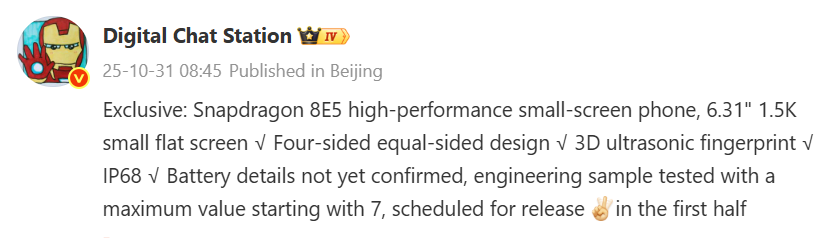
According to the tipster, the OnePlus 15T will feature a 6.31-inch OLED screen that offers a 1.5K resolution. It will be a flat display surrounded by equal-sized bezels on all four sides. For security, it will have an ultrasonic in-screen fingerprint sensor.
Under the hood, the OnePlus 15T will feature the Snapdragon 8 Elite Gen 5, which also powers the OnePlus 15. The tipster claimed that the battery size of the OnePlus 15T has not been finalized yet. However, he revealed that the engineering prototype currently under testing shows model numbers starting with “7,” indicating that it may pack a battery of around 7,000mAh capacity. He added that the phone will have an IP68-rated build.
As far as the launch is concerned, the tipster claimed that the OnePlus 15T will be announced in the first half of 2026. The tipster did not mention anything about the 15T’s camera specifications, but reports have already suggested that it will include an ultra-wide lens, which was missing in the previous generation. Hopefully, upcoming reports will reveal more details about the compact flagship.
OnePlus 13s
OnePlus is not the only brand gearing up to launch a compact flagship next year. The 15T is expected to face competition from the likes of the Honor Magic 8 Mini, iQOO 15 Mini, and Oppo Find X9s, which are also expected to launch in 1H26.
The OnePlus 15T may get rebranded as the OnePlus 15s in India.
For more daily updates, please visit our News Section.
Oppo is reportedly working on its next-generation foldable phone, the Oppo Find N6. Last year, the Find N5 debuted as the first-ever foldable phone powered by the Snapdragon 8 Elite chipset. It is speculated that the Find N6, which is expected to launch by early 2026, will be the world’s first Snapdragon 8 Elite Gen 5 foldable.
Oppo Find N6 key specifications (rumoured)
Oppo Find N6 specs leak by DCS
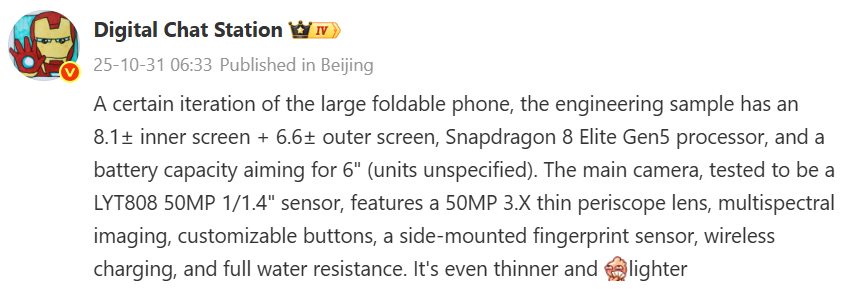
As per the leak, the Oppo Find N6 will have a 6.6-inch screen on the outside and an 8.1-inch foldable screen on the inside. While the device is said to be thinner and lighter than before, it is expected to pack a 6,000mAh+ battery.
The rear camera setup is said to be headlined by a 50-megapixel Sony LYT-808 main camera, which has a 1/1.4-inch sensor size. It will be joined by an ultra-wide lens (not mentioned in the leak), a thin periscope lens with 3x optical zoom support, and a multispectral sensor.
Like the Find X9 series, the Find N6 is expected to ship with Android 16 and ColorOS 16 preinstalled. It will have other specs such as the Plus key, a side-mounted fingerprint sensor, and wireless charging support. While the exact IP rating is not mentioned, it is said to offer full-level water resistance. This appears to be the same as the Find N5’s IPX8/9 rating. A previous leak claimed that the device will have a titanium build.
OPPO Find N5
The tipster did not mention the Oppo Find N6’s launch timeframe. Likely, it will break cover in the first quarter of 2026.
Oppo hasn’t launched a flip phone since the Find N3 Flip, which was announced back in 2023. Next year, the brand is also expected to unveil the Find N6 Flip. However, there is no information about its launch timeframe.
For more daily updates, please visit our News Section.
If you plan to capture more than just candy and costumes this Halloween, you’ll need a smartphone camera that performs well in low light, avoids grainy photos, and never misses the perfect shot.
The best phones of 2025 are practically tailor-made for this, offering pro-grade camera hardware, AI-assisted scene detection, and advanced software features that make them feel less like phones and more like pocketable photo studios.
Here are five of the best smartphones for Halloween photography this year, whether you’re taking portraits of carved pumpkins, filming haunted house scenes, or just trying to document your costume in cinematic quality.
The iPhone 17 Pro series takes low-light and portrait photography to an entirely new level, and that’s saying something, considering the bar set by the iPhone 15 and 16 Pro models. Both the Pro and Pro Max come with three 48MP sensors: wide, ultra-wide, and a telephoto that uses a next-generation tetraprism design with a massive sensor upgrade. The 100mm 4x optical zoom is ideal for framing those eerie, distant subjects, while the 200mm 8x zoom delivers the longest optical-quality reach ever on an iPhone.
It also helps that Apple’s new A19 Pro chip and redesigned vapor chamber keep things cool during extended 4K Dolby Vision shoots. The new 18MP square-shaped front camera supports Center Stage with AI-based framing, making it great for selfies that include everyone, even in motion. Add in the triple-layer scratch resistance and glare reduction from Ceramic Shield 2, and it’s clear this iPhone is ready for a night of haunted action.
Please Note: When you buy something using the links in our articles, we may earn a small commission at no cost to you.
2. Samsung Galaxy S25 Ultra
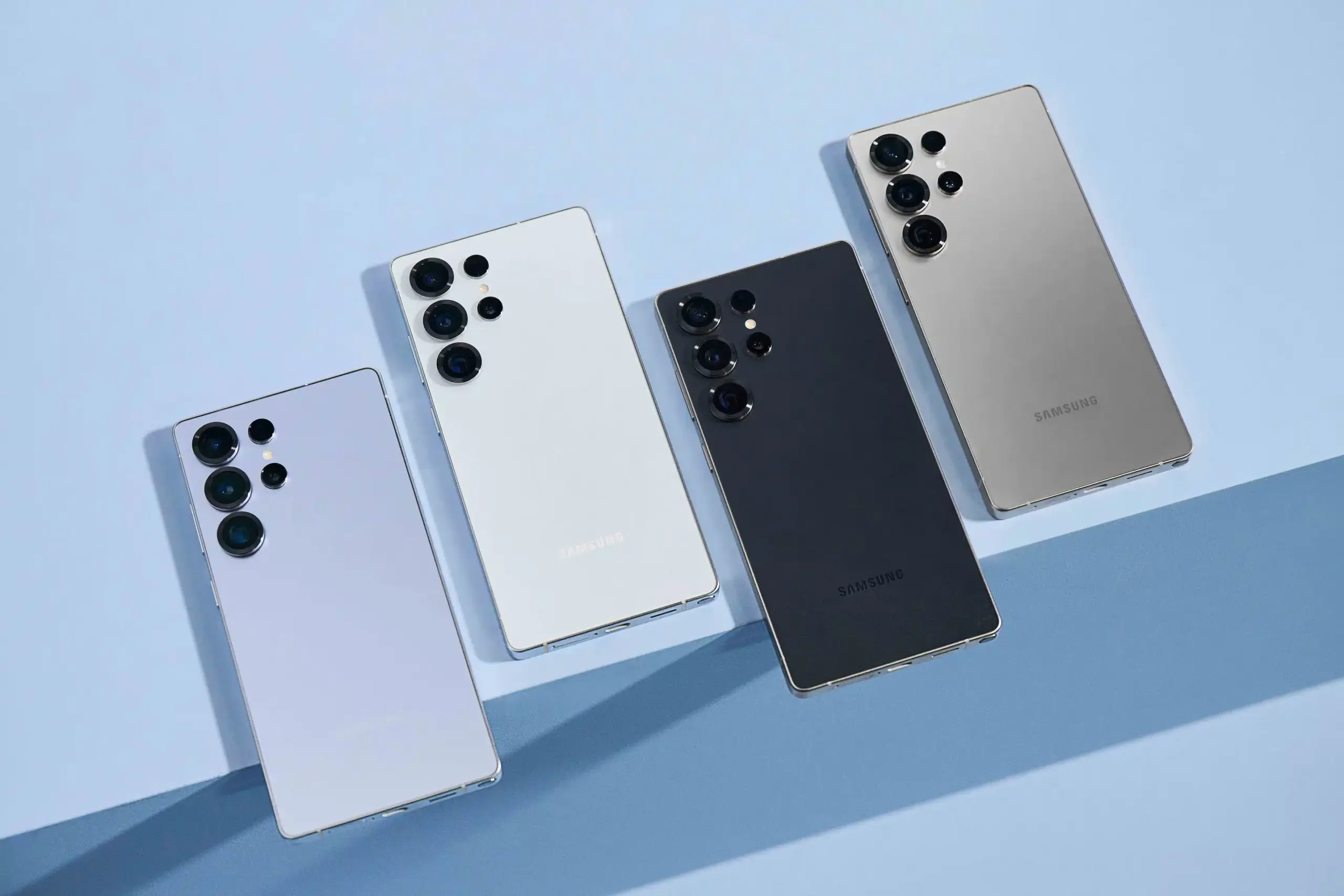
Samsung’s Galaxy S25 Ultra is the only device here that pairs a 200MP main camera with a pair of high-resolution 50MP zoom sensors, one ultra-wide and one periscope, and delivers consistent 10-bit HDR video. The telephoto setup with 5x optical zoom and 100x Space Zoom remains an asset when you’re trying to photograph the full scale of a haunted house or pick out mysterious figures in the background.
Samsung’s mDNIe-powered image engine helps manage dynamic range at night without aggressive noise reduction, and new AI editing features like Virtual Aperture and Audio Eraser let you fine-tune your Halloween memories after the fact. Its Snapdragon 8 Elite chip and a larger vapor chamber ensure you’re not thermally throttled while shooting extended 8K clips. For anyone serious about mobile photography, it’s a true Halloween-ready flagship.
Please Note: When you buy something using the links in our articles, we may earn a small commission at no cost to you.
3. Google Pixel 10 Pro XL
The Pixel 10 Pro XL leans hard into computational photography, as expected from Google. But this year, it’s backed by the custom-built Tensor G5 chip and the new Gemini AI-powered Camera Coach. Whether you’re framing a foggy cemetery or a dimly lit porch, the Pixel 10 Pro XL can help suggest optimal settings and angles, acting as your night photography assistant.
The 48MP main, ultra-wide, and periscope sensors might not sound drastically different from the Pixel 9 series, but Google’s scene interpretation, HDR stack, and Night Sight algorithms are sharper and faster than ever. It even supports simultaneous dual-camera recording and 8K video. Magic Cue and Auto Best Take make sure that even your busy group photos turn out clear and well-framed.
Please Note: When you buy something using the links in our articles, we may earn a small commission at no cost to you.
4. OnePlus 13
The OnePlus 13 might just be the underdog Halloween hero. Its Hasselblad-tuned triple 50MP camera setup includes an ultra-wide and an upgraded tri-prism periscope telephoto that is both lighter and faster to focus than its predecessor. Its 2K+ BOE display offers excellent clarity even when reviewing night shots in the field, and the camera delivers balanced exposure with high dynamic range.
What sets it apart is how fast it shoots, processes, and saves. The Snapdragon 8 Elite chip, paired with UFS 4.0 and up to 24GB of RAM, gives it a speed advantage in handling 4K or 8K Halloween videos with minimal lag. Its IP69 rating and ceramic glass build also mean you can shoot in rain or fog without concern.
Please Note: When you buy something using the links in our articles, we may earn a small commission at no cost to you.
5. iPhone 17
If you don’t need the Pro camera setup but still want Apple’s best low-light tech in a compact body, the iPhone 17 is a solid pick. It now has a 48MP main and 48MP ultra-wide camera, and the front 18MP Center Stage camera has all the software enhancements found in the Pro model, like AI framing and Dual Capture.
It might miss out on the extra zoom flexibility, but for most Halloween needs, from night-time street photos to 4K cinematic clips, it delivers beautifully. And with ProMotion finally on the base model and a 3,000-nit outdoor display, you won’t be squinting to review your dark and dramatic highlights.
WhatsApp has added passkey-encrypted backups, giving users a stronger way to secure their chat data stored on Google Drive or iCloud. The new feature builds on WhatsApp’s existing end-to-end encryption, which already protects messages, media, and calls.
With passkey protection, users can now secure their backups using fingerprint, face ID, or screen lock. There’s no need to remember or manage a 64-digit encryption key, making it simpler to keep backups safe. The encryption ensures that only the user can access the data, not WhatsApp or the cloud provider. This protection applies to all stored content, including photos, voice notes, and chat histories.
WhatsApp said that its end-to-end encryption now safeguards more than 100 billion messages sent every day by over 2 billion users. While most chats are stored locally on devices, many people also back them up online. The encrypted backup feature ensures that these files remain private even when stored in the cloud.
The passkey-encrypted backup option will roll out globally in the coming weeks. Users will need to update to the latest version of WhatsApp to access the feature on both Android and iOS.
For more daily updates, please visit our News Section.
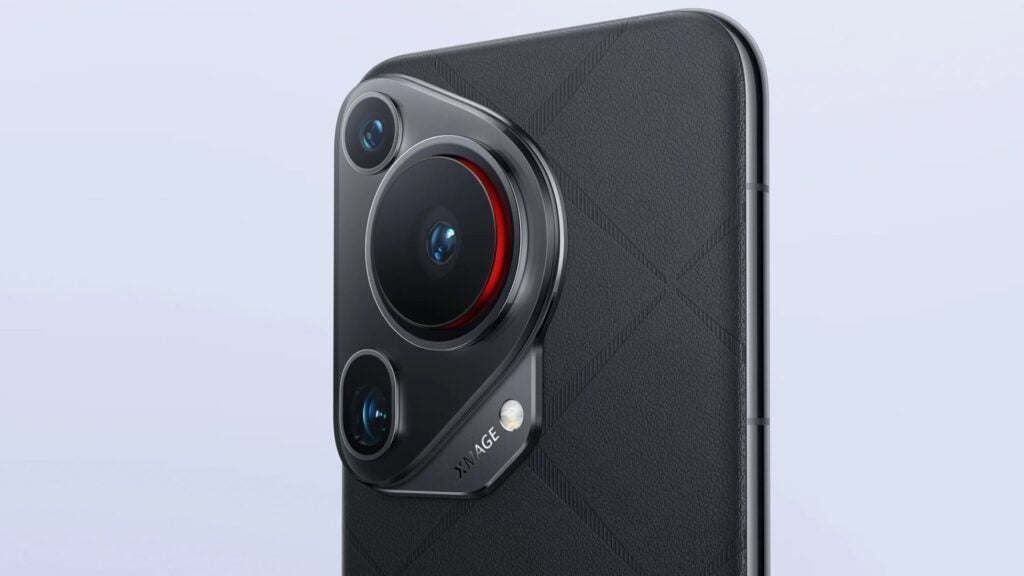
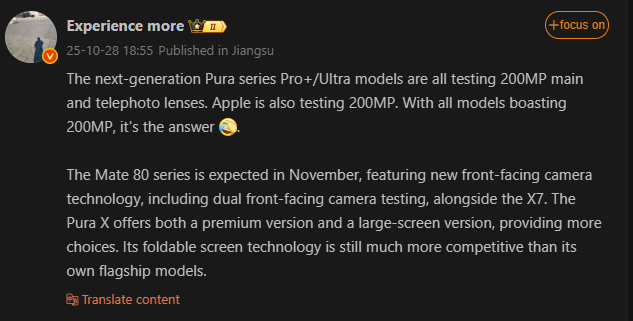
Huawei seems ready to make headlines once again. A new leak suggests the Chinese tech giant is developing a smartphone with two 200MP cameras, potentially setting a new standard for mobile photography. If accurate, this could be the first-ever phone to feature such a setup, and it might arrive sooner than you think.
The information comes from reliable tipster Digital Chat Station on Weibo, who hinted that an upcoming smartphone with dual 200MP cameras is currently under testing. While the post didn’t directly name Huawei, it included an emoji frequently associated with the brand — a subtle but telling clue.
The mystery device is believed to be the Huawei Pura 90 Ultra, a successor to this year’s Pura 80 Ultra. That model debuted in June 2025 with a 50MP 1-inch primary sensor and Huawei’s signature XMAGE processing, positioning it as one of the strongest camera flagships of the year. If this new leak pans out, the upcoming Pura flagship could take things to another level entirely.
Interestingly, another Weibo source mentioned that both the Pura 90 Pro+ and the Pura 90 Ultra are being tested with this setup. If true, it would mark Huawei’s first phone — or phones — to cross the 200MP threshold, a milestone Samsung and all of Huawei’s Chinese competitors have yet to achieve in a dual-sensor layout.
For now, there’s no confirmed launch date, but given Huawei’s pattern, the Pura 90 Ultra will likely arrive sometime in mid-2026.
After pioneering the world’s first tri-fold phone, Huawei might now add another feather to its cap — becoming the first manufacturer with a dual 200MP camera phone.
Amazon has started selling the Echo Dot Max and Echo Studio, two new smart speakers that were unveiled last month. Both devices are built for Alexa+, Amazon’s next-generation AI assistant designed to hold more natural conversations, understand context, and complete daily tasks more efficiently.
Echo Studio (Left) and Echo Dot Max (Right)
Powered by New Custom Chips
At the heart of these new Echo speakers are Amazon’s latest AZ3 and AZ3 Pro processors. These chips come with an integrated AI Accelerator that allows Alexa+ to handle more advanced AI functions directly on the device, improving speed and reducing dependence on cloud processing.
The Echo Dot Max runs on the AZ3 chip. It improves wake-word detection by more than 50 percent and filters background noise more effectively through a new microphone system. The chip also supports better conversational response and smarter sound adaptation for different room environments.
The Echo Studio uses the more powerful AZ3 Pro chip, which enhances both audio and AI performance. It can process larger language models and advanced sound algorithms, allowing Alexa+ to respond faster and manage connected devices more efficiently.
Both speakers also feature Omnisense, Amazon’s new sensor platform that combines audio, ultrasound, Wi-Fi radar, and motion signals. This helps Alexa recognize activities happening around the room and act proactively, such as reminding users of an open door or starting a routine when it detects someone nearby.
Echo Dot Max: Compact with Bigger Sound
The Echo Dot Max is Amazon’s most powerful compact smart speaker yet. It features a new two-way speaker system with a high-excursion woofer for deeper bass and a custom tweeter for sharper high tones. Compared to the Echo Dot (5th Gen), it delivers nearly three times the bass.
Amazon has redesigned the speaker’s internal structure by integrating the audio components directly into the device housing. This doubles the air space, producing stronger and more balanced sound in a compact design.
Echo Studio: Premium Audio in a Smaller Body
The new Echo Studio is 40 percent smaller than the previous version while offering premium, room-filling sound. It includes a high-excursion woofer for rich bass and three full-range drivers arranged to create 360-degree sound coverage. The speaker supports spatial audio and Dolby Atmos, which provide immersive, surround-style sound.
Its spherical design is covered in 3D-knit acoustic fabric, maintaining clear and transparent sound. The familiar light ring now features visual cues powered by a new recognition model for more interactive responses.
Smarter Audio
Both the Echo Dot Max and Echo Studio can be paired with Fire TV sticks to build a surround sound setup using Alexa Home Theater. The system allows up to five speakers to connect, and Alexa automatically tunes them based on the room layout. This provides a full home-theater experience that normally requires expensive equipment and setup.
The Echo Dot Max is priced at $99.99, while the Echo Studio costs $219.99. Both are now available for purchase.
For more daily updates, please visit our News Section.
Hisense has launched the E8S Pro TV in China. The model is now on sale, targeting the high-end 4K segment with advanced hardware, gaming-focused performance, and premium audio tuning.
Hisense E8S Pro Specifications
The Hisense E8S Pro is available in three sizes. The 75-inch model features 4,200 local dimming zones, the 85-inch model has 7,020 zones, and the 100-inch version includes 9,360 zones.
The E8S Pro uses a custom RGB-Mini LED backlight system that replaces the typical single-color LEDs with tri-color red, green, and blue light-emitting chips. This design allows more accurate light and color output, eliminating the need for quantum-dot color conversion. The display reaches up to 6200 nits peak brightness through XDR Pro enhancement.
The TV features Hisense’s self-developed Hi-View Engine H7, an AI image processor that performs pixel-level scene recognition, tone mapping, and noise reduction. The panel covers 100% of the BT.2020 color gamut and achieves 108-bit color depth with 99% purity. Hisense claims this setup improves clarity and energy efficiency while reducing harmful blue light by 42%.
The E8S Pro uses a 4K panel with a native 170Hz refresh rate and dynamic support up to 330Hz. It includes four full-bandwidth HDMI 2.1 ports with 48Gbps throughput, along with support for VRR, ALLM, and FreeSync Premium Pro. It also features an AI Game Mode that automatically adjusts picture and latency based on genre.
For audio, Hisense integrates a 4.2.2-channel sound system developed in collaboration with French audio brand Devialet. The system uses a 7.6L speaker cavity and delivers up to 270W of power. It supports Dolby Atmos, DTS:X, and IMAX Enhanced for spatial audio playback.
The TV runs on MediaTek’s MT9655 chipset with 4GB of RAM and 128GB of storage. It includes Wi-Fi 6, Bluetooth 5.4, USB 3.0 and 2.0 ports, Ethernet, AV input, and coaxial support. The TV uses a metallic frame with a 44mm ultra-slim design and a zero-gap wall-mount option.
Pricing and Availability
The 75-inch model is priced at 16,599 yuan ($2,320), the 85-inch model costs 20,999 yuan ($2,933), and the largest 100-inch version is listed at 29,999 yuan ($4,190). It is now up for sale through major online retailers, including JD.com.
We use cookies on our website to give you the most relevant experience by remembering your preferences and repeat visits. By clicking “Accept”, you consent to the use of ALL the cookies.
This website uses cookies to improve your experience while you navigate through the website. Out of these, the cookies that are categorized as necessary are stored on your browser as they are essential for the working of basic functionalities of the website. We also use third-party cookies that help us analyze and understand how you use this website. These cookies will be stored in your browser only with your consent. You also have the option to opt-out of these cookies. But opting out of some of these cookies may affect your browsing experience.
Necessary cookies are absolutely essential for the website to function properly. This category only includes cookies that ensures basic functionalities and security features of the website. These cookies do not store any personal information.
Any cookies that may not be particularly necessary for the website to function and is used specifically to collect user personal data via analytics, ads, other embedded contents are termed as non-necessary cookies. It is mandatory to procure user consent prior to running these cookies on your website.