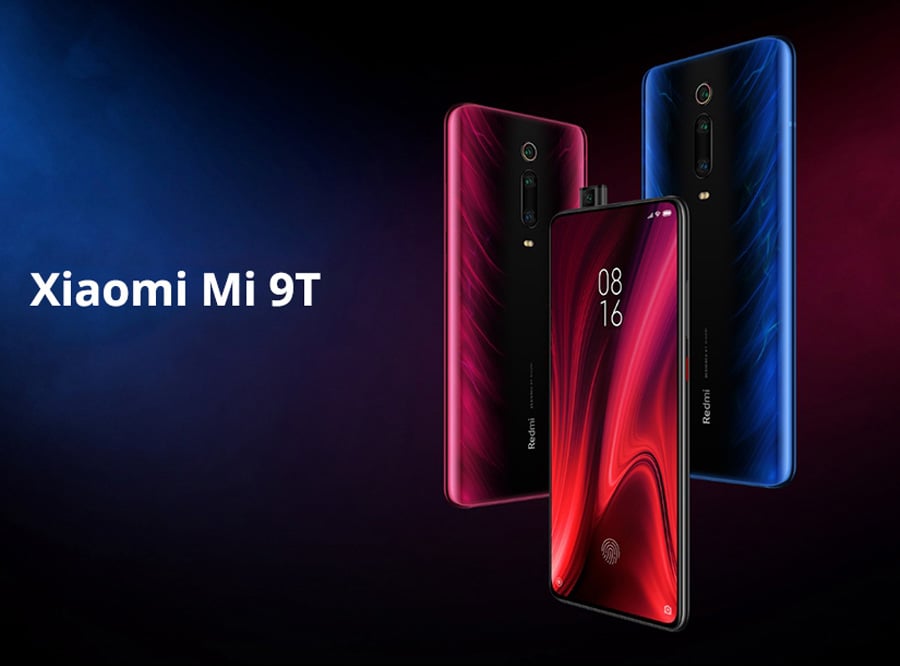
The Redmi K20 series is still being talked about thanks to its recent release in India but it seems the folks in China are ready to move to the next device scheduled for launch this year.
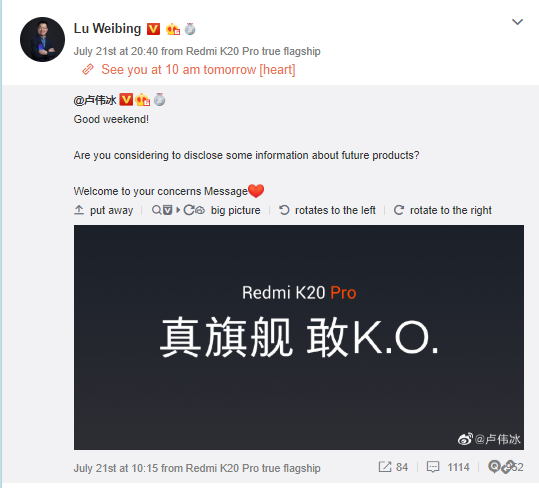
A Weibo post by the head of Redmi, Lu Weibing, has revealed there will be an announcement tomorrow morning at 10 AM about future products. There is no hint about what tomorrow’s announcement will be about, so your guess is as good as ours.
We do know that Redmi is planning to launch a phone with a Snapdragon 855+ processor but we have a feeling that will come much later since the Redmi K20 Pro is just 2 months old.
We also know Redmi is developing a 5G phone. We have a feeling tomorrow’s announcement may actually be a 5G version of the Redmi K20 Pro seeing as China is already granting manufacturers licenses to sell 5G devices in the country.
Tomorrow is almost here, and by this time we should already know what Redmi has planned.
The last time we heard from Coolpad was last month when it launched the Coolpad Cool 3 Plus in India. It shares a lot of its specs with the Coolpad Cool 9 which launched earlier in June in China. An internal memo has leaked revealing its plans for the rest of the year.
The memo which was addressed to Coolpad employees was written by the company’s CEO, Chen Jiajun. The top executive revealed in the memo that its performance overseas is improving. Its Coolpad Legacy smartphone actually received positive reviews in the US where it is sold by carriers like Metro and Boost Mobile.
He revealed that with the company back on track, they will launch new phones in September, focus on R&D and improving their position in the market, and also enter into the 5G market.
In the memo, Mr. Chen also called for the company to be united irrespective of the challenges they face. Coolpad has actually had a bit of a rough year which has led to some restructuring at the head.
At the beginning of the year, it removed the Vice-Chairman and CEO Jiang Chao, just a few days after he made an appearance at CES 2019. In April 2019, it announced it made a loss of HK$ 409 million for 2018 fiscal year, a significant reduction from 2017’s HK$ 2.67 billion loss. Coolpad also appointed a new head for its Indian arm in June.
The new Indian CEO, Fisher Yuan, who was the former Vice President of Sales and Supply released a statement saying they “plan to disrupt the Indian consumer market by making innovative technology available at extremely affordable price points”. He also said they will launch 5G-ready smartphones in India.
Based on the above statement, we expect some of the new products scheduled to launch in September in China will also find their way to India. We have no info regarding any of the upcoming smartphones but we hope the Coolpad N10 PRO is among the lineup. Following its appearance on the official website in June, we haven’t heard anything new about it.
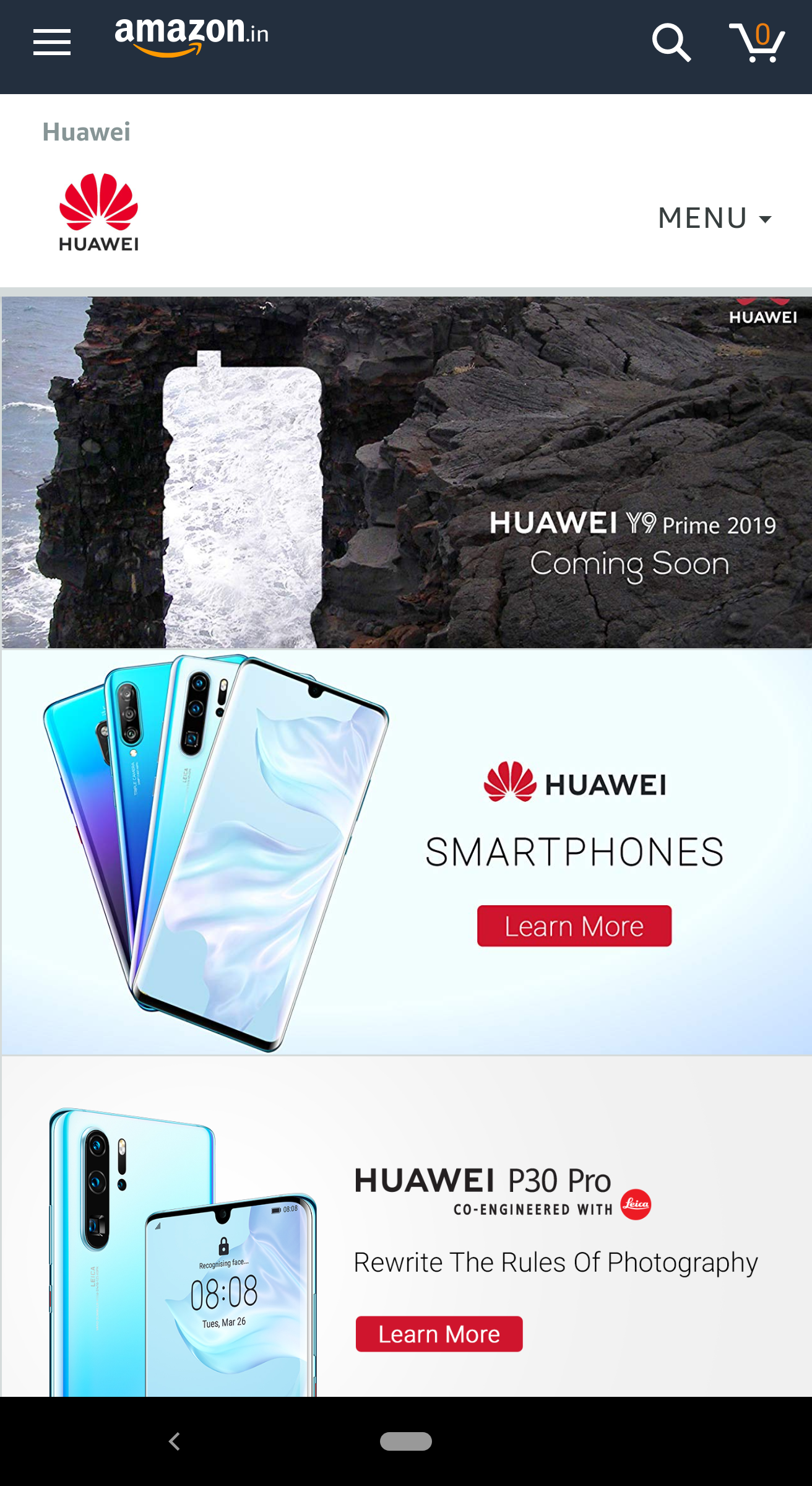
The Huawei Y9 Prime 2019 is one of Huawei’s few phones with a pop-up selfie camera. It is already on sale in some countries and it even launched in Nigeria this month with a price tag of NGN 83,900 (~$232). Now, Amazon has teased the phone will be launching in India soon.
A teaser on the mobile app says the mid-range phone is coming soon and includes a silhouette of the phone with its pop-up selfie camera.
GSMArena says a source informed them the phone will be priced under INR 20,000 (~$290). That pricing is vague as there are almost two categories under that mark.
The Huawei Y9 Prime 2019 has a 6.59-inch Ultra FullView Display with a 2340 x 1080 resolution. There is a Kirin 710F processor under the hood. We don’t know the variant that will be available in India but the one sold in Nigeria has 4GB of RAM and 128GB of storage. However, the phone also has a 4GB RAM + 64GB version. There is a MicroSD card slot for adding extra storage
The selfie camera is a 16MP sensor with 3D portrait face retouching. There is a 16MP + 8MP + 2MP triple camera setup on the rear with AI scene detection. The Huawei Y9 Prime 2019 packs a 4000mAh battery, has a USB Type-C port and a rear-mounted fingerprint scanner. It runs EMUI 9.0 based on Android Pie and comes in Midnight Black, Emerald Green, and Sapphire Blue.
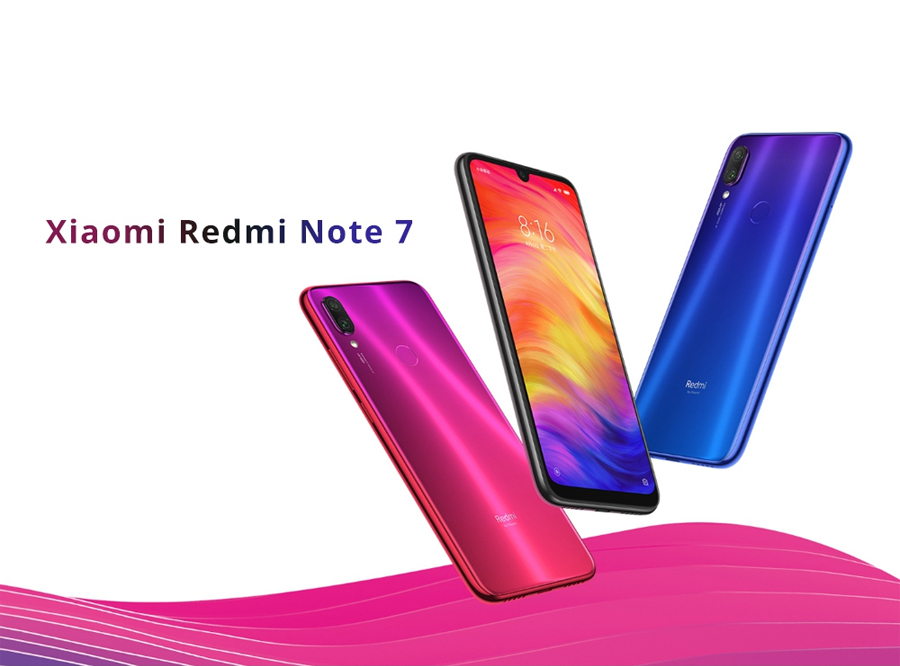
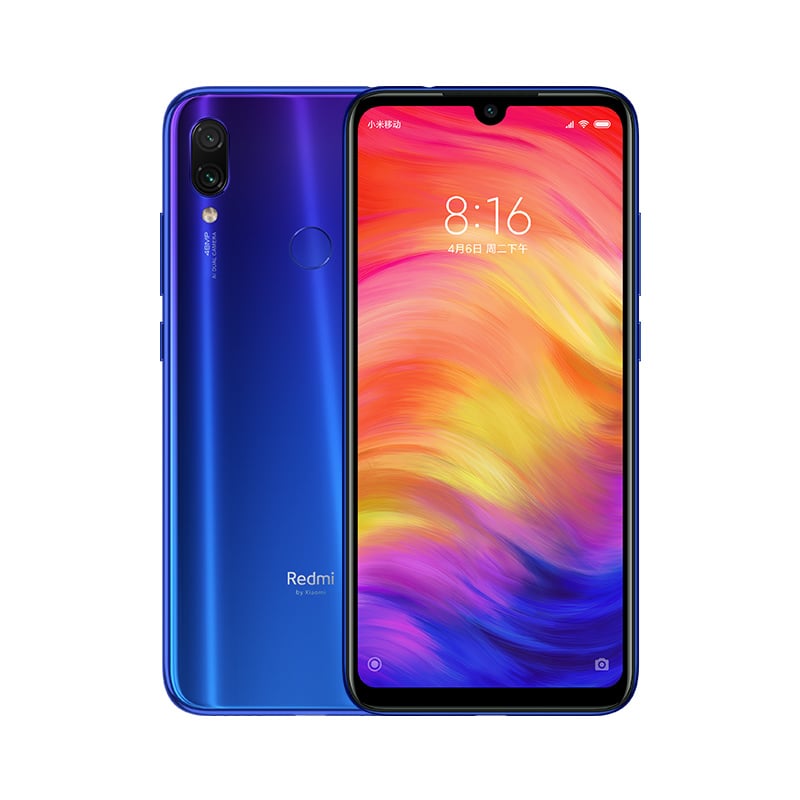
Launched earlier this year, the Xiaomi Redmi Note 7 is quite an irresistible handset. Thanks to its top-end specs, and awe-inspiring features, the recently unveiled phone is garnering huge popularity among Xiaomi’s huge fanbase.
Considering this undying demand, the Chinese electronics giant is now offering top variants of the Xiaomi Redmi Note 7 at lowered prices. Moreover, we will show how you can save more money at the time of checking out.
Xiaomi Redmi Note 7 4G Phablet – Rose Red
Equipped with 3GB of RAM and 32GB ROM, this red-tinted model usually sells for $213.70 on both online, as well as offline stores. Much to the relief of cost-conscious, the aforesaid variant has gone up for sale bearing a dropped price tag of just $159.99 on Gearbest.
You can extend this 25 percent discount with the help of coupon code GBN7332RED. This coupon helps you get an extra $10 off by reducing the retail price of the 3GB of RAM+32GB ROM Redmi Note 7 variant to just $149.99 at checkout.
You can visit this link to avail the discount and use the coupon before it expires. With 154 units already sold, this promo is slated to end in nine days.
Available in an appealing black color version, this 3GB RAM+32GB ROM Redmi Note 7 model usually retails for $213.70, but you can buy it for a dropped price of just $149.99 from Gearbest. This is a noteworthy 30 percent reduction in the original asking price of the model.
On top of that, you can use coupon code GBN7332BLACK for an extra $16 off. As a result, you can get your hands on this popular model for a reduced price of just $133.99. You can follow this link to avail the discount before the promo comes to an end.
The equally eye-catching blue color version of the Redmi Note 7 phablet that ships with 3GB of RAM and offers 32GB of internal storage capacity carries a $213.70 price. In a bid to make this model available to those living on a tight budget, Xiaomi is now offering it for a heavily discounted price of $159.99 through Gearbest.
As if this 25 percent drop in the original selling price wasn’t enough, this variant has been assigned coupon code GBN7332BLUE. By applying the above-mentioned coupon, Gearbest users can save $26 more during the checkout process.
You end up shelling out just $133.99 on this blue-hued model, thanks to the coupon. You can head straight to this link to take full advantage of the coupon before placing your order.
Mini PCs pack full PC capabilities in a compact form factor. Aside from saving space, a mini PC boasts an array of impressive features that meet your daily needs.
If you are in the market for an inexpensive mini PC that doesn’t let you down when it comes to performance, we got good news for you. As part of its latest promotion, GeekBuying is offering Bluetooth speakers, Bluetooth earphones a wide selection of mini PCs including the Beelink Gemini X45 Premium and HYSTOU P12 at lowered prices.
Beelink Gemini X45 Premium Mini PC
Beelink’s latest Gemini X series are powered by Gemini Lake desktop processors, which belong the J series. The Beelink Gemini X45 Premium is based on Celeron J4105 Quad processor up to 2.5GHz, paired with 6GB of RAM and 128GB of mSATA SSD.
A great choice for playing 4K multimedia content, game playing, web browsing, and office environments, the Beelink Gemini X45 Premium Mini PC normally retails for $302.56. Much to the relief of cost-conscious buyers, the mini PC has now gone for sale carrying a lowered price of just $219.99 on GeekBuying.
On top of that, you can save $20 more by applying coupon code 3FQUJNCN at the time of checking out. The aforesaid coupon helps you reduce the original asking price of the Beelink Gemini X45 Premium Mini PC to just $199.99 even before you place your order.
You can visit this link to avail the discount and use the coupon before it expires. Note that the promo is slated to end in just one day.
The HYSTOU P12 packs the 8th Generation Intel Core i5-8250U, which is touted as the first quad-core processors in the mainstream Core U series. Moreover, it features a highly competent Intel UHD Graphics 620 (GT2) GPU under the hood for superior user experience.
Equipped with 8GB of DDR4L RAM and a hearty 256GB of SSD storage space, the HYSTOU P12 Mini PC would normally set you back $456.99, but you can buy it for a lowered price of $449.99 from GeekBuying. You can extend this 2 percent discount with the help of coupon code 3ERFFYEF.
The coupon helps you grab an extra $80 off. In other words, you can bring the already lowered selling price of the HYSTOU P12 Mini PC further down to just $369.99 simply by applying the aforesaid coupon before clicking the ‘Place Your Order’ button.
You can follow this link to get the discount and take advantage of the coupon, which is likely to expire soon.
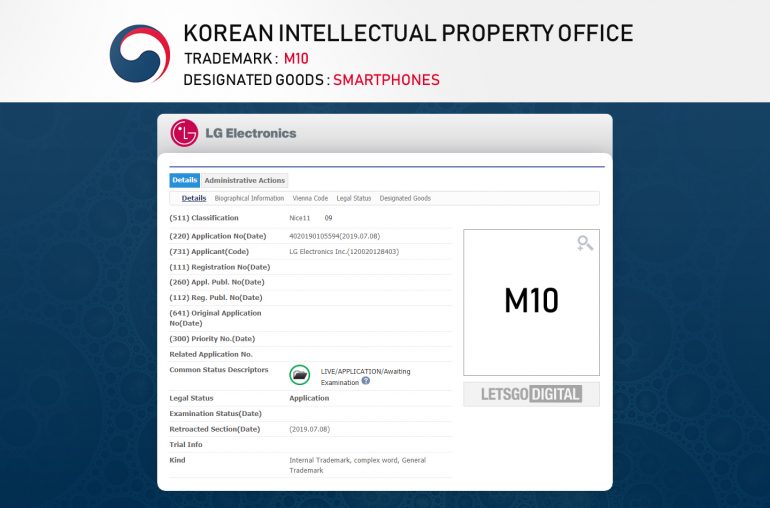
LG may or may not be planning the launch of a new series of smartphones. Just last month, it announced a new series of affordable smartphones for the Indian market which includes the LG W10, LG W30, and the LG W30 Pro. Now, a trademark application has revealed the name of a new phone called the LG M10.
1 of 3
LG M10
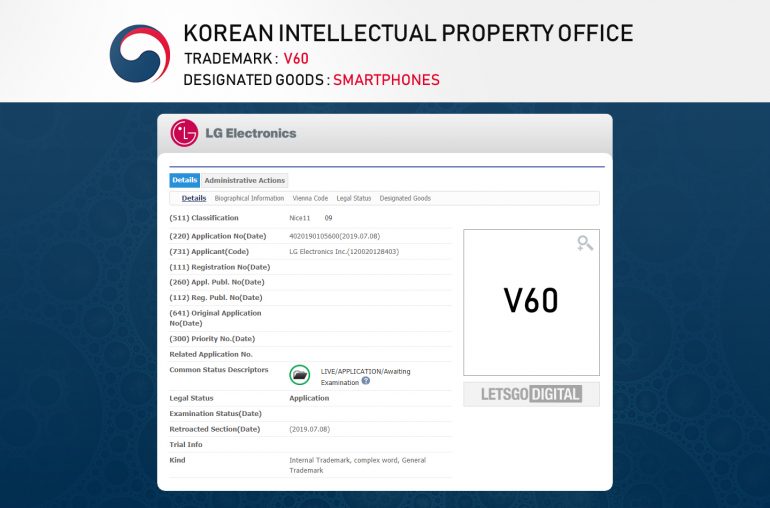
LG V60
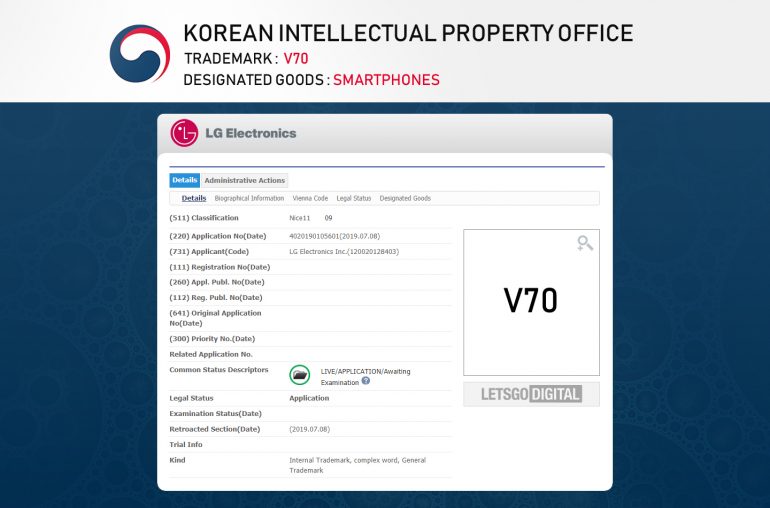
LG V70
The application was filed at the Korean Intellectual Property Office and it says the trademark which is “M10” was filed under the Smartphones category. The application was filed on the 8th of July 2019.
While there are reports this may be a new line, we have a feeling this is the LG W10 taking on a new name in LG’s home country. This is not unusual for LG. One phone may go buy one name in one market and by another name in its home country. The LG X6 (in Korea), for example, is the same device as the LG Q60. It is also known as the LG K12 Prime in Brazil.
This is just speculation and the LG M10 may actually be the first of a brand-new series not similar to the W-series.
Apart from the M10, LG has also applied for trademarks for V60 and V70 which obviously are names of future LG V-series smartphones. The latest in the V-series is the LG V50 ThinQ which launched earlier this year. There is a chance we may get an LG V60 ThinQ later this year.
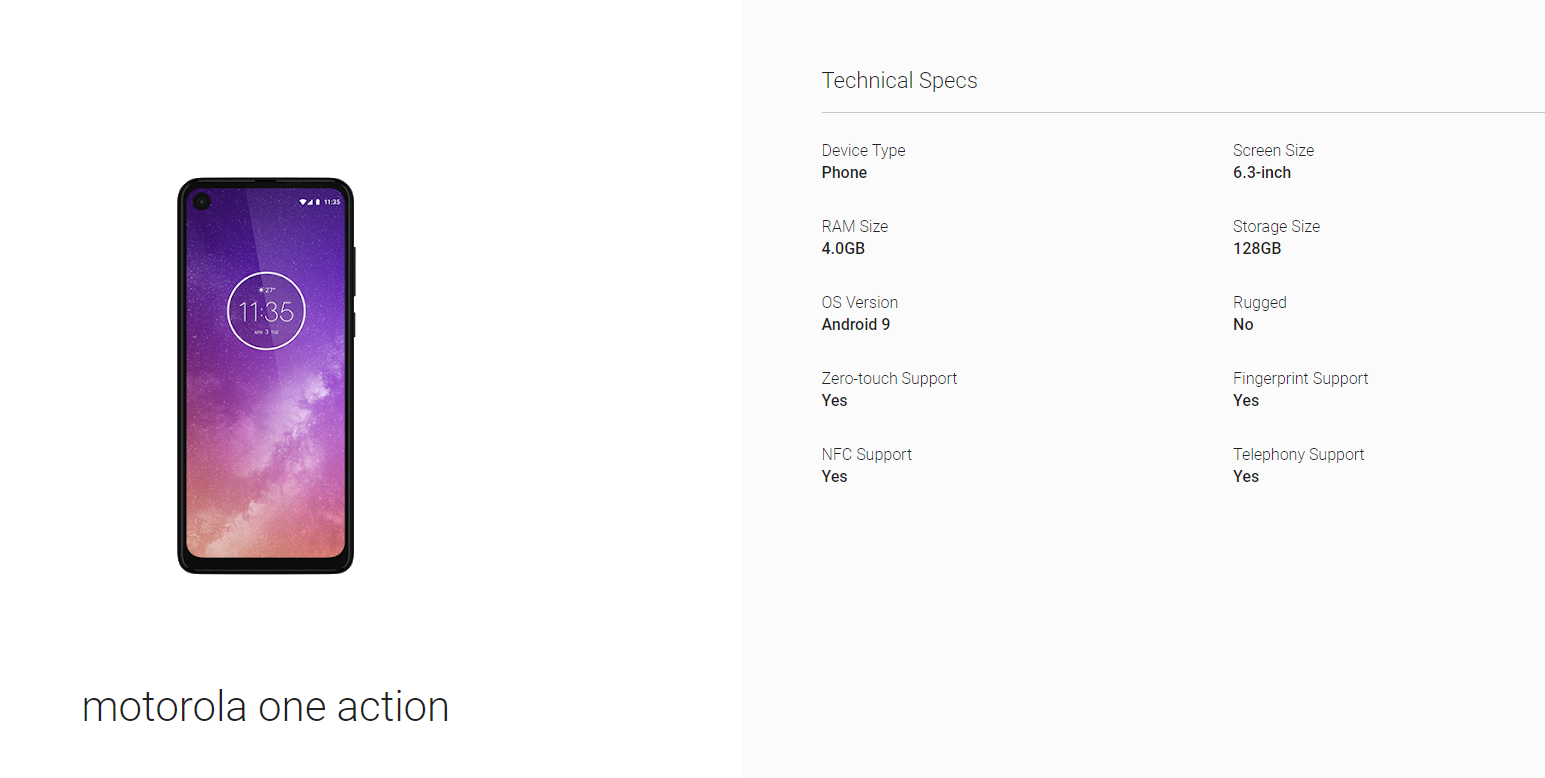
The Motorola One Action is an upcoming smartphone whose specs and renders leaked back in June. The device is yet to get a release date but it has been spotted on the Android Enterprise website, which may be a hint that the launch is close.
The Android Enterprise listing has some of the specs of the phone and they match those from the leak in June.
The Motorola Action has a punch-hole display that is 6.3-inches in size. It has 4GB of RAM and 128GB of storage. It also runs Android 9 Pie and has NFC and a fingerprint scanner. These are the specs listed on the page.
The included image confirms the punch-hole display and a tall 21:9 aspect ratio. The phone also has its volume rocker and power button on the right. There is no image showing the phone’s rear but the leaked render revealed it has a triple camera setup.
The Motorola Action has been reported to have an Exynos 9609 processor, a 3500mAh battery and a 12.6MP primary rear camera. It is also expected to come in multiple configurations including a version with 3GB of RAM and 32GB of storage.
The phone will be Motorola‘s second Android One phone this year but it may not be the last. Evan Blass released the names of two more unreleased Android One phones from the manufacturer. There is the Motorola One Pro whose leaked renders show it has a quad-camera setup on the back. There is also the Motorola One Macro which we know nothing about at the moment.
Xiaomi Mi A3 is currently a very hot device and we expected it given the huge success of its predecessors with Android One onboard. A huge amount of people is trying to grab a unit of the new device, but does it really deserve to be the best-seller of its price range in this second half of 2019? There is a lot of concurrence in its price range and, in this comparison, we are going to analyze the ones from the most important Android smartphones manufacturers. We are talking about the Samsung Galaxy A50 and the Huawei P20 Lite 2019 which we decided to pick for a comparison with the Mi A3 because they are among the hottest ones with a similar price tag and similar specifications. Here you will learn all the most important differences between the devices of this trio and which one is the best according to us.
Xiaomi Mi A3 vs Samsung Galaxy A50 vs Huawei P20 Lite 2019
Xiaomi Mi A3
Samsung Galaxy A50
Huawei P20 Lite 2019
DIMENSIONS AND WEIGHT
153.5 x 71.9 x 8.5 mm, 173.8 grams
158.5 x 74.7 x 7.7 mm, 166 grams
159.1 x 75.9 x 8.3 mm, 178 grams
DISPLAY
6.01 inches, 720 x 1560p (HD+), 286 ppi, Super AMOLED
6.4 inches, 1080 x 2340p (Full HD+), 403 ppi, Super AMOLED
Triple 24 + 8 + 2 MP f/1.8, f/2.2 and f/2.4
32 MP f/2.0 front camera
Triple 25 + 8 + 5 MP f/1.7, f/2.2 and f/2.2
25 MP f/2.0 front camera
Quad 16 + 8 + 2 + 2 MP f/1.8, f/2.4 and f/2.4
16 MP f/2.2 front camera
BATTERY
4030 mAh, fast charging 10W
4000 mAh, fast charging 15W
4000 mAh, fast charging 18W
ADDITIONAL FEATURES
Hybrid Dual SIM slot
Dual SIM slot
Hybrid Dual SIM slot
Design
The design champion here is undoubtedly the Xiaomi Mi A3. We bet you already seen the punch-hole display on the Huawei P20 Lite 2019 above, but the truth is that Xiaomi Mi A3 has better materials and even a more amazing look on its rear side. The handset rocks a glass back and an aluminum frame, while both Samsung Galaxy A50 and Huawei P20 Lite 2019 have a plastic design. Further, Xiaomi Mi A3 is way more compact, it fits better in a pocket and it is easier to use with one hand, especially if you consider that (unless you have very small hands) you can use the whole keyboard with one single finger while you hold it. If we exclude the Xiaomi Mi A3, Huawei P20 Lite 2019 is my favorite one due to its punch-hole display, despite it has a rear-mounted fingerprint reader.
Display
The display is the weakest point of the Xiaomi Mi A3, not because it has a bad image reproduction, but simply because Xiaomi opted for a just HD+ resolution, while other devices in the same price range usually come with Full HD+ displays. Samsung Galaxy A50 and Huawei P20 Lite 2019 both come with a Full HD+ display, but I prefer the former because it boasts a Super AMOLED panel with more brilliant colors and even an in-display fingerprint scanner.
Specs & Software
If we take the most expensive variants of these handsets, Samsung Galaxy A50 is the winner when it comes to hardware departments. It has a powerful (and under-rated) Exynos 9610 chipset built at 10 nm and paired with up to 6 GB of RAM and up to 128 GB of internal storage which you can furtherly expand with a micro SD. Note that the micro SD slot supports expansion cards up to 1 TB of storage, that is really cool. At the second place, there is the Xiaomi Mi A3 which I also prefer because of its software (Android One based on Android Pie). It has the new 11 nm Snapdragon 665 chipset which we consider better than the Kirin 710 found on the Huawei P20 Lite 2019.
Camera
Despite Huawei P20 Lite 2019 has a rear quad camera including a dedicated macro camera, Xiaomi Mi A3 is the phone which provides the best photo quality. It is equipped with an amazing main 48 MP shooter as well as an outstanding 32 MP snapper for selfies, an ultrawide lens, and a depth sensor. Unlike its rivals, it is able to record 4K videos. I like the Samsung Galaxy A50 more than Huawei P20 Lite because of its 25 MP main sensor which captures a lot of detail compared to the main 16 MP shooter on the Huawei P20 Lite 2019.
Battery
Coming to the batteries, you get the same capacity for each of these handsets (just 30 mAh more for the Mi A3), but the Xiaomi Mi A3 will last more on a single charge due to its low-resolution and smaller display. And let’s not forget about the very efficient Snapdragon 665 SoC which comes with very optimized energy consumption.
Price
€250/$280 for Xiaomi Mi A3 and Samsung Galaxy A50, while Huawei P20 Lite 2019 starts from €280/$315. Xiaomi Mi A3 has a too smaller display for a lot of potential users, its resolution is limited, but it has the best design, cameras, and battery. However, that does not meet my preferences: call me nonconformist, but I would go for the Samsung Galaxy A50 and its bigger Full HD+ display. Which one would you pick?
The Vivo V15 Pro launched early this year, February to be precise. A month after it went on sale, it was crowned the fastest-selling V-series smartphone in India. It also got a non-Pro model a month after it launched.
A report has surfaced saying Vivo has stopped production of both phones. According to 91Mobiles, sources have informed them that Vivo has stopped manufacturing the two smartphones. The sources also added that the phones will eventually be discontinued and will only be available in offline stores until stock lasts. At the moment, the phones are still available to buy on the online Vivo Shop for slightly less than their launch prices.
The reason for the discontinuation is said to be because of the upcoming Vivo S series which includes the Helio P65-powered Vivo S1. Vivo is also launching the iQOO sub-brand in India soon which may also be one of the reasons for the discontinuation.
Left to us, we think the Vivo V15 Pro should remain in production but get a further price cut to prevent being closely priced to the upcoming iQOO phones and Vivo S1. We also think the Vivo V9 and V11 series should be the ones getting the boot. Both are currently still on sale on the Vivo online shop. The V9 Pro even has a price tag that is close to the more powerful Vivo Z1.
To be honest, we don’t understand what Vivo is doing with its pricing. There are too many models in the market that are closely priced with stark differences in specs and features.
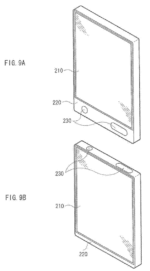
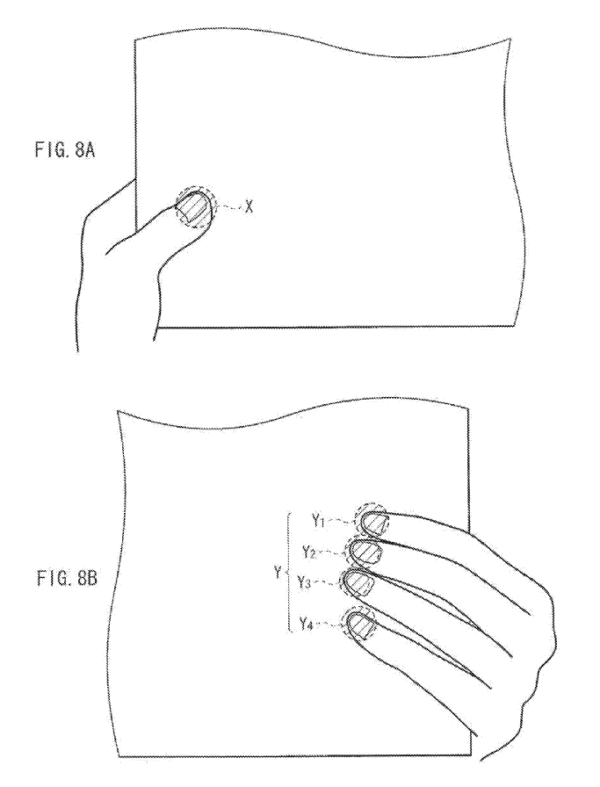
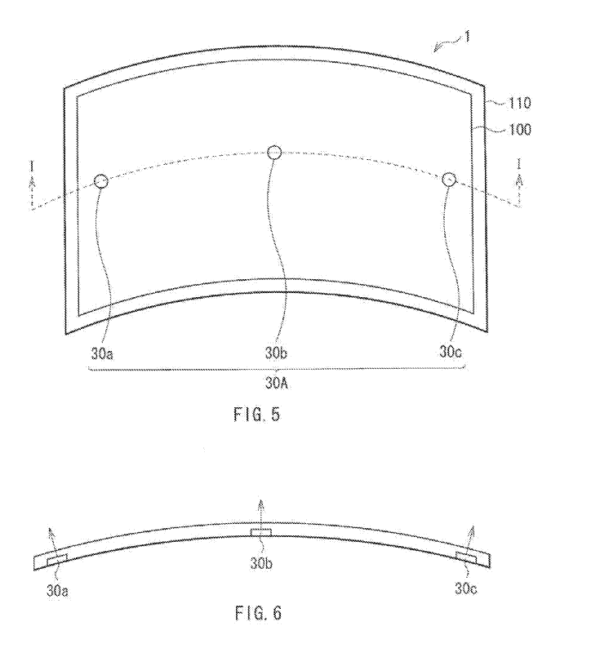
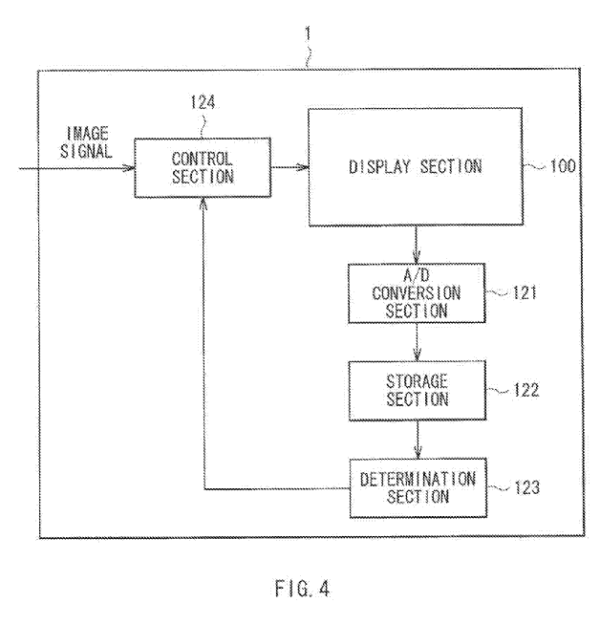
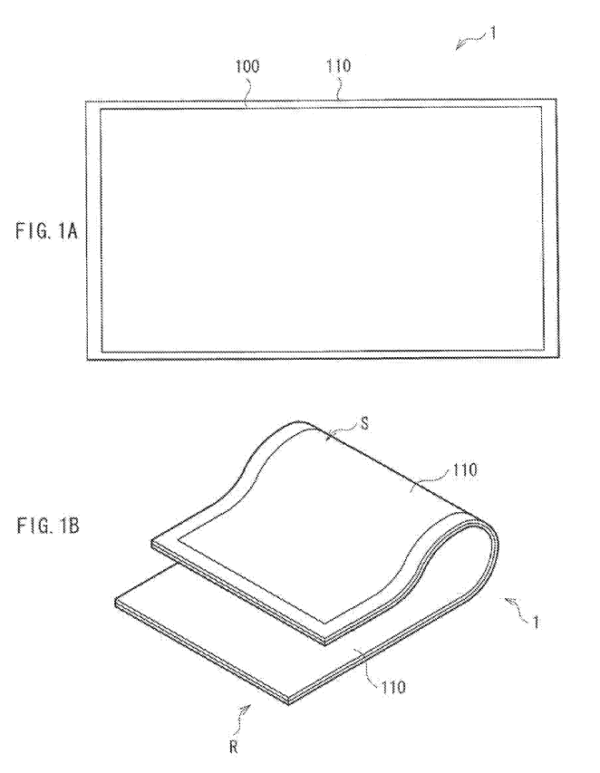
Sony hasn’t been on top of their game as of late, but now we’ve got something new from them. According to LetsGoDigital, the company has just filed a new patent for a foldable smartphone. What makes Sony’s approach unique however is that the patent shows all the common smartphone sensors crammed in the screen, unlike other approaches.
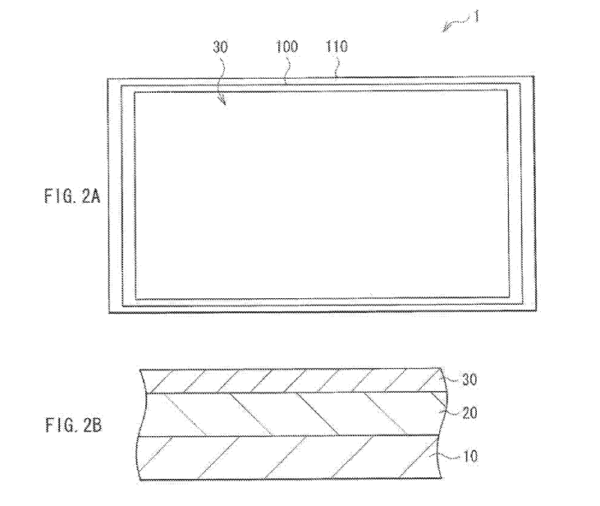
The new foldable smartphone patent from Sony shows a flexible display on the front and back with a pressure sensor, acceleration sensor, and temperature sensor. The company also believes they can have other sensors such as a photosensor and a resistance sensor could also be added to the display. These allow the device to find out how the user is holding their device, which by extension allow the UI to adapt to the user’s holding habits.
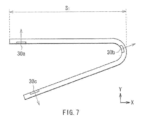
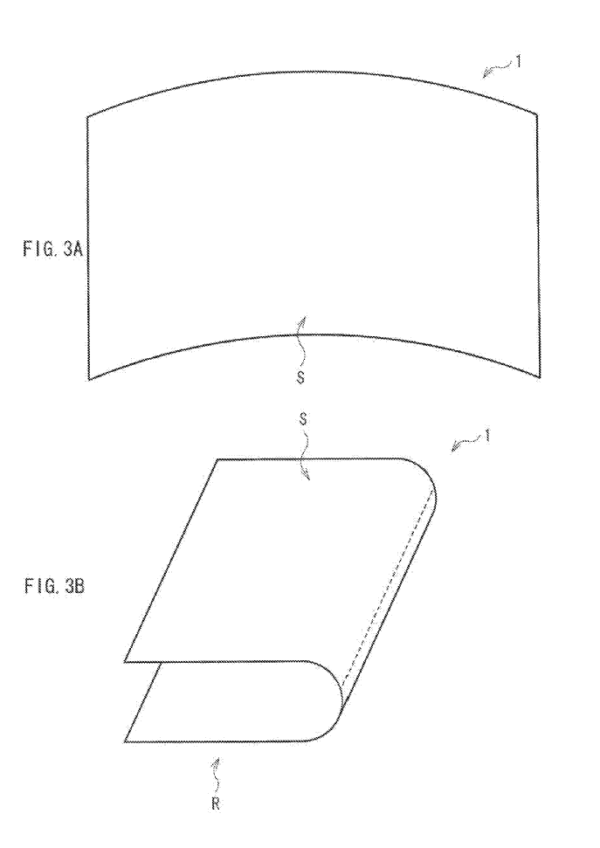
The front and rear sides would have transparent displays, and the smartphone itself would fold together in a curved state. This means it’s unlike Samsung’s approach which involves two displays on the inside and outside of the fold. The company has opted for the display to only be on the outside, which firmly places it in the Huawei Mate X school of folding phones.
There’s no word on when Sony will launch its foldable smartphone or if we’ll even ever see this as a Sony folding phone. But it seems like Samsung and Huawei are pushing forward into the foldable phone sector, and it makes sense that Sony would want to dip in too. Don’t want to be late to the party and need to contend with companies like Xiaomi.
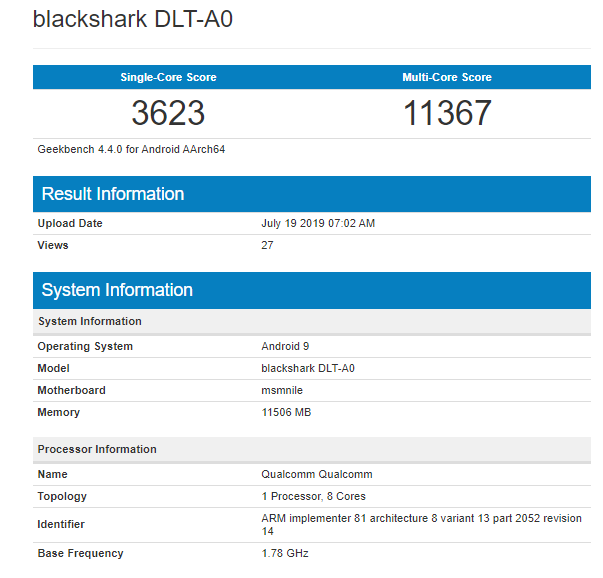
Yesterday Black Shark released a poster revealing that it would launch a Black Shark 2 Pro on July 30. Prior to that, the company had teased that it would release a Snapdragon 855+ phone. We now have confirmation that the Black Shark 2 Pro is the Snapdragon 855+ phone, thanks to a Geekbench listing of the device.
The device was benchmarked yesterday as the “blackshark DLT-A0”. It runs Android 9 Pie and has 12GB of RAM. The device scored 3623 points in the single-core test and 11367 points in the multi-core test. The scores are similar to those of the ROG Phone 2 which is also powered by the Snapdragon 855+ processor, though the Black Shark scored slightly higher.
With respect to design, the Black Shark 2 Pro will likely not differ from the standard version. We also have a feeling the processor will be the only major difference between both phones.
The Black Shark 2 Pro will launch on July 30 and the event will begin at 15:00 China time and end by 17:00.
U.S. officials including Treasury Secretary Steven Mnuchin and White House economic adviser Larry Kudlow will host a meeting at the White House on Monday of semiconductor and software executives to discuss the U.S. ban on Huawei Technologies Co Ltd, two sources briefed on the meeting said on Friday.
A White House official confirmed the meeting would take place, noting that Google and Micron would attend, but said it had been called to discuss economic matters. The subject of Huawei was expected “to come up but that it is not the reason why they are convening the meeting,” said the official, who spoke on condition of anonymity.
The Commerce Department added Huawei to a trade blacklist in May, saying it had “reasonable cause to believe” that the company was “involved in activities contrary to the national security or foreign policy interests of the United States.” As of late however, many have been questioning the decision, especially when it comes to the actual motives behind it.
Commerce Department Secretary Wilbur Ross has said licenses would be issued where there is no threat to national security. Reuters reported that the United States may approve licenses for companies to restart new sales in a matter of weeks. Intel and Qualcomm declined to comment. Google, Micron, Microsoft and Broadcom did not immediately respond to requests for comment.
It becomes challenging in this fast-moving world to use a relocated thing easily on a daily basis. Similar is the situation with the users of Xiaomi devices running on MIUI 10. They are unable to locate the private DNS setting in the newest edition of Xiaomi’s custom skin.
The smartphone users use the custom or private DNS to make the networks more secure and reliable. They also switch to private DNS to obstruct ads on their smartphone. However, Xiaomi removed the private DNS setting from the MIUI 10 due to unknown reasons. Now, users are looking for alternatives to enable private DNS on MIUI 10 running devices.
It is nearly impossible to set, but thanks to the developers at XDA who have found a way to enable the private DNS settings in the MIUI 10. It is a bit tricky and may take some time, but it’s worth it. So let’s begin with the tutorial to enable the private DNS on MIUI 10 without any further delay.
Download and Install the App on your Xiaomi device.
Open the app and then scroll to the Settings area and tap oncom.android.settings.Settings$NetworkDashboardActivity or either type “mor” on the search bar.
Now tap it, and you will be in the network and internet settings where you now can set private DNS.
Done!!
That’s it! Users can now quickly enter any DNS into the respective field and can enjoy the fast, secure and ads-free internet on the smartphone.
If you have any problem while finding the given settings, then do let us know via comments below. We will help you.
Touted as the rebranded Mi CC9e model for the European market, Xiaomi’s long-awaited smartphone dubbed the Mi A3 was launched in Spain earlier this month. The proud owners of this coveted mid-ranger handset are highly likely to spend a considerable amount of on a slew of accessories, especially a phone case.
A phone case is an important mobile phone accessory as it not only enhances the appearance of the device but also improves its overall usability. Here are the top 5 Mi A3 cases that you can buy without emptying your pocket.
360 Degree Protective Armor Phone Case
Made using soft TPU and high-quality PC case materials, the 360 Degree Protective Armor Phone Case looks great from every angle. More importantly, it protects your Mi A3 phone from dirt scratches and other damages.
The phone case is available in various eye-catching color options including gold, rose gold, silver, cadet blue, black, red, and blue. You can buy the 360 Degree Protective Armor Phone Case for just $4.81 from Gearbest by following this link.
Available in three appealing color versions including red, black, and cadet blue, the Luxury Lichee Grain Anti-Drop Soft TPU Phone Case is a great choice when it comes to protecting your Xiaomi Mi A3 smartphone from damages. It is shock absorbent, anti-scratch, and also anti-fingerprint.
Aside from holding the phone firmly, the Luxury Lichee Grain Anti-Drop Soft TPU Phone Case provides comprehensive protection to the backside of your device. It also offers full edge protection while its thick four corners minimize the drop impact.
You can buy the Luxury Lichee Grain Anti-Drop Soft TPU Phone Case from Gearbest if you are willing to shell out $4.83. You can visit this link to place your order. Note that the product will ship from July 23rd – July 25th.
This high-quality, fashionable case is compatible with the Xiaomi Mi A3 smartphone. It offers a comfortable grip and much-needed protection against accidental drop. Since the case is made using TPU material, you can effortlessly remove and put back your phone inside it.
The black-tinted version of this Shockproof TPU Phone Case is now available for just $1.93 on Gearbest. You can click here to buy it now.
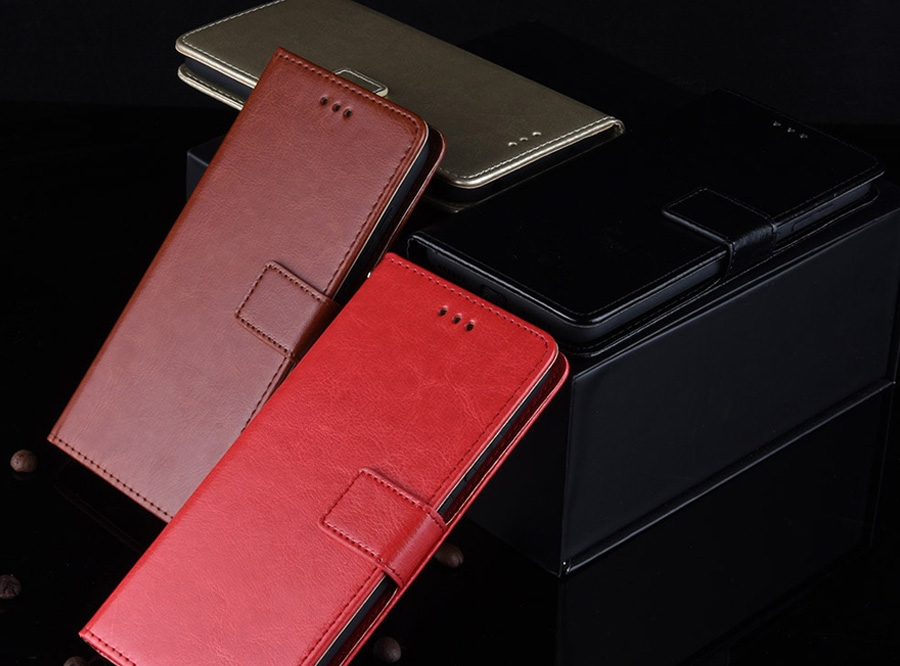
Designed to offer full-body protection to the Mi A3 smartphone, the Crazy Horse PU Leather Phone Case is made of reliable PU leather. It comes with a credit card slot, allowing you to store your cards safely.
Moreover, it boasts a phone stand holder feature so that you can enjoy your favorite video with a better viewing angle. Sporting a flip-open style, the Crazy Horse PU Leather Phone Case is anti-drop and shock-resistant.
This phone case is available in red, gold, brown and black color options carrying a $6.50 price tag on Gearbest. You can follow this link to order your favorite color option of the Crazy Horse PU Leather Phone Case.
In a bid to offer overall protection to your MI A3 smartphone, the Protective Phone Case Armour Cover can withstand shocks, scratches, and is even anti-fingerprint to ensure your phone’s screen stays easily readable all the time.
It not only holds the phone firmly but also protects the backside of the handset. Its thick four corners, on the other hand, ensures complete edge protection and reduces the impact of drops.
The Protective Phone Case Armour Cover for Xiaomi Mi A3 comes in multiple color options including army green, black, cadet blue, brown and gray. You can buy your favorite color version of the phone case for $4.97 from Gearbest by clicking here.
It looks like Xiaomi fans are in for a treat! The Chinese electronics giant has collaborated with Banggood to launch the Xiaomi Flagship Products Mi Series Sale.
As part of this recently kicked off promo, Banggood users can get their hands on their favorite Mi series products without spending a lot of money. The products have carefully been divided into specific categories to facilitate and simplify the search process.
The Editor’s Choice category features a slew of well-received handsets including the Mi 9, Mi 9T, three variants of the Note 7. More importantly, you can buy these devices for considerably lowered prices.
For instance, the 6GBRAM+64GB ROM Xiaomi Mi 9T smartphone usually sells for $509.99, but you can now buy it for just $436.99. You can even extend this 15 percent discount with the help of coupon code BG79T64EU. After applying the coupon, the retail price drops to only $287.97.
Likewise, you can use specific coupon codes to avail extra discounts on the 128GB variant of the Mi 9T, the 32GB, and the 64GB Note 7 models. Let’s take a gander at the rest of the categories.
The next section called The Bestsellers is teeming with well-received mobile phones carrying heavily discounted prices. You can use coupons to reduce the original asking prices of the phones available under this category.
If you have restlessly been waiting to get your hands on a OnePlus-branded phone but holding yourself back due to the steep prices they carry, Banggood’s got your back! The Chinese online store that guarantees the best bang for your buck offers the four handsets from the Chinese smartphone manufacturer for lowered prices.
For example, the recently unveiled OnePlus 7 Pro smartphone offering 6GB of RAM and 128GB of internal storage capacity usually carries a steep $1,099.99 price tag, but you can now buy it for a considerably lowered price of only $853.99.
You can visit the activity page and take advantage of these discounts by visiting this link.
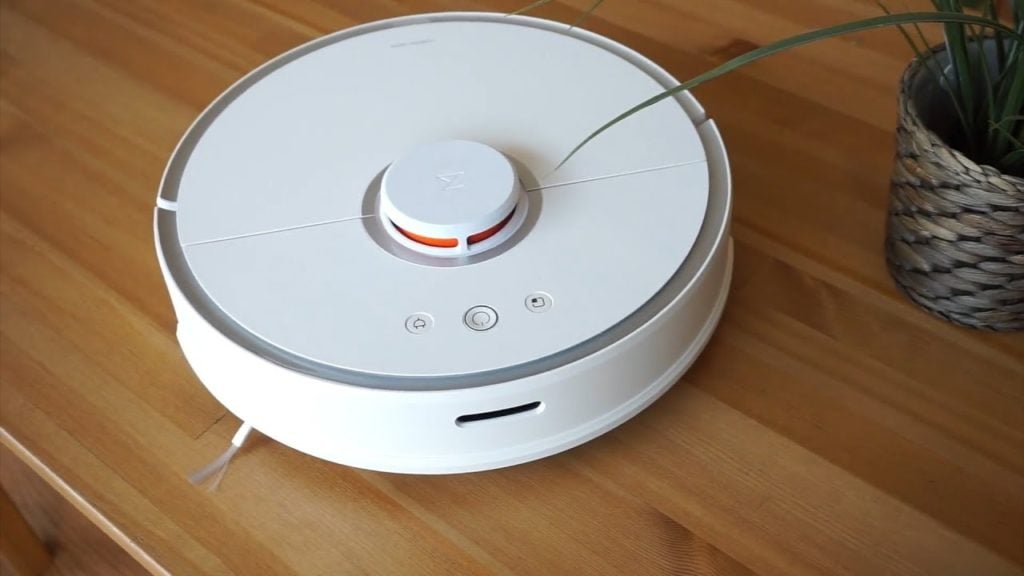
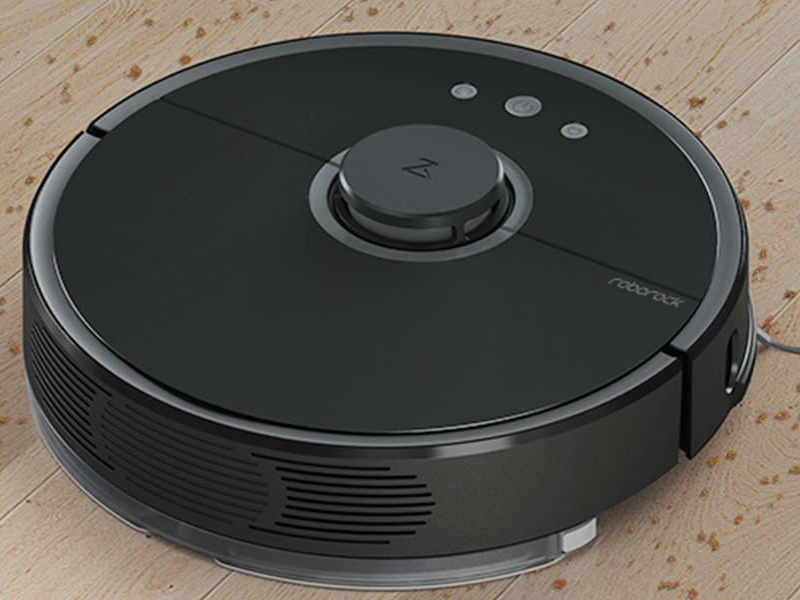
If you have dabbled in the smart robot vacuum cleaner market, you’ve probably heard of Roborock. In collaboration with Xiaomi, the popular brand offer top-end robotic home cleaners and other cleaning appliances.
Roborock has now teamed-up with Gearbest in a bid to make its S50 and S55 robot vacuum cleaners available to those who fancy keeping their surrounding clean and tidy all the time. Moreover, you can get you to get your hands on the aforesaid appliances at lowered prices.
Aside from shedding light on the discounts available on the Roborock S50, and the Roborock S55 smart robot vacuum cleaners, we will show how you can save more money during the check out process. So without wasting more time, let’s check out the details.
Roborock S50 Smart Robot Vacuum Cleaner
Marketed as a highly intelligent home cleaning device, the Roborock S50 features an improved 2 in 1 Sweep and Mop, allowing you to sweep the floor and even polish it using the mopping pad. It is backed by a robust 5200mAh battery which in full charge delivers 2.5 hours cleaning for a house of 250 square meters.
This Roborock S50 Second-Generation International Version would normally set you back $659.63, but you can buy it for a lowered price of just $429.99 from GearBest. You can even extend this 35 percent discount by applying coupon code GBSTSDJ348.
The coupon helps you get an extra $70 off. As a result, you can buy the Roborock S50 Smart Robot Vacuum Cleaner for just $359.99. With 40 units already sold, this promo will be valid only for one day. You can click here to avail the discount and use the coupon.
The Roborock S55 adopts the LDS (Laser Distance Sensor) technology for scanning its surrounding 360 degrees and determining the interior of your house. It is powered by a brushless motor and draws its juices from a 5200mAh Li-ion battery that delivers about 2.5 hours of cleaning.
While you’d normally end up shelling out $562.78 on the feature-laden Roborock S55 Smart Vacuum Cleaner, it has now gone up for sale bearing a lowered price of only $429.99 on Gearbest. This is a 24 percent reduction in the device’s original asking price.
On top of that, you can use coupon code GBSTSDJ379 for an extra $50 off. In other words, you can bring the already lowered asking price of the Roborock S55 Smart Vacuum Cleaner further down to just $379.99 at checkout.
You can visit this link to take advantage of the coupon and grab the discount before the promo wraps up. It is worth noting that 100 units were already sold at the time of writing.
The demand for semiconductors is expected to experience a decline this year but that may not be applicable to all segments of the market. Taiwanese semiconductor company TSMC is projecting that the demand for cutting-edge processors will increase, thanks to sales of early 5G devices. As a result of this, the company is preparing to roll out more advanced technology way ahead of schedule, according to news from the company’s latest quarterly earnings conference.
During the conference, the chipmaker also hinted that its new 5-nanometer (nm) chipmaking process will begin volume production in the first half of 2020. This will enable the first 5nm chips to hit stores around this period next year. 5nm chips come with a smaller size than 7nm and are expected to deliver greater power efficiency and/or more processing capability, depending on the needs of the chip designer. The 5nm process is expected to enable CPUs that previously fit into smartphones to shrink into wearables such as AR glasses and earphones while using smaller batteries and delivering previously unachievable experiences. It will also enable next year’s 5G devices to deliver as much or more power as today’s models while running cooler, with less energy consumption.
We recall that TSMC became the first to utilise the 7nm chips in large quantity. The 7nm chipsets were utilised by key customers such as Apple and Huawei. The Snapdragon 855 was built on the 7nm wafer but Qualcomm will be utilising Samsung’s 7nm process for the next-gen flagship Qualcomm SoC. It is said to be faster. TSMC isn’t planning to abandon its own 7nm process, though. Instead, the company is expanding the 7nm capacity to meet growing demand, particularly from makers of 5G wireless devices. Company CFO Lora Ho expects strong demand from 5G smartphone and base station makers, though not enough to completely offset slowing demand for older, larger pre-5G parts. TSMC now manufactures chips for companies that include AMD and Intel, with Samsung as its largest and most advanced competitor.
Xiaomi‘s crowdfunding platform has been the rallying point for most of the interesting gadgets that have been launched by the company. Last year, Xiaomi crowdfunded a sleek CIGA design mechanical watch. The product turned out to be a very popular one, perhaps because of the affordable pricing and the design. Of course, durability played a key role because mechanical watches never die.
The company has now announced a second-generation model of the mechanical watch which it dubs T-series CIGA Design mechanical watch. The watch utilises a transparent design which shows the stainless steel mechanical components crammed inside. You get to see both the bottom and top insides of the watch.
The is purely mechanical and doesn’t feature any other component other than the mechanical parts. It is a minimalist design but the finishing gives it a classy and premium look.
The T-Series CIGA Design mechanical watch costs 499 yuan ($72) during the crowdfunding exercise. However, after the crowdfunding exercise, the watch will be 699 yuan ($101). The watch is available in two versions differentiated by the colour of the rubber straps. There are black and orange straps. Usually, mechanical watches have a business exec accessory-like outlook due to leather straps they usually feature. The CIGA Design mechanical watch looks sporty due to the rubber straps.
Earlier today, we reported that Meizu’s VP and co-founder Li Nan has left the company. Today, two top executives at Xiaomi have also left. First is Donovan Sung who is the company’s Global Spokesman and Director of Product Management and the second is Jai Mani, head of product of the POCO division.
Donovan Sung took to Twitter early today to reveal that this will be his last month at Xiaomi. The Chinese American joined Xiaomi five years ago and has been a part of the team that helped with its expansion into new countries.
It’s my last month at #Xiaomi. 5 years, 80+ countries, 260M+ Mi Fans worldwide. My first time living outside the US in a foreign country. India's #1SmartphoneBrand. Absolutely incredible team. Loved every minute.
In the stream of tweets announcing his exit from the company, he revealed he will be joining Google in Singapore to help with the advancement of their payment system (Google Pay) in emerging markets.
On the other hand, Jai Mani who used to be the product manager of the POCOPHONE brand didn’t make any announcement but his Twitter bio now says ex-Product Manager of POCOCPHONE and Xiaomi India.
According to Android Central, Jai Mani has also been with Xiaomi for five years. He was hired by Hugo Barra who was once the global VP of Xiaomi. Part of Mani’s achievement is the POCOPHONE F1. He played a key role in the development of the phone that took 2018 by surprise. There is still no news of a successor and with the product manager gone now, things look bleak.
His Twitter bio reads that he is interested in healthcare + technology with a focus on mental health. He also stated that his DM is open which means he is yet to have a new role somewhere else.
We wish both of them the best in their future endeavors.
Android is the most popular smartphone Operating System. It has a massive 86% share in the global smartphone market from the past many years. The vast user base on Android platform has also attracted various app developers. As a result, there are thousands of free apps on the Google Play Store. Most of these apps display advertisements for monetization.
The advertisements help developers to sustain and earn their livelihood. A well-optimized ad always helps in conversions and brings a better user experience. However, the incorrect placement and the over-optimization of ads are too annoying and intrusive. It hampers the overall experience. Some Chinese OEMs also display banner advertisements to generate revenue and bridge the profits. Xiaomi is a perfect example following the same tactic to garner some benefits. There are many other ways through which developers are injecting ads and are deteriorating the overall user-experience. It is the only reason which forces users to block unnecessary advertisements. However, some developers offer a premium ads-free version of their apps, but still many users prefer free version.
There are many ways to remove system-wide ads on Android, but most of them need root access. Those who are claiming to block without root are either not effective or drain the battery. To give you respite, we have come across such an app which allows users to block ads on your smartphone entirely. It even gives you the option to toggle advertisements on different apps.
The app called DNS66 is an Android app developed by Julian Klode, it blocks advertisements at the DNS level. It is effective as it does not slow down your device. It is better than any other VPN-based adblocker and considerably is more efficient as it does not drain the battery. The new app even saves bandwidth. However, there are many similar apps such as Netguard, AdGuard, No root ad-blocker, and others. Unlike its competitors, Klode’s ad-blocking app is open source and free.
Note: GizmoChina does not support blocking the ads as it is the sole source of income for publishers and developers. GizmoChina does not endorse the removal of ads. People should show some love towards the developers and publishers who work to bring useful information and entertainment for them.
Authorize smartphone to install apps from “unknown sources.”
Steps: Block System-Wide ads on Android
Follow the steps below carefully to get rid of the annoying ads on your smartphone without root.
Enable smartphone to install apps from third-party sources by enabling “Unknown sources” installation. You can head over to Settings>Security>Unknown sources and then enable it.
Download APK from above and install it on your smartphone.
Once done with the installation, open the app and ‘Get Started’ guide will pop up to let make aware of the features. The start screen will allow you to choose the ‘Resume on system start-up‘ option. Note: The DNS66 app will affect the battery in the beginning, but once it is fully working with optimal settings, there won’t be any significant battery drain.
User can easily filter and block the selected ads. The app carries ‘Hosts‘ tab, which gives the ability to filter hosts. The user can toggle every ad host passing data over your device.
After refreshing the hosts’ tab, you will get the full list of ad hosts serving ads on your device. You can deny or allow access to each host.
Once you’re done with the selection of hosts, browse back to the app home.
On the Home or Start interface, the user can quickly initiate the VPN connection to block ads by pressing the ‘Start‘ button at the bottom of the page.
DNS66 app also carries the capability to bypass the selected app to show ads. It is a necessary feature, as the user can enable advertisements on apps which are not affecting user experience.
User can easily enable or disable the service from the notification bar. The app will show a small key icon on the notification bar while the service is active.
It is the most logical, efficient, and effective way to block ads on the Android system.
Steps to Block Ads on Android without any App
It is easily possible to block ads on any Android device without installing any application on your smartphone. It is really to block unnecessary ads from your device by following these points:
Open your device’s Settings>WiFi&Internet or More Connection Settings > Private DNS.
Tap the Private DNS provider hostname option.
Now you can select any one of all these DNS options to get protection from a specific type of ads:
– dns.adguard.com- dns-family.adguard.com (To block adult sites)
– dot-de.blahdns.com (small hobby project with AdBlock)
After typing the relevant DNS in the field, Press ‘Save.‘
Now, you can enjoy ad-free browsing.
For Chrome users, there’s an additional step to disable #enable-async-dns flag by going into the chrome://flags.
Xiaomi Users also need to perform an additional step to enable the private DNS. (Note: Private DNS setting is disabled on MIUI 10 devices. So, this is a must step for Xiaomi MIUI 10 users.)
These are a few methods to eliminate advertisements on your Android device without affecting the battery life. If you have any other option, do let us know also.
We use cookies on our website to give you the most relevant experience by remembering your preferences and repeat visits. By clicking “Accept”, you consent to the use of ALL the cookies.
This website uses cookies to improve your experience while you navigate through the website. Out of these, the cookies that are categorized as necessary are stored on your browser as they are essential for the working of basic functionalities of the website. We also use third-party cookies that help us analyze and understand how you use this website. These cookies will be stored in your browser only with your consent. You also have the option to opt-out of these cookies. But opting out of some of these cookies may affect your browsing experience.
Necessary cookies are absolutely essential for the website to function properly. This category only includes cookies that ensures basic functionalities and security features of the website. These cookies do not store any personal information.
Any cookies that may not be particularly necessary for the website to function and is used specifically to collect user personal data via analytics, ads, other embedded contents are termed as non-necessary cookies. It is mandatory to procure user consent prior to running these cookies on your website.