Earlier this year, Samsung announced the Galaxy Tab S5e – an upper mid-range tablet with a Snapdragon 670 processor. It is also Samsung’s slimmest tablet so far. Now it seems the main flagship tablet – the Galaxy Tab S5 – is coming soon based on a new Geekbench listing.
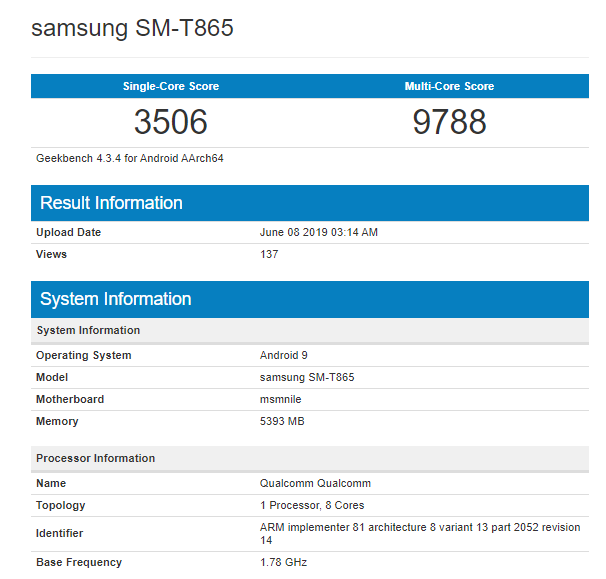
The device which was benchmarked yesterday has the model number SM-T865. The benchmark result shows it has 6GB of RAM and runs Android 9 Pie. The tablet is powered by the Snapdragon 855 processor just like the Galaxy S10 series. Its single-core score is 3506 while its multi-core score is 9788. The latter is low compared to that of other devices powered by the same chipset as a lot of them score over 10,000 points.
We are in the dark with respect to the rest of the specs and even its design but we have a few guesses. First, the audio jack might be removed on the Galaxy Tab S5. Samsung already removed the audio jack in the Galaxy Tab S5e to achieve its impressively thin design, so there is a chance the Tab S5 may follow suit. The screen size may remain unchanged but the bezels may get smaller.
We are not sure if Samsung will bring back the fingerprint scanner and put it on the side like on the S5e. If it doesn’t, we will have to make do with an Iris Scanner. Lastly, When the tablet launches, it should also come with the new One UI interface.
The Vivo X27 has been out for quite a while now, but it seems like it’s doing well. Vivo have announced a brand new colour variant for the device, that being Symphony Summer. It seems to be very similar to a simple rose gold, but it’s also got some cool light refraction effects. It’s certainly very different from the other colours currently available.
The Vivo X27 has a 6.39-inch FHD+ Super AMOLED display with super thin bezels on nearly all of its sides. There are two variants – one is powered by the Snapdragon 675 with 8GB of RAM and 128GB of storage while the other is powered by the Snapdragon 710 processor with 8GB of RAM and 256GB of storage.
The Vivo X27 has a 16MP pop-up selfie camera that slides out in just 0.68s with colorful light strips flanking it on each side. The LED lights are customizable and can change between six different colors. On the back of the phone is a 48MP f/1.79 Sony IMX586 primary camera, a 13MP wide-angle camera, and a 5MP depth-sensing camera.
The phone runs FunTouch OS 9 based on Android 9 out of the box. The latest iteration of Funtouch OS has several new features. It runs a 4000mAh battery with support for Vivo’s own FlashCharge 22.5W fast-charging technology. There is Vivo’s 6th generation in-display fingerprint scanner for security as well. Not much else to add, it’s just the Vivo X27 again.
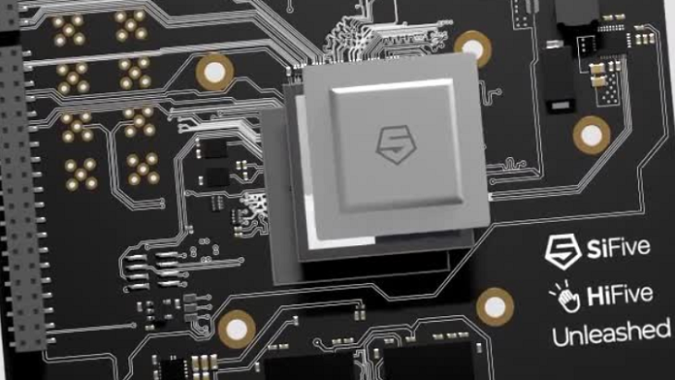
ARM’s been in the news more and more lately. They are after all one of the leaders when it comes to processor instruction sets. Outside of Intel’s x86, we haven’t really seen any real competitor to ARM, at least until now. Sifive is a plucky startup that utilizes the open source RISC-V instruction set for their processors.
While they’ve been slowly growing over the past few years, the Californian company’s latest round of fundraising has been a staggering success. They managed to raise $65.4 million in a Series D round, the company said, bringing its total funding to more than $125 million. What’s most intriguing however is the listing of Qualcomm‘s venture group as an investor.
Qualcomm has long been of the biggest customers for ARM, so seeing them financially back a direct competitor is definitely very interesting. Granted, RISC-V can’t really compete with ARM yet when it comes to mobile phone processors. While RISC-V chips are becoming more prominent, they’re mainly used for IoT devices, smartwatches, network and wearables, and not smartphones and tablets.
Now, whether ARM should be worried about this recent development is another story. While RISC-V doesn’t post a threat to ARM right now, the sheer speed of RISC-V’s development could change this. On top of that, it’s clear that some part of ARM already sees the open-source architecture as a threat, so we can only imagine what they’re thinking now.
We’re eager to see more from SiFive in the future, as well as who else decides to invest in them. As of right now, we’ve got Qualcomm, as well as fellow chip manufacturer Intel and Korean giant Samsung. We expect more companies to push for the open source alternative soon. We could be in for some extremely interesting times in the tech world.
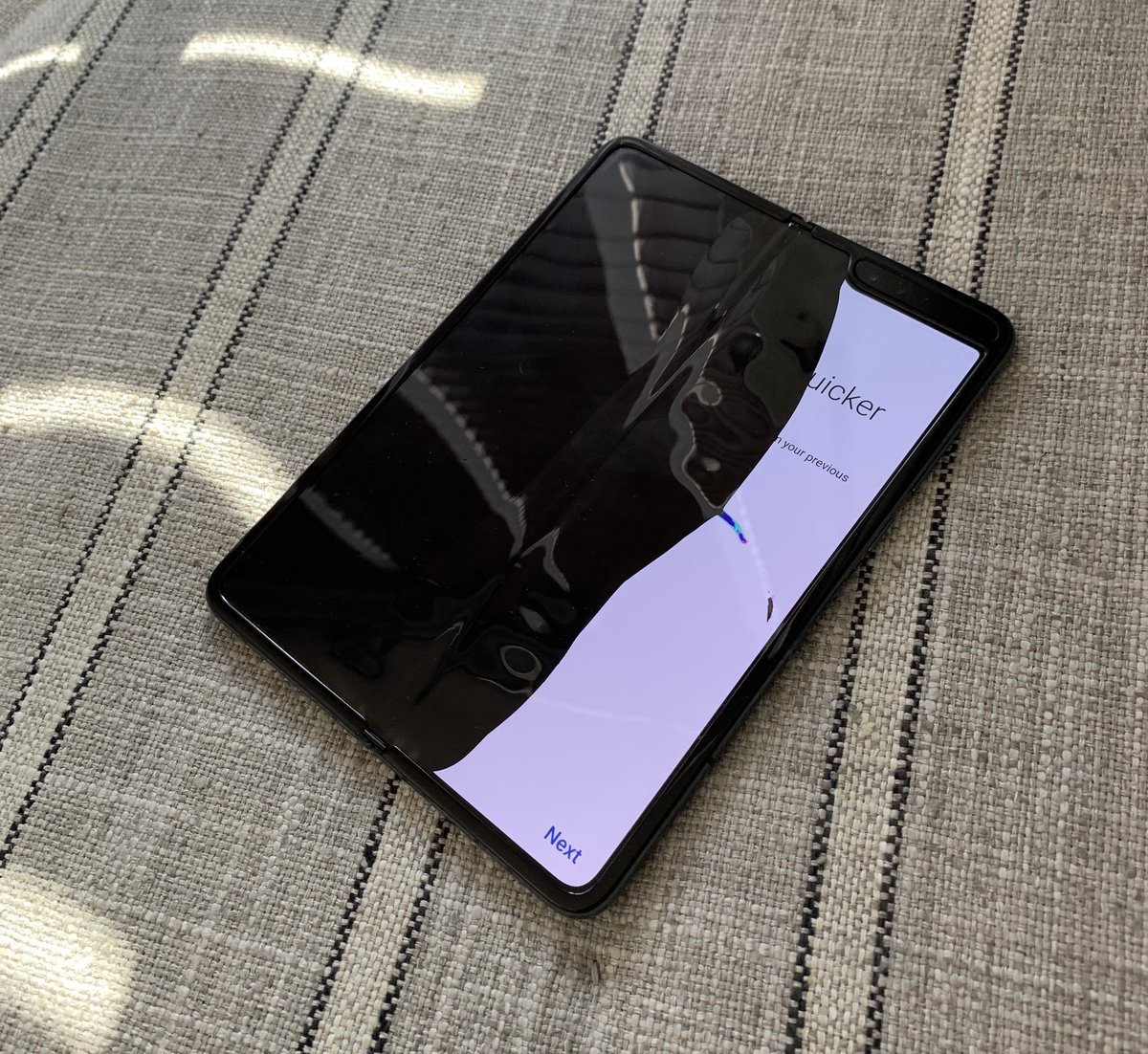
Samsung was obviously racing against time to become the first OEM to release a foldable smartphone. The tech giant was on the verge of a massive breakthrough when disaster struck. The Galaxy Fold units sent out to reviewers were being plagued by one issue or the other. This development prompted the tech giant to put off the sales plans unit the issues were resolved. Samsung is yet to officially reveal the release details for the device. However, the end of the wait seems to be in sight as a Samsung executive has been reported to have hinted that the Galaxy Fold may get released sometime in July.
This is the most specific disclosure we have gotten about the Fold’s release even though it still doesn’t confirm anything. The Fold will likely get different release dates for different regions. Samsung is expected to host an official conference where it could announce the July launch date soon.
Samsung unveiled the Galaxy Fold alongside the Galaxy S10 models during the Galaxy Unpacked event held in March. The Fold has gained widespread attention due to the practicability of its design and the “protection” it offers the delicate flexible panel with the in-fold design it adopts.
The ASUS Zenfone 6 is receiving yet another update following its launch less than a month ago. This new update also brings a new feature and optimizations to the cameras.
The new update comes as version 16.1210.1904.133. The changelog says “Super Night Mode” is now enabled on the ultra-wide camera (the 13MP sensor). With this, owners will be able to take better wide-angle photos in low-light. The update also improves camera rotation stability.
Below is the rest of the changelog:
Get the weather displayed on the lock screen.
Optimize the translation string in the settings.
Improve system stability.
Optimize UI animation.
Optimize the headphone sound quality.
The update is rolling out gradually, so it might take a few days before it arrives on your device. If you don’t want to wait for the OTA, you can download the full firmware here, extract it into your phone’s internal storage and your phone should detect the update and alert you to install it.
When it comes to the flagship race, HMD Global has been left behind this year. Its Nokia 9 PureView flagship which has 5 rear cameras might take better photos than some of this year’s flagship but it falls short in performance as it uses last year’s Snapdragon 845 processor.
There are reports the Finnish company will launch a 5G smartphone this year which might be the successor to the Nokia 9 PureView. However, new details have surfaced and they reveal there will be two Nokia 5G smartphones this year as well as when they are expected to arrive.
According to the report by Nokia Power User, the info is from the same source that informed them about the Nokia 2.2 which turned out to be accurate.
The source says one of the 5G phones will be the flagship 5G phone powered by the Snapdragon 855 processor while the other is called the value flagship and may come with a Snapdragon 700 series processor. HMD Global’s current value flagship is the Nokia 8.1 which has led to speculations that the second 5G phone may be a successor to the 2018 phone and may be called the Nokia 8.2.
Both phones are expected to launch towards the end of the third quarter, so there is still a lot of waiting to do.
The source didn’t reveal any info about the design of the two phones but we will be surprised if one of them doesn’t have a punch hole display.
Xiaomi recently announced the first line-up of high-end smartphones under the Redmi sub-brand: their names are Redmi K20 and K20 Pro. The former is currently hitting the European market in a re-branded version called Xiaomi Mi 9T. And it is going to be one of the best options in the whole upper-midrange segment. Alongside this handset, two more upper-midrange smartphones are coming in the global market in this period. We are talking about the new Oppo Reno Z and the Motorola One Vision which will be available in the same price range. If you are looking for a phone priced around €300, then these three options are perfect for you, but which one is the best? Let’s find out together with a specs comparison.
Xiaomi Mi 9T vs Oppo Reno Z vs Motorola One Vision
Xiaomi Mi 9T
Oppo Reno Z
Motorola One Vision
DIMENSIONS AND WEIGHT
156.7 x 74.3 x 8.8 mm, 191 grams
157.3 x 74.9 x 9.1 mm, 186 grams
160.1 x 71.2 x 8.7 mm, 180 grams
DISPLAY
6.39 inches, 1080 x 2340p (Full HD+), 403 ppi, AMOLED
6.4 inches, 1080 x 2340p (Full HD+), 403 ppi, AMOLED
Triple 48 + 13 + 8 MP f/1.8 and f/2.4 and f/2.4
20 MP f/2.2 front camera
Dual 48 + 5 MP f/1.7 and f/2.4
32 MP f/2.0 front camera
Dual 48 + 5 MP f/1.7 and f/2.2
25 MP f/2.0 front camera
BATTERY
4000 mAh, fast charging 18W
4035 mAh, fast charging with VOOC 3.0
3500 mAh, fast charging 15W
ADDITIONAL FEATURES
Dual SIM slot
Dual SIM slot
Hybrid Dual SIM slot
Design
We usually award the most innovative form factors and, in this case, the most innovative designs belong to the Xiaomi Mi 9T and the Motorola One Vision. The former comes with a pop-up design and no holes on the display, while the latter has a tall punch-hole display which includes a selfie camera. I like both the punch-hole and the pop-up designs, but I personally prefer the Xiaomi Mi 9T due to its stunning glass back and the in-display fingerprint reader making the rear side cleaner. Some may still go for the Reno Z for its cleaner and original glass back, but Xiaomi Mi 9T is undoubtedly the most stunning one for me.
Display
Despite having a very tall and cinematic 21:9 aspect ratio, the display of the Motorola One Vision is not able to provide the same viewing quality as the Xiaomi Mi 9T which takes the first place even in the display comparison, alongside the Reno Z. Xiaomi Mi 9T is equipped with a bezel-less and notch-less display supporting the HDR standard for richer colors. It even has deeper blacks thanks to the AMOLED panel, as well as an in-display fingerprint reader. Even Oppo Reno Z is HDR-compliant, but it has a notch.
Specs & Software
Noone of these handsets is a flagship, but they still feature advanced performances. The most powerful is the Xiaomi Mi 9T equipped with the best Snapdragon 7xx series chipset by Qualcomm: the Snapdragon 730. If you want a better SoC than this, you can only go for the Snapdragon 8xx series which includes all Qualcomm’s flagship processors. Xiaomi Mi 9T also comes with up to 8 GB of RAM and up to 256 GB of internal storage, so it is almost a flagship. On the other hand, despite having a way cheaper Snapdragon 660, Motorola One Vision is still a very valid device as it is part of the Android One program. So, it comes with a lightweight stock Android version which will be updated faster and for a lot of time, directly by Google. Oppo Reno Z sits in the middle with a pretty nice Helio P90 chipset and 6 GB of RAM.
Camera
All of these devices come with a great camera department, but I personally like the photo quality of the Xiaomi Mi 9T and Motorola One Visione more than the Oppo Reno Z. Xiaomi Mi 9T is essentially a more versatile device as it comes with both ultrawide sensor and telephoto lens with 2x optical zoom. But Motorola One Vision has a more stunning photo quality in low-light conditions thanks to OIS and a bright f/1.7 aperture for the main sensor. Do you prefer a slightly inferior photo quality with a more versatile camera department or a better photo quality without ultrawide sensors and optical zoom?
Battery
Unfortunately, we still had no chance to test the battery life of the whole trio. As for now, we can tell you that Xiaomi Mi 9T and Oppo Reno Z may last noticeably more than Motorola One Vision on a single charge, while there should not be an important difference in battery life between Mi 9T and Reno Z.
Price
Xiaomi Mi 9T’s official price is still unknown at the moment, but it should cost around €350/$400. Motorola One Vision starts from €300/$340, while Oppo Reno Z costs €330/$375 in Asia but it is still not available in Europe. Overall, Xiaomi Mi 9T is a better option due to its amazing display, big battery, and awesome hardware.
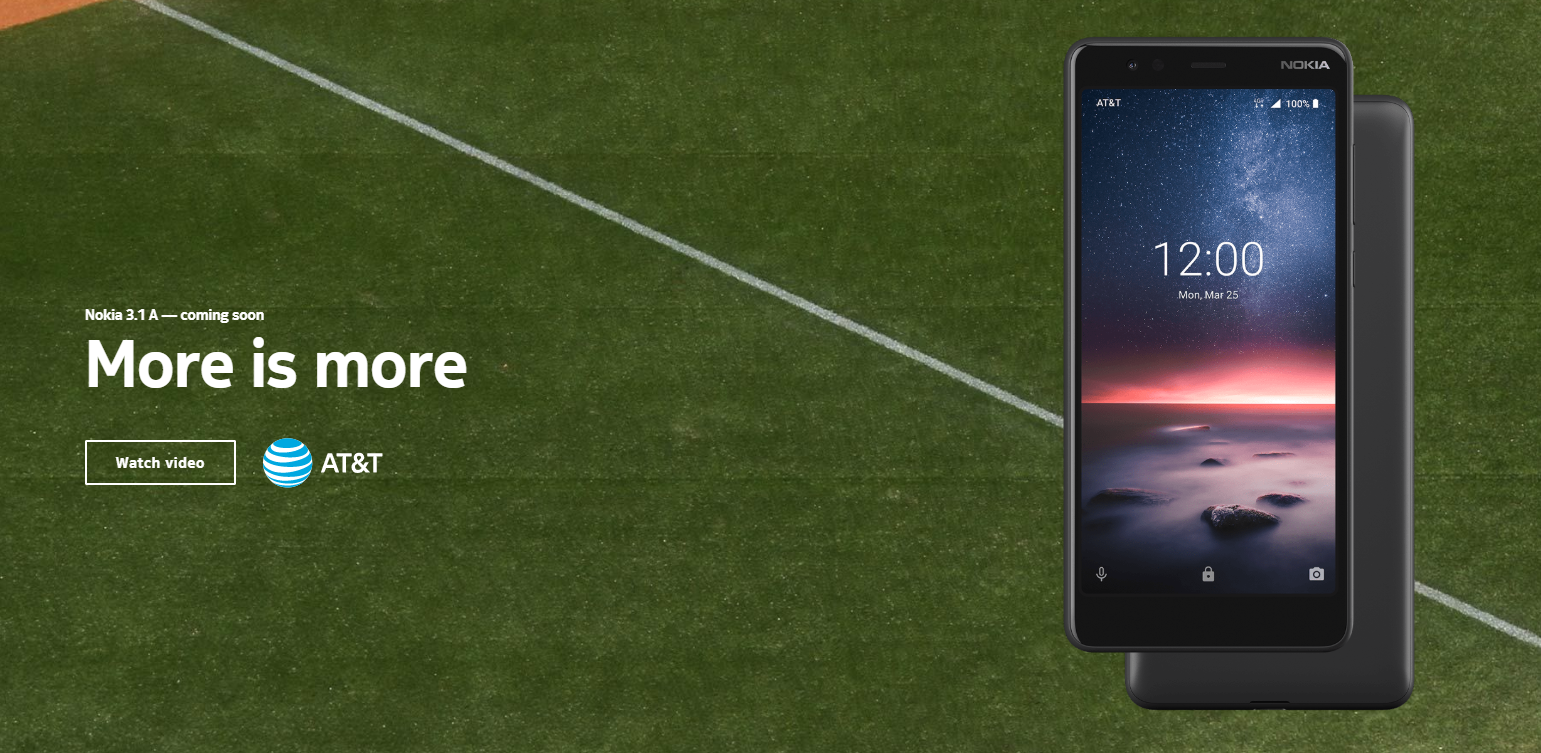
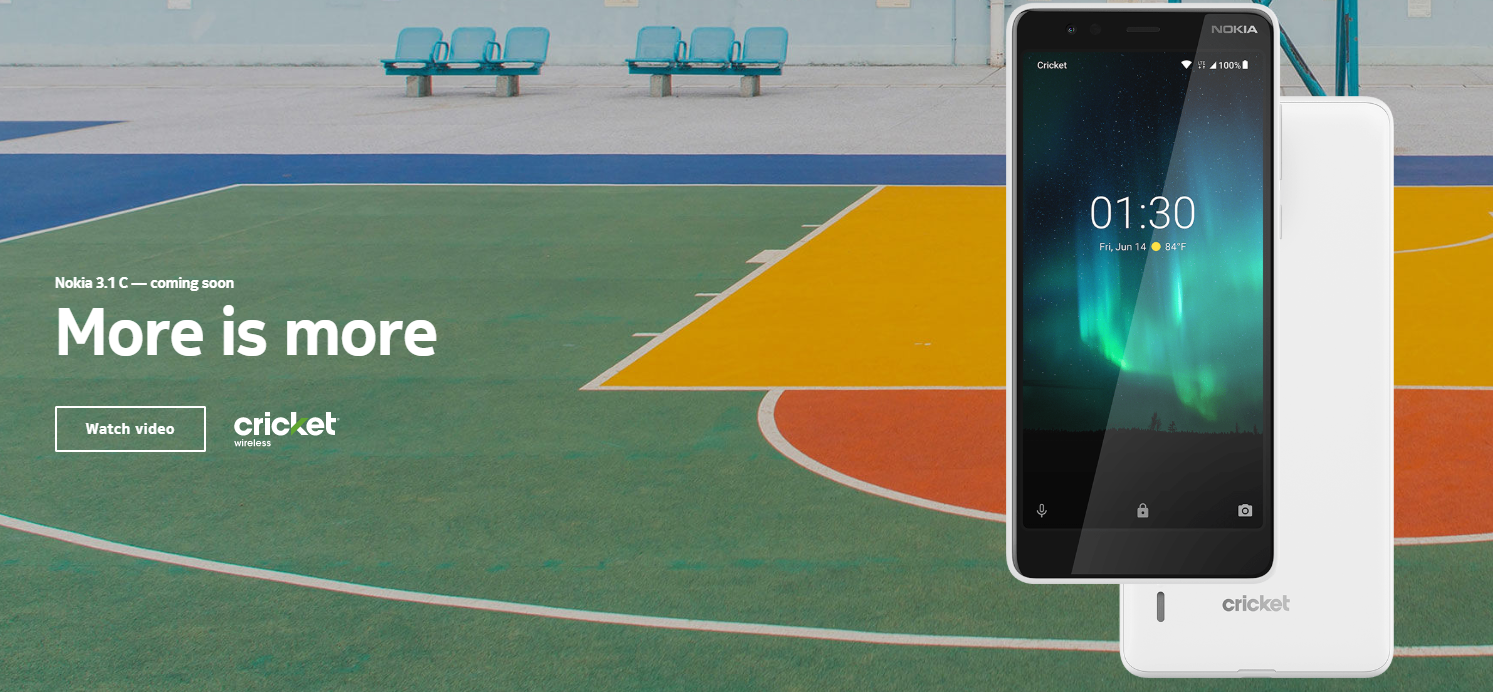
After announcing the Nokia 2.2, HMD Global has launched the Nokia 3.1A and Nokia 3.1C exclusively for US carriers AT&T and Cricket Wireless. Both phones have the same specs but come in different color variants for the two carriers.
The Nokia 3.1A and Nokia 3.1C have a 5.45-inch HD+ display. They are powered by the Snapdragon 429 processor paired with 2GB of RAM and 32GB of expandable storage. They have a polycarbonate body and a cut out in the back for the speaker.
There is a single 8MP camera on the back with support for Motion Photos and a 5MP camera in front for selfies. There is no fingerprint scanner but HMD Global has included a USB Type-C port which is surprising for an entry-level phone. They run Android Pie with Google Assistant on board but are not part of the Android One program. There is Bluetooth 5.0, a single Nano-SIM slot, and 2.4GHz Wi-Fi. They also have a 2990mAh battery with a promise of 2-day battery life.
The Nokia 3.1A comes in Black with AT&T’s logo in white at the bottom while the Nokia 3.1C comes in White. There is no info on the price yet but the Nokia 3.1A will be available at select Walmart stores on Monday, June 10, while the Nokia 3.1C will be available on June 14.
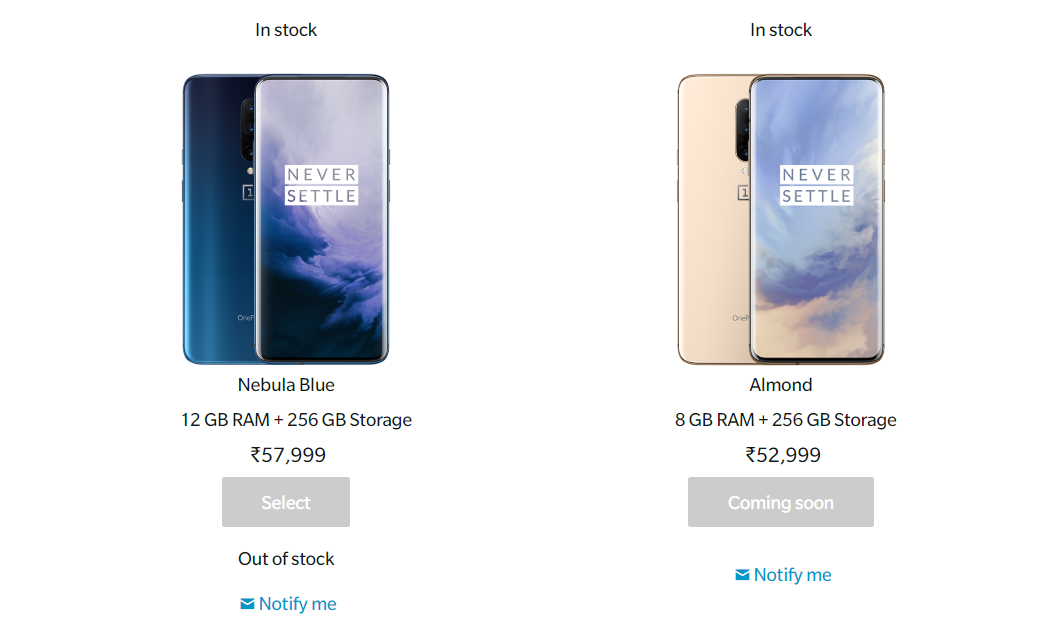
The OnePlus 7 Pro comes in Mirror gray, Nebula Blue, and Almond. However, only the first two colors are available in India at the moment. Thankfully, that will be changing next week.
It has been reported that the Almond OnePlus 7 Pro will be available next week Friday, June 14. The official OnePlus site already lists it as coming soon. The Almond variant will only be available with 8GB of RAM and 256GB of storage and will be priced at INR 52,999 just like the other two color variants with the same configuration.
You can visit the site and sign up to be notified when it is available.
The OnePlus 7 Pro has a 6.67-inch 1440 x 3120 notch-less Fluid AMOLED display with a 90Hz refresh rate. It is powered by Qualcomm’s Snapdragon 855 processor.
The phone has triple cameras on the back which includes a 48MP primary camera, an 8MP telephoto camera with 3x optical zoom, and a 16MP ultrawide camera. It also has a 20MP pop-up selfie camera.
The OnePlus 7 Pro has stereo speakers with Dolby Atmos audio, a USB Type-C port, an in-display fingerprint scanner, NFC, and Bluetooth 5.0. It runs OxygenOS based on Android Pie with 2 years of guaranteed updates, has liquid cooling, and packs a 4000mAh battery with 30W (Warp Charge) fast charging.
The Zenfone 6 is one of the most surprising phones released this year. The phone not only packs flagship specs at an affordable price but also has a brand new user interface that has gotten much praise from reviewers.
Already available for purchase in Europe and Taiwan, the Zenfone 6 is also supposed to launch in India later this month. However, there is a lawsuit that ASUS is currently dealing with.
A Delhi High Court has ruled that ASUS can’t sell or use the Zenfone branding in India as the trademark belongs to Telecare Network India Pvt Ltd., an Indian company that sells feature phones and entry-level smartphones.
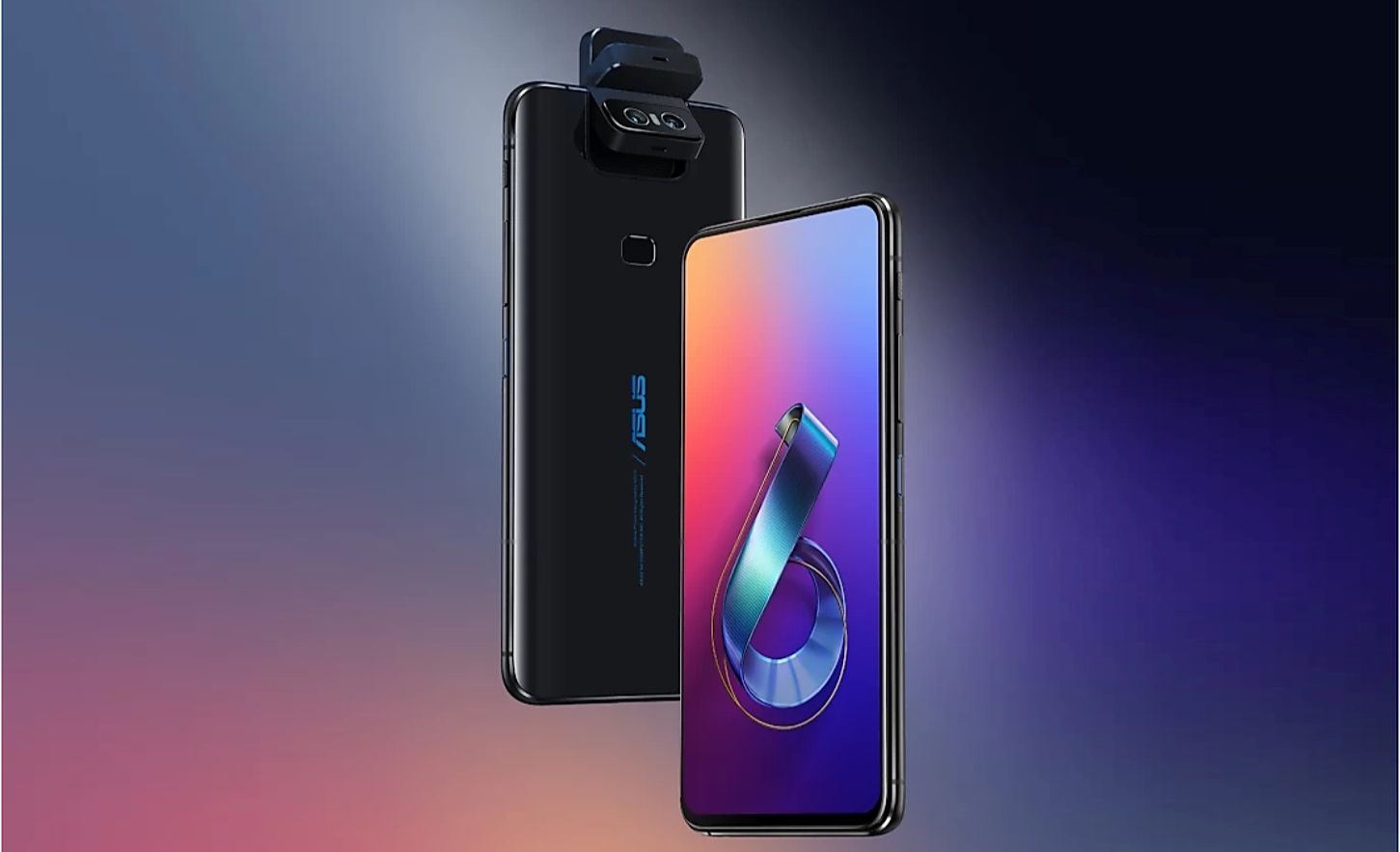
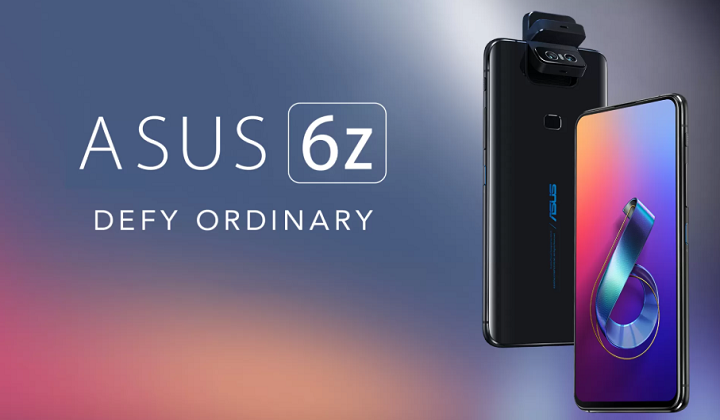
While ASUS has appealed the decision, it appears it doesn’t intend to wait for the new ruling, so it has decided to rename the phone. The new promotional page on Flipkart – its partner distributor, shows the Zenfone 6 will now launch as the ASUS 6z. It also reveals the phone will be announced on June 19.
Other than the name change, the ASUS 6z is the same as the Zenfone 6 sold in other markets. It has a 6.4-inch NanoEdge Display with Gorilla Glass 6 protection and a 92% STB ratio. There is a Snapdragon 855 processor inside, paired with up to 8GB RAM and 256GB of storage.
The ASUS 6z has a Sony IMX586 48MP primary rear camera that is paired with a 13MP ultra wide-angle secondary camera. Thanks to its motorized design, the rear cameras also double as the front-facing cameras. It is currently the phone with the highest selfie camera score on DxOMark’s camera ranking list.
The camera app packs a lot of features such as Super Night Mode, motion tracking video, 480fps slo-mo recording, HDR+, 180° horizontal and vertical panorama and lots more.
The ASUS 6z runs ZenUI 6 based on Android 9 Pie which has a near stock UI with tons of useful features including a system-wide dark mode. ASUS has also promised it will be updated to Android Q and Android R. Another selling point of the phone is its massive 5000mAh battery with support for Quick Charge 4.0 which should last up to 2 days on a single charge. It also has a 3.5mm audio jack and a dedicated MicroSD card slot.
If you have been waiting with bated breath for drone prices to drop, we got good news for you. We have listed five well-received drones that you can now buy without emptying your pockets.
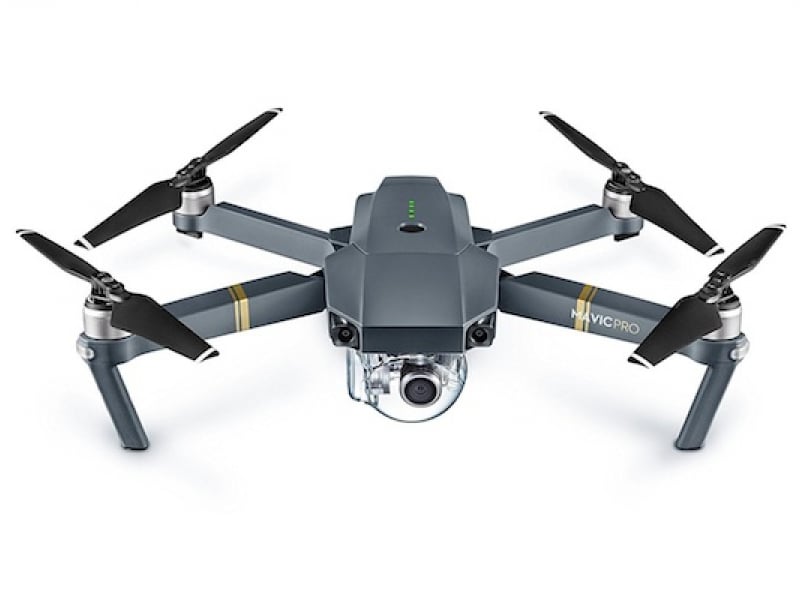
DJI Mavic 2 Pro
Equipped with a Hasselblad L1D-20c camera and high-performance zoom lens, the Mavic 2 Pro delivers iconic image quality. The Mavic 2 Pro is compatible with DJI Goggles series, and it offers up to 8km 1080p video transmission, up to 31-min flight time, omnidirectional obstacle sensing, and more.
The Mavic 2 Pro is currently up for grabs on DJI’s official online store bearing a $1,499 price tag. You can opt for Affirm financing option and make easy monthly payments over 6, 12, or 24 months. Aside from that, DJI is also offering free shipping to its buyers.
You can follow this link to check out more details about the Mavic 2 Pro and place your order.
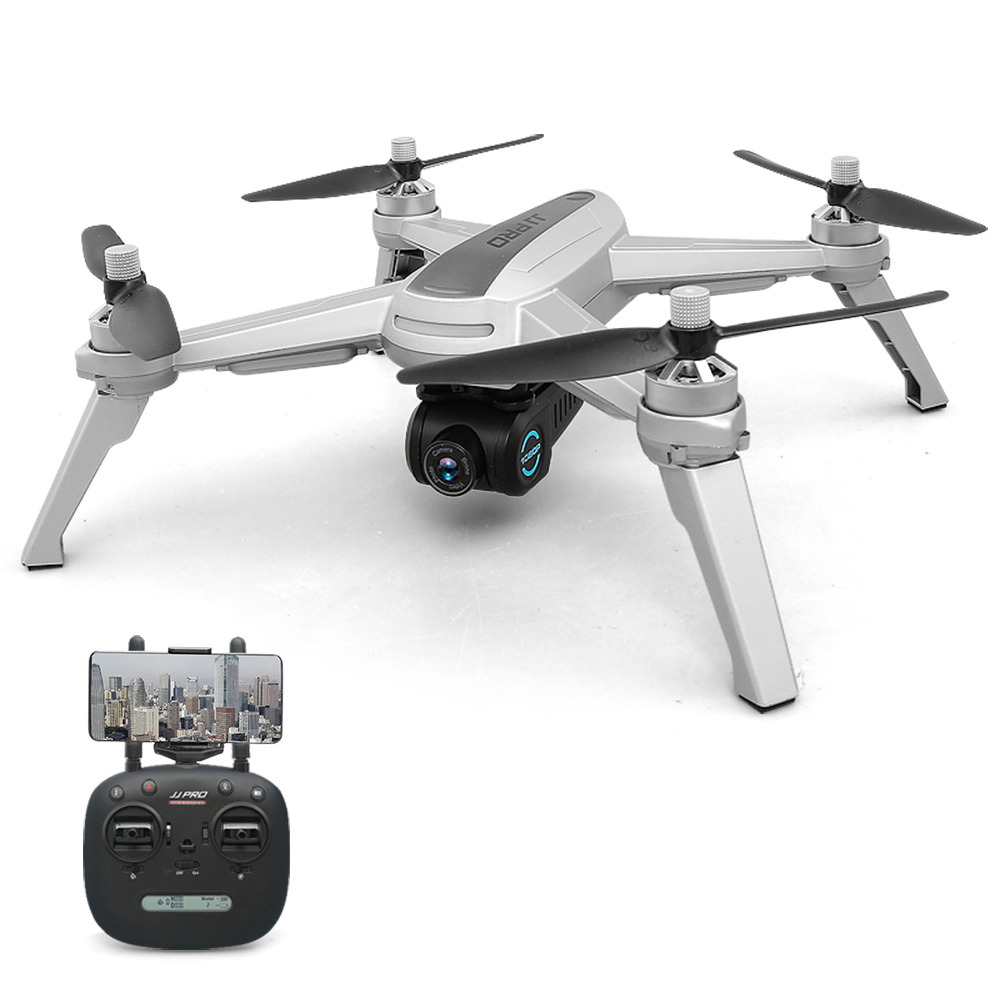
The irresistible JJRC JJPRO X5 RC drone would normally set you back a pretty penny on both online as well as offline stores, but Gearbest is offering you a chance to buy it for a dropped price of just $169.99. This is a remarkable 13 percent drop in the drone’s retail price, but that’s not all.
Aside from receiving the aforesaid discount, Gearbest users spending $20 can get an add-on item for just $0.01. It is also worth mentioning here that the JJRC JJPRO X5 comes with three batteries and one bag.
The JJRC JJPRO X5 adopts 5G WiFi system for delivering clearer photos. It is backed by a smooth running brushless motor that produces low noise and offers a long service life. Other features include GPS positioning system, Altitude hold, Point of interesting flight, Smart follow me mode, Headless mode, and more.
You can follow this link to grab the discount, which will be valid for the Light Gray color version of the RC drone.
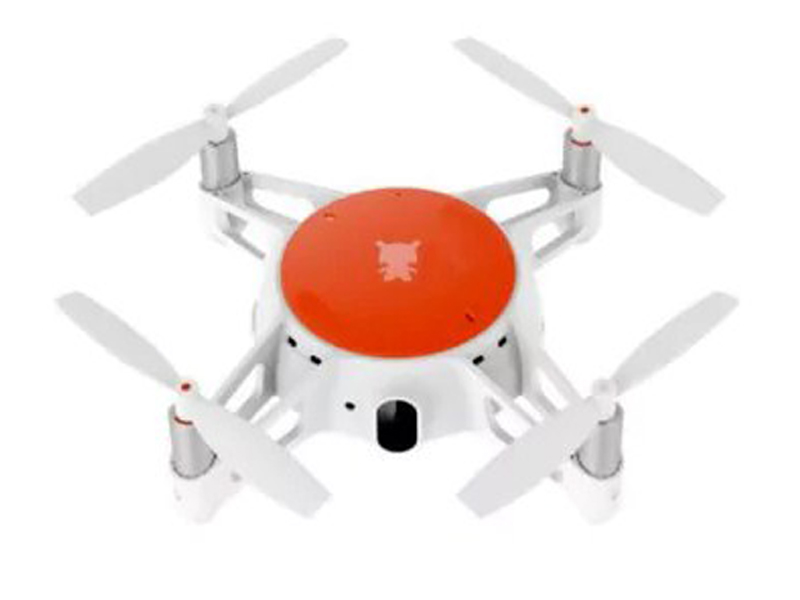
MITU WiFi FPV Mini RC drone houses a built-in 720P camera which is amazingly tuned to capture breath-taking pictures and videos from the sky while giving FPV transmission in real-time. Moreover, it comes with Headless Mode and G-sensor Mode and can hover at a certain height, thanks to the Altitude Hold function.
This feature-laden RC drone is currently available for $79.99 on GearVita, but if you aren’t willing to spend that kind of money, all you need to do is to apply coupon code GVMTFPV. The coupon helps you save $27 by reducing the retail price of the MITU WiFi FPV Mini RC drone to just $52.99.
You can follow this link in order to take advantage of the coupon before it expires.
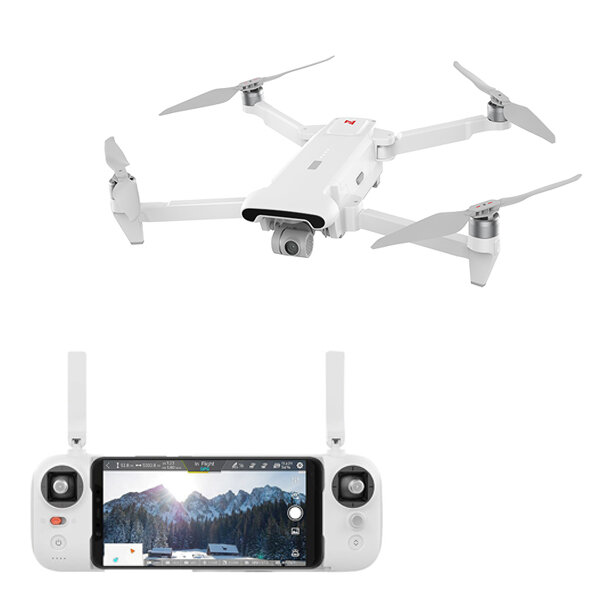
Known for offering the best bang for your buck, Banggood is doling out a noteworthy 17 percent off on the FIMI X8 SE RC drone, which normally sells for $599. Thanks to the aforesaid discount, you can now buy it for a considerably reduced price of just $499.
On top of that, you can use coupon code BGFIMIX8SE10 before placing your order and get an extra $60.88 off. In other words, you can bring the already lowered retail price of the FIMI X8 SE RC Drone further down to just $547.90 simply by applying the aforesaid coupon.
An absolute steal at this price, the FIMI X8 SE is foldable RC drone that you can carry everywhere you go. It features a lightweight 3-axis mechanical gimbal, coupled with professional control algorithms for smooth and jello-free videos.
Furthermore, the RC drone can shoot video at an incredible 4K/30fps and offer an image transmission distance of up to 5km. It is backed by an 11.4V 4500mAh lipo battery that delivers flight time of up to 33 minutes.
You can follow this link to avail the discount and use the coupon, which is slated to lapse soon.
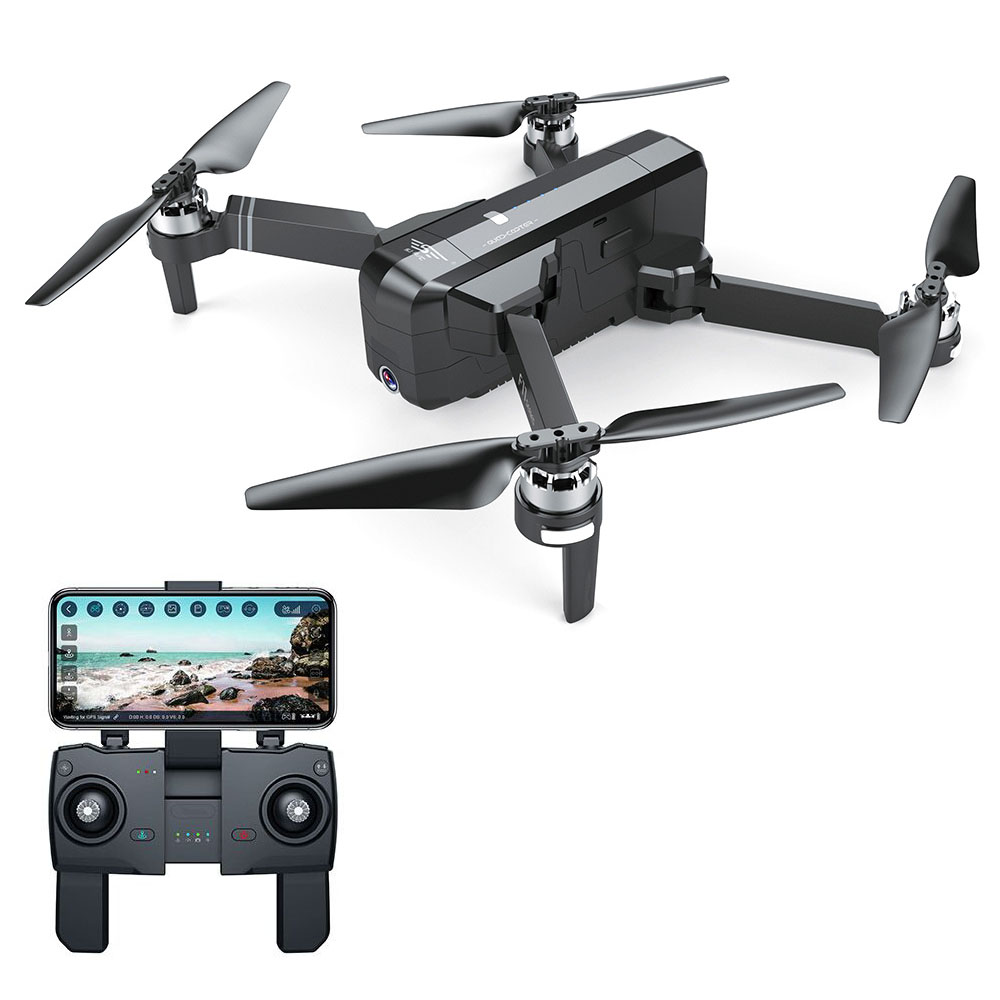
While the SJRC F11 RC drone usually carries a $267.99 price tag, GeekBuying is offering its loyal users a chance to buy it for a dropped price of only $149.99. As if that weren’t enough, you can even extend this 44 percent discount by applying coupon code RCOJNEJN at checkout.
The coupon helps you save $106 more before you place your order. As a result, you end up shelling out only $136.99 for the SJRC F11 RC drone, which is designed to be highly portable. Keeping in line with this, it adopts a foldable arm design so that you can carry it everywhere you go.
Moreover, the SJRC F11 RC drone draws its juices from a powerful brushless motor, which rarely breaks down when running. The drone can be connected with the 5G WiFi, enabling the user to take control of the flight to capture pictures and watch the real-time video.
You can head straight to this link to check out more details about the SJRC F11 and grab the discount, which is available for the black color version of foldable RC drone. The promo was on the verge of wrapping up at the time of writing.
South Korea tech giant and global smartphone market leader Samsung has reportedly reduced the production capacity on its only functional plant in China. This is coming six months after the company closed down one of its two manufacturing plants in the country. The reduction in production at the plant located in Huizhou in China’s Guangdong province will result in a reduction of the workforce. Although. Samsung has reportedly confirmed plans to scale down output at the plant, there is no official word on the layoffs yet.
The Chinese market was once Samsung’s stronghold but that changed with the emergence of local phone manufacturers in the domestic market. Back then, Samsung controlled more than 20% share of the market but as Chinese brands continue to surge in growth, the Korean company continued to lose market share. The local OEMs like OPPO, Vivo, Xiaomi and others were able to gain ground against the global market leader by offering premium models at affordable prices. Samsung’s market share in China was below 1% as at the end of 2018.
In recent times, Samsung has made efforts to reclaim its lost glory in the Chinese market and other markets like India where Chinese OEMs have grabbed a chunk of the market share for her hands. The company recently shifted its focus to the midrange segment with the Galaxy A series and other premium but affordable models. It is too early to know how well the company had fared but we doubt if much has changed in terms of sales. This latest development could be an indication that there is no path to a resurgence in the world’s largest market for the Korean company.
Report also has it that Samsung is giving workers at the ailing factory the opportunity to voluntarily resign with compensation plan, with a June 14 deadline for interested employees to apply. This further suggests the company is trying to cut down running at the factory by all means possible and has no hope of a revival in that region.
Not a day goes by without Huawei getting a space in the tech news arena. The recent trade embargo slammed on the Chinese company by the US government continued to reverberate with several companies having ties with the US severing ties with Huawei. This is despite the US government extending the implementation by 90 days. The latest company to cut all ties to Huawei is Facebook Inc. Reuters reports that Facebook has stopped allowing Huawei to pre-install its apps on smartphones released under Huawei and related brands.
This is the latest blow for the Chinese tech giant in its aspiration to stay relevant in the smartphone market in the face of a simmering trade dispute between Beijing and Washington that has Huawei in the middle.
The report indicates that existing Huawei phone owners will still be able to use the app on their smartphones and will equally continue to receive updates. But the Facebook app won’t be available on models that will be launched henceforth and according to a person familiar with the matter, it also affects models that are yet to ship. This development also affects Instagram and Whatsapp, two apps also owned by Facebook Inc.
This isn’t so much of a big deal since users can still download the apps manually. Where Google services become available after the ban expires, the apps can also be installed using Aptoide. We also expect Huawei to announce its own OS in August, possibly named ArkOS (or not).
PUBG is one of the hottest games in the market globally. But the title was closed a few weeks back in China by its maker Tencent. Instead, a PUBG replacement was released by the company called Game For Peace. Turns out, it’s as hot as PUBG itself, as the new title reportedly raked in $70 Million in revenue in May.
Tencent had to remove the game from China last month after it could no longer generate revenue from the game. The Chinese government, in a bit to regulate gaming content, barred the company from earning money from PUBG. This forced Tencent to close the title and release a new game called the Game For Peace. The new title, which is a lot more patriotic, earned its approval from the government. This helped the game generate around $14 million in revenue in just 72 hours of its release. So, it’s not surprising to see that the total revenue from the title for May exceeded $70 million.
In fact, if you bring in PUBG that’s still available outside of China along with this new Game For Peace, Tencent is said to have raked in total revenue of $146 million in May from iOS and Android app stores downloads alone, reports Sensor Tower. This does not take into account spendings on downloads from third-party stores. Another one of Tencent’s title, Honor of Kings, managed to bring in $125 million in revenue in May.
Most Game For Peace players in China is going to be old PUBG players. It has similar gameplay as PUGB and even allows users to migrate their old data into the new title.
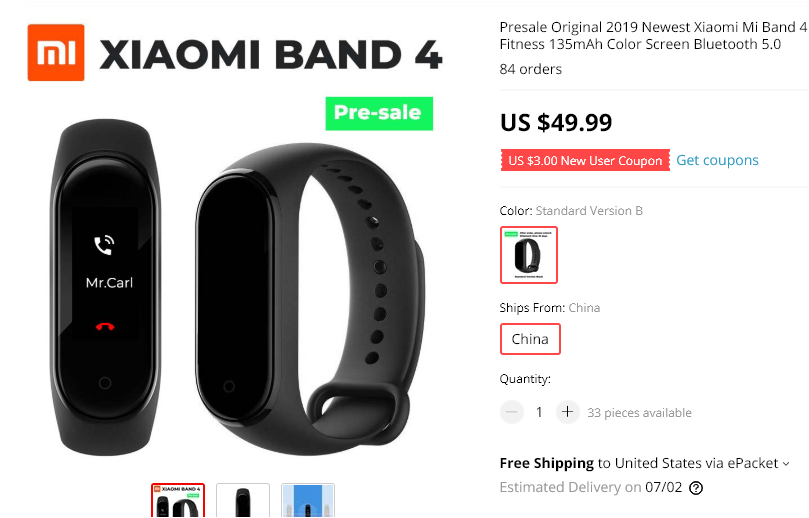
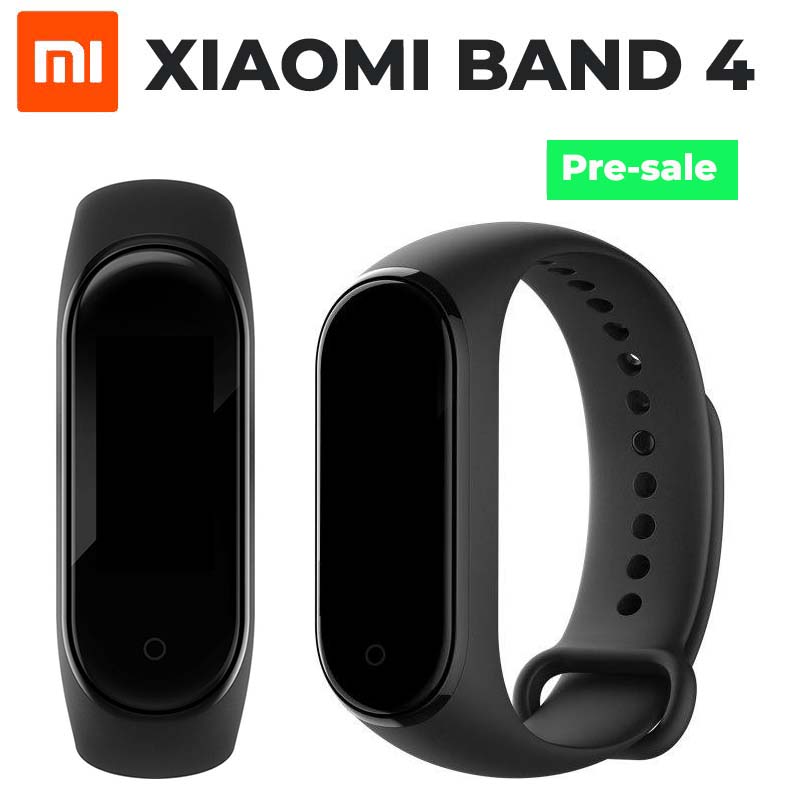
While we look forward to the June 11 launch of the Xiaomi Mi Band 4, the wearable device is already available for interested buyers to pre-order on AliExpress. The device is listed by a third-party retailer known as Mr. Carl and it bears a $49.99 price tag with free shipping.
The listing did specify that the variant on offer is the standard (non-NFC) version with a black rubber strap. The NFC version will likely not be released at the same time as the standard version, going by the Band 3’s launch.
The listing confirms the Mi Band 4 to pack a 135mAh battery onboard which we don’t know its durability range since there is a coloured display at play on this version. The device will also have a curved OLED display but the curvature isn’t as pronounced was that of the Band 3. In addition, the device will have the latest Bluetooth 5.0 support.
We must point out, though, that since the device will be launched in China first, what will be shipped will be the China version but we doubt if there is any major difference with the model that will eventually be released overseas in India, Europe and elsewhere outside China. Also, the shipping date is not certain as it is dependent on when Xiaomi decides to start selling the Band 4 in China after the launch. The first sale is expected to take place not too long after the June 11 launch. You can check out the AliExpress store from the source link below.
Huawei has confirmed that it is working on its own Android-based Operating system that will be its fail-safe against a complete ban from Google’s licensed version of Android OS. Over the past couple of weeks, many potential names have popped up like ‘Ark OS’ and ‘HongMeng OS’. However, it looks like the company’s new operating system could be called ‘Oak OS’, as revealed by Globaltimes today.
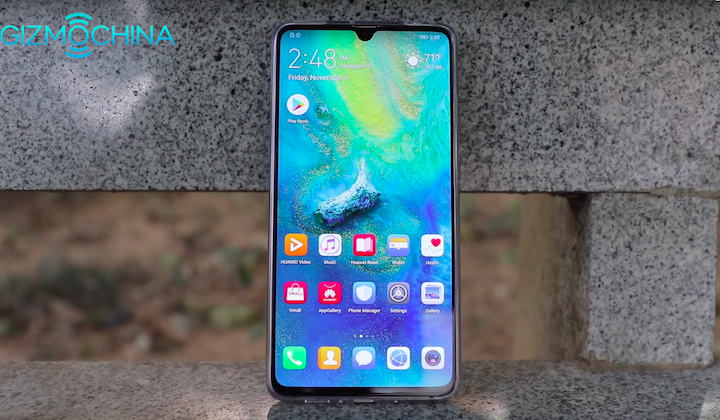
Huawei Mate 20X runs on Android licensed by Google
Huawei’s OS is said to be called as ‘HongMeng’ OS in China and ‘Oak OS’ internationally. The rumors about the name Ark OS emerged from a few European trademarks from the company. Plus, Huawei’s compiler is called as the Ark compiler which further led people to speculate that the new OS will end up being called as the Ark OS.
If Globaltimes’ source is accurate, then the so-called ‘Oak OS’ from Huawei is currently being tested intensively. The launch is expected sometime around August or September, which is about the same time when Huawei’s 90-day temporary respite from the US trade ban ends.
The US is increasingly blacklisting Chinese companies over the past few months. While it will adversely affect these companies in the short run, many believe that this trade ban could be worse for everyone in the long run. In fact, according to a report from the Financial Times, Google has warned the U.S. government of the potential security challenges arising from this ban on Huawei.
Huawei’s smartphones run Android based EMUI
Google reportedly said that if Huawei was to roll out its own Android system based on AOSP, it would be less secure than Google’s version. There could be bugs and issues which could put Huawei phones at risk of being hacked. In fact, FT quotes Google saying, “Our focus is protecting the security of Google users on the millions of existing Huawei handsets in the US and around the world.”
While Google’s points are valid, Huawei Oak OS has the potential to replace Google’s licensed Android on non-Huawei phones as well. With the increasing threat to non-US companies from the Trump government, many are looking for alternatives to US technology. In fact, it wouldn’t be surprising if other Chinese companies joined Huawei to work on Oak OS to ensure they aren’t overly dependent on US companies.
However, before we speculate too much, it’s worth noting that it remains to be seen if the Huawei ban will stand after the 90-day respite. But from how things are developing, it looks like Huawei’s Oak OS would be rolled out, even if the trade ban was lifted.
Clearly, the next few months will be an interesting period for all of the smartphone industry.
The Mi band 4 is already confirmed to launch on June 11 in China. The Mi Band 4 is the fourth-generation smart wearable from Xiaomi. The device will take over from the M Band 3 that was released last year along with the Mi 8 series. Although the Band 4 wasn’t launched along with the Mi 9 models, the device is looking like what will be worth the long wait.
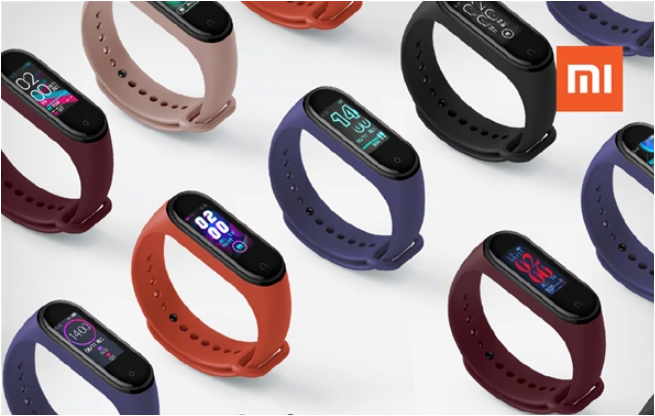
Xiaomi’s CEO Lei Jun has taken the veil off the actual design of the Mi Band 4. Lei shared a pre-launch poster promoting the launch date and the poster contains renders of the Band 4. The renders show the Mi Band 4 will come with a similar design with the Band 3 but the display is not as curved as that of the Band 3. However, Lei Jun hints that the device will come with extremely big upgrades. One of the upgrades that would be coming on the Band 4, he says, is a bigger screen. He disclosed the screen is about 39.9% bigger than that of the Band 3. The Mi Band 4 is also confirmed by the Xiaomi’s CEO to have a colour display with more than 16000 color pixels. The watch will also have several colourful personalized or custom watch faces. The posters show several MI Band 4 renders, each having a different watch face.
Despite the switch to a colour display which would be a first for the Mi Band series, the device is likely going to cram a more durable battery. Xiaomi’s official had tipped the wearable device to come with not only a long-lasting battery but also more features.
The Mi Band 4 is expected to feature a colour OLED screen and will come in two models, one having NFC onboard. The device is said to feature a 135mh battery, bigger than the 110mAh onboard the Mi Band 3.
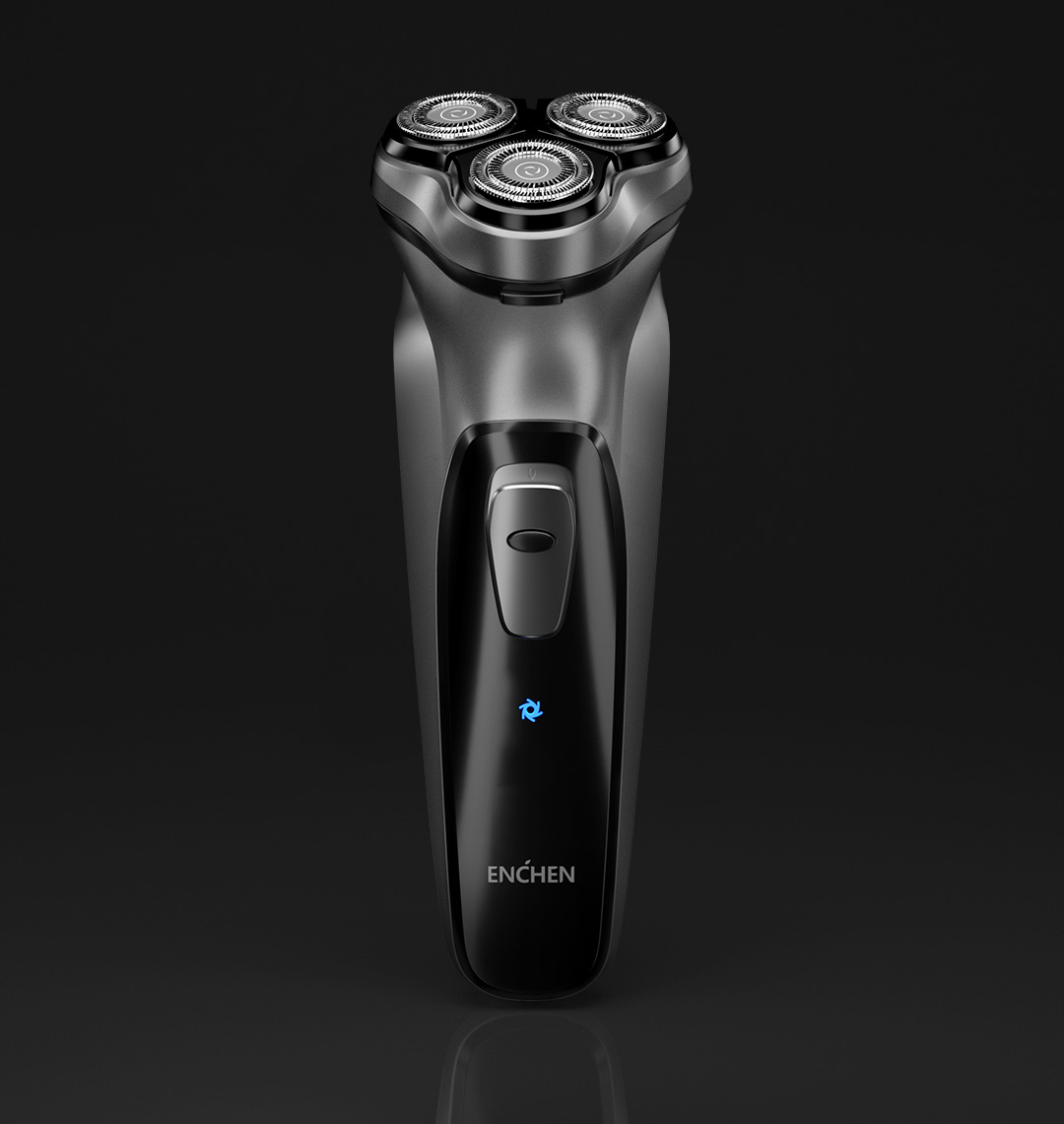
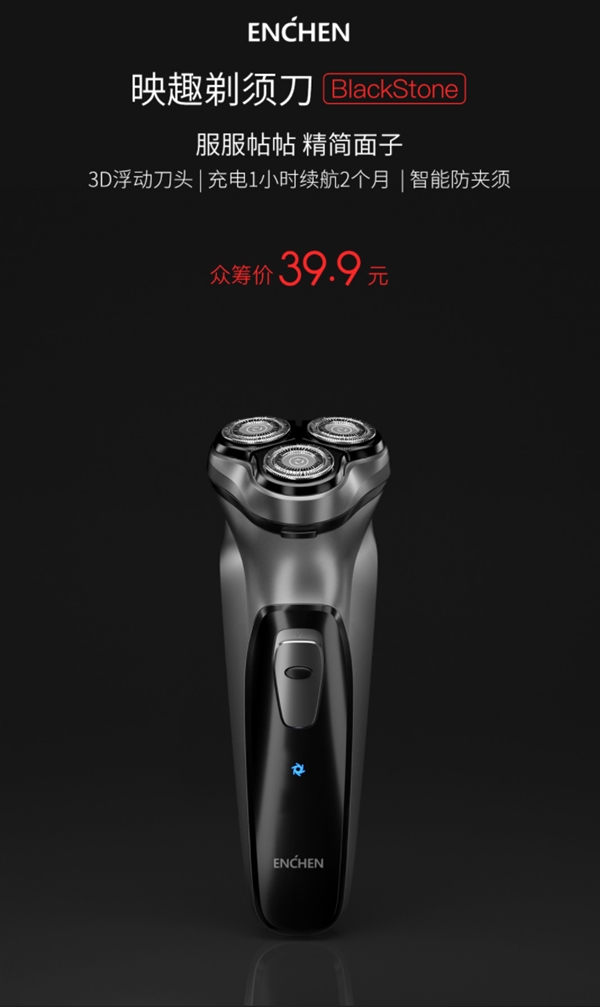
Xiaomi‘s Youpin platform has been one of its most active product lines so far this year. We continue to see more products released under the Youpin crowdfunding platform on a daily basis. The tech giant has now launched the Echen Blackstone Razor for crowdfunding on Youpin.
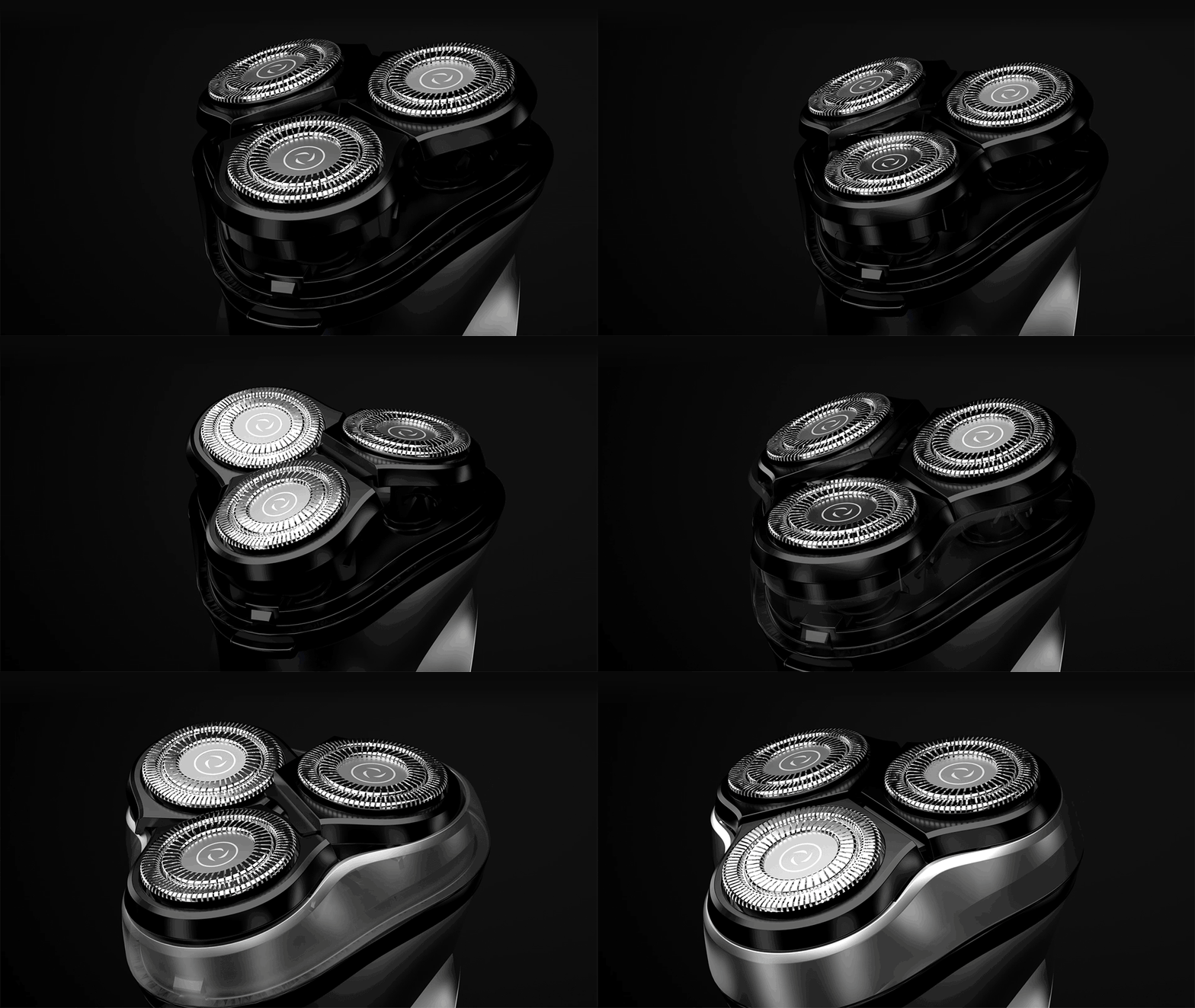
The electric razor comes with a three-head design made of three independent floating cutter heads. The cutter heads each have a smooth and elastic surface and can adapt to different facial contours. The design makes it easy to use the razor around the lips, cheeks, chin, and neck, even with repeated back and forth movements. The cutter head net is made of imported Japanese steel which is precisely fitted. The blade net has a double loop design and this greatly increases the contact area between the knife net and the face, thus resulting in a smoother and thorough shaving experience. When the razor is switched on the lade it automatically ground, keeping the cutter head sharp and durable.
The Enchen Blackstone Razor is equipped with a 5W power output which results in fast, accurate rotor movement. The device also has a 67db low noise control and a smart anti-trap function. When the battery is low, the front knife can keep the cutter speed constant and avoid the low-speed clamp.
The razor can be fully charged in just one hour and can last up to 90 minutes. Thus, with an average of 1.5 minutes per shave, the electric razor can be used for up to two months. The device uses the USB Type-C charging interface and supports plug-and-play operation. Thus, you can still plug it to a power source and continue using it.
Another good thing with the electric razor is that the cutter head and fuselage uses a split design. Thus, when cleaning, the cutter head can be pulled out and washed under running water and then inserted back into the fuselage for easy operation. The electric razor has a smart charging system with anti-overcharge and circuit protection design. When the power is insufficient or the power is turned on a red light flashes. When the power is full, the light stays always on.
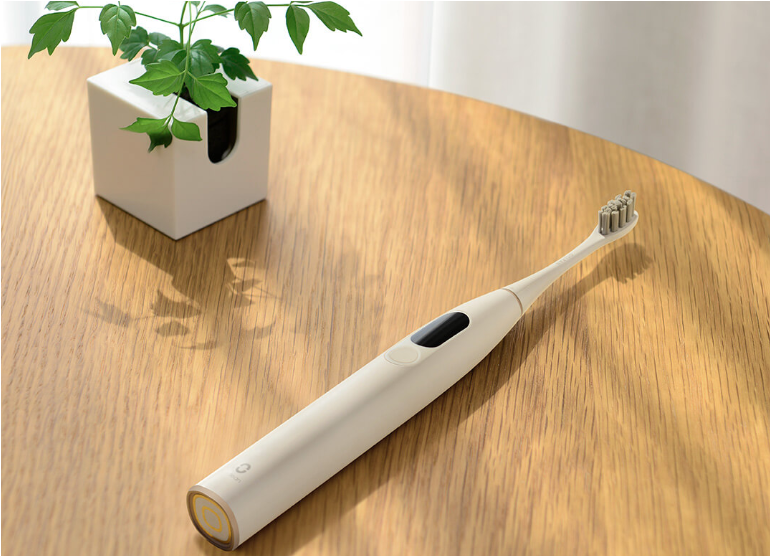
Xiaomi has finally launched the Oclean X smart sonic electric toothbrush under the Youpin crowdfunding platform. The device hits crowdfunding clutching a price tag of 249 yuan ($36).
In terms of appearance, Oclean X is not too different from the previous-generation Oclean products. The biggest feature is obviously the oval-shaped coloured touchscreen display. From the display, you can view the time, weather, choose brushing mode, check dental health information, brushing feedbacks and so on, so that brushing teeth become more scientific, effective and simple. The touch experience is very user-friendly and responsive.
Oclean X Smart touch screen electric toothbrush can bring more intuitive information display and interactive experience in the sense that you don’t have to go through a smartphone app to monitor the brushing pattern but it can be viewed directly on the screen. This ensures the toothbrushing becomes more efficient.
The toothbrush also comes with Bluetooth 4.0 support and is compatible with phones running Android 4.4 or iOS 8.0 and higher. Thus, it can also be paired to a smartphone in case you need to view the parameter on a larger screen. On the mobile app, you can also view more details as the blind zones are divided into 8 zones. The Oclean X has a built-in 6-axis gyroscope which can collect up to 1500 real-time brushing data every minute. It monitors the slight changes of brushing gestures, locates the brushing blind zone, and gives scientific feedback results.
The Oclean X is presently available on crowdfunding for 249 yuan (~$36) but the actual price it will sell after crowdfunding is 299 yuan (~$43). It is expected to start shipping on July 5.
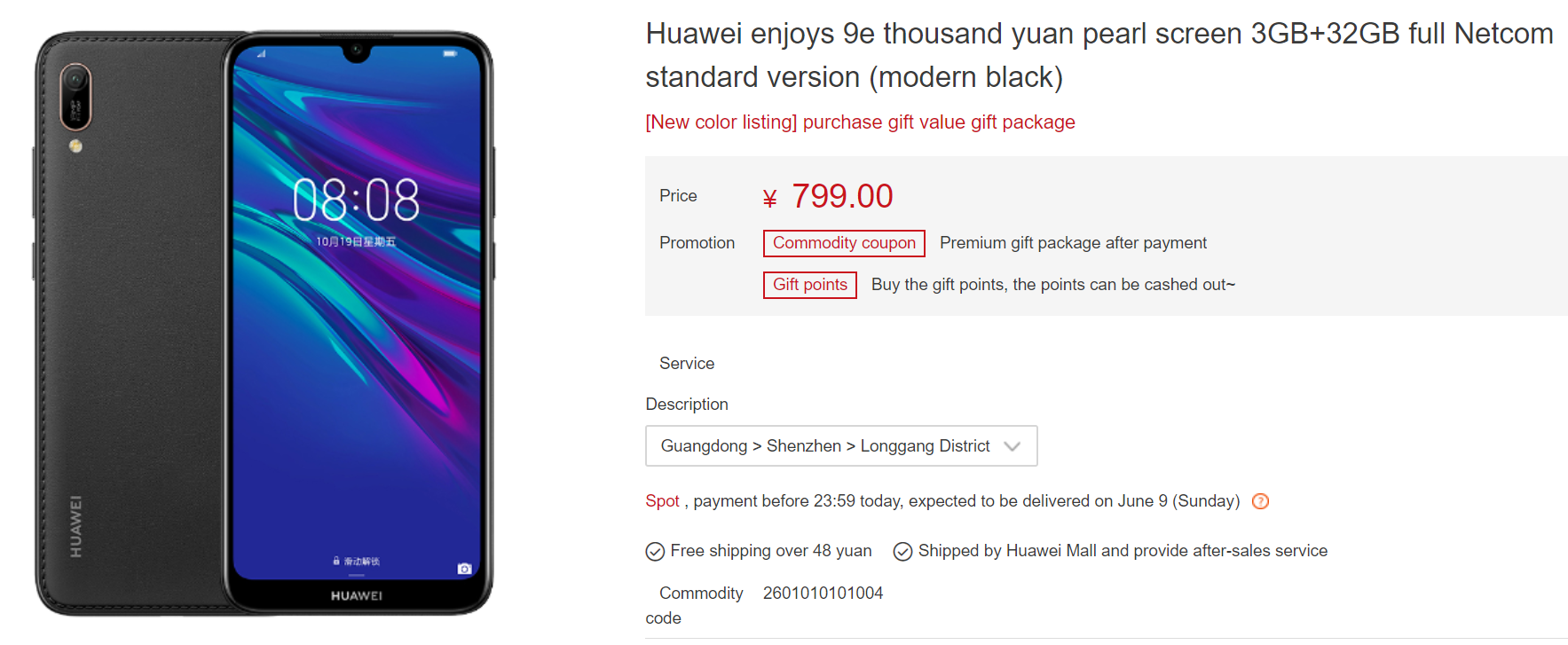
Back in March, Huawei announced the Enjoy 9e – a smartphone with an Helio P35 processor, a waterdrop notch and a leather-clad brown variant. Initially, the phone was only available in a single configuration with 3GB of RAM and 64GB of storage. Huawei has now announced a new variant with the same RAM but half the built-in storage.
The new 3GB RAM + 32GB Huawei Enjoy 9e is also cheaper at ¥799 (~$115), ¥200 (~$29) less than the 64GB version.
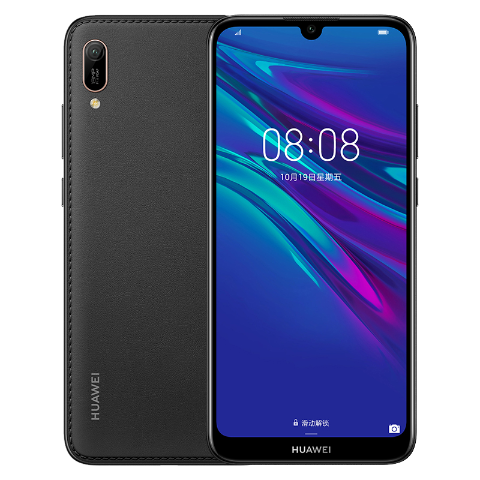
Huawei has also announced a new color variant called Modern Black. The new variant also has a leather-covered back like the Amber Brown variant.
The new 32GB version is available in this new Modern Black color variant alongside the already available Magic Night Black, Sapphire Blue, and Amber Brown color variants. You can also pick up the 64GB version in Modern Black if you like the leather design but don’t want it in brown.
The new color variant and the new 32GB version are available on JD.com and Vmall.com already.
The Huawei Enjoy 9e has a 6.09-inch display with a 1560 x 720 resolution and a waterdrop notch. It has an 8MP camera in front with support for Face Unlock and a 13MP camera on the back. It also has a feature called SuperSound Technology which gives it 50% more audio output than other phones.
Other features include headset-free FM radio, a dedicated MicroSD card slot, a 3.5mm audio jack, a 3020mAh battery and EMUI 9.0 based on Android Pie pre-installed.
We use cookies on our website to give you the most relevant experience by remembering your preferences and repeat visits. By clicking “Accept”, you consent to the use of ALL the cookies.
This website uses cookies to improve your experience while you navigate through the website. Out of these, the cookies that are categorized as necessary are stored on your browser as they are essential for the working of basic functionalities of the website. We also use third-party cookies that help us analyze and understand how you use this website. These cookies will be stored in your browser only with your consent. You also have the option to opt-out of these cookies. But opting out of some of these cookies may affect your browsing experience.
Necessary cookies are absolutely essential for the website to function properly. This category only includes cookies that ensures basic functionalities and security features of the website. These cookies do not store any personal information.
Any cookies that may not be particularly necessary for the website to function and is used specifically to collect user personal data via analytics, ads, other embedded contents are termed as non-necessary cookies. It is mandatory to procure user consent prior to running these cookies on your website.