Gearbest is known for launching amazing promotions from time to time. Living up to its reputation, the Chinese online store has launched the ‘Top Sellers Gear Special’ promo.
The promotion page is teeming with heavily discounted items, big coupons, and more unmissable deals. The promo offer Xiaomi fans that have restlessly been waiting to get their hands on the Mi 9 phablet have something to cheer about as well.
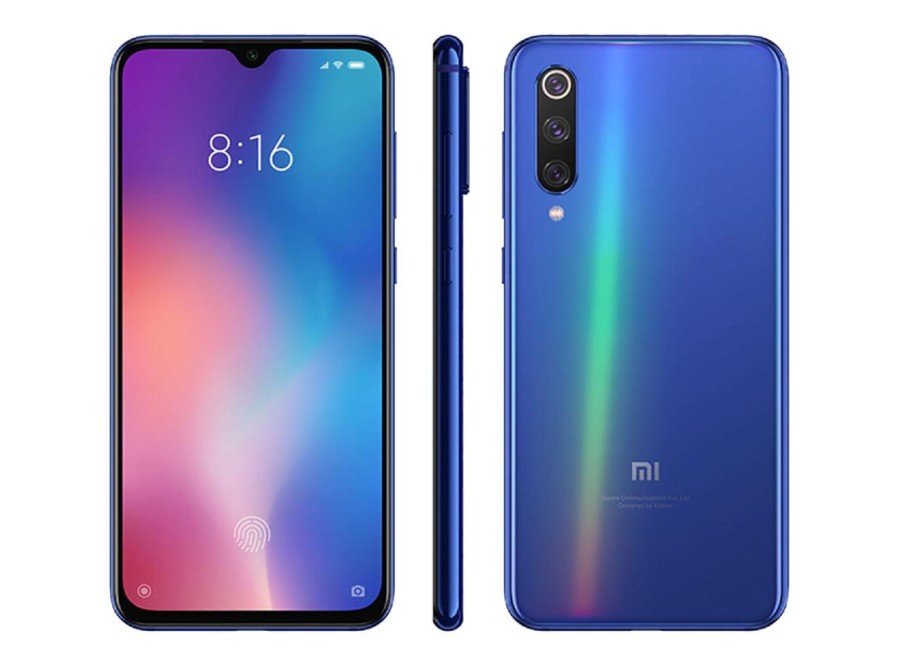
Launched in March this year, the Xiaomi Mi 9 is an irresistible phablet that became an instant hit among those who fancy using a big-screen mobile device to watch their favorite videos or play popular games. Regrettably, it doesn’t come cheap.
In a bid to make the feature-laden phablet available to cost-conscious buyers, the Chinese electronics giant has teamed-up with Gearbest. As part of their collaboration, the global version of the Xiaomi Mi 9 has gone up for sale bearing a dropped price tag of just $377.99.
It is worth mentioning here that the Mi 9 would set you back $516.87 without the aforesaid discount. In addition to taking advantage of this 27 percent discount, you can use coupon code GBMY46M2DM and save a considerable amount of more money at checkout.
The coupon helps you get an extra $18 off. In other words, you can bring the already lowered asking price of the Xiaomi Mi 9 phablet further down to just $359.99 simply by applying the above-mentioned coupon during the checkout process.
An absolute steal at this price, the Xiaomi Mi 9 phablet offers the following features:
39-inch FHD+ display with 2340 x 1080 pixels resolution
You can follow this link to grab the discount, which is valid for both blue and black color versions of the phablet. With only 468 pieces of the blue and 465 pieces of the black color versions remaining, the promo is slated to end in fifteen days.
Gearbest launched its ‘Mid-Year Mega Sale’ on June 5th. As part of the recently kicked-off promo, the Chinese online store is offering a wide selection of tech items at discounts you’ve never witnessed before.
The Mid-Year Mega Sale is not the event brings a whopping 80 percent off on select items and a myriad of other unmissable deals. The Mega Sale is split into two stages including The Pre-Heat Sale, which will wrap up on June 11, and the Main Event, which starts on June 11 and will end on June 13.
Aside from that, you can avail a 15 percent off on consumer electronics, $10 off over $100, and lots more. The event page has been divided into multiple categories, each comprising heavily discounted products.
For the sake of an instance, the ‘Super Deals’ section is brimming with items that usually carry steep price tags, but are currently available for lowered prices. The ‘Pre-order Sale’ section, on the other hand, gives you a chance to buy your favorite gadget from Gearbest and earn money while doing it.
In order to take advantage of this offer, all you need to do is to pay a deposit of $5 at 07:00 to June 11 at 06:59 UTC on June 5 to receive $50 worth of Growth. You then need to pay the remaining balance on June 11 at 7:00 to June 16 at 06:59 UTC.
The ‘Market Place’ section comprises official online stores of popular brands like Z-Yeuy, LEEHUR, Cadisen, Veithdia, Coolbility and more. Those who have restlessly been waiting for electronics prices to drop can head straight to the next category called ‘Epic Electronics Markdowns.’
The aforesaid section features top-end smartphones, phablets, TV boxes, smartwatches and a slew of other items that you can now buy without emptying your pockets. For example, the Xiaomi Mi 9 SE phablet would normally set you back a pretty penny, but it is currently up for grabs bearing a dropped price of just $272.49.
Likewise, the rest of the categories including Buy More, Save, Life Made Fun, and Brand Champions offers an opportunity to buy great tech items without emptying your pockets. You can click here to check out the event page and grab the great discounts.
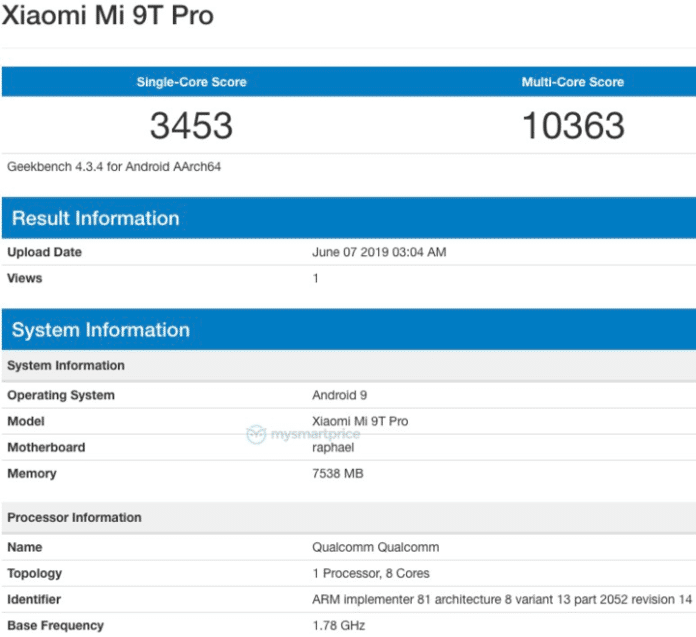
On June 12, Xiaomi will be launching the Xiaomi Mi 9T smartphone. Earlier this week, the smartphone was spotted on Geekbench benchmarking platform through which it was confirmed that it will be arriving as the rebranded version of the Redmi K20. Today, the Xiaomi Mi 9T Pro has appeared on Geekbench to reaffirm that it will be also releasing as the rebadged edition of the Redmi K20 Pro flagship phone.
The Geekbench listing of the Xiaomi Mi 9T Pro shows that it has respectively scored 3,453 and 10363 points on the single-core and multi-core tests of Geekbench. The handset is loaded with Android 9 Pie OS. Instead of the name of the processor in the motherboard field on the benchmarking site, its “Raphael” codename is mentioned. Multiple reports had revealed before the launch of Redmi K20 Pro that is codenamed as “Raphael.” Hence, it can be said that the Xiaomi Mi 9T Pro is the rebranded version of the K20 Pro for certain markets outside of China. Interesting, the Redmi K20 and Redmi K20 Pro smartphones will be releasing with same names in India.
The recent teasers released through the global Twitter account of Xiaomi suggests that the company will be only launching the Xiaomi Mi 9T. Hence, it remains to be seen whether the Mi 9T Pro will be made official alongside the Mi 9T or it will be announced a bit later.
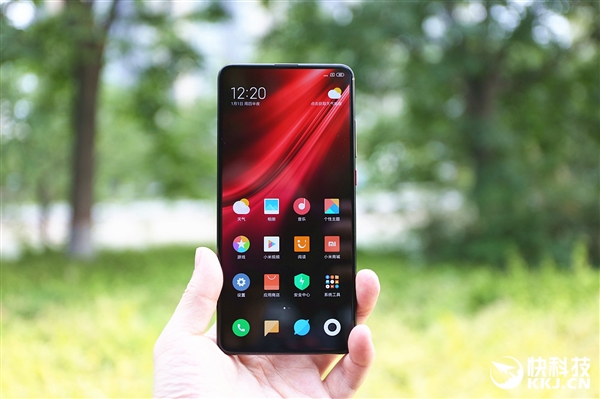
The Xiaomi Mi 9T Pro features a 6.39-inch AMOLED display with notch-less design. It supports full HD+ resolution and its integrated with an in-screen fingerprint reader. The Snapdragon 855 mobile platform fuels the smartphone with up to 8 GB of RAM. The highest variant of the phone comes with 256 GB of native storage. It lacks a microSD card slot.
The handset boots Android 9 Pie OS that is flavored with MIUI 10. The 48-megapixel + 8-megapixel + 13-megapixel triple camera setup can be found on the glass rear of the smartphone. It has a pop-up selfie camera of 20-megapixel. To keep the lights on, it features a 4,000mAh battery that carries support for 27W rapid charging.
OnePlus 7 Pro, the China-based smartphone manufacturers’ flagship smartphone, is now receiving a new OxygenOS 9.5.7 update. Looking at the changelog of the update, it seems that it brings significant improvements for the camera performance.
It will be interesting to see how the camera performance has been improved given that many users were not impressed by the camera performance of the OnePlus 7 Pro when it was launched. OnePlus has always struggled to offer a good camera experience and this time it has tried to change that.
OnePlus 7 Pro
As usual, the update is being rolled out in stages and is currently available to a small number of users. It is expected to have a wide-spread release or available for more users in the coming weeks if no bugs show up. So, it might take a week or two for all OnePlus 7 Pro handsets to receive the new build.
Here’s what the changelog of the update mentions:
Camera
• Improved overall contrast and color performance
• Improved white balance consistency of triple camera
• Improved accuracy and stability of autofocusing
• Fixed issue of greenish tone in some low light scenes
• Fixed issue of noise in some HDR scenes
• Improved contrast and color saturation of ultra wide
• Improved clarity and noise reduction in the low light scene of ultra wide
• Improved clarity and noise reduction of telephoto
• Improved clarity and color of Nightscape
• Improved brightness and clarity in the extremely low light scene of Nightscape
System
• Optimized Double Tap to Wake
• Fixed issues with Ambient Display
• Improved the audio quality for voice calls from third-party apps
• Improved touch sensitivity for screen
This new update with camera improvements comes just days after the company had rolled out a major camera improvement update. It offered improvements in HDR scenarios, low-light images, white balance fix, and fixed focus issues.
The OnePlus 7 Pro features a 6.67 inch Quad HD+ fluid AMOLED display with the 90Hz refresh rate and is powered by a Qualcomm Snapdragon 855 octa-core chipset coupled with 6/8/12 GB of RAM.
For optics, there’s a triple camera sensor featuring a 48-megapixel primary shooter, a 16-megapixel secondary ultra-wide pixel lens along with an 8-megapixel telephoto lens. On the front side, it comes equipped with a 16-megapixel pop-up selfie camera.
Earlier this year, in late April, China-based smartphone manufacturer Meizu announced its new flagship smartphone Meizu 16s in its home country. When launched, the phone had a starting price of 3,198 yuan (~$475) and goes till 3,998 yuan (~$595) for the top-end variant.
However, soon after the launch, the smartphone received a price cut, which disappointed those who purchased the smartphone when it got launched. The phone now starts at 2,699 yuan (~$391) and goes up to 3,299 yuan (~$477).
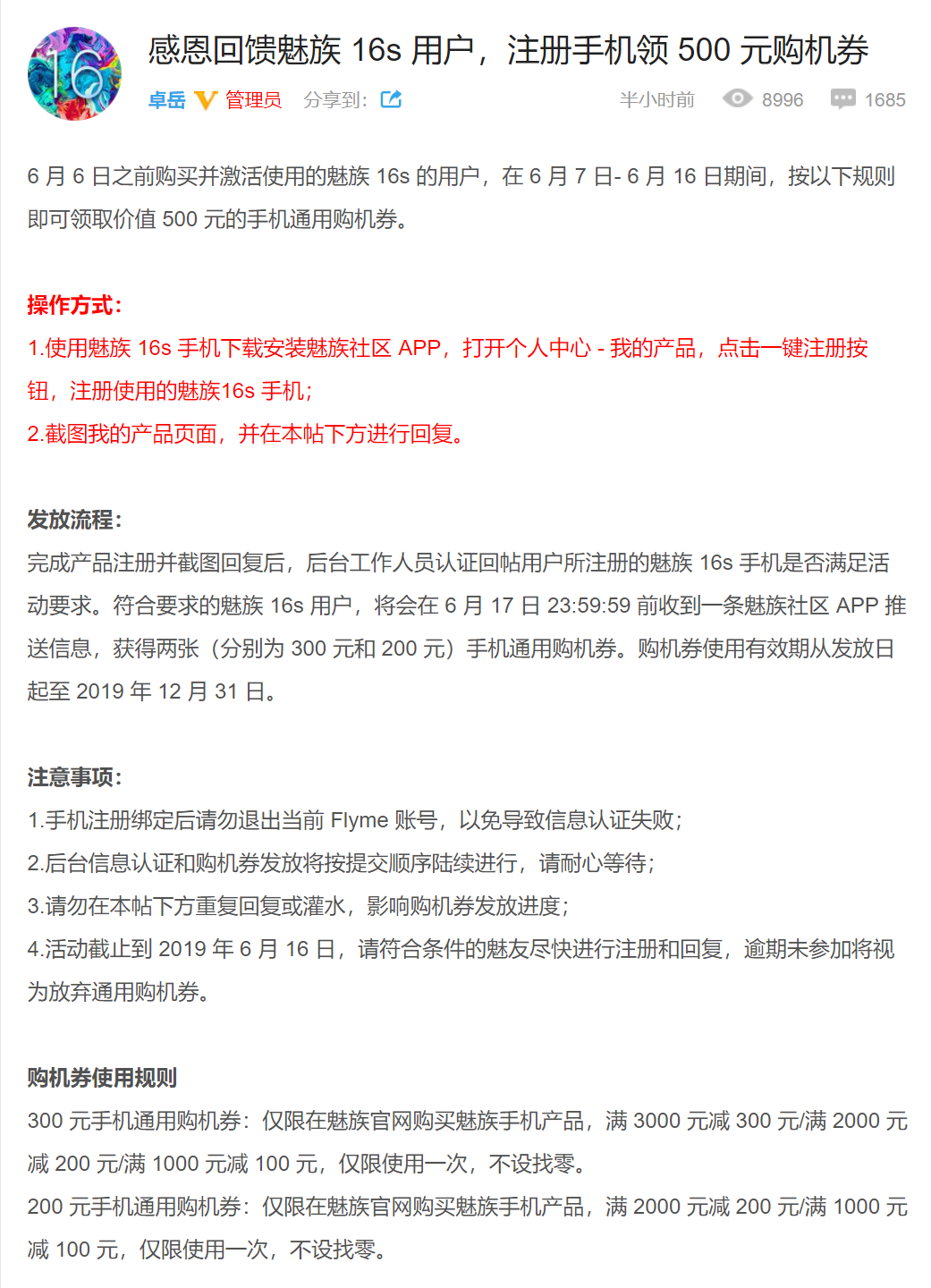
Reacting to the disappointment of the early buyers, the company has now announced a compensation program for those who purchased and activated the Meizu 16s smartphone before 6th June.
It’s good to see that Meizu cares enough about its users to listen to their issues and offer them compensation. Users who bought the Meizu 16s (Full Specs) and are eligible for this compensation program will be given coupons worth 500 yuan (~$72). The company will offer two coupons — one worth 300 yuan while another worth 200 yuan.
To get the coupon, the user needs to register the smartphone using the Meizu Community App. The company has said that eligible users will be getting the notification for the coupon on 17th June, which will have a validity period till 31st December.
The provided coupon can be used by the users on the Meizu’s official website for purchasing any of the Meizu product. 300 yuan (~$43) coupon can be used for products worth 3,000 yuan or more. For purchase worth 2,000 yuan, a discount of 200 yuan will be provided while for the purchase worth 1,000 yuan, a discount of 100 yuan will be offered. The coupon can only be used once.
Similarly, for the discount of coupon worth 200 yuan (~$29), users need to purchase products worth 2,000 yuan or more. For purchase worth 1,000 yuan, a discount of 100 yuan will be provided. Just like the 300 yuan coupon, it can only be used once.
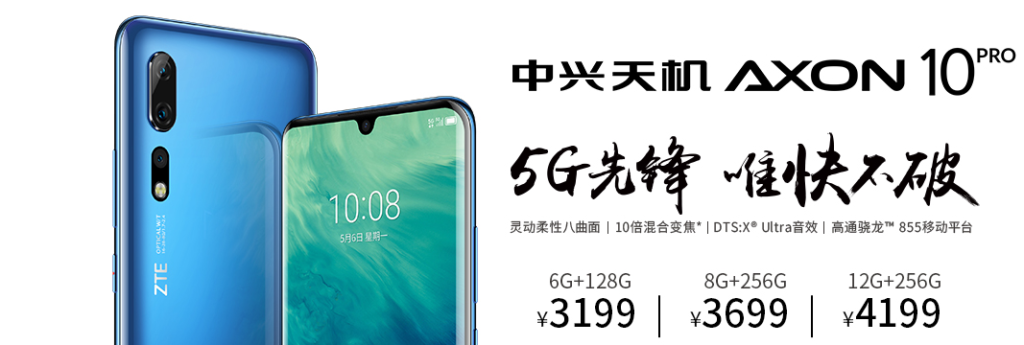
China has now started issuing 5G licenses to its local mobile operators to begin operations in the country. The ZTE Axon 10 Pro 5G was recently introduced in Finland as the first 5G smartphone in Northern Europe. Fresh information reveals that the Chinese firm will release the Axon 10 Pro 5G in the home market in July.
The ZTE Axon 10 Pro 5G smartphone was launched in China in May. The company is reportedly busy bagging the necessary certifications in order to release the smartphone in China in July. It remains to be seen whether it will be the first 5G phone to reach the hands of the users in China. In testing, the smartphone has reportedly achieved highest 5G speeds of 2Gbps. Apart from China and Finland, the Axon 10 Pro 5G has been also introduced in other markets like Germany, UAE and others.
The Axon 10 Pro 5G that features an IP68 certified dustproof and waterproof chassis is equipped with a waterdrop-style notch screen of 6.47 inches. The full HD+ resolution supporting AMOLED display of the smartphone is embedded with an in-screen fingerprint reader.
The Snapdragon 855 mobile platform powers the Axon 10 Pro 5G. For 5G connectivity, the SD855 chip tags along the X50 5G modem. The MiFavor 9.1 UI based Android 9.0 Pie OS comes preloaded on the device. The Axon 10 Pro (4G version) comes with up to 12 GB of RAM and up to 256 GB of storage. However, there is no confirmation yet on the variants of the Axon 10 Pro 5G for China. The smartphone is packed with a 4,000mAh battery that comes with wireless charging support and Quick Charge 4+.
The front notch of the Axon 10 Pro 5G features a 20-megapixel selfie camera. The back panel of the phone that is made out of glass features a triple camera setup that includes an OIS enabled 48-megapixel main sensor, an ultrawide 20-megapixel lens and an OIS assisted 8-megapixel telephoto lens with 3x optical zoom capabilities. The comes lacks a 3.5mm audio jack and it features a microSD card slot for additional storage.
The 4G version of the phone comes with a starting price of 3,199 Yuan (~$472). However, the pricing of the 5G-ready variant of the Axon 10 Pro for the home market is yet to be confirmed.
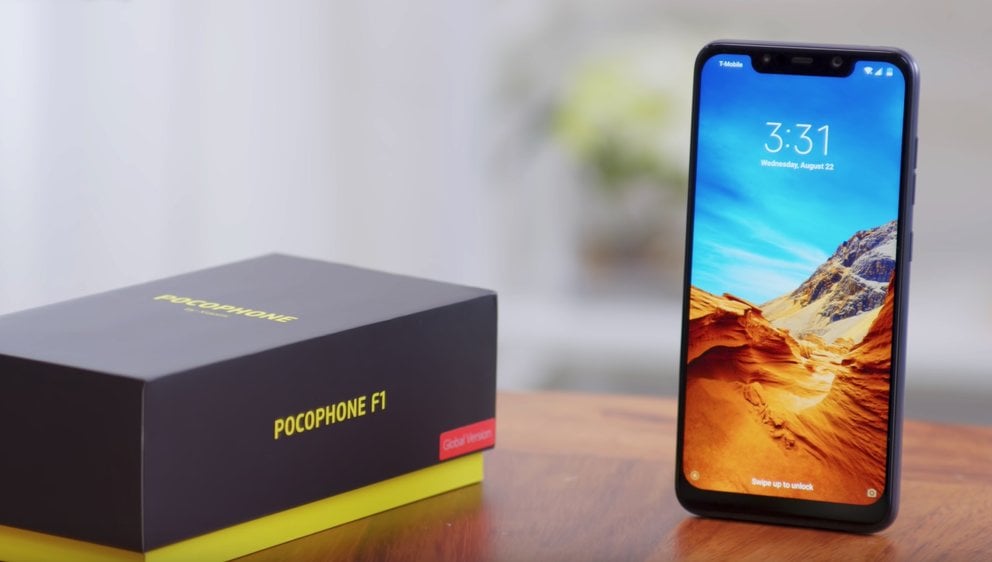
Xiaomi-backed Poco had launched the brand’s first ‘affordable flagship’ smartphone — Poco F1 (Full Specs) last year. While the phone was launched for a starting price of Rs. 20,999, it got a price cut in December 2018, bringing the starting price down to Rs. 19,999.
Now, the company has announced another price cut for the Poco F1 base model with 6GB of RAM and 64GB of internal storage. With this price cut, it is now available for Rs. 17,999 (approx. $260) but the discounted pricing is only till 9th June. Interestingly, the company has not announced a price cut for any other variant.
The Poco F1 with this new pricing is now available for purchase through Mi.com as well as Flipkart. The timing of the price cut is also interesting given that the company is now gearing up to launch the Redmi K20 and Redmi K20 Pro smartphones in India.
Since the Redmi K20 series flagship smartphones are launching in India next week with the same moniker, it seems that the launch of Poco’s next-generation smartphone, Poco F2, could be launched in the Q3 or Q4 this year.
Coming to the specifications, the Poco F1 features a 6.18-inch Full HD+ IPS LCD display which is protected by a layer of Corning Gorilla Glass. The phone is powered by Qualcomm‘s Snapdragon 845 octa-core processor and comes with LiquidCool technology.
It has a 12-megapixel Sony IMX363 primary sensor, coupled with a 5-megapixel secondary sensor on the back panel. On the front side, there’s a 20-megapixel selfie camera powered with AI for capturing enhanced selfie shots.
The phone comes with 6GB/8GB of RAM and 64GB/128GB/256GB of internal storage, depending on the variant. It runs on MIUI based on Android 8.1 Oreo and is powered by a 4,000mAh battery that supports Quick Charge 3.0 fast charging.
In the previous month, Realme had claimed that it would be launching 5G smartphones once the network is ready in China and India. Realme India CEO Madhav Sheth has shared on Twitter yesterday that Realme is now aiming to launch to release its first 5G smartphones this year.
Sheth’s tweet states that Realme will be one of the first smartphone brands to introduce 5G products in 2019. Also, he has stated that the company is also determined to bring the best of technology to India at the earliest.
#5GisReal …. Straight out of meeting room with Mr. Sky Li. Glad to share you our latest R&D updates: #realme will be among the first brands to bring 5G products globally this year. And we are determined to bring the best of technology to India as early as possible. pic.twitter.com/cVNOA6f9Iw
The Realme smartphone brand that was born out of OPPO was introduced in India last year. The brand was made official in China recently with the launch of Realme X and Realme X Lite smartphones. The relatively new smartphone brand is already giving good competition to brands like Xiaomi, Samsung, Vivo and others in India and China. Realme will be also arriving in the European markets in the near future. Probably, the first Realme 5G phone arriving later this year could be aimed towards European and Chinese markets.
Before the launch of the Realme X smartphone in China, the rumor mill had claimed that the company may launch Realme X Pro, an advanced version of the smartphone powered by Snapdragon 855 mobile platform. The smartphone is rumored to rival with the Redmi K20 Pro in China.
Leaked information had revealed that the Realme X Pro could be arriving in 6 GB RAM + 128 GB storage and 8 GB RAM + 128 GB storage models in China with respective price tags of 2,299 Yuan (~$332) and 2,599 Yuan (~$376). The same variants of the Redmi K20 Pro are respectively priced at 2,599 Yuan (~$376) and 2,799 Yuan (~$405). Could there be a 5G edition of the Realme X Pro smartphone? As of this writing, there is no concrete evidence on the existence of Realme X Pro.
The Realme X is a mid-range phone that features a notch-less 6.53-inch IPS LCD full HD+ display and its powered by Snapdragon 710 chipset. The SoC is assisted by up to 8 GB of RAM and it comes with up to 128 GB of storage. A 48-megapixel + 5-megapixel dual camera setup resides on its rear. A 16-megapixel pop-up selfie camera is also available on the device. The 3,765mAh battery of the phone is equipped with 20W Flash Charge rapid charging technology by OPPO. The smartphone is expected to debut soon in India with a price tag of around Rs. 18,000.
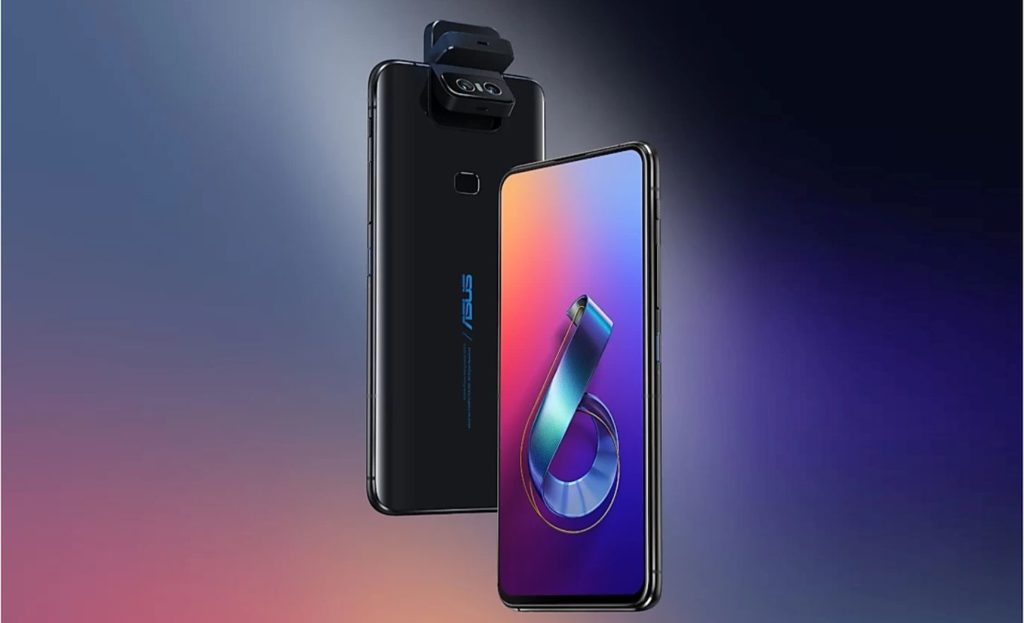
On May 16, ASUS had globally introduced the ZenFone 6 flagship phone. Yesterday, the Taiwanese firm had held a launch event in Taiwan to unveil the ZenFone 6 for the home market. The handset has been introduced with a starting price of NT$ 17,990 (~$575).
The ASUS ZenFone 6 will be available for buying starting from today in Taiwan. The base model of the phone with 6 GB of RAM and 128 GB of storage is priced at NT$ 17,990 (~$575). The higher variant with 8 GB of RAM and an internal storage of 256 GB costs NT$ 20,990 (~$670). Twilight Silver and Midnight Black are the two color variants of the smartphone for Taiwan.
The ASUS ZenFone 6 30th Anniversary Edition with 12 GB of RAM and 512 GB of native storage has arrived in Taiwan with a price tag of NT$ 27,990 (~$893). The Anniversary Edition handset will be a limited edition model as the company will be only selling 3,000 units of it across the globe. The Anniversary Edition model comes with 30-month warranty. It can be availed in Matte Black color only. The Taiwanese firm has imprinted a special anniversary logo on its rear shell.
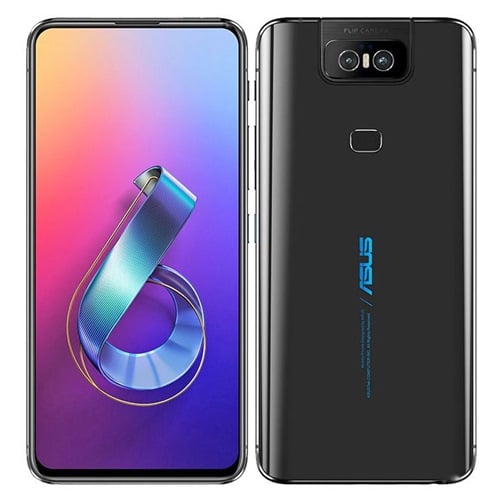
The ASUS ZenFone 6 comes with a notch-less display of 6.4 inches. The IPS LCD panel offers 1080 x 2340 pixels full HD+ resolution and 19.5:9 aspect ratio. The screen is protected by Gorilla Glass 6.
The ZenFone 6 is loaded with ZenUI 6 based Android 9 Pie OS. The Snapdragon 855 chipset powers the smartphone. It comes with a massive battery of 5,000mAh capacity that carries support for 18W rapid charging through USB-C. The huge battery can be used for fueling other devices at 10W charging rate.
There is no front-facing camera on ZenFone 6. The rear side of the phone is equipped with a 48-megapixel + 13-megapixel flip-up dual camera setup. After from snapping regular images from rear side, the dual camera module can be flipped up to capture selfie shots. The rear shell of the phone features a fingerprint scanner and it also equipped with a microSD card slot and a 3.5mm audio jack. The Taiwanese company has promised that it will be rolling out Android Q and Android R OS updates for ZenFone 6 users. Except for increased RAM and storage, the 30th Anniversary Edition is packed with the same specs as the regular model.
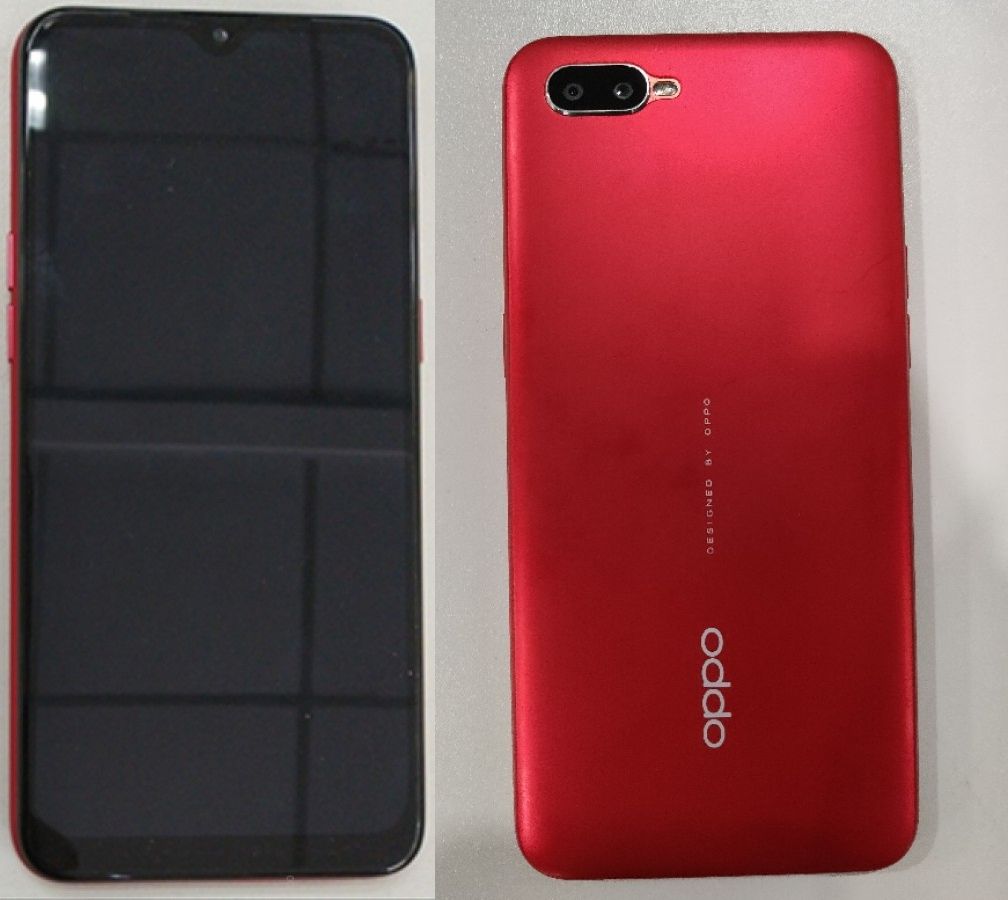
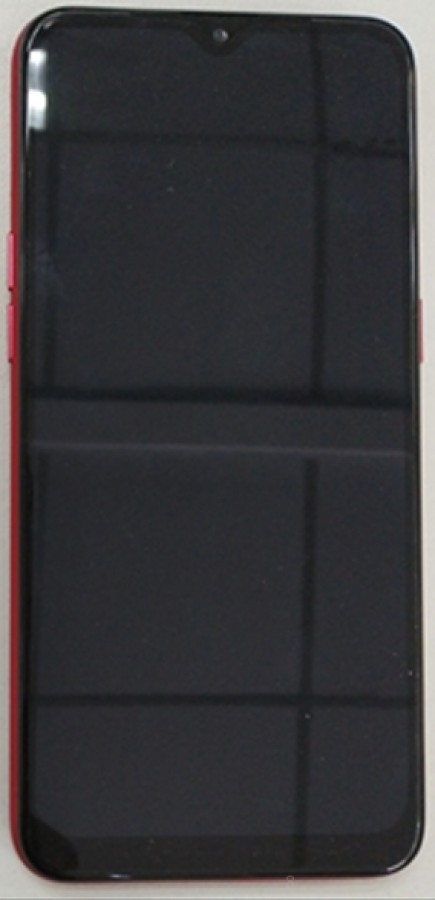
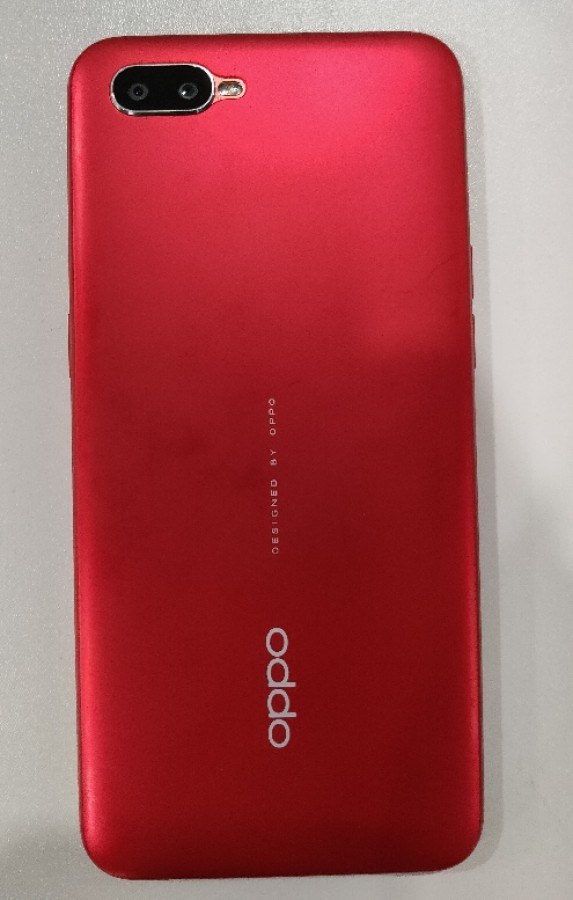
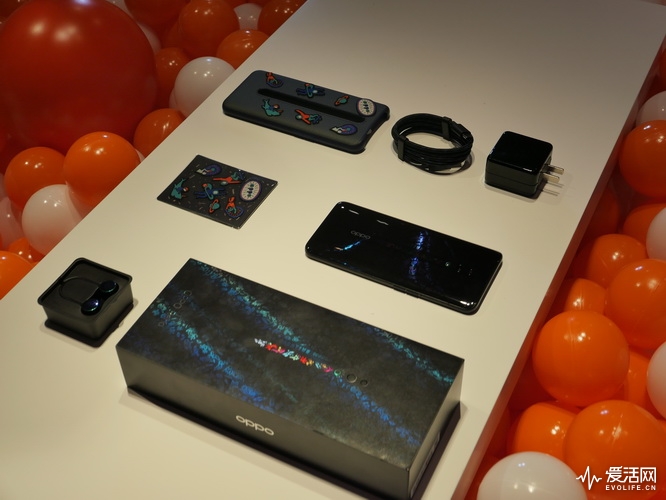
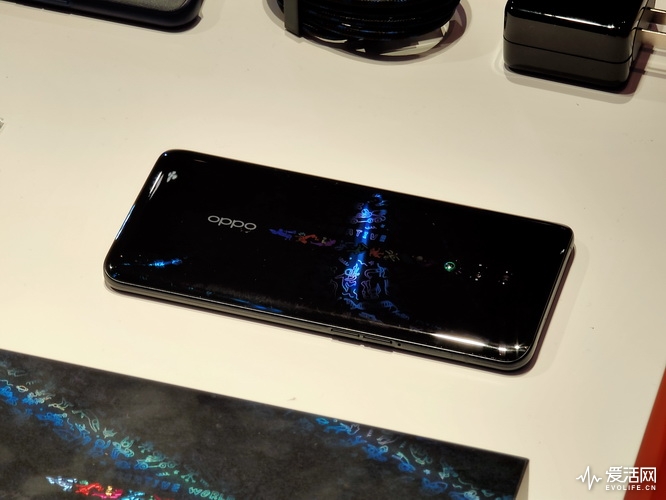
OPPO had launched OPPO A1 mid-range smartphone in March last year. Recent reports have revealed that the company may soon debut a smartphone called OPPO A1s as an upgraded version of last year’s model. Recent reports have revealed that the OPPO A1s that has a model number of CPH1925 has bagged approvals from multiple authorities such as Indonesia as TKDN, EEC in Europe and Thailand’s NBTC, Wi-Fi Alliance and Bluetooth SIG. Its NBTC certification has not only confirmed the model number and name of the phone, but also has revealed some live shots to showcase its design from all angles.
The images of the OPPO A1s show that its rear shell could be made out of durable plastic. The red colored rear side of the phone features a horizontal dual camera setup and an LED flash at the top-left corner. The handset lacks a fingerprint sensor. And since it appears to be a low-budget phone, it won’t be coming with an in-screen fingerprint scanner. So, the customers of A1s will mainly will rely on face unlock feature for unlocking.
The frontside of the OPPO A1s has a large display with Dewdrop notch. A selfie camera is placed inside the notch and an earpiece is placed just above it. The prominent chin of the device can be seen in the images of the phone.
1 of 6
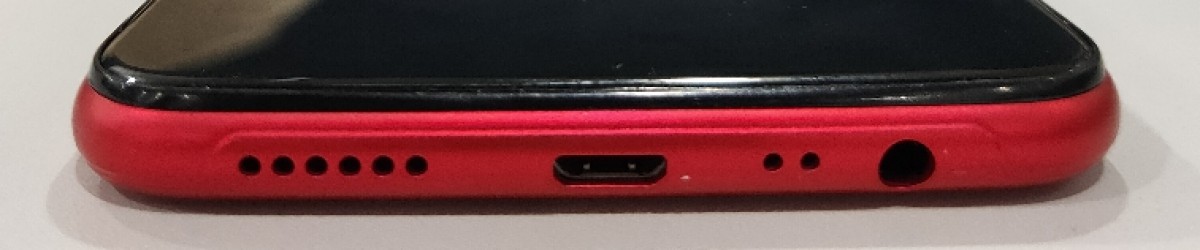
The top edge of the OPPO A1s is barren while its bottom edge is populated with an external speaker grille, a microUSB 2.0 port, microphones and a 3.5mm audio jack. The left side of the phone has a SIM card slot and volume buttons. The power key is positioned on the right spine of the OPPO A1s.
The Bluetooth SIG certification of the OPPO A1s had revealed that it is equipped with a 6.1-inch display that offers HD+ resolution. The smartphone draws power from an octa-core processor from MediaTek that clocks at 2.0 GHz. It supports Bluetooth 4.2 and Wi-Fi 802.11 b/g/n. The other details of the phone are currently under the wraps. In terms of pricing, the smartphone could be slotted between recently released OPPO A3s and OPPO A1k smartphone. Since the smartphone has been approved by many certification platforms, its launch date could be close at hand.
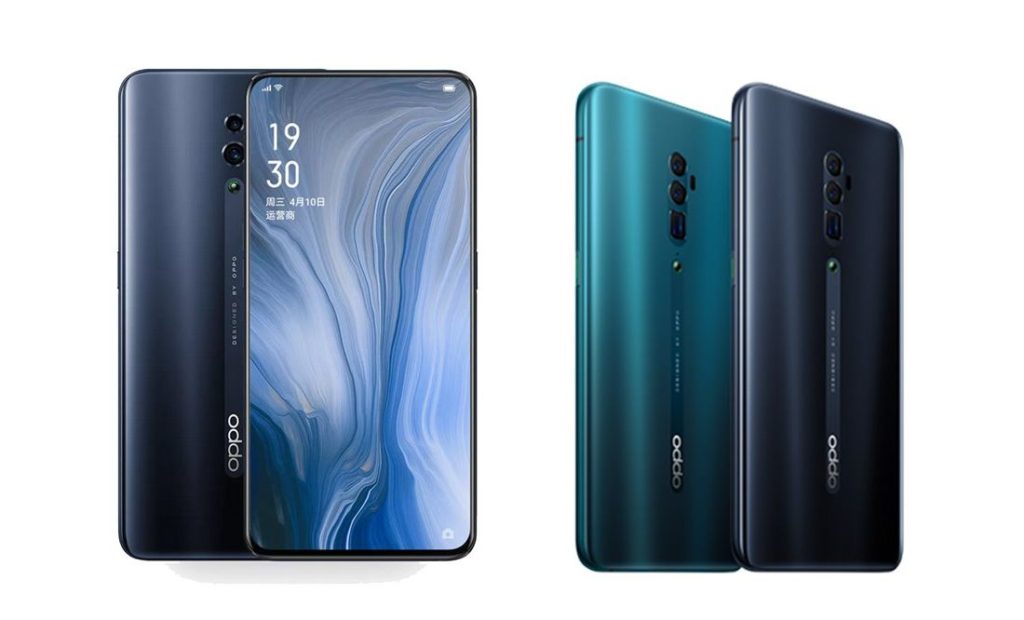
On May 28, OPPO had launched the OPPO Reno series of smartphones in India. The first sale of the Reno and Reno 10x Zoom smartphones will begin today in the country. Both phones will be available for purchase through online and offline stores.
OPPO Reno and Reno 10x Zoom Price in India
The OPPO Reno that comes with 8 GB of RAM and 128 GB of native storage is priced at Rs. 32,990. The Reno 10x Zoom will be available in two models in the country such as 6 GB RAM + 128 GB storage and 8 GB RAM + 256 GB storage. Both variants are respectively priced at Rs. 39,990 and Rs. 49,990.
Both smartphones will be available for purchase in color option such as Ocean green and Jet Black color through Flipkart. Customers who have already pre-ordered the Reno smartphones using HDFC bank card will be provided with a discount of 10 percent. Through Instacash, they can also available additional 10 percent cashback on exchange. It is also offering assured buyback for a year.
The Reno and Reno 10x Zoom smartphones are respectively equipped with 6.4-inch and 6.6-inch notch-less AMOLED displays with under-screen fingerprint sensor. Their displays are shielded by Gorilla Glass 6 panels. The Reno is an upper mid-range phone powered by Snapdragon 710 whereas the Reno 10x Zoom smartphone is a flagship phone with Snapdragon 855 onboard. The ColorOS 6.0 based Android 9.0 Pie OS comes preloaded on both devices.
Both smartphones are equipped “shark fin” shaped pop-up camera module with 16-megapixel sensor and an LED flash. The Reno smartphone is equipped with a 48-megapixel + 5-megapixel dual camera setup while the Reno 10x Zoom comes with 48-megapixel + 8-megpaixel + 13-megapixel triple camera setup which includes a periscope lens that brings forth 10x zoom capabilities.
There is a 3,765mAh battery inside the OPPO Reno phone while the Reno 10x Zoom is packed with a 4,065mAh battery. Both handsets carry support for 20W VOOC Flash Charge technology. The OPPO Reno lacks a microSD card slot and it is equipped a 3.5mm audio jack. On the other side, the Reno 10x Zoom with does not feature a 3.5mm audio jack but comes with a microSD card slot.
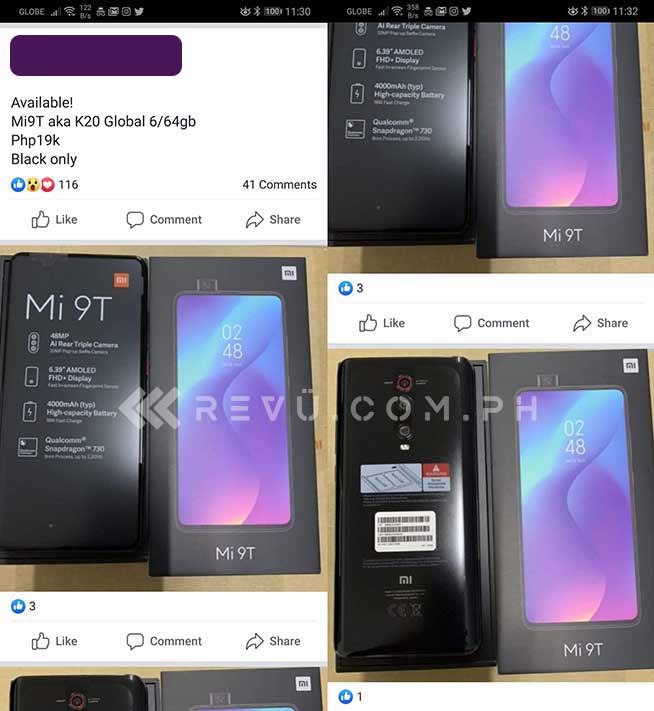
Xiaomi is all set to officially launch the much-touted Mi 9T model on June 12. Even before the device was confirmed to released soon, it has already been listed in some countries like Russia, Bulgaria etc. The Philippines has become the latest country where the Mi 9T has gone on sale on a number of retail platforms.
The Xiaomi Mi 9T is hitting the Philippines with a price tag of PHP19,500 (~$377) for the 6GB+64GB variant. The 6GB+128GB variant is on offer for PHP20,500 (~$396). However, the models are sold via grey-market resellers and not by official stores or authorized dealers. So intending buyers may want to exercise caution on this one.
As you already know by now, the Mi 9T has the same design as the Redmi K20 which made its debut in China only last week. The device will feature a 6.39-inch FHD+ notch-less AMOLED display and will be powered by a Qualcomm Snapdragon 730 chipset. Xiaomi may also release a Mi 9T Pro which will pack a Snapdragon 855 flagship SoC. But we can’t say if it will be launched on June 12 also. The Mi 9T also comes with a triple camera setup at the rear. The front has a 20MP sensor for selfies which sits on a motorised pop-up housing at the top edge.
There are also speculations that the Mi 9T and 9T Pro will be released in some markets as Poco F2 and Poco F2 Pro. The Pocophone model was first launched in India last year. Thus, if this is true, India won’t be among the countries to get the Poco F2 as the Redmi K20 series is set to launch in India on July 15.
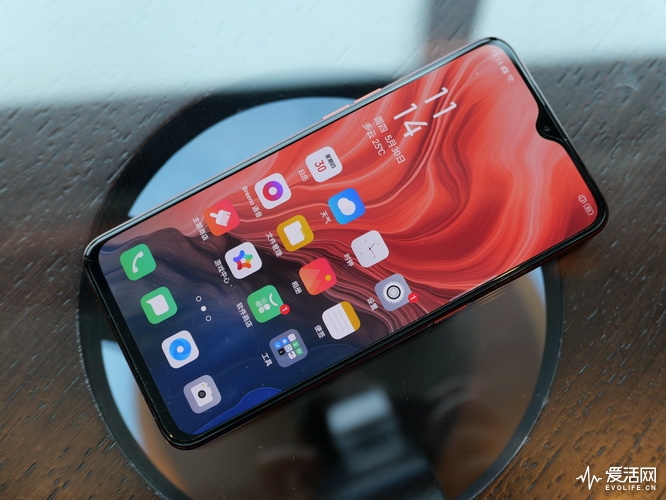
The OPPO Reno Z is similar in design to the Reno except that it doesn’t have the pop-up camera design. Instead, the device packs a waterdrop notch on top of the 6.4-inch FHD+ AMOLED display. The waterdrop notch houses a 32MP selfie camera with features such as RAW HDR, self-timer.
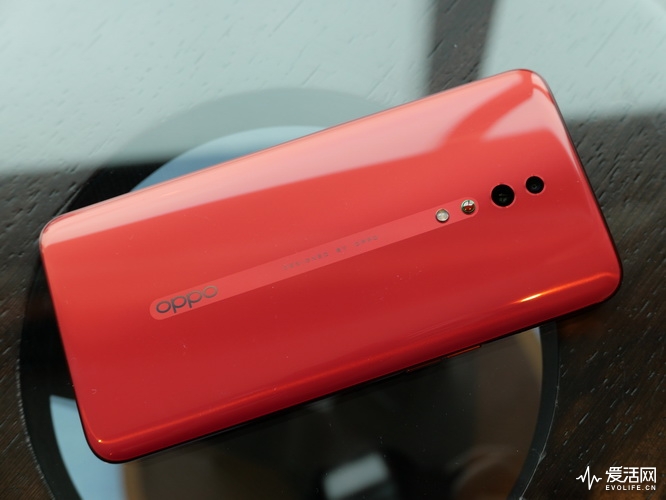
At the rear, the Reno Z packs a 48MP Sony IMX586 main camera with a large 1.6μm pixel size, 1/2.0 large sensor size and f/1.7 large aperture. This is consistent with the setup of the Reno.
The main camera is paired with a 5MP depth sensor in a dual camera arrangement. The rear camera also comes with composite multi-frame noise reduction and multi-frame HDR technology Ultra Clear Night View 2.0 to enhance the clarity and texture of night shots.
OPPO Reno Z Night Scene mode capture
The camera samples shot by the Reno Z shows the setup is pretty powerful. The photos were captured straight out of the camera without any modification to the settings. The night shots captured under the Night scene mode also comes out spectacular.
The Reno Z runs Android 9.0 Pie-flavoured ColorOS 6 and gets its power from an impressive 4035mAh battery with OPPO’s 20W VOOC 3.0 fast charging support. The Reno Z also comes with NFC and Dolby Atmos support for optimum sound quality. It is priced at 2,499 Yuan ($362) for both the 6GB RAM + 256 GB storage as well as 8GB RAM + 128GB variants. The phone comes in Night Black, Star Purple, Bead White and Coral Orange colours.
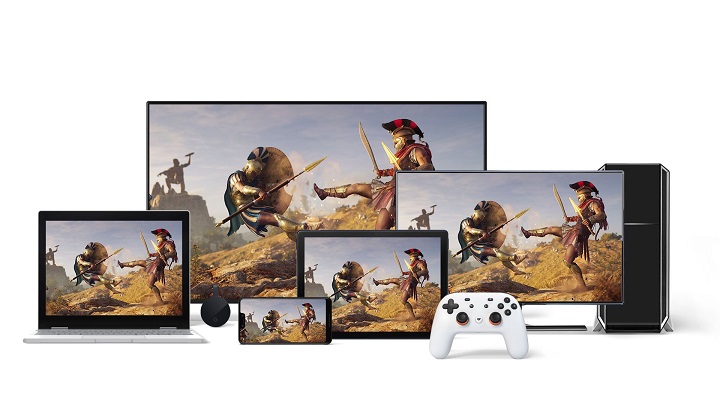
Google announced Stadia – its game-streaming platform back in March. The idea behind Stadia is to allow users to play console-level games without owning a console. All the processing power required for the game is handled by Google’s data centers. Users will be able to play these games on their TV, desktop, laptop, and smartphones.
Today, there was a second event where Google announced more details including pricing, list of games and the countries the service will be rolling out to first.
Requirements
Stadia will be accessible on your TV (Chromecast Ultra required), desktop, laptop, and smartphones (starting with Pixel 3/3XL and Pixel 3a/3a XL).
You will be able to use your existing controllers including your keyboard, mouse, PS4 and XBOX controllers. There is also a Stadia Controller that costs $69 which has a Google Assistant button and a capture button for taking screenshots and saving video clips from your gameplay.
Stadia will be able to stream at up to 4K 60fps with 5.1 surround sound audio. However, not everyone has got a superfast internet connection. The recommended minimum is 10Mbps which will allow you to stream at 720p 60fps with stereo audio. You will also be able to steam at 1080p 60fps with 5.1 Surround Sound if your connection reaches 20Mbps.
Games Coming to Stadia
These are the games coming to Stadia. Some of them are confirmed to be available at launch (we are sure of the first eight):
Ghost Recon: Breakpoint
The Division 2
Assassin’s Creed Odyssey
Just Dance 2020
Trials Rising
The Crew 2
Tomb Raider Trilogy
Final Fantasy
DRAGON BALL XENOVERSE 2
DOOM Eternal
Wolfenstein: Youngblood
Destiny 2
Power Rangers: Battle For The Grid
Baldur’s Gate 3
Metro Exodus
Thumper
GRID
SAMURAI SHODOWN
Football Manager 2020
Get Packed
The Elder Scrolls Online
NBA 2K
Borderlands 3
Farming Simulator 19
Mortal Kombat 11
Rage 2
FINAL FANTASY XV
Gylt
Darksiders Genesis
Launch Date and Price
Stadia launches in November in 14 countries. These countries are Belgium, Finland, Canada, Denmark, France, Germany, Ireland, Italy, Netherlands, Norway, Spain, Sweden, the United Kingdom, and the USA (excluding Hawaii and Guam).
The service will roll out to more countries in 2020 and beyond.
Stadia will have a free mode called Stadia Base that will be available next year. Users will be able to buy games whenever they want but won’t get free games or discounts on select purchases. Free users are also limited to stream at 1080p and 60fps.
There is also Stadia Pro which cost $9.99/month. Users will be able to buy games whenever they want, get discounts on select purchases and get free games regularly such as Destiny 2: The Collection. They will be able to stream in 4K 60FPS and get 5.1 surround sound.
If you cancel your Stadia Pro subscription, you will still be able to play already purchased games on Stadia Base.
Stadia is selling a Founder’s Edition bundle that is priced at $129. It includes the exclusive Night Blue Stadia Controller, a Chromecast Ultra, 3 months of Stadia Pro subscription, exclusive Stadia Name, a buddy pass, and access to Destiny 2: The Collection.
More than 75% of the smartphones available in the market run Android OS as of May 2019. Apple’s iOS comes in second place with a HUGE gap with just 22.7% share. This goes on to show the dominance of Android globally. But when did it all start? Some might say that it all started with Google’s acquisition of Android back in 2005. But I would say it all started with one phone, the HTC Dream, the world’s first Android smartphone.
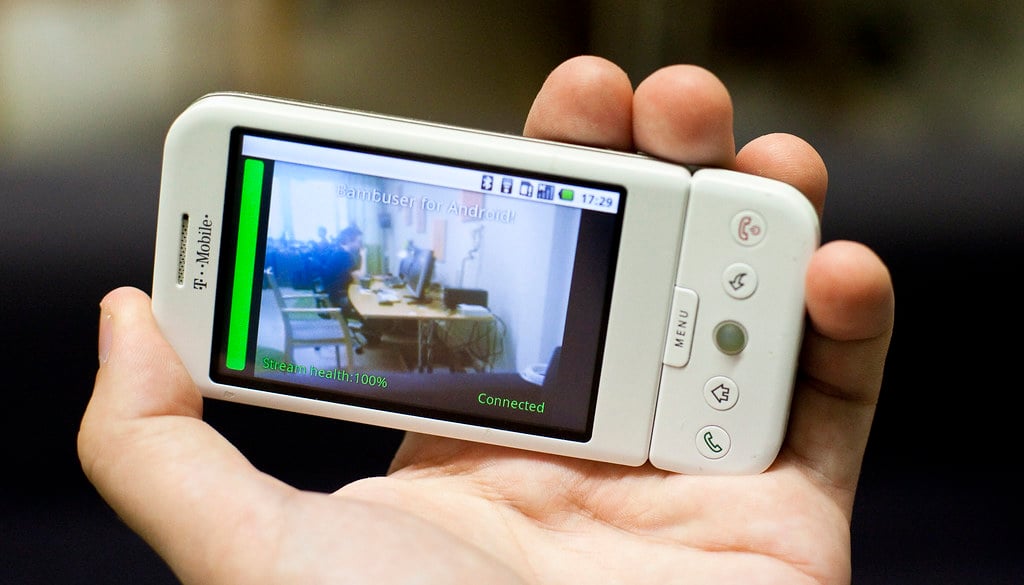
HTC Dream aka T-Mobile G1 Source: Wikipedia
The HTC Dream aka HTC G1 or T-Mobile G1 (US) was the first ever phone to ship with Android. The phone was aptly named – the Dream because it was set to revolutionize the smartphone market. Android brought in one unique aspect to the smartphone industry – open source, which wasn’t common in OSes back in September 2008. Symbian, iPhone OS, and Blackberry OS were the dominant players back then. Symbian powered the Nokia phones, iPhone OS powered the Apple iPhones, and Blackberry OS powered the Blackberry phones. But what about those who didn’t want to invest a lot in their own operating system? This is where Android and its open source nature came to the rescue.
HTC didn’t have a proprietary OS. It did rely on Microsoft’s Windows Mobile-based PDA’s before the HTC Dream but it was looking for an operating system that could suit its needs. See, back then, HTC was one of the largest smartphone makers in the world. Google’s Android looked promising and was unlike other proprietary operating systems back then. It made sense for HTC to give Android a try.
The result was the HTC G1. Apart from running Android OS, the phone also came with 3G support, which was a really big deal back then. This meant that the G1 aka Dream went head-on against Apple’s iPhone 3G.
While both were smartphones that focused on providing high-speed 3G network connectivity, their designs were quite opposite. The iPhone 3G was sleek and beautiful, while the HTC Dream was bulky, heavy, and chunky.
HTC Dream Source: Wikipedia
The HTC Dream came with a plastic and boring design. It weighed 158 grams, which was really heavy for a 3.2-inch screen smartphone. It had a slider keyboard which was pretty robust but added to its weight and thickness. The total thickness went up to 0.62-inches which, in comparison to the iPhone’s 0.48-inches, was really thick. But HTC had to include a slider because they felt users were not yet ready for a virtual keyboard. Then there was the big chin at the bottom that housed five physical buttons and a trackball similar to Blackberry.
Clearly, it wasn’t built to compete with the iPhone of its time.
However, the HTC Dream was special. It came with Qualcomm’s best smartphone SoC, the MSM7201A clocked at 528MHz with 192 MB of RAM, 256 MB of ROM with 16GB expandable storage via MicroSD. Top-end stuff of its time! Plus, it had a 3.15MP camera at the back with auto-focus. The 3.2-inch screen had capacitive touch support but didn’t feature multi-touch. The resolution was 320 x 480 pixels. The screen was actually pretty good for a 2008 phobe and received a lot of praise from reviewers.
As for your music needs, the HTC Dream didn’t have a traditional 3.5mm headphone jack. Instead, it featured HTC’s proprietary ExtUSB port which supported Mini USB plugs. An adapter could be used to connect your regular 3.5mm headphones.
As for software, which was its highlight, the HTC Dream came with Android v1.0. There were no fancy dessert names back, just the good old version numbers. The phone came with custom home screen support, widgets, app multitasking, a notification drawer, and an Android market with 50 odd apps. It’s interesting to note that the thing that makes Android special today, made HTC Dream special too, even back in 2008. The phone supported Google’s own Gmail, Maps, Search, and Youtube apps.
Soon after the HTC Dream was released, developers managed to root and mod the phone. This led to communities like XDA which has become the heart and soul of Android.
It all started just 11 years back, with HTC at the helm. Clearly, the HTC Dream is no longer a dream. It’s a reality. What it envisioned back in 2008, Google, Android, and millions of developers across the globe have managed to convert it into reality!
So, the HTC Dream will always have a special place in our smartphone history!
Vivo has recently launched Vivo Y17 and Y15 smartphones in India. The sales of another Y-series phone called Vivo Y12 will begin this week in the country. According to 91mobiles, Vivo is now gearing up to introduce a new Z-series smartphone in India. Also, it also planning to introduce its S-lineup in the country. The Z-series smartphones will be sold exclusively through online channels. However, the S-series phones will be only available offline.
Last year, Vivo had launched Vivo Z10 smartphone in India. It was actually the Vivo V7+ phone launched with the Z10 moniker for offline markets. However, since then the company has not launched a Z-series phone in the country. Citing information received by its source, the publication has claimed that the upcoming Z models will be arriving to take on the Xiaomi phones that are sold only through online channels in India.
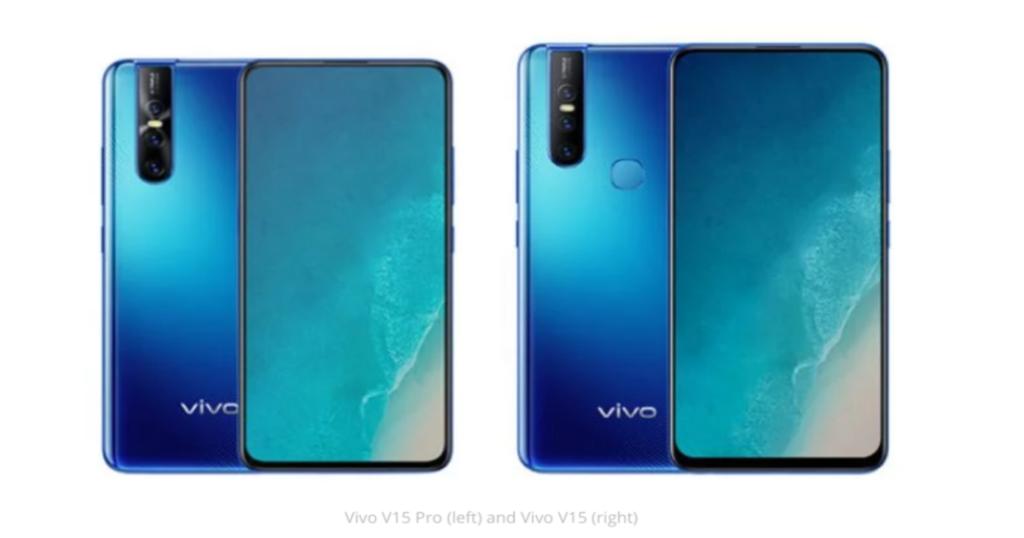
In India, Vivo had launched the Vivo V15 and Vivo V15 Pro smartphones earlier this year. The same phones were rebranded as Vivo S1 and S1 Pro in China. According to the publication, Vivo’s S-series will be also releasing in India. However, it is expected to hit the Indian market after Vivo’s Z-series.
Vivo has recently released the Vivo Z5x as its first phone with punch-hole display design. There is a possibility that the Chinese firm may launch this phone in India soon. It comes with a 6.53-inch display that produces full HD+ resolution and it is fueled by Snapdragon 710 chipset. The SoC is supported by 8 GB of RAM. The native storage of the phone is 128 GB.
The rear side of the phone is equipped with a 16-megapixel + 8-megapixel + 2-megapixel triple camera setup. The display hole is equipped with a 16-megapixel selfie camera. The FunTouch OS based Android 9 Pie OS runs on the device. It draws power from a 5,000mAh battery. The handset is available in China with a price tag of 1,398 Yuan (~$202).
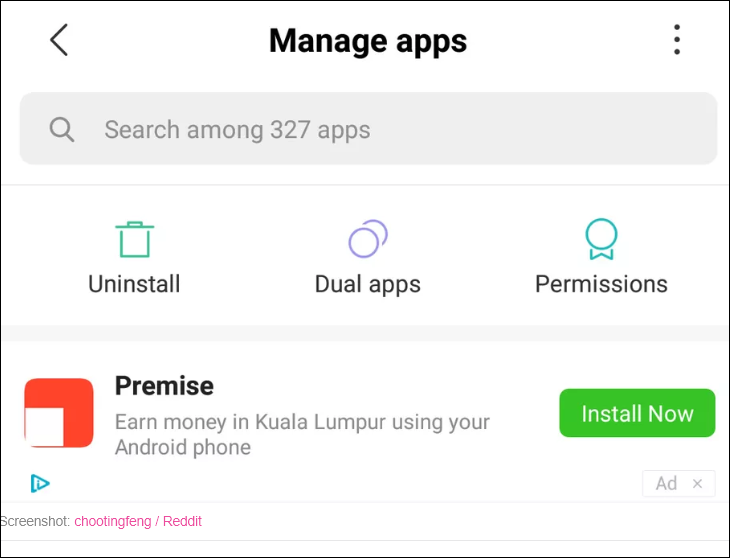
If you use a Xiaomi smartphone, then you’ll agree the adverts on the MIUI interface are quite rampant and sometimes annoying. The issue has even made some fans to refer to MIUI as ADUI in a cheeky way. Users of the Mi A1, Mi A2, Redmi Go which run stock Android don’t encounter such issues. But then, we’re certain Xiaomi won’t be letting go of the MIUI ROM anytime soon especially as it is a major revenue spinner for the company which calls itself an internet giant and not just a smartphone manufacturer.
Xiaomi has already promised to rectify the ad placements on the MIUI ROM and it seems something tangible has been achieved. Xiaomi Product Director and MIUI Experience General Manager @MIUI Xiaofan today posted a letter to MIUI fans on Weibo where he reeled out the progress made so far. He hinted that Xiaomi has started the process of rectifying the ad placements on MIUI. According to him, a lot of the advertising spaces have already been dropped and more would be removed within the next two months.
He also hinted that the MIUI team now strongly resist vulgar ad contents and have begun rectifying all such contents that are in the mix already. All adverts will also be strictly regulated from henceforth with heavy sanctions for violations. He gave a timeframe of two to three months for the revamp to be completed.
One of the ad placements you’ll see on the MIUI interface
Earlier, Bai Peng, general manager of Xiaomi Internet Business Department had stated in an interview that more advertising space usually meant more money but the company would show restraint by reducing the number of ads on the custom ROM in order to improve the user experience and encourage more persons to use MIUI. Xiaomi will now focus on improving the efficiency of each advertising space and accurately push the advertisements to users through algorithms.
HTC has announced that it will have an event on June 11 where it will unveil a new smartphone. The announcement was made by the official HTC Taiwan Facebook page earlier today.
The poster doesn’t reveal any key info about the device but the text on it roughly translates into “ New device, let’s play e”. We have a feeling this phone might have some gaming features based on that.
There are speculations that the launch is for an HTC device with model number 2Q7A100 which has been certified in Taiwan and been spotted on Geekbench. The phone is said to have a Snapdragon 710 processor, 6GB of RAM, 128GB of storage, a display with an 18:9 aspect and a 1080 x 2160 resolution. It will also have dual front-facing cameras and run Android Pie.
The NCC documents also show the device will keep the bezels and not join the notch or punch hole train.
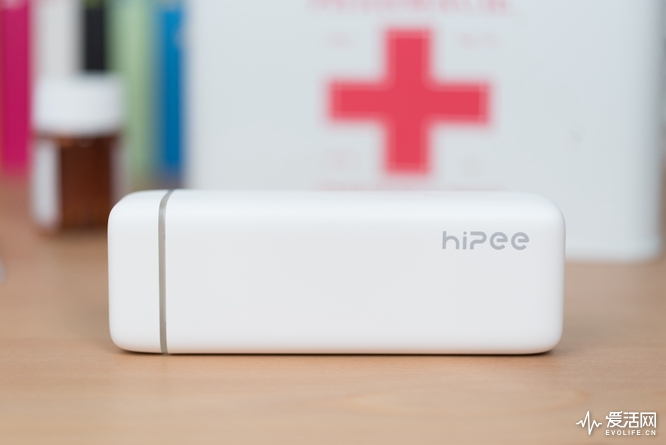
It is very common to forget to take your medication especially when it is not a routine drug. Also, persons who are busy at work often skip meals let alone take medicine regularly. There is now a portable pill box that not only helps you store your medications, it also functions as a “little partner” to remind you to take medicine on time. The HiPee Smart Pill Box it is called and it was recently crowdfunded on Xiaomi‘s crowdfunding platform.
A lot of persons are presently on medications and would find this device useful, whether it is for a short period or long-term use. Apart from reminders to take your pills, the smart pillbox can also remind you of the dosage.
The HiPee Smart Pill Box keeps up with the design style of MIJIA products. That is a simple design that fits the palm easily, making it easy to carry around. The size of the kit is 13cm long, 4.5cm wide and 3cm high. The maximum capacity is up to 80 capsules. The box is divided into 4 separate compartments, each with a separate inner cover to protect against light and moisture, and to avoid interaction between drugs/health products. It uses a button battery that can last for long. The pillbox is manufactured using FDA-approved food-grade degradable materials for safety.
You may still be looking out for the reason why we called it a smart pillbox. If you guessed that it comes with Bluetooth connectivity, you are right! HiPeee Smart Pill Box can be paired with a smartphone running iOS or Android operating system. There is an HiPee smart pillbox app which you need to install on the smartphone and the app can be downloaded by scanning the barcode on the body of the box.
After opening the app and pairing the device, you can then click on the corresponding position to add the drugs you need to take. Adding drugs, you can choose to add manually, you can also scan the code to add drugs starting with 69, very convenient.
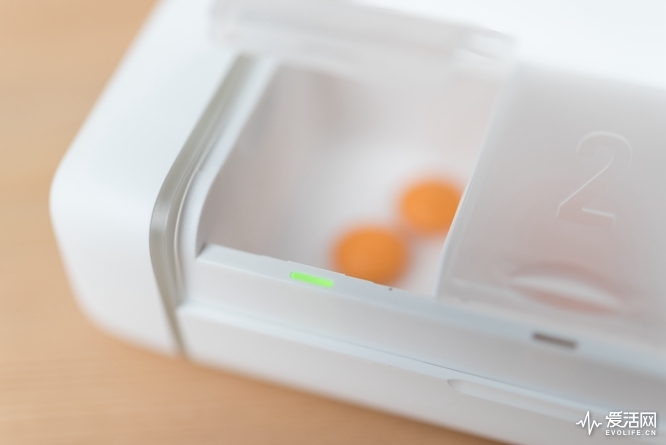
After adding the pills, it is also possible to set the time and frequency of taking the medicine. When it is time to take any of the pills, the app alerts the user on the mobile phone and a green light starts to blink on the box and the box also beeps. If you still forget to take the medicine, the device snoozes for 10 minutes and the alerts are repeated. Each of the compartment has a separate LED so you know the one you are due to take. The app also records the pattern that you take your medications, making it easy to monitor the pattern and even synchronise the data with family members, if you want, to keep them from worrying.
In addition, you don’t have to find the pillbox if it is misplaced. All you have to do is pick up your smartphone and use the Find pill box feature on the app. It beeps and emits green light to let you know the location even in the dark.
We don’t have details of the pricing and availability right now but we’ll keep you posted when we do.
Google has finally rolled out the Android Q Beta 4 with all new APIs. Developers can now hands-on the latest API 29 SDK along with updated build tools for Android Studio. There are many new APIs which will extremely improve the overall performance and working of the Android Q. Surprisingly, hidden ‘Face authentication’ settings get discovered in the latest build by our folks at 9to5Google.
It means the Android Q will feature inbuilt Face authentication features which will work as like of Apple’s Face ID. A string of code further revealed that it would allow users to sign into different applications and verify mobile payments. However, Google didn’t officially inform about such a feature in the blog. It also brings the ability to delete the face and fingerprint data permanently.
We expect some more details to unveil when the developers start exploring the hidden ‘Face authentication’ settings.
Android Q Beta 4 also allows developers to publish the API 29 compatible apps on the Play Store. They can even push updates straight from the Play Store to the respective users for compatibility testing. Further, the introduction of thermal API will allow adjusting performance based on the device’s temperature.
There are many other changes in the latest build. Unfortunately, some Pixel devices are getting bricked after updating to the Android Q Beta 4. We suggest waiting for a few days before updating the device.
We use cookies on our website to give you the most relevant experience by remembering your preferences and repeat visits. By clicking “Accept”, you consent to the use of ALL the cookies.
This website uses cookies to improve your experience while you navigate through the website. Out of these, the cookies that are categorized as necessary are stored on your browser as they are essential for the working of basic functionalities of the website. We also use third-party cookies that help us analyze and understand how you use this website. These cookies will be stored in your browser only with your consent. You also have the option to opt-out of these cookies. But opting out of some of these cookies may affect your browsing experience.
Necessary cookies are absolutely essential for the website to function properly. This category only includes cookies that ensures basic functionalities and security features of the website. These cookies do not store any personal information.
Any cookies that may not be particularly necessary for the website to function and is used specifically to collect user personal data via analytics, ads, other embedded contents are termed as non-necessary cookies. It is mandatory to procure user consent prior to running these cookies on your website.