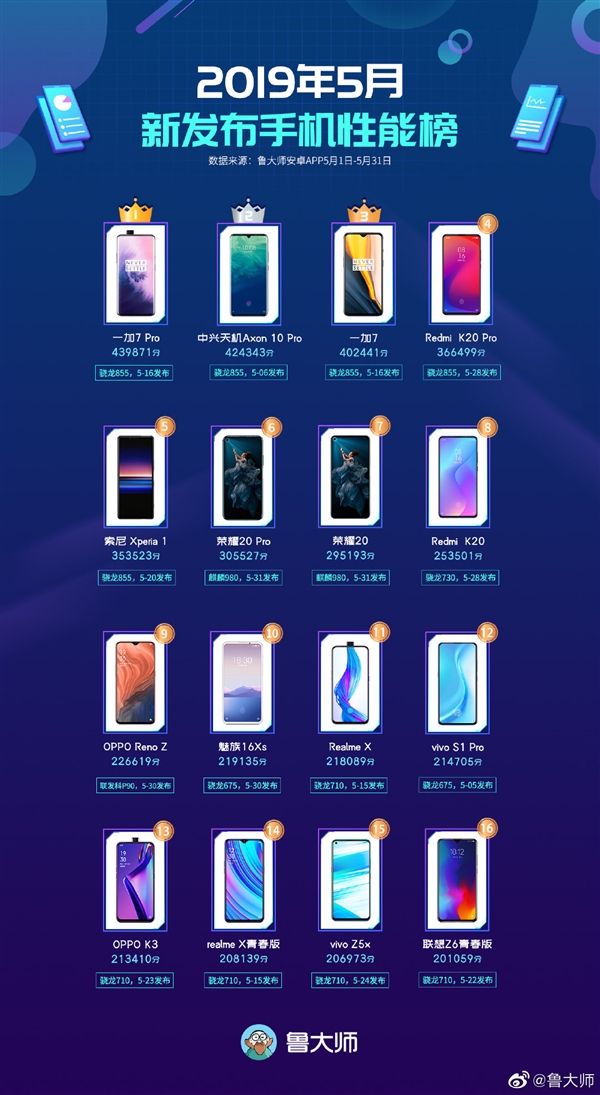
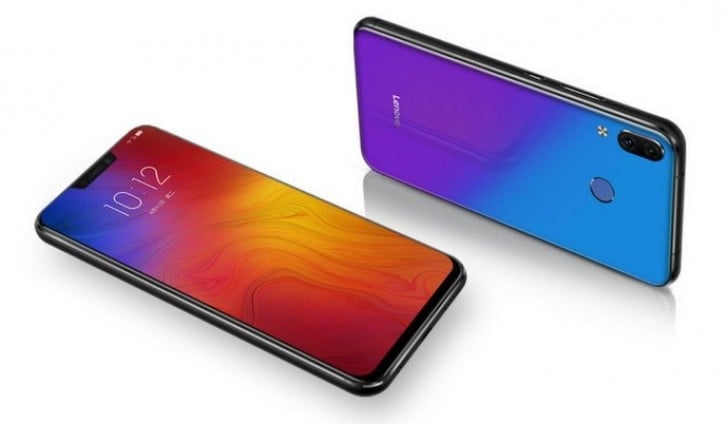
Master Lu has released a list of the best performing new smartphones released in May. The list shows that a total of 16 new models were released between May 1 to May 31 and this included seven flagship phones and nine mid-range models.
The OnePlus 7 Pro posted the most outstanding performance with a Master Lu benchmark score of 439,871 points. The OP7 Pro is followed by the ZTE Axon 10 Pro while the OnePlus 7 came third, both having benchmark scores of over 400,000 points. This is followed by the Redmi K20 Pro, and Sony Xperia 1 with benchmark scores of 366499 points and 353523 points respectively.
The list also has the Honor 20 Pro and Honor 20 at the sixth and seventh spots. Both Kirin 980 models had benchmark scores of 305,527 points and 295,193 points respectively, perhaps due to different clock frequencies.
The rest of the listed models are Snapdragon-powered models. They include the Redmi K20, OPPO Reno Z, Meizu 16Xs, Realme X, Vivo S1 Pro, OPPO K3, Realme X Lite, Vivo Z5x, Lenovo Z6 Lite etc. Among them, the Redmi K20 with a Snapdragon 730 chipset has a benchmark score of more than 250,000, which is far more than those of the Snapdragon 710 models.
Huawei recently called out FedEx for attempting to reroute some of its packages to the US. While FedEx claimed it was done in error, the development prompted Huawei to issue a statement that it would re-evaluate its cooperation with the US courier company. The Chinese company has now gone into an alliance with China’s state-owned logistics giant China Post, a move that may not be unconnected with the FedEx issue.
China Post released a statement via a WeChat post that it’s forming a new “comprehensive strategic partnership” with Chinese telecoms giant Huawei. The Chinese courier firm stated that the two parties have signed a cooperation agreement which will see them deepening cooperation in finance, technology innovation, logistics, and talent cultivation. The post also revealed that Huawei’s co-chairman Eric Xu and China Post chairman Liu Aili were at the agreement signing ceremony held Wednesday. The partnership will see both companies set up a new technology application lab and a joint innovation center.
This is in no way related to courier services but the timing is obviously a show of unity and this makes it special. Just a few days back, China’s postal regulator hinted that it will launch an investigation into US delivery company FedEx.
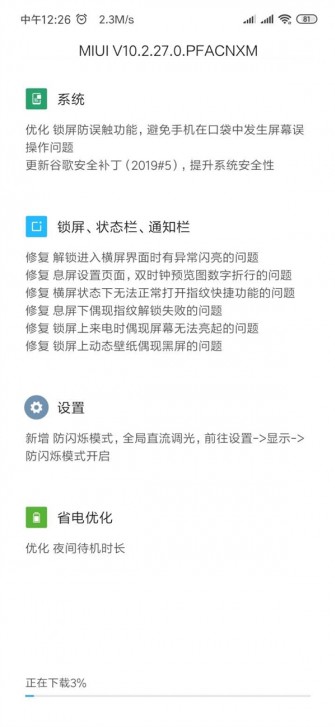
DC Dimming is one of the phrases being thrown around in the mobile industry this year. We talked about it here. The feature has been rolling out to a lot more phones that have OLED displays. OnePlus already included it in the updates it released for its new flagships and Huawei has confirmed that its P30 series will also get it. In China, the Mi 9 has now gotten DC Dimming via a new MIUI update.
Rolling out as MIUI 10.2.27.0PFACNXM, the update brings DC Dimming to the Xiaomi flagship. After the update, users will be able to turn it on via a toggle under Display settings.
The update also optimizes the lock screen, updates the security patch to May 2019, improves stability, and brings a new power optimization feature.
DC Dimming was promised for the Mi 9 back in March and was available in beta to those running the developer version of MIUI. Now that it is out of beta and rolling out in China, we expect it to also make it to global users in the next stable update.
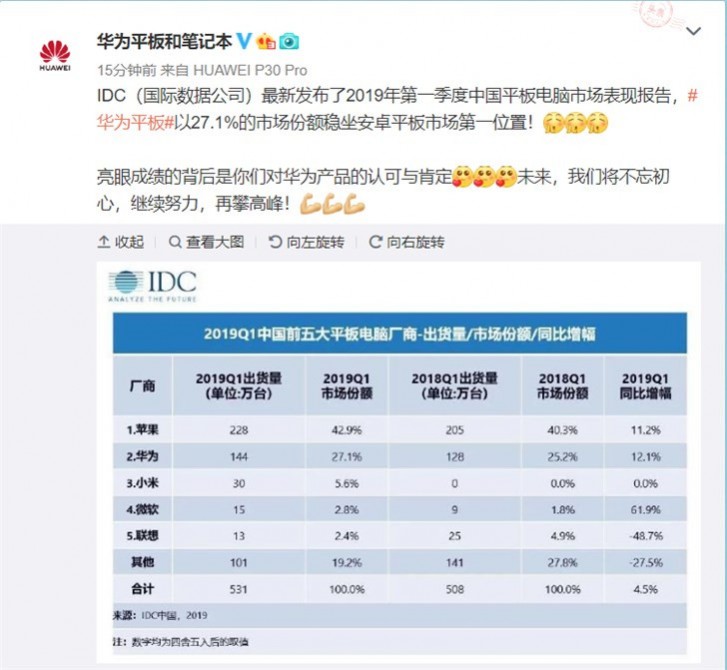
According to a recent IDC report, Apple and Huawei constituted most of the Chinese tablet market in Q1 2019. Xiaomi also bragged huge sales and consolidated third position despite the slump in the Chinese tablet market in recent years.
Surprisingly, Apple tops the chart with a 42.9% market share and Huawei fared 27.1% market share. Both the companies constituted 70% of the total market share in China. The Cupertino giant managed to rake 2.38 million shipments with an increase of 2.6% in comparison with the same quarter of the last year. However, Huawei witnessed 1.44 million units shipments with a year-on-year increase of 1.9%.
Another Chinese manufacturer – Xiaomi boarded third place with total shipments of 300000 units. It constitutes a 5.6% market share in China. The tablet trend is fading away with each passing year, premium manufacturers even stopped launching the new Android tablets.
On the other hand, wearables have become more intuitive as their small size and better AI integration is paving way for new possibilities. Majority of the Android smartphone manufacturers are now offering wearables loaded with a plethora of features. In the Chinese wearables market, Xiaomi attained the first position with 5.3 million units, Apple remained in second place with 4.6 million units and Huawei at third with 3.9 million shipments.
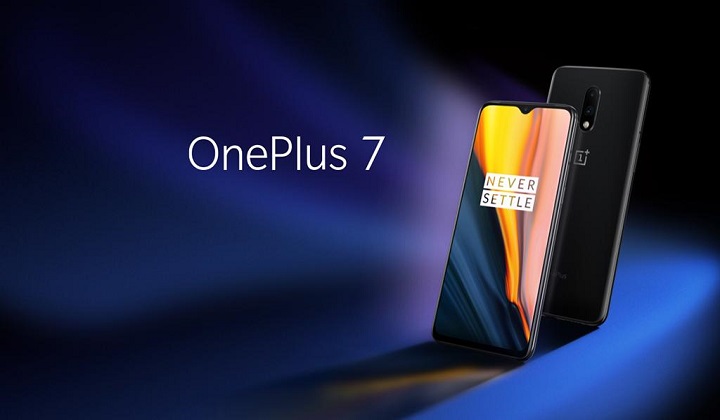
The OnePlus 7 is already available for purchase in India, the UK, and China. If you already have the phone, then you should be receiving a new update right when you are done setting up the device.
The update is rolling out as OxygenOS 9.5.4 and it brings some of the features that were announced at the launch as well as some optimizations. Below is the complete changelog:
System
Updated Android security patch to 2019.4 (April).
Added DC Dimming (Settings-Utilities-OnePlus Laboratory).
If you don’t get a notification for the update, you can go to System updates under Settings (System) to check for the update.
The OnePlus 7 starts at £499/₹32,999. It has a 6.41-inch AMOLED display with a waterdrop notch at the top. It is powered by the Snapdragon 855 processor with 6GB/8GB of RAM and 128GB/256GB of storage.
The phone has a 48MP f/1.7 primary camera paired with a 5MP depth sensor on the back while the front houses a 16MP f/2.0 camera. There is an in-display fingerprint scanner, support for Face Unlock, and stereo speakers with Dolby Atmos. The OnePlus 7 packs a 3700mAh battery with support for 20W fast charging. It is available in Mirror Gray and Red.
The Korean giant seems to be in a hurry, as the company has started working on the 6G networks. The 5G networks are just poping-up in some corners of the world. Whereas, Samsung started looking at the new spheres with the sixth generation mobile network.
According to a report in the Korean Herald, Samsung expanded the telecommunications reasearch team. It is now working on 6G network at its new Advanced Communications Research Center under Samsung Research company in Seoul. A Samsung official said, “The current team on telecommunications technology standards has been expanded to start leading research on the 6G network.”
Along with the development of new telecommunication network, the Samsung Research team will also focus on the development of artificial intelligence and robotics. They will be responsible for making Samsung products smarter than before.
It is too early to talk about the 6G networks, as most of the world is still yet to get the 5G network. It will take another couple of years for 5G networks to become mainstream throughout the globe.
Xiaomi has been working on improving the AOD feature of its phones following the launch of the Mi 9. A new feature it has been working on is Dual Clock Always on Display. This allows you to set two different clocks to be shown in AOD mode and comes in handy for those who are frequent travelers.
Dual Clock Always on Display
At the moment, the feature is still limited to the developer version of supported devices but it should become available to stable users via a future update.
The Weibo post which revealed the new feature also revealed more details about Always-on-Display in general. First, the color screen AOD feature will be available to all Xiaomi phones with OLED displays including the Mi 8.
The post also said since the 2016 Mi Note 2 also uses an OLED display, it will also get the feature. The AOD update will arrive on the Mi Note 2 after the Mi 8 and the Mi MIX 3 gets it.
Xiaomi’s CEO, Lei Jun also confirmed that all Xiaomi OLED phones will get the dual-clock feature.
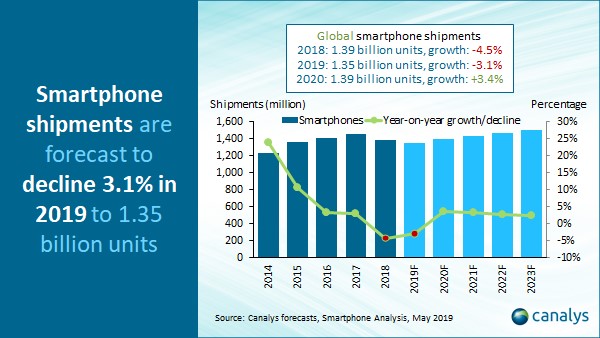
According to a report from market research firm Canalys, the global smartphone shipments will be slightly lower than the total smartphone shipments last year. The firm has slashed its forecast by around 5 percent amid the US-China trade war.
This comes after the United States decided to ban Huawei from doing business with US-based company and technology. The firm is now projecting smartphone shipments of 1.35 billion units in 2019, a year-over-year decline of 3.1 percent from 1.3931 billion units that were shipped in 2018.
Earlier, the company had forecasted shipments of 1.417 billion units in 2019, or what would have been a projected 1.7 percent increase. That 2019 forecast has now been lowered by 4.7 percent.
While the order issued by U.S. authorities is still officially on hold for about 90 days, Canalys does expect it to go into effect and the order will strike a massive blow to Huawei’s ability to roll out new devices.
However, looking at the future, Canalys predicts positive smartphone growth in 2020 with an expected bounce back to 1.39 billion global shipments, equating to a 3.4 percent increase. It also adds that certain regions will recover faster than others, mainly due to varying lengths of the phones’ lifecycles.
Huawei had enjoyed massive growth in recent years when it comes to the consumer electronics business. While Apple iPhones shipments fell 23 percent in Q1 2019, Huawei’s shipments surged over 50 percent year-over-year. The company was even determined to overtake Samsung in 2020 to become the world’s top smartphone seller.
However, the Chinese giant is now scrambling to implement contingency plans. It seems that Samsung could benefit from Huawei’s troubles as the South Korean company has the ability to boost production and compete on price.
Recently announced OnePlus 7 Pro is reeling from several display issues. Many users on the Reddit and OnePlus community forums are reporting “ghost touch” and a few other display issues. In response to these problems, OnePlus has confirmed that a fix is in the works and will be pushed “in the coming weeks.” The update is in works to fix OnePlus 7 Pro’s screen issues. The upcoming update will patch all the display related problems and will improve the overall experience. The company also released a statement regarding the matter:
We have received limited reports from users describing their encounter of the “phantom taps” experience. Our team has worked hard to identify these cases, and we will release a firmware update in the upcoming weeks.
The “ghost touch” issue is widespread on many OnePlus 7 Pro units. The “ghost touch” or “phantom touch” issues arise when the phone starts tapping the display on its own. It can result in the malfunctioning of a particular app or the whole system. Some users even reported problems with the screen ignoring touches around the corners. In the meantime, users can temporarily turn off the NFC or reboot the device to solve the “ghost touch” issue on the OnePlus 7 Pro. It is also recommended to uninstall CPU-Z app.
The exact timeline for the update is not provided by the OnePlus. However, the company said to be rolling out the update very soon.
OnePlus announced the OnePus 7 Pro last month with Snapdragon 855 and 6.67-inch fluid AMOLED display. Its display comes with the QHD+ resolution, 90Hz refresh rate and support for HDR 10+. A triple rear camera module makes it perfect in the optics. It includes a 4000 mAh battery which supports 30W Warp Charge fast charging technology.
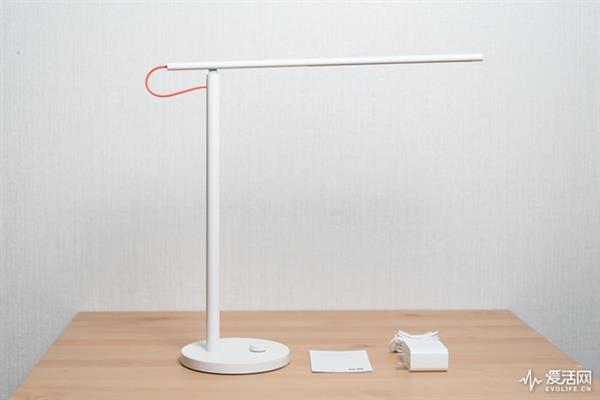
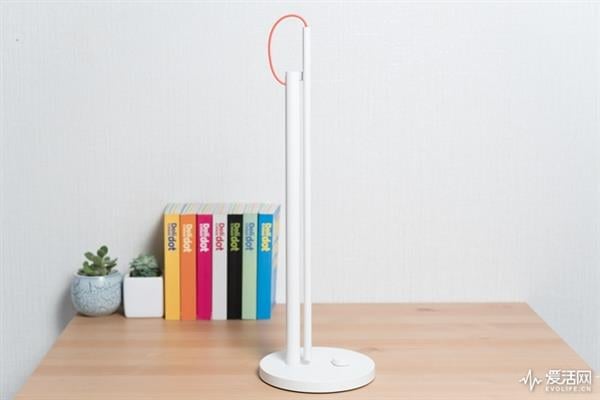
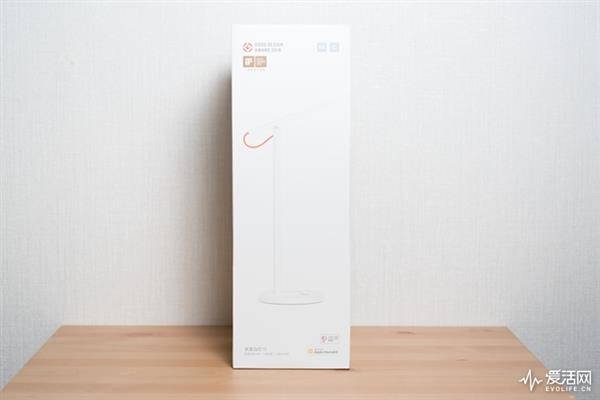
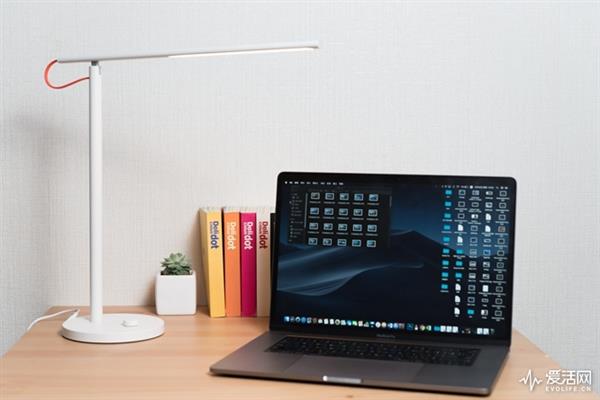
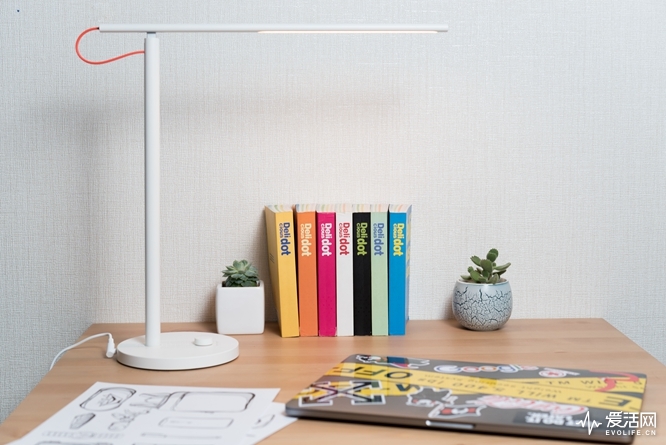
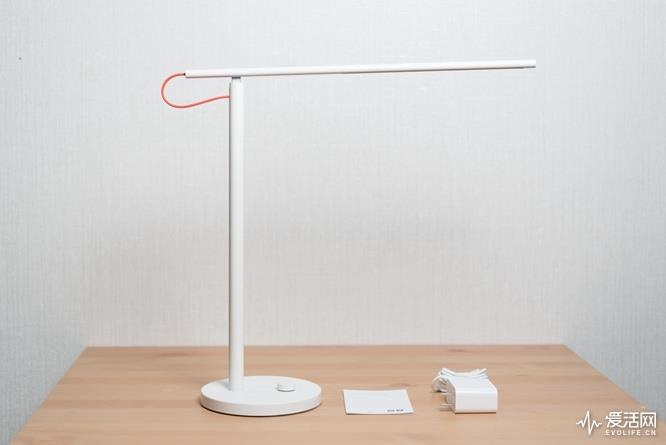
Xiaomi recently launched an upgraded version of the MIJIA Table Lamp in China. The new version is called MIJIA Table Lamp 1s and is already on sale across various channels for a slightly higher 179 yuan (~$26) price tag. The previous-gen MIJIA Table Lamp carries a retail price of 169 yuan (~$24).
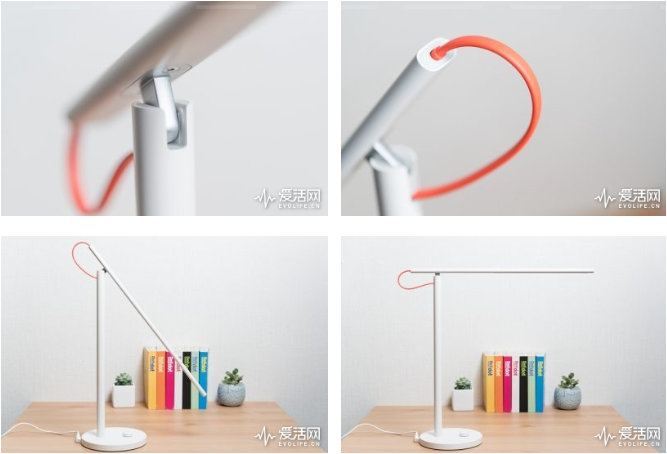
The MIJIA Table Lamp 1s comes with four different kinds of eye protection modes. As an upgraded version of the MIJIA Table Lamp, the MIJIA Lamp 1S inherits the simple and sophisticated appearance of the previous generation models. The lamp arm and body are all metal, with a matching pure white color which can be well integrated into various environments. When not in use, the MIJIA Lamp 1s arm can be opened and closed up to 135 degrees in order to reduce the occupied space. The connecting device between the lamp arm and the lamp body is an all-metal, one-spindle shaft. The shaft was subjected to 10,000 fatigue tests which it withstood without any hassle.
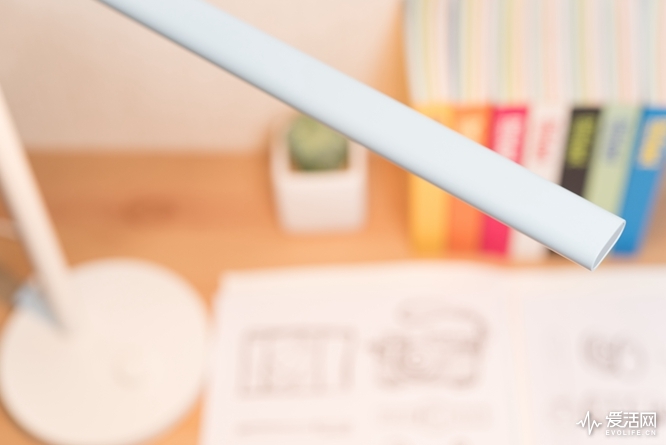
In addition, the lamp of the MIJIA Table lamp 1S is directly integrated with the lamp arm. The lamp arm has a heat sink and a thermally conductive glue, and a Fresnel optical lens made of glass is used to allow the light to be reflected by multiple refractions. This arrangement makes the light beam to be more even and natural.
The table lamp reaches 520 lumens in terms of luminous flux, which is twice that of the previous generation. The central illuminance value reaches 1131 lux, which is 50% higher than the previous generation, reaching the national A-class lighting standard, and the color rendering index is Ra90. The color reproduction ability is higher. The lamp uses a non-video flash constant current analog dimming mechanism, even at low brightness, it is equivalent to the high-brightness working mechanism during PWM dimming, without flickering, reducing the burden on the eyes.
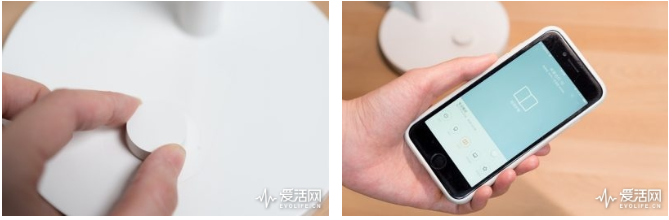
The use of the Lamp 1S is also very simple, just the turn of a button turns the machine on and off. Further rotation of the button adjusts the brightness. To change the color temperature, you press the button and rotate. I addition to the button control, the lamp can be controlled using the MIJIA app. There are 4 eye protection modes in the app: reading, computer, children and focus mode. The smart lamp also reminds users to switch to other modes when using the focus mode that keeps the brightness at its peak.
The lamp can also be paired with the Apple HomeKit system and support XiaoAI and Siri voice controls.
Xiaomi MIJIA Table Lamp 1S different color temperatureXiaomi MIJIA Table Lamp 1S different colour temperature
As stated earlier, the Xiaomi MIJIA Table Lamp 1S is presently on sale on Xiaomi Youpin for 179 yuan ($26) in China. However, we can’t say when it will be available for the global market.
I did a comparison between QCY T1 and Redmi AirDots two months ago, and QCY T1 performed well. Now, I get the latest earphones of QCY, called QCY T3 TWS BT Earphones. The QCY T3 looks completely different from the QCY T1. How about the performance of QCY T3? Let’s check out this review.
Design:
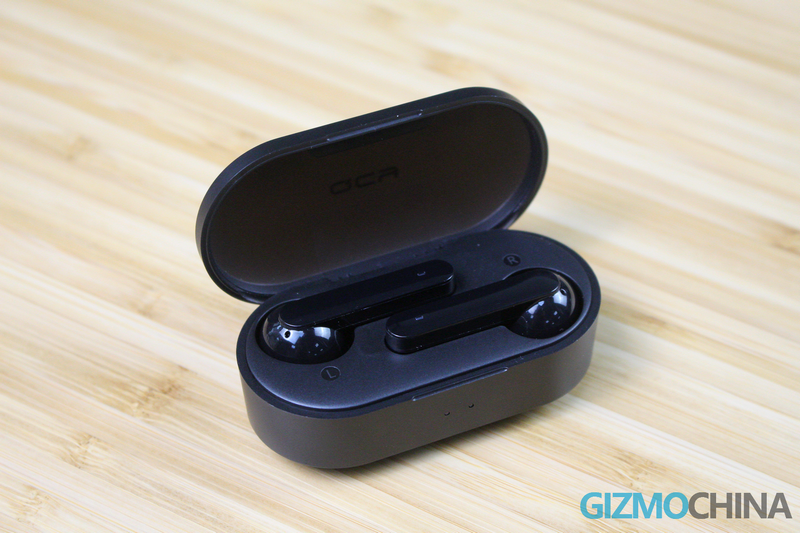
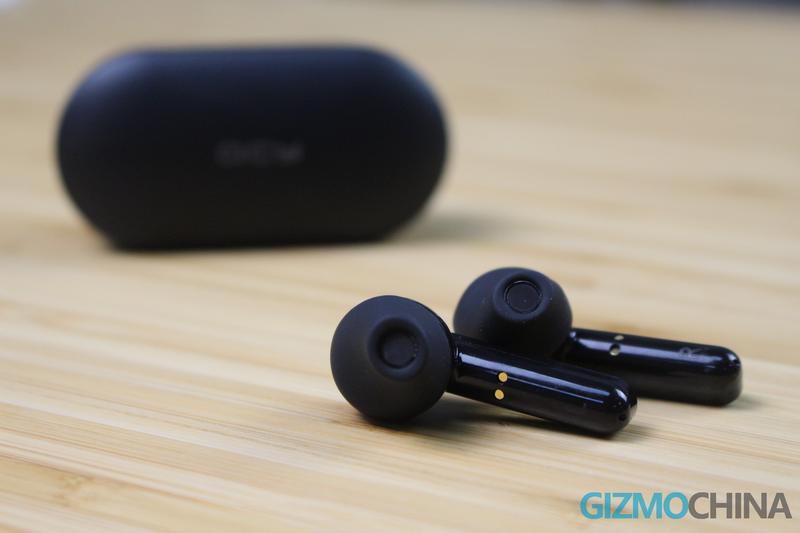
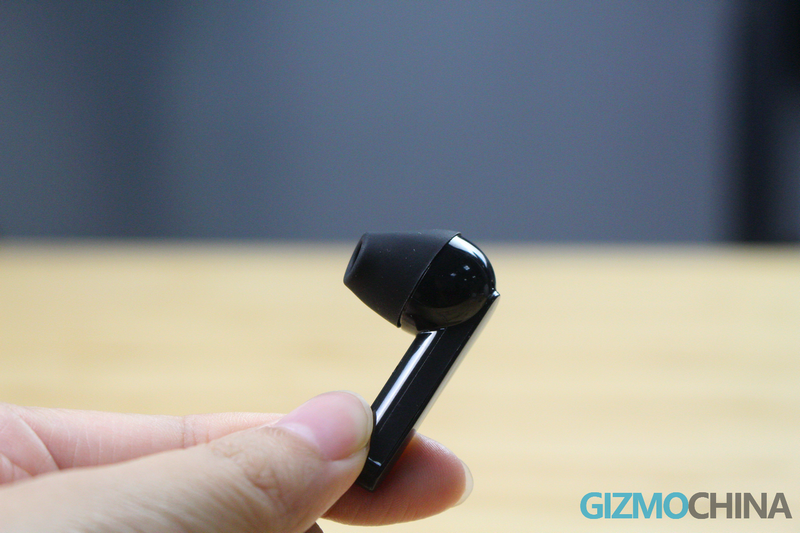
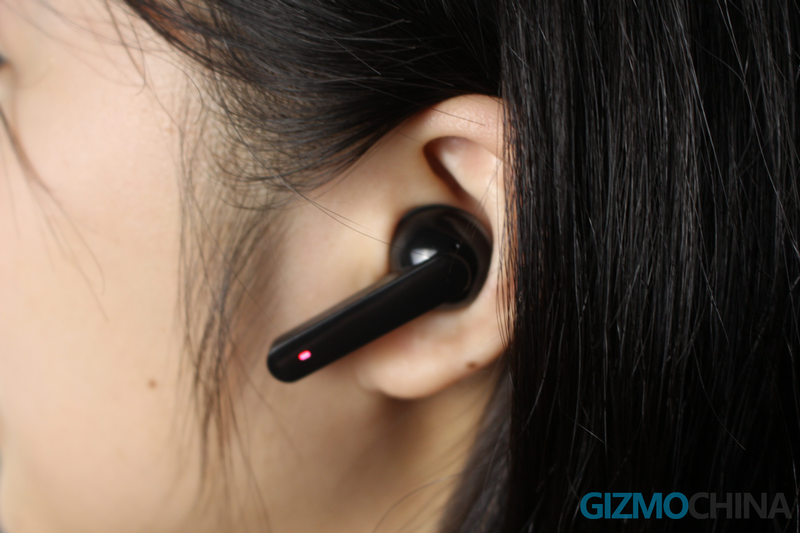
QCY T3TWS Earphones adopts half-in-ear earphones, which is totally different from QCY T1 adopting in-ear and round design. The design of QCY T3 is similar to Apple AirPods except the half-in-ear part. The QCY T3 is in high gloss black, which looks beautiful and elegant. Compared with QCY T1, I think the T3 is more comfortable. It is light and ergonomic, which would fit ears perfectly, and your ears will not feel pressure when you wear them. The earphones will not fall off when you use in daily life. Also, I wore them to do sports like running and cycling, they never fall off from my ears.
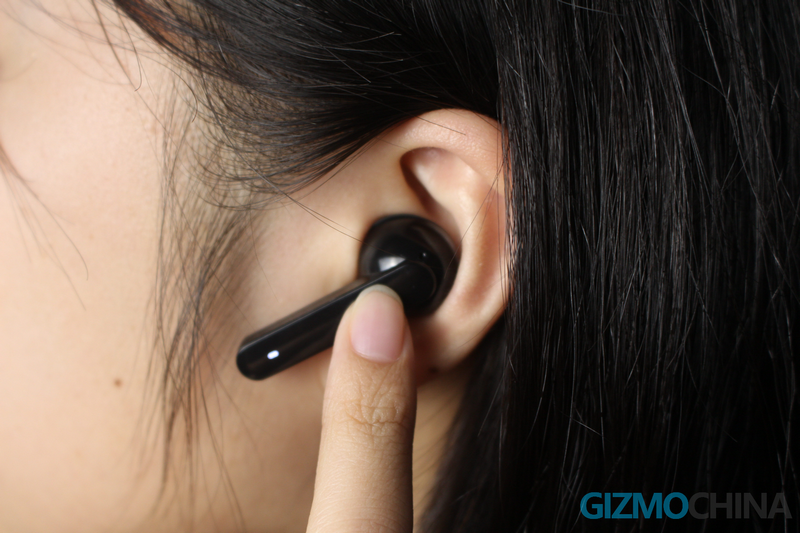
QCY T3 adopts touch-bar, which is easy to operate the earphones. You can use the touch-bar to do a lot of things, such as volume control, skip track forward/backward, power on/off, voice assistant and so on. When playing, you can slip up or slip down on touch bar to control volume. Touch the bar on right/left earbud for 2s to skip track forward/backward when playing. You can get more operation details on the user manual.
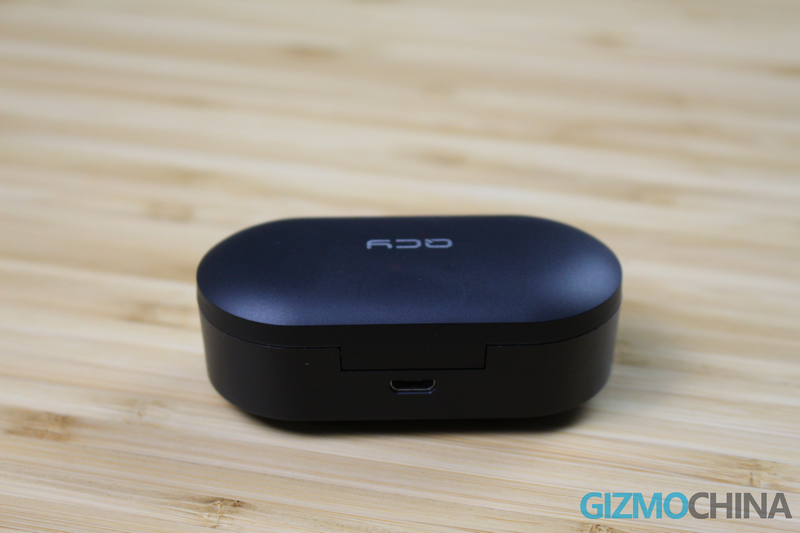
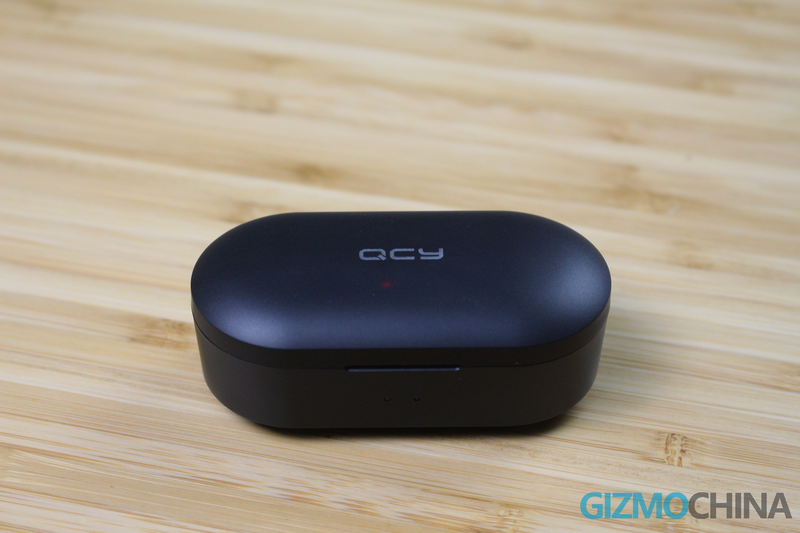
QCY T3 TWS Earphones come with a charging box, which is smaller than Xiaomi Redmi AirDots, and lighter than QCY T1. Like most of the charging boxes of TWS earphones, QCY T3 charging case packs a charging port and a LED indicator. Different from the earbuds, the charging case is in matt finish, which has good touch feeling.
Performance:
I was looking forward to the sound quality of QCY T3, however, after the test, I was a little disappointed with the Bass mode and detail processing of the earphones. The QCY T3 earphones perform well in ballads with the surround stereo mode. In the high pitch, the amount of distortion is scarcely heard. You better not listen to the dance music and electronic music in surround stereo mode, which is jarring. I am not keen on bass, but the bass mode of QCY T3 is poor, and the thumping sound is poor.
Overall, I deem that the sound quality of QCY T3 is general. If you’re keen on ballads, it is a good choice.
Battery:
The QCY T3 TWS Earphones are fueled by 60mAh each, and the charging case has a battery capacity of 600mAh. They can be used for 5 to 6 hours with single charge, which are enough for daily use. For me, I usually charge the case every three days.
Conclusion:
QCY T3 TWS Earphones are light and comfortable to wear, and they are easy to take out. What’s more, the operation of touch bar is easy to learn. If you are keen on ballads, QCY T3 is your choice. If you prefer bass, QCY T1 should be more suitable for you.
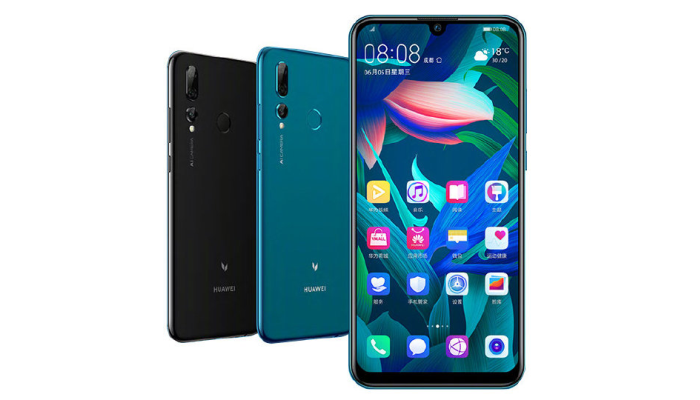
Through an unveil event in China, Huawei has taken off covers from the Maimang 8. It has arrived to replace the Maimang 7 smartphone from 2018. The major highlights of the Maimang 8 are its tall aspect ratio, Kirin 710 and rear-facing triple cameras. The handset has been introduced with a price tag of 1,899 Yuan (~$275).
Huawei Maimang 8 Specifications and Features
The Huawei Maimang 8 smartphone is equipped with a waterdrop notch enabled 6.21-inch display. The IPS LCD offers 19.5:9 aspect ratio and full HD+ resolution. The smartphone delivers a screen space of 89 percent. Since its is a TUV Rheinland certified display, it protects the eyes of the users from fatigue by obstructing the blue rays.
The Kirin 710 chipset fuels the Maimang 8 smartphone along with 6 GB of RAM. The EROFS super file system enabled internal storage of 128 GB is available on the device is. For additional storage, there is a dedicated microSD card slot on the smartphone. The Android 9 Pie OS that comes preloaded on the phone is customized with EMU 9 UI. It comes with GPU Turbo technology enhances the graphics capabilities of the device.
An LED flash assisted vertical triple camera setup with 24-megapixel sensor is available on the rear side of the Maimang 8. It also comprises of a 16-megapixel superwide lens and a 2-megapixel depth sensor. A front-facing camera of 8-megapixel is present inside the waterdrop notch of the smartphone. The photography features offered by the Maimang 8 are AI scene recognition, 480 fps slow-motion video recording, handheld night scene and so on.
The Huawei Maimang 8 has a 3,400mAh battery. Unfortunately, it is only equipped with support for 10W charging. The rear shell of the phone is fitted with a fingerprint reader. It carries support for face unlock, dual SIM support, 4G VoLTE, Wi-Fi 802.11ac, Bluetooth, GPS, microUSB 2.0 and a 3.5mm audio jack.
Huawei Maimang 8 Price and Availability
The Maimang 8 has landed in China with a price tag of 1,899 Yuan (~$275). Its color variants are Magic Night Black and Blue Sapphire The official sales of the phone are slated to begin on June 12. Starting from today, buyers in China can pre-order the smartphone.
Xiaomi has launched a few different types of lamps in the company’s home market, China. Now, the company has launched yet another table lamp in the Chinese market, named Mi Table Lamp 1S.
As the name suggests, the Mi Lamp 1S launched today is an upgraded model of the Mi Table Lamp which was launched last year. The newer version of the lamp keeps the simple and sophisticated design on the previous generation product.
The light from the Mi Lamp 1S reaches 520 lm in terms of luminous flux, which is twice the previous generation. The central illuminance value reaches 1131 lux, which is 50 percent higher than the previous generation.
The product, which comes with a metal body design, and has a pure white color. Unlike general table lamps, the lamp arm of the Mi Lamp 1S can be folded to reduce the occupied space. The maximum angle of the lamp’s arm opening and closing is 135 degrees.
The company claims to have done a fatigue test for more than 10,000 times, hinting about the durability of the lamp. The bulb is directly attached to the lamp arm, which also has a heat sink and a thermal-conductive glue.
It is using a Fresnel optical lens made of glass, which allows the light to be reflected by multiple refractions and released. This ensures that the light is more even and natural, as per the company. It offers four types of modes for eye protection — Reading, Computer, Children, and Focus mode.
The usage of the lamp is also quite simple as the user just need to turn the button ON/OFF. The button can also be rotated to adjust the brightness. Apart from using the physical buttons, it can also be controlled through Mi App.
It can be connected through the Apple HomeKit system and it also comes with support for XiaoAI — the company’s own voice-controlled smart assistant. The Mi Table Lamp 1S is priced at 179 Yuan in China, which roughly converts to $26.
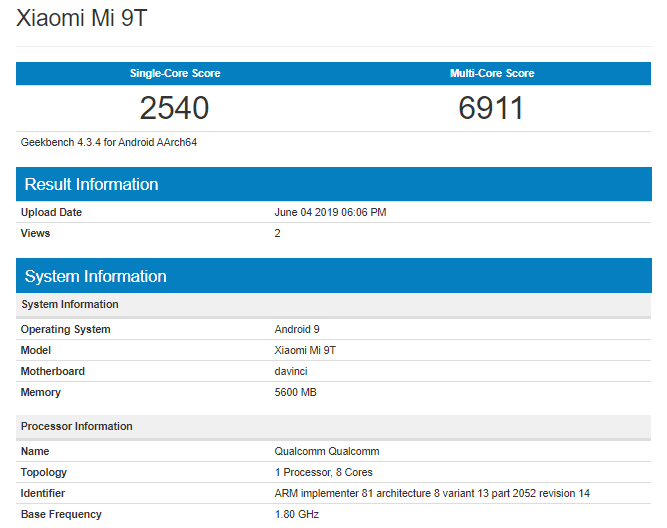
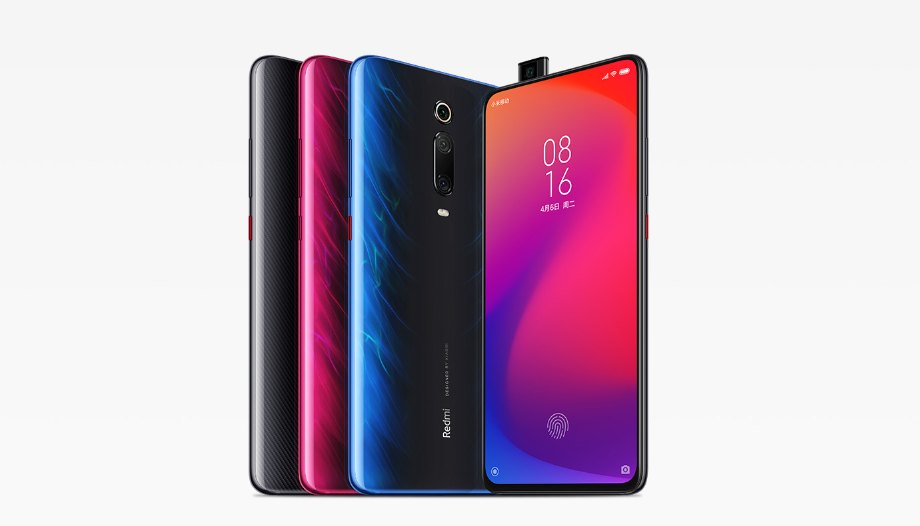
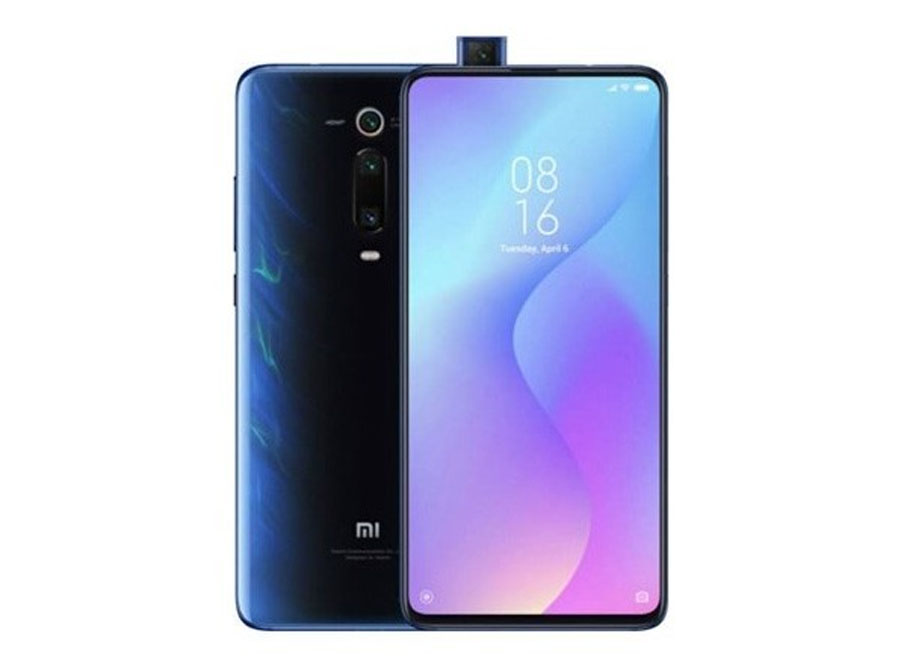
Xiaomi has confirmed that it will be launching the Xiaomi Mi 9T smartphone on June 12 for global audience. Multiple reports have claimed that the Redmi K20 phone that was recently announced in China will be rebranded as Xiaomi Mi 9T outside of the home market. The Mi 9T has surfaced on Geekbench. Its appearance on the benchmarking platform serves as another proof that it will be rebranded Redmi K20.
The Xiaomi Mi 9T Geekbench listing shows that it runs on Android 9 Pie OS and it is equipped with 6 GB of RAM. Instead of the name of the processor, “davinci” can be seen mentioned in the motherboard field. It has respectively scored 2,540 and 6,911 in single-core and multi-core tests of Geekbench.
Before the launch of Redmi K20 and Redmi K20 Pro smartphones, the rumor mill had revealed that they are respectively codenamed as Da Vinci and Raphael. So, the mentioning of “davinci” in Geekbench is yet another proof that it’s a re-badged edition of the Redmi K20. Hence, the Mi 9T may have identical specs as the Redmi K20.
Redmi K20 / Xiaomi Mi 9T
The Xiaomi Mi 9T features a 6.39-inch AMOLED display with notch-less design. The smartphone is fueled by Snapdragon 730 chipset and up to 8 GB of RAM. Its highest version may include 256 GB of native storage. It does not feature a microSD card slot. The MIUI 10 based Android 9 Pie OS will come loaded on the device.
A pop-up selfie camera of 20-megapixel could be available on the Xiaomi Mi 9T. Its rear shell features 48-megapixel + 8-megapixel + 13-megapixel triple camera setup. It is packed with a 4,000mAh battery that is coupled with 18W rapid charging. It is expected to arrive in 6 GB RAM + 64 GB storage, 6 GB RAM + 128 GB storage and 8 GB RAM + 256 GB storage models. They are rumored to release in the European markets with respective pricings of 359 euros (~$403), 379 euros (~$426) and 499 euros (~$561). Carbon Black, Glacier Blue and Flame Red are expected color variants of the Xiaomi Mi 9T.
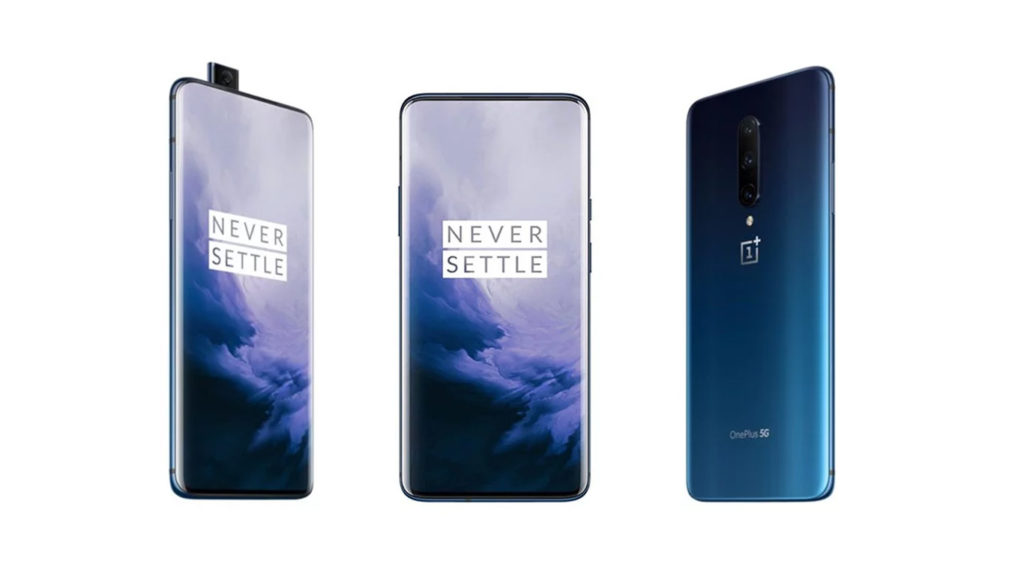
Touted as the best phone from OnePlus, the OnePlus 7 Pro has gone up for sale bearing a considerably lowered price tag on Gearbest.
The Chinese smartphone manufacturer unveiled the long-awaited OnePlus 7 Pro at a launch event that was held simultaneously in three places including New York, London, and Bengaluru.
We will reveal why the device is deemed as the best phone launched in 2019 in just a bit but first, we will shed light on a noteworthy discount that Gearbest is currently offering on it.
The OnePlus 7 Pro would normally set you back a pretty penny on both online as well as offline stores. In fact, the 8GB RAM, 256GB ROM international version of the phone will set you back a whopping $953.97. Much to the relief of cost-conscious buyers, the phone is now available for a reduced price of only $729.99.
This is a significant 23 percent drop in the device’s original asking price. The discount will be valid for the gray color version of the phone. An absolute bargain at this price, the OnePlus 7 Pro boasts an impressive array of features.
It sports a mammoth 6.67 inch AMOLED display with a high screen resolution of 1440 x 3120 pixels. The device packs a powerful Snapdragon 855 Octa Core 2.84GHz processor along with an Adreno 640 GPU, under the hood.
On the photography front, the OnePlus 7 Pro houses a triple camera setup comprising 48.0MP + 16.0MP + 8.0MP cameras at the back. Up front, there’s a 16.0MP selfie camera that can be used for video calling as well.
Moreover, the dual-SIM (nano ) smartphone runs Android 9.0 Pie operating system and draws its juices from a robust 4000mAh non-removable battery. You can visit this link to check out more details about the OnePlus 7 Pro smartphone and grab the discount. With only 199 pieces remaining, this promo is slated to end in just five days.
Huawei’s US ban will be ‘incredibly damaging’ for ARM says the company co-founder Hermann Hauser. This comment comes at a time when the British ARM is banned from supplying chip designs to the Chinese telecommunications giant.
Back in May, Huawei was added to US’s entity list which meant it was practically banned from trading with US companies. This also meant that the Chinese giant couldn’t use any technology with components sourced from the US. Since ARM’s chip designs contain origin US technology, it could no longer keep supplying its chip designs which are essential for Huawei’s smartphone and server businesses.
Since US technology is a part of a majority of international companies as well, Huawei’s relationship with even non-US companies is also at risk. However, it’s not just the Chinese companies who are threatened by this trade ban. A number of non-US companies are also increasingly worried about this trade ban.
The US has not been able to give out credible evidence against Huawei, apart from allegations that it is being used by the Chinese government for spying. Since this trade ban came into effect without any strong evidence, international companies are worried about the same happening to them. This is why Hermann says that customers would want to limit technology originated from the US in order to avoid a situation similar to Huawei. This includes products from ARM.
‘It really is quite damaging for Huawei in the short term, and longterm it’s going to be incredibly damaging for Arm and Google and the American industry,’ said Hermann while talking to the Mail.
‘Every single supplier in the world will start thinking of how to reduce the threat of their production being terminated by an American president. All the discussions I have with companies in Europe at the moment are about them going through their intellectual property portfolio and designing American intellectual property out, which is terribly sad and destructive.’
It’s clear that this ban doesn’t just affect Chinese companies. Its long term effects will be felt by companies across the globe.
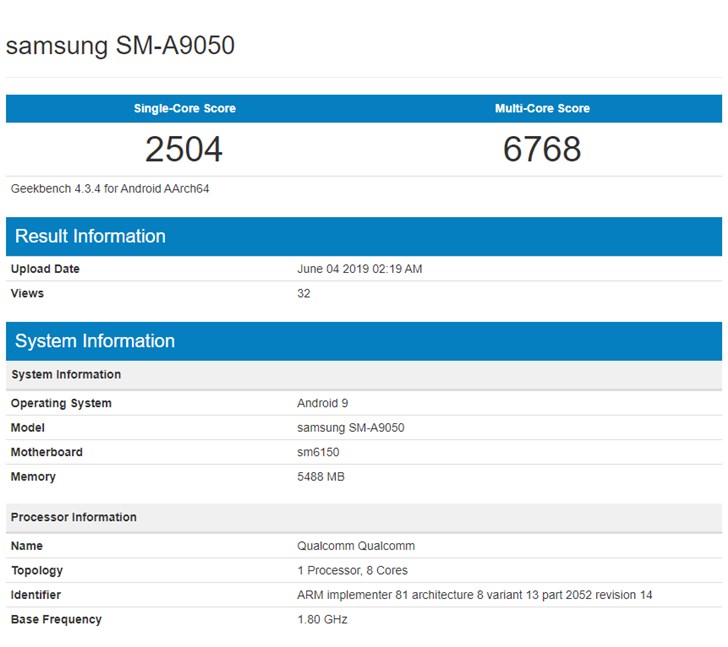
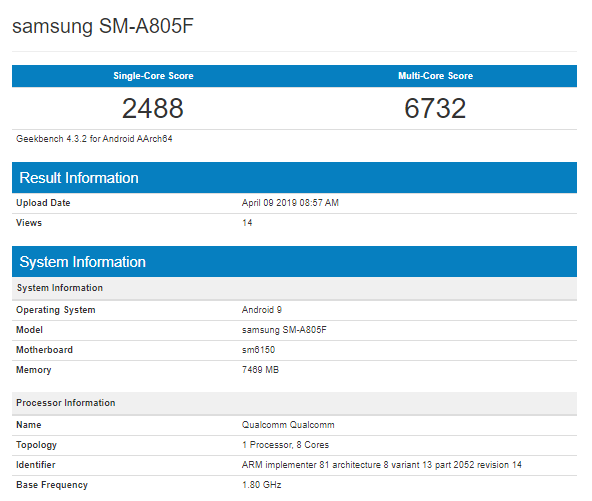
In the past few months, Samsung has expanded its Galaxy A series of smartphone by launching multiple smartphones such as Galaxy A10, A20, A30, A40, A50, A60, A70 and A80. The Galaxy A10 is the weakest among them whereas the Galaxy Aa80 is the most powerful A-series phone so far since it is powered by Snapdragon 730. It is believed the Galaxy A90 will be arriving with better specs than the A80 phone. It appears that the arrival of the Galaxy A90 could be drawing near since it has been spotted on Geekbench benchmarking platform.
The legitimacy of the Geekbench listing of SM-A9050 is doubted since it is fueled by Snapdragon 675. Considering the fact that the Galaxy A80 is powered by Snapdragon 730, the A90 could be featuring a better chipset. The SoC of the A90 is assisted by 6 GB of RAM. In the single-core test of Geekbench, it has scored 2,504 and it has recorded 6,768 score in multi-core test.
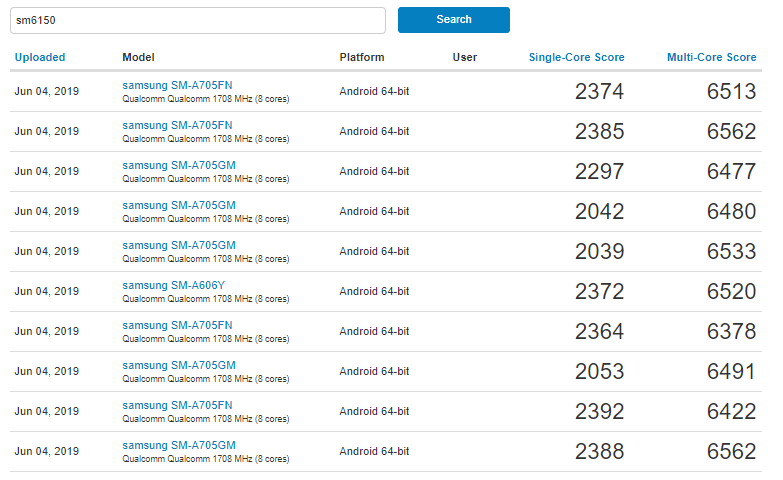
The SD675 powered phones that are benchmarked on Geekbench have usually scored 23XX or lower in single-core test. Also, the SD675 multi-core tests scores haven’t crossed 67XX so far. It is interesting to note that the SD730 processor of the Galaxy A80 was misread as SD75 on Geekbench before the smartphone had gone official. Hence, there is a possibility that the Galaxy A90 could either be featuring the SD730 or SD730G, the latter being a gaming-focused chipset.
Rumors surrounding the phone have revealed that it could Samsung’s first smartphone to arrive with a pop-up selfie camera. On other details of the phone are available yet. It could be arriving as the successor of the Galaxy A9 (2018) smartphone. Hence, the Galaxy A90 may come equipped with a quad camera setup like the A9 (2018).
Following the recent launch of the long-awaited Redmi K20 series, Xiaomi began hinting at an imminent arrival of its equally-anticipated Mi 9T smartphone via tweets from its global Twitter account.
The phone made an appearance on Italian and Bulgarian e-commerce sites as the rebranded version of the Redmi K20 smartphone. While the listings did not spill the beans on the phone’s launch date, Xiaomi has officially confirmed that the Mi 9T smartphone will be launched on June 12.
Much to the delight of Xiaomi fans, the global version of the Mi 9T smartphone has gone up for pre-order on Giztop. The device is available in two storage options including 6GB RAM+64GB ROM, and 6GB RAM+128GB ROM.
You can choose between three eye-catching color versions including Carbon Fiber Black, Carbon Black, and Glacier Blue. The 6GB RAM+64GB ROM model is available in Carbon Black and Glacier Blue color versions and will set you back $349.
Alternatively, you can go for the slightly larger variant that ships with 6GB of RAM and offers a hearty 128GB of internal storage capacity. Carrying a $399 price tag, this model is available only in Carbon Fiber Black color version.
The Xiaomi Mi 9T Global Version is an irresistible smartphone that offers the following features:
6.39-inch notch-less AMOLED display with FHD+ resolution (1080 x 2340 pixels)
In-display Fingerprint Scanner
Qualcomm Snapdragon 730 Octa-core processor
Adreno 618 GPU
6GB/8GB RAM
64GB/128GB storage
Sony IMX582 48MP+8MP+13MP cameras at the back
20MP pop-up selfie camera
MIUI 10 based on Android 9 Pie OS
4000mAh battery with 18W fast charging
You can follow this link to check out the full specifications and order your favorite variant of the Xiaomi Mi 9T smartphone from Giztop. Note that estimated delivery is slated for June 12.
Tim Cook, CEO of Apple, one of the world’s largest technology company, is optimistic about the company not facing the heat amid the US-China trade war. He says that so far, Apple products have managed to escape the fallout from President Donald Trump’s escalating trade war with China, and he’s optimistic it will stay that way.
His remark comes after Beijing recently said that it would impose a 25 percent tariff on U.S. goods in retaliation for Trump’s plan to increase tariffs on goods imported from China. As per the analysts, the cost of iPhones could increase as much as 14 percent as a result, but that hasn’t happened yet, said Tim Cook.
In an interview with CBS News, Tim Cook said that “the Chinese have not targeted Apple at all, and I don’t anticipate that happening, to be honest.” However, he conceded that a tariff on the iPhone would hurt sales of the smartphone.
He added, “I’m hoping that doesn’t happen. The truth is, the iPhone is made everywhere. It’s made everywhere. And so, a tariff on the iPhone would hurt all of those countries, but the one that would be hurt the most is this one.”
The Chinese tariffs were announced in retaliation for Trump promising to increase tariffs from 10 percent to 25 percent on roughly $200 billion worth of imports from China. Many in the technology and telecom sectors have warned that this will hurt American consumers and businesses.
The interview of Apple CEO Tim Cook comes on the hills of Worldwide Developers Conference (WWDC) in San Jose, California. During the keynote presentation, the company introduced several new features for iOS 13, a new Mac Pro, a new operating system for the iPad named iPadOS and more.
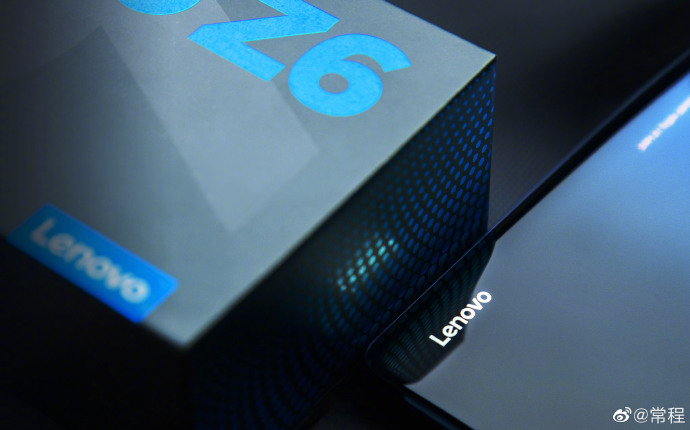
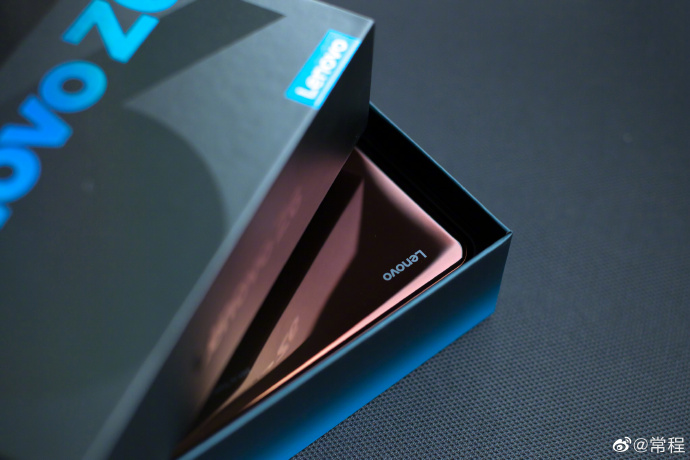
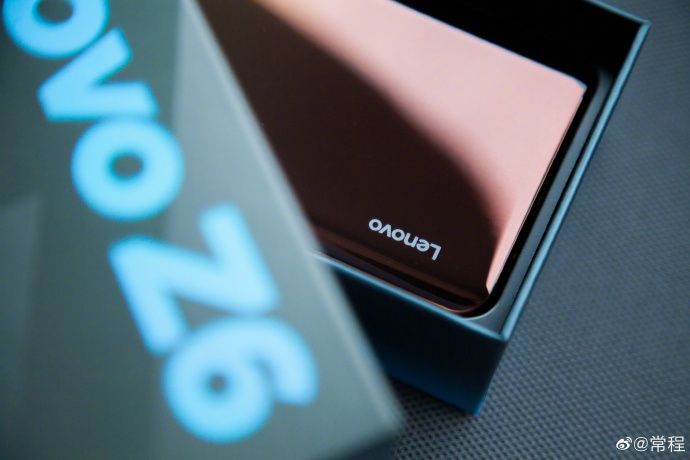
The Snapdragon 855 powered Lenovo Z6 Pro flagship phone was launched in China in April. In May, the Lenovo Z6 Youth Edition (aka Z6 Lite) was introduced with Snapdragon 710. Lenovo Group VP Chang Cheng has released three teaser images of the upcoming Lenovo Z6 smartphone. Like the Lenovo Z5 from last year, the Lenovo Z6 will be a mid-range phone.
1 of 3
Lenovo Z6
Lenovo Z6 teaser
Lenovo Z6
Lenovo Z6 teaser
Lenovo Z6
Lenovo Z6 teaser
On June 5 last year, Lenovo had announced the Lenovo Z5 smartphone. On the same day this year, Cheng released the images of Lenovo Z6’s existence. The teaser images do not reveal the frontside of Lenovo Z6 smartphone. In fact, they only showcase a portion of the rear shell of the device with the company’s brand name.
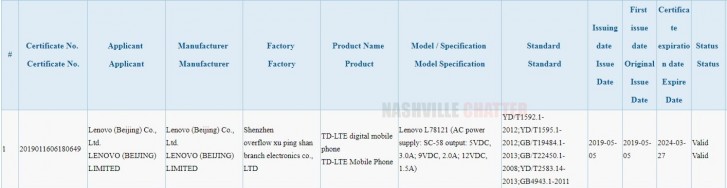
The images show that the handset will be arriving in Brown and Blue color options. Also, it appears that the smartphone sports a glass rear with a sleek finish. Nothing is known on the specs of the Lenovo Z6. However, it appears that it could be Lenovo L78121 smartphone that had bagged 3C approval in China recently. Through the 3C certification it was revealed that the Lenovo L78121 carries support for 18W fast charging.
The Lenovo Z5 smartphone is equipped with a 6.2-inch notched IPS LCD panel. It supports full HD+ resolution and 18.7:9. The Android Oreo OS skinned with ZUI comes preloaded on the device.
The Snapdragon 636 chipset powers the Lenovo Z5 with 6 GB of RAM. It comes in 64 GB and 128 GB storage options. There is a hybrid SIM slot for additional storage. It is equipped with a 16-megapixel + 8-megapixel dual camera setup and a front-facing camera of 8-megapixel. The handset features a 3,300mAh battery that carries support for 15W rapid charging.
In related news, a Lenovo phone with model number L38111 was recently certified by Thailand’s NBTC body. The listing also reveals that the smartphone will be releasing as Lenovo K10 Note in the country. However, the Lenovo Z6 Youth Edition that was launched recently in China also has a model number of L38111. Hence, it appears that the same may get rebranded as Lenovo K10 Note for certain markets like Thailand.
We use cookies on our website to give you the most relevant experience by remembering your preferences and repeat visits. By clicking “Accept”, you consent to the use of ALL the cookies.
This website uses cookies to improve your experience while you navigate through the website. Out of these, the cookies that are categorized as necessary are stored on your browser as they are essential for the working of basic functionalities of the website. We also use third-party cookies that help us analyze and understand how you use this website. These cookies will be stored in your browser only with your consent. You also have the option to opt-out of these cookies. But opting out of some of these cookies may affect your browsing experience.
Necessary cookies are absolutely essential for the website to function properly. This category only includes cookies that ensures basic functionalities and security features of the website. These cookies do not store any personal information.
Any cookies that may not be particularly necessary for the website to function and is used specifically to collect user personal data via analytics, ads, other embedded contents are termed as non-necessary cookies. It is mandatory to procure user consent prior to running these cookies on your website.