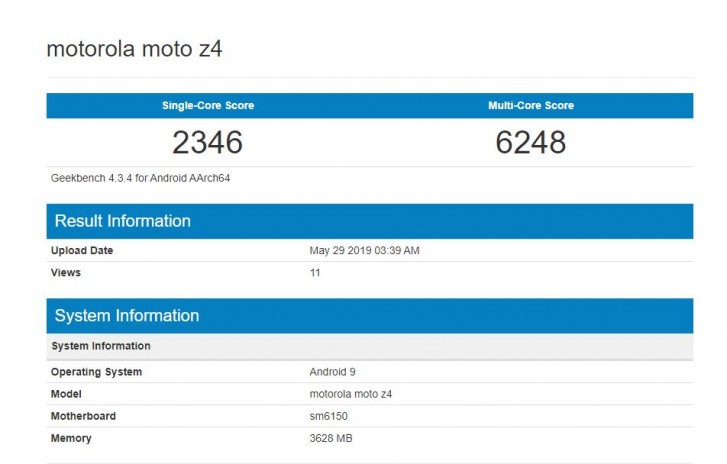
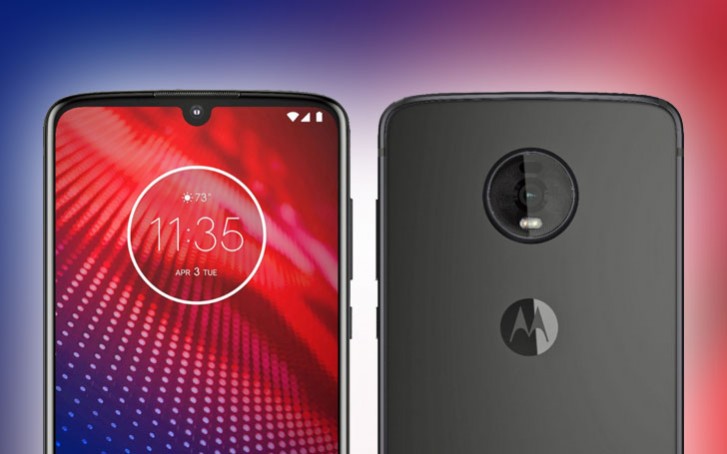
Motorola‘s upcoming Moto Z4 was very recently spotted in the hand of someone who claimed to have bought the device on Amazon even before it is officially launched. The hands-on video afforded us an opportunity to peruse the design of the model. The Moto Z4 has again made an appearance, this time on GeekBench and it sort of confirm some of the key specifications that would arrive onboard the device.
The Motorola Moto Z4 is listed to arrive with a Qualcomm SM6150 SoC which is the Snapdragon 675 chipset. The chipset will be paired with 4GB of RAM. There may likely be other RAM sizes when it is launched. The device will also run on Android 9.0 Oreo out-of-the-box.
As for the benchmark score, the Moto Z4 polled 2346 points on the single core test and scored 6248 points on the multi-core test. This is on par with the GeekBench scores of other Snapdragon 675-powered models like the Redmi Note 7 Pro and Samsung Galaxy A70. The device is equally expected to pack a 3,600mAH battery with a USB-C port.
The Moto Z4 series is also expected to include flagship models like the Moto Z4 Force which would likely be powered by a Qualcomm Snapdragon 855 chipset. The Z4 Force is also expected to pack 8GB of RAM and triple rear cameras.
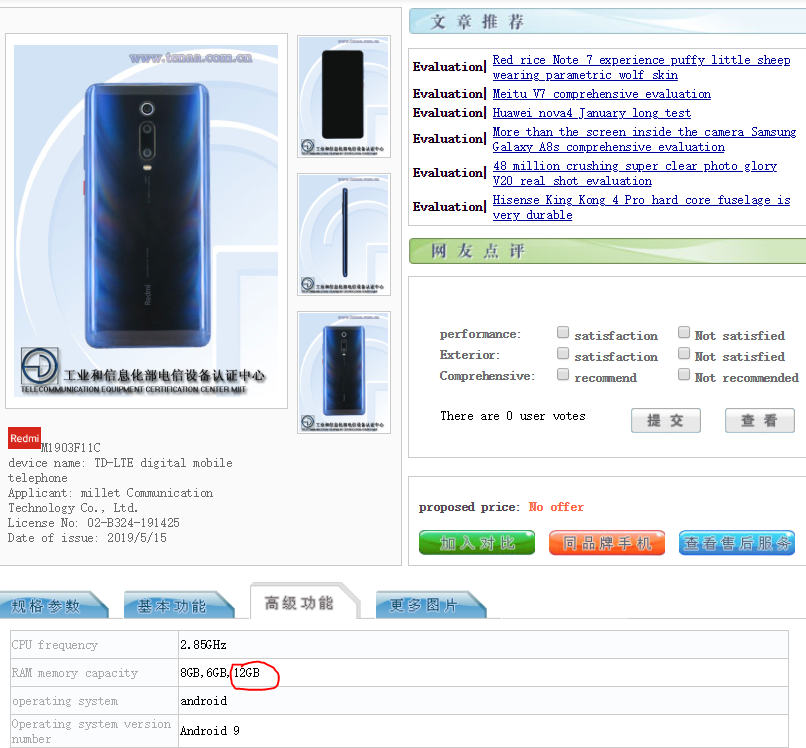
The Redmi K20 Pro is the latest flagship phone in town and it packs quite a number of features, even some you won’t find on other phones. The device comes in two RAM variants (6GB and 8GB), though there are four configurations in all. However, the phone’s TENAA listing has revealed a third RAM variant.
Like a number of flagships we have seen this year, the Redmi K20 Pro will also be available with 12GB of RAM according to TENAA. This variant will most likely have 256GB of built-in storage.
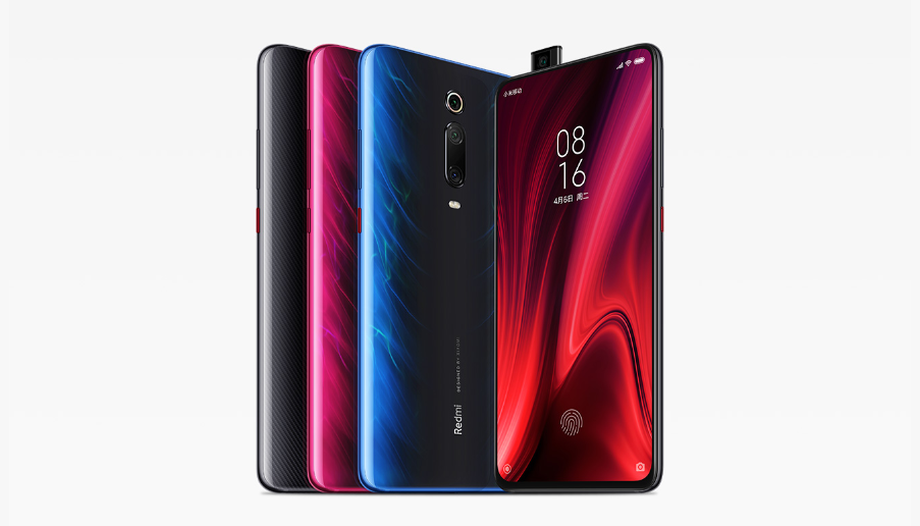
Other than the additional RAM and of course a higher price tag, the rest of the specs should be the same. However, Redmi may surprise us and give this 12GB RAM version a different design much like the Mi 9 Transparent Edition. The TENAA listing reveals other color variants too. There is pink, white, green, purple, and gray listed alongside the already available blue, red, and black.
The Redmi K20 Pro has a 6.39-inch AMOLED display, a 20MP pop-up selfie camera, and an in-display fingerprint scanner. It is powered by Qualcomm’s Snapdragon 855 processor which draws power from a 4000mAh battery with support for 27W fast charging. On the back of the phone is a 48MP + 13MP + 8MP triple camera setup with lots of features including 960fps super slow motion recording and a super night scene mode. It also has NFC, a 3.5mm audio jack, and dual SIM slots.
The Redmi K20 Pro starts at ¥2499 (~$362) for the base model and goes up to ¥2999 (~$435) for the highest configuration. It will be available for purchase on June 10.
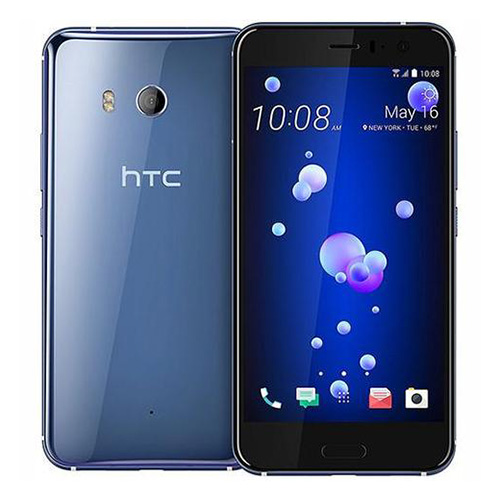
HTC has begun the roll out of the Android Pie update to the HTC U11 and according to some users, it is already arriving on phones in Taiwan.
Early this month, HTC revealed the U11 will get Android Pie in late May and it has fulfilled its promise even though it isn’t yet available globally. The update is 1.36GB in size according to a user who shared a screenshot. The changelog says there are system enhancements and that Google+ has been removed from BlinkFeed since Google has shut down the social network. However, there is no mention of a security patch.
With the HTC U11 out of the way, the next in line is the U12+ which will receive the update in mid-June. The HTC U11+ will follow in late June.
If you own the U11, you may want to check your device over the next few weeks for the Android Pie update. Android Pie brings new features such as Adaptive Brightness, Adaptive Battery, a redesigned navigation system, app slices, and Digital Wellbeing.
Xiaomi India has announced it has a new lifestyle product. The Mi Business Casual Backpack is the new product and it comes less than a week after the Mi Sunglasses.
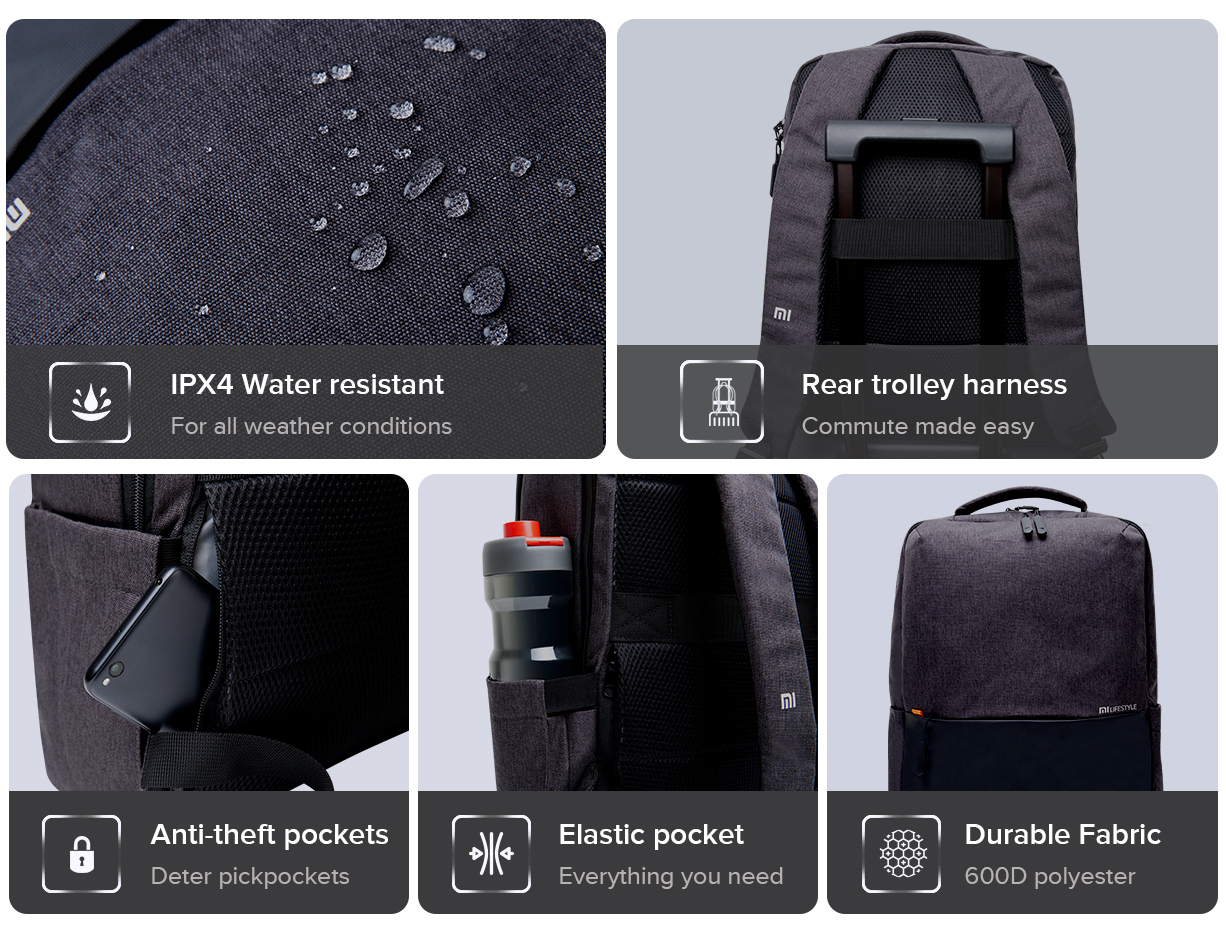
The Mi Business Casual Backpack has a minimalist design that combines fashion and functionality. Its exterior is covered in 100% 600D polyester with a two-tone finish (black and gray hues). The interior is also made of polyester. The backpack has an IPX4 rating, so you shouldn’t worry about your belongings getting damaged by rain or snow. There is a rear trolley harness, extra-padded straps, an anti-theft compartment, and an elastic pocket for a water bottle.
The interior is a lighter gray with a cushioned and dedicated compartment for your laptop. The Mi Business Casual Backpack has a 21L capacity, weighs 500 grams and measures 44 x 32 x 16 centimeters.
Xiaomi has put a price tag of INR 1999 (~$29) on the backpack but is currently selling it for just INR 999 (~$15). This is a much cheaper alternative to any of OnePlus’s backpack. The backpack is available for purchase on the Mi India store.
If you are looking for an affordable smartphone, Xiaomi, and especially its sub-brand Redmi which recently became independent from the Chinese giant, is one of the best options for you. For the first time ever, Xiaomi’s sub-brand announced a flagship-class line-up composed of a high-end model and a real flagship: Redmi K20 and K20 Pro. The latter is one of the most affordable real flagships out there and it may become one of the best-sellers of this year. But it has a lot of competition in the top-end segment: is it worth choosing it or other flagships such as Asus Zenfone 6 and OnePlus 7 Pro are better options? this comparison will give you an idea.
Xiaomi Redmi K20 Pro vs Asus Zenfone 6 vs OnePlus 7 Pro
Xiaomi Redmi K20 Pro
Asus Zenfone 6
OnePlus 7 Pro
DIMENSIONS AND WEIGHT
156.7 x 74.3 x 8.8 mm, 191 g
159.1 x 75.4 x 9.2 mm, 190 g
162.6 x 75.9 x 8.8 mm, 206 g
DISPLAY
6.39 inches, 1080 x 2340p (Full HD+), Super AMOLED
6.4 inches, 1080 x 2340p (Full HD+), IPS LCD
6.67 inches, 1440 x 3120p (Full HD+), Fluid AMOLED
Triple 48 + 16 + 8 MP, f/1.6, f/2.2 and f/2.4
16 MP f/2.0 front camera
BATTERY
4000 mAh, fast charging 27W with Quick Charge 4.0
5000 mAh, fast charging 18W with Quick Charge 4.0
4000 mAh, fast charging 30W
ADDITIONAL FEATURES
Dual SIM slot
Dual SIM slot, rotating cameras
Dual SIM slot
Design
Do not ask us for an opinion about the aesthetics of these devices: just choose what is better for your tastes. In each case, you will get a premium and beautiful design, even though I like Redmi K20 Pro and OnePlus 7 Pro more than the Asus Zenfone 6, despite the latter comes with a very useful rotating camera. Note that despite Asus Zenfone 6 comes with the same display size, Redmi K20 Pro has smaller dimensions, so it fits better in your pocket or your hand. OnePlus 7 Pro is even bigger than Asus Zenfone 6 due to its bigger display.
Display
As mentioned above, OnePlus 7 Pro comes with a bigger display which is more comfortable for multimedia and productivity; but this is not its only advantage. Its display is even one of the best panels out there, with a higher Quad HD+ resolution, a 90 Hz refresh ratio and the HDR10+ certification. It shows more realistic colors, it provides a smoother gaming and user experience, and even a higher level of detail. Even Redmi K20 Pro and Asus Zenfone 6 are equipped with wonderful panels, but OnePlus 7 Pro is the superior one and its display can be compared to the best Samsung’s ones.
Hardware/Software
Among the key feature of all of these devices, there are blazing speeds and performances. They are all powered by the amazing Snapdragon 855 chipset by Qualcomm, and you could not expect a better chipset in 2019. Despite coming with the same processor, OnePlus 7 Pro wins the hardware comparison because, in its most expensive configuration, it comes with up to 12 GB of RAM. With Asus Zenfone 6 and Redmi K20 Pro, you can get max 8 GB of RAM. On the other hand, Asus Zenfone 6 features a micro SD slot which accepts micro SD cards up to 1 TB, while OnePlus 7 Pro and Redmi K20 Pro do not have expandable storage. In each case, you get Android 9 Pie out of the box.
Camera
OnePlus 7 Pro wins the camera comparison for having the most complete and versatile camera department. It comes with a triple camera including an ultrawide lens and a telephoto lens with 3x zoom. It even has OIS, unlike its rivals, as well as the brightest focal aperture. But Asus Zenfone 6 is still an amazing camera phone thanks to its rotating camera: it shoots the best selfies and the rotating rear camera makes clicking photos much more comfortable as you can move the camera upwards or downwards without moving the phone. Even Redmi K20 Pro comes with an awesome camera and it is the only one able to record super slow motion videos at 960 fps.
Battery
There is no challenge: Asus Zenfone 6 wins the battery comparison as it comes with a way bigger 5000 mAh unit. And it even supports reverse charging (it can be used as a power bank).
Price
Redmi K20 Pro starts from just €350/$390 in the Chinese market, Asus Zenfone 6 costs €500/$557, and OnePlus 7 Pro starts from €700/$780. OnePlus 7 Pro wins the comparison thanks to its better display, amazing cameras, higher-end memory configuration. I like the Asus Zenfone 6 more than the Redmi K20 Pro, but Redmi K20 Pro wins the value for money comparison for its incredibly affordable price tag.
The Meizu 16Xs doesn’t launch until tomorrow but a new leak has revealed all there is to know about the specs of Meizu‘s upcoming mid-range device.
First reported by DealnTech, the Meizu 16Xs will have a 6.2-inch AMOLED display. It has a 2232 x 1080 resolution, an 18.6:9 aspect ratio, and a screen-to-body ration of 90.29%. Just like its predecessor, it will also have an in-display fingerprint scanner which uses Meizu’s Super mTouch technology and unlocks in just 0.2s. It also has support for AliPay and WeChat payment.
[envira-gallery id=”256134″]
There have been speculations about the chipset powering the Meizu 16Xs. Its predecessor is powered by the Snapdragon 710 but Meizu is going with the Snapdragon 675 this year. The SoC is paired with 6GB of RAM and 64GB or 128GB of storage.
The Meizu 16Xs will be the first triple camera phone from the Chinese phone maker. The primary sensor is a 48MP f/1.7 camera with 6P custom lens. It is paired with 5MP f/1.9 and 8MP f/2.2 cameras. One of the secondary cameras is a 118.8° Super Wide angle camera for taking ultra-wide-angle photos. Other listed camera modes are Portrait mode and Super Night Scene mode.
[envira-gallery id=”256132″]
The Meizu 16Xs will not have a notch nor a pop-up selfie camera like a lot of its competitors. Instead, it will fit a 16MP f/2.2 camera in a pretty slim bezel. The camera has a 5P custom lens, HDR+, an AI beauty mode, portrait mode, and support for face unlock.
Under the plastic body of the Meizu 16Xs is a 4000mAh battery. Meizu has been able to keep the weight of the phone at 165 grams, making it lighter than a lot of its rivals. The phone measures 152 x 74.4 x 8.3 millimeters and will come in three color variants – Knight Black, Atlantis, Coral Orange, and Ice Silk White.
A render of the orange variant surfaced on the web today. Seeing as the phone is supposed to be covered in plastic, the material appears to be glass.
Sadly, the leak doesn’t include the price for the new phone. But with the launch less than 24 hours away, that isn’t a long wait.
The SD Association ditched Huawei last week, quietly removing the company from its membership list before confirming the news to us. Now, it seems like there has been an about-turn by the standards body. The board of members consisting a list of 1,000 parties on the company’s official website has again listed Huawei Technologies name. The same applies to the WiFi association sponsor list, where Huawei makes another appearance.
Now, keep in mind that this doesn’t necessarily mean Huawei is completely safe. This could merely be a temporary addition until the 90 day grace period is over. Optimally however, we’d love if this were a permanent decision for both associations. At least, that’s what we hope it means, since it’d be great news for the company. Much nicer than all the doom and gloom that they’ve been going through lately.
Even if it’s not permanent, Huawei does at least have an answer to the SD card problem. The company has its Nano Memory card solution, used in the likes of the P30 Pro. It’s a proprietary format that’s not widely available or used by other brands, but it’s an option. For WiFi however, there’s not really any solution we can see for the foreseeable future.
Honestly, I’d really like it if we could get over with this entire ban shebang already. It’s made for a lot of interesting news, but losing Huawei would be a huge shame. They’ve been so innovative and fresh lately, I’d be quite disappointed if they just died. While things aren’t looking great for the company, we really hope things end up OK for them in the end.
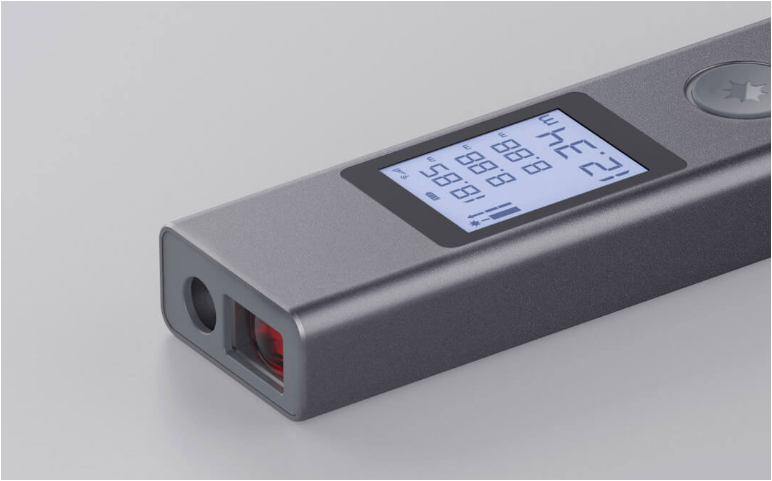
Xiaomi has launched a laser range finder under the Youpin crowdfunding platform. The product comes under the brand name Duka LS-P Laser range finder and is easy to operate with just two buttons. The gadget also comes with an affordable 99 yuan (~$14) price tag.
The Duka LS-P Laser range finder has eight practical functions, including single measurement, continuous measurement, angle measurement, area measurement, volume measurement, one PIP measurement, secondary PIP measurement, front and rear reference, one-button angle/height measurement.
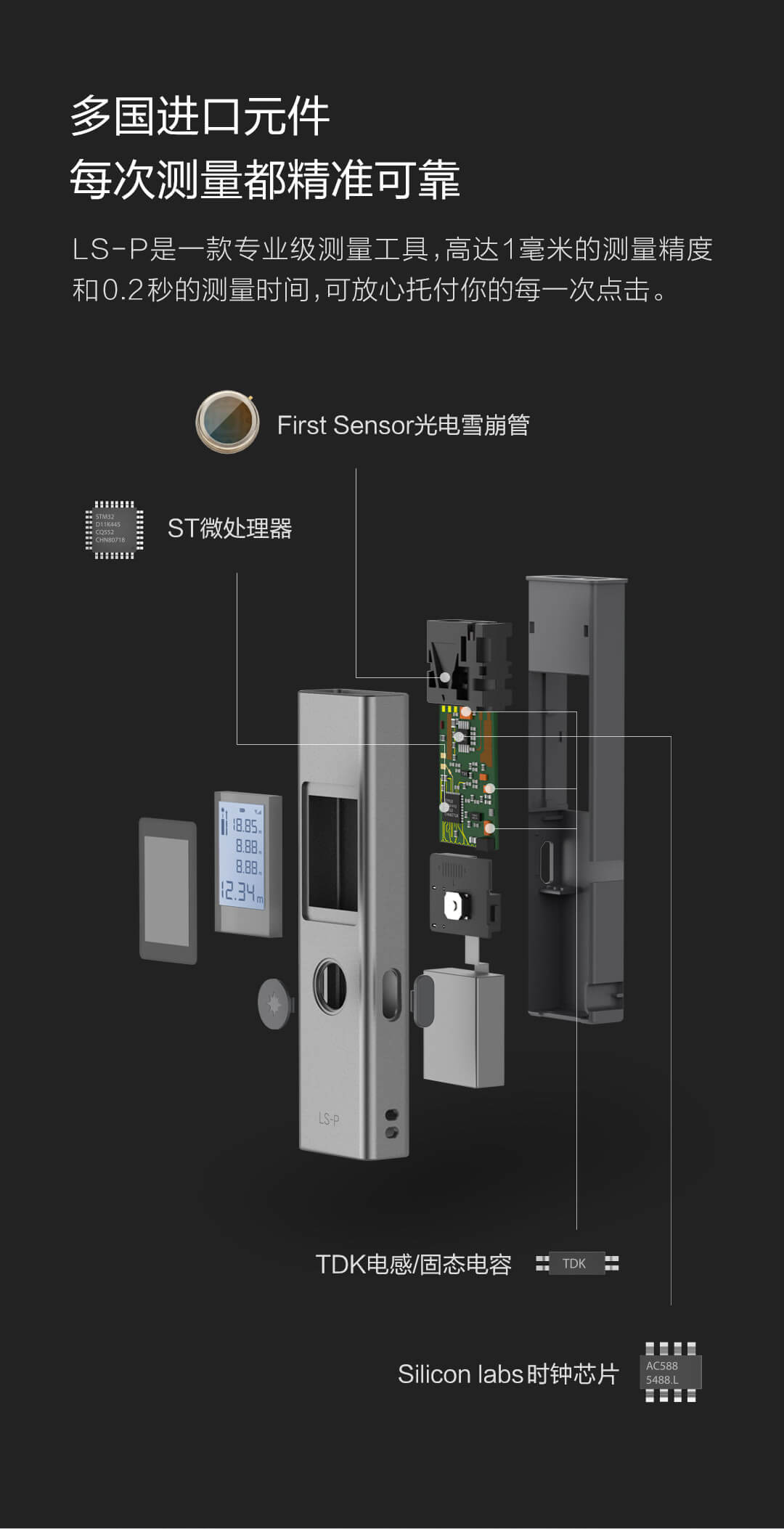
It emits a very fine laser beam to the target during operation, and the laser beam reflected by the target is received by the inlet optoelectronic component. The time from the transmission to the reception of the laser beam is measured by a timer, thereby calculating the distance from the observer to the target. It has a measurement accuracy of up to 1mm and a measurement time of 0.2s. The maximum distance is up to 40 meters and accurate data can be obtained with just a click.
Design-wise, the Duke LS-P laser rangefinder is made of an aluminium-magnesium alloy as well as ABS material. The gadget weighs only 28g and is about the size of a finger, making it easy to fit into the pocket. The laser rangefinder has a rounded integrated arc design and is polished using a blasting process. The device has anti-sweat and anti-corrosion properties. The design is said to have won the 2019 German Red Dot Design and the German iF Design awards for its quality build.
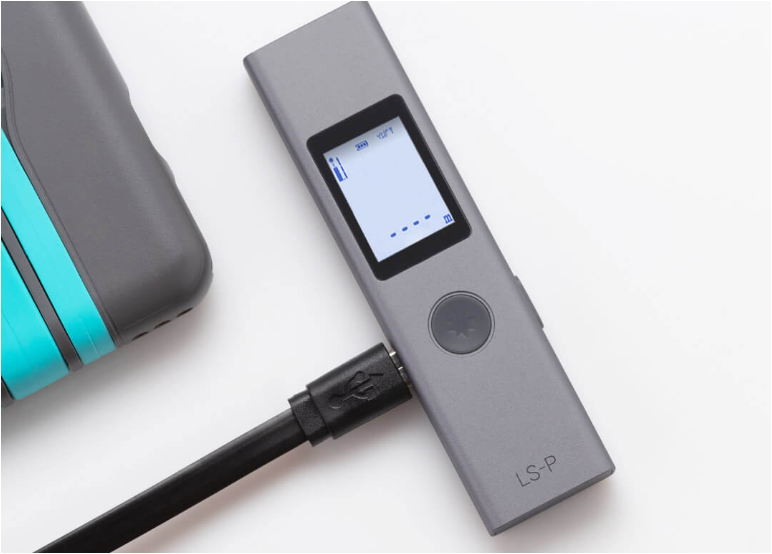
Furthermore, the laser range finder comes with a built-in 200mAh lithium battery and can measure 3,500 times with a single charge. The battery can be recharged via a USB port.
As for the availability, the crowdfunding page is presently live on Xiaomi Youpin and the response has been explosive. The 99-yuan ($14) device is expected to start shipping on July 8.
Huawei may be trudging through the storm, but the onslaught continues. Earlier today, researchers at the IEEE received emails telling them that Huawei employees are banned from peer-reviewing papers. The email claims “we cannot use colleagues from Huawei as reviewers or Editors for the peer-review process of our journals,”.
This is absolutely huge for a large number of reasons. For those not in the know, the IEEE is short for Institute of Electrical and Electronics Engineers. It’s an organization of engineers, scientists, and students. They’re best known for developing standards for the computer and electronics industry. This news is shocking because up to this point, Huawei has always been one of the key players in the Institute.
Huawei has joined 177 standards organizations and open source organizations, and has held 183 key positions, serving on the board of directors of IEEE-SA, ETSI, WFA, and other organizations. They have members who hold high positions in there. They’ve even hosted the IEEE P2413 working group meeting in Shenzhen to promote the IEEE smart city standard process. This is already beginning to shock some people in the academic world.
Professor Zhihua Zhou of Nanjing University expressed his shock to hear the news. The IEEE is an international organization registered in the United States instead of an American organization. This means it has no right to ban the editors from peer-reviewing papers due to political motivations. He suggested that “experts from all levels of management at the IEEE should propose to the IEEE to transfer its registration to Switzerland.”
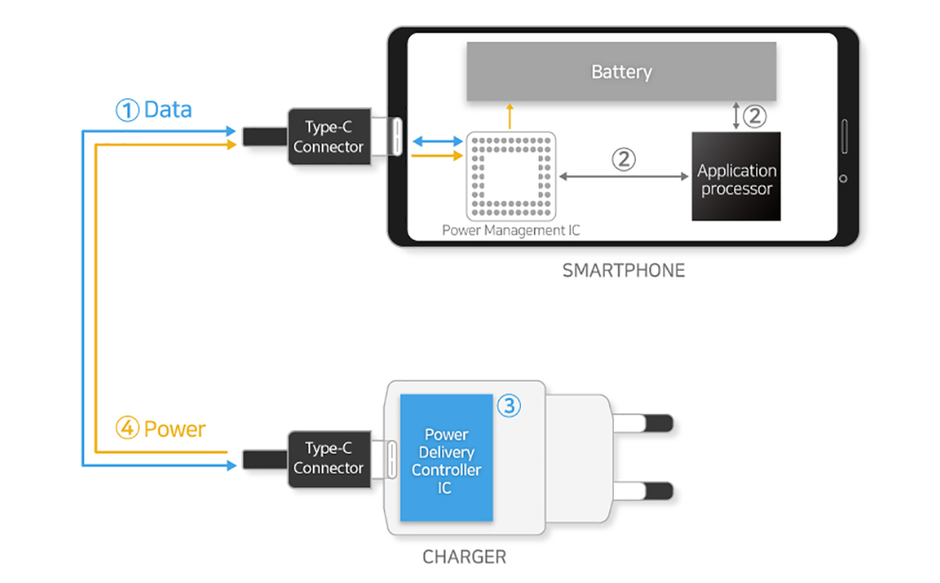
Samsung is not letting off steam in coming out with innovative technologies for its future phones, in its bid to maintain its dominance of the smartphone market. The Korean tech company has now unveiled two new power delivery (PD) controllers with Type-C ports. The chips go by the model names SE8A and MM101 and are both embedded with an eFlash feature that makes it possible to deliver firmware updates. Perhaps, the major feature of both controllers is their abilities to output up to 100 watts of power (20V / 5A). One of the controllers (SE8A) also has an extra security feature known as Secure Element. This prevents the charger from unauthorized use, making it the first PD controller to offer an extra level of security.
As a result of the large capacity charge that is delivered, the MM101 has the ability to detect moisture and thus, stop the charging process in order to prevent the user from receiving an electric shock that could be fatal. The chip also comes with the Advanced Encryption Standard (AES) for product authentication. There is also a protective feature against “over-voltage” on both chips.
The new PD controllers are designed for phones and should be the first 100W charging that would be available for phones when it goes commercial. Well, except Xiaomi releases its own 100W fast charge technology on the Mi Mix 4 first. Recall that Xiaomi earlier this year announced its own 100W technology dubbed “Super Charge Turbo” which it claims could charge a 4000mAh battery from 0% to 50% in just seven minutes, and take that same battery from 0% to 100% in just 17 minutes.
While fast charging technology is not new to the industry, the closest we have seen to the 100W charge is the 50W which Oppo’s SuperVOOC delivers. Huawei’s upcoming Mate X foldable phone will have a 55W fast charger. On its part, the closest Samsung has come is the 15W fast charging prowess on the Galaxy S10 series and the 25W that is onboard the mid-range Galaxy A line and the Galaxy S10 5G. Samsung may include the 100W charger on the flagship Galaxy Note 10 which should launch later this year. Samsung also says the 100W charging adapter can be used for a laptop, a tablet or a monitor. Thus, you won’t have to carry more than one charger if you’re on the move.
According to Ben K. Hur, senior vice president of System LSI marketing, Samsung Electronics, “In addition to smarter features and larger batteries, innovative charging solutions allow us to do more through our mobile devices today. Following this trend, power adapters that can quickly charge devices while establishing safeguards against unauthorized access are increasingly in demand. Samsung’s power delivery MM101 and security-enhanced SE8A will not only make charging faster and safer but also enable new services that can enrich tomorrow’s mobile experiences.”
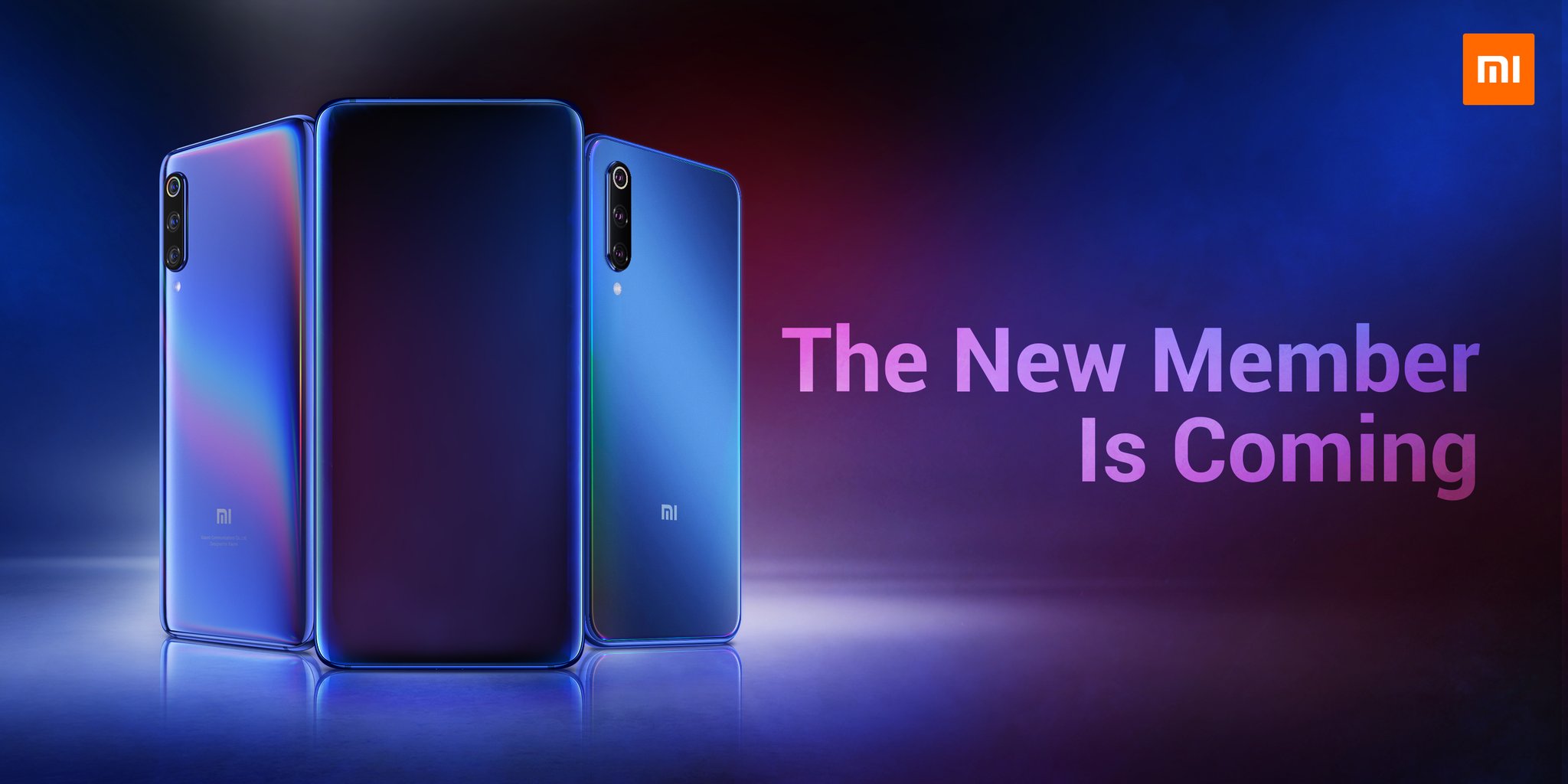
The Redmi K20 series launched yesterday in China, but before it did, news about its global availability has been going around. While some said the K20 Pro will launch as the POCO F2, others said the two phones will retain their names even outside China, yet another source said they will be launched as the Xiaomi Mi 9T and Mi 9T Pro in some parts of Europe. A new teaser by Xiaomi does confirm the Mi 9T name but refutes the rumor that it is a rebranded Redmi K20/Redmi K20 Pro.
The teaser which was shared on their official Twitter page shows a phone with a similar design to the current Mi 9. The cameras are on the left side of the phone and not in the center like on the Redmi K20. However, it doesn’t have a notch in its display for the front-facing camera.
The caption says “K, I or T…Which letter would you choose for the newest member of our Mi9 family? why?”. There is a “T” among the suggested letters and we already know a phone called the Mi 9T has been certified in a number of countries. It is safe to conclude that the device in the teaser is indeed the Mi 9T.
The hashtag #PopUpInStyle also hints the phone will have a pop-up selfie camera just like the Redmi K20 series. However, we strongly believe the module may slide out from the middle of the device and not from the side like on the Redmi K20 series.
Seeing as the Mi 9T is practically a Mi 9 with a new display and a pop-up selfie camera, its specs will be greatly similar if not identical to that of the Mi 9. So, expect a smaller battery capacity than the Redmi K20, wireless charging, and a missing audio jack.
With a price tag of 2,499 Yuan (~$362), the newly Redmi K20 Pro is the cheapest Snapdragon 855 powered smartphone in the market. Reports have revealed the Redmi K20 Pro and its Snapdragon 730 SoC powered sibling Redmi K20 will be exclusively available in China. These phones are expected to be available outside of China with different monikers such as Xiaomi Mi 9T Pro and Xiaomi Mi 9T in markets like Russia, Poland and Thailand. According to a source, the Redmi K20 and K20 Pro could be made available as Poco F2 and Poco F2 Pro. Since India was the first market to receive the Poco F1, it is likely to Poco F2 and F2 Pro smartphone could be heading to India.
And almost certain, darlings. The Redmi K20 is indeed likely to be the Poco F2. The SD 855 edition is likely to be called F2 Pro and the SD730 just F2. And the prices will be astonishing!
The source also claims that the pricing of the Poco F2 and F2 Pro will be astonishing. The model numbers of the new Redmi flagship phones are M1903F10 and M1903F11. Recently, popular tipster Ishan Agarwal had claimed that last year’s Poco F1 had “E10” in its model number.
The Poco F1 had surprised the smartphone industry by arriving as the cheapest Snapdragon 845 smartphone last year. It was introduced with a price tag of Rs. 20,999 (~$300). Currently, the highest edition of the Redmi Note 7 Pro that features 6 GB of RAM and 128 GB of storage is selling for Rs. 16,999 (~$243).
Probably, the Snapdragon 730 powered Poco F2 models could be priced under Rs. 20,000 (~$286) in India. And, the Poco F2 Pro variants may be priced between Rs. 21,000 (~$300) and Rs. 30,000 (~$430). The Poco F2 Pro may end up as the most affordable Snapdragon 855 SoC driven phone.
Redmi K20 Pro
Some rumors that had surfaced earlier this year had claimed that Xiaomi will be selling a Poco F2 Lite with inferior specs. Hence, there is a possibility that the Redmi K20 and Redmi K20 Pro may respectively debut as Poco F2 Lite and Poco F2.
Readers are suggested to digest the report with a grain of salt as no concrete evidence on their specs and features are available yet. The Poco F1 had debuted in India in August 2018. The arrival of the Poco F2 series could be close at hand as the Xiaomi India Managing Director and Global VP Manu Kumar Jain had recently hinted that a new phone powered by Snapdragon 730 will be announced soon.
OnePlus 7 and the more advanced OnePlus 7 Pro smartphones were made official on May 14 in India. However, the Chinese firm only began with the sales of the OnePlus 7 Pro after its debut whereas the OnePlus 7 was scheduled to hit the Indian market in June. An official confirmation has come today which reveals the sales of the OnePlus 7 smartphone will begin in India and China on June 4.
OnePlus 7 sale in India and China
The OnePlus 7 sales in India will start on June 4. The smartphone will arrive in two models such as 6 GB RAM + 128 GB storage for Rs. 32,999 (~$472) and 8 GB RAM + 256 GB storage for Rs. 37,999 (~$544). The 6 GB RAM version will be available only in Mirror Grey color whereas the 8 GB RAM edition will be purchasable in Mirror Grey and Red color options. Amazon India will be exclusively selling the phone online apart from the official website of OnePlus India. Amazon.in is now receiving the registrations for the OnePlus 7 phone.
We're just getting started! The OnePlus 7 drops on the 4th of June on @amazonIN ⏰
OnePlus 7 is now up for reservations in China on the official online store and Jingdong Mall. The smartphone will be available in two versions in China such as 8 GB RAM + 256 GB storage and 12 GB RAM + 256 GB storage from June 4. They are respectively priced at 2,999 Yuan (~$434) and 3,499 Yuan (~$506). The sales of the OnePlus 7 will begin from 10AM (local time) on June 4 in China. The 8 GB RAM variant will be available in Mirror Grey and Red colors whereas 12 GB RAM model will come only in Mirror Grey edition.
The OnePlus 7 that features a glass and metal combination body features a 6.4-inch Optic AMOLED display that delivers full HD+ resolution and a tall aspect ratio of 19.5:9. The waterdrop-style notch screen of the OnePlus 7 is protected by Gorilla Glass 6. The Chinese firm has also integrated the display of the phone with a fingerprint reader.
The Snapdragon 855 SoC powers the OnePlus 7 smartphone. it comes with UFS 3.0 storage, but there is no microSD card slot on the device. It also lacks support for 3.5mma audio jack. The 3,700mAh battery of the phone is equipped with 20W rapid charging technology through USB-C.
The Sony IMX586 48-megapixel + 5-megapixel dual camera setup resides on the glass rear of the OnePlus 7 smartphone. The front notch includes a 16-meagpixel Sony IMX471 sensor for shooting selfie shots. The other features of the OnePlus 7 include stereo speakers, powered by Dolby, dual 4G VoLTE, Wi-Fi 802.11ac, Bluetooth 5.0, NFC and dual-band GPS technology.
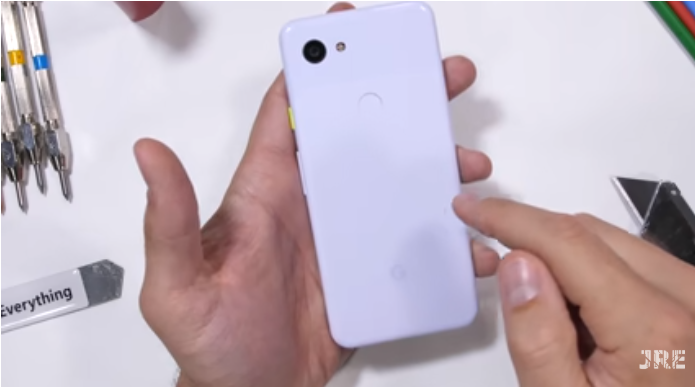
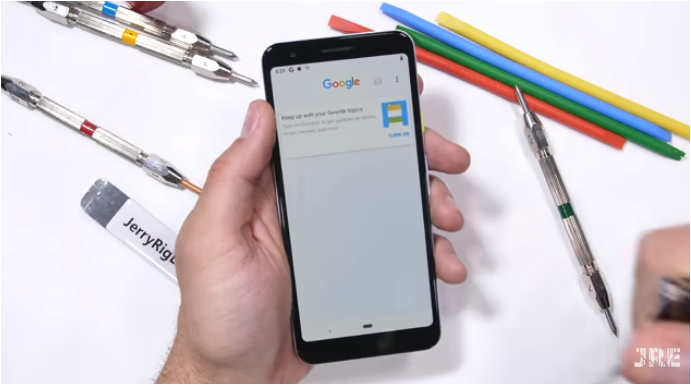
Google‘s latest Pixel 3a and 3a XL were supposed to be affordable variants of the Pixel 3. However, nothing prepared fans for what is perceived to be an inferior build quality as a result of the use of plastic for the body as against the premium glass build of the Pixel 3 and 3 XL. JerryRigEverything has got his hands on the Pixel 3a and indeed, the durability test shows some impressive details.
The Pixel 3a coming in plastic did not in any way reduce the build quality, going by the durability test. The test also saw the display glass going under the radar. The Pixel 3a models come with Asahi Dragontrail glass protection and the test shows it is as much as strong as Corning’s Gorilla Glass. Thus, there won’t be much damage if the phone’s display should get in contact with keys and other metal in your pocket. The front and rear cameras are also protected with glass to protect from daily scratches. The same can’ be said of the rear-mounted fingerprint scanner which could scratch easily but that won’t affect the normal functioning of the scanner.
The bend test also reveals the plastic fuselage with a gloss finish on the sides are very hard and won’t bulk easily under severe pressure. Even though it has some flexibility, the handset is quick to return to its original state when the pressure is removed.
Thus, the durability test has proven that there is absolutely nothing to be worried about the Pixel 3a plastic build. You can check out the full video from below.
Huawei finally has something that isn’t simply all doom and gloom to talk about. The company’s upcoming Huawei Nova 5 was just certified by China’s Ministry of Industry and Information Technology. The new mid-range device was the last thing we heard about from Huawei before the recent ban. This launch however will be a pretty interesting one.
The Huawei Nova 5 may possibly be the last device to ever come from Huawei running the Android OS. That is, assuming it still runs Android when it ships. It’s fully possible Huawei will use the Nova 5 as a vessel to introduce their upcoming ARK OS to the public. We already know ARK or HongMeng OS might come in June, what better way to unveil it than alongside a product launch?
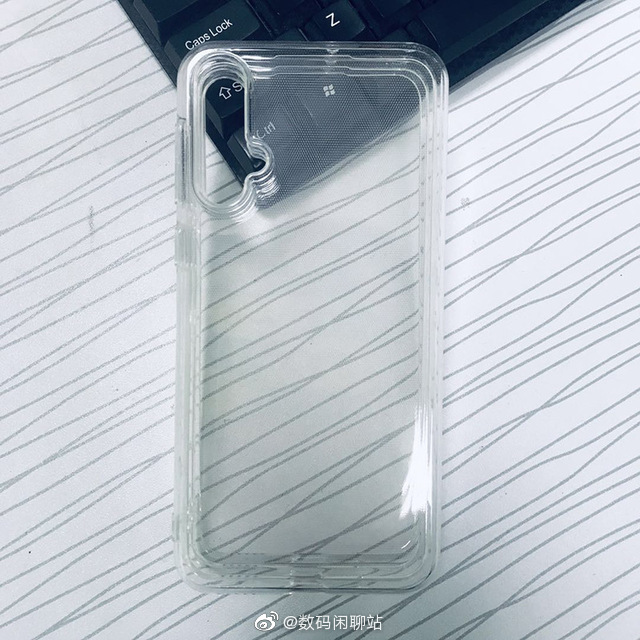
As of right now, we don’t know all that much about the Huawei Nova 5. The last we heard from it, we got to see some protective cases and renders. We also know it may come with a 40W charger inside the retail box.We also know there are two variants, the Nova 5 and Nova 5i with the codenames SEA-TL10 and SEA-AL10 respectively. Other than that, all we can really do at the moment is speculate.
The smartphone may include a 3,500mAh battery. For shooting selfies, it may feature a Sony IMX576 25-megapixel front-facing cameras. The triple camera system of the phone may feature a 12.3-megapixel Sony IMX380 wide-angle lens, a 48-megapixel Sony IMX586 sensor and a Sony IMX316 ToF (Time of Flight) sensor that was seen on the Honor V20 phone. As for the SoC, rumors suggest a Kirin 980, but we find that somewhat off.
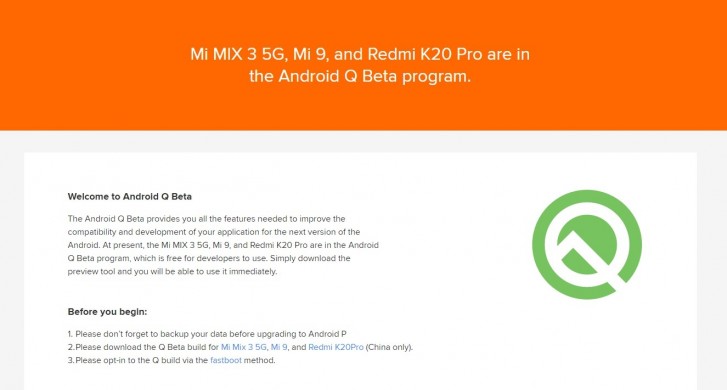
Google had recently released the list of smartphones that are included in the list of Android Q beta 3 program. The Xiaomi Mi MIX 3 5G and Xiaomi Mi 9 were the two devices from the Chinese firm that were included in the list. The Redmi K20 Pro was made official yesterday through a launch event in China. Soon after it was unveiled, the handset has been added to list of Android Q beta upgradable devices.
Redmi General Manager Lu Weibing had claimed earlier this month that a new flagship phone is arriving with Android Q. Keeping true to the promise, the Redmi K20 Pro has become eligible to receive the Android Q beta even before its first sale.
The official website states that only the Redmi K20 Pro users in China can update to Android Q beta. In order to install, users are required to seek permission through the MIUI website and then go ahead with the process of flashing the ROM. Since the OS is still in its beta stage, there are some issues that are yet to be resolve. Some of which include no support fingerprint sensor, Bluetooth search cannot find some keyboards, and only some videos appear in Google Drive.
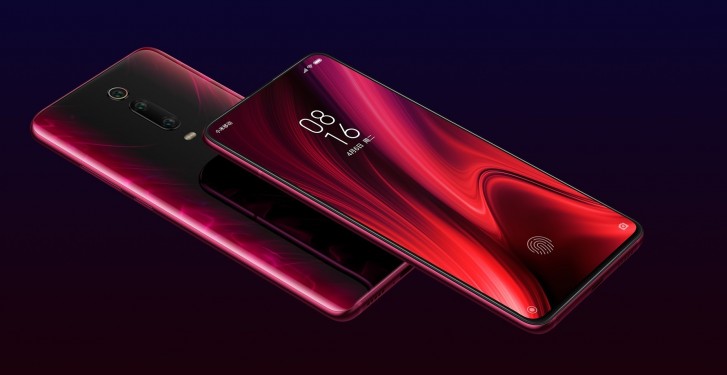
The Redmi K20 Pro comes with a full HD+ 6.39-inch AMOLED screen that is integrated with the latest 7th generation in-display fingerprint sensor. Since the display is notch-less and it is surrounded by slim bezels, the phone offers a screen-to-body ratio of 92 percent.
The Snapdragon 855 chipset fuels the smartphone with up to 8 GB of RAM. The highest version of the phone has 256 GB of storage. However, there is no support external storage on the device. The MIUI 10 based Android 9 Pie OS comes preloaded on the device. The smartphone features a big battery of 4,000mAh capacity to keep the lights on. It is accompanied with 27W fast charging technology.
Redmi K20 Pro
The Redmi K20 Pro has a triple camera unit on its back. It features a 48-megapixel Sony IMX586 sensor with f/1.75 aperture, a 13-megapixel ultrawide lens and an 8-megapixel telephoto lens with 2x optical zoom. The phone also features a pop-up selfie camera of 20-megapixel. The other features of the K20 Pro dual 4G VoLTE, Wi-Fi 802.11ac, Bluetooth 5.0, dual-frequency, GPS technology, USB-C, Hi-Res audio and 3.5mm audio jack.
The Redmi K20 Pro variants such as 6 GB RAM + 64 GB storage, 6 GB RAM + 128 GB storage, 8 GB RAM + 128 GB storage and 8 GB RAM + 256 GB storage are respectively priced at 2,499 Yuan (~$362), $2,599 Yuan (~$376), 2,799 Yuan (~$404) and 2,999 Yuan (~$434). Its pre-orders have started in China and its shipments will begin on June 10.
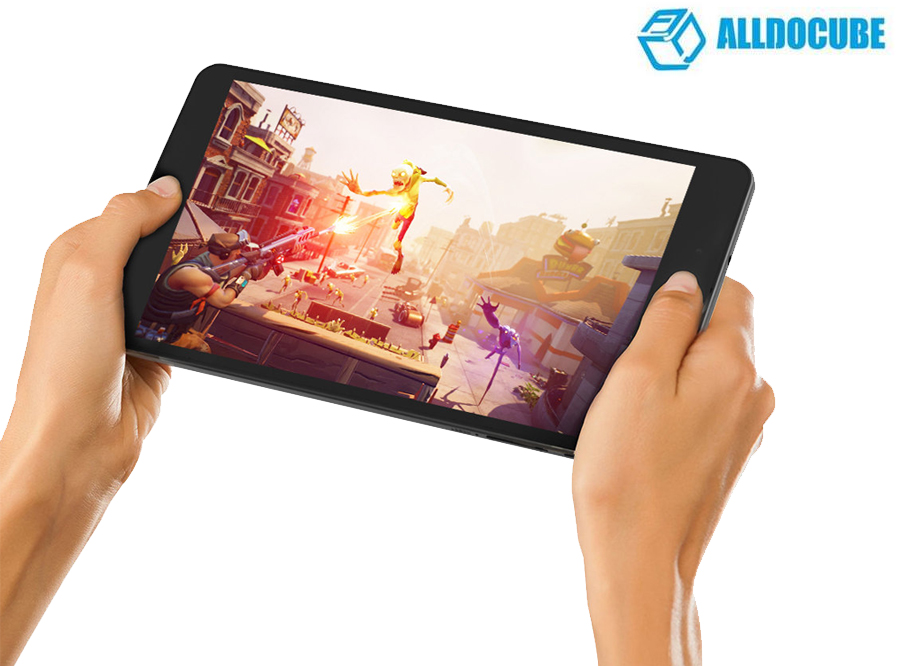
Alldocube has teamed-up with Banggood to launch the ‘Alldocube Week,’ wherein the popular digital brand will be offering great discounts on a wide selection of its products. Moreover, Banggood users also stand a chance of winning more than 200 free gifts.
In a bid to simplify the search process for its loyal users, Banggood has split the promotion page into multiple categories. The first section called ‘Best Recommended’ includes the M8 tablet from Alldocube.
While the coveted tablet would normally set you back $159.99, you can now buy it for only $109.99 by using the Crazy Coupon code bgcubem8. Aside from saving $50, you can even win One Set Gift For Alldocube Tablet as a free gift. Note that the item usually retails for $78.64.
You can get $70 off on Alldocube X 128GB tablet, which usually retails for $435.19. If that doesn’t impress you much, you can bring the device’s original asking price further down to just $269.99 by applying coupon code bgcubex. You can also win a PU Leather Folding Stand Case Cover for Alldocube X Tablet worth $17.36 with your order.
Likewise, you can avail significant discounts on a wide selection of other Alldocube-branded devices such as the KNote 5, M5, and the Thinker Laptop. It is worth mentioning here that each device has been assigned a specific coupon that you can use at checkout in order to save more money.
The ‘Alldocube Communication Style’ section features various items carrying crazy prices. On top of that, each item included in the aforesaid category comes with a mystery gift. You can check the mystery gift by adding the product to your cart.
For the sake of an instance, the Alldocube Cube X1 tablet is currently up for grabs for $144.99. When you place your order, you get One Set Gift For Alldocube Tablet, which normally retails for $60.99 as a free gift.
You can click here to visit the promotion page and check out the rest of the products. Note that the promo is slated to wrap up soon.
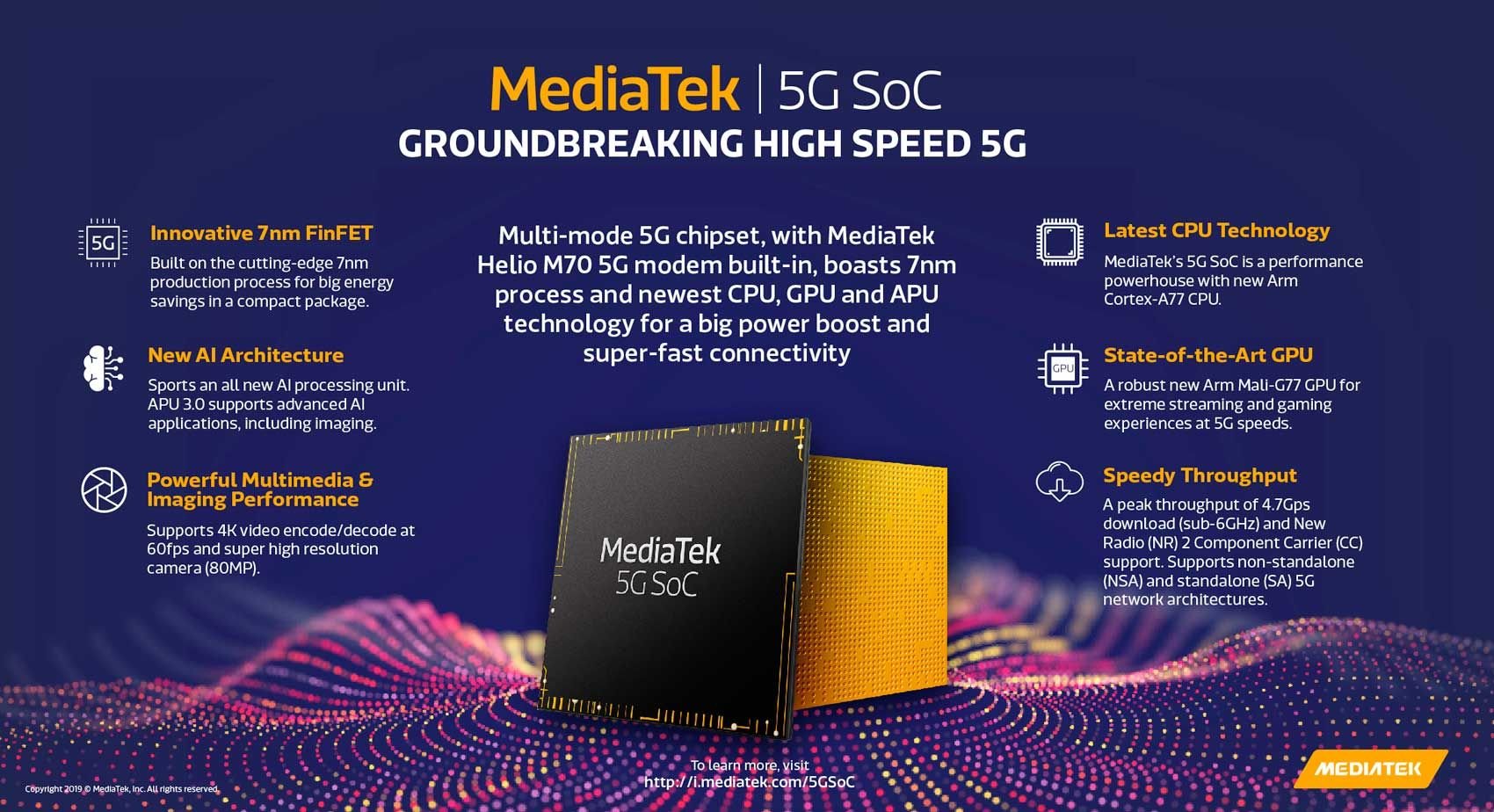
5G is the new craze in the smartphone industry and we’ve already seen a bunch of smartphones like Galaxy S10 5G,Huawei Mate 20 X 5G, and even the OPPO Reno 5G. These new-age 5G phones were initially launched in the European market and all of them had one thing in common – they were super expensive. MediaTek wants to change this with its new 5G SoC. For some reason, this Taiwanese chipmaker has decided to call it simply as the MediaTek 5G SoC. The company unveiled the new chipset at Computex Taiwan earlier today.
MediaTek 5G SOC
Unlike current smartphones in the market which use a two-chip 5G solution (like the Snapdragon X50 modem), the MediaTek 5G SoC features an integrated modem. Plus, the SoC comes with multi-mode support which means there’s no need for an additional LTE modem. This support allows the MediaTek’s 5G chip to connect to anything from 2G to 4G when the new-age 5G connectivity is not available. If you remember, Qualcomm’s second-generation modem, the Snapdragon X55 is an integrated one-chip solution and comes with multi-mode support. However, it’ll only be available by 2020, around the same time as MediaTek’s 5G modem will be available in smartphones.
5G isn’t the only highlight of the new MediaTek SoC. The chip is actually pretty capable too, thanks to the new-age Cortex-A77 CPU and Mali-G77 GPU. These two designs were announced by ARM a couple of days back and boast increased processing power and efficiency as compared to its predecessors. The chip also comes with the APU (AI Processing Unit) 3.0 which adds new features such as real-time autofocus, auto exposure, auto white balance, photo de-blurring, and beautification. Other notable features include support for 80MP camera sensors and 4K video encoding and decoding at 60fps.
Talking about its 5G capabilities, the SoC supports downloads up to 4.7Gbps and uploads up to 2.7Gbps. The new MediaTek 5G modem supports sub-6Ghz frequencies, which the company expects to be more widely used than mmWave frequencies around the world. This is one way how the new SoC cuts costs and makes it more affordable than current solutions.
Expect to see the new MediaTek 5G SoC in affordable flagships and premium mid-rangers. The chip will be available in Q3 2019 and phones with this SoC is said to hit the markets around early 2020.
If you are in the market for an inexpensive smart bracelet that doesn’t disappoint in terms of performance, we got good news for you.
In collaboration with Xiaomi, Chinese online store GeekBuying is offering the Xiaomi Hey Plus and the NFC Version of the Mi Band 3 Smart bracelets at lowered prices. Moreover, we will show how you can reduce the already reduced retail price of the Hey Plus smart bracelet at checkout.
Xiaomi Hey Plus Smart Bracelet
Sporting a 0.95 Inch AMOLED color screen with 24-bit true color, and an impressive gamut range of up to 100 percent, the Hey Plus smart bracelet offers a more vivid and bigger display. It has 5ATM water resistant and features a 24 hours heart rate monitor aside from a long standby time of about 18 days for a full charging.
The Xiaomi Hey Plus smart bracelet would normally set you back $79.99, but it is currently up for grabs bearing a lowered price tag of only $49.99. Moreover, you can extend this 38 percent discount by applying coupon code 3WRY5OVR.
The aforesaid coupon helps you get an extra $10 off. In other words, you can bring the original asking price of the smart bracelet further down to just $39.99 simply by applying the aforesaid coupon at the time of checking out.
You can follow this link to avail the discount and use the coupon before it expires. Note that the promo is slated to end in just one day.
The Xiaomi Mi Band 3 Smart Bracelet NFC Version comes with a built-in multifunctional NFC chip that facilitates binding of the bus card, simply by reducing the gap between the card sensing area and the bracelet. This facilitates the payment function.
This Xiaomi-branded smart bracelet also supports APP recharge. It features a bigger 0.78 inch OLED touch screen that fits the width of the wrist and offers a pleasant feeling of wearing. Furthermore, the device has 5ATM water resistant rating so it can withstand pressures equivalent to a depth of 50m.
While the aforesaid features completely justify the $79.99 price tag the Mi Band 3 NFC version usually carries, GeekBuying is giving you a chance to buy it for a lowered price of only $34.99. This is a noteworthy 56 percent drop in the device’s original asking price.
On the downside, the promo will be valid only for one day. You can visit this link in order to grab the discount before the promo ends.
With the news that Huawei may lose access to Google’s Android platform, the Chinese smartphone manufacturer is in need of a new operating system for its future handsets. On top of that, we might finally have a final name. While we’ve all heard the HongMeng OS name, Huawei’s new trademark sounds much better. Say hello to the new, ARK OS.
Per a report by Android Headline, It appears Huawei has trademarked a few names in Europe. In terms of the names that was filed, the listings cover ‘Huawei Ark OS,’ ‘Huawei Ark,’ ‘Ark,’ and ‘Ark OS,’ thus suggesting that Huawei’s Android and Windows alternative will be marketed as such. As usual, there’s no guarantee Huawei will ever use this name, but it’s certainly more appealing to global audiences than the ‘HongMeng OS’.
Now, to be fair, we’re not entirely sure whether this and HongMeng OS are the same thing. It’s fully possible Huawei’s come up with two different operating systems for different markets. Chinese markets could absolutely use HongMeng OS perfectly fine. Meanwhile, ARK OS would suit other markets like Europe infinitely better than that.
At the same time, what are the chances that it’s not the same OS? Huawei isn’t exactly in the right situation to be spending time making more operating systems. They should be rushing the OS as quickly as possible, while optimizing it as much as well. It seems like ARK / HongMeng OS will be coming very soon, so it won’t be long before everything’s revealed.
We use cookies on our website to give you the most relevant experience by remembering your preferences and repeat visits. By clicking “Accept”, you consent to the use of ALL the cookies.
This website uses cookies to improve your experience while you navigate through the website. Out of these, the cookies that are categorized as necessary are stored on your browser as they are essential for the working of basic functionalities of the website. We also use third-party cookies that help us analyze and understand how you use this website. These cookies will be stored in your browser only with your consent. You also have the option to opt-out of these cookies. But opting out of some of these cookies may affect your browsing experience.
Necessary cookies are absolutely essential for the website to function properly. This category only includes cookies that ensures basic functionalities and security features of the website. These cookies do not store any personal information.
Any cookies that may not be particularly necessary for the website to function and is used specifically to collect user personal data via analytics, ads, other embedded contents are termed as non-necessary cookies. It is mandatory to procure user consent prior to running these cookies on your website.