Advertisement

Realme 15 Pro 5G and 15 5G arrive in India with huge 7,000mAh battery and AI-powered camera tools

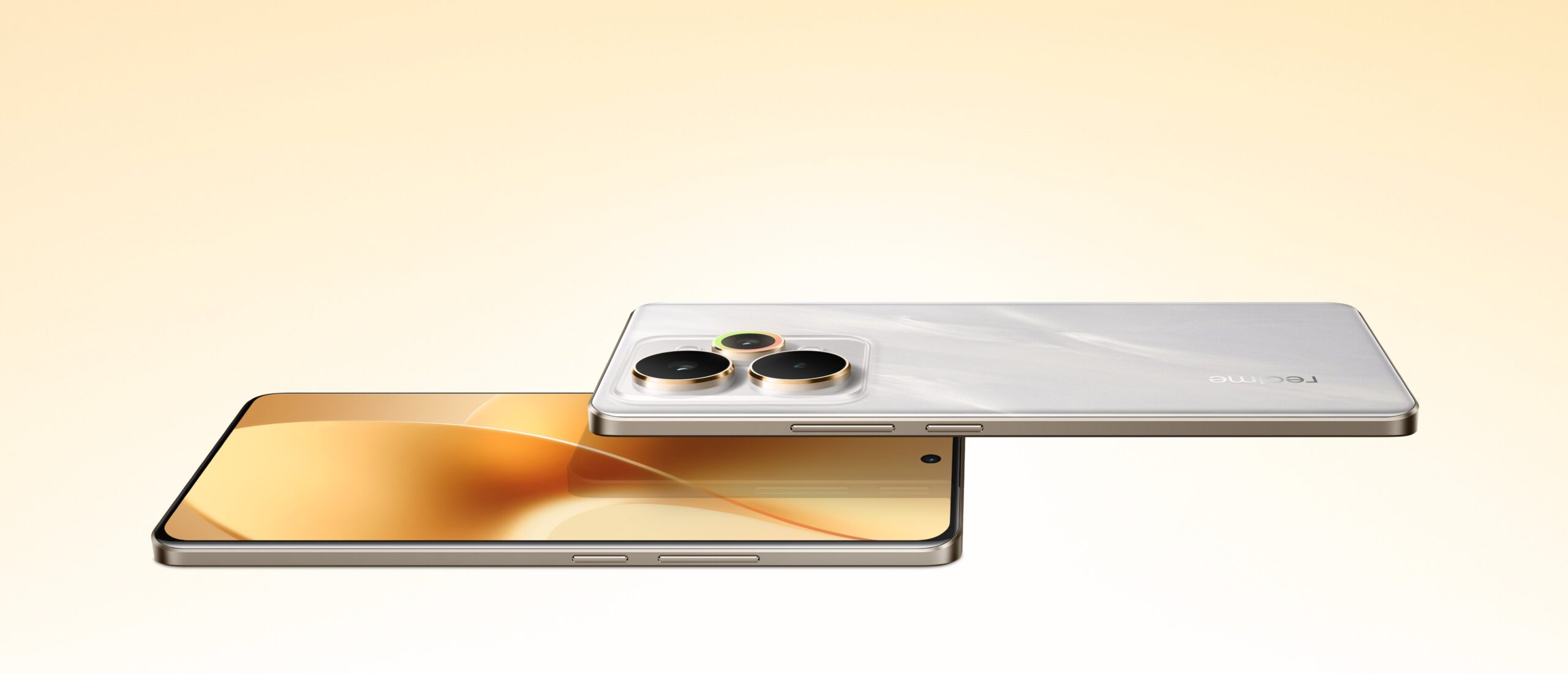
Realme has rolled out its latest mid-range 5G smartphones in India, the Realme 15 Pro 5G and Realme 15 5G. Both phones come with a massive 7,000mAh battery and a strong push toward AI-powered camera and editing features.

Realme 15 Pro 5G, Realme 15 5G Specifications

The Realme 15 Pro 5G is powered by Qualcomm’s Snapdragon 7 Gen 4 chip, while the regular 15 5G runs on MediaTek’s Dimensity 7300+. Both offer up to 12GB of RAM and as much as 512GB of storage, and they ship with Realme UI 6 based on Android 15.

The camera setup brings a lot of attention as well. The camera setup includes 50MP front shooters on both devices, while the Pro model upgrades the rear system to include dual 50MP sensors—one for wide shots and one ultrawide. Up front, both phones offer 50MP selfie cameras that can shoot in 4K at 60fps.

Realme is also betting big on AI this year. These phones pack new features like “AI Edit Genie” (which lets you edit photos using voice commands) and “AI Party,” which tweaks camera settings in real time based on ambient lighting. Other AI-driven features include motion detection, glare removal, enhanced landscape capture, and a so-called “AI Snap Mode.”

Visually, the phones boast a 6.8-inch AMOLED display with up to 144Hz refresh rate and Gorilla Glass 7i protection. You also get an in-display fingerprint sensor, IP66/IP68/IP69-rated durability, and the usual array of connectivity: 5G, Wi-Fi, Bluetooth 5.4, GPS, and USB-C. 

Fueling the phones is a 7,000mAh cell with support for 80W charging across the board.

Pricing and Availability

Pricing starts at Rs. 31,999 for the Realme 15 Pro 5G and Rs. 25,999 for the Realme 15 5G. Both will be up for grabs starting July 30 via Realme’s website, Flipkart, and retail stores. 

Realme is also offering bank discounts of up to ₹3,000 on the Pro and up to ₹2,000 on the base model, plus additional exchange deals. Color options include Flowing Silver and Velvet Green for both phones. There’s also Silk Purple exclusive to the Pro, and a Silk Pink variant for the vanilla version.

Realme 15 5G and 15 Pro 5G Specifications

FeatureRealme 15 5GRealme 15 Pro 5G
Display6.8-inch OLED, 2800×1280, 144Hz refresh rate6.8-inch OLED, 2800×1280, 144Hz refresh rate
Up to 6500 nits peak brightnessUp to 6500 nits peak brightness
100% DCI-P3, 4608Hz PWM, Gorilla Glass 7i100% DCI-P3, 4608Hz PWM, Gorilla Glass 7i
ChipsetMediaTek Dimensity 7300+ (4nm, up to 2.5GHz)Snapdragon 7 Gen 4 (4nm)
GPUMali-G615 MC2Adreno 722
RAM & Storage8GB / 12GB LPDDR4X8GB / 12GB LPDDR4X
128GB / 256GB / 512GB UFS 3.1128GB / 256GB / 512GB UFS 3.1
OSAndroid 15 with Realme UI 6Android 15 with Realme UI 6
Rear Camera50MP Sony IMX882 (OIS, f/1.8)50MP Sony IMX896 (OIS, f/1.8)
8MP ultra-wide (f/2.2)50MP ultra-wide (OV50D, f/2.0)
Up to 4K @30fps video recordingUp to 4K @60fps video recording
Front Camera50MP (OV50D, f/2.4), up to 4K video50MP (OV50D, f/2.4), up to 4K video
Battery7000mAh (typical), 80W fast charging7000mAh (typical), 80W fast charging
AudioStereo speakers, USB Type-C audio, Hi-Res AudioStereo speakers, USB Type-C audio, Hi-Res Audio
FingerprintIn-display optical sensorIn-display optical sensor
Other SensorsInfrared sensorInfrared sensor
Build162.26 × 76.15 × 7.69 mm, 187g162.26 × 76.15 × 7.69 mm, 187g
DurabilityIP68 + IP69 dust and water resistanceIP68 + IP69 dust and water resistance
ConnectivityDual SIM (nano + nano), 5G SA/NSA, Dual 4G VoLTEDual SIM (nano + nano), 5G SA/NSA, Dual 4G VoLTE
Wi-Fi 6 (2.4GHz + 5GHz), Bluetooth 5.4, USB Type-C 2.0Wi-Fi 6 (2.4GHz + 5GHz), Bluetooth 5.4, USB Type-C 2.0
GPS, GLONASS, BeidouGPS, GLONASS, Beidou

Xiaomi might bring back its big foldable next year

Xiaomi is preparing to return to the large foldable smartphone market next year, according to a new leak from Digital Chat Station. The company is developing a next-generation horizontal foldable under the Mix Fold series, expected to feature significant upgrades and a revised aspect ratio. The device is currently being tested with a Snapdragon chipset, though the specific model number has not been confirmed.

Xiaomi Mix Fold DCS leak

This new report aligns with an earlier leak from tipster Smart Pikachu, who also claimed that Xiaomi would revive its Mix Fold lineup in 2026. Smart Pikachu indicated that the upcoming foldable would offer major improvements over its predecessor and would likely adopt a different screen ratio.

Xiaomi did not release a large foldable in 2025. The most recent model in this category remains the Mix Fold 4, which launched in 2024 with a 6.56-inch outer display and a 7.98-inch foldable inner display. It featured the Snapdragon 8 Gen 3 processor, a 5100mAh battery, and supported 67W wired and 50W wireless charging. Despite its flagship-level specifications, the Mix Fold 4 struggled with software optimization and user experience, especially in multitasking and large-screen adaptation. This impacted its reception in the highly competitive foldable market.

Xiaomi Mix Fold 4

The upcoming model is expected to address these shortcomings with both hardware and software improvements. The device may adopt a new aspect ratio for better usability in work and media scenarios, alongside improvements to the hinge and crease visibility, both of which are now essential metrics in the foldable category.

Separately, Xiaomi is working on a tri-foldable device under the codename “zhuque.” This model is expected to debut in the first quarter of 2026, but it remains unclear whether it will replace the Mix Fold series or launch alongside it.

While Xiaomi paused its large foldable roadmap, its clamshell Mix Flip series performed well. Xiaomi recently launched the Mix Flip 2, which features a refined external display and a nearly invisible crease on the inner screen.

With Apple preparing to release its first foldable iPhone in 2026 and other Android brands like Huawei, Oppo, and vivo accelerating their efforts, Xiaomi’s return to the large foldable space comes at a critical time.

For more daily updates, please visit our News Section.

Stay ahead in tech! Join our Telegram community and sign up for our daily newsletter of top stories! 💡

Vivo T4R 5G Launching in India on July 31 with Slim Quad-Curved Display

Vivo has confirmed that the Vivo T4R 5G will launch in India on July 31. This will be the company’s next phone in the T4 series. Vivo says it will be India’s slimmest phone with a quad-curved display, measuring just 7.39mm in thickness.

The teaser shows a rear camera setup similar to the recently launched iQOO Z10R, which is also launching soon. Based on this, the vivo T4R 5G is expected to feature a 50MP main camera with a Sony IMX882 sensor and optical image stabilization. It will likely include a secondary 2MP camera and a 32MP front camera. Both front and rear cameras are expected to support 4K video recording.

The phone is expected to be powered by the MediaTek Dimensity 7400 processor. It may come in 8GB and 12GB RAM options. The display is expected to be a 6.77-inch Full HD+ OLED panel with a 120Hz refresh rate and curved edges on all four sides.

After the launch, the vivo T4R 5G will be available on Flipkart, the vivo India website, and offline stores. More launch details, including the full specifications and pricing, will be announced in the coming days.

In other news, Xiaomi is preparing to launch the Redmi Note 14 SE 5G in India with a 6.67-inch AMOLED display that supports a 120Hz refresh rate and reaches up to 2100 nits peak brightness. It’s protected by Corning Gorilla Glass 5 and certified for low blue light and flicker-free viewing.

Don’t miss a thing! Join our Telegram community for instant updates and grab our free daily newsletter for the best tech stories!

For more daily updates, please visit our News Section.

(Source)

Snapdragon 8 Elite 2 inside Galaxy S26 to run at 4.74GHz, says leak

Samsung’s Galaxy S26 is still months from launch, but the rumor mill isn’t slowing down. Just as fresh battery details surfaced earlier today, a new leak is now shedding light on what’s likely powering Samsung’s next-gen flagship.

According to frequent tipster Ice Universe, the upcoming S26 lineup will run on Qualcomm’s Snapdragon 8 Elite 2, and more specifically, a custom-tuned “For Galaxy” version of it.

Samsung and Qualcomm have been collaborating on these exclusive Galaxy-only variants for a while now, often resulting in slightly better performance compared to the standard chips used in other Android flagships.

A 4.47GHz SoC

So what’s new this time? For starters, the chip’s prime core is rumored to hit 4.74GHz, a noticeable jump from the 4.47GHz peak found in the Galaxy S25’s Snapdragon 8 Gen 3.

The standard version of the 8 Elite 2 is expected to top out at around 4.4GHz, and both variants will be manufactured on TSMC’s third-gen 3nm process. That’s projected to offer a 4% performance boost and 9% lower power consumption compared to the previous gen, even without touching the clock speeds.

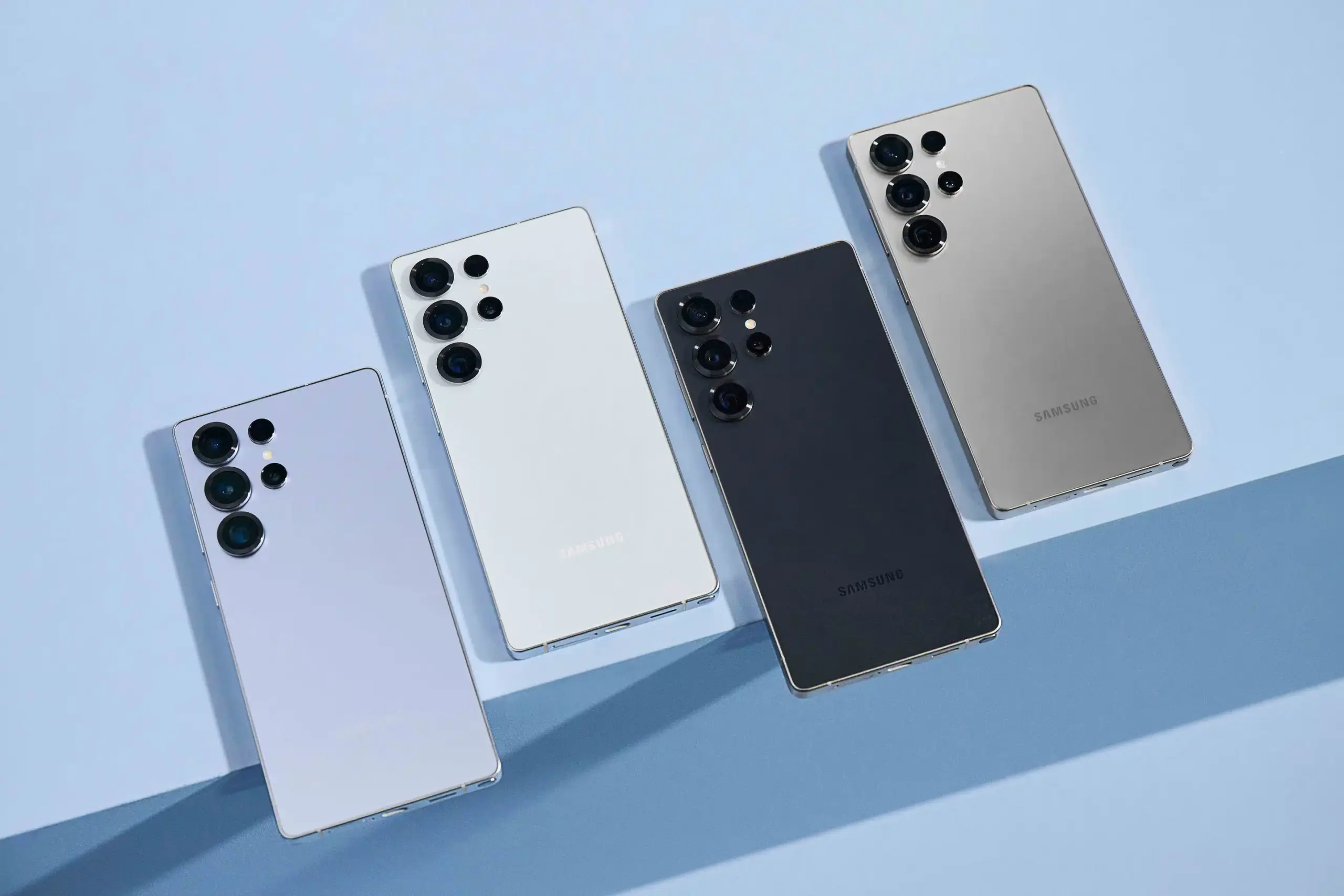
As for the phones themselves, Samsung is reportedly prepping the Galaxy S26, S26 Edge, and S26 Ultra for an early 2026 debut. The Ultra model is said to retain the same 5,000mAh battery as last year but could bump up its wired charging speeds from 45W to 65W

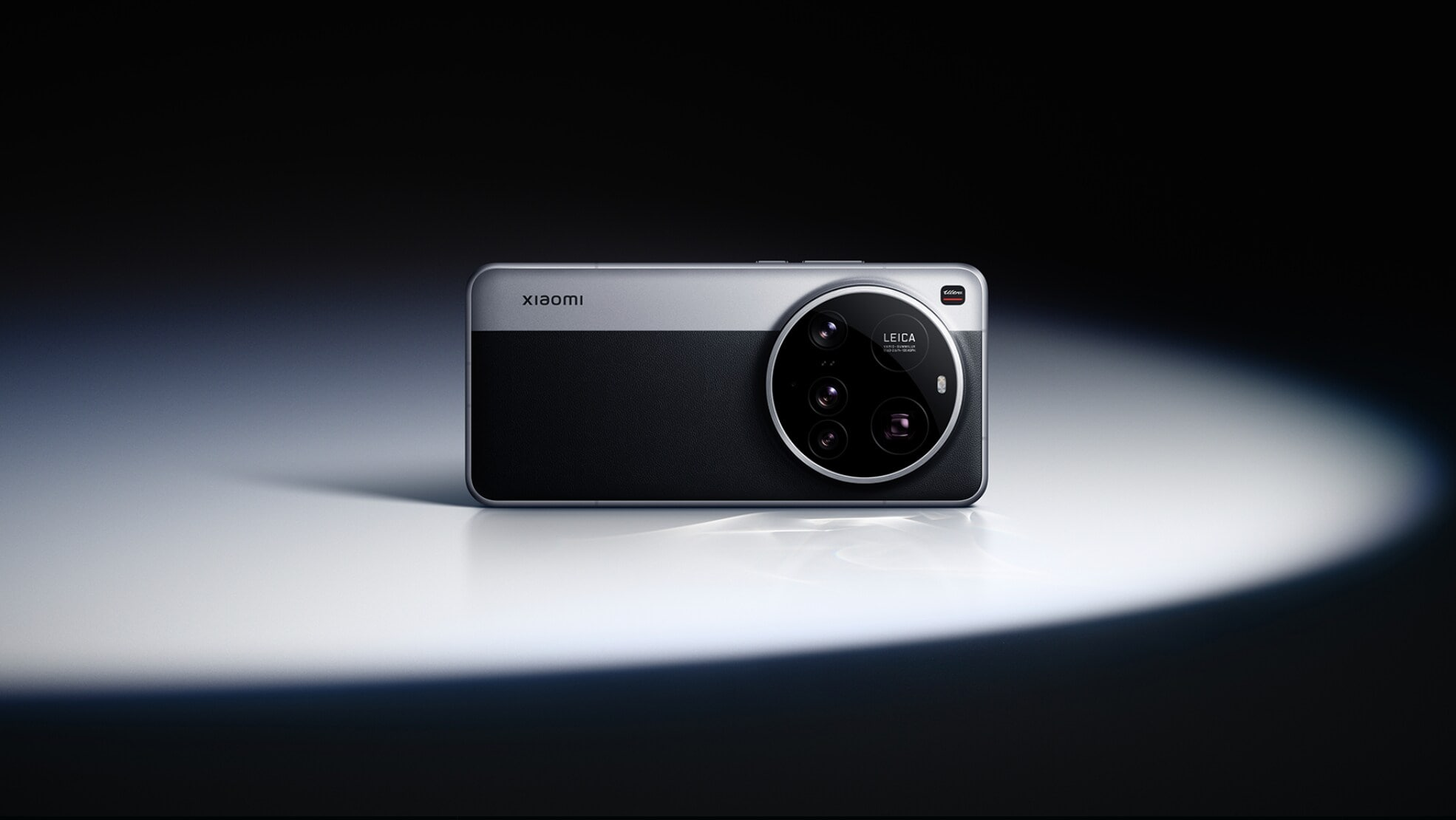
Still, Samsung may not be first out of the gate with Qualcomm’s new silicon. The Xiaomi 16 series is expected to be the first to launch with the Snapdragon 8 Elite 2. Samsung will launch the device much later in January, mostly after its Chinese competitors announce their respective flasghips. 

For now, this latest round of leaks adds to the growing picture of what to expect from the Galaxy S26 series. 

Don’t miss a thing! Join our Telegram community for instant updates and grab our free daily newsletter for the best tech stories!

For more daily updates, please visit our News Section.

This Casio G-Shock Was Handcrafted & Hammered by a Japanese Master Artisan

Casio has just launched one of its most exquisite and culturally rich G-Shock timepieces yet, the MRG-B5000HT. This isn’t just any limited edition model as the brand is working with a Japanese master artisan to handcraft each watch. So here’s everything you need to know.

Casio’s New MRG-B5000HT G-Shock Was Literally Built with a Hammer

Unlike your average rugged watch, this limited-edition G-Shock is hand-forged using the traditional “tsuiki” metal hammering technique by renowned Japanese artisan Kazuya Watanabe. The result? A stunning hammertone finish that’s equal parts brutal and beautiful. The ‘tsuiki’ technique has been used for the bezel and band, which are made using a titanium alloy. This also adds a distinct texture to the watch. That’s not all, the MRG-B5000HT also gets a diamond-like carbon coating for extra scratch resistance and sapphire crystal.

Casio G-Shock MRG-B5000HT handcrafted and hammered
Casio G-Shock MRG-B5000HT-1JR

There are only 500 units of this limited edition Casio MRGs that will be sold. So considering the fact that the master artisan is working on these using the hammering technique, each model will also be unique. Apart from the blend of Japanese craftsmanship and G-Shock’s iconic durability, you get solar power support, Bluetooth connectivity, Multiband 6, world time, and much more.

Casio’s MRG lineup already consists of premium watches, but this one takes it to the next level. Combining the features and unique design, the MRG-B5000HT-1JR carries a hefty price tag of 935,000 yen, which roughly translates to about 6,386 US Dollars. This model will go on sale next month. While a wider release is still unclear, we can expect limited availability in other regions. In related news, you can click here to check out a short list of Casio G-Shocks that pair well with iPhones.

For more daily updates, please visit our News Section.

Tech enthusiast? Get the latest news first! Follow our Telegram channel and subscribe to our free newsletter for your daily tech fix! ⚡

Snapdragon 7 Plus Gen 3 vs 7 Plus Gen 2: Benchmark scores and key upgrades

Snapdragon 7 Plus Gen 3 vs 7 Plus Gen 2

Snapdragon’s 7 Plus series includes two of the best-performing chipsets in the mid-range space — the Snapdragon 7 Plus Gen 2 and the newer 7 Plus Gen 3. While it’s pretty obvious that the Snapdragon 7 Plus 3 is superior here, the real question is — how significant an upgrade it is over its predecessor, the 7 Plus Gen 2. Is it a true next-gen upgrade or just a modest refresh with a new label?

In this comparison, we’ll break down the specs, run key benchmarks, and explore real-world differences to see just how much of an upgrade the Gen 3 truly is over its predecessor. Let’s start with the spec sheet:

Snapdragon 7+ Gen 3Snapdragon 7+ Gen 2
AnnouncedMarch 2024March 2023
Process node4nm4nm
ManufacturerTSMCTSMC
CPU1x 2.8 GHz — Cortex-X4
4x 2.6 GHz — Cortex-A720
3x 1.9 GHz — Cortex-A520
1x 2.91 GHz — Cortex-X2
3x 2.49 GHz — Cortex-A710
4x 1.8 GHz — Cortex-A510
GPUAdreno 732Adreno 725
NPUQualcomm Hexagon NPUQualcomm Hexagon NPU
StorageUFS 4.0UFS 3.1
MemoryLPDDR5x, up to 4.2GHzLPDDR5, up to 3.2GHz
Camera18-bit Qualcomm Spectra triple ISP
Up to 200MP single camera
Up to 4K video recording
Semantic segmentation support
18-bit Qualcomm Spectra triple ISP
Up to 200MP single camera
Up to 4K video recording
ConnectivitySnapdragon X63 5G modem
Downlink: 5Gbps
Qualcomm FastConnect 7800
Wi-Fi 7 (peak speed: 5.8Gbps)
Bluetooth 5.3
Snapdragon X62 5G modem
Downlink: 4.4Gbps
Qualcomm FastConnect 6900
Wi-Fi 6E (peak speed: 3.6Gbps)
Bluetooth 5.3
DisplayQHD+ @ 144Hz, 4K Ultra HD @ 60Hz
HDR10, HDR10+, HDR Vivid
10-bit color depth
QHD+ @ 120Hz
HDR10+
10-bit color depth

Snapdragon 7 Plus Gen 3 vs 7 Plus Gen 2: Benchmark comparison

Note: The tests were conducted on the Realme GT 6T (Snapdragon 7+ Gen 3) and POCO F5 (Snapdragon 7+ Gen 2).

AnTuTu performance

Snapdragon 7 Plus Gen 3 vs 7 Plus Gen 2 - AnTuTu comparison

The Snapdragon 7 Plus Gen 3 shows a solid leap in performance over its predecessor in the AnTuTu benchmark. It achieved a total score of 1,448,293, which is around 27.4% higher than the 7 Plus Gen 2’s 1,136,824. The improvements span across all major categories, with the CPU score showing an 11% jump.

The biggest upgrade comes in the GPU department. The 7 Plus Gen 3 delivers about 42% higher graphics score on the benchmark. Memory performance is also up by almost 60%, while the UX score remains largely the same.

SD 7+ Gen 3SD 7+ Gen 2
AnTuTu score1,448,2931,136,824
CPU376,122339,177
GPU488,799344,408
Memory334,990209,481
UX248,382243,758

Geekbench performance

Snapdragon 7 Plus Gen 3 vs 7 Plus Gen 2 - Geekbench comparison

On Geekbench, the Snapdragon 7 Plus Gen 3 once again takes the lead with noticeable improvements in both single-core and multi-core scores. It recorded 1,834 in the single-core test and 4,498 in multi-core, compared to 1,671 and 4,307, respectively, for the Snapdragon 7 Plus Gen 2. That translates to about a 9.7% gain in single-core performance and roughly 4.4% in multi-core.

SD 7+ Gen 3SD 7+ Gen 2
Single core1,8341,671
Multi core4,4984,307

The benchmark scores provide a good idea of the raw performance, but they don’t tell the complete picture. So, let’s dive further into the key differences to see real-world changes.

Snapdragon 7 Plus Gen 3 vs 7 Plus Gen 2: Key differences that matter

CPU, GPU, and NPU

Both Qualcomm chipsets utilize TSMC’s 4nm manufacturing facility, but they feature different sets of CPU cores. The Snapdragon 7 Plus Gen 3, for instance, features one Cortex-X4 prime core, four Cortex-A720 performance cores, and three Cortex-A520 efficiency cores, whereas the Gen 2 has one Cortex-X2, three Cortex-A510, and four Cortex-A510 cores.

The third-generation chip benefits from newer ARM cores, which unlock higher performance and better power efficiency. It also excels in visual rendering, thanks to its higher peak speed, increased pipelines, and higher floating-point operations per second (FLOPS). AI capabilities are largely the same across both, powered by Qualcomm’s Hexagon NPU.

Camera

Both Snapdragon 7-series chips have the same camera capabilities except for one thing, which makes a meaningful difference. The Snapdragon 7 Plus Gen 3 also has a Cognitive ISP, which uses AI to interpret and enhance images and videos in real-time. The ISP can recognize and differentiate between elements in a scene in real-time and apply detailed optimizations to improve clarity, detail, and color accuracy.

Connectivity and others

The connectivity has also received several meaningful upgrades. The newer X63 5G modem in the Snapdragon 7 Plus Gen 3 offers up to 5Gbps download speed (vs. 4.4Gbps on the 7 Plus Gen 2 with X62 modem). The Gen 3 chip also gets Wi-Fi 7 support with a peak speed of 5.8Gbps versus Wi-Fi 6E (3.6Gbps) on 7 Plus Gen 2.

The 7 Plus Gen 3 also features faster memory (LPDDR5x at 4.2GHz vs. LPDDR5 at 3.2GHz) and storage (UFS 4.0 vs. UFS 3.1), as well as faster USB data transfer. Additionally, it brings support for 4K display resolution and a higher refresh rate for a QHD+ display.

Snapdragon 7 Plus Gen 3 vs 7 Plus Gen 2: Conclusion

The Snapdragon 7 Plus Gen 3 brings meaningful upgrades over its predecessor, the 7 Plus Gen 2, despite both being built on the same efficient 4nm TSMC process. The Gen 3 chip brings newer, more powerful, and efficient CPU cores, along with a superior GPU, providing a notable performance boost. On AnTuTu, it achieves around 28% higher scores, and a noticeable gain is also observed on Geekbench.

The addition of a Cognitive ISP sets the 7 Plus Gen 3 apart, enabling smarter, context-aware image and video enhancements powered by on-device AI. Connectivity is more advanced too, bringing faster 5G and Wi-Fi 7 support. The memory, storage, and display also get meaningful upgrades.

While both are excellent chipsets, the refinements in the 7 Plus Gen 3 platform make it a clear choice for users seeking the premium performance, camera capabilities, and next–generation connectivity in the mid-range segment.

Xiaomi launches Mijia Wireless Floor Scrubber 4 with 18,000Pa suction & 40-min battery life

Xiaomi has launched the Mijia Wireless Floor Scrubber 4 in China. The new model is now available for purchase on JD.com and other platforms at a retail price of 1,499 yuan ($209). This follows the earlier release of the Pro and Max variants in the same lineup.

Xiaomi Mijia Wireless Floor Scrubber 4

Xiaomi Mijia Wireless Floor Scrubber 4 Specifications

The Mijia Wireless Floor Scrubber 4 features a main motor that delivers 18,000Pa of suction power. It uses a roller brush that rotates at 450 revolutions per minute to remove dry debris, wet spills, and stains from hard floors. Xiaomi has equipped the device with three cleaning modes: standard, sterilization, and water absorption. The scrubber can vacuum, mop, and self-clean the brush simultaneously through a live water circulation system.

Xiaomi has included a four-layer anti-hair-tangle system to improve cleaning performance. The system consists of floating combs, extended shark-tooth scrapers, a tightly-fitted metal scraper bar, and a wide-angle V-shaped suction port. The company claims this setup can handle up to 3,000 strands of long hair without causing entanglement.

The device uses a five-layer water control system to reduce water residue and shorten drying time by up to 25%. It includes a high-density microfiber roller brush, a consistent-pressure scraper, a wide suction inlet, and a TPE water scraping strip. These components work together to improve water recovery and floor drying efficiency.

Xiaomi has added an 80°C hot air drying system for sterilizing and drying the roller brush. The scrubber also supports 100°C micro-pressure ironing and hot water soaking, which improves hygiene and removes odors. Additionally, the scrubber includes a built-in deodorizing stick that helps minimize smells in the wastewater tank.

The device comes with a bottom-mounted clean water tank, which helps lower its center of gravity and makes it easier to handle. It supports 180° flat-laying operation, enabling it to reach as far as 104cm under furniture. It also features dual-edge brushing that allows it to clean along wall corners and access narrow gaps effectively.

The Mijia Wireless Floor Scrubber 4 includes a 4000mAh battery that supports up to 40 minutes of use. It has a 1000mL clean water tank and a 700mL wastewater tank. Xiaomi claims the scrubber can clean up to 336 square meters on a single charge. The product has received TÜV Süd certifications for hair tangle resistance and water residue control.

In related news, Xiaomi recently introduced a new scalp care device that massages the scalp, dispenses serum, and aims to promote hair health. The company has also launched a 513L French door refrigerator featuring dual cooling technology, ion purification, and HyperOS integration.

For more daily updates, please visit our News Section.

Stay ahead in tech! Join our Telegram community and sign up for our daily newsletter of top stories! 💡

(Source)

Redmi Note 14 SE 5G Confirmed: 120Hz AMOLED, 50MP Sony Sensor, 5100mAh Battery & Dimensity 7025 Ultra

Xiaomi is set to launch the Redmi Note 14 SE 5G in India, the latest model in the Redmi Note 14 series. This comes after the Redmi Note 14 5G was introduced in December last year.

Redmi Note 14 SE 5G

The phone features a 6.67-inch AMOLED display with a 120Hz refresh rate and up to 2100 nits peak brightness. It is protected by Corning Gorilla Glass 5 and has TÜV Rheinland certifications for eye comfort and flicker-free viewing.

It is powered by the MediaTek Dimensity 7025 Ultra processor built on a 6nm TSMC process. The phone offers up to 8GB LPDDR4X RAM and an additional 8GB of virtual RAM. It also includes up to 128GB UFS 2.2 internal storage. HyperEngine support is included for improved gaming performance.

The rear camera has a 50MP Sony LYT-600 sensor with a 1/1.95″ size and supports optical image stabilization. The camera is designed for clear shots in all lighting conditions.

For sound, the phone has dual stereo speakers, a 300 percent volume boost, and supports Dolby Atmos. Xiaomi says this is the only phone in its price range offering all three audio features.

Redmi Note 14 SE 5G

The battery is rated at 5100mAh and supports 33W fast charging. It is TÜV Rheinland certified for battery safety and long-term reliability.

The Redmi Note 14 SE 5G has a similar design to the Note 14 but will come in a new red color variant. It will be available on Flipkart, mi.com, and offline retail stores. The price will be announced at launch next week.

Xiaomi is also preparing to launch the Redmi 15 5G in India soon, which is said to feature a massive 7000mAh battery with 33W fast charging and a 6.9-inch 144Hz display. The phone will be powered by a Snapdragon 6s Gen 3, and is said to come with a 50MP + 2MP rear camera setup.

For more daily updates, please visit our News Section.

Don’t miss a thing! Join our Telegram community for instant updates and grab our free daily newsletter for the best tech stories!

(Source)

Xiaomi TV Stick 2nd Gen Launched with 4K, Dolby Vision, & Google TV

The 2nd Generation Xiaomi TV Stick has just been announced. It brings various upgrades, but a notable feature is the support for Google TV. This model retains the compact design that is paired with a remote control for inputs. So here’s everything you need to know about this gadget.

Xiaomi TV Stick 2nd Gen: What does it offer?

The Chinese tech giant’s new Xiaomi TV Stick is the first of its kind to come with Google TV support. It has the usual USB stick design with a compact body. Xiaomi’s latest TV stick also offers 4K output along with Dolby Vision and HDR10+ standards. On the audio front, users get support for Dolby Atmos and DTS:X sound.

Xiaomi TV Stick 2nd Gen

The company claims that the new chipset powering the 2nd Gen model is around 80 percent faster during regular use. This is a quad core Cortex A35 CPU, which is paired with an ARM G310 V2 GPU, 2GB of RAM, and 8GB of internal storage. Other notable features include WiFi 6 support along with HDMI 2.1 and micro USB ports.

The Xiaomi TV Stick (2nd Gen) was just announced in the market after rumors of its imminent release. But interestingly enough, the launch details arrive from an early listing on AliExpress rather than an official Xiaomi unveiling. While the global availability details like in the US market are still unlikely, the AliExpress listing is shipping this TV stick for around 65 US Dollars.

For more daily updates, please visit our News Section.

Don’t miss a thing! Join our Telegram community for instant updates and grab our free daily newsletter for the best tech stories!

DJI unveils Romo, its first-ever robot vacuum, launching August 6

DJI has officially announced that it will launch its first-ever robot vacuum cleaner, named Romo, on August 6 at 8 PM (Beijing time). The company made the announcement through its official Weibo account, revealing a teaser poster with the product’s name and the slogan “Unmatched Power.” This move marks DJI’s formal entry into the smart home appliance segment after years of dominance in drones, gimbals, and action cameras.

DJI ROMO Robot Vacuum

Sources familiar with DJI’s internal roadmap say the company has spent over four years developing this product. The Romo is expected to leverage DJI’s core technologies in visual navigation, object avoidance, and intelligent path planning.

The teaser image offers the first clear look at the Romo system. It shows the robot vacuum paired with a docking station in two distinct forms. One appears with a Nothing-style semi-transparent or open structure, revealing the dock’s internal components such as the dustbin, water tank, and mop-cleaning system.

This version highlights the engineering beneath the surface and appears designed to showcase the hardware’s complexity and modular layout. The second variant features a fully enclosed white shell with smooth contours and a front-facing flap labeled “Romo.” This version emphasizes minimalism and is clearly designed to blend into modern home environments.

The robot itself follows a clean, circular layout with a low profile. It features front-facing sensors that are likely used for 3D navigation and obstacle detection. Twin side brushes are visible underneath, suggesting that it is built to sweep debris efficiently toward the central suction path. The visual design suggests a balance of functionality and aesthetics, consistent with DJI’s broader product philosophy.

Inside the open-style docking station, the layout appears highly organized. There are clearly marked zones for dust collection and water storage, as well as a rotating element that indicates support for automatic mop washing and drying. The design also hints at an automatic refill and self-cleaning system, similar to what’s seen in high-end models from brands like Roborock and Dreame.

In related news, DJI recently introduced the Agras T100, a high-performance agricultural drone designed for modern farming needs. The company has also launched the FlyCart 100, its new flagship cargo drone capable of carrying up to 80kg, featuring advanced safety systems for reliable transport.

For more daily updates, please visit our News Section.

Stay ahead in tech! Join our Telegram community and sign up for our daily newsletter of top stories! 💡

(Source)

Redmi Turbo 5 Pro May Arrive with Faster 100W Charging

Xiaomi could be planning on upgrading the fast charging speeds of its upcoming smartphones. It has just registered a new power brick with impressive fast charging speeds. So, we might be getting an upgrade on the charging speeds of upcoming devices like the Redmi Turbo 5 Pro.

Redmi Turbo 5 Pro Charging Speed Upgrade?

Just recently, China’s 3C certification platform listed new power bricks from Chinese tech giants like Xiaomi, Oppo, and Vivo (Via NotebookCheck). The three brands registered the charger with 100W output, with Xiaomi’s model featuring a 20 volt(V)/5 amp (A) system. These faster charging bricks are likely arriving with the next generation of phones that are expected to pack massive battery packs.

Redmi Turbo 4 Pro Pink Gold
Redmi Turbo 4 Pro in Pink Gold

To recall, the new Redmi Turbo 5 just had its key specs leaked, which revealed a new Dimensity 8500 and a humongous 7,000mAh+ battery pack. On the other hand, rumors have hinted at the Redmi Turbo 5 Pro taking it a step further with a mind-boggling 8,000mAh+ cell. So to keep up with the increase in battery capacity, the Turbo 5 Pro could get this new 100W charger, which marks a slight bump from 90W charging support on the Redmi Turbo 4 Pro.

The new Redmi Turbo 5 series might also make their global debut with POCO’s branding like last time. Although, details are still scarce at this moment. Keep in mind that this is still just an unconfirmed report, so take this news with a pinch of salt and stick around for more. In related news, Xiaomi has just shared a teaser for the Redmi 15 5G that is set to launch in the Indian market soon.

For more daily updates, please visit our News Section.

Tech enthusiast? Get the latest news first! Follow our Telegram channel and subscribe to our free newsletter for your daily tech fix! ⚡

Samsung Galaxy A17 5G: Camera Upgrade Confirmed, No Chipset Change

Samsung is getting ready to launch the Galaxy A17 5G later this year. The main upgrade is optical image stabilization (OIS) on the rear camera, a first for the A1x series. Samsung plans to use a spring-based OIS system that costs 20% less than regular OIS setups, making it affordable for an entry-level phone. The company is hoping this feature will help the A17 stand out from other budget phones.

Samsung Galaxy A16 5G

While the camera gets an upgrade, the chipset stays the same. The Galaxy A17 5G has shown up on Geekbench with the Exynos 1330, the same chip used in the Galaxy A14 5G and A16 5G. It’s a 5nm chip with two Cortex-A78 cores at 2.4GHz, six Cortex-A55 cores at 2.0GHz, and a Mali-G68 MP2 GPU. This means performance will likely be similar to the last two models.

The phone supports LPDDR4X and LPDDR5 RAM. The tested unit had 6GB RAM, but other versions may offer 4GB or 8GB, like the A16 5G. It also supports both UFS 2.2 and UFS 3.1 storage. The chip can run displays at 1080p+ with up to 120Hz refresh rate, but previous A1x models have only offered up to 90Hz, and that might not change. The software is Android 15 with One UI 7.

In short, the Galaxy A17 5G brings a better camera to Samsung’s budget range, but keeps the same performance.

For more daily updates, please visit our News Section.

Stay ahead in tech! Join our Telegram community and sign up for our daily newsletter of top stories!

(Source 1, 2, via)

Realme GT 8 and GT 8 Pro launch timeline leaks, dual-flagship strategy in play

Realme seems to be changing how it rolls out its flagship phones. According to a new leak, both the Realme GT 8 and GT 8 Pro are expected to launch together in October.

This would be a notable departure from the company’s recent pattern. Last year, Realme introduced the GT 7 Pro in November, but the standard GT 7 didn’t show up until May 2025. 

That split launch not only separated the spotlight between devices but also meant a considerable hardware gap. While the GT 7 Pro featured Qualcomm’s Snapdragon 8 Elite chip, the regular GT 7 settled for MediaTek’s Dimensity 9400e.

Realme GT 8 and GT 8 Pro with Snapdragon 8 Elite 2

This time, Realme appears to be aiming for parity. The leak suggests that both the GT 8 and GT 8 Pro will come powered by Snapdragon 8 Elite 2 (SM8850), Qualcomm’s upcoming flagship chip, expected to deliver major performance gains. 

The phones are also rumored to feature competitive upgrades in screen quality, periscope zoom, and battery life, putting it in direct contention with other top-tier Android flagships.

Realme GT 7 Pro

Speaking of which, the Realme GT 8 Pro could feature a flat 6.85-inch 2K OLED display from Samsung. The screen is expected to have the same AR anti-glare coating as the Galaxy S25 Ultra.

Fueling the phone will be a 7,000mAh+ battery put together in place with a metal middle frame. The phone will also reportedly support 100W fast charging. 

On the camera front, the standout is expected to be a 200-megapixel periscope telephoto sensor — possibly Samsung’s HP9 — which may also be used on Oppo’s upcoming Find X9 Pro.

That is all we know about the GT 8 Pro; the vanilla model is still in secrecy. But expect to learn more about them soon.

For more daily updates, please visit our News Section.

Stay ahead in tech! Join our Telegram community and sign up for our daily newsletter of top stories.
iQOO Z10R Launched in India with 120Hz Curved AMOLED Display, Dimensity 7400 and 5700mAh Battery Revealed

iQOO has launched the Z10R smartphone in India as part of its Z series. It comes with a curved AMOLED display, a large battery, IP68 and IP69 ratings for durability, and the latest Android 15 software. The phone will be available from July 29 through Amazon.in and the iQOO eStore.
iQOO Z10R

The iQOO Z10R features a 6.77-inch Full HD+ AMOLED quad-curved display with a 120Hz refresh rate, HDR10+ support, and peak brightness of 1800 nits. The screen has SCHOTT Xensation α glass protection and a 19.9:9 aspect ratio.

It runs on the MediaTek Dimensity 7400 4nm processor with Mali-G615 MC2 GPU. The phone includes graphite cooling with a 13,690mm² total cooling area. It comes in 8GB and 12GB LPDDR4X RAM options, with 128GB or 256GB UFS 2.2 storage. Virtual RAM support goes up to 12GB.

The rear camera setup includes a 50MP Sony IMX882 main sensor with f/1.79 aperture and a 2MP Galaxycore sensor with f/2.4 aperture. The front camera is 32MP with f/2.45 aperture. Both front and rear cameras support 4K video recording at 30fps. The phone also includes Aura Light for better low-light photos.

It runs Android 15 with Funtouch OS 15 and will receive two major Android updates and three years of security updates. The phone has an in-display fingerprint sensor, stereo speakers, and USB Type-C audio. It supports dual SIM, Wi-Fi 6, Bluetooth 5.4, GPS, and 5G across multiple bands.

The phone is IP68 and IP69 certified for dust and water resistance and meets military-grade durability (MIL-STD-810H). It packs a 5700mAh battery and supports 44W fast charging.

Please Note: When you buy something using the links in our articles, we may earn a small commission at no cost to you.

Pricing & availability

The Z10R comes in Aquamarine and Moonstone colours. Prices are ₹19,499 for 8GB + 128GB, ₹21,499 for 8GB + 256GB, and ₹23,499 for 12GB + 256GB. Launch offers include ₹2,000 off with HDFC or Axis Bank cards or an exchange bonus, and up to 6 months no-cost EMI.

For more daily updates, please visit our News Section.

Stay ahead in tech! Join our Telegram community and sign up for our daily newsletter of top stories!

Samsung reveals all the changes behind Z Fold 7’s slim design

Samsung‘s Galaxy Z Fold 7 and Flip 7 are hitting shelves on July 25. This year’s models take foldable design to the next level, offering slimmer profiles, lighter builds, and stronger materials—all while improving durability and functionality.

Samsung Galaxy Z Fold 7

The Galaxy Z Fold 7 measures just 4.2mm when open and 8.9mm when folded, making it 48% thinner than last year’s Fold 6. At 215 grams, it’s even lighter than the Galaxy S25 Ultra, which weighs 218 grams. Samsung says its third-generation Armor FlexHinge is a key contributor to this transformation—27% slimmer and 43% lighter than before, using refined alloys and a new multi-rail design that allows smoother folding and helps reduce the visible crease.

The Fold 7’s 8-inch AMOLED inner screen also features a reworked display structure and a thicker layer of Ultra Thin Glass for added strength. A titanium lattice frame reinforces the overall build, while the cover display adopts a more natural 21:9 ratio similar to standard smartphones. It’s all protected by tougher materials, including Gorilla Glass Ceramic 2 and a new version of Samsung’s Advanced Armor Aluminum. For those interested, here are the key upgrades that make the Galaxy Z Fold 7 a solid choice.

Samsung Galaxy Z Flip 7

Meanwhile, the Galaxy Z Flip 7 trims down to 6.5mm when unfolded and 13.7mm folded, thanks in part to a 29% slimmer hinge that still supports Flex Mode. Despite its leaner frame, Samsung managed to squeeze in a larger 4,300mAh battery—a notable jump from the previous model. Space was freed up using a redesigned ultra-dense circuit board.

Visually, the Flip 7 now features a larger 4.1-inch Infinity Cover Display with dramatically reduced bezels (from 3.94 mm to 1.25 mm) and no more black notch.

Samsung’s latest foldables strike a balance between sleek design and everyday toughness. With thinner bodies, lighter weights, and stronger builds, the Fold 7 and Flip 7 mark a significant leap forward.

Don’t miss a thing! Join our Telegram community for instant updates and grab our free daily newsletter for the best tech stories!

For more daily updates, please visit our News Section.

(Source)

Snapdragon 8 Elite Gen 2 promises more power — without a price hike for 2026 flagships

With Qualcomm’s next-gen Snapdragon 8 Elite Gen 2 on the way, the next wave of Android flagships could deliver serious performance when they arrive in late 2025 and early 2026. And while better specs often mean higher prices, a new leak suggests this chip won’t push phone prices up — a rare win for buyers.

Qualcomm’s upcoming Snapdragon 8 Elite Gen 2, set to debut in late September, will be priced similarly to the current Snapdragon 8 Elite. That’s good news for flagship buyers, especially with memory prices on the rise — LPDDR5X DRAM costs are already up 5%, with more hikes likely by the end of the year, according to Weibo tipster DCS.

Built on TSMC’s 3nm process, the Snapdragon 8 Elite Gen 2 will feature second-generation Oryon CPU cores, reportedly delivering up to 25% better performance. Geekbench 6 scores have crossed 4,000 in single-core tests and hit around 11,000 in multi-core, if early numbers are to be believed.

The new Adreno 840 GPU is also expected to bring a 30% jump in graphics performance — enough to handle demanding tasks like 120Hz gaming or high-res video editing with ease. On top of that, AI processing upgrades will power advanced multi-modal AI features such as Samsung’s Real-Time Visual AI.

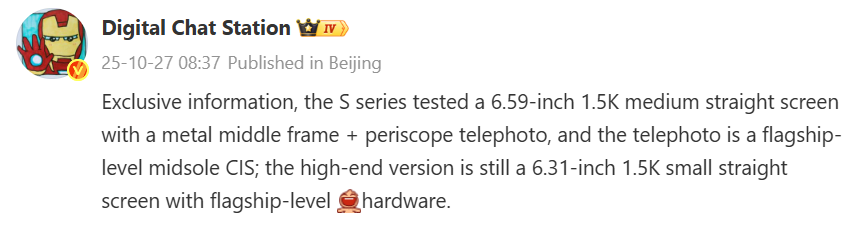
With a September 2025 reveal on the cards, Qualcomm’s Snapdragon 8 Elite Gen 2 looks set to deliver meaningful upgrades without driving prices up. If that holds true, Samsung’s Galaxy S26 could be one of 2026’s standout flagships for both power and value.

Tech enthusiast? Get the latest news first! Follow our Telegram channel and subscribe to our free newsletter for your daily tech fix!

For more daily updates, please visit our News Section.

(Source: DCS on Weibo)

Xiaomi Teases Redmi 15 5G for India, while leak confirms 7000mAh Battery, 144Hz Display & more

Xiaomi has started teasing the Redmi 15 5G for the Indian market. The teaser shows a side view of the phone and highlights its large battery, claiming up to 7.5 hours of standby time with just 1 percent charge. The phone will be sold on Amazon.in, mi.com, and in offline stores.

An early image leak has revealed most of the phone’s details. The Redmi 15 5G will feature a 6.9-inch Full HD+ screen with a 144Hz refresh rate. It will run on the Snapdragon 6s Gen 3 processor and pack a 7000mAh battery with 33W fast charging support. The rear camera setup includes a 50MP main sensor and a 2MP secondary camera. On the front, there is an 8MP selfie camera.

The phone has an IP64 rating for dust and splash resistance. NFC is listed as a feature, but it may not be available in all regions, including India. In some markets, the Redmi 15 5G is priced at RM 699, which is around USD 165, for the 8GB RAM and 256GB storage model. A 6GB RAM and 128GB storage variant is also expected to be available. Xiaomi is likely to make the official announcement later this week. The Indian release is expected in early August.

In other news, Xiaomi has reportedly cancelled the launch of the Xiaomi 15 Civi in India, signaling a shift away from the premium mid-range segment. The device, expected to be a rebranded Civi 5 Pro with high-end specs and Leica cameras, was likely dropped due to poor market response to its predecessor, the Xiaomi 14 Civi.

For more daily updates, please visit our News Section.

Stay ahead in tech! Join our Telegram community and sign up for our daily newsletter of top stories!

(Source)

Android 16 will be the last major upgrade for these Motorola devices

Motorola Android 16 last update

Google’s Android 16 has arrived months ahead of its usual release timeline. It’s already available for Google Pixels, and other brands, including Motorola, are also preparing for the rollout. Motorola has already begun inviting users to try Android 16 beta, and soon, it will start pushing the stable build.

With the Android 16 update, several Motorola devices will reach the end of the road. This means they will spend the rest of their lives running on the same version of Android. We’ve prepared a list of such Motorola devices. Check it out below to find out if you’ll need to upgrade next year.

These Motorola phones will receive Android 16 as their final major upgrade

  • Motorola Edge 40 Pro
  • Motorola Edge (2024)
  • Motorola ThinkPhone
  • Motorola Razr 2023 / Razr 40
  • Motorola Razr+ 2023 / Razr 40 Ultra
  • Motorola Moto Pad 60 Pro
  • Motorola Moto G85
  • Motorola Moto G55
  • Motorola Moto G35

The above list is mostly based on Motorola’s software update policy. If yours is on the list, you might need to upgrade sometime next year to continue receiving the latest features and enhancements.

Also read: Motorola phones confirmed to receive Android 16 update

When will Motorola start rolling out Android 16 update?

Motorola is a bit slower than its peers when it comes to software rollouts. The brand is still busy pushing out last year’s Android 15 update to several phones, but that doesn’t necessarily mean the next upgrade is far off. In fact, Motorola has already begun inviting participants to try the Android 16 beta, but the seats are very limited, and it’s only for specific regions and devices.

Full-fledged public beta testing is still a missing piece for Motorola devices, which are offered by many of its competitors. You can check out the Current Testing Opportunities page on the forum to see available testing opportunities. Good luck if your device made the cut.
As for the release date, Motorola hasn’t announced it yet, and it probably won’t do it at all. We only become aware of it when a device actually receives the update. However, based on previous rollouts, Motorola users can expect Android 16’s rollout to go live sometime around September or October.

Don’t forget to visit our Android 16 page regularly to stay up-to-date with the latest developments. You can also follow our Telegram channel and subscribe to our free newsletter to get the latest Oppo update news delivered straight to your inbox.

Sony Launches Massive 98” BRAVIA 5 4K Mini LED TV in India at ₹6.49 Lakh

Sony India has launched the BRAVIA 5 98-inch TV (model K-98XR55A), the largest model in its BRAVIA lineup. The 55-inch, 65-inch, 76-inch, and 85-inch models of the BRAVIA 5 Series TVs were introduced last month. The new 98-inch variant is designed to offer a full cinematic experience at home with its large screen, premium visuals, and immersive sound.

Sony BRAVIA 5 4K Mini LED TV

The 98-inch 4K UHD display uses Mini LED technology and is powered by the XR Processor, which combines AI and cognitive intelligence to process visuals and sound the way the human brain does. It features a 120Hz refresh rate and includes XR Backlight Master Drive, XR Contrast Booster 10, and XR TRILUMINOS PRO for improved contrast, peak brightness, and wide color range. The TV supports HDR10, HLG, and Dolby Vision.
The TV comes with a 40W speaker system and Acoustic Multi-Audio for accurate sound positioning. It also supports Dolby Atmos for spatial sound. It runs on Google TV, based on Android, and supports Wi-Fi 6 and Bluetooth 5.3. Connectivity options include four HDMI ports with support for 4K at 120Hz, eARC, and VRR, and two USB ports. Included in the box are a power cord, remote control, stand and setup guides.
The BRAVIA 5 also features Prime Video Calibrated Mode, which automatically optimizes picture settings for content on Prime Video. This is in addition to Netflix Adaptive Calibrated Mode and Sony Pictures Core Calibrated Mode. Studio Calibrated Mode is available for matching the filmmaker’s intended picture output. Sony Pictures Core allows access to Sony films in high-resolution formats. The TV weighs 71.4 kilograms.

Pricing & availability

It is priced at ₹6,49,990 and is now available across Sony Centers, ShopatSC.com, major electronics stores, and top e-commerce platforms in India. Launch offers include a three-year warranty, ₹25,000 cashback on select credit cards, and a fixed EMI of ₹19,995 per month.

Please Note: When you buy something using the links in our articles, we may earn a small commission at no cost to you.

For more daily updates, please visit our News Section.

Tech enthusiast? Get the latest news first! Follow our Telegram channel and subscribe to our free newsletter for your daily tech fix!

Samsung acknowledges One UI 7 black line bug and offers a solution

Samsung’s latest One UI 7 update is packed with new features, but for some Galaxy Z Flip owners, it’s also brought along an annoying visual glitch. Several users have noticed a black line appear on the main screen after using Smart View. Now, Samsung has acknowledged the issue (via Sammy Fans) and is working on a fix.

Samsung Galaxy Z Flip 6

The glitch seems to appear when users fold their phone and disconnect from Smart View while the screen ratio is set to “Full screen on connected device.” The black line that shows up is temporary, but it can be distracting. According to a Samsung community moderator, the issue mostly affects Z Flip models. There haven’t been similar reports from users of the Galaxy Z Fold7 or the Galaxy S25 series so far.

Samsung has shared a simple workaround in the meantime. To avoid triggering the bug, change the Smart View settings by swiping down to open Quick Settings, tapping the Smart View icon, connecting to your device, then selecting the floating Smart View button. From there, go to More Options > Settings, and choose Full screen on phone. This should stop the black line from appearing when you fold the device.

While the bug doesn’t affect overall performance, it can take away from the otherwise smooth experience of the 6.7-inch AMOLED display on the Flip series. Samsung says it’s preparing a software update to permanently fix the issue. Once available, users will be able to install it by heading to Settings > Software update > Download and install.

Samsung confirmed the problem on July 24 and is expected to roll out a fix soon. If you’re still seeing the issue after trying the workaround, you can reach out to Samsung support.

Don’t miss a thing! Join our Telegram community for instant updates and grab our free daily newsletter for the best tech stories!

For more daily updates, please visit our News Section.