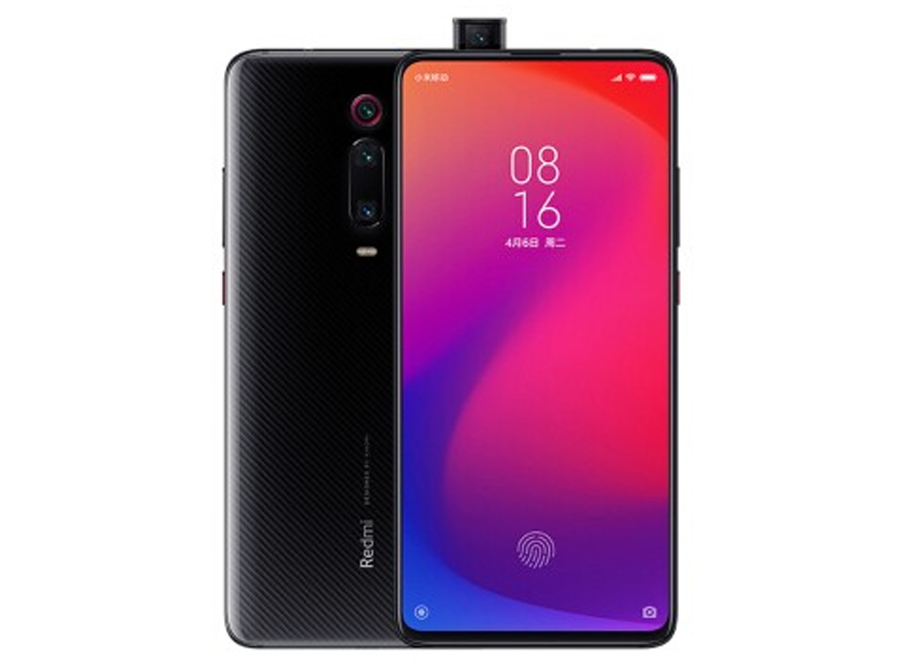
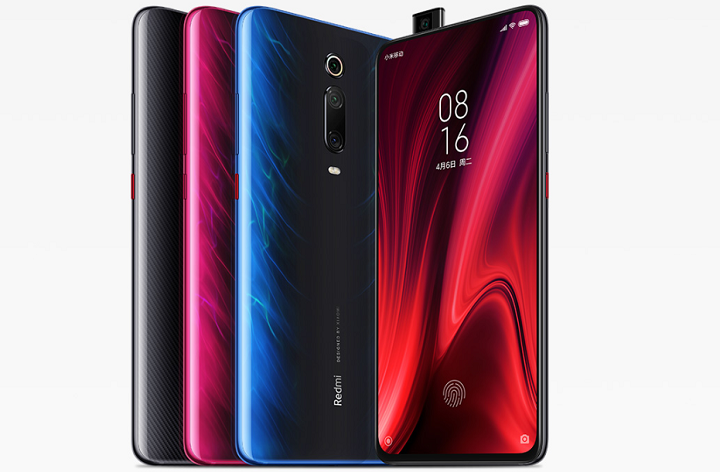
The Redmi K20 Pro was launched on Tuesday, May 28; with the first sale scheduled for 10 AM today. By 11:45 AM, Redmi had sold 200,000 units according to a poster it shared on Weibo. That is a lot of phones to sell in under 2 hours!
We have no idea how many units were available for purchase during the first sale but the phone is now out of stock. Fret not! Xiaomi says the next sale is on Tuesday, June 4, and is already accepting the next batch of pre-orders.
The Redmi K20 Pro is priced at ¥2499 (~$362) for the base model which has 6GB of RAM and 64GB of storage. A 128GB version with the same RAM is priced at ¥2599 (~$376). There is also an 8GB RAM + 128GB version priced at ¥2799 (~$405) and an 8GB + 256GB version priced at ¥2999 (~$434). For ¥20 more, you can pick up a 27W fast charger or pay ¥199 more for the Redmi Suitcase or ¥219 for the suitcase and charger bundle.
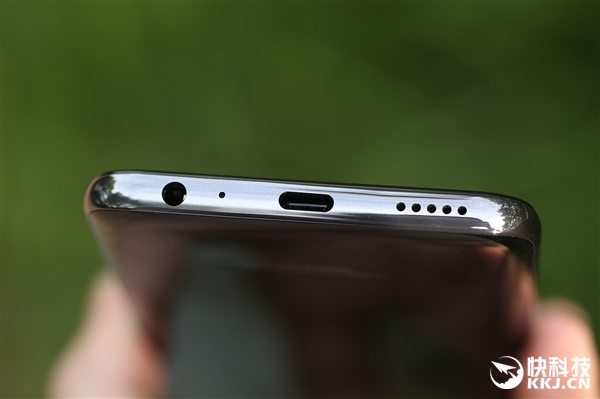
The Redmi K20 Pro has a 6.39-inch AMOLED screen with an FHD+ resolution. It has an in-display fingerprint scanner and is covered with Gorilla Glass 6. The phone has no notch and neither has it got a hole punch. However, it does have a motorized 20MP pop-up selfie camera. There is also a 48MP + 13MP + 8MP triple camera setup on the back of the phone. Other features are a Snapdragon 855 processor, a USB-C port, a 3.5mm audio jack, Bluetooth 5.0, NFC, Hi-Res Audio, and a 4,000mAh battery.
The non-pro model called the Redmi K20 will have its first sale on June 10.
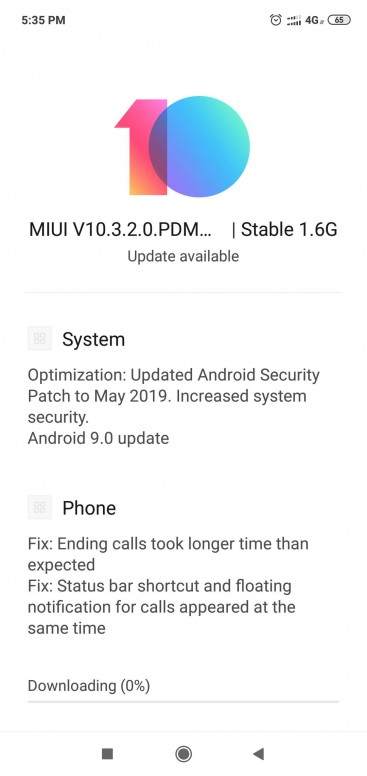
Xiaomi is rolling out a stable Android Pie update to two of its phones. The Redmi 6 Pro and Redmi Note 5 Pro are the two devices getting a slice of pie now. Back in January, Xiaomi began recruiting beta testers for both phones. It is now done with the beta stage and has begun pushing out a stable update.
The update is already rolling out to users in India. It arrives as MIUI 10.3.2.0.PDMMIXM for the Redmi 6 Pro and comes with May’s security patch. The update also brings support for using face unlock for app lock. There is also Dual VoLTE support and Dark Mode bundled with the update along with lots of bug fixes.
Image source: Fonerena.com
The Redmi Note 5 Pro also gets May’s security patch and the update is also 1.6GB in size like that of the Redmi 6 Pro.
Both the Redmi 6 Pro and Redmi Note 5 Pro were launched last year. The former is known as the Mi A2 Lite in other markets and already got updated to Android Pie back in November. While the Redmi 6 ran Android Oreo out of the box, the Redmi Note 5 Pro launched with Android Nougat. Both have now received an update to Android Pie. There is a high chance this will be the last major OS update for the Redmi Note 5 Pro. However, it should still get MIUI updates.
There is still a bit of waiting before Apple announces its next-generation iPhones. Just like last year, we are getting three iPhones this year – the iPhone XI, the iPhone XI Max, and the affordable iPhone XIR. Yeah! We agree Apple should ditch the roman numerals.
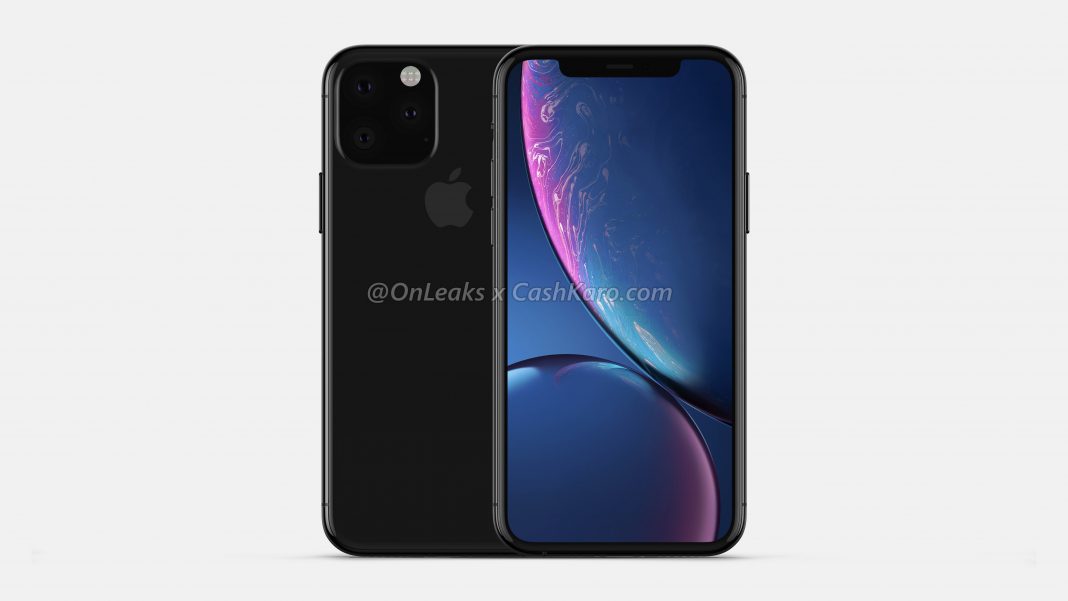
iPhone XI 3D CAD
We already know what all three phones will look like, thanks to 3D CAD images from the trusted leaker – Steve Hemmerstoffer a.k.a. OnLeaks. The main change will be on the rear where all three devices will sport a hideous square-shaped camera housing. The iPhone XI and iPhone XI Max will both add an extra camera for a triple camera setup. The iPhone XIR will also get an extra sensor for a dual camera setup.
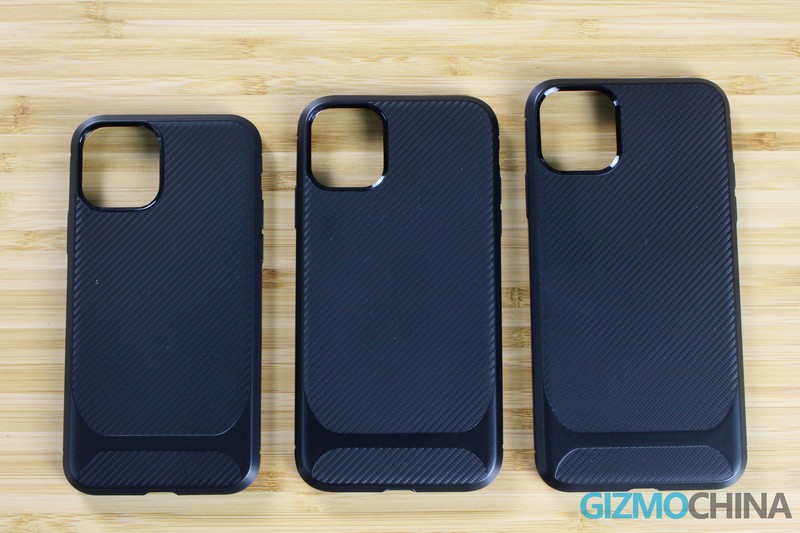
If you don’t like the design, there is nothing you can do as we have gotten our hands on live images of the phones’ cases and they confirm Apple will indeed be going with the design.
From L-R: iPhone XIR, iPhone XI, and iPhone XI Max cases
The images which were provided by an industry source show the cases for all three phones. Other than the size, there isn’t any difference between the phone cases.
The cases have a kevlar-like appearance and should provide a good grip. The square-shaped camera cut-out is at the top left corner. There is a power button on the right while the volume rocker and a cut-out for the sleep key are on the left. The bottom is home to cut-outs for the charging port, the speaker, and the microphone.
[envira-gallery id=”256815″]
As is the tradition with most iPhones, the new iPhones will most likely arrive in September which means we still have over three months of waiting. We believe some folks may decide to skip this year’s new models because of the design and hope Apple adopts a better design for 2020’s models.
Primarily known for manufacturing top-end smartphones, Xiaomi offers a wide range of topnotch accessories as well. The Chinese electronics giant makes air purifiers, fitness bands, power banks, and even backpacks.
Xiaomi backpacks are quite popular among business person, students and those who are always on the go. Here are the top five Xiaomi-branded backpacks that you can buy without spending a lot of money.
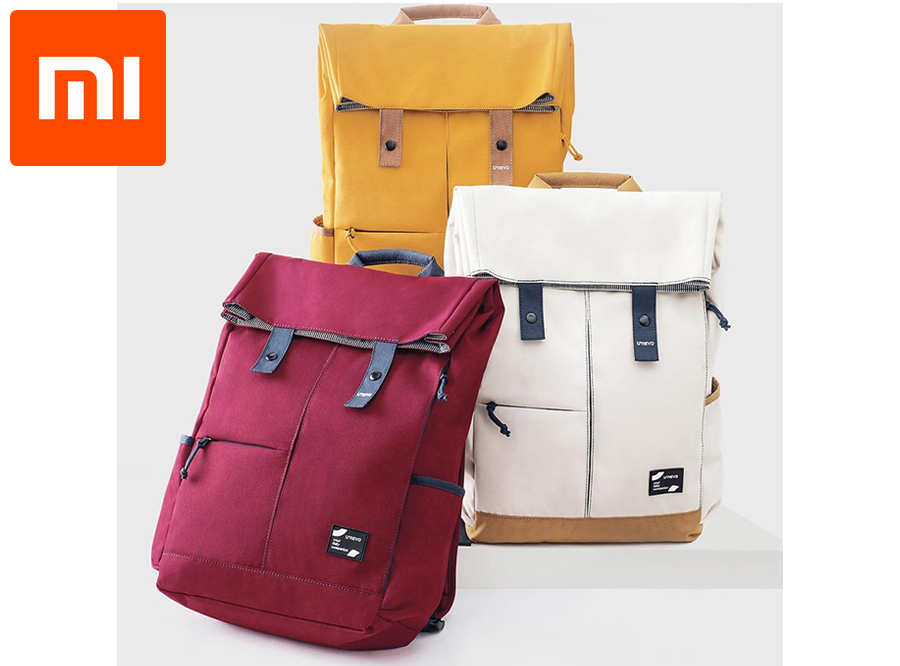
Xiaomi Urevo 13L College School Leisure Backpack 15.6-inch Laptop Bag
Made using 100 percent polyester fiber material, the lightweight Urevo 13L College School Leisure Backpack from Xiaomi is highly comfortable to carry. This folding backpack is anti-wrinkle, soft and ventilated so that you can carry it while traveling, and outdoor sports.
It provides 13L ample capacity for you to carry your Notebook computer and a slew of other items such as umbrella, water bottle, mini Pad, power banks, mobile phones, keys, etc. Bearing a $49.99 price tag, the Xiaomi Urevo Leisure Backpack comes in red, white and yellow color options.
You can use coupon code ROMUrevoBag and save $20. In other words, you can reduce the original asking price of the backpack to just $29.99 simply by applying the aforesaid coupon during checkout.
You can follow this link to take advantage of the coupon and place your order.
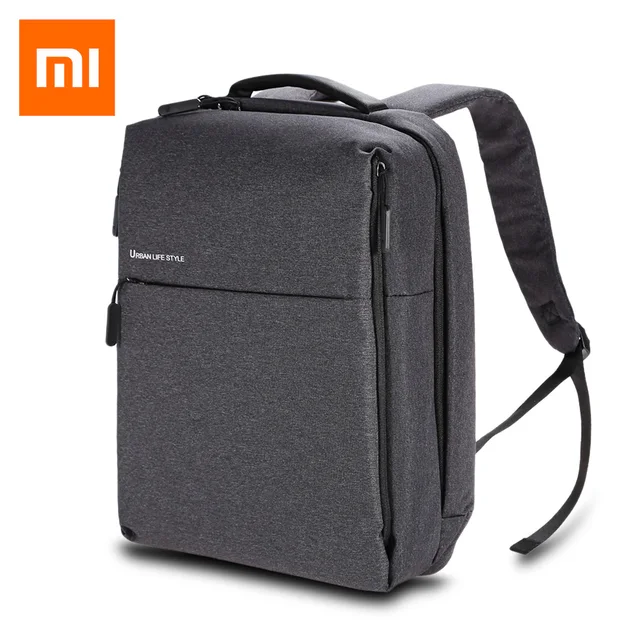
Original Xiaomi 14 inch Urban Style Polyester Leisure Backpack
The deep gray color version of the Xiaomi 14 inch Urban Style Polyester Leisure Backpack has gone up for sale carrying a $54.29 price tag on Gearbest. Those spending over $35 can use a $3 off coupon, while those spending more than $65 can take advantage of a $10 off coupon.
Aside from that, if your cart value exceeds $20, you can get an add-on item for just $0.01. In order to check out more details about the promo, all you need to do is to follow this link without wasting time.
Known for offering the best bang for your buck, Banggood is doling out a noteworthy 16 percent discount on the 90FUN Trendsetter Chic Outdoor Travel Shoulder Backpack, which usually retails for $67.99. Thanks to the aforesaid discount, you can now buy it for just $57.84.
Sporting a trapezoid barrel design, the 90FUN Trendsetter Chic Outdoor Travel Shoulder Backpack is quite a bargain at this price. It offers large capacity and big size can hold a 14-inch laptop. You can visit this link to check out more details about the backpack and avail the discount before the promo ends.
Xiaomi Classic Business Backpack School Backpack Camping Hiking Shoulder Backpack
The Xiaomi Classic Business Backpack is made using 1260D high densityoxford cloth material, making it highly durable and waterproof. It offers high space utilization rate, thanks to its three layers of independent space design.
Moreover, the large size Xiaomi Classic Business Backpack is capable of storing 15 Inches of computer, Xiaomi Plate, and Ipad. Banggood is now offering this feature-rich backpack for a reduced price of just $84.25, while it usually retails for $85.79.
Aside from that, you can get free shipping if your order exceeds $19.99. You can follow this link and avail the discount and stand a chance of getting free shipping.
Sporting an elegant, and stylish design, the Xiaomi 90 Minutes Fashion City Backpack comes in two appealing color versions including black and red. Its original asking price is $79.99, but GeekBuying users can buy it for just $66.99.
This is a 16 percent reduction in the backpack’s retail price. The Xiaomi 90 Minutes Fashion City Backpack has front hidden bag so that you can conveniently place anything inside it. There’s an independent warehouse placed on the left side, where you can keep your umbrella and other items.
You can click here to visit the promotion page and check out more details about the Xiaomi 90 Minutes Fashion City Backpack and grab the discount. Note that the promo is slated to end in just one day.
Electric scooters allude to motor-driven vehicles that usually have two wheels. Primarily designed for a short predictable commute, electric scooters aren’t necessarily easy on the pocketbook.
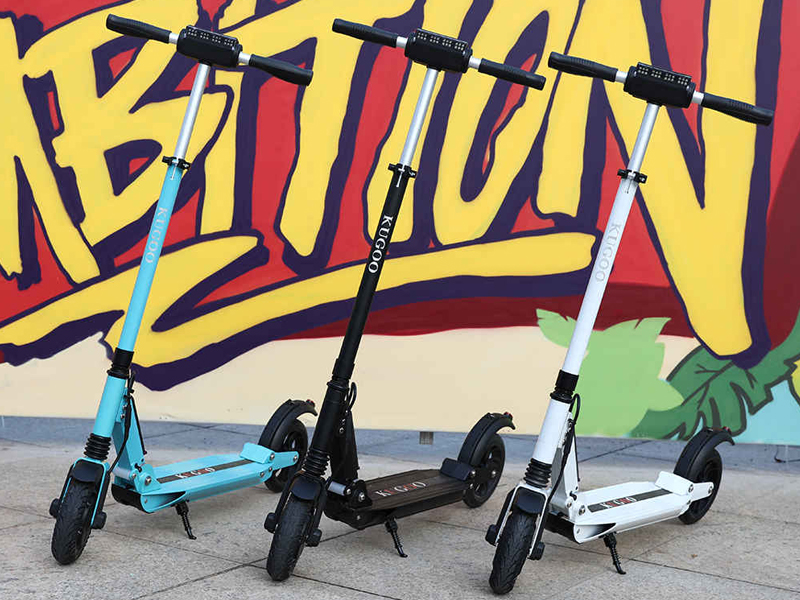
Much to the delight of those looking for a top-end e-bike that doesn’t cost a bomb, GeekBuying has launched the ‘Kugoo Scooter Activity.’ The activity features two categories including ‘KUGOO S1’ and ‘Trending Items,’ which are crammed with well-received electric scooters bearing lowered prices.
The ‘Trending Items’ section features a wide selection of e-bikes that you can buy without burning a hole in your pocket. We will be checking out the noteworthy discounts you can avail on the KUGOO S1 and Megawheels S1-1 electric scooters.
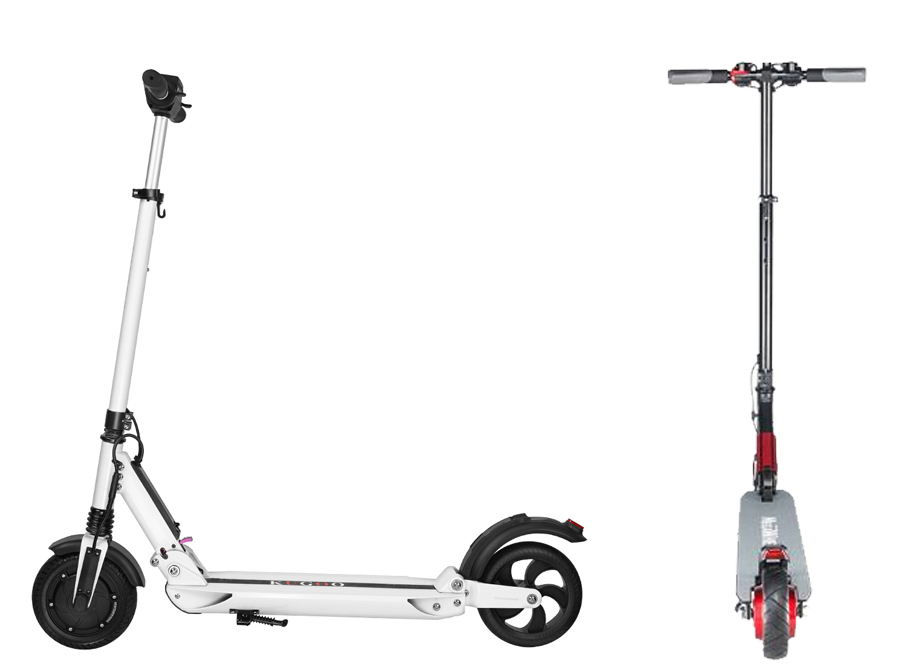
KUGOO S1 Folding Electric Scooter
The KUGOO S1 is quieter and more efficient as compared to a regular motorbike. Equipped with 8-inch solid rear anti-skid tires and 3-speed running modes, the S1 is designed to run smoothly on all types of road surface conditions.
While you’d normally end up shelling out $699.99 on the KUGOO S1, you can now get your hands on the feature-laden electric scooter for a lowered price of only $339.99 from GeekBuying. Moreover, you can use coupon code KUGOOS1 to extend this discount.
The coupon helps you save $160 more by reducing the retail price of the KUGOO S1 to just $329.99. You can head straight to this link to avail the discount, which will be valid for the white, black and pink color versions of the e-bike for five days.
This electric kick scooter from Megawheels is built using aircraft-grade aluminum alloy. The Megawheels S1-1 draws its juices from a robust 4.0Ah, 18650 battery and is backed by a 250W, reaching a max speed of 23km/h.
The easy-to-carry Megawheels S1-1 would normally set you back $299.99 on both online as well as offline stores, but you can now buy it for a reduced price of just $199.99 from GeekBuying. This is a noteworthy 33 percent reduction in the folding e-bike’s original selling price.
Moreover, you can choose between two appealing color options including red and green. You can follow this link to avail the discount before the promo comes to an end in five days.
The Xiaomi Redmi K20 has been floating around the rumor mill for quite some time and has been subject to all sorts of speculations and leaks. Here are top online stores where Xiaomi fans can get their hands on the long-awaited device.
Giztop
Multiple storage and color options of the Redmi K20 have gone up for pre-order on Giztop. The 6GB RAM+128GB ROM model comes in Carbon Fibre Black, Ice Blue, and Red, bearing a $379 price tag. The smaller 6GB RAM+64GB ROM variant will set you back $349. It is available in Ice Blue, Red and Carbon Black color versions.
Alternatively, you can go for the 8GB RAM+256GB ROM model which comes in three eye-catching color versions including Carbon Fiber Black, Red, and Ice Blue. This model carries a slightly steeper $459 price tag.
You can head straight to this link in order to check out more details about the Xiaomi Redmi K20 and pre-order your favorite model without wasting time. Note that the estimated delivery is set for early June.
The black-tinted global version of the Xiaomi Mi 9T smartphone (Redmi K20) with 6GB of RAM and 64GB of internal storage capacity has gone up for sale bearing a $459.99 on GearVita. You can use coupon code ROM9T64B and get an extra $78.99 off.
In other words, you can bring the retail price of the Mi 9T smartphone down to only $381 simply by applying the aforesaid coupon at the time of checking out. You can pre-order the blue color version of the device which is available for $459.99.
You can follow this link to take advantage of the coupon, which is slated to expire soon.
The Xiaomi Redmi K20 variant that ships with 6GB of RAM and offers 64GB of onboard storage capacity for you to save your favorite multimedia content usually retails for $562.85 on both online as well as offline stores. You can buy this model for a reduced price of just $439.99 from Gearbest.
Aside from this noteworthy 22 percent discount, Gearbest users spending $20 or more will get an add-on item for just $0.01. You can visit this link to avail the discount, which will be valid for the red color version of the phablet for a limited period of time.
You can pre-order the 6GB RAM+64GB ROM variant of the Redmi K20 smartphone without emptying your pocket. The popular variant is currently up for pre-order for a reduced price of just $422.99 on GeekBuying.
This is a significant drop in the device’s original asking price of $487.99. You can visit this link to avail the discount, which is currently available for the black color version of the phone.
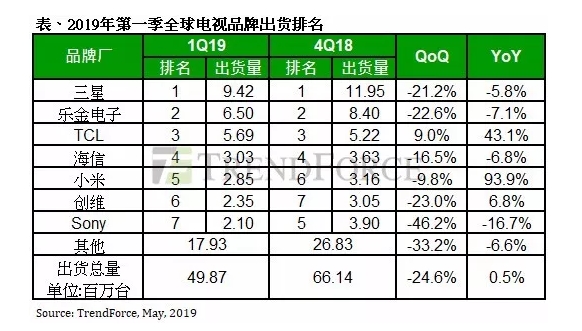
TrendForce has released the 2019 global TV brand shipment report specifically for the first quarter (Q1) 2019. According to the report, the number of global TV shipments in the first quarter of 2019 was 49.87 million units, a decrease of 24.6% Quarter on Quarter and an annual (YoY) increase of 0.5%.
In terms of shipment, except for the first and second spots that are occupied by South Korean brands LG and Samsung, the third to sixth names are all Chinese brands. This shows that Chinese brands can use their cost-effective pricing advantage to actively increase their market shares.
Samsung still ranks as the number one TV brand globally with an estimated shipment of 9.42 million units in the first quarter. But Samsung’s market share continues to shrink with a Quarter on Quarter and Year on Year drop of 21.2% and 5.8% respectively. LG Electronic’s first-quarter shipment decline by 22.6% while annually it dropped 7.1% when compared to the same time last year.
Of all the top 5 brands, TCL is the only one that had a positive Q1 result. The company shipped an estimated 5.69 million smart TVs in the first quarter of this year, effectively shrinking the gap with second-placed LG Electronics to less than 1 million units. The firm’s shipment grew by a massive 43.1% YoY and 9% QoQ.
Chinese traditional TV brands Hisense and Skyworth shipped 3.03 million and 2.35 million units in the first quarter, ranking fourth and sixth respectively. Xiaomi is at the fifth spot with a shipping estimate of 2.85 million units in the first quarter. It is instructive to note that Xiaomi’s shipments grew 93.9%, YoY but declined by 9.% QoQ. According to the report, unlike traditional Chinese TV brands to deepen the supply chain to reduce costs, Xiaomi only focuses on product development, sales channels and Xiaomi fans’ business model, and outsources production to reduce the burden of operation and cost. Although Xiaomi succeeded in opening a new business model with the internet ecosystem, last year, Xiaomi’s foundry partners mainly used TCL. This year, it strengthened its OEM cooperation with BOE for the supply of TV panels.
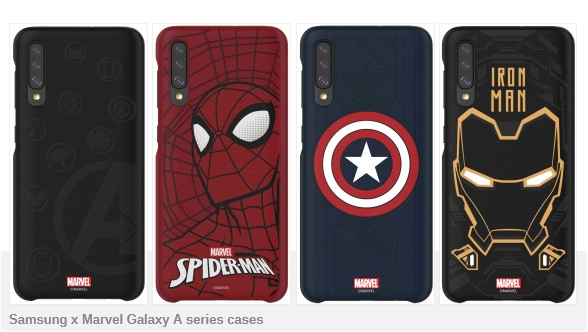
Samsung earlier this year launched Marvel superhero-themed cases for the flagship Galaxy S10 models. The launch back then coincided with the release of Avengers: Endgame. The Korean tech giant has now Now though the Korean company has expanded the custom cases to its mid-range models. The Samsung Galaxy A40, A50, and A70 have now got Marvel superhero-themed cases.
The Marvel superhero-themed cases include one for Spiderman, Captain America, Iron Man and Avengers. The customised cases are presently available at several third-party online retailers but Samsung is yet to officially announce them. However, Samsung Philippines has announced the Marvel superhero-themed cases for the Galaxy A50 only. Dutch-retailer Coolblue has all four models for the Galaxy A50 and A70. While Amazon Germany lists all the four models Galaxy A40.
The customised cases come with a price tag of €29.90 which is pretty expensive for a case. But then, these are official customizations and so, aren’t expected to come cheap considering Samsung also has to pay royalty fees to Marvel.
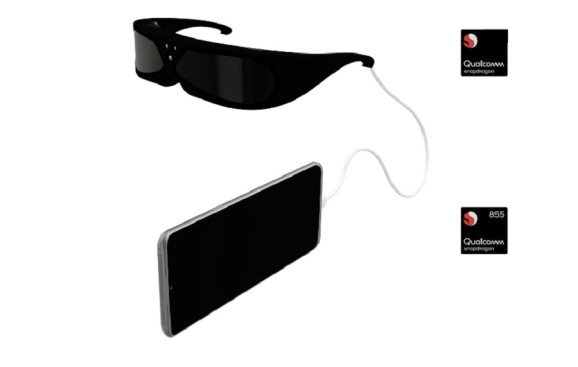
US fabless chipmaker Qualcomm has showcased a new Snapdragon XR Smart Viewer reference design that will provide an easier way for hardware companies to manufacture lightweight augmented reality glasses. The tech giant made the announcement on the heels of the Augmented World Expo (AWE) event that would be held in Santa Clara, California. The company will also be exhibiting a prototype product at its stand during the expo.
The design will make AR glasses to also double as smart viewers for AR content that is stored on a smartphone. The lightweight glasses come with high-resolution displays and has sensors that can track movement, hands, and eyes. But the glasses are connected via a wire to a smartphone or a computing puck as there are very little to no processing is happening inside the glasses. The processing takes place in a device that is connected to the glasses, according to Hugo Swart, head of XR at Qualcomm.
The Qualcomm exec also added that there were benefits to distributing the load on what is carried in the body and what is worn on the head. “So you can put a smaller Snapdragon chip on the headset to do 6DoF tracking and eye tracking and 3D reconstruction and movement and hand tracking,” he said.
He also disclosed that the reference design is built with the help of GoerTek and will enable a lot of manufacturers of smart glasses to jump into space with AR and a VR smart viewers.
The Snapdragon Smart Viewer Reference Design features six-degrees-of-freedom (6DoF) movement for room scale XR experiences. With two dedicated 6DoF cameras for body tracking, users can walk around without the need for external motion sensors. It also has full support for hand tracking and gesture trackings such as tap, zoom, pinch, and scroll features, which could be used for interactions with virtual objects. There is also eye tracking.
To reduce power consumption using foveated rendering, Qualcomm worked with eye-tracking firm Tobii to have integrated eye tracking. This provides superior intuitive interfaces and enables gaze direction for fast interactions within the virtual environment.
The glasses also feature a display panel, built with JDI, to enable consumers to be immersed in their favorite content by supporting smooth experiences with 72KHz refresh rate and 2K resolution per eye. It works for both AR and virtual reality.
The reference design also supports standalone mode, where, in addition to tethering the headset via USB-C to a host device, the Snapdragon Smart Viewer Reference Design also delivers high-quality experiences in a mode where all the computing is done directly on the device.
Motorola recently launched the Moto Z4 and fans of the brand are eager to see other models that are supposed to be part of the Z4 series. Sadly, we won’t be seeing any other iteration of the Moto Z4. Motorola has confirmed on Twitter that the Z4 is the only Moto Z device that will be available this year.
Hi Raffi. We will not be announcing additional moto z devices this year.
The company was responding to a fan who wanted to know if the Z4 Force will be coming. The brand then tweeted that there won’t be an additional Moto Z devices this year. Thus, the Z4 Force or Z4 Play won’t be coming. Quite sad. Last year’s model had the Z3 Play but no Z3 Force. The Z2 Force from 2017 was the last model launched.
Since this is coming from Motorola US, it is possible the Z4 Play will be launched in other markets but not in the US. That is just a wild guess, though. One thing we can pick from this is that Motorola is treading carefully now, apparently in order to get effective sales. It seems to be sticking to the low-end and mid-range markets, ditching the high-end market, at least for now. Market data shows the company isn’t doing too badly after emerging from a turbulent financial downturn.
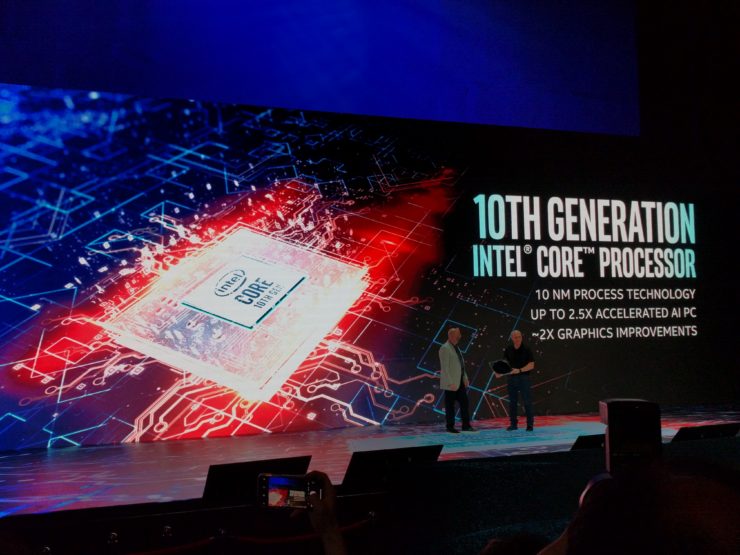
At the recent Computex 2019, Intel announced a number of products but one that stood out is the 10nm CPUs nicknamed Ice Lake. The processor features the Sunnycove microarchitecture and is ready to ship immediately.
The 10th generation processors come with a number of big changes from its predecessors, one of which is big architectural improvements. The new processor is the biggest update Intel has made in its processors since 2015. There is also a brand new integrated GPU (Gen 11 graphics).
The fact sheet provided shows major improvements in power efficiency as well, for those who are more concerned about the battery. The specs show up to 16-hour battery life laptops can be expected in the next wave which potentially makes all-day computing very much a possibility. The chipset also comes with WiFi6 and 5G, making the next wave of notebooks and ultrabooks that would utilize the processor to hold lots of promises.
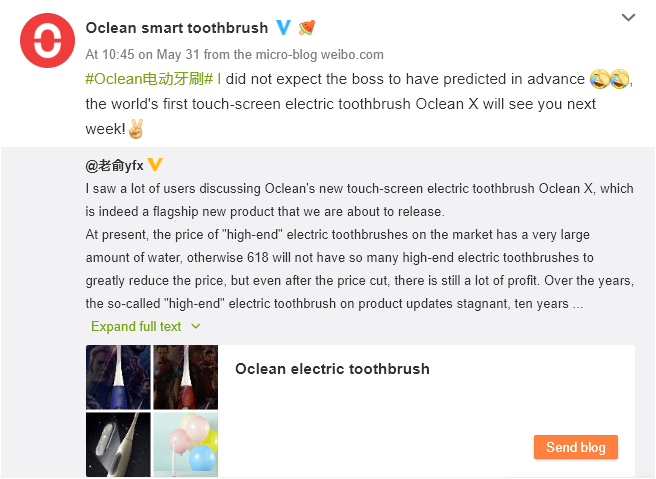
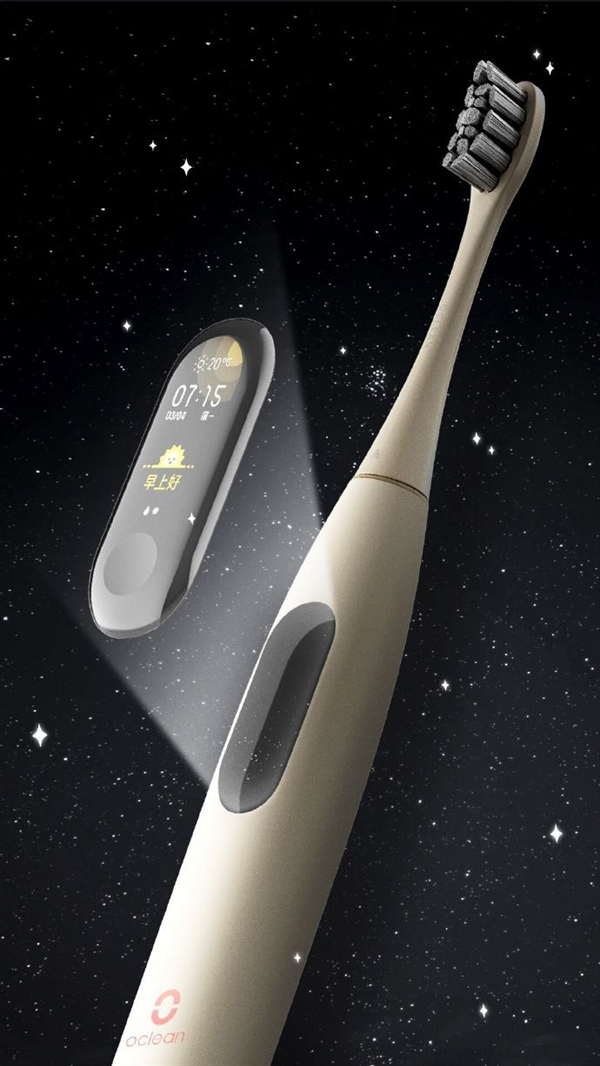
Xiaomi‘s partner Oclean has officially revealed via its Weibo page that the Oclean X will be released next week. The electric toothbrush is touted to be the first in the world to have a touchscreen.
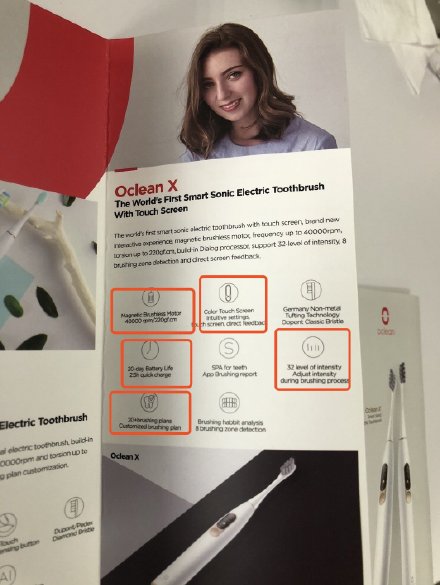
As to what exactly the touchscreen display does, the real pictures of the device also appeared online showing that the display is actually a Mi Band 3-styled wearable without the rubber straps. The design of the toothbrush includes a housing for the device. Also, the retail box and user manual of the electric toothbrush also appeared online revealing some details.
The manual shows that the Oclean X will have a maximum vibrating speed of up to 40,000 rpm. It will also have 32 levels of intensity which can be adjusted during brushing. This is pretty impressive because, on current models like the Oclean Air, you only get two levels of intensity. The sonic toothbrush also supports monitoring of the brushing pattern of blind areas in the mouth. The touchscreen also displays brushing information and oral health information without the need for a mobile app.
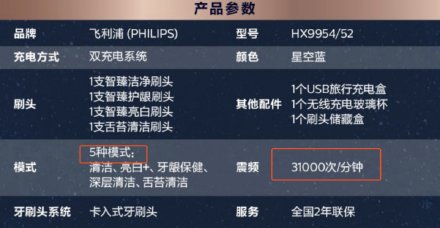
The device will be cheaper than its contemporaries like the Philip HX9954/52 with a frequency of 31,000 beats per minute and costs 2,199 yuan. Even at that, you’ll need the mobile phone app and Bluetooth connectivity to be able to brush the blind areas. Thus, the touchscreen display gives this model an edge.
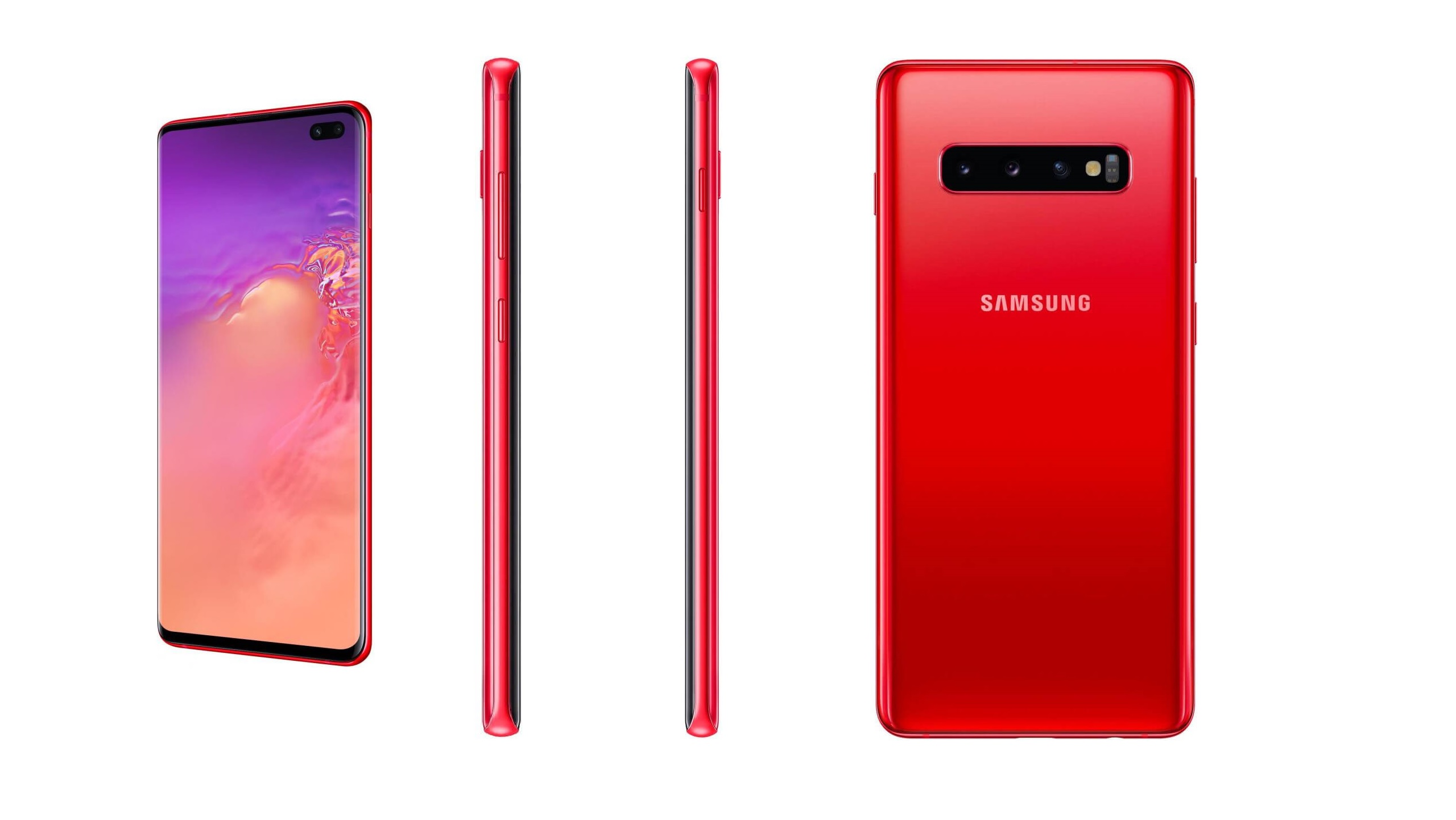
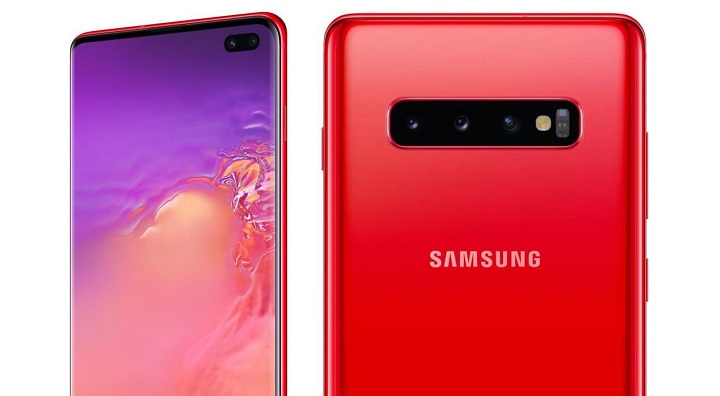
Samsung Galaxy S10 and Galaxy S10+ last week appeared in a Cardinal Red colour that is a brighter shade than the Burgundy Red we saw the Galaxy S9/S9+ in. The new colour variant is now listed on a Swiss retailer’s website with a price tag of CHF899 ($895/€803). The listing also reveals that this new version will be only available with 128GB storage.
Apart from the new paint job, the hardware will remain the same as other color variants of this smartphone. In addition, the Galaxy S10+ will also be hitting stores in Cardinal Red, and the variant was also spotted on Samsung Switzerland website as part of a cashback offer. According to the schedule, successful orders for both models will ship next month (June).
Announcing a new color variant of its flagships is now a tradition Samsung has adopted for a while now. It is a smart marketing move and a good way to reinvigorate interest in the phones. We expect the variant to roll out soon in select markets.
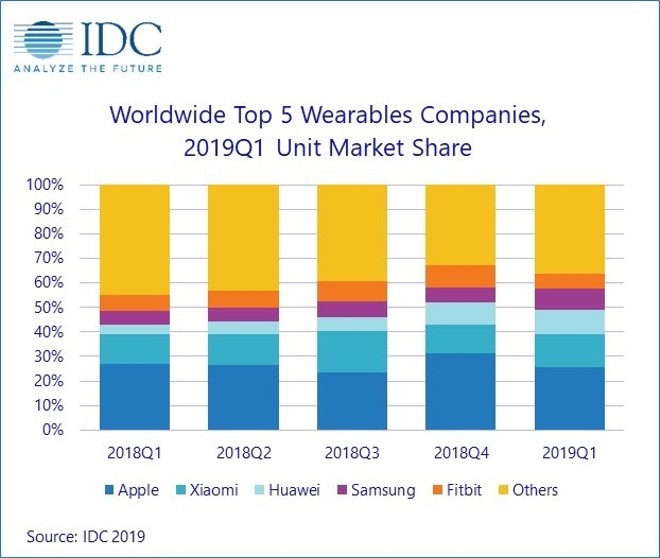
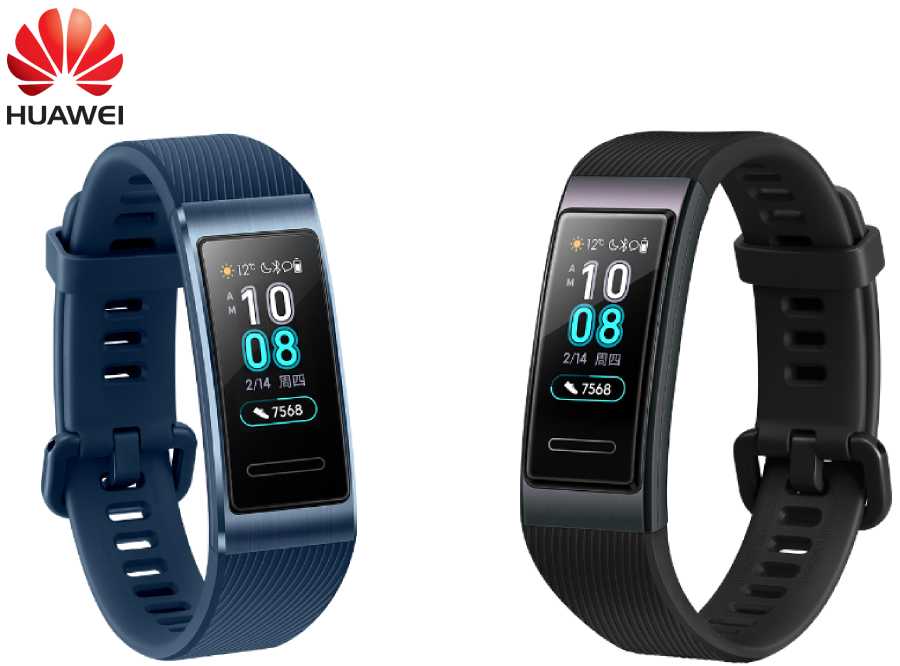
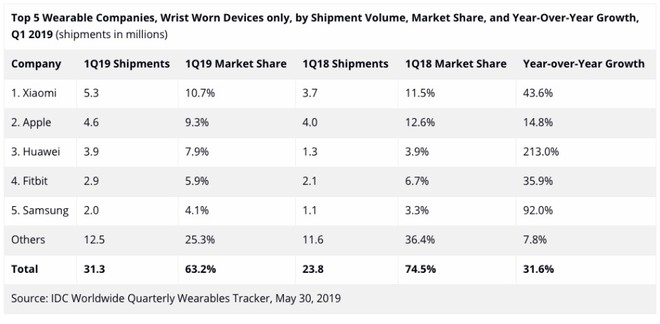
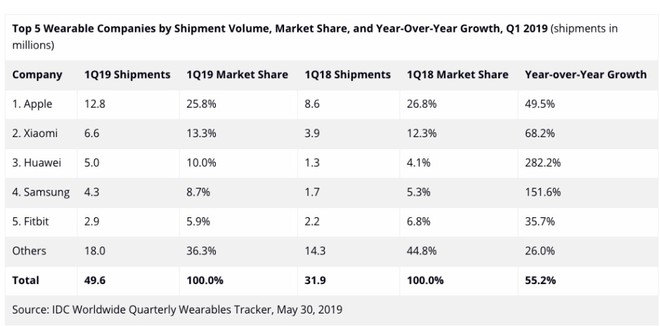
Latest research data released by market research firm IDC shows that Apple continues its dominance of the wearable market. However, the gap continues to shrink as Samsung and Huawei rapidly mount pressure on the US giant with impressive shipments.
According to the report, Samsung and Huawei have boosted their figures by a significantly higher degree than Apple during Q1, 2019 in the wearable market. Embattled Chinese giant Huawei dominated the industry in terms of growth and was able to triple its sales and thus, double its market share compared to Q1 2018. Huawei recorded a massive growth of 282.2%, shipping an estimated 5 million units of wearable devices globally. On the other and, Apple shipped 12.8 million and Xiaomi 6.6 million units. Samsung shipped an estimated 4.3 million units and Fitbit completed the top 5 with a total shipment of 2.9 million wearables.
All five wearable device manufacturers recorded year-on-year growth, shipping a grand total of 49.6 million unit shipments, which is up 55.2% from the same period last year. Fitbit reported the lowest surge of the top five vendors which is 35.7%, while Apple’s growth rate was 49.5%.
Apple Inc has seen a decline in its market share in smartphones as well, especially in markets like China and India. Where Huawei has toppled it from the second spot, while Samsung still retains the number one spot with the lead getting narrow by the day.
According to a statement by Jitesh Ubrani, research manager for IDC Mobile Device Trackers; “The elimination of headphone jacks and the increased usage of smart assistants both inside and outside the home have been driving factors in the growth of ear-worn wearables.” He added, “Looking ahead, this will become an increasingly important category as a major platform and device makers use ear-worn devices as an on-ramp to entice consumers into an ecosystem of wearable devices that complement the smartphone but also offer the ability to leave the phone behind when necessary.”
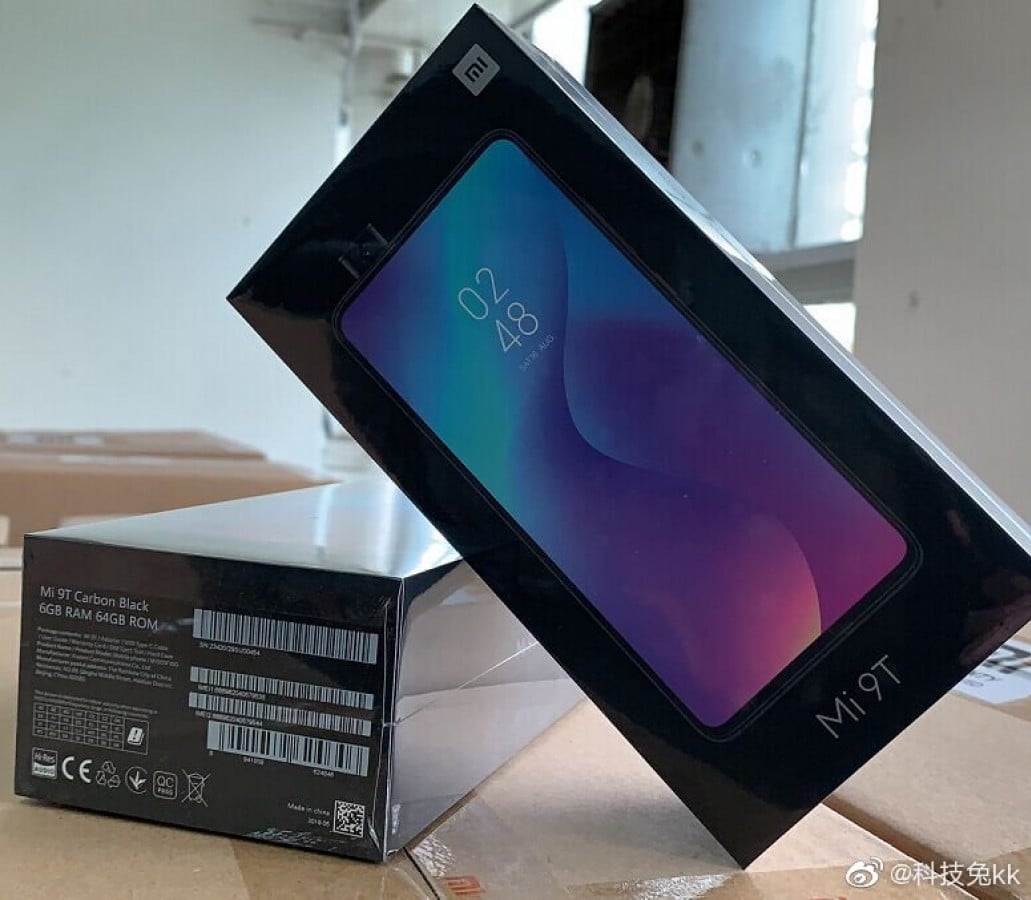
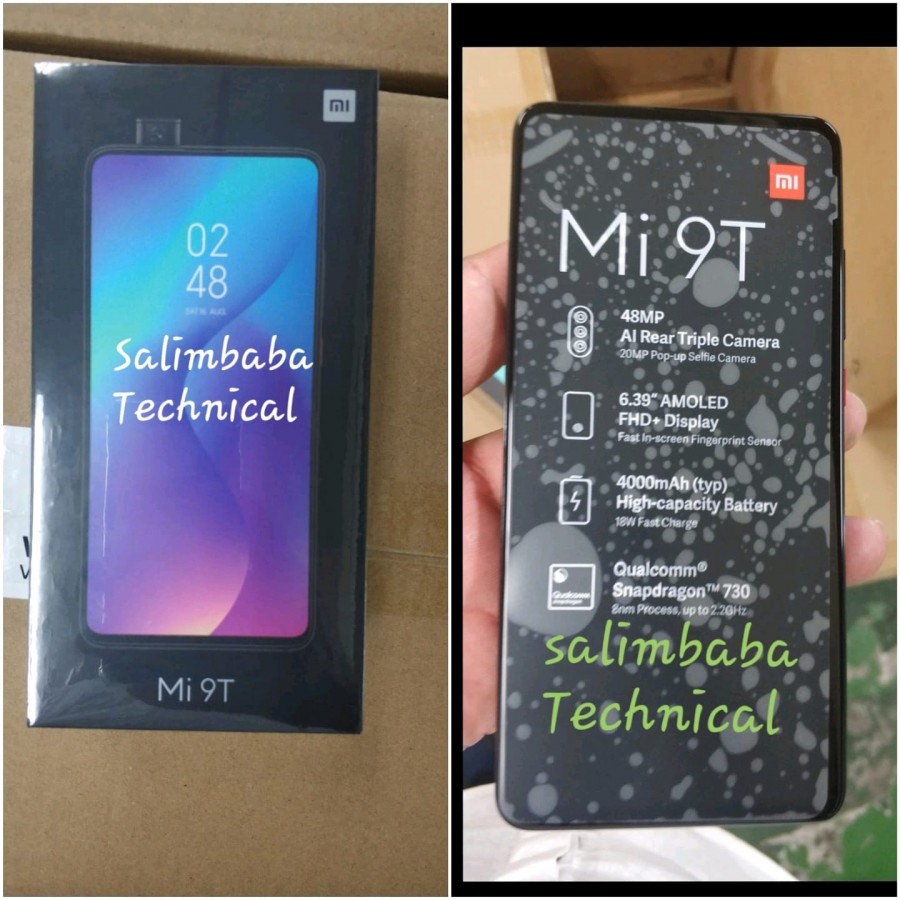
It is now confirmed. The much-anticipated Xiaomi Mi 9T that would hit some market soon is indeed the Redmi K20 by another name. A couple of leaked retail boxes for the Mi 9T has confirmed this. While one of the images was spotted on China’s Weibo, the second image was shared by a tech reviewer from Dubai. this suggests the device will be sold in Dubai and perhaps UAE as the Mi 9T just the same way as in Russia, Thailand and some other countries.
The retail box has the render of the device with the inscription “Mi 9T” and without any doubt, the render is the same as that of the Redmi K20 series. The retail box also shows the device will come in a Carbon Black variant and will have 6GB RAM and 64GB storage, perhaps on the base variant.
The removable screen guard that Xiaomi phones usually ship with gives the key specs to include a Qualcomm Snapdragon 730 processor. The device also has a 6.39-inch FHD+ AMOLED display with an in-screen fingerprint sensor. There is a 48MP AI triple camera at the rear and a 20MP pop-up selfie shooter. The Mi 9T also crams a 4000mAh battery under its hood and ships with an 18W fast charger.
As the saying goes, “A rose by any other name would smell as sweet”. The Redmi K20 and K20 Pro are awesome models. So, the Mi 9T wouldn’t likely disappoint except if Xiaomi slaps an exorbitant price on the phone. We expect Xiaomi to officially launch the device pretty soon.
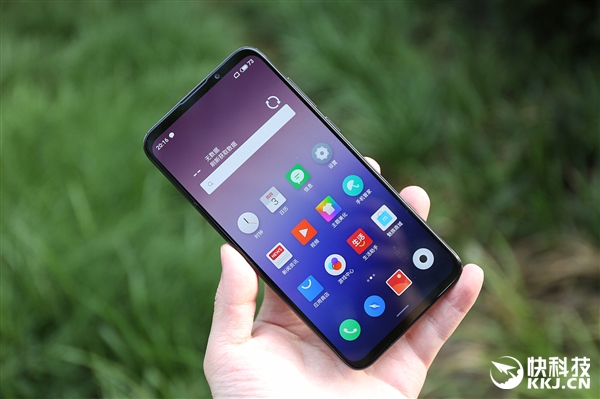
Personally, Meizu latest phones represent what I consider as the ideal bezel-less design even though the company hasn’t succeeded in trimming of the bezels entirely. The new Meizu 16Xs comes with yet a near bezel-less display that doesn’t distort the display’s symmetry with a notch, punch-hole or such like. You also won’t have to grapple with a pop-up selfie camera or a slider as the device retains the top bezel just wide enough to house the selfie camera. The ultra-thin bezels give the device a 90.29% screen to body ratio.
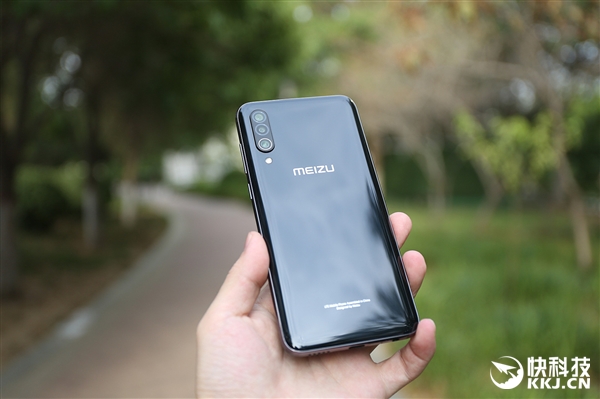
The rear design is also similar to the Meizu 16S. However, the device packs a triple rear camera setup, making it the first Meizu phone with such prowess. The third sensor is a wide-angle camera.
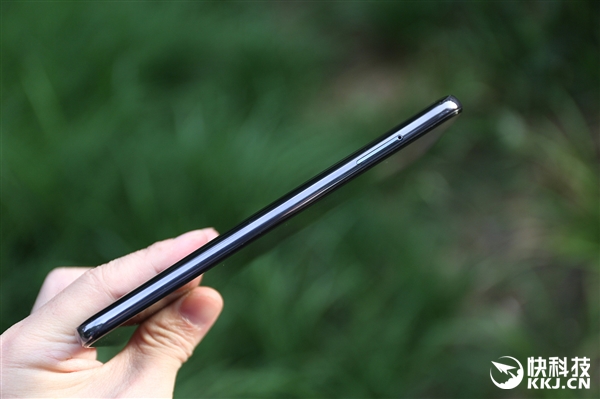
The phone uses a USB-C port and equally retains the 3.5mm audio jack as well as dual SIM slots. The phone also comes with Meizu’s mTouch screen fingerprint with 0.2 seconds unlock and support for fingerprint enabled payments for WeChat and Alipay.
The Snapdragon 675-powered phone comes in four official color options; Jade White, Black, and two special colors, Coral Orange, inspired by the Living Coral color, which was selected as Pantone’s Color of the Year 2019, and Atlantis Blue.Check out more pictures of the Meizu 16XS in the gallery below.
US memory chip maker Micron Technology has officially issued a statement announcing the suspension of supply of its memory chips to Huawei. This is in compliance with the trade ban imposed on the Chinese company by the US government.
In the statement, Micron pointed out that as a US company with global business, Micron respects and abides by all laws and regulations of the United States and the countries in which it operates, and has suspended supply to Huawei to comply with US government regulations. In addition, Micron also sent a letter requesting that the major module manufacturers cooperate, noting that it is not allowed to directly or indirectly supply related modules such as memory cards or solid-state drives using Micron memory chips to Huawei and its related companies.
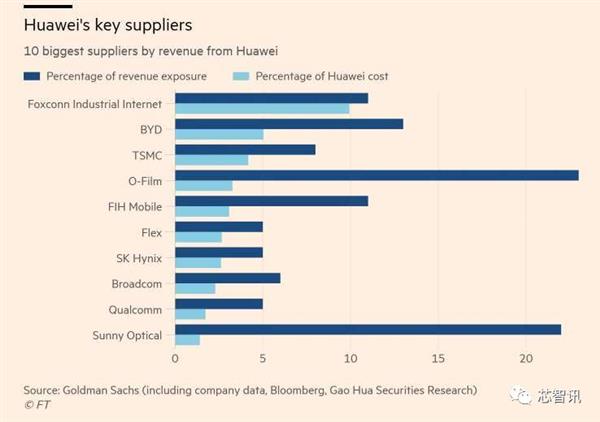
However, the ban seems to hurt Micron more than Huawei. According to Micron’s financial report, as of the first half of 2019, 13% of the company’s revenue came from Huawei. On the other hand, data from Bloomberg listed the top 10 semiconductor suppliers for Huawei to be Foxconn, BYD, TSMC, OuFeiguang, FIH Mobile, Flextronics, SK Hynix, Broadcom, Qualcomm and Universe. There is only one memory chip manufacturer, that is SK Hynix, ranked seventh. In other words, Huawei has other options apart from Micron.
The new Redmi K20 and K20 Pro flagship phones came with a pop-up mechanism for the selfie camera which afforded Xiaomi the leverage to remove all forms of screen notch from the design template. With such mechanical features, there are usually fears bothering on its durability. Xiaomi did tout the camera mechanism to have a service life of up to 300,000 pop-ups. That is a long time, you know, which may even be longer than the phone’s life cycle. The tech giant has also shared more details of the mechanism, apparently to fully convince those in doubt.
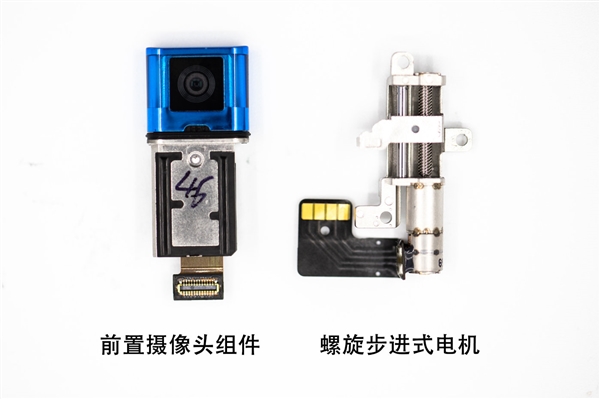
The Redmi K20 series pop-up selfie camera features a mid-frame integrated rail design that uses a spiral stepper motor to lift and lower the camera. It can be popped up in 0.8s and has 6 custom lift sounds. The front lens cover is made of sapphire, which is wear-resistant and scratch-resistant, which can provide stronger protection for multiple pop-ups.
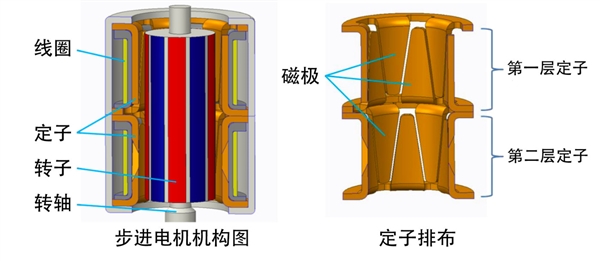
How the spiral stepper motor works
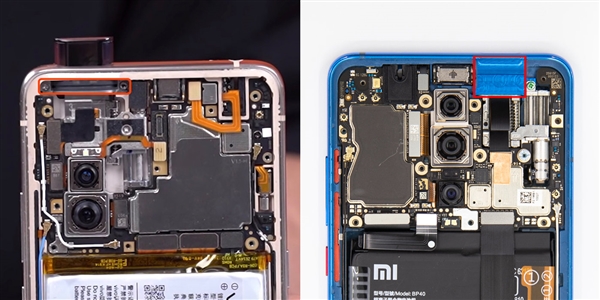
From the K20 and K20 Pro Pro teardown diagrams, it can be seen that in order to solve the conflict between the front camera and the bezel-less full screen, it uses an electric telescopic structure, and the most critical component to achieve this design is a spiral stepper motor.
The working principle of the spiral stepping motor is similar to our daily screwing action: the screw can be screwed down clockwise, and the screw can be unscrewed in the counterclockwise direction.
The reason why the spiral stepping motor is used to realize the lifting operation, instead of the straight-through method, is mainly because the spiral stepping motor is easier to control and the long-term operation is more stable.
Drop protection
In order to prevent the user from accidentally dropping during use and inflict damage on the camera, the K20 and K20 Pro use the mechanism plus software to protect the pop-up camera. It will quickly retract the front camera after the drop occurs, and the inside has a spring device for protection.
The K20 and K20 Pro have a built-in three-axis gyroscope to detect their own falling motion, the sensor inside the phone will do an extremely precise detection action and cause the camera to retract. The entire process will be completed within 100ms.
Press protection
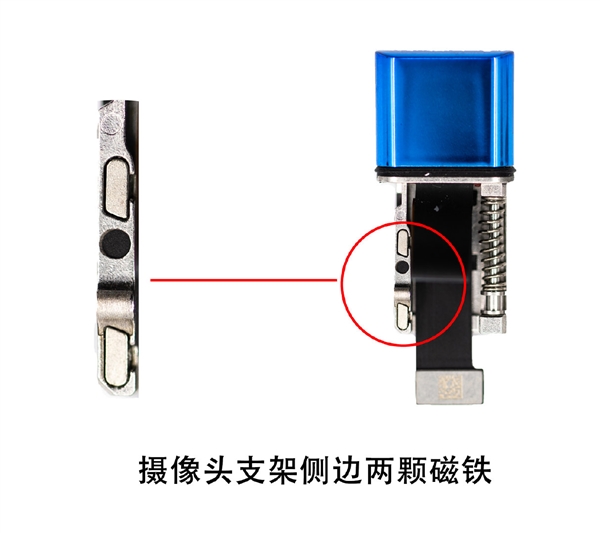
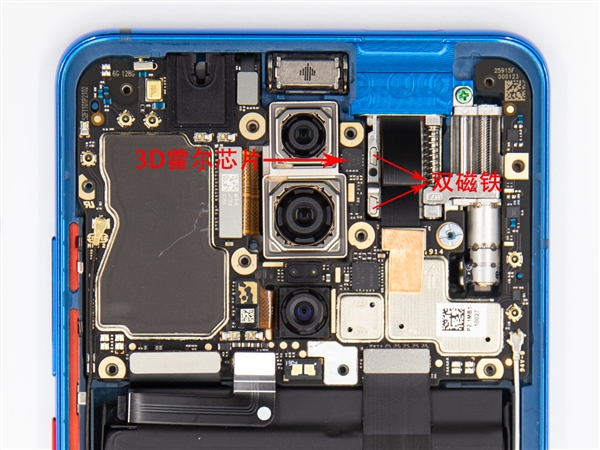
At the same time, in order to avoid the physical damage caused by the user pressing the camera when it is raised, the K20 and K20 Pro are internally protected by spring devices, and equipped with a dual magnet + hall calibration chip to sense the displacement of the camera action.
The hall calibration chip is a magnetic field sensor fabricated using the hall effect and can be used to detect the strength of the magnetic field. The reason why the two magnets are used is to allow the hall calibration chip to detect a sufficiently strong magnetic field strength.
When the lift camera moves up and down, it will drive the two magnets to move. The Hall calibration chip will record the magnetic field strength corresponding to each position of the two magnets during the lifting process of the camera. When the user presses the camera, the position of the two magnets changes to cause a change in the strength of the magnetic field.
Finally, the Hall calibration chip detects the user’s action of pressing the camera by the change of the magnetic field strength, thereby triggering the automatic retraction of the camera. The middle frame integrated guide rail design ensures the camera is stable.
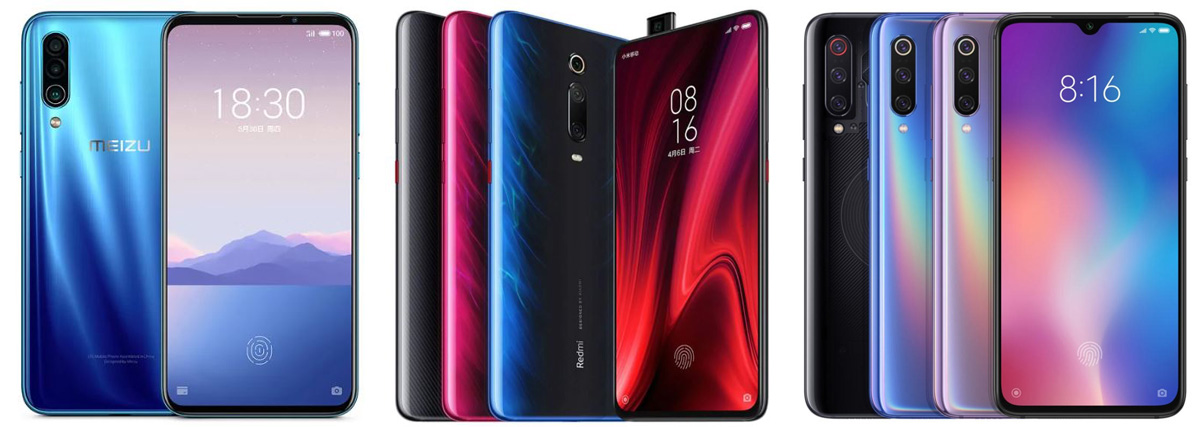
Despite the complaints from the global market, Meizu keeps going ahead to release innovative handsets with high value for money. The latest one is the Meizu 16Xs, one of the most amazing devices in terms of quality-price ratio sold for less than $250. But this device is not the only one which comes with a very attractive price tag and, if you are looking for a phone in its price range, you currently have a lot of choices. Two of the other top choices are the new Redmi K20 and the toned down version of the Mi 9 known as the Mi 9 SE. These two handsets are among the most wanted midrange ones: does Meizu 16Xs represent an even more valid choice? This comparison will clear your ideas about it.
Meizu 16Xs vs Xiaomi Redmi K20 vs Xiaomi Mi 9
Meizu 16Xs
Xiaomi Redmi K20
Xiaomi Mi 9 SE
DIMENSIONS AND WEIGHT
152 x 74.4 x 8.3 mm, 165 grams
156.7 x 74.3 x 8.8 mm, 191 grams
147.5 x 70.5 x 7.5 mm, 155 grams
DISPLAY
6.2 inches, 1080 x 2232p (Full HD+), 403 ppi, Super AMOLED
6.39 inches, 1080 x 2340p (Full HD+), 403 ppi, AMOLED
5.97 inches, 1080 x 2340 pixels, 432 ppi, 19.5:9 ratio, Super AMOLED
Triple 48 + 8 + 5 MP f/1.7 and f/2.2 and f/1.9
16 MP f/2.2 front camera
Triple 48 + 13 + 8 MP f/1.8 and f/2.4 and f/2.4
20 MP f/2.2 front camera
Triple 48 + 13 + 8 MP f/1.8, f/2.4 and f/2.4
20 MP f/2.0 front camera
BATTERY
4000 mAh, fast charging 24W
4000 mAh, fast charging 18W
3070 mAh, Fast Charging 18W
ADDITIONAL FEATURES
Dual SIM slot
Dual SIM slot
Dual SIM slot
Design
Until now, Meizu never came up with a device sporting a pop-up camera, but it still opted for notch-less devices in the high-end segment. Meizu 16Xs follows the same bandwagon: it does not have a notch, but you should not worry so much about bezels as it still comes with a very high screen-to-body ratio. But Meizu 16Xs is not the one I love. In my personal opinion, the best one is definitely Redmi K20 with its liquid finish on the rear side and its innovative pop-up camera. Xiaomi Mi 9 SE comes with a traditional waterdrop design, so it is nothing impressive compared with its opponents. But it is the most compact device of the trio.
Display
Thanks to the HDR technology and their great Super AMOLED panels, Xiaomi Mi 9 SE and Redmi K20 should be the devices which should bring the highest display quality, thanks to very accurate colors. Unfortunately, they are way inferior to flagship displays, but they still provide very nice performances. Meizu 16Xs should be less accurate when it comes to color reproduction, but it still comes with a premium screen. In each case, you get a fast in-display fingerprint reader.
Specs & Software
If speed is your priority, go for the Xiaomi Mi 9 SE without thinking twice. It is powered by a better processor: the Snapdragon 730 that can be defined as an important upgrade of the Snapdragon 710. And it is paired with 8 GB of RAM and up to 256 GB of internal storage. It has a better GPU as well as a better CPU than both the Snapdragon 675 and the Snapdragon 712 found on the Meizu 16Xs and the Xiaomi Mi 9 SE. As you could imagine, the second place goes to the Xiaomi Mi 9 SE, but it is inferior to the Redmi K20 for both its lower-end processor and memory configurations. Android 9 Pie is installed out of the box.
Camera
Besides its amazing hardware side, the Redmi K20 also delivers the best camera department. Its rear setup is composed of a 48 MP main sensor, a telephoto lens with 2x optical zoom and a 13 MP ultrawide lens. It is able to record 4K videos at 30 fps and 1080p super slow motion videos at 960 fps. Further, it even has a pretty nice 20 MP selfie camera. Xiaomi Mi 9 SE is almost at the same level and you will hardly notice the differences in photo quality, while Meizu 16Xs should be noticeably inferior. However, we still did not test this one, so you have to wait for our final verdict if you want a definitive opinion.
Battery
The weakest point of the Xiaomi Mi 9 SE is the battery: just 3070 mAh for a 2019 high-end device is disappointing. That is not the same with the Redmi K20 and Meizu 16Xs as both come with a great 4000 mAh battery which lasts a full day.
Price
Meizu 16Xs starts from €220/$245, Redmi K20 carries a €260/$290 price tag, and Xiaomi Mi 9 SE starts from €300/$335. The winner of the comparison is the Redmi K20 due to its bigger battery, awesome cameras, and perfect hardware department.
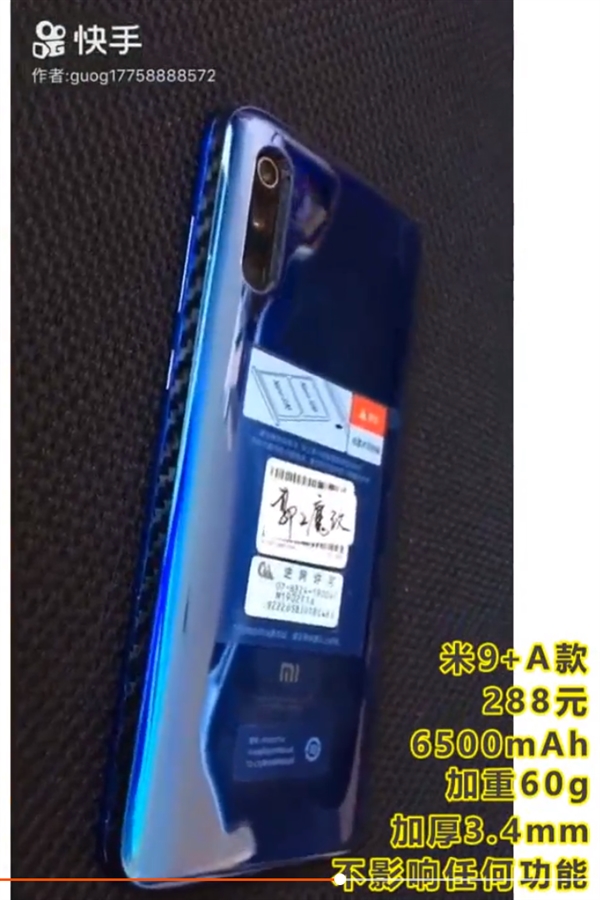
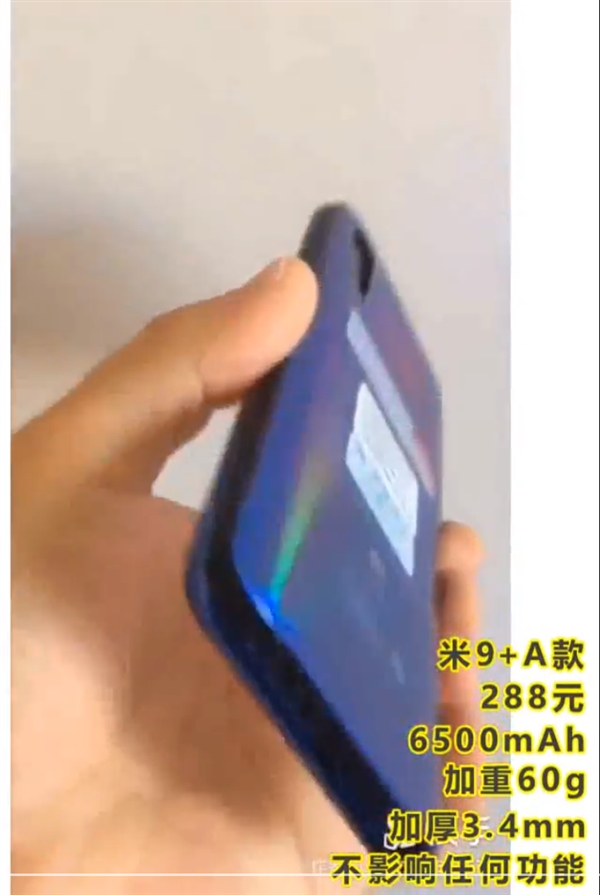
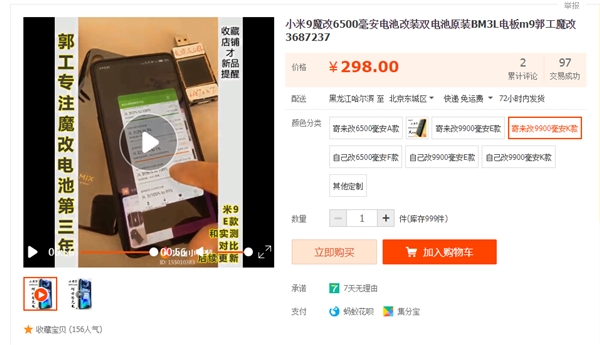
On Chinese e-commerce website Taobao, a seller was spotted who offers Mi 9 owners the option to bump up the battery to a maximum capacity of 9900mAh. This isn’t a modular setup like Motorola’s Moto Mods. Instead, the seller will have to install a large capacity battery with the minimum size on offer being 6500mAh on the Xiaomi flagship.
The seller also hints that after the battery swap which is called Magic change, the weight of the mobile phone will be increased by 60g. Also, the thickness of the phone will shore up by 3.4mm, but it does not affect any function and wireless charging still functions as normal.
The Mi 9 comes with a 3300mAH battery which some consider as disappointing. But such an offer is only fit to explore when the battery is already in its dying stages. As at the time of reporting, no buyer has made a review of the product although some Mi 9 users are cautiously placing orders. For one, the battery swap will void the warranty that covers the Mi 9. Also, you get no safety guarantee about the large capacity battery that would be installed. In addition, the Mi 9 comes with 27W fast charge support and 20W wireless flash charge which is the fastest wireless charging output on a smartphone. So, even though the original battery isn’t too big, it won’t take long to recharge the cell. Moreover, the large battery will make the phone become bulky and heavier.
Even with such considerations, some users won’t mind bumping up their Mi 9 battery to such huge capacity that promises extended usage time. Would you consider upgrading your battery if you find this kind of opportunity in your region? Tell us what you think in the comments section.
We use cookies on our website to give you the most relevant experience by remembering your preferences and repeat visits. By clicking “Accept”, you consent to the use of ALL the cookies.
This website uses cookies to improve your experience while you navigate through the website. Out of these, the cookies that are categorized as necessary are stored on your browser as they are essential for the working of basic functionalities of the website. We also use third-party cookies that help us analyze and understand how you use this website. These cookies will be stored in your browser only with your consent. You also have the option to opt-out of these cookies. But opting out of some of these cookies may affect your browsing experience.
Necessary cookies are absolutely essential for the website to function properly. This category only includes cookies that ensures basic functionalities and security features of the website. These cookies do not store any personal information.
Any cookies that may not be particularly necessary for the website to function and is used specifically to collect user personal data via analytics, ads, other embedded contents are termed as non-necessary cookies. It is mandatory to procure user consent prior to running these cookies on your website.