Advertisement

DJI’s New Agras T100 is a Powerful Agricultural Drone for Modern Farming

DJI, the popular drone maker, has just announced a new drone that strays away from its typical consumer market to focus on the agricultural sector. The Agras T100 is a large powerful agricultural drone designed for modern farming, so here’s everything you need to know.

DJI Agras T100: What makes it special?

DJI Agras T100
DJI Agras T100 Agricultural Drone

Similar to its quadcopters that are known among photographers and videographers, the new Agras T100 takes flight from its four rotors. But rather than taking pictures or videos, it specializes in carrying heavy payloads for farmers or liquids, which can even be sprayed. In its video showcase, the Agras T100 can be seen spraying up to 170 lbs of liquid from its four nozzles.

It is powered by two batteries and can carry a total payload of up to 100 kilograms. DJI built this drone to help reach difficult areas. For example, the nozzles on the Agras T100 can spray a lush field of crop with herbicides and can even reach solar panels placed high up to spray and clean them. This is a large drone from DJI, which measures 35.4 x 32.3 x 36.2 inches, with support for key features like LiDAR, GPS, and more.

DJI Agras T100

All of this clearly showcases that the Agras T100 is aimed at professionals in the agricultural sector to help farming needs with modern tech solutions. However, the product comes at an exceptional cost, which could be over 10,000 US Dollars. But this does go to show the versatility of modern drones. This announcement also arrives after DJI unveiled the FlyCart 100, which is a cargo drone that can carry 80kg payloads.

For more daily updates, please visit our News Section.

Don’t miss a thing! Join our Telegram community for instant updates and grab our free daily newsletter for the best tech stories!

Vivo V60 leaks in a first set of renders

The Vivo V60 appears to be nearing its launch in India. A leak from yesterday claimed that the device will debut in the country on August 19. Now, a fresh leak from a new source has revealed the phone’s design and color options.

The latest information comes from tipster Yogesh Brar on X, who shared photos of the Vivo V60 in two color variants. Judging by the images, they seem to be the Auspicious Gold (right) and Moonlight Blue (left) shades. Additionally, Brar claims that the phone will also be available in a Mist Grey color.

Vivo V60 render from Yogesh Brar

Vivo S30 features a familiar design

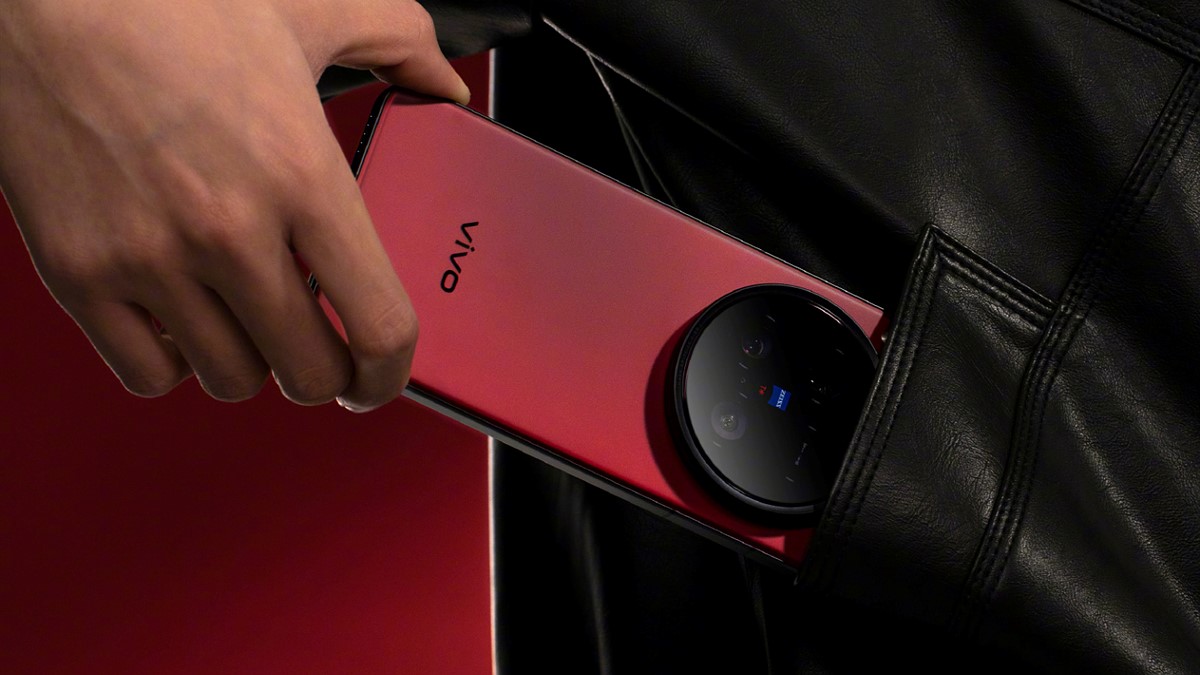
As for the design, the phone features a pill-shaped camera module on the back housing two sensors, while the third lens and LED flash sit outside the module.

We can also spot the Zeiss branding, confirming that the V-series will continue to benefit from this imaging partnership.

Now, let’s talk about the expected specs. To recap, the Vivo V60 is expected to be a rebranded version of the China-exclusive Vivo S30.

Vivo S30
Vivo S30 in Blue

The S30 flaunts a 6.67-inch OLED display with a 1.5K resolution and a 120Hz refresh rate. It is powered by the Snapdragon 7 Gen 4 chipset and Vivo pairs it with up to 16GB of LPDDR4x RAM and 512GB of UFS 2.2 storage.

Camera-wise, you get a 50-megapixel main sensor with OIS, an 8-megapixel ultra-wide lens, and a 50-megapixel 3x periscope telephoto camera. For selfies, there’s a 50-megapixel front-facing camera with autofocus support.

Keeping everything powered is a 6000mAh battery with support for 90W fast charging. Unfortunately, there’s no wireless charging, but it gets bypass charging support.

The Vivo V60 will likely get similar set of features, except a few regional changes in India. We will keep you in loop if more detail surfaces on the web.

(Source)

ASUS NUC 15 Pro Launched as a Powerful New Mini PC with Intel Core Ultra Series 2

ASUS has officially launched its NUC 15 Pro mini PC in India, expanding its lineup of compact computing devices with powerful internals. Despite its space-saving design, the new tiny computers pack Intel’s latest Core Ultra Series 2 processors. These CPUs have enough horsepower for professionals, creators, and even casual gamers looking for a minimalist desktop setup. So here’s everything we know.

ASUS NUC 15 Pro: What does the mini PC offer?

The ASUS NUC 15 Pro from ASUS are its newest mini PCs, which pack powerful specs in a small chassis. Its 0.48 liter body is also built with upgrability in mind, with a spring loaded hinge level action design. Under the hood, the NUC 15 Pro is equipped with the Intel Core Ultra Series 2 H-series processors. These are high power CPUs that are typically found in gaming, creative, or other laptops that run intensive workloads.

asus_nuc_15_pro_mini_pc
ASUS NUC 15 Pro

ASUS first unveiled the mini PC earlier this year. The top-end model packs the Intel Core Ultra 7 255H, which is paired with DDR5 RAM and Intel Arc iGPU. So, users can even run casual games thanks to the powerful integrated graphics. Other notable features include WiFi 7, up to 99 TOPS of AI performance, Bluetooth 5.4, and support for four 4K external displays through two HDMI 2.1 ports and Thunderbolt 4 ports.

The company just announced the ASUS NUC 15 Pro mini PC in the Indian market with a starting price tag of 109,000 INR. It is currently listed for purchase at major IT component stores and other online retailers.

For more daily updates, please visit our News Section.

Tech enthusiast? Get the latest news first! Follow our Telegram channel and subscribe to our free newsletter for your daily tech fix! ⚡

5 best phones for gaming in 2025

Gaming on phones has come a long way, but not every device is built to keep up. Flagship phones may have fast chips, but they often fall short in terms of cooling, sustained performance, or gaming features. And these are the areas where a gaming phone excels.

A gaming phone can handle heat, frame rates, and battery drain better than the rest. No surprises. However, if you count the list of manufacturers who sell dedicated gaming phones, there are just two. Asus and Nubia. 

Asus’ ROG Phone and Nubia’s RedMagic line are pretty popular among enthusiasts, and they come with the bells and whistles you expect from a gaming device. That said, these phones lack in areas except for gaming. 

Considering that we are listing out five of the best phones for gaming, each one with a different edge, whether it’s raw speed, battery life, comfort, or software.

1. RedMagic 10S Pro

Red Magic 10S Pro

The RedMagic 10S Pro isn’t the most polished phone on this list, but it’s the most focused on gaming, without trying to hide it. At 229g, it’s a heavy phone with an aviation-grade aluminum frame, an under-display camera, and a large 6.85-inch AMOLED screen that supports a 144Hz refresh rate. That’s higher than most games can use, but it still makes a difference in supported titles.

What really makes the RedMagic 10S Pro stand out is its active cooling system. It has a built-in fan and a vapor chamber, helping the Snapdragon 8 Elite chip maintain top performance without overheating.

It also packs a massive 7050mAh battery, the biggest on this list. It should easily last a full day of heavy gaming and regular use. And if it runs low, the 100W fast charging gets you back up quickly.

The RedMagic 10S Pro also has a bold look to it. But that might not be everyone’s cup of tea. The back has a semi-transparent design along with RGB lights and sharp corners that could be overwhelming for some. 

Still, extras like shoulder triggers, stereo speakers, a 3.5mm headphone jack, and a dedicated game mode switch make it one of the most practical gaming phones around.

2. Asus ROG Phone 9 Pro

Asus ROG Phone 9 Pro

If you want a premium gaming phone that also works well for everyday use, the ROG Phone 9 Pro might be your best bet. Asus has fine-tuned its formula this year with a faster 185Hz LTPO AMOLED display, a more subtle rear matrix LED screen, and better thermal management.

It delivers the same performance as the RedMagic, thanks to the Snapdragon 8 Elite chip. There’s also a second USB-C port on the side, making it easier to charge while gaming in landscape mode. And if you want extra cooling, it supports Asus’s external cooler too.

The phone is fueled by a 5,800mAh battery and supports 65 wired and 15W wireless charging. Unlike Nubia’s offering, the ROG Phone also puts more effort into cameras. You get a stabilized 50MP main shooter, a 3x zoom lens, and even a gimbal stabilization system for more stable videos and photos. 

3. Samsung Galaxy S25 Ultra

Samsung doesn’t brand the Galaxy S25 Ultra as a gaming phone, but it’s easily one of the most capable in 2025. It has a 6.9-inch Dynamic AMOLED display with 2600 nits peak brightness and a 120Hz refresh rate. That’s not the highest refresh rate on this list, but it’s fast and responsive enough for most games.

More importantly, the S25 Ultra uses a tuned version of the Snapdragon 8 Elite chip, with slightly higher clock speeds (up to 4.47GHz). While it doesn’t have physical gaming triggers or an active cooling fan, its thermal control is reliable. The titanium build and refined design make it a more comfortable daily phone than either the ROG or RedMagic.

What it outshines the others is longevity and ecosystem. You get seven years of major Android updates, Samsung DeX for desktop gaming, UWB support, and advanced camera capabilities, including a 200MP main sensor and dual zoom lenses. 

It’s also IP68 rated, which is something missing on most gaming-specific phones. It has a 5,000mAh battery, 45W wired and 15W wireless charging. 

4. iPhone 16 Pro Max

iPhone 16 Pro Max

Apple still doesn’t make “gaming phones,” but the iPhone 16 Pro Max doesn’t need a label to compete in the arena.

Armed with the A18 Pro chip, Apple’s own silicon continues to outperform in raw single-core scores and graphical efficiency. You might not get cooling fans or gaming triggers, but iOS game optimization means games often run smoother with lower power draw.

The 6.9-inch Super Retina XDR OLED also supports a 120Hz refresh rate and 2000 nits HBM brightness — not quite as bright as Samsung or Asus, but consistent and vibrant. Unlike Android phones, Apple uses NVMe storage, which gives faster read/write speeds than UFS, even though RAM is limited to 8GB.

Cameras on the 16 Pro Max are arguably the best here, especially the 5x telephoto with 3D sensor-shift stabilization and Spatial Video support. You can also be sure of the battery life here, thanks to Apple’s tight software-hardware integration. 

If you prefer Apple’s ecosystem and care more about frame pacing than max FPS, this is the most polished option, but not the most flexible one for hardcore gaming.

Please Note: When you buy something using the links in our articles, we may earn a small commission at no cost to you.

5. Poco F7 Ultra

POCO F7 Ultra

Then there’s the Poco F7 Ultra, the surprise hit of the list. It’s not cheap, but it’s aggressively priced compared to Samsung and Apple, and it doesn’t cut many corners.

With the same Snapdragon 8 Elite chipset, up to 16GB RAM, and a QHD+ AMOLED display that peaks at 3200 nits, Poco has made one of the best-looking and fastest displays on the market. And it supports 3840Hz PWM dimming, which should be gentler on your eyes during marathon sessions.

The camera setup is surprisingly capable for a gaming phone, including a 2.5x optical zoom telephoto and a 32MP ultrawide. But more importantly, it includes 120W wired charging and 50W wireless, which outpaces every phone on this list except in battery capacity.

At 5300 mAh, the battery is still generous, and with Bluetooth 6.0, Snapdragon Sound, and IP68 water resistance, the phone is more than capable for a gaming cum everyday phone. 

6. So… which one’s the best?

If you want raw performance, top-tier cooling, and zero compromises, the RedMagic 10S Pro is tough to beat. It offers the highest RAM, the most aggressive thermal setup, and the fastest storage of the bunch.

The ROG Phone 10 Pro comes next. It’s still a gaming powerhouse, but with a more balanced approach and a higher price tag. It feels like a phone that could double as a portable workstation.

The Galaxy S25 Ultra and iPhone 16 Pro Max are ideal if you want a premium flagship that also happens to game well. But neither is built specifically for gaming; they just handle it well enough.

Then there’s the Poco F7 Ultra. It delivers near-flagship performance at a more affordable price and probably has the best screen on any phone this year.

In the end, the best gaming phone for you depends on your budget, needs, and what’s available in your region.

Don’t miss a thing! Join our Telegram community for instant updates and grab our free daily newsletter for the best tech stories!

For more daily updates, please visit our News Section.

Asus ROG Strix G16 (2025) Review: A powerhouse gaming laptop redefining performance with Intel Core Ultra 9, RTX 5070 Ti

Gaming laptops in 2025 are pushing boundaries, and the Asus ROG Strix G16 (2025) is a shining example. I got my hands on the G615LR-S5190WS model in Eclipse Gray, and from the moment I unboxed it, this 2.65 kg beast made a strong impression. Priced at a premium, it’s aimed at gamers, creators, and power users who demand top-tier performance. Here’s a deep dive into my experience.

5Verdict

Asus ROG Strix G16 (2025)

The Asus ROG Strix G16 (2025) is an elite machine that blends raw power with refined design. It delivers on every front—whether you’re gaming, editing, or multitasking. The OLED-like quality of the Nebula display, powerful RTX 5070 Ti GPU, and cutting-edge Intel Core Ultra 9, combined with stellar benchmark results, make this laptop a truly future-ready investment for gamers and creators alike.

If you’re in the market for a no-compromise gaming laptop that can also serve as a serious workhorse, the ROG Strix G16 deserves your attention. The customizable RGB lighting and Armoury Crate app add a stylish and practical touch to this impressive machine, complemented by its effective thermal performance.

This review covers the G615LR-S5190WS variant, one of the highest configuration models priced at Rs 2,59,990, available on the Asus India website and Flipkart. The base variant, equipped with an Intel Core i7 Processor 14650HX, is priced at Rs 1,59,999, while the Core Ultra 9 starts at Rs 1,89,000. The topmost configuration with the Core Ultra 9 Processor 275HX and RTX 5080 GPU is priced at Rs 2,99,990. You can visit Asus’ website to explore AMD alternatives for the ROG Strix G16.

For more daily updates, please visit our News Section.

Stay ahead in tech! Join our Telegram community and sign up for our daily newsletter of top stories.

Next

LG launches 2025 Gram Pro laptops with Intel Ultra CPUs, RTX 5050 GPU, hybrid AI features, and up to 27-hour battery life.

LG has added two new models to its gram laptop lineup for 2025. The LG gram Pro 16Z90TR and 17Z90TR are built for users who need strong performance in a thin and light design.

LG Gram Pro features

Both laptops are powered by Intel Core Ultra 9 and Ultra 7 Series 2 processors and come with NVIDIA RTX 5050 graphics. They run Windows 11 Home, are Intel Evo Edition certified, and include 32GB of RAM and 2TB of SSD storage. The 16-inch model weighs 3 pounds, while the 17-inch version weighs 3.3 pounds. Each is as thin as 0.6 inches. LG claims battery life of up to 27 hours of video playback.

The laptops feature Copilot-powered AI tools and introduce LG gram AI, which includes both local and cloud-based features. gram chat On-Device handles tasks without an internet connection by using built-in AI. gram chat Cloud, powered by GPT-4o, connects to online data, calendars, and email to give detailed responses and help manage schedules. One key feature is Time Travel, which lets users go back and see past activity like documents, websites, videos, and audio files.

The laptops also support Gram Link 2.0, which makes it easy to transfer files and take phone calls from connected Android and iOS devices. This helps users work across phones and laptops without breaking focus.

Pricing & availability

The 16-inch LG gram Pro 16Z90TR is priced at 2,799.99 dollars. The 17-inch 17Z90TR starts at 2,549.99 dollars. Both models are now available on LG.com and will arrive soon at LG-authorized retailers.

Don’t miss a thing! Join our Telegram community for instant updates and grab our free daily newsletter for the best tech stories!

For more daily updates, please visit our News Section.

(Source)

The Best Flip Foldables You Can Buy Right Now

If you’ve been holding out for a flip phone revival that actually delivers on performance, cameras, and battery life, 2025 might just be the year to dive in. This new generation of foldables has come a long way from their fragile, gimmicky beginnings. Today’s top-tier flip phones offer stunning AMOLED displays, flagship-level chipsets, fast charging, and enough AI-powered tricks to rival full-sized slabs.

Here’s a deep look at the best flip foldables you can buy right now, covering the latest from Xiaomi, Samsung, Motorola, and a surprising contender from Infinix.

1. Samsung Galaxy Z Flip 7

Samsung Galaxy Z Flip 7

Samsung has introduced the Galaxy Z Flip 7 as its most refined flip phone to date. It features a 4.1-inch Super AMOLED FlexWindow with 2600 nits of peak brightness and a 120Hz refresh rate. The main 6.9-inch AMOLED display also supports 120Hz refresh rate and HDR features.

The Z Flip 7 weighs 188g and measures 13.7mm when folded. The device is powered by the Exynos 2500 processor and runs Android 16 with One UI 8. Samsung DeX is now supported, allowing desktop-like use when connected to an external monitor.

The dual-camera setup includes a 50MP wide and a 12MP ultra-wide camera. Nightography and 10-bit HDR improve low-light photo and video performance. Galaxy AI supports voice queries, app previews, and real-time updates directly on the FlexWindow. The phone includes a 4300mAh battery with support for both wireless and reverse wireless charging.

Samsung has priced the Galaxy Z Flip 7 starting at $1,099.99/Rs. 1,09,999, with sales beginning from July 25th in select countries.

Please Note: When you buy something using the links in our articles, we may earn a small commission at no cost to you.

2. Xiaomi Mix Flip 2

Xiaomi Mix Flip 2

Xiaomi has launched the Mix Flip 2 in China with several upgrades across hardware, display, and AI features. The phone features a triple-curve foldable AMOLED design and a frosted metal frame. It measures 7.57mm in thickness when unfolded and weighs 199g.

The Mix Flip 2 uses a new hinge mechanism rated for 200,000 folds. Xiaomi includes a 4.01-inch outer AMOLED display with a 1.5K resolution, 120Hz refresh rate, and peak brightness of 3200 nits. The outer screen supports over 500 apps, message previews, QR scanning, voice calling, and AI-powered interactions.

Inside, the phone uses a 6.86-inch AMOLED foldable panel with the same resolution and refresh rate. Both screens support Dolby Vision, HDR10+, and wet-touch input. The device runs on the Snapdragon 8 Elite SoC with up to 16GB of RAM and 1TB storage. It houses a 5165mAh battery that supports 67W wired and 50W wireless charging.

Camera hardware includes a Leica-tuned 50MP main sensor, a 50MP ultra-wide lens, and a 32MP front camera. Xiaomi has added a new DV camcorder mode and a thermal dye-sublimation photo printer kit.

The phone runs HyperOS 2 and connects deeply with Xiaomi’s ecosystem, including direct control of Xiaomi vehicles, iPhone file transfers, and Mac app sharing. Availability is limited to China for now, but the Mix Flip 2 easily stands out as the most complete flip foldable in Xiaomi’s lineup to date.

3. Motorola Razr 60 Ultra

Razr 60 Ultra

Motorola has launched the Razr 60 Ultra with a 6.96-inch foldable LTPO pOLED internal display and a 4-inch FHD+ outer screen. Both displays support a 165Hz refresh rate and higher peak brightness levels.

The device uses the Snapdragon 8 Elite chipset with 16GB of RAM and 512GB of storage. Motorola has added AI tools like “Catch Me Up,” “Pay Attention,” and “Remember This,” which are accessible using a dedicated AI Key. The phone also supports Look & Talk in tent mode for hands-free interactions.

The triple-camera system includes a 50MP main sensor, a 50MP ultra-wide, and a 50MP front camera. Battery capacity stands at 4700mAh, with 68W wired and 30W wireless charging. Motorola promises 3 years of OS updates and 4 years of security patches. It is priced at Rs. 99,999 in India.

Please Note: When you buy something using the links in our articles, we may earn a small commission at no cost to you.

4. Samsung Galaxy Z Flip 7 FE

Samsung Galaxy Z Flip 7 FE

Samsung is also targeting a wider audience with the Galaxy Z Flip 7 FE. It retains the core flip experience while dialing back some premium specs to lower the entry price. The main 6.7-inch Dynamic AMOLED 2X screen supports 120Hz refresh, while the 3.4-inch cover screen handles notifications and quick tasks.

The Z Flip 7 FE runs on the Exynos 2400 processor with 8GB RAM and up to 256GB storage. The battery capacity is slightly smaller at 4000mAh, but it still supports fast charging and wireless power sharing. The IP48 rating is retained for water resistance.

The camera system is similar to the flagship model, with a 50MP wide and 12MP ultra-wide rear camera setup. It includes AI camera tools and Flex Mode features for hands-free photography. The phone runs Android 16 with One UI 8 and includes most of the Galaxy AI tools found in the regular Flip 7.

The Galaxy Z Flip 7 FE starts at $899.99/Rs. 89,999 and comes in Black and White color options. It provides an affordable way into Samsung’s foldable ecosystem without sacrificing core functionality.

Please Note: When you buy something using the links in our articles, we may earn a small commission at no cost to you.

5. Infinix Zero Flip

Infinix Zero Flip 5G

Infinix entered the flip market with the Zero Flip last year, delivering a surprisingly capable device for Rs. 49,999. It uses a 6.9-inch LTPO AMOLED display inside and a 3.64-inch outer display with app widgets and animated pet characters. The hinge is rated for 400,000 folds.

The device is powered by the Dimensity 8020 SoC and comes with 8GB of RAM and 512GB of storage. It has a 4720mAh battery with support for 70W wired charging. The camera setup includes a 50MP dual rear camera and a 32MP front camera, with 4K video recording supported on all sensors.

The Zero Flip features AI vlogging tools and a DV-style grip when folded. It runs on XOS 14.5 based on Android 14, offering customization options. Infinix promises two years of OS updates and three years of security patches. Considering its price, the Zero Flip stands out as an impressive entry-level foldable.

Please Note: When you buy something using the links in our articles, we may earn a small commission at no cost to you.

In related news, don’t miss our roundup of the best book-style foldable phones available right now.

For more daily updates, please visit our News Section.

Stay ahead in tech! Join our Telegram community and sign up for our daily newsletter of top stories! 💡
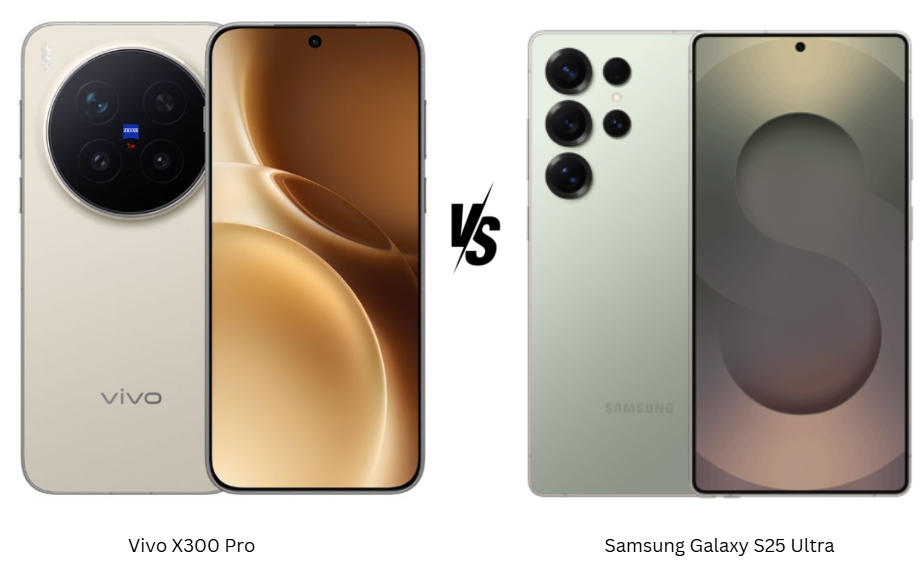

Nothing Phone (2) Update: OS 3.2 Adds Hotspot Manager and Fixes UI Bugs

Nothing has released the Nothing OS 3.2 update for the Nothing Phone (2). The update is rolling out in phases, so not everyone will get it at once. This helps the company track issues and ensure the update is stable.

The main new feature in this update is the Hotspot Manager. It lets users easily view and manage all devices connected to their mobile hotspot.

The update also fixes several issues. A rare bug that caused the Gallery app to crash when opening videos has been resolved. Some apps were showing their interface incorrectly in certain situations, and that has now been fixed as well.

The phone now includes the June Android security patch, which improves the phone’s protection from known security threats. System stability has also been improved. Users should notice smoother performance across apps and settings.

Nothing OS V3.2-250708-2227 Changelog

After updating, the device may heat up and use more power for a short period. This is normal and will go back to usual levels soon after the update is complete.

To provide feedback about the update, users can go to Settings > System > Feedback on their device. This update does not bring big design changes, but it adds useful features and makes the phone more stable and secure.

For more daily updates, please visit our News Section.

Stay ahead in tech! Join our Telegram community and sign up for our daily newsletter of top stories!

(Source)

Galaxy S25 FE render spotted online — and it’s almost the same

A fresh leak about the Galaxy S25 FE gives us a closer look at its design and color options ahead of the expected late-2025 launch, and it’s kind of disappointing when you compare the render with last year’s model.

On July 16, 2025, reliable tipster Evan Blass shared a render of the Galaxy S25 FE on X, showing off a clean white color variant alongside the previously leaked grey. The image, showing both front and back, suggests Samsung isn’t straying far from last year’s formula — the S25 FE looks almost identical to the Galaxy S24 FE.

Galaxy S24 FE (left), Galaxy S25 FE (right)

Upon closer inspection, the bottom bezel appears only slightly slimmer — if at all — and, perhaps more disappointingly, the bezels remain asymmetrical, just like on the S24 FE. The front-facing camera and rear cameras seem to retain almost identical cutout sizes and placements, hinting at little to no change in internal design or key specs like sensor size.

On a slightly brighter note, reports claim the selfie camera could finally see an upgrade with a slightly larger 12MP sensor, replacing the aging 10MP shooter found on the S24 FE. If accurate, this might deliver sharper self-portraits, backed by iterative improvements in image processing.

As for the battery, recent leaks suggest a modest 200mAh increase over the predecessor’s 4,700mAh unit. The phone is also rumored to stick with the Exynos 2400e from its predecessor, paired with 8GB RAM and running Android 16 with One UI 8.0. So you can expect minor software-based improvements powered by almost the same hardware as the predecessor.

Will this upcoming FE model challenge rivals like the Pixel 9a? We’ll know soon enough.

Don’t miss a thing! Join our Telegram community for instant updates and grab our free daily newsletter for the best tech stories!

For more daily updates, please visit our News Section.

(Source)

Huawei to Launch 8.8-Inch and 14.2-Inch OLED Tablets with Kirin 9 Series Chips

Huawei is working on two new flagship tablets with OLED displays. According to blogger @数码闲聊站 (Digital Chat Station), the company will launch an 8.8-inch lightweight tablet and a 14.2-inch high-end model. Both devices will use the K9 platform, likely referring to the Kirin 9 series chipset.

The 8.8-inch tablet will focus on thin design and portability. It is not built for gaming. In a comment reply, the blogger confirmed it is aimed at users who want a compact and easy-to-carry device. The 14.2-inch model will be a standard flat tablet, not a foldable.

Huawei is also working on tablets with large batteries. One of them will include a 13000mAh battery with 100W fast charging. The blogger said Huawei’s tablet lineup is growing quickly and that the brand has secured the top spot among Chinese tablet makers.

A previous leak had already mentioned that the 8.8-inch tablet had completed its design phase. Another large-screen model with 3D facial recognition is also in testing.

In other news, Huawei is expected to launch two foldables in China in September 2025: the Mate X7 and the Mate XT 2. The Mate X7 is a book-style foldable with a 7.95-inch 2K COE LTPO UTG display, likely powered by the upcoming Kirin 9030 chip. It may feature a 50MP main camera with variable aperture, a 50MP periscope telephoto lens with macro, and a multispectral sensor.

For more daily updates, please visit our News Section.

Stay ahead in tech! Join our Telegram community and sign up for our daily newsletter of top stories.

(Source, via)

Oppo Find X8 Gets July 2025 OS Update with New Camera and System Features

Oppo has released the July 2025 ColorOS 15 update for the Find X8, with firmware version CPH2651_15.0.0.840(EX01). The update is 1.01 GB in size and brings a range of new features and system improvements.

OPPO Find X8

The Breeno Memory section now includes a “Save to Mind Space” feature. This allows users to save screen content as memories, which are automatically summarized and archived in the app.

The camera has received a soft light filter for Portrait and Photo modes. This is designed to help create more dreamy and visually enhanced images.

In the Photos app, Oppo has added the AI Group Photo Composer. This feature lets users add extra people to existing group shots. The AI Perfect Shot tool can detect and replace facial expressions of the same person across different images to improve the result. There is also a new option to hide selected albums from the main photo list for better customization.

In the system apps, the Clock now supports a gradual alarm volume feature. The volume increases from low to high to avoid sudden noise. The Recorder app has been updated with customizable grouping, and a new “In-person recordings” category automatically sorts recordings made in Standard, Meeting, or Interview modes.

System-wide changes include the ability to choose between OPPO Sans and One Sans fonts in more languages. Widgets of the same size can now be stacked. Multi-screen control allows one app to run in full screen and another in a floating window at the same time. A new option to temporarily block banner notifications while gaming or watching videos has been added.

There is now a Restart shortcut in Quick Settings for faster reboots. Mini windows can be dragged to the bottom of the screen, and a previous display location issue has been fixed. The update also includes the July 2025 Android security patch.

Don’t miss a thing! Join our Telegram community for instant updates and grab our free daily newsletter for the best tech stories!

For more daily updates, please visit our News Section.

(Source)

Galaxy Tab S11 Ultra’s leaked render reveals a smaller notch — and a surprise on the back

Samsung’s next flagship tablet, the Galaxy Tab S11 Ultra, is expected to debut in September 2025. And thanks to a new leak, we’re getting an early look at its design — with some subtle but notable changes in store.

Galaxy Tab S11 Ultra (render)

On July 16, 2025, X tipster Evan Blass (@evleaks) shared a high-quality render of the Galaxy Tab S11 Ultra, giving us a glimpse of its front and back. The most eye-catching difference? A much smaller U-shaped notch on the 14.6-inch AMOLED display — a clear departure from the wider notch on last year’s Galaxy Tab S10 Ultra. This design tweak suggests Samsung might be moving from a dual 12MP front camera setup to a single 12MP sensor. The bezels are still impressively thin, though changes appear to be minimal, if at all.

The S Pen is still part of the package, but there’s a surprise on the back. The familiar magnetic charging strip for the stylus is nowhere to be seen in the render, hinting that Samsung may have shifted the connector — possibly to the frame, in a move similar to Apple’s iPad Pro lineup.

On the rear, the Tab S11 Ultra sports a familiar dual-camera system with larger rings, echoing the look of Samsung’s upcoming Galaxy S25 series for a more unified design language. Under the hood, it’s almost confirmed to pack MediaTek’s Dimensity 9400+ chipset (an upgrade over the Dimensity 9300+ of the Tab S10 Ultra), promising up to 10% better CPU performance over the previous model. Battery capacity is rumored to increase slightly to 11,700mAh, up from the Tab S10 Ultra’s 11,200mAh.

Specs-wise, the tablet should run One UI 8 on top of Android 16, with configurations offering either 12GB or 16GB of RAM and storage options up to 1TB. And with Samsung reportedly scrapping the Plus model this year, the Tab S11 series will likely include just the standard and Ultra versions, both expected this September.

Stay ahead in tech! Join our Telegram community and sign up for our daily newsletter of top stories!

For more daily updates, please visit our News Section.

Nothing Phone (3) Gets First OS Update with Camera, Gaming, and Charging Fixes

Nothing has started rolling out the Nothing OS 3.5 update (build V3.5-250711-2047) for the Nothing Phone (3). The update adds new features and improves performance across key areas like the Glyph Interface, camera, gaming, and system stability.

Nothing Phone (3)

Glyph Interface

The update adds a Caller ID feature. Long-pressing the Glyph button during a call now shows the contact’s name or number. Users can now choose from preset or custom icons for Essential Notifications. The phone also supports generative ringtones with Glyph Matrix lighting and random vibration patterns. Visual effects of the Glyph Interface have been improved, Glyph Toys are more stable, and the Glyph button is now less likely to be triggered by accident.

Essential Space

Essential Space now includes Flip to Record. Flipping the phone face down and holding the Essential Key starts a voice note that is saved and organised as a meeting to-do list.

Camera and Display

Core camera improvements enhance front and rear HDR, Night Mode, and Snapshot scenes. The update delivers better brightness balance and cleaner image quality. HDR video processing has been improved for more natural lighting. The UltraXDR Display now renders high dynamic range more smoothly, with better highlight-to-shadow transitions.

Gaming and Performance

Performance for a popular Battle Royale game has been boosted to run at 120 frames per second. Wi-Fi latency during gaming is lower. The update also enhances pocket mode to reduce accidental touches and allows users to change the default gallery app in Private Space.

Audio and Charging Fixes

The update fixes noise issues when turning spatial audio on or off during music playback. It also resolves slow or unstable charging and incorrect battery level display after charging. System performance and power use have been improved.

The update is rolling out in phases. Users can check for it by going to Settings, then System, then Feedback.

For more daily updates, please visit our News Section.

Tech enthusiast? Get the latest news first! Follow our Telegram channel and subscribe to our free newsletter for your daily tech fix!

(Source)

Samsung is letting you pay to downgrade your phone

Samsung’s 2025 foldable lineup, announced at its Unpacked event on July 9, includes a new budget model: the Galaxy Z Flip7 FE. But instead of excitement, one of Samsung’s trade-in offers has left many scratching their heads — and it’s actually a downgrade disguised as a deal.

Samsung Galaxy Z Flip 7 FE

The controversy centers around Samsung’s trade-in offer for Galaxy Z Flip6 owners. Through the deal, they can trade in their one-year-old Flip6 and get a $500 credit toward the Flip7 FE, effectively bringing its price down to $399. But here’s the catch — the Flip7 FE is, by most accounts, a stripped-down version of the Flip6. It swaps the Snapdragon 8 Gen 3 for Samsung’s inferior Exynos 2400, cuts the RAM from 12GB to 8GB, and makes no major upgrades to the display or design.

Aside from a minor Bluetooth upgrade, it’s hard to see what Flip6 owners would actually gain — especially for the extra $399 they’d have to pay.

To make matters more confusing, Samsung is offering a $600 trade-in credit toward the regular Galaxy Z Flip7, bringing its price to $499. The standard Flip7 comes with meaningful upgrades — a larger 4.1-inch FlexWindow cover display, a bigger 6.9-inch main screen, a 4,300mAh battery (up from 4000 mAh), and Samsung DeX support — making it a clear step up rather than a sidestep.

While the Flip7 FE does promise extended software support, it’s hard to see that making sense for users thinking of an upgrade less than a year after buying the Flip6.

The deal runs in the US until July 24, 2025, with pre-order incentives likely to drop after that. If you’re considering a trade-in, this might be one offer worth thinking twice about.

Don’t miss a thing! Join our Telegram community for instant updates and grab our free daily newsletter for the best tech stories!

For more daily updates, please visit our News Section.

(Source)

Nothing Phone (3) Series: Which Model is the Best for You?

Now that Nothing’s third-gen lineup is complete, you’ve got three phones to choose from: the flagship-grade Phone  (3), the mid-range Phone (3a), and the slightly more camera‑focused Phone (3a) Pro. Whether you’re looking for the signature Glyph lighting experience, a reliable daily driver, or flagship performance with long-term software support, there’s a Nothing Phone that fits your needs. So read on to see which model is right for you.

1. Nothing Phone (3): The True Flagship

Nothing-Phone-3
Nothing Phone (3)

After keeping us waiting for two years, Nothing finally announced its latest flagship model. But what makes it better than the other two models? Well, almost everything if you take a look at the performance, camera, design, and more. The Nothing Phone (3) is equipped with the Snapdragon 8s Gen 4, with up to 16GB LPDDR5X RAM and 512GB UFS 4.0 storage. While this isn’t as powerful as the Snapdragon 8 Elite, it still offers top notch performance and is much faster than the Phone (3a) and Phone (3a) Pro.

It packs a large 5,500mAh battery with a faster 65W wired and 15W wireless fast charging support. Another upgrade over its predecessor is the camera system. We now get a triple camera setup, which includes a 50MP (Main, OIS, 1/1.3″) + 50MP (Ultrawide, 1/2.76″) + 50MP (OIS, 3x zoom, 1/2.75″) on the rear and a 50MP (1/2.76″) selfie camera on the front. The screen is a 6.67-inch LTPS AMOLED panel with a 120Hz refresh rate, HDR10+ support, Corning Gorilla Glass 7i, 1600 nits of peak brightness, and 2160Hz PWM dimming.

This makes it more versatile than the Phone (2), while also offering the biggest main camera from any Nothing phone to date. It starts at 79,999 INR for the base 12GB + 256GB model, which confirms its premium positioning. For this price, you get the Glyph Matrix display (natural evolution of the Glyph LED), AI powered Essential Space, and more. So if you’re a fan of the brand and can afford the premium price tag, this device is great for photography, gaming, and more.

Please Note: When you buy something using the links in our articles, we may earn a small commission at no cost to you.

2. Nothing Phone (3a): The Value Mid-Ranger

Nothing Phone (3a)
Nothing Phone (3a)

With a starting price of 24,999 INR, the Nothing Phone (3a) is the most affordable model from the series. This mid range price tag brings a tall 6.77-inch LTPS AMOLED display with a 1.5K resolution, 3000 nits of peak brightness, and 2160Hz PWM dimming on the front. Meanwhile, the rear has a 50MP (Main, 1/1.56″, OIS) + 8MP (Ultrawide) + 50MP (2x zoom, OIS, 1/2.74″) setup with a 32MP selfie shooter on the front.

Powering this model is the Snapdragon 7s Gen 3 chip. Other notable features include a 5,000 mAh battery with 50W charging, and an IP64 rating for water and dust resistance. So if you want to get one of the latest experiences from Nothing without spending a hefty price, this is a great pick. At this budget, the device is one of the best in the segment when you consider the overall package of software and cameras.

Please Note: When you buy something using the links in our articles, we may earn a small commission at no cost to you.

3. Nothing Phone (3a) Pro: Photo-focused Mid-Ranger

Nothing Phone (3a) Pro

In terms of overall specs, the Nothing Phone (3a) Pro is nearly identical to the base Phone (3a). This means you still get a Snapdragon 7s Gen 3, the same main and ultra wide angle cameras, an IP64 rating, and a 5,000mAh battery with 50W wired fast charging. But what makes it special is the improved 50MP selfie shooter and the 50MP Sony LYT600 telephoto camera that has a 1/1.95″ sensor and 3x optical zoom, which is a sensor larger than the one found in the flagship Phone (3).

But for these upgrades, you have to pay a slightly higher 29,999 INR starting price. If you’re someone who constantly takes zoomed pictures, the Phone (3a) Pro is definitely worth the extra cost. It also meets a perfect balance of price, performance, and features. Once again, Nothing places an extra focus on the Nothing OS, which is a great and unique Android experience. With a more approachable price, this model easily delivers the second best experience from Nothing.

Please Note: When you buy something using the links in our articles, we may earn a small commission at no cost to you.

For more daily updates, please visit our News Section.

Don’t miss a thing! Join our Telegram community for instant updates and grab our free daily newsletter for the best tech stories!

Nothing CEO responds to Phone 3 reviews, admits its limitations

The Nothing Phone 3 has been turning heads — and dividing opinions — since its launch earlier this month. With its bold design choices and mid-premium specs, the phone has stirred debate among tech reviewers and fans alike. Now, Nothing CEO Carl Pei has addressed the mixed reactions head-on in a candid YouTube video.

Pei responded directly to feedback from top tech creators like MKBHD and Mrwhosetheboss, acknowledging both praise and criticism. The $799 Phone 3, powered by Qualcomm’s Snapdragon 8s Gen 4, has drawn flak for its asymmetrical design and for skipping flagship-grade hardware. But Pei stood by the product, saying, “We’ve designed something we’re proud of. Some people love it, some don’t — and that’s okay.” He also took a firm stance against criticism over the design choices.

One major talking point has been the new Glyph Matrix — a circular low-resolution rear display that replaces the signature Glyph LEDs from previous models. While some reviewers questioned its practicality, Pei defended the decision, arguing that falling software development costs could pave the way for a thriving ecosystem of “Glyph Toys,” even if Nothing’s developer community remains smaller than that of Android or iOS.

Performance was another sticking point. Most reviewers pointed out that the Snapdragon 8s Gen 4 lags significantly behind the Snapdragon 8 Elite in benchmarks. Pei countered that the chip delivers enough power for most users, adding that the overall experience — thanks to Nothing OS 3.5.

The phone offers a 1.5K 120Hz LTPO OLED display on the front and a versatile 50MP triple-camera setup with 3x periscope zoom on the back. However, it still falls short of matching other flagships in its price range, such as the Galaxy S25 or iPhone 16.

Sure, Nothing is a relatively small and new player in the smartphone industry — and mastering imaging software isn’t something companies achieve overnight. But for consumers expecting the full suite of flagship features, the Nothing Phone 3 may end up disappointing.

The problem isn’t with the Phone 3 itself, but with its positioning as a “flagship.” It’s now being compared to true flagships from tech giants that benefit from massive R&D budgets and years of refinement.

Don’t miss a thing! Join our Telegram community for instant updates and grab our free daily newsletter for the best tech stories!

For more daily updates, please visit our News Section.

(Source)

Acer launches Swift Lite 14 AI laptop in India with up to Core Ultra 5, OLED display & Copilot key

Acer has launched the Swift Lite 14 AI laptop in India. The new model expands its AI-capable PC lineup and features Intel Core Ultra processors with integrated AI capabilities. Prices start at Rs. 62,999 ($733) for the base model with 16GB of RAM and 512GB of storage. The laptop is now available at Acer’s exclusive stores, its online store, and leading retailers such as Croma, Reliance Digital, and Vijay Sales.

Acer Swift Lite 14 laptop

Acer Swift Lite 14 Specifications

The Acer Swift Lite 14 runs on Windows 11 Home and supports AI-powered tools through Microsoft Copilot. It includes a dedicated Copilot key on the keyboard for quick access to AI features. The laptop is powered by up to Intel Core Ultra 5 115U processors with Intel’s AI Boost NPU.

The laptop sports a 14-inch WUXGA (1920×1200) display and is available in OLED and IPS variants. The OLED model supports 100% DCI-P3 color coverage and has an 87% screen-to-body ratio. The display uses a 16:10 aspect ratio and supports a 180-degree hinge, allowing the laptop to lay flat for collaborative use.

The Swift Lite 14 features up to 32GB of LPDDR5 RAM and up to 1TB PCIe Gen 4 SSD storage. The laptop weighs 1.1kg and measures 15.9mm thick. It uses an aluminium alloy chassis and is available in two color options: Light Silver and Sunset Copper.

Acer has equipped the laptop with a Full HD webcam with a privacy shutter, a full-size ergonomic keyboard, and a precision touchpad. In terms of connectivity, it includes two USB 3.2 Gen 2 Type-C ports (with Power Delivery and DisplayPort support), one USB 3.2 Gen 1 Type-A port, an HDMI port, a 3.5mm audio jack, and a Kensington lock slot. The device supports Wi-Fi 6 and Bluetooth 5.1 or higher.

The Swift Lite 14 packs a 50Wh battery and supports 65W USB-C charging. Acer says the AI NPU and power-efficient components allow for extended battery life during regular and AI-assisted tasks.

In related news, Lenovo recently launched the ThinkPad X9 Aura in a new Moonlight White finish, featuring a 2.8K 120Hz OLED display and up to Intel Core Ultra 9. Acer has also introduced the Aspire Go 14 (2025) with Intel Core Ultra processors, Intel Arc graphics, and up to 32GB of RAM.

For more daily updates, please visit our News Section.

Stay ahead in tech! Join our Telegram community and sign up for our daily newsletter of top stories! 💡

(Source)

Google Pixel Watch 4 Full Specs Leaked: Dual Chips, 3000nits Display, & Better Battery Life

The upcoming Pixel Watch 4 has just had its full specifications leaked online, and it looks like Google is addressing major pain points from previous generations. The latest smartwatch will sport a brighter display, alongside a new dual chip setup for better efficiency and responsiveness. But these are just some of the upgrades, so here’s everything that was revealed.

Pixel Watch 4 Specs Leak: Brighter Screen, Better Battery, & New Chip

The big leak arrives from an AndroidHeadlines report. Google is expected to unveil the Pixel Watch 4 alongside its highly anticipated Pixel 10 series of flagship smartphones on August 20. The latest report shares a detailed list of all its specs and features, which confirms the same Snapdragon W5+ Gen 1 chip that also powered its predecessor.

But what’s improving this year is the dual chip design that brings a secondary M55 co-processor. It is faster than the M33 co-processor from last year. The upgraded co-processor is expected to help in offering faster AI performance, enabling the Pixel Watch 4 to handle 5 times the workload. So we can expect Gemini AI to be making its way to the Pixel Watch 4.

Google Pixel Watch 4
Google Pixel Watch 4 Leaked Renders

This setup is expected to bring a notable improvement in the battery life. The smaller 41mm model is getting a bigger 325mAh cell (up from 301mAh), while the 45mm variant is getting a bigger 455mAh battery (up from 420mAh). The report claims that the 41mm Pixel Watch 4 may offer up to 30 hours of battery life with always-on display enabled or 48 hours with the battery saver mode.

Meanwhile, the 45mm model brings a longer 40 hour battery life with Always-on enabled and 72 hours in battery saving mode. Another quality of life change is that Google will finally let users side charge their Pixel Watches, allowing the smartwatch to be used in a dock and have it charge while acting like a bedside clock. There are also various sensors for SpO2 blood oxygen mapping, heart rate tracking, a compass, multipurpose sensors that work with the ECG app, an altimeter, a gyroscope, UWB (ultrawide band), a barometer, and more.

Google is expected to unveil the Pixel Watch 4 during the Made By Google event on 20th August 2025, with pre-orders likely kicking off on the same date. On the other hand, wider release should follow on August 28.

For more daily updates, please visit our News Section.

Tech enthusiast? Get the latest news first! Follow our Telegram channel and subscribe to our free newsletter for your daily tech fix! ⚡

Adidas launches 3D-printed Climacool Laced sneakers with adjustable fit

Adidas has launched a new version of its 3D-printed Climacool shoes called the Climacool Laced. This updated model introduces a traditional lacing system for the first time, making the shoe more adjustable and compatible with a wider range of foot shapes. The company first introduced the slip-on version of the Climacool in limited quantities in September 2024, followed by a wider global release in April 2025.

Adidas Climacool Laced sneakers

The Climacool Laced uses the same additive manufacturing process as the original, which involves spinning, baking, and compressing high-performance polymers into a single seamless structure. This process takes about 24 hours for each shoe and creates a lattice design that allows for 360-degree airflow, lightweight flexibility, and improved breathability.

While the body of the shoe remains entirely 3D-printed, the laces and tongue are constructed from traditional materials and added after printing. Adidas has also updated the design slightly, adding printed eyelets and a contrasting black lacing system. The base color remains off-white, but the new details give the shoe a more familiar sneaker look.

Adidas says this design provides a softer and more adaptive fit while maintaining the key features of the original Climacool. The new lacing system allows wearers to adjust tightness, potentially improving comfort for longer wear or varied foot widths. The breathable structure continues to support cooling and fast drying, which Adidas first introduced in its original Climacool line in 2002.

Adidas Climacool Laced sneakers

The Climacool Laced is priced at $160, which is $20 more than the slip-on model. The shoe is now available in Adidas stores, through selected retailers, and online via the Adidas Confirmed platform.

Adidas plans to expand its Climacool lineup further in 2025. The brand also introduced the Climacool System in motorsport gear earlier this year and says future products will cater to both casual consumers and elite athletes. The company continues to explore additive manufacturing to unlock new possibilities in footwear design, combining fit, comfort, and performance through its printed lattice technology.

For more daily updates, please visit our News Section.

Stay ahead in tech! Join our Telegram community and sign up for our daily newsletter of top stories! 💡
(Source, Via)

Xiaomi Mijia Washing Machine Launched with AI Laundry Assist & Built-in Dryer

Xiaomi has just unveiled a new addition to its smart home ecosystem. The latest product is the Miia Washing Machine & Dryer that arrives with AI powered features and HyperOS connectivity. So here’s what you need to know about this smart home appliance.

Xiaomi Introduces Mijia AI Washing Machine

Back in May 2025, the Chinese tech giant unveiled the Mijia Washing Machine Pro Blue Oxygen 10kg series in China, so the latest Mijia Washing Machine & Dryer is a higher end model thanks to a larger 12kg load capacity. It can wash loads of up to 12kg, with a built-in dryer capable of drying clothes of up to 9kg. Xiaomi claims that the latest Mijia Washing Machine offers a 99.99% sterilization rate and completely removes any kind of mites.

Xiaomi Mijia Washing Machine & Dryer

Xiaomi also packs this model with a sensor that can automatically stop the dryer to save power. There is also support for various kinds of washing and drying modes as well. Notably, it comes with an AI laundry assist that can smartly detect cycles based on your everyday habits. This is paired with HyperOS Connect that allows for direct controls from the app, support for OTA updates, and XiaoAI voice assistant support.

As of right now, the Xiaomi Mijia Washing Machine & Dryer is listed for purchase in China for a 2,299 yuan price tag (roughly 320 US Dollars). It is unclear if the brand plans on releasing this smart home product in the global market later on, so stay tuned for more. In related news, the brand plans to release the Xiaomi Super Slim Magnetic Power Bank 5000 globally soon.

For more daily updates, please visit our News Section.

Don’t miss a thing! Join our Telegram community for instant updates and grab our free daily newsletter for the best tech stories!