Last month at MWC 2019, many announcements have been made by major manufacturers. The Korean giant announced its first ever foldable device, Galaxy Fold at the event along with Galaxy S10, S10+, and S10e. Similarly, Huawei has announced its foldable device, Mate X. There were many other announcements which paved the way for new technologies. The Chinese company, Alldocube also announced few new devices at MWC 2019, among them Alldocube X media tablet is gaining enormous attention.
The new tablet from Alldocube is a perfect match for the users who are looking for big screen devices such as Galaxy Fold and Mate X. It carries the same Super AMOLED display as that we’ve found on Galaxy Tab S4. It will allow users to get every detail of the task that they are performing on its huge gigantic display. Its Super AMOLED display is worth applaud which carries significant advancements over LCD and standard AMOLED displays.
Although, Super AMOLED display on the tablet consumes less power and will provide vivid display quality. It renders the picture much faster. Overall, it is 20% brighter and consumes 20% less power than standard AMOLED. The whole principle revolves around the electroluminescent power-producing organic compounds on the thin film.
Alldocube X display will perfectly fit in the wardrobe of a movie lover, photoshop worker or anyone who needs a big display.
Even though, Samsung has used a similar Super AMOLED displays in the Galaxy Fold. In detail, there are two displays on Samsung’s foldable device, one is of 4.6 inch and the other is 7.3 inch foldable Dynamic AMOLED. Samsung has evolved its AMOLED display to such a level that they are now being used in foldable devices.
Well, if you want to experience a Super AMOLED earlier and in a more economical way, then Alldocube X tablet is the best fit for you.
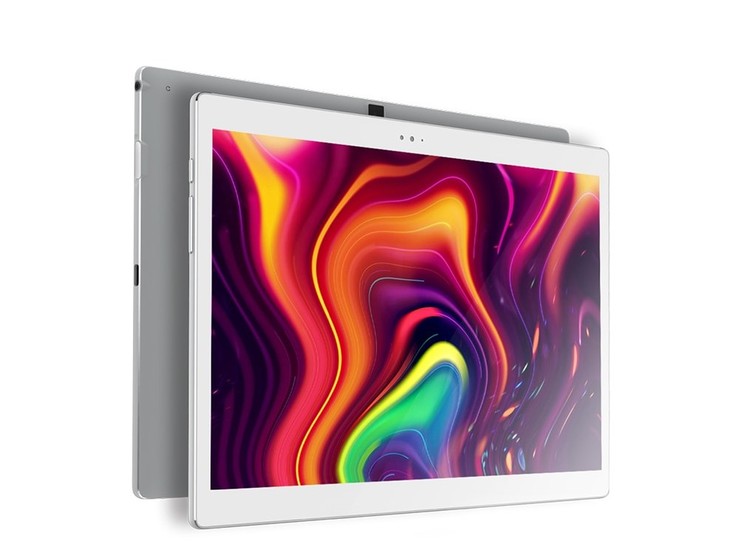
Additionally, the tablet comes packed with MediaTek MT87176 processor coupled with PowerVR GX6250. The device carries 4 GB RAM with 64 GB internal storage. It is famous for 10.5 inches Super AMOLED display featuring 2560 x 1600 pixel resolution at 288 PPI. Further, there’s a USB Type-C 3.5 port along with a 3.5 mm audio jack and MicroSD card slot.
In order to ease out the authentication process, Alldocube has added a reliable fingerprint sensor. On the front and rear side, it carries 8-megapixel cameras each.
Even more than a year after hitting the store shelves, the Redmi Note 5 hasn’t stopped garnering popularity among Xiaomi’s loyal fans and other smartphone lovers.
Taking the phone’s undying demand into consideration, the Chinese electronics company known for making high-end mobile devices is now offering two variants of the Redmi Note 5 smartphone at lowered prices.
Those unimpressed with the discount can take advantage of specific coupons and save a considerable amount of more money during the check out process. So without further ado, let’s check out the details.
The global version of the Redmi Note 5 that ships with 3GB of RAM and offers 32GB of internal storage capacity usually sells for $219.99, but you can now buy it for just $165.99 on GeekBuying.
In addition to taking advantage of this 25 percent discount, you can use coupon code GIZ_KYTWPTND and get an extra $46 off. In other words, you can reduce the retail price of the Redmi Note 5 smartphone to just $159.99 simply by applying the aforesaid coupon at checkout. You can follow this link to avail the discount, which will be valid for the black color version of the phone. Note that the promo ends in four days.
This is a slightly larger variant of the Redmi Note 5 smartphone that comes with 4GB of RAM and 64GB of onboard storage capacity. While this variant would normally set you back $289.13, it has now gone up for sale bearing a reduced price tag of just $199.99 on GeekBuying.
Moreover, you can save $64 more by applying coupon code GIZ_CHANTKSJ at check out. The coupon helps you bring the already reduced asking price of the above-mentioned variant to only $189.99 before you place your order.Regrettably, this promo will only be valid for the gold version of the phone for just four days. You can visit this link to avail the discount.
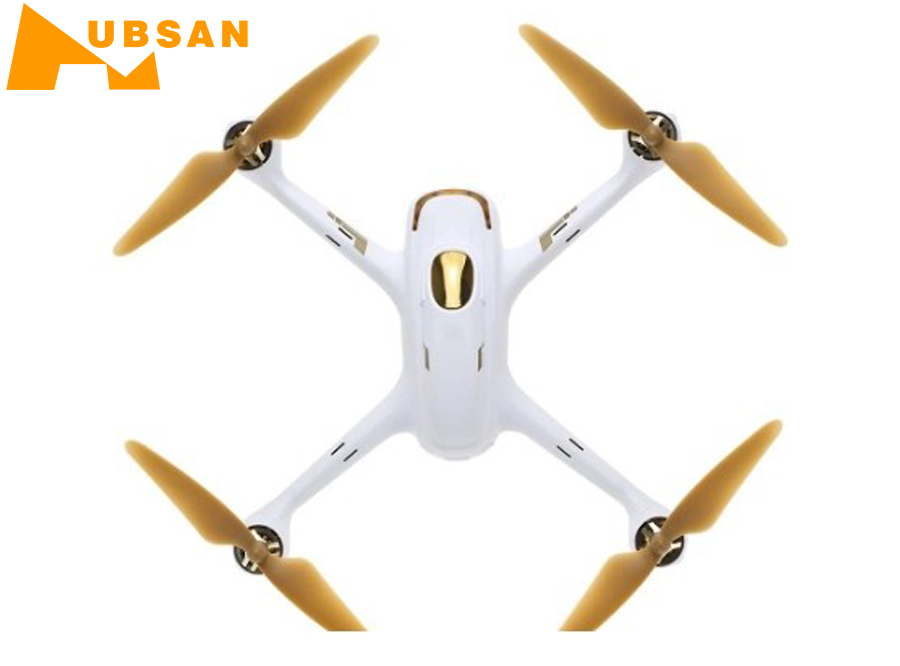
If you are drone enthusiasts looking for a cost-effective drone that doesn’t compromise on quality, you’ve come to the right place. The Hubsan H501S Pro X4 drone has gone up for sale bearing a heavily discounted price tag on TomTop. Before shedding light on the awe-inspiring features that make the H501S Pro X4 an irresistible drone, let us check out more details about the discount.
The Hubsan H501S Pro X4 drone would normally set you back a pretty penny, but you can now get your tech greedy hands on it if you are willing to shell out just $194.99. The Shenzhen-based RC drone manufacturer will be offering this 43 percent discount to TomTop users for a limited period of time.
An absolute steal at this price, the Hubsan X4 H501S Pro is an X4 configuration quadcopter that houses a 1080p video camera. The drone draws its juices from four brushless motors featuring self-tightening propellers. The Hubsan X4 H501S Pro advanced version features a 5.8G FPV system and a 2.4G transmitter for excellent control when it comes to GPS positioning, hovering, capturing images and flight with LCD screen.
As a result, the Hubsan X4 H501S Pro provides a safe and accurate flight so that you can concentrate more on your inventiveness rather than focusing on flight control. In other words, the Hubsan X4 H501S Pro allows your imagination to soar.
This feature-laden drone from Hubsan comes with a built-in HD camera that empowers you to capture memorable moments from the sky in the form of stunning pictures and awe-inspiring videos.
Equipped with built-in GPS, the Hubsan X4 H501S Pro drone can be locked in a specific position and stay suspended at a certain altitude. Moreover, it has a Follow Me mode that lets you capture your adventurous outdoor activities.
You can visit the promotion page simply by following this link to check out more details and avail the discount, which is valid for the white color version of the drone. This limited offer flash sale is slated to end in 26 days.
Smart home products comprise internet-connected devices that help you to remotely keep an eye on your home or office, manage appliances and systems like lightning and heating. In other words, smart home products help you automate your home for superior living experience. On the downside, these devices aren’t easy on the pocketbook.
Much to the delight of those living on a tight budget, Xiaomi has now teamed up with Banggood to offer a couple of well-received smart home products from its well-received MiJIA lineup.
Xiaomi MiJIA LED Motion Sensor Dimmable Night Light
Equipped with an infrared sensor and 120-degree sensing angle, the MiJIA LED Motion Sensor Dimmable Night Light is capable of sensing a distance of 5-7 meters.
The night light adopts advanced photosensitive sensor, human infrared sensor technology coupled with anti-infrared interference to automatically open in a dark environment and stay switched on for 15 seconds.
The feature-laden MiJIA LED Motion Sensor Dimmable Night Light usually sells for $25.99, but you can now buy it for just $10.89 on Banggood. This is a noteworthy 58 percent reduction in the device’s original selling price.
Aside from taking advantage of the aforesaid discount, consumers who join Banggood now will qualify for $100 coupons. New users allude to registered users who have never bought a product from Banggood.com.
You can visit this link to check out more details and avail the discount. Note that the promo is slated to end on March 16th.
The device works as both a temperature and a humidity sensor. The Xiaomi Temperature and Humidity Sensor enable you to keep a track of your home/office’s data using just your phone.
Moreover, this sensor can be linked to other Xiaomi-branded products to make them work when they reach a specific level of humidity or temperature. It is outfitted with industrial grade sensors and other electronic components from popular industrial community manufacturer Sensirion. While the aforesaid features justify the $20.99 price tag the Xiaomi Temperature and Humidity Sensor usually carries, Xiaomi is now offering Banggood users a chance to buy it for a dropped price of just $9.99.
This 52 percent discount of Banggood’s latest flash deals that ends in six days. You can visit this link and grab the discount. Note that Banggood app user can avail more discount.
The Z5s is Lenovo‘s first smartphone with triple rear cameras. A new TENAA listing has revealed it will soon be joined by a less-powerful mid-range phone which also has three cameras on its back.
Listed as the Lenovo L38082, the phone has a 6.2-inch IPS display with a 720 x 1520 resolution. There is a 2.0GHz octa-core processor powering the phone and it is paired with 3GB/4GB/6GB of RAM and 32GB/64GB/128GB of expandable storage.
[envira-gallery id=”239393″]
TENAA says the phone has a total of 4 cameras with three of them on the back according to one of the images provided. Unfortunately, the listing only reveals the specification of one of the rear cameras which is an 8MP sensor. The selfie camera is also an 8MP sensor.
Two of the rear cameras share the same housing while the third camera is separated and positioned below. The cameras and the rear-mounted fingerprint scanner all have gold accents.
Update: We have added the images of the Redmi 7 from TENAA.
With the Redmi Note 7 and Redmi Note 7 Pro out of the way, it is now time for the more affordable Redmi 7 to shine. Ahead of the release date which is still under wraps, the mid-range phone has appeared on TENAA’s database.
The Redmi 7 has the model number M1810F6LE. It packs a 6.26-inch 1520 x 720 (HD+) display and is powered by a 1.8GHz octa-core processor. The phone will come in three configurations – 2GB RAM + 16GB, 3GB RAM + 32GB, and 4GB RAM + 64GB. All variants will have support for storage expansion.
[envira-gallery id=”239588″]
Just like its predecessor – the Redmi 6, the Redmi 7 will also have three cameras in total. The selfie camera is an 8MP sensor and one of the dual rear cameras is a 12MP sensor. TENAA didn’t reveal the specification of the secondary rear camera.
The Redmi 7 has a rated battery capacity of 3,900mAh and a fingerprint scanner. It also runs Android 9 Pie with MIUI 10 on top. TENAA gives its dimensions as 158.65 × 76.43 × 8.9 mm and its weight as 180 grams.
TENAA says the phone will come in black, red, blue, pink, white, green, purple, and gray. The images provided are of a variant with a red-purple gradient finish. The cameras are arranged vertically at the left corner of the phone with the LED flash below the setup.
Chinese innovative smartphone manufacturer Meizu started the year on a high note (or so we thought) with the unveiling of the Meizu Zero Holeless phone. The announcement of such an innovative smartphone commanded quite a lot of attention. That may have been the recipe the phone maker needed to put the device up for sale on Indiegogo crowdfunding. Meizu, no doubt, intended to test the waters with the crowdfunding campaign but the result isn’t definitely what was expected.
Just so you’ll know, the Meizu Zero Indiegogo crowdfunding campaign has ended and there is no better word to describe it than disappointing! The device had a price tag of $1299 and there is even a variant dubbed “Exclusive Pioneering Unit” with a $2999 price tag. The company was scouting for just 100 backers who would raise $100,000 USD. That didn’t happen as the company was only able to raise $45,998 from 29 backers before the campaign closed.
We can’t really pinpoint why the crowdfunding recorded an unsatisfactory response but it may not be unconnected with the crazy price tag which Meizu slammed on the device. At that price, Apple’s latest iPhones are within reach, as well as Samsung Galaxy models. Apart from that, who even wants a “holeless phone”? As much as the design is awesome, the unsatisfactory level of interest may be a pointer to the fact that users are not only bothered about design but also performance. We are having a hard time grappling with the removal of 3.5mm audio jack from some flagship models and then Meizu’s holeless phone comes to complicate things. Apart from not being able to use the 3.5mm jack, you won’t even find a Type-C port as the device can only be charged wirelessly. You’ll also need a wireless headset if you need to use a headset. Meizu’s low-ranking reputation may have also played a role. Nevertheless, we believe price played a bigger role in the crowdfunding.
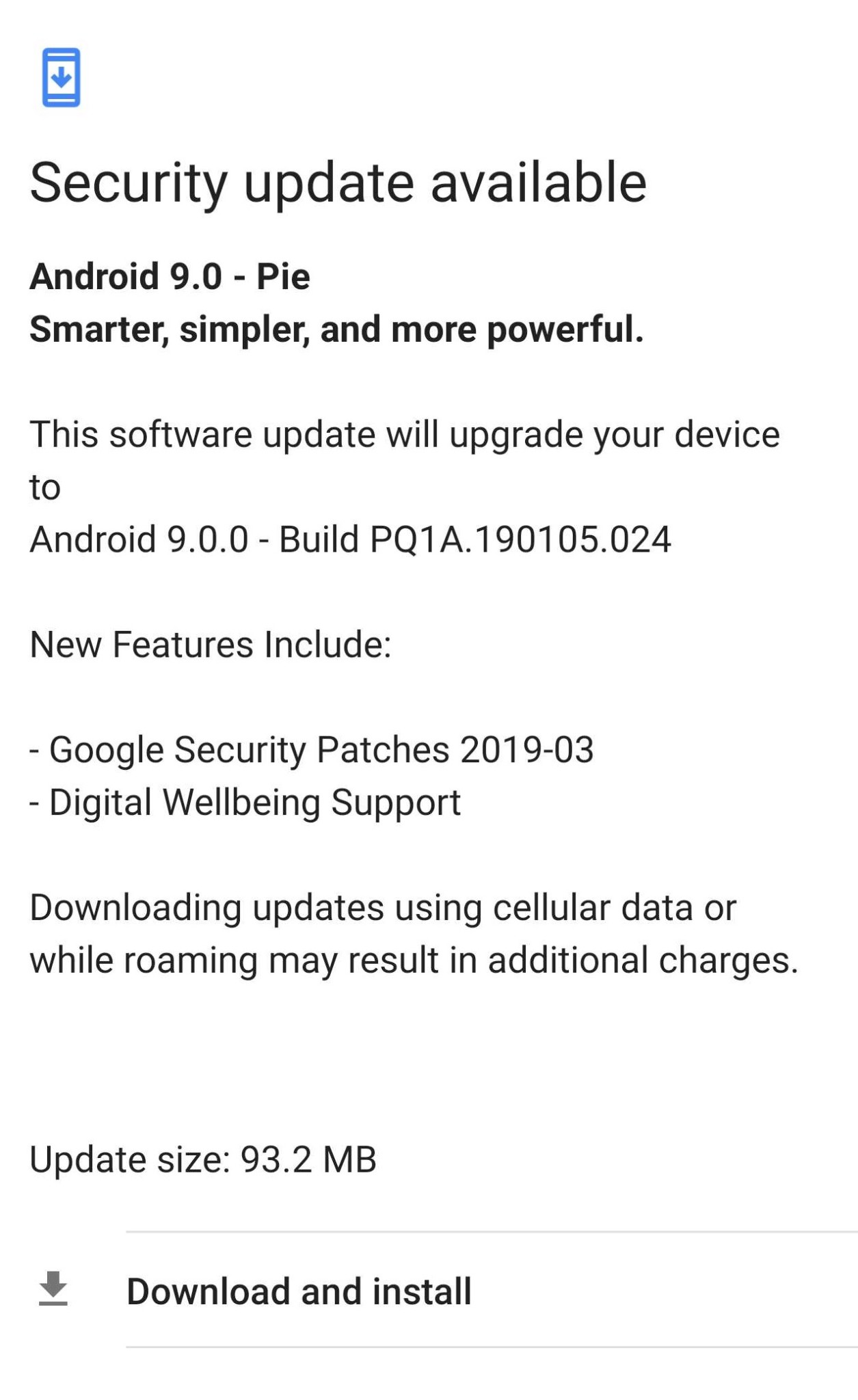
A new update has started rolling out to the Essential PH-1. Unlike previous updates that have mostly just been security patches, this new one brings a new feature – support for Digital Wellbeing.
Digital Wellbeing was exclusive to the Pixels and Android One phones for a while but it has now started arriving on other Android devices.
The Essential PH-1 is the latest phone to get the new feature which lets you track the time spent on each app, the number of notifications you get per day and the number of times you unlock your device.
Digital Wellbeing also lets you set timers for your apps. When the timer ends, the app is paused for the rest of the day. There is also a “Wind Down” mode which when activated turns the screen to grayscale, so you can fall asleep easily.
The update also brings March 2019′ security patch to the 2017 device. It is less than 100MB in size and is already rolling out globally.
Xiaomi‘s CEO Lei Jun is known for his hard work and passion to see the company grow. This hard work has contributed in no small measure to the growth of the company and Lei isn’t letting off some steam anytime soon. He has continued to engage the company’s teeming fans in China on a regular basis. One of Lei Jun’s recent Weibo post is eliciting some admiration presently.
The Xiaomi CEO had assured fans in the Weibo post yesterday that if the Mi 9 stock fell short of 1 million units in its first month, he will personally head to the factory to handle the screwdriver in other to speed up the assembly process. This may sound like a joke but Xiaomi’s product manager Wang Teng Thomas affirmed that Lei Jun meant every word. Thomas even shared a picture of Lei Jun actually handling a screwdriver inside the company’s assembly plant. Now, the picture of Lei he shared wasn’t captured from the Mi 9 assembly line but was a throwback photo of Lei Jun actually helping out in the assembly line of the first Mi Router released in 2013.
The Xiaomi Mi 9 first flash sale is expected to commence at 10 AM on March 5. On that same day, Xiaomi will also open pre-sale on Mi Home with the device expected to ship within seven working days. One important thing we can grasp from Lei Jun’s boastful statement is that the company has got quite enough stock ahead of the sales. Xiaomi recently expanded the Mi 9 production plant to include BYD in addition to Foxconn’s foundry. That may have boosted the stock and indeed, we expect the sales in the global market to get rolling soon.
Oppo unveiled another handset from its sub-brand: the Realme 3. Unlike the previous model, this device has also a global version that comes with slightly different specifications, so it will not be limited to the Indian market. However, the initial launch will happen in India, that is why we decided to compare it with other devices launched in India that will soon hit the global market just like it. We are talking about the Samsung Galaxy M20 and the new Redmi Note 7, that is also the first Xiaomi phone after the separation of Redmi from Xiaomi. These devices are very different phones, but we can not say the same about their prices, so a comparison is perfect right now in order to find out which one is worth the money asked.
Xiaomi Redmi Note 7 vs Samsung Galaxy M20 vs Oppo Realme 3
Dual 13 + 5 MP f/1.9 and f/2.2
8 MP f/2.0 front camera
Dual 48 + 5 MP f/1.8 and f/2.4
13 MP front camera
Dual 13 + 2 MP f/1.8
13 MP f/2.0 front camera
BATTERY
5000 mAh
4000 mAh, fast charging
4230 mAh, fast charging
ADDITIONAL FEATURES
Dual SIM slot
Hybrid Dual SIM slot
Dual SIM slot
Design
In order to cut costs, Oppo and Samsung opted for cheap materials for their affordable devices. We can not say exactly the same about the Redmi Note 7 as it comes with a more attractive glass back. It is not the most resistant phone out there as the endurance tests recently showed, but it is still above-average when it comes to the build quality, and it is also the most beautiful device of the trio. Despite the absence of an IP certification, Redmi Note 7 is also one of the few affordable phones equipped with water resistance, as revealed from the first teardowns.
Display
Samsung usually adopts its Super AMOLED panel for midrange and flagship series, while equips its entry-level line-ups with LCD panels. Samsung Galaxy M20 has a sufficient Full HD+ display, but Redmi Note 7 seems slightly better. And it has also a more resistant glass thanks to the Gorilla Glass 5 protection that is one of the strongest ones for smartphones glasses. Oppo Realme 3 totally loses the fight because it comes with a just HD display: its grade of detail is not enough to make it compete with its rivals from Samsung and Xiaomi. But we still appreciate its screen-to-body ratio and its narrow bezels.
Specs & Software
Realme 3 comes in two versions with different chipsets: one has Helio P60 and it will launch globally, while the other has Helio P70 and it is for the Indian market. Both are more or less at the same level as the Xiaomi Redmi Note 7 since it is equipped with the Snapdragon 660 chipset which is a direct rival of the Helio P60 and P70. The Helio P70 looks slightly more powerful, but the Redmi Note 7 has a configuration with 6 GB of RAM that overclasses the Realme 3 coming with up to 4 GB of RAM. Samsung Galaxy M20 loses the comparison due to its lower-end Exynos 7904 chipset that is inferior to the Snapdragon 660.
Camera
As the Redmi Note 7 boasts the new Samsung’s sensor with a huge 48 MP resolution, it wins the camera comparison. It delivers more detail as well as more light, for more detailed photos. There is definitely no challenge as this sensor is way better than the dual cameras found on the Samsung Galaxy M20 and Realme 3. The Galaxy M20 should come at the second place with sufficient photo quality, but there should be only marginal differences between the Galaxy M20 and the Realme 3. In not any of these cases we are talking about high-end camera phones, but the Redmi Note 7 definitely offers something more. It is also the only device able to record videos in 1080p with a very high frame rate up to 120 fps.
Battery
Batteries are really strong points of these smartphones: all of them feature a high, above-average battery capacity. However, the most insane is the Samsung Galaxy M20 which reaches 5000 mAh. With so huge capacity, it should have the longest-lasting battery and it delivers up to two days of battery life on a single charge. It even supports a fast charging technology, even though Redmi Note 7 is the one that charges faster than everyone thanks to Quick Charge 4 and a max power of 18W.
Price
Realme 3 starts from just €110/$125 in the Indian market, Redmi Note 7 hitten the Chinese market with a price tag of €130/$147 and Samsung Galaxy M20 costs about €200/$225. Despite its price is not the most affordable one, Xiaomi Redmi Note 7 wins this comparison due to better camera performance, a better hardware department, and a higher-end design and build quality. But its opponents still offer a very high value for money, especially the Realme 3 by Oppo whose price tag makes it almost a gift for Indian customers. Which one would you pick?
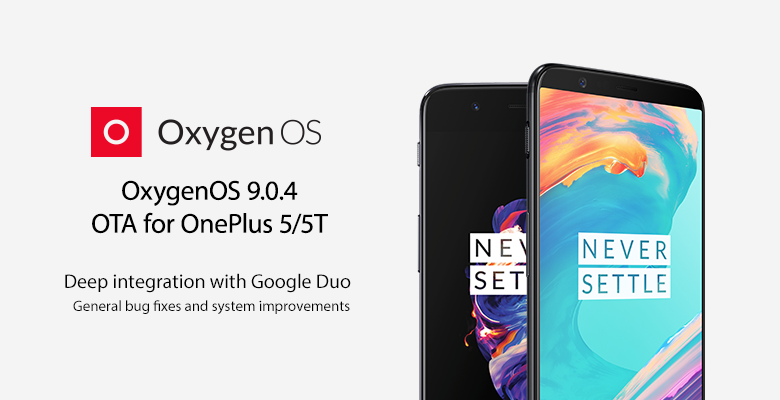
OnePlus began rolling out a new update to the OnePlus 5 and OnePlus 5T over the weekend. The update which comes as OxygenOS 9.0.4 brings stability fixes and January’s security patch to both devices.
The full changelog for the update is listed below:
System
Updated Android security patch to 2019.1
Improved stability for OTA upgrade
General bug fixes and system improvements
Phone
Deep integration with Google Duo
Networks
Improved network stability
The update is 1741MB in size and is rolling out gradually to devices.
Last year, in October, Honor launched its mid-range tablet in China, dubbed Honor MediaPad T5 which is also called the Honor Tab 5. While the original model launched in October last year comes with a 10.1-inch display, the company has now teased a new variant featuring an 8-inch display.
Apart from the smaller display, we expect the device to come with the same set of specifications and feature as of the standard model. The tablet comes in an all-metal CNC body and offers a screen resolution of 19200 x 1200 pixels with the aspect ratio of 16:10.
It is powered by a Kirin 659 processor with 3+32GB and 4+64GB options in terms of memory configuration. Since its a Kirin processor on board, you also get the company’s GPU Turbo technology which should offer solid gaming performance.
The tablet also features dual stereo speakers with Huawei Histen 5.0 sound technology with Harman Kardon professional tuning. It also comes with a fingerprint sensor and even face unlock feature. Other notable features include eye comfort mode with blue light filter and children’s corner.
Currently, the Honor MediaPad T5 is available in two color options in China — Glacier Blue and Grey. It is priced at 1399 Yuan ($200) for the 3+32GB model, 1599 Yuan ($230) for the 4+64GB model and goes up to 1799 Yuan ($260) for the LTE 4+64GB variant.
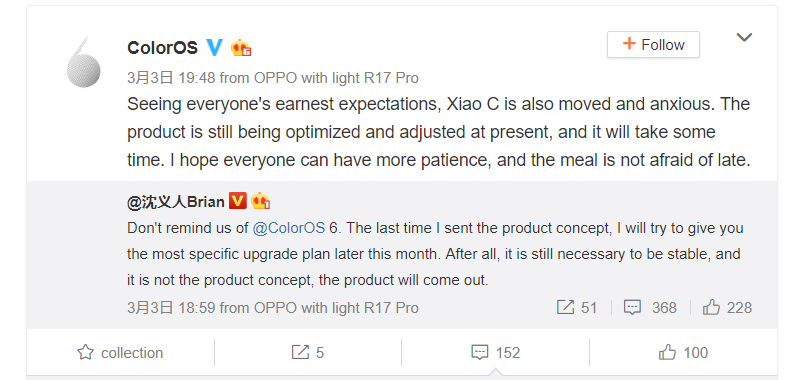
It has been months since OPPO announced the latest version of its custom Android OS called ColorOS 6. At the moment, ColorOS 6 is only available in beta for the OPPO R15 and OPPO R15 Dream Mirror Edition. A lot of OPPO users are wondering why there isn’t a wider rollout yet. Yesterday, the vice president of OPPO, Brian Shen addressed their concerns in a Weibo post.
According to the company executive, the announcement last year was just a presentation showing what is to come. He added that the upgrade plan will be announced later this month.
The official ColorOS Weibo account joined the conversation and said optimizations and changes are being made at the moment. These will take some time but users will have to be patient.
At the recently concluded Mobile World Congress 2019 in Barcelona, OPPO officially showcased its 10X Lossless zoom technology crammed in a smartphone. Several stunning samples shot using the new camera tech were also shown. Later, OPPO’s VP hinted on his Weibo page that the smartphone bearing the new 10X lossless zoom feature will be unveiled in April. The OPPO VP has again shared some details on the launch itinerary of the OPPO model.
The name of the model is still unknown but ahead of the launch in April, the company VP hinted that fans will get a chance to pick up the device as soon as it is released. He hinted that the company shifted the release to April so as to get enough stock for the first sale. Consequently, he stated that the stock for the first sale will be up to two million units.
As a reminder, the 10x optical zoom uses a periscopic lens system. Although it seems the device has a triple camera setup but in the real sense, there are just two visible sensors; a 48MP main + wide-angle camera, both with OIS. The third lens is a prism, hence the shape is not round like the others. Light travels through the prism where it meets about five lenses before hitting the image sensor. The camera interface comes with a slider which changes the zoom level as it slides up. In other specs, the device is expected to feature a Snapdragon 855 chipset.
On March 6, the Meizu Note 9 will be made official through a launch event in Beijing, China. The specs and design of the phone are not secret since they have already surfaced in recent reports. An image of the price card of the Note 9 placed at a retailer store is now doing rounds. It has revealed that the Note 9 will be available in China with a starting price of 1,699 Yuan (~$253).
The leak reveals that the Note 9 will have a base model with 4 GB of RAM and 64 GB of inbuilt storage. There will be a higher model with 6 GB of RAM with the same amount of native storage. The leak shows that the higher variant will be costing 1,899 Yuan (~$283).
A recent leak had revealed that Meizu may also announce another phone called Meizu Note 9 Lite alongside the Note 9. While the Snapdragon 675 mobile platform will be powering the Note 9 smartphone, the Note 9 Lite is speculated to arrive with Snapdragon 660 chipset. The Lite edition of the phone is also speculated to arrive with a full HD+ waterdrop-style notch screen.
The Meizu Note 9 will be equipped with a waterdrop notch display of 6.2 inches. A 4,000mAh battery will be powering the phone. It is expected to arrive with support for 18W mCharge fast charging technology. It will be featuring a fingerprint sensor on its rear side. For photography, the Note 9 will be arriving with a 48-megapixel + 5-megapixel dual camera setup and a 20-megapixel front-facing camera. Probably, it could be equipped with Samsung’s ISOCELL Bright GM1 sensor as the main sensor in its dual camera setup. The Flyme 7 OS based Android 9 Pie will be preloaded on the device. It will be available in colors like Dark Ochre, Silver Ochre and Starry Blue in China.
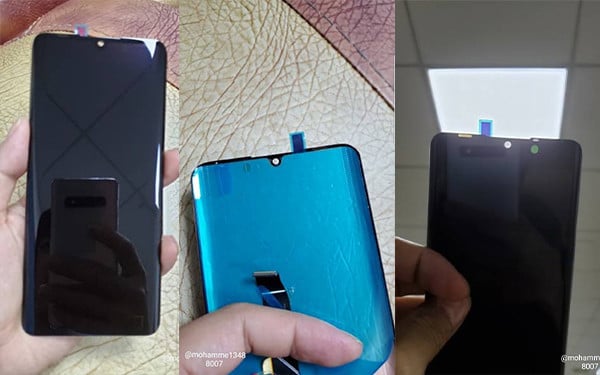
The Huawei P30 Pro renders that had emerged in the previous week had revealed the front and rear design of the smartphone. Freshly leaked images of the display panel of the P30 Pro have surfaced today. The new images corroborate on the rumors that the P30 Pro will be equipped with a curved display.
Rumor have it that the Huawei P30 Pro will be featuring an OLED display of 6.5 inches. The waterdrop notch display design will let the phone offer an impressive screen-to-body ratio. It is speculated that the handset will be equipped with an in-display fingerprint reader. While Samsung has settled for ultrasonic type of in-screen fingerprint sensor on its Galaxy S10 and Galaxy S10+ smartphones, the P30 and P30 Pro are expected to arrive with optical type of the biometric recognition feature. The display of the P30 Pro is expected to deliver full HD+ resolution and an aspect ratio of 19.5:9.
Photography has always been the major highlight of the P-series Huawei phones. The upcoming Huawei P30 Pro is expected to arrive with Leica engineered quad cameras. The exact configuration of the four cameras are not known yet. However, it is likely to feature a 3D ToF lens as the fourth sensor. Shown below is the camera sample of the P30 Pro. The smartphone is expected to deliver 10x optical zoom experience. It may house a front-facing camera of 25-megapixel.
The Kirin 980 SoC may power the P30 Pro with up to 8 GB of RAM. Some rumors claim that there will be a 5G version of the phone with 12 GB of RAM. There is no information available on the battery capacity of the P30 Pro. The 3C certification of the phone has confirmed that it will carry support for 40W fast charging.
The pricing of the Huawei P30 Pro is still under the wraps. The handset will be announced with Huawei P30 smartphone through an unveil event in Paris, France on March 26. The company is also expected to soon P30 Lite smartphone soon. The same phone is expected to release in China as Huawei Nova 4e.
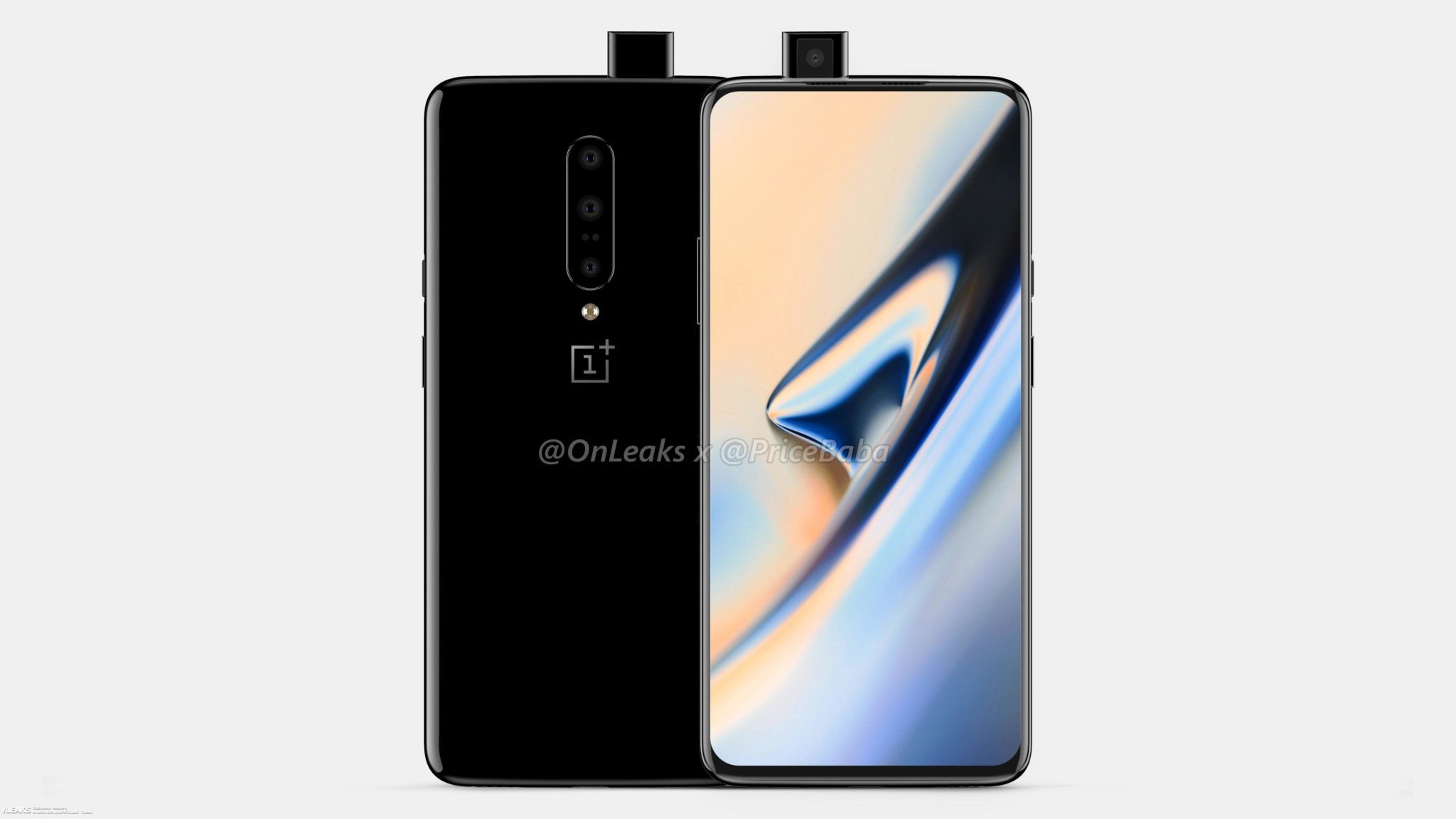
Last year, OnePlus had announced the OnePlus 6 flagship phone in May. Hence, it is speculated that the OnePlus 7 may go official around the same time this year. Reputed tipster has already shared 360-degree renders of the phone recently to reveal its design from all angles. A leaked hands-on image of the alleged OnePlus 7 has surfaced today to reveal its design in real.
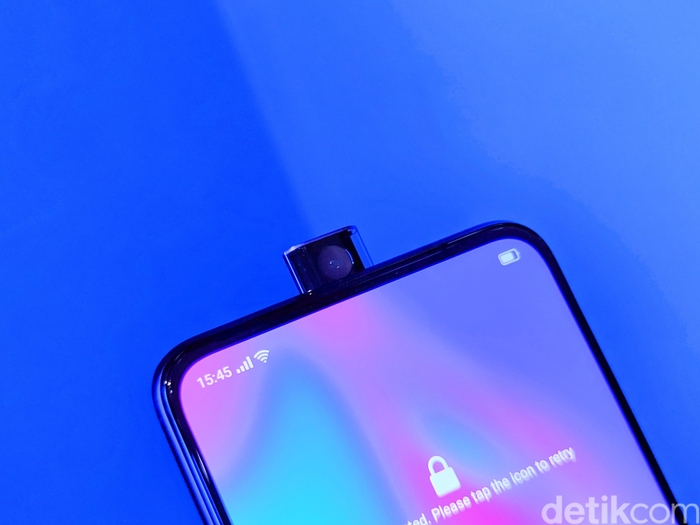
Just as the new renders of the OnePlus 7 had revealed, its leaked hands-on image also shows that it will be arriving with a display without a notch. The upper edge of the phone hides a pop-up selfie camera. This design will allow the phone to offer a screen space of 90 to 95 percent. The recognition setup page seen in the image confirms that the phone will carry support face unlock apart from in-screen fingerprint scanner. The leak has no information on the specs of the phone.
Recent reports have revealed that the OnePlus 7 measures 162.6 x 76 x 8.8mm. The smartphone is expected to arrive with a triple camera setup on its rear. Also, the phone is expected to continue to feature the in-display fingerprint sensor that was first seen on the OnePlus 6T. The Snapdragon 855 SoC may power the phone with up to 8 GB of RAM. It may come with up to 256 GB of native storage. Some rumors have claimed that it could be equipped with a 4,150mAh battery. OnePlus co-founder Pete Lau had confirmed at the Mobile World Congress (MWC) 2019 event that OnePlus 7 won’t carry support for wireless charging. However, the handset may come with better rapid charging technology.
The Snapdragon 855 SoC that will power the OnePlus 7 may not feature X50 LTE 5G modem. Hence, the OnePlus 7 may not debut as the company’s first 5G phone. It is speculated that the Chinese firm is working on a different 5G enabled phone that may debut some time after the OnePlus 7 smartphone.
There is no confirmation on the authenticity of the leaked image of the smartphone. Hence, it is advisable to wait for further reports to confirm on its design and specs.
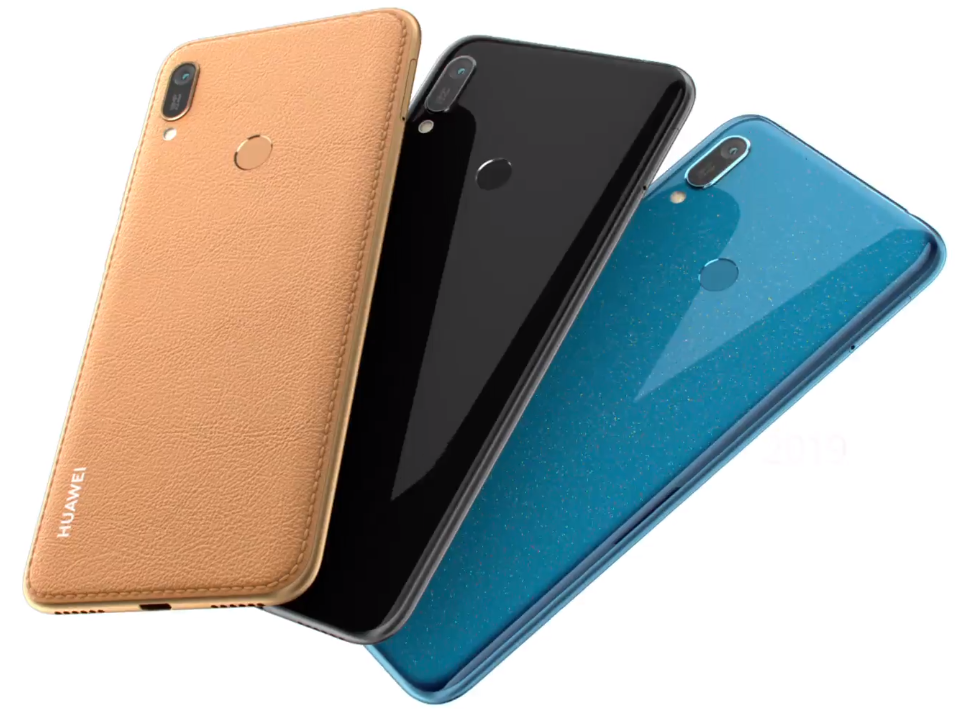
The Huawei Y6 Pro 2019 was announced first in late January in Sri Lanka. It was later unveiled in the Philippines in February. Huawei has now announced its sibling – the Huawei Y6 2019 which shares a lot of features with the Pro variant and even has a key feature the Y6 Pro is missing.
The Huawei Y6 2019 keeps the 6.09-inch 1560 x 720 Dewdrop display of the Y6 Pro and also the 12nm Helio A22 processor. However, it has just 2GB of RAM. Built-in storage is still 32GB and you can expand it via a MicroSD card slot (512GB Max.).
Within the notch is an 8MP camera for selfies. There is Selfie Toning Flash 2.0 which works with the screen’s own light for taking bright and natural portrait images in lowlight environments.
The rear camera is a 13MP sensor with an f/1.8 aperture that allows in up to 50% more light for better lowlight images. Unlike the Y6 Pro 2019, the Y6 has a fingerprint scanner (we honestly don’t know what Huawei is thinking). It also has Face Unlock.
The Huawei Y6 2019 packs a 3020mAh battery that charges via a MicroUSB port. It also runs EMUI 9.0 out of the box based on Android 9 Pie. There is Huawei SuperSound on board which lets it release an additional 6 decibels of sound with stronger bass. It has a built-in FM radio that works without earbuds, support for Histen 5.0 and also has a party mode.
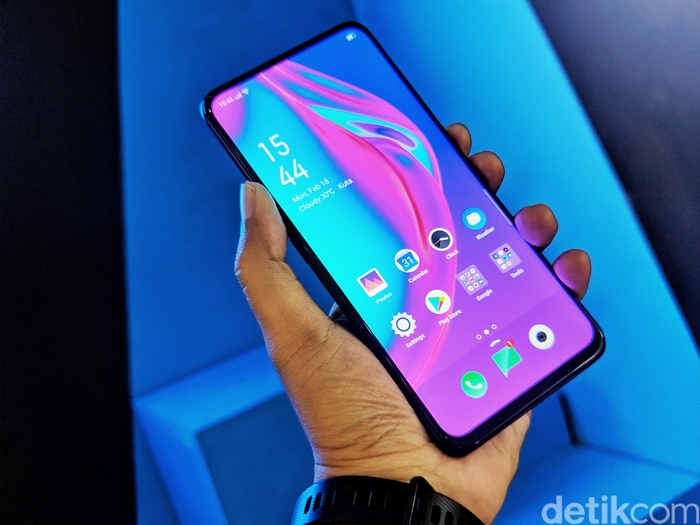
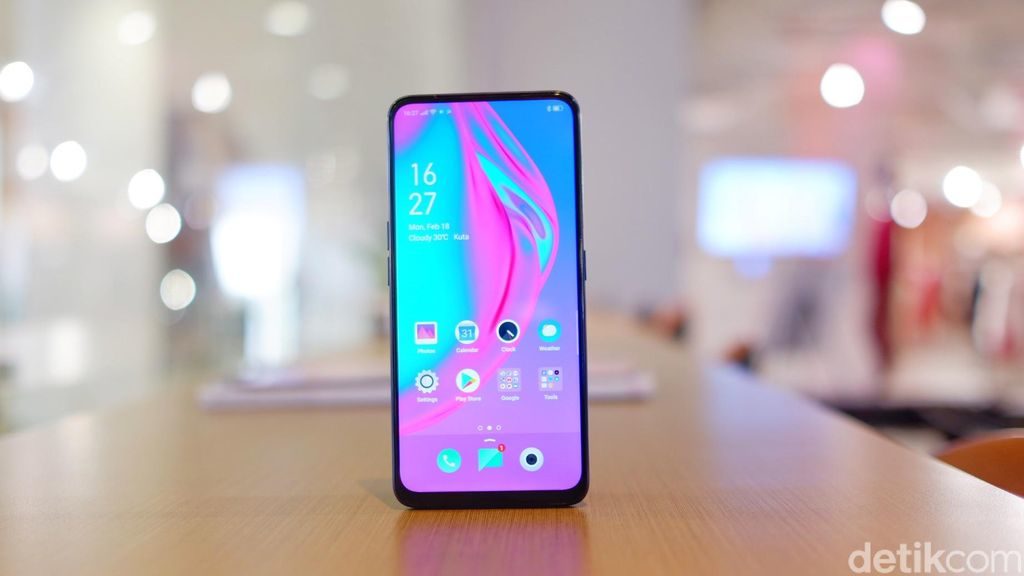
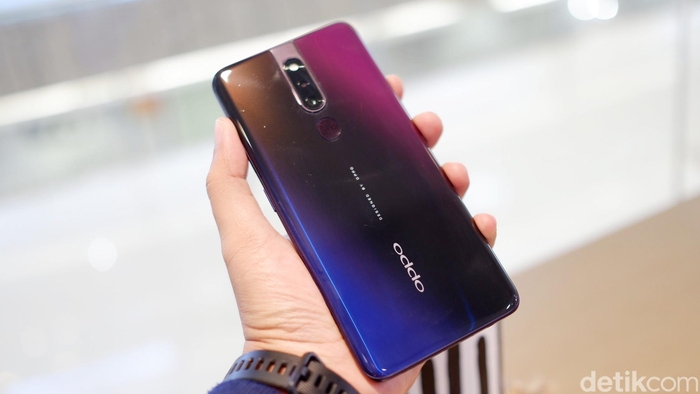
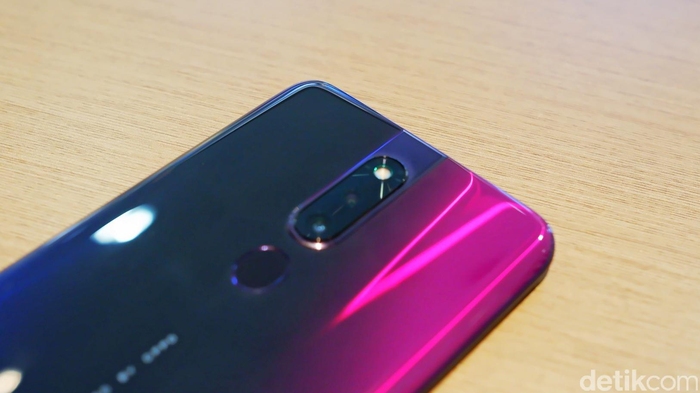
OPPO has consistently ranked among the top 5 smartphone manufacturers in terms of shipment and we need not look further than the design and hardware configurations of its phones to know why. Apart from sleek designs, OPPO smartphones are known for the VOOC fast charge feature. Still, on the design, OPPO is already working on a new model dubbed F11 Pro with a design that is different from what the company had released in the past. The F11 Pro has appeared severally on leaks showing it will have a notch-less screen, as well as a pop-up selfie shooter. The model is tipped to launch in Mumbai, India on March 5 but before then, the hands-on pictures of the device have appeared online.
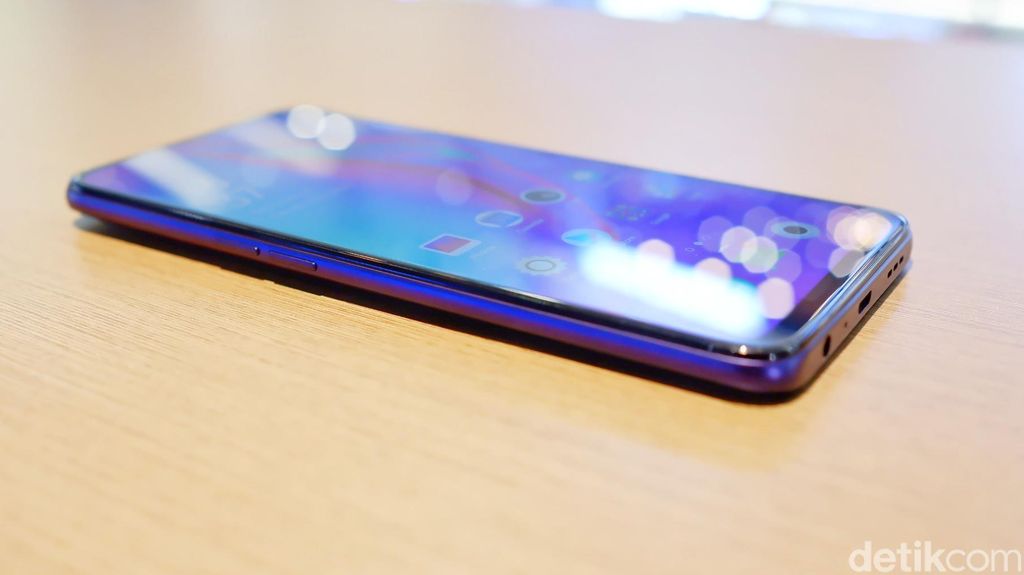
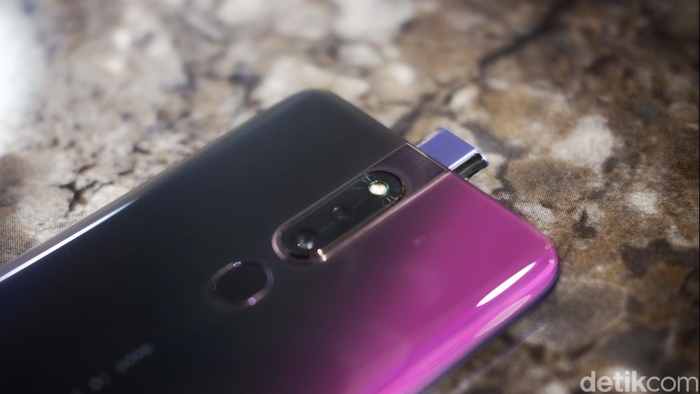
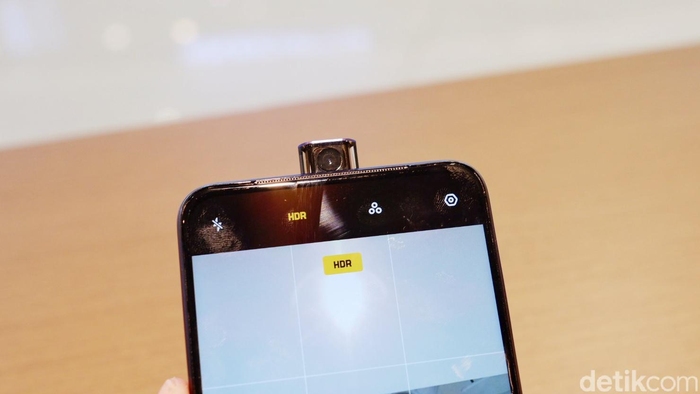
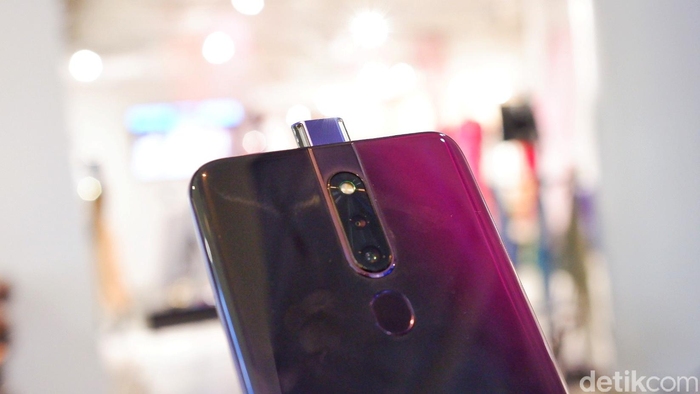
This isn’t the first time we’ll be meeting with the OPPO F11 Pro in real life images but these ones are quite generous in showing us the details of the device. The hands-on pictures capture the device from all angles but what caught our attention the most is the near bezel-less full-screen display. The device lacks a notch or punch hole and its screen stretches to the top to form an edge-to-edge appearance. Since there is no space for a selfie shooter, the device comes out with a pop-up selfie camera with a 16MP sensor. At the top of the screen, there is a visible long and thin slit for the earpiece lying close to the frame.
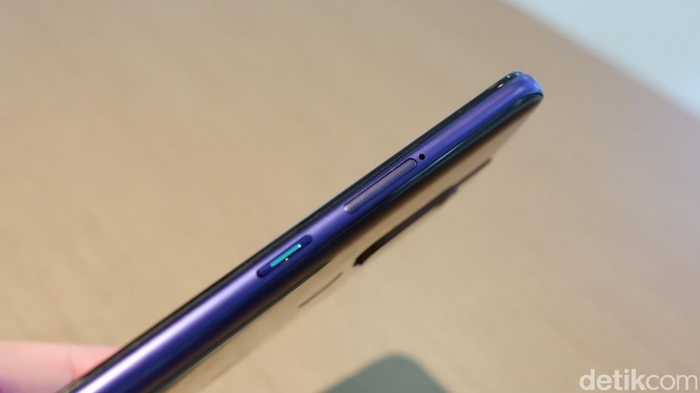
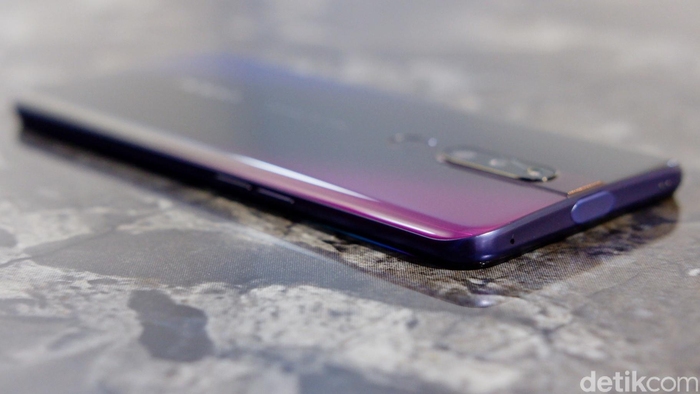
Turning to the back aspect, the F11 Pro has a dual camera setup aligned vertically at the middle. The LED flash is at the top, followed by the main camera which is a 48MP sensor and the secondary sensor which is a 5MP sensor. All three share a single housing covered with glass. The premium mid-range model packs a fingerprint scanner just under the camera setup. At the bottom edge, the device packs a USB Type C as well as 3.5mm audio jack. The F11 Pro hands-on pictures equally reveal the power button and volume rockers are located on the left side of the display. On the right side, you get the SIM card tray as well as a dedicated button which we believe will be for Google Assistant.
As for the specifications, the OPPO F11 Pro is expected to feature a 6.5-inch FHD+ LCD display with a 90.9% screen-to-body ratio. The phone will come with 6GB of RAM and 64GB/128GB of storage. A recent GeekBench listing revealed the device will be powered by a MediaTek Helio P70 chipset. It will also pack a 4000mAh battery with VOOC fast charge support. The F11 Pro will get its interface from the ColorOS 6.0 based on Android 9 Pie.
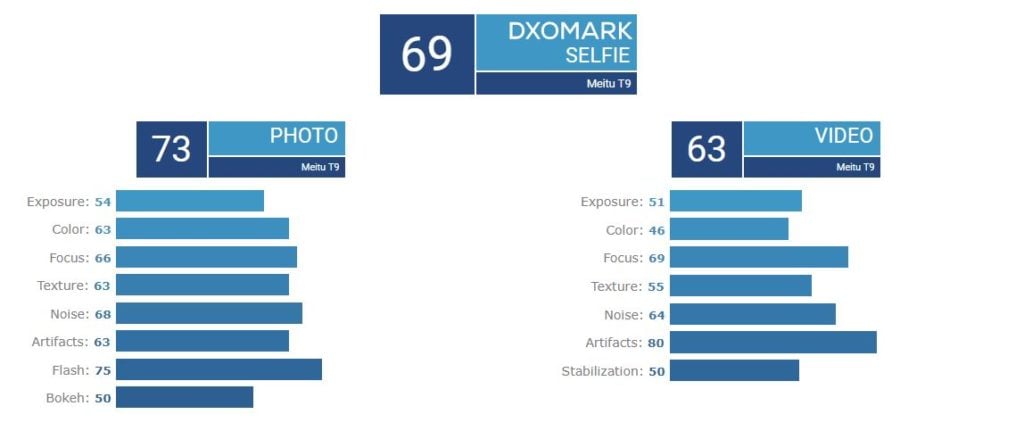
Meitu is expanding its smartphone brochure with new camera-oriented smartphones. After primarily focusing on “beautification” apps in the past few years, Meitu is now focusing on smartphones. Last year, they announced the Meitu T9 smartphone with Quad cameras. On both rear and the front side, it carries dual cameras with improved software algorithms. Recently, DxOMark did hands-on its front selfie camera where the device scored 69 points.
Meitu T9 got appreciation from DxOMark in capturing the adequate exposure and contrast of natural scenes. Further, due to the low dynamic range, the device faced difficulties in capturing high-contrast scenes. As far as the selfies are concerned, it correctly exposed face color and light during well-balanced conditions. It seems T9 has done quite a good job in the DxOMark selfie testing.
The device stands pretty well against the competition. Its front camera has a significant improvement against its predecessor, Meitu V6. As per the testing authority, Meitu T9 registers better colors and focus swiftly on the objects. Even though, its flash quality has improved majorly. Overall, its front camera scored very well against the other mid-level devices. Although, it fared below than the top ranking device for obvious reasons. As far as the overall score of its front camera is concerned, then it floated very well with 73 points in photography and 63 points in video capturing.
Meitu T9 which is specially crafted for mid-level market carries a 6.01 inch AMOLED display featuring a resolution of 1080 x 2160 pixels. It is powered by Qualcomm Snapdragon 660 Octa-Core chipset coupled with 4GB RAM and 64 GB of internal storage. Its cameras on the rear side include 12-megapixel primary sensor with a 5-megapixel secondary sensor. While on the front side there are 12 megapixel Sony IMX363 + 5-megapixel camera sensors.
We use cookies on our website to give you the most relevant experience by remembering your preferences and repeat visits. By clicking “Accept”, you consent to the use of ALL the cookies.
This website uses cookies to improve your experience while you navigate through the website. Out of these, the cookies that are categorized as necessary are stored on your browser as they are essential for the working of basic functionalities of the website. We also use third-party cookies that help us analyze and understand how you use this website. These cookies will be stored in your browser only with your consent. You also have the option to opt-out of these cookies. But opting out of some of these cookies may affect your browsing experience.
Necessary cookies are absolutely essential for the website to function properly. This category only includes cookies that ensures basic functionalities and security features of the website. These cookies do not store any personal information.
Any cookies that may not be particularly necessary for the website to function and is used specifically to collect user personal data via analytics, ads, other embedded contents are termed as non-necessary cookies. It is mandatory to procure user consent prior to running these cookies on your website.


 You can follow
  Regrettably, this promo will only be valid for the gold version of the phone for just four days. You can visit
  The Hubsan H501S Pro X4 drone has gone up for sale bearing a heavily discounted price tag on TomTop. Before shedding light on the awe-inspiring features that make the H501S Pro X4 an irresistible drone, let us check out more details about the discount.
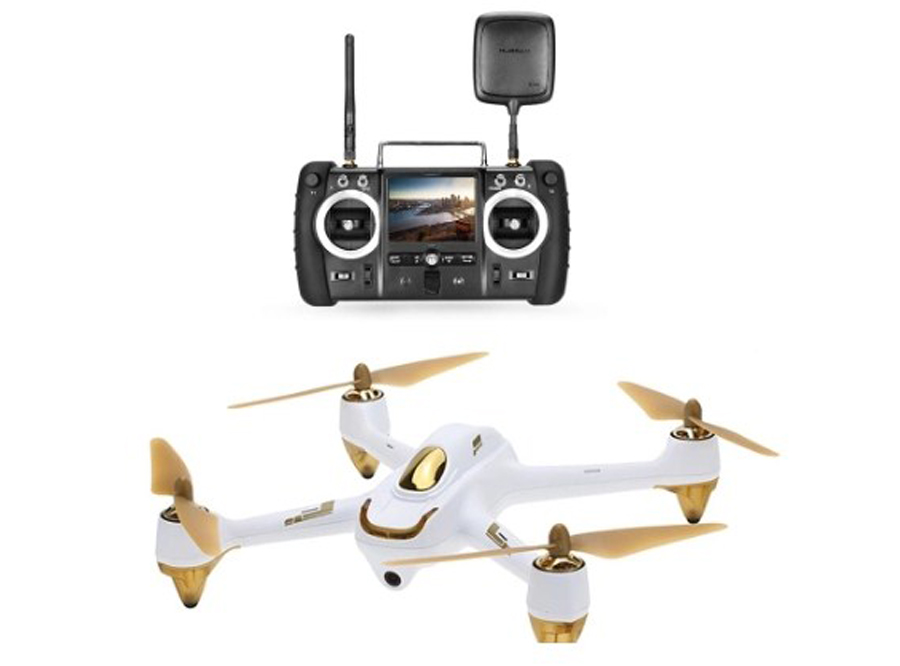 The Hubsan X4 H501S Pro advanced version features a 5.8G FPV system and a 2.4G transmitter for excellent control when it comes to GPS positioning, hovering, capturing images and flight with LCD screen.
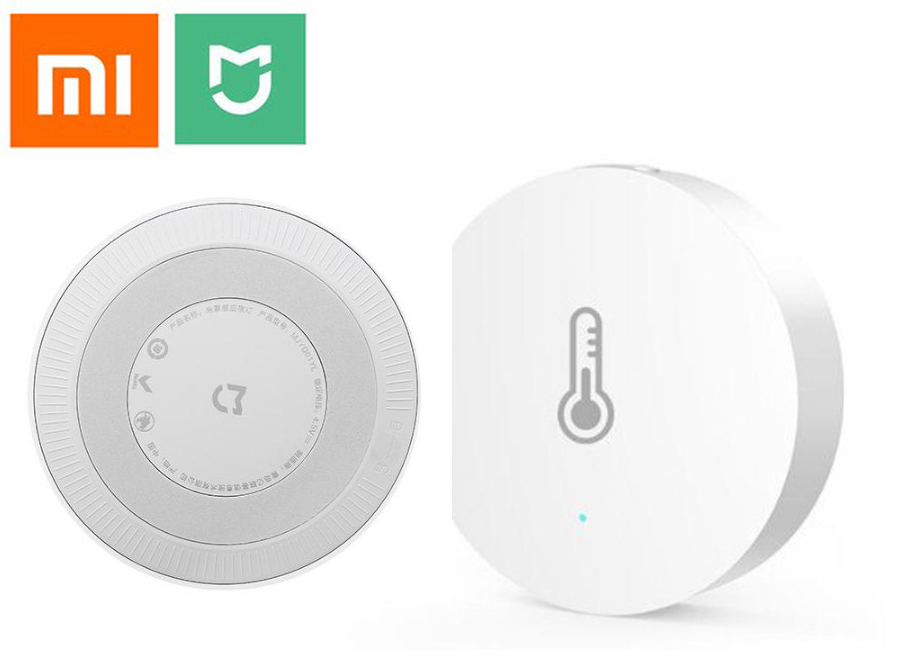 In other words, smart home products help you automate your home for superior living experience. On the downside, these devices aren’t easy on the pocketbook.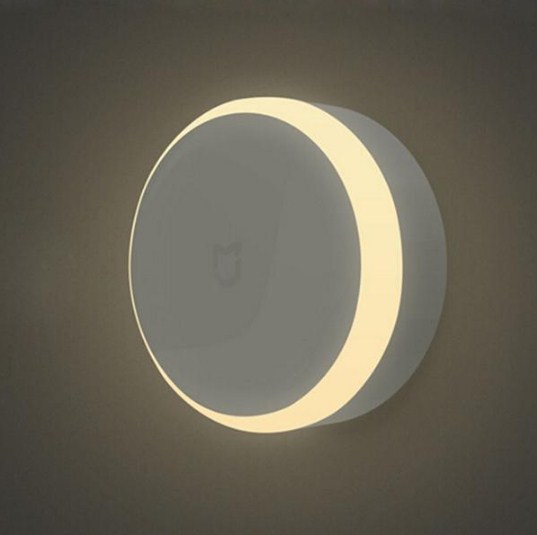
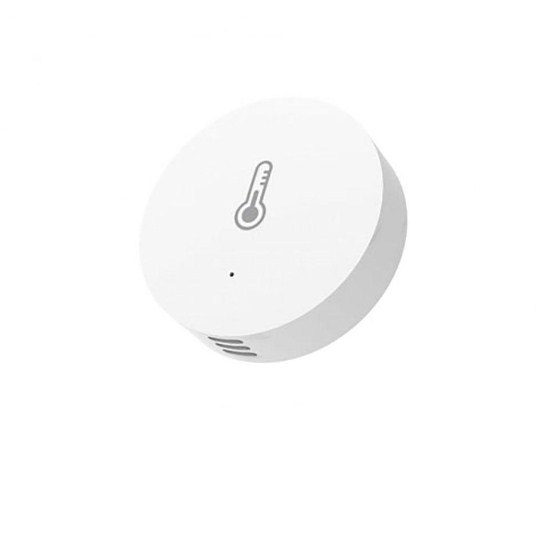 While the aforesaid features justify the $20.99 price tag the Xiaomi Temperature and Humidity Sensor usually carries, Xiaomi is now offering Banggood users a chance to buy it for a dropped price of just $9.99.