Advertisement

Samsung Galaxy S26 Ultra to Feature Thinner, More Efficient Display

Samsung’s next flagship, the Galaxy S26 Ultra, is already making the rounds online, with a fresh leak hinting that it might debut with some notable display upgrades. This new panel could help Samsung make its next gen flagship sleeker while also improving its efficiency. So here’s what you need to know.

Samsung Preps Display Upgrade for Galaxy S26 Ultra

The news arrives from known Samsung leakster Ice Universe. Samsung is apparently planning on using a CoE OLED panel on the Galaxy S26 Ultra. CoE stands for Color Filter of Encapsulation, which is set to bring various upgrades. This new display technology uses a color filter instead of the typical polarizer and switches the standard PDL (pixel definition layer) with a black PDL (via SamMobile).

Samsung Galaxy S26 Ultra mockup (modified image of S25 Ultra)

So how does this help? The different structure of the display panel is thinner, so it allows for improved light transmittance. Apart from this, the screen will also be more power efficient while also offering a higher peak brightness. So the display is not only getting thinner, but also offers longer battery life. Ice Universe also claims that Samsung will apply its latest anti-reflective coating over the Galaxy S26 Ultra’s display.

All of this could allow the South Korean tech giant to make its next top smartphone thinner and sleeker. Even if it skips slimming the device down, the company could use the slightly extra space for a bigger battery. However, rumors still hint at a 5,000mAh battery pack. So Samsung might just make the S26 Ultra a tad bit slimmer, similar to the upcoming Galaxy S25 FE. In related news, the Galaxy S26 Ultra is also rumored to feature Sony’s near 1-inch 200MP camera sensor.

For more daily updates, please visit our News Section.

Tech enthusiast? Get the latest news first! Follow our Telegram channel and subscribe to our free newsletter for your daily tech fix! ⚡

Vivo X200 FE launches in India with Dimensity 9300+ chip, 50MP cameras, and 90W charging

Vivo X200 FE is finally official in the Indian market. The company announced the smartphone alongside its latest X Fold 5 foldable at a launch event on Monday. 

Vivo X200 FE launches in India

The X200 FE rounds out the X200 series as the final model in the lineup. It is a smaller, more pocketable flagship, meant for users who want high-end hardware without the bulk of it.

Vivo X200 FE Overview

The phone is built around a 6.31-inch AMOLED display with a 1.5K resolution and 120Hz refresh rate. The panel can reach 1800 nits of peak brightness and has support for HDR 10+ and Shield Glass protection. It is quite easy to manage as it’s just 8mm thick.

Vivo X200 FE

Under the hood, Vivo has equipped the X200 FE with MediaTek’s flagship Dimensity 9300+ processor. It’s paired with up to 16GB of LPDDR5X RAM and up to 512GB of UFS 3.1 storage. The phone ships with FuntouchOS 15 based on Android 15. 

On the back, the X200 FE features a Zeiss-tuned triple setup consisting of a 50MP Sony IMX921 primary sensor with OIS, an 8MP ultrawide camera, and a 50MP Sony IMX882 periscope telephoto lens with 3x optical zoom. It has a 50MP front camera for selfies. 

The phone gets its power from a 6,500mAh cell with support for 90W wired fast charging. Vivo claims the device is IP68 and IP69 certified, meaning it should withstand water and dust better than most phones in its class. Other specs include an in-display fingerprint sensor, dual SIM 5G support, Wi-Fi, Bluetooth 5.4, NFC, GPS, and USB-C.

Vivo X200 FE Price in India and Availability

The Vivo X200 FE starts at Rs 54,999 for the 12GB + 256GB model, while the 16GB + 512GB version is priced at Rs 59,999. It will be available in Amber Yellow, Frost Blue, and Luxe Grey. Pre-orders are live now, and the phone officially goes on sale from July 23 via Flipkart and Vivo’s online store.

Please Note: When you buy something using the links in our articles, we may earn a small commission at no cost to you.

For more daily updates, please visit our News Section.

Stay ahead in tech! Join our Telegram community and sign up for our daily newsletter of top stories.
Vivo X200 FE vs Samsung Galaxy S25: Flagship Features, Tough Choice

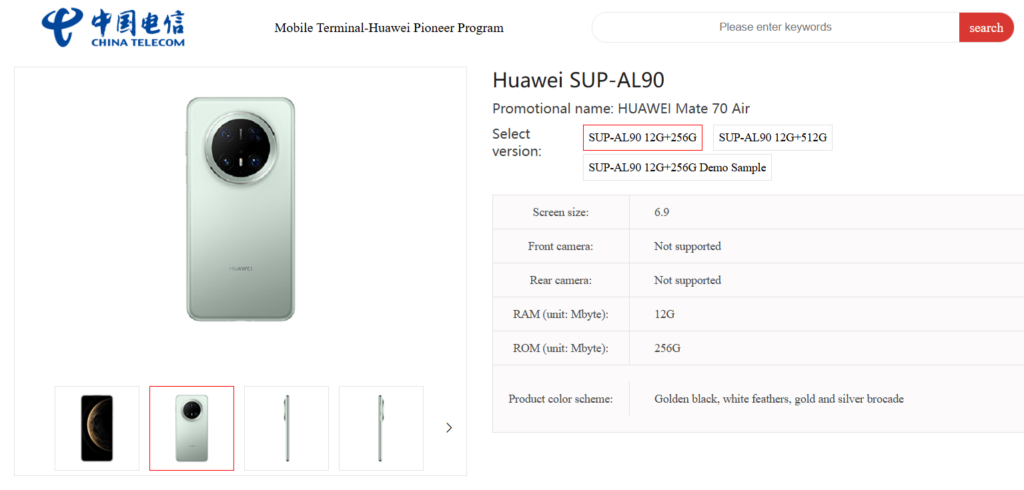
Vivo X200 FE and Samsung Galaxy S25 represent two of the most balanced premium flagships of 2025, each offering top-tier performance. This comparison matters because it pits Vivo’s hardware-centric value against Samsung’s polished ecosystem and long-term software support. For buyers seeking flagship-level features without crossing into ultra-premium pricing, this is one of the year’s most important matchups.

1. Design and Display

VIVO X200 FE
Vivo X200 FE

Build and Feel:
The vivo X200 FE offers a refined glass-aluminum build with a premium matte texture and includes IP68/IP69 ratings, giving it higher resilience against water jets than the Galaxy S25’s IP68 alone. The Galaxy S25 counters with more scratch-resistant Gorilla Glass Victus 2 on both sides and a tougher Armor Aluminum 2 frame, making it more durable for everyday drops. The vivo phone feels denser and sturdier in hand, while the S25 is more compact and lightweight, enhancing one-handed usability.

The Galaxy S25 edges ahead for durability and handling, while the X200 FE feels more solid and rugged in challenging environments.

Display Quality:
Vivo X200 FE has a 6.31″ LTPO AMOLED panel with an impressive peak brightness up to 5000 nits and 2160Hz PWM dimming, delivering more vivid outdoor visibility and reduced eye strain. The Galaxy S25’s 6.2″ LTPO AMOLED 2X peaks at 2600 nits, with HDR10+ and 480Hz PWM, offering excellent smoothness and color fidelity. However, the vivo panel provides deeper HDR contrast and higher PWM for better comfort during long sessions.

Vivo X200 FE offers a brighter and more eye-friendly display, giving it the edge for media consumption and reading comfort.

Please Note: When you buy something using the links in our articles, we may earn a small commission at no cost to you.

Please Note: When you buy something using the links in our articles, we may earn a small commission at no cost to you.

2. Specifications 

Galaxy S25
Galaxy S25

Performance:
Galaxy S25 uses the Snapdragon 8 Elite (3nm), a flagship-tier chip with extremely high CPU/GPU frequencies, making it ideal for heavy multitasking, gaming, and future-proofing. The vivo X200 FE features the Dimensity 9300+, which is no slouch and provides comparable real-world performance, especially in sustained workloads due to its efficient thermal profile. The Galaxy’s Adreno 830 GPU, however, gives it better gaming and AI benchmark scores.

Galaxy S25 leads in peak performance and GPU power, though the X200 FE remains competitive in everyday tasks and thermal balance.

Battery and Charging:
Vivo X200 FE includes a massive 6500mAh battery (global version) with 90W wired charging, achieving a full charge in under an hour. The Galaxy S25 has a significantly smaller 4000mAh battery and just 25W charging, but supports wireless and reverse wireless features, including Qi2. In longevity and charging speed, vivo offers a significant advantage. Samsung’s edge lies in wireless ecosystem support, useful for users with wearables and wireless accessories.

Vivo X200 FE dominates with longer endurance and faster charging, while Galaxy S25 offers better wireless convenience.

3. Camera

VIVO X200 FE
Vivo X200 FE

Main and Secondary Lenses:
Both phones feature 50MP main sensors with similar image sizes, but Samsung’s dual pixel PDAF and Super Steady video add more versatility, especially for video. The S25 also boasts an excellent 12MP ultrawide with larger pixels for better night shots. Vivo’s 50MP periscope lens offers higher resolution zoom, but the ultrawide lags with only 8MP. Samsung supports up to 8K video, a clear win for content creators.

Galaxy S25 provides more balanced and capable triple-lens versatility, especially for video and ultrawide photography.

Selfie Camera:
The vivo X200 FE carries a high-res 50MP front camera capable of 4K video, making it ideal for high-quality selfies and vlogging. Samsung’s 12MP front shooter includes HDR10+ and dual-pixel autofocus, delivering natural tones and solid low-light results. While Samsung offers slightly better software optimization, vivo’s raw resolution and video capabilities offer more creative flexibility.

Vivo X200 FE wins in selfie detail and video resolution, while Galaxy S25 offers smoother results for quick snaps.

4. Pricing

Both phones are priced similarly at around $700, positioning them as premium flagships under a value-friendly umbrella. The vivo X200 FE offers more RAM (up to 16GB), higher battery capacity, and faster charging for the price. Meanwhile, the Galaxy S25 brings in flagship polish, longer software support (7 Android upgrades vs 4), and better brand resale value.

Vivo X200 FE offers better hardware value at $700, but the Galaxy S25 delivers better long-term ecosystem and support benefits.

5. Conclusion

Galaxy S25
Galaxy S25

Galaxy S25 brings Samsung-exclusive software like DeX, Circle to Search, and Wireless DeX, giving it an edge for productivity and integration with other devices. It also supports 8K video and offers more durable materials. vivo X200 FE counters with a 6500mAh battery, ultra-bright display, advanced cooling, and Zeiss optics, making it a performance beast with camera tuning perks. 

For users focused on gaming, endurance, and high-res selfies, vivo is better suited. For users valuing compactness, camera balance, and software longevity, the Galaxy S25 stands out.

Choose vivo X200 FE for raw hardware value and battery; choose Galaxy S25 for balanced performance, camera versatility, and superior long-term support.

iQOO Z10R teasers begin, expected to debut with Dimensity 7400 chip, familiar design

A new iQOO smartphone is likely headed to the Indian market, as per a fresh round of leaks. Known as the iQOO Z10R, the device has started making appearances online through teasers and benchmark listings. While the company hasn’t shared official launch details, multiple sources have offered clues on what to expect from this upcoming mid-range offering.

iQOO Z10R design

The iQOO Z10R is expected to feature a quad-curved display with thin bezels and a centred punch-hole camera. Its rear camera module resembles the Vivo V50 series, complete with a dual-camera layout and an Aura light for portrait photography. The back panel appears to be made of plastic with a subtle curve for comfort. Apart from blue, it may arrive in other color options.

iQOO Z10R specifications (expected)

iQOO Z10R Geekbench
iQOO Z10R Geekbench listing

Listed on Geekbench with the model number vivo I2410, the Z10R runs on the MediaTek Dimensity 7400 chipset, 12GB of RAM, and Android 15. The handset has scored 1099 (single-core) and 2989 (multi-core) on Geekbench. There’s a possibility that the same device may get rebranded as the Vivo T4R in India.

It is tipped to come with a 6.77-inch full-HD+ OLED screen featuring a 120Hz refresh rate. Camera specs may include a 50-megapixel dual rear setup and a 32 or 50-megapixel front camera, both with support for 4K video recording. A 6,000mAh battery with 90W fast charging is also expected. Software-wise, it could ship with FunTouch OS 15 based on Android 15.

iQOO Z10R price

Pricing hasn’t been confirmed yet, but leaks suggest it could fall between Rs 15,000 and Rs 20,000. The official launch is expected to later this month or early August in India.

For more daily updates, please visit our News Section.

Stay ahead in tech! Join our Telegram community and sign up for our daily newsletter of top stories.

Vivo Y50 5G images, full specifications leaked before launch

Vivo is getting ready to introduce a new budget 5G smartphone in China, the Vivo Y50 5G. Ahead of its expected debut, the device has appeared in China Telecom’s product database, shedding light on its pricing, specifications, and design. There’s also the Vivo Y50m 5G listed in China Telecom’s product library with identical specs.

Vivo Y50 5G specifications and features

Vivo Y50 5G

The Vivo Y50 5G will sport a 6.74-inch LCD screen with HD+ resolution. The handset’s dimensions are listed as 167.30 x 76.95 x 8.19mm, and it weighs around 209 grams. On the front, users will find a 5-megapixel selfie camera housed in a waterdrop notch, while the rear features a single 13-megapixel camera with LED flash.

Under the hood, the Y50 5G is expected to run on MediaTek’s Dimensity 6300 (MT6835T) chipset, which supports 5G connectivity. The device is tipped to arrive in multiple RAM and storage configurations, going all the way up to 12GB RAM and 256GB storage. Additionally, a microSD card slot will be included for further expansion.

Battery performance should be solid, thanks to a large 6,000mAh cell. The phone has also passed 3C certification, suggesting support for 44W fast charging, which should help it power up quickly despite its massive battery.

Vivo Y50 5G pricing and availability

The Y50 5G is likely to be available in four configurations: 4GB+128GB, 6GB+128GB, 8GB+256GB, and 12GB+256GB. According to China Telecom, pricing could start at around 1,299 Yuan (~$180) and go up to 2,299 Yuan (~$320). Color options may include Platinum, Azure, and Diamond Black.

Vivo will reportedly launch the phone on or before July 18 in China. While the V2443A variant will be sold as the Vivo Y50 5G, a near-identical version with model number V2443BA may launch as the Vivo Y50m 5G.

For more daily updates, please visit our News Section.

Stay ahead in tech! Join our Telegram community and sign up for our daily newsletter of top stories.
Lenovo Yoga Tab Plus launched in India with 12.7-inch 144Hz screen, 10,200mAh battery, up to Android 17 upgrade

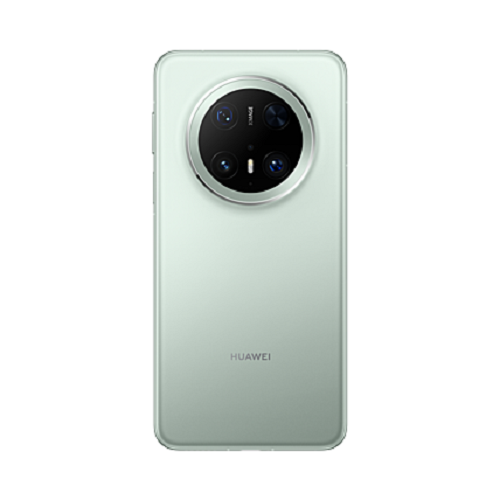
Lenovo has officially introduced the Yoga Tab Plus in India, marking its entry into the AI tablet segment. The launch, revealed via Lenovo’s online channels, highlights a blend of high-end hardware with on-device AI support designed to enhance productivity and creativity. Here’s everything you need to know about the new Yoga Tab Plus.

Lenovo Yoga Tab Plus specifications and features

Leonvo Yoga Tab Plus

The Lenovo Yoga Tab Plus features a 12.7-inch LTPS LCD panel with a 3K (2944 x 1840 pixels) resolution, a 144Hz refresh rate, 900 nits peak brightness, and Dolby Vision support. It runs on the Snapdragon 8 Gen 3 chip paired with up to 16GB LPDDR5X RAM and 512GB UFS 4.0 storage.

A key highlight is Lenovo AI Now, a local on-device AI assistant powered by LLMs that support up to 8 billion parameters. It enables features like real-time transcription, summarisation, and voice-to-text without relying on the cloud. The device also runs Android 14 with ZUI 16, and Lenovo promises updates till Android 17 and security patches for four years.

On the audio front, there are six Harman Kardon-tuned speakers, including four woofers and two tweeters, with Dolby Atmos enhancement. The tablet includes a 13-megapixel rear camera with a 2-megapixel sensor and LED flash, while the front has a 13-megapixel autofocus camera. It features a fingerprint sensor, Face Unlock, and a stainless-steel kickstand for flexible viewing.

Creative users can benefit from the bundled Lenovo Tab Pen Pro with 8192 pressure sensitivity levels and tilt detection. The 2-in-1 keyboard with an AI key adds to the functionality. It is equipped with a 10,200mAh battery offering 11 hours of streaming and supports 45W fast charging.

Please Note: When you buy something using the links in our articles, we may earn a small commission at no cost to you.

Lenovo Yoga Tab Plus price in India, availability

The Lenovo Yoga Tab Plus is priced at Rs 44,999 for the 256GB model and Rs 47,999 for the 512GB version. Both include the stylus and 2-in-1 keyboard. The tablet is available in a single Tidal Teal colour and can be purchased from Lenovo.com, Amazon India, and Lenovo’s offline stores.

For more daily updates, please visit our News Section.

Stay ahead in tech! Join our Telegram community and sign up for our daily newsletter of top stories.
Galaxy S26 Ultra rumored to feature Sony’s almost 1″ 200MP sensor

Samsung’s upcoming Galaxy S26 Ultra, expected to launch in January 2026, could finally pack a larger main sensor — potentially allowing it to catch up with rivals from China in terms of camera hardware.

Galaxy S25 Ultra
Galaxy S25 Ultra

According to Chinese tipster Fixed Focus Digital, the Galaxy S26 Ultra might be equipped with a 1/1.1″ 200MP Sony CMOS sensor — potentially Sony’s first-ever 200MP sensor for smartphones. The leak, shared on Weibo, suggests a significant jump in hardware compared to the 1/1.3-inch ISOCELL HP2 sensor used in the last three generations of Galaxy S Ultra phones.

A larger sensor generally means better light capture, which could translate to sharper detail, improved low-light shots, and better digital zoom. If true, this would be one of the most significant hardware upgrades in the S26 Ultra and could drive a major leap in the phone’s imaging capabilities.

While Samsung currently leans on its in-house Exynos chips for both flagship and mid-range devices, a shift to a Sony sensor could signal a new strategy to stay competitive with brands like Xiaomi and Vivo, which already use larger and more advanced sensors in their premium phones.

That said, the leak isn’t definitive. Some sources suggest the Sony sensor might not be ready in time for the S26 Ultra and could be pushed back to the Galaxy S27 Ultra in 2027. Samsung could still use the ISOCELL HP2 for another year in its S Ultra phone.

According to previous reports, the other cameras on the S26 Ultra may receive iterative updates — such as a slightly higher-resolution 3x telephoto sensor and a revised lens setup for the main sensor. Interestingly, earlier rumors suggested that no major camera upgrades would arrive for the Galaxy S Ultra series until 2028, which casts some doubt on the possible inclusion of a 1/1.1″ 200MP sensor in the S26 Ultra or even its successor. That said, all of this information is based on unofficial sources — and only time will tell what Samsung ultimately has planned for its next Ultra flagship.

Don’t miss a thing! Join our Telegram community for instant updates and grab our free daily newsletter for the best tech stories!

For more daily updates, please visit our News Section.

Realme 15 Pro confirmed with 7,000mAh battery, 6,500nits peak brightness

Realme is gearing up to launch its Realme 15 series in India on July 24, and all eyes are on the Realme 15 Pro 5G. The phone is shaping up to be a serious contender in the mid-range segment, with a huge battery and a surprisingly bright display.

The official microsite confirms that the Realme 15 Pro 5G will debut at 7 PM IST on July 24. One of its most talked-about features is the massive 7,000mAh battery — the largest in its class — paired with 80W wired charging over USB-C for fast refills.

On the surface, it features a HyperGlow 4D Curve+ AMOLED display, with a peak brightness of 6,500 nits and a 144Hz refresh rate. Realme says the display has a 94% screen-to-body ratio, a 2,500Hz touch response rate, and is protected by Corning Gorilla Glass — specs that rival many premium phones.

Under the hood, the phone runs on Qualcomm’s Snapdragon 7 Gen 4 chipset. Built on a 4nm process, it promises a 27% jump in CPU performance compared to the previous generation, offering smooth gaming and multitasking experiences.

Despite the massive battery, the phone measures just 7.69mm thick, and as you might have expected, it carries an IP69 rating for dust and water resistance. It will be available in four finishes: Flowing Silver, Silk Purple, Velvet Green, and Silk Pink.

On the software front, Realme is introducing new AI features, including the “industry-first” AI Edit Genie, which lets users edit photos using voice commands. There’s also AI Gaming Coach 2.0 and AI Ultra Touch Control for enhanced mobile gaming.

Realme says the camera details will be officially confirmed soon, so stick around.

Don’t miss a thing! Join our Telegram community for instant updates and grab our free daily newsletter for the best tech stories!

For more daily updates, please visit our News Section.

(Source: Realme)

Realme 15 Pro live image leak confirms dual 50MP main and ultrawide camera

Realme’s upcoming mid-range phone, the Realme 15 Pro 5G, has just appeared in a leaked live image, and it tells us a lot more than we expected. The image, shared on social media, shows the phone in a new Velvet Green color with a leather-like back finish and a camera design that breaks away from Realme’s usual style.

Instead of the round camera rings we’ve seen since the Realme 11 series, the 15 Pro brings a rectangular camera module to the lineup. It houses two rear cameras, both of which are 50-megapixel sensors. One is a standard main camera, while the other is an ultrawide.

Realme 15 Pro misses a telephoto lens

There’s no telephoto lens here. Realme might be saving that for a higher-end 15 Pro Plus variant. The phone also has a 50MP selfie camera tucked into the display.

The leaked image also shows part of the settings screen, revealing other key specs. The phone will be powered by Qualcomm’s Snapdragon 7 Gen 4 chipset, paired with 8GB of RAM and 128GB of storage. It also packs a surprisingly large 7,000mAh battery with support for 80W fast charging, all inside a body that’s just 7.69mm thick.

Realme has already teased several features officially, including the display. The 15 Pro features a curved AMOLED panel with a 144Hz refresh rate, 6,500 nits of peak brightness, and 94% screen-to-body ratio. It also supports a 2,500Hz touch sampling rate and is protected by Corning Gorilla Glass.

The phone will ship with Realme UI 6.0 (based on Android 15) and introduce some new AI features. That includes AI Edit Genie, which lets users edit photos with voice commands, AI Gaming Coach 2.0, and AI Ultra Touch Control to improve gameplay response.

The Realme 15 Pro 5G will be available in four colors: Flowing Silver, Silk Purple, Velvet Green, and Silk Pink. The phone is set to launch on 24 July in India.

Don’t miss a thing! Join our Telegram community for instant updates and grab our free daily newsletter for the best tech stories!

For more daily updates, please visit our News Section.

(Via)

HyperOS code string reveals Xiaomi 16 series phone with dual display

Xiaomi may be preparing to revive one of its most experimental ideas. According to a string of recent leaks, the company is working on a new smartphone with a secondary rear display, much like the one on the Mi 11 Ultra.

We first heard about it last month via a leak claiming that the phone has a horizontal secondary screen next to its rear camera. Now, fresh details are emerging straight from Xiaomi’s own software. 

Xiaomi Q200 leaks with dual-display support

Code spotted in the latest version of HyperOS includes references to a device with the model name Pandora and model code Q200. More notably, there is an explicit mention of sub-screen display support in the code string.

Xiaomi hasn’t offered a dual-screen phone since the Mi 11 Ultra, which featured a tiny rear display embedded into the camera module. It allowed for quick glances at notifications, selfie framing, and a few other gimmicks. It didn’t exactly catch on, and Xiaomi hasn’t revisited the concept since. Until now, it seems.

According to a previous leak, the Q200 will be the top-end variant of the Xiaomi 16 line after the Xiaomi 16 Ultra. It could take the place of the Xiaomi 15 Pro, while the Xiaomi 16 and Xiaomi 16 Pro are said to be compact models in the line.

There’s still no official confirmation, and hardware details are still under wraps. And the device’s model number, 25098PN5AC, doesn’t reveal much either. 

However, sources say the Q200 could launch in September alongside the standard Xiaomi 16 and 16 Pro, with the initial rollout limited to China.

That’s typical for Xiaomi. The company often keeps more experimental models in China first, before considering global releases based on feedback. If history is any guide, the Q200 might not show up globally until early 2026—if it ever does.

For more daily updates, please visit our News Section.

Stay ahead in tech! Join our Telegram community and sign up for our daily newsletter of top stories! 💡

(Via)

Hisense launches X3 Plus air conditioner with dual fresh air vents, 16dB quiet mode & 5-layer filtration

Hisense has launched the Deep Sleep Fresh Air Conditioner X3 Plus in the Chinese market. The product is now available for reservation on JD.com at a launch price of 2,499 yuan ($348).

Hisense X3 Plus

Hisense X3 Plus Specifications

The X3 Plus is a smart air conditioning unit designed to improve indoor air quality and sleep comfort. It is officially recognized as the Global Official Air Conditioner of the 2025 FIFA Club World Cup. The air conditioner supports a large fresh air intake of up to 60m³/h, which allows it to introduce oxygen-rich outdoor air while expelling indoor air pollutants. Hisense claims this system helps reduce indoor CO₂ levels and can extend deep sleep duration by up to 15%.

The X3 Plus features an industry-first dual fresh air vent design. The upper outlet handles air diffusion while the lower outlet introduces fresh air. These two vents work together to create a convection cycle that improves whole-room ventilation. Users can select between a 40m³/h single-vent mode or a 60m³/h dual-vent mode, which requires an additional wall opening.

The unit includes a five-layer filtration system, which combines a HEPA-grade filter, Hi-CAT nano-catalyst antiviral mesh, and layers for removing pollen and other allergens. Hisense says the X3 Plus achieves 99.99% removal rates for H1N1, E. coli, and staph bacteria, and over 97% efficiency for PM0.3 particles. The device also supports an anti-formaldehyde mode using Hisense’s Drying Room 2.0 system, which accelerates the release of VOCs from new furniture using heat and airflow.

The X3 Plus operates as quietly as 16 decibels thanks to a dual-inlet centrifugal fan. It includes a “Deep Sleep Companion” function that uses Z-pattern airflow blades, wave-form diverters, and butterfly flaps to create soft, non-irritating wind. The unit delivers up to 800m³/h airflow, capable of refreshing the room’s air 16 times per hour.

The system features an APF energy efficiency rating of 5.28, placing it above China’s first-class standard. Hisense claims it can reduce electricity consumption by up to 36% with the help of its in-house X-Core inverter chipset.

Hisense has designed the X3 Plus with a matte brushed “Cream White” finish that resists fingerprints and complements a range of interior styles. The outdoor unit uses a Diamond-Class seven-layer anti-rust coating that provides 10 years of corrosion resistance. It can operate in environments ranging from -36°C to 66°C.

The X3 Plus also features a 57°C high-temperature self-cleaning mode, remote control functionality, PTC heating, and dehumidification. Its screen automatically turns off in dark environments for better night-time comfort. The unit is rated at 1.5 horsepower and is suitable for rooms sized between 16 to 24 square meters.

In related news, Hisense recently launched the HT SATURN Home Theater System featuring 7.1.2-channel audio and Devialet sound technology, priced at €999.

For more daily updates, please visit our News Section.

Stay ahead in tech! Join our Telegram community and sign up for our daily newsletter of top stories! 💡

(Source)

Pixel 10 Series European Pricing Revealed: Google Keeps Prices Same as Pixel 9 Lineup

Google will officially launch its Pixel 10 series on August 20, with sales beginning August 28. The European pricing for all variants has leaked, revealing no change from the Pixel 9 series despite earlier reports suggesting a price hike.

Google Pixel 10 Pro XL

The Pixel 10 base model will be available at €899 for 128GB and €999 for 256GB. The Pixel 10 Pro starts at €1,099 for 128GB and goes up to €1,589 for the new 1TB option. The Pixel 10 Pro XL eliminates the 128GB option, starting at €1,299 for 256GB, with 512GB and 1TB variants priced at €1,429 and €1,689, respectively. The Pixel 10 Pro Fold will cost €1,899 for 256GB, €2,029 for 512GB, and €2,289 for 1TB.

Google Pixel 10 Pro XL CAD render
Google Pixel 10 Pro XL CAD render by AndroidHeadlines / OnLeaks

All models run on the new Tensor G5 chip, manufactured using TSMC’s 3nm process, and come with 12GB of RAM. Camera upgrades include a 50MP Samsung GN8 main sensor, a 13MP Sony IMX712 ultra-wide lens, and, for the first time, an 11MP zoom lens in the standard Pixel 10.

These pricing decisions and hardware upgrades are aimed at attracting both returning users and professionals seeking more power and storage without a cost increase.

Earlier leaks had already revealed full specifications of the Pixel 10 Pro and Pixel 10 Pro XL. The Pro is expected to feature a 6.3-inch LTPO OLED display with 2856 x 1280 resolution, 128GB base storage, and a 4,870mAh battery with 29W wired charging. The Pro XL increases display size to 6.8 inches at 2992 x 1344 resolution, starts at 256GB, and offers a 5,200mAh battery with 39W charging.

Both models support 1Hz–120Hz adaptive refresh rate, peak brightness up to 3000 nits, and come with a 42MP selfie camera. Rear setups include a 50MP main, 48MP ultra-wide, and 48MP periscope lens with 5x zoom. Wireless charging at 15W using Qi2 is also supported.

(Source: 1, 2)

OnePlus 13 gets new ColorOS update with camera upgrades, AI features & more

OnePlus has started rolling out the ColorOS 15.0.0.840 update for the OnePlus 13. The update introduces several new features and improvements, including support for soft light filters in the camera, AI-powered tools, enhanced multitasking, and better smart assistant integration.

OnePlus 13 Arctic Dawn

What’s new in this update?

The camera now supports soft light filters in both Night and Photo shooting modes. This feature adds a soft glow to images, creating a more pleasing and atmospheric look. In the Gallery app, OnePlus has added new AI tools such as Smart Story and Best Expression. These tools automatically crop, color correct, and adjust photos or replace facial expressions across multiple shots to highlight the best version.

Breeno Assistant now supports voice-activated meal reordering from platforms like Meituan and Ele.me, along with a new home screen card for quick access. Breeno Suggestions now include ticket reminders for Damai event purchases (largest entertainment ticketing website in China). Breeno Screen Recognition has improved image extraction and limits gesture activation to a two-finger press to prevent accidental triggers.

This new update adds real-time AI call translation, allowing users to enable bilingual translation with either voice playback or on-screen text during calls. This feature is available in the Phone app under the AI Call Assistant settings.

In-car casting via CarLife gains new controls for resolution and frame rate, as well as a Gaussian blur effect and refresh rate limiter for smoother transitions between phone and car displays. LE Audio Bluetooth pairing has also been optimized to reduce latency, especially during gaming.

The system update introduces multi-screen touch support, temporary muting for banner notifications, widget stacking, and improved mini window movement. It also includes the July 2025 Android security patch.

This update is being rolled out for the Chinese version of the OnePlus 13, which runs on ColorOS. The global variant of the OnePlus 13 operates on OxygenOS and receives updates on a separate schedule.

For more daily updates, please visit our News Section.

Stay ahead in tech! Join our Telegram community and sign up for our daily newsletter of top stories! 💡

(Via)

iQOO 13 Ace Green Variant Now on Sale in India Starting at ₹54,999

iQOO recently released a new Ace Green colour variant of the iQOO 13 in India, joining the existing Nardo Grey and Legend colour options that were launched last year. Now, this new color option is finally available to buy in the country via on Amazon.in and iQOO.com.

iQOO 13 Ace Green Edition

The 12GB RAM and 256GB storage model is priced at ₹54,999. The 16GB RAM and 512GB storage variant costs ₹59,999. Buyers using SBI or ICICI Bank cards get an instant discount of ₹2,000. No-cost EMI options are also available.

iQOO 13 features

The iQOO 13 has a 6.82-inch Quad HD+ curved BOE Q10 LTPO AMOLED display with a resolution of 3168×1440 pixels, a 20:9 aspect ratio, and HDR10+ support. It offers a 144Hz variable refresh rate, DCI-P3 colour gamut, and 1.07 billion colours. Brightness goes up to 1800 nits in HBM mode and 4500 nits peak. It also supports 2592Hz PWM dimming.

iQOO 13 Ace Green Edition

It runs on the Snapdragon 8 Elite 3nm processor with Adreno 830 GPU. It comes with 12GB or 16GB of LPDDR5X RAM and 256GB or 512GB of UFS 4.1 storage. The phone runs Android 15 with Funtouch OS 15. It supports dual nano SIM cards.

The rear camera setup includes a 50MP main camera with a 1/1.49-inch Sony IMX921 sensor, f/1.88 aperture, and OIS. It also has a 50MP ultra-wide camera with a 150-degree field of view and a Samsung JN1 sensor, and a 50MP telephoto camera with a 119.4-degree field of view, 1/2.93-inch IMX816 sensor, f/1.85 aperture, OIS, and up to 4x lossless zoom. The front camera has a 32MP GC32E1 sensor with an f/2.45 aperture.

Other features include an in-display ultrasonic fingerprint sensor, an infrared sensor, stereo speakers, and USB Type-C audio. The phone measures 163.37 x 76.71 x 8.13 mm and weighs 213 grams. It is IP68 and IP69 rated for dust and water resistance.

The iQOO 13 supports 5G SA/NSA, dual 4G VoLTE, Wi-Fi 7, Bluetooth 5.4, NFC, GPS, Beidou, GLONASS, Galileo, QZSS, and USB Type-C 3.2 Gen1. It packs a 6000mAh battery with 120W fast charging support.

Please Note: When you buy something using the links in our articles, we may earn a small commission at no cost to you.

For more daily updates, please visit our News Section.

Stay ahead in tech! Join our Telegram community and sign up for our daily newsletter of top stories!

Baseus launches new 12-in-1 docking station with triple 4K output & 100W PD

Baseus has launched a new 12-in-1 docking station called the Nomos NU1 Air, priced at 779 yuan ($108) in China. The device is now available on JD.com and features a compact, upright design aimed at improving desktop organization while providing comprehensive connectivity.

Baseus Nomos NU1 Air

Baseus Nomos NU1 Air Specifications

The Nomos NU1 Air includes twelve ports to support a wide range of devices and use cases. On the front, it comes with one SD card slot, one TF card slot, one USB-A 3.0 port (5Gbps), and one USB-C 3.2 Gen 2 port (10Gbps). On the rear, it includes another USB-C 3.2 Gen 2 port, two HDMI ports, one USB-C female port for power delivery, two USB-A 2.0 ports, and a gigabit RJ45 Ethernet port.

Baseus has designed the docking station to support triple 4K UHD output via the dual HDMI ports and USB-C video passthrough. This setup allows users to connect multiple external displays, which can benefit tasks such as content creation, trading, and multitasking-heavy workflows.

Baseus Nomos NU1 Air

The device supports 100W USB-C power delivery for fast laptop charging and includes 10Gbps data transfer speeds, allowing large files to move quickly between devices. Baseus claims a 1GB file can be transferred in just seconds.

The top of the unit features a physical control button that supports two functions: a short press activates screen lock, and a two-second long press enables power-saving mode. This adds an extra layer of security and energy efficiency for users who often leave their desks.

For safety, the docking station includes six layers of protection against overheating, overcurrent, and voltage instability. This ensures reliable performance even during demanding use.

The Baseus Nomos NU1 Air measures 115.5mm in height and features a minimalist vertical design intended to save desk space while keeping ports within easy reach.

In related news, Baseus recently launched a new Qi2 magnetic wireless charger that folds, tilts, and supports fast charging for just $23. The brand has also introduced a 10,000mAh power bank featuring 22.5W fast charging, an LED display, and a built-in cable.

For more daily updates, please visit our News Section.

Stay ahead in tech! Join our Telegram community and sign up for our daily newsletter of top stories! 💡

TP-LINK launches new BE6400 Wi-Fi 7 router with 2.5G port, game acceleration & mesh support

TP-LINK has introduced a new entry in its “Dadao” series of routers with the launch of the TL-7DR6430 in China. Priced at 199 yuan (around $28), the router supports BE6400-class Wi-Fi 7 speeds and is aimed at home users and small businesses seeking high performance on a budget.

TP-LINK TL-7DR6430 Router

TP-LINK TL-7DR6430 Specifications

The TL-7DR6430 delivers a combined wireless speed of up to 6430Mbps. The 5GHz band uses the Wi-Fi 7 standard and supports 4×4 MIMO at 5764Mbps, while the 2.4GHz band supports Wi-Fi 6 with 2×2 MIMO at 574Mbps. TP-LINK claims this performance is on par with BE7200-class routers.

The router includes one 2.5G WAN/LAN port and three Gigabit Ethernet ports. The 2.5G port supports broadband speeds of up to 2000Mbps and can also be used for NAS setups and high-speed internal file transfers. It supports dual WAN, load balancing, and link aggregation.

TP-LINK has equipped the router with a newly developed “pixel antenna” system, which it says was optimized using AI algorithms. According to the company, the AI platform simulated billions of antenna layouts to find a configuration that increases antenna gain by 20% and improves overall wireless performance by up to 50% in specific use cases.

The TL-7DR6430 also includes five independent external FEMs (PA+LNA+RF Switch) and supports 4T5R transmission and reception. These components aim to improve signal strength and stability across different environments.

For gamers, the router provides a dedicated gaming LAN port and supports four built-in game acceleration services: NetEase UU, Thunder, Youbangbang, and Qiyou.

The router supports TP-LINK’s EasyMesh protocol, enabling one-click mesh networking with compatible routers. It also allows seamless integration with TP-LINK IoT devices such as smart locks and cameras.

The router supports parental controls, IPTV functionality, remote VPN access, and business-grade wireless authentication. It can be managed remotely via TP-LINK’s IoT and business cloud apps.

In related news, Asus has introduced the ROG Strix GS-BE18000 router featuring tri-band Wi-Fi 7 and eight 2.5GbE ports tailored for gamers. Meanwhile, ZTE has launched the U60 Pro, a compact 5G hotspot equipped with a 10,000mAh battery, Wi-Fi 7 support, and built-in NFC.

For more daily updates, please visit our News Section.

Stay ahead in tech! Join our Telegram community and sign up for our daily newsletter of top stories! 💡

(Source, Via)

Honor reportedly working on Magic 8 Mini as part of its fall flagship series

As the second half of the year unfolds, leaks around upcoming smartphone flagships are beginning to gain traction. The latest device to enter the rumor cycle is the Honor Magic 8 series.

According to Chinese tech blogger The Factory Manager is Guan, Honor is preparing three Magic 8 flagships this year, up from two in the previous Magic 7 lineup. 

Honor Magic 8 mini incoming?

Interestingly, the new addition to the series is a compact model. Compact phones are quietly gaining momentum as smartphone internals have matured enough to fit better hardware (including bigger batteries) into smaller frames. Take Vivo X200 FE or OnePlus 13s, for example. 

Honor Magic 8 series leak reveals Magic 8 mini

Let’s just call the upcoming compact Honor flagship Magic 8 Mini, and it will join the standard Magic 8 and the Magic 8 Pro in the line. All three devices are expected to feature flat-edged displays with rounded corners and ultra-slim bezels.

Two of the three models will also reportedly include 3D facial recognition technology, likely the standard and Pro variants. Both are also said to be powered by Qualcomm’s Snapdragon 8 Elite 2 processor.

The leak further claims that the new devices will feature batteries exceeding 7000mAh, a 200MP telephoto lens with multi-refractive optics, a new primary sensor, and upgraded AI-powered image processing. The Magic 8 mini, meanwhile, is rumored to run on MediaTek’s Dimensity 9500 chip.

Adding weight to the leak, known tipster Digital Chat Station also stated that the Honor Magic 8 lineup will consist of three models this year. According to him, the Magic 8 mini will feature a 6.31-inch LTPO display with 1.5K resolution.

The standard Magic 8 will reportedly sport a 6.58-inch screen, while the Magic 8 Pro will offer a larger 6.71-inch build. Both have the same 1.5K resolution LTPO AMOLED panel as the mini. 

Honor is expected to unveil the Magic 8 series in October.

For more daily updates, please visit our News Section.

Stay ahead in tech! Join our Telegram community and sign up for our daily newsletter of top stories.

(Source 1, 2)

No Android 16 update for these devices: check if yours is on the list

Android 16 ineligible devices

Android 16’s stable version was released way too early in June. That also means non-Google phones and tablets should get the update earlier than usual. However, a big chunk of Android devices are going to miss out on this major upgrade as they have reached the end of their major update lifecycles and won’t be eligible for this upgrade.

We’ve prepared a list of such devices that will not receive the Android 16 update. Check it out below to see if it’s time to consider an upgrade.

These devices are not eligible for Android 16 update

Most smartphone brands haven’t officially confirmed their Android 16 update roadmap just yet. So, the list is based on the existing software update policy and a little bit of guesswork.

Samsung

Galaxy S series

  • Galaxy S21, S21+, S21 Ultra
  • Older S-series models

Galaxy Z series

  • Galaxy Z Fold 3, Fold 3
  • Older Z-series models

Galaxy Tab series

  • Galaxy Tab S6 Lite (2022)
  • Galaxy Tab Active 4 Pro
  • Older Tab-series models

Galaxy A series

  • Galaxy A14, A14 5G
  • Older A-series models

Galaxy M series

  • Galaxy M33
  • Galaxy M14, M14 5G
  • Older M-series models

Galaxy F series

  • Galaxy F14 5G
  • Older F-series models

Google

  • Pixel 5, 5a
  • Older Pixel models

Motorola

Motorola Edge series

  • Motorola Edge 40, Edge 40 Neo
  • Motorola Edge+ (2023)
  • Motorola Edge (2022)
  • Older Edge models

Motorola Razr series

  • Motorola Razr (2022)
  • Motorola Razr
  • Older Razr models

Motorola Moto G series

  • Moto G Stylus 5G (2024), Moto G Stylus 5G (2023)
  • Moto G Power 5G (2024), Moto G Power 5G (2023)
  • Moto G (2024), Moto G (2023)
  • Moto G84, G82
  • Moto G73, G72, G71, G71s
  • Moto G64, G62, G60, G60s
  • Moto G54, G54 Power, G53, G52
  • Moto G45, G42
  • Moto G34, G32
  • Moto G24, G24 Power, G23
  • Moto G15, G15 Power, G14, G13
  • Moto G05, G04, G04s
  • Moto G Play (2024), G Play (2023)
  • Older Moto G models

Motorola Moto E series

  • Moto E32, E32s
  • Moto E22, E22i, E22s
  • Moto E13, E14, E15
  • Older Moto E models

Motorola tablets

  • Moto Tab G70
  • Moto Tab G62
  • Motorola Tab G20
  • Lenovo Moto Tab

Nothing

  • Nothing Phone (1)

OnePlus

OnePlus flagship series

  • OnePlus 10 Pro, 10T, 10R
  • Older flagship models

OnePlus Nord series

  • OnePlus Nord 2, Nord 2T, Nord 2 Lite
  • Older Nord models

OnePlus Nord CE series

  • OnePlus Nord CE 3, Nord CE 3 Lite
  • Older Nord CE models

OnePlus Nord N series

  • OnePlus Nord N30, Nord N30 SE
  • OnePlus Nord N20, Nord N20 SE
  • OnePlus Nord N10
  • OnePlus Nord N300
  • OnePlus Nord N200
  • OnePlus Nord N100

Xiaomi

Xiaomi flagship series

  • Xiaomi 12, 12 Pro, 12 Lite
  • Xiaomi 12T, 12T Pro
  • Xiaomi 12S, 12S Pro, 12S Ultra
  • Xiaomi 12X
  • Older flagship models

Xiaomi Civi series

  • Xiaomi Civi 2
  • Xiaomi Civi 1S
  • Xiaomi Civi

Xiaomi Pad series

  • Xiaomi Pad 6
  • Xiaomi Pad 5, Pad 5 Pro
  • Older Xiaomi Pad models

Redmi

Redmi Note series

  • Redmi Note 12, Note 12 Pro, Note 12 Pro+
  • Redmi Note 12 Turbo
  • Redmi Note 12R, Note 12R Pro
  • Redmi Note 12T Pro
  • Redmi Note 12 Pro Speed
  • Redmi Note 12S
  • Older Redmi Note models

Redmi K series

  • Redmi K50, K50 Pro, K50 Ultra
  • Redmi K50i
  • Redmi K50 Gaming
  • Older Redmi K models

Redmi number series

  • Redmi 12 (LTE/5G)
  • Redmi 12C
  • Older models

Redmi A series

  • Redmi A2, A2+
  • Older Redmi A models

POCO

Poco F series

  • Poco F5, F5 Pro
  • Older Poco F models

Poco X series

  • Poco X5, X5 Pro
  • Older Poco X models

Poco M series

  • Poco M5, M5s
  • Older Poco M models

Poco C series

  • Poco C65
  • Poco C55
  • Poco C51
  • Older Poco C models

Oppo

Oppo Find N series

  • Oppo Find N

Oppo Find X series

  • Oppo Find X5, X5 Pro, X5 Lite
  • Older Find X series models

Oppo Reno series

  • Oppo Reno 10, Reno 10 Pro, Reno 10 Pro+
  • Oppo Reno 9, Reno 9 Pro, Reno 9 Pro+
  • Older Reno series models

Oppo F series

  • Oppo F23
  • Oppo F21 Pro, F21 Pro 5G
  • Older Oppo F series models

Oppo K series

  • Oppo K11, K11x
  • Oppo K10, K10 Pro, K10x
  • Older Oppo K series models

Oppo Pad series

  • Oppo Pad 2
  • Oppo Pad Air, Pad Air 2
  • Oppo Pad Neo
  • Oppo Pad

Oppo A series

  • Oppo A3, A3 Pro, A3x
  • Oppo A2, A2 Pro, A2x
  • Older Oppo A series models

Vivo

Vivo X series

  • Vivo X80, X80 Pro, X80 Lite
  • Older X-series models

Vivo V series

  • Vivo V30 Lite 5G
  • Vivo V29, V29e, V29 Pro, V29 Lite
  • Older V-series models

Vivo T series

  • Vivo T2, T2 Pro, T2x
  • Older T-series models

Vivo Y series

  • Vivo Y200
  • Vivo Y100 5G, Y100i, Y100t
  • Older Y-series models

iQOO

iQOO flagship devices

  • iQOO 10, 10 Pro
  • Older iQOO flagships

iQOO Z series

  • iQOO Z8, Z8x
  • iQOO Z7, Z7 Pro
  • iQOO Z7x, Z7s, Z7i
  • Older Z-series models

iQOO Neo series

  • iQOO Neo 8, Neo 8 Pro
  • Older Neo-series models

Realme

Realme GT series

  • Realme GT 2
  • Realme GT 2 Pro
  • Realme GT 2 Explorer Master
  • Realme GT 5G
  • Realme GT Master

Realme number series

  • Realme 11, 11 Pro, 11 Pro+, 11x
  • Older number-series models

Realme Narzo series

  • Realme Narzo 60, Narzo 60 Pro, Narzo 60x
  • Older Narzo-series models

Realme Narzo N series

  • Realme Narzo N55
  • Realme Narzo N53

Realme C series

  • Realme C67 5G
  • Realme C55
  • Realme C53
  • Older C-series models

If your device is on the list, it’s unlikely to receive Android 16. However, I’d still recommend waiting until the official list is out for the final confirmation.

You can visit our Android 16 section regularly for the latest updates. Also, follow our Telegram channel and subscribe to our free newsletter for your daily dose of tech! ⚡

Vivo Y19s GT 5G launched with Dimensity 6300, 8GB RAM, sturdy build

Vivo has officially launched the Y19s GT 5G smartphone in Indonesia. Despite carrying the “GT” branding, typically associated with performance-oriented devices, the phone is powered by the MediaTek Dimensity 6300 chipset, which is also seen on several budget 5G phones. However, it still brings some notable specifications such as a 90Hz refresh rate display, up to 8GB RAM, and a sturdy design.

Vivo Y19s GT 5G specifications and features

Vivo Y19s GT 5G
Vivo Y19s GT 5G

The Vivo Y19s GT 5G measures 167.30 x 76.95 x 8.19 mm and weighs 199 grams. It features a 6.74-inch LCD display with a resolution of 1600 × 720 (HD+), a 90Hz refresh rate, and peak brightness of 570 nits. For security, it is equipped with a side-facing fingerprint sensor.

The Dimensity 6300-powered phone is offered with either 6GB or 8GB of LPDDR4X RAM and up to 256GB of eMMC 5.1 storage. Extended RAM support is available — 6GB or 8GB depending on the variant — and storage can be expanded up to 2TB via a microSD card. The phone is backed by a 5,500mAh battery that supports 15W wired charging.

The Y19s GT 5G features a 5-megapixel front-facing camera housed within a punch-hole cut-out. On the rear, it has a 50-megapixel dual-camera setup, though Vivo has not specified the secondary sensor.

Vivo Y19s GT 5G
Vivo Y19s GT 5G

The phone runs on Funtouch OS 15 based on Android 15. It has an IP64 rating, making it resistant to dust and light splashes of water. It also complies with the MIL-STD-810H standard, indicating it has passed a set of durability tests covering shock, vibration, extreme temperatures, and humidity — often associated with military-grade devices. The phone offers other features, such as dual SIM, 5G, Wi-Fi 5, Bluetooth 5.2, NFC, and a USB-C port.

Vivo Y19s GT 5G price in Indonesia and availability

The Vivo Y19s GT 5G will go on sale in Indonesia priced at IDR 1,999,000 for the 6GB RAM + 128GB storage model, IDR 2,199,000 for the 8GB RAM + 128GB storage model, and IDR 2,399,000 for the 8GB RAM + 256GB storage model. It will be available in two colors, such as Jade Green and Crystal Purple.

For more daily updates, please visit our News Section.

Stay ahead in tech! Join our Telegram community and sign up for our daily newsletter of top stories.

Xiaomi Pad 8 Pro to still use an IPS display, unfortunately

Xiaomi might not be done with tablets this year. Just a month after announcing the Xiaomi Pad 7S Pro and Redmi K Pad, the company is reportedly preparing another high-end model powered by the Snapdragon 8 Elite. While not yet confirmed, the device in question is likely to be the Xiaomi Pad 8 Pro.

Xiaomi-Pad-7-Pro

The leak comes via a reliable Weibo tipster, Digital Chat Station, who claims the tablet is slated to debut alongside the Xiaomi 16 series smartphones later this year. The announcement could take place in late September or early October, based on the current timeline.

Xiaomi Pad 8 Pro might still use IPS

The Pad 8 Pro is rumored to feature an IPS LCD measuring between 11 and 12 inches. Interestingly, Xiaomi still seems to be holding out on using OLED panels for its flagship tablets, and this new model appears to be no exception. As for battery life, the device reportedly packs a “large battery,” though no exact numbers were shared.

The leak also teases “exclusive features for gaming performance”, though it’s unclear what that actually means. It could point to better thermals, gaming-focused software tweaks, or even dedicated accessories, but for now, details are thin.

For comparison, here’s what the current Xiaomi Pad 7 Pro brings to the table. It features a Snapdragon 8s Gen 3 chip paired with up to 12GB of RAM and 512GB of UFS 4.0 storage. It’s an 11.2-inch IPS LCD that supports a 144Hz refresh rate, HDR10, Dolby Vision, and reaches up to 800 nits peak brightness.

On the software side, the Pad 7S Pro runs Android 15 with HyperOS 2 layered on top. The device also supports stylus input, has a quad-speaker setup, and includes a 50MP main camera with a 2MP depth sensor. A 32MP ultrawide selfie camera sits on the front. Power is supplied by an 8850mAh battery with 67W wired charging that can reportedly deliver a 40% top-up in 20 minutes.

Don’t miss a thing! Join our Telegram community for instant updates and grab our free daily newsletter for the best tech stories!

For more daily updates, please visit our News Section.