Samsung‘s latest teaser just revealed its plans to expand its premium foldable lineup in China. The company just unveiled the Galaxy Z Fold 7, Galaxy Z Flip 7, and Galaxy Z Flip 7 FE in the global market. So now, it might be gearing up to unveil the next generation of the China exclusive foldable soon.
Samsung W26 Series Foldables Set for China Launch?
For those unaware, the South Korean tech giant doesn’t simply launch its foldable smartphones like its other premium devices. While the Galaxy S25 series arrives with minimal changes compared to the global variants, the foldables get a notable makeover. To recall, the Galaxy Z Fold 6 was previously unveiled by the brand as the Samsung W25 model.
Samsung’s New Premium Foldables Teaser: Is it the W26 series?
If you’re wondering about the Galaxy Z Flip 6, it was simply dubbed the Samsung W25 Flip. So these Chinese only variants feature much of the same specs and features. But what really sets them apart is their luxury designs. Last year, Samsung released the W25 and W25 Flip with Gold Armor Aluminum Frame. These golden accents were on a primarily black body, which made these devices appear more premium than the regular Galaxy Z series.
Looking at the teaser image poster, Samsung offers us a glimpse of the upcoming foldables and confirms the 11th October 2025 launch date. These new premium phones will be unveiled during Samsung’s Heart of the World event, where it is also giving away a Galaxy Watch Ultra. This is all the details we have at the moment, so stick around for more as we will be covering the launch event.
For more daily updates, please visit our News Section.
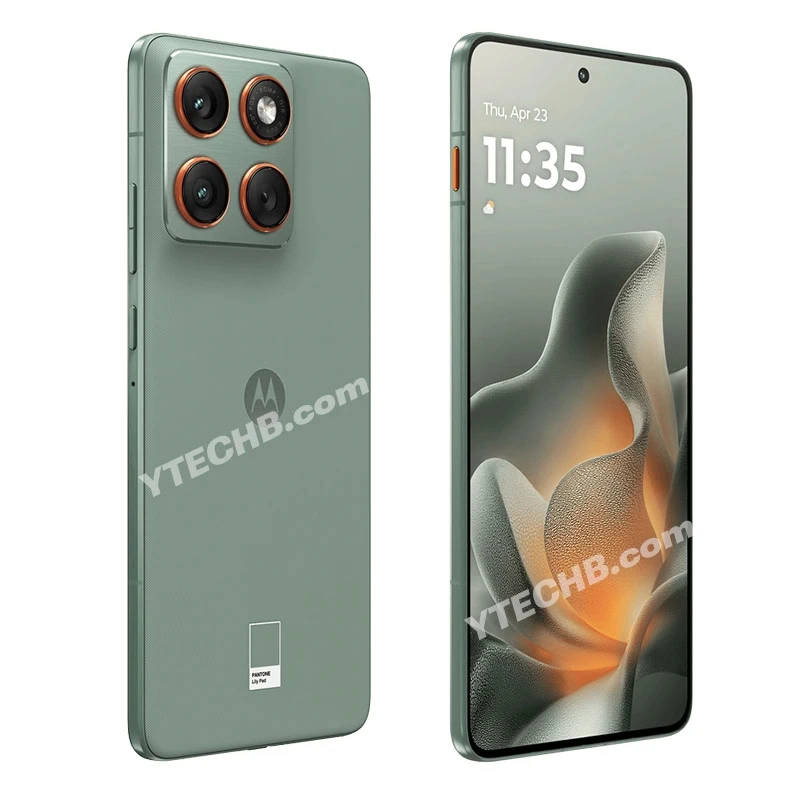
Motorola’s upcoming Edge 70 has just surfaced in leaked renders. The latest images of the device showcase its entire design, revealing a sleek and stylish new look. These also confirm the Moto Edge 70 in a bold new green variant alongside a classic black option. So let’s check it out.
Motorola Edge 70 Leaks in a Slim New Design
Motorola Edge 70 in Lily Pad
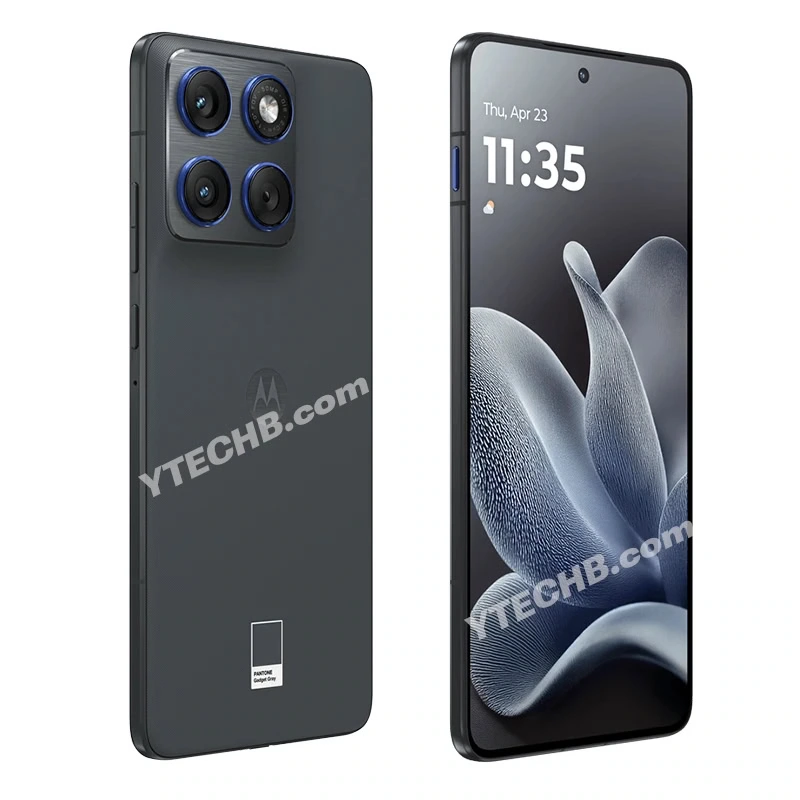
The new render images were shared by AndroidHeadlines. Looking at the images, the Edge 70 can be seen in two color options, which includes a black and green variant. The green model is in line with our previous report that covered a leaked teaser image poster. Motorola’s next mid range model can be seen with a slim design with a flat rear panel, rounded corners, and a square camera module on the rear.
In the green version, a button (likely a dedicated Moto AI button) and camera rings feature a copper finish, while the black variant has blue camera rings and the Moto AI button. This model could be called Gadget Gray, while the olive green colored option is reportedly dubbed Lily Pad. Motorola appears to be refining the design on its next gen smartphones with sleeker designs, similar to the Motorola X70 Air.
Motorola Edge 70 in Gadget Gray
For those unaware, the X70 Air model appears to be a razor thin smartphone similar to the Galaxy S25 Edge and iPhone Air. Unfortunately, this leak does not reveal any other finer details like its specifications, pricing, or launch date. In related news, the Motorola ‘Avenger’ smartphone was also spotted in a leak, which might refer to the upcoming Edge 70 series.
For more daily updates, please visit our News Section.
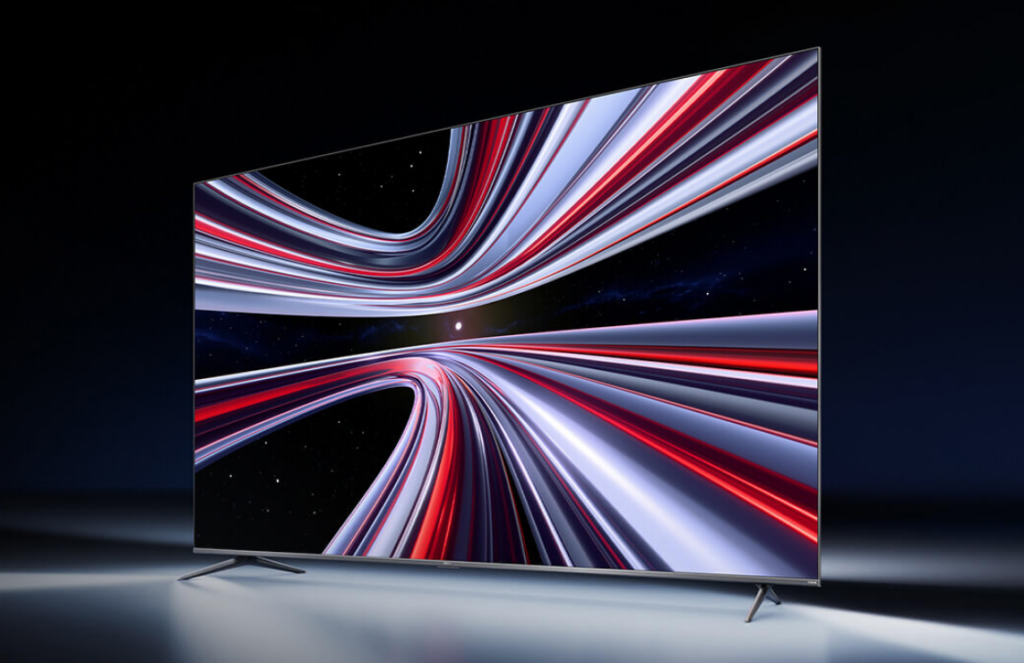
Xiaomi has just unveiled its latest affordable giant smart TV with some premium specs and features. The Redmi TV X 2026 model has just debuted in China with a massive Mini LED panel with a high resolution, super smooth refresh rate, and much more. So let’s check it out.
Redmi TV X 2026: What makes it special?
The Chinese tech giant’s new Redmi TV X 2026 arrives with a huge 86-inch Mini LED display with 4K resolution, a 144Hz refresh rate, VRR support (Variable Refresh Rate), and up to 1200 nits of peak brightness. This is the first Redmi smart TV with a Mini LED panel, which also features 640 local dimming zones. Thanks to a new light sensor, the smart TV can automatically adjust the screen brightness and temperature by intelligently matching amvient lighting.
Redmi TV X 2026
There is even a Filmmaker mode that brings accurate color reproduction and turning off certain features like AI upscaling, noise reduction, and MEMC smoothening. Redmi TV X 2026 is also great for a gaming setup as it offers native 4K resolution and a 144Hz refresh rate. So you can pair this with both your console or PC. Turning on the dedicated gaming mode can even boost the refresh rate to up to 288Hz refresh rate, but this maxes out the resolution to just 2560 x 1440.
Under the hood, the new smart TV packs the MediaTek MT9655, which is a quad core processor. THis is paired with 4GB of RAM and 64GB of internal storage. Other notable features include HyperOS 3 out of the box, Dolby Vision Gaming support, AMD FreeSync Premium, and 4ms response time in the gaming mode. The Redmi TV X 2026 was launched in China for 4,800 Yuan, which is around 674 US Dollars. To recall, this is the successor of Xiaomi’s Redmi TV X 2025 series.
For more daily updates, please visit our News Section.
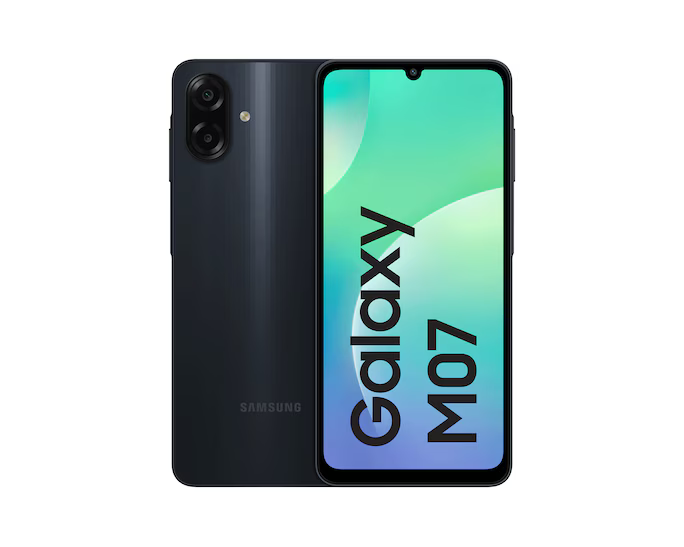
Samsung has expanded its budget lineup with the launch of the Galaxy M07, but this isn’t just another entry-level phone. Affordable smartphones often cut corners in various areas to keep the cost low, but still offer decent value to customers. But one of the Galaxy M07’s standout features is its long software support. So here’s what you need to know.
Galaxy M07 Launch: What’s New with the Affordable Samsung Phone?
The South Korean tech giant’s latest budget phone is a part of its Galaxy M series. It sports a tall 6.7-inch LCD panel with an HD+ resolution and a 90Hz refresh rate. Under the hood, the Galaxy M07 is equipped with the MediaTek Helio G99 SoC, which is a common 4G chip found in budget tablets and smartphones. This chip is paired with 4GB of RAM and 64GB of internal storage. You can even expand the storage thanks to a microSD card slot.
Samsung Galaxy M07
For optics, the rear has a 50MP main camera and a 2MP depth sensor, while the front houses an 8MP shooter for selfies and video calls. A sizeable 5,000mAh battery pack powers this model. The big selling point of this smartphone is undoubtedly its flagship grade software support. The Galaxy M07 arrives with the Android 15 OS based One UI custom skin out of the box, but Samsung is promising six years of major OS upgrades (support till Android 21) and six years of security patches.
This makes it one of the cheapest smartphones with such long software support. Other notable features include an IP54 rating for water and dust resistance, a super slim 7.6mm body, a side-mounted fingerprint scanner, and a 3.5mm audio jack. While the pricing has yet to be revealed, Samsung just listed the Galaxy M07 in single storage and the lone Black variant on its official website. So we can expect more details to surface soon.
Realme has officially launched its latest budget contender, the Realme 15x. Despite its affordable price tag, the smartphone is bringing impressive specs like a super smooth display, massive battery pack, and a rugged design. So here’s everything you need to know.
Realme 15x: What does it offer?
The Chinese brand’s latest budget phone just debuted with a tall 6.8-inch IPS LCD panel with a 144Hz refresh rate, HD+ resolution, and up to 1200 nits of peak brightness. Under the hood, the Realme 15x is equipped with the MediaTek Dimensity 6300 SoC, which is paired with up to 8GB of RAM and 256GB of internal storage. You can even expand the storage by up to 2TB via a microSD card slot. A gigantic 7,000mAh battery pack powers this device with support for 60W wired fast charging.
Realme 15x 5G
For photography, the rear has a 50MP main camera along while the front houses a 50MP shooter for selfies and video calls. Realme offers a tough build thanks to its IP68 + IP69 rating for water and dust resistance, and MIL-STD 810H certification for military grade durability. Out of the box, the Realme 15x runs on the Android 15 OS based Realme UI 6 custom skin. Other notable features include a side mounted fingerprint scanner, Bluetooth 5.3, dual band WiFi, and hybrid dual SIM support.
The Realme 15x has just been announced in India in three color options, namely Marine Blue, Aqua Blue, and Maroon Red. It has a starting price tag of 16,999 INR (roughly 192 US Dollars) for the 6GB + 128GB model, while the 8GB + 128GB and 8GB + 256GB versions cost 17,999 INR (roughly 203 US Dollars) and 19,999 INR (roughly 225 US Dollars), respectively. This budget device will be available for purchase via the brand’s official website, Flipkart, and offline stores.
For more daily updates, please visit our News Section.
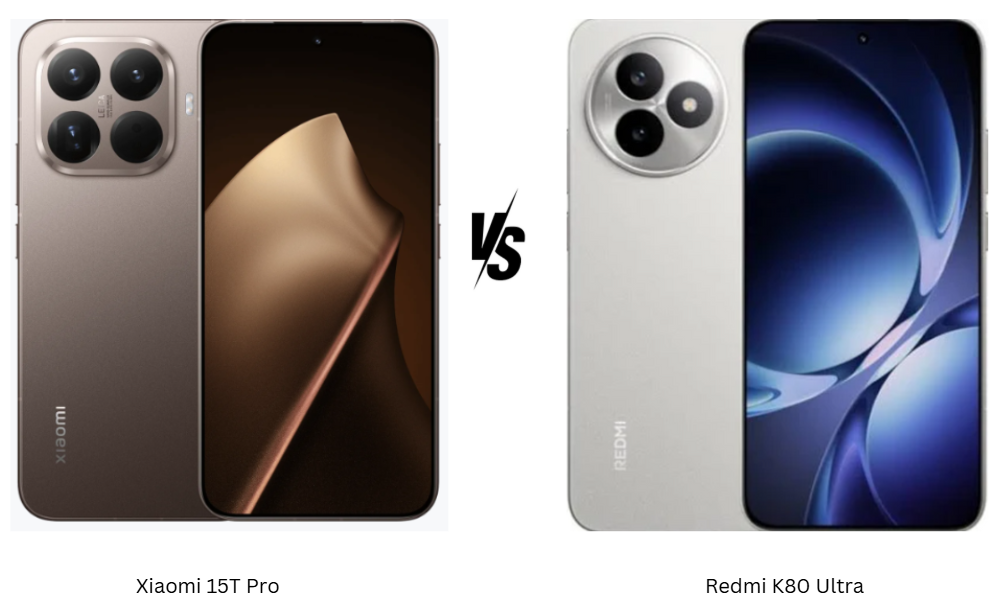
Xiaomi 15T Pro and Redmi K80 Ultra, both launched in 2025, bring flagship-level power with the same Dimensity 9400+ chipset but target different audiences. The 15T Pro focuses on premium features like Leica cameras, wireless charging, and stronger durability, while the K80 Ultra emphasizes endurance and affordability with a massive battery and lower price tag. This comparison is important because it highlights whether spending nearly double on the 15T Pro is worth it over the more budget-friendly yet powerful Redmi K80 Ultra.
Build and Feel: The Xiaomi 15T Pro adopts a premium glass fiber back with an aluminum frame, giving it a lighter yet durable finish, backed by Gorilla Glass 7i and a stronger 6M13 aluminum alloy structure with 321 N/mm rigidity. This makes it more resilient against pressure and accidental bends. In contrast, the Redmi K80 Ultra also has a glass and aluminum build but lacks the reinforced rigidity, making the Pro feel more premium and reliable in hand. The 15T Pro also has better IP68 certification (3m vs 2m), offering slightly better water resistance.
Verdict: Xiaomi 15T Pro offers superior durability and a more premium feel.
Display Quality: Both phones feature 6.83-inch OLED/AMOLED panels with 144Hz refresh rates, Dolby Vision, HDR10+, and an impressive 3200 nits peak brightness. The 15T Pro, however, uses AMOLED with a higher-frequency 3840Hz PWM dimming, which reduces eye strain during long usage, while the K80 Ultra stops at standard OLED with 1800 nits HBM. This gives the Pro an edge for users sensitive to flicker and those who value professional color calibration.
Verdict: Xiaomi 15T Pro has a slight lead in display quality with its AMOLED panel and advanced PWM dimming.
Verdict: While both are visually impressive, the Xiaomi 15T Pro clearly emphasizes durability and eye-friendly display technology. The Redmi K80 Ultra offers great value but feels less robust in design and screen refinement.
Performance: Both phones share the same MediaTek Dimensity 9400+ chipset with Immortalis-G925 GPU, ensuring identical raw performance levels for gaming, multitasking, and AI-driven tasks. However, the 15T Pro tops out at 12GB RAM across its configurations, while the K80 Ultra stretches up to 16GB RAM. For memory-intensive workloads, the Ultra may handle heavy multitasking better.
Verdict: Redmi K80 Ultra edges out in performance versatility due to higher RAM options, though both deliver flagship-grade processing.
Battery and Charging: Here lies a big difference. The Xiaomi 15T Pro carries a 5500 mAh battery with 90W wired and 50W wireless charging, completing a full charge in under an hour wirelessly. On the other hand, the Redmi K80 Ultra comes with a massive 7410 mAh Si/C battery paired with 100W wired charging and bypass charging for gaming. While it lacks wireless support, its endurance is significantly better, especially for long gaming or travel days.
Verdict: Redmi K80 Ultra leads in overall battery life, while the 15T Pro suits users prioritizing wireless charging convenience.
Verdict: The Redmi K80 Ultra dominates in endurance and RAM flexibility, but the Xiaomi 15T Pro balances things with wireless charging and slightly better charging efficiency.
3. Camera
Main and Secondary Lenses: Xiaomi 15T Pro integrates a Leica-branded triple setup: a 50MP main sensor with OIS, a 50MP periscope telephoto with 5x optical zoom, and a 12MP ultrawide. This makes it versatile for both zoom and wide-angle photography. The Redmi K80 Ultra relies on a dual setup with a 50MP wide and an 8MP ultrawide, lacking telephoto and having smaller sensors. For photography enthusiasts, the Pro’s Leica optics and Ultra HDR give it a massive advantage in versatility and detail.
Verdict: Xiaomi 15T Pro wins with a far superior and versatile triple-camera system.
Selfie Camera: The 15T Pro has a 32MP front sensor with 4K recording, HDR10+, and better low-light optimization. The K80 Ultra uses a 20MP sensor capped at 1080p video. For vlogging, streaming, or high-quality selfies, the Pro delivers sharper results with more recording options.
Verdict: Xiaomi 15T Pro is clearly ahead for selfie and video creators.
Verdict: Xiaomi 15T Pro is the definitive winner in cameras, both for rear versatility and selfie quality, while the Redmi K80 Ultra’s setup feels limited for 2025 standards.
4. Pricing
Xiaomi 15T Pro is priced around$900, targeting premium flagship buyers who want Leica cameras, wireless charging, and top-tier durability. The Redmi K80 Ultra costs nearly half at $400, making it a more budget-friendly flagship with massive battery life and strong performance.
Verdict: For value, the Redmi K80 Ultra is unbeatable, but the 15T Pro justifies its premium price with cameras, build quality, and added features.
5. Conclusion
Xiaomi 15T Pro stands out with Leica optics, advanced display PWM dimming, wireless charging, stronger build rigidity, and IP68 with 3m water resistance. The Redmi K80 Ultra, however, shines with its massive 7410 mAh battery, bypass charging, and higher RAM options, making it ideal for gamers and heavy users.
Verdict: Choose the Xiaomi 15T Pro if photography, premium build, and a refined flagship experience matter most. Go for the Redmi K80 Ultra if endurance, affordability, and RAM-heavy multitasking are priorities. Both are excellent, but they cater to very different user needs.
The Hong Kong Trade Development Council (HKTDC) is set to host four major technology events this October, bringing together more than 6,200 exhibitors from 27 countries and regions. Running under the EXHIBITION+ hybrid model, these fairs will combine physical showcases with the AI-driven Click2Match business matching platform, highlighting Hong Kong’s push to establish AI as a core industry.
A Month of Innovation and Trade
The lineup includes the Hong Kong Electronics Fair (Autumn Edition), electronicAsia, the Hong Kong International Lighting Fair (Autumn Edition), and the Hong Kong International Outdoor and Tech Light Expo. Electronics Fair and electronicAsia will run from 13–16 October at the Hong Kong Convention and Exhibition Centre (HKCEC), while the Lighting Fair takes place from 27–30 October at the same venue. The Outdoor and Tech Light Expo follows at AsiaWorld-Expo from 28–31 October, with overlapping online editions extending the reach of these exhibitions.
Electronics Fair & electronicAsia: Robotics, Silver Economy, and Digital Entertainment
Marking their 45th and 28th editions respectively, the Electronics Fair and electronicAsia will welcome 3,200+ exhibitors under the theme “World’s Leading Electronics Marketplace.” Robotics takes center stage with RoboPark, featuring live demonstrations from Booster Robotics, Unitree Robotics, and innovations such as a robot making coffee and humanoid AI-powered assistants.
New zones like RISE Avenue for emerging smart device brands and Adventure Hub for EV start-ups will complement the Hall of Fame, housing 500+ global names including AIWA, Rapoo, and Philips. Notable product highlights include DEEP Robotics’ quadruped robot dog, BrainCo’s bionic prosthetic hand, and PaXini Tech’s humanoid robot with tactile sensing. The event also emphasizes the silver economy, with smart canes and elder-care solutions, and immersive digital entertainment technologies.
Key forums include the 10th Symposium on Innovation & Technology, focusing on robotics applications across land, sea, and sky, and the Hong Kong Electronic Forum, covering advancements in battery and energy storage technologies.
Lighting Fair: Smart and Sustainable Illumination
The Hong Kong International Lighting Fair (Autumn Edition) will host 3,000+ exhibitors with the theme “Illuminated Designs for a Smarter Future.” Smart lighting, sustainability, and healthy living will dominate discussions. The Hall of Connected Lighting features 60+ leading brands such as GRE Alpha, TUYA Smart, Moorgen, and Signify, while the Hall of Aurora brings together over 540 international names like LEEDARSON, Tospo, and Megaman.
Award-winning designs such as Moorgen’s smart switch and Bweetech’s Fluorite Lamp will be showcased alongside Filmbase Tech’s Guinness World Record-holding LED mesh flying screen. Real-world applications of lighting in major global projects, from Singapore’s Gardens by the Bay to Osaka World Expo’s Yumeshima Station, will further highlight the fair’s industry relevance.
Outdoor and Tech Light Expo: Smart Cities and Public Lighting
Held at AsiaWorld-Expo, the Outdoor and Tech Light Expo will focus on smart city lighting and outdoor solutions. Exhibits will feature multi-functional smart light poles from Unilumin Group, integrating lighting, EV charging, and Wi-Fi, and professional sports lighting from Lamp Shining Technology, already in use at Canadian baseball fields.
Forums such as the Innovative Lighting Design Forum and Connected Lighting Forum will explore sustainable lighting ecosystems and the road to a net-zero future. A special seminar on sustainable outdoor designs and a masterclass by lighting designer Tino Kwan will add depth to the discussions.
Hybrid Connectivity and Global Reach
All fairs will benefit from HKTDC’s EXHIBITION+ hybrid engagement model, ensuring both in-person and online networking opportunities. Free shuttle services will connect the two main venues, HKCEC and AsiaWorld-Expo, to facilitate seamless visitor participation. With a strong mix of cutting-edge technology, cross-industry collaboration, and AI-driven business platforms, Hong Kong’s October fairs are set to strengthen the city’s role as a global innovation hub.
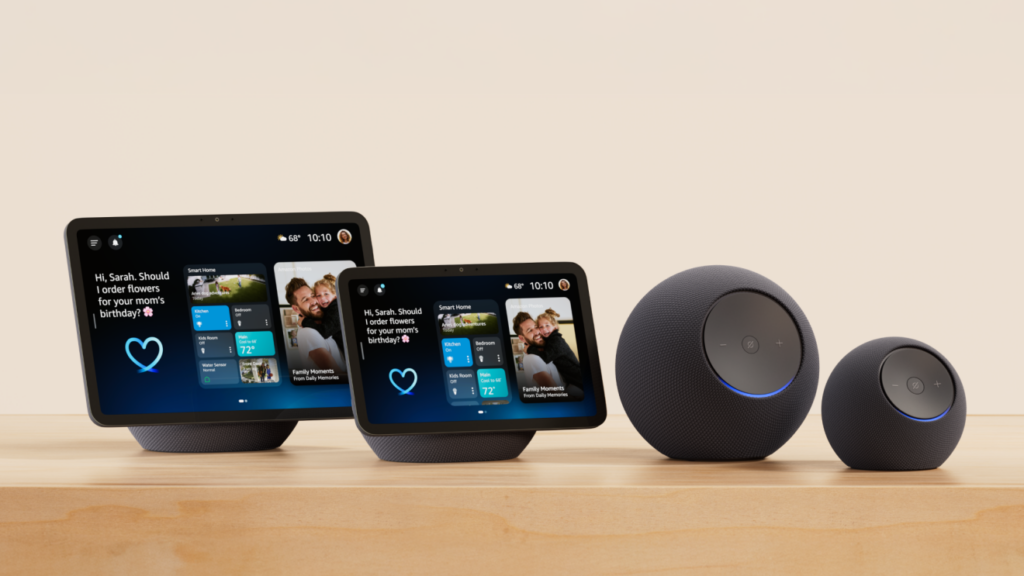
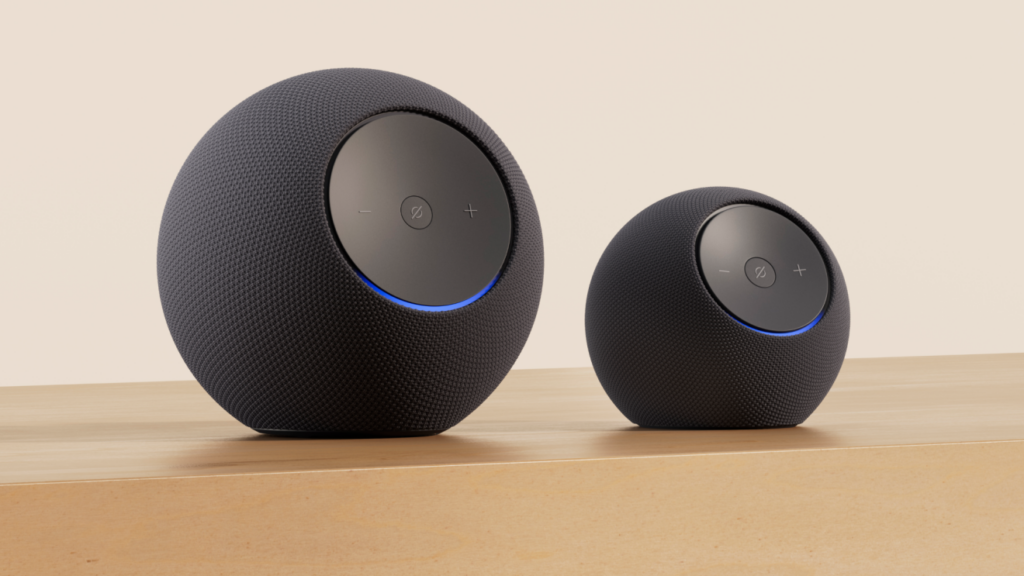
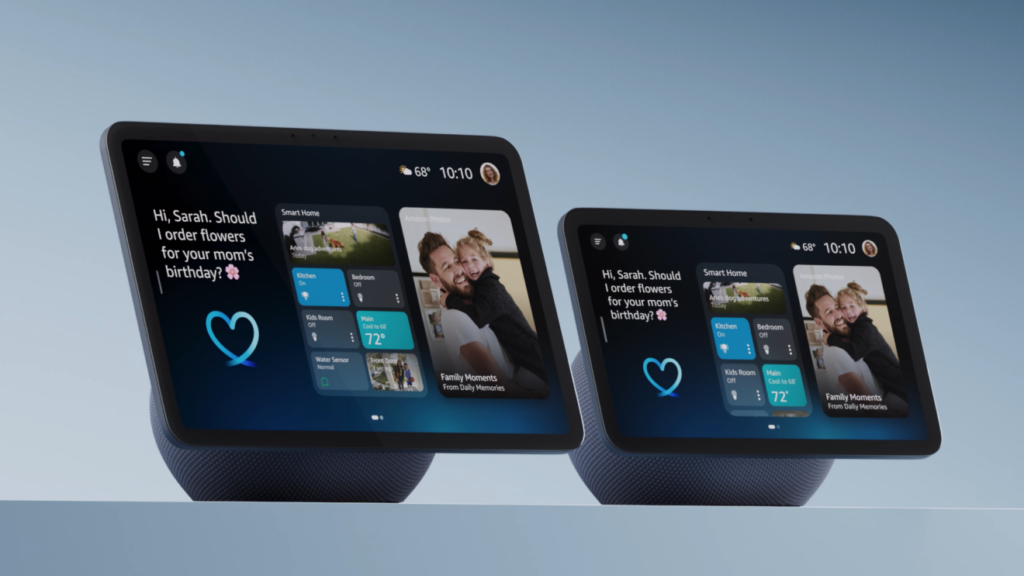
Amazon has introduced four new Echo devices designed for Alexa+, its upgraded AI assistant. The new lineup includes Echo Dot Max, Echo Studio, Echo Show 8, and Echo Show 11. All four come with more power, more sensors, and Alexa+ access out of the box.
Custom Chips for Faster AI
The new devices run on Amazon’s AZ3 and AZ3 Pro chips. Echo Dot Max uses AZ3, which improves wake-word detection by 50 percent, filters background noise, and powers Amazon’s best microphone array yet. Echo Studio, Echo Show 8, and Echo Show 11 use AZ3 Pro, which supports advanced language models and vision transformers for smarter, faster responses. All devices feature Omnisense, a sensor system that uses a 13-megapixel camera, audio, radar, accelerometers, and Wi-Fi signals to detect events in the home. Alexa can then act proactively, such as reminding someone when a specific person walks in the room or alerting if the garage door is left open after 10 p.m.
Echo Dot Max and Echo Studio
Echo Dot Max has a redesigned audio system with two speakers. It includes a high-excursion woofer and a custom tweeter, delivering nearly three times the bass of the Echo Dot (5th gen). The speaker module is built into the housing for fuller bass. Echo Studio is 40 percent smaller than the original and includes a high-excursion woofer with three full-range drivers. It supports spatial audio and Dolby Atmos. Customers can also pair up to five Echo Dot Max or Echo Studio units with Fire TV sticks to create an Alexa Home Theater system.
Please Note: When you buy something using the links in our articles, we may earn a small commission at no cost to you.
Echo Show 8 and Echo Show 11
Both displays feature in-cell touch and negative liquid crystal design for clearer visuals in any light. They include 13-megapixel cameras that let Alexa greet users and show relevant information. The devices also work as smart home hubs, supporting Zigbee, Matter, and Thread.
Pricing and Availability
Echo Dot Max will be priced at $99.99. Echo Studio will cost $219.99. Echo Show 8 will be available for $179.99, while Echo Show 11 will be $219.99. Pre-orders are open now in the U.S. Echo Dot Max and Echo Studio will launch on October 29, and Echo Show 8 and Echo Show 11 will launch on November 12.
For more daily updates, please visit our News Section.
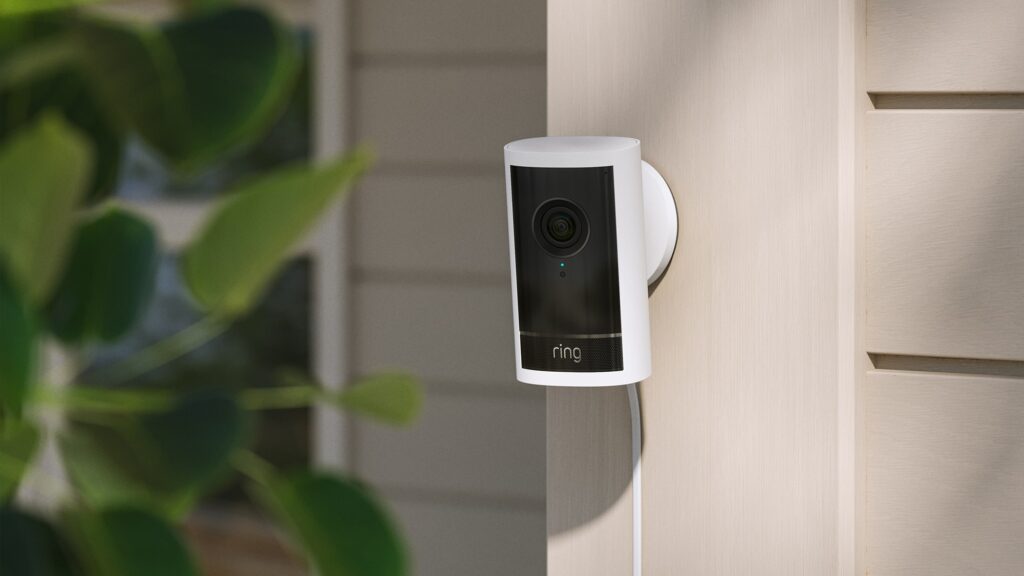
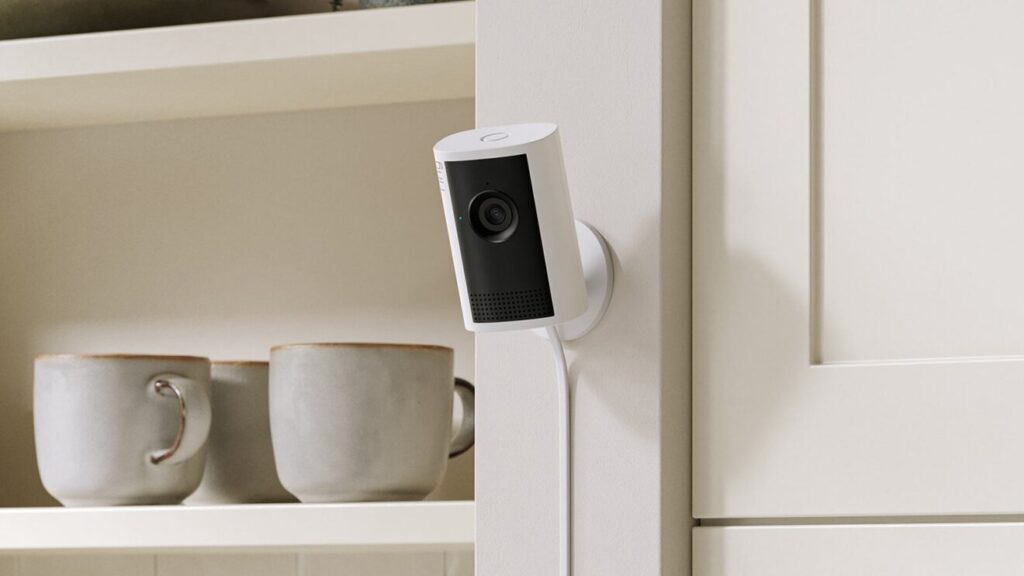
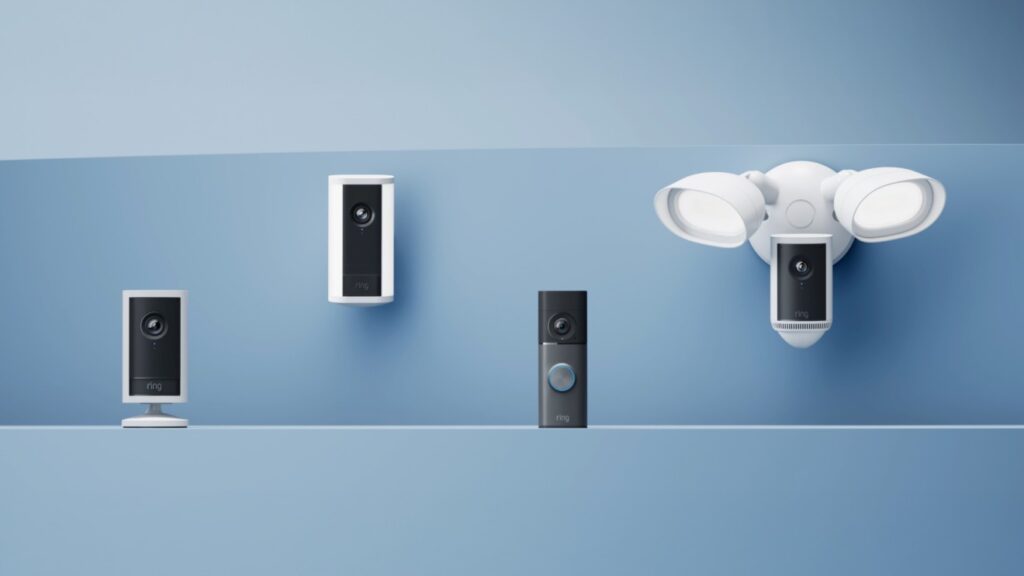
Ring has announced its most advanced lineup of security devices, introducing new 2K and 4K cameras and doorbells along with AI-powered features designed to improve safety and convenience.
Ring Retinal 4K Vision
The highlight is Ring Retinal 4K Vision, now available in the Wired Doorbell Pro, Spotlight Cam Pro, Floodlight Cam Pro, Outdoor Cam Pro, and Power over Ethernet models including Spotlight Cam Pro POE, Outdoor Cam Pro POE, and Wired Doorbell Elite. Retinal 4K delivers clearer video with 10x zoom, enhanced low-light performance, and AI tuning. The technology captures video that looks closer to natural eyesight, making it easier to identify details in challenging conditions.
Ring Retinal 2K Vision
Retinal 2K Vision has been added to the new Indoor Cam Plus and Wired Doorbell Plus. It increases pixel density and overall clarity, offering a reliable way to monitor homes through the Ring app.
Ring has also introduced new AI features. Alexa+ Greetings turns Alexa into a doorbell attendant. It can interact with visitors, manage deliveries, and provide instructions while keeping the homeowner updated. Familiar Faces helps reduce unnecessary notifications by recognizing known individuals and tagging them in notifications, video events, and timelines.
Another feature is Search Party, an AI-powered tool for lost pets. If a neighbor reports a missing dog, outdoor Ring cameras in the area can use AI to look for matches. If detected, owners receive an alert with a picture of the dog and related footage. The homeowner can then choose to share the information with their neighbor. The feature will expand to cats and other pets after launch.
Pricing and Availability
The new lineup is available for pre-order today. Wired Doorbell Pro is priced at $249.99, Wired Doorbell Plus at $179.99, Outdoor Cam Pro at $199.99 ($299.98 PoE), Spotlight Cam Pro at $249.99 ($349.98 PoE), Floodlight Cam Pro at $279.99, Indoor Cam Plus at $59.99, and Wired Doorbell Elite at $499.99. Search Party for dogs will roll out in November. Alexa+ Greetings and Familiar Faces will launch in December.
For more daily updates, please visit our News Section.
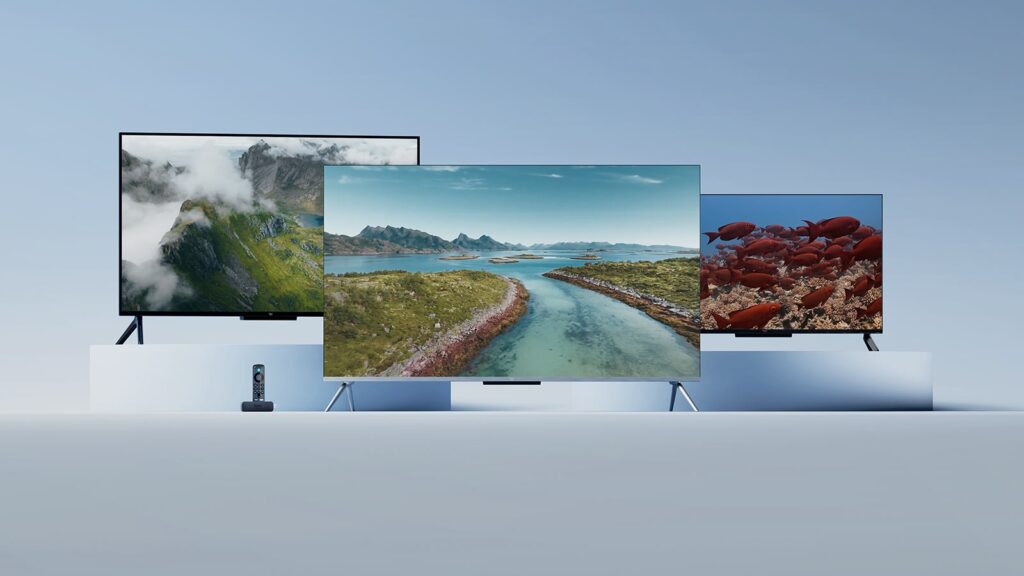
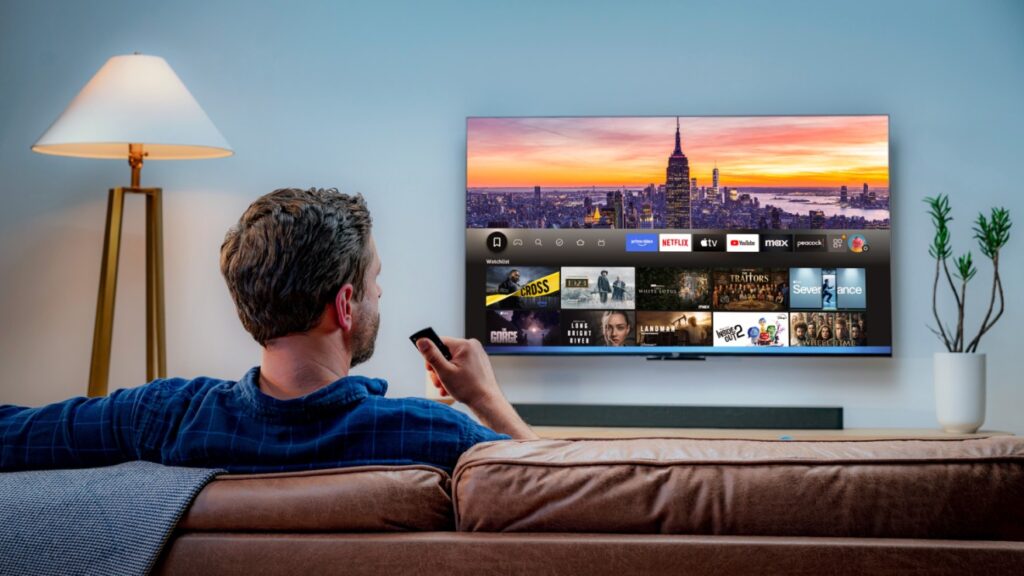
Amazon has introduced a refreshed Fire TV lineup alongside a smarter Alexa+ experience, designed to make finding and watching content faster and more intuitive.
Fire TV Omni QLED Series
The flagship Omni QLED Series delivers displays that are 60% brighter than before with nearly double the local dimming zones for sharper contrast. Dolby Vision and HDR10+ Adaptive support enhance color vibrancy, while a new processor boosts performance by 40%. Omnisense technology adjusts colors to room lighting, powers down when the room is empty, and even displays interactive art. Alexa+ is built-in, allowing direct voice commands.
The redesigned 2-Series offers crisp HD, while the 4-Series supports 4K. Both now include ultra-thin bezels and are 30% faster with a quad-core processor. Omnisense arrives on these models too, bringing smart features to lower price points. Dialogue Boost, available across all new TVs, lets viewers raise voice levels without amplifying background noise.
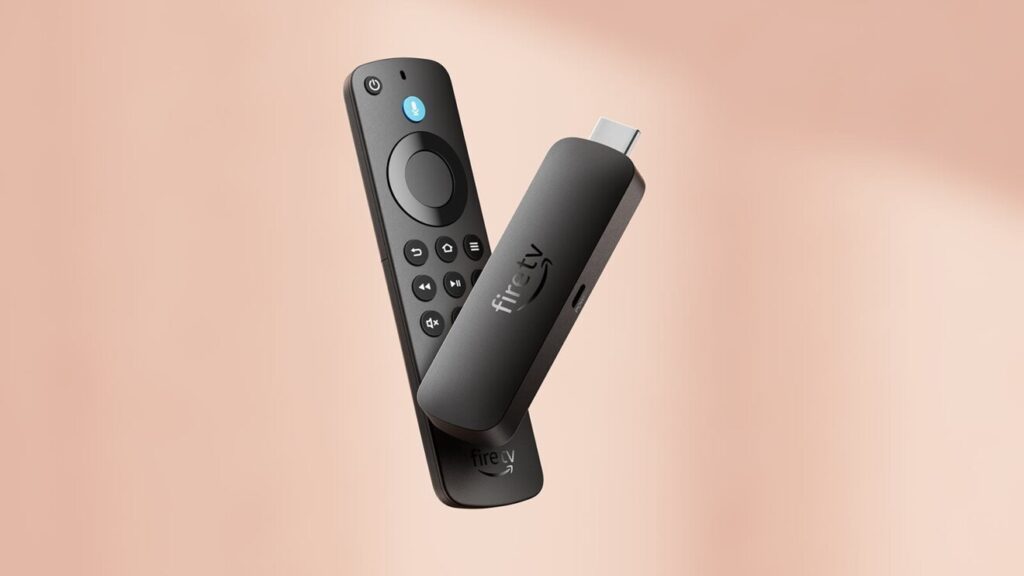
The new Fire TV Stick 4K Select offers HDR10+ support, vibrant 4K streaming, and fast app launches powered by the new Vega OS. It also works with Prime Video, Netflix, and more, with support for Xbox Gaming, Luna, and Alexa+ coming soon.
Alexa+ now offers conversational search, personalized recommendations, and live sports integration. Users can ask for content similar to previous favorites, check actor bios, or view live scores while watching. It also provides a unified watchlist, redesigned live guide with tailored recommendations, and a continue-watching row across services.
Availability and Pricing
All new devices are available for pre-order today and will begin shipping next month. The Fire TV Stick 4K Select is priced at $39.99. The Omni QLED Series comes in 50-, 55-, 65-, and 75-inch models starting at $479.99. The 4-Series ranges from 43 to 55 inches and starts at $329.99, while the 2-Series is available in 32- and 40-inch models starting at $159.99. Alexa+ is included with these new Fire TVs and select models from Panasonic and Hisense.
Amazon has introduced its latest Kindle Scribe lineup. It includes a redesigned Kindle Scribe with and without a front light, and the first-ever color Kindle Scribe. The devices are built for productivity, with a slimmer and lighter design, improved display technology, and new AI-powered tools.
The new Kindle Scribe is 5.4mm thick, weighs 400g, and is 40 percent faster for writing and page turns. It comes with an 11-inch glare-free display that matches the size of a sheet of paper. The screen is designed for reading, note-taking, and reviewing full-size documents. The front light system uses miniaturized LEDs placed close to the display for uniform lighting and narrower bezels. The texture-molded glass adds friction for the pen, and the reworked display stack reduces parallax to nearly zero, making writing feel natural. A quad-core chip, increased memory, and Oxide display technology improve speed and performance.
The Kindle Scribe Colorsoft adds color writing with a design similar to the standard model. It uses Colorsoft display technology with a color filter, light guide, and nitride LEDs to create soft colors that do not strain the eyes. A new rendering engine enhances colors while keeping writing smooth and natural. It also delivers weeks of battery life and does not include distracting apps or notifications.
New productivity tools include an AI-powered notebook, Quick Notes, AI search with summaries, and cloud support through Google Drive and Microsoft OneDrive. Users can export notes to OneNote, send documents to Alexa+, and work with 10 pen colors, 5 highlighter colors, and a shading tool for gradient effects. A workspace feature organizes books, notebooks, and documents.
Reading features now include Story So Far, which gives spoiler-free summaries, and Ask this Book, which answers questions about highlighted text. These will be available on Kindle and the Kindle iOS app. The lineup comes with a pen that attaches magnetically and does not require charging.
Pricing & availability
Prices start at $499.99 for the Kindle Scribe with front light, $629.99 for the Kindle Scribe Colorsoft, and $429.99 for the version without a front light. U.S. sales begin later this year, while the UK and Germany will get the devices early next year.
For more daily updates, please visit ourNews Section.
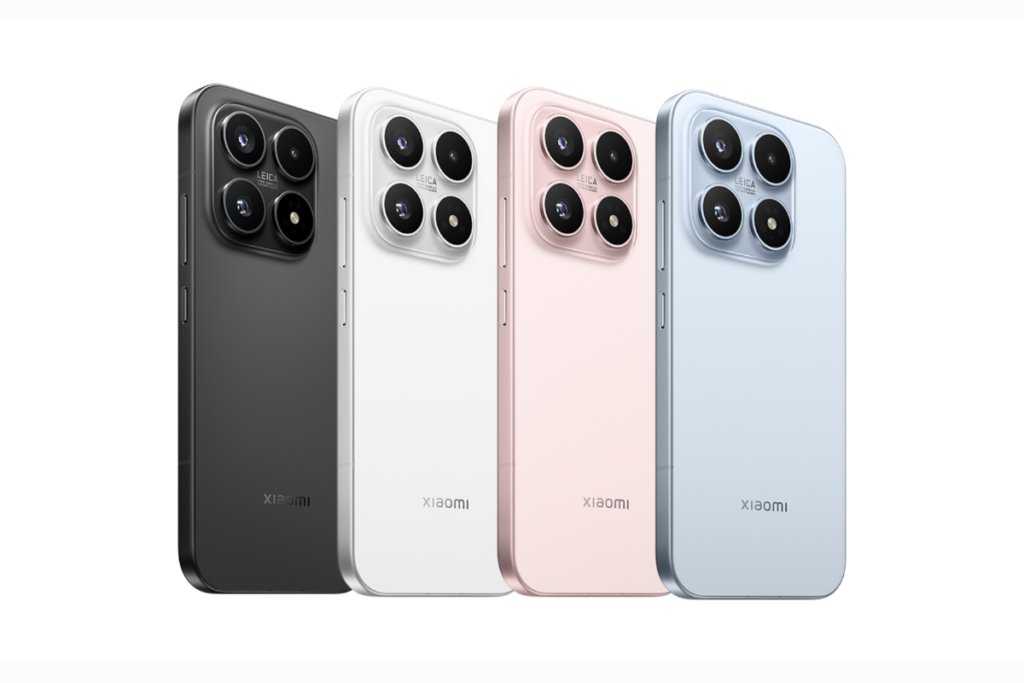
The Xiaomi 17 lineup just debuted in China alongside the new Xiaomi 15T. Now, a fresh leak has officially revealed the camera details of all four smartphones. While the 15T is a cutdown version of last year’s flagships, the new 17 series sees some surprising downgrades. So here’s everything you need to know.
Xiaomi 17
According to tipster Sudhanshu Ambhore, the standard Xiaomi 17 arrives with a 1/1.31-inch 50MP Light Hunter 950 as its main camera. This is a newer custom camera, but it keeps the same sensor size as last year’s Xiaomi 15, which had a 50MP Light Fusion 900.
Xiaomi 17
Meanwhile, the 2.6x telephoto shooter remains the same between the two devices. However, the Xiaomi 15 has a bigger 1/2.76-inch Samsung ISOCELL JN1 ultra wide angle lens compared to the Xiaomi 17’s 1/2.88 inch 50MP OV50M ultra wide shooter. On the front, the same 50MP OV50M makes a return for the Xiaomi 17, which is an upgrade over the Xiaomi 15s’ 1/3.14-inch 32MP OV32B selfie camera.
Xiaomi 17 Pro & Xiaomi 17 Pro Max
The Xiaomi 17 Pro models share nearly identical camera setups, excluding the periscope telephoto lens. Both models get an upgraded 50MP 1/1.28-inch Light Hunter A950L primary camera, which matches the likes of the iPhone 17 Pros, Galaxy S25 Ultra, and Pixel 10 Pros. However, the Xiaomi 17 Pro Max gets a larger 1/1.95-inch ISOCELL GN8 5x periscope telephoto shooter.
Xiaomi 17 Pro Max
The Xiaomi 17 Pro gets downgraded to the smaller JN5, but keeps the 5x optical zoom. The entire Xiaomi 17 lineup appears to use the same camera sensors for the ultra wide angle and selfie shooter, which is the 50MP OmniVision OV50M sensor.
Xiaomi 15T Series
Lastly, we have the Xiaomi 15T series. These are the Chinese tech giant’s budget flagship models. The vanilla 15T features the 1/1.55-inch OVX8000 as its main sensor, but the more expensive 15T Pro upgrades to the 1/1.31-inch OVX9100. Both of these are 50MP cameras, although the 15T Pro matches last year’s Xiaomi 15 flagship. For the ultra wide angle shots, the duo get the 12MP OV13B sensor.
Xiaomi 15T Series
Similar to the primary camera, the telephoto shooters are also different. The Xiaomi 15T Pro gets a longer 5x optical zoom range thanks to its Samsung JN5 shooter, while the JN5 on the base 15T maxes out at 2x zoom. You get a 32MP Samsung S5KKDS selfie camera on both versions.
The Takeaway
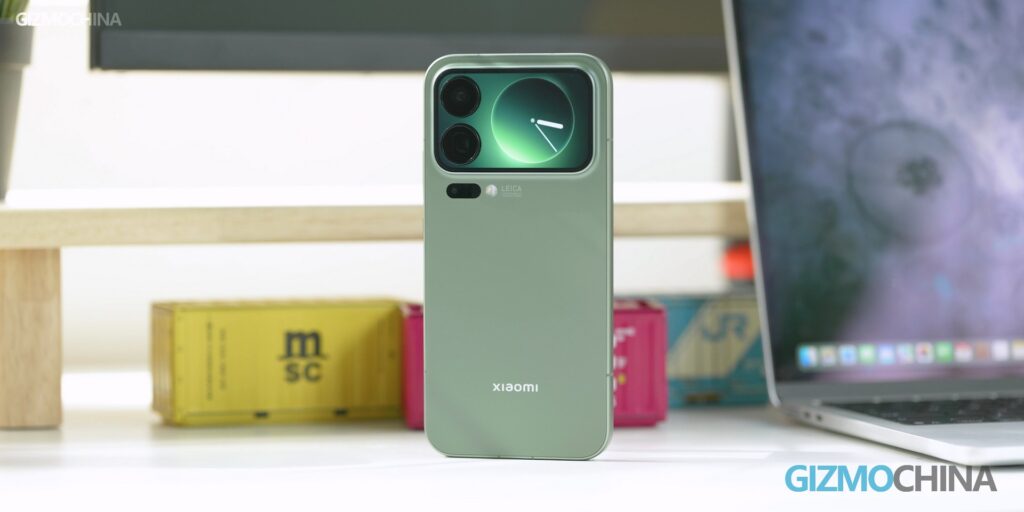
Calling these changes a straight downgrade can also be a bit unfair. The improved ISP on the latest Snapdragon 8 Elite Gen 5 and better tuning on the cameras could give the newer flagship an edge. Hardware alone isn’t everything and cutting edge software optimizations show that. But these can be seen as trade offs from the brand offering more on certain areas, including a new rear display on the Xiaomi 17 Pros.
For more daily updates, please visit our News Section.
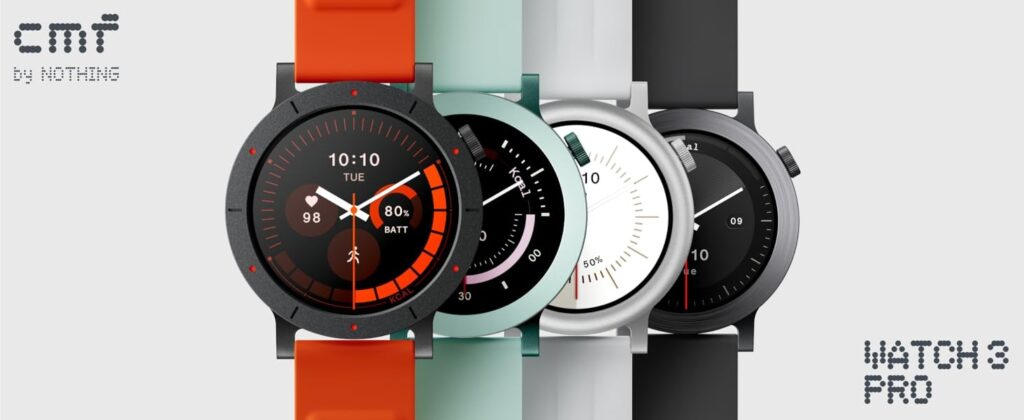
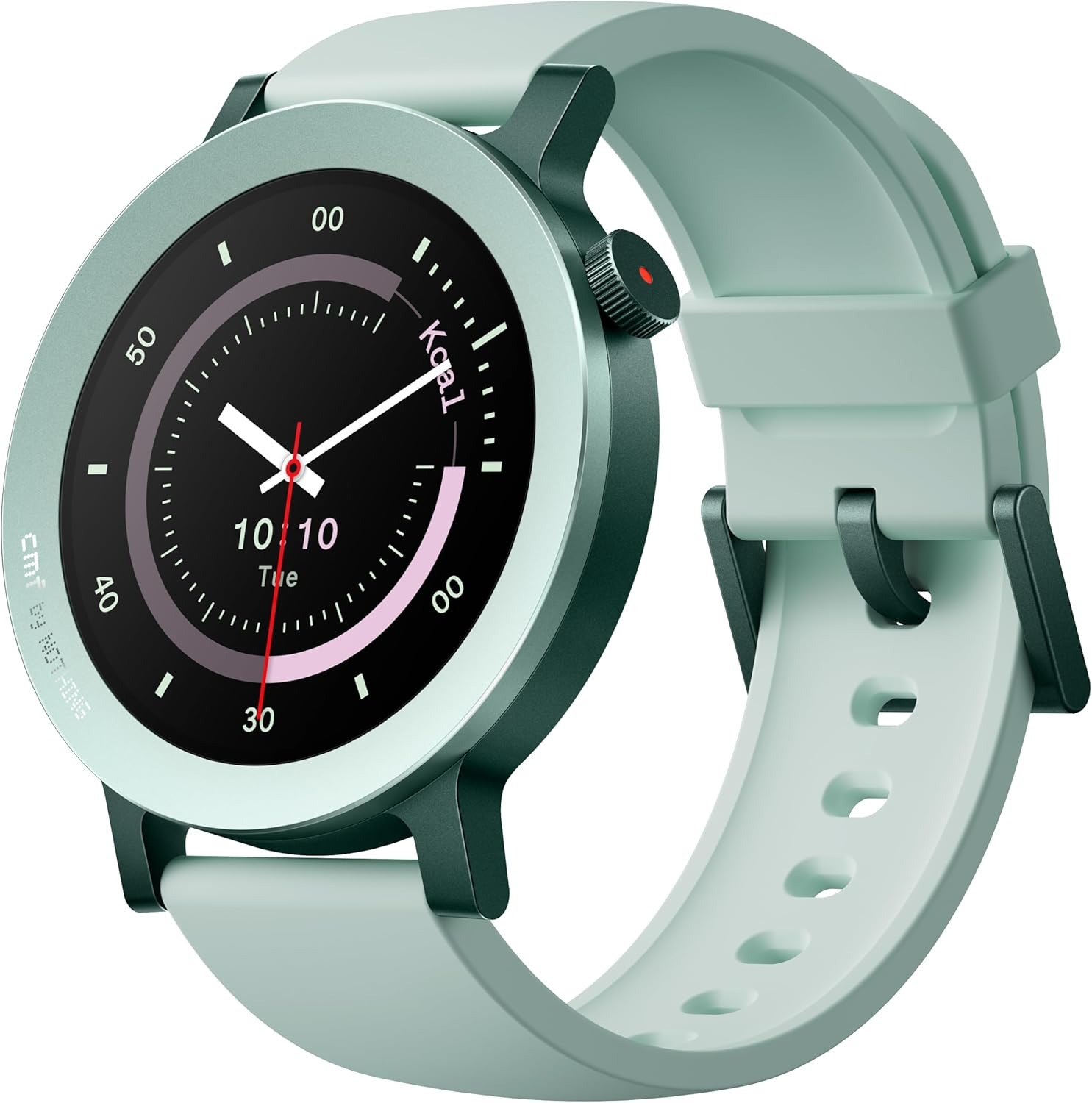
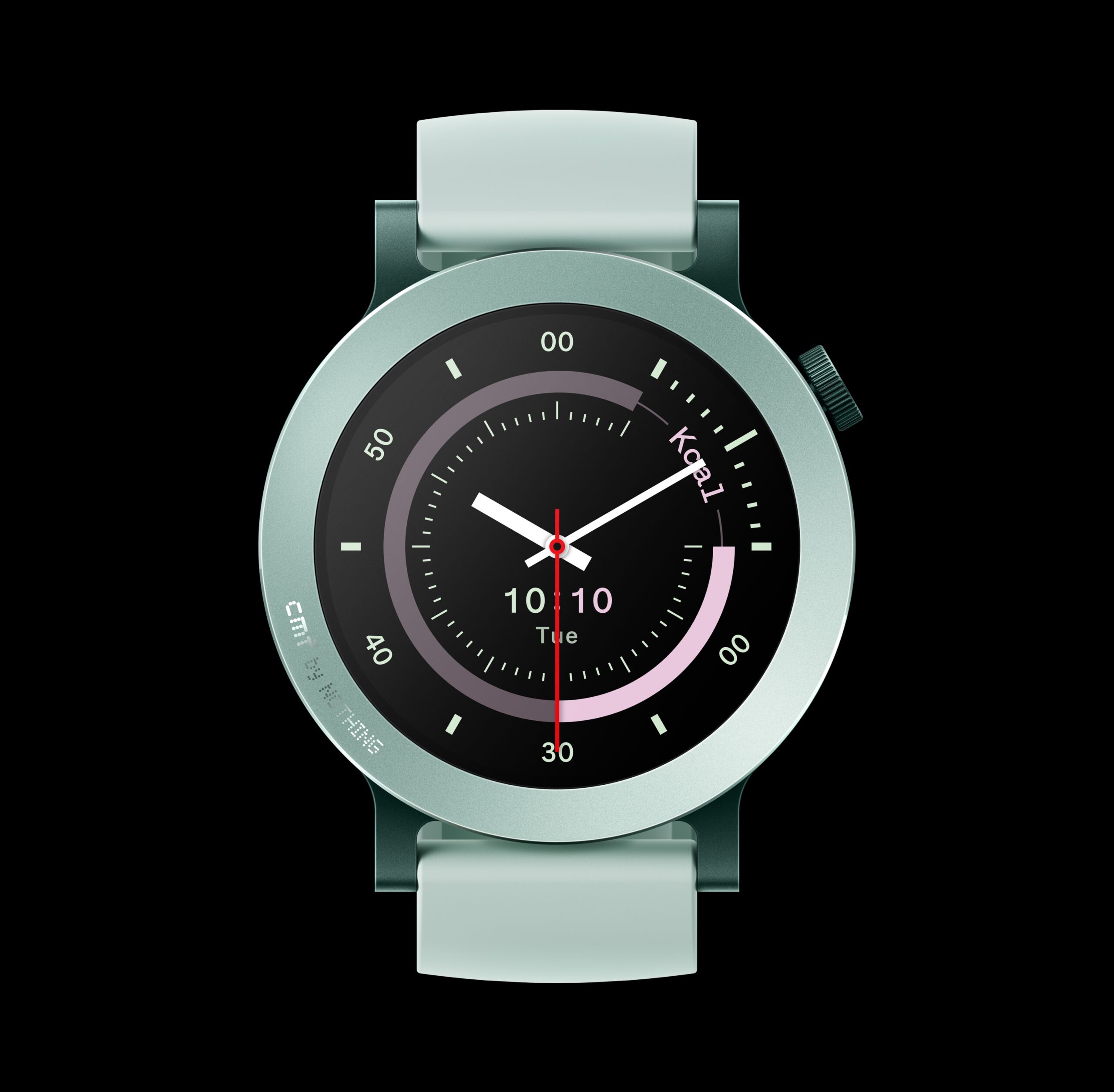
CMF by Nothing has added a new Light Green color to the Watch 3 Pro lineup. The smartwatch, launched globally in July 2025 as the successor to the Watch Pro 2, was earlier available in Dark Gray, Light Gray, and Orange. The new version has a light green bezel and strap with a darker green casing and buckle.
The price remains the same as the earlier models at $99, £99, or €99. No hardware or software changes have been made.
Specifications and Features
The Watch 3 Pro comes with a 1.43-inch AMOLED display with a 466 x 466 resolution and a 60Hz refresh rate. Peak brightness reaches 670 nits. It has a rotating crown for navigation and over 120 watch faces, including options for Always-On Display. The watch is built with a precision-milled metal frame and a liquid silicone strap.
The battery is 350mAh, lasting up to 13 days on typical use or 3.5 days with Always-On Display. A full charge takes about 99 minutes. Health features include a four-channel heart rate sensor, SpO2 monitoring, improved sleep tracking, stress tracking, hydration reminders, inactivity alerts, and women’s health tools.
For fitness, it supports 131 sports modes, with seven offering smart recognition. It also provides animated warm-up guides and AI-powered post-workout summaries. The watch has built-in dual-band GPS (L1+L5) and supports GLONASS, Galileo, BeiDou, and QZSS.
Connectivity features include Bluetooth calling with dual MEMS microphones and gesture-based controls like flip and shake. ChatGPT integration allows voice queries, reminders, and workout tips. A voice recorder with auto-transcription and the Essential News tool are also included. All functions run through the new Nothing X app, which combines health, fitness, and productivity tools in one place.
For more daily updates, please visit our News Section.
Samsung has started pre-orders in the US for the 115-inch Micro RGB Vision AI Smart TV, model MR95F. The TV, first shown earlier this year, is Samsung’s first to feature micro-scale RGB LED backlighting.
The Micro RGB technology improves color accuracy and contrast by using individual micro LEDs instead of a standard backlight. This allows precise brightness control and local dimming for deeper blacks and sharper detail. The screen covers 100% of the BT.2020 color space and has received “Micro RGB Precision Color” certification from German testing agency VDE.
Samsung has added the new Micro RGB AI Engine, which processes every frame to improve picture quality. Features include AI Upscaling Pro to sharpen low-resolution video, AI Motion Enhancer Pro to reduce blur, Micro RGB Color Booster Pro to boost vibrancy, and Micro RGB HDR+ to maintain detail in high-contrast scenes.
For daytime use, the TV includes Glare Free technology certified by UL, which reduces reflections from ambient light. It runs on Tizen OS and supports Bixby with generative AI. The assistant allows users to ask questions like “Summarize the movie I’m watching” or “Which movies had over 10 million viewers?” without leaving the content. The TV also includes Samsung Knox security and will receive seven years of free Tizen OS updates.
The design features a unibody metal frame. It supports up to 144Hz refresh rate, Variable Refresh Rate (VRR), Auto Low Latency Mode (ALLM), and FreeSync Premium Pro. Audio comes from a 70W 4.2.2-channel Dolby Atmos system with Q-Symphony support.
Connectivity options include Wi-Fi 5, Bluetooth 5.3, Apple AirPlay 2, four HDMI 2.0 ports (one with eARC), two USB Type-A ports, Ethernet, and optical audio out.
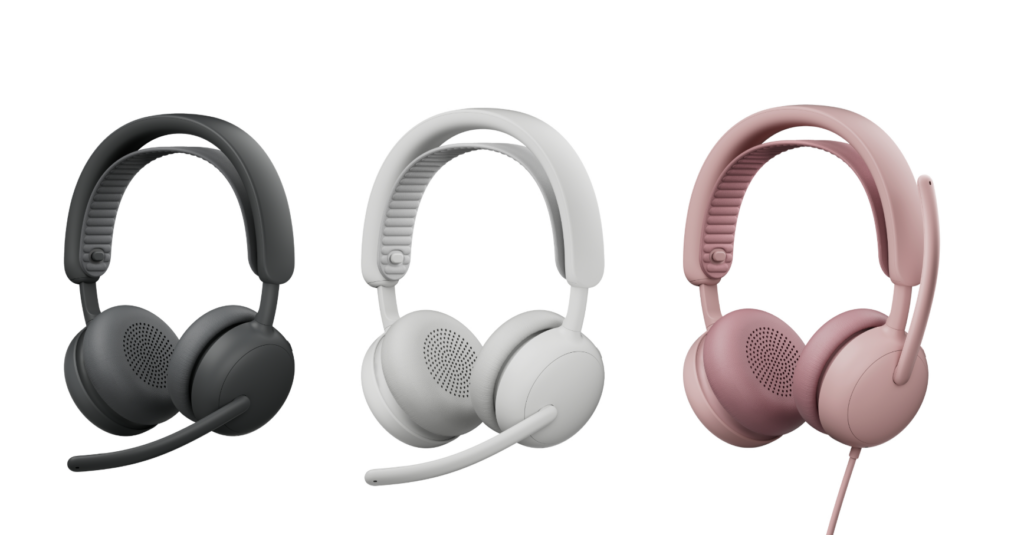
Logitech has launched the Zone Wireless 2 ES and Zone Wired 2 headsets, built to reduce distractions in noisy office spaces. Both models feature AI-powered noise-canceling microphones and adaptive hybrid active noise cancellation (ANC) that automatically adjusts to block background noise. The design is based on gaming headsets, with a headstrap made for long hours of wear.
Open offices encourage collaboration but are known for constant interruptions. Studies estimate that companies lose $468 billion each year due to workplace distractions. “Uninterrupted focus is the new currency of work. With more employees returning to the office, it’s more critical than ever to protect their concentration,” said Hanneke Faber, CEO of Logitech.
The Zone Wireless 2 ES is certified for Zoom, Microsoft Teams, and Google Meet. It supports native Bluetooth call control for Teams and Meet, which means it can be used with or without a dongle. When used with a dongle, the headset’s smart enumeration hides the device from meeting apps when it is powered off, so users are not left guessing about their active audio source. Zone Wired 2 offers the same features and certifications in a USB plug-and-play version, removing the need to charge or worry about wireless connectivity in crowded networks.
IT teams can manage both headsets remotely with Logitech Sync, which allows silent firmware updates without help desk requests or interruptions. Both models come with rotating earcups, a reversible mic boom, and an adjustable headband. Zone Wireless 2 ES delivers up to 20 hours of talk time and 25 hours of listening time with ANC on.
Employees can customize audio, ANC, and charging settings in the Logi Tune app. The headsets are available in rose, off-white, and graphite. Sustainability is a key focus, with replaceable parts and recycled materials used across plastics, magnets, cobalt batteries, and travel bags.
Pricing & availability
Zone Wireless 2 ES will be available globally in November at $159.99 for the Bluetooth version and $179.99 with receiver. Zone Wired 2 will be available in December at $129.99.
For more daily updates, please visit our News Section.
OnePlus has announced a new budget truly wireless earbuds in its home market of China. Back in August 2025, the company unveiled the OnePlus Buds 3R as its latest pair of affordable hearables, now, the company is rebranding it as the Buds 3V.
OnePlus Buds 3V Launch with 54-Hour Battery Life & Familiar Design
Apart from the name, the features remain the same across the two budget earbuds. So you still get the 12.4mm dynamic drivers that are tuned for high quality audio and balanced bass. Users can customize the audio with Sound Master EQ, which brings three presets. These connect via Bluetooth 5.4 while also bringing support for Google Fast Pair, 47ms Low Latency Mode, and dual device connection. It offers AI noise cancellation and wind resistance thanks to its dual mic setup.
OnePlus Buds 3V
You also get 3D Spatial Audio for 360 degree sound stage. One of the big highlights of the OnePlus Buds 3V is its impressive battery life. On a single full charge, these earbuds can last for up to 12 hours, which can be bumped up to 54 hours with the charging case. Other notable features include an IP55 rating for water and dust resistance and Aqua Touch for smoother touch controls.
The Chinese brand just announced the OnePlus Buds 3V for 119 Yuan, which is roughly about 28 US Dollars. In comparison, the OnePlus Buds 3R debuted in India for just 20 US Dollars. So it is surprisingly more expensive in the Chinese market. The earbuds are listed in two color options, which include Black and Blue variants.
For more daily updates, please visit our News Section.
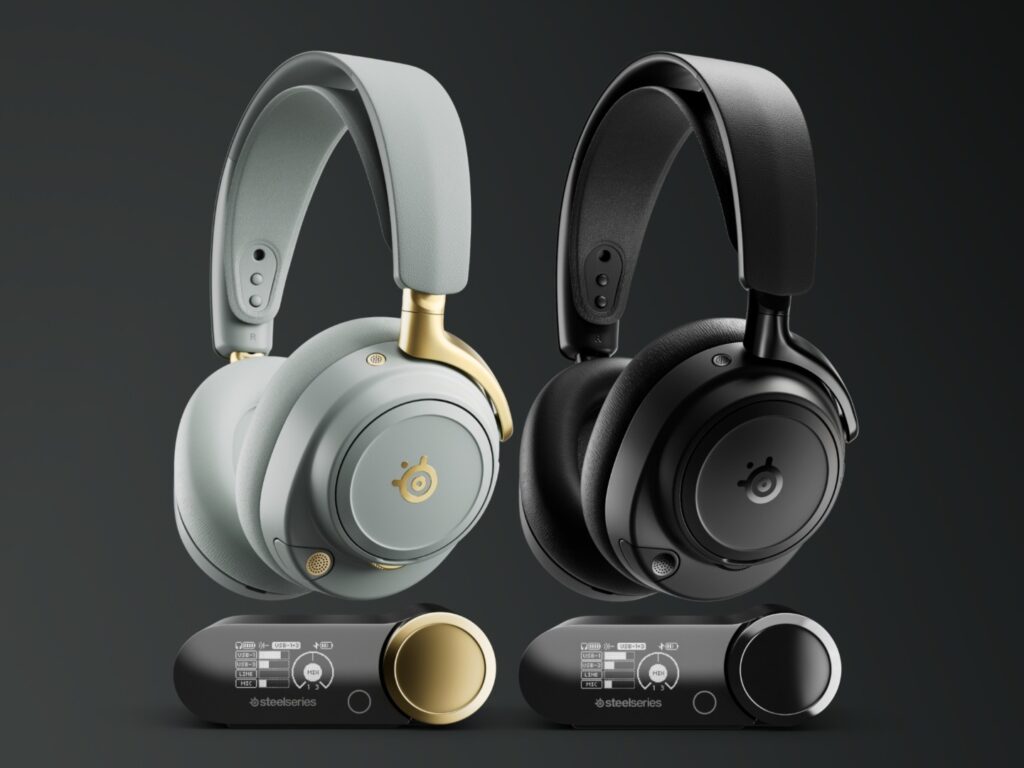
SteelSeries has launched its new flagship headset, the Arctis Nova Elite, setting a new standard in gaming audio as the first Hi-Res Wireless Certified gaming headphones. Built for gaming, music, and everyday use, it combines high-quality sound, strong connectivity, and advanced features.
“
The Nova Elite uses custom 40mm Carbon Fiber Speaker Drivers that reproduce frequencies from 10Hz to 40kHz. With 24-bit/96kHz transmission over 2.4GHz wireless and Bluetooth, powered by the new GameHub and LC3+ codec, the headset delivers audiophile-grade clarity. A brass ring reinforces the drivers for better rigidity and performance, creating lifelike soundscapes.
A key feature is OmniPlay, which lets users connect and mix audio from up to four sources at the same time, including PC, PlayStation, Xbox, Bluetooth, and Aux. This allows players to stay in a game lobby, chat on Discord, and stream content without interruptions. The headset also includes Triple USB-C inputs for connecting multiple systems easily.
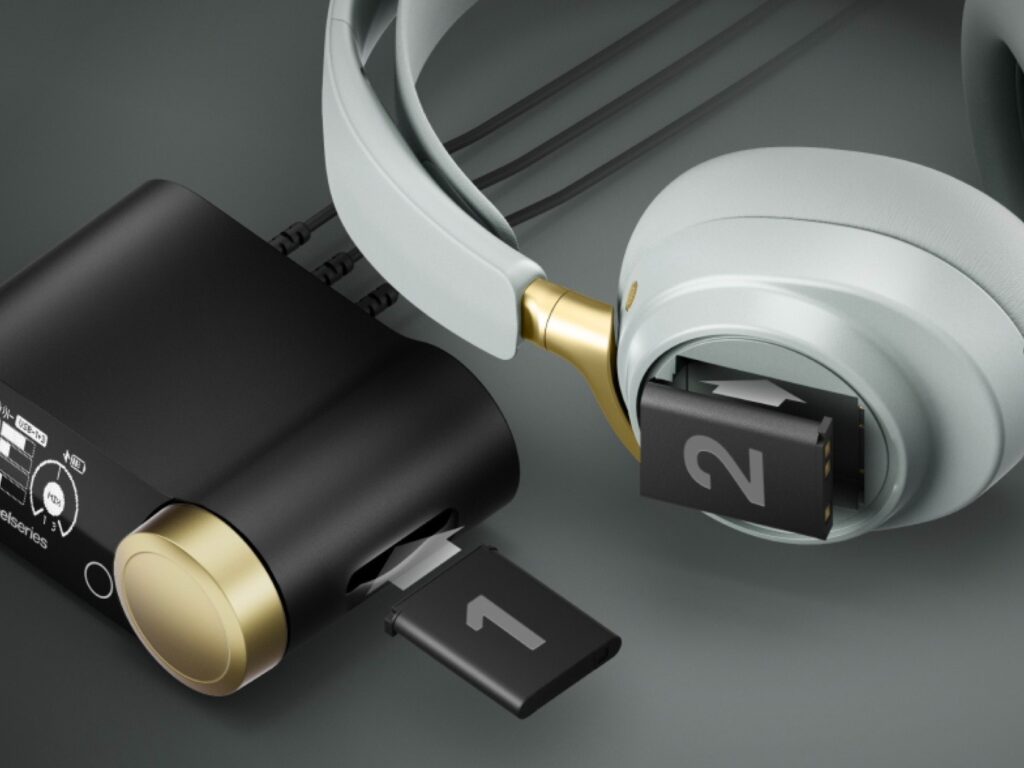
The AI-powered microphone system blocks up to 97% of background noise and supports auto-switching at 32kHz/16-bit. SteelSeries says the Nova Elite offers the best Active Noise Cancellation in gaming, and its Infinite Power System uses dual batteries for nonstop play by swapping them out when needed.
Through the Arctis App, users can choose from more than 200 game-specific audio presets and switch them in real time. The headset has been co-designed with Jacob Wagner, combining a Danish-inspired design with functional comfort. It includes an all-metal frame, metal control wheel, and memory foam earcups for durability and ease of use.
Pricing & availability
The SteelSeries Arctis Nova Elite is available worldwide starting September 30, 2025, priced at $599.99 in North America, £599.99 in the UK, €649.99 in EMEA, and $649.99 in APAC through SteelSeries.com and select retailers.
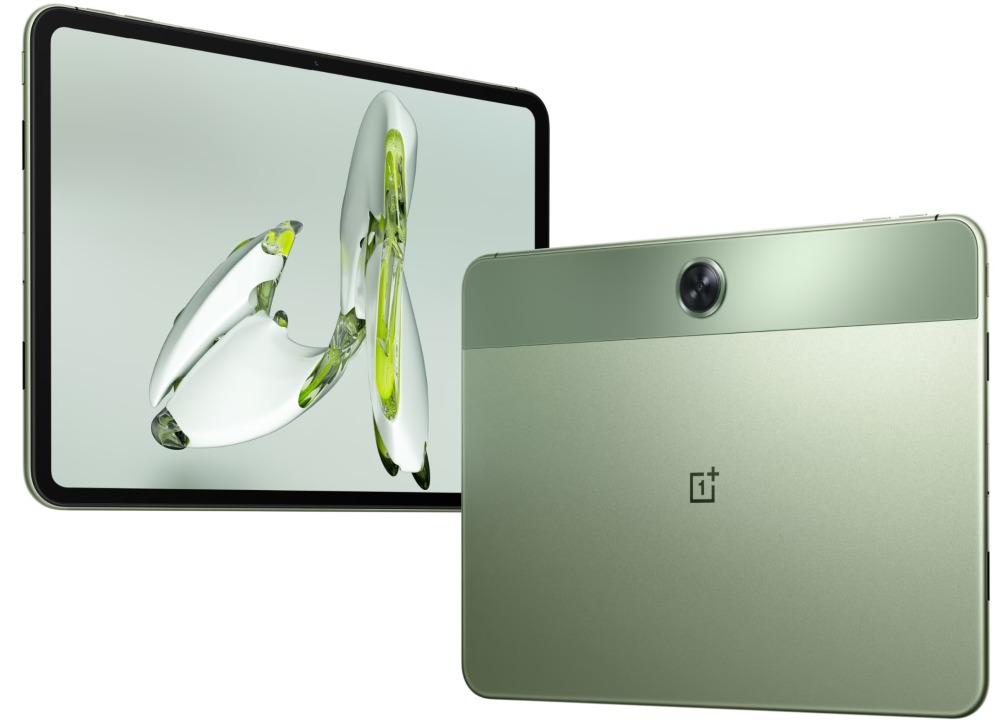
Tablets are now becoming a popular and essential part of daily life. Reading documents, watching movies or YouTube videos, meetings, sketching, and the list goes on. If you are planning to get one, then the OnePlus Pad Go is now available at Rs 13,999(effectively). This is the best tablet around Rs. 15K (*if you are ready to stretch the budget a little).
OnePlus Pad Go Deal Details
This is the easily recommendable budget tablet whose base variant (8GB RAM and 128GB Storage) starts for Rs. 16999 and goes all the way up to Rs. 19999 for the max variants (8GB RAM and 256GB storage). You can get up to Rs. 2000 off on SBI Credit Cards and apply a Rs. 1000 Coupon. Which makes the effective price of OnePlus Pad Go just Rs. 13,999.
Please Note: When you buy something using the links in our articles, we may earn a small commission at no cost to you.
OnePlus Pad Go Features and Specifications.
It comes with a massive 11.35-inch (28.85cm) and 2.4K (2408 x 1720 Pixels resolution) LCD with Redlift Eye Care feature. The base variants of the tablet have only Wifi support, and the rest of the tablet in this lineup comes with both LTE and Wifi support. The OnePlus Pad Go comes with a Quad Speaker with Dolby Atmos support, and the device storage can be extended up to 1 TB.
The device comes with Android Oxygen OS 13.2 out of the box. It is powered by the MediaTek Helio G99 processor. Talking about the battery, the device has an 8000 mAh battery and gives 514 hours of standby. The OnePlus Pad Go has TÃ V Rheinland certification for blue light, which means no eye strain. In addition, the device also comes with intelligent brightness, DC dimming, and bedtime mode, making it a perfect device for those who read.
With the iPhone 17, Apple has turned up the charging game: wired speeds now go up to 40W via USB-C, while wireless charging via Qi2.2 reaches 25W. Whether you need power on the go or just a convenient charging station, having the right charger (or power bank) makes all the difference. Here are five standout chargers for the iPhone 17 lineup.
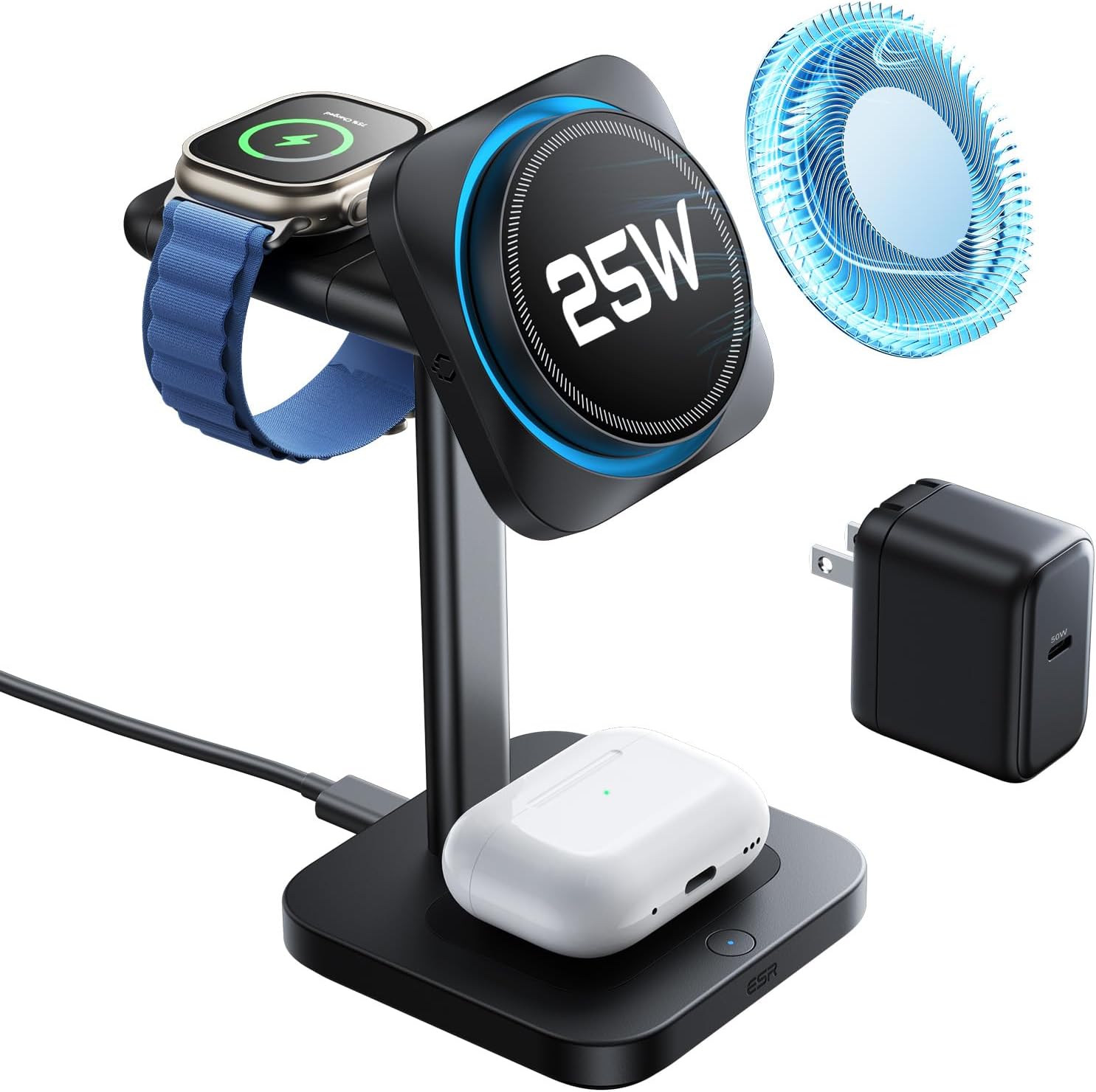
First on our list is a 3-in-1 charging station from ESR. This model is special as it allows users to charge up to three of their Apple products at the same time. So apart from the new iPhone 17 series, one can even power up their Apple Watch and AirPods. It supports 25W magnetic charging for the latest iPhones, taking advantage of the Qi2.2 standard. The magnetic force is strong enough to withstand 1200 grams of force.
2. Anker Prime Wireless Charging Station
Anker Prime Wireless Charging Station
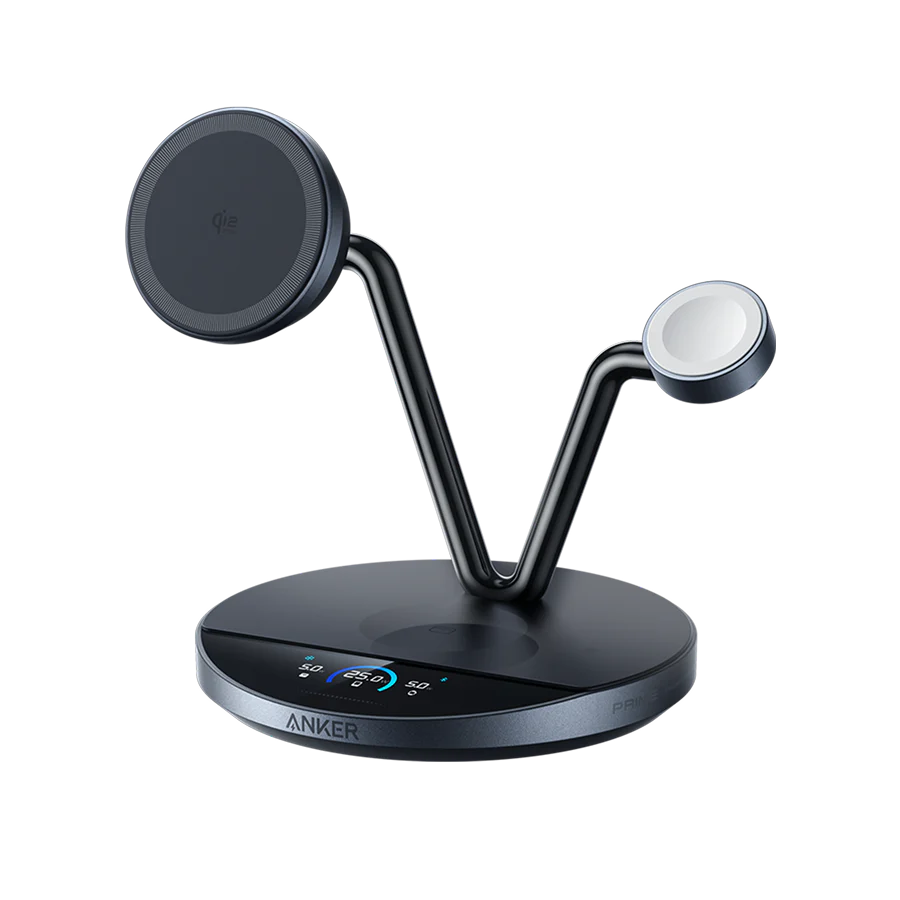
Similar to the ESR, we have the Prime Wireless Charging Station from Anker. Just like the previous charging station, it can also power up an iPhone, AirPods, and Apple Watch. This model is one of the brand’s latest announcements, with Anker promising 50% charge on the iPhone 17 Pro in just 22 minutes. Another notable aspect of this device is the TEC Active Cooling feature, which it calls the AirCool tech. You even get a tiny 1.65-inch touch display that shows the relevant details as well.
3. Apple 70W USB-C Power Adapter
Apple 70W USB-C Power Adapter
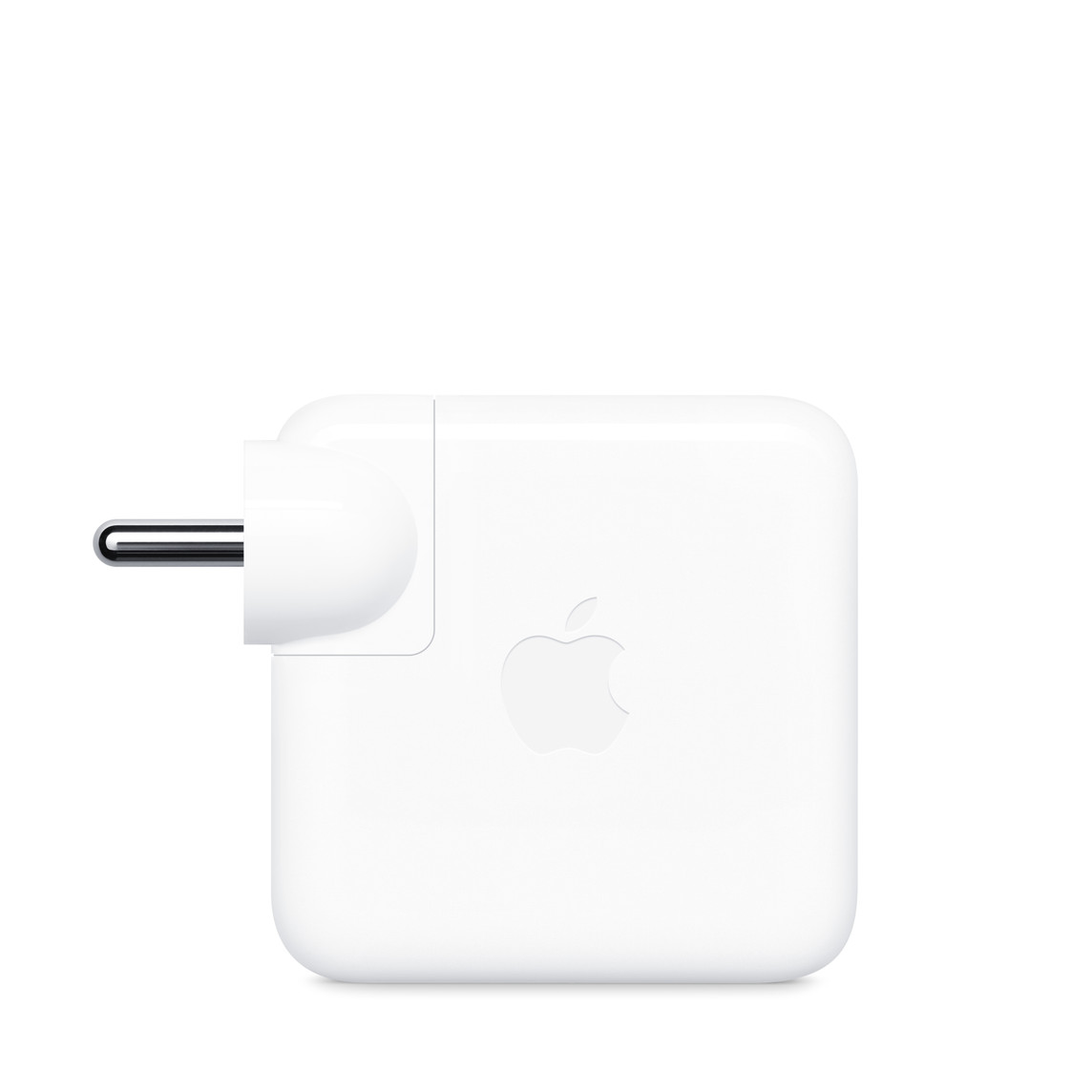
If you want to futureproof your charging setup, the 70W option is overkill for just a phone. But it also brings versatility. It fully supports the iPhone 17’s fast-charging headroom while handling tablets or laptops in your kit. PD compatibility ensures the iPhone draws only what it needs. It is the best wireless one stop solution for your Apple devices, like the iPad, MacBooks, and iPhones.
4. iPhone Air MagSafe Battery
iPhone Air MagSafe Battery
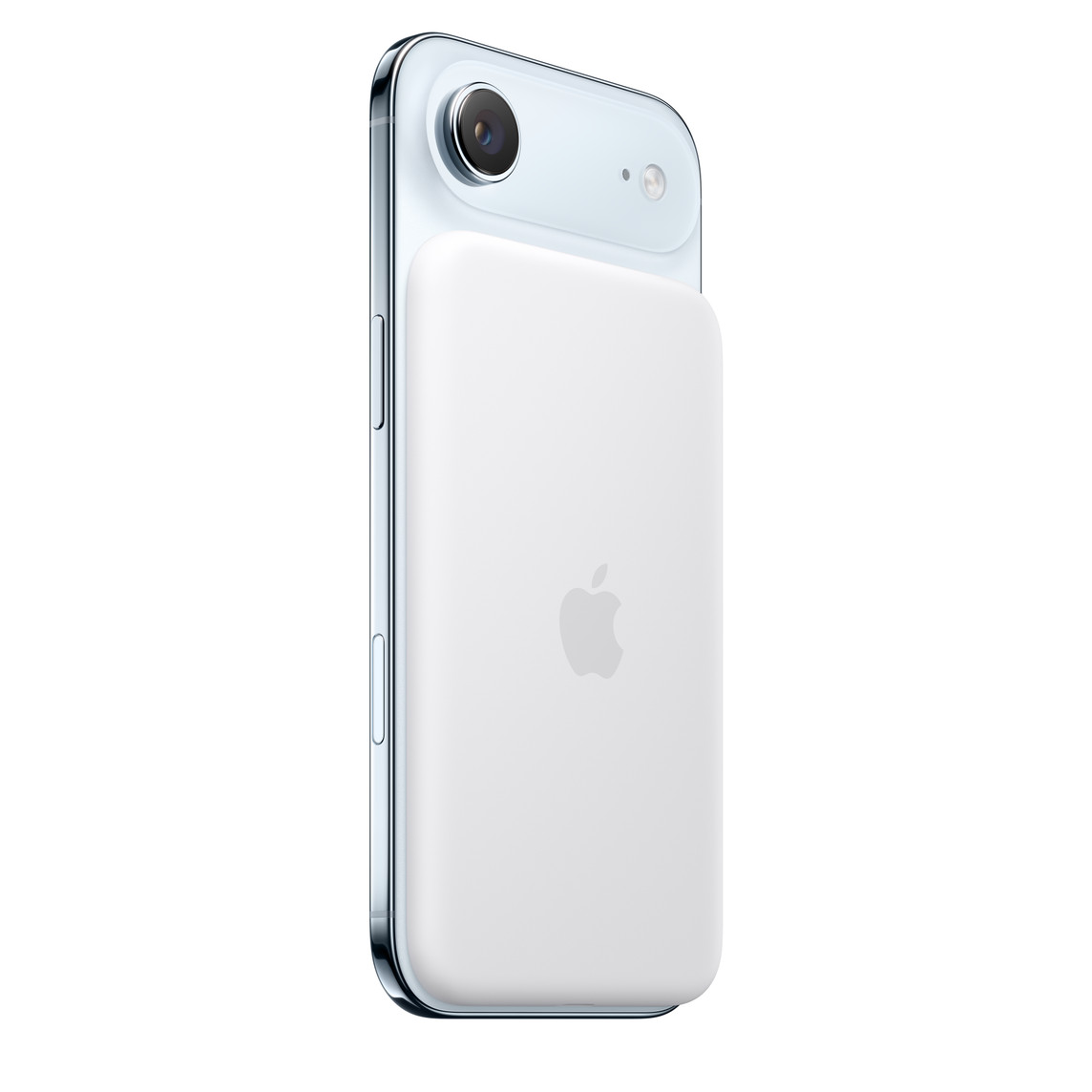
Apple just released its thinnest-ever smartphone along with the iPhone 17 lineup. While its not officially named as an iPhone 17, the iPhone Air is undoubtedly a part of the latest generation of iPhones. But owing to its impressively thin design, battery capacity takes a notable hit. Apple’s solution? Make a dedicated MagSafe power bank that only works with the iPhone Air. While the pricey powerbank is hard to recommend, if you’re spending nearly $1,000, the iPhone Air MagSafe Battery is the most convenient solution. It is sleek enough not to be too cumbersome to carry around when it is slapped onto the back for wireless charging.
5. Anker Nano Power Bank 5K
Anker Nano Power Bank 5K
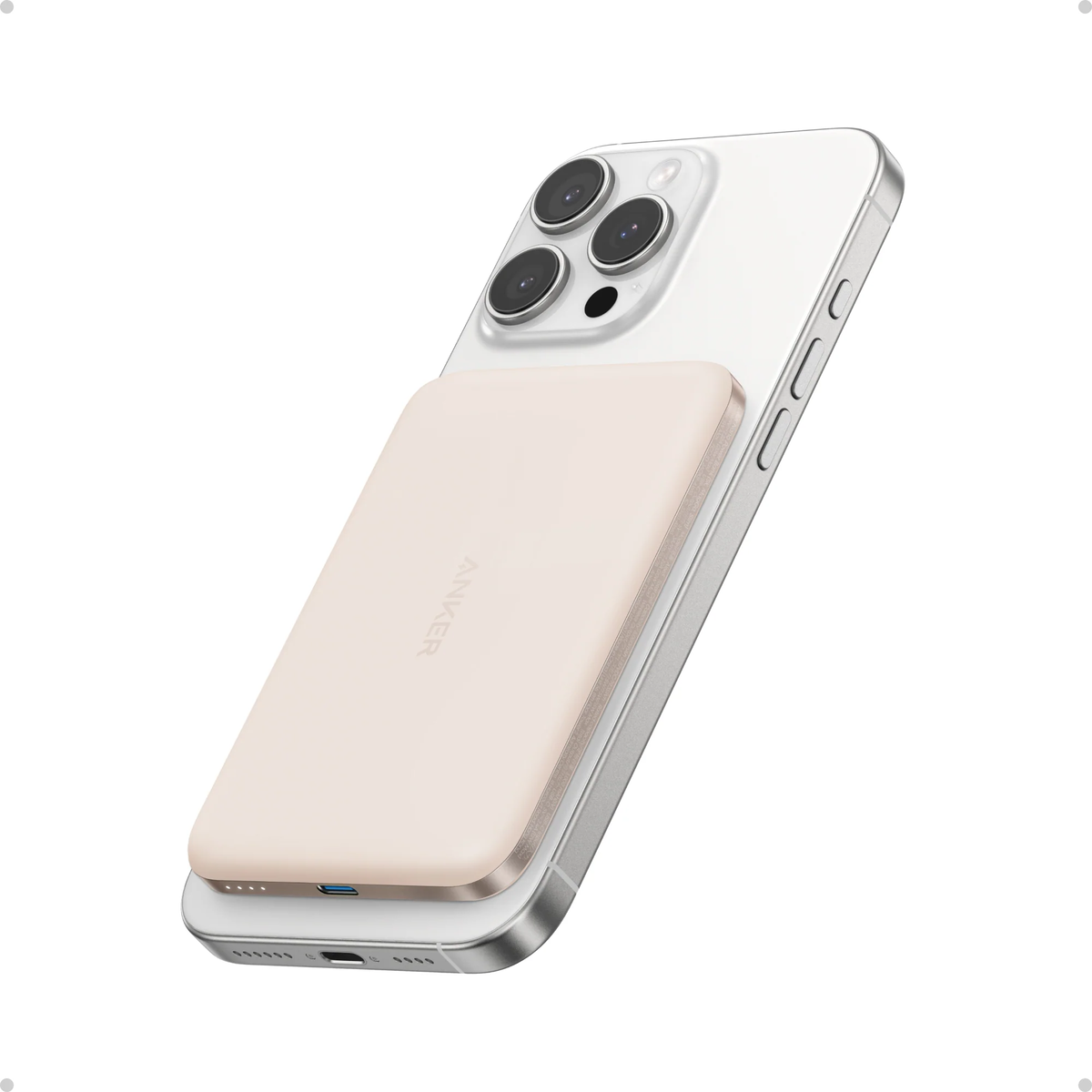
If you’re looking for another slim power bank for the iPhone 17 series, Anker has another option for you. The Anker Nano Power Bank 5K is a magnetic powerbank that measures just 8.6mm thick, despite packing a 5,000mAh battery pack. So you can nearly fully charge any iPhone 17 series model on a single full charge. Its compact nature makes it great for use with every model.
For more daily updates, please visit our News Section.
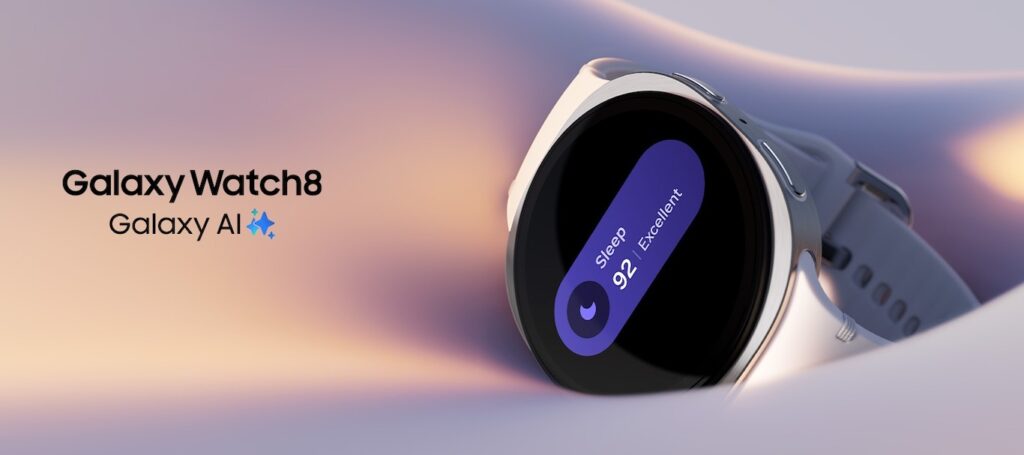
In the Amazon Great Indian festival sale, the company gives a massive discount on the latest Samsung smartwatch, the Galaxy Watch 8 44mm. With an effective price of ₹26,999, the watch is now at its lowest price ever since its launch in India.
Samsung Galaxy Watch 8 Priced originally at ₹38,999, the Galaxy Watch 8 has a ton of features, making it a steal deal for the offer price. The headline of the deal is a flat ₹12,000 instant off, applicable across all bank cards from major players like HDFC, ICICI, SBI, and more. Making the offer inclusive for almost all the online shoppers.
For those looking to have additional savings, Amazon’s exchange program is also supported during this festive deal. Trade in your old smartwatch or compatible device; values can hit up to ₹5,000 or more, depending on the model’s condition and make. Use Amazon’s quick trade-in estimator on the product page to preview your potential exchange price before committing. It’s seamless and takes your effective price even lower, potentially lowering it under ₹22,000 for eligible exchanges. Amazon is also offering no-cost EMI plans of 6 to 24 months with payments starting at just ₹1,125 per month.
Please Note: When you buy something using the links in our articles, we may earn a small commission at no cost to you.
Galaxy Watch 8 Features and Specifications
The Galaxy Watch 8 strikes a perfect balance between style and strength with its slim 8.6mm profile, crafted from durable Armor Aluminum and protected by Sapphire glass. It features a 1.3-inch vivid Super AMOLED display that shines bright with up to 3000 nits, making it easy to read even in direct sunlight. The smartwatch packs a powerful 3nm processor that’s three times faster, delivering smoother performance while helping extend battery life. With Dual GPS for accurate location tracking and an upgraded BioActive Sensor, it ensures precise health and fitness monitoring every day.
When it comes to wellness, the Galaxy Watch 8 includes a complete Heart Health Package, allowing you to track blood pressure, ECG, irregular heart rate, and vascular load with ease. Samsung’s AI-powered tools like Energy Score, Booster Card, and personalized HR & FTP push your fitness to the next level by adapting to your daily condition. And for the first time, GEMINI AI arrives on your wrist, helping you search, stay productive, and multitask effortlessly without reaching for your phone. Put together, these features make the Galaxy Watch 8 more than just a smartwatch—it’s a smart companion for both your health and everyday life.
With competitors like Apple and Google watches hovering at premium tags, Samsung’s aggressive pricing undercuts the market, making the Watch8 a great deal for entry into Wear OS luxury. Hence, don’t forget to hit the Amazon listing to check this out and if interested, grab the deal!
We use cookies on our website to give you the most relevant experience by remembering your preferences and repeat visits. By clicking “Accept”, you consent to the use of ALL the cookies.
This website uses cookies to improve your experience while you navigate through the website. Out of these, the cookies that are categorized as necessary are stored on your browser as they are essential for the working of basic functionalities of the website. We also use third-party cookies that help us analyze and understand how you use this website. These cookies will be stored in your browser only with your consent. You also have the option to opt-out of these cookies. But opting out of some of these cookies may affect your browsing experience.
Necessary cookies are absolutely essential for the website to function properly. This category only includes cookies that ensures basic functionalities and security features of the website. These cookies do not store any personal information.
Any cookies that may not be particularly necessary for the website to function and is used specifically to collect user personal data via analytics, ads, other embedded contents are termed as non-necessary cookies. It is mandatory to procure user consent prior to running these cookies on your website.