Advertisement

AOC launches Q27G4K 27″ QHD Fast IPS gaming monitor with 400Hz refresh rate & HDR400

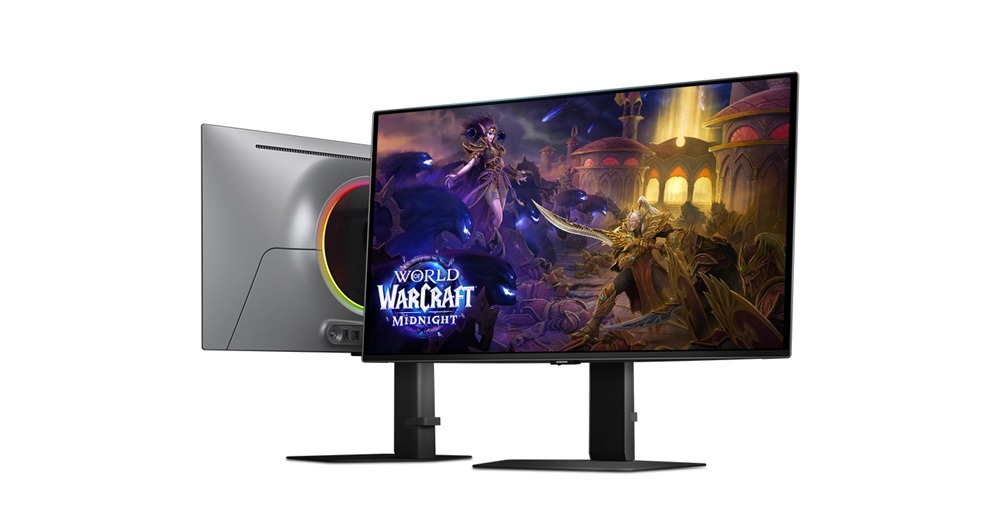
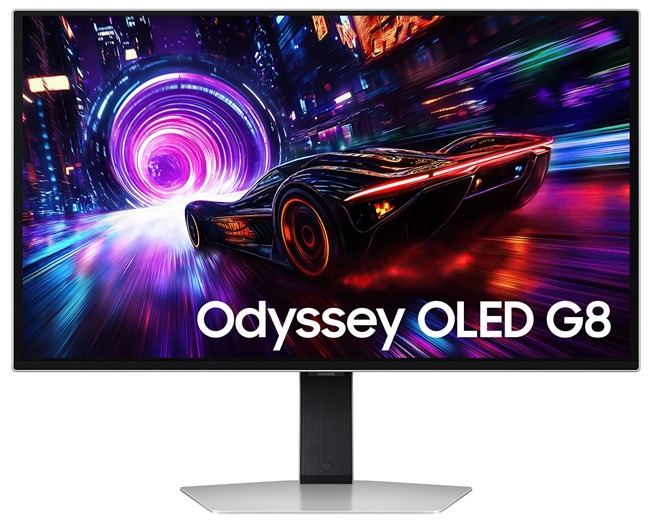
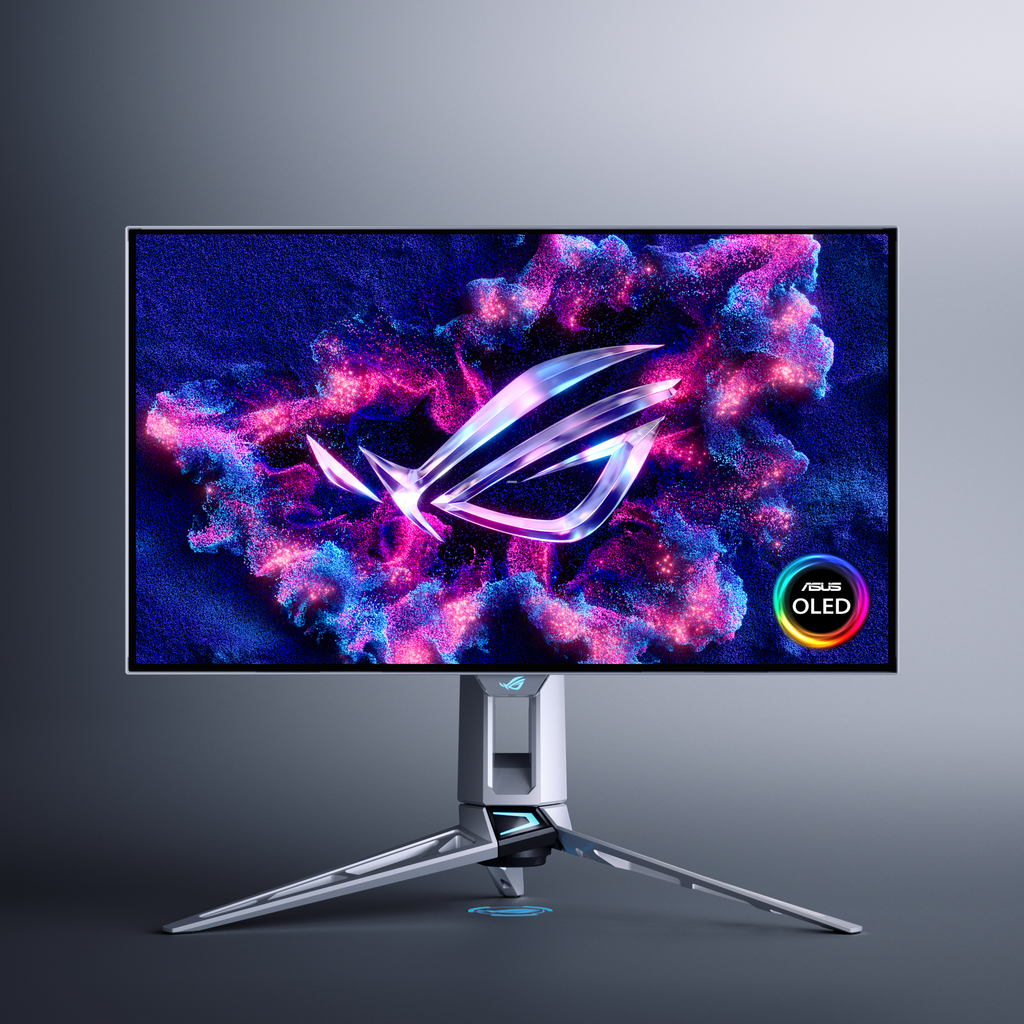
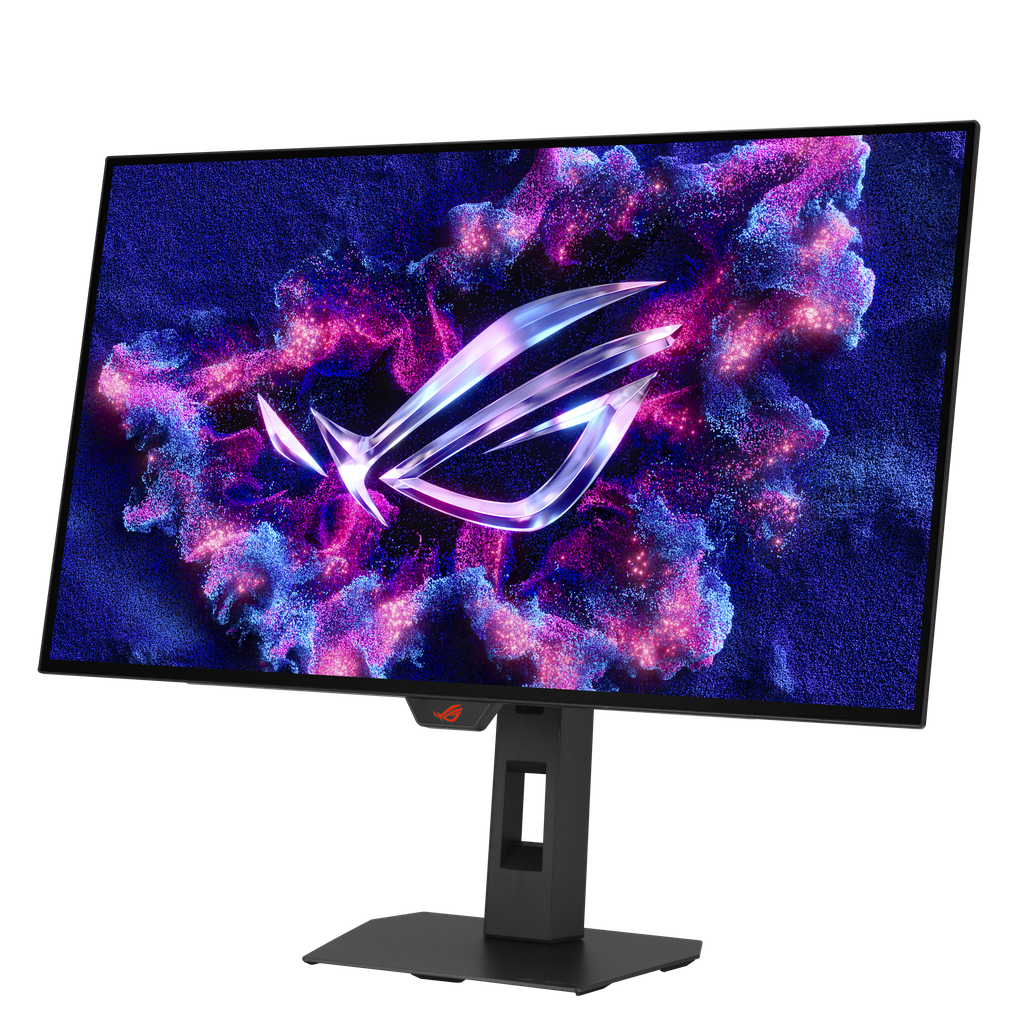
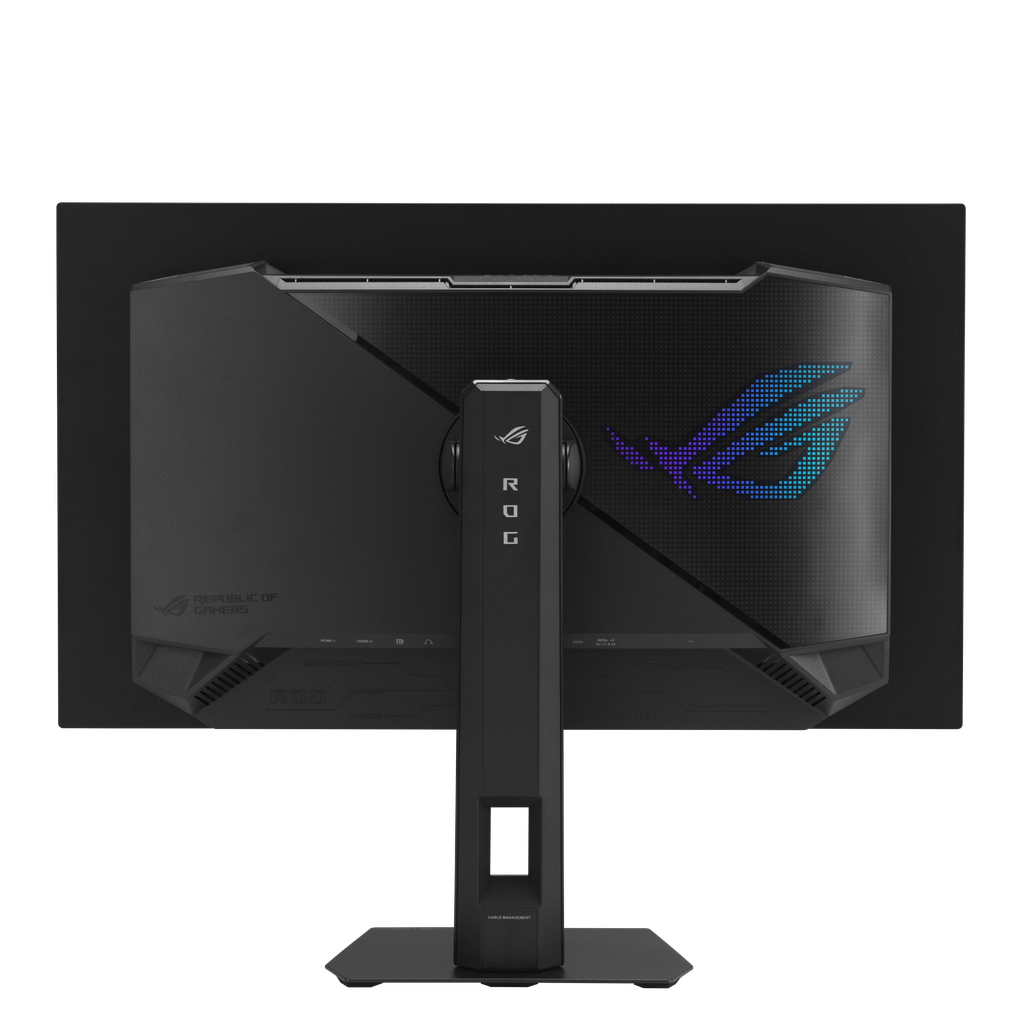
AOC has introduced the Q27G4K gaming monitor in China, aiming squarely at competitive gamers with its ultra-high refresh rate and color-accurate Fast IPS panel. The 27-inch monitor supports up to 400Hz refresh and features a QHD resolution, positioning it as a strong option for esports and fast-paced gaming. AOC has yet to confirm pricing or a release date. It also remains unclear whether the Q27G4K will be launched in global markets.

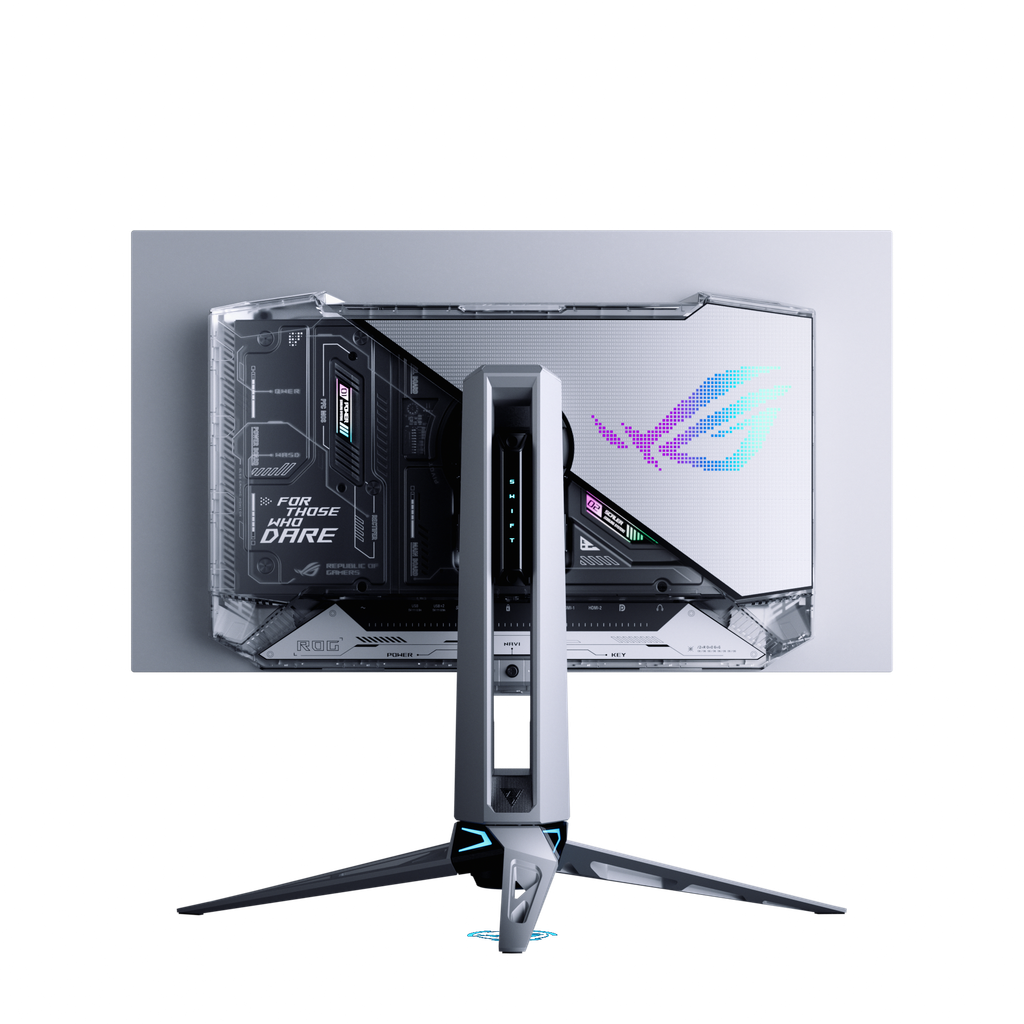
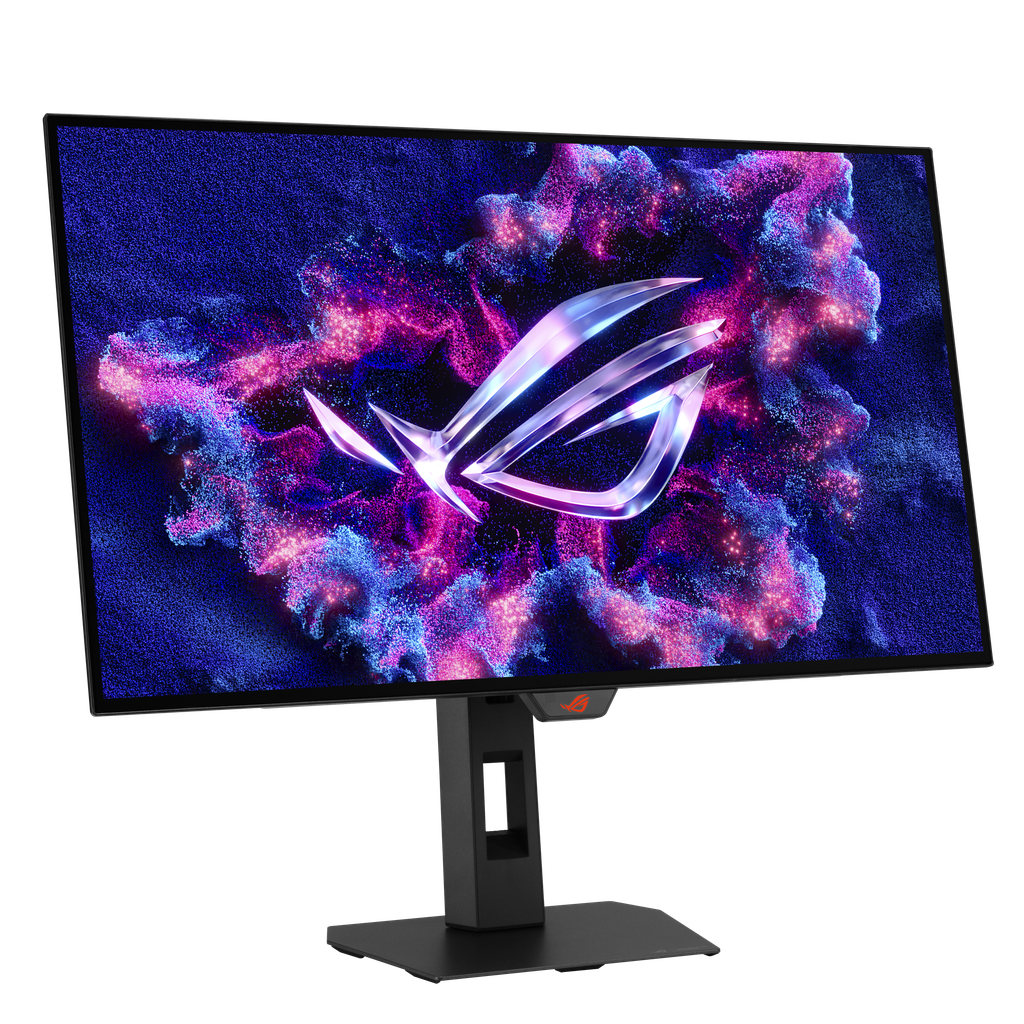
AOC Q27G4K Monitor

AOC Q27G4K Monitor Specifications

The Q27G4K features a 27-inch Fast IPS display with a QHD resolution of 2560×1440 pixels. It offers a native refresh rate of 400Hz and a response time rated at 0.3ms MPRT (1ms GtG), enabling ultra-smooth motion clarity for esports titles. The panel meets VESA DisplayHDR 400 certification standards and reaches up to 450 nits of peak brightness under HDR, while typical SDR brightness is rated at 350 nits.

It comes with 10-bit color depth and covers 100% of the sRGB and 95% of the DCI-P3 color space. The panel also promises factory calibration with a Delta E value of less than 2, making it viable not just for gaming but also for creators who need consistent color performance. The monitor also comes with MBR-Sync technology that enables simultaneous use of FreeSync and motion blur reduction, ensuring clear visuals without screen tearing.

The monitor supports features like Game Tone Adjustment, Shadow Control, Dynamic Crosshairs, FPS counter, and picture-in-picture or picture-by-picture viewing modes. It also includes a black stabilizer for better visibility in dark scenes and low input lag mode for competitive gaming.

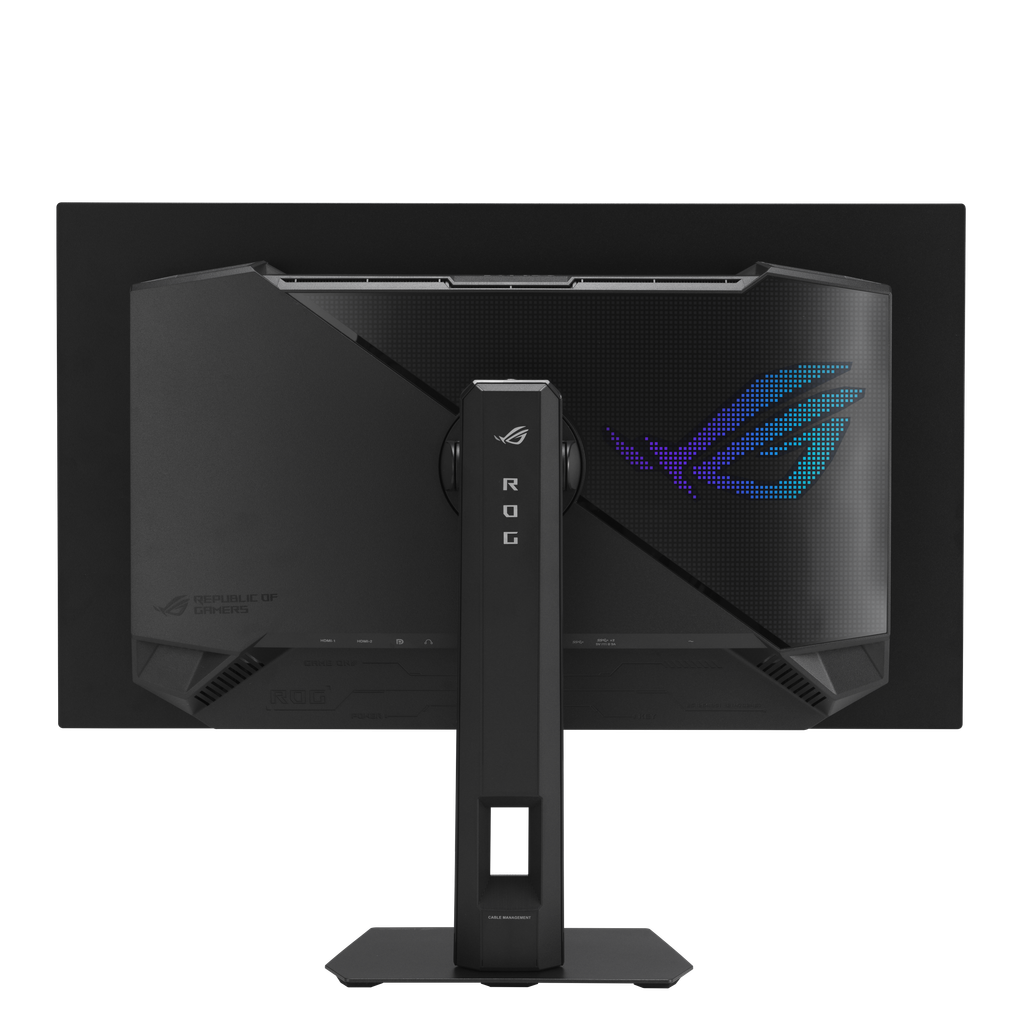
AOC Q27G4K Monitor

For connectivity, the Q27G4K equips two HDMI 2.1 ports with Display Stream Compression (DSC), one DisplayPort 1.4 input with DSC, and a standard 3.5mm headphone output. All display inputs support the full 400Hz refresh rate at QHD resolution.

In terms of ergonomics, the monitor includes height adjustment up to 130 mm, tilt between -5° to 23°, 30° swivel, and pivot support. It supports VESA mounting (100 x 100 mm), features a flicker-free backlight, and includes blue light reduction for extended viewing comfort. The display weighs 3.87 kg without the stand and measures 613.9 x 366.3 x 52.6 mm.

Earlier this year, AOC introduced a 27-inch 2K gaming monitor with a 260Hz Fast IPS panel, 1ms GtG response time, and HDR400 support. Lenovo also launched a straightforward 120Hz IPS work monitor featuring USB-C connectivity and an ergonomic stand.

For more daily updates, please visit our News Section.

Stay ahead in tech! Join our Telegram community and sign up for our daily newsletter of top stories!

(Via)

Vivo X200 Ultra vs iPhone 16 Pro Max: Can Vivo Outshine Apple in 2025?

With flagship smartphones pushing boundaries each year, the Vivo X200 Ultra and iPhone 16 Pro Max represent the pinnacle of Android and iOS innovation. This comparison matters because it highlights how top-tier devices from two different ecosystems approach performance, photography, and premium experiences. For buyers deciding between platforms, understanding these differences is essential.

1. Design and Display

Vivo X200 Ultra
Vivo X200 Ultra

Build and Feel:
Vivo X200 Ultra features a glass front and back with an aluminum frame, while the iPhone 16 Pro Max opts for a more premium titanium build. The titanium gives the iPhone a slightly lighter and more robust feel, especially against drops and wear. Vivo offers higher ingress protection (IP69 vs IP68), making it more durable in extreme conditions. However, the iPhone’s tighter software-hardware integration and consistent refinement give it a more polished feel in hand. In terms of build quality, the iPhone edges out slightly due to premium material use and refined ergonomics.

Display Quality:
Vivo offers a larger 6.82″ LTPO AMOLED with a peak brightness of 4500 nits, surpassing the iPhone’s 6.9″ Super Retina XDR OLED with a 2000-nit peak. Vivo also boasts higher resolution and pixel density, delivering sharper visuals. Additionally, Dolby Vision and HDR Vivid are present on both, but Vivo’s raw brightness and color depth offer a more impactful viewing experience outdoors and with HDR content. The always-on display feature is available on the iPhone but absent in the Vivo, which is a minor trade-off.

Verdict:
While the iPhone 16 Pro Max has superior materials and polish, the Vivo X200 Ultra delivers a brighter, sharper display and better durability. For users prioritizing screen quality and ruggedness, the Vivo takes the lead.

2. Specifications 

iPhone 16 Pro Max
iPhone 16 Pro Max

Performance:
Vivo X200 Ultra is powered by the Snapdragon 8 Elite (3nm), paired with up to 16GB RAM and UFS 4.1 storage, while the iPhone 16 Pro Max runs the Apple A18 Pro chip with 8GB RAM and NVMe storage. Apple’s chip maintains top-tier efficiency and performance in real-world use, especially in sustained tasks like video editing and gaming. However, Vivo’s hardware is more flexible, especially for multitasking and RAM-intensive apps. For synthetic benchmarks, both are near the top, but Apple has a slight lead in GPU-intensive tasks and thermal efficiency.

Battery and Charging:
Vivo X200 Ultra has a massive 6000mAh battery, easily outlasting the iPhone’s 4685mAh cell. It also features significantly faster 90W wired and 40W wireless charging, plus reverse wired/wireless support. The iPhone lags behind with 25W wireless and slower wired charging, although it benefits from MagSafe integration. Vivo’s edge lies in endurance and charging versatility, making it ideal for power users.

Verdict:
Vivo outperforms in battery capacity and charging flexibility, while Apple maintains a slight edge in efficiency and software optimization. For users focused on speed and battery longevity, Vivo is the superior option.

3. Camera

Vivo X200 Ultra
Vivo X200 Ultra

Main and Secondary Lenses:
Vivo’s triple setup includes a 50MP wide with gimbal OIS, a 200MP periscope telephoto, and a 50MP ultrawide—all enhanced by Zeiss optics and advanced video modes including 8K. Its optional 200mm add-on lens is unmatched in flexibility. The iPhone counters with a more conservative 48MP wide, 12MP periscope (5x), and 48MP ultrawide, supported by a LiDAR scanner for AR and depth. Vivo’s versatility and image processing, especially at zoom and low-light, offer more creative control, while Apple provides more consistency and natural processing.

Selfie Camera:
Vivo features a 50MP front-facing shooter with 4K60fps support, while the iPhone offers a 12MP sensor with 3D depth and spatial video recording. Although Apple’s sensor is smaller, the addition of SL 3D enables secure Face ID and superior portrait depth. However, for vloggers and content creators needing sharp detail, Vivo’s higher resolution and 4K video at 60fps stand out.

Verdict:
Vivo delivers more hardware-driven camera flexibility, while Apple offers precision and consistency. For those seeking photographic versatility and high-res selfies, Vivo has the upper hand.

4. Pricing

iPhone 16 Pro max
iPhone 16 Pro Max

Vivo X200 Ultra is priced around $900, while the iPhone 16 Pro Max starts at approximately $1100. Vivo offers more RAM and storage per dollar, including a 16GB/1TB model for less than Apple’s 8GB/1TB counterpart. Additionally, Vivo includes more premium features like faster charging, higher display brightness, and a more capable zoom system. 
Verdict:
Apple’s price premium is justified by its ecosystem integration and brand value, but purely on hardware value and feature set, the Vivo X200 Ultra is the better deal for the money.

5. Conclusion 

Vivo X200 Ultra
Vivo X200 Ultra

The Vivo X200 Ultra stands out with superior camera versatility, faster charging, and a brighter display, all at a lower price than the iPhone 16 Pro Max. It’s the better choice for users focused on photography, battery life, and overall value. Meanwhile, the iPhone 16 Pro Max remains ideal for those invested in the Apple ecosystem who prioritize long-term software support and premium build quality. Overall, the Vivo X200 Ultra offers more features for less, making it the stronger all-round flagship for most users.

Read More:

Honor 400 Series Roundup: Specs, AI Features, Camera, & More

The Honor 400 lineup is set to debut soon, with the brand already building up hype for the Malaysian launch. While an exact launch date is still unclear, the Honor 400 and Honor 400 Pro will likely be announced later this month. So ahead of its official launch, here’s a roundup for its specs, features, design, and more.

Design & Display

The Honor 400 series is the direct successor to the Honor 300 lineup. With the newer models, the Chinese brand is bringing a slight redesign to the rear, particularly the camera module. The large camera island retains the same shape but has an aesthetic that matches the iPhone 16 Pro, namely with a transparent module with the image sensors. In terms of dimensions, the Honor 400 is rumored to have a slim 7.3mm body, while the 400 Pro may measure slightly thicker at 8.1mm.

For protection, the vanilla version may offer an IP65 rating for water and dust resistance but the Honor 400 Pro could have a stronger IP68 + IP69 rating. The base model is expected to weigh 184 grams and the Pro variant could be a hefty 205 gram phone.

Honor 400 Pro

On the front, the base Honor 400 is expected to sport a 6.55-inch AMOLED display with a 120Hz refresh rate, 5000 nits of peak brightness. The higher end Pro variant is expected to feature a taller 6,7-inch quad curved AMOLED panel with a 1.5K resolution, a 120Hz refresh rate, and up to 5000 nits of peak brightness as well.

Performance

The Honor 400 is positioned as an upper mid range, while the Honor 400 Pro is an affordable flagship phone. This is quite evident with the different Qualcomm processor that powers these devices. Under the hood, the standard model is equipped with the Snapdragon 7 Gen 3, which is paired with 8GB of RAM and up to 512GB of internal storage.

Honor 400

On the other hand, the Honor 400 Pro packs the Snapdragon 8 Gen 3 SoC that is coupled with 12GB of RAM. Both models are powered by a massive 5,300mAh battery pack. However, they offer different fast charging rates as the Honor 400 Pro has a faster 100W wired charging, while the base model only offers 66W charging.

Camera

For photography, the more expensive Honor 400 Pro packs a triple camera setup on the rear that consists of a 200MP main + 50MP telephoto + 12MP ultra wide angle lens. The front may feature a 50MP shooter for selfies and video calls. Unfortunately, the standard version is skipping the telephoto sensor, offering the 200MP + 12MP camera setup on the rear. For selfies and video calls, the 50MP sensor makes a return here. The latest teaser also confirmed that the Honor 400 series will arrive with AI powered features for the cameras, which would likely include features like the AI Eraser.

Pricing & Launch Date

Unfortunately, Honor has yet to announce a launch date for the Honor 400 series, although it could debut later this month. The pricing info for the Pro variant is still at large, but the base Honor 400 had its European pricing leaked. The 8GB + 512GB configuration could be sold for €499.

For more daily updates, please visit our News Section.

Tech enthusiast? Get the latest news first! Follow our Telegram channel and subscribe to our free newsletter for your daily tech fix!

Realme GT 7 and GT 7T BIS Certified in India Ahead of Launch

Realme is getting ready to launch the GT 7 series in India. Folks at Xpertpick have spotted both the Realme GT 7 and GT 7T on the BIS certification database, confirming they will launch soon in the country. The GT 7 carries the model number RMX5061, while the GT 7T is listed as RMX5085.

The GT 7 is expected to run on the MediaTek Dimensity 9300 Plus chipset with 12GB of RAM and Android 15. As per a recent Geekbench listing, the GT 7T will likely feature the Dimensity 8400 chip, 8GB of RAM, and run Android 15. Both phones are expected to support 120W fast charging, based on TUV certification. The brand claims that the Realme GT 7 will be able to play games like BATTLEGROUNDS MOBILE INDIA for up to 6 hours with a stable 120FPS.

Realme GT 7

Details about the GT 7T remain unclear, but the GT 7 has already been launched in China. If the specs carry over, it may feature a 6.78-inch OLED display with a 2800×1280 resolution, 144Hz refresh rate, and peak brightness up to 6500 nits. The camera setup could include a 50MP Sony IMX896 main sensor with OIS, an 8MP ultra-wide lens, and a 16MP Sony IMX480 front camera. However, Realme often alters GT series devices for global markets, so the final specifications may differ. While Realme hasn’t announced the launch date, all signs point to a May debut.

For more daily updates, please visit our News Section.

Stay ahead in tech! Join our Telegram community and sign up for our daily newsletter of top stories!

(via: Xpertpick)

Xiaomi is bringing Leica-inspired shutter sounds to older models

Xiaomi is expanding its Leica-infused photography experience beyond the latest Xiaomi 15 Ultra. In a post on Weibo, Xiaomi Camera Division product manager Bao confirmed that the company’s “Refreshed Minimalist Camera” app, which launched alongside the 15 Ultra and SU7 Ultra in February, is headed to a long list of supported Xiaomi and Redmi models over the next two months.

Xiaomi 14 Ultra

The update adds a small but surprisingly immersive touch: new shutter sound effects inspired by iconic Leica cameras.

Each sound was designed to match a specific Leica model, and usage stats from the Xiaomi 15 Ultra show that users are already picking favorites. “Mechanical,” which echoes the analog Leica M6, includes a simulated motor rewind sound if the shutter is held for more than 0.4 seconds. It’s a deliberate feature meant to evoke that satisfying, tactile rangefinder nostalgia, and it’s the most-used option so far, with an 18.8% adoption rate.

The “Classic” mode takes inspiration from the M9 digital rangefinder at 16% usage, followed by the default M3-inspired sound at 15%, and “Modern,” based on the more recent Leica M10, at 14%. These aren’t just cosmetic touches. They subtly reshape the feel of mobile photography, turning every shot into something that feels a little more deliberate and cinematic.

The update will be released in two phases. The first wave, scheduled from May to mid-June, will cover the Xiaomi 15 and 14 series, Mix Fold 4, Mix Flip, Redmi K80 and K70 series, Redmi Note 14 lineup, and Turbo 4. The second wave, rolling out between mid-June and late July, will extend to older models such as the Xiaomi 13 and 12S series, Mix Fold 3, Civi 4 Pro, as well as the K60, Note 13, and Turbo 3 devices.

In related news, Xiaomi has addressed screen issues on the Redmi Turbo 4 Pro and confirmed that several HyperOS problems are still being investigated across multiple devices. Meanwhile, the company has also launched crowdfunding for its new car vacuum cleaner in China.

For more daily updates, please visit our News Section.

Stay ahead in tech! Join our Telegram community and sign up for our daily newsletter of top stories!

(Via)

Asus Unveils 27-Inch ROG Strix XG27ACMS 2K Gaming Monitor with 320Hz OC and USB-C

Asus has added a new model to its ROG Strix monitor series for 2025. The XG27ACMS is a 27-inch gaming monitor with a 2560 x 1440 resolution and a refresh rate that can be overclocked to 320Hz. It uses a Fast IPS panel and offers a 0.3ms minimum response time.

ASUS ROG Strix XG27ACMS

The display supports DisplayHDR 400 and covers 130% of the sRGB and 94% of the DCI-P3 color gamuts. Each unit is factory-calibrated for color accuracy. It’s compatible with G-SYNC and FreeSync Premium, and includes ELMB Sync to reduce motion blur. Asus’s Variable Overdrive adjusts the overdrive setting based on frame rate.

The monitor includes a DisplayPort 1.4, an HDMI port, and a USB Type-C port that supports DP Alt mode and 15W charging. There’s also a headphone jack. The stand includes a built-in phone holder, and the base has a tripod socket. GamePlus AI adds a dynamic crosshair that adjusts based on what’s happening on screen. Dynamic Shadow Boost improves visibility in dark scenes without washing out brighter areas.

The stand supports tilt, swivel, pivot, and height adjustments. The monitor is also VESA mountable. DisplayWidget Center allows users to adjust settings with a mouse instead of physical buttons. Asus has not shared pricing or availability yet.

In other news, Asus has recently launched a new TUF Gaming T500 is a compact gaming PC with a starting price of $1,299. It uses a standard desktop GPU (up to RTX 5060 Ti 16GB) and a laptop-grade Intel Core i7-13620H CPU soldered to the motherboard, limiting upgrade options.

Tech enthusiast? Get the latest news first! Follow our Telegram channel and subscribe to our free newsletter for your daily tech fix!

For more daily updates, please visit our News Section.

(Source)

Oppo Find X8s+ vs Galaxy S25+: Will You Pick Oppo’s Innovation or Samsung’s Ecosystem?

Oppo Find X8s+ and Samsung Galaxy S25+ represent two of the most refined flagship experiences in 2025, each pushing boundaries in display tech, camera performance, and software longevity. This comparison is important because both phones cater to premium users but take very different approaches, Oppo focuses on battery innovation and imaging partnerships, while Samsung leans into ecosystem strength and long-term software support. Choosing between them isn’t just about specs, but about which priorities matter more to the user.

1. Design and Display

Oppo Find X8s+
OPPO Find X8s+

Build and Feel:
OPPO Find X8s+ offers a solid glass-and-metal construction with IP68/IP69 protection, making it more resilient to both immersion and high-pressure water jets. Samsung’s Galaxy S25+ also features IP68 resistance and uses Gorilla Glass Victus 2 on both sides with an Armor Aluminum 2 frame. Samsung’s use of tougher glass and lighter build gives it a slightly more premium and durable feel. While both phones are sleek, the S25+ feels marginally more refined due to its material robustness.

Display Quality:
OPPO’s 6.59-inch AMOLED panel supports Dolby Vision, HDR10+, and Ultra HDR with rich 1B color output and a 120Hz refresh rate. In contrast, the Galaxy S25+ sports a larger 6.7-inch LTPO AMOLED 2X screen with sharper QHD+ resolution and a peak brightness of 2600 nits, ideal for outdoor use. The S25+ display is brighter and more detailed, offering superior clarity and power efficiency via LTPO tech.

Verdict:
While OPPO impresses with its rugged build and color depth, Samsung edges ahead due to its tougher glass, better brightness, and higher resolution. The Galaxy S25+ offers a superior visual and ergonomic experience overall.

Please Note: When you buy something using the links in our articles, we may earn a small commission at no cost to you.

2. Specifications 
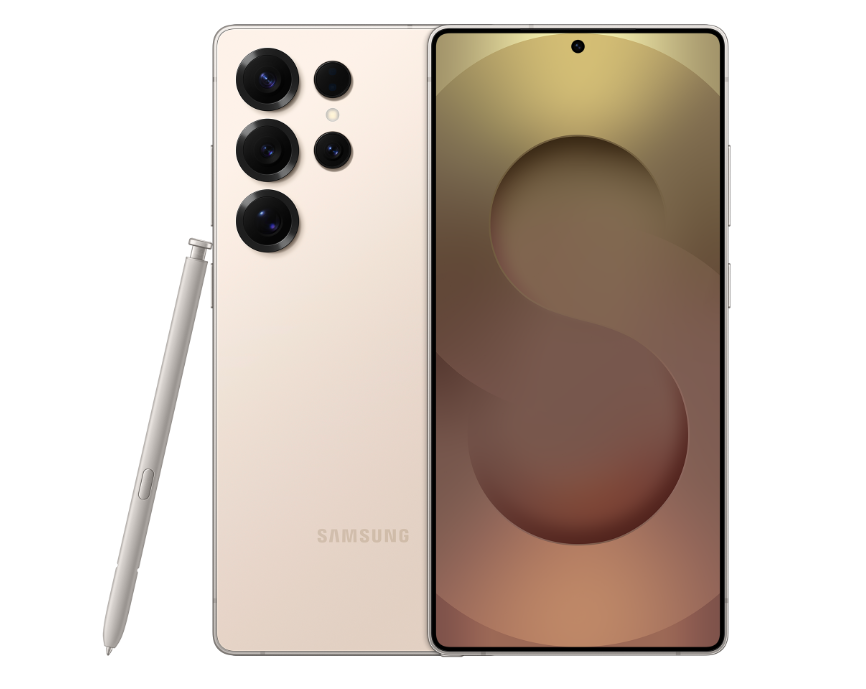
Samsung Galaxy S25+
Galaxy S25+

Performance:
OPPO Find X8s+ runs on MediaTek’s Dimensity 9400+ chip, which offers excellent efficiency and raw power for most users. The Galaxy S25+, however, features the Snapdragon 8 Elite, currently one of the fastest mobile chipsets, with higher core frequencies and better GPU performance (Adreno 830). For gaming, multitasking, and AI features, the S25+ is better optimized and more responsive. Both use UFS 4.0 storage, ensuring speedy app loading and data handling.

Battery and Charging:
OPPO has a significant lead in battery capacity with a 6000 mAh cell versus Samsung’s 4900 mAh. Charging speeds are also in OPPO’s favor, offering 80W wired and 50W wireless, which easily outpaces the S25+’s 45W wired and 15W wireless. OPPO also supports 10W reverse wireless, compared to Samsung’s 4.5W. For users prioritizing endurance and fast top-ups, OPPO is the better choice.

Verdict:
Samsung wins in raw performance due to its superior processor, but OPPO dominates battery life and charging versatility. The choice depends on whether performance or endurance is more important, but overall, OPPO offers a better-rounded package for power users.

3. Camera

Oppo Find X8s+
OPPO Find X8s+

Main and Secondary Lenses:
OPPO includes three 50 MP sensors, all offering OIS and PDAF, including a periscope telephoto lens and ultra-wide shooter with Hasselblad tuning. Samsung counters with a 50 MP main lens, a 10 MP 3x telephoto, and a 12 MP ultra-wide. While Samsung adds 8K video and excellent stabilization, OPPO’s uniform high-resolution sensors, advanced color science, and multi-directional autofocus give it an edge in flexibility and detail. OPPO also supports Dolby Vision and 10-bit video.

Selfie Camera:
OPPO’s 32 MP selfie camera with autofocus records up to 4K@60fps and delivers sharp, color-accurate selfies. Samsung offers a 12 MP selfie shooter with dual pixel PDAF and HDR10+, also capable of 4K@60fps. While Samsung has great software tuning, OPPO’s higher resolution and autofocus give it a small lead for vlogging or detailed front-camera shots.

Verdict:
OPPO Find X8s+ delivers more versatile and high-resolution imaging on both front and rear cameras. It caters better to creators and photography enthusiasts, making it the stronger camera phone overall.

4. Pricing

Samsung Galaxy S25+
Galaxy S25+

OPPO Find X8s+ is priced at around $750, while the Samsung Galaxy S25+ is about $850. For $100 less, OPPO delivers a larger battery, faster charging, a higher resolution camera system, and flagship display features. 

Verdict:
Samsung’s added cost comes from its better processor, higher display resolution, and longer software support. However, in raw value for money, the OPPO Find X8s+ offers more hardware for the price, making it the better deal for most users.

5. Conclusion

Oppo Find X8s+
OPPO Find X8s+

Both phones offer modern flagship features like stereo speakers, IP68 protection, and under-display fingerprint sensors. However, some key distinctions stand out. OPPO includes IP69 certification, Hasselblad color tuning, Ultra HDR support, and a 6000 mAh battery, which are rare in this price tier. It also offers 50W wireless charging, topping Samsung’s 15W. 

On the other hand, Samsung’s Snapdragon 8 Elite, DeX support, Gorilla Glass Victus 2, and 7 years of OS updates make it future-proof and enterprise-friendly. OPPO focuses more on hardware enhancements, while Samsung delivers long-term ecosystem perks and software longevity.

Final Verdict:

OPPO dominates in battery life, camera hardware, and charging speeds, delivering high-end features at a lower price. It suits users focused on power, imaging, and all-day usage. Samsung, meanwhile, is ideal for those who value display sharpness, performance excellence, and extended software support. 

While the Galaxy S25+ wins on finesse and long-term usability, the OPPO Find X8s+ offers the best value overall with a more balanced, feature-rich hardware suite at a lower cost.

Read More:

New Lenovo GeekPro Desktops Arrive with Intel Core Ultra CPUs and RTX 5060 Ti GPU

Lenovo has launched three new GeekPro desktop computers in China, all featuring Intel’s latest Core Ultra 200S processors. The desktops go on sale starting May 8.

The first model comes with a Core Ultra 7 255HX processor, RTX 3050 6GB graphics card, 24GB RAM, and a 512GB SSD. It is priced at 6,599 yuan ($908). The second model has the same processor but upgrades to an RTX 5060 Ti 8GB GPU and a 1TB SSD, priced at 8,999 yuan ($1,238). The top model includes a Core Ultra 9 275HX processor, RTX 5060 Ti 8GB GPU, 32GB RAM, and a 1TB SSD, priced at 9,999 yuan ($1,375).

The Core Ultra 9 275HX features 24 cores and 24 threads, including 8 performance cores and 16 efficiency cores. It has a turbo boost of up to 5.4GHz and supports AI acceleration with 36 TOPS. It also supports ray tracing and AV1 codec.

The RTX 5060 Ti is a dual-fan custom GPU with 4608 CUDA cores and 8GB GDDR7 memory on a 128-bit interface. It has AI performance of 759 TOPS and supports DLSS 4.

All three desktops use a 17L chassis with an upgraded air duct, hidden vents, and a 3D front panel. They include adjustable breathing lights. Each system supports up to 32GB dual-channel DDR5 5600 RAM, two PCIe 4.0 M.2 slots with SSD heatsinks, and tool-free installation for 3.5-inch hard drives.

Ports include USB 3.2 Gen2x2 Type-C and USB 3.2 Gen2 Type-A on the front. The back has USB 2.0, HDMI 2.1, DisplayPort 2.1, and a Gigabit Ethernet port. All models include a 500W platinum power supply, come pre-installed with Windows 11 and Office Home Edition, and offer 3 years of warranty with door-to-door service and online support.

For more daily updates, please visit our News Section.

Stay ahead in tech! Join our Telegram community and sign up for our daily newsletter of top stories!

(via)

Xiaomi fixes Redmi Turbo 4 Pro screen bugs and confirms ongoing HyperOS issues across devices

Xiaomi has released its latest weekly update via the Xiaomi Community, outlining progress on software issues reported by users. The company continues its commitment to transparency and regular communication, particularly as it rolls out HyperOS across a growing number of devices. The May 2 update focuses on both resolved bugs and ongoing investigations affecting several models, including the recently launched Redmi Turbo 4 Pro.

Xiaomi HyperOS 2 update

According to the announcement, Xiaomi has successfully addressed two key problems specifically related to the Redmi Turbo 4 Pro. The latest HyperOS version 2.0.114.0 includes optimizations that fix screen glitching in select scenarios and resolve touch screen unresponsiveness that occurred intermittently. Users who have experienced these problems are encouraged to update their devices and verify whether the issues have been fully resolved.

Beyond the Turbo 4 Pro, Xiaomi acknowledges several issues still under investigation across a wider range of HyperOS-powered smartphones. Among the issues being addressed is a noticeable lag that occurs when users quickly swipe up after opening the weather widget and subsequently launch another application. This momentary stutter can detract from the fluidity of the user interface.

Additionally, inaccuracies in the display of power usage and battery statistics within the Phone Manager’s power-saving mode are also being worked upon, aiming to provide users with more reliable insights into their device’s battery performance.

For users who frequently utilize the screen recording feature, Xiaomi is aware of reported lag during screen recording in certain scenarios, as well as instances where the screen recording function fails altogether under specific conditions. These issues are also on the priority list for upcoming updates.

The company is also looking into a bug affecting task automation within the Phone Manager. In some cases, automatic triggers related to power management are being altered unexpectedly after configuration, leading to unintended changes in device behavior.

Several lock screen-related issues are also being actively addressed. These include an overlap between the lock screen and the call interface when answering incoming calls while the screen is off, the double-tap-to-wake functionality not working on the lock screen when the default theme is applied, and occasional misalignment of the lock screen time display.

The company’s weekly bulletin serves as a transparent touchpoint with users, many of whom have contributed feedback through forums and in-app diagnostics. Xiaomi encourages users to continue reporting issues and checking the “Xiaomi Announcements” section on the Xiaomi Community platform for real-time updates.

For more daily updates, please visit our News Section.

Stay ahead in tech! Join our Telegram community and sign up for our daily newsletter of top stories!

(Source)

DJI Osmo 360 action camera leaked: DJI’s answer to Insta360 X5

Just a while back, the DJI Mini 5 drone was leaked, hinting at upgrades over its predecessor. But now, a fresh leak has confirmed that a brand new product line is also in the works. The DJI Osmo 360 is the upcoming gadget, which is expected to be the brand’s first ever 360 degree action camera.

DJI Osmo 360: New action camera in the block?

DJI Osmo 360
DJI Osmo 360 (on the left)

Back in April, the Insta360 X5 debuted as the brand’s latest 360 action camera with 8K video recording and a new AI chip. DJI has been rumored to be working on a new action camera, and fresh leaks has revealed few details and designs of the DJI Osmo 360. Looking at the leaked image shared by Hakasuhi, it appears quite similar Insta360 X5 in terms of design, albeit with a shorter body.

The tipster also claimed that the DJI Osmo 360 has a bigger main camera (1/1.3-inch sensor) than the Insta360 X4 (1/2-inch sensor). The upcoming Osmo action camera even made an appearance on the FCC database with Hakasushi also leaking a bunch of testing photos from the certification.

DJI Osmo 360
DJI Osmo 360 leaked on FCC

Screenshots of the certification document also confirmed support for a touchscreen display, DJI Mimo app compatiblity, and a 1,959mAh battery pack. At the moment, finer details like its camera specs are still unclear. DJI would likely debut in China, while its global release in markets like Europe or the US is still questionable.

For more daily updates, please visit our News Section.

Don’t miss a thing! Join our Telegram community for instant updates and grab our free daily newsletter for the best tech stories!

Xiaomi’s new car vacuum cleaner opens for crowdfunding in China

Xiaomi has officially launched its new Mijia Car Vacuum Cleaner in China. The device is now open for online reservations via crowdfunding. The campaign begins at 10:00 on May 12 and will run until 10:00 on May 19. 

The vacuum cleaner is listed on the crowdfunding platform for 349 yuan, though a subsidized national price drops that to 296.65 yuan.

Xiaomi Mijia Car Vacuum Cleaner Overview

On to the specifics, the Mijia Car Vacuum Cleaner features a suction power of 21kPa. The speed should be sufficient for removing common types of debris typically found in vehicles. Be it dust, crumbs, pet hair, or other particles. 

Xiaomi says this performance is driven by an upgraded brushless motor that spins at 100,000 rpm and delivers a 61% increase in suction power over previous versions.

The vacuum includes a five-layer filtration system. It consists of a cyclone duct, a metal mesh filter, a front sponge filter, a high-density filter element, and a rear sponge filter. This multi-stage design is intended to maximize filtration efficiency and reduce dust escape during use.

It’s powered by a built-in 2400mAh (43.2Wh) battery and recharges via a USB-C port. A full charge will give you approximately 1.5 hours of run time, as per Xiaomi. This setup is aimed at offering convenience without requiring proprietary charging docks or cables.

In terms of usability, the device includes a 150mL dust cup and offers one-button emptying for easier maintenance. The included filter components are washable, and the unit comes with various replaceable accessories to handle different cleaning scenarios. 

While it is primarily designed for cars, Xiaomi says users can make use of it at home to clean sofa gaps, cup holders, carpets, and other tight spaces.

As with most Mijia-branded products, it is unlikely to make its way to the global market.

For more daily updates, please visit our News Section.

Stay ahead in tech! Join our Telegram community and sign up for our daily newsletter of top stories

Oppo Pad SE may debut with MediaTek’s new Dimensity G series chip

Oppo has been rumored to be working on a budget tablet with a new lineup of MediaTek Dimensity chips. The model in question is the Oppo Pad SE, which is an Android tablet that may launch with other products in China soon. So here’s what know.

Oppo Pad SE may drop with the new Dimensity G100

The Chinese tech giant’s Pad SE will likely be an affordable tablet considering how it features the “SE” branding. To recall, the MediaTek Helio G99 (and G series in general) have typically been a popular choice for budget devices. In a leak from Digital Chat Station, the Oppo Pad SE might be the first to feature MediaTek’s Dimensity G100 chipset. It is unclear what these chips offer, but it is likely a successor to the Helio G lineup.

OPPO Pad 4 Pro
Oppo Pad 4 Pro

The Dimensity series of processors are 5G enabled, so these new chips should support it as well. Although, it is entirely possible that the Dimensity G100 is a rebranded Helio chip for better marketing. The tipster further adds that the Oppo Pad SE will be powered by a massive 9,340mAh battery pack, which could support 33W wired fast charging. Oppo is set to launch this tablet in its home market of China soon but it might not be alone.

The Pad SE is arriving with the Oppo Enco Clip, which is an open ear earbuds similar to the Moto Buds Loop or the Honor Earbuds Open. Both of these products may be announced alongside the Oppo Reno 14 series, but this is still unknown. So take this with a grain of salt for now.

For more daily updates, please visit our News Section.

Don’t miss a thing! Join our Telegram community for instant updates and grab our free daily newsletter for the best tech stories!

(Via)

OnePlus Nord 5 gets certified with a bigger battery than the OnePlus 13T

The OnePlus 13T (Review) is already a hit in China with the device seeing over 276 million US Dollars worth of sales in just 10 minutes after launch. One of its highlights was the massive battery size despite its compact form factor. However, an un upcoming Nord model has just been certified with an even bigger cell. So let’s check it out.

OnePlus Nord 5 visits TUV Rheinland with a Huge 6500mAh+ battery

The new OnePlus Nord 5 was just spotted on the TUV Rheindland database carrying the CPH2079 model number (Via 91Mobiles). It is worth noting that this certification did not reveal the actual name of the device and this is just speculation as the Nord 5 could be a rebranded Ace 5 Racing Edition phone for the global market. Looking at the listing, the Nord 5 is powered by a massive 6,650mAh battery pack, which is even bigger than the OnePlus 13T’s 6,260mAh cell.

OnePlus Nord 4
OnePlus Nord 4

The database also lists the device with support for 80W wired fast charging, which is slower than the previously expected 100W charging speeds. To recall, a recent rumor hinted at the Nord 5’s key specs and features. This includes 100W wired fast charging, 7000mAh battery, 1.5K OLED display with a 120Hz refresh rate, Dimensity 9400e, and much more. So both the battery pack and charging rates over lower than the previous reports.

Rumors and reports have shown conflicting information as well as Digital Chat Station’s Ace 5 Racing Edition leak hints at the device featuring a 50MP + 2MP rear cameras, but another tipster revealed a 50MP main and 8MP ultra wide sensor combo on the back. So stick around for more as we will be covering other leaks or reports that should surface soon.

For more daily updates, please visit our News Section.

Stay ahead in tech! Join our Telegram community and sign up for our daily newsletter of top stories

Lenovo launches refreshed Yoga 27 AIO with Ultra 9 285H, RTX 4050 GPU & DeepSeek AI

Lenovo has refreshed its Yoga 27 all-in-one PC (AIO) lineup in China, adding new internals and AI-focused features while retaining the premium, flexible design the series is known for. The new Yoga 27 AI Yuanqi Edition, set to go on sale starting May 8, brings Intel’s latest Core Ultra 9 processor, optional Nvidia RTX 4050 graphics, and a rotatable 2.5K display into a sleek and versatile desktop package.

Lenovo Yoga 27 AIO

Lenovo Yoga 27 AIO Specifications

The system features a 27-inch PureSight display with a 2560×1440 resolution, a 120Hz refresh rate, and 400 nits of brightness. The panel is DisplayHDR certified and covers 99% of the sRGB color gamut. For extended comfort, it is TÜV Rheinland and EyeSafe 2.0 certified, helping reduce eye strain during long work sessions.

Under the hood, the top-tier model runs Intel’s new Core Ultra 9 285H processor, built on TSMC’s 3nm node. It packs 16 cores, 16 threads, and tops out at 5.4GHz. On the AI side, Lenovo claims up to 99 TOPS of performance from the CPU’s onboard NPU, plus another 194 TOPS from the Nvidia GeForce RTX 4050 GPU. That makes it a capable workstation for creative work, light gaming, and AI-powered productivity.

The machine features 32GB of ultra-fast LPDDR5X-7467 RAM and a 1TB SSD by default, with support for dual M.2 PCIe 4.0 slots for storage expansion. Thermals are handled by a large heat pipe system and a quiet 12cm fan, which Lenovo says keeps noise under 28dB even under load.

The Yoga 27 sports a unibody CNC-machined metal chassis and a fully adjustable stand. It supports 70mm of height adjustment, -5° to 10° tilt, 90° rotation with an auto-adjusting gravity sensor, and 45° horizontal swivel. This makes it adaptable for everything from content creation to vertical document editing.

You also get a 2.5K IR camera for face unlock and video calls, a JBL quad-speaker system with Dolby Atmos support, and bundled wireless keyboard and mouse. I/O includes USB-C 3.2 Gen 2 with 95W reverse charging, HDMI in/out, USB-A, Ethernet, and a headphone jack.

Lenovo is loading the machine with its AI+PC experience on Windows 11, including its Xiaotian assistant for tasks like smart file search, cross-device control, and on-device LLM integration via DeepSeek.

Pricing and Availability

The new Yoga 27 starts at 9,499 yuan (about $1,306) for the integrated GPU model, while the RTX 4050 variant is priced at 12,999 yuan (around $1,788). These models are now listed on JD.com.

For more daily updates, please visit our News Section.

Stay ahead in tech! Join our Telegram community and sign up for our daily newsletter of top stories!

(Source)

CMF Phone 2 Pro Goes on Sale in India Starting at ₹16,999

Nothing has officially launched the CMF Phone 2 Pro in India, with sales beginning today, May 5, 2025. The device is available in White, Black, Orange, and Light Green and can be purchased through Flipkart, Flipkart Minutes, Vijay Sales, Croma, and other major retail outlets.

CMF Phone 2 Pro

The phone is offered in two variants: the 8GB RAM with 128GB storage model is priced at ₹18,999, while the 8GB RAM with 256GB storage version is available at ₹20,999. As a launch-day special, customers can get both models for ₹1,000 less—₹16,999 and ₹18,999 respectively—by combining a ₹1,000 exchange bonus with a ₹1,000 bank offer, valid across all leading banks.

CMF Phone 2 Pro

The CMF Phone 2 Pro features a 6.77-inch FHD+ AMOLED display with a 120Hz adaptive refresh rate, HDR10+ support, 3000 nits peak brightness, and Panda Glass protection. It is powered by a MediaTek Dimensity 7300 Pro chipset built on a 4nm process and paired with a Mali-G615 MC2 GPU. The phone runs Android 15 with Nothing OS 3.2 and supports expandable storage up to 2TB via microSD.

In terms of cameras, the rear setup includes a 50MP main sensor with EIS, an 8MP ultra-wide lens, and a 50MP 2x telephoto camera with 20x digital zoom. It supports 4K video recording at 30fps. The front camera is 16MP and records at 1080p 30fps.

Other highlights include a 5000mAh battery with 33W wired charging, an in-display fingerprint sensor, USB Type-C audio, a 150% ultra volume speaker, and IP54-rated dust and splash resistance. The phone supports 5G across multiple bands, dual 4G VoLTE, Wi-Fi 6, Bluetooth 5.3, and GPS. It weighs 185 grams and has a thickness of 7.8mm.

Don’t miss a thing! Join our Telegram community for instant updates and grab our free daily newsletter for the best tech stories!

For more daily updates, please visit our News Section.

Samsung Galaxy S25 Edge Roundup: Design, Processor, Camera, Battery & More

Samsung’s Galaxy S25 lineup is getting a new member, and it’s a little different from what we usually see. It’s neither a Fan Edition nor another Ultra-branded device. Instead, it’s a thinner phone called the Galaxy S25 Edge. 

We got a sneak peek of it briefly during Samsung’s Galaxy Unpacked event in January 2025 and again at MWC. And Samsung says it’s the “slimmest Galaxy S series yet.”

That’s it, though. Beyond the form factor, Samsung hasn’t revealed much officially. Still, there’s enough out there to paint a decent picture of what the Galaxy S25 Edge is and, more importantly, what it isn’t.

1. A Slim Design, for What It’s Worth

Samsung Galaxy S25 Edge

Let’s start with what’s supposedly the main draw. The shape and size. 

According to leaks, the Galaxy S25 Edge will measure just 5.84mm thick and weigh around 162 grams. This makes it the lightest and slimmest phone Samsung has released in years. That could appeal to people tired of the hefty slabs that phones have become, though you have to wonder how much functionality and thermal headroom gets sacrificed along the way.

The design language isn’t exactly new. The phone has flat sides, a titanium alloy frame, and a ceramic back panel. It’s expected to come in three titanium-themed colors: Icy Blue, Silver, and Jetblack.

2. Familiar Display

Samsung Galaxy S25 Edge - Titanium Silver
Samsung Galaxy S25 Edge – Titanium Silver

On the front, the Galaxy S25 Edge is rumored to carry a 6.7-inch AMOLED display with a 1-120Hz variable refresh rate and 2K resolution. The screen is said to reach 2,600 nits peak brightness and come with Gorilla Glass Victus 2 protection. 

The phone’s bezels are allegedly down to just 1.32mm, and there’s a central punch-hole for the selfie camera. It all sounds very similar to the Galaxy S25+.

There’s also a mention of the Pro Scaler upscaling tech that’s found on the Galaxy S25 Ultra. Under the display, Samsung is expected to include an ultrasonic fingerprint reader. No surprises there.

3. Snapdragon 8 Elite for Galaxy

The Edge isn’t likely to fall behind in raw power. A Geekbench listing hints that the phone will be powered by the same Snapdragon 8 Elite for Galaxy chip as the rest of the line. 

The chip is fabricated on a 3nm process and clocks up to 4.47GHz. So, at least in terms of processing, the Edge won’t be a “lite” version.

However, performance isn’t just about raw power. With its much slimmer profile, the Edge will need to manage heat differently. Samsung is said to be using a wider vapor chamber in this model, though thinner than the one in the Galaxy S25. So, we will have to wait to see how it’ll perform under pressure.

The phone is expected to ship with 12GB of RAM, likely LPDDR5X, and up to 512GB of UFS 4.0 storage. Reportedly, it won’t be available in the 1TB option. Samsung seems to be reserving its Ultra models.

4. Cameras

Samsung Galaxy S25 Edge

The Galaxy S25 Edge could end up using a combination of camera hardware from both the regular and Ultra models. According to reports, it’ll have a 200MP main sensor (1/1.4-inch) similar to the Galaxy S25 Ultra and a 12MP ultrawide shooter like the standard Galaxy S25.

Up front, the 12MP selfie camera sits in the punch-hole cutout. Nothing about this setup seems particularly new. But it’s Samsung’s tried and tested formula. 

There’s no word on telephoto cameras, though. This piece will likely be missing here, which is not surprising given the phone’s slim profile.

5. Battery and Charging

The battery is probably where the compromises start to show. The Galaxy S25 Edge is rumored to house a 3,900mAh battery. The size is even smaller than that of the Galaxy Z Flip 6. So, Samsung must do proper optimizations to give the phone a decent runtime. 

Better yet, the company could’ve opted for a silicon-carbon battery that’s making rounds on Chinese phones these days. Since those batteries have much higher energy density, they can hold more power than conventional Li-ion batteries. 

Anyway, the 3900mAh cell will charge at 25W max, and rumors suggest it might not have wireless charging support. 

6. Software, Connectivity, and Miscellaneous

The phone is expected to run One UI 7 based on Android 15, complete with Galaxy AI features like Audio Eraser, Auto Trim, and various Assist tools (Note, Photo, Writing, Browsing, etc.). These are the same software experiences offered across the S25 family.

Assuming Samsung follows the same software policy, the S25 Edge should receive seven years of OS updates and security patches. 

The Galaxy S25 Edge should also support Wi-Fi 7, Bluetooth 5.4, USB-C 3.2, and 5G. It’s also expected to come with stereo speakers and the usual IP rating.

7. Release Dates and Limited Rollout

According to leaks, the Galaxy S25 Edge will debut globally on May 13, 2025. The device could also debut in India as it has received BIS certification. 

Its sales are expected to begin on May 23 in China and Korea, and on May 30 in the US. Pre-registrations may start on May 14, followed by pre-reservations between May 20 and May 23.

This will likely be a limited release, as previous reports suggest Samsung is planning to produce only 40,000 units of the Galaxy S25 Edge initially. 

8. Pricing

As for the price, the phone may cost 1,500,000 won (around ₹90,000) for the base 256GB version, and 1,630,000 won (around ₹97,874) for the 512GB version in South Korea. Whereas in Europe, the price is expected to fall between €1,200 and €1,400.

For more daily updates, please visit our News Section.

Tech enthusiast? Get the latest news first! Follow our Telegram channel and subscribe to our free newsletter for your daily tech fix!

Samsung Galaxy Z Fold 7, Flip 7 battery sizes revealed: Bigger or more of the same?

Samsung‘s next generation of flagship foldables are set to launch later this year but we’ve already seen various rumors and reports regarding the Galaxy Z Fold 7 and Galaxy Z Flip 7. These have revealed plenty of details like their specs, design, and features. But now, a fresh certification sighting has confirmed its battery size as well. So let’s check it out.

Samsung Galaxy Z Fold 7, Galaxy Z Flip 7 visit UL Demko

The South Korean tech giant’s Galaxy Z Fold 7 and Galaxy Z Flip 7 were spotted on the UL Demko certification (Via 91Mobiles). The Z Fold 7 was listed with the EB-BF966ABE and EB-BF967ABE model numbers for the dual battery cells. As per the certification, this premium foldable houses a 2,126mAh and 2,146mAh batteries. So the total battery capacity is around 4,272mAh.

Samsung Galaxy Z Flip 7
Samsung Galaxy Z Flip 7 Leaked Render

While this might appear less than the Galaxy Z Fold 6’s battery, the actual rated battery might be around 4,400mAh still. On the other hand, the Galaxy Z Flip 7 was seen with the EB-BF766ABE and EB-BF767ABE model numbers for the battery. This is for a 1,189mAh and 2,985mAh batteries for a total capacity of 4,174mAh. So the Galaxy Z Flip 7 clearly has a bigger battery than its predecessor.

Based on a report from earlier today, the Galaxy Z Fold 7 and Galaxy Flip 7 are rumored to have entered mass production ahead of their July launch. The Galaxy Z Fold 7 is also expected to be slimmer than the Oppo Find N5. This flagship foldable model packs the Snapdragon 8 Elite, while the Galaxy Z Flip 7 may debut with the Exynos 2500.

For more daily updates, please visit our News Section.

Don’t miss a thing! Join our Telegram community for instant updates and grab our free daily newsletter for the best tech stories!

Casio Launches G-Shock GBA-950 Series in Japan with Step Tracker and GPS Sync

Casio has released the G-Shock GBA-950 series in Japan. It comes in three colors: black (GBA-950-1A), purple/black (GBA-950-2A), and white/gray (GBA-950-7A). Each watch is priced at ¥25,300 (~$176).

G-Shock GBA-950-7AJF

This new model is part of Casio’s sports-focused G-Shock lineup. It supports features like step tracking, running distance and pace measurement, calorie tracking, interval timer, lap time tracking, and auto-lap. It uses your phone’s GPS to correct distance data and syncs with the Casio Watches app via Bluetooth. The app shows your activity history and daily goals.

It has a donut-shaped LCD that shows a five-stage exercise intensity graph and goal achievement rate. The combination dial has luminous hands and indexes for better visibility in low light. It is water resistant up to 20 ATM and has a shock-resistant structure. It also has a double LED light with afterglow and adjustable duration, a hand-retract function, airplane mode, user profile setting, and 12/24 hour display switching.

The watch has a carbon fiber reinforced resin case and uses an integrated bezel and band design. Casio developed the band with OUTSENSE Co., Ltd., using folding engineering based on origami. This makes the band fit better on the wrist. The case size is 48.5 x 43.9 x 16 mm, and it weighs 53 g.

Other features include a step counter, automatic time correction via smartphone, world time (300 cities), dual time, 1/100s stopwatch with memory for 45 sets, timer with up to 5 intervals, 5 alarms, and a fully automatic calendar. Battery life is about 2 years. There is no official word on a global release yet.

For more daily updates, please visit our News Section.

Tech enthusiast? Get the latest news first! Follow our Telegram channel and subscribe to our free newsletter for your daily tech fix!

(Source)

Lava Yuva Star 2 goes official with sleek design, Rs 6,499 price tag

Lava has announced a new smartphone under its budget lineup, the Lava Yuva Star 2. This phone has arrived as a successor to the original Yuva Sar, which debuted in August 2024. As per the official details shared by the brand, the phone is targeted at entry-level users with affordability in mind.

Lava Yuva Star 2 specifications and features

Lava Yuva Star 2
Lava Yuva Star 2

The Lava Yuva Star 2 features a large 6.75-inch HD+ screen. The device runs on Android 14 Go, offering a clean interface with no preloaded third-party apps.

Under the hood, the device is powered by an unspecified Unisoc chipset and paired with 4GB of RAM, along with an additional 4GB virtual RAM option. The internal storage is 64GB. A 5,000mAh battery powers the device, complemented by a 10W USB-C charger.

Lava Yuva Star 2
Lava Yuva Star 2

On the rear, it has a 13-megapixel AI-enabled dual camera setup, while the front features a 5-megapixel camera. For security, it is equipped with a side-mounted fingerprint sensor. Additional features include dust and water resistance, face unlock, anonymous call recording, and a gloss back that adds a premium touch to its design.

Lava Yuva Star 2 price in India, availability

Lava Yuva Star 2
Lava Yuva Star 2

The Lava Yuva Star 2 is available in two colors: Radiant Black and Sparkling Ivory. It has arrived with a price tag of Rs 6,499 for the sole 4GB+64GB edition. The device is available for purchase through offline stores across the country. Lava has also included its signature Free Service@Home program, giving users added convenience for after-sales support.

For more daily updates, please visit our News Section.

Stay ahead in tech! Join our Telegram community and sign up for our daily newsletter of top stories!

WD My Passport drives available at discounted prices during Amazon and Flipkart sales

Western Digital has announced exciting deals on its popular My Passport portable hard drive series. The offers, revealed by the company, are available during the Amazon Great Summer Sale and Flipkart Big Savings Days. Here’s a look at the discounted pricing of the Western Digital hard drives available during this sale.

Unbeatable deals on WD portable hard drives

 WD 2TB My Passport Portable External Hard Drive
WD 2TB My Passport Portable External Hard Drive

Running from May 1 to May 8, the Amazon Great Summer Sale and Flipkart Big Savings Days feature compelling offers on a range of Western Digital’s acclaimed My Passport and My Passport Ultra models.

Among the deals are the WD 2TB My Passport Portable External Hard Drive in Black Avenger for Rs 7,049, the 6TB Blue My Passport Ultra for Rs 15,949, and the WD 6TB My Passport Portable External Hard Drive, also in Black Avenger, for Rs 14,899. A 4TB Black Avenger version of the My Passport is available for Rs 10,799.

A special highlight is the limited-edition 2TB WD My Passport Ultra 20th Anniversary Edition, showcasing a unique green finish and priced at Rs 7,999. This collector’s item combines distinctive design with robust functionality and is exclusively available on Flipkart.

2TB WD My Passport Ultra 20th Anniversary Edition

The standard WD My Passport drives feature USB-C technology and a sleek metal design, offering password protection with 256-bit AES hardware encryption. With capacities up to 6TB, these drives are designed for easy portability and secure backup of digital content. The My Passport Ultra series provides a blend of design and durability, incorporating built-in hardware encryption and automatic backup software, catering to professionals and creators needing secure on-the-go storage.

The discounted prices on these Western Digital portable hard drives are valid from May 1st to May 8th, 2025, during the respective sales events on Amazon and Flipkart. Customers can find the listed deals on both platforms, except for the 2TB WD My Passport Ultra 20th Anniversary Edition, which is exclusively available for purchase on Flipkart.

For more daily updates, please visit our News Section.

Stay ahead in tech! Join our Telegram community and sign up for our daily newsletter of top stories!