Red Magic‘s latest gaming smartphones are right around the corner. But ahead of the official announcement, new teasers revealed a bunch of specs and features of the upcoming Red Magic 10S Pro series. From an ultra smooth display, gaming performance, and a massive battery, here’s everything you need to know.
Red Magic 10S Pro Series Teaser: Battery, Display, and More
The Chinese brand shared a series of image posters online, teasing various specs and features. Red Magic mentioned how various popular mobile games in China can run at 90Hz. In other words, the overall gameplay would be smoother than the standard 60Hz. This includes titles like Call of Duty Mobile Masters, Cross Fire Mobile, League of Legends Mobile, and more.
That’s not all, Arena Breakout will support both 90Hz refresh rate and full map ray tracing. Red Magic 10S Pro series will sport a tall display with a 95.3 percent screen to body ratio, an under-display selfie camera, and a 144Hz refresh rate. To recall, the Red Magic 10S Pro and Red Magic 10S Pro+ are set to launch with the Snapdragon 8 Elite Leading Version SoC that is paired with 24GB of LPDDR5X RAM and 1TB of UFS 4.0 internal storage.
A massive 7,500mAh battery pack powers these devices, which support 120W wired fast charging. Out of the box, the Red Magic 10S Pro series of gaming phones runs on the Android 15 OS. All of these beefy specs are cooled with a Composite Liquid Metal 2.0 thermal management system. There is even a physical fan that helps improve heat dissipation. The gaming smartphones are set to debut next week, so stick around for more.
For more daily updates, please visit our News Section.
Realme is gearing up to launch the Neo 7 Turbo in China on May 29, and the company isn’t exactly being secretive about what’s inside. A fresh round of teasers has confirmed some of the key specs, and it’s no surprise the company is leaning into raw power with a Neo series phone.
Realme Neo 7 Turbo packs a 7200mAh cell
The standout number here is the 7,200mAh battery. It will be paid with 100W fast charging, which should help offset the inevitable long top-ups that come with higher capacity cells.
Powering the Neo 7 Turbo is the MediaTek Dimensity 9400e. Realme is pairing that with its GT Performance Engine 2.0, which the company claims is tuned for maintaining high frame rates during gaming.
Additionally, the phone supports bypass charging, which allows it to draw power directly from the charger when plugged in, bypassing the battery entirely. To help with managing thermals, there is a 7,700mm² vapor chamber cooling system.
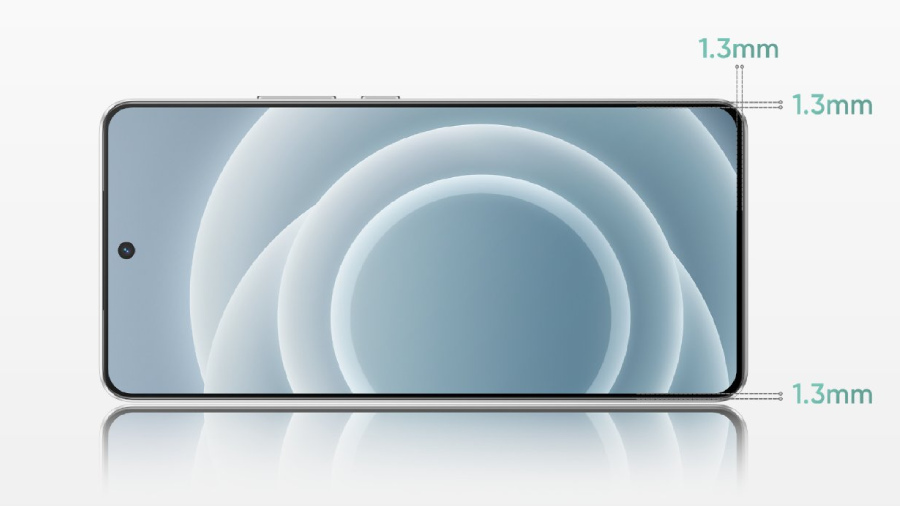
On the front, Realme is pushing symmetry with 1.3mm ultra-slim bezels, and a 4608Hz PWM dimming display for eye comfort.
Realme is adopting a transparent asthetics for the Neo 7 Turbo’s design. It’s transparent gray edition reportedly shows a 1:1 copy of the phone’s internal layout.
Alongside the Dimensity 9400e, the device is expected to come with LPDDR5X RAM and UFS 4.0 storage. Memory configuration will start from 12/256GB and move up to 16GB RAM and 1TB storage. It will come preinstalled with Realme UI 6-based Android 15. I
Last but not least, the triple camera system here will be led by a 50MP Sony IMX882 sensor with OIS. It will be paired with an 8MP ultra-wide lens and a 50MP telephoto camera. It’s also rumored that this device could be a global version of the upcoming Realme GT 7.
For more daily updates, please visit our News Section.
Samsung’s first foldable Fan Edition, the Galaxy Z Flip 7 FE, may launch simultaneously with the Galaxy Z Flip 7 in late July 2025, contrary to earlier reports of a staggered release, per a tipster on X.
Samsung is set to expand its foldable lineup with the Galaxy Z Flip 7 FE, a budget-friendly version of the Z Flip 7. It follows the cost-effective formula of its Galaxy S FE series. Initially, reports suggested the Z Flip 7 FE might launch “sometime in late 2025,” following the June-July launch of the Z Fold 7 and Flip 7. It would mirror the Galaxy S series strategy, where flagship models debut early and FE variants arrive in the second half to avoid cannibalizing sales.
However, live demo units for both devices are now in production together, suggesting a simultaneous market release. This aligns with Samsung’s typical Unpacked event timeline, likely in June-July 2025.
The Z Flip 7 FE is rumored to feature a 6.7-inch Dynamic AMOLED 2X display, the Exynos 2400 chip, and a 12MP+12MP camera setup, compared to the Z Flip 7’s potential Exynos 2500 (Snapdragon 8 Elite in North America and China), and 50MP main sensor.
While Samsung hasn’t confirmed the launch, a joint release could broaden foldable adoption, though it risks sales overlap. Expect more information as we inch closer to the launch. With the Z Flip 7 FE expected to be significantly cheaper—potentially priced at ~$799 versus the Z Flip 7’s ~$999— it could appear as an alternative to the Z Flip 7 for many.
A die shot of Xiaomi’s Xring O1 SoC showcases its compact 114.7mm² design on TSMC’s cutting-edge 3nm N3E node. Matching the Snapdragon 8 Elite in Geekbench, this chip powers the Xiaomi 15S Pro and Pad 7 Ultra. In fact, the Xring O1 in the Xiaomi 15S Pro even outscored the Snapdragon 8 Elite in an AnTuTu test.
Xiaomi’s Xring O1 SoC has garnered attention for its competitive performance and efficient design, revealed through a detailed die shot by Kurnalsalts and Geekerwan. Built on TSMC’s N3E 3nm node—also used by Apple’s A18 Pro and MediaTek’s Dimensity 9400—the Xring O1 spans 114.7mm², with 109.5mm² utilized, making it one of the smallest flagship smartphone chips, rivaling the A18 Pro’s size.
Xring O1’s core cluster:
The die is dominated by a 10-core CPU (2x Cortex-X925 at 3.9GHz, 4x Cortex-A725 at 3.4GHz, 2x Cortex-A725 at 1.89GHz, 2x Cortex-A520 at 1.8GHz) with 16MB L3 cache, delivering Geekbench 6 scores of ~3,119 single-core and ~9,673 multi-core, edging out the Snapdragon 8 Elite in some tests. A 6-core NPU with 16MB cache handles 44 TOPS for AI tasks, while the Arm Immortalis-G925 MP16 GPU ensures robust graphics performance, scoring 330 FPS in GFXBench Manhattan 3.1, per ComputerBase. The in-house ISP and LPDDR5T-9600 modules enhance imaging and memory performance.
Notably, the Xring O1 lacks an integrated 5G modem, relying on an external MediaTek radio, which shrinks the die size but may impact power efficiency. This design mirrors Qualcomm and MediaTek rivals but highlights Xiaomi’s strategic trade-offs. With TSMC’s N3E enabling high clock speeds and efficiency, the Xring O1 is expected to redefine Xiaomi’s flagship competitiveness. The teardown offers a glimpse into its potential.
Xiaomi is almost ready to release the much-anticipated HyperOS 2.2 update to its devices. While the official changelog is still under the cover, we expect many improvements across the system and some UI refreshes as well. We might also see a few new features and, of course, a better integration of the Xiaomi ecosystem.
If you have a Xiaomi device running HyperOS 2, you might wonder when it’s your turn for the HyperOS 2.2 upgrade. Well, we have a potential list of devices below that will likely be included in the first batch of the rollout.
HyperOS 2.2 update will initially roll out to these devices
Just to clarify things, Xiaomi has not announced which devices will be updated to HyperOS 2.2 or the list of devices included in the first batch of the rollout. However, folks at XiaomiTime have discovered twelve Xiaomi devices in the HyperOS source code with the new firmware version. This means that the new HyperOS build is ready for these devices, and based on that, we’ve prepared the following list:
POCO F7 / REDMI Turbo 4 Pro
POCO M7 Pro 5G / Redmi Note 14
POCO X7 / Redmi Note 14 Pro
Redmi K70 / POCO F6 Pro
Redmi K70E / POCO X6 Pro
Xiaomi 14
Xiaomi 14 Pro
Xiaomi 14 Ultra
Xiaomi 15
Xiaomi 15 Pro
Xiaomi 15 Ultra
Xiaomi Pad 6S Pro 12.4
These Xiaomi smartphones are likely to get the HyperOS 2.2 before most other Xiaomi devices once the rollout kicks off. However, since the information isn’t directly coming from Xiaomi, I’d recommend taking it with a pinch of salt.
As always, the rollout should begin in China first before reaching global users. Xiaomi users can look for new updates by going to Settings > About Phone > System Update.
The upcoming HyperOS 2.2 will likely include many improvements across the system to improve the software experience. We might also see AI enhancements and several changes to the user interface.
According to recent leaks and reports, the new HyperOS skin will bring AI-powered photography features. We might also see several new AI features to handle our day-to-day tasks. The company might also bring a refreshed notification management system and a new camera interface.
The HyperOS 2.2 update is likely to bring many improvements, including—but not limited to—system fluidity, responsiveness, and battery optimization algorithms. It will also tighten the integration of Xiaomi’s ecosystem.
Stick with us, as we’ll keep bringing you the latest news around HyperOS so that you know when to hit the install button. Don’t forget to visit our Xiaomi section regularly to stay updated.
MSI has officially unveiled the Prestige 13 AI+ Ukiyo-e Edition at COMPUTEX 2025, combining traditional Japanese craftsmanship with modern AI-powered computing. The laptop features a unique design inspired by Katsushika Hokusai’s “The Great Wave off Kanagawa” and is crafted in partnership with lacquerware specialists OKADAYA, celebrating 400 years of Yamanaka lacquer artistry. This model also received the COMPUTEX Best Choice Award.
Beyond aesthetics, the Prestige 13 AI+ is built for performance. It runs on up to an Intel Core Ultra 9 288V processor and supports up to 32GB of LPDDR5x memory. It features a 13.3-inch 2.8K OLED display with a 16:10 aspect ratio, 100% DCI-P3 coverage, and VESA DisplayHDR True Black 500 certification, ensuring high visual accuracy.
Graphics are handled by the Intel Arc 140V GPU, while storage comes via an NVMe PCIe Gen4 SSD. The laptop includes a single backlit keyboard with a dedicated Copilot key for AI features, and advanced audio with DTS support and a triple-microphone array.
Connectivity includes two Thunderbolt 4 ports, a USB 3.2 Gen1 Type-A port, HDMI 2.1 (supporting up to 8K@60Hz or 4K@120Hz), and a microSD card reader. For wireless communication, the laptop uses Intel Killer Wi-Fi 7 and Bluetooth 5.4. Security features include Microsoft Pluton, a fingerprint reader, a webcam shutter, and dTPM 2.0. The Prestige 13 AI+ weighs just 990 grams and includes a 75Wh battery, offering portability without sacrificing power.
For more daily updates, please visit our News Section.
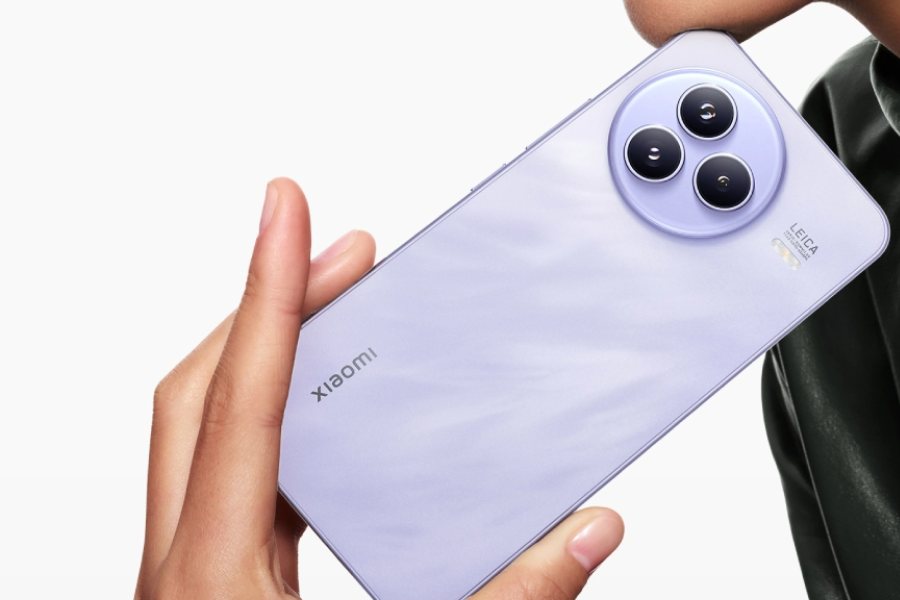
Tucked in among all the headlines was a more niche, design-focused product of the Xiaomi Civi line. The Civi 5 Pro is only the second Pro model in this series after last year’s Civi 4 Pro. And on the surface, it doesn’t bring any radical changes in terms of specifications or features.
The upgrades are all incremental here. However, if you scale them in comparison to the non-Pro Civi 3, the Civi 5 Pro brings enough forward movement to justify its “Pro” tag. So we thought to look back to see how much of an improvement Xiaomi has made over the last two generations of Civi phones.
Perhaps the most defining generational leap is under the hood. The Civi 5 Pro features the new Snapdragon 8s Gen 4 chipset, which brings a notable 31% CPU, 49% GPU, and 44% AI performance improvement over the Snapdragon 8s Gen 3 in the Civi 4 Pro.
The Snapdragon 8s Gen 4 is a 4nm chip anchored by a single Cortex-X4 prime core clocked at 3.21 GHz and supported by a blend of high and mid-performance Cortex-A720 cores. In contrast, the Gen 3 used a less aggressive clock configuration.
Compare that to the Dimensity 8200 Ultra in the Civi 3, and it’s an entirely different class of silicon. The Civi 3 was respectable in day-to-day use but clearly designed for casual users, not power-hungry ones. Even the 8s Gen 3 in the Civi 4 Pro, while solid, is now overshadowed by the better thermals and improved efficiency of Gen 4.
2. Camera Refinement with Leica Optics
Xiaomi introduced Leica branding to the Civi series with the 4 Pro, but the Civi 5 Pro refines this further with subtle yet important upgrades to both the rear and front camera setups.
Xiaomi Civi 5 Pro camera
The rear system remains a triple camera configuration with the same 50MP wide and 12MP ultrawide sensors, but the telephoto lens has been tweaked: it’s now a 50MP sensor at a 60mm focal length with 2.5x optical zoom, compared to the 50mm lens with 2x zoom in the 4 Pro. This change offers more flexibility for portrait and macro-style shots, with an updated autofocus system that operates from as close as 10cm.
On the front, Xiaomi departs from the dual 32MP camera design of the previous two models. Instead, the Civi 5 Pro goes with a single but more powerful 50MP selfie shooter. This sensor supports 4K video at both 30 and 60 fps, a first for the Civi lineup.
One of the quiet but most practical upgrades comes in the battery department. The Civi 5 Pro now sports a 6000mAh silicon-carbon lithium (Si/C Li-Ion) battery, a sizeable leap from the 4700mAh cell in the Civi 4 Pro and even more so from the 4500mAh pack in the Civi 3.
Despite the larger capacity, Xiaomi keeps the 67W fast charging standard across all three models. But with greater energy density and smarter power management, the Civi 5 Pro should offer better endurance.
4. Software and Connectivity Improvements
Another way the Civi 5 Pro distances itself is with software and connectivity improvements. It runs Android 15 with HyperOS 2, whereas the Civi 4 Pro shipped with Android 14 and the Civi 3 was limited to Android 13 under MIUI 14. That’s more than just version inflation; HyperOS 2 introduces system-level optimizations and better integration with Xiaomi’s broader ecosystem, from tablets to smart home devices.
In terms of connectivity, the Civi 5 Pro adopts Wi-Fi 7 support, while the Civi 4 Pro tops out at Wi-Fi 6. That change futureproofs the device for faster and more stable wireless connections. Bluetooth also gets a bump to version 5.4 with support for LHDC 5, aptX HD, and aptX Adaptive.
5. Design Tweaks and Build Consistency
At first glance, the Civi 5 Pro looks almost indistinguishable from the Civi 4 Pro. It keeps the same slim 6.55-inch AMOLED display with 68 billion colors, 120Hz refresh rate, and HDR support. The display resolution also remains unchanged at 1236 x 2750 pixels. But look closer, and you’ll see minor yet meaningful changes.
Peak brightness jumps from 3000 to 3200 nits, and Xiaomi has added HDR Vivid support to the Dolby Vision and HDR10+ stack. These tweaks improve visibility in direct sunlight and offer more compatibility with streaming content.
Physically, the phone is now slightly wider (73.2mm vs 72.8mm) and heavier (up to 184g vs 180.9g), likely due to the larger battery. Despite this, the thickness stays virtually the same, and Xiaomi continues offering high-quality material options like glass and eco-leather backs.
The Civi 5 Pro also offers a broader color palette—Gray, Rose Gold, Violet, White, and Brown—compared to the more limited Black, Pink, Blue, and Green options of the 4 Pro.
6. Final Thoughts
Xiaomi made a major refresh for the Civi line with Civi 4 Pro. The upgrades are more incremental this generation, and it’s perfectly fine. The Civi 4 Pro established the Pro branding and brought in Leica lenses, the 5 Pro stabilizes and expands on that momentum.
Compared to Civi 3, the 5 Pro feels way more refined; a more premium product across the board. And compared to the 4 Pro, it’s a sensible upgrade for anyone who values battery life, slightly better optics, and updated software.
For users who skipped the Civi 4 Pro or are still holding onto older models, the Civi 5 Pro might just be the upgrade worth making.
For more daily updates, please visit our News Section.
Yesterday, Xiaomi held a major launch event in China to unveil the Xiaomi 15s Pro and Xiaomi Pad 7 Ultra powered by its in-house Xring O1 chipset. The same event also saw the arrival of a couple of other products, including the Xiaomi Civi 5 Pro handset. Another major announcement from the brand was the Xiaomi YU7, which debuted as the company’s first SUV car. The company emphasized that the YU7 is not merely an elevated version of its SU7 sedan but a completely fresh design, aiming to deliver a distinct and enhanced automotive experience.
Xiaomi YUY: Redefining Luxury and Performance in an SUV
Xiaomi YU7 – Emerald Green
The Xiaomi YU7 continues the brand’s focus on aesthetic appeal, evolving the design language seen in the SU7 while establishing its own bold identity. It blends refined styling with potent performance, generous interior space, and advanced comfort features. This mid-to-large SUV measures 4999 mm in length, 1996 mm in width, and 1600 mm in height, with a 3000 mm wheelbase, adhering to classic luxury proportions with a low-slung stance.
Notable design elements include a 3.11 square meter clamshell aluminum hood, the largest in mass-produced vehicles, and a 141-liter electric front trunk. The signature “waterdrop headlights” are reinterpreted with an innovative hollowed-out design featuring air channels, and the halo taillight has been refined for a cleaner look and superior nighttime visibility through premium ultra-red lighting.
Xiaomi YU7 – Titanium Silver
An all-new electric-flush door handle system ensures a seamless body contour, retracting when the vehicle is in motion and extending automatically upon approach with the key. Aerodynamic efficiency is paramount, with 10 through-flow air channels, 19 optimized vents, a hollowed spoiler, and an active grille system, contributing to an impressive drag coefficient of Cd 0.245.
Intelligent Cabin Experience and Powerful Capabilities
Inside, the Xiaomi YU7 champions a “Dual-Zone Surround Luxury Cabin” philosophy, offering a harmonious blend of technology, luxury, and comfort. A standout feature is the Xiaomi HyperVision Panoramic Display, an industry-first mass-produced triple Mini LED screen array. This system projects information onto the lower windshield area, creating an expansive 1.1-meter ultra-wide display with high resolution and brightness, adapting intelligently to different user scenarios. Complementing this, a remote-control panel provides passengers with effortless command over car functions, navigation, and entertainment.
Despite its dynamic exterior, the YU7 offers remarkable interior spaciousness, thanks to advanced battery technology, providing ample headroom and legroom. It provides a total storage capacity of 1,970 liters, including a 141-liter front trunk and a 678-liter main cargo area. The cabin features 100% soft-touch surfaces and OEKO-TEX Class 1 certified materials, ensuring a premium and hypoallergenic environment. Dual zero-gravity front seats with massage functions and power-adjustable rear seats prioritize occupant comfort.
Xiaomi YU7 – Lava Orange
Under the hood, the YU7 is powered by an evolved Xiaomi HyperEngine V6s Plus, delivering a maximum horsepower of 690 PS, a peak power of 508 kW, and a 0-100 km/h acceleration time of 3.23 seconds. Its chassis system includes a front double wishbone and rear five-link independent suspension, closed double-chamber air springs, and continuous damper control for a balanced ride.
The YU7 offers an exceptional range, with the entry-level Standard variant achieving 835 km (CLTC) from its 96.3 kWh battery. The entire series supports an 800V silicon carbide high-voltage platform, enabling rapid charging from 10% to 80% in just 12 minutes.
For safety, the YU7 is equipped with upgraded armor-cage steel-aluminum hybrid body structure, featuring a new 2200 MPa ultra-high strength steel for enhanced collision protection. The vehicle’s intelligent platform integrates a “Four-in-One Domain Control Module” and is powered by a 4nm Snapdragon 8 Gen 3 chip for the cockpit and the next-generation NVIDIA DRIVE AGX Thor platform for assisted driving, providing 700 TOPS of computing power.
Standard assisted driving hardware across all YU7 variants includes LiDAR, 4D millimeter-wave radar, 11 high-definition cameras, and 12 ultrasonic radars. Xiaomi EV also offers advanced driving training to further enhance user safety on the road.
The Xiaomi YU7 is set for an official sales launch in July. It will be available in three shades: Emerald Green, Titanium Silver, and Lava Orange.
For more daily updates, please visit our News Section.
Xiaomi has officially entered the high-end SoC race with the launch of its first self-developed chipset, the Xring O1. Built on TSMC’s second-generation 3nm process, the chip packs 19 billion transistors into a 109mm² die and powers the new Xiaomi 15S Pro and Xiaomi Pad 7 Ultra.
The launch marks a major shift for Xiaomi, which previously relied on Qualcomm and MediaTek for mobile processors. According to Lei Jun, the company spent over 13.5 billion yuan (~$1.87 billion) and took four years to complete the chip’s development. Xiaomi now becomes the fourth company globally to mass-produce an in-house smartphone processor.
Following the launch, a teardown from tech blogger Geekerwan confirmed the Xring O1 as a truly self-developed design. After removing the POP memory, the chip die revealed a unique internal layout and a small Xiaomi logo etched into the corner of the metal layer. Geekerwan stated that the Xring O1 looks nothing like Apple’s A18 Pro, Qualcomm’s Snapdragon 8 Elite, or MediaTek’s Dimensity 9400, confirming it is not a rebranded part.
2. High-Performance Architecture
Xring O1 features a 10-core CPU in a quad-cluster configuration. The setup includes two Cortex-X925 ultra-large cores clocked at 3.9GHz, four Cortex-A725 performance cores at 3.4GHz, two Cortex-A725 efficiency cores at 1.9GHz, and two Cortex-A520 ultra-efficiency cores at 1.8GHz.
The chip also includes a 16-core Immortalis-G925 GPU and a 6-core NPU that delivers up to 44 TOPS of AI computing power. It supports LPDDR5T RAM, UFS 4.1 storage, Wi-Fi 7, and USB 3.2 Gen 2. Xiaomi claims the chip achieves over 3 million points on AnTuTu.
3. Performance on Par with Apple’s A18 Pro
Benchmark comparisons shared during the event show the Xring O1 matching Apple’s A18 Pro in single-core and multi-core tests. Lei Jun stated that while Xiaomi does not expect to beat Apple immediately, the current performance already exceeds expectations, especially in light to moderate workloads, where power efficiency and responsiveness stand out.
Lei also highlighted that GPU power consumption is 35% lower than Apple’s flagship chip. The chip includes dynamic performance scheduling and an advanced cooling system to maintain efficiency during heavy tasks.
4. Strategic Step for Xiaomi’s Future
Xiaomi’s chip roadmap outlines a long-term vision. The company aims to invest a total of 50 billion yuan (~$6.9 billion) over the next decade. It plans to deepen its presence in the semiconductor space, using chips as the core for future products across smartphones, tablets, wearables, IoT devices, and EVs.
The Xring O1 adopts a self-developed application processor paired with a third-party modem, a strategic choice due to the complexity and high patent barriers in modem development. Xiaomi says this hybrid setup allows faster time-to-market while keeping development focused on the performance core.
5. Initial Use Cases and Market Impact
The Xiaomi 15S Pro and Pad 7 Ultra are the first two devices to use the Xring O1. Both products target the premium market and showcase the chip’s potential with features like semantic AI, image processing with Leica optics, advanced cooling systems, and extended battery life.
As of now, Xiaomi does not plan to fully replace third-party SoC suppliers. MediaTek and Qualcomm continue to dominate its mainstream and flagship lineups, with Xiaomi shipping millions of units powered by their chips in 2024. The company views Xring O1 as a validation tool for its semiconductor ambitions rather than an immediate large-scale replacement.
6. So, What’s So Special?
The Xring O1 isn’t just Xiaomi’s first in-house chip at the flagship level. It’s a milestone in the evolution of the Chinese tech giant, from a brand that once relied entirely on supply chains to one that’s now designing its own foundations. For a company that now sells everything from smartphones to EVs, controlling the silicon unlocks a level of optimization that goes beyond performance. It’s about synergy, hardware, software, and intelligence, all speaking the same language.
In a world where geopolitical tensions can suddenly redraw supply maps, Xiaomi’s Xring O1 may also represent something even more critical: independence. The chip might not crush Apple’s A18 Pro in every metric. It doesn’t need to. The fact that it’s here, working, and shipping inside flagship hardware is victory enough.
Xiaomi is no longer just a fast follower. It’s building its own path, one transistor at a time.
For more daily updates, please visit our News Section.
Sonos Roam 2 is currently retailing for an all-time low price of $134, which is actually a $45 discount from its actual retail price. This is a time-limited discount that may fade away once the stock depletes or when the offer expires. Presently, the validity of the present all-time low price offer is not yet confirmed, so it is better to grab it before it goes out of stock.
Sonos Roam 2 is available in two color options of White and Black. The users can connect the IP67 dustproof and waterproof speaker via Bluetooth. Upon a single full charge, the users can enjoy 10 hours of continuous listening experience. It is one of the best offers that we have seen on a premium portable speaker this year.
Whether you’re at the beach, camping, or just chilling on the balcony, this speaker adapts to your vibe. Sonos rarely discounts its products, and the Roam 2, being one of the newer models, hasn’t seen many price drops. This current $45 discount brings premium sound closer to an entry-level price, making it a great pickup for first-time Sonos users or those expanding their multi-room setup.
You can grab the deal from major retailers like Amazon while supplies last. If you’re a Prime member, you might even score free one-day shipping.
If you’ve been waiting to upgrade your summer soundtrack, now’s the time. The Sonos Roam 2 is a rugged, refined, and ready-for-anywhere speaker — and at $134, it’s an absolute steal.
Please Note: When you buy something using the links in our articles, we may earn a small commission at no cost to you.
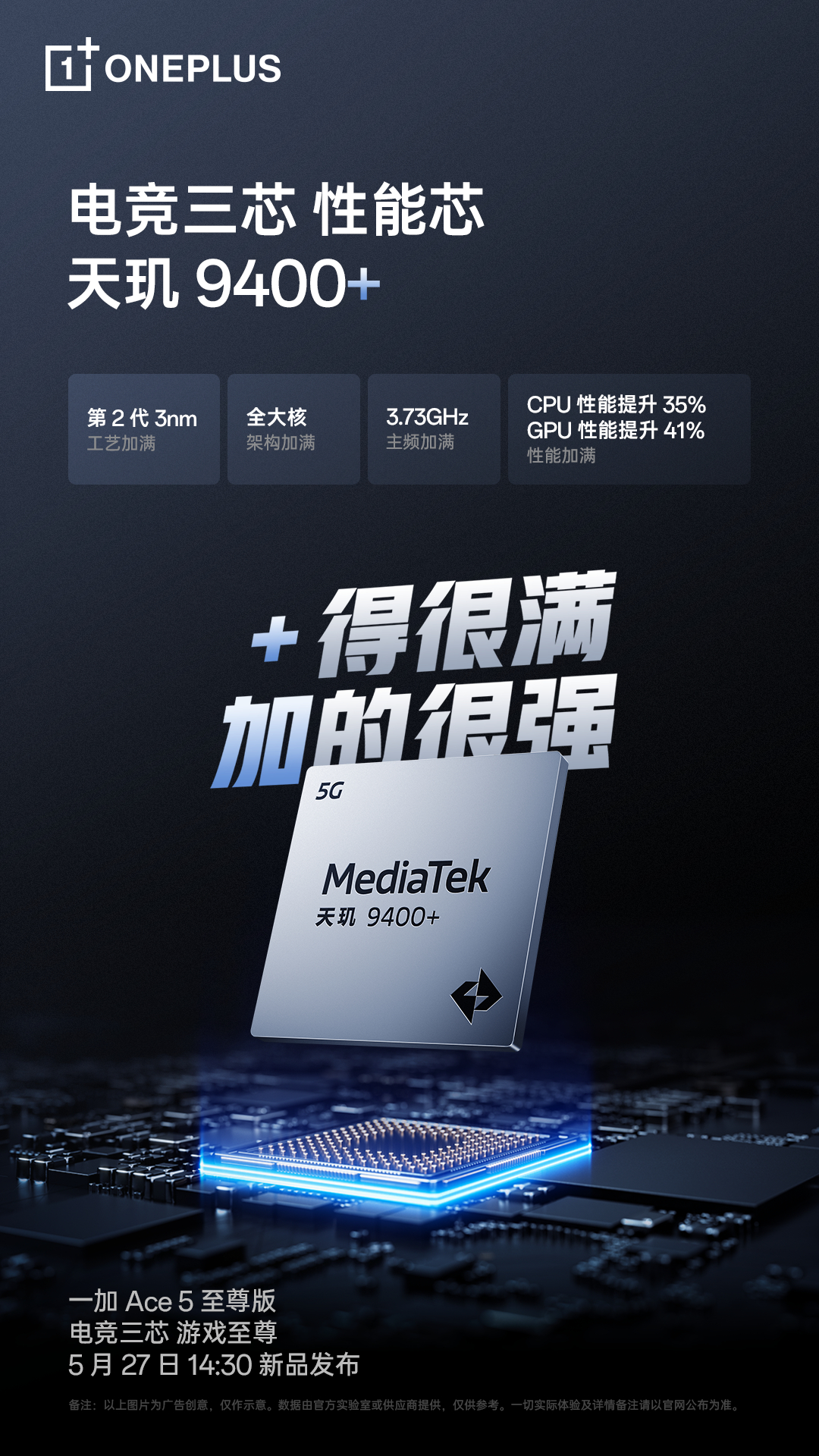
OnePlus will launch the Ace 5 Extreme Edition (aka the Ace 5 Ultra) in China on May 27 at 14:30 CST. The phone is built specifically for gaming, with a focus on performance, stability, and long play sessions.
It runs on the MediaTek Dimensity 9400+ processor, built on a 3nm process, with a peak CPU speed of 3.73GHz. OnePlus says the chip brings a 35% jump in CPU performance and a 41% improvement in GPU performance. Power efficiency during gaming is up by 15%, and overall gaming performance is improved by 8%. These gains come from OnePlus’s “Fengchi Gaming Core,” a system-level optimization written directly into the chip.
The Ace 5 Extreme uses a triple-chip setup. Alongside the Dimensity 9400+ is the Lingxi Touch Control Chip and a dedicated Wi-Fi gaming chip (G1). The Lingxi chip supports a 3000Hz touch response rate, 300Hz five-finger sampling rate, and 290Hz ten-finger sampling rate. This is meant to reduce input lag and help with precision during fast-paced gameplay.
The phone is certified for esports use by the Peace Elite League (PEL), one of China’s major mobile gaming tournaments. It supports native 120Hz refresh rates, without interpolation, for open-world and MOBA games. It can run games at 120FPS even during video calls, without drops.
OnePlus shared benchmark data showing the Ace 5 Extreme hits 118.3 FPS in the 1% Low FPS test, a key metric in gaming that reflects how stable the frame rate stays during intense moments like smoke effects or group fights. In comparison, another flagship scored only 60.8 FPS.
The phone is built to maintain stable performance for over 5 hours of continuous gaming. OnePlus is positioning it as a serious option for mobile gamers who want smooth, consistent performance and low power drain. The official launch happens on May 27.
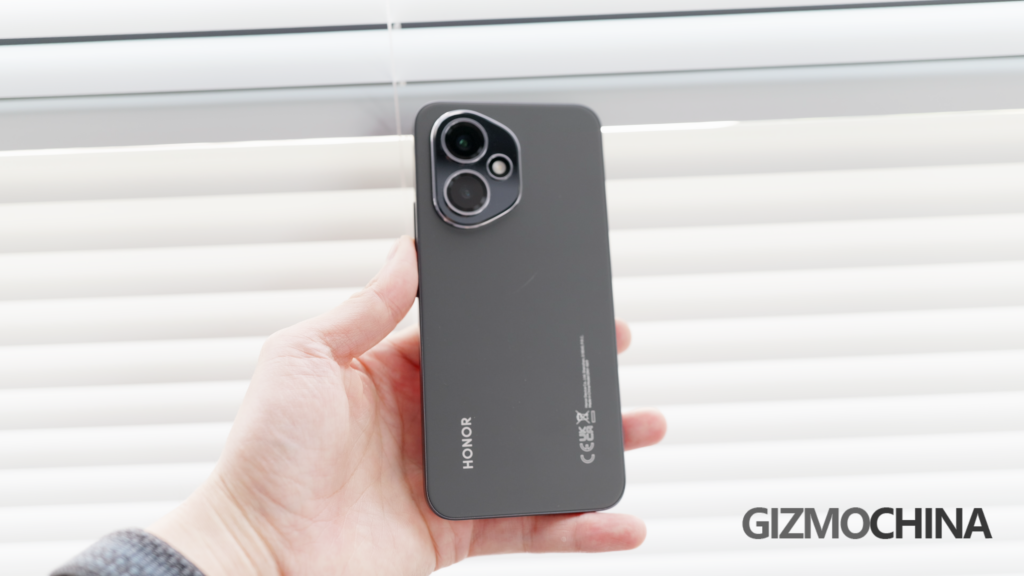
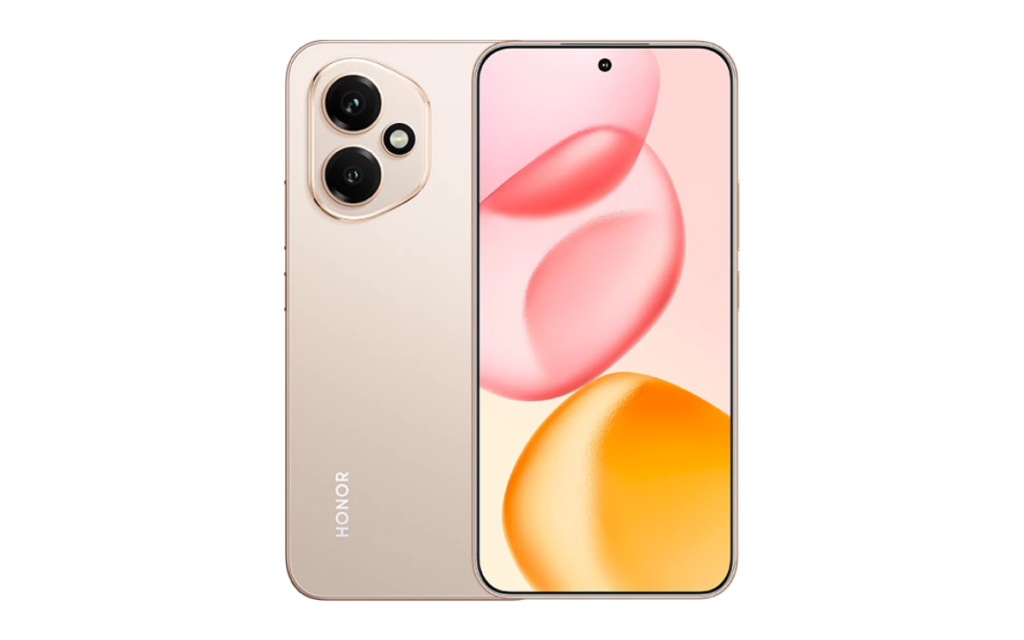
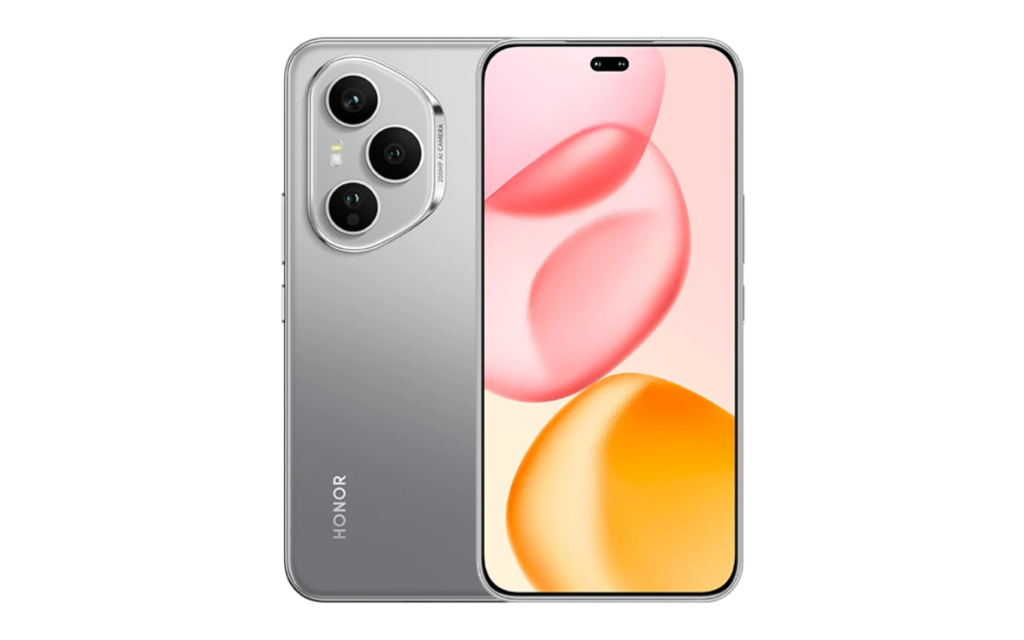
Honor has launched the new Honor 400 and Honor 400 Pro smartphones globally at an event in Paris. These two models mark the return of high-resolution cameras in the brand’s number series and focus heavily on AI-powered imaging and creative features. Let’s check out the specs and pricing of these devices.
Honor 400 and Honor 400 Pro Specifications
The Honor 400 features a 6.55-inch flat OLED display with a resolution of 1264×2736 pixels. The screen supports a 120Hz refresh rate, 5000 nits of peak HDR brightness, and 3840Hz PWM dimming for eye comfort. The Honor 400 Pro steps up with a 6.7-inch quad-curved OLED panel at 2800×1280 resolution. It also delivers 120Hz refresh rate and the same 5000-nit brightness.
The standard Honor 400 runs on the Snapdragon 7 Gen 3 processor, paired with up to 12GB of RAM and up to 512GB of internal storage. The Honor 400 Pro uses the more powerful Snapdragon 8 Gen 3 chipset and includes 12GB of RAM with 512GB of storage. Both platforms support intensive tasks, including gaming, multitasking, and AI operations.
Honor 400
Both phones run Android 15 with MagicOS 9.0 and are guaranteed six years of Android and security updates. They include built-in AI features like AI Summary, AI Subtitles, Magic Portal, and Deepfake Detection. Google’s Gemini assistant is also integrated, offering contextual assistance and productivity tools.
Both models feature a 200MP main rear camera with a 1/1.4-inch sensor, f/1.9 aperture, and support for OIS and EIS. They are paired with a 12MP ultra-wide lens offering a 112-degree field of view and macro capabilities. The Honor 400 Pro includes an additional 50MP telephoto camera with 3x optical zoom, based on the Sony IMX856 sensor. On the front, both phones house a 50MP camera capable of 4K video recording. The camera system supports advanced AI capabilities such as AI Eraser, AI Outpainting, AI Remove Reflection, and image-to-video generation powered by Google Cloud’s Veo model.
Both models include a 5300mAh silicon-carbon battery. The Honor 400 supports 66W wired fast charging and reaches 44% in 15 minutes. The Honor 400 Pro supports 100W wired and 50W wireless charging. According to Honor, the battery is rated for 1200 charge cycles and will retain over 80% of its capacity after four years.
Honor 400 Pro
The Honor 400 measures 7.3mm in thickness, weighs 184g, and is rated IP65 for splash resistance. It includes stereo speakers, an in-display fingerprint sensor, NFC, and Bluetooth 5.3. The Pro model measures 8.1mm thick, weighs 205g, and comes with IP68 and IP69 certifications for full water and dust resistance. It also supports Wi-Fi 7 for improved wireless performance.
Pricing and Availability
The Honor 400 is priced at £399.99 / €499 for the 12GB + 256GB model and £449 / €549 for the 12GB + 512GB variant. The Honor 400 Pro is available in a single 12GB + 512GB version priced at £699.99 / €799.
Both models are available starting May 22 in the UK and across several European countries via honor.com and retail partners. The Honor 400 is available in Desert Gold, Lunar Grey, and Midnight Black. The Honor 400 Pro comes in Lunar Grey and Midnight Black.
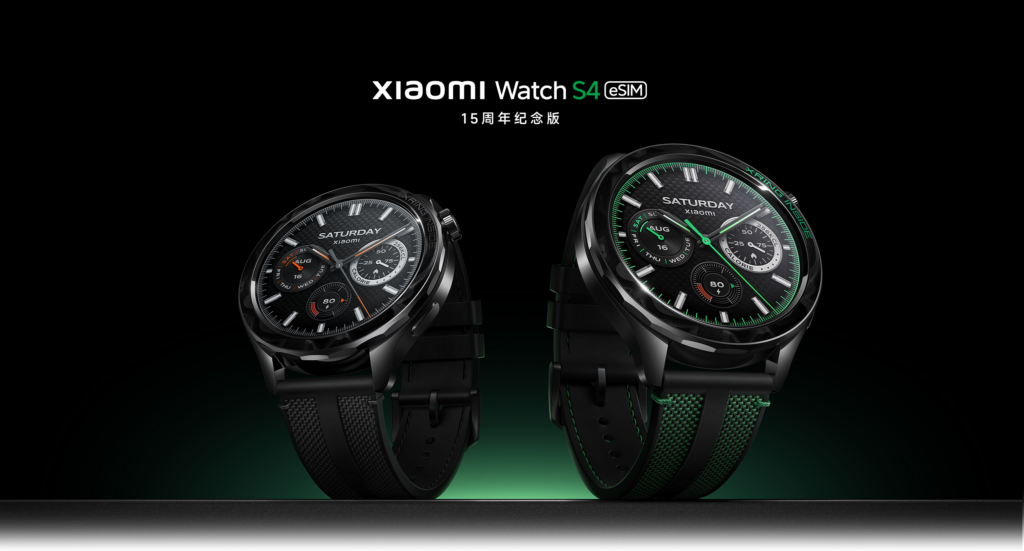
Xiaomi has announced the Watch S4 eSIM 15th Anniversary Edition at its 15th Anniversary Launch event. The smartwatch is powered by Xiaomi’s self-developed Xring T1 chip and is priced at 1299 yuan (~$180). It is available in China starting today in Black and Green Flame color options.
The Xring T1 chip marks a significant shift for Xiaomi’s wearable strategy. It integrates a 4G modem and video codec module and runs at a maximum CPU frequency of 500MHz. Xiaomi claims the chip improves app launch times by 13% and reduces standby power consumption by 66%. It also lowers VoLTE and data power usage by 46% and 27% respectively.
The Watch S4 features a 1.43-inch AMOLED display with a resolution of 466 × 466 pixels, a 60Hz refresh rate, and a peak brightness of 2200 nits. Xiaomi uses Dragon Crystal Glass for screen protection. The watch weighs 44.5 grams and has a forged carbon bezel with “XRING INSIDE” engraved. The casing is made of PVD-treated aluminum alloy, paired with a stainless steel frame. Strap options include fluoro rubber and a woven nylon band.
Xiaomi includes 64MB RAM and 4GB of internal storage. The smartwatch supports over 150 sports modes, automatic workout detection, AI-guided running, and Pro Ski Mode 2.0. Health features cover heart rate monitoring, SpO₂ tracking, stress levels, sleep analysis, and women’s health tracking. The watch also supports cuff-less blood pressure estimation through the Xiaomi Health Research app.
Connectivity features include eSIM for 4G calling and messaging, Bluetooth 5.3, NFC for payments and smart access, dual-band GPS (L1+L5), and support for five satellite systems: GPS, GLONASS, Galileo, QZSS, and BeiDou. Xiaomi has added support for both Bluetooth and network-based outdoor walkie-talkie functionality.
It comes with a 486mAh battery that supports up to 9 days of usage with typical eSIM use and up to 15 days in Bluetooth-only mode. The watch supports magnetic 2-pin fast charging. It runs on Xiaomi HyperOS 2 and supports Android 8.0 and iOS 12.0 or above. However, some features like voice assistant and WeChat replies are limited to Android.
Xiaomi has also included smart car control for SU7 series vehicles via the Xiaomi Auto App, alongside gesture controls and Mi Home integration. The Watch S4 15th Anniversary Edition is IP-rated at 5ATM, making it suitable for swimming and other shallow water activities.
At the event, Xiaomi also introduced the 15S Pro with the new Xring O1 3nm chipset, a 6.73-inch 2K OLED display, Leica cameras, and a 6100mAh battery. The Xiaomi Civi 5 Pro also made its debut, powered by the Snapdragon 8s Gen 3 and featuring Leica-branded cameras.
For more daily updates, please visit our News Section.
Alongside the Xiaomi 15S Pro smartphone, Xiaomi today introduced the Pad 7 Ultra, its largest and most expensive tablet yet. It ships with the same in-house XRING O1 chip as the new phone, along with a 12000mAh battery. Here are the complete details.
Xiaomi Pad 7 Ultra Specifications
The Pad 7 Ultra runs on Xiaomi HyperOS 2 atop Android 15 and comes equipped with a 14-inch OLED panel. The display uses TCL’s M9 luminous material, supports 3.2K resolution in a 3:2 aspect ratio, and offers a 120Hz refresh rate with a global brightness of 900 nits and peak brightness of up to 1600 nits.
Xiaomi is also shipping the Pad 7 Ultra with a nano-soft light screen coating, which has an anti-reflective coating and nano-level etching that claims to eliminate up to 99% of ambient light interference.
Under the hood, the tablet runs on the new in-house XRING O1 chip fabricated on TSMC’s 3nm N3E process. It uses a 10-core architecture broken down into 2+4+2+2 clusters. The fastest core clocks at 3.7GHz.
As for memory, Xiaomi is using LPDDR5T RAM and UFS 4.1 storage. It’s powered by a 12,000mAh battery with 120W fast charging over a USB 3.2 Gen 2 Type-C port.
The Pad 7 Ultra has a minimalist design with a 5.1 mm thick chassis and weighs 609 grams. The bezels are narrow at 3.95mm, and the front-facing 32MP camera supports portrait centering. On the back, there’s a 50MP camera within a matrix-style module.
Audio is handled by eight speakers with four amplifiers and four microphones in a 16.5cc sound chamber. There’s also support for WiFi 7, Bluetooth 5.4, NFC, and an IR blaster.
As always, users have the option to get a color-matched keyboard with the Pad 7 Ultra. The keys have a 1.3mm key travel distance.
Price and Availability
The Pad 7 Ultra starts at 5,699 yuan (roughly $800) for the 12GB RAM / 256GB model. The top-end configuration with 16GB RAM, 1TB of storage, and the Nano Soft Light Screen goes for 7,399 yuan. There are five variants in total:
12GB + 256GB: 5,699 yuan
12GB + 512GB: 5,999 yuan
12GB + 512GB (Nano Soft Light Screen): 6,599 yuan
16GB + 1TB: 6,799 yuan
16GB + 1TB (Nano Soft Light Screen): 7,399 yuan
For more daily updates, please visit our News Section.
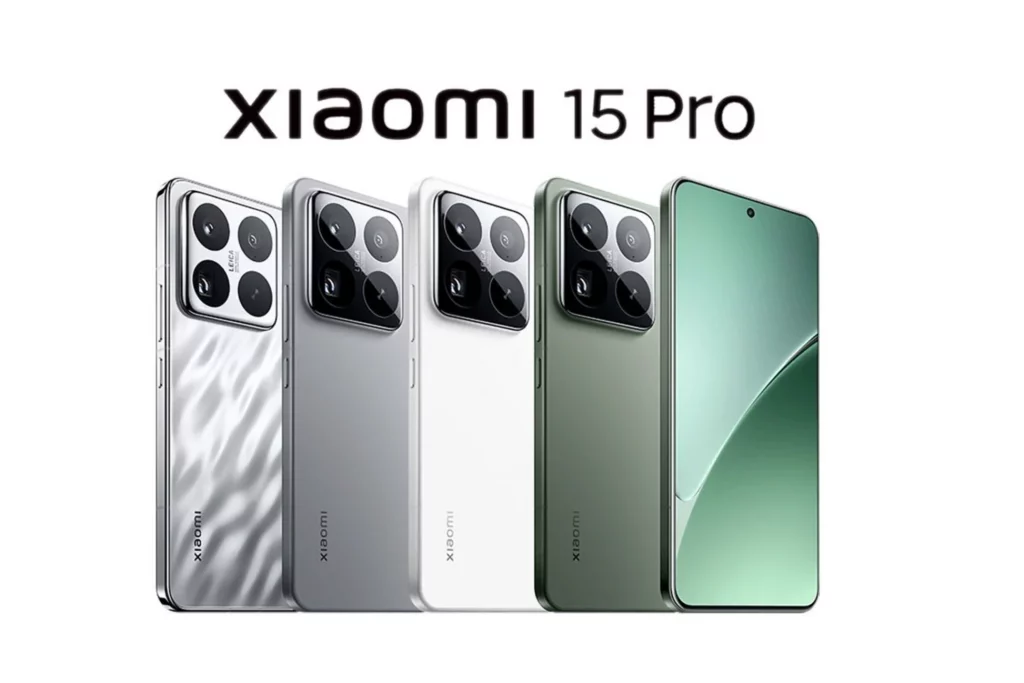
After weeks of rumors and teasers, Xiaomi finally unveiled the Xiaomi 15S Pro. It is a new flagship smartphone that carries the brand’s self developed mobile chipset. The device carries the new XRing O1 along with premium specs and features. So here’s a quick comparison against the older Xiaomi 15 Pro to see how the Xiaomi 15S Pro is different from the other flagship phone.
Xiaomi 15S Pro vs Xiaomi 15 Pro: Design & Display
The Chinese tech giant’s latest Xiaomi 15S Pro is a high end device, but it is surprisingly similar to the previously announced Xiaomi 15 Pro. One area where this is most noticeable is the design and display. Xiaomi’s new 15S Pro sports an identical screen to the regular 15 Pro. So you get a 6.73-inch 2K LTPO OLED curved display, a 120Hz refresh rate, 3200 nits of peak brightness, and Xiaomi Ceramic Glass protection 2.0.
Xiaomi 15S Pro
The overall form factor and size are also quite similar, but there are slight differences in the color options. Xiaomi announced the 15 Pro in Rock ash, White, Spruce Green and Bright Silver variants, while the 15S Pro is available in Dragon scale fiber version and Far Sky Blue variants. The fiber variant has a different texture on the rear panel.
Performance
The key highlight of the Xiaomi 15S Pro and its notable difference is undoubtedly the SoC under the hood. The Xiaomi 15 Pro is a cutting edge Android flagship that packs Qualcomm’s latest and greatest Snapdragon 8 Elite. However, the Xiaomi 15S Pro is the first from the company to feature the XRing O1 chipset. This is an in-house processor that even managed to outperform the Snapdragon 8 Elite on AnTuTu.
Xiaomi XRing O1
Keep in mind, a proper real world test would better determine this feat, while the power efficiency and thermal performance have yet to be revealed as well. The XRing O1 is paired with 16GB of LPDDR5X RAM and up to 1TB of UFS 4.0 storage. So the storage configurations are practically the same as well. Even the battery pack and charging tech are identical, with a massive 6,100mAh cell with 90W wired fast charging and 50W wireless fast charging.
Pricing
Xiaomi 15 Pro
The Xiaomi 15 Pro was announced with a starting price tag of 5,299 Yuan (roughly 735 US Dollars) for the 12GB + 256GB option. However, the 16GB + 512GB variant and 16GB + 1TB option costs 5,799 Yuan and 6,499 Yuan respectively (roughly 805 and 902 US Dollars). But the Xiaomi 15S Pro has a more competitive pricing as it starts from just 5,499 Yuan (roughly 763 US Dollars) for the 16GB + 512GB variant, while the higher end 16GB + 1TB version costs 5,999 Yuan (roughly 832 US Dollars).
For more daily updates, please visit our News Section.
Xiaomi has announced the Xiaomi 15S Pro alongside Xiaomi Civi 5 Pro during its 15th Anniversary Launch event in China. The phone is a special edition in the 15 series lineup and marks the debut of Xiaomi’s self-developed flagship processor, the Xring O1. It arrives with a refined design, updated performance internals, and commemorative features that highlight the brand’s milestone.
Xiaomi 15S Pro Specifications
The Xiaomi 15S Pro features a 6.73-inch OLED quad-curved display with a 3200×1440 resolution. The panel uses TCL Huaxing’s M9 material and supports a 1–120Hz LTPO dynamic refresh rate. The display reaches up to 3200 nits SDR peak brightness and supports HDR10+ and Dolby Vision. It also includes 192-zone local tone mapping, 300Hz touch sampling, 2560Hz instantaneous response, DC-like dimming, and 1920Hz PWM dimming. Xiaomi has added Dragon Crystal Glass 2.0 for protection and uses an ultrasonic fingerprint scanner under the display.
Xiaomi has equipped the 15S Pro with the Xring O1 chip, its first custom flagship SoC. The chip is built on a 3nm process and contains 19 billion transistors. It features a ten-core CPU with two performance-focused X925 cores clocked at 3.9GHz. The GPU is a 16-core Immortalis-G925 unit. The new Wing-shaped Ring Cold Pump Pro handles heat management with a vapor-liquid separation system and a 4053mm² heat dissipation area.
The phone runs HyperOS 2.0, Xiaomi’s updated operating system designed to work across multiple devices. It allows for deeper system control, efficient task management, and new personalization options.
Coming to the optics, the rear camera system includes three 50MP sensors. The main sensor is a 1/1.31-inch Light Fusion 900 unit with f/1.44 aperture and Hyper OIS. The second is a 115° ultra-wide camera, and the third is a 5x periscope telephoto lens with 10x lossless zoom. All three use Leica Summilux lenses. The camera supports full-focal 8K video and 4K night video with AI processing. Xiaomi’s ISP v4 handles up to 8.7 billion pixels per second. The front camera is a 32MP sensor with support for 4K 60fps video.
The Xiaomi 15S Pro includes a 6100mAh high-density battery rated at 850Wh/L. It supports 90W wired charging, 50W wireless charging, and magnetic wireless charging. The phone measures 8.33mm in thickness and weighs 216 grams.
Connectivity features include Wi-Fi 7, Bluetooth 5.4, NFC, USB 3.2 Gen 1, and an infrared remote. The phone supports dual SIM, stereo speakers with Dolby Atmos, a four-microphone array, and IP68-rated dust and water resistance. It also includes ultra-wideband (UWB) support for precise spatial interaction with smart cars and smart home products.
Pricing and Availability
The Xiaomi 15S Pro is available in Dragon Scale Fiber and Far Sky Blue color options. The 16GB + 512GB variant is priced at 5499 yuan ($760), while the 16GB + 1TB version costs 5999 yuan ($830). The phone is now on sale in China.
For more daily updates, please visit our News Section.
Xiaomi added another device to its Civi lineup today with the official launch of the Civi 5 Pro in China. While the spotlight of the event is undoubtedly the Xiaomi 15s Pro and its in-house Xring O1 chipset, the Civi 5 Pro also brings respectable hardware with Qualcomm’s latest Snapdragon 8s Gen 4 SoC and a more modest price.
Xiaomi Civi 5 Pro Specifications
The Civi 5 Pro centers around a 6.55-inch quad-curved OLED panel with a 1.5K resolution and a dual-hole camera cutout. The screen has a peak brightness of 1400 nits and a 120Hz refresh rate.
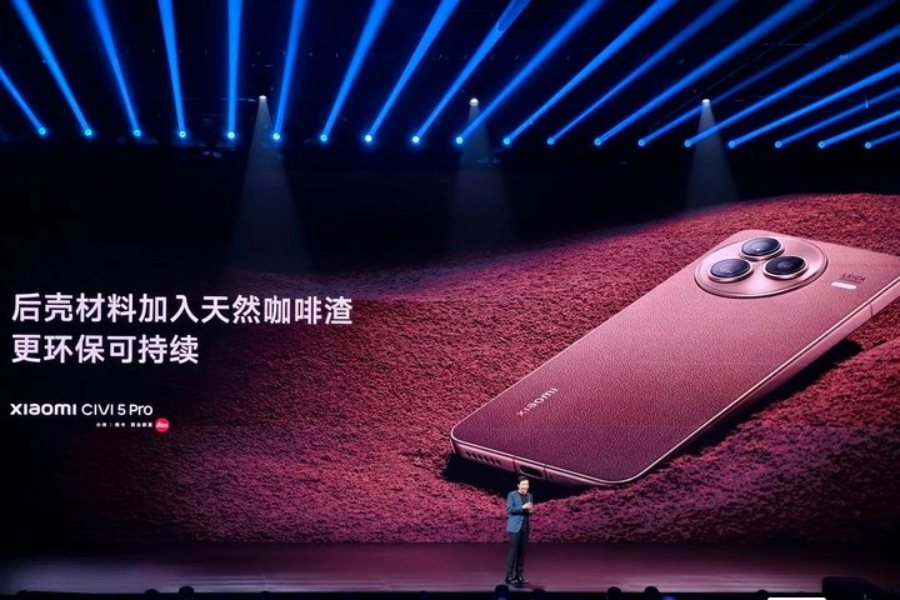
The phone’s design leans heavily on symmetry and texture. It has a metal frame and a slightly niche “Iced American” color option that carries a faint aroma of coffee grounds.
For imaging, Xiaomi is again leaning on its Leica partnership. The rear houses a triple camera setup led by a 50MP main sensor with a Summilux lens and OIS. On the supporting role are a 50MP upright floating telephoto lens with 2x optical zoom (Samsung JN5), and a 12MP ultrawide.
On the front, the phone has a 50MP selfie camera. It is embedded with what the company describes as a “super-transparent nano-prism” that supposedly improves photosensitivity by 25% over previous models.
Powering the Civi 5 Pro is the Snapdragon 8s Gen 4 processor, which Xiaomi claims offers performance boosts of 31% (CPU), 49% (GPU), and 44% (AI) compared to the prior generation. Memory is handled by LPDDR5X RAM and UFS 4.0 storage. To keep the thermals in check, Xiaomi is using a “three-dimensional convex ring cold pump.”
All of this is powered by a 6000mAh cell paired with 67W fast charging. Even with such a fairly big cell, the device measures just 7.45mm thick and weighs 184g. Additional features include dual stereo speakers, an in-display fingerprint reader, Wi-Fi 7 support, NFC, an IR blaster, and LDAC/LHDC 5.0 audio codec compatibility.
Price and Availability
The base 12/256GB variant of the Xiaomi Civi 5 Pro costs 2,999 yuan ($416 / ₹35,786). The higher 12/512GB model is listed at 3,299 yuan, while the top-end 16/512GB version is priced at 3,599 yuan.
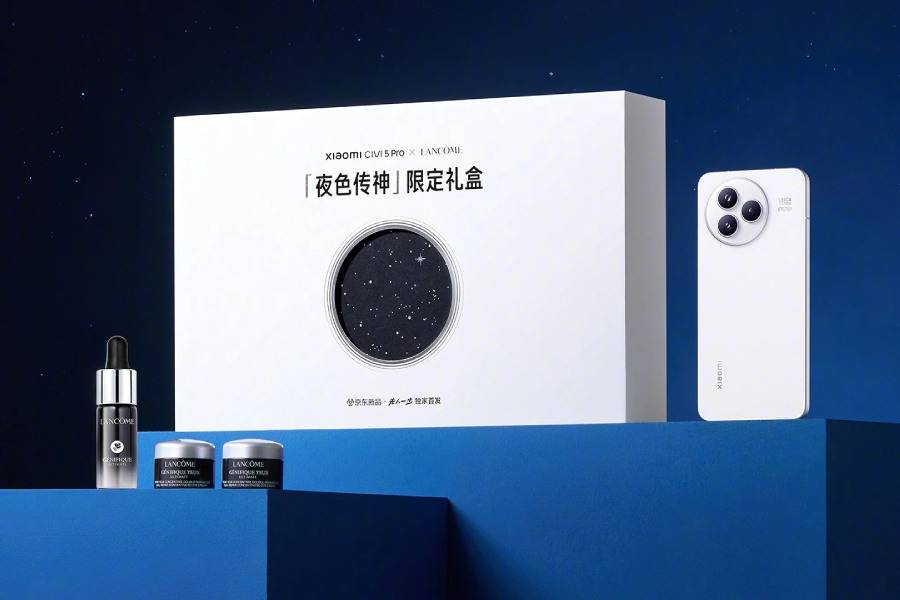
The phone comes in Nebula Purple, Sakura Pink, Black, and White, plus the limited “Iced American” edition. Xiaomi is also releasing a co-branded Lancôme “Night Color” gift box in limited quantities. This comes bundled with a few cosmetics with the phone.
For more daily updates, please visit our News Section.
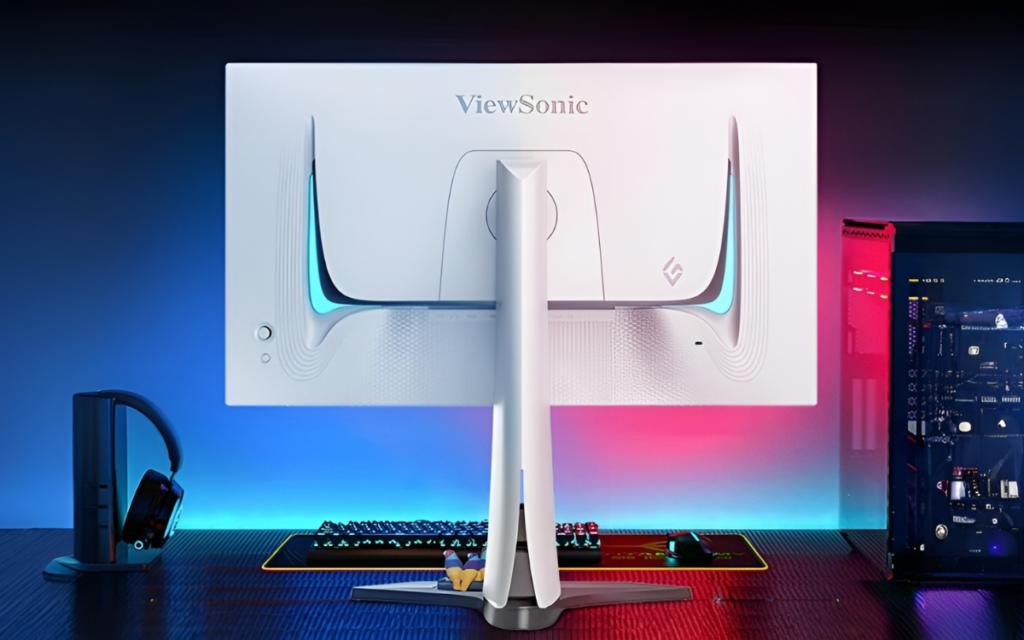
ViewSonic has launched the XG273-4K-OLED gaming monitor in China. The new monitor features a 26.5-inch QD-OLED panel with a 3840 x 2160 resolution and a refresh rate of 240Hz. It is priced at 6499 yuan (approximately $900) and is now available on JD.com.
ViewSonic XG273-4K-OLED Specifications
The display uses a QD-OLED panel developed by Samsung Display. It supports a peak refresh rate of 240Hz and a 0.03ms GTG response time. ViewSonic has certified the monitor with VESA ClearMR 13000, which indicates low motion blur and high image clarity during fast gameplay.
The monitor supports 99% of the DCI-P3 color space, 98% of AdobeRGB, and 100% of sRGB. It features native 10-bit color and comes factory-calibrated with an average Delta E of less than 1. ViewSonic targets both gamers and creative professionals with this color accuracy.
The XG273-4K-OLED features two DisplayPort 2.1 (UHBR20) ports and two HDMI 2.1 ports, enabling uncompressed 4K at 240Hz. It also includes a USB-C port with up to 100W power delivery, allowing users to charge a laptop while using the monitor as a display.
The monitor supports both AMD FreeSync and Nvidia G-Sync technologies to reduce screen tearing and stutter during gaming. It also includes several gaming-oriented features in the on-screen display, such as Night Vision, Cat Vision for black detail enhancement, and Eagle Eye, which functions as a zoom-in mode.
The monitor integrates dual 3W speakers and customizable ambient RGB lighting. The stand allows for tilt, swivel, height, and pivot adjustments. The XG273 also supports PIP (Picture-in-Picture) and PBP (Picture-by-Picture) for multi-device workflows.
ViewSonic has designed the monitor with a fanless thermal system that includes a full graphene sheet and an aluminum heat sink. This setup aims to deliver stable, silent performance over long periods. It also features DC dimming and a hardware-level low blue light filter to reduce eye strain without distorting color.
In related news, Acer recently launched its ProCreator 6K and 5K monitors with Calman verification at COMPUTEX 2025, while AOC has introduced a new 27-inch FHD curved monitor featuring a 200Hz refresh rate, 1ms GtG response time, and HDR10 support, priced under $160.
For more daily updates, please visit our News Section.
Samsung is best known for its smartphones and various home appliances. But the tech giant is now eyeing the final frontier, space. The company is reportedly working on developing various space tech, which could include infrastructure for the space industry. So here’s everything we know so far.
Samsung Sets Its Sights on Space: From Smartphones to Space Tech
The South Korean tech giant is apparently expanding its horizons and is reaching for the stars. According to The Korea Economy Daily report (Via AndroidHeadlines), the company is planning on entering the space infrastructure market by developing a space plant project. This site would allow Samsung to develop and make various space infrastructure, like launch pads and various spacecraft related components.
The report adds that Samsung is working with the Department of Aerospace and Engineering at Seoul University to build a research and development center. Samsung’s entry into the space industry could help boost South Korea’s economy, as per the country’s space experts. The company is a major brand in the consumer electronics space, but it isn’t a one-trick pony. Its Heavy Industries division has built ships for polar traversal and even has contracts with the military.
So making space infrastructure isn’t too surprising. Apart from launch pads and spacecraft components, Samsung is rumored to be testing its self developed semiconductors in the high radiation environment in high Earth orbit. The brand has reportedly already signed an agreement with the Korea Astronomy and Space Science Institute to kick off this project. Keep in mind that this is still just speculation at the moment, so take this news with a pinch of salt and stick around for more.
For more daily updates, please visit our News Section.
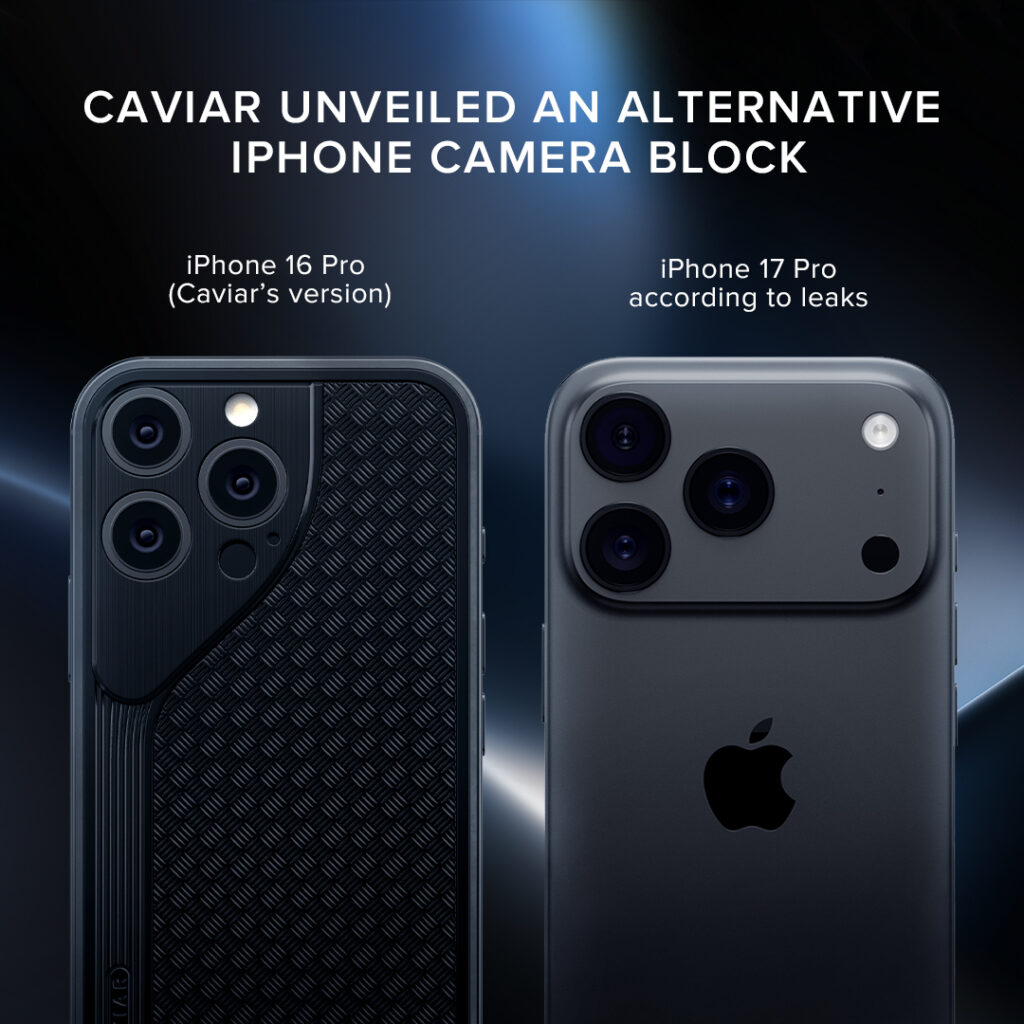
Caviar has introduced a new line of luxury smartphones based on the iPhone 16 Pro series, featuring a redesigned camera module and body inspired by iconic Swiss watches. Since the iPhone 17 is still some time away, Caviar wanted to offer users a refreshed design that feels bold and distinctive. The new collection, called Corona, showcases the company’s own interpretation of a next-gen iPhone aesthetic, delivering an alternative vision that departs entirely from current leaks or rumors.
The most significant change is the camera module. Instead of Apple’s usual diagonal layout, Caviar has adopted a symmetrical triangular design enclosed within a curved frame. The geometry aims to create a more balanced visual profile while drawing inspiration from the classic symmetry found in high-end Swiss watchmaking. Though unrelated to any existing iPhone 17 prototypes, the design adds a new layer of elegance and sharpness to the familiar iPhone form.
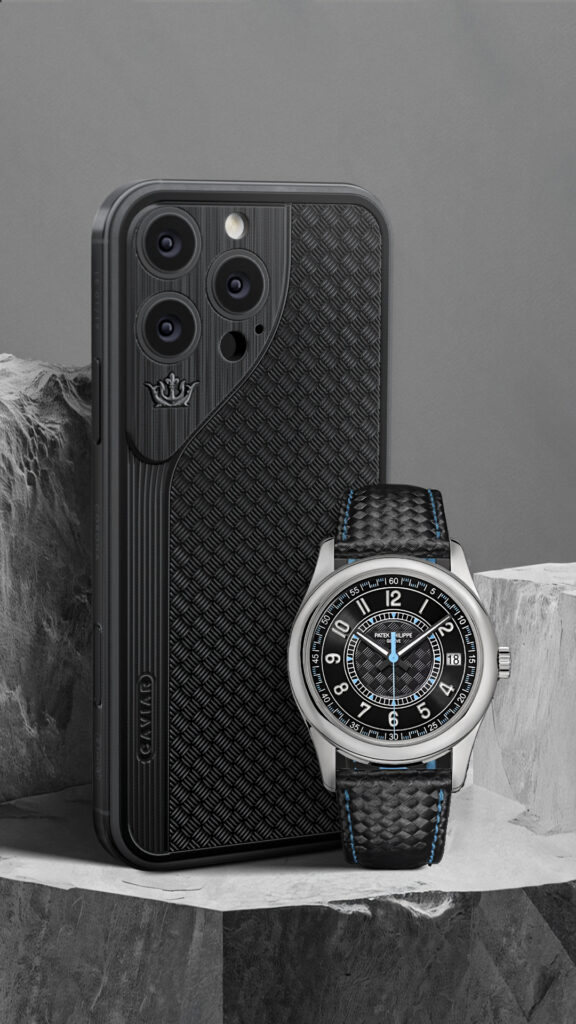
The Corona lineup includes four models. The “Nightwing” takes inspiration from the Patek Philippe Calatrava 6007G and features guilloché engraving that mimics the watch’s dial. The “Tapisserie” draws from the Audemars Piguet Royal Oak, using a modernized grid pattern and sharp lines with a titanium and gold finish.
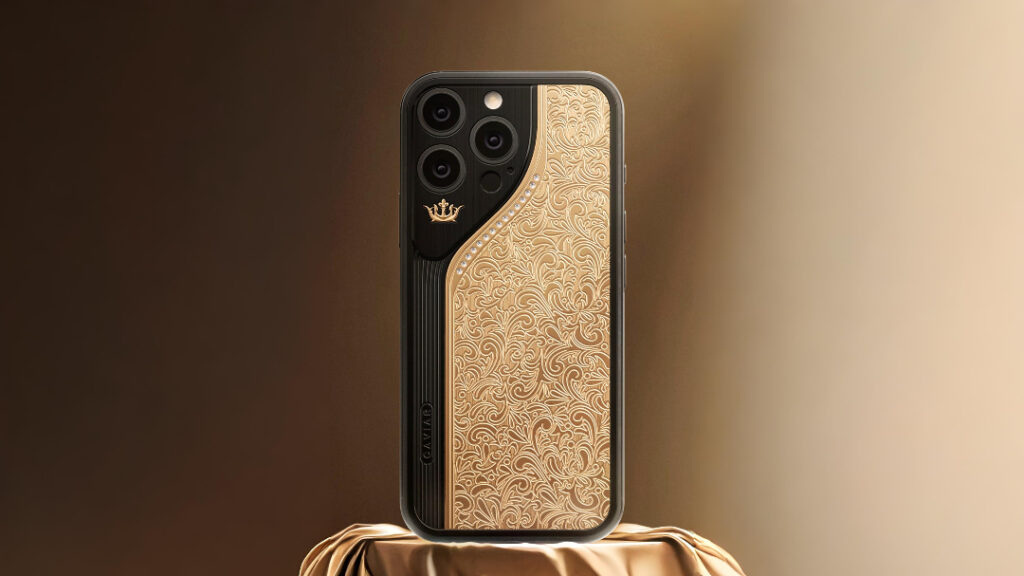
The “Hexagon” is modeled after the Rolex Sea-Dweller and includes bold engravings with a more rugged style. The “Sky Filigree” references the ornate Patek Philippe Sky Moon Tourbillon and incorporates baroque engraving and celestial designs.
Each phone uses a PVD-coated titanium chassis and a jewelry-grade alloy rear panel plated in 24-karat gold. The back of the device includes hand-engraved details, giving the phone a finish closer to fine watchmaking than standard smartphone design.
The collection will be available for the iPhone 16 Pro and Pro Max in limited quantities. Customers can pre-order the models through Caviar’s official website. Each unit is handcrafted and includes options for further customization. Pricing starts at $8,200.
We use cookies on our website to give you the most relevant experience by remembering your preferences and repeat visits. By clicking “Accept”, you consent to the use of ALL the cookies.
This website uses cookies to improve your experience while you navigate through the website. Out of these, the cookies that are categorized as necessary are stored on your browser as they are essential for the working of basic functionalities of the website. We also use third-party cookies that help us analyze and understand how you use this website. These cookies will be stored in your browser only with your consent. You also have the option to opt-out of these cookies. But opting out of some of these cookies may affect your browsing experience.
Necessary cookies are absolutely essential for the website to function properly. This category only includes cookies that ensures basic functionalities and security features of the website. These cookies do not store any personal information.
Any cookies that may not be particularly necessary for the website to function and is used specifically to collect user personal data via analytics, ads, other embedded contents are termed as non-necessary cookies. It is mandatory to procure user consent prior to running these cookies on your website.