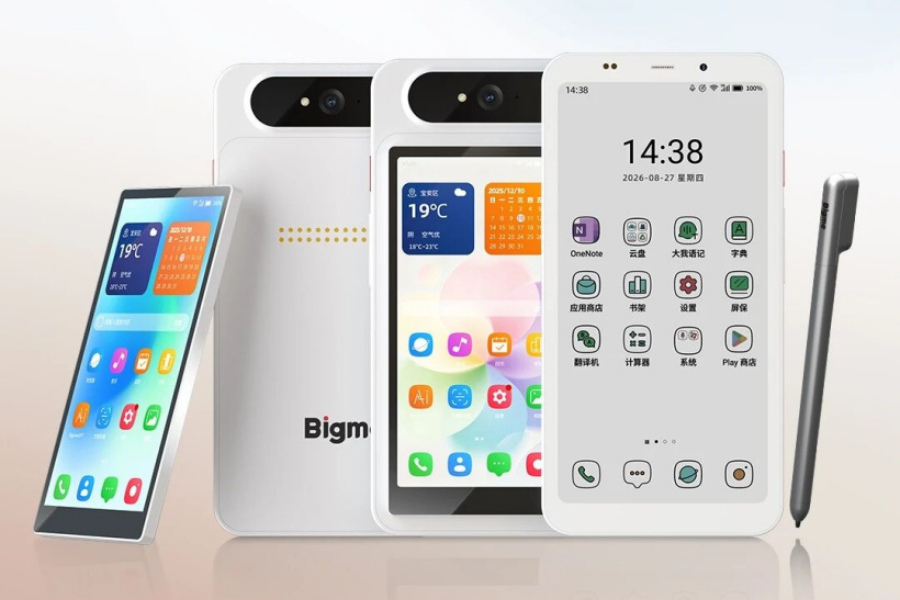
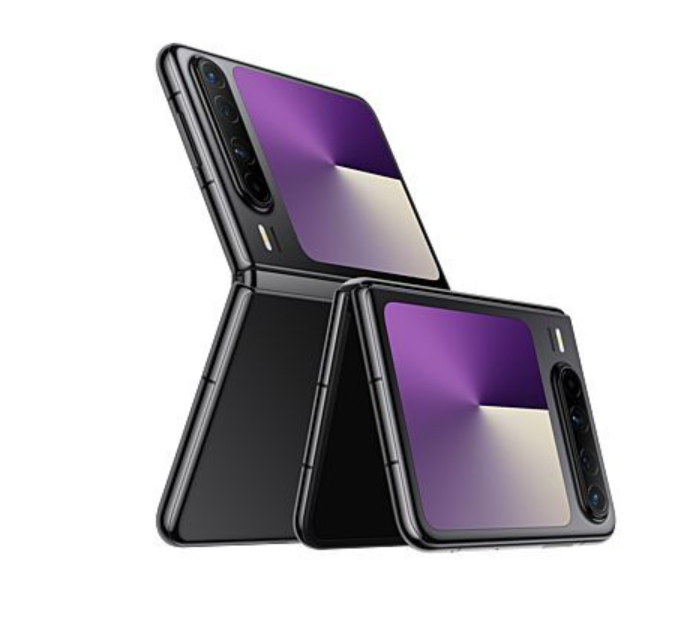
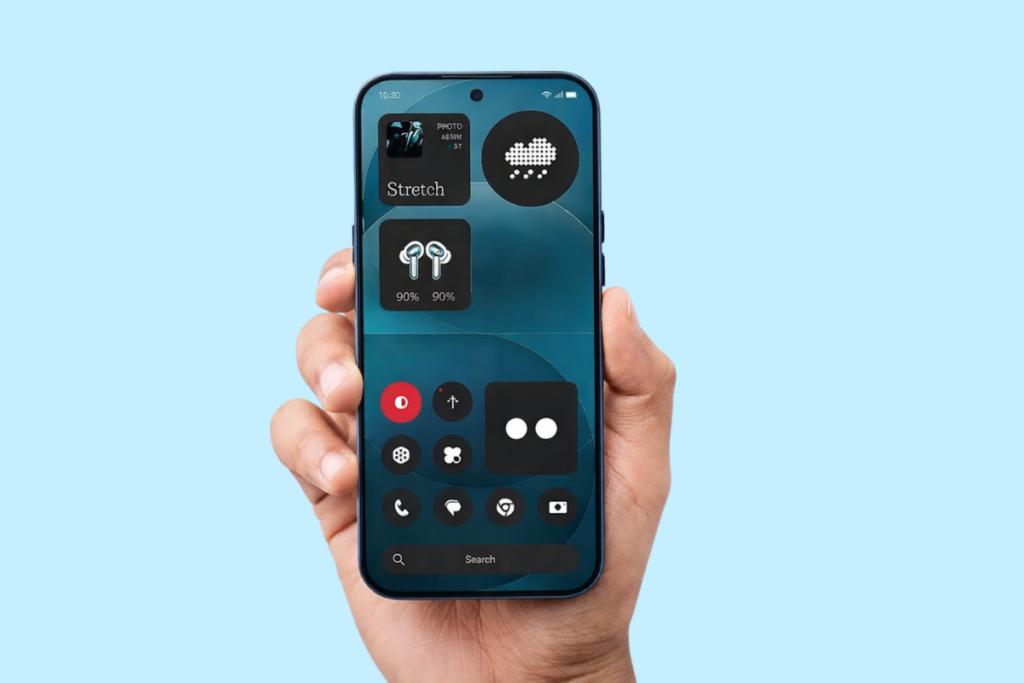
It’s been just two months since Bigme launched the HiBreak Dual 2. Surprisingly, though, the successor is already here. Bigme today unveiled the HiBreak Dual 3, its next magnetic dual-screen e-ink phone, just months after the Dual 2 hit Kickstarter. The company hasn’t given a firm release date yet, only saying the phone will launch “soon.”
The Dual 3 follows the same formula of an E Ink display on the front and a color screen on the back, but the latter is detachable this time. The Dual 2 has a built-in 5-inch color screen that stays fixed in place, whether you like it or not.
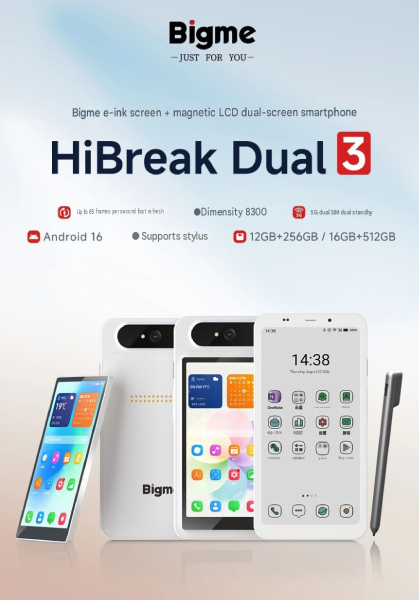
The E Ink screen now has an 85Hz refresh rate, up from 80Hz on the previous model. The company hasn’t mentioned the screen sizes of either the front or rear display.
Another design change is the camera module on the back. It now has the trendy vertical pill shape, which likely houses a camera and an LED.
Power comes from a Dimensity 8300 octa-core chip, the same processor Bigme used in the Dual 2, and the phone ships with Android 16 out of the box. 5G connectivity carries over too, along with dual SIM dual standby support, so you can keep two numbers active at once.
Bigme is offering the HiBreak Dual 3 in two memory configurations: 12GB of RAM with 256GB of storage, or 16GB with 512GB for anyone who wants more headroom.
If you like to sketch, take notes, or annotate documents, the Dual 3 also supports a 4096-level pressure-sensitive stylus. Bigme says it will share more configuration details later, so pricing and additional specs are still to come.
The Dual 2 set the stage for this launch. Back in June, Bigme introduced it as the world’s first large dual-screen color e-ink phone, pairing a 6.13-inch color e-ink display on the front with a 5-inch LCD panel on the back. It also runs on the same Dimensity 8300 platform, Android 16, and has stylus support, so the Dual 3 looks more like a refinement.
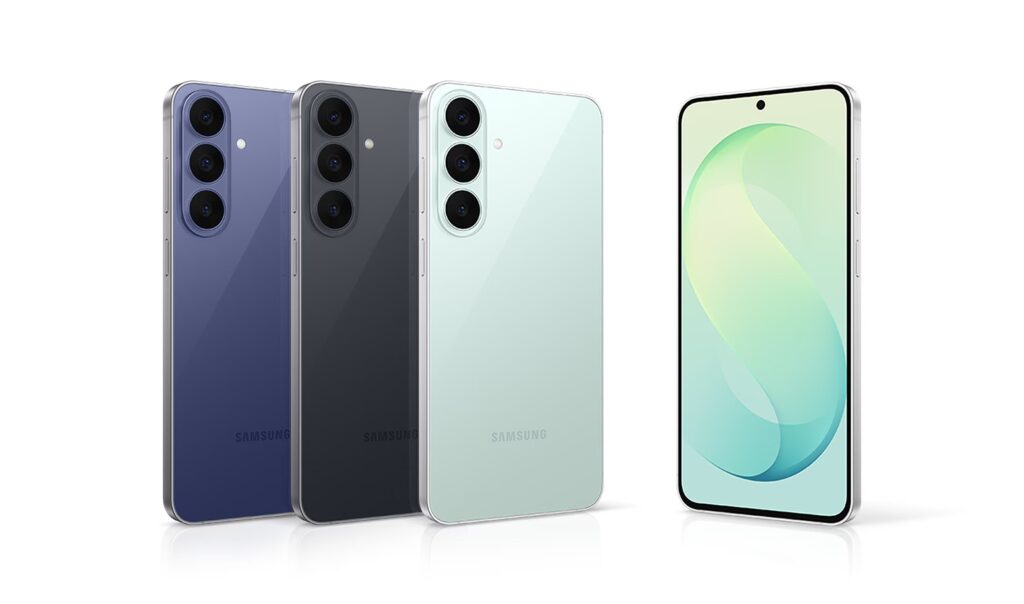
Samsung has announced the Galaxy S26 FE, the newest model in its Fan Edition series. The phone combines several hardware elements from the standard Galaxy S26 line with the company’s latest software and AI features, positioned as a more accessible alternative to its premium flagship devices.
The device sports a 6.7-inch FHD+ Dynamic AMOLED 2X display with a variable 120Hz refresh rate and a peak brightness of 1,900 nits. It measures 161.6 x 76.9 x 7.4 mm and weighs 193 grams, with an aluminum alloy frame. The display is protected by Gorilla Glass Victus+, while the phone also carries an IP68 rating for water and dust resistance.
Internally, the phone is powered by Samsung’s 3nm Exynos 2500 processor. All models come with 8GB of RAM, and you can choose between 128GB, 256GB, or 512GB of internal storage. To support the hardware, Samsung has included a 4,900mAh battery.
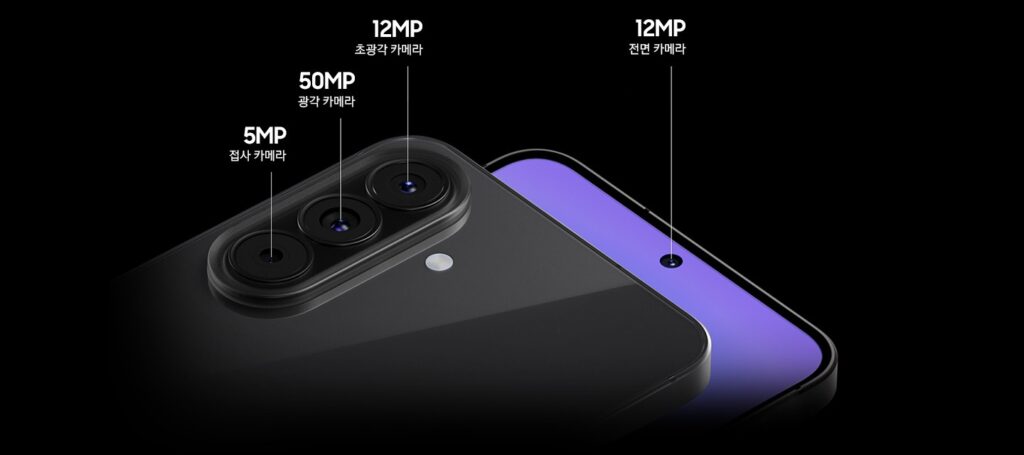
Talking about the camera system, the rear setup includes a 50-megapixel main camera with OIS, a 12-megapixel ultrawide camera, and an 8-megapixel telephoto camera capable of 3x optical zoom. The front-facing camera uses a 12-megapixel sensor. For video recording, the phone includes a Super Steady mode with a horizontal lock to stabilize footage.
The device supports 45W wired charging, which the company states will reach a 69% charge in approximately 30 minutes. It also supports 15W wireless charging and reverse wireless power sharing for accessories. Connectivity options include 5G, Wi-Fi 6E, and Bluetooth 5.4.
On the software side, the Galaxy S26 FE ships with Android 17 and Samsung’s One UI 9. Samsung has committed to providing seven years of operating system upgrades and security updates for the device.
The software integrates several AI tools, such as Circle to Search for on-screen queries, Photo Assist for generative image editing, and My FanCam, which automatically tracks and frames subjects in group videos. Additionally, the phone comes with an updated Smart Switch feature for easier data transfer via QR code and includes a six-month trial of Google AI Pro.
Pricing and Availability
The Samsung Galaxy S26 FE will be available starting September 4 in select markets with a starting price of $699.99. It will be sold in three colors: Blueberry, Graphite, and Pistachio.
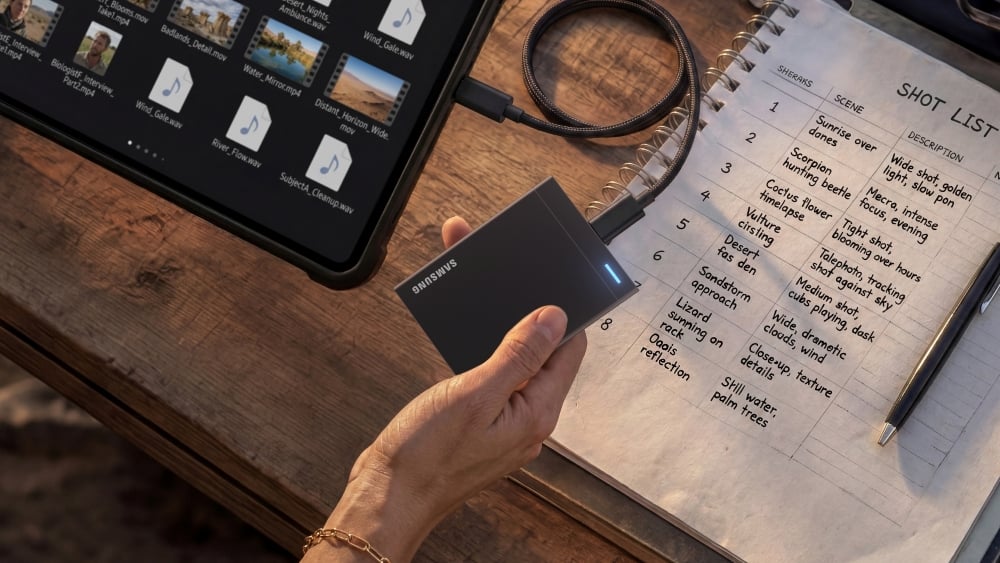
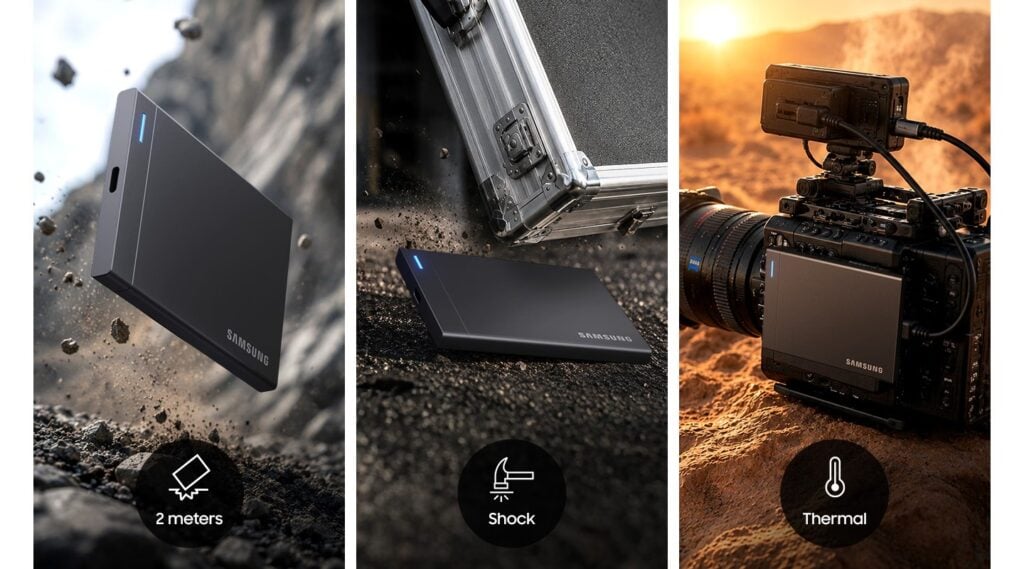
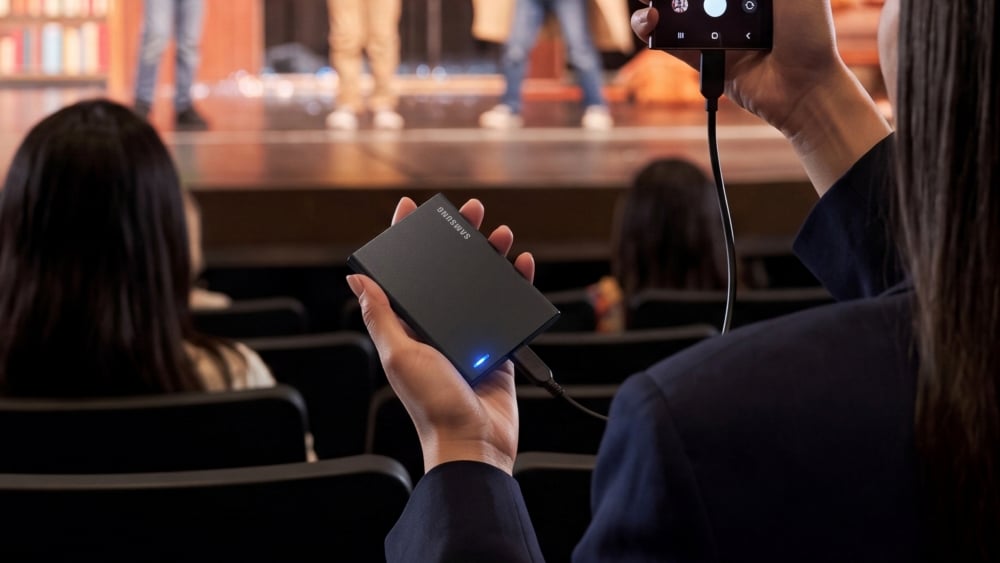
Samsung introduced its new P Series portable solid-state drives, the P9 and P7, at Gamescom 2026. This new gen comes with USB4 connectivity, which allows the drives to reach significantly higher transfer speeds than the company’s previous storage models.
Both the P9 and P7 utilize a USB4 Gen 3×2 interface capable of 40Gbps. According to Samsung, this enables sequential read speeds of up to 4,000 MB/s and sequential write speeds of up to 3,800 MB/s. This is roughly double the speed of Samsung’s older T9 drive, which used a USB 3.2 Gen 2×2 interface and capped out at 2,000 MB/s.
The P9 is the higher-end model, aimed at professionals working with large files. Samsung says it is the first 8TB USB4 portable SSD to support these 4,000 MB/s speeds. The P9 is designed to maintain sustained write performance, which is a practical requirement for tasks like 12K direct video recording on compatible cameras. It also includes thermal guarding to manage heat during extended data transfers, ensuring the drive does not throttle during long shoots.
The P7 is targeted at standard consumer use, such as expanding storage for laptops, smartphones, and gaming consoles. While it shares the same peak 4,000 MB/s read and 3,800 MB/s write speeds as the P9, it lacks the specialized sustained write optimizations meant for heavy professional video production.
Physically, both drives are compact, measuring 9.0 cm by 6.5 cm and weighing just under 100 grams. They feature a metal body, two-meter drop resistance, and AES 256-bit hardware encryption managed via the Samsung Magician software. They are compatible with Windows, macOS, and Android, and are backward compatible with older USB standards, though transfer speeds will be limited by the port used.
The pricing reflects the high storage capacities and the new interface. The P9 is priced at $339.99 for 1TB, $649.99 for 2TB, $1,349.99 for 4TB, and $2,699.99 for the 8TB model.
The P7 is priced lower, starting at $289.99 for 1TB, $549.99 for 2TB, $1,149.99 for 4TB, and $2,289.99 for 8TB. Both drives are scheduled for a global release starting in September.
For more daily updates, please visit our News Section.
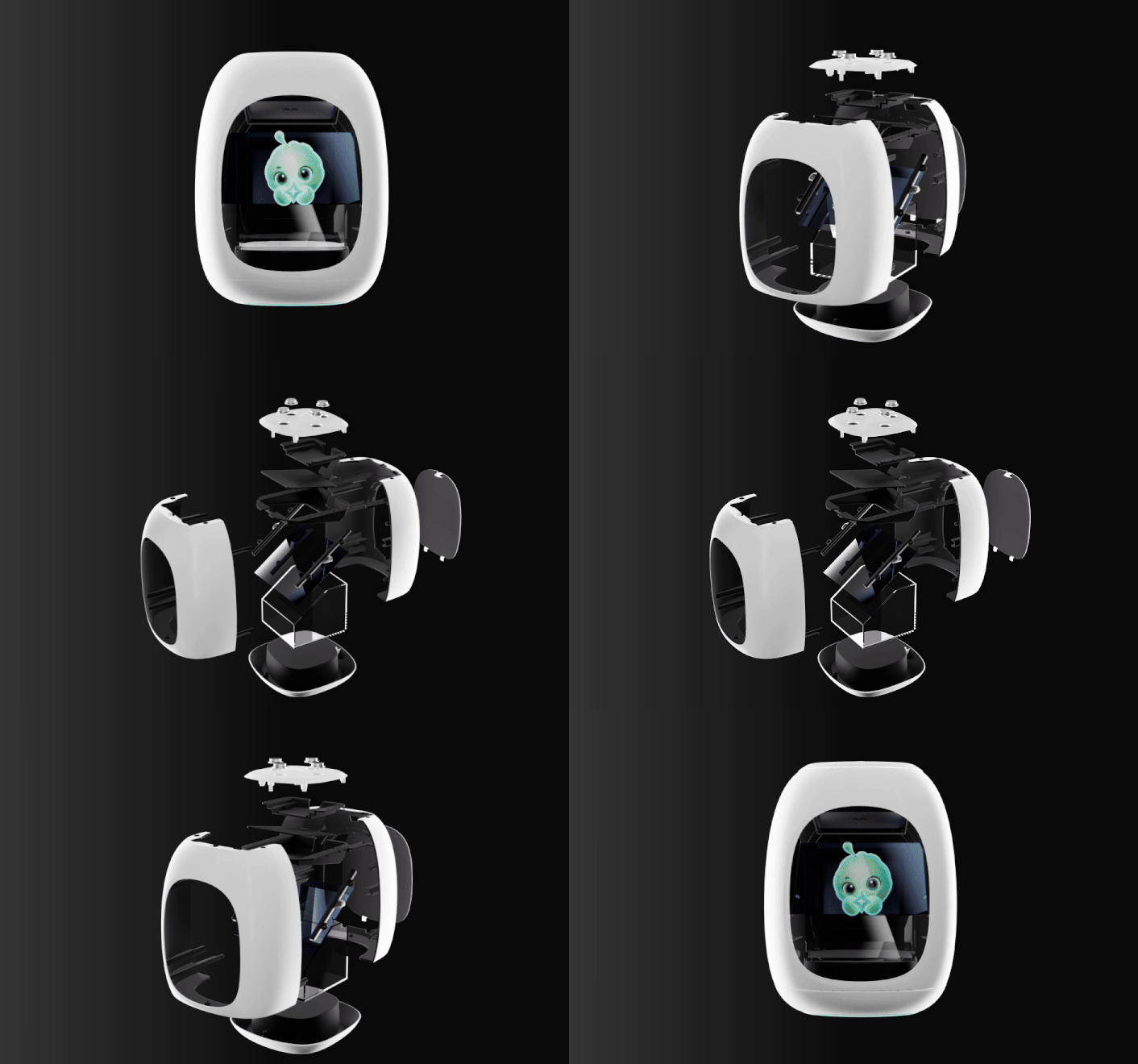
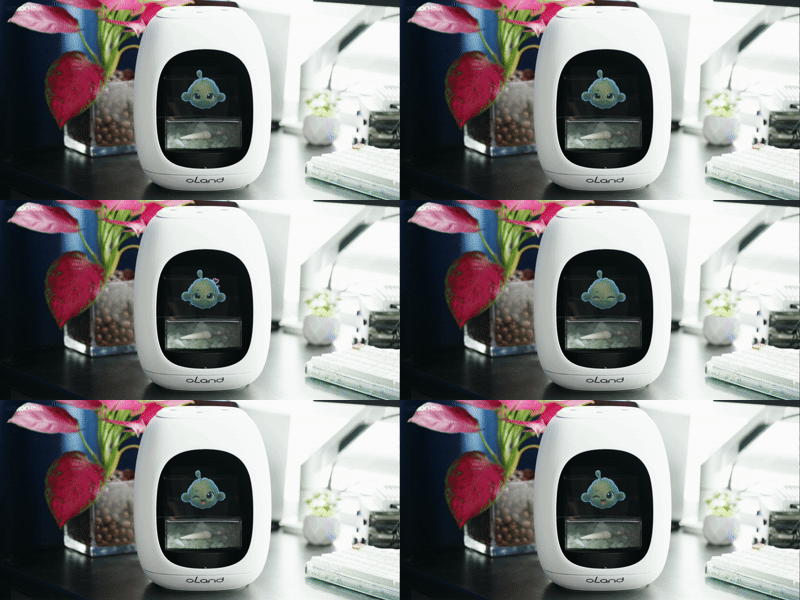
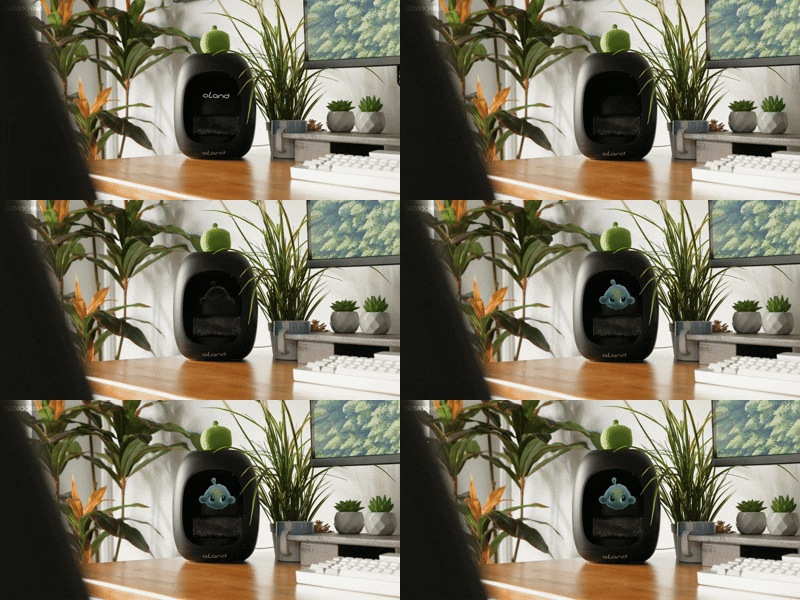
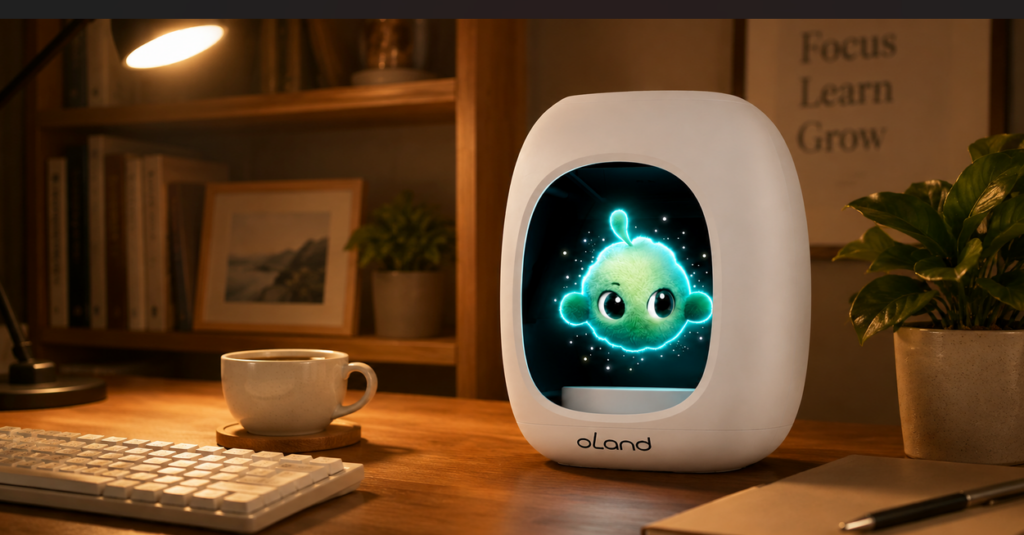
ALLTIME has officially unveiled oLand, a unique desktop companion that combines artificial intelligence, holographic technology, and a miniature living ecosystem into one interactive experience. Marketed as the world’s first AI holographic companion, oLand is designed to make workspaces feel calmer and more personal by blending nature with AI. The product is now available on Kickstarter, where early supporters can access discounted pricing and exclusive rewards.
A New Approach to AI Companionship
Founded in Hangzhou, China, and backed by MiraclePlus (formerly YC China), ALLTIME aims to create a new form of AI companionship rather than another chatbot. The company’s vision is to offer users a virtual companion that provides emotional support and everyday interaction without the responsibilities of caring for a real pet.
Instead of demanding attention, oLand is designed to quietly fit into daily life, creating a relaxing desktop environment that feels more alive.
A Living Holographic Desktop World
At the heart of oLand is a miniature ecosystem that users can customise with live plants, Marimo moss, figurines, crystals, and other decorative items. Above this physical landscape, holographic AI characters appear, creating the illusion that they live inside the tiny world.
This combination of real and virtual elements allows users to build a personalised desktop display that evolves throughout the day.
The flagship companion is MOLI, inspired by the popular Marimo moss ball. With more than 100,000 fans since its original debut in 2014, MOLI features its own personality, emotional responsiveness, and long-term memory. It remembers previous conversations and gradually adapts to each user over time.
Interactive AI Pets with Unique Personalities
oLand supports multiple AI companions, each with its own personality and special abilities. MOLI, for example, shares playful fortunes and thoughtful daily messages designed to encourage mindfulness and brighten everyday routines.
Users can switch between different AI pets, including characters like Flick, using NFC-enabled interactive pods. These handheld pods also function as remote controllers and squeezable stress-relief toys, allowing users to interact with their virtual companions through simple physical actions.
Designed to Help Reduce Everyday Stress
One of oLand’s standout features is its focus on relaxation. Squeezing the Interactive Pod activates Bubble Pop Mode, a holographic mini-game designed to provide a quick 30-second mental reset between meetings or during busy workdays.
The device also includes a one-minute Meditation Mode featuring guided breathing, calming audio, gentle lighting effects, and participation from the AI companion to help users relax and refocus.
ALLTIME says the AI remains quietly present throughout the day, offering subtle interactions without becoming distracting.
AI That Learns and Adapts
oLand supports natural voice conversations, allowing users to speak with their AI companion while benefiting from long-term memory and customisable voices. According to ALLTIME, conversations are protected with strong privacy measures.
Using built-in millimetre-wave radar, the device detects when users approach or leave their desk and responds with contextual animations. It can also recognise extended periods of sitting and gently encourage short breaks. Users remain in full control and can ignore or disable proactive interactions whenever they choose.
The AI is designed to evolve over time by learning from conversations and everyday behaviour, creating a more personalised companionship experience.
A World That Reflects Real Life
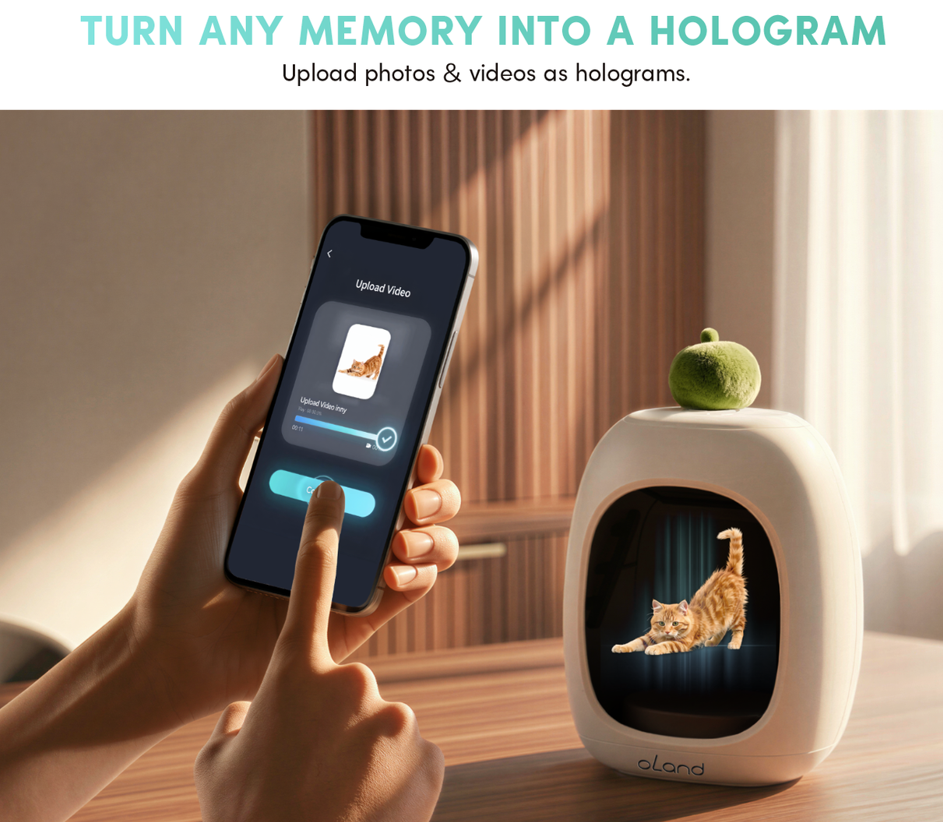
The holographic environment automatically synchronises with local time, weather, seasons, and the day-night cycle, making the miniature world feel more dynamic. Users can also upload favourite videos through the Memory Projection feature, allowing treasured moments to appear as floating holograms above the desktop ecosystem.
Explaining the vision behind oLand, ALLTIME’s founder said: “We explore ways to bring nature back into everyday spaces, not as decoration or something that requires constant care, but as a quiet, functional presence that fits naturally into daily life.”
Kickstarter Launch
oLand is now available throughKickstarter. Early supporters can receive up to 33% off Early Bird pricing, exclusive oLand Blind Box collectibles, behind-the-scenes development updates, and opportunities to help shape future product features.
With oLand, ALLTIME is introducing a fresh take on AI companionship by combining holographic technology, a living desktop ecosystem, and emotionally aware AI into a single product.
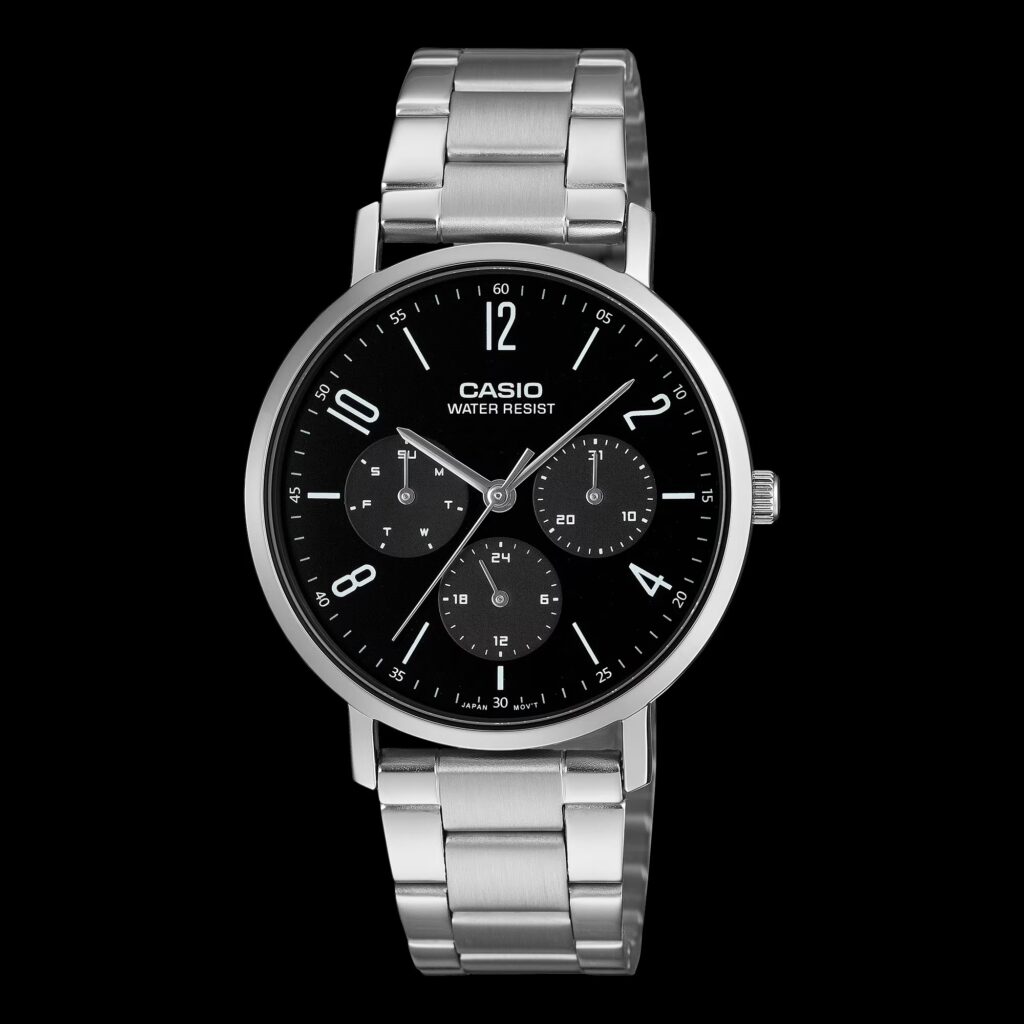
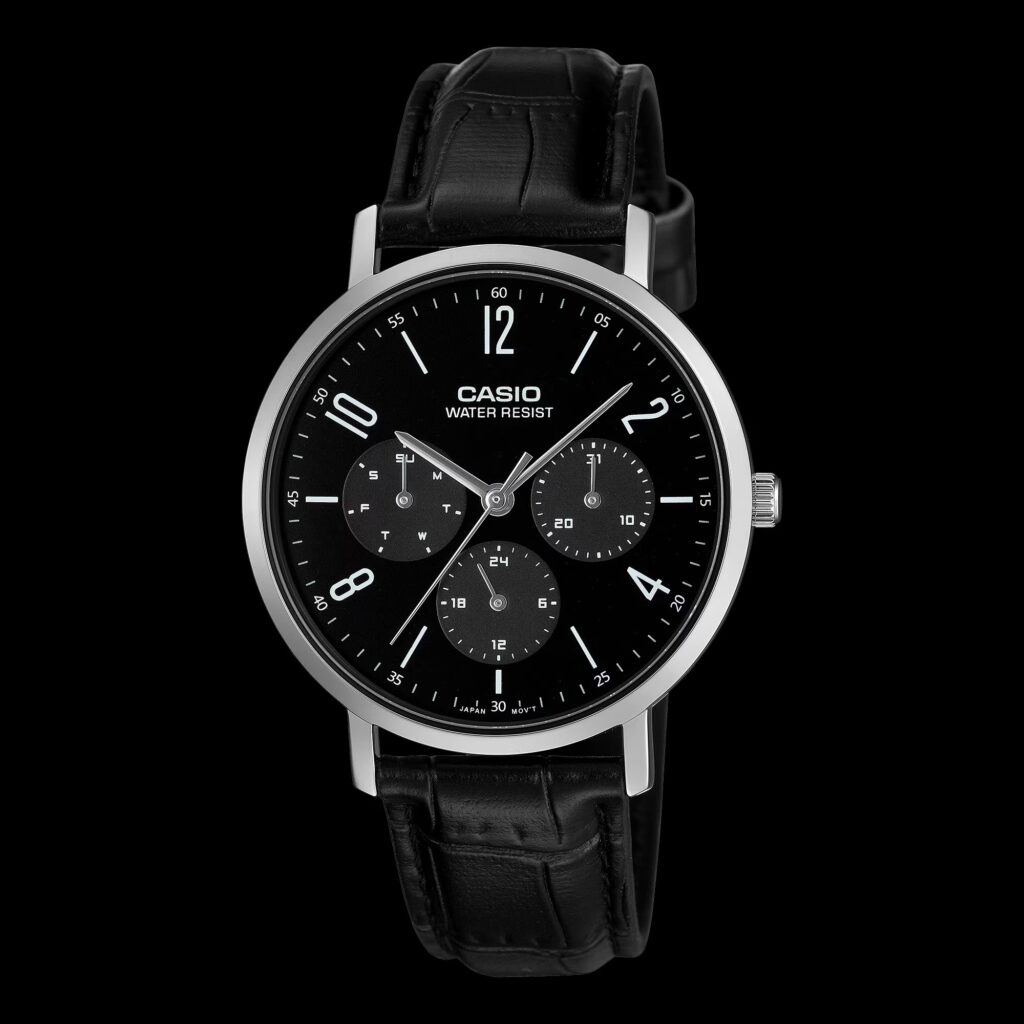
Casio has released a new set of analog watches in India under the MTP-VT06 series. The lineup, which first appeared on the company’s international website earlier in June, includes four models that focus on standard timekeeping and a traditional multi-dial layout rather than smart features or digital displays.
Design Details
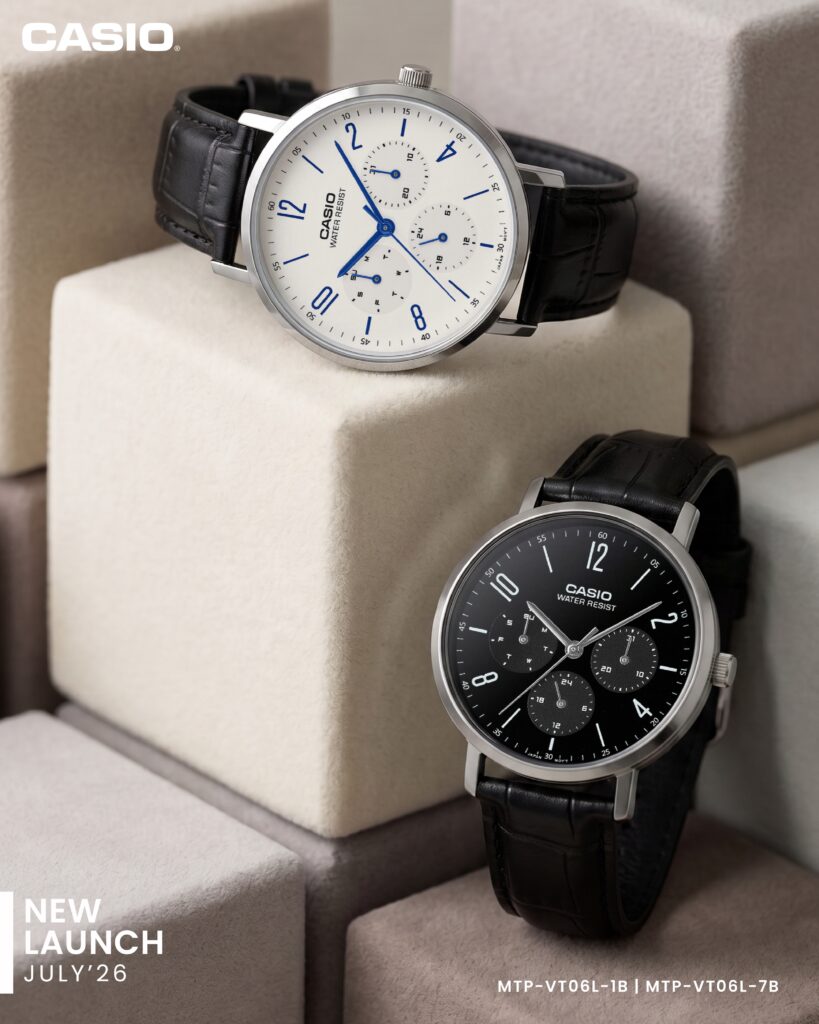
The new lineup is divided into two main configurations based on the strap material: stainless steel and leather. The MTP-VT06D-1B and MTP-VT06D-7B models feature a stainless-steel band with a triple-fold clasp, while the MTP-VT06L-1B and MTP-VT06L-7B come equipped with a standard black leather strap.
All four watches share the exact same core case dimensions, measuring 43 x 37 x 8 mm. The 8mm thickness keeps the profile relatively slim on the wrist. The watch case itself is ion-plated and topped with standard mineral glass. Due to the different band materials, there is a weight difference between the models; the stainless-steel versions weigh 78 grams, whereas the leather strap models are less than half that weight at just 37 grams.
On the dial, Casio has opted for a clean, traditional layout. The watches feature bold Arabic numerals and standard minute markings. The main functional addition is three sub-dials that track the date, the day of the week, and a 24-hour time readout. The 1B-designated models feature a black dial, while the 7B models come with an ivory dial with blue/grey accents on the hands and markings.
Internally, the watches run on a standard quartz movement powered by an SR621SW battery, which Casio estimates will last approximately two years before needing a replacement. The timekeeping accuracy is rated at ±20 seconds per month. All models in the MTP-VT06 series also feature basic water resistance, making them suitable for daily wear and minor splashes.
Pricing and Availability
Pricing for the new series is tiered based on the band material. The leather-strap models (MTP-VT06L-1B and MTP-VT06L-7B) are priced at ₹4,495. The stainless-steel variants (MTP-VT06D-1B and MTP-VT06D-7B) are slightly more expensive, retailing for ₹4,995.
All four models are available to purchase now through Casio’s standard retail channels and store locations in India.
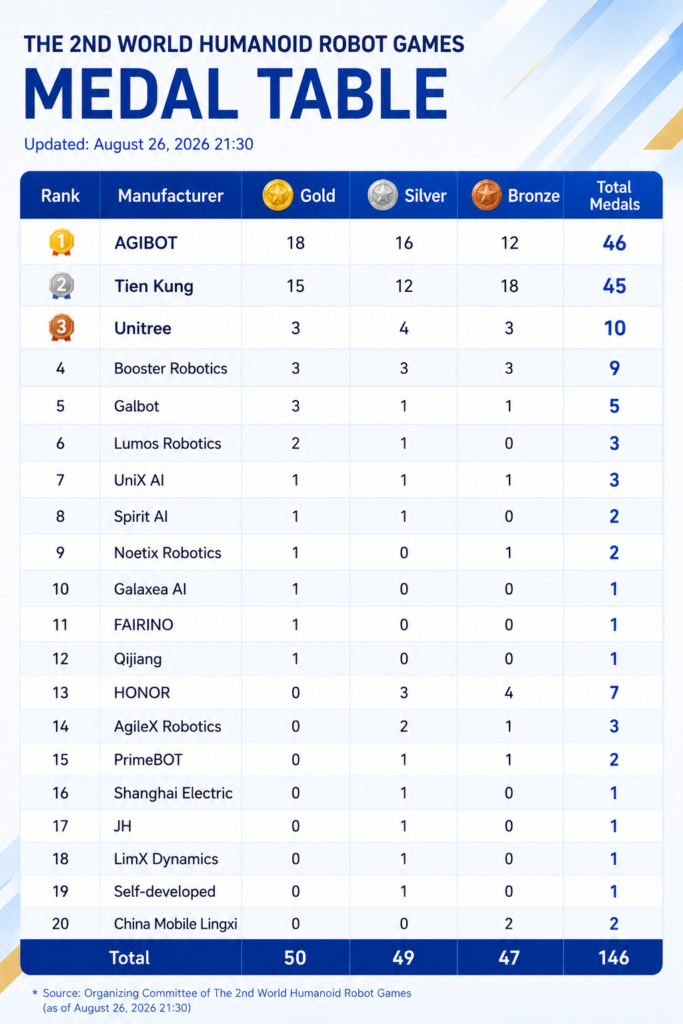
AGIBOT made a strong debut at the 2nd World Humanoid Robot Games in Beijing on August 26, 2026, winning a total of 46 medals. The company secured 18 gold, 16 silver and 12 bronze medals, finishing first in both the gold medal table and the overall medal table.
The results highlight AGIBOT’s growing focus on using humanoid robots for more than demonstrations. Its robots competed in sports, dexterous manipulation, motion control and practical tasks designed to test how well humanoid machines can operate in real-world environments.
Four Robots Take Part
AGIBOT entered four robots in the Games: OmniHand, G2, A3 and X2. According to the company, these machines were already in mass production or being used in real-world applications rather than being developed only for the competition.
OmniHand was one of the biggest performers for AGIBOT. The robot reached the finals in all eight dexterous-hand events and won seven gold medals. Its winning events included block building, powder weighing and bean picking with tweezers, showing its ability to perform precise manipulation tasks.
X2 Shows Strong Motion Control
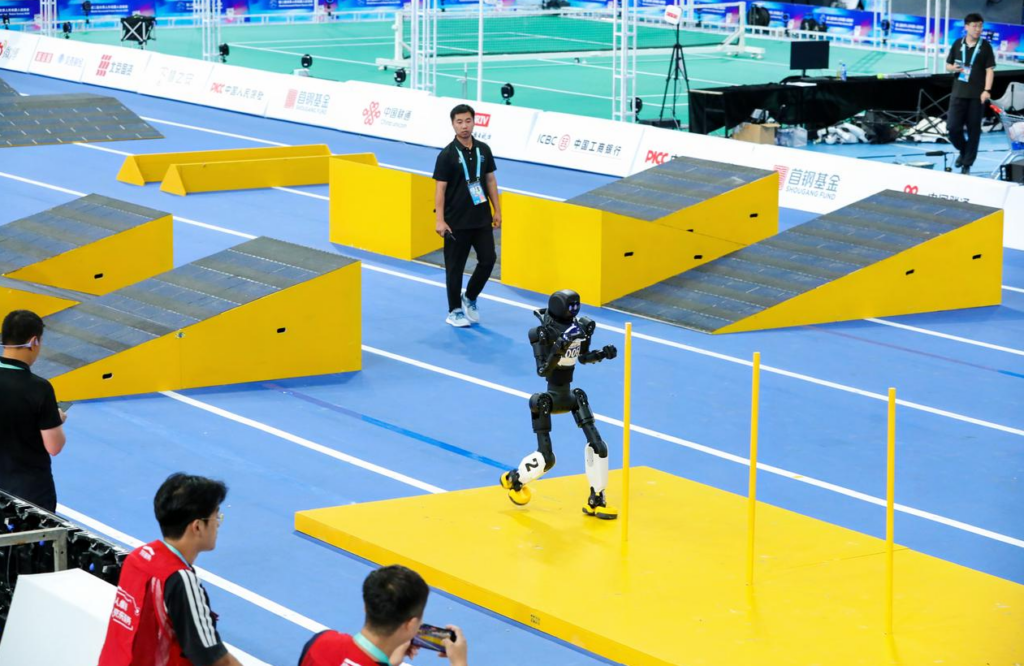
AGIBOT’s X2 also delivered strong results in motion-control events. It won gold in the 100-meter obstacle race and earned medals in the 400-meter obstacle race. Importantly, X2 competed in its mass-produced configuration without hardware changes made specifically for the Games.
The robot uses AGIBOT’s self-developed AGILE (AgiBot Generative Intelligent Locomotion Engine) framework. The system combines environmental perception with movement decision-making and is designed to help the robot deal with irregular obstacles, uneven terrain and changing environments. AGILE also uses simulation-to-reality technology to transfer locomotion policies from simulations to physical robots.
Meanwhile, A3 won gold in the Tai Chi event, adding another medal to AGIBOT’s motion-control results.
Robots Tested in Real-World Tasks
AGIBOT also won five gold medals in scenario-based events, including hotel services, library operations and emergency response.
The G2 humanoid robot was used in these tasks. The company says G2 has already been deployed at factories operated by companies including Longcheer and SAIC. Its capabilities are supported by AGIBOT’s ViLLA embodied foundation model GO, world model GE and RW-RL system, which are designed to help robots perceive their surroundings, plan actions and complete complex tasks.
AGIBOT’s performance at the Games points to a broader goal: moving humanoid robots from impressive demonstrations toward reliable operation and large-scale deployment. By combining mass-produced hardware with embodied AI and cross-scenario capabilities, the company is positioning its robots for increasingly practical roles beyond the competition floor.
Motorola has announced the stable Android 17 rollout in India across its smartphone portfolio. The phased rollout has gone live for the flagship Motorola Signature and will expand to other eligible devices as it progresses.
T.M. Narasimhan, Managing Director at Motorola India, said:
At Motorola, we are committed to delivering fast, stable, and high-quality software experiences that enhance the way consumers interact with their smartphones. With the rollout of Android 17, beginning with our Signature portfolio, we are bringing the latest Android innovations to our users through meaningful enhancements across personalization, security, AI-powered experiences, and everyday usability
Motorola’s looking a lot more promising this year with its Android 17 rollout. However, the brand usually struggles to keep up with the pace throughout the rollout. Motorola has worked on this, and so we’re expecting a smoother rollout this year.
We’ll update you when the brand expands the Android 17 update to more devices in the Motorola section. For now, let’s quickly go through what the new update has to offer.
Motorola Android 17 update: Here’s what’s new and what’s changing
According to a report by FoneArena, the Android 17 update brings a refreshed Quick Settings panel, upgraded interactive widgets with snap-scrolling functionality, accessibility upgrades, expanded cross-platform file sharing, device diagnostics, and scam protection.
Interface and Usability Updates
System Layout: The update introduces a refreshed Quick Settings panel and redesigned system menus featuring larger touch targets and streamlined navigation.
Display and Personalization: The home screen interface has been updated alongside refined display settings, including enhanced HDR brightness management.
Widgets: Interactive widgets now support snap-scrolling functionality for smoother browsing within smaller screen footprints.
Accessibility: Vision settings, display scaling, and screen magnification have received structural updates to simplify control adjustments.
Connectivity and Device Management
Cross-Platform Quick Share: File sharing now supports cross-ecosystem transfers via Quick Share QR codes, enabling non-Android and iOS users to download shared media through a web interface.
Network & Audio Sharing: Added tools include Instant Hotspot for seamless tethering setup and Nearby Audio Streams to broadcast audio to adjacent compatible receivers.
Hardware Diagnostics: A built-in device diagnostics hub allows users to evaluate individual hardware component health and review system telemetry locally.
Intelligence, Privacy, and Security
AI-Powered Circle to Search: The visual lookup tool now includes real-time, on-screen language translation directly within the interface.
Scam Protection: An automated scam detection system scans incoming SMS, MMS, and RCS messages to alert users to potential phishing attempts.
Security Locks: Android 17 incorporates a Failed Authentication Lock alongside strengthened PIN protocols and restricted visibility for sensitive notifications on lock screens.
Notification Management: Expanded notification grouping algorithms provide summarized alerts and contextual sharing nudges for newly captured media.
Flip phones are a smaller part of the foldable market than book-style models, and 2026 has been a quieter year for clamshell launches. Some brands skipped this generation, while others focused their efforts on larger foldable phones.
The flip phones that did arrive mostly improve on designs we have already seen rather than trying something completely new. Still, there are a few models worth considering. Based on their specs and early testing, these are the five flip phones that stand out in 2026.
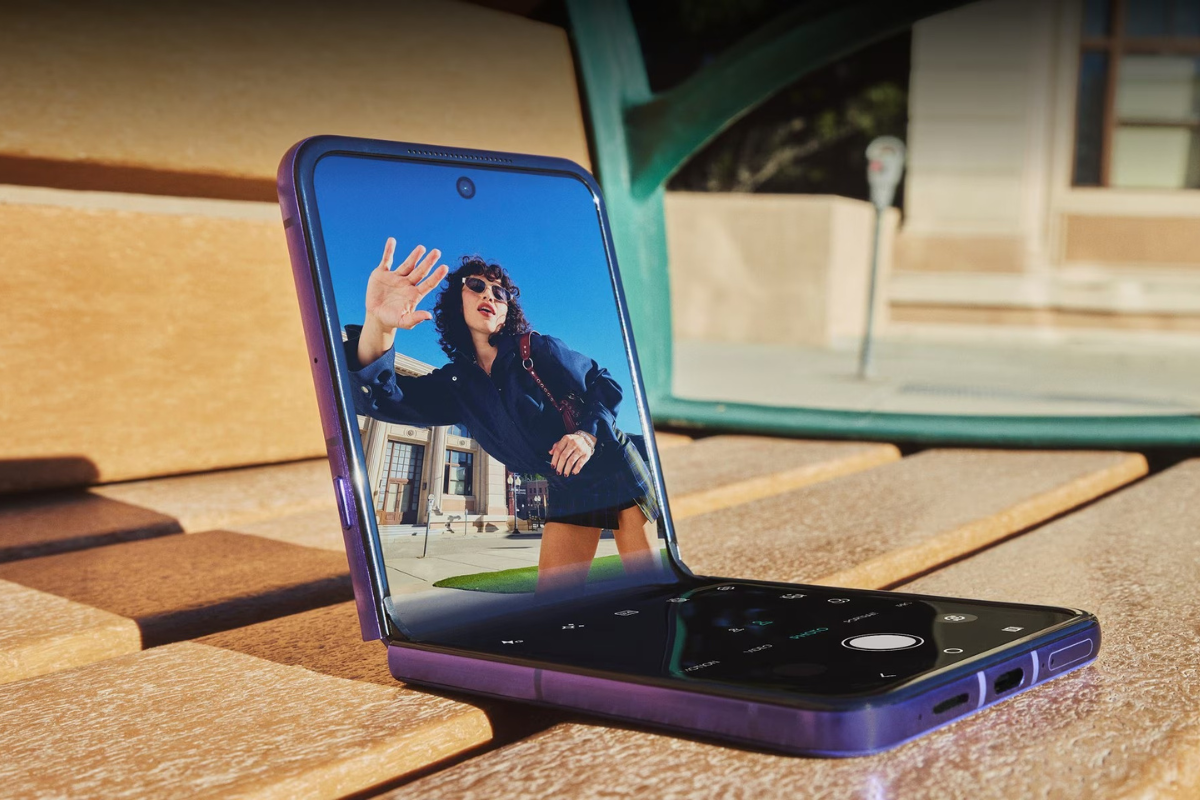
The Motorola Razr 70 Ultra keeps the familiar clamshell design, with a 4-inch cover display and a larger 7-inch screen inside. Both are LTPO screens with a 165Hz refresh rate and Dolby Vision support. It is powered by the Snapdragon 8 Elite chip and comes with up to 16GB of RAM.
As for optics, you get dual 50MP lenses on the rear for wide and ultrawide shots, while there’s a third 50MP sensor for selfies. Keeping things running is a 5000mAh battery with 68W wired and 30W wireless charging support.
Motorola priced the phone at €1,399 in Europe. While it is not the cheapest option, you get a powerful processor, plenty of RAM, and large displays on both the inside and outside.
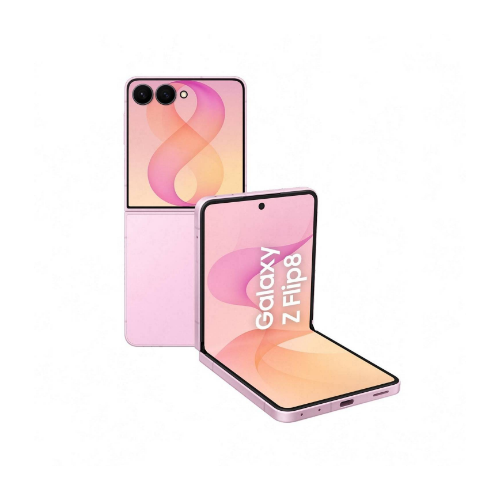
The Samsung Galaxy Z Flip 8 is 6.1mm thick when unfolded and weighs 180 grams. It has a 6.9-inch OLED inner display with a 120Hz refresh rate, along with a 4.1-inch cover screen that Samsung calls the FlexWindow.
The phone uses the Exynos 2600 in most markets, while select regions get the Snapdragon 8 Elite Gen 5. Regardless, all versions come with 12GB of RAM. Samsung launched the Galaxy Z Flip 8 at $1,199, which is $100 more expensive than its predecessor.
The phone has a 4,300mAh battery with support for 25W wired and 15W wireless charging. Those numbers are lower than what Motorola and Xiaomi offer on their latest flip phones, but Samsung claims up to 31 hours of battery life on a full charge
Samsung’s biggest advantage, on conventional or foldable form, has always been the software support. The Z Flip 8 is promised seven major Android updates, giving it one of the longest support periods in the category. It also introduces an AI Assistant Activity Dashboard that shows users what background AI features are doing on the phone.
3. Xiaomi Mix Flip 2
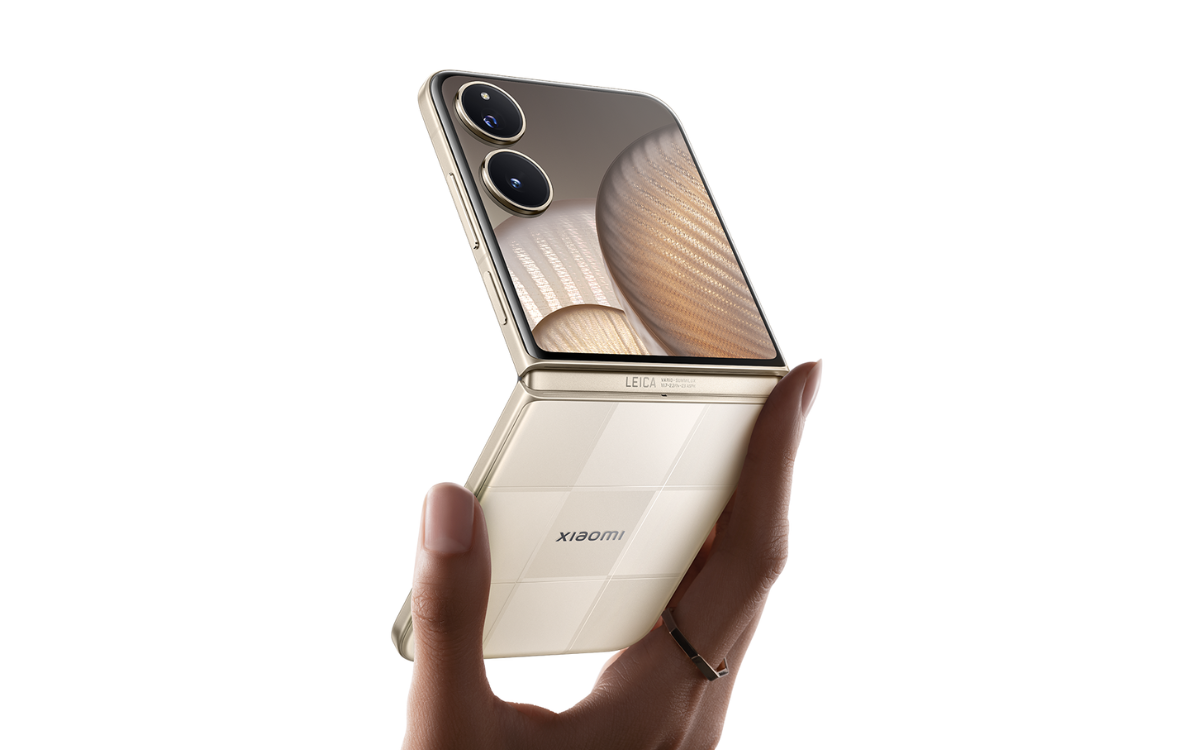
The Xiaomi Mix Flip 2 was the first flip phone with a battery larger than 5,000mAh. It packs a 5,165mAh battery and supports 67W wired charging and 50W wireless charging. Xiaomi says the battery can last around half a day longer than the iPhone 16 Pro in its own tests.
The phone is powered by the Snapdragon 8 Elite and features a 6.86-inch inner display and a 4.01-inch cover screen. Both panels offer a 1.5K resolution and up to 3,200 nits of peak brightness.
For cameras, Xiaomi uses a Leica-tuned 50MP main camera and a 50MP ultrawide camera. The phone starts at around 5,999 yuan in China, or roughly $835; that is, the device is currently exclusive to China. Importing is the only option if you’re to get one.
The Huawei Pura X takes a different approach to the flip phone design. Instead of folding down into the usual tall and narrow shape, it folds sideways into a wider format.
The Pura X is powered by Huawei’s Kirin 9020 chip and is available with up to 16GB of RAM and 1TB of storage. It also has a 4,720mAh battery with 66W wired and 40W wireless charging. The phone has an IPX8 water-resistance rating.
Prices start at around 7,499 yuan, or roughly $1,038. However, Huawei does not officially sell the Pura X outside China, so buyers in other markets would need to import it. If you want a foldable phone that looks different from the usual clamshells, the Pura X is the most interesting option here.
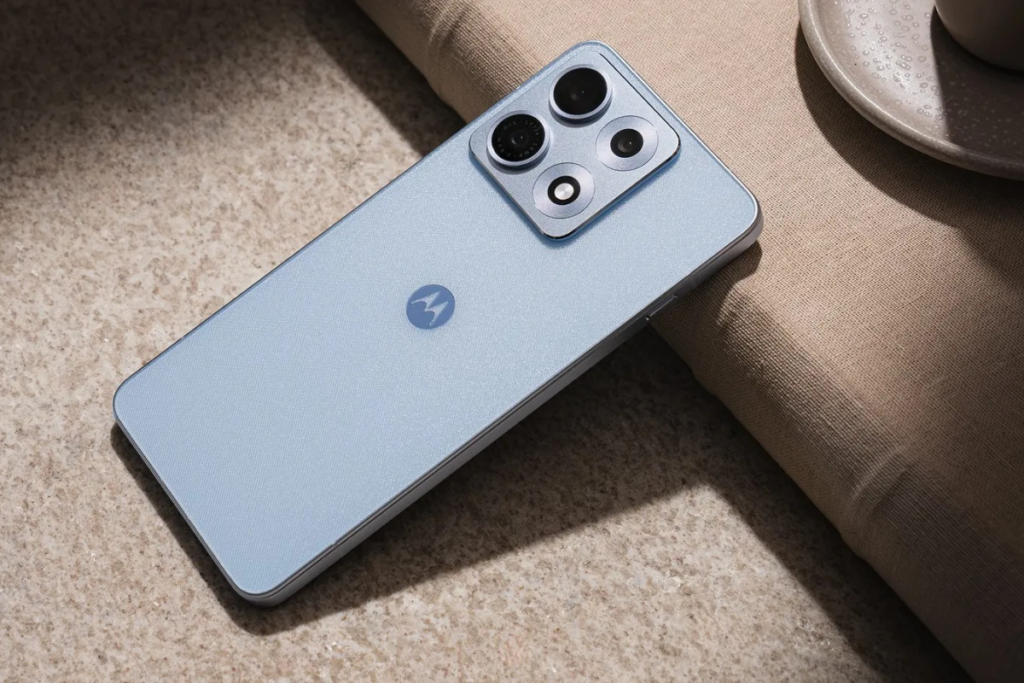
5. Motorola Razr 70
The standard Motorola Razr 70 keeps much of the same design as the Ultra but costs less. The base model with 8GB of RAM and 256GB of storage starts at €869 in Europe.
It also has a 3.6-inch cover display, while the inner screen is 6.9 inches. As expected, Motorola cuts back on some of the performance and camera hardware compared with the Ultra model.
Still, you get the same basic clamshell design, a large cover screen, a folding inner display, and Motorola’s software experience for considerably less money.
If you want a flip phone from a major brand without spending flagship-level money, the Razr 70 is the best-value option on this list.
6. Which Flip Phone Should You Buy?
The best choice depends on what matters most to you. The Motorola Razr 70 Ultra has the strongest overall hardware, especially when it comes to the processor and RAM.
The Samsung Galaxy Z Flip 8 is the better pick if long-term software support is your priority, thanks to its seven major Android updates. The Xiaomi Mix Flip 2 stands out for its 5,165mAh battery and dual 50MP Leica camera system.
Meanwhile, the Huawei Pura X is the most unusual option because of its wide folding design. It is worth considering if you want something different and can import the phone. Finally, the Motorola Razr 70 is the most affordable option from a major brand on this list.
With fewer clamshell phones launching in 2026, these five cover most of the main choices currently available. The right one ultimately comes down to whether you value performance, software support, battery life, design, or price most.
For more daily updates, please visit our News Section.
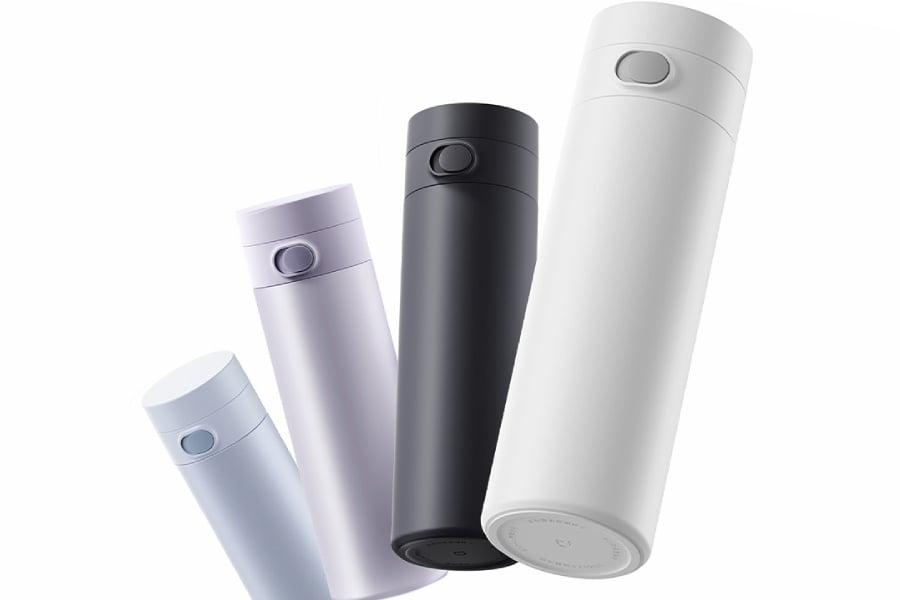
Xiaomi has added a new thermos cup to its Youpin crowdfunding platform. The Mijia Flip-Lid Insulated Mug 2 will enter crowdfunding on September 2, but it is already listed on Xiaomi Youpin ahead of the launch.
It comes in four colors: white, navy blue, misty purple, and glacier blue. The crowdfunding price is set at 79 yuan, or around $11.
Mijia Flip-Lid Insulated Mug 2 Specifications
As its name implies, the highlight here is the flip-up design of the lid. The cup uses an automatic locking system that opens the lid with a slide to the left or a simple press. This lets you open and drink from the cup with one hand.
The lid locks automatically when you close it. Xiaomi has used a similar press-and-slide design before. For instance, the original Mijia flip-top thermos cup also offered one-handed operation; the new model refines the design.
The drinking spout and filter are both made from heat-resistant PPSU material that is less likely to hold onto odors. You can also remove the spout for cleaning.
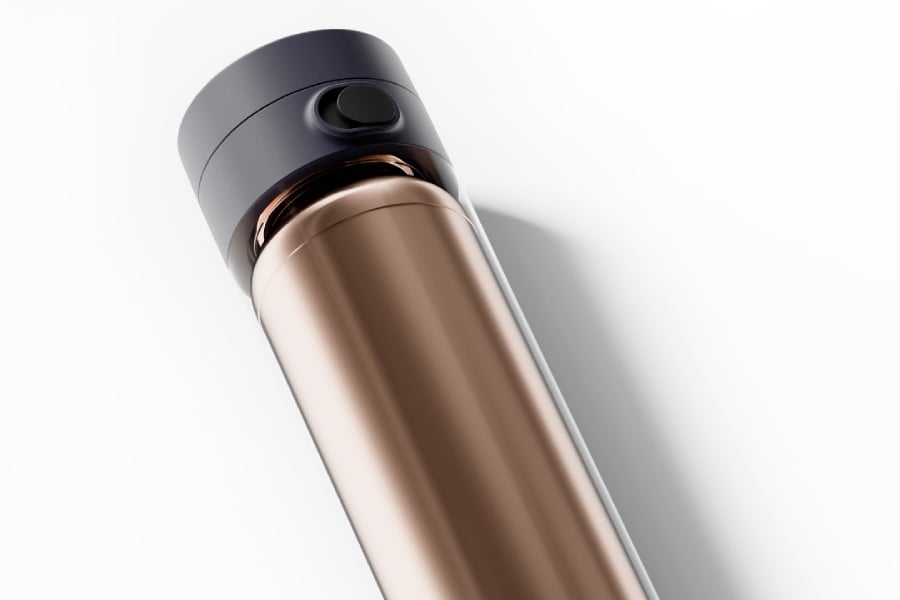
Inside, the cup uses a tailless vacuum process between its inner and outer layers. The inner liner also has a copper coating to improve the vacuum insulation, which in turn helps keep the outside comfortable to hold even when the cup is filled with hot water.
The company rates the cup for up to six hours of heat retention above 68°C and six hours of cold retention below 10°C. These figures are similar to what Xiaomi offers with some of its titanium thermos cups, although the Flip-Lid Thermos Cup 2 uses stainless steel instead of titanium.
The inner liner is made from 316L stainless steel. Xiaomi has made it thinner and given it a mirror polish through an electrolytic process. It can hold 500ml of liquid.
For more daily updates, please visit our News Section.
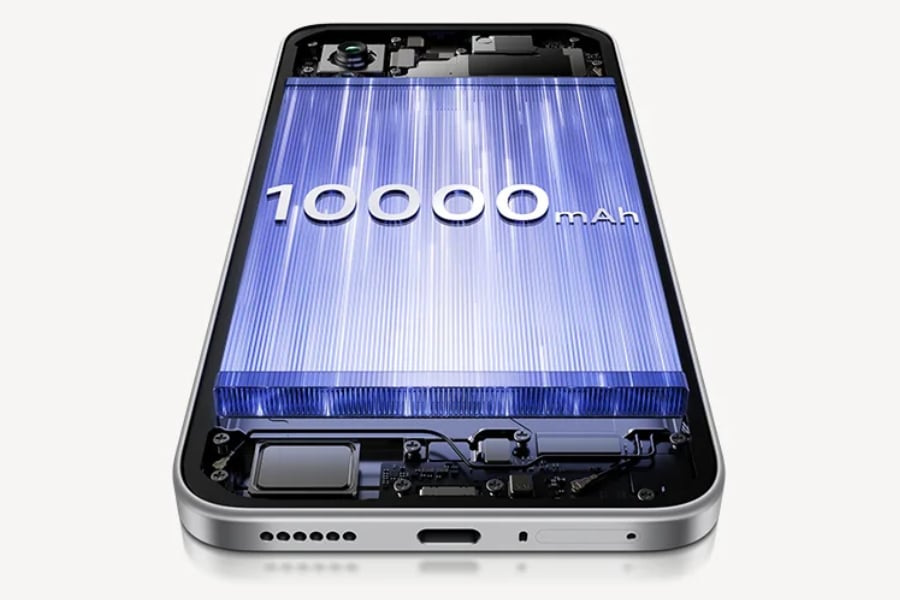
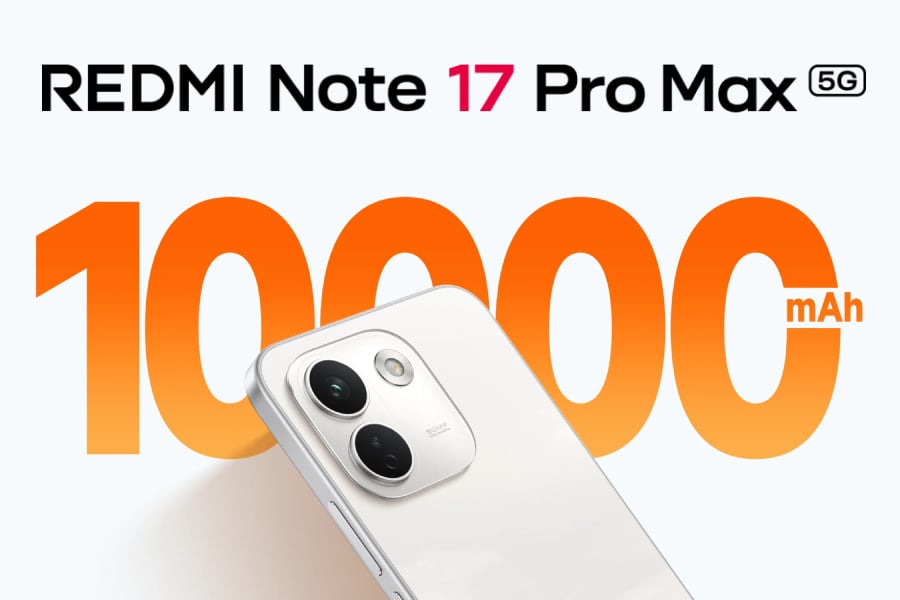
Xiaomi has officially unveiled the Redmi Note 17 Pro Max 5G in Japan. It’s the first Pro Max model in the Redmi Note lineup ever, and also the first Xiaomi smartphone to pack a massive 10,000mAh battery.
The said 10,000mAh battery is built on silicon-carbon battery technology. Xiaomi says it lasts up to three days on normal use, and supports 100W wired charging that can refill a full day’s charge in just 20 minutes.
Xiaomi also claims the battery keeps more than 80% of its capacity after 1,600 charge cycles, which is about six years of use. The phone can also charge other devices through wired reverse charging, at up to 27W.
The device is made durable too. It uses what Xiaomi calls its “Redmi Titan Structure,” carrying IP66 and IP68 ratings and a 72-hour underwater test at 2 meters, verified by TÜV SÜD. You even get a dedicated water mode for shooting photos underwater. Corning’s Gorilla Glass Victus 2 covers the display, and SGS has certified it to survive drops from up to 3 meters.
Redmi Note 17 Pro Max Specifications
The display is 6.83 inches, with 1.5K resolution, up to 3,500 nits of peak brightness, a 120Hz refresh rate, and a 3,200Hz touch sampling rate. It also has TÜV Rheinland certification for low blue light and flicker-free modes.
Inside, the phone runs on Qualcomm’s Snapdragon 6 Gen 5 chip, with up to 16GB of RAM through memory expansion. The software side is handled by HyperOS 3 with AI features like offline AI translation and real-time speech transcription. You also get six years of security updates and four OS upgrades.
On the camera side, you’re looking at a 50MP main sensor with optical image stabilization, plus an 8MP ultra-wide camera on the back. The front camera comes in at 32MP.
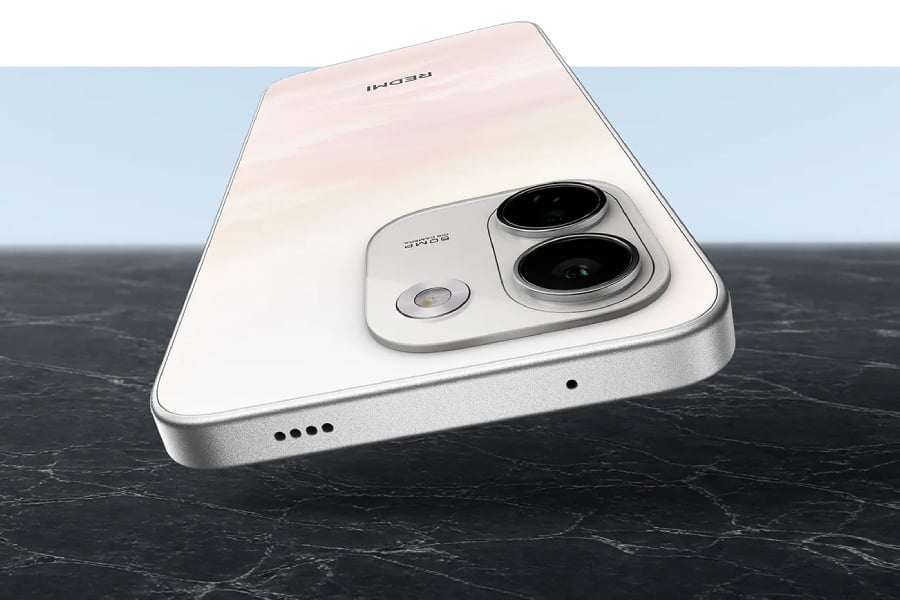
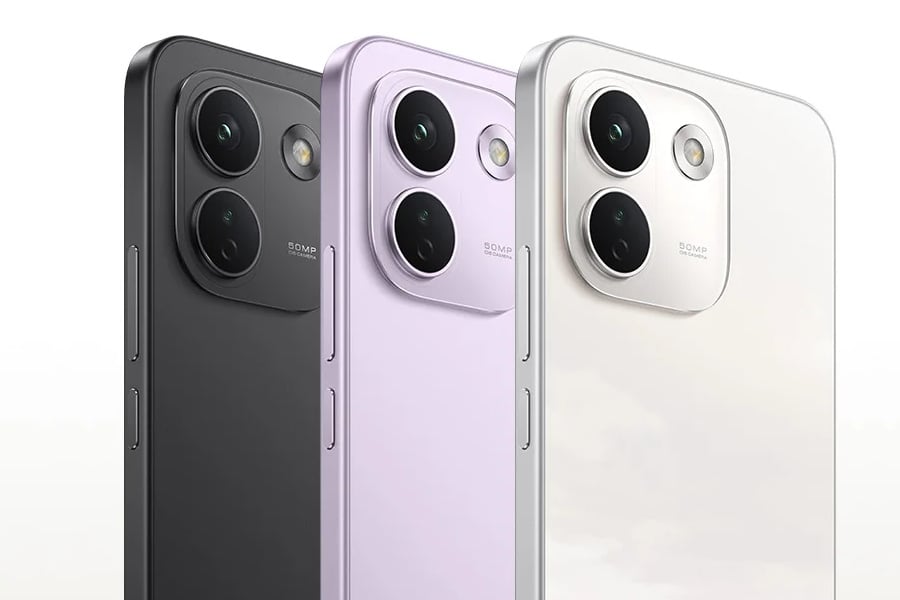
The phone comes in three colors: black, purple, and Cloud Blush. The Cloud Blush version uses photochromic technology, which changes its color from white to pinkish-orange in sunlight. The black and purple versions measure about 78.27 x 163.44 x 8.65mm, and the Cloud Blush version is slightly thinner at 8.57mm. All three weigh about 229.5g.
As for price, the 8GB/256GB model costs 79,980 yen (about $502), and the 8GB/512GB model costs 99,980 yen (about $628). Xiaomi is offering a 10,000 yen discount on both models as an early bird price through October 14th, bringing them down to about $439 and $565.
Buyers in Japan also get a few extras: a free USB-C cable at some retailers, up to two months of YouTube Premium, three months of Spotify Premium, six months of 200GB Google One storage, a 24-month quality guarantee, free screen and back cover replacement, and a battery replacement service within 36 months.
For more daily updates, please visit our News Section.
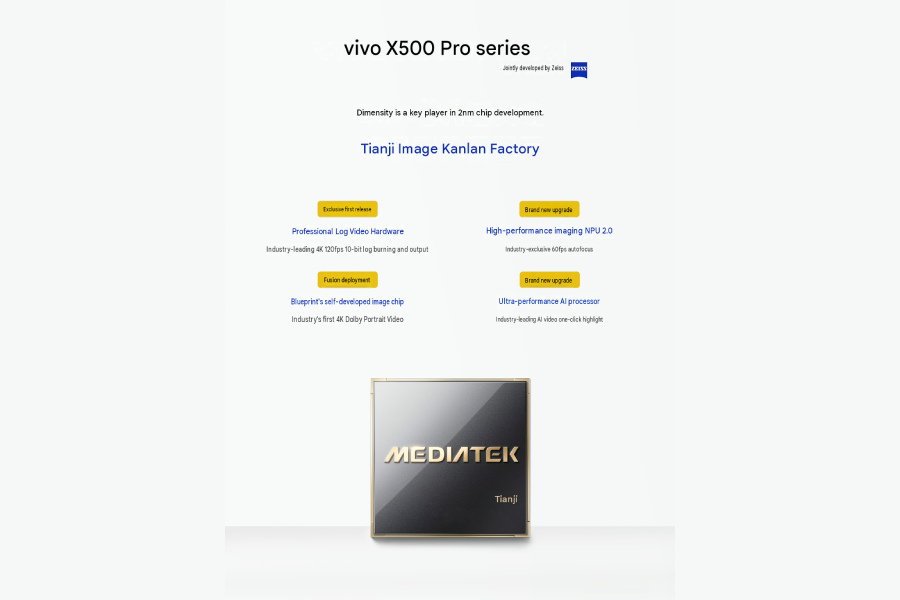
Vivo’s Han Boxiao is back with another daily reveal for the Vivo X500 Pro series, and this time he’s moving from optics to silicon. After walking through the periscope telephoto cameras on the X500 Pro and X500 Pro Max yesterday, the Vivo product manager has confirmed that the Pro series will be the first phones to run on the Blue Crystal × Dimensity 2nm flagship chip, built jointly by Vivo and MediaTek.
Vivo hasn’t named the chip outright, since MediaTek hasn’t launched it yet, but everything points to the Dimensity 9600 Pro. It’s built on TSMC’s N2P process, 2nm that is.
As for the internals, the SoC is said to have a 2+3+3 tri-cluster design with two ARM C2-Ultra super cores, three C2-Premium large cores, and three C2-Pro medium cores. The chip will also have a new GPU architecture.
Vivo X500 Pro’s imaging features
Han also framed this as an imaging chip, not just a performance one, and laid out five features Vivo and MediaTek built together for video.
There’s a dedicated professional Log video hardware zone for 4K 120fps 10-bit recording that’s ready for color grading straight out of the camera.
A revamped imaging NPU handles 60fps autofocus tracking across every 4K focal length.
Vivo’s own image chip drives what the company calls the industry’s first 4K Dolby portrait video, meant to get skin tones and dynamic range right without extra editing.
A new AI processor handles one-tap video highlights.
And a jointly developed XDZ engine that adds hardware-level super-resolution for zoomed-in footage.
Apple has set the date for its 2026 fall event: September 9. It will also mark the first major keynote under new CEO John Ternus, who is set to replace Tim Cook on September 1. The event has the tagline “Surprise and shine.”
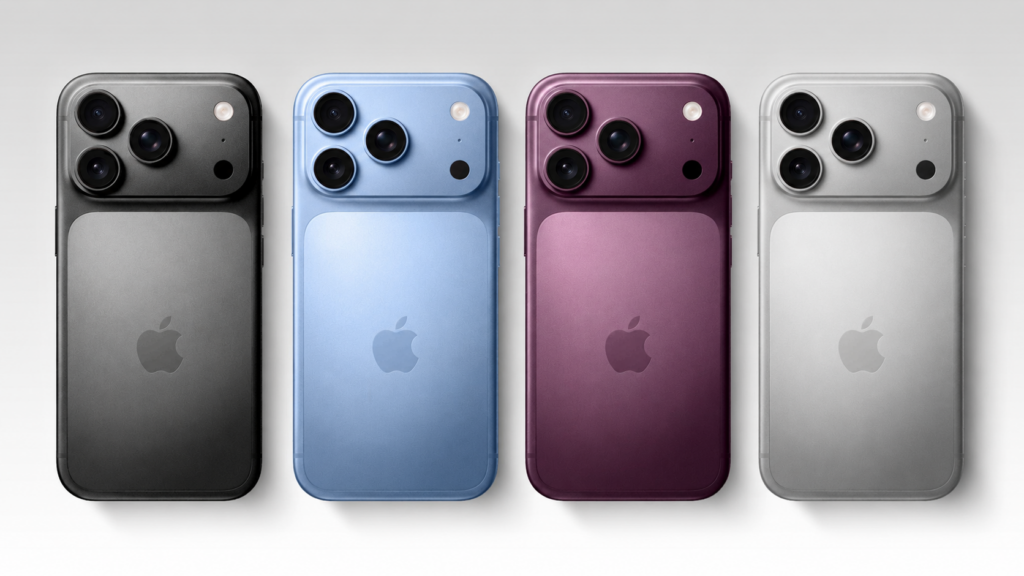
The biggest announcements are expected to come from the iPhone lineup. The iPhone 18 Pro and iPhone 18 Pro Max are rumored to keep a design similar to the current models, with most of the upgrades happening under the hood. Both phones are expected to use Apple’s new A20 Pro chip, built on a 2nm process.
iPhone 18 Pro series AI-generated render
Likewise, the main camera may use a variable aperture lens. Apple is also expected to introduce its own C2 modem.
The standard iPhone 18 and a new iPhone 18e, meanwhile, are expected to arrive separately in spring 2027 rather than at the September event.
Apple’s first foldable iPhone
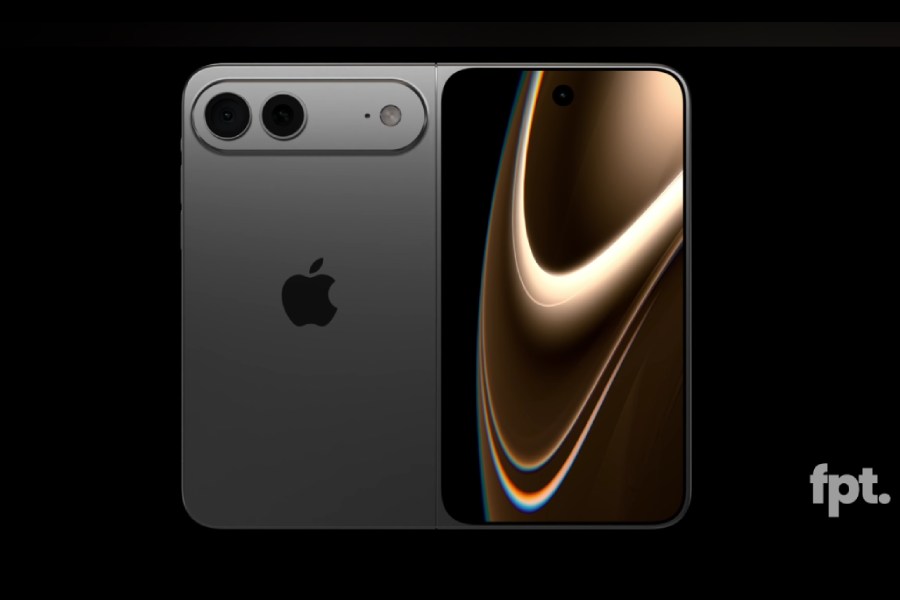
The other major announcement could be Apple’s first foldable iPhone. According to reports, it will have a 5.5-inch outer display, a 7.6-inch inner screen, and a wide-fold design.
The foldable is also expected to use a titanium frame. Apple has reportedly spent considerable effort reducing the display crease, which remains one of the most noticeable issues with many foldable phones.
However, making the phone thin enough has reportedly forced Apple to make a few compromises. Face ID may be replaced by Touch ID built into the power button. The rear camera system is also expected to use two sensors instead of three.
Apple Watch and iPad mini upgrades
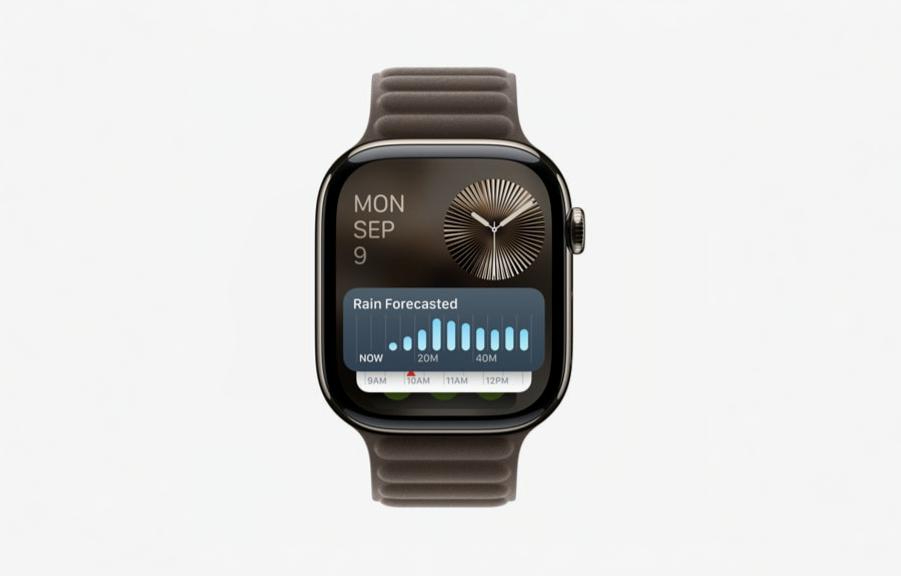
The Apple Watch lineup is expected to receive smaller upgrades this year. The Apple Watch Series 12 and Apple Watch Ultra 4 are rumored to get faster processors and updated health sensors, but major changes to their designs are not expected.
Apple could also have several smart home products ready for the event. The company is expected to refresh the Apple TV 4K and HomePod mini. The long-rumored Home Hub could finally make its debut as well. It is expected to feature a 7-inch display and support FaceTime.
The eighth-generation iPad mini could also appear at the event. Its biggest upgrade may be the display, with reports suggesting Apple will finally bring an OLED panel to its smallest tablet.
Apple is also expected to reveal the release dates for its next major software updates, including iOS 27, iPadOS 27, and macOS Golden Gate.
As with Apple’s recent events, the September keynote is expected to be pre-recorded rather than delivered live. Apple will stream it through its website, YouTube, and the Apple TV app.
For more daily updates, please visit our News Section.
Nester has unveiled a new air fryer aimed at making everyday cooking more convenient while adding a more visible and flexible approach to meal preparation. The Home Cook 6.2L Glass Air Fryer combines several design-focused elements that set it apart from conventional air fryers.
Nester Home Cook focuses on visibility and moisture retention
Nester Home Cook Airfryer
The Home Cook 6.2L uses Nester’s proprietary SteamLock Technology, which is designed to retain moisture during cooking while helping food develop a crisp exterior. A borosilicate glass bowl forms the cooking chamber, allowing users to see the food throughout the cooking process without opening the appliance repeatedly.
The glass bowl is also designed to serve multiple purposes after cooking. With its cook-serve-store design, users can take it directly to the dining table and later place it in the refrigerator. An acacia wood lid is included for storage, while side handles provide a more secure way to move the bowl.
Nester has added a 30-second auto-clean function that sprays water inside the appliance to help loosen cooking residue.
Priced at Rs 16,999, the Nester Home Cook 6.2L Glass Air Fryer is available through Nester’s official website, Amazon, and Flipkart. The air fryer also comes with a 3-year VIP warranty and PAN India service support, giving buyers longer-term coverage.
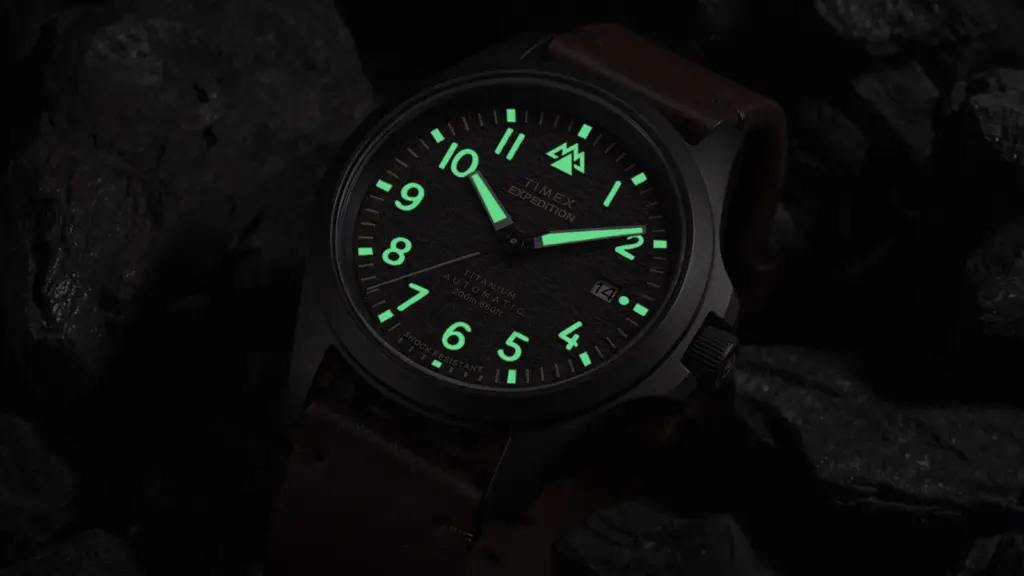
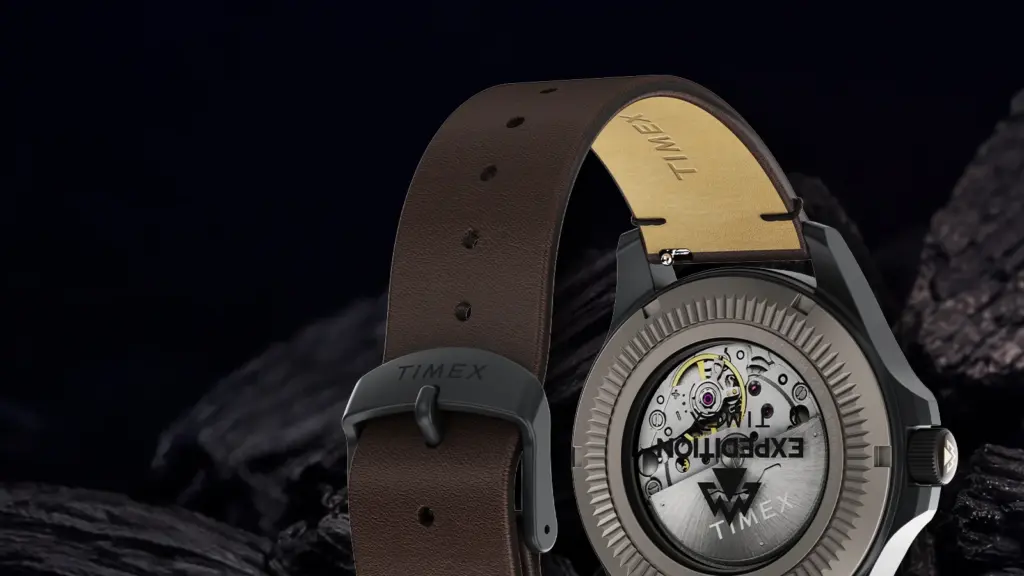
Timex has released a new mechanical watch in the US market, the Expedition Field Post Titanium Automatic. It is now available on the Timex US website for $429.
Timex Expedition Field Post Titanium Automatic Specs
The watch comes with a 41mm titanium case finished with a black IP coating. Titanium is commonly used in outdoor and everyday watches because it is significantly lighter than stainless steel, making the larger case more comfortable for daily wear while retaining good durability.
The case measures 13.5mm thick with a 50mm lug-to-lug distance. Timex has also included a screw-down crown and a threaded case back, giving the watch a water resistance rating of 200 meters. This means it is safe for swimming, snorkeling, and recreational diving, provided you don’t adjust the crown while submerged.
On the front, the watch uses a scratch-resistant sapphire crystal treated with an anti-reflective coating to reduce glare. The dial itself is black with a textured finish, featuring standard full Arabic numerals and a date window located at the 3 o’clock position. For reading the time in the dark, Timex applied Super-LumiNova pigment to the hands and hour markers, which charges in ambient light and glows when the lights go out.
Inside, the watch is powered by a 21-jewel mechanical automatic movement. Because it is an automatic watch, it does not use a battery. Instead, it winds itself using the natural motion of your wrist as you wear it. It holds a 40-hour power reserve, meaning if you take it off for a weekend, it will eventually stop and need to be manually wound using the crown to get it running again. You can see the internal mechanics working through an exhibition window on the back of the case.
The watch comes with a 20mm brown leather strap. The strap also features quick-release spring bars, making it easy to swap it out for a different band without needing any specialized watch tools.
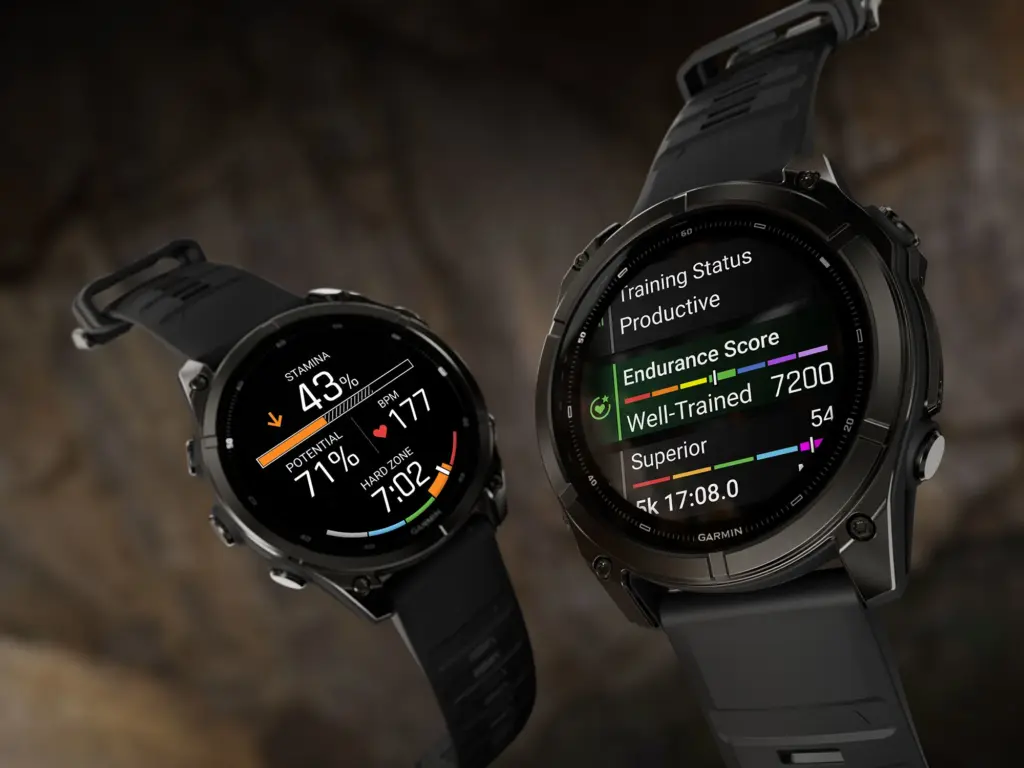
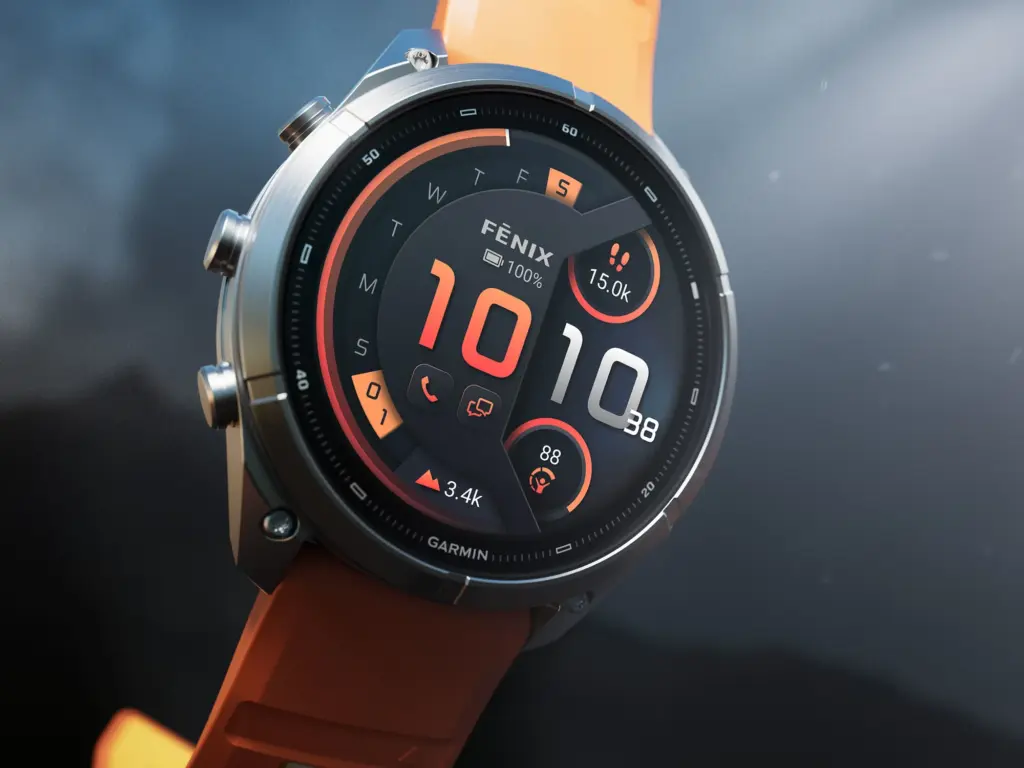
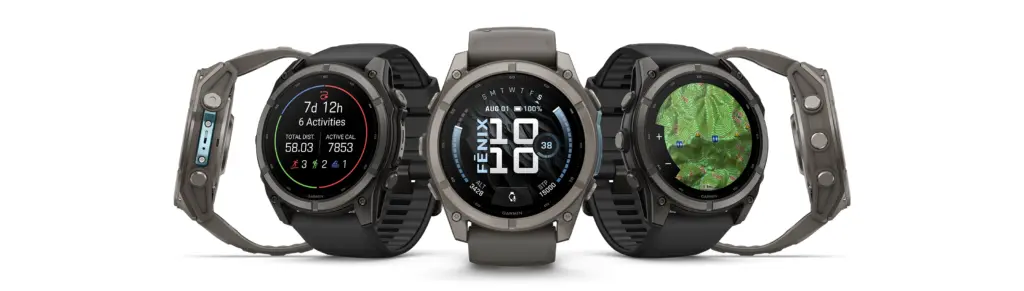
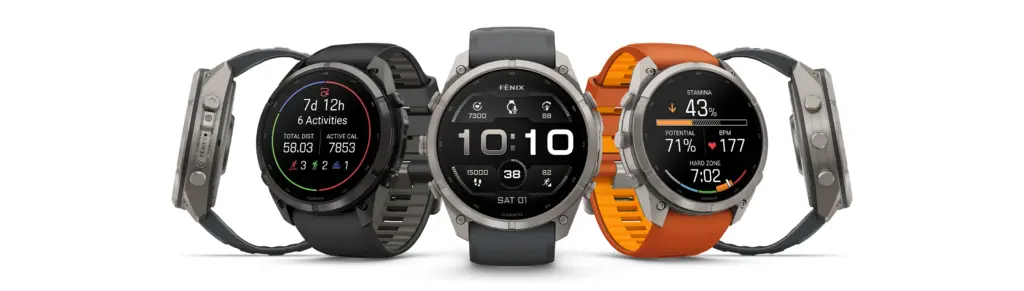
Garmin has announced the Fenix 9 and Fenix 9 Pro, updating its multisport smartwatch line. The new watches add built-in microphones and speakers, brighter AMOLED displays, and optional inReach satellite connectivity for off-grid messaging.
Both models are available in 43mm, 47mm, and 51mm case sizes. The standard Fenix 9 features a 1.4-inch AMOLED display, which Garmin says is twice as bright as the previous Fenix 8. The Fenix 9 Pro uses a larger 1.5-inch AMOLED screen that reaches 3,000 nits of peak brightness. If you care more about battery life than a colorful screen, there is also a Pro Solar version that swaps the AMOLED display for a solar-charging lens.
Garmin Fenix 9 Pro
The watches feature titanium bezels, sapphire lenses, and leakproof metal buttons, providing a 40-meter dive rating. They also come equipped with built-in speakers and microphones. When connected to a smartphone via Bluetooth, you can take calls directly on the watch, record voice notes, and use your phone’s voice assistant to send text messages. The watches also support a dedicated WhatsApp integration for reading and replying to messages from the wrist.
On the software side, Garmin introduced a feature called Garmin Epic, which groups multiple days of activities, photos, and health data into a single timeline. The watches carry over Garmin’s standard suite of training metrics, including Training Readiness, Endurance Score, and Hill Score, alongside an ECG app for AFib detection.
Garmin Fenix 9
For storage, the watches come with 64GB of built-in capacity, enough to hold up to 7,000 songs for offline listening. The storage also accommodates multicontinent TopoActive maps, while navigation features such as NextFork map guides and dynamic round-trip routing provide additional guidance.
The Fenix 9 Pro models offer an option for built-in inReach connectivity. This provides satellite coverage for two-way messaging, LiveTrack, and interactive SOS without needing a cellular connection or a separate handheld device.
Garmin Fenix 9 Pro
Battery life remains standard for the series: the Fenix 9 gets up to 29 days in smartwatch mode, and the Fenix 9 Pro gets up to 31 days. The Pro Solar model can reach up to 57 days. All models include an integrated LED flashlight with white, red, and green light options.
Pricing and Availability
The Fenix 9 starts at $999.99, and the Fenix 9 Pro starts at $1,099.99. The lineup will be available to order on August 28th.
BenQ has announced two new additions to its ScreenBar lineup, and this time, the company is moving away from the standard one-size-fits-all design. The new iScreenBar and ScreenBar Max are built specifically for iMacs and dual-monitor setups, respectively, addressing the physical quirks of both workspaces.
BenQ ScreenBar Specifications
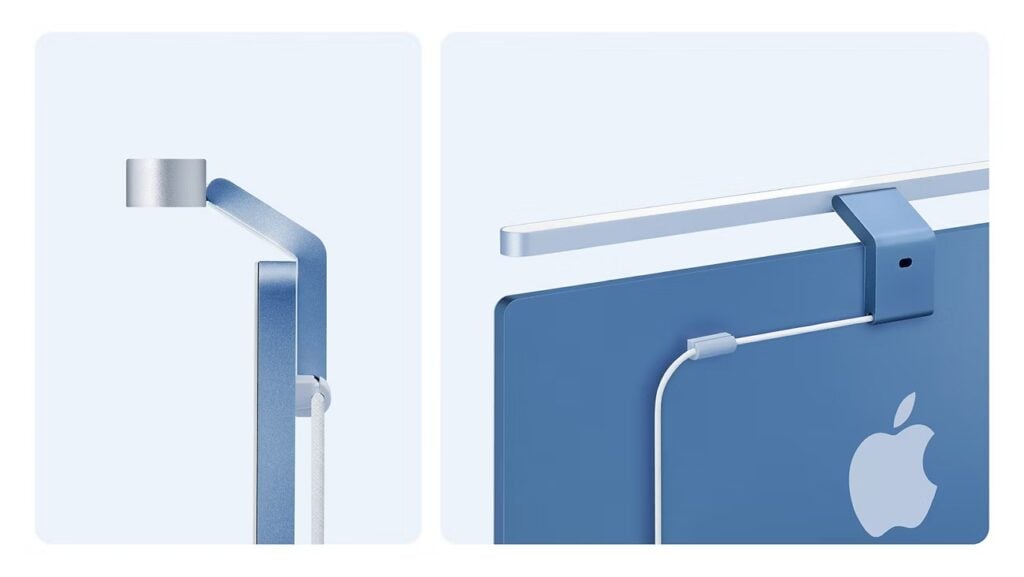
First is the iScreenBar, which is designed exclusively for 2021 and newer iMac models. Standard monitor light bars usually rely on a weighted clip, which can be awkward on an iMac and often blocks the built-in webcam or microphones. To get around this, BenQ uses a magnetic mount that snaps directly to the back of the computer. The light bar itself is made from a single piece of aluminum with a glass touch panel, meant to blend in with Apple’s hardware.
It draws power from the iMac’s USB-C port and uses an asymmetric optical design to light up the desk without casting glare onto the screen itself. BenQ included a 24GHz mmWave motion sensor so the light turns on when you sit down, plus an ambient light sensor to adjust brightness automatically.
There is also a dedicated macOS app for assigning lighting profiles to different applications, along with a Video Call Mode that reduces webcam glare while keeping the side LEDs bright enough to illuminate your face.
BenQ ScreenBar Max Specifications
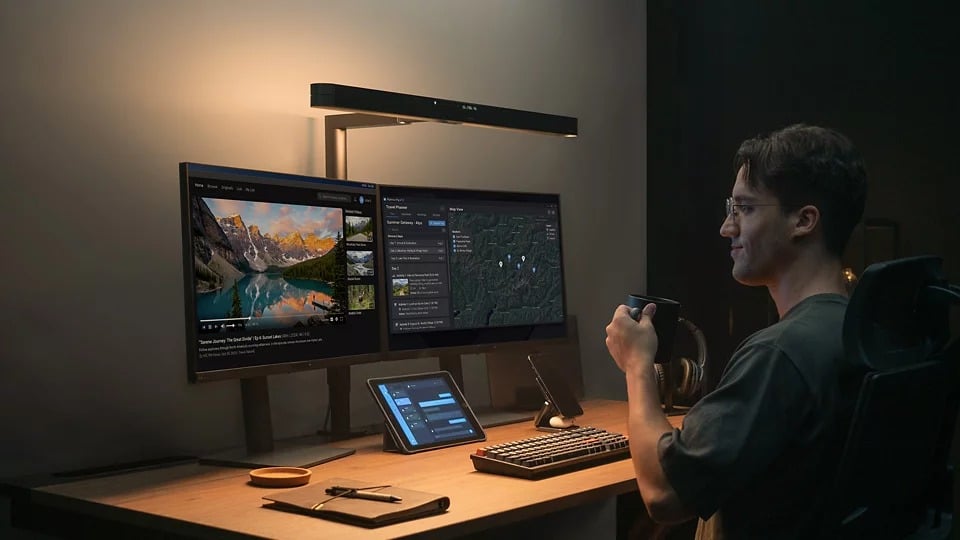
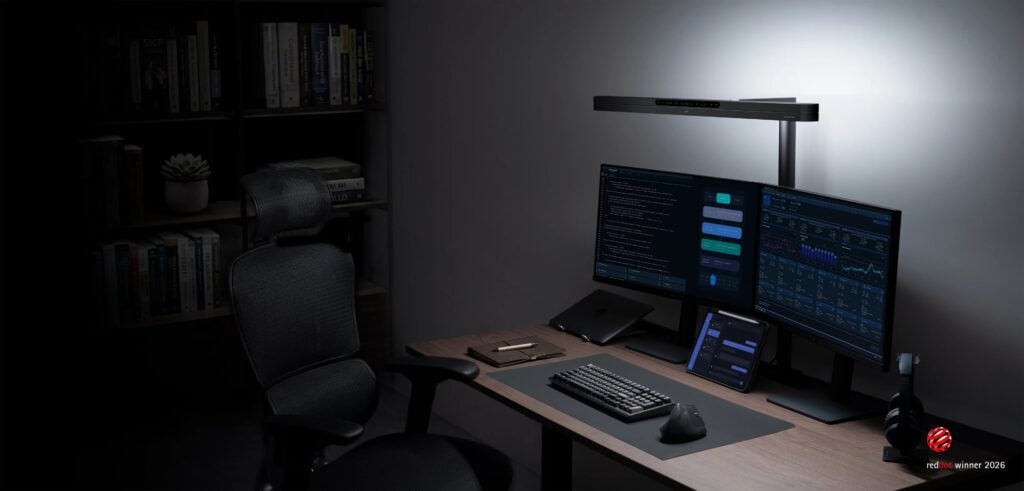
For people using two monitors, BenQ is releasing the ScreenBar Max. Instead of resting on top of a display, the Max is a tall, standalone desk lamp that mounts via a desk clamp (a freestanding base is sold separately). The idea is to properly light the wide space and the gap between two screens, which standard light bars struggle to do.
Because dual-monitor setups come in all shapes and sizes, the Max is highly adjustable. It has three fixed height options ranging from 21.6 to 27.9 inches, and a sliding rail that lets you pull the light forward or push it back. It uses a modified optical structure to throw a wide, even beam of light across the desk.
Like the iScreenBar, it has mmWave presence detection and auto-dimming, but it adds an ambient backlight to reduce the harsh contrast between your bright monitors and a dark room. You can control the brightness and color temperature using a touch display on the lamp.
Pricing and Availability
The iScreenBar is available now in silver for $189, with blue and green colorways expected in late 2026. The ScreenBar Max is priced at $289, with the optional desk base costing $39. Both models are available through BenQ, Amazon, and select retailers like Adorama and B&H.
The device is built around an 8,000mAh battery and carries IP66, IP68, and IP69 ratings for water and dust resistance, making it more robust than most standard smartphones in its price bracket.
Despite the large battery, the phone maintains relatively standard dimensions. It measures 8.6mm thick and weighs 208 grams. To manage the high-capacity cell, Realme included support for 80W wired fast charging. The device also supports reverse wired charging, allowing it to function as a power bank to charge other electronics, as well as bypass charging, which powers the motherboard directly during gaming to reduce heat buildup.
The front of the device features a 6.78-inch AMOLED display manufactured by Samsung. It has a 1.5K resolution (1272 x 2772) and a maximum refresh rate of 144Hz. The panel has a typical brightness of 1,000 nits and supports full-brightness DC dimming to mitigate screen flicker.
Internally, the P4s 5G runs on the MediaTek Dimensity 7400 Ultra system-on-chip. This is paired with a secondary graphics processor that Realme calls the Hyper Vision+ AI chip. This dual-chip configuration is designed to handle frame interpolation, allowing the phone to upscale frame rates in supported mobile games to match the 144Hz display.
To manage the thermal output from extended gaming sessions, the phone includes a 7,000mm² vapor chamber cooling system. The device comes with up to 12GB of LPDDR4X RAM and 256GB of UFS 3.1 internal storage.
For photography, the rear camera setup features a 50-megapixel main sensor with optical image stabilization, paired with an 8-megapixel ultrawide lens. The front houses a 16-megapixel selfie camera, while video recording supports up to 4K at 30 frames per second.
On the software side, the P4s 5G ships with realme UI 7.0. The company is promising three years of Android OS updates and four years of security patches.
Pricing and Availability
The Realme P4s 5G will be available in Titanium Gray and Electric Cyan starting September 3rd through Flipkart and Realme’s website. The base model with 8GB of RAM and 128GB of storage is priced at ₹34,999. The 8GB/256GB variant costs ₹37,999, and the top 12GB/256GB model is priced at ₹41,999.
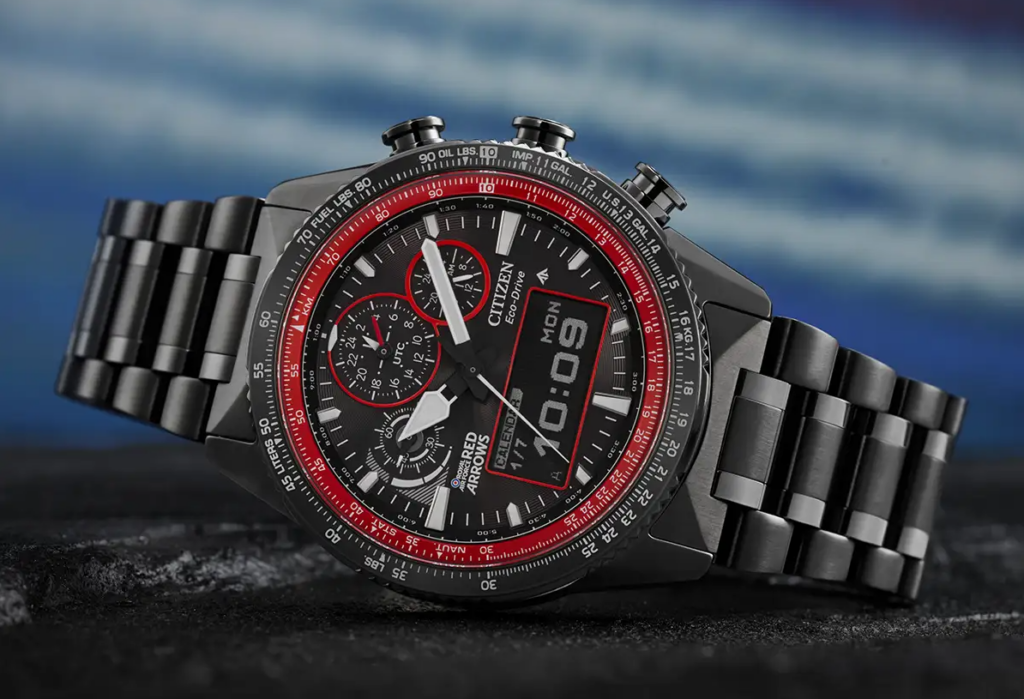
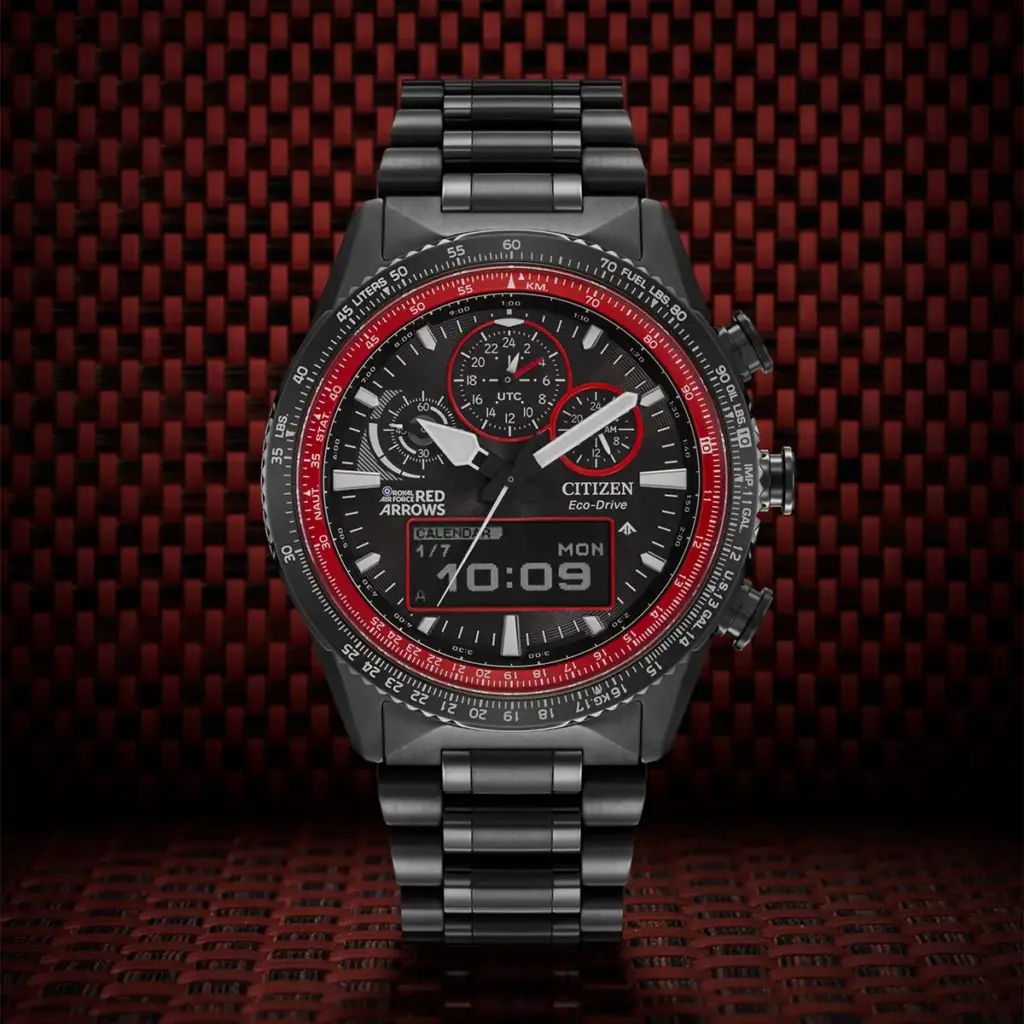
Citizen has released a new limited-edition model in its Promaster line, partnering with the Royal Air Force’s Red Arrows display team. The new Red Arrows Limited Edition Promaster Skyhawk (model JV2007-52E) is a hybrid analog-digital watch that focuses on aviation tools and durability. It is available now on the Citizen UK website for £695.
From a hardware perspective, the Skyhawk is built around a 43mm case made of black ion-plated stainless steel. It comes with a matching triple-link stainless steel bracelet that fastens with a standard fold-over clasp and push buttons.
The top of the case features a rotating slide-rule bezel, which is a traditional mechanical tool pilots historically used for manual fuel and distance calculations. The watch face is covered by an anti-reflective sapphire crystal, a standard material for watches in this price range that prevents scratches and reduces glare.
The dial itself uses a black background with white and red accents. Because it is a hybrid watch, it combines traditional physical hands with digital readout screens to display its various functions. The feature set is extensive and geared toward travel and timing. It includes atomic timekeeping, meaning the watch syncs via radio signals to maintain exact accuracy, alongside standard world-time functions for tracking different time zones.
Additionally, the watch includes a perpetual calendar, a daily alarm, a 99-minute countdown timer, and a 1/100-second chronograph that can measure intervals up to 24 hours. Despite being an aviation-focused watch, it also carries a water resistance rating of 200 meters, meaning it will easily survive swimming or heavy rain.
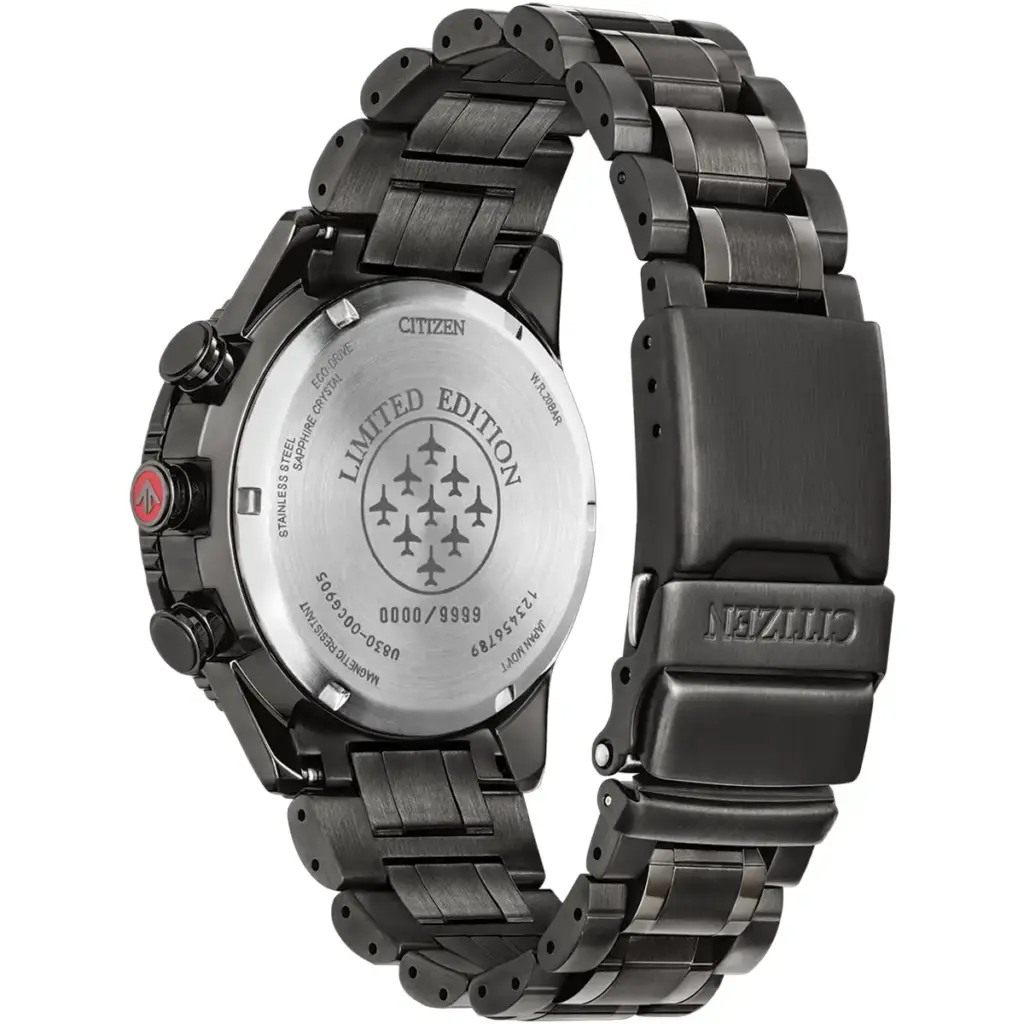
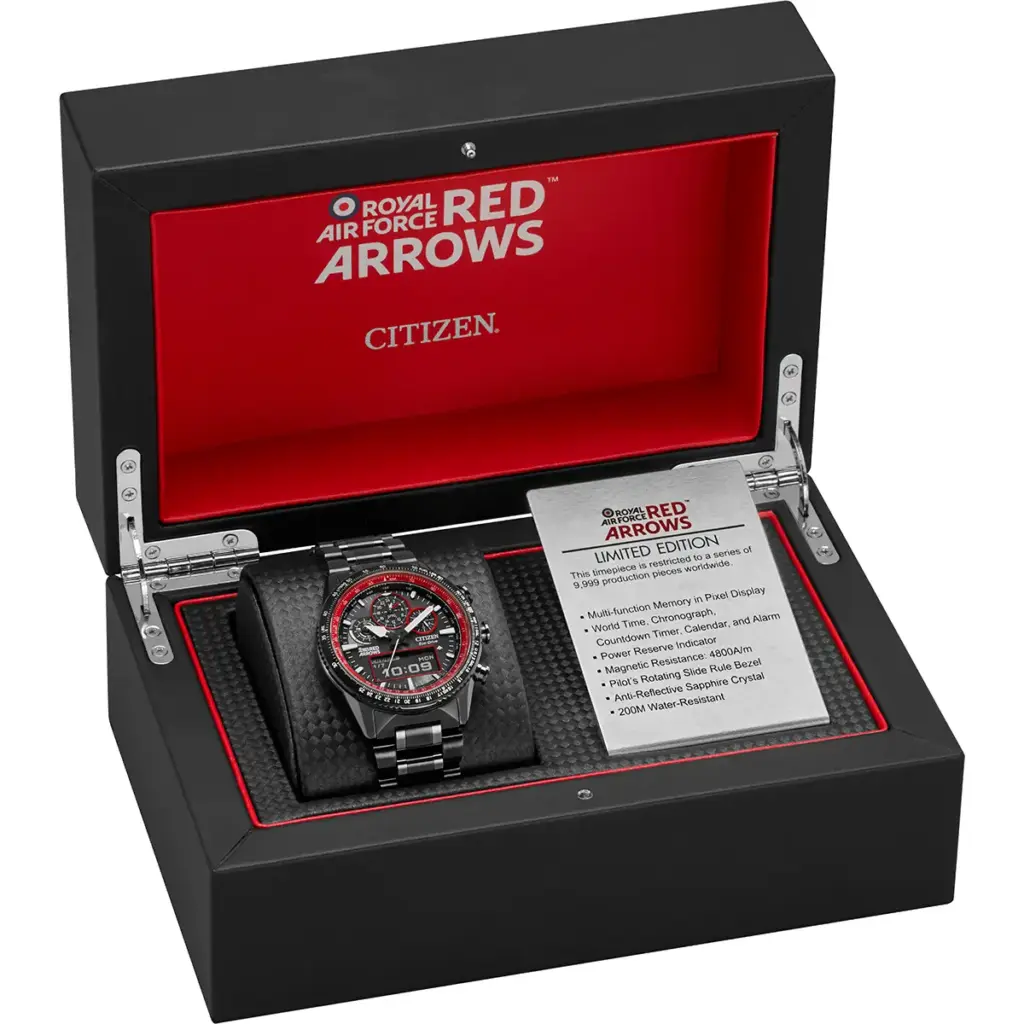
Citizen is limiting the production of this specific Red Arrows model to 9,999 pieces globally. Each unit ships in a specific limited-edition presentation box.
Nothing has officially unveiled the next iteration of its custom skin, Nothing OS 5.0, based on Android 17. It’s a pretty substantial upgrade with major visual overhauls, performance improvements, and deeper AI integration. The brand has also announced rollout plans for open beta and general release, with the open beta kicking off on August 26.
The brand has confirmed that Nothing Phone (1), Nothing Phone (2), and CMF Phone 1 are not eligible for the Nothing OS 5.0 update, as we reported previously. As for the open beta, it won’t be released for Phone (3a) Lite and CMF Phone 2 Pro.
Check the official rollout schedule below to know when the Nothing OS 5.0 update will be available for your phone.
Nothing OS 5.0 rollout schedule
The Open Beta program starts August 26 for the Phone (3), and will continue to expand to more phones until mid-December. The stable rollout is scheduled to begin mid-October for the Phone (3), and should reach all other devices by January 2027.
Model
Open Beta
General Release
Phone (3)
August 26
Mid October
Phone (4a) Pro
Early September
Early November
Phone (4a)
Late September
Early November
Phone (3a) Pro
Late September
Early November
Phone (3a)
Late September
Early November
Phone (2a)
Mid October
Mid November
Phone (2a) Plus
Mid October
Mid November
Phone (3a) Lite
–
Late December
Phone (4b)
Mid December
Mid January
CMF Phone 2 Pro
–
Mid January
Note that the rollout happens in batches, and so one region may receive updates earlier than others. However, the expansion doesn’t normally take more than a few days.
How to get Nothing OS 5.0 Beta on your phone?
Once the beta program goes live for your Nothing device, you can register for it by following these steps:
Make sure your phone is updated to the latest available build.
Download and install the latest Nothing Beta Hub V2.0 APK.
Go to Settings > System > Nothing Beta Hub.
Tap Check Version.
Click Join Beta to register.
Tap Go to Update to download the beta update.
If you don’t see the Go to Update button, navigate to Settings > System > System updates to manually check for updates.
We’ll keep updating you with the latest Nothing OS details in our Nothing section. You can visit the page regularly or join our Telegram channel to stay updated.
Samsung has launched a new Galaxy Quantum series smartphone in South Korea, bringing upgraded hardware and several AI-focused features. The Galaxy Quantum 7 arrives as a carrier-exclusive model with a focus on security, camera improvements, and long-term software support. Here’s more in detail about the Quantum 7.
Samsung Galaxy Quantum 7 specifications and features
Samsung Galaxy Quantum 7
The Samsung Galaxy Quantum 7 features a 6.7-inch Super AMOLED Plus display with Full HD+ resolution and a 120Hz refresh rate. The phone is powered by the Exynos 1680 chipset, paired with 8GB RAM and 128GB storage. It comes with a 5,000mAh battery that supports up to two days of usage, while fast charging support is also included.
Samsung Galaxy Quantum 7
For photography, the smartphone gets a triple rear camera setup with a 50-megapixel main sensor with OIS, a 12-megapixel ultra-wide camera and a 5-megapixel macro lens. The front houses a 12-megapixel selfie camera with Super HDR support. The device also brings improved low-light photography through enhanced image processing and larger 1.0μm pixels.
Samsung Galaxy Quantum 7
The Galaxy Quantum 7 runs One UI 8.5 based on Android and includes Samsung’s Awesome Intelligence features. These include Circle to Search, AI-powered Eraser, Best Face and Edit Suggestions. The phone also features Knox Vault security, IP68 water and dust resistance, a USB Type-C port and support for up to six Android OS upgrades and six years of security updates.
Samsung Galaxy Quantum 7 price and availability
The Galaxy Quantum 7 is priced at KRW 717,200 (~$520) in South Korea and comes in Awesome Gray, Awesome Ice Blue and Awesome Lilac color options. The Lilac variant is available exclusively through SK Telecom’s T Direct Shop. Like previous Galaxy Quantum series devices, the smartphone is expected to remain limited to the South Korean market.
The Galaxy Quantum 7 is essentially a rebranded version of the Galaxy A57 5G, carrying similar specifications with carrier-specific branding and features.
For more daily updates, please visit our News Section.
We use cookies on our website to give you the most relevant experience by remembering your preferences and repeat visits. By clicking “Accept”, you consent to the use of ALL the cookies.
This website uses cookies to improve your experience while you navigate through the website. Out of these, the cookies that are categorized as necessary are stored on your browser as they are essential for the working of basic functionalities of the website. We also use third-party cookies that help us analyze and understand how you use this website. These cookies will be stored in your browser only with your consent. You also have the option to opt-out of these cookies. But opting out of some of these cookies may affect your browsing experience.
Necessary cookies are absolutely essential for the website to function properly. This category only includes cookies that ensures basic functionalities and security features of the website. These cookies do not store any personal information.
Any cookies that may not be particularly necessary for the website to function and is used specifically to collect user personal data via analytics, ads, other embedded contents are termed as non-necessary cookies. It is mandatory to procure user consent prior to running these cookies on your website.