
Advertisement

Best Snapdragon chipsets in 2026

Best Snapdragon chipsets in 2026

With plenty of options across various Snapdragon lineups, it can become incredibly difficult and overwhelming to find a chipset that fits your needs and budget. It’s not just you, but a large chunk of smartphone buyers struggle with that decision.

Our team at Gizmochina has been reviewing and comparing chips for years, and so we decided to put together this comprehensive guide on picking the best Snapdragon processor in 2026. After reading this, you’ll have absolute clarity on which Snapdragon chip to go for.

Best Snapdragon chipsets you can buy in 2026

Best Snapdragon chips for high-end devices
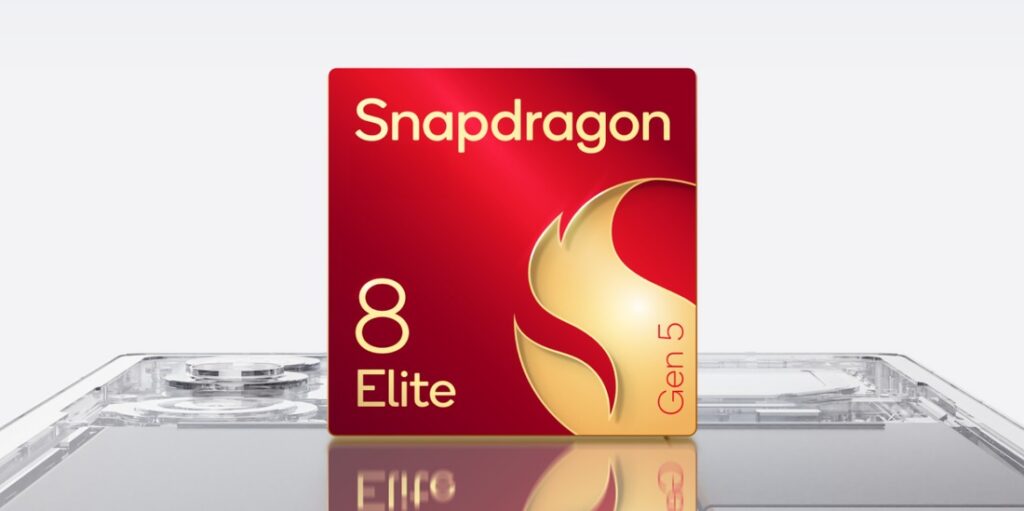
Snapdragon 8 Elite Gen 5

Snapdragon 8 Elite Gen 5 – The no-brainer expensive choice

Best for: Those who want the absolute top-tier performance in a Qualcomm chip.

Snapdragon 8 Elite Gen 5 is Qualcomm’s most capable mobile chipset, delivering top-tier performance and excellent power efficiency. It’s best suited for mobile gamers, who require the absolute best performance. For regular users, the performance will be buttery smooth, no matter how many apps are running in parallel.

The 8 Elite Gen 5 offers an advanced 2-bit Triple ISP with up to 320MP support, up to 8K/60 fps, and excellent camera features. It also delivers robust connectivity features, including Wi-Fi 7, Bluetooth 6.0, and high-speed upload/download speeds.

Snapdragon 8 Elite – An excellent choice

Best for: Those seeking high-end performance and capabilities from a Qualcomm chip at a discount.

The Snapdragon 8 Elite remains one of the best flagship chipsets, primarily because it’s a much bigger generational upgrade than the Snapdragon 8 Elite Gen 5. Being a generation older also means that you’re likely to get a device with this chip at a good discount.

The Snapdragon 8 Elite features a 2nd-generation Oryon CPU with a peak speed of 4.32 GHz and an Adreno 830 GPU. Whether it’s day-to-day tasks like browsing the internet, scrolling through social feeds, or handling performance-hungry tasks like gaming and video editing, the Elite chip stands up pretty well. The ISP capabilities and modern connectivity features further make it a solid choice for premium devices.

Snapdragon 8 Gen 5 – Best value flagship

Best for: Those looking for a flagship-class chipset with reliable performance and modern chip capabilities, but don’t prioritize hardcore gaming.

The Snapdragon 8 Gen 5 has quickly become an excellent choice for the affordable flagship segment. That’s because it’s basically a slightly scaled-down, more accessible version of the top-tier Snapdragon 8 Elite Gen 5 chipset.

The 8 Gen 5 inherits core flagship capabilities from its premium sibling, including a third-generation Oryon CPU with the exact same 2+6 core configuration, sliced architecture for the Adreno GPU, advanced Agentic AI-enabled Hexagon NPU, support, and a 20-bit Triple AI ISP pipeline with support for up to 320MP single camera, 4K/120fps video capture, and AI-driven features.

Snapdragon 8 Elite Gen 5Snapdragon 8 EliteSnapdragon 8 Gen 5
AnnouncedSeptember 2025October 2024November 2025
Process node3nm (TSMC)3nm (TSMC)3nm (TSMC)
CPU cores8-core8-core8-core
CPU cores2 x 4.61 GHz — Oryon (Gen 3)
6 x 3.63 GHz — Oryon (Gen 3)
2 x 4.32 GHz — Oryon (Gen 2)
6 x 3.53 GHz — Oryon (Gen 2)
2 x 3.8 GHz — Oryon (Gen 3)
6 x 3.32 GHz — Oryon (Gen 3)
GPUAdreno 840
Ray tracing support
Snapdragon Elite Gaming features
Adreno 830
Ray tacing support
Snapdragon Elite Gaming features
Adreno 829
Ray tracing support
Snapdragon Elite Gaming features
NPUQualcomm Hexagon NPU
Agentic AI support
Qualcomm Hexagon NPUQualcomm Hexagon NPU
Agentic AI support
MemoryLPDDR5X
up to 5.3 GHz
LPDDR5X
up to 5.3 GHz
LPDDR5X
up to 4.8 GHz
StorageUFS 4.1UFS 4.0UFS 4.1
CameraQualcomm Spectra Triple AI ISP (20-bit)
Up to 320MP single camera
4K/120fps video recording
Supports Real-time semantic segmentation
Qualcomm Spectra Triple AI ISP (18-bit)
Up to 320MP single camera
8K/30fps video recording
Supports real-time semantic segmentation
Qualcomm Spectra Triple AI ISP (20-bit)
Up to 320MP single camera
4K/120fps video recording
Supports real-time semantic segmentation
ConnectivitySnapdragon X85 5G modem
Download speed: 12.5 Gbps (peak)
Upload speed: 3.7 Gbps (peak)
Wi-Fi 7 (peak speed: 5.8 Gbps)
Bluetooth 6.0
Snapdragon X80 5G modem
Download speed: 10 Gbps (peak)
Upload speed: 3.5 Gbps (peak)
Wi-Fi 7 (peak speed: 5.8 Gbps)
Bluetooth 6.0
Snapdragon X80 5G modem
Download speed: 10 Gbps (peak)
Upload speed: 3.5 Gbps (peak)
Wi-Fi 7 (peak speed: 5.8 Gbps)
Bluetooth 6.0

Best Snapdragon chips for mid-range devices

Qualcomm Snapdragon chip

Snapdragon 7+ Gen 3 – High-performance midranger

Best for: People looking to get a mid-range chipset but don’t want to give up on flagship-class performance.  

At first glance, it may appear that the Snapdragon 7+ Gen 3 is a generation older than the 7 Gen 4, but it’s actually a lot faster. It features a Cortex-X4 prime core for the first time in a Snapdragon 7-series chip, helping the chip beat the flagship 8 Gen 1 on benchmarks.

The 7+ Gen 3 chip handles apps and activities smoothly. Even gaming feels seamless at moderate-to-high graphics settings. Furthermore, the chip features a Spectra Cognitive ISP that supports real-time semantic segmentation (up to 12 layers), noise reduction, and AI-based enhancements. It also packs a modern, robust connectivity stack that includes an X63 5G modem, Wi-Fi 7, and Bluetooth 5.4.

Snapdragon 7 Gen 4 – Reliable performance and excellent efficiency

Best for: Those looking for reliable everyday performance, excellent battery efficiency, a modern connectivity stack, and moderate gaming.

If you prioritize reliable performance across your day-to-day apps instead of chasing peak performance, the Snapdragon 7 Gen 4 may be an excellent pick. It also delivers excellent power efficiency, thanks to TSMC’s advanced 4nm node.

The Adreno 722 GPU isn’t as powerful as those in flagship chips, but it handles casual gaming pretty well. Popular games like BGMI/PUBG Mobile, Call of Duty: Mobile, Honor of Kings, and Asphalt run smoothly without any lag at moderate graphics settings.

The Snapdragon 7 Gen 4 also has a Hexagon NPU for on-device AI capabilities. Furthermore, it features a Spectra Triple ISP with AI-enhanced features built directly into the hardware, high-end LPDDR5X RAM, fast UFS 4.0 storage, and modern connectivity features, such as Wi-Fi 7 and Bluetooth 6.0.

Snapdragon 6 Gen 5 – Reliable performance and modern connectivity stack at an affordable price

Best for: People looking for a chip that delivers reliable performance, on-device AI intelligence, and modern connectivity features at an affordable price.

The Snapdragon 6 Gen 5 is an excellent chipset for an entry-level mid-range smartphone. The octa-core CPU delivers reliable everyday performance.

While the 6 Gen 5 isn’t a gaming-focused chipset, you can do light gaming without any lag, thanks to the Adreno 812 GPU and Snapdragon Elite Gaming optimizations. The chip also has a Hexagon NPU with on-device generative AI capabilities and a modern connectivity stack, which includes 5G, Wi-Fi 7, and Bluetooth 6.0.

Snapdragon 7+ Gen 3Snapdragon 7 Gen 4Snapdragon 6 Gen 5
AnnouncedMarch 2024May 2025May 2026
Process node4nm (TSMC)4nm (TSMC)4nm (TSMC)
CPU1 x 2.8 GHz — Cortex-X4
4 x 2.6 GHz — Cortex-A720
3 x 1.9 GHz — Cortex-A520
1 x 2.8 GHz — Cortex-A720
4 x 2.4 GHz — Cortex-A720
3 x 1.84 GHz — Cortex-A520
4 x 2.6 GHz — Cortex-A78
4 x 2 GHz — Cortex-A55
GPUAdreno 732
Select Snapdragon Elite Gaming features
Adreno 722
Select Snapdragon Elite Gaming features
Adreno 812
Select Snapdragon Elite Gaming features
NPUQualcomm Hexagon NPUQualcomm Hexagon NPUQualcomm Hexagon NPU
MemoryLPDDR5X
Up to 4.2 GHz
LPDDR5X
Up to 4.2 GHz
LPDDR5
Up to 3.2 GHz
StorageUFS 4.0UFS 4.0UFS 3.1
CameraQualcomm Spectra Triple ISP (12-bit)
Up to 200MP single camera
up to 4K/60fps video recording
Supports Real-time semantic segmentation
Qualcomm Spectra Triple AI ISP (12-bit)
up to 200MP single camera
up to 4K/60fps video recording
Supports Real-time semantic segmentation
Qualcomm Spectra Dual ISP (12-bit)
up to 200MP single camera
up to 4K/30fps video recording
ConnectivitySnapdragon X63 5G modem
Download speed: 5 Gbps (peak)
Upload speed: 3.5 Gbps (peak)
Wi-Fi 7 (peak speed: 5.8 Gbps)
Bluetooth 5.3
Snapdragon 5G modem
Download speed: 4.2 Gbps (peak)
Wi-Fi 7 (peak speed: 5.8 Gbps)
Bluetooth 6.0
Snapdragon 5G modem
Download speed: 2.8 Gbps (peak)
Wi-Fi 7
Bluetooth 6.0

Best Snapdragon chips for budget devices
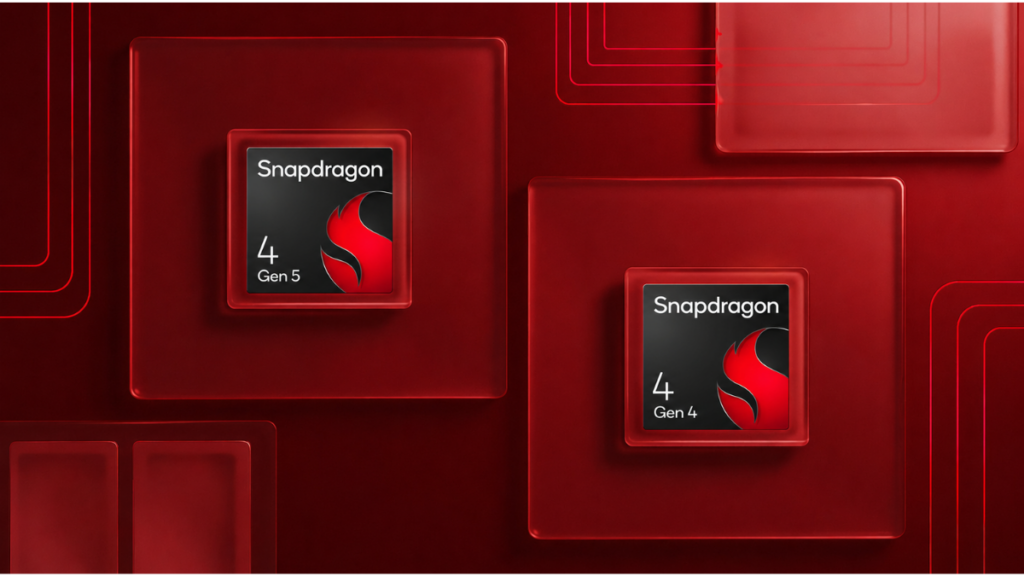
Best Snapdragon budget chipsets

Snapdragon 4 Gen 5 – Smooth everday performance and reliable connectivity

Best for: People looking for reliable performance and modern connectivity.

The Snapdragon 4 Gen 5 is a budget-segment chip that meets all basic needs. The octa-core CPU and Snapdragon Smooth Motion UI ensure every scroll, toggle, and app opening feels smooth and responsive. You can do light gaming at basic graphics settings as well, but long gaming sessions may start to show the chip’s limitations.

The 4 Gen 5 is the first in the series to feature a Release 17 5G modem for reliable connectivity, while the Smart Network Select 3.0 feature dynamically finds the strongest available signal. The chip supports Dual SIM Dual Active (DSDA), Qualcomm Quick Charge 5, LPDDR4X RAM, and UFS 3.1 storage.

Snapdragon 4 Gen 4 – Reliable speed, efficiency, and connectivity for entry-level phones

Best for: Those seeking optimal performance in day-to-day apps and reliable connectivity.

The Snapdragon 4 Gen 4 is a slightly scaled-down version of the 4 Gen 5 that’s going to be easier on your pockets. It features the same CPU configurations but slightly reduced speeds on two performance cores, which doesn’t make a significant difference.

Surprisingly, the 4 Gen 4 offers LPDDR5 storage at 3.2 GHz speed, which is faster than LPDDR4X at 2.13 GHz. The connectivity stack includes a 5G modem, Wi-Fi 5, and Bluetooth 5.1.

Snapdragon 4 Gen 5Snapdragon 4 Gen 4
AnnouncedMay 2026December 2025
Process node4nm (Samsung)4nm (Samsung)
CPU2 x 2.4 GHz — Cortex-A78
6 x 2 GHz — Cortex-A55
2 x 2.3 GHz — Cortex-A78
6 x 2 GHz — Cortex-A55
GPUAdreno GPUAdreno 613
NPUYesYes
MemoryLPDDR4X
Up to 2.1 GHz
LPDDR5
Up to 3.2 GHz
StorageUFS 2.2, UFS 3.1UFS 2.2, UFS 3.1
CameraQualcomm Spectra Dual ISP (12-bit)
Up to 108MP single camera
4K/30fps video recording
Qualcomm Spectra Dual ISP (12-bit)
Up to 200MP single camera
1080p/60fps video recording
ConnectivitySnapdragon 5G modem
Download speed: 2.8 Gbps (peak)
Upload speed: 0.9 Gbps (peak)
Wi-Fi 5
Bluetooth 5.1
Snapdragon 5G modem
Download speed: 2.5 Gbps (peak)
Upload speed: 0.9 Gbps (peak)
Wi-Fi 5
Bluetooth 5.1

New Mac Mini Lineup: What You Get With M6 vs M5 Pro

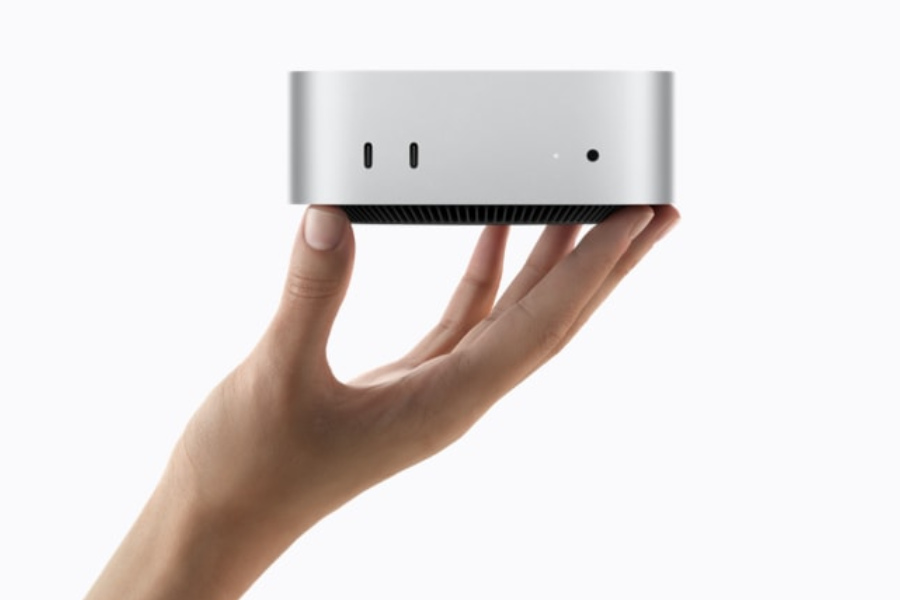
Apple has announced its latest Mac mini, and this time there are two versions to pick from. One runs the new M6 chip, the other carries over the M5 Pro chip that’s already in the latest MacBook Pro lineup. Both keep the small size Apple settled on with the M4 redesign, so the shape hasn’t changed, just what’s inside it.

Apple Mac mini M6 and M5 Pro

Apple Mac mini M6 / M5 Pro Specifications

The M6 model is the one most buyers will end up with. Apple says the AI performance is up to 4x faster than the M4, storage and graphics up to 2x faster, and CPU speed up 40%. The chip has a 12-core CPU, two more cores than before, and Apple says it’s the fastest single-threaded chip available right now. 

The GPU also moves to 12 cores, and each core now has its own neural accelerator built in — the first time Apple has done that on a Mac mini. If you run something like LM Studio locally, Apple’s numbers put first-response times at nearly 5x faster than the M4. The M6 model starts at 16GB and is upgradeable to 32GB, with bandwidth up to 170GB/s.

For heavier workloads, there’s the M5 Pro option. It goes up to an 18-core CPU and 20-core GPU, with the same per-core neural accelerators for AI tasks. It’s configurable up to 64GB of memory and 307GB/s of bandwidth, which is what lets you run larger local AI models or work with ProRes RAW footage without things slowing down. 

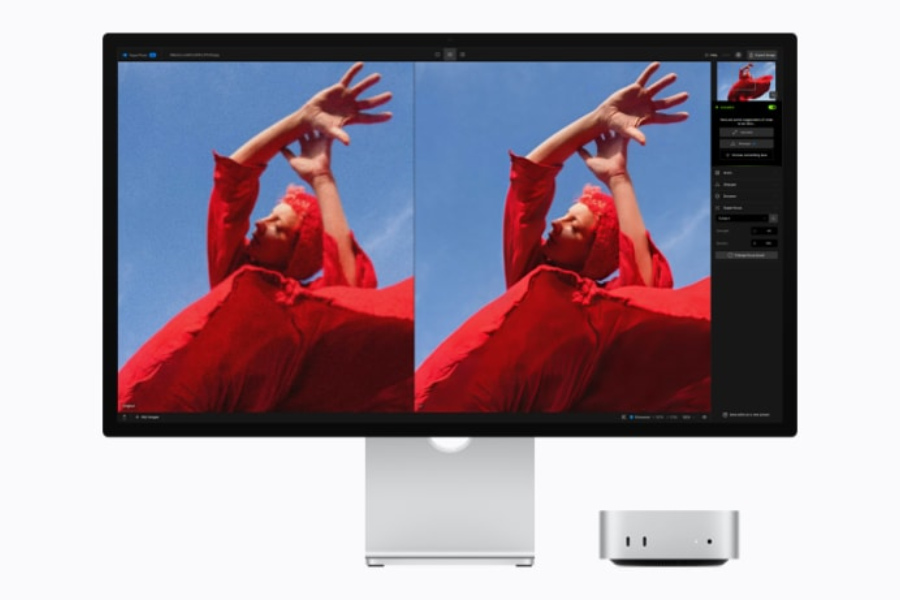
Apple Mac mini M5 Pro

Apple’s own numbers show Blender ray-traced rendering up to 4.5x faster than an M2 Pro Mac mini, and Affinity image processing over 2x faster than that same machine. 

Both models add Wi-Fi 7, Bluetooth 6, and a 2.5 Gb Ethernet port that can run up to 10 Gb. Up front, there are two USB-C ports and a headphone jack. On the back, the M6 model has three Thunderbolt 4 ports, while the M5 Pro model gets three Thunderbolt 5 ports, along with HDMI and Ethernet on both. 

🔌 You’ll NeedWith just two front USB-C ports, a hub adds the extra connections most Mac mini setups need. Check USB-C hub price on Amazon →

The new Mac mini ships with macOS 27, which brings faster AirDrop transfers, quicker Safari loading, and a rebuilt search system behind Spotlight, Photos, and Mail. On the build itself, the casing is 100% recycled aluminum, and the magnets use fully recycled rare earth elements, part of an overall design that’s now 50% recycled materials.

Pricing and Avaibility

The new Mac mini starts at $899 for the M6 model and $1699 for the M5 Pro model. Pre-orders are already open through apple.com or the Apple Store app, with sales starting September 22 in 30 countries and regions.

Don’t miss a thing! Join our Telegram community for instant updates and grab our free daily newsletter for the best tech stories!

For more daily updates, please visit our News Section.

This $25 Xiaomi winter heater warms up in just 3 seconds

Xiaomi wants you ready for this year’s winter early. The company just launched the Mijia Graphene Heater C on its Youpin platform, and it’s heading into crowdfunding on September 2 at 179 yuan (~ $25).

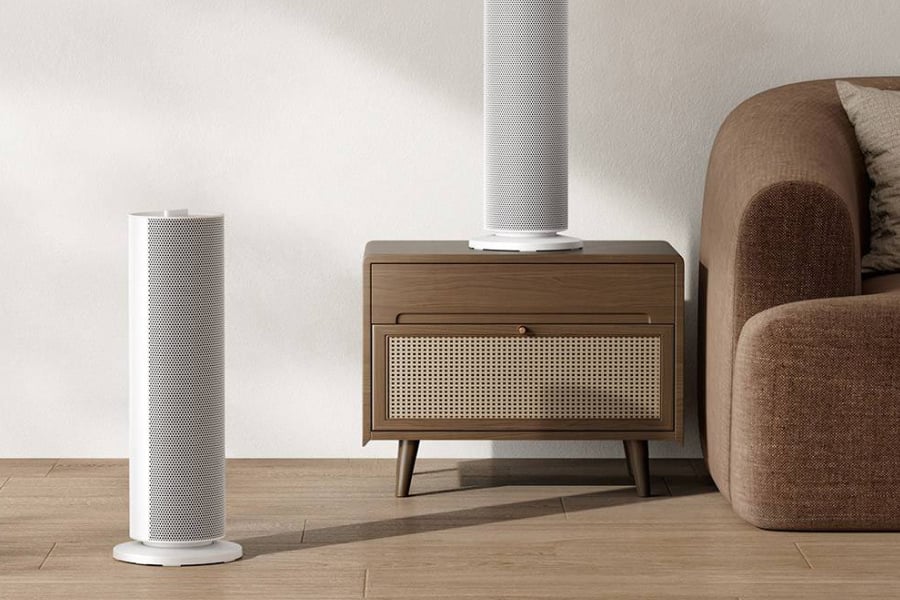
The design follows the same minimalist white look you’ll recognize from other Mijia products. The heater measures 175 x 175 x 472mm and weighs about 1.65kg, so you can carry it around without much effort. 

Mijia Graphene Heater C Launch Specs Price

Mijia Graphene Heater C Specifications

It has a knob on top for adjusting the temperature, and a hidden handle on the back lets you move it between the counter and the floor whenever you need warmth in a different spot.

You get 80-degree oscillation, so the heater swings left and right to spread warm air across the room. Xiaomi built a large curved outlet into the front, paired with a micro-perforated mesh, to soften the airflow and distribute it more evenly rather than sending out one concentrated stream.

Mijia Graphene Heater C Specifications

Inside, the heater relies on graphene material and a high-torque DC fan. That combination gets it to full heat in just 3 seconds, and it also puts out far-infrared light waves alongside the warm air. You can switch between two power settings, 2000W and 1200W, depending on how quickly you want the room to warm up or how much energy you want to use. At the higher setting, the room should feel noticeably warmer within 10 minutes.

This isn’t Xiaomi’s first heater to go through Youpin this year. The company recently put a gas water heater through the same crowdfunding process, and it’s been steadily filling out its home appliance lineup with similar launches, including a rice cooker just a day before this heater’s announcement.

For now, the Mijia Graphene Heater C is only confirmed for the Chinese market, so anyone outside China will need to wait and see if Xiaomi brings it further afield once crowdfunding wraps up.

Don’t miss a thing! Join our Telegram community for instant updates and grab our free daily newsletter for the best tech stories!

For more daily updates, please visit our News Section.

(Source)

Oppo Find X10 series will use Tianma’s new screen to cut blue light exposure

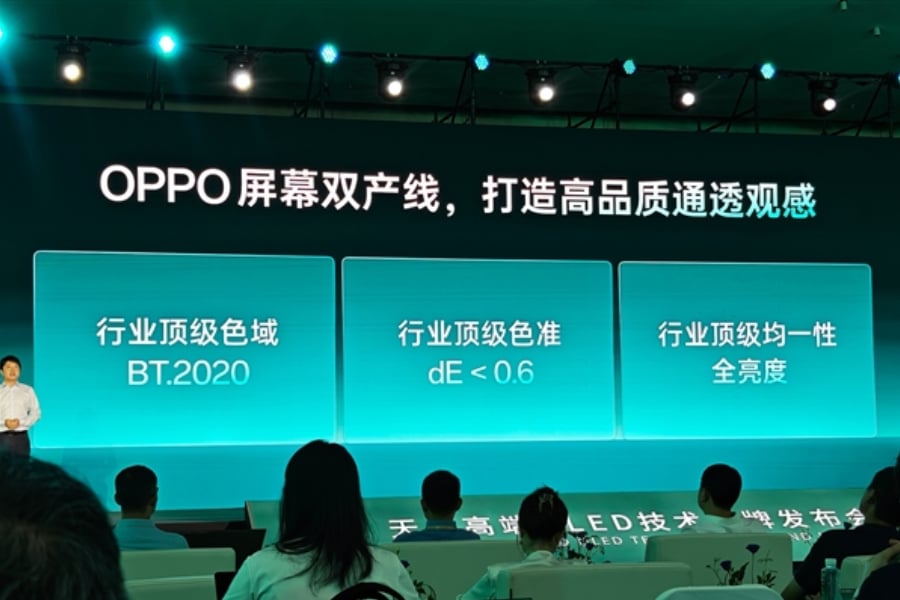
Oppo’s upcoming Find X10 series will use Tianma’s new Tiangong Screen 2.0, a high-end OLED panel that puts more emphasis on eye comfort and low-brightness performance. The second-generation OLED panel was unveiled today at Tianma’s OLED technology event in Xiamen. 

The main change with the new screen is in the OLED materials themselves. Tiangong Screen 2.0 uses a new primary-color light-emitting material, which Tianma calls N1 primary-color spectrum material.

The company has made changes to the blue, green, and red parts of the OLED spectrum. For blue, it uses NFB fluorescent blue technology, which is designed to improve efficiency while reducing harmful blue light. Tianma says this increases luminous efficiency by 16% and extends the material’s lifespan by 33%.

Oppo Find X10 display RGB layout

For green, the panel uses PSF phosphorescence technology. Tianma says this improves luminous efficiency by 11% and increases the green color gamut by 6.7%.

The red component uses DRT deep red light technology. Tianma says it tested nearly 100 deep red light materials and carried out almost 700 sets of comparisons during development. The result is a higher proportion of deep red light in the panel’s output.

Together, these changes also alter the screen’s light spectrum. Tianma says harmful blue light makes up just 3.7% of the spectrum, while deep red light in the 650nm to 670nm range reaches 5.5%.

Color gamut and low-light 

The panel also offers native 95% coverage of the BT.2020 color gamut and a Delta E of below 0.6, targeting accurate and natural color reproduction. Tianma says brightness uniformity has also been improved, particularly at low brightness levels.

For low-light viewing, Tiangong Screen 2.0 uses Tianma’s AI De-Mura algorithm. The company says it improves low-brightness uniformity by 30% and allows the screen to reach as low as 0.01 nits while maintaining better brightness and color consistency.

Tianma has also worked on the panel’s TFT backplane to improve uniformity. The company claims the new screen has a 30% longer lifespan than the previous generation.

The display builds on Oppo’s work with low-brightness screens. The Find X9 series introduced a 1-nit low-light display, while the Find X10 series will bring the newer Tiangong Screen 2.0 technology.

The Find X10 series is expected to launch in September. Oppo has yet to reveal the full display specifications, including the screen size, resolution, refresh rate, and peak brightness.

Don’t miss a thing! Join our Telegram community for instant updates and grab our free daily newsletter for the best tech stories!

For more daily updates, please visit our News Section.

(Source 1, 2)

Xiaomi 18 Fold first real-life images leak, revealing design

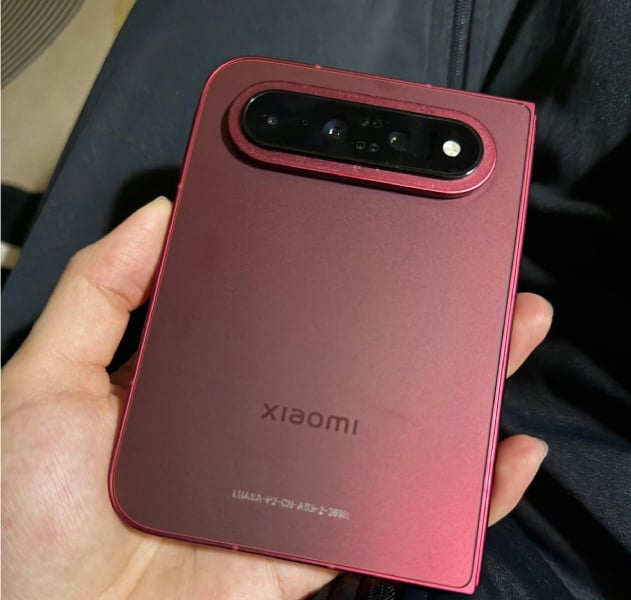
New photos claiming to show the Xiaomi 18 Fold have started circulating online, and they look similar to a phone Xiaomi CEO Lei Jun was seen holding earlier this week.

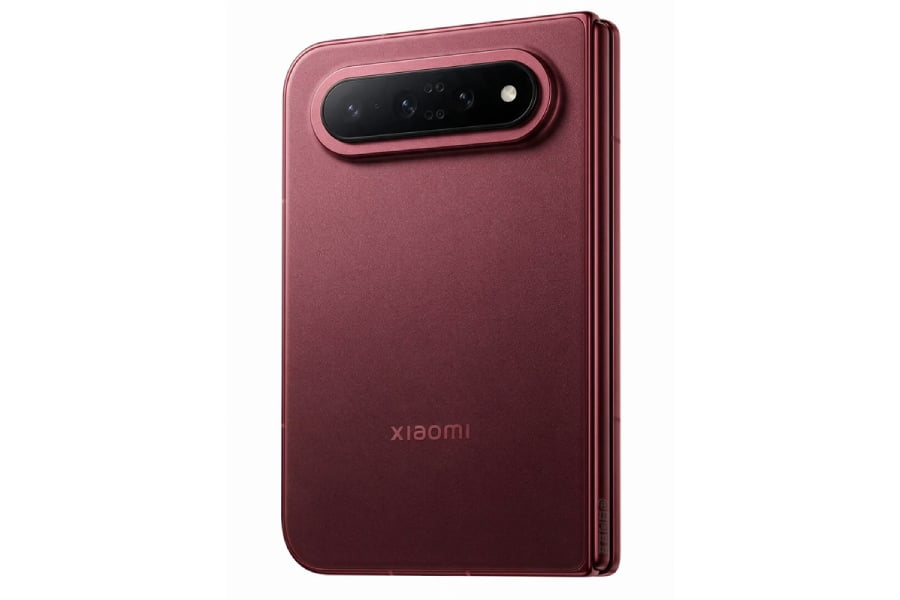
The phone in the photos wears the same Red finish that Redmi picked for the K100 Pro Max. The rear camera module stretches horizontally across the top of the phone and houses three lenses and an LED flash. The leaked images also give us a better idea of the phone’s thickness.

Xiaomi has already confirmed that the 18 Fold will launch in September. It will also be the first phone to use the company’s own XRING O3 chip. Xiaomi CEO Lei Jun previously confirmed the phone as part of the company’s busy September launch schedule.

XRING O3 at the core

The XRING O3 has already attracted plenty of attention. It reportedly scored 5.22 million points on AnTuTu, making it the first mobile chip to cross the 5-million mark.

The processor uses a 10-core CPU design, with all of the cores classified as big cores instead of combining big and smaller efficiency cores. Xiaomi says the chip crossed 15,000 points in multi-core testing, which is a 60% improvement over last year’s chip.

Graphics performance is handled by the new G2-Ultra NX GPU, which is also a first for Xiaomi. The company claims it delivers an 85% increase in graphics performance while using 64% less energy.

Xiaomi 18 Fold design leaks

The XRING O3 is also the first mobile chip to support LPDDR6 memory. This pushes memory bandwidth to 113.8GB/s, around 48% higher than the previous XRING O1.

Xiaomi has also built the chip around what it calls a unified fusion bus architecture and top-tier metal wiring. According to the company, this brings static latency down to 82ns. While those numbers mainly matter in benchmarks, the lower latency should also help the phone feel more responsive in everyday use.

Don’t miss a thing! Join our Telegram community for instant updates and grab our free daily newsletter for the best tech stories!

For more daily updates, please visit our News Section.

(Source)

Qualcomm confirms Snapdragon 8 Elite Gen 6 hits 5GHz

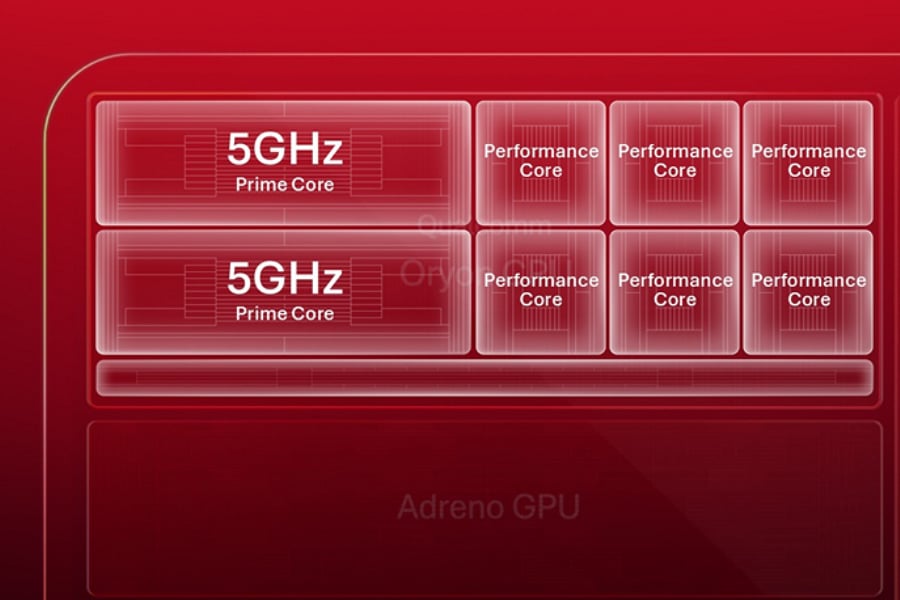
Qualcomm has started revealing details about its next flagship mobile chip, and its first highlight is the 5GHz clock speed. In a blog post published yesterday, the company confirmed that the new Oryon CPU inside its upcoming Snapdragon 8 series flagship platform will reach up to 5GHz, making it the first mobile CPU to reach that mark.

Qualcomm is calling the new Oryon CPU “the world’s fastest mobile CPU,” with two key features behind that claim: its 5GHz clock speed and a new cache design called FlexCache.

Snapdragon 8 Elite Gen 6 5GHz

Qualcomm says reaching 5GHz isn’t simply a result of using a smaller manufacturing process. The company designed the CPU architecture in-house, with each core running on its own clock domain. This allows individual cores to speed up or slow down independently instead of having all cores run at the same speed.

Qualcomm uses a similar approach in its Snapdragon X2 laptop chips, which also clock up to 5GHz. The company is now bringing that design to smartphones.

Clock speed is only one part of CPU performance, though. Combined with strong IPC, a higher clock speed can help apps open faster, make browsing feel smoother, and keep up with demanding tasks such as gaming and video editing. The CPU also plays an important role in AI agents, handling the scheduling and coordination needed to run multiple tasks.

Snapdragon 8 Elite Gen 6 series to have new FlexCache 

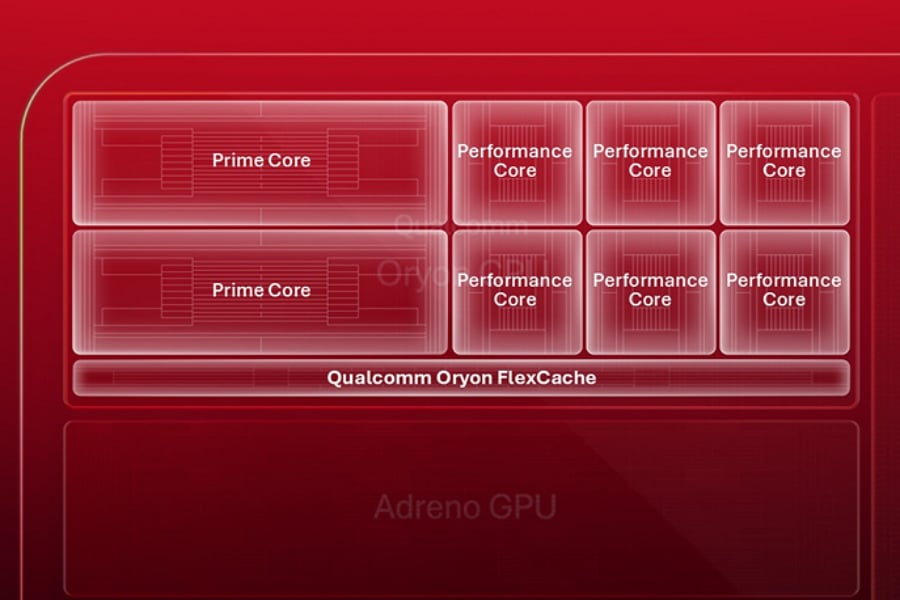
The other major change is FlexCache. According to Qualcomm, the new Oryon CPU uses a two-level cache design. Each core gets its own large L1 instruction cache, while an L2 cache sits directly inside the CPU for faster access.

FlexCache then pools the L2 cache into a shared space that all CPU cores can access. Instead of each core being stuck with its own fixed portion of cache, the system can move resources around depending on what each core needs.

Snapdrgaon 8 Elite Gen 6 Flexcache

Qualcomm says this could be especially useful at a time when the entire industry is dealing with memory shortages. Keeping more data in the CPU cache means the processor doesn’t have to reach out to system memory as often.

The company points to several situations where FlexCache could make a difference. AI agents running several steps across different CPU cores can keep data in the shared cache instead of loading it again. Games could benefit from more consistent frame rates and fewer drops. Switching between apps could also feel faster because tasks can access data that is already sitting in the cache.

Video editing is another example. Tasks such as decoding, applying effects, and exporting can move between different CPU cores. With shared cache access, those tasks can pass data between cores more efficiently instead of relying as heavily on the interconnect bus.

For now, Qualcomm is only talking about the CPU. The company says it will reveal GPU and NPU details in upcoming posts.

Don’t miss a thing! Join our Telegram community for instant updates and grab our free daily newsletter for the best tech stories!

For more daily updates, please visit our News Section.

Samsung Galaxy S27 Ultra looks nothing like its predecessor in latest renders

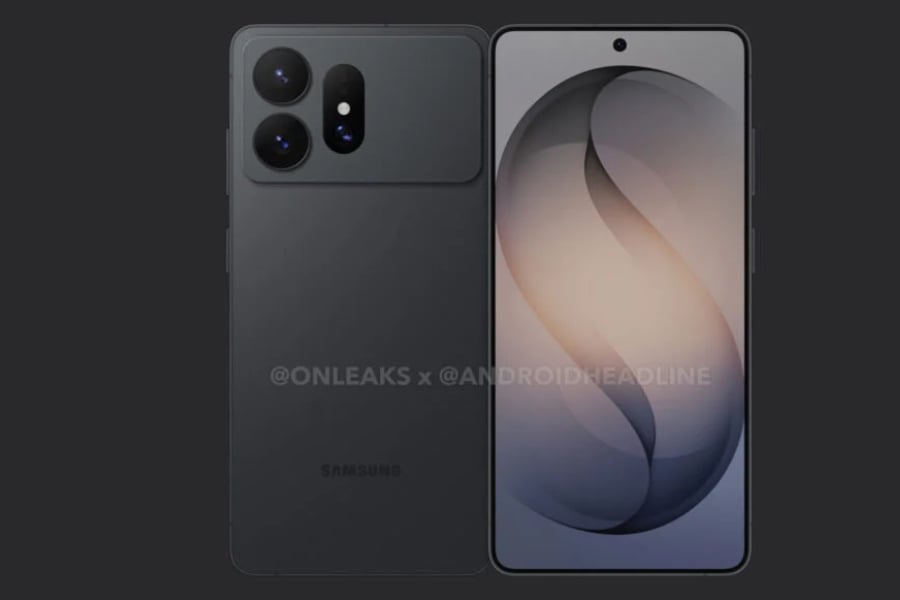
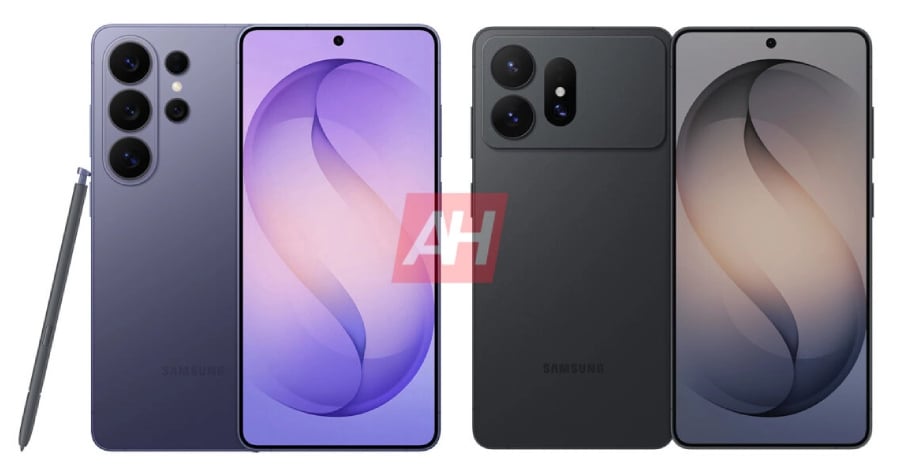
Samsung‘s camera design has remained largely untouched for years, but that streak appears to be ending with the Galaxy S27 Ultra. Fresh CAD renders from leaker OnLeaks show that the next Samsung Ultra will borrow more from Apple than we expect it to.  

As you can see, the device now has a camera plateau similar to the iPhone’s, but it complements the device’s boxier design. The camera lens stays on the left, with two distinct cutouts and one in a pill-shaped design which also has an LED. 

The leak follows up on renders Ice Universe posted for both the Ultra and the Galaxy S27 Pro last weekend.

On size, the leaked dimensions land around 163.7 x 78.2 x 8 mm, barely different from last year’s model, growing to 12.53 mm once you count the raised camera housing. Samsung is keeping the S Pen slot intact here too, something the smaller Galaxy S27 Pro reportedly won’t get.

What’s changing?

As you may have noticed, the S27 Ultra gives up on one camera sensor in the rear. Rather than keeping the 3x telephoto camera, which has relied on the same dated 10-megapixel sensor for a while now, Samsung is expected to lean on a 200-megapixel main sensor (rumored as the ISOCELL HP6) to cover 3x to 5x zoom ranges, paired with the same 5x periscope lens that’s already on the Galaxy S26 Ultra.

Processor-wise, expect the usual regional split. Markets outside Korea should get the Snapdragon 8 Elite Extreme Gen 6, while the Exynos 2700 is tipped for select regions and the standard Galaxy S27 lineup. A bigger 5,700 mAh battery is also on the table, though that’s likely to come at a cost, with pricing expected to climb too.

Don’t miss a thing! Join our Telegram community for instant updates and grab our free daily newsletter for the best tech stories!

For more daily updates, please visit our News Section.

(Source)

Vivo X500 Pro Max and X500 Pro periscope telephoto camera details revealed well before launch

Vivo recently confirmed that the X500 series will launch in China in September. The lineup includes three models: the X500, X500 Pro, and X500 Pro Max. With only a couple of weeks remaining before the launch, the brand’s product manager has been revealing details about the X500 Pro models’ camera capabilities. Today, he shared two posters confirming the periscope telephoto camera specifications for the Vivo X500 Pro and X500 Pro Max.

Vivo X500 Pro Max takes telephoto zoom to the next level

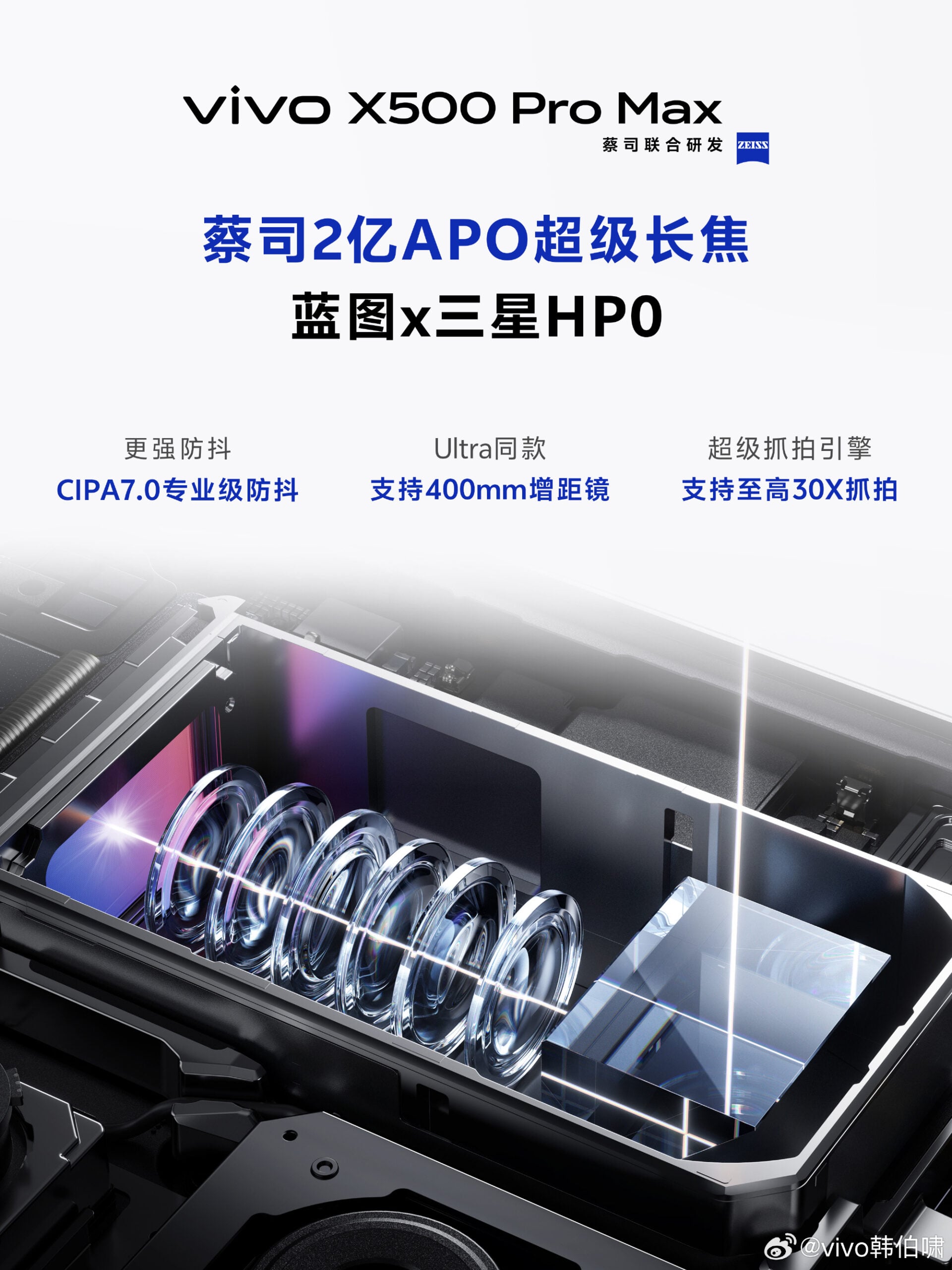
The Vivo X500 Pro Max will feature a 200-megapixel Zeiss APO super telephoto camera. It uses the same 1/1.4-inch BluePrint and Samsung HP0 sensor combination as the Vivo X300 Ultrah, along with hardware-based 4x ISZ technology. This is important because the high-resolution sensor can support two stages of lossless zoom while retaining the detail expected from a 200-megapixel telephoto camera.

The setup is also designed to extend the phone’s reach with a 400mm telephoto extender, making it particularly well-suited to distant subjects such as concert performances, sporting events, and birds. Vivo is pairing the camera with CIPA 7.0-rated professional stabilization and a Super Capture Engine that supports up to 30x capture. The company says the system is designed to freeze fast-moving moments, including performers onstage and rapidly moving pets.

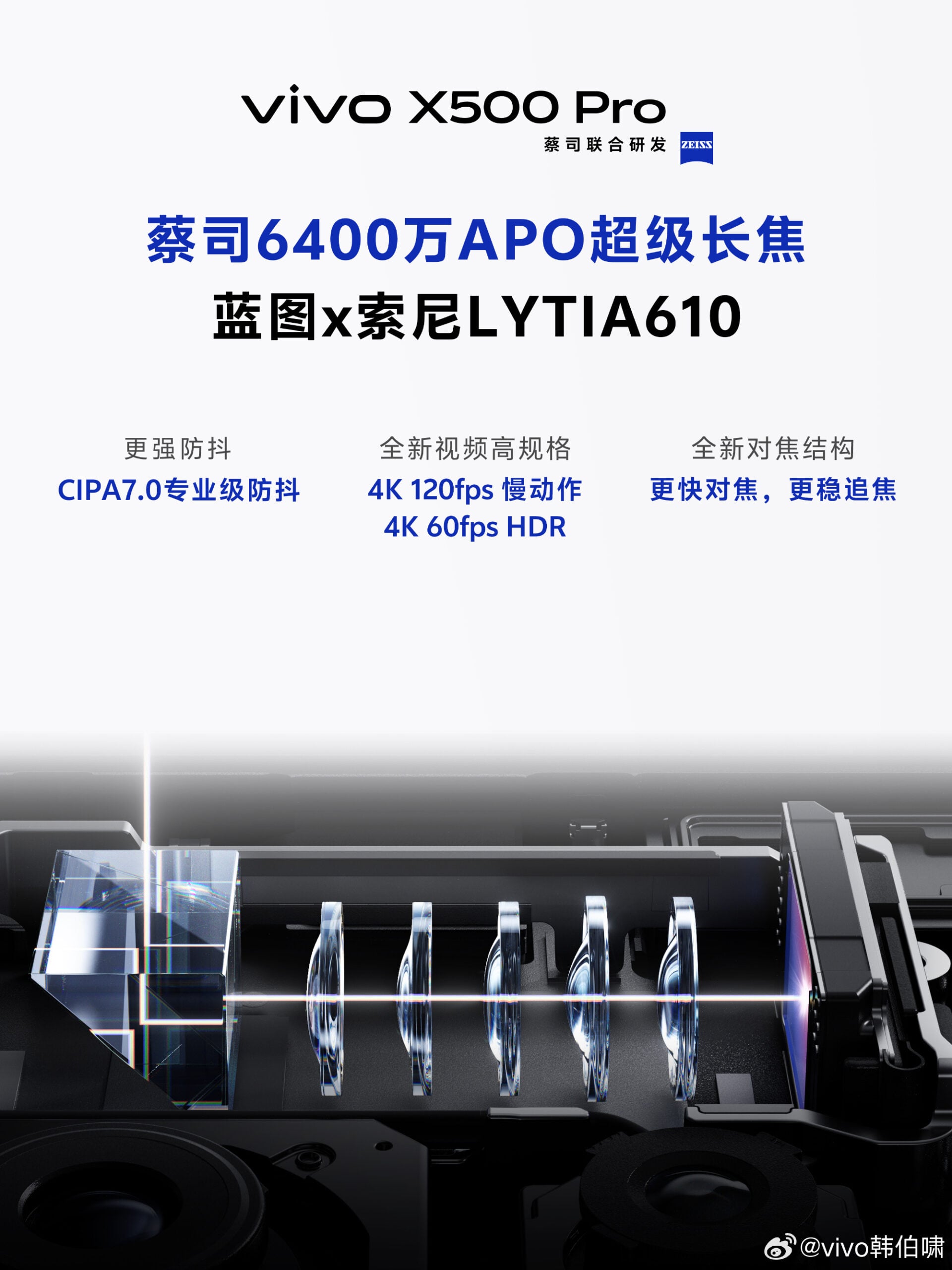
The Vivo X500 Pro will take a different approach with a newly designed 85mm Zeiss 64-megapixel APO super telephoto camera. Its BluePrint and Sony LYTIA 610 sensor use an unusual GG 1×1 and RB 2×2 pixel structure. The design is intended to combine the resolving power of a 1×1 arrangement with the focusing performance of a 2×2 configuration.

Vivo says its updated telephoto lens design builds on the APO technology used in the Vivo X100 Pro while addressing the size limitations of that earlier implementation. The 85mm focal length and full 64-megapixel resolution also provide additional room for digital cropping. The camera supports CIPA 7.0 stabilization, improved telephoto autofocus and tracking, 4K 120fps slow-motion recording, and 4K 60fps HDR video output.

With the X500 Pro Max and X500 Pro taking different approaches to long-range imaging, Vivo appears to be putting considerable emphasis on telephoto performance this generation.

What do you think of these camera upgrades, and which telephoto setup would you choose?

For more daily updates, please visit our News Section.

Stay ahead in tech! Join our Telegram community and sign up for our daily newsletter of top stories!

Timex launches a new fall-themed Peanuts Waterbury Classic watch

Timex has released a new fall-themed addition to its ongoing Peanuts collaboration. The latest model is a modified version of the company’s standard Waterbury Classic, featuring seasonal dial artwork of Snoopy jumping into a pile of autumn leaves. It is available now on the Timex US website for $189.

Timex Peanuts Waterbury Classic watch

Design Details

The watch shares the same core specifications as the standard 40mm Waterbury Classic. The case is made of polished silver-tone stainless steel, measuring 40mm in diameter, 11mm thick, and 46mm lug-to-lug.

This sizing makes it a fairly standard fit for a wide variety of wrist sizes, avoiding the oversized dimensions found on some modern analog watches. It uses a standard battery-powered quartz analog movement, specifically running on a replaceable SR626SW watch battery, and features a flat mineral crystal over the dial to provide basic scratch resistance for daily wear.

Timex Peanuts Waterbury Classic watch

The dial itself is white with full Arabic numerals for the hour markers. To help with visibility in low light, Timex has included a luminant in-fill on the hour and minute hands. Aside from the dial artwork, the other main Peanuts branding is found on the back of the watch, where the stainless steel caseback features an engraved illustration of the wider Peanuts cast.

For the strap, Timex includes a 20mm black leather band with a standard buckle and quick-release spring bars, allowing easy swaps with other 20mm straps. It fits wrists measuring 150mm to 205mm (5.9 to 8.1 inches).

Timex Peanuts Waterbury Classic watch

The watch is rated for 50 meters of water resistance. While that rating means it can survive rain, splashes, or light swimming, it isn’t designed for diving or high-pressure water activities.

In related news, Casio has recently launched a new G-Shock watch in the US with heart-rate tracking, solar charging, and tide forecasts, along with a new Pro Trek model featuring a glowing dial, solar charging, and a carabiner attachment.

For more daily updates, please visit our News Section.

Stay ahead in tech! Join our Telegram community and sign up for our daily newsletter of top stories!

(Timex)

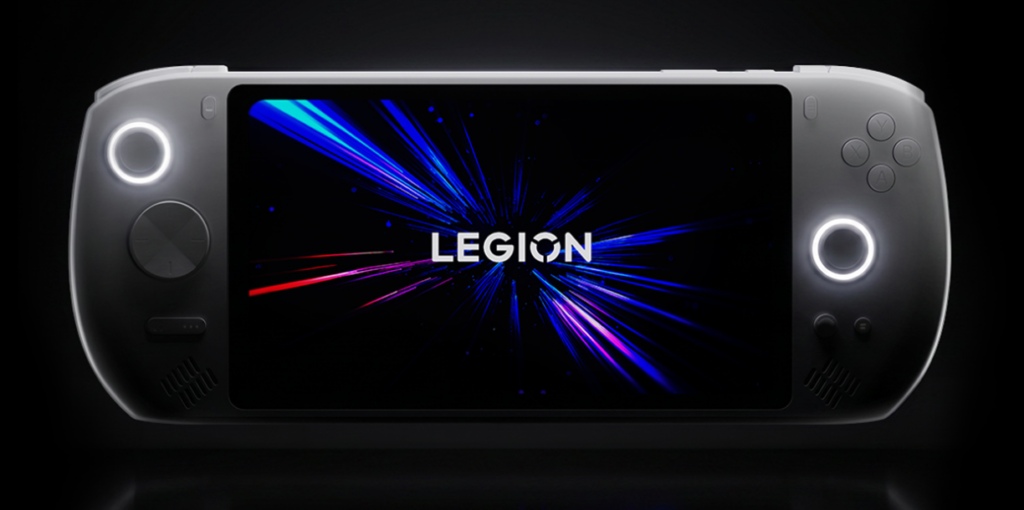
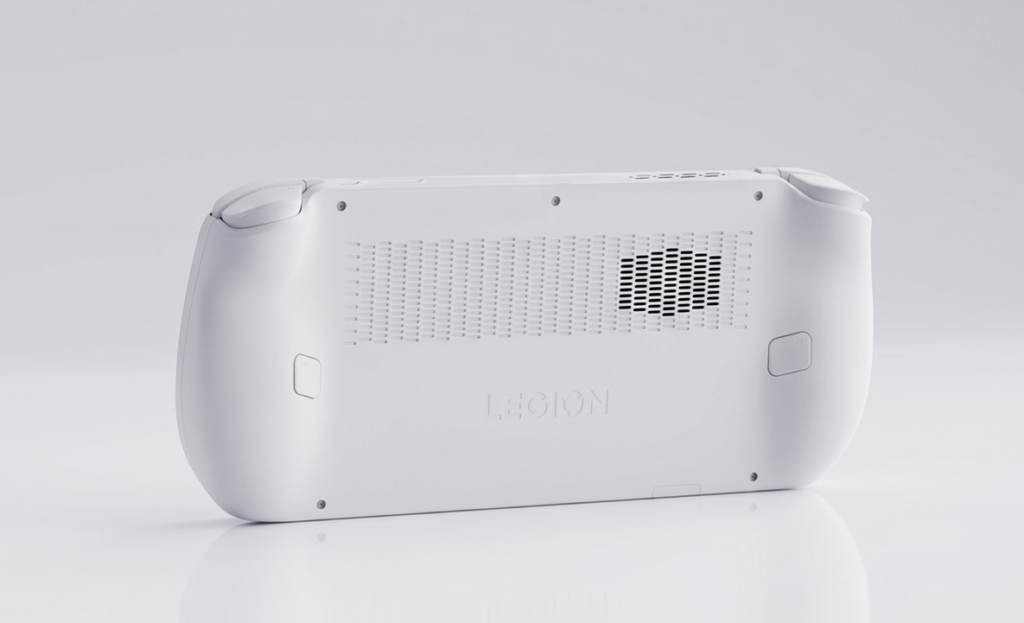
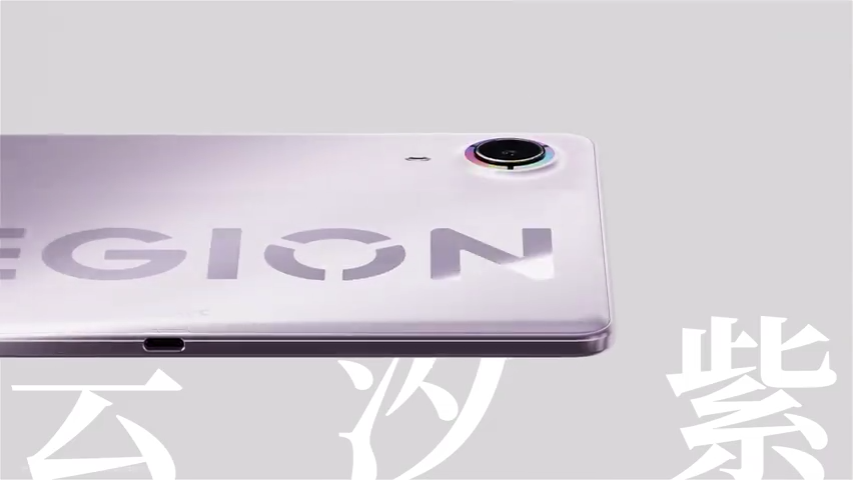
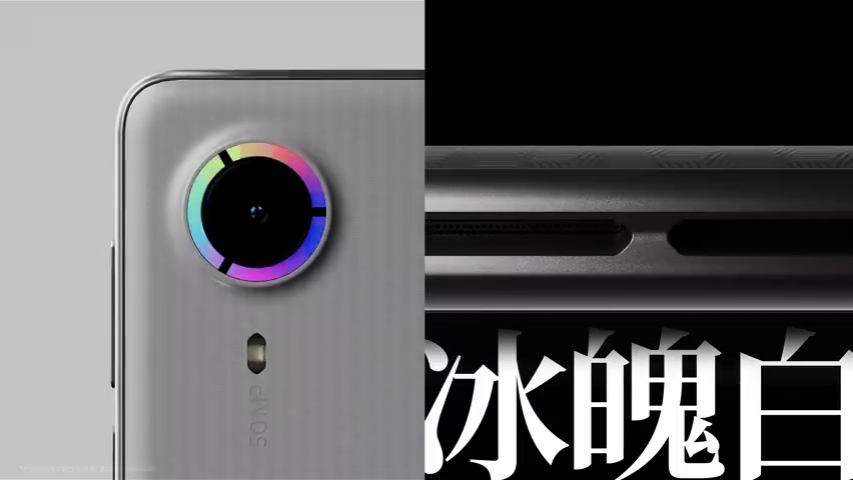
Lenovo launches Legion C700 cloud gaming handheld with 120Hz display & TMR joysticks

Lenovo has announced the Legion Cloud Gaming Handheld C700, a new Android-based device designed specifically for cloud gaming and local PC streaming. The handheld is priced at 2,199 yuan ($327), with an early promotional price of 1,999 yuan ($297), and will be available starting September 8.

Lenovo Legion C700 Android gaming handheld

Lenovo Legion C700 Handheld Specifications

The C700 features a 7.82-inch IPS LCD screen with a 1920 x 1080 resolution and a standard 16:9 aspect ratio. It includes a 120Hz refresh rate, a 180Hz touch sampling rate, and a peak brightness of 500 nits.

Because it relies on streaming rather than processing heavy PC games locally, Lenovo was able to keep the device relatively compact. It measures 14.9mm thick and weighs 556 grams, making it nearly 300 grams lighter than standard Windows-based gaming handhelds.

Lenovo Legion C700 Android gaming handheld

Inside, the handheld operates on a MediaTek Dimensity 7400 processor. Buyers can choose between configurations with 6GB of RAM and 128GB of storage or 8GB of RAM and 256GB of storage, both of which support microSD expansion.

🔌 You’ll NeedStorage tops out at 256GB, but microSD expansion lets you add room for more streamed game caches. Check 256GB microSD card price on Amazon →

It is powered by an 8,000mAh battery that charges via a USB 2.0 Type-C port. Lenovo says the battery can last up to nine hours during streaming, though actual battery life will vary based on screen brightness, volume, and network conditions. The device also includes an active cooling fan to manage internal temperatures.

Lenovo Legion C700 Android gaming handheld

For inputs, Lenovo is using an Xbox-style layout. The C700 includes TMR magnetic-resistance joysticks with RGB lighting rings and Hall-effect linear triggers. Alongside the standard ABXY face buttons and an eight-way D-pad, the device features additional customizable rear and shoulder buttons (LC1/RC1 and LC/RC) for mapping complex controls. It also includes dual rotor motors for vibration feedback and a six-axis gyroscope.

Lenovo Legion C700 Android gaming handheld

The handheld runs on Android 16 and connects via Wi-Fi 6E and Bluetooth 5.3. The inclusion of Wi-Fi 6E allows the device to use the 6GHz band, which generally provides a more stable connection for streaming.

It natively supports Tencent Start Cloud Gaming and Lenovo’s own Legion Stream software for playing games from a local PC. Lenovo says that under optimal network conditions, end-to-end latency can be kept under 10ms, allowing it to handle titles like Black Myth: Wukong at 60fps via the cloud.

Lenovo Legion C700 Android gaming handheld

The software interface includes a quick-access menu that lets users adjust controller mapping, analog sensitivity, fan speed, and screen refresh rates without exiting their current game. The Legion C700 will be available in a single Ice Soul White color option.

In related news, check out our roundup of the best Windows laptops for work and productivity in 2026.

For more daily updates, please visit our News Section.

Stay ahead in tech! Join our Telegram community and sign up for our daily newsletter of top stories!

(Lenovo)

Xiaomi’s Xring O3 impresses in early benchmark tests, scores 15,086 in Geekbench multi-core

Xiaomi just officially unveiled its latest flagship mobile chipset, the Xring O3, and the early independent tests are already making headlines. Building on last year’s solid Xring O1, this new processor is getting a lot of attention for packing strong performance with better efficiency.

According to tests from Chinese outlet Xiaobai’s Tech Reviews (run on what looks like a reference design), the Xring O3 scores 3,854 in Geekbench single-core. That’s roughly in the same ballpark as the Snapdragon 8 Elite Gen 5 and Apple’s A19 Pro, and about 25% better than the previous Xring O1.

The multi-core numbers are even more eye-catching. Its 10-core CPU hits 15,086 points, well clear of the highest Snapdragon 8 Elite Gen 5 scores seen in similar tests (which stayed under 12,000 on devices like the iQOO 15 Ultra). That’s roughly a 55% jump over the Xring O1. And it’s doing all this while being more power-efficient than Qualcomm’s current top silicon.

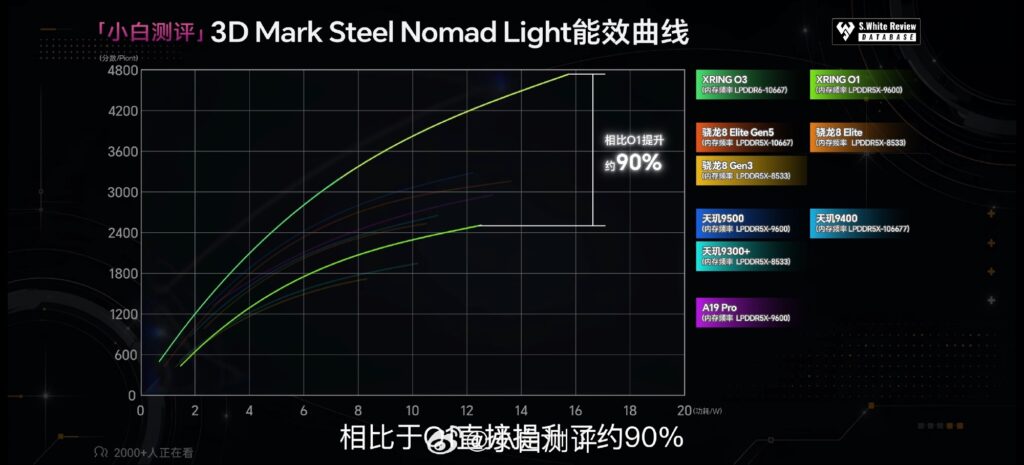
Graphics performance follows the same trend. In 3DMark’s Steel Nomad Light test, the Xring O3 comes in more than 40% higher than current flagship chipsets and up to 90% higher than last year’s Xring O1. Again, the gains come with better efficiency on a performance-per-watt basis.

What’s especially interesting is that the Xring O3 is built on TSMC’s N3P process, not the newer N2 node that Qualcomm, Apple, and MediaTek are expected to use for their next flagships. Even so, the early data suggests Xiaomi’s chip is in a good position to compete with those upcoming designs. Xiaomi has confirmed the Xring O3 will power devices including the Xiaomi 18 Fold and the Pad 9 Pro Max.

It’s worth keeping in mind that these benchmarks were run on a prototype or reference platform, so they could reflect optimistic conditions. Real-world performance in actual shipping phones will depend on cooling, sustained power limits, and software tuning. Still, the early numbers look promising for Xiaomi’s second-generation custom silicon.

Don’t miss a thing! Join our Telegram community for instant updates and grab our free daily newsletter for the best tech stories!

For more daily updates, please visit our News Section.

(Source)

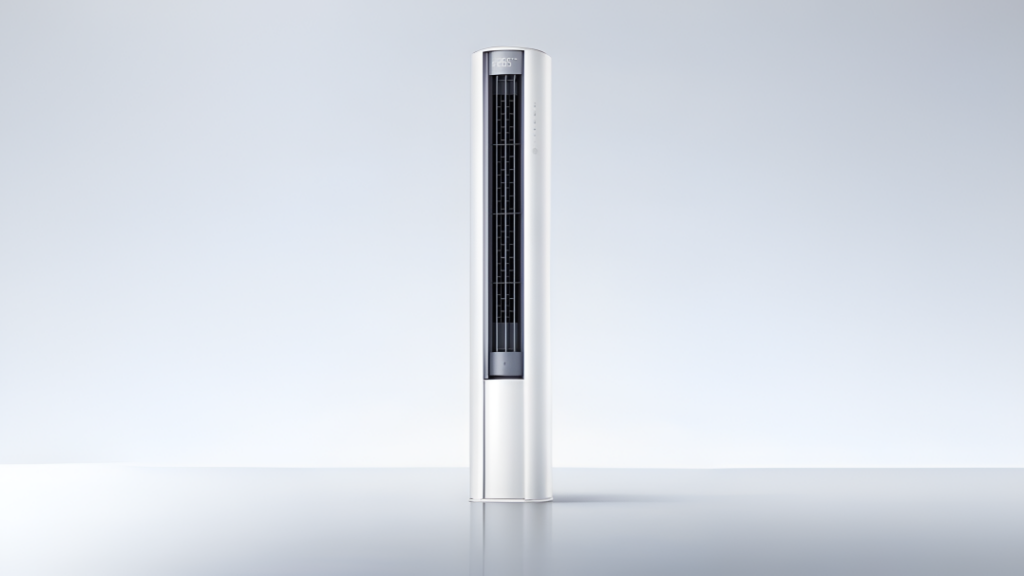
Xiaomi launches new floor-standing air conditioner with rapid cooling & heating, AI energy saving

Xiaomi has released a new floor-standing air conditioner in China. The Mijia Air Conditioner Giant Energy-Saving Floor-Standing 5HP is currently available on JD.com for 7,999 yuan (around $1,190).

Xiaomi 5HP floor-standing air conditioner

Mijia Floor-Standing 5HP AC Specifications

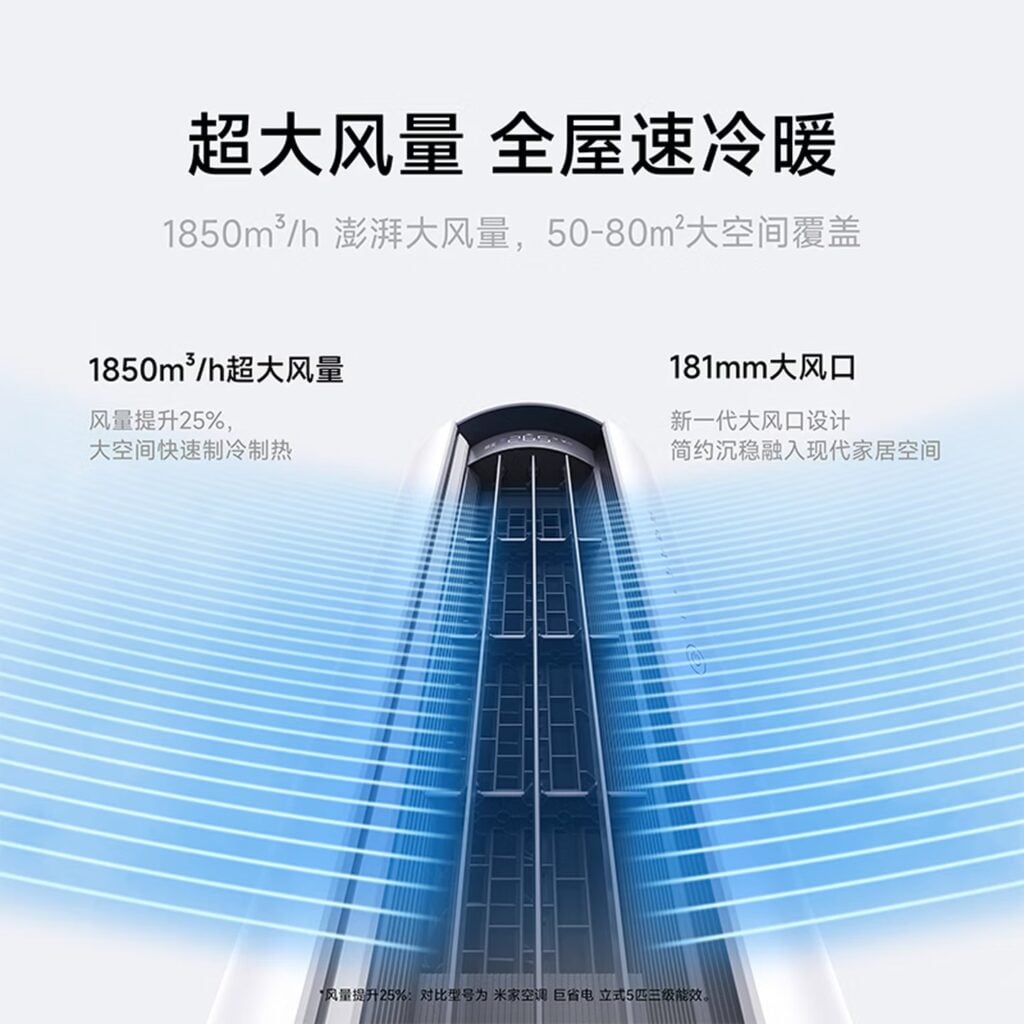
It is designed for large spaces, specifically rooms between 50 and 80 square meters, making it an option for both homes and small commercial areas. Inside, the system is powered by a 38.6cc displacement compressor. Xiaomi paired this with a dual-row condenser and a dual-row evaporator.

The unit provides a maximum cooling capacity of 13,200W and a maximum heating capacity of 17,250W. To help adjust room temperatures quickly, the system supports 30-second rapid cooling and 60-second rapid heating. It does not use auxiliary electric heating at all. Instead, it relies entirely on its heat pump, which is built to function in outside temperatures ranging from -35°C to 65°C.

To circulate air, the indoor unit is equipped with a 120mm fan wheel. It can push up to 1,850 cubic meters of air per hour through a 181mm opening. The airflow has a 115-degree spread and can reach up to 17 meters across a room. The system includes four-way airflow adjustments, with specific settings that direct air along the ceiling or the floor so you can avoid a direct breeze.

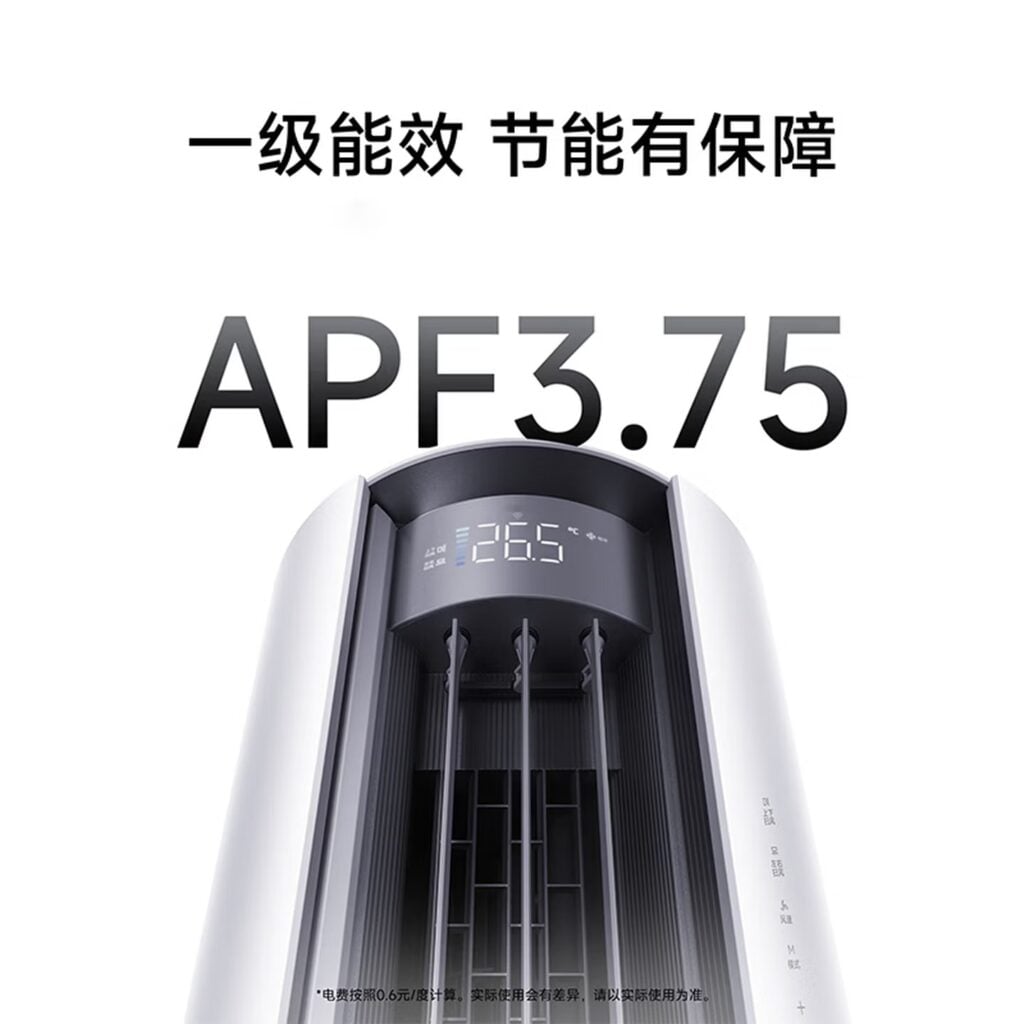
For efficiency, the unit holds a Class 1 energy rating and an Annual Performance Factor (APF) of 3.75. Xiaomi estimates that its software algorithms can cut energy consumption by roughly 20% during standard use, potentially saving users around 972kWh a year compared to older, less efficient models.

Because it is a Xiaomi product, it connects to the Mijia app, supports XiaoAI voice commands, and works with HyperOS Connect. The software provides cloud-based diagnostics that can identify 122 different hardware issues, like low refrigerant or blockages, and it supports over-the-air updates. Basic maintenance is handled by a self-cleaning cycle that uses a 58°C heating process to dry and clean the indoor evaporator.

The indoor unit is a simple white tower measuring 1,868mm tall and weighing 30kg. It produces about 50 to 52dB(A) of noise at high fan speeds. The outdoor unit weighs 68kg.

In related news, Xiaomi has recently launched the Mijia Smart Air Purifier 6 and Air Purifier 4 Compact in India, as well as the Mijia Pressurized Steam Iron with 500kPa pressure and 135°C steam.

For more daily updates, please visit our News Section.

Stay ahead in tech! Join our Telegram community and sign up for our daily newsletter of top stories!

(JD)

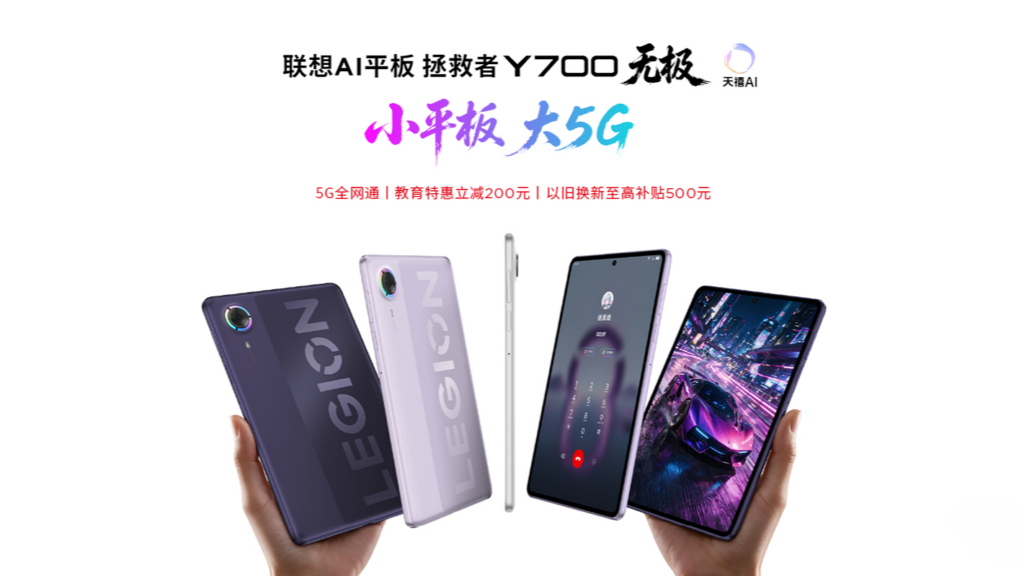
Lenovo debuts Legion Y700 Infinite with Snapdragon 8 Elite Gen 5, 8.4″ 2.5K 165Hz OLED display

Lenovo just dropped its latest Legion Y700 Infinite in its home country, a compact gaming-focused device. It uses an advanced flexible OLED panel, a solid step up in visual quality over the IPS LCD panel of the Legion Y700 (Gen 5).

The star of the show, however, is the 8.4″ OLED display with a 2560×1600 resolution. It include full 100% DCI-P3 color coverage, 12-bit color depth (10-bit + FRC), and color accuracy of Delta E < 1. Every unit is factory-calibrated. It can go as low as 1 nit for dark environments and hits a local peak brightness of up to 4,000 nits (at 1% OPR). Above 10 nits, the SVM value stays under 0.4, which meets the standard for basically imperceptible flicker.

The refresh rate is another standout: a 165Hz multi-level adaptive setup. It’s the first flexible OLED tablet that can intelligently switch between 165Hz, 144Hz, 120Hz, 60Hz, and AOD 30Hz. The touch experience is equally impressive, with a 3,400Hz instantaneous sampling rate, a 360Hz native ten-finger sampling rate, and end-to-end touch latency as low as 39 ms.

The tablet measures just 6.5 mm thick and weighs around 298 grams, making it thinner and lighter than some rivals like the RedMagic Astra 2 (which does have a slightly faster 185 Hz screen). Inside, the overclocked Snapdragon 8 Elite Gen 5 can hit clock speeds up to 4.74 GHz, and Lenovo claims an AnTuTu score of 4,585,844. It pairs that with LPDDR5T RAM and UFS 4.1 Pro storage across the three configs (12/16/24 GB RAM and 256 GB to 1 TB storage).

Cooling comes via a large 15,000 mm² vapor chamber placed in the middle of the body to spread heat more evenly. The 7,470 mAh battery supports 68 W fast charging and includes bypass charging so you can keep gaming while plugged in. There are two USB-C ports (one supports DisplayPort output), dual X-axis linear motors, and Dolby Atmos speakers. Cameras are an 8 MP punch-hole front shooter and a 50 MP rear sensor. It also supports 5G with dual-SIM, and Lenovo has shown it alongside the G9 controller, an arcade dock, and the CR7 Supreme Cooler Kit.

Put it all together and the Legion Y700 Infinite looks like a strong option for anyone who wants a compact, high-performance gaming tablet with a really polished screen and solid eye-care features.

Price and availability:

Launch pricing is pretty aggressive for a limited time: the 12GB + 256GB model starts at 4,999 yuan (regular price 5,499 yuan), the 16GB + 512GB version is 5,999 yuan (suggested 6,499 yuan), and the top-spec 24GB + 1TB config goes for 7,999 yuan (suggested 8,499 yuan).

Lenovo has not announced an official global launch date or price for the Legion Y700 Infinite outside China as of writing.

Don’t miss a thing! Join our Telegram community for instant updates and grab our free daily newsletter for the best tech stories!

For more daily updates, please visit our News Section.

Source: Lenovo (1), (2)

OnePlus 16 tipped to pair narrowest bezels in brand’s flagship lineup with 165Hz system-wide refresh rate

Early details suggest OnePlus‘s next flagship could have one of the cleanest, most immersive screen experiences in the Android flagship space right now.

According to Weibo tipster Digital Chat Station, the OnePlus 16 (which is expected to run on the Snapdragon 8 Elite Gen 6 Pro) keeps the narrowest bezels in OnePlus’s flagship lineup. The leaker basically said the borders are “around this narrow🤏,” pointing to ultra-slim edges on all four sides. The custom screen is described as delivering a really clear, sharp viewing experience, which could make the front of the phone stand out among current flagships.

This builds on some earlier reports. Previous leaks said the OnePlus 16 would be the first phone to use a new generation of Oriental Screen. That panel is being talked about as the industry’s first to support a full 165Hz ultra-high refresh rate across the whole system, not just in games. So everyday scrolling and animations should feel smoother too. It’s also expected to launch with ColorOS 17, which includes new system animations tuned for that high-refresh display.

On the performance side, OnePlus has already confirmed a few things officially. At the Qualcomm Snapdragon Gaming Technology Awards on July 30, OnePlus China President Li Jie talked about collaborative gaming tech. Three of OnePlus’s exclusive gaming features are getting full upgrades and will debut on the OnePlus 16.

The materials and photos shared pointed to support for a 165Hz high refresh rate, with some game testing going even higher. This is reportedly enabled by an overclocked display controller and dedicated co-processing hardware, alongside game-centric kernel optimization and a triple-core e-sports processor setup. The goal is smoother gameplay, lower latency, and more consistent high frame rates.

Full official specs still aren’t out, and the phone is still a few months away. Some reports point to an October launch in China. But between the consistent leaks and what OnePlus itself has already revealed, it’s clear the company is putting a lot of focus on display quality and fluid performance.

Don’t miss a thing! Join our Telegram community for instant updates and grab our free daily newsletter for the best tech stories!

For more daily updates, please visit our News Section.

(Sources: DCS on Weibo | ITHome)

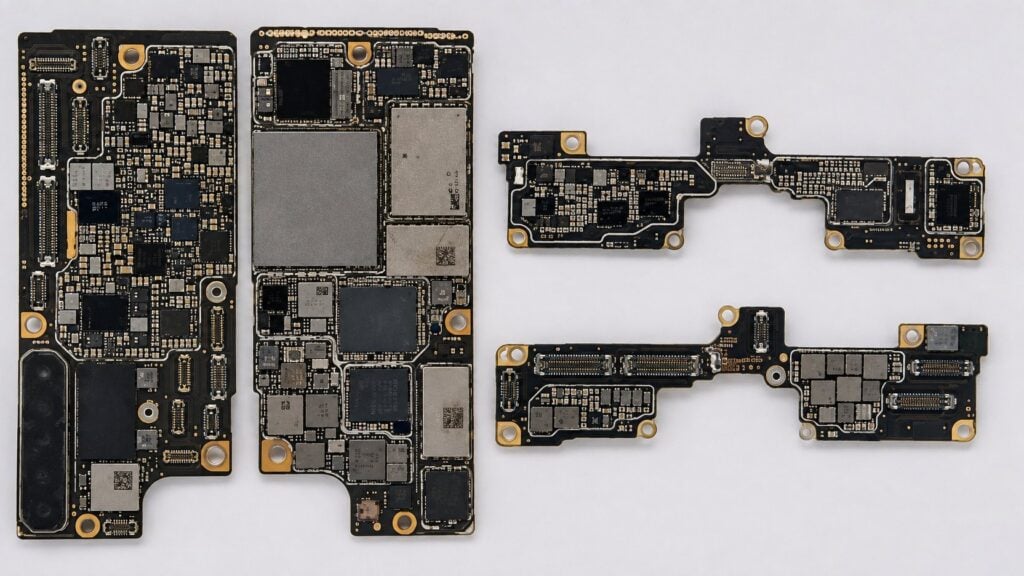
Alleged iPhone Ultra motherboard leaks: SoC, DRAM sit side-by-side instead of being stacked

Some images and a short video making the rounds online claim to show actual internal hardware from Apple’s long-rumored foldable iPhone, and they’re popping up weeks before the thing is supposed to launch.

X user @LusiRoy7 shared a quick video showing a physical circuit board plus an AI-cleaned composite image that shows both sides of the same board. The big chip visible on it is reportedly the A20 Pro, which is what Apple is expected to use in the device.

In the image, the system-on-chip die and the DRAM sit side by side and are connected through a redistribution layer instead of being stacked with a traditional interposer. Basically, a redistribution layer is a thin routing structure built right onto the package that re-routes the connections without needing that extra silicon interposer you usually see in stacked designs.

The idea is that this side-by-side layout should help with heat and keep the whole module thin enough to fit inside a folding phone. The chip in the video looks like its top cover has been removed; earlier leaked shots of the A20 Pro showed the usual metal-colored packaging over everything.

If these are real, they’d be some of the first physical images claiming to show actual hardware from Apple’s foldable. That said, the published image is an AI-cleaned composite, so any fine chip markings should be taken with a grain of salt. The cleanup tools can sometimes invent or mess up text in blurry spots. Also worth noting: no Apple logos, model numbers, or etchings on the shielding cans show up in either the video or the image, and none of the usual reliable leakers have backed this up yet.

Like most early hardware leaks, this one is still unconfirmed. The foldable is expected sometime in September. Pricing is widely expected to clear $2,000. We’ll need more solid, independently verified details before anyone can say for sure whether this board is the real deal.

Don’t miss a thing! Join our Telegram community for instant updates and grab our free daily newsletter for the best tech stories!

For more daily updates, please visit our News Section.

(Source: @LusiRoy7 on X)

Xiaomi launches Mijia Smart Air Purifier 6 and Air Purifier 4 Compact in India

Xiaomi is expanding its smart home lineup in India with two new air purifiers: the Mijia Smart Air Purifier 6 and the Mijia Smart Air Purifier 4 Compact. The two devices are aimed at different ends of the market, with the larger model designed for living rooms and the compact version meant for desks or small bedrooms.

Mijia Smart Air Purifier 6

Specifications and Pricing

The Mijia Smart Air Purifier 6 is the more capable of the two, priced at ₹19,999 ($210). It features a Clean Air Delivery Rate (CADR) of 443 m³/h and is rated to handle spaces up to 940 square feet. Xiaomi has packed a five-stage filtration system into this unit. Alongside the standard primary filter and activated carbon layer, it includes UVC sterilization and a negative ion generator.

Mijia Smart Air Purifier 6

For monitoring, the Purifier 6 features five sensors that track temperature, humidity, dust, PM2.5, and PM1. The PM1 sensor can detect ultra-fine particles smaller than 1 micron, a feature more commonly found on pricier air purifiers.

Instead of a traditional, densely packed HEPA filter, both new purifiers use Xiaomi’s proprietary electrostatic filter media. The company claims that by using melt-blown fibers with an electrostatic charge, the filter allows more air to pass through with less resistance. In practical terms, this is meant to keep the fan noise down and reduce energy consumption while still capturing 99.97% of airborne particles.

Mijia Smart Air Purifier 4 Compact

The smaller Mijia Smart Air Purifier 4 Compact costs ₹7,999 ($84). It strips away the UVC light, the ionizer, and the extra sensors to focus on basic air cleaning for smaller spaces. It has a CADR of 230 m³/h, covers up to 400 square feet, and uses a standard three-layer filter setup. It is primarily built for quiet operation, featuring a sleep mode that drops the noise output to 20dB.

As with most of Xiaomi’s home appliances, both purifiers connect to the Xiaomi Home app. From there, you can check real-time air quality, adjust fan speeds, set schedules, and monitor filter degradation. These also support basic voice commands through Amazon Alexa and Google Assistant.

Availability

Both models only come in white. They will be available starting September 2, 2026, through Xiaomi’s website, Amazon India, Flipkart, Blinkit, and physical retail stores.

🔌 You’ll NeedThe five-stage filter wears down with use — a replacement keeps CADR and app-tracked air quality up to spec. Check Mijia Air Purifier 6 replacement filter price on Amazon →

For more daily updates, please visit our News Section.

Stay ahead in tech! Join our Telegram community and sign up for our daily newsletter of top stories!

(Xiaomi India 1,2)

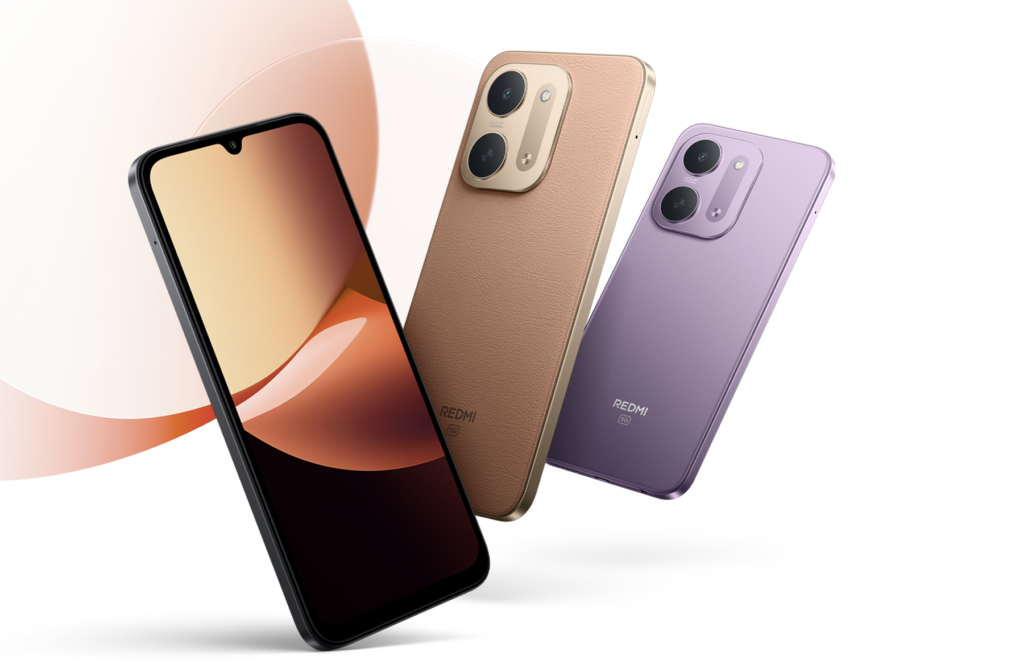
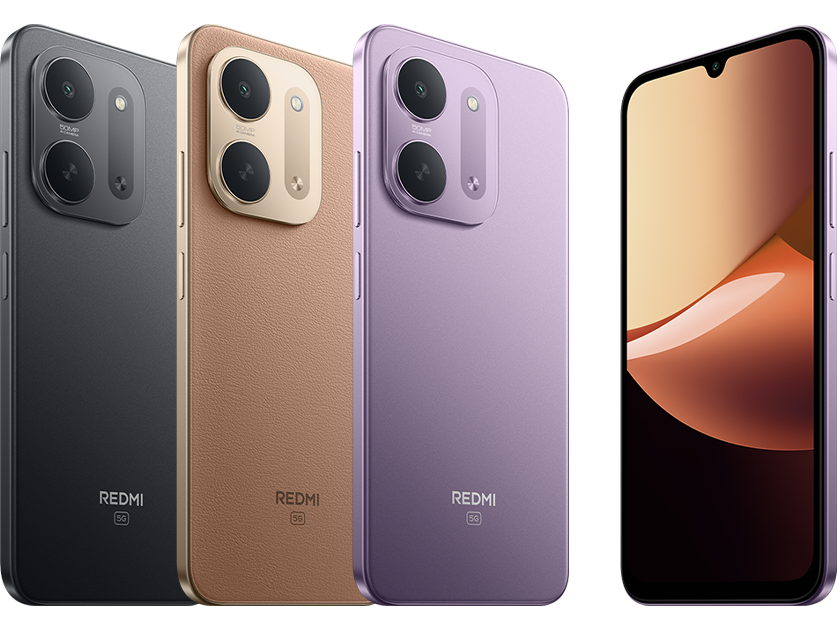
Redmi 17C 5G launches with a 6.9-inch 120Hz screen, a 6,000mAh battery and 50MP camera

Earlier this month, Redmi unveiled the Redmi 17 4G and Redmi 17 5G for the global market. Now, the Redmi 17C 5G has officially appeared in Singapore, adding another affordable option to the lineup. The new model focuses on a large display, long battery life, and 5G connectivity. Here is everything the latest Redmi phone brings to the table.

Redmi 17C 5G specifications and features

Redmi 17C 5G
Redmi 17C 5G

The Redmi 17C 5G features a 6.9-inch LCD with a 1600×720-pixel resolution and up to a 120Hz refresh rate. The panel reaches 660 nits of typical brightness and 810 nits in HBM mode, while DC dimming and TÜV Rheinland certifications are included for reduced eye strain. A 6,000mAh battery supports 33W charging, although only a 15W adapter is included in the box.

At the back, the phone has a 50-megapixel main camera with an f/1.8 aperture and an auxiliary lens. It supports features such as HDR, Night mode, Portrait mode, and 1080p video recording at 30fps. An 8-megapixel front camera handles selfies and video calls, with HDR, Portrait, Night mode, and a soft-light ring.

Redmi 17C 5G
Redmi 17C 5G

The device is powered by the MediaTek Dimensity 6300 chipset, paired with 4GB of RAM and either 64GB or 128GB of storage. Memory expansion can provide up to 8GB of RAM, while a microSD card supports storage expansion up to 1TB.

Other features include dual SIM support, 5G, Wi-Fi, Bluetooth 5.4, NFC, a 3.5mm headphone jack, FM radio, a side-mounted fingerprint sensor, and Xiaomi HyperOS 3. The phone measures 171.56×79.47×8.05mm and weighs 211 grams. It also carries an IP64 rating for dust and splash resistance.

Redmi 17C 5G price and availability

Redmi 17C 5G
Redmi 17C 5G

The Redmi 17C 5G is priced at S$279 (~$220) in Singapore, which is around Rs 19,000. It comes in Black, Brown with a vegan leather finish, and Purple color options. Xiaomi has not yet confirmed pricing or availability for other markets.

For more daily updates, please visit our News Section.

Stay ahead in tech! Join our Telegram community and sign up for our daily newsletter of top stories!

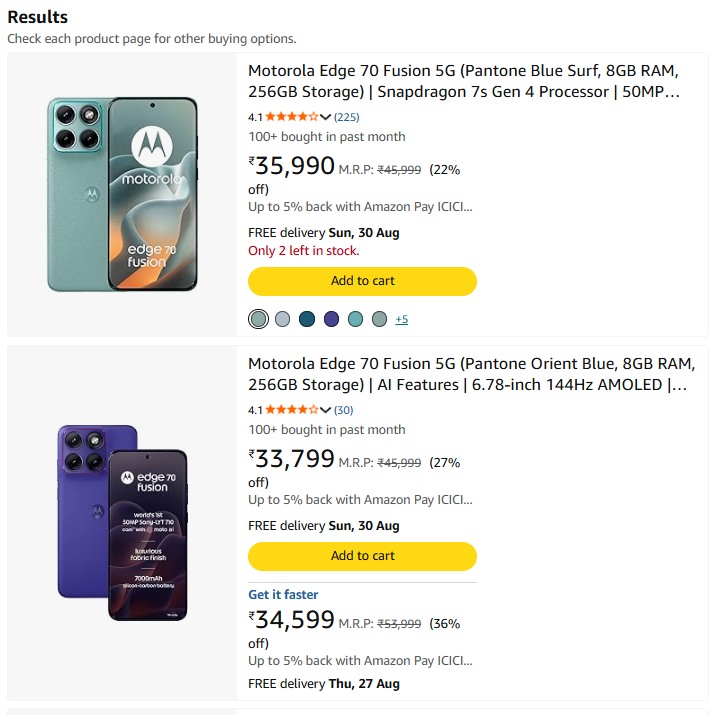
Motorola Edge 70 Fusion, Edge 60 Fusion get a ₹3,000 price hike across all variants

Motorola has raised the prices of two of its mid-range phones in India, citing the usual industry-wide cost pressures.

Starting August 25, 2026, the Edge 70 Fusion and Edge 60 Fusion will both cost more. Motorola says the increase is due to rising costs of raw materials and microchips.

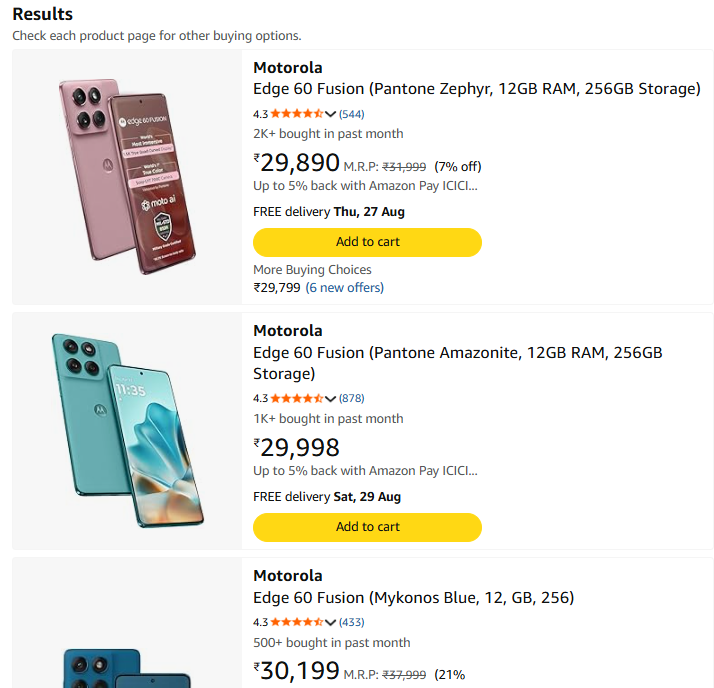
The Edge 70 Fusion gets a flat ₹3,000 hike across all four variants. The 8GB/128GB model goes from ₹30,999 to ₹33,999, the 8GB/256GB from ₹32,999 to ₹35,999, the 12GB/256GB from ₹34,999 to ₹37,999, and the 12GB/512GB from ₹37,999 to ₹40,999. The Edge 60 Fusion’s only listed 12GB/256GB version also jumps by ₹3,000, from ₹29,999 to ₹32,999.

These new prices push the phones a bit higher in the mid-range segment. Big festive discounts on the Fusion series may be harder to come by at these levels. If you’re interested in either model, it’s worth checking major e-commerce platforms and Motorola’s official site for any remaining stock still available at the old prices before the change fully kicks in.

As of writing, some Amazon India listings still show the older prices. The Edge 70 Fusion is currently listed at ₹28,999 (8+128GB), ₹33,799 (8+256GB), ₹34,480 (12+256GB), and ₹39,200 (12+512GB), while the Edge 60 Fusion 12+256GB is at ₹29,890.

This follows a trend we’ve seen from several brands in recent months, as global supply-chain pressures on memory and chip components keep pushing retail prices up in India.

If you’re shopping in this range, it might be a good idea to compare the new prices against competing options before deciding.

Don’t miss a thing! Join our Telegram community for instant updates and grab our free daily newsletter for the best tech stories!

For more daily updates, please visit our News Section.

(Source)

The Best Windows Laptops for Work and Productivity in 2026

Buying a laptop for work in 2026 is a noticeably different experience than it was a few years ago. We are well past the initial growing pains of the AI PC transition. Now that Copilot+ PCs are the standard, the real-world benefits have settled into something highly practical: laptops that run cooler, last much longer on a charge, and handle background tasks without draining your battery.

This year, the market is largely defined by the competition between the Intel Core Ultra Series 3 (Panther Lake) and Qualcomm Snapdragon X2 Elite platforms. Both chipmakers have managed to deliver excellent performance per watt. If you are looking to upgrade your work machine, here is a look at the most capable and reliable Windows laptops for work and productivity available right now.

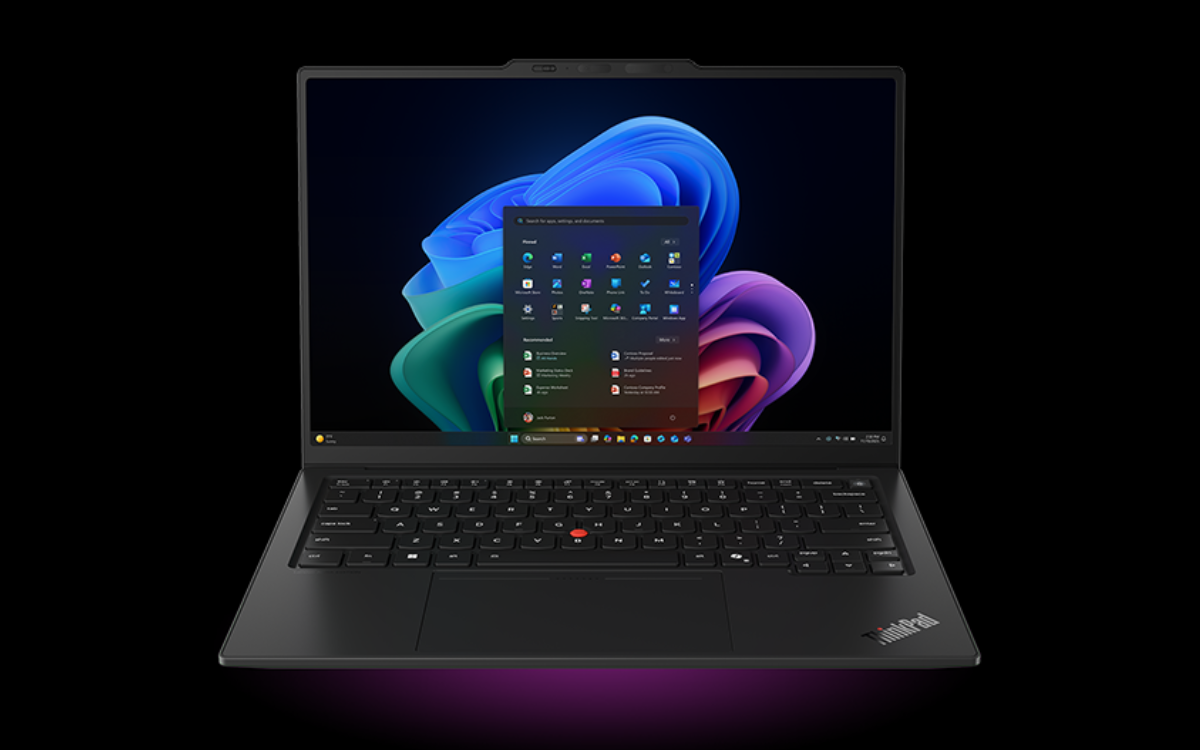
1. Lenovo ThinkPad X1 Carbon Gen 14 Aura Edition

Lenovo-ThinkPad-X1-Carbon-Gen-14-Aura-Edition

The Lenovo ThinkPad X1 Carbon Gen 14 Aura Edition remains one of the strongest choices for business users. Lenovo keeps the ThinkPad formula intact: a lightweight chassis, a practical selection of ports, strong security tools, and a keyboard designed for long work sessions.

The laptop starts at less than 1kg, or 2.2 pounds. The X1 Carbon has three Thunderbolt 4 ports, one USB-A port, HDMI 2.1, a headphone jack, and an optional Nano SIM slot. Some models also support 4G LTE or 5G connectivity.

The laptop supports Intel Core Ultra 5 325, Core Ultra 5 335, Core Ultra 7 355, Core Ultra 7 356H, Core Ultra 7 365, Core Ultra 7 366H, Core Ultra X7 358H, and Core Ultra X7 368H processors. It supports up to 64GB of LPDDR5X memory and up to 1TB of PCIe Gen4 storage.

Lenovo offers several display options. The standard WUXGA IPS touch display provides 500 nits of brightness and a 1920 x 1200 resolution. The higher-end option uses a 2.8K OLED panel with a 120Hz variable refresh rate and 100% DCI-P3 color coverage.

The ThinkPad X1 Carbon also includes a fingerprint reader in the power button, a webcam privacy shutter, a discrete TPM 2.0 security chip, and optional vPro support.

The X1 Carbon is not the flashiest laptop on this list, but it is one of the most complete. It is the best choice for professionals who want a reliable Windows laptop with few compromises.

2. Dell XPS 14 2026

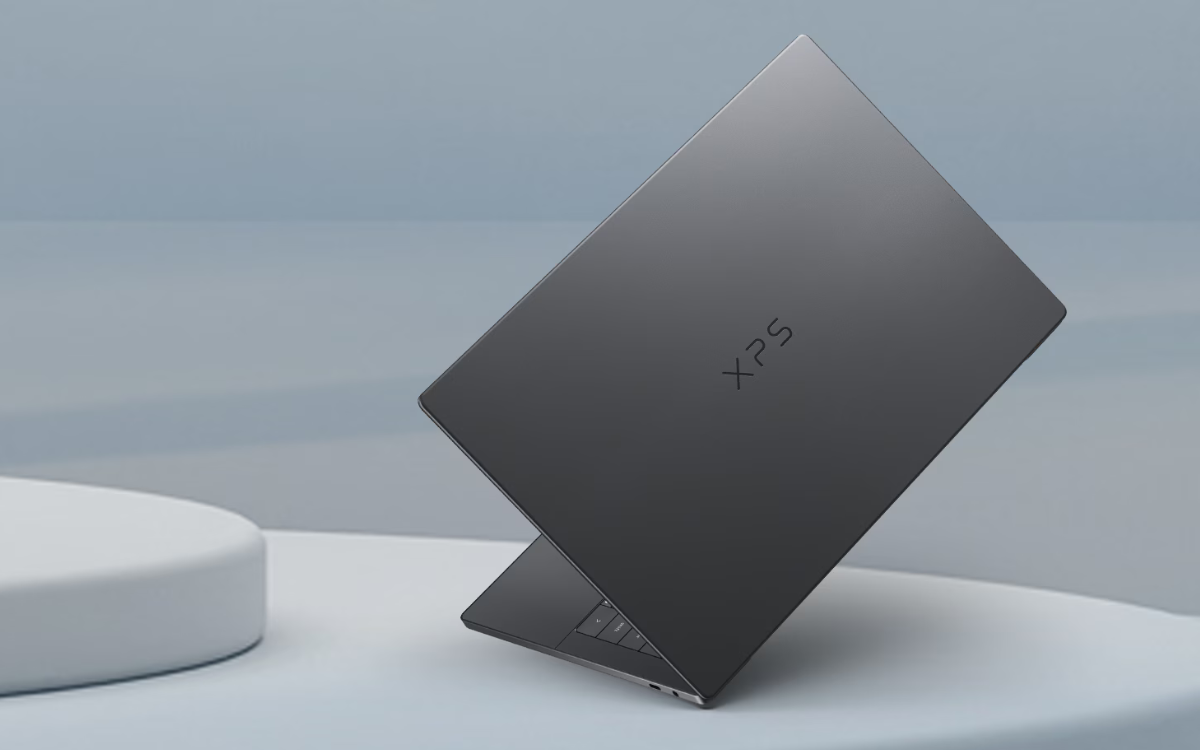
Dell brought back the XPS name in 2026, and the new XPS 14 looks like a serious return for the brand. The laptop uses a CNC-machined aluminum chassis, Gorilla Glass 3 on the palm rest, and a slim unibody design. It weighs about 1.36kg, or 3 pounds, and measures as little as 14.62mm thick.

The XPS 14 supports Intel Core Ultra Series 3 processors, including the Core Ultra X7 358H and top-tier Core Ultra X9 388H. Dell also offers up to 64GB of LPDDR5X-9600 memory and up to 4TB of PCIe Gen5 storage. Those specifications give the XPS 14 more room for demanding productivity tasks than many thin laptops. It should work well for software development, large spreadsheets, photo editing, and heavier multitasking.

Dell offers two display choices. The 2K LCD model has a 1920 x 1200 resolution, 500 nits of brightness, 100% sRGB coverage, and a 1Hz to 120Hz variable refresh rate. The OLED model has a 2880 x 1800 resolution, 100% DCI-P3 color coverage, touch support, Dolby Vision, and VESA DisplayHDR True Black 500 certification.

The laptop also includes an 8MP HDR webcam, a quad-speaker setup with Dolby Atmos, and Wi-Fi 7. Dell claims strong battery life from the 70Wh battery, especially with the lower-power LCD display.

The biggest drawback is port selection. The XPS 14 has three Thunderbolt 4 USB-C ports and a headphone jack, but it does not include USB-A, HDMI, or an SD card reader. Most users will need a dock or adapter.

The XPS 14 is a strong option for people who want a polished design, a bright high-quality display, and high-end performance in a small system.

3. Lenovo Yoga Slim 7i Ultra Aura Edition

Lenovo-Yoga-Slim-7i-Ultra-Aura-Edition

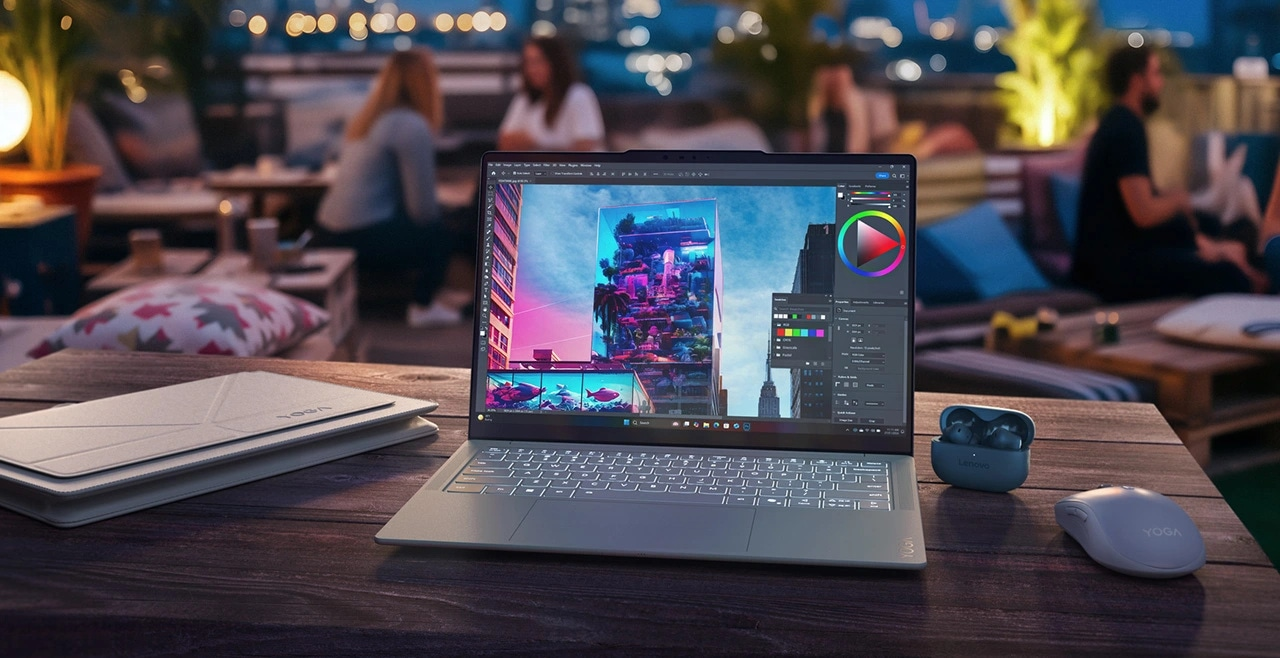
The Lenovo Yoga Slim 7i Ultra Aura Edition targets people who want a premium laptop that barely adds weight to a bag. The system starts at 975g, or 2.15 pounds, and measures just 13.9mm thick. Lenovo uses a magnesium-aluminum chassis and a protective coating that resists fingerprints, scratches, and water.

The display is the main reason to consider this laptop. Lenovo uses a 14-inch 2.8K PureSight Pro OLED touchscreen with a 120Hz refresh rate. The panel supports Dolby Vision, DisplayHDR True Black 1000, 100% sRGB, and 100% DCI-P3. It reaches up to 1,100 nits of HDR peak brightness. This is one of the best displays in this group for creative professionals.

The Yoga Slim supports the Intel Core Ultra 5 325, Intel Core Ultra 7 355, Intel Core Ultra X7 358H, and Intel Core Ultra X9 388H processors. The laptop supports 32GB of LPDDR5X-9600 memory and a 2TB PCIe Gen4 SSD. It also includes a 75Wh battery, a 5MP IR webcam, quad speakers with Dolby Atmos, Wi-Fi 7, and a haptic Force Pad touchpad.

The Yoga Slim 7i Ultra has three Thunderbolt 4 USB-C ports, but it lacks USB-A, HDMI, and a headphone jack. This keeps the design thin and light, though users who regularly connect external displays, storage devices, or wired accessories should plan to use a USB-C dock.

The Yoga Slim 7i Ultra is the right choice for writers, designers, photographers, and frequent travelers who value low weight and excellent screen quality.

4. HP OmniBook Ultra 14

HP-OmniBook-Ultra-14

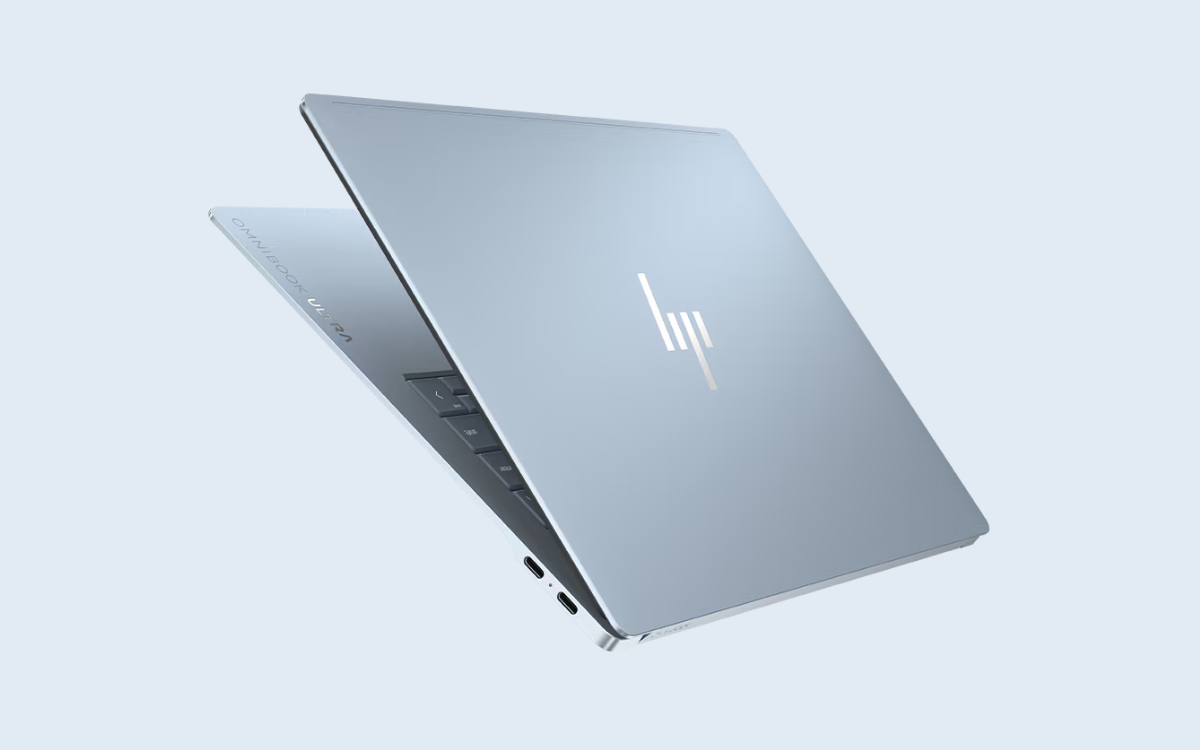
The HP OmniBook Ultra 14 stands out because HP offers both Intel and Qualcomm versions. The Intel systems use the Core Ultra 7 356H or Core Ultra X9 388H, while the Snapdragon systems use Qualcomm’s Snapdragon X2 Plus X2P-64-100 or Snapdragon X2 Elite X2E-84-100 processors. The Snapdragon models can provide up to 80 TOPS of NPU performance for AI workloads.

That distinction matters for people who want to use more Copilot+ features and local AI applications. The Intel versions will offer better compatibility for some traditional Windows software and graphics-heavy workloads. The Qualcomm versions will deliver stronger efficiency and AI acceleration.

HP offers a 14-inch 3K OLED touchscreen with a 2880 x 1800 resolution, a 30Hz to 120Hz variable refresh rate, 100% DCI-P3 coverage, and up to 1,100 nits of HDR brightness. It also offers a 2.2K IPS touchscreen as well.

The OmniBook Ultra 14 includes a 5MP IR camera with a physical privacy shutter, a fingerprint reader, quad Poly Studio speakers, Wi-Fi 7, and a haptic glass touchpad. It has three Thunderbolt 4 ports and a headphone jack. The battery capacity reaches 70Wh on Intel versions and 68Wh on Snapdragon versions.

The laptop weighs between about 1.45kg and 1.57kg. It is not the lightest option here, but it provides a solid mix of performance, display quality, security, and AI hardware.

5. Asus Zenbook A16

Asus-Zenbook-A16

The Asus Zenbook A16 is a strong option for people who want the workspace of a 16-inch laptop without the usual size and weight. Depending on the configuration, it weighs as little as 1.10kg (2.43 pounds) and measures 13.8mm at its thinnest point.

It is available with several Qualcomm processors, including the Snapdragon X2 Elite Extreme X2E-96-100, Snapdragon X2 Elite Extreme X2E-94-100, Snapdragon X Plus X1P 42 100, and Snapdragon X X1 26 100. The higher-end Snapdragon X2 Elite Extreme models feature 18 cores, up to 48GB of LPDDR5X memory, and Qualcomm’s Hexagon NPU with up to 80 TOPS of AI performance. Lower-tier configurations support up to 45 TOPS.

The Zenbook A16 offers several OLED display options. The best configuration features a 16-inch 3K (2880 x 1800) OLED display with a 120Hz refresh rate, touchscreen support, 100% DCI-P3 color coverage, and up to 1,100 nits of HDR peak brightness. It also meets VESA DisplayHDR True Black 1000 standards. More affordable versions use either a non-touch 3K 120Hz OLED panel or a WUXGA OLED display with a 60Hz refresh rate.

Despite its thin design, the Zenbook A16 has a useful range of ports. It includes two USB4 Type-C ports with DisplayPort and Power Delivery support, one USB 3.2 Gen 2 Type-A port, HDMI 2.1, an SD 4.0 card reader, and a 3.5mm headphone jack. This makes it a more convenient choice than many ultraportables for photographers, creators, and users who connect external storage, displays, or memory cards.

Additionally, the laptop includes up to a 1TB PCIe 4.0 SSD, Wi-Fi 7 on higher-end models, an FHD IR camera for Windows Hello sign-in, a backlit keyboard with a Copilot key, a 70Wh battery, and a 130W USB-C charger on top configurations.

6. Asus ExpertBook Ultra

Asus-ExpertBook-Ultra

The Asus ExpertBook Ultra is a premium business laptop with serious security features. It starts at 0.99kg, or 2.18 pounds, but it includes more ports than most ultralight systems. Asus includes two Thunderbolt 4 ports, two USB-A ports, HDMI 2.1, and a headphone jack.

The laptop runs Windows 11 Pro on many configurations and supports Microsoft Pluton, TPM 2.0, BIOS self-recovery, fingerprint authentication, and a webcam privacy shutter. Asus also lists NIST SP 800-193 compliance and MIL-STD-810H durability testing. These features matter for companies that need stronger endpoint security and easier device management.

The ExpertBook Ultra supports Intel Core Ultra 5 325, Core Ultra 7 356H, Core Ultra X7 358H, and the top-tier Core Ultra X9 388H with vPro. It supports up to 64GB of LPDDR5X memory and a 2TB PCIe Gen5 SSD. Its 14-inch Tandem OLED touchscreen has a 2880 x 1800 resolution, a 120Hz refresh rate, 100% DCI-P3 coverage, and up to 1,400 nits of HDR peak brightness.

The ExpertBook Ultra is expensive and highly specialized, but it is one of the best Windows laptops for executives, consultants, IT professionals, and security-conscious organizations.

For more daily updates, please visit our News Section.

Stay ahead in tech! Join our Telegram community and sign up for our daily newsletter of top stories!

Google’s Android Pulse app shows up on Play Store with blank icon and screenshots

A little-known Google system app has started showing up in Play Store update lists on a lot of Android phones, leaving some users puzzled by its blank icon.

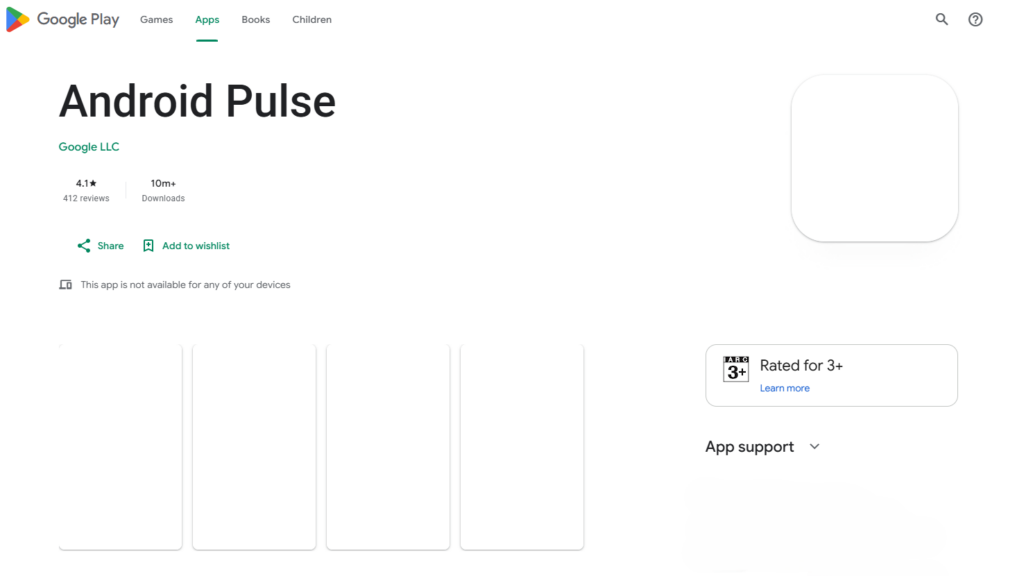
Android Pulse is an official Google app that’s been quietly pushed to millions of devices. Its Play Store description, which became more visible over the weekend, says it facilitates rule distribution for anomaly detection in critical system resource consumption by the Android operating system and installed applications.

In plain terms, it keeps an eye on whether apps or system processes are using unusually high amounts of resources like RAM, battery, or CPU. By sending out detection rules, it helps spot abnormal behavior that could hurt performance or efficiency. The name “Pulse” basically refers to this ongoing check on the phone’s vital signs.

The app isn’t brand new. Builds have been around since at least March, and the Play Store already lists more than 10 million downloads. It just stayed mostly under the radar until recent updates started making it appear in the available updates section for some people. The listing itself has a blank icon and empty screenshots, which is part of why it caused confusion at first.

Because Android Pulse works as a background system service rather than a regular consumer app, you can’t uninstall it once it’s there. You can disable it the same way you can many other built-in Android components if you really want to, though there’s no obvious reason to do so. It has no user interface and doesn’t need any interaction from you.

Google hasn’t given a detailed public explanation beyond the short Play Store blurb. Reports from reliable outlets covering the sudden appearance confirm it’s a legitimate first-party component meant to help with system health and debugging. If you see Android Pulse in your update queue, it’s safe to install. It’s designed to help keep your phone running smoothly rather than anything to worry about.

Don’t miss a thing! Join our Telegram community for instant updates and grab our free daily newsletter for the best tech stories!

For more daily updates, please visit our News Section.

(Source)