Advertisement

Galaxy A56 may bring “Awesome Intelligence”, but will be harder to repair

Samsung’s Galaxy A56 is on the horizon. Samsung recently trademarked the term “Awesome Intelligence” in Europe, the US, and South Korea. It hints at some new AI features coming to the Galaxy A series, with the A56 being the first to benefit.

The Exynos 1580 chipset (which will power the device) is also reportedly more than capable to handle at least the basic ai functions such as on-device text summarization and basic photo editing like object eraser.

Samsung Galaxy A55
Samsung Galaxy A55

According to GalaxyClub, Samsung will be offering six years of Android updates for the A56, making it the most sustainable Galaxy A phone yet. It’s a big deal for anyone who likes to hold onto their phone for a while.

The upcoming A series devices are expected to launch around mid-March 2025. As for pricing, it’ll probably stay in the same ballpark as previous models. So expect something between €450 and €500 for the base version.

While it’s shaping up to be a solid mid-range phone, there’s one little catch: it’s slightly harder to repair than its predecessor, the Galaxy A55. According to France’s repairability scoring system (yes, they have one of those), the A56 scores 8.4 out of 10, compared to the Galaxy A55’s 8.5. It’s a tiny difference, but it’s there for sure.

What makes it harder to repair?

The score breaks down into different categories. The A56 lost points in the “ease of disassembly” section, scoring 5.0 compared to the A55’s 5.8. This little drop brings the A56 back to the same level as the Galaxy A54, which also scored 8.4 in the test.

Fun fact: the Galaxy A36, which is launching around the same time as the A56, also scores an 8.4. So the internal structure could be very similar if not identical between the two devices. Last year’s models also look almost identical to each other.

Stay ahead in tech! Join our Telegram community and sign up for our daily newsletter of top stories!

For more daily updates, please visit our News Section.

(Source)

Galaxy Z Flip7 and Fold7 will indeed come with Exynos 2500, hints Samsung

The Galaxy Z Fold7 was recently tipped to be powered by the Snapdragon 8 Elite chip. But the tipster didn’t reveal the chipset of the upcoming flip phone. Thankfully, Samsung‘s System LSI division itself has now taken the initiative, stating in its earnings call that it is optimizing the Exynos 2500 chip and “aiming to secure design wins for mobile models scheduled for release in 2H.”

Upcoming foldables may indeed use Exynos 2500

This is the release timeline of Samsung’s Z series devices. So, definitely, the Exynos 2500 will power one of the upcoming foldables. Given the recent rumor of Galaxy Z Fold7 getting the Snapdragon 8 Elite, it seems that the flip phone will be the one to showcase Samsung’s achievements with its latest in-house AP this year.

Samsung Galaxy Z Fold 6 and Galaxy Z Flip 6

And yes, the Snapdragon 8 Elite-powered Z Fold7 is still a rumor. So it’s still possible that both the high-end fold and flip phones will equip the company’s in-house chip.

For those wondering, there’s indeed another device rumored to be in the pipeline this year: the Galaxy Z Flip FE. According to previous rumors, this one is expected to be powered by the Exynos 2400e chip, which powers the Galaxy S24 FE. This chip is essentially a 100MHz underclocked (performance core) version of the Exynos 2400, and based on what we have seen so far, it performs almost on par with the flagship Exynos 2400. So the difference in raw performance between the Z Flip7 and Z Flip FE will basically be the improvements Samsung has managed to make with the 3nm process node.

Pre-order Samsung Galaxy phones now & get up to $1,250 off + a chance to win $5,000 credit (US only) – https://howl.link/erlejlgnge89i

That said, there’s not much information available on how much improvement Samsung Foundry or System LSI has managed to achieve with the new chip. We just hope Samsung continues the trend of the last two years and once again offers something that doesn’t lag too far behind the Snapdragon chip in performance.

Stay ahead in tech! Join our Telegram community and sign up for our daily newsletter of top stories!
For more daily updates, please visit our News Section.

(Source)

Google Pixel 9a spotted on EMVCo Website ahead of rumored March launch date

The Google Pixel 9a’s release appears imminent following an EMVCo certification. The listing confirms the device’s model number as GTF7P (codename TG4). Unsurprisingly, the Pixel 9a will ship with Android 15 pre-installed, following the Android 14 debut on the Pixel 9 series last August.

Recent leaks suggest an earlier-than-expected launch, potentially in March, with availability by month’s end. The anticipated starting price is $499 for the 128GB storage variant, mirroring its predecessor.

Rumored specifications include a 6.285-inch FHD+ OLED display with up to 2,700 nits peak brightness. The camera setup is expected to feature a 48-megapixel primary lens with OIS and a 13-megapixel ultra-wide lens. A 13-megapixel Sony IMX712 front-facing camera is also anticipated for selfies.

The Pixel 9a is also rumored to utilize the Tensor G4 chip, LPDDR5x RAM, and UFS 3.1 storage. A 5,100mAh battery with 23W wired and 7.5W wireless charging is expected. Other potential features include a Titan M2 security chip, an in-screen fingerprint sensor, and an IP68 rating for water and dust resistance.

In other news, the next-gen Pixel 10a might see a significant chipset downgrade. While the Pixel 10 series is expected to feature the TSMC-made Tensor G5, Google is reportedly considering using either a custom version of the G5 or the older Tensor G4 for the Pixel 10a. If the G4 is chosen, the Pixel 10a would be the first A-series phone with a year-old chipset, potentially limiting AI and camera features tied to the G5.

For more daily updates, please visit our News Section.

Stay ahead in tech! Join our Telegram community and sign up for our daily newsletter of top stories!
(via: 91mobiles)

Vivo X200 Pro Mini Rumored for India Launch in April 2025

Vivo appears to be performing well in India, with a recent report indicating that it surpassed Samsung and Xiaomi to become the top smartphone brand in the country (by sale volume) during Q4 2024. The company currently offers two flagship models in the region, the Vivo X200 and X200 Pro. Meanwhile, according to Abhishek Yadav, Vivo is preparing to introduce another device in its “X” series in April.

While the exact model remains undisclosed, speculation points towards the X200 Pro Mini. This device was initially launched in China alongside the X200 and X200 Pro but was not released in global markets, including India.

Another possibility is the upcoming X200 Ultra, though its chances of launching in India seem low, as past Ultra variants in the X series have typically remained exclusive to China. The upcoming X200S is also in the same boat. Given this trend, the X200 Pro Mini appears to be the most likely option for an Indian release.

Vivo X200 Pro mini launch specifications price

The device has yet to appear on the BIS certification database, however, with the rumored April launch approaching, its certification listing is anticipated soon. As for specifications, we expect the alleged X200 Pro Mini Indian model to be similar to the Chinese model, of which you can check out the specs below.

Vivo X200 Pro Mini features (Chinese model)

The X200 Pro Mini features a compact 6.31-inch flat display with an LTPO 120Hz refresh rate and a peak brightness of 4,500 nits. It is powered by the MediaTek Dimensity 9400 processor, developed in collaboration with Vivo. The device is equipped with a 5,700mAh battery, supporting 90W wired charging and 30W wireless charging.

Its camera system includes a triple rear setup with Zeiss optics and Vivo’s V3+ imaging chip, the same one used in the X100 Ultra. The main camera features a 1/1.28-inch Sony LYT-818 sensor with a custom f/1.57 lens. While smaller than the 1-inch sensor in the X100 Pro series. A key highlight is the 200MP Zeiss APO telephoto camera from the X100 Ultra, offering 3.7x optical zoom with an f/2.67 lens. The setup is completed by a 50MP ultrawide sensor and a 32MP selfie camera with autofocus.

For more daily updates, please visit our News Section.

Stay ahead in tech! Join our Telegram community and sign up for our daily newsletter of top stories!
(Source)

UC Berkeley researchers managed to replicate DeepSeek AI for only $30

AI research is usually a game for big tech companies with deep pockets. However, a team at UC Berkeley just flipped the script. They have replicated the core abilities of DeepSeek R1-Zero for just $30 (not a typo). Their project, called TinyZero, proves that advanced AI reasoning models don’t have to cost a fortune. Not to mention, AI research is becoming more accessible than ever.

Led by Jiayi Pan, the researchers aimed at recreating DeepSeek’s reasoning model using reinforcement learning (RL). Instead of relying on expensive cloud services or massive compute power, they trained TinyZero with a basic language model, a simple prompt, and a reward system.

DeepSeek

Pan shared his excitement on X (formerly Twitter), saying, “You can experience the ‘Aha’ moment yourself for < $30.” He also described TinyZero as the first open reproduction of reasoning models, highlighting how it learned to verify and refine its own answers.

How TinyZero was developed

To test the model, the researchers used a game called Countdown, where players have to reach a target number using basic math operations. While at first, TinyZero guessed randomly, over time, it learned to verify its answers, search for better ones, and adjust accordingly.

They experimented with different model sizes, from 500 million parameters to 7 billion parameters. The results? Smaller models (0.5B parameters) just guessed answers and stopped. Larger models (1.5B+ parameters) learned to self-verify, refine solutions, and significantly improve accuracy.

What makes TinyZero truly impressive is how cheap it is compared to traditional AI models. Just look at these costs:

  • OpenAI’s API: $15 per million tokens
  • DeepSeek-R1: $0.55 per million tokens
  • TinyZero’s total cost: $30—one-time training cost

This means anyone—not just big tech—can experiment with AI reasoning models without breaking the bank.

Availability

TinyZero is open-source and available on GitHub, so anyone can tinker with it. While it’s currently tested only in the Countdown game, Pan hopes this project will make reinforcement learning research more accessible.

Of course, it’s still early days. “One caveat, of course, is that it’s validated only in the Countdown task but not the general reasoning domain,” Pan admitted. But even with that limitation, the impact is clear: AI development doesn’t have to be expensive. With projects like TinyZero, affordable, open-source AI could be the future.

Stay ahead in tech! Join our Telegram community and sign up for our daily newsletter of top stories!
For more daily updates, please visit our News Section.

Source | Via

Vivo V50 Rumored to Cost More Than Predecessor, Key Specs Surface

As per recent reports, Vivo will launch the V50 smartphone in India in February 2025, just five months after the V40’s release. Ahead of the launch, leaked information has revealed the pricing details of the Vivo V50. Tipster Abhishek Yadav suggests that the Vivo V50 will come with a starting price of Rs 37,999, though he expresses some uncertainty, stating it will likely remain under Rs 40,000. This represents a potential Rs 3,000 increase over the V40’s launch price of Rs 34,999.

Vivo V50
Vivo V50

The tipster also revealed specifications of the V50, which appears to be largely similar to the V40. The device is expected to be powered by the Snapdragon 7 Gen 3 processor. The dual rear camera setup, featuring two 50-megapixel sensors, is also rumored to be carried over. Similarly, the 50-megapixel front-facing camera for selfies is expected to remain unchanged. The overall design language is also predicted to be consistent with the V40 series.

Vivo V50
Vivo V50

However, the V50 is tipped to offer improvements in battery capacity and charging speed. A larger 6,000mAh battery is rumored, compared to the V40’s 5,500mAh unit. Charging speed is also expected to be upgraded to 90W, up from 80W. A surprising addition, according to leaks, could be IP68 and IP69 ratings for enhanced water and dust resistance. These ratings, typically found in flagship devices, would offer increased protection against submersion. While these specifications and price points have surfaced online, Vivo has yet to officially confirm any details. Consumers are advised to treat these leaks with caution until the official announcement.

For more daily updates, please visit our News Section.

Stay ahead in tech! Join our Telegram community and sign up for our daily newsletter of top stories!
(Source)

Casio Reveals MTS-S100 Series Watches with Sapphire Crystal and Gradient Dials

Casio‘s G-Shock division recently introduced several new watches globally, including the Barbie Special Edition, the Master of G Caution Yellow lineup, and the Fine Metallic Series. Now, the brand has unveiled a new lineup of standard analog watches set to launch soon. The upcoming Casio MTS-S100 series is scheduled for release in the coming days and includes five models: MTS-S100D-1AV, MTS-S100L-1AV, MTS-S100D-5A, MTS-S100D-2AV, and MTS-S100D-3AV.

Casio MTS-RS100D-1AV

The watches are designed for durability, featuring sapphire crystal glass with an anti-glare coating for scratch resistance and clear visibility. All models feature Casio’s Tough Solar technology, allowing them to recharge using ambient light and reducing the need for battery replacements.

The dials use a vapor deposition process for smooth gradient color transitions, available in green, blue, gray, and reddish-brown. The MTS-S100D models have brushed stainless-steel bracelets, while the MTS-S100L-1AV comes with a leather strap for a different style option. The case measures 47 x 41.7 x 9.5 mm, making the watches compact and comfortable for daily wear. Each model has a 50-meter water resistance rating, protecting against splashes from rain or handwashing, though they are not intended for swimming or diving. The launch date of these watches is currently unknown, however, the watch costs S$159 (about US$117) in Singapore.

Separately, Casio has introduced the special edition G-Shock GA-B2100CD-1A4 in partnership with the Charles Darwin Foundation. This model features a red and black dual-tone design inspired by the Galapagos marine iguana, while the GA-B2100CD-1A7 variant has a black and white color scheme reflecting the Galapagos penguin.

For more daily updates, please visit our News Section.

Tech enthusiast? Get the latest news first! Follow our Telegram channel and subscribe to our free newsletter for your daily tech fix!

(via: Notebookcheck, @geesgshock on Instagram)

Most Galaxy AI features could remain free forever—with a catch

Most of what’s new in the Galaxy S25 series is Galaxy AI. And it was rumored that Samsung will charge for Galaxy AI starting in 2026. Now tipster PandaFlash X claims that most of the Galaxy AI features such as the Photo Assist, AI Instant Slow-mo, and Writing Tools will remain free.

Although it was previously written as “free until 2025”, the latest rumor does not mention any specific time, suggesting the features will remain free forever. And it makes sense if you consider the upgrades: Galaxy AI and only a handful of changes in the hardware.

While we are not sure how much Samsung is going to charge for its Galaxy AI, or just how the plans are going to be positioned, we know that the Gemini Advanced subscription (that’s free for the first 6 months for Galaxy S25 series users) is priced at $20/month. The tipster also mentions that Gemini Advanced features are going to be paid.

There’s no word on which specific features depend on Gemini Advanced

So what are you going to pay for or lose after the 6-month free period? Well, Samsung was about as clear on this as it was about the Galaxy S25 Edge. They only showcased the AI capabilities and the quality of life improvements the S25 series will bring to your life, but they didn’t reveal what exact functions require the Gemini Advanced subscription.

“Gemini Advanced comes with our most capable AI models and priority access to the newest features. It will also include ‘Screen Sharing’ and ‘live video viewing’ in the future,” said the VP at ‘Google Gemini Experiences’ at the Galaxy Unpacked event:

That said, it seems like most of the AI features (such as summarization) actually take advantage of the newest model available. Even though you don’t pay for the subscription, the features will continue to function with relatively inferior output.

According to Google Store, Gemini Advanced excels at tackling complex problems with its enhanced reasoning abilities. Some of the more complex queries may not work as well as they will in the first six months, or they may stop functioning altogether. It’s a shame that Samsung left all these questions unanswered on the internet for speculation and analysis instead of addressing them clearly at launch.

Source: PandaFlash X

Samsung lost its leading position to Vivo in India in Q4 2024; reveals Counterpoint

The Indian smartphone market saw a major shift in 2024, with Samsung losing its leading position to vivo, according to the latest report from Counterpoint Research. Vivo captured 19% of total shipments, while Xiaomi followed closely with 17%, pushing Samsung to third place.

Reason behind this shift

According to Research Analyst Shubham Singh, Vivo’s rise to the top can be attributed to its strong offline retail network and the success of its sub-brand, iQOO. Meanwhile, Samsung’s focus on its premium Galaxy S series led to a decline in the sales volume of its more affordable devices. On the other hand brands like Xiaomi and Vivo kept focusing on offering better value to all price segments, which allowed them to overtake Samsung in Q4 in terms of volume share.

A significant 78% of smartphones shipped were 5G-compatible. It highlights the rapid adoption of next-gen connectivity in India. Not to mention, Chinese smartphone makers like Vivo and Xiaomi have also made significant contributions to this.

Apple remains the market value leader

When it comes to market value, Apple continued to dominate. In fact, 2023’s iPhone 15 is the most shipped device in Q4 2024. Samsung and vivo followed, securing the second and third spots, respectively.

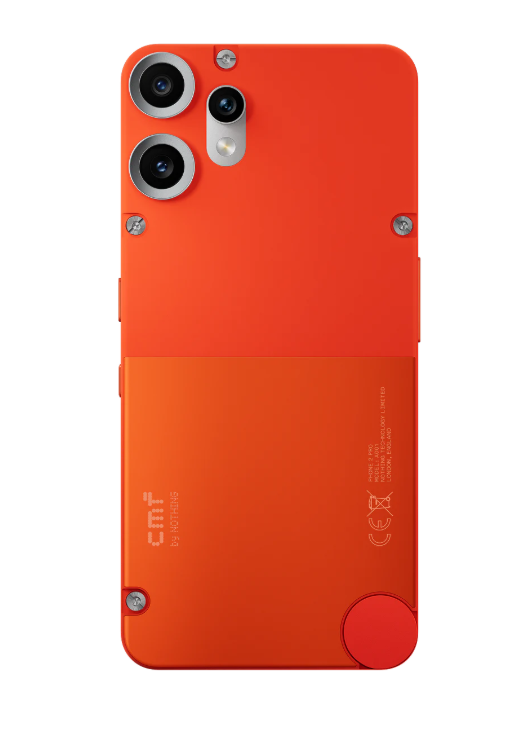
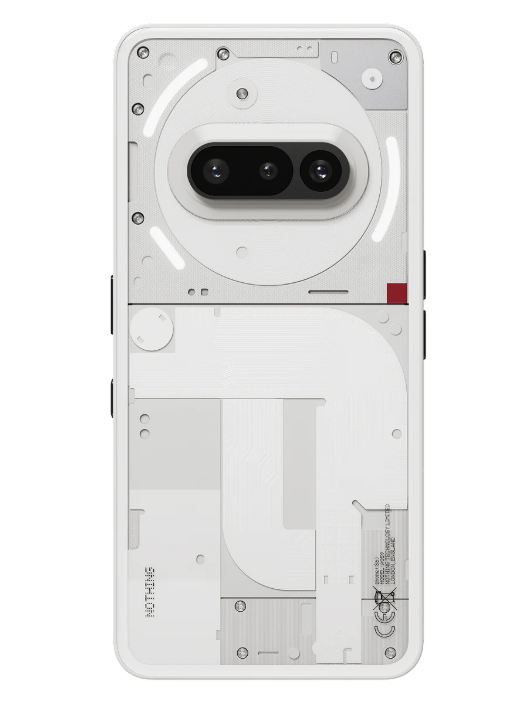
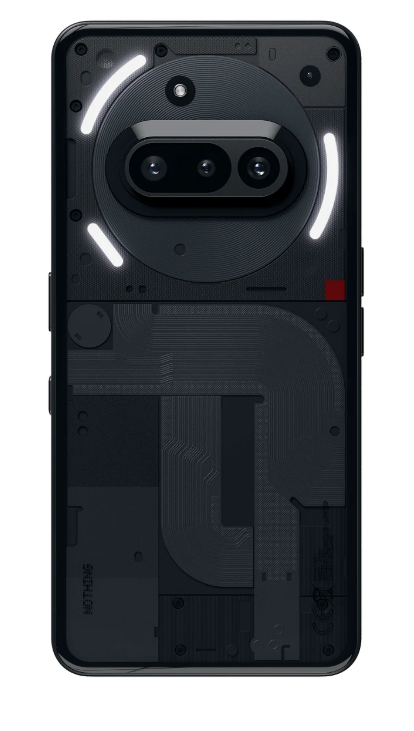
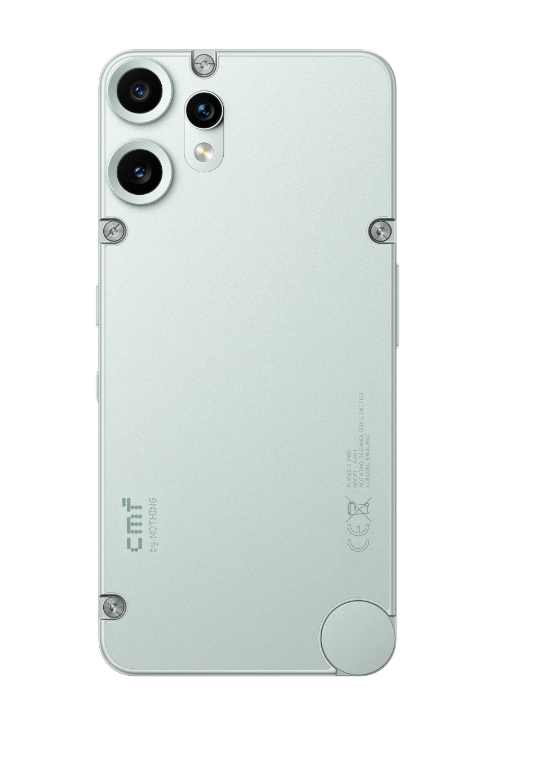
Nothing emerged as the fastest-growing brand. It achieved an impressive 577% growth, which was driven by the success of its Phone (2a) and the launch of the CMF sub-brand. Although it didn’t make it to the 2024 charts, the upcoming Phone (3a) series could further boost its presence in 2025. Here’s why you should wait for the Nothing Phone (3a) series.

On the chipset front, MediaTek outperformed Qualcomm, capturing a record 52% market share compared to Qualcomm’s 25%. This marks a significant milestone for the Taiwanese chipmaker.

For now, Vivo’s leadership underscores the importance of a strong offline presence and a diverse product portfolio in capturing the Indian market.

Tech enthusiast? Get the latest news first! Follow our Telegram channel and subscribe to our free newsletter for your daily tech fix!

For more daily updates, please visit our News Section.

Counterpoint via GSMArena

Casio Launches AE-1600H Series Watches in Europe with 10-Year Battery Life

Casio has introduced its AE-1600H series watches, the AE-1600H-1AV and AE-1600H-8BV, to European markets after their initial release in the US. The watches are now available in countries such as the Netherlands, France, and Italy.

The AE-1600H series features a 10-year battery life powered by a CR2032 battery and a rugged octagonal design. The watches are water-resistant up to 100 meters and include an LED Illuminator with an Afterglow function for better visibility in low-light conditions. Additional features include five multi-function alarms (one with snooze), a 1/100-second stopwatch, dual time modes, and a countdown timer.

Weighing 52 grams, the watches are lightweight and made with resin cases and bands. The LCD display is larger than standard DW-5600 models, ensuring clear readability. The auto-calendar is programmed through the year 2099. In Europe, the watches are available in Black and Grey, while US customers also have a Beige option.

Priced at €39.90 in the NetherlandsFrance, and Italy, the watches are also available in India for INR 3,195. US pricing has not been announced.

In other news, Casio has launched the special edition G-Shock GA-B2100CD-1A4 in collaboration with the Charles Darwin Foundation. Inspired by the Galapagos marine iguana, it features a red and black dual-tone design, while the GA-B2100CD-1A7 variant takes cues from the Galapagos penguin with a black and white theme. Both models include unique dial and band loop designs, an engraved foundation logo, and a Spanish conservation message on the band.

For more daily updates, please visit our News Section.

Tech enthusiast? Get the latest news first! Follow our Telegram channel and subscribe to our free newsletter for your daily tech fix!

(via)

Comparing OnePlus 13 and Samsung Galaxy S25: Which early 2025 flagship to choose?

Choosing between the OnePlus 13 and Samsung Galaxy S25 is tough, as both offer flagship performance with unique strengths. The OnePlus 13 boasts a larger display, bigger battery, and faster charging, while the Galaxy S25 delivers longer software support and a compact design. With both phones featuring the latest Snapdragon 8 Elite chip, high-end cameras, and premium builds, deciding which is right depends on your priorities. Do you want power and endurance or longevity and ecosystem? This comparison breaks down their features to help you pick the best fit.

1. Design and Display

oneplus 13
OnePlus 13

OnePlus 13 and Samsung Galaxy S25 both offer premium build quality but with some notable differences. The OnePlus 13 uses Ceramic Guard glass for better durability, whereas the S25 opts for Gorilla Glass Victus 2, which is also strong but may not be as scratch-resistant. OnePlus also offers an eco-leather back, which feels more premium and adds grip. The Galaxy S25, however, comes with an Armor Aluminum 2 frame, making it more resistant to drops.

When it comes to display, the OnePlus 13 takes the lead with its larger 6.82-inch LTPO 4.1 AMOLED screen, higher 1440p resolution, and an incredible 4500-nit peak brightness. In contrast, the S25 features a 6.2-inch Dynamic LTPO AMOLED 2X display with a 1080p resolution and a peak brightness of 2600 nits. The OnePlus 13 is simply better for media consumption, gaming, and outdoor visibility. However, the S25’s compact size may appeal to users looking for a more manageable phone.

If you prefer a compact phone, the Galaxy S25 is a great choice, but for power users who want the best display, the OnePlus 13 is clearly superior.

Please Note: When you buy something using the links in our articles, we may earn a small commission at no cost to you.

2. Specifications

samsung galaxy s25
Galaxy S25

Both phones run on the Snapdragon 8 Elite (3nm) processor, ensuring top-tier performance. However, OnePlus 13 has a better battery setup with a 6000mAh battery, while the Galaxy S25 settles for 4000mAh. This makes a huge difference in endurance, as the OnePlus 13 will last significantly longer on a single charge.

Charging speeds also favor the OnePlus 13, which boasts 100W wired charging (50% in 13 min, full in 36 min), while the Galaxy S25 maxes out at 25W (50% in 30 min). Wireless charging is also faster on OnePlus (50W vs. 15W on the S25). If battery life is a priority, the OnePlus 13 is the obvious winner.

Samsung does offer Samsung DeX for a desktop-like experience when connected to a monitor, something OnePlus lacks. However, for raw battery and charging power, OnePlus dominates.

The OnePlus 13 is the better option for battery-conscious users, but if you want DeX for productivity, the S25 is a good alternative.

3. Camera

oneplus 13
OnePlus 13

The OnePlus 13 features a triple 50MP camera setup, while the Galaxy S25 has a 50MP main, 10MP telephoto, and 12MP ultrawide camera. On paper, the OnePlus 13 has better hardware, with a larger main sensor and a more powerful periscope telephoto lens (50MP vs. 10MP), allowing for sharper 3x zoom shots.

Samsung does include Best Face and HDR10+ in video recording, which enhances selfies and videos. However, the OnePlus 13 provides 8K recording at 30fps with Dolby Vision, making it superior for high-end video capture. Additionally, Hasselblad color tuning in OnePlus ensures more natural colors.

On the front, OnePlus 13’s 32MP selfie camera beats the Galaxy S25’s 12MP shooter. Samsung’s HDR10+ support helps with dynamic range, but OnePlus wins in detail and sharpness.

If you prioritize photography and video recording, the OnePlus 13 is better, but Samsung’s software optimization may appeal to casual users.

4. Pricing

The OnePlus 13 is priced at $899, whereas the Samsung Galaxy S25 costs $799. The $100 price gap makes Samsung the cheaper option, but you get better specs in the OnePlus 13 for just a little extra.

Given that OnePlus offers a larger and better display, stronger battery, and more powerful cameras, the extra $100 is well worth it. However, Samsung does provide longer software support (7 major updates vs. 4 on OnePlus), which might make it a better long-term investment.

If you want a value-packed flagship, the OnePlus 13 is worth the extra money, but if you want longer software updates, Samsung is the better choice.

5. Conclusion

samsung galaxy s25
Galaxy S25
  • OnePlus 13 has a 6000mAh battery, nearly 50% larger than the S25’s 4000mAh battery.
  • Charging speeds are much faster on OnePlus (100W wired, 50W wireless vs. 25W wired, 15W wireless on Samsung).
  • Samsung offers 7 years of Android updates, while OnePlus promises 4 years.
  • OnePlus 13 has a better display (1440p resolution, 4500 nits vs. Samsung’s 1080p, 2600 nits).
  • Samsung has Samsung DeX, which is missing in OnePlus.
  • OnePlus has a more powerful camera system with a 50MP periscope zoom lens vs. Samsung’s 10MP telephoto.
  • OnePlus has a 32MP front camera, while Samsung has 12MP.

If you want the best performance, display, battery, and camera, the OnePlus 13 is a no-brainer. However, Samsung’s Galaxy S25 is better for long-term updates, compact size, and DeX for productivity.

Read More:

Galaxy S25 series gets free storage upgrades and crazy trade-in deals on Amazon UK

Samsung’s Galaxy S25 series is now available for open sales, and Amazon UK is rolling out some irresistible deals that are even better than the pre-order offers. From free storage upgrades to hefty trade-in discounts, there’s never been a better time to upgrade to Samsung’s latest flagship lineup.

To begin with, the Galaxy S25 Ultra comes with a free storage upgrade. This means the 512GB model starts at £1,250, but Amazon is offering another £100 discount at checkout, bringing the price down to £1,150. On top of that, you will get £100 in store credit.

The Galaxy S25+ follows suit with the same perks: a free storage upgrade, a £100 checkout discount (bringing the price to £900), and £100 in store credit.

Even the base Galaxy S25 gets a boost, with its storage upgraded to 256GB (from 128GB) for free. After the £100 checkout discount, the phone starts at £700, and you’ll still get that extra £100 credit to spend.

See if you can take advantage of the trade-in deals

If you’re eyeing the Galaxy S25 Ultra, the trade-in deals are where things get really exciting. Samsung’s trade-in program lets you grab the Ultra for as little as $399 (yes, its not a typo). Here’s how it works:

For those already considering an upgrade over the Z Fold 6 or last year’s S24 Ultra, the trade-in deal means you will get up to $900 off. Older devices like the Galaxy S22 or the S23 series can still fetch $400 – $450. The best part? It’s an instant discount, so you’ll pay the reduced price upfront. For example, if you trade in a $900 device, you’ll only pay $399 today for the Galaxy S25 Ultra.

With free storage upgrades, instant trade-in discounts, and store credit, Amazon UK and Samsung are making it easier than ever to upgrade to the Galaxy S25 series. Whether you’re after the Ultra model or a more compact and lightweight one, there’s a deal tailored for you. And if you are in the US, pre-order Samsung Galaxy phones now & get up to $1,250 off + a chance to win $5,000 credit (US only) – https://howl.link/erlejlgnge89i

Stay ahead in tech! Join our Telegram community and sign up for our daily newsletter of top stories!
For more daily updates, please visit our News Section.

(Via)

Google Introduces Gemini 2.0 Flash: Faster and More Efficient AI

Google has introduced Gemini 2.0 Flash as the new default model for its Gemini app, bringing improvements in speed and efficiency. This update, following its December launch, improves performance across key areas, making tasks like brainstorming, learning, and writing faster and more seamless. With quicker response times and better processing, users can generate ideas, explore concepts, and create written content more smoothly.

Gemini 2.0 Flash

For Gemini Advanced subscribers, the 1 million token context window remains available, allowing for document uploads of up to 1,500 pages. Subscribers also retain access to exclusive features like Deep Research, which helps uncover insights and connections, and Gems, which provides curated resources for more efficient research.

Imagen 3

Additionally, image generation now uses Imagen 3, offering more detailed textures and accurate interpretations of prompts. The new model does a better job of handling fine details, realistic elements, and stylistic choices, making it easier to generate photorealistic images and creative artwork.

Gemini 2.0 Flash is now available on both web and mobile apps. To ease the transition, Google will continue supporting the previous models, Gemini 1.5 Flash and 1.5 Pro, for a limited time so users can wrap up any ongoing conversations.

In other news, Microsoft is bringing distilled versions of DeepSeek R1 to Windows 11 Copilot+ PCs, allowing AI features to run efficiently on-device without needing an internet connection. This improves privacy and performance by keeping data processing local. The rollout will start with Snapdragon X-powered devices from brands like Asus, Lenovo, Dell, HP, and Acer, followed by Intel Core Ultra 200V and AMD Ryzen AI 300 series.

For more daily updates, please visit our News Section.

Don’t miss a thing! Join our Telegram community for instant updates and grab our free daily newsletter for the best tech stories!

(Source)

Microsoft Unveils AI-Powered Surface for Business Laptops with Up to 22-Hour Battery Life

Microsoft has introduced updates to its Surface for Business Copilot+ PC lineup, launching new Surface Pro and Surface Laptop models equipped with Intel Core Ultra processors (Series 2). These devices are designed for business users, focusing on performance, sustainability, and AI-driven productivity tools.

Surface Laptop for Business: Performance and Design

The new Surface Laptop for Business comes in 13.8-inch and 15-inch sizes, featuring anti-reflective displays with thin bezels, Wi-Fi 7, and multiple ports, including an optional smart card reader. It is powered by Intel Core Ultra processors, offering up to 22 hours of battery life.

Performance improvements include up to 26% faster multi-tasking compared to the Surface Laptop 5, double the graphics performance, and triple the battery life during Teams calls. The device supports AI features through its built-in NPU, with the 15-inch model providing 48 TOPS (Trillion Operations Per Second) and the 13.8-inch model offering 40 TOPS.

Battery life is a key feature, with the 15-inch model lasting up to 22 hours for video playback and 14 hours for web usage. The 13.8-inch model offers up to 20 hours of video playback and 12 hours of web usage. Both models include a precision haptic touchpad, a backlit keyboard, and dual studio microphones with Dolby Atmos speakers.

These laptops are made with sustainability in mind using 67.6% recycled content, including 100% recycled aluminum and rare earth metals. The battery cells use 100% recycled cobalt, supporting Microsoft’s carbon-negative goals.

Surface Pro for Business: Flexibility and Power

The updated Surface Pro for Business maintains its 2-in-1 design, suitable for both tablet and laptop use. It is powered by Intel Core Ultra 5 or Core Ultra 7 processors, with NPU capabilities of 40 TOPS and 48 TOPS, respectively.

The device features a 13-inch PixelSense Flow display, available in OLED or LCD options, with a 2880 x 1920 resolution, up to 120Hz refresh rate, and 600 nits brightness. It includes a 1440p front-facing camera and a 10MP rear camera, making it suitable for video calls and content creation.

Storage options range from 256GB to 1TB of removable Gen 4 SSD, with 16GB or 32GB of LPDDR5X RAM. Security features include TPM 2.0, BitLocker encryption, Microsoft Pluton, and Windows Hello facial recognition.

Battery life is rated at up to 14 hours for video playback and 10 hours for web usage. The device weighs 1.92 lbs (872g) without the keyboard and includes a 165-degree kickstand for flexible use.

Surface Laptop 5G: Upcoming Release

Microsoft also announced the Surface Laptop 5G, set to launch in 2025. This will be the first Surface Laptop with cellular connectivity, though specific details are not yet available.

Security and AI Features

Security is a priority for Copilot+ PCs. The Microsoft Pluton security processor protects sensitive data, while Windows 11 and Microsoft 365 offer tools to combat phishing, malware, and ransomware. AI-powered features, such as improved Windows Search, are available to help users find files using associated words or phrases.

The Surface Management Portal in Microsoft Intune provides IT admins with tools to monitor and manage devices. Starting February 24, 2025, the Security Copilot feature will enter public preview, offering generative AI capabilities for device management.

Pricing and Availability

The Surface Laptop for Business starts at US$1,499.99, while the Surface Pro for Business begins at the same price. All devices will be available for purchase starting February 18, 2025.

(Source)

5 Next-Gen Mobile Games with Ray Tracing Support

Mobile games are now pushing the boundaries of visual fidelity thanks to great improvements in hardware performance. With the Snapdragon 8 Gen 2, Ray Tracing support was a major part of the announcement with various next-gen games now bringing what initially seemed to be a PC exclusive tech. So here’s a list of 5 new mobile games that support ray tracing.

Arena Breakout Mobile

5 Mobile Games with Ray Tracing
Arena Breakout Mobile

The first on the list is Arena Breakout, which is a new extraction/tactical shooter that was also released for PCs. It is available on both Android and iOS, boasting impressive visuals thanks to support for ray tracing. For those unaware, this technology makes lighting more realistic and even affects the way shadows interact with the environment and light sources. So you get an immersive experience with more realistic graphics.

CarX Street

5 Mobile Games with Ray Tracing
CarX Street

For racing game enthusiasts, CarX Street is bringing cutting edge graphics to smartphones. Thanks to ray tracing, you can see finer details of each racing car for a fast paced and immersive experience. The light reflections on the car’s body take the cake here. Racing games usually offer gorgeous graphics and CarX Street continues this trend.

Rainbow Six Mobile

Rainbow Six Mobile
Rainbow Six Mobile

Ubisoft recently released the mobile version of Rainbow Six Siege, which is a popular tactical multiplayer shooter. Rainbow Six Mobile also follows a 5v5 format and Attack vs Defense game modes. To make the shooter even more realistic, you get great visuals thanks to ray tracing support. So there are precise light reflections on weapons and dynamic shadow effects to help raise the excitement of intense CQC gameplay (Close Quarters Combat).

Justice Mobile

5 Mobile Games with Ray Tracing
Justice Mobile

Justice Mobile is a next gen MMORPG (Massively Multiplayer Online Role Playing Game) that is based on the Chinese fantasy world of wuxia. Players create their own characters and traverse across a beautiful landscape that takes advantage of Ray Tracing. From the buildings to the nature around you, the game offers vivid colors, great details, and realistic lighting and shadows. All of this packaged into a fast paced combat system.

War Thunder Edge

5 Mobile Games with Ray Tracing
War Thunder Edge

We have another mobile version of a popular PC game, which is War Thunder. Just like its PC counterpart, the War Thunder Edge lets you sit in the seat of legendary tanks, aeroplanes, warships, and much more. Take part in large scale battles across land, sea, and air with striking visuals. Ray tracing can provide realistic levels of detail on these war vehicles.

For more daily updates, please visit our News Section.

Tech enthusiast? Get the latest news first! Follow our Telegram channel and subscribe to our free newsletter for your daily tech fix! ⚡

Ola S1 Gen 3 series finally lands in India with up to 320km range: Starts from Rs 79,999

Ola Electric has just introduced the Ola S1 Gen 3 series of electric scooters in the Indian market. This is the latest generation of electric two wheelers, which offer various upgrades over its predecessors. So let’s check out its specs, price, and other details.

Ola S1 Gen 3 Series
Ola S1 Gen 3 Series

1. Ola S1 Gen 3 Series

The Ola S1 Gen 3 series are the brand’s latest EVs that bring various upgrades like the new brake by wire technology and ABS system, which features patented brake sensors. Ola Electric’s entire e-scooter lineup is also getting a refreshed design for a more comfortable yet sporty look. It features MoveOS 5 that brings DIY mode, Smart Park, Smartwatch app, road trip mode, Bharat mood, and even a dedicated SOS alert that can communicate with your contacts when it detects an accident.

The lineup consists of four models that come in varying prices:

Ola S1X Gen 3

The entry model is the Ola S1X Gen 3 that offers the new brake by wire tech, new design, chain drive, and a colored LCD screen. It is available in three variants, namely 2kwh, 3kwh and 4kWh models. The Ola S1X Gen 3 has a peak power of 7kW, up to 242km IDC range, and up to 123kmph top speed.

Ola S1X+ Gen 3

The Ola S1X+ Gen 3 is a step higher with similar features as the base S1X, but it only arrives with a 4kwh model. This has a peak power output of 11kW with a 242km range, and up to 125kmph top speed. You can buy this model in 5 color options, namely Midnight Blue, Jet Black, Passion Red, Industrial Silver, and Porcelain White.

Ola S1 Pro Gen 3

The Ola S1 Pro Gen 3 also features the brake by wire tech and mid drive motor, but it also adds new rim decals new die-cast aluminium grab handle, improved seat ergonomics, and mirrors that match the body colors. There are 3kWh and 4kWh models with a peak power of 11kW. You also get a 242km IDC range and up to 125kmph top speed.

Ola S1 Pro+ Gen 3

Finally, we have the Ola S1 Pro+ Gen 3 is the top end model with all of the features as the more affordable models like brake by wire tech, rim decals, and others. However, it also features Dual ABS and dual tone seating design. That’s not all, you can also get it in 4kWh and 5.3kWh models with the 5.3kWh variant featuring the 4680 Bharat Cell from the Ola Gigafactory. It offers a higher peak power of 13kW and a longer range of up to 320km IDC. IT has a higher 141kmph top speed as well.

2. Pricing and Availability

The Ola S1 Gen 3 series is available for order starting from today (31st January 2025), with delivers kicking off next month. So let’s check out the pricing:

  • Ola S1X Gen 3 – Rs. 79,999 (2kWh), Rs. 89,999 (3kWh), Rs. 99,999 (4kWh)
  • Ola S1X+ Gen 3 – Rs. 107,999 (kWh)
  • Ola S1 Pro Gen 3 – Rs. 114,999 (3kWh), Rs. 134,999 (4kWh)
  • Ola S1 Pro+ Gen 3 – Rs. 154,499 (4kWh), Rs. 169,999 (5kWh)

For more daily updates, please visit our News Section.

Don’t miss a thing! Join our Telegram community for instant updates and grab our free daily newsletter for the best tech stories!

Comparing iPhone 16 Pro Max and Samsung Galaxy S25 Ultra

Choosing between the iPhone 16 Pro Max and Samsung Galaxy S25 Ultra is tougher than ever, as both flagship devices push the boundaries of design, performance, and camera technology. Apple refines its premium experience with iOS optimizations, while Samsung packs powerful hardware and innovative features like the S-Pen and a 200MP camera. With different ecosystems, priorities, and upgrades, deciding which phone is better depends on what matters most to you. This comparison breaks down the key differences, helping you choose the one that best fits your needs.

1. Design and Display

Samsung Galaxy S25 Ultra

Both phones feature a titanium frame and glass front/back, ensuring a premium build. However, Samsung’s Gorilla Armor 2 offers better durability against scratches compared to Apple’s Ceramic Shield glass.

In terms of display, both offer LTPO OLED panels with 120Hz refresh rates, but Samsung takes the lead with 2600 nits peak brightness and a higher resolution (1440p vs. 1320p). It also has a slightly better screen-to-body ratio.

If you prioritize durability and resolution, the S25 Ultra edges ahead. But if you prefer Apple’s color tuning and Dolby Vision support, the iPhone remains a strong contender.

2. Specifications

iPhone 16 Pro max
iPhone 16 Pro Max

The iPhone 16 Pro Max runs on Apple’s A18 Pro (3nm), while the Galaxy S25 Ultra has Snapdragon 8 Elite (3nm). Samsung offers more RAM (up to 16GB vs. 8GB), making it better for multitasking.

Battery-wise, Samsung wins with a 5000mAh cell vs. 4685mAh on the iPhone. It also charges faster (45W vs. 25W wired), though Apple’s wireless charging is slightly better with MagSafe and Qi2 support.

If raw performance matters, Apple’s chip usually outperforms. But for better RAM, battery life, and charging speed, Samsung is the way to go.

3. Camera

iPhone 16 Pro max
iPhone 16 Pro max

Apple keeps its 48MP triple-camera setup but adds spatial video, improving AR and VR content. Samsung, however, packs a 200MP quad-camera system, offering 8K recording and better zoom capabilities (5x & 3x telephoto lenses).

Samsung also provides HDR10+ selfie recording, while Apple includes Dolby Vision HDR and spatial audio capture.

If you need the best zoom and megapixel count, Samsung is superior. However, Apple’s video recording and AR features remain unmatched.

4. Pricing

  • iPhone 16 Pro Max starts at $1,099
  • Samsung S25 Ultra starts at $1,299

Samsung is pricier but offers more RAM and a better camera setup. Apple, however, justifies its price with a superior chip and iOS ecosystem.

If you want a complete flagship experience with extras like the S-Pen, Samsung justifies the extra cost. But if you prefer long-term software support and iOS optimizations, Apple remains a great choice.

5. Conclusion

Samsung Galaxy S25 Ultra

Please Note: When you buy something using the links in our articles, we may earn a small commission at no cost to you.

  • Samsung includes an S-Pen, making it ideal for productivity.
  • Apple’s spatial video enhances AR/VR compatibility.
  • Samsung has better zoom and a 200MP main sensor, while Apple focuses on video and stabilization.
  • iPhone’s A18 Pro chip is likely the most powerful, but Samsung offers more RAM.
  • Samsung supports 7 major Android updates, while Apple will likely support iOS 

Samsung packs more features, but Apple remains the best for ecosystem users and video creators. It ultimately depends on whether you value Samsung’s hardware power or Apple’s software refinements.

Read More:

G-Shock Releases New Charles Darwin Special Edition GA-B2100CD-1A4 Model

Casio has just unveiled a new special edition GA-B2100CD-1A4 model. It brings a unique design as part of the brand’s collaboration with the Charles Darwin Foundation, which is a research organization. The G-Shock watch that is getting the makeover is the GA-B2100CD-1A4, so let’s check it out.

G-Shock x Charles Darwin Foundation GA-B2100CD-1A4

In terms of dimensions and size, the G-Shock x Charles Darwin Foundation special edition model is similar to the regular GA-B2100CD-1A4. However, the watch features a new dual tone design on the front that include red and black of the Galapagos marine iguana. For those unaware, this is the only iguana in the world that is known to dive into the sea. There is also the GA-B2100CD-1A7 variant that has a black and white color pattern that is inspired by the black and white of the Galapagos penguin.

Casio G-Shock X Charles Darwin Foundation
Casio G-Shock X Charles Darwin Foundation (GA-B2100CD-1A4 and GA-B2100CD-1A7 models)

Both models have a special design of the marine iguana or the penguin on the inner dial hand on the band loop. Meanwhile, the back features an engraved brand logo of the Charles Darwin Foundation. The band also arrives with the Spanish phrase “Apoyo la conservacion de Galapagos” printed on it, which translates to “I support the conservation of the Galapagos.”

Talking about its key specs, you still get double LED light, world time (38 time zones), Mobile link via Bluetooth, and much more. The GA-B2100CD-1A4 and GA-B2100CD-1A7 are priced at 14,495 INR in the Indian market or 170 US Dollars in the US. These are currently selling via Casio and Exclusive G-Shock stores across the Indian market. This launch also arrives after the G-Shock and Barbie collaboration.

For more daily updates, please visit our News Section.

Tech enthusiast? Get the latest news first! Follow our Telegram channel and subscribe to our free newsletter for your daily tech fix! ⚡

India to get exclusive color variant for iQOO Neo 10R

iQOO is gearing up to launch the Neo 10R in India this month. The company has been teasing the device for a while now and is confirmed to be powered by a Snapdragon 8s Gen 3 processor. A fresh report from 91mobiles now confirms that the phone will arrive in a Blue and White variant exclusive to the Indian market, called ‘Raging Blue.’

This new color variant sticks to iQOO’s signature dual-tone design. The back panel features a squircle camera module, with the majority in blue and a white section on the side. 

This colorway is reportedly designed solely for India and won’t be available in other regions. The design echoes the Rally Orange variant previously launched in China as part of the iQOO Neo 10 series.

Key Specifications of iQOO Neo 10R

While the official launch date is still under wraps, several details about the smartphone’s specifications have surfaced:

  • Processor: The phone will run on Qualcomm’s Snapdragon 8s Gen 3 processor.
  • Display: You can expect a 1.5K AMOLED display with a 144Hz refresh rate.
  • Cameras: It is rumored to house a 50MP Sony LYT-600 primary camera, an 8MP ultra-wide lens, and a 16MP front camera for selfies.
  • Memory: Multiple configurations are expected, with up to 12GB of RAM and 256GB of internal storage.
  • Software: The device is likely to ship with Android 15-based Funtouch OS.
  • Battery: The Neo 10R is tipped to pack a 6,400mAh battery, which would surpass the battery capacity of the existing Neo 10 series in China.
  • Price: iQOO’s teasers suggest that the Neo 10R will be priced under Rs 30,000 in India.

The launch date remains undisclosed, but the official announcement seems imminent given the ongoing teasers and leaks.

For more daily updates, please visit our News Section.

Stay ahead in tech! Join our Telegram community and sign up for our daily newsletter of top stories!

(Source)

iQOO Z10x India launch might be near: Visits BIS certification

iQOO might be planning on launching a new budget smartphone in India soon. The iQOO Z10x model has recently surfaced on an Indian certification. So the company is likely planning on an imminent release in the region. So here’s what we know.

iQOO Z10x India Release Imminent

iQOO Z10x

The Chinese brand’s iQOO Z10x was spotted on the Bureau of Indian Standards (BIS) carrying the I2404 model number. Unfortunately, this listing does not reveal finer details regarding its design, specs, or availability. But it does confirm that the Indian release might be right around the corner. As the name suggests, the iQOO Z10x is likely the successor to the iQOO Z9x that launched in mid-2024.

Back in October 2024, the iQOO Z10x was first spotted on the GSMA database. The iQOO Z10x, Z10, Z10 Turbo, and Z10 Turbo Pro also surfaced in a leak earlier this month. However, this talked about the Chinese variant. Known tipster Digital Chat Station claimed that these devices could be powered by a large battery pack. The iQOO Z9 series packed batteries with over a 6,000mAh capacity. So the successors might pack a 7,000mAh cell.

iQOO Z9x

Apart from this, there are no other finer details regarding the iQOO Z10x. But we can expect it to offer upgrades over the last year’s model. To recall, the iQOO Z9x launched with a tall 6.72-inch IPS LCD panel with a 120Hz refresh rate and FHD+ resolution. It is equipped with the Snapdragon 6 Gen 1 SoC, which is paired with up to 8GB of RAM and 128GB of internal storage. The device has a 50MP dual camera on the back, a massive 6000mAh battery and 44W wired fast charging. So there might be a newer chipset, bigger battery, and better cameras.

For more daily updates, please visit our News Section.

Don’t miss a thing! Join our Telegram community for instant updates and grab our free daily newsletter for the best tech stories!

(Via)