Titan Army has introduced the P2510H Pro+ in the Chinese market, a 24.5-inch gaming monitor designed for esports players and high refresh rate enthusiasts. It features an overclocked refresh rate of up to 320Hz and is now available on JD.com for 829 yuan (~$115).
Titan Army P2510H Pro+ Specifications
The P2510H Pro+ features a 24.5-inch Fast IPS panel with a Full HD resolution of 1920×1080. It equips a native 300Hz panel, factory-boosted to 320Hz, paired with a 1ms GtG response time. That combo should appeal to FPS and MOBA players looking to squeeze every frame advantage possible without breaking the bank.
It also supports Adaptive-Sync, which means smoother motion and less tearing regardless of your GPU brand. Additionally, it features VESA DisplayHDR 400 certification, offering a peak brightness of 400 nits and a 1000:1 static contrast ratio for improved dynamic range.
For creators and color-sensitive workflows, the P2510H PRO+ supports 99% sRGB and 93% DCI-P3 color gamuts, with a claimed 122% sRGB volume. It comes factory-calibrated with an average Delta E<2 and includes preset color modes like sRGB, DCI-P3, and MacView.
The gaming monitor equips a fully adjustable stand that supports tilt (-5° to 20°), height adjustment (up to 100mm), and pivot rotation (+90°). The design also supports 100x100mm VESA wall mounting. The monitor sports multitasking features like PIP (Picture-in-Picture) and PBP (Picture-by-Picture) for dual-input viewing.
For connectivity, it comes with two HDMI 2.0 ports, two DisplayPort 1.4 inputs, and a 3.5mm audio out. It features Game+ tools like crosshair overlays, smart night vision, dark level tuning, and a real-time refresh rate counter. Eye protection is handled through a hardware-level low blue light filter and flicker-free DC dimming.
In related news, AOC recently launched a new 27-inch 2K gaming monitor featuring a 260Hz Fast IPS panel, 1ms GtG response time, and HDR400 support, priced at just $180. Meanwhile, Alienware has introduced the AW3425DW, a 34-inch QD-OLED curved gaming monitor with a 240Hz refresh rate, now available in the US.
For more daily updates, please visit our News Section.
ASUS is selling a new small gaming PC, the TUF Gaming T500, starting at $1,299. It looks like a typical gaming PC from the outside, but what’s inside is different.
The top model uses an Intel Core i7-13620H laptop chip instead of a regular desktop CPU. This CPU has six fast cores (up to 4.9GHz) and four efficient cores, so it can still run modern games. However, it’s soldered to a special motherboard, meaning you can’t upgrade it later. The RAM is also the type used in laptops (SO-DIMM), which also limits upgrades. Even the CPU cooler is custom-made and would need a new motherboard if you wanted to change it.
The good news is that the graphics card is a standard desktop part. You can choose up to an NVIDIA GeForce RTX 5060 Ti with 16GB of memory. It supports newer technologies like DLSS 4. Other specs include up to 64GB of fast DDR5 RAM (SO-DIMM), up to 2TB of fast SSD storage, and a good 500W power supply. It has fast WiFi 6, a regular Ethernet port, and front ports: two fast USB-A ports, one USB-C port, and a headphone/microphone jack. On the back, there are two standard USB ports, two HDMI ports (one older, one newer), a DisplayPort, three audio jacks for surround sound, and a network port.
The design looks like something from a mecha anime, with a see-through or metal side and yellow lights. The case is built to be tough (MIL-STD-810H certified), weighs 6kg, and is 15.5 x 29.6 x 34.7 cm in size.
Honor’s upcoming Honor 400, a mid-range contender, has had its full spec sheet and price tag leaked. Set to launch globally with a 200MP camera, Snapdragon 7 Gen 3, and AI-packed MagicOS 9.0, it promises big upgrades over the Honor 300 at a competitive price.
Honor 300 series
The Honor 400, succeeding the Honor 300, is poised to shake up the mid-range market, with renders previously shared but pulled at Honor’s request. Available in Black and Gold/Grey, it sports a sleek 184g frame (156.5×74.6×7.3mm) and an IP65 rating, per YTECHB. The 6.55-inch AMOLED display boasts a 120Hz refresh rate and 5,000 nits peak brightness. Powered by the Snapdragon 7 Gen 3, it runs Android 15-based MagicOS 9.0 with AI goodies like Google Gemini, Circle to Search, and AI Eraser.
Its camera setup shines with a 200MP f/1.9 main sensor and a 12MP ultrawide (112° FOV), plus a 50MP f/2.0 selfie cam, outpacing the Honor 300’s 50MP main. A 5,300mAh battery with 66W SuperCharge keeps it juiced, though it trails the 100W of the Honor 400 Pro. The predecessor also featured a 5,300mAh battery with 100W fast charging. However, the Honor 300 wasn’t as compact as the upcoming Honor 400, offering a 6.7-inch display compared to the latter’s rumored 6.55-inch screen.
Priced at €499 for 8GB/512GB (matching the Honor 200’s 8GB/256GB), a 256GB variant is also expected. Launching in May 2025 in China, with a global rollout by June, it’s shaping up to be a strong iQOO Neo 10 contender. Will its AI and camera prowess justify the price? We’re pumped to find out!
iQOO has silently launched its latest audio accessory, the iQOO Buds 1i (also known as iQOO 1i), in Indonesia. While the launch flew under the radar, the Buds 1i have already made their way to iQOO’s official website. Here’s a look at what the Buds 1i offers.
iQOO Buds 1i key specifications
iQOO Buds 1i
The iQOO Buds 1i feature a 10 mm high-resolution speaker driver for detailed and balanced audio output. It supports a frequency response range of 20 Hz–20,000 Hz for clearer audio output. It comes with support for AI noise cancellation for clear voice calls by suppressing ambient sounds.
There’s DeepX 3.0 stereo sound effects support to enhance the listening experience. It offers four different types of sound profiles: Mega Bass, Clear Voice, Clear High Pitch, and Melodic Audiobooks.
iQOO Buds 1iiQOO Buds 1i
Offering a substantial 50-hour total battery life with the charging case, these earbuds provide extended usage without frequent charging. The company claims that a 10-minute charge will allow the earbuds to last for up to 3 hours.
The Bluetooth 5.4-enabled device comes with support for dual-device connectivity. An ultra-low 88ms latency mode caters to gamers, ensuring synchronized audio for immersive gameplay. It comes with support for other features like touch controls, Google Fast Pair, Google Assistant, and Find My Earphones. It is compatible with Android 12 or higher devices. Finally, it comes with an IP54 rating for dust and water resistance.
iQOO Buds 1i price
The iQOO Buds 1i are listed on iQOO’s Indonesia website for IDR 349,000, which converts to approximately $22. It is available in a striking black-yellow dual-tone finish dubbed Starlight.
For more daily updates, please visit our News Section.
While Samsung is rolling out One UI 7 to more Galaxy devices, a leaked One UI Home Launcher v17.0.00.43 for One UI 8, set to debut with the Galaxy Z Fold 7 and Flip 7 in July 2025, has surfaced on APKMirror. Extracted from an internal One UI 8 build, it hints at even smoother and more lifelike animations, but you’ll need to wait to use it.
Samsung’s One UI 7, featuring its split Quick Panel and Galaxy AI perks, has reached a wide range of flagship devices — from the latest models down to the Galaxy S21 series and third-generation foldables — but One UI 8 is already stealing the spotlight. Power users flashing internal One UI 8 builds on the Galaxy Z Fold6, Z Flip6, and S25 Ultra have uncovered the One UI Home Launcher v17, now listed on APKMirror. This app, the backbone of Galaxy home screen features like widgets, icons, and gestures, is built for One UI 8’s new animation engine, promising buttery-smooth app transitions.
The leaked v17.0.00.43 APK, tied to Android 16, won’t play nice with One UI 7 or earlier—sideloading it on older systems leads to crashes or installation failures, per SammyFans. One UI 8’s animation upgrades, enhancing app opening and closing, rely on this launcher, which could make the S25 feel snappier.
Alongside the expected AI video summaries features and a revamped Browser, the new launcher could also be positioned as a highlight feature of Samsung’s Android 16-based One UI 8. For now, the launcher APK is a tease—you’ll need One UI 8 to unlock its potential.
Will these animations outshine iOS 19 or Pixel’s Android 16 launcher? We’re excited to find out.
Last month, Motorola unveiled the Motorola Edge 60 series and Razr 60 series for the global market. The Edge 60 series includes multiple models, such as the Edge 60, Edge 60 Stylus, Edge 60 Fusion, and Edge 60 Pro. The lineup also includes the Edge 60 Ultra, which hasn’t gone official yet. On the other hand, the Razr 60 lineup has two models: the Razr 60 and 60 Ultra. On May 8, the Lenovo-owned company will hold a dedicated launch event in China to unveil the Edge 60 series and Razr 60 lineup.
Motorola Edge 60s teaser
To be specific, the Chinese market will get three Edge 60 series phones, namely the Edge 60, Edge 60s, and Edge 60 Pro. Shown below is the official commercial for the Edge 60s.
While the Edge 60s moniker is unheard of before, it does not seem to be an entirely new phone. The device appears to be the XT2503-3 phone that was recently approved by the Chinese certification platforms, including TENAA. This device is nothing but a rebranded version of the Motorola Edge 60 Fusion available in other markets.
Motorola Edge 60s specifications
Motorola Edge 60s
The Motorola Edge 60s is expected to feature a 6.7-inch P-OLED curve-edge panel that offers a 1.5K resolution and a 120Hz refresh rate. Under the hood, the device will feature the Dimensity 7400 chip and a 5,500mAh battery with 68W wired and 15W wireless charging support.
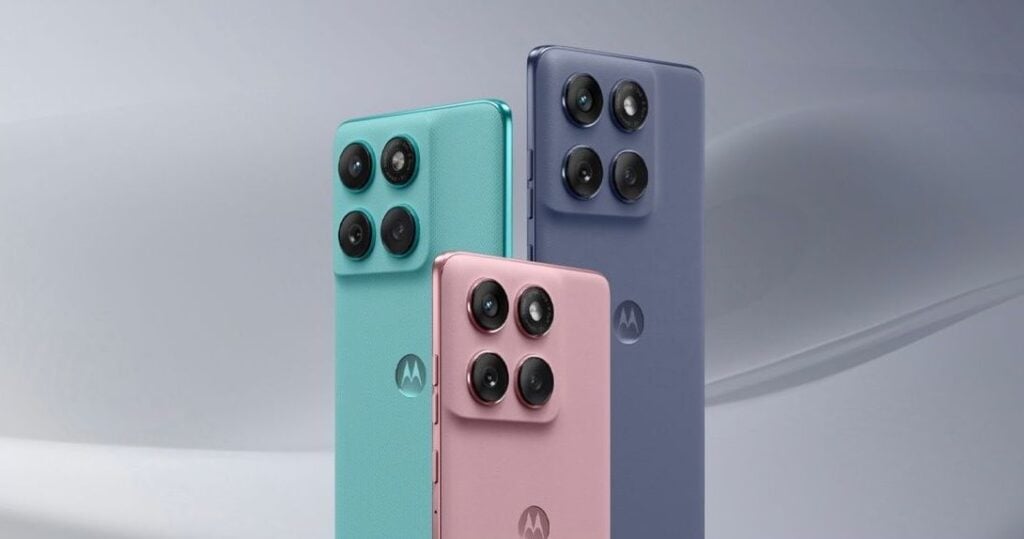
The Edge 60s will feature a 32-megapixel camera for selfies. On the back, it may feature a 50-megapixel Sony LYT-700C primary camera with OIS support and a 13-megapixel ultra-wide lens with macro shooting capabilities. The device will have an IP68/69-rated chassis that measures 8.2mm in thickness and weighs 190 grams. The official poster reveals that it will be available in shades like mint, pink, and purple.
For more daily updates, please visit our News Section.
Recently, an upcoming Oppo phone with model number PKZ110 was spotted on Geekbench. The device was found equipped with the Dimensity 8400 chipset. A recent Weibo post by tipster Digital Chat Station reveals that it is the upcoming Reno 14 Pro.
Oppo Reno 14 series could be equipped with Dimensity 8450
Reno 14 Pro leak by DCS
According to DCS, the Oppo PKZ110 will be called the Reno 14 Pro when it hits the market in China. While the Geekbench listing suggested that the device has the Dimensity 8400 onboard, the leakster claims that it is equipped with the upcoming Dimensity 8450. There is a possibility that the standard Reno 14 may also feature the D8450 chip. However, this is just an assumption, and we have to wait for further reports to know its chipset. The rumour mill is yet to reveal the model number of the standard edition.
What to expect from Dimensity 8450
On being asked what the difference is between Dimensity 8450 and the existing Dimensity 8400, the tipster said it’s the same as the difference between the Dimensity 8350 and Dimensity 8300. For those unfamiliar, the Reno 13 and 13 Pro feature the Dimensity 8350 SoC.
Dimensity 8450 chip: What to expect?
MediaTek Dimensity 8450’s unofficial image
To recall, while the Dimensity 8350 and 8300 share identical CPU and GPU configurations, the 8350 offers notable enhancements in gaming through its StarSpeed Engine, promising better power efficiency, smoother scene transitions, and improved touch response. It also brings minor upgrades in AI capabilities and potentially slightly better power efficiency overall.
In the same way, the forthcoming Dimensity 8450 and Dimensity 8400 share the same CPU and GPU core specs, as indicated by the Geekbench listing. However, the D8450 is expected to offer slightly better gaming performance, likely due to an enhanced StarSpeed Engine, offering similar advancements to those seen in prior MediaTek chips. Additional optimizations may also boost scene transitions and overall responsiveness
As the Reno 14 series is expected to launch this month in China, the Dimensity 8450 is likely to be officially unveiled just before the Reno 14 series debut. The above leak also suggests that Oppo may unveil other devices like the Enco Clip earbuds and Pad SE tablet alongside the Reno 14 lineup. The Pad SE will feature an 11-inch LCD panel, a Dimensity G100 (upcoming) chip, and a 9,30mAh battery with 33W fast charging. It will measure 7.39 mm in thickness and weigh 530 grams.
For more daily updates, please visit our News Section.
Following the successful global launch of its flagship OnePlus 13 and sub-flagship OnePlus 13R, the Chinese smartphone manufacturer is preparing to unveil its new mid-range lineup. The OnePlus Nord CE 5 was recently spotted on the UAE’s TDRA certification site and has now appeared on India’s BIS certification website, suggesting that its launch could be imminent.
The OnePlus Nord CE 5 has appeared on the BIS certification website under model number CPH2717. While an earlier release was expected in May, the latest update points to a rollout sometime in June.
OnePlus Nord CE 5 (CPH2717) BIS Certification
Tipster Debayan Roy has also revealed some key details about the Nord CE 5. As per Roy, the Nord CE 5 will feature a Full HD+ flat OLED display with a 120Hz refresh rate. Powering the device will be the MediaTek Dimensity 8350 chipset, paired with a 7,100 mAh battery that supports 80W wired charging.
The rear camera setup includes a 50MP main sensor with Sony’s Lytia LYT-600 and an 8MP ultrawide camera using the Sony IMX355 sensor. A 16MP front camera is expected for selfies and video calls. Other leaked specifications might include 8GB of RAM, 256GB of internal storage, an in-display fingerprint scanner, a hybrid SIM slot, an IR blaster, and a single speaker setup.
Its more premium sibling, the OnePlus Nord 5, is also in the pipeline and is expected to be a rebrand of the Chinese OnePlus Ace 5 Racing Edition. Leaked specs include a flat 1.5K OLED display (120Hz), Dimensity 9400e chip, 7,000mAh battery with 100W fast charging, and a 50MP + 8MP dual rear camera setup.
For more daily updates, please visit our News Section.
Recent reports have claimed that iQOO will launch the iQOO Neo 10 for the global market. Its model number variants, such as I2405 and I2408, have received approval from certification platforms, hinting at an imminent release. It appears the phone will debut as early as this month, as its official teasers have gone live on iQOO India’s website and Amazon.
iQOO Neo 10 teasers go live
IQOO Neo 10 teaser
The official teasers that have emerged highlight the iQOO Neo 10’s key features. The first teaser prominently displays the phone with the tagline “Dual Chip Power” and “Coming Soon,” showing a partial view of its rear with a white-orange dual-tone finish. It is likely that the device could be equipped with the halo light feature, a dynamic lighting effect around the camera module
iQOO Neo 10 teaser
The second teaser reinforces the “Dual Chip Power” message with “Revealing Soon,” featuring a blurred background that teases two chipsets, which appear to be a dedicated display chip alongside what appears to be the Snapdragon 8s Gen 4 chip. Rumors suggest it could be a rebranded or tweaked version of the iQOO Z10 Turbo Pro. It is likely that the Neo 10 may go official as India’s first Snapdragon 8s Gen 4 phone.
iQOO Neo 10 specifications
Speculating based on the iQOO Z10 Turbo Pro, the iQOO Neo 10 may feature a 6.78-inch OLED display that produces a 1.5K resolution and a 144Hz refresh rate. Under the hood, the device will feature a Snapdragon 8s Gen 4 chipset, 12GB of LPDDR5x RAM, and 256GB of UFS 4.0 storage, and a 7,000mAh battery with 120W fast charging.
The Neo 10 will run on FunTouch OS 15-based Android 15. For photography, the device could be equipped with a 32-megapixel front camera and an OIS-enabled 50-megapixel + 8-megapixel (ultra-wide) dual-camera setup.
iQOO Neo 10 price in India
In February, iQOO unveiled the Neo 10R for Rs 29,999 (~$350) in India. With improved specs, the Neo 10 could be priced around Rs 40,000 (~$470), positioning it as a competitive mid-premium smartphone in India.
For more daily updates, please visit our News Section.
Motorola has officially confirmed the launch of the Motorola Razr 60 Ultra in India, with its microsite now live on Amazon India. The announcement comes after the phone’s global unveiling in April, 2025, meaning its specifications are already public knowledge. Following the global launch, Motorola is now gearing up to bring this premium foldable device to the Indian market.
Motorola Razr 60 Ultra teasers begin in India
Motorola Razr 60 Ultra teaser
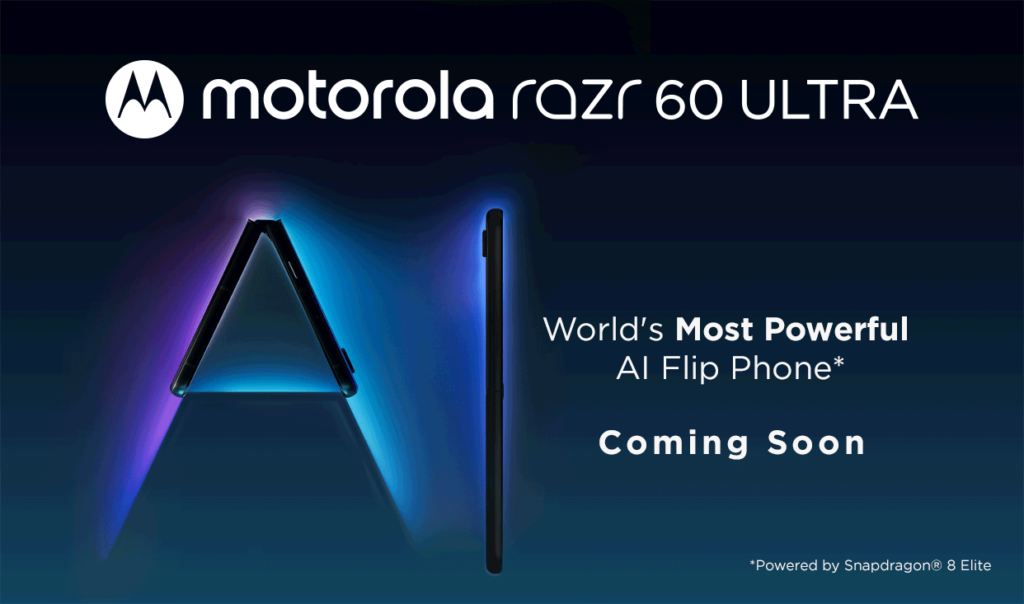
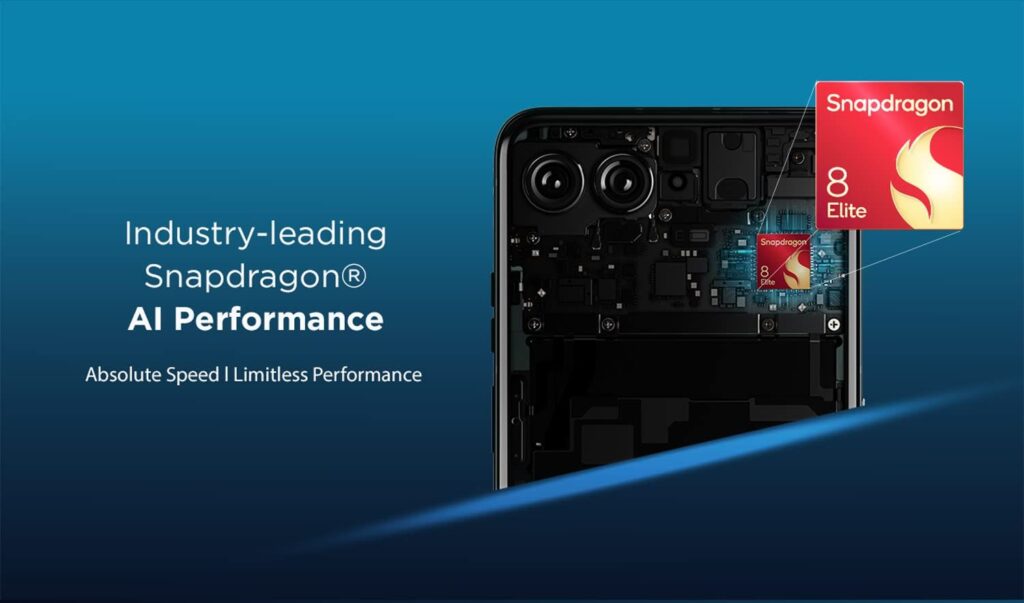
The official teasers of the Razr 60 Ultra position it as the “World’s Most Powerful AI Flip Phone,” powered by the Snapdragon 8 Elite chipset, hinting at top-tier performance. The teasers also confirm that the Razr 60 Ultra will be available in shades like green, red, and beige. At present, it is unclear whether the Razr 60 will debut alongside the Ultra version.
Motorola Razr 60 Ultra specifications
Motorola Razr 60 Ultra teaser
The Motorola Razr 60 Ultra features a 6.9-inch 1.5K pOLED LTPO inner display with a 165Hz refresh rate and 4,000 nits peak brightness, paired with a 4-inch secondary screen. It runs on the Snapdragon 8 Elite processor, with up to 16GB LPDDR5X RAM and 512GB UFS 4.1 storage. It houses a 4,700mAh battery with 68W wired charging.
The dual rear camera setup includes a 50-megapixel primary sensor with OIS and a 50-megapixel ultrawide lens. It has a 50-megapixel camera on the front. The device runs Android 15-based Hello UX, and is IP48-rated for dust and water resistance.
Motorola Razr 60 Ultra price in India (expected)
Motorola Razr 60 Ultra teaser
The Razr 60 Ultra’s official price in India is yet to be confirmed. To recall, the Razr 50 Ultra was priced at Rs 99,999 at launch. Therefore, it is like that the Razr 60 Ultra may arrive with a similar pricing in India.
For more daily updates, please visit our News Section.
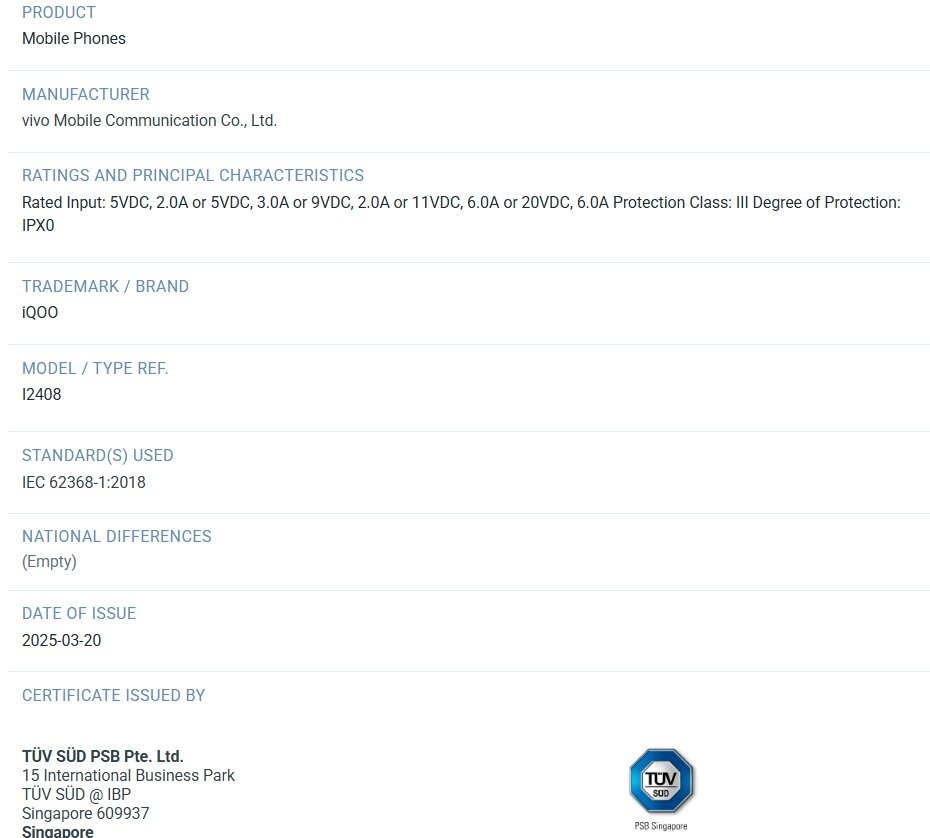
iQOO is seemingly gearing up to launch the iQOO Neo 10 for the global market. This phone will be different from the Chinese version of the phone that debuted in December last year. Reports surrounding the Neo 10’s global version suggest that it could be a rebranded or tweaked version of the iQOO Z10 Turbo Pro, which debuted recently in China. In recent days, the global Neo 10 has received approval in India, Malaysia, and Indonesia. Now, it has also received approval from the UAE’s TDRA certification platform. Additionally, it has also received approval from the TUV certification, revealing its fast-charging capabilities.
iQOO Neo 10’s new variant receives TDRA, TUV certification
IQOO Neo 10 TDRA listing
The previous sightings of the iQOO Neo 10’s global version, including its appearance at Bluetooth SIG and Geekbench, mentioned the device with its I2405 model number. However, as can be seen in the above screenshot, the Neo 10 has appeared with a different model number—I2408—in the database of the UAE’s TDRA authority.
IQOO Neo 10 TUV listing
The other screenshot is the TUV certification of the I2408 variant. It reveals that the device may come with support for 120W fast charging. The new certifications have no information about the other specs of the device.
iQOO Neo 10 specifications (rumored)
As per the Geekbench listing of the device, the Neo 10 will feature the Snapdragon 8s Gen 4 chipset, 12GB of RAM, and Android 15. Given that it could be based on the Z10 Turbo Pro, it may ship with a 6.78-inch AMOLED screen that offers a 1.5K resolution and a 144Hz refresh rate. It may pack a 7,000mAh battery and come with up to 256GB of storage.
For photography, the device may feature a 50-megapixel + 8-megapixel dual-camera setup on the back. On the front, it may feature a 32-megapixel selfie camera like the Neo 10R instead of a 16-megapixel snapper available on the Z10 Turbo Pro.
For more daily updates, please visit our News Section.
Samsung DeX has long been one of the standout features of Samsung phones. It lets you turn your handheld into something that resembles a desktop computing experience. Now, Google appears to be taking a page from that playbook. Since Android 14, the company has been quietly working on its own desktop mode for Pixel devices.
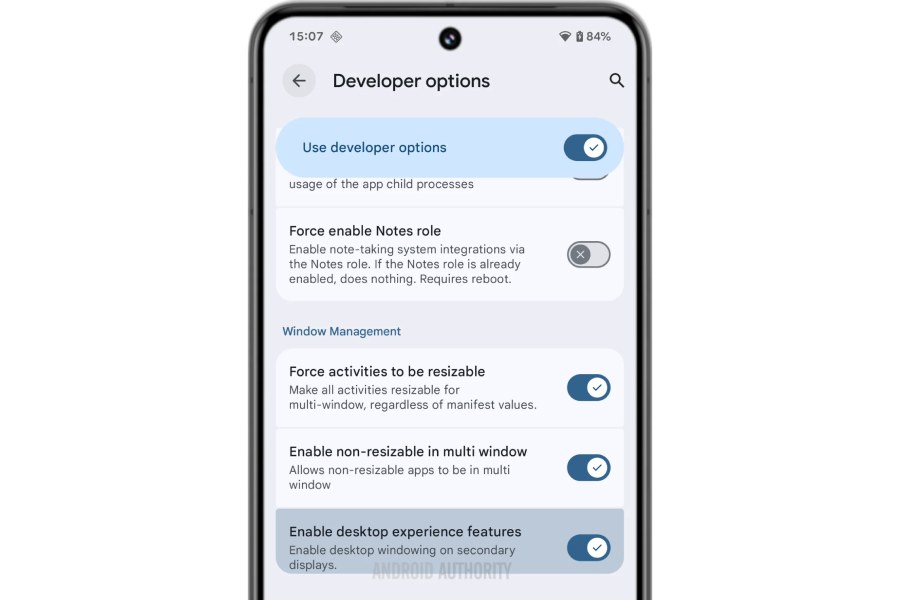
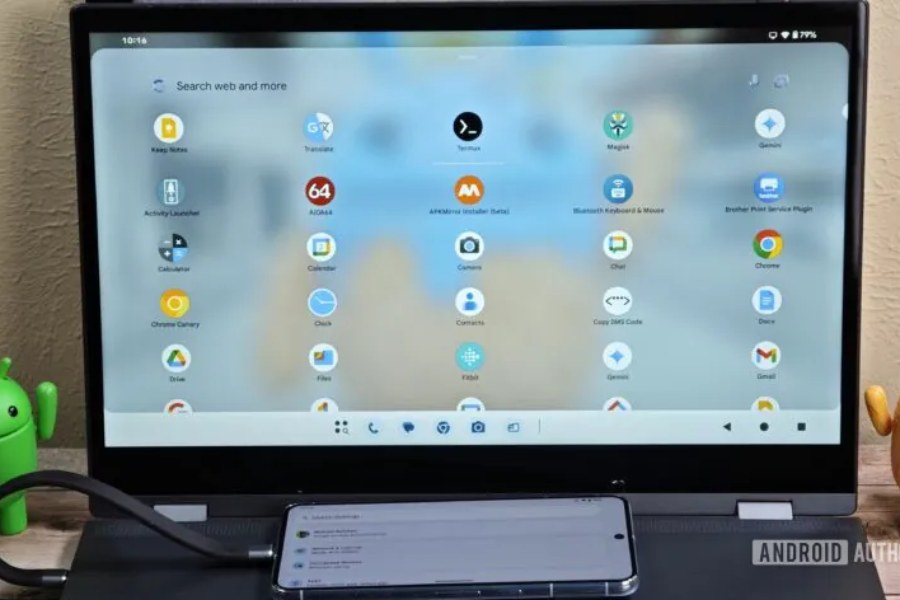
Android 15 introduced a developer preview of a “desktop windowing” feature for the Pixel Tablet. With Android 16, the feature has evolved into something more polished, now labeled “Enable desktop experience features.” And thanks to Android Authority’s Mishaal Rahman, we’re getting an early look at how it works in practice.
Android 16 Desktop Mode
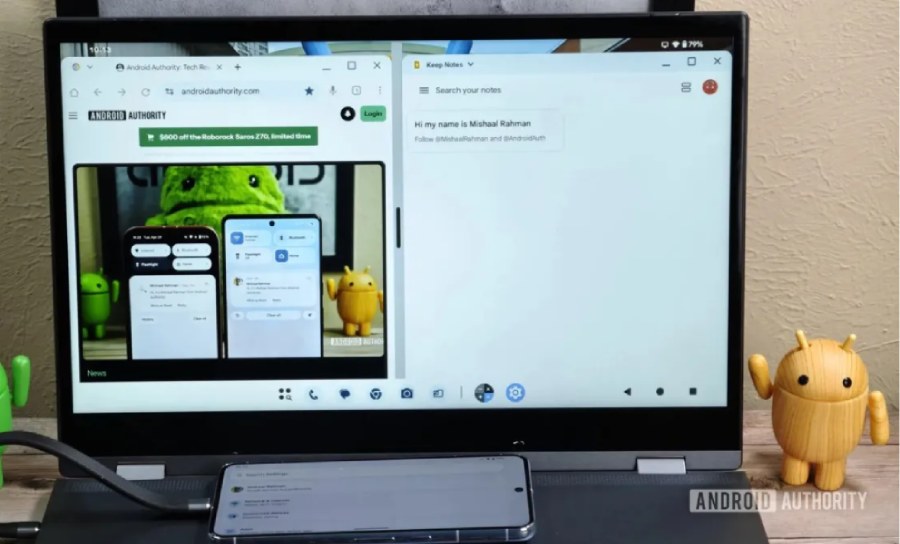
Rahman managed to get the feature running on a Pixel 8 Pro connected to a laptop. The Android desktop interface has a taskbar at the bottom, complete with three-button navigation on the right.
The taskbar also shows your most recent apps, and yes, you can launch multiple apps in split-screen view. Just like your regular PCs.
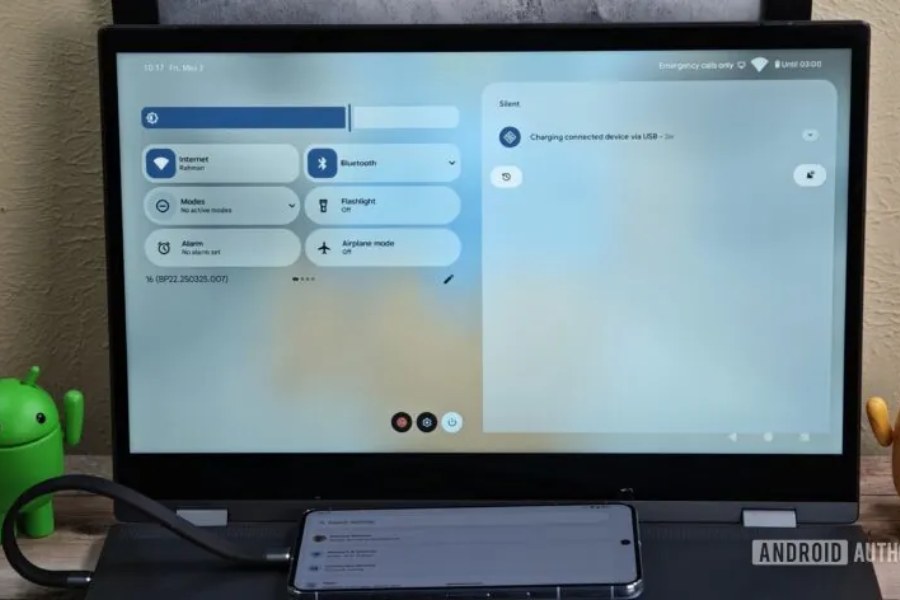
A swipe down from the top opens a quick access menu. This layout features the usual Wi-Fi and Bluetooth toggles with options to add more or remove them from the menu.
The battery indicator is at the top right of the home screen, while the time is displayed on the upper left. It’s all very much what you’d expect from a desktop-inspired UI, and that seems to be the point here. Not to forget, you can still use your phone when the desktop window is active.
The feature might seem functional and all, but this isn’t a finished product. Rahman says that it is still a work in progress and “almost certainly won’t launch in the upcoming Android 16 stable release.” It might make its debut in one of the quarterly Android 16 updates, according to Rahman.
For more daily updates, please visit our News Section.
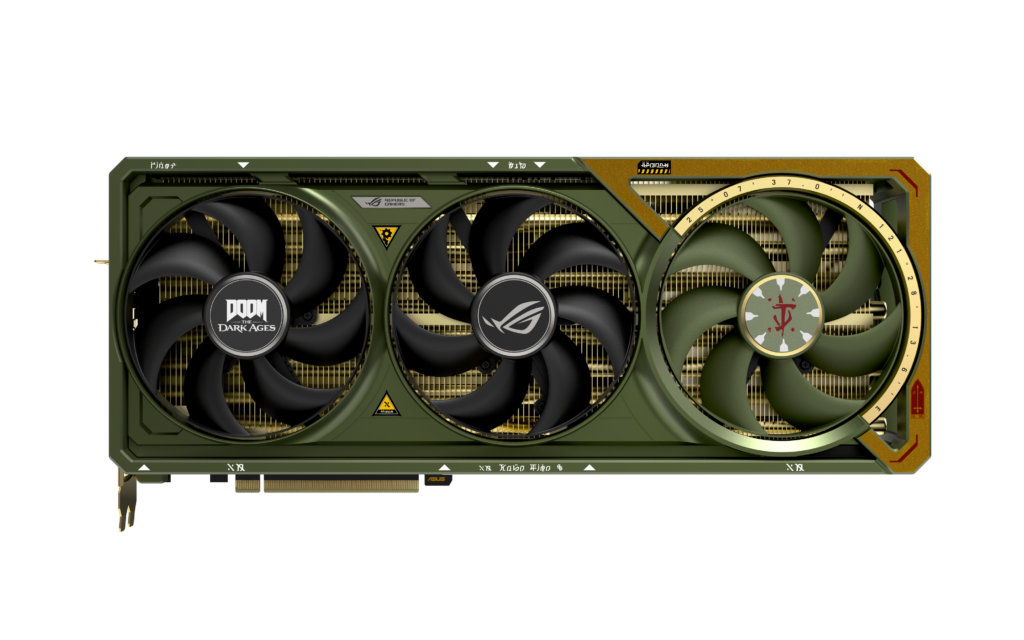
ASUS Republic of Gamers (ROG) has teamed up with Bethesda and id Software to launch a limited-edition ROG Astral GeForce RTX 5080 graphics card, built around the upcoming game DOOM: The Dark Ages. The release is part of ASUS’s 30-year anniversary celebration of its graphics cards and is available only through the Bethesda Gear Store.
The card features a custom design based on the Doom Slayer, with a green and gold color scheme, Doom-themed artwork on the backplate, and green fans inspired by the Shield Saw. It also includes subtle in-game references around the frame and gold accents on the mounting bracket and heatsink.
Buyers will get more than just the card. The package includes an exclusive Doom Slayer Legionary in-game skin, a T-shirt, a mouse mat, a yellow key card, and the option to bundle the Premium Edition of DOOM: The Dark Ages.
The ROG Astral GeForce RTX 5080 DOOM Edition is powered by NVIDIA’s Blackwell architecture and DLSS 4 with Multi Frame Generation. It has 16GB of GDDR7 memory and offers boost clock speeds of 2790 MHz in OC mode and 2760 MHz in default mode.
Cooling is handled by four Axial-tech fans that increase airflow and pressure by up to 20%, a large fin array, a patented vapor chamber, a milled heatspreader, and phase-change thermal pads. It uses a 3.8-slot design to maximize airflow and performance, making it well-suited for 4K high-refresh-rate gaming.
DOOM: The Dark Ages is a prequel to DOOM (2016) and DOOM Eternal, built on the new idTech8 engine with native ray tracing. This limited-edition card is available only on the Bethesda Gear Store.
For more daily updates, please visit our News Section.
LG Display has just pulled off something the display industry has been chasing for years. It’s the first company to mass-produce blue phosphorescent OLED panels. That’s a big deal because blue has always been the missing piece in what’s been dubbed the “dream OLED”, a display that uses energy-efficient phosphorescence for red, green, and blue.
LG Display brings blue PHOLED to mass production with 15% lower power draw
The breakthrough follows eight months of development with Universal Display Corporation (UDC), and the new panel will make its public debut at SID Display Week 2025 in San Jose.
Interestingly, many expected Samsung to be the first to crack blue phosphorescence and bring it to market in upcoming foldables like the Galaxy Z Fold 7 or Flip 7. But it’s LG that got there first.
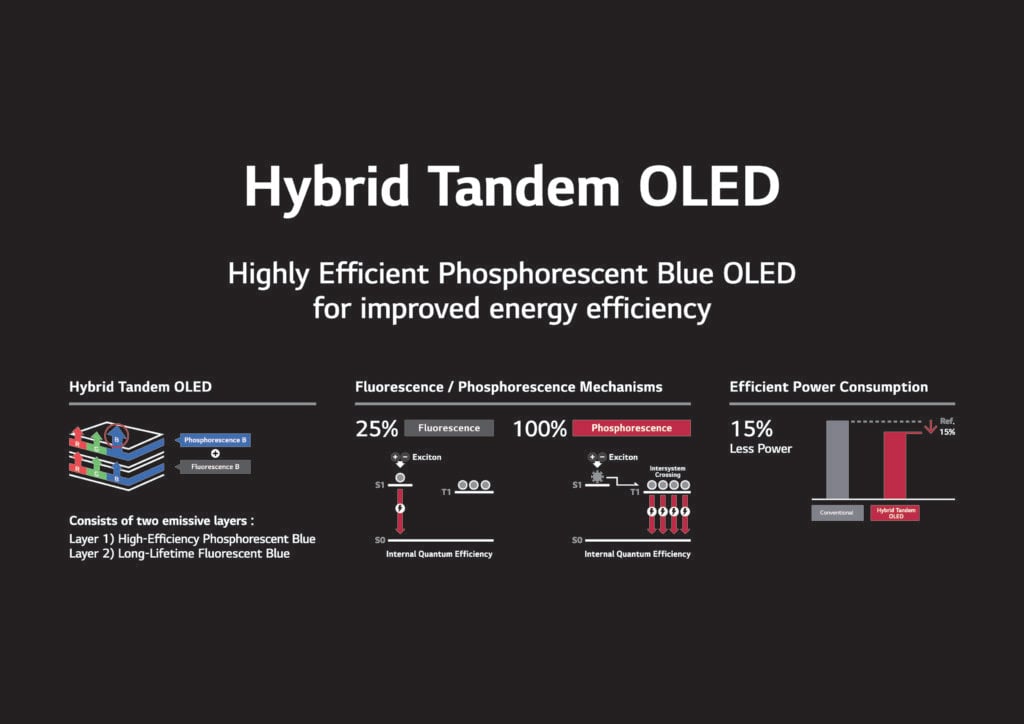
Here’s why this matters. While red and green phosphorescent materials have been around for years and are used in today’s OLED displays for their high efficiency and low power draw, blue has been a persistent problem. Blue light has a shorter wavelength and higher energy, which makes it much harder to manage. Existing OLED panels rely on blue fluorescence, which is more stable but incredibly inefficient, topping out at just 25% light emission efficiency.
LG’s new approach is a hybrid “dual-stack tandem” structure. The bottom layer still uses blue fluorescence for durability, but now it’s paired with a blue phosphorescent layer on top. This design cuts power consumption by about 15 percent without sacrificing stability or lifespan. In a world of battery-hungry smartphones, tablets, and AI-powered gadgets, that’s not just impressive, it’s essential.
This advancement leans heavily on UDC’s PHOLED technology, which is built around organometallic compounds containing heavy metals like iridium. These materials allow the panel to use both singlet and triplet excitons, meaning they extract far more light from the same amount of energy, with near-100 percent efficiency.
The benefits go beyond just lower power usage. These new panels could enable brighter screens, longer-lasting batteries, and potentially thinner devices. LG says the technology is aimed at small and medium displays, which means smartphones and tablets for now, but there’s clear potential for wearables, foldable, AI PCs, and even AR or VR headsets.
Blue phosphorescent OLED has been the hardest challenge in display tech. Now, with LG’s solution, the dream OLED isn’t just a concept anymore. It’s real, and it’s coming soon.
For more daily updates, please visit our News Section.
OnePlus India offers an instant discount of Rs 3000 on the OnePlus 13R if you have an ICICI Bank Card. OnePlus 13R is on sale for Rs 42,999, but with the discount, you can grab it for the price of Rs 39,999. To maximize the savings, the company is offering free OnePlus Buds 3 when purchasing the smartphone.
The other benefits or offers include an extra discount of Rs 1500 when using the OnePlus Corporate Employee Program. There’s a 6-month free premium access to 10 OTT apps with Jio. Moreover, the company is offering a free complimentary Airport Lounge Access.
It’s the beat time to grab the OnePlus 13R, if you have been eyeing the device from past some time.
OnePlus 13R Specifications
In terms of specifications, the OnePlus 13R features a large 6.78-inch AMOLED display with a 120Hz refresh rate, and supports HDR10+, HDR Vividand 1600 nits brightness. Further, it supports 1264 x 2780 pixels resolution protected by Corning Gorilla Glass 7i. It features a triple rear camera module featuring a 50MP primary sensor, a 50MP telephoto lens, and an 8MP ultrawide lens. A 16MP lens sits on the front for selfies.
The connectivity options include WiFi 7, Bluetooth 5.4, GPS, NFC, IR, and USB Type-C 2.0. OnePlus 13R bundles a 6000mAh battery and supports 80W fast wired charging. It is available in Astral Trail, Nebula Noir.
AOC has quietly launched a new 27-inch gaming monitor in China that blends speed, color accuracy, and affordability into a compelling package. Listed on JD.com for 1,299 yuan (around $180), the new Q27G4Z pushes its Fast IPS panel beyond the standard with an overclocked 260Hz refresh rate (native 240Hz), making it one of the fastest 2K monitors in its price range.
AOC Q27G4Z Monitor Specifications
The Q27G4Z is built around a 2560×1440 resolution Fast IPS display, sourced from Innolux, and tuned for both fluid gaming and accurate color work. It offers a snappy 1ms GtG response time and supports Adaptive-Sync across both AMD and Nvidia platforms. That means smoother gameplay with virtually no tearing or stuttering, regardless of the GPU powering your rig. The panel is factory-calibrated with an average Delta E <2, which should appeal to content creators as much as competitive gamers.
HDR support comes in the form of VESA DisplayHDR 400 certification. AOC claims a peak brightness of 450 nits in HDR mode and 350 nits in SDR, with full 10-bit color support via 8-bit + FRC. The monitor covers 97% of the DCI-P3 color gamut and 119% of sRGB, offering over 1 billion colors and respectable vibrancy for video editing or grading. All units are individually calibrated at the factory.
AOC has also brought in its MBR Sync motion blur reduction engine, which improves clarity in high-speed motion and pairs with Dark Boost, an automatic brightness adjustment tool for enhancing visibility in low-light game scenes. There are also GameColor and GameMode presets for tweaking performance by genre, and a dynamic crosshair feature for FPS games.
Physically, the Q27G4Z supports tilt, swivel, pivot, and height adjustment up to 130mm. It’s also TÜV-certified for low blue light and flicker-free DC dimming, reducing eye fatigue during long gaming or work sessions. On the connectivity front, it includes two HDMI 2.0 ports, one DisplayPort 1.4, and a 3.5mm headphone jack. The build is VESA mount compatible and ships in eco-conscious packaging.
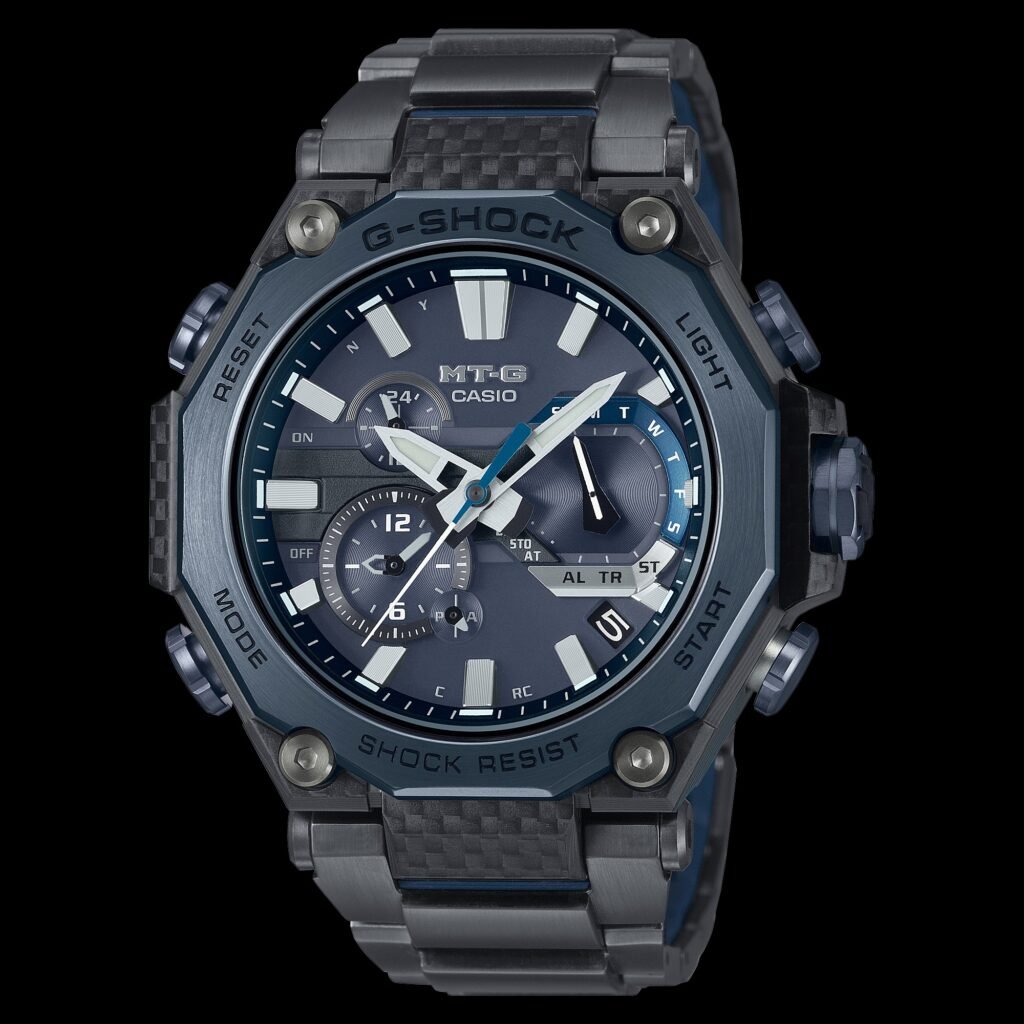
Casio has released a new model in its MT-G line, the MTG-B2000YBD-2A. It was announced in April 2025 and launched in Japan in May. The watch combines carbon fiber and metal parts to stay strong while keeping the weight low. It has a black and blue-gray color scheme, with a metal band and a bezel made from stacked carbon and glass fiber sheets.
The case uses a carbon-fiber-reinforced resin core with a stainless steel outer frame. The bezel is made from 235 layers of carbon fiber and blue glass fiber. The band is a layered composite with stainless steel on the outside and fine resin on the inside. The watch measures 55.1 millimeters long, 49.8 millimeters wide, and 15.9 millimeters thick. It weighs about 131 grams.
The front glass is sapphire crystal with an anti-reflective coating. The watch is water-resistant up to 200 meters. It’s also built to resist shock, centrifugal force, and vibration, as part of Casio’s Triple G Resist design. The dial has an LED light. The battery charges using light through Casio’s Tough Solar system. When fully charged, the watch runs for about five months without more light.
It uses a quartz movement (Module No. 5636) and keeps time using both radio signals (Multi-Band 6) and Bluetooth. You can connect it to your phone through the Casio Watches app. The app lets you adjust settings, set alarms, update the time, and locate your phone. The watch shows two time zones and supports 27 world time zones with automatic daylight saving time.
It also has a stopwatch, a countdown timer, a daily alarm, a full auto-calendar, and a hand shift feature that moves the hands out of the way when needed.
Pricing & availability
The MTG-B2000YBD-2A is available in Japan for ¥181,500, which is about $1,280. Casio has not said when or if it will release the watch in other countries.
For more daily updates, please visit our News Section.
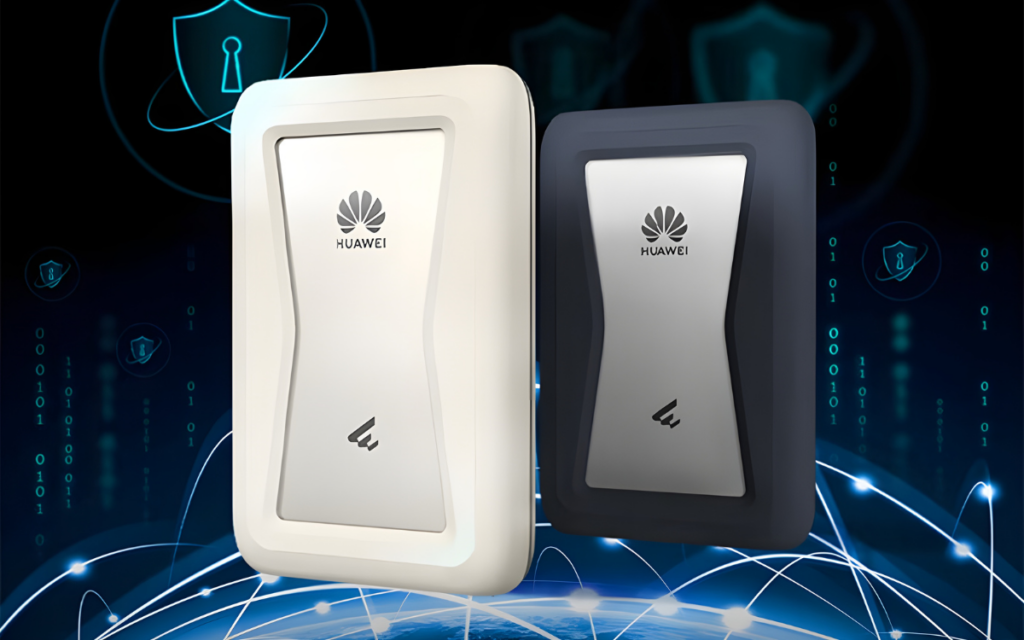
Huawei has introduced the Kunling eKitStor Shield 200, a high-performance portable SSD engineered for professionals and outdoor users. It features USB 3.2 Gen 2×2 connectivity via USB-C, enabling transfer speeds of up to 2000MB/s.
The drive comes in 1TB and 2TB variants, priced at 769 yuan ($106) and 1,399 yuan ($192) respectively, while a 4TB model is also listed as coming soon. Buyers can choose between Starlight Silver and Dimming Gold finishes.
Huawei Kunling eKitStor Shield 200 Specifications
The Shield 200 leverages USB 3.2 Gen 2×2 over a USB-C interface to deliver blazing-fast transfer speeds of up to 2000MB/s. That’s fast enough to offload a 100GB 4K60P video file in under a minute or move large game packages and creative assets in seconds. Professionals working with 4K content, raw photography, or massive datasets will appreciate how frictionless the experience feels.
But the real story here is the durability. Huawei built the Shield 200 like it’s ready for a battlefield. The drive features an integrated die-cast metal enclosure wrapped in a removable rubber sleeve, offering IP67 dust and water resistance, 3-meter drop protection, and even the ability to withstand 2-ton vehicle pressure. Despite this armor-like exterior, the SSD still manages to weigh only 145 grams bare, or 180 grams with the cover.
It doesn’t skimp on security either. The Shield 200 comes with hardware-level AES-XTS 256-bit encryption, alongside Huawei’s own eKitStor Toolkit for health diagnostics, encrypted backup, and cloud syncing. It’s plug-and-play across Windows, macOS, Android, and HarmonyOS, and ships with both USB-C to USB-C and USB-C to USB-A cables in the box.
Huawei also promises an MTBF of 1.5 million hours, with a max power draw of just 6W, making it energy-efficient enough for laptops or mobile use. And to back it all up, there’s a five-year limited warranty, a quiet vote of confidence in its durability.
In related news, Huawei recently introduced the Smart Door Lock 2, featuring AI-powered palm vein recognition, a 2K cat-eye camera, and HarmonyOS integration. The company has also unveiled the Vision Smart Screen 5 SE TVs equipped with a 240Hz Mini LED display and HarmonyOS AI capabilities.
For more daily updates, please visit our News Section.
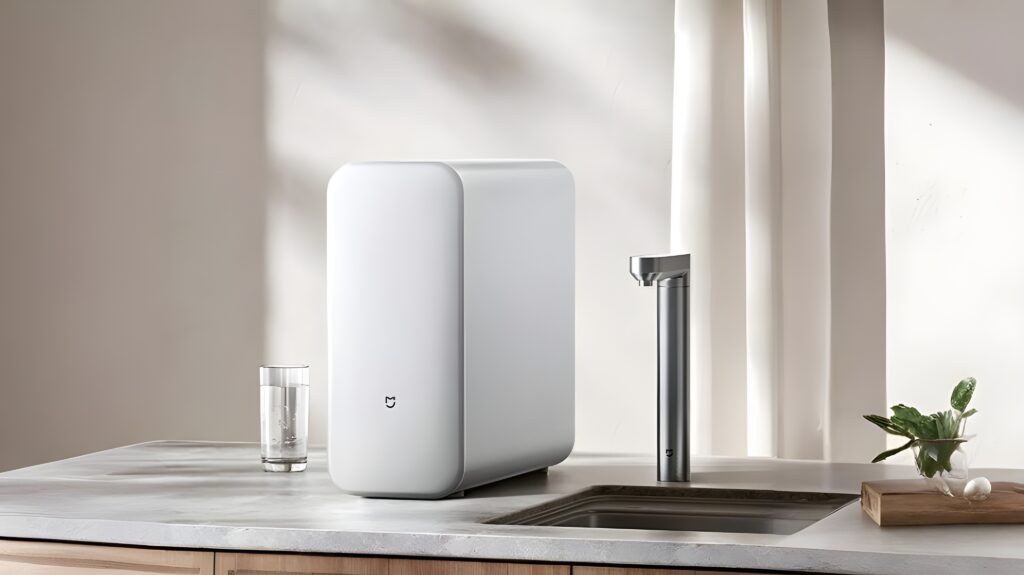
Xiaomi has launched the Mijia Water Purifier S1 (1000G) in China, a high-performance smart RO system tailored for modern connected households. It is now available for pre-order on JD.com at a price of 1,599 yuan ($220), with official sales starting at 10:00 AM on May 8.
Xiaomi Mijia Water Purifier S1 (1000G) Specifications
The purifier features a 1000G large flow rate system that delivers up to 2.78L of purified water per minute. It fills a 150mL cup in just 3.2 seconds, making it suitable for busy households. It comes with a 0.0001-micron RO filtration membrane that removes over 99.9% of common contaminants, including heavy metals like cadmium and lead, as well as bacteria such as E. coli.
The purifier equips a tightly integrated PPC + RO filtration module, offering deep purification by eliminating chlorine, sediment, and other harmful substances. The system also features an upgraded “Zero Stale Water 3.0” mechanism, which flushes the RO membrane before each use, ensuring every drop is clean and fresh.
The Mijia S1 sports a smart touch-sensitive faucet with an IPX7 waterproof rating and 10-level anti-corrosion electroplating. It offers four preset volume controls and includes a large OLED display that shows real-time TDS values and water output. The faucet’s high-flow design supports rapid filling, and an internal precision rectifier ensures smooth and consistent dispensing.
It supports Xiaomi’s HyperOS Connect, enabling users to track water quality, monitor filter life, and receive replacement notifications via the Mi Home app. It also includes RFID-enabled anti-counterfeit filters and one-touch reordering.
The unit comes with a long-life RO filter rated for up to five years and a PPC filter that lasts up to two years under typical usage. It operates quietly with a six-chamber diaphragm pump and uses an integrated leak-proof water circuit for safety.
Physically, the purifier measures 163mm × 445mm × 379mm and weighs about 11.7kg. It supports 2.4GHz Wi-Fi for smart connectivity and is optimized for use with municipal tap water between 4°C and 40°C. It includes all necessary accessories such as filters, PE pipes, a faucet, T-valve, and mounting components.
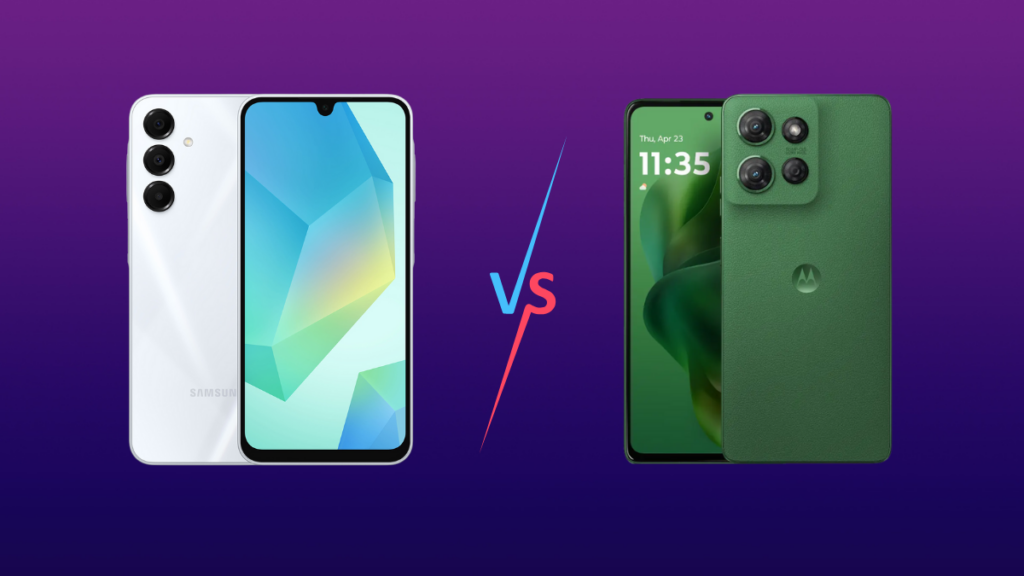
Budget phones have come a long way in recent years. Take the Galaxy A16 5G, for example — it promises a whopping six years of OS updates, something unimaginable for a $200 phone not long ago. Meanwhile, the similarly priced Moto G Power 5G (2025) surprises with support for wireless charging. Yup, you read that right.
These two phones are among the most popular budget devices right now. But which one gives you the best bang for your buck in 2025? Let’s break it down.
Samsung Galaxy A16 5G vs Motorola Moto G Power 5G (2025): Detailed comparison
Design and Durability
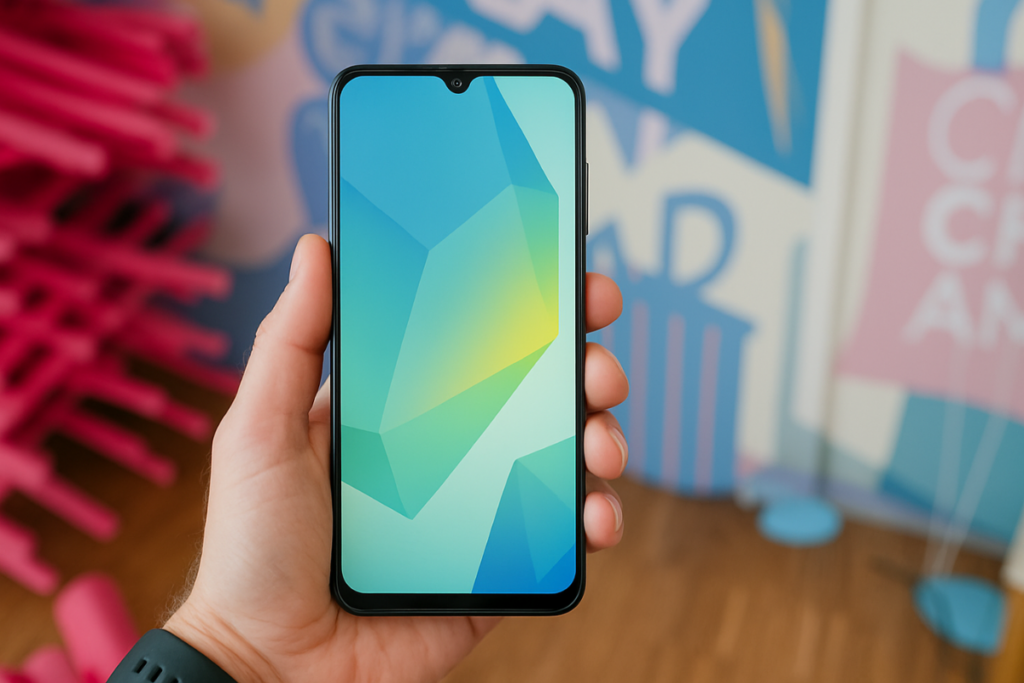
The Galaxy A16 5G sports a clean, minimalist look with a flat display and a waterdrop-style selfie camera. Its bezels are fairly slim, except for the chin, which feels a bit outdated. Around the back, you’ll find a plastic finish with three vertically stacked cameras.
In contrast, the Moto G Power 5G (2025) goes for a more modern design with uniform slim bezels and a punch-hole selfie camera — a premium feature at this price point. Its camera bump looks sleek, housing two sensors and an LED flash, and the rear features a leather-like finish that adds grip, resists fingerprints, and stands out among cheaper models.
When it comes to durability, the Motorola phone is in a different league. It’s IP68/IP69 rated and even has MIL-STD-810H military-grade protection, making it far more rugged. The A16 5G is only IP54-rated and lacks Gorilla Glass, while the Moto G Power features Gorilla Glass 5 on the front.
Display
The Galaxy A16 5G features a 1080p Super AMOLED display with vivid colors and up to 800 nits of brightness — not bad at all for a budget device.
Galaxy A16 5G
On the other hand, the Moto G Power still uses an LCD panel, which feels outdated in 2025. It lacks the rich contrast of AMOLED and has less punchy colors. While it gets slightly brighter at 1000 nits, its minimum brightness of 2.5 nits may still feel harsh in dark environments like nighttime use in bed.
The Moto’s display is marginally larger and offers a higher refresh rate for smoother scrolling. It’s also protected by Gorilla Glass 5, which the Galaxy A16 5G lacks.
Camera
The Galaxy A16 5G includes three rear cameras: a 50MP main sensor, a 5MP ultrawide, and a 2MP macro. That macro camera is pretty useless, effectively leaving you with two rear cameras.
The main sensor captures solid photos in daylight, offering good detail and dynamic range. However, the ultrawide camera delivers soft, less-detailed images with poor dynamic range. The 13MP front camera is fine — skin tones are natural, but overall it’s not particularly impressive. In low light, the camera maintains color and detail, though noise creeps in.
The Moto G Power 5G (2025) doesn’t wow with its camera. It takes decent shots in good light but struggles in low-light settings. However, thanks to OIS (which Samsung lacks), video stabilization is better. The phone also supports up to 6x digital zoom, and the quality is usable.
Notably, the Moto doesn’t let you switch between the main and ultrawide lenses mid-shoot. The Galaxy A16 does. Also, Samsung’s phone supports 4K video, while the Motorola is capped at 1080p.
In short, the Galaxy A16 5G has better cameras that produce more detailed shots with good colors and dynamic range. The Motorola phone has pretty average cameras.
Performance
Both phones offer smooth everyday performance, but the Motorola device has a slight edge in gaming and graphics tasks.
AnTuTu comparison
Galaxy A16 5G
Moto G Power 5G (2025)
AnTuTu score
435,926
447,351
CPU
152,349
143,232
GPU
62,976
69,041
Memory
98,149
111,693
UX
122,451
123,385
In AnTuTu benchmark tests, the Moto G Power 5G (2025) slightly edges out the Galaxy A16 5G, scoring 447,351 compared to 435,926. While the Galaxy A16 5G has a better CPU score, the Moto G Power pulls ahead in GPU, memory, and UX categories. The GPU score is notably higher on the Moto, suggesting it may perform a bit better in graphics-heavy tasks like gaming. However, the overall performance gap is minor. So, don’t expect a significant performance difference between these devices.
Geekbench comparison
Galaxy A16 5G
Moto G Power 5G (2025)
Single core
968
782
Multi core
2,031
2,056
In Geekbench tests, the Galaxy A16 5G scores higher in single-core performance with 968 points, compared to 782 on the Moto G Stylus 5G (2025). This means the A16 5G may feel slightly snappier in day-to-day tasks. However, the Moto G Stylus pulls slightly ahead in multi-core performance with a score of 2,056 versus 2,031, making it a bit more efficient in multitasking or running heavier apps.
3DMark WildLife Extreme Stress Test comparison
Galaxy A16 5G
Moto G Power 5G (2025)
High score
366
386
Low score
359
381
In the 3DMark Wild Life Extreme Stress Test, both the Galaxy A16 5G and Moto G Stylus 5G (2025) show consistent GPU performance, indicating good thermal management and stability during extended workloads. However, the Moto G Stylus 5G pulls slightly ahead, suggesting it may handle gaming and graphics-heavy apps a bit more smoothly.
Software
The Galaxy A16 5G crushes the Moto when it comes to software support. Samsung promises six years of OS and security updates — the best you’ll get in any mid-range phone.
The Moto G Power (2025) only gets two OS upgrades and three years of security patches. While the Motorola ships with Android 15 out of the box and the Galaxy runs Android 14, the long-term support from Samsung makes a huge difference.
Battery and charging
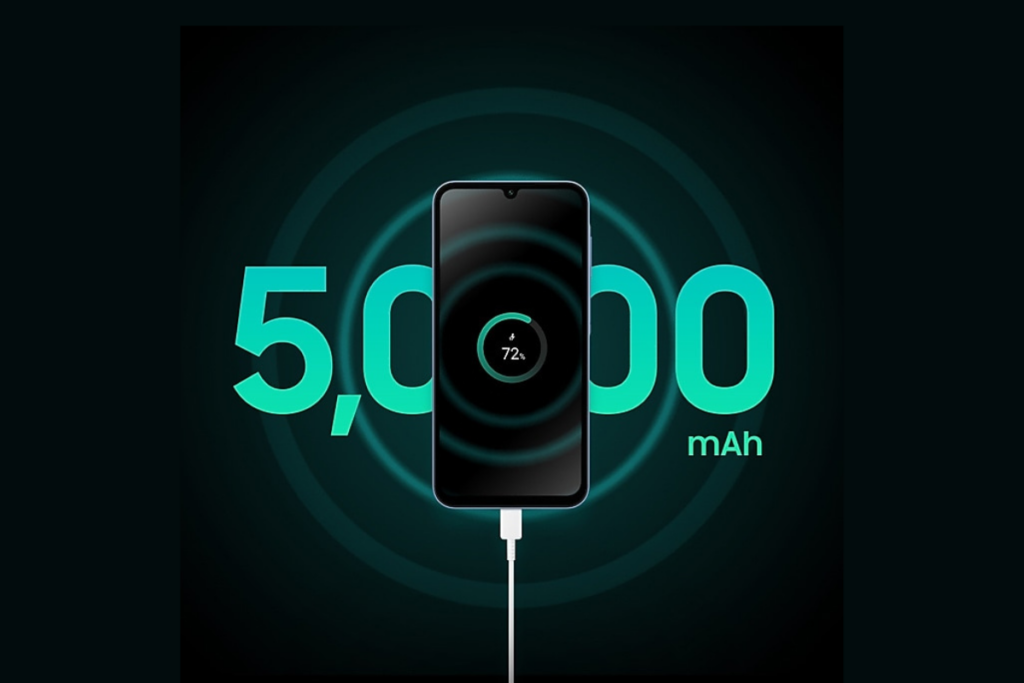
Both phones come with a 5,000mAh battery and easily last more than a day with normal use.
The Moto G Power edges ahead in charging: it supports 30W wired charging (vs. 25W on Galaxy A16 5G). More impressive than that is the 15W wireless charging support, something very rare in this price range. The Samsung phone lacks wireless charging.
Galaxy A16 5G vs Moto G Power 5G (2025): Which one should you buy?
The Galaxy A16 5G and Moto G Power 5G (2025) are both strong contenders in the budget smartphone space, but they shine in different areas. If you care about long-term software support, a better display, and a more capable camera setup, the Galaxy A16 5G is the clear winner. It offers an impressive six years of updates, a vibrant AMOLED screen, and reliable camera performance — all at a budget price.
However, the Moto G Power 5G (2025) fights back with its modern design, superior durability, and rare features like wireless charging and military-grade protection — things you hardly find in this price range. It also offers a slightly better gaming experience and faster charging. In the end, it comes down to your priorities.
We use cookies on our website to give you the most relevant experience by remembering your preferences and repeat visits. By clicking “Accept”, you consent to the use of ALL the cookies.
This website uses cookies to improve your experience while you navigate through the website. Out of these, the cookies that are categorized as necessary are stored on your browser as they are essential for the working of basic functionalities of the website. We also use third-party cookies that help us analyze and understand how you use this website. These cookies will be stored in your browser only with your consent. You also have the option to opt-out of these cookies. But opting out of some of these cookies may affect your browsing experience.
Necessary cookies are absolutely essential for the website to function properly. This category only includes cookies that ensures basic functionalities and security features of the website. These cookies do not store any personal information.
Any cookies that may not be particularly necessary for the website to function and is used specifically to collect user personal data via analytics, ads, other embedded contents are termed as non-necessary cookies. It is mandatory to procure user consent prior to running these cookies on your website.