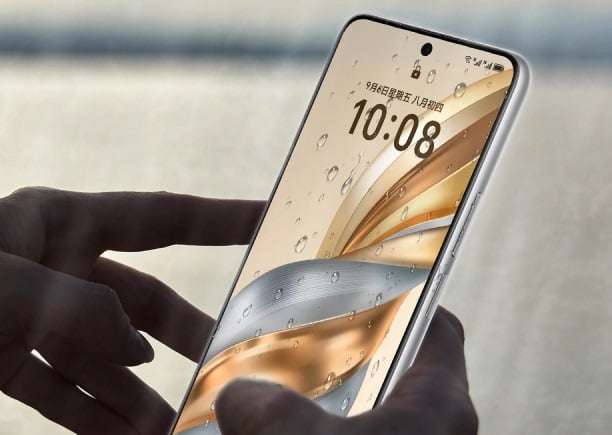
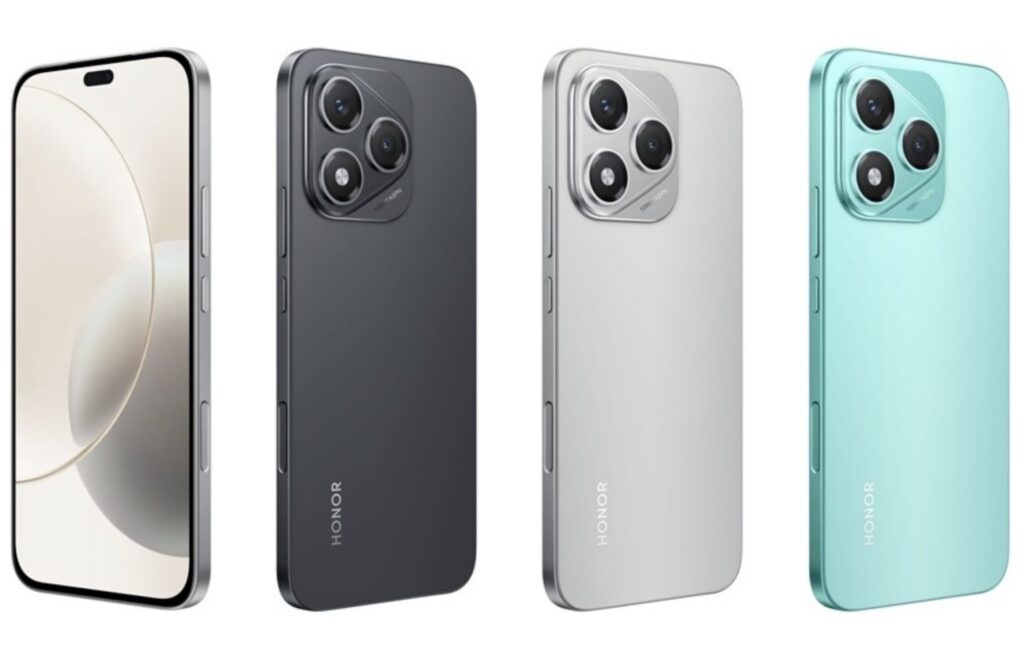
Honor is reportedly aiming to shake up the mid-range smartphone market with its new “Power” lineup, teased for a 2025 debut. The company dropped hints on Weibo, spotlighting a device that promises standout specs—including a massive battery—while leaks and certifications suggest the launch is just around the corner.
Honor X60
On April 1, Honor teased the Power lineup with a cryptic Weibo post: “Good morning! Tell everyone a big deal! We are about to launch a Power mobile phone, with a huge battery life and a long battery life that I can’t even use up…” (translated from Chinese).
DVD-AN00 to rival the Magic 7 and X60 series in terms of battery life
The ellipsis left fans guessing, but tipster Digital Chat Station on Weibo filled in some blanks. The device, likely the DVD-AN00 spotted in MIIT and 3C databases, is shaping up as a mid-ranger with flagship flair. A massive 8000mAh battery—potentially rivaling the Pro-grade battery life of the Magic 7 and X60 series—headlines the spec sheet, paired with 80W fast charging and satellite SMS support for off-grid connectivity.
The tipster also hinted at a mysterious “flagship-level technology,” possibly a cutting-edge display technology, adding intrigue to the mix. Honor’s been vocal about battery life lately, and this Power phone seems poised to double down on that strength.
While aimed at the mid-range market, it’s very likely to pack some premium specs—like the satellite connectivity—to stand out from the crowd. The 3C certification hints at an imminent reveal, possibly later this month, aligning with Honor’s teaser. What else this handset brings—beyond power and endurance—remains a question mark, but it’s clear that Honor’s betting big on longevity and innovation to hook users. Judging from the recent offerings of the Magic series, the Power lineup could redefine what you currently expect from a mid-range Android.
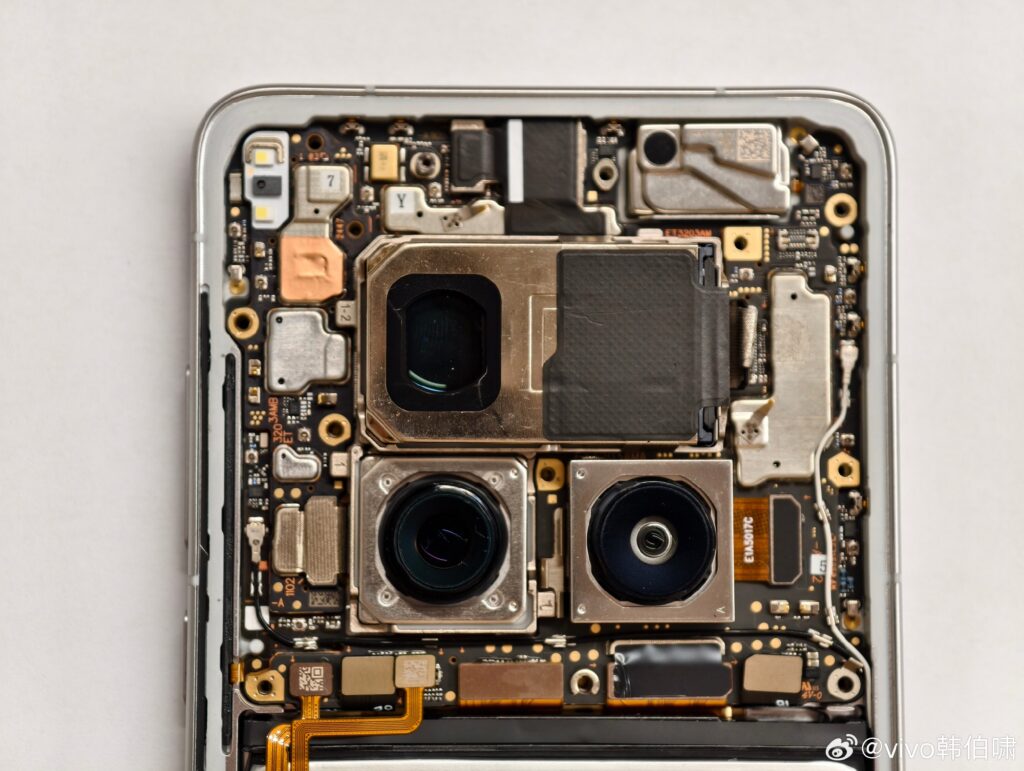
As vivo prepares to launch its flagship X200 Ultra later this month, the company has begun teasing camera samples that demonstrate why this could be the most advanced cameraphone yet. Following the ultrawide shots, today’s teaset focuses on the device’s 200MP telephoto lens, with samples showcasing impressive clarity at extreme zoom levels.
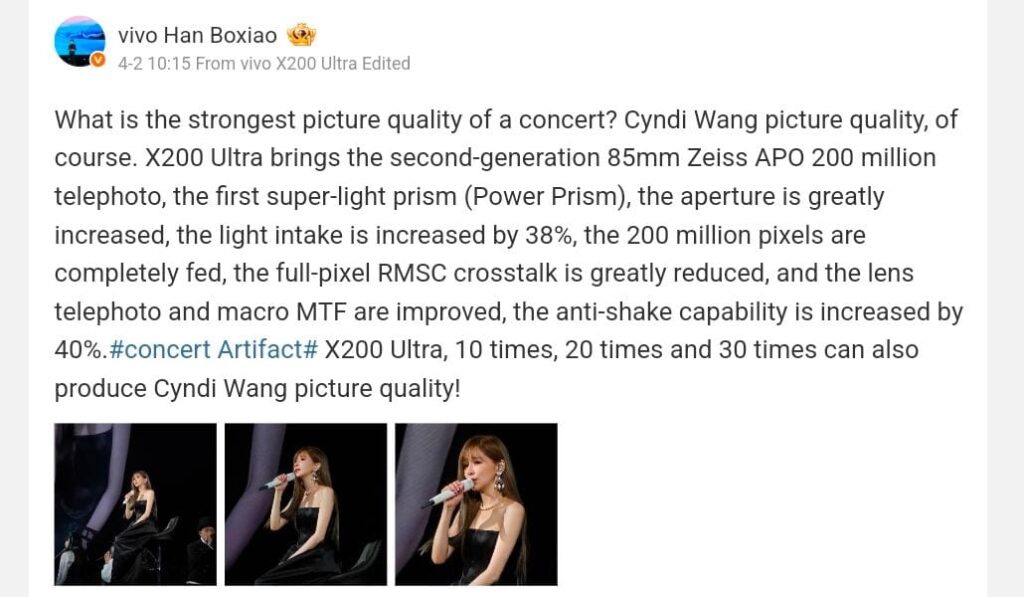
vivo Product Manager Han Boxiao shared three images on Weibo highlighting the X200 Ultra‘s zoom capabilities:
A 10x optical zoom shot with exceptional detail retention
A 20x hybrid zoom shot that maintains clarity
A 30x digital zoom that defies expectations
The samples feature Taiwanese superstar Cyndi Wang, with even the 30x shot preserving facial details and texture, which is a testament to vivo’s computational photography and hardware advancements.
Vivo X200 Ultra
What makes this telephoto so special?
vivo has significantly upgraded its telephoto system with several key improvements:
38% larger aperture for dramatically improved low-light performance
Zeiss optics and special coatings ensure improved clarity of the image
“Power Prism” technology (likely an ultra-light prism design) that’s aimed at reducing distortion
40% better stabilization for shake-free zoomed shots
These enhancements position the X200 Ultra’s telephoto as potentially the best in the smartphone market, surpassing even its acclaimed predecessor, the X100 Ultra (our review).
While competitors like the top-tier Galaxy flagships have mainly focused on higher zoom numbers, vivo appears to be prioritizing quality over quantity. The X200 Ultra’s telephoto samples suggest it may deliver the most usable results in the 10x-30x range – the zoom levels most photographers actually use.
With its 200MP sensor, Zeiss collaboration, revolutionary prism technology, and state-of-the-art image processing, the vivo X200 Ultra is shaping up to be a landmark device for mobile photography. If these samples are any indication, the vivo X200 Ultra could redefine what smartphones can achieve with zoom photography when it launches later this month.
The highly anticipated Nintendo Switch 2 was finally showcased to the world with various upgrades, design overhauls, and much more. We all that games, especially exclusive titles, are what help sell a console. With the Switch 2, you get access to Nintendo’s vast library along with newly announced launch titles. But to take advantage of all the hardware upgrades, the company also announced the Nintendo Switch 2 Edition Games. So everything that it offers.
Nintendo Switch 2 Edition Games are basically a couple of games that consist of both existing and upcoming titles. So here are all the games Nintendo announced will get Switch 2 Editions:
Super Mario Party Jamboree
Sid Meier’s Civilization 7
The Legend of Zelda: Breath of the Wild
The Legend of Zelda: Tears of the Kingdom
Kirby and the Forgotten Land
Metroid Prime 4 Beyond (Upcoming)
Pokemon Legends: Z-A (Upcoming)
2. How do these differ from the original versions?
While you can already most of these on the original Nintendo Switch, there is a special Switch 2 Edition version of these games that are expected to offer improved graphics (like a remaster) and may even offer new and unique ways to play thanks to the new Switch 2 hardware. These are completely standalone games so simply popping in a Switch disc won’t get you the improved fidelity. Gamers would need to purchase an upgrade pack to play the Switch 2 versions.
Metroid Prime 4 Beyond, and Pokemon Legends: Z-A are next gen Nintendo exclusives, but Super Mario Party Jamboree, Sid Meier’s Civilization 7, The Legend of Zelda: Breath of the Wild, The Legend of Zelda: Tears of the Kingdom, and Kirby and the Forgotten Land could offer better visuals and possibly support higher refresh rate as well. Keep in mind that Nintendo could add more titles to this list later on.
3. So how much does the Nintendo Switch 2 Edition Games cost?
As per the official announcement from Nintendo, the Switch 2 Edition Games will be available in both physical and digital copies, which is great for avid collectors. Some of these titles are apparently already listed on major retailers like Walmart and Target. However, that’s all of the good news as the company is planning on selling these games for a premium. Gone are the days of $60 AAA titles as most big budget games cost around $70. Nintendo is no exception to this, hinting at these games costing between $70 and $80.
For more daily updates, please visit our News Section.
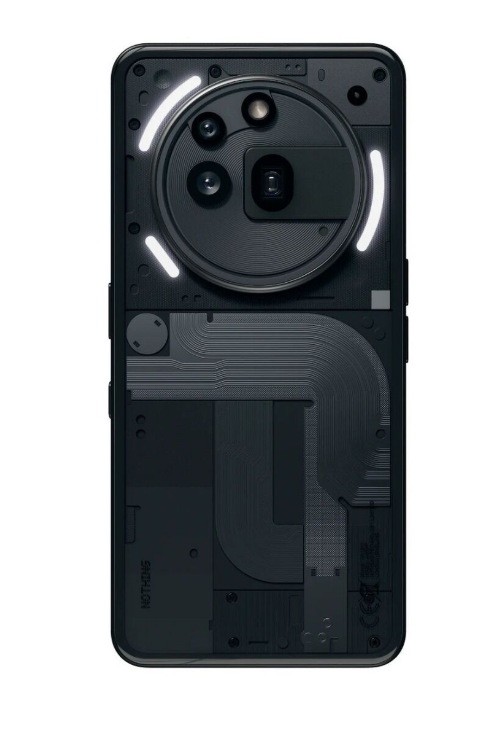
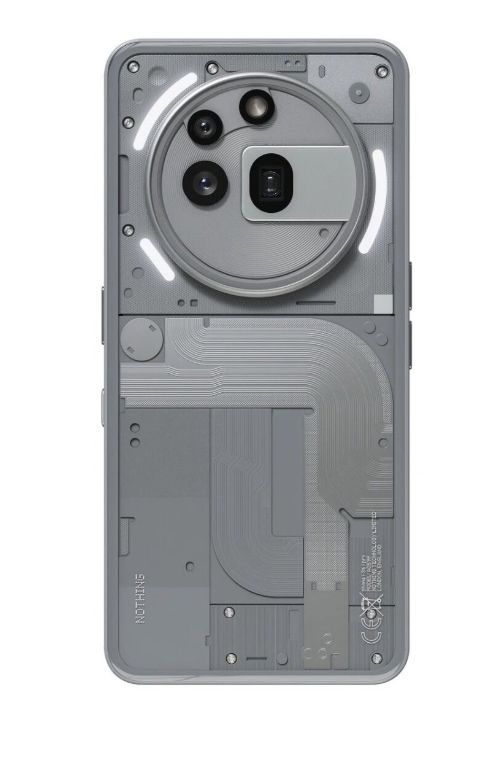
Nothing Phone 3a Pro is a smartphone designed to offer a premium experience at a mid-range price. With a sleek design and powerful hardware, it aims to provide users with smooth performance, high-quality cameras, and long battery life. Running on Android 15 with Nothing OS 3.1, this phone ensures a fluid user experience with full-screen gestures and improved customization options.
Exclusive Deal
Get an exclusive $20 discount on the Nothing Phone 3a Pro with the coupon code NT3A. Simply apply the code at checkout and save on your purchase. Hurry, this offer is valid only until April 30 on Giztop.
Stunning AMOLED Display
The Nothing Phone 3a Pro comes with a large 6.77-inch AMOLED display featuring a Full HD+ resolution of 1080 x 2392 pixels. The display supports a 120Hz high refresh rate, ensuring smooth scrolling and better gaming performance. HDR10+ support enhances the visual quality, making colors appear more vibrant and details sharper. With a peak brightness of up to 3000 nits, the screen remains visible even in bright outdoor conditions, making it perfect for multimedia consumption.
Powerful Performance with Snapdragon 7s Gen 3
Under the hood, the Nothing Phone 3a Pro is powered by the Snapdragon 7s Gen 3 chipset. This processor features an octa-core setup clocked at 3.0GHz, ensuring fast performance for everyday tasks, gaming, and multitasking. Paired with 12GB of LPDDR5 RAM, the phone runs smoothly even when multiple apps are open. The 256GB of UFS 3.1 storage provides ample space for storing apps, photos, videos, and other files without worrying about running out of space.
Impressive Camera Setup
For photography enthusiasts, the Nothing Phone 3a Pro comes with a triple rear camera setup. The primary sensor is a 50MP lens that captures detailed and vibrant images. A 50MP periscope telephoto lens with 2x optical zoom helps in capturing distant subjects without compromising quality, while an 8MP ultrawide camera ensures wider shots. On the front, a 50MP AI-enhanced camera is perfect for selfies and high-quality video calls. Whether you are taking photos in daylight or low-light conditions, the AI-powered camera system enhances image quality.
Long-lasting battery with Fast Charging
Equipped with a 5000mAh battery, the Nothing Phone 3a Pro offers excellent battery life. Whether you are streaming videos, playing games, or browsing the internet, the battery lasts all day on a single charge. The phone supports 50W fast wired charging, allowing users to quickly recharge their devices. Additionally, 7.5W reverse wired charging enables users to charge other devices using the Nothing Phone 3a Pro as a power source.
Advanced Security and Connectivity
Security is a top priority with the Nothing Phone 3a Pro, as it features an optical under-display fingerprint sensor for fast and secure unlocking. The phone also supports 5G connectivity, ensuring faster internet speeds for browsing and streaming. With Wi-Fi 6 support, users can enjoy a stable and faster wireless internet connection. The inclusion of multi-function NFC enables seamless contactless payments and other NFC-based features.
Additional Features
The Nothing Phone 3a Pro comes with dual Nano-SIM slots, allowing users to use two SIM cards simultaneously. The mobile hotspot feature lets users share their 4G or 5G data connection with other wireless devices. With GPS, dual-frequency support ensures accurate navigation, making it a great choice for travelers.
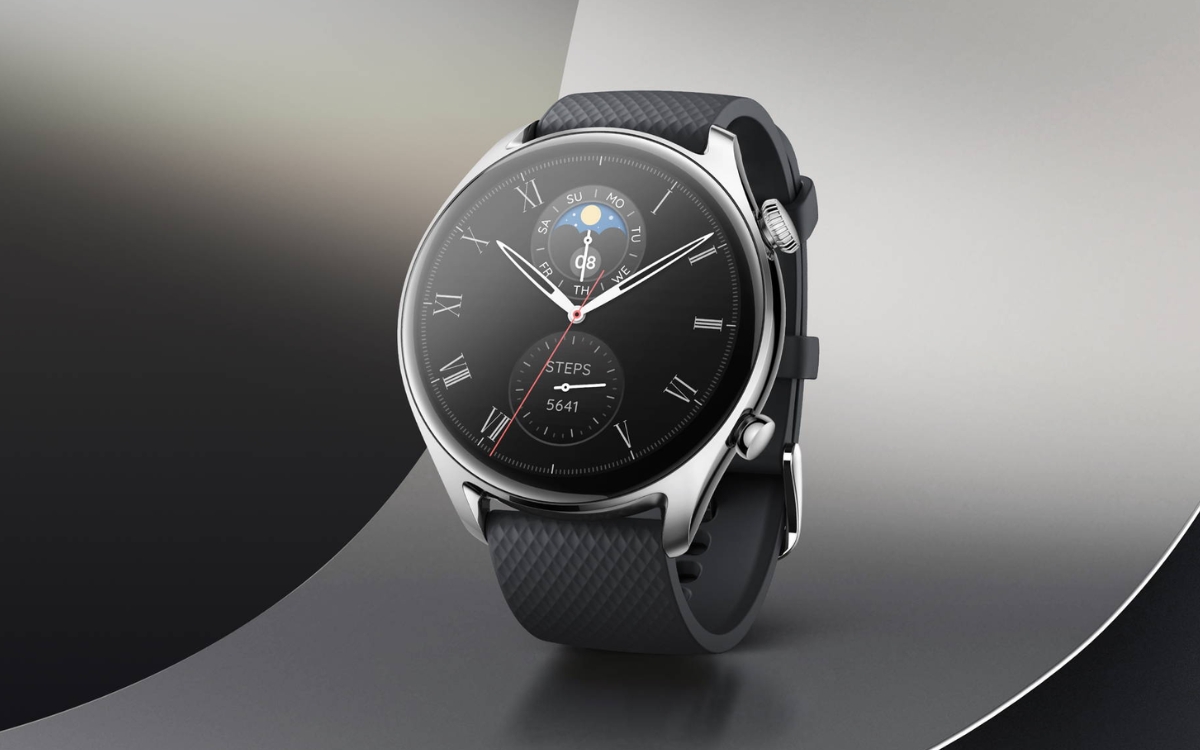
Amazfit, a brand under the Zepp Health banner (formerly Huami), which notably had a close partnership with Xiaomi in its early years, has strategically positioned itself within the competitive smartwatch and fitness tracker market. While industry giants like Apple and Samsung command the high-end sector, and numerous budget-friendly options saturate the market, Amazfit distinguishes itself by offering a compelling fusion of affordability, feature-rich functionality, and stylish design, effectively resonating with a global audience, particularly in Western markets. This connection to Xiaomi, particularly in the initial stages of the company, helped Amazfit gain a large market share early on.
One of Amazfit’s primary differentiators is its commitment to delivering high-quality devices at accessible price points. In a landscape where premium smartwatches can easily exceed several hundred dollars, Amazfit provides viable alternatives that significantly undercut the competition. Crucially, this affordability does not translate to compromised features. Instead, Amazfit meticulously integrates functionalities that are paramount to consumers: precise GPS tracking, comprehensive health monitoring, and extended battery life, as seen in devices like the Amazfit Bip series.
Please Note: When you buy something using the links in our articles, we may earn a small commission at no cost to you.
2. Catering to Active Lifestyles
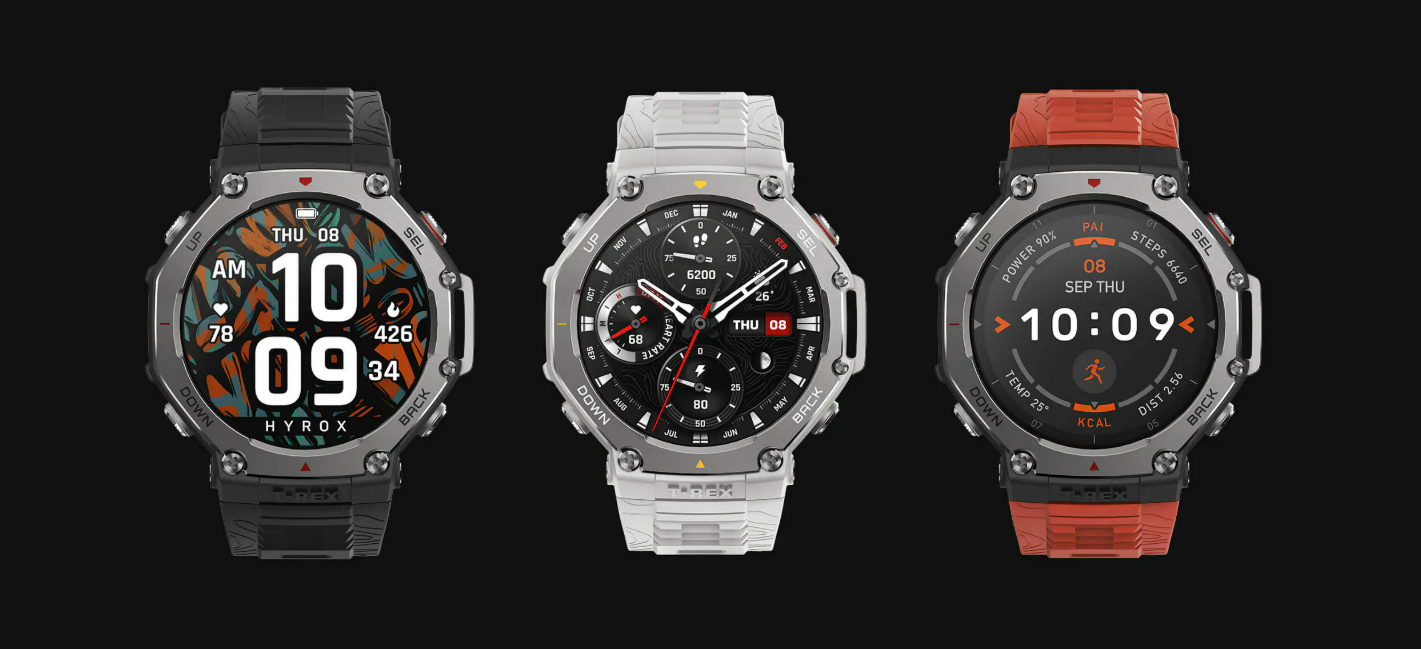
Amazfit T-Res 3
Consider Amazfit’s GPS capabilities. For individuals engaging in outdoor activities, whether hiking through the Rocky Mountains or cycling along European routes, reliable GPS is indispensable. Amazfit devices, often equipped with multi-satellite positioning, offer accurate tracking without the premium price tag.
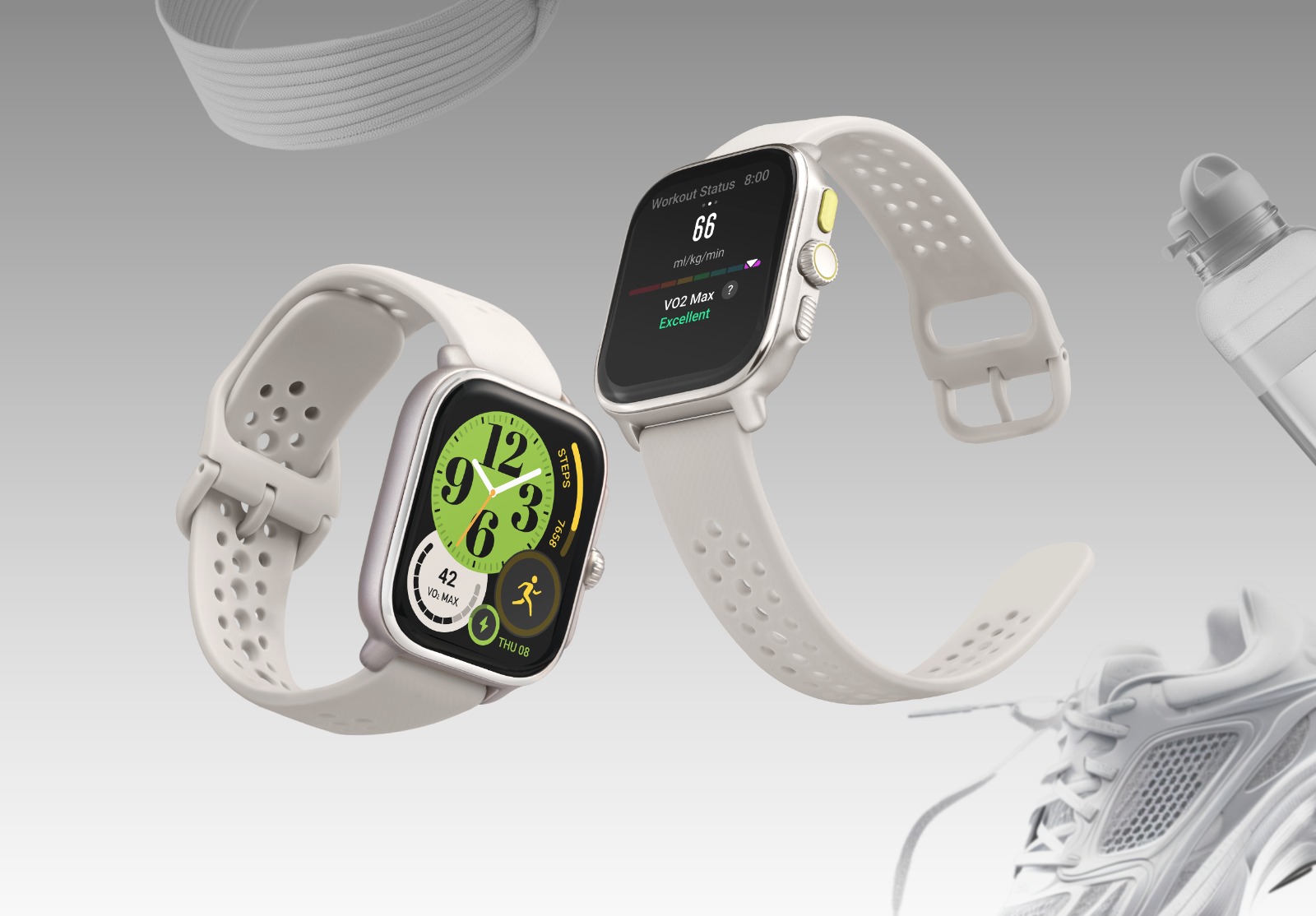
The Amazfit T-Rex series, with its rugged design and robust GPS, is a prime example catering to outdoor enthusiasts. Similarly, their health monitoring features, encompassing heart rate monitoring, SpO2 (blood oxygen) measurement, and sleep tracking, provide valuable insights into personal wellness, aligning with the growing emphasis on proactive health management in Western societies. The Amazfit GTS and GTR series offer a balance of style and health tracking in a sleek package.
3. Long-Lasting Battery Life
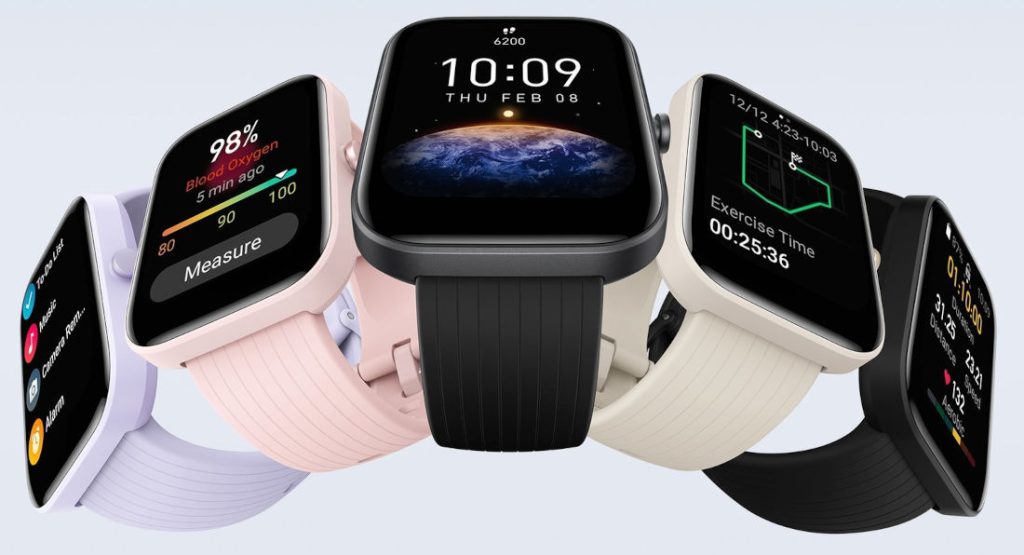
Amazfit BIP 3 Pro
Battery life is another significant advantage. In a market where daily charging has become commonplace for many smart devices, Amazfit frequently boasts weeks of battery life on a single charge. This longevity is particularly appealing to those who dislike the constant need to recharge, whether navigating the urban landscapes of New York or exploring the remote wilderness of Scandinavia. The Amazfit Bip series is well-known for its exceptional battery life. This endurance minimizes the friction of daily use, seamlessly integrating the device into the user’s lifestyle.
4. Design and Versatility
Amazfit GTR 4
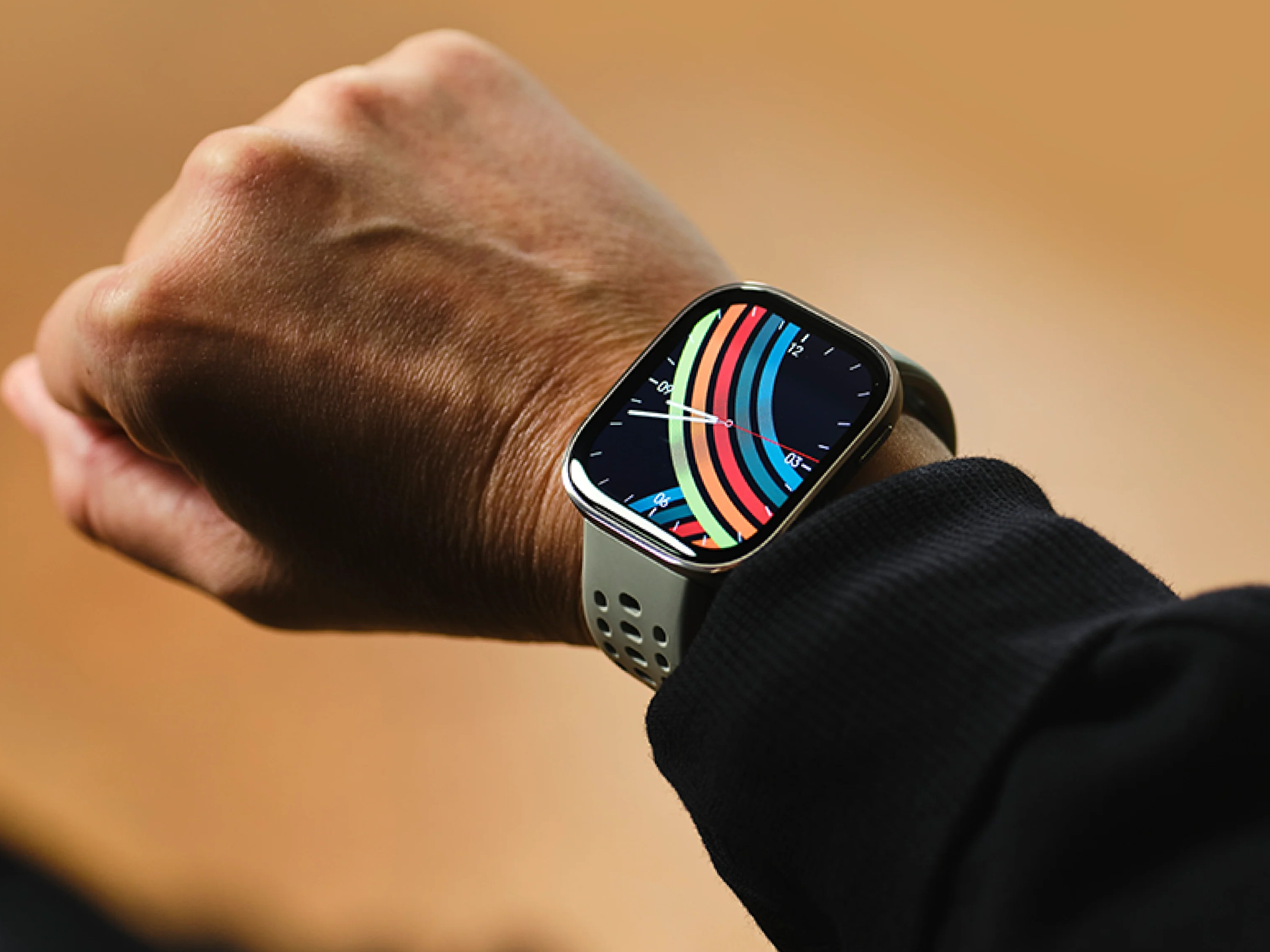
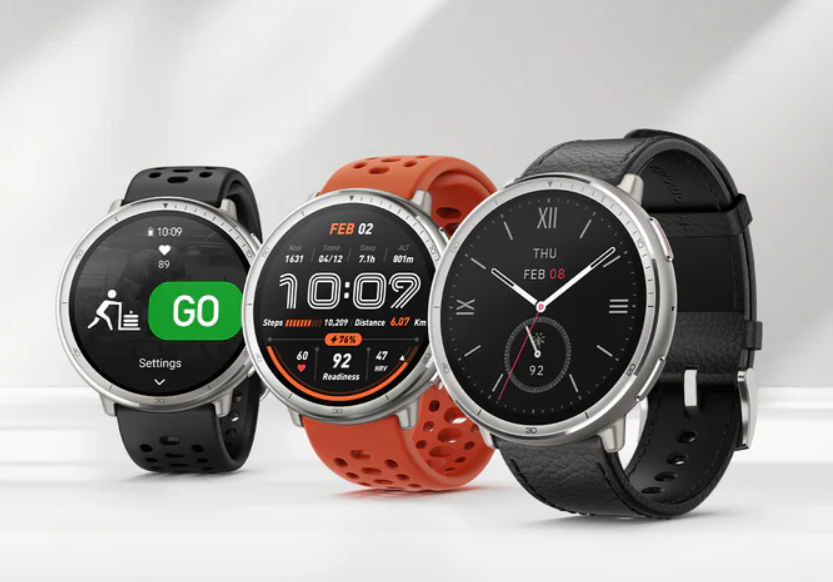
Furthermore, Amazfit has invested in design, crafting devices that are both functional and aesthetically pleasing. Their product lineup features a variety of styles, ranging from sleek and minimalist to rugged and sporty, catering to diverse tastes. The Amazfit GTS series offers a modern, Apple Watch-like aesthetic, while the Amazfit GTR series leans towards a classic watch design. This design versatility allows users to find a device that complements their personal style, whether they are in a boardroom in London or a fitness studio in Los Angeles.
5. Zepp OS: Simplicity and Optimization
Amazfit Active 2
The Zepp operating system, while not as extensive as watchOS or Wear OS, is optimized for efficiency and battery life. It prioritizes core functionalities and provides a clean, intuitive user experience. This focus on simplicity and efficiency resonates with users who value practicality over a vast ecosystem of apps.
6. Adapting to Regional Preferences
Amazfit Cheetah
Amazfit’s global perspective is also evident in its continuous innovation and adaptation to regional preferences. They gather user feedback from diverse markets and incorporate it into their product development, ensuring their devices meet the specific needs of different demographics. This global approach is particularly important in the Western market, where consumers are increasingly discerning and demand products that cater to their unique lifestyles.
In essence, Amazfit has successfully positioned itself as a brand that offers a compelling value proposition: high-quality features, long battery life, and stylish design at an affordable price. By focusing on these core strengths and maintaining a global perspective, Amazfit has managed to stand out in a crowded market, attracting a loyal following among Western consumers seeking reliable and accessible smart wearable technology.
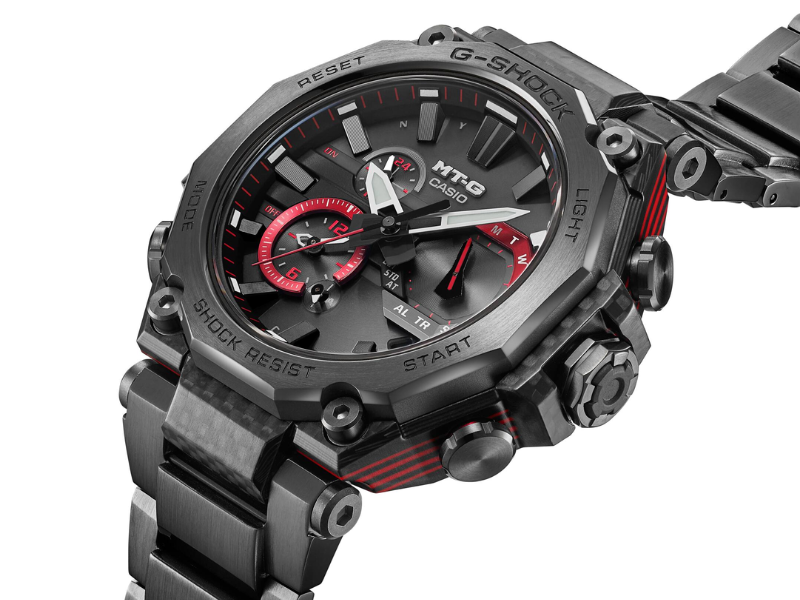
Casio is apparently working on a brand new premium watch from its popular G-Shock series. A fresh leak has revealed that the Casio G-Shock MTG-B2000YBD watch could be in the works with a new metallic body and a durable yet premium design. So read on to find out more.
Casio MTG-B2000YBD G-Shock Bluetooth Watch Rumors
The news arrives from a rumor shared by the Great G-Shock World, which reveals some design elements of the new G-Shock MTG-B2000YBD. It seems like the upcoming model is a new version of the MTG-B2000YBD-1A, which was a premium watch from the brand’s MTG-B2000 series. To recall, the MTG-B2000YBD-1A was a black watch with red accents, but the upcoming MTG-B2000YBD might arrive in a new blue color scheme.
Casio G-Shock MTG-B2000YBD-1A Watch
The MTG-B2000YBD-1A was a premium G-Shock watch that was built using stainless steel, carbon fiber, and resin with a Carbon Core Guard structure and sapphire crystal glass. So we can expect the upcoming MTG-B2000YBD to offer a similar high-end build quality. But one notable feature of this new premium G-Shock is the inclusion of Bluetooth connectivity. This may even be a radio-controlled watch with Multi Band 6.
In other words, users can be controlled via the Casio Watches app for setting adjustments. Being a G-Shock, you’re getting a durable design with the MTG-B2000YBD rumored to feature Casio’s a Triple G Resist. This basically means that it has shock resistance, vibration resistance, and centrifugal force resistance. Lastly, this model could also support world time with over 300 cities, 20 bar water resistance, and solar charging support. This is all the information we have at the moment, so stick around for more.
For more daily updates, please visit our News Section.
The new global tariffs announced by US President Donald Trump paints a bleak picture for Apple and Samsung in the US market. These changes might hit the two brands hard as they are the biggest smartphone brands in the region. So here’s everything you need to know.
Apple & Samsung face higher US tariffs
The South Korean and Cupertino based giants could face hefty US tariffs, as per CCS Insight chief analyst Ben Wood who shared the details with MobileWorldLive. Donald Trump revealed the latest global tariffs on 2nd April 2025 that could result in higher prices being faced by US consumers. Wood stated that Apple and Samsung are the two biggest brands in terms of smartphone market share in the US. So these two could be hard hit by these tariffs as the heavily rely on foreign manufacturing like Vietnam and China.
Apple’s largest contract manufacturer: Foxconn
These nations are known as manufacturing hubs and also top the list of tariff rates. China is being hit with a 34 percent tax while Vietnam faces 46 percent tariffs. The US leader further adds that China’s figure overall may be higher when considering all the other charges. In other words, the hike in cost for imports might affect consumers if nothing changes soon. Both Apple and Samsung’s profit margins would also take a hit, but the consumers could help cushion these additional costs.
To recall, both Samsung and Apple have been trying to reduce their reliance on China by shifting their product manufacturing away from the country. Some of the alternatives to China include both Vietnam and India, with the latter facing 26 percent tariffs.
For more daily updates, please visit our News Section.
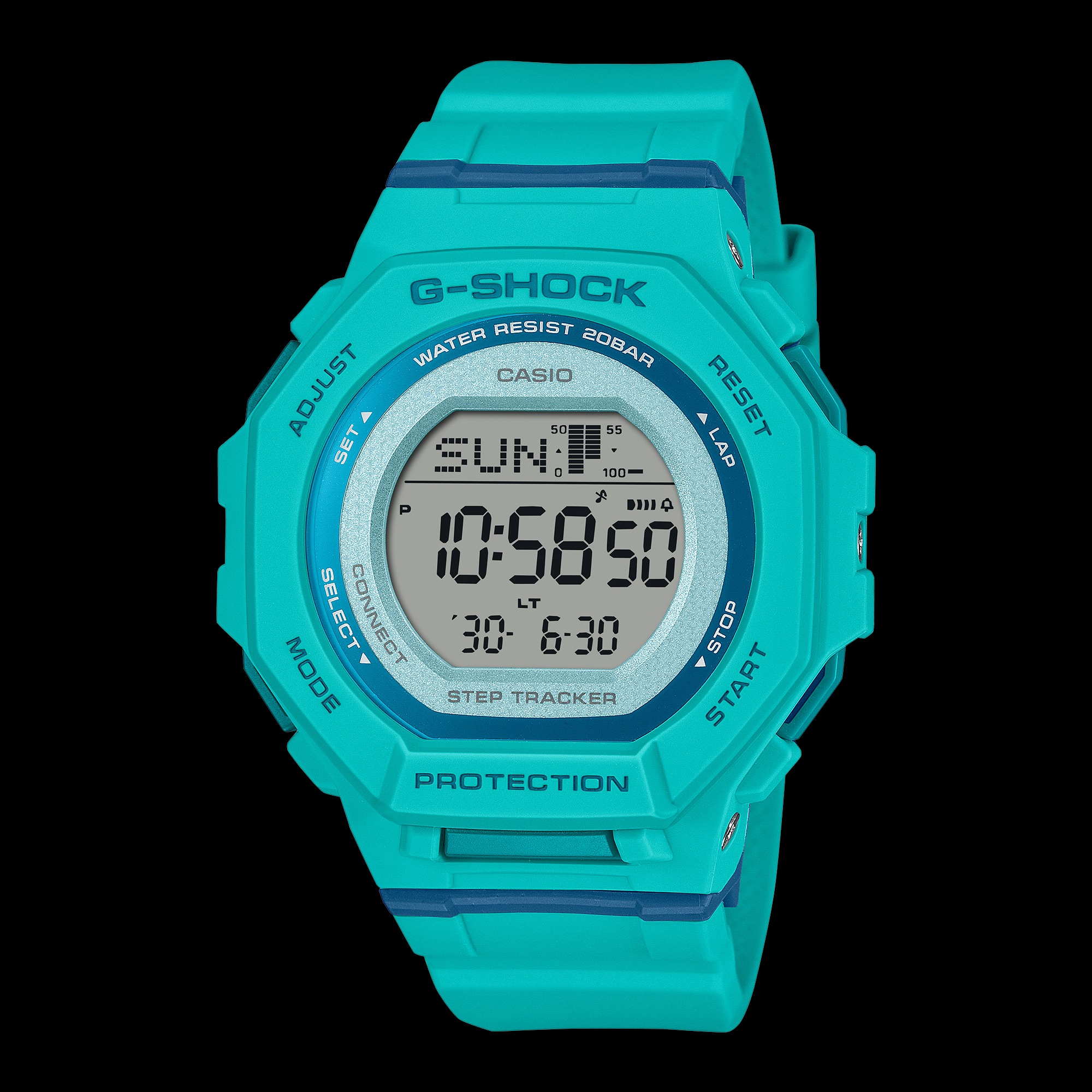
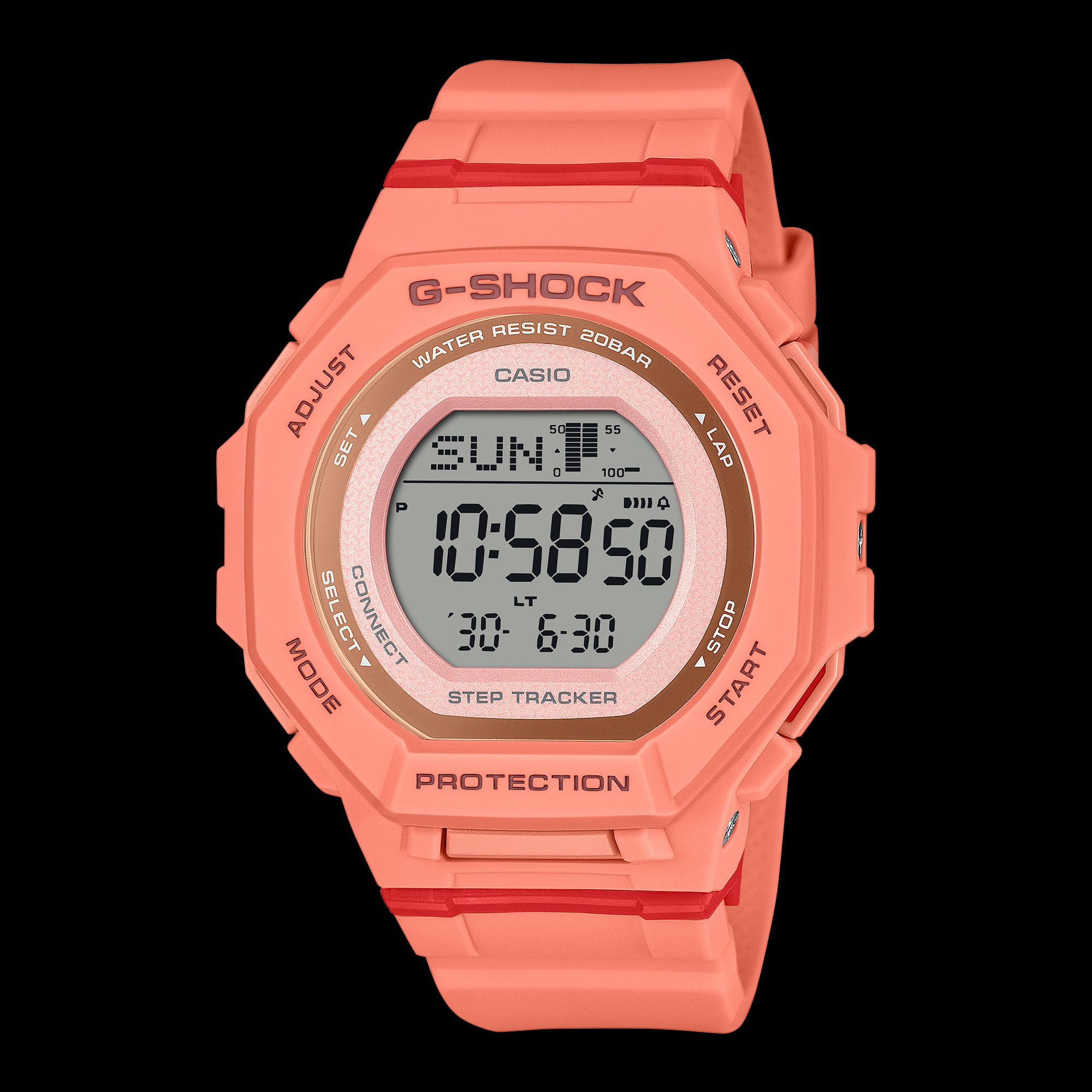
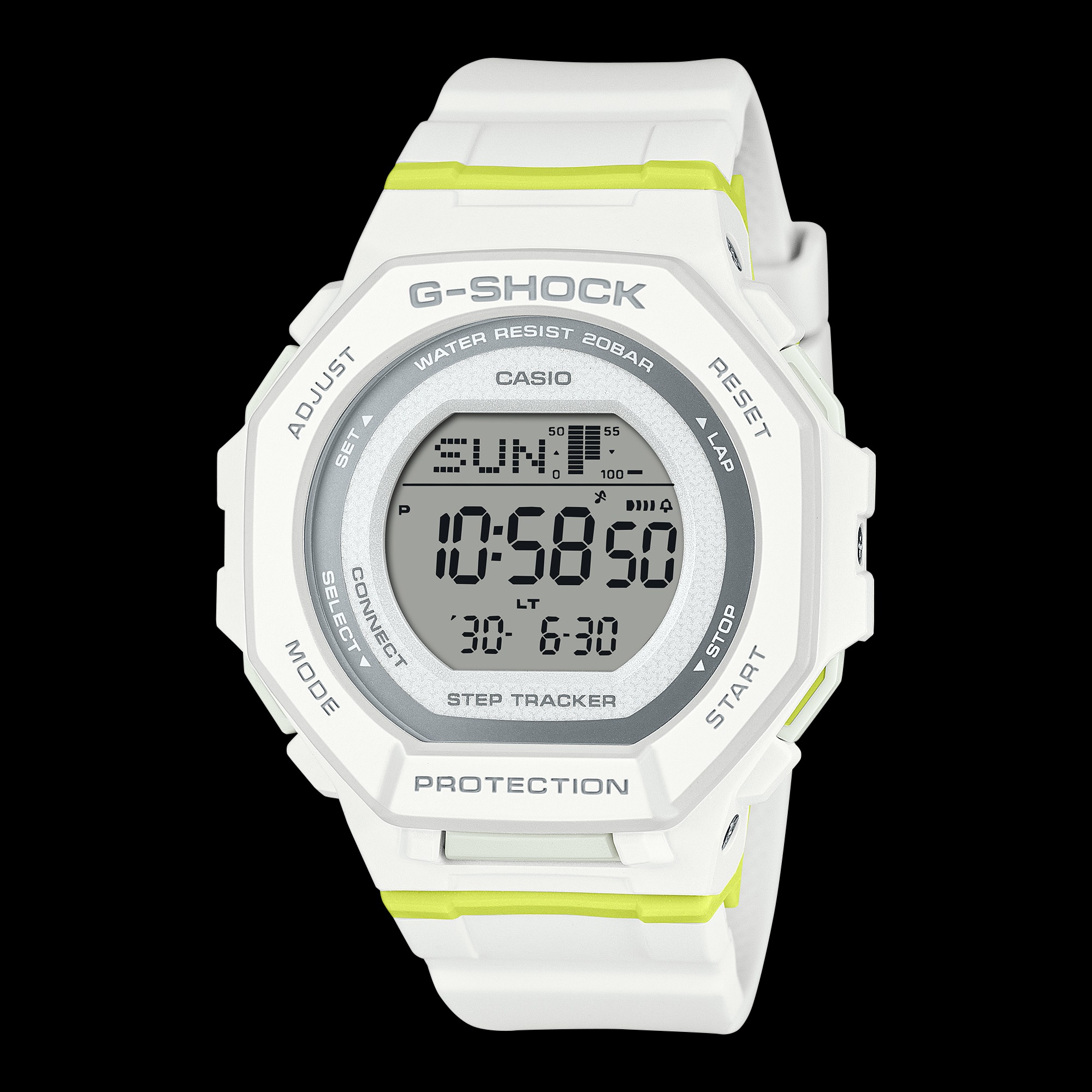
Casio just dropped their new G-Shock Move GMDB300SC series in the US, and they’re selling for $120. You can get them in three colors: turquoise, coral orange, and white. They’re aiming these watches at people who want a tough watch that can also track their fitness.
The watch has an octagonal case and a sporty look. It measures 46.4 × 43.8 × 12 mm and weighs 41 grams. The bezel and band are made from a resin that’s made from plant-based materials, which is Casio’s way of being a bit more eco-friendly.
It has a step tracker that uses a motion sensor, so you can see your daily steps and how close you are to your step goal, which you can set between 1,000 and 50,000 steps. You can sync the data to the CASIO WATCHES app on your phone through Bluetooth to keep track of your activity.
It is water-resistant to 200 meters, shock-resistant, and it automatically adjusts the time when it’s connected to your phone. It also shows the time in 300 cities around the world, and has a 1/100-second stopwatch that can store 200 records, a countdown timer, and five daily alarms.
There’s a white LED backlight for seeing the time at night, and you can set how long it stays on. The battery lasts about two years using a CR2016 battery, and it’ll tell you when it’s low. There’s also a power-saving mode.
It fits wrists from 145mm to 190mm, has a calendar that goes up to 2099, you can choose between 12-hour and 24-hour time, and you can turn off the button sounds. Casio hasn’t said yet if they’ll sell these watches in other places like Europe.
For more daily updates, please visit our News Section.
Honor has just announced a new mid range smartphone model for the global market. The brand’s latest Honor 400 Lite model was officially listed on a European website, which revealed its full design, specifications, and features. So here are all the details.
Honor 400 Lite Specs
The Chinese smartphone maker’s new Honor 400 Lite sports a tall 6.7-inch AMOLED display with a 120Hz refresh rate, 1.5K resolution, 100 percent DCI P3 color gamut, 3840Hz PWM dimming, and a peak brightness of 3,500 nits. Under the hood, the device is equipped with the MediaTek Dimensity 7025 Ultra SoC, which is paired with up to 12GB of RAM and 256GB of internal storage. A sizeable 5,230mAh battery pack powers this model and it supports 35W wired fast charging.
Honor 400 Lite
Out of the box, the new Honor 400 Lite runs on the Android 15 OS based MagicOS 9.0 custom skin. For photography, it features a 108MP main camera along with a 5MP ultra wide angle lens, and a depth sensor, while the front houses 16MP selfie shooter. Honor packs this smartphone with various AI powered features like AI Erase, AI Camera button, AI Translate, and more. Other notable features include an IP65 rating for water and dust resistance, an in-display fingerprint scanner for security, SGS five-star certification, TUV Rheinland Flicker-free certification, virtual RAM expansion, and a slim 7.29mm body that weighs just 171 grams.
Unfortunately, the pricing and availability details of the Honor 400 Lite were not listed on the Hungarian online store. However, it did confirm that it will arrive in three color options, namely Mars Green, Velvet Black, and Velvet Gray. So stick around for more as the full release should be right around the corner. In related news, the company is also working on an Honor Play 60 model that is expected to debut soon.
For more daily updates, please visit our News Section.
The Snapdragon 8 Gen 3 is a high-end flagship chipset known for its outstanding performance and efficiency. Announced in October 2023, it features an octa-core CPU with a maximum clock speed of 3.3GHz and an Adreno 750 GPU, making it a powerhouse for gaming and graphics-intensive applications.
On the other hand, the Snapdragon 7+ Gen 3 is a mid-range chipset announced in March 2024. While it also has eight CPU cores, it runs at lower speeds than the 8 Gen 3, although the choice of CPU cores remains the same. It has Adreno 732 GPU to handle gaming and graphical tasks.
While it’s clear that the Snapdragon 8 Gen 3 is more powerful, the real question is— how big is the performance gap? To answer this, we ran several benchmark tests and analyzed their key differences.
Snapdragon 8 Gen 3 vs 7+ Gen 3: Benchmark comparison
[Note: The tests were conducted on the Xiaomi 14 Ultra (powered by Snapdragon 8 Gen 3) and Realme GT 6T (powered by Snapdragon 7+ Gen 3).]
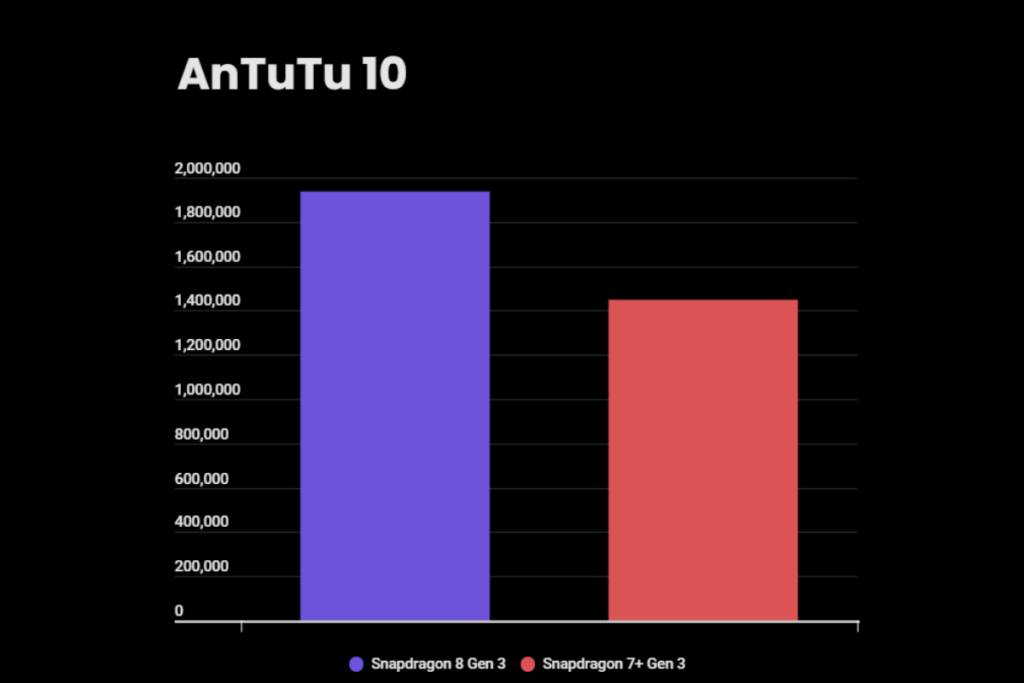
AnTuTu benchmark
AnTuTu evaluates a device’s overall performance by running a series of tests across multiple components, including CPU, GPU, memory, and UX (user experience). The overall score represents the combined strength of these individual tests.
Here’s how both chipsets performed:
SD 8 Gen 3
SD 7+ Gen 3
AnTuTu score
1,937,417
1,448,293
CPU
419,604
376,122
GPU
829,698
488,799
Memory
382,043
334,990
UX
306,072
248,382
The Snapdragon 8 Gen 3 outperforms the 7+ Gen 3 by a significant margin, particularly in GPU performance, where it achieves a 67% higher score. The CPU performance is also 12% better on the flagship chipset.
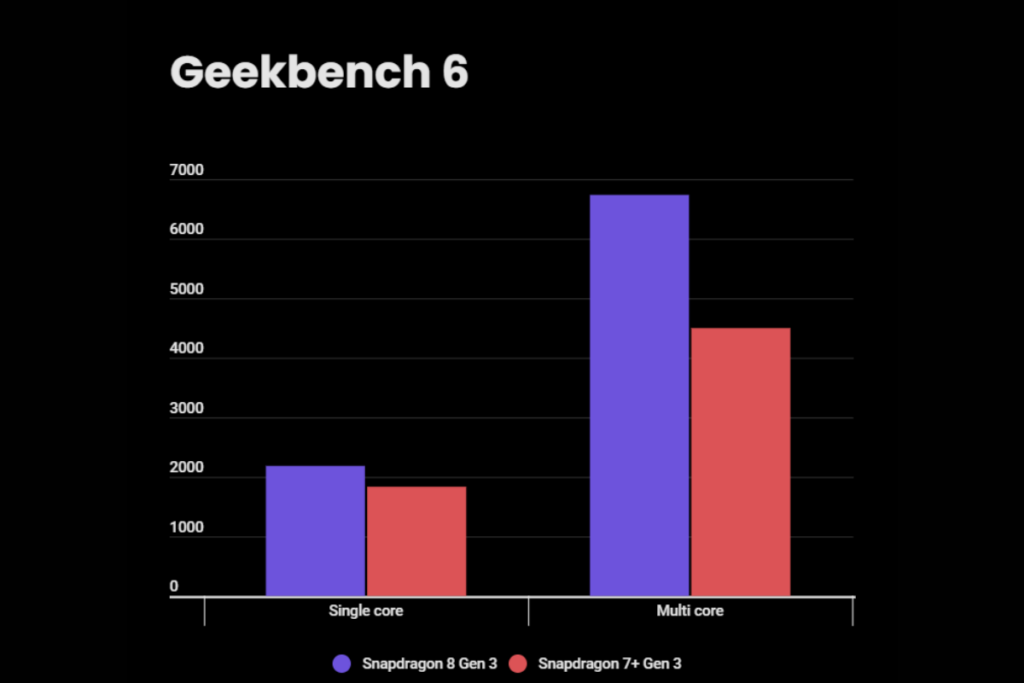
Geekbench benchmark
Geekbench measures how well a processor handles various workloads by performing real-world and synthetic tests, such as image processing, machine learning, and file compression.
Here’s how the the two chips performed:
SD 8 Gen 3
SD 7+ Gen 3
Single core
2,185
1,834
Multi core
6,735
4,498
The Snapdragon 8 Gen 3 leads by 19% in single-core performance and 50% in multi-core performance, highlighting its superior processing power.
3DMark Wild Life Stress Test
This test evaluates a device’s graphics performance and thermal stability under prolonged heavy workloads.
SD 8 Gen 3
SD 7+ Gen 3
Best loop score
17,218
11,264
Lowest loop score
11,692
6,145
Stability
68.7%
54.6%
The Snapdragon 8 Gen 3 delivers not only higher performance but also better thermal stability compared to the Snapdragon 7+ Gen 3.
Snapdragon 8 Gen 3 vs 7+ Gen 3: Key differences
CPU
Both chipsets are built on TSMC’s 4nm process and feature the same type of core cores, but their configurations vary.
Snapdragon 8 Gen 3:
One large core (Cortex-X4 — 3.3GHz)
Five mid cores (3 x Cortex-A720 — 3.15GHz, 2 x Cortex-A720 — 2.96GHz)
Two small cores (2 x Cortex-A520 — 2.27GHz)
Snapdragon 7+ Gen 3:
One large core (Cortex-X4 — 2.8GHz)
Four mid cores (4 x Cortex-A720 — 2.6GHz)
Three small cores (3 x Cortex-A520 — 1.9GHz)
The 8 Gen 3 not only runs at higher clock speeds but also includes an additional performance core for enhanced processing power.
GPU
Gaming is where the Snapdragon 8 Gen 3 shines. It features the Adreno 750 GPU, which has more shading units and supports real-time hardware ray tracing with Global Illumination, making it suitable for demanding games and graphics-intensive applications.. It also fully supports the Unreal Engine 5.2 MetaHumans framework, enabling lifelike human characters.
The Snapdragon 7+ Gen 3, with its Adreno 732 GPU, offers a balanced gaming experience for mid-range devices but lacks advanced ray tracing and high-end graphics capabilities.
Camera
Both chipsets feature an 18-bit triple ISP and support up to 200MP single camera resolution. However, the Snapdragon 8 Gen 3 has advantages such as dual always-sensing cameras for faster face recognition and QR code scanning, and 8K video recording support, while the 7+ Gen 3 is limited to 4K.
Connectivity
The Snapdragon 8 Gen 3 offers faster network speeds, thanks to the newer Snapdragon X75 5G modem. It offers a peak download speed of 10Gbps, whereas the X63 modem on Snapdragon 7+ Gen 3 chip peaks at 5Gbps. The maximum upload speed, however, remains the same at 3.5Gbps.
Both Qualcomm chips have the same mobile connectivity system. That means they carry the same Wi-Fi capabilities. However, the Bluetooth version differ: 8 Gen 3 (Bluetooth 5.4) and 7+ Gen 3 (Bluetooth 5.3).
Overall, the Snapdragon 8 Gen 3 is the clear winner in terms of performance, gaming, camera capabilities, and connectivity. However, the Snapdragon 7+ Gen 3 remains a strong contender for mid-range devices, offering a balanced experience at a lower cost.
Snapdragon 8 Gen 3 vs 7+ Gen 3: Spec sheet
SD 8 Gen 3
SD 7+ Gen 3
Announced
October 2023
March 2024
Process node
4nm
4nm
Manufacturer
TSMC
TSMC
CPU
1 x 3.3 GHz — Cortex-X3 3 x 3.15 GHz — Cortex-A720 2 x 2.96 GHz — Cortex-A720 2 x 2.27GHz — Cortex-A520
1 x 2.8 GHz — Cortex-X4 4 x 2.6 GHz — Cortex-A720 3 x 1.9 GHz — Cortex-A520
GPU
Adreno 750 GPU Support for Unreal Engine 5.2 Lumen Global illumination Ray tracing support Snapdragon Elite Gaming features
Adreno 732 GPU Snapdragon Elite Gaming features
NPU
Qualcomm Hexagon NPU
Qualcomm Hexagon NPU
Memory
LPDDR5x, up to 4.8GHz
LPDDR5, up to 4.2GHz
USB
USB-C 3.1 Gen2
USB-C 3.1 Gen2
Camera
Qualcomm Spectra Cognitive Triple 18-bit ISP Real-time semantic segmentation (max 12 layers) Up to 200MP single camera Up to 108MP single camera at 30fps with zero shutter lag Up to 64MP+36MP dual camera at 30fps with zero shutter lag Up to 36MP triple camera at 30fps with zero shutter lag Up to 8K/30fps video recording
Qualcomm Spectra Cognitive Triple 18-bit ISP Real-time semantic segmentation (max 12 layers) Up to 200MP single camera Up to 108MP single camera at 30fps with zero shutter lag Up to 64MP+36MP dual camera at 30fps with zero shutter lag Up to 36MP triple camera at 30fps with zero shutter lag Up to 4K/60fps video recording
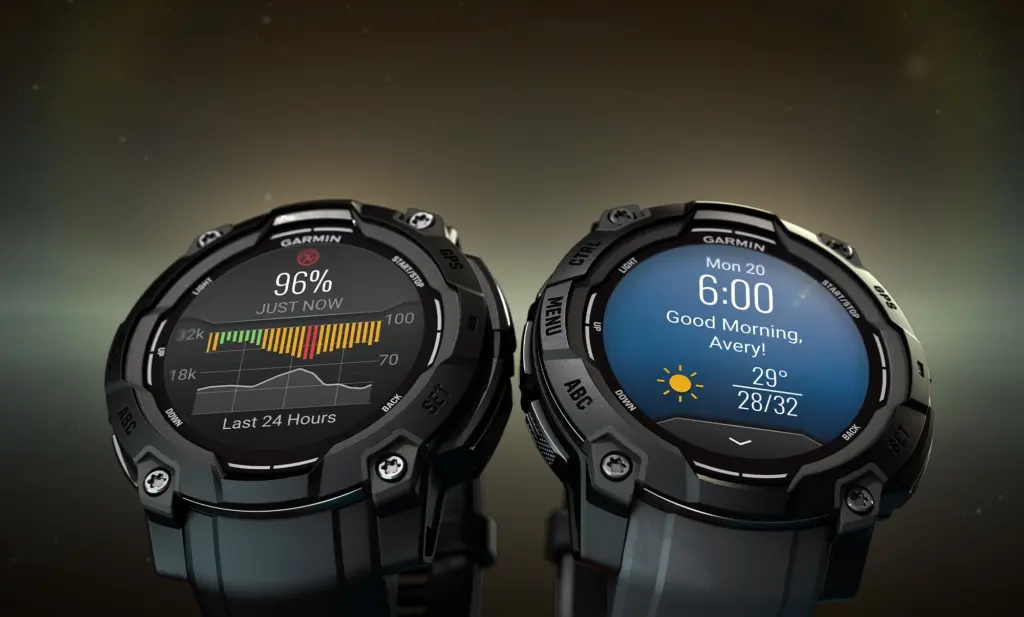
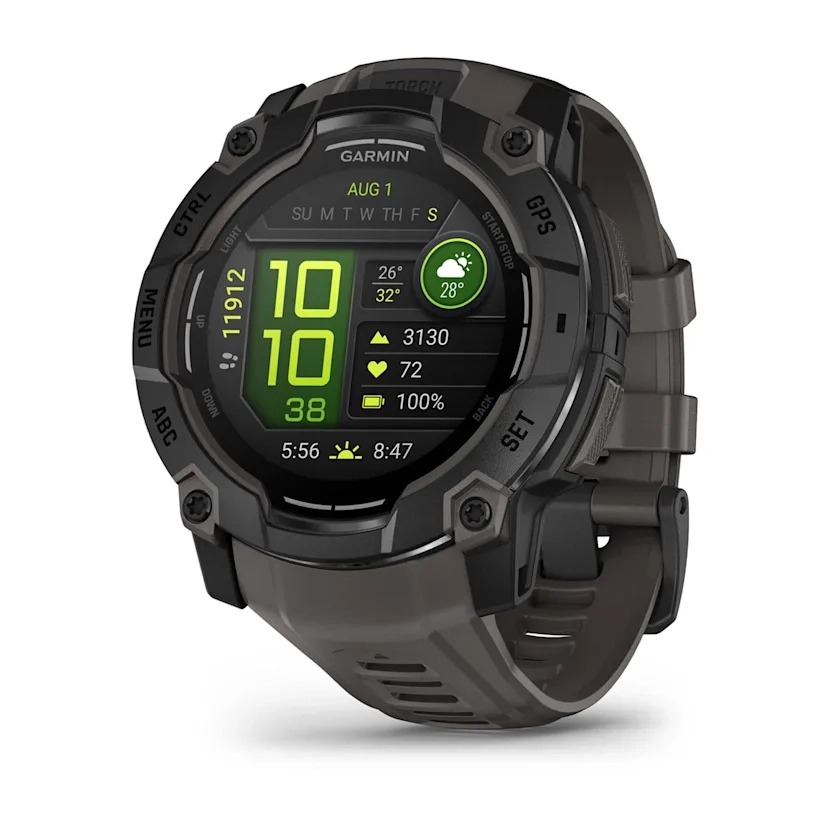
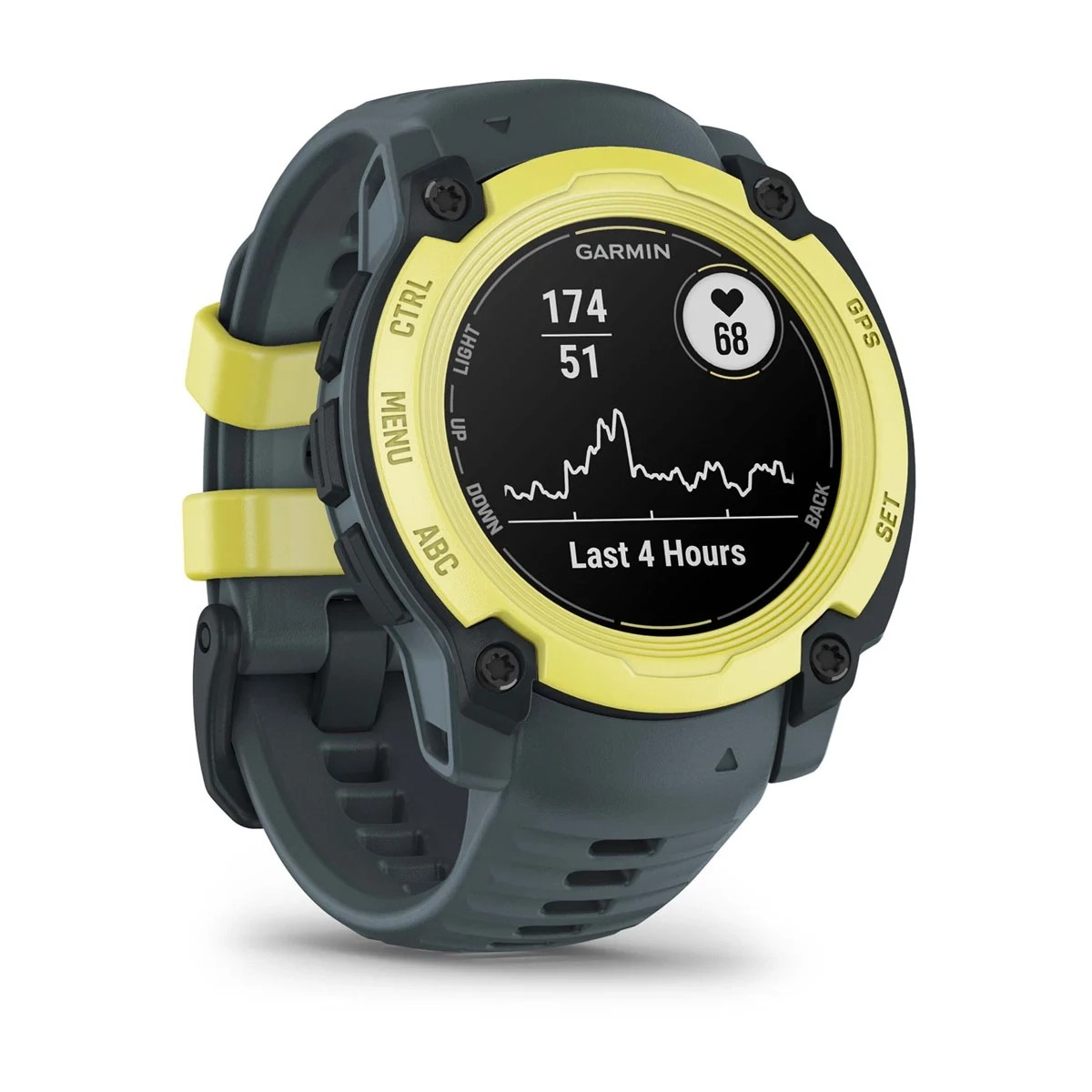
Garmin just launched their new Instinct 3 series in India. It’s a line of tough smartwatches aimed at people who love the outdoors or fitness. They come in two sizes, 45mm and 50mm, and there are three versions: the Instinct 3 Solar, the Instinct 3 AMOLED, and the basic Instinct E.
These watches are built tough, meeting military standards (MIL-STD 810), so they can handle extreme heat, shocks, and being underwater up to 100 meters. The Solar and AMOLED models have metal bezels, strong plastic cases, and scratch-resistant screens. The AMOLED model has a new, colorful 390 x 390 resolution screen with the Always-on feature. The Solar version has a black-and-white screen, but it can run forever if it gets enough sunlight.
They’ve added some cool features. The GPS is more accurate, with multi-band GPS and SatIQ. There’s also TracBack routing and a flashlight with brightness control. They track your heart rate, oxygen levels, stress, women’s health, and sleep. For safety, they have LiveTrack and can detect if is wearer has an accident.
The AMOLED model has some unique things, like workout animations on the screen, a Red Shift mode for using it at night, and it works with GameOn, which is a bit surprising for a tough watch. Both the Solar and AMOLED versions have animated workout guides and over 30 sports modes, including hiking, swimming, and tactical stuff. The Solar model’s battery lasts up to 40 days (or 70 hours with GPS), and the AMOLED lasts 18 days (or 32 hours with GPS). These watches can sync notifications with your smartphone, use Garmin Pay, and send two-way messages with Garmin Messenger.
Pricing & availability
The Instinct E is the cheapest at ₹35,990, and the Instinct 3 Solar is priced at ₹46,990. The 45mm Instinct 3 AMOLED costs ₹52,990, while the 50mm AMOLED model has a price tag of ₹58,990. They’re available on Garmin’s Indian website and in some stores.
For more daily updates, please visit our News Section.
The OnePlus 13T has been making the rounds online in rumors and leaks. Now, the latest sighting is from a major Chinese certification, which hints at its imminent release. The company’s upcoming mini flagship has just surfaced on the MIIT database, so here are all the details.
OnePlus 13T visits China’s MIIT Certification
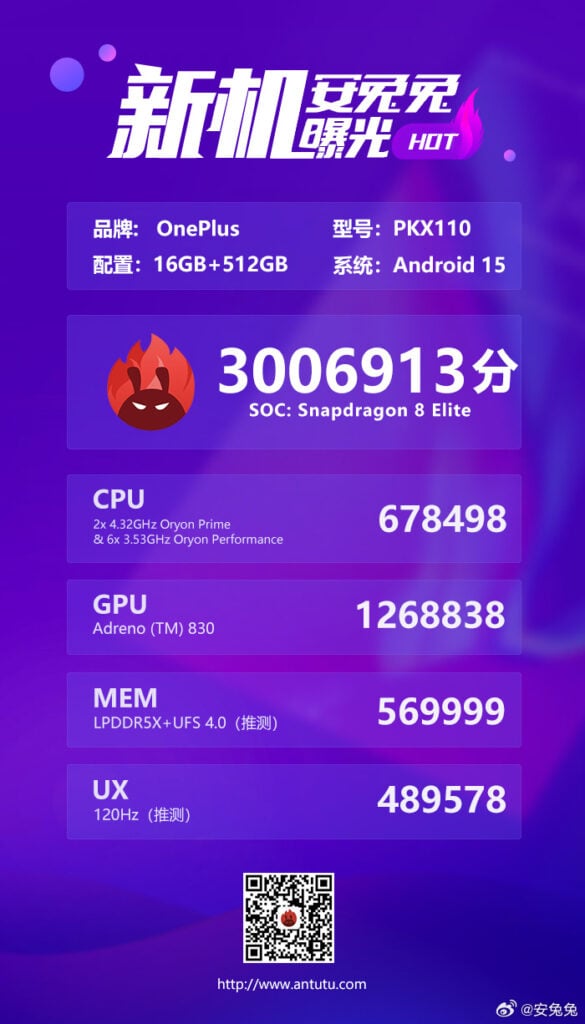
The Chinese tech giant’s OnePlus 13T was spotted carrying the PKX110 model number (Via MySmartPrice). Unfortunately, this listing does not reveal any features or specifications of the new premium phone. But most of its key specs have either been teased or leaked. The OnePlus 13T just recorded a score of over 3 million on AnTuTu benchmark thanks to the Snapdragon 8 Elite. This chipset was even listed with 16GB of RAM, 512GB of storage, and running on the Android 15 OS out of the box.
So we are getting a flagship performance level from this compact phone. One OnePlus executive recently confirmed that it will be releasing the mini flagship with a massive 6,200mAh battery pack, which could support 80W wired fast charging. For photography, there is a 50MP (Main) + 50MP (Telephoto) dual camera setup. On the front, the OnePlus 13T could sport a 6.31-inch OLED display with a 1.5K resolution, a 120Hz refresh rate, and an optical in-display fingerprint scanner.
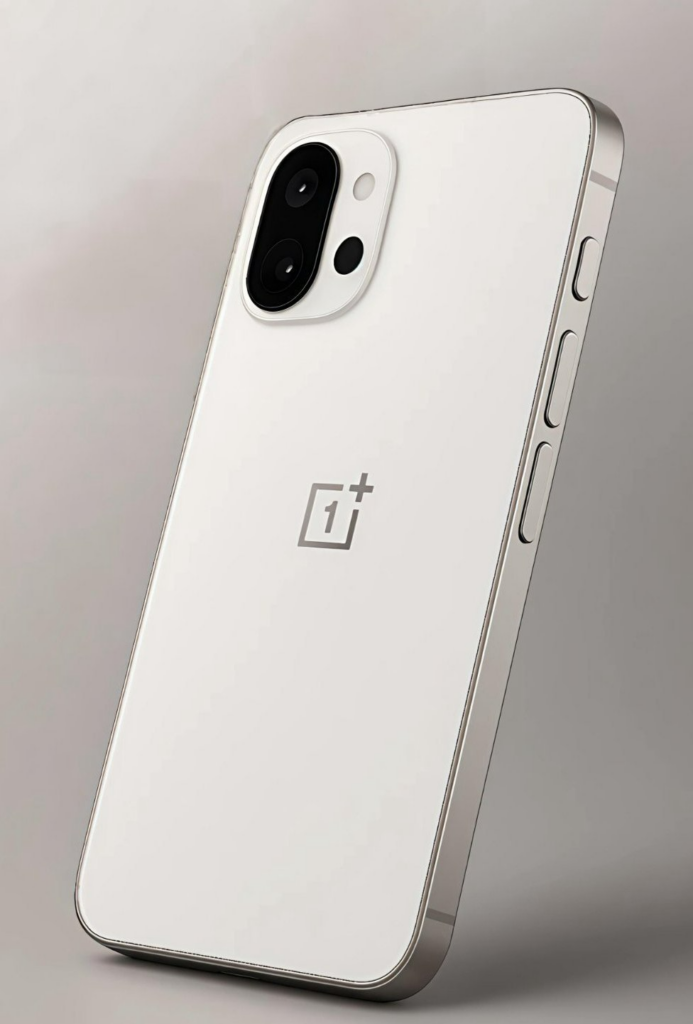
OnePlus 13T mock render
While it is rumored to be more affordable than the OnePlus 13, it won’t cut corners in terms of design. So you’re still getting a glass panel on the rear and a metallic middle frame. But thanks to its compact size, the device would weight around 185 grams. The company is confirmed to launch the OnePlus 13T later this month, so stick around for more as we will covering the launch event later this month.
For more daily updates, please visit our News Section.
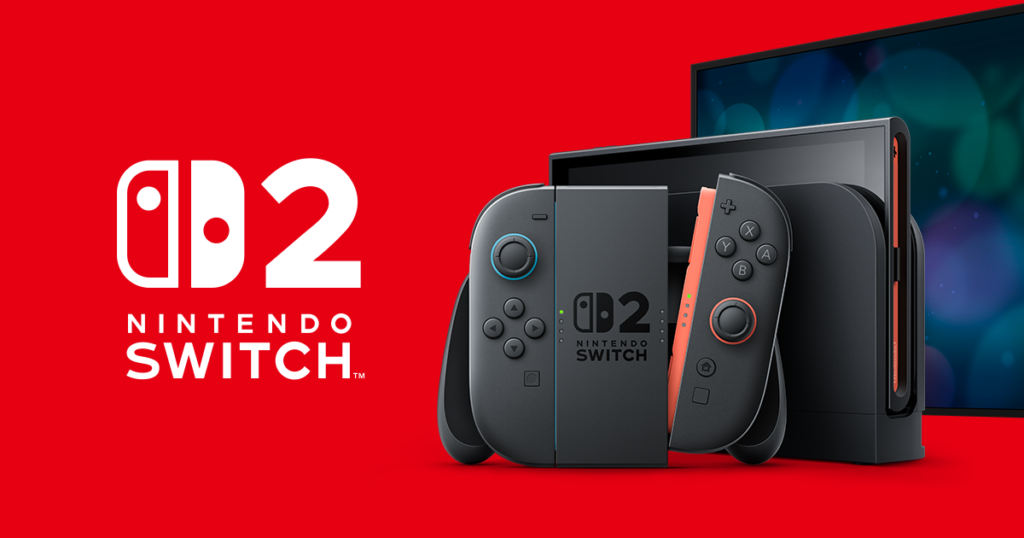
After years of anticipation, Nintendo has finally unveiled a new handheld console. This is the direct successor to the original Switch and is called the Nintendo Switch 2. The company’s latest console brings various upgrades over its predecessor along with new enhanced games as well.
Nintendo Switch 2: What makes it special?
With the Switch 2, Nintendo offers an overhauled design, a larger display, and more powerful hardware. It measures just 13.9mm thick and weighs around 399 grams (with controllers attached). So the console is still a portable gaming machine. The second generation Switch sports a tall 7.9-inch LCD panel with a higher 1080p resolution along with a 120Hz refresh rate and VRR support (variable refresh rate). The bump in resolution, screen real estate, and refresh rate will offer improved visuals.
Under the hood, the Nintendo Switch 2 packs a new custom Nvidia processor that offers greater GPU and CPU performance. The exact make or model of this chip is still unclear, but the brand claims that the chip will help in improved graphical fidelity and quicker load times. This chipset is paired with 256GB of internal storage, which can be expanded by up to 2TB via a microSD Express card. A sizeable 5,220mAh battery pack powers this device.
Other notable features include WiFi 6, Bluetooth, and an Ethernet option via the dock. Like its predecessor, the redesigned JoyCon controllers are removable and you also get a kickstand built-in. When docked, Nintendo claims that the Switch 2 can offer better performance with acting cooling. During the announcement, the company revealed a fresh lineup of Nintendo games like Mario Kart World and Donkey Kong Bananza along with a special Switch 2 Edition from the existing Switch library. The Nintendo Switch 2 launches on June 5 for 449.99 US Dollars. Pre-orders for the console kicks off on April 9.
For more daily updates, please visit our News Section.
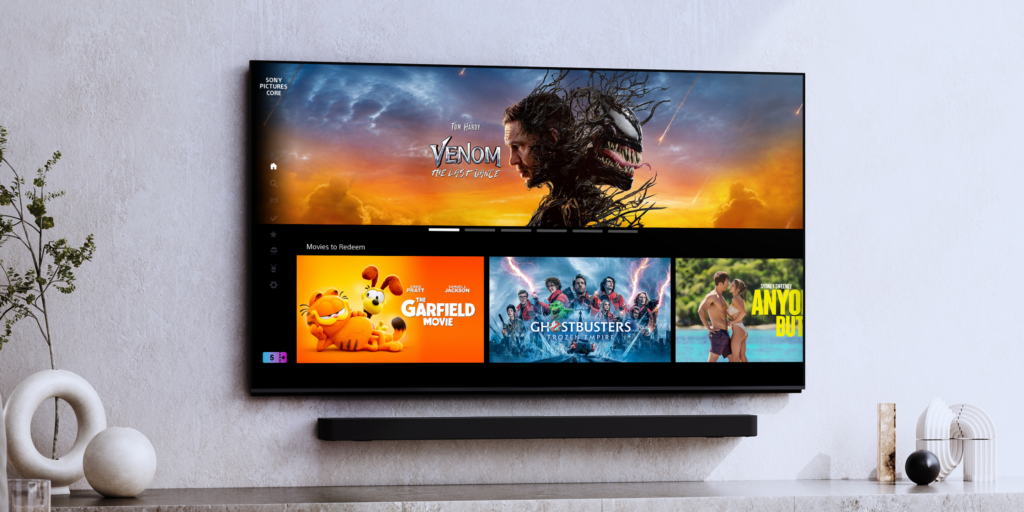
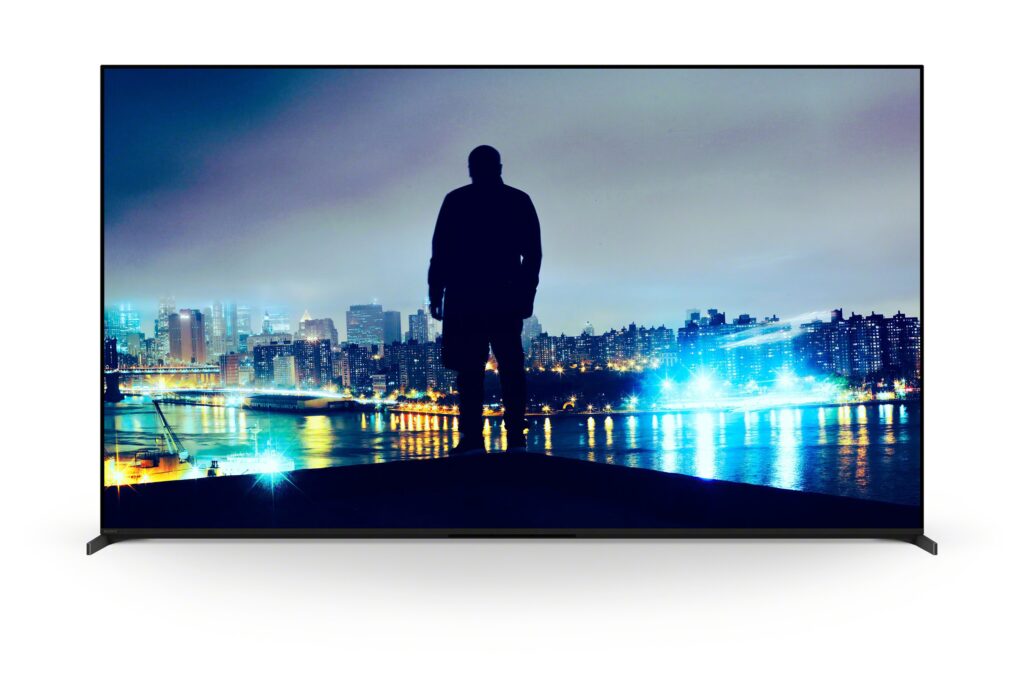
Sony‘s new flagship TV, the BRAVIA 8 II, is a QD-OLED model meant for home theater setups. It’s taking the place of the A95L. This TV uses AI to improve the picture and sound, and it has features for gamers.
The BRAVIA 8 II has two models, measuring 55 and 65 inches. The screen has over eight million self-lit pixels, giving deep blacks and bright OLED images. The QD-OLED panel and XR Triluminos Max make the colors look real, while Sony’s XR Processor uses AI to make the picture better, and XR Clear Image makes HD content look sharper.
For sound, the TV has Acoustic Surface Audio+, which turns the screen into a speaker. Voice Zoom 3 makes dialogue clear. It works with Dolby Atmos, DTS:X, and IMAX Enhanced. When you use it with BRAVIA Theater systems, it lines up the sound with what’s on the screen.
The BRAVIA 8 II runs Google TV and works with Apple AirPlay 2 and Google Cast. It has special picture modes for Netflix, Prime Video, and Sony Pictures Core. You can watch IMAX Enhanced content through the Sony Pictures Core app.
For PlayStation 5 users, it has Auto HDR Tone Mapping, Auto Genre Picture Mode, and a Game Menu. The TV has a simple design, called “Slim One Slate,” and a stand that works with soundbars. The optional BRAVIA Cam changes the picture and sound based on where you are. It also has gesture control and child alerts. Pricing and availability will be shared in Spring 2025.
For more daily updates, please visit our News Section.
After launching the Phone (2a) series, Nothing now seems to be gearing up to introduce the CMF Phone 2 under its budget-focused sub-brand. The company has dropped a teaser for the upcoming CMF smartphone, and a dedicated microsite is also live on Flipkart.
The teaser carries the tagline “In search of the perfect shot” and reveals a glimpse of the device, showing a camera module that appears to house a single rear camera. That seems unlikely, though, considering the CMF Phone 1 has two rear cameras—even if one was just a 2MP sensor.
Last week, Nothing teased four Pokémon on its social media channels and community page. Among them, Bulbasaur is likely the codename for the CMF Phone 2. Whereas, the other three Pokemons might be a hint that Nothing might launch new accessories under the CMF brand alongside the phone. And this could include a smartwatch, TWS earbuds, and possibly a pair of neckband earphones.
Speaking of audio gear, the CMF Buds 2 Plus has recently appeared in the FCC database with a new Smart Dial feature. The buds weigh 105 grams in total, with the charging case packing a 460mAh battery and each earbud housing a 53mAh cell.
As for the CMF Phone 2, there’s no word yet on what the device could bring to the table. But if Nothing sticks to its playbook, we can expect it to retain the modular design introduced in its predecessor.
The CMF Phone 1’s biggest standout feature was its customizable back cover, secured that allows users to attach a lanyard and other accessories. We hope Nothing retains this unique design in its successor and perhaps makes it more modular. For example, by offering a removable battery.
Now that the first teaser is out, Nothing will likely reveal more details soon. The launch could take place later this month or early next month.
For more daily updates, please visit our News Section.
Ulefone is set to revolutionize the rugged smartphone market with the global launch of the Ulefone Armor 30 Pro and Armor X32 Series on April 14, 2025. The Armor 30 Pro stands out as the world’s first dual-main-screen rugged phone, while the Armor X32 Series offers compact yet powerful options for adventure seekers and professionals.
Availability & Pricing
The Ulefone Armor 30 Pro and Armor X32 Series will officially launch on April 14, 2025, and will be available through Amazon, AliExpress, and Ulefone’s official store. The Armor 30 Pro is priced at $379.99 on AliExpress and €499 on Amazon, offering a powerful dual-screen rugged experience at a competitive price. The Armor X32 Series, designed as a budget-friendly rugged smartphone lineup, is also set to launch, though official pricing details for these models have yet to be announced.
Armor 30 Pro– The World’s First Dual Main Screen Rugged Phone
The Ulefone Armor 30 Pro is a groundbreaking device with a dual-main-screen design. The front display is a massive 6.95-inch FHD+ panel with a 120Hz refresh rate, providing an immersive viewing experience for entertainment and work. On the back, a 3.4-inch secondary display offers quick access to notifications, shortcuts, and selfie previews, adding versatility for outdoor users and professionals who rely on efficiency.
Built to Withstand Extreme Conditions
Staying true to Ulefone’s rugged DNA, the Armor 30 Pro is designed to survive extreme environments. With military-grade durability, shock resistance, and complete protection against dust and water, this device is ideal for adventurers, construction workers, and outdoor enthusiasts who need reliability in harsh conditions.
Professional-Grade Camera System for Day and Night
Photography on a rugged phone reaches new heights with the Armor 30 Pro’s 50MP OMNIVISION OV50H main camera, featuring a 1/1.3″ ultra-large sensor for superior clarity. The 64MP night vision camera, supported by four infrared LEDs, enables users to capture images in complete darkness, making it perfect for night-time exploration and security applications.
Massive 12,800mAh Battery with Ultra-Fast Charging
Powering the Armor 30 Pro is an impressive 12,800mAh battery, ensuring extended usage without frequent recharging. It supports 66W fast charging, minimizing downtime and keeping users connected, whether they are working remotely or on an outdoor adventure.
High-Performance Hardware with 5G Connectivity
Under the hood, the MediaTek Dimensity 7300X 5G AI SoC powers the device, ensuring seamless performance for multitasking and gaming. The phone is equipped with 16GB LPDDR5 RAM and 512GB UFS 3.1 storage, offering lightning-fast data processing and ample space for apps, photos, and videos.
Loudest Speaker & Customizable RGB Lighting
For those who demand high-quality audio, the 118dB loudspeaker ensures powerful sound output, whether for media playback or outdoor communication. Additionally, customizable RGB halo lighting adds a touch of personalization to the rugged phone experience.
Armor X32 Series – Compact and Powerful Rugged Phones
For users looking for a smaller yet equally durable smartphone, Ulefone introduces the Armor X32 Series, which includes the Armor X32 Pro and Armor X32 models. These devices bring rugged durability in a compact form factor without compromising performance.
Armor X32 Pro – First 5G Phone in the X Series
The Armor X32 Pro is the first 5G phone in Ulefone’s X series, powered by the Dimensity 6300 5G SoC. It features a 5.65-inch display with a 90Hz refresh rate, delivering smooth visuals. The 64MP main camera and 25MP night vision camera ensure high-quality photography, while its 5,500mAh battery provides long-lasting usage. With up to 16GB RAM and 256GB storage, this phone is a powerhouse in a compact design.
Armor X32 – Reliable 4G Rugged Phone
For those who prefer a 4G option, the Armor X32 is powered by the MediaTek Helio G91 processor. It shares the same 5.65-inch display as the Pro version and features a 48MP main camera and 20MP night vision camera. The 5,500mAh battery ensures reliable endurance, while 12GB RAM and 128GB storage provide smooth performance.
Global Giveaway
To mark the launch of these rugged powerhouses, Ulefone is hosting a global giveaway event where lucky participants can win an Armor 30 Pro or Armor X32 Pro. The event will go live on April 14, 2025, with full participation details available on Ulefone’s launch event page.
With its dual-main-screen innovation, professional-grade cameras, and massive battery, the Ulefone Armor 30 Pro redefines what a rugged phone can be. Meanwhile, the Armor X32 Series brings 5G capability and solid performance in a compact, durable package. Whether you’re an adventurer, a professional working in extreme conditions, or just someone who values durability, these new Ulefone devices are set to be a game-changer.
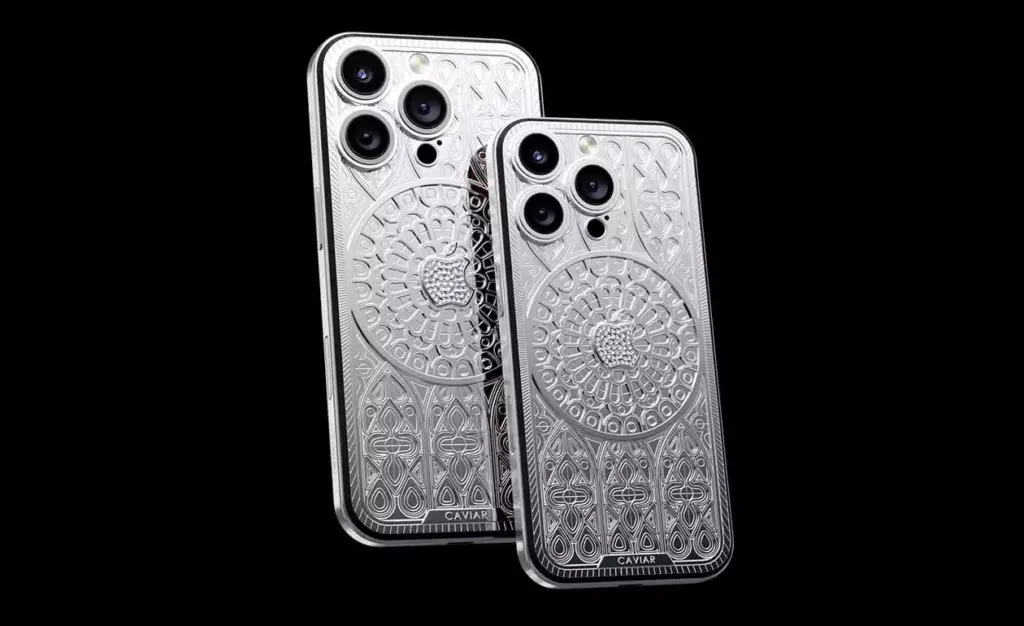
Caviar has taken the wraps off its latest ultra-luxury creation—a bespoke iPhone 16 Pro Max that pays homage to the iconic Notre Dame de Paris cathedral. This extravagant edition comes wrapped in 18-karat white gold and features an ornate design inspired by the cathedral’s world-famous rose window. With only 16 units available, this is one of the most exclusive iPhones ever made.
Design Details
The back panel of the phone sports a three-dimensional Gothic-style pattern, centered around a stained glass element that mirrors the artistry of Notre Dame’s legendary windows. It also equips a handcrafted gold Apple logo made from 18K white gold, embellished with 59 diamonds in various sizes to add an extra layer of brilliance. Surrounding the phone is a solid reinforcing frame, also crafted from 18K white gold, that gives the device a strong architectural feel.
Caviar’s Notre Dame iPhone captures the spirit of the 12th-century masterpiece, which took nearly 200 years to complete and has stood as a symbol of French heritage and resilience. From its soaring arches to the tragic 2019 fire and the current restoration project, Notre Dame’s story continues to inspire. This special edition aims to immortalize that legacy in a form people can hold and admire.
The limited-edition model starts at $104,490 for the iPhone 16 Pro 128GB, while the top-tier 1TB iPhone 16 Pro Max version is priced at $115,490.
This isn’t the first time Caviar is going extravagant—they recently launched the Horizon Collection as well. Inspired by iconic cities around the world, the series features ultra-luxury custom smartphones crafted from materials like 24K gold, aviation-grade titanium, natural stone, and colorful enamel. Highlights include the London edition with a real mechanical clock, the Gibraltar model with gold macaques and emerald enamel, and the Bahamas variant with floral engravings on white stone. Shanghai and Dubai editions showcase gold-detailed cityscapes on titanium bodies. Limited to just 10–99 units, prices range from $8,900 to $13,700.
For more daily updates, please visit our News Section.
The upcoming Galaxy M56 is shaping up to be a downgrade in terms of performance, swapping the expected Exynos 1580—found in the Galaxy A56—for the older Exynos 1480. Typically, the M series phones mirror their A series counterparts with similar or equal processing power, trimming costs elsewhere. This time, though, the M56’s downgrade has Galaxy fans scratching their heads.
Samsung Galaxy M55
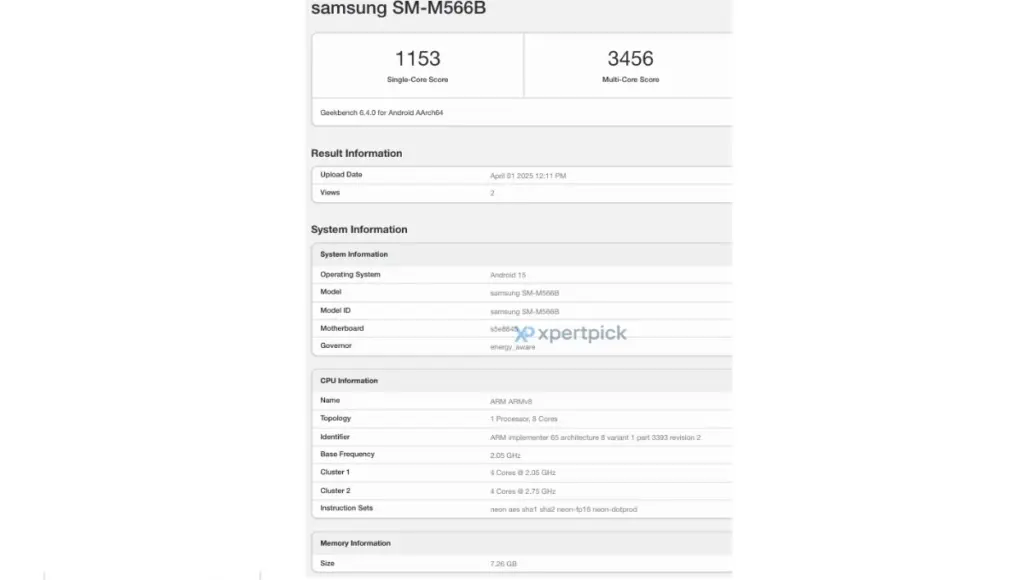
Alleged Galaxy M56 surfaces on Geekbench with Galaxy A55’s Exynos 1480
The Galaxy M56 has been spotted on Geekbench’s database under model number SM-M566B. As per the listing, the phone is powered by the Exynos 1480, a 4nm chip that debuted in last year’s Galaxy A55. This chip includes four Cortex-A78 and four Cortex-A55 CPU cores plus an Xclipse 530 GPU, which is paired with 8GB RAM and Android 15 for the upcoming M series model.
Compare that to the A56’s Exynos 1580—boasting four Cortex-A720 and four Cortex-A520 cores with an Xclipse 540 GPU—or even the M55’s Snapdragon 7 Gen 1 (Cortex-A710, A510, Adreno 644), and it’s a clear step back. The M55 brought performance and charging boosts last year, but the M56’s chip selection feels like a retreat. Samsung’s M series thrives on budget appeal, yet this move risks alienating upgraders expecting more grunt. The Exynos 1480 trails the 1580’s modern CPU cores and more capable GPU, and even lags the M55’s Snapdragon in certain aspects like sustained gaming performance and power efficiency.
However, it’s also worth noting that the A55’s Exynos 1480 outshone the Snapdragon-powered M55 in real-life use cases, hinting that the M56 might still feel snappier than its predecessor. Samsung’s challenge now is convincing buyers this isn’t a downgrade worth skipping. Will software enhancements and strategic pricing save the model? Remains to be seen. It will largely depend on the combination of software optimization, pricing, and clever marketing. We’ll see when it lands, but for now, it’s surely a puzzling pivot from the M series norm.
The OnePlus 13T, a compact flagship phone, was recently confirmed by OnePlus China to be launching later this month. The company has already begun teasing some of its key features, such as a battery capacity of over 6,000mAh. Speculation has also been circulating that the Oppo PKX110, recently approved by China’s 3C authority, could be the upcoming OnePlus 13T. Now, the same device has appeared on the AnTuTu benchmarking platform, shedding light on its specifications and showcasing an impressive benchmark score.
OnePlus 13T: AnTuTu benchmark score and key specifications
OnePlus 13T AnTuTu listing
The OnePlus 13T has secured an impressive AnTuTu score of 3,006,913 points. This score is broken down into a CPU score of 678,498, a GPU score of 1,268,838, a memory score of 569,999, and a UX score of 489,578. Powering the device is the Qualcomm Snapdragon 8 Elite chipset, ensuring top-tier performance.
The AnTuTu listing reveals that the 13T is equipped with 16GB of LPDDR5x RAM and 512GB of UFS 4.0 storage. It reveals that the device will feature a 120Hz display and come preloaded with Android 15.
OnePlus 13T specifications (rumored)
Reports suggest the OnePlus 13T will sport a 6.31-inch flat OLED display with a 1.5K resolution. It will be powered by a substantial 6,200mAh battery, supported by 80W fast charging. However, it appears the device will lack wireless charging.
On the photography front, the 13T will feature a dual camera setup, including a 50-megapixel main sensor with optical image stabilization (OIS) and a 50-megapixel telephoto camera offering 2x optical zoom. The phone will also have a premium build, with a metal middle frame and a glass back. It is expected to weigh around 185 grams.
For more daily updates, please visit our News Section.
Samsung has expanded its AI-powered home appliance lineup with the introduction of the Bespoke AI Top Load Washer, which also integrates AI for “enhanced performance and efficiency”. Previously, Samsung’s AI features were exclusive to front-load washers and dryers. The new model, available in three sizes (21-inch, 24-inch, and 25-inch) and five stylish colors, combines smart functionality with advanced washing performance.
The washer includes three AI-powered technologies
The Bespoke AI Top Load Washer is designed to enhance convenience and efficiency through its SmartThings app integration. It allows users to control and monitor cycles remotely. The washer’s standout features include three AI-powered technologies: AI Energy Mode, AI Vibration Reduction Technology Plus (VRT+), and AI Wash.
AI Energy Mode optimizes power consumption, reducing energy usage by up to 20%, while AI VRT+ analyzes floor conditions and adjusts the machine’s operation to minimize noise and vibrations. The AI Wash system utilizes sensors to detect fabric type, load size, and soil levels and automatically adjusts detergent, water, and cycle intensity for optimal cleaning. For delicate fabrics, it reportedly reduces wear and tear by up to 25% by selecting gentler wash settings.
Beyond AI, Samsung has incorporated its “Ecobubble technology”, which uses BubbleStorm and Dual Storm systems for deeper cleaning. BubbleStorm dissolves detergent into a foam for better fabric penetration, while Dual Storm’s pulsator system ensures thorough mixing of water, detergent, and clothes.
Availability and pricing:
While Samsung has not yet disclosed the pricing, this Bespoke AI Top Load Washer is expected to hit the market soon. It will offer a blend of smart connectivity, energy efficiency, and improved cleaning performance. This launch also reflects Samsung’s AI-focused approach to innovation in home appliances.
We use cookies on our website to give you the most relevant experience by remembering your preferences and repeat visits. By clicking “Accept”, you consent to the use of ALL the cookies.
This website uses cookies to improve your experience while you navigate through the website. Out of these, the cookies that are categorized as necessary are stored on your browser as they are essential for the working of basic functionalities of the website. We also use third-party cookies that help us analyze and understand how you use this website. These cookies will be stored in your browser only with your consent. You also have the option to opt-out of these cookies. But opting out of some of these cookies may affect your browsing experience.
Necessary cookies are absolutely essential for the website to function properly. This category only includes cookies that ensures basic functionalities and security features of the website. These cookies do not store any personal information.
Any cookies that may not be particularly necessary for the website to function and is used specifically to collect user personal data via analytics, ads, other embedded contents are termed as non-necessary cookies. It is mandatory to procure user consent prior to running these cookies on your website.