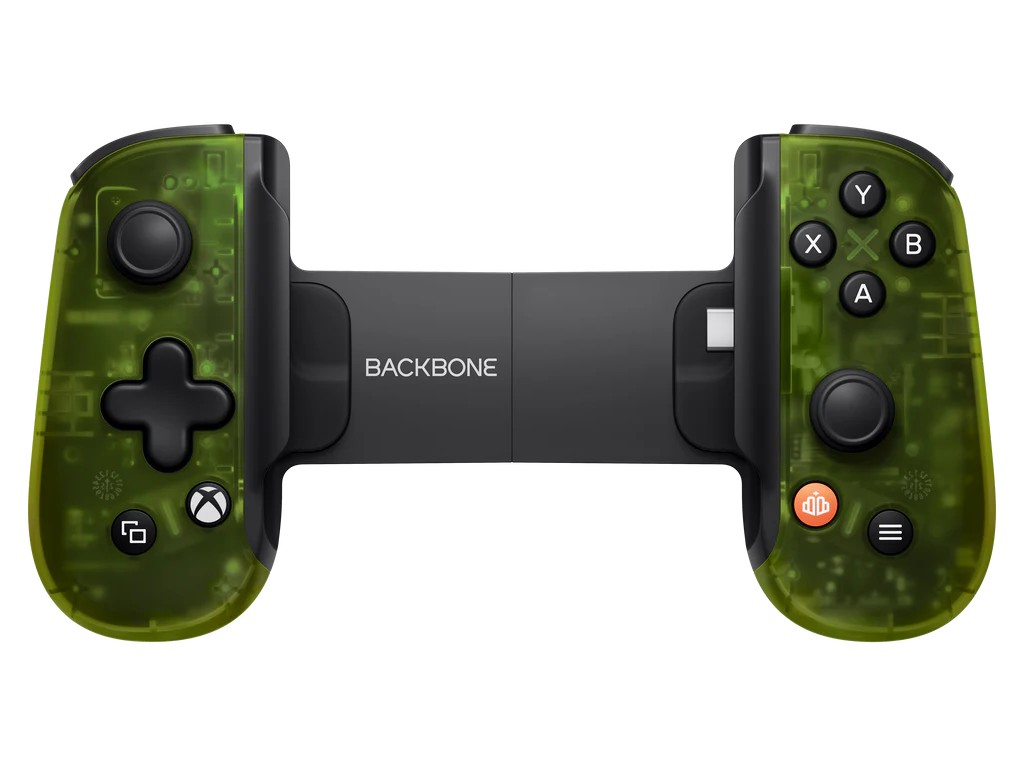
Backbone, in collaboration with Xbox, has released the Backbone One: Xbox Edition, a mobile controller designed to turn smartphones into portable Xbox consoles. Launched on March 27, 2025, the device is priced at $109.99 and is available exclusively through Backbone.com (with global shipping) and Best Buy. Stock is limited. The Xbox Edition is $10 more than the standard and PlayStation editions and is aimed at Xbox users who want mobile access to console-style gaming.
Backbone One: Xbox Edition features
The controller features Xbox’s signature translucent green design with ergonomic grips, precision thumbsticks, and tactile buttons. It includes a dedicated Xbox button: a single press opens the Xbox guide or library, a double press captures gameplay, and holding it triggers secondary in-game functions.
The device comes with a one-month Xbox Game Pass Ultimate trial for new members, giving access to titles like Halo Infinite and Forza Horizon 5 through Xbox Cloud Gaming. It also supports Xbox Remote Play, allowing users to stream directly from their console. Setup is simple—connect the controller, open the Xbox app, and select a console.
The Backbone App also works with Apple Arcade, Steam Link, and other controller-compatible mobile games, expanding access to a wide range of titles across platforms. The Game Pass trial is valid until March 31, 2028, and is limited to new subscribers. After the trial, standard subscription charges apply unless canceled. Regional restrictions on games and streaming may affect access.
Pricing and Availability
The Backbone One: Xbox Edition is priced at $109.99, with limited availability.
For more daily updates, please visit our News Section.
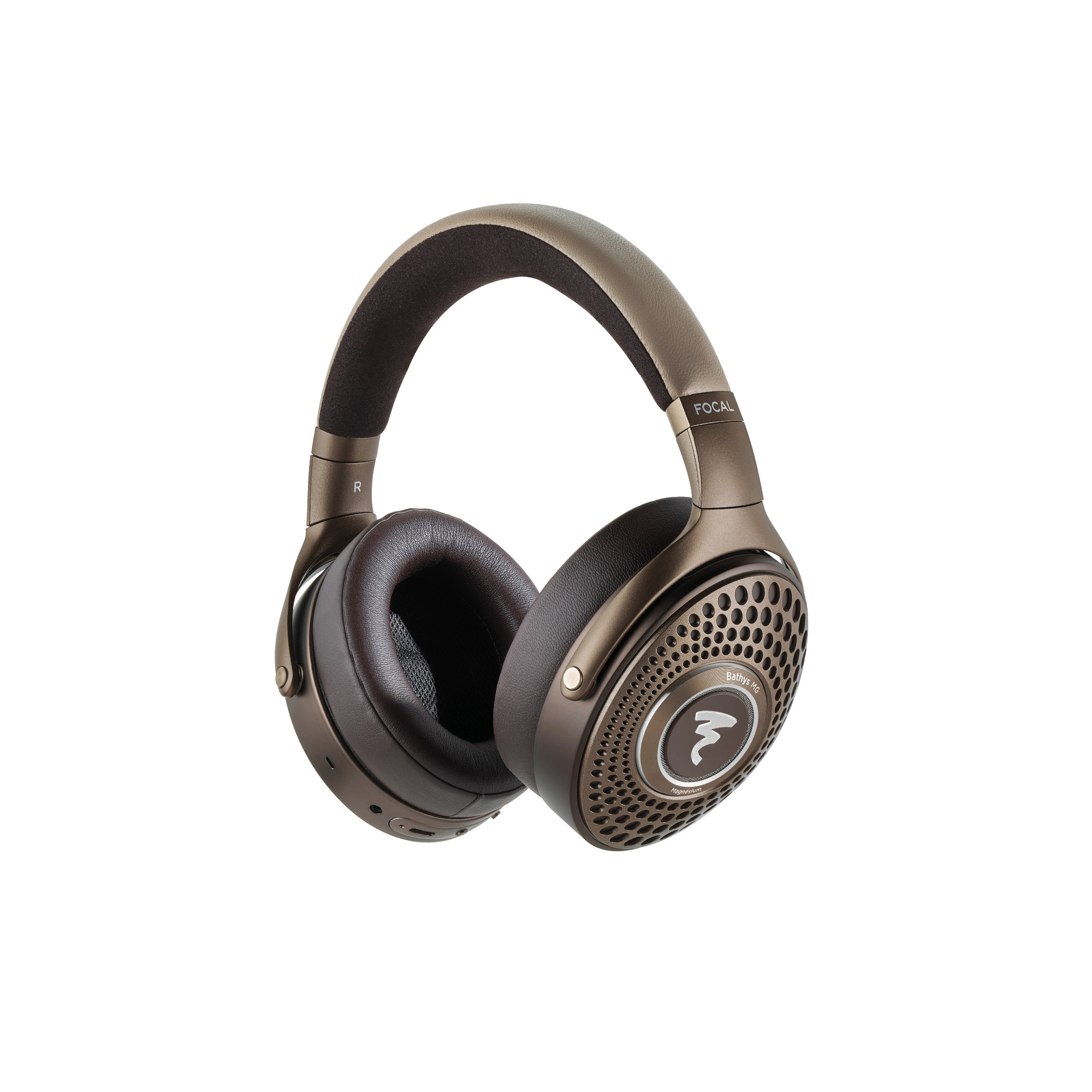
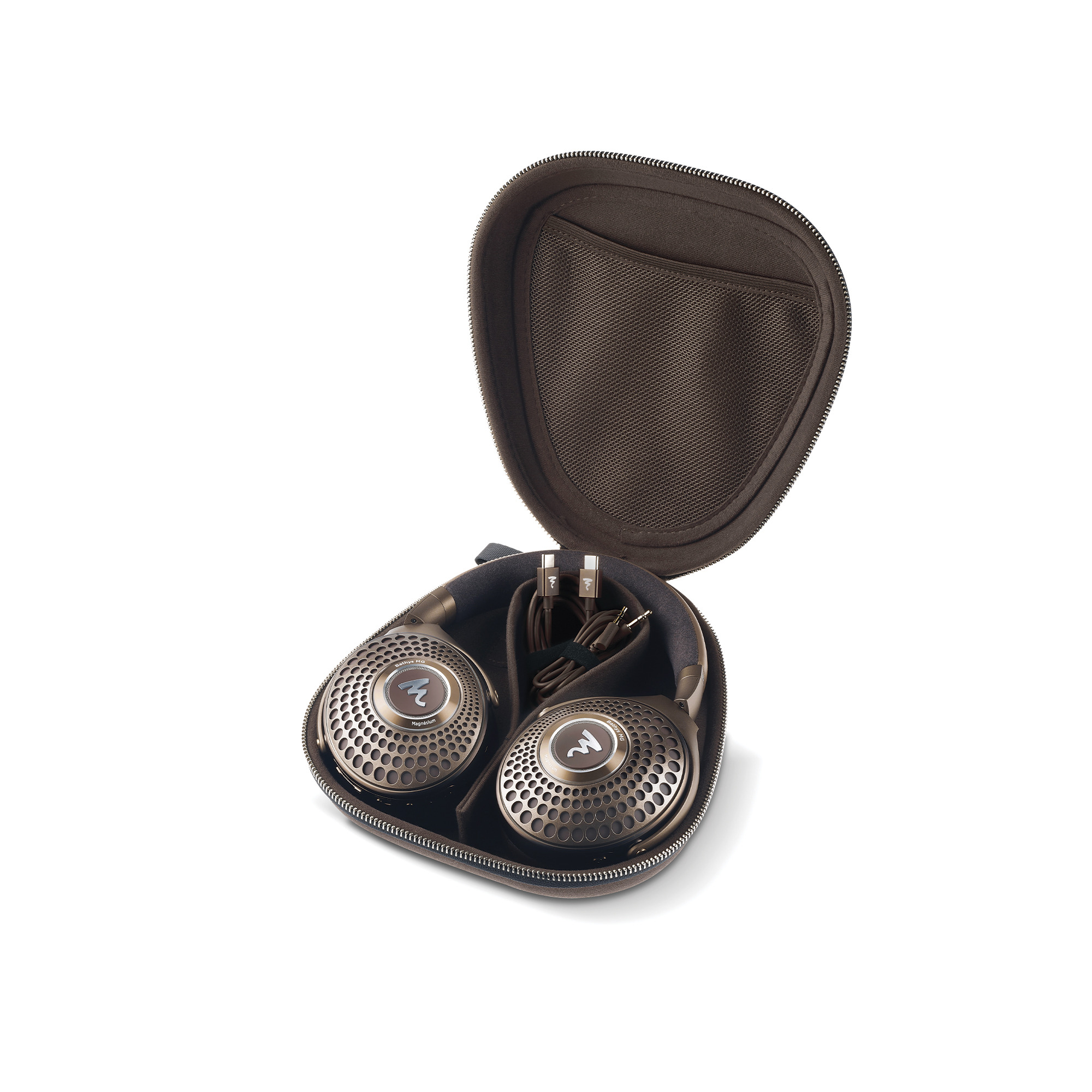
Focal has announced the Bathys MG, its upcoming Bluetooth headphones, scheduled for release in April 2025. The headphones use magnesium drivers with “M”-shaped domes, aimed at delivering detailed bass and treble. These drivers are made in France.
The Bathys MG includes active noise cancellation with three modes: Silent, Soft, and Transparent. Microphones are built in to help maintain sound clarity in different environments. A USB-DAC mode is included, supporting high-resolution audio playback up to 24-bit/192kHz.
The design is based on Focal’s Clear MG model and includes a Chestnut finish, backlit logo, and a combination of aluminum and magnesium materials. The headphones are designed to be lightweight. A leather headband and foam earpads are included for comfort.
Battery performance varies by mode: 30 hours in wireless mode, 35 hours in wired jack mode, and 42 hours in USB-DAC mode. Fast charging provides up to 5 hours of playback from a 15-minute charge.
Connectivity options include Bluetooth 5.2 and access to the Focal & Naim app. The app allows users to adjust EQ settings, change noise cancellation modes, and take a hearing test. The headphones do not have internal storage; playback is supported via Bluetooth and USB-DAC.
Price and Availability
The Bathys MG headphones are expected to launch in April 2025. Retailers in Europe have listed the product at €1,199. More information is available on the official product page.
For more daily updates, please visit our News Section.
As someone who reviews a lot of tech products and constantly takes photos of gadgets both indoors and occasionally outdoors, I’m always looking for great lenses that can keep up with my workflow.
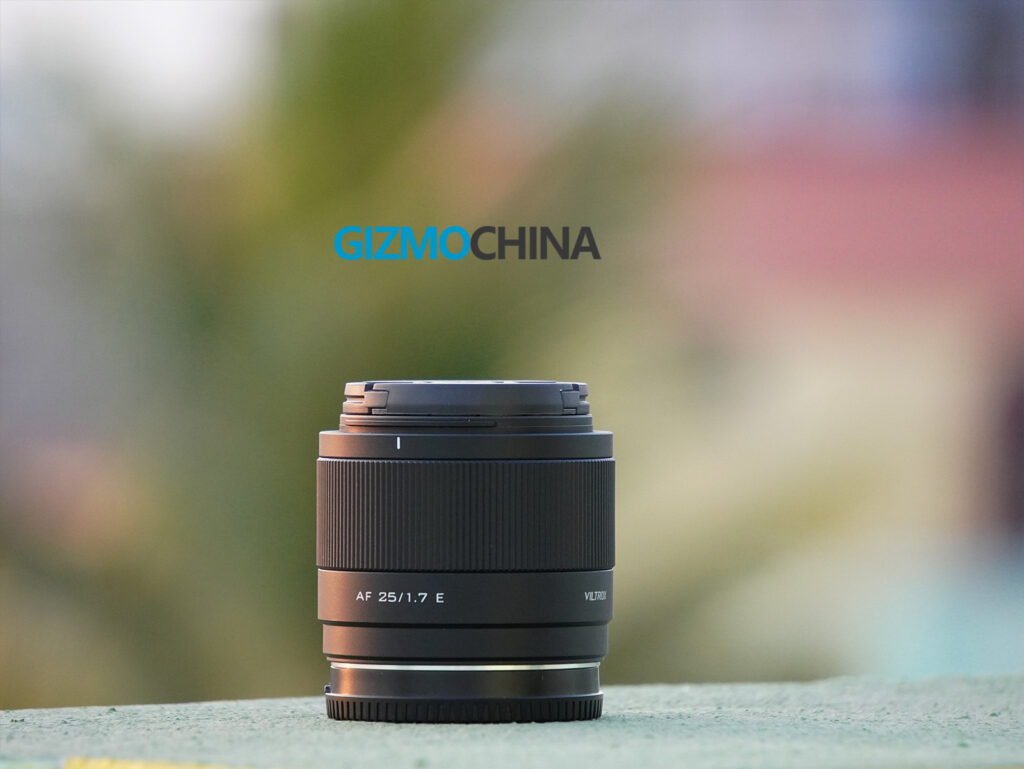
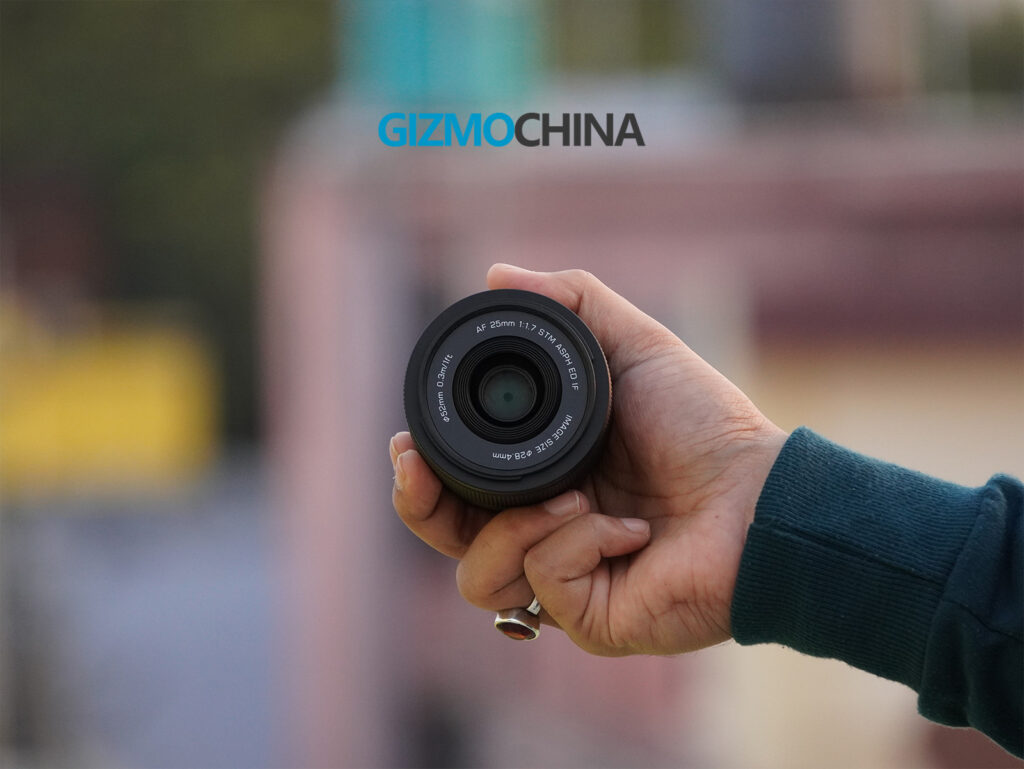
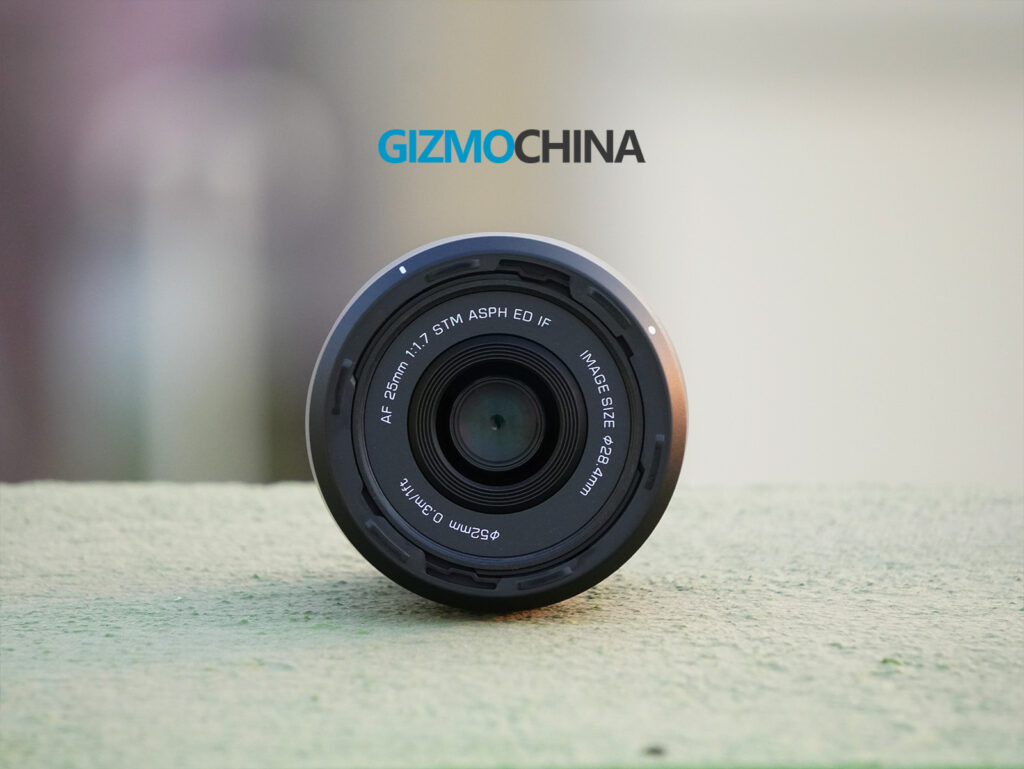
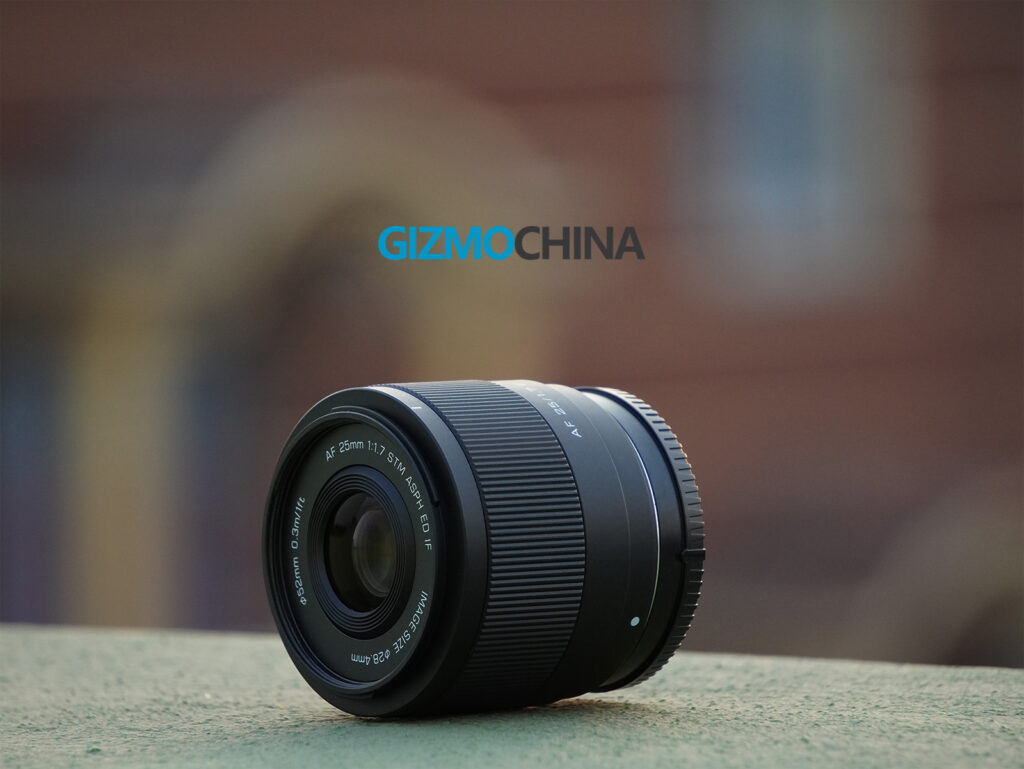
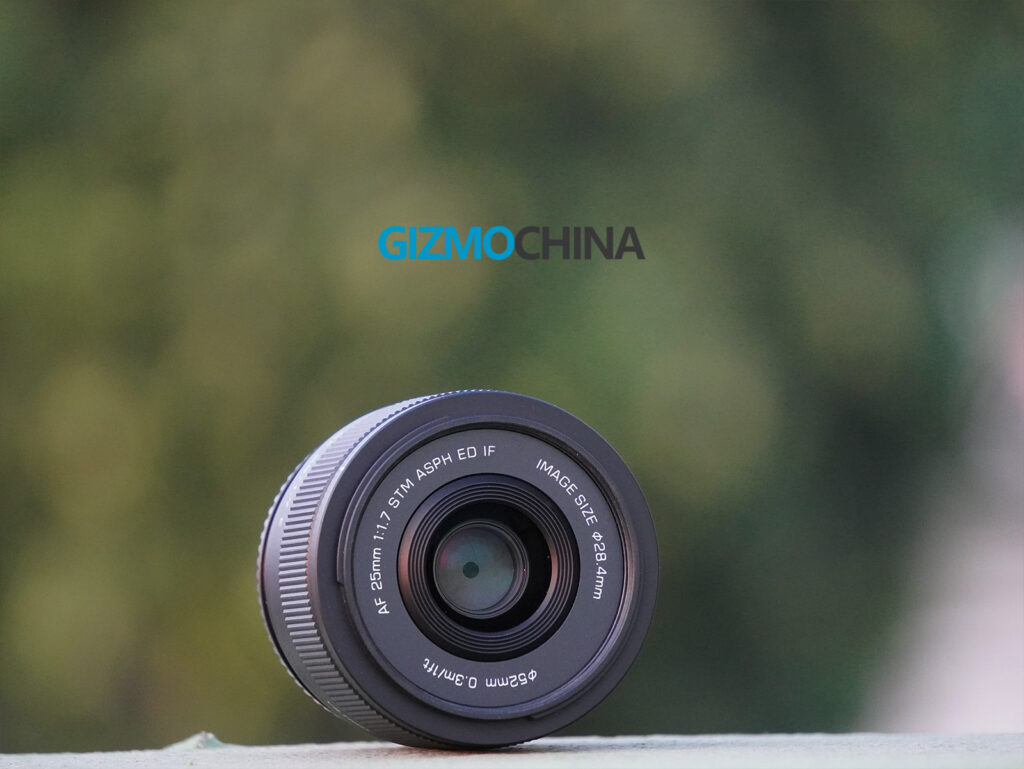
I’m a tech reviewer and a casual photographer currently using the Sony ZV-E10, and I got the Viltrox AF 25mm f/1.7 Air for review in its Sony E-mount version. It promises bright optics in a featherweight body.
After a few weeks of real-world use—from shooting product shots on my desk to capturing scenes outside for context—I can confidently say this lens punches way above its price tag.
What’s in the Box?
Unboxing the Viltrox 25mm f/1.7 Air is a pretty straightforward affair. Here’s what you get in the box:
AF 25mm f/1.7 lens
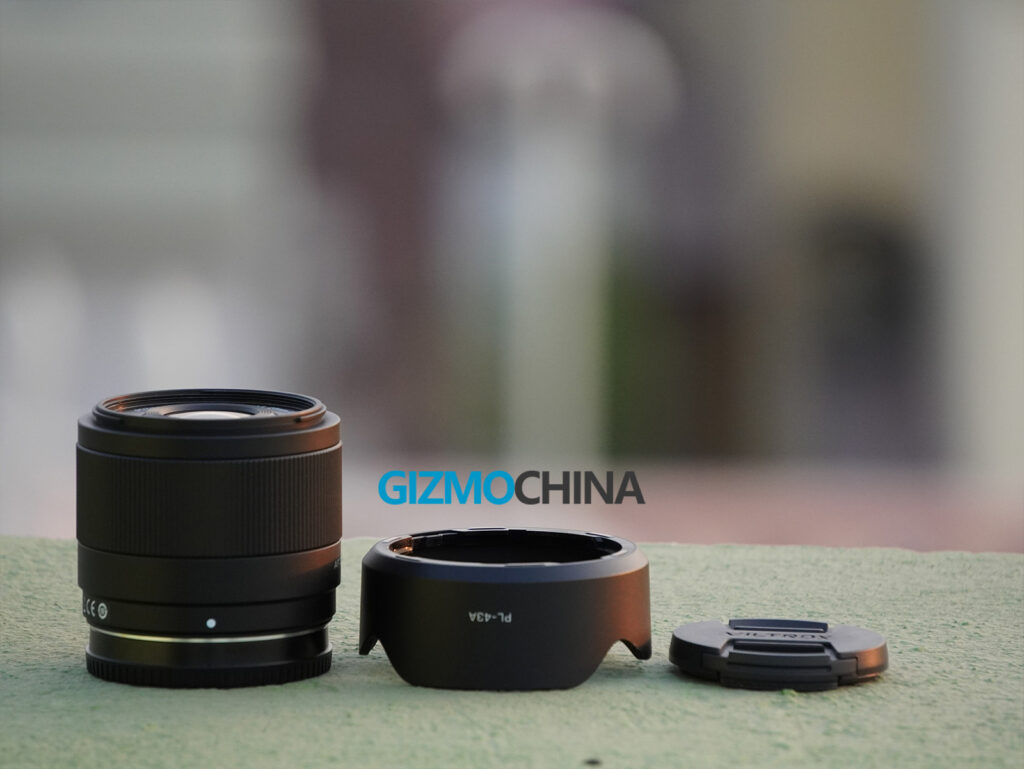
Plastic bayonet-style lens hood
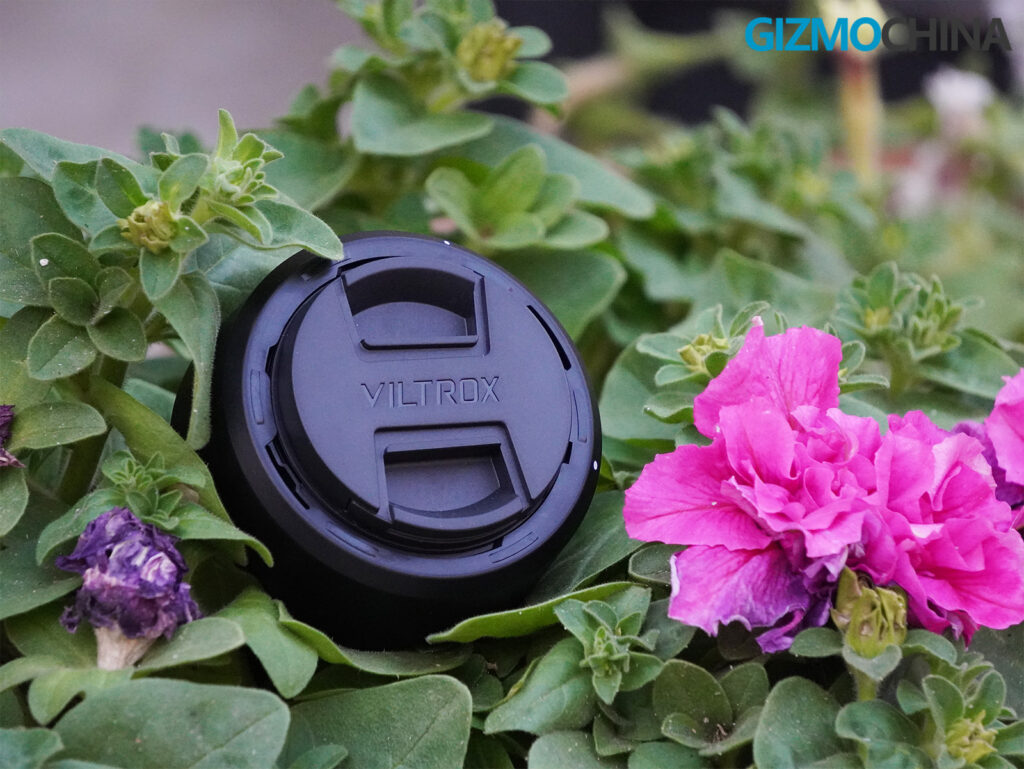
Front lens cap (Viltrox branded)
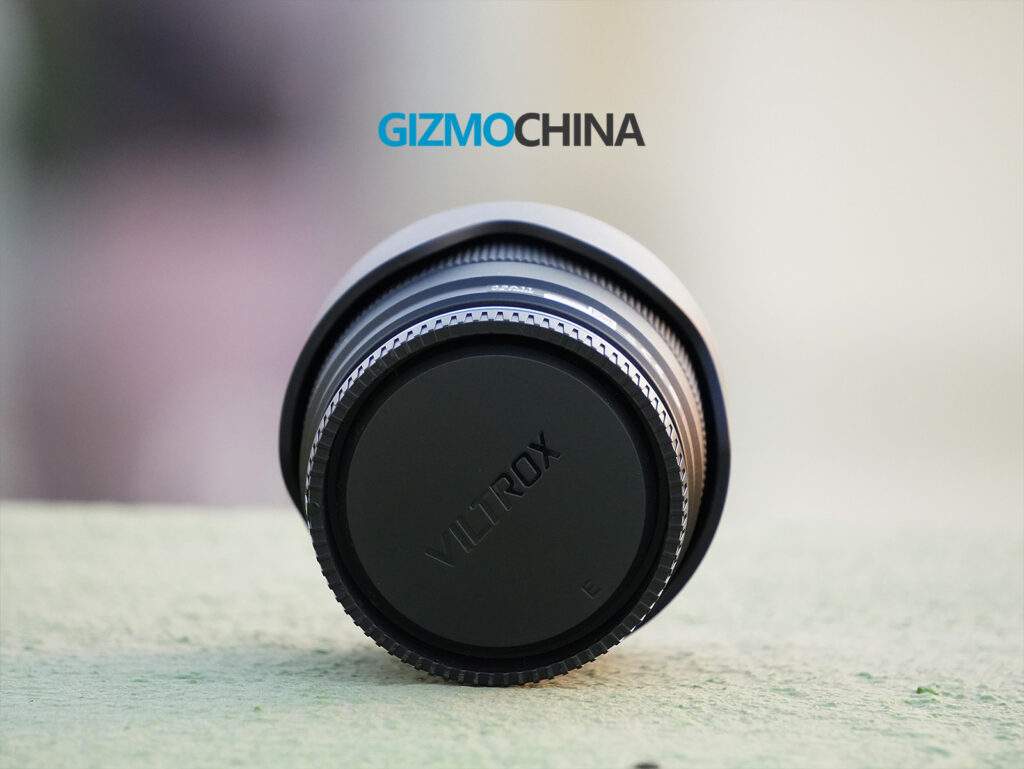
Rear lens cap (Viltrox branded)
Soft storage bag
User manual
Warranty card
Design and Build Quality
Right out of the box, the Viltrox 25mm f/1.7 Air lives up to its name. It feels almost toy-like at first, tipping the scale at just around 170 grams. As someone who is used to using heavier lenses, handling this lens feels like a bit of an adjustment.
But after an afternoon spent moving between review setups and casual shooting outside, I realized just how liberating that weight reduction can be. My shoulder thanked me. The barrel is mostly plastic, and while it doesn’t exude luxury, the construction feels solid enough. The metal mount adds confidence that this isn’t a throwaway piece of kit.
One trade-off that quickly becomes apparent is the lack of weather sealing. You must be careful when using it in extreme weather conditions. Another quirk is the missing aperture ring. It threw me off initially—I kept reaching for something that wasn’t there. But after a day, using the camera’s command dials became second nature.
The lens hood? Basic plastic. It does the job, though attaching it can feel a bit fiddly. More interesting is the built-in USB-C port on the lens barrel for firmware updates. Viltrox gets major points here—no fiddly docks or rear-cap contraptions.
Autofocus Performance
Autofocus on this lens is crisp and responsive. It locks onto subjects quickly during both product shoots and quick outdoor sessions. In tricky indoor lighting, like inside my review setup with LED panels, it holds its own. Of course, it’s not a super-premium lens, so there are moments when it hunts slightly before locking focus.
The focusing motor is generally quiet, but if you’re extremely close to the lens, you can hear it working. Step back a little, and that sound disappears, making it unobtrusive in most real-world situations. Eye and face detection on my Sony ZV-E10 worked seamlessly, and capturing quick moments felt smooth and effortless.
Image Quality and Rendering
Image quality is where this lens becomes more than just a budget-friendly pick. At 25mm on APS-C (roughly a 38mm full-frame equivalent), it straddles the line between wide and standard, making it incredibly versatile. I used it not only for product and lifestyle shots but also for capturing landscapes and street scenes during casual photo walks.
Wide open at f/1.7, center sharpness is excellent. My shots of gadgets under studio lighting came out crisp and vivid. The corners are softer wide open, especially noticeable when photographing flat lay setups. But stop down to f/2.8 or f/4, and things tighten up nicely.
What really caught my eye was the color rendering and contrast. There’s a modern, slightly punchy look to the images—vivid without going over the top. Shooting toward bright product lighting or studio LEDs, I saw minimal flare or ghosting, thanks to the lens’s multi-layer coatings. There’s some mild pincushion distortion, but it’s subtle and easily corrected. Vignetting is present at f/1.7, but by f/4 it’s mostly gone.
The bokeh? Surprisingly good for a lens this compact. The 9-blade aperture creates pleasingly round highlights, and busy backgrounds—whether it’s a cluttered desk or a park scene—melt away without distracting harsh edges. While it’s not in the same league as a 50mm or 85mm lens for dreamy portraits, for an almost-standard prime, it delivers better-than-expected subject separation.
For video, the Viltrox 25mm f/1.7 Air doesn’t disappoint. Paired with my Sony ZV-E10’s stabilization, I captured smooth product b-roll and walk-and-talk footage outdoors. The autofocus transitions were silent and fluid. Focus breathing was minimal—rack focusing from a product in the foreground to the background didn’t cause any noticeable jumps. On a small gimbal, the lens’s featherweight build made balancing a breeze.
Value
Now, let’s talk value. At around $176, this lens offers tremendous bang for the buck. Compared to first-party Sony lenses that retail for much more, the Viltrox holds its own surprisingly well. The official Sony alternatives may win on build quality and additional features like custom switches and full weather sealing, but in terms of everyday shooting performance, the Viltrox keeps up—and sometimes even outperforms.
Final Thoughts
After weeks of use, the Viltrox 25mm f/1.7 Air has become my go-to lens for product photography and casual video shoots. It’s the lens I reach for when I just want to quickly shoot tech reviews or grab content outdoors without overthinking gear choices. Sure, it’s missing features that lens snobs might crave. But if you’re after a lightweight, affordable prime that delivers sharp images, smooth autofocus, and solid video performance without breaking the bank, this lens is hard to beat.
In a world where camera gear prices seem to climb higher and higher, the Viltrox AF 25mm f/1.7 Air feels refreshingly accessible. It’s not just a budget lens; it’s a smart, considered piece of kit that enhances your shooting experience.
Whether you’re new to the E/Z-mount system, a content creator who needs a reliable lens for product shots, or someone who values portability without sacrificing quality, this lens deserves a serious look. I didn’t expect to fall for it as hard as I did, but here we are. For less than $200, it’s proof that good things really do come in small, affordable packages.
You can purchase this lens from Viltrox’s official website for $176.00, but it’s currently available at a discounted price of just $149.60.
Huawei’s latest foldable, the Pura X, is officially on sale in China starting today. Unlike the book-style or clamshell foldable that dominate the market today, the Pura X introduces a sideways folding design, creating a wider aspect ratio when unfolded. Here’s what you need to know about its pricing, availability, and standout features.
Price and availability
The Pura X starts at 7,499 yuan for the 12GB RAM + 256GB storage variant, while the 12GB + 512GB model costs 7,999 yuan.
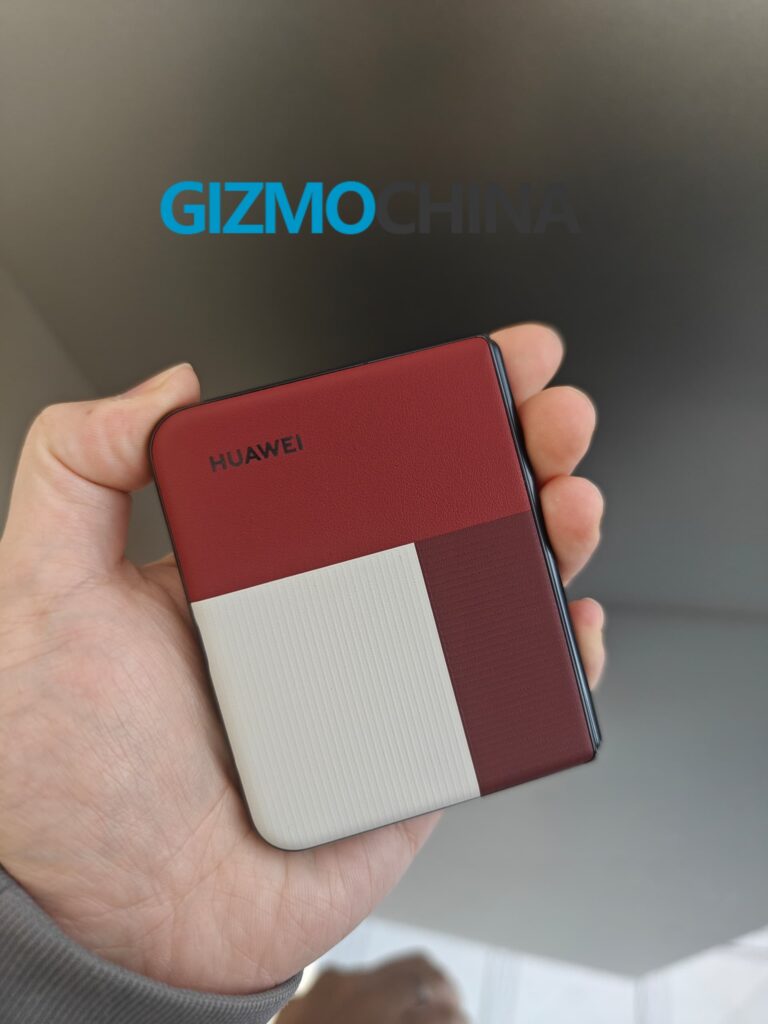
For those looking for a premium option, there’s also a Collector’s Edition, which comes with 16GB of RAM and a tri-color leather back cover. This model includes satellite communication support and is available in two configurations:
512GB storage: 8,999 yuan
1TB storage: 9,999 yuan
The Pura X is available for purchase via Huawei’s official online platform in China.
A foldable that flips the script
Unlike traditional foldables that open vertically, the Pura X folds sideways, resulting in a wider unfolded display with a tablet-like aspect ratio. When closed, the device features a square cover screen sitting below a triple-camera module.
Unfold it, and you’ll notice the hinge is positioned on the side, rather than the top. The 6.3-inch internal display comes with a 16:10 aspect ratio, making it wider than most foldables on the market. That extra width provides more room for reading documents, browsing the web, and multitasking without feeling constrained.
Huawei Pura X Collector’s Edition
Huawei equips the Pura X with a 50MP primary sensor (OIS), a 40MP ultra-wide lens, and an 8MP telephoto camera with 3.5x optical zoom and 30x digital zoom. On the front, there’s a 10.7MP selfie camera, though, like most foldables, you can use the primary camera for selfies when the device is folded.
The Pura X is the first Huawei device to launch with Hongmeng OS 5, the company’s latest in-house operating system. Powering everything is a 4,720mAh battery with 66W wired charging and 40W wireless charging.
The Pura X is also IPX8-rated for water resistance and comes with Wi-Fi 7, Bluetooth 5.2, NFC, and a USB 3.1 Type-C port.
For more daily updates, please visit our News Section.
The Xiaomi Civi 5 Pro we have been hearing about since December has been certified by China’s 3C, taking it a step closer to launch.
The Civi 5 Pro listed has model number 25067PYE3C and supports 67W charging, but the listing on the Chinese regulator’s website doesn’t reveal any other specs.
That said, tipster Digital Chat Station has added some details about the device. According to their report, the Civi 5 Pro will be powered by an unannounced Qualcomm chipset bearing model code SM8735.
The chip in question is the Snapdragon 8s Gen 4. And if the leaks are accurate, it will feature a single Cortex-X4 prime core clocked at 3.21GHz, three Cortex-A720 cores at 3.01GHz, two more A720 cores running at 2.80GHz, and two efficiency-focused A720 cores at 2.02GHz. It will also come with an Adreno 825 GPU, though Qualcomm hasn’t officially confirmed these details yet.
Xiaomi Civi 5 Pro: What we know so far
Beyond performance, a previous report suggests the Civi 5 Pro will measure around 7mm in thickness and pack a 6000mAh battery. This will be an upgrade over the 4700mAh cell in the Civi 4 Pro. Meanwhile, the camera setup might keep the predecessor’s 50MP periscope telephoto lens offering 3x optical zoom.
Timing-wise, Xiaomi hasn’t confirmed a launch date yet. But the Civi 4 Pro debuted in March last year, meaning its successor is already overdue.
However, since the Snapdragon 8s Gen 4 itself is rumored to launch in April, Xiaomi might hold off on announcing the Civi 5 Pro until after the chip is official.
Xiaomi Civi 4 Pro
There’s also a good chance Xiaomi will follow its usual playbook and bring the Civi 5 Pro to global markets as the Xiaomi 15 Civi.
The device has already surfaced in the IMEI database with two model numbers: 25067PYE3C for China and 25067PYE3I for India, hinting that a rebrand is on the way.
For more daily updates, please visit our News Section.
Smartphones have become more fragile with every generation. Glass backs, thinner frames and bigger camera bumps look premium, but they don’t always survive everyday mishaps. Oppo’s new F29 series is trying to change that.
Instead of chasing ultra-thin designs, the company has focused on real-world durability, claiming these phones can handle spills, drops, and even extreme environments better than most.
The result? Phone with IP66, IP68, and IP69 certifications, meaning they resist dust, survive being submerged in 1.5 meters of water for 30 minutes, and even withstand high-pressure water jets.
That’s a step above most mid-range smartphones, which usually stop at IP67. But Oppo isn’t just promising lab-certified toughness—it’s backing it up with design tweaks that could make the F29 and F29 Pro more durable than their competitors.
Most phones won’t die from a single drop, but cracked screens, dented frames, and loose buttons are all a common story for most of us folks. To tackle this, Oppo says it has reinforced the F29 series with a 360-degree Armour body, aerospace-grade AM04 aluminum, and extra cushioning at the corners.
It has also passed 14 Military Standard MIL-STD-810H-2022 tests which suggests it should be able to handle more than just the occasional drop or splash.
The camera bump is another weak spot on most phones. But Oppo has added a protective lens ring to guard the cameras.
The F29 series can also hold up in extreme temperatures. According to the company, the phones can function for up to 4 hours in temperatures as low as -35 degrees Celsius.
2. Water resistance that actually covers real-life spills
Most phones claim some level of water resistance, but that usually just means surviving an accidental splash. The F29 series goes further; it’s rated to handle 18 common liquids, including coffee, beer, soda, and even hot spring water. If your phone ever lands in soapy dishwater or gets covered in juice, it should still work just fine.
There’s also a One-Click Drainage function that ejects water from the speakers, similar to what Apple and Samsung offer on their premium devices. That could help prevent muffled audio after a swim or a spill.
3. Stronger signal, even in dead zones
A good phone isn’t just about hardware—it also needs strong network connectivity, and Oppo has made some bold claims here. The F29 series uses a new Hunter Antenna architecture, which Oppo says improves signal strength by 300%.
The idea is simple: Instead of placing antennas in spots where your hand naturally covers them, Oppo has spread them across 84.5% of the frame. The phone also supports 4×4 MIMO, which allows multiple data streams at once, reducing lag for video calls and streaming.
Smart Network Switching helps too. It automatically jumps to the strongest available signal, meaning fewer dropped calls and buffering screens. In tests, it performed well in basements, elevators, and older buildings, where most phones struggle.
For gamers, Oppo has added a Game-exclusive Wi-Fi Antenna that prevents signal drops when holding the phone in landscape mode. Unlike most phones, where your grip can block Wi-Fi reception, the F29 series can keep a stable connection even after an hour of gaming.
And for those who work outdoors—think delivery riders and construction workers—Oppo has added an Outdoor Mode that boosts screen brightness, extends screen-on time, and even automatically switches to a loudspeaker for calls. There is even a glove mode that lets you use the screen without removing gloves.
4. Battery life that actually lasts
Most mid-range phones can last a full day on a charge, but the F29 series goes further.
The F29 Pro packs a 6000mAh battery with 80W SUPERVOOC charging, going from 0 to 62% in 30 minutes and fully charging in 54 minutes.
The F29 has an even larger 6500mAh battery—the biggest in the F-series—with 45W charging, reaching 80% in an hour and 100% in 84 minutes.
Both models support reverse charging, meaning you can use them as a power bank to charge other devices. Oppo also claims the batteries are designed to maintain their capacity for five years, though that’s something only time will prove.
5. Rest of the specs
Beyond durability, the F29 Series sticks to mid-range hardware. The F29 Pro features a 6.67-inch AMOLED display with a 120Hz refresh rate, FHD+ resolution, and 2,100 nits peak brightness. The standard F29 is slightly larger at 6.7 inches, though it maxes out at 1,200 nits.
Under the hood, the F29 Pro runs on MediaTek’s Dimensity 7300 Energy, while the F29 opts for Qualcomm’s Snapdragon 6 Gen 1. Both phones come with up to 12GB of RAM and 256GB of storage.
The camera setup is basic—a 50MP primary sensor paired with a 2MP monochrome sensor on the back and a 16MP front camera. There’s no ultrawide or telephoto lens on both phones.
For more daily updates, please visit our News Section.
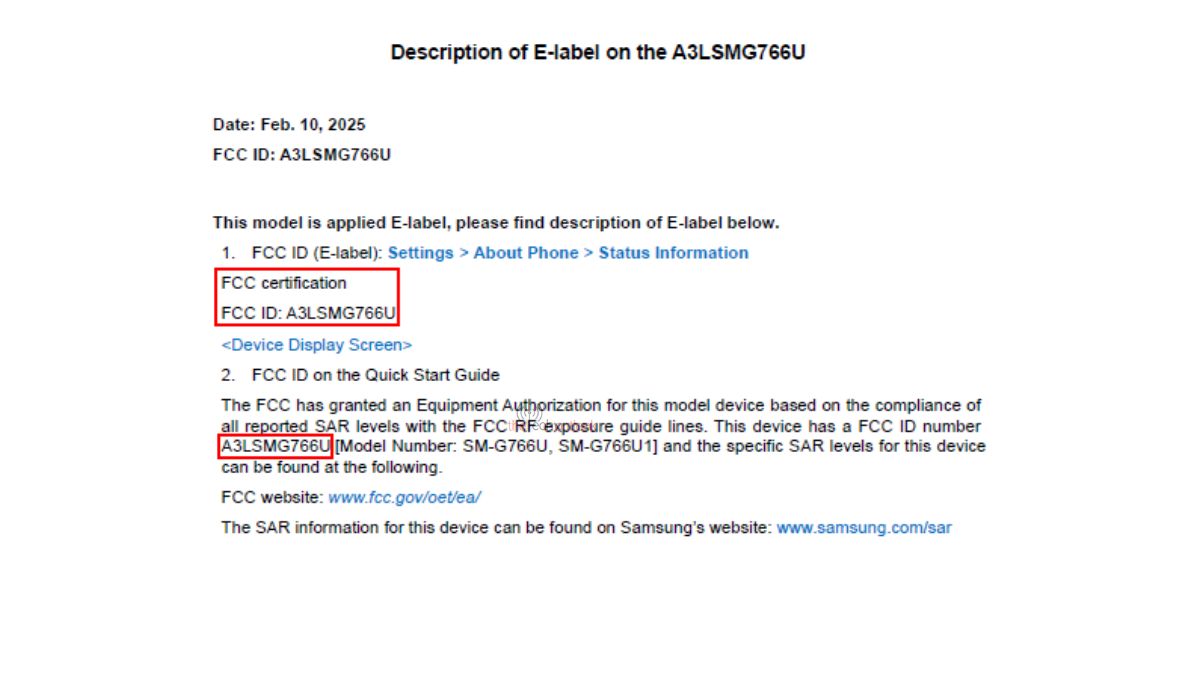
Samsung’s rugged Galaxy XCover 7 Pro, model numbers SM-G766U and SM-G766U1, has cleared FCC certification, signaling an imminent launch. The device will succeed the Galaxy XCover 7, offering upgraded durability and hardware.
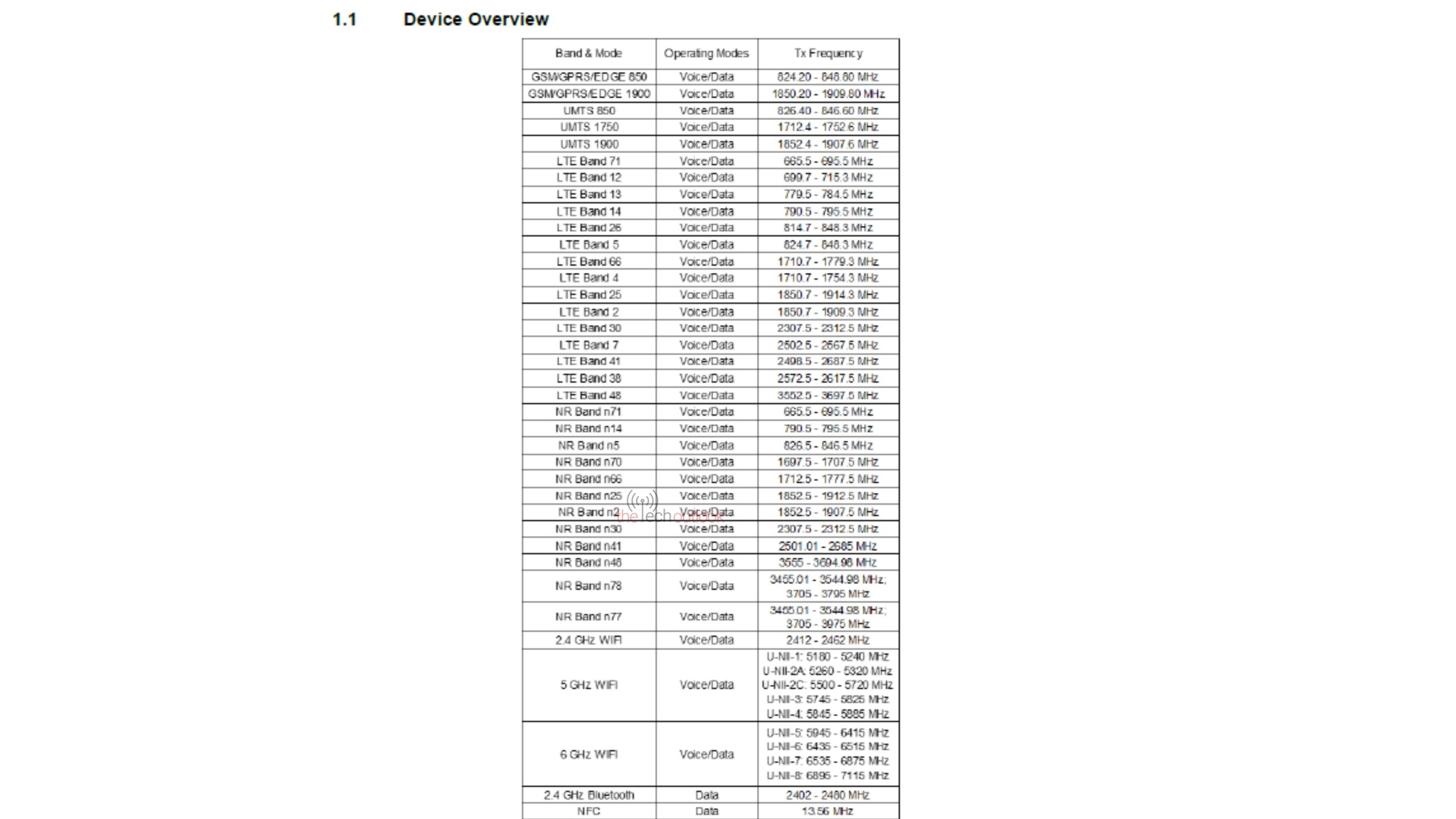
The FCC filing (ID A3LSMG766U) confirms support for 2G/3G/4G/5G networks, triple-band Wi-Fi 6 (2.4GHz/5GHz/6GHz), Bluetooth 2.4GHz, and NFC.
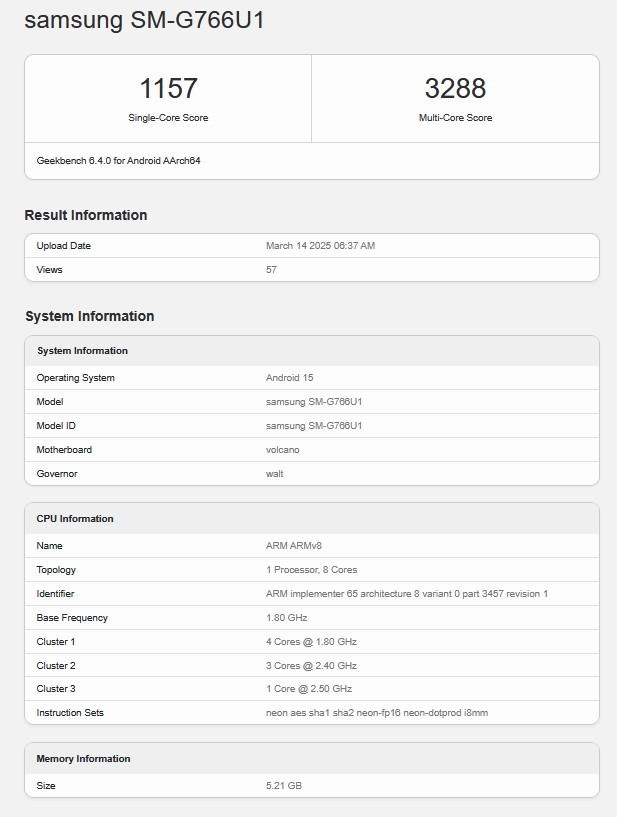
The phone appeared on TUV Rheinland and Geekbench databases, listing global (SM-G766B), U.S. (SM-G766U/U1), and Canadian (SM-G766W) variants. Geekbench benchmarks for SM-G766U1 show a Snapdragon 7s Gen 3 chipset (octa-core: 1×2.50GHz, 3×2.40GHz, 2×1.80GHz) with Adreno 810 GPU, scoring 1,157 (single-core) and 3,288 (multi-core). It runs Android 15 with One UI 7 and includes 6GB RAM (5.21GB usable). A 4,265mAh battery is expected to power the device. Unfortunately, other specifications of this upcoming smartphone are currently under wraps, however, we can take a look at the recently launched Galaxy XCover 7 to get an idea of what to expect.
Samsung Galaxy XCover 7 features
The Samsung Galaxy XCover 7 is a rugged smartphone designed for tough environments, featuring IP68 water resistance, MIL-STD-810H certification, and Gorilla Glass Victus+ for enhanced durability. It has a 6.6-inch FHD+ TFT display with a 60Hz refresh rate and improved touch sensitivity for glove use.
Under the hood, the device is powered by the Dimensity 6100+ processor, paired with 6GB RAM and 128GB internal storage, expandable up to 1TB via microSD. The phone sports a 50MP rear camera and a 5MP front camera. Additional features include a user-replaceable 4,050mAh battery, customizable XCover key, barcode scanner support through Knox Capture, Dolby Atmos audio, a 3.5mm audio jack, USB-C port, and POGO pins.
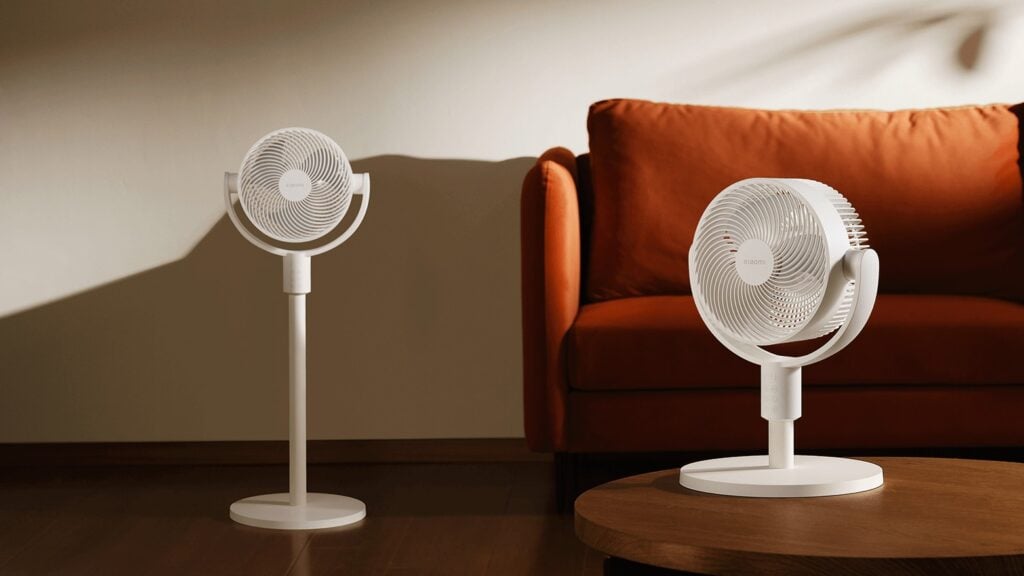
Xiaomi has announced its new Smart Standing Air Circulation Fan, designed to work both as a tabletop and floor-standing fan. It brings smart features, strong airflow, and energy efficiency.
Performance and Design
The fan delivers an airflow of up to 1440m³/h and can reach as far as 13 meters. It’s designed to improve room ventilation quickly—Xiaomi says it can refresh a space in about two minutes. Its 3D oscillation (120° side to side and 100° up and down) covers up to 538 sq ft. Weighing just 5.7lbs, the simple design makes it easy to move between table and floor setups.
Using a DC inverter motor, the fan offers 100 speed levels that can be controlled through the Xiaomi Home app. Users can set schedules or automate the fan—for example, turning it on if the temperature goes above 27°C or off if it drops below 18°C. It also works with other Xiaomi smart devices like thermostats, ACs, and humidifiers to improve indoor comfort. Power consumption is low—just 1.3kWh for the whole summer—and it runs as quietly as 27.9dB(A), which is quieter than a whisper. For safety, the fan includes a child lock and a removable grille for easy cleaning without tools. When paired with other devices, the fan can also help manage humidity and airflow.
Availability
There’s no word yet on the exact price, but the Smart Standing Air Circulation Fan is expected to roll out globally before summer hits in full force.
For more daily updates, please visit our News Section.
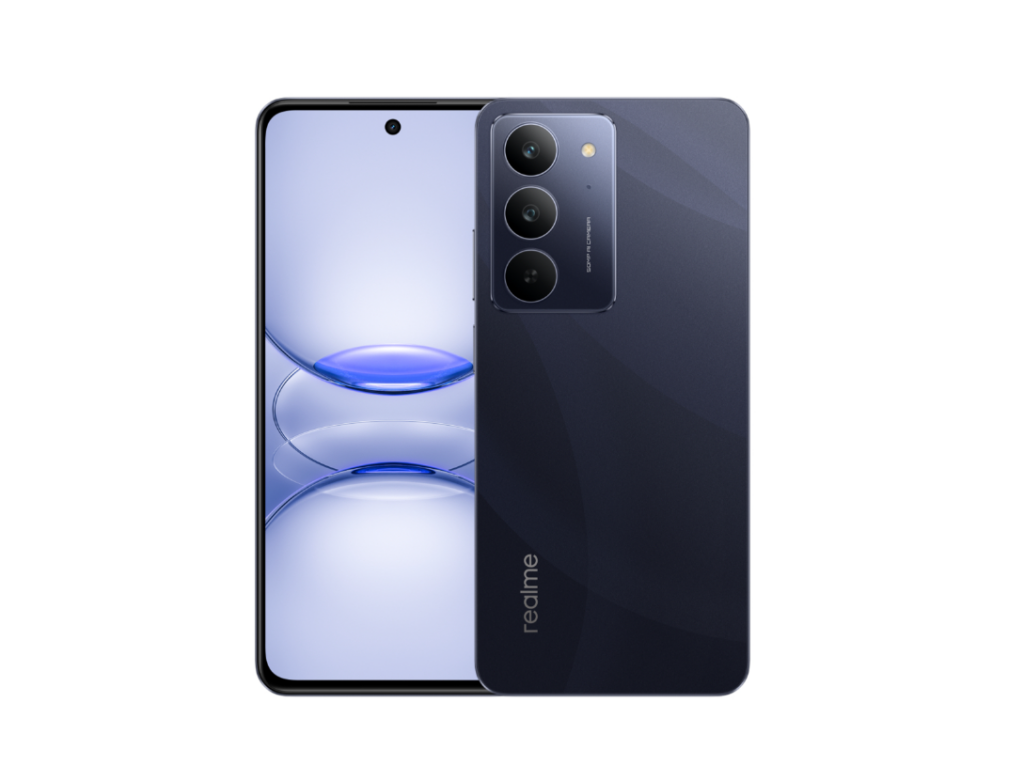
Realme is gearing up to introduce two new smartphones in India—the Realme 14T and Realme C75x—according to tipster @yabhishekhd. Both devices have cleared certifications from Bluetooth SIG, FCC, and other regulatory bodies, indicating an imminent launch.
Realme C75x Specifications
The Realme C75x, already available in Indonesia, features a 6.67-inch HD+ display with a 120Hz refresh rate and up to 625 nits brightness. Powered by the MediaTek Helio G81 Ultra chip, it runs Android 15 with Realme UI 6.0. The phone includes 24GB RAM (8GB physical + 16GB virtual), 128GB internal storage, a 50MP dual rear camera, and a 5MP front camera.
It is equipped with a 5600mAh battery supported by 45W fast charging. Durability highlights include IP68/IP69 ratings, SGS military-grade certification, and ArmorShell protection. Connectivity options include 4G, Wi-Fi 5, Bluetooth 5.0, and GPS. Additional features include Mini Capsule 3.0 and Google Gemini integration. It weighs 196g and measures 165.69 x 76.22 x 7.99 mm.
Realme 14T Specifications (Rumored)
The Realme 14T, expected to expand the Realme 14 lineup, was recently spotted on AliExpress and Russian retail sites. It is rumored to have a 6.67-inch Full HD+ AMOLED display with a 120Hz refresh rate. It will be powered by MediaTek’s Dimensity 6300 chipset, paired with LPDDR4x RAM and UFS 2.2 storage, available in 8GB+128GB and 8GB+256GB variants.
The device may include a 6,000mAh battery with 45W fast charging. Camera specs include a 50MP OmniVision OV50D sensor, a 2MP secondary lens, and a 16MP Sony IMX480 front camera. The phone is expected to feature Android 15, Realme UI 6.0, an in-display fingerprint sensor, NFC, and an IP69 rating. It weighs 196g and measures 7.9mm thick. Color options will include Pink, Green, and Black.
For more daily updates, please visit our News Section.
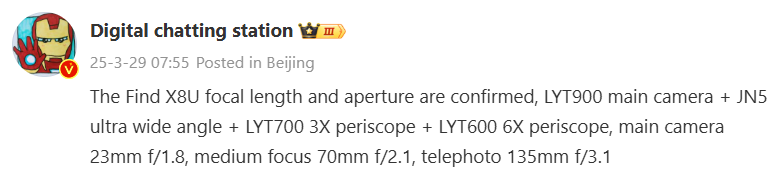
Oppo is gearing up to launch the Find X8 Ultra in China on April 10, alongside the Find X8s, Pad 4 Pro tablet, Watch X2 Mini, and Enco Free 4 earbuds. The Find X8 Ultra has already been the subject of numerous leaks, including a recent hands-on image, and now, tipster Digital Chat Station has revealed the device’s full camera specifications.
Quad-Camera Setup with LYT900 and Dual Periscope Zoom
According to DCS, the Find X8 Ultra will sport a quad-camera setup with native focal lengths—no digital cropping involved. The system includes a 50MP LYT900 main sensor (23mm, f/1.8), a JN5 ultra-wide lens, a 50MP LYT700 periscope telephoto lens with 3x zoom (70mm, f/2.1), and a 50MP LYT600 periscope telephoto lens with 6x zoom (135mm, f/3.1). According to Oppo, the dual periscope system delivers a 150% and 251% increase in light intake compared to the previous Find X7 Ultra’s camera setup.
For selfies, the device is equipped with a 32MP front-facing camera. Oppo has also confirmed the use of a new “super crystalline blue glass” lens on the main sensor, which boosts infrared cut-off efficiency by 81%, improving overall image clarity and color accuracy.
In terms of design, the Find X8 Ultra features a round camera module with dual periscope telephoto lenses positioned at the top and right. The primary and ultra-wide cameras sit alongside a central Hasselblad logo, with an LED flash in the top-left corner.
Under the hood, the Find X8 Ultra is expected to be powered by the Snapdragon 8 Elite—paired with up to 16GB of LPDDR5x RAM and 1TB of UFS 4.0 storage. It will also feature a 6.82-inch flat 2K LTPO AMOLED display made using BOE’s advanced X2 material and LIPO packaging, promising higher brightness, better efficiency, and ultra-smooth 120Hz visuals.
The phone is expected to pack a 6,100mAh battery with support for 100W wired and 50W wireless charging. Other highlights include IP68/IP69-certified durability, satellite communication support on the 1TB variant, an ultrasonic fingerprint scanner, and a dedicated physical shutter button.
For more daily updates, please visit our News Section.
Oppo is preparing for a major launch event where it is set to unveil a bunch of highly anticipated gadgets. Some of the notable names include the Oppo Find X8s series, Oppo Watch X2 Mini, Oppo Pad 4 Pro, and others. Alongside these products, the company will also unveil the new Mag series of magnetic accessories as well. Here’s everything new that was teased.
Oppo Mag series ecosystem
The Chinese tech giant shared new teasers from its official Weibo account. Looking at these teaser image posters, Oppo is getting ready to debut its latest Mag series of magnetic accessories ecosystem. This lineup includes three distinct products, which include the Oppo Magnetic Energy Card Air Power Bank 5,000mAh, Oppo Magnetic Protective Case, and Oppo Magnetic Dual Type-C cable.
Oppo Magnetic Air Power Bank 5000mAh
As the name suggests, the Oppo Magnetic Dual Type-C is a cable that has two Type-C ports. The cable itself is magnetic and can easily coil up for convenient storage and tangle free experience. This model is set to launch in a Morning Dew Blue color option. The Oppo Magnetic Air Energy Card is basically a power bank that attaches to the back of your Mag wireless charging phone and powers up the device.
Oppo Magnetic Dual Type-C
It has a sizeable 5,000mAh battery pack and a slim form factor to make it easy to carry around. Lastly, we have the Oppo Magnetic Protective case. This cover brings the magnetic strip for MagSafe-like support and it also arrives in multiple bright color options. You can get this magnetic cover in shades of Yellow, Pink, Blue, Pink, White, and Green. The company also teased the Oppo 27W Ice Wing Magnetic Cooling Back Clip earlier this month. So stick around for more as we will be covering the launch event next month.
For more daily updates, please visit our News Section.
Nothing has just shared an interesting new teaser that hints at four new devices. The company shared a tweet that hinted at the codenames of these upcoming gadgets, which might include a smartphone, smartwatch, hearables, and more. So let’s check it out.
Nothing might be working on new CMF products
The company shared a tweet with an image on its official community forums. Here, Nothing shared images of four Pokemons, which included Bulbasaur, Girafarig, Hoothoot, and Gligar. It seems that the Bulbasaur here is the codename of an upcoming budget smartphone, which might just be the CMF Phone 2. Meanwhile, the other three codenames might be related to a smartwatch from the same brand, TWS earbuds, and possibly neckband earphones. The brand’s first ever Nothing Phone (1) had also featured the word ‘Pokemon’ as an easter egg.
To recall, the CMF Buds 2 Plus was spotted on the FCC database last month. This revealed its design schematics, dimensions, battery, and more details. The upcoming earbuds appear to have a design similar to the CMF Buds Pro 2. But one major addition in terms of its body is the Smart Dial, which could offer enhanced multifunctionality compared to the original CMF Buds. These weigh 105 grams and pack a 460mAh battery on the charging case and 53mAh cell on each earbud.
CMF Buds
The FCC certification confirmed support for 3W charging and Bluetooth Low Energy for connectivity. In related news, the CMF Phone 1 was apparently involved in the death of one and injuring another after the smartphone blasted in India. Stick around for more as well, since we will be covering any upcoming teasers or leaks.
For more daily updates, please visit our News Section.
Xgimi is expanding its portable projection ecosystem with the launch of a new Portable Outdoor Screen, a lightweight 70-inch screen built for spontaneous movie nights under the stars. Priced at $99, the new screen is available now on Xgimi.com and Amazon, positioning itself as the ideal companion for the company’s latest portable projector, the MoGo 3 Pro.
Big Screen Entertainment, Anywhere You Go
At just 3.3 pounds and folding down to a backpack-friendly 18 inches, this screen is clearly designed with mobility in mind. It comes with a custom storage bag and an integrated elastic cord setup system that promises to get you from packed to projected in under a minute. It’s a refreshingly low-effort setup—something anyone who’s ever wrestled with a saggy sheet or a tripod screen will appreciate.
Xgimi’s design isn’t just about portability—it’s also built to last. The aluminum alloy frame is both waterproof and rust-resistant, which means it won’t buckle under a sudden drizzle or an overly enthusiastic campsite setup. The screen itself is made of wrinkle-free, washable fabric, and four included ground stakes add stability on uneven surfaces like grass or sand.
This launch isn’t happening in isolation. Xgimi is also rolling out the MoGo 3 Pro Portable Collection, a $549 bundle that includes the projector, carrying case, power base stand, optical filter, power adapter, and USB-C cable—essentially everything you need for a full outdoor theater setup.
The MoGo 3 Pro (our full review) stands out with licensed Netflix on Google TV, 450 ISO Lumens, and Full HD projection up to 200 inches. It’s coffee cup-sized, has a built-in stand, and features ISA 2.0 for effortless auto-focus and keystone correction. Despite its compact size, it delivers impressive sound and brightness, making it ideal for movie nights in the wild—or just your backyard.
In related news, Xgimi’s Chinese arm has launched two new portable projectors—the Play 6 and Play 6e. Both feature a compact design, a 360-degree gimbal, and native 1080p resolution. The Play 6 includes a built-in 20,000mAh battery, Harman Kardon speakers and is priced at 2,099 yuan ($290), while the Play 6e lacks a battery but is more affordable at 1,799 yuan ($250). Both models support smart features like auto keystone, autofocus, wireless casting, and run on GMUI 6.0. They’re expected to launch globally under the MoGo brand later this year.
For more daily updates, please visit our News Section.
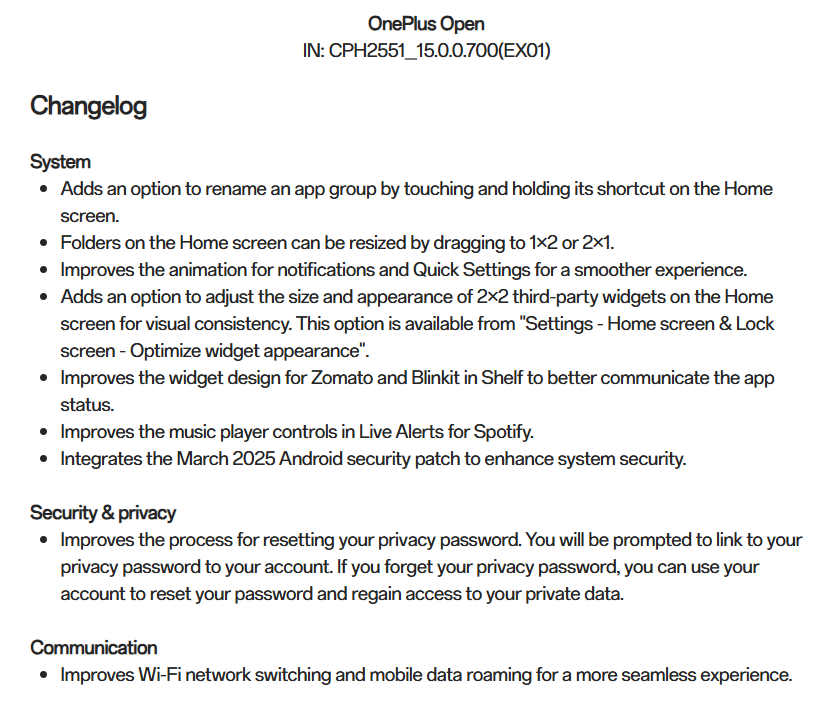
OnePlus has started rolling out the OxygenOS 15.0.0.700 update for the OnePlus Open in India (IN). The update, version CPH2551_15.0.0.700, brings improvements to home screen customization, security, and connectivity. The rollout is incremental, beginning with a limited number of users before becoming more widely available.
OnePlus Open
OnePlus Open OxygenOS 15.0.0.700 update features
Users can now resize home screen folders to 1×2 or 2×1 layouts using drag gestures. App groups can be renamed by long-pressing shortcuts. The update also allows adjustments to third-party 2×2 widget sizes for a more uniform look, available under Settings > Home screen & Lock screen > Optimize widget appearance. Shelf widgets for Zomato and Blinkit now show app statuses more clearly. Animations for notifications and Quick Settings are smoother, and music controls for Spotify in Live Alerts have been refined. The March 2025 Android security patch is also included.
If a user forgets their privacy password, resetting it now requires linking to a user account. This enables account verification for data recovery. The update improves reliability when switching between Wi-Fi networks and using mobile data roaming, helping ensure more stable connections.
Indian users can submit bug reports via the OnePlus Community App’s “Bug Report” section or by dialing *#800#. Users are advised to manually check for updates under Settings > System > System Update.
For more daily updates, please visit our News Section.
AOC has introduced its new 27-inch Q27G3H gaming monitor in the Chinese market, offering a strong balance of performance and value. The monitor is priced at 1,149 yuan ($158) and is now available on JD.com. Let’s check out its key specs.
AOC Q27G3H Monitor Specifications
The monitor features a 2K QHD resolution (2560 x 1440) and comes with an overclocked 200Hz refresh rate, delivering smooth, responsive visuals ideal for gaming and content creation.
The Q27G3H is built on a Fast IPS panel that equips it with wide viewing angles and accurate color reproduction. It supports a 1ms GtG response time and a remarkably low 0.3ms MPRT, helping reduce motion blur during fast-paced scenes. It also supports Adaptive Sync and is compatible with AMD FreeSync, ensuring tear-free gameplay.
The panel comes with HDR400 certification and supports 10-bit color (8-bit + FRC), allowing it to display 10.7 billion colors. It covers 99% of the sRGB and 95% of the DCI-P3 color gamuts and arrives with factory-calibrated color accuracy (ΔE<2), making it suitable for color-sensitive tasks like photo editing and video production.
For added eye comfort, the Q27G3H features DC dimming and a TÜV-certified low blue light panel. It comes with several blue light modes tailored for different tasks, such as multimedia consumption, reading, and office work.
In terms of ergonomics, the monitor sports a fully adjustable stand that supports tilt (-5° to 23°), swivel (-30° to 30°), height adjustment (up to 130mm), and pivot rotation (-90° to 90°). It also supports 100 x 100 mm VESA wall mounting.
Connectivity options include HDMI 2.1, DisplayPort 1.4, and a 3.5mm audio jack, making it a flexible choice for both PC and console users. For gamers, it packs extra features like Game Color tuning, low input lag mode, dark field control, and an on-screen crosshair for enhanced precision in FPS titles.
The Oppo K13 series is set to launch in China soon. But ahead of any official announcement, the key specs of the Oppo K13x and chipsets of the Oppo K13 and Oppo K13 Pro have just been leaked via a Chinese tipster. So here’s everything we know so far.
Oppo K13 Pro, K13, & K13x launching in China soon
The latest information arrives from a leak on Weibo from Experience more, confirming details regarding the K13x, K13, and K13 Pro. Oppo’s upcoming K13x is expected to feature a Snapdragon 6 Gen 4 SoC. This model could also sport a 6.67-inch AMOLED display with an FHD+ resolution and a high refresh rate. A massive 7,000mAh battery pack powers this smartphone, which supports 80W wired fast charging.
Oppo K13 series TENAA image
For optics, the rear packs a 50MP (Main) + 2MP (Secondary) dual camera setup, while the front houses a 16MP shooter for selfies and video calls. Other notable features include an IR blaster, an in-display fingerprint sensor, and an 8.45mm body that weighs 208 grams. On the other hand, the Oppo K13 is rumored to be equipped with the Dimensity 8400, while the Oppo K13 Pro packs the brand new Snapdragon 8s Gen 4.
According to the tipster, the Oppo K13 13 and K13 Pro are smartphones that will take on the Redmi Turbo 4 and iQOO Z10 Turbo in the Chinese market. While the Chinese launch might be right around the corner, global availability in markets like India is still unclear. This is all the information we have at the moment, so stick around for more. We previously covered a “What to expect” for the Oppo K13 series a couple of months ago, which you can click here to check out.
For more daily updates, please visit our News Section.
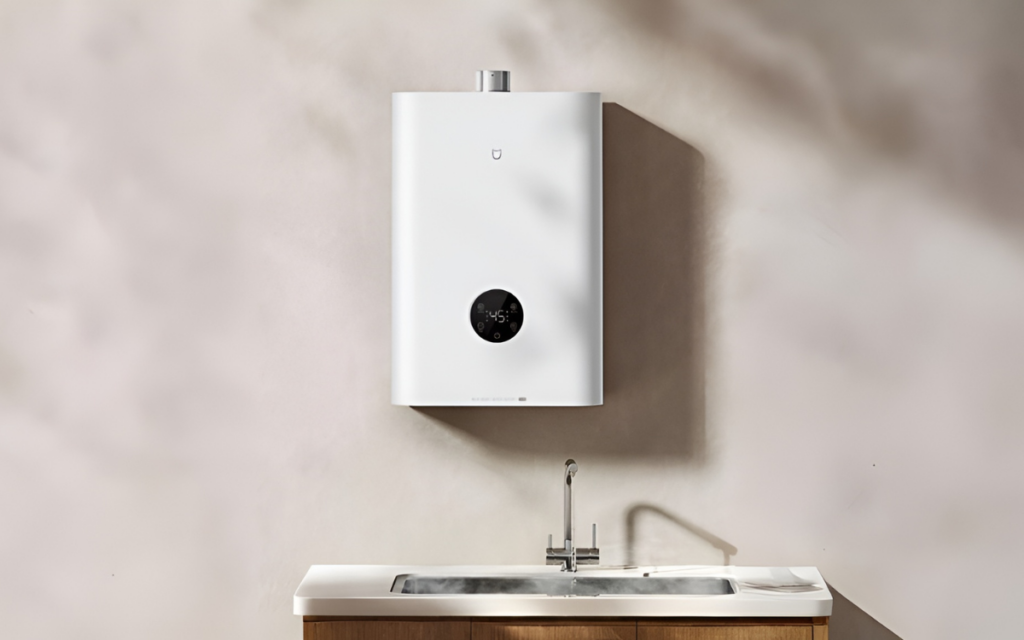
Xiaomi has expanded its smart home lineup with the new Mijia Smart Constant Temperature Gas Water Heater 16L S10, launching tonight for 1299 yuan (roughly $180). Let’s check out its key specs.
Xiaomi Mijia Gas Water Heater S10 Specs
The S10 features a dual-drive servo system that dynamically adjusts water flow based on inlet and outlet temperatures, ensuring stable hot water output. It delivers water within a tight ±0.3°C of your set temperature, even when multiple taps are in use.
It comes equipped with a custom temperature control algorithm powered by a high-performance chip, which continuously balances gas and water flow in real time. Users can also switch between 13L and 16L modes, making it well-suited for households with varying hot water needs.
Under the hood, the S10 sports a stainless steel heat exchanger that’s typically found in industrial-grade systems. It offers triple the corrosion resistance of traditional copper models and achieves up to 90% thermal efficiency, thanks to an upgraded fin and tube layout.
On the noise front, the S10 meets China’s top-tier quiet operation standards. It includes a low-noise DC fan, a dual-sealed combustion chamber, sound-dampening insulation, and optimized airflow—all working together to keep noise levels around 45dB.
As a smart device, it integrates seamlessly with Xiaomi’s HyperOS ecosystem and supports control via the Mi Home app. Users can access various heating modes, including presets for child baths, kitchen use, and even pet washing. It features built-in Wi-Fi (2.4GHz) and Bluetooth 4.2 for flexible connectivity.
The S10 also packs essential safety measures such as flame-out protection, overheat shutdown, anti-freeze detection, surge protection, and an automatic cut-off if temperatures exceed 85°C. It supports a wide range of water pressures (0.02MPa to 0.85MPa) and uses a forced exhaust system to safely expel gases.
Despite all the hardware enhancements, the unit retains a minimalist form factor. It weighs just 10kg and measures 530×360×180mm, making it around 15% more compact than its predecessor, ideal for space-conscious homes without sacrificing performance.
In related news, Xiaomi recently introduced a water purifier that delivers clean, mineral-rich water in just three seconds, alongside a high-speed hair dryer designed to dry hair in under a minute.
For more daily updates, please visit our News Section.
The highly anticipated Google Pixel 9a finally made its global debut last week after months of rumors and leaks. But while the budget Pixel was set to go on sale next month, the official release date was still unclear. Now, the company has confirmed the first sale date for several markets, so here’s when it goes on sale in India.
Google Pixel 9a Global Sale Dates
The search engine giant is planning on kicking off the Pixel 9a first sale in the US, Canada, and UK on 10th April 2025. Meanwhile, Germany, Spain, Italy, Ireland, France, Norway, Denmark, Sweden, Netherlands, Belgium, Austria, Portugal, Switzerland, Poland, Czechia, Romania, Hungary, Slovenia, Slovakia, Lithuania, Estonia, Latvia, and Finland are getting this device on April 14. On April 16, India along with Australia, Singapore, Taiwan, and Malaysia are starting the sale for the Pixel 9a.
Google Pixel 9a
To recall, the smartphone carries a 499 US Dollar starting price tag for the 128GB model. The higher end 256GB option costs 599 US Dollars. In the Indian market, the Pixel 9a arrives in a single 256GB variants, which costs 49,999 INR. This makes it slightly more affordable than its US pricing. Those interested can get their hands on this device from Flipkart. Google is also offering a limited period cashback offer of 3,000 INR and even 24 months of no cost EMI options from select banks.
The Pixel 9a features a 6.3-inch OLED display with a 120Hz refresh rate and FHD+ resolution. Under the hood, it is equipped with the Google Tensor G4 chipset with the Titan M2 security chip. Out of the box, the smartphone runs on the Android 15 OS with 7 years of OS guaranteed OS updates. The rear has a 48MP (Main) + 48MP (Ultra Wide) dual camera setup, while the front houses a 13MP selfie shooter. A large 5,100mAH battery pack powers this model, which supports 23W wired fast charging and 7.5W wireless charging.
For more daily updates, please visit our News Section.
Vivo is gearing up to launch a new V50 series smartphone in the Indian market soon. The brand previously announced the Vivo V50 in India and it appears that the Vivo V50e might be the next entry in the series. Now, a major leak has revealed a bunch of key details of this model like its chipset, battery, and more. So let’s check it out.
Vivo V50e Key Specs Revealed
The Chinese brand’s upcoming Vivo V50e recently had its main camera and an India exclusive camera mode revealed. But a MySmartPrice report from earlier today (29th March 2025) has confirmed key specifications and features of the new mid range phone. The Vivo V50e will apparently launch with a durable build quality and an IP68 + IP69 rating for water and dust resistance. On the front, the device may get a Diamond Shield Glass for enhanced protection for the display.
Vivo V50e
Under the hood, the Vivo V50e is expected to be equipped with the MediaTek Dimensity 7300 SoC. A massive 5,600mAh battery pack may power this device, which supports 90W wired fast charging. Out of the box, this model will likely run on the Android 15 OS based Funtouch OS 15 custom skin. The rear features a 50MP Sony IMX882 main camera with OIS support (Optical Image Stabilization) and Sony Multifocal Portraits with 1x, 1.5x, and 2x focal lengths.
This camera system even supports a Wedding Portrait Studio mode that is exclusive to the Indian model. The V50e could sport a tall 6.77-inch AMOLED display with an FHD+ resolution and a 120Hz refresh rate. Vivo is expected to announce this camera smartphone sometime in April in India. So stick around for more as we will be covering any new leaks or official announcements.
For more daily updates, please visit our News Section.
Keychron is back with a fresh addition to its growing lineup of mechanical keyboards—the K4 Max, now officially available in China. This new model features a 98% layout, striking a balance between full-size functionality and space-saving practicality. It packs in almost everything you’d expect from a high-performance keyboard without dominating your desk.
Keychron K4 Max Specifications
The K4 Max comes with tri-mode connectivity, offering users the flexibility to switch between USB-C wired, Bluetooth 5.1, and 2.4GHz wireless options. The 2.4GHz connection supports a 1000Hz polling rate, making it a solid choice for fast-paced gaming or latency-sensitive tasks. It also equips a sizeable 4000mAh battery, which is rated to last up to 190 hours on a single charge with the backlight turned off.
It sports a six-layer acoustic structure featuring IXPE, PET, and EPDM foam layers, designed to dampen typing noise while enhancing key feel. Keychron’s new Super switches lie at the heart of the typing experience. These hot-swappable switches are available in Red, Brown, and Banana variants and are rated for 50 million keystrokes. Each switch features a transparent housing and light-condensing lens to maximize the keyboard’s backlighting effects.
The K4 Max is available in three variants: a white backlight model, an RGB backlight version, and a fully hot-swappable RGB option. These are priced at 558 yuan ($77), 618 yuan ($85), and 678 yuan (~$93), respectively.
It also supports open-source QMK firmware and comes with Keychron’s web-based Launcher app, allowing for deep customization without requiring any downloads. Users can remap keys, set up macros, and tweak layouts directly from their browser, whether on Windows, macOS, or Linux. It features a physical toggle switch and includes extra keycaps to streamline OS switching.
Design-wise, the K4 Max equips double-shot PBT keycaps in a grey OSA profile and highlights its signature orange ESC key. It supports south-facing RGB lighting with over 22 dynamic modes and compatibility with Cherry-profile keycaps. It also includes adjustable feet, a steel mounting plate, and reinforced stabilizers.
In related news, Asus updated its Marshmallow Keyboard KW100 earlier this year, introducing new colors and added features.
For more daily updates, please visit our News Section.
We use cookies on our website to give you the most relevant experience by remembering your preferences and repeat visits. By clicking “Accept”, you consent to the use of ALL the cookies.
This website uses cookies to improve your experience while you navigate through the website. Out of these, the cookies that are categorized as necessary are stored on your browser as they are essential for the working of basic functionalities of the website. We also use third-party cookies that help us analyze and understand how you use this website. These cookies will be stored in your browser only with your consent. You also have the option to opt-out of these cookies. But opting out of some of these cookies may affect your browsing experience.
Necessary cookies are absolutely essential for the website to function properly. This category only includes cookies that ensures basic functionalities and security features of the website. These cookies do not store any personal information.
Any cookies that may not be particularly necessary for the website to function and is used specifically to collect user personal data via analytics, ads, other embedded contents are termed as non-necessary cookies. It is mandatory to procure user consent prior to running these cookies on your website.