HP has started selling the OmniPad 12 in India, bringing its latest tablet experience to consumers after launching the device in the country earlier this year. Designed as a 2-in-1 device, the tablet combines a large display, Snapdragon-powered performance, and a detachable keyboard for users looking for a laptop-style experience.
The HP OmniPad 12 is priced starting at Rs 48,999 (~$515) in India. The company has not revealed detailed variant information but has confirmed that the tablet is available in Denim Blue and Meteor Silver color options.
The tablet can be purchased through the HP Online Store, Amazon, Flipkart, Reliance Digital, Croma, Vijay Sales, and HP World stores. As part of the launch offers, buyers can get an instant cashback of Rs 5,000 on eligible SBI and HDFC Bank credit cards until August 20. HP is also offering a one-year subscription to multiple AI services worth Rs 96,000, including access to platforms such as GPT-5, Claude 4, Gemini 2.5, Perplexity, Grok 4, and DeepSeek.
HP OmniPad 12 specifications and features
HP OomniPad 12
The HP OmniPad 12 features a 12-inch 2K multi-touch display with a 16:10 aspect ratio, 90Hz refresh rate, and up to 400 nits brightness. The tablet is powered by the Snapdragon 6 Gen 3 chipset, and it comes with 8GB of LPDDR5 RAM and 128GB of built-in UFS storage, with support for up to 1TB expandable storage through a microSD card.
Running Android 16 out of the box, the OmniPad 12 is designed as a convertible device with a detachable keyboard included in the package. Users can switch between tablet and laptop modes depending on their requirements. It weighs 600 grams in tablet mode and comes preloaded with educational and productivity-focused applications such as iPrep, Lexillion, and Brands.live.
For entertainment, the tablet includes quad speakers tuned with DTS Ultra and dual high signal-to-noise ratio microphones. The camera setup includes an 8-megapixel front camera and a 13-megapixel rear camera. Connectivity options include Wi-Fi 6E, Bluetooth 5.2, and a USB Type-C port. The device packs a 31Wh dual-cell lithium-polymer battery, with HP claiming up to 18 hours of usage on a single charge. Measuring 283 x 178.1 x 7.3mm, the tablet offers a slim profile for a large-screen 2-in-1 device.
For more daily updates, please visit our News Section.
Redmi is preparing to launch the K100 series flagship smartphones in China, but discussions around the brand’s future naming strategy have already started. A Redmi product manager, Mia Xinxin, has hinted that the company could move directly to the K200 series for its next-generation flagship lineup instead of following a K110 name.
Redmi K200 name teased after K100 series launch plans
The naming discussion began after fans suggested that Redmi should call its future flagship series K200 once the K100 lineup completes its cycle. Responding to the suggestion, Redmi product manager Mia said that the K110 name feels “a bit strange,” hinting that the company may consider a different approach for upcoming models.
Several smartphone brands have adopted a similar strategy after crossing the 100 mark in their naming schemes. Honor’s number series and Vivo’s X series, for example, have continued with larger jumps instead of moving through every number. Redmi could follow a similar pattern by introducing the K200 series as the successor to the K100 lineup.
The upcoming Redmi K100 series is scheduled to launch on Aug. 11 and will arrive with a different release strategy compared to previous generations. The company is expected to first introduce the K100 Pro and K100 Pro Max, while the standard K100 model will reportedly arrive later.
The Redmi K100 Pro series will debut with the Snapdragon 8 Elite Gen 5 V Series flagship platform, while the K100 Pro Max will feature the standard Snapdragon 8 Elite Gen 5 chipset. Both models are expected to focus heavily on gaming, with features such as a 185Hz gaming display mode, dedicated gaming antenna technology, and enhanced audio tuning.
For more daily updates, please visit our News Section.
TCL’s upcoming phones, the P80 and P80 Pro, have surfaced in the rumor mill before launch. The standout detail here isn’t the chipset or the cameras — it’s how thin the screen bezels are. You’re looking at borders so slim they’d look at home on a phone costing two or three times as much.
TCL P80 and P80 Pro Specifications
Start with the P80 Pro, it packs a 6.83-inch OLED NXTPAPER display running at 2766 x 1280 resolution, and TCL is pairing it with a MediaTek Dimensity 7400 Elite chipset, 8GB of RAM, and 256GB of storage.
TCL P80 Pro
On the back, you get a 50MP main camera with OIS alongside an 8MP ultrawide, while a 32MP front camera handles selfies. The phone is powered by a 5,800mAh battery, which should be enough for more than a day of regular use.
The standard P80 trims a few things to hit a lower price. It swaps in a MediaTek Dimensity 7300 Elite, drops storage to 128GB, and settles for a smaller 5,000mAh battery. Everything else — the display, the camera setup, the RAM — carries over from the Pro. That’s a smart way to differentiate the two without making the cheaper model feel gutted.
TCL P80
The renders show the P80 Pro in a muted gray-blue shade with a distinctive pill-shaped dual-camera module, while the standard P80 comes in a warmer cream tone.
Both designs echo the TCL NXTPAPER 70 Pro that TCL showed off at CES 2026, though these new phones ditch that model’s matte finish for a glossier look and noticeably tighter bezels.
As for pricing, the TCL P80 is said to cost around €300 and the P80 Pro at roughly €350,
For more daily updates, please visit our News Section.
A couple of days ago, Asus unveiled the Asus Pad in India, marking the company’s return to the tablet segment in the country after several years. The new tablet brings a premium design, a high-refresh-rate OLED display, powerful hardware, and a large battery. The Asus Pad is now available for purchase in India, bringing its flagship tablet experience to consumers.
The Asus Pad is available in two configurations in India. The 8GB + 128GB variant is priced at Rs 45,990 (~$485), while the 8GB+256GB model costs Rs 49,990 (~$525). The tablet is available through Flipkart, Asus eShop, Asus and ROG Stores, Reliance Digital, and authorized ASUS retail partners.
Buyers can also take advantage of Asus Easy Pay financing options, including up to 12 months of no-cost EMI starting at Rs 3,833 per month. The tablet comes in a premium design with a fiberglass rear panel and includes a protective folio case in the box.
Asus Pad specifications and features
Asus Pad
The Asus Pad features a 12.2-inch 2.8K dual-layer OLED display with a 3:2 aspect ratio and a 144Hz refresh rate. The panel offers up to 2,000 nits peak brightness, covers 100 percent of the DCI-P3 color gamut, and carries TÜV certifications for low flicker and low blue light. It also supports ASUS Pen 2.0 and newer styluses for note-taking and creative tasks.
Under the hood, the tablet is powered by the MediaTek D8300 octa-core processor with a peak clock speed of 3.35GHz. It comes with 8GB of LPDDR5X RAM and up to 256GB of UFS 3.1 storage. Additional storage expansion is supported through a microSD card slot with up to 1TB capacity.
The Asus Pad runs Android 16 and packs a 9,000mAh battery with support for 45W fast charging. Asus claims the tablet can reach 50 percent battery capacity in around 30 minutes of charging.
Asus Pad
Other features include quad speakers with Dolby Atmos support, Wi-Fi 6E, Bluetooth 5.3, a USB Type-C port with DisplayPort 1.4 support, a 13-megapixel rear camera, a 5-megapixel front camera, and face unlock support. Measuring 6.5mm in thickness and weighing 523 grams, the tablet is designed for portability while offering a large-screen experience.
Last month, Oppo confirmed that eligible OnePlus and Realme smartphones will transition to ColorOS beginning with Android 17, replacing OxygenOS and Realme UI in future releases. The company has now expanded the ColorOS 17 beta program to additional devices, giving more users an opportunity to experience the next major software update before its public rollout.
ColorOS 17 beta expands to more devices
ColorOS Closed Beta Testing begins
In China, Oppo has opened ColorOS 17 Beta registrations for the following devices:
– Oppo Pad 5 Pro. Each device is limited to 300 participants, with beta builds scheduled to roll out in batches on Aug. 11 and Aug. 13.
The same beta recruitment has also been extended to OnePlus and Realme phones:
– OnePlus 15
– OnePlus 15T
– OnePlus Pad 3 Pro
– Realme GT 8 Pro and GT 8 Pro Aston Martin F1 Limited Edition
Meanwhile, in India, the ColorOS 17 Closed Beta is already open for these devices:
– Oppo Find X9 Pro
– Oppo Reno 15 Pro
– Oppo Reno 15 Pro Mini
– OnePlus 15
– OnePlus 15R
– Realme GT 8 Pro
Interested users must submit their applications before the announced deadline, complete a qualification quiz, and may also be required to sign a non-disclosure agreement before receiving the beta firmware.
Since this is an early log build, Oppo advises against installing it on a primary device because the software is expected to contain bugs and stability issues. Users who rely on a single smartphone are better off waiting for a newer beta build or the public beta release.
The move also reflects Oppo’s plan to unify software development across Oppo, OnePlus, and Realme, which could lead to faster updates, quicker bug fixes, and a more consistent software experience across the three brands.
While Oppo has yet to officially detail all of ColorOS 17’s features, early beta information suggests the update will introduce a refreshed visual design with new lighting animations, illuminated edge effects, enhanced blur elements, redesigned rounded UI components, and smoother transition animations throughout the interface. The update is also expected to debut the next-generation Xiaobu Next AI assistant, alongside Android 17’s core enhancements and system optimizations.
Which upcoming ColorOS 17 feature are you most looking forward to? Let us know in the comments below.
For more daily updates, please visit our News Section.
Redmi has officially launched the Redmi Note 17 in India, bringing one of the biggest batteries ever seen on a Redmi smartphone. Alongside its large battery, the device combines a high refresh rate AMOLED display, Qualcomm’s entry-level Snapdragon 5G chipset, and an extended software update policy. Here’s everything you need to know about the new Note 17.
Redmi Note 17 specifications and features
Redmi Note 17 5G
The Redmi Note 17 sports a 6.9-inch TrueColor AMOLED display with a 120Hz AdaptiveSync refresh rate, 100 percent DCI-P3 color gamut, and up to 1,800 nits of peak brightness. The panel is protected by Corning Gorilla Glass 7i and supports HydroTouch 2.0 for improved touch responsiveness with wet or oily fingers.
At the heart of the device is Snapdragon 4 Gen 4 mobile platform, built on a 4nm process. The chipset is paired with up to 8GB of RAM and supports an additional 8GB of virtual RAM expansion, while storage can be expanded by up to 2TB using a microSD card.
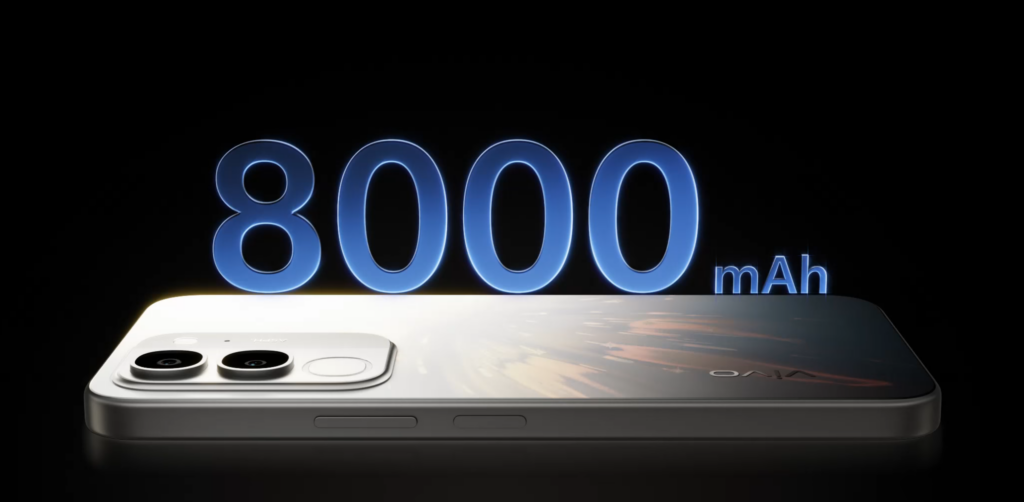
Redmi has also equipped the phone with a 10,416mm² graphite cooling system and says it is optimized to deliver smooth performance for up to 48 months. The phone is backed by an 8,000mAh silicon-carbon battery, which Redmi claims can deliver up to three days of typical use. It supports 45W wired fast charging with a compatible charger included in the box, along with 22.5W wired reverse charging for powering other devices.
Redmi Note 17
The handset features a 50-megapixel main camera with 2x in-sensor zoom on the back and an 8-megapixel front-facing camera. It runs Android 16 with HyperOS 3 and is promised four Android OS upgrades and six years of security updates. Additional features include an IP65-rated chassis, an in-screen fingerprint sensor, dual speakers capable of delivering up to 200 percent volume, and a reinforced internal frame.
Redmi Note 17 price and availability
Redmi Note 17 5G
The Redmi Note 17 comes in Dark Night, Arctic Blue, and Starlight Purple color options. The 6GB + 128GB model carries an MRP of Rs 27,999 (~$300) but will be available at an introductory price of Rs 24,999, while the 8GB + 128GB variant is priced at Rs 30,999 (~$325) and will retail for Rs 27,999 during the introductory offer.
The launch offer includes an instant Rs 3,000 discount on SBI Card, Axis Bank, and Kotak Bank credit card and EMI transactions. Buyers will also receive 5TB of JioAI Cloud storage, three months of YouTube Premium Lite, and six months of Google One (200GB). Sales begin at 12 PM IST on Aug. 13 through Xiaomi’s official website, Amazon India, and authorized retail stores.
Vivo unveiled the Vivo S1 back in 2019 in India, and since then, the company has not launched another S-series smartphone in the country until today with the arrival of the Vivo S2. The new model features a Vivo X300 FE-like design with a slim profile, a 120Hz curved AMOLED display, and a large battery. It is also speculated that the device could debut as the Vivo V80 Lite 5G in global markets. Here’s a look at what the Vivo S2 has to offer.
The Vivo S2 features a 6.83-inch 1.5K curved AMOLED display with a 2800 × 1260 resolution, a 120Hz refresh rate, HDR support, and up to 3,000 nits of local peak brightness. The panel also carries SGS certifications for low blue light, low flicker, and sunlight readability, while an optical in-display fingerprint scanner is integrated beneath the screen.
The phone is equipped with the MediaTek Dimensity 7360-Turbo chipset, built on a 4nm process. It is paired with 8GB of LPDDR4X RAM and up to 256GB of UFS 3.1 storage, along with support for an additional 8GB of virtual RAM. Vivo has also included a large 3,800mm² vapor chamber cooling system and promises three Android OS upgrades alongside five years of security updates.
The horizontal camera module on the Vivo S2’s back offers a 50-megapixel Sony IMX852 main camera, a 2-megapixel depth sensor, and an Aura Light ring LED flash and there’s a 32-megapixel front-facing camera. Both the front and rear cameras support 4K video recording.
It packs a massive 7,050mAh battery with 44W fast charging and bypass charging. Other highlights include dual stereo speakers, IP68 and IP69 ratings, MIL-STD-810H durability, AI SuperLink, Bluetooth 5.4, and Android 16-based OriginOS 6.
The Vivo S2 is priced at Rs 39,999 (around $420) for the 8GB + 128GB variant and Rs 44,999 (around $475) for the 8GB + 256GB version. It is available in Sapphire Blue, Regal Bronze, and Silk White color options. Pre-bookings are now live with offers including up to 10 percent instant discount on select Axis Bank, HDFC Bank, and SBI Card transactions, while sales begin on August 12.
In the lead-up to launch, Xiaomi today confirmed the battery package for the upcoming Redmi K100 Pro Max. The phone will pack a 9,070mAh Xiaomi Jinshajiang battery, and you get plenty of ways to top it up too: 100W wired fast charging, 50W wireless charging, 27W wired reverse charging, and 22.5W wireless reverse charging.
The battery reveal comes just days before the phone’s official debut. Redmi has confirmed the Redmi K100 Pro Max will launch on August 11, and Xiaomi has been steadily rolling out specs in the lead-up.
Along with the battery, Redmi also revealed the Flowing White color of the smartphone. It has a chrome finish on the frame while the power button has a red accent.
Redmi K100 Pro Max: What else we know
On the gaming side, you’re getting Xiaomi’s first 185Hz display, and Redmi says it natively supports more than 30 popular titles. Powering that screen is the Snapdragon 8 Elite Gen 5 chipset paired with the AI-dedicated D2 graphics chip. Xiaomi has also bumped the touch sampling rate to 480Hz on the flagship touch chip, so your taps should register almost instantly.
Add in a dedicated gaming antenna built to cut down on latency and Bose-tuned audio that sharpens gunfire and footsteps, and you can tell this phone is built with competitive gamers in mind.
Design-wise, the Redmi K100 Pro Max will come in Cabernet Sauvignon Red and Golden White. You get a 6.9-inch flat display with ultra-narrow bezels, a four-curve metal frame that wraps around the body, and a one-piece metal camera housing.
There’s also a new floating light ring on the back that pulses along with your music. For the panel itself, Xiaomi is introducing new M11 OLED luminescent material paired with a full RGB super pixel arrangement, which the company says looks sharper than 2K displays while using less power than a 1.5K screen would.
JBL has unveiled the Live Buds 4 and Live Beam 4 in India, introducing its latest premium true wireless earbuds with a refreshed Smart Charging Case. The new lineup combines upgraded sound, smarter controls, and AI-backed calling features, with several enhancements aimed at everyday convenience.
JBL Live Buds 4 and Live Beam 4: Specifications and features
JBL Live Beam 4
A key highlight of the JBL Live 4 series is the next-generation Smart Charging Case powered by JBL Smart OS 3.0. The case features a larger touchscreen with a redesigned interface, allowing users to check notifications, switch EQ presets, skip tracks, customize shortcuts, and even personalize the background without reaching for their phone.
Both earbuds are equipped with 10mm dynamic drivers and carry Hi-Res Audio certification. They also support JBL Spatial Sound, Personi-Fi 3.0 for personalized audio tuning, Personal Sound Amplification, and Low Volume EQ. The company has also upgraded True Adaptive Noise Cancelling 2.0 with improved algorithms designed to reduce ambient noise more effectively.
For voice calls, the earbuds feature six microphones with Perfect Calls 2.0, an AI-trained noise reduction algorithm, Call Equalizer, and Sound Level Optimizer for clearer conversations.
Battery life differs between the two models. The JBL Live Buds 4 delivers up to 32 hours of playback with Bluetooth and ANC enabled, or up to 40 hours with ANC turned off. The JBL Live Beam 4 extends playback to 40 hours with ANC enabled and up to 48 hours with ANC disabled. Both models support wireless charging, while a 10-minute quick charge provides up to four hours of listening time.
JBL Live Buds 4 and Live Beam 4: Price and availability
The JBL Live Buds 4 and JBL Live Beam 4 are priced at Rs 24,999 (~$260) each in India. Both models are available starting today through JBL India’s official website, leading retail stores, and major e-commerce platforms. The Live Buds 4 comes in Black, Blue, Silver, and Sand, while the Live Beam 4 is offered in Black, Blue, Green, Silver, Orange, Purple, and Sand.
Sharp announced a new budget smartphone in the Japanese market, called the Sharp AQUOS Wish6. The company has shared the design and specs of the phone, but it’s only launching in mid-September. Sharp hasn’t shared a price either — that’s likely coming closer to launch day.
This is the sixth phone in the Wish series, and it follows the same idea as its predecessors: give people a simple, dependable phone without a big price tag.
The phone is built around a 6.6-inch HD+ display that refreshes at 120Hz and has a peak brightness of 1000 nits. The device is 8.33mm thick and weighs 189 grams, while Sharp says Wish6 has approximately 20% greater bending strength than its predecessor.
Under the hood, you get a MediaTek Dimensity 6300 chip, 4GB of RAM, and 128GB of storage. That’s the same core setup you get in the AQUOS Wish5, so the phone is more like a refresh than a full redesign. It’s powered by a 5000mAh battery, and Sharp has a smart charging feature meant to slow down battery wear over time.
On the camera side, you’re looking at a 50.1-megapixel rear main camera with an f/1.8 aperture, paired with an 8-megapixel front camera at f/2.0. The phone ships with Android 16 out of the box, and Sharp promises two major OS upgrades plus four years of security updates, so it should stay usable for a while. It also supports fingerprint and face unlock, FeliCa for mobile payments, dual SIM with nanoSIM and eSIM, up to 2TB of microSD expansion, and a 3.5mm headphone jack.
The Wish6 also has a built-in “crime alarm” that sets off a loud alert if someone shakes the phone, then automatically calls preset emergency contacts and texts them your location. There’s also AI call analysis that flags calls that match patterns from known scams, and the Wish6 is the first in the series to let you block international calls outright, a direct response to overseas phone fraud. When you can’t pick up, an AI call assistant transcribes voicemails for you automatically.
Fire-Boltt’s phone brand, Boltt, has pulled back the curtain on the design of its first two smartphones just weeks before they go on sale. The Boltt Ace and Boltt Evo are set to launch on August 25, and you’ll get to pick between the two once pricing lands somewhere between Rs 10,000 and Rs 20,000. The specs are still a mystery, but at least you now know what you’ll be holding.
What the Boltt Ace and Evo actually look like
Both phones are 7.95mm thick. Beyond that shared trait, however, the two models go their own way.
The Ace sticks to a large rectangular camera block with four round cutouts for its cameras and flash. The side has a flat frame with the volume and power buttons stacked on the right edge.
According to 91mobiles, buyers will get five or six colour choices on each phone. So far, only one shade per device has been shown off: the Ace comes in Wine Red.
The Evo has a squarish camera module on the back, though its two lenses still poke out. It gets the same flat-edged frame as its sibling, and its main color is Arctic White.
Boltt has already confirmed, in an earlier announcement, that its debut lineup splits across 4G and 5G models. The phones are reportedly being manufactured in India and are developed with a focus on reliability, performance, and accessibility. Both phones will run close to stock Android with no bloatware, and you’ll be able to buy them through Flipkart. Boltt is also setting up 400 service centers across India to back up its after-sales promise.
Boltt will need more than a slim body and a couple of new colors to stand out in the sub-20K segment, so what’s under the hood matters a lot more than just how it looks.
For more daily updates, please visit our News Section.
Redmi has quietly announced the Redmi 17 5G in China as its latest budget smartphone. The new model focuses on long battery life, a large high refresh rate display, and modern connectivity while shipping with Xiaomi’s latest software. Here’s everything the Redmi 17 5G brings to the table.
The Redmi 17 5G features a 6.9-inch HD+ LCD display with a waterdrop notch and a resolution of 1600 x 720 pixels. The panel supports a 120Hz refresh rate, up to a 240Hz touch sampling rate, DC dimming, and a peak global brightness of 800 nits. It also carries TÜV Rheinland triple eye protection certification and supports Wet Touch 2.0 for improved responsiveness with wet fingers. The phone runs Xiaomi HyperOS 3 out of the box.
At its core is the 6nm Unisoc T8300 octa-core processor with a peak clock speed of 2.2GHz, paired with 4GB / 6GB of LPDDR4X RAM and 128G of UFS 2.2 storage. Storage expansion is also supported through a dedicated microSD card slot.
Keeping the lights on is a 6,300mAh battery that Xiaomi says is designed to retain its health for up to four years. The handset supports 15W wired charging, 7.5W wired reverse charging, and PD/QC charging protocols. For photography, it includes a 13-megapixel rear camera and an 8-megapixel front-facing camera for selfies and video calls.
Other highlights include 5G, Wi-Fi 5, Bluetooth 5.4, a USB Type-C port, a 3.5mm headphone jack, and a side-facing fingerprint scanner. The device measures 171.56 x 79.47 x 8.15mm and weighs 210 grams.
Redmi 17 5G price and availability
Redmi 17 5G
The Redmi 17 5G is now on sale in China. The 4GB + 128GB variant is priced at 999 Yuan (~ $150), while the 6GB + 128GB version costs 1,199 Yuan (~$180). It comes in Cold Mist Blue, Star Rock Black, and Feather Mist White color options.
This device has gone official at a time when the rumor mill has been consistently leaking details about the global version of the Redmi 17 5G. Now that the Chinese edition has gone official, leaks suggest that its global version will offer different specs and design.
Timex has released a pair of new MK1 Chronograph watches in the US, updating its standard field watch design with a meca-quartz movement and sunray dials. The new models are straightforward additions to the company’s catalog, offering a functional daily watch without much fuss.
Design Details
The watch comes in two configurations. The first pairs a silver-tone brushed stainless steel case with a green dial for $239. The second option features a black-finished case with a blue dial for $249. Both share the exact same dimensions: a 40mm case diameter, a 46.5mm lug-to-lug measurement, and a 9.5mm overall thickness. These proportions are fairly standard for modern field watches and should fit average wrist sizes comfortably.
The watch comes with a meca-quartz chronograph movement, powered by a standard SR936SW battery. If you aren’t familiar with watch movements, a meca-quartz is essentially a hybrid. The watch relies on a standard battery-powered quartz mechanism for basic timekeeping, which keeps it accurate and cheap to maintain.
However, the stopwatch function uses a mechanical module. When you press the side pushers to start the chronograph, the second hand sweeps smoothly instead of ticking once per second. When you reset it, the hand snaps back to zero instantly. It provides the physical feedback of a mechanical watch without the high price tag.
For the crystal, Timex is using domed acrylic. Acrylic is a traditional material for field watches, primarily because it is highly shatter-resistant. The downside is that it scratches much easier than the sapphire glass found on more expensive watches, though you can buff out minor scuffs at home with a polishing paste. The dial itself has full Arabic numerals and standard luminescent paint on the hands and markers for reading the time in the dark.
Both watches come with a 20mm black leather strap. Timex says the leather is sourced from Leather Working Group suppliers, which is a standard certification for reduced environmental impact during the tanning process. The straps have quick-release spring bars for easy swapping and feature minor green or blue stitching on the sides to match the dials.
Water resistance is rated at 50 meters. This is adequate for washing your hands or getting caught in the rain, but you shouldn’t take it diving or swimming for extended periods. The MK1 Chronograph is available to purchase now directly through the Timex website.
Smartphones may dominate the market, but feature phones still have their place. They are simple to use, offer great battery life, and are pretty reliable for calls and text messages. While many people use them as backup devices, others are switching to keypad phones for a digital detox.
If you as well plan to switch to a 4G feature phone or just want to gift one to a family member, there are plenty of good options available at around Rs 2,000. To help you choose, we’ve rounded up five of the best keypad phones that offer reliablea calling experience, long battery life, and useful everyday features, including UPI support.
How to choose a feature phone in 2026
While there are many keypad phones available, not all of them support 4G. Some 4G keypad phones also support VoLTE, short for Voice over LTE, which routes voice calls over a 4G network instead of older 2G or 3G networks. This results in clearer call quality and faster call connections. That’s why it’s one of the most important features to look for when buying a 4G feature phone.
Battery life is another key factor to consider. A larger battery means fewer charging cycles, making the phone more convenient for elderly family members or anyone using it as a secondary device. You should also look for useful features like wireless FM radio, Bluetooth, expandable storage, a built-in torch, and possibly support for UPI payments or cloud-based apps if you want more than just calling and texting.
The Karbonn K1 4G is one of the most value for money feature phone you can buy. It not only supports 4G VoLTE calling, but also gets smart app support. It comes pre-installed with JioHotstar for entertainment, JioSaavn for music, and JioSoundPay for payments.
It comes with Bluetooth, FM radio, and expandable storage. It also supports the Rs 123 monthly recharge pack from Jio that offers 28 days of unlimited calling, 14GB of total data, and 300 SMS.
The HMD 101 4G is one of the newest feature phones in this price range and offers a clean, no-nonsense experience. It supports 4G VoLTE for better voice calls and comes with a sturdy hard plastic design that’s built for everyday use. It features a 2-inch display and a wide keypad.
It packs a removable battery, wireless FM radio, Bluetooth connectivity, expandable storage, and a bright torchlight. If you simply want a dependable phone for calls and long battery life, this is a great choice.
The Lava Action 4G comes with a smaller display, but has a digital camera for clicking pictures. It supports 4G VoLTE, comes with a large battery, and has a comfortable keypad that’s easy to type on.
It also comes with wireless FM, Bluetooth, expandable storage, and USB Type-C charging, a feature that’s still rare in this segment. The Type-C port makes charging more convenient, more so because most of the other modern devices use a Type-C port.
The itel Super Guru 4G Max is the most feature-packed device in this price segment. It comes with a large 3-inch display, AI voice assistant support, Bluetooth calling, wireless FM radio, and a sizeable battery. It also has smart app support and a single camera on the rear for snapping photos.
The phone also supports expandable storage, letting you store more content. This one, however, doesn’t support a Type-C charger, rather it gets a charging dock to charge up the device.
We can’t sum up the list, without featuring a Nokia phone. The Nokia 106 4G is a pretty good option for the price, as it comes with 4G VoLTE, has UPI support out of the box, and features a 1,450mAh battery that will last you for almost a week even with moderate to heavy usage.
It also supports FM radio, MP3 playback, Bluetooth, and expandable storage. If reliability matters more than fancy features, the Nokia 106 4G is a safe bet.
What is the best budget 4G feature phone under Rs 2,000?
The HMD 101 4G is one of the best budget 4G feature phones, thanks to its reliable build, 4G VoLTE support, long battery life, and simple user experience.
What is the most feature-packed keypad phone?
The itel Super Guru 4G Max is the best overall keypad phone given it’s larger display, massive battery, and support for smart apps.
What is the most reliable 4G feature phone?
The Nokia 106 4G is one of the most reliable 4G feature phones, as it gets a durable build, 4G VoLTE support for clear calls, and 1,450mAh removable battery that delivers long-lasting backup.
How long do feature phones usually last?
A good feature phone can easily last four to five years or more with normal use. Since they have simpler hardware and consume less power, they age much more slowly than smartphones.
Are 4G feature phones good for senior citizens?
Yes, 4G feature phones are best for senior citizens, as they feature large physical buttons, simple menus, loud speakers, and long battery life, making them easy to use.
So, which of these 4G feature phones is your pick? Let us know in the comments below.
Timex has added two new models to its Expedition Sierra lineup in the US. Priced at $149, the watches are available now on the company’s website and offer a straightforward, functional take on the traditional field watch design.
Both new models, the TW2Y89500 and the TW2Y89400m, share the exact same hardware and dimensions. They are built around a 40mm brushed stainless steel case that measures 11mm thick, with a lug-to-lug distance of 47mm.
This is a fairly standard, middle-of-the-road size that should comfortably fit wrist circumferences ranging from 5.9 to 8.1 inches. The dial is protected by a standard mineral crystal, which provides basic heat and scratch resistance for daily wear, though it won’t offer the premium scratch protection of sapphire glass.
The differences between the two watches come down entirely to color. The TW2Y89500 features a green camo-print dial paired with a green fabric strap, while the TW2Y89400 has a tan camo dial and a matching khaki strap.
Both models use a double-layered, slip-thru fabric strap design. Because the lug width is a standard 20mm, you can easily swap out the included bands for third-party options without needing specialized tools.
On the dial, Timex has included full Arabic numerals alongside an inner 5-to-60-minute track. There is also a standard date window located at the three o’clock position. For low-light visibility, the hands and markers are treated with luminescent material, and the watches feature Timex’s standard Indiglo backlight, which illuminates the entire dial when the crown is pressed.
Internally, the watches are powered by a basic quartz analog movement running on an SR626SW battery. Both watches are rated for 100 meters of water resistance. This means they are perfectly fine for swimming, snorkeling, or getting caught in the rain, provided you don’t press any buttons while submerged.
Timex has introduced the Retroware Digital, a new line of digital watches that draws heavily on the design of 1990s sport models. The watches are available now in the US for $149. The initial release includes two color options: a matte blue version and a grey-green version, both featuring matching resin straps.
The watch comes with a 46mm resin case that measures 11mm thick with a 50mm lug-to-lug distance. Despite its relatively large size, the lightweight resin construction keeps it comfortable for daily wear. It also features a curved digital display with larger digits for improved readability.
For the display cover, Timex uses an acrylic crystal that prioritizes impact resistance over scratch resistance, while allowing minor scratches to be polished out easily.
Internally, the Retroware Digital uses a standard quartz movement powered by a CR2025 coin-cell battery. It does not include Bluetooth, step tracking, or any other smart features.
The functionality is limited to standard digital watch tools: a daily alarm, a countdown timer, and a chronograph for measuring elapsed time. The watch also includes Timex’s Indiglo feature, which lights up the display panel for visibility in dark environments when a button is pressed.
The watch has a water resistance rating of 50 meters. This is sufficient for rain and light swimming, though Timex specifies that it is not intended for diving and that the buttons should not be pressed while submerged.
The included 20mm resin straps feature quick-release spring bars, meaning they can be removed and swapped without the use of a spring bar tool. They are designed to fit wrist sizes ranging from 5.9 to 8.1 inches.
These watches are now up for purchase from the Timex US website.
Vivo Y500 and Oppo A7 Pro Max target the upper mid-range segment with large batteries, AMOLED displays, and Android 16. While Vivo focuses on delivering excellent value with a brighter display at a lower price, Oppo justifies its premium with a faster chipset, better cameras, and significantly quicker charging. Here’s a detailed comparison to help you decide which smartphone suits your needs best.
The Vivo Y500 and Oppo A7 Pro Max both feature a modern design with a glass front and durable plastic frame and back. Each phone carries IP68/IP69-rated water and dust resistance, making them dependable for everyday outdoor use. The Vivo Y500 also meets the MIL-STD-810H standard, while the Oppo A7 Pro Max adds drop resistance up to 1.8 meters, giving it a slight edge in physical durability. Both offer premium-looking finishes despite their mid-range positioning, but the Oppo feels more confidence-inspiring for users who prioritize ruggedness.
Vivo equips the Y500 with a 6.83-inch AMOLED display featuring a 120Hz refresh rate, HDR support, and an outstanding peak brightness of 5,000 nits, making it excellent for outdoor visibility. Oppo counters with a 6.78-inch AMOLED panel supporting 1 billion colors, a 120Hz refresh rate, and 1,800 nits of high-brightness mode. Both deliver sharp visuals at around 450ppi, but Vivo’s brighter panel provides better visibility under harsh sunlight, while Oppo’s richer color depth creates a more vibrant viewing experience.
Verdict
The Oppo A7 Pro Max feels tougher thanks to its added drop resistance, but the Vivo Y500 wins for display quality with significantly higher brightness and HDR support. Users focused on multimedia consumption may appreciate Vivo’s superior screen more.
2. Specifications Including Battery
Performance
The Vivo Y500 runs on the Unisoc T7300 chipset paired with UFS 2.2 storage, delivering reliable everyday performance for browsing, streaming, and casual gaming. The Oppo A7 Pro Max steps ahead with the Snapdragon 4 Gen 5 processor and much faster UFS 3.1 storage, resulting in quicker app launches, smoother multitasking, and better gaming performance. Oppo also offers higher RAM and storage configurations, making it a stronger option for users planning to keep the device for several years.
Battery and Charging
Battery life is a major highlight on both devices. Vivo includes a massive 8,100mAh silicon-carbon battery with 44W charging, reverse wired charging, and bypass charging. Oppo raises the bar even further with a gigantic 10,000mAh battery and extremely fast 80W charging, while also supporting UFCS, PPS fast charging standards, and 27W reverse wired charging. The larger battery, combined with faster charging, makes Oppo particularly appealing for heavy users.
Verdict
The Oppo A7 Pro Max clearly leads in hardware. Its faster chipset, quicker storage, significantly larger battery, and much faster charging make it the better long-term performer for demanding users.
3. Camera
Main and Secondary Lenses
Both smartphones feature a 50MP primary camera accompanied by a secondary sensor, but Oppo delivers a more capable photography system. The Oppo A7 Pro Max includes PDAF, Optical Image Stabilization (OIS), and a color spectrum sensor that helps improve focus and color accuracy. These additions allow for sharper photos and steadier videos in various lighting conditions. Vivo’s camera performs well for everyday photography but lacks stabilization, limiting its performance during low-light shooting or while recording handheld videos.
Selfie Camera
The Vivo Y500 offers a respectable 32MP front camera capable of producing detailed selfies for social media and video calls. Oppo upgrades the experience with a 50MP ultrawide autofocus selfie camera, allowing wider group shots while maintaining excellent sharpness. Autofocus also ensures more consistent results regardless of shooting distance, making it one of the strongest selfie cameras in its segment.
Verdict
The Oppo A7 Pro Max offers a noticeably more versatile camera system. OIS, autofocus selfies, and improved imaging hardware make it the stronger choice for photography enthusiasts and content creators.
4. Pricing
The Vivo Y500 is priced around $250 (₹22,000), while the Oppo A7 Pro Max is priced around $300 (₹31,000). The Vivo undercuts Oppo by a considerable margin, making it an attractive option for buyers with tighter budgets. Despite the lower price, it still delivers an excellent AMOLED display, a huge battery, stereo speakers, and flagship-level brightness, making it highly competitive in its segment.
The Oppo A7 Pro Max commands a premium, but the higher price brings meaningful upgrades, including a faster Snapdragon processor, UFS 3.1 storage, OIS-equipped cameras, NFC, infrared support, a much larger battery, and dramatically faster charging. These improvements directly impact everyday usability and long-term value.
Verdict
Vivo Y500 offers outstanding value for buyers seeking premium display quality at a lower price. However, the Oppo A7 Pro Max justifies its higher price through meaningful hardware upgrades that deliver a noticeably better overall smartphone experience.
Disclaimer: Prices are approximate and may vary based on country, region, launch timing, and applicable taxes. Always check whether the listed price is for a China unit or a global/international variant when purchasing.
5. Conclusion
The Vivo Y500 stands out with its exceptionally bright 5,000-nit AMOLED display, stereo speakers, HDR support, MIL-STD-810H certification, bypass charging, and aggressive pricing. It is an appealing choice for entertainment-focused users who want premium display quality without spending too much.
The Oppo A7 Pro Max focuses on delivering a more complete flagship-inspired experience. Its Snapdragon 4 Gen 5 chipset, UFS 3.1 storage, OIS-enabled rear camera, 50MP autofocus selfie camera, NFC, infrared blaster, enormous 10,000mAh battery, and ultra-fast 80W charging create a more capable all-round package. These upgrades make everyday usage smoother while also improving longevity.
Verdict
Vivo Y500 is the smarter choice for buyers prioritizing affordability and display quality. However, the Oppo A7 Pro Max emerges as the overall winner thanks to its stronger performance, better cameras, superior battery technology, and faster charging.
For users willing to spend more, the additional features provide genuine long-term value and make the Oppo A7 Pro Max the more well-rounded smartphone.
FAQs
1. Which phone is better for gaming?
The Oppo A7 Pro Max offers smoother gaming thanks to its Snapdragon chipset and faster UFS 3.1 storage.
2. Which phone has the better selfie camera?
The Oppo A7 Pro Max features a higher-resolution 50MP autofocus ultrawide selfie camera for sharper and wider shots.
3. Which phone lasts longer on a single charge?
The Oppo A7 Pro Max has a larger 10,000mAh battery, giving it an advantage in overall battery endurance.
4. Is the Vivo Y500 worth buying?
Yes, it offers an excellent AMOLED display, a large battery, and strong value at a lower price.
The Vivo Y500 suits budget buyers, while the Oppo A7 Pro Max delivers better overall features for its higher price.
Disclaimer: Prices, specifications, and availability may vary by region and retailer. Recommendations in this article are based on editorial opinion, feature-based value, and market positioning at the time of writing. Readers are advised to do their own research before making a purchase.
Casio is expanding its G-Shock lineup with the new G-Steel GST-B1000 series. Launching in Japan this August, the new models, specifically the GST-B1000-1A and GST-B1000-2A, focus on reducing the bulk typically associated with the G-Shock brand while maintaining its standard durability.
Design Details
The GST-B1000 measures 46.9 by 44.2 mm and sits 11.6 mm thick on the wrist. By using a bio-based carbon-reinforced resin case paired with a stainless steel bezel, Casio has managed to keep the weight down to just 58 grams.
Instead of a heavy metal link bracelet, these two specific models use a bio-based resin strap. This combination of materials is designed to make the watch more practical for daily wear compared to the heavier, all-metal G-Steel variants that preceded it.
Visually, the GST-B1000-1A opts for a stealthy all-black dial, while the GST-B1000-2A stands out with a metallic blue dial and matching blue sub-dial accents. Both models share the same silver stainless steel bezel with a subtle brick-pattern design inspired by the original G-Shock.
On the technical side, the GST-B1000 series combines Tough Solar charging with Bluetooth connectivity, enabling automatic time synchronization, smartphone-based setting adjustments, and a phone finder function via the Casio Watches app.
Aside from the connected features, the watches retain standard G-Shock specifications. They feature a Carbon Core Guard structure, are shock-resistant, and are water-resistant up to 200 meters.
The analog display is paired with standard digital functions, including a 1-second stopwatch, a 30-minute countdown timer, a daily alarm, a full auto-calendar, and a white LED backlight for low-light visibility.
Pricing and Availability
The GST-B1000-1A and GST-B1000-2A are currently available for pre-order in Japan and will officially go on sale later this month. Both models are priced at ¥60,500 ($384).
Redmi Note 17 Pro and OnePlus Nord CE 6 target different segments of the mid-range smartphone market. While the Redmi focuses on delivering exceptional battery life and value, the OnePlus offers stronger performance, better cameras, and a more premium overall experience. Here’s a detailed comparison to help determine which smartphone is the better fit for your needs.
Major Features:
Category
Redmi Note 17 Pro
OnePlus Nord CE 6
Winner
Design & Durability
IP68/IP69, Gorilla Glass Victus 2, 3m drop resistance
IP68/IP69, MIL-STD-810H certification
Redmi – Better durability and tougher glass
Display
6.83-inch AMOLED, 120Hz, 3,500 nits
6.78-inch AMOLED, 144Hz, HDR, 3,600 nits
OnePlus – Smoother and richer display
Processor
Snapdragon 6s Gen 4
Snapdragon 7s Gen 4
OnePlus – Significantly faster chipset
GPU
Adreno
Adreno 810
OnePlus – Better graphics performance
RAM & Storage
Up to 12GB RAM, 512GB, UFS 3.1
Up to 8GB RAM, 256GB, UFS 3.1
Redmi – More storage options
Rear Camera
50MP dual camera
50MP dual camera with OIS
OnePlus – Better stabilization
Video Recording
1080p
4K rear & front recording
OnePlus – Superior video capabilities
Selfie Camera
8MP
32MP
OnePlus – Sharper selfies
Battery
9,000mAh
7,500mAh (Global) / 8,000mAh (India)
Redmi – Longer battery life
Charging
67W wired
80W wired, bypass charging
OnePlus – Faster charging
Connectivity
Wi-Fi 5, Bluetooth 5.1, NFC, IR
Wi-Fi 6, Bluetooth 5.2, NFC, IR
OnePlus – Newer connectivity
Software
Android 16, HyperOS 3
Android 16
Tie – Both run Android 16
Protection
Gorilla Glass Victus 2
Standard protection
Redmi – Better screen protection
Price / Value
Priced around $180 / ₹15,000 (China)
Priced around $330 / ₹30,000
Redmi – Outstanding value for money
Overall Winner
Excellent battery and value
Better performance, cameras, display
OnePlus – Best all-round smartphone
Disclaimer: Specs are based on available data. Actual performance may vary. Verify details from official sources before buying.
The Redmi Note 17 Pro and OnePlus Nord CE 6 both feature premium-looking designs with IP68/IP69K dust and water resistance, making them suitable for demanding everyday use. Redmi goes a step further with manufacturer-rated water resistance for extended immersion and claims drop resistance up to 3 meters, giving it an advantage in durability. The OnePlus Nord CE 6 counters with MIL-STD-810H compliance, offering extra reassurance against everyday wear. Both include stereo speakers, in-display fingerprint scanners, and infrared blasters, creating a feature-rich experience. Redmi feels more rugged, while OnePlus focuses on a refined balance between durability and everyday usability.
Redmi uses a 6.83-inch AMOLED panel with a 120Hz refresh rate, Gorilla Glass Victus 2 protection, and an impressive 3,500-nit peak brightness. The OnePlus Nord CE 6 features a slightly smaller 6.78-inch AMOLED display with 1 billion colors, a smoother 144Hz refresh rate, HDR support, and a higher 3,600-nit peak brightness. The richer color depth and faster refresh rate make the OnePlus display feel more polished for gaming and multimedia, although Redmi’s tougher glass provides added confidence.
Verdict
The OnePlus Nord CE 6 delivers the better display experience thanks to its smoother refresh rate, HDR support, and richer color reproduction. However, users who prioritize durability and screen protection may appreciate the Redmi Note 17 Pro’s tougher build.
Specifications Including Battery
Performance
Performance is where the gap between these two phones becomes more noticeable. The Redmi Note 17 Pro is powered by the Snapdragon 6s Gen 4 paired with up to 12GB RAM and UFS 3.1 storage on higher variants. It comfortably handles everyday apps, social media, and casual gaming. The OnePlus Nord CE 6 uses the significantly more capable Snapdragon 7s Gen 4 processor with a newer CPU architecture and Adreno 810 GPU. This delivers noticeably faster multitasking, smoother gaming, and better long-term software performance. Users planning to keep their phone for several years are likely to benefit from the stronger chipset.
Battery and Charging
Battery life is a major highlight for both devices. Redmi packs a massive 9,000mAh silicon-carbon battery with 67W fast charging and 22.5W reverse charging. OnePlus offers a 7,500mAh global battery or an even larger 8,000mAh battery in India with faster 80W charging, bypass charging, and reverse charging support. Redmi clearly lasts longer on a single charge, while OnePlus balances excellent endurance with quicker top-ups.
Verdict
The OnePlus Nord CE 6 wins overall because of its significantly stronger processor and faster charging. However, the Redmi Note 17 Pro remains an outstanding choice for users who simply want exceptional battery life above everything else.
Camera
Main and Secondary Lenses
Both smartphones feature a 50MP primary camera supported by an auxiliary sensor, but their overall imaging capabilities differ considerably. The OnePlus Nord CE 6 includes optical image stabilization (OIS), a color spectrum sensor, and supports 4K video recording with gyro-EIS. These additions improve image stability, low-light photography, and video quality. The Redmi Note 17 Pro lacks OIS and is limited to 1080p video recording, making it better suited for casual photography rather than advanced content creation. While daylight photos should remain respectable, the OnePlus camera system offers greater consistency across different lighting conditions.
Selfie Camera
The selfie experience is another clear advantage for OnePlus. It features a 32MP front camera capable of recording 4K video, producing sharper images and significantly better video quality for creators and video calls. Redmi includes a basic 8MP selfie camera with 1080p recording, which is sufficient for everyday use but falls behind in detail and versatility.
Verdict
The OnePlus Nord CE 6 comfortably wins the camera comparison. Better stabilization, higher-quality video recording, and a far superior selfie camera make it the stronger choice for photography enthusiasts and content creators.
Pricing
The Redmi Note 17 Pro is priced around $180 (₹15,000) for the Chinese version, making it one of the most aggressively priced smartphones in its segment. The OnePlus Nord CE 6 is priced around $330 (₹30,000), placing it in a much higher price category. The large price difference reflects their positioning, with Redmi targeting budget-conscious buyers while OnePlus aims at users seeking a more premium mid-range experience.
The Redmi delivers remarkable value by offering IP68/IP69 protection, a huge 9,000mAh battery, and a quality AMOLED display at an entry-level price. The OnePlus justifies its higher cost through a faster Snapdragon 7s Gen 4 chipset, superior cameras, better display technology, and quicker charging. Buyers looking for performance and longevity may find the additional investment worthwhile, while value-focused users will likely see Redmi as the more compelling deal.
Verdict
The Redmi Note 17 Pro offers exceptional value for money, while the OnePlus Nord CE 6 justifies its premium with meaningful upgrades that improve the overall user experience.
Disclaimer: Prices are approximate and may vary based on country, region, launch timing, and applicable taxes. Always check whether the listed price is for a China unit or a global/international variant when purchasing.
Conclusion
The Redmi Note 17 Pro stands out with its enormous 9,000mAh silicon-carbon battery, rugged construction, Gorilla Glass Victus 2 protection, and extremely competitive pricing. It is designed for users who value long battery life, durability, and affordability above everything else. The OnePlus Nord CE 6 differentiates itself with the Snapdragon 7s Gen 4 processor, a 144Hz HDR AMOLED display, OIS-equipped cameras, 4K recording from both front and rear cameras, bypass charging, and faster 80W charging. These upgrades create a noticeably more premium and future-ready experience.
Verdict
The Redmi Note 17 Pro is the better choice for buyers seeking maximum battery life and outstanding value on a limited budget. The OnePlus Nord CE 6 is the stronger all-round smartphone, offering better performance, cameras, display quality, and charging technology.
For users willing to spend more, the OnePlus provides a more complete experience that is likely to remain competitive for a longer period, while the Redmi remains one of the strongest value-focused options available.
FAQs
1. Which phone is better for gaming? The OnePlus Nord CE 6 offers better gaming performance thanks to its Snapdragon 7s Gen 4 processor and more capable GPU.
2. Which phone has the better camera? The OnePlus Nord CE 6 delivers superior photography with OIS, 4K video recording, and a higher-resolution front camera.
3. Which phone has better battery life? The Redmi Note 17 Pro lasts longer on a single charge because of its massive 9,000mAh battery.
4. Is the OnePlus Nord CE 6 worth the extra price? Yes. Its faster chipset, better cameras, premium display, and quicker charging justify the higher price for many buyers.
5. Which phone offers better value for money? The Redmi Note 17 Pro stands out for value, offering premium features and exceptional battery life at a much lower price.
Disclaimer: Prices, specifications, and availability may vary by region and retailer. Recommendations in this article are based on editorial opinion, feature-based value, and market positioning at the time of writing. Readers are advised to do their own research before making a purchase.
Huawei has officially announced its latest flagship tablet, the MatePad Pro 2026. This new device features an ultra-slim metal unibody that measures just 4.7mm thick and weighs 439g, making it one of the thinnest and lightest 12-inch tablets currently available.
Huawei MatePad Pro 2026 Specifications
The MatePad Pro 2026 features a 12-inch flexible OLED display with a 3036 x 1952 resolution, 3:2 aspect ratio, and 144Hz refresh rate. It reaches up to 1,600 nits of peak brightness and supports AI HDR, while an optional Soft Light Edition uses nano-etching technology to reduce reflections.
Internally, the tablet is powered by Huawei’s new Kirin T93 processor, while a slightly cheaper Enjoy Edition uses the Kirin T93A variant. Huawei says the updated silicon delivers a 25% performance increase over the previous generation. The hardware is paired with 12GB of RAM, up to 512GB of storage, and a 7.2W central stereo cooling system to manage thermals.
The tablet runs HarmonyOS 6.1 and introduces Dual Desktop, allowing users to switch between tablet and desktop modes with a four-finger swipe while supporting over 200 PC-class applications.
For photography, the MatePad Pro 2026 features a 50MP rear camera with autofocus and 1080p video recording, alongside a 12MP front camera for video calls and selfies. It also supports features like panorama, time-lapse, high-resolution photography, beauty mode, and 2D face unlock.
The tablet equips a quad-speaker Huawei Sound audio system with spatial audio support, delivering an enhanced listening experience, especially when paired with compatible Huawei FreeClip earbuds.
Despite the 4.7mm chassis, Huawei has included a 10,400mAh battery. It supports 66W fast charging, which the company claims can fully recharge the device in 53 minutes.
The tablet also supports 40W reverse wired charging, allowing it to function as a high-speed power bank for phones and accessories. For connectivity, it includes Wi-Fi 7+ and Bluetooth 6.0, though it lacks cellular or satellite communication options.
Huawei is also positioning the tablet for digital artists and musicians. The proprietary GoPaint app has been updated with new brush types and integration with the TourBox creative controller.
Pricing and Availability
The Huawei MatePad Pro 2026 comes in five color options: Cherry Pink Gold, Condensed Light Blue, Floating White, Deep Space Gray, and Bright Moon Silver.
Pricing for the standard MatePad Pro 2026 is as follows:
We use cookies on our website to give you the most relevant experience by remembering your preferences and repeat visits. By clicking “Accept”, you consent to the use of ALL the cookies.
This website uses cookies to improve your experience while you navigate through the website. Out of these, the cookies that are categorized as necessary are stored on your browser as they are essential for the working of basic functionalities of the website. We also use third-party cookies that help us analyze and understand how you use this website. These cookies will be stored in your browser only with your consent. You also have the option to opt-out of these cookies. But opting out of some of these cookies may affect your browsing experience.
Necessary cookies are absolutely essential for the website to function properly. This category only includes cookies that ensures basic functionalities and security features of the website. These cookies do not store any personal information.
Any cookies that may not be particularly necessary for the website to function and is used specifically to collect user personal data via analytics, ads, other embedded contents are termed as non-necessary cookies. It is mandatory to procure user consent prior to running these cookies on your website.