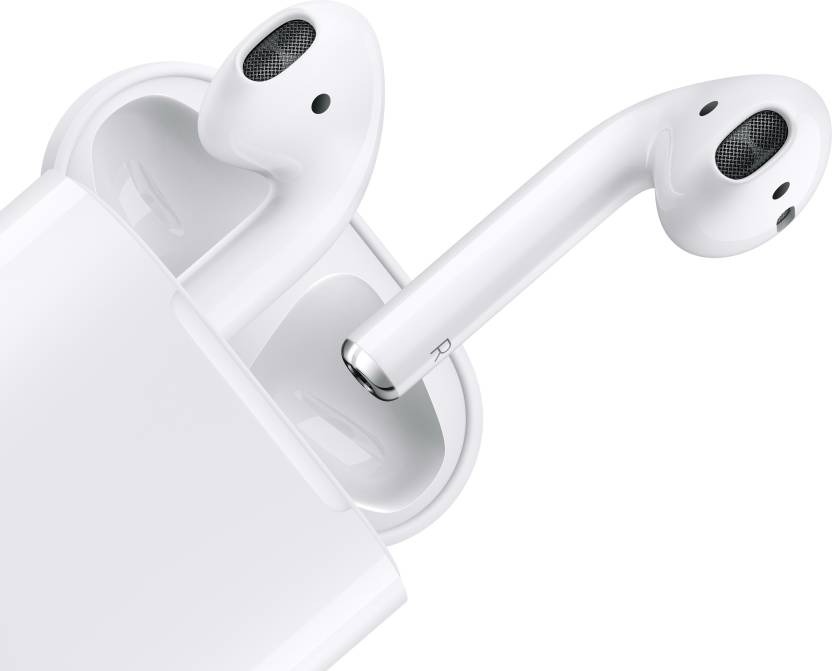
Flipkart launches an exciting Black Friday sale. The online shopping giant currently offers the Apple AirPods (2nd generation) for an affordable price of₹7499. The AirPods generally retail for approximately ₹10,499, offering a savings of at least ₹3,000. Moreover, you can get Rs. 1500 more discount on EMI transactions with Axis Bank Credit Card.
The Apple AirPods 2nd generation, released in 2019, are truly wireless earbuds that offer a seamless audio experience with a focus on convenience and performance. Powered by the Apple H1 chip, they provide faster connectivity, improved battery life, and support for “Hey Siri” voice activation. With a sleek, minimalistic design, the AirPods offer up to 5 hours of listening time on a single charge and can be charged quickly in the included charging case, which also provides up to 24 hours of total battery life.
The AirPods 2nd generation offers robust integration with Apple devices, such as iPhones, iPads, and Macs, making them ideal for users within the Apple ecosystem. They feature a dual beamforming microphone, dual optical sensors, motion-detecting accelerometer, and speech-detecting accelerometer, which combine for clear calls, stable connectivity, and improved sound quality.
Compared to competitors, such as the Samsung Galaxy Buds 2 and Jabra Elite 75t, the AirPods 2nd generation performs well in terms of ease of use and integration with Apple devices. The Galaxy Buds 2 has superior sound quality and active noise cancellation at a similar price point, while the Jabra Elite 75t offers a more customizable fit and better passive noise isolation. However, the AirPods 2 shine in their hands-free “Hey Siri” feature and effortless pairing with Apple devices, making them the preferred choice for Apple-centric users, though they lack advanced features like noise cancellation found in newer competitors.
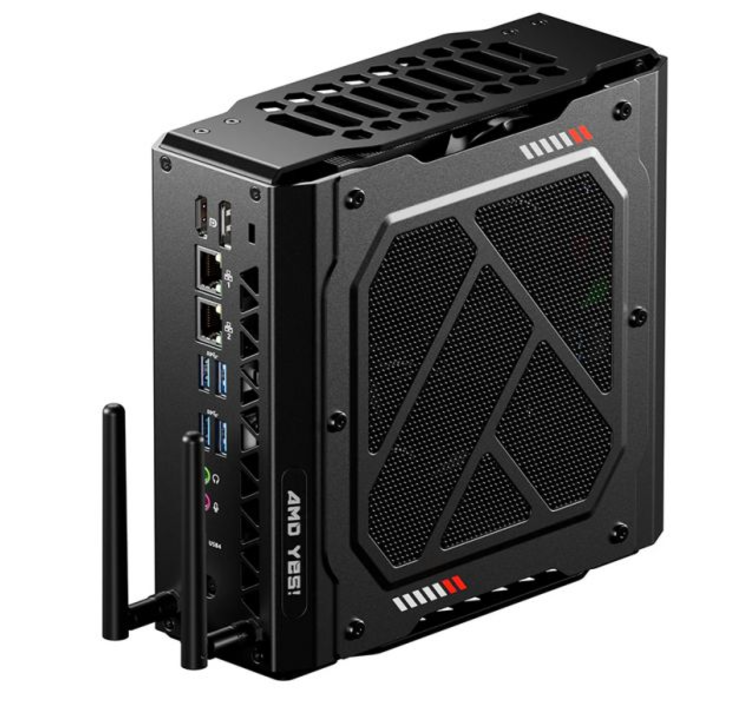
Aoostar GODX Gaming Mini PC combines high-end performance and portability, making it a powerhouse for gamers, creators, and professionals. Packed with advanced hardware and thoughtful design, this mini PC is ideal for intensive tasks like gaming, content creation, and multi-screen workflows. You can now pre-order the Aoostar GODX Gaming Mini PC for a starting price of $529 at Geekwills.
Powerful CPU and GPU for Gaming and Productivity
At the heart of the Aoostar GODX is the AMD Ryzen 9 6900HX processor, a high-performance CPU built for demanding tasks. Paired with the AMD Radeon RX 6600LE dedicated graphics card featuring 8GB of VRAM, it provides smooth and reliable performance for gaming, video editing, 3D rendering, and more. This combination ensures fast processing speeds and excellent graphical output, making it a versatile choice for professionals and gamers alike.
Expandable Memory and Storage
The GODX Mini PC supports up to 32GB of DDR5 RAM running at 4800MHz, delivering fast and efficient multitasking capabilities. Storage is equally impressive, with options for up to a 1TB PCIe 4.0 NVMe SSD, allowing for quick data access and ample space for games, files, and software.
Triple 4K Display Support
This mini PC supports up to three 4K displays at 120Hz, providing crisp visuals and an immersive experience. Whether you’re live-streaming, designing graphics, or editing videos, the multi-screen setup enhances productivity and creativity. The versatile ports make it compatible with a wide range of monitors and devices.
High-Speed Connectivity
The Aoostar GODX is equipped with dual 2.5Gbps LAN ports, providing fast and reliable wired internet connections. It also features WiFi 6, ensuring seamless wireless connectivity for online gaming, streaming, and file transfers.
Compact and Portable Design
Measuring just 20cm x 8cm x 19.3cm and weighing only 0.5kg, the Aoostar GODX Mini PC is highly portable. Despite its small size, it delivers top-tier performance and includes a wide range of connectivity options.
Comprehensive Ports for Versatility
With an array of ports, the Aoostar GODX allows you to connect various peripherals and devices. It includes USB 3.2 Gen 1 and Gen 2 ports, USB4, Type-C, DisplayPort, HDMI, LAN ports, and more, ensuring flexibility for all your needs.
The Aoostar GODX Gaming Mini PC offers excellent performance in a compact form, making it an ideal choice for those seeking a portable yet powerful computing solution.
Earlier today, Xiaomi hosted a launch event in China, unveiling its Redmi K80 series smartphones along with a few new gadgets, including the Redmi Watch 5 and the Redmi Buds 6 Pro earbuds. While we’ve already discussed the watch in a separate article, this piece will focus on the details of the Redmi Buds 6 Pro.
Redmi Buds 6 Pro features
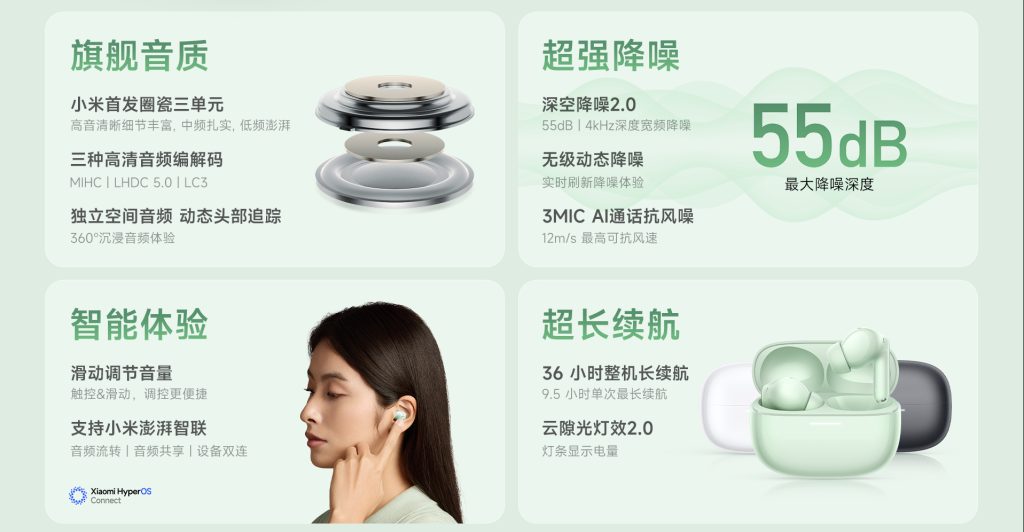
The Buds 6 Pro has a triple-driver setup designed to improve audio quality. The earbuds include a 6.7mm piezoelectric ceramic dual driver and an 11mm titanium-coated dynamic driver, offering clear treble, balanced midrange, and deep bass. The sound profile is fine-tuned using Xiaomi’s “Golden Ears” acoustic optimization, with a 10% increase in high-frequency loudness compared to the previous model.
The Buds 6 Pro supports spatial audio for a more immersive listening experience and is compatible with advanced audio codecs like MIHC, LDHC 5.0, and LC3. They feature Deep Space Noise Reduction 2.0, which reduces noise levels by up to 55dB, along with a 3-mic AI ENC system for minimizing wind noise during calls, even in winds up to 12m/s.
The earbuds offer up to 36 hours of total playback time, and fast charging allows for 2 hours of use with just 5 minutes of charging.
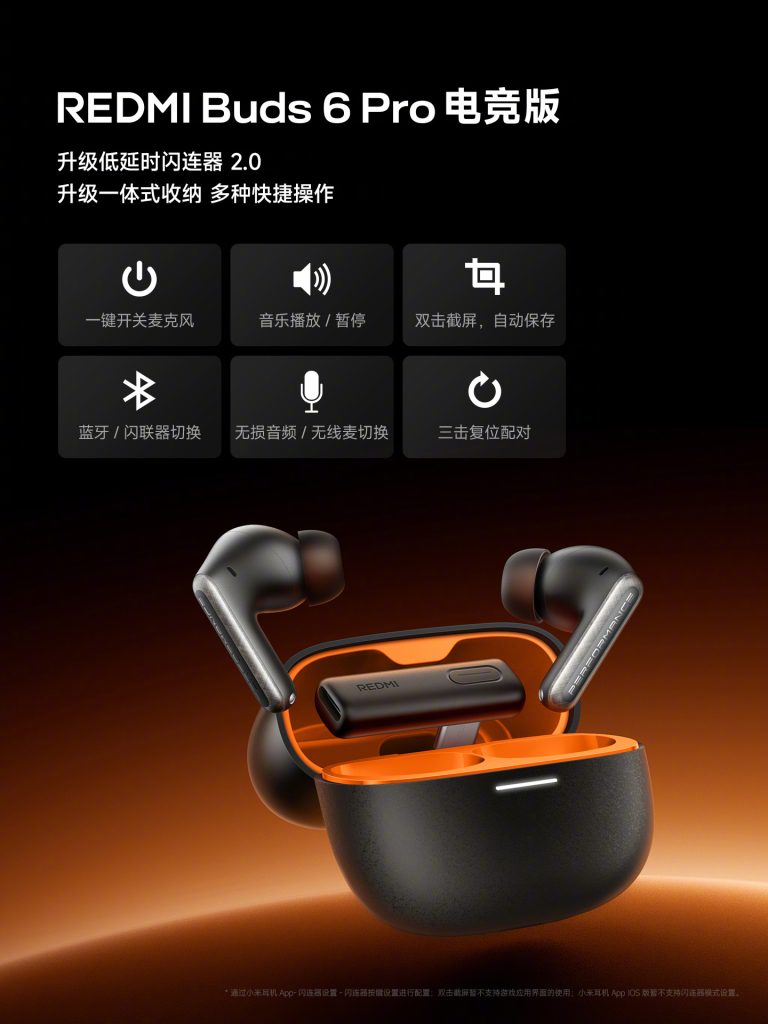
Xiaomi has also launched a gaming edition of the Redmi Buds 6 Pro, designed specifically for gamers. This version includes a low-latency flash connector 2.0, built-in storage for quick operations and an ultra-low latency of 20ms. It also supports the high-fidelity LHDC Lossless audio codec and introduces Xiaomi’s first wireless microphone function, which can transmit audio over a distance of up to 130 meters.
Pricing & availability
The standard Redmi Buds 6 Pro is available in Jade Green, White, and Black, priced at 399 yuan (~$55), and is currently on sale in China. The gaming edition is priced at 499 yuan (~$69) and will be available in China starting December 3rd.
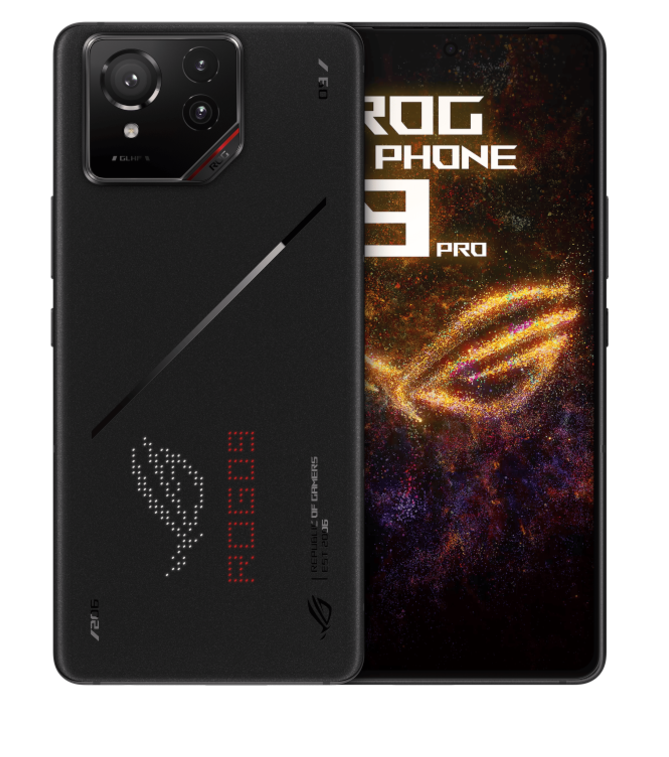
Asus ROG Phone 9 Pro is a gaming powerhouse designed for enthusiasts who demand top-notch performance and innovative features. This smartphone combines cutting-edge hardware, software optimizations, and gaming-specific features to deliver an unmatched experience. You can now get the Asus ROG Phone 9 Pro for a starting price of $999 at Giztop.
Stunning 6.78-inch AMOLED Display
The ROG Phone 9 Pro boasts a 6.78-inch Full HD+ LTPO AMOLED display that offers a super-smooth 185Hz refresh rate and an incredible 720Hz touch sampling rate for ultra-responsive gaming. With HDR10+ support, 111% DCI-P3 color gamut, and Corning Gorilla Glass Victus protection, the display ensures vivid visuals and durability. An in-display fingerprint scanner adds to the convenience.
Performance-Driven Snapdragon 8 Elite Processor
At its core, the ROG Phone 9 Pro is powered by the Qualcomm Snapdragon 8 Elite Octa-core processor, clocked at an impressive 4.3GHz. Paired with the Adreno 830 GPU, 16GB/24GB LPDDR5X RAM, and 512GB/1TB UFS 4.0 storage, it ensures seamless multitasking, blazing-fast app launches, and unbeatable gaming performance. The CPU is optimized for 25% better performance, making it one of the fastest processors in the market.
Advanced Gaming Features
The phone runs on Android 15 with ROG Gaming X mode UI 5.0, a gaming-focused interface designed to enhance your gaming sessions. The AirTrigger 5 system introduces motion sensor controls, allowing you to interact intuitively by tilting the phone. This feature is a game-changer for competitive gamers.
Impressive Camera System
The triple-camera setup includes a 50MP Sony Lytia 700 sensor for bright and detailed photos, a 13MP ultra-wide lens, and a 32MP telephoto lens with 3x optical zoom and optical image stabilization. The 32MP front camera ensures sharp selfies and video calls.
Long-Lasting Battery with Fast Charging
The ROG Phone 9 Pro is equipped with a massive 5,800mAh battery, offering all-day usage. The 65W fast charging supports Quick Charge 5.0 and PD protocols, ensuring your phone is ready to go in no time.
Superior Audio Experience
The GameFX audio system features 7-magnet symmetrical dual speakers for immersive stereo sound. A 3.5mm headphone jack with a high-quality ESS DAC enhances audio clarity, making it perfect for gaming and entertainment.
Software: Android 15 with ROG Gaming X mode UI 5.0
Audio: Dual speakers, 3.5mm headphone jack with ESS DAC
Special Features: AirTrigger 5, in-display fingerprint sensor
The Asus ROG Phone 9 Pro is the ultimate gaming smartphone that also doubles as a productivity beast, making it ideal for gamers and power users alike.
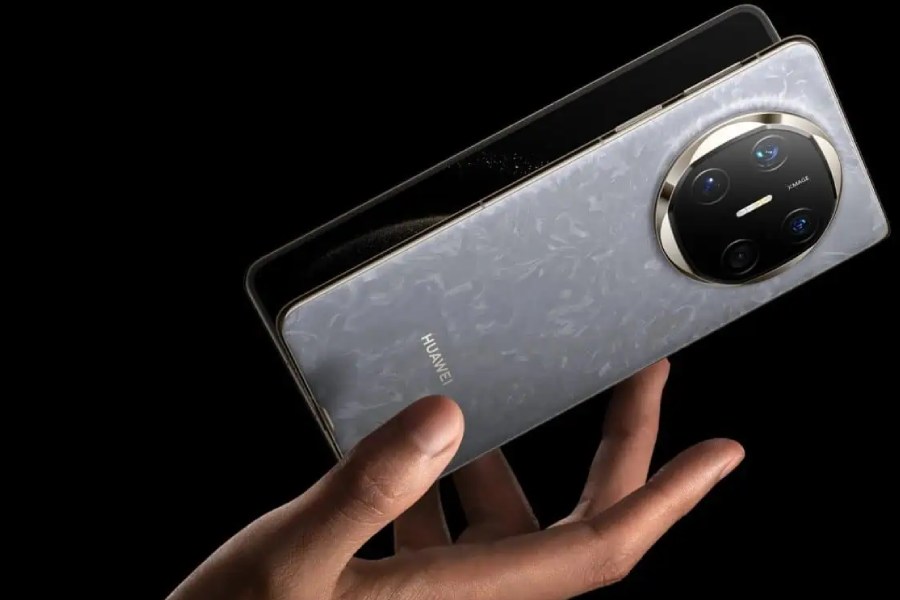
The foldable phone market might be experiencing a slight wobble, but Huawei isn’t letting that stop its momentum.
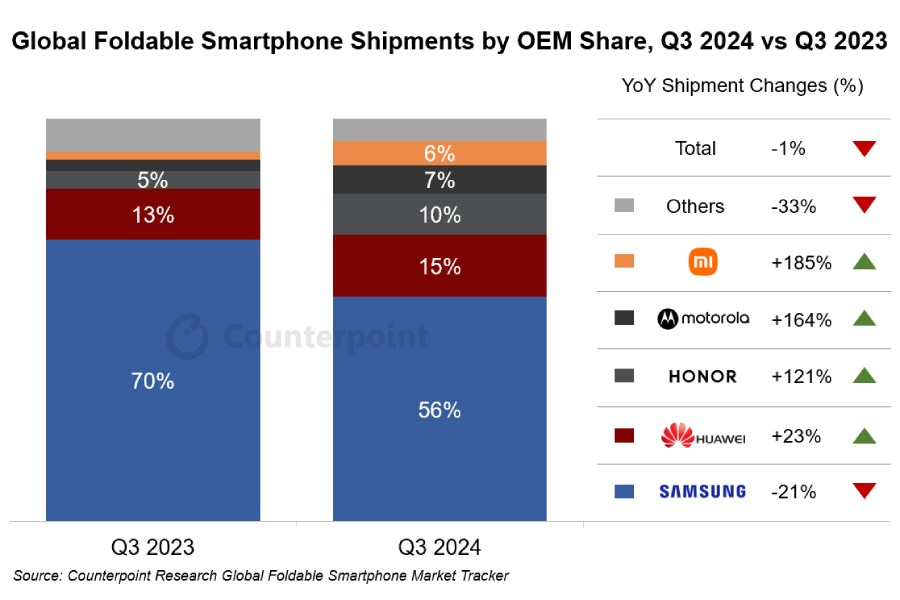
According to a recent report by Counterpoint Research, the Chinese tech giant saw a 23% year-over-year (YoY) jump in global foldable phone shipments during Q3 2024, even as the overall market declined by 1% compared to the same period last year.
Mate X6
The news comes amidst the recent launch of Huawei’s flagship Mate 70 series and Mate X6 foldable.
Huawei is second to Samsung now
The Chinese tech giant now holds 15% of the global foldable market share, a 2% increase from the same period last year.
The research firm attributes this growth largely to the continued success of the Mate X5 and Pocket 2 in China. These models have propelled Huawei’s foldable sales to new heights.
The company has also introduced some experimental foldable models in the Chinese market. The Nova Flip, for example, targets budget-conscious buyers seeking an affordable foldable option.
Additionally, Huawei is the only brand to release a tri-fold phone for mass. However, Counterpoint notes that these experimental devices have seen lower shipments than its more established models.
Lo and behold, Samsung remains the global leader in foldables, despite experiencing a 21% decline in Q3 shipments. Huawei, with its 23% growth, sits comfortably in second, followed by Honor with a substantial 121% YoY increase in sales. Rounding out the top four is Motorola, which also saw a significant rise of 164% YoY.
Among all competitors, Xiaomi achieved the highest YoY shipment growth (185%) due to the global launch of its first foldable, the Mix Flip.
While the global market for foldable phones experienced a slight setback in Q3, Huawei’s strategic approach and innovative offerings have positioned them for continued success in this growing space. As the year progresses, it will be interesting to see how the newly launched Mate X6 performs.
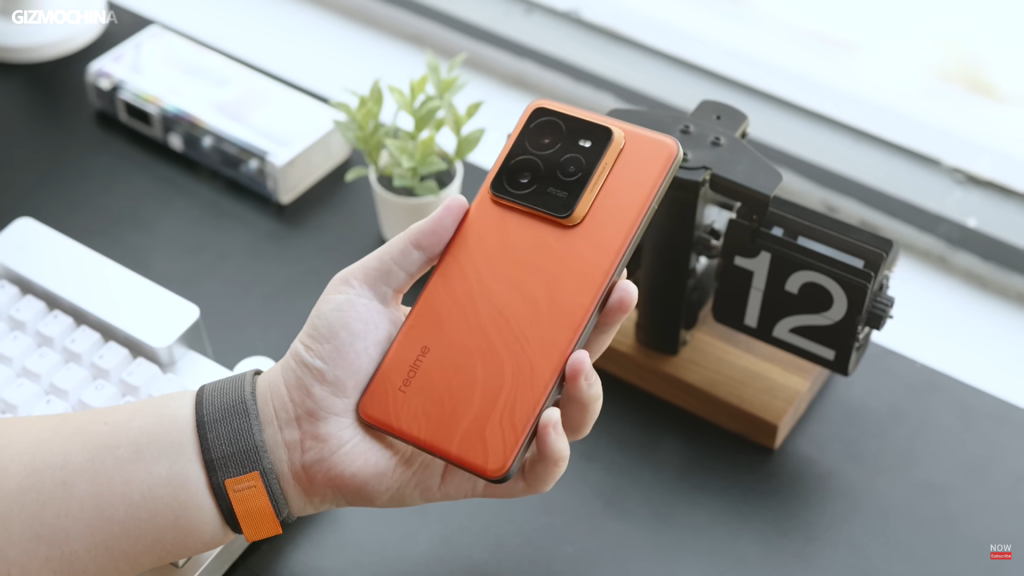
Realme launched the GT 7 Pro smartphone in India this week, featuring Qualcomm’s latest Snapdragon 8 Elite chip. It is the country’s first device with this chip and includes a 1,480mm² VC cooling system to improve sustained performance.
The phone sports a flagship AMOLED display from Samsung, offering a peak brightness of 6,500 nits. Its camera setup includes a 50MP periscope portrait lens with a Sony IMX882 sensor, a 50MP Sony IMX906 main camera with OIS, an 8MP ultra-wide lens, and a 16MP front-facing camera.
The GT 7 Pro is powered by a 5,800mAh battery that supports 120W charging. Realme has priced the base 12/256GB variant of GT 7 Pro at Rs 59,999, while the 16/512GB model costs Rs 62,999.
Given these features, is the Realme GT 7 Pro worth the price, or should you wait for the upcoming Snapdragon 8 Elite-powered iQOO 13? Let’s take a look at their specs one by one.
Both the Realme GT 7 Pro and the upcoming iQOO 13 are powered by the recently announced Snapdragon 8 Elite chip. Built on a 3nm process, the processor uses Qualcomm’s in-house Oryon core CPU and is claimed to deliver a 45% increase in CPU performance and a 44% boost in power efficiency. In this case, however, neither phone will have an edge in raw processing power.
2. Display
The Realme GT 7 Pro sports a 6.78-inch LTPO AMOLED display with a 120Hz refresh rate and a peak brightness of 6500 nits. The iQOO 13 counters with a slightly larger 6.82-inch LTPO AMOLED display boasting a higher 144Hz refresh rate and a matching 6500 nits peak brightness. While both offers smooth visuals and excellent HDR experiences, gamers might favor the iQOO 13’s smoother refresh rate for fast-paced action
3. Camera
The GT 7 Pro features a quad-camera setup with a 50MP main sensor, a 50MP periscope lens, an 8MP ultrawide lens, and a 16MP front-facing camera.
The iQOO 13 also boasts a triple-camera system but with three 50MP sensors – a main wide, a telephoto with 2x optical zoom, and an ultrawide lens. Additionally, the iQOO 13 ups the ante with a 32MP front-facing camera. On paper, the iQOO 13 appears to offer more versatility with its triple 50MP rear cameras, potentially capturing better detail and low-light performance
4. Battery and Charging
Both phones come equipped with sizable batteries – the GT 7 Pro with a 5800mAh battery and the iQOO 13 with a 6000mAh battery. Both phones support 120W fast charging, with Realme claiming a 30-minute charge to 100% in the Indian variant. iQOO hasn’t revealed its specific charging times for India yet.
5. Price and Avilability
The GT 7 Pro starts at Rs 59,999 for the 12GB/256GB variant, while the 16GB/512GB model is priced at Rs 62,999. iQOO has yet to reveal the pricing for the iQOO 13, but the brand’s history suggests it will likely be competitively priced.
A rumor on social media platform X hints that the iQOO 13 may cost around the same as the GT 7 Pro. If this turns out to be true, the iQOO 13 could be the better choice, given the upgrades it has over the GT 7 Pro.
iQOO will unveil the smartphone inIndia on December 3rd, and we’ll keep you updated with more details.
Realme is preparing to launch the Neo7, the first phone in its newly separated Neo lineup (previously part of the GT Neo series). While the official release date is still unknown, the company has shared some new details about the phone’s pricing and key features.
Realme confirms that the Neo7 will debut in China at a price below CNY 2,499 (approximately $345, €330, or INR 29,100). This places the phone firmly in the competitive mid-range segment. However, the Neo7 may stand out in terms of its performance and battery life.
Realme claims that the Neo7 will offer the “strongest performance, battery life, and quality” in its price range. Supporting this, the phone reportedly scores over 2 million on AnTuTu and features a battery capacity of more than 6,500 mAh.
Durability seems to be another area of focus for the Neo7. Although Realme hasn’t confirmed the exact IP rating, they’ve hinted it will exceed IP68. So it’s likely the IP69 certification that offers protection against high-pressure, high-temperature sprays.
Expected Specifications
According to rumors, the Neo 7 will be powered by the MediaTek Dimensity 9300+ chipset and a 7,000mAh battery. Previously, a listing on China’s 3C certification site suggested that the Realme Neo 7 will likely launch with support for 80W wired SuperVOOC charging. And the handset could get a large 1.5K resolution display.
In comparison, the current Realme GT Neo 6 comes with a Snapdragon 8s Gen 3 SoC, a 5,500mAh battery with 120W charging, and a 6.78-inch 1.5K 8T LTPO AMOLED display. It starts at CNY 2,099 (approximately ₹22,000) for the 12GB + 256GB variant in China.
The last Neo-branded device to launch in India was the GT Neo 3 in 2022. Whether Realme plans to bring its Neo lineup back to the Indian market remains uncertain. Just yesterday, Realme introduced the GT 7 Pro in India.
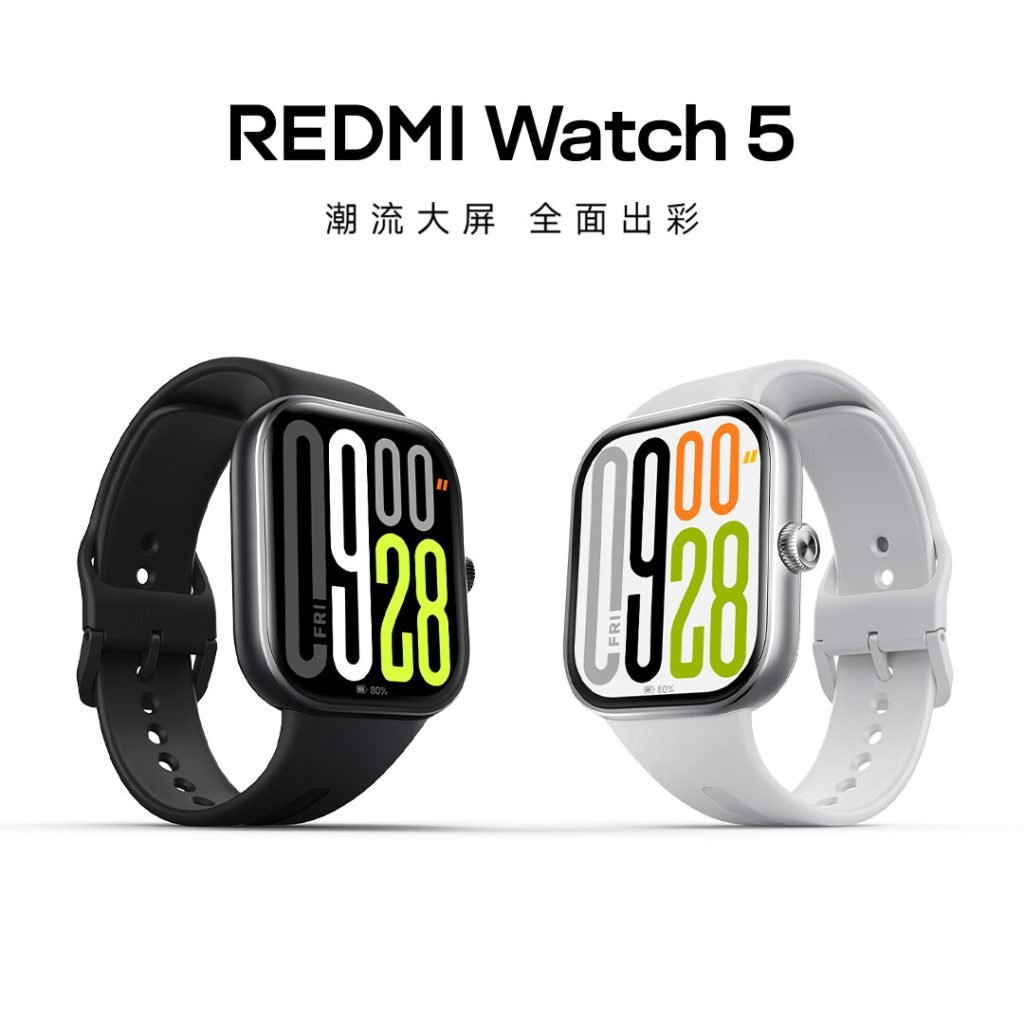
At the Redmi K80 series launch event, Xiaomi officially unveiled the Redmi Watch 5 smartwatch, a feature-packed device that blends premium design, advanced technology, and practical functionality. Let’s check out the pricing and specifications.
Redmi Watch 5 sports a 2.07-inch AMOLED curved display (432×514 pixels) with a 60Hz refresh rate, and 1500 nits of brightness, offering vibrant visuals and readability even under bright sunlight. The display features an 82% screen-to-body ratio and ultra-slim 2mm bezels enhance its sleek look.
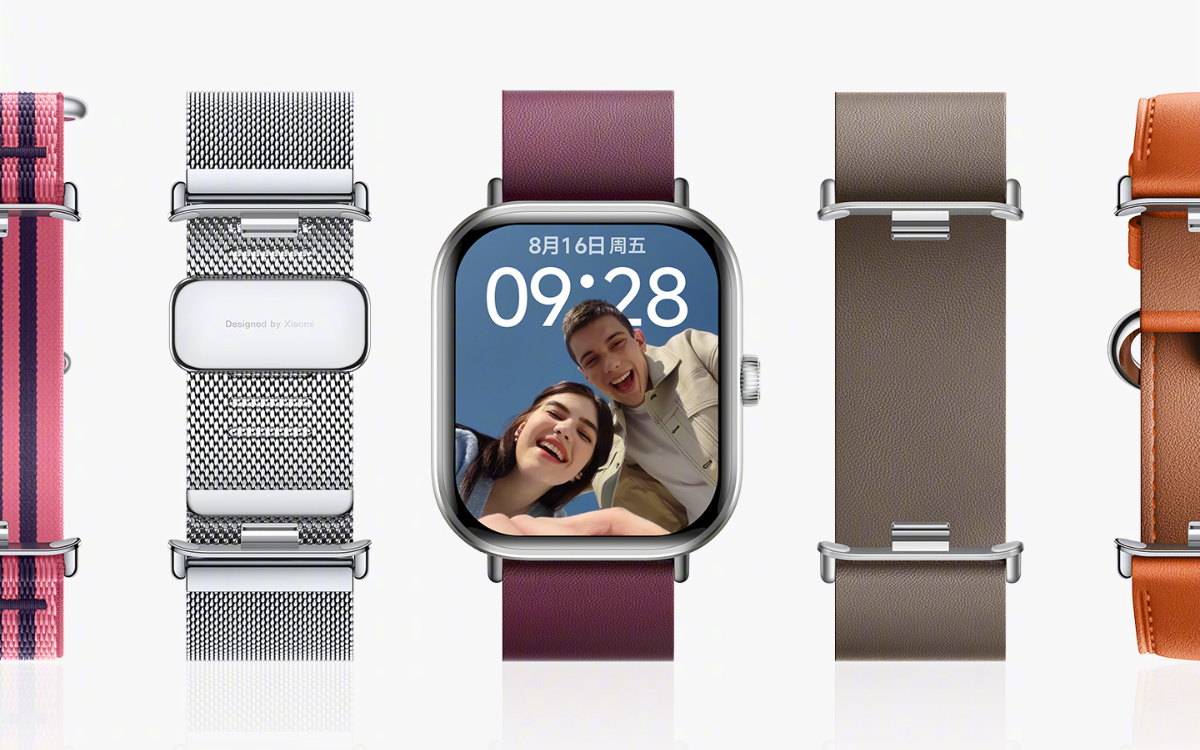
The watch features a premium aluminum alloy frame with a stainless steel rotating crown for added elegance and intuitive control. Additionally, it supports seven quick-release strap options, including the new Kona Leather Magnetic Strap.
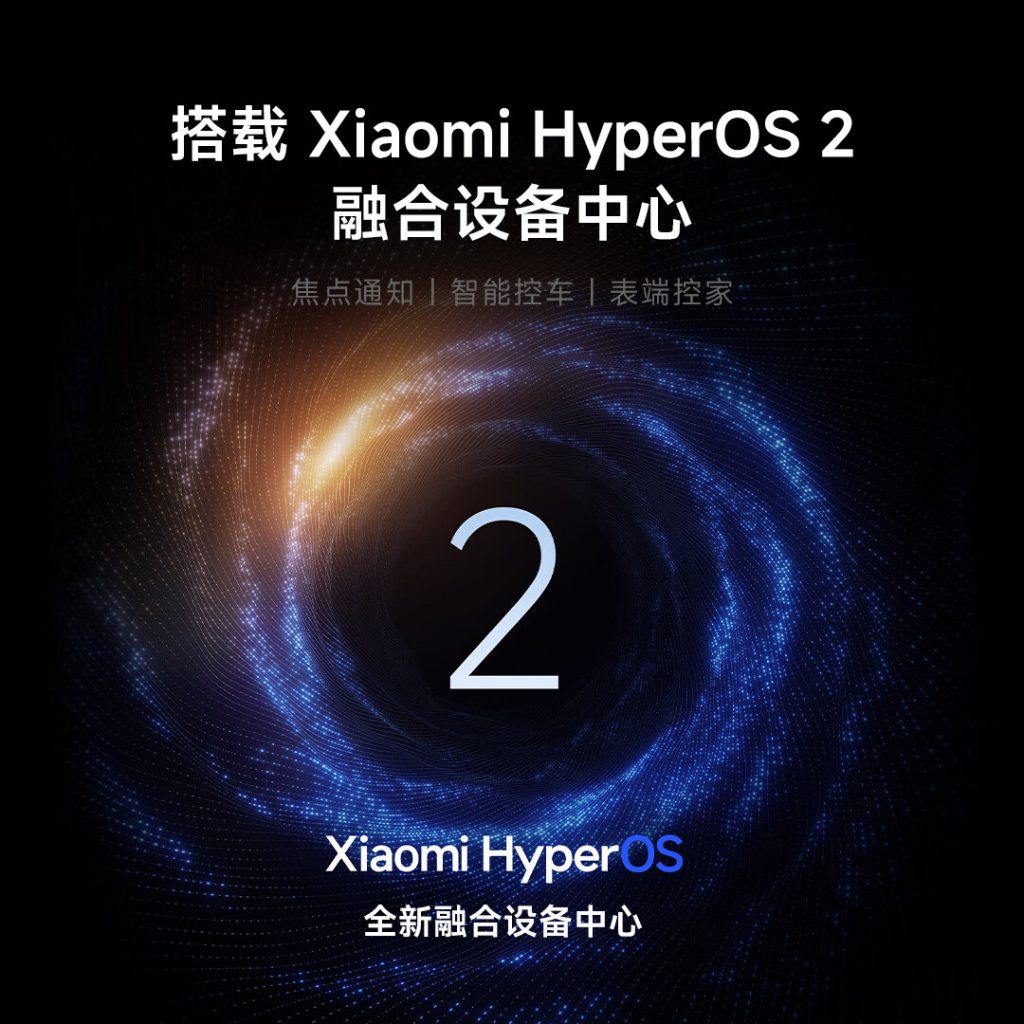
Powered by Xiaomi’s HyperOS 2, the Redmi Watch 5 provides a seamless user experience with support for third-party apps and nine built-in popular apps. The smartwatch enables features like smart home control, focus notifications, and smart vehicle management. It also offers NFC for payments, smart car key functionality, and multi-device connectivity for an enhanced lifestyle experience.
For health enthusiasts, the watch includes 24-hour heart rate monitoring, SpO2 tracking, stress management, and sleep analysis, powered by self-developed algorithms. It supports over 150 sports modes, including outdoor activities, with independent GNSS positioning for precise tracking. Additionally, a new AFE chip ensures improved heart rate accuracy. The watch is 5ATM water-resistant, making it suitable for swimming and water sports.
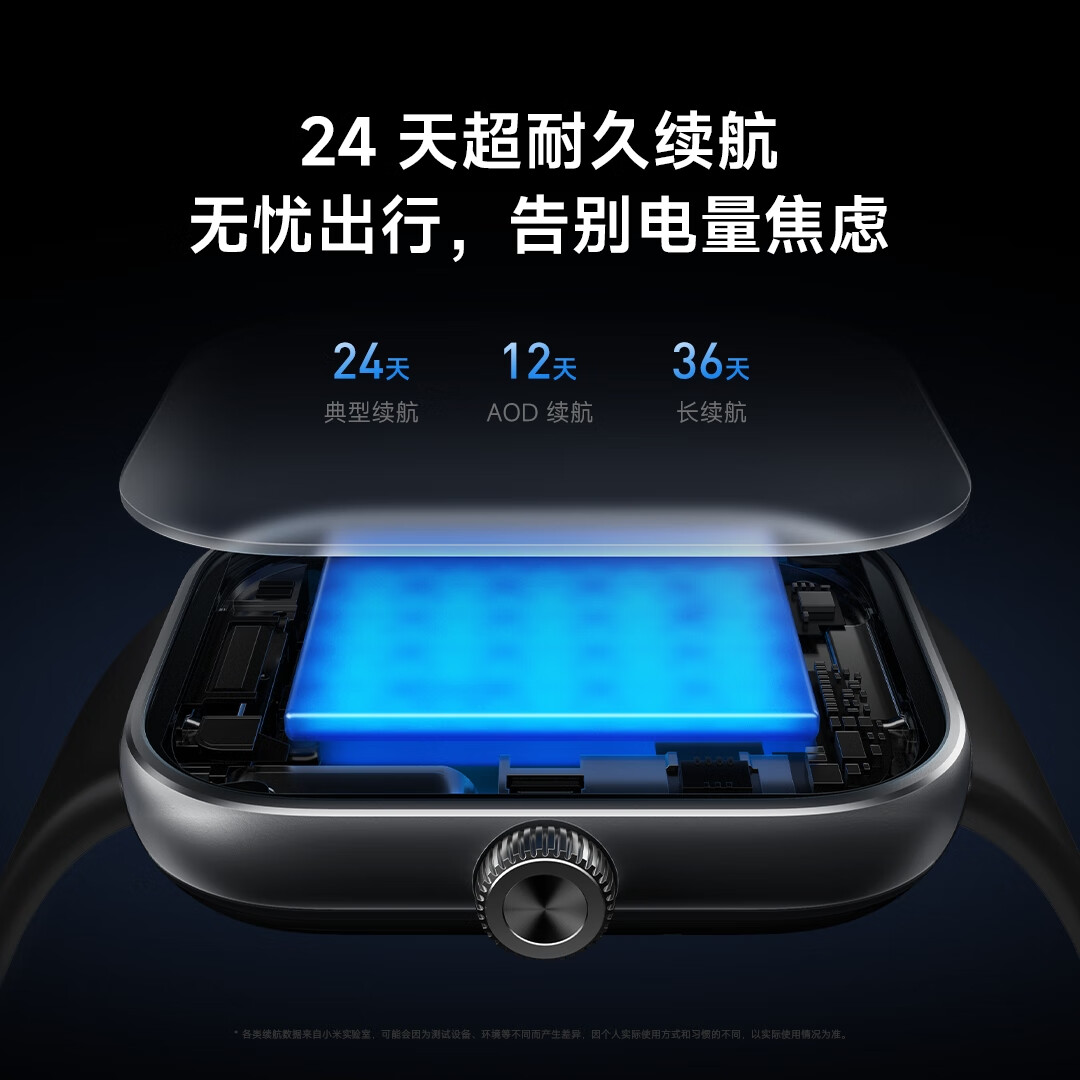
The Redmi Watch 5 boasts a 550mAh battery, delivering up to 24 days of battery life in typical usage on the Bluetooth version. The eSIM version provides 12 days of battery life in normal use, with advanced power optimization ensuring extended usage. The eSIM variant also supports standalone calls, messaging, and 25 hours of continuous walkie-talkie functionality.
2. Pricing & Availability
Redmi Watch 5 starts at 599 yuan ($82) for the Bluetooth version. The eSIM model, which adds dual-mode communication and independent functionality, is priced at 799 yuan ($110).
Additionally, users can customize their style with optional accessories, such as the Kona Leather Magnetic Strap, priced at 169 yuan ($23). The smartwatch is now officially available for purchase.
Looking for a feature phone under $100 to help with a digital detox? Check out this article to explore the top options designed for a simpler, distraction-free lifestyle.
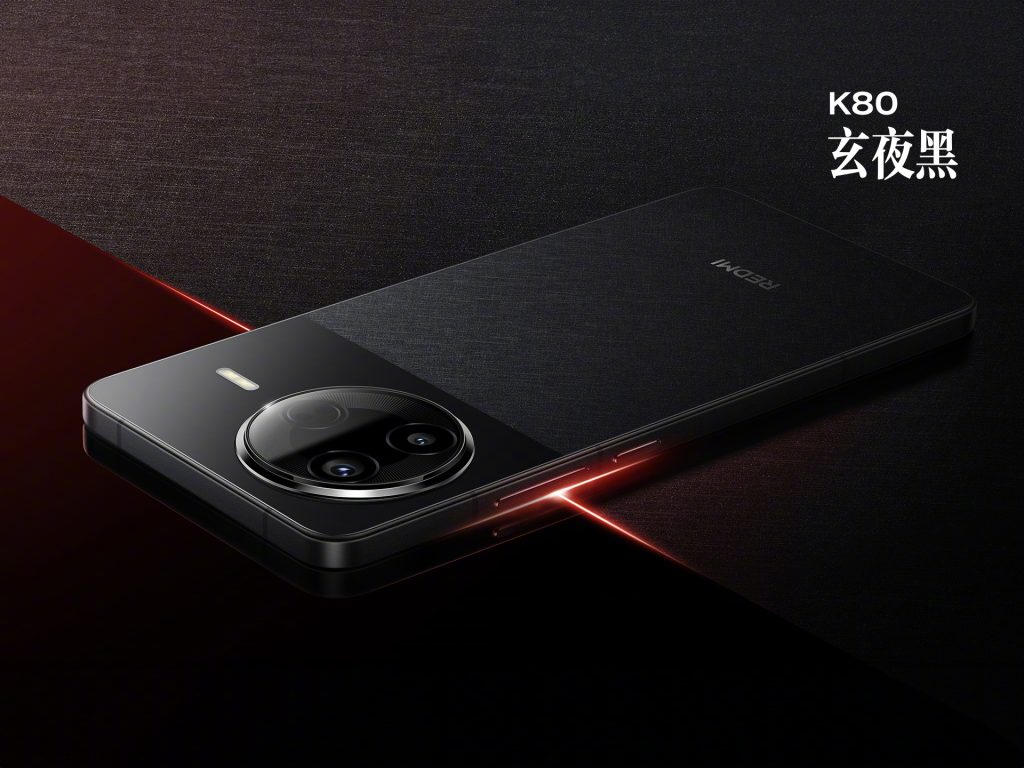
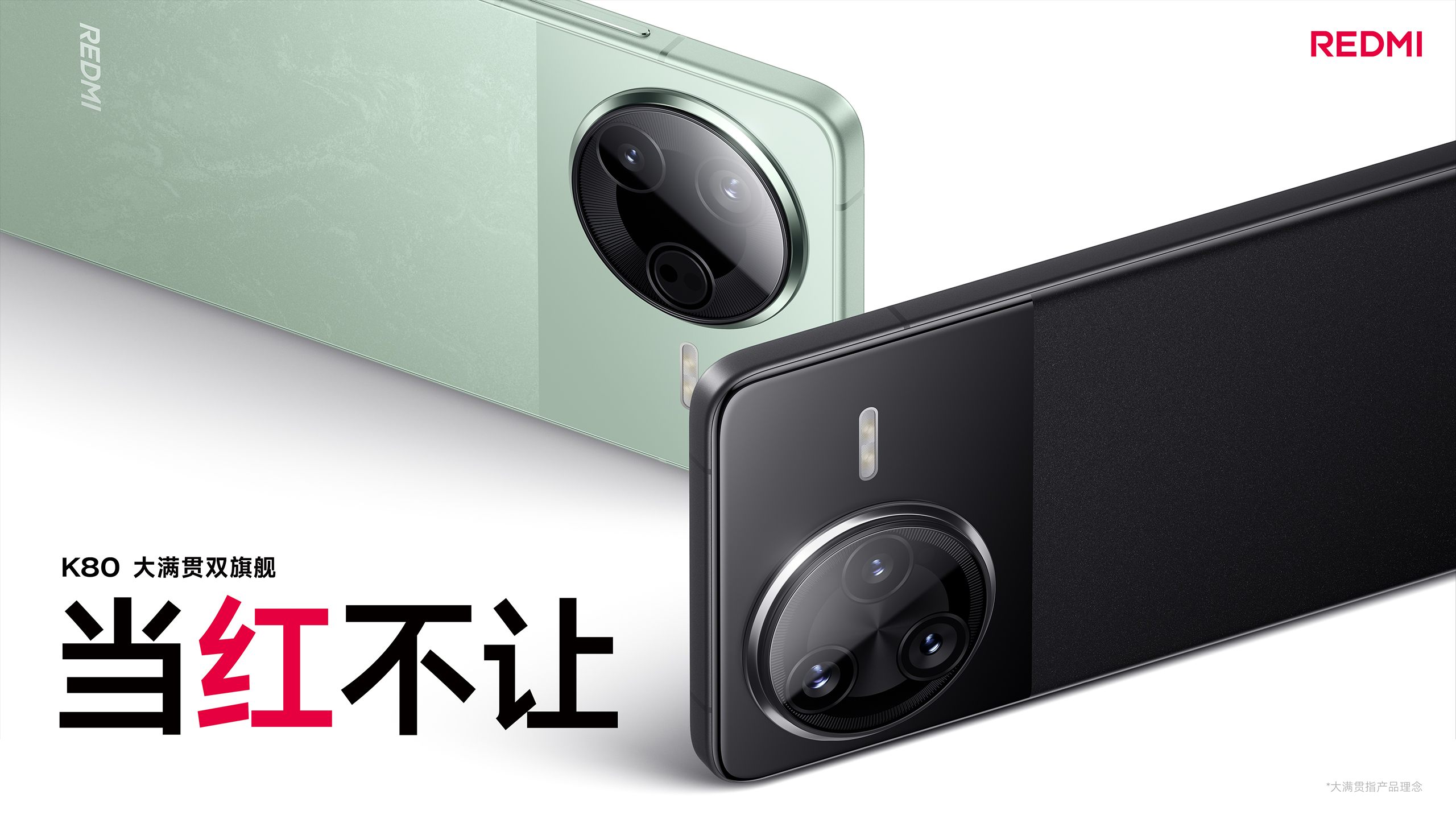
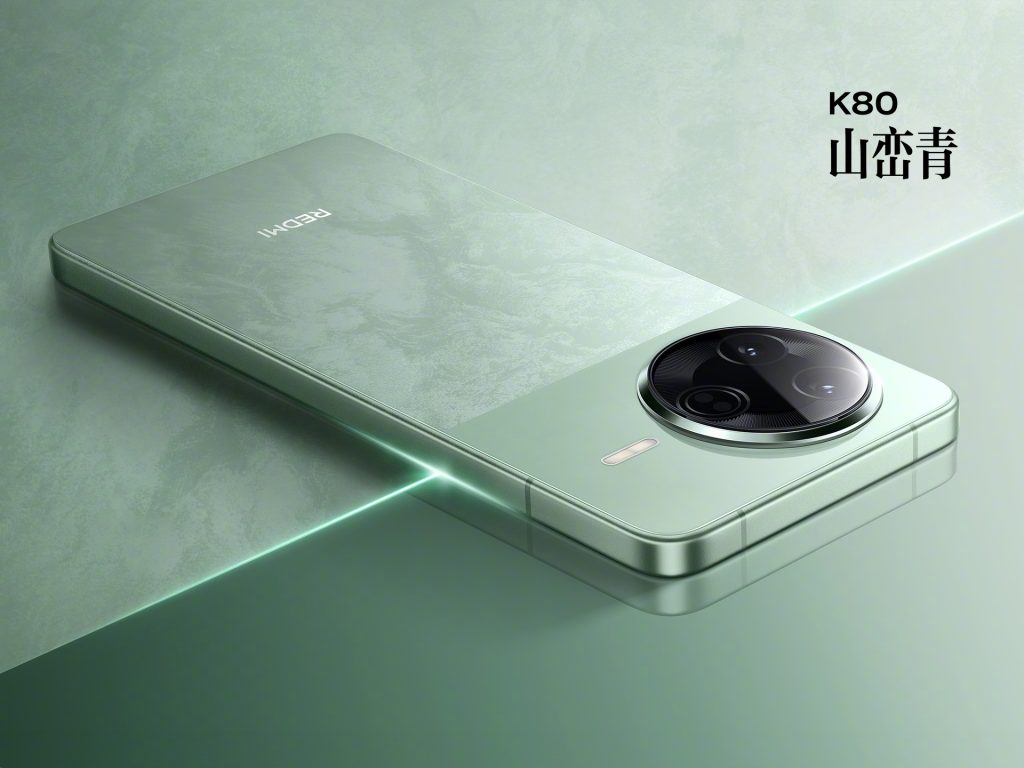
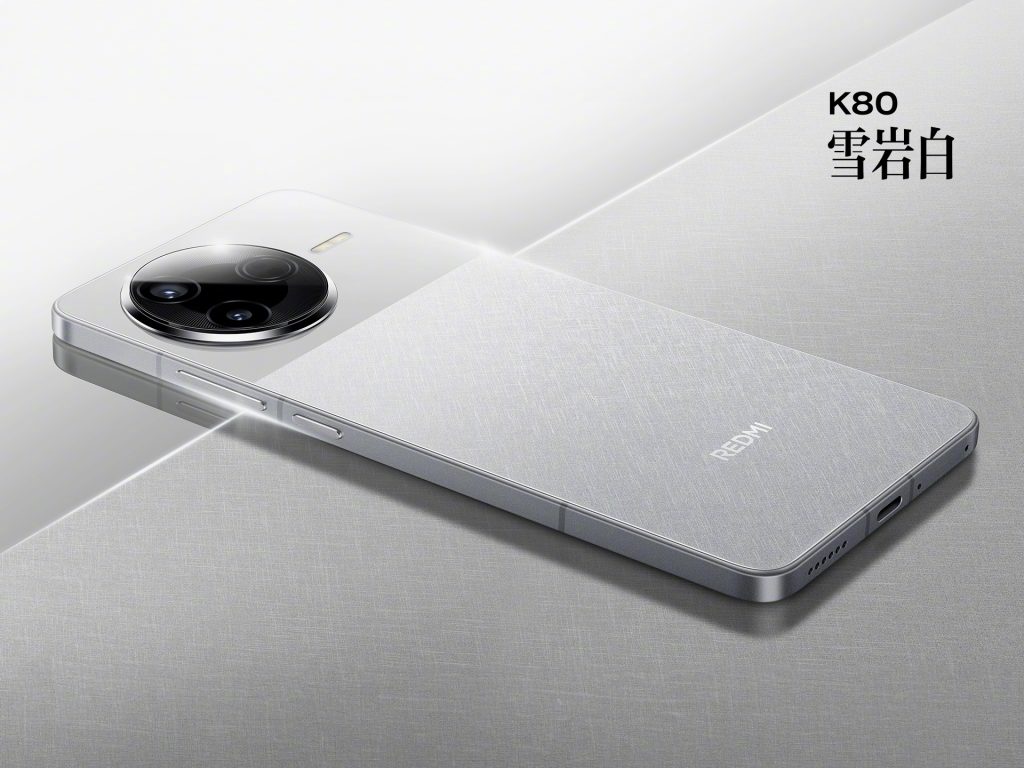
Xiaomi has unveiled the highly anticipated Redmi K80 smartphone alongside the K80 Pro, setting new benchmarks for the K series with its robust features and competitive pricing. Equipped with Xiaomi’s largest-ever battery and the latest Snapdragon chipset, the device promises to deliver exceptional performance across all fronts.
The Redmi K80 features a 6.67-inch 2K display with a resolution of 3200 x 1440, offering peak brightness of 3,200 nits and 1,800 nits global brightness for excellent visibility. It supports a 120Hz refresh rate, 480Hz touch sampling, and up to 2560Hz touch sampling in select games. The display also includes HDR10+, Dolby Vision, HDR Vivid, and Xiaomi Qingshan Eye Protection 2.0 for superior visuals and eye comfort.
Under the hood, the device is powered by Snapdragon 8 Gen 3 chipset, built on TSMC’s 4nm process. It comes with an octa-core CPU clocked up to 3.3GHz and equips Adreno 750 for seamless performance. It sports Qualcomm’s AI Engine for enhanced multitasking and gaming and includes a dual-loop 3D cooling system for efficient heat management.
The phone runs on HyperOS 2 with enhanced performance, faster app launches, and reduced latency. It comes with up to 16GB LPDDR5x RAM along with up to 1TB UFS 4.0 storage.
The Redmi K80 features a versatile triple rear camera setup, led by a 50MP Light Fusion 800 main camera with a large f/1.6 aperture and optical image stabilization (OIS).
It comes with an 8MP ultra-wide-angle lens offering a 120° field of view and a 2MP macro sensor for detailed close-ups. The camera system supports advanced functionalities like Super Night Mode, Dynamic Photos, and 8K video recording. On the front, it sports a 20MP selfie camera designed to deliver crisp and vibrant portrait shots.
The Redmi K80 features a massive 6,550mAh battery, marking Xiaomi’s largest battery to date. It comes with 90W wired fast charging, ensuring extended usage with minimal downtime. It equips the Surge P3 charging chip and Surge G1 battery management chip for optimized power efficiency and safe charging.
The smartphone is IP68 and IP69-rated for dust and water resistance, ensuring durability. It also includes an ultrasonic fingerprint sensor that works seamlessly even with wet hands, infrared remote control, NFC, and stereo speakers for a complete flagship experience.
2. Pricing & Availability
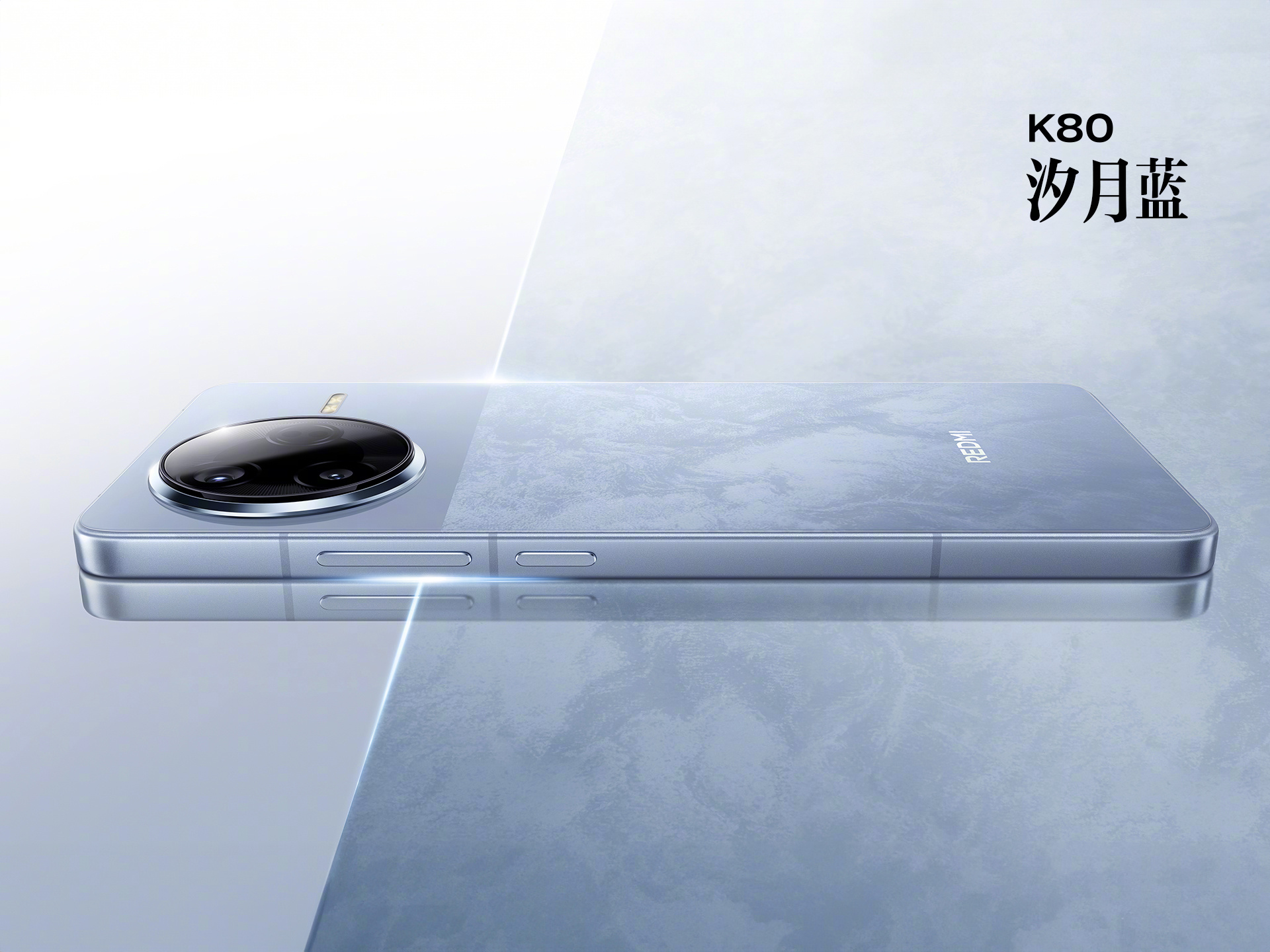
Redmi K80 is available in four elegant colors: Obsidian Black, Snow White, Mountain Green, and Moonlight Blue. It is available in five configurations:
12GB + 256GB: 2,499 yuan ($346)
16GB + 256GB: 2,699 yuan ($372)
12GB + 512GB: 2,899 yuan ($400)
16GB + 512GB: 3,199 yuan ($441)
16GB + 1TB: 3,599 yuan ($496)
The device is available for purchase in China and is expected to roll out to global markets soon.
In 2025, Apple might be bringing some exciting new changes to the iPhone 17 series. These next generation Apple flagships, especially the Pro models notable changes in design. But the highlight of the iPhones from next year might be a new model. The iPhone 17 Air has been making the rounds online, so here’s everything you need to know.
When rumors of a thin new iPhone first surfaced, the initial reports mentioned the device as the iPhone 17 Slim. It is unclear whether Apple is bringing the Air branding to the iPhone, but we can expect the iPhone 17 Air or iPhone 17 Slim to be the same models. As the name suggests, the iPhone 17 Air is bringing a major redesign to Apple’s smartphone lineup. The company is rumored to be the slimmest iPhone ever made. It is expected to boast ground breaking thinness, with leaks hinting at the iPhone 17 Air being just 5 to 6mm thick.
The iPhone 16 is already considered slim at 7.8 mm, so this makes the iPhone 17 Air around 35% thinner. The brand-new model will be replacing the iPhone 16 Plus, the same way how the Plus had previously replaced the Mini. One of the aspects that is helping make these devices slimmer is a thinner new OLED display, which is being made from a lesser known Taiwanese brand. The screen integrates TDDI technology, which combines the touch sensor and display driver into a single layer to make it thinner.
2. ProMotion 120Hz Display
While the OLED panel is getting thinner, the entire iPhone 17 Air along with the entire iPhone 17 series is finally getting the ProMotion display technology. So even the base iPhone 17 is getting smoother LTPO displays. The higher end iPhone 17 Pro and iPhone 17 Pro Max are rumored to receive more upgrades to the displays, with an under-display Face ID system. However, this might be skipped on the iPhone 17 and iPhone 17 Air.
3. Dual Central Cameras or Lone Camera
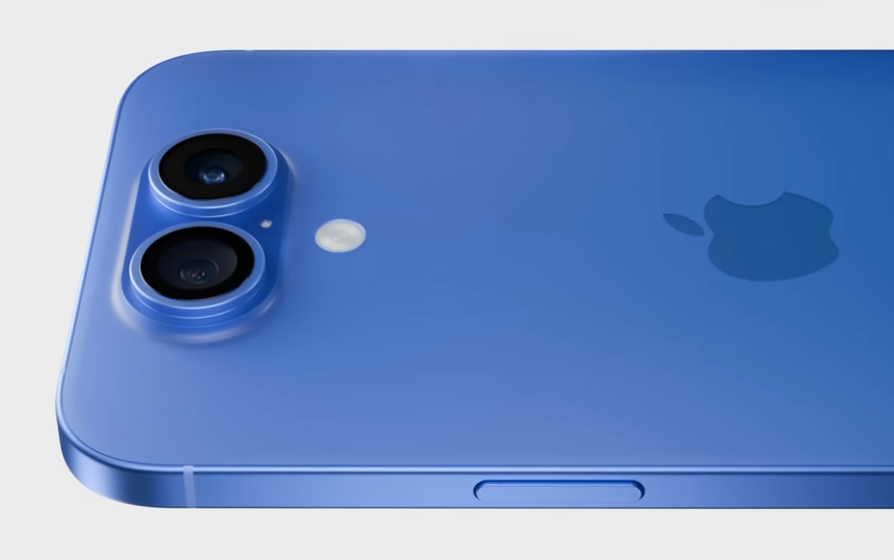
According to known Apple analyst Ming-Chi Kuo, the iPhone 17 Air will have a single camera sensor on the rear. The exact details were left out, but the design would’ve resembled the older iPhone 8. But a recent major leak of the iPhone 17 Air teased a bold design overhaul. Leaked renders showed a major change in the rear design with a dual central camera placement, which resembles old LG smartphones. We can assume that Apple will introduce a more compact camera module.
4. No Physical SIM
A recent report revealed that Apple might be sacrificing a standard feature to achieve the impressive thinness of the iPhone 17 Air. The brand might remove physical SIM support on the upcoming slim iPhone entirely, so there wouldn’t be a removable SIM card slot. This is a bold move, which could potentially impact its sales in markets like China as well
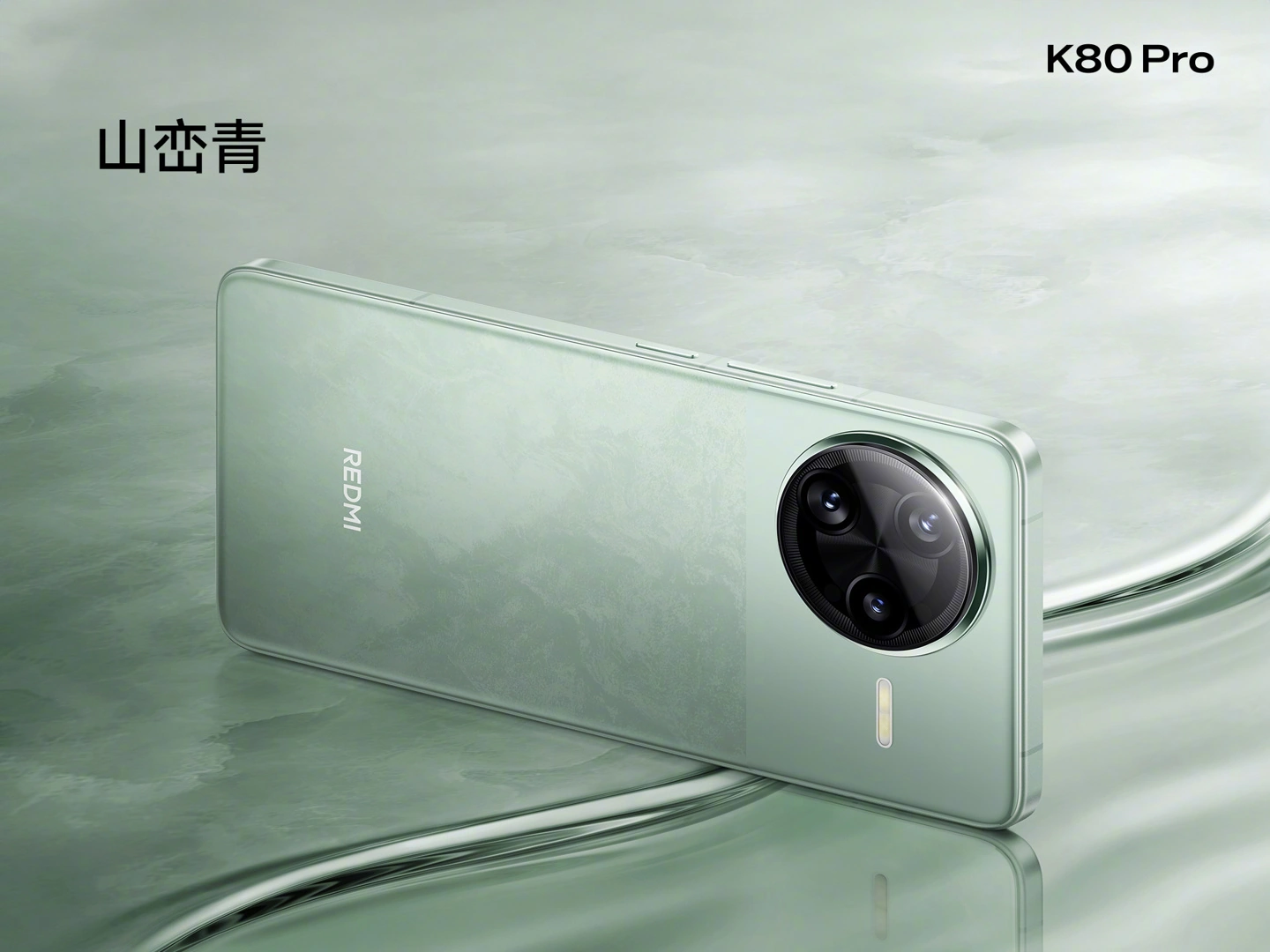
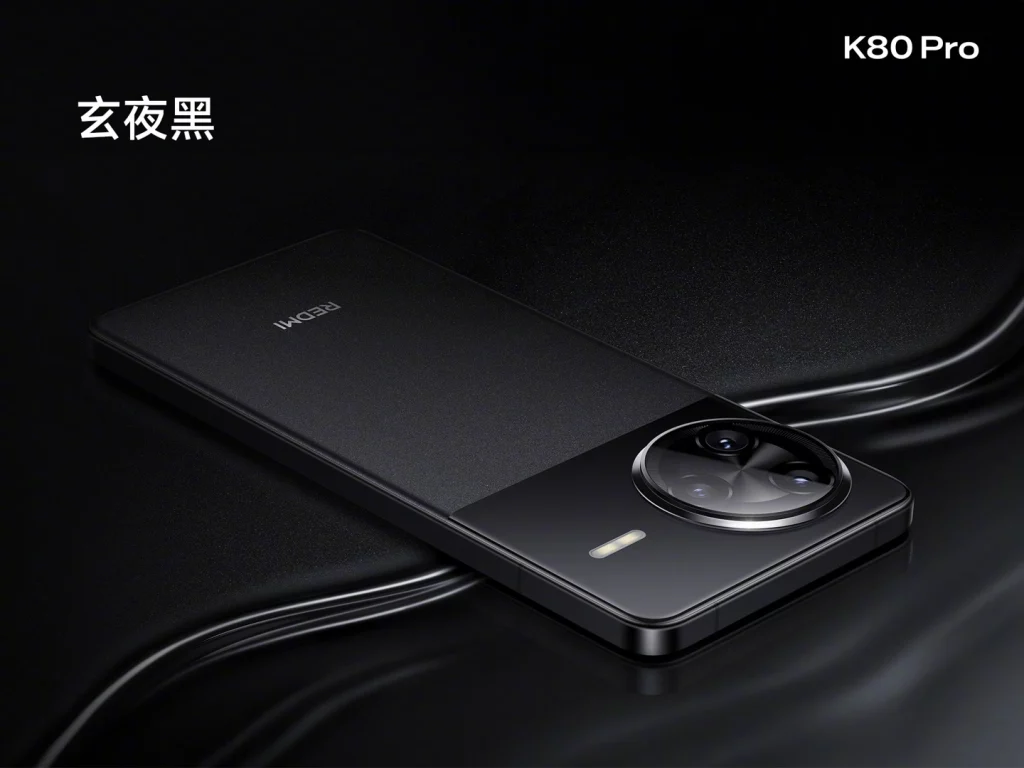
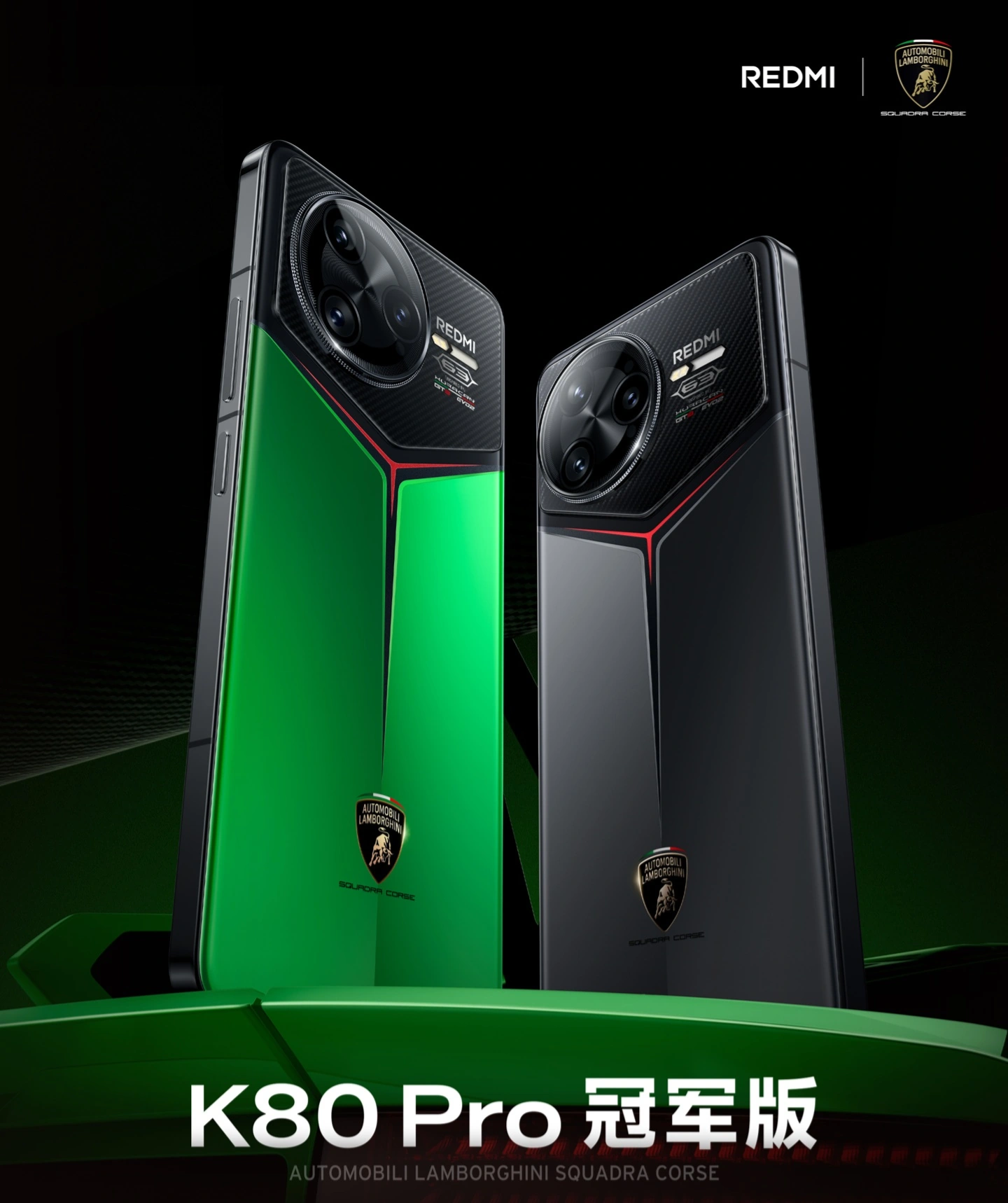
Redmi has officially launched its flagship smartphone, the Redmi K80 Pro, in the Chinese market, alongside the Redmi K80 and the Redmi K80 Pro Champion Edition. Let’s check out the pricing and specifications of the Pro model and its Special Edition.
The Redmi K80 Pro features a 6.67-inch TCL M9 OLED 2K flat panel, offering exceptional clarity and brightness. The display supports a 3200×1440 resolution, 120Hz refresh rate (LTPS), 12-bit color depth, and a peak brightness of 3200 nits. It also incorporates Xiaomi’s Qingshan Eye Care 2.0 technology, offering full-brightness DC dimming to reduce eye strain and flicker.
The device features a dual-finish glass unibody design with ultra-narrow 1.9mm bezels, making it 21% thinner than its predecessor. It comes with Xiaomi Dragon Crystal Glass 2.0, offering 20x improved durability.
Under the hood, the device is powered by the Snapdragon 8 Elite processor, built on a 3nm process, offering a 45% CPU and 44% GPU performance boost over its predecessor with improved power efficiency. It features a dedicated D1 gaming chip, LPDDR5X memory, UFS 4.0 storage, and Rage Engine 4.0 for dynamic frequency scaling. It supports ultra-resolution and ultra-frame gaming with upgraded dual-loop 3D ice-sealed cooling, ensuring smooth and consistent performance during intensive gameplay.
The device runs on Xiaomi’s HyperOS 2, which integrates the Hyper Core Kernel for enhanced performance, faster app launches, and reduced latency.
The Redmi K80 Pro features a versatile triple-camera setup, led by a 50MP primary sensor (Light Fusion 800) with OIS stabilization and a cinematic dynamic range of 13.2EV for vibrant and detailed shots. It comes with a 32MP ultra-wide camera (Samsung S5KKD1) offering a 120° field of view.
It also sports a 50MP floating telephoto lens (Samsung S5KJN5), supporting 2.5x optical zoom, 5x lossless zoom, 20x digital zoom, and macro mode for intricate close-ups. For selfies and video calls, it equips a 20MP front camera (Omnivision OV20B40), ensuring crisp and clear results.
The K80 Pro is powered by a 6000mAh battery, complemented by 120W wired fast charging and 50W wireless charging. It also sports Xiaomi’s Surge G3 fast-charging chip and equips the Surge G1 battery management system, ensuring safety and efficient performance.
The phone introduces an ultrasonic fingerprint sensor, a first for the Redmi lineup, delivering enhanced accuracy and reliability. It comes with IP68 water and dust resistance, ensuring durability in tough conditions. It also sports the Surge T1S signal enhancement chip, equipping support for 19 5G bands for robust connectivity.
2. Redmi K80 Pro Pricing & Availability
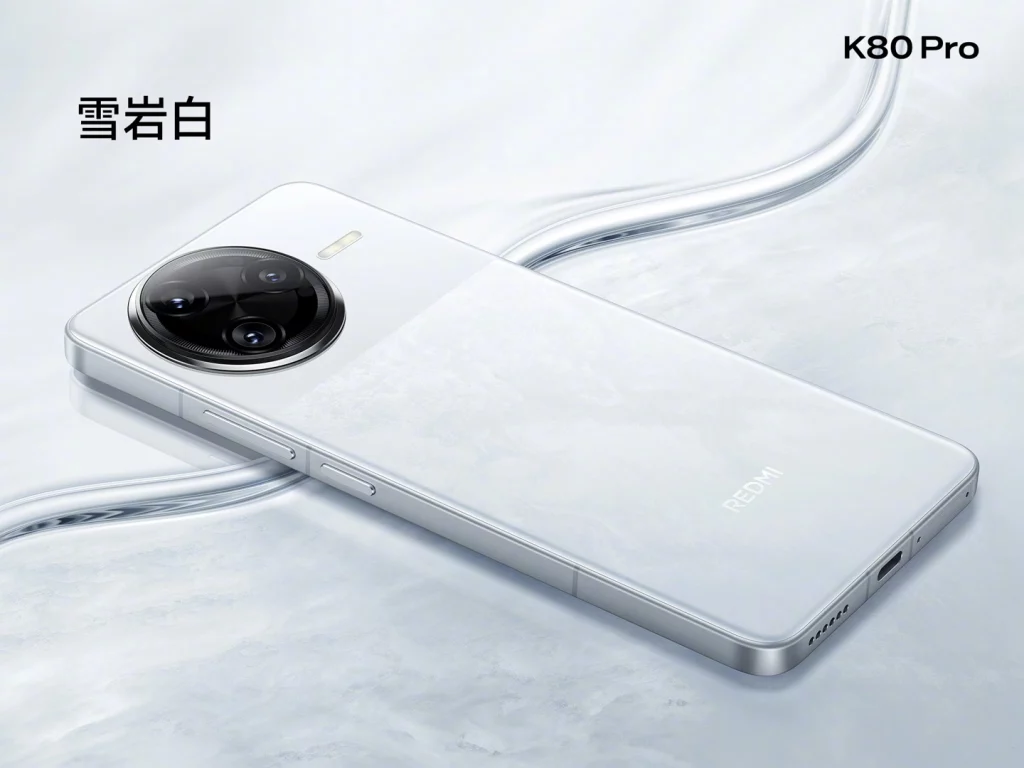
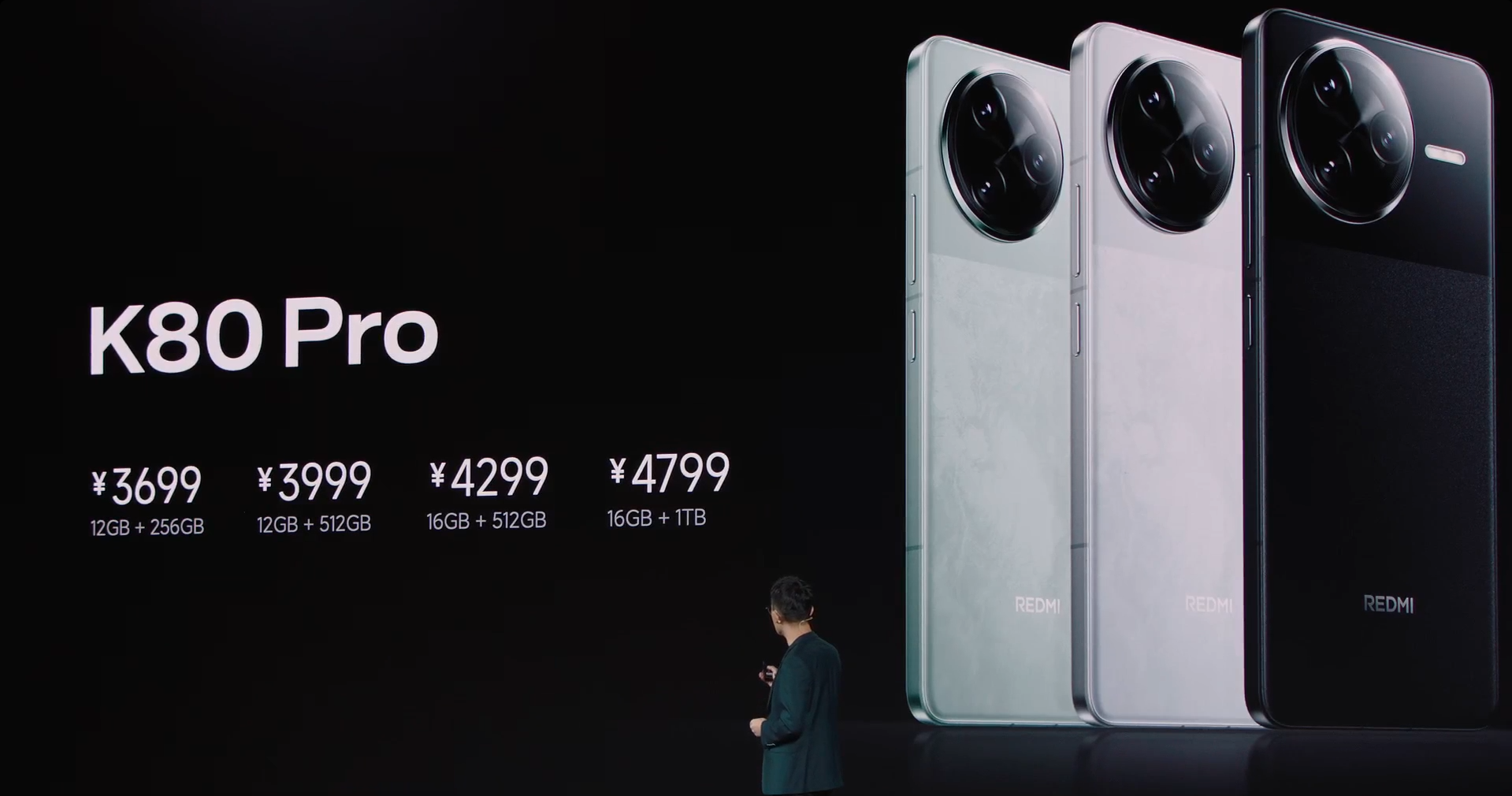
Redmi K80 Pro comes in Snow Rock White, Mountain Green, and Midnight Black colors. It is available in four configurations:
12GB+256GB: 3,699 yuan ($511)
12GB+512GB: 3,999 yuan ($553)
16GB+512GB: 4,299 yuan ($594)
16GB+1TB: 4,799 yuan ($663)
3. Redmi K80 Pro Champion Edition
Redmi has also launched the Redmi K80 Pro Champion Edition at the event. It features a design inspired by the Lamborghini Huracán GT3 EVO2, with Lamborghini branding and Y-shaped lines on the rear panel, reflecting its racing DNA. It comes with 16GB+1TB storage and equips customized accessories, including a charger, data cable, shield-shaped SIM ejector tool, protective case, and user manual. The phone also features custom themes and wallpapers to enhance its premium and exclusive appeal.
Redmi K80 Pro Champion Edition comes in exclusive dark grey and green color options and is priced at 4,999 yuan ($691).
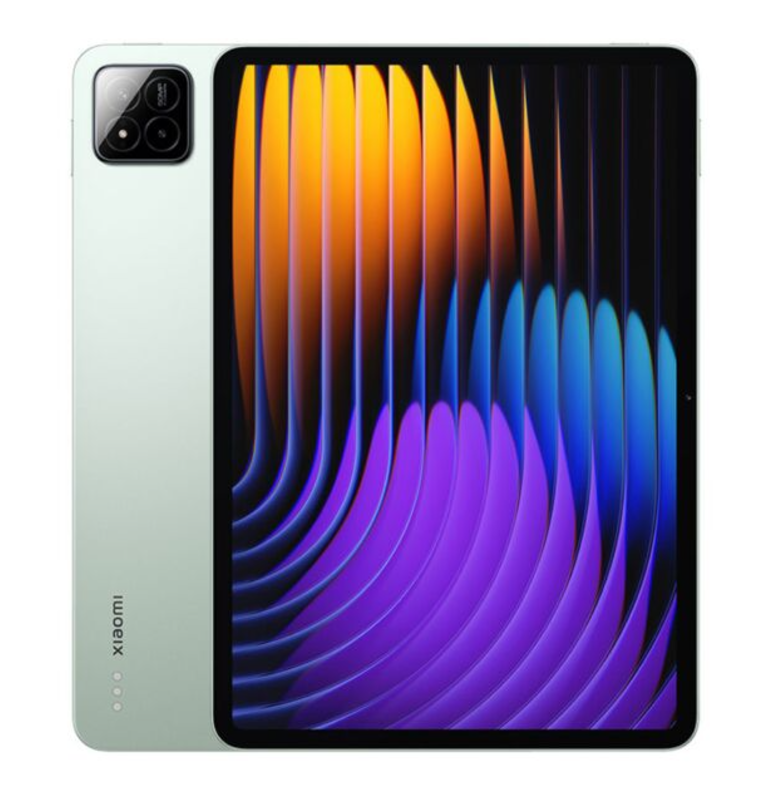
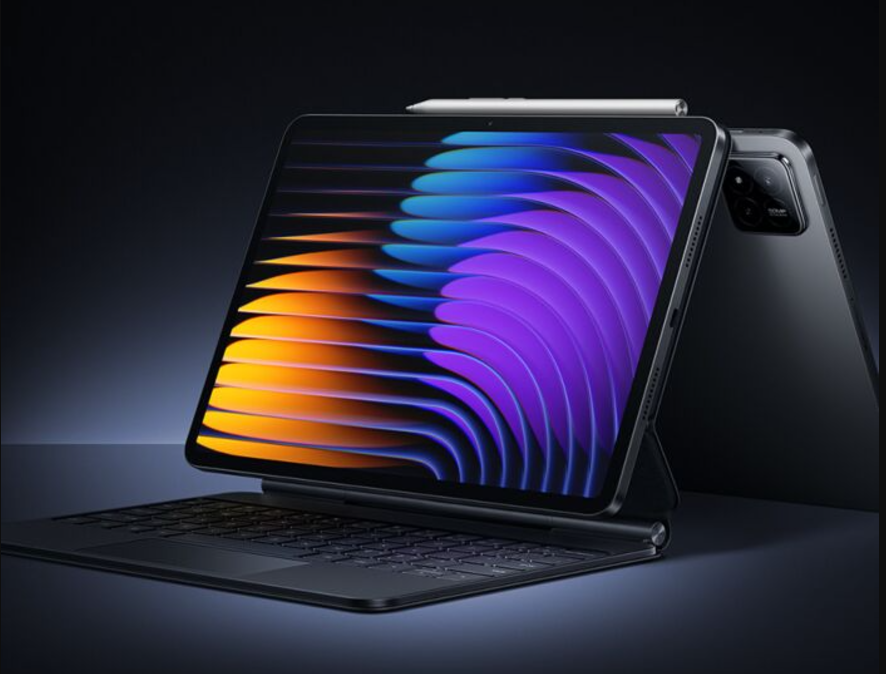
Xiaomi Pad 7 Pro is a high-performance tablet designed to cater to the demands of modern users. With its sleek design and powerful features, this device is perfect for productivity, entertainment, and creativity. Here’s an in-depth look at what makes the Xiaomi Pad 7 Pro a standout option in the tablet market.
Exclusive Deal
Xiaomi Pad 7 Pro is now available on Giztop at a significantly discounted price, starting at just $399.00, down from its original price of $459.00. This deal offers incredible value for a tablet featuring an 11.2-inch 3.2K display, Snapdragon 8s Gen 3 processor, up to 16GB RAM, and a 50MP dual camera setup. Don’t miss this opportunity to grab a premium tablet at an unbeatable price.
Stunning Display for Visual Delight
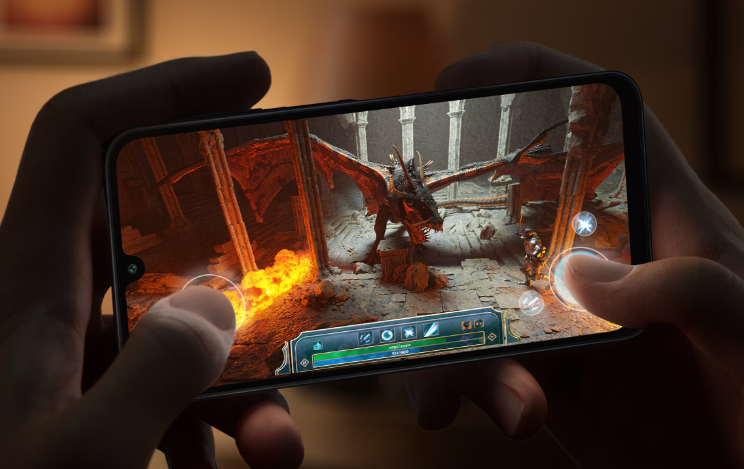
The Xiaomi Pad 7 Pro features a stunning 11.2-inch 3.2K LCD display. With a 144Hz refresh rate and a 240Hz touch sampling rate, the screen offers ultra-smooth visuals, making it ideal for gaming, video streaming, and browsing. Supporting HDR10+ and the P3 color gamut, it delivers vibrant colors and sharp contrast for a truly immersive experience. The maximum brightness of 500 nits ensures excellent visibility even under bright light.
Performance That Stands Out
Powered by the Qualcomm Snapdragon 8s Gen 3 chipset, this tablet delivers powerful performance for multitasking and demanding applications. Whether you’re editing videos, playing graphics-intensive games, or switching between multiple apps, the Xiaomi Pad 7 Pro handles it all seamlessly. Available with 8GB, 12GB, or 16GB of LPDDR5X RAM and up to 512GB of UFS4.0 storage, it provides ample space and speed for all your needs.
Capture Memories in High Resolution
For photography enthusiasts, the Xiaomi Pad 7 Pro comes equipped with a dual rear camera setup. The 50MP main sensor ensures high-quality photos, while the 2MP depth lens adds artistic flair to your shots. The 32MP front camera is perfect for video calls and selfies, delivering sharp and clear images every time.
Long Battery Life and Rapid Charging
The tablet is powered by an impressive 8850mAh battery, providing hours of usage on a single charge. When you need to recharge, the 67W fast charging capability ensures you’re back to full power in no time. This makes the Xiaomi Pad 7 Pro a reliable companion for work and play.
Enhanced Connectivity and Audio
Stay connected with Wi-Fi 6 support and Bluetooth for seamless connectivity with other devices. The Xiaomi Pad 7 Pro also features a quad-speaker system and dual microphones for an immersive audio experience, whether you’re watching movies or participating in video calls.
The Xiaomi Pad 7 Pro is a versatile tablet that excels in every category, offering premium features at a competitive price. Whether for entertainment or productivity, this device is built to impress.
Samsung is revolutionizing mobile gaming with the full launch of its mobile cloud gaming service, now available on all Galaxy devices in North America. Designed to eliminate the need for downloads, long wait times, and cumbersome onboarding processes, the service promises to make mobile gaming more accessible for players while offering publishers a highly efficient way to reach users.
We’ve previously discussed why Galaxy devices are not the best when it comes to gaming. However, with this latest development, Galaxy users can look forward to a reasonably improved gaming experience.
Samsung bringing a significant shift in mobile gaming
After debuting as an open beta last year, Samsung mobile cloud gaming platform is now commercially available. It allows players to instantly access Android-native games through the Galaxy Store without requiring downloads or account setups. The service also minimizes latency, enabling a seamless gaming experience across all Galaxy devices.
This marks a significant shift in mobile gaming. While other forms of entertainment, such as music and video, are dominated by streaming, mobile gaming has largely remained download-based. Samsung aims to change this by removing the barriers to entry, such as complex installations and long wait times.
The platform provides an immediate, click-to-play experience that not only benefits gamers but also offers game publishers a more efficient model for user acquisition. By streamlining the gaming experience, Samsung is setting the stage for mobile gaming to evolve in line with modern consumer expectations.
Benefits for gamers and publishers
For publishers, Samsung’s mobile cloud gaming service addresses a major challenge: low conversion rates in the traditional game advertising model. Currently, only 5% of users who click on a game ad proceed to install and play the game, largely due to the lengthy onboarding process. Samsung’s platform eliminates this hurdle, allowing players to jump directly into gameplay from an ad.
During the beta phase, this approach boosted conversion rates to 50%—a tenfold improvement over the industry average. Additionally, monthly active users of the platform in the U.S. and Canada grew by 149% year-over-year, highlighting its appeal.
Samsung’s platform also supports Android native APKs, integrates seamlessly with existing in-game monetization models, and includes cloud-based attribution solutions with major mobile measurement partners (MMPs). These features make it easier for publishers to incorporate the service into their operations without disrupting current workflows.
While smartphones have grown exceptionally in the last few years, people are still buying feature phones. In fact, the interest for feature phones in the United States has been on the rise in the last 5 years, suggesting more people are switching to digital minimalism.
Feature phones are great for older people, as most of them don’t want a bundle of extra features that can be confusing if you haven’t used them before. They are also an ideal choice for younger people seeking a distraction-free experience without the temptations of social media or constant notifications.
A feature phone will benefit you in two ways, at least. One is price, as it’s significantly cheaper than smartphones. And the other is a great battery life, lasting at least for a few days on a single charge.
Here are the five best feature phones you can buy for under $100:
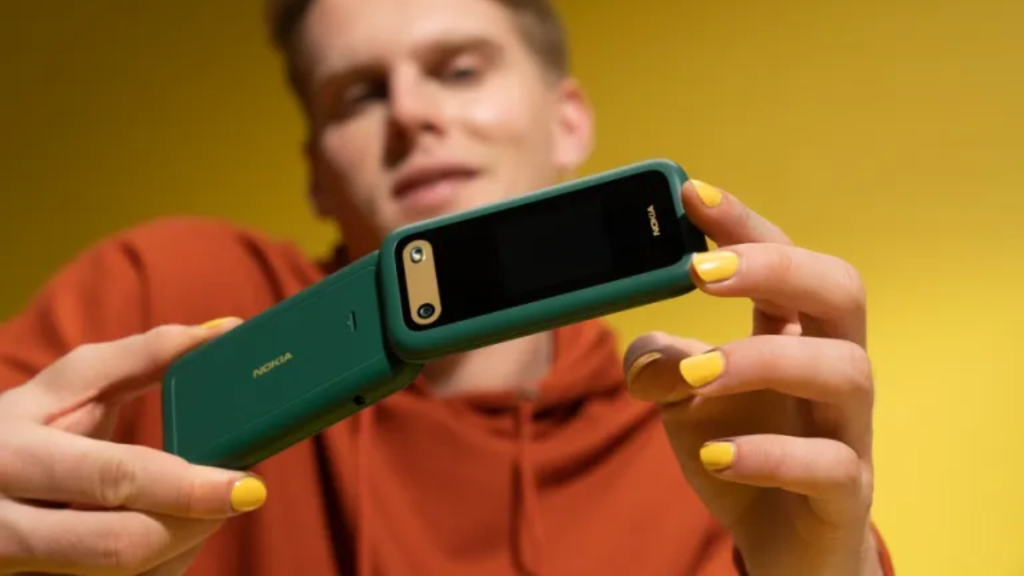
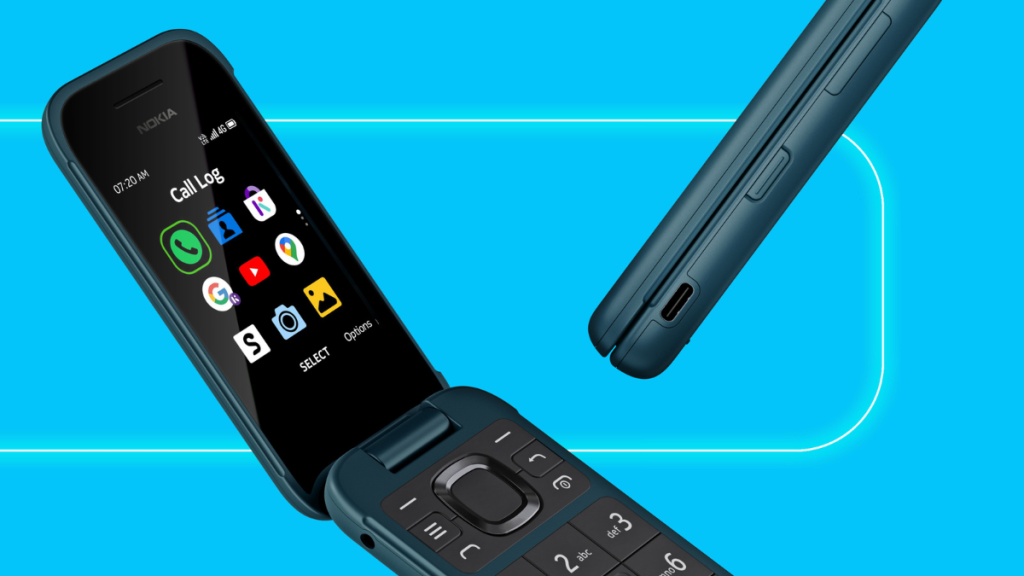
1. Nokia 2780 Flip
It’s a dual screen Nokia phone. The outer one measures 1.77 inches and shows the time and caller details without needing to unfold the device. The inner (primary) display measures 2.7 inches. It’s a bright screen that’s readable for sending and reading texts. Below the display are large buttons that make it easy to dial numbers or send messages.
This Nokia 2780 flip phone has a dedicated side button that can be programmed to quickly dial a person in case of an emergency. There’s a 5MP camera on the back that take decent pictures, and a flashlight right next to it.
The battery lasts more than half a month on standby. With normal usage, you should easily get five days of battery backup on a single charge. It’s a 4G phone with Bluetooth and Wi-Fi support. There’s GPS for Google Maps and USB-C for charging, which you don’t see on most feature phones.
It has 4GB RAM and 512GB of internal storage, which can be expanded up to 32GB using a microSD card. The device runs advanced software called KaiOS, which lets you access popular apps such as Facebook and YouTube. You can also download more apps from the store. If these are only distractions to you, go for the Nokia 2660 Flip instead.
Please Note: When you buy something using the links in our articles, we may earn a small commission at no cost to you.
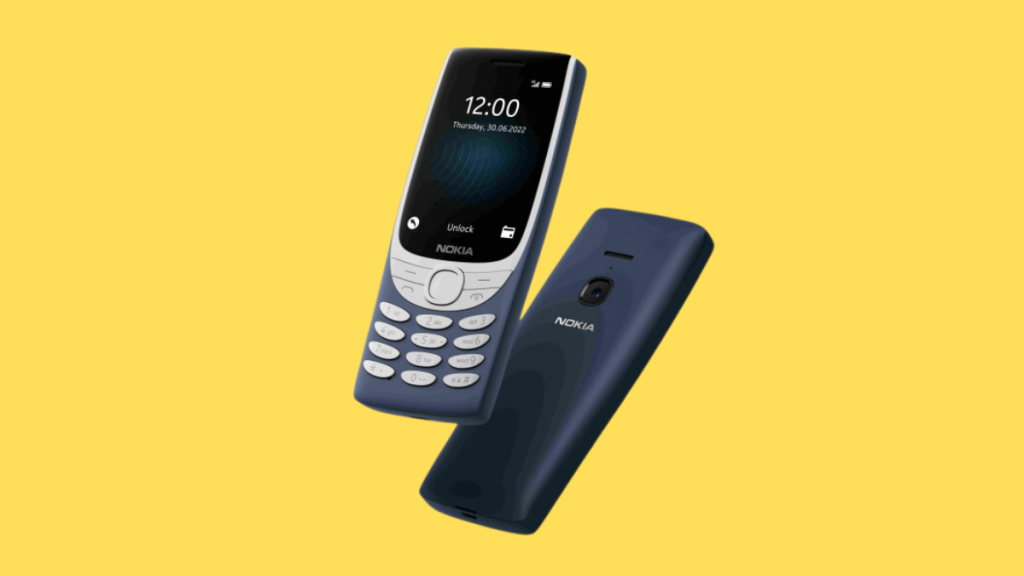
2. Nokia 8210 4G
It’s minimalistic from the outside and inside as well. No social media apps and browser support to keep you engaged. This Nokia phone has a 2.8-inch screen that is readable for sending and reading messages. The keys are separated for enhanced typing experience and accuracy. It’s particularly more useful for older people as they faciliate easier identification and pressing of keys.
The device is built to survive accidental drops and challenging conditions. It’s a 4G phone, which is the best for feature phones as they’ll continue to work once 2G and 3G networks are shut down.
Nokia 8210 4G lets you add up to 32GB microSD card. It has many basic games such as Snake, Tetris, BlackJack, Arrow Master, Air Strike, and NinjaUp. It has an MP3 player and FM Radio for your music needs.
The removable battery lasts a few days on a single charge and goes much longer on standby. To refill it again, you get a micro-USB charger inside the box.
Please Note: When you buy something using the links in our articles, we may earn a small commission at no cost to you.
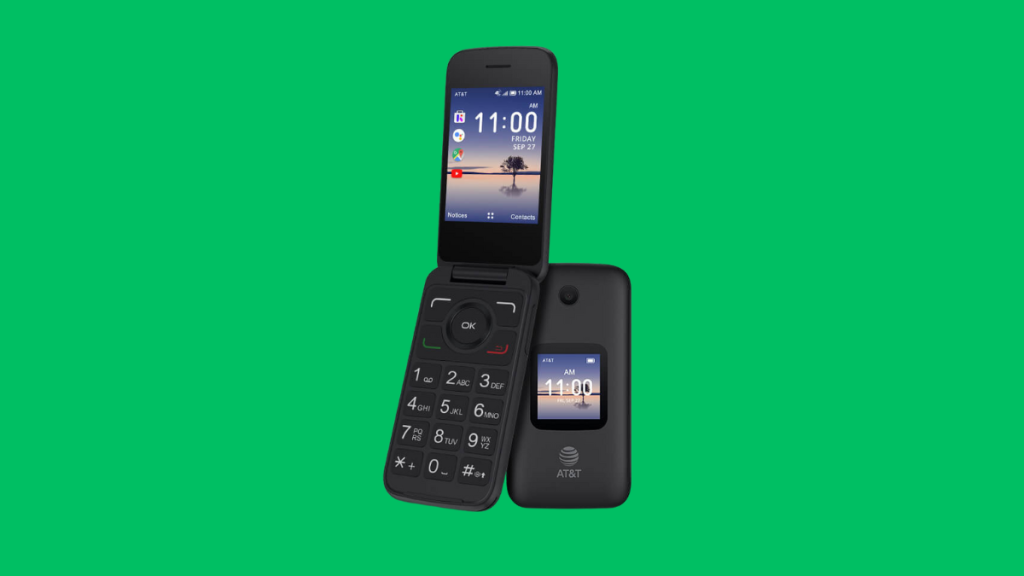
3. Alcatel SMARTFLIP (4052R)
It’s a cheaper alternative to the Nokia 2780 Flip. The smaller screen measures 1.44 inches and shows the date and time, battery indicator, and incoming calls. When opened, you get access to a 2.8-inch primary screen that offers good visibility for reading text messages and emails.
Alcatel SMARTFLIP (4052R) is preloaded with Google Assistant to help you find answers, make phone calls, and schedule appointments. You just need to long press the OK button to wake it up. Thanks to KaiOS, the device also supports Google Maps, YouTube, and an app store to download more apps.
Its 2MP camera is as good as nothing. To keep the device running smoothly, it has 4GB RAM and 512GB internal storage, with support for up to 32GB microSD card. The supported video playback is capped at 1080p 30fps.
The phone is equipped with a 1,350mAh battery that lasts for a few days on a single charge. On the left side, it has two slots: a 3.5mm audio jack and a micro-USB slot for charging/file transfer.
Protective Hard Shell that Snaps on the Front and Back of Your Phone
Slim Form-Fit Design Still Fits In Your Pocket; No Excess Bulk
Hard Polycarbonate Provides Impact Protection; Shield Your Device from Dings/Scratches
Your Phone Remains Fully Functional within the Hard Shell Cover – Access All Buttons/Ports, Flip Open/Closed
PLEASE READ: Only Fits “Smartflip” and “Go Flip 3” – THIS WILL NOT FIT ANY OTHER FLIP PHONE
Please Note: When you buy something using the links in our articles, we may earn a small commission at no cost to you.
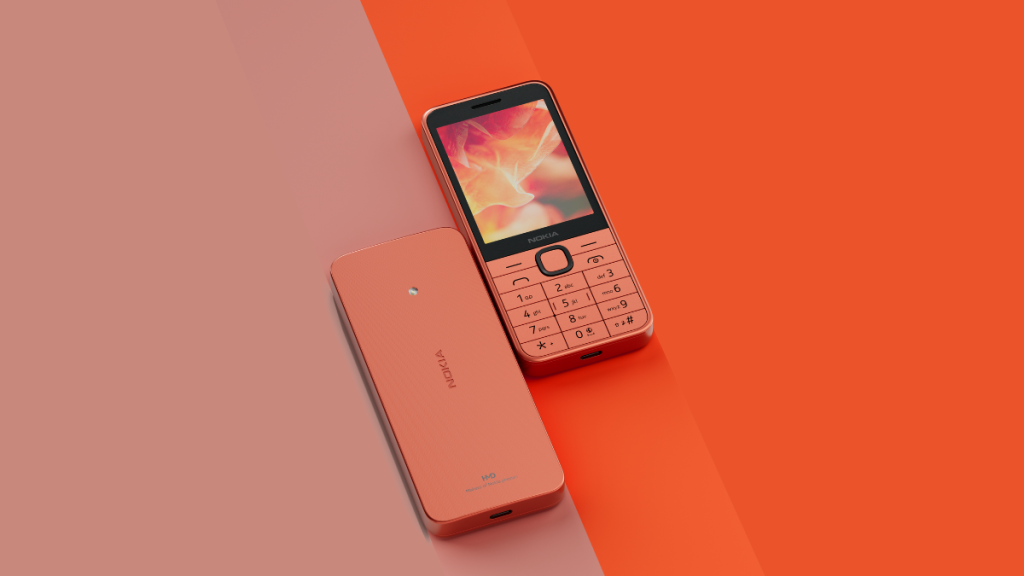
4. Nokia 220 4G (2024)
The camera on a feature phone is as good as nothing. Most people don’t use them at all. For those, HMD has released the Nokia 220 4G this year with no cameras, giving it a cleaner look.
The phone has a 2.8-inch bright screen. It’s packed with a 1,450mAh battery, which lasts for a few days and even more than that on standby. The battery is removable, so if you’re running low on power, swap it with a new one to get things online in minutes. By the way, it has a USB type-C port for charging.
Nokia 220 4G has only 128GB of internal storage, which is very limited for music and videos. However, thanks to an additional microSD card slot, you can add up to 32GB storage. The device also supports Bluetooth and has a 3.5mm headphone jack for audio devices.
The all-new Cloud Apps on the device lets you access news, weather, and even YouTube. The snake game is also there in case you want to waste some minutes.
Please Note: When you buy something using the links in our articles, we may earn a small commission at no cost to you.
5. LIVELY Jitterbug Flip 2
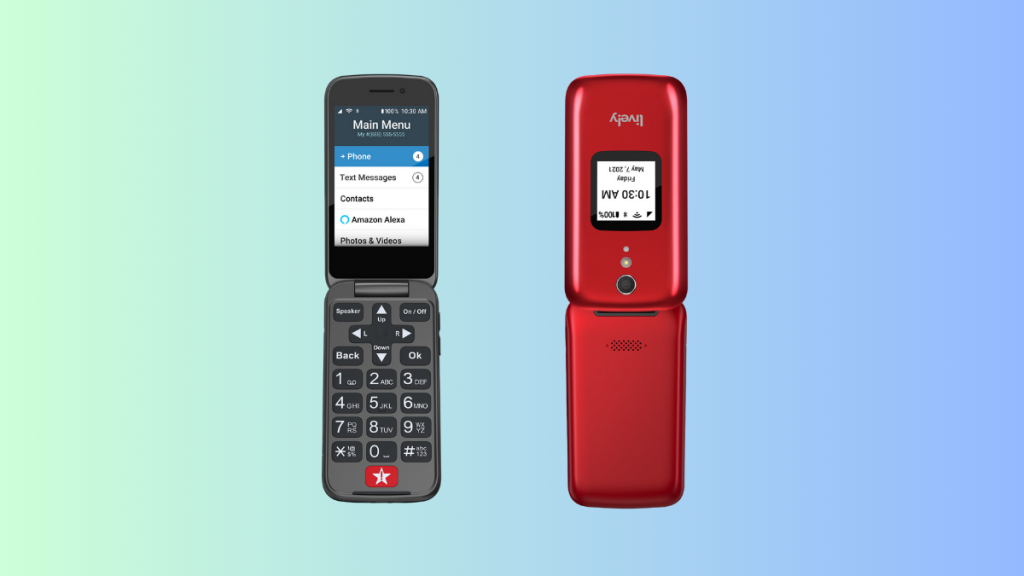
It’s an excellent phone for older people who do not require the complexities of a smartphone. The phone has a 1.44-inch external display and a 3.2-inch internal one with better readability. Below the screen are large physical buttons that are clearly labelled for enhanced visibility.
There’s an 8MP camera on the back and a 5MP on the front, which are not high-quality. Output images and videos are average. However, the battery is excellent, lasting for a few days, so you don’t need to plug it in very often.
The device is carefully crafted with safety in mind. It has an urgent response button below the keypad that immediately connects to a certified agent who can trace your location and send help if necessary. There’s also Lively Rides, which connects to an operator who can arrange a ride for you. The cost of these rides will be added to the monthly bill from Lively.
Jitterbug Flip 2 also has an essential Nurse On-Call feature, allowing users to speak directly with registered nurses and doctors for medical advice. This feature is great for seniors and is available 24/7.
The device has excellent call quality and loudness. It’s even better with the speaker, for which there’s a dedicated key. It has Alexa integration that allows users to make calls, send texts, and access information using voice commands.
This device operates on Lively’s network, which uses Verizon’s infrastructure. To use it, you’ll need a monthly plan starting from $19.99.
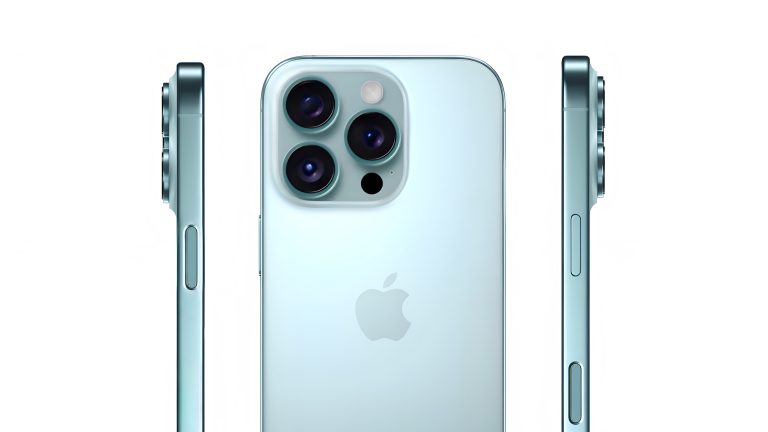
While the iPhone 16 series didn’t bring any major design overhaul except a new camera button, Apple might be gearing up for more noticeable changes with the next gen iPhone 17 lineup. The iPhone 17 Pro is one of the models getting some notable redesigns, so let’s check it out.
With the new iPhone 16 series, Apple introduced a Capture Button across its entire new iPhone lineup. But a report from back in October revealed that the iPhone 17 Pro could be getting another button refresh. A known tipster claimed that Apple will replace the volume button and the Action button with a new one. To recall, the Capture button that was added to this year’s iPhone has a sensitivity feature that can support various functionalities and inputs. So this new button functioning as a volume rocker, ringtone, and possibly other functions might employ similar technology.
2. New Cooling Solution
One of the earliest reports of the iPhone 17 series stated that Apple is finally bringing in a proper new cooling solution. The Cupertino based giant may equip the iPhone 17 lineup with a graphite sheet. Meanwhile, the iPhone 17 Pro Max (possibly the Pro model as well) could get an additional VC cooling system for improved heat dissipation. Thanks to this new heat management system, the 2025 iPhones would be capable of offering a notable improvement in performance. It could also help prevent thermal throttling during intense workloads like gaming.
3. Bright New Colors
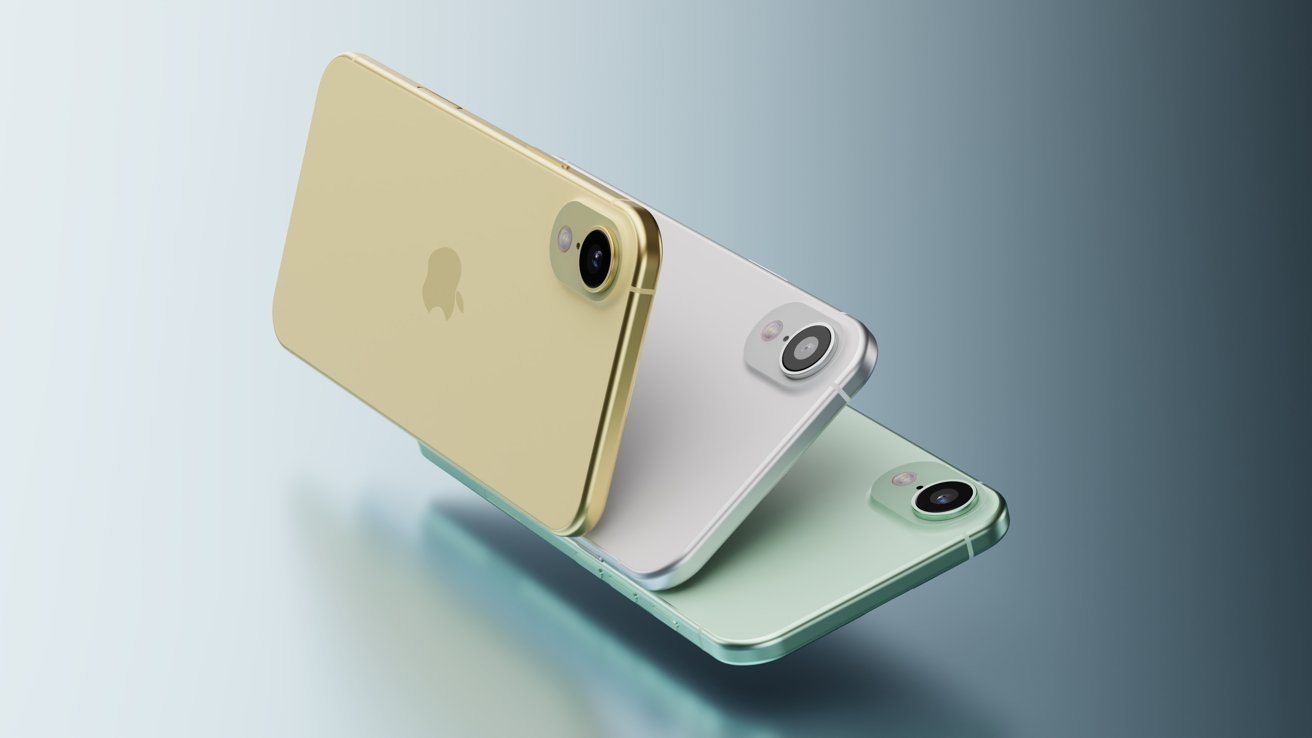
Apple launched the non-Pro iPhone models in bold new colors this year. It might have been a testing ground for the company since leaks have hinted at the iPhone 17 Pro models getting three unusually vibrant colors next year. A renowned tipster claimed that the iPhone 17 Pro might launch in a Teal Titanium, Green Titanium, and Dark Green Titanium. These are likely not the only color options, but these are definitely bring a bright aesthetic to Apple’s next gen flagship.
4. Under-Display Face ID
DSCC’s Ross Young stated last year that Apple will debut an innovative under-display Face ID technology on the iPhone 17 Pro. So far, this one seems the most far fetched. Young added that the Face ID technology might still feature circular camera cutout for the selfie camera. But by 2027, the iPhone 19 series will feature a truly full screen experience from on the front thanks to a series of under-display sensors.
Samsung’s Galaxy S25+ has resurfaced on Geekbench (but this time with the Snapdragon 8 Elite), delivering impressive results that position it as a high-performance contender in the upcoming Galaxy S25 series. The scores promise a significant upgrade in performance over both the S24+ and base S25.
Galaxy S25+ Geekbench performance with Snapdragon 8 Elite
The Galaxy S25+ scored an impressive 3160 in single-core and 9941 in multi-core tests on Geekbench. These figures are a marked improvement over the base Galaxy S25, which recorded scores of 2481 and 8658, respectively. The S25+’s performance even comes close to Qualcomm’s reference Snapdragon 8 Elite units, indicating Samsung’s efforts to maximize the chip’s potential.
The Geekbench listing confirms the presence of the Snapdragon 8 Elite for Galaxy chipset, clocked at 4.47 GHz—higher than the standard version’s 4.32 GHz limit. Additionally, the Galaxy S25+ features 12 GB of RAM, aligning with the memory configuration of its predecessor, the Galaxy S24+. The S25 series is expected to launch on January 22 or 23.
Interestingly, the Galaxy S25+ has previously appeared on Geekbench powered by Samsung’s in-house Exynos 2500 chipset, with scores of 2359 in single-core and 8141 in multi-core tests. These results are comparable to those of the Snapdragon 8 Elite-powered base S25.
Samsung is likely trying to find out the sweet spot between performance and sustainability
Samsung is likely fine-tuning the performance of its upcoming devices (with both chips) to achieve an optimal balance between power consumption, thermal management, and performance. Notably, the Galaxy S25 Ultra has also been spotted on Geekbench with varying results, with its most recent test showcasing a multi-core score exceeding 10,000 while a previous listing showed a rather disappointing performance.
Given Samsung’s history, the Galaxy S25 and S25+ are likely to feature Exynos chipsets in markets outside the US, China, and select regions. While the yield rate of Samsung’s 3nm process (for the Exynos 2500) is reportedly around only 20%, the Snapdragon 8 Elite is also much more expensive than its predecessor.
That said, based on the performance of already released devices, we know that the Snapdragon 8 Elite chip is capable of sustaining the kind of performance hinted at by the Geekbench listings. It remains to be seen if the Exynos chip can deliver similar results.
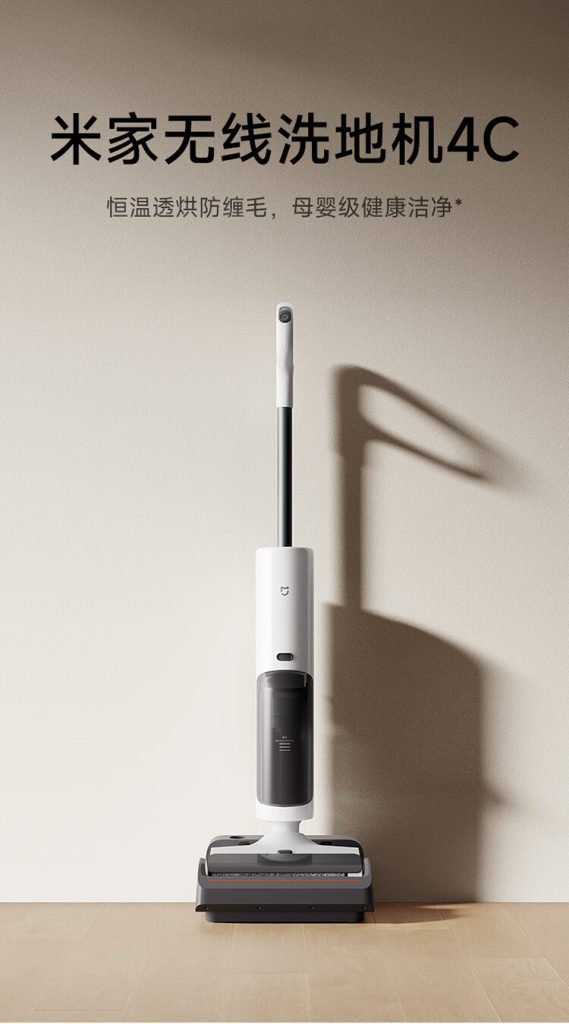
Xiaomi has unveiled its latest offering in the Chinese market, the Mijia Wireless Floor Scrubber 4C. Priced at 1,499 yuan ($206), the scrubber is currently available for pre-order at an introductory price of 879 yuan ($121). The product is set to officially launch on December 2nd.
The floor scrubber equips a 60°C constant-temperature drying system, which thoroughly dries the brush while eliminating bacteria, ensuring a fresh and odor-free cleaning experience. It supports both quick-dry and silent-dry modes, making maintenance more convenient.
It comes with a 15000Pa powerful suction enabled by a high-speed brushless motor. This robust suction allows it to clean tough stains, wet and dry debris, and dirt with ease, making it ideal for kitchen and dining areas. Its 168° V-shaped suction port ensures seamless dirt collection without clogging.
The cleaner features a three-level anti-hair tangling system, incorporating a metallic comb scraper, strong suction, and a direct air path to prevent blockages. It has been certified by TÜV Rheinland, effectively handling up to 500 strands of long hair during testing.
It sports an all-chain sterilization system that utilizes electrolyzed water to disinfect throughout the cleaning process, including the clean water tank, pipes, brush, and wastewater tank. The device achieves a 99.99% bacteria kill rate, verified by professional tests, against pathogens like E. coli, Staphylococcus aureus, and more.
The cleaner comes with a 740mL clean water tank and a 550mL wastewater tank, offering efficient cleaning for areas up to 180m². It also supports an 8-step self-cleaning process for the roller brush, including sterilization, rinsing, centrifugal drying, and high-temperature drying, ensuring hassle-free maintenance.
It features a 30-minute runtime, powered by a large-capacity battery, enabling uninterrupted cleaning for larger homes. It comes with a low-center-of-gravity front-drive system that allows effortless push, pull, and corner navigation, ensuring flexibility and ease of use.
It also sports baby-safe certification, making it ideal for families with children or pets by maintaining high hygiene standards and promoting a healthier living environment.
In related news, Xiaomi also recently introduced the Mijia Smart Inverter Dehumidifier 30L, featuring dual-rotor technology and HyperOS integration. Additionally, the company launched the Mijia Smart Steam Oven S1, which offers a 30L capacity, auto-cleaning functionality, and voice control support.
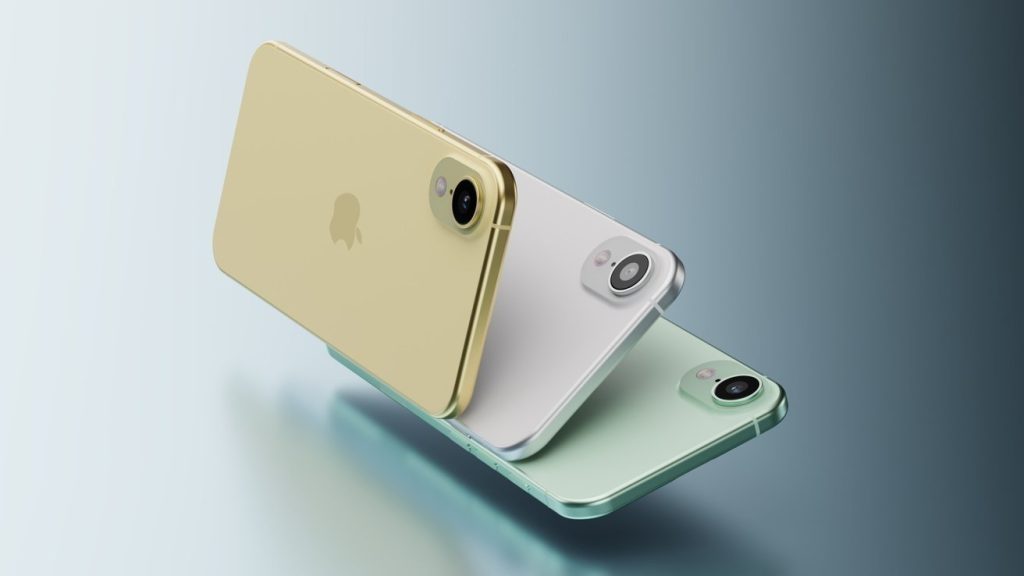
Apple is reportedly preparing to release its slimmest iPhone to date with the upcoming iPhone 17 Air. According to The Information, this model is set to redefine thinness in smartphones, boasting a significantly reduced profile compared to previous models. If the claims hold true, the iPhone 17 Air could establish a new benchmark in Apple’s lineup while introducing design trade-offs to achieve such dimensions.
iPhone 17 Air could rival the iPad Pro 13 in thickness
The iPhone 17 Air, previously referred to as the iPhone 17 Slim, is rumored to replace the iPhone 16 Plus in Apple’s lineup. Early reports suggested a slim design, but the latest details indicate an even thinner profile, measuring just 5-6 mm thick.
For context, the iPhone 16 is already considered slim at 7.8 mm, and the iPhone 17 Air would be up to 35% thinner. This would make it Apple’s thinnest iPhone to date, dethroning the iPhone 6 Plus, which has held the record since 2014 with its 7.1 mm case.
In terms of design, the iPhone 17 Air may rival the thinness of the iPad Pro 13, which measures 5.1 mm. However, achieving this sleek profile comes with compromises, such as a single rear-facing camera. Interestingly, this contradicts a previously shared render by AppleTrack, suggesting uncertainty about the final design.
The ultra-slim form factor means a couple of other changes
Alongside its slim design, the iPhone 17 Air may see several other changes. Reports indicate that it will forego mmWave 5G network support and a physical SIM card slot. While the latter has been standard for US iPhones since the iPhone 14, the lack of mmWave support could affect network performance in regions where it is prevalent.
Apple is also expected to equip the iPhone 17 Air with its in-house 5G modem. However, this modem is rumored to offer slower transfer speeds compared to the Qualcomm chips used in the iPhone 17 Pro and Pro Max models. Another omission could be the down-firing speaker, which may further streamline the design.
Durability remains a concern with such a thin device, particularly since Apple’s similarly slim iPads have faced structural challenges in the past. This raises questions about how well the iPhone 17 Air will withstand everyday use.
Notably, Samsung is also working on its version of a slim Galaxy flagship as part of the S25 series, which is also rumored to be significantly slimmer than the existing models. You can learn more about Samsung’s development of the ‘Slim’ phone here.
Xiaomi is gearing up to unveil its highly anticipated Redmi Note 14 series in India soon. But ahead of the official release, the pricing of the Redmi Note 14 and Redmi Note 14 Pro in the Indian market has been leaked. So here’s everything you need to know.
Redmi Note 14, Note 14 Pro India Pricing
The Chinese tech giant is set to launch the Redmi Note 14 series in India on 9th December 2024. To recall, these mid range devices were first announced in China back in September. So just days ahead of the Indian release, known tipster Abhishek Yadav shared the Indian MRP for the Redmi Note 14 lineup in India on X (formerly Twitter). Xiaomi is apparently planning to launch all three models in India, namely the Note 14, Note 14 Pro, and Note 14 Pro+.
Redmi Note 14 Series
Looking at the tweet, the Redmi Note 14 series will arrive in multiple storage configurations in India. So let’s have a look at their pricing:
Redmi Note 14
6GB + 128GB – 21,999 INR (~260 US Dollars)
8GB + 128GB – 22,999 INR (~272 US Dollars)
8GB + 256GB – 24,999 INR (~296 US Dollars)
Redmi Note 14 Pro
8GB + 128GB – 28,999 INR (~343 US Dollars)
8GB + 256GB – 30,999 INR (~367 US Dollars)
Redmi Note 14 Pro+
8GB + 128GB – 34,999 INR (~415 US Dollars)
8GB + 256GB – 36,999 INR (~438 US Dollars)
12GB + 512GB – 39,999 INR (~474 US Dollars)
The tipster stated that these are the MRP for the region, which is the maximum retail price. This means that the actual pricing for these smartphones in India will be more affordable than the MRP. Apart from the pricing, Abhishek Yadav also claimed that there will be slight changes to these models compared to the Redmi Note 14 series that launched in China. The lineup arrived with up to an IP69 rating, but the Indian versions will have an IP68 rating for protection. These models will even pack 20 AI powered features as well.
Huawei just unveiled a bunch of new products in its home market of China. The Huawei Mate 70 series of flagship smartphones, gold plated Watch Ultra Design, and Mate X6 foldable phone. Alongside these devices, the company also announced the Huawei Watch D2 as well. So let’s check it out.
Huawei Watch D2: What does it offer?
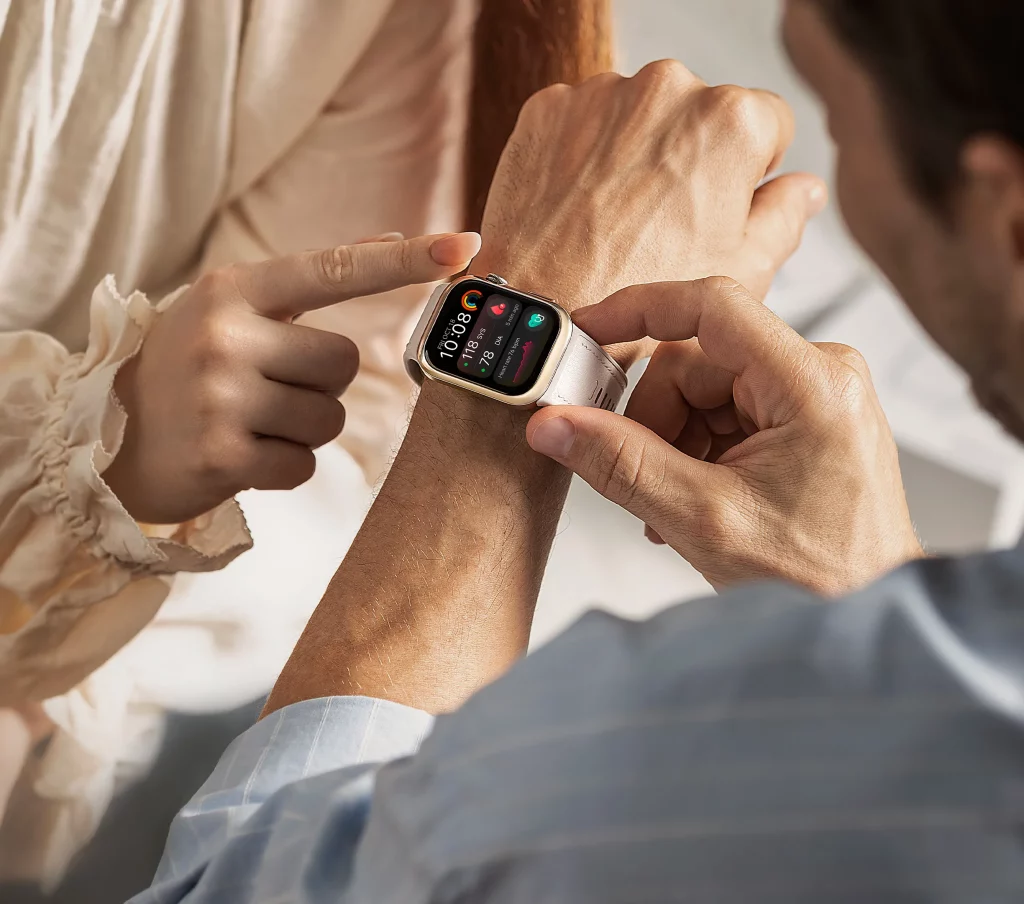
To recall, the Huawei Watch D2 was first launched back in September 2024 in Europe, arriving in the Philippines a month later. But now, it has finally been released in China. The Huawei Watch D2 has a familiar design, which resembles the Apple Watch. It sports a tall 1.82-inch AMOLED screen with a 408 x 408 resolution and offers an IP68 rating for water and dust resistance. One of its notable aspects is the EU certified blood pressure tracking that got an improvement over its predecessor.
Huawei Watch D2
This sensor is more accurate than the Apple Watch Series 10 and Samsung Galaxy Watch Ultra thanks to a built in micropump. The Watch D2 also supports heart rate tracking, smart lifestyle integration, temperature, and more. It even comes with support for more than 80 exercise modes and auto detection for 6 common activities. On a single full charge, the Huawei Watch D2 offers up to 6 days of battery life. Other notable features include GPS, NFC, SpO2, Huawei TruSense system, and more.
Pricing and Availability
Huawei unveiled the Watch D2 in two color variants, namely Champagne Gold and Black. The latest smartwatch has been released for 2,988 Yuan or roughly around 420 US Dollars. The Chinese tech giant is even offering its Care+ service plans for this wearable along with subscription options as well. For those unaware, the Care+ service provides premium support and other additional benefits to Huawei Watch D2 users.
We use cookies on our website to give you the most relevant experience by remembering your preferences and repeat visits. By clicking “Accept”, you consent to the use of ALL the cookies.
This website uses cookies to improve your experience while you navigate through the website. Out of these, the cookies that are categorized as necessary are stored on your browser as they are essential for the working of basic functionalities of the website. We also use third-party cookies that help us analyze and understand how you use this website. These cookies will be stored in your browser only with your consent. You also have the option to opt-out of these cookies. But opting out of some of these cookies may affect your browsing experience.
Necessary cookies are absolutely essential for the website to function properly. This category only includes cookies that ensures basic functionalities and security features of the website. These cookies do not store any personal information.
Any cookies that may not be particularly necessary for the website to function and is used specifically to collect user personal data via analytics, ads, other embedded contents are termed as non-necessary cookies. It is mandatory to procure user consent prior to running these cookies on your website.