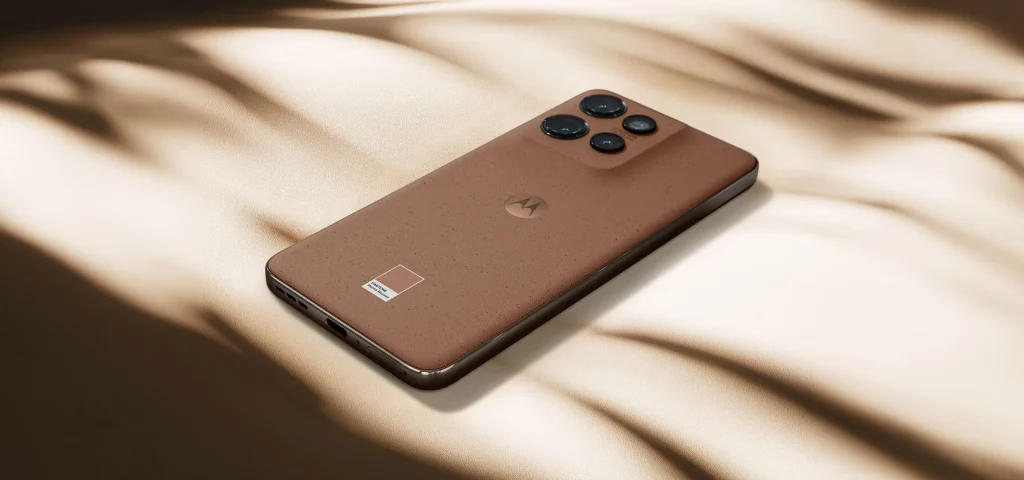
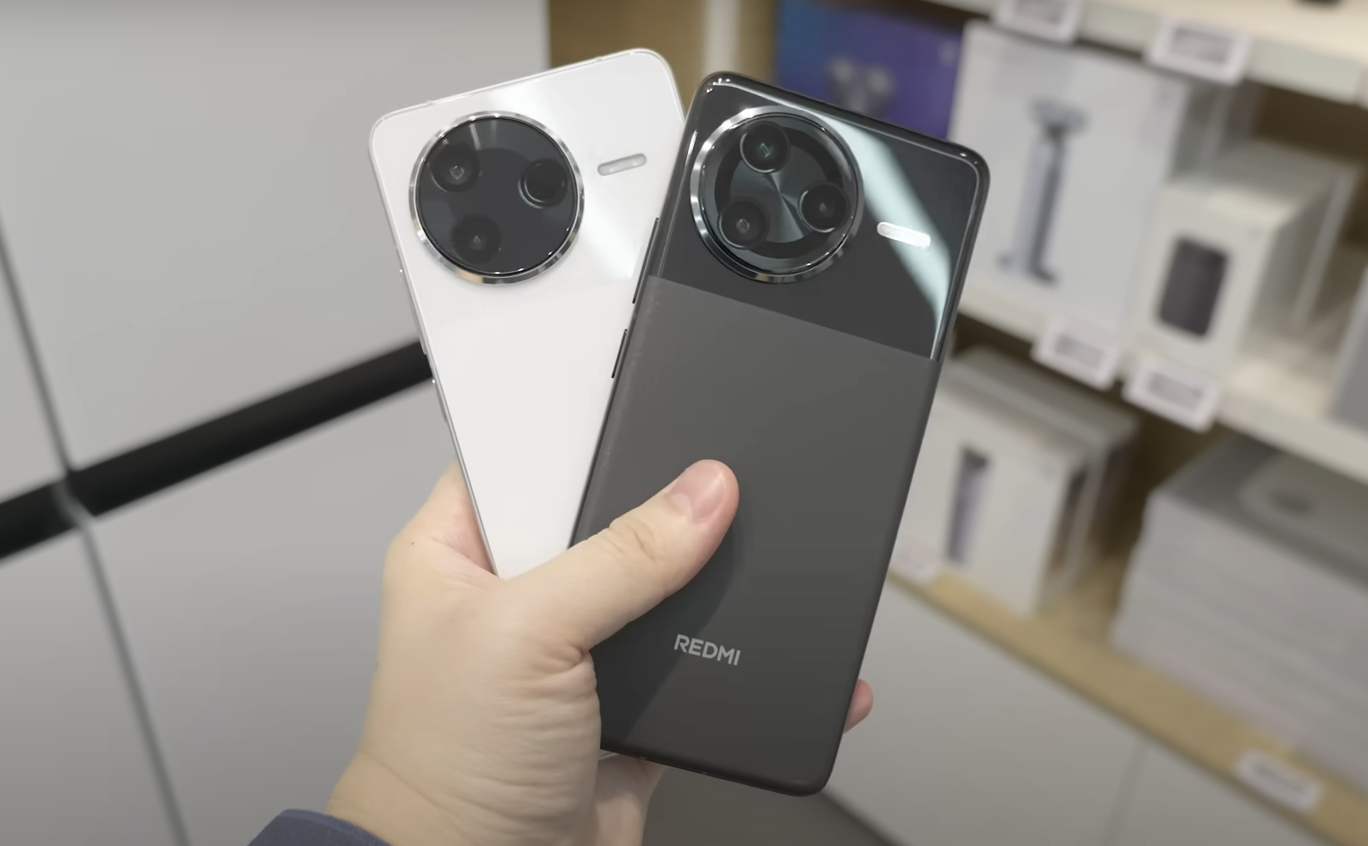
Motorola has announced the launch of the Razr 50 Ultra, the Razr+, and Edge 50 Neo smartphones in Mocha Mousse, which is the Pantone Color of the Year 2025. This warm, earthy shade brings a fresh look to Motorola’s smartphone lineup.
The Mocha Mousse edition of the Razr 50 Ultra/Razr+ and Edge 50 Neo will launch in select markets globally, maintaining the current pricing. Motorola India has begun showcasing the Mocha Mousse color variants of the Razr 50 Ultra and Edge 50 Neo on its official website, indicating that these options may soon be available in Indian stores.
Ruben Castano, Vice President of Customer Experience and Design at Motorola, highlighted the significance of this year’s color and the ongoing collaboration with Pantone, saying:
“Mocha Mousse reinforces the importance of savoring the moment—a reminder to indulge in life’s simple pleasures. Mocha Mousse also inspired us to create a new soft inlay composed of coffee grounds. Its warm and comforting essence embodied the sensory nature of this shade.
“We applied Mocha Mousse to two different devices because this color is incredibly versatile and stylish. This gives our customers more options for connection, joy, and self-expression. We are extremely proud of the products that carry the Pantone Color of the Year 2025 and our multi-year strategic partnership with Pantone.”
Laurie Pressman, Vice President of the Pantone Color Institute, also shared her thoughts on the collaboration:
“The growing movement to align ourselves more closely with the natural world is exquisitely expressed by Motorola in the devices they created using Pantone Color of the Year 2025. Characterized by its organic nature, PANTONE 17-1230 Mocha Mousse artfully brings the virtual and physical worlds closer together by introducing an intimacy and sensorial dimension into the Motorola Razr 50 Ultra/Motorola Razr+ and the Motorola Edge 50 Neo, enriching our everyday engagement with our favorite devices.”
While smartwatches have become quite popular in the modern day, it’s easy to forget the reliability and timeless appeal of classic watches. A brand that perfectly encapsulates durability, style, and reliability is Casio. Their watches stand out for their simplicity as well, but they have started embracing modern technology with some of its popular lineups like G-Shock. So now, here are reasons why Casio watches are better than some smartwatches.
Casio isn’t a simple one trick pony with G-Shock. There are also Edifice, Oceanus, Pro Trek, and the basic Casio branded watches. What you need to know is that Casio isn’t built only for outdoor enthusiasts, there are options for stylish and elegant watches that carry the iconic designs. You also get watches built for sports enthusiasts as well.
One of the most compelling reasons to choose a Casio watch over a smartwatch is its durability. Casio watches, especially models like the G-Shock, are known for being nearly indestructible (slight exaggeration). These watches are shock-resistant, water-resistant, and built to withstand harsh environments. Meanwhile, smartwatches house various delicate screens and components that are prone to damage from impact or extended exposure to water.
2. Long Battery Life
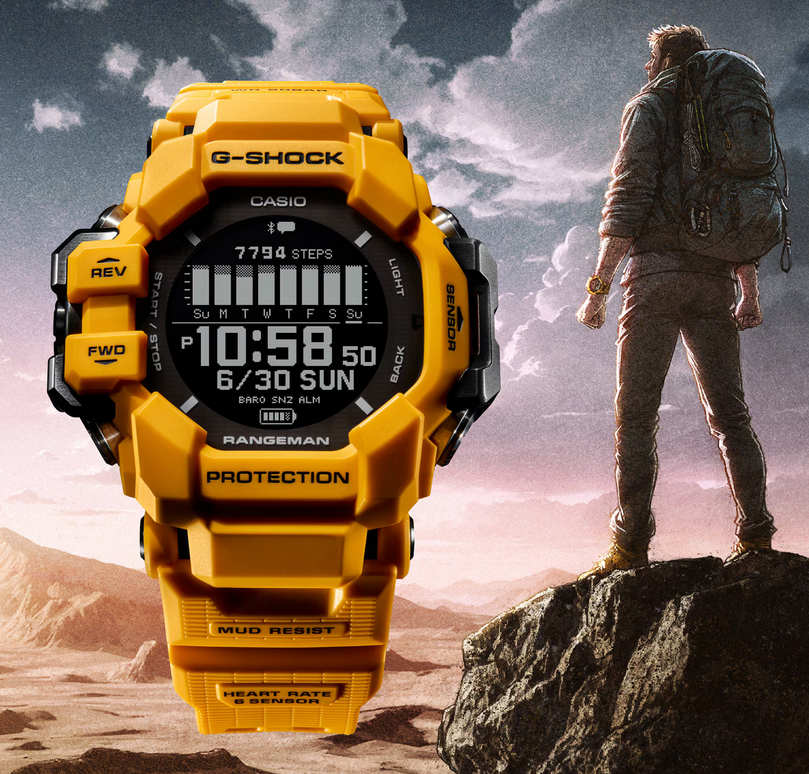
Casio G-Shock Master of G-Land Rangeman (GPRH1000-9)
Casio Watches offers better endurance as well. A Casio analog or digital watch can run for years on a single battery. There are even models with solar powered G-Shock series that can last for months without needing a recharge. There are some variants that offer smart features that require more regular charging, but these still have a higher battery life than most smartwatches. So you avoid the hassle of basically charging another device like your smartphone.
3. Reduced Distractions
Xiaomi Redmi Watch 5
One of my biggest issues with smartwatches and all of their innovative smart features is the distractions that they cause. I’m not sold on the idea of having two screens that I constantly look at. Getting the same notification on two screens is basically another smartphone strapped to your wrist. Smart health and fitness tracking features is one of the few things I like about smartwatches, and these are already available on Casio G-Shocks as well.
4. G-Shock Getting Smarter
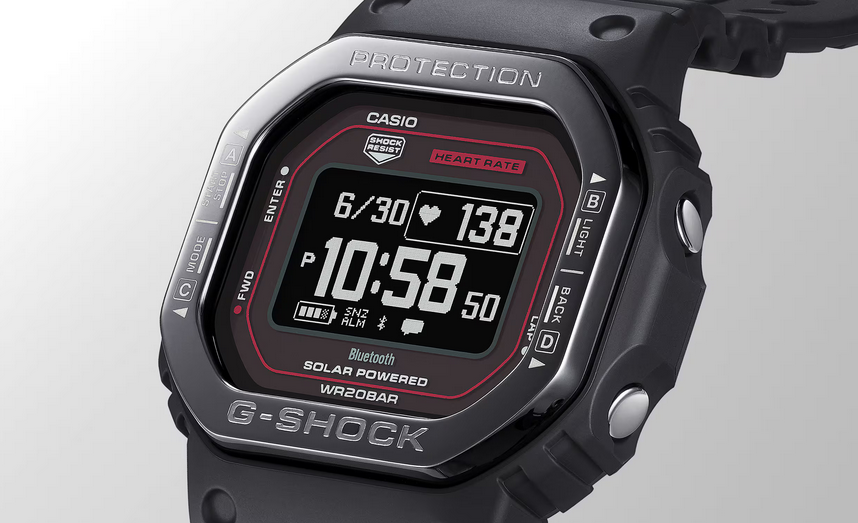
Casio G-Shock Move DWH5600MB1A4
We recently covered a list of some of the best Casio G-Shock watches that supports smart functionalities. So you’re getting the iconic and tough design with the latest health related trackers. This includes optical sensors for heart rate and blood oxygen level tracking, an accelerometer to count your steps, solar charging, Strava compatibility to track sports activities and analysis, and even GPS tracking as well. So you get the best of both worlds without another screen to distract you.
OnePlus is reportedly gearing up to launch its latest smartwatch, the OnePlus Watch 3, which is expected to debut alongside the OnePlus 13 and OnePlus 13R flagship smartphones globally. The OnePlus Watch 3 previously emerged on India’s BIS and China’s MIIT certification platform revealing some key information and the design. Now the wearable has emerged on the FCC certification platform revealing more details head of its launch.
Details from the FCC listing
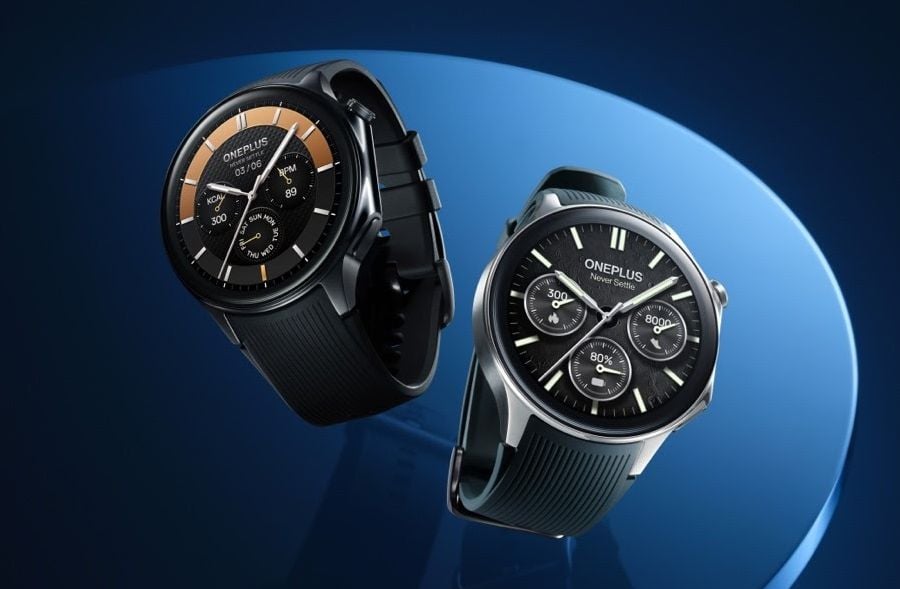
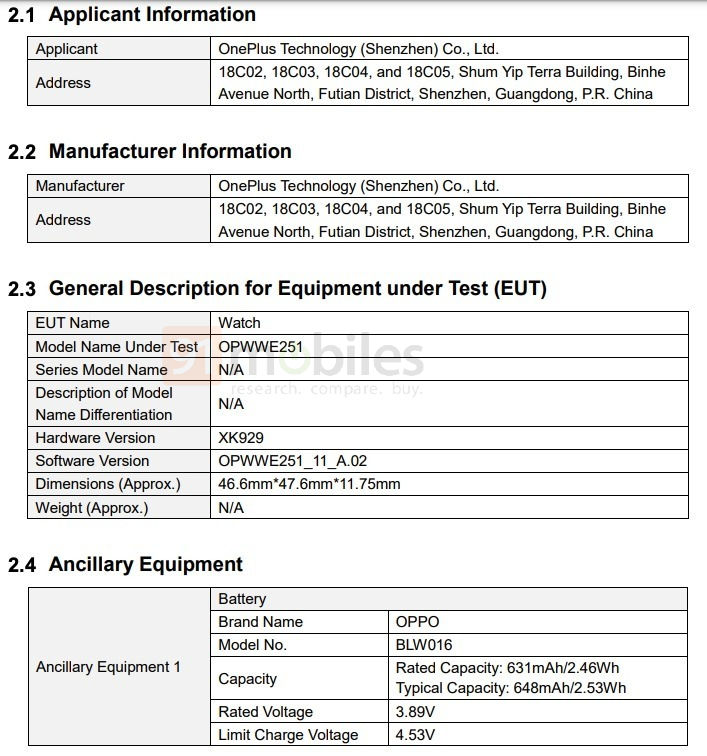
The OnePlus Watch 3, bearing the model number OPWWE251, was spotted on the FCC website, categorizing it under “Watch.” The certification reveals the dimensions of the OnePlus Watch 3—46.6 x 47.6 x 11.75mm. For context, its predecessor, the OnePlus Watch 2, measures 47 x 46.6 x 12.1mm and features a 46mm case size and a 1.43-inch AMOLED display. So the upcoming watch will be slightly slimmer than its predecessor.
OnePlus Watch 2
Another notable update from the FCC listing is the inclusion of a significantly larger battery. The OnePlus Watch 3 will come with a 631mAh rated battery (648mAh typical), which is a substantial upgrade over the OnePlus Watch 2’s 500mAh battery. This could potentially lead to improved battery life, which is no doubt one of the most important aspects of any mobile device.
The certification also outlines the connectivity options available on the new smartwatch, which include Bluetooth (BR+EDR+BLE), GNSS, NFC, and dual-band Wi-Fi (2.4GHz and 5GHz). The presence of the “EUT” (Equipment Under Testing) label indicates that this is a production-ready unit. Just like the Watch 2, there isn’t any mention of cellular connectivity this time either.
What else to expect from the OnePlus Watch 3
The smartwatch could use the Qualcomm Snapdragon Wear W5 SoC, the same chipset used in its predecessor.
The OnePlus Watch 2, which launched at Rs 24,999 in India, came with a range of features including an AMOLED display with 1000nits peak brightness, military-grade durability, and 5ATM + IP68 water and dust resistance. It also supports over 100 sports modes and uses the Snapdragon W5 + BES 2700 dual processors.
Not everyone needs a smartphone to tell them they are on the correct path or to doomscroll the entire day only to have productivity loss and an adverse impact on mental well-being. The latter is a significantly growing concern in this day and age, and as a result, parents strive to postpone their children’s inevitable entry into the world of smartphones.
Smartphones are powerful than ever. They can do a lot more things than they used to a few years back. However, not everyone needs the bundle of extra features that keep them stick to their devices for the entire day, which is why many people are now shifting to dumbphones. In the last few years, the sale of dumbphones or basic phones has gone up.
While dumbphones allow people commmunicate via SMS, there’s a scarcity of them supporting cross-platform chat apps with group messaging and multi-media support such as WhatsApp. Thankfully, a few good dumbphones can still run WhatsApp while offering a minimalist experience for a digital detox.
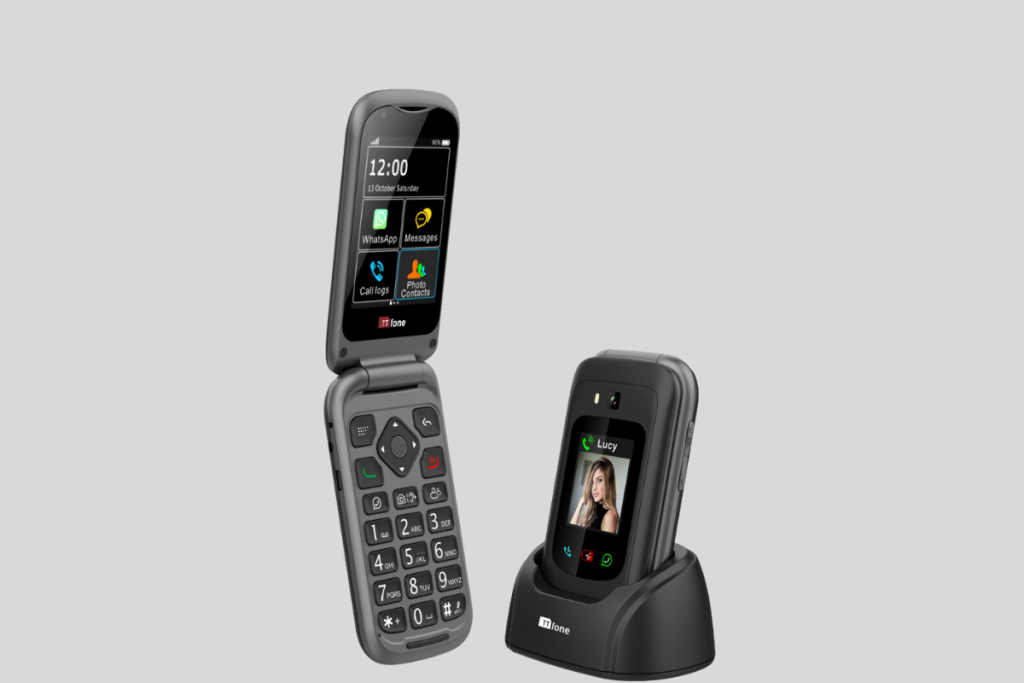
1. TTfone TT970
TTfone TT970 is an excellent choice for seniors and those looking for a simplified mobile experience without the complexities of a smartphone. It’s a 4G flip phone with dual screens: the outer one measures 1.8 inches, and the inner one is 2.8 inches. There’s also a large dedicated SOS button on the back that can be configured to contact any phone number in emergencies.
The phone runs the Android operating system, and thus is able to support WhatsApp. Some more preinstalled apps are there, such as Facebook Lite, YouTube, Email, and a web browser, which you may or may not like, but it ticks many boxes for anyone seeking a reliable smartphone alternative.
It has an 8MP camera on the back and a very basic, low-quality selfie camera for video calls. This phone also has a voice notes feature to help users set reminders using their voice. The battery is good enough to last for a few days.
The TT970 costs around $160. You can buy it from the official website or marketplaces such as Amazon.
2. Emporia TOUCHsmart.2
This clamshell-style phone runs Android Go but doesn’t have a Google Play Store or any third-party app store. WhatsApp is preinstalled on this phone, but for those seeking non-Facebook options, Signal and Telegram are also available.
The TOUCHsmart.2 is a compact and lightweight phone for easy portability. While the design resembles an old-style clamshell phone, you don’t always have to use the physical keyboard if you wish to, as the small 3.25-inch screen also supports touch. You can also enable the optional on-screen keyboard when required.
The phone has an 8MP rear camera and a 2MP selfie camera, which are just okay(ish). The battery is also reasonable at 1,400mAh. But these are not the reasons you would buy the Emporia TOUCHsmart.2 for. The most important of all, it has WhatsApp with support for voice and video calls.
In short, the phone delivers on its promise by keeping you connected with minimal distractions. Emporia doesn’t officially ship this device outside of Europe, but there are ways to get it delivered outside that region, and it’ll cost you around $200.
3. Cat S22
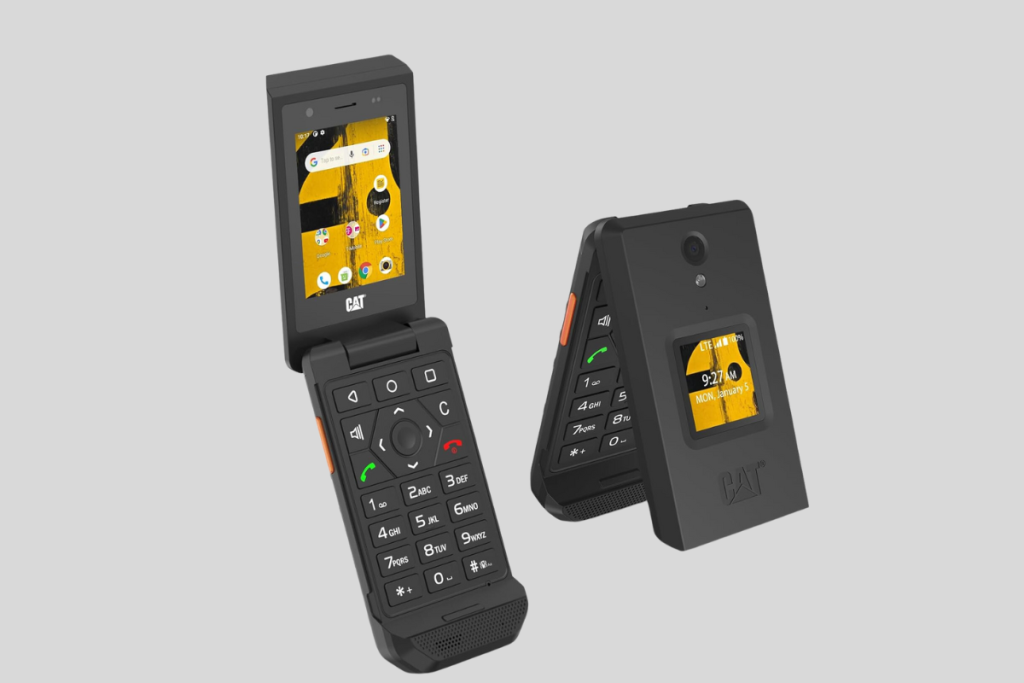
The Cat S22 is the strongest flip phone on the list, with MIL-STD-810H durability. It’s also IP68-rated for protection against dust and water. It’s a rugged phone targeting users looking for a durable device for challenging environments while still offering essential smartphone capabilities.
Unlike the two dumbphones mentioned above, this one runs a full version of Android Go with Google Play support. While it opens the door to a world of apps, its tiny 2.8-inch screen might not be ideal for media-heavy apps like TikTok or YouTube. The smaller screen outside shows notifications, time, and the remaining battery.
The Snapdragon 215 chipset, paired with 2GB RAM and 16GB storage, provides enough power to keep the apps running smoothly without significant lag. It ships with a 2,000mAh battery that lasts for a few days on normal usage and even more than on the standby mode.
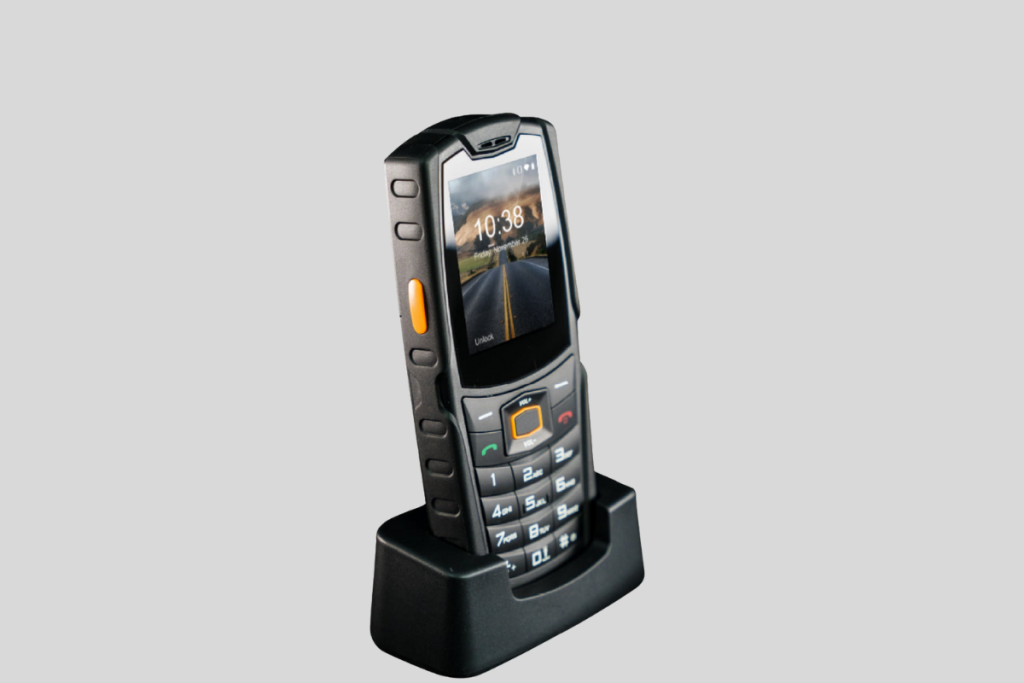
The last one we have on the list is AGM M7. Unlike others, it’s not a flip phone but runs Android OS under the hood without the Google Play Store. So, you won’t be able to install anything on this device, but the app you need, WhatsApp, comes preinstalled, alongside some more apps such as TikTok, Skype, and Zello,
The AGM M7 is a rugged phone suitable for outdoor adventures or physically demanding jobs. It’s also IP68-rated for protection against water and dust.
This rugged phone costs $120 and is available globally.
After a highly anticipated wait, Samsung finally started rolling out the One UI 7 beta. The Android 15 based update made its debut on the Galaxy S24 series of flagship smartphones. So now, let’s have a look at all the top new features of Samsung’s One UI 7 custom skin.
One of the biggest aspects of the One UI & beta is Android 15. This is the latest generation of Android operating system, bringing various improvements and upgrades over its predecessor. While it doesn’t offer a massive change over Android 14, it features several new useful features like partial screen recording, satellite connectivity to send and receive messages without service, and more (some of these features depend on the smartphone you own).
Google also emphasized improved security on the new Android iteration, to keep your personal information safe. While it initially rolled out for Google’s Pixel smartphones, it is being adopted by other brands as well. The One UI 7 is basically a custom skin on top of this OS, so it showcases Samsung’s vision of Android 15.
2. AI enhanced User Experience
One UI 7 marks a major update that also makes the Galaxy AI features more seamless. AI features help improve the user experience, and these are not limited to just the cameras. It can act as an advanced writing assist tool. Users can even select texts without needing to switch between applications. These can also be quickly summarized, spell checked, and have their grammar corrected as well. Upgrades in AI have also allowed Samsung to make call transcripts with support for 20 languages.
3. Refreshed UI design with better personalization
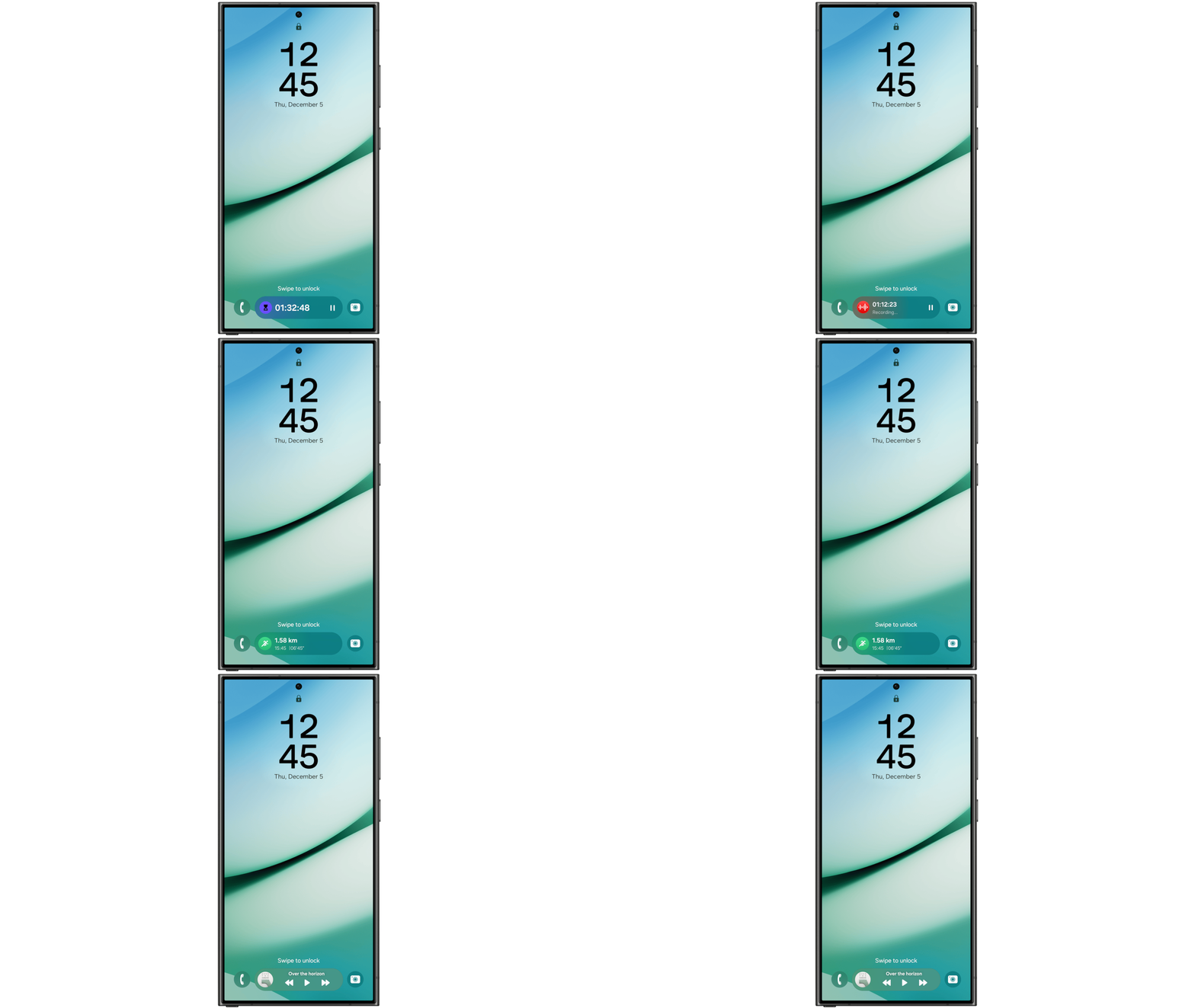
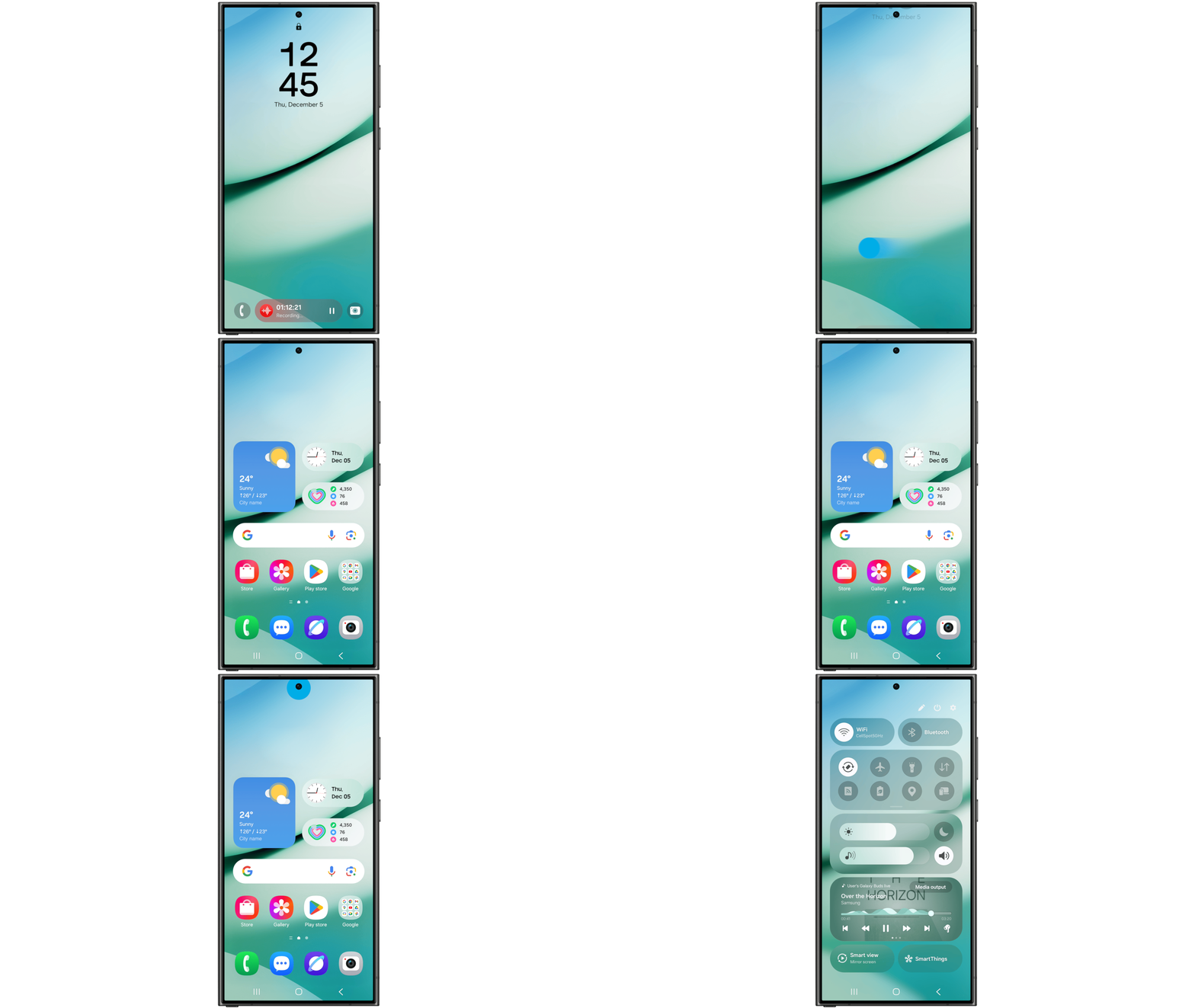
Early leaks of the One UI 7 hinted at Samsung offering a major overhaul in the overall user interface. With the beta rolling out, we finally have a look at the bold new design. The South Korean tech giant claims that the update also brings better personalization and control. The One UI 7 comes with a new look, which is most noticeable with the new notification system. It has a Now Bar that can highlight relevant activities across features like Interpreter, Music, Recording, Stopwatch and more.
Having Now Bar means that you won’t be unlocking your phone as often anymore. It even improves the lock screen experience. So the entire experience is streamlined to be simple, impactful, and emotive. Samsung is referring to these changes as bold and iconic design changes with One UI 7 reducing visual clutter and enabling intuitive control is AI features. These changes also extend to the Camer UX as well, which brings more advanced settings. As of right now, the One UI 7 beta is first available for the Galaxy S24 series in Germany, India, South Korea, Poland, the UK, and the US. So
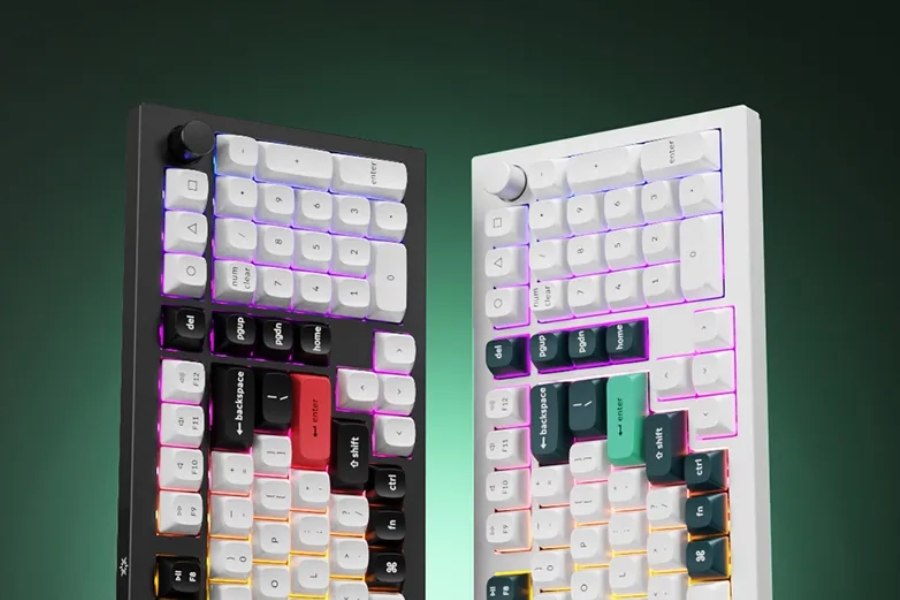
Keychron, a leading designer and manufacturer of productivity peripherals, today launched its latest keyboard, the Q5 HE. It’s a three-mode magnetic axis keyboard with multi-mode connectivity and extensive customization features. Let’s get into the details here.
Specifications
The Q5 HE offers a three-mode connection system, allowing users to switch seamlessly between 2.4 GHz wireless, Bluetooth, and wired connections.
At the core of the keyboard lies Keychron’s self-developed magnetic axis solution, designed to improve key stability and trigger accuracy. This approach reportedly surpasses traditional mechanical keyboards by offering a response time (RT) of 0.1mm.
Additionally, the Q5 HE allows users to set up to four distinct trigger points within a single key’s travel range. This means pressing the key to a specific depth can trigger a particular command.
For wireless users, the Q5 HE boasts a custom-developed wireless solution with a claimed latency of just 3ms, aiming to provide a near-wired experience. The keyboard utilizes Gateron’s custom Nebula magnetic axis switches with a dual-track design to further enhance stability and minimize key wobble.
Customization doesn’t stop at the hardware level. The Q5 HE comes equipped with a self-developed web driver that enables users to fine-tune various aspects of the keyboard’s functionality.
These adjustments include setting magnetic axis key travel, configuring quick triggers, and even simulating joystick controls. Notably, the web driver eliminates the need for manual driver downloads and installations for real-time online firmware updates.
The Q5 HE’s build prioritizes both aesthetics and sound dampening. The keyboard features a 6063 aluminum body – anodized in black and powder-coated in white for the respective color options. This structure is further complemented by a gasket design and a noise-reducing cotton layer, aiming to minimize unwanted typing noise.
While Keychron has revealed the impressive features of the Q5 HE, details regarding pricing and availability remain undisclosed.
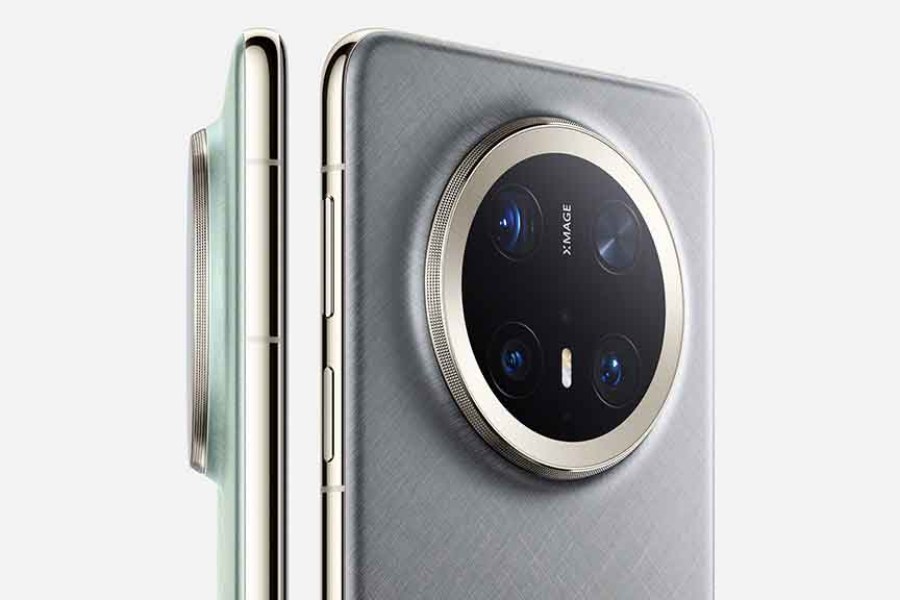
Huawei announced its Mate 70 series of flagship smartphones back around two weeks ago with new cutting edge technology. While the nationalistic drive behind the Mate 60 lineup pushed sales, it was unclear if the Mate 70 would also get a similar treatment. But now, it appears that the demand for these new premium Huawei devices has suppliers struggling to keep up.
Huawei Mate 70 has suppliers work overtime
To recall, the new premium series consists of the Mate 70, Mate 70 Pro, Mate 70 Pro+, and Mate 70 RS Ultimate. And according to Huawei’s consumer business group CEO He Gang, the latest flagships are seeing impressive sales. He claimed that its customers in China have reserved more than 6.7 million units of the Mate 70 series. It is worth noting that these are only reservations and not pre-orders, so Huawei has yet to receive any money from these consumers. But it does give an idea regarding its supposed popularity.
Huawei Mate 70 series
The reservation number basically showcases the market’s reception of the Mate 70 series. A new report from Beijing (via PhoneArena) stated that Huawei’s supply chain is working overtime to meet the high demand for the new Mate 70 models. The report claims that the initial supplies manufactured for the new premium phones were still insufficient. He Gang said that the demand for the Mate 70 has been excessive, although analysts claim that the hype behind the Mate 70 is down compared to its predecessor, the Mate 60 series.
Analysts believe that the Mate 70 series could suffer from supply bottlenecks owing to issues with chip production. A recent benchmark leak has revealed that the Huawei Mate 70 Pro+ is powered by the Kirin 9020 SoC, which reportedly offers over 30 percent performance upgrade over the last gen Kiring 9010 chip. These chips are still behind the 3nm based high end chips from Qualcomm, MediaTek, and Apple, but as Huawei moves away from US made technologies, the company is only a few short years behind its global competition.
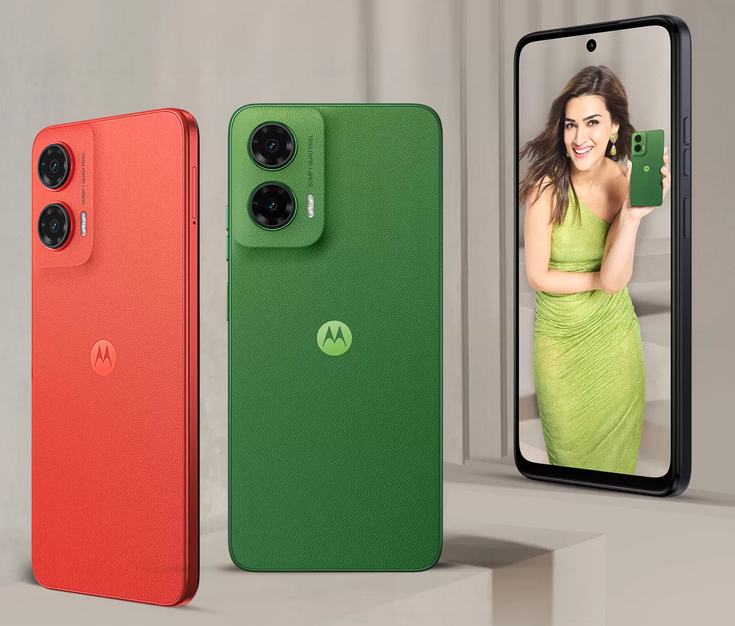
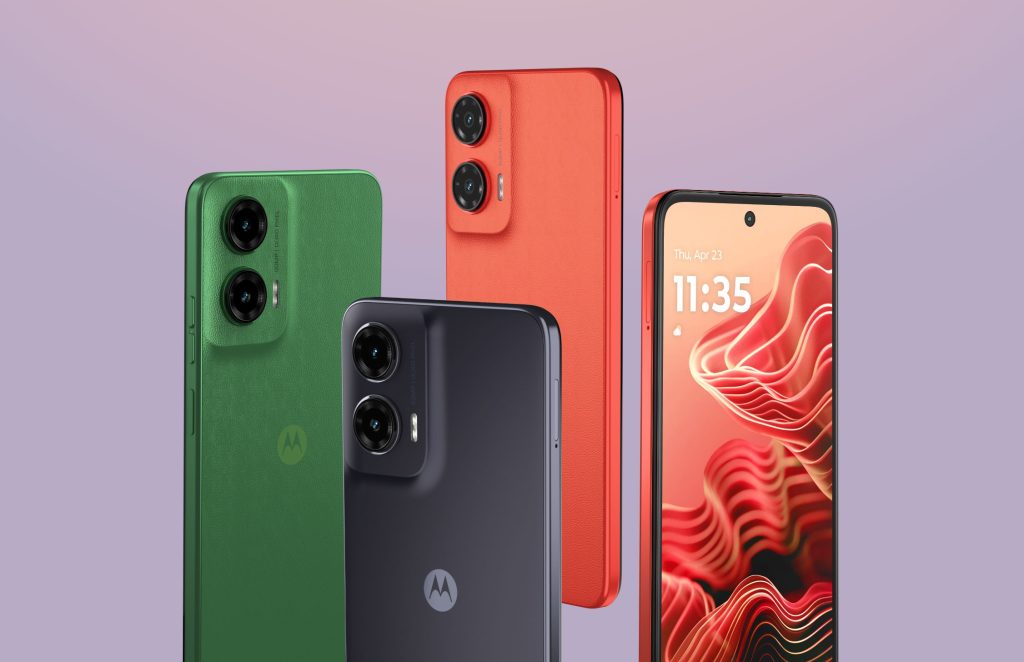
Motorola is all set to launch its latest budget-friendly 5G smartphone, the Moto G35, in India on December 10th. Following its global debut, the price range for the Moto G35 has now been revealed through a Flipkart microsite, giving Indian consumers a clearer idea of what to expect.
Moto G35 price and availability in India
According to the Flipkart listing, the Motorola G35 5G is expected to be priced under Rs 10,000 in India, which is , surprisingly, lower than the Rs 10,999 price tag of the Moto G34 5G. This price range not only positions the device as an affordable option but also one that can effectively meet the requirements of most.
Moto G35
For comparison, the global variant of the Motorola G35 5G was priced at EUR 199 (around Rs 17,700) for the 4GB + 128GB model.
Key specifications and features
The Motorola G35 5G comes with several upgrades over its predecessor. The device will feature a 6.7-inch 120Hz Full HD+ display, which is a considerable improvement from the HD+ display found on the Moto G34. The global version also reaches a peak brightness of 1000nits, which is impressive for an IPS panel.
Under the hood, the Motorola G35 will be powered by the Unisoc T760 SoC, which replaces the Qualcomm Snapdragon 695 chipset found in the previous model. While the Unisoc T760 may or may not match the efficiency of the Snapdragon 695, it is expected to offer sufficient power for everyday tasks alongside 5G connectivity.
On the camera front, the phone offers a significant upgrade, featuring a 50MP primary camera paired with an 8MP ultra-wide-angle lens, compared to the 2MP macro lens on the Moto G34. For selfies, the device will come with a 16MP front camera, ensuring clear and sharp photos and video calls.
In terms of software, it will ship with a clean and lightweight UI experience based on Android 14. Motorola has also committed to one OS upgrade and two years of security patches, ensuring that the device stays up to date for at least a significant portion of the phone’s lifespan.
The upcoming phone will be equipped with a 5,000mAh battery and 20W wired charging support, matching its predecessor. The phone will be available in three colour options: Black, Green, and Red, and will be sold exclusively on Flipkart.
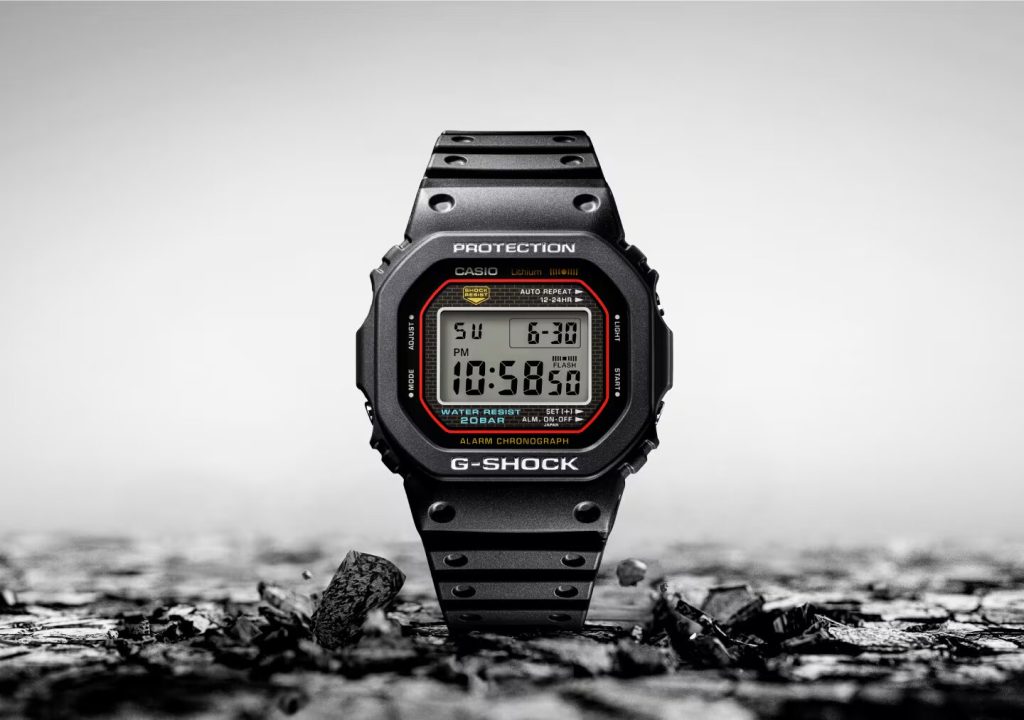
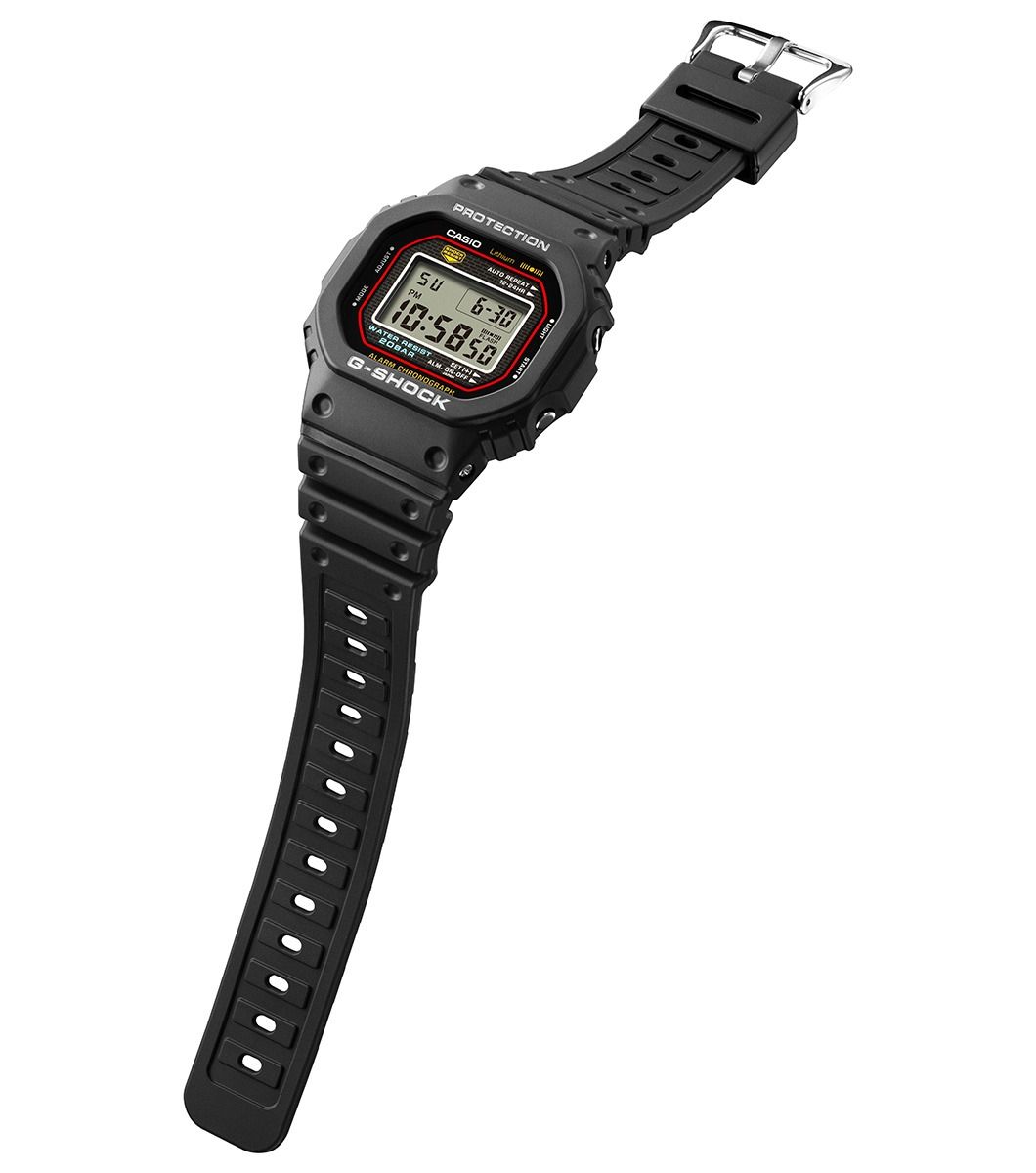
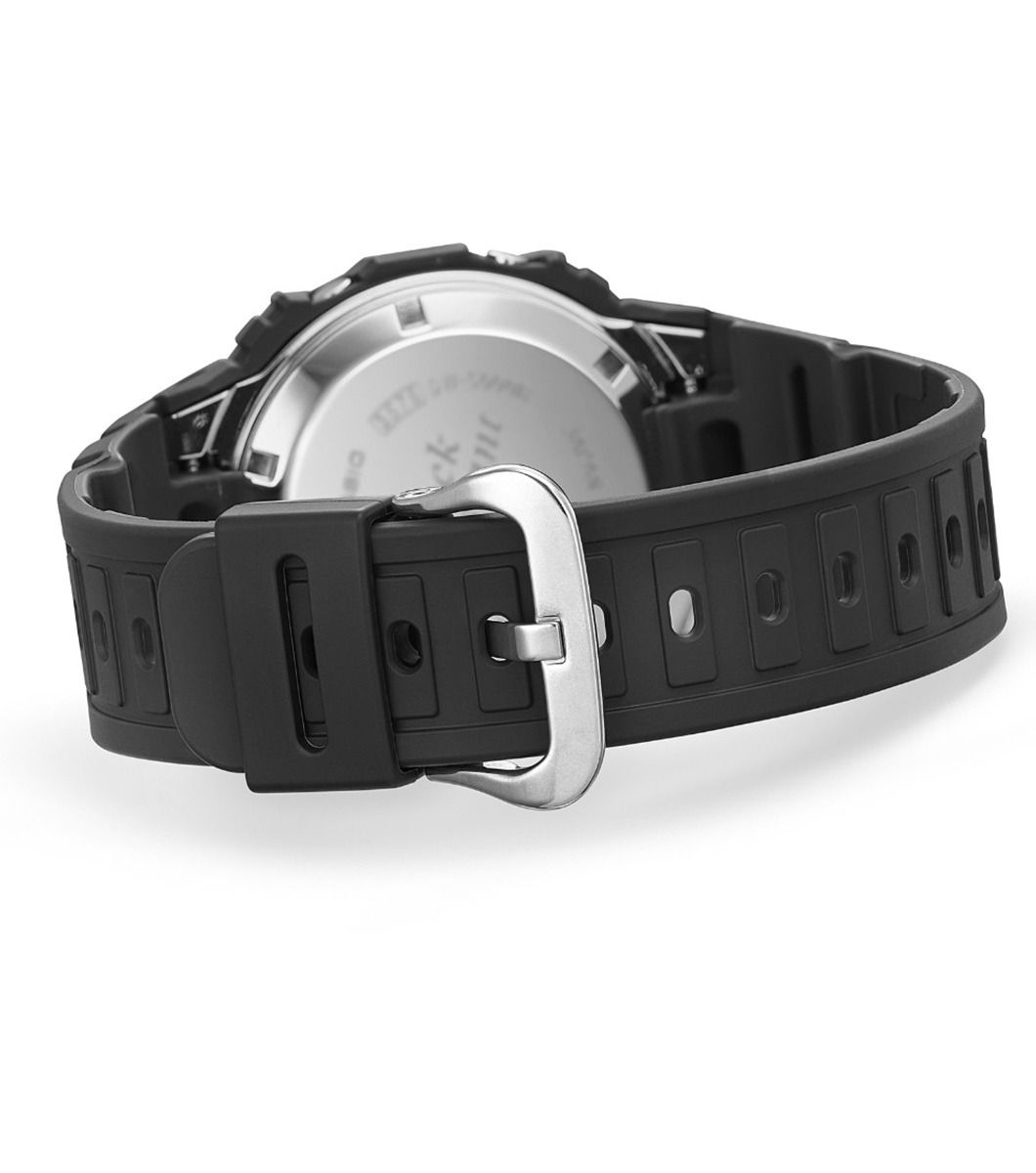
Casio is set to revive the iconic G-Shock DW-5000, the original model that launched the legendary watch line in 1983. The new iteration called the DW-5000R, has been listed on the G-Shock UK website, hinting at its imminent release. Ahead of the official availability, Casio confirmed the watch’s price in the UK, while the European price also leaked.
The upcoming DW-5000R-1AER watch is priced at £179, making it significantly more expensive than the current DW-5600 models, which retail for £99.90. While the UK release date remains unconfirmed, rumors suggest a late 2024 or early 2025 launch. The watch has already started appearing at European retailers, with prices ranging from €199 to €259.
G-Shock DW-5000R features
For those unaware of the DW-5000R details, it retains the defining features of the 1983 model. The band replicates the original’s length, texture, and signature dimples near the holes. The stainless-steel center case and screw-lock backplate preserve the classic “Shock Resistant” engraving, while the face showcases the iconic red, blue, and yellow accents. The flat bezel features the bold “PROTECTION” and “G-SHOCK” lettering, staying true to the vintage aesthetic. Produced at Yamagata Casio, the watch remains rooted in the brand’s history.
While the design remains faithful to the original, the DW-5000R integrates modern upgrades. A high-brightness LED backlight ensures visibility in low light, and the bezel and band are now made from bio-based resin, making the watch more eco-friendly. With a durable construction that combines stainless steel and bio-based resin, the watch weighs 76 grams and measures 48.9 × 42.3 × 13.1 mm.
The DW-5000R is built to withstand everyday challenges. It offers shock resistance, 200-meter water resistance, and a battery life of approximately five years powered by a CR2016 battery. Practical features include a multi-function alarm, 24-hour countdown timer, 1/100-second stopwatch, and a “Super Illuminator” LED backlight.
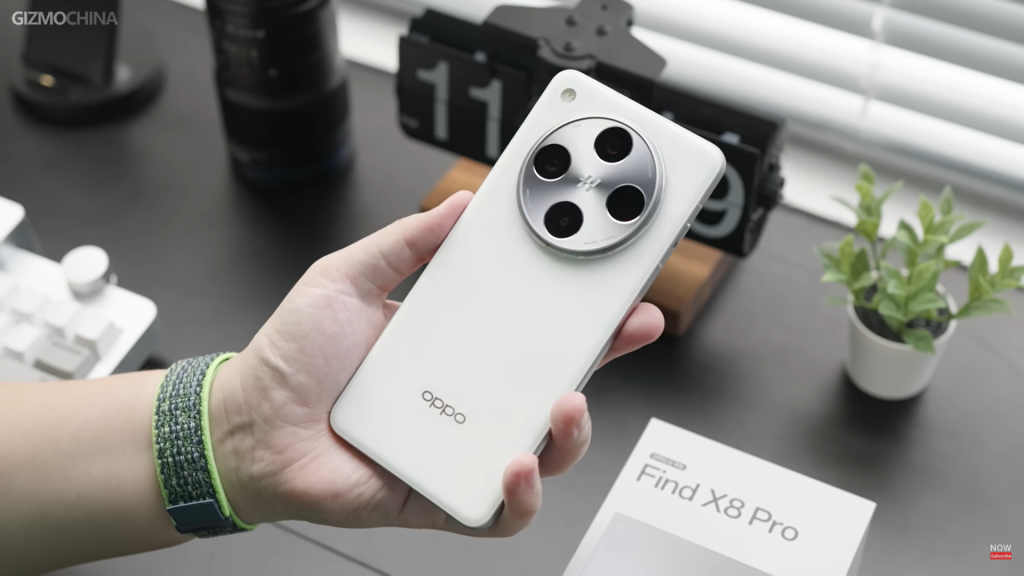
If you’ve ever experienced headaches or eye strains after using your smartphone, then you’ve suffered from DES (Digital Eye Strain). This affects almost every smartphone user out there. But Oppo deals with this issue on the Find X8 series thanks to the high frequency PWM dimming display technology. So here’s how it works.
Oppo Find X8 series: How does PWM Dimming help?
Just a couple of weeks ago, Oppo introduced the Find X8 series in the Indian market. This global release arrived after the Find X8 and Find X8 Pro debuted in China. On the front, the X8 Pro feature a display with 2,160Hz PWM dimming technology, while the standard model supports 3840Hz PWM dimming from Tianma, both of which minimizes flicker even at low brightness levels. In other words, this helps reduce eye strain that can help lower headaches as well.
The Chinese brand brings this technology to offer a more comfortable viewing experience to sensitive users like children and pregnant women. It also pairs this with two other technologies, namely Adaptive color temperature and TÜV Rheinland Eye Comfort 4.0 certification. The former basically adjusts the screen’s color to match the ambient lighting to prevent harsh contrasts and reduce eye fatigue.
Oppo Find X8 Pro
On the other hand, the TÜV Rheinland certification basically means that the device went through strict standards of testing for blue light reduction and flicker minimization. Oppo claims that using devices with high frequency PWM dimming can help mitigate the risks of DES and offer a more comfortable viewing experience.
Peter Dohyung Lee, Head of Product Strategy at OPPO, said, “Here at OPPO, our vision is that technology should benefit mankind. We know it’s a long journey with constant fine-tuning. By integrating advanced features like high-frequency PWM dimming at 2160Hz in the OPPO Find X8 Series, we are improving performance, enhancing user well-being, reducing eye strain, and making the digital experience more comfortable.”
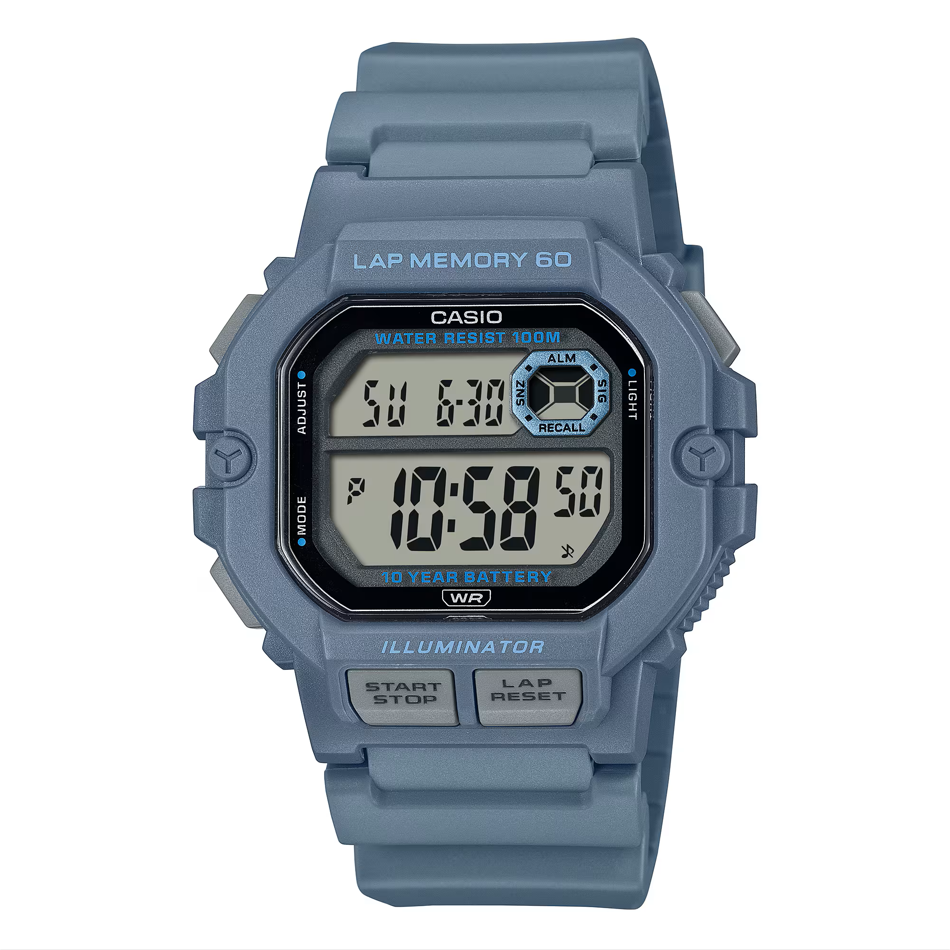
Casio has just expanded its lineup of affordable fitness wearables with two new models: the WS1400H-2AV and WS1400H-8AV. Whether you’re into fitness or just want a reliable, wallet-friendly watch, these models deliver plenty of features without breaking the bank. The WS1400H-2AV sports a sleek blue design, while the WS1400H-8AV comes in a cream finish.
Casio WS1400H-2AVCasio WS1400H-8AV
Made for Active Lifestyles
The WS1400H series is built with active users in mind. Both models include a 1/100-second stopwatch, a countdown timer, and the ability to record up to 60 laps—useful for tracking workouts and measuring progress. Additional functions such as dual time zones, three alarms, and hourly time signals make these watches versatile for daily use.
Built to Keep Up
The WS1400H models are crafted to endure active routines. They offer 100-meter water resistance, making them suitable for swimming and similar activities. A sturdy resin case and band ensure long-lasting use, while the lightweight 43-gram design enhances comfort for extended wear. With a single CR2025 battery, these watches provide up to 10 years of operation, reducing the need for frequent replacements
Clear and Simple Display
Each watch features an LCD display with an LED backlight for clear visibility in different lighting conditions. The amber backlight is straightforward and functional, with adjustable settings that let users choose between 1.5 and 3 seconds of illumination based on their preference.
Key Specifications
Case Dimensions: 47.2 × 44.5 × 13.4 mm
Band Size Compatibility: 145 to 215 mm
Main Features: Stopwatch, countdown timer, dual time zones, 3 alarms, auto-calendar (up to 2099), 12/24-hour time formats
Accuracy: ±30 seconds per month
Pricing & availability
At a price of $29.95, the WS1400H-2AV and WS1400H-8AV deliver impressive functionality and value, making them an appealing option for fitness enthusiasts and everyday users alike. They are currently available to buy from Casio’s US online store.
The year 2025 is shaping up to be a groundbreaking one for smartphone enthusiasts. With advancements in technology happening at a rapid pace, we can expect to see some truly innovative and powerful devices hit the market. From foldable phones to camera-centric powerhouses, here’s a look at the most anticipated smartphones of 2025:
Samsung Galaxy S25 Series: Samsung’s Galaxy S series consistently pushes the boundaries of smartphone technology, and the S25 series is expected to be no different. Rumors suggest that the entire S25 lineup, which includes the S25, S25+, and S25 Ultra, will feature the Snapdragon 8 Elite chipset. Like the predecessor models, the S25 series is expected to deliver a stellar photography experience. The series is expected to run on the latest One UI 7-based Android 15 and offer new Galaxy AI features.
Xiaomi 15 Ultra: The Xiaomi 15 Ultra is rumored to feature a powerful Snapdragon 8 Elite chip, a 2K LTPO micro-curved display, and an impressive camera setup with a 50MP main sensor and a 200MP periscope telephoto lens. It’s expected to have a battery capacity between 5,450mAh and 5,800mAh, support 90W wired and 80W wireless charging, and feature IP68 and IP69 dust and water resistance. While retaining a similar screen size to its predecessor, the 15 Ultra might not see a significant increase in battery size due to the space required for its advanced camera system.
Oppo Find X8 Ultra: The Oppo Find X8 Ultra is rumored to be a camera-focused flagship smartphone with a 1-inch main sensor and two periscope zoom lenses (3x and 6x), potentially featuring Hasselblad branding and a multispectral sensor for improved color accuracy. It’s expected to be powered by the Snapdragon 8 Elite chipset, pack a large 6,000 mAh battery with fast wired and wireless charging, and offer satellite communication capabilities. It is expected to debut in February and is likely to remain exclusive to the Chinese market.
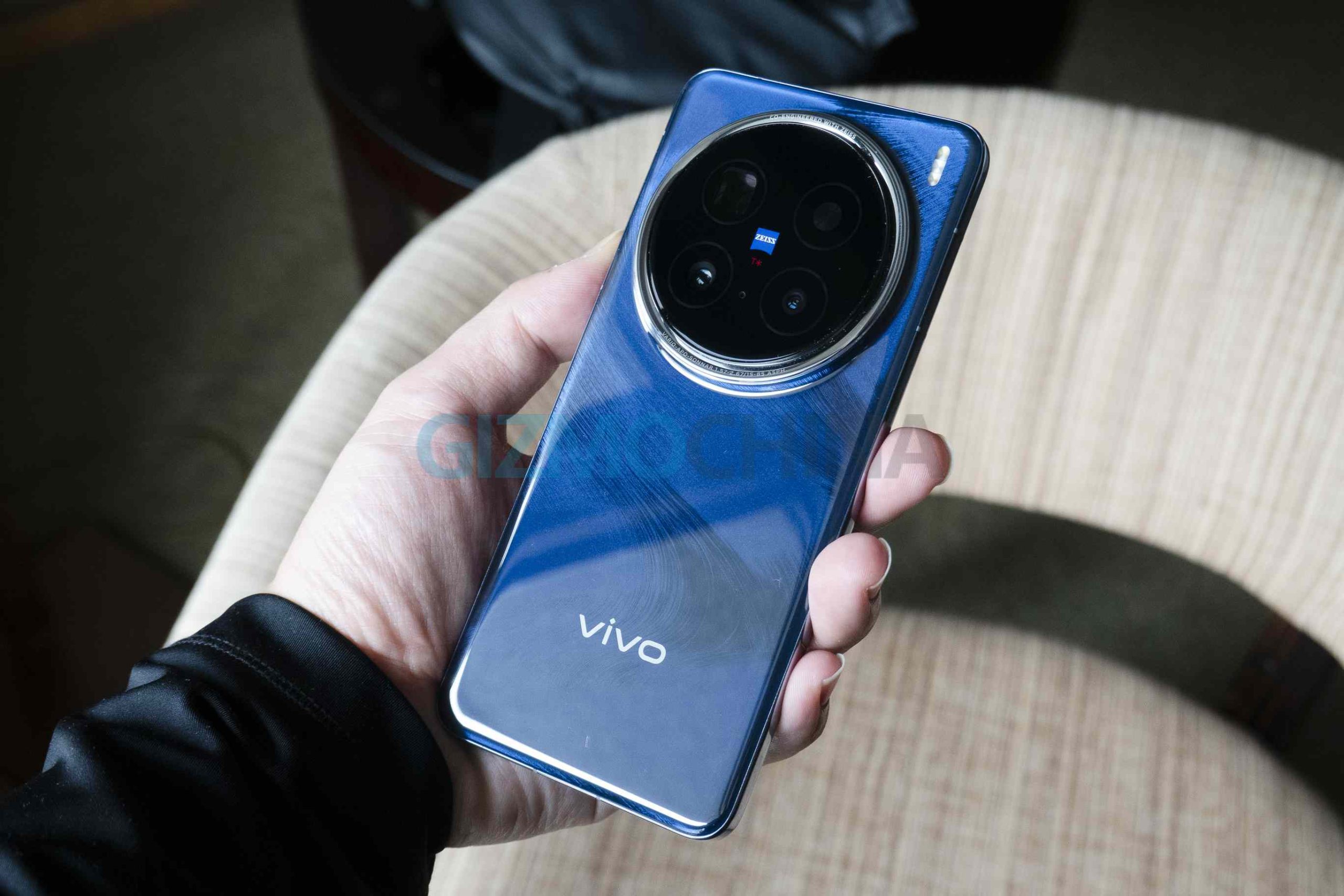
Vivo X200 Ultra: The Vivo X200 Ultra is rumored to be a camera-focused flagship smartphone with a powerful Snapdragon 8 Elite chipset. It’s expected to feature a 50-megapixel main camera, a 50-megapixel ultra-wide lens, a 50-megapixel telephoto lens, and a 200-megapixel periscope telephoto lens. While it may not have a 1-inch main sensor like its predecessor, the X200 Ultra is said to feature a “physical focal length far more than one inch.” It’s likely to launch in the first half of 2025, but unfortunately, rumors suggest it may not be officially sold outside of China.
Google Pixel 10 Series: The Google Pixel 10 series is rumored to include four models: the Pixel 10, Pixel 10 Pro, Pixel 10 Pro XL, and potentially a Pixel 10 Pro Fold. These phones are expected to be powered by the Tensor G5 chip, manufactured by TSMC using a 3nm process, which should offer improved performance and efficiency. Camera upgrades are also anticipated, with enhanced AI features like “Cinematic Blur” for videos and “Speak-to-Tweak” for photo editing. The Pixel 10 series will likely launch in the fall of 2025, possibly around September or October.
iPhone 17 Series: The iPhone 17 series, expected in 2025, is rumored to bring significant changes, including a thinner design, a new “slim” model replacing the Plus variant, and a potential shift to aluminum frames. The Pro models may feature a dual material back with aluminium and glass, a larger rectangular camera bump, and a narrower Dynamic Island on the Pro Max. Additionally, a new display size of 6.3 inches is anticipated for the standard iPhone 17.
2. Foldable Phones Taking Center Stage
Samsung Galaxy Z Fold 6
OnePlus Open 2 (Find N5): The OnePlus Open 2 is rumored to be a significant upgrade from its predecessor, with a thinner design, possibly the thinnest foldable on the market. It’s expected to feature a Snapdragon 8 Gen 4 processor, a triple 50MP camera system with a periscope lens, and improved wireless charging capabilities. The release is anticipated in Q1 2025, likely between January and March, and it might be priced slightly lower than competitors like the Google Pixel Fold and Samsung Galaxy Z Fold 6. It is likely to be rebranded as the Oppo Find N5 in the Chinese market.
Vivo X Fold 4: The Vivo X Fold 4 is rumored to be thinner and lighter than its predecessors, with a focus on design. It’s expected to feature a Snapdragon 8 Elite SoC, a 6,000mAh battery with wireless charging, and an IPX8 water resistance rating. The camera system is said to include a 50MP main sensor, a 50MP ultrawide, and a 50MP 3x periscope telephoto macro camera. While initially expected in early 2025, the launch may be delayed to later in the year.
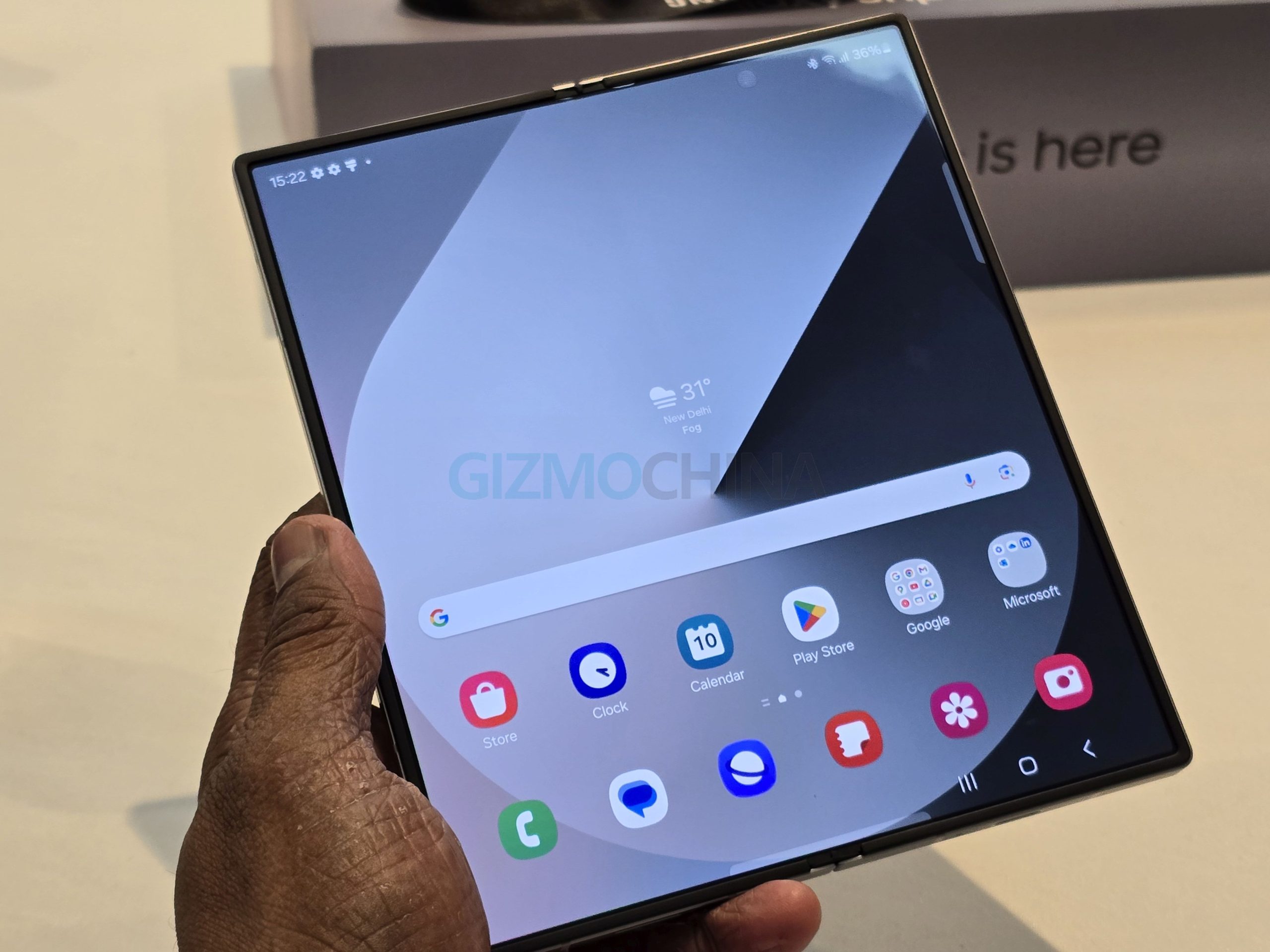
Samsung Galaxy Z Fold 7: Based on recent rumors, the Galaxy Z Fold 7 is expected to feature larger displays than its predecessor, potentially with a 6.5-inch cover display and an 8-inch foldable display, both with a 120Hz refresh rate. It may be powered by the Snapdragon 8 Elite, pack a larger battery, and run on One UI 7.1-based Android 15.
3. Other Notable Releases
Redmi K80 series
Poco F7 Ultra: The Poco F7 Ultra rumors suggest that it will feature the Snapdragon 8 Elite chipset, up to 16GB of RAM, and 512GB of storage. It’s likely to be a rebranded Redmi K80 Pro, offering features like a big battery, a blazing-fast charging, and a capable camera system. Expect the phone to launch with Android 15-based HyperOS 2 and a top-notch 120Hz display.
iPhone SE 4: The iPhone SE 4 is rumored to be a significant upgrade from its predecessor, potentially taking design cues from the iPhone 14 with a larger 6.1-inch display, Face ID, and the Action button. It may feature a single-lens 48MP rear camera and be powered by an A16 or even A18 chip, putting it on par with the iPhone 16 in terms of performance. While it’s expected to ditch the home button and Lightning port in favor of USB-C, it’s likely to retain a single rear camera to keep costs down. The release is anticipated in early 2025, possibly around March or April.
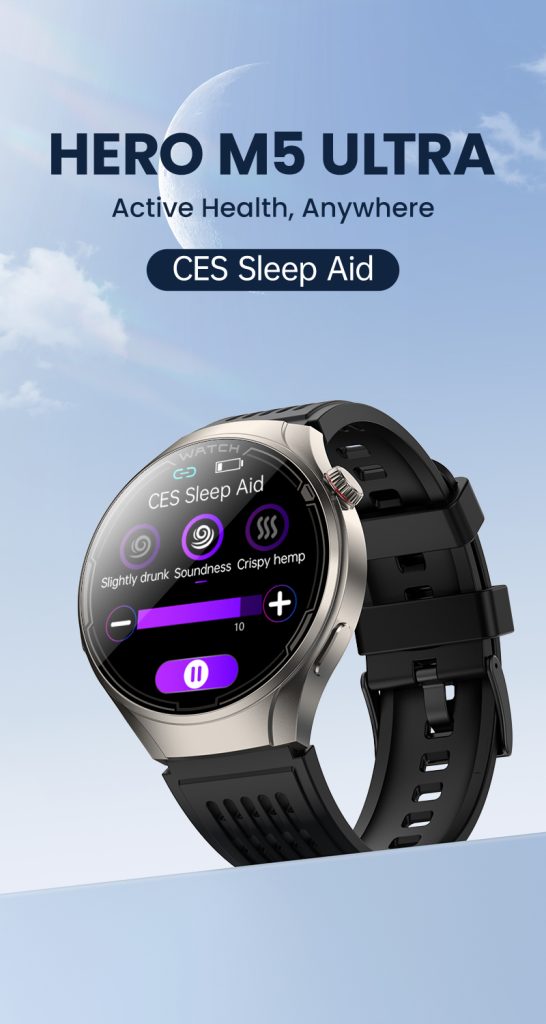
At the beginning of this year, Rollme unveiled the Rollme Hero M5 smartwatch. The brand is now back with a new watch from the series dubbed the Hero M5 Ultra. As compared to the Hero M5, the Ultra model comes with improvements in departments like sleep monitoring and holistic health tracking.
Rollme Hero M5 Ultra specifications and features
Rollme Hero M5 Ultra
The Rollme Hero M5 Ultra smartwatch is built with a durable 316L stainless steel unibody. It has a 1.43-inch round AMOLED screen for clear and vibrant visuals. The integrated speaker and microphone bring support for Bluetooth calling on the device.
The right side of the Hero M5 Ultra features two physical buttons: the upper one for the main menu and the lower one for quick shortcuts. The left side includes an ECG touch area, allowing users to easily measure their heart health.
One of the main features of the Hero M5 Ultra is its sleep aid functionality, utilizing brainwave synchronization technology to promote relaxation and improve sleep quality. Additionally, the smartwatch tracks respiratory rate, providing valuable insights into overall health. The massage mode, complete with specialized patches and six settings, helps alleviate fatigue and promote relaxation.
Continuing the legacy of its predecessor, the Hero M5 Ultra includes advanced health monitoring functions like a CFDA-certified ECG monitor and non-invasive blood glucose tracking. It also tracks body temperature, heart rate, blood pressure, blood oxygen levels, and stress. A new addition is the uric acid monitoring feature, aiding users in keeping track of this critical kidney health indicator.
The Hero M5 Ultra comes equipped with a 400mAh battery, offering 7-10 days of active use and up to 20 days on standby. It supports various sports modes for real-time workout data monitoring and is IP68 waterproof rated, ensuring durability and ease of use in any condition.
Rollme Hero M5 Ultra price
Available in Black and Silver, the Hero M5 Ultra is priced at $69.99 and includes straps, a sleep aid kit, massage patches, and gel. For the holiday season, Rollme offers a special gift box with a surprise Christmas gift in each purchase.
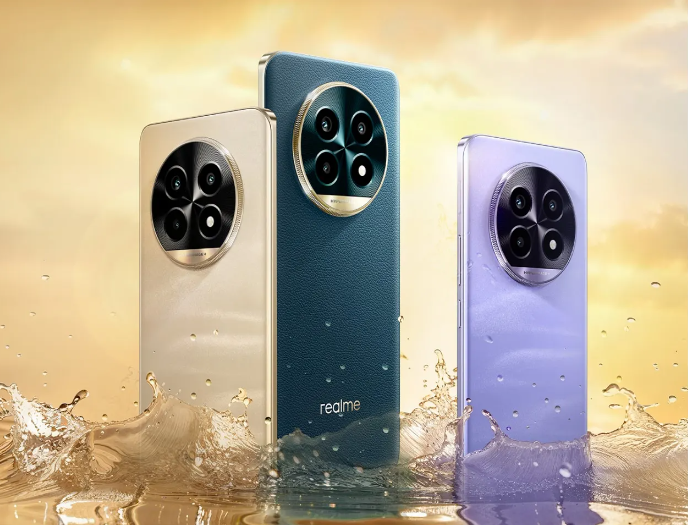
The Realme 14 Pro series is expected to launch in India soon, with significant anticipation surrounding its release. Recent sightings on the 3C certification site and the Camera FV 5 database indicate that the launch is just around the corner.
The upcoming Realme device, identified by the model number RMX5055, was recently listed on China’s 3C certification site. This listing, believed to be the Chinese variant, suggests that the global version will likely carry the model number RMX5056. While the 3C certification doesn’t reveal many specifics, it adds to the mounting evidence that Realme is preparing for a launch soon.
Realme 13 Pro camera information:
Additionally, the Camera FV 5 database has shared some intriguing details about the phone’s cameras. The Realme 14 Pro will likely feature a 50MP primary camera, which is hinted at by the database listing with a primary sensor featuring an f/1.8 aperture, Electronic Image Stabilization (EIS), and a 26.6mm focal length. For selfies, the device is expected to pack a 16MP front-facing camera, based on the listed specs of a 4MP resolution sensor, EIS, and a 27.2mm focal length. This setup points toward a solid camera experience, which will appeal to both photography enthusiasts and casual users alike.
Previously leaked information about the Realme 14 Pro suggests that it will come in three configurations: 8GB RAM with 128GB of storage, 8GB RAM with 256GB of storage, and 12GB RAM with 512GB of storage. The smartphone will also launch in two color variants — Pearl White and Suede Grey. This makes the Realme 14 Pro a versatile option for users who seek a balance of performance, storage, and design. To give you an idea of the performance, both the Realme 13 Pro and Pro+ uses the 4nm Snapdragon 7s Gen 2 chip.
According to a report from 91mobiles, a new variant called the Realme 14 Pro Lite is expected to join the lineup. It is tipped to feature up to 12GB of RAM and 512GB of storage. The Realme 14 Pro Lite will reportedly come in three color options: Emerald Green, Monet Purple, and Monet Gold. We have also come across rumors and a leaked render of the Realme 14x, which will succeed the Realme 12x from earlier this year.
Oppo unveiled the Find X8 and Find X8 Pro equipped with the Dimensity 9400 chip on Oct. 24 in China. In November, both phones were made available in wider markets across the world. A report by Wall Street Journal reveals that the Find X8 series has achieved remarkable sales performance globally.
Find X8 series achieves remarkable sales
Oppo Find X8 Pro
In China, the Find X8 series has also been met with enthusiastic demand, surpassing 1 million units sold since its October launch. This achievement marks the highest sales record for the Find series within the same timeframe.
According to market data, the Find X8 series has set new sales records in several key markets, including Singapore, Thailand, Indonesia, Italy, Spain, and Malaysia. In these regions, the initial sales figures for the Find X8 series have shown a growth of 1 to 2 times compared to its predecessor. Notably, in Malaysia, the series has broken previous first-sale records for the Find lineup.
Data from Canalys indicates that Oppo’s market share in the premium smartphone segment (priced above $500) consistently ranks among the top three in 14 countries and regions worldwide. Unlike many other Chinese companies that have relied on aggressive pricing strategies to gain market share, Oppo has focused on product innovation and quality enhancement. This approach has allowed OPPO to build a loyal customer base and achieve sustainable growth.
The Find X8 series’ success can be attributed to its innovative design, top-notch cameras, exceptional performance, and competitive pricing. The series features an ultra-thin, flat-screen design, which has been well-received by consumers. Additionally, the smartphones are equipped with the flagship Dimensity 9400 chipset, ensuring smooth gaming experiences and long-lasting battery life. The inclusion of advanced imaging capabilities, such as AI-enhanced photography and professional Hasselblad portrait modes, has further solidified its appeal.
The appearance of the Find X8 series closely resembles that of the recent iPhones. Notably, the X8 Pro features a physical Quick button, similar to the iPhone 16 series’ Camera Control. Oppo’s Chief Product Officer, Pete Lau, previously stated, “We just want to convert Apple users. To put it bluntly, we want to give Apple users another choice.” He highlighted that the Apple user base is very large, and there are a significant number of existing users, which presents a huge opportunity for every Android brand.
The Xiaomi 15 (review) series seems to have been a huge hit in China, and we are about to welcome another contender in the lineup—the Xiaomi 15 Ultra. It will succeed the Xiaomi 14 Ultra and is expected to launch in January. As a result, the device has been receiving certifications like 3C ahead of its release.
However, a new leak from a well-known Weibo tipster claims that Xiaomi has postponed the launch of the 15 Ultra.
Xiaomi 15 Ultra launch postponed
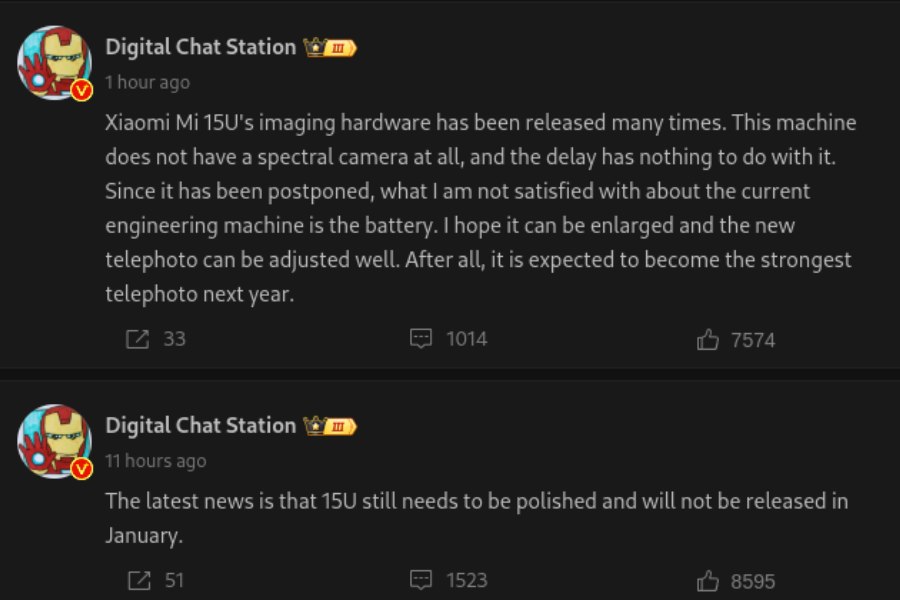
The tipster, Digital Chat Station, reveals that the smartphone’s release has been delayed from its expected January 2025 launch, although he did not mention the exact reason for the delay.
A more recent post by him suggests that the delay has nothing to do with cameras. However, he says that since the release has been postponed, he is not satisfied with the “current engineering model’s battery” and hopes it can be “enlarged.”
The phone is expected to feature a battery in the range of 5,450mAh to 5,800mAh. While this is a substantial capacity, the new flagship phones for 2025 have batteries in the range of 6,000mAh. This likely explains why DCS is dissatisfied with the current battery.
The 3C certification has also confirmed that the phone will support 90W fast charging and will have a satellite connectivity model as well.
What we know so far
The Xiaomi 15 Ultra is rumored to feature a 6.7-inch, 120Hz LTPO OLED display with micro-curved edges. The display will also house an ultrasonic in-display fingerprint sensor for convenient and secure unlocking.
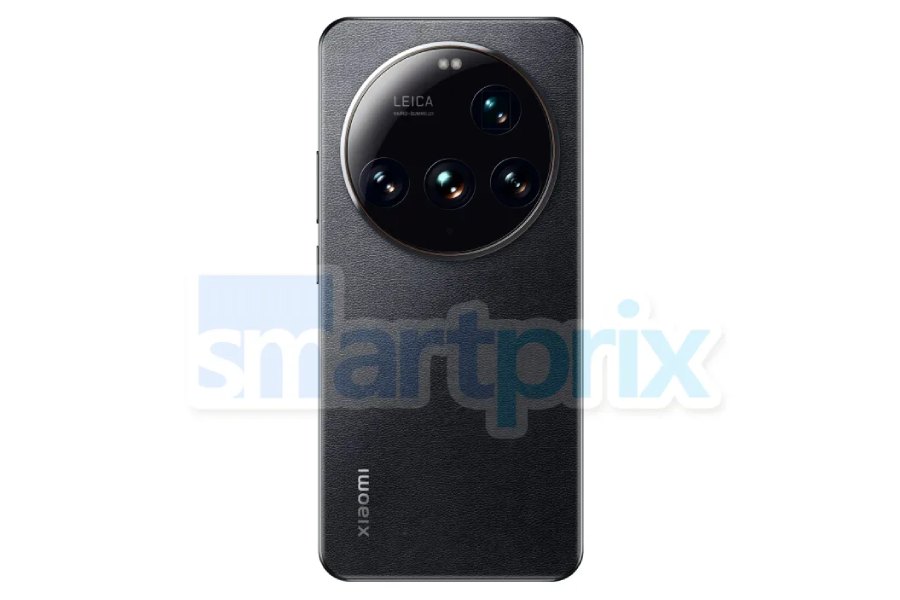
The 15 Ultra is said to come in three material finishes — plain leather, fiberglass, or ceramic. The phone’s render has also surfaced online in a black leather option.
Under the hood, the phone will likely use the latest Snapdragon 8 Elite chipset for powerful performance. On the software side, it will run on Xiaomi’s HyperOS 2.0, based on Android 15.
There have been reports that OnePlus is working on a compact smartphone. New details about the device have been consistently surfacing. Today, tipster Digital Chat Station released a Weibo post to shed some more light on this mysterious OnePlus phone.
OnePlus’ compact phone details leaked
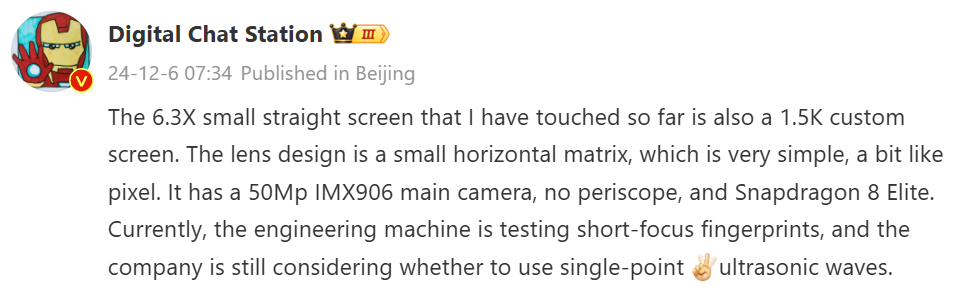
According to DCS, the upcoming OnePlus compact phone will feature a 6.3-inch custom-made flat display that offers a 1.5K resolution. The camera design is described as a horizontal small matrix, which is quite minimalistic and somewhat reminiscent of the Pixel series. The primary camera is expected to be a 50-megapixel IMX906 sensor, and there will be no periscope lens.
The device is powered by the Snapdragon 8 Elite processor. The engineering prototype model is currently undergoing testing with a short-focus fingerprint sensor, and internal deliberations are ongoing regarding the inclusion of single-point ultrasonic fingerprint technology.
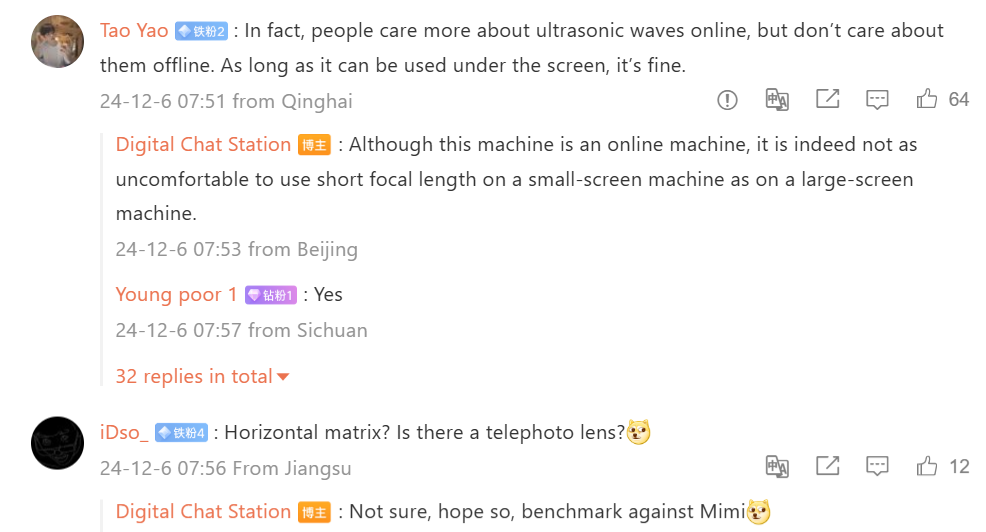
The tipster also notes that using a short-focus fingerprint sensor on a small-screen phone is not as uncomfortable as it would be on a larger-screen device, despite the device’s intended online sales. There is a hope that this compact phone will be positioned to compete with similar devices from Xiaomi, but this is not confirmed yet.
DCS has previously claimed that OnePlus’ compact phone will debut in the second quarter of 2025 in China. Additionally, he disclosed that the device will belong to the Ace series, implying a potential moniker of OnePlus Ace 5 Mini.
Speaking of Ace-branded phones, OnePlus will be launching the OnePlus Ace 5 and Ace 5 Pro later this month in China. According to reports, the Snapdragon 8 Gen 3 and Snapdragon 8 Elite chipsets, respectively, power these devices. The Ace 5 duo will rival the Redmi K80 series, the iQOO Neo 10 series, and the Realme Neo 7 in the Chinese market.
Honor has been on a roll in 2024, unveiling compelling smartphones with advanced features and performance capabilities. The Honor 300 Pro, launched recently, serves as an upgrade to the Honor 200 Pro, which debuted earlier this year. While both phones target the premium segment, the Honor 300 Pro brings a series of refinements and upgrades over its predecessor. Here’s a detailed comparison of the two devices, focusing on their design, display, performance, camera systems, battery life, and other key features.
Both smartphones offer the same vibrant OLED displays. The Honor 200 Pro sports a 6.78-inch 1.5K OLED curved display with a resolution of 2700 × 1224 pixels, delivering sharp visuals and vibrant colors. It supports a 120Hz refresh rate, 100% DCI-P3 color gamut, and boasts an impressive peak brightness of 4,000 nits. It also includes 3840Hz PWM dimming, making it easy on the eyes during prolonged usage.
The Honor 300 Pro retains the same 6.78-inch curved OLED display and specifications, including 120Hz refresh rate, 2700 × 1224 pixels resolution, and 4,000 nits peak brightness along with all the other specs.
2. Design and Build
Honor 300 Pro features a slightly larger footprint, measuring 163.8×75.3×8.2mm, and weighs 199g in glass and 198g in leather finishes. It comes in bold colors like Rock Black, Tea Green, and Starlight Sand, emphasizing elegance with a modern twist.
In contrast, the Honor 200 Pro measures 163.3×75.2×8.2mm and weighs 199g, maintaining a sleek design. It is available in relatively conservative shades that complement its curved OLED display. The difference in design primarily lies in the refined finishes of the Honor 300 Pro, which gives it a more contemporary look.
3. Performance
Performance is one of the most significant areas of improvement in the Honor 300 Pro. The Honor 200 Pro is powered by the Snapdragon 8s Gen 3 SoC, a high-performing chipset built on the 4nm process. It features the Adreno 735 GPU and is paired with 12GB LPDDR5X RAM and 512GB of internal storage, delivering smooth multitasking and gaming performance.
The Honor 300 Pro, on the other hand, takes things up a notch with the Snapdragon 8 Gen 3 SoC, Qualcomm’s flagship processor, also based on the 4nm process. The chipset integrates the Adreno 750 GPU, which provides a noticeable boost in graphical performance, particularly for resource-intensive applications and gaming. The device offers configurations with 12GB or 16GB of LPDDR5 RAM and storage options up to 1TB, catering to users with high storage demands.
4. Camera
The Honor 200 Pro features a 50MP main camera with a 1/1.3-inch OmniVision OV50H sensor, a 12MP ultra-wide-angle lens, and a 50MP 2.5x portrait telephoto camera. It includes OIS for stability, 4-in-1 pixel binning, and a shape memory alloy actuator, ensuring sharp and stable images. The front setup includes dual cameras with a 50MP selfie camera along with a 3D depth camera.
The Honor 300 Pro takes the camera game further by offering a 50MP main camera with the Sony IMX906 sensor, along with a 12MP ultra-wide-angle lens and a 50MP 3x portrait telephoto camera. The improved telephoto lens captures more detail and performs better in low-light conditions. On the front, the 50MP camera and the 3D depth cameras continue to excel in selfies and video recording, and 4K video remains a staple for both devices.
5. Battery Life and Charging
The Honor 200 Pro packs a 5200mAh silicon-carbon battery with 100W SuperCharge fast charging. The device can charge up to 50% in just 15 minutes, making it ideal for users on the go. Additionally, it supports 66W wireless fast charging, a feature uncommon in this segment.
The Honor 300 Pro comes with a slightly larger 5300mAh battery, offering better endurance. It retains the 100W wired SuperCharge but upgrades the wireless charging to 80W, reducing charging time significantly. The combination of larger capacity and faster charging makes the Honor 300 Pro more versatile for heavy users.
6. Software and Other Features
Software enhancements also set these devices apart. The Honor 200 Pro runs on MagicOS 8.0 based on Android 14 out of the box, while the Honor 300 Pro introduces MagicOS 9.0, based on Android 15. MagicOS 9.0 includes better AI-driven features, optimized app performance, and improved connectivity options, such as Wi-Fi 7 for faster wireless speeds.
7. Conclusion
The Honor 300 Pro is a clear upgrade over the Honor 200 Pro, with better performance, improved camera features, slightly enhanced battery life, and faster wireless charging.
While both devices are excellent in their own right, users seeking cutting-edge technology, particularly in photography and performance, will find the Honor 300 Pro a worthwhile investment. On the other hand, the Honor 200 Pro remains a fantastic choice for those who prioritize value and do not require the absolute latest features.
Realme is gradually revealing the key details of the Realme Neo 7 ahead of its official announcement in China on Dec. 11. Today, the brand released the following posters to confirm the display specifications of the Neo 7. It has also confirmed the color variants of the device.
Realme Neo 7 display details revealed
The Realme Neo 7 features a custom S2 professional-grade gaming display developed by BOE. It incorporates 8T LTPO flagship technology, ensuring smooth visuals and reduced power consumption. The screen is designed to provide high-brightness performance, offering a peak brightness of up to 6,000 nits.
For gaming enthusiasts, the display supports HDR, offering professional-level color management. The 2600Hz touch response engine enables millisecond-level touch sensitivity, enhancing the gaming experience. Additionally, the display has ultra-narrow bezels, measuring just 1.49mm, contributing to a more immersive viewing experience.
The Realme Neo 7 also prioritizes eye protection with its hardware-level, full-brightness DC dimming feature, eliminating the need to compromise between eye comfort and display quality. TÜV Rheinland Smart Eye Protection 3.0 has certified it, incorporating multiple eye protection solutions to ensure user comfort and safety during extended use.
Realme has not confirmed the Realme Neo 7’s display size. The TENAA certification of the device has already revealed that it has a 6.78-inch display that offers a 1.5K resolution and an in-screen fingerprint sensor. The above posters confirm that the Neo 7 will be available in shades, such as Starship, Meteorite Black, and Submarine Blue.
The Neo 7 features the Dimensity 9300 Plus chipset, a 7,000mAh battery with 80W rapid charging, up to 16 GB of RAM, and up to 1 TB of storage. The device features a 16-megapixel front camera and a 50-megapixel + 8-megapixel dual-camera system on the back.
Most earbuds today follow a familiar playbook—compact, in-ear designs with silicone tips or hard plastic shells that fit snugly inside the ear canal. This form factor dominates for a reason: it’s functional, portable, and offers effective sound isolation.
Yet, not all earbuds stick to this script. Some manufacturers are opting for designs that deviate from these traditional forms. These unique earbuds are created with specific goals in mind, such as providing a more open listening experience, enhancing comfort, or even improving situational awareness.
So, we’ve put together a list of the most unique and weird-looking earbuds currently on the market. By “weird,” we don’t mean they look bad, but rather, they defy our usual expectations of what earbuds can look like.
The Bose Ultra Open Earbuds ditch the in-ear design altogether, opting for an “open-ear” style that rests on the top of your ear. Instead of sealing off the ear canal, they feature transducers that direct sound toward your ear canal while keeping you fully aware of your surroundings. This design is ideal for users who value situational awareness, such as runners, commuters, or nature enthusiasts.
Despite the unconventional form, Bose promises a premium audio experience with Ultra Open. It is equipped with its proprietary OpenAudio technology and 12mm drivers. The battery life supports up to 7.5 hours of playback, with quick charging options that deliver 2 hours of use from a 10-minute charge.
It uses Bluetooth 5.3 for connectivity and has Snapdragon Sound Certification, and Google Fast Pair support. Bose’s SimpleSync technology adds another layer of utility, letting users connect to compatible Bose soundbars for private listening.
2. Shokz OpenRun
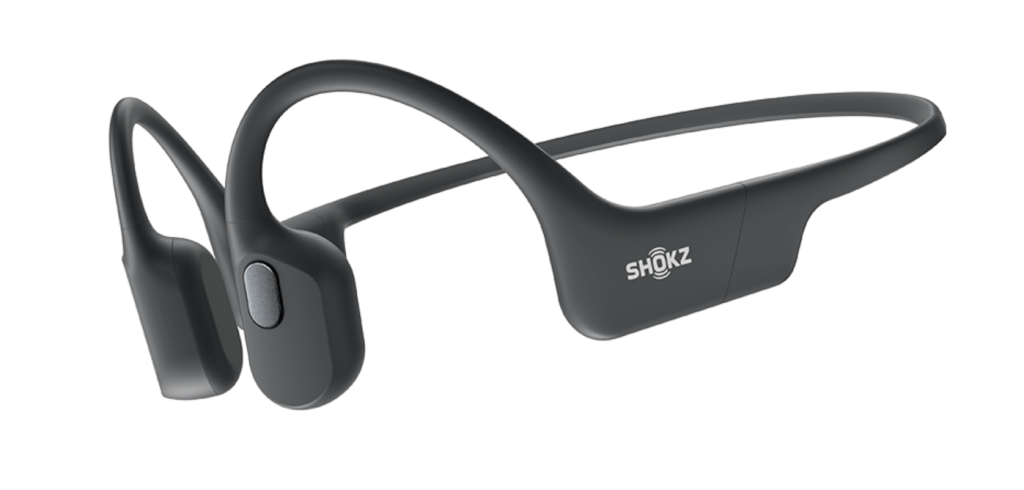
The Shokz OpenRun is a prime example of how open-ear technology can work for active users, particularly runners and cyclists. Originally known as the AfterShokz Aeropex, the OpenRun takes advantage of bone conduction technology that transmits sound through the bones in the skull, allowing users to hear their audio without blocking out ambient noise.
These earbuds sit comfortably around the back of the neck, leaving the ears open to their surroundings. Shokz has managed to reduce the size and weight of these earbuds, making them 30% smaller and 13% lighter than previous models.
With an IP67 water resistance rating, the Shokz OpenRun can withstand immersion in water for up to 30 minutes, making them durable for outdoor activities. The design also features easy-to-use controls for volume and playback, though some users may find the buttons too close together. The earbuds are ideal for fitness enthusiasts who require a balance between safety and performance.
3. Nothing Ear (Open)
Known for its minimalist and futuristic designs, Nothing introduced the Ear (Open) as their first open-ear earbuds with a semi-transparent aesthetic and a wrap-around ear hook. These earbuds weigh just 8.1 grams each and include IP54 dust and splash resistance.
The earbuds are designed to provide comfort and situational awareness, similar to the other models discussed. They do not offer active noise cancellation but focus on open listening instead, which may be more suitable for users who want to stay aware of their environment while enjoying audio.
Equipped with 14.2mm titanium-coated drivers and Bluetooth 5.3, the Nothing Ear (Open) supports dual-device pairing and features pinch controls for adjusting playback and volume. They also come with a companion app for EQ customization and firmware updates.
4. Sony LinkBuds Open
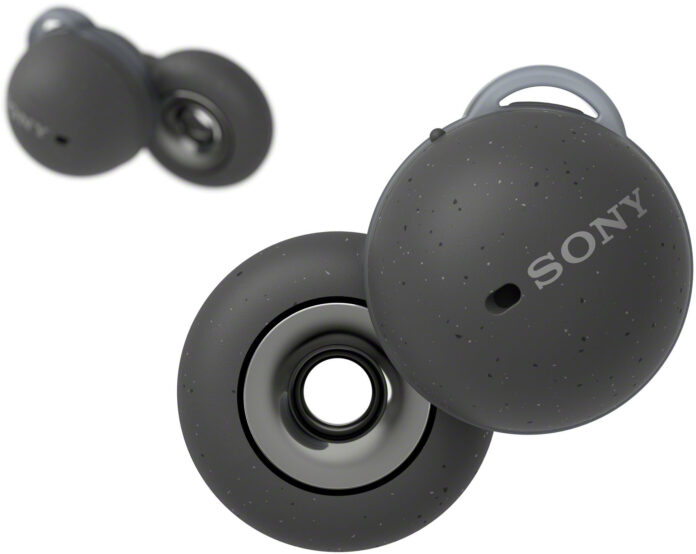
Sony’s LinkBuds Open is another unique entry in the open-ear category. The earbuds consist of a pod with a ring-shaped driver around the middle. The ring allows outside sound to filter through naturally, while the pod sits comfortably in the ear.
The LinkBuds Open also features a compact case that looks like two pebbles stacked together. The earbuds house 11mm drivers for audio output and are IPX4-rated for water resistance. However, the case lacks a water resistance rating and wireless charging.
5. Huawei FreeClip
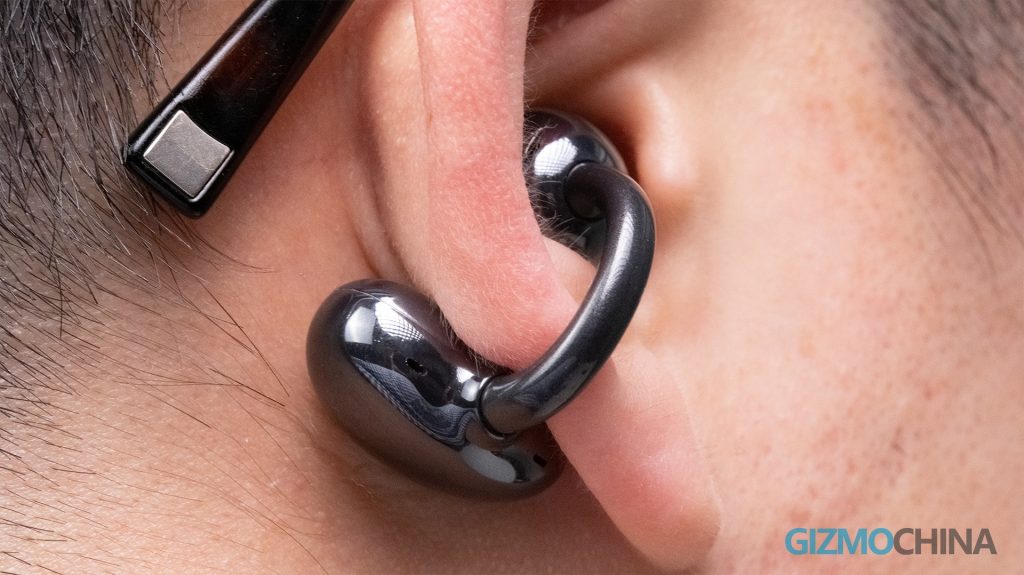
Out of all the earbuds we’ve talked about in this list, Huawei’s FreeClip has to be one of the most unique-looking ones. This earbud literally has three parts to it — a Comfort Bean connected by a C-bridge to the Acoustic Ball. The Comfort Bean is the part that sits behind the ear while the Acoustic Ball delivers sound to the ear.
One of the most impressive features of FreeClip is its ambidextrous design—there’s no need to distinguish between left and right buds; either can fit in any ear. They’re quite decent in weight, weighing 5.6 grams each. Not the lightest, not heavy either.
The FreeClip offers 32 hours of battery life with support for 10 minutes of fast charging. It has an IP54 rating for dust and splash resistance and it can connect to two devices simultaneously.
6. Conclusion
These unconventional earbuds challenge the idea that audio devices must conform to a single design standard. By addressing specific user needs—whether for fitness, comfort, or style—they broaden the options available in personal audio.
As the audio landscape evolves, it’s clear that innovation isn’t just about sound quality—it’s also about reimagining how we experience audio in our daily lives. For those tired of the same old designs, these earbuds might just be the fresh perspective they’re looking for.
We use cookies on our website to give you the most relevant experience by remembering your preferences and repeat visits. By clicking “Accept”, you consent to the use of ALL the cookies.
This website uses cookies to improve your experience while you navigate through the website. Out of these, the cookies that are categorized as necessary are stored on your browser as they are essential for the working of basic functionalities of the website. We also use third-party cookies that help us analyze and understand how you use this website. These cookies will be stored in your browser only with your consent. You also have the option to opt-out of these cookies. But opting out of some of these cookies may affect your browsing experience.
Necessary cookies are absolutely essential for the website to function properly. This category only includes cookies that ensures basic functionalities and security features of the website. These cookies do not store any personal information.
Any cookies that may not be particularly necessary for the website to function and is used specifically to collect user personal data via analytics, ads, other embedded contents are termed as non-necessary cookies. It is mandatory to procure user consent prior to running these cookies on your website.