Advertisement

Why you shouldn’t buy a first-generation gadget

In the fast-paced world of technology, there’s an undeniable allure to being among the first to own the latest gadget. Whether it’s a groundbreaking smartphone, a revolutionary wearable, or an innovative home device, the excitement of owning something entirely new can be compelling.

However, there’s a strong case to be made against buying a first-generation gadget. While the thrill of cutting-edge tech is enticing, the risks often outweigh the rewards. Here’s why you should think twice before jumping on the first-gen bandwagon.

Oculus Quest 2

1. Beta Testers’ Dilemma

First-generation gadgets are, in many ways, the beta versions of what their successors will become. Even with rigorous testing, it’s impossible for companies to foresee every potential issue that real-world usage will uncover. These devices are often released with a promise of groundbreaking features, but the reality is that many of these features may not be fully refined. The early adopters, while enjoying the novelty, often end up as unofficial beta testers, dealing with bugs, glitches, and performance issues that are ironed out in later iterations.

For instance, the first generation of foldable smartphones, like the Samsung Galaxy Fold, faced significant issues upon release. Early units were plagued with screen failures, hinge problems, and durability concerns that left many users frustrated. While Samsung eventually addressed these issues in subsequent models, those who bought the first-gen devices paid a premium to experience these shortcomings firsthand.

2. Cost of Innovation

Innovation comes at a price, and first-generation gadgets often come with a hefty one. Companies invest significant resources into research, development, and marketing to bring something entirely new to market. To recoup these costs, first-gen devices are usually priced at a premium. However, this premium price doesn’t always equate to premium performance.
Take, for example, the first generation of virtual reality headsets. Early adopters of devices like the Oculus Rift paid a high price for a product that, while innovative, had a range of issues from a lack of content to uncomfortable designs and motion sickness-inducing performance. As the technology matured, prices dropped, content libraries expanded, and the overall experience improved significantly, leaving first-gen buyers with an outdated, overpriced product.

3. Risk of Obsolescence

The tech industry is notorious for its rapid evolution, and nowhere is this more evident than in the lifecycle of gadgets. First-generation devices often become obsolete quickly, as manufacturers learn from their mistakes and release improved versions within a year or two. The first-gen buyers are left with a device that may no longer receive software updates, has limited support, or is overshadowed by a superior successor.

Consider the first-generation Apple Watch. While it was a pioneer in the smartwatch market, it quickly became outdated as newer versions were released with better processors, more features, and improved battery life. Those who bought the first-gen model found themselves with a device that was soon incompatible with the latest watchOS updates (got update up to watchOS 4.3.2), limiting its functionality and lifespan.

4. Incomplete Ecosystems and Accessories

First-generation gadgets often launch with incomplete ecosystems. This means that the accessories, apps, and services designed to complement the device may not be fully developed or even available at launch. For instance, when the first-generation iPhone was released, it lacked essential features like third-party apps, video recording, and even the ability to send picture messages. It took several iterations before the iPhone ecosystem became as robust as we know it today.

Moreover, the accessory market for first-gen devices can be hit or miss. Manufacturers of third-party accessories often wait to see how a new device performs in the market before investing in the development of complementary products. This can leave first-gen users with limited choices, or worse, investing in accessories that quickly become incompatible with newer models.

5. Waiting Dilemma

While it can be tempting to be among the first to own a new gadget, patience often pays off. Waiting for the second or third generation of a device allows you to benefit from the lessons learned during the first generation’s release. Manufacturers refine the design, fix bugs, enhance performance, and often lower the price. Additionally, by waiting, you can gain access to a more mature ecosystem of apps, accessories, and services.

For example, the second-generation Apple AirPods Pro addressed many of the complaints users had with the first version, including improved sound quality, better noise cancellation, and more secure fit. By waiting, users were able to get a superior product at a similar price point, without the frustrations that early adopters faced.

6. Conclusion

Buying a first-generation gadget is like walking on a tightrope. While the excitement of owning something new and innovative is undeniable, the risks involved can often outweigh the benefits. From dealing with bugs and glitches to paying a premium price for what may quickly become an obsolete product, the downsides are significant.

Instead of succumbing to the allure of first-gen devices, consider waiting for the technology to mature. The benefits of a more refined, reliable, and affordable product far outweigh the temporary thrill of being an early adopter. In the end, patience is not just a virtue; it’s a smart consumer strategy in the ever-evolving world of tech.

Galaxy S25 Ultra will be slimmer and lighter than Pixel 9 Pro XL and iPhone 16 Pro Max

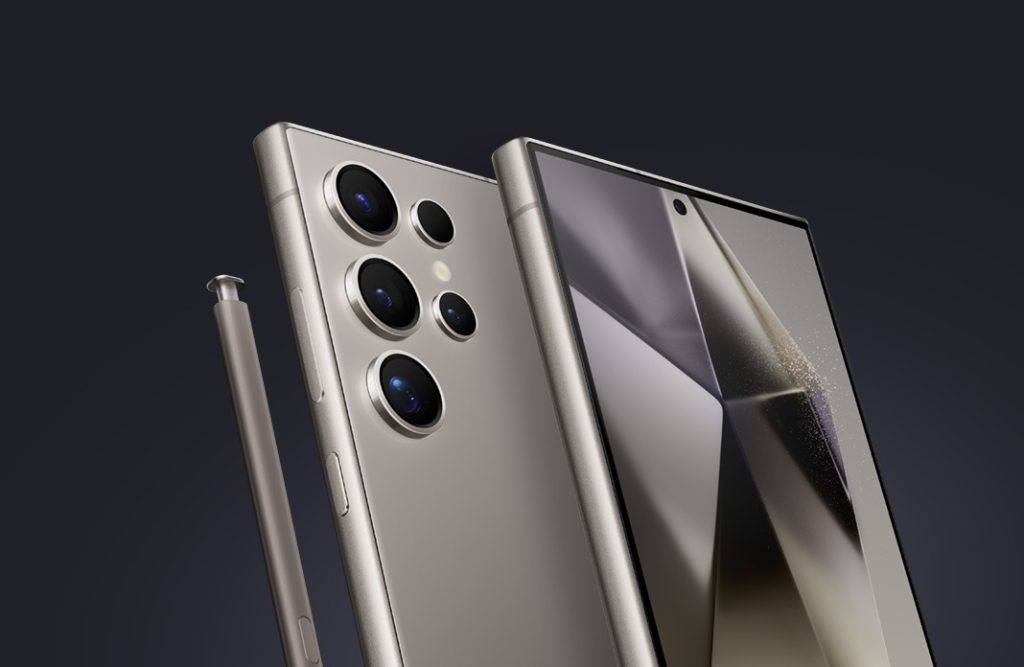
Samsung’s upcoming flagship, the Galaxy S25 Ultra, has been a hot topic in the rumor mill lately. Following earlier reports of a redesigned frame with rounded corners for improved ergonomics, a new leak now suggests the phone could be the thinnest and lightest Ultra model yet.

Words for it come from usually reliable tipster Ice Universe. The insider claims that the Galaxy S25 Ultra will be slimmer and lighter than both the Google Pixel 9 Pro XL and the upcoming iPhone 16 Pro Max. 

We will get to know the 16 Pro Max’s dimensions when it launches on September 9. For a point of comparison, though, the Pixel 9 Pro XL measures  8.5mm thick and weighs 221 grams.  

Based on this, we can expect the upcoming Galaxy flagship to be around 8.4mm thick and weigh less than 220 grams. This isn’t considerably slim from S24 Ultra which measures 8.6mm, but it would be lighter, as the latter weighs 233 grams.

The tipster further suggests that the S25 Ultra will be the lightest of all upcoming “Ultra” flagships. That is to say, lightest among the Oppo Find X8 Ultra, Xiaomi 15 Ultra, and Vivo X200 Ultra, we suppose.

Galaxy S25 Ultra

With the rumored design changes and thinner profile, the S25 Ultra should be a more manageable option for users who find current Ultra models a bit bulky.

Of course, there are chances of trade-offs from these changes. For instance, for a thinner profile, Samsung may pack a smaller battery. Or, outfitting the next-generation Snapdragon processor into a thinner frame could raise thermal management concerns.

While this information is based on leaks, the tipster has a strong track record of accuracy, so it’s worth considering. But we’ll still have to wait for the official announcement in early 2025 to get the full details on the phone’s design, specs, and pricing.

Realme 13 5G, 13+ 5G Launch In India With 120Hz Display, 50MP OIS Camera, And 5,000mAh Battery

The Realme 13 Pro series debuted in India last month. Now, the brand has announced the non-pro variants i.e. the Realme 13 5G and Realme 13+ 5G. Both phones have an identical design and share some similar specifications. However, the Plus variant is the more premium offering among the two. Read on to learn what the Realme 13 5G duo offer out of the box. 

Realme 13 5G and Realme 13+ 5G specs

realme 13 5G series

The Realme 13 5G has a 6.72-inch display whereas the 13+ 5G has a slightly smaller 6.67-inch screen. Both phones have an FHD+ resolution with a 120Hz refresh rate. However, one notable difference between the two is that the standard model has an LCD panel whereas the plus variant has an AMOLED display. Both phones come with Rainwater smart touch that makes them usable with wet hands. Design-wise, the Realme 13 5G duo feature a flat frame with a circular camera island on the back panel that has a gradient pattern.

On the imaging front, the Realme 13 5G and 13+ 5G come with dual and triple rear cameras respectively. The setup comprises a 50MP Sony LYT-600 main sensor with OIS paired with a 2MP portrait unit. The Plus model has an additional 8MP ultra-wide-angle lens. Both phones have a 16MP front-facing selfie snapper. 

In terms of hardware, the Realme 13 5G and 13+ 5G are equipped with Dimensity 7300 Energy and Dimensity 6300 processors respectively. They pack up to 12GB RAM along with support for virtual RAM and up to 256GB storage. There is a stainless steel VC for heat dissipation on both devices but the Plus variant has a slightly larger size. The devices come with GT mode that borrows gaming features from the flagship Realme GT 6. Realme says that the 13+ 5G has bagged lag-free mobile gaming certification from TUV SUD. The smartphones are backed by a 5,000mAh battery unit with support for 45W charging on the standard model and the plus variant maxing out at 80W. Software-wise, the Realme 13 5G duo runs on Realme UI 4.0 based on Android 14. There are various AI-based features like smart shot, smart loop, gaming network etc.

The Realme 13 5G comes in Speed Green and Dark Purple colors whereas the 13+ 5G is offered in an additional Victory Gold shade. The standard model costs Rs 17,999 and Rs 19,999 for the 8GB + 128GB and 8GB + 256GB variants respectively. Meanwhile, the Plus model is priced at Rs 22,999 and Rs 24,999 for the same configurations. It is also available in 12GB + 256GB costing Rs 26,999. Both phones will be available for purchase starting September 6 from Flipkart and the brand’s website.

Apple rumored to double iPhone RAM in 2025 for more on-device AI

Apple is set to introduce the iPhone 16 series on September 9, but the upcoming iPhone 17 series is already stealing some of the spotlight. 

The 2025 iPhones are expected to bring some big changes, including the introduction of an entirely new iPhone 17 Slim and ProMotion 120Hz support across all models.

A recent leak from China adds another upgrade to the list: RAM capacity. According to the leak, the iPhone 17 series will feature 12GB of RAM across all models.

iPhone 17 leak

The leak also mentions that the iPhone 16 series will come with 8GB of RAM. Last year, only the iPhone 15 Pro models had 8GB, while the standard variants carried 6GB. However, it seems Apple is finally eliminating this disparity.

The increase in memory is not just to boost performance, though it will certainly help with that. But the primary reason is Apple’s evolving plans for on-device AI functionalities. Running AI directly on the device requires sufficient processing power and memory, and this is where the increased RAM will play a crucial role.

Google took a similar approach with their Pixel 9 phones, where even the standard model now starts with 12GB of RAM. Part of this memory is dedicated to on-device AI tasks.

iPhone 16 dummy units

The iPhone 16 series is still said to have AI or Apple Intelligence features that are mostly cloud-based. However, the rumor suggests that the iPhone 17 will see a significant shift towards on-device AI processing, hence the substantial RAM upgrade. 

However, take this leak with a pinch of salt, as it’s from a less familiar source. We can be somewhat more confident in it if the upcoming iPhone 16 series does indeed come with 8GB of RAM, as the tipster claims.

$100 Off on OnePlus Nord 4: 50MP Camera, 120Hz Display, 100W Charging and more (Coupon)

OnePlus Nord 4 raises the bar for mid-range smartphones, delivering exceptional performance and features at a competitive price. This device blends speed, power, and sleek design, catering to users who seek high-quality mobile experiences.

oneplus nord 4

$100 OFF on OnePlus Nord 4:

Get $100 off the OnePlus Nord 4 (EU version, global software) on Geekwills using the coupon code N4D100. This limited-time offer is valid until September 30. Grab the deal and enjoy flagship-level features at an unbeatable price.

Performance and Display

Powered by the Qualcomm Snapdragon 7+ Gen 3 chipset, the OnePlus Nord 4 ensures smooth multitasking and gaming. Its 6.74-inch AMOLED display offers a 1.5K resolution with vibrant colors and a 120Hz refresh rate, delivering sharp visuals and fluid performance for entertainment and browsing.

Camera and Battery

The dual-camera setup features a 50MP Sony LYTIA primary camera with OIS for sharp, detailed photos, while the 8MP ultra-wide lens is perfect for capturing expansive shots. A 16MP front camera ensures clear selfies. The 5500mAh battery, coupled with 100W fast charging, keeps you powered throughout the day, charging from 0% to 100% in just 26 minutes.

Design and Durability

With a slim profile, a 200g weight, and a glass front and back, the Nord 4 is as stylish as it is durable. Its IP65 rating offers dust and water resistance, while the ergonomic design provides a comfortable grip.

Software and Storage

Running on OxygenOS 14.1 (Android 14), the Nord 4 offers a clean, user-friendly interface with customization options. Storage configurations include 256GB with 12GB RAM and 512GB with 16GB RAM, both utilizing UFS 4.0 for faster performance.

Connectivity and Features

Supporting 5G, Wi-Fi 6, Bluetooth 5.4, and multiple positioning systems, the Nord 4 offers comprehensive connectivity options. It also includes an under-display fingerprint sensor, stereo speakers, and advanced positioning tech.

The OnePlus Nord 4 delivers flagship-level features at a mid-range price. Its powerful performance, stunning display, versatile camera, and rapid charging make it an ideal choice for users seeking a premium experience without breaking the bank.

GC Daily: Huawei TruSense tech detects Respiratory issues from your Cough, Tecno debuts Tri foldable smartphone

In today’s roundup, we talk about Huawei’s new Truesense wearable technology, Tecno’s new tri fold concept showcase, and Xiaomi’s potential changes in TV business strategy.

  1. Huawei’s TruSense Technology: Dive into Huawei’s latest innovation in smartwatch health tech. We’ll explore how their new TruSense feature could revolutionize respiratory health monitoring through wearables.
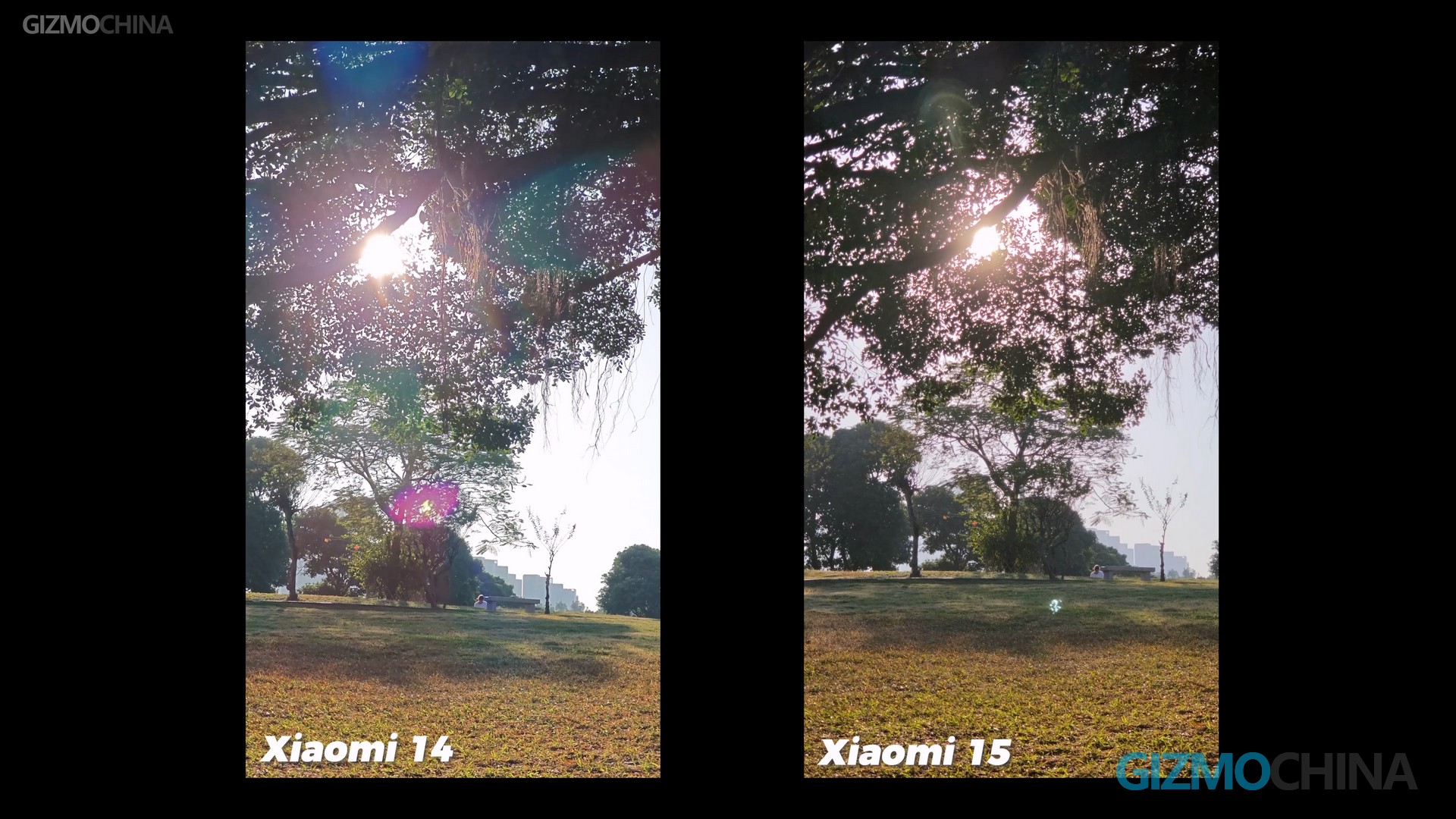
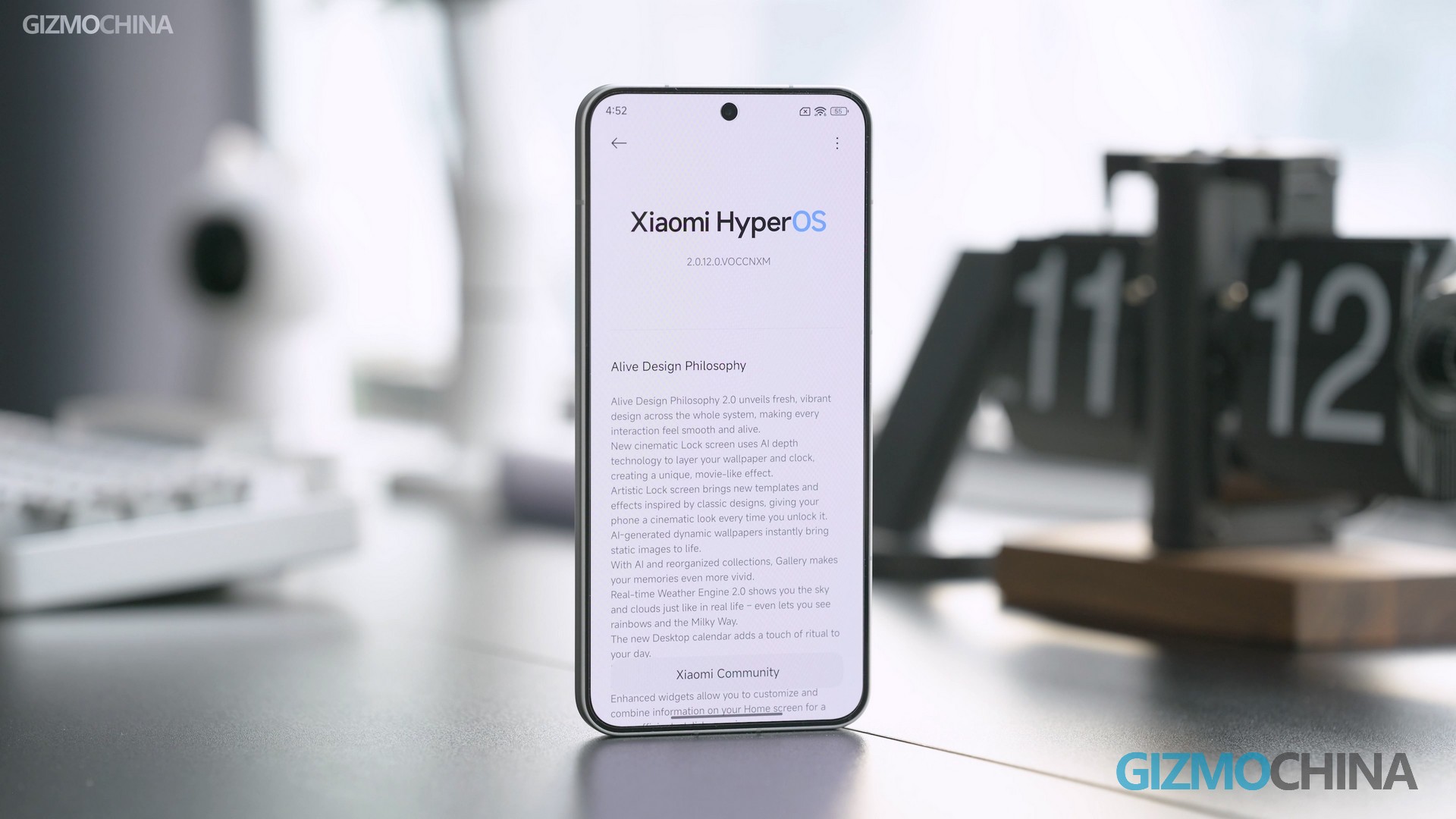
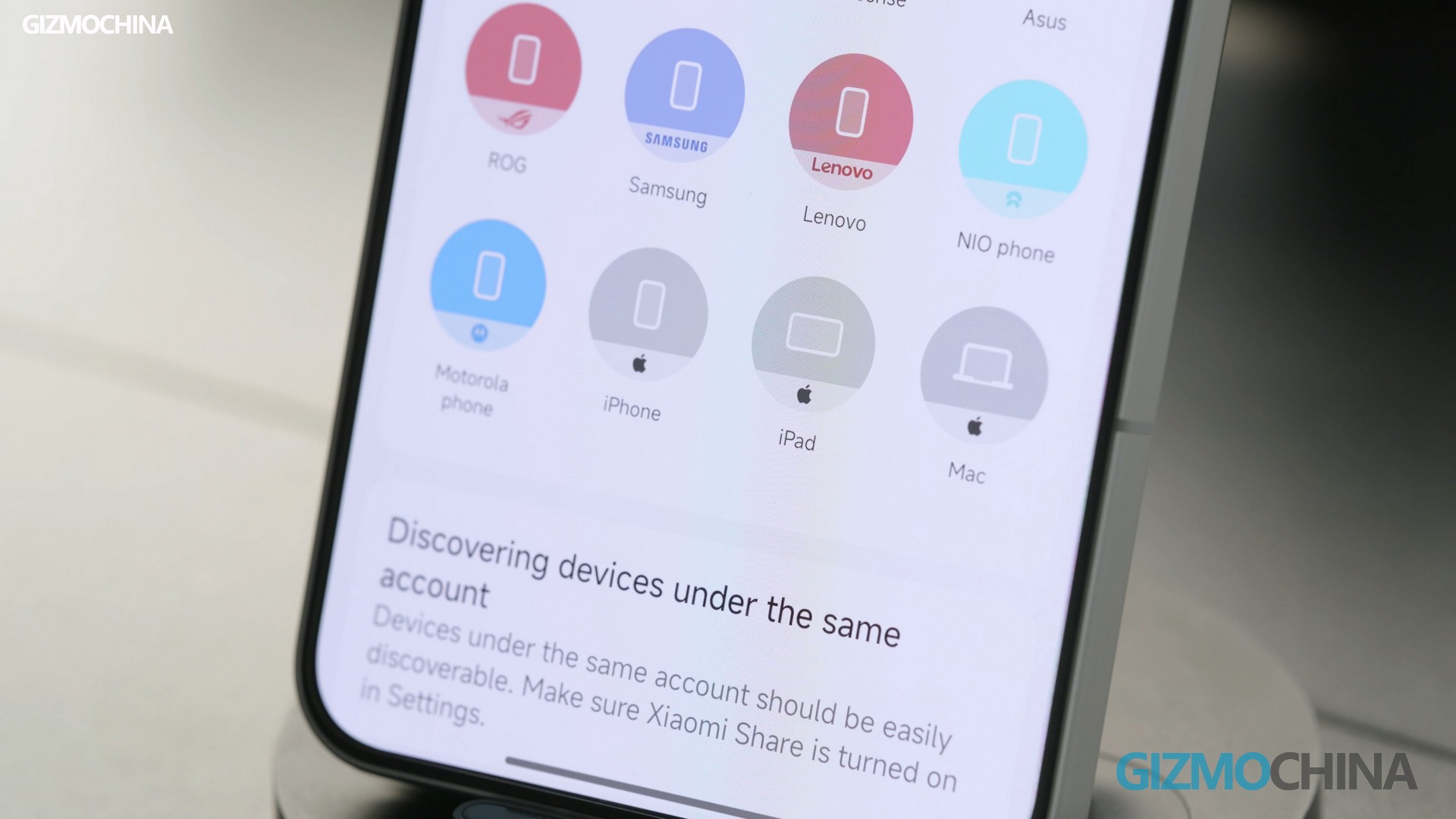
  2. HyperOS 2.0 Release Date: Get the scoop on the leaked release date for Xiaomi’s HyperOS 2.0. We’ll speculate on the potential simultaneous debut of the Xiaomi 15 and what this means for Xiaomi’s ecosystem.
  3. Tecno’s Tri-Fold Concept Phone: Unpack Tecno’s new entry into the foldable market with the Phantom Ultimate 2 trifold. We’ll discuss how this concept device could shape the future of smartphone design.
  4. Xiaomi’s TV Business Strategy: Analyze Xiaomi’s reported shift away from low-cost TV models. We’ll examine the implications of this move for Xiaomi’s broader ecosystem strategy and the smart TV market.

Plus, don’t miss our roundup of other exciting stories, including HMD’s quirky Barbie Phone, Motorola’s compact Edge 50 Neo, iPhone 17 rumors, and Amazfit’s latest smartwatch teaser!


Xiaomi HyperOS 2.0 update

Xiaomi is known to be working on the second generation of HyperOS for quite a while. Xiaomitime previously spotted a line of code in the system that suggests that the company is working on HyperOS 2.0. Now the latest leak out of China claims that the HyperOS 2.0 will be released on October 10.

Read More


Tecno Phantom Ultimate 2

Tecno has introduced its own groundbreaking tri-fold concept phone, the Phantom Ultimate 2, at the IFA technology conference in Berlin. This announcement comes as the brand prepares to release the Phantom V Fold 2 and V Flip 2 foldable phones.

Read More


Xiaomi Smart TV

Xiaomi, a global technology leader, is reportedly undergoing a strategic shift in its TV business, gradually phasing out certain low-cost TV models in the Chinese market to concentrate on building a more integrated business ecosystem.

According to CNMO, this move is part of Xiaomi’s broader strategy to move beyond hardware sales and tap into recurring revenue opportunities through internet services.

Read More


Garmin Enduro 3 launched: A Lightweight, Durable GPS Watch for Ultra Athletes

Garmin has introduced the Enduro 3, a GPS smartwatch designed with endurance athletes in mind. The device is lightweight and offers an extended battery life, enhanced by its solar charging capabilities.

Garmin Enduro 3

Weighing 63 grams, the Enduro 3 can last up to 320 hours in GPS mode when using solar charging. It also includes features like dynamic round-trip routing, trail run VO2 max insights, and preloaded TopoActive maps.

One of the key features of the Enduro 3 is its solar battery, which captures more than twice the solar power compared to the previous model, contributing to its 320-hour battery life in GPS mode. The watch also includes SatIQ technology, which helps conserve battery life by automatically switching between GPS modes while ensuring accurate positioning.

The Enduro 3 is built to be durable, featuring a titanium bezel, a sapphire lens, and a nylon band. It also has a built-in LED flashlight with adjustable brightness, a red light, and a strobe mode for low-light conditions.

For trail runners, the Enduro 3 provides VO2 max insights, grade-adjusted pace, and NextFork Map Guides. It also includes dynamic round-trip routing, TopoActive maps, and preloaded maps for golf courses and ski resorts.

The watch offers advanced strength training features with 4-6 week plans and sport-specific workouts. In addition to its endurance capabilities, the Enduro 3 tracks performance metrics like VO2 max, training load, and acclimation to heat and altitude. It also offers health and fitness monitoring features, including HRV status, Pulse Ox, sleep tracking, and an FDA-cleared ECG app.

For connectivity, the Enduro 3 supports Garmin Messenger for two-way text messaging, Garmin Share for location and workout sharing, and smart notifications. It also includes Garmin Pay for contactless payments and music streaming from Spotify, Deezer, or Amazon Music.

Pricing & availability

The Enduro 3 is available now, with a suggested retail price of $899.99.

Tecno Spark Go 1 debuts in India for Rs 7,299 ($87)

Following its global release, Tecno launched the Spark Go 1 smartphone in India. The device is now available for pre-order on Amazon, with sales starting on September 3rd at 12 PM, priced at Rs 7,299 for the Indian variant.

Tecno Spark Go 1

Tecno Spark Go 1 specs:

While the complete specifications for the Indian version haven’t been fully disclosed, the Amazon listing highlights some key features. The Spark Go 1 includes a 120Hz refresh rate display, which provides smooth visuals. The global model, which was recently introduced has a 6.67-inch IPS LCD display with HD+ resolution. It also comes with AI Active Noise Cancellation for clear audio, dual speakers, and an infrared sensor.

Tecno Spark Go 1

In terms of design, the Spark Go 1 has a flat display with a centrally placed punch-hole cutout and slim bezels. The back of the phone features a circular camera island with two sensors and an LED flash. The smartphone is available in three colors: Lime Green, Glittery White, and Startrail Black.

For performance, the global version of the Spark Go 1 is powered by the Unisoc T615 processor, with up to 4GB of RAM and 128GB of storage. The Indian version is expected to have similar or slightly upgraded specifications.

The camera setup includes a 13MP main rear camera and an 8MP front camera, both capable of taking decent-quality photos and videos. The phone also has a 5,000mAh battery that supports 15W charging via a Type-C port, ensuring good battery life.

Additional features of the Spark Go 1 include an IP54 rating for splash and dust resistance, a Dynamic Port feature for easy notification access, and dual speakers for better audio.

(Source)

Samsung launches AI-powered bespoke 12kg washing machines: Read prices, features  

Samsung has introduced a new range of 10 large-sized, AI-powered front-load washing machines designed to simplify laundry tasks for Indian consumers. These washing machines, featuring advanced AI technologies, promise an optimized and efficient washing experience, catering to the needs of households that require larger load capacities.

AI-powered features for smarter washing

Samsung launches AI-powered Bespoke 12kg washing machines: Read prices, features Samsung has introduced a new range of 10 large-sized, AI-powered front-load washing machines designed to simplify laundry tasks for Indian consumers. These washing machines, featuring advanced AI technologies, promise an optimized and efficient washing experience, catering to the needs of households that require larger load capacities. AI-powered features for smarter washing The new washing machines come in a 12kg capacity, making them ideal for washing larger items such as blankets, curtains, and sarees. These washing machines are equipped with a suite of AI-powered features, such as the AI Wash feature that utilizes advanced sensors to detect the fabric weight, softness, and soil level, optimizing water and detergent usage for a thorough yet gentle wash. The Auto Dispense feature further simplifies the washing process by automatically releasing the correct amount of detergent and fabric softener. The AI Energy Mode, accessible via the SmartThings App, allows users to monitor and manage energy consumption, potentially saving up to 70% on electricity bills. The app also offers the SmartThings Clothing Care feature, enabling users to create custom wash cycles and manage their laundry remotely. Additionally, the SuperSpeed option reduces wash time to just 39 minutes without compromising performance, while features like Q-Bubble and Speed Spray ensure powerful cleaning and efficient rinsing. The Hygiene Steam function provides a deep clean by removing 99.9% of bacteria and inactivating allergens, contributing to a healthier wash. The new washing machines have a tempered glass door and a sleek design that complements modern interiors. The machines are powered by digital inverter technology, which guarantees energy efficiency, reduced noise levels, and long-lasting performance. Price and availability Samsung’s Bespoke AI washing machines are available in various colours, including Inox, Navy, and Black, with prices ranging from Rs 52,990 to Rs 74,990. These washing machines can be purchased through Samsung’s official online store, the Samsung Shop App, retail stores, and other e-commerce platforms. For added convenience, Samsung Finance+ offers easy EMI options, making these machines more accessible to consumers. Samsung backs these machines with a 20-year warranty on the motor, highlighting their durability
Samsung unveils AI-powered bespoke 12kg washing machines

The new washing machines come in a 12kg capacity, making them ideal for washing larger items such as blankets, curtains, and sarees. These washing machines are equipped with a suite of AI-powered features, such as the AI Wash feature that utilizes advanced sensors to detect the fabric weight, softness, and soil level, optimizing water and detergent usage for a thorough yet gentle wash.

The Auto Dispense feature further simplifies the washing process by automatically releasing the correct amount of detergent and fabric softener. The AI Energy Mode, accessible via the SmartThings App, allows users to monitor and manage energy consumption, potentially saving up to 70% on electricity bills. The app also offers the SmartThings Clothing Care feature, enabling users to create custom wash cycles and manage their laundry remotely.

Additionally, the SuperSpeed option reduces wash time to just 39 minutes without compromising performance, while features like Q-Bubble and Speed Spray ensure powerful cleaning and efficient rinsing. The Hygiene Steam function provides a deep clean by removing 99.9% of bacteria and inactivating allergens, contributing to a healthier wash.

The new washing machines have a tempered glass door and a sleek design that complements modern interiors. The machines are powered by digital inverter technology, which guarantees energy efficiency, reduced noise levels, and long-lasting performance.

Price and availability

Samsung’s Bespoke AI washing machines are available in various colours, including Inox, Navy, and Black, with prices ranging from Rs 52,990 to Rs 74,990. These washing machines can be purchased through Samsung’s official online store, the Samsung Shop App, retail stores, and other e-commerce platforms. For added convenience, Samsung Finance+ offers easy EMI options, making these machines more accessible to consumers. Samsung backs these machines with a 20-year warranty on the motor, highlighting their durability.

Infinix Note 40 Series Racing Edition with BMW-Inspired Design now selling in India

Infinix has introduced its Note 40 Series Racing Edition smartphones in India, offering a blend of performance, design, and features. This series, developed in collaboration with BMW, includes two models: the Infinix Note 40 Pro 5G and the Infinix Note 40 Pro+ 5G.

Infinix Note 40 Series Racing Edition

1. Design and Aesthetics:

The Racing Edition models feature a design inspired by BMW, with a back panel showcasing the BMW M Power tricolor logo. The Racing Grey color texture adds a touch of exclusivity. The user interface includes custom wallpapers and icons that reflect the BMW aesthetic.

2. Key Specifications:

  • Display: Both models have curved 6.78-inch AMOLED FHD+ displays with a refresh rate of up to 120Hz.
  • Processor: They are powered by the MediaTek Dimensity 7020 chipset.
  • Memory: The phones come with up to 24GB of RAM and 256GB of internal storage.
  • Cameras: The devices feature a 108MP main camera with OIS, along with two 2MP sensors.
  • Battery and Charging: The Note 40 Pro 5G has a 5,000mAh battery with 45W fast charging, while the Note 40 Pro+ 5G comes with a 4,500mAh battery and supports 100W fast charging. Both models also support 20W fast wireless MagCharge and Reverse Wireless charging.
  • Audio: Dual stereo speakers tuned by JBL enhance the audio experience.

Additional Features:

  • Power X1 Magnetic chip: Supports integration with magnetic accessories.
  • AI Voice Activated halo lighting: Offers customizable lighting effects.
  • 11-layer VC Cooling: Helps manage heat for better performance.

3. Pricing and Availability:

The Infinix Note 40 Pro 5G starts at Rs 21,999, and the Note 40 Pro+ 5G starts at Rs 24,999. Both models are available on Flipkart.

OnePlus 9R Gets August Update with Battery, Camera, and Security Improvements

OnePlus has officially released the August update for its OnePlus 9R smartphone in India. This latest update, OxygenOS 14.0.0.602 with firmware version LE2101_14.0.0.602(EX01), introduces a range of optimization and fixes designed to improve the overall user experience.

OnePlus 9R

OnePlus 9R OxygenOS 14.0.0.602 changelog:

System

  • Integrates the August 2024 Android security patch to enhance system security.
  • You can now choose not to show the track when drawing the Lock screen pattern to unlock your device.
  • Optimises power consumption to extend battery life.
  • Improves how Home screen widgets are displayed.
  • Fixes an issue where system data takes up too much storage space.
  • Fixes an issue where the volume slider in Quick Settings and the one triggered by pressing the physical volume button might appear at the same time.
  • Fixes an issue where birthdays from Contacts might not be synced in Calendar events.
  • Fixes an issue where Camera might not be launched by double pressing either volume button.
  • Fixes an issue where Auto brightness might turn on automatically.
  • Fixes an issue that might cause delayed swipe response in Simple mode.
  • Fixes an issue where the “Uninstall updates” button may be unavailable after an app update.
  • Fixes an issue where the background of Quick Launch settings may appear black after a global theme is applied.

Communication

  • Fixes an issue where the device might not vibrate for phone calls.
  • Fixes an issue where phone numbers might not be displayed for call forwarding.

Games

  • Improves gaming stability.
  • Fixes an issue where the screen might turn black while playing a game.

How to Check for and Install the Update:

To check for and install the August update on your OnePlus 9R, follow these steps:

  1. Open the Settings app.
  2. Scroll down and select “About Device.”
  3. Tap on the blue ribbon at the top.
  4. If the update is available, you can download and install it.

(Source)

Moto S50 appears on Benchmark with Dimensity 7300 processor

Motorola has recently launched the Motorola Edge 50 Neo in the global market, featuring a 1.5K resolution P-OLED display, a MediaTek Dimensity processor, and a 50-megapixel main camera with Optical Image Stabilization (OIS). The same device is said to launch in China as the Moto S50. The S50 smartphone has now been spotted on Geekbench, revealing some of its key specifications.

motorola XT2409-5 Geekbench

The Geekbench listing reveals that the Moto S50, identified by model number XT2409-5 has a Dimensity 7300 processor, the same one used in the Motorola Edge 50 Neo. It has a peak clock speed of 2.50 GHz with a Mali-G615 MC2 GPU and 12GB of RAM.

Other specifications of the device were recently leaked, revealing that it will feature a 6.36-inch FHD+ OLED display with 120Hz refresh rate and support for HDR10+.

Motorola Edge 50 Neo

The device’s Dimensity 7300 chipset will reportedly be coupled with LPDDR4X RAM and UFS 2.2 storage. The device could house a 4,400mAh battery with support for 68W fast charging.

Its rear camera setup might include a 50-megapixel main sensor with OIS, a 13-megapixel ultra-wide camera, and a 10-megapixel telephoto lens with 3x optical zoom. On the front, the device will feature a 32-megapixel front-facing camera.

Additional features might include an in-display fingerprint sensor and IP68 water and dust resistance.

(via)

Alleged Vivo X200 series phone 3C certified, spotted with 90W fast charger

Recently, a Vivo phone model number V2415A was approved by the radio certification platform in China. The said device has now received approval from China’s 3C certification platform, indicating that its launch could be drawing near. There’s a possibility that it could be one of the Vivo X200 series of smartphones.

Purported Vivo X200 series receives 3C certification

Vivo V2415A 3C certified

The above screenshot reveals that the upcoming Vivo V2415 has emerged in 3C’s database. The device has been spotted with a V9082L0A1-CN / V9082L0E1-CN that supports up to 90W fast charging. Considering that the phone may support 90W charging, it appears that it could be an upcoming flagship phone from the brand.

There’s a possibility that the Vivo V2415 (without the letter “A”) that was recently spotted in the IMEI database could be the global version of the Vivo V2415A phone. As per the IMEI listing, the V2415 model number belongs to the Vivo X200. It is advisable to approach information about the phone’s moniker with caution. The identity of the V2415A phone is expected to be revealed in the coming days.

So far, reports suggest that the X200 lineup will consist of at least three models, such as the Vivo X200, X200+ and X200 Pro. These devices are expected to debut with the Dimensity 9400 chip onboard in the third week of October. The Vivo X200 Ultra is expected to launch in the first half of 2024. The Ultra variant may likely feature the Snapdragon 8 Gen 4 chip.

In related news, Vivo has recently confirmed that it will announce the Vivo Y300 Pro 5G smartphone on Sept. 5 in China. According to reports, the device features a micro-quad-curved OLED display, a 50-megapixel primary camera, and a 6,500mAh battery that supports 80W fast charging.

Red Magic Gaming Pad AnTuTu listing reveals 22M score, key specifications

Red Magic recently confirmed that it will hold a launch event on Sept. 5 to announce two gaming-focused tablets. One of the devices, which bears the NP03J model number, has appeared in the database of AnTuTu’s benchmarking platform. The listing as usual has revealed the benchmark test scores as well as key specifications of the device.

Red Magic Gaming Pad spotted on AnTuTu

Red Magic Gaming Pad AnTuTu listing

As can be seen in the above screenshot, the Red Magic Gaming Pad (NP03J variant) has scored 466,697 in the CPU test, 948,310 in the GPU test, 403,730 in the memory test, and 386,373 in the memory test. In total, the device managed to secure an impressive score of 2,205,110 on AnTuTu.

The Red Magic Gaming Pad variant that has appeared on AnTuTu is equipped with the Snapdragon 8 Gen 3 Leading Version chipset. It is accompanied by 16 GB of LPDDR5x RAM and 512 GB of UFS 4.0 storage. The device runs on Android 14 and supports a 120Hz refresh rate.

As per reports, this device may have a small form factor equipped with a 10.8-inch display. On the other hand, the larger tablet is expected to feature a 12.4-inch and the Snapdragon 8 Gen 2 chipset. It is likely that this model may debut with the Red Magic Tablet 3D Explorer Edition moniker. Unfortunately, no other details of the upcoming Red Magic Gaming Pad tablets are known.

Motorola Edge 50 Neo launches as compact phone with 6.4-inch OLED 120Hz display, 50MP triple cameras

Motorola has silently announced the Motorola Edge 50 Neo in the UK. The device is yet another addition to the Edge 50 series, which already includes the Edge 50 Ultra, the Edge 50 Pro, the Edge 50, and the Edge 50 Fusion. Here is a look at everything that’s known about the Edge 50 Neo.

Motorola Edge 50 Neo specifications and features

The Motorola Edge 50 Neo is a compact phone featuring a 6.4-inch P-OLED display with a 1.5K resolution of 2670 x 1220 pixels, supporting a 120Hz refresh rate and reaching a peak brightness of 3000 nits. This screen is integrated with a fingerprint sensor, and it comes with Gorilla Glass 3 protection.

Under the hood, it’s powered by the Dimensity 7300 processor, paired with 12GB of LPDDR4x RAM and 512GB of UFS 3.1 storage. The battery life is supported by a 4,310mAh battery, which can be charged rapidly at 68W via wired charging or 15W wirelessly.

In terms of photography, the Edge 50 Neo offers a triple camera setup at the rear: a 50-megapixel main camera with Optical Image Stabilization (OIS), a 13-megapixel ultra-wide that doubles up as a macro lens, and a 10-megapixel telephoto lens offering 3x optical zoom. For selfies, there’s a 32-megapixel front camera.

For audiophiles, the Edge 50 Neo has dual speakers enhanced with Dolby Atmos support. The phone’s build includes a plastic frame with options for a plastic or vegan leather back. Connectivity options are comprehensive with dual SIM support (nano SIM + eSIM), Wi-Fi 6E, Bluetooth 5.3, NFC, and USB-C. It comes preloaded with Android 14 and Hello UI.

The Motorola Edge 50 Neo measures 154.1 x 71.2 x 8.1mm and weighs 179 grams, making it a reasonably compact and lightweight device. It’s also rugged, with an IP68 rating for water and dust resistance and MIL-STD 810H certification for durability.

Motorola Edge 50 Neo price

The Motorola Edge 50 Neo is priced at £449.99 for the sole 12GB+512GB trim. It comes in Pantone shades like Poinciana, Lattè, Grisaille, and Nautical Blue. The device is also expected to be released in other markets, including India in the coming days. It is likely to get rebranded as the Moto S50 in China.

Apple’s next-generation AirPods Pro claimed to offer “much better” active noise cancellation

According to tipster Kosutami on X, Apple could soon launch the AirPods Pro 3. The AirPods Pro 2 was launched towards the end of 2022. Previously, Bloomberg’s Mark Gurman speculated that Apple may launch the AirPods Pro 3 sometime in 2025.

According to the tipster, the AirPods Pro 3 will offer a much better ANC (Active Noise Cancellation) feature as compared to the AirPods Pro 2. Although, he didn’t share any more details about it. Apple advertises the AirPods Pro 2 to feature an up to twice as capable active noise cancellation system as compared to the first generation AirPods Pro. It will be interesting to see how much of an improvement the AirPods Pro 3 brings.

In addition to the improved ANC feature, the AirPods Pro 3 is also rumored to introduce new health-tracking features.

Mark Gurman also previously speculated that Apple may have plans to add the noise cancellation feature to the AirPods 4, which is expected to launch sometime in late 2024 or early 2025. According to recent reports, the AirPods 4 could launch as soon as September this year alongside the iPhone 16 lineup.

Notably, the AirPods 4 is expected to come in two different versions. Both of them are rumored to feature a revised design that aims to offer a better fit and sound quality. The charging case could also be updated with a Type-C port. One of the two versions of the AirPods 4 is also said to equip a speaker in the charging case that can play a sound for Find My Location tracking.

In terms of core configuration, AirPods 4 is expected to be equipped with Apple’s self-developed H2 audio analysis chip, which is expected to have a higher computing power. It could be due to the addition of noise cancellation and it may also offer slightly better sound quality.

(Source)

Xiaomi plans to discontinue some low-cost TVs for ecosystem development

Xiaomi, a global technology leader, is reportedly undergoing a strategic shift in its TV business, gradually phasing out certain low-cost TV models in the Chinese market to concentrate on building a more integrated business ecosystem.

According to CNMO, this move is part of Xiaomi’s broader strategy to move beyond hardware sales and tap into recurring revenue opportunities through internet services.

Xiaomi Smart TV

Xiaomi Prioritizes Ecosystem Over Hardware Profits

While Xiaomi has experienced substantial growth in its smartphone and AIoT (Artificial Intelligence of Things) segments, the low-profit margins from budget TVs have limited its ability to generate significant backend revenue.

The company reported a strong second quarter of 2024, with revenue and profit reaching new highs. Innovative businesses, such as smart electric vehicles, contributed significantly to this growth, accounting for 7.2% of total revenue.

Xiaomi’s AIoT platform, which links various smart devices, has also expanded impressively, with a 25.6% year-over-year increase in connected devices and a surge in monthly active users on the Mi Home app.

As part of its strategic transformation, Xiaomi is prioritizing three key growth areas: smartphones and wearables, home appliances, and smart mobility devices. By focusing on these segments, the company aims to create a more interconnected and value-driven ecosystem for its users.

While discontinuing low-cost TV models might impact Xiaomi’s market share in the short term, it aligns with the company’s long-term vision of becoming a leading player in the technology industry. By shifting focus to higher-margin products and services, Xiaomi aims to enhance its profitability and strengthen its competitive position.

(Via)

Rumor suggests waiting for iPhone 17 could be a better decision

Apple Intelligence is expected to be a major selling point for both the iPhone 16 and iPhone 17 series. Apple has already withheld some of its latest AI features from older iPhones, reportedly due to insufficient system memory.

iPhone 17 Slim leak

According to a recent tip from Weibo tipster “Mobile phone chip expert,” (translated from Chinese) the iPhone 17 series may feature 12GB of RAM, a significant upgrade from the 8GB RAM rumored for the iPhone 16 lineup.

iPhone 17 lineup may run more complex AI features on-device as compared to iPhone 16 lineup

This increase in RAM could allow the iPhone 17 series to support more on-device AI features than the iPhone 16 models. Currently, many Apple Intelligence features rely on cloud servers, which could raise privacy concerns. The shift to on-device processing in the iPhone 17 lineup might make it worth waiting for, especially if privacy is a priority.

Analyst Jeff Pu of Haitong International Securities previously mentioned that the iPhone 17 Pro models would come with 12GB of RAM. However, the latest rumor doesn’t clarify whether this upgrade applies to the entire iPhone 17 lineup or just the Pro models.

The iPhone 16 series is rumored to include a more capable Neural Processing Unit (NPU), enabling more complex AI features. However, with only 8GB of RAM, the iPhone 16 may still fall short in fully utilizing on-device AI, which could make it less appealing for iPhone 15 Pro and Pro Max users considering an upgrade.

In contrast, the iPhone 17 series, particularly the Pro models, could push Apple’s focus on edge AI further. The 12GB RAM might also enable game developers to offer higher-quality textures in select mobile games.

Speaking of the iPhone 16 series, Angelo Zino, a CFRA Research technology analyst noted that the outlook for the iPhone 16 is muted since the new AI features will be rolled out over the next few years. According to him, enhanced Siri may even come as late as 2025.

(Source)

How Huawei TruSense is Revolutionizing Smartwatch Health Tech: Detecting Respiratory Issues from your Cough

Huawei is pushing the frontier in health technology in wearables. Earlier this month, a tip surfaced online hinting that the brand’s new blood pressure monitoring tech on wearables would launch in September. But it seems like Huawei is working on other health tech innovations as well.

Huawei’s Trusense system just announced enhancements in its sensing modules, detection algorithms, and big data models. But what does this mean for you? Well, the company is working on technology, which could allow it to detect respiratory issues just by listening to your cough. So here’s a quick glimpse at what the future of wearable looks like.

Huawei Watch 4 Pro Space Edition

1. Smartwatches may soon listen to your cough

Huawei said that there are two key advancements in wearable health technology. The first is an industry-first respiratory health research. The Chinese tech giant has collected samples of different couch sound types and physiological data like respiratory rate, heart rate, and other parameters and run them through their algorithm, which can detect lung infection risks.

It can even run chronic obstructive pulmonary disease risk screenings and lung function assessments. All of this is enabled by Huawei’s Trusense on wearables, which can listen to your coughs. The company guarantees the accuracy of respiratory health monitoring via its software and hardware innovations.

2. New Vascular Health & Risk Screening Tech

Similar to innovations in respiratory health mapping technology, Huawei is also aiming at “filling the gap in cardiovascular health”. It is developing high precision sensors along with improved software that can identify critical vascular health indicators. So blending cutting edge hardware and software can help detect cardiovascular risks that a user might face.

3. What is the Huawei TruSense System?

To put things simply, Huawei is pushing the boundary of wearable health technology. This is showcased in various ways like advancements in sensing modules, improved detection algorithms, and big data models for better health monitoring. So TruSense has broadened the horizon in exploring areas like coronary heart disease, mental health, blood pressure, and blood glucose monitoring.

4. Collaborations with Industry Experts

Huawei Wearables and Huawei TruSense system are actively working on a project with EU’s leading cardiovascular research initiative, which is iCARE4CVD. It even includes top industry academics and institutions along with a total investment that exceeds 20 million Euros over five years. Huawei is also leading patient management topics and is the sole wearable device manufacturer involved.

Huawei unveils TruSense system wearable tech with advanced health and fitness tracking

Huawei has announced the new TruSense System, an advanced health and fitness tracking technology that is set to power its upcoming wearable devices and promises to reshape the landscape of smart wearables.

This system represents the most significant upgrade to Huawei’s health and fitness tracking technology in the last three years, enhancing the capabilities of their wearables with new levels of accuracy, speed, and comprehensiveness.

Huawei Trusense system

Huawei TruSense System Sets a New Standard in Wearable Health Tech

The TruSense System is designed to facilitate real-time health monitoring, home-based testing, and personalized health management. With the rise of health consciousness, more individuals are turning towards proactive health management, and smart wearables have become an essential tool in this transition.

Huawei’s new system aims to support this trend by offering users the ability to monitor their health in real-time, promoting a health-centric lifestyle that is easily accessible.

Central to the TruSense system is its ultra-perception sensing module, which leverages motion data to analyze users’ health states. This advanced technology is a result of Huawei’s decade-long commitment to in-house development, where the company has focused on self-developing full-stack hardware and software solutions.

The TruSense system is set to elevate the standard of health tracking, making it more accurate, flexible, and open, with improved iterative processes that allow for continual enhancement.

In addition to enhancing individual health monitoring, the system’s flexibility and openness allow global partners to contribute to the evolution of digital health technology. Huawei has collaborated with over 150 partners to advance research in remote healthcare and family health management.

The first products featuring the Huawei TruSense System will be available in September 2024. Currently, Huawei offers a wide range of smart wearable products in both the Chinese and global markets. Recently, they introduced the Watch GT 4, Watch Fit 2, and Band 8 to the Indian market.