OnePlus has just teased the OnePlus 13 in China ahead of its official launch. These teasers have confirmed various specs and features of the upcoming flagship smartphone like its water and dust resistance rating and its battery test results. So let’s have a look.
OnePlus 13 Teaser: What does it offer?
The Chinese smartphone maker just shared teasers of the OnePlus 13 just days ahead of launch. The OnePlus 13 is now confirmed to feature an IP68/IP69 rating for water and dust resistance. For those unaware, the IP68 confirms that the device is dust tight and can withstand being submerged in water, while the IP69 rating confirms endurance against high pressure water jets and steam cleaning.
In a separate teaser, the premium phone is revealed to include an ultrasonic fingerprint sensor for enhanced security. The company also claims that the OnePlus 13 will offer 35 percent faster recognition speed. Not only that, it can even read fingers even if they have grease, sweat, or dirt on them. To showcase the long battery life of its next gen flagship, OnePlus also released the battery test results of the OnePlus 13.
It managed to secure the first place in the 3 hour light battery test and second place in the 6 hour heavy battery test. During the 3 hour light battery tests, the high end smartphone had around 76 percent battery life remaining. On the other hand, the 6 hour battery life tests left the phone with 22 percent battery levels. It was only beaten by the Oppo Find X8 Pro, which had 25 percent battery left. Thanks to its massive 6,000mAh battery pack, it took the top spot once again during the extreme test that shows how long before a phone runs out of power. The OnePlus 13 managed to last for up to 8 hours and 4 minutes until shutdown.
Samsung’s latest flip-style phones, the Samsung W25 Flip and the Galaxy Z Flip 6 are both impressive devices with their own unique features and design elements. Here is a detailed comparison to determine what sets the two devices apart.
Samsung W25 Flip (left) and Galaxy Z Flip 6-(right)
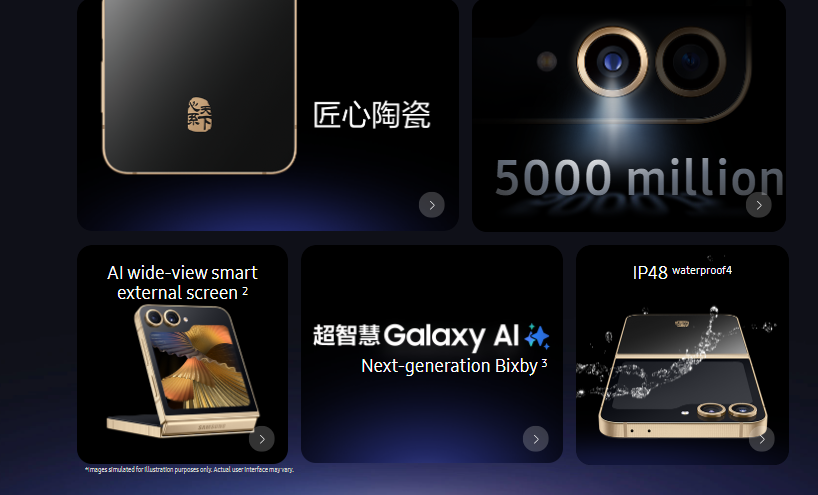
The Samsung W25 Flip has a luxurious design featuring a ceramic black back panel accentuated by the “Heart of the World” logo, inlaid with a delicate matte finish, adding a touch of elegance and nobility to the device. The interplay of gold and black not only enhances its aesthetic appeal but also showcases a low-key yet sophisticated taste.
The W25 Flip features a gold armored aluminum frame paired with an ultra-closed, thin, and finely crafted hinge. This hinge, with its gold gem-like texture and high-grade matte finish, provides a stable and reliable folding mechanism. The slight screen crease adds to its elegant folding posture, making the W25 Flip both dazzling and tough.
On the other hand, the Galaxy Z Flip 6 also sports a sleek design, similar in dimension to the W25 Flip but without the additional weight and unique branding elements. The Z Flip 6’s design is more understated, focusing on functionality and simplicity. Both devices offer IP48-level of water resistance.
2. Samsung W25 Flip vs. Galaxy Z Flip 6 specifications
Samsung W25 Flip
The Samsung W25 Flip and the Galaxy Z Flip 6 feature a 6.7-inch main display with a resolution of 2640 x 1080 pixels, ensuring a sharp and vibrant viewing experience. They also include a smaller 3.4-inch cover display with a resolution of 720 x 748 pixels, perfect for quick interactions and notifications. The outer screen is protected by a layer of Gorilla Glass Victus 2.
Performance-wise, both devices are equipped with the powerful Snapdragon 8 Gen 3 for Galaxy chipset. While the Z Flip ships with 12 GB and 256 GB / 512 GB storage, there is no information about the RAM and storage details of the W25 Flip. Like the W24 Flip from last year, the W25 may arrive in a single 12GB+512GB configuration.
In terms of camera capabilities, the W25 Flip and Z Flip 6 are nearly identical, each sporting an OIS-enabled 50-megapixel primary camera and a 12-megapixel ultra-wide sensor on the rear. Both devices feature a 10-megapixel front-facing camera for selfies and video calls.
Both the Samsung W25 Flip and Galaxy Z Flip 6 are equipped with a 4,000mAh battery that supports 25W wired and 10W wireless charging. Both devices run on Android 15, which tags along the One UI 6.1.1 user interface and the Galaxy AI.
3. Availability and Price
Samsung W25 Flip retail package
The Samsung W25 Flip is a special edition targeted primarily at the Chinese market. In contrast, the Galaxy Z Flip 6 is more widely available globally.
While the Z Flip 6 comes in a regular retail package, the W25 Flip will come with special packaging that includes a black and gold gift box, symbolizing the folding aesthetics of the device. The box features a classic design with a golden square seal of “Heart to the World” in the centre. Inside the box, you will find the mobile phone, an exclusive environmentally friendly ecological leather protective case, and other exclusive accessories.
At present, there is no clarity about the W25 Flip’s price. To recall, the W24 Flip was priced at 9,999 Yuan (~$1,400). It is likely that the successor edition may arrive with similar pricing. As far as the Galaxy Z Flip 6 is concerned, it is priced at $1,099 in the US.
In summary, both the Samsung W25 Flip and the Galaxy Z Flip 6 are premium foldable phones with similar core features and specifications. The choice between the two will largely depend on your location and preference for special edition devices. The W25 Flip offers a unique design with the “Heart of the World” logo and may appeal to collectors and enthusiasts in China, while the Galaxy Z Flip 6 is more accessible globally and offers the same high-end features and performance
Back in April, we reported on the rumored launch timeline of the M4 powered MacBooks, iMacs, and Mac Studio. It was expected to debut near the end of 2024, which seems accurate since Apple has quietly released the new iMac, which features Apple Intelligence and an M4 processor. So here’s everything you need to know.
New Apple iMac: What does it offer?
The Cupertino based giant has just announced the new iMac with its M4 chipset. This processor was built with support for AI and also brings 1.7x faster performance in everyday task and up to 2.1x performance for more intense workloads like gaming or photo editing. So it is much faster than the last iMac generation, which launched with the Apple M1. The chip is paired with up to 32GB of RAM.
Apple Intelligence is a big part of the new iMac, bringing in the new AI powered features of iPhones and iPads to the iMac. Meaning, you can expect features like Systemwife Writing Tools, Siri, and ChatGPT Integration. This feature is currently available in the macOS Sequoia 15.1.
Apple’s M4 powered iMac in bold new colors
On the front, it sports a 24-inch Retina Display with a 4.5K resolution. The screen offers an optional nano-textured glass and an ultra-slim design. There is also a 12-megapixel center-stage camera with a desk view, which is perfect for FaceTime calls. Apple’s new M4 iMacs come equipped with a six speaker audio setup along with three high fidelity microphones. Connectivity options include up to four Thunderbolt ports, USB-C, WiFi 6E, Bluetooth 5.3, and Touch ID for security.
Pricing, Availability, and Colors
Apple’s new M4 iMac arrives in multiple bright colors options, namely Orange, Pink, Purple, Silver, Blue, Yellow, and Green. Buyers can even get a matching Magic Keyboard and Magic Mouse with an optional Magic Trackpad. The iMac has a starting price tag of 134,900 INR, with pre-orders going live today (29th October 2024) from the brand’s official website. Although, it will finally be available for purchase on November 8.
OnePlus is set to launch its Snapdragon 8 Elite-powered flagship, the OnePlus 13, in China on October 31st, with an expected global release soon after. Recently, the device appeared on the US Federal Communications Commission (FCC) database under model number CPH2655, suggesting that a US and worldwide release may be imminent. This FCC listing hints at an accelerated timeline for the global launch, possibly by the end of this year.
The FCC listing reveals that the OnePlus 13 will feature OxygenOS 15.0, based on Android 15, ensuring users access to the latest features and security updates. The phone will also offer back options in both leather and glass finishes, aligning with the design images OnePlus recently released.
If OnePlus follows its typical schedule, a global launch might occur within two months of the China release. Given that the launch is taking place earlier than last year, an international rollout could happen as soon as late 2024.
What to expect from OnePlus 13?
OnePlus 13 will be one of the first devices to feature Qualcomm’s Snapdragon 8 Elite chipset, a high-performance SoC that outperformed the Apple A18 Pro in Geekbench. Built with an “all-big-core” design, the Snapdragon 8 Elite promises significantly improved multitasking and processing speeds, contributing to both performance and efficiency. According to Qualcomm, this chipset also offers substantial power efficiency gains, ideal for high-performance tasks like gaming and multimedia while helping extend battery life.
Earlier leaks revealed some impressive specifications for the OnePlus 13. It will sport a 6.7-inch LTPO AMOLED display from BOE, offering HDR10+, Dolby Vision support, and eye protection technologies certified by TUV Rheinland. The device will be powered by a substantial 6,000mAh battery, supporting 100W wired and 50W wireless charging.
For photography, the OnePlus 13 will include a 50MP triple-camera setup with a primary LYT-808 sensor, ultra-wide-angle, and 3x optical zoom capabilities.
The Android 15-based OxygenOS 15 also brings significant improvements over the Android 14-based skin. It introduces Parallel Processing for faster app loading, AI tools like Detail Boost for photo upscaling and Unblur for clearer images, and Circle to Search, allowing users to quickly search by drawing a circle around items on-screen.
New Flux themes simplify customization, and Live Alerts bring a Dynamic Island-style notification area around the front camera. A new Share with iPhone feature eases cross-platform file sharing. These features make OxygenOS 15 a notable upgrade for OnePlus users. You can learn more about OxygenOS 15 here.
With these features, the OnePlus 13 aims to stand out in the premium smartphone market.
On Wednesday (Oct. 30), iQOO will unveil the iQOO 13, which is equipped with the Snapdragon 8 Elite chip. Reports indicate that iQOO plans to announce the Neo 10 series of affordable flagship phones in November or December this year. The rumor mill has been gradually leaking the specifications of the Neo 10 and Neo 10 Pro. Reports indicate that the Snapdragon 8 Gen 3 and Dimensity 9400 chipsets, respectively, will power these devices. Now, a new leak by tipster Digital Chat Station has revealed almost everything about the specifications of the standard Neo 10.
iQOO Neo 10 specifications (rumored)
iQOO Neo 10 specs leak
According to the tipster, the iQOO Neo 10 will feature a 6.78-inch flat OLED 8T LTPO panel with a 1.5K resolution and a 144Hz refresh rate. The Snapdragon 8 Gen 3 chipset, with up to 16 GB of RAM and up to 512 GB of storage, is likely to power it.
The Neo 10 is anticipated to have a battery capacity of around 6,000mAh and support 120W fast charging. For the cameras, it will have a 16-megapixel front camera and a dual rear camera setup comprising a 50-megapixel main camera and an 8-megapixel secondary lens, probably for ultra-wide shots.
The Neo 10 will run on Android 15 overlaid with OriginOS 5. While it not mentioned in the leak, the device is expected to arrive with other features, such as dual speakers, an optical in-screen fingerprint sensor, and an IR blaster.
iQOO Neo 10 Pro specifications (rumored)
Other reports have revealed that the iQOO Neo 10 Pro will have a 2K OLED screen equipped with an ultrasonic in-screen fingerprint sensor. The Dimensity 9400-powered device may ship with a battery of around 6,500mAh battery. It is also expected to support 120W fast charging.
It is speculated that the Neo 10 series will include a third model, though not much is known about it.
OPPO Find X8 Pro represents the latest innovation in smartphone technology, delivering an advanced camera system, powerful processor, and vibrant display for users who demand high-end performance and design. Packed with features like Hasselblad’s imaging expertise, a dual periscope camera setup, and fast charging capabilities, this flagship model redefines mobile photography and multimedia experiences. You can now buy the OPPO Find X8 Pro for a starting price of $899 at GeekWills.
Stunning MediaTek Dimensity 9400 Processor for High Performance
At the heart of the OPPO Find X8 Pro is the MediaTek Dimensity 9400 octa-core processor, which offers outstanding performance, making it suitable for heavy multitasking and intensive apps. With up to 16GB of LPDDR5X RAM and up to 1TB of UFS 4.0 storage, users experience quick data processing, seamless application launches, and ample storage for all kinds of media. The processor’s efficiency also contributes to a smooth user experience, whether you’re gaming, streaming, or browsing.
Impressive 6.78″ LTPO Display with Adaptive Refresh Rate
The OPPO Find X8 Pro sports a 6.78-inch QHD+ curved display, making it an ideal choice for users who appreciate vibrant and crisp visuals. Utilizing LTPO technology, this screen adapts its refresh rate between 1 and 120Hz, ensuring smooth scrolling while conserving battery life. With a peak brightness of 4500 nits, it remains easily readable even in direct sunlight. Enhanced by ProXDR technology, HDR content comes to life with rich contrast and brilliant color depth, perfect for photography enthusiasts and media consumers alike.
Revolutionary HyperTone Quad Camera System with Dual Periscope Setup
The OPPO Find X8 Pro is a photography powerhouse with its HyperTone Quad Camera system. The primary camera features a 50MP sensor with a 1/1.4″ LYT-808 sensor and a custom f/1.8 aperture for detailed and vivid images. In addition, a 50MP ultra-wide lens enables flexible shooting angles with a 15mm equivalent field of view, making it great for capturing landscapes or group shots. The dedicated Hasselblad portrait lens, optimized at an f/2.6 aperture, excels in creating naturally blurred backgrounds, giving portraits a professional finish.
The standout feature, however, is the dual periscope camera, which includes a 50MP sensor with a 6x optical zoom, ideal for high-detail landscape shots and telemacro photography. With a sensor size of 1/2.51” and an f/4.3 aperture, this periscope lens is perfect for those looking to capture distant subjects with stunning clarity.
Efficient Battery Life and Ultra-Fast Charging
This smartphone is designed to keep up with your busy lifestyle, thanks to its robust 5910mAh battery. The device supports an 80W wired fast-charging feature that powers the battery to 50% in just 10 minutes, with a full charge achieved in only 26 minutes. Additionally, a 50W wireless charging option is available, allowing for flexibility in how you charge. Notably, the device can even be charged in extremely cold temperatures as low as -20℃, ensuring reliable performance in any environment.
User-Friendly Operating System with Global Connectivity
Running on ColorOS 15 based on Android 15, the OPPO Find X8 Pro offers a smooth, intuitive interface that keeps you productive and connected. Designed with an international audience in mind, it supports a variety of languages and features pre-installed Google Mobile Services and the Google Play Store, allowing for OTA updates and a global user experience. The device supports a wide range of 5G and 4G bands, making it compatible with networks worldwide.
Key Specifications
Processor: MediaTek Dimensity 9400 octa-core
Memory: Up to 16GB LPDDR5X RAM; up to 1TB UFS 4.0 storage
Rear Cameras: Quad 50MP HyperTone camera system, including a primary sensor, ultra-wide, Hasselblad portrait, and periscope lenses with 6x optical zoom
Battery: 5910mAh with 80W wired and 50W wireless fast charging
Additional Features: In-display fingerprint scanner, 2160Hz PWM dimming, ProXDR technology, centered punch-hole front camera
With these top-tier specifications and innovative features, the OPPO Find X8 Pro is a perfect companion for users seeking a premium smartphone that delivers high performance and a top-of-the-line photography experience.
With Diwali right around the corner, everyone is looking forward to lighting up the sky with fireworks. While the vibrant colors and dynamic patterns of fireworks are beautiful to watch, they can be quite challenging to capture on camera.
However, thanks to advancements in smartphone camera technology, it’s now easier to photograph these fleeting moments in all their glory. If you’re looking for the best smartphones to capture fireworks this Diwali, here are some top choices:
The Vivo X100 Pro is designed for photography enthusiasts, particularly those interested in low-light shooting. It boasts a 50MP customized IMX989 VCS bionic main camera sensor, a technology developed for superior light capture, making it ideal for night shots. The camera features Optical Image Stabilization (OIS) and a wide f/1.75 aperture, ensuring clear and detailed images even in low light.
The device also comes with a 50MP ultra-wide camera for capturing expansive scenes and a 50MP telephoto periscope lens with up to 100x digital zoom and 4.3x optical zoom, ideal for detailed shots of distant fireworks.
It’s powered by Vivo’s V3 imaging chip, enhancing 4K video processing and enabling 4K 60fps night video. This makes the X100 Pro an exceptional choice for capturing fireworks with both clarity and vibrant colors.
2. Xiaomi 14 Ultra
The Xiaomi 14 Ultra is also a powerhouse when it comes to camera performance. It is equipped with a 50MP Sony LYT-900 sensor as its main camera, featuring a unique variable aperture ranging from f/1.63 to f/4, providing flexibility based on lighting conditions. This sensor’s large size enables more light intake, resulting in clearer and more detailed night shots.
The phone also boasts a 50MP 5x periscope telephoto lens, designed to capture fireworks from afar with minimal noise. It supports up to 100x digital zoom and is equipped with Leica Summilux optics, known for their sharpness and contrast.
Additionally, Xiaomi’s new imaging processing and the HyperOS system work together to enhance nighttime photography, ensuring accurate color reproduction and dynamic range, making the 14 Ultra an excellent option for Diwali fireworks.
3. iPhone 16 Pro/Pro Max
The iPhone 16 Pro/Pro Max is a leader in computational photography, offering stellar low-light performance. Its 48MP Fusion camera features a second-generation quad-pixel sensor with OIS and zero shutter lag, making it highly efficient for shooting fireworks. It has a 5x optical zoom telephoto lens with a 120mm focal length, designed specifically for clear shots of distant objects like fireworks. The lens is stabilized, ensuring sharper images even during handheld shooting.
Apple’s advanced A18 Pro chipset powers the camera’s imaging capabilities, supporting 4K120 recording, which can be useful for capturing slow-motion fireworks in detail. The device also supports ProRAW and ProRes video formats, enabling more editing flexibility for those who want to tweak their fireworks captures post-Diwali.
4. Samsung Galaxy S24 Ultra
The Galaxy S24 Ultra is known for its impressive 200MP primary sensor, designed to deliver clear and bright images even in low-light settings. This makes it a strong contender for fireworks photography during Diwali. The larger 1.4 µm pixel size of the sensor allows it to capture more light, ensuring vibrant and detailed shots even in dark conditions. The upgraded OIS reduces blur, resulting in sharper images.
The standout feature of the S24 Ultra is its 50MP periscope lens with 5x optical zoom, enabling you to capture distant fireworks with ease. It supports up to 100x digital zoom, perfect for zooming in on fireworks without losing clarity. Additionally, Samsung’s advanced imaging algorithms enhance night shots, making the Galaxy S24 Ultra an excellent choice for shooting fireworks.
5. Honor Magic 6 Pro
The Honor Magic 6 Pro is another flagship that excels in night photography. It features a 50MP main camera with a wide f/1.4 aperture, capable of capturing more light and producing brighter, clearer night images.
It also includes a 180MP periscope telephoto lens, the highest among the phones listed, supporting up to 100x digital zoom. This periscope camera is designed specifically for long-range photography, making it ideal for capturing distant fireworks with excellent detail.
The Honor C1+ imaging chip further optimizes the camera’s performance, enabling better image processing and faster focus in low-light conditions.
Meanwhile, these are current phones, but many exciting smartphones featuring the new powerful Snapdragon 8 Elite chipset are set to launch this year. Here’s a look at the upcoming smartphones powered by Snapdragon 8 Elite.
Though we still have a week before the Chinese launch, the device’s price appears to have leaked through a Chinese e-commerce store.
Tipster Digital Chat Station shared an image of a poster revealing the phone’s price. The poster shows the phone’s starting price at 3,999 yuan, or some $560.
Most Snapdragon 8 Elite phones are expected to see price hikes this year and are likely to cross the 4,000 yuan mark. The Xiaomi 14, for instance, launched at 3,999 yuan, but its successor has already been confirmed to cost more.
The iQOO 13 will follow a similar trend. By keeping its flagship price below 4,000 yuan, Realme may attract consumers looking for a high-end device that without spending much.
Realme GT 7 Pro Specifications
The Realme GT 7 Pro features a 6.78-inch Samsung Eco² OLED Plus display with a 1-120Hz adaptive refresh rate and a peak brightness of 6,000 nits.
Powered by the Snapdragon 8 Elite chipset, the device offers impressive performance. It comes with up to 24GB of RAM and 1TB of storage. A massive 6,500mAh battery with 120W fast charging keeps the device running.
The camera setup includes a 16MP front camera and a triple rear camera system with two 50MP sensors and an 8MP periscope telephoto lens for 3x optical zoom.
The Realme GT 7 Pro runs on Android 15 with Realme UI 6 and offers additional features like an IR blaster, a metal frame, and IP68/69 water and dust resistance. It has an IP68/69 rating for water and dust resistance and a metallic middle frame and will be available in three colors Mars Design (Orange), Star Trail Titanium, and Light Domain White.
The Google Pixel 10 and Pixel 11 may introduce significant upgrades in AI, and camera functionality, according to leaks from Google’s internal gChips division. These enhancements are driven largely by the Tensor G5 chip, anticipated to bring improved AI processing and new camera capabilities for the upcoming Pixel devices.
New AI-powered camera and editing features on Pixel 10:
According to the leak, the Pixel 10 series will leverage the Tensor G5’s enhanced TPU (Tensor Processing Unit) to expand Google’s AI-driven photo and video editing features.
One rumored feature, “Video Generative ML,” aims to simplify video editing by applying Generative AI directly within the Photos app, allowing users to perform intuitive post-capture edits. Additionally, Google may introduce “Speak-to-Tweak,” an AI-powered tool for voice-activated photo editing, and “Sketch-to-Image,” enabling users to turn basic sketches into complete images. These capabilities could give Google an edge in media editing, a central focus of its Pixel lineup.
Enhanced camera and low-light video capabilities on Pixel 11
The Pixel 11 is expected to elevate Google’s camera game with several new features. Machine learning will support up to 100x zoom for both photos and videos, made possible by a next-gen telephoto lens. This feature will allow for a versatile, AI-assisted zoom experience, although differences in quality between photo and video may persist.
Further advancements include a “Cinematic Blur” with reduced power consumption and “Ultra Low Light Video,” or “Night Sight Video,” which will enable clearer low-light recordings on-device. This mode should function optimally at extremely low light levels, comparable to dim candlelight, thanks to improvements in the camera hardware.
Tensor G5 could bring a major improvement in efficiency
Manufactured with TSMC’s 3nm process, it is expected to offer much-improved performance without excessive power drain, a critical factor when it comes to sustainability in resource-intensive tasks such as high-resolution video recording. This increase in power efficiency is also important for the on-device execution of AI-based features.
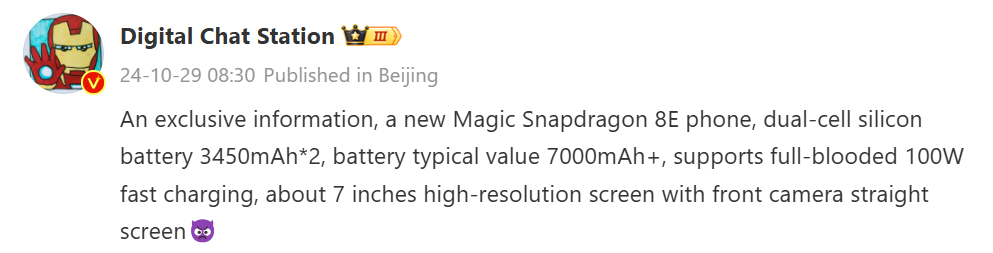
Renowned leaker Digital Chat Station has shared exciting details about the upcoming Red Magic 10 Pro series of gaming-focused smartphones. Based on the previous generation, the new lineup should include two models, such as the Red Magic 10 Pro and Red Magic 10 Pro+. However, a recent leak by DCS revealed that the series will have an advanced model featuring a bigger display and the largest battery in the world of gaming phones. While there is no confirmation about the moniker of the device, it won’t be surprising if the company dubs it the Red Magic 10 Ultra. Here is a look at the new details shared by the tipster.
Alleged Red Magic 10 Ultra’s key specifications tipped
According to the leak, the rumored Red Magic 10 Ultra will feature a high-resolution 7-inch display with a flat design, making it the largest and most advanced gaming flagship to date. As expected, it will feature an under-display camera.
Developed in collaboration with BOE, this screen is said to offer a 1.5K resolution and aims to redefine the smartphone industry’s standards for bezel thickness with its ultra-narrow borders achieved through the COP packaging process and SIP technology. The details of the display will be officially confirmed through a dedicated press event on Nov. 5 in China.
The leak further reveals that the device will be powered by Qualcomm’s latest Snapdragon 8 Elite chip, which will be paired with an independent gaming chip and an integrated active cooling system, including a built-in fan to ensure optimal performance during intense gaming sessions.
One of the standout features of this rumored Ultra model is the battery size and charging capabilities. The device will feature a dual-cell silicon battery system with a typical combined capacity of over 7,000mAh. This will be a combination of two 3,450mAh batteries. It is also expected to come with support for 100W fast charging. The leak has no other information about the device. Being the most powerful Red Magic series phone, it may come equipped with up to 24 GB of RAM and up to 1 TB of storage.
Samsung‘s next iteration of its custom Android skin, One UI 7, is expected to launch alongside the Galaxy S25 series in January 2025. The new OS is expected to bring a fresh design overhaul, and now we finally have a first look at what’s coming.
Pakistani YouTuber Mobile Wala Bhai managed to get an early look at One UI 7 on the Galaxy S24 Ultra, ahead of everyone else. He’s now sharing a series of videos that show the new features and changes. In his second video this week, he walks us through the new UI’s design updates.
One UI 7: What’s changed?
The most noticeable change is a redesigned Quick Panel, now split into separate sections for notifications and quick settings. But there’s also an option to merge them like earlier. The interesting part is that users can now customize the placement of various quick setting toggles and sliders on their own.
Beyond the Quick Panel, the lock screen seems to be getting a makeover as well. Users will have more control over the clock’s position and can add mini widgets for quick information access. Additionally, there’s a new pill-shaped element at the bottom that houses the emergency call button and charging animation.
Subtle design tweaks are also on the horizon. The video hints at redesigned app icons for first-party apps like Camera, Contacts, and Gallery. Existing widgets for Battery, Device Care, and Weather appear to have received a visual refresh, while we can also see new widgets like Images, Stories, and Secure Wi-Fi.
Moreover, the notifications now appear larger with a pill-shaped design, accompanied by a stronger background blur effect.
Though this leak provides a glimpse of what’s coming, remember this is likely a pre-release build, and features might change before the Galaxy S25 launch. Samsung is expected to reveal more about One UI 7 in the coming months, so stay tuned for updates.
Beats Solo 4 are worth considering mid-range headphones at $100. It has spatial audio and lossless playback over USB-C. These headphones ideally support both the Android and iOS environments and offer fast pairing and switching features. Moreover, it is compatible with the respective Find My Features in both environments. The ANC-supported headphones usually retail for the price of $200, and with the recent discounts, it is available at half the price.
Further, there’s a similar discount on the more premium Beats Studio Pro. It is retailing for the price of $169.99, i.e., a discount of $180 on Amazon, Best Buy and Target. In addition to the Beats Solo 4 features, the Studio Pro features transparency mode, cross-platform compatibility, and a more filled sound experience. It is more than a mid-range headphones and can be more useful if you switch between environments frequently.
Both the Beats Solo 4 and Beats Studio Pro are available at a discounted price from Amazon.
Beats Solo 4 and Beats Studio Pro Specifications
For connectivity, Beats Solo 4 features Class 1 Wireless Bluetooth, a USB-C audio port, and a 3.5mm analog input for wired audio sources. In terms of power and battery life, the Beats Solo 4 can provide up to 50 hours of listening time on a single charge. The headphones also support a Fast Fuel feature, which gives you up to 5 hours of playback from just a 10-minute charge.
The Beats Studio Pro headphones weigh 9.17 oz./260g. In terms of dimensions, the headphones measure 7 inches long by 3.1 inches wide and 7.125 inches tall. The charging case dimensions are 5.1 cm wide by 2.55cm tall, while the individual earbuds are 1.85 cm wide by 1.5cm tall.
For power and battery life, the Beats Studio Pro can provide up to 40 hours of listening time on a single charge.
Please Note: When you buy something using the links in our articles, we may earn a small commission at no cost to you.
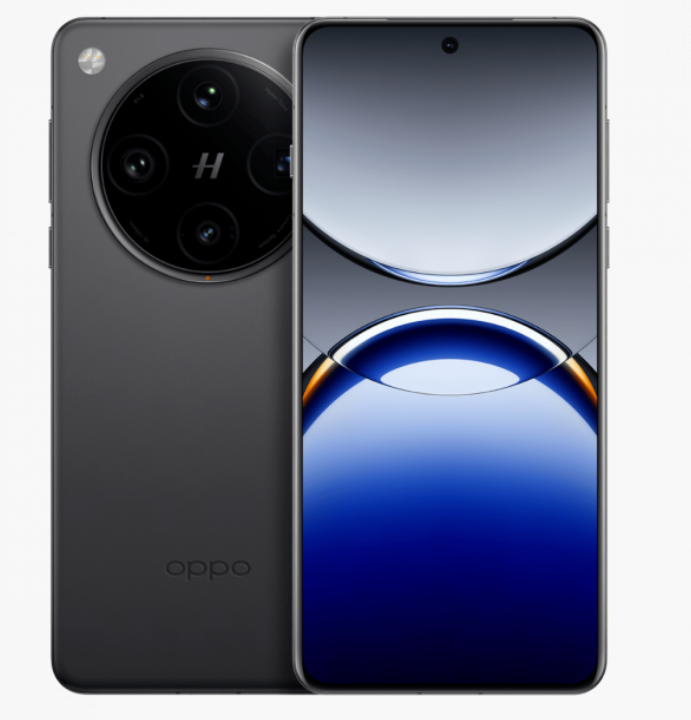
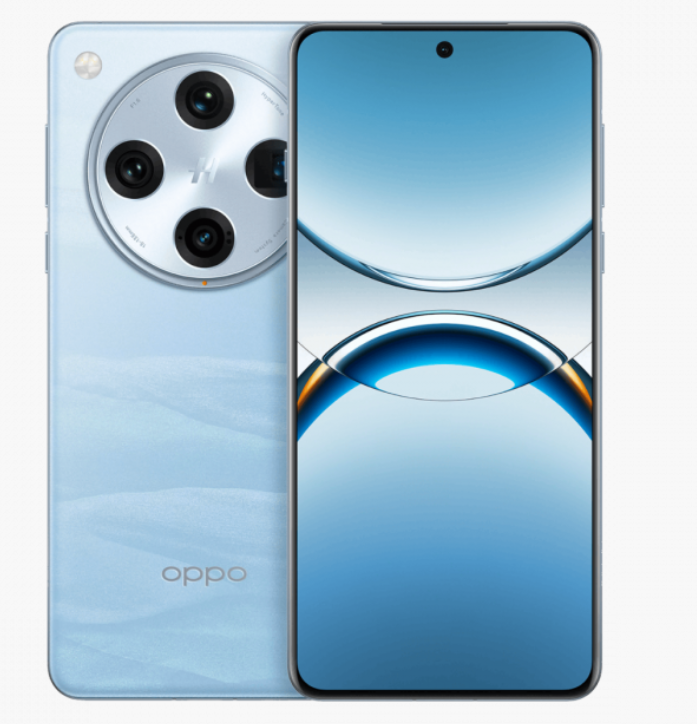
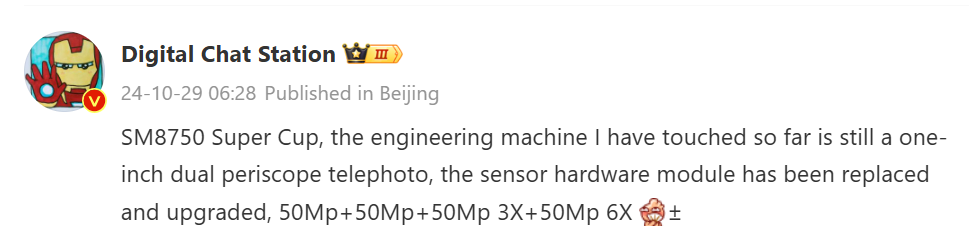
Recently, Oppo released the Oppo Find X8 series, which includes the Find X8 and Find X8 Pro, in the Chinese market. The Dimensity 9400 chip powers these models. Reports have revealed that the lineup will also include an Ultra model, which will possibly debut in Q1 2025. Unlike the standard and Pro models, the Ultra is expected to feature the Snapdragon 8 Elite chipset. Today, tipster Digital Chat Station has seemingly leaked the camera specifications of the Ultra variant.
Oppo Find X8 Ultra camera specifications (rumored)
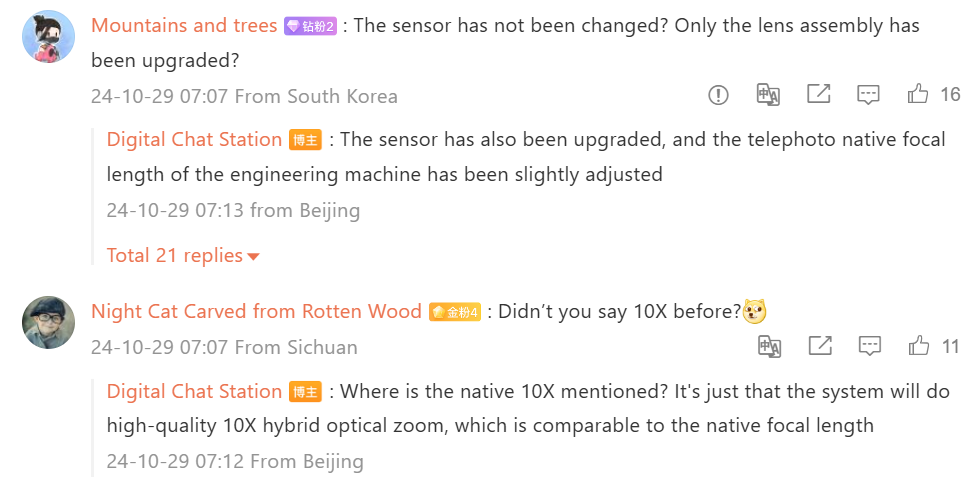
In the above leak, DCS can be seen talking about an upcoming Snapdragon 8 Elite (SM8750) phone that features dual periscope telephoto cameras. This is a clear hint that he could be referring to the forthcoming Find X8 Ultra.
The leak reveals that the Find X8 Ultra’s current prototype includes a one-inch main camera and dual periscope telephoto lenses. It will arrive with upgraded camera sensors, including a 50-megapixel large sensor main camera, a 50-megapixel ultra-wide-angle lens, a 50-megapixel periscope telephoto lens with 3x optical zoom, and a 50-megapixel periscope telephoto lens with 6x optical zoom, all while maintaining the same lens types as the previous generation.
He also disclosed a slight modification to the focal length of one of the Find X8 Ultra’s telephoto cameras. Additionally, he stated that the device will support a 10x hybrid zoom.
Find X8 Ultra to be accompanied by a mystery model
Another tipster, Smart Pikachu, asserts that a mystery model will accompany the Find X8 Ultra when it launches next year, likely to give users a variety of options. Unfortunately, there is no information about this device. The same source had previously claimed that the Find X8 Ultra will feature a new 2K OLED panel.
Apart from the details mentioned in this post, nothing else is known about the Find X8 Ultra. In related news, Oppo is also working on the Find N5 foldable phone. It is highly likely that Oppo will unveil the Find N5, the world’s first Snapdragon 8 Elite-powered foldable phone, in Q1 2025 in China.
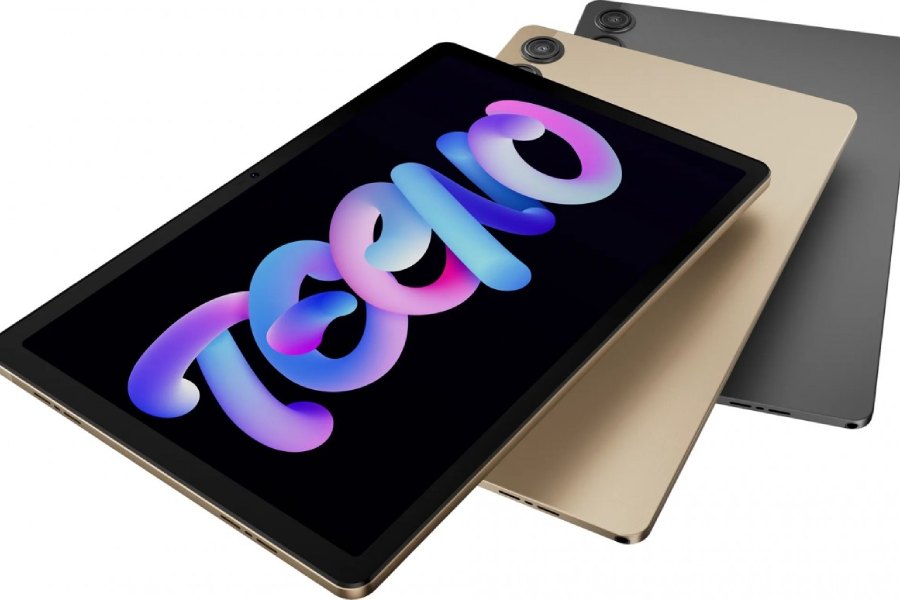
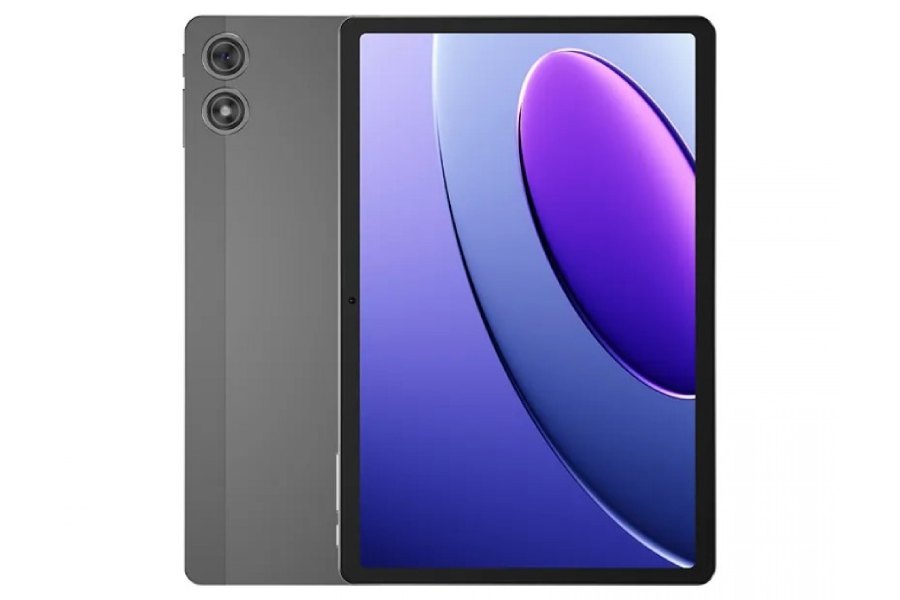
Tecno has launched a new budget-friendly tablet, the MegaPad 10, designed to cover all the essentials for a large-screen experience. Here’s a closer look at what it offers.
Tecno MegaPad 10 Overview
The tablet features a MediaTek Helio G80 processor, a chipset commonly found in entry-level smartphones. This is paired with 4GB of RAM and 128GB or 256GB of storage, with the option for further expansion via a microSD card slot.
The display is a 10.1-inch LCD panel with an 800×1280 resolution. While not the sharpest on the market, it should offer sufficient clarity for everyday use. Tecno boasts a peak brightness of 450 nits, so the screen should be viewable even in moderately bright environments.
A key selling point of the MegaPad 10 is its battery life. The 7,000mAh battery promises long hours of unplugged use, catering to users who prioritize portability and endurance. Tecno claims 18W fast-charging support can take the device from empty to full in approximately 2.5 hours.
The MegaPad 10 runs the Android 14 operating system. For capturing photos and video calls, the tablet includes a 13-megapixel rear camera and a 5-megapixel front-facing camera.
Tecno MegaPad 10 Specifications:
10.1-inch HD+ display, 1280 x 800 resolution
450 nits peak brightness
MediaTek MT8786 (G80)
4GB RAM
128GB, 256GB internal storage
13MP main camera
5MP front camera
4G LTE
SIM card slot + T-Flash card slot
USB Type-C
Dual speakers
WiFi 2.4/5GHz
Bluetooth 5.1
Android 14
7,000mAh battery
18W wired fast charging
240.7 x 159.5 x 7.35 mm (dimensions)
447 grams (weight)
Champagne Gold, Space Grey (colors)
While the MegaPad 10 doesn’t compete with high-end tablets in terms of raw power or display quality, it offers a compelling option for budget-conscious users seeking a basic yet functional device for everyday tasks. However, the company has not yet announced the pricing and availability details for the MegaPad 10. We expect Tecno to announce the details in the coming weeks.
Motorola appears to be preparing two new budget-friendly devices, the Moto G05 and Moto G15, to add to its popular G-series lineup. According to a report from 91mobiles, both smartphones will launch in Europe in the coming month, with the Moto G05 priced at EUR 140 for the 4GB + 128GB variant (around Rs 12,734) and EUR 170 for the 4GB + 256GB version (about Rs 15,460). Meanwhile, the Moto G15 will be available as an 8GB + 256GB model, costing EUR 200 (approximately Rs 18,190).
Although no information is yet available regarding the India launch, the European pricing suggests competitive entry-level options. The Moto G14, for example, launched in India earlier this year for Rs 9,999 (around EUR 110), so Motorola’s pricing strategy might be similarly budget-friendly.
Performance and specifications of Moto G15
In terms of performance, the Moto G15 recently appeared in a Geekbench listing, scoring 340 in single-core tests and 1311 in multi-core tests. This device is equipped with an octa-core processor featuring two performance cores clocked at 2.0GHz and six efficiency cores at 1.7GHz, along with a Mali-G52 MC2 GPU. It also runs on Android 15.
Moto G14
Interestingly, the test device had only 4GB of RAM, while, according to the tipster, the retail model will feature double that capacity—potentially indicating higher performance.
In comparison, the Moto G14’s 8GB model scored 447 and 1577 in Geekbench single and multi-core tests, respectively. Powered by a Unisoc T616 chip, the G14’s performance specs highlight slight improvements, with two Cortex-A75 performance cores at 2.0 GHz and six Cortex-A55 cores at 1.8 GHz.
The G15’s lower-than-expected score may also be due to it being tested on Geekbench 5 rather than Geekbench 6, which the Moto G14 used. Since the two versions assess performance differently, direct comparisons may not be accurate.
The Moto G05 and G15 will likely include Motorola’s core design elements, coupled with budget-conscious hardware configurations, to cater to a value-seeking audience. If the Moto G14 is any indication, these new models may feature Motorola’s signature clean Android interface, decent camera setups, and robust battery life, making them accessible yet capable devices in the lower-midrange category.
Apple’s iPhone 16 series, launched in early September, has already hit a significant roadblock in Indonesia. The Indonesian government recently announced a ban on the sale and even the operation of iPhone 16 models within the country.
This restriction also applies to other new Apple products, like the Watch Series 10. The decision stems from Apple’s failure to meet its agreed-upon investment commitment, a requirement for obtaining certification for device sales in Indonesia.
According to Indonesia’s Minister of Industry, Apple had pledged to invest $109 million in local infrastructure, aiming to increase its presence in the region. However, reports indicate that Apple has invested only about $95 million so far, leaving a shortfall of $14 million.
iPhone 16 is yet to receive necessary certification to be sold in the country
This has prevented the Indonesian Ministry of Industry from granting the required IMEI certification, effectively blocking Apple’s products from being legally sold in the country. For those unfamiliar, this certification is vital as it enables phones to operate with the local network; without it, the iPhone 16 models are not legally recognized and cannot access cellular networks.
In his statement, Minister Gumiwang Kartasasmita made it clear that any iPhone 16 found in operation within Indonesia is considered “illegal.” He urged citizens to report any active units and advised against purchasing iPhone 16 models from international sources, which would still fall under the ban.
Apple’s shortfall in investment has deeper implications due to Indonesia’s regulations for foreign companies. The government mandates a 40% “local component” requirement, which companies typically meet through investments in manufacturing, research, and local development.
Apple had initially proposed establishing research and development facilities to satisfy this criterion. While Apple CEO Tim Cook visited Jakarta earlier this year to discuss potential expansion plans, no new agreements have been reached, and the pending issues remain unresolved.
As a result, Apple’s failure to fulfill this commitment has placed its products at a standstill in one of Southeast Asia’s fastest-growing markets. The Indonesian authorities are awaiting Apple’s next steps, leaving consumers and potential buyers in limbo until Apple addresses the investment requirements to lift the ban.
HMD Global, the custodian of the Nokia brand, is doubling down on feature phones with the latest Nokia 110 4G (2024). This stripped-down device, while reminiscent of older models, offers a few modern twists.
Nokia 110 4G (2024) Features
The phone features a smaller 2-inch TFT LCD screen and 4G connectivity, along with a modest 128MB RAM and 64MB storage. While these specs may seem underwhelming compared to modern smartphones, they are sufficient for basic tasks like calling, texting, and listening to music.
One standout feature is the 1,000mAh removable battery, promising long battery life. The USB-C charging port is another welcome addition, aligning the device with modern standards. The phone also boasts HD voice quality over 4G networks, ensuring clear audio during calls.
The Nokia 110 4G (2024) isn’t just about calls and texts. It comes with a basic camera, a torchlight, an FM radio, and the classic Snake game. The large, tactile keypad ensures easy operation, while the nano-patterned ceramic coating adds a touch of style.
In a world dominated by smartphones, feature phones like the Nokia 110 4G (2024) cater to a specific audience. They offer a simple, reliable, and affordable solution for those who don’t need the complexity of a high-end device.
The pricing and availability of the Nokia 110 4G (2024) are yet to be announced. It is expected to be quite affordable as the 2023 model goes for Rs. 2,499 in India, which is roughly $30.
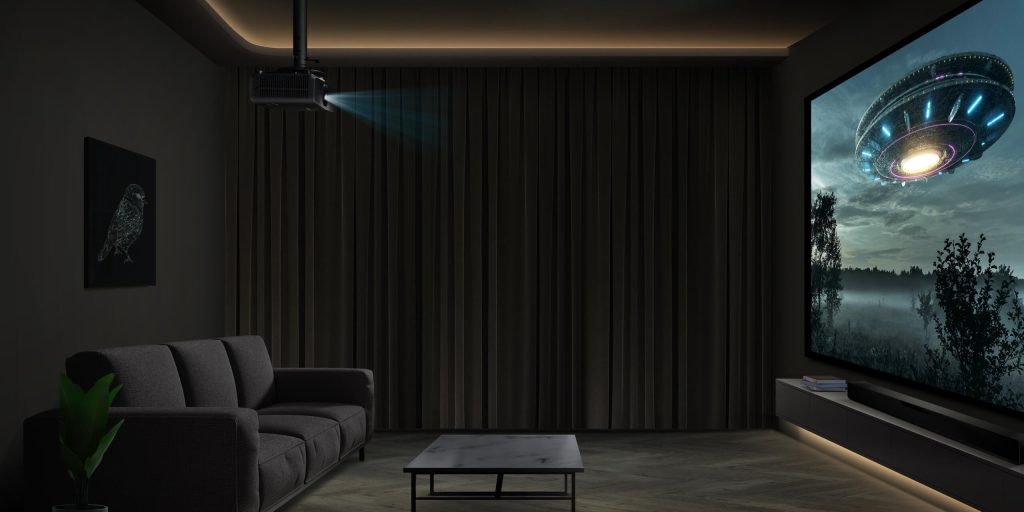
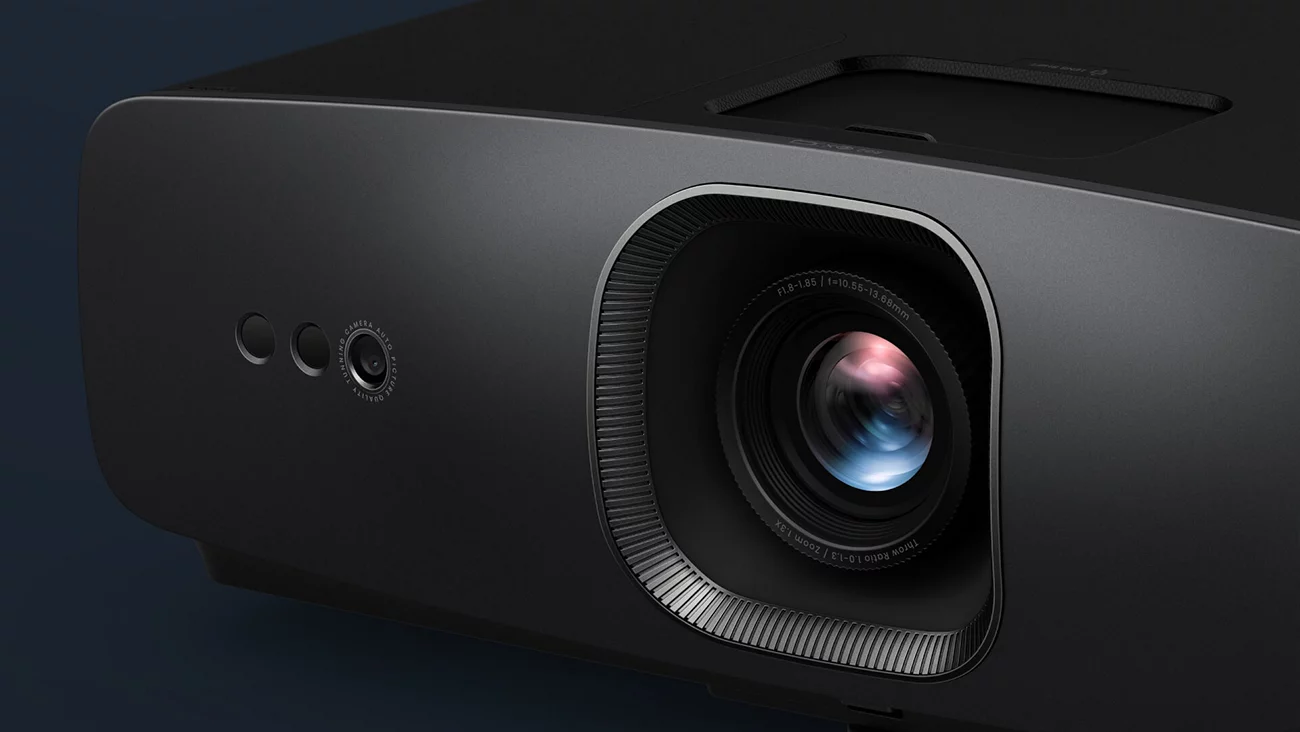
BenQ has unveiled its latest projector, the W2720i. This 4K UHD projector combines performance, ease of use, and durability, making it appealing to both dedicated home theater fans and casual viewers.
BenQ W2720i 4K UHD projector
A Focus on Picture Quality
The W2720i prioritizes visual quality, delivering sharp and detailed 4K UHD resolution (3840 x 2160 pixels). Its wide color range covers 90% of the DCI-P3 spectrum and 98% of Rec. 709, providing vibrant and accurate colors for an engaging viewing experience suited to movies, TV shows, and gaming.
The projector offers an improved dynamic range with HDR-PRO technology, resulting in deep blacks and bright highlights. Supporting HDR10, HDR10+, and HLG formats, it is compatible with a broad array of content. The 2,500 ANSI lumens brightness helps maintain clear visuals even in well-lit spaces, making it versatile for different lighting conditions.
User-Centric Features
To improve user experience, BenQ includes Factory Calibration and Filmmaker Mode for accurate color reproduction. AI Cinema Mode adjusts picture settings based on ambient light, optimizing visuals in any lighting condition.
The projector’s 4LED light source is energy-efficient and also highly durable, offering up to 30,000 hours of use in Eco mode. This significantly reduces maintenance costs and ensures long-lasting performance. The quiet operation, with noise levels as low as 26 dBA in Eco mode, minimizes distractions during movie nights.
Flexible Installation and Connectivity
The W2720i supports flexible installation with lens shift and trapezoidal adjustment, fitting various room setups. Its compact, lightweight design also aids in easy setup and portability.
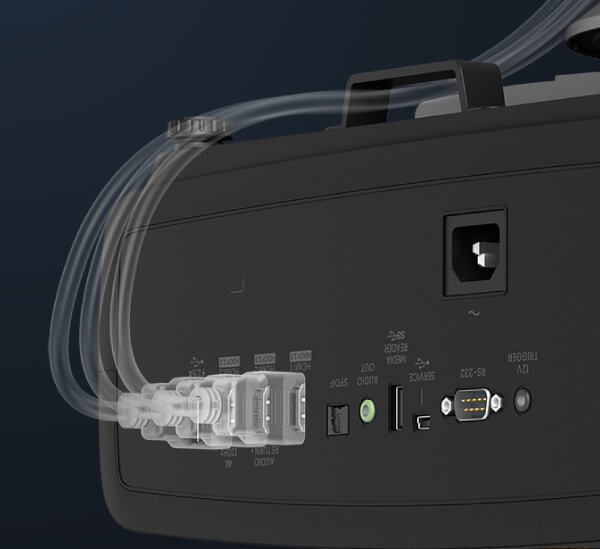
It features three HDMI 2.1 ports with HDCP 2.3 for high-bandwidth content, supporting resolutions up to 4K@120Hz and 8K. Additional ports, such as eARC and S/PDIF, allow for high-quality audio connections to external systems. The projector is compatible with 7.1-channel sound and Dolby Atmos for immersive audio.
Pricing and Availability
The BenQ W2720i is priced at £1,999 (~$2,592). It is expected to be made available soon for purchase.
Hisense has launched a new gaming monitor called 27G5K Pro in the Chinese market. The monitor is priced at 1,099 Yuan ($154) and is now available on JD.com. Let’s check out its key specs.
Hisense 27G5K Pro Specifications
The monitor boasts a 27-inch Fast IPS flat display, with a QHD resolution of 2560×1440, ensuring vibrant visuals and sharp clarity. It has a high refresh rate of 180Hz, coupled with a rapid 1ms GTG response time, providing a seamless gaming experience free of motion blur and lag.
The color performance is exceptional, covering 97% of the DCI-P3 color gamut and 99% of sRGB, with a color accuracy of ΔE<1. It supports 10-bit color depth (8+FRC), allowing for richer and more detailed visuals. Additionally, the monitor supports HDR400, offering a peak brightness of 450 nits, enhancing the contrast between bright and dark scenes.
The panel integrates Hisense’s proprietary Ultra-Resolution Chip, which optimizes full-screen brightness and color uniformity. It also features low-blue-light technology certified by TUV Rheinland, paired with DC dimming to reduce eye strain during extended usage. The anti-glare screen ensures clear visuals, even in brightly lit environments.
For connectivity, the monitor is equipped with dual HDMI 2.0 ports, a DP 1.4 port, and a headphone output, allowing versatile connections with gaming consoles, PCs, and other devices. The adjustable stand supports tilting (-5° to 20°), swiveling (-30° to 30°), and height adjustment up to 120mm.
It can also rotate vertically (90°-92°), enabling a comfortable viewing angle for different use cases. It is also VESA 75x75mm compatible which allows for wall mounting, saving desk space.
The Hisense 27G5K Pro enhances gaming with AMD FreeSync, synchronizing the refresh rate with the graphics card to reduce tearing, stuttering, and lag. It also supports Variable Refresh Rate (VRR) and Motion Picture Response Time (MPRT), adapting to changing frame rates for smooth, flicker-free visuals.
The monitor includes several dedicated gaming modes (FPS, RTS/MOBA, RPG) that adjust visual settings for optimal performance in different genres, accessible via the OSD joystick. It also features gaming assists like a Virtual Crosshair for aiming, a real-time Refresh Rate Display, and Dark Reproduction to improve visibility in darker scenes, enhancing immersion.
HMD Global, the Finnish company behind the Nokia-branded smartphones, appears to have a new mid-range device in the pipeline. A leak from a reliable source, X user @smashx_60 (HMD Meme’s), has revealed key specifications and renders of the upcoming phone, called “Sage.”
HMD Sage Specifications
The HMD Sage is expected to feature a 6.55-inch OLED display with Full HD+ resolution and a smooth 90Hz refresh rate. Powering the device will likely be Unisoc’s T760 processor, the same chipset found in HMD’s recently releasedCrest Max. Specific RAM and storage options remain under wraps for now.
The camera department appears to be a straightforward affair. The leaks point towards a dual-camera setup on the back, with both sensors boasting 50 megapixels each.
The tipster hasn’t shed light on the battery capacity yet, but the phone is said to come with 33W fast-wired charging support through a USB-C port. The leaks also mention an IP52 rating for dust and water resistance, a headphone jack, and NFC for contactless payments.
The design renders reveal a resemblance to the recently launchedHMD Skyline, which itself takes inspiration from Nokia Lumia phones. While the overall look feels familiar, the key difference is in the rear camera module.
Unlike the Skyline‘s triple-camera setup, the Sage features a dual-camera layout. And we have the familiar HMD branding in the middle. The renders also suggest a polycarbonate frame with a matte finish on the back. The color options are rumored to include green, blue, and red.
As of now, HMD has not officially announced the Sage, and details about the launch date, pricing, and specific markets are still unknown. However, considering the leak comes from a reliable source, the device may be unveiled soon. We will keep you in the loop if any new details about the device surfaces.
We use cookies on our website to give you the most relevant experience by remembering your preferences and repeat visits. By clicking “Accept”, you consent to the use of ALL the cookies.
This website uses cookies to improve your experience while you navigate through the website. Out of these, the cookies that are categorized as necessary are stored on your browser as they are essential for the working of basic functionalities of the website. We also use third-party cookies that help us analyze and understand how you use this website. These cookies will be stored in your browser only with your consent. You also have the option to opt-out of these cookies. But opting out of some of these cookies may affect your browsing experience.
Necessary cookies are absolutely essential for the website to function properly. This category only includes cookies that ensures basic functionalities and security features of the website. These cookies do not store any personal information.
Any cookies that may not be particularly necessary for the website to function and is used specifically to collect user personal data via analytics, ads, other embedded contents are termed as non-necessary cookies. It is mandatory to procure user consent prior to running these cookies on your website.