Advertisement

Xiaomi 17 Max Launch Timeline Leaked Along With Key Specs and Features

The Xiaomi 17 Max is back in discussion after a fresh leak pointed to its launch timeline and key specifications. Tipster Kartikey Singh indicates that the device is likely to launch in China in May and will serve as the final model in the Xiaomi 17 lineup, which already includes the Xiaomi 17, 17 Pro, 17 Pro Max, and 17 Ultra.

Xiaomi 17

New details suggest that the Xiaomi 17 Max is not just a bigger version of the standard model. It is expected to come with a 6.9-inch OLED display that supports a 120Hz refresh rate. Powering the device will be the Snapdragon 8 Elite Gen 5 chipset. The phone is also tipped to include a large 8,000mAh battery, with support for 100W wired charging and 50W wireless charging.

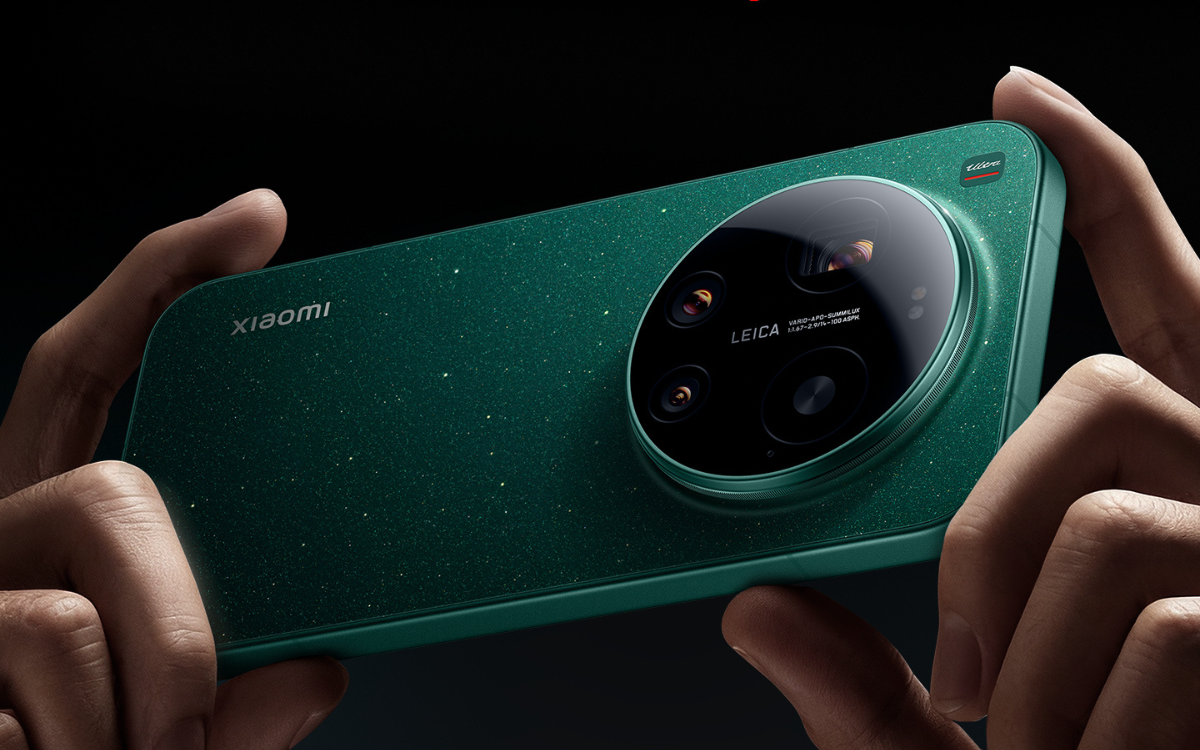
The camera system is expected to be one of its main highlights. Reports point to a 200MP primary sensor with a 1/1.4-inch size, alongside a 50MP ultra-wide lens and a 50MP periscope telephoto camera with a 1/1.95-inch sensor. This setup places it close to the Pro Max variant in terms of camera capability, while possibly skipping features like a secondary rear display.

Earlier coverage had already outlined several of these specifications while adding more details. The device is said to feature a flat 6.9-inch 1.5K OLED panel with an ultrasonic in-display fingerprint sensor. It is expected to run HyperOS 3 based on Android 16 and include a 50MP front-facing camera.

Other expected specifications include up to 16GB of LPDDR5x RAM and up to 1TB of UFS 4.1 storage. The phone may also feature an x-axis linear motor and dual symmetric 1115 speakers. While initial leaks suggested an April debut, newer information now points to a May launch in China. Availability in other regions has not been confirmed.

For more daily updates, please visit our News Section.

Stay ahead in tech! Join our Telegram community and sign up for our daily newsletter of top stories!

(Source)

QCY launches C50S clip-on earbuds with LDAC and real-time translation

QCY has launched its new C50S clip-on earbuds in the Chinese market. The earbuds are priced at 229 yuan (~$33) and come in two color options: Dune Gray and Milkshake White.

QCY C50S Earbuds

QCY C50S Earbuds Specifications

The QCY C50S earbuds feature a premium design with a metallic ring accent, textured surface, and 13.5mm compact size. They offer a secure and comfortable fit with a three-point support structure and memory titanium wire.

The earbuds feature 96kHz/24-bit LDAC technology with a 990kbps bitrate for enhanced audio clarity. These come with carbon fiber dual-magnet drivers, delivering 100% stronger bass and 90% improved mid and high-frequency clarity.

QCY C50S Earbuds

The QCY C50S earbuds feature 360-degree spatial audio for immersive sound and a 4.6-degree directional sound structure, reducing sound leakage by 99.7%. They also include AI-powered capabilities, with real-time translation in 30+ languages through a partnership with iFlytek, as well as voice/text translation, meeting transcription, and voice assistant compatibility.

In terms of battery life, the earbuds provide 7.5 hours of playback on a single charge and up to 35 hours with the charging case. Fast charging is also there and a 10-minute quick charge offers 2 hours of use. They also feature Bluetooth 6.0, dual-device pairing, and low latency.

The earbuds feature IPX5 water resistance, making them ideal for workouts. Touch controls manage playback, calls, and voice assistants, while app support allows customizable EQ settings.

In related news, Baseus has recently introduced a new pair of ultra-affordable earbuds featuring Bluetooth 6.0 connectivity and up to 40 hours of total battery life.

For more daily updates, please visit our News Section.

Stay ahead in tech! Join our Telegram community and sign up for our daily newsletter of top stories! 💡

(JD)

Xiaomi Introduces Bluetooth Remote 2 Pro with NFC Casting and Custom Button

Xiaomi has launched the Xiaomi Bluetooth Remote 2 Pro in China, focusing on simplifying how users interact with TVs and connected devices. The remote introduces NFC-based screen casting, allowing users to mirror their smartphone display to a TV with a single tap. This removes the need for navigating menus or pairing devices through multiple steps, which is common with standard casting methods.

Xiaomi Bluetooth Remote 2 Pro

The device supports Bluetooth 5.4, which Xiaomi says ensures stable and responsive connectivity. It is designed to work with a wide range of Redmi and Xiaomi TVs and TV boxes, making it a flexible option within the company’s ecosystem.

In terms of design, the remote follows a minimal layout with only essential buttons. It includes a dedicated AI voice assistant button for hands-free control. Xiaomi has kept the build slim and lightweight to improve comfort during extended use.

Xiaomi Bluetooth Remote 2 Pro

One of the practical additions is a customizable button. Users can assign specific functions based on their needs. For example, it can be set to switch between input sources, which is useful for setups with multiple devices such as gaming consoles, streaming boxes, or set-top boxes.

The remote is powered by a 300 mAh battery and charges via a USB Type-C port. This setup avoids the need for replaceable batteries and aligns with current charging standards used across devices.

Xiaomi has priced the Bluetooth Remote 2 Pro at CNY 99, which is roughly $14.38. There is no confirmation yet on a global release.

For more daily updates, please visit our News Section.

Stay ahead in tech! Join our Telegram community and sign up for our daily newsletter of top stories.

(via: Notebookcheck)

Samsung Galaxy S26 vs Nothing 4a Pro: Is the Price Gap Worth It?

When two phones target completely different price segments yet overlap in features, the comparison becomes more interesting than expected. Samsung Galaxy S26 represents a polished flagship experience focused on performance, longevity, and ecosystem benefits, while Nothing Phone (4a) Pro pushes aggressive hardware and standout design at a more accessible price. For buyers deciding between long-term reliability and feature-packed value, this comparison highlights where each device truly stands and which one makes more sense depending on priorities.

Major Features:

FeatureSamsung Galaxy S26Nothing Phone (4a) ProWinner
Build & ProtectionGorilla Glass Victus 2, Armor Aluminum 2, IP68Gorilla Glass 7i, Aluminum, IP65Galaxy S26 – Better durability & water resistance
DisplayLTPO AMOLED, 120Hz, 2600 nitsAMOLED, 144Hz, up to 5000 nitsNothing 4a Pro – Higher refresh rate & brightness
Resolution & SharpnessFHD+ (~411 ppi)1260p (~440 ppi)Nothing 4a Pro – Sharper panel
ChipsetSnapdragon 8 Elite Gen 5 / Exynos 2600Snapdragon 7 Gen 4Galaxy S26 – Flagship-level performance
GPUAdreno 840 / Xclipse 960Adreno 722Galaxy S26 – Much more powerful graphics
RAM & StorageUp to 12GB + UFS 4.XUp to 12GB + UFS 3.1Galaxy S26 – Faster storage
Main Camera50MP (OIS)50MP (OIS)Tie – Similar primary sensor
Telephoto10MP 3x OIS50MP periscope 3.5x OISNothing 4a Pro – Better zoom hardware
Ultrawide12MP8MPGalaxy S26 – Better secondary lens
Video Recording8K, 4K60, HDR10+4K30, Dolby VisionGalaxy S26 – More advanced video
Selfie Camera12MP, 4K32MP, 1080pGalaxy S26 – Better video & autofocus
Battery4300 mAh5080 / 5400 mAhNothing 4a Pro – Larger battery
Charging Speed25W wired, wireless + reverse wireless50W wired, reverse wiredNothing 4a Pro – Faster charging
Wireless ChargingYesNoGalaxy S26 – Premium feature
ConnectivityWi-Fi 7, USB 3.2, DeXWi-Fi 6, USB 2.0Galaxy S26 – More advanced connectivity
Software Support7 years updates3 years updatesGalaxy S26 – Much longer support
Price₹88,000 (~$900)Much cheaperNothing 4a Pro – Better affordability
Disclaimer: Specs are based on available data. Actual performance may vary. Verify details from official sources before buying.

1. Design and Display

Build and Feel

Samsung Galaxy S26 brings a refined flagship feel with Gorilla Glass Victus 2 on both sides and an Armor Aluminum 2 frame. The IP68 rating adds strong durability, making it more reliable for long-term use. In contrast, Nothing Phone (4a) Pro leans toward a bold, expressive design with its aluminum unibody and signature mini-LED Glyph interface. However, IP65 protection feels slightly less reassuring. The Nothing device stands out visually, but Samsung feels more premium and durable in hand, especially for users who prioritize longevity over aesthetics.

Display Quality

The Galaxy S26 uses a Dynamic LTPO AMOLED panel with HDR10+ and strong brightness, delivering consistent colors and efficiency. The Nothing Phone (4a) Pro counters with a larger AMOLED display, a higher 144Hz refresh rate, and extremely high peak brightness. It feels more immersive and smoother, especially for content consumption and scrolling. However, Samsung’s tuning often appears more balanced and natural in real-world use.

Verdict

Nothing wins on visual flair and refresh rate, but Samsung offers a more premium build and reliable display tuning.

2. Specifications Including Battery

Performance

The Galaxy S26 is in a completely different league with Snapdragon 8 Elite Gen 5 / Exynos 2600 chips, delivering flagship-level speed, better AI handling, and long-term performance stability. The Nothing Phone (4a) Pro uses Snapdragon 7 Gen 4, which is solid for daily tasks but lacks the raw power for heavy gaming or future-proofing. Over time, Samsung’s performance advantage will feel more noticeable, especially with demanding apps.

Battery and Charging

Nothing Phone (4a) Pro clearly focuses on endurance, offering a larger battery (especially in India) and faster 50W charging. It feels more convenient for heavy users who need quick top-ups. Samsung’s battery is smaller with slower 25W charging, but its efficiency and wireless charging support add flexibility. Reverse wireless charging is also a premium touch missing on Nothing.

Verdict

Samsung dominates performance, while Nothing wins on battery size and charging speed. Overall, Samsung feels more future-proof.

3. Camera

Main and Secondary Lenses

Samsung Galaxy S26 delivers a well-balanced triple camera setup with a reliable 50MP main sensor, a dedicated telephoto lens with OIS, and an ultrawide with strong stabilization. It also supports 8K video and advanced HDR formats, making it more versatile for serious photography and videography. Nothing Phone (4a) Pro impresses with a 50MP periscope lens offering 3.5x zoom, which is rare in this segment, but its ultrawide sensor is weaker and video capabilities are more limited. Samsung’s consistency across lenses feels more polished.

Selfie Camera

Nothing offers a higher-resolution 32MP front camera, which may appeal to selfie-focused users. However, Samsung’s 12MP sensor with autofocus and 4K recording delivers more reliable results, especially in video and low light. It feels more tuned for real-world usage rather than just numbers.

Verdict

Nothing stands out with Periscope Zoom, but Samsung wins overall with better balance, video, and consistency.

4. Pricing

Samsung Galaxy S26 is priced around ₹88,000 (~$900), clearly targeting the premium flagship segment. Nothing Phone (4a) Pro comes significantly cheaper, making it a more accessible option for mid-range buyers. The price gap is substantial and immediately shapes the buying decision.

Value for Money

Samsung justifies its price with top-tier performance, longer software support (up to 7 years), better durability, and flagship-grade cameras. It feels like a long-term investment. Nothing Phone (4a) Pro, on the other hand, offers strong features like a periscope camera, a large battery, and a unique design at a lower cost, making it an excellent value for budget-conscious users. However, the shorter software support and weaker chipset slightly reduce long-term value.

Verdict

Nothing wins on affordability and value, but Samsung justifies its premium with longevity and flagship experience.

Disclaimer:
Prices are approximate and may vary based on country, region, and applicable taxes.

5. Conclusion

Samsung Galaxy S26 stands out with Samsung DeX, wireless DeX, flagship chipset, advanced camera system, and long-term software support. It feels like a complete premium ecosystem device. Nothing Phone (4a) Pro differentiates itself with its Glyph lighting system, bold design, larger battery, and periscope zoom, features rarely seen at its price point. It feels more experimental and visually unique.

Verdict

Samsung Galaxy S26 is the better choice for users seeking performance, longevity, and a true flagship experience. Nothing Phone (4a) Pro is ideal for those who want a standout design, strong battery life, and good features at a lower price. The decision ultimately comes down to budget versus long-term value, but Samsung clearly leads in overall refinement and future-proofing.

Disclaimer: This comparison is based on the specifications provided and is intended for general informational purposes. Actual performance, camera results, battery life, and overall experience may vary depending on real-world usage, software updates, and individual preferences.

Read More:

Edifier launches stylish Aurora speaker that fits under your monitor and lights up your desk

Edifier has launched its new Hecate Aurora Light-Cooling compact desktop speaker in China. The speaker is priced at 269 yuan ($39) and targets gamers and desktop users who value both audio performance and visual appeal.

Edifier Hecate Aurora

Edifier Hecate Aurora Specifications

The Hecate Aurora features a clean and minimalist design. It has a compact form factor, measuring 225 x 76 x 55mm, which allows it to fit easily under most monitors. The design takes inspiration from the Braun Audio 300 turntable. Edifier combines a high-transparency acrylic front panel with a metallic rear case to deliver a retro yet industrial aesthetic suited for modern desk setups.

Edifier Hecate Aurora

The speaker uses dual 56mm cone drivers and a racetrack-shaped passive radiator. This configuration delivers up to 20W peak power for balanced audio, with strong bass and clear mids and highs. The speaker supports a frequency range of 120Hz to 20kHz, which covers audio for gaming, music, and movies.

The device supports Bluetooth 6.0 for wireless audio streaming and an AUX input for wired connections. It is compatible with smartphones, laptops, desktops, tablets, and even gaming consoles such as the Nintendo Switch. The speaker also includes physical buttons for power, volume control, and multifunction operations.

Edifier Hecate Aurora

The Hecate Aurora features a 5200mAh built-in battery for portability. The battery provides up to 5 hours of playback with RGB lighting enabled or up to 11 hours with lighting disabled. The speaker supports charging while in use, and a full charge takes approximately 3 hours.

The speaker includes RGB lighting with 14 effects, such as rainbow and static colors, customizable through onboard controls or the Edifier app. The app also allows users to adjust volume, switch sound modes, monitor the battery, and set timers.

In related news, Xiaomi has recently introduced the Desktop Speaker Pro globally, debuting first in Singapore, while Philips has unveiled its 80s-inspired Moving Sound lineup, which includes speakers, on-ear headphones, and TWS earbuds.

For more daily updates, please visit our News Section.

Stay ahead in tech! Join our Telegram community and sign up for our daily newsletter of top stories! 💡

(JD)

Oppo F33’s premature Amazon listing reveals key specs before launch

Oppo is reportedly preparing to launch its new F-series smartphones in India this month. According to a recent report, the company may introduce the Oppo F33 5G and Oppo F33 Pro 5G soon. 

Even before the official announcement, the standard Oppo F33 5G has appeared in a premature Amazon listing, revealing some of its key specifications and design details.

Oppo F33 and F33 Pro Specifications (Expected)

The listing suggests that the Oppo F33 5G will feature an AMOLED display. It is also expected to come with a 50MP front camera. 

The device may pack a large 7000mAh battery with support for 80W fast charging. In terms of memory, the phone is likely to include 6GB RAM and 128GB storage.

Meanwhile, tipster PassionateGeekz has shared a poster of the Oppo F33 series, giving us a proper look at the design. The phone appears to have a wide camera module on the back with two prominent camera rings. One of these is said to house a 50MP ultra-wide camera.

The Oppo F33 series is expected to launch in Red and Blue color options. The blue variant, in particular, features a gradient finish with a pattern on the lower half.

Both the Oppo F33 5G and F33 Pro 5G are also rumored to come with an IP69K rating for durability and will likely be available via Amazon.

The Oppo F33 series is the successor to the Oppo F31 series, which was launched back in September 2025. The company usually refreshes the F-series every six months, so the new lineup shouldn’t be far off. As usual, more details should emerge soon. We will keep you in the loop as we get more information.

Don’t miss a thing! Join our Telegram community for instant updates and grab our free daily newsletter for the best tech stories!

For more daily updates, please visit our News Section.

(Source)

Realme Narzo 100 Lite 5G full specs, pricing tipped before launch

Realme could soon announce a new mid-range phone in India. A new leak shared by an X user named PassionateGeekz has revealed the full specs of the Realme Narzo 100 Lite 5G ahead of its launch. The model is expected to succeed the Narzo 80 Lite 5G, which launched in June 2025.

Realme Narzo 100 Lite 5G Specifications (Expected)

The phone is said to feature a large 6.8-inch FHD+ display with a 144Hz refresh rate. The Narzo 80 Lite has a 120Hz screen, so that’s a step up. A higher refresh rate should make scrolling and animations feel smoother, although the real-world experience will depend on how well the software and chipset keep up.

Under the hood, the device is tipped to run on the Dimensity 6300 chipset. Realme is also reportedly promising “four years of lag-free experience,” though it’s unclear what benchmarks or usage patterns this claim is based on.

Realme Narzo 80 Lite 5G

As for the cameras, the Narzo 100 Lite 5G could include a 13-megapixel rear sensor and a 5-megapixel front-facing shooter. The leak also points to a massive 7,000mAh battery, along with support for bypass charging, which allows the phone to draw power directly from the charger instead of the battery during heavy use.

Other reported features include IP64 dust and water resistance and MIL-STD-810H certification for improved durability.

In terms of configurations, the device may come in three variants: 4GB RAM with 64GB storage, 4GB with 128GB, and 6GB with 128GB. Color options are expected to include Silver and Black.

Last but not least, the tipster also shared the pricing of the phone. According to them, the base Realme Narzo 100 Lite 5G would launch under INR 13,000, while the highest-tier model could go up to INR 15,000. There’s no official word yet on the launch date.

For more daily updates, please visit our News Section.

Stay ahead in tech! Join our Telegram community and sign up for our daily newsletter of top stories.

(Source)

Vivo X300 Ultra repair costs are now official

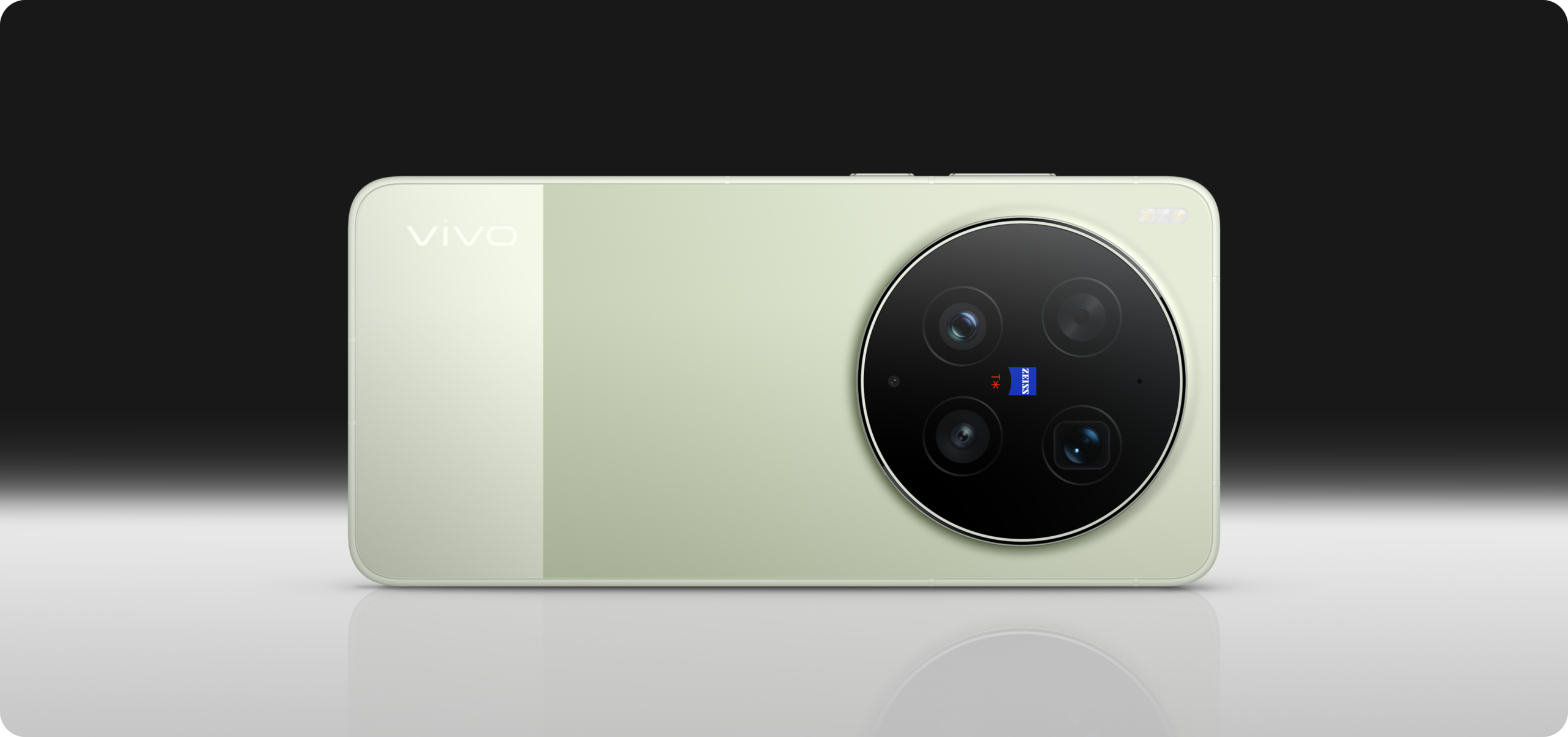
Vivo X300 Ultra just made its debut in China, and as expected from Vivo’s Ultra lineup, it’s a spec-heavy flagship for photography enthusiasts. The phone is powered by Qualcomm’s best Snapdragon 8 Elite Gen 5 chip and features a Zeiss-branded camera system. 

Beyond the headline specs, Vivo has also shared the official repair pricing of the smartphone. Let’s go through it. 

Vivo X300 Ultra Repair Cost

Starting with the essentials, a screen replacement is listed at 1,620 yuan, though there’s a discounted price of 1,320 yuan if users agree to return the damaged panel for recycling. A new battery costs 199 yuan, while replacing the back cover costs 350 yuan.

Unsurprisingly, motherboard repairs are the most expensive. Depending on the configuration, prices range from 3,300 yuan for the 12GB + 256GB variant all the way up to 4,200 yuan for the 16GB + 1TB model.

For the camera, the rear main sensor costs 820 yuan to replace, the periscope lens 790 yuan, and the ultra-wide module 450 yuan. Even the smaller multispectral sensor isn’t free at 95 yuan. Meanwhile, the front-facing camera is relatively affordable at 125 yuan.

If you lose accessories, you can get the charger set at 199 yuan, and a replacement data cable costs 69 yuan.

To note, major repairs, including the screen, battery, motherboard, and cameras, are covered for free during the warranty period. Once that expires, users will need to pay for both parts and labor, though the labor fee is capped at 50 yuan per visit, even if multiple components are repaired at once.

For more daily updates, please visit ourNews Section.

Stay ahead in tech! Join our Telegram community and sign up for our daily newsletter of top stories! 💡

Machenike launches Dawn Pro desktop PC with up to i9-14900HX and RTX 5070

Machenike has launched its new Dawn Pro desktop PC, featuring Intel’s 14th Gen Core processors and Nvidia RTX 40 series graphics cards. The desktop is now available on JD.com, with prices starting at 10,499 yuan ($1,525). It offers several configurations tailored for gamers and creators.

Machenike Dawn Pro Desktop PC

Machenike Dawn Pro Desktop PC Specs

The lineup includes three processor options: the i5-14400F, the i7-14700F, and the i9-14900HX. These CPUs are paired with GPUs that range from the RTX 5060 to the RTX 5070.

The PC features 32GB of DDR5 RAM, expandable up to 128GB. It includes a 1TB PCIe 4.0 SSD for fast storage with an option to expand up to 8TB for additional space.

For cooling, the lineup features the Machenike Frost Storm system, with a 240mm liquid cooler for lower-tier models and a 360mm all-in-one liquid cooler for higher-end variants. Its four 120mm ARGB prism fans provide efficient airflow, quiet operation, and durability.

Machenike Dawn Pro Desktop PC

The Machenike Dawn Pro features a chassis with dual dark tempered glass panels, SGCC galvanized steel for durability, and eco-friendly coating to reduce electromagnetic interference. It includes customizable ARGB lighting with over 16 million colors and built-in effects.

For connectivity, the Dawn Pro includes Wi-Fi 6E, Bluetooth 5.3, and a 2.5G Ethernet port. It features USB-A 3.2 Gen 1 ports and audio jacks for peripherals, runs on Windows 11 Home, and is powered by a 650W 80 Plus power supply.

Pricing and Availability

The Machenike Dawn Pro starts at 10,499 yuan ($1,575) for the i5-14400F with an RTX 5060 and 10,999 yuan ($1,650) for the RTX 5060 Ti 8GB variant.

The i7-14700F models are priced at 11,999 yuan ($1,800) with an RTX 5060 and 12,999 yuan ($1,950) with an RTX 5060 Ti 16GB.

The i9-14900HX configurations start at 11,999 yuan ($1,800) with an RTX 5060 Ti 16GB and go up to 12,999 yuan ($1,950) with an RTX 5070.

In related news, Gmktec has recently introduced the NucBox K17 mini PC powered by an Intel Core Ultra 5 processor with support for up to 16TB of storage, while Lenovo has also unveiled the Yoga Mini i Gen 11 featuring a unique circular design and Intel Core Ultra chipset.

For more daily updates, please visit our News Section.

Stay ahead in tech! Join our Telegram community and sign up for our daily newsletter of top stories! 💡

(JD)

LG UltraGear 39GX950B OLED Monitor Launch Set for April 9 With 5K2K Resolution & Dual Mode 330Hz Support

LG is preparing to release its UltraGear OLED 39GX950B gaming monitor, months after its initial announcement in December 2025. The 39-inch model is now listed on LG’s Canadian website, with reports indicating a price of CNY 14,999 in China, roughly $2,179. LG Japan has confirmed sales will begin on April 9 at 14:00 local time, though availability in other regions has not been confirmed.

LG UltraGear OLED 39GX950B

The monitor features a 39-inch OLED panel with a 5120 x 2160 resolution in a 21:9 aspect ratio. The 1500R curved screen is designed to expand the field of view compared to standard 32-inch 4K displays, offering higher pixel density at 143 PPI. It supports a maximum refresh rate of 165Hz at full 5K2K resolution and can switch to a higher refresh mode of up to 330Hz at 2560 x 1080 through VESA-certified Dual Mode.

LG has included an onboard processor for AI upscaling, allowing content from connected devices to be scaled to 5K2K without requiring a GPU upgrade. Connectivity options include DisplayPort 2.1, HDMI 2.1, and USB Type-C with up to 90W power delivery, supporting high-bandwidth input and single-cable setups.

LG UltraGear OLED 39GX950B

The display uses 4th Gen Tandem OLED technology, delivering 335 nits typical brightness and up to 1500 nits peak brightness under HDR conditions. It supports VESA DisplayHDR True Black 500 and covers up to 99.5% of the DCI-P3 color gamut, with 10-bit color and 1.07 billion colors. Contrast ratios are rated at 1,850,000:1 typical.

For gaming, the monitor offers a 0.03ms (GtG) response time, NVIDIA G-SYNC compatibility, and AMD FreeSync Premium Pro support to reduce tearing and stutter. Additional features include Black Stabilizer, Dynamic Action Sync, FPS counter, and crosshair tools.

Audio is handled by dual 7W speakers with AI Sound processing, which separates in-game audio elements and simulates a 7.1.2 channel experience. AI Scene Optimization adjusts picture settings based on content type.

The monitor also includes UL-certified eye comfort features such as reduced flicker, low blue light, and anti-glare coating. Physical adjustments include tilt, height, and swivel, with a virtually borderless design and wall-mount support.

For more daily updates, please visit our News Section.

Stay ahead in tech! Join our Telegram community and sign up for our daily newsletter of top stories.

(via: ITHome)

LG Unveils 115-Inch QNED Evo Mini LED TV With 330Hz Gaming Mode, Precision Dimming, and AI Sound Pro

LG Electronics has announced its 2026 QNED evo Mini LED TV lineup, and the headline is clear. Bigger screens are the focus this year, led by a new 115-inch model aimed at people who want a cinema-like setup at home.

LG QNED evo Mini LED TV

The new range is powered by LG’s α8 AI Processor Gen 3. It handles picture and sound processing, using AI to improve sharpness, brightness, and detail. LG is also bringing some of its OLED-style light control techniques to QNED, which helps manage how light is distributed across the screen.

On the display side, LG is using Dynamic QNED Color Pro to improve color accuracy, especially in HDR content. The company says the panels are certified by Intertek for 100 percent color volume, which means colors stay consistent even on very large screens. Precision Dimming Ultra is another key part of the setup. It controls thousands of dimming zones to improve contrast, making dark scenes look deeper while keeping bright areas clear.

There are also several AI-based enhancements. AI Super Upscaling sharpens lower-resolution content for 4K screens. AI Picture Pro focuses on improving faces and main subjects, while Dynamic Tone Mapping Pro adjusts brightness and contrast frame by frame. For sound, AI Sound Pro creates a virtual 11.1.2 channel output using the TV’s built-in speakers.

The TVs run webOS 26, which adds a stronger focus on sports. The Sports Portal collects live matches, scores and schedules in one place. Sports Alert sends updates for selected teams, and an AI Concierge card shows match progress and predictions on screen.

Gaming features are also a big part of the update. The TVs support VRR up to 165Hz, along with AMD FreeSync Premium and Auto Low Latency Mode. On select models, Motion Booster pushes refresh rates up to 330Hz to reduce blur in fast games. LG Gaming Portal gives access to cloud gaming services and web-based titles.

LG is also adding personalization features like Voice ID for user profiles and AI Concierge for content suggestions. Integration with Google Gemini and Microsoft Copilot allows users to search or ask questions directly on the TV. LG Shield handles security with built-in encryption.

The lineup includes models such as the 115-inch QNED90, 100-inch QNED85, and other options like QNED82, QNED8M, QNED80, and QNED70. The TVs will roll out first in Korea, the United States, and Europe, with more markets expected later this year. The pricing of these TVs is expected to be revealed in the coming days.

For more daily updates, please visit our News Section.

Stay ahead in tech! Join our Telegram community and sign up for our daily newsletter of top stories.

(Source)

Xiaomi launches super affordable Redmi G25 2026 monitor with 1080P 240Hz Fast IPS panel

Xiaomi has launched the Redmi G25 2026 monitor in the Chinese market. The 24.5-inch display is now listed at a price of 599 yuan ($87), making it an attractive option for budget-conscious gamers and general users.

Redmi G25 2026 Monitor

Redmi G25 2026 Monitor Specifications

The Redmi G25 2026 features a Full HD resolution of 1920 x 1080 pixels, paired with a 240Hz refresh rate. Xiaomi uses a Fast IPS LCD panel that provides a 1ms GTG response time and 178-degree wide viewing angles.

The monitor is VESA DisplayHDR 400-certified with a peak brightness of 400 nits. It supports AdaptiveSync, compatible with Nvidia G-Sync and AMD FreeSync, for stutter-free and tear-free gaming.

The display covers 100% of the sRGB color gamut and 95% of the DCI-P3 color space. The factory calibration ensures that the Delta E rating stays below 2, promising accurate and vibrant color reproduction. The panel supports 8-bit color depth and displays 16.7 million colors.

Redmi G25 2026 Monitor

For eye comfort, the monitor includes TÜV Rheinland-certified low blue light protection and DC dimming to reduce eye strain. It features a minimalist design with thin bezels, an adjustable stand with tilt adjustment, and VESA 75 x 75 mm mounting.

For connectivity, the G25 includes one DisplayPort 1.4 connection, one HDMI 2.0 port, and a 3.5mm audio jack. The monitor weighs approximately 3.1kg and measures 557 x 171.3 x 445.6 mm with the stand.

In related news, Xiaomi has recently introduced the budget-friendly Redmi G27Q 2026 monitor, featuring a 2K resolution and a 320Hz Fast IPS display.

For more daily updates, please visit our News Section.

Stay ahead in tech! Join our Telegram community and sign up for our daily newsletter of top stories! 💡

(JD)

Pre-order details for Motorola’s first book-style foldable surface

Motorola is finally moving into the book-style foldable space. The new Moto Razr Fold has started showing up on retail listings in China, confirming that pre-orders will begin on May 31 in the country.

Motorola Razr Fold

Interestingly, buyers in the UK will get access sooner. Motorola UK posted on X on March 27 that pre-orders there would open in 15 days, meaning the wait is nearly over. The phone was already introduced at MWC earlier this year, but it’s only now starting to appear in a more consumer-facing way.

The Razr Fold runs on the Snapdragon 8 Gen 5, paired with 16GB of RAM. That’s more than enough for running multiple apps at once. The battery is also on the larger side at 6,000mAh. It supports 80W wired and 50W wireless charging, along with reverse charging.

There’s also support for the Moto Pen Ultra, which suggests Motorola wants this to double as a productivity device, not just something for media consumption.

The display setup looks fairly typical for a foldable, but with some interesting choices. Inside, there’s an 8.09-inch LTPO OLED panel with a 120Hz refresh rate. On the outside, the 6.56-inch display goes up to 165Hz, which is a bit unusual for a foldable. Although how much that matters in daily use is another question.

In terms of size, it comes in at around 9.9mm folded and 4.6mm unfolded, weighing about 244 grams. Its’a bit heavier like the Galaxy Z Fold7 (215g) and the Honor Magic V6 (219g).

The camera setup includes three 50MP sensors on the back: a main, ultra-wide, and a 3x telephoto. For selfies, there’s a 32MP camera on the outer display and a 20MP one inside.

Pricing is listed at €1,999, which puts it right alongside other premium foldables. That’s not surprising, though it does make the usual question of value a bit harder to answer.

There are still a few unknowns, especially around availability in different regions, but with pre-orders nearing, those details should start to clear up soon.

Don’t miss a thing! Join our Telegram community for instant updates and grab our free daily newsletter for the best tech stories!

For more daily updates, please visit our News Section.

(Sources: 1, 2)

Xiaomi launches affordable Redmi G27Q 2026 monitor with 2K 320Hz Fast IPS display

Xiaomi has introduced its latest monitor, the Redmi G27Q 2026, in China. It is priced at 1,299 yuan ($188) and will be available for purchase starting April 10.

Redmi G27Q Monitor

Redmi G27Q Monitor Specifications

The Redmi G27Q features a 2560 x 1440 Fast IPS display, a 320Hz refresh rate, and a 1ms GTG response time. It also features AMD FreeSync Premium, which synchronizes with GPUs to minimize screen tearing and stuttering.

The display supports a peak brightness of 400 nits and adheres to the VESA DisplayHDR 400 standard. The monitor achieves a 1000:1 static contrast ratio, offering solid performance for both gaming and content consumption.

Xiaomi has added features like a dual wide color gamut that covers 95% of the DCI-P3 color space and 100% of the sRGB spectrum. The monitor supports 10-bit color depth, enabling smooth gradients and transitions for visual professionals. Xiaomi has also factory-calibrated the monitor to a Delta E value of less than 2, providing accurate and natural color reproduction.

Redmi G27Q Monitor

The monitor offers health-focused features, including TÜV Rheinland-certified low blue light technology and DC dimming to reduce blue light and screen flicker. It also features Xiaomi’s Qingshan Eye Protection technology for enhanced viewing comfort.

In terms of adjustability, the Redmi G27Q includes a stand with height, tilt, swivel, and pivot options. It features support for VESA 75 x 75mm wall mounting, thin bezels to maximize screen space, and a joystick for easy settings navigation.

For connectivity, the monitor includes two DisplayPort 2.1 ports, two HDMI 2.0 ports, and a headphone jack. It consumes 48W of power.

In related news, ASRock has recently introduced a new 31.5-inch WOLED gaming monitor featuring a dual-mode display that switches between 4K at 240Hz and FHD at 480Hz, while MSI has unveiled a 27-inch 2K 144Hz monitor equipped with circular polarization eye-care technology.

For more daily updates, please visit our News Section.

Stay ahead in tech! Join our Telegram community and sign up for our daily newsletter of top stories! 💡

(JD)

Motorola Edge 70 Fusion vs Redmi Note 15 Pro: One Is Smarter, One Is Stronger , Which Wins?

Motorola Edge 70 Fusion and Redmi Note 15 Pro redefine what mid-range phones can offer in 2026, blending premium features with aggressive pricing. While one leans toward smooth performance and balanced usability, the other pushes standout specs like a 200MP camera and advanced display tech. This comparison is important for buyers who care about real-world experience over spec sheets, as both devices take very different paths to deliver value in the same price segment.

Please Note: When you buy something using the links in our articles, we may earn a small commission at no cost to you.

Please Note: When you buy something using the links in our articles, we may earn a small commission at no cost to you.

1. Design and Display

Build and Feel

The Motorola Edge 70 Fusion focuses on a slim, clean design with Gorilla Glass 7i and a lighter, more refined in-hand feel. It also brings IP68/IP69 protection with MIL-STD compliance, making it quietly durable without feeling bulky. On the other hand, the Redmi Note 15 Pro leans toward rugged confidence with stronger drop resistance and Victus 2 protection. The eco leather option adds personality, but the overall build feels more robust than sleek.

Display Quality

Motorola delivers a smoother 144Hz AMOLED with extremely high peak brightness, making it feel sharper in motion and more fluid in daily use. Redmi counters with richer visuals thanks to Dolby Vision, higher color depth, and better PWM dimming, which makes long viewing sessions more comfortable.

Verdict

Motorola feels lighter and smoother, ideal for everyday fluidity, while Redmi offers a more premium viewing experience. The choice depends on whether smoothness or cinematic quality matters more.

2. Specifications Including Battery

Performance

The Motorola Edge 70 Fusion uses Snapdragon 7s Gen 3/4, delivering balanced performance with better efficiency and stability. It feels more optimized for sustained usage and cleaner thermal control. The Redmi Note 15 Pro’s Dimensity 7400 Ultra brings solid power, but its architecture leans more toward burst performance rather than long-term consistency. In real-world use, Motorola tends to feel slightly more refined.

Battery and Charging

Motorola offers flexibility with 5200mAh or 7000mAh variants and faster 68W charging, making it more convenient for quick top-ups. Redmi pushes endurance with a large 6580mAh battery and adds reverse charging, which is useful in practical scenarios. However, its 45W charging feels slower in comparison.

Verdict

Motorola edges ahead with better efficiency and faster charging, while Redmi stands out for battery longevity. Fast-paced users may prefer Motorola, while heavy users may lean toward Redmi.

3. Camera

Main and Secondary Lenses

Motorola keeps things balanced with a 50MP main sensor and a more capable 13MP ultrawide that includes autofocus, making it versatile for everyday photography. Redmi takes a bold approach with a 200MP primary sensor, delivering higher detail and better cropping flexibility. However, its 8MP ultrawide feels more limited, reducing versatility.

Selfie Camera

Motorola clearly leads with a 32MP front camera capable of 4K video, offering sharper selfies and better video quality. Redmi’s 20MP selfie camera is decent but lacks 4K support, making it feel slightly behind for content creation.

Verdict

Redmi wins on raw detail with its 200MP sensor, but Motorola delivers a more balanced and practical camera system overall. It feels more consistent across all lenses.

4. Pricing

The Motorola Edge 70 Fusion is priced around $250 (₹27,000), while the Redmi Note 15 Pro comes in higher at $350 (₹30,000). The price gap is noticeable, especially considering that both target the same mid-range segment.

Is the Price Justified?

Motorola offers strong value with a smoother display, faster charging, and a more balanced camera setup at a lower price. It feels like a well-optimized package without unnecessary cost inflation. Redmi justifies its higher price with a 200MP camera, premium display features like Dolby Vision, and a larger battery. However, some trade-offs like slower charging and weaker ultrawide slightly reduce its value edge.

Verdict

Motorola delivers better overall value for money, while Redmi focuses on standout features. The extra cost only makes sense if those specific upgrades matter.

Disclaimer:
Prices are approximate and may vary based on country, region, and applicable taxes.

5. Conclusion

Motorola stands out with its ultra-smooth 144Hz display, faster charging, and a cleaner, more balanced user experience. The inclusion of newer Android support and Snapdragon optimization makes it feel reliable long-term. Redmi counters with a flagship-style 200MP camera, Dolby Vision display, and a bigger battery, giving it a more feature-packed appeal on paper.

Verdict

Motorola Edge 70 Fusion feels like the smarter all-rounder with better pricing, smoother performance, and practical usability. The Redmi Note 15 Pro is more about standout specs and visual appeal, but it sacrifices some balance. For most users, Motorola offers a more complete experience, while Redmi suits those who prioritize camera resolution and display richness above everything else.

Disclaimer: This comparison is based on the specifications provided and is intended for general informational purposes. Actual performance, camera results, battery life, and overall experience may vary depending on real-world usage, software updates, and individual preferences.

Read More:

Nothing Phone (4a) vs (4a) Pro: What Actually Changed?

Upgrades don’t always mean dramatic changes; sometimes, they’re about refining what already works. That’s exactly the case with the Nothing Phone (4a) and Nothing Phone (4a) Pro. At first glance, both devices look familiar, but the real story lies in the subtle improvements. From build materials to display smoothness and chipset tweaks, the Pro version builds on the same foundation rather than redefining it. This comparison focuses on what actually changes, and whether those upgrades feel meaningful in everyday use.

Please Note: When you buy something using the links in our articles, we may earn a small commission at no cost to you.

Major Upgrades:

FeatureNothing Phone (4a)Nothing Phone (4a) ProUpgrades
BuildGlass front, plastic frame, glass backGlass front, aluminum frame, aluminum back✅ Aluminum build on Pro
Glyph LEDs63 LEDs, 6 zones137 LEDs✅ More LEDs on Pro
ProtectionIP64IP65✅ Better protection on Pro
Display120Hz AMOLED, 4500 nits peak144Hz AMOLED, 5000 nits peak✅ Smoother + brighter on Pro
Resolution1224 × 27201260 × 2800✅ Slightly higher on Pro
ChipsetSnapdragon 7s Gen 4Snapdragon 7 Gen 4✅ Newer chip on Pro
CPU1×2.7 + 3×2.4 + 4×1.81×2.8 + 4×2.4 + 3×1.8✅ Slight CPU upgrade
GPUAdreno 810Adreno 722 Different GPU
RAM/StorageUp to 12GB, UFS 3.1Same❌ No change
Main Camera50MP, PDAF, OIS50MP, dual pixel PDAF, OIS✅ Better AF on Pro
Telephoto50MP, 3.5xSame❌ No change
Ultrawide8MPSame❌ No change
Selfie32MPSame❌ No change
VideoDolby Vision HDRDolby Vision + Ultra XDR✅ Extra processing on Pro
Battery5080 / 5400 mAhSame❌ No change
Charging50WSame❌ No change
SoftwareNothing OS 4.1Same❌ No change
SIMDual SIMDual SIM + eSIM option✅ Added eSIM on Pro
Price~$450 / ₹32,000~$500 / ₹40,000~₹8K higher
Disclaimer: Specs are based on available data. Actual performance may vary. Verify details from official sources before buying.

Please Note: When you buy something using the links in our articles, we may earn a small commission at no cost to you.

1. Design and Display

Build and Feel

The Nothing Phone (4a) features a glass back with a plastic frame and 63 LED glyphs, maintaining the brand’s signature look. The Nothing Phone (4a) Pro introduces a clear upgrade with an aluminum unibody and aluminum back, along with 137 LEDs. This shift highlights a move toward a more premium construction and enhanced glyph customization. The change is less about redesign and more about refinement and material improvement.

Display Quality

The standard model offers a 120Hz AMOLED panel with strong brightness and HDR support. The Pro upgrades this to a 144Hz panel with higher peak brightness and a more immersive screen experience. Resolution is also slightly improved. The differences focus on smoother visuals and enhanced outdoor visibility rather than a completely new display approach.

Verdict

The Pro introduces material and display upgrades, focusing on refinement rather than a dramatic shift in design philosophy.

2. Specifications Including Battery

Performance

The Nothing Phone (4a) runs on Snapdragon 7s Gen 4, while the Pro upgrades to Snapdragon 7 Gen 4. The improvement lies in better CPU structure and a stronger GPU, enabling smoother multitasking and improved sustained performance. The upgrade reflects a step forward in efficiency and power, rather than a jump to flagship-level performance.

Battery and Charging

Both devices retain identical battery capacities and charging speeds. There are no upgrades here, with both offering consistent all-day battery life and the same 50W charging experience. This suggests a focus on maintaining reliability rather than introducing changes.

Verdict

The Pro focuses on chipset improvements, while battery and charging remain unchanged across both models.

3. Camera

Main and Secondary Lenses

Both phones share a similar triple-camera setup, including a periscope telephoto lens. The Pro upgrades the main sensor slightly with dual-pixel autofocus, improving focus speed and consistency. The rest of the setup remains largely unchanged, indicating optimization rather than hardware overhaul.

Selfie Camera

The selfie camera remains identical on both devices, with no upgrades in hardware or video capabilities. Performance is consistent, maintaining the same output quality across both models.

Verdict

Camera differences are subtle, with the Pro offering minor refinements rather than major hardware changes.

4. Pricing

The Nothing Phone (4a) is priced at around $450 (₹32,000), while the Nothing Phone (4a) Pro is priced at about $500 (₹40,000). The price increase reflects the added materials, display improvements, and chipset upgrade.

Value for Money

The pricing difference aligns with the upgrades offered. The Pro positions itself as an enhanced version rather than a completely different segment device. The added cost mainly covers refinement in experience rather than new core features.

Verdict

The price gap directly reflects incremental upgrades, making the Pro a step-up option rather than a separate category.

Disclaimer:
Prices are approximate and may vary based on country, region, and applicable taxes.

5. Conclusion

Both devices retain core Nothing features like glyph lighting and Nothing OS 4.1. The Pro expands on this with more LEDs and improved customization. Across the board, the changes focus on enhancing existing strengths rather than introducing entirely new features.

Verdict

Nothing Phone (4a) Pro is clearly an evolution, not a reinvention. Every upgrade, from aluminum build to 144Hz display and stronger chip, feels like a direct enhancement of the same foundation. There are no drastic changes, just smarter refinements that make the Pro feel like a polished version of the standard model rather than a completely different device.

Disclaimer: This comparison is based on the specifications provided and is intended for general informational purposes. Actual performance, camera results, battery life, and overall experience may vary depending on real-world usage, software updates, and individual preferences.

Read More:

Baseus launches ultra thin 6.9mm magnetic power bank with 5000mAh capacity

Baseus has announced its new Card Magnetic Air power bank in China, which focuses on safety, durability, and portability. The power bank is now available for pre-order at 299 yuan ($44) and introduces advanced safety features that Baseus describes as aerospace-grade.

Baseus Card Magnetic Air power bank

Baseus Card Magnetic Air Power Bank Specs

The Card Magnetic Air power bank features a solid-liquid hybrid battery cell for better thermal stability and safety. It meets 2026 Chinese safety standards and has undergone tests like needle puncture, fire resistance, and pressure testing up to 2 tons. It performs reliably in extreme temperatures from -60°C to 140°C.

Baseus Card Magnetic Air power bank

The power bank is designed for portability, featuring a slim 6.9mm aluminum unibody and a lightweight design. It is available in Silver, Black, and Blue, with a 5000mAh battery capacity. It supports magnetic wireless charging up to 15W for Android and 7.5W for iPhones, and USB-C wired charging up to 22.5W.

Baseus Card Magnetic Air power bank

The device can deliver up to 60W output when connected to a higher-power adapter or another power source. This feature makes it capable of charging laptops like the MacBook Air. Baseus has also added dual-device charging functionality, allowing simultaneous use of wireless and wired charging.

The Card Magnetic Air features AI-based sensors that detect when a device is magnetically attached or plugged in, optimizing power delivery. It also includes NFC functionality, allowing users to check the battery status by tapping their smartphone.

Baseus Card Magnetic Air power bank

Baseus improved the thermal performance of the device with a glacier cooling matrix. This system increases the heat dissipation area by 50% and incorporates graphene materials for better thermal management.

In related news, we recently rounded up the best magnetic power banks for iPhone and Android in April 2026, which you can check out as well.

For more daily updates, please visit our News Section.

Stay ahead in tech! Join our Telegram community and sign up for our daily newsletter of top stories! 💡

(JD)

Samsung Galaxy S26+ vs Xiaomi 17 Pro: Is Samsung Still Worth Double the Price?

Flagship smartphones in 2026 are no longer just about premium branding; they’re about how much value and innovation you actually get for the price. The Samsung Galaxy S26+ and Xiaomi 17 Pro take two very different approaches: one focuses on refinement, long-term reliability, and ecosystem strength, while the other pushes aggressive hardware upgrades at a far lower price. For buyers deciding between a safe premium experience and a feature-packed powerhouse, this comparison highlights where each device truly stands and which one makes more sense depending on usage priorities.

Major Features:

FeatureSamsung Galaxy S26+Xiaomi 17 ProWinner
Display6.7″ LTPO AMOLED, 1440p, 120Hz, 2600 nits6.3″ LTPO AMOLED, 1220p, 120Hz, 3500 nits + rear displayXiaomi – brighter + secondary display
BuildGorilla Glass Victus 2, Armor Aluminum 2, IP68Dragon Crystal Glass, Aluminum, IP68 (4m)Samsung – more proven durability
ChipsetSnapdragon 8 Elite Gen 5 / Exynos 2600Snapdragon 8 Elite Gen 5Tie – same flagship chip
RAM & Storage12GB RAM, up to 512GB, UFS 4.XUp to 16GB RAM, 1TB, UFS 4.1Xiaomi – more powerful configs
Rear Camera50MP + 10MP (3x) + 12MP UW50MP + 50MP (5x periscope) + 50MP UWXiaomi – better zoom + sensors
Selfie Camera12MP50MPXiaomi – higher resolution
Video8K, HDR10+8K HDR, Dolby Vision, LOGXiaomi – more advanced video
Battery4900 mAh6300 mAhXiaomi – significantly bigger
Charging45W wired, 20W wireless100W wired, 50W wirelessXiaomi – much faster
SoftwareAndroid 16, 7 years updates (One UI)Android 16, HyperOS 3Samsung – longer support
ExtrasDeX, Wireless DeX, UWBRear display, IR blaster, UWBTie – different advantages
Price$1100 / ₹120,000$700 / ₹62,000Xiaomi – far better value

1. Design and Display

Build and Feel

The Samsung Galaxy S26+ follows Samsung’s refined flagship design with Gorilla Glass Victus 2 on both sides and an Armor Aluminum 2 frame, giving it a polished and durable feel. It also offers broader SIM flexibility and DeX support, adding a productivity edge. Meanwhile, the Xiaomi 17 Pro introduces a more experimental approach with Dragon Crystal Glass and a secondary rear display, making it stand out instantly. It feels more futuristic, especially for users who enjoy unique hardware touches.

Display Quality

Samsung delivers a sharper 1440p LTPO AMOLED panel with excellent brightness and color tuning, making it ideal for content consumption. Xiaomi counters with a brighter panel, Dolby Vision support, and extremely high PWM dimming, which is easier on the eyes. The secondary display also adds functional versatility, especially for quick tasks and camera previews.

Verdict

Samsung feels more premium and balanced, but Xiaomi brings innovation and eye comfort. The better choice depends on whether consistency or creativity matters more.

2. Specifications Including Battery

Performance

Both devices are powered by the Snapdragon 8 Elite Gen 5 in key markets, delivering flagship-level speed and efficiency. Samsung’s optimization with One UI and longer software support gives it an edge in longevity and stability. Xiaomi, however, offers slightly higher RAM options and faster storage, which can feel snappier in heavy multitasking and gaming scenarios.

Battery and Charging

This is where Xiaomi clearly pulls ahead. A massive 6300 mAh battery paired with 100W wired and 50W wireless charging makes it one of the fastest and longest-lasting flagships. Samsung’s 4900 mAh battery is reliable but feels conservative, especially with 45W charging. Daily users may notice the difference quickly.

Verdict

Samsung wins in software polish and long-term updates, but Xiaomi dominates raw battery and charging performance. Power users will naturally lean toward Xiaomi.

3. Camera

Main and Secondary Lenses

Samsung sticks with a proven triple-camera setup, delivering consistent results with strong HDR, stable video, and reliable 3x zoom. It excels in color accuracy and video features like HDR10+ and stabilization. Xiaomi pushes boundaries with a 50MP triple system, including a 5x periscope zoom and Leica tuning. The larger sensors and advanced video modes give it a clear advantage in versatility and detail.

Selfie Camera

Samsung’s 12MP selfie camera focuses on natural tones and consistency, while Xiaomi’s 50MP front camera delivers sharper and more detailed selfies. Xiaomi also supports more advanced video features on the front camera, which content creators may appreciate.

Verdict

Samsung is more consistent and predictable, especially for video, but Xiaomi offers superior hardware and flexibility. Those who enjoy experimenting with photography will likely prefer Xiaomi.

4. Pricing

The Samsung Galaxy S26+ is priced around $1100 / ₹120,000, placing it firmly in the ultra-premium category. In contrast, the Xiaomi 17 Pro comes in at approximately $700 / ₹62,000, making it significantly more affordable despite offering higher-end hardware in several areas.

Is the Price Justified?

Samsung justifies its price with long-term software support, brand reliability, and ecosystem features like DeX and UWB integration. However, Xiaomi delivers exceptional value by offering better battery, faster charging, stronger camera hardware, and more RAM at a much lower price. The gap feels difficult to ignore.

Verdict

Samsung is a safe premium investment, but Xiaomi clearly wins on value for money. The pricing difference alone makes Xiaomi a very compelling choice.

Disclaimer:
Prices are approximate and may vary based on country, region, and applicable taxes.

5. Conclusion

Samsung stands out with its polished ecosystem, extended software support, and productivity-focused features like DeX. It feels like a complete, mature flagship designed for long-term use. Xiaomi, on the other hand, pushes hardware innovation with a secondary display, massive battery, ultra-fast charging, and a more ambitious camera system. It feels more exciting and future-forward.

Verdict

Samsung Galaxy S26+ is ideal for users who prioritize reliability, software longevity, and a refined experience. Xiaomi 17 Pro is the better pick for those who want maximum hardware value, faster charging, and cutting-edge features at a lower price. Overall, Xiaomi offers the more aggressive and value-driven package, while Samsung remains the safer flagship choice.

Disclaimer: This comparison is based on the specifications provided and is intended for general informational purposes. Actual performance, camera results, battery life, and overall experience may vary depending on real-world usage, software updates, and individual preferences.

Read More:

Gmktec launches NucBox K17 Mini PC with Intel Core Ultra 5, up to 16TB storage, USB4 & 8K display support

Gmktec has unveiled the NucBox K17, a new mini PC equipped with a Lunar Lake processor, offering advanced AI computing capabilities in an ultra-compact design.

Gmktec NucBox K17

Gmktec NucBox K17 Specifications

The NucBox K17 features the Intel Core Ultra 5 226V processor with 8 cores, 8 threads, a 4.5GHz turbo frequency, delivering 97 TOPS of AI performance alongside the Intel Arc 130V GPU and AI Boost NPU. The Arc 130V GPU offers 53 TOPS of AI performance, supports ray tracing and XeSS, and is optimized for gaming and content creation. The AI Boost NPU adds 40 TOPS of INT8 AI acceleration for machine learning and AI applications.

The mini PC runs Windows 11 Pro, includes 16GB of LPDDR5X memory at 8533MT/s, and offers storage options ranging from 512GB to 1TB SSDs. It supports up to 16TB of expandable storage through dual M.2 2280 slots compatible with PCIe 4.0 and 5.0 SSDs.

The NucBox K17 offers a wide range of ports for versatile connectivity. On the front, it includes a USB4 Type-C port with 100W Power Delivery, DisplayPort (40Gbps), along with one USB 3.2 Gen2 port, one USB 3.2 Gen1 port, and a 3.5mm audio combo jack.

Gmktec NucBox K17

At the rear, it features one DC IN port (100W), two HDMI 2.1 ports, three USB 3.2 Gen1 ports (5Gbps), one USB 2.0 port, a 2.5G RJ45 LAN port, a lock slot, along with power and reset buttons.

For wireless connectivity, the device supports Wi-Fi 6E and Bluetooth 5.2. The NucBox K17 can handle up to three displays simultaneously, with support for resolutions of up to 8K through its HDMI and USB4 ports.

The mini PC features a dual heat pipe cooling system with a turbine fan and smart thermal management, providing quiet operation even under load. It is highly compact, measuring 127.5 x 127 x 44.5 mm, and weighs just 460g.

Pricing and Availability

The Gmktec NucBox K17 is available now through the company’s official website. The 16GB + 512GB version is priced at $559.99, while the 16GB + 1TB version costs $619.99.

In related news, Lenovo debuts the Yoga Mini i Gen 11 featuring a circular design, Intel Core Ultra, and 4-display support. Topfeel also launches Next 2 Mini PCs with Ryzen 7 H255 and up to RTX 4060 Ti GPU support.

For more daily updates, please visit our News Section.

Stay ahead in tech! Join our Telegram community and sign up for our daily newsletter of top stories! 💡

Snapdragon 8 Gen 5 vs Dimensity 9300: Benchmark score, spec sheet, and more

Snapdragon 8 Gen 5 vs Dimensity 9300

The Snapdragon 8 Gen 5 is the first non-Elite chipset to feature the powerful Oryon cores. The chipset offers solid gaming performance, a flagship-grade ISP, and reliable connectivity, making it a powerful choice among premium mid-range phones.

On the other hand, the Dimensity 9300 is two years older than the Snapdragon 8 Gen 5. Still, it offers smooth performance and excellent efficiency to be considered a reliable choice, and more importantly, at a lower price.

So, the real question is: does it make sense to go with the Snapdragon 8 Gen 5, or is the Dimensity 9300 a solid choice at a relatively lower price? Let’s find out in this detailed comparison.

Quick verdict:

Choose Snapdragon 8 Gen 5 if you want higher CPU performance, sustained gaming performance, flagship ISP, and modern connectivity features.
Choose Dimensity 9300 if you want reliable performance and excellent efficiency at a lower price point.

Snapdragon 8 Gen 5 vs Dimensity 9300: Spec sheet

Snapdragon 8 Gen 5Dimensity 9300
AnnouncedNovember 2025November 2023
Process node3 nm (TSMC)4 nm (TSMC)
CPU2 × 3.8 GHz (Oryon Gen 3 – Prime)
6 × 3.32 GHz (Oryon Gen 3 – Performance)
1 × 3.25 GHz (Cortex-X4)
3 × 2.85 GHz (Cortex-X4)
4 × 2.0 GHz (Cortex-A720)
GPUAdreno 829
ray tracing support
Snapdragon Elite Gaming features
Arm Immortalis-G720 MP12
console-level global illumination effects
ray tracing support
MediaTek HyperEngine Adaptive Gaming Technology
NPUQualcomm Hexagon NPU
Agentic AI support
MediaTek NPU 790
up to 33 billion parameters
on-device LoRA Fusion support
MemoryLPDDR5x, up to 4.8 GHzLPDDR5T, up to 4.8 GHz
StorageUFS 4.1UFS 4 + MCQ
CameraQualcomm Spectra triple AI ISP (20-bit)
up to 320MP single camera
up to 108MP single camera with zero shutter lag, 30fps
up to 48MP triple cameras with zero shutter lag, 30fps
up to 4K/120fps video recording
real-time semantic segmentation (limitless)
MediaTek Imagiq 990 ISP (18-bit)
up to 320MP single camera
up to 8K video recording
AI Semantic Analysis Video Engine
ConnectivitySnapdragon X80 5G modem
download speed: up to 10 Gbps
upload speed: up to 3.5 Gbps
Wi-Fi 7 (peak speed: 5.8 Gbps)
Bluetooth 6.0
MediaTek 5G modem
download speed: up to 7 Gbps
Wi-Fi 7 (peak speed: 6.5 Gbps)
Bluetooth 5.4

Snapdragon 8 Gen 5 vs Dimensity 9300: Benchmark numbers

Note: To obtain the benchmark results, the tests were performed using these devices:
– OnePlus 15R (Snapdragon 8 Gen 5)
– Vivo X100 Pro (Dimensity 9300)

Geekbench score (v6)

Snapdragon 8 Gen 5 vs Dimensity 9300 - Geekbench score

The Snapdragon 8 Gen 5 outperforms the Dimensity 9300 in both single-core and multi-core tests. In both tests, the Snapdragon chip achieves about 27% higher score, suggesting a snappier performance, particularly in tasks that require greater CPU resources.

Snapdragon 8 Gen 5Dimensity 9300
Single core2,8372,208
Multi core9,3527,380

AnTuTu score (v11)

Snapdragon 8 Gen 5 vs Dimensity 9300 - AnTuTu score

On the AnTuTu benchmark, the Snapdragon 8 Gen 5 scores 2.96 million, while the Dimensity 9300 sits below it with 2.32 million total score. That’s a solid 27% uplift for the Snapdragon chip.

Snapdragon 8 Gen 5Dimensity 9300
AnTuTu score2,961,2362,324,872
CPU914,878692,230
GPU974,402816,259
Memory382,729338,122
UX689,228478,261

The breakdown of the AnTuTu score paints a better picture, and unsurprisingly, the Snapdragon 8 Gen 5 dominates all aspects. The CPU gets 32% higher score, the GPU gets 19% higher score, memory performance is up by 13%, and the UX score is up by 44%.

3DMark score

Wild Life Extreme Stress Test

Snapdragon 8 Gen 5 vs Dimensity 9300 - 3DMark Wild Life Extreme Stress Test

This is a widely popular gaming benchmark, where the Snapdragon 8 Gen 5 outperforms the Dimensity 9300 by a wide margin. It achieves a 23% higher best loop score and a whopping 71% increase in the lowest loop score. So, not just the performance, the Snapdragon chip also maintains higher stability.

Snapdragon 8 Gen 5Dimensity 9300
Best loop score5,0094,062
Lowest loop score3,3211,933
Stability66.30%47.59%

While benchmarks offer great insights into performance and stability, they don’t focus on other key aspects, including connectivity, camera, and features. To give you a clearer picture, we’ve included them in the following section.

Snapdragon 8 Gen 5 vs Dimensity 9300: Key differences

Process node

The Snapdragon 8 Gen 5 uses TSMC’s newer 3nm node, which offers better performance and power efficiency than the 4nm node used in the Dimensity 9300.

Performance

CPU

Both chipsets feature octa-core CPUs, although their core configurations differ. The Snapdragon 8 Gen 5 uses a (2 + 6) layout, featuring two Oryon prime cores at 3.8 GHz and six Oryon performance cores at 3.32 GHz. The Dimensity 9300 features a (1 + 3 + 4) layout, which includes one Cortex-X4 prime core at 3.25 GHz, three Cortex-X4 performance cores at 2.85 GHz, and four Cortex-A720 efficiency cores at 2.0 GHz.

The Snapdragon 8 Gen 5 prioritizes performance by offering a higher peak clock speed of 3.8 GHz. In fact, all the CPU cores in the Snapdragon chip run at higher clock speeds than those in the Dimensity 9300. This is one of the primary reasons the Snapdragon chip easily outperforms the Dimensity 9300 in benchmarks.

GPU

As for the gaming and graphics rendering, the Snapdragon 8 Gen 5 uses a powerful Adreno 829 GPU featuring Qualcomm’s “sliced” architecture. The GPU offers excellent ray tracing performance, support for Unreal Engine 5, and AI-assisted upscaling. It also bundles a full suite of Snapdragon Elite Gaming features to deliver a smooth gaming performance with consistently high frame rates, low latency, and improved power utilization.

The Dimensity 9300 features a 12-core Arm Immortalis-G720 GPU, promising console-level global illumination effects. The GPU is equipped with a 2nd-gen hardware ray tracing, which is claimed to offer “fast, full raytracing experiences at a smooth 60 fps.” The chip also features MediaTek HyperEngine Adaptive Gaming Technology to deliver flagship performance without slowdowns for up to an hour in top titles, along with better cooling and improved power efficiency.

NPU

The Snapdragon 8 Gen 5 features a very capable Hexagon NPU, which integrates with an Oryon CPU and Adreno GPU to enable on-device agentic assistants, multimodal AI, and heavier gen-AI workloads in high-end devices. It is essentially a slightly binned-down version of the 8 Elite Gen 5 AI platform, with nearly all of the same features but lower peak clocks.

The Dimensity 9300’s AI stack is built around the MediaTek NPU 790, which delivers substantial efficiency and speed gains over the previous generation. It can run LLMs with up to 33 billion parameters and real-time generative AI. The AI stack enables the SoC to run multi-modal, multi-LLMs setups at usable latencies, entirely on-device.

Camera

The Snapdragon 8 Gen 5 features a 20-bit Spectra AI ISP with up to 320MP single camera and up to 4K/120fps video recording, although OEMs can enable up to 8K recording. The chip also supports limitless real-time semantic segmentation for precise optimizations. Plus, it offers a range of camera features (including AI-assisted features) to deliver greater quality with less noise.

On the other hand, the Dimensity 9300 is equipped with an 18-bit Imagiq 990 ISP, supporting up to 320MP single-camera and up to 8K video recording. The chip features an AI Semantic Analysis Video Engine with 16 categories of scene segmentation adjustments for enhanced cinematic video capture. It also features zero-latency video preview and 100% pixel-level autofocus + dual-lossless zoom.

Connectivity

While both chips offer robust connectivity, there are several important differences to consider. On a 5G connection, the Snapdragon 8 Gen 5’s download speed can reach up to 10 Gbps, while the Dimensity 9300 peaks at 7 Gbps. The Dimensity chip bounces back with a higher peak Wi-Fi 7 speed, reaching 6.5 Gbps (vs. 5.8 Gbps on the Snapdragon 8 Gen 5). Another advantage of the Snapdragon 8 Gen 5 is its support for Bluetooth 6.0, while the Dimensity 9300 supports the older Bluetooth 5.3 standard.

Snapdragon 8 Gen 5 vs Dimensity 9300: Which is better?

The Snapdragon 8 Gen 5 is clearly a much better choice over the Dimensity 9300. It offers solid CPU performance, a more consistent gaming performance, and a modern connectivity stack. Plus, it features the advanced Spectra ISP from the Snapdragon 8 Elite Gen 5, integrating the latest camera features and advanced camera optimizations.

That said, the Dimensity 9300 is still a solid mid-range chipset in 2026. It can smoothly run your day-to-day apps while offering excellent efficiency. Gaming performance is also good, but for heavier games and longer sessions, you may want to prefer a more capable chipset like the Snapdragon 8 Gen 5. Perhaps the only advantage it offers over the Snapdragon 8 Gen 5 is its lower price. So, if you’re getting a hefty discount on a Dimensity 9300 phone that makes it much cheaper than a Snapdragon 8 Gen 5 phone, that may be a solid deal. Otherwise, the Snapdragon 8 Gen 5 is a no-brainer choice here.