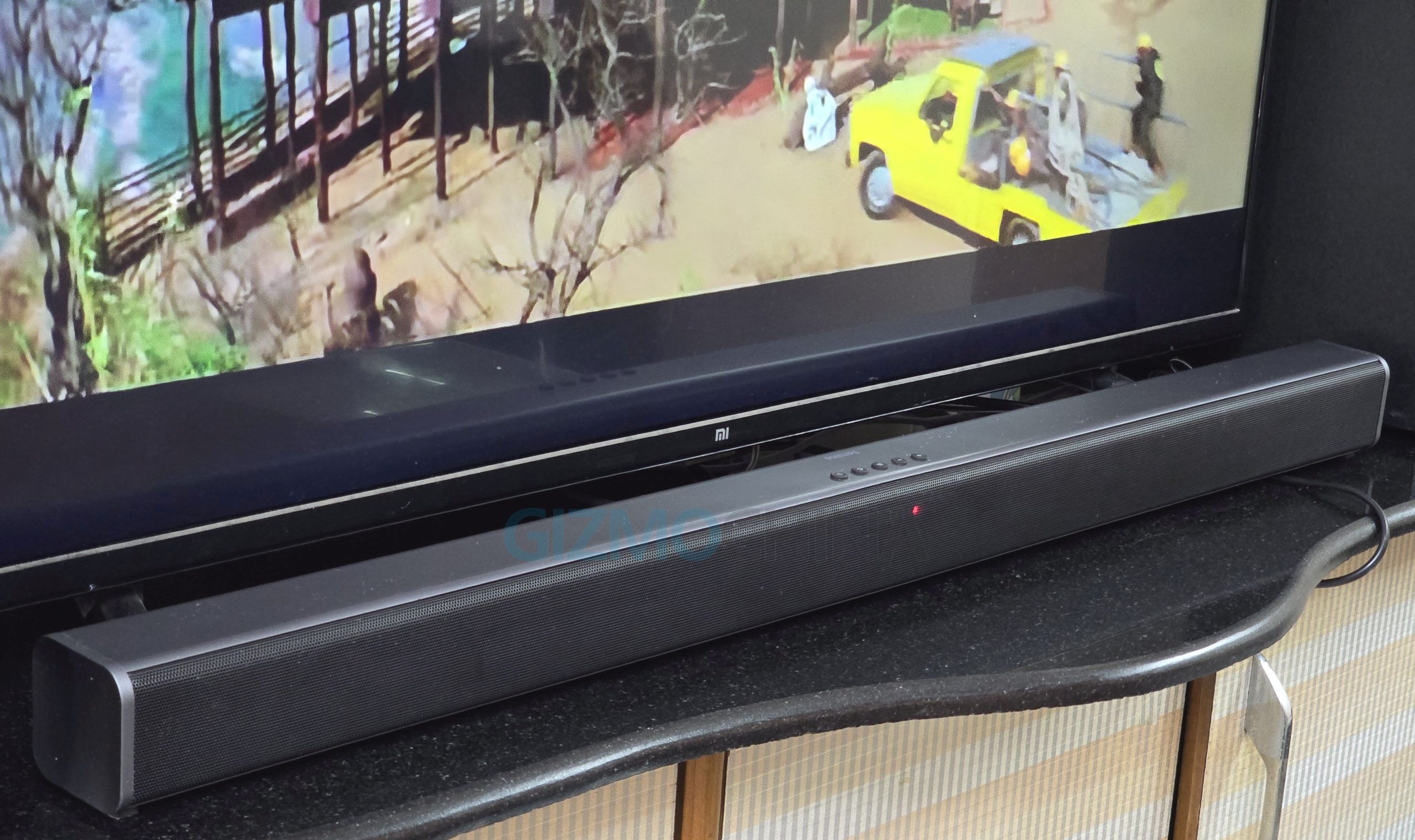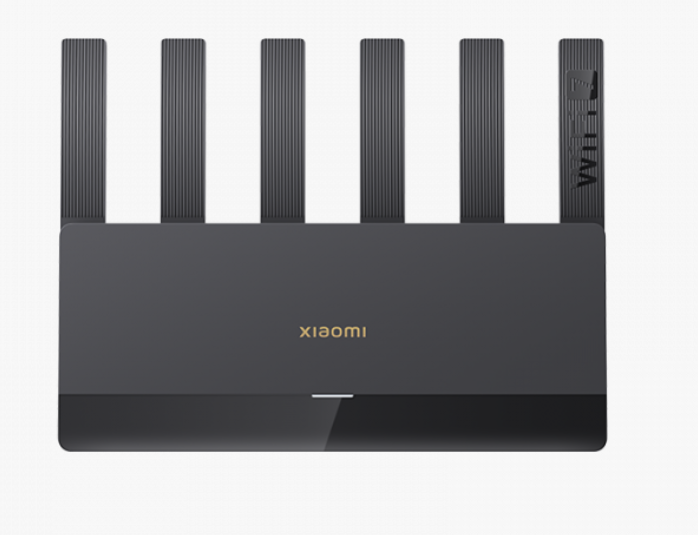
Acer has expanded its monitor lineup in India with the launch of two new 31.5-inch IPS models. On Flipkart’s website, you’ll find two different models: the SA322Q and the SA322QU.
Acer SA322Q monitor has an FHD resolution, while the SA322QU has a WQHD resolution. Considering that 31.5 inches is quite large for a monitor, opting for WQHD over FHD would be a better choice. The sale prices of the monitors are ₹13,699 and ₹16,299, respectively.
Acer SA322Q/U
The main difference between the two monitors lies in the resolution. Both monitors have a 75 Hz refresh rate and 300 nits brightness. In terms of connectivity, the regular model has VGA and HDMI ports, while the SA322QU comes with HDMI and Display Port. Both monitors also have a 1 ms response time.
Flipkart’s website is currently online, and a 10% discount is also available with an Axis Bank Credit Card. You can visit Flipkart’s website to check out the new Acer SA322Q and SA322QU monitors from the given link.
Oppo is reportedly planning to push its AI capabilities to 50 million devices by the end of 2024. It’s also revealed that India is regarded as one of the most important markets when it comes to the company’s latest AI rollout plan.
The company is expected to offer over 100 AI features to its products this year
The company is expected to launch more than 100 AI features this year and become a leader in the platform shift driven by the new technology. Peter Dohyung, the head of product strategy at Oppo, has already revealed the company’s roadmap for the integration of AI in its devices.
Notably, one of the key steps in the roadmap is to push generative AI features to the products. A company official said in an interview that OPPO hopes that all phones will have GenAI capabilities in the near future. He also revealed that the company aims to start with its AI strategy by rolling out generative AI features to 50 million devices by 2024.
Reportedly, the camera system will benefit from the integration of this new technology. How? Well, a company official said the company will “continue to integrate AI to enhance the imaging experience.” However, we don’t know much about how exactly the addition is going to enrich the camera system. There is also a summary feature that utilizes generative AI.
It is also claimed that the AI features will be rolled out with strict data privacy measures. This is especially important because we have already seen server-side implementations of similar AI features from multiple brands, where user data leaves their device for more advanced processing.
That being said, Oppo is committed to uplifting the user experience with the use of generative AI. The company is also making a significant contribution to the research and development of the technology. The company has been focusing on improving its data centers and building Large Language Models that power the AI features for the past couple of years.
HMD is preparing to introduce its new Crest series smartphones. The company is known for its budget-friendly phones. In India, due to their affordability, HMD phones have become quite popular. Previously, they introduced the HMD Pulse phone, which was branded as HMD Arrow in India. Now, the ‘HMD Crest’ series is on the horizon.
HMD’s naming scheme can be a bit confusing. The HMD Crest might either be a rebranded version of HMD Pulse series or an entirely new lineup.
HMD Crest in India
We already stated that HMD is already well-known in India due to affordable pricing. The official HMD Crest webpage has been launched, although it’s currently available only in India. This suggests that the upcoming HMD Crest series might be specifically offered for the Indian market.
Unfortunately, the website doesn’t provide any additional details about the phones. What we do know about the HMD Crest series is that it features models named HMD Crest and HMD Crest Max.
Samsung’s latest foldable phones, the Galaxy Z Flip 6 and Galaxy Z Fold 6, are here, and they bring several noteworthy upgrades. Here’s an in-depth look at these new devices, exploring their design, features, performance, and overall user experience.
Galaxy Z Flip 6: The Z Flip 6 continues the stylish and compact design of its predecessors. It now features Gorilla Glass Victus 2 on both sides and an IP48 rating, providing limited dust protection in addition to water resistance. The device feels sturdy, with a refined hinge mechanism that makes the crease on the main display less noticeable. It comes in various colors, including Silver Shadow, Blue, and Mint, with Samsung.com exclusives like Black, White, and Peach.
Samsung Galaxy Z Fold 6
Galaxy Z Fold 6: The Z Fold 6, on the other hand, maintains its book-style design with some enhancements. The hinge has been refined for smoother operation, and the device now offers a more robust build quality. It also offers an IPX8 dust and water resistance. The outer screen is slightly larger, making it more functional when the device is folded. It also comes in a variety of colors, such as Silver Shadow, Navy, and Pink. On Samsung.com, buyers can avail exclusive shades, such as Black and White.
2. Display
Samsung Galaxy Z Flip 6
Galaxy Z Flip 6: The main display is a 6.7-inch Dynamic AMOLED 2x panel with LTPO technology, supporting a 1-120Hz refresh rate for smooth scrolling and improved battery efficiency. The cover display remains a 3.4-inch AMOLED panel, but with better functionality, allowing more widgets and interactive elements.
Samsung Galaxy Z Fold 6
Galaxy Z Fold 6: The Fold 6 houses a 7.6-inch Dynamic AMOLED 2x main display with a 120Hz refresh rate and excellent brightness levels, making it ideal for both productivity and entertainment. The outer display is a 6.2-inch AMOLED, also with a 120Hz refresh rate, ensuring a seamless experience whether the device is open or closed.
3. Performance
Samsung Galaxy Z Fold 6 and Galaxy Z Flip 6
Both devices are powered by the Snapdragon 8 Gen 3 for Galaxy chipset, which is an overclocked version of the regular Snapdragon 8 Gen 3 that powers other Android flagships. The Z Flip 6 gets a significant boost with 12 GB of RAM, compared to its predecessor’s 8GB, making multitasking and using AI features smoother. Storage options include 256 GB and 512 GB.
The Z Fold 6 similarly offers powerful performance, equipped with up to 16GB of RAM and up to 1TB of internal storage, catering to power users who need ample space and speed for demanding tasks.
4. Battery Life
Samsung Galaxy Z Flip 6
Galaxy Z Flip 6: The battery capacity has been increased to 4,000mAh, providing better endurance compared to the previous model.
Galaxy Z Fold 6: The Fold 6 also sees an improvement in battery life, with a larger 4,400mAh battery supporting the dual displays. It supports fast charging, both 25W wired and 15W wireless, ensuring that the device can be quickly recharged when needed. Both devices took around 1:20 hours to achieve a full charge in initial tests.
5. Cameras
Samsung Galaxy Z Flip 6
Galaxy Z Flip 6: The camera setup gets an upgrade as it features a new OIS-enabled 50-megapixel main sensor, alongside a 12-megapixel ultrawide lens. The selfie camera remains a 10-megapixel sensor. These upgrades ensure better photo quality, especially in varied lighting conditions, and the addition of AI enhancements helps with image processing.
Samsung Galaxy Z Fold 6
Galaxy Z Fold 6: The Fold 6 features a versatile triple camera setup on the back, including an OIS-assisted 50-megapixel main sensor, a 12-megapixel ultrawide lens, and a 12-megapixel telephoto lens with 3x optical zoom. The front cameras, both on the cover and the inner display, offer 10-megapixel and 4-megapixel (under screen) respectively.
6. Software and Features
Samsung Galaxy Z Fold 6 and Galaxy Z Flip 6
Both devices run Android 14 with Samsung’s One UI 6.1.1, offering a cohesive and user-friendly interface. The Z Flip 6 introduces several new cover screen widgets and interactive wallpapers, enhancing usability without having to unfold the device. The Fold 6 benefits from Samsung’s multitasking features, making it a productivity powerhouse with its large screen real estate and app continuity features.
Samsung promises seven years of OS and security updates for both devices, which is a significant commitment to ensuring longevity and security for users.
The Galaxy Z Fold 6 and Flip 6 also come equipped with Samsung’s latest AI features, powered by the new Snapdragon 8 Gen 3 chipset. These AI enhancements are integrated throughout the user experience, providing smarter and more intuitive interactions. A good thing is that there is a dedicated “Galaxy AI” section in the Settings, where users can find all the AI-driven features.
Call Assist: Automatically transcribes and provides summaries of phone calls, making it easier to keep track of important conversations.
Chat Assist: Provides intelligent suggestions and auto-completion for messages, making texting faster and more efficient.
Interpreter: Real-time translation for conversations in different languages, helping users communicate seamlessly.
Note Assist: Automatically organizes notes and highlights key points, making it easier to review and find important information.
Transcript Assist: Converts voice recordings into text, allowing for easy documentation and reference.
Browsing Assist: Provides recommendations and shortcuts while browsing, enhancing the internet experience.
Photo Assist: Uses AI to enhance photo quality, offering suggestions for the best shots and automatic adjustments.
Drawing Assist: Helps create better sketches by offering suggestions and corrections based on the drawing style.
Photo Ambient Wallpaper: Creates dynamic wallpapers from your photo library, keeping the home screen fresh and personalized.
Health Assist: Tracks health metrics and provides personalized insights and recommendations, integrating seamlessly with Samsung Health.
The Galaxy Z Fold 6 continues to support the S Pen. While there are no new upgrades to the stylus itself, the enhanced AI features offer an improved user experience. The S Pen is available as an optional accessory, and there is no storage slot for it available on the device. Both devices continue to feature the side-facing fingerprint scanner.
7. Pricing and Availability
Samsung Galaxy Z Flip 6
The Galaxy Z Flip 6 starts at $1,099 for the base model in the US, while the Galaxy Z Fold 6 is priced at $1,799. Both devices have been available for pre-order from July 10, with general availability set for July 24.
In India, both foldable phones are available for pre-orders via multiple platforms, such as Samsung India’s website, Flipkart, Amazon, other online retailers, and offline stores. Both devices will go on sale in India from July 24, with the Galaxy Z Flip 6 and Z Fold 6 starting at Rs 1,09,999 and Rs 1,64,999, respectively. Readers can visit this post to see detailed information on the prices of all the variants and offers of both foldable phones.
Final thoughts
Samsung Galaxy Z Fold 6 and Galaxy Z Flip 6
Both the Samsung Galaxy Z Flip 6 and Galaxy Z Fold 6 offer notable improvements over their predecessors, with enhancements in design, display, and AI features. The Galaxy Z Flip 6, with its compact form factor and durable hinge, promises a more refined foldable experience, while the Galaxy Z Fold 6 brings a larger screen and versatile multitasking capabilities. AI features such as Call Assist, Interpreter, and Note Assist enhance user convenience and productivity on both devices.
The improvements in battery life, processing power, and software support make these devices strong contenders in the foldable market. A more detailed review will be added soon to provide further insights into their capabilities.
Xiaomi officially announced today that it will hold the 2024 annual conference at 19:00 on July 19 in China. The company will release a number of new products at the event, which includes the new foldable and Xiaomi Watch S4 Sport.
The Watch S4 Sport is going to be the company’s first professional sports smartwatch. It will reportedly come with a titanium body, sapphire on the front and back along with a new rotating crown. From the appearance and design, it looks like the product can be somewhat comparable to the Apple Watch Ultra in certain aspects.
Certification listings have revealed that the watch comes with a circular OLED screen and boasts a 586mAh battery. It also supports eSIM, so you can use it without a smartphone. Speaking of connectivity and usability, it lets you answer calls, send messages, and open certain app applications directly on the watch. It also supports support GPS, NFC, and heart rate monitoring among other functions.
According to a previous report, the Xiaomi Watch S4 Sport supports 10W charging, a focus on battery life, and comes pre-installed with HyperOS.
Speaking of the regular Watch S4, it is expected to be launched around October with the Xiaomi 15 series. It will also likely come with e-SIM support, which has already been spotted on the IMEI database with a model number M2424W1. launched the Watch S3 towards the end of last year.
Realme Watch S2 had its design leaked recently. This new smartwatch would mark the return of the brand’s wearable lineup, following a gap of two years. While the Watch S2 was rumored to launch on July 30, the company has now officially confirmed it.
Realme Watch S2 Launch Date
Realme’s official website revealed the release date for its upcoming Realme 13 Pro series. These new smartphones are set to launch in India on 30th July 2024. Alongside the Realme 13 Pro series, the Realme Watch S2 will also be announced in the region. For those unaware, this is the successor of the original Realme Watch S. The teaser poster revealed some notable features of the new smartwatch as well.
The Realme Watch S2 will feature an AI voice assistant that is powered by ChatGPT. We also get a glimpse of its design, with the Watch S2 sporting a circular display. This screen seems to be surrounded by a golden rim, which could match the Monet Gold on the Realme 13 Pro series. Two buttons can also be seen on the right side that are likely for navigation and other functionality. Unfortunately, Realme hasn’t confirmed any finer details like its specs and features. But based on the previous generation, the Realme Watch S2 should sport an AMOLED panel and support GPS.
Just last month, the smartwatch was spotted on the FCC database carrying the RMW2401 model number. This revealed the digital crown and a metal link strap. FCC also lists the device with a 380mAh battery pack that supports 5W charging. The company might also release only one variant of the smartwatch this time around, but that is still just speculation at this point. More details should surface as we get closer to the release date. So stick around for more as we will be providing updates.
For the past three years, Samsung‘s One UI interface hasn’t seen many significant changes. Last year’s One UI 6.0 update mainly focused on the Quick Panel layout. However, a recent leak suggests a major design overhaul is coming with One UI 7.0, which will be based on Android 15.
The words come from reliable tipster Ice Universe who claims that One UI 7.0 will introduce a completely new UI design. The tipster said it could be “the most changed version in the history of One UI.” The update is also expected to include revamped app icons, marking a rare departure from Samsung’s usual design cycle.
Samsung has a history of sticking with icon designs for extended periods, typically refreshing them every five years or so. If the rumors hold weight, a new icon design language alongside a broader UI revamp would solidify One UI 7.0 as a major update. Previous rumors also hinted at the possibility of a vertical app drawer in One UI 7.0, though this has not been confirmed.
The rollout strategy is also taking shape, with reports suggesting a beta program kicking off in the next two months. The Galaxy S24 series is expected to be the initial testing ground. The beta program might then be extended to older high-end devices like the Galaxy S23 series in the following weeks.
Based on Samsung’s historical update cadence, a stable release of One UI 7.0 could land in October or November of this year. High-end and mid-range devices, foldables included, could see the update before 2024’s close. Whereas entry-level and some mid-range phones might have to wait until the first quarter of 2025 to get the update.
Samsung is also likely to push further on its AI capabilities, although details are scarce at the moment. We will keep you informed about any new information regarding One UI 7.0.
The iQOO Neo 9s Pro+, the latest addition to the Neo 9 series, is now on sale in China. The smartphone joins the existing standard, Pro, and 9s Pro variants, offering another option for consumers seeking a high-performance device. Here are its pricing and availability details.
Pricing and Options
The iQOO Neo 9s Pro+ comes in three storage configurations: 12GB RAM with either 256GB or 512GB storage, and 16GB RAM with either 256GB, 512GB, or 1TB storage. Color options include Buff Blue, Star White, and Fighting Black.
The base 12GB + 256GB model starts at CNY 2,999, while the top-of-the-line 16GB + 1TB variant reaches CNY 4,099. Here’s a breakdown of the China pricing:
12GB + 256GB: CNY 2,999 (~$412)
12GB + 512GB: CNY 3,399 (~$467)
16GB + 256GB: CNY 3,299 (~$454)
16GB + 512GB: CNY 3,699 (~$509)
16GB + 1TB: CNY 4,099 (~$564)
Global Availability
While the iQOO Neo 9s Pro+, like its predecessors in the series, is currently only available for purchase in China, international buyers have an option through Geekwills, a third-party retailer that offers global shipping. Prices on Geekwills are listed in USD and are slightly higher than the China pricing.
Here’s a look at the global pricing offered by Geekwills:
12GB + 256GB: USD 529
12GB + 512GB: USD 599
16GB + 256GB: USD 579
16GB + 512GB: USD 659
16GB + 1TB: USD 739
It’s important to note that Geekwills is an independent retailer, and its pricing and warranty policies may differ from those offered by iQOO directly.
Specifications
The iQOO Neo 9s Pro+ boasts a large 6.78-inch OLED display with a 144Hz refresh rate and a 3D ultrasonic in-display fingerprint sensor. Powering the device is a Snapdragon 8 Gen 3 processor which is complemented by an in-house iQOO Q1 chip that caters to elevate the gaming experience.
The phone has a dual rear camera system that includes a 50MP main sensor and a 50MP ultra-wide sensor, while the front camera is 16MP. A 5,500mAh battery with 120W fast charging keeps the phone powered, and it boots on OriginOS 4 based on Android 14 which has a variety of AI features built-in.
Xiaomi has officially confirmed the launch date for the Redmi K70 Ultra, also known as the Extreme Edition. The phone will be unveiled on July 19th at 19:00 CST in China, alongside the Xiaomi Mix Fold 4 and Xiaomi Smart Band 9.
The Redmi K70 Ultra will be powered by the MediaTek Dimensity 9300+ chipset, offering high-end processing capabilities. Storage options will include a high-end 24GB RAM and 1TB storage variant, as confirmed by Redmi’s General Manager, Thomas Wang.
Its camera system features a primary 50MP Sony IMX906 sensor, likely accompanied by an 8MP ultra-wide sensor and a 2MP macro sensor. Notably, the K70 Ultra is the first Redmi phone to utilize Xiaomi’s self-developed AISP imaging algorithm, aiming to enhance overall camera performance.
Another highlight for the Redmi K70 Ultra is the inclusion of Xiaomi’s Pengpai T1 signal enhancement chip. It reportedly delivers a 12% boost in WiFi performance, a 20% improvement in GPS performance, and a significant 58% increase in 5G WiFi signal strength.
Apart from this, the phone will have a Surge P2 chip for fast charging, a G1 for power management, and a D1 chip for independent display processing. All of these are in-house SoCs developed by Xiaomi.
Moreover, the phone is confirmed to pack a 5500mAh battery with support for 120W fast charging for quick power refills. It also boasts an IP68 certification for dust and water resistance.
On the front, the Redmi K70 Ultra features a flat 1.5K resolution OLED display with a 144Hz refresh rate. The display utilizes 3840Hz PWM dimming, which Xiaomi claims delivers industry-leading eye protection in low-light conditions. While the exact screen size remains undisclosed, it’s known to be co-developed with TCL.
Xiaomi is likely keeping the Redmi K70 Ultra as a China-exclusive phone. But a tweaked version of the phone with better cameras may release globally as Xiaomi 14T Pro.
On July 18, Htech will announce the Honor 200 and Honor 200 Pro in India. The press releases rolled out by the band suggest that the 200 series heading to India could be the same devices that debuted in China in May of this year. Ahead of the Indian launch, the company has confirmed the key details of the Honor 200 series’ key specifications.
Honor 200 series key details confirmed before India launch
Honor 200 Pro
According to Htech, in a market where lithium batteries dominate, the Honor 200 series will be equipped with a silicon-based anode technology-powered battery. It utilizes distributed Li+ transmission to boost power density by 6% and improve charging rates.
The company added that the Micro-tunnelling Laser Guidance Technology further enhances the fast-charging capabilities of the Honor 200 series without compromising power density. It claimed that it has rigorously tested this battery under extreme conditions to ensure safety and longevity.
The Honor 200 and Honor 200 Pro feature 5,200mAh silicon-carbon battery. The Pro variant offers 100W charging, promising a full charge in 41 minutes. Additionally, it will support 66W wireless charging. To maintain optimal performance, the 200 Pro includes a stainless-steel vapor chamber with a 36,881mm2 area.
The Honor 200 and 200 Pro will be powered by the Snapdragon 7 Gen 3 and Snapdragon 8s Gen 3 chipsets, respectively. The Pro model also features the Honor C1 + RF enhancement chipset for superior telecommunications and internet connectivity. The 200 series will have up to 12 GB of RAM and 512 GB of storage, as well as MagicOS 8.0 based on Android 14. Both devices will be sold via Amazon in India.
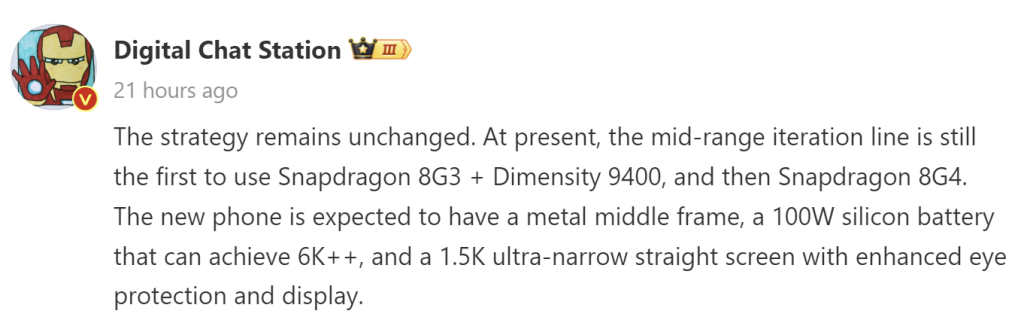
Honor is reportedly working on the Magic 7 series smartphones, after recently unveiling its Magic V3 and Magic Vs 3 foldable smartphones. A report from yesterday revealed that we can expect the Magic 7 series to be equipped with a massive 6,000mAh battery. Now, tipster @RODENT950 over at X (formerly Twitter) has revealed more details about the series.
As per the tipster, the Magic 7 series will feature a triple-camera setup. This will include a 50 MP Omnivision OV50K main sensor, a 50 MP Omnivision 50H ultra-wide sensor, and a Samsung ISOCELL HP3 200 MP sensor, which will likely be used by the telephoto camera.
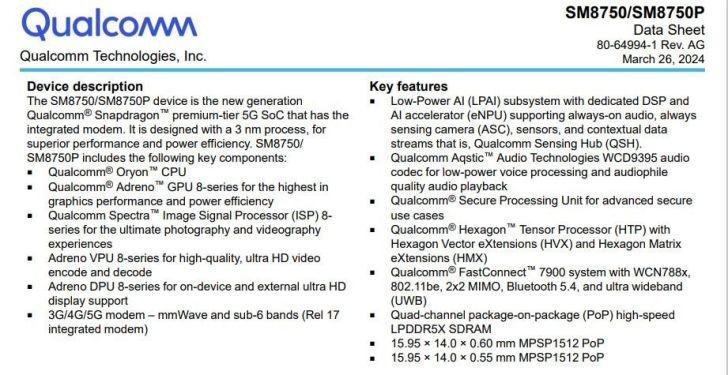
Powering the device will be the latest Snapdragon 8 Gen 4 processor, promising top-tier performance. The battery department could see a significant bump with a 6000mAh+ capacity. Display details are less clear, but the rumors mention a “tandem OLED” display, which might be exclusive to certain models within the Magic 7 lineup. For those unaware, the Honor Magic 6 RSR already uses this display technology.
Tandem OLED displays can achieve much higher brightness levels and have a longer lifespan compared to traditional OLED displays. However, they are also more expensive. Other than these details, the tipster has also provided a December launch timeline for the Magic 7 series. The Honor Magic 6 series launched in China earlier this year in January.
Meizu Blue 20 has officially been announced in China as the company’s first 1,000 Yuan (~$140) AI-driven smartphone. The phone launched in cooperation with China Mobile offers a large display, long battery life, and decent performance. Here is a look at some of the key specifications of the device.
Meizu Blue 20 specifications
Meizu Blue 20 AI phone
While the company has released the above image to showcase the rear design of the Meizu Blue 20 AI phone, it is yet to confirm its specifications. As per a Weibo post by WHY LAB, the Blue 20 AI phone features a 6.52-inch IPS LCD waterdrop notch screen that offers an FHD+ resolution and a 90Hz refresh rate. It has an 8-megapixel front camera and a 50-megapixel primary camera on the back.
The Blue 20 is equipped with the Unisoc T765 chipset. It will be available in two options, such as 6 GB RAM + 128 GB storage, and 8 GB RAM + 128 GB storage.
The Blue 20 AI phone houses a 5,010mAh battery with 10W charging support. It comes with other features, such as Flyme AIOS, a microSD card slot, and dual speakers. Lastly, it measures 8.3mm in thickness and has a plastic middle frame with a glass back cover.
Meizu Blue 20 price
While the brand has confirmed that the Meizu Blue 20 AI is a 1,000 Yuan-priced phone, it is yet to reveal the exact pricing of its two variants. The phone will be available in three colors, such as Haoyue White, Obsidian Black, and Meiye Purple. While Meizu is reportedly gearing up to launch Note-branded phones in the global market, there is no clarity on whether the Blue 20 AI will be released in markets outside of China.
First up today in this roundup, OnePlus is throwing a big party with their Summer Launch Event. They’re showing off four new things: a new Nord phone, a tablet, a watch, and some earbuds. We’ll tell you how to watch it live and what to expect. It’s going to be fun!
But wait, there’s more! Huawei might be working on a phone that folds three times. Yes, you read that right—three times! Could this be the next big thing in phones? We’ll dive into what we know so far.
Remember the CMF Phone 1? We thought it would be easy to fix, but it turns out it’s not so simple. We’ll explain why and what it means for you if you’re thinking about buying one.
All the details on these stories are in today’s roundup below.
Huawei is set to challenge the foldable phone market yet again, with rumors swirling about the imminent release of the world’s first triple-folding phone. According to tipster Fixed Focus Digital in a Weibo post today, the device is expected to launch within two months.
The CMF Phone 1, known for its unconventional design, was expected to be easily repairable. However, a recent teardown by PBKreviews suggests otherwise. Although the phone features a unique back cover that can be easily removed, repairing the actual device is more complicated than expected.
In a surprising move, Huawei has lifted its embargo on chipset information for recently released phones. This means consumers can finally learn what processors power their Mate 60, Mate X5, and Pura 70 series devices.
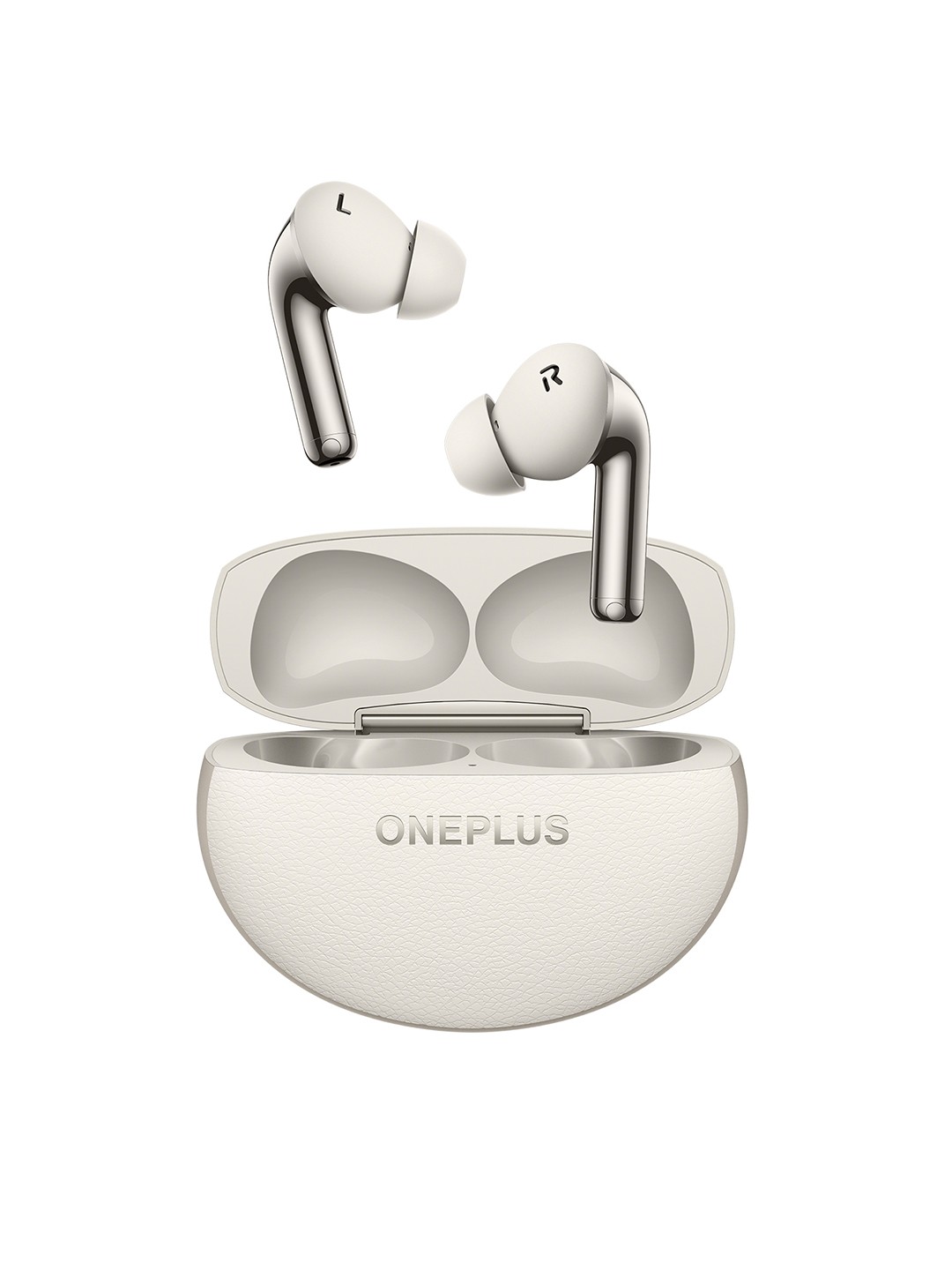
OnePlus is gearing up for its Summer Launch Event today, where the company is confirmed to unveil four new products — the OnePlus Nord 4, OnePlus Watch 2R, OnePlus Pad 2, and OnePlus Nord Buds 3 Pro. The event will be live-streamed across various platforms. So here’s a breakdown of how to watch the event live and what to expect from the new OnePlus devices.
Android 15 development is in full swing, as multiple beta builds are already out. It has already entered the platform stability phase, which is the final phase of development before it’s released to the public.
Google announced Android 15 at the Google I/O developer conference in May. Xiaomi was among the few early brands to participate in the beta program. As of writing this post, the Android 15 beta is available for Xiaomi 14T, Xiaomi 13T Pro, and Xiaomi Pad 6S Pro 12.4, with more devices to be added to the list in the coming weeks and months.
Early builds have revealed a host of new and exciting features coming to Android 15, making people eagerly wait for the stable release. Although it’s an exciting upgrade, it will be the last OS update for many Xiaomi devices.
Review the list below to find out which Xiaomi, Redmi, and Poco will reach their end of OS updates after Android 15.
Android 15: The Last OS Upgrade for These Xiaomi, Redmi, Poco Devices
[Xiaomi devices]
Xiaomi 13 Lite
Xiaomi 12 Pro
Xiaomi 12
Xiaomi 12T Pro
Xiaomi 12T
Xiaomi 12S Ultra
Xiaomi 12S Pro
Xiaomi 12S
Xiaomi Civi 2
Xiaomi Civi 1S
Xiaomi Mix Fold 2
Xiaomi Pad 5 pro 12.4
[Redmi devices]
Redmi Note 13 5G
Redmi Note 13
Redmi Note 13R Pro
Redmi Note 12
Redmi Note 12 Turbo
Redmi Note 12 Pro Speed
Redmi Note 12R
Redmi Note 12R Pro
Redmi Note 12T Pro
Redmi Note 12S
Redmi K60E
Redmi K50 Ultra
Redmi K50i
Redmi 13C 5G
Redmi 13C
Redmi 13R
Redmi 12 5G
Redmi 12
[Poco devices]
Poco M6 Pro 5G
Poco M6
Poco X6 Neo
Poco F5 Pro
Poco F5
Poco C65
Poco C61
This is an unofficial list we’ve prepared by analyzing the software update policies for each Xiaomi, Redmi, and Poco device.
Xiaomi typically offers a maximum of three Android updates to its flagship phones. However, recent models, including the Xiaomi 14 series and 13T series, do come with a promise of four OS updates.
Not just flagship models, newer mid-range phones, including the Redmi Note 13 series, are also getting an extra year of Android updates, while earlier models get a maximum of two.
Like the Redmi phones, Xiaomi has been offering a maximum of two OS updates to its Poco phones. However, recent models, such as Poco X6, X6 Pro, and M6 Pro 4G, are promised three years of Android updates.
The extended software support for newer Xiaomi phones sounds like a sweet deal, but the brand still lags behind its competitors, such as Samsung and Google, which are now offering seven Android updates.
The official Android 15 timeline is similar to last year’s Android 14. So, naturally, you’d expect the new OS to drop around the same time as last year in October. But Google seems to be in a hurry this time around.
The Made by Google event, where the company showcases new hardware usually happens in October, but this year it’s happening in August. As past leaks suggested, the official website confirmed the Pixel 9 series launch at this event.
The upcoming Pixel models are expected to run Android 15 out of the box. This means the stable version of the new OS could be released in August. The worst case here is October.
Once the stable Android 15 build is out, smartphone brands, including Xiaomi, take additional time to polish their custom skins (such as HyperOS) to work with the latest Android version. This usually takes a few days to weeks.
Thankfully, not everyone has to wait that long to enjoy the latest features. Xiaomi has already opened access to Android 15 beta to test the new OS before the public release. Currently, it’s available for Xiaomi 14, Xiaomi 13T Pro, and Xiaomi Pad 6S Pro 12.4, and should expand to more models in the coming days and weeks. Please note that these beta builds might contain bugs and problems, and several features may not work.
Android 15: What to Expect?
Android 15 has plenty of new features and enhancements. Here, I have highlighted the most important ones:
1. Satellite Connectivity Support
Android 15 “extends platform support for satellite connectivity.” It provides support for SMS, MMS, as well as, native RCS apps to use satellite connectivity for sending and receiving messages. The OS also adds some UI elements to ensure a consistent user experience.
All Android 15 phones may not support satellite connectivity as they will likely require special chip and carrier support.
2. Private Space
Private space is a privacy-focused addition to Android 15 that allows users to protect apps and files from prying eyes. It uses a different Google account, and you can use a different lock for better protection.
The files/apps you download and use in private space aren’t visible to other users.
3. Theft Detection Lock
Google recently rolled out the Find My Device network to help users find their lost Android devices. It uses a crowdsourced network of over a billion Android devices. This is rolling out to older Android phones as well, but Android 15 is taking it to another level by adding a Theft Detection Lock.
The new Theft Detection Lock feature automatically locks the device when someone snatches your phone and runs away. It does so by automatically detecting the motion. The best part is that the device needs to be logged into the same Google account after a factory reset.
4. App Pairs
Android 15 will let you save your favorite app combinations for the split-screen mode. An icon is created for this that shows both apps. This is a time-saving feature for people spending most of their time doing multitasking in the split-screen mode.
5. Partial Screen Sharing
This Android 15 feature lets you share or record a single app rather than the entire screen. Previous Android versions record everything that appears on your screen, such as notifications, reminders, etc, which most of us don’t want others to see. Hence, this is a useful privacy-focused addition to the new OS.
6. App Archiving
Similar to offloading apps on iPhones, Android 15 will allow users to uninstall unnecessary apps while keeping the user data around. There won’t be any data loss; you can continue where you left off after reinstalling/unarchiving the app.
Android already has app archiving via the Google Play Store. This means you can only archive and restore apps through the Google Play Store. However, Android 15 integrates this feature at the OS level, allowing users to archive/restore apps, even those installed outside of the Google Play Store.
7. High-Quality Webcam
Android 15 dramatically improves the output video quality when you use your Android smartphone as a webcam to your computer. A new “HQ” symbol will appear in the webcam camera preview to enable the high-quality webcam. This disables the power optimizations to improve the video quality.
Is Android 15 the final OS update for your Xiaomi device? Let us know your thoughts on the new OS in the comments below.
YouTube has implemented new guidelines to address the growing concern of AI-generated content that mimics real individuals. Users can now request the removal of videos that utilize AI to imitate their likeness and voice.
YouTube will evaluate removal requests on various factors before making a decision
This policy change prioritizes the protection of individuals’ privacy rights rather than focusing on the technology’s potential for misleading content. YouTube will evaluate removal requests based on various factors, including whether the content is labeled as AI-generated, the level of realism, and the potential for harm to the individual depicted.
The platform will provide content creators with a 48-hour window to address complaints before taking further action. While blurring the individual’s face within the video is an option, setting the video to private status is not considered sufficient grounds for removal.
As AI technology continues to advance, questions surrounding intellectual property, consent, and authenticity will become increasingly important. Determining ownership and copyright of AI-generated content, particularly when it closely resembles real individuals, will require careful consideration and potentially new legal frameworks.
Heijue Ajazz has launched the AK820 MAX, an e-sports magnetic axis keyboard priced starting at 199 yuan. The keyboard features a 75% layout with a volume knob and supports hot-swappable magnetic switches from brands like Kailh and Jixian.
The keyboard offers customizable key travel adjustment from 0.1 to 4 mm
The AK820 MAX utilizes a gasket mount structure with an aluminum plate and three-layer sound dampening for improved typing experience. It offers customizable key travel adjustment from 0.1 to 4mm and supports various magnetic axis functionalities.
The wired version boasts an 8KHz polling rate, while the wireless version with a 0.85-inch color screen offers a 1000Hz polling rate. Both versions are available for purchase, with prices starting at 199 yuan for the wired model and 299 yuan for the wireless model with the color screen.
Recently, an Honor phone bearing the LYN-AN00 was approved by China’s TENAA regulatory body. Now, the same device has appeared in the database of China Telecom’s product library with all its specifications and images. The listing confirms that the device will be called the Honor X60i when it arrives on the market.
Honor X60i price, variants
Honor X60i
As per the listing, the Honor X60i will arrive in China in three RAM and storage combinations, such as 8GB+256GB, 12GB+256GB, and 12GB+512GB. These variants are listed with tentative price tags of 1,699 Yuan (~$235), 1,899 Yuan (~$260), and 2,099 Yuan (~$290). The phone is expected to be released in the Chinese market on July 26, and it will be available in shades, such as Phantom Night Black, Cloud Water Blue, Moon Shadow White, and Coral Purple.
Honor X60i specifications
The Honor X60i measures 161.05 x 74.55 x 7.18mm and weighs 172 grams. It will have a 6.7-inch IPS LCD panel that produces an FHD+ resolution of 1080 x 2412 pixels. Interestingly, despite housing a single 8-megapixel front-facing camera, the screen has a pilled shaped cutout. On the back, the device has a 50-megapixel + 2-megapixel dual-camera system.
Under the hood, the Honor X60i has the MediaTek MT6833P chip, which appears to be the Dimensity 6080 SoC. The handset will draw power from a 5,000mAh battery, which may have support for 35W fast charging.
The Honor X60i will run on MagicOS 8.0-based Android 14. For security, it features a side-facing fingerprint sensor. As the moniker goes, the device will succeed the Honor X50i, which went official in July 2023.
The Band 9 will feature similar specs to its predecessor, the Band 8
The Smart Band 9 features a similar design to its predecessor, the Smart Band 8, with a variety of colors and wristbands to choose from. The Mi Band 8 boasts a 1.62-inch AMOLED display with 326PPI, 60Hz refresh rate, and 600 nits brightness. It also features a runway-shaped design with in-polar automatic brightness adjustment and a quick-disassembly structure for a necklace form.
Xiaomi has yet to reveal specific details about the Band 9 beyond its design similarities to the Band 8. However, given the advancements in wearable technology, it’s likely that the new model will include upgraded health tracking features, potentially enhanced battery life, and possibly new customization options. Fans of the series are eagerly awaiting the official announcement for a complete picture of what the Xiaomi Smart Band 9 has to offer.
Xiaomi has officially launched the Smart Door Lock 2 Face Recognition Edition, available for purchase starting today at 10:00 for 1899 yuan.
The door lock has 3D live anti-counterfeiting technology
The door lock features 3D structured light facial recognition, capable of detecting faces within a 1.2 to 2 meter height range at a distance of 0.4 to 0.8 meters. It supports multiple unlocking methods and offers enhanced security with 3D live anti-counterfeiting technology.
Xiaomi Smart Door Lock 2
Equipped with a dual-core AI chip, the lock optimizes performance over time. An integrated 2.3-megapixel camera with a 160-degree wide-angle view provides AI humanoid detection and three days of cloud storage. The lock can be linked with other smart home devices for automated functions.
A noise reduction automatic lock body ensures convenient and quiet operation. The lock employs a direct plug-in C-level lock cylinder for added security against tampering. Users can connect to the lock remotely via WiFi or Bluetooth and receive notifications through the Mijia app. Powered by a 5000mAh lithium battery with a backup dry battery system, the lock offers reliable power supply.
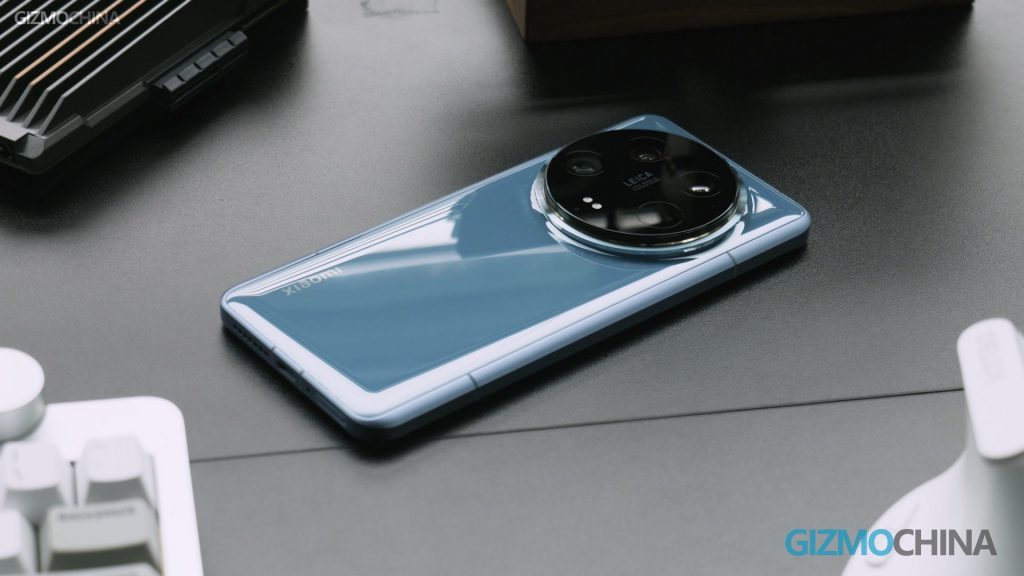
Xiaomi has officially confirmed that it will unveil the Mix Fold 4 at 7pm (local time) on July 19 in China. While the company hasn’t confirmed it yet, it appears that the Xiaomi Mix Flip and the Redmi K70 Ultra will also debut at the same launch event. Apart from confirming the launch date, the company has also confirmed the design and key specifications of the Mix Fold 4.
Xiaomi Mix Fold 4 design
Xiaomi Mix Fold 4 design, July 19 launch date
The Xiaomi Mix Fold 4 poster released by the brand reveals that it will be available in at least blue and white shades. The back panel of the device has a rectangular camera module with a slight curvature on its bottom edge. A recent leak suggested that the Mix Fold 4 will also come in a black variant.
Xiaomi Mix Fold 4 key specifications
Xiaomi has confirmed that the Mix Fold 4 features the Snapdragon 8 Gen 3 chipset, which means it will rival the likes of the Vivo X Fold 3 Pro, the Honor Magic V3, and the Samsung Galaxy Z Fold 6 in the Chinese market. As per a recent report, the highest variant of the Mix Fold 4 will have 16 GB of RAM and 1 TB of storage.
According to the brand, the Xiaomi Mix Fold 4 will be its first foldable phone to feature the Xiaomi Dragon Bone Hinge 2.0, greatly improving reliability while maintaining its thinness. To minimise its weight, the device is built with the T800H high-strength carbon fibre full-carbon architecture. The Mix Fold 4 weighs 226g and has a thickness of 9.47mm. When it comes to durability, it will offer IPX8-rated water resistance.
The Xiaomi Mix Fold 4 features a Leica quad-camera setup with a 5X periscope lens and a portrait telephoto lens, allowing for telephoto macro photography. Additionally, the device offers 50W wireless charging and two-way satellite communication.
We use cookies on our website to give you the most relevant experience by remembering your preferences and repeat visits. By clicking “Accept”, you consent to the use of ALL the cookies.
This website uses cookies to improve your experience while you navigate through the website. Out of these, the cookies that are categorized as necessary are stored on your browser as they are essential for the working of basic functionalities of the website. We also use third-party cookies that help us analyze and understand how you use this website. These cookies will be stored in your browser only with your consent. You also have the option to opt-out of these cookies. But opting out of some of these cookies may affect your browsing experience.
Necessary cookies are absolutely essential for the website to function properly. This category only includes cookies that ensures basic functionalities and security features of the website. These cookies do not store any personal information.
Any cookies that may not be particularly necessary for the website to function and is used specifically to collect user personal data via analytics, ads, other embedded contents are termed as non-necessary cookies. It is mandatory to procure user consent prior to running these cookies on your website.