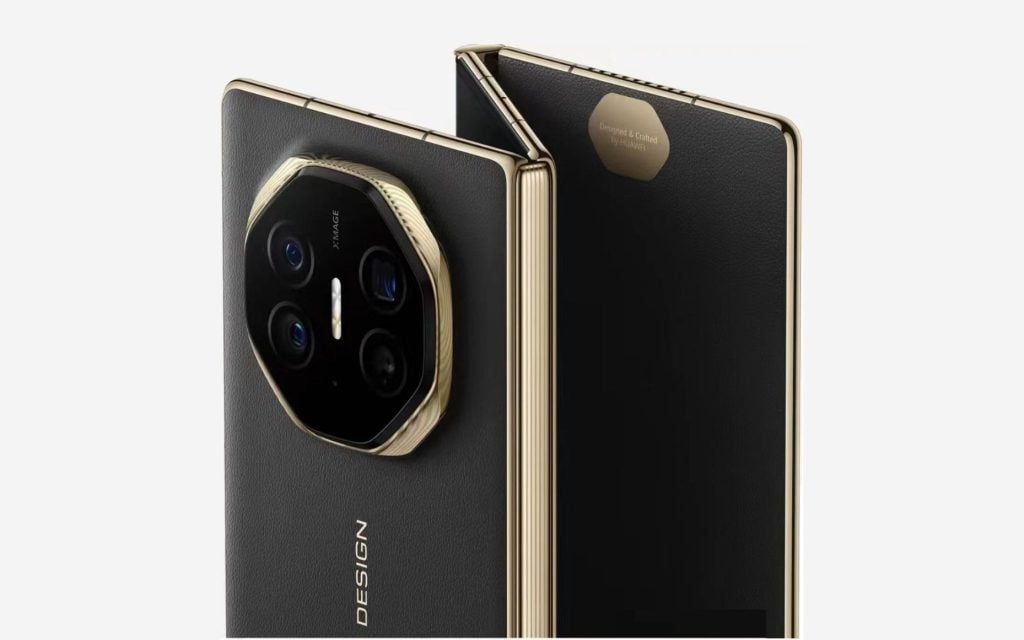
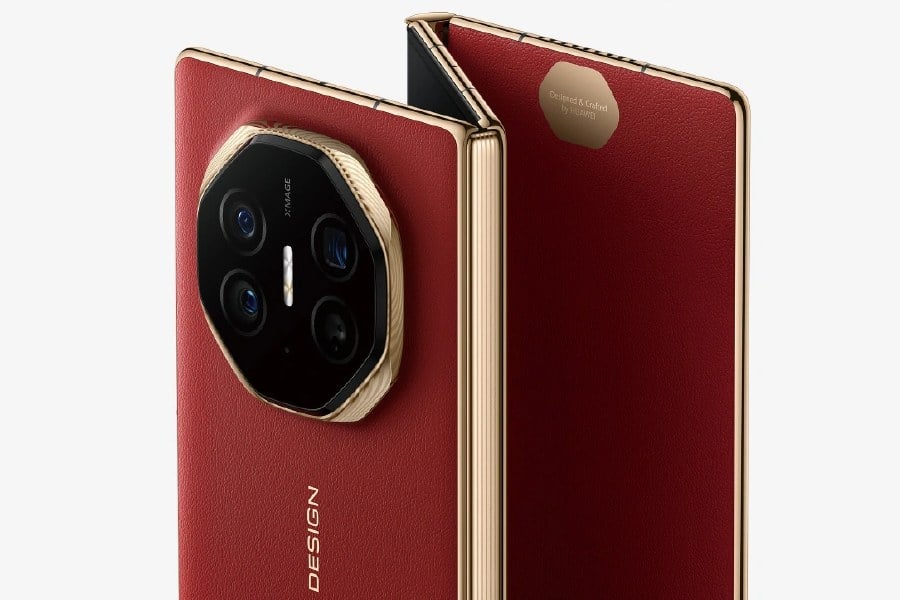
Just hours after Apple unveils its iPhone 16 lineup, Huawei is set to launch its tri-fold phone with the Mate XT Ultimate Design. And it seems Chinese consumers are already warming up to the idea.
Huawei opened pre-reservations for the Mate XT on September 7 and within just two days, the phone has already amassed a staggering 3 million reservations. That’s a clear sign of interest, even if it doesn’t necessarily translate to sales. If you’re interested, you can grab one by reserving before September 19 for the official launch on September 20.
Speaking of grabbing one, the Mate XT comes in four color options: Dark Black, Crimson Red, classic White, and a more adventurous Green. Storage-wise, you can choose between a hefty 16GB RAM paired with either 512GB or 1TB of storage.
Now, let’s talk specs (with a healthy dose of “allegedly”). Rumors suggest the Mate XT unfolds to reveal a massive 10-inch display, complete with a punch-hole selfie camera (rumored to be 8 megapixels).
On the back, the camera system is said to boast a 50-megapixel main sensor, a 13-megapixel ultrawide lens, and a periscope telephoto lens for those zoomed-in moments. Powering the whole thing is supposedly a Kirin 9-series chipset, though specifics remain under wraps.
As for the rest of the specs? We’re still in rumor territory. The price tag is also a mystery, although whispers point to a hefty 15,000 Yuan (roughly $2,100) in China. With that price and it being a first-gen foldable, Huawei might limit the Mate XT’s availability in its home market for now.
This wouldn’t be surprising, as durability concerns have plagued the early days of foldable phones. Huawei undoubtedly knows this, and we’ll have to wait for the official reveal on September 10th to see if they’ve addressed those concerns.
TCL has launched its new Thunderbird “Bluebird” 75-inch True Wallpaper TV in the Chinese market. The TV is priced at 6,989 yuan ($982) and is now available on JD.com. Let’s check out its key specs.
TCL Thunderbird Bluebird TV Specifications:
This smart TV series features an ultra-thin 29.8mm design that resembles wallpaper when wall-mounted. Its sleek look is achieved with customized components, including a flush-mounted bracket for near-perfect wall adhesion, making it a stylish addition to any room. The frame comes in three color options: Dark Elm, Mint Green, and Morning Wood.
The 75-inch Bluebird TV features a 3840×2160 resolution VA panel with a 144Hz refresh rate, dynamically accelerating to 240Hz for smoother motion. It also includes gaming features like VRR and ALLM, reducing input lag for an enhanced gaming experience.
The TV boasts a vibrant display covering 93% of the DCI-P3 color gamut with a color deviation of 0.99 for accurate colors. It is TÜV Rheinland certified for eye protection, offering low blue light and flicker-free viewing. It comes with an ambient light sensor that adjusts brightness and contrast based on the environment for an optimized experience.
The TV is powered by the MT9653 chip with 4GB of RAM and 64GB of internal storage, ensuring smooth performance across functions, including media playback and multi-screen interactions. It also comes equipped with Android 11 and two 10W speakers.
The TV also excels in audio-visual performance, featuring Dolby Vision IQ for dynamic HDR rendering and DTS Virtual X audio technology, ensuring a cinematic experience with both stunning visuals and immersive sound.
For connectivity, the TV includes USB 3.0 and 2.0 ports, HDMI 2.1 and 2.0 inputs, Bluetooth 5.0, and Wi-Fi 5, allowing easy integration with various devices. It supports casting across Android, iOS, Windows, and Mac, offering a variety of multitasking options.
Samsung is finally rolling out the Android 14 OS based One UI 6.1.1 update in more countries. The company released the latest software update for the Galaxy S24 series in its home market of South Korea. And now, it is seeing a wider release, finally arriving in more regions.
1. Galaxy S24 One UI 6.1.1 Update: Where is it available?
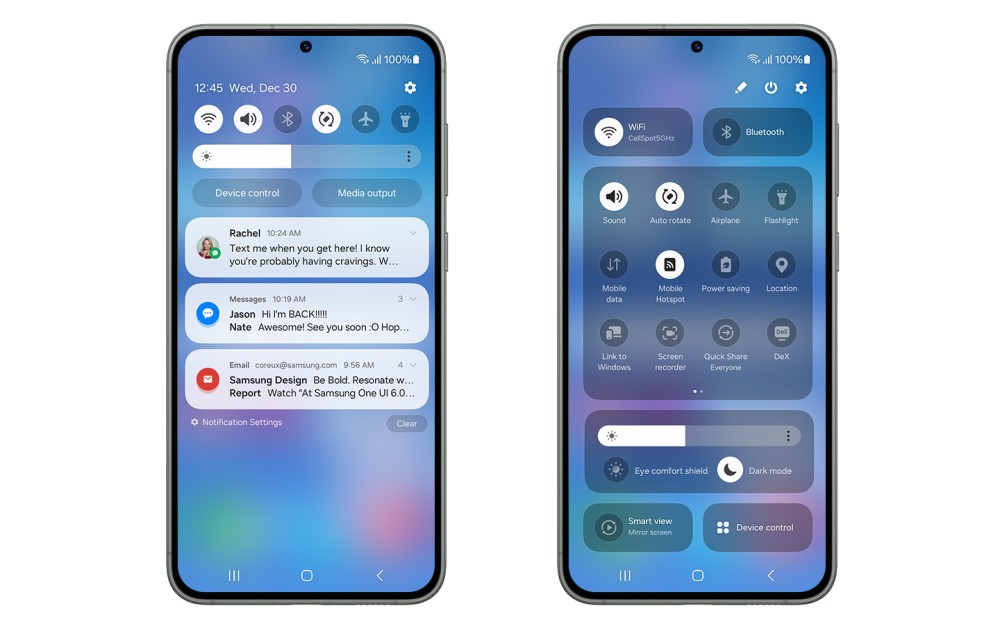
To recall, Samsung’s One UI 6.1.1 was first announced alongside the Galaxy Z Fold 6 and Galaxy Z Flip 6. So the latest update is bringing a bunch of features from the latest flagship foldable smartphones. While the initial release was in South Korea, the Galaxy S24 owners in the US and China are also getting the update. The Galaxy S24 series in Europe are also set to get the update soon.
The update comes with the firmware version S9280ZHU3AXH7 in China and S928USQU3AXH7 in the US. One UI 6.1.1 also arrives with the August 2024 security patch. It is a major update with a download size of over 2.8GB. To check if you’ve received the update, head to ‘Settings’ then the ‘Software update’ menu, and hit the Download and Install option. As of right now, this is still a limited release so we can expect other countries to get the update in the coming days.
2. What does the One UI 6.1.1 update offer?
The latest software brings several new Galaxy AI features. This includes various features like Sketch to Image, Portrait Studio, Composer enhancements, Live Translate, and support for third party calling and messaging apps. There is also a translate text option in images on webpages.
Users can even summarize text in PDF files and translate them as well without converting the PDF to notes. There are also Real time interpretation, Listening mode for Interpretation, Samsung Keyboard, and Automatic Language Detection. Additional features include weather and time wallpaper.
With the iPhone 16 launch kicking off the fall refresh cycle, Android manufacturers are gearing up for their own counterpunches.
OnePlus already confirmed the October launch of its Snapdragon 8 Gen 4-powered flagship, while the Xiaomi 15 series with the same SoC is also expected to arrive in the same month.
Now, a report by Wall Street Chinasuggests the X200 series will land in early October as well. But unlike its rivals, Vivo will take a different chip route.
The X200 series is expected to forgo the upcoming Snapdragon for MediaTek’s challenger, the Dimensity 9400.
The leaks suggest two models in the lineup: the standard X200 and the X200 Pro. The base model is expected to come with a 6.3-inch flat OLED display with a 120Hz refresh rate and a respectable 1.5K resolution.
Camera-wise, we’re looking at a 50-megapixel 22nm Sony sensor for the main module, a periscope lens with 3x optical zoom, and an ultrawide lens. It will be powered by a hefty 5,500mAh or 5,600mAh capacity and will support both wired and wireless charging.
Alleged Vivo X200 render by DCS
The X200 Pro, on the other hand, is expected to come with a curved 1.5K resolution 120Hz panel. The camera setup on the back will include a 200-megapixel periscope telephoto lens, a 50-megapixel primary sensor with a large aperture (likely the same 22nm Sony sensor), and a 50-megapixel ultra-wide lens.
The X200 Pro may also pack a larger 6,000mAh battery. Rumors suggest it will include water resistance (rated IP68 or IP69) and an improved X-axis motor for better haptic feedback.
On the software side, both phones will come pre-loaded with Android 15-based Origin OS. There’s not much detail on the pricing yet, even in the leaks and rumors.
As expected, Realme today expanded its Narzo 70 lineup by launching the Narzo 70 Turbo in India. The new phone sits in an entry-level mid-range space with an emphasis on performance, especially for gaming. Let’s see if the Turbo lives up to its name.
Realme Narzo 70 Turbo Specifications
The Narzo 70 Turbo boasts the MediaTek Dimensity 7300 Energy chipset with a top clock speed of 2.5GHz for the prime Cortex-A78 core and Mali G615 GPU for graphics.
This is paired with up to 12GB of RAM and 256GB of storage. Realme even throws in an additional 2GB of “Dynamic RAM” for a total of 14GB, although we doubt it will be any useful.
The phone’s biggest draw for gamers might be its new GT Mode. It includes performance optimization, faster game startup times, visual filters to enhance in-game visibility, and even a voice changer for some lighthearted fun.
The 120Hz refresh rate display with a 180Hz touch sampling rate further enhances the gaming experience.
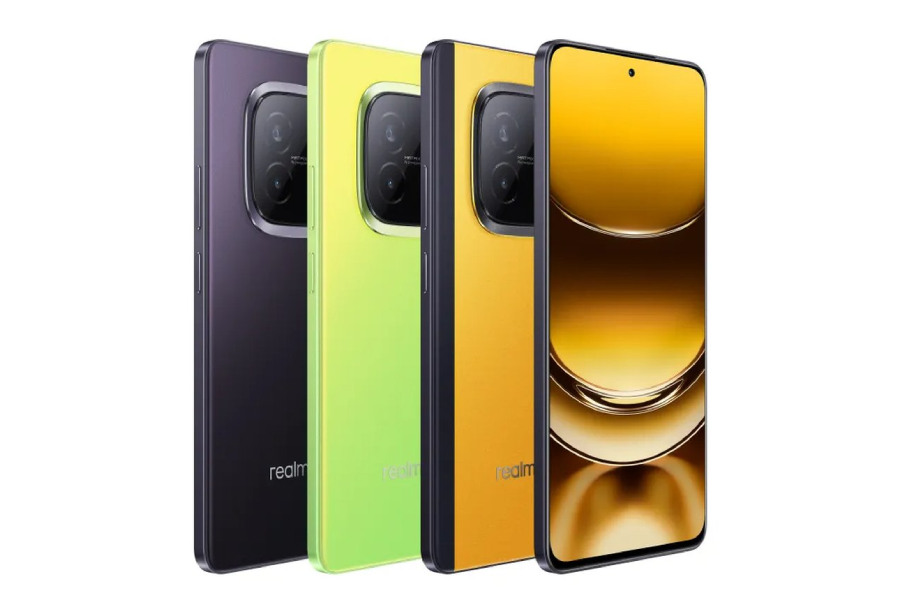
The Narzo 70 Turbo isn’t all about gaming, though. Its 6.67-inch FHD+ Samsung E4 OLED display offers vibrant colors and sharp visuals for everyday use, protected by AG DT Star 2 glass for added scratch resistance. It has a Moto-Sport-inspired design on the back.
A 5000mAh battery with 45W fast charging ensures you can stay powered through the day, while the inclusion of a microSD card slot provides expandable storage.
The camera system is a bit modest, featuring a 50MP primary sensor with a secondary 2MP sensor. While it won’t compete with high-end flagships, it should be sufficient for capturing decent everyday photos. A 16MP front-facing camera handles selfies and video calls.
Realme throws in some bonus features to sweeten the deal. The phone boasts IP65 water and dust resistance for added peace of mind, and a 6050 mm2 stainless steel VC cooling system promises to keep things from overheating during intense gaming sessions. There’s also a rain-detection mode that adjusts touch sensitivity for wet conditions, dual stereo speakers for immersive audio, and a TUV SUD certification for lag-free gaming.
Price and Availability
The Narzo 70 Turbo starts at Rs 16,999 for the base 6GB/128GB variant. The higher 8/128GB and 12/256GB models have retail prices of Rs 17,999 and Rs 20,999 respectively.
Realme is also offering a Rs 2,000 discount coupon, bringing the effective starting price down to Rs 14,999. The phone goes on sale from September 16th via Amazon and Realme’s official website in three color options: Turbo Yellow, Turbo Purple, and Turbo Green.
Motorola has just announced its next-gen foldable phone. The Moto Razr 50 is the brand’s latest flip phone that packs some notable specs and the largest cover screen in the segment. The company has unveiled this model in India with a special launch discount as well, so here are all the details.
Motorola Razr 50 Specs
The Motorola Razr 50 sports a tall 6.9-inch pOLED FlexView display with LTPO support, a 120Hz refresh rate, FHD+ resolution, HDR10+, 120 percent DCI P3 color gamut, and up to 3,000 nits of peak brightness. Meanwhile, the external screen is a 3.6-inch pOLED panel with a 90Hz refresh rate, 100 percent DCI P3 color gamut, and Corning Gorilla Glass Victus protection.
Under the hood, the Razr 50 is equipped with the MediaTek Dimensity 7300X SoC, which is paired with 8GB of RAM and 256GB of internal storage. It runs on the Android 14 OS out of the box with 3 years of OS updates and 4 years of security updates. For optics, the rear packs a 50-megapixel main camera and a 13-megapixel ultra wide angle lens, while the front offers a 32-megapixel selfie shooter.
A 4,200mAh battery pack powers this device, which supports 33W wired fast charging and 15W wireless fast charging Other notable features include stereo speakers with Dolby Atmos support, Bluetooth 5.4, WiFi 6, IPX8 water resistance, and a side mounted fingerprint scanner.
Pricing and Availability
The Motorola Razr 50 was announced in three color options, namely Sand Beach, Koala Gray, and Spritz Orange. It was announced for 64,999 INR for the long 8GB + 256GB storage configuration. The brand is also offering a special launch discount of up to 15,000 INR, which lowers the effective price tag down to just 49,999 INR.
This discount includes a 5,000 INR limited festive discount, 10,000 instant bank discount from leading banks, 3 months of Google Gemini Advanced subscription, Jio Benefits worth 15,000 INR, and more. Pre-bookings will be available on Amazon India, Reliance Digital, Motorola’s official website, and other leading retail stores starting from September 10. First sale of this device goes live on September 20.
Samsung‘s upcoming flagship tablet, the Galaxy Tab S10, is generating plenty of buzz. While we’re expecting a usual hardware refresh for the tablets, a new detail has surfaced that suggests Samsung might be taking inspiration from a competitor – Microsoft.
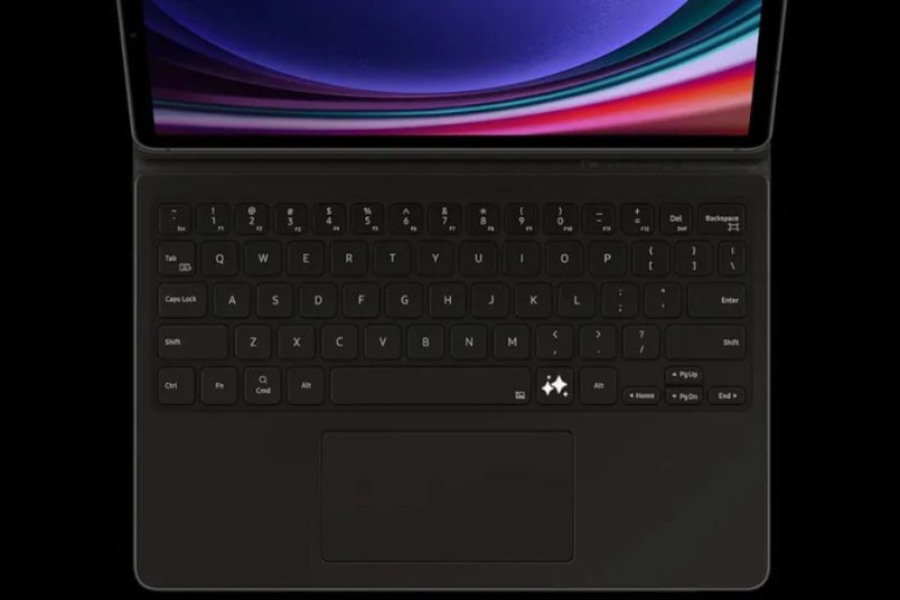
According to a report by WinFuture, Samsung may add a dedicated “Galaxy AI key” to the Tab S10’s keyboard accessory, possibly drawing from Microsoft’s Copilot+ PCs, which feature a similar AI button.
WinFuture also shared a mockup (not an official image) showing the Galaxy AI key replacing the right Ctrl button on the keyboard. However, it’s still unclear what this button will do — whether it will activate the entire Galaxy AI feature suite or focus on a specific one.
The report suggests that many of the new features coming to Galaxy devices with One UI 6.1.1 will also be available on the Tab S10. A dedicated button would certainly make these features more accessible to users.
While the AI key is a fresh addition, the Tab S10’s overall design likely won’t see major changes. Leaks suggest that Samsung will stick with its familiar style, including a vertical dual-camera setup on the back and a notched display with a selfie camera on the Ultra model.
As for pricing, the Ultra and Plus versions of the Tab S10 are unlikely to be budget-friendly. The Tab S10 Plus is rumored to start at around $1,400 and can go as high as $1685 for the 5G variant.
The Ultra model, on the other hand, is rumored to be priced $1660 for the base 12/512GB variant while the top–tier model with 5G support will go as high as $2350.
While it’s still not confirmed, the Galaxy Tab S10 series is expected to launch sometime in October.
Apple‘s annual September event, “It’s Glowtime,” is just around the corner, and reliable leaker Mark Gurman has shared some last-minute predictions on what we might see at the event on Bloomberg.
The main focus will be on the iPhone 16 lineup, and Apple is expected to give the Apple Watch a refresh. Gurman now suggests we might also see an updated AirPods Max, essentially a Gen 2 version.
Gurman previously cast doubt on the Gen 2 appearing at the event, citing Apple’s healthy stock of the first-gen AirPods Max. However, it seems his sources have provided a fresh update. So, what can we expect from the new over-ear headphones?
According to Gurman, the main focus will be on improved audio performance, with better active noise cancellation (ANC) and the addition of adaptive audio features. ANC has been a key selling point for AirPods Max, and Apple seems keen to improve its lead in this area.
Meanwhile, adaptive audio, a feature already enjoyed by AirPods Pro users, dynamically adjusts the sound profile based on your surroundings for an optimal listening experience. Another major change Gurman points out is the long-rumored switch from the Lightning port to USB-C.
Don’t expect a full design overhaul, though. Previous reports suggest that the overall look and feel of the AirPods Max Gen 2 will remain mostly the same. There may be some new color options, but the core design is likely to stay unchanged.
In addition to the AirPods Max, we’re also expecting a significant update for the standard AirPods, with two new AirPods 4 models rumored, including one featuring active noise cancellation.
Meanwhile, if you’re interested to know more about the iPhone 16 series, you can check out the linked articles below:
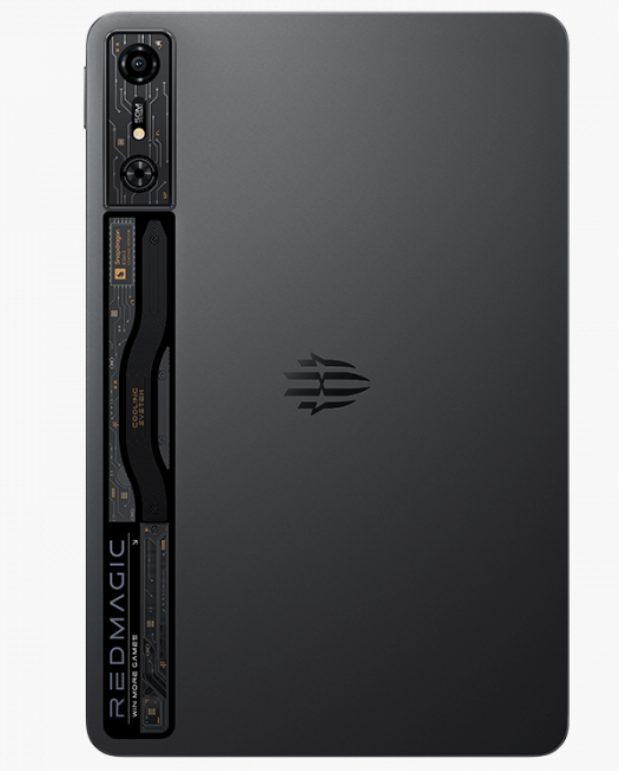
Red Magic Gaming Pad Pro, is a premium tablet engineered to meet the demands of gamers, professionals, students, and tech enthusiasts. This powerful device combines cutting-edge technology with a sleek design, offering an unparalleled experience for productivity and entertainment. With its high-performance specifications and advanced features, the Red Magic Gaming Pad Pro stands out as a top choice for those seeking excellence in their technology.
The Red Magic Gaming Pad Pro features a remarkable 10.9-inch 2.8K resolution display that ensures vibrant colors and sharp details. Whether you’re working on a presentation, browsing the web, or enjoying your favorite media, this high-resolution screen delivers a truly immersive visual experience. The IPS LCD panel guarantees wide viewing angles and accurate color reproduction, making it perfect for both work and leisure.
Unmatched Performance for Demanding Tasks
Under the hood, the Red Magic Gaming Pad Pro is powered by a flagship-grade processor, ensuring lightning-fast computing performance. With up to 16GB of RAM and up to 512GB of internal storage, expandable via microSD card, this tablet is built to handle intensive multitasking and graphics-heavy applications effortlessly.
Masterful Multimedia Capabilities
Designed to deliver an exceptional audio and visual experience, the Red Magic Gaming Pad Pro is equipped with a quad-speaker system that offers immersive sound. The quad-camera setup on the back, including a 50MP primary camera, provides high-quality photography and videography, while the 20MP front camera ensures clear video calls and selfies.
All-Day Battery Life and Fast Charging
Stay productive throughout the day with the Red Magic Gaming Pad Pro’s impressive 10100mAh battery. The included 120W fast charger ensures that you can quickly top up your battery, so you’re never left without power when you need it most.
Versatile Connectivity for Modern Needs
The Red Magic Gaming Pad Pro keeps you connected with the latest technology. With Wi-Fi 6 and 5G capabilities, you can enjoy fast and reliable internet access. Bluetooth 5.3 support ensures seamless connection with peripherals and accessories, enhancing your overall experience.
Productivity and Creativity Accessories
Enhance your productivity and creativity with the Red Magic Gaming Pad Pro’s compatible accessories, including a magnetic detachable keyboard and a precision stylus. These tools are designed to make your work and creative tasks more efficient and enjoyable.
Key Features:
10.9-inch 2.8K resolution IPS LCD display
Flagship-grade processor with up to 16GB RAM
Up to 512GB internal storage, expandable via microSD card
Quad-speaker system and 50MP rear camera
10100mAh battery with 120W fast charging
Wi-Fi 6, 5G support, and Bluetooth 5.3
Compatible with a magnetically detachable keyboard and a precision stylus
The Red Magic Gaming Pad Pro is more than just a tablet; it’s a professional-grade device tailored to meet the needs of modern users. With its exceptional performance, stunning display, and versatile features, this tablet is ideal for work, study, and entertainment.
Today, Motorola will announce the Motorola Razr 50 flip phone in India. It is not the only Motorola phone planned for the Indian market this month. The company has also confirmed that it will unveil the Edge 50 Neo at 12 pm (local time) on Sept. 16 in India. The Edge 50 Neo’s microsite, now available on Flipkart, has revealed almost everything about the phone before its official announcement.
Motorola Edge 50 Neo key specifications
Motorola Edge 50 Neo launch date
The Motorola Edge 50 Neo has an IP68-rated chassis that offers MIL-810H military-grade durability. It has a 6.4-inch P-OLED display offering a 1.5K resolution (2670 x 1220 pixels), a 120Hz refresh rate, and an impressive peak brightness of 3000 nits. It is powered by the Dimensity 7300 processor and a 4,310mAh battery that supports 68W wired charging and 15W wireless charging. The device will arrive with 8 GB of LPDDR4x RAM and 256 GB of built-in storage.
The Edge 50 Neo’s camera setup includes a 50-megapixel LYT-700C main camera with OIS, a 13-megapixel ultra-wide lens that doubles up as a macro camera, and a 10-megapixel telephoto lens with 3x optical zoom. For selfies, there is a 32-megapixel front-facing camera. One of the major highlights of the phone is that it is confirmed to receive five Android OS upgrades and five years of security updates. It will come preloaded with Hello UI-based Android1 4.
The Edge 50 Neo features an in-screen fingerprint scanner, dual speakers with Dolby Atmos support, and a plastic frame with either a plastic or vegan leather rear finish. Additional features include Wi-Fi 6E, Bluetooth 5.3, and a USB-C port. The dimensions of the Edge 50 Neo are 154.1 x 71.2 x 8.1mm, and it weighs 179 grams.
Motorola Edge 50 Neo price in India (expected)
Motorola unveiled the Edge 40 Neo with a price tag of Rs 20,999 in India in September 2023. It is likely that the Edge 50 Neo may debut with a similar pricing. The company has confirmed that it will hold a one-hour flash sale at 12pm via Flipkart for those who wish to purchase it as soon as it is announced. It will come in four Pantone-curated shades, such as Nautical Blue, Latte, Grisaille, and Poinciana.
In today’s roundup, we have a bunch of IFA launches, more news on Huawei’s tri-fold device, and OnePlus 13 launch confirmation.
Huawei Mate XT design
Today’s Highlights:
Huawei’s Tri-Fold Phone Pre-Orders: Check out the early availability of Huawei’s revolutionary Mate XT Ultimate Design, a tri-fold phone that’s already creating buzz in the Chinese market.
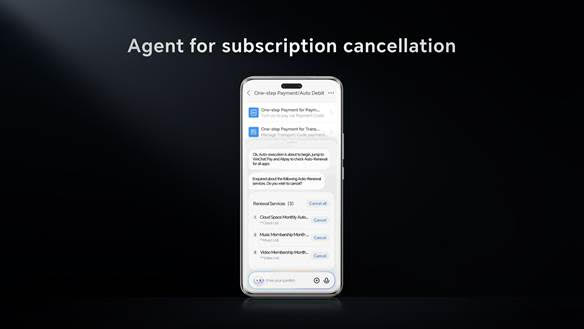
Honor’s AI Agent: Know more about Honor’s ambitious plans for AI integration, including the upcoming AI Agent personal assistant set to debut with the Magic 7 series.
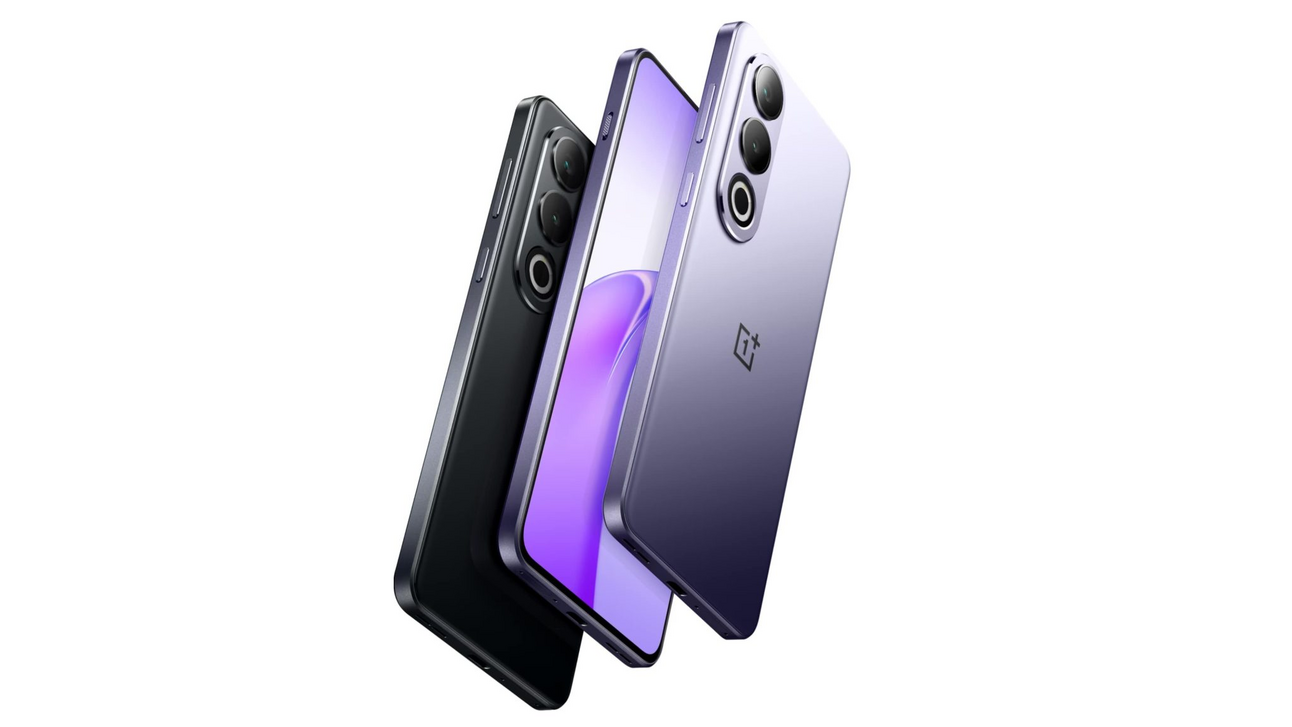
OnePlus 13 Launch Confirmation: Get the latest on OnePlus’s upcoming flagship, confirmed to feature the Snapdragon 8 Gen 4 and slated for an October release.
Plus, don’t miss our roundup of other exciting stories, including Xiaomi’s innovative power bank design, TCL’s paper-like tablet display, Tecno’s futuristic gaming devices, and Apple’s plans for in-house 5G modems!
Huawei is launching its first tri-fold phone, named Mate XT Ultimate Design on September 10 in China. Before the big reveal, the device is now available for pre-order on the Chinese e-commerce platform JD.com, for those who want to get their hands on this innovation early.
At IFA Berlin, Honor separately showcased its AI-based solutions for both its laptops and mobile devices. In total, the brand showcased three mobile AI solutions: AI PC powered by Snapdragon X Elite platforms, AI Agent, and AI Deepfake Detection.
DJI has just unveiled a brand-new drone globally. The brand is renowned for its drone and the latest model arrives as its lightest and smallest drone yet. The DJI Neo packs some impressive features despite its ultra compact form factor. So here are all the details.
Lenovo Legion Y700 2023 stands out as one of the premier gaming tablets of the year, offering an immersive experience with its 8-inch screen that fits comfortably in your hand. Designed for gamers who demand top performance and portability, this tablet combines cutting-edge technology with a sleek, ergonomic design, making it a standout choice for mobile gaming enthusiasts.
Clearance Sale: Lenovo Legion Y700 2023
With the upcoming release of the Lenovo Legion Y700 2024 in October, now is the perfect time to grab the Y700 2023 model at a fantastic discount. Originally priced at $499, this high-performance tablet is now available for just $349. Don’t miss out on this opportunity to own a top-tier gaming tablet at a great price before the new model hits the shelves.
Legion Y700 gaming tablet features a TUV Rhineland Certified 8.8 inch 2.5K LCD screen and supports a 144Hz refresh rate. The display comes with Dolby Vision, DC dimming, and 500 nits brightness.
Powered by the Qualcomm Snapdragon 8+ Gen 1 octa-core processor, the tablet comes in two memory variants viz: 12GB / 16GB LPDDR5 RAM and 256GB/ 512GB UFS 3.1 storage, further expandable with a MicroSD slot.
The tablet comes with a 13MP rear camera and an 8MP front camera to capture images and videos and conduct face-to-face chat and video calls. Also for enhanced security, Legion Y700 comes with the face ID unlock feature.
Lenovo Legion Y700 2023 gaming tablet is fueled by a massive 6550mAh battery and supports 45W fast charging. Also to enjoy an immersive gaming and video experience, the tablet comes with dual JBL speakers supported by Dolby Atmos. Running on the Android 12 OS-based ZUI 13, the tablet offers you a fresh user experience and advanced multitasking options.
Last month, Infinix unveiled the Infinix XPad tablet without mentioning its pricing and availability. It appears that India will be one of the first markets to receive it, as its landing page has gone live on Flipkart. The microsite has not only revealed the launch date, but also its key specifications.
Infinix XPad launch date, key specs revealed for India
Infinix XPad India launch date
The Infinix XPad, as seen above, will officially launch in India on Sept. 13. According to the microsite, the device has a metal unibody design and will be available in three colours: Stellar Grey, Frost Blue, and Titan Gold.
The XPad features an 11-inch LCD screen with an FHD+ resolution of 1920 x 1200 pixels, a refresh rate of 90Hz, and an 83 percent screen-to-body ratio. The device is also fitted with a quad speaker setup. On the connectivity front, it will offer options, such as 4G LTE, Wi-Fi, and Bluetooth. The microsite states that the launch date will reveal the XPad’s other specs.
Last month’s global listing for the Infinix XPad revealed its Helio G99 Ultimate chipset, 4 GB / 8 GB of RAM, and 128 GB / 256 GB of storage. It houses a 7,000mAh battery with 18W rapid charging. For photography, it has an 8-megapixel front camera and a camera with the same megapixel count on the back.
The above specifications suggest that the Infinix XPad could be priced between Rs 15,000 (~$178) in India.
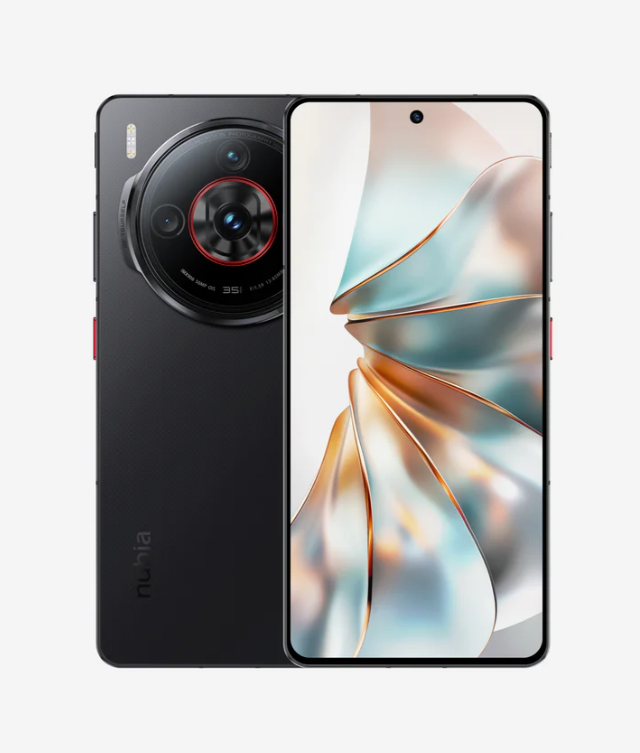
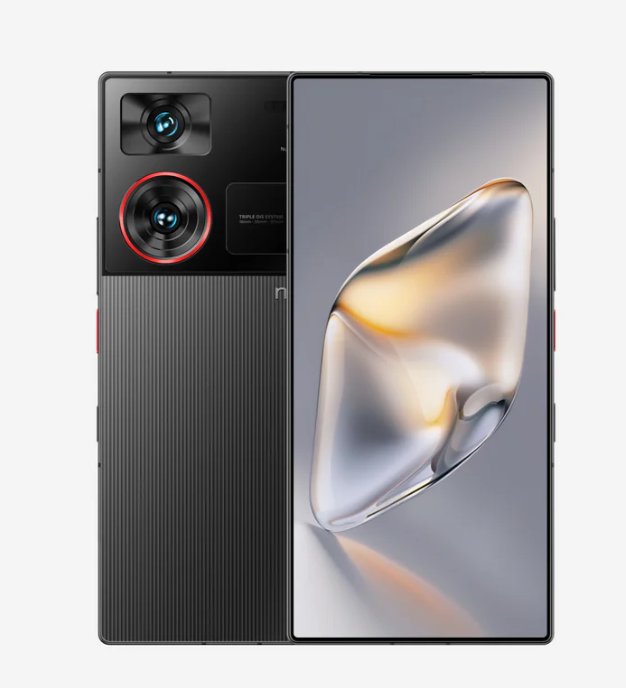
Nubia is once again redefining mobile technology with updated pricing for two of its top-tier models, the nubia Z60S Pro and nubia Z60 Ultra Leading Version. Known for delivering cutting-edge performance, innovative features, and sleek designs, these devices have gained significant recognition from both users and the media. With the recent price adjustments, nubia is making its premium mobile experience more accessible, providing a perfect opportunity for tech enthusiasts to upgrade their devices.
Starting from September 2nd, 2024, the new pricing for the nubia Z60S Pro comes into effect, offering a range of options to suit different needs. Whether you choose the 12GB RAM with 256GB storage model or the powerful 16GB RAM with 1TB variant, these prices ensure you get maximum value for cutting-edge features at a competitive rate. The Z60S Pro continues to push boundaries with its high-performance capabilities, enhanced camera systems, and stylish design.
For those seeking even more advanced features, the nubia Z60 Ultra Leading Version offers an impressive combination of performance and innovation. With new prices starting from September 9th, 2024, the Z60 Ultra Leading Version delivers top-tier specs including a 16GB RAM and 512GB storage option, making it an ideal choice for users seeking powerful multitasking capabilities and seamless mobile experiences.
These price updates mark an excellent opportunity to upgrade your smartphone with some of the most advanced devices available. With superior designs, high performance, and appealing pricing, the Z60S Pro and Z60 Ultra Leading Version promise a future-ready mobile experience.
Oppo will be one of the brands to launch new flagship phones in October in China. The brand is expected to unveil the Find X8 and X8 Pro smartphones featuring the all-new Dimensity 9400 chip. Today, tipster Digital Chat Station took to Weibo to reveal the key details of the Find X8.
Oppo Find X8 key specifications (rumored)
Oppo Find X8’s leak photo
Previous reports have claimed that the Find X8 will be a smaller device as compared to the Pro variant. It is also expected to feature a triple camera setup, whereas the Pro model is said to have a quad-camera system equipped with dual periscope telephoto cameras. In today’s leak, DCS revealed that the Find X8 will boast an IP68/69-rated dustproof and water-resistant chassis.
He mentioned that the Find X8 will have support for wireless charging. To recall, the Find X7, which went official in January 2024 in China, features an IP65-rated chassis and does not support wireless charging. He added in the Weibo post’s comments section that the Find X8 also features virtual solid-state buttons and a magnetic accessory ecosystem.
According to DCS’ previous leaks, the Oppo Find X8 will have a 6.5-inch or 6.6-inch flat OLED panel. The screen is expected to support a 1.5K resolution and a 120Hz refresh rate. It is likely to be integrated with an optical-type fingerprint sensor.
The rear camera setup of the Find X8 may include a 50-megapixel primary camera with OIS support, a 50-megapixel ultra-wide lens, and a periscope telephoto camera with 3x optical zoom. The X8 is expected to come preloaded with ColorOS 15-based Android 15. It may house a 5,600mAh battery with 80W or 100W rapid charging support. It is expected to arrive in black, white, and blue shades.
Shanling AE10 earphones are designed to provide exceptional audio performance, combining advanced technology with a sophisticated design. With ten balanced armature drivers and a six-way crossover, the AE10 is engineered for clear, layered sound, ensuring that listeners experience the finest details in their music. The carbon fiber shell, crafted through a vacuum resin molding (VRTM) process, adds to the durability and aesthetic appeal, making these earphones stand out both in terms of sound and design.
The design of the Shanling AE10 earphones is nothing short of luxurious. The cavity is constructed using the VRTM process and features a carbon fiber shell, providing a lightweight yet durable build. Weighing only 5.3 grams per earbud, the AE10 offers comfort for long listening sessions without feeling bulky. The black-toned shell, enhanced with glitter powder through electroplating, evokes the image of a starry night sky, adding elegance to the overall look of the earphones. This combination of aesthetics and comfort ensures that the AE10 is both stylish and user-friendly.
Six-Way Crossover for Enhanced Sound Clarity
A key feature of the Shanling AE10 is its six-way crossover technology, which utilizes a fourth-order LRC filter. This technology reduces sound wave interference, ensuring a clearer and more detailed audio experience. The result is an optimized sound performance, with improved timbre and greater layering. This advanced crossover system allows the earphones to handle a broad range of frequencies more effectively, offering users a wider and more comfortable soundstage.
Ten Balanced Armature Drivers for Deep, Rich Audio
The AE10 is equipped with ten balanced armature drivers, divided into three specialized sections for low, mid, and high frequencies. Four acoustic armature low-frequency units deliver solid, full-bodied bass with excellent clarity, creating a warm and smooth sound. The midrange is powered by three Shanling-customized armature drivers, which ensure brilliant vocal reproduction. Finally, two Knowles high-frequency drivers provide precise treble with rich layers and overtones, adding brightness without being overly sharp. This blend of drivers creates a well-rounded audio experience that suits various music genres.
Dual Switch Four Sound Modes
The Shanling AE10 offers versatility with its dual-switch system, allowing users to customize their listening experience. Equipped with low and high-frequency switches, users can select from four different sound modes, each catering to different preferences. Whether you prefer deep bass or sparkling highs, these modes allow for personalized audio tuning, ensuring the AE10 is adaptable to your music choices.
Universal 0.78-2pin Changeable Cable
The AE10 features a detachable cable made from 8-strand 18-core monocrystalline copper wire, designed to minimize signal interference and enhance sound quality. Its coaxial double-layer structure ensures durability while the antibacterial nano-coating provides protection, keeping the wire pristine over time. The universal 0.78-2pin design allows for easy cable swapping, giving users more flexibility in their setup.
Key Specifications:
Type: In-ear
Driver: 10 mm Dynamic Drivers
Impedance: 12 Ω
Sensitivity: 113 ± 3 dB
Frequency Response: 12 – 40,000 Hz
Weight: 5.3 g
Cable: 1.3 m 8-strand 18-core monocrystalline copper
Shanling AE10 stands out for its meticulous design and state-of-the-art audio technology. With its blend of balanced armature drivers, versatile sound modes, and durable construction, the AE10 is a premium choice for audiophiles seeking an immersive listening experience.
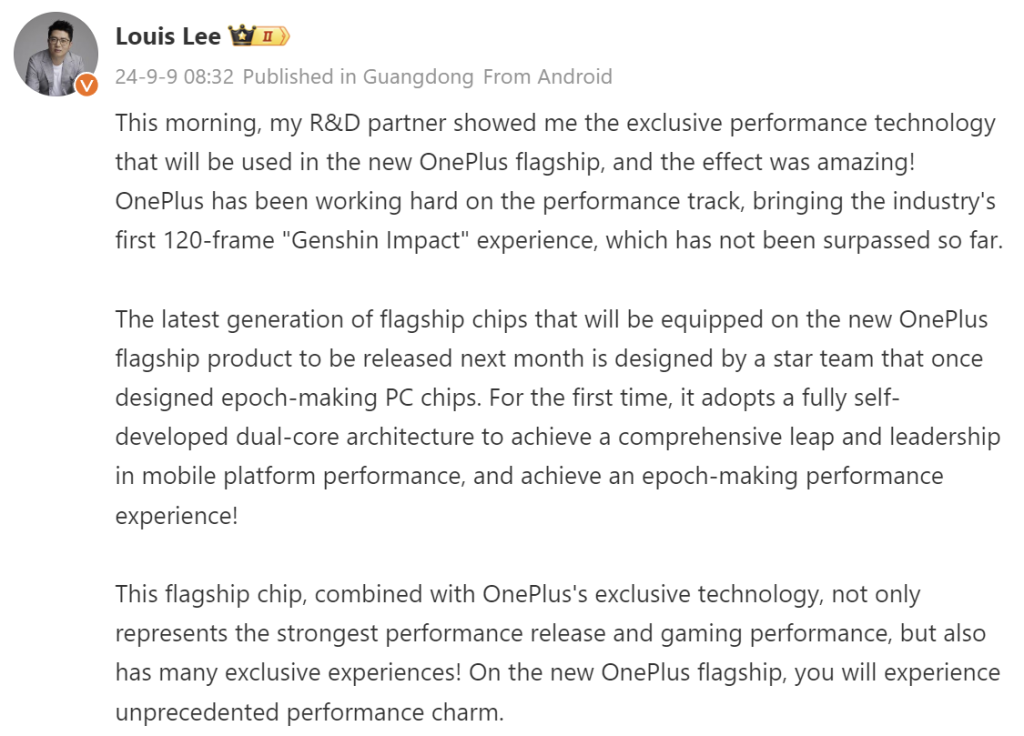
Qualcomm will announce the Snapdragon 8 Gen 4 through Snapdragon Tech Summit 2024, which will take place between Oct. 21 and 23 in Maui, Hawaii. It is speculated that OnePlus will be one of the first brands to launch a flagship phone powered by the new chip. Today, OnePlus China President Louis Lee released the following Weibo post to hint at the launch timeframe of the OnePlus 13.
OnePlus 13 launch timeframe
OnePlus China President Louis Lee’s hints on OnePlus 13’s arrival
Louis Lee stated in the screenshot above that the company’s new flagship product will launch next month. The new chip (most likely the Snapdragon 8 Gen 4v) will enable the device to deliver unprecedented performance.
Last week, Chinese display manufacturer BOE held the Global Innovation Partner Conference 2024 to announce the second-generation “Oriental Screen,” also known as “BOE X2.” Lee confirmed that OnePlus will be the first brand to launch a product with the new display in October.
These hints clearly indicate the OnePlus 13 will go official in October in China. Given the announcement of the SD8G4 in the fourth week of the month, it appears that the OP13 will make its debut in China before the end of the month.
Lee did not share any information about the specifications of the OnePlus 13. According to reports, however, the OP13 will have a 6.8-inch 8T LTPO BOE X2 screen with a quad-micro-curved design. It will offer a 2K resolution, a 120Hz refresh rate, and an ultrasonic in-screen fingerprint sensor. Its rear camera setup is expected to feature an OIS-assisted 50-megapixel LYT-808 main camera, a 50-megapixel ultra-wide lens, and a 50-megapixel IMX882 periscope telephoto camera with 3x optical zoom.
The OP13 will pack a 6,000mAh battery with 100W charging and 50W wireless charging. Additionally, it will have a 0916T haptic motor and IP68/69 dust and water resistance.
Today, iQOO took to its Weibo handle to China to release the first teaser of the upcoming iQOO Z9 Turbo+. While the brand has fully revealed the phone’s design, it has yet to confirm its launch date or technical details. As per tipster Digital Chat Station’s recent leak, the Z9 Turbo+ may debut by mid-to-late September.
iQOO Z9 Turbo+ design
iQOO Z9 Turbo Plus’ first teaser
The above image shows that the iQOO Z9 Turbo has a flat display on the front. Its rear shell has a squircle camera island housing two cameras. A dual-tone LED flash is positioned next to the camera module.
The Z9 Turbo+’s left side appears empty, suggesting that the volume rocker and power button are located on its right spine. The phone’s overall design is almost identical to the iQOO Z9 Turbo, which debuted with the Snapdragon 8s Gen 3 chip earlier this year in China.
iQOO Z9 Turbo+ specifications (rumored)
According to reports, the iQOO Z9 Turbo+ has a 6.78-inch flat OLED panel that offers a 1.5K resolution and a 144Hz refresh rate. For security, it is equipped with an in-screen fingerprint sensor.
On the front, it may have a 16-megapixel selfie camera, and its rear camera setup may feature an OIS-enabled 50-megapixel primary camera and an 8-megapixel ultra-wide lens. The device is expected to run on Android 14 and OriginOS 4.
Under the hood, the device is said to feature the Dimensity 9300 Plus chipset and a 6,000mAh battery with 80W charging support. The details about its RAM and storage configurations are under wraps.
In conclusion, the upcoming iQOO Z9 Turbo+ and the existing Z9 Turbo bear a striking resemblance, with the primary difference being the inclusion of the latest Dimensity chip in the Plus model, and the Snapdragon SoC in the regular version. The Z9 Turbo+ is expected to be priced at around 2,000 Yuan (~$280).
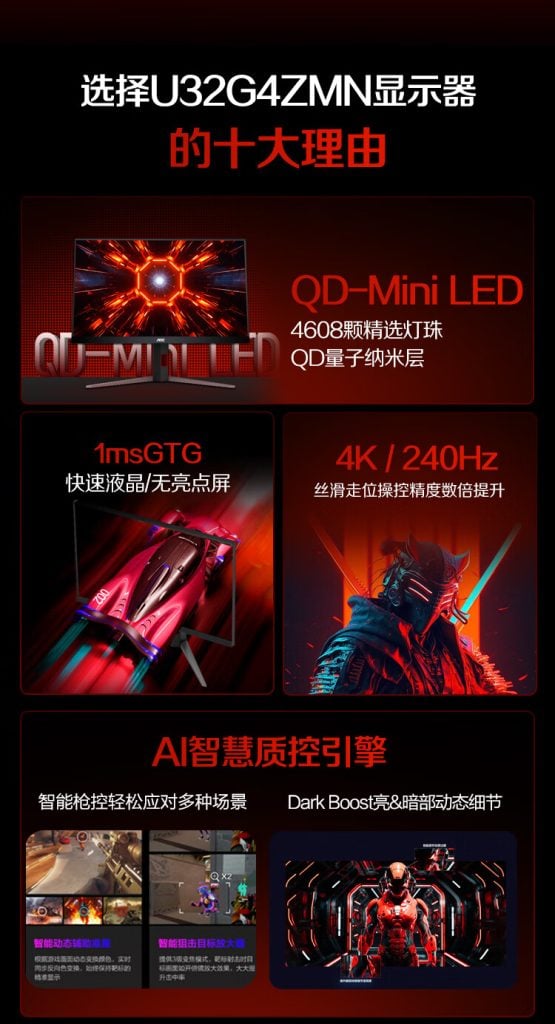
AOC has launched a new 31.5-inch gaming monitor called U32G4ZMN in the Chinese market. The monitor is priced at 5,499 yuan ($776) and is now available on JD.com. Let’s check out its key specs.
AOC U32G4ZMN Monitor Specifications:
This model features a 4K resolution panel (3840×2160) combined with a high 240Hz refresh rate. The monitor uses QD-Mini LED technology, consisting of 4,608 individual LED beads and a quantum dot nano-layer to enhance color reproduction and brightness, reaching a peak brightness of 1200 nits.
The monitor delivers high-quality visuals with 10-bit color depth, supporting 10.7 billion colors and HDR1000 certification for enhanced dynamic range. It offers excellent color accuracy, featuring 97% DCI-P3 and 100% sRGB coverage, making it ideal for professional tasks requiring precise color representation.
The monitor also boasts a static contrast ratio of 3000:1 and a response time of 1ms GTG, ensuring smooth performance, especially in fast-paced gaming or multimedia environments.
In terms of ergonomics, the U32G4ZMN comes with a stand that allows for height adjustment, tilt, rotation, and pivot, catering to user comfort and flexibility. The monitor can also be mounted on a VESA 100x100mm wall bracket.
Coming to connectivity, the monitor comes with two HDMI 2.1 ports, one DisplayPort 1.4, and three USB-A 3.2 Gen 1 ports, making it compatible with various devices.
The monitor includes TÜV-certified low blue light and flicker-free technology for eye protection during long usage. It also features an AI Image Quality Engine that enhances visual performance, especially in gaming, by improving dark area details.
The U32G4ZMN is factory-calibrated for precise color accuracy right out of the box, ideal for gaming and content creation. It also supports split-screen functionality with picture-in-picture (PIP) and picture-by-picture (PBP) modes, boosting multitasking efficiency.
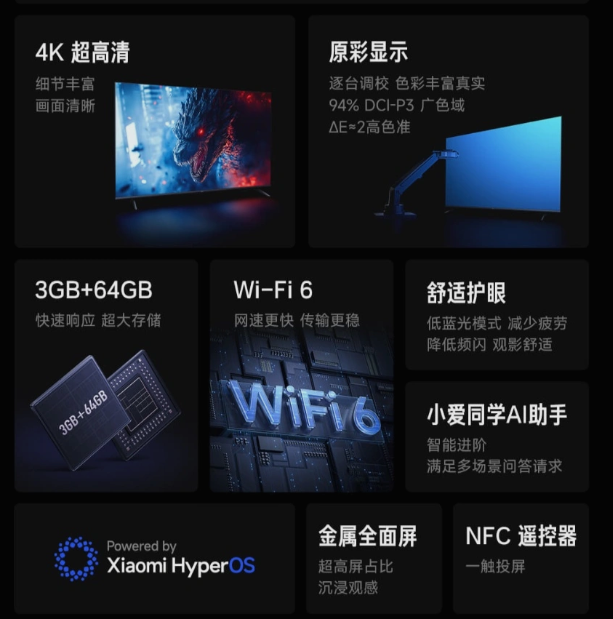
Xiaomi has expanded its Redmi A Pro series with the Redmi Smart TV A Pro 75. It comes with 6 different size options – 43″, 50″, 55″, 65″, 70″, and 75″. This new product will be up for pre-sale starting from September 10.
Redmi Smart TV A Pro 75 Specifications:
Firstly, let’s talk about the display panel. It comes with 94% DCI-P3 color gamut with a maximum resolution of 3840×2160 (4K). The panel offers a color accuracy of ΔE≈2, and displays 1.07 billion colors.
The series supports a 120Hz refresh rate and MEMC technology (excluding the 43″ model, which supports a 60Hz refresh rate), which can reduce the ghosting effect. The MEMC technology, which increases the refresh rate, can be beneficial for gaming. According to the company, the feature includes a “millisecond-level frame insertion algorithm” and effectively reduces the jitter and smear of high-speed motion images. With the feature, sports content with faster movement like skiing also looks smoother.
Moving on to the listening experience, it comes with built-in dual speakers which support DTS decoding.
The series also come equipped with Xiaomi’s Xiao AI assistant and a smart control center. The Xiao AI assistant meets Q&A requests in multiple scenarios and can intelligently arrange family travel plans, set home fitness goals, etc.
With NFC remote control the product supports “one-touch screen projection”. Notably the TVs are compatible with Android /iOS/Windows/macOS platforms. Ti use the screen mirroring feature, users just have to touch the phone (with NFC support) to the NFC remote control. The content will appear in the big screen. The official information also notes that sensitive information such as notifications or incoming calls can be hidden on the TV.
In terms of performance, the Redmi Smart TV A Pro 75 equips a quad-core processor, which is paired with 3GB RAM and 64GB internal storage. For wired and wireless connectivity, it supports USB×2, HDMI×2, AV Input, and Wi-Fi 6.
Pricing:
The pricing of the different size options is noted below
We use cookies on our website to give you the most relevant experience by remembering your preferences and repeat visits. By clicking “Accept”, you consent to the use of ALL the cookies.
This website uses cookies to improve your experience while you navigate through the website. Out of these, the cookies that are categorized as necessary are stored on your browser as they are essential for the working of basic functionalities of the website. We also use third-party cookies that help us analyze and understand how you use this website. These cookies will be stored in your browser only with your consent. You also have the option to opt-out of these cookies. But opting out of some of these cookies may affect your browsing experience.
Necessary cookies are absolutely essential for the website to function properly. This category only includes cookies that ensures basic functionalities and security features of the website. These cookies do not store any personal information.
Any cookies that may not be particularly necessary for the website to function and is used specifically to collect user personal data via analytics, ads, other embedded contents are termed as non-necessary cookies. It is mandatory to procure user consent prior to running these cookies on your website.