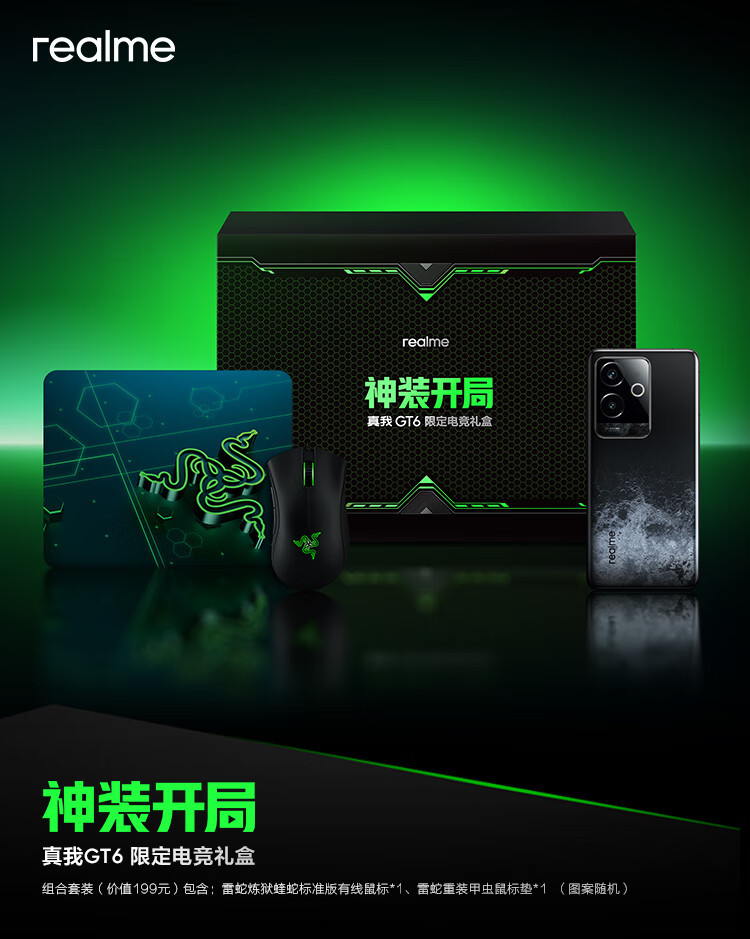
Realme has officially announced that students can now purchase the Realme GT 6 and add a limited edition gaming box set for an extra 49.9 yuan ($7.04) in China.
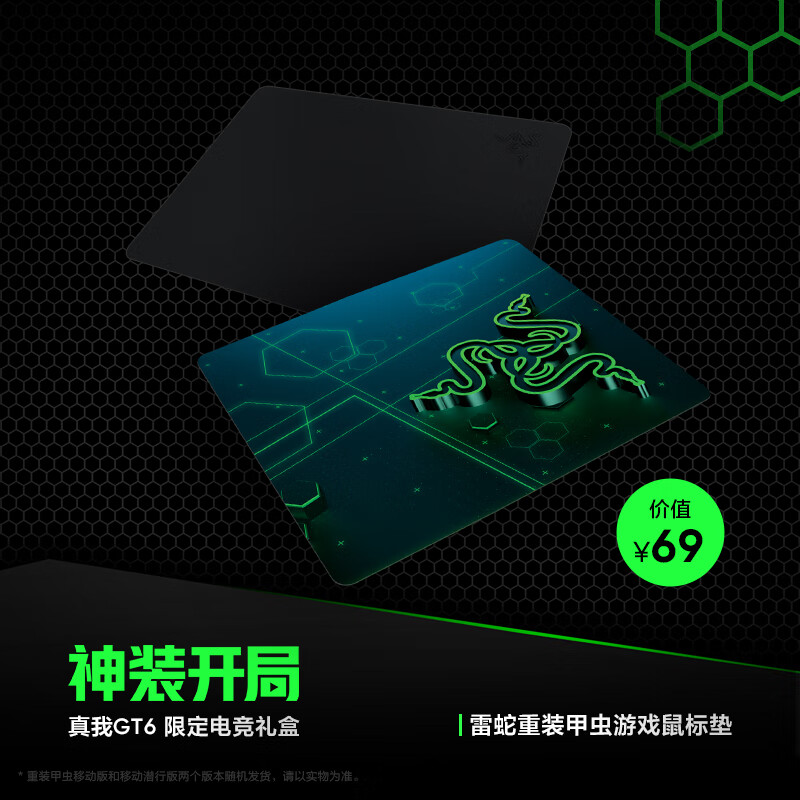
The gaming box set, which is valued at 199 yuan ($28.), includes a Razer DeathAdder Essential wired mouse and a Razer Goliathus gaming mouse pad. This offer is available starting tonight at 8 PM (CST) on JD.com, with student verification required to access the deal.
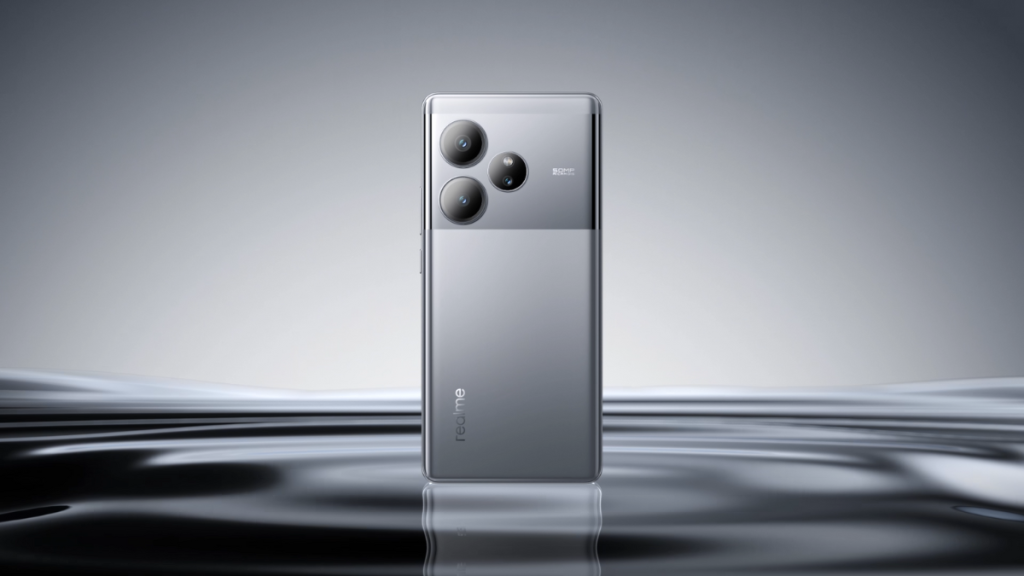
The pricing for the Realme GT6 starts at 2848.9 yuan ($402) for the 12GB + 256GB variant, while the 16GB + 512GB model is priced at 3448.9 yuan ($486). The phone is available in two color options: Light Year White and Dark Side of the Moon.
Realme GT 6 Specifications:
Coming to the specs, the Realme GT 6 features a 6.78-inch BOE S1+ AMOLED panel with a resolution of 2,780 x 1,264 pixels. It includes a Pro XDR feature and offers a 120Hz LTPO refresh rate, with a peak brightness of 6,000 nits. The display is protected by Crystal Armor Glass and includes an integrated fingerprint scanner as well as a 2160Hz high-frequency PWM dimming.
The device is powered by a Snapdragon 8 Gen 3 processor, with options for up to 16GB of RAM and 1TB of storage. To manage heat, the phone includes a 10,000-level dual VC cooling system, an aerospace-grade aluminum middle frame, and thermal insulation.
It runs on Realme UI 5, based on Android 14, and offers AI-based features like AI portal, AI call summary, and AIGC. Additionally, the phone includes gesture controls, IR control, an X-axis linear motor, and supports 5.5GHz and WiFi-7 connectivity.
For photography, the Realme GT6 comes equipped with a dual rear camera setup, featuring a 50MP Sony IMX890 sensor with OIS and an 8MP ultra-wide lens. There is also a 16MP front camera for selfies.
The GT 6 packs a 5,800mAh battery that supports 120W wired charging. The device features a flat frame and a rectangular camera module. The rear panel has a dual-tone finish, and the device is IP65-certified for dust and water resistance.
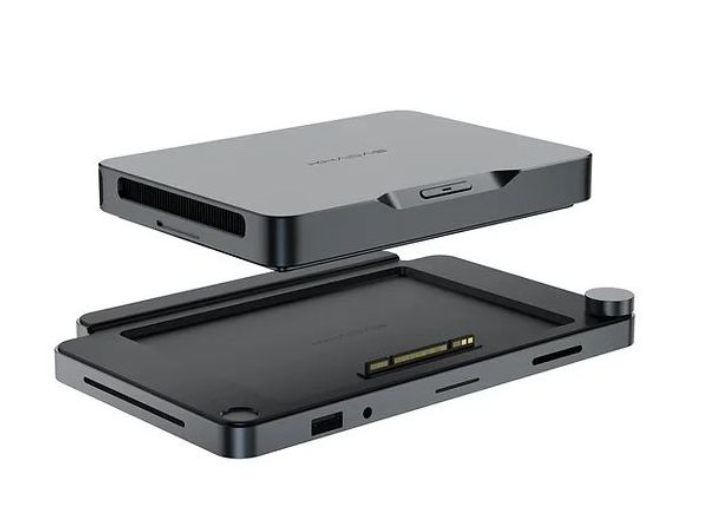
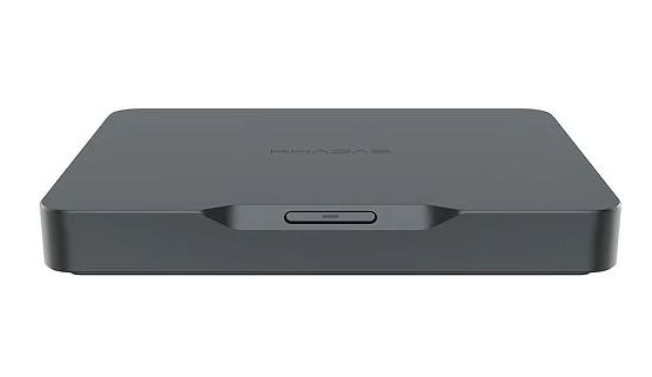
Khadas Intel AI PC Development Kit is a powerhouse designed for developers, researchers, and AI enthusiasts seeking top-tier performance in artificial intelligence (AI) and machine learning (ML) applications. Built with Intel® Core™ Ultra processors, this mini PC integrates cutting-edge hardware to accelerate AI tasks while offering robust customization and support for various operating systems. Whether you’re working on neural network models, developing AI tools, or enhancing software efficiency, this development kit is equipped to handle it all.
Intel® Core™ Ultra 5 and Ultra 7 Processors with AI Boost
At the heart of the Khadas Intel AI PC Development Kit are the Intel® Core™ Ultra 5 125H and Ultra 7 155H processors. These CPUs feature Intel’s 3D performance hybrid architecture, combining CPU, GPU, and NPU to deliver unparalleled performance for AI-related workloads. With the support of Intel® Arc™ Graphics, the system ensures smooth handling of complex tasks, whether processing large datasets or training machine learning models.
The AI boost these processors offer is enhanced by high-bandwidth memory and cache, which allow for efficient data processing and rapid execution of AI tasks. Developers can enjoy seamless integration with tools like OpenVINO™ and ONNX, ensuring optimized performance across Intel CPUs and GPUs.
AI & Machine Learning Development Tools
Khadas Intel AI PC Development Kit is more than just hardware—it comes with a comprehensive suite of tools to empower developers. Intel® Distribution of OpenVINO™ Toolkit is at the forefront of this offering, providing powerful hardware customization and multi-OS support. With OpenVINO, developers can harness the full potential of AI models on Intel hardware, leveraging heterogeneous processing engines for maximum efficiency.
Additionally, the kit supports ONNX models and the ONNX Runtime, enabling AI professionals to develop, optimize, and deploy models with ease. The inclusion of WebNN allows for high-performance browser-based inferencing, ensuring AI models can run efficiently on any platform.
Expandable Performance with Discrete Graphics
For projects that require additional GPU performance, the Khadas Intel AI PC Development Kit features a PCIe x8 slot for external discrete graphics cards. Through the Beelink EX docking station, users can achieve lossless connections and fully utilize the potential of an external GPU, making this kit ideal for high-end graphics processing, deep learning training, and other compute-intensive tasks.
Key Specs:
Processor: Intel® Core™ Ultra 5 125H / Intel® Core™ Ultra 7 155H with Intel® AI Boost
Khadas provides extensive software support for AI and machine learning development. Along with OpenVINO™, it supports various tools like Visual Studio Code, Git, and OpenCV, allowing developers to integrate their projects seamlessly. Additionally, there are repositories for OpenVINO’s Open Model Zoo, notebooks, and ONNX samples, giving users access to valuable resources for AI model development.
Khadas Intel AI PC Development Kit offers a robust and scalable AI and ML development solution. With Intel’s latest Ultra processors, support for discrete graphics, and extensive software resources, this mini PC provides everything developers need to accelerate AI innovation.
Apple has been rumored for some time to be developing its own 5G modem for iPhones, aiming to reduce reliance on Qualcomm. The company has been working toward this goal for years. In 2019, Apple acquired Intel’s 5G modem division, further fueling speculation about a homegrown solution.
Now, these efforts may be nearing fruition. Analyst Ming-Chi Kuo, known for his reliable supply chain insights, shared that Apple’s in-house modem plans are progressing, citing his supply chain sources.
According to Kuo, Apple is expected to ship 35-40 million devices with its own 5G modem next year, increasing to 90-110 million units in 2026 and 160-180 million units in 2027. He also noted that this development could hurt Qualcomm’s 5G chip shipments and licensing revenue.
My latest supply chain survey indicates that Apple's in-house 5G chip shipments will grow rapidly and replace Qualcomm's 5G chips. It's estimated that Apple's in-house 5G chip shipments will reach 35-40 million units in 2025, 90-110 million in 2026, and 160-180 million in 2027.… https://t.co/miNhd324S9
Back in July, Kuo mentioned that two iPhone models are set to debut Apple’s in-house 5G modem in 2025. These models include the iPhone SE 4, expected in the first quarter of next year, and the ultra-slim iPhone 17 Air, which may launch in the third quarter of 2025.
Apple has always aimed for full control over its hardware ecosystem. Developing its own modem would give the company more autonomy in design, potentially allowing for better integration between iPhones and their cellular connectivity.
There are also rumors that Apple plans to combine the modem with its Wi-Fi and Bluetooth chips into a single, streamlined component. This could improve battery life and overall device efficiency.
As for Qualcomm, the chipmaker has a licensing agreement with Apple that runs through March 2027. However, if Kuo’s predictions are accurate, Qualcomm may face a significant decline in iPhone-related sales as Apple ramps up production of its own modem.
While challenges could still arise, Apple’s in-house 5G modem appears to be moving forward quickly, set to disrupt the smartphone connectivity market in the coming years.
At IFA Berlin 2024, Tecno has showcased its most advanced AIoT technologies and smart devices, aimed at shaping a more intelligent and connected future.
Under the theme “Innovate for the Future,” the brand has unveiled groundbreaking innovations that push the boundaries of technology. Key highlights include Tecno’s AI Vision, the world’s first water-cooled gaming mini PC, and an ARgaming set, all contributing to an impressive product ecosystem.
Tecno unveiled AI Vision, an AI-driven system designed to enhance productivity, creativity, and convenience, particularly for emerging markets. The system focuses on “Practical AI” with strong localization, offering features like minority language translation and integration with local apps to assist users with daily tasks.
Key components include the upgraded Ella AI Assistant for scheduling, real-time translation, and AI Writing tools for content management. Creative tools like AI Artboard and AI Video Production further boost productivity. Tecno plans to integrate AI Vision across its devices, enriching the user experience.
Additionally, Tecno introduced the Megabook T16 Pro 2024 Ultra, its first AI-powered laptop featuring an Intel Core Ultra 7 processor. This laptop offers advanced AI capabilities, improved battery life, and a smooth user experience. The laptop includes features like AI Image Generation and AI Copilot that provide creative solutions for everyday tasks, making it ideal for professionals and students.
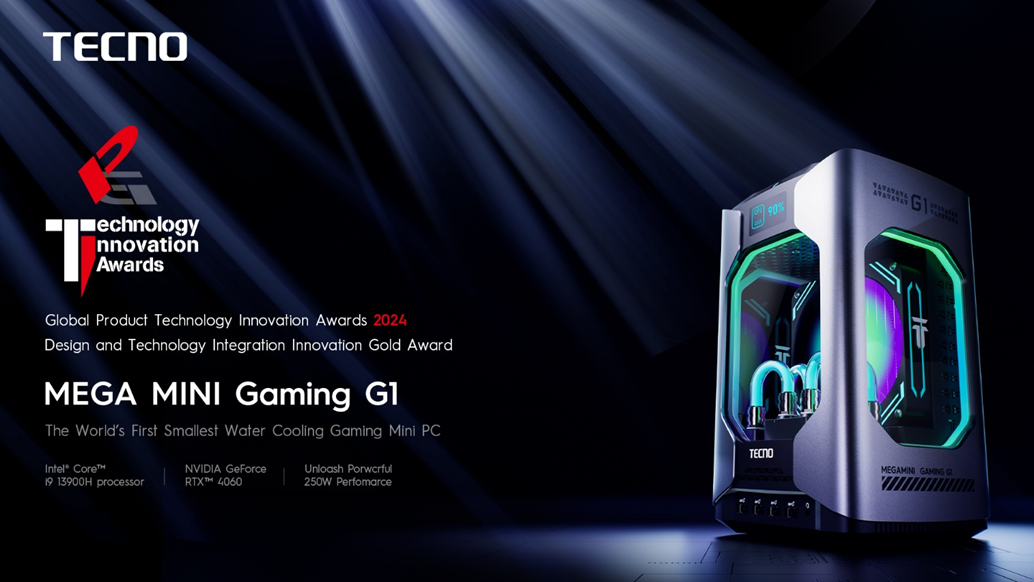
2. Tecno Mega Mini Gaming G1
Tecno introduced the Mega Mini Gaming G1, the world’s smallest water-cooled gaming mini PC. Despite its compact size (255x150x150mm), it packs powerful components, including an Intel Core i9-13900H processor, NVIDIA GeForce RTX 4060 GPU, and DLSS 3 technology for high-end gaming performance.
It features a sophisticated cooling system with a copper heatsink and dual fans, RGB lighting, a 330W GaN adapter, and Thunderbolt 4 support, making it an ideal choice for gamers seeking powerful hardware in a small form factor.
3. Tecno Pocket Go
Tecno’s innovation in gaming doesn’t stop there as the company has also unveiled Tecno Pocket Go which combines AR glasses with a Windows handheld device, creating the world’s first AR gaming set. The device uses advanced head-tracking technology and vibration algorithms to deliver a fully immersive gaming experience. Its AR Pocket Vision glasses feature a 0.71-inch micro-OLED screen that simulates a 215-inch television from 6 meters away, offering cinema-like visuals in a compact, portable design.
The Tecno Pocket Go features an AMD Ryzen 7 8840HS processor, delivering professional-grade performance for high-FPS gaming. It comes with Hall Effect Joysticks and Triggers that provide precise tactile feedback, enhancing the immersive experience. It offers a 50Wh replaceable battery and a PC-grade cooling system, ensuring both portability and sustained performance for gamers on the go.
4. Tecno AIoT Ecosystem
In addition to the gaming and AI innovations, Tecno is also demonstrating its wide-ranging AIoT ecosystem at IFA Berlin 2024. The brand is showcasing a variety of smart products, including laptops, robotic dogs, and wearables like the True 1 Air TWS and FreeHear 1 earbuds, designed to offer advanced connectivity and convenience.
This month’s first sale from Amazon India is live now. Amazon is offering great discounts on electronics, especially smartphones, earbuds, and chargers. We selected some of the best deals for you from the huge list of Amazon electronics festive sales, which include smartphones, chargers, power banks, etc.
Realme Narzo 70 Pro 5G (8GB RAM/256GB Storage)
It was launched in India in March of this year with excellent features. Presently, the discount is available on the 256GB storage variant, which was priced at Rs. 21,999 during the launch. Now, it’s available on Amazon for just Rs. 18,998 (Rs. 3000 OFF). Moreover, if you pay through an Amazon ICICI credit card, then you can get 5% cashback.
Realme Narzo 70 Pro is a mid-range Android phone with 5G support. It is powered by a MediaTek Dimensity 7050 SoC and paired with 8GB of RAM. The phone is packed with UFS 2.2 storage and has two options, i.e., 128GB and 256 GB. It has a triple camera setup at the back with a 50 MP wide main camera lens + 8 MP ultrawide lens + 2 MP macro lens. Realme Narzo 70 Pro 5G runs on Realme UI 5.0 based on Android 14 out of the box.
Please Note: When you buy something using the links in our articles, we may earn a small commission at no cost to you.
OnePlus 11R 5G
OnePlus 11R 5G was launched back last year; it is a high-end smartphone from the company. The phone was launched with a Rs. 39,999 price, and now it is available for just Rs. 28,999. You can also get 5% cashback with an Amazon ICICI credit card. Moreover, there is an option for no-cost EMIs. So, if you’re looking for a good smartphone, then you can select this one.
OnePlus 11R 5G is powered by a Qualcomm Snapdragon 8+Gen 1 SoC. It has two variants: 8GB RAM + 128GB storage and 16GB RAM + 256GB storage. The smartphone has a triple camera setup at the back, which consists of a 50MP main camera sensor with OIS support, an 8MP ultrawide camera lens, and a 2MP macro lens. OnePlus 11R 5G has a 5000 mAh battery with 100W fast charging support. It runs on OxygenOS 12 based on Android 13 out of the box.
Please Note: When you buy something using the links in our articles, we may earn a small commission at no cost to you.
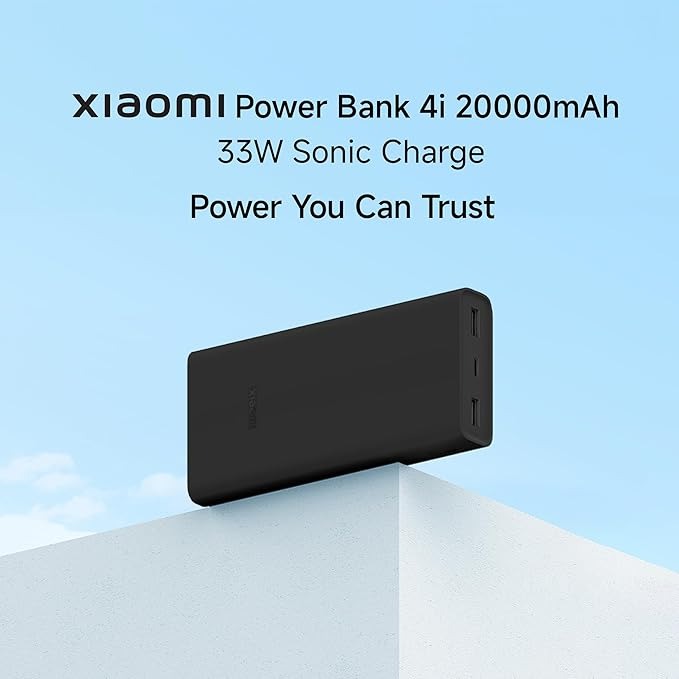
Xiaomi Power Bank 4i 20000mAh 33W Super Fast Charging PD
The 20000 mAh power brick has Quick Charge 3.0 support. As the name suggests, it has a huge charging capacity, and you can charge any type of device like Android phones, tablets, watches, earbuds, etc. Earlier, it was priced at Rs. 3000 and now it is available for just Rs. 2199.
Please Note: When you buy something using the links in our articles, we may earn a small commission at no cost to you.
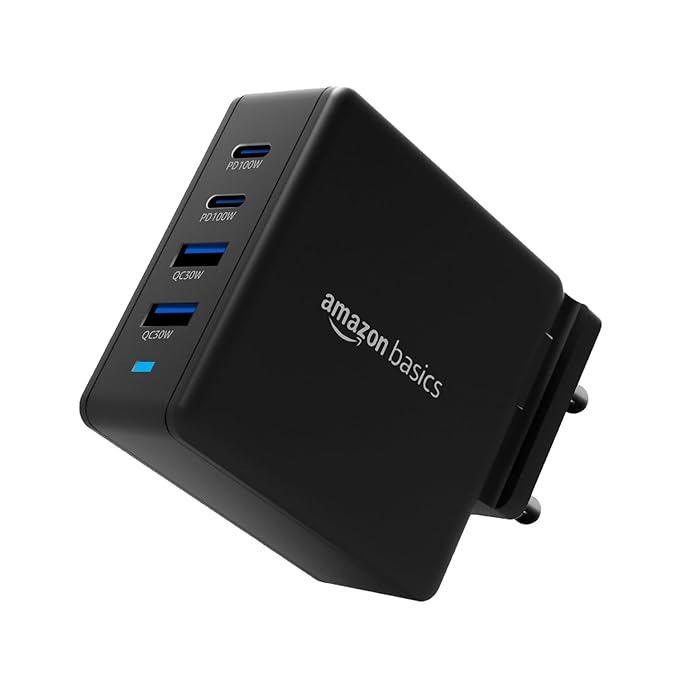
Amazon Basics 100W 4-Port GaN Charger
It’s a four-port charger with foldable pins. Its regular price was Rs. 4,999, and now it is available for just Rs. 3,999. Amazon Basic Charger has 2 USB-C ports and 2 USB-A ports with which you can charge up to four devices simultaneously. It is compatible with all types of smartphones, tablets, and laptops.
Tecno recently launched the Tecno Spark Go 1 in India with an attractive price tag of Rs 7,299. The brand is now gearing up to launch the Pova 6 Neo 5G in India. The landing page of the page, which is now live on Amazon, confirms that the next Pova-branded phone will be unveiled on Sept. 11 in the country. The microsite also reveals that the device will have plenty of AI features.
Tecno Pova 6 Neo’s to pack several AI features
Tecno’s AI Suite to be available on upcoming Pova 6 Neo 5G phone
According to Tecno, the Pova 6 Neo is an AI-powered device designed to elevate every aspect of digital life. Its advanced Tecno AI suite offers a range of features that simplify tasks, boost creativity, and add fun.
The AIGC Portrait feature transforms regular photos into distinctive avatars, while the AI Magic Eraser seamlessly removes any unwanted elements from pictures. With the AI Cut Out tool, users can quickly create cut-outs, making it ideal for producing fun stickers. AI Wallpaper 2.0 simplifies the process of finding the perfect wallpaper by generating options based on user preferences, and AI Artboard allows users to turn simple doodles into impressive wallpapers and artistic pieces. For text-related tasks, Ask AI acts as a versatile tool, functioning as a text generator, optimizer, and grammar checker to ensure your writing is always polished and accurate.
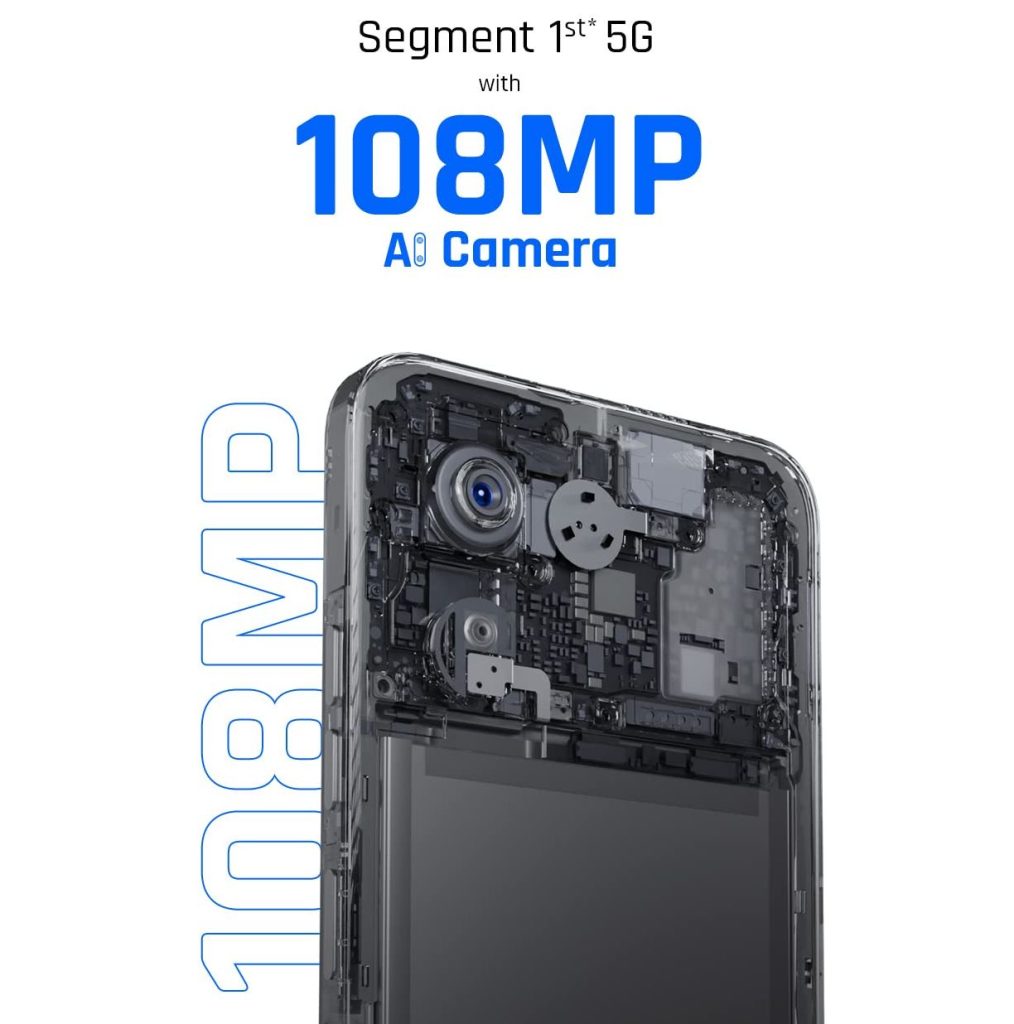
Tecno Pova 6 Neo 5G
The brand also confirmed that the Pova 6 Neo 5G will be the first phone in its price segment to feature a 108-megapixel camera. It will have support for 3x lossless in-sensor zoom, which will allow users zoom in without quality loss. Unfortunately, the other specifications of the Pova 6 Neo have not been revealed yet.
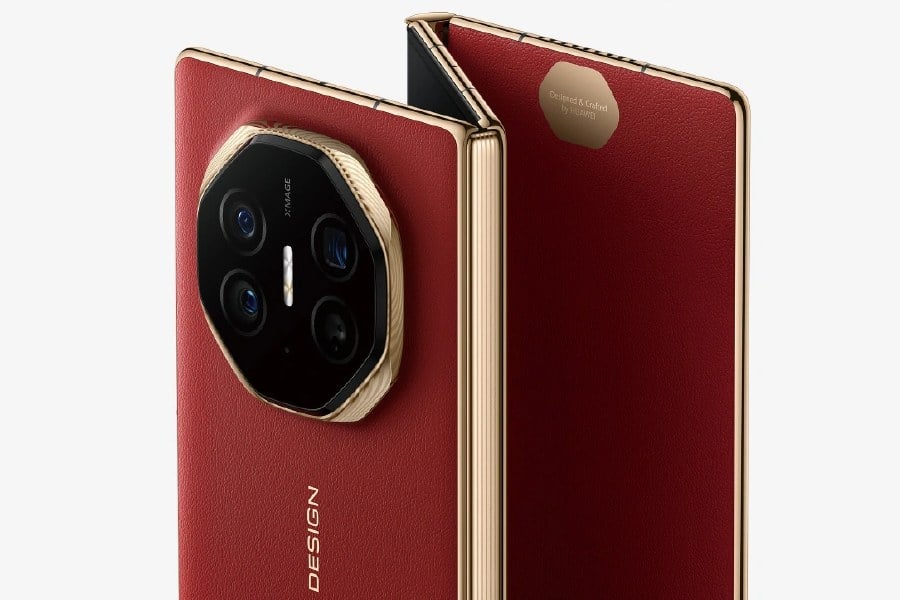
Huawei is expected to announce the Huawei Mate XT, the world’s first tri-foldable phone, on Sept. 10 in China. Huawei’s Vmall online store has already listed the device for pre-orders ahead of its launch. The listing initially showcased its red variant and configurations. The updated listing now includes the black edition of the device.
Huawei Mate XT’s black variant revealed
Huawei Mate XT
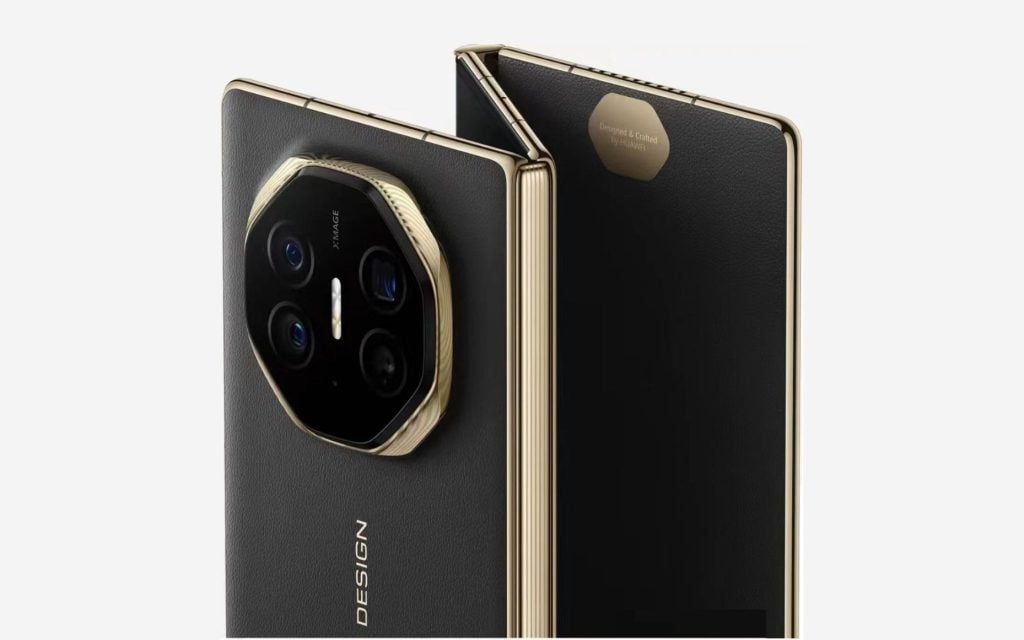
Like the red model, the “Dark Black” edition features a golden frame, gold accents on the camera island, and matching gold hinges. The company hasn’t confirmed anything about the device’s specifications. However, what’s known is that the Mate XT will be available in two variants, such as 16GB+512GB and 16GB+1TB.
As per reports, the Huawei Mate will be officially announced on Sept. 10 in China. As per the Vmall listing, it will be available for purchase starting Sept. 20 in China. Rumors indicate that the device will only be available in limited quantities.
Huawei Mate XT specifications (rumored)
According to reports, the Huawei Mate XT’s foldable screen can expand to offer a massive screen of 10 inches. The screen appears to have a punch-hole, which is said to feature an 8-megapixel camera. Its rear camera setup has a 50-megapixel primary camera, a 13-megapixel ultra-wide lens, and a periscope telephoto camera. Under the hood, it will have a Kirin 9-series chipset.
There’s no information about the other specifications of the Huawei Mate XT. Rumors suggest it could be priced at 15,000 Yuan (~$2,100) in China. Considering that it is a first-generation offering, it is likely that the device may remain confined to the home market.
Following the global launch of the MagicBook Art 14 Intel variants, Honor has now introduced the MagicBook Art 14 Snapdragon Edition at IFA 2024 in Berlin. This new model is powered by Qualcomm’s Snapdragon X Elite platform, marking Honor’s push into AI-enhanced, power-efficient laptops for professionals and everyday users alike.
The Honor MagicBook Art 14 Snapdragon Edition boasts a 14.6-inch OLED display with a 3.1K resolution (3120 x 2080 pixels) and a 97% screen-to-body ratio, with minimal bezels. The laptop measures just 10mm thick and weighs only 1 kilogram, making it one of the lightest laptops available. The device is made of magnesium and aluminum alloy, which contributes to both its lightweight design and durability.
Under the hood, the MagicBook Art 14 is powered by Qualcomm’s Snapdragon X Elite chipset with 12 cores and a maximum frequency of 4.0GHz. It comes with 16GB or 32GB of RAM, paired with 1TB of storage, ensuring smooth performance for multitasking and professional workloads. The AI-enhanced NPU of the Snapdragon X Elite delivers up to 45 TOPS of AI computing power, allowing the laptop to handle demanding tasks efficiently.
2. Special Features
The MagicBook Art 14’s standout feature is the OS Turbo 3.0 system, which optimizes power management, enabling up to 15.22 hours of 1080P video playback. This makes it perfect for extended use during workdays or travel.
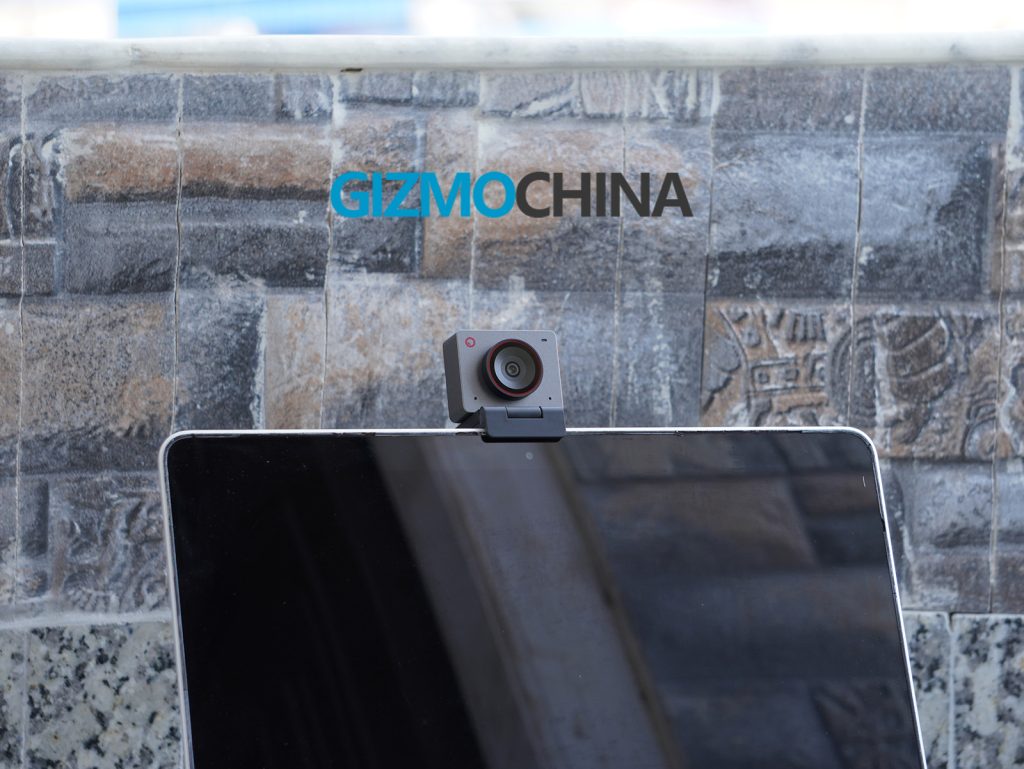
The laptop also features a detachable magnetic webcam, a novel solution to privacy concerns. When not in use, the webcam can be stored neatly on the side of the laptop. This design keeps the bezels ultra-slim while still offering a flexible camera option for video calls or content creation.
Honor has integrated its MagicOS system into the laptop, enabling Smart Interconnect for seamless collaboration between Honor devices. The MagicRing connection facilitates multi-device control, allowing users to control their smartphone, tablet, and laptop simultaneously using the same peripherals.
Additionally, Honor’s AI Eraser feature from the Magic V3 smartphone is now integrated into the laptop to remove unwanted background elements in images.
3. Pricing & Availability
Honor has yet to disclose the pricing for the MagicBook Art 14 Snapdragon Edition, but it is expected to be competitive in its segment. The Intel-powered version is already available in select markets across Europe, so the Snapdragon variant is expected to follow suit soon.
Given its combination of high-end performance and premium features, the MagicBook Art 14 Snapdragon Edition is poised to be an attractive option for professionals and tech enthusiasts alike.
Apple is expected to launch the iPhone 16 series in early September with a total of four models: iPhone 16, Plus , Pro, and Pro Max. We have already come across several leaks and rumors about the series, the latest of which says the iPhone 16 series will also lack support for 8K video recording, something Android flagships have been offering for years at this point.
256GB is insufficient for recording 10-bit ProRes video in 8K
When Apple switched to 48 MP main sensor with the iPhone 14 Pro models, people expected the phones to finally support 8K video recording. 8K recording wasn’t possible with a 12MP sensor as the resolution requirement for 8K video recording is 7680 x 4320 pixels, which is about 33.2 million pixels in total.
However, as it turns out, there is one more problem that is preventing Apple from enabling 8K recording. As you may already know, Apple’s 10-bit ProRes recording requires a lot of storage. Bumping the resolution to 8K won’t be a good decision, especially for the base variants with lower storage.
According to a report from TrendForce, Apple may upgrade the base iPhone 16 Pro with 256GB storage, which is still insufficient for the 10-bit ProRes recording in 8K resolution. For context, an iPhone, shooting one minute of 10-bit ProRes 1080P video takes up about 1.7GB, and the video capacity shot in 4K mode reaches 6GB.
However, there will be an upgrade in video recording. According to sources cited by 9To5Mac, the iPhone 16 Pro (and likely the iPhone 16 Pro Max) will support 4K 120fps recording, which is an upgrade on top of the 4K 60fps recording of last year’s iPhones.
New image format
JPEG XL is a next-generation image format developed to offer better compression and quality compared to older formats like JPEG.
According to previous reports Apple already added support for the image format in iOS 17 and macOS 14. While no other smartphone manufacturer have so far integrated the format directly into their camera systems for capturing images in JPEG XL, the iPhone 16 series is indeed rumored to support it.
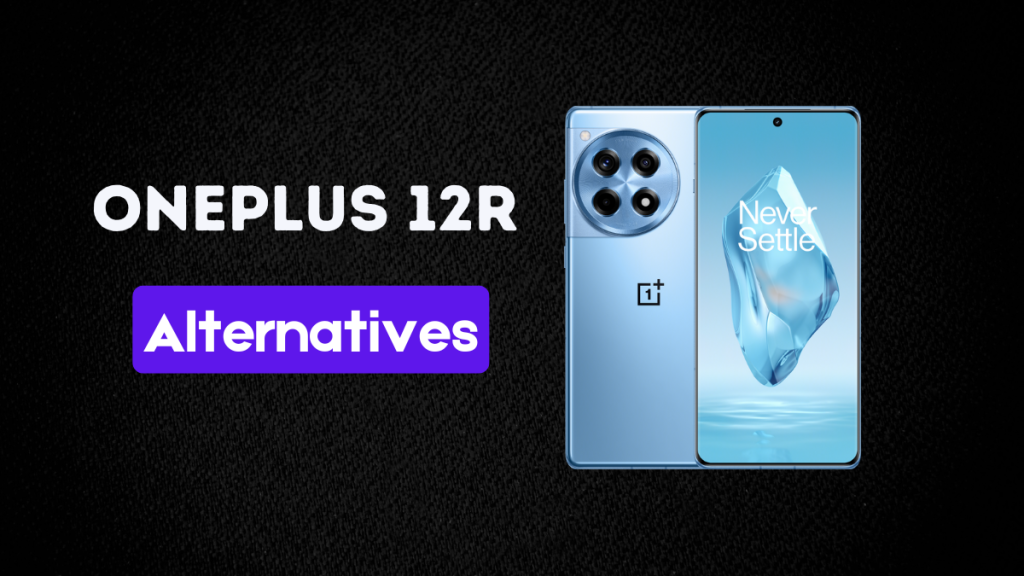
The OnePlus 12R arrived earlier this year, rocking a flagship Snapdragon 8 Gen 2 chip, high-quality screen, 50MP triple rear cameras, and super-fast charging support.
The base variant with 8GB RAM is currently available for Rs. 37,999 and goes all the way up to 45,999 for the top-end model with 16GB RAM. The OnePlus “R” models are usually a trimmed version of a regular model at a discounted price. They offer a good value for the money. But in the case of OnePlus 12R, there are better alternatives from competitor brands that deliver more value at a similar price point.
If you are considering the OnePlus 12R, make sure to check out these alternatives to make a better purchase decision.
Let’s quickly go through the OnePlus 12R spec sheet first:
5G/4G/3G/2G Bluetooth 5.4 Wi-Fi 6, NFC USB Type-C 2.0
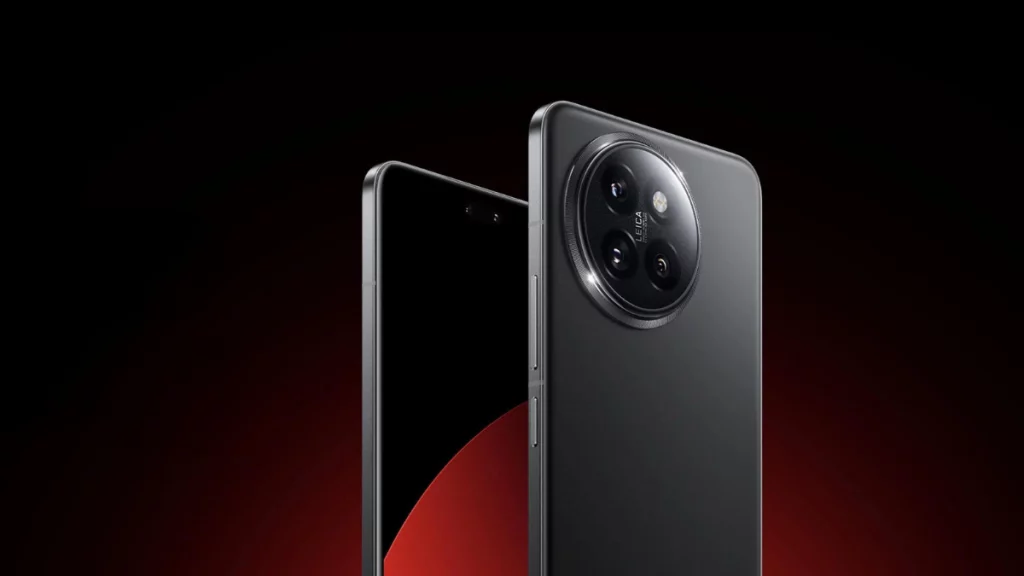
Xiaomi 14 Civi (review) is the best alternative to the OnePlus 12R, but you’ll have to spend a little more to get this powerful package.
It is powered by a Snapdragon 8s Gen 3 chip — a more powerful chip than the Snapdragon 8 Gen 2 inside the OnePlus 12R. So you’ll have a smoother experience and better gaming.
Xiaomi 14 Civi is a compact flagship phone, so you don’t get a big display. It’s a little shorter than the OnePlus 12R but has more pixels and produces 68 times more colours. Notably, the OnePlus device has higher peak brightness, but the 3000 nits on the Xiaomi phone should be enough for good visibility outdoors.
Both devices have necessary connectivity features, but the OnePlus phone supports a newer Wi-Fi standard but lacks Bluetooth 5.4 support, which is available on the Xiaomi 12R. The Xiaomi 14 Civi has the disadvantage of having less battery capacity and a slower charging speed than the OnePlus 12R.
Besides performance, the Xiaomi 14 Civi truly outshines the OnePlus 12R in the camera department. The smartphone boasts a triple rear camera setup led by a 50MP primary sensor. The other two sensors include a 50MP telephoto lens with 2x optical zoom and a 12MP ultrawide lens with a 120-degree field of view.
For selfies, the Xiaomi phone features two 32MP sensors. It can record up to 4K videos using both the rear and front cameras, while the OnePlus phone can only record 4K videos with its rear camera.
Both smartphones ship with Android 14 out of the box and have the same software update policy — 3 years of OS updates and 4 years of security patches.
5G/4G/3G/2G Bluetooth 5.4 Wi-Fi 6, NFC USB Type-C 2.0
Realme GT 6 is also powered by the flagship Snapdragon 8s Gen 3 chip that delivers smoother performance than the Snapdragon 8 Gen 2-powered OnePlus 12R.
The Realme phone has the same screen size and resolution as the OnePlus 12R, although it has a much higher peak brightness of 6000 nits (vs. 4500 nits on the OnePlus 12R). Both have LTPO support for variable refresh rates and have Corning Gorilla Glass Victus 2 protection.
Both smartphones have a 50MP primary camera and an 8MP ultrawide lens. The third rear camera on the Realme GT 6 is a 50MP telephoto lens, while the OnePlus 12R has a 2MP macro sensor, which adds little to no value to the camera setup.
Both devices take good shots using their primary camera, but the zoom shots are better on the Realme device, thanks to the telephoto lens. Overall, the Realme GT 6 has a better rear camera setup. It has a 32MP sensor with up to 4K video recording support, while the OnePlus 12R can only record 1080p videos with its selfie camera.
The OnePlus 12R and Realme GT 6 have 5,500mAh battery. However, the Realme phone supports a faster charging of 120W (vs. 100W on the OnePlus 12R).
Overall, the Realme GT 6 offers much better value than the OnePlus 12R.
5G/4G/3G/2G Wi-Fi 802.11 a/b/g/n/ac/6 Bluetooth 5.3 NFC supported USB Type-C 2.0
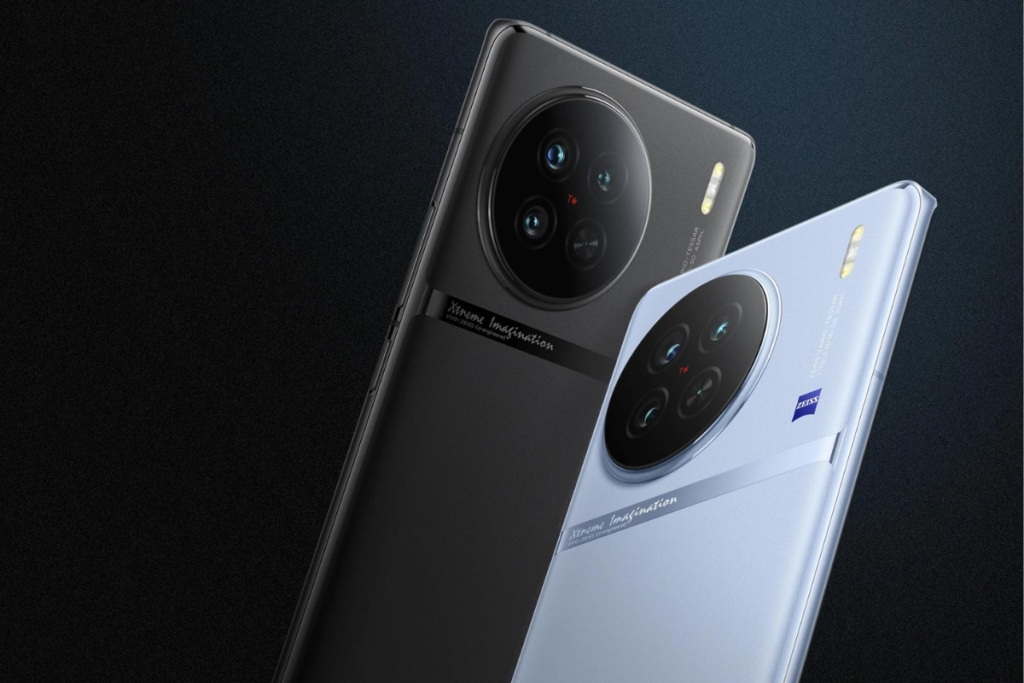
The Vivo X90 (review) is another solid alternative to the OnePlus 12R. It boasts the MediaTek Dimensity 9200 chip, which is neck-to-neck with the Snapdragon 8 Gen 2 on the benchmarks and has barely any difference in real-life performance.
It has the same screen size as the OnePlus 12R but lacks LTPO support. The real USP of the Vivo X90 is its cameras. It rocks a triple camera setup on the back, which includes a 50MP primary sensor, a 12MP telephoto camera, and a 12MP ultrawide camera. The camera setup was made in collaboration with ZEISS for better colour accuracy and image quality.
The Vivo X90 takes better photos and videos than the OnePlus 12R. On the front, it has a 32MP selfie shooter. Both smartphones can record up to 4K videos using the rear camera and 1080p videos using the selfie camera.
Both smartphones carry the same connectivity features, except for the Wi-Fi 7 support in the OnePlus 12R. The Vivo phone has a slightly lower battery capacity but supports a higher fast charging of 120W.
4. Samsung Galaxy S23
Galaxy S23
Body
146.3 x 70.9 x 7.6mm 168g
Display
6.1″ 120Hz Dynamic AMOLED 2X 1080 x 2340 pixels resolution HDR10+, 1750 nits (peak) Corning Gorilla Glass Victus 2 protection
5G/4G/3G/2G Wi-Fi 6E Bluetooth 5.3 NFC supported USB Type-C 3.2
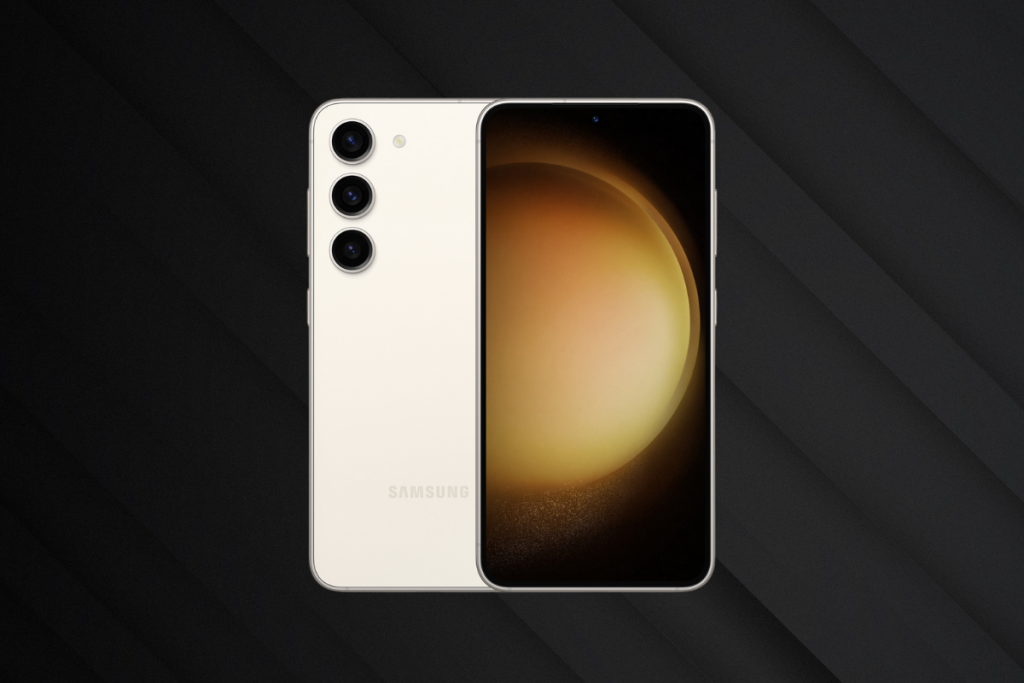
The Galaxy S23 was launched last year at a starting price of Rs 74,999. Since then, it has received multiple price cuts and is now available at Rs. 47,000, thus becoming a good alternative to consider. But it is still a little costlier than the OnePlus 12R.
The Galaxy S23 is a compact flagship phone, smaller than the OnePlus 12R. It has Gorilla Glass Victus 2 protection on both sides, while the OnePlus 12R has it on the front side only. The Galaxy device also has a better IP rating for dust and water resistance.
Both smartphones rock the Snapdragon 8 Gen 2 chip, so there’s no significant difference in performance. But there’s a big difference in the camera. The S23 has a more powerful camera setup, featuring a 50MP primary sensor with OIS, a 10MP telephoto lens with OIS and 3x optical zoom, and a 12MP ultrawide lens with a 120-degree field of view.
The Galaxy S23 has a more capable camera setup that produces better photos and videos than the OnePlus 12R. It can record up to 8K videos using its rear cameras and 4K videos using the front camera. The OnePlus 12R only supports 4K recording using the rear camera and 1080p with its front camera.
While the Galaxy S23 has powerful cameras, the battery isn’t that impressive. It’s a 3,900mAh battery with support for 25W charging. The OnePlus 12R, on the other hand, has a much larger battery capacity and supports super-fast charging. However, it lacks wireless and reverse wireless charging support that the Galaxy S23 offers.
5G/4G/3G/2G Wi-Fi 802.11 a/b/g/n/ac/6 Bluetooth 5.4 NFC supported USB Type-C 2.0
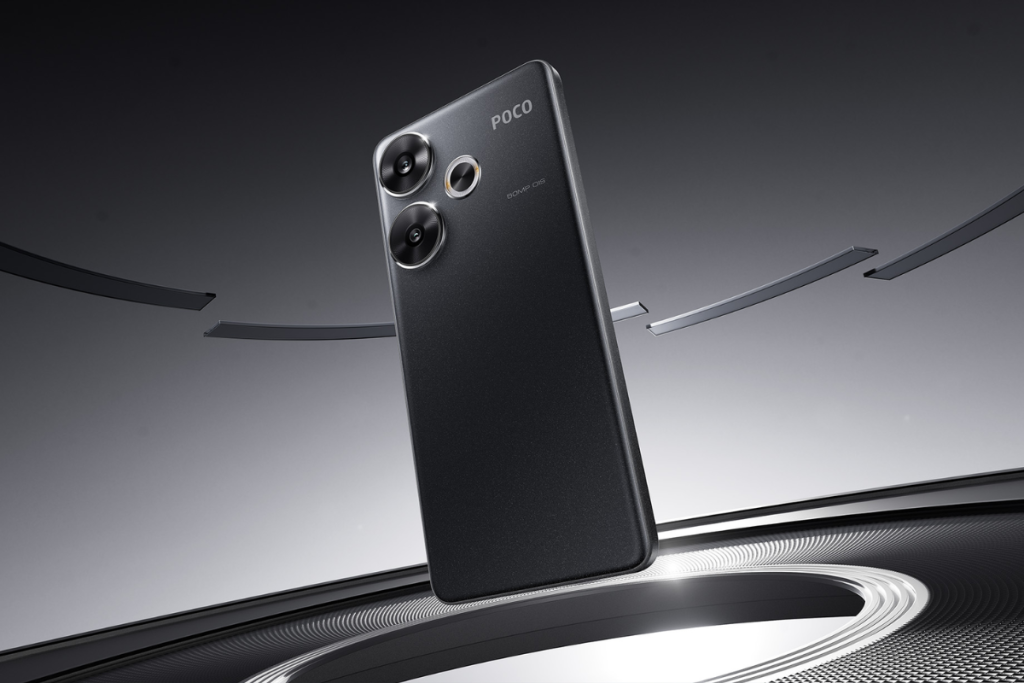
If performance is your top priority, the Poco F6 (review) might be a great fit. It is also cheaper than the OnePlus 12R.
The Poco phone has a slightly smaller AMOLED screen but supports 68 times more colours. The peak brightness is 2400 nits, which is lower than the OnePlus 12R’s. However, the rest of the display specs are pretty similar.
The Snapdragon 8s Gen 3 fuels the Poco F6, which performs better than the Snapdragon 8 Gen 2-powered OnePlus 12R. Since the Poco F6 is a gaming phone, it has a better cooling system and loads of gaming features. It also has faster storage, which adds to better performance.
The Poco F6 has two cameras on the back — a 50MP primary sensor and an 8MP ultrawide sensor. Like the OnePlus 12R, it can record up to 4K videos. On the front, there’s a 20MP selfie snapper.
The device houses a 5,000mAh battery and supports 90W fast charging versus a 5,500mAh battery with 120W charging on the OnePlus 12R. The OnePlus phone has a clear advantage here. However, both come with Android 14 and promise three years of Android updates.
Please Note: When you buy something using the links in our articles, we may earn a small commission at no cost to you.
These are the top alternatives to the OnePlus 12R. Would you still go for the OnePlus 12R or pick any of these alternatives? Share your thoughts in the comment section below.
The Honor Magic 7 series is expected to launch in January 2025. In the latest news, real-life images of the Honor Magic 7 Pro have been revealed by Weibo tipster a well-known tipster @旺仔百事通. From the leaked photos, we can see that the Honor Magic7 series will continue using an equal-depth quad-curved display.
The images also reveal that the Honor Magic 7 Pro will feature a centered pill-shaped cutout for the selfie camera and additional sensor. However, the cutout seems to be a bit smaller than that of the Honor Magic 6 Pro.
The Magic 7 Pro retains the flat middle frame and similarly rounded corners from the predecessors. Rumors also suggest that the upcoming device will offer enhanced imaging capabilities alongside an improved display (with the same 1.5k resolution as the predecessor) and a high-density silicon-carbon anode battery. Speaking of cameras, Honor was rumored to test the phone with the 50 MP OmniVision OV50H and the Sony IMX882 as the primary and periscope telephoto sensors respectively.
Adding to the excitement, Honor is expected to debut a new AI Agent with the Magic 7 series, which may position it as an AI-driven flagship device or an ‘AI phone’.
With the design leaks circulating, the official release of the Honor Magic 7 series seems imminent. It was previously rumored that the upcoming series will be powered by the Snapdragon 8 Gen 4 chip. Considering Qualcomm’s upcoming Snapdragon 8 Gen 4 platform launch in October, it’s likely that Honor will unveil the Magic 7 series around the same time.
The competition in the smartphone market is heating up, with multiple flagship releases expected ahead of the Double Eleven event in China.
Xgimi, the popular projector brand, has launched five new projectors at IFA 2024: Mogo 3 Pro, Elfin Flip, Aura 2, and the Horizon S Series, which includes the Horizon S Max and Horizon S Pro.
These products combine cutting-edge technology with sleek design, offering consumers a range of options for both home and on-the-go entertainment. With prices starting at $399, Xgimi is aiming to make premium audiovisual experiences accessible to a broader audience.
The Mogo 3 Pro, Xgimi’s first Google TV projector, is designed for portability and versatility. Weighing only 1.1 kg, it’s as compact as a coffee cup, making it ideal for movie nights, business presentations, or travel. It supports native Netflix and other streaming apps, offers 1080p resolution, and boasts a 90% DCI-P3 color gamut for vibrant visuals.
The projector also introduces a unique rotating base that powers the device when adjusted, adding convenience. It also includes an ambient light feature where the projector’s light moves with the music, adding dynamic colors that enhance the immersive audio-visual experience.
With a USB Type-C port for power bank support, the Mogo 3 Pro is travel-ready. The base model is priced at $449, or $499 when bundled with the extra Powerbase stand.
2. Elfin Flip
For those seeking a budget-friendly option, the Elfin Flip delivers a cinematic experience with 1080p resolution and Dolby Audio in a compact design. With 400 ISO lumens of brightness, it is perfect for smaller spaces and can tilt up to 150 degrees for versatile projection angles.
Powered by WebOS and offering native Netflix support, the Elfin Flip is an attractive option at $399, making it an excellent choice for consumers looking for affordability without compromising on quality.
3. Aura 2
The Aura 2 features Dual Light 2.0 technology with 2300 ISO lumens of brightness and 99% DCI-P3 color gamut coverage. It is IMAX Enhanced and Dolby Vision certified for exceptional visual quality, and its four Harman/Kardon speakers deliver immersive sound.
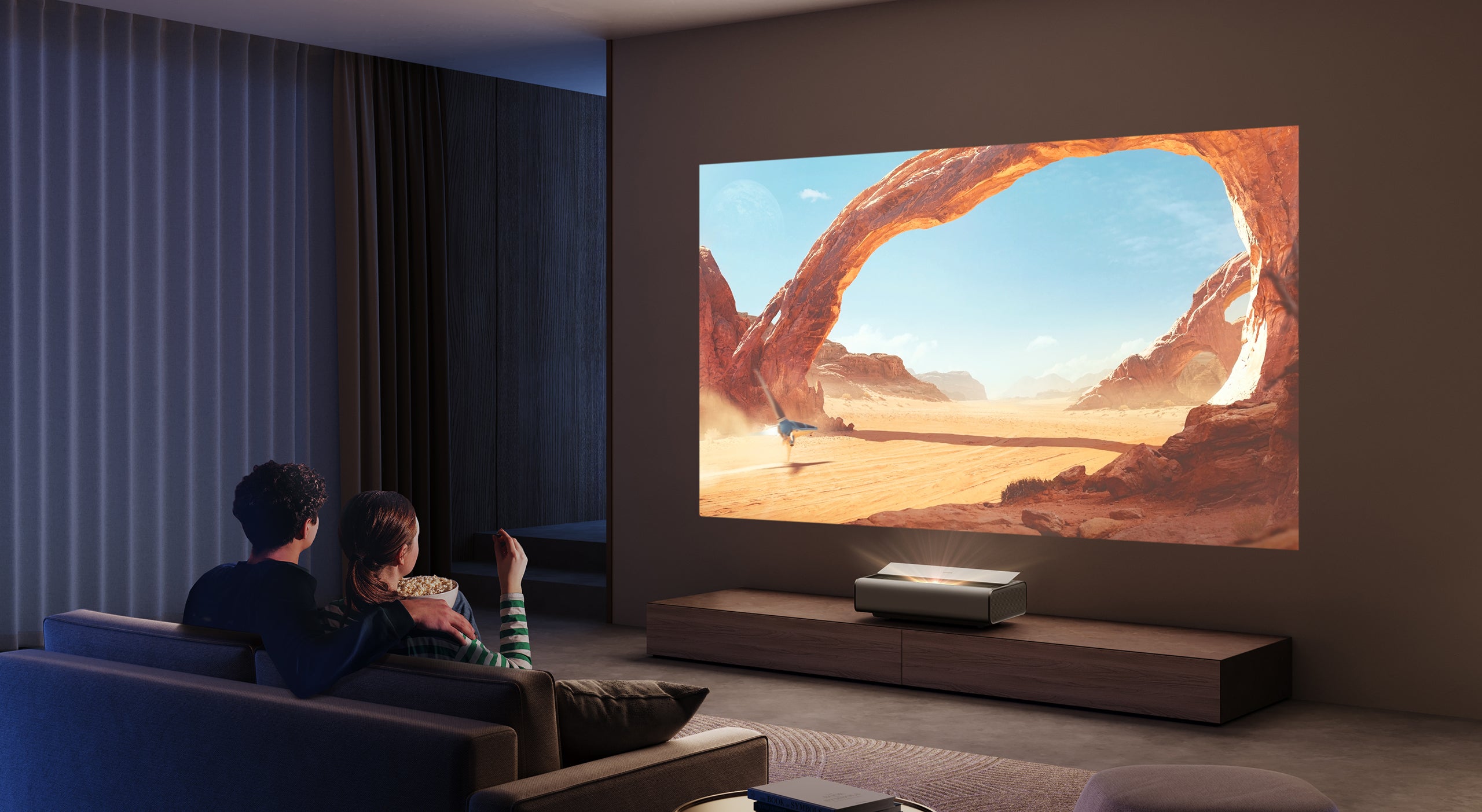
The short-throw projector, priced at $2,699, can display a 150-inch image from a close distance, making it perfect for a home cinema or gaming setup.
4. Horizon S Series
The Horizon S Series includes the Horizon S Max and Horizon S Pro, designed for consumers seeking high performance at an affordable price. The Horizon S Max, certified by IMAX Enhanced and Dolby Vision, features 3000 ISO lumens of brightness and a 1,000,000:1 contrast ratio, offering a true cinematic experience.
The Horizon S Pro, with 1700 ISO lumens, provides a more budget-friendly alternative without compromising on quality. Prices for the Horizon S Series start at $1,299, making them accessible options for home theater enthusiasts.
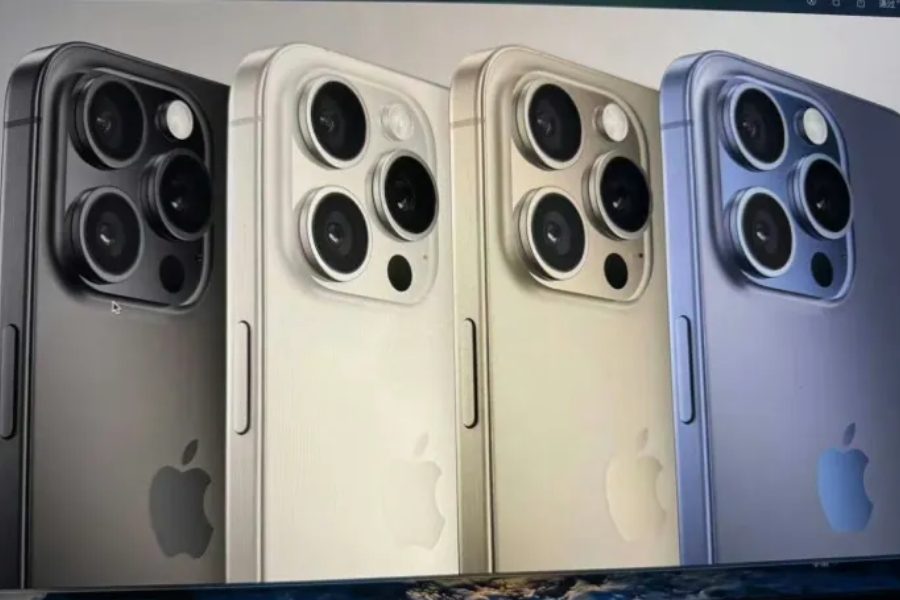
iPhone users who favor the Pro model but balk at limited storage may be in for a treat. According to a report from Taiwanese market research firm TrendForce (via MacRumors), Apple is likely to do away with the 128GB base storage option for the upcoming iPhone 16 Pro, bumping it up to a minimum of 256GB.
We’re expecting this — Apple bumped the base storage of the iPhone 15 Pro Max to 256GB last year. So it’s only natural for the Pro model to follow suit in the iPhone 16 series. However, the increase in the base storage could mean a higher starting price for the iPhone 16 Pro.
TrendForce suggests this price increase might be more palatable since the 16 Pro will also include the tetraprism zoom lens, previously exclusive to the Pro Max model.
Apple did something similar last year by introducing the tetraprism zoom lens on the iPhone 15 Pro Max, which naturally raised the cost. To make the higher price acceptable, the company increased the base storage from 128GB to 256 GB.
Beyond storage and camera, the report corroborated previously leaked details about iPhone 16 series hardware. The non-Pro variants are expected to receive the A18 chip, while the Pro models will presumably boast the more powerful A18 Pro processor.
Additionally, there’s a chance Apple might increase the RAM on the non-Pro models from 6GB to 8GB, potentially catering to the demands of Apple Intelligence features.
These are all early speculations and concrete details regarding the iPhone 16 series will likely emerge closer to the official launch event, currently rumored for September 9th.
We’re inching closer to the launch of Samsung‘s next-gen flagship tablet, the Galaxy Tab S10 series. While Samsung hasn’t revealed much yet, leaks are slowly giving us a glimpse of what to expect.
Today, a new leak courtesy of Svztechinfo has shed light on the price of all the models in the Galaxy Tab S10 series. Here’s the breakdown.
Tab S10 Ultra
Storage and Color Options
Both the Tab S10+ and Tab S10 Ultra will be available in two storage configurations: 256GB and 512GB. The Ultra will come in a higher-tier option with a whopping 1TB of storage. Color-wise, it seems like a classic affair with Grey and Silver being the only choices.
Price
Now, let’s talk about the numbers. The leak reveals the price in Swiss pricing (CHF) which we’ve converted to approximate Euros (EUR) and Indian Rupees (INR) for easier reference.
As expected from a flagship series, the Galaxy Tab S10 lineup doesn’t come cheap. The starting price for the Tab S10+ Wi-Fi with 256GB storage sits comfortably above the €1,000 mark, placing it in the premium tablet territory.
The Tab S10 Ultra goes even further, with the 1TB version reaching a price point that could make even the most dedicated power users flinch.
While the official unveiling of the SamsungGalaxy S25 Ultra is still a few months away, a leak by reliable source Ice Universe (@UniverseIce) has shed some light on the phone’s dimensions.
According to the leaked information, the Galaxy S25 Ultra will measure in at 162.8 x 77.6 x 8.2mm. This would make it one of the slimmest Galaxy S-series flagships, although it wouldn’t quite dethrone the title held by the older Galaxy S6, which came in at a razor-thin 7mm.
Galaxy S25 Ultra Render
For reference, here’s a quick comparison of flagship Galaxy phone dimensions from the past five years:
Galaxy S20 Ultra: 166.9 x 76.0 x 8.8 mm
Galaxy S21 Ultra: 165.1 x 75.6 x 8.9 mm
Galaxy S22 Ultra: 163.3 x 77.9 x 8.9 mm
Galaxy S23 Ultra: 163.4 x 78.1 x 8.9 mm
Galaxy S24 Ultra: 162.3 x 79.0 x 8.6 mm
Galaxy S25 Ultra (Leak): 162.8 x 77.6 x 8.2 mm
According to a previous leak, the phone will retain the familiar build materials — titanium frames on the side and Gorilla Glass for both the front and back. It’s also likely to IP68 boast dust and water resistance, with an in-display fingerprint reader for added security.
However, Samsung is expected to continue the use of 45W fast charging which debuted in the Galaxy S20 Ultra back in 2020.
Since then, the company hasn’t made any significant progress in this area, and 2025 doesn’t seem to promise much change. The battery is also expected to remain at 5,000mAh, showing Samsung’s preference for maintaining the status quo.
Galaxy S24 Ultra vs Galaxy S25 Ultra
On a positive note, the smartphone is expected to come with a camera upgrade. While the main 200MP sensor and dual 50MP telephoto lenses will stay the same, the ultrawide module is expected to get a bump from 12MP to 50MP.
The selfie camera will still be 12MP, like its predecessor. The phone is also expected to run the latest Android 15 with Samsung’s One UI 7.1 on top and receive software updates for a healthy seven years.
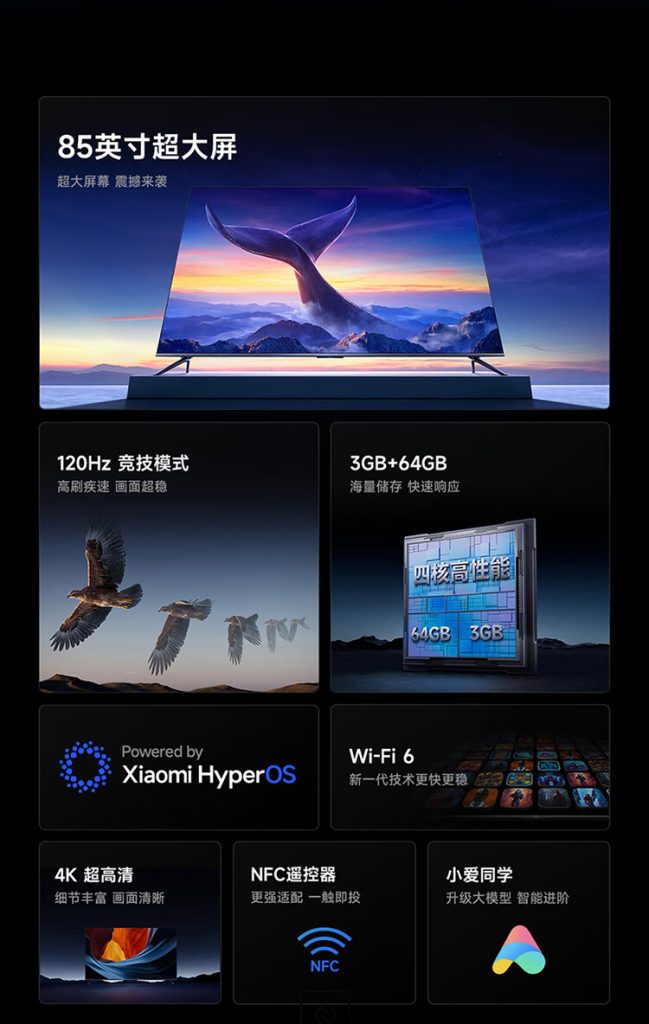
Xiaomi has expanded its Redmi Max 2025 series with the introduction of a new 85-inch model. Previously, the company launched the 100-inch version in April. The new TV is now available for pre-sale in China on JD.com for 4,699 yuan ($662). Let’s take a look at its key specifications.
Xiaomi Redmi Max 85 2025 Specifications:
The TV features an 85-inch 4K screen with a resolution of 3840×2160. It supports a 120Hz refresh rate in gaming mode for smooth motion with reduced blur and ghosting. It also includes 4K HDR decoding and a 4K 60Hz MEMC dynamic compensation feature, helping to enhance image clarity by reducing motion blur.
The display is factory-calibrated to achieve a color accuracy of ΔE≈2, providing vibrant, true-to-life colors supported by 1.07 billion colors for enhanced realism. It also comes with a wide 178° viewing angle, offering consistent picture quality from various angles.
The smart TV is powered by a quad-core processor, with 3GB of RAM and 64GB of internal storage, providing enough capacity for downloading apps and smooth multitasking.
It also supports Wi-Fi 6, which offers faster internet speeds and lower latency, improving overall connectivity. Additionally, it comes with a Bluetooth voice remote that supports NFC one-tap casting, allowing users to quickly cast content from their smartphones.
The TV operates on Xiaomi’s HyperOS and features the Xiao Ai smart assistant, allowing for far-field voice control to manage media playback and smart home devices. Users can also make voice queries, adjust the volume, and check the weather without needing to touch the remote.
For audio, the TV comes with dual 10W stereo speakers, delivering a more immersive sound experience, and it supports DTS sound decoding. The design includes a metal frame with a 98% screen-to-body ratio, contributing to a sleek and immersive display. The TV offers various connectivity options, including two HDMI ports, two USB ports, and support for Ethernet and Bluetooth 5.2.
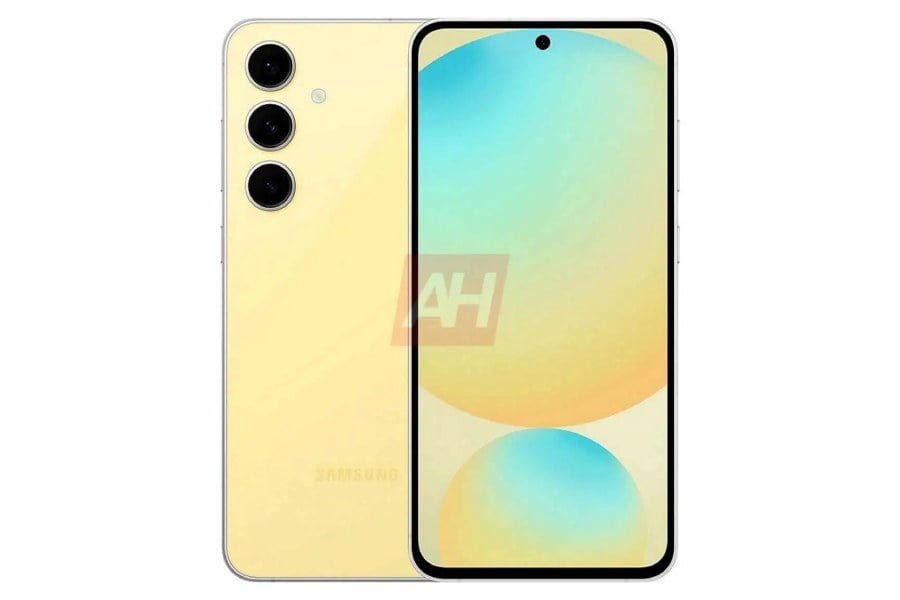
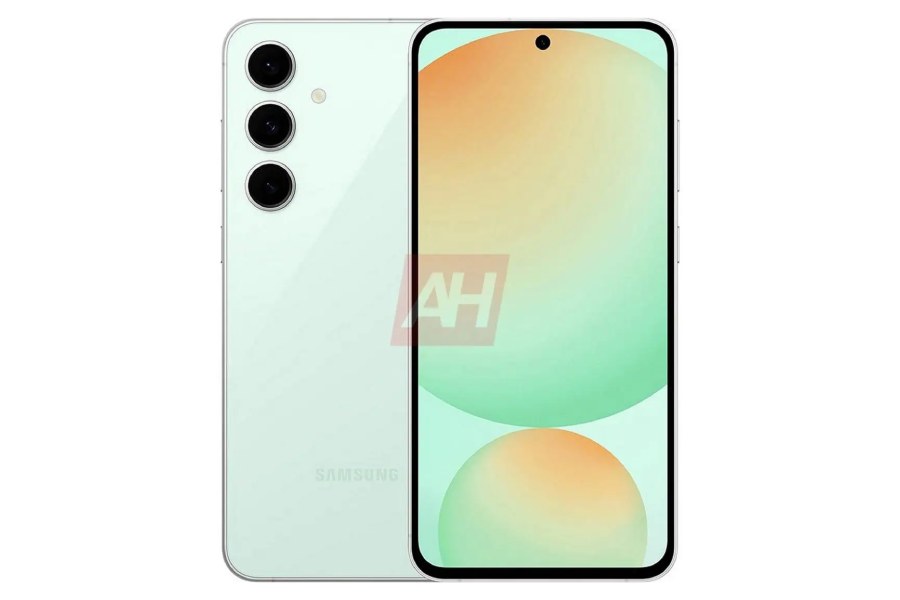
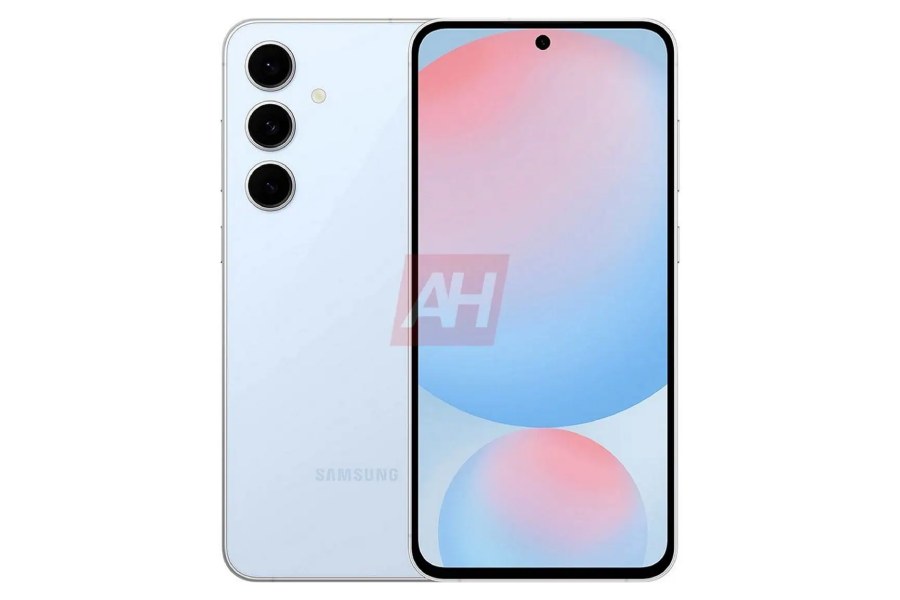
Samsung is expected to announce the Galaxy S24 FE soon, and leaks are coming in steadily. We’ve seen it in renders in a previous leak, but they didn’t show all the color options.
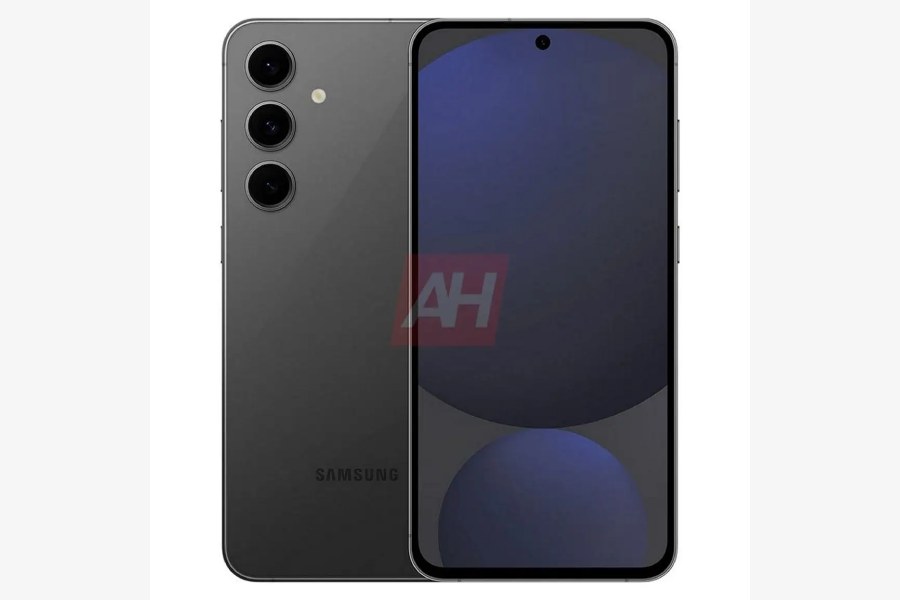
Now, thanks to a new leak from Android Headlines, we have a look at the phone’s design in four colors: Blue, Graphite, Green, and Yellow. While the S24 FE is also rumored to come in white, that color hasn’t surfaced in the latest leak.
Looking at the renders, it’s easy to do a double-take. The S24 FE appears nearly identical to the S23 FE. Samsung seems to be adopting a “why mess with a good thing?” approach here. The camera layout on the back, the punch-hole display – it’s all very familiar territory.
The most noticeable change appears to be the frame, which ditches the S23 FE’s curves for a flatter, more modern look – a design element borrowed from the flagship Galaxy S24. But there’s particularly not anything that stands out in its appearance.
Moving from asthetics, the smartphone is expected to pack a 6.7-inch FHD+ display with a smooth 120Hz refresh rate and a respectable 1,900 nits peak brightness.
Gorilla Glass Victus+ should offer some peace of mind for those prone to accidental drops. Powering the phone will likely be a toned-down version of Samsung’s latest Exynos 2400 chipset.
The camera department seems to be sticking with a proven formula: a 50MP main sensor, a 12MP ultrawide lens, and an 8MP telephoto lens with 3x zoom capabilities.
Charging options also appear to remain unchanged, with support for 25W wired and 15W wireless charging. This might feel a tad dated considering some competitors are pushing the boundaries with faster charging speeds, but that’s what you get even on the high-end S24 and S24 Plus. So we can’t complain here.
Huawei is launching its first tri-fold phone, named Mate XT Ultimate Design on September 10 in China. Before the big reveal, the device is now available for pre-order on the Chinese e-commerce platform JD.com, for those who want to get their hands on this innovation early.
Unsurprisingly, the company is keeping the pricing details under wraps. But one thing is certain now — the Huawei Mate XT Ultimate Design will be the first commercially available tri-fold and not a concept phone like the Tecno Phantom Ultimate 2 showcased earlier this month.
The pre-order page confirms a few other details of the foldable. It will go on sale in China from September 20 and will be available in two memory variants, 16/512GB and 16GB/1TB. The color options are Ruihong and Xuanhei.
Based on teasers Huawei released earlier this week, the Mate XT boasts a sleek, slim design when unfolded. Unfold it, and you’ve got a tablet-sized screen – rumored to be around 10 inches – supported by a complex dual-hinge design.
Huawei has reportedly managed to keep the phone’s thickness under 5mm thin when unfolded. Impressive engineering, if true. Folded shut, it transforms into a regular-looking smartphone – perfect for slipping into your pocket.
Flipping it over, the rear design takes inspiration from the Mate 60 RS. We see a familiar octagonal camera module housing a periscope telephoto lens. The back panel is finished with luxurious vegan leather – a nice touch for a phone likely to command a premium price.
Speaking of price, that’s still under wraps. Leaks point to a hefty 14,900 Yuan (around $2,000), which wouldn’t be surprising considering this is Huawei’s first foray into tri-folding tech. It’s also speculated to be a limited edition offering, making it a potential collector’s item for early adopters.
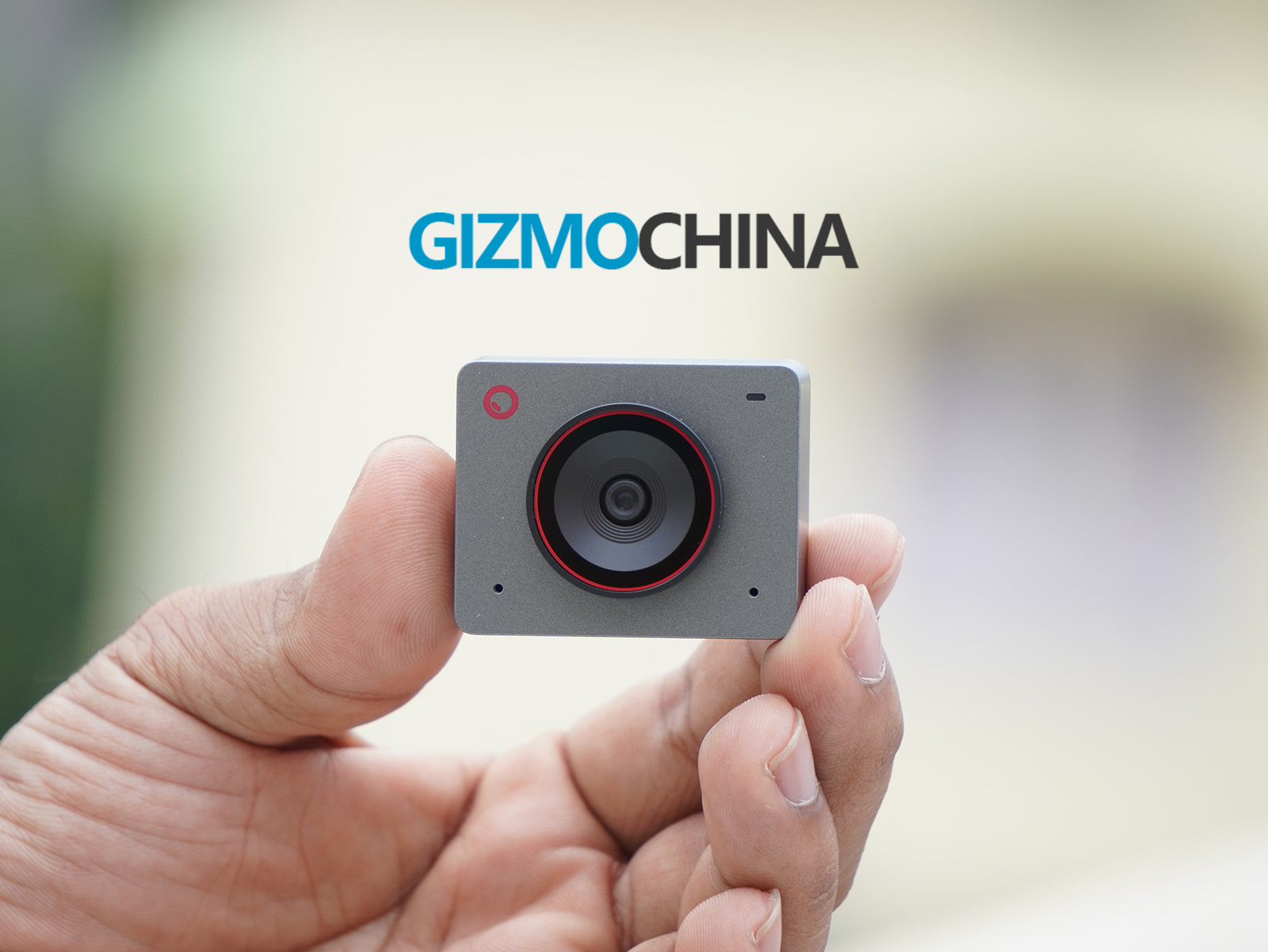
Obsbot Meet 2 is the latest addition to the Obsbot lineup, designed to meet the needs of content creators, gamers, and professionals who prioritize high-quality video and AI-powered features.
Packed in a compact and lightweight form, this webcam offers 4K video quality, AI auto-framing, and enhanced audio features, all at an affordable price point. In this review, we’ll take a closer look at the design, performance, features, and overall value of the Obsbot Meet 2.
Please Note: When you buy something using the links in our articles, we may earn a small commission at no cost to you.
2. Design and Build Quality
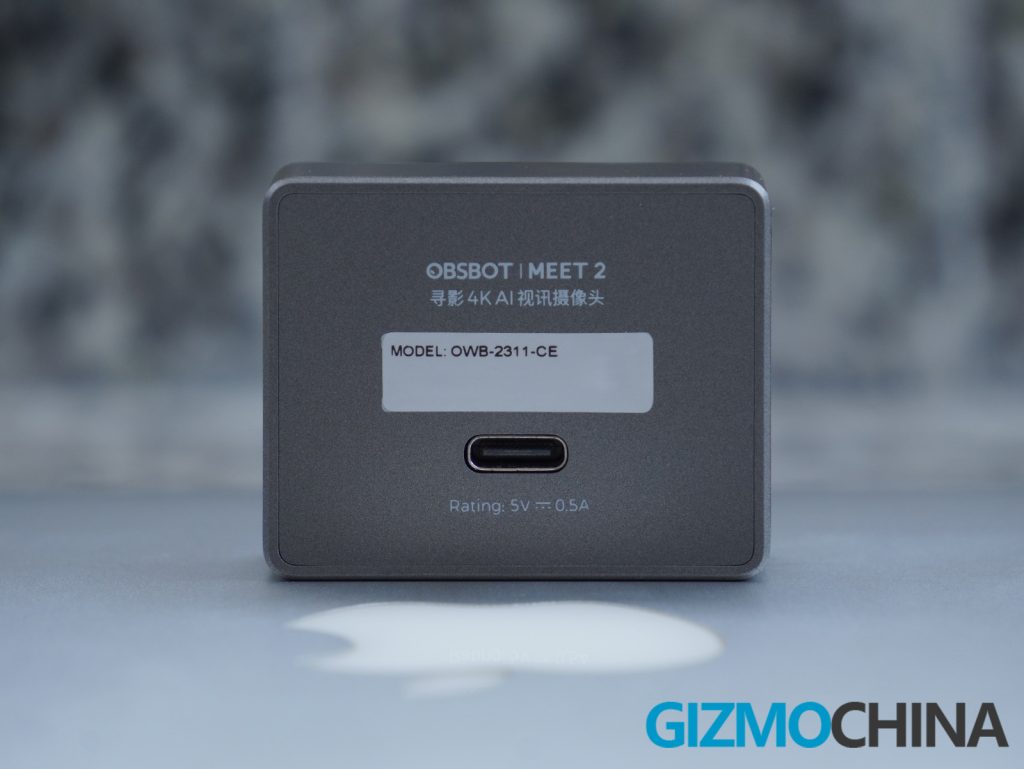
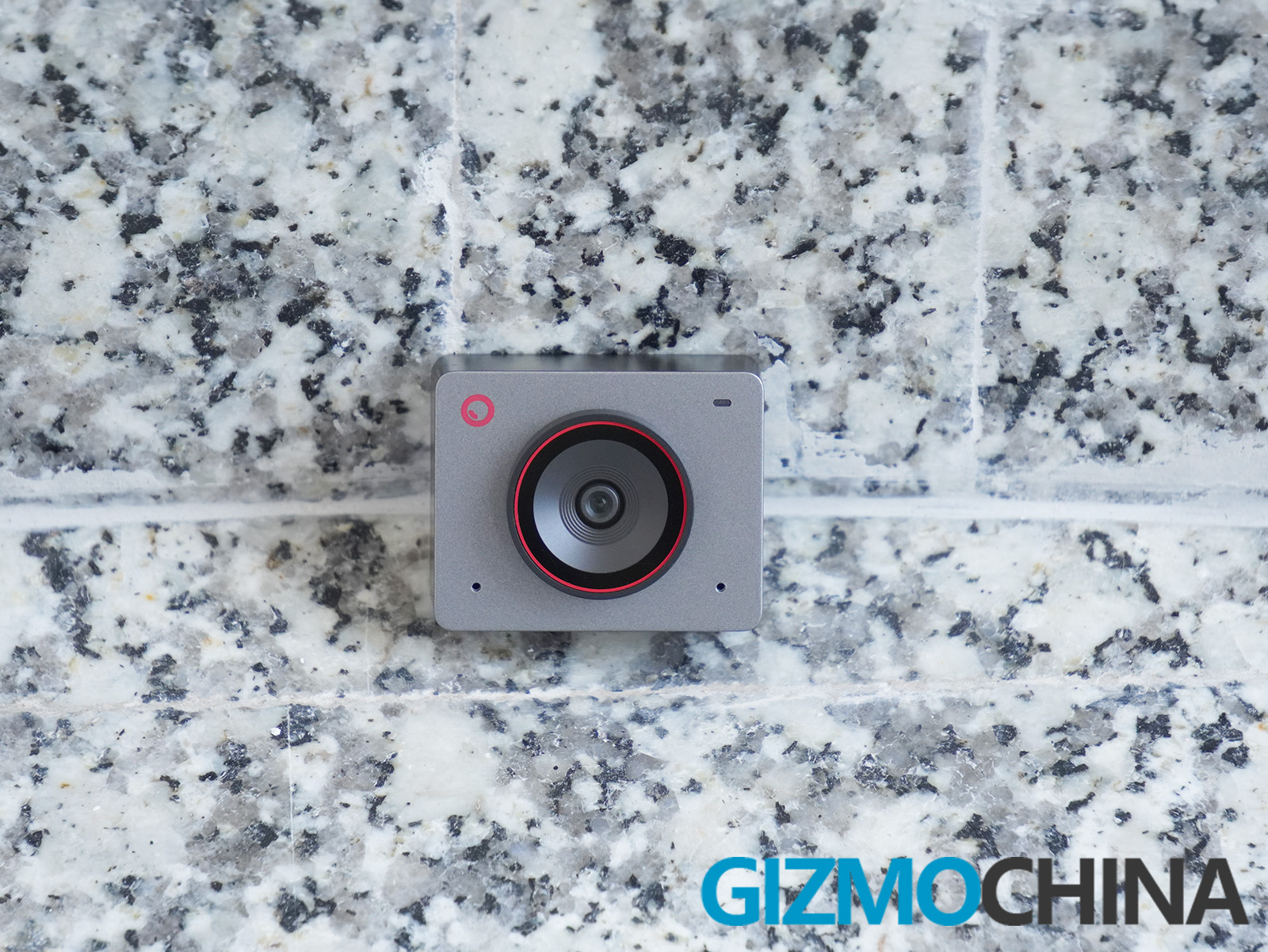
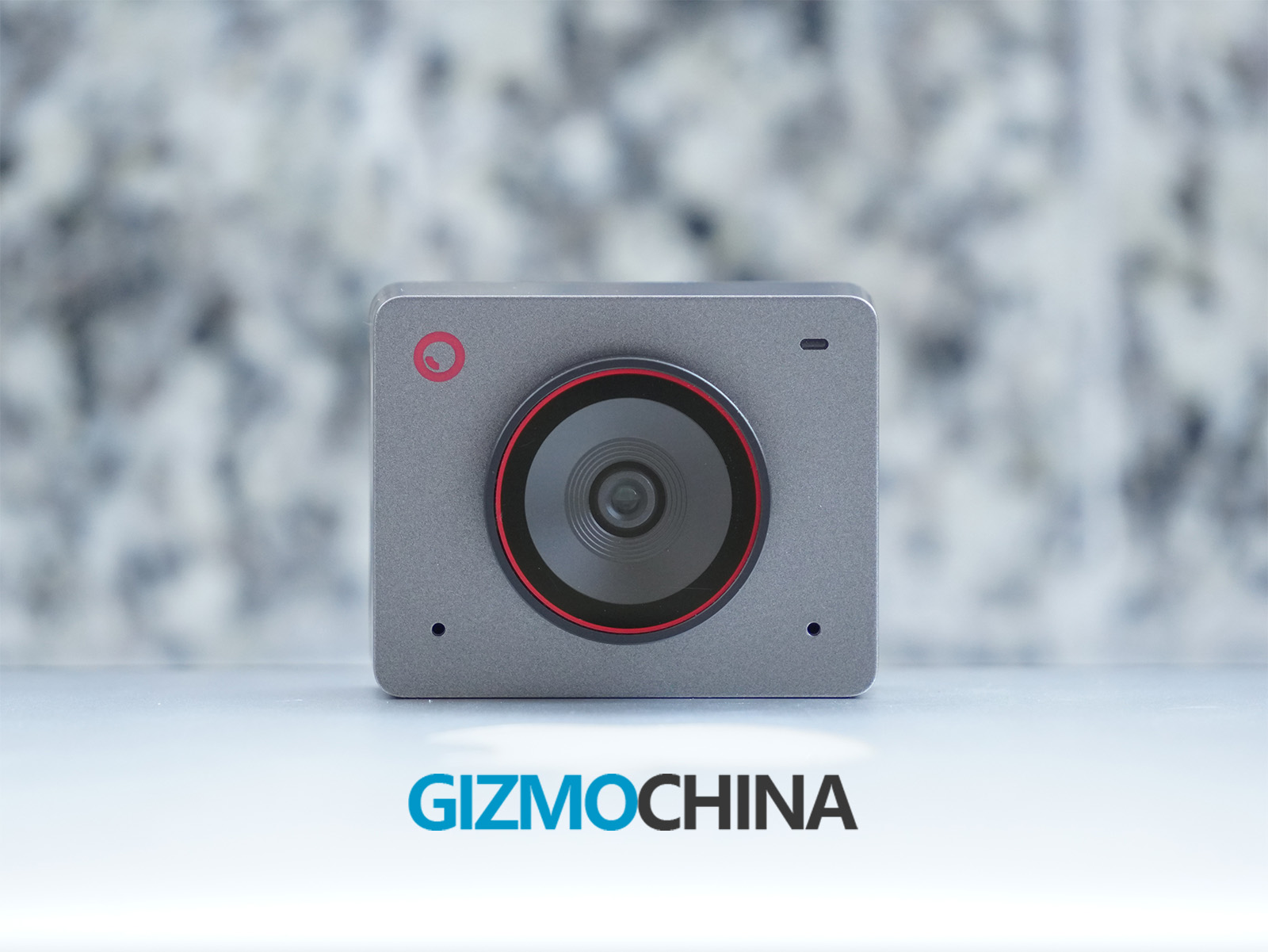
The Obsbot Meet 2 is extremely compact and lightweight, measuring 45 x 36 x 36.7mm and weighing just 67.5g with the mount. Available in three stylish colors, Space Grey, Cloud White, and Aurora Green, it features a minimalist design ideal for travelers, students, or those with limited desk space.
I got the Space Grey version but didn’t find it as appealing. Personally, I think the green color stands out as the best option among the three, though that’s just my preference.
The webcam also features a magnetic mount for quick and easy adjustments, and with its UNC 1/4-20 interface, it can be mounted on a standard tripod for more advanced setups. While the camera is made of plastic, it feels sturdy enough for regular use, and its compact size doesn’t compromise its functionality. It also includes a magnetic privacy cover that can be attached to the lens for added security.
During my usage, I noticed some scratches on the wider area of the lens. I’m not sure if the lens is particularly prone to scratching or if it’s due to my heavy usage, but I wanted to mention it.
3. Setup and Compatibility
Setting up the Meet 2 is as simple as plug-and-play. It connects via USB-C, and no additional drivers are required for basic use. However, for those wanting to unlock the camera’s full potential, Obsbot Center software is recommended.
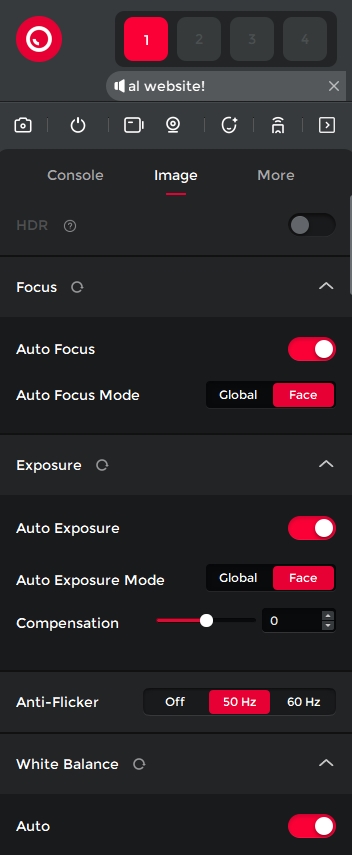
The software allows you to fine-tune settings such as exposure, white balance, and resolution and gives you access to AI-powered features like auto-framing and gesture control.
The Meet 2 is compatible with Windows 10 or later and macOS 11 or later. It works seamlessly with popular video conferencing platforms like Zoom, Microsoft Teams, and Google Meet.
4. Performance
The Obsbot Meet 2 is equipped with a 1/2-inch CMOS sensor and a f/1.8 aperture, delivering crisp 4K video at 30 fps and 1080p at 60 fps. In well-lit environments, the image quality is excellent, with vibrant colors and sharp details.
I really like how the camera performs decently in low-light conditions, thanks to its larger sensor and HDR support, which helps balance exposure in varying lighting.
It also includes Phase Detection Autofocus (PDAF) to keep subjects in focus during calls or streams. However, in 1080p mode, the camera tends to hunt for focus more often, an issue not present in other formats.
The camera comes with 4x digital zoom, so you can zoom in on specific details without significant loss of quality. However, keep in mind that digital zoom is not as precise as optical zoom, so it’s best used sparingly.
Wide ViewMedium ViewNarrow View
The webcam also supports dual omnidirectional microphones that feature noise reduction and auto gain control, ensuring clear audio even in moderately noisy environments. While the built-in mics are adequate for video calls, professionals looking for studio-quality sound may want to invest in an external microphone.
5. Special Features
The Obsbot Meet 2 features AI Auto-Framing, which automatically tracks movements to keep users centered, making it ideal for meetings, presentations, and live streaming. However, it can take 2-3 seconds to adjust the frame when moving around.
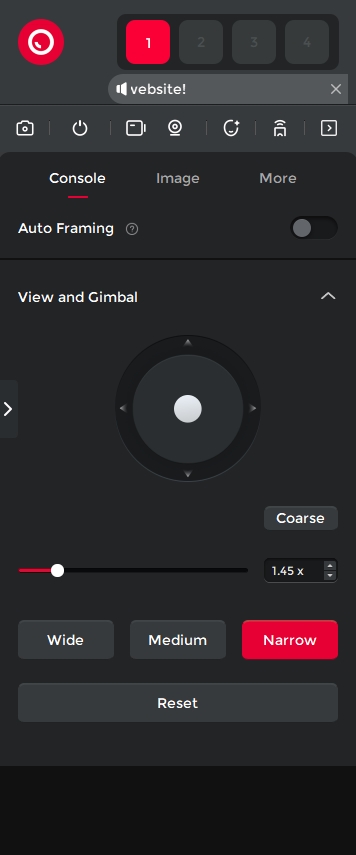
In addition to AI tracking, the webcam allows for zoom control, and when zoomed in, you can adjust the frame using gimbal controls within the app. Other features include auto and manual focus, white balance adjustment, exposure settings, and HDR mode.
The microphone settings are equally versatile, letting you disable the mic, reduce background noise, control radio distance, and more, offering a customizable and seamless user experience.
6. Software and Customization
The Obsbot Center app enhances the functionality of the Obsbot Meet 2 webcam by providing users with control over advanced camera settings, the ability to switch between different tracking modes, and apply image filters. The app offers extensive customization options, allowing users to adjust both basic and advanced settings such as recording bitrate, format, and even shortcuts for easier use.
However, some users may find the interface less user-friendly compared to other webcam applications. During 4K recording, there are occasional stability issues, such as the app crashing when the stop recording button is pressed multiple times.
While Obsbot’s hardware is impressive, the software could use refinement to provide a smoother, more intuitive experience. The app’s features are comprehensive, but the cluttered design sometimes hinders the full potential of the product. Improving the software would likely elevate the overall experience for users, ensuring they can take full advantage of the webcam’s capabilities.
7. Pricing
The Obsbot Meet 2 is competitively priced at $129, making it an affordable option among 4K webcams. A bundle pack is also available for $202, offering additional accessories like a USB-A to USB-C data power cable with an On/Off switch, an extendable tripod mini ball head, and an extendable tripod.
8. Should You Buy Obsbot Meet 2?
I love the Obsbot Meet 2 primarily for its portability, as it easily fits in a laptop bag. It offers all the essential features, excellent video quality, and smart AI capabilities at an affordable price. Its sleek design, ease of use, and robust software make it a great choice for remote work, online learning, live streaming, and content creation.
While it lacks some of the advanced features of pricier models like the Obsbot Tiny 2 Lite (which offers a gimbal for more dynamic tracking), the Meet 2 still provides great value for its price. If you’re in the market for a high-quality 4K webcam with intelligent features, the Obsbot Meet 2 is a solid choice.
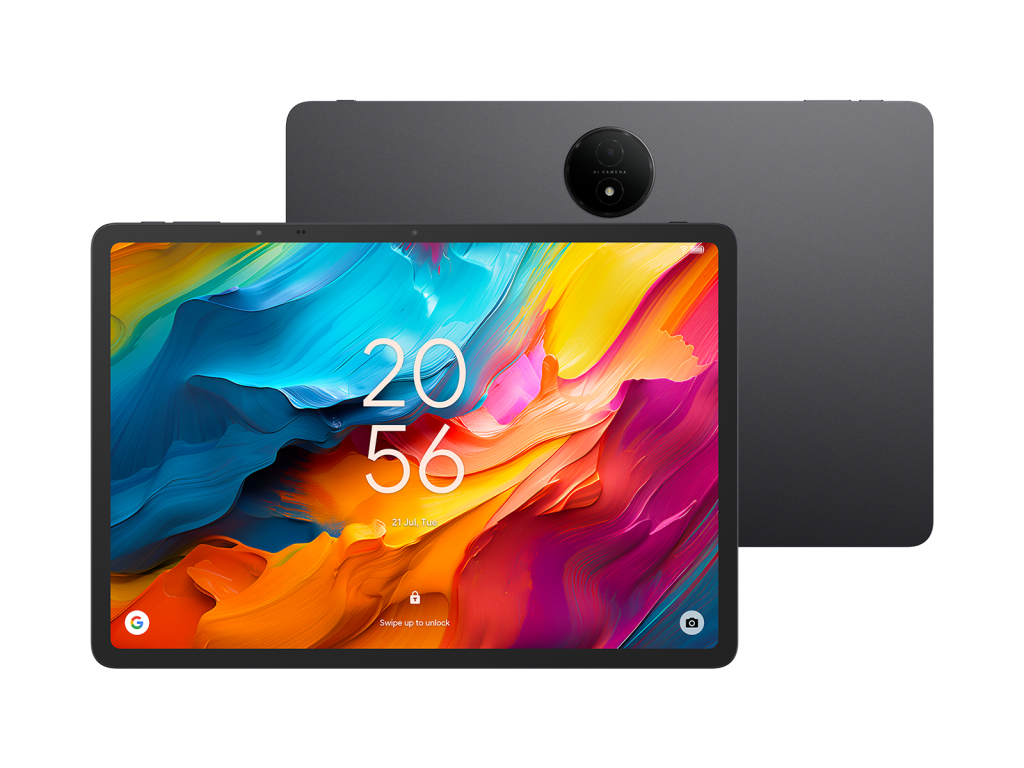
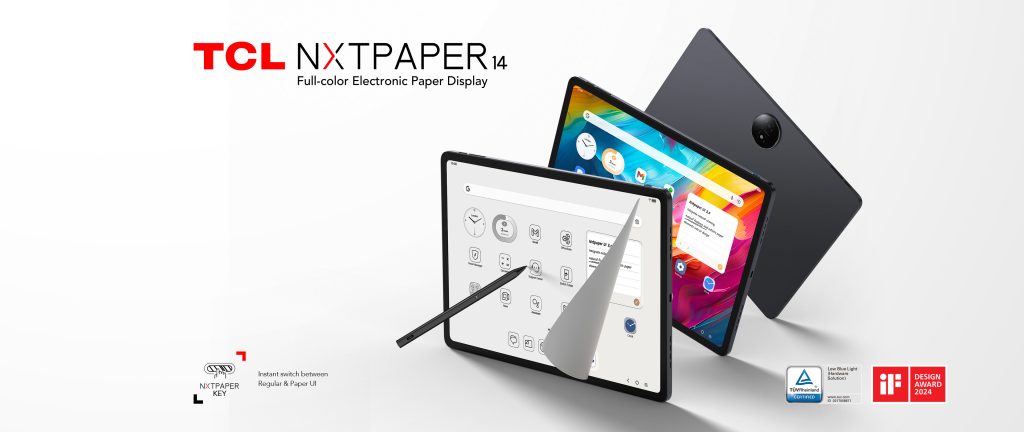
TCL has expanded its tablet lineup with the introduction of the NXTPAPER 14.
TCL NXTPAPER 14 specs:
This affordable device boasts a massive 14.3-inch matte LCD screen with a resolution of 2400 x 1600 pixels. It offers a paper-like reading experience thanks to its NXTPAPER 3.0 tech. The screen features three distinct modes: a default color mode, a Color Paper mode that mimics e-readers, and a quasi-E Ink mode.
It is powered by the Helio G99 processor and paired with 8GB RAM and 256GB storage. Unfortunately, the tablet does not come with a microSD card slot. It has a dual front camera setup and an IP54 dust and water resistance rating.
Additional features include quad speakers, face unlock, Wi-Fi 5, Bluetooth 5.0, and a 10,000mAh battery with 33W fast charging. The tablet runs Android 14 and supports features like floating windows and secondary display functionality.
Pricing & availability
Priced at €399, the NXTPAPER 14 is a budget-friendly option for those seeking a large, paper-like screen.
In other news, Honor has introduced the MagicPad 2 at IFA, alongside its Magic V3 foldable phone. The tablet boasts a slim 5.8mm design and a 12.3-inch OLED 3K display with a 144Hz refresh rate, delivering up to 1600 nits of brightness. It also supports IMAX Enhanced, DTS audio, and features Honor’s Spatial Audio Technology for an enhanced sound experience. Powered by the Snapdragon 8s Gen 3, it comes with a 10,050mAh battery and 66W fast charging.
We use cookies on our website to give you the most relevant experience by remembering your preferences and repeat visits. By clicking “Accept”, you consent to the use of ALL the cookies.
This website uses cookies to improve your experience while you navigate through the website. Out of these, the cookies that are categorized as necessary are stored on your browser as they are essential for the working of basic functionalities of the website. We also use third-party cookies that help us analyze and understand how you use this website. These cookies will be stored in your browser only with your consent. You also have the option to opt-out of these cookies. But opting out of some of these cookies may affect your browsing experience.
Necessary cookies are absolutely essential for the website to function properly. This category only includes cookies that ensures basic functionalities and security features of the website. These cookies do not store any personal information.
Any cookies that may not be particularly necessary for the website to function and is used specifically to collect user personal data via analytics, ads, other embedded contents are termed as non-necessary cookies. It is mandatory to procure user consent prior to running these cookies on your website.