Advertisement

Redmi Pad SE 8.7 4G tablet spotted on Bureau of Indian Standards certification website ahead of launch

Earlier this month, we found out that Xiaomi is working on a new tablet called the Redmi Pad SE 8.7 4G. We recently also shared a live image of the tablet. Now, the Redmi Pad 8.7 SE 4G tablet, with model number 24076RP19I, has cleared the BIS (Bureau of Indian Standards) certification, confirming its imminent release.

The Redmi Pad 8.7 SE 4G also appeared in the IMEI database under the same model number. Though the BIS certification does not provide detailed specifications, other certifications offer some insights.
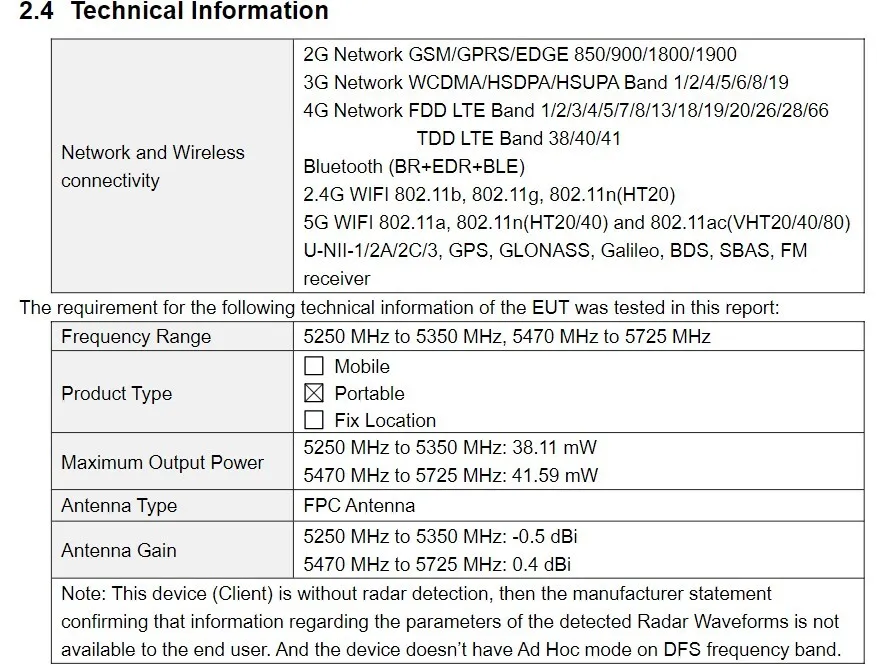
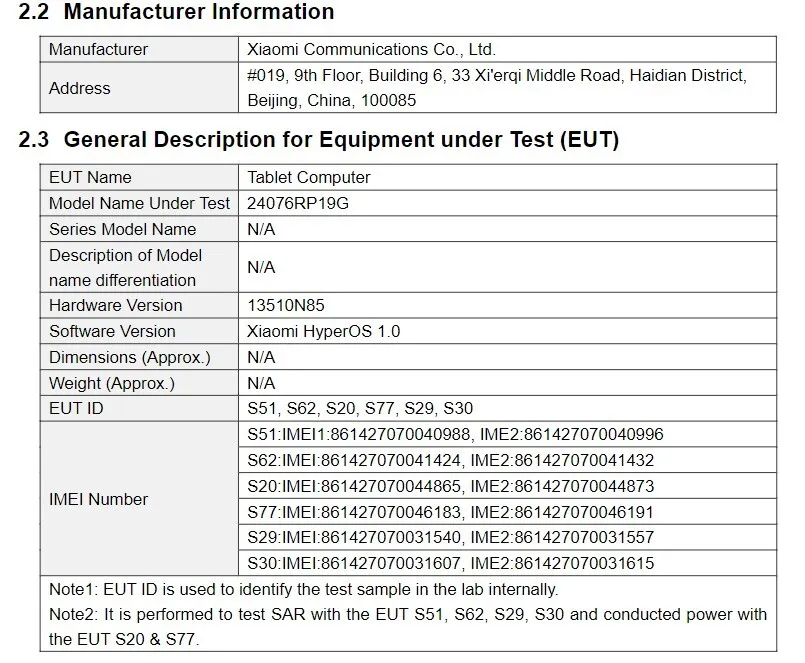
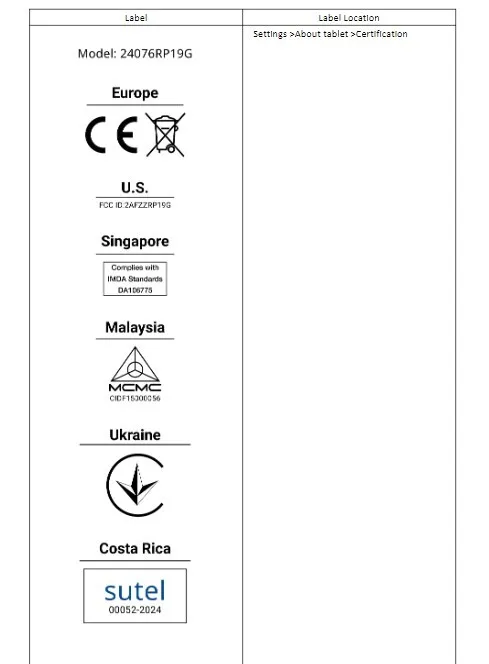
According to the FCC (Federal Communications Commission) certification, the tablet will run on Xiaomi’s Hyper OS 1.0. It will support dual-band Wi-Fi, Bluetooth, GPS, 4G LTE, and include an FM receiver. The device was also listed in Singapore’s IMDA (Info-communications Media Development Authority) database, indicating a global launch is near.

The tablet’s name suggests it will feature an 8.7-inch screen. For clarity, the Redmi Pad SE which debuted in September 2023 in China and April 2024 in India features an 11-inch display. With that in mind, it looks like this model could be a more affordable version of the Redmi Pad SE.

Further specifications and the official release date of the Redmi Pad 8.7 SE 4G are yet to be announced. We will provide updates as more information becomes available. Till then, take a look at the specifications of the Redmi Pad SE to get an idea of what to expect.

Redmi Pad SE specs:

The Redmi Pad SE has an 11-inch 8-bit LCD screen with a resolution of 1920 x 1200 pixels, a 90Hz refresh rate, a 180Hz touch sampling rate, and 400 nits peak brightness.

It uses a Snapdragon 680 processor and offers three RAM options: 4GB, 6GB, or 8GB of LPDDR4X RAM, along with 128GB of eMMC 5.1 storage. There is also a microSD card slot for expanding memory up to 1TB.

The tablet features an 8,000mAh battery, providing over 28 hours of video playback, and supports 10W charging via a USB Type-C port. It includes a 3.5mm audio jack and has a quad-speaker setup with Dolby Atmos tuning and Hi-Res audio support.

Running on Android 13-based MIUI for Pad, the device has AI face unlock. It comes with an 8MP rear camera and a 5MP front camera. For connectivity, it offers dual-band Wi-Fi (2.4GHz and 5GHz) and Bluetooth 5.0. The tablet weighs 478 grams and measures 255.53 × 167.08 × 7.36 mm.

(via)
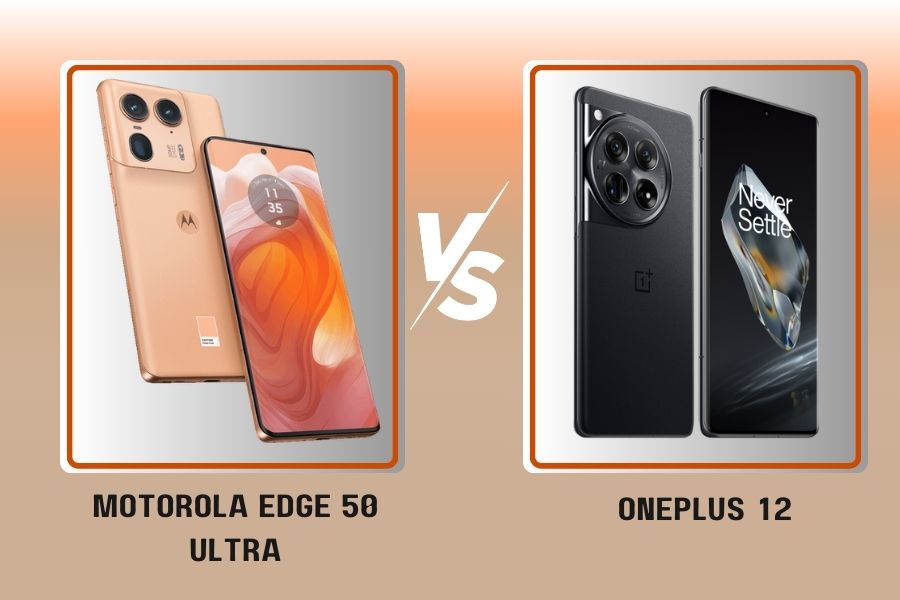
Motorola Edge 50 Ultra vs OnePlus 12: Which is your best choice?

Following its recent launch in the Indian market, the Motorola Edge 50 Ultra has entered the competitive premium smartphone segment. We’ve already compared it to close rivals like the Xiaomi 14 Civi and iQOO 12.  

Today, we will take a closer look at how the Edge 50 Ultra stacks up against another strong competitor, the OnePlus 12. This comparison will lay out the key specifications of both phones to help you decide which one might be the better choice for you.

Motorola Edge 50 Ultra vs OnePlus 12

1. Performance

Both phones boast the top-of-the-line Qualcomm Snapdragon processor. The OnePlus 12 opts for the current-best Snapdragon 8 Gen 3 delivering the best performance for demanding tasks and gaming you can expect from an flagship Android phone. 

The Edge 50 Ultra, on the other hand, uses a slightly modified Snapdragon 8s Gen 3. The key difference is that the Snapdragon 8 Gen 3 in the OnePlus 12 has a 3.3 GHz Cortex-X4 core, while the Edge 50 Ultra’s Snapdragon 8s Gen 3 has a 3.0 GHz Cortex-X4 core. This means that, theoretically, the OnePlus 12 should have better performance on paper, though real-world use is unlikely to show a significant difference.

Both phones offer plenty of RAM options. The Motorola Edge 50 Ultra maxes out at 16GB, while the OnePlus 12 offers up to 24GB. Storage options are identical, with both phones offering up to 1TB.

2. Display

The OnePlus 12 features a 6.82-inch AMOLED display with a 120Hz refresh rate. The Edge 50 Ultra, on the other hand, offers a slightly smaller 6.7-inch P-OLED display with a higher 144Hz refresh rate. Both displays are protected by scratch-resistant Gorilla Glass Victus, with the OnePlus 12 using the latest Victus 2 version.

The difference in display size is likely negligible for most users, but the higher refresh rate on the Edge 50 Ultra could be attractive to gamers seeking an extra edge in fast-paced titles. However, the OnePlus 12 has the brightest display on paper, with a peak brightness of 4500 nits compared to the Edge 50 Ultra’s 2500 nits. Despite the difference, both displays should be sufficiently visible in outdoor scenarios.

3. Design

As for the design, the Motorola Edge 50 Ultra boasts a unique feature with its back panel material options. You can choose between a wooden back or a silicone polymer back with a leather-like texture. This offers users a choice compared to the standard glass back on the OnePlus 12.

Additionally, the Edge 50 Ultra has an IP68 dust and water resistance rating, offering superior protection against the elements compared to the OnePlus 12’s IP65 rating.

4. Camera

Camera specifications are often a deciding factor for smartphone purchases. The OnePlus 12 features a triple-lens rear camera system with a 50MP main sensor, a 48MP ultrawide sensor, and a 64MP telephoto lens with 3x optical zoom. On the other hand, the Edge 50 Ultra also offers a triple-lens configuration with a 50MP main sensor, a 50MP ultrawide sensor, and a 64MP periscope telephoto lens with 3x optical zoom. 

Both smartphones feature optical image stabilization for their main and telephoto lenses. The OnePlus 12 has an additional edge with Hasselblad color calibration for possibly more natural-looking photos.

However, we recommend you go through detailed camera comparisons by reviewers to determine which phone offers sharper, more natural images and performs better in low-light conditions.

Switching to the selfie camera, the Motorola Edge 50 Ultra boasts a higher resolution sensor at 50MP compared to the OnePlus 12’s 32MP offering.

5. Battery and Charging

The OnePlus 12 comes out ahead in terms of battery capacity with a 5400mAh unit compared to the 4500mAh battery in the Edge 50 Ultra. 

However, the Edge 50 Ultra offers faster wired charging at 125W compared to the OnePlus 12’s 100W (80W in the US variant). Both phones also support wireless charging, where the Edge 50 Ultra maintains a slight advantage with 50W compared to the OnePlus 12’s 40W.

6. Software

Both phones ship with Android 14, the latest operating system version available. However, the user experience can vary based on the custom user interface (UI) each manufacturer uses. Motorola is known for its near-stock Android experience, which includes minimal pre-installed apps. In contrast, OnePlus’ OxygenOS interface offers additional features and customization options alongside the core Android experience.

7. Price

Pricing is a major factor when you decide to buy a smartphone. The OnePlus 12 is a premium offering with a starting price of Rs 64,999 for the 12GB RAM and 256GB configuration and goes up to Rs 69,999 for the 16GB RAM and 512GB setup. The Motorola Edge 50 Ultra is available in a single configuration with 12GB RAM and 512GB storage, priced at Rs 59,999 in India.

8. Conclusion

The Motorola Edge 50 Ultra and the OnePlus 12 are formidable competitors in the flagship smartphone market. Choosing between them largely depends on individual preferences. Gamers might prefer the Edge 50 Ultra for its faster refresh rate display, while those who prefer a larger battery and higher resolution display might lean towards the OnePlus 12.

The Edge 50 Ultra offers a unique design aesthetic and faster-wired charging. However, the ultimate decision could hinge on a deeper dive into software features, real-world camera performance, and pricing comparisons. These factors will play crucial roles in determining the superior choice in this battle of flagships.

Moto G85 detailed specs leak along with renders

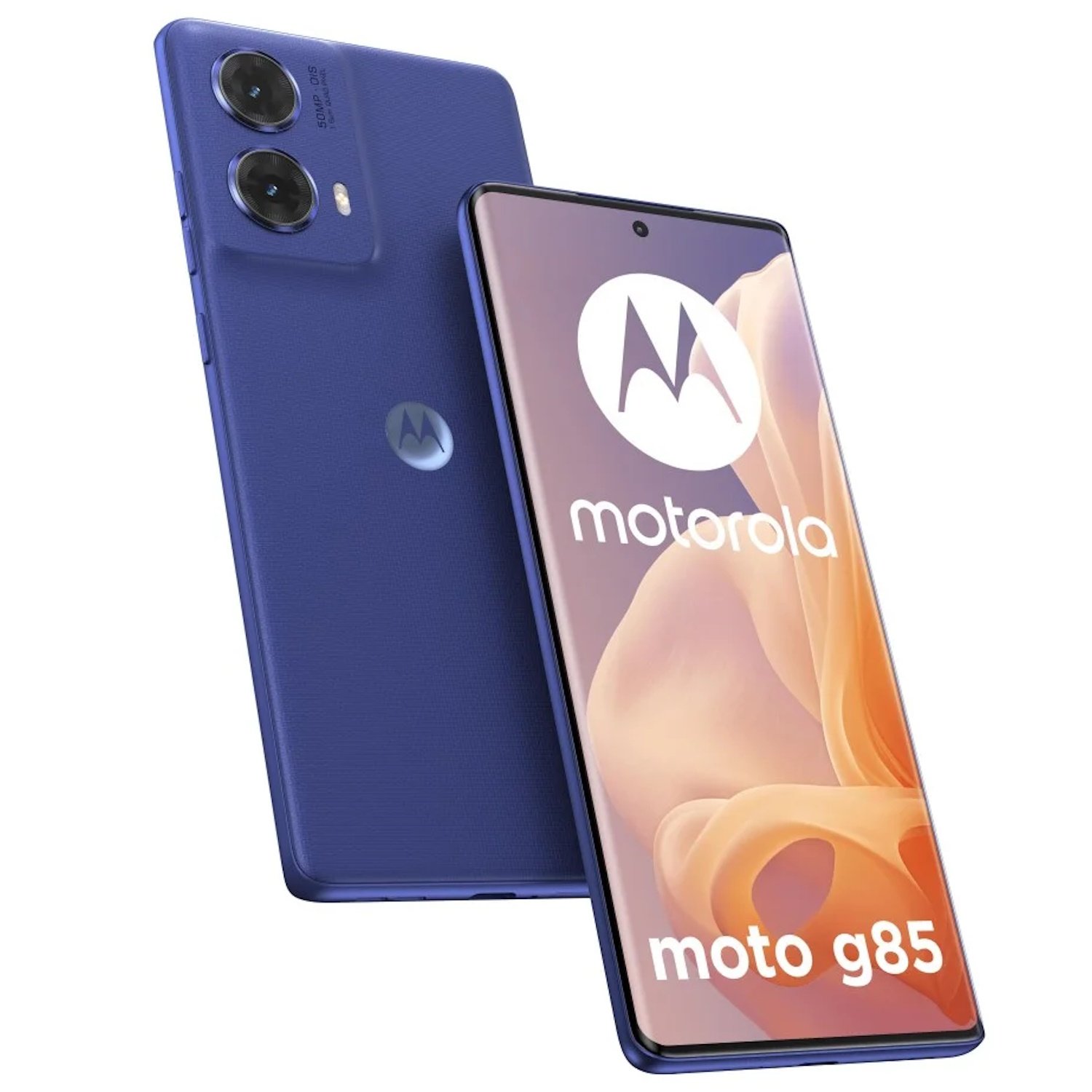
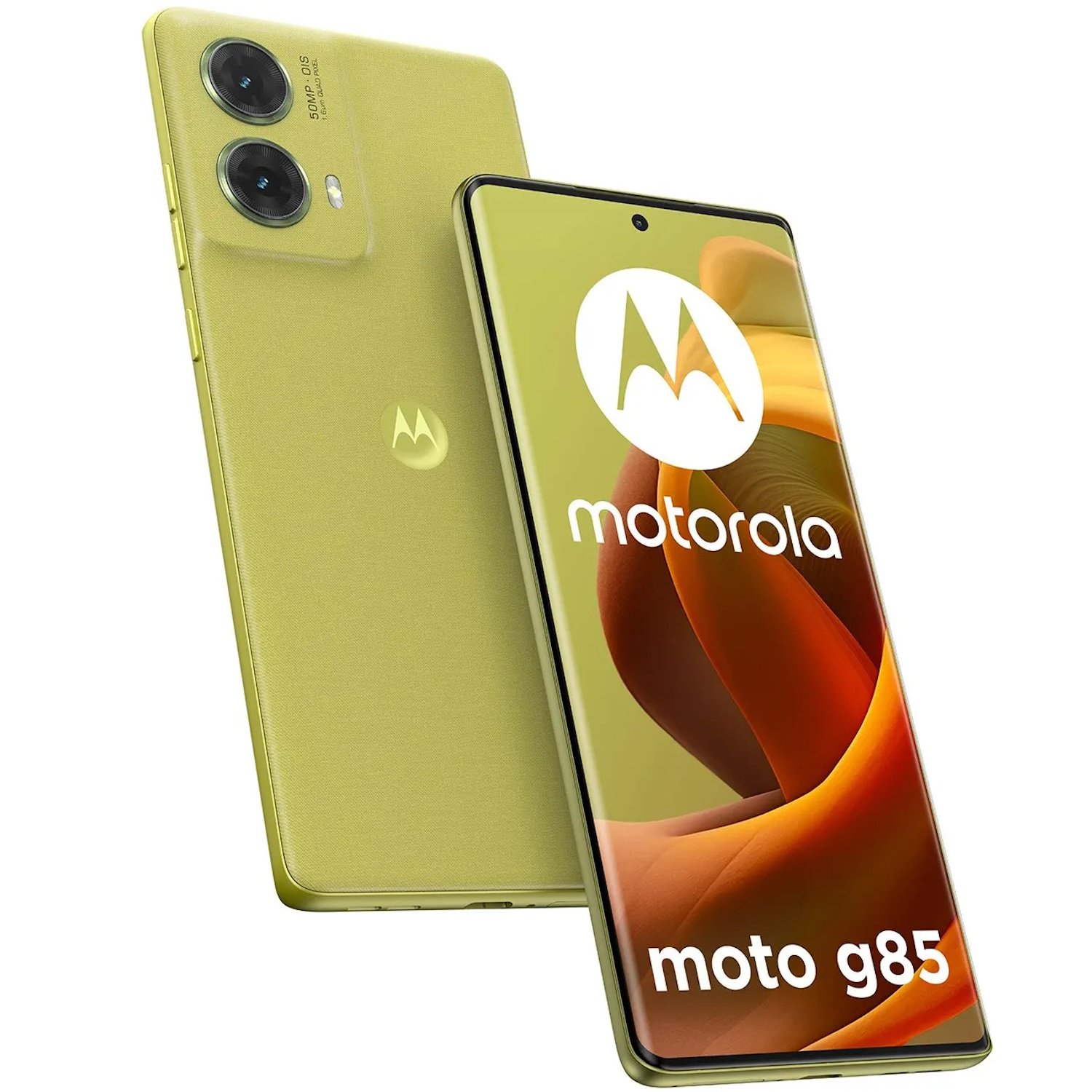
It was recently revealed that Motorola plans to launch some new smartphones in the global market including the Moto G85. The device recently emerged on the TENAA certification database revealing a majority of its specifications. Now, tipster Sudhanshu Ambhore has shared the remaining specifications along with renders of the smartphone.

Moto G85 specs:

As per Sudhasnhu, the Moto G85 features a 6.67-inch 3D Curved OLED display with a resolution of 1080 x 2400 pixels, a 120Hz refresh rate, and a pixel density of 395ppi. It is powered by the Snapdragon 6s Gen 3 processor.

The phone’s camera system includes a 50 MP main sensor (Sony IMX882) with an f/1.79 aperture, Pixel Quad 1.6μm, PDAF, and OIS; an 8 MP ultrawide sensor with an f/2.2 aperture, 118.6° field of view, 1/4.0″ sensor size, 1.12µm pixel size, and autofocus; and a 32 MP selfie camera with an f/2.45 aperture and 0.7µm pixel size. It supports 1080p video recording at 60 fps.

The device is equipped with a 5000mAh battery that supports 30W charging with QC 3+ and PD 3.0 standards. It will come with either 8GB or 12GB of RAM and 256GB of internal storage and runs on Android 14. Connectivity options include Wi-Fi 802.11 a/b/g/n/ac, Bluetooth 5.1, NFC, GPS (A-GPS), GLONASS, and USB 2.0. The audio system features two microphones, Dolby Audio stereo speakers with an intelligent PA system, and Dolby Atmos support.

The phone also includes a range of sensors: proximity, ambient light, accelerometer, gyroscope, and electronic compass. Its dimensions are 161.91 x 73.06 x 7.59 mm, and it weighs 171 grams.

In related news, the price of the Moto G85 was recently leaked via a European retail listing. The same vendor also confirmed the prices of the upcoming Razr 50 and Razr 50 Ultra smartphones in the European market.

(Source)

Oppo Watch X debuts in Europe with a Sapphire Crystal Glass AMOLED display, WearOS 4 & Snapdragon W5 Gen 1 chip

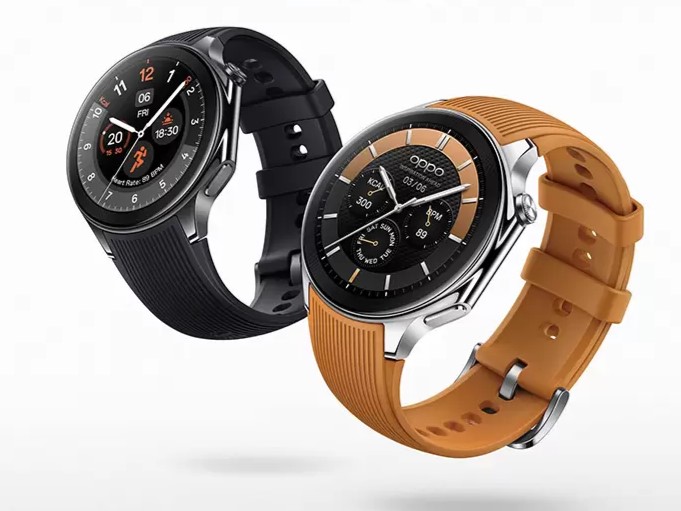
Oppo has recently launched the Oppo Watch X in Europe, following its initial debut in China back in March 2024. The smartwatch is quite similar to the OnePlus Watch 2 in terms of specifications.

Oppo Watch X

Oppo Watch X Specs

The Oppo Watch X has a circular design with a polished stainless steel case. It features a 1.43-inch AMOLED display protected by Sapphire Crystal Glass, with a 466×466 pixel resolution and 1000-nit peak brightness. The display supports Always-on technology.

The watch includes two physical controls: a rotating dial and a button on the right side. It is MIL-STD 810H certified for durability and has IP68 water resistance up to 50 meters.

Oppo Watch X features

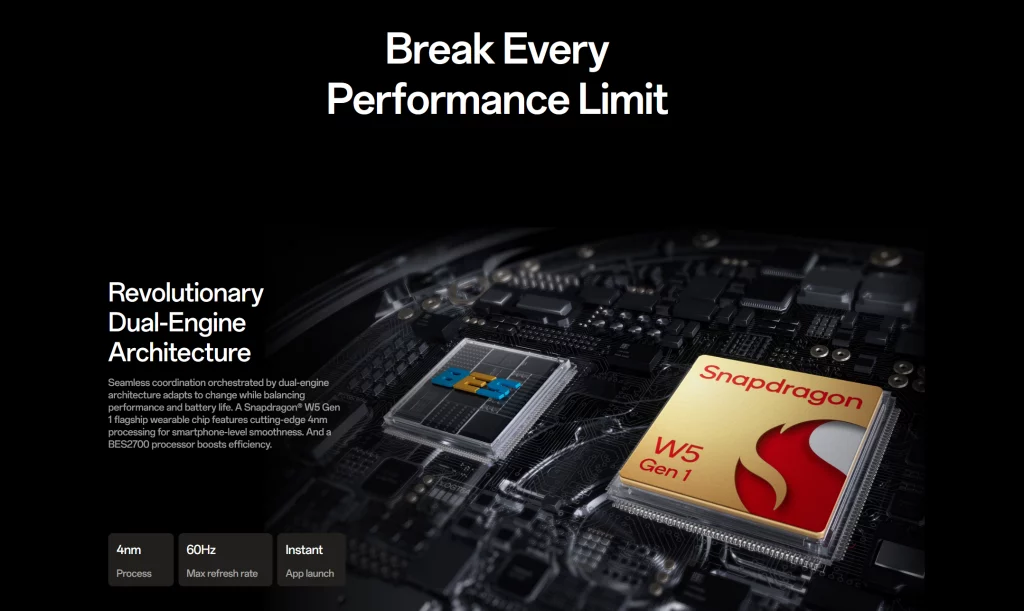
The Oppo Watch X runs on a Snapdragon W5 Gen 1 processor with 2GB of RAM and 32GB of internal storage. It uses two operating systems: WearOS 4 and RTOS. Color OS runs on the W5 Gen 1 chip, while RTOS, using a BES2700 chip with 4GB of eMMC storage, handles background tasks and light activities like calls and notifications.

The dual operating systems provide a battery life of up to 100 hours, with a full charge taking about 60 minutes. That said, the watch also has VOOC Flash Charging that provides a day’s worth of battery on a 10-minute charge.

Oppo Watch X features

Health features include an 8-channel heart rate sensor and a 16-channel blood oxygen sensor for continuous heart rate and blood oxygen monitoring, and stress tracking. It also offers sleep analysis, including a Sleep Snoring Risk Assessment.

The watch supports over 100 sports modes with automatic recognition for activities such as running, walking, cycling, and swimming. It includes dual-band GPS (L1 + L5) with a 5-satellite positioning system (Beidou, GPS, Galileo, GLONASS, and QZSS) for accurate navigation.

Pricing & availability

The Oppo Watch X is now available in the UK at a discounted price of £279, with a future retail price of £299. In EU countries, the smartwatch will be sold for €329.

OnePlus Nord CE 4 Lite Processor Choice Could Disappoint Many: Report

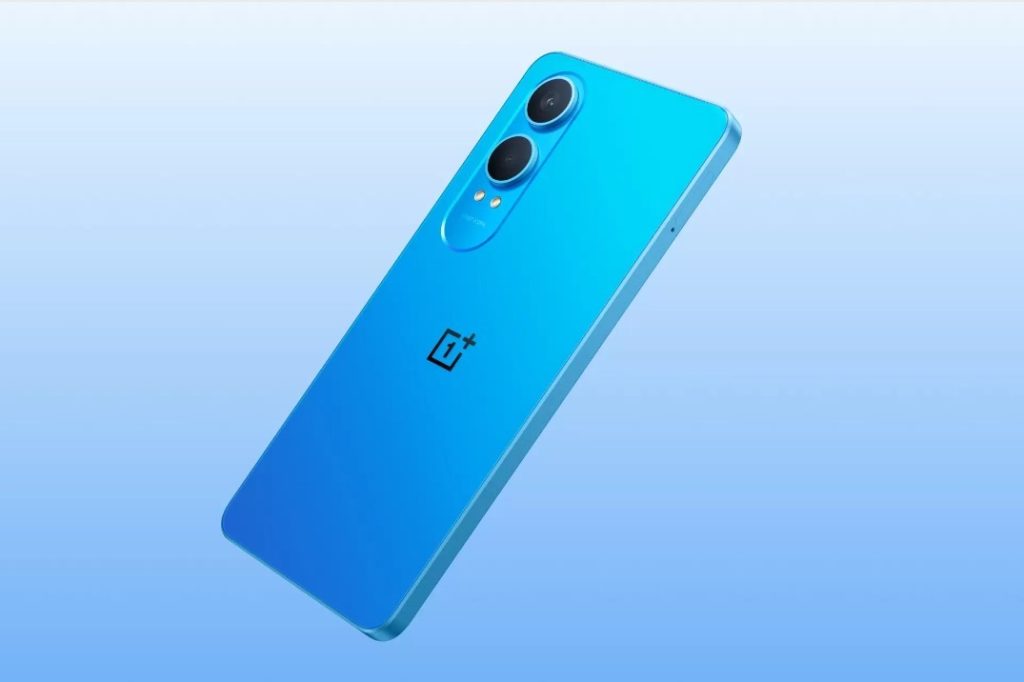
Chinese smartphone manufacturer OnePlus has confirmed that on June 24, it will be launching the OnePlus Nord CE 4 Lite 5G smartphone in India. This highly anticipated successor of the Nord CE 3 Lite 5G has created a lot of excitement as the brand has confirmed that it will feature a 50MP Sony LYT-600 main camera, which will be a major improvement over its current camera hardware.

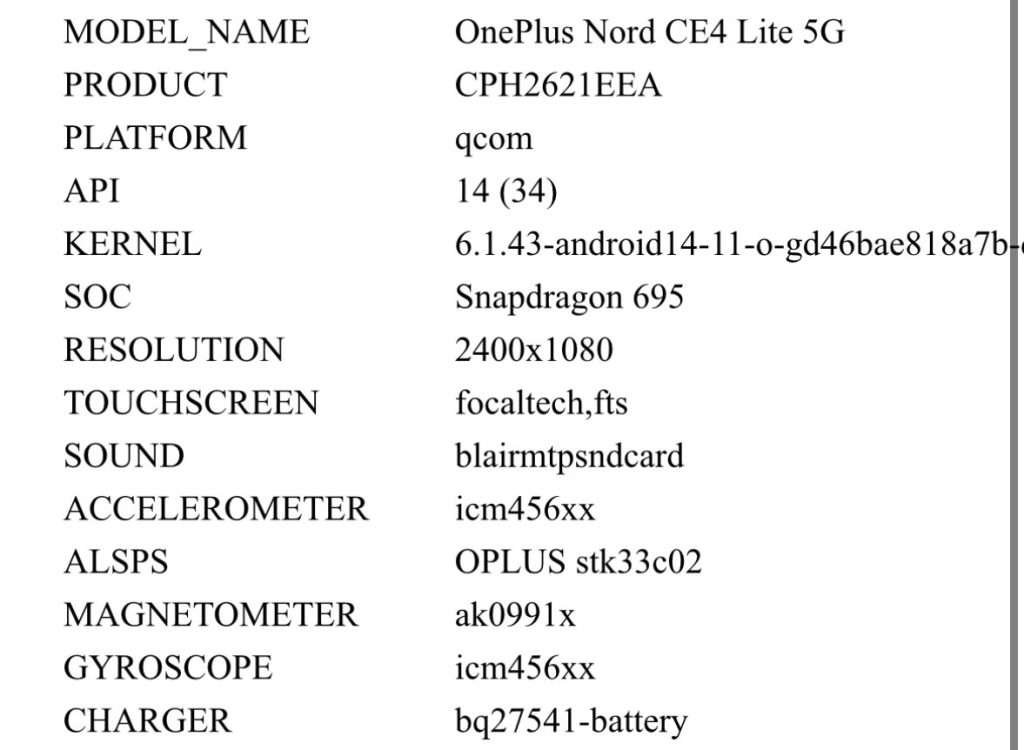
That said, not everything is fine and dandy as tipster Paras Guglani has revealed some disappointing news. As per a spec sheet shared by the Paras on X (formerly Twitter), the Nord CE 4 Lite 5G will be launching with the Snapdragon 695 processor. For those unaware, the Snapdragon 695 is a 6-nanometer-based processor launched back in October 2021. This processor has been a workhorse for the past few years, appearing on many budget-midrange 5G smartphones, including the Nord CE 3 Lite 5G.

Oneplus Nord CE4 Lite spec sheet

Although disappointing, the news isn’t a shocker as we know that the Nord CE 4 Lite 5G will be a rebrand of the Oppo K12x, which also uses this processor. The brand’s decision to opt for this old processor rather than going for something like a Snapdragon 6s Gen 3 might be a cost-cutting measure to still be around the affordable sub-₹20,000 range, even with upgrades like the new Sony LYT-600 primary camera, and a 6.67-inch AMOLED display with FHD+ resolution, 120Hz refresh rate and a peak brightness of 2100 nits. Not to mention that the brand plans to replace the side-mounted fingerprint sensor with an in-display sensor.

OnePlus has also confirmed a battery increase from 5,000 mAh to 5,500 mAh. We can expect the fast charging to also be upgraded to 80W from 67W since the Oppo K12x has 80W fast charging. All of these specs combined make the upcoming Nord CE 4 Lite 5G an impressive device, even with the old processor. That said, it remains to be seen how Sony’s new LYT-600 sensor behaves when combined with the aging Snapdragon 695.

(via)
OnePlus Ace 3 Pro’s three configurations leaked, Collector’s Edition with ceramic finish tipped

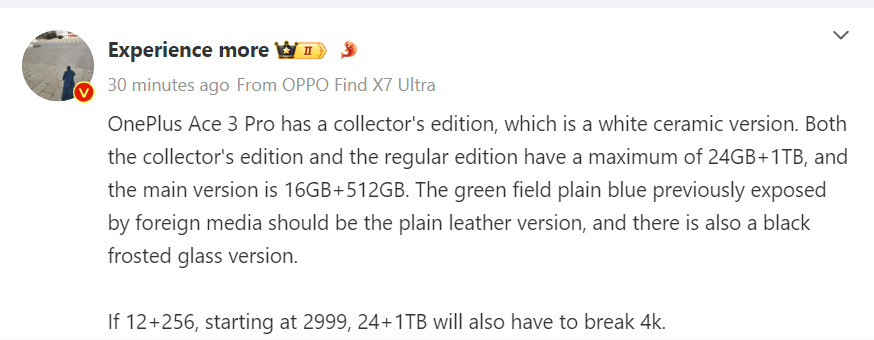
Now that the 618 (June 18) shopping festival is almost over in China, phone manufacturers are expected to unveil new smartphones in the home market. Reports have claimed that OnePlus may announce the OnePlus Ace 3 Pro in July in China. So far, reports have revealed almost everything about the device. However, a new leak, courtesy of tipster Experience More, has revealed the device’s configurations.

OnePlus Ace 3 Pro configurations (rumored)

According to the tipster, the OnePlus Ace 3 Pro will be available in options, such as 12 GB RAM + 256 GB storage, 16 GB RAM + 512 GB storage, and 24 GB RAM + 1 TB storage. The leak also states there will be a Collector’s Edition, which will be available in a ceramic white shade. This special edition will come in two options, such as 16GB+512GB and 24GB+1TB.

The regular OnePlus Ace 3 Pro is expected to come in green and black options. The green model is expect4ed to feature a vegan leather finish, whereas the black edition may come equipped with a matte glass on the back.

In terms of pricing, the base model of the Ace 3 Pro could be priced at 2,999 Yuan (~$415), whereas the topmost model’s price may exceed 4,000 Yuan (~$550) mark.

OnePlus Ace 3 Pro specifications (rumored)

As per other reports, the OnePlus Ace 3 Pro will have a 6.78-inch curved-edge OLED panel that offers a 1.5K resolution and a 120Hz refresh rate. Under the hood, the device will have the Snapdragon 8 Gen 3 chipset, LPDDR5x RAM, UFS 4.0 storage, and a 6,100mAh battery with 100W fast charging. It will be equipped with a 16-megapixel camera on the front and a 50-megapixel (Sony LYT-800) + 8-megapixel + 2-megapixel triple camera unit on the back.

OnePlus 10R 5G New Update is here with Three UI changes & June 2024 Android security patch

OnePlus has been pushing out major software updates for many of its smartphones introducing new animations, new touch controls and other improvements. The OnePlus 10R is yet to receive this update, however, the brand has released OxygenOS 14.0.0.620 for the device, which comes with multiple welcome changes.

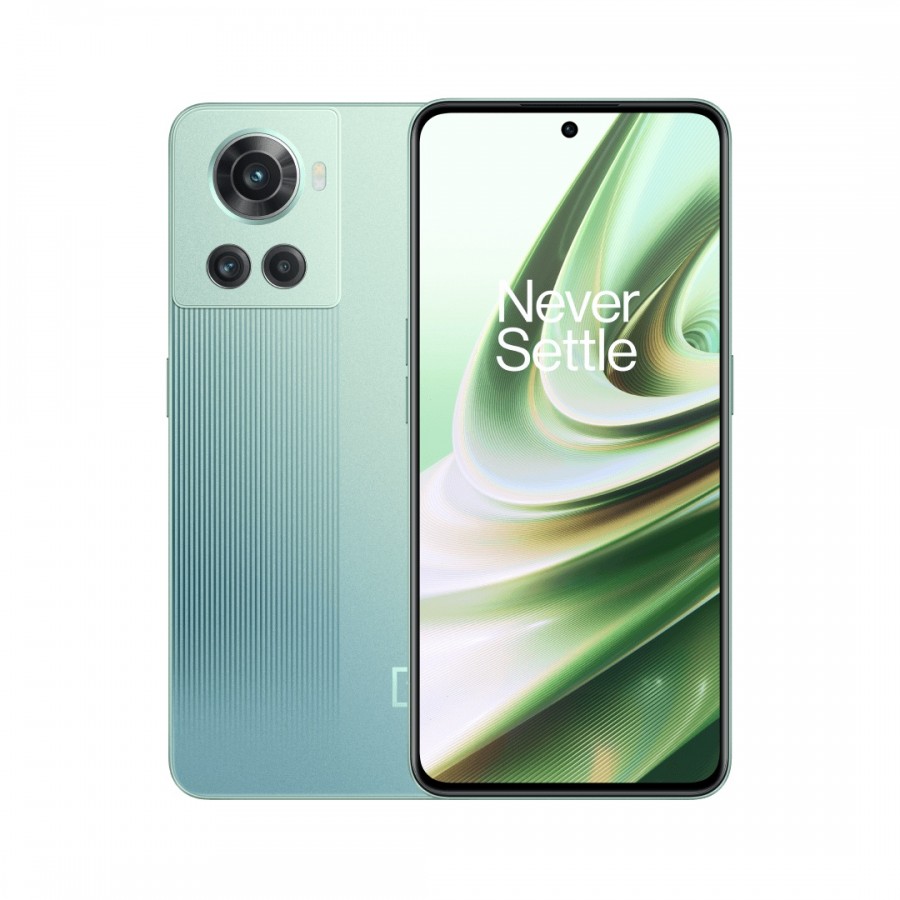
OnePlus 10R

OnePlus 10R 5G OxygenOS 14.0.0.620 update changelog

System

  • You can now adjust the volume in Quick Settings.
  • You can now choose not to show the track when drawing the Lock screen pattern to unlock your device.
  • You can now adjust the size of a floating window by dragging its bottom and swiping up to close a mini window.
  • Integrates the June 2024 Android security patch to enhance system security.
  • Improves system stability.

It is worth noting that this update is currently rolling out to Indian users only. And as usual, it will be made available in batches, meaning that some users might receive it early, while others might have to wait for a few more days. To manually check for an update, go to the settings page, choose “About device,” and click on the blue ribbon. If an update is available, you can download and install it from there.

If you come across any bugs, you can report them by dialing *#800# and selecting the “Submit bugs” option. Please note that this method of bug submission is only available to users in India.

In related news, OnePlus has dropped the price of the OnePlus 11R to just ₹27,999 in India. This is a massive price cut of ₹12,000, as the smartphone debut in February 2023 for ₹39,999. Although it one generation old, it is still a good buy at the sub-₹30,000 price range, giving stiff competition to the likes of the Poco F6 and the Realme GT 6T.

Electric Vehicles Could Soon Recharge in 10 Minutes, BYD and CATL on the Verge of Breakthrough

Commuting with electric vehicles (EVs) has long been hampered by charging times that look pretty pale in comparison to the convenience of gas station fill-ups. Sure, planning and route optimization can work for longer trips, but that approach may soon be obsolete. Chinese battery giants BYD and CATL are on the cusp of launching ultra-fast-charging lithium iron phosphate (LFP) batteries that, in theory, could be fully recharged in just 10 minutes.

Upgrading the charging infrastructure is crucial in the long run

Battery technology is undergoing a rapid evolution. Recent years have seen significant improvements in both range and charging speed for EVs. BYD and CATL’s upcoming batteries are the latest example, aiming to revolutionize charging times. These companies are reportedly set to debut their ultra-fast-charging LFP batteries by the end of this year, potentially eliminating the need for lengthy charging stops during road trips.

BYD

The key to these rapid charge times lies in the 6C charging rate boasted by both the BYD Blade 2.0 and CATL Qilin 2.0 battery packs. In simpler terms, the “6” signifies that the charging multiplier is six times the battery capacity. For instance, a 100-amp-hour battery could be charged with a massive 600-amp current.

However, there are hurdles to overcome. Upgrading the charging infrastructure is crucial to support these speeds. Without an update to the charging network, owners of these advanced batteries won’t be able to fully benefit from their technology and will be limited by slower charging options. It’s also important to remember that batteries can’t maintain peak charging speeds throughout the entire charging cycle. Expect some strategic marketing around these new batteries, with a focus on specific charging windows, like 10% to 80% in 10 minutes. The 2024 Zeekr 001 with its 5C-rated battery is a prime example, achieving an 11.5-minute charge time for this range.

Specific details about the upcoming 6C batteries from BYD and CATL are still undisclosed. However, reports suggest that existing DC fast chargers designed for 4C-rated batteries (four times the charging speed compared to the capacity) can deliver up to 480 kW of power and a maximum current of 615 amps. Achieving even faster charging would necessitate an increase in either voltage or amperage (or both). While technically feasible, equipping thousands of DC fast chargers with such high-rated utility connections would require significant financial investment.

Progress is underway, though gradual. China has seen the deployment of the first 600 kW fast chargers from Huawei earlier this year. Additionally, Li Auto, the manufacturer behind the Mega minivan capable of gaining 310 miles of range in a 10-minute charge, has plans to install 5,000 5C-capable fast chargers by next year.

In comparison, Tesla‘s Supercharger network, the dominant DC fast charging network in the US, offers up to 250 kW of power from its V3 stalls. While respectable, there’s room for improvement, as evidenced by other US providers. Electrify America offers stalls delivering up to 350 kW, and Gravity Charging’s hub in New York boasts an impressive 500 kW per connected EV.

The future of EV charging appears to be speeding towards faster and faster charging times. While infrastructure upgrades and technical hurdles remain, the advancements by BYD, CATL, and other players in the battery technology space are paving the way for a more convenient and time-efficient electric vehicle ownership experience.

(Via)

Huawei Mate 60 Series Receives HarmonyOS 4.2.0.130 Update with Camera Enhancements and Smart Scanning

Huawei is rolling out a software update for the Mate 60 series, bringing HarmonyOS 4.2.0.130 to these smartphones. The focus of this update is threefold: enhancing the camera experience, introducing a new accessibility feature, and implementing general system optimizations.

Telephoto images will look much better and clearer with the new update

The update promises an overall improvement in the photo-taking capabilities of the Mate 60 series. Users can expect better image quality across various shooting scenarios. Specifically, telephoto photos should benefit from increased clarity, allowing for sharper details when zooming in. Portrait mode also sees an upgrade, with enhanced clarity and a more natural look for portrait shots.

Huawei-Mate-60

The Mate 60 Pro+ and Mate 60 RS Master specifically gain a new accessibility feature called Smart Scanning. This function allows users to leverage the phone’s rear camera for quick QR code scanning and initiating payments while the phone is in desktop mode. The process is straightforward:

  1. A QR code prompt appears on the screen.
  2. Double-click the back of the phone or tap the QR code prompt at the bottom of the desktop.
  3. Upon successful recognition (accompanied by a beep), you’ll be redirected to the corresponding service page.
  4. Follow on-screen prompts to complete the desired action, such as launching an app or visiting a website.
  5. For unified payment codes or situations with multiple codes, the default payment method will be automatically used.

It’s important to note that Smart Scanning is currently available on select Huawei models, including the Mate 50 series, Mate X3 series, Mate 60 series, and P70 series. The HarmonyOS update goes beyond camera improvements. The update also addresses other areas of the phone, including the overall user experience of the system. It also integrates the latest June security patches to enhance system security.

(Via)

Windows Insiders Get a Glimpse of the Future with Build 26241 Preview Update

Microsoft released a preview update for Windows 11 Build 26241 today for Insiders in the Canary channel. This update focuses on improvements and bug fixes designed to enhance the overall desktop experience.

Microsoft is also aiming to prevent unnecessary notification clutter with the new update

The update delivers a range of improvements and fixes to address various issues that Insiders might have encountered. While the specific details aren’t available, Microsoft aims to improve the overall stability and performance of Windows 11.

  • Drag-and-Drop to Address Bar: Users can now use the File Explorer address bar for a more streamlined workflow. Simply drag and drop files directly onto the path displayed in the address bar for quicker navigation.
  • Enhanced File Selection: A thin border now surrounds the selected area in File Explorer, providing a clearer visual indication of the chosen files or folders.
  • Crash Fix: An issue that caused File Explorer to crash when entering the Home directory in previous updates has been addressed.

Taskbar and Notifications

  • App Icon Flickering Resolved: A bug that caused app icons to flicker on the taskbar has been squashed, ensuring a smoother visual experience.
  • Smarter Notification Recommendations: Microsoft has refined the logic behind notification recommendations. Now, the system will only suggest turning off notifications for apps that haven’t been interacted with by the user for an extended period. This should help prevent unnecessary notification clutter.

(Via)

Lexar Adds Three New Memory Cards to its Catalog with Support for 4K 60 FPS Recording, Starting at 218 Yuan ($30)

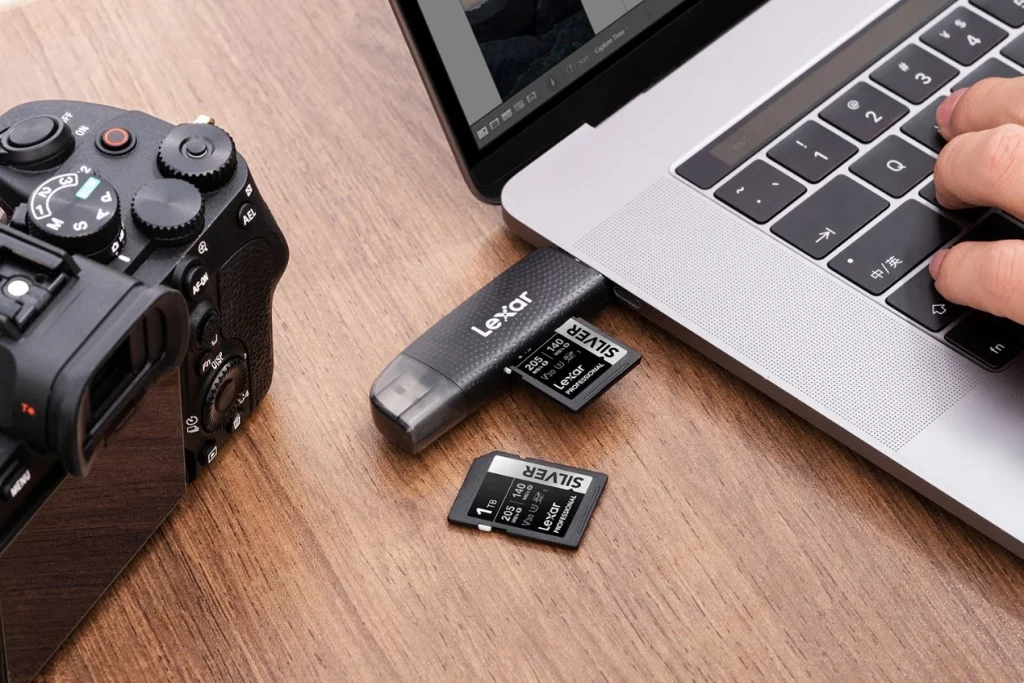
Lexar has unveiled three new memory card lines designed to meet the needs of videographers and content creators: the SILVER, SILVER PLUS, and SILVER PLUS microSDXC. All three series support capturing high-resolution videos at 4K resolution and 60 frames per second, ensuring smooth recordings.

The SILVER series guarantees a minimum sustained write speed of 30MB/s

The Lexar SILVER series adheres to the V30 standard, guaranteeing a minimum sustained write speed of 30MB/s. This ensures consistent performance for video recording. Notably, the microSD card variant in this series boasts IPX7 water resistance, allowing you to use it worry-free in various conditions. The Lexar SILVER UHS-I SDXC cards deliver read speeds of up to 205MB/s and write speeds of up to 140MB/s. These cards are available in 128GB and 256GB capacities, priced at $29.99 (approx. RMB 218) and $59.99 (approx. RMB 436) respectively.

Lexar

Lexar bumps up the write speed in the SILVER PLUS series to 150MB/s, offering an improvement over the standard SILVER line. This series is available in both SDXC and microSDXC formats, catering to a wider range of camera types. The SDXC cards range from 64GB to 256GB, priced from $14.99 (approx. 109 Yuan) to $59.99 (approx. 436 Yuan). The microSDXC cards come in various capacities, including individual 128GB options and bundles offering multiple cards. Prices start from $24.99 (approx. 182 Yuan) and go up to $89.99 (approx. 654 Yuan) depending on the bundle chosen. It’s important to note that the performance specifications for the microSDXC versions match those of their SDXC counterparts.

To complement these new memory cards, Lexar has also launched a USB-A/C dual-head card reader. This reader provides a convenient way to transfer your captured footage to your computer and is priced at $17.99 (approx. 131 Yuan).

(Via)

Samsung’s 990 EVO Plus SSD Likely Nearing Launch, New Patent Hints

Samsung has filed a trademark application for “990 EVO Plus” with the Korea Industrial Property Information Service Center (KIPRIS), according to a report on June 19th. All this suggests an upcoming upgrade to the company’s popular 990 EVO solid-state drive (SSD).

The trademark application specifies storage products like flash drives and SSDs

Samsung’s EVO Series SSDs are known for their balance of performance and endurance, making them a popular choice for everyday users and professionals alike. The current 990 EVO boasts impressive read/write speeds and power efficiency, features likely to be further enhanced in the upcoming Plus model.

990 EVO Plus Logo

The trademark application specifies storage products like USB flash drives, NAND flash memories, and SSDs. This reinforces the expectation that “990 EVO Plus” refers to an upgraded SSD within Samsung’s EVO lineup.

Interestingly, Samsung also filed a trademark for “9100 PRO.” While this trademark falls under the storage and semiconductor category, it deviates from Samsung’s current naming conventions for consumer-grade storage products. The purpose of the “9100 PRO” trademark remains unclear.

(Via)

Finnish startup Flow claims to boost any processor’s performance by 100X

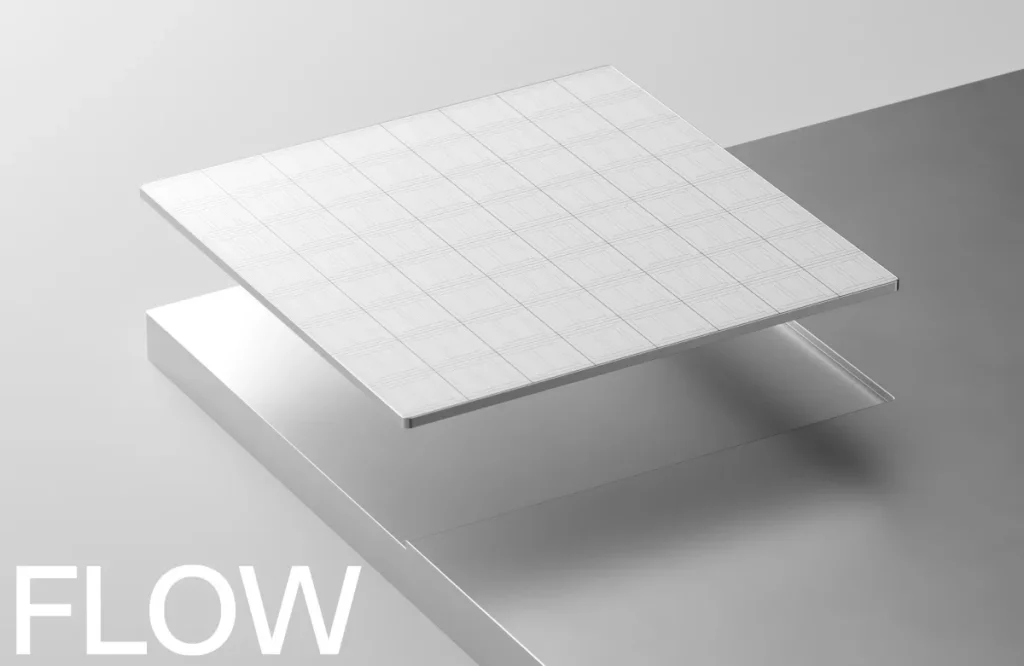
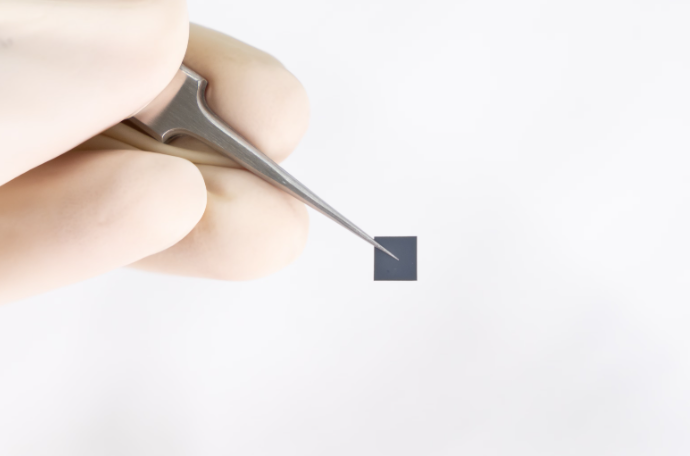
Flow Computing, a Finnish startup, has introduced a novel chip technology with the potential to boost Central Processing Unit (CPU) performance significantly. Their Parallel Processing Unit (PPU) promises to double a CPU‘s capabilities and, with software adjustments, achieve up to 100x speed improvements – all without increasing power usage or heat generation.

flow-computing

PPU Promises Compatibility and Efficiency

Traditionally, CPUs handle tasks sequentially, one after another. Flow’s PPU acts as a companion chip, optimizing these tasks in real time. This allows the CPU to transition from serial processing to a parallel processing model, significantly streamlining operations. The analogy used by Flow’s CEO, Timo Valtonen, compares this shift to transforming a single-lane road into a multi-lane highway, enabling smoother traffic flow and faster processing speeds.

The PPU achieves this feat by managing tasks at incredibly short nanosecond intervals. By handling numerous processes simultaneously, it bolsters overall throughput without requiring changes to the CPU’s clock speed or underlying architecture.

While the potential benefits are undeniable, Flow acknowledges challenges in adoption. Integration of the PPU necessitates alterations at the chip design stage, potentially disrupting existing manufacturing processes.

Despite these hurdles, Flow has demonstrated the technology’s effectiveness through FPGA-based testing. Additionally, they have secured an initial €4 million in funding from venture capital firms. Currently, the company seeks industry partnerships to further develop and commercialize their solutions.

The success of Flow’s technology hinges on overcoming integration hurdles and demonstrating its effectiveness in real-world applications. If successful, the PPU could represent a major leap forward in CPU performance, impacting various sectors that rely on intensive processing power. From artificial intelligence and scientific computing to edge computing and autonomous systems, the potential applications are vast.

The tech industry will be closely watching Flow’s progress to see if their PPU technology can truly usher in a new era of high-performance, low-power CPUs.

(Via)

Grab exciting goodies with Galaxy Watch 6 or Pixel Watch 2 purchase

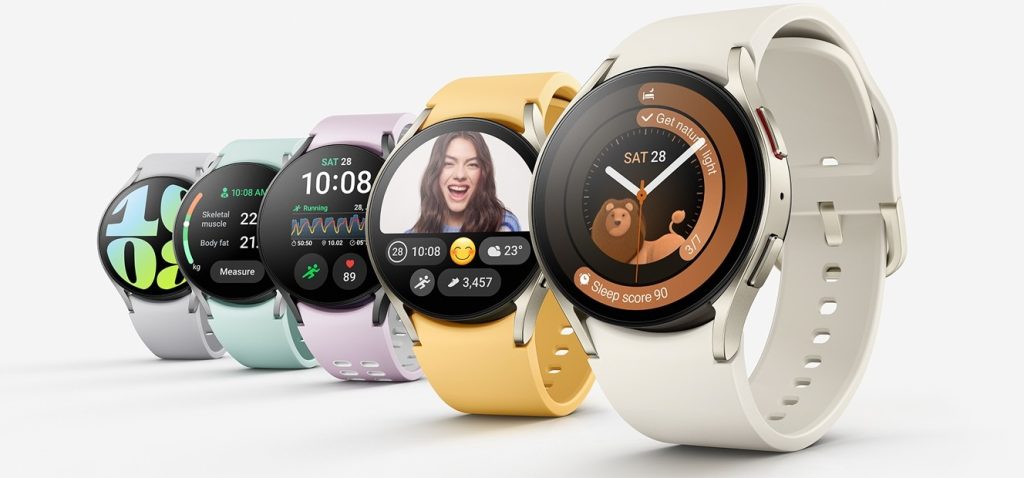
Exciting offers have been applicable to the Samsung Galaxy Watch 6 series and Pixel Watch 2. Interested buyers can get a free three-month MyFitnessPal, and 1000 Google Play Points by purchasing either of the mentioned watches from Best Buy. The discounts are time-limited and may soon run out of stock.

In addition to the three-month free MyFitnessPal subscription, which is worth $60, and the 1000 Google Play Points, which are equivalent to $1 each, there’s an additional $60 discount on top of it. You may get the Galaxy Watch 6 40mm variant for the price of $239.99 (Best Buy US here). It is a good value-for-money deal at the moment, as the Play Points come in handy while making in-app purchases and much more on the Play Store.

Meanwhile, the Pixel Watch 2 is also on sale (Best Buy US here), and the user can get an additional three-month free Google One subscription, along with 100GB of storage. Even though, there’s another $120 discount on the smartwatch if you trade in your old smartwatch.

Both smartwatches are now available at certain discounts that make the deal more luxurious, like an icing on the cake.

Samsung Galaxy Watch 6 is already on discount in India, and the recent discount in the US is making it worth considering. The smartwatch comes in different sizes, like 40mm, 44mm, 43mm, and 47mm. However, if you prefer a large dial, then we’d suggest you get a Galaxy Watch 6. The smartwatch features heart rate, temperature, and sleep tracking. It also offers advanced body composition analysis and other features.

Pixel Watch 2 features a 1.2-inch AMOLED offering 450 x 450 pixels, and 320 PPI, and is well-protected with Corning Gorilla Glass 5. It bundles a 294 mAh battery, Qi wireless charging, 2GB RAM, and 32GB of internal storage.

Both the deals are worth considering, and it would help you save a few bucks.

Related:

Pixel 8 and Pixel 8 Pro are on sale with up to $300 discount

There have been massive discounts this summer season on most of the Pixel devices. After bringing over a 20% discount on the Pixel 8 Pro and the Pixel 2 Watch LTE a few weeks ago, there’s up to a $300 discount on the Pixel 8 series duo across North America and some other regions.

Pixel 8 and Pixel 8 Pro Deals

Interested folks can head over to the Amazon and Google Stores to get the most from the Pixel 8 and Pixel 8 Pro deals. Precisely, the Pixel 8 is retailing for $699 in Canada, and $543 in the US. The discounted price of $699 is applicable to both the Google Store and Amazon.

Meanwhile, the Pixel 8 Pro is up for sale for $1049, which is down from $1349. The price of the Pixel 8 Pro is the same across the Google Store and the Amazon Store.

Google Pixel 8 and Pixel 8 Pro Specifications

While featuring the same design aesthetics, the smartphone features improved hardware and new software features, thanks to Android 14. Pixel 8 features a 6.17-inch OLED display with Full HD+ resolution, 120Hz refresh rate, and 2000 nits peak brightness.

Furthermore, the Pixel 8 features a 50MP primary Samsung ISOCEll GN2 primary sensor and a 12MP IMX386 ultra-wide angle unit. It bundles the new Tensor G3 chipset, the Titan M2 security chip, and 8GB of LPDDR5X RAM. It bundles a 4485 mAh battery with 24W wired and 18W wireless charging.

Google Pixel 8 Pro features a 6.7-inch LTPO OLED, 3120 x 1440 pixels of resolution, a 1-120Hz adaptive refresh rate, and up to 2400 nits of maximum brightness with Corning Gorilla Glass Victus 2 protection. It comes with the same Tensor G3 SoC, 12GB RAM, 1TB storage, and a 5050 mAh battery. Interestingly, there’s another 512GB variant too, which is available at a few places. It features support for 30W wired and 23W wireless charging.

Related:

Please Note: When you buy something using the links in our articles, we may earn a small commission at no cost to you.

This new solid-state battery can offer much longer battery life to your phone & wearables

TDK Corporation is a Japanese company that manufactures, distributes, and sells electronic components and devices. It is the world’s leading electronic components and devices company that has high magnetics technology. This company became the first component manufacturer in India for iPhone batteries towards the end of last year.

Now the news is that TDK Corporation has managed to develop a a material for solid-state batteries with 100 times higher energy density.

Image: TDK

Nearly 100 times greater energy density than TDK’s conventional solid-state batteries

A higher energy density means more energy storage within less space inside a device. So, in theory, it may offer significantly longer battery life to compact battery-powered devices like smartphones and wearable products like TWS earbuds, smartwatches, and smart rings.

We are talking about a new solid-state battery technology that will offer an energy density of 1,000 Wh/L, which is nearly 100 times greater than the energy density of TDK’s conventional solid-state battery.

TDK has managed to develop a material for the new solid-state battery with a significantly higher energy density than TDK’s conventional mass-produced solid-state batteries (Type: CeraCharge). It has reportedly been possible due to the use of oxide-based solid electrolyte and lithium alloy anodes. The company aims to enhance the capacity of the batteries through multi-layer lamination technology and expand its operating temperature range with the help of the production engineering technology they have accumulated in the electronic components business.

According to the company, the new high-energy density solid-state batteries will also be safe to use. The use of oxide-based solid electrolytes is something that makes the new batteries “extremely safe”. The company mainly focuses on applying its new high-density batteries in compact wearable devices. Notably, the company also intends to replace the traditional coin cell primary batteries, which you cannot recharge. This will also comply with the EU battery regulations, which require rechargeable batteries. So, we can also expect TDK’s new solid-state battery technology to contribute to the reduction of environmental impact.

The company is committed to beginning the mass production of the battery cell and packaging structure as early as possible. However, the company didn’t share an exact timeline related to the development.

Samsung’s 3nm process continues to struggle with power efficiency and yield rate

According to some previous rumors, Samsung has achieved success with its 3nm process nodes and the development of its 2nm process nodes is also progressing smoothly.

However, a recent report from Businesskorea indicates that Samsung Foundry’s 3nm process remains significantly inferior to TSMC’s, both in yield rate and power efficiency. For those unfamiliar, higher yield rates mean more functional chips per wafer, lowering the cost per chip and increasing profitability.

As a result, it is expected that most fabless manufacturers including NVIDIA, AMD, Intel, Qualcomm, MediaTek, and Apple will continue to rely on TSMC for their 3nm chips. It has also been reported that Google will switch to TSMC for its 2025 flagship chipset Tensor G5. Notably, the Tensor G4, which will power the upcoming Pixel 9 series, will still be manufactured by Samsung Foundry and will be based on an updated 4nm process.

Samsung talked about the mass production of their 3nm chips 3 years ago. Back in June 2022, Samsung Foundry was the first in the industry to apply the 3nm gate-all-around (GAA) process to mass production. However, due to the limitations, the company is still struggling to secure customers for the end product. The first generation 3nm process node (SF3E) has performed below the company’s expectations when it comes to performance and power efficiency. It has reportedly been adopted by some niche scenarios like chips for cryptocurrency mining. However, a widespread adoption will still require more improvements in power efficiency and yield rates.

The relatively lower yield rates and power efficiency of Samsung Foundry’s process nodes have long been problematic and are considered the main reasons for the performance gap between Snapdragon (those that are fabricated by TSMC) and Exynos-powered Galaxy devices.

According to a previous report, Qualcomm is considering a dual-sourcing strategy by partnering with Samsung Foundry alongside TSMC. While this is aimed at securing the company’s business by not relying on a single manufacturer, the company’s CEO mentioned “the current focus must be on the foundry production at TSMC.”

(Source)

Powkiddy K56 gaming handheld with a Helio G99 leaks but looks like its fake

A new leak has provided some of the specs and renders of an upcoming gaming handheld said to be the Powkiddy K56. The early details about the gadget indicate that it will compete against the AYANEO Pocket Micro, KT Pocket R1, and ZPG A1 Unicorn gaming handhelds. Interestingly, Powkiddy has debunked the rumors as fake news.

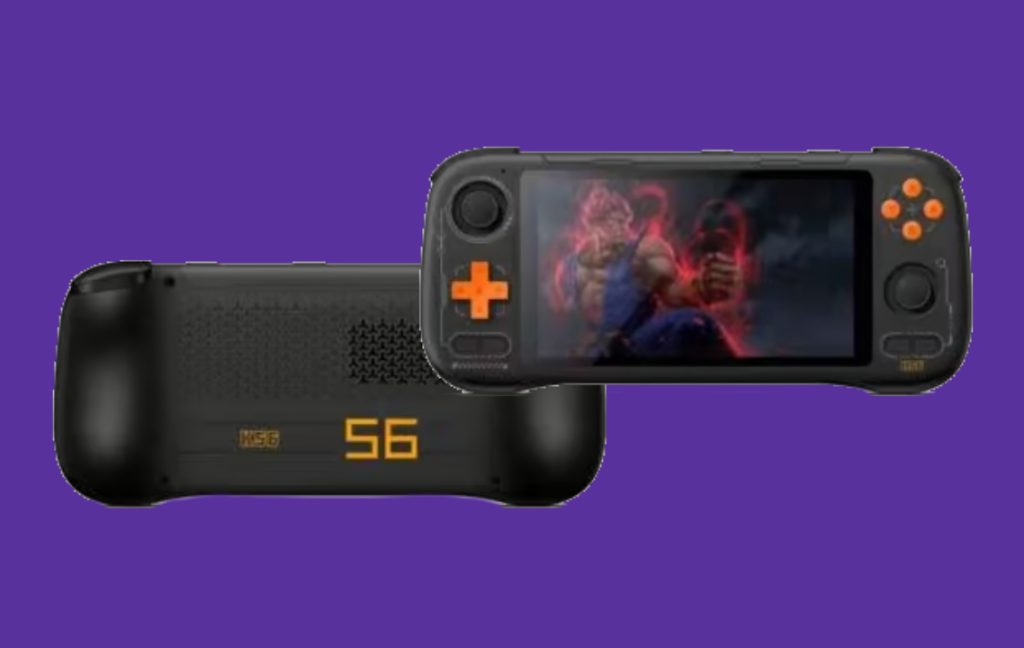
 Powkiddy K56 retro gaming handheld

The new retro gaming handheld is a successor to the Powkiddy X55 that was released in 2023. Powkiddy also recently announced the V10. The Powkiddy V10 is the brand’s first gaming handheld offering since the RGB20SX (currently priced at $102.99 on Amazon).
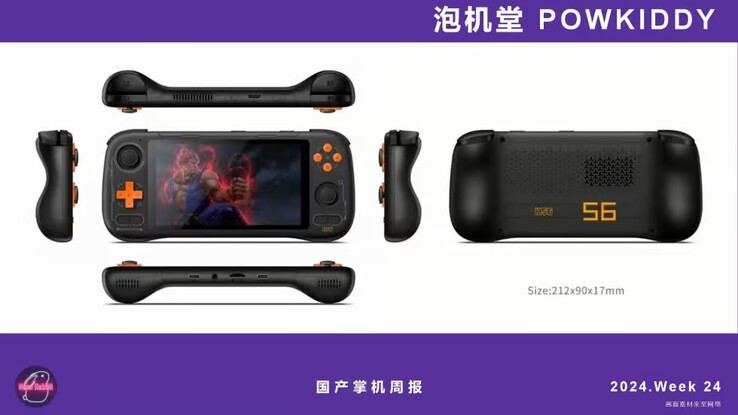
The new leak was posted by Retro Handhelds who obtained information about the future gaming handheld with the K56 moniker. The branding of the K56 points to strong comparisons with and improvements over the X55. The Powkiddy K56 has a horizontal design and comes with a pair of joysticks. It also features two sets of shoulder buttons, ABXY and d-pad buttons in an orange accent.

The upcoming Powkiddy gaming handheld is actively cooled and features a small vent on its rear side. It has dimensions of 212 x 90 x 17 mm and its ergonomic design allows for seamless gaming. The ports available with the gaming handheld include a 3.5 mm audio jack, a MicroSD card reader, a mini HDMI port, and two USB Type-C ports.

 Powkiddy K56 retro gaming handheld

The Powkiddy K56 is reportedly powered by an Helio G99 chipset. The MediaTek Helio G99 has been deployed in mid-range smartphones like the Xiaomi Redmi Note 13 Pro 4G. If the rumor is true, then the K56 could be as powerful as the AYANEO Pocket Micro, ZPG A1 Unicorn, and the KT Pocket R1. Of the trio, only the KT Pocket R1 is available for purchase currently.

The release date and pricing information for the Powerkiddy K56 are lacking. Sadly, this gadget may never come to life as Powkiddy has stated that the K56 isn’t an actual product in development.

(via)

Panasonic Launches the TOUGHBOOK 40 Mk2 Laptop with a FHD Touchscreen and Military Grade Weather Resistance

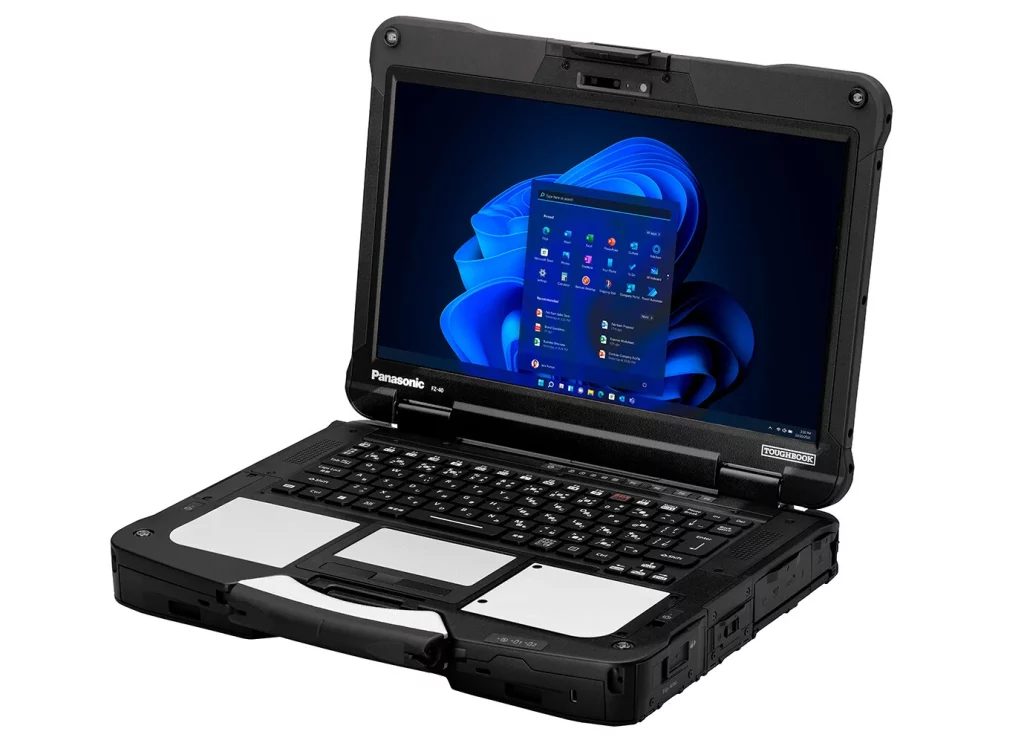
Panasonic has launched the second generation of its TOUGHBOOK 40 rugged laptop, the TOUGHBOOK 40 Mk2. The upgraded version is designed for demanding environments and boasts significant improvements in processing power and durability.

Users can pick between an Ultra 5 or an Ultra 7 vPro processor

The core of the TOUGHBOOK 40 Mk2 is a next-generation “Meteor Lake” Core Ultra processor from Intel. Customers can choose between two vPro options: the Ultra 5 135H (offering 4 performance cores and 8 efficiency cores with a maximum frequency of 4.6 GHz) or the Ultra 7 165H (providing 6 performance cores and 8 efficiency cores, reaching up to 5.0 GHz). This translates to a substantial performance increase compared to the previous generation.

The display remains a 14-inch FHD LCD touchscreen, but with an impressive upgrade in brightness. The Mk2 now features a 1200 nit display, ensuring excellent visibility even when outdoors in bright conditions.

Connectivity has also received an overhaul. The TOUGHBOOK 40 Mk2 comes equipped with an advanced Intel BE200 Wi-Fi 7 network card, enabling blazing-fast wireless speeds. For reliable cellular connectivity on the go, optional 4G/5G network support is available. Additionally, the laptop includes eSIM functionality for added flexibility.

Durability is a hallmark of the TOUGHBOOK series, and the Mk2 maintains this tradition. It adheres to military standard MIL-STD-810H and MIL-STD-461H certifications, guaranteeing protection against shocks, vibrations, and other environmental stresses. The IP66 dust and water resistance rating ensures the laptop can withstand dust, rain, and even powerful water jets. Furthermore, the Mk2 can operate in extreme temperatures, ranging from -29°C to 63°C.

A key feature of the TOUGHBOOK line is its modular design. This allows for easy replacement of components like the battery, storage, and memory, maximizing uptime and ensuring the laptop can adapt to changing needs.

Measuring 54.4mm thick and weighing 3.35kg, the TOUGHBOOK 40 Mk2 is not the most lightweight option. However, its built-in 68Wh battery with Mobile Mark 25 standard offers a respectable 12 hours of operation on a single charge. To further extend runtime, the Mk2 supports the installation of a second battery.

The Mk2 also boasts various expansion options, allowing users to customize the functionality based on their specific needs. These expansion areas include slots for a second NVMe SSD, smart card reader, DVD/Blu-ray drive, additional battery, fingerprint unlocking sensor, and RFID card reader.

(Via)

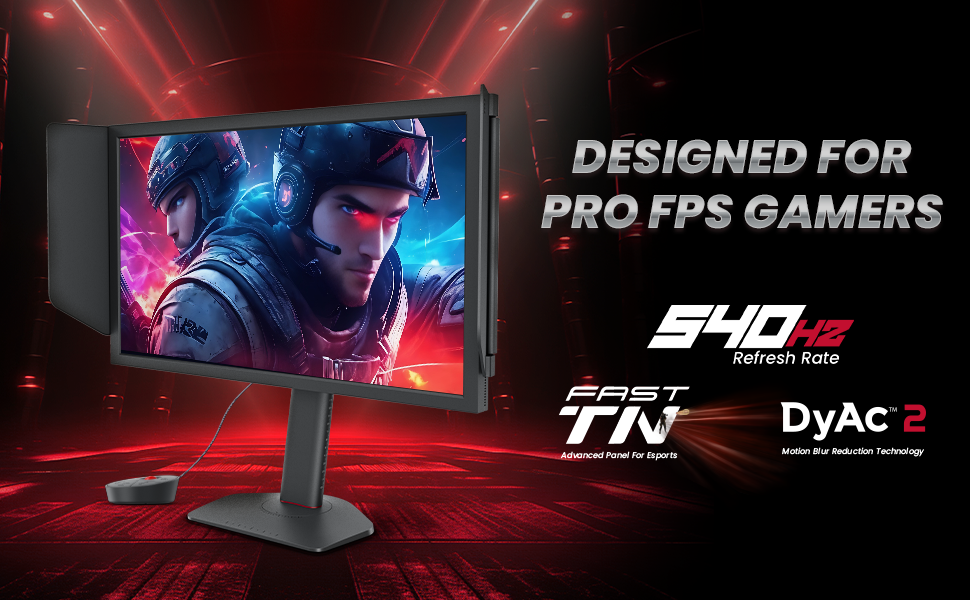
BenQ ZOWIE unveils India’s first 540Hz gaming monitor along with U2 wireless mouse

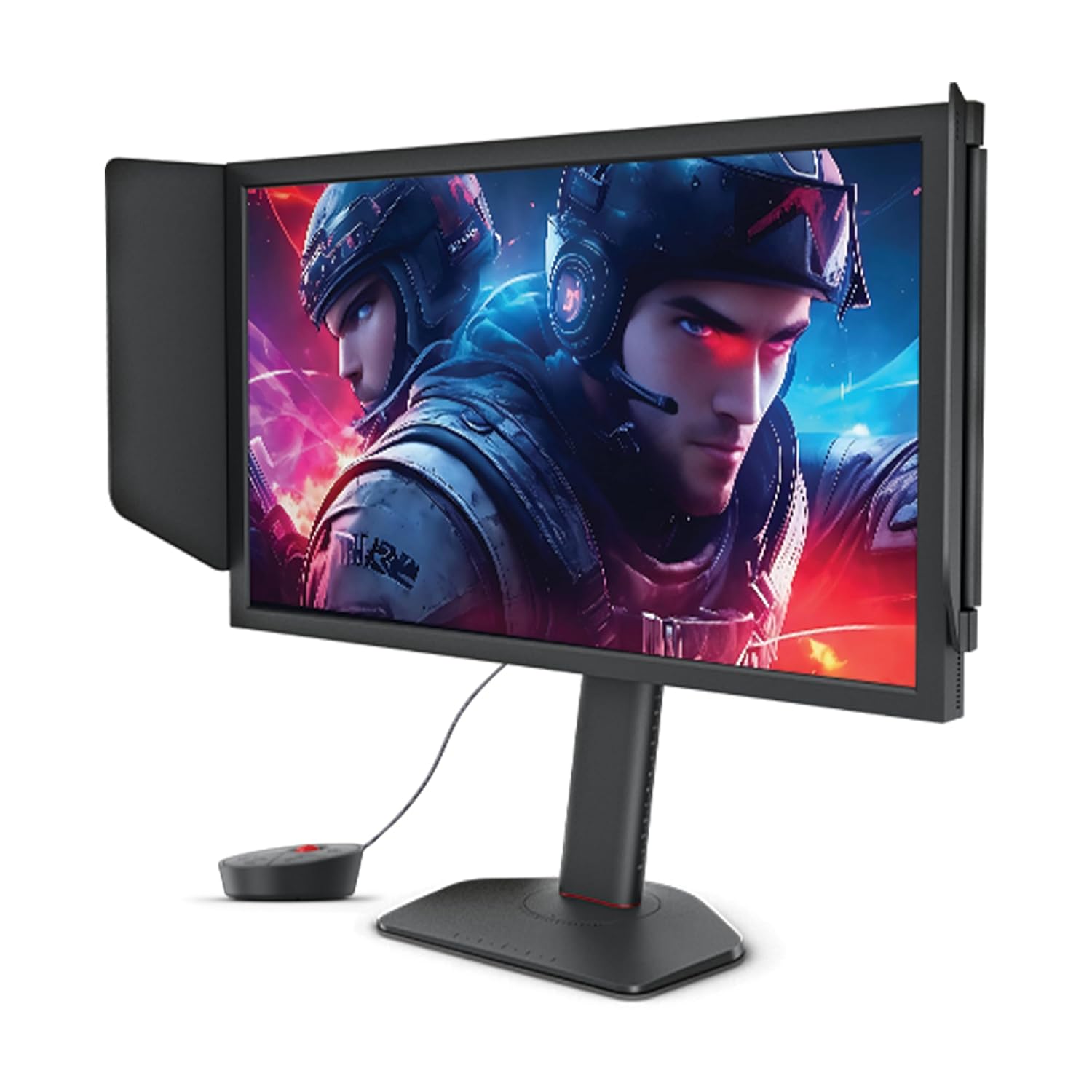
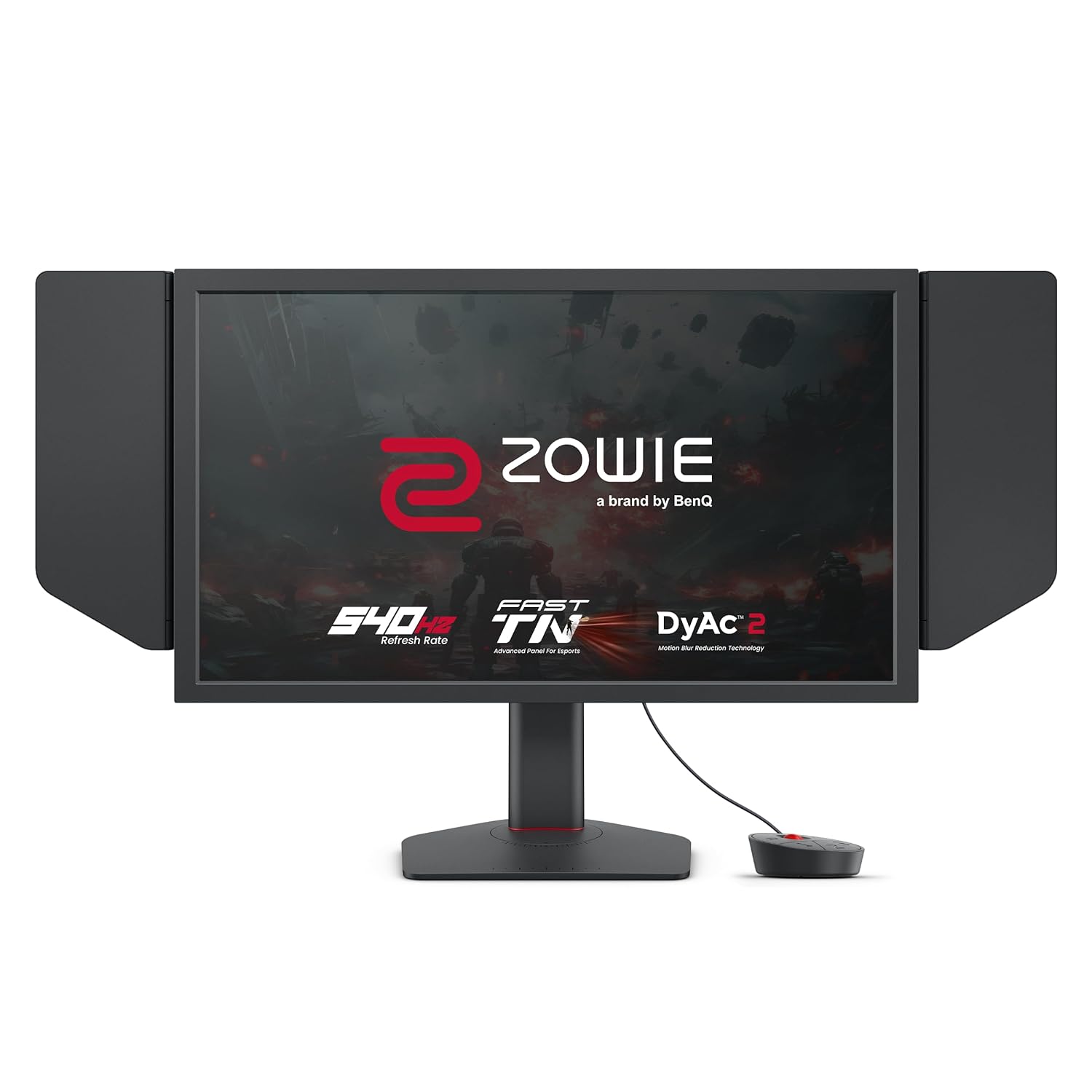
BenQ‘s professional esports-focused brand ZOWIE has just launched a new monitor called the ZOWIE XL2586X, as well as the ZOWIE U2 wireless mouse in India.

ZOWIE XL2586X gaming monitor:

BenQ Zowie XL2586X

The ZOWIE XL2586X is the first monitor in India with a 540Hz refresh rate, featuring BenQ’s DyAc 2 technology. This technology improves motion clarity and reduces blur, helping gamers track fast-moving targets more accurately.

Key Features:

  • Display Technology: Fast-TN panel for sharp, clear motion and vibrant, accurate colors.
  • Ergonomic Design: Industrial-grade bearing mechanism for smooth height adjustments.
  • Visual Enhancements: Black eQualizer, Color Vibrance, Low Blue Light, and Flicker-free technology.
  • Connectivity: HDMI 2.1, DP 1.4, and a headphone jack.

Specifications:

  • Display: 24.1-inch Fast TN 540Hz FHD, 16:9 aspect ratio
  • Brightness & Contrast: 320 nits brightness, 1000:1 contrast ratio
  • Features: DyAc 2, Auto Game Modes, S Switch, Shield, K Locker
  • Adjustability: Dual Backlight Design, VESA wall mounting, Swivel, Tilt, Height adjustment
  • Dimensions & Weight: 517 mm (Highest) / 362 mm (Lowest) x 576 mm x 209 mm, 5.8 kg
  • Warranty: 3 years

ZOWIE U2 Wireless mouse:

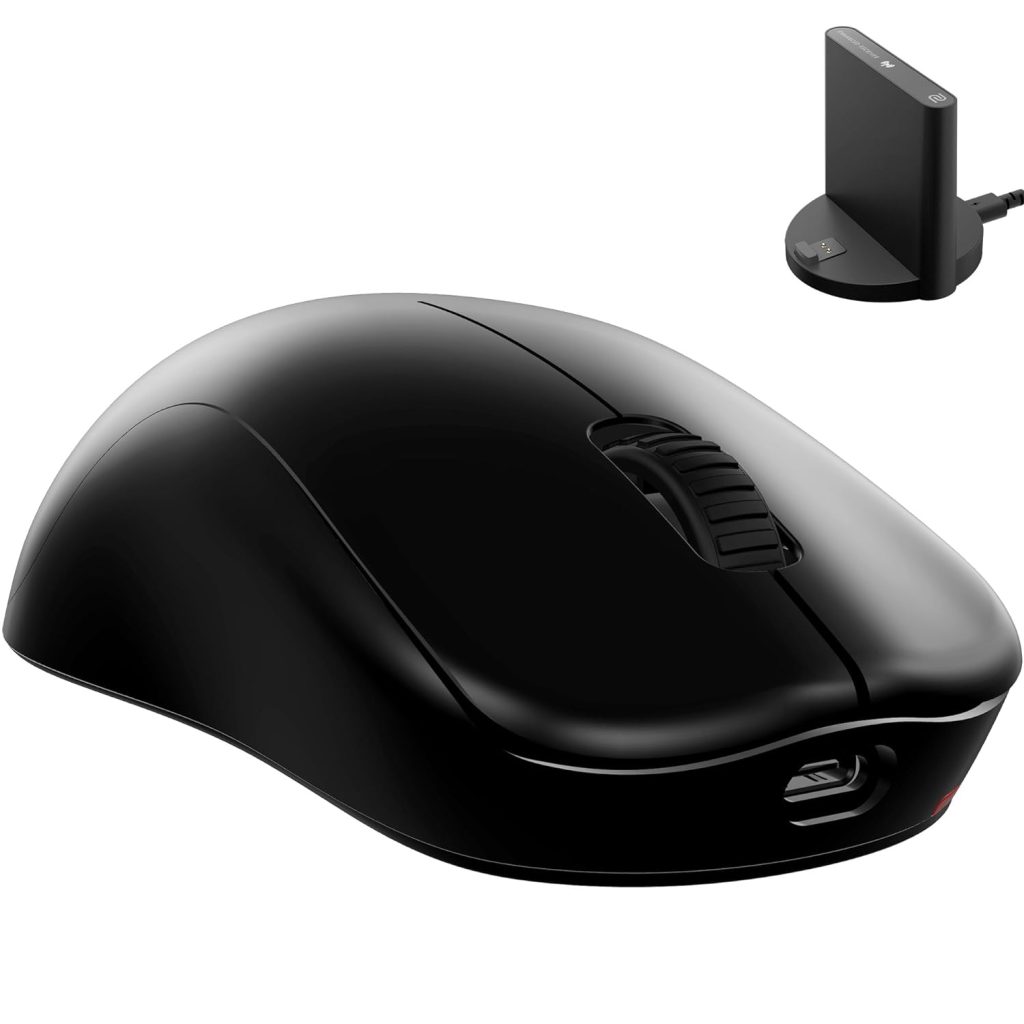
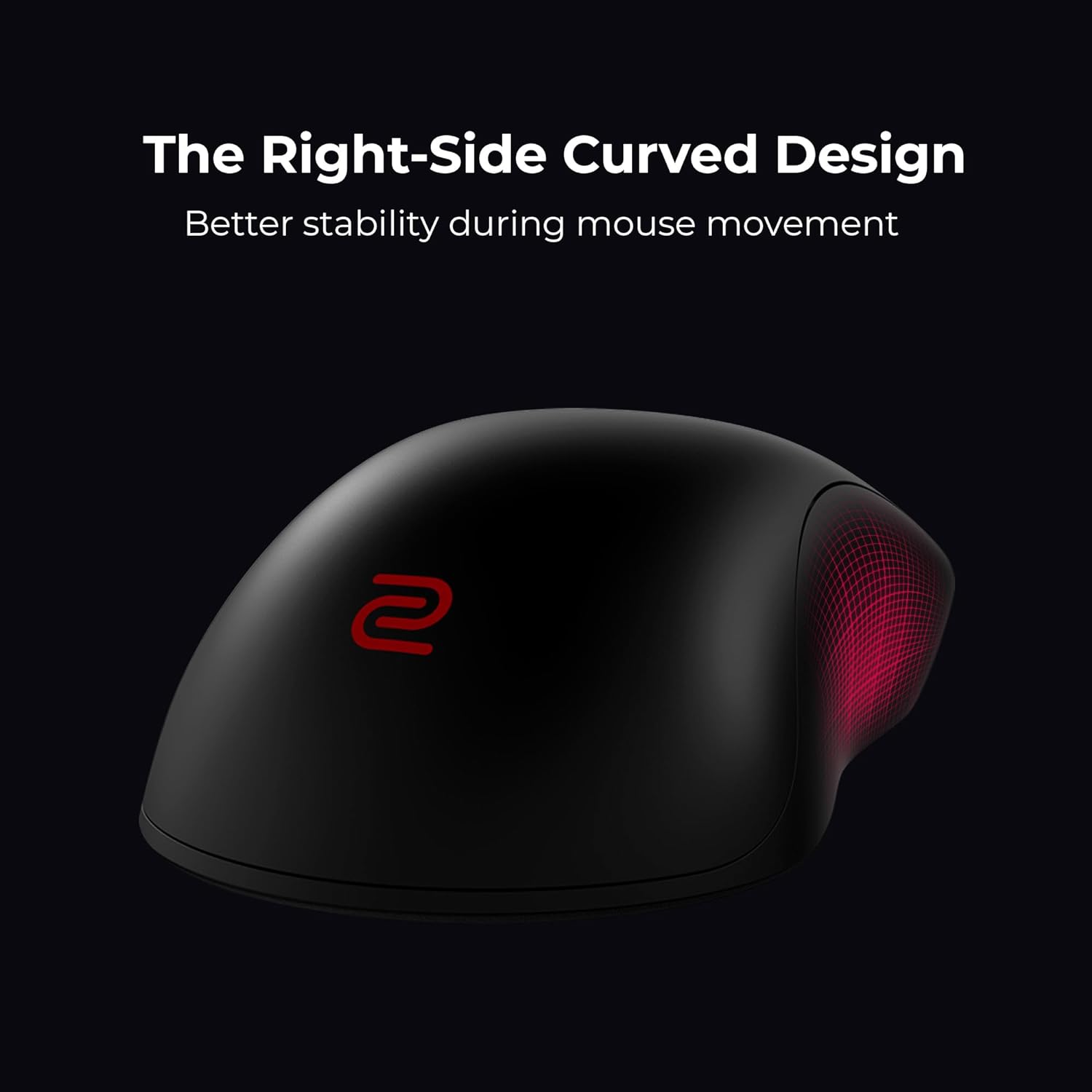
The ZOWIE U2 wireless mouse is designed for professional gamers, offering enhanced control and agility. Its symmetrical design and lightweight build provide a comfortable grip and precise control during intense gameplay.

ZOWIE U2 Wireless Mouse

Key Features:

  • Design: Symmetrical shape with curvy sides and side buttons for easy thumb access.
  • Performance: Supports various DPI settings (400 / 800 / 1000 / 1200 / 1600 / 3200) and offers fast click response times.
  • Battery Life: Up to 70 hours, with the receiver doubling as a charging dock.
  • Connectivity: Plug-and-play USB connectivity.

Specifications:

  • Design: Symmetrical with left-side curved design
  • DPI Settings: 400 / 800 / 1000 / 1200 / 1600 / 3200
  • Buttons & Report Rate: 5 buttons, 125 / 500 / 1000 Hz report rate
  • Battery & Connectivity: Up to 70 hours battery life, receiver doubles as charging dock
  • Dimensions & Weight: 12.4 cm x 3.8 cm x 0.1 cm, 60g
  • Color: Black

Pricing and Availability

The ZOWIE XL2586X monitor is available at leading gaming retailers and on Amazon.in for Rs. 94,990. Additionally, the ZOWIE U2 wireless mouse is available exclusively on Amazon.in for Rs. 14,990.