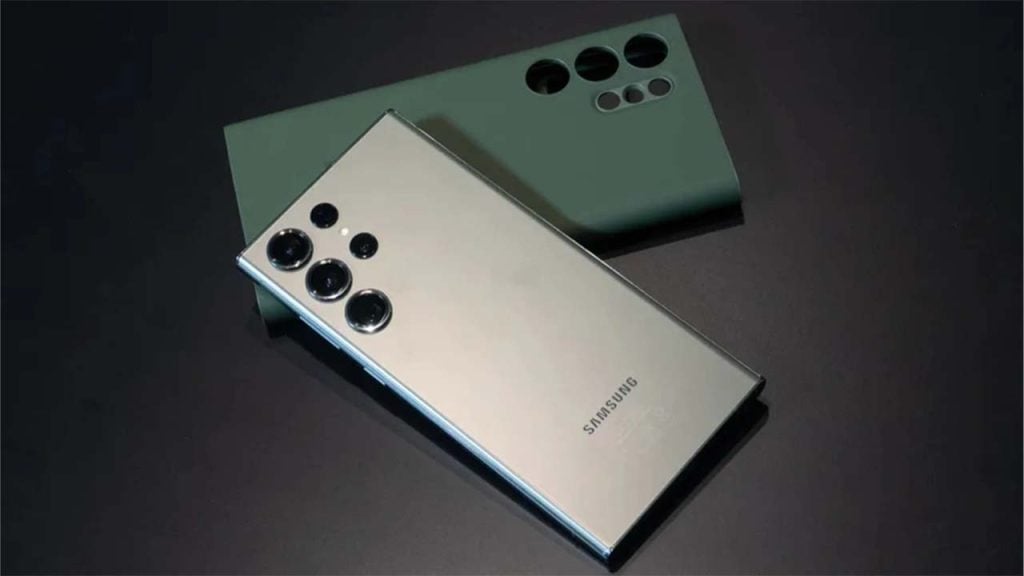
The Galaxy S25 series is expected to launch somewhere between January – February 2025. However, the series has already entered the rumor mill. The latest news is about the camera specifications of the S25 Ultra.
It is said that the S25 Ultra will offer a unique asymmetrical design and achieve significant upgrades in camera technology and other core specifications. The phone will reportedly boast two new image sensors for the ultrawide and telephoto cameras.
Galaxy S25 Ultra rumored camera specifications
The ultrawide lens will use a new version of the 1/2.76-inch JN1 sensor that has a resolution of 50 MP. For context, the Galaxy S24 Ultra’s ultrawide camera includes a 12MP ultrawide with a sensor size of 1/2.52″. One of the telephoto lenses will include a 1/3″ ISOCELL sensor, which is claimed to improve the clarity and stability of zoomed shots.
Daniel Araujo, vice president of Samsung Mobile Experience (MX), has also recently revealed some preliminary information about the Galaxy S25 series during the company’s second quarter 2024 earnings conference call. According to him, the series will come with some key upgrades when it comes to the camera and display. In addition to that, he also mentioned that they have prepared “the industry’s best application processor (AP) and memory to enhance AI performance” and provide a comprehensive high-end experience.
“We have been continuously upgrading the hardware of the S series to provide customers with an industry-leading experience. We will continue to enhance key experiences while upgrading hardware to provide top performance. Especially in terms of camera and display specifications, the Galaxy S25 will bring top upgrades when it is released,” the official said.
Although the company has not yet commented on the use of the Exynos 2500 chipset in the Galaxy S25 series, the industry believes that a significant proportion of the series will be powered by the Exynos chipset in many regions.
Following the recent launch of the Realme 13 Pro series in India, Realme has confirmed the arrival of its non-Pro sibling, the Realme 13, in Indonesia. The phone is set to launch on August 7th and will be unveiled through a live stream on Realme Indonesia’s social media channels, including YouTube.
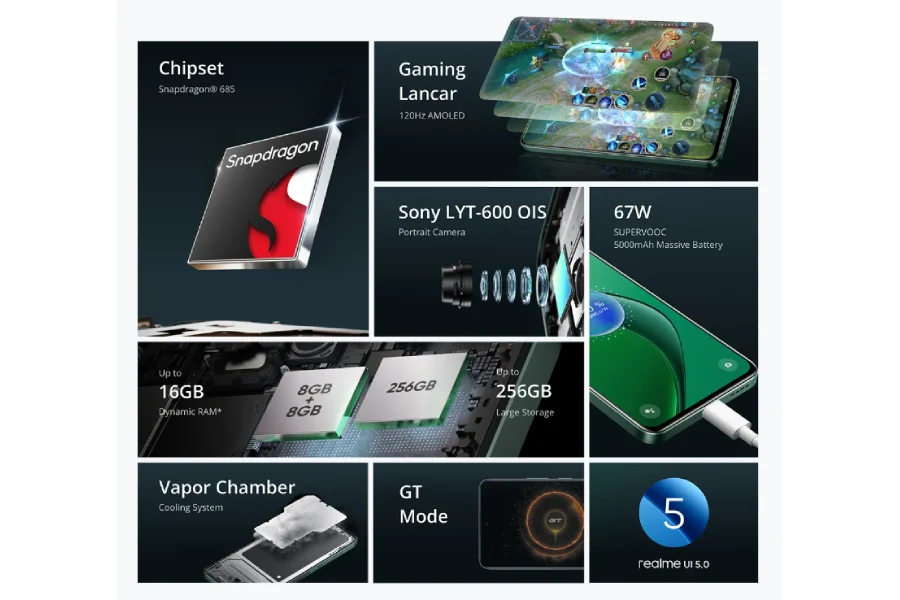
The Realme 13 features a Qualcomm Snapdragon 685 chipset, which is a 4G processor. However, there appears to be a 5G variant of the phone, as it recently received certification from TENAA.
The SoC is paired with 8GB of RAM and up to 256GB of storage and there’s also support for virtual RAM expansion, allowing users to add an additional 8GB for a total of 16GB. Thermal management will be handled through a vapor chamber cooling system. On the software side, the Realme 13 will run Realme UI 5 based on Android 14.
Moving on, unlike the Realme 13 Pro series which saw a design refresh, the base model appears to retain the design language of its predecessor. This means flat edges, a circular camera module on the back adorned with a central stripe running down the phone’s length.
The front has a punch-hole cutout housing the selfie camera on a 120Hz AMOLED display. The teaser page also confirms 67W fast charging for the device.
While details remain scarce, it appears Realme might be partnering with the mobile game Honor of Kings, potentially offering exclusive content or optimization for the title.
Additionally, the launch event will also see the unveiling of the Realme Buds T01 earphones for the Indonesian market. These earbuds are IPX4 splash-proof, offer up to 28 hours of playtime, connect via Bluetooth 5.4, and support Google Fast Pair.
The earbuds will be available in White and Black, with the Black version featuring a yellow accent inside the charging case. Both the Realme 13 and Buds T01 will go on sale in Indonesia starting August 9th.
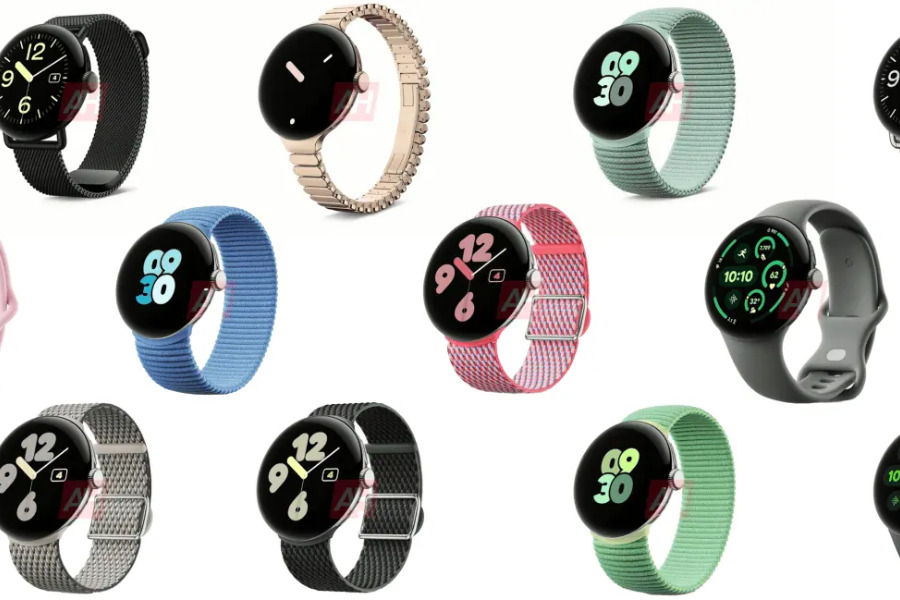
It’s finally August! We’re now just days away from Google‘s latest Pixel device launch. We’ve already seen extensive details on the Pixel 9 lineup. Now, thanks to a report from Android Headlines, we have the final piece of the Pixel Watch 3 puzzle: pricing.
As previously rumored, Google is expected to launch two Pixel Watch 3 models: a standard size and a larger variant, possibly called the Pixel Watch 3 XL.
The smaller model, likely measuring 41mm, is reported to start at $349 for the Wi-Fi version, unchanged from its predecessor. However, the LTE model sees a $50 increase and will retail at $449. The larger Pixel Watch 3 XL coming in 45mm size will retail for $399 for the Wi-Fi model and $499 for the LTE variant.
The Pixel Watch 3 series retails at a higher price compared to some of its competitors. For example, the recently launched Samsung Galaxy Watch 7 starts at a lower price of $299 for its 40mm Wi-Fi-only version. Google categorizes Pixel Watches as premium-segment wearables and the trend seems to continue with the Pixel Watch 3.
Beyond pricing, previous leaks have hinted at several new features and upgrades for the Pixel Watch 3. Both models are said to feature an Actua display with up to 2,000 nits peak brightness, an upgrade from the predecessor’s AMOLED screen with 1,000 nits brightness.
Feature-wise, the Google Pixel Watch 3 will have the ability to view Nest Doorbells and Cameras on the watch for added convenience. Users can access Maps offline and use Google Wallet for payments. Additionally, the smartwatch will allow users to control their Pixel phone’s camera, switching between photo and video modes.
For health and fitness tracking, the Google Pixel Watch 3 will support advanced running metrics, including custom runs, audio and haptic cues, and various metrics to improve form. The device will feature a readiness score to determine if you’re ready for a workout or need to rest. The cardio load will measure your heart rate to assess if you’re under or overtraining.
Google is also introducing a new Morning Brief feature summarizing each metric, including sleep quality and readiness score. The Pixel Watch 3 will reportedly offer a 24-hour battery life with AOD enabled and 36 hours with battery-saving mode.
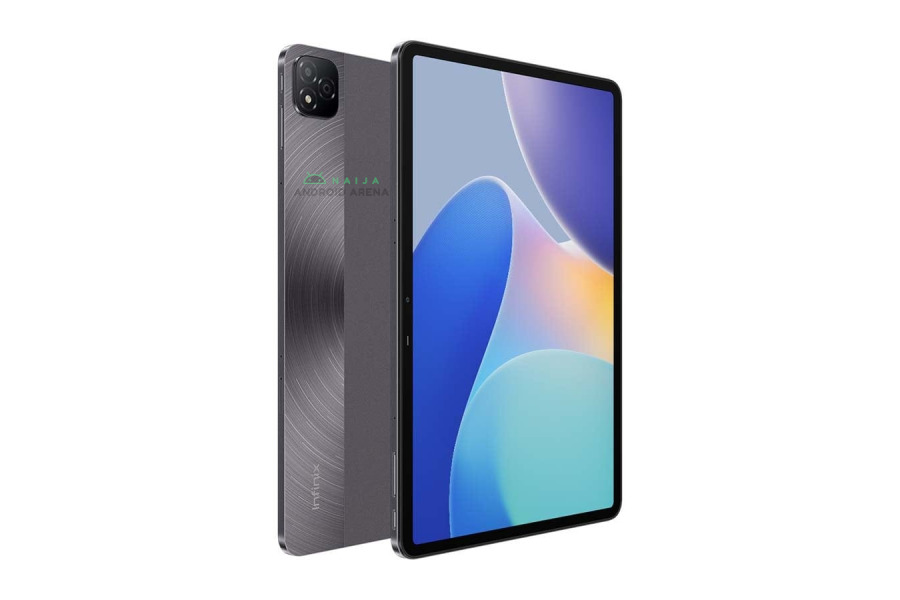
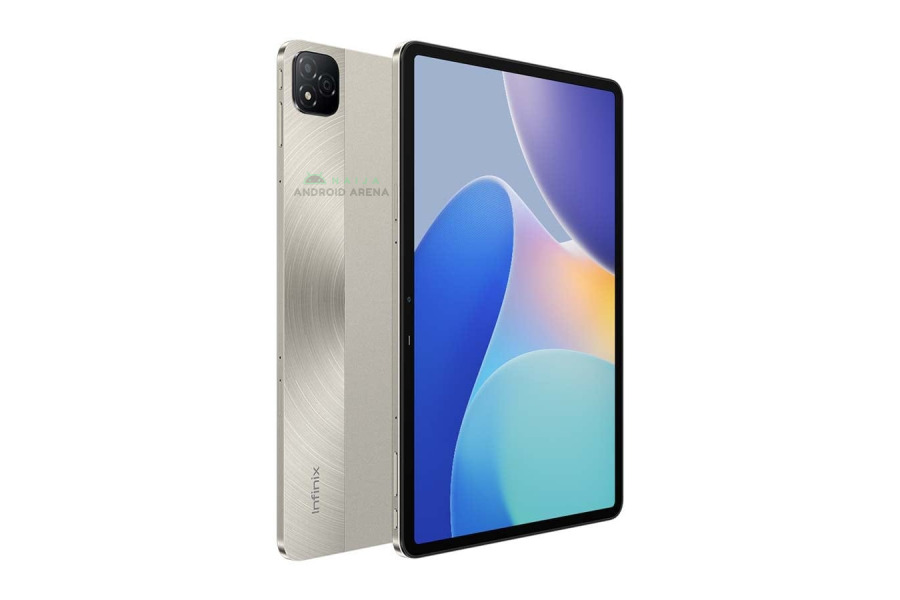
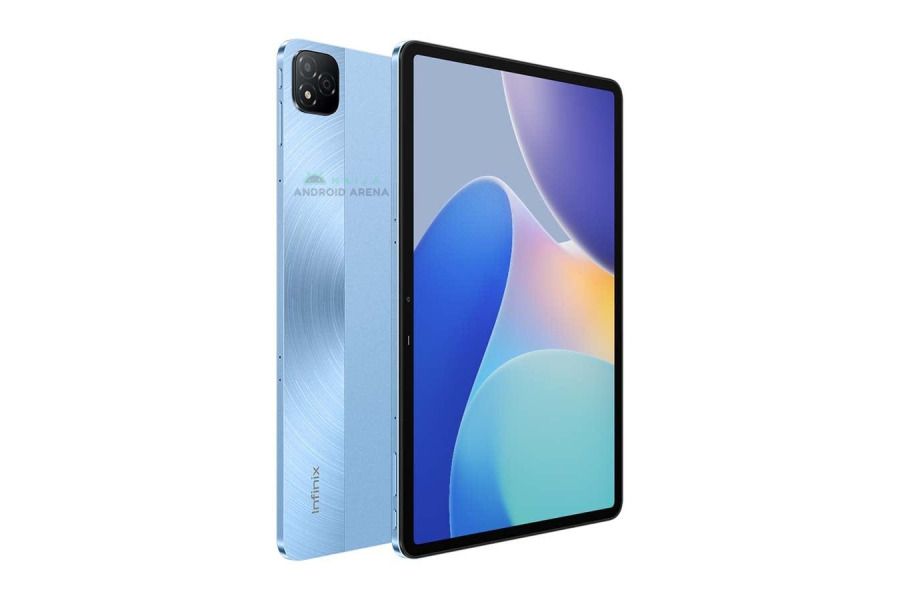
Last month, we exclusively confirmed that Infinix is entering the tablet market with a device called the XPad. Today, those rumors have been confirmed with a full-blown leak, including official-looking renders and a look at the XPad’s specifications.
The leaked images show a fairly standard tablet design in three color options: blue, gray, and gold. The display is expected to be an 11-inch LCD panel with a resolution of 1080×2400 pixels and a 90Hz refresh rate.
Inside, the Xpad will be powered by the MediaTek Helio G99 Ultimate chipset. This SoC is typically found in budget smartphones, suggesting the tablet isn’t designed for demanding tasks.
Additionally, the tablet will have 4GB of RAM, which seems insufficient for multitasking on a 2024 tablet. The software side will see Infinix XOS skin on top of Android 14. However, it does offer expandable storage up to 256GB.
The rear camera system features a dual setup with a 12-megapixel main sensor and an 8-megapixel secondary sensor, while the front-facing camera is 8 megapixels.
The tablet will have a 7000mAh battery and will only be available in a WiFi-only model, with no cellular connectivity.
A crucial missing detail from the leak is the price. Given the Xpad’s modest specs, its success will likely depend on its affordability. With the budget tablet market dominated by established markers like Samsung and Xiaomi, Infinix will need to undercut the competition significantly to carve out a niche.
The leak also doesn’t mention a concrete release date, but the increasing frequency of leaks suggests an official announcement could be imminent – likely within the next few weeks.
If the price lands right, the Xpad could be a decent option for casual users looking for a basic browsing and entertainment device. However, for users who demand more power or a premium experience, there will likely be better options available.
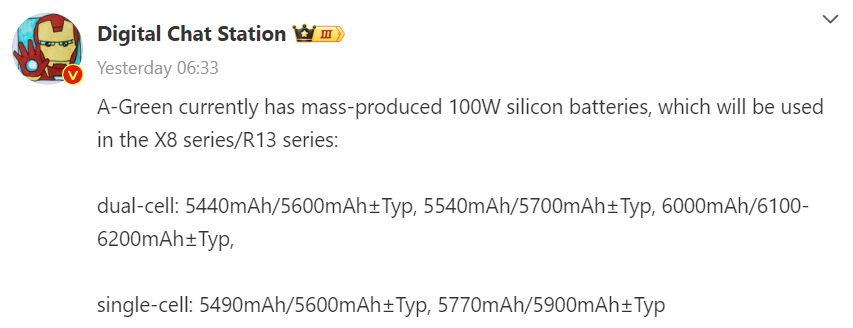
The Find X8 series of flagship phones and the Reno 13 series of smartphones will be the next major announcements from Oppo for the Chinese market. It is likely that the Find X8 and the Find X8 Pro may debut in October of this year, whereas the Reno 13 and the Reno 13 Pro may go official in October. The Find X8 Ultra may have a dedicated launch event in January 2025 for China. Months before the official announcement, tipster Digital Chat Station shared key details about the battery capacities of the X8 series and the Reno 13 lineup.
Oppo Find X8 series battery leak (rumored)
The above Weibo post suggests that Oppo has successfully mass-produced 100-watt silicon batteries. The brand’s upcoming high-end phones will power these batteries. The leak suggests that the Find X8, the Find X8 Pro, and the Find X8 Ultra will have a 5,600mAh, 5,700mAh, and 6,100 or 6,200mAh battery, respectively.
Rumors surrounding the Find X8 and X8 Pro suggest that both phones will come equipped with the Dimensity 9400 chipset. On the other hand, the Find X8 Ultra will have the Snapdragon 8 Gen 4 chip onboard.
Reno 13 series battery leak (rumored)
According to the leaker, the Reno 13 will house a 5,600mAh battery, whereas the Pro variant will pack a larger 5,900mAh battery. At present, there is no information about the chipsets that will drive the Reno 13 and 13 Pro.
In recent months, there has been a notable trend towards integrating silicon batteries into smartphones. These high-density batteries provide a larger capacity, enabling extended usage and support for rapid charging, all without significantly increasing the device’s thickness.
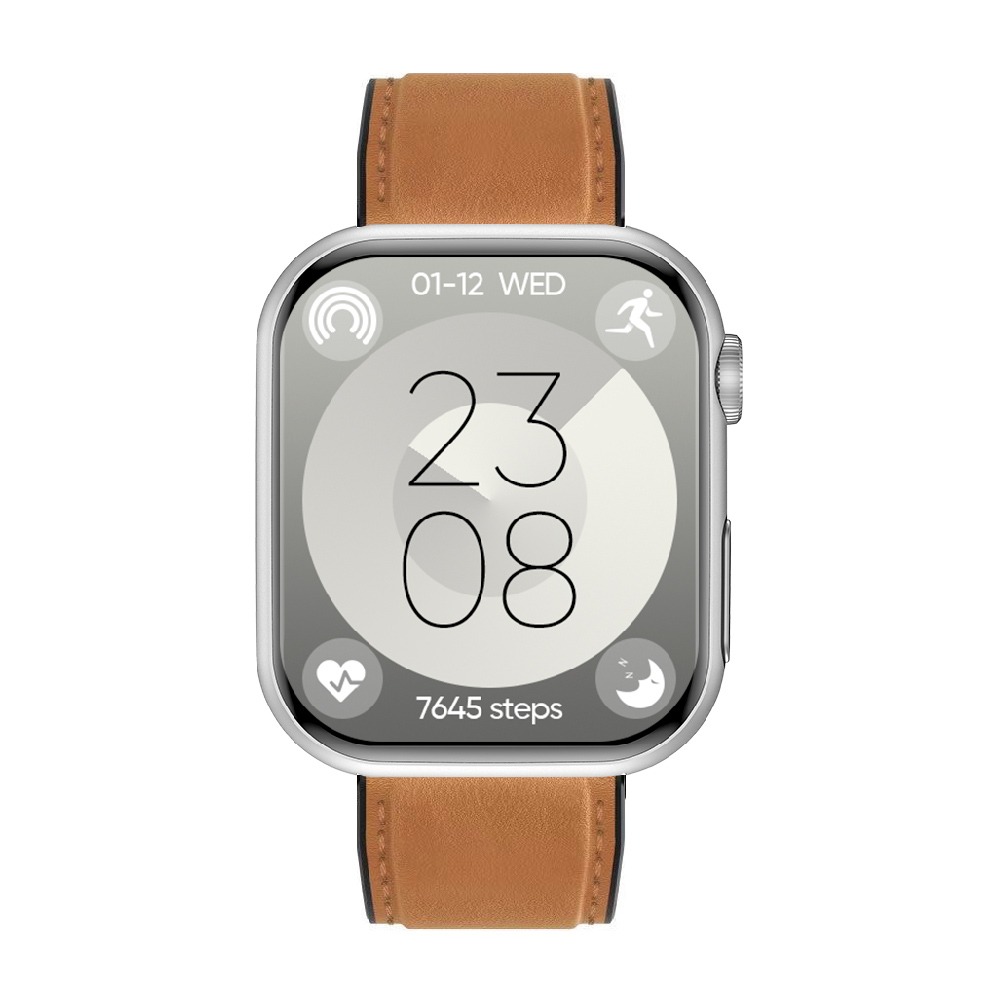
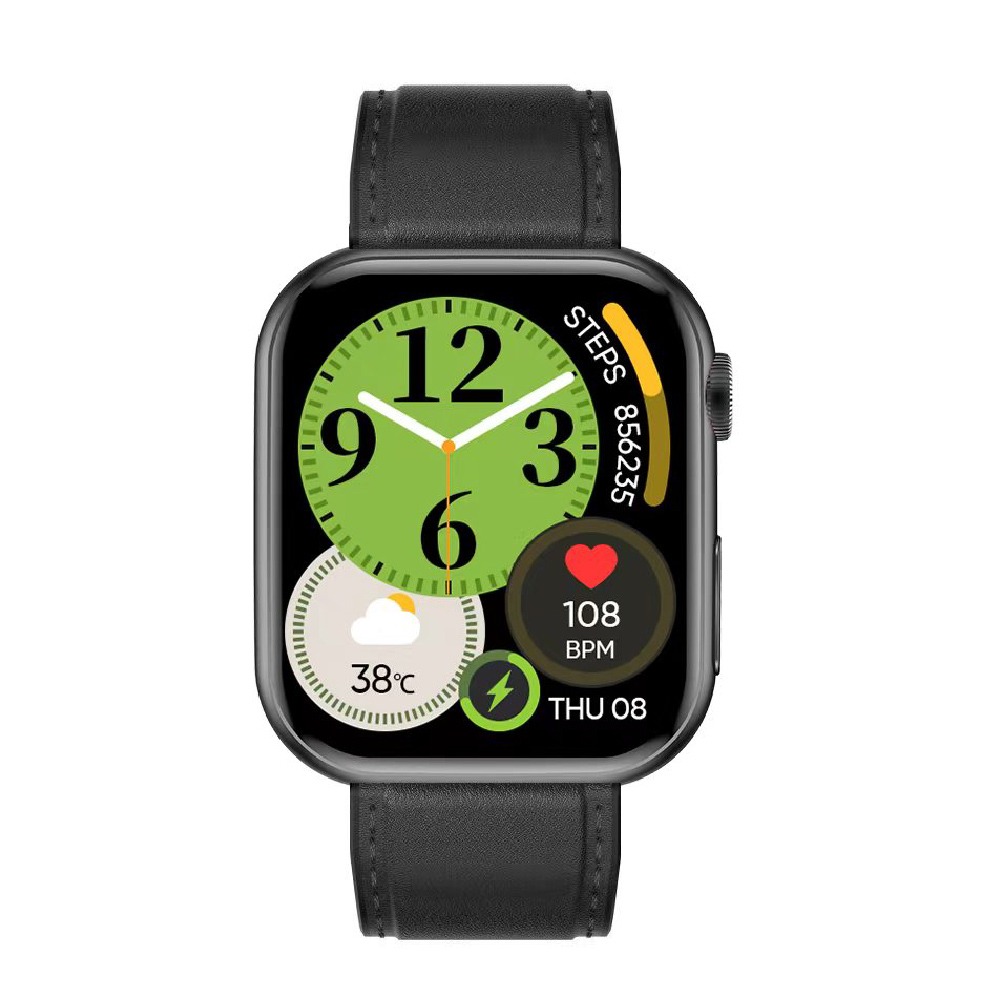
The health monitoring focused Lem 4 smartwatch was announced in June with a price tag of $49. The existing variant comes with a TPU strap. Today, Lemfofit has announced the leather strap variant of the Lem 4 without any price increase.
Buyers now have the option to choose between the traditional band and the new leather strap when purchasing the Lem 4 smartwatch. It now comes in brown and black leather strap options. The watch, which is available in Black and Silver color options, is available with duty-free shipping for global buyers through its official website.
Lemfofit Lem 4 key features
The Lem 4 smartwatch has a 1.97-inch AMOLED display with support for 341ppi pixel density. It supports 50+ sports modes and offers an IP68 level of dust and water resistance. The 350mAh battery of the watch promises a battery life of up to 10 days on a single charge. It is compatible with both Android and iOS devices.
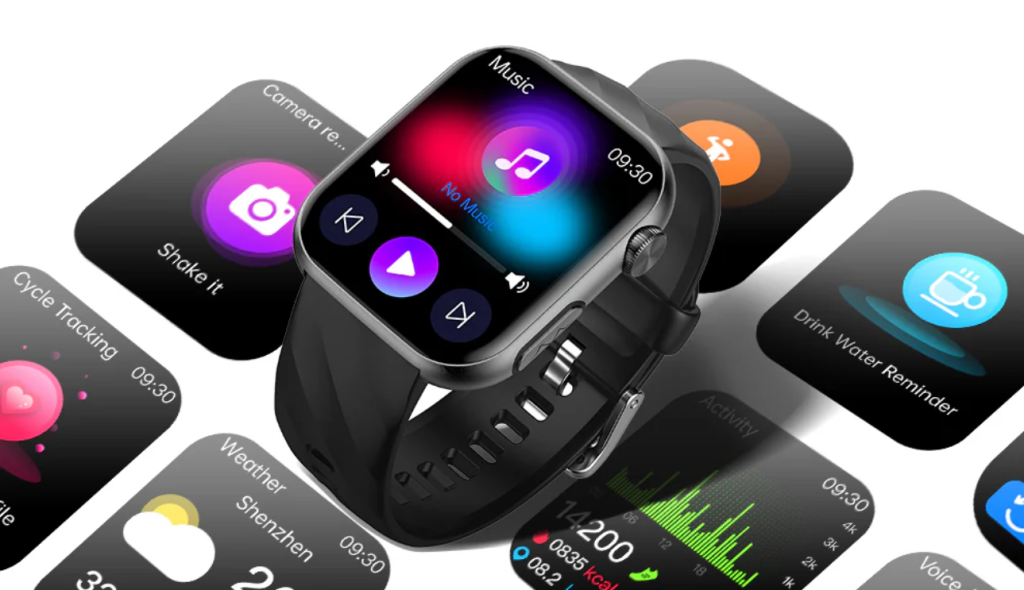
The Lem 4 smartwatch also offers other features, such as Bluetooth calling, voice assistant, stress monitoring, BMI, and sleep tracking. In comparison to the previous generation (Lem 3), the Lem 4 comes with a bigger display, a larger battery, more fitness and tracking modes, and new body indicators.
Lemfofit Lem 4
One of the major highlights of the Lem 4 smartwatch is its medical-grade ECG functionality, certified by the CFDA as a class-II medical device. It also provides non-invasive blood sugar monitoring, blood pressure measurement, body temperature tracking, and sleep monitoring. Therefore, the company touts it as a comprehensive health monitoring device.
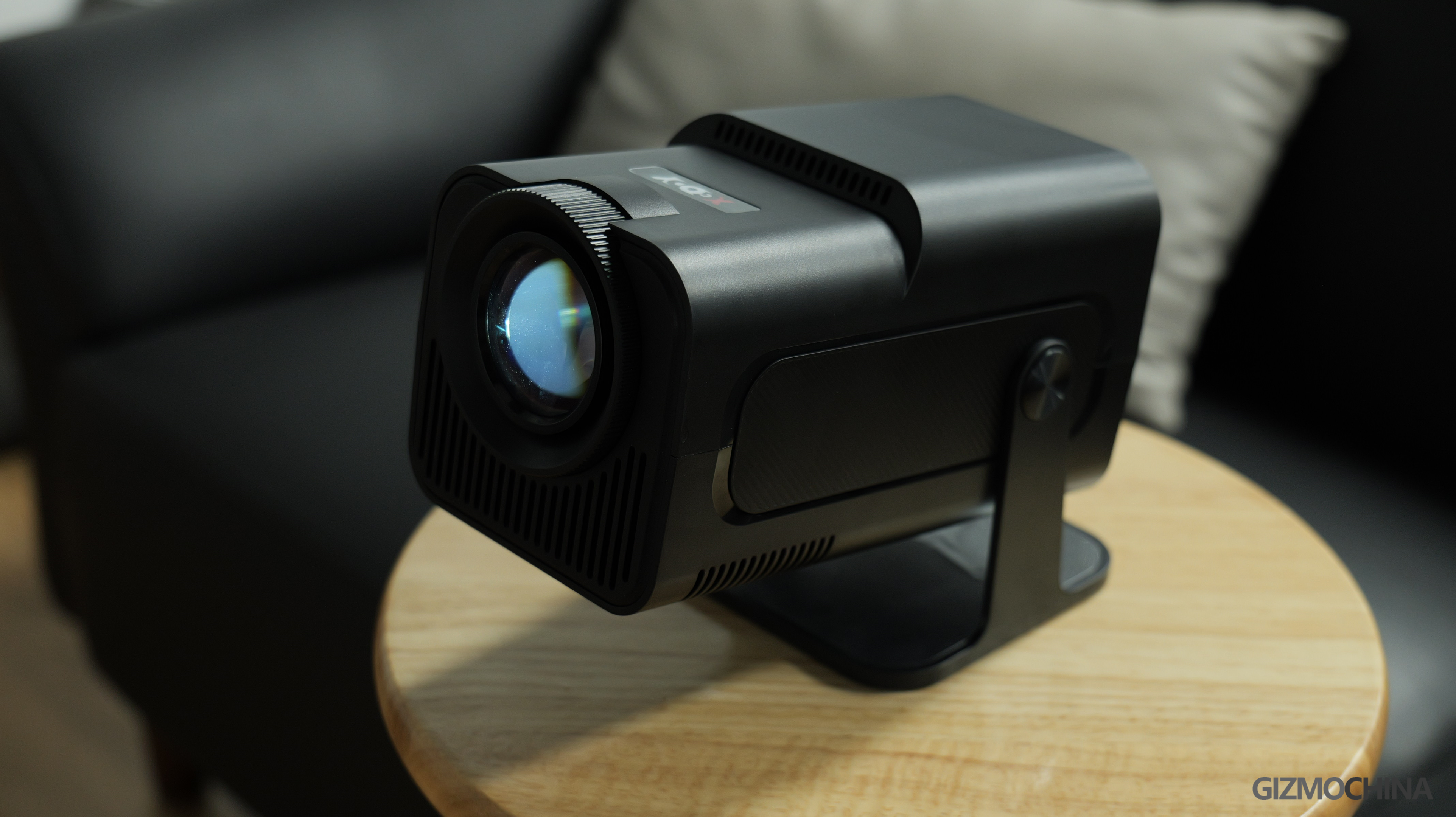
In this review, we are focusing on the XGODY Gimbal 5 Portable Smart Projector, this is a mini projector that can be used in many places, it has decent clarity and multiple App support. All come with a very friendly price tag, which is merely $119 on Amazon. After this review, you can get some real insights into this portable projector, and you may pick it up later.
Unboxing
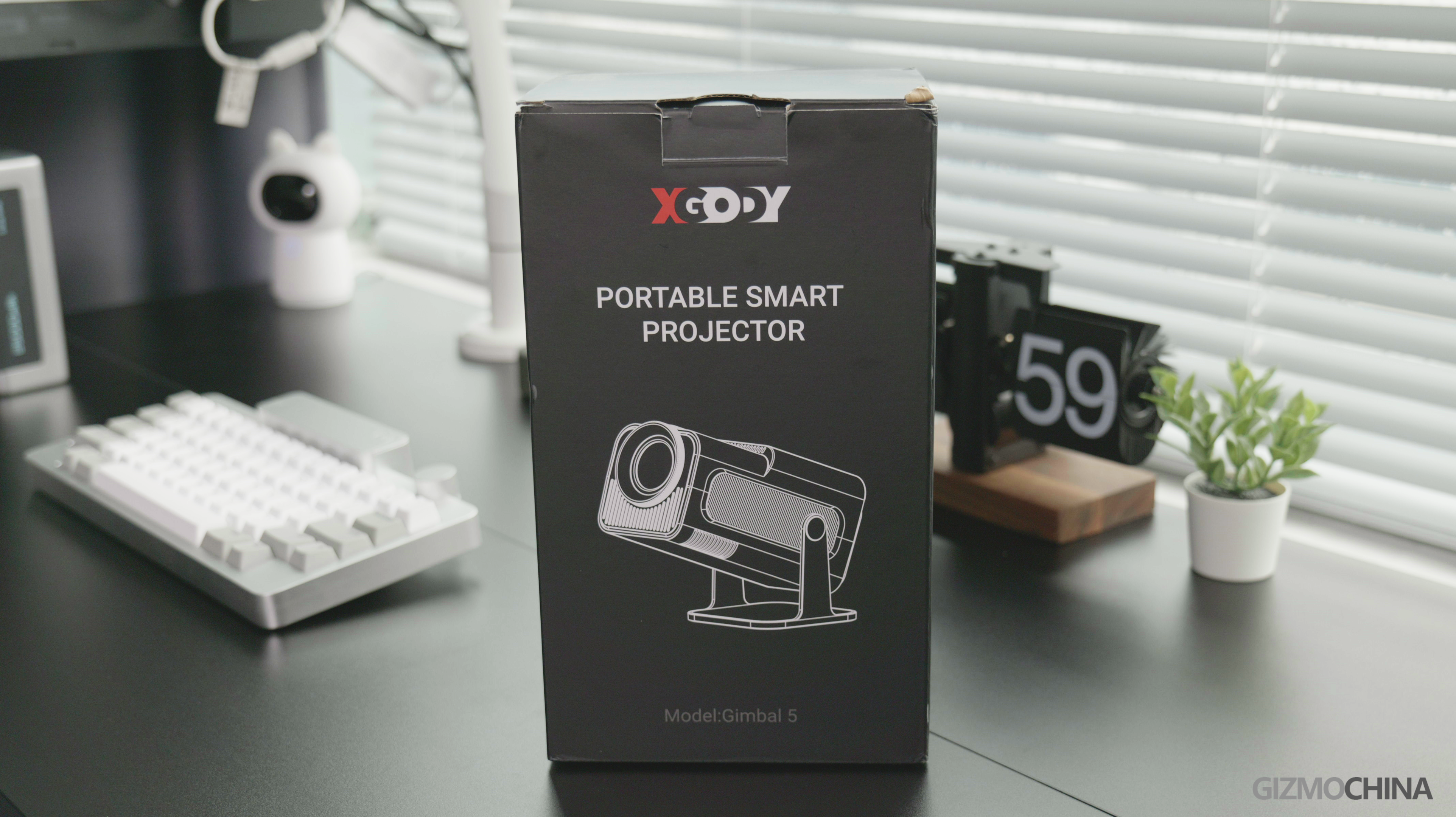
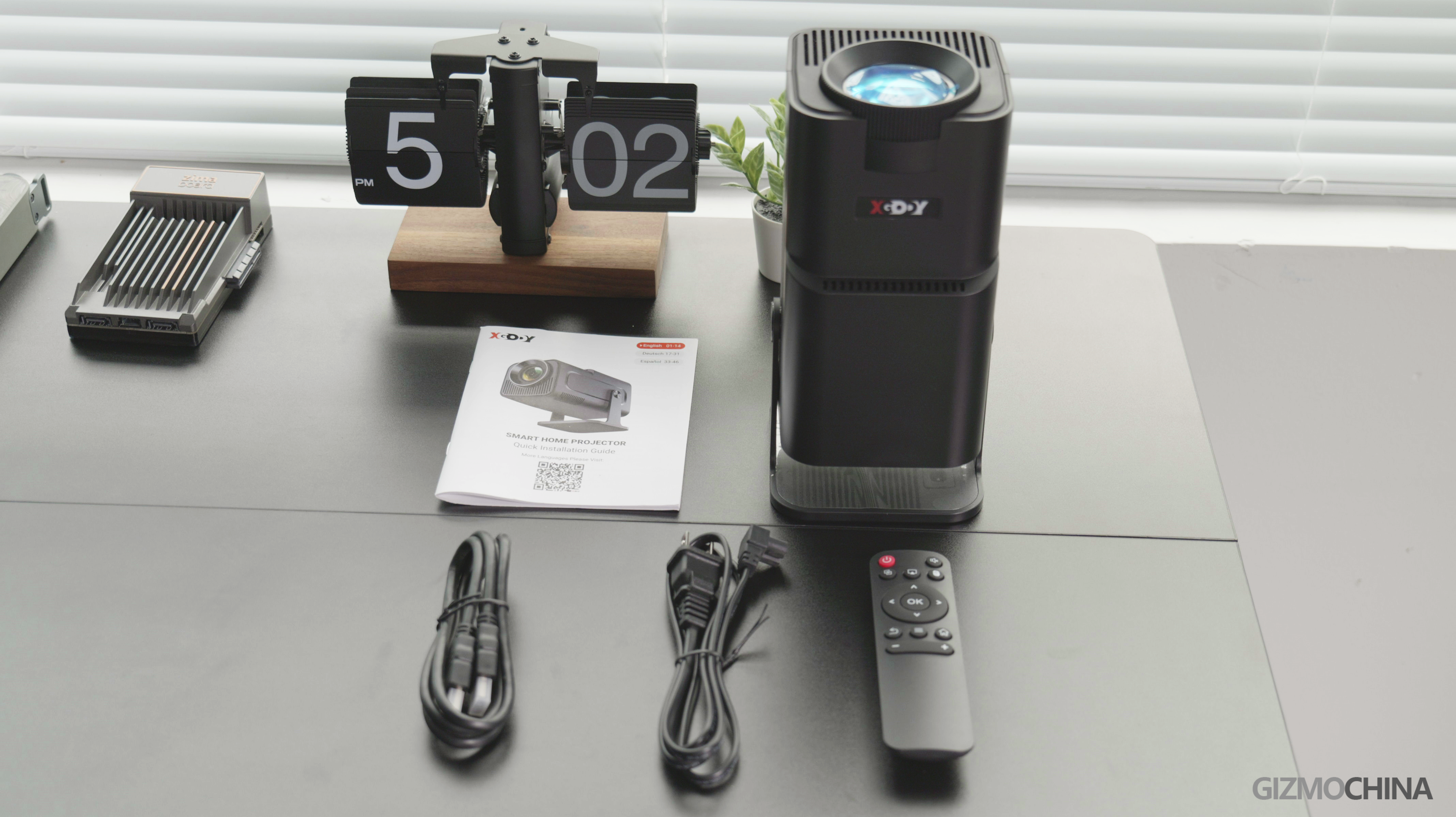
This projector is packed in a very simple box, with all the essential info printed on it. Opens the box, then the user manual and two cables are included, one HDMI cable, and one power cable. Also there is a remote inside, this remote is of high quality, the buttons are clicky, and it is small. One thing to mention about the remote is that, it does not come with batteries, so you will need to have AAA batteries at home to be able to use it right out of the box.
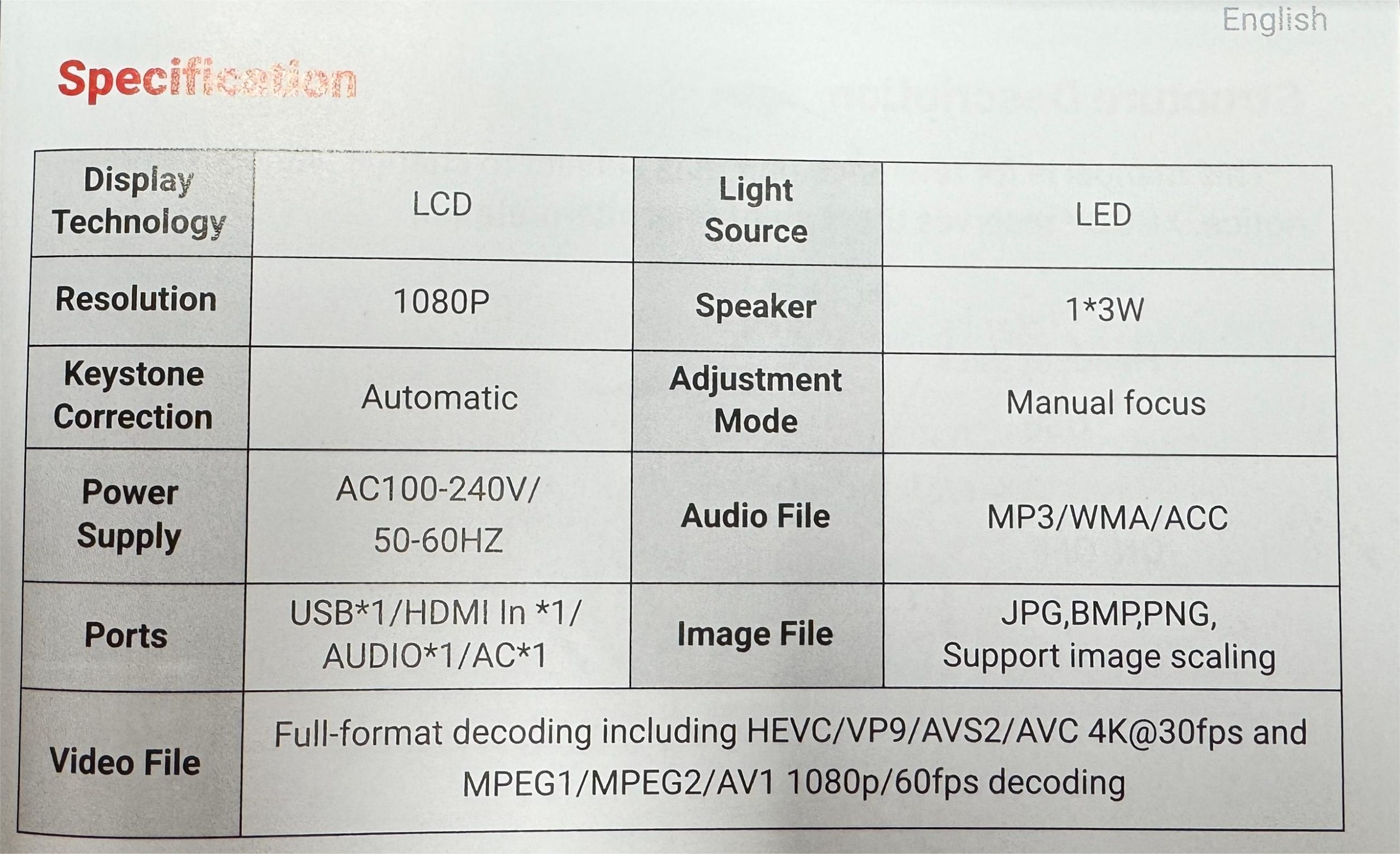
Specs
Here are all the specs, after reading these, we will test the projector, and see if it lives up to all these.
Design and Build Quality
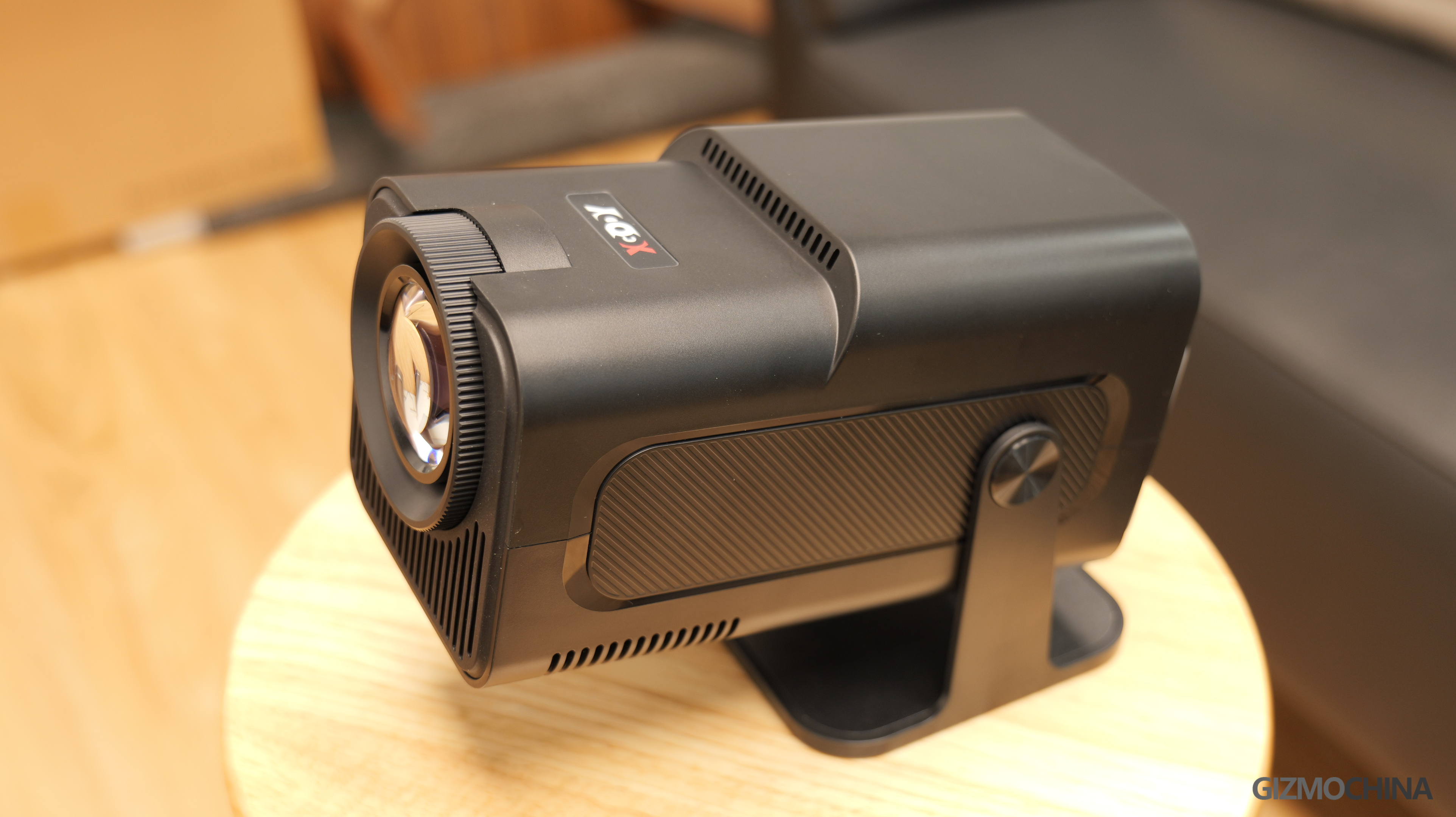
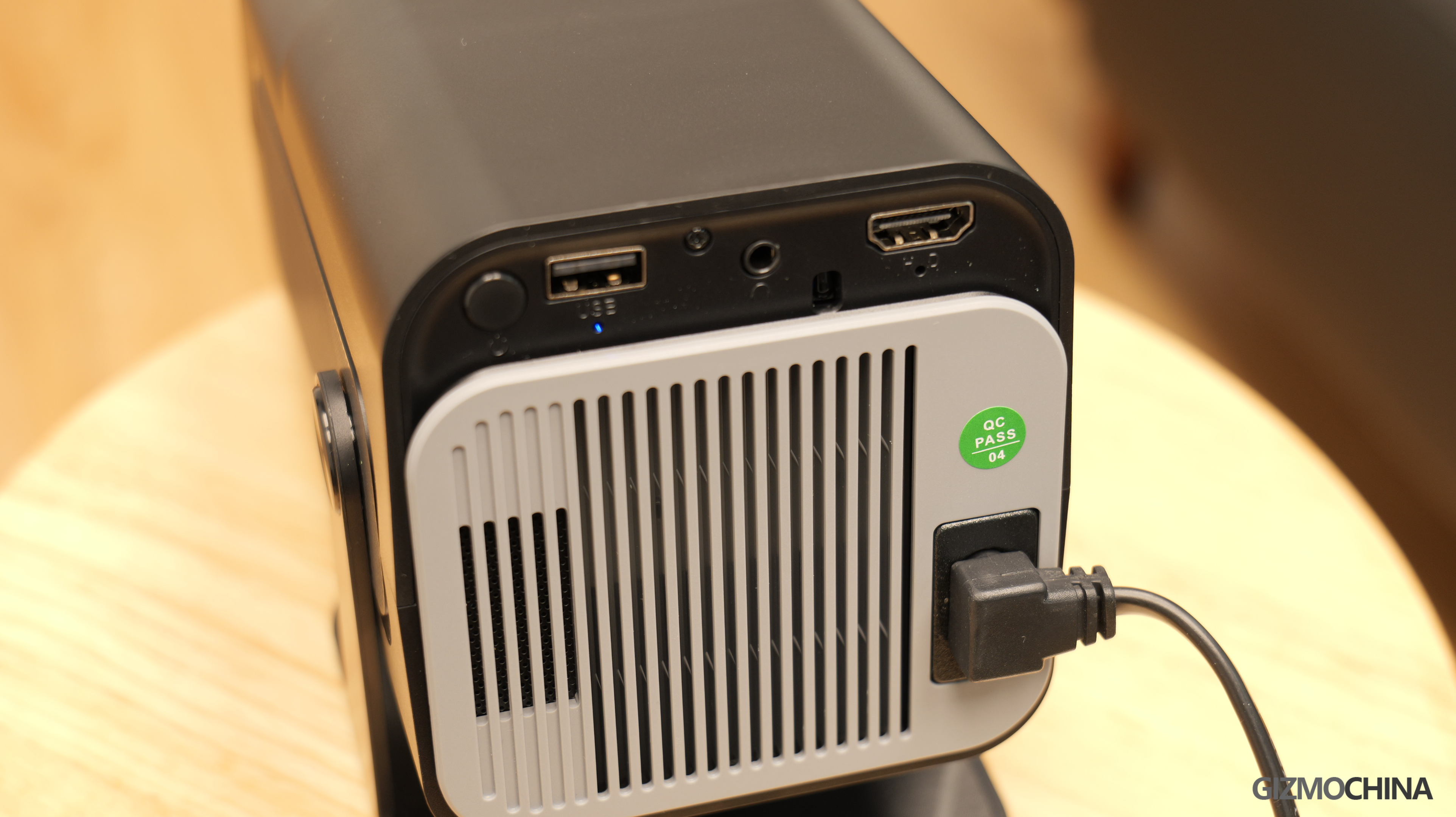
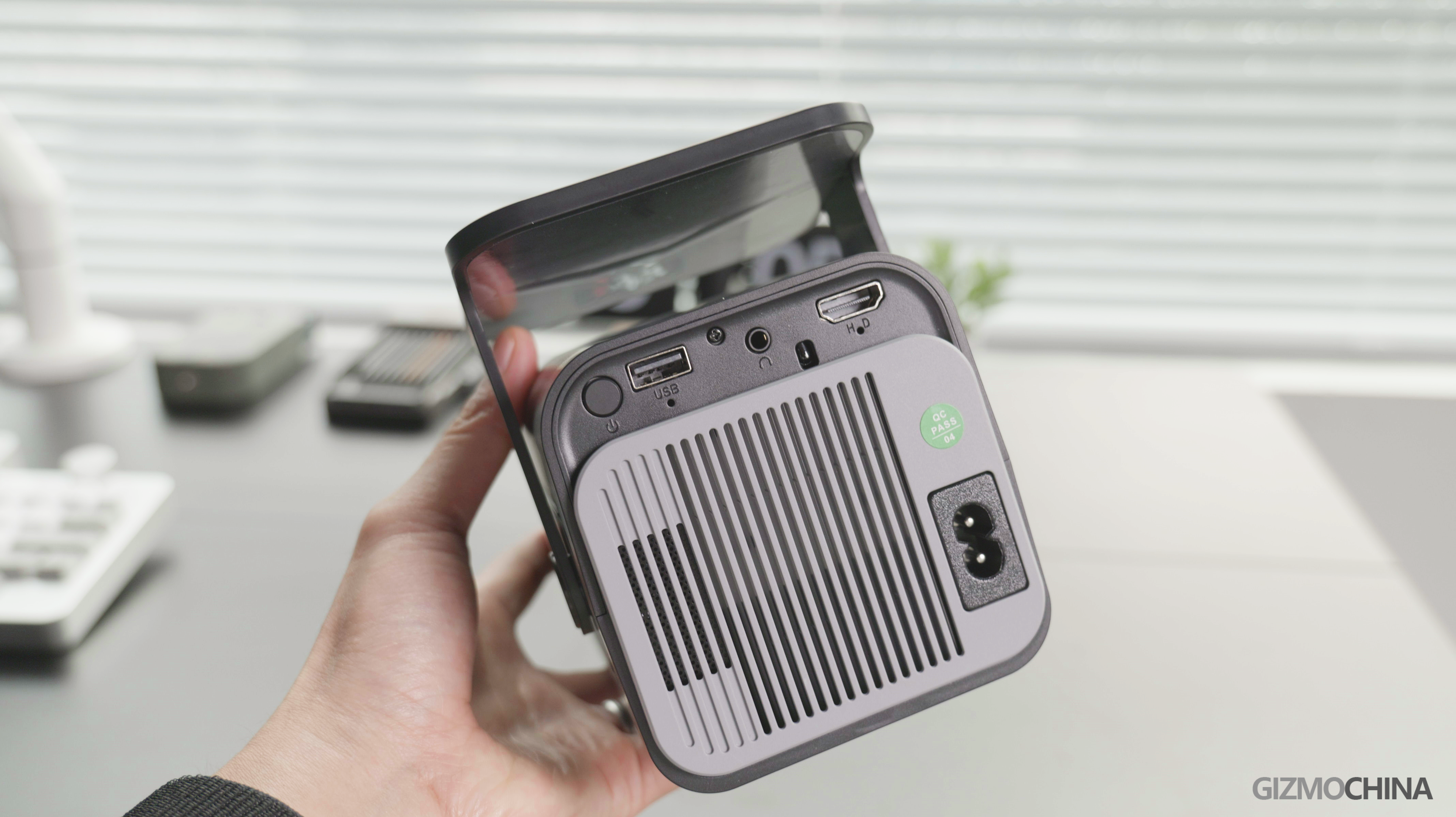
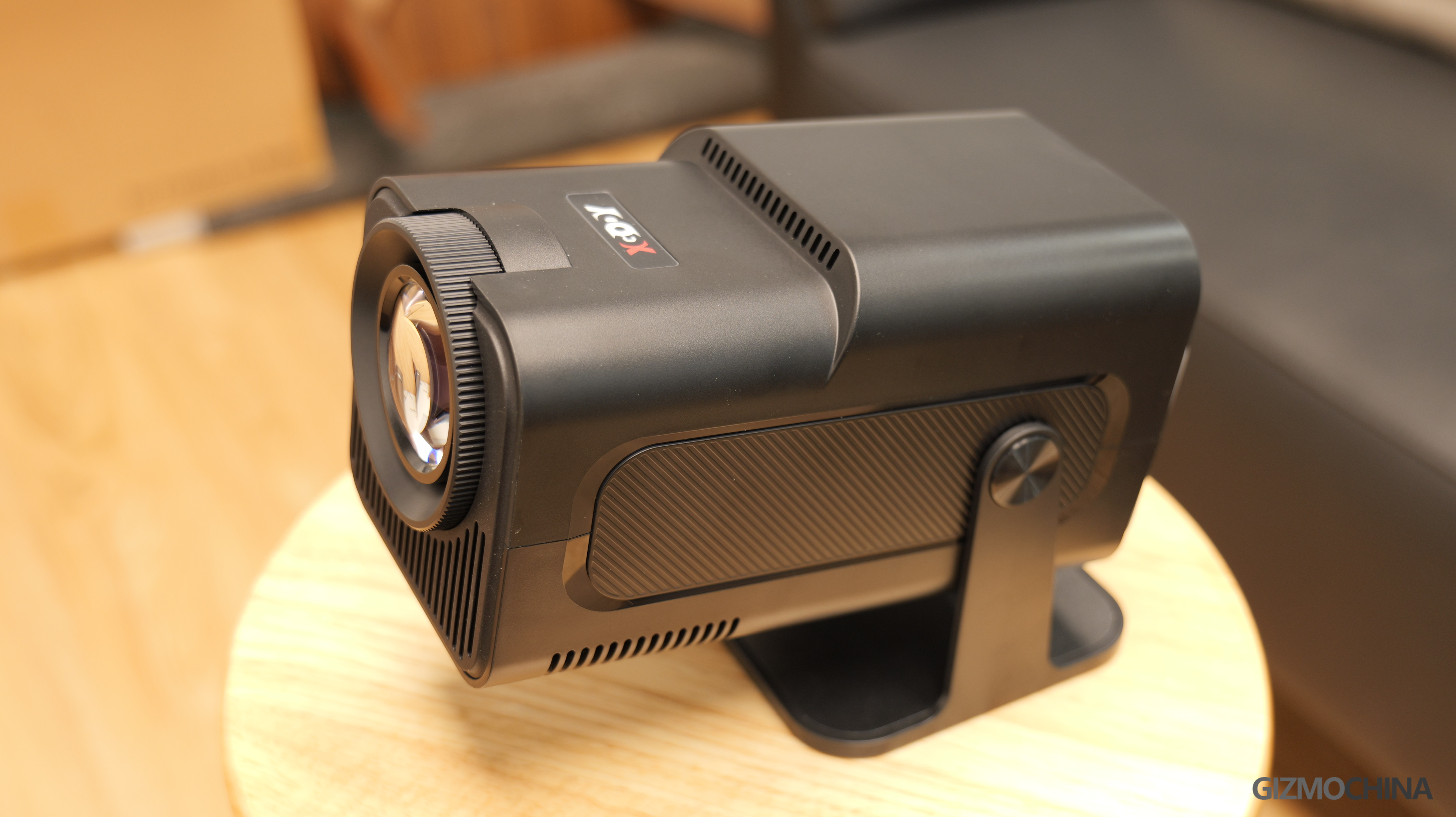
The design of this device is actually very simple and straightforward. On the front, there is the lens for projection. At the back, there is the power button, the USB-A port, a 3.5mm audio jack, and an HDMI port. On the gray panel, there are the heat dissipation window and the power in port.
To support the whole device, there is a stand at the bottom, it rises up at both sides, and there are pre-set angles to make the projector sit in a certain position. The stand also has a large rubber plate at the bottom, to make sure the projector stands firm when using. I would say every detail is carried out nicely, simple it is, but also functional.
Actual Performance
It claims to have 12000 Lumen or 320 ANSI Lumen, it is a bit confusing to read through the specs, but we did test the performance. In a normal condition, like in a place with the lights not too strong rather just being lit a little bit, the brightness of the projected area is at an OK level, which means you can watch movies and stuff with it and get a decent experience. So it’s more suitable to be used in a relatively dark situation, like in a room with all the lights turned off, a party in the yard at night, or outdoor camping. In those situations, being portable and function-rich is more important of course.
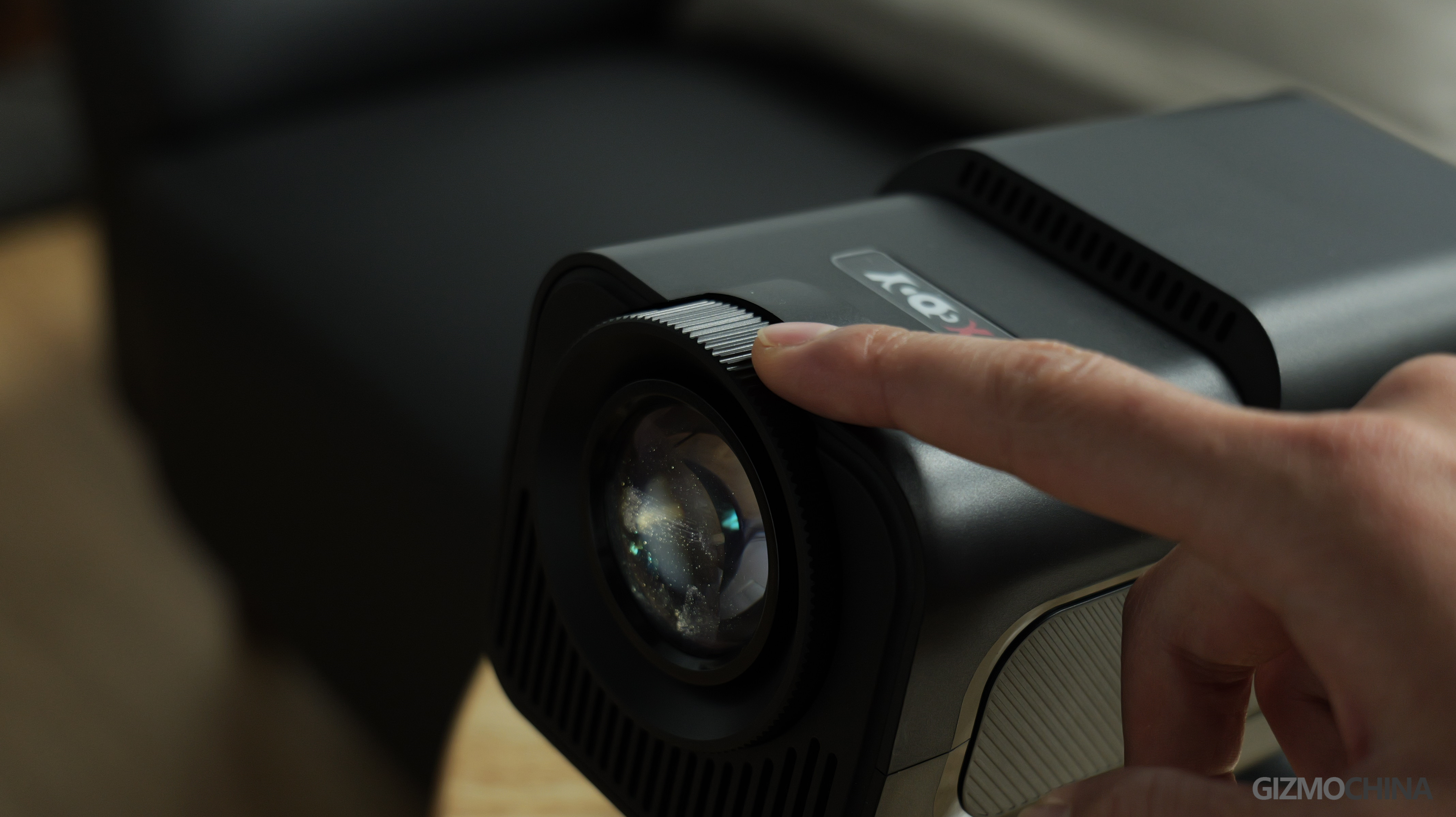
Also, it is 1080P resolution, which is also a good figure. When put in the right distance, you need to manually adjust the resolution with the ring at the front, and rotate it either way to get the best setting, it’s intuitive and can be done fast. When set in about 2M from the wall, I found the clarity is very good. Also if used with a projector screen/curtain, the clarity will be a bit better, so you can definitely consider buying one for this projector. In a 2M of range, normally it’s also where we sit from the TV, the experience is good.
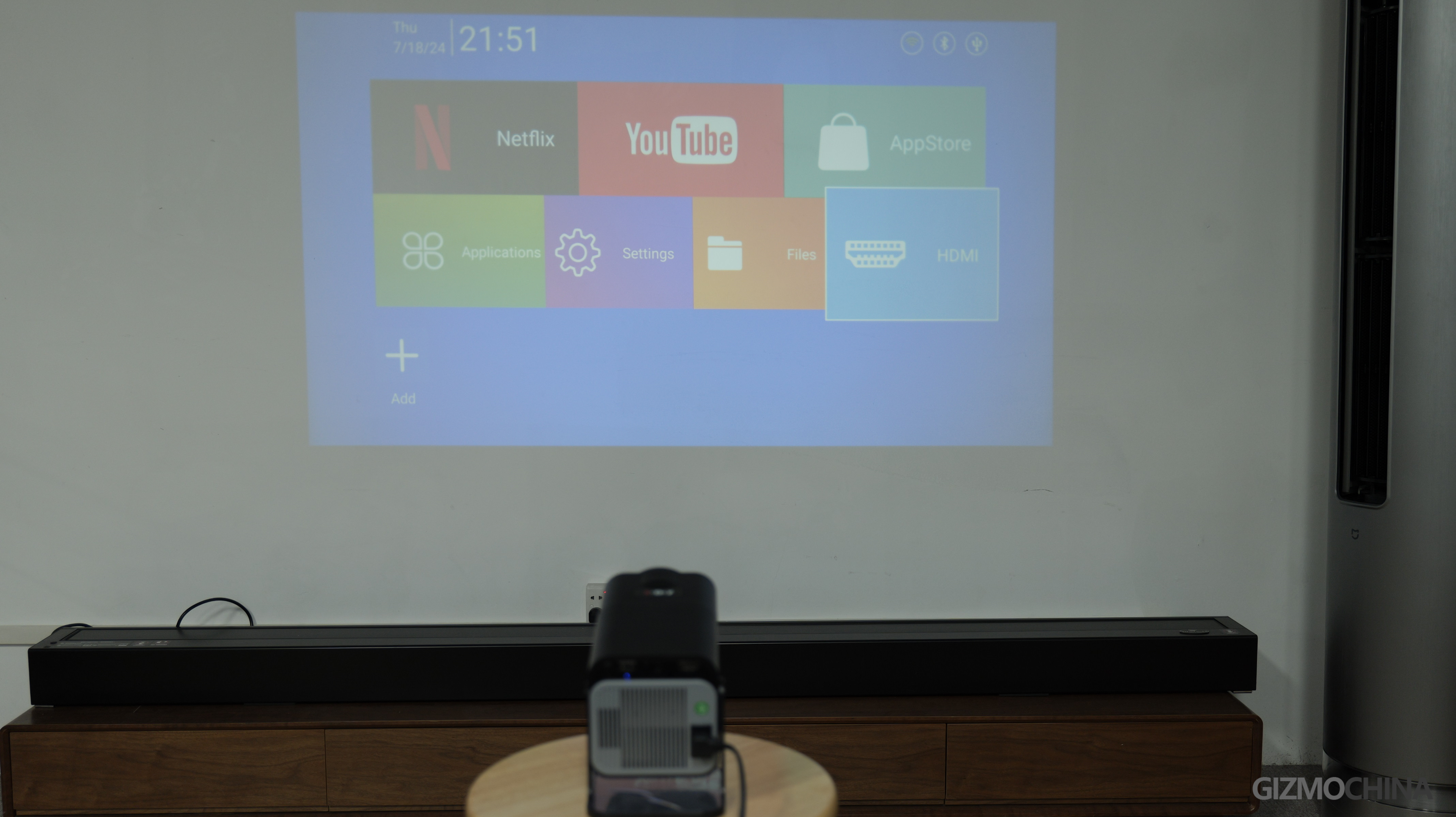
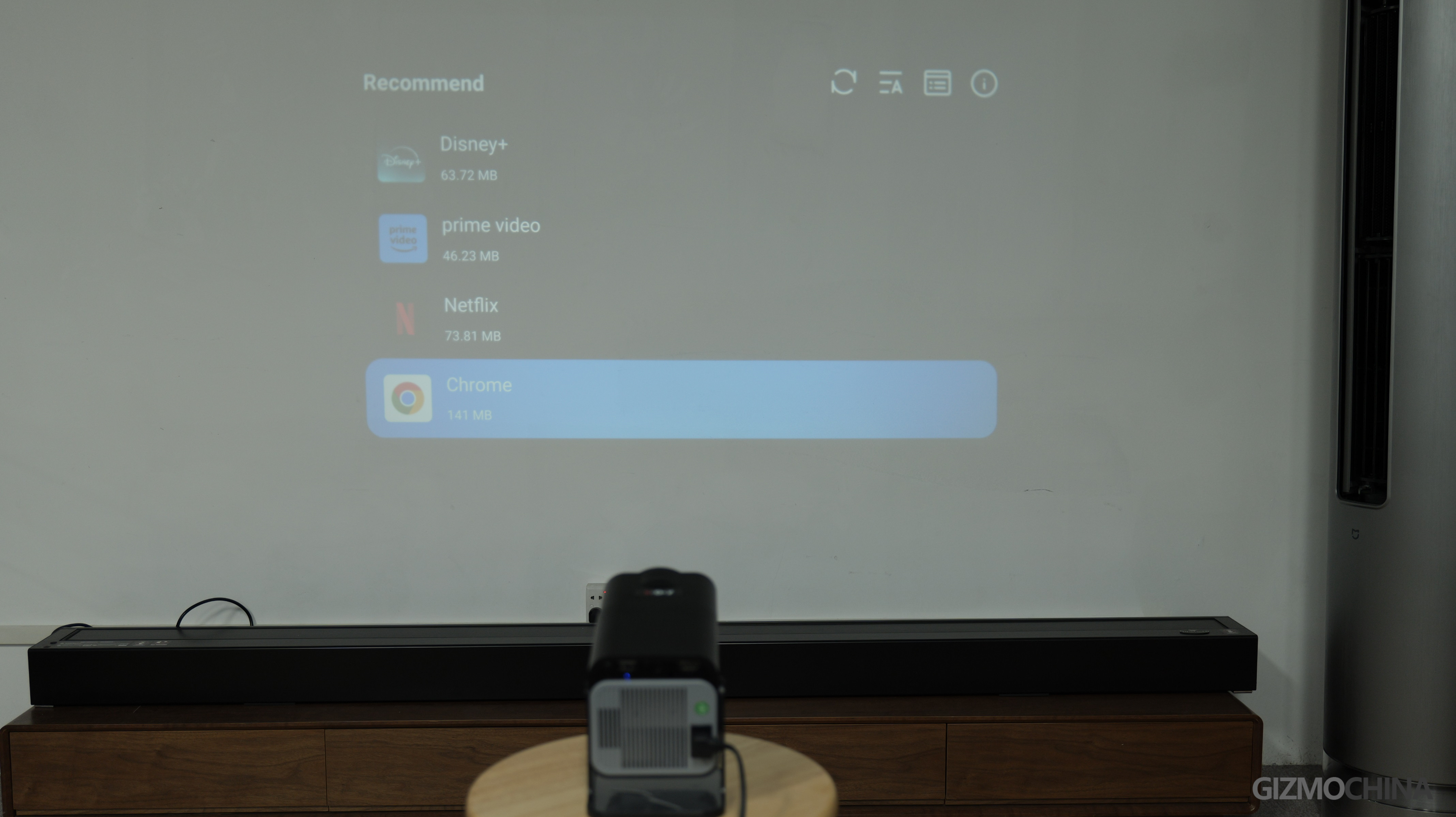
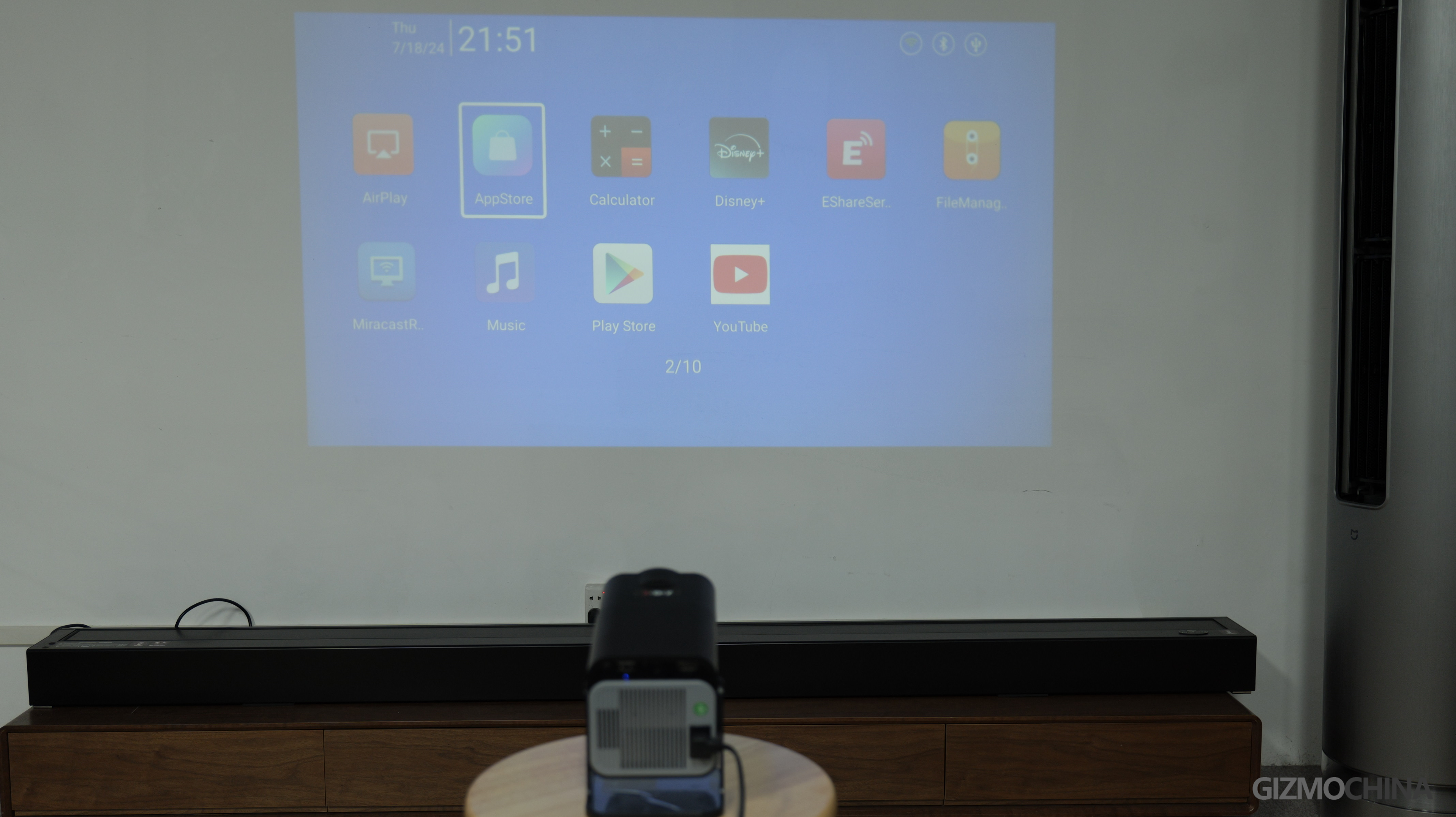
This project supports Android 11, which is a plus. It comes with some Apps pre-installed, they are Youtube, and Netflix, and if you want more, you can always install them in the App Store. And since it has WIFI-6 capability, I found that installing Apps is very fast. It’s super easy to toggle through all the functions also, and the remote is simple enough to have them all done quickly.
If you are in your living room, or even your own bedroom, it’s convenient enough to just connect it to the WIFI to use it. But if you are outdoors, and you want to utilize the resources from your phone, or the files from a USB drive, then it’s always ok to cast your phone to the projector, or put a USB drive into it.
Opportunities
Although it’s a good choice for light use, there is still something I wish it could do better. The first is the power source, it only has one way to get power, which is the AC input. I wish it could support power input from a power bank, then it can be a more portable device. Secondly, the speaker is 3W max, so the sound it can make is not that big, so it’s more suitable for a small room or controlled environment. And I would recommend connecting this projector to a speaker to have a bigger sound.
Verdict
So after putting this XGODY Gimbal 5 Portable Smart Projector into real test, I would say this is a decent choice for light use. Whether it’s for enjoying a video by yourself, having a little movie night in your yard, or even camping use, this is definitely a good device to make your life a little more enjoyable.
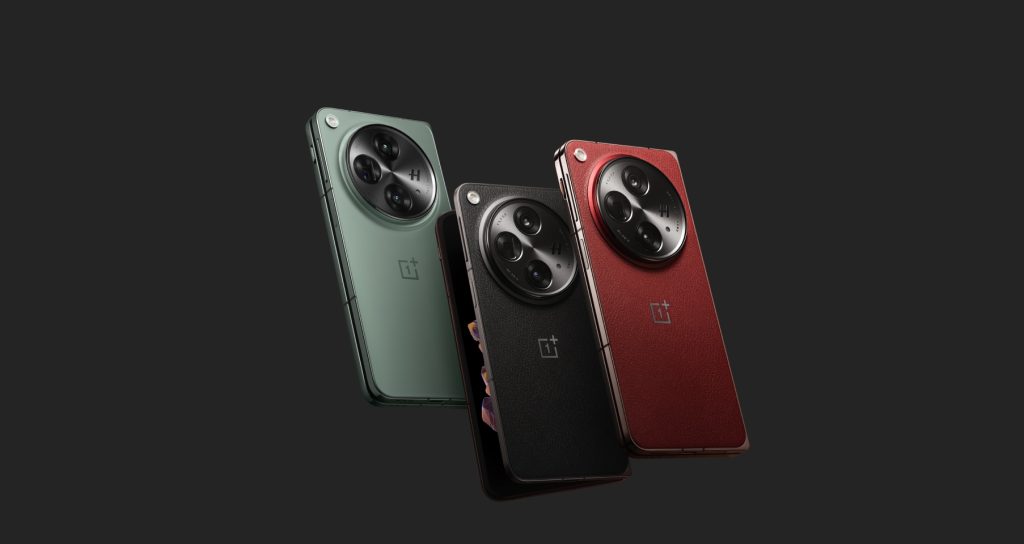
The OnePlus Open, which was announced in 2023, is the first and only foldable phone from OnePlus. As per reports, the brand has no plans to launch a successor for the Snapdragon 8 Gen 2-powered Open this year. Since the time of its launch, it has been available in two shades, such as Voyage Black and Emerald Dusk. The brand has now announced it will announce the OnePlus Open Apex Edition in Crimson Red on Aug. 7 in India.
OnePlus Open Apex Edition design revealed
OnePlus Open Apex Edition
The OnePlus Open Apex Edition will have enhanced storage, AI image editing features, and innovative security improvements. The regular OnePlus Open, which packs 16 GB of RAM and 512 GB of storage, is priced at Rs 1,39,999 (~$1,670). There is a possibility that the Apex Edition may ship with 16 GB of RAM and 1 TB of storage. At present, there is no information about its price.
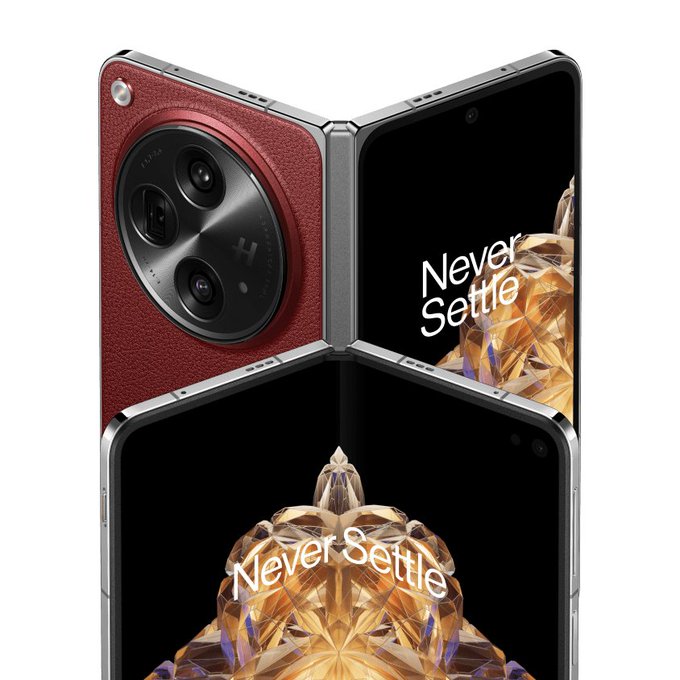
As far as the design is concerned, the OnePlus Open Apex Edition features a premium design inspired by the iconic Hasselblad 503CW 60 Years Victor Red Edition. It combines premium vegan leather with a unique diamond-like pattern and vibrant orange accents on the Alert Slider. The Apex Edition will be available for purchase starting August 10. Its landing page is now live on OnePlus India’s website.
Kinder Liu, President and COO of OnePlus, commented on the launch, stating, “The OnePlus Open series has received widespread acclaim since its introduction last year. With the updated OnePlus Open Apex Edition, we continue to push boundaries with enhanced features, delivering a luxurious experience that embodies our ‘Never Settle’ mantra.”
OnePlus Open Apex Edition color options
Reports suggest that OnePlus is working on a successor for the Open. Possibly, it may debut in the first quarter of 2025. The same device may get rebranded as the Oppo Find N4 in China and some other markets.
Here’s a quick overview of the top news stories from the past 24 hours.
Today’s Tech News Highlights:
Huawei’s Foldable Triumph: Dive into how Huawei has captured a staggering 50% of China’s foldable market. We’ll explore how Mate X5 and Pocket 2 models have propelled them to the top.
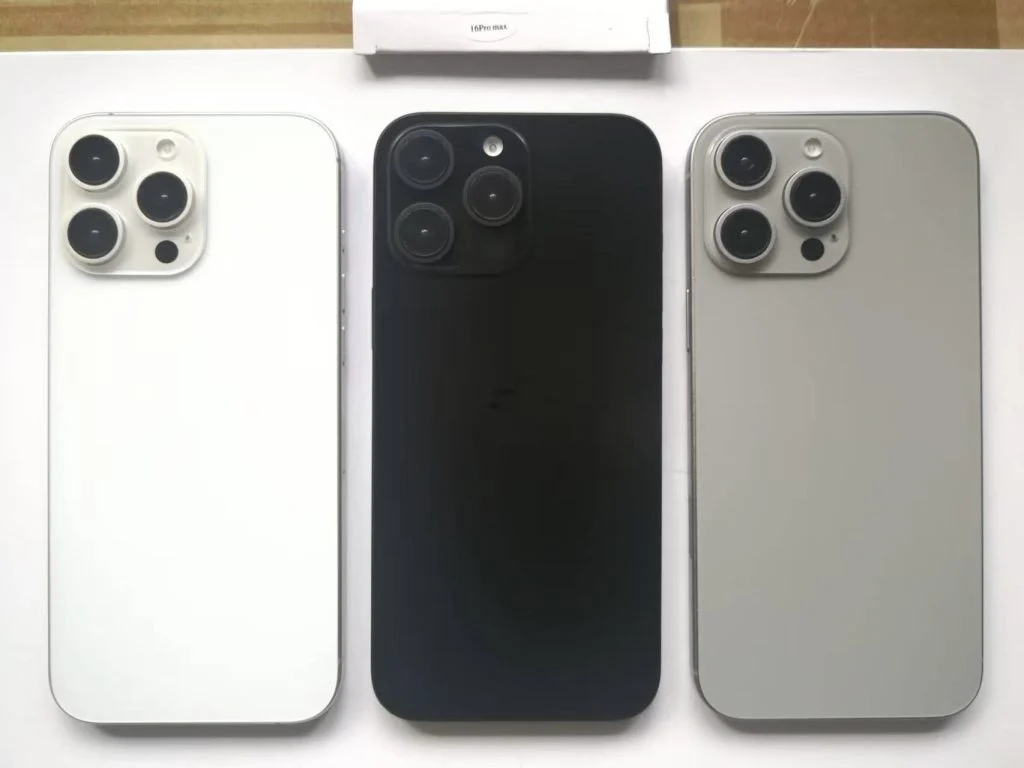
iPhone 16 Pro Max Color Speculation: Get a sneak peek at the potential color options for Apple’s next flagship. We’ll discuss the shift towards darker shades and what it might mean for the iPhone’s design language.
Google’s Unexpected OS Move: In a surprising twist, learn why Google might not ship the latest Android OS with the Pixel 9 series.
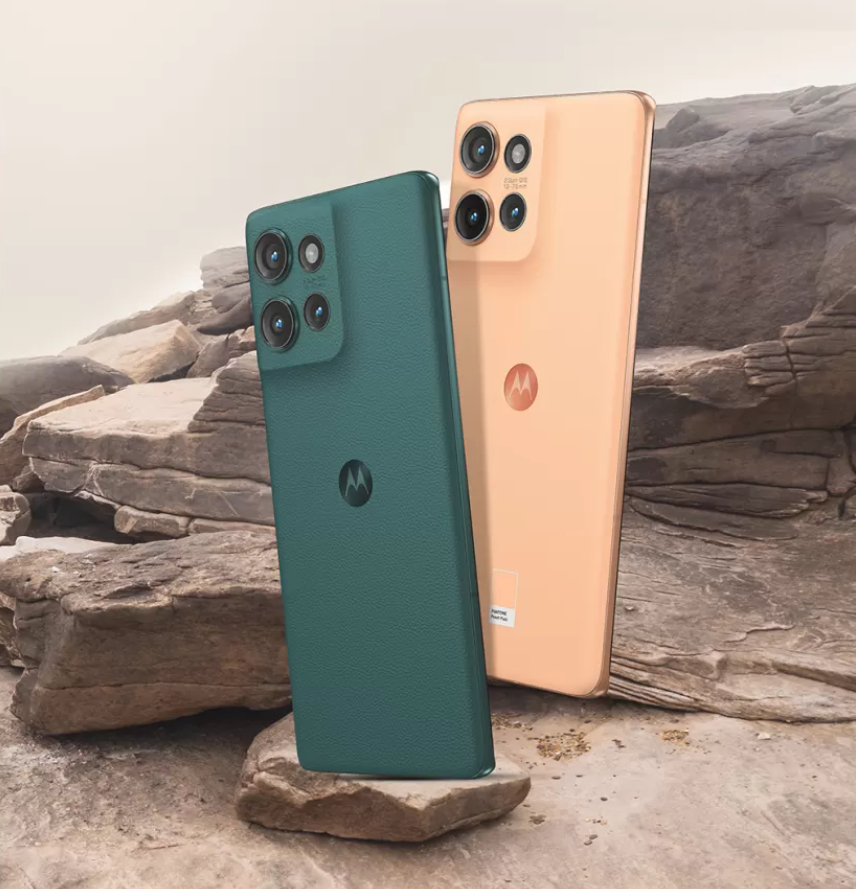
Motorola’s Slim Innovation: Discover how Motorola is pushing boundaries with the world’s slimmest phone, boasting military-grade durability. We’ll break down the specs and features of the new Edge 50.
Plus, don’t miss our roundup of other headline-grabbing stories, including OnePlus audio gear, Samsung’s security enhancements, and new tablet offerings from Huawei and Teclast!
Huawei took the top spot in the foldable market in China with a commanding 41.7% market share, thanks to the popularity of its Mate X5 and Pocket 2 models. The Mate X5, launched last year, continues to be in high demand, while the newly released Pocket 2 has also attracted considerable attention. These two models cater to different segments, helping Huawei secure its top position.
Apple is likely to launch the iPhone 16 series in September this year. However, a recent leak has already revealed the color options of the iPhone 16. The same tipster has now revealed the color options of the iPhone 16 Pro Max.
Google’s upcoming flagship phone series, the Pixel 9, is scheduled to launch worldwide on August 13th. With the launch date nearing, leaks have already revealed a lot of details about the new devices. However, a recent report has introduced an unexpected twist — the Pixel 9 might not come with the anticipated Android 15 update at launch.
As scheduled, Motorola has officially launched the Edge 50 in India. It’s the fourth smartphone in the Edge 50 line and sits between the Edge 50 Fusion and Edge 50 Pro. Let’s walk through its specs, features, and price for the Indian market.
Samsung has strengthened its position as the leading smartphone brand in India, securing a 25 percent value market share for the quarter ending June 2024, according to Counterpoint Research. This marks the second consecutive quarter that Samsung has led in value terms.
Focus on value over volume
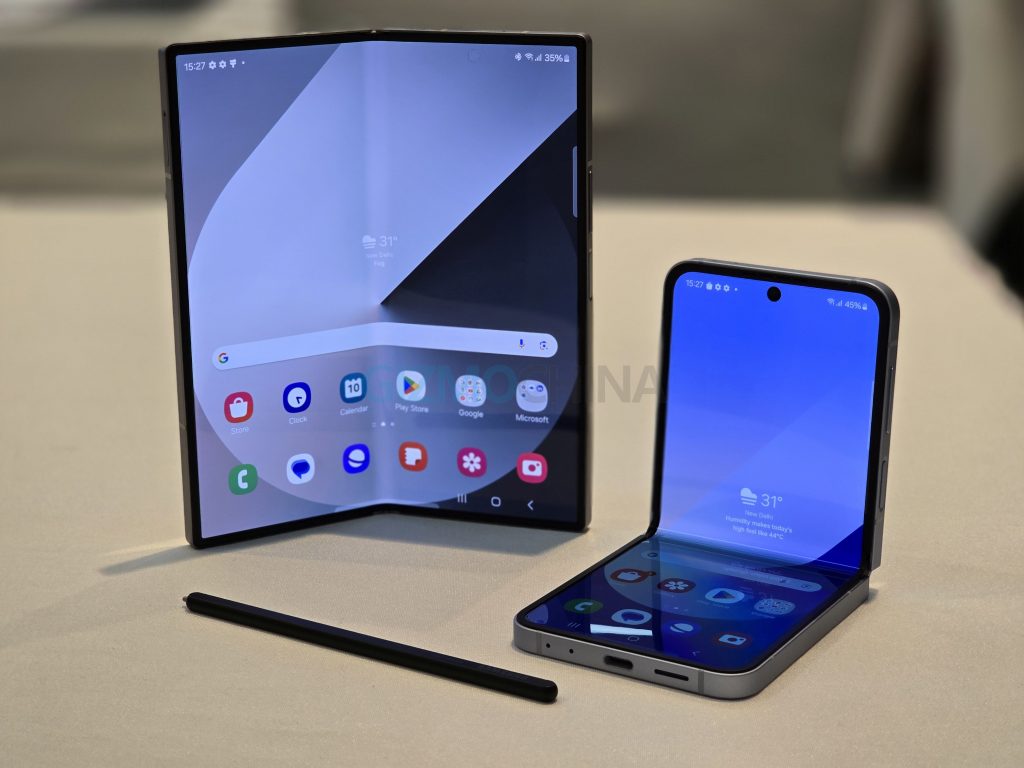
Samsung Galaxy Z Fold 6 and Galaxy Z Flip 6
Counterpoint Research highlighted that Samsung’s new Galaxy Z Fold 6 and Z Flip 6 are expected to maintain this leadership. The brand’s focus on value over volume has significantly impacted its ultra-premium segment (priced above Rs 45,000), which saw a 99 percent year-on-year growth in Q2 2024.
India’s smartphone market achieved its highest-ever Q2 value, driven by a trend towards premiumization. Consumers have been upgrading to higher-value smartphones, aided by better trade-in values and accessible financing schemes, according to Counterpoint. This trend resulted in a 24 percent year-on-year growth in the ultra-premium segment.
Shubham Singh, a Research Analyst with Counterpoint Research, noted, “The Rs 20,000 to 30,000 and Rs 45,000+ price bands saw the fastest growth at 25 percent and 24 percent year-on-year, respectively.”
Samsung’s continued emphasis on high-value products and consumer preferences for premium smartphones have played crucial roles in its sustained leadership in the Indian market.
Samsung introduced the Galaxy AI on the Galaxy S24 series at the beginning of this year. The Galaxy AI available on the recently announced Galaxy Z Fold 6 and Z Flip 6 offers enhanced AI features. Both foldables also come with the promise of seven years of Android OS upgrades and seven years of security updates. In the remaining months of this year, the brand is expected to announce a couple of other devices, including the Galaxy Tab S10 series and the Galaxy A16. The much-anticipated Galaxy S25 lineup is expected to debut in January 2025.
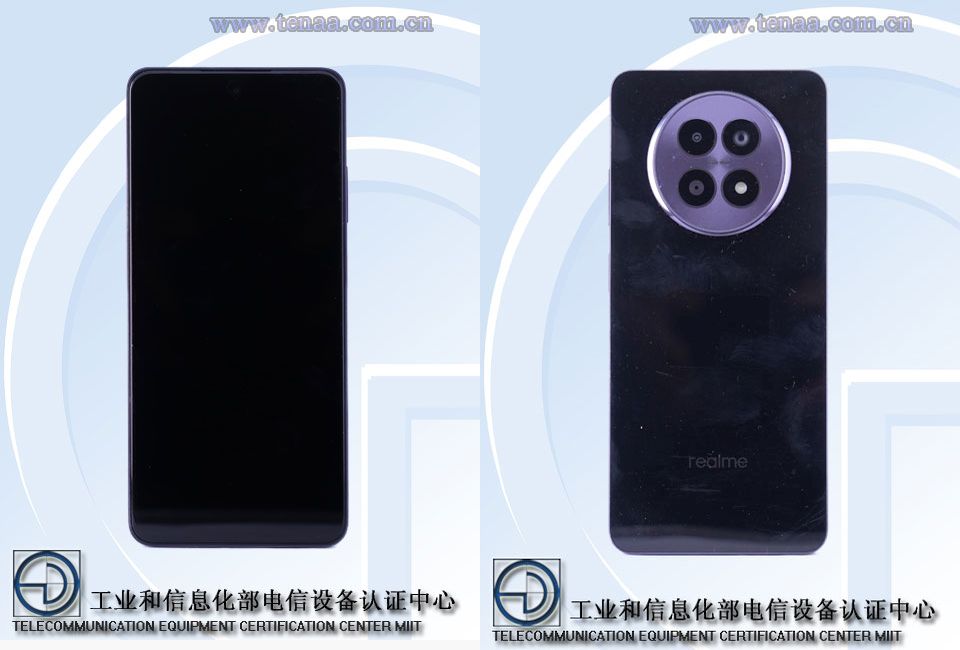
A Realme phone bearing the RMX3952 model number has been approved by China’s TENAA authority. The same device was previously spotted at the 3C certification in the country. The images and specifications of the phone suggest that it could be called the Realme 13 5G when it arrives on the market. With important certifications under its belt, it appears that the Realme 13 may break cover in China within this month.
Realme 13 5G specifications (rumored)
Realme 13 5G TENAA images
As per the TENAA certification, the Realme 13 5G measures 165.6 x 76.1 x 7.79mm and weighs 190 grams. On the front, it has a 6.72-inch IPS LCD panel that offers an FHD+ resolution of 2400 x 1080 pixels. It appears to have a side-facing fingerprint sensor for security.
Under the hood, the device features an unknown 2.2GHz chipset. It could probably be equipped with one of the mid-range chipsets from MediaTek. The device is expected to arrive in RAM variants, such as 6 GB, 8 GB, 12 GB, and 16 GB. When it comes to storage, it will be available in storage choices, such as 128 GB, 256 GB, 512 GB, and 1 TB. For more storage, it will also have a microSD card slot.
The Realme 13 5G will house a 4,880mAh (rated value) battery, which suggests that its typical value could be 5,000mAh. According to the device’s 3C certification, it may come with support for 45W fast charging.
When it comes to photography, the Realme 13 5G will have a 50-megapixel + 2-megapixel dual-camera system on the back. For selfies, it will have a 16-megapixel front-facing camera. The device is expected to run on Realme UI 5-based Android 14.
New images allegedly depicting the standard Vivo X200 model have surfaced online. The leaked renders showcase a device with a centered punch-hole display and a curved screen design. The rear panel features a circular camera module reminiscent of previous models.
The Vivo X200 series will be powered by the MediaTek Dimensity 9400
While the authenticity of these images cannot be confirmed, the leaked design aligns with previous rumors suggesting a premium build and a focus on camera capabilities. The X200 series is expected to be powered by the MediaTek Dimensity 9400 chipset and feature advanced camera technology, including a 50MP main sensor and a 3x telephoto lens.
Vivo is anticipated to unveil the X200 series officially in October.
Toshiba has unveiled its new Z600NF series of MiniLED TVs, offering impressive picture quality and advanced features. The series boasts a peak brightness of 1600 nits and a stable 1300 nits, delivering vibrant and detailed visuals. With support for 4K 144Hz refresh rates, the Z600NF series caters to both entertainment and gaming enthusiasts.
The TVs range from 55 inches to 100 inches in terms of screen size
Equipped with a powerful quad-core A73 processor and ample storage, the TVs ensure smooth performance and seamless multitasking. The inclusion of two full-power HDMI 2.1 ports further enhances connectivity options.
Toshiba’s Z600NF series offers a range of screen sizes, from 55 inches to 100 inches, allowing consumers to choose the ideal TV for their space and viewing preferences. With a focus on image quality, sound performance, and smart features, the Z600NF series aims to deliver a premium viewing experience.
The series is now available for pre-order, with introductory pricing offering savings on all screen sizes.
Huawei has introduced the MateBook GT 14, a high-performance laptop targeting professionals and gamers. The device features a 14.2-inch OLED display with a 2.8K resolution and supports a wide color gamut.
The laptop has ‘metalized graphene’ cooling technology
Powered by an Intel Core Ultra 9 185H processor, the MateBook GT 14 offers up to 32GB of RAM and a 2TB PCIe 4.0 SSD. The laptop includes Huawei’s Super Turbo 3.0 technology, enabling a peak performance of 115W. A 140W gallium nitride charger is included, supporting fast charging for compatible devices.
To manage thermal performance, Huawei has incorporated a new cooling system featuring a metalized graphene cooling technology. The system includes a rear exhaust structure, second-generation shark fin fans, and a ten-thousand-hole dot matrix air intake.
The MateBook GT 14 boasts a sleek design with a luminous logo and a 10.85mm screen lift when opened. Connectivity options include USB-C, HDMI, and SD card slots. The device is priced starting at 7,499 yuan and is now available for pre-order on Huawei’s official website.
Edifier’s Chinese subbrand Huazai has introduced the Halo Space over-ear headphones, emphasizing advanced features such as head-tracking spatial audio and a tri-mode connection. These headphones are priced at 869 Yuan ($120), offering a blend of high-end audio technology and user-friendly design. Let’s delve into its key specs.
Edifier Huazai Halo Space Specifications:
The Halo Space headphones feature 40mm multi-layer composite diaphragm dynamic drivers, designed to deliver deep bass, smooth midrange, and clear high frequencies up to 40kHz. The drivers are complemented by an independent cavity structure that isolates external noise, enhancing the clarity and balance of the sound.
These headphones are Hi-Res Audio certified and support high-definition audio codecs like LDAC and LHDC 5.0, which enable high-resolution audio playback, maintaining the fidelity of the original sound.
The Halo Space headphones are equipped with head-tracking spatial audio technology that provides a 360° surround sound experience, dynamically adjusting the sound based on the user’s head movements. This feature enhances the immersion in gaming, movies, and music, making it a versatile option for various audio experiences.
The headphones also support a tri-mode connection, allowing users to switch between 2.4G wireless, Bluetooth 5.3, and wired connections. The 2.4G wireless mode offers ultra-low latency of 0.017 seconds, ensuring seamless audio-visual synchronization during gaming.
The headphones feature active noise cancellation (ANC), with a noise reduction depth of up to -45dB. The headphones offer four noise cancellation modes: deep noise cancellation for loud environments, comfort noise cancellation, wind noise resistance mode, and ambient sound mode. The ergonomic design of the headphones includes air-skin-friendly ear cushions and an adjustable headband for long-term comfort.
In terms of battery life, the Halo Space headphones offer up to 50 hours of playback with noise cancellation turned off and up to 30 hours with it on. They also support a quick charge feature, providing 11 hours of use from a 15-minute charge. Additionally, the headphones come with customizable RGB lighting effects and can be controlled via the Edifier Connect app or the PC client Edifier TempoHub, allowing users to adjust sound effects, lighting, and other settings.
The Halo Space headphones are available in two colors, Boundary Black and Dawn White, and have a net weight of approximately 327g. They are designed to be compatible with various devices, including smartphones, tablets, laptops, and PCs. The headphones also feature a detachable high-definition microphone and advanced AI noise cancellation for clear communication during calls and gaming.
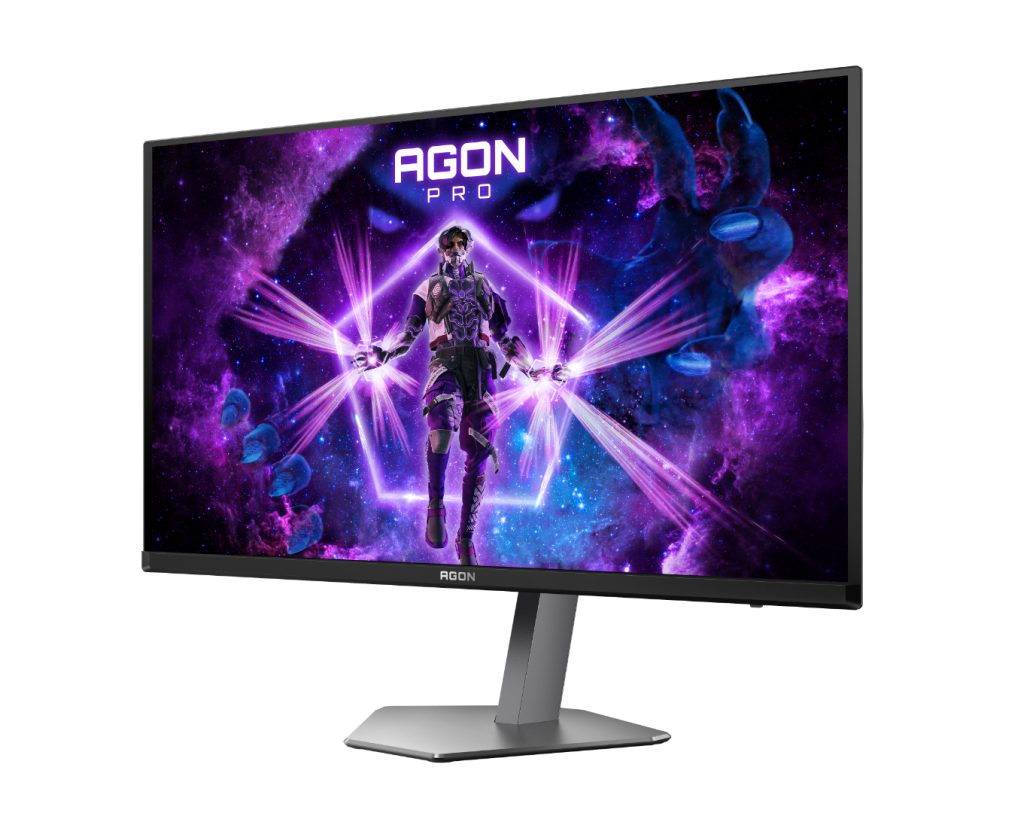
AOC has expanded its AGON Pro lineup with the launch of the AG276QZD2 gaming monitor. This new model boasts a 26.5-inch Samsung QD-OLED panel, a significant upgrade from its predecessor’s LG WOLED display which launched in March this year.
AGON Pro AG276QZD2 Specifications:
The AG276QZD2 offers a 2K panel (2560 x 1440) with a high refresh rate of 240Hz, ensuring smooth gameplay, particularly for fast-paced action games. Additionally, it boasts an impressively low gray-to-gray (GTG) response time of 0.03ms, which minimizes motion blur and ghosting, essential for competitive gaming.
In terms of color performance, the AG276QZD2 supports native 10-bit color, which allows for more accurate and vibrant color reproduction. It covers 99.1% of the DCI-P3 color gamut and has a color accuracy of ΔE<2, making it suitable for both gaming and professional content creation.
The monitor also features a static contrast ratio of 1,500,000:1, ensuring deep blacks and bright whites, and is VESA DisplayHDR True Black 400 certified. This certification indicates that the monitor can display high dynamic range (HDR) content with excellent black levels and a typical SDR brightness of 250 cd/m².
For connectivity, the AG276QZD2 is equipped with a variety of ports, including two HDMI 2.0 ports, a DisplayPort 1.4, USB 3.2 Gen1-A ports, and a 3.5mm headphone jack. It also features built-in dual 5W speakers for basic audio output.
The monitor supports VRR (Variable Refresh Rate), PBP/PIP (Picture-by-Picture and Picture-in-Picture), and Adaptive-Sync technology, which is compatible with FreeSync to reduce screen tearing and stuttering during gaming.
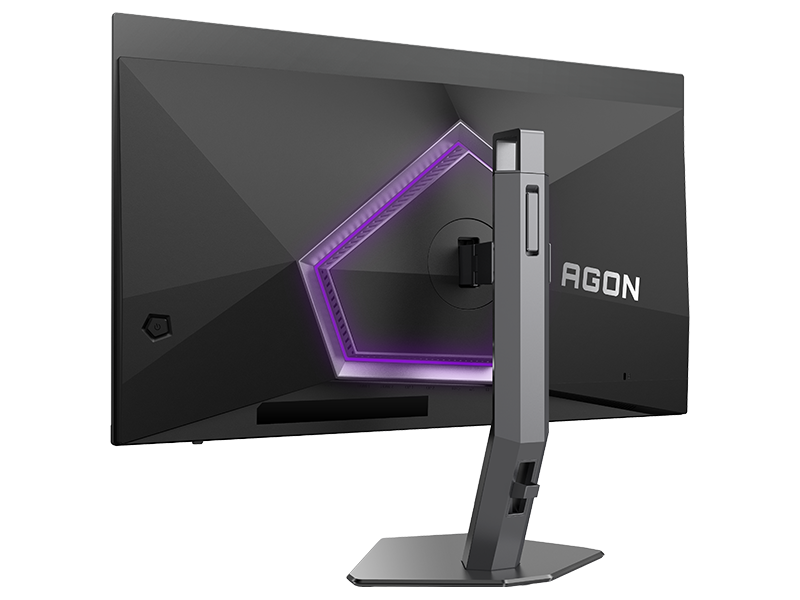
Ergonomically, the AG276QZD2 offers a stand that allows for extensive adjustments. Users can rotate, tilt, and adjust the height to find their preferred viewing angle. The back of the monitor is designed with a polygonal aesthetic and features AOC’s Light FX RGB lighting, which provides customizable ambient lighting with 14 effects and over 100,000 color options.
Pricing:
In terms of pricing, the monitor is listed on AOC’s website for $599.99. In China, it is sold at 4299 Yuan by a third-party retailer.
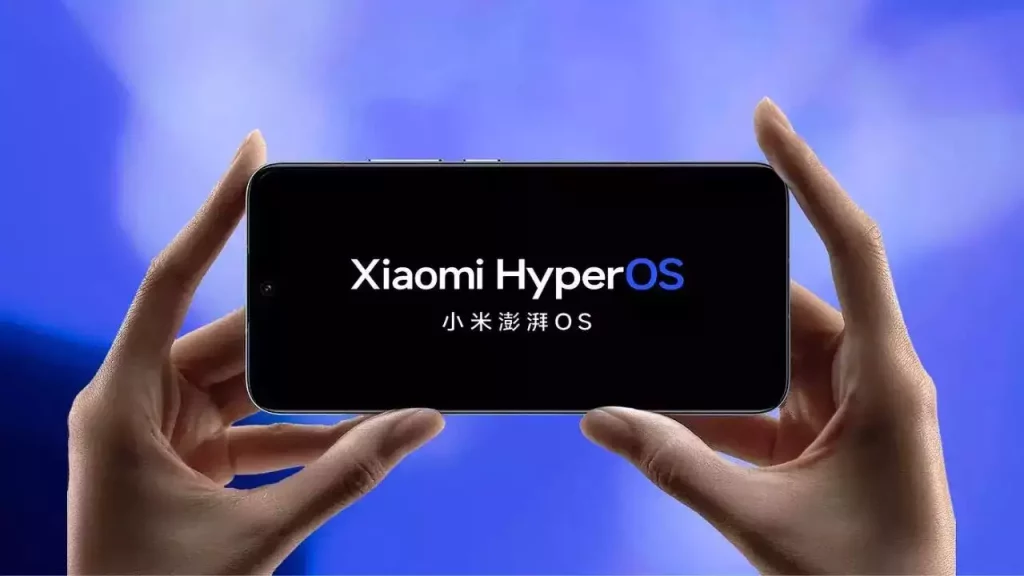
Xiaomi has confirmed that its Xiaomi 12 series will not be receiving the highly anticipated “Advanced Textures” feature, a key component of its new HyperOS interface. The decision comes after extensive testing revealed a significant trade-off between visual enhancements and overall device performance.
Xiaomi 12 is not getting HyperOS’s advanced textures feature
HyperOS, Xiaomi’s latest operating system, promises a revamped visual experience with features like global blur and refined rendering effects. The advanced textures feature is designed to elevate this aesthetic further, providing users with a more immersive and polished interface.
However, Xiaomi’s developers encountered challenges in optimizing the feature for the Xiaomi 12 series. Implementing advanced textures led to a substantial 10% decrease in battery life, a critical metric for smartphone users. Moreover, the feature impacted the system’s smoothness, particularly in frequently used areas like the notification drop-down, resulting in a performance drop of over 10%.
Given these performance implications, Xiaomi has made the decision to exclude the Xiaomi 12 series from receiving the “Advanced Textures” feature. This prioritization of battery life and overall system responsiveness aligns with the company’s focus on delivering a balanced user experience.
While the news might disappoint fans of the Xiaomi 12 series, it highlights the complexities involved in balancing visual appeal with practical performance considerations in smartphone development.
Previously, this feature was exclusive to Xiaomi and Redmi flagship devices equipped with powerful processors which include models like the Xiaomi 14, Xiaomi 14 Ultra, Xiaomi 13, and Xiaomi 13 Pro. Xiaomi is now testing out this feature on older and midrange devices as well and is gradually rolling out to global users on compatible devices.
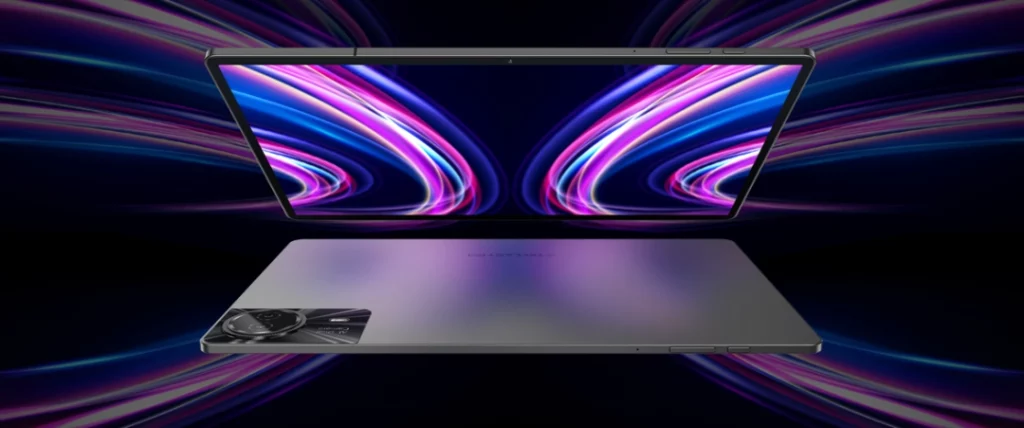
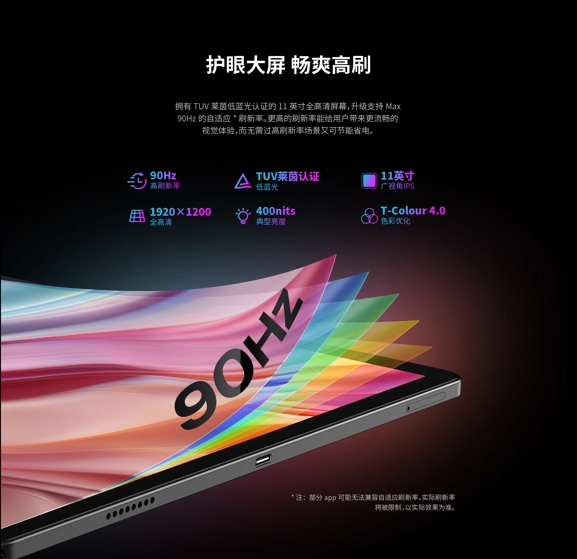
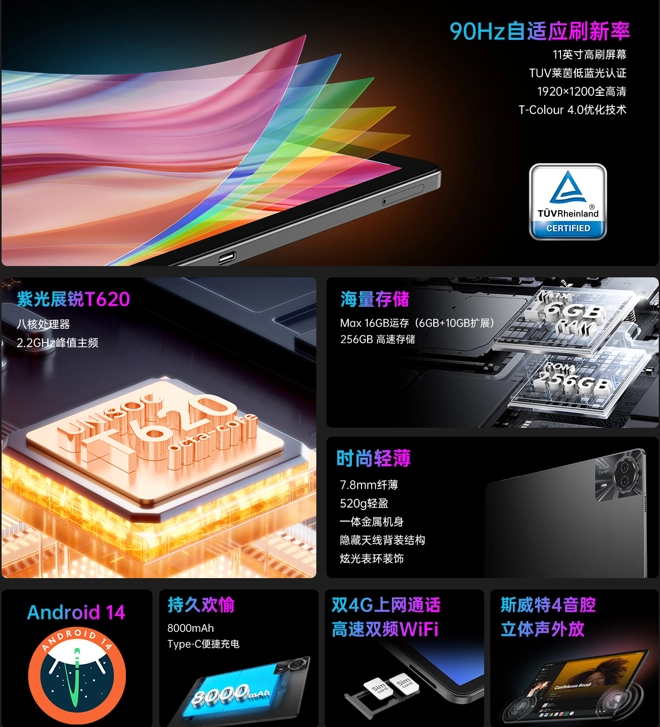
Teclast has announced its newest tablet powered by the UNISOC Tiger T620 processor. The Tiger T620 is an octa-core processor with a 2.2GHz peak frequency. The tablet has an 11-inch screen with an adaptive refresh rate of up to 90Hz. The lower refresh rate provides significant energy savings, according to the company. Teclast has not provided a name yet for the new tablet but the specs are captured in the official release information.
The new Teclast tablet utilizes a metal body design and supports AI noise reduction. It has a dual SIM module with 4G network connectivity and runs on Android 14 out of the box. The tablet also supports high-speed dual-band WiFi connectivity. The pre-launch details also include that the model comes with a 8000mAh battery with support for convenient charging. The viewing angle of the tablet is 105 degrees while it features a 4-cavity stereo speaker.
In terms of its size and weight, the new Teclast Android tablet is 7.8mm thick and weighs 520g. It has a one-piece metal body design and glitter bezel decoration. The tablet has a hidden antenna back-mounted structure.
The upcoming Teclast tablet is equipped with the UNISOC Tiger T620 processor with 6GB of RAM and 10GB of extended memory. There is also an optional 256GB of storage available on the tablet. The display resolution of the 11-inch Teclast tablet is 1920 x 1200 pixels and comes with TUV Rheinland low blue light certification. The tablet features the newly upgraded T-Colour 4.0 color optimization technology and its maximum brightness is 400 nits.
The release date and pricing details of the new Teclast Android tablet are not available at this time.
The Huawei Children’s Watch 5 Pro Photosensitive Colorful Edition is now available on pre-sale in China. The new Huawei Children’s Watch 5 Pro variant supports offline positioning. It also features a color-changing bezel that changes from silver to gold when under the sun.
The Huawei Children Watch 5 Pro Photosensitive Colorful Edition adopts a dual-core processor design. When it is turned off due to low power, its independent “guardian core” will still be operational, providing location information for the smartwatch.
The new Huawei Children’s Watch 5 Pro Photosensitive Colorful Edition has a built-in outdoor energy storage dial. The dial automatically accumulates and changes patterns conditioned on the amount of time the child spends outdoors. The offline positioning 2.0 function of the children’s smartwatch allows it to be located even after five days of going off. It also supports floor positioning and real-time track query. It supports anti-addiction protection, so parents can set the screen usage time every day. After the expiration of the screen usage time in a day, the user is automatically restricted to guide against addiction due to excessive use.
The smartwatch also supports bad content filtering, screen time management, audio time management, class disablement, and battery life management. Other features include a sleep mode, class disablement, application usage time, and WeChat/ QQ children’s version. The watch also supports Alipay for children’s watches. The gadget is rated 20ATM waterproof and features a swimming sports mode.
The Huawei Children’s Watch 5 Pro Photosensitive Colorful Edition is equipped with an 800mAh battery with support for magnetic fast charging. It features a 2MP front camera and a 5MP side camera. The watch supports AI object recognition, video calls, and scanning translation. It can record professional data such as swimming style, average stroke frequency, and speed.
The smartwatch is priced at 1,148 yuan ($59) and is available from JD.com.
Over the past few years, Samsung has introduced security features like Knox and Secure Folder to Galaxy devices. Now the company has announced two new security features to the list – Quick Share Private Sharing and Samsung Cloud Enhanced Data Protection.
Quick Share Private Sharing
This is a built-in “privacy-preserving file-sharing function” that lets you share your data with peace of mind. You don’t have to worry about your files somehow ending up online or visible to anyone other than those you intended.
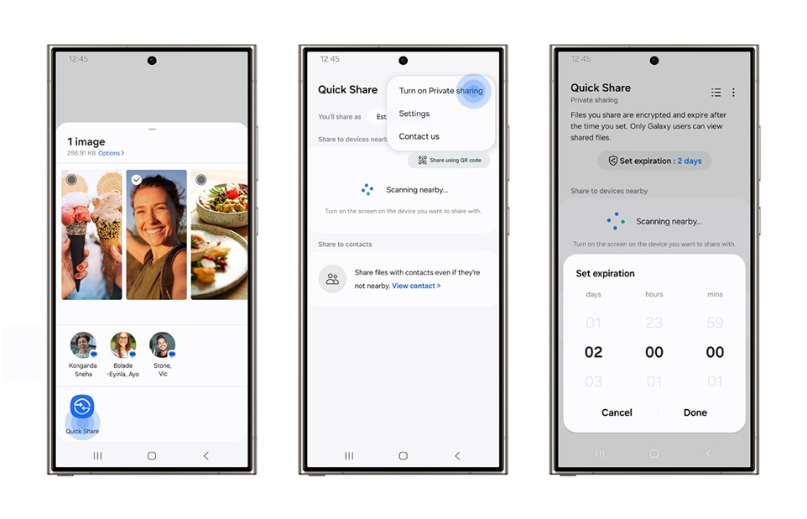
With this private sharing feature, users can ensure that only the designated recipients can open the files they share. Users can also set permissions and expiration dates for the data, so it’s only viewable for a limited amount of time. In addition to all of that, users can give read-only access without the ability to re-share, revoke the data access whenever they like, restrict screenshotting, and see when the recipient received and opened the file.
This feature allows the user to share up to 20 files at once with a total size of up to 200MB. According to the company, they are using blockchain-based encryption technology for this feature.
To use this feature, users can follow the steps – Select file > Quick Share > Three dots (more options) > Turn on Private sharing. Once the message has been sent, users can check what they’ve sent and change the expiration date or revoke sharing permissions.
Samsung Cloud Enhanced Data Protection
Samsung claims that with its Enhanced Data Protection, users can be confident that their data remains secure in the Samsung Cloud. Starting with the Galaxy S24, Enhanced Data Protection offers additional protection for Galaxy devices when the user data is synced or backed up with Samsung Cloud. It intends to mitigate data loss via end-to-end encryption (E2EE) and ensures that data can only be encrypted or decrypted on the user’s device and cannot be accessed by anyone else. In other words, the user data will remain safe even if the server is compromised or the account details are stolen.
During activation of this feature, users will need to write down a recovery code to help prevent data loss when the device is stolen or damaged. To activate this feature, users can follow the steps – Samsung Cloud > Three dots (more options) > Settings > Enhanced data protection. Alternatively, users can also go to Settings > Security and privacy > More security settings > Enhanced data protection.
We use cookies on our website to give you the most relevant experience by remembering your preferences and repeat visits. By clicking “Accept”, you consent to the use of ALL the cookies.
This website uses cookies to improve your experience while you navigate through the website. Out of these, the cookies that are categorized as necessary are stored on your browser as they are essential for the working of basic functionalities of the website. We also use third-party cookies that help us analyze and understand how you use this website. These cookies will be stored in your browser only with your consent. You also have the option to opt-out of these cookies. But opting out of some of these cookies may affect your browsing experience.
Necessary cookies are absolutely essential for the website to function properly. This category only includes cookies that ensures basic functionalities and security features of the website. These cookies do not store any personal information.
Any cookies that may not be particularly necessary for the website to function and is used specifically to collect user personal data via analytics, ads, other embedded contents are termed as non-necessary cookies. It is mandatory to procure user consent prior to running these cookies on your website.