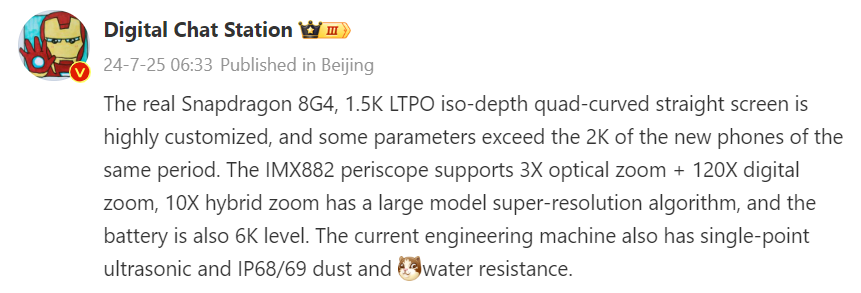
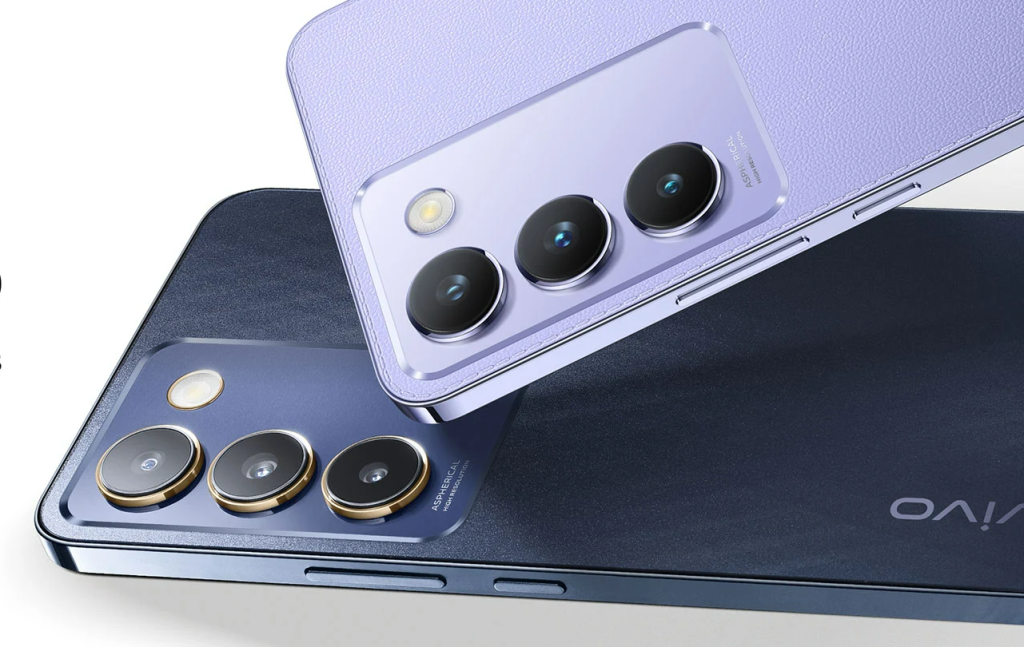
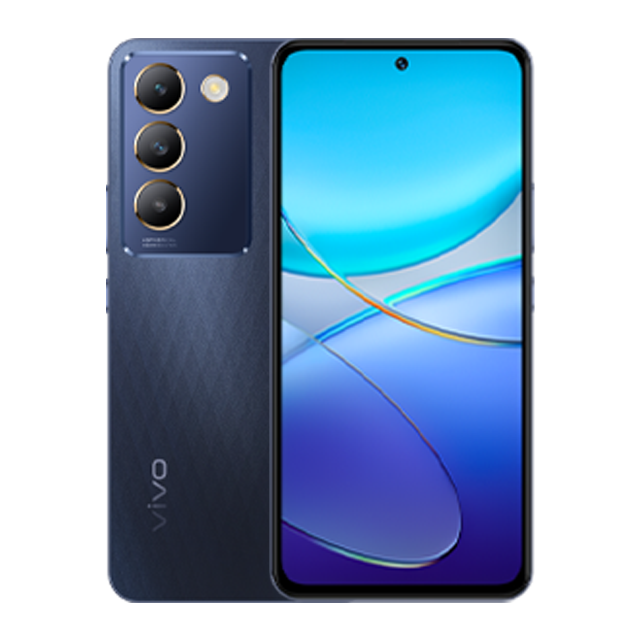
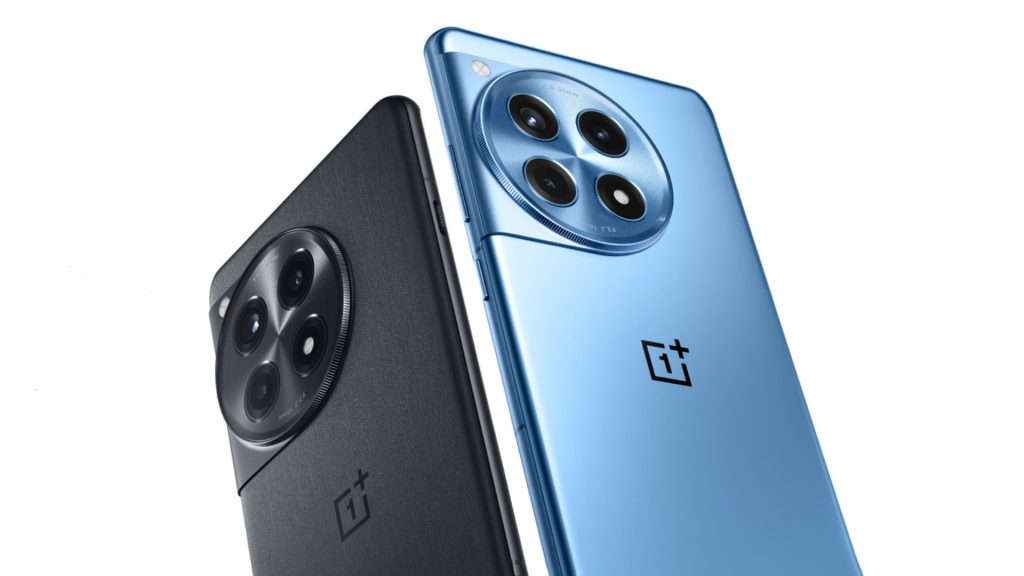
OnePlus launched the Ace 3 in January 2024, and rumors about the Ace 3 Pro models have been circulating ever since. In a leak today, tipster Digital Chat Station has revealed some of the key specifications and design details of the Ace 3 Pro.
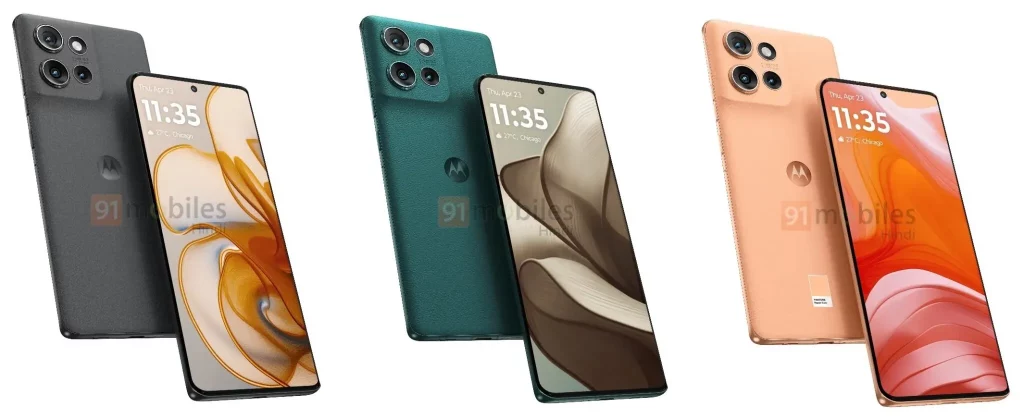
The leak suggests three material choices for the Ace 3 Pro: ceramic, glass, and leather. The ceramic model is rumored to sport a white back, while the glass variant might come in a bright silver finish. Both options are said to be nearing finalization.
The tipster also mentions a “meta middle frame” and a “large round deco” for the camera on the back panel. According to previous rumors, the Ace 3 Pro’s design language will reportedly steer away from the circular camera module seen in the OnePlus 12 and 11 series.
DCS suggests the display is a curved-edge 6.78-inch panel supplied by BOE. It will offer a 1.5K resolution and a smooth 120Hz refresh rate. Under the hood, the Ace 3 Pro is rumored to pack a Snapdragon 8 Gen 3 chipset. It would be complemented by a hefty 16GB of RAM and a staggering 1TB of storage.
Keeping all this powered will be a sizeable 6,100mAh battery with support for 100W charging support.
On the imaging front, the Ace 3 Pro may have a 16-megapixel front-facing camera for selfies and video calls. The rear camera system is tipped to feature a triple-lens setup with a 50-megapixel main sensor (equipped with OIS for image stabilization) accompanied by 8-megapixel and 2-megapixel secondary sensors.
In December 2023, Huawei unveiled the Enjoy 70 with the Kirin 710A chip onboard in China. The Snapdragon 680-powered Enjoy 70 Pro followed in January of this year. In February, the brand announced the Enjoy 70z with Kirin 710A. Today, it quietly unveiled the fourth Enjoy 70-series phone in China, the Enjoy 70s. Here is a look at the specifications, features, and price of the device.
Huawei Enjoy 70s specifications and features
Huawei Enjoy 70s
The Enjoy 70s has a 6.75-inch IPS LCD panel with a waterdrop-notch design. Its rear design appears like a toned-down version of the Pura 70 series of flagship smartphones.
The Enjoy 70s’ screen offers an HD+ resolution of 1600 x 720 pixels and a 90Hz refresh rate. The device features a side-facing fingerprint scanner and a dedicated Enjoy X physical button for accessing the most frequently used applications. The user can also customize it for other functions according to their preferences.
On the front, the device features an 8-megapixel selfie camera. Its back panel has a 50-megapixel primary camera and a 2-megapixel macro lens. The phone ships with Harmony OS 4.
Under the hood, the Enjoy 70s has the Kirin 710A chip. It comes with 8 GB of RAM, and 128 GB / 256 GB of storage. It does not seem to have a microSD card slot.
The Enjoy 70s has a 6,000mAh battery with 22.5W fast charging support. The device comes with support for other features, such a dual 4G VoLTE, Wi-Fi 802.11ac, Bluetooth 5.0, GPS, and a USB-C port.
Huawei Enjoy 70s price
The Enjoy 70s has arrived in two options, such as 128 GB and 256 GB. The prices of these variants are 1,199 Yuan (~$165) and 1,399 Yuan (~$190), respectively. The phone comes in three shades, such as Gold Black, Snow White, and Ice Blue.
Today, we have plenty of leaks to talk about, including large 6000mAh batteries on OnePlus 13 and GT6 Pro, the Xiaomi 15’s camera module being better than its predecessor, the Galaxy Watch 7 Ultra offering 2X battery life vs its predecessor, and more.
Here are all the top stories from the past 24 hours.
A tipster has shared some information about the camera system of the Xiaomi 15 series. According to him, Xiaomi could offer a full-focal-length large-aperture main camera with its upcoming flagship series.
A tipster on Weibo yesterday revealed that Oppo’s Find X8 Series, next-generation book-style foldable, Realme GT6 Pro, and OnePlus 13 will boast a massive 6000mAh capacity inside. This could be due to the performance-focused next-generation flagship chips.
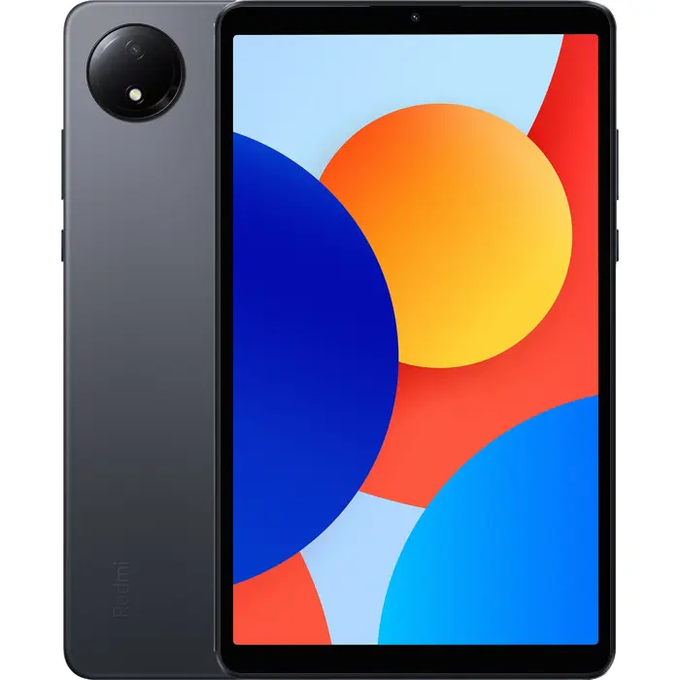
For budget-conscious smartphone users, the Redmi A3 is a compelling option. With a focus on core functionalities like calling, messaging, and basic web browsing, the phone prioritizes affordability without sacrificing essential features.
Xiaomi recently launched another model the Redmi A3x as a new addition to the Redmi A-series. But how does it compare to the original Redmi A3?
According to reports, the Watch 7 Ultra will have longer battery life than the other models in the Watch 7 series. You may get 100 hours of battery backup with a 578mAh battery pack inside the Watch 7 Ultra.
Realme GT 6 has been officially teased by the global X handle of the brand. With the month of May coming to an end soon, it appears that the GT 6 will break cover in the global market in June. Meanwhile, the brand’s vice president, Chase Xu, has confirmed that the Indian market will receive the Realme GT 7 Pro this year.
In response to a question about why the company did not release the Realme GT 5 Pro in India, Chase stated that the Realme GT 7 Pro will be available there this year.
To recall, the Realme GT 5 Pro came equipped with the Snapdragon 8 Gen 3 chipset. Hence, it is very likely that the GT 7 Pro will have the next-generation Snapdragon 8 Gen 4 SoC onboard. Many reports suggest Qualcomm will reveal the SD8G4 chip in October of this year. This suggests that the GT 7 Pro may debut in the last quarter of this year in India.
The above teaser released by Realme Global confirms that the Realme GT 6 will go official soon. Most likely, the global market will receive it in June. Speculation suggests that it is a rebranded version of the Snapdragon 8s Gen 3-powered Realme GT Neo 6, which made its debut in China recently. The brand is expected to confirm the GT 6’s launch date tomorrow.
As per a report by SmartPrix, the Realme GT 6 will have the “Next AI” tagline, which will bring a couple of AI-related camera enhancements like AI Night Vision, AI Smart Loop, AI Smart Removal, and AI Smart Search.
Samsung recently launched two new midrange smartphones in the Indian market, the Galaxy F55 5G and the Galaxy M55 5G. While both phones share many similarities, there are some key differences to consider before making a purchase decision. Let’s take a deep dive into the specs, features, and design of these phones to see which one might be the right fit for you.
Both phones boast a large 6.7-inch FHD+ (1080×2400 pixels) Super AMOLED Plus Infinity-O display with 120Hz refresh rate and up to 1000 nits peak brightness. This translates to smooth visuals and a great viewing experience for everyday tasks, gaming, and watching videos. They are nearly identical in terms of size and weight, measuring 163.9 x 76.5 x 7.8mm and weighing 180g.
However, the design is where they diverge. The Galaxy F55 stands out with a stylish vegan leather back, making it look more premium than the standard plastic back of the Galaxy M55. Additionally, both phones feature an IP67 dust and water resistance rating, offering protection against accidental spills and splashes. The phones also include an in-display fingerprint sensor.
2. Performance
Both phones are powered by the Qualcomm Snapdragon 7 Gen 1 SoC, a capable mid-range processor that should handle most everyday tasks and games without breaking a sweat. They come with options for either 8GB or 12GB of RAM and 128GB or 256GB of storage, allowing you to choose the configuration that best suits your needs. Both offer expandable storage via a microSD card slot for additional storage flexibility.
3. Software
Both phones come equipped with the latest Android 14 operating system with Samsung’s One UI 6.1 on top. This ensures a smooth user experience and access to the latest features and security updates. Samsung has committed to providing 4 generations of Android updates and 5 years of security updates for both phones, giving you peace of mind in terms of software support.
4. Camera
Both phones feature a 50MP main rear camera with OIS and VDIS (Video Digital Image Stabilization) for sharper photos and steadier videos. For wide-angle shots, both devices sport an 8MP lens with f/2.2 aperture. Additionally, they also come with a 2MP depth sensor with f/2.4 aperture.
On the front, both phones sport a high-resolution 50MP selfie camera, which is a significant upgrade from previous models in their respective series. This should translate to sharper selfies and better video calls.
5. Battery and Charging
Both phones pack a decent 5000mAh battery, which should provide all-day battery life for most users. They also support 45W fast charging, allowing you to quickly top up the battery when needed. However, similar to a growing trend, neither phone comes with a charger in the box. You’ll need to purchase one separately or use an existing compatible charger.
6. Pricing
The pricing for both phones is identical across all storage variants. The 8GB + 128GB model starts at Rs. 26,999, the 8GB + 256GB variant costs Rs. 29,999, and the top-end 12GB + 256GB model is priced at Rs. 32,999.
7. Verdict
When deciding between the Galaxy F55 and Galaxy M55, the choice essentially comes down to design. Both phones share the same features, with only a slight difference in aesthetics. If you prefer a stylish leather design with a premium feel, the F55 is the clear winner. Both models offer excellent value for the price, with similar performance, software experience, and battery life.
Yesterday, Honor unveiled the Honor 200 and 200 Pro smartphones in the Chinese market. Soon after the launch, India-based Htech released an official teaser about the arrival of the Honor 200 5G series in India. In all likelihood, the brand may release both phones in June in the country. Here is a look at the specifications of both models.
Honor 200 series India launch soon
Honor 200 specifications
The Honor 200 features a 6.7-inch quad-curved OLED display with a resolution of 2664 x 1200 pixels, a 120Hz refresh rate, 3840Hz PWM dimming, and a peak brightness of 4000 nits. The Snapdragon 7 Gen 3 processor powers the device, and it comes with a 5,200mAh battery that supports 100W fast charging.
The camera setup includes a 50-megapixel front camera and a rear triple camera system with a 50-megapixel main sensor (IMX906, OIS), a 12-megapixel ultra-wide/macro lens, and a 50-megapixel telephoto lens (IMX856, 2.5x, OIS). Additional features include an in-screen fingerprint scanner, a 5,029mm2 heat dissipation unit, dual speakers, an IR blaster, and NFC. It also runs on Android 14 with MagicOS 8.0.
Honor 200 Pro specifications
Honor 200 and Honor 200 Pro
The Honor 200 Pro has a 6.7-inch quad-curved OLED display with a resolution of 2700 x 1224 pixels (1.5K), a 120Hz refresh rate, 3840Hz PWM dimming, and a peak brightness of 4000 nits. The Snapdragon 8s Gen 3 processor powers this model, along with a 5200mAh battery that supports 100W wired charging, 66W wireless charging, and reverse wireless charging.
The front camera setup includes a 50-megapixel primary camera and a 3D depth sensor, while the rear camera system consists of a 50-megapixel main sensor (OV50H, OIS), a 12-megapixel ultra-wide lens, and a 50-megapixel telephoto lens (IMX856, 2.5x, OIS). Other features include an in-screen fingerprint scanner, dual speakers, an IR blaster, a C1+ RF enhancement chip, and NFC. Unlike the Honor 200, the Pro variant is an IP55-rated device. Both models run on Android 14 with MagicOS 8.0.
Honor 200, 200 Pro price
In China, the phone comes in multiple variants, such as 8GB+256GB, 12GB+256GB, 12GB+512GB, 16GB+256GB, and 16GB+512GB, with a starting price of 2,499 Yaun (~Rs 29,300 or ~$350) for the 8GB+256GB model. On the other hand, the device is available in shades, such as 12GB+256GB, 12GB+512GB, 16GB+512GB, and 16GB+1TB with a starting price of 3,999 Yuan (~Rs 41,050 or ~$485). Both phones come in shades, such as Sky Blue, Coral Pink, Moon Shadow White, and Ink Black.
For budget-conscious smartphone users, the Redmi A3 is a compelling option. With a focus on core functionalities like calling, messaging, and basic web browsing, the phone prioritizes affordability without sacrificing essential features.
Xiaomi recently launched another model the Redmi A3x as a new addition to the Redmi A-series. But how does it compare to the original Redmi A3? Let’s explore the specifications and key differences to help you decide which phone is the best fit for you.
Design and Build
At first glance, you’d be hard-pressed to tell the Redmi A3 and A3x apart. Both phones sport a similar design aesthetic with a plastic back featuring a circular deco pattern. This design choice adds a touch of visual interest without deviating from the phone’s budget-friendly nature.
Both models are equipped with Corning Gorilla Glass 3 for added screen protection. The design and build quality are basic but fairly basic but functional.
Redmi A3x
They come in three color options but with slight differences. The Redmi A3 offers Forest Green with a leather-like back, along with Star Blue and Midnight Black. The A3x, on the other hand, features a glass back in all three colors: Aurora Green, Moonlight White, and Midnight Black.
Display
The display specifications remain identical across both phones. They come equipped with a 6.71-inch HD+ (1650 x 720 pixels) IPS LCD panel. While this doesn’t offer the highest resolution or the vibrant colors of an AMOLED display, it gets the job done for everyday tasks like browsing the web or watching videos.
Redmi A3
You shouldn’t expect a stellar visual experience, but the display is perfectly adequate for basic multimedia consumption. Additionally, both models support a high 90Hz refresh rate for a more responsive user interface interaction.
Performance
This is where the key difference of the phones is. The Redmi A3 is powered by the MediaTek Helio G36 processor, a budget-oriented chipset with an octa-core architecture. The Redmi A3x, on the other hand, uses an octa-core chip from Unisoc called T603.
Although we don’t have a side-by-side comparison of their performance in benchmarks or real-world use, the A3x should perform slightly better than the Helio G36 in the A3 because of its superior core architecture.
Both phones come with 3GB of RAM, but the Redmi A3 also offers a higher-end option with 4GB of RAM, which could be beneficial for users who prefer multitasking.
Storage options also differ slightly: the Redmi A3 comes in 64GB and 128GB configurations, while the Redmi A3x offers a single 64GB variant.
In terms of software, both boots on Android 14-based MIUI and will receive two years of major platform and 3 years of security patch updates.
Camera
Moving on, the camera setup is also identical on both phones. They feature a dual rear camera system with an 8MP primary sensor and a 0.08MP auxiliary lens. The front-facing camera for selfies and video calls is also the same 5MP sensor on both models. Don’t expect flagship-level camera performance here.
These cameras are suitable for capturing basic snapshots in good lighting conditions, but low-light photography or intricate details might not be captured well.
Battery
Both the Redmi A3 and A3x are equipped with a 5000mAh battery, a generous capacity for budget smartphones. That should translate to a full day’s worth of usage on a single charge for most users, depending on individual usage patterns. Charging is done via a 10W adapter
Conclusion
Both the Redmi A3 and Redmi A3x cater to the budget-conscious user seeking a reliable phone for everyday tasks. They share the same design, display, software, camera, battery life, and connectivity features. The main difference is in terms of processor, with the Redmi A3x possibly having a slight performance edge.
However, the difference is unlikely to be a deal-breaker for most users. So the choice between these two phones comes down to personal preference and possibly a minor price difference.
Feature
Redmi A3
Redmi A3x
Dimensions
168.3 x 76.3 x 8.3 mm
Weight
193 g or 199 g
199 g
Build
Glass front (Gorilla Glass 3), glass back or silicone polymer back, plastic frame
Glass front (Gorilla Glass 3), glass back, plastic frame
Samsung will introduce the Galaxy Watch 7 series in June, which will be available in three versions. While the top model is expected to be called the Galaxy Watch 7 Ultra, it could also be called the Galaxy Watch X according to a new rumor. It will likely compete with the Apple Watch Ultra.
Galaxy Watch X / Galaxy Watch 7 Ultra rumored specs
The Galaxy Watch X or the Galaxy Watch 7 Ultra will reportedly be able to handle the pressure equivalent to 100 meters underwater, which is the same as the Apple Watch Ultra and Apple Watch Ultra 2. However, it’s important to note that the actual depth the devices can handle is different, which is 40 meters only for the Apple Watch Ultra. It could be a similar story for the Galaxy Watch 7 Ultra as well.
According to reports, the Watch 7 Ultra will have longer battery life than the other models in the Watch 7 series. You may get 100 hours of battery backup with a 578mAh battery pack inside the Watch 7 Ultra. For context, the Galaxy Watch 6 Classic and the Watch5 Pro reportedly offer a significantly lower 40 hours and 80 hours of battery life with a 425mAh and a bigger 590mAh battery respectively. The Apple Watch Ultra 2 reportedly offers a battery life of 36 hours with a capacity of 564mAh.
While the Watch 7 Ultra could bring a slightly larger battery, the massive improvement (speculated) seems to be due to a more power-efficient operation of the device. The device will equip the 3nm Exynos W1000 chip, which is said to be 20% more capable and power efficient as compared to the 5nm Exynos W930.
The W1000 will also likely be Samsung’s first 3nm chip for the mass market. The company will also introduce the next-generation Galaxy foldables and the long-anticipated Galaxy Ring along with the new watches.
In July, a trio of flagship smartphones from prominent Chinese brands, such as Redmi, OnePlus, and iQOO, will debut, according to a leak from tipster Experience More. The upcoming devices include the Redmi K70 Ultra, the OnePlus Ace 3 Pro, and the iQOO Neo 9s Pro+, each bringing impressive specifications to the competitive Chinese market.
The leaker said that the OnePlus Ace 3 Pro and iQOO Neo 9s Pro+ are likely to debut towards the end of July, while the Redmi K70 Ultra is expected to be available slightly earlier. The primary rivalry to watch will be between the Redmi and OnePlus devices. Here is a look at the key specifications of all three phones that the leaker mentioned.
Redmi K70 Ultra key specifications (rumored)
The Redmi K70 Ultra will be powered by the Dimensity 9300 Plus chipset, paired with an X7 Gen 2 display chip. The handset will have a TCL C8 screen with a 1.5K resolution, a substantial 5,500mAh battery, and 120W fast charging. The phone will also feature a metal mid-frame and a short-focus fingerprint sensor.
OnePlus Ace 3 Pro key specifications (rumored)
The OnePlus Ace 3 Pro is set to include a Snapdragon 8 Gen 3 SoC coupled with an X7 Gen 2 display chip, and a 1.5K resolution X1 screen from BOE. It will come with a large 6,100mAh battery and support 100W charging. This model will have a metal middle frame and an ultra-thin fingerprint sensor.
iQOO Neo 9s Pro key specifications (rumored)
The iQOO Neo 9s Pro will also feature the Snapdragon 8 Gen 3 processor and a Q1 display chip with a 1.5K resolution display. Its 5160mAh battery will support 120W fast charging. Unlike the other two, it will have a plastic mid-frame and a short-focus fingerprint sensor.
All three smartphones will sport a 50-megapixel main camera, which is most likely to have support for optical image stabilization. The primary camera will be coupled with 8-megapixel and 2-megapixel auxiliary cameras. Reports have claimed that the Snapdragon 8 Gen 3-powered Realme GT 6 is also in the works. This phone is also expected to debut in July or August as per a different leak.
The Xiaomi 15 and Xiaomi 15 Pro have already appeared on the IMEI database. According to the listing, there will be a titanium version of the Xiaomi 15 Pro that will support satellite connectivity and will likely be exclusive to the home country.
More recently, Weibo tipster “Smart Pikachu” has shared some information about the camera system of the Xiaomi 15 series. According to him, Xiaomi could offer a full-focal-length large-aperture main camera with its upcoming flagship series.
The series will equip improved lenses, and boast photosensitive macro shooting, flash shooting, and full-focal length master portraits. It may come equipped with a new OmniVision sensor.
In addition, the blogger also noted “There are ceramics” hinting the series will also offer a variant with the material on the back. He also noted “Want an inch, wait for ultra” which means a 1″ sensor will again be exclusive to the Ultra model. “Wait” also means that Xiaomi will again release the top model separately sometime after the release of the standard and pro variant. For context, the Xiaomi 14 and Xiaomi 14 Pro launched in October, 4 months earlier than the Xiaomi 14 Ultra.
According to some other leaks, the company could finally offer an ultrasonic fingerprint scanner to the series, which will also offer a larger unlocking area alongside more reliable and faster unlocking in different conditions like the presence of water. Not to mention, the series will be one of the first (if not the first) to boast Qualcomm’s upcoming Snapdragon 8 Gen 4 flagship chipset. The standard model is expected to come with a flat 1.5K display, flat sides and a slightly faster 100W (up from 90W) fast charging support. The Xiaomi 15 Pro may offer a higher 2K panel with a quad-curved design, and a 5000mAh battery (up from 14 Pro’s 4880 mAh).
Huawei P50 Pro users, get ready to personalize your phones and experience a boost in functionality with the official HarmonyOS 4.2 update! This update brings a fresh wave of interactive lock screen themes to maximize creativity.
The update also improves system security features with the latest patch
Geometric Party: Craft a dynamic display using triangular shapes that come alive with your touch.
Geometric Sticker: Stack and arrange colorful stickers or geometric shapes for a unique and interactive look.
Mood Party: Express yourself with a variety of cute emoticons that can be combined and customized for a personalized and interactive experience.
Mood Sticker: Liven up your lock screen with a vast selection of popular emoticons and over 1500 mood emojis, allowing you to create ever-changing themes.
The update goes beyond aesthetics, optimizing the visual experience of certain applications and bolstering system security with the latest May 2024 security patch.
New functionalities further enhance your user experience. Now you can enjoy automatic WLAN network connection switching, improved management of app permissions for device direction access, and a Bluetooth device recording toggle. HarmonyOS 4.2 also introduces support for the new Xiaoyi smart assistant, bringing its AI writing assistance function to the Xiaoyi input method.
Honor has unveiled a content creator’s dream machine: the MagicBook Pro 16 with independent graphics. This powerhouse laptop, available in a captivating Cloud Rainbow Color finish, boasts impressive features for a starting price of 9,299 yuan (around $1,370 USD).
With 24GB of RAM and a 1TB SSD, multitasking is a breeze.
The MagicBook Pro 16 packs a serious punch. At its core lies an Ultra5 125H processor working alongside an NVIDIARTX 4060 graphics card. This combination ensures smooth performance for even the most demanding tasks, whether you’re editing videos or conquering the latest games. Multitasking is a breeze with 24GB of memory and a spacious 1TB solid-state drive.
Overheating anxieties are a thing of the past. Honor’s innovative three-dimensional cooling system, featuring a massive 12mm diameter heat pipe, efficiently dissipates heat, keeping your laptop performing optimally.
Immerse yourself in your work or entertainment with the stunning 3K 165Hz IPS display. This high-resolution screen boasts an impressive 93% screen-to-body ratio, vibrant 10-bit color depth, and exceptional 500 nits peak brightness. Offering true-to-life visuals, it covers 100% of the DCI-P3 color gamut and boasts VESA DisplayHDR 400 and Rhine Eye Protection certifications.
The six built-in professional speaker-level sound system delivers rich and powerful audio, while the self-developed spatial audio rendering engine creates a truly captivating listening experience.
Boost your productivity with the AI YOYO assistant and the AI super workbench. The MagicBook Pro 16 also comes equipped with a comprehensive selection of ports, including a Thunderbolt 4, a USB-C, two USB-A 3.2 Gen1, an HDMI 2.1, a 3.5mm headphone jack, and a port for the included 200W power adapter.
Going on sale on June 7th at 10 am, the Honor MagicBook Pro 16 with independent graphics is a great choice for creators, gamers, and anyone seeking a powerful and versatile laptop.
Honor is set to unveil its first global flagship store on May 28th in Kuanzhai Alley, Chengdu (China), according to a company announcement made during tonight’s Honor 200 series new product launch conference.
The store will be the first one of the 1000 new stores within 2024 alone.
This flagship store signifies more than just a retail space; it signifies Honor’s commitment to the future of physical stores and its vision for integrating technology with local culture. As part of their “Thousand Stores Plan” launched in 2024, Honor aims to open over 1,000 new stores within the year, fostering a spirit of optimism for the real economy.
The concept behind the Honor flagship store revolves around creating a unique experience that blends history and innovation. The store seamlessly integrates the charm of Chengdu’s ancient architecture with cutting-edge technology, offering a space that caters to retail, cultural exploration, and embracing a trendy lifestyle. Honor CEO Zhao Ming, who previously announced the news on social media in mid-May, expressed his hope that this store will serve as a platform for users to explore the potential of AI technology while immersing themselves in the city’s cultural richness and innovation scene.
Young minds in China are in for a treat! On June 1st, the Anhui Provincial Committee of Children and Children and the Anhui Provincial Quantum Computing Engineering Research Center are hosting a unique event: the first “China’s Independent Quantum Computer Cluster Open Teaching Activity.”
The supercomputer was launched in January earlier this year
This exciting program takes place at the heart of Benyuan Quantum, China’s pioneering quantum computing company. Here, children will have the chance to learn about and interact with five independent superconducting quantum computer clusters, including the renowned “Benyuan Wukong.”
Benyuan Wukong, China’s third-generation autonomous superconducting quantum computer, is a technological marvel. Launched in January 2024, it holds the title of the most advanced programmable and deliverable superconducting quantum computer globally. Its name pays homage to the legendary Sun Wukong, known for his ability to transform into 72 forms, reflecting the computer’s 72-bit autonomous superconducting quantum chip, the “Wukong Core.”
But what truly sets Benyuan Wukong apart is its impressive level of independent Chinese technology. It boasts:
Homegrown quantum chips, developed entirely within China.
Independent quantum computing measurement and control systems.
This signifies a remarkable 80% localization rate, with the remaining components under self-development.
The impact of Benyuan Wukong is undeniable. As of May 27th, it has completed a staggering 225,000 computing tasks for users in 124 countries and regions, attracting over 9.38 million remote access attempts worldwide, with American users leading the charge.
A new REDMAGICgaming laptop (model GN001J) is on the horizon based on recent certifications and a Geekbench listing. The details are listed below.
The certifications also reveal an Intel Wi-Fi 6E and AX211 network card
The leaked specifications suggest a powerful machine with a Core i9-13950HX processor and an RTX 4070 graphics card according to the Geekbench listing. Certifications from various agencies including Bluetooth SIG (product name confirmed as Redmagic Gaming Notebook), Wi-Fi Alliance (product name confirmed as RedMagic Gaming Laptop) and CMIIT (radio transmitter model approval) further solidify the existence of this laptop. The certifications also reveal the use of Intel Wi-Fi 6E and an Intel AX211 network card.
It’s important to note that while this leak looks promising, we should wait for an official announcement from Redmagic for complete specifications, pricing, and release date.
Several upcoming Lenovo laptops appear to be incorporating latest Qualcomm technology, based on recently revealed Bluetooth certification on May 27. These laptops, which utilize the Qualcomm NCM825 network card (WCN785x, also known as FastConnect 7800), include:
ThinkBook 16 Gen 7 QOY
YOGA Air 14s Q8X9
Yoga Slim 7 14Q8X9
ThinkPad T14s Flex Gen 1
ThinkPad T14s Gen 5
ThinkPad T14s Gen 6
ThinkPad T14 Gen 5
It’s important to note that the YOGA Air 14s Q8X9, Yoga Slim 7 14Q8X9, and ThinkPad T14s Gen 6 are already confirmed to be the first Lenovo laptops powered by the Qualcomm Snapdragon X Elite processor. The ThinkBook 16 Gen 7 QOY will likely use a Qualcomm Snapdragon X series processor as well. The ThinkPad T14s Flex Gen 1 is expected to be a version of the T14s with a 360-degree hinge for convertible functionality.
The question remains regarding the Snapdragon processors in the remaining listed models (ThinkPad T14s Gen 5 and ThinkPad T14 Gen 5). They might utilize Qualcomm network cards only, or potentially house Snapdragon processors as well. For more concrete info such as specifications, pricing, and release dates, official announcements from Lenovo are crucial. We will just have to wait for the same.
Honor has released the Earbuds X7 in China. The new Honor earbuds deliver extended use with its up to 40 hours of battery life. The Honor Earbuds X7 also comes with high-quality sound output with its Golden Ear certification. The Golden Ear certification is given by the China Electronics Industry Association.
Features
The Honor Earbuds X7 true wireless earphones come in a compact design which shows its impressive battery capacity. Each earbud can last up to 9 hours on a single charge, while the charging case offers up to 30 hours of playback. The earbuds also feature quick recharge technology, as a 10-minute charge provides up to three hours of playback. Each earbud weighs about 3.8g and this can easily fit into the ear comfortably. The earbuds, once properly faced, are difficult to fall off.
The Honor Earbuds X7 uses a 10mm dynamic unit with full bass output. It has a polymer composite plated bowl diaphragm for clear treble delivery. The TWS headset is available in Sky Blue and Moon Shadow White color options. The two variants of the wireless headset are described as fresh and elegant or simple and soft for the Sky Blue and Moon Shadow White colors respectively. The earbuds support touch operation including double-clicking to answer/ end calls or play/ pause music. Long pressing the headset enables the device to reject a call.
Pricing
The new Honor Earbuds X7 is available on various retail platforms in China and is priced at 299 yuan ($41). It is unclear whether Honor will subsequently release the Earbuds X7 TWS headphones in overseas markets.
The Xiaomi Outdoor Camera BW500 has been released in China. The new outdoor camera offers a battery life that is up to 6 months and also supports solar charging. Recently Xiaomi announced the 5W solar panel with USB-C cable for the Xiaomi Outdoor Camera BW500 and BW300. The BW500 outdoor camera will be available via crowdfunding starting on May 29.
Features
The Xiaomi Outdoor Camera BW500 has a resolution of 2560 x 1440 pixels and utilizes a FOV 136º wide-angle lens with an aperture of F1.6. The camera is equipped with powerful infrared and full-color LED lights for effective illumination. It can light up intelligently in dim environments within a radius of 10 meters. The camera is powered by the 1.2TOPS AI computing power chip which enables it to accurately identify people, vehicles, animals, and other objects. The alarm is triggered anytime an object enters the camera’s field of view and the white light is turned on. This produces a deterrent effect, while the MI Home App also delivers an alarm message.
The Outdoor Camera BW500 is capable of intelligent noise reduction to provide greater clarity for the human voice. It operates an intercom within a 7-meter diameter and also comes with an MIJIA security chip to prevent data hacking. The optional solar panel connection to the camera enhances its versatility and reliability. The panel angle can be freely adjusted to ensure optimal battery life. In terms of its battery, the camera has a 10,000mAh battery which is claimed to last for six months. The camera features an algorithm that offers low-power technology and adjusts the battery usage according to the scene being captured.
The Xiaomi Outdoor Camera BW500 has a built-in eMMC 32GB storage and also supports cloud storage. The camera is rated IP67 for dust and water resistance.
Pricing & Availability
The crowdfunding price of the BW500 camera is 369 yuan ($51) and will commence on May 29 on Xiaomi Youpin.
Earlier this month, OnePlus started rolling out a massive update for many of its higher-end smartphones, introducing a bunch of new features, quality-of-life improvements, and bug fixes. This update, called OxygenOS 14.0.0.802 has finally arrived for the flagship OnePlus 12. Below is the changelog that lists what’s new and improved in this update.
OnePlus 12 OxygenOS 14.0.0.802 update:
New smooth animations
Adds wallpaper zoom and seamless icon transitions during app launch and exit for a smoother visual experience.
Adds a bounce animation effect when sliding to the bottom of the notification drawer and optimizes the layer effects of Quick Setting icons and widgets, bringing a more natural and delicate visual effect.
Optimizes the transition animations for Home screen icons and widgets and adds wallpaper zoom animations upon device unlock.
Adds wallpaper zoom animations and gradual brightness transitions when the screen is turned on or off.
Optimizes the background colors and Gaussian blur effects in Quick Settings, Notification drawer, Home screen drawer, and Global Search.
Optimizes the transition animation when the Lock screen clock and buttons disappear upon device unlock.
Optimizes animations when entering and exiting Global Search, ensuring a smoother and more consistent visual experience.
New touch control experience
Adds a transition animation when swiping in from one side of the screen to exit an app before it starts up.
Adds a transition animation when swiping in from one side of the screen to go back to the previous page before a new page is opened.
Adds a transition animation when swiping inward from a side of the screen or swiping up to exit an app in landscape mode.
You can now tap the lower right corner of a large folder to view more apps.
You can now pull down app icons in large folders and then open an app in just one move.
Improves touch control responsiveness. Tapping and swiping on the Home screen and Recent tasks screen is now faster and more stable.
Increases touch responsiveness for app usage scenarios, for example, when opening and closing apps, entering and exiting recent tasks, or swiping on the gesture guide bar to switch between apps.
Optimizes animations when using large folders. Dragging apps on the Home screen is now smoother.
System
Adds a horizontal layout for the Lock screen clock.
You can now choose not to show the track when drawing the Lock screen pattern to unlock your device.
You can now adjust the volume in Quick Settings.
You can now adjust the size of a floating window by dragging its bottom and swipe up to close a mini window.
Fixes an issue that might cause the Home screen wallpaper to flicker after you close an app.
Improves system stability.
Optimizes fingerprint recognition.
Fixes an issue where the volume from the speaker and Bluetooth earphones might be low.
Fixes a display issue where an app icon on the Home screen might move slightly from where it should be after closing the app.
Integrates the May 2024 Android security patch to enhance system security.
The update is currently rolling out in India only, with a broader global rollout expected soon. The update is being pushed in batches, so users can expect it to arrive on their devices in the coming days.
Sony‘s ULT line of headphones and speakers unveiled globally last month have finally made their way to the Indian market. The brand held a launch event earlier today to introduce the Ult Wear headphones, as well as ULT Field 1, Field 7, and Tower 10 speakers.
The ULT Wear headphones come with 40 mm neodymium drivers, providing a frequency response range from 5 Hz to 20 kHz for detailed sound. They support Bluetooth 5.2 and Bluetooth Multipoint for easy device switching.
They include features like transparency mode, LDAC support for high-quality audio, and a sensor that detects when they are removed. The headphones use Sony’s Integrated Processor V1 for noise cancellation, along with Precise Voice Pickup Technology and voice control for Google Assistant and Alexa.
These headphones offer Active Noise Cancellation (ANC), 360 Reality Audio, personalized EQs, gesture controls, and compatibility with the Sony Headphones Connect app. It has an ULT button that enhances bass. Sony has also used recycled plastic in the design to promote sustainability.
2. Sony ULT Tower 10:
The Sony ULT Tower 10 speaker provides 360° party sound with strong bass, 360° Party Light, and karaoke features. It includes a wireless microphone and supports TV connection for an improved home theater experience. The ULT POWER SOUND feature offers two bass modes.
Press the ULT button to switch between ULT1 for deeper bass and ULT2 for punchier bass. The speaker can link with up to 100 compatible speakers to synchronize music and lighting through Party Connect.
3. Sony ULT Field 1:
The ULT Field 1 is a portable Bluetooth speaker that delivers powerful sound. It has a multi-way strap design for easy carrying on outdoor adventures. The ULT POWER SOUND feature enhances bass, and the battery lasts up to 12 hours on a full charge.
With an IP67 rating, the speaker is water and dust-resistant. It includes a built-in microphone for hands-free calling and echo-canceling technology.
4. Sony ULT Field 7:
Sony’s ULT Field 7 is a larger Bluetooth speaker compared to the ULT Field 1 and shares some features with the ULT Tower 10. It includes dynamic lighting, a mic port for karaoke, and promises powerful bass. The ULT1 and ULT2 sound modes provide options for punchy and deeper bass.
With a single full charge, it can last up to 30 hours and just 10 minutes of charging offers up to three hours of audio playback. It also boasts an IP67 rating for water and dust protection, making it perfect for outdoor use. Additionally, the ULT Field 7 supports Party Connect for synchronized music and lighting.
5. Pricing & availability
Sony’s new ULT POWER SOUND series is now available in India with the following price tags:
You can find them at Sony stores, ShopatSC.com, major electronics retailers, and popular online stores like Amazon.in. To add to the appeal, there’s a cashback offer available. You can get Rs. 6,000 back on the ULT TOWER 10 and Rs. 3,000 back on the ULT FIELD 7 when using select credit cards at online and physical stores.
We use cookies on our website to give you the most relevant experience by remembering your preferences and repeat visits. By clicking “Accept”, you consent to the use of ALL the cookies.
This website uses cookies to improve your experience while you navigate through the website. Out of these, the cookies that are categorized as necessary are stored on your browser as they are essential for the working of basic functionalities of the website. We also use third-party cookies that help us analyze and understand how you use this website. These cookies will be stored in your browser only with your consent. You also have the option to opt-out of these cookies. But opting out of some of these cookies may affect your browsing experience.
Necessary cookies are absolutely essential for the website to function properly. This category only includes cookies that ensures basic functionalities and security features of the website. These cookies do not store any personal information.
Any cookies that may not be particularly necessary for the website to function and is used specifically to collect user personal data via analytics, ads, other embedded contents are termed as non-necessary cookies. It is mandatory to procure user consent prior to running these cookies on your website.