Advertisement

BenQ X500i review: Designed for gaming, decent for movies

The BenQ X500i is a 4K HDR 4LED short-throw home cinema projector aimed squarely at gamers and home theatre enthusiasts. It promises to deliver stunning visuals, immersive audio, and a hassle-free user experience. Sharing many features with BenQ’s flagship X3100i, it offers a compelling value proposition by delivering most of its high-end counterpart’s performance. However, there are some compromises that the company has made, and it is essential to understand where the X500i shines and where it falls short.

Design and Build Quality

BenQ X500i
BenQ X500i

The X500i sports a sleek, modern design with a white finish that should blend well into most home environments. Its compact size and short-throw capability make it easy to place on a coffee table or shelf, projecting a large image without requiring a lot of space. The build quality feels solid, and the included remote control is well-designed and responsive. It measures 366 x 118 x 244mm and weighs only 3.6kg.

Gaming Performance

The X500i excels in gaming, boasting short lag times that match or exceed those of its competitors. It supports 1440p resolution at up to 120Hz, a popular choice for gaming. One of the standout features of the X500i is its low input lag, which is crucial for gamers. With a response time as low as 4ms in 1080p@240Hz mode, the projector offers a smooth and responsive gaming experience, even with fast-paced action games.

Three predefined game modes—RPG, FPS, and SPG—tailor the visual and audio experience to different game genres. These modes adjust both image and sound settings to enhance the gaming experience. For instance, FPS mode tweaks HDR settings for better clarity in dark areas and focuses audio on positional accuracy, while RPG mode boosts cinematic visuals and bass levels. The Auto Game Mode automatically detects when you’re playing a game and switches to the appropriate settings for optimal performance.

Video and Audio Quality

The X500i’s 2,200 ANSI lumens are sufficient for dark or low-light environments, but it may struggle a bit in brighter rooms. In a dark room, it produces vibrant colors, good contrast, and impressive shadow detail, particularly in HDR10 mode after some adjustments to brightness and contrast settings. The projector also features BenQ’s CinematicColor technology, which is designed to reproduce accurate colors that match the filmmaker’s intent.

Audio is another strength, with two 5-watt treVolo speakers delivering high-quality sound. The projector’s MAXXAudio dynamic enhancement and BenQ’s proprietary algorithms ensure immersive audio that can fill a large room. While it lacks support for Dolby Atmos, the X500i’s built-in audio is surprisingly rich and detailed. For a more immersive experience, the projector supports up to 7.1 Dolby Atmos sound via an eARC port, allowing the connection of a soundbar.

While the X500i is optimized for gaming, it also performs well for movie watching, albeit with some limitations. It lacks support for Dolby Vision and HLG, and the default settings for 4K HDR content can be disappointing without adjustment. However, in Cinema mode, it offers good color accuracy and contrast, making it suitable for a variety of content.

Features and User Experience

The BenQ X500i 4K gaming projector features a versatile throw ratio of 0.69 to 0.83 and a 1.2x zoom ratio, allowing for flexible placement and large image projection from short distances. It has a built-in Android TV interface, giving you access to a vast library of apps and streaming services. The projector’s short-throw capability is another significant advantage. It allows you to project a large image from a short distance, making it ideal for smaller rooms or apartments. The digital zoom feature lets you adjust the image size without moving the projector, adding to its flexibility.

It includes two HDMI 2.0b ports with HDCP2.2 support, one USB Type A 2.0 port for power supply, reading, and firmware upgrades, and a USB Type C port with DisplayPort capabilities and Power Delivery output of 5V/1A. Additional connectivity options include an RS232 input (DB-9 pin), Bluetooth 5.0, and Wi-Fi supporting 802.11 a/b/g/n/ac (2.4G/5G). For wireless projection, the projector supports AirPlay and Google Cast, enhancing its compatibility with various devices and streaming options.

Setting up the X500i is a breeze. The projector’s user interface is intuitive and easy to navigate. It comes with an HDMI Android dongle that needs to be installed behind a panel on the projector. This process requires removing a small screw, plugging in the dongle, and replacing the panel. Once set up, the projector boots up to the Google TV interface, allowing you to log in with your Google account and access your favorite apps via Wi-Fi and Bluetooth. The projector’s fan noise is noticeable but not overly distracting. In a quiet room, you’ll hear it, but it shouldn’t be an issue during movies or games.

Conclusion

The BenQ X500i is a versatile and capable 4K HDR projector that excels in gaming and home theatre applications. Its bright, colorful image, low input lag, and flexible features make it a solid choice for anyone looking to upgrade their home entertainment setup. While it’s on the pricier side, its performance and features make it a compelling option for those willing to invest in top-tier quality. If you’re in the market for a high-quality 4K projector and willing to make the investment, the X500i should be at the top of your list.

BenQ X500i price in India, availability

WHERE TO BUY
Buy BenQ X500i Projector @ BenQ India website | Amazon

BenQ X500i gaming projector is listed for Rs 1,89,990 on BenQ India’s online store and Amazon.

Realme GT 6T first impressions: Gamer’s delight with unmatched display, topnotch performance 

Realme unveiled the Realme GT 6T after taking a two-year hiatus from GT series phones in the Indian market. At the launch, the brand claimed that the letter “T” in the moniker of the device indicates top performer. Hence, it is a performance-driven phone offering some great specs with a starting price of Rs 30,999. I have used the phone for a couple of days, and here’s what I think of it.

1. Built for Gaming

Realme GT 6T
Realme GT 6T

Realme GT 6T is India’s first phone featuring the Snapdragon 7+ Gen 3 chipset. The chip inherits architectures and cores from the Snapdragon 8 Gen 3 chipset. The inclusion of the chip allows it to deliver powerful performance suitable for gaming and resource-intensive tasks. 

The phone ships with up to 8GB/12GB of LPDDR5x RAM and 128GB (UFS 3.1) / 256 GB (UFS 4.0) / 512GB (UFS 4.0) storage. It offers one of the best battery size and charging combinations by packing a 5,500mAh battery with 120W fast charging support. With my limited use, the phone could easily last for 1.5 days of nominal use. It took me around 35 minutes to achieve a full charge using the in-box 120W SuperVOOC charger

For an enhanced gaming experience, the phone features dual speakers, which offer a good immersive output, and an x-axis linear motor for haptics. To keep the internals cool, the Realme GT 6T features a dual-layer vapor cooling structure encompassing a surface area of 10,014mm².

2. Unmatched Display

Realme GT 6T
Realme GT 6T

The 6.78-inch OLED screen produces a peak brightness of 6,000 nits, making it easily visible even in direct sunlight. The 8T LTPO panels support a 1.5K resolution and a 1Hz-120Hz refresh rate, ideal for gaming and media consumption. For precise touch response while gaming, the display supports a 2500Hz instantaneous touch sampling rate. No other phone in its price range offers such a marvellous screen.

3. Decent Cameras

The Realme GT 6T has an OIS-enabled 50-megapixel Sony LYT-600 main camera on the back, which is joined by an 8-megapixel ultra-wide lens. The 32-megapixel front-facing camera offers above-average performance. Since it is performance-driven, photography is not the major strength of the device. Nevertheless, it does manage to produce some good shots.

4. Software Support and Flagship-like Features

Realme GT 6T
Realme GT 6T

While the company seems to be experimenting with providing fewer preloaded apps as it did on Realme Narzo 70 Pro 5G, the GT 6T continues its usual affair with plenty of them. Thankfully, the phone comes with longer software support of three years of Android OS upgrades and four years of security updates. The phone comes preloaded with the Realme UI 5.0-based Android 14.

Features like dual-frequency GPS, NFC, and IR blaster are some good additions to the device.

5. Durability

Realme GT 6T
Realme GT 6T

In terms of design, the Realme GT 6T offers a curved-edge OLED screen on the front. Its frame and its dual-tone rear panel are made out of plastic. The shiny portion on the phone’s back attracts fingerprint marks. Nevertheless, the phone promises good durability as it features Gorilla Glass Victus 2 protection for the screen and an IP65 rating for dust and water resistance. The phone comes in two shades: Fluid Silver and Razor Green.

Overall Impressions

The Realme GT 6T has made a strong first impression. Its performance, display, and charging speeds are simply outstanding for a mid-range device. If Realme can deliver on its camera promises, the GT 6T could be a serious contender for the best mid-range smartphone of the year. I’m excited to spend more time with this phone and put it through its paces in a full review. If you are thinking about this phone, now could be the ideal time as buyers can benefit from the initial offers.

6. Realme GT 6T Price in India

The Realme GT 6T has arrived in India in four options: 8GB+128GB, 8GB+256GB, 12GB+256GB, and 12GB+512GB. The variants are priced at Rs 30,999, Rs 32,999, Rs 35,999, and Rs 39,999, respectively. With Rs 4,000 bank cashback and Rs 2,000 exchange bonus, the GT 6T can be bought for as low as Rs 24,999.

The Realme GT 6T will go on sale on May 29. It will be sold via Realme India’s website and Amazon.

Disclaimer: These are my initial impressions based on limited use. A full review will provide a more comprehensive assessment of the Realme GT 6T’s features and performance

HMD Aura launched as a pocket-friendly smartphone with an HD+ IPS screen and 4GB RAM

HMD Global previously released the entry-level repairability-focused Pulse series with three different models in Europe, all of which use the 12nm Unisoc T606 chipset. Now the company has launched a more affordable phone called the HMD Aura in Australia.

HMD Aura key specs and features:

HMD Aura comes with a 6.56″ 900 x 1600 resolution IPS LCD display on the front with similar bezels as the Pulse Pro. However, it comes with a water drop notch instead of a punch-hole-style cutout for the front camera. The phone offers a wider display than most in the market (16:9 as compared to 20:9).

The Aura is available in two different colors – Glacier Green and Indigo Black, which you can see in the images above.

The phone uses the 28nm Unisoc SC9863A1 (also used by the Nokia C31) chipset. For those interested in benchmarking, it scores around 160 in single-core and 725 in multi-core in the GeekBench 6 CPU test.

It comes with 4GB RAM and 64GB storage. The 4GB RAM should be enough for regular web browsing, video streaming, and similar tasks.

HMD Aura equips a 5000mAh battery and supports 10W charging through a USB-C port. This phone also offers a 3.5mm headphone jack.

You get a 13MP main camera on the back with an auxiliary lens (like for depth mapping, which you shouldn’t care about) and a 5MP selfie camera on the front.

For security, the phone offers a back-mounted fingerprint scanner below the flash module. The phone comes with Android 13 out of the box.

Pricing and availability:

The HMD Aura is priced at AUD 180 (~$118) in the country. For reference, the HMD Pulse (4GB+128GB) is available for AUD 230 (~$150).

Related:

Xiaomi Router BE5000: Affordable WiFi 7 for High-Speed Connectivity now at GeekWills

The Xiaomi Router BE5000 2.5G WiFi 7 is redefining affordability in the realm of high-speed internet. As one of the most budget-friendly WiFi 7 routers on the market, it comes packed with features designed to meet the increasing demands of modern households and tech enthusiasts. You can now buy Xiaomi Router BE5000 2.5G WiFi 7 for a discounted price of $49 only at GeekWills. 

WHERE TO BUY
Xiaomi Router BE5000 2.5G WiFi 7 at $49 @GeekWills

Advanced WiFi 7 Technology

The Xiaomi Router BE5000 leverages the latest WiFi 7 technology, also known as IEEE 802.11be, which serves as the successor to WiFi 6. This advancement ensures that all your devices operate at optimal speeds, making activities like 4K and 8K streaming, immersive AR/VR gaming, and large file downloads more efficient and seamless. With a combined wireless speed of up to 5.011Mbps, this router is built to handle the bandwidth requirements of today’s digital world.

MLO Dual-Channel Integration for Stability

One of the standout features of the BE5000 is its Multi-Link Operation (MLO) Dual-Channel Integration. This technology allows a single device to connect to both the 2.4GHz and 5GHz bands simultaneously. By transmitting data in parallel through two links, it significantly reduces the impact of environmental interference, ensuring a more stable and reliable connection. This is particularly beneficial in environments with numerous connected devices or potential sources of interference.

High-Speed Network Ports

The router is equipped with one 2.5 Gbps WAN/LAN port and three 1 Gbps WAN/LAN ports. These ports facilitate high-speed data transmission, ensuring that all connected devices benefit from the fastest possible internet speeds. This setup is ideal for users who need reliable, high-speed connections for activities such as online gaming, video conferencing, and streaming.

Maximized Coverage with Beamforming

To ensure comprehensive coverage, the Xiaomi Router BE5000 features five external antennas and Beamforming technology. This combination enhances the router’s ability to deliver stronger, more reliable connections with less interference. Whether you’re in a large home or an apartment with multiple rooms, this router provides the coverage you need to stay connected everywhere.

High Performance Dual Wireless Chip

At the heart of the BE5000 is a high-performance 6nm dual wireless chip. This chip ensures fast and stable performance, supporting up to 128 devices online simultaneously. This capability is particularly useful for smart homes with numerous connected devices, from smartphones and tablets to smart appliances and security systems.

Mesh Networking Support

For those with larger homes or more complex network requirements, the Xiaomi Router BE5000 supports Mesh networking. You can connect up to 10 Xiaomi or Redmi routers in a Mesh network, creating a scalable solution that provides seamless coverage throughout your home. This ensures that every corner of your space enjoys consistent, high-speed internet access.

Seamless IoT Connectivity

Designed with smart homes in mind, the BE5000 offers one-click networking for Xiaomi smart home devices. It also doubles as a home security hub, providing robust network protection and management. The router offers real-time feedback on network risks via the Mijia App, helping to prevent cyber-attacks and protect your privacy. Additionally, it includes features for parental control, allowing you to manage and filter the content accessible to family members, ensuring a safe online environment for children.

Xiaomi Router BE5000 combines affordability with advanced features, making it an excellent choice for anyone seeking high-speed, reliable internet connectivity. Whether for streaming, gaming, or managing a smart home, this router delivers performance and value in one sleek package.

Boult Z40 Gaming, Y1 Gaming TWS earbuds launched in India: Read price, specifications

Boult has announced the Z40 Gaming and Y1 Gaming earbuds in India. These earbuds are designed to enhance your gaming experience with features like dual device connectivity, Bluetooth 5.4, and Combat™ Gaming Mode for minimal latency.

Boult Z40 Gaming, Y1 Gaming TWS earbuds key features

Boult Z40 Gaming and Y1 Gaming TWS earbuds

The Z40 and Y1 gaming earbuds feature inbuilt ZEN™ Quad Mic ENC technology for clear communication in any environment. Operated through the Boult Amp App, available on iOS and Google Play Store, these TWS earbuds offer convenience with touch controls and voice assistant support.

Both products offer IPX5 water resistance for durability during intense gaming sessions. Powered by BoomX Technology and 10mm drivers, these earbuds deliver quality audio with supreme bass.

The Z40 Gaming TWS offers 60 hours of battery life and comes in Black Moss and Electric White variants with RGB lights. It comes with support for dual device pairing, Bluetooth 5.4 connectivity, and supports 40ms low latency. The Y1 Gaming TWS promises 50 hours of playtime and is available in Black Metal, Electric Red, and Glacier Blue, featuring vibrant RGB lights.

Boult Z40 Gaming, Y1 Gaming price in India, availability

In terms of pricing, the Boult Z40 Gaming TWS is available on Amazon, Flipkart, and Boult’s website for Rs 1,299. On the other hand, the Y1 Gaming TWS will be available soon for Rs 1,099 on Flipkart and Boult’s website. Varun Gupta, co-founder & CEO of Boult, expressed excitement about expanding into the gaming segment, aiming to provide top-notch audio solutions for gamers.

RELATED:

Galaxy Z Flip 6 leaked render reveals bigger camera & redesigned speaker grill

Samsung is expected to unveil its 6th generation foldable, Galaxy Buds 3, and the Galaxy Ring in the upcoming Galaxy Unpacked event expected to be held on July 10 in Paris.

Galaxy Z Flip 6 render

The render shows a refreshed speaker grill design and bigger camera modules

Ahead of the event, design information of the Galaxy Z Flip 6 has been revealed thanks to a leaked render of the phone with a third-party protective case. To be clear, the 6th generation flip phone will only offer a couple of minor design changes.

The Z Flip 6 render shows even sharper edges of the frame as compared to the Galaxy Z Flip 5. There is another design change that looks similar to the Galaxy S24 series – the speaker grill. Instead of the separate holes now it comes with a single wide one.

Additionally, the camera modules in the render are larger than the predecessor, and the space between the two modules has also been reduced.

You may also notice an additional hole in the frame at the top of the phone, whereas the Z Flip 5 only had one. However, this appears to be a mistake, as the Z Flip 5 has all the sensors that the Galaxy S24 Ultra has (1 below and 2 on top), with the same three similar holes. In contrast, the Z Flip 6 render shows four of them.

That being said, take things with a pinch of salt as this is still a leaked render of the phone and not an image of the actual product. We are still quite a few days away from the release and we will keep you updated as more information becomes available.

Related:

(Source)

Honor 200, 200 Pro specifications leaks almost reveals everything before May 27 launch

Honor is scheduled to announce the Honor 200 and 200 Pro smartphones on May 27 in China. A recent leak revealed that the two phones will feature different chipsets. Now, a new leak that has emerged on Weibo has revealed almost everything about both phones.

Honor 200 Pro specifications (rumored)

The Honor 200 Pro will feature a 6.78-inch OLED panel with a quad-curved design, offering a 1.5K resolution, a 120Hz refresh rate, a 3840Hz PWM dimming, a peak brightness of 4,000 nits, and an in-screen fingerprint scanner. It will run on Android 14 with a layer of Magic OS 8.0 on top.

The Honor 200 Pro has a dual selfie camera setup featuring a 50-megapixel primary camera. While there is no information about the secondary camera, it is likely to feature the same 2-megapixel depth sensing unit seen on last year’s Honor 100 Pro. The rear camera setup of the 200 Pro will have an OIS-enabled 50-megapixel OmniVision OV50H camera, a 12-megapixel camera for ultra-wide shots, and a 50-megapixel Sony IMX856 telephoto camera with 2x optical zoom and OIS support.

Under the hood, the 200 Pro will feature the Snapdragon 8s Gen 3 chipset and a 5,200mAh battery with support for 100W fast charging. The device will also offer other features, such as 66W wireless charging, reverse wireless charging, NFC, an IR blaster, dual speakers, a C1+ RF enhancement chip, and an IP55 rating. The device will weigh 199 grams. It will be sold in shades like Sky Blue, Coral Pink, Moon Shadow White, and Ink Black.

Honor 200 specifications (rumored)

The Honor 200 will have a 6.7-inch quad-curved OLED panel, offering the same features as the Pro variant. The Snapdragon 7 Gen 3 Enhanced Version chipset will power the device. It will have a single 50-megapixel camera on the front and its primary camera on the back, with a 50-megapixel Sony IMX906 lens with OIS support. The rest of its specifications will be identical to those of the Pro model.

However, the device will lack features such as wireless charging, reverse charging, an RF chip, and an IP rating. It will weigh 187 grams and come in the same shades as the Pro variant. Both phones are expected to differ in RAM and storage departments, but these have not appeared this year.

As usual, readers are advised to digest the report with a pinch of salt as the authenticity of the leak could not be confirmed.

RELATED:

(source)

Massive leak reveals Redmi A3x full specs and design

We already got a peek at the Redmi A3x’s specs yesterday, but a new leak from SpillSomeBeans just blew the doors wide open. The publication shared a treasure trove of marketing materials that reveal almost everything there is to know about the phone.

As expected, the Redmi A3x borrows heavily from its sibling, the Redmi A3. It features a familiar 6.71-inch HD+ LCD display with a smooth 90Hz refresh rate, DC Dimming technology for eye comfort, and Corning Gorilla Glass 3 for protection.

The rear camera setup remains a dual-sensor affair with a 50MP main and an auxiliary sensor. For selfies and video calls, there’s a 5MP front camera. Powering the phone is a 5000mAh battery and security is handled by a side-mounted fingerprint scanner.

The leak clarifies that the key differentiator between the A3x and the A3 is the chipset. The A3x opts for a Unisoc T603 SoC, while the A3 has a MediaTek Helio G36. 

Xiaomi’s marketing materials suggest comparable performance between the two processors on the AnTuTu benchmark. The A3x will come with 3GB of RAM and you will be able to virtually expand it by up to 4GB.

Another difference is in the color options. The A3x sheds the leather finish of the A3’s Forest Green variant, opting for a glass back with a new name – Aurora Green. 

The MoonLight White color of the A3 is replaced by Star Blue on the A3x, while Midnight Black remains the same for both models. 

All three colorways sport glass backs, plastic frames, and a thickness of 8.3mm. Interestingly, Xiaomi is comparing the A3x’s camera design to the Xiaomi 14 Ultra, terming it a “Xiaomi’s heritage design.”

Rounding out the specifications, the Redmi A3x runs Android 14 out of the box with a commitment of 2 years of major OS updates and 3 years of security patches. It has a single speaker and a 3.5mm headphone jack for audio, and charging is handled via a USB Type-C port.

Related:

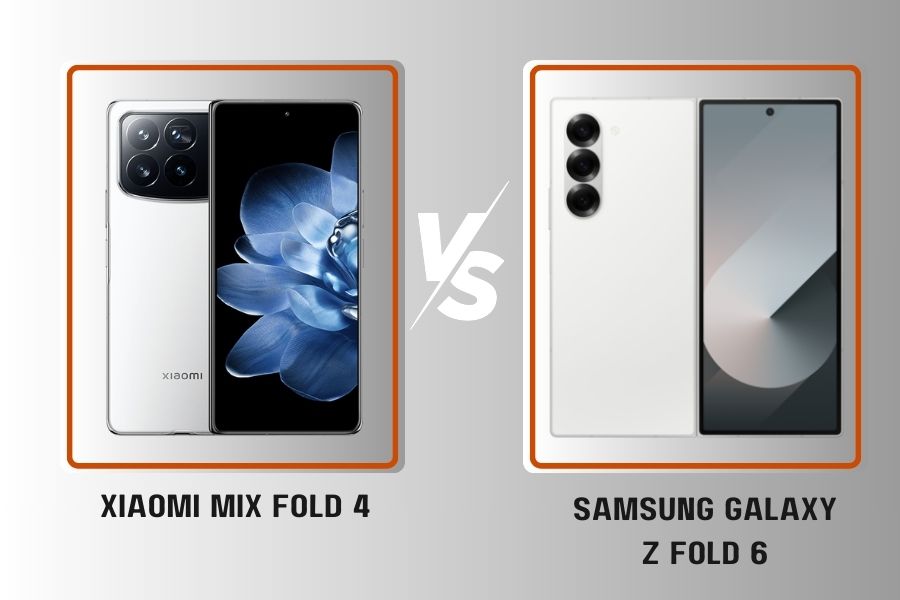
Galaxy Z Fold 6 Slim may debut with S25 series, display sizes, price emerge

On July 10, Samsung may hold its next Galaxy Unpacked event to unveil the Galaxy Z Fold 6 and Z Flip 6. Recent reports have claimed that the South Korean tech giant is also working on the Galaxy Z Fold 6 Ultra, which may remain exclusive to the home market. While the specifications of the Ultra variant haven’t surfaced yet, the rumor mill has started churning out details about another model named the Galaxy Z Fold 6 Slim. Two reliable sources have backed the existence of the Slim variant, revealing its display sizes and expected price tag.

Samsung Galaxy Z Fold 6 display sizes revealed

Samsung Galaxy Z Fold 6 CAD render
Samsung Galaxy Z Fold 6 CAD render by SmartPrix / OnLeaks

According to display analyst Ross Young, Samsung is planning to launch a foldable phone named the Galaxy Z Fold 6 Slim. He revealed that the Fold 6 Slim’s screen size will be larger than the regular Fold 6. The leak suggests that the device may lack S Pen support and will be priced similarly to the Fold 6..

Young further stated that the panel shipments will start in the fourth quarter of this year. It is probable that the device, along with the Galaxy S25 series, will go official in the first quarter of 2025.

Popular leaker Ice Universe claimed that the Galaxy Z Fold 6 Slim will have an 8-inch inner foldable screen and a 6.5-inch cover display.  The aspect ratios of the Slim model’s displays are said to be different from those of the Z Fold 6. It is likely that the Slim variant may come equipped with the Snapdragon 8 Gen 4 chipset. Unfortunately, the other details of the Slim variant are under wraps.

A recent report claimed Samsung is also working on an affordable offering called the Galaxy Z Fold 6 FE. This device is likely to break cover in the coming year.

RELATED:

GC Daily: Huawei’s Hisilicon ships 8 million Kirin SoCs, Reno 12 series launched

In today’s roundup, Huawei’s Hisilicon seems to be doing really well, Reno 12 series launched and became the first Android phone to support sending live photos, and the Nothing Phone 3’s alleged action button was spotted.

All the interesting news and analysis are below.

Huawei’s HiSilicon ships 8 million Kirin SoCs in Q1 2024, surpasses Google in revenue

Huawei‘s HiSilicon division, responsible for Kirin chipsets, is showing signs of recovery in the smartphone chipset market. According to Canalys data, the company shipped 8 million Kirin units in the first quarter (Q1) of 2024, generating $6 billion in revenue. 

Read more


Reno 12, 12 Pro are first Android phones to support sending Live Photos

The Oppo Reno12 series was officially launched in China yesterday. The lineup includes two models, such as the Reno 12 and Reno 12 Pro. Both models are the first Android phones to support the ability to share live photos on social platforms.

Read more


Oppo Reno 12, Reno 12 Pro launched in China: Curved OLED displays, 50MP triple cameras, & more

After weeks of teasers and leaks, Oppo has finally unveiled the highly anticipated Reno 12 series. The lineup consists of the Reno 12 and Reno 12 Pro, which have been announced in the brand’s home market of China. All the details, like its specs, pricing, and more, are in our launch story below.

Read more


Samsung launches another panda-themed “Fubao” case for Galaxy Buds with a furry texture

Earlier this year, Samsung launched a “Twin Bao” edition of the Galaxy Buds 2 Pro in its home country. Now the company has launched a new Panda-themed charging case for the Galaxy Buds FE, Galaxy Buds2 Pro, Galaxy Buds2, Galaxy Buds Pro, and Galaxy Buds Live in South Korea. It is designed to celebrate the birth of the giant panda, “Fubao”.
Read more


Is This Our First Look At The Nothing Phone (3) With Action Button?

Pei shared an image of the redesigned quick settings and notification panel on the Nothing OS. It is expected to be included on the Nothing OS 3 later this year. Coming back to the main context, the redesign is shown on a mockup of the device. At first glance, things don’t appear any different, and it looks just like the Phone (2) and Phone (1). 

However, eagle-eyed folks can notice that the mockup device has a new additional button on the right frame, just below the power key.

Read more


🔥 More Top Stories You Might Have Missed

Anker Soundcore A30i ANC earbuds with a lipstick-like charging case launched

Realme GT 6T vs Poco F6 5G: Which Phone Offers Better Value?

OnePlus 13 to be one of the first to feature Snapdragon 8 Gen 4 chip

Alleged Samsung Galaxy A83 in works for India, will it sport an innovative design?

Get $120 Off and free Earbuds on Galaxy S24 Ultra this Samsung Summer Sale; Exciting Offers on Smart TVs

Samsung has been giving massive discounts on consumer electronics and home appliances. Along with a $120 discount on the Galaxy S24 Ultra, there’s a $300 discount on Samsung’s 4K M80C Smart Monitor. However, there are some additional discounts on Samsung products if you grab the Galaxy S24 Ultra right away.

Samsung Summer Sale Details

Samsung has been offering handsome discounts on its electronics. If the user gets the Galaxy S24 Ultra 512GB Unlocked variant, they can get a $120 direct discount. Moreover, you will get a free Galaxy Buds 2 Pro, $190 off on the Galaxy Watch 6, and an additional $240 off on the Galaxy Watch 6 Classic.

It is a worth-considering deal if you’re looking to grab the Galaxy S24 Ultra.

Grab Galaxy S24 Ultra Here

Further, a discount is around $300 on a Samsung 4K M80C Smart Monitor.

Grab Samsung 4K M89C Smart Monitor

Further, there’s a discount on the Samsung flagship 4K TV for 2024. The TV is available at the lowest price from Samsung, at $2299.99. It is actually retailing on Amazon for $2597.99.

Grab Samsung 55-inch S95D OLED 4K TV

Samsung QN90C is the best Samsung TV available, with an over 43% discount. It is actually retailing for the price of $1599.99 from Samsung. It is available for $2797.99 from Amazon.

Grab Samsung QN90C for $1599.99

There are several other deals at the Samsung Store in the US for a limited time.

Related:

Oppo Reno 12 vs Oppo Reno 11: Is the upgrade worth considering?

Oppo‘s Reno series occupies a crowded space in the smartphone market: the ever-competitive mid-range. With the recent launch of the Reno 12, it’s natural to wonder how it stacks up against its predecessor, the Reno 11. So here we will take a close look at both models to see if the upgrade is worth considering. 

Oppo Reno 11 vs Oppo Reno 12

Display

Both phones feature a near-identical 6.7-inch AMOLED displays with 120Hz refresh rates and 1080p resolution. Bezels are minimal, offering a near edge-to-edge viewing experience. In terms of raw specs, there’s little to differentiate between the two. 

Oppo Reno 12
Oppo Reno 12

However, the Reno 12 boasts a slight bump in peak brightness, reaching 1200 nits compared to the Reno 11’s 950 nits. This could offer a minor improvement in outdoor visibility. 

Additionally, the Reno 12 introduces a quad-curved display for a more premium look and feel, while the Reno 11 only has curves just on the sides. The Reno 12 also comes with Gorilla Victus 2, which the Reno 11 lacks.

Performance

Under the hood, the Oppo Reno 12 edges out its predecessor with the MediaTek Dimensity 8250 chipset compared to the Reno 11’s Dimensity 8200. While both are built on the same 4nm process, the 8250 offers a marginally higher clock speed. 

In day-to-day use, the performance difference is unlikely to be noticeable for most users. Both phones are capable of handling most tasks and games without issue. However, power users who prioritize raw processing power may want to look elsewhere since these are not the SoCs for heavy gaming.

Both phones come in a similar selection of storage configurations (256GB and 512GB) but differ in RAM options. The Reno 12 offers a top-end model with up to 16GB RAM option while the Reno 11 maxes out at 12GB, which is still ample for most users. 

Both phones lack expandable storage via microSD card, so choosing the right storage capacity from the outset is crucial.

Software

Both the devices come pre-installed with Android 14 but the Reno 12 has newer Color OS 14.1 compared to Color OS 14 on Reno 11. While there’s not a major difference in the UI and usability, 14.1 brings a hunch of AI features. Of course, 2024 is the year of AI. 

These include fixing photos where someone blinked, removing people who walked into the frame, and helping you replace backgrounds.

There’s also transcription and summarization of dictations and a document scanner that can handle tricky tasks like math formulas. The phone’s Xiaobu assistant can also act as an English teacher and a primary school tutor. Moreover, the AI can help plan your next vacation and create a custom itinerary. 

These features should eventually be available on the Reno 11 through a software update.

Cameras

The camera systems on both phones are triple, but the configuration differs slightly. The Reno 12 ditches the 32MP telephoto of the Reno 11 for a 50MP telephoto lens. The main and ultrawide sensors remain the same at 50MP and 8MP, respectively. 

OPPO Reno 12 series

On paper, this appears to be an upgrade that should capture better zoom shots. However, it’s the real-world testing that will help us understand if the megapixel boost translates to an improvement in image quality. 

The selfie camera on the Reno 12 also receives an upgrade to a 50MP sensor from the 32MP unit on the Reno 11.

Battery Life and Charging

The Oppo Reno 12 boasts a larger 5000mAh battery compared to the Reno 11’s 4800mAh. While the difference may seem small, it could translate to slightly longer battery life for the Reno 12, especially for heavy users. 

Both phones offer fast charging, but the Reno 12 takes the lead with its 80W wired charging compared to the Reno 11’s 67W. This translates to potentially faster charging times for the Reno 12.

Design and Others 

The design language between the two phones is similar, with both sporting sleek glass backs and minimal bezels. However, the Reno 12 boasts an IP65 dust and water resistance rating. 

Reno 11 misses on any sort of IP rating. It could be a deciding factor for users who require a phone that can withstand the occasional splash. For audio, they come with a single speaker and miss the 3.5mm headphone jack. 

Conclusion

The Oppo Reno 12 offers modest upgrades over the Reno 11 in specific areas – a marginally better processor, a higher-res main and telephoto lens, a larger battery, faster charging, and better ingress protection. These improvements alone may not be game-changing for all users, especially those content with the Reno 11’s performance. 

However, for those seeking the latest features and a slight edge in battery life and camera capabilities, the Reno 12 could be a compelling choice. 

Ultimately, the decision depends on individual needs and budget. If you can find a good deal on the Reno 11, it may still offer excellent value for the price. But if you crave the newest features and are willing to pay a premium, the Reno 12 might be the better bet.

Below is a quick rundown of the specifications:

FeatureOppo Reno 11Oppo Reno 12
Body162.4 x 74.1 x 7.6 mm, 184 g161.4 x 74.8 x 7.3 mm, 179 g
Water ResistanceNoIP65
Display6.7 inch AMOLED, 1080 x 2412 pixels, 120Hz6.7 inch AMOLED, 1080 x 2412 pixels, 120Hz
Peak Brightness950 nits1200 nits
Display ProtectionNoneCorning Gorilla Glass Victus 2
ProcessorMediatek Dimensity 8200Mediatek Dimensity 8250
RAM8GB, 12GB12GB, 16GB
Storage256GB, 512GB256GB, 512GB
Rear CameraTriple: 50MP main, 32MP telephoto, 8MP ultrawideTriple: 50MP main, 50MP telephoto, 8MP ultrawide
Front Camera32MP50MP
Battery4800 mAh, 67W charging5000 mAh, 80W charging
Oppo Reno 11 vs Reno 12

Related:

iFixit ends its Samsung Repair Hub saying Samsung’s approach to repairability no longer aligns with its own

After two years of launching the Samsung Repair Hub in collaboration with the company, iFixit is now ending the partnership. Starting next month, they will no longer be Samsung’s designated third-party parts and tools distributor.

Samsung Galaxy A55 teardown

In the words of iFixit, “We aimed to set the gold standard for repair documentation and empower local independent repair businesses with the tools and parts they needed to thrive, all while keeping Galaxy devices running.”

Samsung reportedly didn’t want to help local repair shops

However, iFixit has not been able to execute what they aimed. According to them, the prices of the repair parts and tools are high enough to convince users to replace their devices entirely instead of repairing them. Samsung didn’t want to allow them to help local repair shops. In addition, Samsung hasn’t provided official parts for its new models since Galaxy S22.

As a result, iFixit is ending its partnership with Samsung after all its efforts in the last two years. According to them, Samsung’s approach to repairability didn’t align with them. The result will be the following:

  • Starting June 2024, iFixit will no longer be Samsung’s designated third-party parts and tools distributor.
  • Also starting next month, we will no longer have a quantity limit of seven Samsung parts per repair shop per quarter.
  • No existing information will be removed from iFixit, but we will not collaborate directly with Samsung to develop new manuals.
  • We will continue to sell parts and repair fix kits for Samsung devices, sourcing OEM parts when available and clearly indicating whether parts are original or aftermarket. Just like we do for Apple repair parts.

Samsung has responded to a request for comment on the matter, essentially indicating that they want to maintain control over the process.

Here’s what they said: “Samsung is committed to providing quality, accessible device care to our customers with flexible options to suit their needs, including walk-in, mail-in, and “We Come to You” services. For people who would like to take advantage of our self-repair program, we offer Samsung-certified parts, tools, and information for our qualified products in one easy place: SamsungParts.com, powered by Encompass. We’re proud of the work we’ve done together with iFixit. We can’t comment further on partnership details at this time.”

Related:

(Source)

Reno 12, 12 Pro are first Android phones to support sending Live Photos

The Oppo Reno12 series was officially launched in China yesterday. The lineup includes two models, such as the Reno 12 and Reno 12 Pro. Both models are the first Android phones to support the ability to share live photos on social platforms.

Reno 12 series supports sharing Live Photos

Oppo Reno 12
Oppo Reno 12

Like the predecessor models, the Reno 12 series promises an impressive photography experience. Live Photos capture and display motion just before and after the photo is taken. Previously, while Android phones could take Live Photos, they couldn’t post them on social media. When shared on social platforms, these images appeared as still images.

The Reno12 series not only supports sharing Live Photos but also allows users to beautify and modify them. This includes adjusting colors, adding filters, and incorporating text and stickers, offering a variety of customization options.

The Reno 12 and 12 Pro are expected to launch soon in the global market. However, there is a possibility that the global variants may pack modified specifications.

Oppo Reno 12 Pro
Oppo Reno 12 Pro

In China, the Reno 12 starts at 2,699 Yuan (~$372), whereas the 12 Pro has a starting price of 3,199 Yuan (~$440).  In terms of specifications, the Reno 12 and 12 Pro feature a 6.7-inch curved-edge OLED panel that supports 2412 x 1080 pixels FHD+ resolution with a 120Hz refresh rate, a 50-megapixel front camera, a 50-megapixel (LYT-600 on the Reno 12, IMX890 on the Reno 12 Pro) + 8-megapixel + 50-megapixel (2x telephoto) triple camera system, and a 5000mAh battery with 80W fast charging.

The Reno 12 features the Dimensity 8250 chip, whereas the Reno 12 Pro is equipped with the Dimensity 9200+ SoC. Both models have LPDDR5x RAM, UFS 3.1 storage, an IP65-rated chassis, an in-screen fingerprint sensor, and an IR blaster. The Pro variant offers other features, such as dual speakers and an X-axis linear motor.

RELATED:

XMG Pro 16 Studio M24 gaming laptop with Core i9-14900HX CPU & RTX 4070 GPU launched

Schenker‘s gaming brand, XMG has refreshed the XMG PRO 16 Studio M24 laptop by upgrading the processor to a 14th gen Intel Core i9-14900HX CPU. This pairs with faster DDR5-5600 RAM (limited to 16GB and 32GB) while retaining the vapor chamber cooling.

XMG PRO 16 Studio

Despite the upgrade, the M24 has shed some weight, coming in 260 grams lighter. The 16-inch 240Hz IPS display with ~95% sRGB color and X-Rite calibration remains unchanged. Users can choose between RTX 4060 and 4070 mobile GPUs with a 140W TGP limit.

Storage is handled by dual PCIe 4.0 M.2 slots. Connectivity includes Thunderbolt 4, USB-C 3.2 Gen 2, 2x USB-A 3.2 Gen 1, a microSD reader, HDMI 3.2, DP 1.4, 2.5GbE, and audio jacks. Wi-Fi 6E, Bluetooth 5.3, and a 73Wh battery round out the package.

Pricing & availability

Pricing starts at €1,699 for the base configuration with an RTX 4060, 16GB DDR5-5600 RAM, and a 500GB SSD. The brand offers multiple configuration options to customize the laptop to your liking. However, it is worth pointing out that upgrading to an RTX 4070 costs €295 more. Pre-orders are now open at Bestware, with shipments expected in early June.

RELATED:

(Source)

CULTSPORT Forge XR smartwatch with 1.43″ AMOLED display, 100 sports modes & Bluetooth calling launched in India

Cult.sport has launched the CULTSPORT Forge XR, a new smartwatch designed for sports and fitness enthusiasts. This model comes after the recent introduction of the Ranger XR1 and features a durable design suitable for outdoor and sports activities.

CULTSPORT Forge XR

The smartwatch has a 1.43-inch AMOLED display that remains on for easy viewing, supports customizable watch faces, and achieves a peak brightness of 700 nits. It includes a metal casing and is equipped with essential outdoor sensors like a barometer, altimeter, and compass. A notable feature of the Forge XR is its Bluetooth calling functionality, which allows users to make phone calls directly from the watch using a built-in dial pad.

It supports over 100 sports modes and comes with extensive health monitoring capabilities that track heart rate, blood oxygen levels, steps, calories burned, and sleep patterns. This product is compatible with the Cultsport Watch App and integrates well with popular fitness apps like Strava, Google Fit, and Apple Health. The watch is powered by a 300mAh battery that can last up to 8 days on a single charge.

Pricing & availability

The CULTSPORT Forge XR is available in Black, Green, Neon Green, and Orange. It is priced at Rs. 2499 and will be available from 28th May. Customers can pre-order the watch now on Amazon.in.

RELATED:

Realme GT 6T vs Poco F6 5G: Which Phone Offers Better Value?

Both Realme GT 6T and Poco F6 5G are vying for the top spot in the performance-focused mid-range smartphone segment in India. Launched just days apart, these phones offer compelling features at competitive prices. But which one should you pick? Let’s delve into a detailed comparison to help you decide.

Realme GT 6T vs Poco F6 5G

1. Display

The Realme GT 6T edges out the Poco F6 in terms of display. It features a larger 6.78-inch 1.5K LTPO AMOLED panel with a 120Hz variable refresh rate that can adjust down to 1Hz for better battery life.

The Poco F6 has a slightly smaller 6.67-inch 1.5K AMOLED display with a fixed 120Hz refresh rate. The GT 6T also boasts a higher peak brightness of 6000 nits compared to the Poco F6’s 2400 nits, making it more viewable in bright outdoor conditions.

2. Performance

The Poco F6 takes the lead in raw processing power. It packs the latest Snapdragon 8s Gen 3 SoC, a very powerful chipset that sits just below the 8 Gen 3 in terms of raw power. This translates to superior performance for demanding tasks like gaming, video editing, and multitasking.

The Realme GT 6T isn’t far behind though. It utilizes the Snapdragon 7+ Gen 3 SoC, which is still a capable processor for most users. While it might not match the peak performance of the 8s Gen 3, it should handle everyday tasks and even some heavy gaming with ease.

Both phones offer LPDDR5X RAM for faster data transfer speeds and UFS 4.0 storage for quicker app loading times. However, the base variant of the Realme GT 6T comes with UFS 3.1 storage, so keep that in mind if storage speed is a priority.

3. Camera

On paper, both phones seem to have a similar camera setup – a 50MP primary sensor with OIS and an 8MP ultra-wide sensor. However, the underlying details differ.

The Poco F6 uses the Sony IMX882 sensor, known for its good low-light performance. The Realme GT 6T utilizes the Sony LYT-600 sensor, which is a relatively new entrant, so camera performance comparisons from users will be needed for a definitive verdict.

The front camera on the Realme GT 6T boasts a higher resolution (32MP) compared to the Poco F6’s 20MP sensor, potentially resulting in sharper selfies.

4. Battery Life and Charging

The Realme GT 6T packs a larger 5500mAh battery compared to the Poco F6’s 5000mAh battery. This, coupled with the potentially more power-efficient LTPO display, could translate to longer battery life for the Realme phone.

Both phones support fast charging, but Realme takes the lead here. The GT 6T boasts 120W SuperVOOC fast charging, which can reportedly charge the phone to 50% in just 10 minutes. Poco F6 offers 90W fast charging, which is still impressive but slightly slower.

5. Design and Build

The Poco F6 has a slimmer profile at 7.8mm compared to the Realme GT 6T’s 8.65mm. The Poco phone also weighs slightly less at 179g compared to the GT 6T’s 191g. Both phones offer a glass back and a metal frame construction.

The Realme GT 6T boasts a more unique design with a Nano Mirror finish and a Misty AG process for the camera lens. The Poco F6 has a more conventional design aesthetic.

When it comes to durability, the Realme GT 6T offers a slight edge with an IP65 dust and water resistance rating compared to the Poco F6’s IP64 rating.

6. Software

Both phones run Android 14 with custom UIs – Xiaomi HyperOS on the Poco F6 and Realme UI 5 on the Realme GT 6T. Both manufacturers promise 3 Android version updates and 4 years of security updates.

7. Price

The Poco F6 starts at Rs. 29,999 for the 8GB + 256GB variant, while the Realme GT 6T starts at Rs. 30,999 for the 8GB + 128GB variant (with slower UFS 3.1 storage). This makes the Poco F6 a slightly better value if you prioritize raw processing power and don’t need the absolute biggest battery or highest peak brightness.

8. Conclusion

Deciding between the Realme GT 6T and Poco F6 depends on your priorities. Gamers and power users will find the Poco F6’s top-of-the-line Snapdragon 8s Gen 3 unbeatable. But, if you value display quality or battery life, the Realme GT 6T might be a better fit with its LTPO AMOLED panel and larger battery.

Ultimately, the Poco F6 boasts superior power, while the Realme GT 6T offers a more well-rounded package at a potentially better starting price. Consider your needs and budget to pick your champion.

RELATED:

Philips Evnia 27M2N5500 with 1440p 180Hz IPS display launched for £240

Philips has just announced the Philips Evnia 27M2N5500, a new 27-inch gaming monitor with a sustainable design and high-performance features.

Philips Evnia 27M2N5500 monitor

The Evnia 27M2N5500 boasts a 1440p IPS panel with a 180Hz refresh rate and a quick response time of 1ms GtG (or 0.5ms MPRT) to ensure sharp and smooth visuals. It also has VESA DisplayHDR 400 certification as well as 125%, 93.5%, and 89% coverage of the sRGB, DCI-P3, and Adobe RGB color gamuts, respectively. The monitor also comes with LowBlue Mode to reduce eye strain.

Sustainability is a key focus as the monitor’s ergonomic stand uses 35% recycled plastic, and the chassis is 85% post-consumer recycled plastic.

The display features a couple of HDMI 2.0 ports, four USB 3.2 Type-A downstream (2x fast charge B.C 1.2), a USB Type-B upstream, a display port 1.4, and a 3.5 mm jack.

Pricing & availability

The Philips Evnia 27M2N5500 will be available in May 2024 for £239.99 ($305).

In related news, Philips also recently launched the Evnia 49M2C8900L gaming monitor, which offers a 49-inch QD-OLED panel with 5,120 x 1,440 pixels (5K2K) resolution and 144Hz refresh rate.

RELATED:

Foldable MacBook in 2026? Industry Analysts Report Apple’s Plans for Foldables in the Near Future

Are you a fan of MacBooks? If so, this news might be right up your alley. Industry analysts are hinting at a foldable Apple MacBook hitting the market in 2026. The whispers suggest an 18.8-inch screen as the frontrunner, though a slightly larger 20.2-inch option might still be in play. Analyst Ross Young cautions of a possible final size around 18.76 inches due to cost considerations.

Rumors are hinting towards a full-screen design with a virtual keyboard

This futuristic MacBook is expected to fold into a device similar in size to a traditional 13-inch or 14-inch MacBook, prioritizing portability without sacrificing screen real estate when unfolded. Specific design details are under wraps, but rumors lean towards a full-screen design with a virtual keyboard for a sleek and innovative user experience.

Apple

Under the hood, the device is predicted to be powered by a next-generation M5 series chip, aligning with the expected rollout of the M4 chip across the entire Mac lineup by the end of 2025. A major challenge for Apple seems to be minimizing the crease on the foldable screen. This translates to potentially high costs for the display and hinge, with estimates suggesting a combined cost of around US$800-900. However, mass production improvements could lead to lower costs down the line. While official confirmation from Apple remains awaited, these leaks offer an exciting glimpse into a potential future where a foldable MacBook might redefine mobility and productivity for Apple users.

RELATED:

(Via)

Vivo Y36t smartphone with Helio G85 launched for 749 yuan ($105)

Vivo has launched a new Y36t smartphone targeted at customers looking for a budget-range device. The device has debuted on the Chinese e-commerce website Jingdong.

Vivo Y36t

Vivo Y36t specs:

In terms of design, the Y36t offers two color options: space black and sapphire green. It features a 6.56-inch LCD waterdrop screen with a resolution of 1612 x 720 pixels and supports a standard 60Hz refresh rate.

Vivo Y36t

The Vivo Y36t is powered by a MediaTek Helio G85 processor, which includes a dual-core setup at 2.0GHz and a hexa-core configuration at 1.8GHz. It comes with 6GB of LPDDR4X RAM and 128GB of eMMC5.1 storage. Additionally, the device houses a large 5000mAh battery with 15W fast charging capability.

The device is equipped with a 13-megapixel main camera that includes features like 4x digital zoom and a 5-megapixel front camera that supports facial recognition for unlocking the phone.

Additional features of the Y36t include a 150% loud volume mode, IP54 certification for dust and water resistance, and it runs on the Android 14-based OriginOS 4 system.

Pricing & availability

As mentioned above, the Vivo Y36t is available in China via Jingdong at an initial discounted price of 749 yuan ($105). After the discount period, it will cost 799 yuan ($112).

RELATED: