As expected, OnePlus has unveiled the Nord CE4 Lite 5G in the global markets. It is a stripped-down variant of the Nord CE 4 (review) that launched two months ago. However, the latest offering comes with significant upgrades compared to its predecessor from last year. Read on to know what the smartphone offers out of the box.
OnePlus Nord CE4 Lite 5G specifications
The OnePlus Nord CE4 Lite 5G has a flat AMOLED screen measuring 6.67 inches. It bears an FHD+ resolution, a 120Hz refresh rate, and a 2,100 nits peak brightness. The phone also features Aquatouch technology for interacting with wet hands which is also found on the Nord CE 4 and the premium OnePlus 12 series.
Design-wise, the Nord CE4 Lite 5G looks similar to the Nord CE 4. However, it lacks the brand’s signature alert slider. The phone has a flat frame design and a pill-shaped protruding camera island.
On the optics front, the OnePlus Nord CE4 Lite 5G features a dual rear camera setup of a 50MP Sony LYT-600 main sensor with OIS support and 2x in-sensor zoom. There is a 2MP depth assist lens. Up front, the phone has a 16MP selfie snapper.
Under the hood, the OnePlus Nord CE 4 Lite is equipped with a Snapdragon 695 processor. It is quite dated as the same chipset was found on the Nord CE 2 Lite 5G released way back in 2022. The device packs 8GB RAM and is offered in 128GB and 256GB storage variants. There is 8GB virtual RAM. The smartphone draws its power from a 5,500mAh battery unit with support for 80W VOOC fast charging. It also supports reverse charging and has a battery health engine feature. Software-wise, it runs on OxygenOS 14 out of the box.
OnePlus Nord CE4 Lite 5G pricing and availability
The OnePlus Nord CE4 Lite 5G comes in Mega Blue, Super Silver, and Ultra Orange color options. In India, the base variant starts at Rs 19,999 whereas the 8GB + 256GB option costs Rs 22,999. The smartphone can be purchased from the brand’s website, partner retail stores, and Amazon starting June 27, 12 pm. ICICI Bank and OneCard cardholders can avail Rs 1,000 instant discount on the purchase.
Millions of users are wondering when the Xiaomi 14T series will be introduced. Recently, Xiaomi CEO Lei Jun asked a question about what to expect from the new T series smartphones. This shows that we are not far from the Xiaomi 14T series. Now, Gizmochina has made an interesting finding about the new smartphones. It’s now confirmed in the Xiaomi HyperOS source code that the Xiaomi 14T Pro will use Tianma display. The previous Xiaomi 13T Pro’s 3 different storage variations have CSOT OLED and 1 different storage variation has Tianma OLED. The same tradition may continue here.
Xiaomi 14T series will be manufactured in partnership with Xiaomi & Tianma
I already leaked the specs of the Xiaomi 14T series. Now, it’s revealed which manufacturer will manufacture the display of these new smartphones. Tianma will manufacture the Xiaomi 14T series display, and they may possibly get the displays for some variations of the devices from TCL. For example, TCL supplied the display panels for 3 different variants of the Xiaomi 13T Pro and Tianma provided the display panels for the other variant of the device. The same may be valid for the new 14T series. But we have to say that there is no clear information about this. The only officially confirmed information is that the partnership with Tianma will be made in this series.
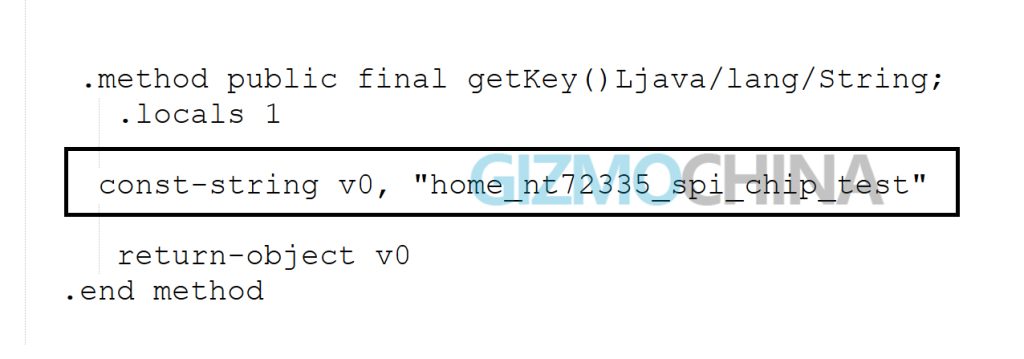
NovaTek 72335 SPI Chip
Xiaomi has written the above line of code to test the NovaTek 72335 SPI chip. It was also revealed that the brand tested this SPI chip on a smartphone with the codename “rothko_global”. All Tianma panels use the NovaTek display controller. The codename “rothko” belongs to the Xiaomi 14T Pro, and this confirms that the Xiaomi 14T Pro’s displays will be manufactured by Tianma. Of course, this may not apply to all variations of the device.
Xiaomi 14T series will be equipped with MediaTek flagship processors. The top-end model of the series, Xiaomi 14T Pro, will be powered by the MediaTek Dimensity 9300 processor. In addition, wireless charging support will be included in a T series for the first time. This makes the new T series even more eye-catching. We expect the Xiaomi 14T series to be introduced in August. But an official launch date has not yet emerged.
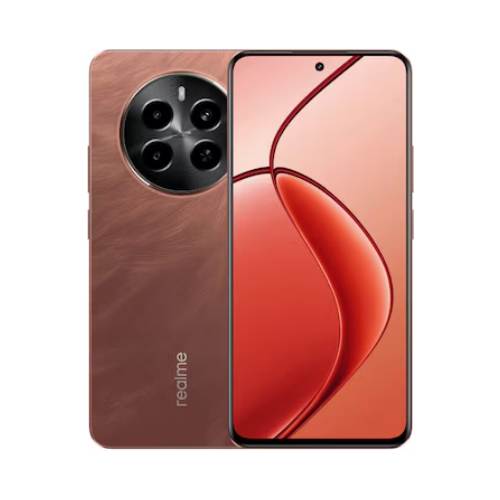
The Realme P1 Pro 5G debuted in India in April this year. It’s been available in 8GB + 128GB and 8GB + 256GB RAM and storage configurations. Now, the brand has announced a new memory variant of the smartphone. It is the top-end model and packs bumped-up RAM but the storage remains the same. This gives interested customers more options to choose from depending on their usage needs.
Realme P1 Pro 5G gets new memory variant
The Realme P1 Pro 5G now comes in a higher 12GB RAM variant. It is coupled with 256GB of internal storage. The newest configuration is priced at Rs 22,999. It will be available for purchase starting June 26 from the company’s official website and Flipkart. There is an instant Rs 2,000 bank offer and a 6-month no-cost EMI. The variant is offered in Parrot Blue and Phoenix Red colors.
To recall, the 8GB + 128GB and 8GB + 256GB options of the smartphone are priced at Rs 19,999 and Rs 20,999 respectively.
Apart from the increase in RAM, the rest of the core specifications of the Realme P1 Pro 5G remain the same. It features a 6.7-inch curved AMOLED display bearing an FHD+ resolution, a 120Hz refresh rate, and an integrated fingerprint scanner. The circular rear camera module houses a 50MP Sony LYT-600 OIS-enabled main sensor and an 8MP ultra-wide-angle lens. There is a 16MP front-facing selfie snapper. Internally, the smartphone is powered by a Snapdragon 6 Gen 1 processor. It is backed by a 5,000mAh battery unit with support for 45W charging. The device also features a VC cooling system onboard for heat dissipation.
Other features on the Realme P1 Pro 5G include Rainwater touch technology and Air Gestures. The phone runs on Android 14 and is eligible for two OS updates.
Chinese smartphone giants Xiaomi and Unisoc are reportedly making strides towards developing their own 4nm mobile processors, potentially reducing reliance on foreign chipmakers like Qualcomm and MediaTek. This news comes as China pushes for greater self-sufficiency in the semiconductor industry, backed by strong government support.
According to Liberty Times and Commercial Times, both Xiaomi and Unisoc have successfully completed the “tape-out” process for their domestic 4nm chips. This signifies a significant milestone in the development cycle, where the design is finalized and sent to a foundry for manufacturing. However, the reports clarify that these chips utilize foreign intellectual property (IP) cores from ARM and IMG.
Xiaomi has emerged as a major force in smartphone production, ranking third globally behind Apple and Samsung in Q1 2024. Their ambitions extend beyond phones, with rumors suggesting a competitive 4nm chip to rival Huawei’s Kirin 9000s, potentially launching later this year.
The Kirin chip is based on a 7nm process by SMIC, another major Chinese chipmaker. Xiaomi’s past collaborations with Qualcomm position them well for long-term success in the chip development arena.
On the other hand, Unisoc, a Shanghai-based fabless chip designer specializing in mobile communication and connectivity technologies, is also reportedly on the 4nm bandwagon. Their chip is said to have already completed the tape-out stage and achieved performance comparable to Qualcomm’s Snapdragon 888.
However, analysts caution that widespread adoption of domestically produced 4nm SoCs in Chinese smartphones might not happen until 2026. Currently, established players like MediaTek and Qualcomm hold a dominant position in the Chinese market.
This advancement may mark a pivotal moment for China’s semiconductor industry. Led by Huawei, and now with Xiaomi and Unisoc also entering the arena, domestic chipmakers are poised to potentially challenge international competitors. This shift could diminish China’s dependence on foreign technology, while also promoting innovation and competition globally within the semiconductor sector.
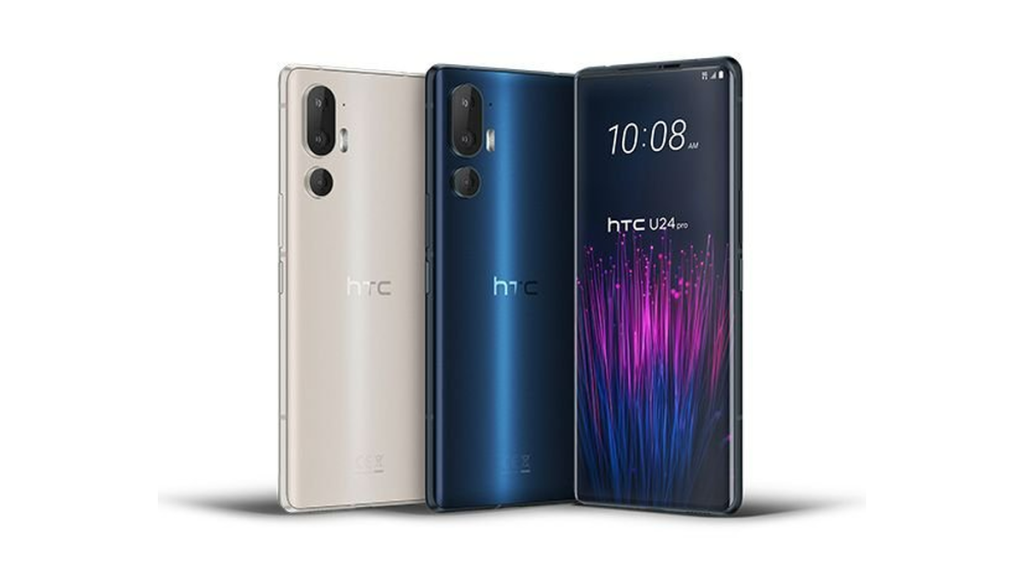
Earlier this month, the HTC U24 Pro was announced in the Taiwanese market. Now, this device is set to drop in Europe soon. But ahead of its official release, the pre-orders for the smartphones have gone live and it comes with a free peripherally as well.
HTC U24 Pro Pre-Orders in Europe
The brand’s official website has listed the smartphone in the European market. This listing confirms that it will have a launch price tag of 564 Euros (roughly 605 US Dollars). It seems like this is a silent release in Europe. For those that pre-order, you also get a free HTC wireless charger as well. To recall, the HTC U24 Pro sports a tall 6.8-inch dual curved OLED display that offers a Full HD+ resolution and a 120Hz refresh rate.
HTC U24 Pro
It is equipped with the Snapdragon 7 Gen 3 chipset, which is paired with 12GB of RAM and up to 512GB of internal storage. A 4,600mAh battery pack powers this device. It supports 60W wired fast charging, 15W wireless charging, and 5W reverse wireless charging. This model runs on the Android 14 OS out of the box. For optics, you get a triple camera setup on the rear that consists of a 50-megapixel primary sensor, an 8-megapixel ultra wide angle lens, and a 50-megapixel telephoto shooter. Meanwhile, the front houses a 50-megapixel selfie shooter.
Other notable features include a 3.5mm audio hack, a USB-C port, dual SIM support, WiFi 6E, Bluetooth 5.3, NFC, and an in-display fingerprint scanner. The device has a Corning Gorilla Glass for protection and a front facing dual color LED notification light on the front. It was released in the markets in two color options, namely Space Blue and Twilight White in Taiwan. But the European website only showcases it in the Space Blue variant.
Realme is gearing up to launch a new C-series smartphone in India. The upcoming offering is the Realme C61. The brand has announced the launch date of the device. Additionally, its design has also been revealed through a dedicated microsite on Realme’s official website and Flipkart. It is confirmed to be available from the e-commerce platform.
Realme C61 launch set for this week in India
The Realme C61 is set to launch in India on June 28, Friday at 12 pm local time. As per the microsites, the smartphone will have a metallic frame with the power and volume rocker buttons located on the right side. The power button doubles up as a fingerprint scanner. The back panel has two camera rings under a glossy finish that appears rectangular in shape.
On the front, the Realme C61 will feature a waterdrop notch display with a thick chin at the bottom. The device is said to be IP54-certified dust and water-resistant. Realme says that the upcoming smartphone has passed the German TUV Rheinland high-reliability certificate. The device will come in a Mint Green colour option.
It’s just a matter of a few days before we learn the rest of the details about the Realme C61. It will arrive as the successor to last year’s Realme C51.
The Realme C61 leaked specifications reveal that it will come with an HD+ display. The device is expected to be powered by a Unisoc Spreadtrum T612 processor. It is tipped to be available in 4GB and 6GB RAM options paired with up to 128GB storage. The upcoming offering is rumoured to be backed by a 5,000mAh battery unit with support for 45W fast charging. As per a tipster, the Realme C61 will reportedly cost under Rs 10,000.
Samsung‘s 2023 flagship is currently on sale for its lowest ever pricing in India. The company is offering a massive discount on the Galaxy S23. It is on sale with a sizeable 18,000 INR discount. So here is everything you need to know about this deal.
Samsung Galaxy S23 now starts from Rs 46,999
The South Korean tech giant’s Galaxy S23 is listed on its official website for Rs 64,999. But the platform is offering an instant discount of Rs 18,000 on your cart. This brings its price down to just Rs 46,999 (roughly 563 US Dollars). Students also get a flat 7 percent discount as well. This deal isn’t restricted to just Samsung’s website and can also be availed via other official channels. The Samsung Galaxy S23 is listed on Flipkart for Rs 46,999 as well.
This same discount is also available for the 8GB + 256GB variant of this high-end smartphone. Notably, the brand is also offering an exchange bonus that is worth up to Rs 35,000. To recall, the Galaxy S23 sports a 6.1-inch Dynamic ALOMED 2x display that supports a 120Hz refresh rate, HDR10+ support, and 1750 nits of peak brightness. Under the hood, it is equipped with the Snapdragon 8 Gen 2 SoC. A 3,900mAh battery pack powers this device, which supports 25W wired fast charging and 15W wireless charging.
For optics, you get a 50-megapixel triple camera setup, while the front houses a 12-megapixel selfie shooter. Other notable features include Samsung DeX, Samsung Wireless DeX, in-display fingerprint scanner, Bluetooth 5.3, Corning Gorilla Glass Victus 2 for protection, and an IP68 rating for water and dust resistance. The device features a glass back and an Armor aluminum frame. It was launched running on Android 13 OS out of the box but it can be updated to Android 14 OS based One UI 6.1 custom skin.
One UI is now expected to get a new feature called App Lock with the upcoming One UI 7 update. The news comes from tipster Tarun Vats on X (formerly Twitter). Notably, this is not going to be an entirely new addition to One UI and was present in previous One UI versions in certain regions. Apple is also developing similar functionality, which may have motivated Samsung to pursue this development for One UI 7.
One UI 7 could offer an App Lock feature
The App Lock feature is currently missing from One UI 6. You can see a screenshot above, that shows the feature available in an under-development version of One UI. This is under the Advanced Features section in the Settings app. At present, you won’t see the “App Lock” feature below Dual Messenger in the Advanced Features section on devices running on One UI 6.1.
It’s important to mention that you can still hide your apps, documents, and files in the Secure Folder. You will just need to set up the feature for the first time and install a new instance of that app. However, if you are not willing to go through the entire setup process and just want a simple app lock, the upcoming feature could be for you.
There are a couple of other similar helpful features currently available in One UI such as the Samsung Pass, Auto Blocker, Secure Folder, and Private Share.
Nonetheless, the App Lock feature is currently under development and the company may or may not offer the feature in the upcoming One UI 7.
OnePlus is gearing up for its summer performance ecosystem new product launch event scheduled for June 27th at 7 PM (CST). In the lead-up to the event, the company has been teasing the features of its upcoming flagship smartphone, the OnePlus Ace 3 Pro.
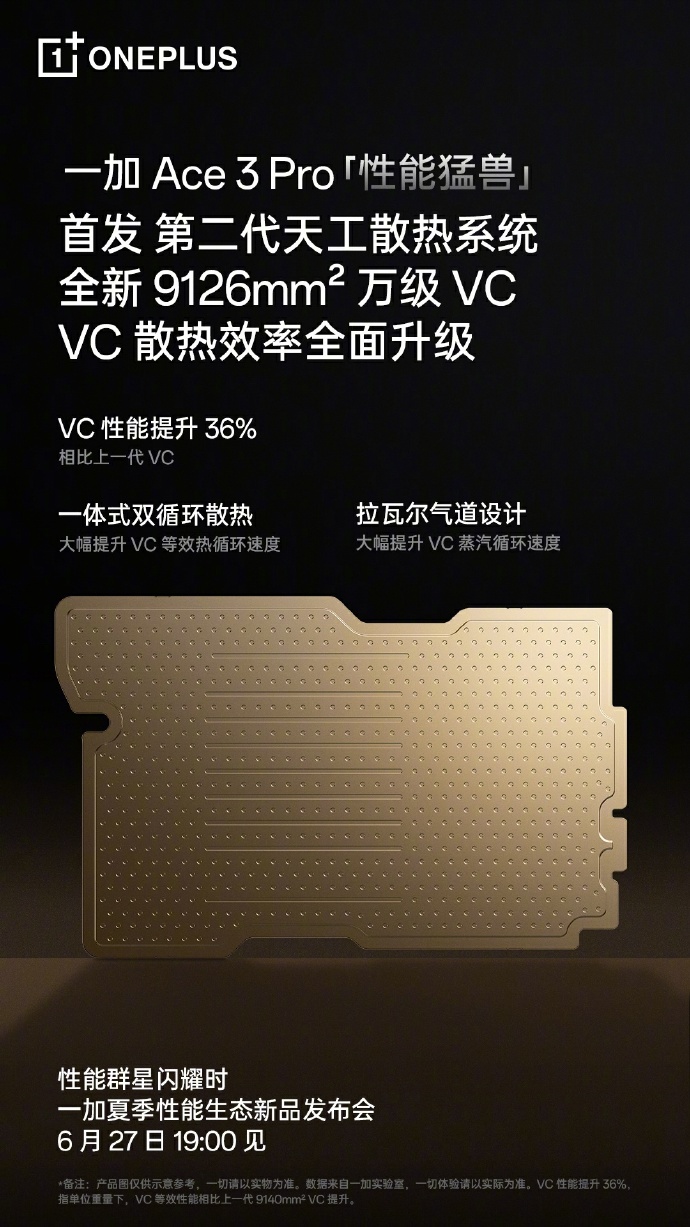
Today, the company shared a teaser about the device’s advanced cooling capabilities, featuring the second-generation Tiangong system.
This new system features a 9126mm² ultra-large vapor chamber (VC), which the company claims delivers a 36% improvement in VC cooling performance. While this is impressive, the recently launched competitor Realme GT 6 boasts a slightly larger 10014mm² 3D tempered dual vapor chamber.
The upcoming OnePlus Ace 3 Pro also utilizes industry-first 2K supercritical graphite for enhanced heat conduction by 70%. These advancements aim to provide a cooler and more stable gaming experience during extended use.
The Ace 3 Pro is built with a low-temperature aerospace aluminum frame, further contributing to comfortable gameplay during long horizontal sessions. The phone also boasts a new AI global temperature control management system for precise temperature regulation.
Under the hood, the OnePlus Ace 3 Pro packs a Qualcomm Snapdragon 8 Gen 3 chipset, achieving an impressive AnTuTu benchmark score of 2,326,659 according to OnePlus. The device leverages the company’s self-developed Tidal Architecture to optimize chip performance for maximum potential.
The Ace 3 Pro is equipped with up to 24GB of LPDDR5X RAM and 1TB of UFS 4.0 storage. The company claims users can experience a stable 120 frames per second gameplay for six hours straight in the popular mobile game “Honor of Kings” even with the highest graphics settings and 5G network enabled.
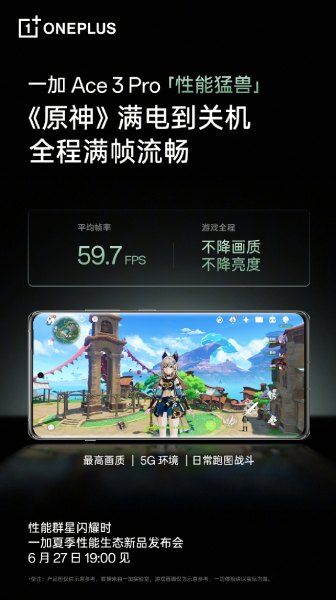
Additionally, OnePlus states the phone can maintain a smooth 59.7 FPS frame rate in Genshin Impact even at the highest resolution settings. Furthermore, the phone is said to handle multitasking seamlessly during gameplay, allowing users to attend calls without any performance dips.
The phone is scheduled for launch on June 27th, and alongside it, OnePlus is also expected to unveil the OnePlus Watch 2, OnePlus Pad Pro, a new 100W Super Flash Power Bank, and possibly other innovative products. Keep an eye out for more updates as the launch date nears.
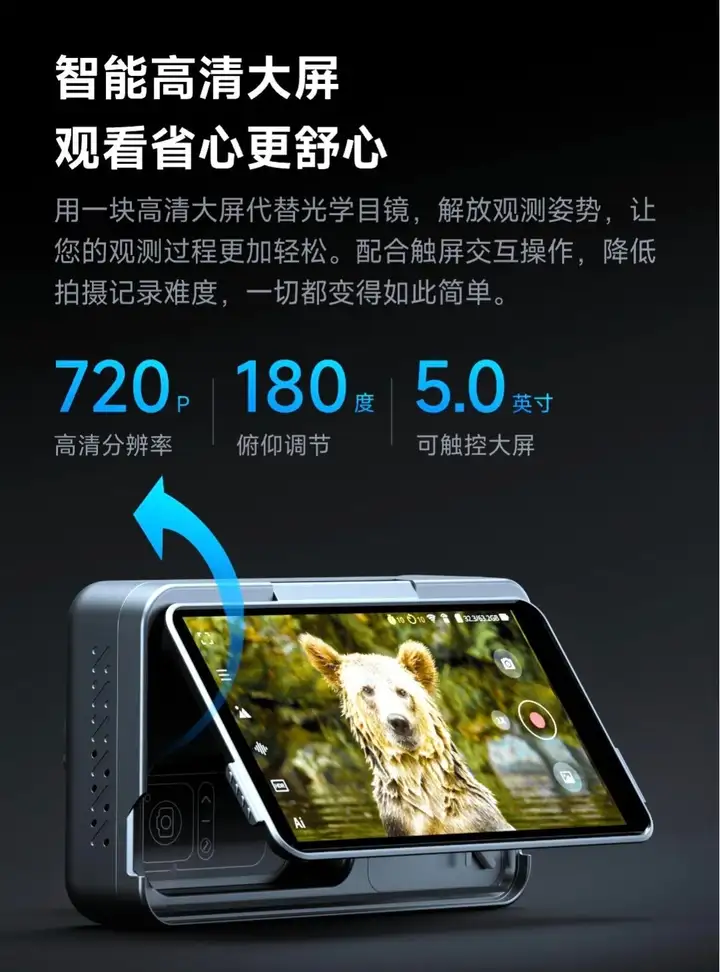
The Dangdangli Smart Astronomical Telescope TW2 has been launched on the Xiaomi Youpin crowdfunding platform. The impressive TW2 telescope combines a telescope and a digital camera in a single device. It is an astronomical telescope as well as a telephoto camera with 500mm focal length and an 82mm aperture. The telescope also features a digital camera with a 1/1.8-inch large bottom and is capable of shooting 4K videos. The telescope supports AI intelligent image processing functionality to enhance the image quality.
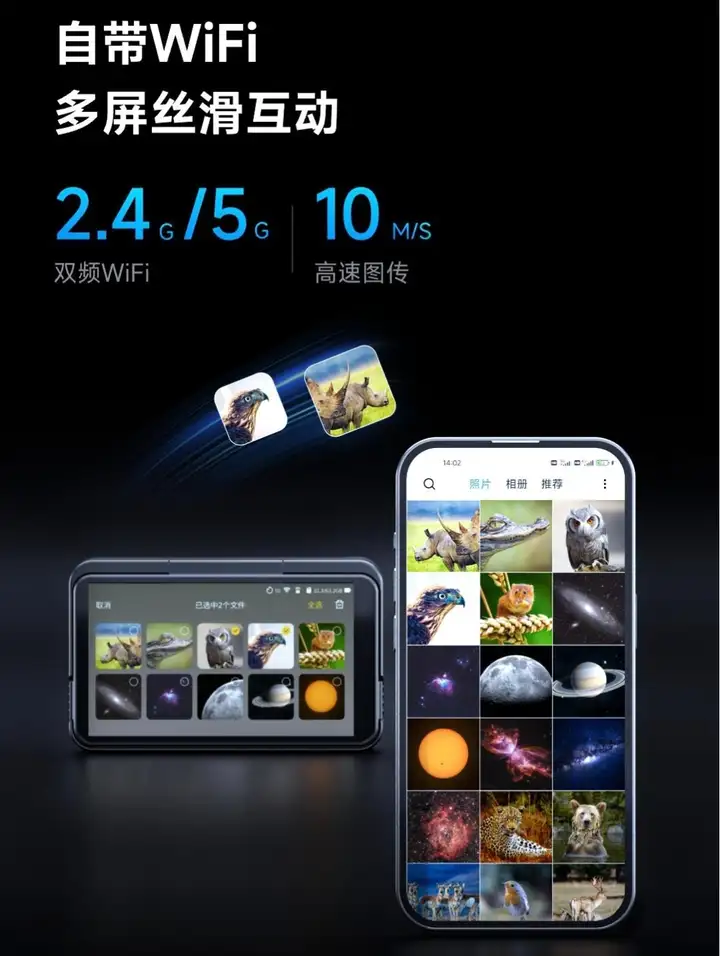
The Dangdangli Smart Astronomical Telescope has a 6,000mAh battery that offers extended usage. The TW2 is also equipped with a 5-inch 720p, 180-degree adjustable screen. The TW2 is equipped with Novatek high-performance efficient chips and a 1.5T DLA engine. The device has a Bluetooth shutter remote control to prevent touch jitter while WiFi connectivity is also supported. Connecting your smartphone to the telescope achieves multi-screen operations.
As per the telescope section of the TW2’s mirror body is made of aviation alloy and is lightweight and durable. More precise adjustment can be realized with its mechanical star navigation deceleration and focusing.
The precision optical lens of the Smart Astronomical Telescope TW2 adopts 12 layers of high light transmittance coating on the entire process. This can effectively reduce light reflection and dispersion while improving the color reproduction of the observed object. The telescope can be effectively used whether during the day or at night. The telescope’s design and hardware make it have impressive light gathering and optical power resolution for brighter and clearer images. The companion app of the TW2 is the Dangdangli app which offers a rich resource of knowledge of astronomy.
The TW2 can be used for stargazing and can be used to provide stimulating science education for the young. The Dangdangli Smart Astronomical Telescope TW2 is currently hosted on the Xiaomi Youpin crowdfunding platform. It should be noted, though, that the product isn’t manufactured directly by Xiaomi.
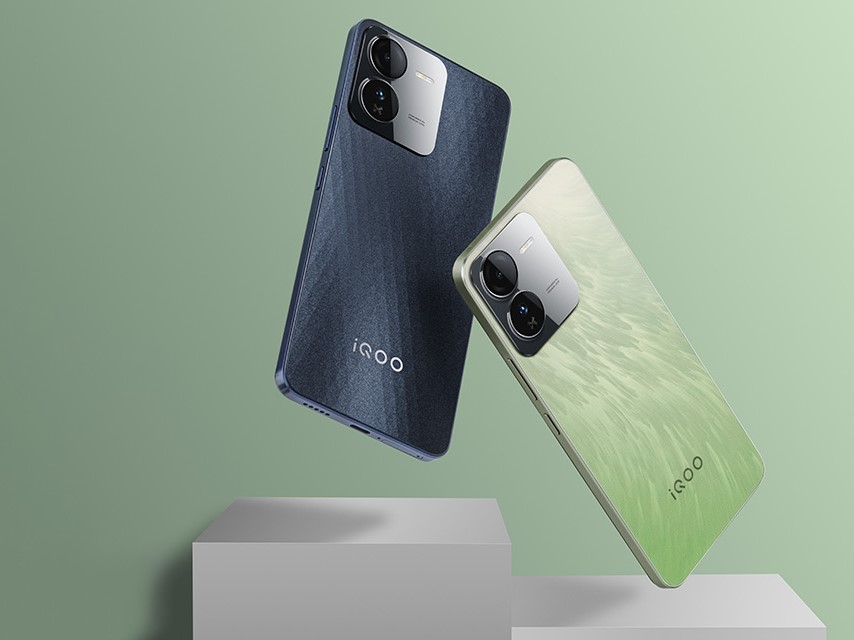
iQOO first announced the iQOO Z9 back in March 2024. Since its initial release, the brand has offered discounts for this model. But now, the mid-range device is getting its best deal yet. The iQOO Z9 is currently on sale with a 3,000 INR discount. So here are all the details.
iQOO Z9 Discount in India
The Chinese smartphone maker’s Z9 model is currently on discount via Amazon India. The e-retailer giant is offering a flat 3,000 INR discount to ICICI bank credit and debit card owners. This brings its effective price tag down to just 16,999 INR (roughly 204 US Dollars). This is for the 8GB + 128GB storage option, which originally cost 19,999 INR. Similarly, the higher-end 8GB + 256GB variant is now listed for 18,999 INR on the platform, down from 21,999 INR.
Apart from Amazon, you can also purchase the iQOO Z9 through the iQOO eStore with the same 3,000 INR discount for both ICICI and HDFC bank card holders. Furthermore, Amazon Pay ICICI credit card users can avail an additional 5 percent discount via cashback. So you could get another discount of up to 950 INR, bringing its price down even further. To recall, the iQOO Z9 sports a tall 6.67-inch AMOLED display that offers FHD+ resolution, a 120Hz refresh rate, and 1800 nits of peak brightness.
This smartphone is equipped with the MediaTek Dimensity 7200 SoC, which is paired with LPDDR4X RAM and UFS 2.2 storage. For optics, you get a 50-megapixel dual camera setup, while the front houses a 16-megapixel selfie shooter. A large 5,000mAh battery pack powers this device, which supports 44W wired fast charging. Other notable features include a microSD card slot, Android 14 OS based Funtouch OS 14 custom skin out of the box, USB Type-C port, WiFi 6, Bluetooth 5.3, an IP54 rating for water and dust resistance, and dual SIM support.
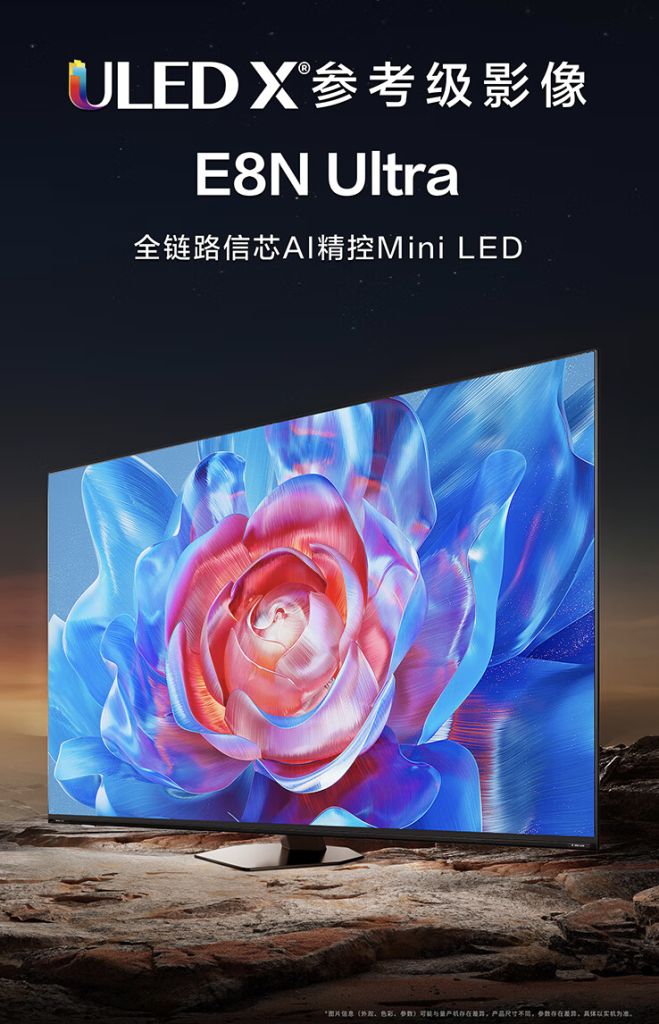
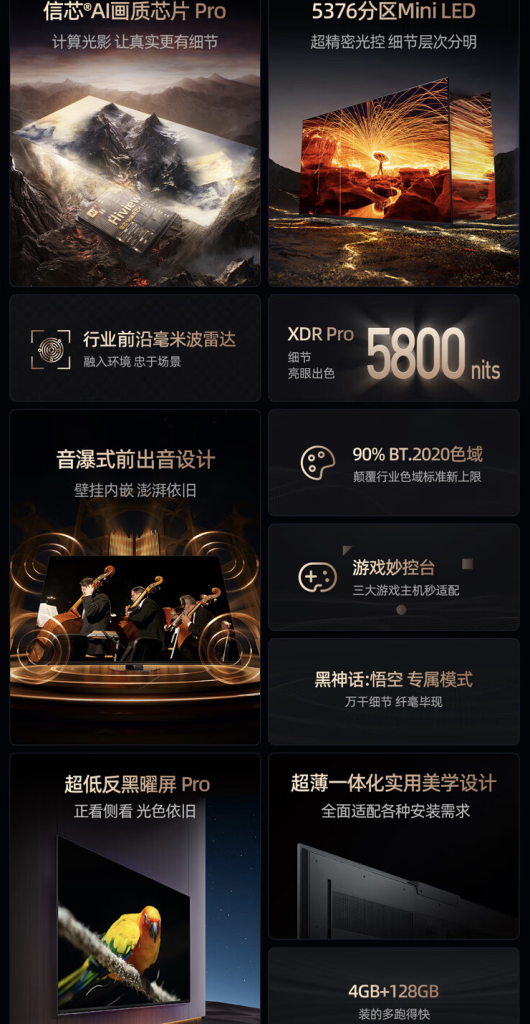
Hisense has launched the E8N Ultra Mini LED TV in China. It comes with 5,376 partitions and works seamlessly with the Black Myth: Wukong game. The series is the successor to the Hisense E8N Pro customized series last April. The customized E8N Pro TVs also were compatible with the Black Myth: Wukong game.
The E8N Ultra customized Mini-LED TV is available in two sizes namely 75 and 85 inches. The TV is equipped with an Obsidian Screen Pro that boasts a 3840 x 2160 pixels resolution and a 144Hz refresh rate (overclockable to 288Hz). The smaller model has 4,000 partitions while the 85-inch version comes with 5,376 partitions. The Hisense E8N Ultra has a peak brightness of 5,800 nits, a DCI-P3 color gamut coverage of 98%, and 90% of the BT.2020 space.
The Hisense E8N Ultra Mini-LED TVs are equipped with millimeter wave radar technology that utilizes the user’s position and distance in real-time to adjust the audio and video performance of the TV. The new models are also equipped with 2.1.2-channel speakers with compatibility with Dolby Atmos and Dolby Vision. The TV is equipped with the A73 quad-core processor and has a memory configuration of 4GB/128 GB. It supports Bluetooth 5.3 and WiFi 6, as well as features two HDMI, one RJ45, USB-A 2.0, USB-A 3.0, and a 3.5mm audio jack.
The new Hisense E8N Ultra Mini-LED TVs are available from JD.com at a starting price of 12,999 yuan ($1,790) for the 75-inch model and 16,999 yuan ($2,341) for the 85-inch variant. Global availability information for the two new Hisense E8N Mini-LED TVs is expected to be released subsequently.
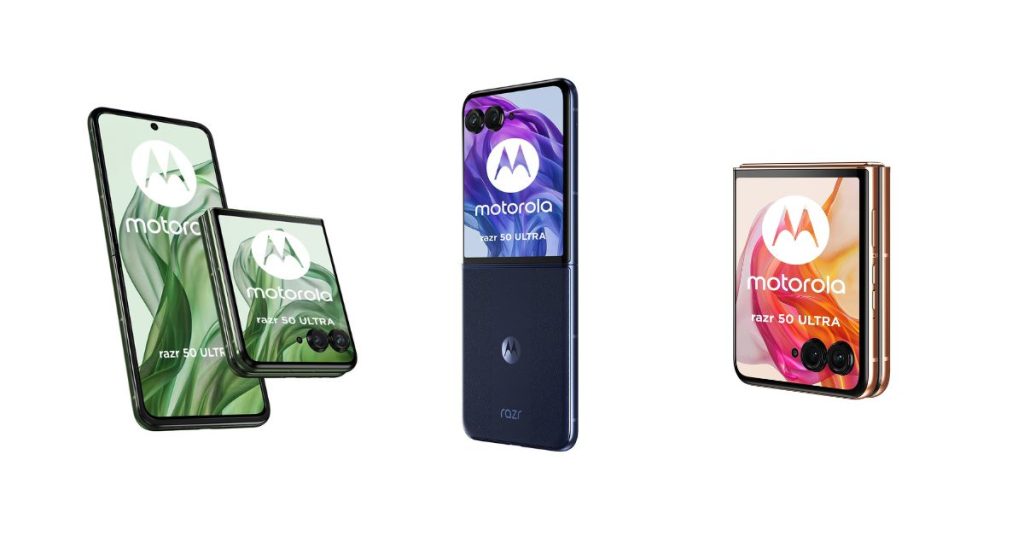
Motorola is about to launch the Razr 50 series foldables on June 25th. But before that it has been revealed by the Federal Communications Commission (FCC) certification website that the company is also keeping its focus on different product categories at the same time. The listing is about a tracking device called the Moto Tag. The listing also reveals some of the technical details about the Moto Tag. So if you’re interested, let’s take a look at some of the details about the product.
Motorola is working on an iteration of the tracking device it launched back in 2017
The Moto Tag will support Bluetooth LE connectivity and will equip a 3V battery (CR2032) with a capacity of 210mAh to power the system. For reference, the popular Apple AirTag equips the same CR2032 coin cell battery and offers a battery life of 12 to 18 months.
The tracking device from Motorola comes with the model number – XT2445-1. While the listing does not include much information about the product, it hints that the launch is around the corner.
Alongside FCC and SGS certification platforms, the Moto Tag has also surfaced on UAE’s TDRA certification platform earlier this month confirming its release in the UAE.
Notably, Motorola previously entered this product category, launching its first tracking device in 2017. While the new tracking device comes with the same battery as the Apple AirTag, we will need to see how power efficient and reliable Motorola manages to make the new Moto Tag.
We already know that Tecno is working on its next-gen foldable smartphone. The Tecno Phantom V2 Fold was recently spotted in various certifications, and now, this model has surfaced on the Bluetooth SIG platform as well. So let’s check it out.
Tecno Phantom V2 Fold visits Bluetooth SIG
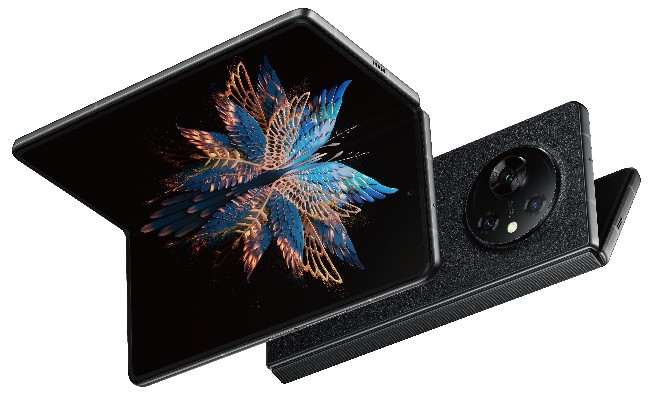
Tecno Phantom V Fold
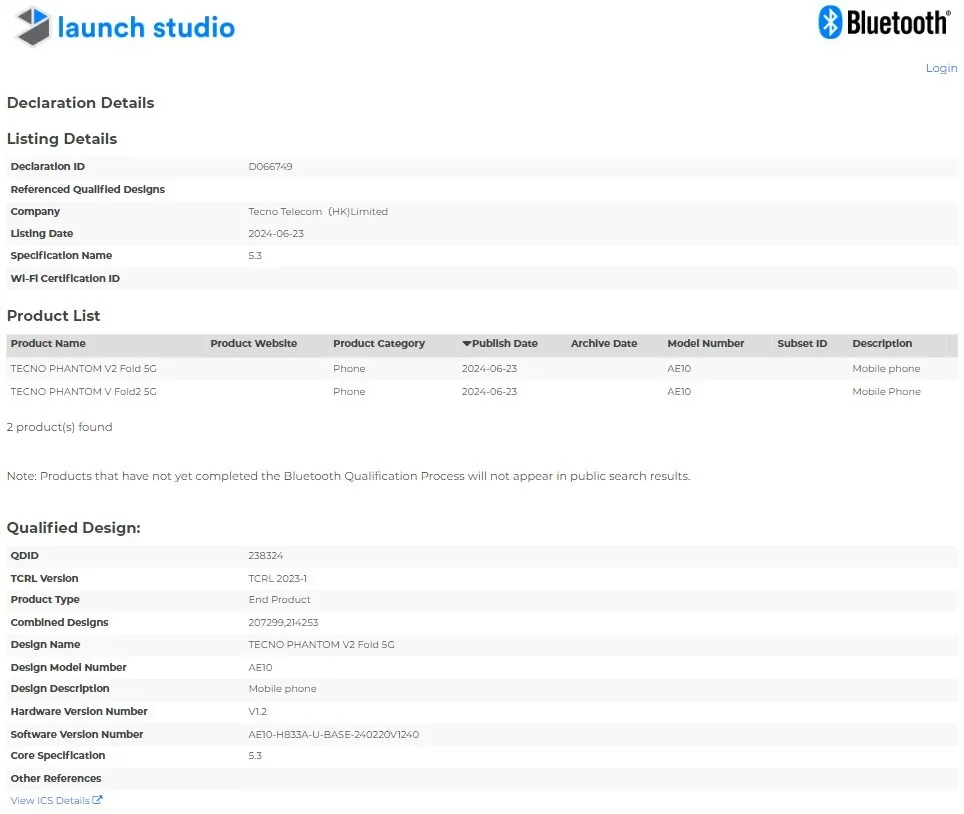
The company’s upcoming Phantom V2 Fold was just spotted on the Bluetooth SIG certification (Via MySmartPrice). This device can be seen carrying the AE10 model number, which is in line with the previous sighting on the EEC database. The latest certification confirms that the Phantom V2 Fold will support Bluetooth 5.3 standard. Although, it does not reveal any other finer details like its specs and features. But based on our previous report, the Tecno Phantom V2 Fold was also spotted on GeekBench.
The listing on the popular benchmarking platform revealed some of its key specifications. The new foldable phone will reportedly be equipped with the MediaTek Dimensity 9000+ SoC. This chipset is paired with at least one variant with 12GB of RAM. The smartphone was seen running on the Android 14 operating system out of the box. With these specs, the device scored 1,273 points on the single core test and 3,844 points on the multi core test. Unfortunately, this is all the information we have at the moment, but we can expect it to arrive with improvements over its predecessor.
To recall, the Tecno Phantom V Fold was first announced with a tall 7.85-inch LTPO AMOLED primary display with a 2,000 x 2,296 pixel resolution and a 120Hz refresh rate. Meanwhile, the cover display is a 6.42-inch screen. The rear packs a 50-megapixel primary camera, a 50-megapixel telephoto shooter, and a 13-megapixel ultra wide angle lens. We can expect more information to surface soon, so stick around for more updates regarding this device.
Android 15 is going to be an exciting upgrade, packed with innovative features and enhancements. Google has already released early versions of the new OS, giving us a glimpse of the upcoming OS. Among the standout features are private space, theft detection lock, app pairs, notification cooldown, and more.
With so much to look forward to in Android 15, the anticipation for its official release is intense. If you are a Google Pixel owner, keep reading further to know when the stable build will arrive. We’ll also cover the list of eligible devices and delve into the exciting features and enhancements that make Android 15 a must-have upgrade.
Google has kept the Android 15 timeline similar to last year’s Android 14 release. It can be broken down into three phases.
We had two developer preview builds earlier this year in the first phase. Then, we had multiple beta builds in the next phase, allowing more users to participate in the beta testing.
In the first two phases, Google regularly adds new features and enhancements to the OS while also fixing the known issues.
With the beta 3 release last week, Android 15 entered the platform stability phase. This means all developer APIs and app-facing behaviours are final. This is the final stage of development before the stable rollout.
So far, Android 15 has followed a similar timeline for the beta release as last year’s Android 14. And it is expected to continue in the same way. Hence, we expect Google to release the stable Android 15 in early or mid-October.
As always, Google Pixels will be the first in line to receive the new OS. In fact, they receive an update as soon as the stable build is released. However, only select Google Pixels will get the Android 15 update. Is your device on the list? Check out the next section to find out the answer.
All Google Pixels Eligible for Android 15 Upgrade
Google Pixel 8 Pro
Google Pixel 8
Google Pixel 7 Pro
Google Pixel 7
Google Pixel 7a
Google Pixel 6 Pro
Google Pixel 6
Google Pixel 6a
Google Pixel Fold
Google Pixel Tablet
These Google Pixels should get the Android 15 update, as per the software update policy.
Android 15: Top Features & Enhancements
1. Satellite Connectivity Support
Android 15 “extend platform support for satellite connectivity”. It adds some UI elements to ensure a consistent user experience.
The OS provides support for SMS and MMS apps as well as preloaded RCS apps to use satellite connectivity for sending and receiving messages. This also means satellite messaging in Android 15 won’t be limited to emergency uses only. Also, Android 15 apps can detect when a device is connected to a satellite.
2. Theft Detection Lock
If someone snatches your phone and runs away with it, the device senses that motion and immediately locks the screen, preventing bad uses of your device.
The device will lock itself even if it detects suspicious activities like constant attempts to disconnect the phone or multiple failed login attempts. The best thing is that the other person will have to use the same Google account to set up the device after a factory reset. Otherwise, the device will be useless.
3. Private Space
Android 15 has a private space feature to protect apps and files you don’t want others to access. It uses a separate user profile and lets you set up a different lock factor for better security.
Everything you do in the private space will be invisible to the other space. Even the apps won’t show in the recent apps section. And all your downloads in the private space remain there.
4. App Pairs
If you frequently use apps in the split screen mode, you’ll love app pairs in Android 15. It lets you create a shortcut for your favourite split-screen combination to open them in a single click.
5. Partial Screen Sharing
If you screen share or do a screen recording, the video shows everything on your screen, including things you don’t want to show. Android 15 takes it to the next step by introducing partial screen sharing. With this feature, you’ll be able to screen share or record a single app rather than the entire screen.
6. Sensitive Notifications
Sensitive notifications are a way to prevent your OTPs from being read by malicious third-party apps.
7. High-Quality Webcam Mode
Output quality has been an issue when using your Android device as a webcam for your PC. Android 15 aims to resolve that by integrating a new High-Quality Webcam mode.
Enabling the high-quality webcam mode requires tapping on the “HQ” symbol in the webcam preview. It disables power optimizations, which could result in increased battery drain.
8. Changes for Large Screen Devices
Android 15 integrates important changes to the continuity features on foldables. You can have your front display (cover display) turned on whenever you fold your device or never turn it on and lock the front display.
Android expert Mishaal Rahman has found that Google is also testing a “swipe up to continue” option. It will let you continue apps on the cover screen by swiping up after you fold your device.
What Android 15 features are you most excited about? Please share your thoughts in the comments below. Also, don’t forget to check out our Android 15 section for the latest news and developments.
Motorola’s latest high-end smartphone has finally gone on sale in India. The Edge 50 Ultra is a flagship grade device, which packs some capable specs and features. So here is everything you need to know about its pricing, launch offers, and more.
Motorola Edge 50 Ultra Pricing & Special Offers
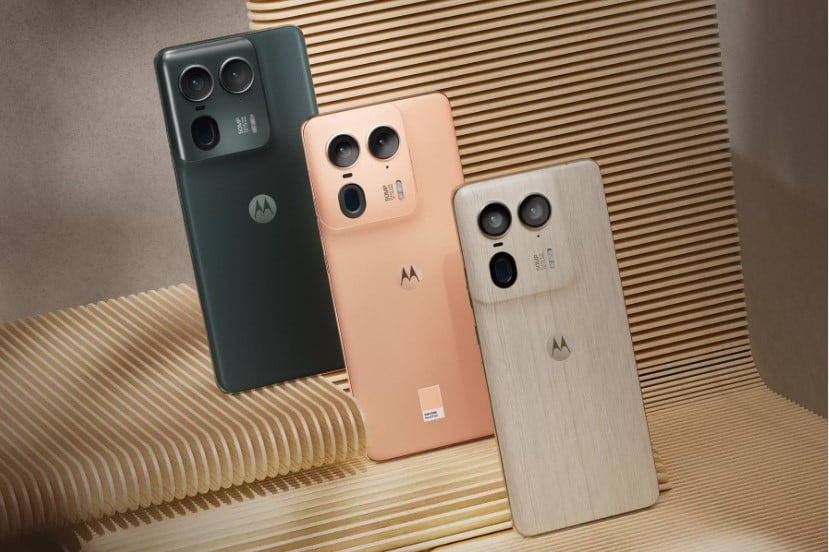
The first sale of the Motorola Edge 50 Ultra has finally kicked off. It has an official price tag of 54,999 INR (roughly 659 US Dollars). This is for the sole 12GB + 512GB storage configuration. The new premium smartphone is available for purchase from the brand’s official website and Flipkart, a popular e-retailer in India. Motorola is selling the EDge 50 Ultra in three color options, namely Peach Fuzz, Forest Gray, and Nordic Wood. As a part of its introductory launch offer, the brand is offering a flat 5,000 INR instant discount, which brings its price down to 49,999 INR.
Motorola Edge 50 Ultra Specs
One of the highlighting aspects of the Edge 50 Ultra is undoubtedly its design. While you do get the trendy vegan leather back, this device also offers a wooden variant, which uses actual wood. Meanwhile, the front sports a tall 6.7-inch OLED display with a 1.5K resolution, a 144Hz refresh rate, HDR10+, and 2500 nits of peak brightness. Under the hood, it is equipped with the Qualcomm Snapdragon 8s Gen 3 SoC.
A 4,500mAh battery pack powers this device, which supports 125W wired fast charging, 50W wireless fast charging, and reverse charging. For optics, the rear packs a 50-megapixel triple camera setup, and the front houses a 50-megapixel selfie shooter. This model runs on the Android 14 OS out of the box. Other notable features include an IP68 rating for water and dust resistance, Bluetooth 5.4, stereo speakers, Snapdragon Sound support, NFC, and Wi-Fi 7.
Earlier it was reported that Huawei is working on a Nova branded foldable phone. Now according to a report from “Science and Technology Innovation Board Daily”, people familiar with the development have confirmed the existence of the phone. Reportedly, the phone was previously scheduled to launch last month, but it was postponed due to some reason. Now Huawei insiders have revealed that Huawei will release the Nova branded flip phone in early August this year. As we are nearing the launch of the new product, let’s see what’s special about it.
Huawei Pocket 2
Nova series flip phone will be more affordable than the Huawei Pocket 2
Reportedly, the external screen of the Nova series flip phone will be an upgrade as compared to this year’s Huawei Pocket 2.
Speaking of the pricing of the phone, it will be higher than the previous models in the series. However, as the new flip phone is going to be a part of the Nova series, it will be comparatively more affordable than the Pocket series devices.
While not much is known about the internal specifications of the device, we can get an idea of what to expect from the Huawei Pocket 2, which was launched in February this year.
The phone offers a quad rear camera setup (50MP + 8MP + 12MP + 2MP) on the rear along with a circular external display within two circular rings. the 8MP one is a 3x telephoto with f/2.4 aperture and OIS. The Pocket 2 equips a water drop hinge, which reputedly reduces the crease by 62%.
When it comes to performance, the phone is said to pack the in-house developed Kirin 9000s chipset, which also supports two-way satellite connectivity. There is a 4520mAh battery inside, that supports 66W wired fast charging + 40W wireless fast charging.
Motorola is gearing up to unveil its next generation of Razr foldable smartphones on June 25th. The launch event will be held primarily in China, with a potential separate event for global markets. Here’s a breakdown of how to watch the event and what to expect from the new Razr devices.
Motorola Razr 50 series Launch Livestream
For those following the launch from China, the official unveiling will be live-streamed on Motorola’s Weibo handle. The event might also be streamed on other major Chinese video platforms, though specific details haven’t been confirmed. Motorola is also expected to share live updates on various social media platforms during the event.
On the other hand, Motorola remains tight-lipped about a dedicated launch event for global markets. There’s no official confirmation on the timing or streaming platform for the global audience.
What to Expect
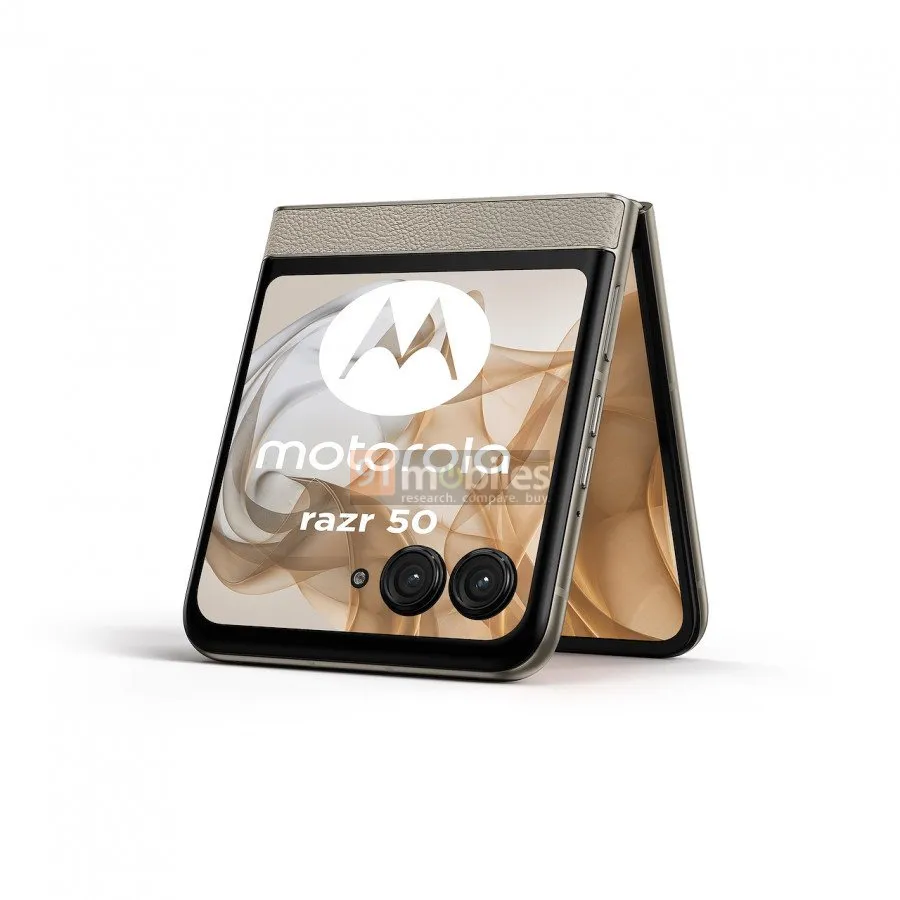
Motorola is expected to announce two smartphones under the Razr 50 branding: the standard Razr 50 and the premium Razr 50 Ultra. Both phones will be foldable with a clamshell design, with the Ultra variant boasting higher-end features.
Details about the Razr 50 series have been steadily leaking throughout the past few weeks, so most specifications are already public knowledge. Here’s a quick rundown:
Display: Both models are rumored to have large foldable OLED displays measuring 6.9 inches when unfolded.
Processor: The Razr 50 Ultra is expected to be powered by the latest Snapdragon 8s Gen 3 chipset, while the standard Razr 50 will use MediaTek Dimensity 7300X.
Camera: Per leaks, both phones will have a 50MP dual-camera system on the back and a single 32MP selfie camera.
Battery: Fueling the vanilla Razr 50 will be a 4200mAh cell while the Razr 50 Ultra will be powered by a smaller 4,000mAh battery. Both will support 33W charging.
With the launch event happening tomorrow, all will be revealed soon. Stay tuned for further details on the Motorola Razr 50 series.
OnePlus continues to unveil details about its upcoming Ace 3 Pro smartphone ahead of its official launch on June 27th in China. The latest teasers highlight the phone’s processing power, memory management, and gaming capabilities.
OnePlus boasts that the Ace 3 Pro will be equipped with 24GB of LPDDR5X RAM. This, according to the company, will allow users to keep applications running in the background for a whopping 72 hours without needing to refresh them.
Storage options will go up to 1TB UFS 4.0, which OnePlus claims will ensure smooth performance even after four years of use.
The Ace 3 Pro will be powered by the Snapdragon 8 Gen 3 chipset and has achieved an AnTuTu benchmark score of 2,326,659, according to OnePlus. The device will also leverage OnePlus’ self-developed Tidal Architecture, a technology first introduced with the OnePlus Ace 3V, to optimize chip performance for maximum potential.
The teasers delve into the gaming capabilities of the Ace 3 Pro as well. OnePlus claims the phone can maintain a frame rate of 59.7 FPS in Genshin Impact even when running the game at the highest resolution.
Additionally, OnePlus emphasizes the phone’s ability to handle multitasking during gameplay. Users can reportedly attend calls while playing Genshin Impact without experiencing any dips in performance.
Apart from this, we know that the phone will come with a 6100mAh battery supporting 100W charging. It is rumored to feature a 6.78-inch BOE S1 curved-edge display with a 1.5K resolution, a 120Hz refresh rate, and an integrated fingerprint sensor.
The rear camera setup might include a 50-megapixel Sony LYT-800 main sensor with optical image stabilization, an 8-megapixel ultra-wide lens, and a 2-megapixel macro lens. On the front, it is expected to have a 16-megapixel camera.
OnePlus is also expected to introduce the OnePlus Pad Pro, OnePlus Watch 3, and OnePlus Buds 3 alongside the Ace 3 Pro.
Last year in November, Nubia announced the Red Magic 9 Pro and Magic 9 Pro+ in China. Today, Nubia officially announced the release of the new Red Magic 9S Pro series AI gaming phone for the home market at the Red Magic Esports Universe new product launch conference on July 3.
Red Magic 9S Pro incoming: Here’s what to expect
Red Magic 9S Pro July 3 launch
Red Magic is yet to disclose any details about the Red Magic 9S Pro. Rumors suggest that the device will feature the Snapdragon 8 Gen 3 Leading Version chipset. It is nothing but an enhanced version of the SDS8G3.
To recall, Qualcomm unveiled the Snapdragon 8 Gen 3 chip in October of last year. It offers a maximum processing speed of 3.36GHz. In January 2023, Samsung unveiled the Galaxy S24 series, equipped with the Snapdragon 8 Gen 3 chip for Galaxy. The said chipset is an overclocked version of the SD8G3, working at 3.9GHz.
The Snapdragon 8 Gen 3 Leading Version, which is expected to power the Red Magic 9S Pro, is likely to offer the same clocking speed of 3.39GHz. There is a possibility that it will also offer better GPU performance, like the Snapdragon 8 Gen 2 Leading Version, which powered the Red Magic 8S Pro last year. To say it again, the Red Magic 9S Pro will be the first non-Samsung phone to feature an overclocked Snapdragon 8 Gen 3 chip.
The other specifications of the Red Magic 9S Pro are not known yet. However, it seems that the main difference between the 9S Pro and the existing 9 Pro is that the former will have a faster chipset.
Rumor has it that Nubia may reveal the Red Magic gaming laptop at the upcoming launch event, in addition to the Red Magic 9S Pro. The rumored specifications of this laptop include a 14th-generation Core i9 processor, an RTX 4070 independent graphics card, and an integrated metal body.
We use cookies on our website to give you the most relevant experience by remembering your preferences and repeat visits. By clicking “Accept”, you consent to the use of ALL the cookies.
This website uses cookies to improve your experience while you navigate through the website. Out of these, the cookies that are categorized as necessary are stored on your browser as they are essential for the working of basic functionalities of the website. We also use third-party cookies that help us analyze and understand how you use this website. These cookies will be stored in your browser only with your consent. You also have the option to opt-out of these cookies. But opting out of some of these cookies may affect your browsing experience.
Necessary cookies are absolutely essential for the website to function properly. This category only includes cookies that ensures basic functionalities and security features of the website. These cookies do not store any personal information.
Any cookies that may not be particularly necessary for the website to function and is used specifically to collect user personal data via analytics, ads, other embedded contents are termed as non-necessary cookies. It is mandatory to procure user consent prior to running these cookies on your website.