
Add GIZMOCHINA as Preferred Source on Google
Samsung Galaxy S22 series flagship smartphones have already been online ahead of the launch but the company has not yet officially revealed anything related to the launch event but it isn’t far away.
Now, a new report coming from South Korea reveals that the company is all set to host its new Galaxy Unpacked event on 8th February where Samsung will officially launch the Galaxy S22 series flagship smartphones.
This is in line with the previous reports which also indicated a similar timeline for the next-generation smartphones. It is also being reported that the company will send out invitations by the end of this month.
Further, the company is expected to start taking pre-orders for the phones from the very next day, i.e. from 9th February but the actual sale will begin from 24th February.
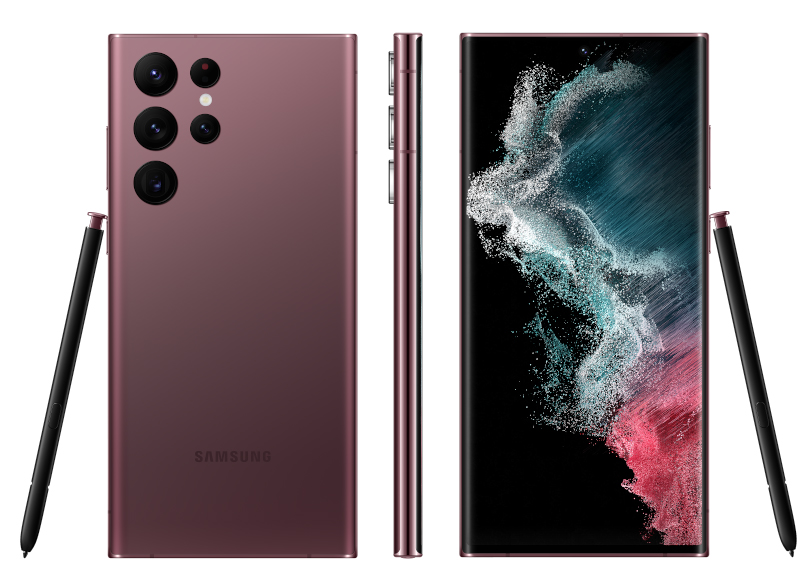
Samsung will be launching three smartphones — Galaxy S22, S22 Plus, and S22 Ultra. The phones will come powered by the Qualcomm Snapdragon 8 Gen 1 chipset or the company’s own Exynos 2200 processor, depending on the region of availability.
The standard Galaxy S22 is expected to be a compact flagship from the South Korean giant, offering a 6.06-inch display that will have a peak brightness of 1000nits. On the other hand, the S22 Plus and Ultra models will have the highest brightness on phones, offering 1750nits brightness and contrast ratios of 3,000,000:1.
The Samsung Galaxy S22 Plus will reportedly have a 6.55-inch display panel while the Galaxy S22 Ultra’s display measures 6.81-inches. The Ultra model will also come with a slot for holding an S-Pen stylus. For charging, the phones are said to come with a new 45W fast charging support.
RELATED:
- Samsung Galaxy Z Flip 3 starts receiving Android 12-based One UI 4 update in the US
- Samsung Galaxy S22 Ultra’s S Pen is 3x faster than the Galaxy Note20 Ultra version
- Renders of upcoming wearable device Samsung Galaxy Watch codenamed Pulse leaked
- Samsung Galaxy S21 FE 5G launched in India for ₹49,999 (~$676) with cashback offer
- Samsung reveals all its TVs and chargers will use near-zero standby power by 2025

Comments