
Add GIZMOCHINA on Google:
Recently, Samsung’s QN95B Neo QLED TV was reportedly caught cheating in HDR tests. It appeared to use an algorithm to detect HDR benchmarks and adjust the picture output to deliver test results that seemed more accurate than they actually are. However, Samsung has also issued a statement on the matter denying the reports.
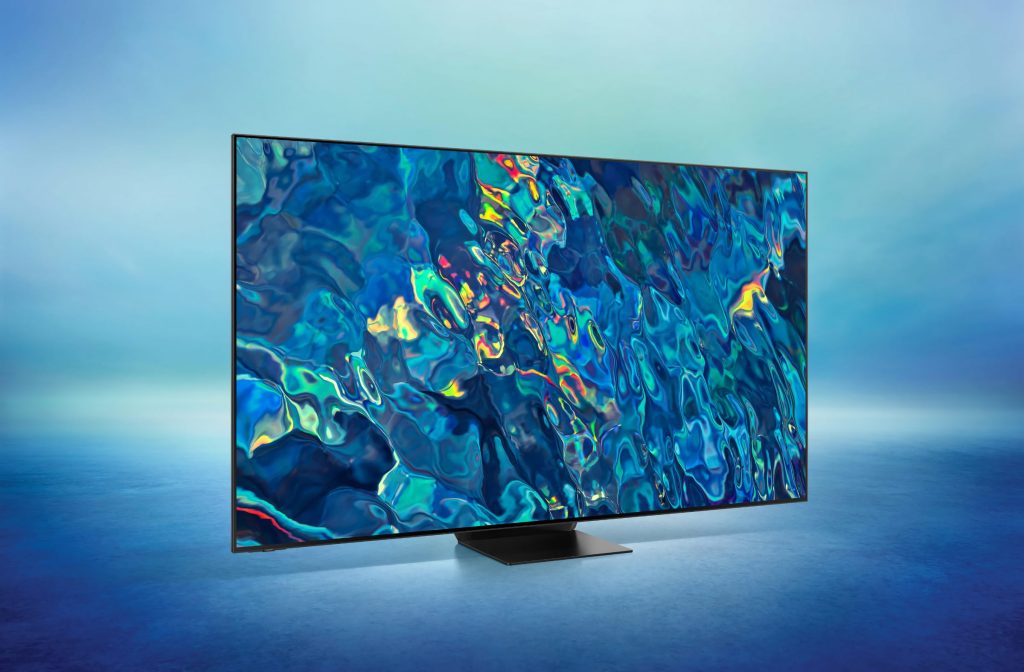
Most reviewers, calibrations, and certification bodies test HDR capabilities using a 10 percent window i.e. 10 percent of the entire screen. It is claimed that Samsung’s cheating algorithm kicks in when it detects a test is conducted. FlatpanelsHD found that the Samsung QN95B Neo QLED TV delivered different HDR results using a 9 percent window size instead of 10. The television also boosted peak brightness by 80 percent from 1,300 nits to 2,300 nits in HDR tests. This was only for a brief period to avoid damaging the miniLED backlight. In real-world usage scenarios, the television’s peak brightness never reached 2,300 nits. The boost appears to have been programmed to trick the HDR benchmarks.
In a statement, Samsung said that the company does not use any algorithm for the purpose of yielding any specific test results. It added that when tested under industry standards, the HDR content is accurately displayed on various window sizes and the peak brightness also remained at similar levels. Samsung stated that the update for S95B has been rolled out whereas for QN95B will be provided soon.
Related:



Comments