
Add GIZMOCHINA as Preferred Source on Google
Ever since Huawei faced various sanctions from the US, it saw a massive decline in its smartphone business operations. But, a new report has revealed some interesting details regarding the brand’s next gen flagship smartphone.
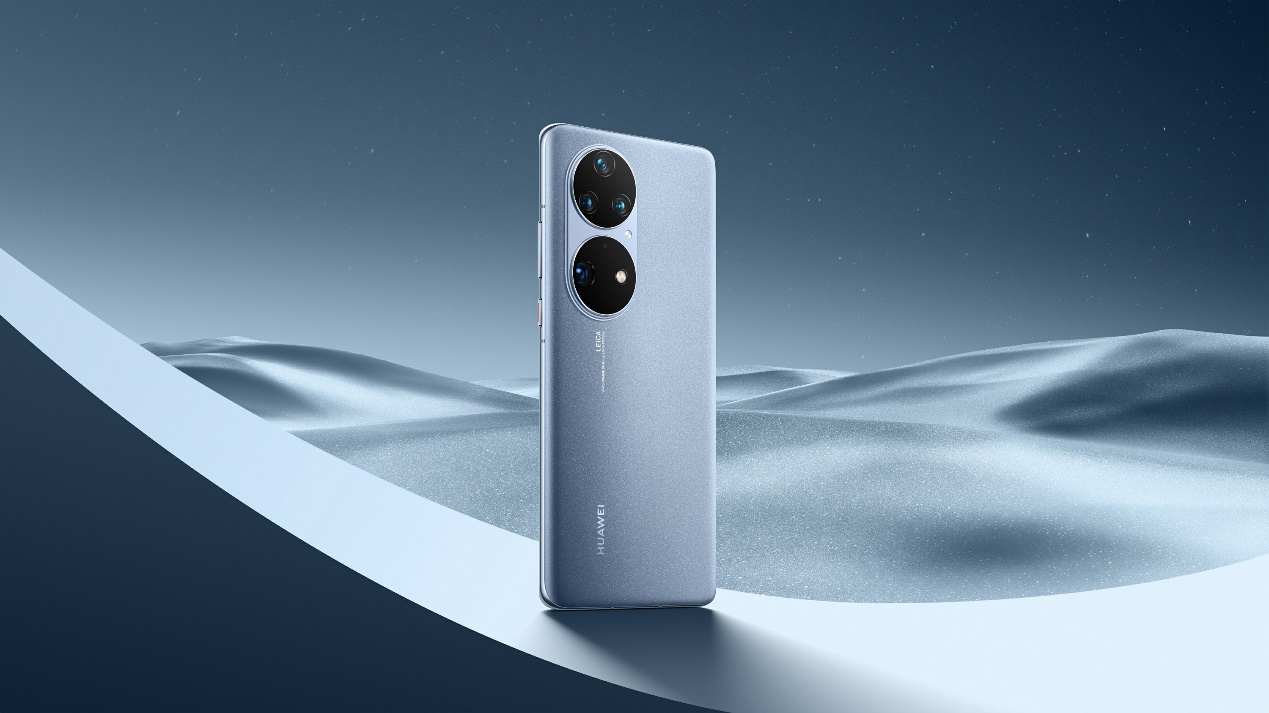
For those unaware, the US had placed sanctions on the Chinese tech giant, which had it lose access to its primary chip supplier TSMC. The company typically used its proprietary HiSilicon Kirin chipsets, especially for its flagship smartphone models. But now, a new report from HuaweiCentral has offered us more information regarding the upcoming Huawei P60 model. Apparently, the new flagship phone will feature a new Kirin chipset that is based on the 14nm process and will be dubbed as the Kirin 9100 SoC.
The news arrives from a tipster who shared the information on Weibo (a Chinese microblogging website). In the social media post, the tipster reveled that despite being based on the 14nm process, the new chip’s performance will be comparable to a current gen 5nm process. Furthermore, this also signifies the company’s attempts at reviving its chipmaking subsidiary, HiSilicon, as well as production of its own integrated circuits. It is rumored that the premium P60 smartphone model will launch sometime in 2023.
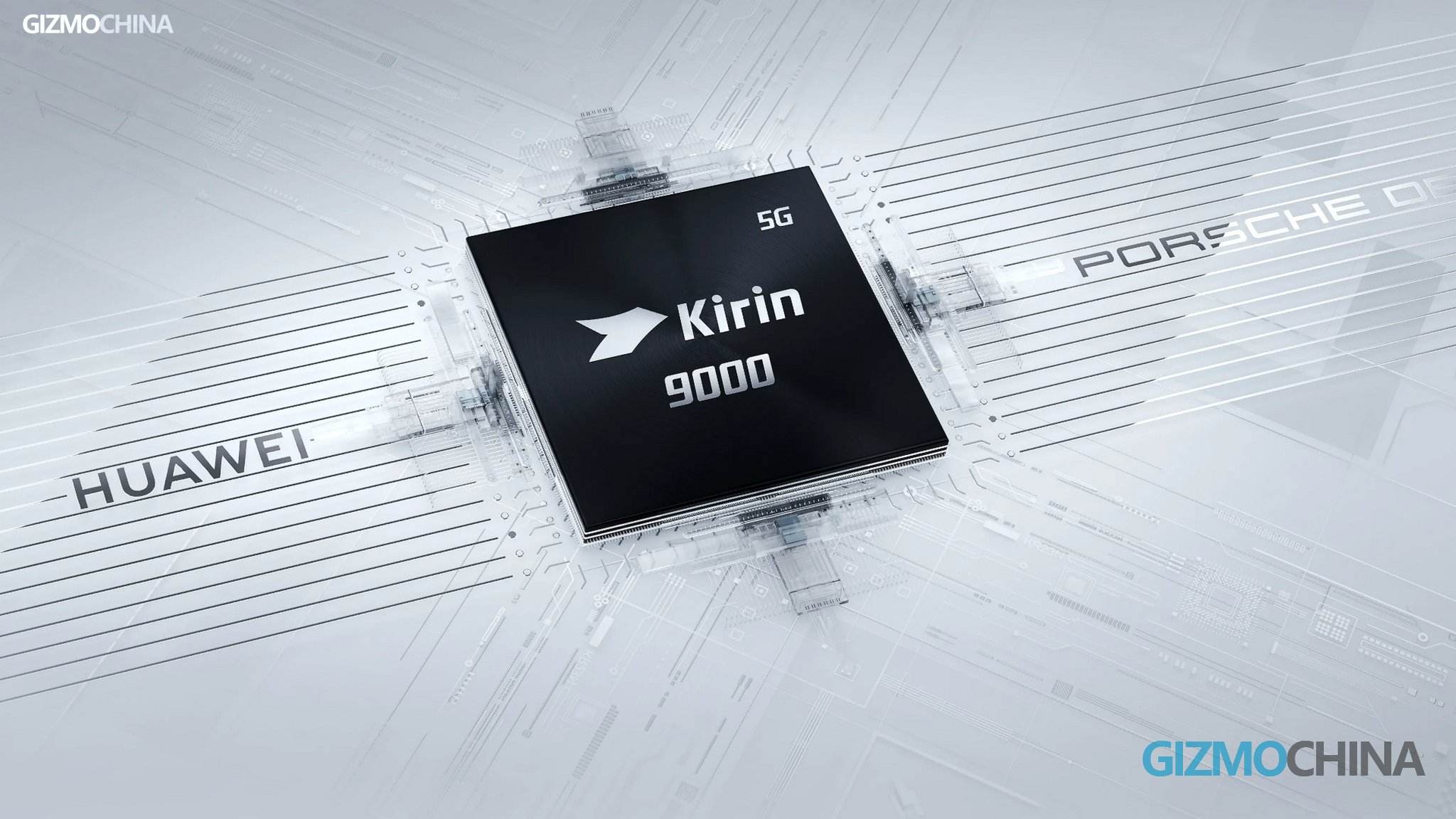
For comparison, flagship processor from Qualcomm or Apple are based on the 5nm process, which houses 15 billion transistors. On the other hand, the 14nm process can only house around 2 billion transistors, and was used by Apple for its iPhone 6s back in 2015, which featured the A9 chipset. Keep in mind that this is still unconfirmed news at the moment, so stick around for more updates.
RELATED:
- Arcfox announces the alphaS, the first EV running on Huawei Inside platform
- Huawei MatePad Pro 11 inch variant teased ahead of July 27 launch
- US needs another $3 billion to remove Huawei & ZTE gear from its networks




Comments