
Add GIZMOCHINA as Preferred Source on Google
Apple officially unveiled the iPhone 14 series at the “Far out” event held on September 7. And while people still wait to get their hands on the new iPhones, details about the upcoming iPhone 15 have already started to make headlines. A new report suggests the next generation A17 bionic, likely to be used in the iPhone 15 series, will be manufactured on TSMC’s 3-nm process node. In fact, Apple could be the first company to use this technology.
Nikkei Asia, citing sources, claims that Apple’s A17 Bionic chip that will be packed inside future iPhones will be made using Taiwan Semiconductor Manufacturing Co.’s latest 3nm process.
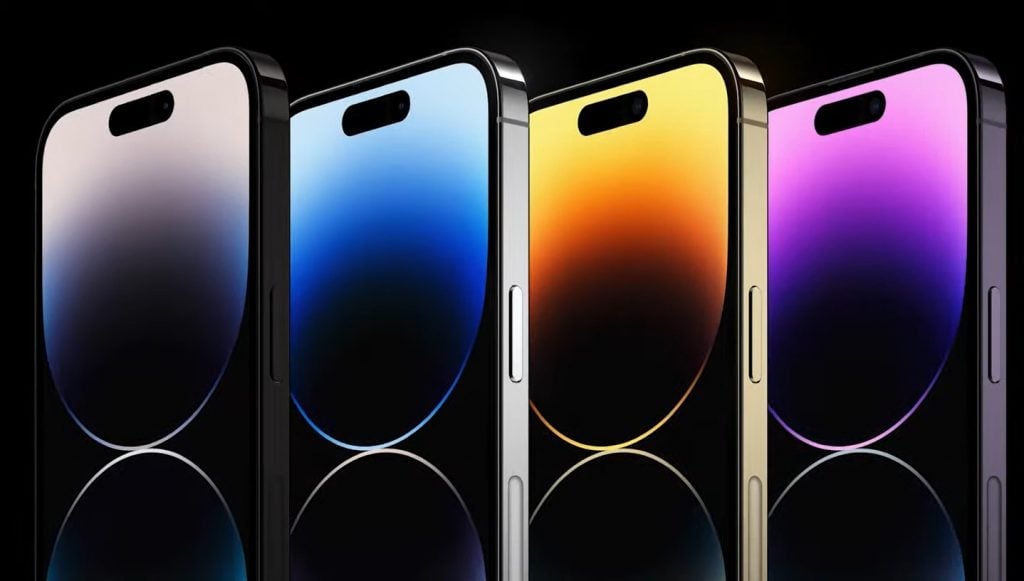
For the uninitiated, the “nm” (nanometer) parameter is the size of the transistors that make up a CPU and their distance from one another. The smaller the number (6nm, 4nm, or 3nm), the more transistors can fit on the chipset, making it more powerful, but also more difficult and costly to make.
The A17 processor will be available in the second half of 2023 and it will be used in the premium devices in the iPhone lineup slated for release in 2023, says the report. This means the non-pro models will likely be equipped with this year’s A16 chipset.
TSMC has claimed that the N3E (3nm process) will outperform the first iteration of the technology in terms of performance and energy efficiency. The process is also said to be more cost-effective than its predecessor.
As mentioned, the iPhone 14 series debuted recently. While all the models in the series come with new upgrades and features, it’s the iPhone 14 Pro and Pro Max that are stealing all the attention. They are equipped with the new A16 bionic chipset that offers some serious improvements in performance.
RELATED:




Comments